KWBaker
Shared posts
These Australian Wagyu Cattle Are Fed On Cadbury's Chocolate
Historical Plaque Memorializes the Time Jack Kerouac & William S. Burroughs Came to Blows Over the Oxford Comma (Or Not)
Maybe it doesn’t take much to get a grammar nerd in a state of agitation, or even, perhaps, violent rage. While I generally avoid the term “grammar nazi,” it does bluntly convey the severe intolerance of certain grammarians. One of the most popular recent books on grammar, Lynn Truss’s Eats, Shoots & Leaves, announces itself in its subtitle as a “Zero Tolerance Approach to Punctuation.” And sure enough, the main title of the entertaining guide comes from a violent joke, in which a panda enters a bar, eats a sandwich, then shoots up the joint. Asked why, he tells the bartender to look up “panda” in the dictionary: “Panda. Large black-and-white bear-like mammal, native to China. Eats, shoots and leaves.”
Truss’s example illustrates not a grammatical point of contention, but a mistake, a misplaced comma that completely changes the meaning of a sentence. But we might refer to many technically correct examples involving the absence of the Oxford comma, the final comma in a series that sets off the last item.
Many people have argued, with particular vehemence, that the “and” at the end of a series satisfies the comma’s function. No, say other strict grammarians, who point to the confusing ambiguity between, say, “I went to dinner with my sister, my wife, and my friend” and “I went to dinner with my sister, my wife and my friend.” We could adduce many more potentially embarrassing examples.

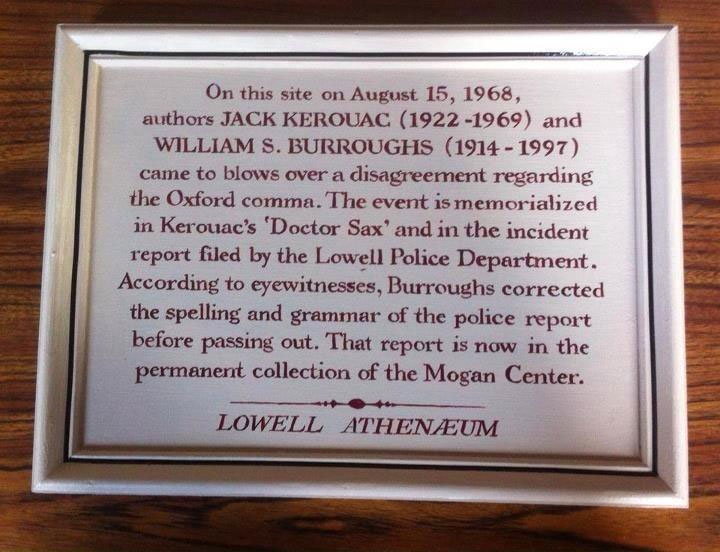
The Oxford comma is so contentious a grammatical issue that it supposedly provoked a drunken fistfight between Beat writers Jack Kerouac and William S. Burroughs. At least, that is, according to a plaque at Mill No. 5 in Lowell, Massachusetts, a historic textile mill built in 1873 and since revitalized into a performance space with shops and a farmer’s market. “On this site on August 15, 1968,” the plaque reads, Kerouac and Burroughs “came to blows over a disagreement regarding the Oxford comma. The event is memorialized in Kerouac’s 'Doctor Sax' and in the incident report filed by the Lowell Police Department.” The next line should give us a clue as to how seriously we should take this historical tidbit: “According to eyewitnesses, Burroughs corrected the spelling and grammar of the police report.”
The plaque is a hoax, the fight never happened. (And it is one of many such joke historical markers at the mill.) Doctor Sax was written nine years earlier, in 1959, and Kerouac and Burroughs hadn’t even met at the time of that novel’s events. But it’s a great story. “We imagine Burroughs grabbing the policemen’s pen,” writes Alexis Madrigal at The Atlantic, “lucid as a shaman, and then plopping onto the grass, out cold.” (The Anarchist’s Guide to Historic House Museums calls the spurious plaque “an act of historic vandalism.”) We like the story not only because it’s a juicy bit of lore involving two legendary writers, but also because the Oxford comma, for whatever reason, is such a weirdly inflammatory issue. The TED-Ed video above calls it “Grammar’s great divide.” (The comma acquired its name, points out Mental Floss, “because the Oxford University Press style guidelines require it.”)

If it isn’t already evident, I seriously favor the Oxford comma, perhaps enough to defend it in pitched battle. But if you need convincing by gentler means, you might heed the wisdom of The New Yorker’s resident “comma queen,” who, in the video above, serves up another humorous instance of a serial comma faux pas involving strippers, JFK, and Stalin (or “the strippers, JFK and Stalin”). For a much more serious Oxford comma kerfuffle, we might refer to a class action lawsuit involving overtime pay for truckers, a case that “hinged entirely" on the serial comma, "a debate that has bitterly divided friends, families and foes,” writes Daniel Victor at The New York Times, in a sentence that puckishly, or contrarily, leaves out the last comma, and sets the grammar intolerant among us grinding our teeth. But the Oxford comma is no joke. Its lack may cost Maine company Oakhurst millions of dollars, or their employees millions in pay. “The debate over commas is often a pretty inconsequential one,” writes Victor. Until it isn’t, and someone gets sued, shot, or punched in the face. So snub the Oxford comma, I say, at your peril.
Related Content:
Jack Kerouac Lists 9 Essentials for Writing Spontaneous Prose
Meet the “Grammar Vigilante,” Hell-Bent on Fixing Grammatical Mistakes on England’s Storefront Signs
Josh Jones is a writer and musician based in Durham, NC. Follow him at @jdmagness
Historical Plaque Memorializes the Time Jack Kerouac & William S. Burroughs Came to Blows Over the Oxford Comma (Or Not) is a post from: Open Culture. Follow us on Facebook, Twitter, and Google Plus, or get our Daily Email. And don't miss our big collections of Free Online Courses, Free Online Movies, Free eBooks, Free Audio Books, Free Foreign Language Lessons, and MOOCs.
Found: A Letter to the Future From 1995

In 1995, 39-year-old Greg Wilkinson was renovating his home in a suburb of Sydney, Australia, and decided to leave a letter in the wall of the last room he worked on. He had spent some time renovating homes in London, where he usually found old newspapers beneath the flooring. He had found it fascinating to have that glimpse from the past, and he wanted to give whoever eventually tore down the wall the same pleasure. He began the letter, “Hello, whoever you are.”
That “whoever” turned out to be Sasha Ilic, a tradesman who was renovating the kitchen of the same house, 22 years later.
He wasn’t sure it was real, the Sydney Morning Herald reports, until he saw the photo Wilkinson had included of himself and his wife, Rosyln.

He and Roslyn had bought the house in 1989, Wilkinson wrote, when it was uninhabitable. They had gut-renovated the place, and now it was almost finished. Roslyn was pregnant with their first child. The couple had met in a pub in England.
In his letter, Wilkinson painted a picture of life in 1995. “The big deal at the moment is the Internet,” he wrote. “Every man and his dog wants to ‘surf’ the Internet. Please tell me this expression has now died.” At the time, AIDS was one of the biggest issues of the day, and Rupert Murdoch was making a big play to transform Australian rugby. Wilkinson also made some predictions. Families would go back to having one income, he thought; China would democratize and become a major economic player.
On one prediction, though, he was dead wrong. “Ros reckons you will be reading this in the year 2020. I built the wall, and I reckon closer to 2060,” he wrote.
Ros, who died from breast cancer in 1997, was correct.
Tsetse Fly: The Worst Bug in the World

Endangered Cuban Crocodiles Are Being Reintroduced to the Wild

Less than 100 miles from Havana, the Zapata Swamp is the last redoubt of the critically endangered Cuban crocodile. About 3,000 individuals live in the wild, confined to about 300 square miles in the Zapata Swamp and the nearby Isle of Youth. But at the beginning of June, that population grew by 10, thanks to a reintroduction from a Cuban breeding facility.
This is the second release of captive-bred crocodiles—100 were released in early 2016 from the same facility. Their new home is a region of the swamp set aside as a wildlife refuge, where, critically, there are no American crocodiles to be found. The two greatest threats to the Cuban crocodile are hunting and hybridization with their American cousins. While American crocodiles prefer salt water and Cubans freshwater, development and shrinking habitat are forcing the two species to interact and hybridize. Too much hybridization and the less numerous Cuban crocodile would cease to exist as an independent species.

The captive breeding population in Cuba does have a few hybrid individuals, but a genetically pure population at the Bronx Zoo in New York offers conservation groups a backup plan, should their genes be needed.
Watch A Single Life: An Oscar-Nominated Short About How Vinyl Records Can Take Us Magically Through Time
In 2015, the Dutch animation studio Job, Joris & Marieke, got an Oscar nomination for this delightful animated short, "A Single Life." It's a two minute tale about how music--particularly vinyl records--can transport us to magical places. And we mean really magical places.
Seeing that we don't believe in spoilers, we're not going to say anything more--other than "A Single Life" has been screened at more than 200 festivals and received more than 40 awards. And, what's more, it will be added to our collection of Animated Films, a subset of our collection 1,150 Free Movies Online: Great Classics, Indies, Noir, Westerns, etc..
Follow Open Culture on Facebook and Twitter and share intelligent media with your friends. Or better yet, sign up for our daily email and get a daily dose of Open Culture in your inbox.
If you'd like to support Open Culture and our mission, please consider making a donation to our site. It's hard to rely 100% on ads, and your contributions will help us provide the best free cultural and educational materials.
Related Content:
If You Could Spend Eternity with Your Ashes Pressed Into a Vinyl Record, What Album Would It Be?
How Vinyl Records Are Made: A Primer from 1956
Professor Ronald Mallett Wants to Build a Time Machine in this Century … and He’s Not Kidding
Watch A Single Life: An Oscar-Nominated Short About How Vinyl Records Can Take Us Magically Through Time is a post from: Open Culture. Follow us on Facebook, Twitter, and Google Plus, or get our Daily Email. And don't miss our big collections of Free Online Courses, Free Online Movies, Free eBooks, Free Audio Books, Free Foreign Language Lessons, and MOOCs.
How Cellophane Changed the Way We Shop

The invention of cellophane in the early 20th century was a miracle for grocers and grocery shoppers. For the first time, you could actually see the food inside its package! Cellophane (along with shopping carts and parking lots) helped stores evolve from full-service groceries to self-service supermarkets.
Yet there was a notable exception to the adoption of self-service retailing: the meat department. Even in supermarkets, the meat-buying process remained akin to that of a traditional local butcher shop, where an expert cut slabs of beef behind the counter on a per-order basis, after conferring with customers individually. Some grocers did experiment with self-service meat marketing in the 1930s, but soon gave up due to refrigeration and packaging challenges.
Not until after World War II did most grocers adopt self-service meat sections. That happened partly due to advances in refrigeration cases, but largely thanks to innovations in cellophane.
Nowadays, the part of the store most likely to show off food under cellophane is the meat department. In order to accomplish that, food vendors had to make meat look appetizingly fresh and keep it that way under cellophane. The key was color. Ai Hisano wrote a book about cellophane, and is researching a new book on the history of creating the color of foods. She tells us some secrets about how cellophane and the manipulation of color made supermarkets what they are today, at Harvard Business School's Working Knowledge blog. -via Nag on the Lake
3 Legged Thing’s New Universal Tripod L-Bracket is Light and Affordable
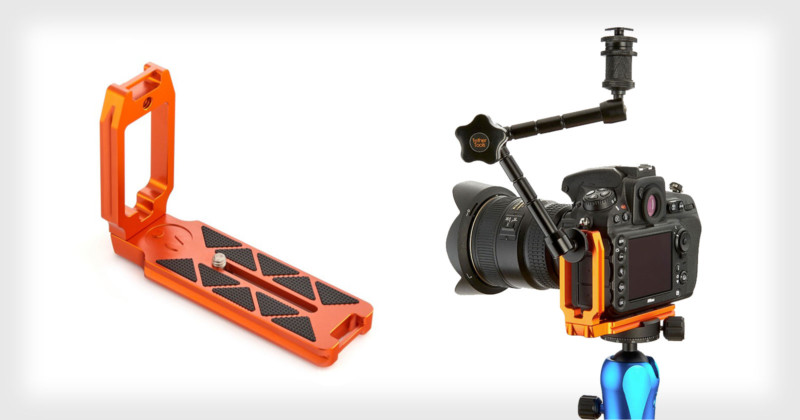
British tripod manufacturer 3 Legged Thing has created a new universal L-plate that is both affordable and intuitive.
The new Universal L-bracket clips onto a tripod ball head, but gives you flexibility of sliding your camera along the horizontal plane as you see fit. This allows a wide range of cameras to be balanced perfectly, rather than hanging over on one side.
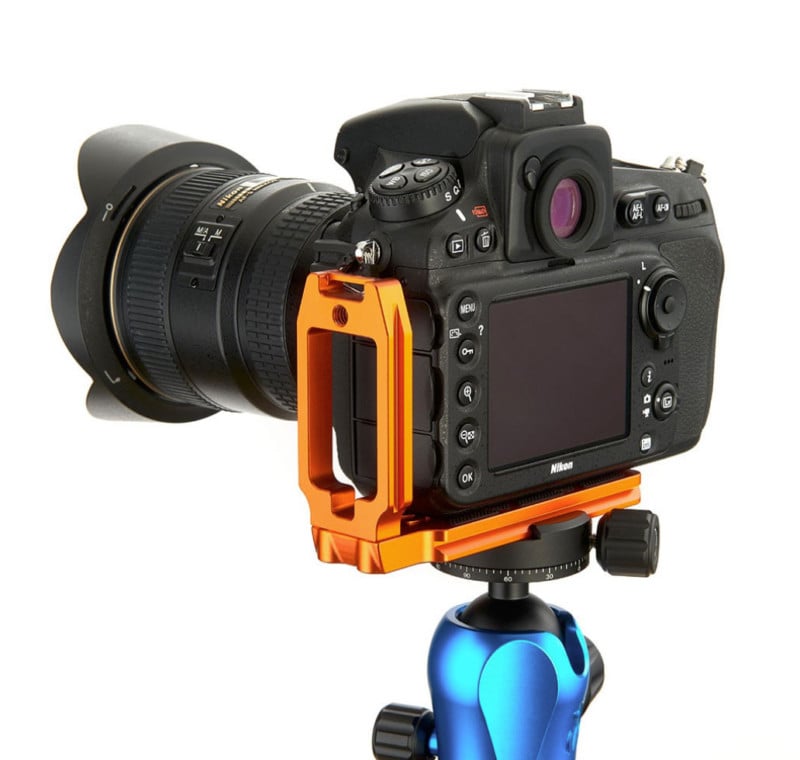
It is compatible with most cameras, something that the team behind the L-plate were keen to achieve from the outset.
“I really wanted to produce something cross-compatible with as many cameras as I could,” says 3 Legged Thing’s Founder and Chief Executive, Danny Lenihan. “I wanted to make something that is more than just an L-Bracket. Our Mission at 3 Legged Thing has always been to add as much value through innovation as we can to our products, and [this] is no exception.”

“I also wanted to produce something that was affordable,” he continued. “So many L Brackets are upwards of $195 to $260, which is a lot of money for a student or any photographer, really.”
They’re not just a tripod plate, though. The L-bracket means you can turn your camera around and mount it straight onto the tripod in portrait “mode,” rather than letting it hang off the side.

You can also attach accessories onto the side, too. This might be handy for holding a flash or a reflector.

It has been created with photographers of all genres in mind. Whether you’re landscape, nature, macro, sports, or something else… the L-bracket may just be a better choice than a typical plate.
This new bracket is lightweight, weighing in at just 0.24 lbs (~0.11 kg).
The video below shows the bracket at work, including a handy way to use it to attach a hand grip to the camera through the dedicated connectors on both sides of the plate:
The 3 Legged Thing bracket is available directly from the company’s website for around $65 in either orange or gray.
7 Outdoor Products All City Dwellers Should Own
Built for the backcountry, at home in the city.
Read More »A High-Quality, Flat-Pack Desk That Comes Together Tool-Free
Built with your own two hands and made locally, wherever you might be.
Read More »A Pattern Language/Mindly/TextGrabber

Design sourcebook:
Every time I return to the masterpiece A Pattern Language by Christopher Alexander, I am rewarded deeply. It’s a source book for architectural heuristics (guidelines), such as “A balcony less than 6 feet wide will never be used” or “Make a transition between street and front door” or “Vary the illumination. Aim for pools of light”. These design patterns are illustrated with photos and explanations and they serve as remarkable fountainhead for designing any kind of space, whether a room, building, or town. — KK
Thought organizer:
I’ve been having a lot fun with Mindly, a mind-mapping app (iOS, Android) that helps me brainstorm and organize thoughts. I’ve been using it as a vision board, thought journal, and for my personal to-dos. There is a free version of the app available. — CD
Digitize printed text:
When I need to quote a passage from a paper book or a Kindle, I take a photo of the page with the TextGrabber app. It scans it and turns it into ASCII text, which can be emailed, texted, or saved. It’s very accurate and has saved me a lot of time. It was free when I got it on iTunes. It’s now 99 cents. And the Android version is $9.99. — MF
Spikiest hair gel:
If I don’t spike my hair, I look like Captain Kangaroo or Moe Howard. Bangs may have worked for those two august gents, but it doesn’t for me. The best styling gel I’ve come across is Got2b Ultra Glued Invincible Styling Gel ($8.22 for a 2-pack as an Amazon Prime Add-on Item). A little dab does the trick, and it lasts all day. — MF
Searchable:
I recommend checking out My Activity on Google. I was surprised to find that it also logs searches made on my iPhone. There might be some things you forgot to save, or others you might want to delete, or you might just want to change your settings. — CD
Favorite app:
One of my favorite uses for the supercomputer I carry in my pocket is to tell me when high or low tide will be, and how high or low. I live near the ocean, so tide level is important for beach walks. My goto tide app is TideTrac, $3 on iOS. — KK
-- Kevin Kelly, Mark Frauenfelder, Claudia Dawson
Lipizzans: The Dancing Horses of Vienna
The following is an article from the book Uncle John's Bathroom Reader Plunges Into History Again.
 (Image credit: Srdjan Živulovič)
If you think dancing is for sissies, the battlefield ballerinas of Vienna will change your mind.
CRISS CROSS
We'll start with Hannibal's elephants and Genghis Khan. Vilano horses from the mountains of Spain were known for their strength at least as far back as the days of Julius Caesar. These big guys carried Hannibal's warriors across the Alps alongside those famous elephants. Then someone got the bright idea of crossing Vilanos with the Barb horses (whose ancestors carried Genghis Khan and his hordes from Asia). The result was the Andalusian horses of Spain. If all this Alps crossing and horse crossing makes your eyes cross, be patient- we've almost got our dancing horses.
In 1580, Charles, Archduke of Vienna, founded a stud farm at Lipica (also called Lipizza), a village in Slovenia close to the Italian border. There, using the Spanish bloodstock, the archduke created strong, graceful horses that are born dark in color but whose coats gradually lighten to a brilliant, snowy white -the Lipizzan breed. At about the same time Austrian royalty also founded the Spanish Riding School in Vienna to teach classical horsemanship. The horses used and bred at this school became exclusively the Lipizzan.

GETTING THEIR KICKS IN BATTLE
By the 1600s, Lipizzans were a must-have for both the aristocracy and the military because of their speed, endurance, and strength. But it was their ability to leap that made the horses state-of-the-art battlefield equipment.
Ground troops quaked with fear when confronted by a Lipizzan's powerful kicks called "airs above the ground." These airs included a courgette, where horses reared in their hind legs and jumped. The croustade was fancier, with a leap that had them tucking their legs up in midair. The capriole was the most dazzling feat: a horse leapt into the air with its forelegs drawn under its chest; then, from midair, it kicked out violently with its hind legs. A Lipizzan could make a ballet star look clumsy.

THE PERFORMANCE OF THEIR LIVES
Fast forward to World War II in 1945. Germany was losing the war, and the Allies were bombing Vienna. Hoping to save this Lipizzan stallions, the director of the Spanish Riding School, Colonel Alois Podhajsky, relocated them to St. Martin in Upper Austria, 200 miles (322 km) away. No bombs were falling in St. Martin, but food was scarce. The Lipizzans might have wound up in local casseroles if the U.S. Army hadn't arrived in Upper Austria at about the same time the horses did.
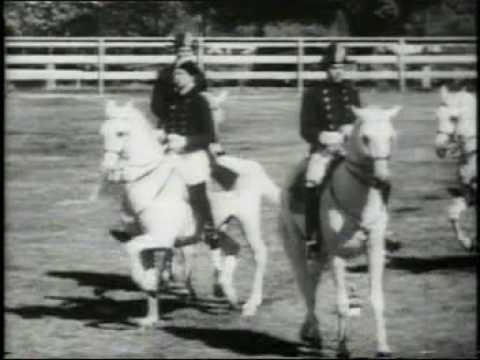
An American officer recognized the travel-worn Lipizzans. He sent word about them to the headquarters of U.S. general George Patton, who was a horse lover and a competitor in the equestrian Olympic event in 1912. When Patton came to view the horses, Podhajsky had the animals put on the show of their lives- a show that saved their lives. Patton was so impressed that he made the stallions protected wards of the U.S. Army. But the breed was still in danger of destruction if no mares survived.
 (
(THE CALVARY RIDES TO THE RESCUE
During World War II, the Nazis had moved the Lipizzan mares and foals to a stud farm in Hostau, Czechoslovakia. An American soldier, Colonel Charles H. Reed of the Second Cavalry Brigade (it was a mechanized cavalry by then), looking for information on Allied prisoners held at Hostau, also learned of the horses whereabouts. The information came from a captured German general who worried that the Russians might destroy the Lipizzan mares or ship them to the Soviet Union.

When General Patton learned that the classic horses were in danger, he sent word to Reed: "Get them. Make it fast!" Reed complied. He sent a courier to arrange a surrender at Hostau- where Germans were eager to give up to Americans rather than face the Russians. And Reed launched a lightning strike against Hitler's SS troops, who wouldn't surrender and tried to block his plans. But the SS was quickly overwhelmed.
On April 8, 1945, the American entry into Hostau, according to Reed, was a "fiesta," rather than a battle. Allied prisoners lined the streets, and surrendering German troops welcomed the Americans with salutes and an honor guard. As for the horses, 200 Lipizzans were rescued and were, ironically, protected by the U.S. Army when Nazi SS troops attacked Hostau. By May 7, the war in Europe was over, and arrangements were being yadeto return the horses to the care of Alois Podhajsky and the republic of Austria.
A TALL TAIL

Colonel Reed's account the rescue of the Lipizzan breed differs in one respect from the traditional version. According to Reed, Patton ordered the rescue of the mares in Czechoslovakia before he saw the stallions St. Martin. Reed claimed that when Disney made a movie of the rescue, The Miracle of the White Stallions, the performance of the horses was emphasized to make the story more dramatic.
However it happened, it's thanks to the U.S. Cavalry that one of the oldest European breed of horses still performs at the Spanish Riding School. As the magnificent animals leap to do their brattle-worthy airs, audiences from around the world come to watch -from a safe distance.
 (
(ALSO
* The Lippizan is a long-lived horse; 30 to 35 years is their average life span.
* Lipizzans are usually born black and change slowly, through of period of from 6 to 10 years, to their final, pure white color.
* Occasionally, a Lipizzan colt is born pure white, but they are rarities. In the days of the Hapsburg royalty, white colts, when they grew older, were used to pull royal vehicles.
______________________________
 The article above is reprinted with permission from Uncle John's Bathroom Reader Plunges Into History Again. The book is a compendium of entertaining information chock-full of facts on a plethora of history topics. Uncle John's first plunge into history was a smash hit - over half a million copies sold! And this sequel gives you more colorful characters, cultural milestones, historical hindsight, groundbreaking events, and scintillating sagas.
Since 1988, the Bathroom Reader Institute had published a series of popular books containing irresistible bits of trivia and obscure yet fascinating facts. Check out their website here: Bathroom Reader Institute
5 of the Most Valuable Crops You Can Grow in the US—And How to Grow Them
Stoicism Reveals 4 Rituals That Will Make You Loved
***
Before we commence with the festivities, I just wanted to let you know my first book is now a Wall Street Journal bestseller! To check it out, click here.
***
Do you want to have better relationships? Well, you should definitely take some advice from… the Stoics.
I know, it sounds weird. Most people think of the Stoics as being emotionless — not exactly good examples for how to handle relationships.
But that’s a myth. The ancient Stoics were big on virtue, self-control and reducing negative emotions. And those are pretty good things if you’re trying to be more likable.
And their methods are backed by science. Stoicism was one of the inspirations for Cognitive Behavioral Therapy, which is currently the dominant method for helping people overcome psychological issues.
To get some answers I spoke to Massimo Pigliucci, a professor of philosophy at the City University of New York, and author of the new book, How to Be a Stoic: Using Ancient Philosophy to Live a Modern Life.
So what can we learn about being likable from the ancient Stoics? Let’s get to it…
Not Me
Plain and simple: stop talking about yourself so much. Focus on the other person.
Here’s Stoic grandmaster Epictetus:
In parties of conversation, avoid a frequent and excessive mention of your own actions and dangers. For, however agreeable it may be to yourself to mention the risks you have run, it is not equally agreeable to others to hear your adventures.
Yeah, talking about yourself feels good. In fact, research shows your brain finds it more rewarding than food or money.
Neuroscientist Diana Tamir found that your brain gets more pleasure from you talking about yourself than it does from food or money.
But you want other people to enjoy your company, right? So shut up and let them feel good by talking about themselves.
(To learn more about the science of a successful life, check out my new book here.)
Okay, so you’re talking about yourself less. But how do the Stoics think you should handle difficult interactions — like when someone insults you?
Practice “Insult Pacifism”
When somebody says you’re dumb as a post, how do the Stoics think you should respond?
“You give me too much credit. I’m a lot stupider than a post.”
Here’s Stoic hall-of-famer Epictetus again:
If anyone tells you that a certain person speaks ill of you, do not make excuses about what is said of you but answer: “He was ignorant of my other faults, else he would not have mentioned these alone.”
Yeah, the other person was mean. But what’s the benefit of escalating things into an out-and-out fight? When people insult you, respond with self-deprecating humor.
Also, there are longer term personal benefits to this. Not reacting harshly improves your self-control.
And by ignoring the tone and just listening to the content of the insult, you might occasionally get some useful feedback on how to improve yourself.
From How to Be a Stoic: Using Ancient Philosophy to Live a Modern Life:
The more you train yourself to endure insults the stronger you feel psychologically… it is worth ignoring the cutting aspect of what she is saying in order to focus on what it is that she may have gotten right and that may have eluded you. There is no reason at all why insults, even when meant as such, cannot also be teaching moments for us.
(To learn 6 rituals from ancient wisdom that will make you happy, click here.)
So if someone insults you, you’re just going to use self-deprecating humor. But what if you’re the one saying something awful?
How do you make sure you don’t say something you’ll regret?
Listen To The Angel On Your Shoulder
Want to make sure you behave properly? Pretend someone you respect is standing behind you. Maybe it’s your grandma or a mentor of yours.
Would you want to act like a jerk in front of them? No. Here’s Massimo:
Seneca felt you should go about your life thinking that there is someone looking over your shoulder. Basically, act like you always have to explain your actions to this alter ego.
Would you act like that in front of grandma? Then don’t act like that at all.
(To learn the 4 secrets to productivity from the Stoics, click here.)
So how do you click with new people you meet? Warning: this next one may feel a little weird. But it’s also a little heartwarming…
Treat Everyone As Family
Most of us see family as closer than friends and friends as closer than strangers. Understandable.
But what if you tried to pull all three of those levels a little closer together… and a little closer to you? Here’s Massimo:
Hierocles invited us to imagine a series of concentric circles with ourselves in the middle, then the next circle is our family, and then the next circle is our friends, then out of that there is our fellow citizens, and out of that our fellow countrymen, and finally all of humanity. Then he said to mentally try to bring all of the external circles closer to you. Meaning that you try to remind yourself that these are all human beings, that these are all people that you should actually care about just in the same way that you care about your family and your friends.
Sounds nice in theory, right? But how do you actually put this into practice?
You know how some guys say hello to their male friends with the words, “Hey, brother”?
Well, the Stoics approve. And they think you should give it a try. Here’s Massimo:
Hierocles said you should go around addressing people of your same age as brothers and sisters, and people older than you as aunts and uncles. It’s a sort of Cognitive Behavioral Therapy approach to things. It’s like you do that, you keep repeating this thing, and then gradually you actually feel like other people are your brothers and sisters, your uncles and aunts.
Yeah, it might feel a little weird to call people brothers and sisters. But if you do it with a wry smile — cool like Fonzie — it can be a warm and fun way to draw yourself closer to others…
And them closer to you.
(To learn the 4 rituals from Stoicism that will make you mentally strong, click here.)
Okay, we’ve learned a lot. Let’s round it all up…
Sum Up
Here are the 4 rituals from Stoicism that will make you loved:
- Not me: Stop talking about yourself. Let me talk about me and I’ll enjoy your company more. (Wow, this is more fun already.)
- Practice “insult pacifism”: This is the worst blog post I’ve ever written? Trust me, I’ve written far worse.
- Listen to the angel on your shoulder: Grandma is watching, potty-mouth.
- Treat everyone as family: Treat people as your brothers and sisters and they’ll likely reciprocate.
Now is this going to turn you into Dale Carnegie overnight? No. But that wouldn’t be a very Stoic expectation.
They were big on practicing exercises to improve over time. Massimo paraphrased Seneca:
“Don’t ask me to be perfect; just ask me to be better than yesterday.”
If you talk less about yourself, laugh off insults, and act like grandma is watching, you’ll find that people will enjoy your company much more.
Trust me, brother… or sister.
Join over 300,000 readers. Get a free weekly update via email here.
Related posts:
New Neuroscience Reveals 4 Rituals That Will Make You Happy
New Harvard Research Reveals A Fun Way To Be More Successful
How To Get People To Like You: 7 Ways From An FBI Behavior Expert
The post Stoicism Reveals 4 Rituals That Will Make You Loved appeared first on Barking Up The Wrong Tree.
How to Password Protect and Encrypt a Flash Drive: 5 Easy Methods
An encrypted USB flash drive is the safest way to carry sensitive files.
Unfortunately, you cannot password protect your entire USB flash drive, like you can password protect your PC or phone. Secure tools all work with encryption. Unless you want to invest in an encrypted flash drive with hardware encryption, you can use freeware applications to achieve a similar level of USB protection.
This article summarizes the easiest ways to password protect or encrypt files and folders on a USB flash drive.
1. Rohos Mini Drive: Create an Encrypted Partition
Many tools can encrypt and password protect your data. Most, however, require Administrator rights to run on any given computer. Rohos Mini Drive, however, works whether or not you possess Administrator rights on the target computer.
The free edition can create a hidden, encrypted, and password-protected partition of up to 8 GB on your USB flash drive. The tool uses automatic on-the-fly encryption with AES 256-bit key length. Thanks to the portable Rohos Disk Browser, which you install directly to your flash drive, you won’t need encryption drivers on the local system. Subsequently, you can access the protected data anywhere.
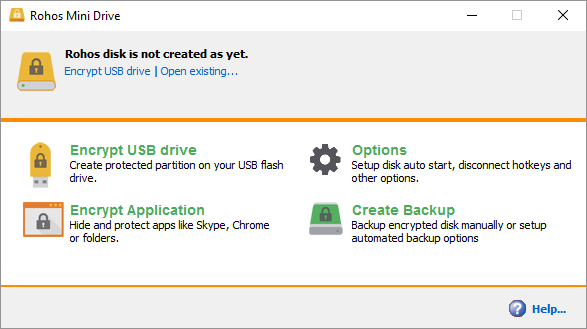
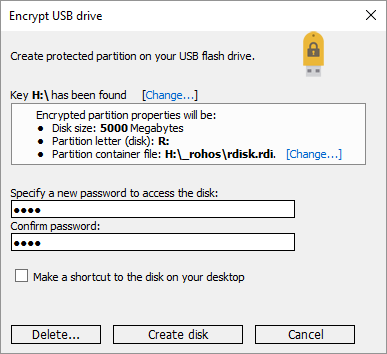
Click Encrypt USB drive from the Rohos Mini Drive start screen, select the drive, specify a new password, and click Create disk. This will create a password-protected and encrypted container on your external drive.
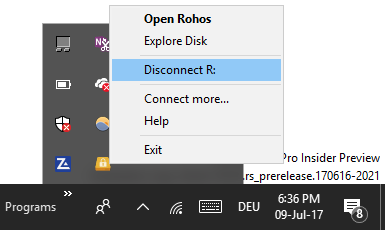
You can open the protected container by clicking the Rohos Mini.exe icon from the root folder of your USB thumb drive. After entering the password, the Rohos disk will mount as a separate drive and you can access it via File Explorer. To close your Rohos partition, right-click the Rohos icon in the Windows Taskbar notification area and select Disconnect.
Download: Rohos Mini Drive
2. VeraCrypt: Encrypt Your Entire Flash Drive
VeraCrypt is the successor of TrueCrypt. It comes as a portable app that runs directly from your flash drive. VeryCrypt does require Administrator rights to operate. It uses on-the-fly AES 256-bit encryption. The free version is limited to drive sizes of 2 GB.
VeraCrypt features on-the-fly encryption using multiple different encryption algorithms, including 256-bit AES, Serpent, and TwoFish, as well as combinations of these. Like Rohos Mini Drive, it can create a virtual encrypted disk that mounts like a real disk, but you can also encrypt entire partitions or storage devices.
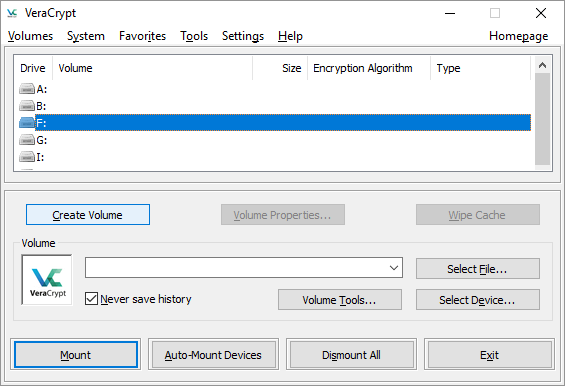
Download VeryCrypt Portable and install it on your USB drive. When you launch the portable app, it will show you all available drive letters. Choose one and click Create Volume. This will launch the VeraCrypt Volume Creation Wizard.
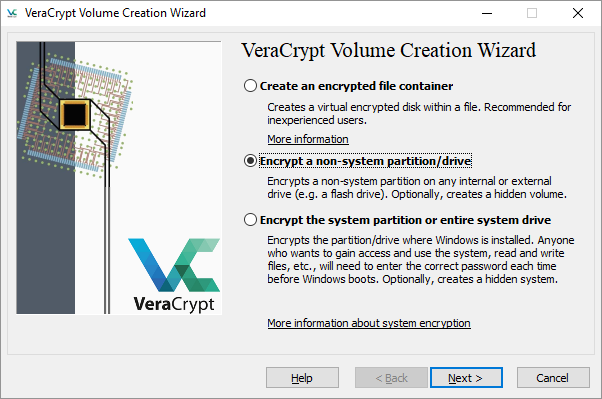
To encrypt your entire USB flash drive, select Encrypt a non-system partition/drive and click Next.
In the next step, you can choose from a Standard or a Hidden VeraCrypt volume. Using a hidden volume reduces the risk that someone forces you to reveal your password. Note that you’ll have to format the entire USB drive if you want to create a Hidden VeraCrypt volume.
We’ll proceed with the Standard VeraCrypt volume. In the next window, click Select Device…, choose your removable disk, confirm with OK, and click Next.
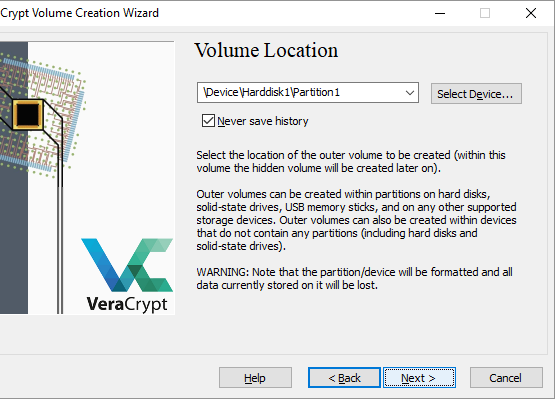
To encrypt the entire USB drive, select Encrypt partition in place and click Next. VeryCrypt will warn you that you should have a backup of the data, in case something goes wrong during encryption. Now select the Encryption and Hash Algorithm; you can go with the default settings. Now you get to set your Volume Password. In the next step, your random mouse movements will determine the cryptographic strength of the encryption.
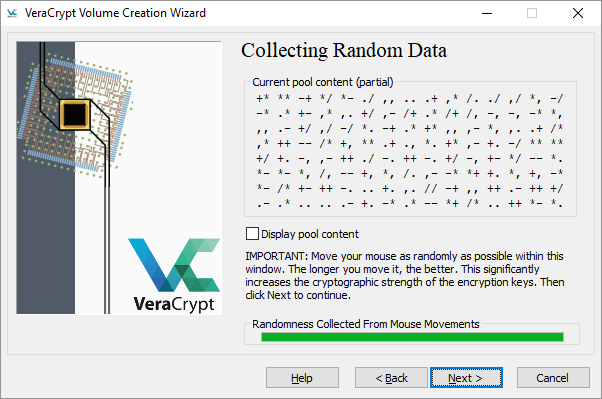
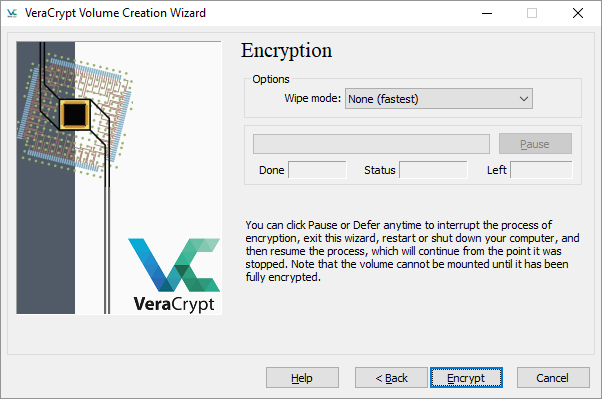
Now choose your Wipe Mode, the more wipes, the safer. In the final window, click Encrypt to start the encryption.
Download: VeraCrypt Portable
Note: An alternative to VeraCrypt Portable is Toucan, a portable app that lets you sync, backup, and secure your files. If you’re using Windows 10 Professional, Business, or Enterprise, you can also use BitLocker to encrypt your drives.
3. SecurStick: Create a Safe Zone on Your USB Drive
This tool is a product of the German computer magazine c’t. It does not require installation and will work with Windows, Linux, and Mac without Admin rights. To set it up, however, you have to run an EXE file from the flash drive you wish to encrypt.
To set up SecurStick, download and unpack the ZIP archive, then copy the EXE file onto your USB stick. Running the EXE file will launch a command prompt and browser window. Enter a password and click Create to install the Safe Zone.
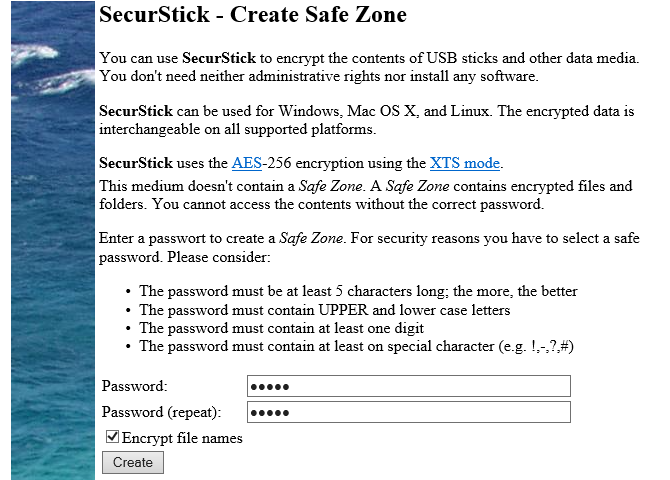
Next time you launch the SecurStick EXE file, you’ll hit a login window. Logging in mounts the Safe Zone. Any files you copy into the SafeZone are automatically encrypted. Note that closing the command prompt window will close your Safe Zone session.
The easiest way to completely remove SecurStick from your flash drive is to format the drive.
Download: SecurStick
Note: Don’t be put off by the German download page! The tool’s interface was fully ported to English, as shown above.
4. How to Encrypt Your Flash Drive on a Mac
If you’re using a Mac, you don’t need a third-party tool to encrypt your USB flash drive.
First, you need to format the flash drive with Apple’s HFS+ file system. Note that this will delete all files stored on it, meaning you should back them up. From the Disk Utility app, pick your flash drive and click Erase. In the popup window, specify the file format, MacOS Extended (Journaled), and click Erase in the bottom right to format the drive.
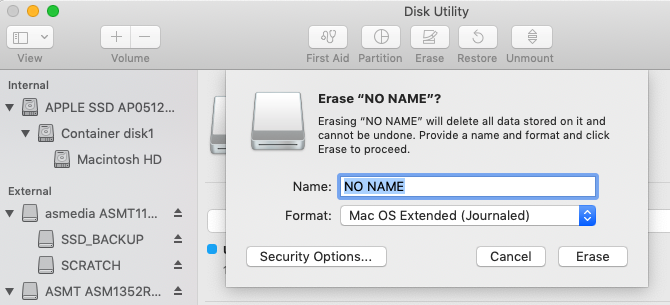
Now you’re ready to create an encrypted flash drive. Simply right-click the drive in Finder, select Encrypt, and add a password. The process starts instantly and can take a few minutes, depending on the size of your USB stick. Shortly, you’ll have an encrypted and password protected USB drive.
5. Cryptsetup: Encrypt Your USB Drive on Linux
Cryptsetup is a free function to set up cryptographic volumes using AES 256-bit encryption. It’s available from the standard Linux repository.
Note: You should not use this tool if you intend on using the encrypted files outside of Linux. Moreover, accessing your encrypted flash drive requires a Cryptsetup installation.
To encrypt your USB stick on Linux, you need to install both the Gnome disk utility and Cryptsetup from sudo apt-get. If you’re using Ubuntu, it should already be installed. Next, launch Disks from the desktop, look for your flash drive, and select to format the drive or a single partition with the encryption option. At this point, you’ll also choose a password. Note that you have to overwrite all existing files.
Reference: Cryptsetup
If you use Ubuntu Linux, please refer to our complete file and folder encryption guide.
How to Save Individual Files With a Password
As mentioned above, you can’t safely password protect your entire USB stick without using encryption. However, if you shy away from the time-consuming encryption process for entire folders and need a really quick way to only protect a few selected files, you can simply save those with a USB password.
Many programs, including Word and Excel, allow you to save files with a password.
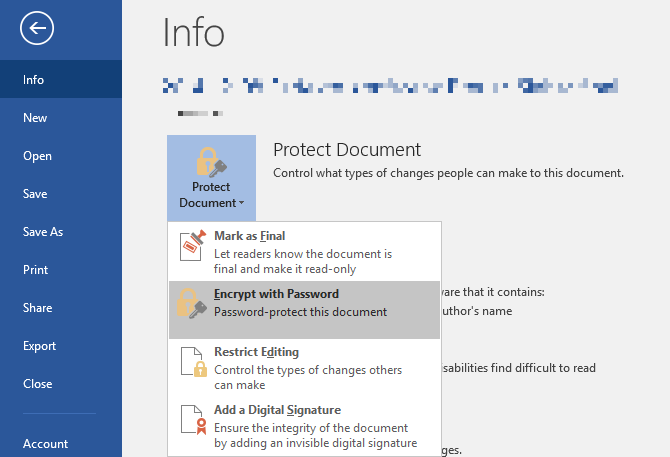
For example, in Word, while the document is open, go to File > Info, expand the Protect Document menu, and select Encrypt with Password.
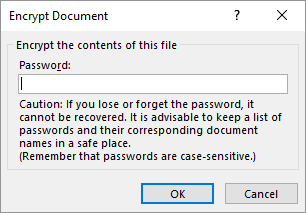
Now enter your password and confirm it to protect your document.
Finally, save your document and don’t forget the password.

To password protect PDF files on your USB flash drive, you can use PDFTK Builder, which also comes as a portable app.
How to Create a Password-Protected File Archive
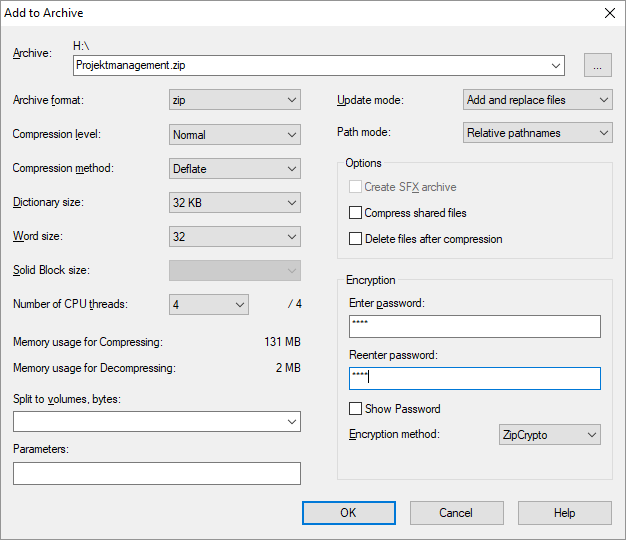
Archive tools like 7-Zip can also encrypt and password protect your files with AES-256.
Install and run 7-Zip, right-click the file or folder on your USB drive, and select 7-Zip > Add to Archive. In the Add to Archive window, choose the Archive format and add a password. Click OK to start the archiving and encryption process.
Download: 7-Zip
Your Personal Files, Protected and Encrypted
Now you know how to password protect and encrypt your USB drive on Windows, Mac, and Linux. You can also protect Windows folders. And have you encrypted your smartphone data yet? If you have a few spare USB sticks, you could do something useful with them!
Read the full article: How to Password Protect and Encrypt a Flash Drive: 5 Easy Methods
Greetings Around the World

I recently found out that people in France do not hug people they've just met. Or even people they know, unless they are very close. That made me cringe, thinking of how the family all hugged a young man from France the first time he visited. He's here again, and actually gave me a hug on arrival -trying to be like the Americans. But I still cringe when he meets new people and they want to hug him. He hides any discomfort well. In this video, we learn more greeting customs from around the world.
 (
(Remember, proper etiquette is simply the art of making other people feel comfortable. We can do this by learning their customs, and also by not making a big deal out of other people not knowing our customs. -via Tastefully Offensive
11,700 Free Photos from John Margolies’ Archive of Americana Architecture: Download, Use & Re-Mix
Many connoisseurs of architecture are enthralled by the modernist philosophy of Le Corbusier, Frank Lloyd Wright, and I M Pei, who shared a belief that form follows function, or, as Wright had it, that form and function are one.
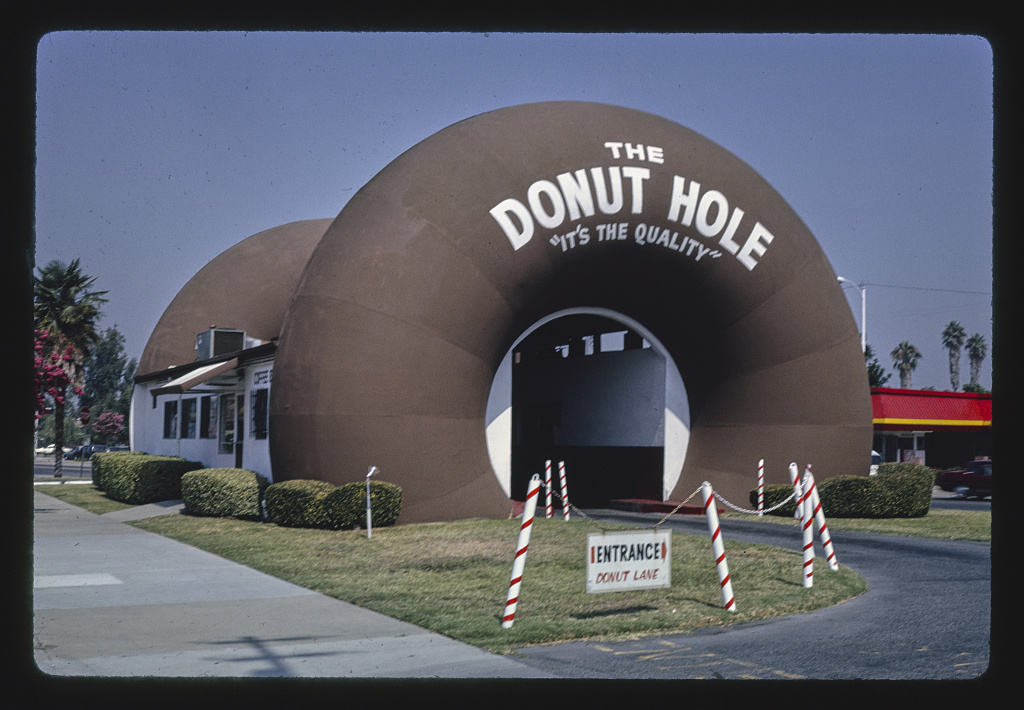
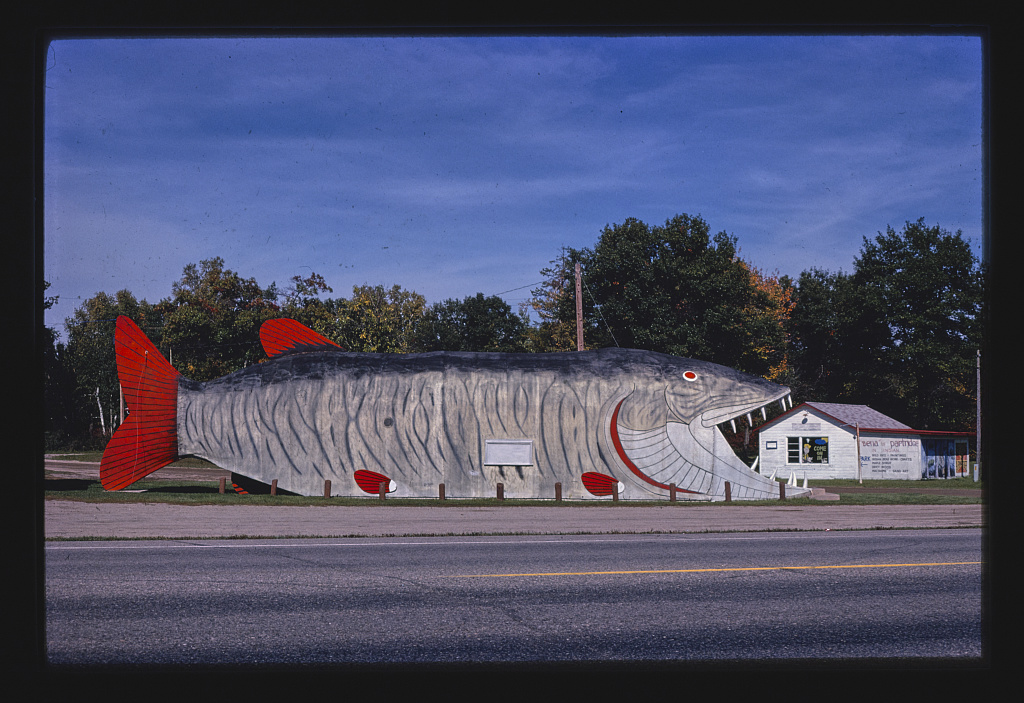
Others of us delight in gas stations shaped like teapots and restaurants shaped like fish or doughnuts. If there’s a philosophy behind these insistently playful visions, it likely has something to do with joy…and pulling in tourists.
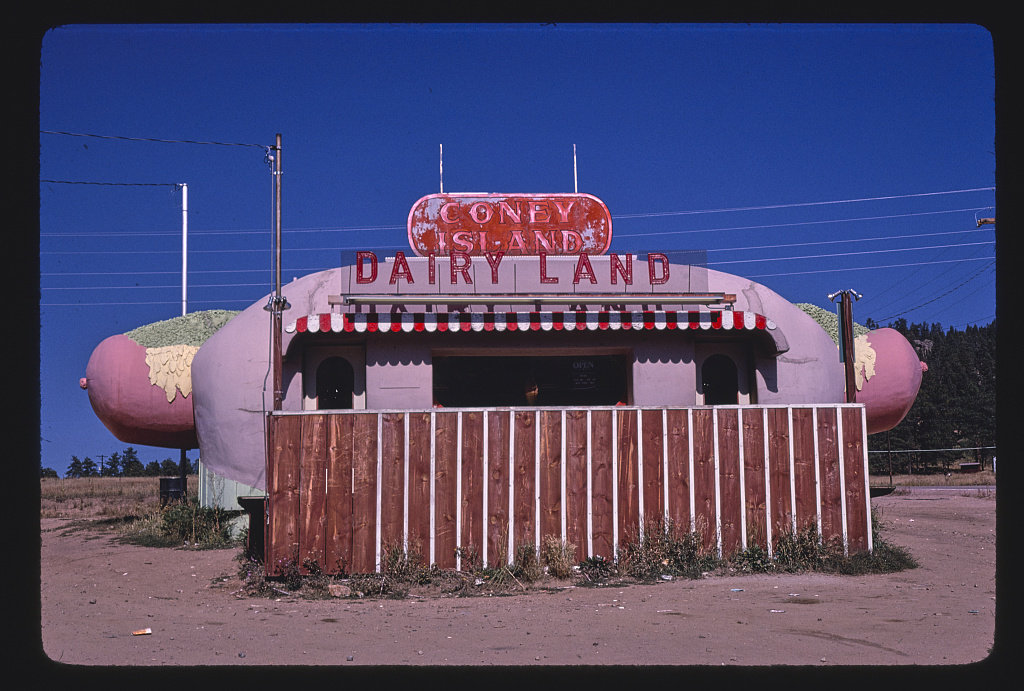
Art historian John Margolies (1940-2016), responding to the beauty of such quirky visions, scrambled to preserve the evidence, transforming into a respected, self-taught photographer in the process. A Guggenheim Foundation grant and the financial support of architect Philip Johnson allowed him to log over four decades worth of trips on America’s blue highways, hoping to capture his quarry before it disappeared for good.
Despite Johnson’s patronage, and his own stints as an Architectural Record editor and Architectural League of New York program director, he seemed to welcome the ruffled minimalist feathers his enthusiasm for mini golf courses, theme motels, and eye-catching roadside attractions occasioned.
On the other hand, he resented when his passions were labelled as “kitsch,” a point that came across in a 1987 interview with the Canadian Globe and Mail:
People generally have thought that what’s important are the large, unique architectural monuments. They think Toronto’s City Hall is important, but not those wonderful gnome’s-castle gas stations in Toronto, a Detroit influence that crept across the border and polluted your wonderfully conservative environment.
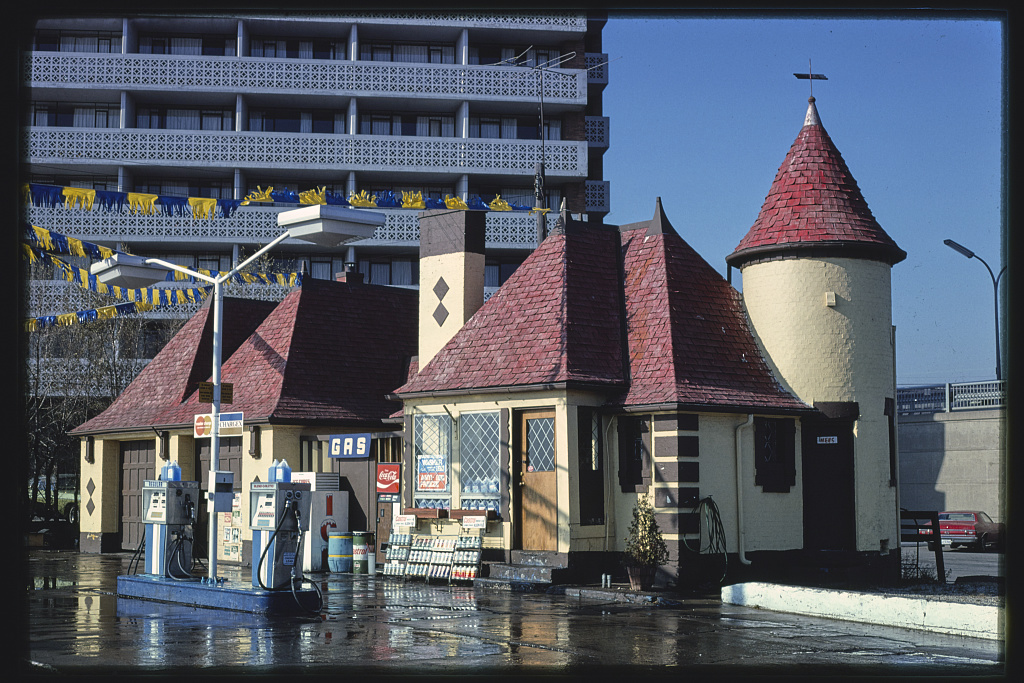
As Margolies foresaw, the type of commercial vernacular architecture he’d loved since boyhood–the type that screams, “Look at me! Look at me”–has become very nearly extinct.
And that is a maximal shame.
Your children may not be able to visit an orange juice stand shaped like an orange or the Leaning Tower of Pizza, but thanks to the Library of Congress, these locales can be pitstops on any virtual family vacation you might undertake this July.
The library has selected the John Margolies Roadside America Photograph Archive as its July “free to use and reuse” collection. So linger as long as you’d like and do with these 11,700+ images as you will–make postcards, t-shirts, souvenir placemats.
(Or eschew your computer entirely–go on a real road trip, and continue Margolies’ work!)
Whatever you decide to do with them, the archive’s homepage has tips for how to best search the 11,710 color slides contained therein. Library staffers have supplemented Margolies’ notes on each image with subject and geographical headings.
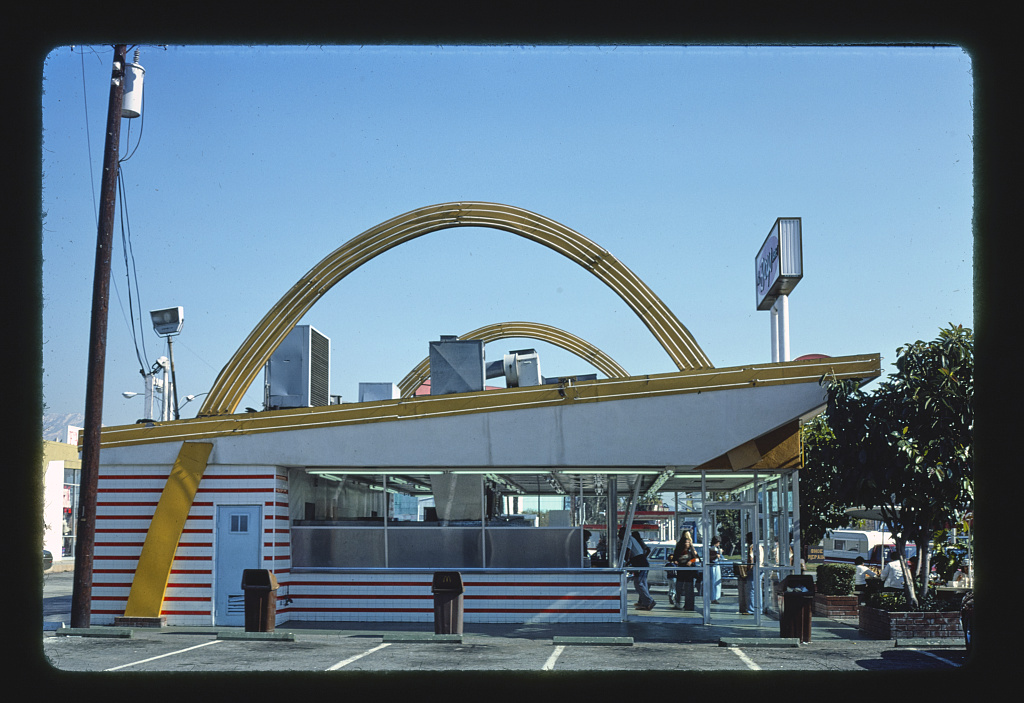
Begin your journey through the Library of Congress’ John Margolies Roadside America Photograph Archive here.
We’d love to see your vacation snaps upon your return.
Related Content:
Watch Stewart Brand’s 6-Part Series How Buildings Learn, With Music by Brian Eno
Frank Lloyd Wright Designs an Urban Utopia: See His Hand-Drawn Sketches of Broadacre City (1932)
A is for Architecture: 1960 Documentary on Why We Build, from the Ancient Greeks to Modern Times
Watch 50+ Documentaries on Famous Architects & Buildings: Bauhaus, Le Corbusier, Hadid & Many More
Ayun Halliday is an author, illustrator, theater maker and Chief Primatologist of the East Village Inky zine. Follow her @AyunHalliday.
11,700 Free Photos from John Margolies’ Archive of Americana Architecture: Download, Use & Re-Mix is a post from: Open Culture. Follow us on Facebook, Twitter, and Google Plus, or get our Daily Email. And don't miss our big collections of Free Online Courses, Free Online Movies, Free eBooks, Free Audio Books, Free Foreign Language Lessons, and MOOCs.
Why You Should Disable Thumbnails in Windows

You’re probably used to seeing thumbnails in Windows. Whenever you open a folder in the File Explorer, thumbnails let you preview pictures, PDFs, and other common documents without opening them. But you don’t really need thumbnails. In fact, disabling them could be a bigger benefit than you think. What are the benefits of turning off thumbnails? Whenever you open a folder, Windows has to use resources to load all the thumbnails. This isn’t a huge deal for folders with two documents, but opening a folder with 500 pictures could take several seconds to load them all. Thus, using Windows will...
Read the full article: Why You Should Disable Thumbnails in Windows
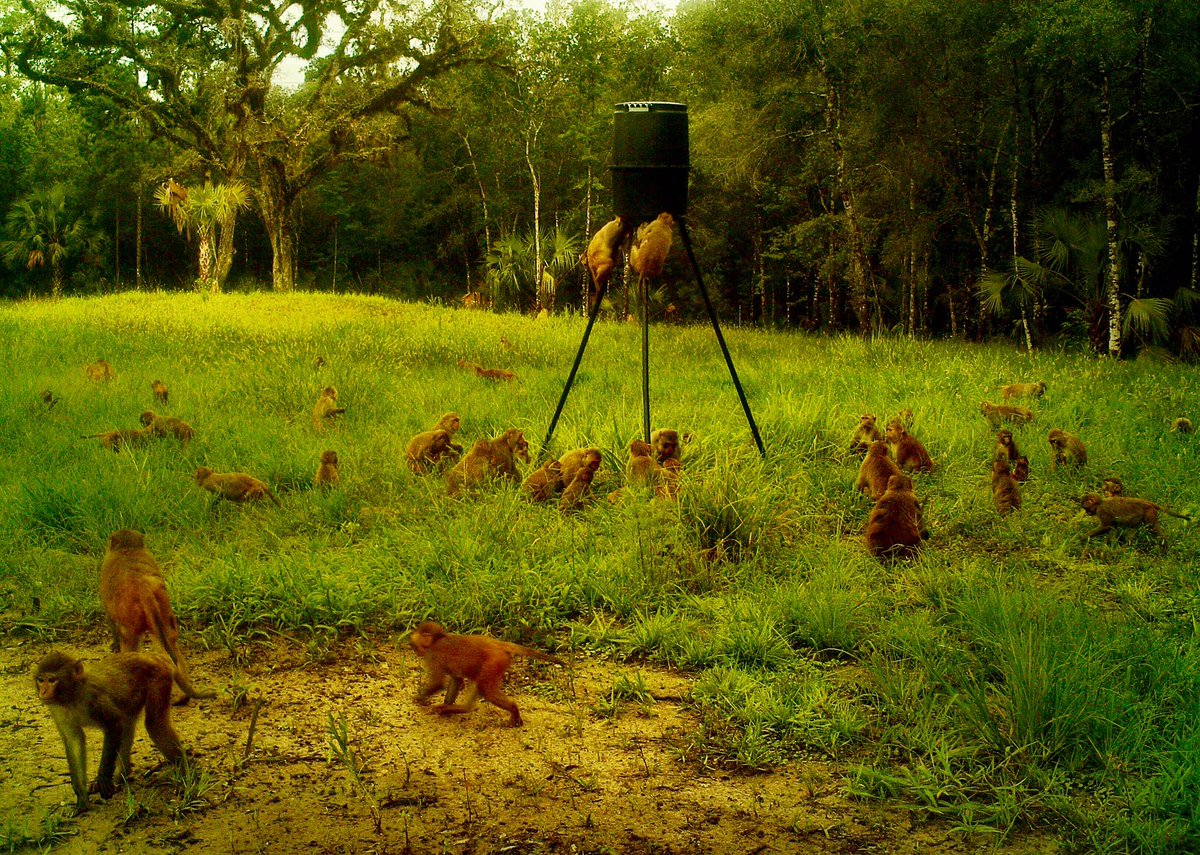
Belize Trip - Exploring the Blue Range
Just to the northwest of BHC you will see a couple of white buoys. There is some great snorkeling right there, and you can tie off your kayaks to the buoys, which is much faster than swimming from the beach of BHC.
 |
| Anchorage for kayaks |
 |
| Giant brain coral |
We also took a day to explore the islands and mangroves of the Blue Range Group. There looked to be some good snorkeling just off Hangman's Caye, so we wanted to check that out too.
 |
| Lots of islands to explore. Good snorkeling reef circled in blue |
 |
| The leeside of the islands are always flat calm with good visibility. we drifted around looking for barracuda, bonefish, etc.. |

 |
| Lots of places among the mangroves to explore. There were a lot of young barracudas in this particular area |
 |
| The islands all had a mixture of smaller resorts, private cottages and fishing shacks. Quite a contrast at times We found a small beach to land our kayaks, and we swam out to where the reef was. Didn't see anything spectacular at the time, however, I did get assaulted by a remora. It kept trying to go up my shorts and attach to my inner thigh. No matter what I did, it wouldn't go away. I kept trying to kick it, grab it, etc.. and it would not go away, it was relentless! Its very funny now, but at the time I had no idea what happens when a remora attaches itself to you, or how hard it would be to get off. In the end, I had to book it for shore, while the guys kept it occupied. It followed them all the way back to the beach. Crazy!
|
Behold Lewis Carroll’s Original Handwritten & Illustrated Manuscript for Alice’s Adventures in Wonderland (1864)
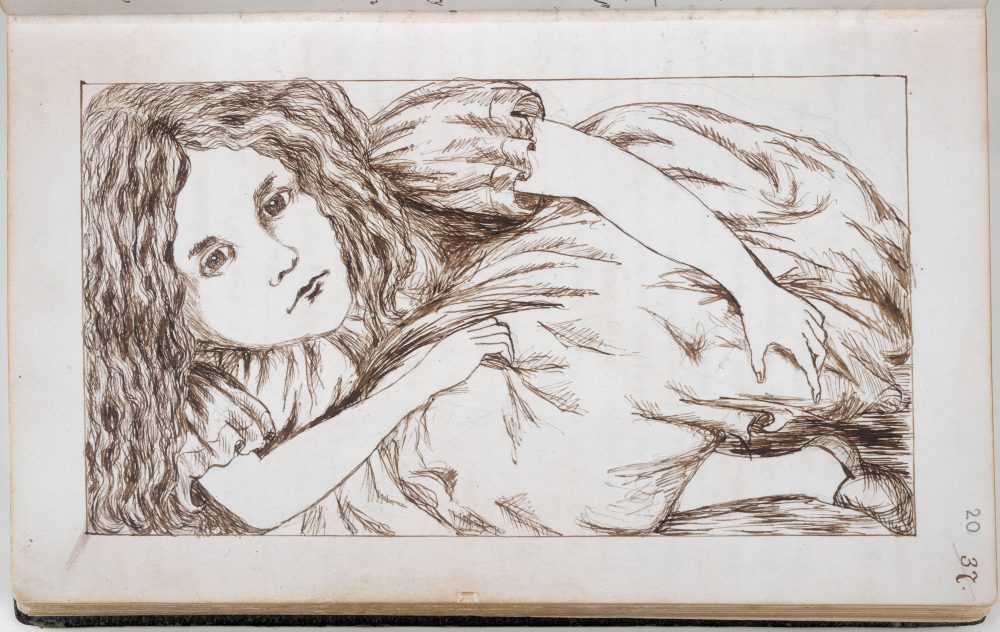
Almost exactly 155 years ago, Lewis Carroll told three young sisters a story. He'd come up with it to enliven a long boat trip up the River Thames, and one of the children aboard, a certain Alice Liddell, enjoyed it so much that she insisted that Carroll commit it to paper. Thus, so the legend has it, was Alice's Adventures in Wonderland born, although Lewis Carroll, then best known as Oxford mathematics tutor Charles Lutwidge Dodgson, hadn't taken up his famous pen name yet, and when he did write down Alice's Adventures in Wonderland, it took its first form as Alice's Adventures Under Ground. You can read that handwritten manuscript, complete with illustrations, at the British Library.
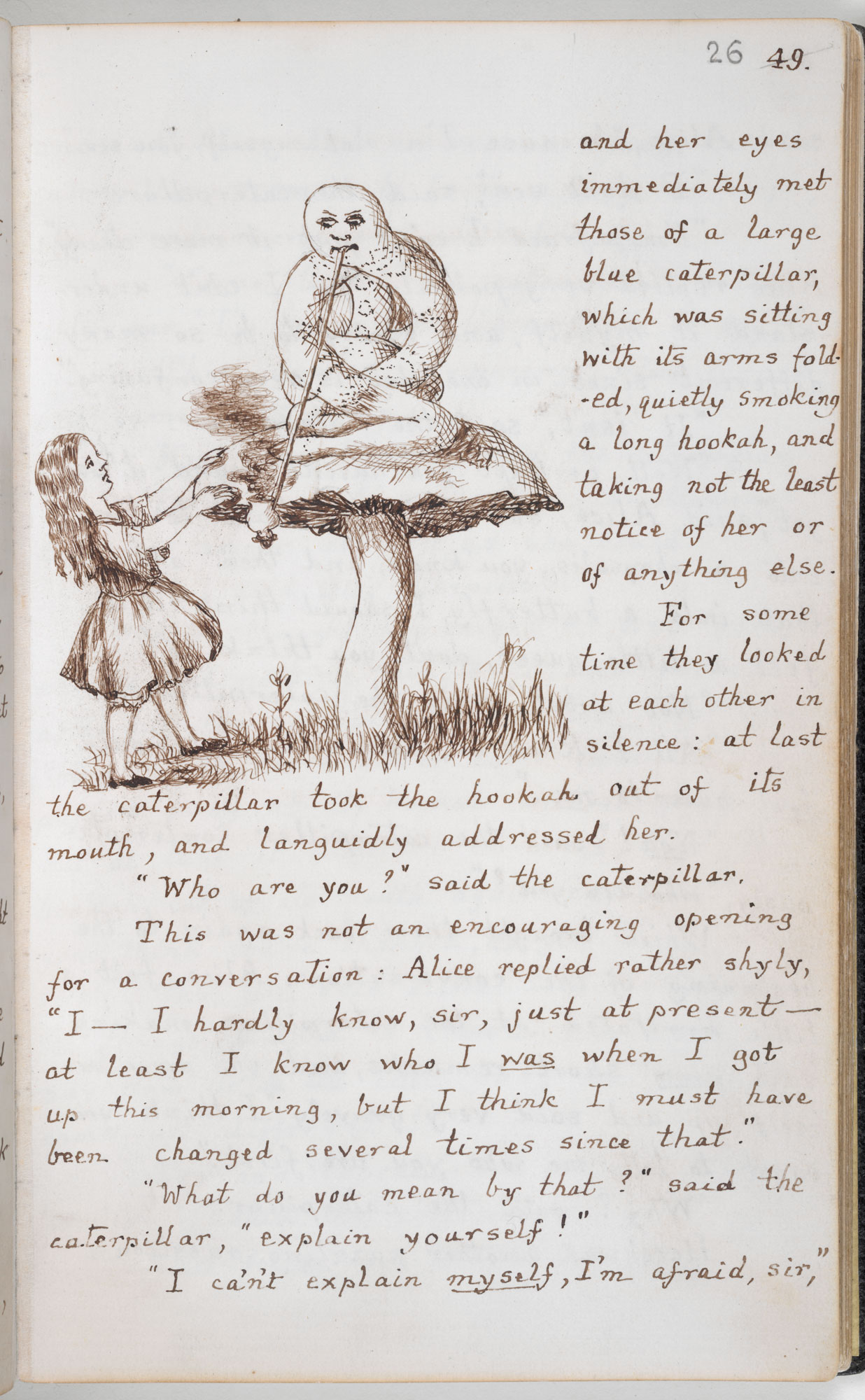
Carroll presented the fictional Alice's namesake with the manuscript, according to the British Library, as an early Christmas present in 1864. When his friends encouraged him to publish it, he performed a few revisions, "removing some of the family references included for the amusement of the Liddell children," adding a couple of chapters (the beloved Cheshire Cat and the Mad Hatter’s tea party being among their new material), and enlisting John Tenniel, a Punch magazine cartoonist known for his illustrations of Aesop's Fables, to create professional art to accompany it. The result, retitled Alice's Adventures in Wonderland, came out in 1865 and has never gone out of print.
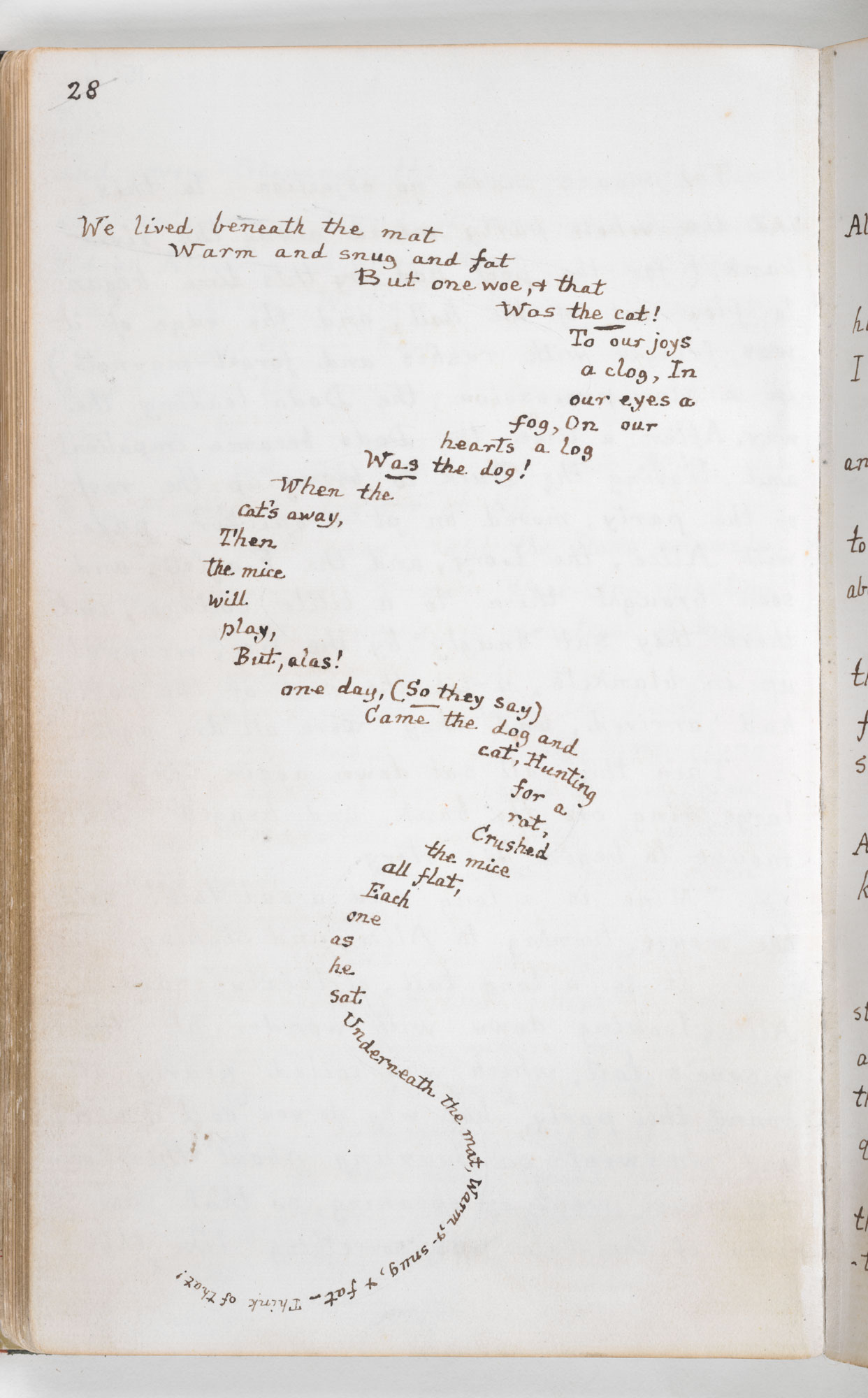
Though Tenniel's vivid renderings of Alice and the eccentric characters she encounters have remained definitive, plenty of other artists, including Salvador Dalí and Ralph Steadman, have attempted the surely almost irresistible challenge of illustrating Carroll's highly imaginative story. But today, says Skidmore College professor Catherine J. Golden at The Victorian Web, "critics have reevaluated Carroll’s caricature-style illustration. Carroll expertly intertwines his handwritten text with his pictures to advance the growth motif. His conception of the mouse’s 'tale' shaped like an actual mouse’s 'tail' is an excellent example of emblematic verse."
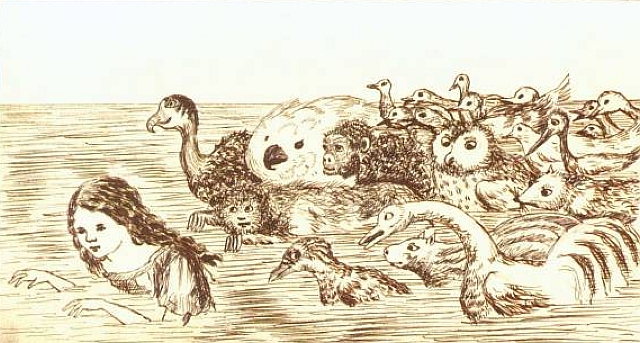
Tenniel, Golden argues, "essentially refashioned with realism and improved upon many of Carroll’s sketchy or anatomically incorrect illustrations, adding domestic interiors and landscapes that appealed to middle-class consumers of the 1860s." Even "late twentieth-century graphic novel adaptations of Alice in Wonderland recall many of Carroll’s inventive designs as well as those of Tenniel," which gives Carroll's original manuscript more claim to having provided the visual basis, not just the textual one, for the following century and a half of sequels official and unofficial, as well as adaptations, reenvisionings, and reimaginings of this "Christmas gift to a dear child in memory of a summer day."
You can view Carroll’s original manuscript, complete with illustrations, here.
Related Content:
Lewis Carroll’s Photographs of Alice Liddell, the Inspiration for Alice in Wonderland
Photo of the Real Alice in Wonderland Circa 1862
The First Film Adaptation of Alice in Wonderland (1903)
Lewis Carroll’s Classic Story, Alice’s Adventures in Wonderland, Told in Sand Animation
When Aldous Huxley Wrote a Script for Disney’s Alice in Wonderland
Based in Seoul, Colin Marshall writes and broadcasts on cities and culture. He’s at work on the book The Stateless City: a Walk through 21st-Century Los Angeles, the video series The City in Cinema, the crowdfunded journalism project Where Is the City of the Future?, and the Los Angeles Review of Books’ Korea Blog. Follow him on Twitter at @colinmarshall or on Facebook.
Behold Lewis Carroll’s Original Handwritten & Illustrated Manuscript for Alice’s Adventures in Wonderland (1864) is a post from: Open Culture. Follow us on Facebook, Twitter, and Google Plus, or get our Daily Email. And don't miss our big collections of Free Online Courses, Free Online Movies, Free eBooks, Free Audio Books, Free Foreign Language Lessons, and MOOCs.
15 Essential Bait Rigs

From worms to liver, suckers to shrimp, make sure you’re sticking that hook in the perfect spot for big-fish success
How to Mount Your Own Trout

Now you can mount your next trophy catch—and eat it too
Rubber Band Gun

Rubber Band Gun. My kids would love this.
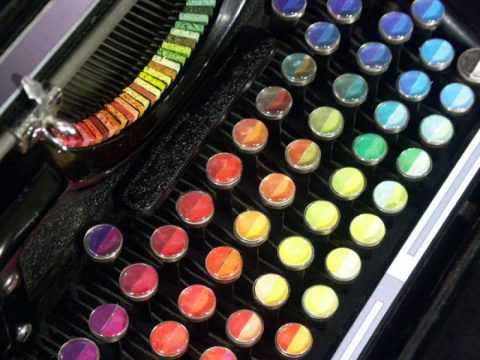
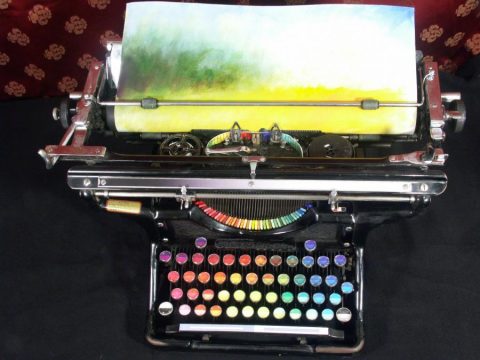

Austin Motel
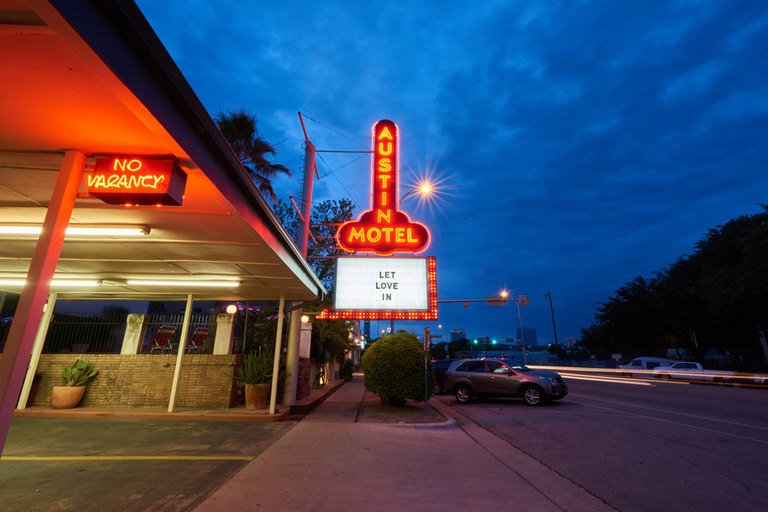
Visit Uncrate for the full post.
4 Fast Landscape Photography Tips
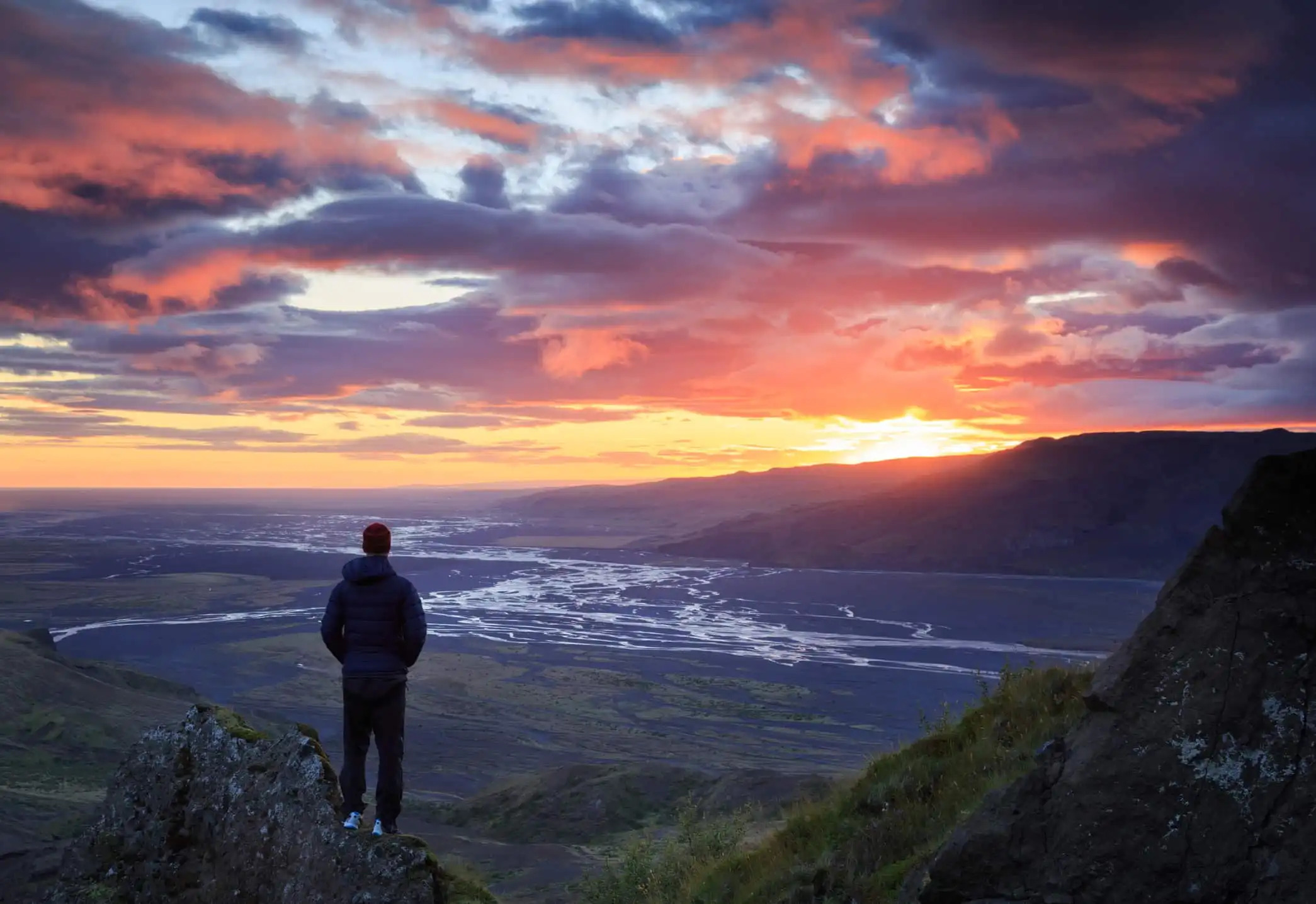
The greatest thing about landscape photography - of many great things - is that no matter how many times a particular landscape has been photographed, there's always something different to see and document.
Whether you visit the same spot at different times of day or different times of year, use a wide-angle lens and then a telephoto lens, or simply change the perspective from which you shoot, there are all sorts of ways for you to offer viewers something new and different, even if the landscape you photograph is a well-known one.
The next time you're out taking photos of breathtaking landscapes, bear the following tips in mind to get better results.
Mind the Light

Everyone knows that golden hour is where it's at for landscape photography...
The soft, warm light brings any landscape to life with gorgeous colors that add visual interest and long shadows that add dimension.
But golden hour doesn't provide the only conditions under which you can get a compelling shot.
Try photographing a landscape under overcast conditions. The cloud cover acts like a giant softbox, giving you perfectly even lighting falling on the landscape.
When taking landscape photos on an overcast day, be sure the landscape has elements that give the scene depth and dimension in spite of a lack of highlights and shadows.
That means looking for colors, textures, patterns, and forms that still work under the flat light of a cloudy day.
Another option is to shoot during blue hour.
Blue hour precedes golden hour in the morning and follows golden hour in the evening.
As the name suggests, the light at this time of day is blue, sometimes even purple, for a completely different look than what you get during golden hour.
Blue hour is a perfect time to work on silhouettes - like a mountain peak silhouetted in front of the fading light of the day on the horizon.
Learn more about blue hour and the ideal camera settings to use in the video above by Adorama TV.
Find Reflections

The great thing about a reflection is that it's one of the easiest ways to add visual interest to a shot. Just find a lake or a pond, take a low shooting perspective, and you double your subject!
When incorporating a reflection from something like a body of water, there's a few things to bear in mind:
- Take shots from a variety of perspectives to find the best angle of view to capture the reflection on the water's surface.
- Throw the rule of thirds out the window and frame up a symmetrical shot with the subject smack in the middle of the frame.
- Try placing the horizon line in the middle of the frame. This helps amplify the symmetry in the shot.
- Use a polarizing filter to cut down on any glare from the water's surface.
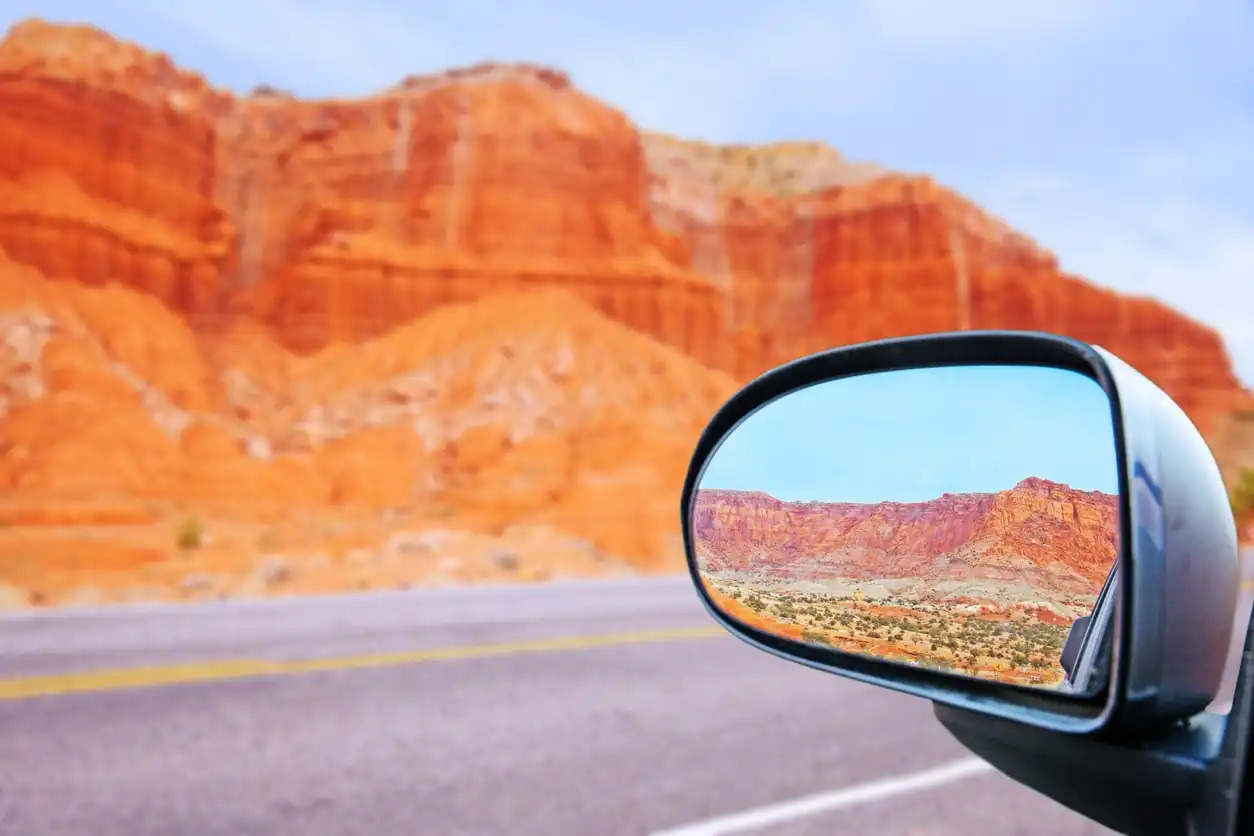
But reflections aren't just limited to water...
Create a unique landscape photo by using a mirror - like the ones on the side of your car - to photograph a landscape behind you.
Adding in that kind of human element gives landscape photos a bit of whimsy and fun.
Try New Gear and Different Camera Settings
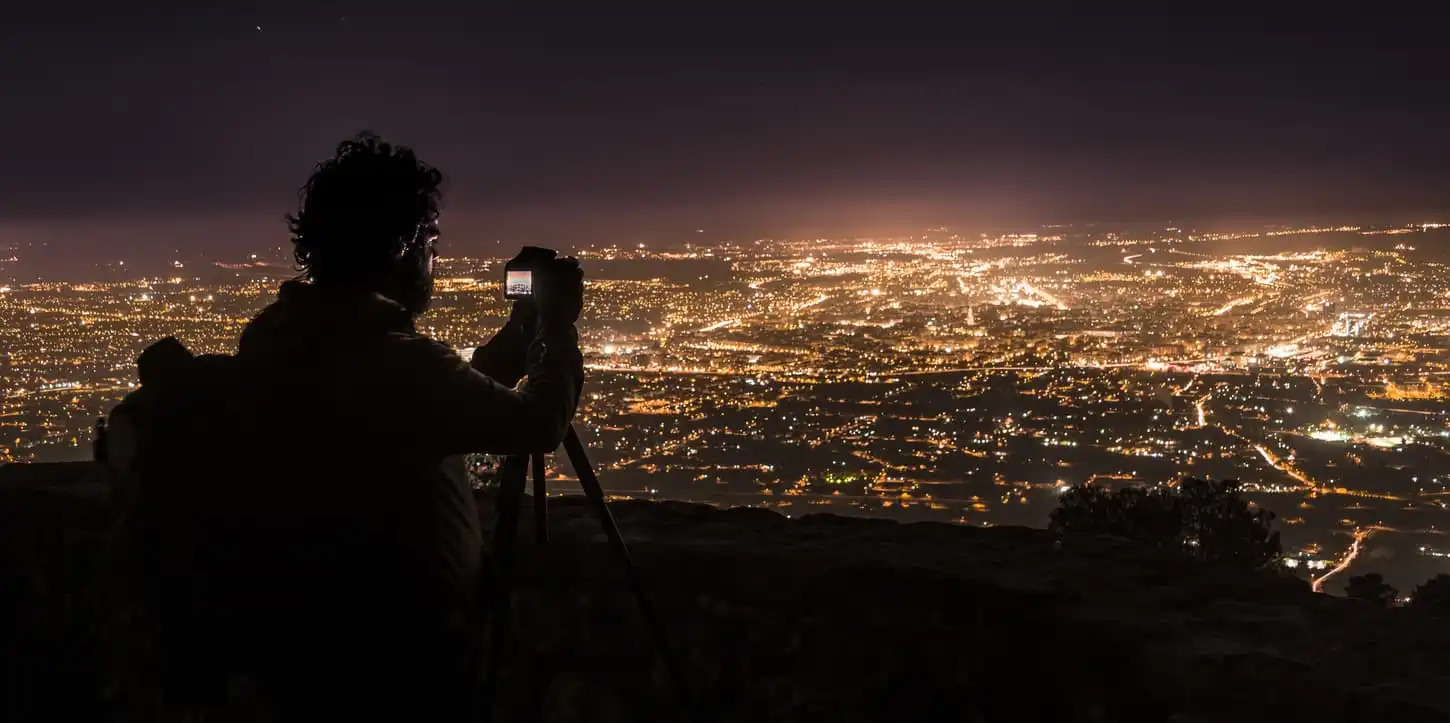
Rather than taking the same photos with the same gear all the time, get into a more creative space by capturing landscapes with something different.
If you typically shoot with your crop sensor DSLR, try a few photos with your phone.
If you usually use a wide-angle lens, see how shooting landscapes with a telephoto lens changes how you work.
Similarly, if you like to shoot with your camera on a tripod, see how going without one opens up new avenues for getting photos.
You can even use the same gear but change the settings for a bit of a challenge.
Try a long exposure of a landscape to see how you can blur the movement of clouds, waves, a river, or the like. See how to do that in the video above by Adam Lewis.
You can also challenge yourself to work with different apertures - small apertures for a large depth of field and large apertures to highlight a small part of the landscape set on a blurry background.
The point is that trying new things will jumpstart your creativity and challenge you in ways that might just open up whole new worlds of photographing landscapes.
The result of that will be unique images and a better understanding of how to use your gear, too!
Tip the Scale

One of the most common problems encountered when photographing landscapes is that they often appear a little flat.
Part of the reason for this is because many landscapes are photographed using a wide-angle lens, so distant objects appear small while the foreground and midground appear expansive.
To help mitigate this issue, it's advantageous to add something to the shot that provides a sense of scale.
Familiar things like a car or a road help viewers understand the breadth and depth of the scene because there's something in the shot to give them some context.
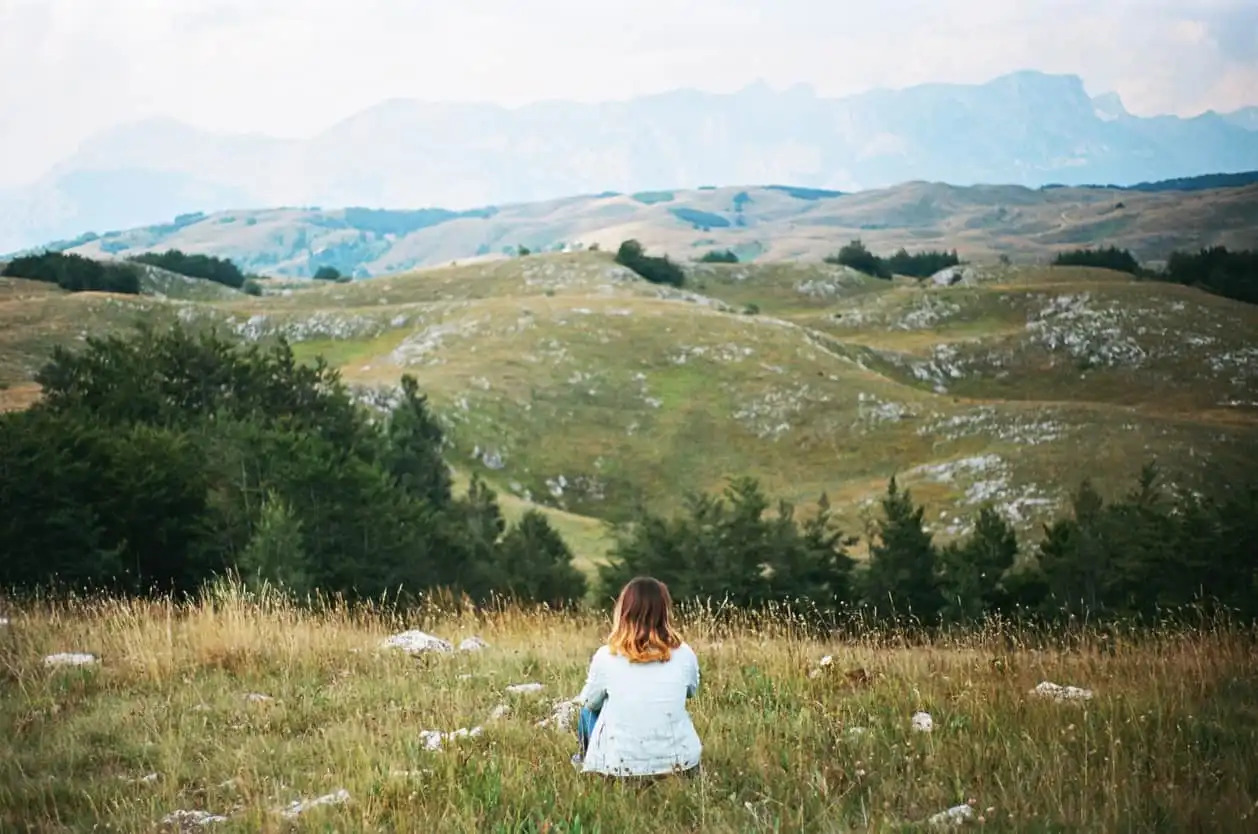
Likewise, adding a person to a landscape provides scale, even if the figure is quite small in the frame.
The other thing that adding these human elements to a landscape will do is help you tell a more compelling story.
Sure, a shot of a gorgeous mountain is fine, but if you add a person to the scene, viewers are more able to put themselves in that person's shoes.
In other words, the image becomes something more than just a pretty photo of a mountain; it becomes something with which the viewer connects, thinks about, and uses to plan their own landscape photography adventure.
Final Thoughts
There's plenty of other landscape photography tips and tricks you can use to improve your photos, but these quick and easy ideas will certainly help you get on your way.
Remember - when photographing landscapes, it's as much about how you approach the shot as it is the landscape you're shooting that results in a great photo.
If you rush things, even the most iconic landscapes won't make for very good images.
But if you take your time, mind your settings, look for great light, and find ways to create more unique photos, you'll have a much better set of pictures to show for it.
For even more great ideas for improving your landscape photography, check out the video above from PhotographyTV.
Watch How Neon Lights Are Made
It's an illuminating marriage of chemistry and craftsmanship.
10 Easy-to-Grow Plants for First-Time Gardeners
You won't need a green thumb to take care of these tough plants.
Top 10 Things Americans Get Wrong About Their Own History
Here in America, we think we know our stuff. But it turns out that there are a few things most people get wrong about US history. From the settling of the continent to the Chicago fire, pop culture and sensational news have warped our view of history and kept misleading myths alive. If you’re a […]
The post Top 10 Things Americans Get Wrong About Their Own History appeared first on Listverse.