Shared posts

04 Dec 01:27

How to Disable Ad Tracking on iPhone and iOS Browsers

by Nancy Messieh
safari-iphone-tips

Even Apple collects your data for advertising purposes. The aim of this is to show you more relevant ads. But most of us don’t like the feeling that Apple is watching everything we do on our iPhones.

We’ll show you all the ways to turn off ad tracking in iOS and the major internet browsers on your iPhone. Apple may still collect data about you, but it won’t use that data to serve you ads.

About Ad Tracking on Your iPhone

Apple prides itself on protecting your privacy, but it still collects data about how you use your iPhone. Although Apple uses this data to show you targeted ads, it doesn’t share anything with third parties and keeps your data anonymous by removing any personal identifiers.

After analyzing your data, Apple places you in a group with at least 5,000 similar people. Apple then delivers the same targeted ads to everyone in that group. Third-party advertisers, such as Criteo services, can partner with Apple to target their tracked ads at particular groups of users.

The data Apple collects includes information about your device, location, search history, purchases, and apps. You can reduce the data Apple collects by disabling certain features on your iPhone, but you don’t need to if all you want is to stop targeted ads.

How to Turn Off Ad Tracking on Your iPhone

After turning off ad tracking on your iPhone, you’ll still see the same number of ads as you saw before. However, you’ll now see generic ads instead of targeted ones. The settings below affect the ads you see in the App Store, Apple News, and Stocks apps.

Disabling ad tracking on your iPhone also stops other advertising services—such as Criteo—from using Apple’s data to target you. Apple achieves this by replacing your unique identifier with all zeros. That way, it’s impossible to distinguish your data from anyone else with ad tracking turned off.

To disable ad tracking in iOS, change each of the settings below. You may also want to limit tracking in your internet browsers, which we’ll explain how to do after.

Limit Ad Tracking

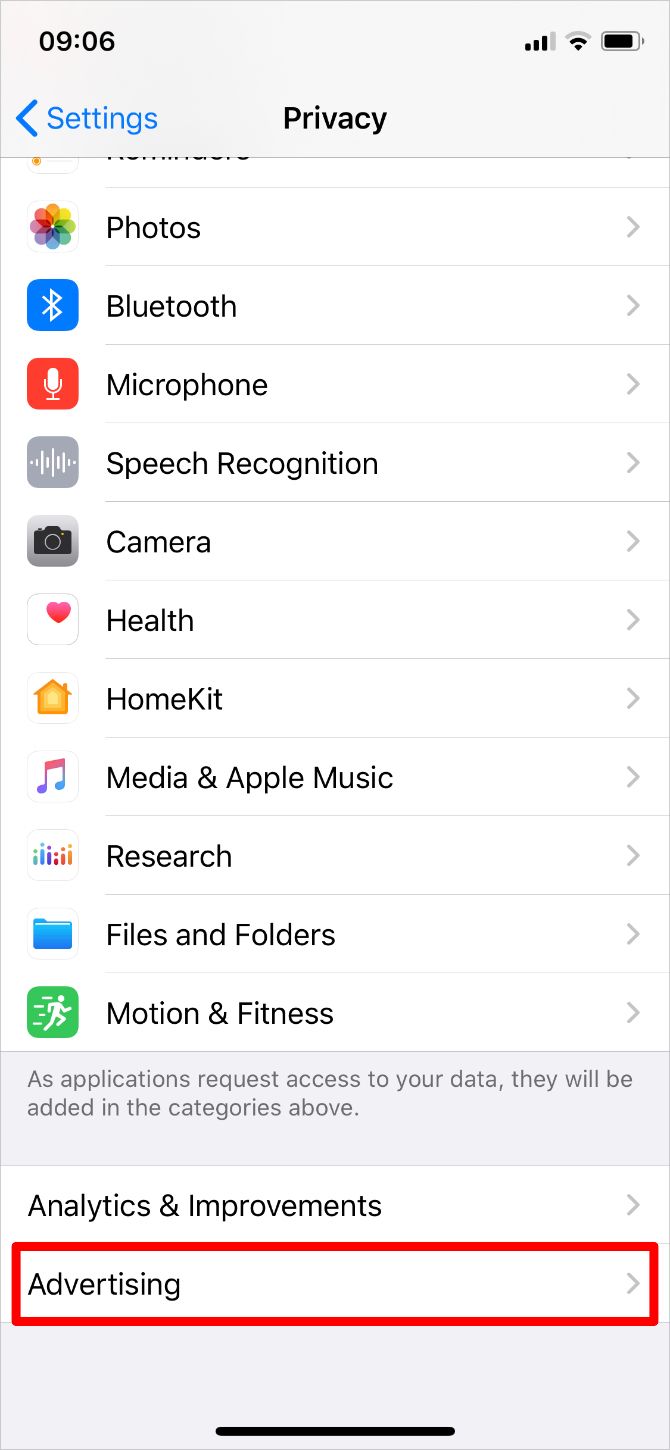
To disable ad tracking on your iPhone, open the Settings app and tap on the Privacy option. At the bottom of the page, go to Advertising, then turn on the Limit Ad Tracking option.

This is also how you disable third-party advertisers, like Criteo services, from sending you targeted ads.

Limit Location-Based Ads

Apple may still use your iPhone’s location data to target you with location-based ads. You can disable this feature from the Location Services settings.

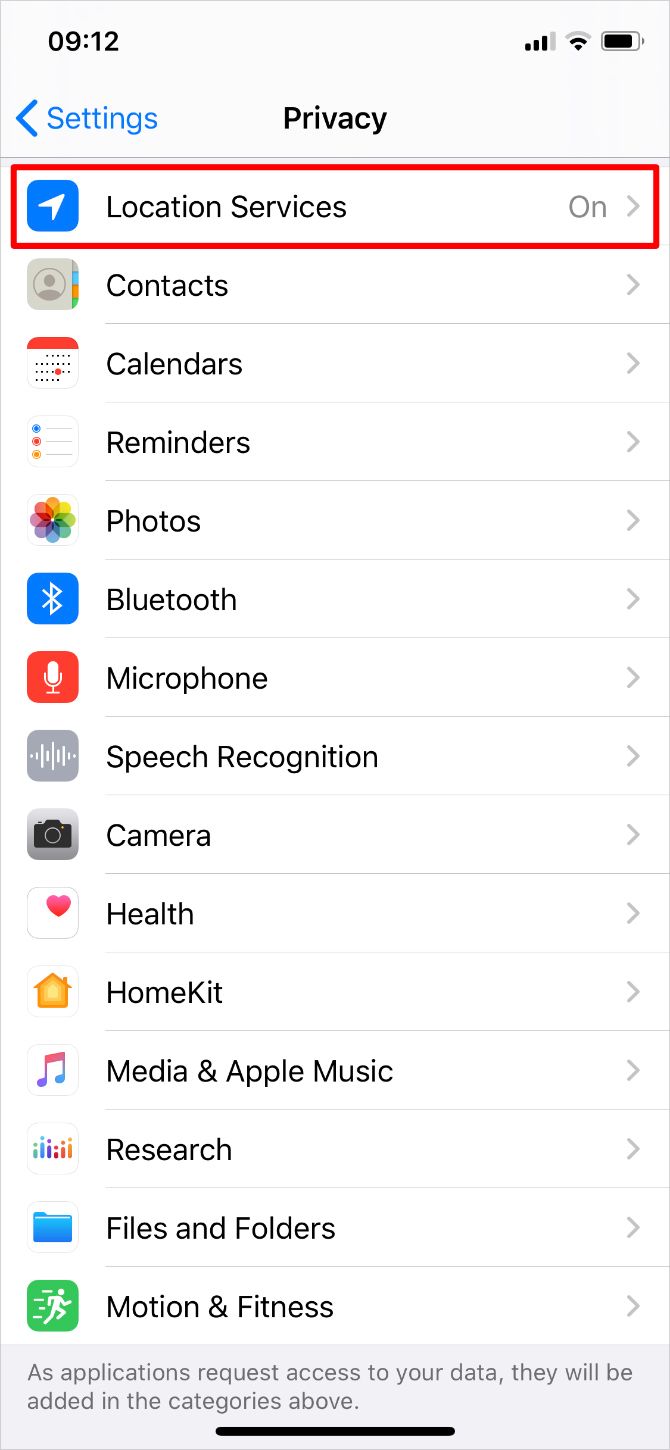
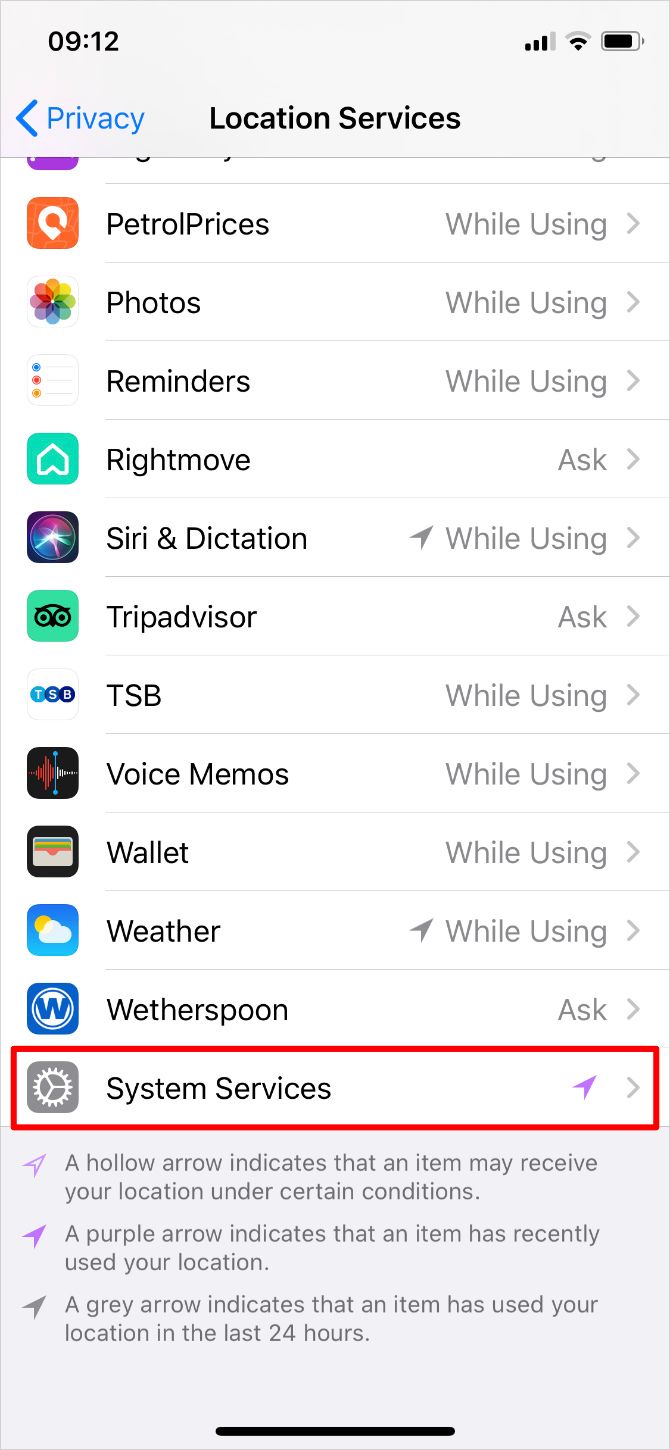
Open the Settings app and tap on the Privacy option. Go to Location Services, then scroll down and open System Services. Turn off the option for Location-Based Apple Ads.
Reset Advertising Identifier

You may want to reset your advertising identifier in addition to disabling ad tracking. This doesn’t delete the data Apple collected about you, but it makes it so that no one can link that data with you again. Apple achieves this by giving you a new identifying number with no link to your previous identifier.

Open the Settings app and go to Privacy > Advertising. Then tap the Reset Advertising Identifier button and confirm you want to Reset Identifier.

Turn Off Background App Refresh

Background App Refresh allows apps to keep running even when you aren’t using them. This is incredibly useful for some apps, as it allows them to back up data or receive new messages. But other apps take advantage of this access to track your data and send it to advertisers.

Reduce ad tracking on your iPhone by disabling Background App Refresh for untrustworthy apps.

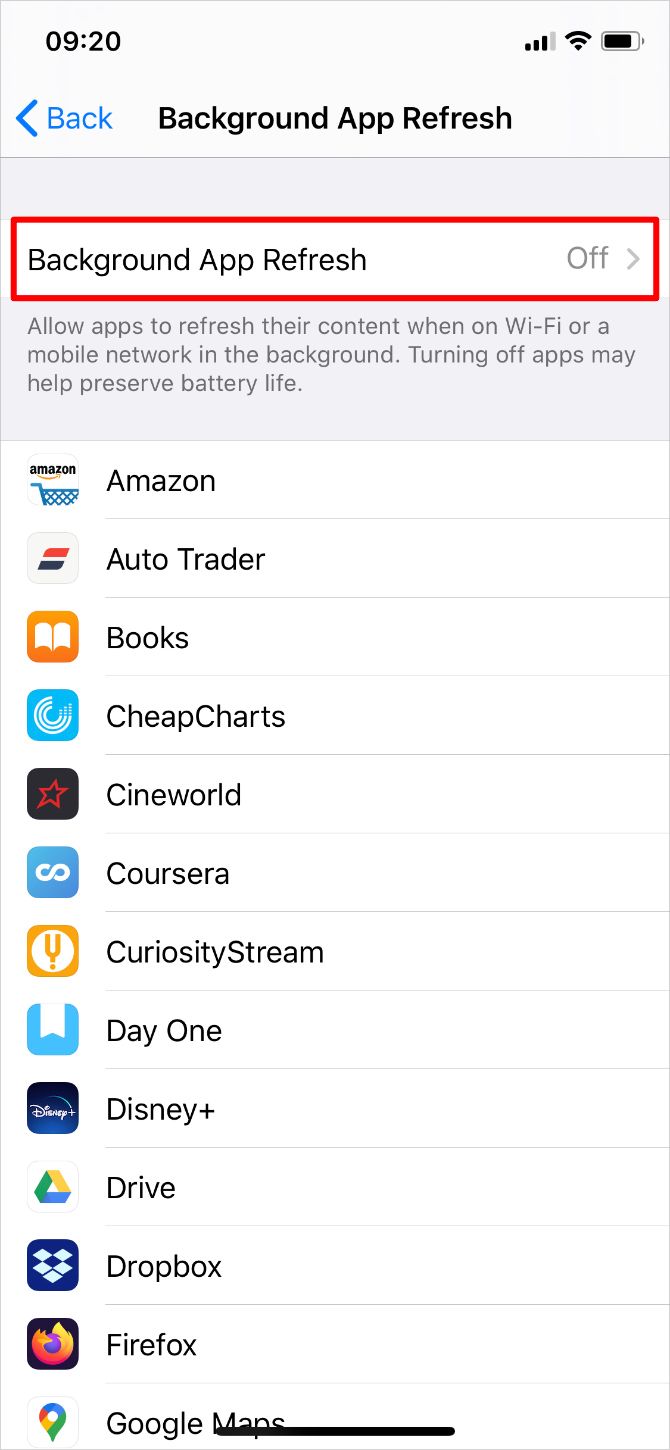
Open the Settings app and go to General > Background App Refresh. Turn it off entirely or use the toggles to disable it for specific apps.


How to Turn Off Ad Tracking on iPhone Internet Browsers

Third-parties can still track your online activity and send you targeted ads through your internet browser. This is difficult to stop completely, but you can reduce ad tracking by changing your browser settings.

We’ll include instructions for each of the most popular iPhone browsers below. Alternatively, use one of these private phone browsers to protect your privacy without needing to change the settings.

Reduce Ad Tracking in Safari

There are lots of ways to improve your privacy in Safari. But if you want to disable ad tracking, you need to turn off cookies and prevent cross-site tracking. Unfortunately, using either of these options might cause certain websites to stop working, but that’s just the price you pay for privacy.

Open the Settings app and tap Safari. Under the Privacy & Security section, turn on the options to Prevent Cross-Site Tracking and to Block All Cookies.

Safari Privacy and Security settings

Reduce Ad Tracking in Google Chrome

The best way to reduce ad tracking in Google Chrome is to disable Google Lead services in your account settings. This is what Google uses to track your data and usage across every Google app.

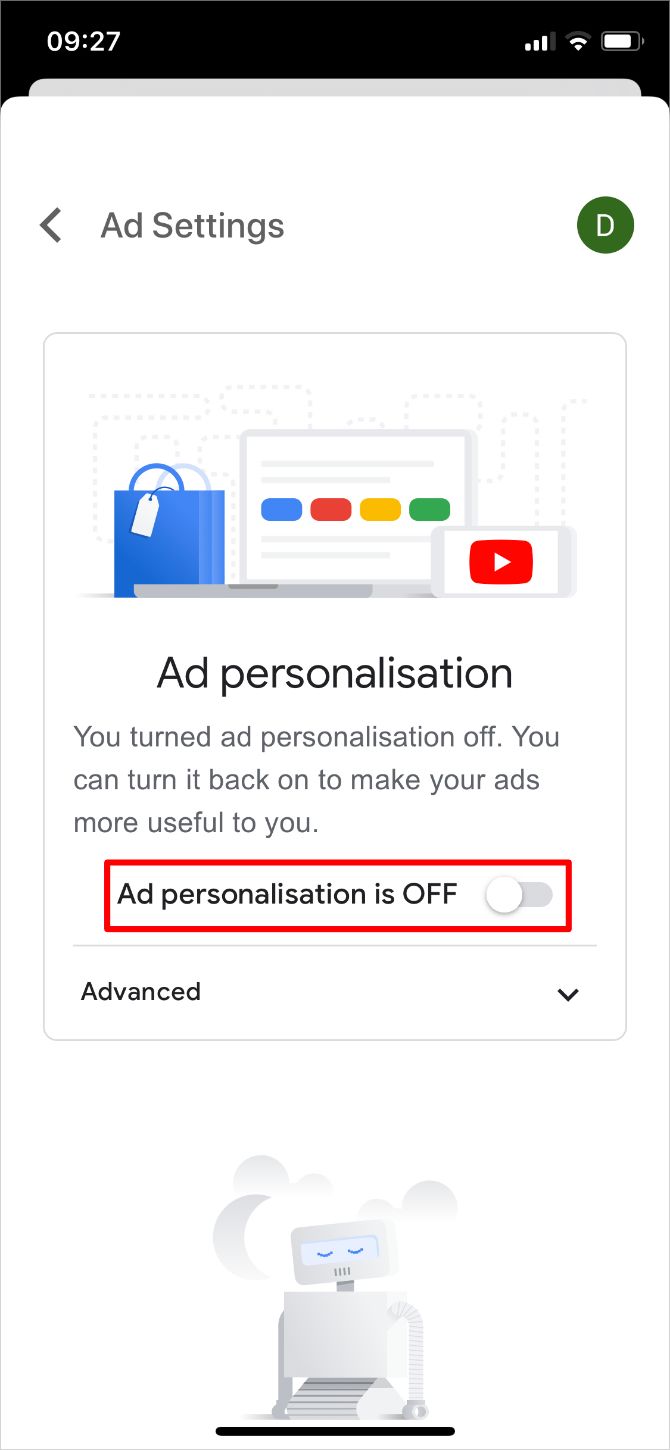
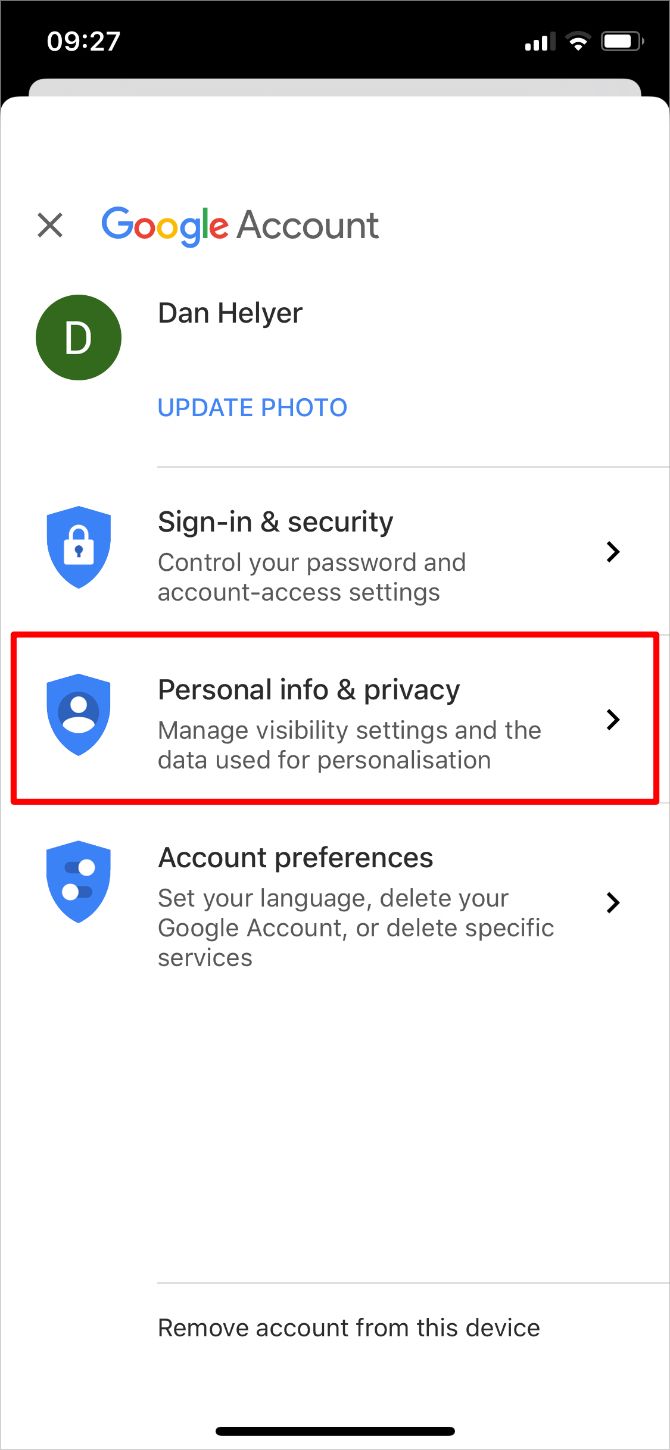
Open the Google Chrome app and tap the three-dot menu () in the bottom-right corner to open the menu. Go to Settings and tap [Your Google Account] at the top of the screen, then select Personal info & privacy. Scroll down and select Ad settings, then turn off Ad personalization.

Reduce Ad Tracking in Mozilla Firefox

Thanks to its focus on privacy, Firefox enables several privacy features by default. But in case you turned them off by mistake, here’s how to check ad tracking is turned off for Firefox on your iPhone.

Open the Mozilla Firefox app and tap the three-line menu in the bottom-right corner to open the menu. Tap Settings and go to the Privacy section, then tap Tracking Protection. Turn on Enhanced Tracking Protection and choose between Standard and Strict protection.

Strict protection blocks more ad trackers, but it may stop some websites from working.

Don’t Forget About Social Media

It’s almost impossible to completely eliminate targeted ads from your life. We’ve shown you how to turn off ad tracking in iOS and on iPhone web browsers. But social media companies can still track you and fill your news feed with targeted ads.

Meanwhile, Facebook notoriously follows you across the internet even if you aren’t signed in. So disabling Facebook’s ad tracking is one of the best ways to get rid of even more targeted ads on your iPhone.

Read the full article: How to Disable Ad Tracking on iPhone and iOS Browsers

03 Dec 23:23

The Complete Malware Removal Guide

by Gavin Phillips

Malware is everywhere these days. You only have to sneeze in the wrong café, and you have malware. Okay, maybe not that bad. But as the networked world expands, so does the potential for infection. This MakeUseOf guide is a step-by-step approach to removing a significant amount of malware. Furthermore, we’re going to show you how to stop malware infecting your system, to begin with. And if you don’t have to worry about malware, you’ll have more time for the finer things in life. We cannot deliver a guide detailing removal instructions for every piece of malware or ransomware out...

Read the full article: The Complete Malware Removal Guide

03 Dec 23:23

How to Enter Netflix’s Secret Codes

by Dan Price

Despite the popularity of Netflix, it still has an issue with content discovery. The list of TV shows and movies on the homescreen often throws up bizarre recommendations. So much so that you may need to recalibrate your Netflix recommendations.

Meanwhile, content you would actually enjoy goes unnoticed until a friend happens to mention it in passing. Netflix uses a range of algorithms to decide what it recommends to you, but none of the behind-the-scenes genres are natively searchable within its apps.

Luckily, there are hundreds of secret Netflix codes to help you find new content. These let you pinpoint your search to find exactly what you want to watch. You can get strangely specific, such as code 354 which is “Movies Starring Matthew McConaughey”!

To reveal the content lurking behind these codes you need to know how to enter them. So here’s how to enter the secret Netflix codes to access the streaming service’s entire library of movies and TV shows.

How to Use Netflix’s Secret Codes

netflix secret code url

To use the hidden Netflix codes, just follow these simple step-by-step instructions:

  1. Open your browser.
  2. Go to Netflix and sign into your account.
  3. Type https://www.netflix.com/browse/genre/[code] into the address bar.
  4. Replace [code] with one of the genre-specific codes.
  5. Press Enter.

When the page loads, you will still see the usual carrousels such as Popular and Trending, but with content from within your selected genre.

Popular Netflix Hidden Codes

Some of the most popular Netflix codes to get you started are:

  • Action and Adventure (1365)
  • Anime (7424)
  • TV Cartoons (11177)
  • Film Noir (7687)
  • Stand-up Comedy (11559)
  • Cult Comedies (9434)
  • Independent Dramas (384)
  • Japanese Movies (10398)
  • B-Horror Movies (8195)
  • Classic Musicals (32392)
  • Spy Action and Adventure (10702)
  • Sci-Fi and Fantasy (1492)
  • Gangster Movies (31851)
  • Psychological Thrillers (5505)

More Netflix Tips and Tricks to Use

And remember, we have written dozens of articles to help you find more movies and TV shows worth watching on Netflix. They are the perfect complement to the Netflix secret codes.

For a full rundown of these Netflix content recommendations, as well as a bunch of other tips and tricks, check out our comprehensive guide to Netflix to help you become a Netflix pro.

Read the full article: How to Enter Netflix’s Secret Codes

03 Dec 23:12

The Magic Of Family-Owned Hotels Explained By Hotel Kristiania

by Bridget Arsenault, Contributor
Hotel Kristiania in Lech, Austria is a true original. Set amidst some of the world's best pistes and views, it's an elegant Alpine resort that feels both authentic and responsive to the expectations of modern travellers. We caught up with owner Gertrud Schneider to learn more.
03 Dec 02:45

Use These Apps to Easily Donate to Bail Funds

by Jaime Green

Cash bail is one of the (many) elements of the justice system that disproportionately harms low-income people. It’s a hot issue for reform and activism, and two new apps help you contribute to the cause.

Read more...

30 Nov 18:54

How To Write The Perfect Post-Interview Thank You Note

by Liz Ryan, Contributor
Your follow-up after a job interview is incredibly important. It can get you the job offer! Here's how to followup with the perfect post-interview thank you note.
30 Nov 18:35

How Black Markets Preserved Spain's Artisanal Cheeses

by Jackie Bryant

Manel Marcè points at his old farmhouse as he squints at the sun and recounts his family’s history. A sixth-generation sheep farmer, he comes from a nomadic family that lives in Siurana d'Empordà, a farming town in the Catalonia region of Spain.

His family specializes in cheese made from a rare breed of sheep, called Ripollese, that produces low quantities of high quality milk. The cheese made by his family company, Mas Marcè, is a luxury product, sold in fine foods shops around Spain and served at some of the world’s finest restaurants, such as El Celler de Can Roca.

After the Spanish Civil War, in 1939, Marcè’s ancestors gave up their nomadic ways and bought the farmhouse where he was born. Ever since, the family has raised sheep, made cheese, and sold meat year-round. Despite the company’s storied history, though, Marcè and his family have sold cheese only for the last 12 years. Which confuses me. I thought his family had made and sold cheese for six generations.

“Yes!” Marcè says. “But it was illegal to sell artisanal cheese in Spain during the Franco years, until the 1980s.” For decades, his family only made cheese in secret.

article-image

Marcè’s story is not uncommon in Spain. He is part of one of Europe’s oldest and most varied artisanal cheesemaking cultures, which was once entirely illegal. And its survival can be largely attributed to a black market of underground cheese.

The cheesemongering of the Marcès and other Spaniards went underground in reaction to the policies of Spain’s military dictator, Francisco Franco, who ruled the country from 1939 until his death in 1975. The country’s economy was depleted by civil war, World War II, and Spain’s exclusion from the Marshall Plan. So, he initiated a grand economic plan designed to achieve self-sufficiency: Spain would pool its resources and centralize production.

As part of this policy, quotas were enacted that outlawed milk production under 10,000 liters a day. This made small dairies and cheesemaking productions (such as the Marcès’) illegal. To comply with the law, they had to sell their milk to larger companies.

article-image

Enric Canut, a Barcelona-born cheesemaker, agricultural engineer, and dairy consultant, recalls a catalogue of Spanish cheeses compiled by the government in 1964. “Five years later,” he says, “most of those same cheeses were illegal!”

Canut began his career right after Franco’s death, and many of Franco’s economic policies were in place into the 1980s. As a result, he saw firsthand the black market created by Franco’s reforms.

As an agriculture ministry employee in the early 1980s, Canut was tasked with researching black market cheese in Spain. He says it was an open secret that almost 30 percent of total milk production in Spain was on the black market. “When the agricultural statistics came out,” he says, “it showed that all the milk produced by specific farms were used within that farm, which was impossible.”

article-image

This would have meant that some farmers personally consumed 500 liters of milk a day. So, what did the farmers really do? They used that milk to produce black market cheese. Or, like the Marcès, they made cheese but bartered it for other goods.

Canut says that inspectors from the government patrolled Spanish towns. They popped into dairies, homes, and stores to check for illegal cheese. But it was a futile effort.

Canut recalls visiting a market in Galicia, in northwestern Spain. All the farmers Canut knew in Galicia produced illegal cheese, and he was told that the small town of Sobrado de los Monjes held a large, weekly, open-air black market. He arrived the day before and asked when the market started. “Some people told me, ‘In this square, near the monastery, at five in the morning.’” says Canut. “I asked, ‘What? It's so dark and cold,’ and they replied, ‘Yes, that's the point, because the inspector is sleeping.’”

Following directions, Canut arrived at 5 a.m. to a pitch-black town square. More than 50 women were selling cheese, for cash, to 10 brokers. The market ended promptly at seven. At eight, a legal market for tomatoes, potatoes, and meat began. “The market was weekly,” says Canut, “and maybe four or five thousand kilos of cheese changed hands in this tiny town in just two hours.” Canut later reported to the government that at least 25% of daily milk production in Spain went towards making illegal cheese. It was a remarkable refutation of the government’s policy. Franco had imagined large, industrial operations. Instead Spaniards enthusiastically supported small, black market cheesemakers who, as Canut remembers from visits throughout Spain in the 1970s, sometimes kept their cheese in actual caves.

The persistence of the black market, along with Spain’s desire to join the European Union, eventually led the country to de-centralize its industries and increase competition. Franco’s policies were slowly phased out, and, in 1985, dairies of all sizes became legal. Canut estimates that in a decade, Spain went from having almost no small dairies to having nearly 1,000—a combination of upstarts and illicit dairies that had been producing all along.

article-image

Not all cheesemakers survived the blacklisting of artisanal cheese. During Franco’s reign, poverty and centralization forced many farmers off their land and into towns and cities. Many niche cheeses were lost.

But the black market did a remarkable job supporting the country’s artisanal cheesemakers. Canut says that when the government compiled another cheese catalogue in 1982, before legalization, it showed that 50 cheeses had disappeared. But most reappeared in subsequent years, a period that saw strong economic growth and cheesemakers being supported with financial support. Canut is now a foremost authority on Spanish cheeses, and he is responsible for the inclusion of many artisanal Spanish cheeses in elite restaurants.

Their success is all the more impressive given that many families, such as the Marcès, did not exit the black market until relatively recently. Though Marcè’s family made cheese during the illegal years, it wasn’t a skill he picked up until he saw the market moving full steam ahead, just 12 years ago. Now, his cheese is being served at three Michelin starred-restaurants. “I started a little bit later after legalization,” he says. “I’m still learning and catching up every single day.”

30 Nov 18:35

What's Left of America's Cold War Civil Defense System?

by Sarah Laskow
article-image

In the mid-1990s, after the Cold War had come to an end, Hawaii stopped testing its Attack Warning Tone, meant to sound the alarm in the event of a nuclear attack. Why blast an incredibly loud noise each month, when it seemed unlikely to be used?

Now, though, as North Korea keeps testing intercontinental ballistic missiles, the state is revving up its Cold War warning system, with a monthly test. It’s just a precaution, according to state officials, but it's hard not to see this move as a very unwelcome blast from the past.

For decades of the 20th century, the United States prepped for a nuclear war. Americans were trained in survival; telegraph poles across America were equipped with sirens that would sound if the country was hit with a nuclear weapon. There was even a secret plan to invoke martial law before a war broke out.

All across the country, governments and individuals built shelters and infrastructure like Hawaii’s warning system to ready for the attack. How much of that preparation still stands ready? Could the rest of the country flip a switch back into Cold War prep mode?

article-image

For the most part, Cold War infrastructure has been left to deteriorate. Air raid towers might still stand, but they’re rarely operational. A giant bunker in Portland, Oregon, has been sealed and buried; a radar station in Massachusetts was simply abandoned, as was a cube-shaped radio building in California. A fallout shelter built into the Brooklyn Bridge was forgotten. In many cities, siren systems were left to rust: "A lot of times, they try to crank them up after 40 years and they just catch on fire," one siren expert told The Baltimore Sun in 2004. In Los Angeles, siren enthusiasts made a hobby of hunting down the aging civil defense sirens scattered around the city.

Some facilities have been repurposed. A bunker in Virginia that once held piles of cash is now a film archive. A fallout shelter meant to save Congress has become a data storage facility. A Cold War museum in Los Angeles recently relocated to a nuclear-hardened armory that was obsolete by the time it was finished.

But some results of those years of planning and building have endured. Legally, the Supreme Court could still commandeer the luxurious Grove Park Inn in Asheville, North Carolina, as its emergency headquarters, for instance.

article-image

In some states, Cold War warning systems have survived, especially if they’ve been drafted into warning systems for other types of disasters. In Minnesota, warning systems originally built during World War II and enhanced during the Cold War might still be used to warn of severe weather and industrial accidents. San Jose still has “at least 38 air raid sirens” that would sound in the event of an attack, the Mercury News reports. When the original Civil Defense system was built starting in the 1950s, the federal government provided the funding but left the construction and management to the states. As money for these sorts of precautions dried up, states made their own choices about how much to spend on upkeep of this infrastructure.

After 9/11, though, cities, states, and the federal government showed a renewed interest in some of these aging defensive plans. More than decade ago, cities including Chicago and Dallas upgraded their warning systems, The Baltimore Sun reported.

Most dramatically, the federal government started pouring money into rehabilitating “continuity of government” facilities that had long languished without updates. As the writer Garrett Graff reports in his new book, Raven Rock: The Story of the U.S. Government's Secret Plan to Save Itself—While the Rest of Us Die, since 9/11, the federal government has spent hundreds of millions of dollars upgrading the underground Raven Rock facility in North Carolina and refurbishing and restaffing the Cheyenne Mountain Nuclear Bunker in Colorado.

Sometimes, though, these updates included modernizing warning systems. Not all cities chose to put money in rehabbing sirens; some invested in newer warning system that blasted out warnings over modern telecommunications networks. So while Hawaiians might get used to hearing very loud monthly tests, elsewhere the first warning of a nuclear attack might be a more localized sound—the aggressive buzzing of millions of mobile phones.

30 Nov 18:34

Water Tower in New York, New York

Water Tower.

New York City’s skyline features a myriad of water towers, but one in particular stands out from the rest. A rooftop on West Broadway and Grand Street in SoHo has the familiar steel frame, but the container appears to be missing. In its place, you'll find what looks like water in the shape of a coned cylinder resting atop the structure.

The 12-foot-tall resin cast of the inside of a water tower is English artist Rachel Whiteread's first public sculpture to be conceived and displayed in the U.S. After she was commissioned by the Public Art Fund in the ‘90s, she searched the city for what she felt would be a quintessential New York City symbol.

Whiteread is known for her castings of everyday objects like bathtubs, hot water bottles, and even an entire Victorian house. "Water Tower" was made using a once-functioning cedar tower. She chose it for the wood's distinct texture, which she then imprinted on the casting. The translucent sculpture changes color and brightness with the weather and is all but invisible at night.

The piece was installed in 1998, and like Whiteread's other works, almost appears to be a fossil. If you're ever in SoHo, keep your eyes skyward to see the glowing artifact of city life.

30 Nov 18:02

U-Drop Inn in Shamrock, Texas

The U-Drop Inn and Tower Station.

Built in 1936, the U-Drop Inn in Shamrock, Texas, was kind of a big deal. With its prime location on iconic Route 66, the café with its connected Tower Station was one of the first commercial businesses along the route. The road itself was a fairly new addition to the country's landscape, with the roadway being designated Route 66 just ten years earlier.  

This Art Deco building included the Tower Conoco Station, so named for the metal tulip-topped tower attached to the building; a café, which was given the name U-Drop Inn by a local student who won a building naming contest (and five dollars); and a space that was to hold retail. At one time, the U-Drop Inn was called “the swankiest of swank eating places” and “the most up-to-date edifice of its kind on U.S. Highway 66 between Oklahoma City and Amarillo.” The café was the only the one around in a 100 mile radius, so it wasn't just swanky, it was crowded. The space that was to be used as retail was converted to additional café seating and a ballroom the next year.

But while the implementation of national highway system in 1956 brought speed and efficiency to American travelers, it also meant a decline in patrons for businesses along Route 66, and the U-Drop Inn was no exception. When the highways came in, Shamrock was one of the towns bypassed; the formerly famous U-Drop Inn fell into disrepair and was eventually abandoned. As Shamrock Economic Development Corporation director Larry Clonts explained, "When the freeway started and got complete, the town started going down from the lack of people because they quit traveling as an adventure."

A $1.7 million federal grant in 2003 gave the U-Drop Inn a second chance. The building, which is now owned by the city, was restored to its former glory and now includes a visitor's center and the city's Chamber of Commerce. Another new addition? A Tesla Supercharger charging station for electric cars. The restored building is a bit of road trip nostalgia that has reinvigorated Shamrock. Clonts noted,“For our travelers that you’re seeing come and go all the time here, which are by the thousands, it’s a piece of history.” 

30 Nov 18:00

The Curious Case of August Engelhardt, Leader of a Coconut-Obsessed Cult

by Zoë Bernard

In 1902, a student named August Engelhardt set sail from Germany with a suitcase full of books and a peculiar mission: to establish a new edenic order on the sunbaked shores of Papua New Guinea. Paradise, he knew, existed on earth, somewhere along the equator, and the key to happiness was simple: Abandon your earthly possessions, move to a tropical island, become a nudist, and eat only coconuts.

From his newly purchased island home, Engelhardt established a cult called Sonnenorden, or the Order of the Sun: a religion that revolved around worshiping the sun, which he saw as the ultimate giver of life, and coconuts, which he believed to be the tropical transubstantiation of God’s very flesh. As Christian Kracht, the author of Imperium, a fictional account based on Engelhardt’s life, puts it, “To Engelhardt, the sun and God and the coconut were much the same indivisible holy entity, much as the trinity of Father, Son, and Holy Ghost are one and the same in Catholicism.”

The precepts of Sonnenorden are meticulously outlined in Engelhardt’s collection of writings, entitled, A Carefree Future: The New Gospel, which he co-authored with his friend, August Bethmann, four years before setting out for the island. A Carefree Future dwells obsessively on the coconut; page after page is filled with wild theories that extol the virtues of the fruit and adoring, devotional poems with titles like “The Coconut Spirit” and “How to Become a Coconut Palm.” One poem, entitled “Mother Coconut,” begins, “Coconut, noble princess and benevolent mother of men, Likeness of God you are, and divinity in shape of a plant.”

The crux of Engelhardt’s coconut obsession was rooted on a thin observation: The coconut, with its cylindrical shape and furry shell, is the fruit that most resembles the human head. Therefore, it is the most ideal fruit for man’s consumption. “We can expect from God that he created our food in the shape of our heads,” Engelhardt reasons. Coconuts are “vegetal human heads, and they alone are the proper human nourishment.”

article-image

Despite Engelhardt’s aspiration to spread his new gospel of cocovorism, his cult attracted only a handful of followers. In total, no more than fifteen German disciples joined Engelhardt in a life of quiet island devotion. Together, they sun-bathed for hours a day, swam in the cool waters of the Pacific, and ate their holy fruit.

Engelhardt’s ideology, though radical, was born of more mainstream philosophy sweeping through Germany in the late 1800s. Disillusioned with the state of society in Victorian-era Europe, a collective of writers propagated a movement called Lebensreform, or life reform, a philosophy considered to be the ideological forbearer of the hippies and the modern day organic food movement. Proponents of Lebensreform believed that men should live close to nature, eat strict vegetarian diets, abstain from tobacco and alcohol, and be nudists.

But Engelhardt’s cult was short-lived. As it turns out, paradise is not without its perils, nor can man live on coconuts alone. A sensationalistic 1905 account from the New York Times describes the fate of two of Engelhardt’s followers, a student named Heinrich Eukens and orchestra director Max Lützow, who died shortly after joining Engelhardt on the island.

Throughout the course of the next few years, several more of the cult’s followers, unaccustomed to the warm climate and stringent coconut diet, died or contracted malaria. Engelhardt, too, grew seriously ill. Despite his recovery, the cult disbanded of its own accord; disenchanted with the disastrous realities of the New Eden, the remainder of the group returned to Germany. Engelhardt blamed his follower’s illnesses on their deviation from the coconut diet — it was the sweet tropical fruits they had consumed in addition to coconuts which made them ill, he reasoned.

In response to the cult’s ruinous outcome, the German government issued a stern warning, banning any more prospective followers from joining Engelhardt on the island. Engelhardt was left alone, scribbling lengthy treatises on the healing powers of plants and studying the dietary habits of the island’s natives. He was an emaciated nudist, treated as something of a solitary sideshow by visiting tourists who would occasionally ask him to pose with them for photographs.

article-image

There’s little known about the fate of Engelhardt himself. It is widely assumed that he died in his mid-40s, nearly seventeen years after setting foot on the island. While no trace of a gravesite or memorial remains, his body is believed to have been discovered on the shores of Papua New Guinea in May of 1919, his legs riddled with ulcers. At the time of his death, Engelhardt weighed only 66 pounds.

It might be easy to dismiss Engelhardt as a domineering madman, a deranged eccentric, or a maniacal cult-leader. But, according to Kracht, he’s a character who, in some ways, begs our sympathy. Kracht, who discovered a tome of Engelhardt’s diaries in a New Zealand library, says that Engelhardt writes of a deeply unhappy childhood and physical abuse from his parents. As an adult, Engelhardt was a shy and insecure man who believed he was ugly and hopelessly awkward around women. Kracht sees Engelhart as an artistic, misled visionary, who hoped to transcend the limitations of inflexible Victorian society. And, in some ways, Engelhardt’s legacy lives on: It’s difficult not to draw parallels from Engelhardt’s story to the occasionally fanatical organic and locally-sourced food movements of today.

“The hipster’s credo is directly descended from Engelhardt’s world view,” says Kracht. “So he is vindicated, in a small way, a century later.”

30 Nov 17:59

Chandelier Tree in Los Angeles, California

The Chandelier Tree.

Walking through Los Angeles’ Silver Lake neighborhood at night, your pathway may be illuminated only by the occasional streetlamp. But as you approach Shadowlawn Avenue, you'll be met by a cluster of dozens of elegant lightbulbs mysteriously dangling in the sky. If this is the case, you've reached one of the city’s most unique hidden attractions: The Chandelier Tree.

Unlike the Chandelier Tree in Leggett, California, Los Angeles’ Chandelier Tree actually has chandeliers on it. Thirty bright, elegant displays of light dangle from the branches of a sycamore tree, welcoming pedestrians and luring in passing drivers. The Chandelier Tree is so beautiful it has even been the site of marriage proposals, wedding photos, and music video shoots.

The Chandelier Tree was created by Adam Tenenbaum, who, when he was working as a set builder, salvaged three leftover chandeliers that would have otherwise been thrown away. These three chandeliers wouldn't fit well inside his house, so he had to get creative.

One day, a lightbulb struck in Tenenbaum's mind. He decided to get on a ladder, hang the chandeliers on the tree in his yard, and use an intricate system of wiring to connect them to a power source. Voila, the Chandelier Tree was born.

Over the years, Tenenbaum has grown the Chandelier Tree from three light fixtures to 30. He expands his collection by attending an assortment of swap meets and garage sales. To quote Tenenbaum directly, the public art project adds liveliness and joy to the local community, serving as a "local bar without the alcohol."

Although the Chandelier Tree is accessible to the general public free of charge, the electricity bill for the tree alone is a whopping $200 per month. So, if you visit, make sure to slip Tenenbaum a donation to keep the tree illuminated for years to come!

27 Nov 16:24

Magnets and Iron Powder Were Used to Make this Mesmerizing Short Film

by Will Nicholls

Photographer and filmmaker Roman De Giuli has created a new short film titled Matereality. The visual effects in the 3.5-minute video were created using iron powder, highly reflective pigments, and magnets.

Inspired by countless videos of “DIY slime” on YouTube, De Giuli spent many hours trying to create the perfect magnetic substance for his videos.

“At the beginning it was tough and I wasted a lot of ingredients until I got a substance which really was worth to make an attempt [filming with],” writes De Giuli. “But since then there was no looking back. I ended up with 16 shooting sessions of 3 to 4 hours each which finally gave around 20 hours of footage. Plenty of great shots!”

The magnets cause the powder to create captivating shapes, patterns, and textures that may look more like 3D renders generated by a computer, but all of the shots you see here were shot in-camera.

(via Roman De Giuli via Colossal)

27 Nov 16:18

5 Low Priced Stocks With 10%+ Dividends

by Brett Owens, Contributor
Everybody likes a sale, but there’s a significant difference between something that’s a value, and something that’s merely cheap ...
27 Nov 16:18

Stories Made of Solitude: a Walk in the Woods in the American South

by Elizabeth Sulis Gear

“How surely are the dead beyond death. Death is what the living carry with them. A state of dread, like some uncanny foretaste of a bitter memory. But the dead do not remember and nothingness is not a curse. Far from it.”
-exert from Cormac McCarthy’s Suttree

In Cormac McCarthy’s semi-autobiographical novel Suttree, the protagonist of the same name escapes into the woods for weeks at a time and lives on the margins of an outcast community there—in these breaks from reality he also experiences visions.

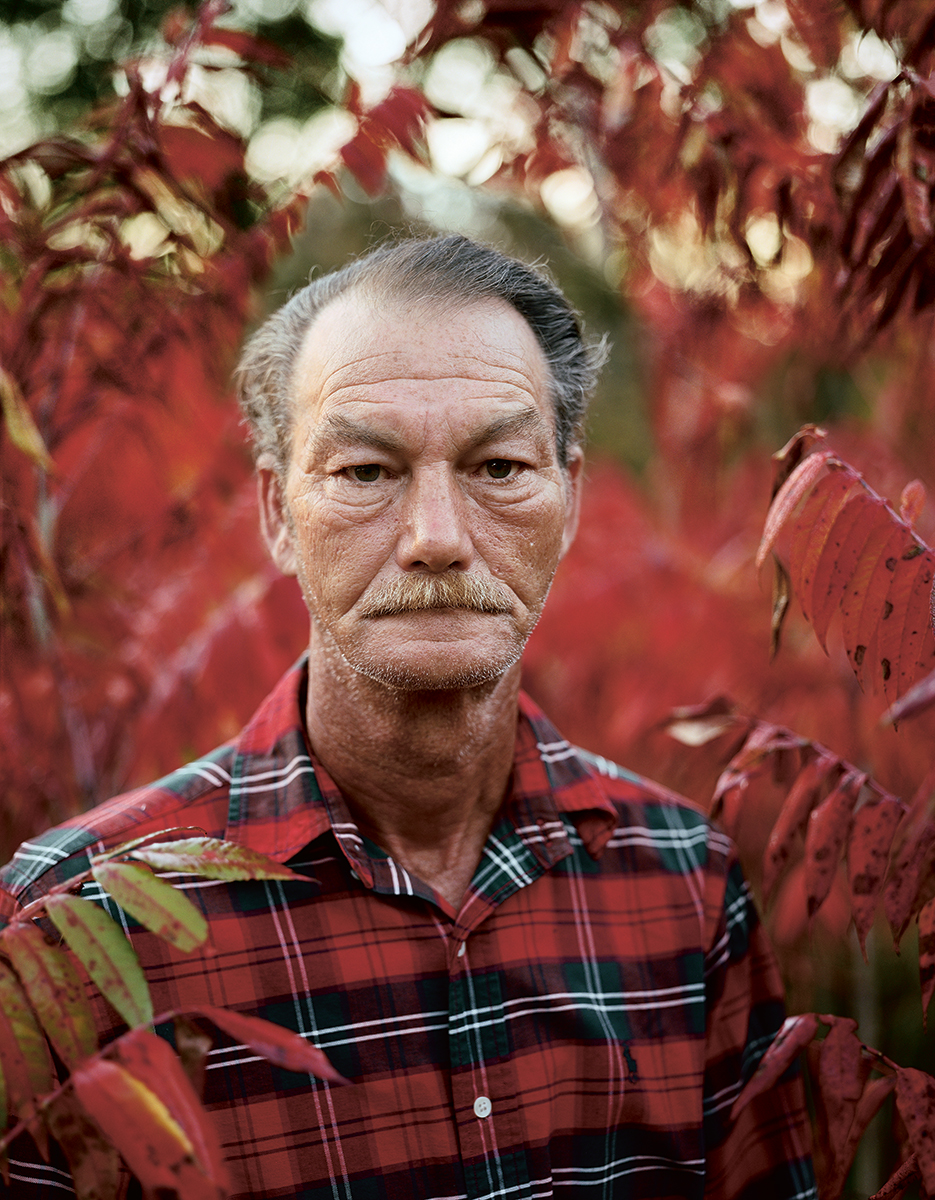
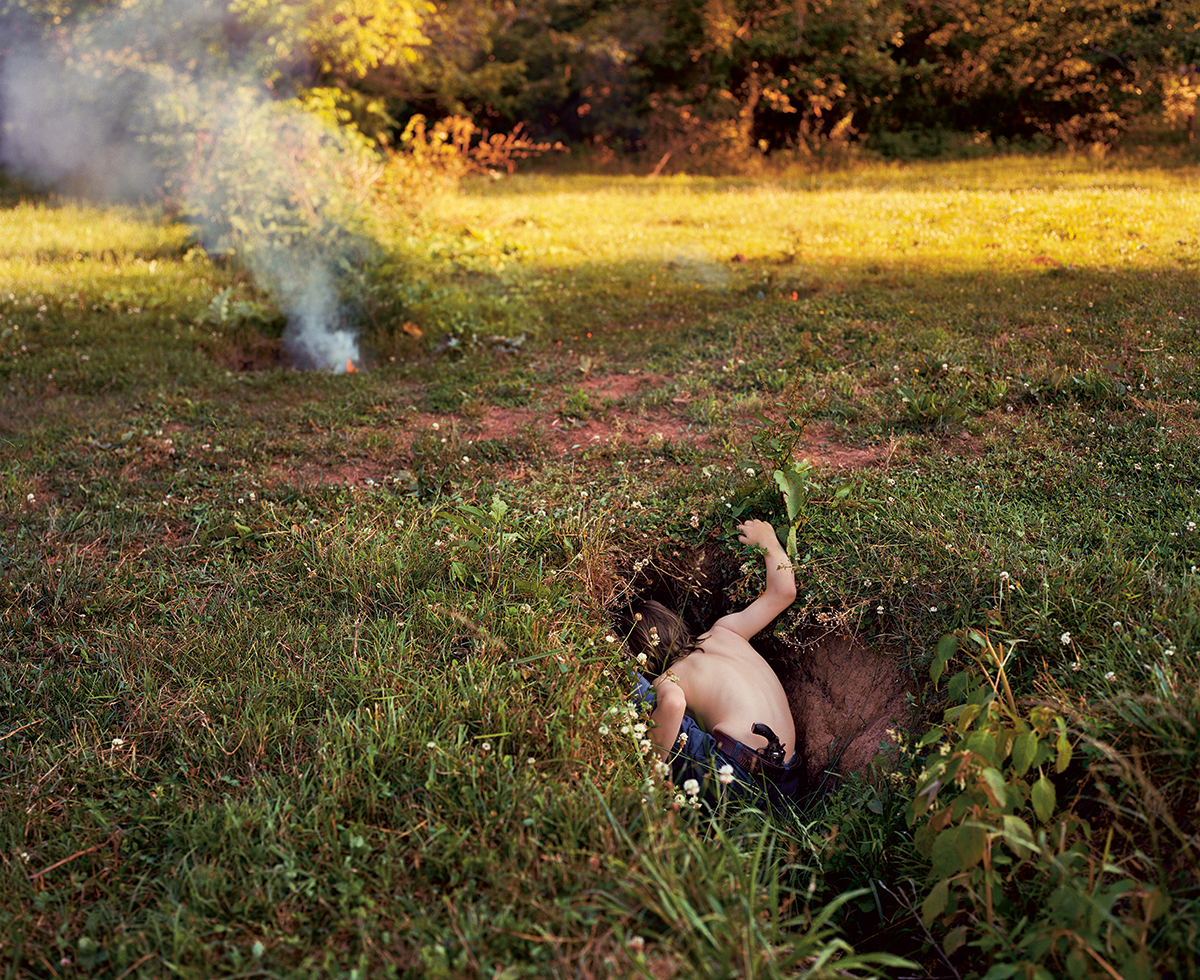
Until recently Virginian photographer Morgan Ashcom was living in New York city, a far cry from the rural setting where he was brought up in the American South. Around the same time he left the farm where he grew up, his family entered a period of turmoil. He found himself travelling back on forth between his family home and New York on a regular basis. 

“During these visits, out of a need for escape or sheer compulsion, I would go on walks to clear my head,” explains the artist. Like Cornelius Suttree, the artist found himself drawn to the woods where where he spent a lot of time in solitude. In the interludes between wilderness and urban areas, walking, he found pockets that were lightly populated.

The encounters with the people he met formed the foundation for his series and photobook What the Living Carry. “One of them remarked to me, ‘Depending on how long you been out here, you’d be surprised as to the things that can crawl into your brain.’ Every place and every person has their secrets or demons, and often they’re passed down through the generations in families and communities.”

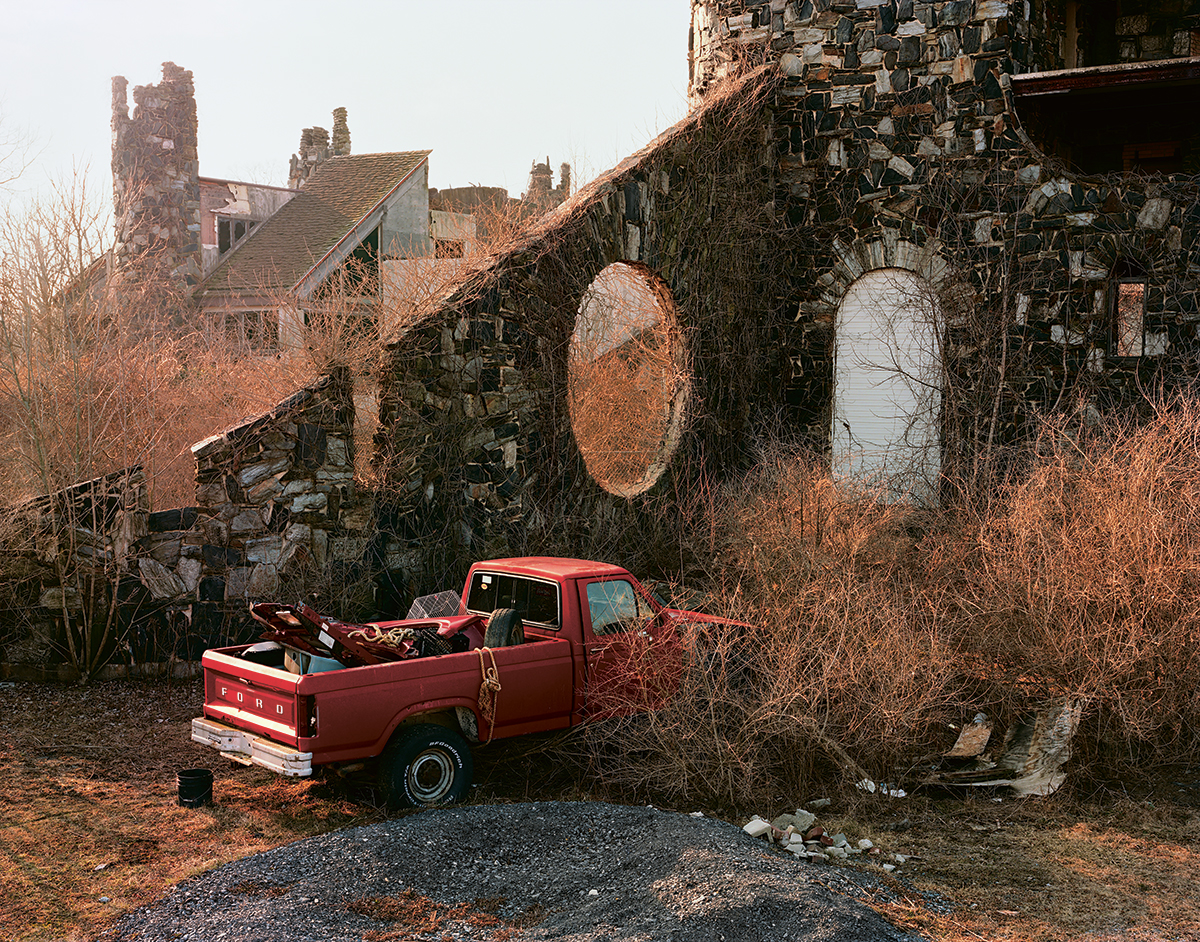
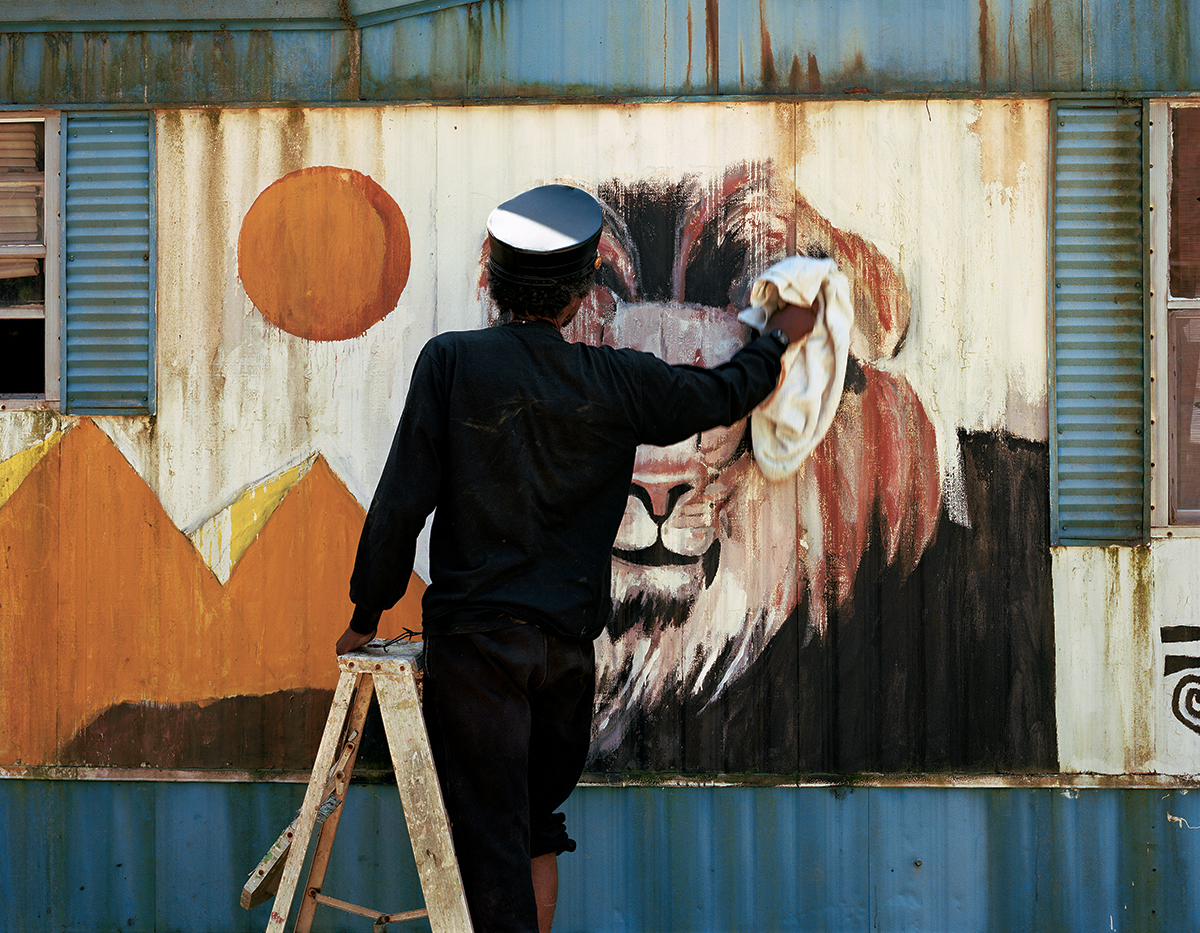
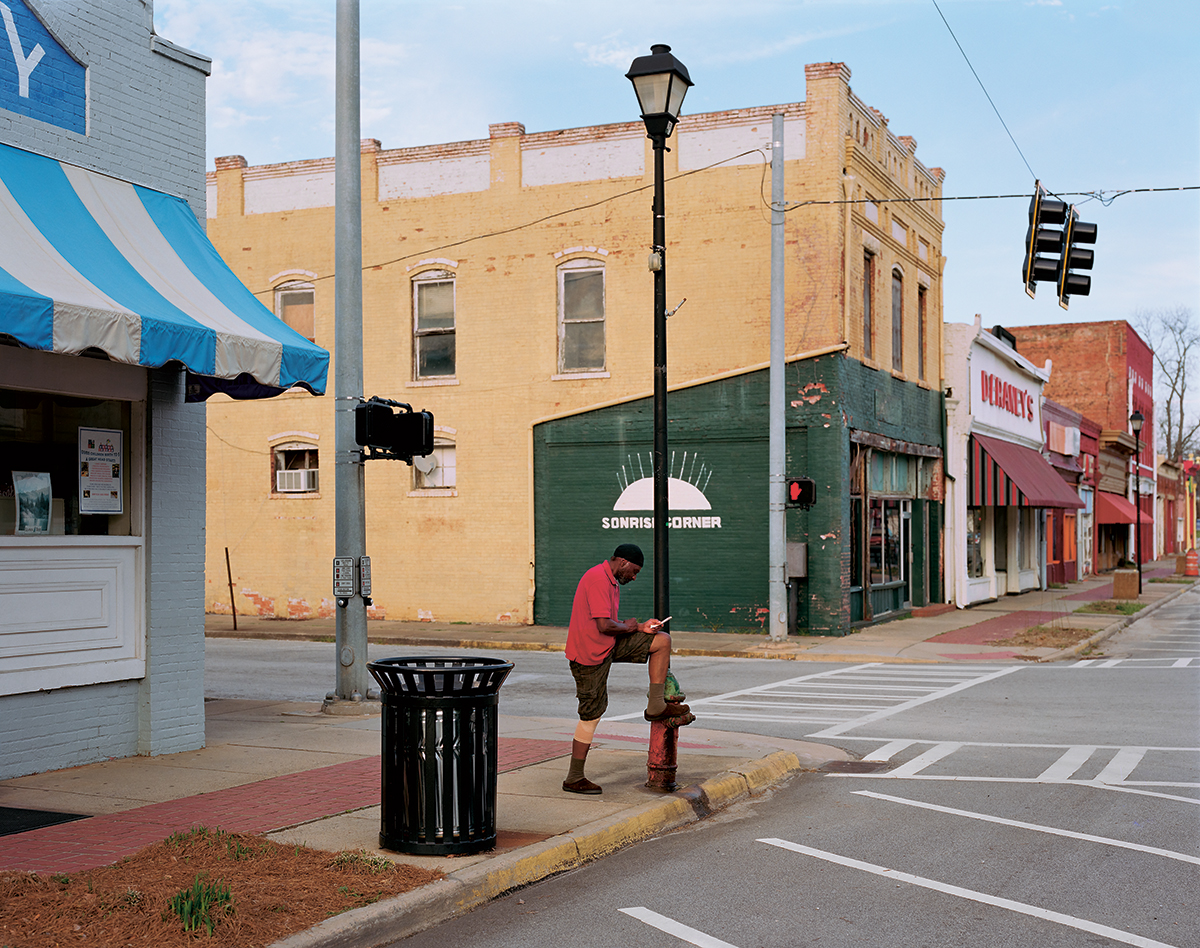
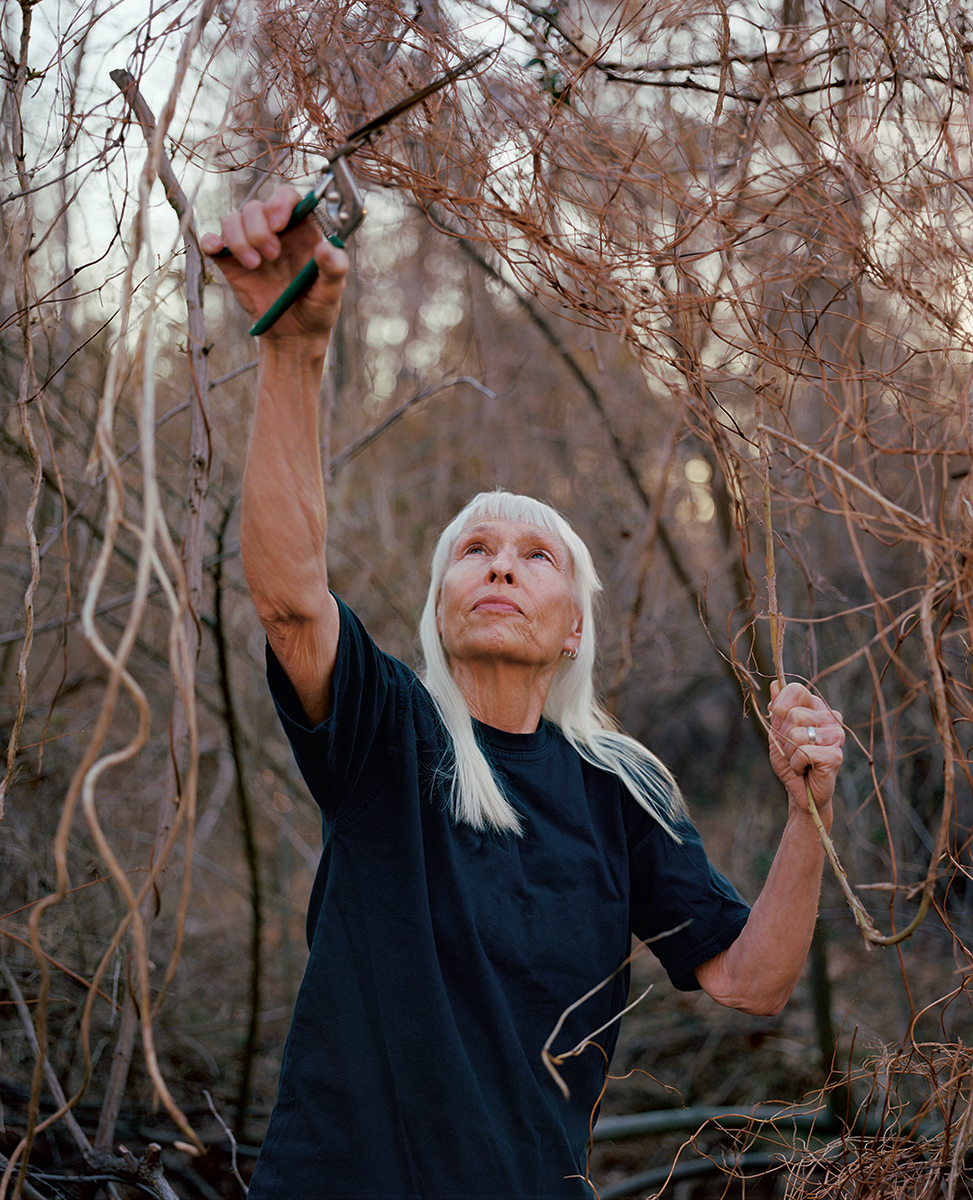
As the project progressed, Ashcom explored numerous places that resonated with his home town, in order to create Hoy’s Fork, the fictional place portrayed in his photographs. The town appears nostalgic, and at the same time foreboding; it draws from memory and reality, but its tone and narrative are imagined. There are people, though most of the landscapes and streets captured in Ashcom’s photographs are empty. There’s something desolate, almost apocalyptic. People are almost always depicted alone in the wilderness, pruning it, shaping it, making a home within it. It becomes hard to differentiate the urban from the wilderness, for both are quiet and clear of people.

The photographer weaves together a fictional narrative using type-written letters from ‘Eugene’ of the ‘Center for Epigenetics and Wellness of the Spirit’, colour and black and white photographs and a hand-drawn map. This story is both autobiographical and imagined, much like McCarthy’s novel from which Ashcom derives his title.

What the Living Carry is a mystery story as much as it is a photobook: the faceless man who carries a bloodied mattress, the old man drinking champagne on his porch, the cat with a startlingly blue eye. How are they connected, and where does the fiction part from the reality? Walking alone in a place we know (or don’t), the answer is not always clear-cut.

What the Living Carry (2017) by Morgan Ashcom published by MACK

All images © Morgan Ashcom

The post Stories Made of Solitude: a Walk in the Woods in the American South appeared first on Feature Shoot.

22 Nov 18:11

Jerry Lee Lewis Still Going Strong At 82

by Steve Baltin, Contributor
One of the founding fathers of rock and roll, Jerry Lee Lewis, the man behind "Great Balls Of Fire," is still going strong at 82. He'll play this Friday night in L.A. at the Ace Hotel before heading back into the studio next year with friends like Kris Kristofferson and Willie Nelson.
21 Nov 19:28

Moonlight Towers

by Miss Cellania

In the late 19th-century, some towns used moonlight towers (or moontowers) instead of street lamps. These towers were very tall, ranging from 165 feet to 237 feet tall! The idea was to illuminate a large part of the city with one tower instead of putting lamps on every block, which was more expensive.

The towers were designed to illuminate areas often of several blocks at once, on the "high light" principle. Arc lamps, known for their exceptionally bright and harsh light, were the most common method of illumination. As incandescent electric street lighting became common, the prevalence of towers began to wane.

The only moonlight towers that still exist today are in Austin, Texas. The photograph above is of a moonlight tower in Los Angeles in 1882. -via TYWKIWDBI

21 Nov 18:41

Driverless revolution may exact political price...


Driverless revolution may exact political price...


(Second column, 18th story, link)


21 Nov 18:32

Why Does Hawaii Hate American Workers?: New at Reason

by Reason Staff

With occupational licensing rules that benefit their favored friends, state governments raise barriers to prosperity for millions of Americans, and raise costs for the rest of us.

J.D. Tuccille writes:

In Hawaii, it takes an average of 988 days and $438 in fees to become licensed to perform one of many occupations under the thumbs of state regulators. Given that the average requirement across the United States to enter such fields as painting contractor, landscaper, or manicurist is an already burdensome year of people's lives and $267 in fees, you have to wonder what officials in the Aloha State have against people trying to make a buck.

But Hawaii isn't the only offender—and in some ways it's not the worst, given that it licenses "only" 63 of 102 mostly lower-income occupations examined in a recent report from the Institute for Justice. Louisiana and Washington are both the worst offenders in this sense, imposing licensing requirements on people seeking work in 77 of the jobs examined in the report. Or you could combine the worst of both worlds, like California which licenses 76 occupations at an average of $486 in fees and 827 days in time, or Nevada which requires an average $704 in fees and 861 days for 75 jobs.

Ouch.

21 Nov 18:31

The New Royal Enfield Interceptor Could Be Your Vintage-Style Budget-Alternative

Decent style and affordability are Royal Enfield's biggest weapons in a massive classic-style market.

Read More »
21 Nov 18:29

10 Things I Wish I Knew When I Was 20

by Frances Bridges, Contributor
Things I wish someone had told me when I was 20.
21 Nov 18:24

Injustice anywhere is a threat to justice everywhere


Reached hot with 3558 points and 324 comments.

21 Nov 18:22

How Volcanoes And Climate Triggered Migration To America

by David Bressan, Contributor
Climate change, in part triggered by powerful volcanic eruptions, pushed waves of migrants into America, including Trump's ancestors.
20 Nov 12:28

Free-Flowing

by thad@pixelperfectcreative.com (Mathias Hungler)
All photos © Mathias Hungler

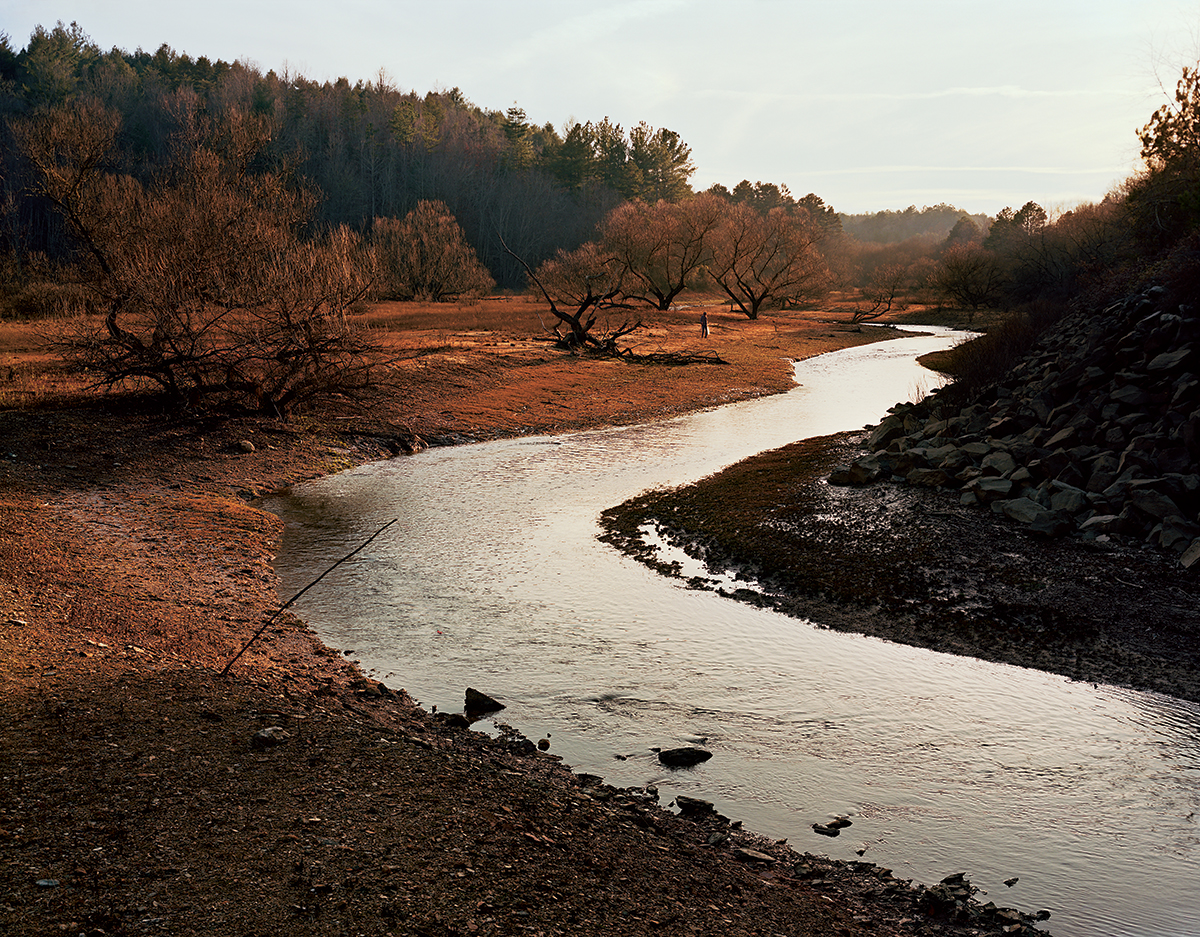
In the Edisto, Mathias Hungler photographs one of the longest free-flowing blackwater rivers in North America, capturing some of the most enchanting points along the river’s “two hundred fifty meandering miles.”

Artist: Mathias Hungler

Project: the Edisto

Description: The Edisto River is one of the longest free-flowing blackwater rivers in North America. The river extends over two hundred fifty meandering miles, from its sources in Saluda and Edgefield counties, to its Atlantic Ocean mouth at Edisto Beach, South Carolina. In the Edisto, Mathias Hungler documents the river’s old, familiar haunts. 

{gallery}_WEB/EOTS/2017/11_November/2017-11-16_Hungler:300:250::{/gallery}


Eyes on the South is curated by Jeff Rich. The weekly series features selections of current work from Southern artists, or artists whose photography concerns the South. To submit your work to the series, email Jeff.

  • Eyes On The South
  • photography
  • Mathias Hungler
  • Edisto River
  • South Carolina
    17 Nov 16:49

    Advanture Van Conversions

    It doesn't matter the model or year of your van — if you'd like to get more out of it, Advanture Van Conversions can help. Their base package includes an...

    Visit Uncrate for the full post.
    17 Nov 16:22

    1966 Shelby GT350 Prototype 001

    This is about as rare and historic as it gets for American cars — the prototype for the 1966 Mustang. Shelby had started a revolution the year before with his...

    Visit Uncrate for the full post.
    17 Nov 15:52

    Don’t Forget to Budget for These Expenses When Buying a Car

    by Kristin Wong on Two Cents, shared by Kristin Wong to Lifehacker

    Cars are expensive, and their massive price tag goes beyond the sticker price you see in the window at your local dealership. Drivers pay for a number of ongoing costs, so if you’re in the market for a car, don’t forget to budget for these.

    Read more...

    17 Nov 15:51

    How to Make Turkey, Mashed Potatoes, and Gravy in One Instant Pot

    by Claire Lower on Skillet, shared by Claire Lower to Lifehacker

    Thanksgiving dinner is a whole production but, if you’re only serving a couple of people, or just want to taste some holiday flavors in say, July, you can use your Instant Pot to put together an elegant, delicious meal of turkey, mashed potatoes, and gravy in under an hour.

    Read more...

    17 Nov 15:50

    Is There Really a Magical Bathroom Card for People With Crohn’s and Colitis?

    by Beth Skwarecki on Vitals, shared by Beth Skwarecki to Lifehacker

    I probably google “poop” more often than most people, so I was only a little surprised to see targeted ads all over twitter for a “Restroom Request Card” from CrohnsandColitis.com. Is this an actual free pass to every bathroom in the world, or just a marketing ploy by Big Pharma? Turns out it’s a little of both.

    Read more...

    17 Nov 14:00

    Eat Like a Local in Chattanooga

    by Liz Mitchum

    Between Rock City, Ruby Falls, and the famed choo-choo, Chattanooga is widely known for its attractions. Lately, the city’s culinary culture has begun drawing raves, too. “Chattanooga food is at a breakout moment,” says local chef and James Beard-semifinalist Erik Niel. “It’s ready for things to happen.” Niel has been at the forefront of this citywide food renaissance with his two restaurants, Easy Bistro & Bar and Main Street Meats, and the Scenic City Supper Club, a quarterly gathering he co-founded to bring in top chefs from around the country to collaborate with and promote up-and-coming local talent. Despite his forward-looking approach to food, Niel’s local favorites are the tried-and-true restaurants that have nourished the city for decades. Below, see his picks for places to eat in Tennessee’s Scenic City.


    Champy’s Fried Chicken
    526 E. ML King Boulevard, Chattanooga

    “This is one of my weaknesses. It’s turned into a small chain, but the original one is on MLK Boulevard. You can get forties and fowl, they say. And they have a drive-through window, so we get a family pack of fried chicken and sides. It’s fried to order, fresh, delicious, and makes me so happy.”  —  champyschicken.com

    TARA DONNE


    Sugar’s Ribs
    2450 15th Avenue, Chattanooga

    “This is my favorite place to go with my wife and my six-year-old son, who is extremely picky. Sugar’s sits on a mountain in East Ridge. It’s run by Lawton Haygood, who’s one of my restaurateur heroes, and his wife Karen. I lived in Texas for high school and college, and it’s the Texas boy in me who likes Sugar’s. It’s the best barbecue gets around here. And there’s a little family of goats on the hill by the restaurant, so every time we go we have to get cabbage leaves from the kitchen and feed them. My son has been doing it since he was two and we can’t stop now.” —  sugarsribs.com

    COURTESY OF SUGAR’S RIBS


    River Street Deli
    151 River Street, Chattanooga 

    “I love sandwiches way more than I should. River Street Deli is owned by a New York ex-pat and he just knows how to run a deli. I like to go in on Mondays and get Stromboli—Mondays are Stromboli day. I’m from Louisiana, so I know his version of a muffaletta is not a New Orleans muffaletta, but it gets me there. It’s so good. I also never walk out of there without a side of egg salad.” — riverstreet-deli.com

    COURTESY RIVER STREET DELI


    Zarzour’s
    1627 Rossville Avenue, Chattanooga

    “Zarzour’s is named for the family that runs it. It’s by most accounts the oldest restaurant in Chattanooga, and it’s our greasy spoon. If you’ve partaken a little too much the night before, it really hits the spot. It’s like going to eat at a friend’s house with a little kitchenette—it predates Waffle House in that way.” — facebook.com/zarzourscafe

    COURTESY OF ZARZOUR’S


    Uncle Larry’s Restaurant
    736 E. ML King Boulevard, Chattanooga

    “This is just down the street from Champy’s. They’ve got fried chicken and fried catfish, but I’d say the fish is what they’re known best for. It’s southern soul food and really good. Kind of a dive, but it’s delicious.” — unclelarrysrestaurant.com

    COURTESY OF UNCLE LARRY’S


    The post Eat Like a Local in Chattanooga appeared first on Garden & Gun.