Shared posts

07 Jun 13:37

The Federal Reserve’s Shell Game

by Dan Sanchez

Dan Sanchez: "As Jean Baptiste Colbert (finance minister to King Louis XIV of France) put it, “The art of taxation consists in so plucking the goose as to get the most feathers with the least hissing.” With inflation, the geese hardly hiss because they think they are simply molting and are unaware they are even being plucked.

Yet, it is in the hands of central bankers that the art of taxation truly nears perfection. The inflation tax is sneaky, but by itself, it’s not quite sneaky enough. Even with inflation’s quiet method of wealth transfer, the jig would eventually be up if the government simply kept adding to its own account. Even if people don’t realize how they are losing, they can see that the government is simultaneously gaining, which would be suspicious. That correlation needs to be blurred somehow, else the more astute geese will start honking. That’s where the Federal Reserve’s shell game comes in."

07 Jun 13:34

Belmont Stakes 2018 Betting Guide: Handicapping Advice To Cash A Ticket

by Teresa Genaro, Contributor
Bettors are once again faced with the challenge of making money in a field with a short-priced, deserving favorite. If you think Justify will win the Belmont, how do you make some money?
07 Jun 13:02

The Mining Millionaire Americans Couldn’t Help But Love

by Miss Cellania

John Mackay was one of the richest men in the world in the 19th century, although his name is not remembered among the stories of Andrew Carnegie, John D. Rockefeller, and Jay Gould. Mackay was different- he started out penniless, having left school at age 11 to support his family. He went to California for the Gold Rush and worked twice as hard and long as most miners, using half his pay to invest in mine ownership. In fact, Mackay enjoyed working as much as he enjoyed his fortune. So how rich was he?   

At the peak of the Comstock’s “Bonanza Times” in 1876, John Mackay’s cash income—from the dividends of the two bonanza mines alone—exceeded $450,000 per month. The only people in the world with a monthly cash income anywhere comparable were Mackay’s three junior partners. Their company, The Bonanza Firm, with an aggregate cash income running between $1.2 and $1.5 million per month, was, according to the Spirit of the Times, “The wealthiest firm in America and prospectively the richest in the world.” The income and expenditures of the four-person firm exceeded those of half the states in the Union.

One day, an old mining partner from California Gold Rush days teasingly reminded Mackay that he’d once thrown down his tools in frustration and announced that he’d be content for the rest of his life with $25,000.

“W-w-well,” Mackay stammered, struggling to overcome the stutter that had dogged him since childhood, “I’ve ch-ch-changed my mind.”

Mackay was rich, but he was no robber baron. While investing in mining and communications businesses, he paid employees well and didn't take advantage of anyone. His charitable donations weren't publicized. Maybe that's why he isn't famous today, but no one who knew him had a bad thing to say about the way he accumulated his wealth. Read the story of how hard work and luck combined to make John Mackay fabulously wealthy at Smithsonian.

07 Jun 12:54

Will E-Commerce Kill Cash?

by Jake Rheude, CommunityVoice
The proliferation of digital wallets and mobile payment tech means the use of cash is steadily declining.
06 Jun 16:09

5 of the Best Engines in the World and the Cars That Come With Them

The best engines in the world in 2018 were announced. The winner may not surprise you, but it deserves the title entirely.

06 Jun 12:52

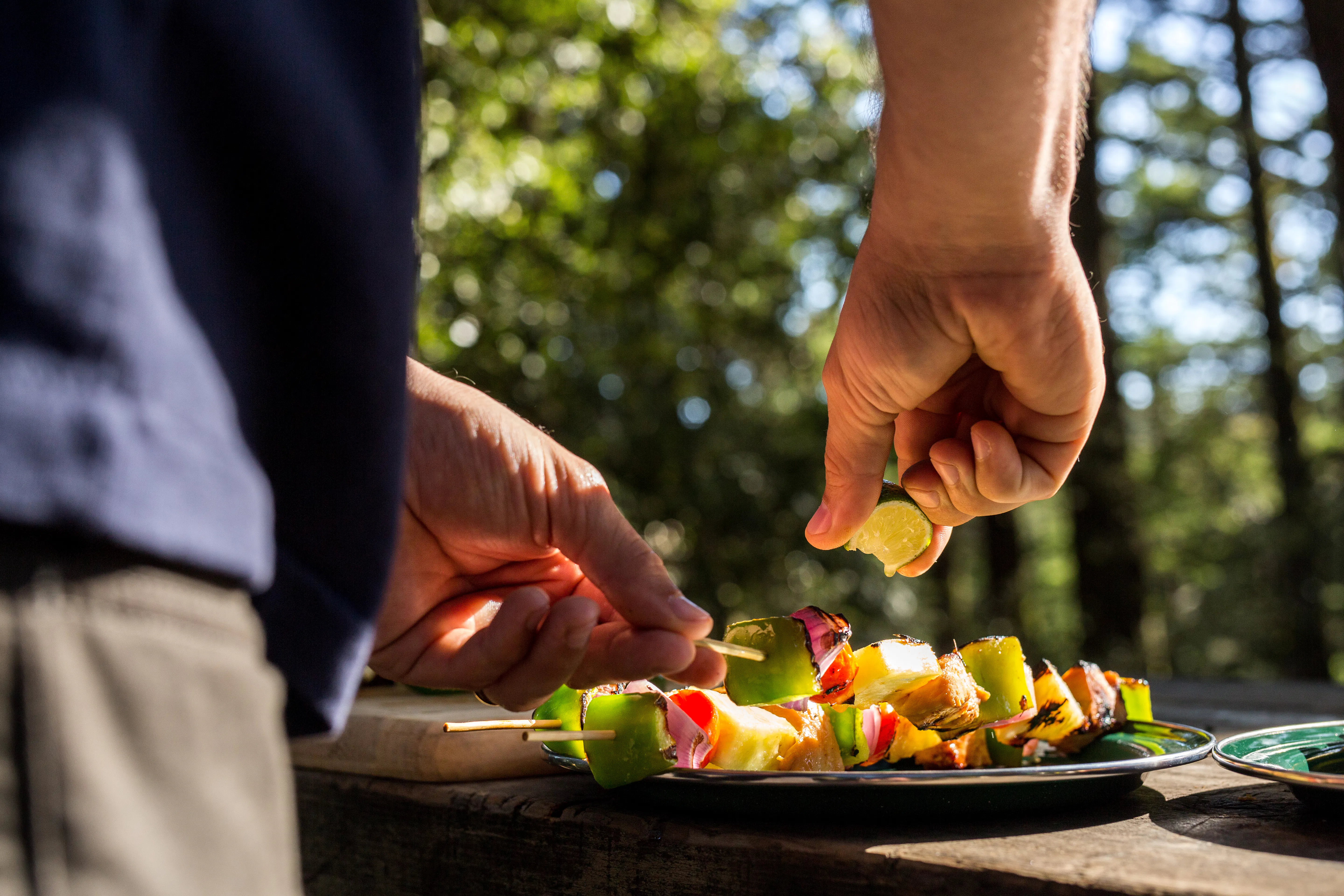
How to Make Chicken Pineapple Skewers

by Veronica Seder
Featured chicken pineapple skewer banner

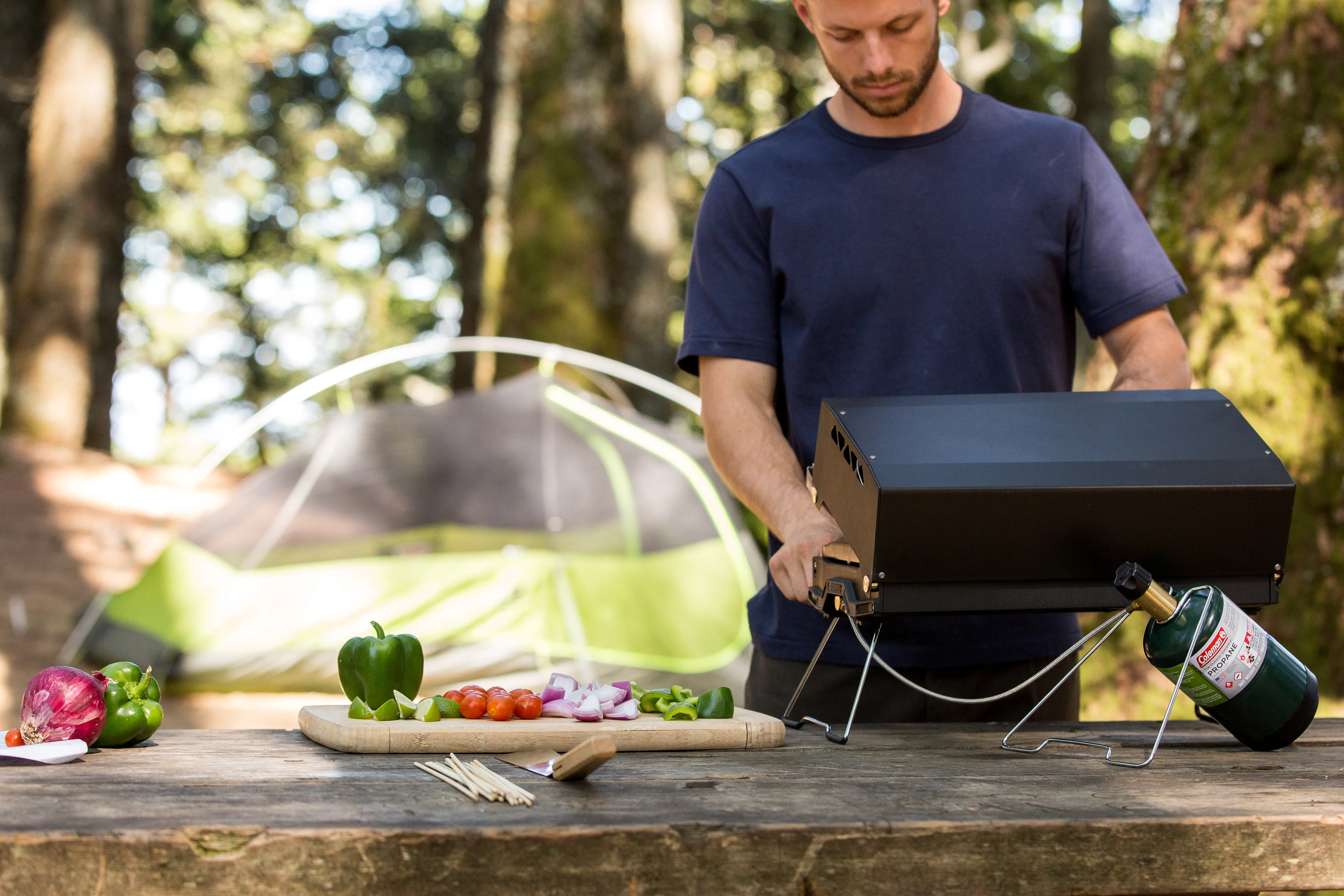
Summer’s inching closer and we couldn’t be more excited to dust off our camping gear and get back out there. After being cooped up indoors thanks to a seemingly neverending rainy season, we're finally ready for long days, warm nights, and skies full of stars. 


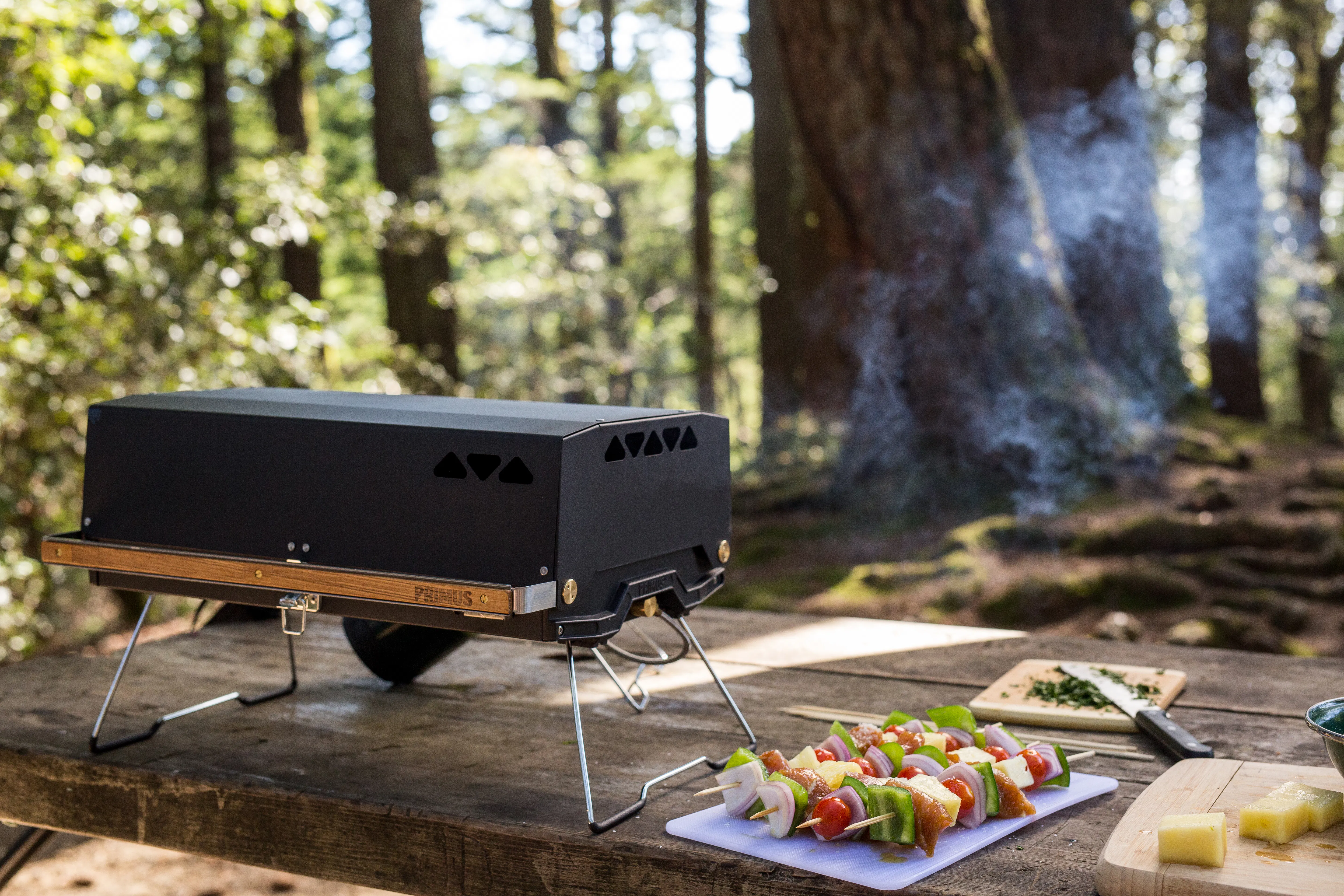
Here at Huckberry we’re big fans of finding ways to bring the things we love about the city with us into the outdoors — we’re firm believers in not having to make sacrifices when it comes to eating and drinking under the open sky. So, to kick off camping season, here’s one of our favorite summertime camping recipes: chicken pineapple skewers. They’re easy to make while enjoying the great outdoors and guaranteed to impress whoever you’ve got gathered ‘round the campfire.


When it comes to this straightforward-seeming dish, the magic is in the marinade. Prep the chicken ahead of time, pick up all the other ingredients on your way out of town, and then let the compliments come rolling in.

Oh, and did we mention it pairs great with our aloe vera margarita? Read on for directions on how to properly kick off summer.


Ingredients
 

For the marinade

⅓ cup honey

⅓ cup soy sauce

3 Tablespoons olive oil

2 Tablespoons rice vinegar

4 teaspoons minced ginger

4 teaspoons minced garlic

1 Tablespoon sesame oil


Everything else

1 ½ pounds boneless, skinless chicken breast, cut into 1-inch cubes

1 red onion, cut into 1-inch pieces

1 pineapple, cut into 1-inch pieces

2 green peppers, cut into 1-inch pieces

1 ½ cups of cherry tomatoes

½ teaspoon salt

½ teaspoon pepper

2 limes

1 bunch fresh cilantro, chopped

1 teaspoon cayenne pepper


Directions
 

1. Mix together the marinade ingredients in a large bowl and add the pieces of chicken. Toss until all the chicken is covered in marinade and then seal everything in a gallon-sized plastic bag. (Do this at least an hour before cooking and as far ahead as the night before.) 


2. In a bowl, combine all the veggies and pineapple. Drizzle two tablespoons of olive oil and sprinkle salt and pepper over them. Toss gently to distribute the oil, salt, and pepper over the veggies.


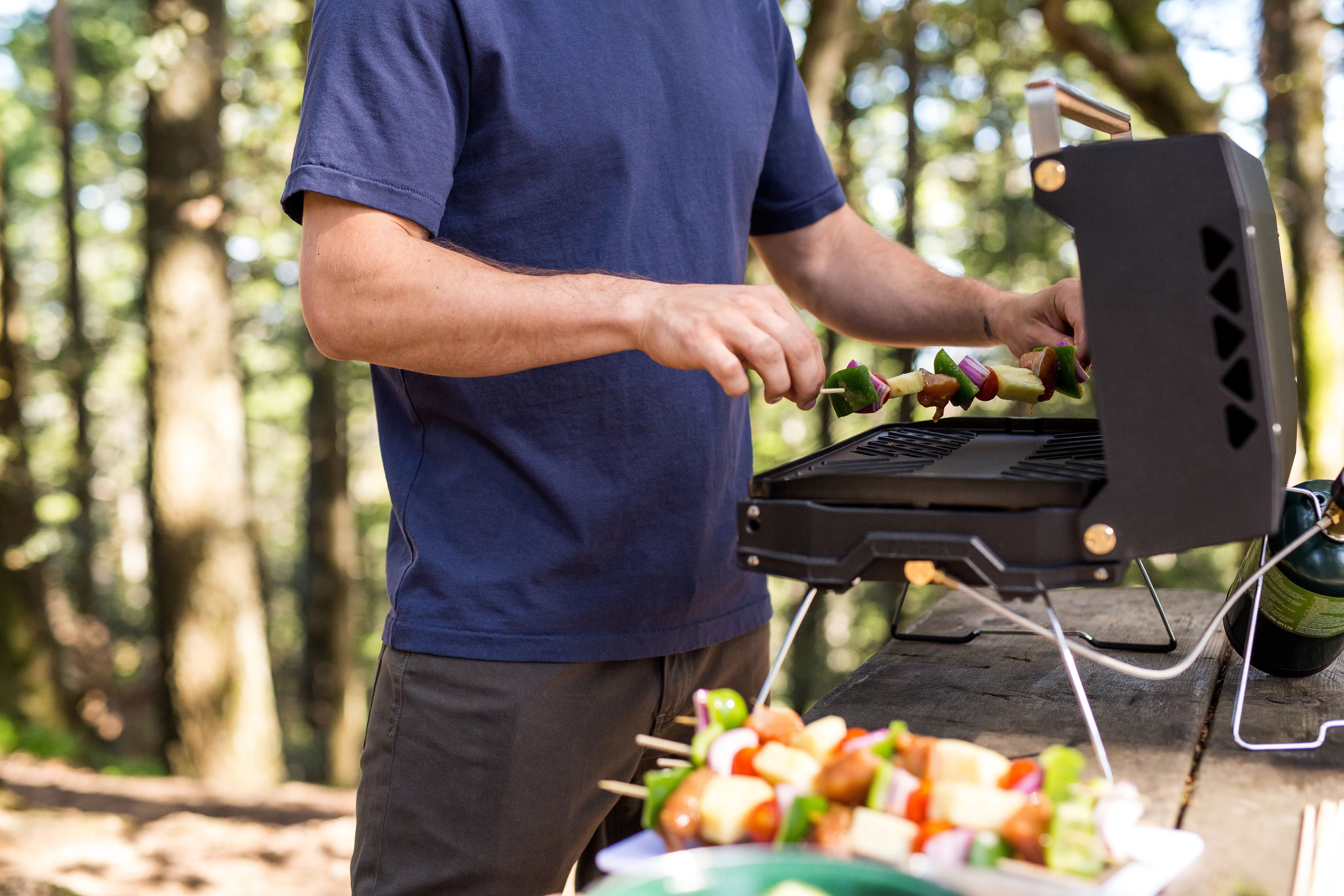
3. Thread the chicken, veggies, and pineapple onto your skewers (if you’re using wooden skewers, be sure to soak them in water for an hour ahead of time so they don’t burn!)


4. Graze your grill with oil so the skewers don't stick, then heat up your grill to medium-high heat. Grill for 5-7 minutes on one side, then use tongs to flip the skewers over. Grill for another 5-7 minutes on the second side.


5. Remove the skewers from the grill. Drizzle with lime juice, and sprinkle with cayenne and cilantro.


Pro tip: Remember to bring a little bottle of soap with you — you’ll be handling raw chicken and will definitely want to wash your hands afterward. We used a travel-sized bottle of Dr Bronners which doubles as both dish soap and body soap in a pinch.


06 Jun 12:45

Why Is a ‘Pepper’ Different From ‘Pepper’?

by Miss Cellania

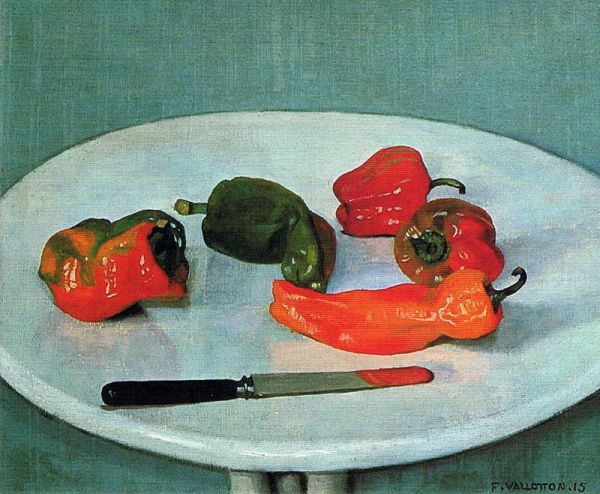
When cooking with other people, you sometimes have to stop and explain what you mean when you say "pepper." There's black pepper, ground from peppercorns, and then there's the various vegetables that originated in America: bell, banana, jalapeño, etc. Black pepper originated in Asia, so why do we call the other plants "peppers"? It was due to Christopher Columbus trying to find a new route to Asia. He didn't, but he still tried to make the best of it by bringing back spices to enrich King Ferdinand. A little misnaming would do.   

Black pepper (Piper nigrum) had been a culinary mainstay of fine cuisine since the Roman Empire, beating out prior spicy compounds such as horseradish, mustard, and the arguably better long pepper. It was a valued addition to both food and medicine, yet getting it from Asia was expensive and difficult. Columbus was so eager to find pepper that he carried peppercorns with him. When he landed, he showed them to locals. They were similar enough to the allspice berries growing wild in Jamaica that Columbus also likened them to pepper: pimienta de Jamaica. Marjorie Shaffer writes in Pepper: A History of the World’s Most Influential Spice that Columbus was likely smart enough to know what he had wasn’t pepper, but that he probably didn’t care. Allspice and hot peppers headed for Europe.

Peppers from the New World were a hit, to the chagrin of Dutch spice traders. Read about the initial misnaming of peppers and how that affected world trade at Atlas Obscura.

06 Jun 12:43

Egg Labels

by swissmiss

Is cage-free better than organic? Are omega-3 eggs worth the extra money? This Lifehacker post breaks down the terms you’ll see on egg cartons.

06 Jun 12:42

What's the one word Tom Peters writes on his hand before meetings?

by Roger Dooley, Contributor
Business guru Tom Peters has adopted a habit that might seem odd - he writes a single word on his hand before he walks into every meeting he attends.
06 Jun 12:40

Bill Gates Is Gifting This To Every College Graduate

by Zack Friedman, Contributor
05 Jun 14:05

The Quest to Break America’s Most Mysterious Code—And Find $60 Million in Buried Treasure

by Miss Cellania

Thomas J. Beale discovered gold and silver out west nearly 200 years ago. He brought a huge amount of precious metals -and gems- back to Virginia and buried it, then recorded the location in a series of ciphers, a numerical code using three different keys. So far, only one key has been discovered, and it only revealed a description of the treasure -not its location. Ever since, people have been digging for the treasure, because Virginia law says it's finders keepers, whether or not you own the land or even have permission to dig. Virginia landowners are not happy about the occasional invasion.

There’s the Chicago refrigeration contractor, certain he had broken the ciphers in five days, who convinced local officials to dig up a graveless patch of a cemetery, only to find clothes hangers (metal) and horseshoes (unlucky). There’s the Texas man who drove to Virginia, wife and kids in tow, simply to borrow a local roadmap that he believed would lead to the treasure. (It didn’t.) There’s the Massachusetts man who jumped out of bed, jolted by a dream, and drove bleary-eyed toward the Blue Ridge Mountains to test his prophecy. There’s the Oklahoma psychic who surveyed the Goose Creek Valley from a helicopter. There’s the Virginia Supreme Court Justice who scouted the location by bicycle; the Washington state man who hired armed guards; the anonymous man who kept an armored truck idling on a nearby road.

Beale treasure hunters are overwhelmingly male, though locals still chatter about one Pennsylvania woman, Marilyn Parsons, who cashed a disability check in 1983 and rented a backhoe to test her theory that the treasure was buried in an unmarked plot of a church graveyard. When she unearthed a coffin handle and human bones, she was arrested and advised to never step foot in Virginia again.

There are real questions about the treasure. Is it still there? Was it ever there? Could the whole story be a hoax? Was there even a man named Thomas Beale? And even if the treasure isn't real, how about the code? Archives have plenty of information about the treasure hunt, but no definitive answers, and every inquiry brings up more questions. Read the story of Beale's treasure and the folks who've searched for it at Mental Floss.  

(Image credit: Flickr user Virginia Hill)

05 Jun 13:02

Don't Let Uncle Sam Seize Your Salami: New at Reason

by Reason Staff

Check out Alec Ward's guide on getting delicious foreign meats through customs:

You're on a plane, returning home from a romantic tour of the Italian countryside. The cabin lights flicker on and you're confronted by flight attendants passing out slips of official-looking blue cardstock: customs forms.

After scrounging a pen out of the bottom of your carry-on, you start to fill out the cramped response fields. Name, address, flight information. Back to the carry-on again, because who on Earth knows his own passport number? Finally, you come to the declaration section, and begin to tick off negative responses to the bizarre interrogatories. Bringing back soil? No. Seeds? No. Disease agents, cell cultures, or snails? No. Food or meat?

Your stomach drops as you remember the rustic charcuterie you purchased at a quaint butcher shop in Naples. Delicious, and not cheap, either. What to do? The once-boring form suddenly seems daunting. You're no scofflaw, but what will happen if you check "yes"? You don't want Uncle Sam to seize your salami. (That already happened once on this trip. Thanks, TSA.)

View this article.

04 Jun 13:15

The Art Of The Tax-Free Exchange

by Michael Schwartz, CommunityVoice
In the eyes of the IRS, a 1031 exchange allows you to effectively transform one investment into another without triggering a capital gains tax.
04 Jun 13:15

Your Greatest Summer Adventure - This Year, Learn To Surf

by Allison Olmsted, Contributor
For the ultimate beach experience, learn to surf with these top surf schools that will have you riding a wave in no time.
04 Jun 13:13

Billionaire Sean Parker's Untold Win: How He Eliminated Taxes To Aid Distressed Cities

by Alexandra Wilson, Forbes Staff
Billionaire Napster-founder and former Facebook President Sean Parker is not the first person that pops to mind when you hear "tax reform." But he's secretly spent the last 10 years lobbying congress with a bold vision to revitalize America's distressed cities.
04 Jun 12:13

Exclusive: The Secret History of Steve McQueen's Rolex Submariner

by Michael Solomon, Forbes Staff
For years, Steve McQueen's Rolex Submariner was presumed lost. Then it was destroyed in a fire—until it wasn't. Now the King of Cool's timepiece has reemerged and will go up for auction in October. The secret history of a grail watch.
04 Jun 12:12

The Exclusive $100,000 Club -- Meet 30,000 Members At The Illinois Teachers' Retirement System (TRS)

by Adam Andrzejewski, Contributor
We mapped 30,000 Illinois educators earning $100,000+ salaries or receiving six-figure pension payouts costing taxpayers $3.7 billion annually.
01 Jun 16:49

FINDING LOST BULLET HOLES

by Mas
In 1912 at the Olympics in Stockholm, George Patton, Jr. competed in the first modern Pentathlon.  It is said he was cheated of his victory when, in the pistol competition, the scorers couldn’t find one shot and presumed it a … Read more
01 Jun 16:47

How Kona Ice, A Mobile Snow-Cone Franchise, Grew To $125 Million In Sales By Appealing To Retirees, Seasonal Employees And Side-Hustlers

by Tanya Klich, Forbes Staff
Meet Kona Ice Founder Tony Lamb, who has built his chain’s success by emphasizing an often-overlooked factor: franchisee satisfaction.
01 Jun 16:46

4 Ways To Banish Jargon

by Lisa Rabasca Roepe, Women@Forbes
Seven in 10 U.S. workers admitting to using jargon at the office. Here's how to stop this habit and get more intentional about what you are saying.
01 Jun 16:44

Waco

by Christian Britschgi

"Five thousand people to every one officer of the law. You know how we keep order with those odds?" asks one senior FBI agent in Paramount's new TV miniseries Waco. "Because they believe we are more powerful than we are. We project strength and the people believe in that strength."

The line is startling in its brutish cynicism, but it accurately sums up the lesson of Waco's six-episode dramatization of the infamous and deadly 1993 standoff between the federal government and the Branch Davidian religious sect.

Government agents are shown as almost uniformly incompetent, heartless, and oblivious to the consequences of their decisions. The Davidians are meanwhile depicted as mostly honest, sympathetic, and smart people taken in by charismatic messiah figure David Koresh. Bridging the gap is an FBI negotiator, Gary Noesner, who pushes his bosses to treat the Davidians as human while constantly fretting about the dangers of militarized cops.

At Waco's heart is a sharp critique of power and those who exercise it. This includes federal agents as well as the cult leader, whose own manipulative emotional hold over his followers eventually leads everyone to their doom. Though at times ignoring Koresh's flaws and those of his acolytes, the show is a refreshing rehabilitation of a group of people unfairly derided for too long as murderous cultists up against brave, upright law enforcement.

31 May 15:51

4 Numbers That Show How Hard Things Are for Farmers This Year

by Dan Nosowitz
The past few weeks have seen the 2018 growing season—#plant18, as it's known on Twitter—kick off. But amidst the joy of getting back to the field, farmers are facing serious issues this year.We did our best to find some statistics that may have passed the general public by but which show just how hard the upcoming year could be for the agricultural industry.“Given the razor-thin margins of farming in 2018, that bump in fuel costs can mean the difference between a successful year and one that plunges a farmer into debt.$15.25 billionThat’s the amount of money American farmers will spend on gas and diesel fuel this year, which is about an 8 percent increase over last year, according to Reuters. Diesel prices for farm use haven’t been this high since 2014, and given the razor-thin margins of farming in 2018, that bump in fuel costs can mean the difference between a successful year and one that plunges a farmer into debt. Or rather, deeper into debt.1,200That’s the number of dairy farms lost in New York state alone over the past decade, according to the Times Union. Consistently low prices, decreased demand, competition from alternative milk products, and far too much supply have made being an American dairy farmer, especially in the Northeast, an incredibly difficult task. Worried about suicides—farmers already have the highest suicide rate of any profession—many organizations have stepped up to provide counseling.74%That’s the percentage of farmers in a late 2017 survey who said they had been directly affected by the opioid crisis, according to Bloomberg. In rural communities, where farmers mostly live, that number is only 45 percent, meaning that farmers are hit substantially more often—either suffering through addiction themselves, or with someone close to them.61%That’s the percentage of the entire seed and pesticide industry—worldwide—that will be controlled by just three companies, assuming the Monsanto-Bayer merger goes through. Another major hurdle was cleared this week, and The Huffington Post reports that the U.S. Justice Department is likely to approve that merger, which has already been approved in the EU, soon. The other two megacorps are DowDuPont, which merged last summer, and ChemChina, which merged with Syngenta last spring.The post 4 Numbers That Show How Hard Things Are for Farmers This Year appeared first on Modern Farmer.
31 May 15:47

Change How Your Images Look in One Easy Step

beginner photography tips

I'll be the first to say that there is a multitude of ways that you can improve your photography.

And while learning how to use your camera, how to work with the right lighting, how to compose a photo, and so on, is certainly necessary, there's another step you need to take to complete your transformation into a knowledgeable photographer.

It's a step you might not have thought of, either...

Social Media is Not the Answer

how to take better photos

Not to sound like an old curmudgeon, but it really bothers me how we are so quick to post our photos to our social media accounts and then do little or nothing with them after that.

Don't get me wrong - I'm as active on social media as the next guy, and from a photography perspective (and a business one, too), it's an invaluable tool.

But it's not the end-all, be-all for photography, either.

How your photos look on Instagram or Flickr is just one representation of how they turn out.

By that, I mean that the experience of looking at a photograph online is different than when you look at one in a gallery or a store or even in a photo album.

bearded entrepreneur male in glasses dressed in black sweater reading picture id905148386

What's more, when you post a photo to social media, it's just one of a whole lot of photos that people are scrolling through. 

Not only does that mean that swiping through images on social media is on the impersonal side, but it also means that people just don't take the time to appreciate the work that you do.

On top of that, your images don't have to be completely dialed in when they're posted to social media...

In other words, you can get away with a mistake here and there because people don't spend a ton of time looking at photos in their feed (and the size of the photos in your social media feed don't really lend themselves to deep examination).

So, what's the solution?

Learn More:

Having Prints Made Will Change Your Photos for the Better
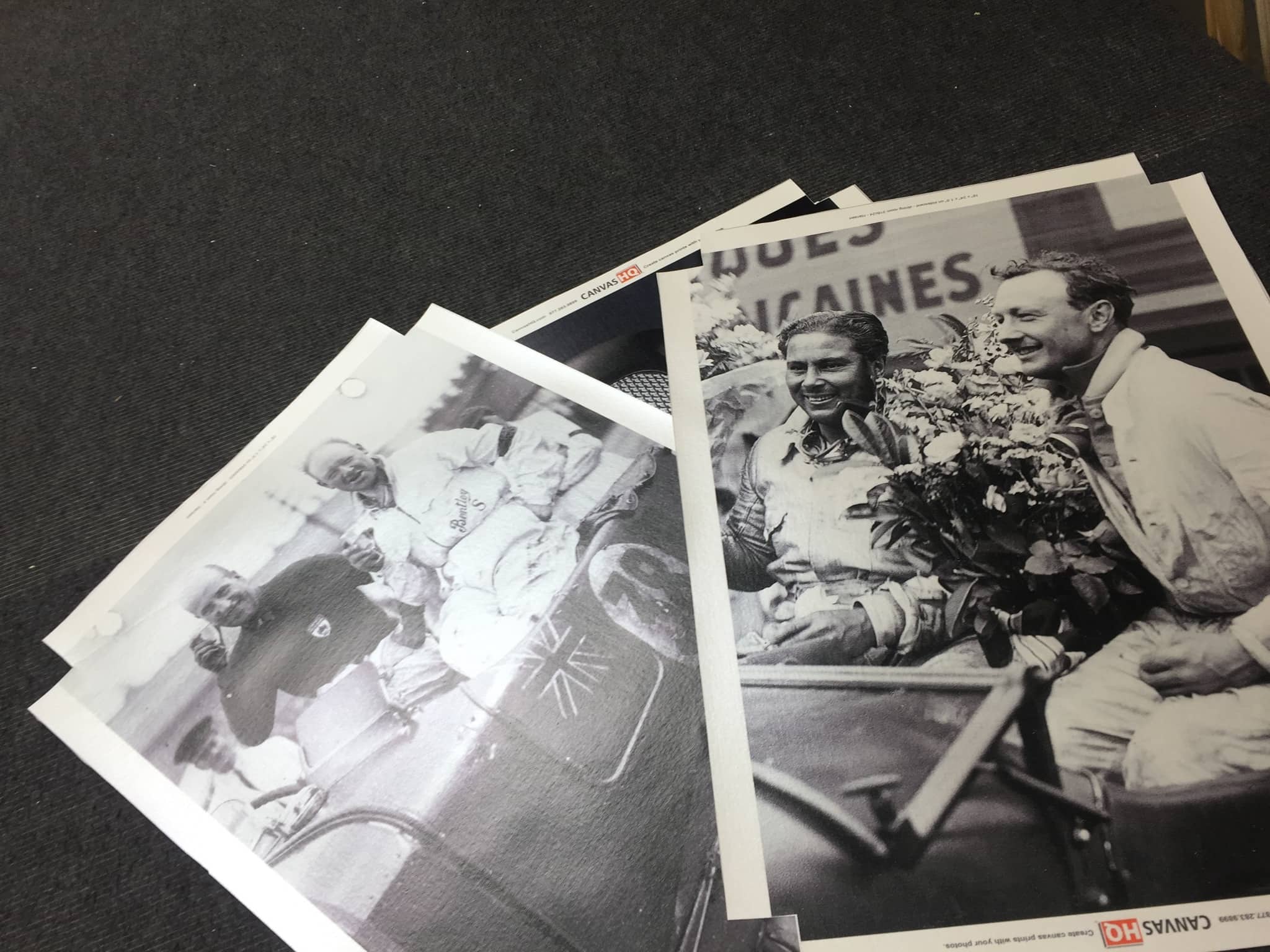
When I was a beginner photographer, I didn't think that anyone but the pros had their photos printed.

What I didn't understand at the time is that having prints made helps you become a much better photographer.

Consider this - as I noted earlier, when someone is swiping through their Instagram feed, they might spend a couple of seconds on your photo. That's certainly not long enough to evaluate it and notice any boo-boos you might have made when creating the shot.

But put that same photo on a 50-inch wide canvas, and suddenly there's nowhere for your mistakes to hide.

Now, I'm not saying that you should have every single photo you take turned into a huge canvas. But what I do suggest is having a large print made every so often, that way you have a better means of gauging your progress as a photographer.

Trust me - seeing your work in large format will be hugely beneficial to your development as a photographer.
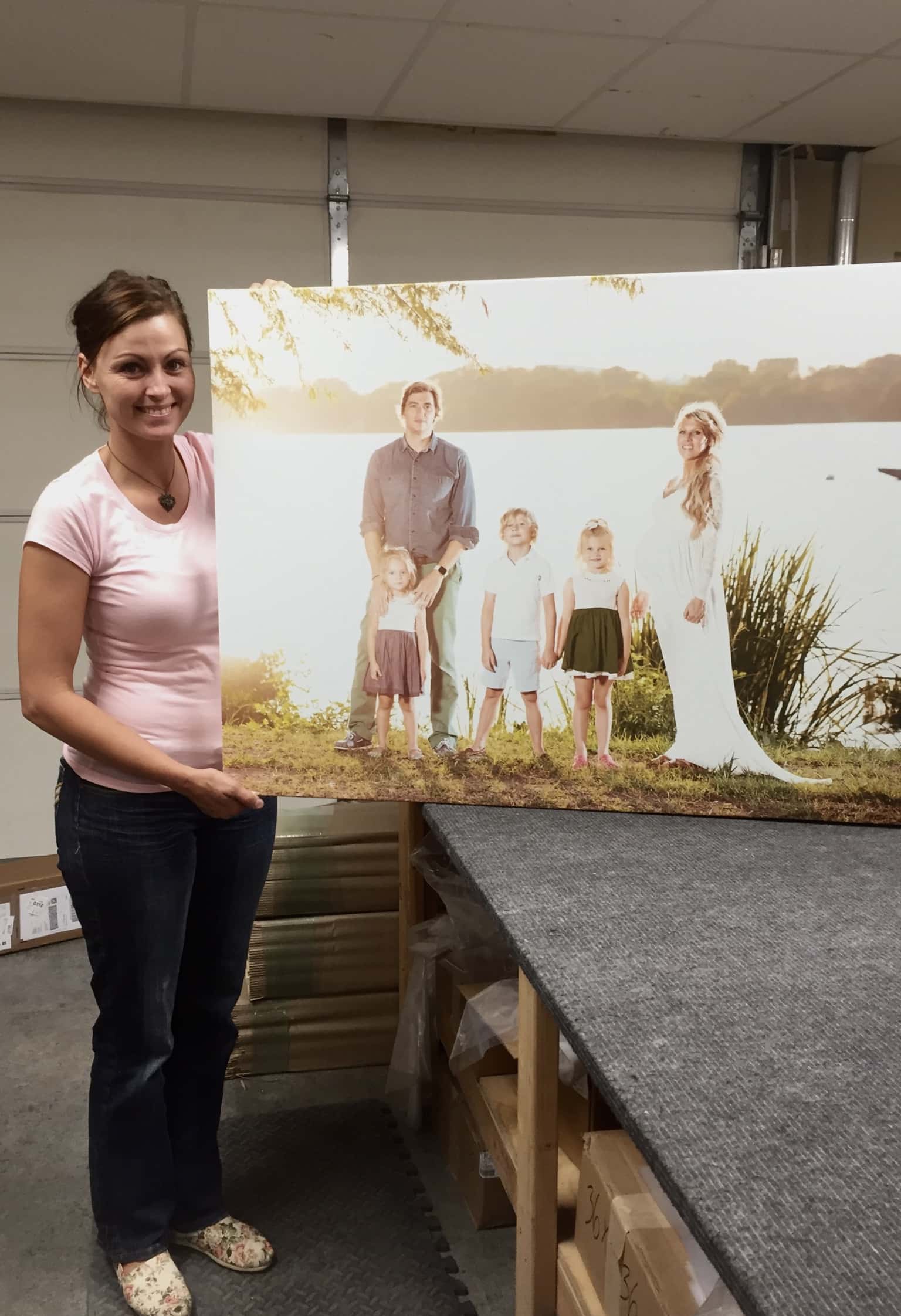
Aside from being able to see that progress is indeed being made, you'll develop a deeper understanding of what makes a good print.

You have to think about the subject matter in the shot, how you compose the image for maximum viewing impact, the colors and textures in the photo, and the substrate you want to print it on.

And that's just the tip of the iceberg...

Having your photos printed also makes you feel more like a "real" photographer.

That might sound silly, but when you start seeing your photos for the artwork that they are, you'll find that you have more confidence, and that confidence is key to your continued development behind the lens.

Learn More:

Don't Settle When It Comes to Prints

 

Of course, not all photographic prints are made alike...

If you really want to take a step forward with your photography, don't rely on bargain-basement printers to get the job done.

Instead, I encourage you to have a print or two made by a fine art printer, like CanvasHQ. Here's why...

As always, nothing but pure professional perfection from the team at CanvasHQ! Keep up the great work! - Mark C., Ankeny, IA

CanvasHQ works with you to ensure that the prints you order are on point.

You'll be helped through the process by a real, live human being that will offer recommendations regarding what the best printing options are for the images you upload to their servers.

On top of that, the CanvasHQ folks will make corrections for you if needed, and they'll send you free digital proofs so that you can see your photo before it's actually printed. Not bad, right?

Take it a step further, though, and appreciate the fact that these guys back their work with a 100% satisfaction guarantee.

If you don't like your print, just send it back within 30 days and you'll get another print or your money back.

As far as quality goes, though, you don't have to worry with CanvasHQ.

I have ordered dozens of prints from them, and I've been blown away by the quality of each and every print I've gotten in the mail.

Better still, they back their prints with a lifetime guarantee against cracking, fading, and bubbling.

Order arrived quickly and is better than I was expecting! Beautiful! THANKS! - Amy L. R., Pittsburgh, PA

As I noted earlier, becoming a better photographer requires a ton of time, effort, and expense.

That being the case, it just doesn't make sense to wrap all that time and money into publishing your photos to Instagram and nothing more.

If you want to learn how to take better photos, there's not a better way than to invest some of that time and energy into having some prints made.

Learn More:


We Recommend


31 May 15:46

2019 Dodge Challenger SRT Hellcat Sports Car

The fire-breathing Dodge Demon is no more. One of the most powerful muscle cars ever has finished its one year run and is racing into the history books. The Demon's...

Visit Uncrate for the full post.
31 May 15:32

Is The Watergate Hotel Still As Scandalous As Ever?

by Duncan Madden, Contributor
Arguably still the most famous (or should that be infamous) hotel in the world, The Watergate has embraced its history and the Nixon scandal and emerged a five-star experience with a great sense of humor.
31 May 15:27

The Philippines Is Building A $14 Billion 'Pollution-Free' City That Will Be Larger Than Manhattan

by Trevor Nace, Contributor
Manila, the capital of The Philippines has the honor of having the "worst traffic on Earth" and dense smog. The Philippines has a plan to combat Manila's dire situation with a pollution free city larger than Manhattan.
31 May 13:28

Farewell To the Browning Hi-Power

by Bob Campbell
FN recently announced the Browning Hi Power pistol is being discontinued from manufacture. In the perfect handgunning world, all pistols would have the mix of history, performance, and collector interest of the Fabrique Nationale Hi Power. While John Moses Browning died in his office in Belgium before the final work was completed, that would not stop his vision from its place in history.
28 May 22:15

LA STORIES: Robber Holding Up Restaurant Shot -- By Customer At Drive-Thru!


LA STORIES: Robber Holding Up Restaurant Shot -- By Customer At Drive-Thru!


(Third column, 16th story, link)


28 May 22:08

How to Listen to and Delete Everything Your Alexa Has Recorded

by Emily Price

Last week a story circulated the web about Alexa recording the personal conversation of a woman and then sending it to a friend of hers. While that was certainly a unique predicament, it can be good to periodically look at what your own Alexa has picked up.

Read more...

28 May 22:08

Editing With Lightroom For Beginners: Tips And Tricks To Supercharge Your Photo Editing Skills

editing photos in lightroom

Believe it or not, editing your photos in Lightroom doesn't have to be a long, drawn-out, or overwhelming process.

It might not seem like it if you're just starting out as a beginner photographer, though.

All you need are some basic lightroom editing tricks to help you find your way.

In the video above Sorelle Amore walks us through her Lightroom editing workflow, which, if you ask me, is pretty ideal for beginners.

Have a look at what Sorelle has to say, and for an outline of a few of the tips she offers for editing photos in Lightroom, have a look below.

Editor's Tip: The gear you use can have a significant impact on the quality of the photos you take. Learn why having a prime lens in your bag is hugely beneficial.

Editing With Lightroom Begins When You Shoot

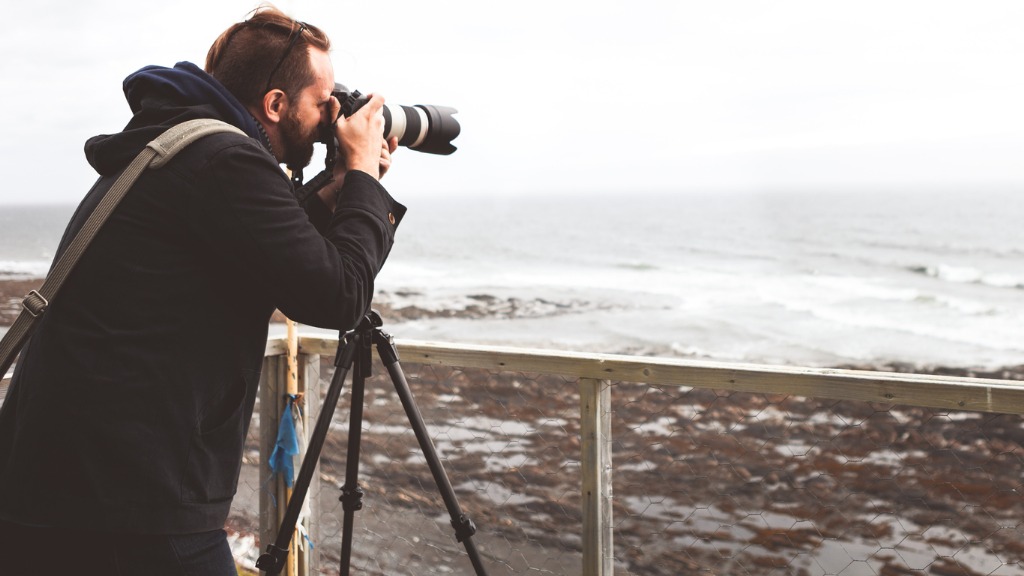
young man holding a camera on a tripod and taking a picture of the picture id913121378

There are a few things to note when you take photos that will help you in the editing process later on.

As Sorelle notes, these include:

  • Shooting in RAW, that way you have all the image information captured by the sensor to work with in post-processing.
  • Shoot in a flat profile, which dials down the color, saturation, contrast, and so forth, which in turn gives you maximum control over those features in post-processing.
  • Shoot under the best lighting conditions possible, such as sunrise and sunset, that way you don't have to deal with editing photos with harsh highlights and shadows.

Of course, you also need to work on things like composition because it's difficult to correct compositional mistakes in post.

Learn More:

The Basics of Editing Photos in Lightroom

basic lightroom editingYouTube Screenshot/Sorelle Amore

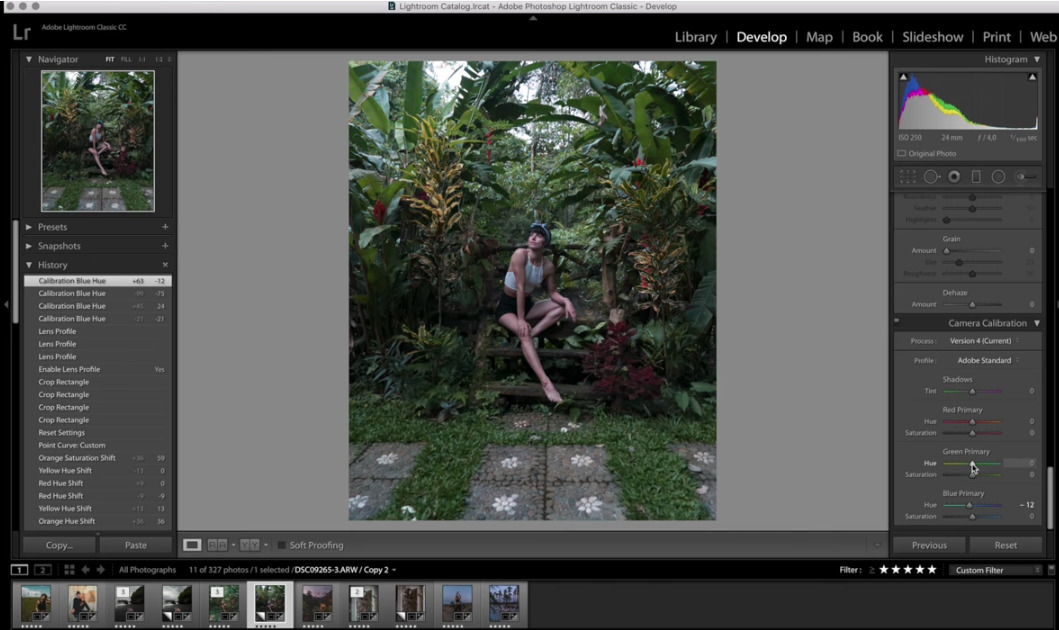
The first tasks you face when editing photos in Lightroom are basic adjustments like cropping and lens correction.

To crop, simply use the crop tool, which you can find in the Crop and Straighten Panel.

To enable lens corrections, go to Lens Corrections and click Enable Profile Corrections. Then select your lens from the dropdown menu.

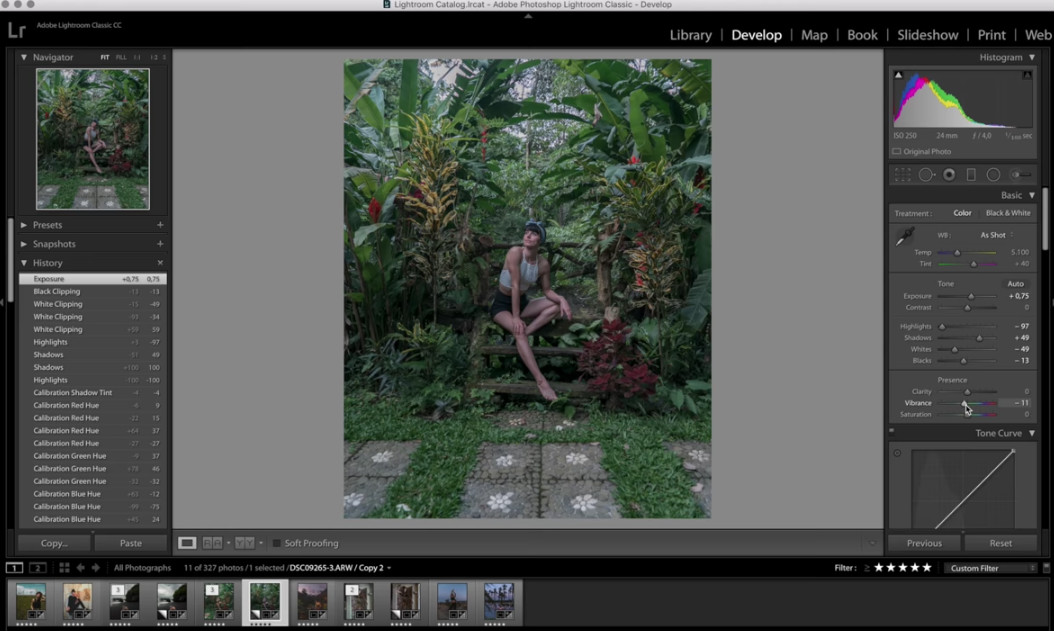
Next, use the tools in the Camera Calibration Panel to adjust the shadows and red, green, and blue tones in the shot, as shown above.

lightroom editingYouTube Screenshot/Sorelle Amore

Lastly, visit the Basics Panel to adjust things like highlights, tint, temperature, exposure, and so forth. It's in this panel that you'll do a lot of fine-tuning to get the image to a place where it begins to reflect your personal tastes and style. 

As Sorelle mentions in the video, her personal style is to create images that are on the dark side.

As you can see in the screenshot above, she's brought the highlights way down and the shadows way up. Though this might not be everyone's vibe, it works for her, and she developed that style by playing around with the settings in the Basics Panel.

Editor's Tip: How you accessorize for portrait photography can make all the difference in the world. See how the right accessories can totally change your images.

Lightroom Editing - Manipulating the Colors

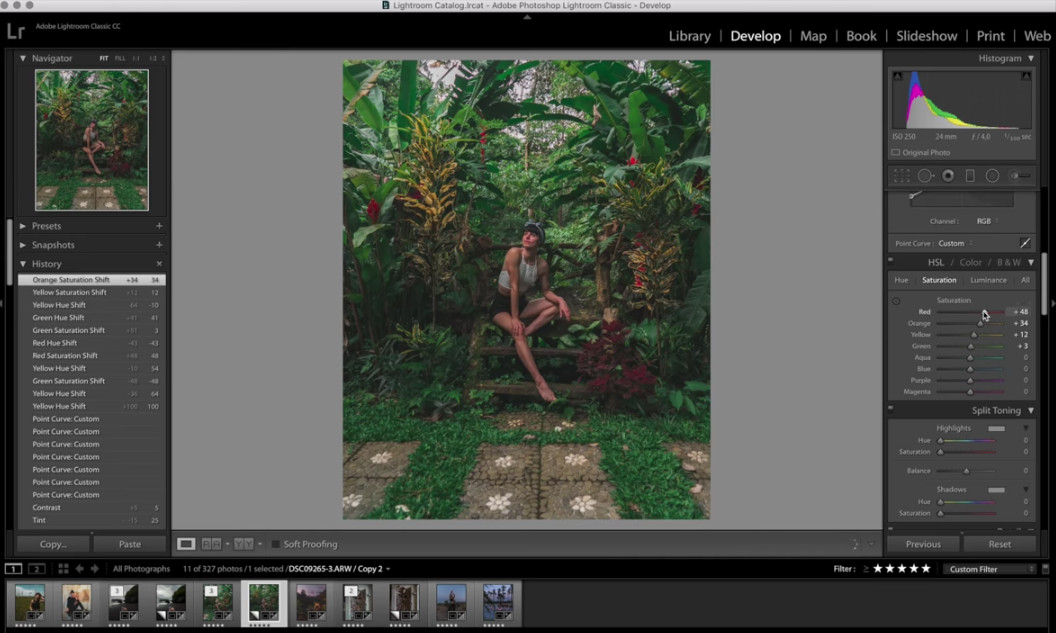
editing with lightroomYouTube Screenshot/Sorelle Amore

Next in Sorelle's workflow is manipulating the colors of the image using the Hue, Saturation, and Brightness sliders.

Because there are so many changes you can make (especially with regard to saturation levels of individual colors), you can really alter how the image looks and feel to a great degree.

Using the Split Toning controls gives you an additional method by which you can perfect the colors in your image.

Again, experimentation with these color controls is necessary. Get wild and crazy simply to see what each slider does to your image, and then once you're comfortable in understanding how each manipulation changes your photo, you can start to dial things back to perfect how your image looks.

As you can see in the screenshot above, after just a few moments of changing these settings, Sorelle has made a huge impact on how this photo looks. 

Learn More:


We Recommend