Jean-Philippe Encausse
Shared posts
Ce matériau inspiré du caméléon pourrait rendre l'invisibilité réelle 🦎

LG’s transparent OLED TV will put a very visible $60,000 hole in your wallet

LG’s Signature OLED T, the transparent TV that was the company’s big flashy reveal at CES 2024, now has an official price: $59,999. It’s available beginning today in the United States “at select LG-authorized retailers including Best Buy, Video & Audio Center and via LG.com” the company said in a press release. You can’t just walk into your local Best Buy and get this thing, mind you; it’s a special order kind of situation. LG says the first purchase will be made later tonight at a gala at Video & Audio Center.
The OLED T lets you switch between its mind-boggling transparent mode, where you can clearly see whatever’s behind the OLED panel, and an opaque mode that eliminates distractions when enjoying content on the 77-inch screen.
As is usually the case with Signature models, this OLED gets some completely unique software tricks that you won’t find on other LG sets. These include:
T-Objet: an Always-On-Display (AOD) mode that transforms the screen into a transparent digital canvas, ideal for showcasing artwork, videos or photos in outstanding color and clarity.
T-Bar: a sleek info-ticker that appears along the bottom edge of the screen, providing sports results, IoT device statuses, weather forecasts or song title information. The rest of the screen remains unused when T-Bar is active, presenting a clean, uncluttered look and a clear view of the space behind LG’s “virtually invisible” display. For added convenience,
T-Home: offers a user-friendly interface that delivers a well-organized overview of available services, as well as quick access to apps, settings and other features.
The OLED T is forever out of reach for mere peasants like myself, but even if I had $60,000 burning a hole in my pocket, I’m not sure the transparency trick would be enough for me to hand it over. The far more conventional LG G4 would do just fine. But if you lead a lavish lifestyle and have the perfect scenario dreamed up for this thing, it’s now actually available to buy.
Measuring a Well with Just a Hammer and a Smartphone
What’s the best way to measure the depth of a well using a smartphone? If you’re fed up with social media, you might kill two birds with one stone and drop the thing down the well and listen for the splash. But if you’re looking for a less intrusive — not to mention less expensive — method, you could also use your phone to get the depth acoustically.
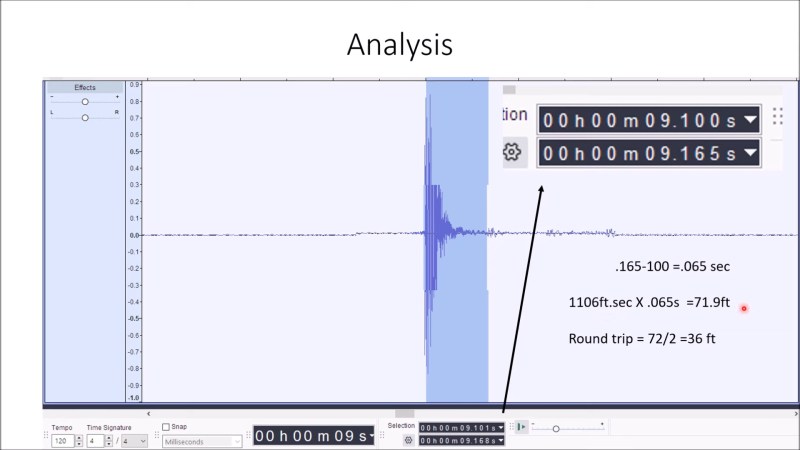
This is a quick hack that [Practical Engineering Solutions] came up with to measure the distance to the surface of the water in a residential well, which we were skeptical would work with any precision due to its deceptive simplicity. All you need to do is start a sound recorder app and place the phone on the well cover. A few taps on the casing of the well with a hammer send sound impulses down the well; the reflections from the water show up in the recording, which can be analyzed in Audacity or some similar sound editing program. From there it’s easy to measure how long it took for the echo to return and calculate the distance to the water. In the video below, he was able to get within 3% of the physically measured depth — pretty impressive.
Of course, a few caveats apply. It’s important to use a dead-blow hammer to avoid ringing the steel well casing, which would muddle the return signal. You also might want to physically couple the phone to the well cap so it doesn’t bounce around too much; in the video it’s suggested a few bags filled with sand as ballast could be used to keep the phone in place. You also might get unwanted reflections from down-hole equipment such as the drop pipe or wires leading to the submersible pump.
Sources of error aside, this is a clever idea for a quick measurement that has the benefit of not needing to open the well. It’s also another clever use of Audacity to use sound to see the world around us in a different way.
New physics sim trains robots 430,000 times faster than reality
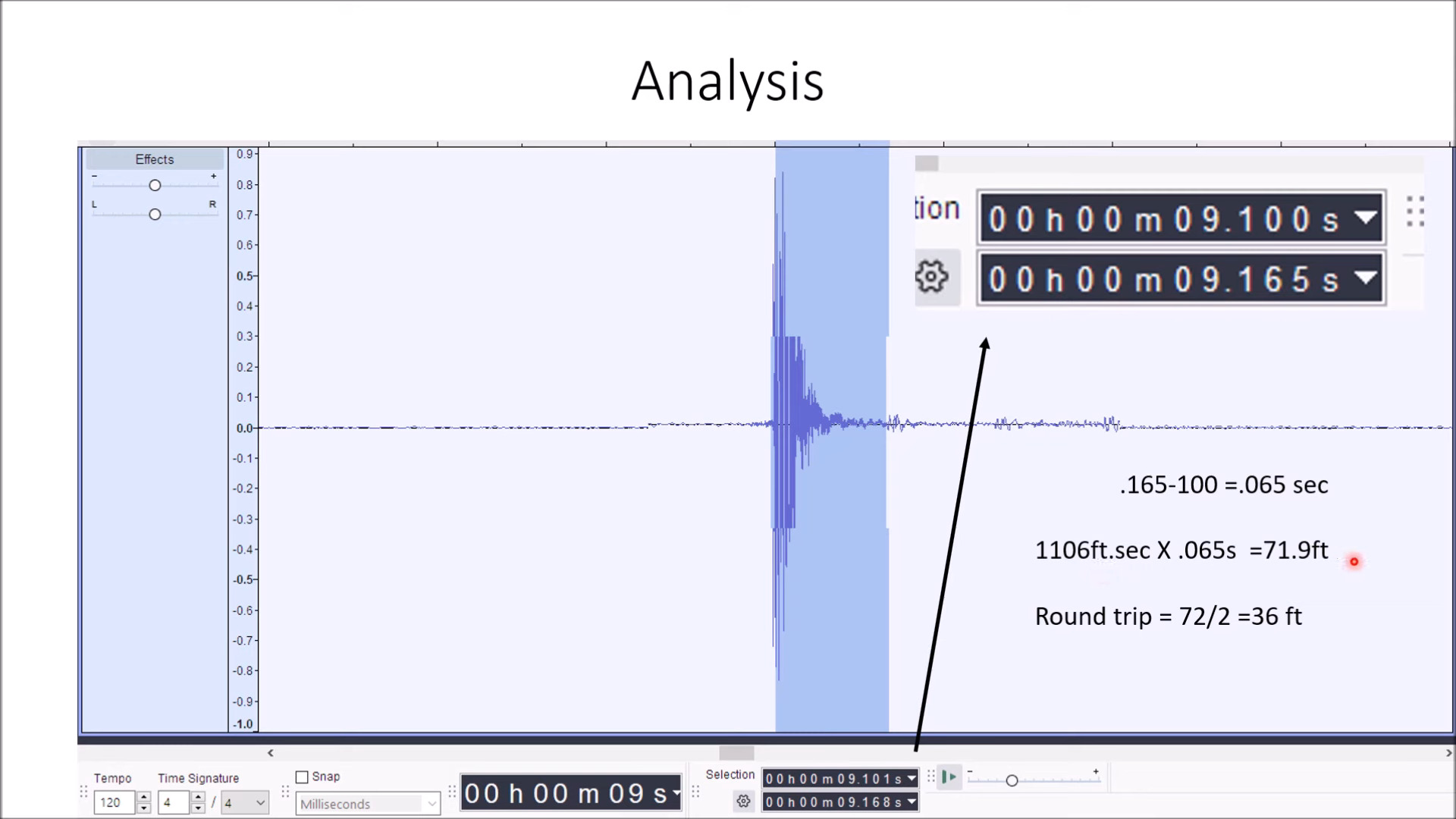
On Thursday, a large group of university and private industry researchers unveiled Genesis, a new open source computer simulation system that lets robots practice tasks in simulated reality 430,000 times faster than in the real world. Researchers can also use an AI agent to generate 3D physics simulations from text prompts.
The accelerated simulation means a neural network for piloting robots can spend the virtual equivalent of decades learning to pick up objects, walk, or manipulate tools during just hours of real computer time.
"One hour of compute time gives a robot 10 years of training experience. That's how Neo was able to learn martial arts in a blink of an eye in the Matrix Dojo," wrote Genesis paper co-author Jim Fan on X, who says he played a "minor part" in the research. Fan has previously worked on several robotics simulation projects for Nvidia.
Home Assistant’s Voice Preview Edition is a little box with big privacy powers
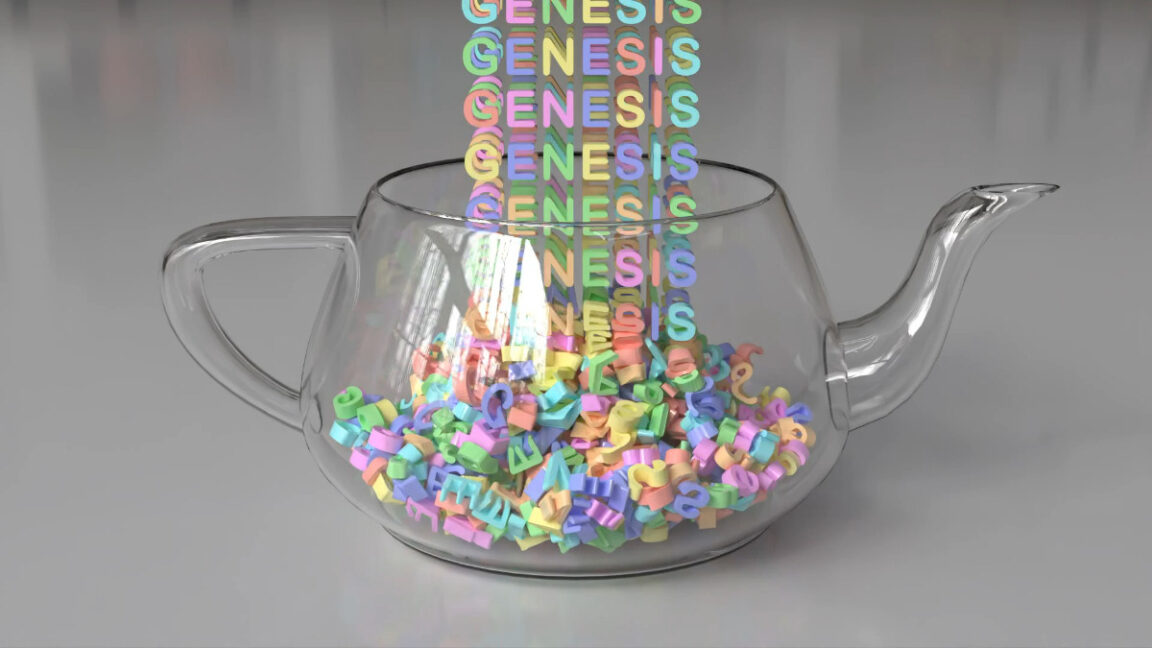
Home Assistant announced today the availability of the Voice Preview Edition, its own design of a living-room-friendly box to offer voice assistance with home automation. Having used it for a few weeks, it seems like a great start, at least for those comfortable with digging into the settings. That's why Home Assistant is calling it a "Preview Edition."
Using its privacy-minded Nabu Casa cloud—or your own capable computer—to handle the processing, the Voice Preview Edition (VPE) ($60/60 euros, available today) has the rough footprint of a modern Apple TV but is thinner. It works similarly to an Amazon Echo, Google Assistant, or Apple Siri device, but with a more focused goal. Start with a wake word—the default, and most well-trained version, is "Okay, Nabu," but "Hey, Jarvis" and "Hey, Mycroft" are available. Follow that with a command, typically something that targets a smart home device: "Turn on living room lights," "Set thermostat to 68," "Activate TV time." And then, that thing usually happens.
"That thing" is primarily controlling devices, scenes, and automations around your home, set up in Home Assistant. That means you have to have assigned them a name or alias that you can remember. Coming up with naming schemes is something you end up doing in big-tech smart home systems, too, but it's a bit more important with the VPE.
The Three Bricklayers Story

The Three Bricklayers’ story illustrates the power of purpose.
What is the 3 Bricklayers Story?
A simple version goes that a person walked past a building project and asked three workers the same question: “What are you doing?”
The first replied, “I’m laying bricks.”
The second replied, “I’m building a wall.”
And the third replied, “I’m creating a cathedral.”
The story highlights how we can view our work differently depending on whether we focus on the immediate task, the short-term goal, or the larger vision. The first worker focuses on the task at hand, the second sees the outcome of their work, and the third connects to the broader purpose of the project.
Various tellings have the first worker hunched over or working slowly. The second and third workers take increasing pride in their work, often achieving more.
Finding Balance in Work
There’s value in all three perspectives. There can be a lot of pride and skill in laying bricks—or whatever your equivalent task is—as well as it can be done. Setting clear, intermediate goals keeps progress on track. And someone who spends all their time looking at plans or daydreaming about what the building will become may not lay bricks as well as they need to.
To do something well, we probably need a balance of all three aspects:
- Pride and skill in detail and craft
- Progress through clear intermediate goals
- Vision and meaning for our work
Understanding what I’m working towards and believing it’s worthwhile is a powerful motivator for me when the going gets tough.
This post isn’t really about cathedrals, but I studied the brilliant Catalan architect Antoni Gaudí in my teens. As a real-life cathedral metaphor, his incredible Basílica de la Sagrada Família in Barcelona is a striking example. Gaudí’s vision for the basilica has inspired generations of artisans and workers since he took over the project in 1882. Execution, however, has been a challenge, with construction ongoing today. But that hasn’t stopped it from inspiring and drawing in visitors for decades.
I like the three bricklayers parable as a reminder that when I’m grinding on something, it helps to reconnect with the why behind my effort.
Origins of the 3 Bricklayers Parable
Like many parables, this story has been told in different forms. An early version appears in Bruce Barton’s 1927 book What Can a Man Believe (p252), featuring Sir Christopher Wren, the architect of St Paul’s Cathedral in London after the Great Fire of 1666.
“One morning he passed among the workmen, most of whom did not know him, and of three different men engaged in the same kind of work he asked the same question: ‘What are you doing?’
From the first he received the answer: ‘I am cutting this stone.’
From the second the answer was: ‘I am earning three shillings and six pence a day.’
But the third man straightened up, squared his shoulders, and holding his mallet in one hand and chisel in the other, proudly replied: ‘I am helping Sir Christopher Wren to build this great cathedral.’”
It’s hard to believe it happened, but that doesn’t mean it can’t be helpful.
Related Ideas to the 3 Bricklayers Story
Also see:
Balatro’s creator isn’t happy about the game’s 18-plus rating in Europe

The creator of the poker roguelike Balatro, who goes by the alias LocalThunk, has been sharing some frustrations over the game’s 18-plus rating in Europe.
“Since PEGI gave us an 18-plus rating for having evil playing cards maybe I should add microtransactions / loot boxes / real gambling to lower that rating to 3-plus like EA Sports FC,” LocalThunk posted on X over the weekend.
Balatro’s 18-plus rating isn’t new. The game was originally rated 3-plus, but shortly after its February launch, PEGI bumped it up to 18-plus, as spelled out at the time by Playstack, Balatro’s publisher. The game was briefly delisted from “a number of digital stores in some countries” as a result.
According to PEGI’s page for Balatro, the rating was given because the game “features prominent gambling imagery.” PEGI also spells out the following “content specific issues”:
This game teaches — by way of images, information and gameplay — skills and knowledge that are used in poker. During gameplay, the player is rewarded with ‘chips’ for playing certain hands. The player is able to access a list of poker hand names. As the player hovers over these poker hands, the game explains what types of cards the player would need in order to play certain hands. As the game goes on, the player becomes increasingly familiar with which hands would earn more points. Because these are hands that exist in the real world, this knowledge and skill could be transferred to a real-life game of poker.
While it’s true that the game does feature poker imagery and poker hands that a player could translate into an actual game of poker, it’s worth noting that Balatro doesn’t actually have any gambling as part of playing the game. (LocalThunk has even stipulated in their will that Balatro can’t be sold or licensed to a gambling company.)
Games like EA Sports FC include in-game purchases with randomized content, which is what LocalThunk takes issue with. “I’m way more irked at the 3-plus for these games with actual gambling mechanics for children than I am about Balatro having an 18-plus rating,” he said on Sunday.
LocalThunk said Wednesday that they attempted to discuss Balatro’s rating with PEGI, but “they do not see anything wrong Balatro being rated 18-plus, nor with EA Sports FC (and similar games) having a 3-plus rating.” PEGI was “blaming EU laws, blaming storefronts, waiting for the future,” LocalThunk said.
PEGI didn’t immediately reply to a request for comment.
[Tribune] Comment le retail accélère sur l'ultra-personnalisation de l'expérience client

How Puma approaches emerging technology like generative AI
Subscribe: Apple Podcasts • Spotify
Puma may be a legacy brand, but it’s not scared to test out new technologies.
Indeed, if there’s a buzzy update, it’s likely the company has launched some sort of beta with it. Puma launched a Roblox experience in 2022, it’s tested out NFTs and other Web3 programs and has dabbled in augmented reality. Most recently, the sports apparel brand launched a generative AI tool that allows anyone to design a kit for Manchester City.
Continue reading this article on modernretail.co. Sign up for Modern Retail newsletters to get the latest on the shifting dynamics between retail’s old and new guards.
Marvel dévoile un avant-goût de la tant attendue saison 3 de Loki

Marvel vient de dévoiler ce qui se rapproche le plus de la troisième saison de Loki que nous pourrons jamais espérer voir.
Carrefour lance une plate-forme d'intelligence artificielle générative pour ses collaborateurs
Pulling Backward to Go Forward: The Brennan Torpedo Explained
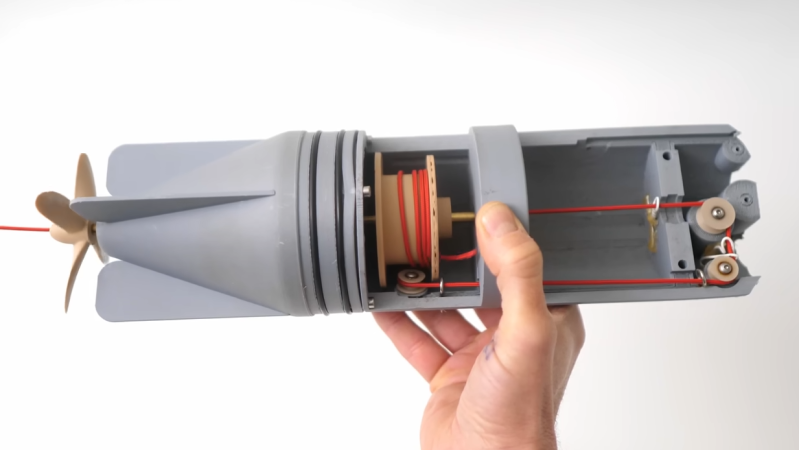
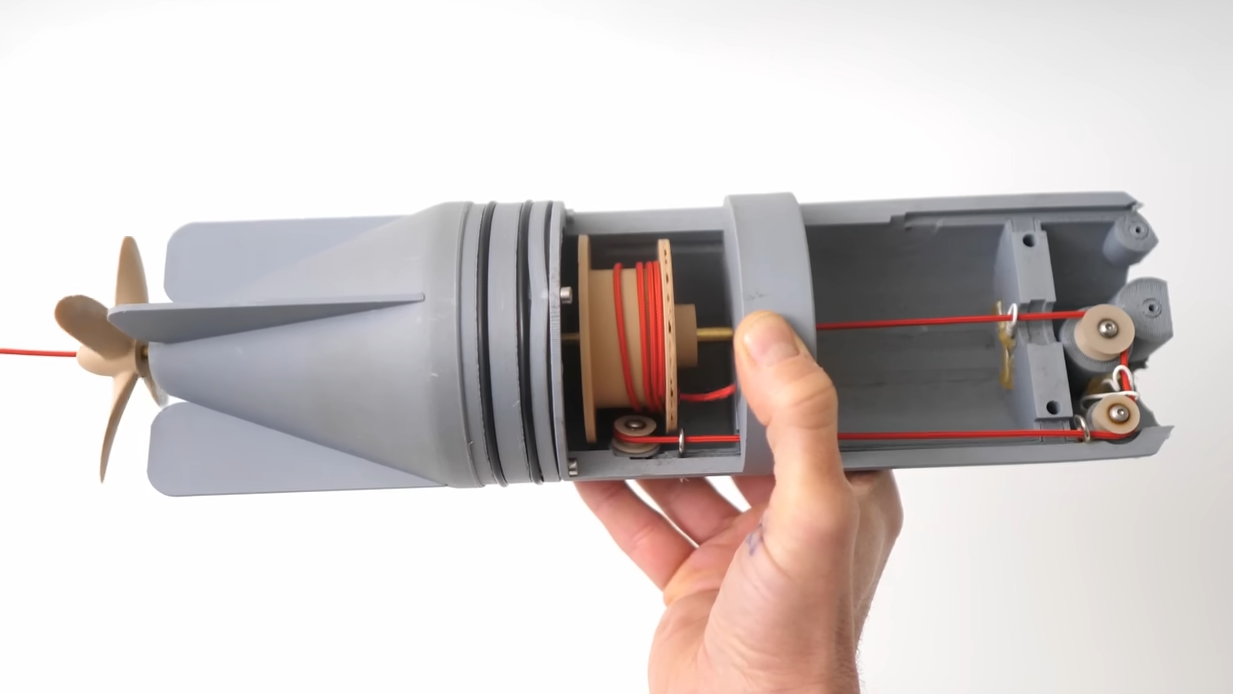
The Brennan torpedo, invented in 1877 by Louis Brennan, was one of the first (if not the first) guided torpedoes of a practical design. Amazingly, it had no internal power source but it did have a very clever and counter-intuitive mode of operation: a cable was pulled backward to propel the torpedo forward.
If the idea of sending something forward by pulling a cable backward seems unusual, you’re not alone. How can something go forward faster than it’s being pulled backward? That’s what led [Steve Mould] to examine the whole concept in more detail in a video in a collaboration with [Derek Muller] of Veritasium, who highlights some ways in which the physics can be non-intuitive, just as with a craft that successfully sails downwind faster than the wind.
The short answer is gearing, producing more force on the propeller by pulling out lots of rope.
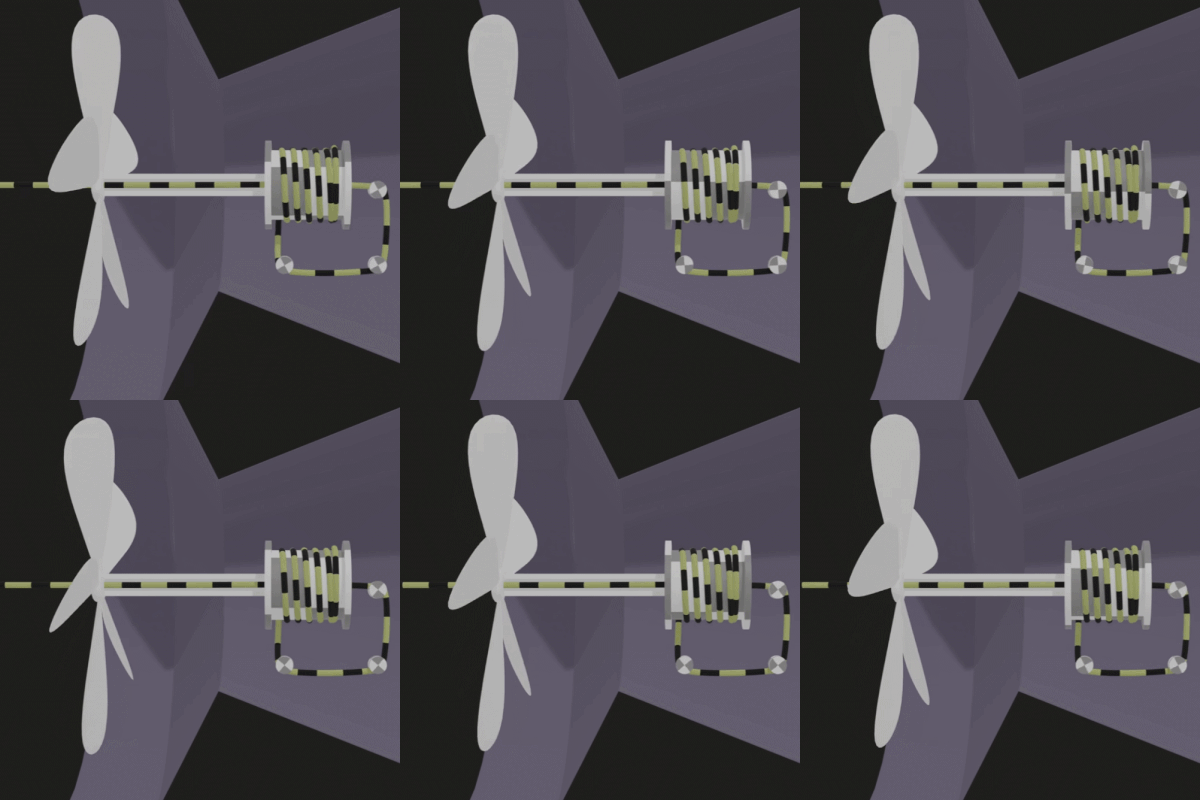 Pulling the cable out the back of the device turns the propeller thanks to a pulley-type assembly with the prop shaft connected to a drum, as seen in the animation here. The actual Brennan torpedo was somewhat more complex, but the operating principle was the same.
The real thing had two cables coming out the back and drove two counter-rotating props. It could be steered by changing the relative speed at which the two cables were pulled, which caused a rudder to turn and allowed the torpedo to be guided. It really was very clever, and the Brennan torpedo was in service for over a decade before being superseded by designs with internal power systems that could be launched by ship.
The basic concept is explored with the help of a working model in the video embedded below, along with identifying what makes the physics tricky to intuit. If you have a few extra minutes to admire the importance of leveraging mechanical advantage, check it out.
L’IoT devient la fameuse technologie qui protège les astronautes dans l’espace
L'exploration spatiale est un défi monumental, non seulement pour les équipements, mais aussi pour la santé des astronautes. Dans cet environnement extrême, l'Internet des objets (IoT) joue un rôle crucial en assurant leur bien-être. L'IoT permet de surveiller en temps réel les signes vitaux, la nutrition et l'environnement des astronautes. D'ailleurs, cela garantit une meilleure qualité de vie et une sécurité accrue dans l'espace.
Des dispositifs biométriques pour surveiller la santé
Les astronautes sont confrontés à des conditions physiques extrêmes qui affectent leur sommeil, leur alimentation et leur bien-être général. Pour répondre à ces défis, des scientifiques ont développé des dispositifs biométriques portables. Ces appareils surveillent des paramètres vitaux tels que le sommeil, les radiations et les besoins médicaux. Le système comprend des capteurs de température, de pression artérielle, ainsi qu'un accéléromètre et un gyroscope pour détecter les mouvements du corps. En envoyant ces données dans le cloud via Bluetooth, les astronautes reçoivent des analyses et des solutions adaptées.
L'appareil, telle une montre connectée, est conçu pour être léger et peu intrusif, ce qui permet aux astronautes de l'utiliser sans interférer avec leurs tâches quotidiennes. Il est également optimisé pour un faible usage d'énergie. Cette économie garantit ainsi une utilisation prolongée sans altérer les performances du vaisseau. Cette technologie s'avère essentielle pour préserver la santé des astronautes durant leurs missions longues.
Un environnement de vie contrôlé grâce à l'IoT
L'Internet des objets n'intervient pas seulement pour surveiller la santé des astronautes. Il optimise également les conditions de vie à bord des vaisseaux spatiaux. Le système de contrôle de l'environnement et de survie (ECLSS) est un exemple clé de cette technologie. Il intègre des systèmes de récupération d'eau, de revitalisation de l'air et de génération d'oxygène. Grâce à ces dispositifs, l'eau est récupérée et purifiée à partir de l'urine et de la sueur des astronautes, et l'air est filtré de manière constante.
Ce système assure une qualité de vie optimale pour l'équipage, même dans des conditions extrêmes. Il élimine les toxines et régule la température et la pression de la cabine. Effectivement, il protège contre la formation de micro-organismes dangereux. Ainsi, ce dispositif offre un environnement sain et sûr pour les astronautes.
Suivi nutritionnel automatisé pour une meilleure performance
L'alimentation dans l'espace est un autre défi crucial. En raison de la microgravité, les astronautes perdent plus rapidement leur masse musculaire, ce qui rend une bonne nutrition essentielle. L'IoT facilite désormais le suivi des apports nutritionnels grâce à une application de suivi sur tablette. Les astronautes peuvent scanner le code-barres des repas et enregistrer leur consommation alimentaire. L'application calcule la quantité de glucides, de protéines, de lipides et de minéraux, et ajuste l'alimentation en fonction des besoins individuels.
De plus, l'application se connecte à des capteurs portables qui surveillent les rythmes cardiaques, le sommeil et l'exercice. Ces données sont envoyées à des nutritionnistes sur Terre, qui proposent des ajustements en temps réel pour garantir une alimentation équilibrée tout au long de la mission.
Les défis de l'IoT dans l'espace
Bien que l'IoT offre d'énormes avantages pour la santé des astronautes, des défis restent à surmonter. Les appareils doivent être capables de résister aux radiations et températures extrêmes de l'espace. Les satellites qui transmettent les données sont également vulnérables à l'usure et aux dommages, ce qui soulève des préoccupations concernant leur fiabilité.
Un autre problème majeur est la cybersécurité. L'IoT étant connecté à la Terre, les systèmes de santé des astronautes pourraient être vulnérables aux cyberattaques. Les chercheurs doivent donc renforcer la protection de ces systèmes pour éviter des conséquences catastrophiques.
Astronauts fall over. Robotic limbs can help them back up | TechCrunch https://t.co/KOBd0vDfso #Robotics #SpaceIoT #RoboticLimbs
— IoT Guide (@iotguide) May 28, 2024
L'IoT, clé du futur des missions spatiales
Malgré ces défis, l'IoT continue d'établir de nouvelles normes pour l'exploration spatiale. Grâce à ces technologies, les astronautes peuvent travailler dans des conditions plus sûres et plus confortables, ce qui ouvre la voie à des missions longues et plus ambitieuses. L'IoT pourrait bien révolutionner la manière dont les missions spatiales sont menées en offrant un soutien indispensable pour la santé et la sécurité des astronautes dans l'espace.
An astronaut aboard the @Space_Station has taken remote control of multiple Earth-bound #robots, including a robot dog, in what's being called a world firsthttps://t.co/sRT0tPPPFx
— IoT World Today (@IoTWorldToday) February 9, 2024
Cet article L’IoT devient la fameuse technologie qui protège les astronautes dans l’espace est apparu en premier sur OBJETCONNECTE.COM.
Salesforce plans to hire 2,000 people to sell its AI products
Cloud software giant Salesforce is looking to hire thousands of new salespeople to sell its AI tools to customers. The company plans to hire 2,000 new sales representatives, according to CNBC, which cited remarks from CEO Marc Benioff at a company event Tuesday. This doubles the hiring plans that Benioff shared with Bloomberg last month. […]
© 2024 TechCrunch. All rights reserved. For personal use only.
Leaks: Nvidia’s RTX 5090, 5080, 5070 Ti and 5070 tipped with new ‘neural rendering’

Nvidia’s new RTX 50 series graphics cards are looking like more of a lock for CES 2025 than ever, with Zotac and Acer now having leaked as many as five new GPUs — ones which may also have a new AI trick up their sleeves that we’ve never seen before.
Inno3D, an Nvidia graphics card partner, says it plans to “highlight” a wide slate of Nvidia AI features at the Las Vegas show, including “Neural Rendering Capabilities” that are allegedly “Revolutionizing how graphics are processed and displayed.” HardwareLuxx spotted the news.
It’s not 100 percent clear from the company’s vague teaser if that’s a new RTX 50-series hardware feature, but it appears alongside other features that are typically attributed to the cards, like “Improved RT cores”:
/cdn.vox-cdn.com/uploads/chorus_asset/file/25794631/inno3d_ces.jpg) Image: Inno3D
Image: Inno3D
Inno3D also writes the cards will feature “Advanced DLSS technology” — perhaps we’ll see higher image quality and faster framerates than ever with a possible announce of DLSS 4.0?
As far as the cards themselves, VideoCardz struck gold seeking out online retailer leaks this week, discovering that both Acer and Zotac had accidentally confirmed the existence of both an upcoming RTX 5090 with an unprecedented 32GB of GDDR7 memory, as previously leaked, and an RTX 5080 with 16GB of the same.
But the Zotac leak goes further, suggesting that Nvidia might announce not two, not three, but as many as five new cards at CES, including the RTX 5090 and RTX 5080, an RTX 5090D for China, the RTX 5070 Ti whose specs have recently continued to leak, and even a base RTX 5070.
We’re not necessarily expecting any of these new cards to aim for affordability, but one can hope. If not, an RTX 5060 Ti and a vanilla RTX 5060 are reportedly on the way, though Wccftech reports that the RTX 5060 may stick with a paltry 8GB of video memory, while the 5060 Ti may be outfitted with 16GB.
32GB of video memory isn’t the only way that the RTX 5090 might physically be a beast: an early prototype leak suggested that its massive cooler might take up four slots in a computer case. But it’s possible that was just a prototype; reliable leaker kopite7kimi stated in September that Nvidia is going for a dual-slot design instead. Just a few days ago, the same leaker suggested its power consumption may have been revised downward from 600W, too.
Meta rolls out live language translations and Shazam to its smart glasses

Meta just announced three new features are rolling out to its Ray-Ban smart glasses: live AI, live translations, and Shazam. Both live AI and live translation are limited to members of Meta’s Early Access Program, while Shazam support is available for all users in the US and Canada.
Both live AI and live translation were first teased at Meta Connect 2024 earlier this year. Live AI allows you to naturally converse with Meta’s AI assistant while it continuously views your surroundings. For example, if you’re perusing the produce section at a grocery store, you’ll theoretically be able to ask Meta’s AI to suggest some recipes based on the ingredients you’re looking at. Meta says users will be able to use the live AI feature for roughly 30 minutes at a time on a full charge.
Meanwhile, live translation allows the glasses to translate speech in real-time between English and Spanish, French, or Italian. You can choose to either hear translations through the glasses themselves, or view transcripts on your phone. You do have to download language pairs beforehand, as well as specify what language you speak versus what your conversation partner speaks.
Shazam support is a bit more straightforward. All you have to do is to prompt the Meta AI when you hear a song, and it should be able to tell you what you’re listening to. You can watch Meta CEO Mark Zuckerberg demo it in this Instagram reel.
If you don’t see the features yet, check to make sure your glasses are running the v11 software and that you’re also running v196 of the Meta View app. If you’re not already in the Early Access Program, you can apply via this website.
The updates come just as Big Tech is pushing AI assistants as the raison d’etre for smart glasses. Just last week, Google announced Android XR, a new OS for smart glasses, and specifically positioned its Gemini AI assistant as the killer app. Meanwhile, Meta CTO Andrew Bosworth just posted a blog opining that “2024 was the year AI glasses hit their stride.” In it, Bosworth also asserts that smart glasses may be the best possible form factor for a “truly AI-native device” and the first hardware category to be “completely defined by AI from the beginning.”
Google experiments with a new image generator that remixes three images into one creation
Google Labs, Google’s experimental arm, is testing a new image generator called Whisk. This tool allows people to prompt with images instead of text, allowing them to remix a photo by altering the subject, scene, and style. Whisk uses Google’s image-generation model, Imagen 3, to combine three images: one for the subject, another for the […]
© 2024 TechCrunch. All rights reserved. For personal use only.
Le SZBOX X100 revisite le format Nettop sous Intel N100
Le SZBOX X100 intéressera les personnes à la recherche d’un MiniPC vertical comme ceux qui veulent une minimachine tout en longueur. On ne connait pas ses dimensions exactes4 mais l’engin semble un peu plus imposant que les machines standard.
Le SZBOX X100 est équipé de manière très classique avec un processeur Intel N100, un slot de mémoire vive DDR5 est disponible et pourra accueillir jusqu’ 32 Go et un port M.2 2280 NVMe PCIe 3.0 est également présent pour ajouter un stockage. C’est suffisant pour créer un poste classique, mais cela parait fort peu au vu de la taille de la machine. Des MiniPC bien plus compacts proposent plus de solutions de stockage. La raison semble être liée au fait que tous les composants sont situés d’un seul côté de la carte mère.

La plupart des MiniPC adoptent un déploiement sur deux faces. D’abord, un côté qui sert au processeur avec un refroidissement dédié. Ensuite un second côté qui à la place d’intégrer mémoire et stockage avec souvent deux ports M.2 et/ou un emplacement SATA3 avec une baie 2.5″. Ici, les éléments sont alignés les uns à côté des autres sur le même côté, ce qui laisse paradoxalement moins de possibilités pour un engin plus encombrant.
L’accès aux composants est également plus complexe avec une cage qui entoure la carte mère et qu’il faut dégager pour intervenir sur la machine. Au vu de sa construction sur l’éclaté ci-dessus, cela n’a pas l’air de tout repos pour changer un composant.

La connectique n’en profite pas pour briller particulièrement, ainsi la face avant présente un double port USB 3.2 Type-A, un jack audio combo 3.5 mm, un bouton de démarrage et un « reset » du BIOS accessible avec un trombone.
La partie arrière propose deux ports USB 2.0 Type-A, un double port Ethernet Gigabit, un USB 3.0 Type-C avec DisplayPort et PowerDelivery, deux ports HDMI, un jack d’alimentation et un Antivol type Kensington Lock. Rien de plus, voir moins que certains MiniPC plus étroits. Ce sera suffisant pour piloter trois écrans et un dispositif standard et on pourra ajouter un dock USB Type-C pour étendre ces capacités. On retrouve également un module sans fil Wi-Fi6 et Bluetooth 5.2 pour une liaison sans fil.
Au final, mon avis sur ce type de poste est mitigé, ce format Nettop est sympathique et peut rendre service à certains utilisateurs ne disposant que de peu de place dans leur bureau. Mais on pourra par ailleurs trouver des solutions de contournement à un manque de place avec un dispositif classique de MiniPC et un mode VESA par exemple. Au vu du prix demandé, cela représente tout de même une alternative. L’engin est en vente sur AliExpress à partir de 170€ en version barebone sans mémoire ni stockage et peut être livré avec 16 Go de DDR5 et 512 Go de stockage NVMe avec une licence de Windows 11 Pro pour 258€.
Source : AndroidPC.es
Minimachines.net en partenariat avec Geekbuying.com
Le SZBOX X100 revisite le format Nettop sous Intel N100 © MiniMachines.net. 2024.

Want to Attract Top Talent? Try These Comp Perks
How about two extra weeks of paid vacation time?
In a race to attract the best talent possible, advisory firms are offering extra perks like equity ownership, health and wellness programs, paid time off for volunteer work or charitable donation matches, and even free financial planning for employees. While three quarters of firms offered remote or hybrid options this year, some 68% of the best performing firms also offered nontraditional benefits, according to Schwab’s 2024 Compensation Report. It’s the latest tactic firms are rolling out to reel in the industry’s best talent.
“Non-traditional benefits can be a competitive advantage,” said Lisa Salvi, head of business consulting at Schwab Advisor Services. “Companies can foster employee engagement and ultimately position themselves as employers of choice in an increasingly competitive job market.”
Can I Get Some?
The new advisor compensation plans are addressing a problem for the RIA industry: a major talent shortage. Firms will have to hire more than 70,000 new employees over the next five years to keep up with demand for financial advice, according to an accompanying Schwab report. It’s driving firms to look beyond traditional comp packages. “Many [firms] are being more intentional,” Salvi told The Daily Upside.
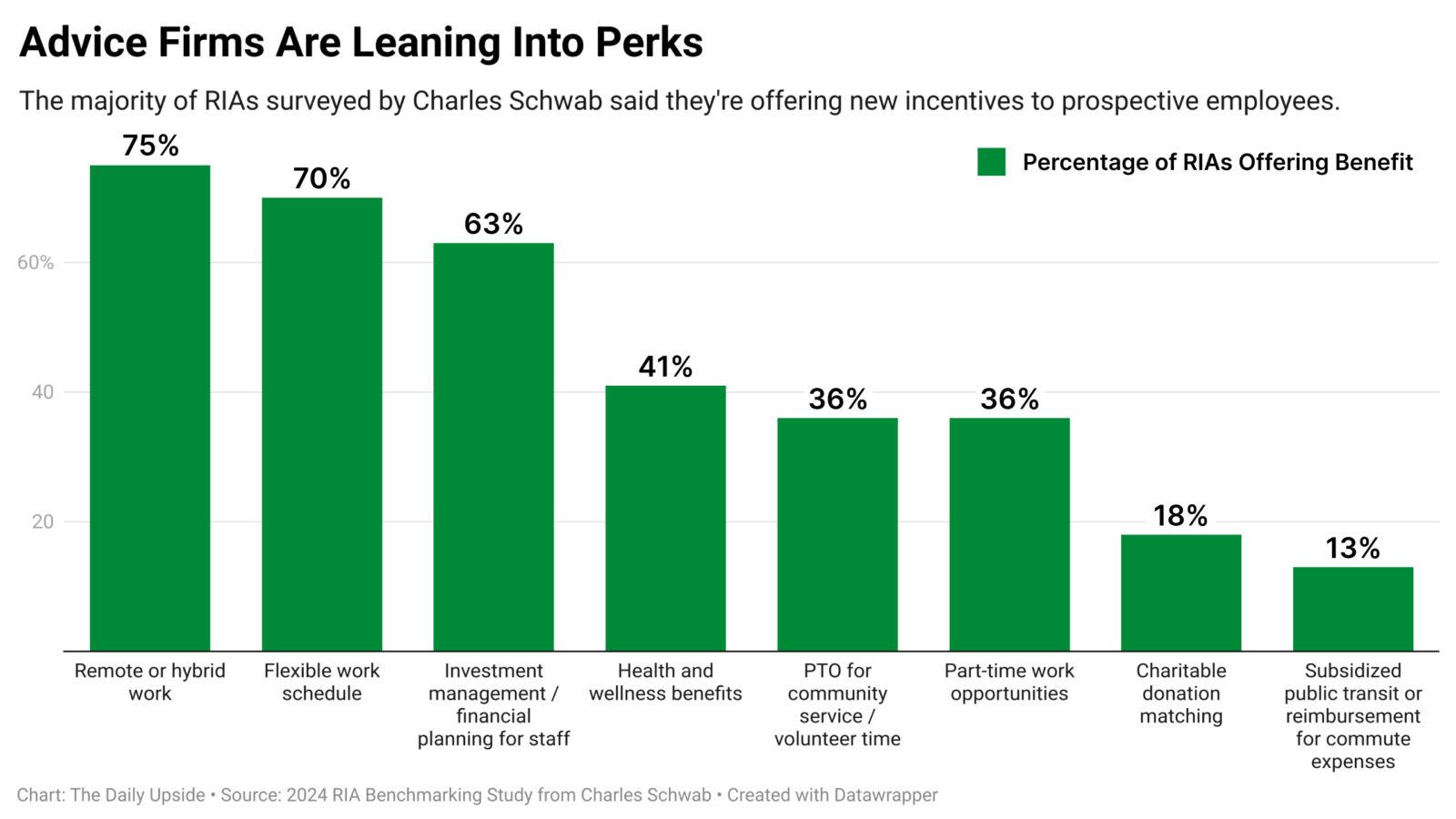
Equity ownership is also emerging as a top strategy for talent retention. Now about 1 in 3 staff members surveyed own equity, according to Salvi. Other advisor compensation perks include access to a range of discounted services for physical wellness, like gym memberships, and mental health services. The report also found:
- Some 36% of advisory firms gave employees extra vacation days for community service and volunteer time.
- More than 4 in 10 firms offer a health and wellness benefits program.
- Just 13% offered subsidized public transit plans or reimbursement for commute expenses.
Family First. Alie Cowley, human resources manager at Bogart Wealth, says nontraditional incentives don’t just benefit employees. Bogart Wealth offers two weeks of family leave per year, in addition to standard vacation days, that employees generally use in case of children who become ill at the last minute or when caring for an elderly parent. It gives them extra cushion so they don’t have to miss out on a family vacation, because they used days on child care.
Since the company introduced the program, employee production has also ticked up. More production from top advisors definitely impacts the firm’s bottom line, she said. “Family leave has been an absolute game-changer,” she said.
The post Want to Attract Top Talent? Try These Comp Perks appeared first on The Daily Upside.
[Tech For Retail 2024] Retour sur les stands les plus orginaux repérés par la rédaction

Ventiva veut revolutionner votre vie en ventilant sans ventilo
Ventiva est le nom d’une société qui développe et commercialise une nouvelle solution de refroidissement pour ordinateurs portables sans avoir recours à une ventilation mécanique classique. Baptisée Ionic Cooling Engine ou ICE, cette technologie permet de générer un flux d’air sans aucune pièce mobile.
Le système de Ventiva utilise un système qui va ioniser les molécules d’air pour les mettre en mouvement. Cela permet de générer un assez fort courant d’air sans avoir aucune pièce mécanique en action. Les conséquences sont évidemment positives puisque sans mouvement, on peut avoir non seulement un refroidissement efficace, une absence de panne liée aux mouvements des pièces et surtout absolument aucun bruit. Enfin, pour être exact, si le système ICE ne génère de son côté aucun bruit, le flux d’air va provoquer une légère perturbation en circulant dans les ailettes de refroidissement du système pour un bruit mesuré de 13 décibels.

Il est quasiment impossible d’entendre ce que donnent 13 décibels dans la vraie vie, il faut un laboratoire disposant d’une pièce insonorisée pour percevoir la différence provoquée par l’ajout de 13 décibels pour le sentir. Notre environnement, même au plus calme de la nuit, est plus bruyant. Ce résultat très optimiste est à conjuguer avec deux autres éléments importants. Une compacité supérieure à ce que proposent des ventilateurs classiques et un bon rendement de débit d’air par rapport à la consommation d’énergie demandée.
Ce que soulève Dave2D dans la vidéo ci-dessus est capital, la technologie proposée par Ventiva n’est pas la première à arriver sur le marché en annonçant un fonctionnement plus efficace que le bon vieux ventilateur. On a vu débarquer il y a quelques années les modules Airjet de Frore Systems. Mais ceux-ci n’ont pas eu les fruits espérés, car ils cumulent les défauts : ils sont couteux, consomment beaucoup d’énergie et ne sont pas aussi silencieux que le prétendait la marque. J’ai pu tester la machine que Zotac a réalisée en partenariat avec Frore, je ne sais pas si un retour sur celle-ci pourrait vous intéresser, mais après prise en main la solution de Airjet m’a paru totalement contre-productive 3.

Ce que propose Ventiva est très différent, la technologie n’est pas du tout neuve, mais la marque a réussi à la miniaturiser de manière impressionnante. Assez pour entrer dans un portable et proposer un débit d’air suffisant. De petits modules de quelques centimètres de long peuvent ainsi être placés dans un portable pour générer une circulation d’air. Ils ressemblent à des grilles d’aération et sont à peine plus grands qu’un trombone.

On peut donc en placer plusieurs pour faire circuler de l’air devant chaque ouïe d’évacuation d’un ordinateur au lieu de la laisser passive. En ajoutant des capteurs de température, on pourra lancer ou éteindre ces modules ICE pour s’adapter efficacement à la chaleur interne du dispositif.

Le fonctionnement est assez simple. Dans ces petits dispositifs, on a un premier élément horizontal qui va attirer les électrons négatifs des composants chimiques de l’air : oxygène, hydrogène, etc. La nature ayant horreur du vide, ces molécules vont se diriger vers l’endroit qui leur permettra de se rééquilibrer, de se recharger de cet électron négatif manquant. Une grille verticale va permettre de leur proposer ces éléments. L’espace entre les deux étapes est très faible et déplacer un atome n’est pas significatif, mais l’opération se répète en boucle et suffisamment fort pour que cela génère un débit important.

Un mètre cube par minute par module pour 1 watt d’énergie dépensée. Par rapport à un ventilateur classique qui propose suivant les modèles et leur taille entre 1.5 à 2 mètre cube par minute (CFM ou Cubic Feet per minute) pour 1.5 à 2 watts d’énergie, on est sûr des rendements n’ayant qu’un très léger désavantage pour Ventiva. Et si on considère la possibilité de la multiplication de ces modules, le compte est vite fait. Ajouter cinq dispositifs ICE coutera 5 watts d’énergie pour 5 CFM de débit et zéro décibel direct de nuisance sonore. Quand deux ventilateurs de qualité et plus encombrants vont générer 4 CFM pour 4 watts et beaucoup, beaucoup plus de bruit.
Pourquoi maintenant puisque cette technologie est très ancienne ? Parce qu’elle posait jusque-là de petits soucis. D’abord de compacité du dispositif parce que personne n’avait probablement chercher à le rendre aussi petit. Mais aussi et surtout parce que ces appareils sont sensibles à la poussière et aux débris. Ce qui ne fait pas forcément bon ménage avec un objet comme un portable. Ventiva indique avoir résolu ces questions avec plusieurs brevets. Leurs produits sont résistants à la poussière, à l’humidité et ne dégageant pas d’interférences électromagnétiques. Ce qui règle un « léger » souci au sein d’un ordinateur portable.

La solution peut également être exploitée dans un mode hybride avec d’un côté un ventilateur classique et de l’autre un ICE de Ventiva. Cela permettrait par exemple sur un ordinateur portable d’avoir un courant d’air continu pour les composants type mémoire et stockage et un autre pour le processeur. Mieux, on peut imaginer un mode passif sous Ventiva en usage léger et un « réveil » de la machine en usage intensif avec la ventilation et le module ICE ensemble.

Des designs sur-mesure, plus couteux, mais plus efficaces, peuvent par ailleurs être imaginés pour les solutions les plus haut de gamme. Les ultrabooks les plus évolués du marché PC ou les solutions d’Apple par exemple.

Ces solutions devraient être présentées au CES 2025 et peut-être que certains partenariats avec de grandes marques seront annoncés. On peut espérer que cela soit suivi d’effets, car si le système de Ventiva est vraiment opérationnel, cela permettrait de proposer des designs confortables et inaudibles tout en conservant d’excellentes performances dans des portables comme des MiniPC ou des smartphones. On peut même espérer l’apparition de ce genre de dispositif dans des appareils photos ou autres stockages SSD externes par exemple.
Bref, c’est très prometteur.
Minimachines.net en partenariat avec Geekbuying.com
Ventiva veut revolutionner votre vie en ventilant sans ventilo © MiniMachines.net. 2024.

iRobot’s founder is working on a new kind of home robot

Colin Angle, the co-founder of iRobot and its CEO for three decades, is getting back into robotics with a new startup called Familiar Machines & Magic. According to The Boston Globe, the company is developing a new kind of home robot focusing on health and wellness that might take the form of an animal or a “familiar.”
The company is currently in stealth mode, Angle tells The Globe, and includes the former CTO of iRobot, Chris Jones, as well as iRobot’s Ira Renfrew, who left the company to work on robotics at Amazon, including the shuttered Scout delivery robot.
Angle was working to turn iRobot and its Roomba robot vacuum cleaners into the brains of the smart home before he left the company following the collapse of its sale to Amazon in January of this year. Since then, iRobot has slashed its R&D budget, cut almost 50 percent of its staff, and refocused its business on home cleaning machines.
Familiar Machines & Magic has raised $15 million from eight investors and is looking for $15 million more, according to TechCrunch. A job listing for the company on LinkedIn describes it as a “well-funded, new embodied AI and robotics startup based outside of Boston.”
It's an interesting pivot for Angle to go from the practical to the personal. To date, robots that can do things for you, such as robot vacuum cleaners, robot litter boxes, and robot lawnmowers, have been more successful than “companion bots.” Jibo, Moxie, and Anki are just a few that have powered down over the years.
However, advances in generative AI could bring more potential to the space. These technologies could make robots such as the lovable Lovot or Sony’s Aibo, which the company recently resurrected, seem more human-like, have conversations with you, and be more useful than simply being cute.
For example, Israeli startup Intuition Robotics has been working on ElliQ, an AI-powered social robot designed to keep the elderly and home-bound company, since 2017. I’ve tested a couple of versions of the tabletop robot, and its third-generation model, which incorporates generative AI, is significantly more lifelike and engaging.
What exact type of magic Angle and his Familars will conjure up remains to be seen. One investor described “furry pets to address loneliness” to The Globe. However, some combination of personality and practicality that positively impacts the health and well-being of household members feels like a good place to start.
Skechers Refuses to Comment on Ad With Signs of Lazy AI

Shoe, Hiss
Footwear brand Skechers has been accused of lazily using generative AI for a full-page ad that appeared in the December issue of Vogue.
In a now-viral TikTok video, a vlogger who goes by the moniker polishlaurapalmer drew attention to the illustrated artwork.
"I look at the drawing for two more seconds and I’m like oh that’s AI," she said.
The ad bears all the typical hallmarks of generative AI, from garbled faces in the background to illegible text. Even one of the two models' dresses is seemingly coming apart for no reason.
Worst of all, when Fortune reached out to Skechers over its brazen misuse of the tech, the company didn't respond. Futurism has also reached out for comment.
The incident highlights just how much of a lightning rod the use of generative AI has become, with public sentiment turning squarely against it.
That negative reaction comes when profitable companies resort to cheaply produced and inherently derivative marketing, often at the cost of paying human artists — who, in this case, would likely do a far better job.

Sneaker Suspicion
Skechers is far from the only company that's come under fire for the use of AI. Last month, the Coca-Cola Company released a holiday ad that critics said defiled its august tradition of artistically-minded advertisements with uninspired AI slop.
A July study found that even just including the words "artificial intelligence" in product marketing is a major turn-off for consumers, suggesting a growing backlash.
In her video, polishlaurapalmer argued that these marketing tactics will only backfire in the long run.
"I wish people who use AI for art understand that now I hate this," she said. "You actually didn’t save any money because now I hate you, now I don’t ever want to buy a Skechers shoe again."
"As someone in advertising, it's getting bad," one commenter wrote. "Literally have fights explaining how bad AI is and everyone just wants the cheapest/quickest option with no regard for quality."
Perhaps most ironically, the women depicted in the ad aren't even shown wearing the sneakers Skechers is trying to push.
"It doesn't even make sense to me," one Redditor wrote. "They portray two women. Both made to appear 'high end'. Apparently both too good to wear the shoe being advertised because the shoe is only shown in the corner."
"Ok they saved a bit of money, now they’ve devalued themselves and shown how little they care about quality," another user wrote. "It’s pathetic."
But given the astronomical amounts of money still being poured into AI, the trend is likely to continue, despite rapidly shifting sentiment among consumers.
More on generative AI: Study Finds Consumers Are Actively Turned Off by Products That Use AI
The post Skechers Refuses to Comment on Ad With Signs of Lazy AI appeared first on Futurism.
Accor renforce sa présence dans le tourisme spatial
Industrie de la mode : 5 tendances qui transformeront le secteur en 2025

L'art de la personnalisation


Blackmagic’s Vision Pro immersive camera can be yours for only $29,995

Blackmagic has announced that its URSA Cine Immersive commercial camera for shooting high-quality 3D immersive video is now available to preorder “direct from Blackmagic Design Offices,” with the first deliveries going out in early 2025. The camera, which could enable more immersive content for the Vision Pro, costs $29,995 — or a mere 8.6 Vision Pros.
First revealed in June, the Cine Immersive will let cinematographers shoot 90fps video in stereoscopic 3D at 8160 x 7200 resolution per eye — or more than twice the estimated per-eye resolution of the Vision Pro’s screens. They’ll be able to edit the footage using the proprietary Apple Immersive Video format in DaVinci Resolve Studio, which Blackmagic plans to add support for early next year.
Blackmagic Design CEO Grant Petty said the DaVinci update will enable “a true end-to-end workflow for Apple Immersive Video.” He added that the company is “looking forward to working closely with filmmakers” on immersive videos ahead of the camera’s wider release later in 2025.
Blackmagic included images of the camera in its email to The Verge. It looks cool, so I’ve included them for your perusal:
The Vision Pro has some immersive content outside of Apple’s videos — in apps like Amplium or Explore POV — but none of them quite have the quality of Apple’s videos. Until now, Apple has been the only company producing content with its format, and only a handful of such videos are available at this point. That could change, eventually, if studios take advantage of Blackmagic’s new camera and DaVinci update.
ChatGPT’s AI search engine is rolling out to everyone

ChatGPT’s AI search engine is rolling out to all users starting today. OpenAI announced the news as part of its newest 12 days of ship-mas livestream, while also revealing an “optimized” version of the feature on mobile and the ability to search with advanced voice mode.
ChatGPT’s search engine first rolled out to paid subscribers in October. It will now be available at the free tier, though you have to have an account and be logged in.
One of the improvements for search on mobile makes ChatGPT look more like a traditional search engine. When looking for a particular location, like restaurants or local attractions, ChatGPT will display a list of results with accompanying images, ratings, and hours. Clicking on a location will pull up more information about the spot, and you can also view a map with directions from directly within the app.
Another feature aims to make ChatGPT search faster when you’re looking for certain kinds of sites, such as “hotel booking websites.” Instead of generating a response right away, ChatGPT will surface links to websites before taking the time to provide more information about each option. Additionally, ChatGPT can also automatically provide up-to-date information from the web when using Advanced Voice Mode, though that’s only available to paid users.
In earlier livestreams, OpenAI also announced the launch of its text-to-image model Sora and rolled out a $200 per month ChatGPT Pro subscription.
Humans Alarmed at AI Company's "Stop Hiring Humans" Billboards

Tour De Workforce
An AI startup called Artisan has managed to irritate virtually everybody with a controversial ad campaign in San Francisco, which has littered the city with billboards reading "Stop Hiring Humans."
As you may have guessed, Artisan peddles automation — specifically, in the form of an AI "sales agent," which is also called Artisan.
Along with its tagline suggesting human workers are obsolete, other ads from the company include eye-rolling lines like "Artisans won't complain about work-life balance," and "Artisan's Zoom cameras will never 'not be working' today." These are sometimes accompanied by the message: "The Era of AI Employees is Here."
But it's the "Stop Hiring Humans" ads that have really stuck — and are getting the biggest ad spots. Numerous large billboards and posters are plastered with the tagline, often with the uncanny likeness of a woman, which is supposed to be one of the AI's humanlike personas, "Ava."
"Stop Hiring Humans" billboards around SF
pic.twitter.com/jBUSErvMfK
— AI Notkilleveryoneism Memes
(@AISafetyMemes) December 12, 2024
Read the Room
Online, the reactions to the ads have been incandescent with fury. Creative Bloq called the campaign a "dystopian nightmare," while numerous Reddit threads have lambasted the marketing. On X, formerly Twitter, one writer tweeted in response: "WTF are we doing as a species."
Indeed, the whole thing is flagrantly misanthropic even by Silicon Valley's standards. San Francisco, like other cities part of the tech locus, has a large population of homeless and continues to be deep in the throes of a housing crisis (one image that's caught particular flak, shown above, shows a bedraggled-looking man next to one of the signs). Flippantly calling for you to remain jobless strikes the wrong tone, to say the least.
Artisan CEO Jaspar Carmichael-Jack seems to agree with people's cyberpunk characterization of his ads (though "cyber-LinkedIn" might be more apt).
"They are somewhat dystopian, but so is AI," the 23-year-old CEO told SFGate. "The way the world works is changing."
But in an interview San Francisco Chronicle, Carmichael-Jack claimed that he's actually a friend of the human race.
"We love humans," he told the newspaper, laughing. "I actually don't think people should stop hiring humans. We're hiring a lot of humans right now."
Rage Bait
The depressing thing: the stunt worked.
Per SFGate, Carmichael-Jack said that Artisan has seen a "crazy escalation" in its brand awareness and a spike in sales.
"We wanted something that would draw eyes — you don't draw eyes with boring messaging," the CEO told SFGate.
And he's certainly right in that regard. He's ditched "boring," in favor of making it loud and clear what the management class really wants: taking humans out of the equation wherever possible.
This is the enthymeme that the monoliths of the tech industry dance around and dress up with all kinds of marketing language, and for good reason. As Artisan has demonstrated, if these companies were more upfront with their intentions with AI — and their attitude towards us lowly human peons — they'd face outrage like this at every turn; already, someone has smashed and torn down an Artisan bus stop poster.
More on AI: CEO Says He Hasn’t Hired Anyone in a Year as He Replaces Human Workers With AI
The post Humans Alarmed at AI Company's "Stop Hiring Humans" Billboards appeared first on Futurism.