Si vous êtes équipé d’un iPhone ou d’un iPad et que vous adorez diffuser de la musique à l’aide d’AirPlay, vous êtes peut-être frustré de ne pas pouvoir le faire sur d’autres appareils Upnp, ChromeCast ou vos enceintes Sonos. En effet, ces protocoles et ce matériel n’ont rien à voir avec AirPlay et ne sont pas supportés par Apple.
Mais c’était sans compter sur le projet AirConnect pour Synology qui va vous permettre de rendre compatible AirPlay, l’ensemble des appareils Upnp et Chromecast de votre réseau. Ce package s’installe facilement sur les routeurs et les NAS Synology et sans aucune configuration, vous permettra de voir comme appareil AirPlay, tout ce qui ne l’est pas, y compris le matos Sonos.
Je l’ai mis en place chez moi et j’ai trouvé ça tellement génial que je vous en ai fait une vidéo tuto rapide :
AirConnect-Synology est un package compatible de la version 5.0 de DSM à la version 7.1 (attention, vérifiez bien quand même si votre architecture de NAS / Routeur est compatible).
Si vous cherchez un outil qui va vous aider à vous débarrasser de vos vieux MBR et à embrasser l’ère moderne des disques GPT, j’ai ce qu’il vous faut !!
Vous vous demandez peut-être de quoi je parle ?
Le format de table de partition GPT (GUID Partition Table) est le successeur des tables de partition de type Master Boot Record (MBR) utilisées depuis les années 1980. Les GPT offrent des avantages importants, comme une meilleure gestion des partitions et une meilleure prise en charge des disques de grande capacité.
GPT fdisk est donc un clone de fdisk qui embarque plusieurs outils (gdisk, cgdisk, sgdisk, et fixparts) et qui va vous permettre de réaliser différentes opérations très cool avec vos disques GPT (ou MBR).
Vous pourrez par exemple convertir un disque MBR en GPT sans aucune perte de données (ni de sommeil ^^) et même convertir les disklabels BSD en GPT sans rien casser. Vous pourrez également éditer les tables de partitions GPT aussi bien sous Linux que FreeBSD, macOS ou encore Windows.
Mais là où cet outil devient vraiment incontournable, c’est qu’il va vous permettre de réparer les structures de données GPT (ou MBR) malencontreusement endommagées.
Gardez quand même à l’esprit que si vous êtes sous macOS, la protection de l’intégrité du système (SIP) sur macOS 10.11 ou supérieur limitera les capacités de l’outil. Et si vous êtes sous Windows, votre machine devra être compatible UEFI pour pouvoir booter sur un disque GPT. Autrement, toute la documentation se trouve ici ! Je vous recommande d’y jeter un oeil pour comprendre comment vous servir des différents outils.
Bref, un super outil pour les administrateurs système qui pourront effectuer des opérations de maintenance directement depuis l’interface de GPT fdisk ou simplement en ligne de commande.
Following a complete overhaul designed to seamlessly integrate these two key features, the developers have now released a new video that showcases the traffic injection system, demonstrating its ability to interact effectively with MSFS. It highlights how the system minimizes resource usage while efficiently populating a large airport, thereby minimizing performance impact.
The video, which you can see below, offers a behind-the-scenes look at the traffic management employed by BeyondATC, which calculates the positioning and movement of AI aircraft without rendering graphical elements, thus conservatively using resources. This efficient approach enables the system to manage aircraft spacing and interactions effectively, crucial for simulating a realistic air traffic environment.
BeyondATC impressively integrates airport data directly from the user’s scenery files, ensuring a personalized and accurate simulation. The system utilizes this data to generate flight paths from every gate to runways, creating a network of preferred routes for departing aircraft, while incoming aircraft are guided to avoid these paths.
The highlight of the video is the demonstration of the system managing multiple AI aircraft simultaneously. This includes a detailed look at how the software sequences aircraft, resolving conflicts and ensuring smooth operations. The system’s ability to prioritize aircraft waiting longer and navigate them through the airport realistically, adhering to actual taxi patterns, is indeed quite impressive.
With this update, BeyondATC continues to raise the stakes with the promise of revolutionising Microsoft Flight Simulator’s ATC and AI traffic systems in dramatic new ways! A release date is planned for 2024, so stay tuned for some updates about this exciting add-on!
Les pilotes et équipages de cabine européens sont convaincus que la sécurité des vols n’est plus la principale préoccupation de l’Agence européenne de la sécurité aérienne (AESA) et de certains acteurs du secteur. Dans un nouveau documentaire captivant, des professionnels de l’aviation expriment leurs craintes et leur profonde déception face à l’état de la sécurité aérienne en Europe.
Le documentaire dresse un tableau inquiétant de l’AESA, qui serait indûment influencée par les pressions économiques des acteurs de l’industrie. L’incapacité de l’Agence à répondre aux préoccupations en matière de sécurité et son attitude dédaigneuse à l’égard des études scientifiques ont érodé la confiance des travailleurs de l’aviation. La Commission européenne, chargée de superviser l’AESA, s’est également discrètement retirée de sa responsabilité et de son obligation de rendre des comptes. Ce documentaire stimulant de l’organisme de radiodiffusion néerlandais BNNVARA met en lumière des pratiques alarmantes au sein de l’industrie aéronautique, soulevant d’importants doutes sur la sécurité du transport aérien européen.
Le président de la CEA, le capitaine. Otjan de Bruijn souligne le tragique manque de jugement de l’AESA : « Des études scientifiques émanant d’institutions réputées comme la London School of Economics, l’Université de Gand (Belgique) et l’Institut Karolinska en Suède, soulignant systématiquement l’impact de la précarité de l’emploi sur la sécurité des vols, ont été injustement rejetées. Le refus de l’AESA de reconnaître ces conclusions soulève de sérieuses questions sur son engagement en faveur de la sécurité. »
Les études révèlent une réalité effrayante : les pratiques d’emploi non traditionnelles compromettent la prise de décision en matière de sécurité dans les cockpits européens. Les pilotes employés de manière atypique sont moins susceptibles d’exprimer des préoccupations en matière de sécurité, plus enclins à prendre des risques, à voler alors qu’ils sont malades ou fatigués et manquent de confiance dans les processus de reporting de sécurité. L’attitude dédaigneuse de l’Agence a permis à une culture de peur et d’intimidation de s’épanouir dans l’industrie, rendant plus difficile le signalement des problèmes de sécurité et faisant passer les intérêts commerciaux avant la sécurité.
« Malheureusement, je pense que nous pouvons parler d’une culture largement répandue de peur et d’intimidation au sein de l’aviation européenne », a déclaré le secrétaire général adjoint de l’ECA, Ignacio Plaza. « Quelques dirigeants industriels au franc-parler ont créé cette culture et l’AESA a été le partenaire silencieux qui l’a permis avec son attitude passive face aux problèmes de sécurité. Les pilotes ne signalent pas ou ne parlent pas, les problèmes de sécurité restent cachés. Parmi ceux qui osent, beaucoup font face à des mesures disciplinaires et à des représailles. Tout cela peut très mal finir un jour parce que toute la chaîne de la sécurité aérienne est tout simplement rompue. »
Le documentaire remet également en question le rôle de la Commission européenne et sa responsabilité pour assurer la sécurité des passagers européens. Malgré des appels répétés et des études soulignant des problèmes urgents, la Commission n’a pas réussi à résoudre le problème du faux travail indépendant dans l’aviation, laissant les pilotes et le personnel de cabine vulnérables. Le récent rejet de la révision du règlement 1008/2008 souligne l’apathie de la Commission à l’égard des préoccupations du personnel navigant en général. De plus, la Commission européenne est censée superviser l’AESA et garantir que l’agence est indépendante des intérêts commerciaux.
« L’absence de la commissaire aux transports dans le documentaire en dit long, reflétant son approche typique des questions aéronautiques tout au long de son mandat », a déclaré le président de l’ECA, Otjan de Bruijn. « Alors que son mandat se termine bientôt, une attention urgente est nécessaire pour relever les défis persistants de l’industrie aéronautique. Il est clair que l’AESA et la Commission européenne doivent procéder à une sérieuse introspection et assumer leurs responsabilités, en garantissant la sécurité des passagers sans compromis.»
Diffusé en octobre 2023, le documentaire « Omerta Above the Clouds » des créateurs de télévision néerlandais Bart Nijpels et Jan Salden plonge au cœur de l’industrie aéronautique. À travers des entretiens avec des décideurs, des scientifiques, des autorités, des compagnies aériennes, des pilotes, des équipages de cabine et des associations de pilotes et d’équipages de cabine, le documentaire dévoile une vision globale de l’état actuel de l’industrie. Il explore les défis sociaux persistants dans le cockpit et la cabine. Le film examine de manière critique les efforts visant à lutter contre ces problèmes, soulevant des questions essentielles sur l’éradication des fautes sociales et la surveillance de la sécurité dans l’espace aérien européen.
Pour voir le documentaire (47 mn), cliquer ici ou sur la photo.
Si vous faites de la 3D ou de la création numérique qui nécessite l’utilisation de textures, alors accrochez-vous car cette petite merveille nommée Dream Textures va radicalement changer votre façon de créer et d’utiliser les textures au sein de Blender.
Créer des textures, du concept art, des ressources pour vos arrière-plans, et plus encore, le tout à partir d’un simple prompt, voilà ce que vous propose Dream Textures. Plus besoin d’être un génie du pinceau numérique pour produire du contenu artistique de qualité. Une petite phrase suffit et hop, la magie opère !
Quand on fait des textures, rien de plus énervant que ces petites coutures visibles qui se répètent sans interruption. Avec Dream Texture, ce sera de l’histoire ancienne, grâce à l’option Seamless. Une fois activée, vos textures seront sans coutures, telles des étoffes de soie sorties tout droit de l’atelier d’un maître artisan.
En utilisant le mode Projection de Textures, vous pouvez également texturer (je crois que ça se dit… lol) toute une scène en ajoutant de la profondeur à l’image. Et tout ça localement en faisant tourner les modèles directement sur votre machine (prévoyez donc une machine un peu puissante).
Maintenant, si ça vous chauffe, pour mettre la main à la pâte, rien de plus simple ! Il vous suffit de télécharger la dernière version et suivre les instructions suivantes :
Assurez-vous toujours d’installer la dernière version de l’add-on au cas où les guides deviennent obsolètes.
Et si votre matériel n’est pas pris en charge, vous pouvez utiliser DreamStudio pour traiter dans le cloud.
Paris Flight Training Aero, une école de pilotes, a fermé ses portes, laissant élèves, enseignants et salariés sur le carreau, rapporte Le Parisien.
150 élèves pilotes et 34 salariés répartis sur deux sites, en Seine-et-Marne et dans le Lot-et-Garonne, n’ont plus d’horizon quant à leur avenir. Au départ, il y avait l’école de pilotage Airways College, en difficultés financières qui fut reprise il y a deux ans par Paris Flight Training Aero (PFT). 240 élèves avaient alors cru à nouveau en leurs chances alors qu’ils avaient déboursé, pour la plupart au moyen de lourds emprunts, près de 100 000 euros pour suivre ce cursus. Mais rebelote, le même scénario s’est reproduit. Car Paris Flight Training Aero vient de se voir sanctionner à son tour par une liquidation judiciaire sans poursuite d’activité suite à des difficultés de trésorerie, et faute de nouveau repreneur.
L’administrateur judiciaire, Philippe Thiollet, l’a confirmé au Parisien : «En dépit des efforts concédés pour tenter un rebond en cession, aucune offre n’aura été déposée», dit-il, ajoutant que le «passif total avoisinait 3,7 millions d’euros entre PFT Aero et PFT», la holding qui l’a rachetée. De nombreux élèves qui étaient inscrits dans cette école at qui avaient contracté des prêts énormes pour suivre cette formation, se retrouvent désormais sur le carreau, par manque d’heures de vol, même après avoir passé par exemple leur brevet théorique de pilote de ligne (ATPL) ou leur licence de pilote privé (PPL).
Dans le passé, des élèves avaient déjà porté plainte contre le PDG de l’ancienne structure, Airways College. Ce dernier avait alors été mis en examen pour escroquerie, abus de biens sociaux et banqueroute. Mais l’enquête est toujours en cours.
The 1960s Franco-German C-160 Transall developed for Microsoft by AzurPoly has seen a major update in the form of a version 1.2 update. The update comes packed with a ton of updates, new features, and some impressive new capabilities. Let’s have a look!
Transall update
AzurPoly’s C-160 Transall already came packaged with some impressive features put into an airplane that has a lot of performance and capability. The latest version addresses some major issues including new FMS pages that make the airplane’s custom FMS more fully functional.
There are new animated paratroopers and vehicles that can be cargo dropped, there are new features on the airplane’s avionics system with support for the WorkingTitle GNS package by default, corrected sounds, there are tweaks to liveries and more. Here’s the full changelog as published on the developer’s Facebook.
Animated paratroops and vehicles cargo drop
New head-up display (HUD) with fully custom display
FMS now fully capable for flight plan management
New FMS pages (INI, FLP, DEPARTURE, ARRIVAL, RUNWAY, FACILITY INFO, DIRECT TO)
New EFIS ARC and MAP modes
Flight plan display on EFIS
Fixed fuel consumed from only one tank at once
Fixed APU stopping after few minutes
Corrected engine sounds
Removed loud engine sound in multiplayer
Added button to refill methanol
Switch to toggle NAV mode (VLOC/GPS)
Fixed formation lights toggling wing lights
New EFB option to set payload weights manually
Fixed incorrect RPM hundreds indication
Fixed propeller RPM drop after touchdown
Fixed incorrect generator frequencies
EFB update with autopilot VS mode
Use Working Title GNS package by default
Possibility to hide yoke
More ergonomic autopilot pitch switch
Fixed IFF knob not changing transponder state
Fixed propeller dust effect displayed with engine off
Updated EFB map source
Small EFIS color changes
Fixed missing decals on French grey livery
Several minor texture fixes
The update is expected to go live on all storefronts over the next couple of weeks.
FlyingIron Simulations has sparked excitement in the MSFS community this week with a Halloween tease of two iconic aircraft: the Hawker Hunter and the Boeing B-17 Flying Fortress. Through a couple of render images and a playful statement on Facebook, “Two spooky aircraft have been sighted haunting our hangars,” the developer has set the stage for the addition of these historic warbirds to their growing lineup of high-fidelity aircraft models in Microsoft Flight Simulator.
The Hawker Hunter, a British jet-powered fighter aircraft, served in the mid-20th century and was operated by several air forces worldwide. Known for its sleek design and reliable performance, the Hunter holds a notable place in aviation history. MSFS pilots have had the opportunity to fly this awesome airplane thanks to the freeware model by Dave Garwood, but seeing a payware rendition from one of the most esteemed warbird developers in the community is certainly very exciting!
FlyingIron has requested the help of the community in the development of the Hunter, specifically seeking references for the F.6 or F.6A models. They expressed a need for a comprehensive cockpit photoshoot, covering various angles, gauge and panel close-ups, and details of the canopy both open and closed to aid in the accurate recreation of the aircraft in MSFS. If you’re lucky to have access to a real-world aircraft, do give them a word!
On the other hand, the Boeing B-17 Flying Fortress is an American four-engine heavy bomber used during World War II. Known for its ability to endure substantial damage and still complete its mission, the B-17 is a symbol of American air power during the war. FlyingIron’s B-17 is expected to embody the essence of this legendary aircraft, providing an immersive experience to MSFS users.
While there is no official release date for these aircraft, we reckon it’s safe to say that they are squarely aimed at 2024, based on FlyingIron’s previous release patterns. The team does note that the B-17, in particular, is a “pretty massive project for a small team”, which hints at a long development time. In any case, we’ll keep an eye on future updates!
Heatblur know how to put on a presentation and this new Phantoms Phorever trailer that just released remind us just how good they are at showing us, telling us, and delivering on extremely detailed simulation experiences. The pre-order is now live, the trailer is out, and we know quite a bit more about DCS: F-4E than we did yesterday. Let’s talk Phantom!
Ghostly reveal!
The trailer is out now!
DCS: F-4E has been on many a wishlist for a long time now and its finally coming this winter. Heatblur have given us a window of late 2023 through to March 2024 for when their new module will release.
The first part of the trailer was a cinematic feast showing off all of the visual spectacle and fast pasted action that you expect from a DCS World trailer. And Heatblur are among the best at this! Today they remind us of that!
Set to a House of the Rising Sun cover by Audiomachine, the trailer shows the F-4 fighting MiG-21s, dodging flak bursts, dropping high drag bombs, launching missiles, skimming the waves and generally doing all of the things you’d expect a Phantom to do. Once that high octane presentation was over, the trailer switched gears and gave us some great information on what Heatblur are doing with the F-4E. Heatblur look to be set to establish a new standard for DCS World yet again. Here’s how.
The details of the module
The narration reveals that Heatblur are modeling the aircraft’s physical nature both visually and at a simulation level. They encouraged us to count the rivets because they are all accurately placed. Pilot models will, for the first time in DCS, be customizable with a choice of features including helmet, body, equipment and gloves. They also joke about getting the essential details right – like the pilot’s moustache. Nice!
New weapons GBU-8 and AGM-12 are coming while the AGM-45 Shrike, already in DCS World, is being upgraded.
Simulated depth include physical simulations of the APQ-120 radar and an entirely new EW simulation.
They are also doing electrical and fluid simulation which will give the F-4 Phantom an even more organic feel to it. Reliability factors may mean that a light-bulb may be dimmer than the ones around it, a landing gear door may stick and take longer to come down. Thousands of individual components are simulated.
Jester AI 2.0 brings in a whole bunch of new features by asking questions proactively and being more interactive. The new Jester AI also will be externally scriptable meaning that the community can add their own segments into the Jester programming. Mission makers will be able to bring more of Jester into their campaigns and missions.
A sequence during the presentation has Jester expressing concern about low flying and the pilot being able to reply with one of what appears to be four different responses. No more Jester punching out unexpectedly? That sounds good.
Finally, DCS: F-4E is coming with a detailed interactive manual. For the first time, Heatblur are making that manual available from within the module. Hold the right key combo and click on any button in the cockpit and you’ll be taking to the segment of the manual detailing that button. Nice! Training missions and videos are also planned!
Pre-order starts now
Keeping in mind that Heatblur are expecting to launch the DCS: F-4E Phantom sometime in the winter, either late 2023 or up to March 2024, pre-orders are available now. Regular pricing is set at $79.99 USD but currently features a $20 USD pre-order discount. Addition packages add two licenses (one for you, one for your buddy), t-shirts, and limited edition Meteor music albums for the F-4 and F-14.
Le troisième Airbus A380, introduit par All Nippon Airways sans n’avoir jamais été opérationnel depuis trois ans en raison des effets de la pandémie Covid-19, a décollé de l’aéroport de Tokyo Narita le 20 octobre, transportant passagers pour la première fois.
ANA All Nippon Airways a repris l’Airbus A380 immatriculé JA383A il y a trois ans : le 30 octobre 2020. Cependant, la compagnie aérienne japonaise a très longtemps laissé l’avion à quatre réacteurs en livrée orange tortue de mer – il est affectueusement surnommé la « Tortue de mer volante » en raison des illustrations sur son fuselage-, inutilisé à Toulouse, en France, pendant encore un an en raison de la pandémie.
ANA n’a introduit la machine au Japon qu’à la mi-octobre 2021. Mais durant les deux années suivantes, l’avion, surnommé officiellement Ka La, qui signifie coucher de soleil en hawaïen, attendit en vain sa première mission avec des passagers. Mais désormais, le temps d’attente est terminé. Le JA383A est utilisé sur la liaison Tokyo – Honolulu depuis le 20 octobre. À partir de décembre, ANA prévoit d’offrir la capacité la plus élevée de son histoire de Tokyo à Hawaï. Les sœurs A380 « Lani » et « Kai » seront également utilisées. Les A380 Turtles peuvent accueillir 520 voyageurs chacun.
All Nippon Airways exploite actuellement 10 vols réguliers en Airbus A380 par semaine entre Narita et Honolulu, mais prévoit d’augmenter ce nombre à 14 vols aller-retour à partir de décembre en réponse à la demande accrue pendant les vacances de fin d’année et du Nouvel An.
If you’ve ever found yourself cruising through the skies in Microsoft Flight Simulator and thought, “Hmm, this sky looks more colorful than real life,” you’re not alone. Many have noticed that the default settings offer a somewhat exaggerated palette that doesn’t quite capture the subtlety and nuance of a real-world sky. But fret not; there’s now a way to improve this dramatically, and it’s quite simple!
What’s Wrong with the Default Colors?
First, a brief introduction to help you better understand what’s at stake here. Recently, a fascinating discussion began on the AVSIM forums, initiated by a user named “Biology,” known for his work on Enhanced Skyscapes & Enhanced Cloudscapes for X-Plane. As an enthusiast in computer graphics and color science, Biology decided to delve deeper into the atmospheric simulation in MSFS. Annoyed by the overly purple sunsets and sunrises, he made the brilliant discovery we’re discussing today.
Keep reading below for more details and before/after (left/right) screenshots in-sim.
The technical explanation is fascinating. Biology explained that the atmosphere in modern simulators is rendered by casting rays and calculating the scattered and absorbed light through physical equations. These equations rely on scattering and absorption coefficients to express how different media interact with light. The problem arises when these coefficients are calculated. In the real world, these equations are defined for a spectrum of light, but in computer graphics, due to computational limitations, rendering is done using tristimulus values like RGB (Red, Green, Blue).
The current sky color calculations in MSFS use a single wavelength for each RGB color as an approximation, which is a flawed approach. Why? Because colors like red can be represented by multiple wavelengths (e.g., 680 nm and 630 nm both represent red). The original approach didn’t account for this, leading to inaccurate sky colors.
The Solution
The result of Biology’s investigation was the development of ARPC, or Atmosphere Rendering Parameter Calculator, an open-source solution designed to tackle this issue. It uses CIE 1931 XYZ color matching functions converted into sRGB to take all wavelengths into account when calculating the coefficients for RGB. This results in a weighted average of the coefficients, leading to significantly improved and much more realistic sky colors.
Turning This into a Mod for MSFS
The initial implementation of a workable mod for MSFS came with its own set of challenges. It involved editing the MSFS .exe file, which is always risky, as it had the potential to interfere with future updates to Microsoft Flight Simulator, including both World and Sim updates. Understandably, this made many users hesitant to take the plunge.
But then, another enthusiast, drunkwinter, devised a way to make this much simpler and safer by simply requiring simmers to drop three files into the MSFS installation folder.
Drag and drop the three files inside the ZIP into the folder that contains your FlightSimulator.exe. This may vary depending on where you obtained and installed MSFS:
MS Store:
C:\XboxGames\Microsoft Flight Simulator\Content Note: This folder might not exist if you have an older install, so you must convert to the modern install.
C:\Program Files\WindowsApps\Microsoft.FlightSimulator_1.34.16.0_x64__8wekyb3d8bbwe Note: To access this folder, you need to take ownership of the WindowsApps folder.
While the mod will work perfectly fine as is, you have the option to tweak the .ini configuration file to enable toggling the sky colors on and off on the fly. This is particularly useful if you want to compare the new sky colors with the default settings without leaving the simulator.
To do this, you’ll need to edit a specific value in the configuration file from “false” to “true.” Doing so will enable you to use the keyboard shortcut Ctrl+Insert to toggle the sky colors while in the simulator. Simply open the .ini file and follow the included instructions to set this up.
An Unofficial Mod That May Soon Become Standard
Interestingly, this modification didn’t go unnoticed by the MSFS team. After immediate clamoring from the community to implement this change in the base sim, it’s now planned to roll out with the upcoming Sim Update 14, which is due to be released before the end of the year. By then, we’ll see if the official change from Asobo will match the “unofficial” mod, but in the meantime, this is an excellent way to get an immediate improvement to your skies during sunrise and sunset.
That said, although this mod doesn’t alter any of the simulator’s original files, it’s always good to exercise caution. Before installing any official updates to Microsoft Flight Simulator, it’s advisable to remove the three mod files from the folder to avoid any potential conflicts.
Quite an exciting Friday in Microsoft Flight Simulator, isn’t it? Earlier we told you about the release of both the Airbus H160 (HypePerformanceGroup) and the Boeing 787-9 (Horizon Simulations), and now there’s a new aircraft release: the Dash 7 from PILOT’S, which was indeed promised to launch this weekend.
The Dash 7 has been keenly awaited by the MSFS community, especially given the aircraft’s distinctive STOL capabilities, which allow it to operate from shorter runways including those that are unpaved or unimproved, opening up a plethora of smaller airports for virtual pilots to explore with what is basically a small airliner!
The Dash 7 boasts a storied legacy stretching back to the late 20th century. A total of 113 of these rugged, four-engine turboprops were manufactured before the product lines were closed in 1988, following Boeing’s acquisition of the company. The Dash 7’s design was a testament to versatility and adaptability, traits that PILOT’S has aimed to replicate in this virtual reincarnation for Microsoft Flight Simulator.
Developed from the ground up for MSFS in collaboration with SimWorks Studios, this aircraft boasts a realistic external and internal model with accurate gauges, custom sounds, and a range of avionics options. In the cockpit, you will find the integration of modern navigational aids like the TDS GTNXi and GNS 530 GPS units.
The Dash 7 also comes with a variety of real-world liveries including Air Greenland, Air Tindi, Berjaya Air, Brymon Airways, Continental, Tyrolean Airways, Pan Am, Trans World Express, and Maersk. These liveries not only add a touch of realism but also pay homage to the airlines that once operated or are still operating the Dash 7.
Un AirbusA321 de JetBlue Airways, stationné à l’aéroport international John F Kennedy de New York le 22 octobre dernier, s’est retrouvé en déséquilibre, en plein débarquement, sa queue reposant au sol et le nez en l’air.
Des images et des vidéos publiées sur X, (ex-Twitter), montrent l’avion alors qu’il se trouve à une porte d’embarquement, reposant la queue en bas sur le tarmac. JetBlue affirme que l’avion a basculé vers l’arrière en raison d’un changement de poids et d’équilibre alors que les passagers descendaient de leur vol. Aucun blessé n’a été signalé. Les autorités affirment que l’avion a été mis hors service pour être inspecté.
« La sécurité est la première priorité de JetBlue ; nous examinons cet incident et l’avion a été mis hors service pour inspection », a déclaré Jetblue dans un communiqué. Des images partagées sur les réseaux sociaux sur X montraient l’avion assis inconfortablement sur sa queue à un angle de 25 degrés avec son train d’atterrissage avant en l’air.
Avec 44,5 mètres de long, l’Airbus A321 est le modèle le plus long de la famille des avions A320, ce qui peut rendre l’avion plus vulnérable à des incidents de basculement comme celui-ci si les règles de masse et de centrage ne sont pas correctement respectées par l’équipage de conduite et le personnel au sol.
Vous êtes-vous déjà retrouvé à jongler avec une multitude de formats vidéo et audio, à vous demander comment les manipuler / modifier sans devenir complètement zinzin ? Et bien, aujourd’hui, je vais vous parler d’une plateforme qui va vous faciliter la vie : FFmpeg Explorer.
FFmpeg, pour ceux qui ne le savent pas encore, est un logiciel open source incroyablement puissant qui vous permet de manipuler des fichiers vidéo et audio de toutes sortes. Vous pouvez convertir, extraire, éditer et même diffuser en direct avec FFmpeg. Et bien sûr, la cerise sur le gâteau, c’est que c’est totalement gratuit !
Mais, comment ça marche, me direz-vous ? Et bien, FFmpeg est un outil en ligne de commande, ce qui signifie que vous devrez taper des lignes remplies de paramètres chelous pour réaliser ces merveilles. Mais ne vous inquiétez pas ! Ce n’est pas aussi effrayant que ça en a l’air, surtout si vous avez le bon guide.
C’est là que FFmpeg Explorer entre en jeu. Ce site se présente comme le guide ultime pour vous familiariser avec tous les filtres vidéo et audio de l’outil et ainsi en tirer le meilleur parti.
Via une interface très facile à comprendre, vous pouvez ajouter avec votre souris, plusieurs filtres bout à bout et voir le résultat sur la vidéo de preview. Cela vous permettra ensuite de récupérer la bonne ligne de commande qui va bien pour l’intégrer dans vos process ou la lancer sur votre ordinateur.
Chaque filtre présenté dispose d’une petite explication et surtout d’un tas de paramètres réglables directement sur le site en mode clickodrome. Comme ça, plus d’excuses pour automatiser vos traitements vidéos et encore perdre du temps dans Final Cut ou Adobe Premiere.
C’est open source et vous pouvez également l’installer sur votre propre serveur / machine si ça vous saoule de passer par la démo en ligne.
Corsair va prochainement proposer à la vente un nouvel accessoire à destination des cartes graphiques en 12VHPWR, à savoir le 12VHPWR GPU Power Bridge. Un accessoire qui permettra de décaler le connecteur 12VHPWR pour plus de praticité. Le tout prend la forme d'un petit carré noir ou blanc mesurant 45.5 x 39.3 x 18.3 mm et il sera capable de résister à des températures de 105°. […]
Here’s the news many have been waiting for: PILOT’S Dash 7 is finally set to be released this coming weekend for Microsoft Flight Simulator, barring any last-minute hiccups. This marks the culmination of a long development process that saw PILOT’S and SimWorks Studios (SWS) partnering to bring this virtual rendition of the Dash 7 to MSFS.
The Dash 7 has been a long time in the making, with both PILOT’S and SWS sharing development responsibilities. While SWS was the creative force behind the visuals, coding, and flight dynamics, PILOT’S has focused on sound design and other nuanced aspects of the aircraft. The journey began with the unveiling of the Dash 7 back in February 2022, and since then, the development updates have been a rollercoaster of highs and lows.
Subsequently, SWS gave us a glimpse of the external fuselage, revealing an aircraft that was starting to take shape. By that time, the visuals were already quite advanced, featuring real-world liveries from British Antarctic Survey, Air Greenland, Brymon, Berjaya Air, Tyrolean, and Continental. By September, the aircraft was already functional, with instruments and systems responding as expected. The STOL characteristics were also highlighted, a feature that allows the Dash 7 to take off with just 500 meters of runway.
However, the road wasn’t always smooth. Health issues within the SWS team led to some delays, but the team eventually managed to get the exterior model and flight dynamics nearly complete, as well as the cockpit.
After a long period of silence, PILOT’S finally broke the news earlier this year that the Dash 7 was nearing its release. A teaser video was released, showcasing the aircraft’s 3D model, textures, interior, and exterior. The sound design raised some eyebrows, however, with many noting that it didn’t quite resemble the typical engine sounds of the Dash 7. Fortunately, it seems PILOT’S heard these complaints and developed custom sounds thanks to the help of Air Tindi, the current largest operator of the Dash 7.
We’re still waiting for a detailed feature list from PILOT’S, but we know that the Dash 7 will feature various real-world liveries and optional equipment, including the Working Title GNS 530. A specific model with built-in support for the GTNXi will also be available upon release and PILOT’S promises that other unique features will be included for simmers. These include the nose wheel gear doors that will slowly open after the engines are shut down, mimicking the subsequent hydraulic pressure drop.
So, mark your calendars and keep an eye on PILOT’S online store this weekend. No pricing has been revealed as of yet, but for sure that will become known in a short time.
Ah, la guerre éternelle contre les malwares… Parfois, l’ordinateur fait tellement n’importe quoi, qu’on se demande si on n’a pas chopé un bon vieux virus. Oui, oui, vous vous reconnaissez, ceux qui ne font jamais leurs mises à jour Windows et qui disent en frimant : « Oh moi, j’ai pas besoin d’antivirus, car je sais ce que je fais.«
LOL !
Et bien, aujourd’hui, je vais vous parler d’un super-héros qui pourrait bien vous sauver la vie, enfin, celle de votre ordinateur : ESET SysRescue Live.
Imaginez que vous êtes en train de travailler sur un projet important et, soudain, votre ordinateur commence à agir bizarrement. Les performances ralentissent et vos fichiers deviennent inaccessibles. Vous réalisez que votre ordinateur a été infecté par le dernier malware. Vous essayez tous les logiciels antivirus possibles, mais rien ne semble fonctionner.
Alors, que faire à part m’envoyer un message sur Facebook si vous êtes ma mère ? C’est là qu’ESET SysRescue Live entre en jeu.
ESET SysRescue Live est un outil anti-malware qui fonctionne via un support amovible (CD, DVD ou clé USB) et qui peut être utilisé indépendamment du système d’exploitation installé sur votre ordinateur. Ce petit génie peut ainsi éliminer les menaces persistantes en accédant directement au disque dur et aux fichiers système. Compatible avec plusieurs versions de Windows, il est conçu pour analyser et éliminer les menaces à la demande.
Pour utiliser ESET SysRescue Live, vous devez d’abord télécharger l’image ISO / IMG et la graver sur un CD/DVD ou créer une clé USB bootable. Une fois cela fait, insérez le support amovible et redémarrez votre ordinateur. Assurez-vous que votre ordinateur est configuré pour démarrer depuis le support amovible (vous devrez peut-être accéder aux paramètres du BIOS pour cela).
Une fois ESET SysRescue Live lancé, vous serez accueilli par une interface utilisateur simple et conviviale. L’outil vous proposera de mettre à jour sa base de données de signatures de virus. Il est fortement recommandé de le faire pour assurer une détection optimale des menaces.
Après la mise à jour, vous pouvez lancer une analyse de votre ordinateur. ESET SysRescue Live offre plusieurs options d’analyse, notamment une analyse rapide, une analyse intelligente et une analyse personnalisée. Les deux premières options analysent les zones les plus couramment infectées, tandis que l’option personnalisée vous permet de choisir les disques et dossiers spécifiques à analyser. Une fois l’analyse terminée, les menaces détectées seront affichées et vous pourrez les supprimer en toute sécurité.
Il est important de noter qu’ESET SysRescue Live n’est pas conçu pour remplacer votre logiciel antivirus habituel. Il est plutôt destiné à être utilisé en complément, en particulier dans les situations où un malware persistant empêche le bon fonctionnement de votre système. Cet outil est idéal pour les situations où vous devez éradiquer un malware tenace qui résiste aux méthodes de suppression traditionnelles.
Vous y trouverez également des utilitaires pratiques comme memtest, Midnight Commander ou Gparted pour ceux qui veulent partitionner leur disque ou augmenter la taille de leurs partitions existantes.
En résumé, ESET SysRescue Live est un outil pratique et puissant pour nettoyer votre ordinateur des menaces persistantes qui refusent de partir ou pour effectuer des petites opérations de maintenance sur l’ordi.
Voici une mauvaise surprise : L’utilisation de BitLocker, le fameux outil de chiffrement intégré à Windows 11 Pro, pourrait ralentir nos disques SSD jusqu’à 45% (selon la marque et le modèle de SSD que vous utilisez) ?
Commençons par le début : BitLocker, disponible uniquement sur les appareils équipés de Windows 11 Pro, est activé automatiquement pour protéger nos données chéries en les chiffrant. Mais en y regardant de plus près, les tests effectués ont montré une diminution significative des performances des disques chiffrés par ce logiciel. C’est pas ouf.
Alors que faire ?
Et bien si vous êtes un utilisateur de Windows 11 Pro, la première chose à faire est de vérifier si BitLocker est activé, et s’il utilise un chiffrement logiciel (XTS-AES). Pour ce faire, ouvrez le menu Démarrer et entrez « cmd« .
Ensuite, choisissez l’option « Exécuter en tant qu’administrateur » pour ouvrir une fenêtre d’invite de commandes avec les droits admin qui vont bien. Une fois dans l’invite de commandes, copiez et collez la commande suivante :
manage-bde -status
Puis faites « Entrée ». Cette commande affichera alors le statut de tous vos volumes connectés. Enfin, pour savoir si le chiffrement BitLocker est activé ou non, recherchez la mention « Protection Status« .
Si le chiffrement est activé, vérifiez alors la méthode de chiffrement utilisée. Si vous trouvez la mention « XTS-AES« , cela signifie que le chiffrement logiciel est utilisé et que par conséquent, Bitlocker a un impact négatif sur votre SSD.
Maintenant, plusieurs choix s’offrent à vous. Vous pouvez vous amuser à reformater votre PC et réinstaller Windows 11 Pro en tenant compte de bien activer le chiffrement hardware si votre ordinateur et votre SSD le supportent. C’est vraiment la meilleure des options même si cela implique d’effacer tout et de tout refaire au propre.
Vous pouvez également désactiver BitLocker et ne plus rien chiffrer. C’est pas ouf niveau sécurité mais c’est un choix qui ne regarde que vous. Pour désactiver Bitlocker, ouvrez une nouvelle fois un terminal en mode admin et entrez la commande suivante en indiquant l’emplacement de votre disque (ici c’est « c: »)
manage-bde off C:
Et si vous voulez quand même chiffrer sérieusement un disque dur, sans pour autant passer par Bitlocker, il y a toujours Veracrypt qui peut vous aider notamment grâce à sa fonctionnalité de chiffrement du système Windows. Attention quand même, ce genre d’outils peut également impacter les performances de certains SSD, donc renseignez-vous bien avant de le mettre en place, car pas sûr que ça arrange la situation. Même chose pour les bons disques durs (HDD), qui peuvent aussi être impactés dans une moindre mesure.
Orbx has released a new product aimed at bush pilots: PNG Highlands Bush Strips Pack 1 for Microsoft Flight Simulator. This new addition to the MSFS ecosystem is a creation by seasoned indie developer Ken Hall and brings the challenging and scenic world of Papua New Guinea (PNG) bush flying to the virtual skies.
Orbx says that PNG Highlands Bush Strips Pack 1 is designed to offer an unparalleled bush flying experience. The pack includes three airstrips (AYYE, AYYW, AYDN) that serve as lifelines for remote villages in PNG. These airstrips are often carved out by hand by the locals and are subject to some of the world’s most rapidly changing weather conditions.
This pack aims to replicate this challenging environment, complete with custom 3D vegetation, PBR textures, and over 100 custom-built and hand-placed models. The pack is perfect for flying aircraft like the Kodiak, Pilatus Porter, Beaver, Caravan, and Twin Otter, which are often used to deliver essential supplies to these remote areas. If you’ve followed the Missionary Bush Pilot channel on Youtube you’ll be perfectly familiar with the adventures that await you in Papua New Guinea!
This latest release is not an isolated event but rather a continuation of Orbx’s renewed focus on small and challenging airfields. Earlier, Orbx had released Idaho’s Deadly 3: Dewey Moore, Simonds, and Vines Airstrips, a package that brought the thrill of Idaho’s legendary bush strips to MSFS. Created by developer Milo Taylor, the package included airstrips that are legendary among bush pilots for their distinct challenges, such as steep uphill slopes and tricky approaches.
Similarly, the Australian studio had also released S43 Harvey Field and W16 Monroe, two small airfields in the stunning Pacific Northwest. These airfields were a showcase of intricate detail and artistic skills, offering simmers the opportunity to experience the rustic rural charm of the region.
So, whether you’re a seasoned bush pilot or someone looking to dip their toes into this challenging yet rewarding type of flying, Orbx’s PNG Highlands Bush Strips Pack 1 promises to be a very interesting scenery add-on for MSFS.
As the name implies, this is the first of many bush packs to come focused on this region. For now, PNG Highlands Bush Strips Pack 1 is available from Orbx at just around $12.00 USD.
Et pour quelques MHz de plus
Un procédé de gravure insuffisamment maîtrisé pour être adopté sur les CPU les plus rapides, ça ne vous rappelle rien ? Eh bien, Intel semble décidément condamné à revivre cela régulièrement, puisqu'après (enfin) l'introduction de l'Intel 7 -le tant attendu 10 nm du fo...
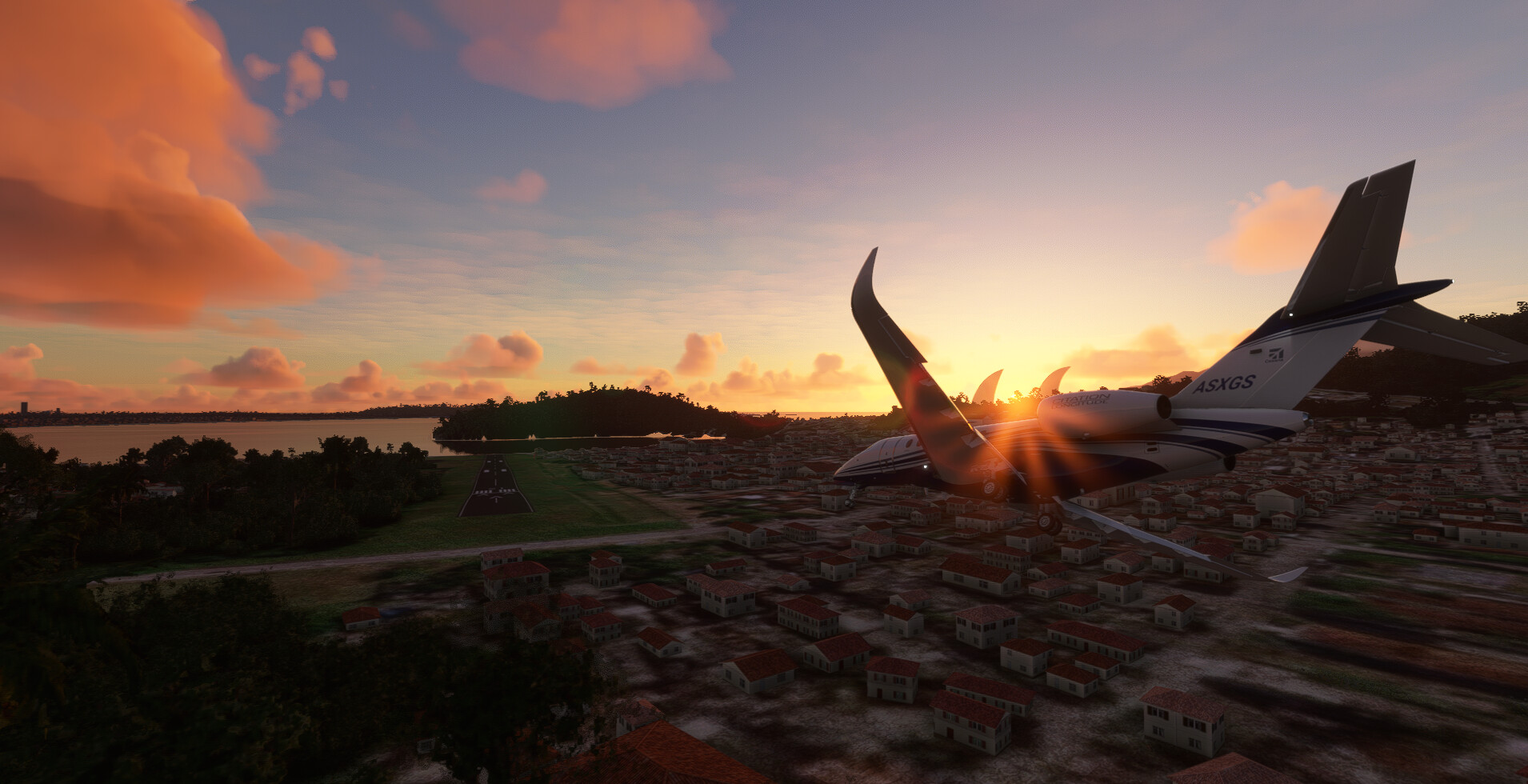
One of the fun things with flight simulations that attempt to simulate the whole of Earth and its weather is that space weather might also impact the simulation at various points. We know even IL-2 Sturmovik, a combat flight sim, does eclipses. So I set out to see how well MSFS does one and it turns out it does it well but not perfectly.
Eclipse… live!
North America is experiencing the first of two solar eclipses over the next six months. The first, happening as I type this on October 14, is an annular eclipse which has the moon cover most of the sun along a band stretching from Oregon to Texas.
Because its cloudy here and only 20% of the sun will be covered I decided to experience it live on Microsoft Flight Simulator and it sort of does eclipses although with some limitations.
As you can see, I’m in the FSS E-Jets E175 with an Alaska flight going from Seattle to San Diego. I did check out various spots in the sim before setting out on the flight but it turns out that MSFS is not capable of displaying an annular eclipse. The moon does definitely obscure the sun but its never at totality.
The sim also doesn’t simulate the loss of light with no discernible difference in brightness as the sun is briefly covered by the moon.
I’ve been watching live coverage on NASA’s YouTube channel to see the eclipse happen over and over again at different viewing stations along the path.
Parts of South America will experience the eclipse as the day wears on. If you do get a chance to observe, remember to protect your eyes and never look at the sun without proper solar glasses. A pinhole punched in a piece of paper is a good indirect way to see the eclipse too.
Depuis la sortie de Windows 10 et jusqu’à aujourd’hui avec Windows 11, il était possible d’activer le système avec d’anciennes clés Windows 7, 8 et 8.1. Ce n’est désormais plus possible, comme Microsoft l'a confirmé à The Verge.
Microsoft avait commencé à refermer cette porte le mois dernier dans le canal Insider Canary, mais ce blocage est maintenant répercuté dans le canal stable.
En revanche, tous les systèmes activés jusqu’ici avec ces anciennes clés le resteront, y compris en cas de réinstallation de Windows 11. Par ailleurs, la voie de migration de Windows 10 vers 11 reste disponible.
Des pirates ont pu accéder à des comptes de 23andMe (tests ADN) d'utilisateurs ayant réutilisé le même mot de passe que sur d'autres services. Pire encore, ils auraient récupéré des données d'autres clients via une fonction « DNA relatives ». L'occasion de rappeler les risques en cas de fuite et la législation sur le sujet en Europe et en France.
C'est pas moi, c'est lui
Des données d'au moins un million d'utilisateurs 23andMe ont été proposées à la vente sur un forum et l'entreprise de tests génétiques a confirmé que des données de certains de ses utilisateurs ont été compromises, explique Wired.
Dans un communiqué, la société indique avoir rapidement diligenté une enquête et estime que les données mises en vente ne proviennent pas d'une fuite interne :
« Nous pensons que les acteurs malveillants ont pu accéder à certains comptes dans des cas où les utilisateurs ont recyclé les identifiants, c’est-à-dire que les noms d’utilisateur et mots de passe utilisés sur 23andMe.com étaient les mêmes que ceux utilisés sur d’autres sites qui ont précédemment été piratés ».
On ne le répètera jamais assez, mais c'est là encore l'exemple flagrant du pourquoi il ne faut pas réutiliser le même mot de passe sur plusieurs sites, d'autant plus avec des données aussi sensibles. La fuite de l'un entraine automatiquement des risques sur les autres. Les pirates n'ont en effet qu'à tester le couple email et mot de passe sur une multitude de services afin de voir s'ils sont acceptés.
La fonction « DNA relatives » utilisée comme caisse de résonance
Ce n'est que la première étape de l'attaque. Une fois qu'il a eu accès aux comptes de quelques utilisateurs, il aurait utilisé la fonction «DNA relatives », qui permet de voir d'autres utilisateurs qui ont aussi activé la fonction et dont le profil génétique est similaire. Il aurait ainsi constitué un important fichier de données génétiques. Ce qui montre, comme le pointe Bleeping Computer, « comment le fait d'accepter une fonctionnalité peut avoir des conséquences inattendues sur la vie privée ». D'une certaine manière, cette histoire n'est pas sans rappeler celle de « heatmap » de Strava.
Les données concernées sont notamment le nom, le sexe, l'année de naissance et des informations sur l'ascendance génétique déduite par 23andMe (par exemple, « venant essentiellement d'Europe »). Les données génétiques brutes ne seraient pas concernées.
23andMe se défend d'une fuite
Chez 23andMe l'enquête est toujours en cours afin de « confirmer ces résultats préliminaires ». La société affirme ensuite n'avoir pour le moment « aucune indication montrant qu’il y a eu un incident de sécurité dans ses systèmes, ou que 23andMe était la source des informations d’identification des comptes utilisées dans ces attaques ». Elle rappelle que depuis 2019 elle propose l'authentification multifacteurs, mais visiblement sans la rendre obligatoire, dommage pour de telles données sensibles.
23andMe pousse ses utilisateurs à utiliser des mots de passe forts et uniques ainsi que la fonctionnalité d'authentification à deux facteurs ; des règles basiques que l'on peut transposer à tous les services. Elle ne dit par contre rien concernant sa fonction « DNA relatives », qui est pourtant utilisé par les pirates comme amplificateurs pour récupérer un maximum de données.
Des données publiées, des vérifications sont en cours
De leur côté, les pirates ont publié un premier échantillon avec des données concernant des juifs ashkénazes. Des personnes d'origine chinoise seraient aussi touchées. L'entreprise n'a pas encore validé si les échantillons publiés correspondaient à la réalité des informations contenues dans sa base de données.
Wired explique que cette information est importante pour les utilisateurs qui y figurent, mais aussi parce que l'échantillon contient des noms de personnes connues comme Mark Zuckerberg, Elon Musk et Sergey Brin. Des données ont potentiellement été ajoutées pour médiatiser l'attaque.
Un expert en analyse interrogé par Wired, Brett Callow, explique que « cet incident met réellement en évidence les risques associés aux bases de données génétiques », et rajoute que « le fait que des comptes aient apparemment opté pour la fonction 'DNA Relatives' est particulièrement inquiétant, car cela pourrait avoir pour conséquence de rendre publiques des informations extrêmement sensibles ».
De son côté, Reuters précise qu'au moins un des messages du pirate « a depuis été retiré du forum. L'ampleur de la brèche n'était pas immédiatement apparente et le pirate a fourni des chiffres et des descriptions contradictoires de ce qu'il avait volé ». L'enquête de 23andMe est donc importante afin d'en apprendre davantage.
Des risques indélébiles, des précédents
Ce n'est pas la première société de tests ADN à faire face à une fuite de données. En 2019, la société Veritas Genetics était piratée. En 2020, c'était au tour de GEDmatch d'exposer plus d'un million de profils ADN. En 2021, la société DNA Diagnostics Center était la cible d'une cyberattaque avec plus de 2 millions de comptes piratés, etc. Ce ne sont que quelques exemples dans l'actualité récente (et surtout dans les failles/fuites rendues publiques.
Dans le cas de données génétiques ou biométriques, un problème important est souvent passé sous silence : il n'est pas possible de changer ses informations, contrairement à un mot de passe. Une fois vos données génétiques en ligne, elles seront ad vitam rattachées à vous, sans possibilité de les mettre à jour.
Quid des tests ADN récréatifs en Europe et en France ?
Le Centre Européen de la Consommation rappelle qu'il n'existe pour le moment aucune réglementation européenne sur les tests ADN : « Les tests génétiques dits récréatifs proposés sur Internet aux consommateurs pour connaître l’origine de leurs ancêtres ou dépister une maladie sont autorisés dans plusieurs pays européens comme au Danemark, à Chypre, en Finlande, en Allemagne, en Italie, au Luxembourg ou aux Pays-Bas mais interdits au Portugal et en France ».
En France justement, « un test génétique ne peut être réalisé que sur demande du tribunal dans le cadre par exemple d’une recherche de paternité, ou à des fins médicales ou de recherche scientifique. Si vous soumettez un échantillon d’ADN en dehors des cas prévus par la loi, vous encourez une amende de 3 750 euros (article 226-28-1 du Code pénal) et les entreprises qui proposent ce service, un an d’emprisonnement ou 15 000 euros d’amende ». Cette interdiction est également valable pour les commandes passées par Internet, « même si la société qui réalise le test est basée dans un pays européen où cela est autorisé ».
Enfin, le Centre Européen de la Consommation donne des conseils « si vous achetez un test ADN pour un proche qui réside dans un pays où cela est autorisé ». Outre la vérification attentive de la politique de protection des données personnelles, il est recommandé de ne jamais donner votre accord à une utilisation ultérieure et une réévaluation de vos données, mais aussi de « demander à l'entreprise de supprimer les données une fois les résultats reçus », en espérant que cela soit fait proprement.
Même aux États-Unis où les tests récréatifs sont autorisés, les risques sont réels. Fin 2020, le Pentagone demandait en effets aux militaires de ne pas utiliser ces kits : « Les tests génétiques grand public échappent largement à la régulation, et pourraient dévoiler des informations personnelles ou génétiques, et potentiellement […] entraîner des risques pour les forces armées en mission », comme le rapporte Les Echos. Le document met aussi en avant « les inquiétudes croissantes, dans la communauté scientifique, que des forces extérieures utilisent les données génétiques dans des buts douteux, comme la surveillance de masse et la possibilité de suivre les individus à leur insu ».
Il y a deux semaines, Google avait publié un bulletin de sécurité concernant une faille dans la bibliothèque libwebp. Il y a quelques jours, la société a révisé la dangerosité de la note, lui attribuant un 10, soit le maximum. Que s’est-il passé ?
WebP est un format d’image révélé par Google en 2010. Les avantages posés sur la table étaient simples : proposer une qualité équivalente au PNG, mais avec un poids plus faible, des gains pouvant aller de 30 à 80 % selon Google, grâce à la compression octroyée par le codec VP8 (le même que pour la vidéo). Le format était également présenté comme une alternative au JPG. Dans les années qui ont suivi, Google s’en est largement servi sur l’ensemble de ses sites.
Il a fallu cependant du temps pour qu’il soit pris en charge dans un nombre suffisant d’autres produits. Chrome a été servi le premier bien sûr, et avec lui tous les navigateurs Chromium. Mais il a fallu par exemple attendre 2018 pour que WebP soit supporté dans Windows 10, 2019 pour Firefox et même 2020 par Apple (iOS 14 et macOS Big Sur). Aujourd’hui, l’immense majorité des applications en lien avec les images (visionneuses, retouche…) prennent en charge WebP.
Les capacités liées à ce format sont gérées par une bibliothèque nommée libwebp. Elle est incluse dans la quasi-totalité des systèmes et applications proposant le support de WebP. C’est dans cette bibliothèque que se trouvait une faille, dont Google a averti de l’existence il y a quelques semaines.
Round 1 : une faille critique, mais pas trop
Le bulletin initial date du 11 septembre. Google communique alors sur une faille affectant toutes les versions de Chrome.
La firme indique que WebP est affecté par une brèche résultant d’un dépassement de mémoire tampon. La faille porte la référence CVE-2023-4863 et est affublée d’une note de sévérité de 8,8. Google recommande bien sûr de mettre à jour Chrome aussi rapidement que possible, les nouvelles moutures pour l’ensemble des plateformes étant disponibles en même temps que le bulletin.
Et pour cause : Google avertissait déjà que la faille était exploitée dans la nature.
On apprenait également que la faille avait été trouvée par le Citizen Lab de l’université de Toronto et par l’équipe SEAR (Security Engineering and Architecture) d’Apple.
Round 2 : une faille bel et bien critique
Environ deux semaines plus tard, Google révèle de nouveaux détails, sous une autre référence : CVE-2023-5129. Il y est à nouveau question de WebP, mais le descriptif est cette fois beaucoup plus consistant :
« Avec un fichier WebP lossless spécialement conçu, libwebp peut écrire des données hors limites dans le tas. La fonction ReadHuffmanCodes() alloue le tampon HuffmanCode avec une taille qui provient d'un tableau de tailles précalculées : kTableSize. La valeur color_cache_bits définit la taille à utiliser. Le tableau kTableSize ne prend en compte que les tailles pour les tables de recherche de premier niveau de 8 bits, mais pas les tables de recherche de second niveau. libwebp autorise des codes allant jusqu'à 15 bits (MAX_ALLOWED_CODE_LENGTH). Lorsque BuildHuffmanTable() tente de remplir les tables de second niveau, il peut écrire des données hors limites. L'écriture OOB dans le tableau sous-dimensionné se produit dans ReplicateValue. »
En clair, c’est le pire des scénarios pour une faille. Dans le cas présent, une image spécialement conçue peut permettre de déclencher une exécution arbitraire de code à distance, de manière automatique et sans intervention de l’utilisateur. La note de sévérité est révisée et devient maximale : 10
Un sérieux problème de communication
Dans l’intervalle de deux semaines, de nombreux systèmes et applications ont été mis à jour. Cependant, des chercheurs en sécurité ont rapidement pointé du doigt un défaut de communication, car le premier bulletin de sécurité ne mentionnait même pas la bibliothèque libwebp. Selon le descriptif de Google, le problème résidait dans Chrome.
Ce qui n’a pas empêché certains de réagir rapidement, notamment Mozilla, qui publiait une mise à jour pour toutes les versions de Firefox et Thunderbird dès le 12 septembre. Cependant, Google et Apple avaient entre les mains des informations précises qu’aucune des deux entreprises n’a donné sur l’instant.
Dans le cas d’Apple, c’est d’ailleurs flagrant. Le 8 septembre, nous indiquions ainsi que la société de Cupertino diffusait d’importantes mises à jour de sécurité. On y trouvait des correctifs pour deux failles critiques, dont l’une résidait dans ImageIO. S'agissait-il de la vulnérabilité découverte dans WebP ? C'est justement toute la question, et les interrogations ont entrainé du retard dans le traitement du problème.
Que s’est-il passé ?
Pour mieux comprendre l’imbroglio, il faut remonter au 7 septembre. À cette date, le Citizen Lab publie un billet relatant (avec peu de détails) leur découverte d’une faille 0-day et zero-click dans iOS. Pire, cette faille fait partie d’une exploitation en chaine utilisée par le fameux logiciel espion Pegasus de NSO Group. Au Citizen Lab, la faille est alors nommée BLASTPASS.
Apple a corrigé très rapidement les failles, puisqu’elles pouvaient être exploitées par une simple image envoyée par iMessage. La brèche dans ImageIO est alors estampillée CVE-2023-41064.
Le 6 septembre, à la veille du billet, le Citizen Lab et l’équipe SEAR d’Apple avaient prévenu Google, car l’exploitation était jugée possible en dehors de l’écosystème d’Apple. Ce qui était effectivement le cas. Cinq jours plus tard, Google publie son propre bulletin et décrit sa faille nommée CVE-2023-4863.
Bien que l’entreprise ait publié un autre bulletin deux semaines plus tard, CVE-2023-5129, il s’agit de la même faille, le second n’ayant initialement publié que pour réviser la portée du problème. Il a depuis été désactivé et le premier a été mis à jour.
Angle mort
Les choix du Citizen Lab, d’Apple et Google ont été copieusement critiqués. En publiant des bulletins CVE distincts, du temps précieux a été perdu dans la correction de la faille. Google, notamment, savait que le correctif visait la bibliothèque libwebp, mais cette dernière n’était pas mentionnée dans le billet du 11 septembre. Aujourd’hui, on sait que toute version de libwebp antérieure à la 1.3.2 est vulnérable.
Même le lien entre les bulletins CVE-2023-41064 d’Apple et CVE-2023-4863 de Google n’était pas explicite. Le 21 septembre, les chercheurs Ofri Ouzan et Yotam Perkal, de Rezillion, ont ainsi publié une analyse dans laquelle on découvre le puissant faisceau d’indices montrant que les deux failles n’en sont qu’une. La question avait d’ailleurs été posée à Apple et Google, qui n’y ont pas répondu. Rebelote le lendemain chez Ars Technica, sans succès.
Tout ce que l'on savait à ce moment-là était qu'Apple avait publié un bulletin CVE pour une faille dans l'un de ses composants, puis que Google en avait fait de même pour Chrome quelques jours plus tard.
Si les chercheurs se montrent si critiques, c’est qu’en ne nommant pas directement libwebp, de nombreux éditeurs n’ont pas réagi immédiatement. En outre, cette bibliothèque est présente dans un très grand nombre d’autres projets (Gimp, Libreoffice, Telegram, 1Password...), y compris des frameworks.
La faille a par exemple été corrigée dans la version 25.8.1 d’Electron, signifiant que tous les projets l’utilisant devaient être mis à jour pour être à l'abri. Il a ainsi fallu plusieurs jours pour que Microsoft propose une version corrigée de Visual Studio Code, mais Teams n’y a pas encore eu droit. On peut se rendre compte de l’étendu des dégâts en regardant la liste des « rappels » du CERT-FR.
Le danger a d’ailleurs été illustré par les chercheurs de Rezilion. De nombreux développeurs se servent en effet de scanners automatisés (SBOM, Software Bill of Materials, ou inventaire logiciel) pour repérer les composants vulnérables dans les applications qu’ils maintiennent. Le Citizen Lab, Apple et Google, en ne mentionnant pas clairement la bibliothèque libwebp dès le départ, n’ont pas donné les éléments nécessaires à une détection fructueuse du problème dans les projets utilisant libwebp.
Ils recommandaient donc aux utilisateurs de telles solutions d’y chercher directement des mentions des versions vulnérables de libwebp, c’est-à-dire toutes celles antérieures à la 1.3.2. C’est particulièrement vrai pour les systèmes d’exploitation, les navigateurs Chromium se servant de l’implémentation existante dans certains cas, notamment sur Android.
For over a decade since the launch of Windows 8, Windows has had a not so well kept secret; you could activate an install using a Windows 7 key. So long as you had the correct version of the key for the install you intended to use, such as Home or Pro, plugging a Windows 7 key into a Windows 8, 8.1, 10 or even 11 install after upgrading would activate that new copy of Windows. Microsoft originally allowed this as a means to entice users away from Windows 7 and onto their newer operating systems via the free Windows Upgrade system. This even worked when doing a fresh clean install if you had an OEM key harvested from an old machine. That old Dell box in your closet that came with Windows 7 Pro in 2009? That key glued to the back could still be used to activate a fresh copy of Windows 10/11 in 2023. Same with Windows 8 keys. That changes soon.
Microsoft announced the change on their Device Partner Center in a very short posting which reads,
Microsoft's free upgrade offer for Windows 10 / 11 ended July 29, 2016. The installation path to obtain the Windows 7 / 8 free upgrade is now removed as well. Upgrades to Windows 11 from Windows 10 are still free.
The latest update for Microsoft Flight Simulator is out with Sim Update 13 coming together with a package of updates across a wide range of content and features as well as some new capabilities for quite a few of the series built in aircraft. There are also some install troubles that have been plaguing some people that are under investigation – this is what we know!
Highlights from the change log
Sim Update 13 has less “wizz bang” new features and is instead an update that appears primarily focused on fixing problems and resolving bug lists. It’s the kind of update that many in the community have asked for and it looks like Microsoft and Asobo have delivered.
Some key updates include core features such as logbook lockups related to the size of the pilot logbook exceeding 16mb. Its a small and silly thing but a major problem for those who have hit the limit.
Active Pause, a feature that has long been problematic, now appears to have some serious changes to it that will ensure that aircraft velocity and angular velocity are also frozen. That one has caused me some problems over the years.
The dark line on the horizon that is often visible when flying in the mountains has been reduced as well – a full fix will need a complete re-write of the atmospheric code which is apparently well underway for 2024.
Airbus 310-300 sees quite a few fixed items on the list resolving a crash to desktop issue, texture issues, localization issues, and returned sound levels based on community feedback and requests.
The change log includes new and updated features for the G1000, G3000/5000, and a small fix for the GNS430W/GNS530W.
Both Boeing 747-8i and 787-10 see some significant improvements too with lengthy lists of feature enhancements and bug fixes.
Both of these aircraft have made big strides thanks to the aircraft and avionics updates over the past several months and this one continues to add functionality. The 787-10 in particular gets an EFB system, based on the real world model, with the sole purpose to calculate takeoff performance settings and to send the data back to the FMC. Meanwhile, both aircraft now have SimBrief integration for the first time. An exciting move forward for dedicated airliner flyers.
Other aircraft have smaller improvements including the Cessna 208B Grand Caravan, Cessna Citation Longitude, Curtiss JN-4 “Jenny”, Daher TBM 930, Douglas DC-3, Grumman G-21 Goose and even the H-4 Hercules “Spruce Goose” sees a few updates including a new tug boat to move the airplane into takeoff position.
World Updates from 2 to 14 have also seen updates that fix problems with meshes, floating buildings and more.
Slow download speeds and long periods spent installing updates have long been a problem for Microsoft Flight Simulator users and Sim Update 13 appears to have run aground with this problem once again. A post on the official forums noted the issue.
We are seeing reports from players mentioning slow download speeds when installing Sim Update 13. We are monitoring this situation closely and currently investigating.
Later, an update to the same post reported improved download speeds and efforts to restore normal service.
Our support team is making progress with this issue. While it is not fully resolved yet, we are starting to see improvements on our end. We are still working to restore normal service, but players may notice that Sim Update 13 installs successfully now, although possibly at slower download speeds than you may be used to. We thank you for your continued patience as we work to get this fully resolved.
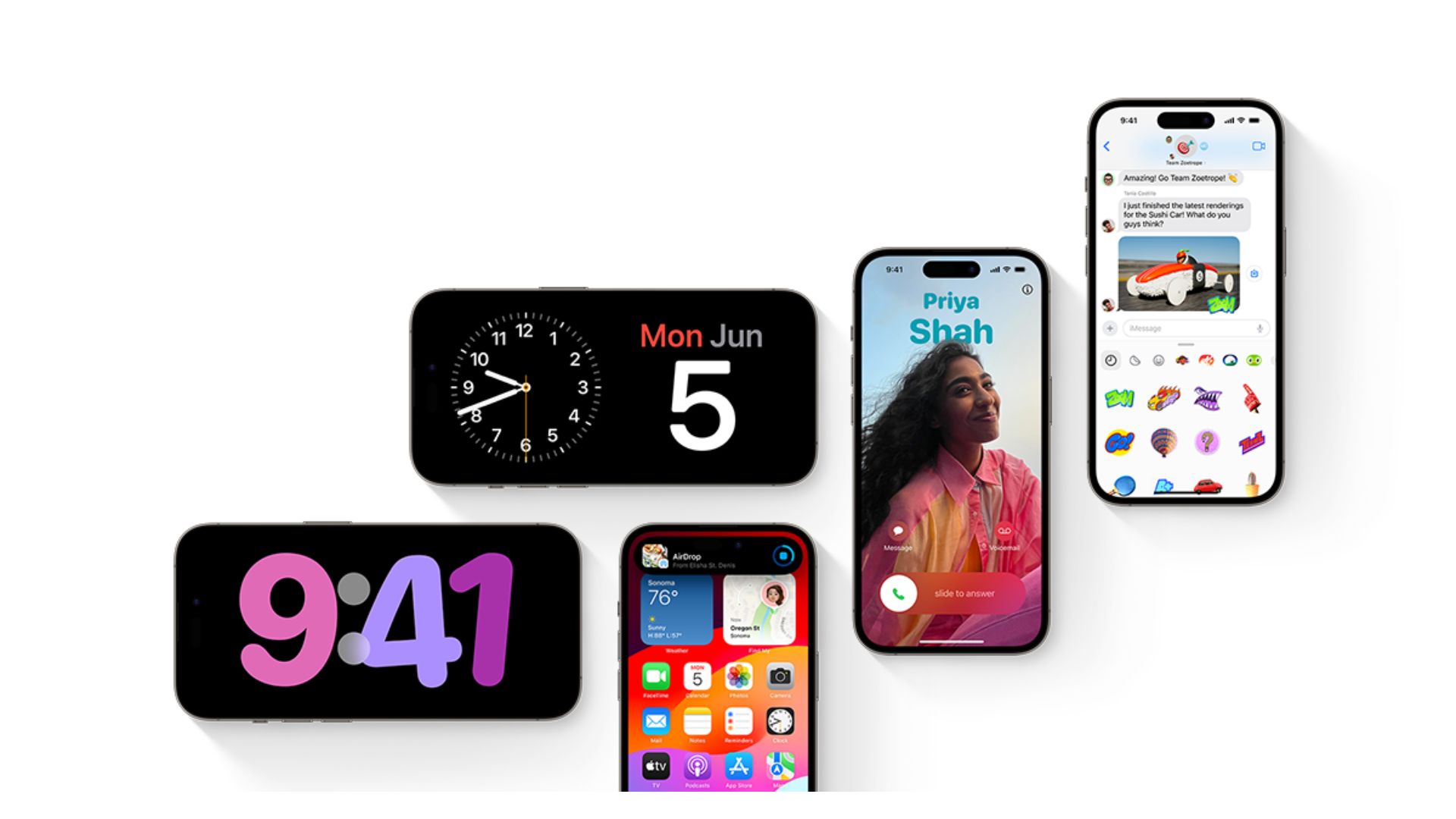
La nouvelle mise à jour iOS 17 pose de vraies questions en matière de confidentialité. En effet, Apple a remis à zéro un paramètre qui concerne la confidentialité des utilisateurs. Le dernier iOS 17 a suscité l’enthousiasme avec ses nouvelles fonctionnalités, mais il est essentiel de se pencher sur un aspect crucial : la confidentialité. Plusieurs utilisateurs […]
Heya Realmwalkers, Inflexion Games here. We have a new Developer Update for you all that covers Nightingale's August playtest details & challenges, what we're working on post-playtest, Quality of Life (QoL) feature updates, what Early Access means to us and much more. Watch it below. Set out on a journey of survival and adventure, into the mysterious and dangerous Fae Realms of Nightingale! Become an intrepid Realmwalker, and venture forth alone or with friends - as you explore, craft, build and fight across a visually stunning Gaslamp Fantasy world.
Nightingale is a PVE open-world survival crafting game played solo or cooperatively with friends. Build, craft, fight and explore as you venture through mystical portals into a variety of amazing and fantastical realms. You are stranded beyond our world, cut off by the collapse of the arcane portal network. This catastrophe has left you fighting to survive in a labyrinth of beautiful and dangerous Fae realms. Your goal: become a skilled Realmwalker, and navigate the web of transdimensional portals. Only then can you discover your way to the magical city of Nightingale, the last known bastion of humanity.
There are a small but growing collection of WWII warbirds in Microsoft Flight Simulator these days and the newest among them is Got Friends’ F4F-4 Wildcat. Just released, the Wildcat takes us back to the days of 1942 and the carrier battles of Coral Sea, Midway, and Guadalcanal. Is Got Friends simulation of the F4F-4 Wildcat worth a look? Read on for the full review!
Disclaimer
Got Friends sent me their F4F-4 for Microsoft Flight Simulator in exchange for a review of the aircraft. As always with these arrangements, I like to make certain that my readers are aware of the exchange and that Got Friends has not exercised any editorial control over this review. They get to read it when you do.
A bit of history
The Wildcat was Grumman’s first monoplane fighter design and it saw stiff competition in the late 1930s for the US Navy’s fighter procurement process at the time. Competing against it was Brewster’s Buffalo fighter which was slightly slower but found to be more maneuverable and deemed to be the better fighter. In the modern era, that would have been the end of it, but in the 1930s Grumman continued with development despite the initial loss. This proved fortuitous for Grumman, for the US Navy, and for the course of WWII.
Significant revisions to the design including new wings and upgraded engine led to the successful launch of the F4F-3 Wildcat into service. This coincided with the US Navy souring on the Buffalo as production problems with Brewster as well as performance issues with the Buffalo compounded.
Although slower and less maneuverable than the Japanese Navy’s A6M Zero, the F4F Wildcat was considered sturdy and well armed. Wingman tactics including the use of the infamous Thatch Weave enabled US Navy pilots to fight on equal terms.
The F4F-4 variant differed from the earlier model through the addition of two extra M2 .50 calibre machine guns and, critically, Grumman’s folding wing system which enabled carriers to sport larger numbers of aircraft than before.
Wildcats fought with some success at Coral Sea, Midway, and Guadalcanal before gradually giving way to a new generation of fighters with Vought’s F4U Corsair and Grumman’s own F6F Hellcat.
Even with the Wildcat out on the main fleet carriers, the fighter found a niche flying from the dozens of light escort carriers. These “Jeep Carriers” were smaller than fleet carriers and the Wildcat’s smaller size and shorter takeoff run made it an ideal fighter for operations there. Wildcats also fought in the Battle of the Atlantic and in North Africa flying with American, British, and Canadian forces.
Visuals
I’m extremely impressed with the visual work that’s been done here by the Got Friends team. They have made the Wildcat come to life on my computer screen in some impressive ways.
That starts on the exterior where we have impressive detailing all across the aircraft. Cowl flaps, navigation, recognition, and moving landing light are all detailed. There’s the complex landing gear system, the folding wings, and the beautifully textured surfaces of the aircraft. The dull matte paint really “shines” (pardon the pun) too with the appropriate amount of reflection and wear for such a scheme. Of course the later gloss blue does shine a bit more. You can get really close up with the F4F and the details still hold together well. Very impressive!
That attention to visual detail goes into the interior of the airplane too with a beautifully modeled cockpit, a realistic looking functioning reflector sight, and great textures, lighting, and modeling work all over the place. The instruments are both authentic and very readable weaving a careful line between authenticity and functionality.
Got Friends even went a little bonkers and modeled the interior of the Wildcat behind the pilot! There’s a whole section back there that we rarely ever see in photos but its there complete with control cables.
There’s more! Once you start this airplane up you can see plenty of great work on the vibration of the airplane. The Wildcat shudders and shakes with the engine running in a very convincing way. That even goes to the engine itself which shakes around on the mount slightly independently of the fuselage. These extra levels of details show the care and attention lavished onto this airplane. I wasn’t expecting this feature but I love that its there!
There are eight liveries in the package and an extra one featuring Kermit Week’s F4F if you buy from the Got Friends website directly.
Sounds
The sounds are very good here too. There’s an appropriate amount of drone and rumble from the engine although maybe a bit too much drone at some points. Still, it has the right flavour of a Pratt & Whitney R-1830 engine. Switches and buttons in the cockpit give off the appropriate sounding noises too and the overall soundscape, done in the usual Wwise technology for MSFS, is quite good.
I do think the aircraft would benefit from some rumbling and air moving past the airframe/canopy noises that I’m used to in warbirds in other sims as that would help the aircraft feel a little more connected to tight maneuvers and stalls. I also wouldn’t mind a bit more noise from the gear and to hear some noise from the flaps which, so far as I can tell, are silent. I know all about the debates on if you’d hear it but from a flight simmer perspective I’d love some sort of non-visual feedback. A bit more impact sound as the gear touches down might benefit from the overall visceral experience too. As it is, there’s not quite a good enough connection here between those movements and the sound to call this excellent but its well past adequate and quite good overall.
Flying the aircraft
Returning to the F4F Wildcat is a joy. The last few times I’ve flown the aircraft were in Pacific Fighters and IL-2 Sturmovik: Desert Wings – Tobruk. Going back even further, the F4F Wildcat was one of the very first warbirds I flew in a flight sim back in 1991 with Dynamix’s Aces of the Pacific. Coming back to this aircraft feels a little like coming home.
I’m happy to report that the Wildcat’s charms and foibles are all seemingly well represented here. In nearly every sim and based on reading and videos that I’ve watched, the F4F Wildcat was a good handling airplane and reasonably well behaved for an airplane of the era. Its thick and sturdy wings gave the Wildcat mostly placid handling although once stalled it tends to drop a wing violently requiring quick action from the pilot. Stall recovery is very quick here with counter rudder and neutral stick. It recovers extremely quickly.
Takeoff requires plenty of rudder work to keep it straight. This feels far more real than some of the other tail draggers that I’ve experienced in the sim. It tips, it teeters, and it fights you!
Flight model developer GotGravel working with Got Friends on this has managed to bring nearly all of the best capabilities that the MSFS flight model and SDK can muster. Got Friends have also implemented custom tailwheel code to make the tailwheel behave more realistically – and I am happy to report that they have succeeded. This feels very similar to a tail dragger in IL-2 or DCS when taxiing and parking.
Now, its not all roses here as I think MSFS’ model still holds back aircraft developers. The F4F feels appropriately well modeled yes, but its still not quite as fluid as an IL-2 or DCS warbird is. It still feels a little too stable around the nose and a little too quick to recover from a stall. Still, all things considered this is still top notch for what MSFS can offer and in all the practical ways this flys, feels, and behaves the way I expected it to.
Engine start-up does work with Control E shortcut if you want it and manual start-up and shut down work just fine following the provided checklist. There are even smoke effects that come off the engine when you start it.
Check out this video featuring a tour of the free Midway 1942 scenery and me thoroughly enjoying chucking the F4F around the sky.
Carrier ops and other suggested scenery
Seeing as the F4F is a famous carrier fighter, I went searching for some carrier experiences with this aircraft. Got Friends have ensured that the aircraft comes with Touching Cloud, Jay Shrike, and Supercarrier Pro support out of the box meaning that a variety of carrier products should be compatible with the F4F.
I tried out the MilTech Simulations USS Lexington (available via variousonline stores for about $9-10 USD) which was by far the most historically correct choice for the F4F-4. Unfortunately, I’d rate the product as low to middling as the model and texture quality is not great. Still, it did provide a historically accurate carrier deck to land on.
Carrier physics in MSFS are simplified versus what we see in DCS World (particularly with DCS: Supercarrier) or even with Pacific Fighters. It just wasn’t designed to support that kind of operation. Carriers do not move in any capacity so they are affixed in several choice locations and the arrestor gear physics are extremely simple – if you touch the deck you will be captured even if you don’t catch the wire. I do applaud Got Friends or whatever mechanism ensures that you get a nice pull back after you “snag the wire” so at least the feeling is absolutely there but the challenge is simplified. For some of you, that may be just what you’re looking for. Others may find the simplification less enthralling. None of this can be blamed on Got Friends or the F4F as its just a limitation of the platform.
I still had quite a bit of fun running approaches and doing more than a few wave offs when running the approach. It wasn’t the palm sweat inducing, heart rate raising, DCS: Hornet carrier landing experience but it was still good!
There is a catapult function as well. Flick the switch in the cockpit and in 3 seconds you’ll experience a catapult like launch sequence that sends the F4F careening forward at speed. It was functional but it didn’t feel satisfying. Seeing as the F4F can take off from the Lexington under its own steam, that was by far the better experience.
If you don’t want to spend any more money but still want some historical scenery options, you should consider checking out two freeware scenery packages that will amp up your F4F Wildcat experience. Both Wake Island and Midway have been created in 1941-42 era complete with parked airplanes, PT boats, Liberty ships and more. The scenery isn’t completely 100% historical (the B-24s parked there weren’t there in 1942 during the Midway battle) but its good enough that you can happily blast around the area in the Wildcat having fun and enjoying the experience. I did!
Got Friends seem determined to package a lot of extra value into their F4F-4 Wildcat and that includes some interesting extra features.
You can configure the amount of vibration and shake – 100% is my preference but I can see why some civil aviation fans might be used to and want a smoother ride. There’s also the ability to change the way that the aforementioned landing gear handle operates working either like a conventional one or requiring multiple clicks to move through all 28 rotations to get the gear up and down.
The Wildcat comes with all of the recognition light systems that the real one did. Dull blue formation lights, white, red, green and yellow recognition lights, extendable landing lights, nav lights and so forth all work.
The aircraft’s folding wings also work well here too.
If you buy this from Got Friends directly, you’ll also get bombs and working machine guns. The bombs are well modeled, visually represented on the wings and they even explode when they hit the ground. The physics are a bit off but that’s ok because a combat flight sim this is not. The machine guns are also well done with heat blur effects, fire effects and tracers. They don’t have any effect on target but this is a warbird and you occasionally want to pull a trigger and here the machine guns do their thing. They also apparently work in multiplayer so you and a friend could play a game of tag with tracers – hoping that one day Microsoft might make a combat flight simulator again.
Got Friends also put in an awesome little extra feature called the gun camera. This simulates the look and position of the F4F’s onboard gun camera and that includes film effects light dust and flicker just the way a projected film reel would work. It doesn’t add much but its absolutely fun, it’s a nice little extra, and I love it!
A glitch or two
There’s really not that much that’s wrong with Got Friend’s F4F Wildcat but I did run into one glitch and a usability issue.
First, the glitch. When jumping back and forth between the controls assignment menu and the airplane I once found myself in the position where the controls stopped responding, the pilot disappeared from the external view, and none of the buttons would work when clicked on. Got Friends were very responsive to the issue but so far we haven’t been able to figure out how to repeat it. It may not be something that comes up that often but I mentioned it because I ran into it.
Second, a small usability issue with the cockpit canopy controls. I kept wanting to click the canopy as I do in some warbirds and various aircraft in flight sims and that’s just not how it works here. You do have to use the canopy control itself which I admittedly spent longer looking for than I should have need. You also need to use the scroll wheel on your mouse or click and drag to close it up. Its very obvious in retrospect but it confused me on my first couple of times out.
Final thoughts
I was pretty excited to check this airplane out when I heard that it was in development and when Got Friends reached out I knew I had to have a look. They asked me to be critical of this aircraft and frankly I can find very little wrong with it! The sounds are good but lack a little punch at times and there was that one glitch with the airplane which has otherwise flown well in all respects. Nothing showstopping in the slightest and nothing that stopped me from feeling a ton of nostalgia for being back in this classic warbird.
Got Friends have some very serious competitors. I have not yet checked out Flying Iron Simulations F6F Hellcat and Blackbird Simulations F4U Corsair but both do sport similarly impressive feature-sets and come from well regarded development teams. Got Friends seem to be well aware of the competition and have priced their F4F Wildcat to sell at $19.99 USD – undercutting the competition by quite a bit.
Got Friends F4F-4 Wildcat sports extremely strong visuals, a great flight model, good sounds, fantastic animations and details, good systems simulating this historic warbird. The great pricing, and enough extra features make this an airplane that feels like a labour of love and I really think it was!I can easily recommend this airplane to you if you love flying warbirds in Microsoft Flight Simulator and you want some carrier action to boot.
This has been an excellent experience and it both takes me back to some flight sim nostalgia of yester-year and makes me look forward anxiously to fly the Wildcat in a combat flight sim soon.
Got Friends F4F-4 Wildcat for Microsoft Flight Simulator will be on sale through their website and through other online stores for $19.99 USD starting Monday September 25, 2023.
Since their respective releases, Microsoft Flight Simulator and X-Plane have revolutionized the world of flight simulation by providing civil aviation enthusiasts with an unparalleled immersive experience. One of the features pilots appreciate most about these two games is the ability to incorporate add-ons and sceneries. Thanks to this feature, both game worlds are constantly evolving, transforming the fan experience with new content developed by the community.
Created by our development team, THRUSTMASTER i-LAND is the official Thrustmaster add-on for those looking to take their flying experience to brave new heights. THRUSTMASTER i-LAND is an oasis of diversity and adventure in the middle of the Atlantic Ocean. This fictional island is designed for flyers of every level—from newbies to seasoned pilots—with a sensational array of challenges and destinations to explore.
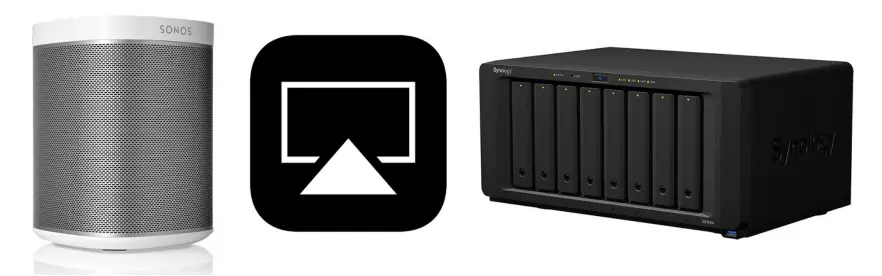
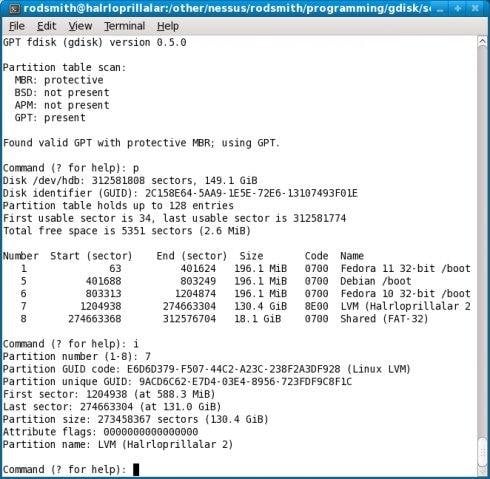



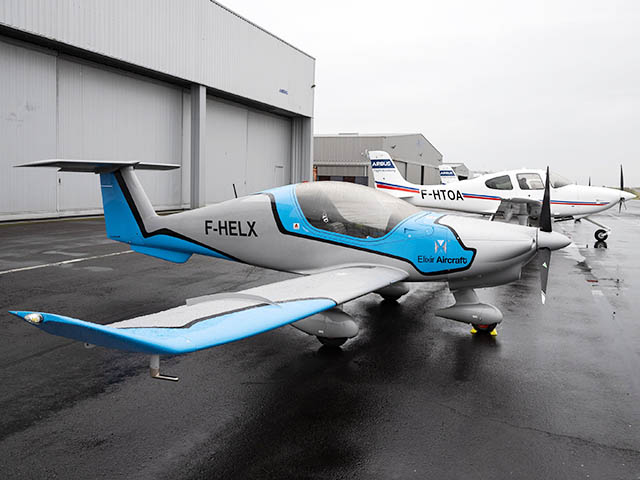


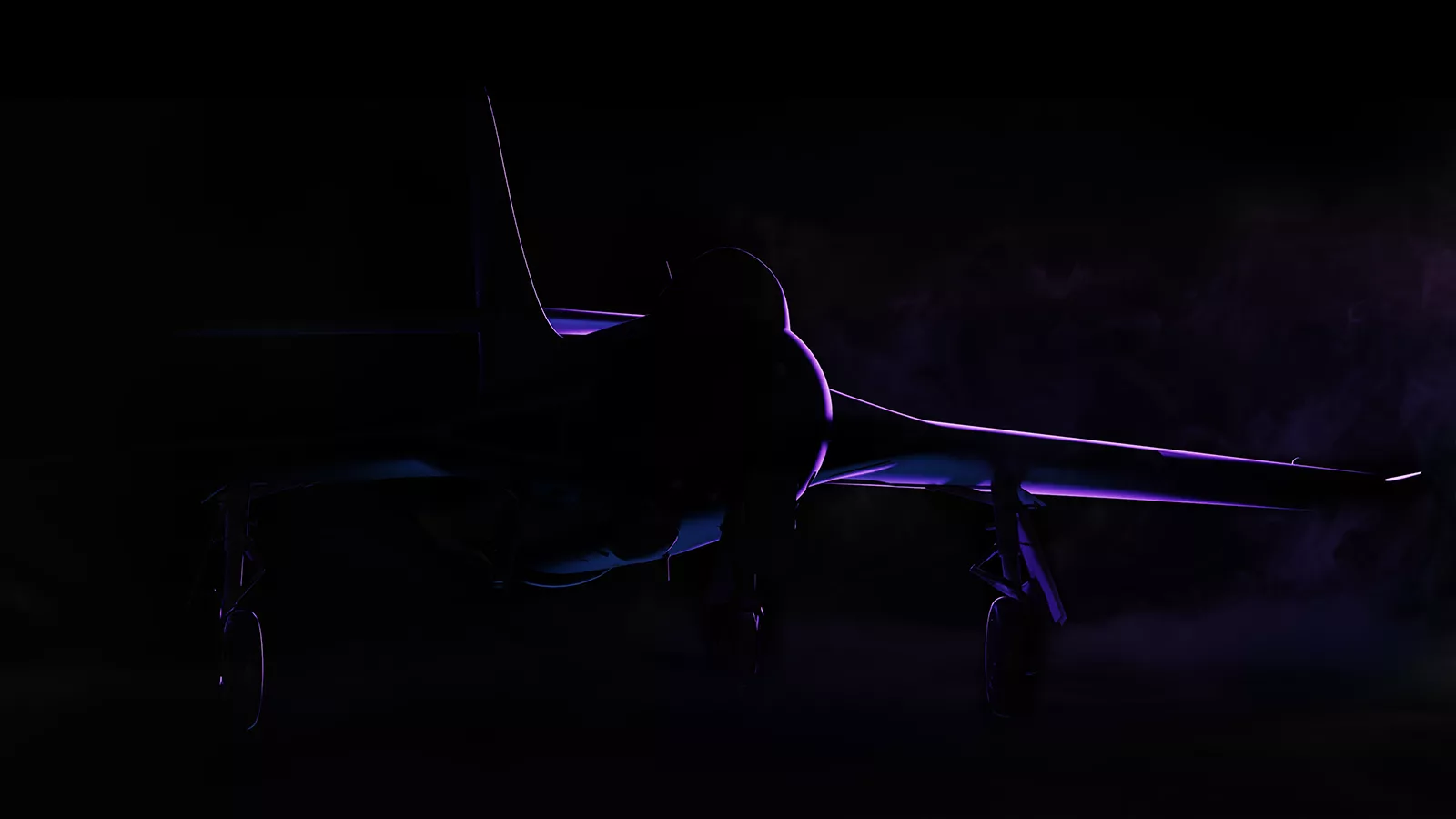



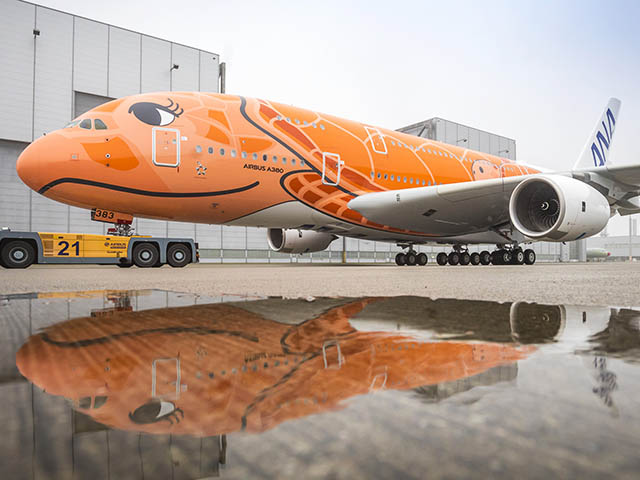



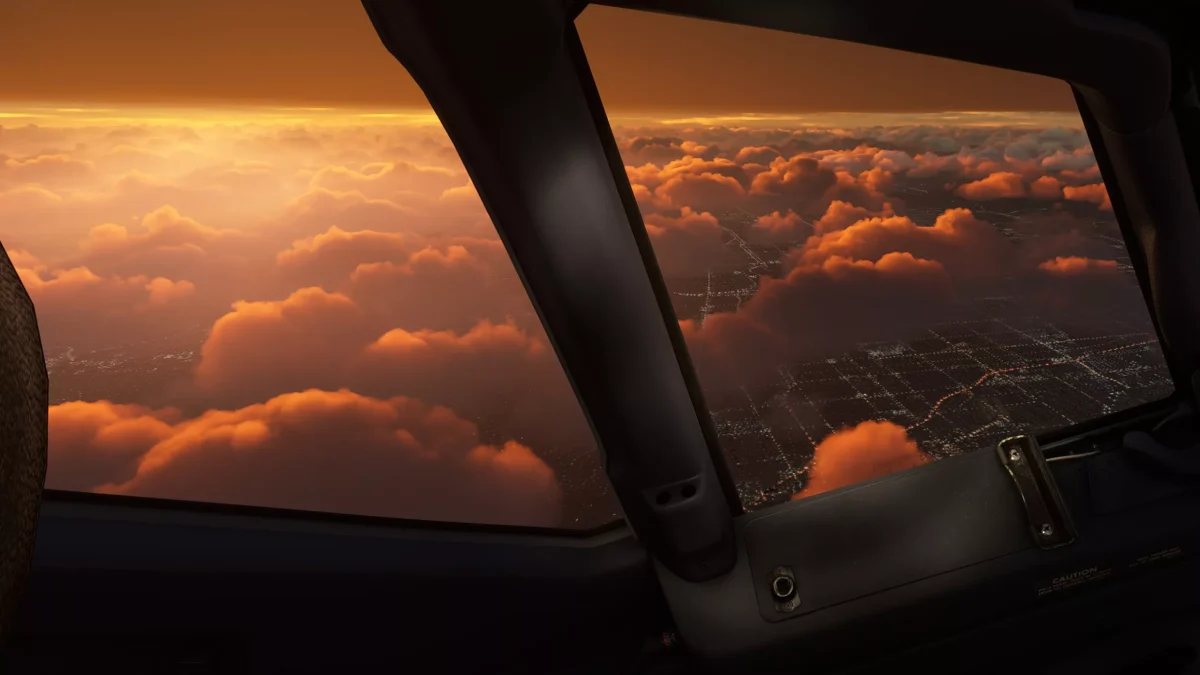
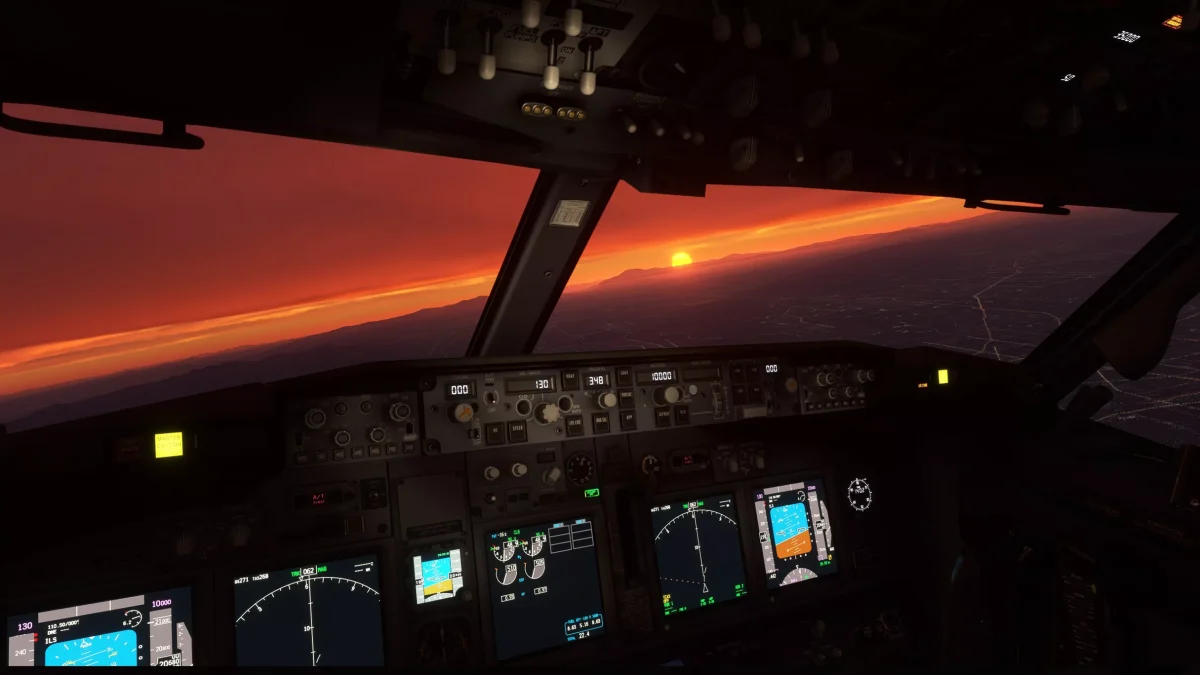
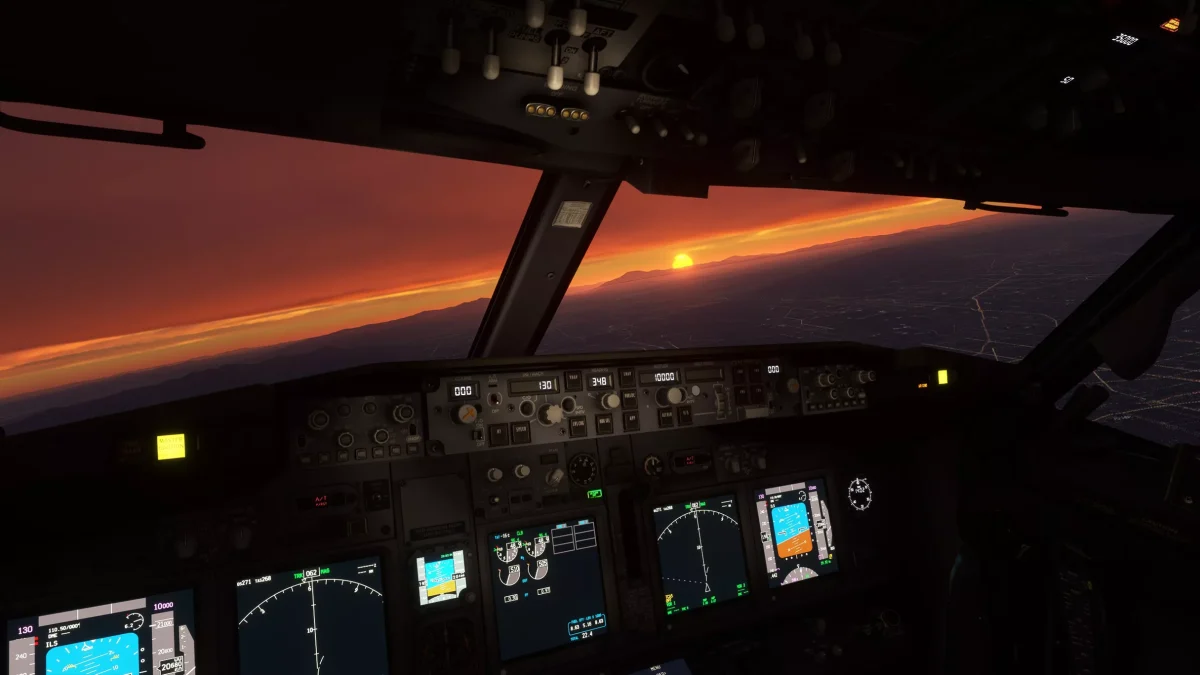


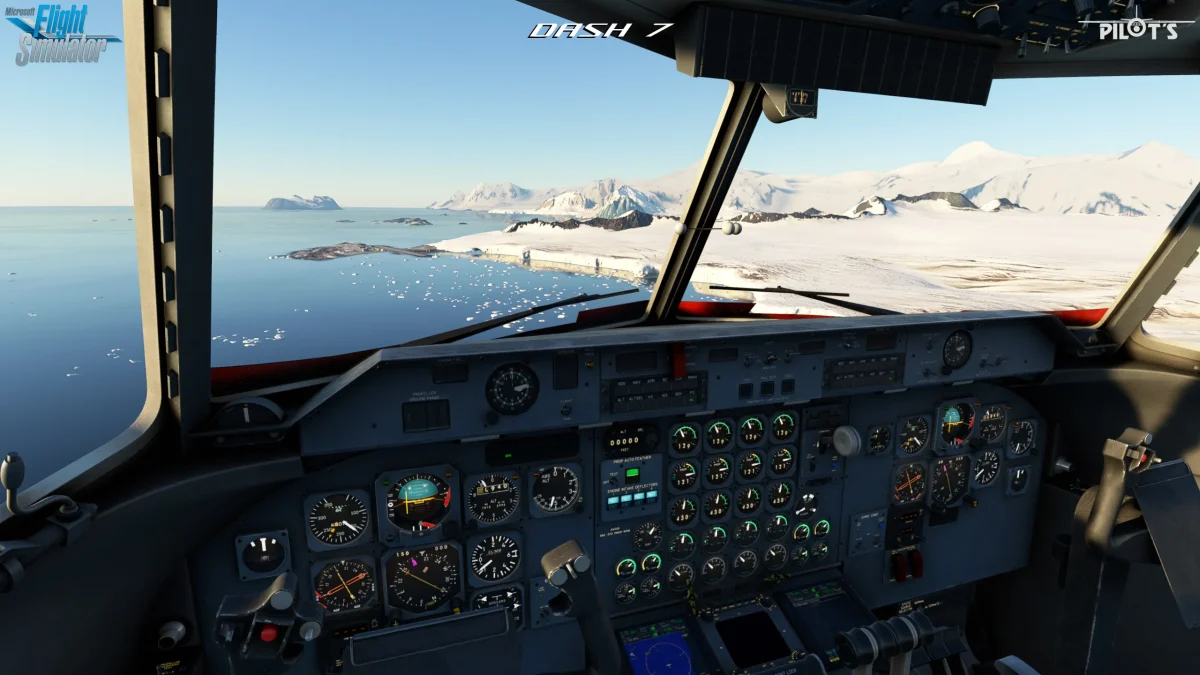
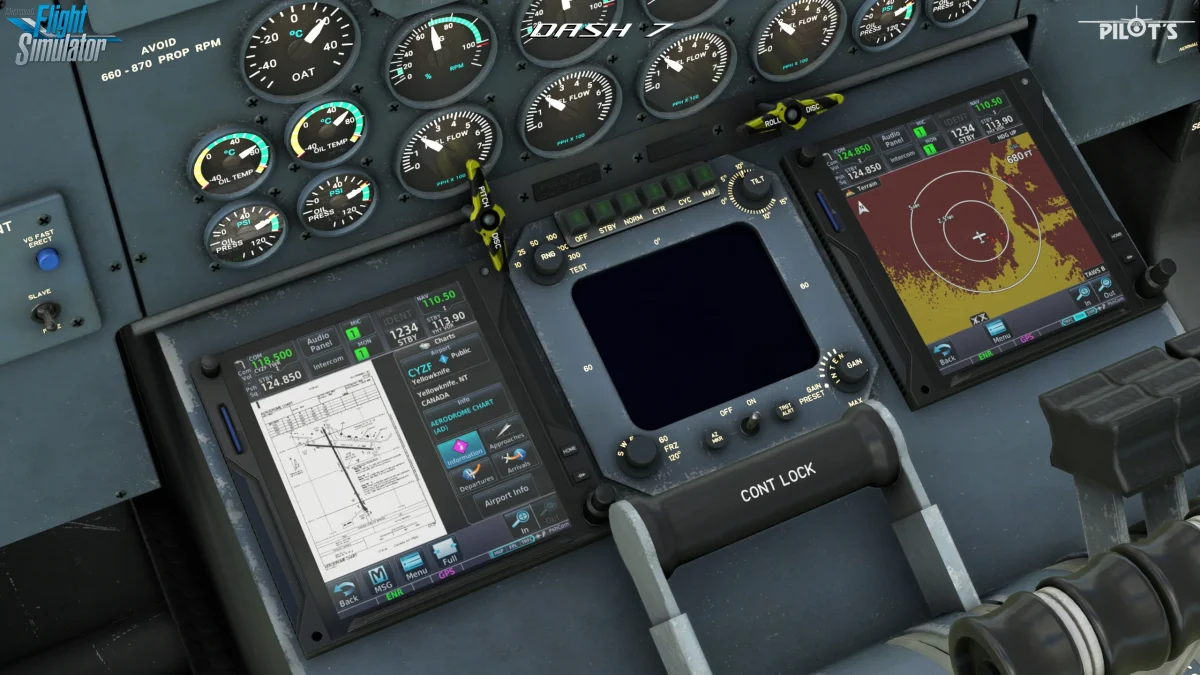
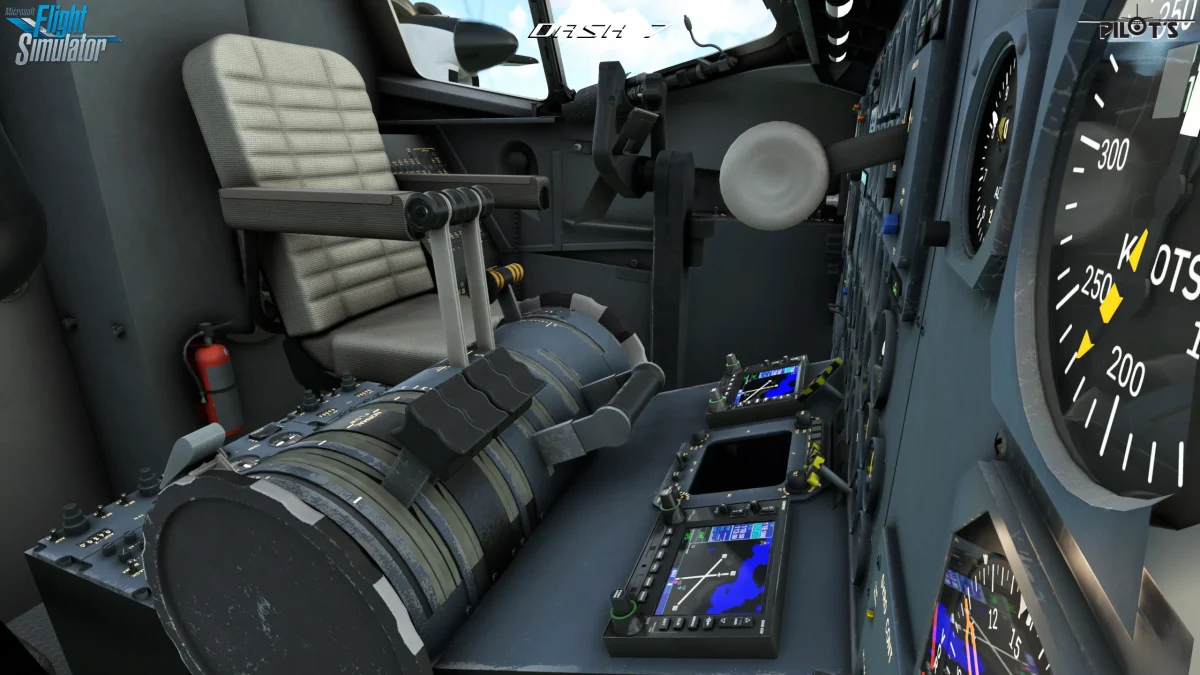
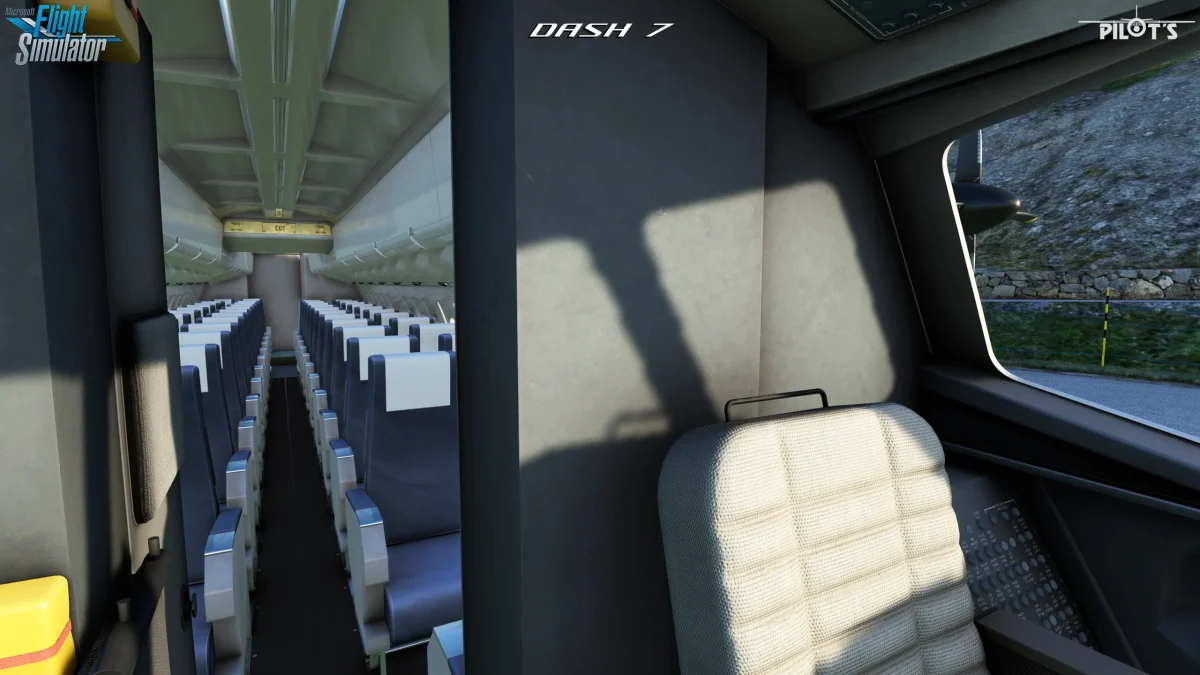
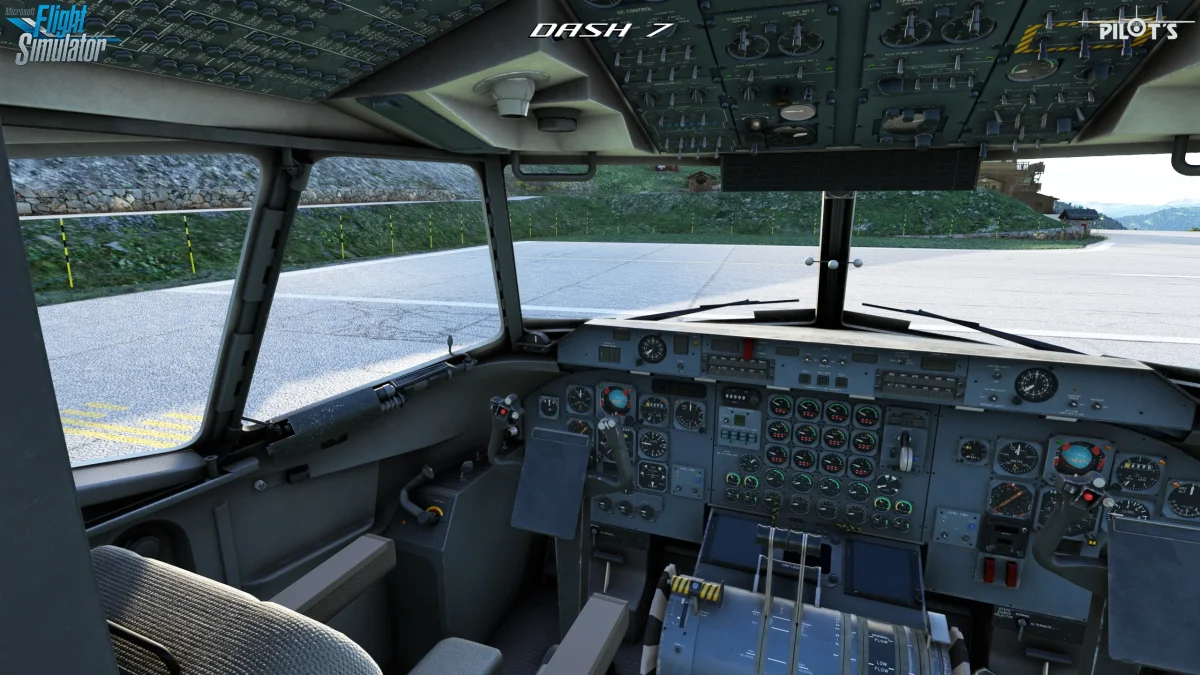
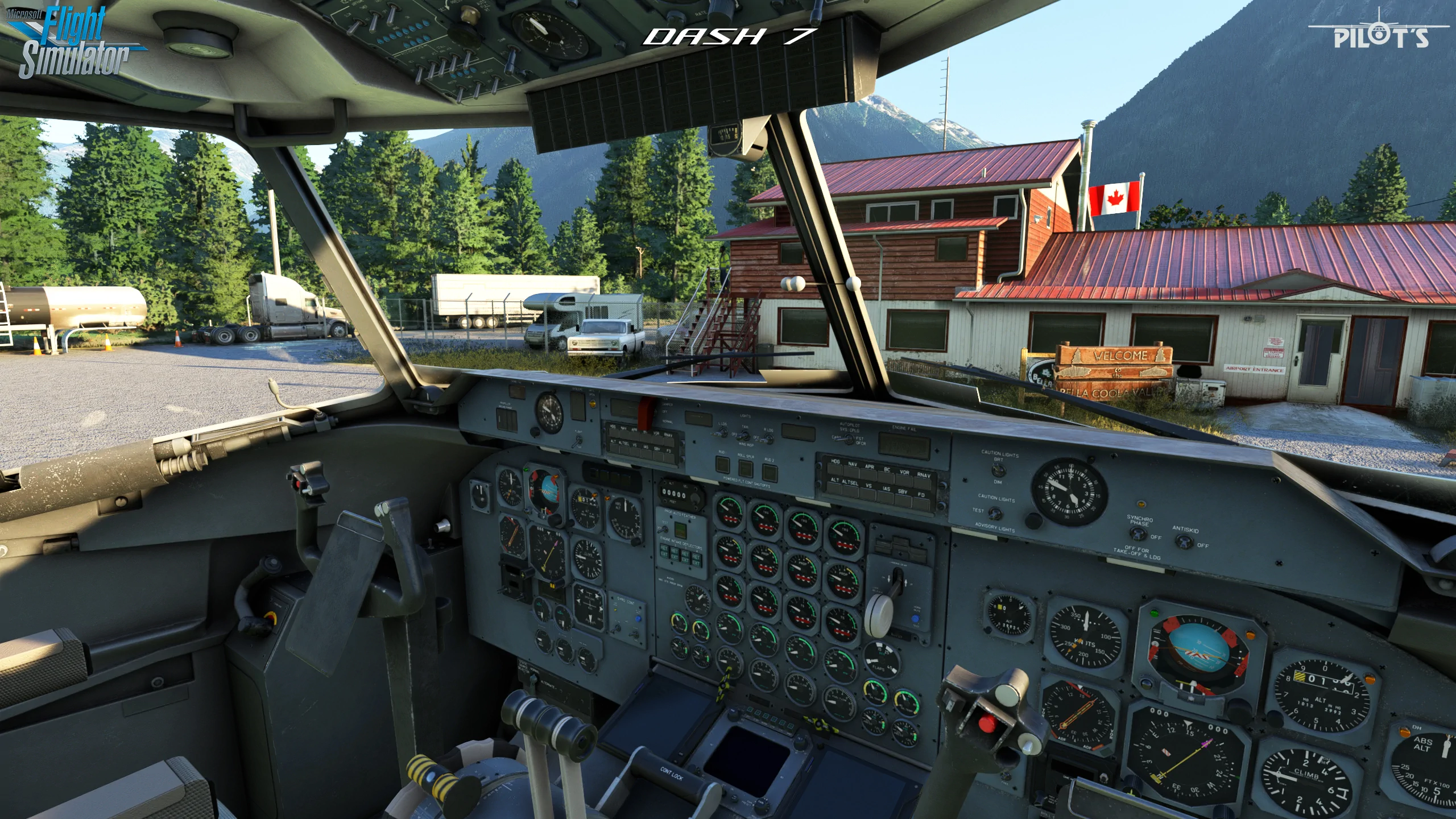
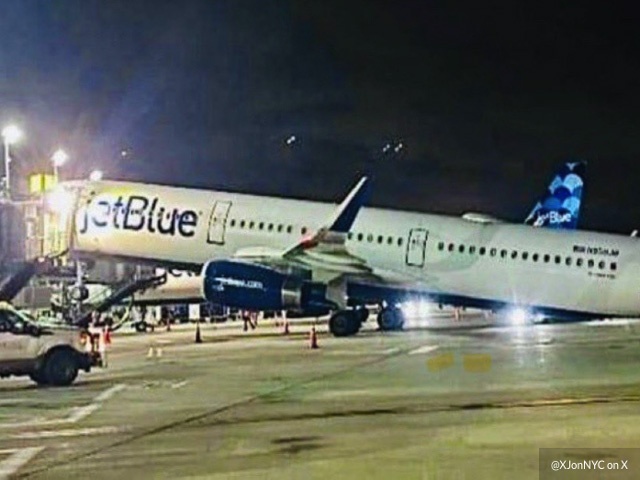

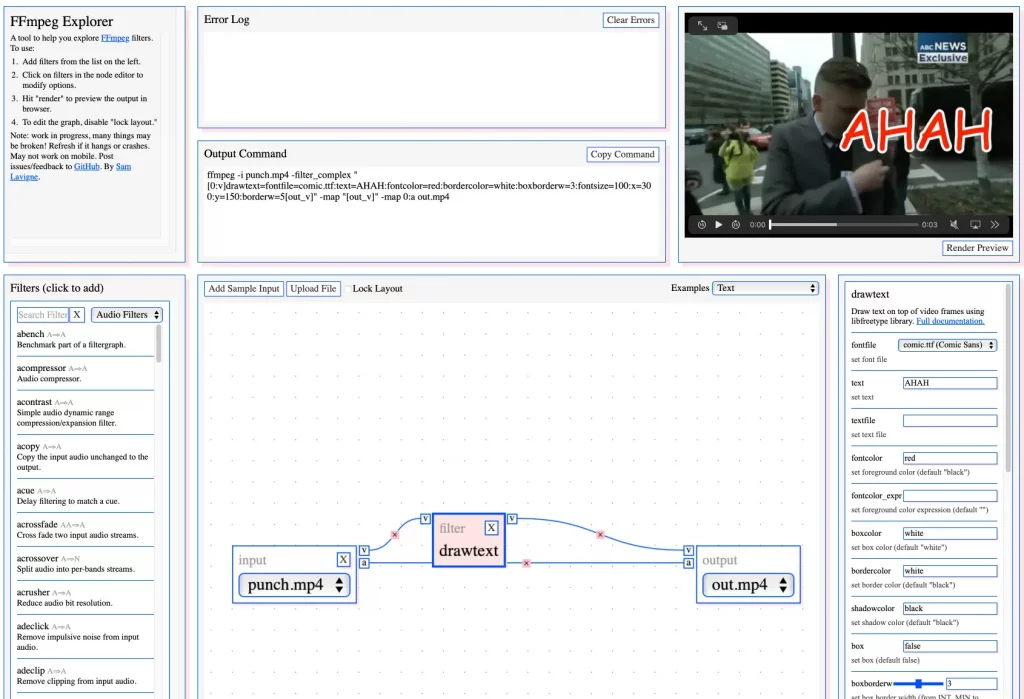
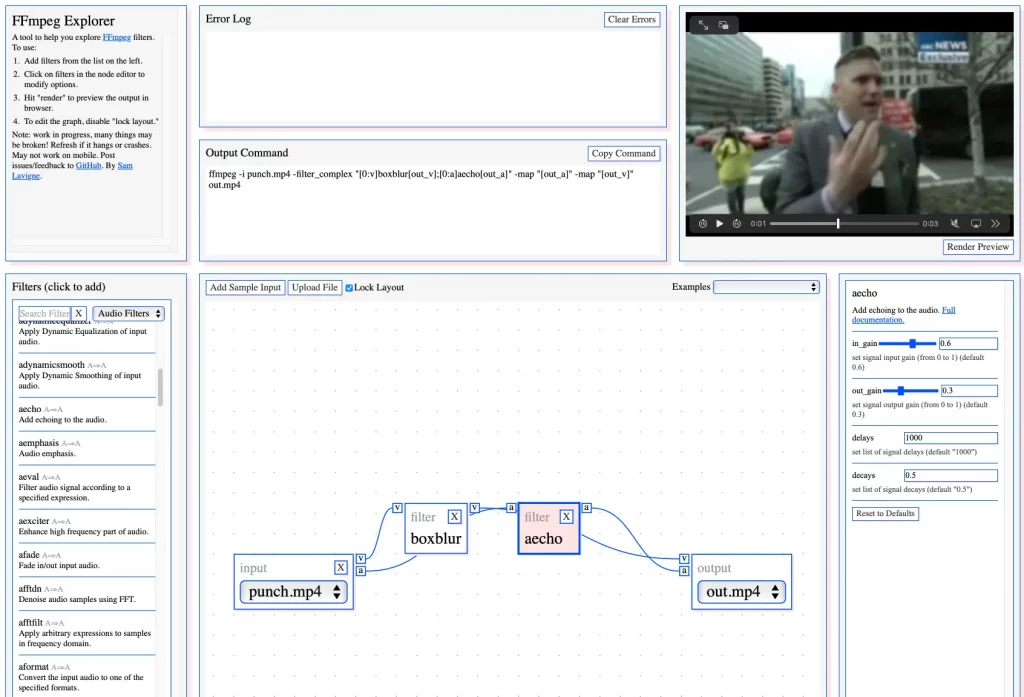
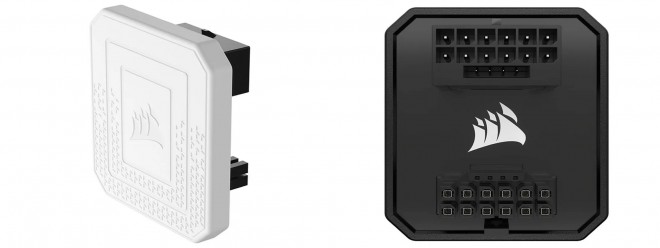

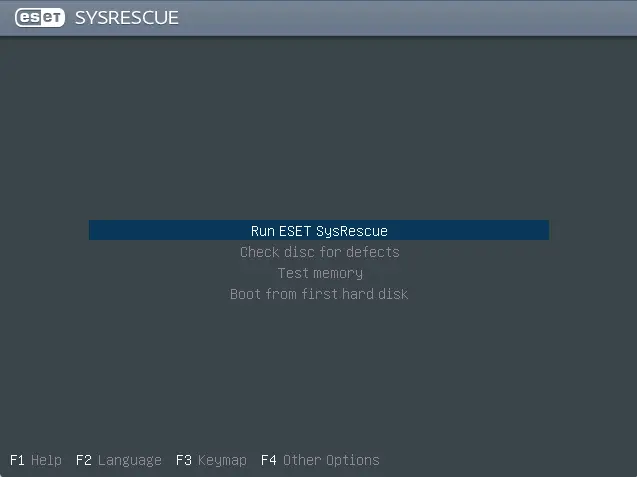
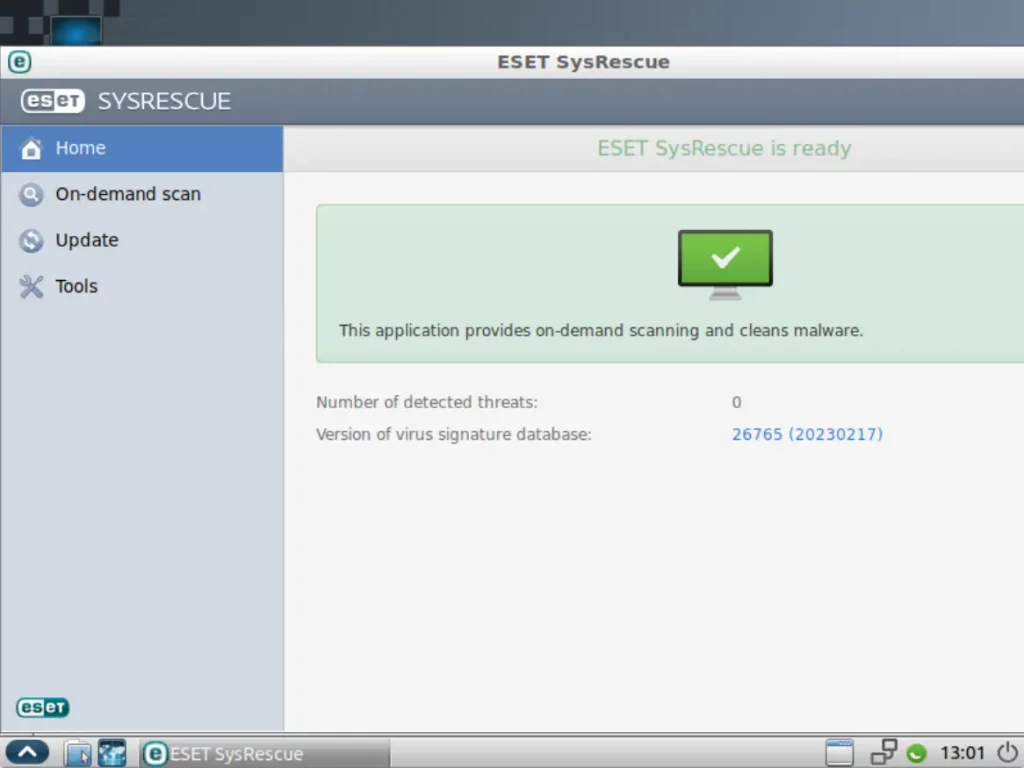
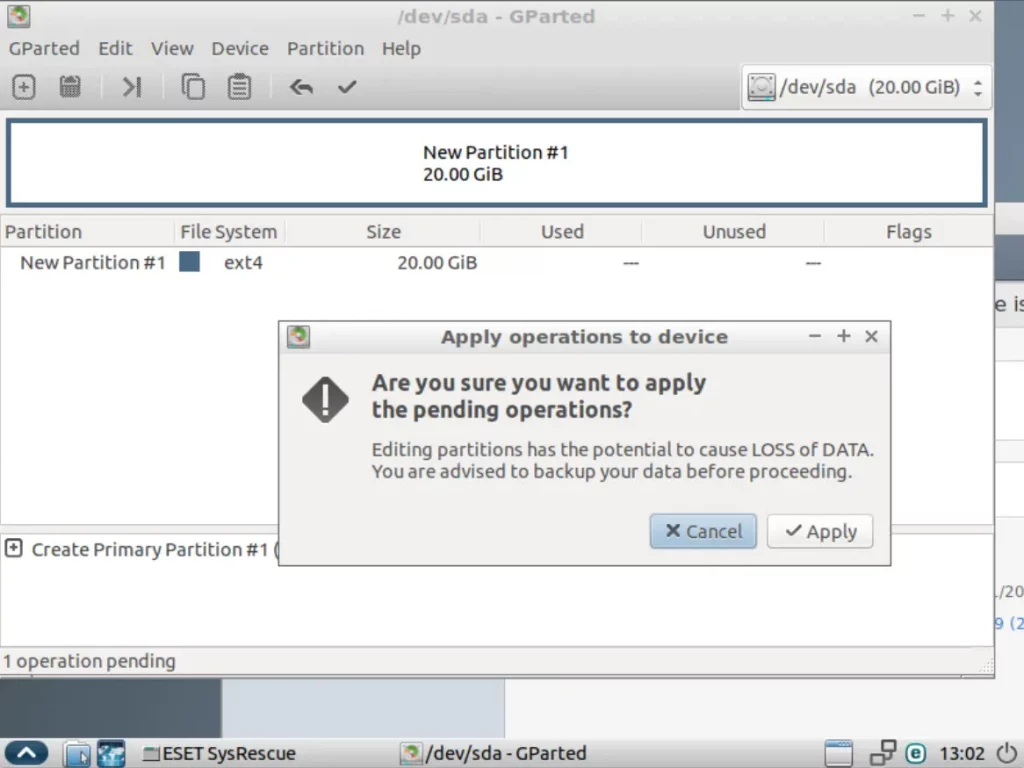

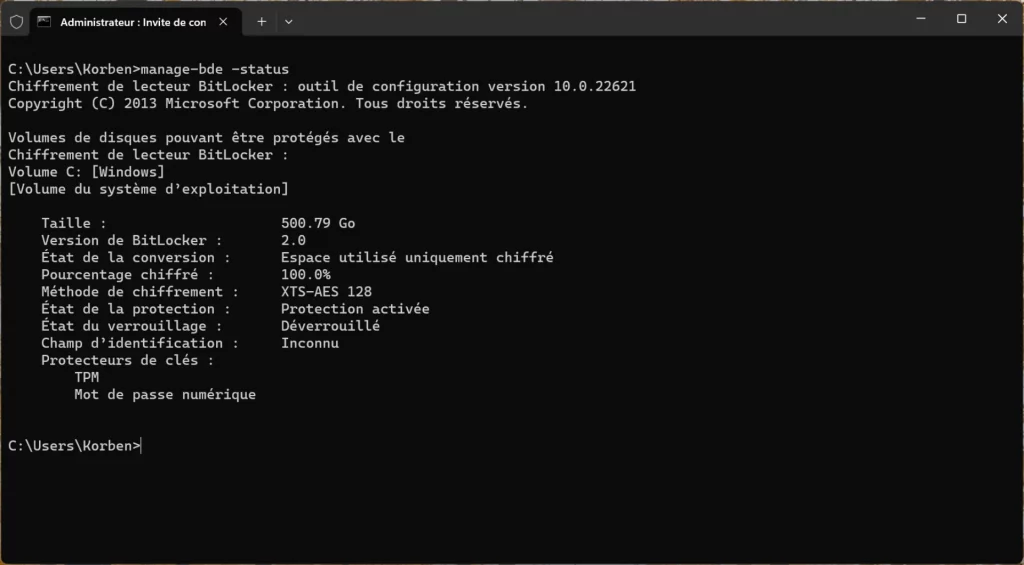
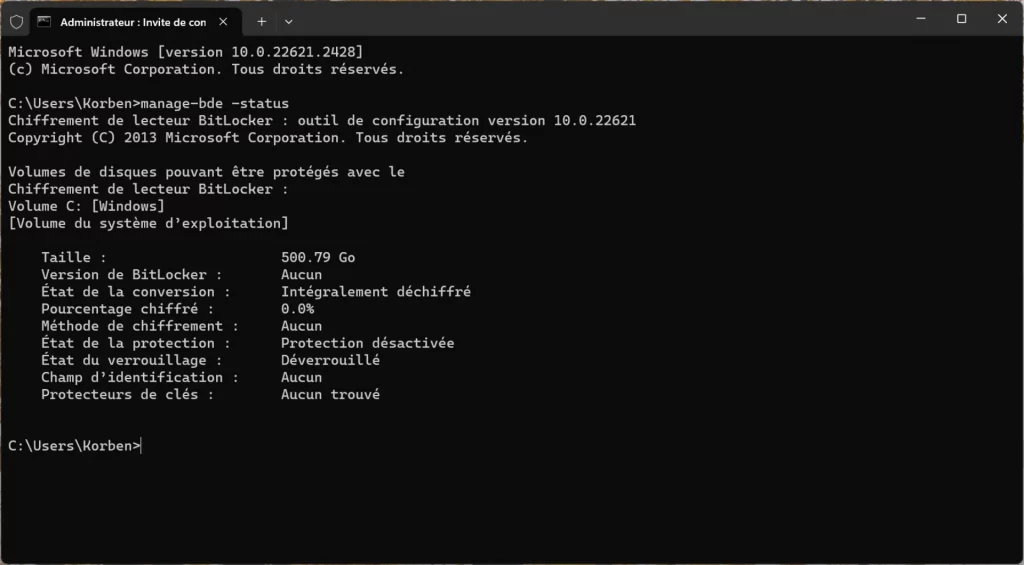

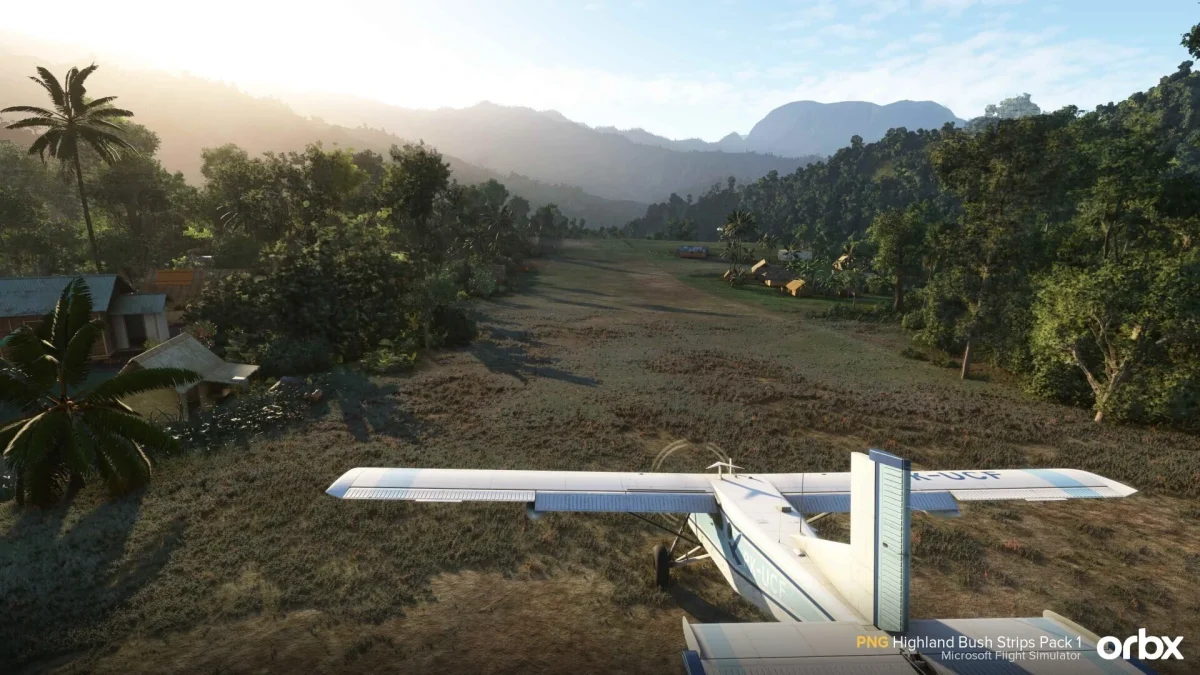




 Et pour quelques MHz de plus
Un procédé de gravure insuffisamment maîtrisé pour être adopté sur les CPU les plus rapides, ça ne vous rappelle rien ? Eh bien, Intel semble décidément condamné à revivre cela régulièrement, puisqu'après (enfin) l'introduction de l'Intel 7 -le tant attendu 10 nm du fo...
Et pour quelques MHz de plus
Un procédé de gravure insuffisamment maîtrisé pour être adopté sur les CPU les plus rapides, ça ne vous rappelle rien ? Eh bien, Intel semble décidément condamné à revivre cela régulièrement, puisqu'après (enfin) l'introduction de l'Intel 7 -le tant attendu 10 nm du fo...