Shared posts

04 Oct 08:06

Key Considerations for High Value Home Insurance

by Ben Fekete

Essential Considerations for High-Net-Worth Individuals' Luxury Homes

As a high-net-worth individual or estate planner responsible for a luxury home, protecting your valuable assets is paramount.

Home insurance is not merely a financial obligation; it’s a strategic investment that safeguards your wealth and ensures the well-being of your family.

This comprehensive guide will delve into the essential considerations for high-value home insurance, exploring topics such as estate planning, home security, and natural disaster preparedness.

By understanding these factors, you can make informed decisions to protect your valuable possessions and ensure a secure future.

Together we will examine the essential topics to keep in mind to adequately protect your luxury home and its contents.

Ensuring that your high-value assets are sufficiently protected.

High Value Home Insurance and Estate Planning

For high-net-worth individuals, integrating high-value home insurance into your comprehensive estate plan is a crucial step in protecting your legacy.

In this section, we’ll explore how your high-value home insurance can work hand-in-hand with your estate planning strategies to safeguard your valuable assets and ensure a smooth transition for your beneficiaries.

You’ll gain a deeper understanding of the importance of properly designating beneficiaries and learn about the potential tax implications of insurance proceeds.

By the end of this section, you’ll be better equipped to make informed decisions that will help you preserve your wealth and provide for your loved ones.

Comprehensive Strategy: Ensure your high-value home insurance seamlessly integrates with your overall estate planning strategy. This includes considering factors such as your beneficiaries, asset distribution, and tax implications.

Risk Mitigation: High-value home insurance can help mitigate risks associated with property damage, identity theft, or possible liability coverage claims, safeguarding your estate’s value and providing financial security for your beneficiaries.

Estate Tax Implications: Understand the potential tax implications of insurance proceeds and explore strategies to minimize estate taxes. Consulting with an estate planner can help you navigate these complexities.

Careful Consideration: Carefully consider who you want to inherit your high-value home and its contents.

Choose beneficiaries who will be able to manage and maintain your property effectively.

Estate Planning Documents: Clearly specify beneficiaries in your will, trust, or other estate planning documents.

Review and Update: Regularly review and update your beneficiary designations to ensure they align with your current wishes and circumstances.  

Estate Taxes: Insurance proceeds may be subject to estate taxes depending on the value of your estate and other factors.

Irrevocable Trusts: Consider using irrevocable trusts to transfer ownership of your home and its contents to beneficiaries outside your estate, potentially reducing estate taxes.

Tax-Qualified Charitable Trusts: If you have charitable intentions, explore the option of donating your home to a qualified charitable trust to receive tax benefits.

By carefully integrating high-value home insurance into your estate planning strategy, you can protect your assets, minimize taxes, and ensure a smooth transition of your property to future generations.

High Value Home Security and Loss Prevention Strategies

As a high-value homeowner, ensuring the security of your luxury residence is a top priority.

Below, we’ll guide you through the essential steps to safeguard your home from theft, vandalism, and other security threats.

You’ll discover the benefits of installing a state-of-the-art home security system and learn about effective loss prevention strategies that can help you gain high value home valuable possessions protection.

By implementing these measures, you can enjoy greater peace of mind knowing that your dream home is well-protected.

Let’s explore these critical security aspects together.
Identify Vulnerabilities: Conduct a thorough assessment of your home’s security vulnerabilities.

This includes identifying weak points in your home’s structure, such as doors, windows, and fences.

Evaluate Local Crime Rates: Research crime rates in your neighborhood to assess the risk of theft or vandalism.

Consider factors such as property crime statistics and the presence of local security initiatives.

Consider High-Risk Areas: Pay particular attention to areas of your home that may be more vulnerable to intrusion, such as ground-level windows, secluded areas, or areas with poor lighting.

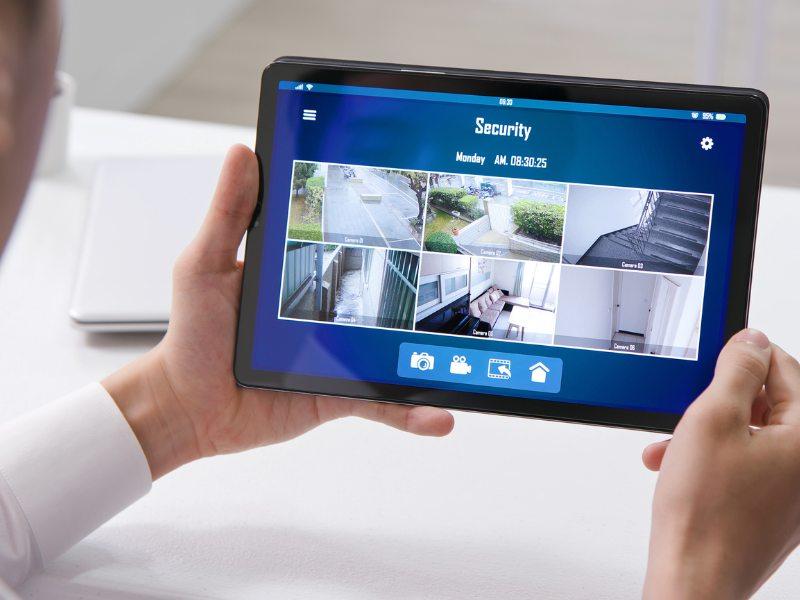
Alarm Systems: Install a state-of-the-art alarm system with motion sensors, glass break detectors, and remote monitoring capabilities.

Consider integrating your alarm system with your home automation system for enhanced security.

Surveillance Cameras: Install surveillance cameras both inside and outside your home to deter crime and provide evidence in case of a break-in.

Choose high-quality cameras with night vision and motion detection capabilities.

Access Control Systems: Implement access control systems for doors and gates to restrict unauthorized access to your property.

Consider using smart locks with remote access and biometric features.

Strengthen Entry Points: Ensure that doors and windows are secure with strong locks, deadbolts, and reinforced frames.

Consider upgrading to high-security locks and reinforcing vulnerable areas.

Lighting: Install adequate outdoor lighting to deter criminals and illuminate potential hiding spots.

Use motion-activated lights for added security.

Landscape Maintenance: Maintain your landscaping to eliminate hiding places for potential intruders.

Trim bushes, shrubs, and trees near windows and doors.

Educate Household Members: Educate all household members about security best practices, including proper use of alarms, locking doors and windows, and reporting suspicious activity.

Home Security Audits: Consider hiring a professional security expert to conduct a home security audit and identify potential vulnerabilities.

Neighborhood Watch Programs: Participate in neighborhood watch programs to foster a sense of community and deter crime.

By implementing these security measures and loss prevention strategies, you can significantly reduce the risk of theft, vandalism, and other losses in your high-value home.

Natural Disaster Preparedness For Luxury Homeowners

Protecting your high-value home from natural disasters is an essential aspect of responsible ownership.

Below we’ll walk you through the process of assessing your property’s risk and developing a comprehensive mitigation plan to keep your home and valuable possessions safe.

You’ll also learn about the importance of ensuring your high-value home insurance includes adequate coverage for potential emergencies, giving you the peace of mind you deserve.

Let’s start with risk assessment and explore how you can safeguard your dream home.

Identify Natural Hazards: Evaluate the specific natural hazards that pose a risk to your area, such as hurricanes, earthquakes, floods, wildfires, or tornadoes.

Consider consulting with local emergency management agencies or using online resources to identify potential hazards.

Historical Data: Research historical data on natural disasters in your region to understand the frequency and severity of past events.

Geographic Location: Assess your home’s location in relation to natural disaster risk zones.

Consider factors such as elevation, proximity to water bodies, and soil conditions.

Structural Modifications: Consider making structural modifications to your home to improve its resistance to natural disasters.

This may include strengthening the foundation, installing impact-resistant windows, or elevating the home.

Emergency Preparedness Plans: Develop a comprehensive emergency preparedness plan that outlines evacuation routes, communication procedures, and essential supplies.

Share the plan with all household members and practice regularly.

Emergency Kits: Assemble emergency kits containing essential supplies, including food, water, first aid supplies, a flashlight, a battery-powered radio, and a change of clothes.

Backup Power: Consider installing a backup power source, such as a generator, to ensure essential services remain operational during power outages.

Insurance Coverage: Review your high-value home insurance policy to ensure it includes adequate coverage for natural disasters.

Consider purchasing additional coverage, such as flood insurance or earthquake insurance, if necessary.

For full protection consider umbrella coverage for when your limits are exhausted by a covered loss.

Regular Inspections: Conduct regular inspections of your home and property to identify and address potential vulnerabilities.

Home Maintenance: Maintain your home’s infrastructure, including roofs, gutters, and plumbing, to prevent damage during natural disasters.

Emergency Contacts: Maintain a list of emergency contacts, including insurance agents, contractors, and local emergency services.

Community Involvement: Participate in community preparedness efforts and stay informed about local emergency response plans.

By taking proactive steps to prepare for and mitigate the risks of natural disasters, you can protect your high-value home and minimize potential damage.

Protect Your High Value Home with Expert Insurance Guidance

As a high-net-worth individual, you’ve worked hard to build your legacy.

Let our high value homeowner guide help you safeguard it for generations to come.

Request your consultation now and take the first step towards ensuring the protection of your luxury residence and valuable assets.

With our expert guidance and tailored high-value home insurance solutions, you can confidently embrace your passion for collecting and cherish your treasured possessions worry free.

Don’t wait until it’s too late act now to secure the future of your high value home and the precious items that make it truly special.

Embark on the path to ultimate peace of mind today!

Additional Resources

The post Key Considerations for High Value Home Insurance appeared first on High Value Home Insurance Group.
04 Oct 08:06

High Value Home Valuable Possessions Protection

by Ben Fekete

Safeguarding Your High-Value Home's Treasured Possessions

If you own a high-value home or are responsible for managing one, protecting your valuable possessions is extremely important.

Whether you collect fine art, antiques, or love jewelry, having the right valuable personal property coverage is essential.

Art collectors, antique enthusiasts, and jewelry lovers understand the significance of safeguarding their treasures.

We will walk you through the important steps to protect your art, antiques, jewelry, metals, collectables, and other valuable assets, making sure they are properly insured.

Comprehensive Coverage for High-Value Art and Collectibles

When insuring your art and collectibles, it’s essential to work with an experienced insurance agent or broker who specializes in key considerations for high value home insurance.

They can help you navigate the various coverage options, assess your specific needs, and create a customized insurance plan that provides comprehensive protection for your beloved collection.

By investing in the right insurance coverage, you can have peace of mind knowing that your art and collectibles are safeguarded against potential risks and that their value will be preserved for generations to come.

Here are some key aspects to consider when insuring your valuable items:

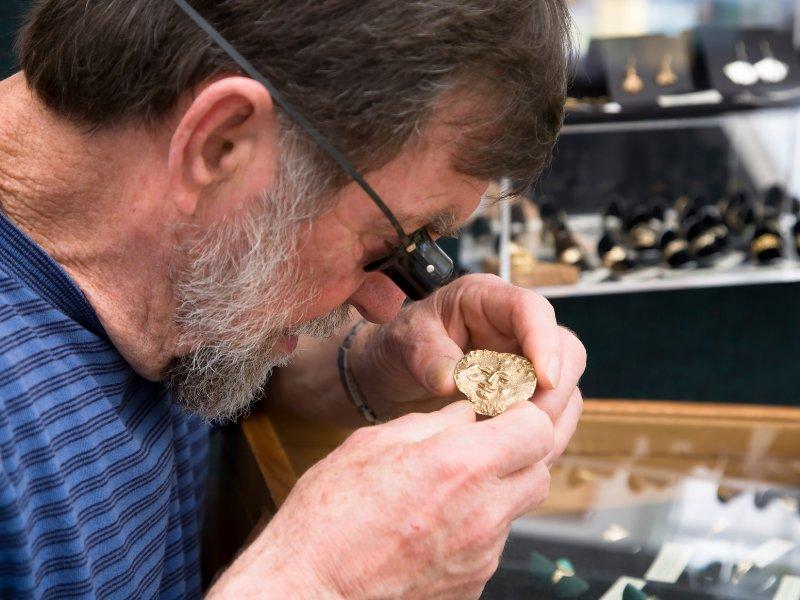
Jewelry endorsement for actual cash value with high value home insurance group

Professional Appraisal: To ensure your art and collectibles are adequately insured, it’s crucial to obtain a professional real estate appraisal from an expert who specializes in the type of items you own. These appraisers have the knowledge and experience to accurately determine the fair market value of your pieces, taking into account factors such as rarity, condition, and provenance.

Regular Updates: The value of art and collectibles can fluctuate over time due to changes in market conditions, artist popularity, and other factors. To keep your insurance coverage up to date, it’s important to have your items reappraised regularly, typically every 3-5 years or whenever you acquire new pieces. This ensures that your coverage remains adequate and reflective of the current value of your collection.

Documentation: Maintain detailed records of all appraisals, including the appraiser’s qualifications, the appraisal date, and any supporting documents such as photographs, receipts, or certificates of authenticity. This documentation will be essential when making insurance claims or adjusting coverage levels.

Guaranteed Payout: One type of insurance coverage to consider for your art and collectibles is agreed value coverage. With this type of policy, you and the insurance company agree on a specific value for each item, which is the amount you will receive if the item is lost, stolen, or destroyed, regardless of its current market value at the time of the loss. This provides certainty and peace of mind, knowing that you will be fully compensated for your treasured pieces.

Peace of Mind: Agreed value coverage eliminates the uncertainty and potential disputes that can arise with other types of insurance policies. You won’t have to worry about the insurance company trying to undervalue your items or pay less than what you believe they are worth. This coverage gives you the assurance that your high-value assets are protected against changes in market prices.

Customization: Agreed value coverage can be tailored to fit your specific needs and the unique characteristics of your art and collectibles. You can work with your insurance agent to determine the appropriate value for each item based on appraisals, market trends, and your personal preferences. This customization ensures that your coverage is comprehensive and reflective of the true worth of your collection.

Replacement with Similar Item: Another insurance option to consider is replacement cost coverage. With this type of policy, if your art or collectibles are lost, stolen, or destroyed, the insurance company will provide funds to replace the items with similar pieces of the same quality and value. This coverage ensures that you can rebuild your collection without having to bear the full financial burden yourself.

Market Fluctuations: Replacement cost coverage can be particularly beneficial if the market value of your art or collectibles has increased significantly since you originally acquired them. If you were to lose an item that has appreciated in value, replacement cost coverage would provide the funds needed to purchase a comparable piece at the current market price, rather than being limited to the original purchase price or an outdated appraisal value.

Cost Considerations: It’s important to note that replacement cost coverage may come with higher premiums compared to other types of insurance policies. When choosing your coverage option, consider the financial aspects such as premiums, deductibles, and policy limits. Work with your insurance agent to find the right balance between comprehensive coverage and affordability.

Restoration Coverage: In addition to insuring against loss or theft, it’s important to consider coverage for potential damage to your art and collectibles. Restoration coverage can help cover the costs of repairing or restoring damaged items, ensuring that they are returned to their original condition as much as possible. This type of coverage can be especially valuable for delicate or fragile items that may be more susceptible to accidental damage.

Accidental Damage Coverage: Accidents can happen, even to the most careful collectors. Accidental damage coverage protects your art and collectibles against unintentional damage, such as spills, broken glass, or falls. This coverage provides an extra layer of protection beyond standard insurance policies, which may exclude certain types of accidental damage.

Extended Coverage: If you frequently loan out your art or collectibles for exhibitions or display in other locations, consider obtaining extended coverage. This type of policy can protect your items while they are temporarily away from your primary residence, ensuring that they are covered in case of loss, theft, or damage during transit or while on display.

Auction Insurance: For avid collectors who frequently acquire new pieces through auctions, auction insurance can be a valuable addition to your coverage. This specialized insurance provides protection for your newly acquired items during the transportation and storage process, as well as while they are being displayed or exhibited. Auction insurance can help mitigate the unique risks associated with buying high-value items through auction houses.

Jewelry and Precious Metals Protection for High-Value Homes

Jewelry and precious metals are often some of the most valuable and cherished possessions in a high-value home.

Due to their high worth and portability, these items are particularly vulnerable to theft, loss, or damage.

Below are some key considerations when it comes to protecting your jewelry and precious metals.

If you still have questions after this section check out our high value homeowners guide to insuring precious metals.

Increased Coverage: One way to ensure that your jewelry and precious metals are adequately protected is by adding a scheduled personal property endorsement to your homeowners insurance policy. This endorsement allows you to increase the coverage limits for specific high-value items, providing a higher level of protection than your standard policy would offer.

Itemized Coverage: With scheduled personal property coverage, each item is listed and insured individually. This means that you can tailor the coverage to the specific value and characteristics of each piece of jewelry or precious metal you own. By itemizing your collection, you can ensure that each item is adequately protected and that there are no gaps in coverage.

Expanded Protection: Scheduled personal property coverage often includes additional benefits beyond what a standard dwelling coverage policy would provide. For example, it may offer coverage for mysterious disappearance (when an item goes missing without evidence of theft) or accidental loss, which are often excluded from standard policies.

Detailed Inventory: To properly insure your jewelry and precious metals, it’s essential to create a detailed inventory of your collection. This inventory should include a description of each item, including any unique features, marks, or inscriptions. It’s also a good idea to include photographs of each piece, which can serve as visual documentation in case of loss or theft.

Professional Appraisals: To determine the accurate value of your jewelry and precious metals, it’s recommended to have them appraised by a certified professional. An appraisal will provide a detailed description of each item, including its material composition, weight, and any distinctive characteristics that affect its value. Keep in mind that the value of jewelry and precious metals can fluctuate over time, so it’s a good idea to have your items reappraised every few years to ensure that your coverage remains adequate.

Secure Storage: When not in use, it’s crucial to store your jewelry and precious metals in a secure location. A high-quality safe or vault that is bolted to the floor or wall can provide an additional layer of protection against theft. Consider a safe with a high fire rating to protect your items in case of a fire, and make sure to keep the combination or key in a secure location separate from the safe itself. These options can be customization risk management strategies to be proactive against possible vandals.

Home Security Measures: In addition to storing your jewelry and precious metals in a safe, there are other home security measures you can take to protect your valuable possessions. Installing a comprehensive security system, including alarms, motion detectors, and surveillance cameras, can deter potential burglars and provide evidence in case of a break-in.

Discreet Storage: Avoid storing your jewelry and precious metals in obvious locations, such as the bedroom or bathroom. Instead, consider using a hidden safe or an off-site storage facility, such as a bank safe deposit box, for items that you don’t wear frequently.

Mindful Wearing: When wearing your jewelry, be mindful of your surroundings and take precautions to avoid drawing unnecessary attention to your valuable pieces. Avoid wearing expensive jewelry in high-crime areas or while traveling in unfamiliar locations.

Worldwide Protection: If you travel frequently with your jewelry or precious metals, it’s important to ensure that your insurance coverage extends beyond your home. Many high-value home insurance policies offer worldwide coverage for scheduled personal property, which means that your items are protected no matter where you take them.

Travel Precautions: When traveling with jewelry or precious metals, take extra precautions to keep your items secure. Avoid packing valuable items in checked luggage, and consider using a hotel safe or a portable travel safe to store your items when not in use.

Liability Coverage: In addition to protecting your own jewelry and precious metals, it’s important to consider liability coverage in case someone is injured or their property is damaged while in possession of your valuable items. For example, if you lend a piece of jewelry to a friend and they accidentally damage it, liability coverage can help cover the cost of repairs or replacement.

Prompt Reporting: If you do experience a loss or theft of your jewelry or precious metals, it’s essential to report it to your insurance company as soon as possible. Many policies have time limits for reporting losses, so acting quickly can help ensure that your claim is processed smoothly.

Replacement Options: In the event of a covered loss, your insurance policy may offer several options for replacing your lost or damaged items. Some policies will provide a cash settlement based on the appraised value of the item, while others may offer to replace the item with a similar piece of comparable quality and value.

Sentimental Value: It’s important to understand that while insurance can provide financial compensation for lost or damaged jewelry and precious metals, it cannot replace the sentimental value attached to these items. For pieces with significant emotional importance, consider taking additional precautions, such as keeping them in a secure offsite location or only wearing them on special occasions.

Insuring Antiques and Heirlooms to Preserve Their Value

Antiques and heirlooms are often irreplaceable items that hold significant sentimental and historical value.

These treasured possessions require special consideration when it comes to insurance coverage due to their unique nature and the challenges associated with their valuation and protection.

Below we’ll massage our way into the key aspects of insuring antiques and heirlooms as part of your high-value home insurance strategy.

Sentimental Value: One of the primary challenges in insuring antiques and heirlooms is their sentimental value. These items often have a deep emotional connection to your family history and personal memories, making them truly priceless. While insurance can provide financial compensation in case of loss or damage, it cannot replace the emotional significance attached to these treasured possessions.

Rarity and Historical Significance: Antiques and heirlooms are often one-of-a-kind items or rare pieces with historical significance. Their value may extend beyond their material worth, as they represent a specific time period, cultural heritage, or artistic movement. Insuring such items requires a deep understanding of their historical context and the ability to assess their true value accurately.

Provenance and Authenticity: The value of antiques and heirlooms is often closely tied to their provenance, which is the documented history of their ownership and origin. Establishing provenance and verifying authenticity can be a complex process, requiring expert knowledge and extensive research. When insuring these items, it’s crucial to have a clear understanding of their provenance and to possess any relevant documentation that supports their authenticity.

Detailed Inventory: To properly insure your antiques and heirlooms, it’s essential to create a detailed inventory of each item. This inventory should include a thorough description of the item, including its age, condition, and any distinguishing features or markings. Photographs and videos of each item can provide valuable visual documentation, especially for intricately detailed or unique pieces.

Professional Appraisals: Given the specialized nature of antiques and heirlooms, it’s crucial to have them appraised by qualified professionals who have expertise in the specific area. These appraisers should have a deep understanding of the historical context, rarity, and market value of your items. Regular appraisals, typically every 3-5 years, can help ensure that your insurance coverage remains adequate and up-to-date.

Provenance Documentation: Whenever possible, gather and maintain any documentation related to the provenance of your antiques and heirlooms. This may include purchase receipts, auction records, certificates of authenticity, historical photographs, or family records. Such documentation can help establish the value and authenticity of your items and streamline the insurance claims process in case of loss or damage.

Agreed Value Coverage: For high-value antiques and heirlooms, agreed value coverage is often the preferred insurance option. With this type of policy, you and your insurance provider agree on a specific value for each item, which is the amount you will receive in case of a covered loss. This eliminates the need for negotiations or disputes over the item’s value at the time of the claim.

Restoration and Conservation Coverage: Antiques and heirlooms may require specialized restoration or conservation work to maintain their condition and value. Look for insurance policies that offer coverage for these services, which can be costly and require the expertise of skilled professionals. Restoration coverage can help ensure that your treasured items are properly cared for and preserved for future generations.

Transit and Off-Premises Coverage: If you frequently transport your antiques and heirlooms to exhibitions, shows, or other events, it’s essential to have insurance coverage that extends beyond your home. Transit coverage can protect your items during shipping and handling, while off-premises coverage ensures that they are protected while on display or in storage at other locations.

Secure Storage and Display: To minimize the risk of damage or theft, it’s crucial to store and display your antiques and heirlooms properly. Use secure, climate-controlled environments to protect your items from temperature and humidity fluctuations, dust, and other environmental hazards. When displaying items, use protective cases or frames and ensure that they are securely mounted to prevent accidental knocks or falls.

Professional Handling and Packing: When transporting antiques and heirlooms, always use professional packing and shipping services that specialize in handling delicate and valuable items. These experts have the knowledge and materials necessary to ensure that your items are properly cushioned, secured, and protected during transit.

Regular Maintenance and Inspection: To preserve the condition and value of your antiques and heirlooms, regular maintenance and inspection are essential. This may include gentle cleaning, repairs, or conservation treatments performed by qualified professionals. Keep detailed records of any maintenance or restoration work, as this can provide valuable evidence of the item’s ongoing care and condition.

Specialized Coverage for Luxury Electronics and Home Theater Systems

In today’s high-tech world, electronics and home theater systems are an integral part of many high-value homes.

These sophisticated devices and systems often represent significant investments and require specialized insurance coverage to protect against potential risks.

Below, we’ll explore the key considerations and coverage options for safeguarding your electronics and home theater systems as part of your high-value home insurance strategy.

Cutting-Edge Technology: Electronics and home theater systems are constantly evolving, with new features and capabilities emerging at a rapid pace. When insuring these items, it’s essential to have replacement cost coverage that takes into account the latest technological advancements. This ensures that, in case of a covered loss, you can replace your damaged or stolen devices with comparable models that offer similar or enhanced features.

Depreciation and Obsolescence: Unlike some other high-value possessions, electronics and home theater systems are subject to rapid depreciation and obsolescence. A device that was top-of-the-line just a few years ago may now be considered outdated or unsupported by the manufacturer. Replacement cost coverage ensures that you can obtain a current, comparable model without having to bear the full cost of upgrading your system.

Coverage Limits and Deductibles: When selecting replacement cost coverage for your electronics and home theater systems, pay close attention to the coverage limits and deductibles. Ensure that the limits are sufficient to cover the full replacement cost of your devices, taking into account any custom installations or high-end components. Consider adjusting your deductibles to balance your premium costs with your ability to absorb out-of-pocket expenses in case of a claim.

Manufacturer’s Warranty Limitations: Most electronics and home theater components come with a manufacturer’s warranty that covers defects and malfunctions for a limited period. However, these warranties often have strict limitations and may not cover accidental damage, power surges, or other common risks. Extended warranties and service contracts can provide additional protection beyond the manufacturer’s coverage.

Accidental Damage and Breakdowns: Extended warranties often include coverage for accidental damage, such as drops, spills, or cracked screens, which are common risks associated with electronic devices. Additionally, these contracts may cover mechanical and electrical breakdowns that occur after the manufacturer’s warranty expires, providing peace of mind and financial protection for your high-value electronics.

On-Site Service and Repair: For complex home theater systems or custom installations, on-site service and repair coverage can be particularly valuable. This type of coverage ensures that qualified technicians will come to your home to diagnose and resolve issues, minimizing downtime and inconvenience. Look for extended warranties or service contracts that offer on-site support to keep your systems running smoothly.

Cyber Threats and Smart Devices: As more electronics and home theater components become connected to the internet, the risk of cyber threats increases. Smart devices, such as smart TVs, streaming devices, and home automation systems, can be vulnerable to hacking, malware, and data breaches. When insuring your electronics, consider coverage options that address cybersecurity risks and provide resources for responding to potential incidents. For additional cybersecurity insights visit our blog Complete Smart Home Insurance Protection for Luxury Properties.

Data Backup and Recovery: Many high-value electronics, such as computers, tablets, and smartphones, store valuable data, including personal files, photos, and financial information. Ensure that your insurance coverage includes data backup and recovery services to protect your digital assets in case of loss or damage. Look for policies that offer cloud storage solutions or assistance with data restoration to minimize the impact of data loss.

Identity Theft Coverage: In addition to protecting your devices and data, consider insurance coverage that includes identity theft protection services. These services can help monitor your personal information, alert you to potential breaches, and provide support in case of identity theft incidents related to your electronic devices.

Custom Installations: High-end home theater systems and smart home devices often require professional installation and integration to ensure optimal performance and seamless operation. When insuring these systems, look for coverage options that include the cost of installation and configuration by certified professionals. This ensures that your devices are properly set up and integrated with your home’s infrastructure.

Wiring and Electrical Upgrades: In some cases, installing advanced electronics and home theater systems may require upgrades to your home’s wiring or electrical systems to accommodate increased power demands or connectivity requirements. Ensure that your insurance coverage includes the cost of necessary wiring and electrical upgrades related to the installation of your high-value electronics.

Liability Coverage: If you hire professionals to install or service your electronics and home theater systems, consider the potential liability risks involved. Look for insurance policies that provide liability coverage in case of accidents, property damage, or injuries that may occur during the installation or maintenance process. This can help protect you from financial responsibility for third-party claims related to your electronics.

Preventive Maintenance: To keep your electronics and home theater systems functioning at their best, regular maintenance and inspections are essential. This may include cleaning, calibration, and software updates performed by qualified technicians. Some insurance policies may offer discounts or incentives for regularly maintaining your devices, as this can help prevent failures and extend their lifespan.

Surge Protection and Power Management: Power surges and fluctuations can cause significant damage to sensitive electronic components. When insuring your electronics and home theater systems, consider coverage options that include the cost of installing and maintaining surge protection devices and power management systems. These measures can help safeguard your devices from electrical damage and minimize the risk of loss.

Professional Assessments: Periodically, it may be beneficial to have your electronics and home theater systems assessed by professionals who can evaluate their condition, performance, and compatibility with the latest technologies. These assessments can help identify potential issues, recommend upgrades, and ensure that your devices are adequately protected by your insurance coverage.

Act Now to Protect Your High Value Home and Treasured Possessions

As a high-net-worth individual or professional responsible for managing high-value homes, you understand the importance of safeguarding your cherished possessions, including art, antiques, jewelry, precious metals, and cutting-edge electronics.

By now, you’ve gained valuable insights into the unique insurance needs and strategies involved in protecting these treasured assets.

But insight alone is not enough.

To truly secure your legacy and financial future, you must take action.

Here are three essential steps you can take today:

  1. Schedule a consultation with a trusted insurance agent specializing in high-value home insurance to develop a tailored coverage plan.

  2. Conduct a thorough inventory and appraisal of your valuable possessions to ensure accurate and up-to-date insurance coverage.

  3. Implement comprehensive security measures, including advanced home security systems and secure storage solutions, to minimize risks and protect your treasures.


Don’t leave your cherished belongings vulnerable.

Act now and partner with the right professionals at High Value Home Insurance Group to create a robust high-value home insurance strategy that protects your passion, heritage, and legacy.

Contact us for a trusted insurance agent today and take the first step towards securing your financial future and preserving your most treasured possessions for generations to come.

The post High Value Home Valuable Possessions Protection appeared first on High Value Home Insurance Group.

04 Oct 08:06

High Value Homeowners Guide to Insuring Precious Metals

by Ben Fekete

Insuring Precious Metals as Valuable Personal Property

For high-value homeowners and high net worth individuals, protecting valuable personal property, such as precious metals, is crucial for preserving wealth and ensuring a diversified portfolio.

Gold, silver, platinum, and palladium are tangible assets that appreciate over time but require specialized insurance coverage to safeguard their value.

At High Value Home Insurance Group, we understand the unique needs of our clients and offer comprehensive solutions to insure these precious commodities.

This blog will explore the world of precious metals as valuable personal property, discussing their appeal as investments and the importance of specialized valuable personal property coverage options.

We’ll massage into the types of precious metals worth insuring, factors affecting coverage, and specialized insurance options available to high-value homeowners and high net worth individuals.

Together we’ll guide you through the process of protecting your wealth and securing your financial future with the right insurance partner.

Why Precious Metals Matter

Precious metals have long been regarded as a safe haven for investors, particularly during times of economic uncertainty.

Precious metals, such as gold, silver, platinum, and palladium, have been valued for centuries due to their durability, rarity, and potential for appreciation.

For high-value homeowners and high net worth individuals, incorporating precious metals into their investment portfolio can provide numerous benefits, including:

Valuable personal property insurance coverage for precious metals in safe deposit box with high value home insurance group

One of the primary reasons to invest in precious metals is their ability to preserve wealth over time.

Unlike fiat currencies, which can be subject to inflation and devaluation, precious metals have intrinsic value that has remained relatively stable throughout history.

This makes them an attractive option for those looking to protect their assets and maintain their purchasing power in the long term.

Diversification is a key principle of investing, and precious metals can play a significant role in achieving a well-balanced portfolio.

By allocating a portion of their assets to precious metals, high net worth individuals can reduce their overall risk exposure and potentially improve their risk-adjusted returns.

This is because precious metals often have a low or negative correlation with other asset classes, such as stocks and bonds, which means they may perform well when other investments are struggling.

The financial markets can be unpredictable, and geopolitical events, economic crises, and other factors can lead to significant volatility.

During these turbulent times, precious metals tend to shine.

Investors often flock to gold, silver, and other precious metals as a safe haven, driving up their prices and providing a buffer against market downturns.

For high-value homeowners and high net worth individuals, holding precious metals can help mitigate the impact of market volatility on their overall wealth.

Unlike many other investments, precious metals are tangible assets that you can hold in your hand.

This physical nature provides a sense of security and peace of mind, knowing that your wealth is stored in a real, valuable object.

Additionally, precious metals are highly portable, making them easy to store and transport if needed.

This can be particularly appealing for high net worth individuals who may need to move their assets quickly or discreetly.

While precious metals are primarily viewed as a means of preserving wealth, they also have the potential for appreciation over time.

The value of gold, silver, platinum, and palladium can fluctuate based on various factors, including supply and demand, economic conditions, and investor sentiment.

By strategically investing in precious metals and timing their purchases and sales, high net worth individuals may be able to generate profits and grow their wealth.

For some high net worth individuals, privacy and confidentiality are top priorities when it comes to their financial affairs.

Precious metals can offer a level of anonymity that other investments may not provide.

Transactions involving precious metals can often be conducted discreetly, without the need for extensive paperwork or public disclosures.

This can be particularly appealing for those who wish to keep their wealth and investment activities private.

Precious metals can also play a role in legacy planning for high net worth individuals and families.

By incorporating precious metals into their estate plans, investors can pass down tangible, valuable assets to future generations.

This can help preserve family wealth and provide a sense of financial security for years to come.

Additionally, some precious metals, such as rare coins or historical artifacts, may hold sentimental or collector’s value that can be cherished by future generations.

Precious Metals Worth Insuring

When it comes to insuring precious metals, it’s important to understand the various types of metals and the forms they can take.

Here’s a closer look at some of the most common precious metals worth insuring, including bullion:

Gold is perhaps the most well-known and sought-after precious metal.

Its timeless beauty, rarity, and historical significance have made it a popular choice for investors and collectors alike.

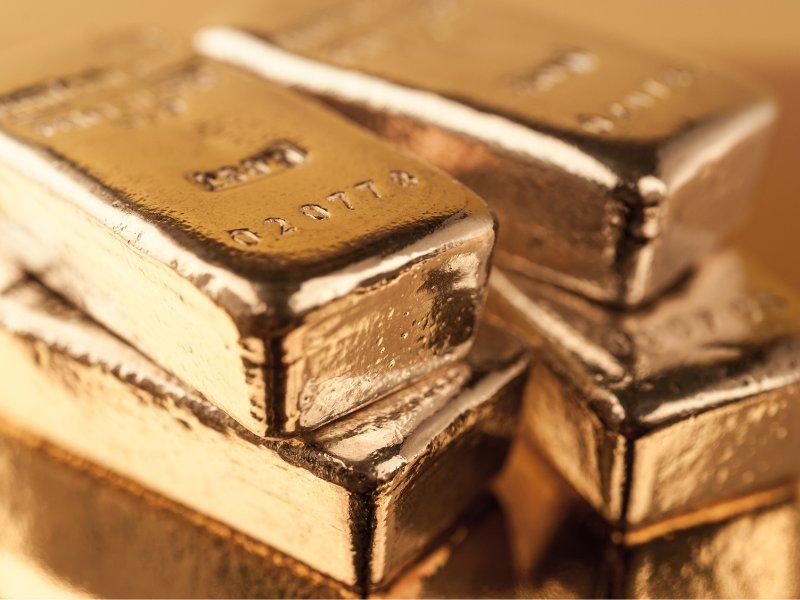
Gold can be found in various forms, including bullion bars, coins, and jewelry.

Gold bullion refers to gold that is at least 99.5% pure and has been refined and stamped into bars or coins.

These bullion products are typically produced by government mints or private refineries and are valued based on their gold content and weight.

Some popular gold bullion coins include American Gold Eagles, Canadian Gold Maple Leafs, and South African Krugerrands.

Insuring gold bullion is relatively straightforward, as the value is determined by the current market price of gold and the weight of the item.

However, it’s essential to keep accurate records and documentation of your gold bullion purchases and to work with an experienced insurance provider to ensure adequate coverage.

Silver is another popular precious metal that has been used as a store of value and a medium of exchange for centuries.

Like gold, silver can be found in bullion form, as well as in coins and jewelry.

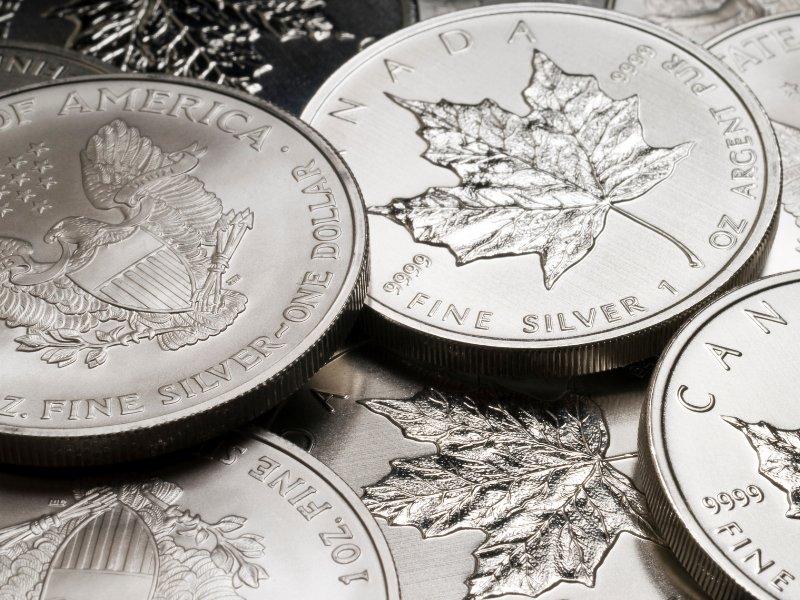
Silver bullion is typically available as bars or rounds, with purity levels ranging from 99.9% to 99.99%.

Some well-known silver bullion products include American Silver Eagles, Canadian Silver Maple Leafs, and Austrian Silver Philharmonics.

When insuring silver bullion, it’s important to consider the purity and weight of the items, as well as the current market price of silver.

Keep in mind that silver tends to be more volatile than gold, so the value of your silver holdings may fluctuate more over time.

Platinum is a rare precious metal that is known for its durability and resistance to corrosion.

It is often used in industrial applications, such as catalytic converters, but is also popular in jewelry and as a bullion investment.

Platinum bullion is available in bars and coins, with purity levels typically ranging from 99.9% to 99.95%.

Some notable platinum bullion products include American Platinum Eagles and Canadian Platinum Maple Leafs.

When insuring platinum bullion, it’s essential to consider the purity, weight, and current market value of the items.

Platinum can be more expensive than gold or silver due to its rarity, so ensure your insurance coverage adequately reflects the value of your holdings.

Palladium is another rare precious metal that has gained popularity in recent years due to its use in industrial applications and as a bullion investment.

It is often used in catalytic converters, electronics, and dental alloys.

Palladium bullion is available in bars and coins, with purity levels typically ranging from 99.95% to 99.99%.

Some well-known palladium bullion products include Canadian Palladium Maple Leafs and Russian Ballerinas.

As with other precious metals, insuring palladium bullion requires consideration of the purity, weight, and current market value of the items.

Palladium prices can be volatile, so regularly reviewing your insurance coverage is important to ensure it keeps pace with changes in market value.

In addition to the more common precious metals mentioned above, there are several other metals that may be worth insuring, depending on your individual holdings and circumstances.

These can include:

Rhodium: A rare and valuable metal used in catalytic converters and jewelry.

Iridium: A hard, corrosion-resistant metal with industrial applications.

Osmium: The densest naturally occurring element, used in fountain pen nibs and electrical contacts.

Ruthenium: A rare metal used in electronics and chemical catalysts.

When insuring these less common precious metals, it’s crucial to work with an experienced appraiser and insurance provider who understands the unique characteristics and market factors that influence their value.

Proper documentation and regular appraisals can help ensure your holdings are adequately protected.

In addition to bullion, some investors and collectors may also have valuable collectible coins or numismatic items in their portfolios. These items can include rare historical coins, limited-edition mint sets, or coins with unique designs or errors.

Insuring collectible coins and numismatic items can be more complex than insuring bullion, as their value is often determined by factors beyond just their metal content. Rarity, condition, historical significance, and collector demand can all impact the value of these items.

When insuring collectible coins and numismatic items, it’s essential to work with a knowledgeable appraiser who specializes in these types of valuables. They can provide accurate valuations and help you document the specific characteristics that contribute to the item’s worth. This documentation can be invaluable when securing appropriate insurance coverage and in the event of a claim.

It’s also important to review your insurance coverage regularly, as the value of collectible coins and numismatic items can fluctuate based on market conditions and collector interest. By staying informed and proactive, you can help ensure your valuable collection remains adequately protected.

Replacement cost for valuable personal property with the high value home insurance group

Limitations or Restrictions

When considering insurance for precious metals, it’s essential to be aware of certain factors that can influence coverage and premiums.

Here’s a more in-depth look at the key factors:

Valuable personal property insurance offers services for jewelry replacement cost with high value home insurance group

The value of your precious metals is one of the most significant factors in determining your insurance coverage and premiums.

High-value collections may require specialized policies or higher premiums to ensure adequate protection.

This is because insurers need to account for the potential cost of replacing or reimbursing you for these valuable items in the event of a covered loss.

When insuring high-value precious metals, it’s crucial to work with an experienced insurance provider who understands the unique risks and considerations involved.

They can help you navigate the complexities of insuring high-value items and develop a customized coverage plan that meets your specific needs.

It’s also important to regularly review and update your insurance coverage as the value of your precious metals collection changes over time.

Fluctuations in market prices, additions or subtractions to your collection, and other factors can impact the overall value and, consequently, your insurance requirements.

By staying proactive and informed, you can ensure that your valuable precious metals remain adequately protected.

The rarity of your precious metals can also impact your insurance coverage.

Rare or unique items, such as historical coins, limited-edition pieces, or one-of-a-kind creations, may require specialized insurance considerations.

Insuring rare precious metals can be more complex than insuring more common items, as the value of these pieces is often determined by factors beyond just their metal content.

The historical significance, artistic merit, and collector demand can all contribute to the overall value and, in turn, affect the insurance coverage required.

When insuring rare precious metals, it’s essential to work with an appraiser who has expertise in evaluating these unique items.

They can provide accurate valuations and help you document the specific characteristics and qualities that contribute to the piece’s rarity and value.

This documentation can be invaluable when securing appropriate insurance coverage and in the event of a claim.

Insurers may also require additional security measures or storage requirements for rare precious metals due to their heightened value and potential attractiveness to thieves.

By understanding the specific considerations surrounding the rarity of your precious metals, you can take steps to ensure they are properly protected.

The size of your precious metals collection is another factor that can impact your insurance needs.

Extensive collections may require additional policies, higher limits, or specialized coverage to fully protect the value of your holdings.

As your collection grows, it’s important to regularly reassess your insurance coverage to ensure it keeps pace with your expanding portfolio.

This may involve increasing your coverage limits, adding riders or endorsements to your existing policy, or exploring specialized insurance options designed for larger collections.

It’s also worth considering how you store and manage your collection as it grows.

Larger collections may benefit from professional storage solutions, such as secure vaults or third-party depositories, which can provide enhanced security and potentially lower insurance premiums.

By taking a proactive approach to managing and insuring your growing precious metals collection, you can help safeguard your wealth and ensure your assets are adequately protected

The location where you store your precious metals can also have a significant impact on your insurance coverage and premiums.

Different storage options, such as home safes, bank safe deposit boxes, or third-party storage facilities, each come with their own unique considerations and risks.

Storing precious metals at home can be convenient, but it may also increase the risk of theft or damage.

If you choose to keep your precious metals at home, your insurance provider may require certain security measures, such as a high-quality safe or alarm system, to mitigate these risks.

They may also limit the amount of coverage available for home-stored items or charge higher premiums to account for the increased risk.

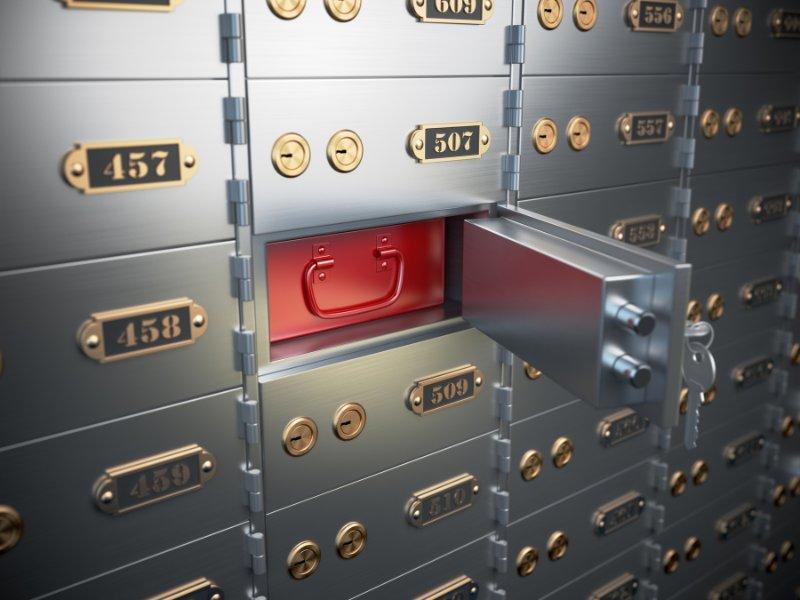
Bank safe deposit boxes can provide a secure alternative to home storage, but they also come with their own limitations.

Most bank deposit box agreements do not insure the contents of the box, meaning you would need to secure separate insurance coverage for your precious metals stored there.

Additionally, access to your items may be restricted to banking hours, which could be inconvenient if you need to retrieve your precious metals quickly.

Third-party storage facilities, such as precious metals depositories, can offer a high level of security and specialized insurance options.

These facilities are designed specifically for storing valuable assets and often feature state-of-the-art security systems, 24/7 monitoring, and comprehensive insurance coverage.

However, this level of protection and convenience may come with higher storage fees and minimum balance requirements.

Precious Metals Insurance Considerations

When insuring precious metals, it’s essential to understand the following:

Appraisals:

  • Obtain accurate appraisals from qualified professionals to determine the value of your metals.
  • This will ensure you have the appropriate level of coverage.


Coverage Options:

  • Choose between replacement cost coverage, which replaces the item at its current market value, or actual cash value, which covers the depreciated value.
  • For most high-value homeowners and high net worth individuals, replacement cost coverage is recommended.


Specialized Policies:

  • Consider specialized insurance policies designed for precious metals, as they may offer broader coverage and lower premiums compared to standard homeowners insurance.


Safe Storage:

  • Secure storage can help reduce the risk of theft or damage.
  • Consider a home safe, bank safe deposit box, or third-party storage facility depending on your needs, value of your collection and you dwelling coverage.


Regular Reviews:

  • Periodically review your insurance coverage with your agent to ensure it aligns with the current value of your metals and any changes in your collection.

Insurance and Specialized Coverage Options

All-risk coverage provides protection against a broad range of perils, including theft, loss, and damage.

This comprehensive coverage is often preferred by high-value homeowners and high net worth individuals.

Umbrella coverage may offer your unique needs an extra layer of protection in the event of exhausted limits.

Named peril coverage only covers specific perils listed in the policy.

While this coverage is more affordable, it may not provide the level of protection needed for valuable precious metals.

Theft coverage is crucial for precious metals, especially if they are stored at home.

Ensure your policy covers theft from a safe or vault and consider additional security measures to reduce the risk of theft.

Look for coverage that protects against accidental damage, such as fire, water, or natural disasters.

This will help ensure your precious metals are covered in the event of an unexpected incident.

Some policies offer coverage for loss due to mysterious disappearance or unexplained loss.

This is an additional valuable coverage that can provide added peace of mind for high-value homeowners and high net worth individuals.

Endorsements and riders are additional provisions that can be added to a standard insurance policy to provide more comprehensive coverage for specific risks or items.

For precious metals, some common endorsements and riders include:

Jewelry Appraisal Endorsement: This endorsement allows for coverage of jewelry based on a professional appraisal rather than the insured value, ensuring adequate protection for valuable pieces.

Antique and Collectible Endorsement: This endorsement provides coverage for antiques and collectibles, including precious metals that are part of these items. This is particularly relevant for trust and estate entities managing historical or rare assets.

Off-Premises Coverage: This endorsement extends coverage to precious metals while they are away from the insured premises, such as when they are being transported or worn. This is essential for high net worth individuals who may travel with their precious metals and seek a form of liability coverage.

Replacement Cost Endorsement: This endorsement ensures that precious metals are replaced at their current market value, rather than their depreciated value, providing the highest level of protection for your investment.

Scheduled Property Endorsement: This endorsement provides coverage for specific precious metals items, allowing for more tailored coverage and potentially lower premiums. This is ideal for high-value homeowners with extensive or diverse precious metals collections.

Invest in Peace of Mind for Your High Value Precious Metals

Precious metals, including gold, silver, platinum, and palladium, can be a valuable addition to the investment portfolio of high-value homeowners and high net worth individuals.

By understanding the benefits of precious metals, selecting the right items to insure, and working with a specialized insurance provider like High Value Home Insurance Group, you can protect your wealth and enjoy the potential rewards of this asset class.

Don’t leave your precious metals investments to chance.

Contact High Value Home Insurance Group today to discuss your unique high value home valuable possessions protection needs.

We will develop a comprehensive insurance plan tailored to your specific situation.

Our experienced professionals are ready to help you safeguard your wealth and provide the peace of mind you deserve.

The post High Value Homeowners Guide to Insuring Precious Metals appeared first on High Value Home Insurance Group.