Wissenschaftlich ist es ziemlich anders. Tatsächlich ist es ziemlich komplex, weshalb die Wissenschaft vom Klimawandel so breit diskutiert wird.
CO2 in der Luft fängt keine Wärme ein
CO2 führt der Atmosphäre Wärme zu und entfernt sie auch wieder daraus, so dass die Wärme sicher nicht eingefangen wird. CO2 ist ein sekundäres Treibhausgas, und Wasserdampf das primäre Treibhausgas. Ein Treibhausgas bedeutet zweierlei, denn es führt der Atmosphäre Wärme zu und entfernt diese auch wieder aus derselben.
Alles fängt damit an, dass die Sonne die Erdoberfläche aufheizt. Ein Teil dieser Energie wird dann als Infrarot wieder abgestrahlt, was gemeinhin „langwellige Strahlung“ oder LWR genannt wird. Ein großer Teil dieser LWR durchläuft einfach die Atmosphäre und wird in den Weltraum abgestrahlt, wo sie für immer verschwunden ist. Aber ein geringer Teil dieser Wärme wird von Treibhausgas-Molekülen eingefangen und absorbiert.
Diese energetisch angereicherten Moleküle geben dann diese absorbierte LWR als Wärme in die übrige Atmosphäre ab. (Wärme ist keine Substanz, sondern vielmehr eine molekulare Bewegung). An diesem Punkt kann man also sagen, dass CO2 die Atmosphäre erwärmt hat, und so weit gehen auch die Alarmisten. Was diese aber nicht erwähnen – diese Wärme reichert andere Treibhausgas-Moleküle an, diese geben ihre LWR ab und entfernen somit die Wärme.
Die Energie tritt also als LWR in die Luft ein und wird zu Wärme, um danach wieder als LWR abgestrahlt zu werden und damit verschwunden ist. In diesem Prozess wird keine Wärme eingefangen. Es gibt immer Einiges an Wärme in der Luft im Zuge dieses Prozesses, aber es ist wie Menschen, die ein Geschäft betreten, dann anstehen müssen, bis sie bedient werden, wonach sie den Laden wieder verlassen. Niemand wird gefangen.
Hat man einmal erkannt, das keine Wärme eingefangen wird, kann man fragen, ob hinzugefügtes CO2 die Wärmemenge notwendigerweise in der Luft erhöht (und damit auch die Temperatur). Dank der Komplexität des Klimasystems ergibt sich die Antwort ,nicht notwendigerweise‘. Vielmehr geht aus Satellitenbeobachtungen hervor, dass es keine CO2-Erwärmung gegeben hat seit Beginn derartiger Aufzeichnungen vor etwa 40 Jahren.
Die CO2-Zunahme ist nicht unseren CO2-Emissionen geschuldet
Es ist unstrittig, dass der CO2-Gehalt der Luft gegenwärtig zunimmt. Normalerweise wird dies zurückgeführt auf unsere Freisetzung von CO2 in die Atmosphäre, wo ein großer Teil davon verbleibt und sich Jahr für Jahr akkumuliert. Dies ist mehr oder weniger das Standardkonzept von Verschmutzung, was die Alarmisten unablässig hervorheben, aber das ist nichts, was irgendwie mit der CO2-Zunahme verbunden ist.
Was die Alarmisten aber beharrlich verschweigen ist, dass unsere CO2-Emissionen winzig sind im Vergleich zu den natürlich auftretenden Emissionen. Tatsächlich emittieren und absorbieren natürliche Prozesse etwa 25 mal die Menge, die wir emittieren (die tatsächliche Menge wird nicht gemessen). Diesen gewaltige natürliche Fluss von CO2 in die Luft hinein und wieder heraus nennt man den „Kohlenstoff-Fluss“. Er ist Bestandteil der Kohlenstoff-Kreislaufes, welcher alles Leben auf der Erde erst möglich macht.
Der Punkt hier lautet, dass angesichts dieses gewaltigen Kohlenstoff-Flusses ziemlich viel des von uns emittierten CO2 innerhalb nur weniger Jahre wieder verschwindet. Um 25% der CO2 in der Luft wird jedes Jahr durch natürliche Prozesse absorbiert, einschließlich des CO2, das wir in die Atmosphäre einbringen.
Dies bedeutet, dass die CO2-Zunahme in der Luft nicht durch unseren CO2-Ausstoß zustande kommt. Unser CO2 kann die Zunahme bewirken oder auch nicht, aber die Zunahme geht nicht ausschließlich auf uns zurück. Einfach gesagt: die CO2-Zunahme ist nicht unserem CO2 geschuldet.
Unter dem Strich: Immer wenn man in einem Artikel etwas von Wärme einfangender CO2-Verschmutzung liest, weiß man, dass das Humbug ist. Die CO2-Zunahme geht nicht auf menschliche Emissionen zurück und führt nicht zu einer Erwärmung der Atmosphäre.
Die gegensätzlichen Großwetterlagen im Spätwinter 2018
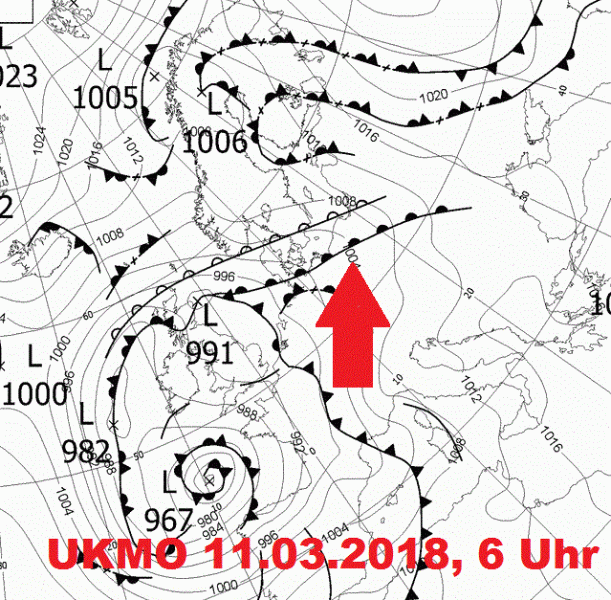
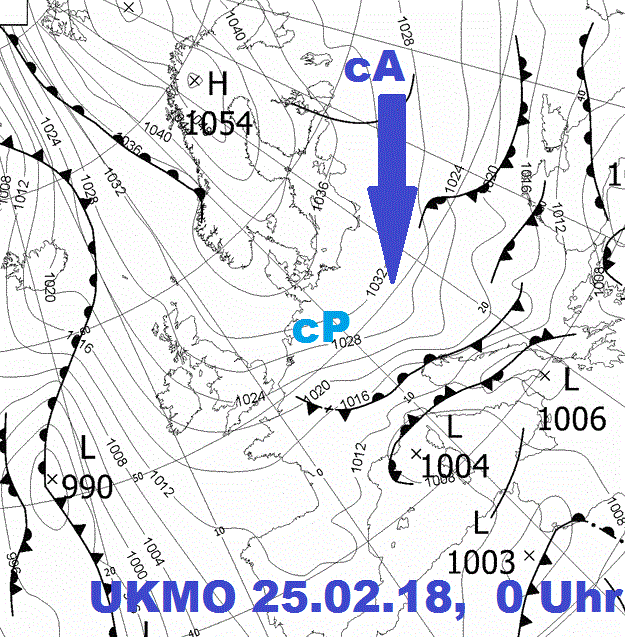
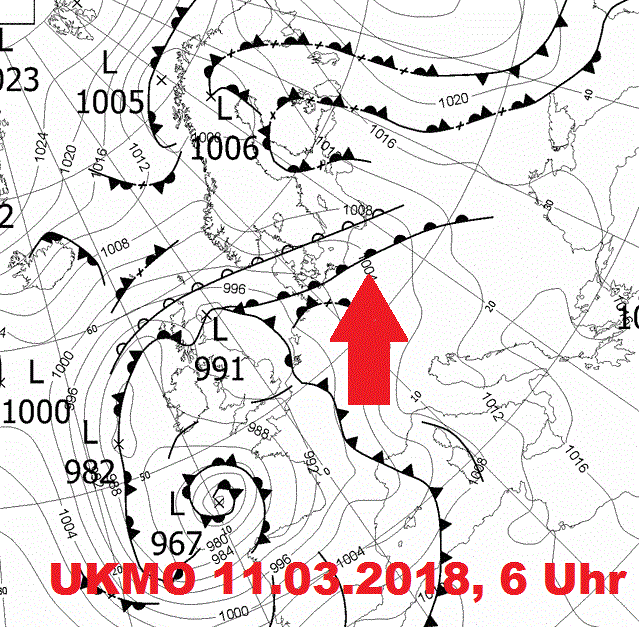
Zwischen zwei für diese Jahreszeit extrem kalten Phasen mit jeweils einem „Skandinavien- Hoch“, bei denen Nachts verbreitet zweistellige Minusgrade, an der Monatswende Februar/März teils minus 18 bis minus 20 Grad, auftraten, lag ein sehr mildes zweites Märzwochenende mit Tageshöchsttemperaturen von stellenweise mehr als plus 20 Grad:
Abb. 1a (oben): Extreme Winterkälte mit Nordostströmung am Südrand eines kräftigen Skandinavien- Hochs, unterbrochen von einer fast frühsommerlichen Südlage (Abb. 1b, unten). Ein Wechsel von arktischer zu subtropischer Luft erklärt die enormen Witterungsgegensätze. Bildquelle: Metoffice/UKMO, ergänzte Teilausschnitte.
War das schwindende Arktische Meereis schuld an der späten Kälte?
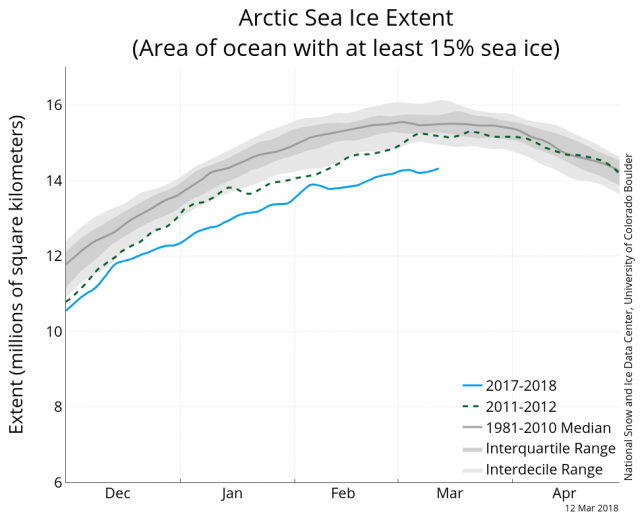
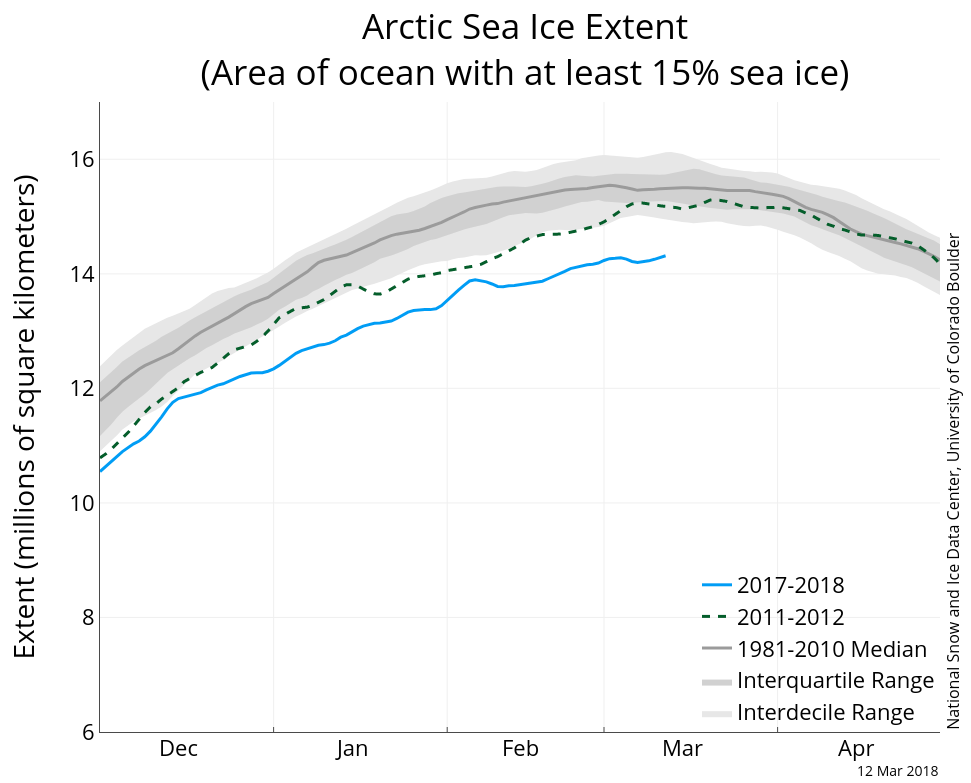
Wenn es zu markant kälteren Witterungsphasen kommt, behaupten die Verfechter der „CO2- Klimaerwärmung“ gerne, das schwindende Arktische Meereis verändere die Zirkulationsverhältnisse und begünstige winterliche Kältewellen aus Osten. Ein Blick auf die Eisausdehnung im Winter 2017/18 zeigt zwar, dass diese außergewöhnlich gering war, aber auch schon im Dezember und Januar, welche in Deutschland viel zu mild ausfielen:
Abb. 2: Seit Dezember 2017 war die vom Arktischen Meereis bedeckte Fläche (blaue, unterste Linie) ungewöhnlich gering. Allerdings liegen diese satellitengestützten Daten erst seit 1979 vor, so dass man die geringe Eisbedeckung nicht voreilig der vom Menschen verursachten Klimaerwärmung anlasten darf. Denn während der Klimaoptima des Holozäns (Mittelalterliche Warmzeit, Römisches Optimum und dem Höhepunkt unserer Warmzeit vor etwa 7.000 Jahren) gab es mit hoher Wahrscheinlichkeit noch weniger Eis. Andernfalls hätten die Wikinger im Hochmittelalter Grönland gar nicht erreichen und Hannibal vor gut 2.200 Jahren nicht die Alpen überqueren können.
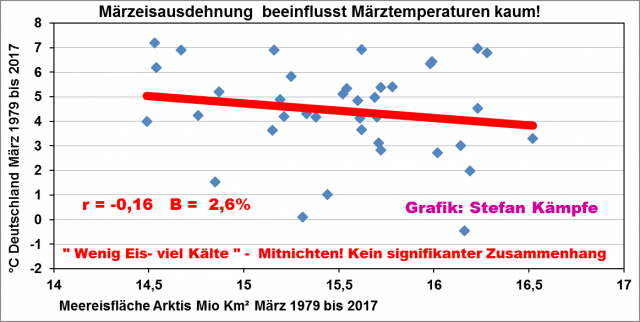
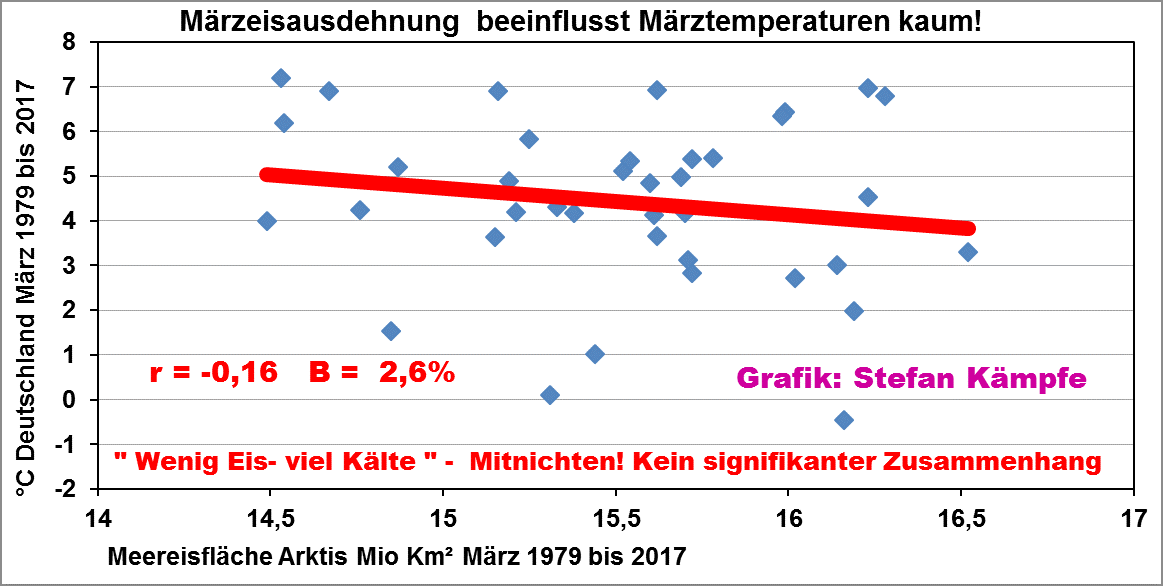
Im Falle eines wesentlichen Einflusses des schwindenden Meereises auf die Deutschland- Temperaturen des Winters oder Spätwinters müsste sich ein positiver Zusammenhang zeigen- bei viel Eis also tendenziell mildere und bei wenig Eis kältere Deutschland- Temperaturen. Im Folgenden ist der tatsächlich nur sehr schwache Zusammenhang für den März gezeigt (für die einzelnen Wintermonate oder den Winter insgesamt kommt man zu ähnlichen Ergebnissen; auch dann, wenn man eine zeitliche Verzögerung von einem bis zu mehreren Monaten berücksichtigt):
Abb. 3: Tendenziell war der März in Deutschland seit 1979 eher milder, wenn das Arktische Meereis eine geringere Ausdehnung hatte. Bei der hohen Streuung ist der gefundene Zusammenhang jedoch nicht signifikant.
Das arktische Meereis kommt als Ursache für die spätwinterlichen Kältewellen also nicht in Betracht
Beeinflusst die Sonnenaktivität die Zirkulationsverhältnisse?
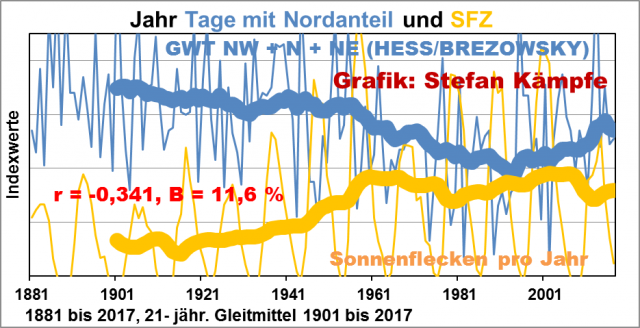
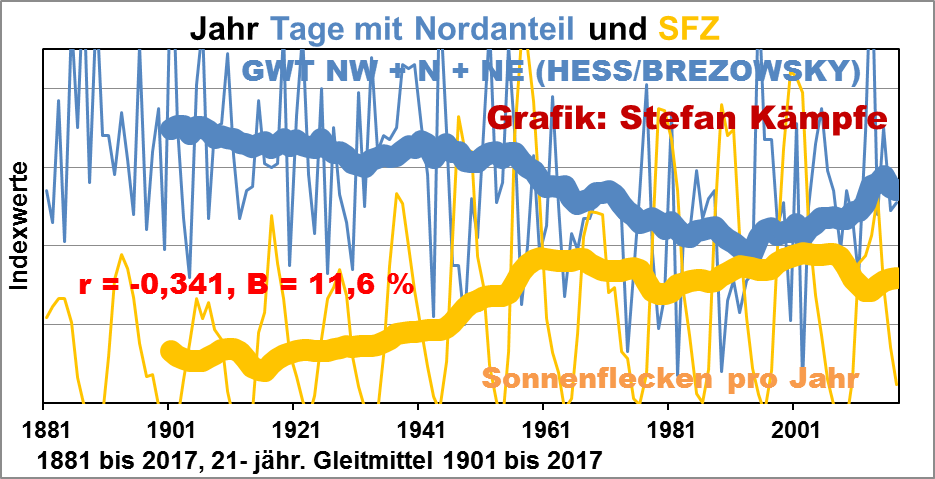
Die Sonnenaktivität beeinflusst Witterung und Klima auf vielfältige Weise, worauf hier aus Zeitgründen nicht näher eingegangen werden soll. Interessierte Leser seien auf Begriffe wie Svensmark- Effekt, Weltraumwetter, Sonnenwind, Solarer Magnetismus oder Forbush- Reduktion hingewiesen. Leider stehen viele dieser solaren Daten erst seit wenigen Jahrzehnten zur Verfügung; für langfristige Untersuchungen existieren nur die Beobachtungen der Sonnenfleckenzahlen, welche die solare Aktivität nur sehr unscharf abbilden, so dass keine engen Zusammenhänge zu erwarten sind. Deshalb wurde in der folgenden Grafik nicht nur der aus den Monaten Februar und März bestehende Spätwinter betrachtet, sondern das gesamte Jahr, weil dadurch mehr Datenmaterial verfügbar ist, was die Sicherheit der Aussagen erhöht. Offenbar treten bei geringerer Sonnenaktivität tendenziell mehr Großwetterlagen mit nördlichem Strömungsanteil in Mitteleuropa auf, was abkühlend wirkt. Beim Zeitraum Februar/März zeigt sich aber ein ähnlicher Zusammenhang; übrigens auch dann, wenn man einen zeitlichen Versatz von einigen Monaten, also ein verzögertes Wirken der Sonnenaktivität, annimmt:
Abb. 4: Der negative Zusammenhang zwischen der Häufigkeit von Tagen mit nördlichem Strömungsanteil und der Sonnenaktivität ist nicht sehr eng, aufgrund des hohen Stichprobenumfangs aber überzufällig und damit signifikant. Bei geringer Sonnenaktivität werden diese kühlend wirkenden Großwetterlagen tendenziell häufiger.
Im Jahr 2017 und auch im Winter 2017/18 nahm die Sonnenaktivität weiter ab:
Abb. 5: Zum Ende des Jahres 2017 waren kaum noch Sonnenflecken zu beobachten; im Monatsmittel weniger als 10 Flecken. Quelle: NOAA.
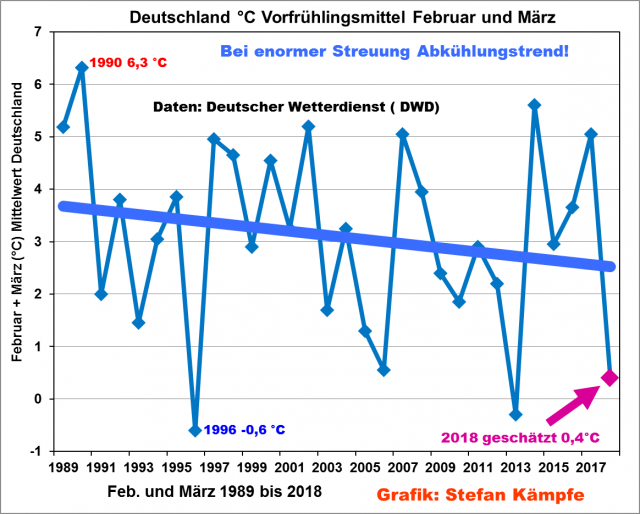
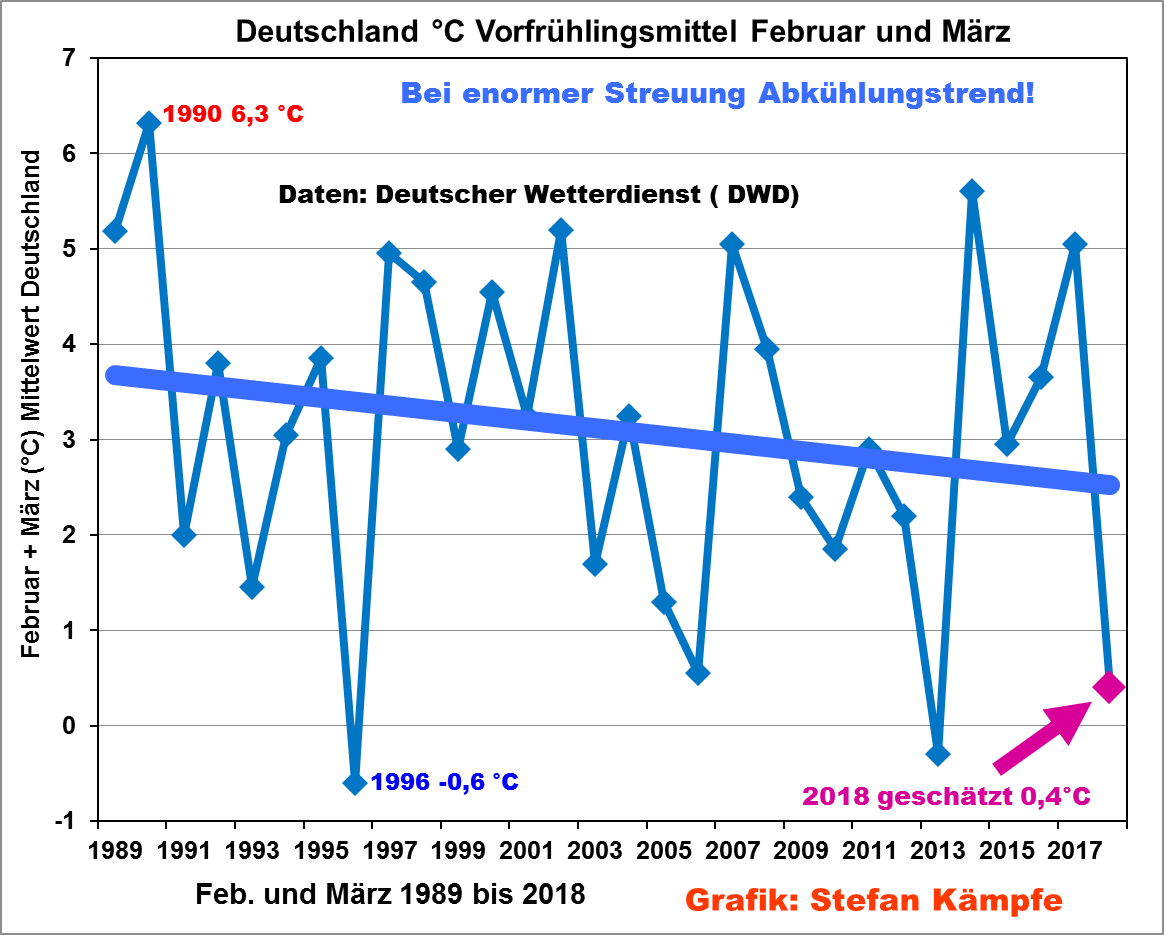
Bei genauerer Betrachtung der Abbildung 5 fällt der insgesamt schwache Sonnenfleckenzyklus 24 auf (SCHWABE- Zyklus), welcher sein Maximum mit nur knapp über 100 Sonnenflecken im Februar 2014 hatte. Er ist der schwächste seit etwa einhundert Jahren gewesen, und tendenziell nimmt die Sonnenaktivität schon seit Beginn der 1990er Jahre ab, als der 22. Zyklus sein Maximum mit beachtlichen etwa 200 Sonnenflecken im Monatsmittel hatte. Passend dazu zeigt sich eine 30ig- jährige Abkühlung im Spätwinter:
Abb. 6: Negativer Temperaturtrend der Deutschland- Temperaturen im Februar und März seit 30 Jahren. Wegen der enormen Streuung braucht man deswegen nicht gleich den Beginn einer neuen „Kleinen Eiszeit“ zu fürchten- aber berechtigte Zweifel an der Erwärmungswirkung der steigenden CO2- Konzentration sind angebracht. Der 2018er Wert wurde auf 0,4°C geschätzt; selbst wenn er sich noch um einige Zehntelgrad nach oben oder unten ändern sollte, bleibt die Grundaussage dieser Grafik bestehen.
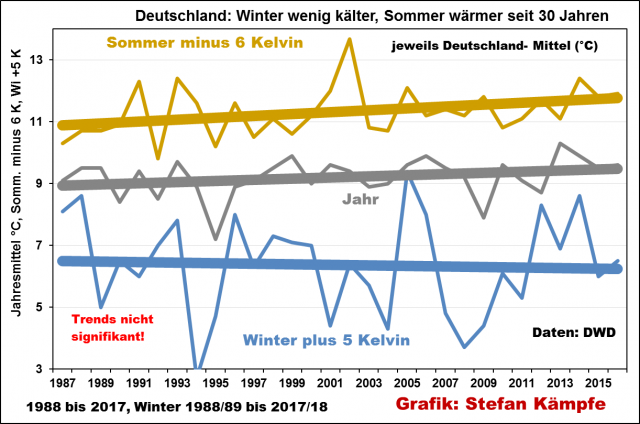
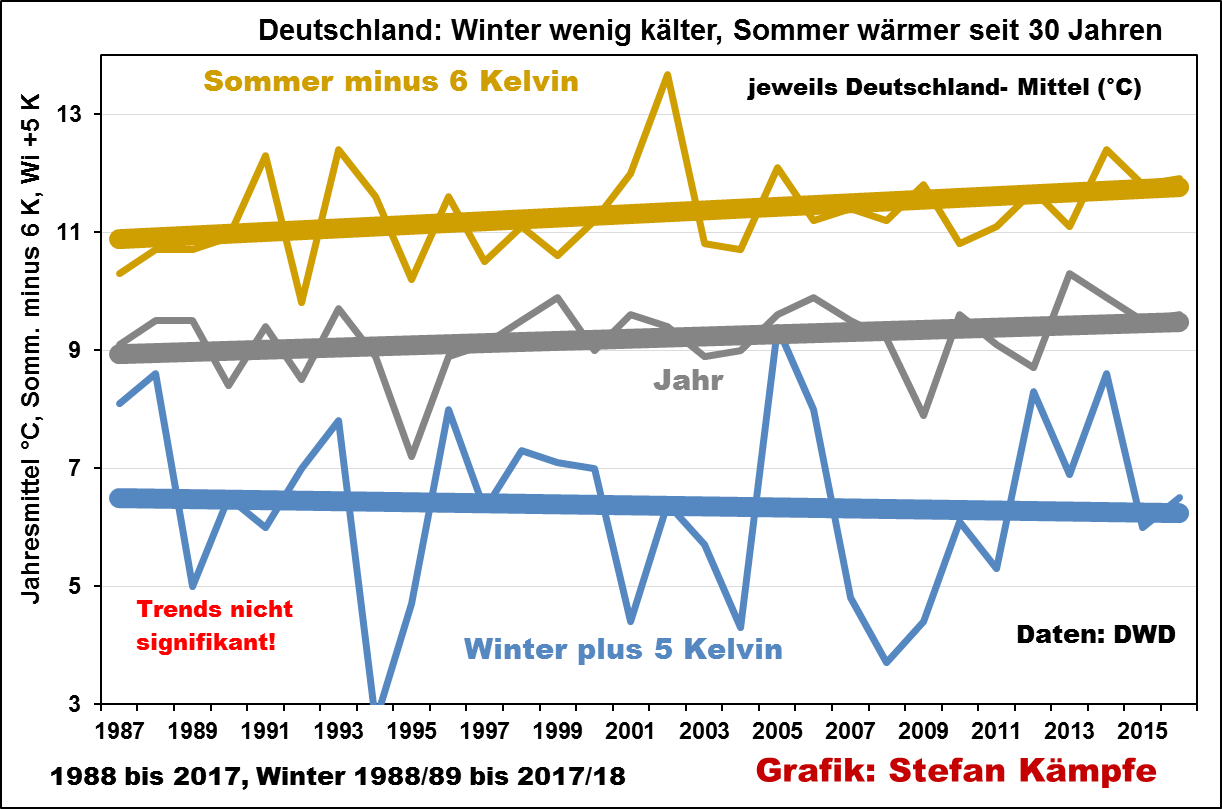
Man darf jedoch nicht nur den Winter oder Spätwinter betrachten. Kritiker werden einwenden, dass die deutschen Temperaturen im Jahresmittel und besonders im Sommer während der vergangenen 30 Jahre noch leicht angestiegen sind- ist also der solare Einfluss doch nur gering?
Abb7: Im Gegensatz zum Winter erwärmten sich die Sommer leicht; im Jahresmittel zeigt sich eine geringfügige Erwärmung. Da keiner der drei hier gezeigten Trends signifikant ist, kann man von einer Temperaturstagnation in Deutschland seit etwa 30 Jahren ausgehen.
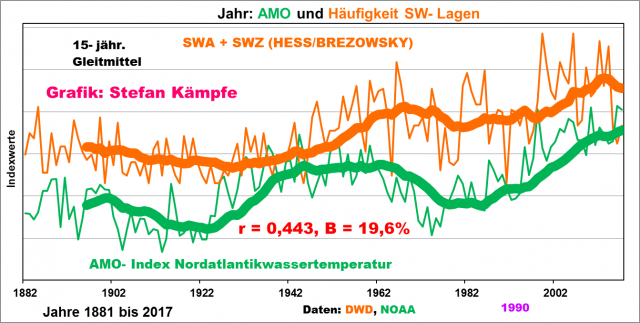
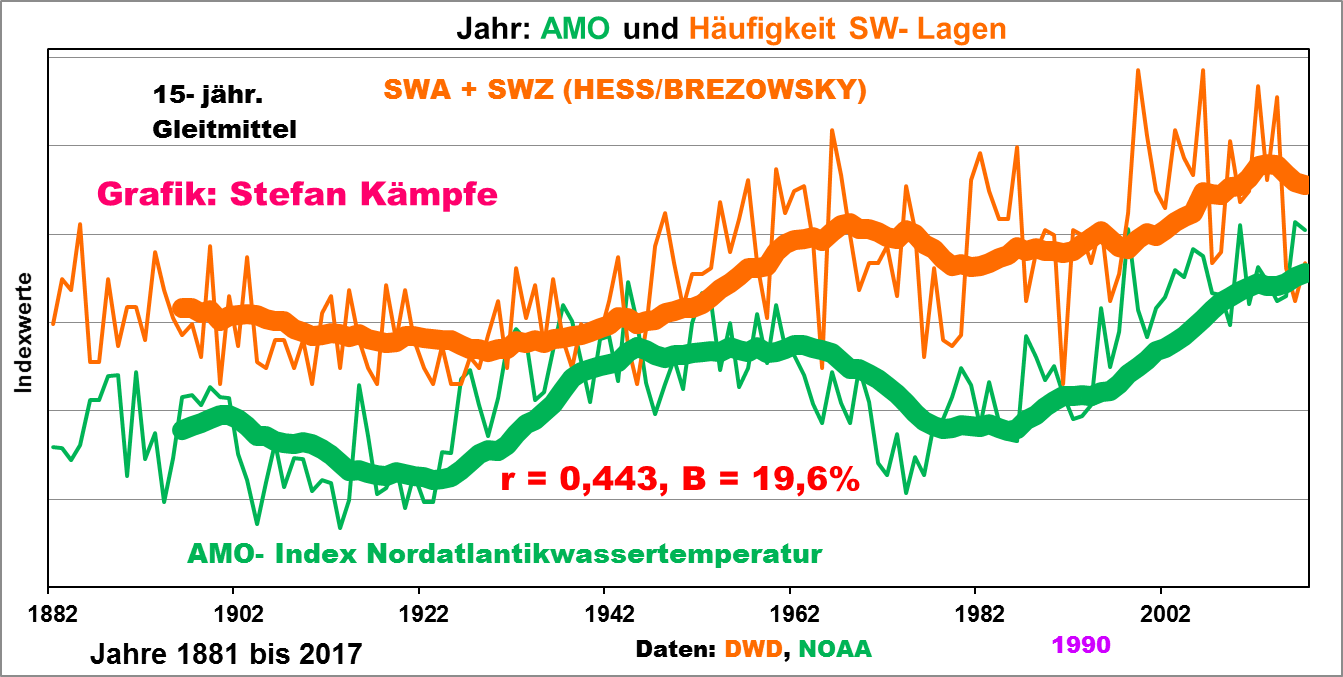
Doch hier kommt nun eine Konstellation ins Spiel, welche so seit Beginn der regelmäßigen Temperaturaufzeichnungen (1881) noch nicht auftrat – das Zusammentreffen einer rapide nachlassenden Sonnenaktivität mit einer noch andauernden AMO- Warmphase. Der AMO- Index ist ein Maß für die Wassertemperaturen im zentralen Nordatlantik (AMO = Atlantische Mehrzehnjährige Oszillation). Und diese AMO beeinflusst ebenfalls die Häufigkeitsverhältnisse der Großwetterlagen. In AMO- Warmphasen treten mehr in Mitteleuropa erwärmend wirkende Süd- und Südwestlagen auf; besonders auch im Sommer und Herbst, was bislang noch der Abkühlungswirkung der nachlassenden Sonnenaktivität entgegenwirkt. Im Folgenden seien hier die Verhältnisse für das Jahr gezeigt:
Abb. 8: Besonders am Ende der AMO- Warmphasen, so auch gegenwärtig (grüne Ausgleichskurve) häufen sich in Mitteleuropa die erwärmend wirkenden Südwestlagen (orange). Ein kompletter AMO- Zyklus hat eine ungefähre Länge von etwa 60 bis 80 Jahren, so dass sich nicht genau vorhersagen lässt, wann die aktuelle Warmphase, die etwa 1990 begann, endet; doch lange dürfte sie nicht mehr anhalten.
Diese AMO-Warmphase kompensierte und verschleierte also bislang die solar bedingte Abkühlung in Mitteleuropa; mit ihrem Ende dürfte sich dann aber die Abkühlung vermutlich stärker bemerkbar machen. Der Vollständigkeit halber sei angemerkt, dass bei der Wechselhaftigkeit unserer Witterung auch Zufallsprozesse stets Extremwetterereignisse auslösen können. Verschiedene Wärmeinseleffekte und eine unter anderem infolge der Luftreinhaltemaßnahmen höhere Sonnenscheindauer wirkten außerdem bislang der Abkühlung in Deutschland entgegen.
Fazit: Der kalte Spätwinter 2018 in Deutschland mit enormen Temperaturschwankungen wurde durch die nachlassende Sonnenaktivität bei gleichzeitig noch andauernder AMO-Warmphase zumindest begünstigt. Diese Konstellation dürfte in naher Zukunft in allen Jahreszeiten mehr Extremwetter mit großen Temperatursprüngen auslösen, bevor mit dem zeitlich nicht genau absehbaren Ende der AMO-Warmphase vermutlich eine stärkere Abkühlung einsetzt. Anzeichen für eine mögliche bevorstehende Abkühlungsphase hatten sich bereits mit den enormen Temperaturschwankungen im Herbst 2016 sowie im Winter 2016/17 angedeutet.
Stefan Kämpfe, unabhängiger Natur- und Klimaforscher
Heute hat mir ein Mandant – glaubhaft – berichtet, dass er auf Wunsch eines Polizeibeamten sein Smartphone entsperren sollte. Als er sich – unter Berufung auf seine Stellung als Beschuldigter – weigerte, drohte ihm der Polizist „unmittelbaren Zwang“ an mit dem Ziel, dass der Finger auf den Fingerabdrucksensor kommt.
Von der geltenden Rechtslage ist so ein Vorgehen nicht gedeckt. Der Beschuldigte ist nicht verpflichtet, an seiner eigenen Überführung mitzuwirken. Davon gibt es nur ganz enge Ausnahmen. Zum Beispiel die Blutprobe, das Anfertigen von Lichtbildern, die Abnahme von Fingerabdrücken.
Nirgends im Gesetz steht aber, dass man auf Verlangen der Polizei sein Smartphone entsperren muss. Ich bin nun wirklich auf die Akteneinsicht gespannt und darauf, wie die Polizei die Maßnahme rechtfertigt.
Trumps 60 Milliarden Dollar Importzölle auf chinesische Waren werden womöglich bis Freitag verhängt. Chinas Regierungschef Li Keqiang warnt vor "emotionalen Reaktionen."
In this blog, I want to explore what you can do to block the owner of a database from doing stuff in the database they “own”. Own is a strange term, because really there is just one user that is listed as owner, but there are there are three users who essentially are owner level, super-powered users in a database:
1. A login using server rights, usually via the sysadmin server role (or a server permission to view all data)
2. The user dbo in a database, acquired either as a sysadmin, or as being the user listed as the owner of the database
3. Members of the db_owner database role
Sometimes, in the context of a database, these all start to blur together. But they are definitely all three independent things. Let’s write some code and see the differences, and one of the cases may be surprising to you. To do this, I will just be using the SELECT permission on a single table, but other rights will generally behave similarly. Note that another tool in your toolbox is Row Level Security in SQL Server 2016+. It is different, in that you can include a predicate that excludes the dbo, which you can read more about here in some of my earlier blogs.
For our tests, we will use the following security objects.
The sysadmin role is generally consider the super, ignore all other security user, and this is generally the case. Let’s start the example by creating a server standard login, and make it a part of the sysadmin server role. I am using a standard loging to cover pretty much all typical cases, including how things work for you using a domain account in Windows Authentication, in Linux, etc. If you are working on a laptop where you log in using a hotmail/outlook account to log in, things behave in an atypical manner, so the standard login is the simplest.
--If you wish, you can use the user you are logged in as instead of the TypicalAdminLogin, but this works for any case CREATE LOGIN TypicalAdminLogin WITH PASSWORD = '33nqq0u2cnX$v3'; GO ALTER SERVER ROLE sysadmin ADD MEMBER TypicalAdminLogin; GO
A second login will be used to show what happens when a user that is not the owner of the database, but is sysadmin tries to access the data. We will use this login to try out the server level permissions also
CREATE LOGIN AnotherTypicalAdminLogin WITH PASSWORD = '33nqq0u2cnX$v3'; GO ALTER SERVER ROLE sysadmin ADD MEMBER AnotherTypicalAdminLogin; GO
If you wish, you can use the user you are logged in or disconnect and relogin as the TypicalAdminLogin login for the demonstration.
Next create a new db, as that login, so you are logged in as the owner of the database:
CREATE DATABASE TestDatabaseOwnerSecurity; GO USE TestDatabaseOwnerSecurity; GO
To test access, I will create a table named testRights, with a single test row, and will not grant any user SELECT privileges on this table:
CREATE TABLE dbo.TestRights ( value varchar(20) CONSTRAINT PKTestRights PRIMARY KEY ); INSERT INTO dbo.testRights (value) VALUES ('Can See'); GO
To enable easy checking of status of each scenario, I will create the following procedure. It will give me the owner of the db, and the context of the user. I used EXECUTE with a literal to avoid the security aspects of stored procedures, so it is simply shorthand to not repeat a lot of code throughout the blog;
CREATE OR ALTER PROCEDURE dbo.Security$CheckStatus AS EXECUTE ('SELECT SUSER_SNAME(owner_sid) AS DatabaseOwner, SUSER_SNAME() AS ServerPrincipal, USER_NAME() AS DBPrincipal, IS_MEMBER(''db_owner'') AS memberDBO, IS_SRVROLEMEMBER(''sysadmin'') AS memberSysAdmin FROM sys.databases WHERE name = ''testDatabaseOwnerSecurity'';
SELECT value FROM dbo.TestRights;') GO GRANT EXECUTE ON dbo.Security$CheckStatus TO PUBLIC; --everyone should be able to execute this
Now, let’s see the output when the user that created the database is :
EXECUTE dbo.Security$CheckStatus
DatabaseOwner
ServerPrincipal
DBPrincipal
memberDBO
memberSysAdmin
TypicalAdminLogin
TypicalAdminLogin
dbo
1
1
value
Can See
As expected. We have not granted any rights for this user to have access, so we know that we cannot REVOKE any rights to change anything. So applying a DENY is our only chance to remove the rights of the DBO. So let’s start by attempting to remove rights from the db_owner role:
DENY SELECT ON OBJECT::dbo.TestRights TO db_owner; DENY SELECT ON OBJECT::dbo.TestRights TO dbo;
To which you are greeted with:
Msg 4617, Level 16, State 1, Line 76 Cannot grant, deny or revoke permissions to or from special roles.
Cannot grant, deny, or revoke permissions to sa, dbo, entity owner, information_schema, sys, or yourself.
The first is an error message, the next a message without error message number, but clearly, that did NOT work. So clearly we cannot revoke the rights from the group directly. What about indirectly? The error message may lean towards the following not working, but let’t DENY access to the object to the public role, since everyone is a member of this role and it will be simpler. Doesn’t have to be public, it can be any other group that the users you are trying to DENY are a member of
DENY SELECT ON OBJECT::dbo.TestRights TO public;
Ok, so what is this going to do? More than you may expect, actually. Clearly no user who is not one of the special roles is going to have access. But what about the three cases we have set up?
1. Members of a server role
2. The user dbo in a database
3. Members of the db_owner database role
Members of a server role
The obvious example, which we will start on is the sysadmin of the server. Later, we will also see how the SELECT ALL USER SECURABLES permission works.
Let’s try in our current context as the sysadmin/owner of the database
EXECUTE dbo.Security$CheckStatus;
Perhaps expected, the user can see still the data as they are dbo, sysadmin, and dbowner role.
DatabaseOwner
ServerPrincipal
DBPrincipal
memberDBO
memberSysAdmin
TypicalAdminLogin
TypicalAdminLogin
dbo
1
1
value
Can See
Now, let’s try as the admin that we created that is not the owner of the database
EXECUTE AS LOGIN = 'AnotherTypicalAdminLogin'; GO EXECUTE dbo.Security$CheckStatus; GO REVERT;
This returns:
DatabaseOwner
ServerPrincipal
DBPrincipal
memberDBO
memberSysAdmin
TypicalAdminLogin
AnotherTypicalAdminLogin
dbo
1
1
value
Can See
Expected. But now, let’s try creating a user for that login in the database, and use DENY to try to stop access:
CREATE USER AnotherTypicalAdminLogin FOR LOGIN AnotherTypicalAdminLogin; DENY SELECT ON OBJECT::dbo.TestRights TO AnotherTypicalAdminLogin; GO
Execute the Security$CheckStatus procedure as before, and you will see the exact same results, so sysadmin is sysadmin, no matter any users in the database. If you remove the sysadmin server role from the server user.
ALTER SERVER ROLE sysadmin DROP MEMBER AnotherTypicalAdminLogin;
Then this would be a completely different setup, with this login having access to the database from their user (which is automatically granted the CONNECT database right), and you will see things change to no access to the table, and not a member of any special role:
DatabaseOwner
ServerPrincipal
DBPrincipal
memberDBO
memberSysAdmin
TypicalAdminLogin
AnotherTypicalAdminLogin
AnotherTypicalAdminLogin
0
0
Msg 229, Level 14, State 5, Line 141 The SELECT permission was denied on the object 'testRights', database 'TestDatabaseOwnerSecurity', schema 'dbo'.
So sysadmin is not affected by a DENY, but what about other server security? For example, using the following 3 GRANT statements, we can configure the user to have access to all of the data on a server, but will the DENY affect this?
USE Master; --These rights are an awesome way to create a read-only admin role GRANT VIEW ANY DATABASE to AnotherTypicalAdminLogin; --see any database GRANT CONNECT ANY DATABASE to AnotherTypicalAdminLogin; --set context to any database GRANT SELECT ALL USER SECURABLES to AnotherTypicalAdminLogin; --see any data in databases GO USE TestDatabaseOwnerSecurity;
Now trying to access the data again:
EXECUTE AS LOGIN = 'AnotherTypicalAdminLogin' GO EXECUTE dbo.Security$CheckStatus GO REVERT;
And you will see the very same failure as before, which is exactly what you probably desire. Hence, these rights do NOT override local rights. This is definitely a very fringe case to configure, because it would be very rare to DENY data to public.. so you would need the login to have a user in the database to DENY them, but it is what it is.
Removing the DENY from the USER, and even dropping the user will not change anything:
REVOKE SELECT ON OBJECT::dbo.TestRights TO AnotherTypicalAdminLogin; DROP USER AnotherTypicalAdminLogin;
Only if you were to REVOKE the deny to public will the AnotherTypicalAdminLogin (now a server login only if you try both of those two statements), will then open up rights
REVOKE SELECT ON OBJECT::dbo.TestRights TO public; GO EXECUTE AS LOGIN = 'AnotherTypicalAdminLogin'; GO EXECUTE dbo.Security$CheckStatus; GO REVERT; GO
This now allows the user to execute the code:
DatabaseOwner
ServerPrincipal
DBPrincipal
memberDBO
memberSysAdmin
TypicalAdminLogin
AnotherTypicalAdminLogin
AnotherTypicalAdminLogin
0
0
value
Can See
This is really great news for the system administrator. Using server rights, you can give a login access to either:
* ALL data on the server as a sysadmin
* All un-denied data on the server using SELECT ALL USER SECURABLES and rights to connect to a database.
--put the DENY back for the rest of the examples DENY SELECT ON OBJECT::dbo.TestRights TO public;
The user dbo in a database.
The next case we will try is when a user is mapped to the dbo user, specifically. We have already shown that we can’t stop the sysadmin, nor can we deny the dbo specifically. Now, lets attempt to add a login, make it the owner of the db, but no other rights in the database or server, other than ownership of the database:
CREATE LOGIN NonAdminLogin WITH PASSWORD = '33nqq0u2cnX$v3'; ALTER AUTHORIZATION ON DATABASE::TestDatabaseOwnerSecurity TO NonAdminLogin; GO
Now try to access the date using this login, that is the database owner:
EXECUTE AS LOGIN = 'NonAdminLogin' GO EXECUTE dbo.Security$CheckStatus GO REVERT; GO
This user is translated, as are sysadmin role logins, to the dbo user in the database, and as such, has full access:
DatabaseOwner
ServerPrincipal
DBPrincipal
memberDBO
memberSysAdmin
NonAdminLogin
NonAdminLogin
dbo
0
0
value
Can See
So the user dbo cannot be denied, either by statement, or by public.
Members of the db_owner database role
Finally, let’s try one more thing, that intuitively, seems unnecessary to try. I know, at least by name, I expected that “member of db_owner database role” = “dbo”. But… is that true? Created a user named TestDbo in the datbase and make it a member of the db_owner role . It has no login to get security from, so this is the only right applied.
CREATE USER TestDbo WITHOUT LOGIN;
ALTER ROLE db_owner ADD MEMBER TestDbo; GO
Executing the query, you get probably, NOT what you expect (I didn’t!):
EXECUTE AS User = 'TestDbo' GO EXECUTE dbo.Security$CheckStatus GO REVERT; GO
DatabaseOwner
ServerPrincipal
DBPrincipal
memberDBO
memberSysAdmin
NonAdminLogin
S-1-9-3-2245412934-107...
testDbo
1
0
Msg 229, Level 14, State 5, Line 282 The SELECT permission was denied on the object 'testRights', database 'TestDatabaseOwnerSecurity', schema 'dbo'.
Membership in the db_owner role is not exactly the same as being the dbo. The dbouser, like sysadmin server role members, is not subject to any “typical” security, but role members are.
Summary
Security is a MESSY subject, and can be difficult to configure correctly. Users with too much security are very dangerous to the health and accessibility of your data. Too little and people are annoyed, but too much and you may end up sharing more to the user than expected.
Here we have covered the ways that you can affect a user’s access to data in several ways (Ignoring Row Level Security, which can also be useful):
Using server rights and roles. Sysadmin logins are all powerful, but using the SELECT ALL USER SECURABLES server permission can be counteracted by using DENY at the database level.
The user dbo in a database is all powerful, but members of the db_owner database role are not equivalent to the dbo user. These users are subject to a DENY, unlike the DBO.
There are several reasons for understanding and categorizing your organizations data. While security and privacy are important, so is data retention, once known as document retention.
Data retention can’t keep up with the technology. Once, when I was the chief data guy for a telecommunications company, I checked the legislation that dictated the length of time that one should retain logs of phone calls. Privacy legislation mandated that they be deleted once the users had accepted and paid their invoices. National government requirements covering the countries we operated in varied considerably, but generally mandated that they be held for five years. Or own legal team wanted a blanket retention period of six years to cover potential litigation. We had agreements with some professional bodies and trades unions that specified a maximum of two years. Occasionally we had requests from the legal representatives of our users for evidence from logs that could prove that they were in a certain place at a certain time, on one occasion going back longer than five years. We also had to keep traffic data for five years for reasons of national security. These competing requirements were hard to reconcile.
The requirements of businesses, government, professional conduct rules or the law dictate that we should retain data, sometimes permanently. Your organization may be required through government legislation to retain data in case it is needed for evidence by the government, international agreement, the tax offices, the medical services, health and safety, security services, a court of law, or the police. Your business will have its own reasons for keeping records, and some of these go back over a hundred years. Historians, genealogists, biographers and sociologists are grateful for our cautious habit of retaining information about people and the things they to.
Laws take a long time to derive, evolve and be accepted. Fortunately, society has, until recently, managed to keep pace. This changed with the arrival of information technology. The law now struggles to keep up with our capabilities. This is particularly so with the topic of data retention.
Until recently, the topic of data retention could be best described as dull. It was the arrival of ‘Big Data’ that changed things because of the potential for abuse that is inherent in traffic analysis and mass surveillance. By analysing the retained data from telecommunications and the internet, governments can identify the locations of individuals, their associates and the agents of political or social unrest. Whether the political activities, or the surveillance of them, are lawful depends on the constitutions and laws of each country or federation. Whatever the law, there is a moral dilemma.
What is Data Retention?
Data retention dictates how you deal with all the records of the work and transactions of your organization in order to meet all the many legal and business requirements. It covers not just the organization’s databases but the full gamut of documents. Nowadays, documents are still documents however they are held, whether in emails, files, paper, databases, or social media. There are two competing pressures for the retention of documents. On one hand there is the pressure from the requirement of personal privacy, and on the other hand the need to be able to prepare for any eventuality that would require you to refer through the records. It is difficult to predict the eventualities, but it can include gathering facts or evidence that are categorized as medical, HR, pension, properties, fire/flood, exposure to hazards in the workplace, or administration.
Data retention has always existed in commerce, trade, banking, industry and the professions. It is ingrained into the way that we live. Detailed records still exist, for example, for the manufacture and ownership of steam traction engines sold in the 1920s in sufficient detail to rebuild one from scratch or to trace the descendants of its owners. The earliest writings, preserved for thousands of years, were about audit, trade, and commerce. We are meticulous in our retention of data. What has changed now is our ability to retain irrelevant personal data in order to improve surveillance or to target existing or potential customers. It is here that we get into a gray area where the morality is unclear, and the legal aspects are trying to catch up.
Data Retention Principles
As you may imagine, the issues are complex and slightly paradoxical. The requirements for data retention get more complicated for multinational companies, or organizations operating in more than one jurisdiction. The most practical strategy is to make use of existing frameworks for document and data retention
Establishing Your Data Retention Policy
The average manager in IT cannot even attempt to understand all the laws that govern real practice in what they do. Instead, the organization is wise to adopt a legislative framework that reconciles all the various laws and industry practices, along with all the commitments to self-regulation that the trade or industry has agreed. Any employee in the organization just adopts the framework and lets the specialists worry about the details. In the UK, for example, the various layers of government, higher education and the National Health Service issue legislative frameworks that provide summary advice on document retention that is constantly updated. The frameworks or policies that deal with data retention balance the many legal and privacy obligations against economics and business requirements to determine the retention time, the rules for archiving data, data formats, and the way that data is encrypted, stored and accessed.
It is useful to create a local IT data retention policy that covers all the IT issues that are extracted from the legislative framework adopted by your organization. You can then assess your compliance against the policy and adjust it as necessary. This should include standard retention periods for specific categories of documents. As I’ve already discussed and illustrated, some categories of documents will need to be retained for longer than others. How long you retain different categories of personal data should be based on the purpose and business needs.
Review the Data that You Have
In parallel with the work of creating a clear local policy for data retention, you need to review the data itself to be clear on how that policy must be applied, and what the policy must cover. This review of the data must be able to answer the following questions.
What is the nature of the data that is held?
Is current and archived data being stored sufficiently securely?
Where does it reside? (including archives, backups and deleted data)
How long it is kept?
Why is it retained?
How and when is it archived or deleted?
Where are the various categories of data such as personal data, manufacturing data or product development data held?
How long will this data be useful to the activities of the organization?
Could data be potentially requested for litigation? If so, what is the limitation period?
Is this data subject to legislation that requires a retention period?
Is this data likely to be required for surveillance, tax investigations, or police work?
How is data ‘expired’?
How Long Must Data be Retained?
The answer is in a rich variety between never and permanently. It depends on the type of data and the legislative framework. It is common to have conflicting legislation, but, in practice, reason trumps dogma and a compromise is generally possible. The MoReq2010 (Model Requirements for the Management of Electronic Records) is a good, but lengthy, guideline for the management of electronic records, although without any legal backing. It is, however, a good place to start in establishing a policy and its use is most unlikely to meet criticism.
Much data is held by businesses merely in case of unexpected litigation and therefore (in the UK) can usually be disposed of after six years (Limitation Act 1980). In the USA, this varies considerably from state to state. If there is no express limitation, records and information must be retained until there is no possibility of litigation (or in cases of investigation by the Police, External or Internal Audit). Most organizations need to keep a permanent record of such things as actuarial valuation reports, assessments under health and safety regulations, records of consultations with safety representatives and committees, tax approvals, records of members of a senior management team, trade union agreements, trust deeds and rules, trustees’ minute books or works council minutes.
Public organizations also need to keep records in in the event of claims, or in case individuals exercise their right under freedom-of-information legislation to access to all but exempt or confidential data.
Until recently, all important business documents were printed and archived. This is no longer always the case, and electronic documents, normally PDF or occasionally MS Word, are now considered to be evidence if it can be demonstrated that they have not been tampered with. On top of the requirements of the organization, most companies face many laws and regulations which determine how long data should be retained. Electronic documents and databases need to be archived according to a labyrinthine collection of national and international laws.
An increasing number of international laws demand data retention, such as the many money-laundering and tax enforcement laws. As well as your own national or state laws, there are the laws of your trading partners. For example, financial institutions around the world are required by the US Foreign Account Tax Compliance Act (FATCA) to retain and report information in order to disclose “financial accounts held by U.S. taxpayers or foreign entities in which U.S. taxpayers hold a substantial ownership interest.” FATCA is infamous for its reach but, even if it did not exist, document retention and production is still required for any business conducted with US citizens, and the EU has equivalent legislation.
Generally, there are a range of Record Retention schedules (RRS) available that will be relevant to most organizations. These aim to summarize how long all the different types of data must be held. These will vary greatly according to nation, state and line of work.
Record Retention schedules will need to specify a retention time for many types of data such as
Intellectual property, patents and trademarks
Contracts, deeds, agreements, judgements and adjudications
Employee, and customer information such as personnel records for staff
Information about members of the public such as marketing information or medical records for patients
Financial information, invoices, purchase orders, bank statements and monetary transactions
Correspondence, reports and advice given and received
Memorandum, operating instructions, executive decisions, policies and procedures
Agendas, minutes, decisions, actions and outcomes of meetings
Registrations, appointments and announcements
Any other necessary documents, communications and information received by the organisation, or generated by the organisation, in the course of conducting its business
A typical Record Retention Schedule for an organisation will categorize the type of document according to the type of legislation that dictated the document retention. It will cover the data concerning governance/corporate management, finance, Personnel/HR, Physical Resources (e.g. Estate management, equipment, health and safety, IT infrastructure), information services (intellectual property, audits), business activities, external communications and marketing. Document retention periods will from zero to eternity and will be dictated by a wide range of law and practice. For example, the retention of records for training of staff in on-premises health and safety in the UK is currently dictated by seventeen separate regulations.
Data as Discoverable Evidence
Discovery in legal proceedings such as litigation, government investigations, or Freedom of Information Act requests, is subject to rules of civil procedure and agreed-upon processes, often involving review for privilege and relevance before data are turned over to the requesting party. In the United States, the discovery of digitally-based information was the subject of amendments to the Federal Rules of Civil Procedure (FRCP), 2006- 2015, and in the England and Wales by Part 31 of the Civil Procedure Rules. Organizational data, including emails and documents are often requested as evidence in litigation. It isn’t just about paper files. The way you store your information is irrelevant. It will be in a number of places: It could be held in its databases, on the filesystem of the network, on individuals’ computers, external media or on backup tapes. Employees who work from home are likely to have discoverable information about company business on laptop computers, home computers, personal e-mail accounts and phones. That information is also discoverable. If you have information that is relevant to litigation, whatever the form, it will be discoverable.
Any organization can find itself to be a litigant and they have a duty not to destroy evidence that might be discoverable in a lawsuit. This is called the ‘duty to preserve’. Even a delay in providing the emails, documents or database records can lead to a retrial. Even If an organization knows that it is likely to be a litigant, though no discovery request has been made, it has a duty not to delete any data that could conceivably be requested as evidence by either plaintiff or defendant. Nowadays, this includes more than just paper records. Information stored in your ‘personal productivity tools’, such as e-mails, electronic calendars and drafts of documents on the network are not only regarded as evidence but are routinely requested. As the type of litigation is often difficult to predict, this means retaining emails in an archive for disposal after six years (Limitation Act 1980). Courts take a poor view of a litigant claiming that all emails on the subject of the litigation had been deleted. Emails can also contain financial or personnel information that are likely to require to be retained for different periods and under a different regime to ordinary emails. There are a number of business records that should be held for up to fifty years. However, these are unlikely to have their primary source in an email.
What Needs to Be Preserved?
If you or your organization gets involved in a dispute, you will need to be able to access all the information that is relevant or even arguably relevant to your dispute and be able to prove that the data has not been tampered with, usually by means of the metadata that is not found in paper documents and that can play an important part as evidence. To start with, you must not erase documents and data that are part of business records, even if you would normally conduct periodic purges of the data: Instead, this must be archived until all obvious risks of litigation are over. Emails as originally sent or received must be archived.
Data needs to be in just one form, as long as it is possible to prove that it hasn’t been tampered with. Hard copies of electronic data are often preferred by courts, and are often convenient, but electronic forms are sufficient if there is an audit trail that proves the integrity of the data.
‘Big Data’ and Surveillance
The GDPR builds on the EU Data Protection Directive that states that any information that relates to an ‘identified or identifiable natural person’ must be deleted (this includes any backed up information) unless national law allows for such retention. Personal data can be retained for a longer period (which is an additional period of five years) if good reasons are provided for under local legislation. Otherwise, the personal data must be deleted. Amongst all the good reasons for holding data, there is police surveillance, tax investigations, the detection of international money-laundering, and government security work. For this, The Data Retention Directive of the European Union focused only on data about telecommunications or the internet, and data about tracking communications. This directive specified that data was required to be held securely for at least six months and, at the most, 24 months. No access to the data could be made without the permission of a court. Unfortunately, this directive fell afoul of the Court of Justice of the European Union and court cases brought against some national governments. The judgements decided that imposing a general obligation to retain data violated the EU Charter of Fundamental Rights, in particular the right of privacy. However, it accepted that retention is compatible with EU law if access was conditional, and if deployed against specific targets to fight serious crime. Also, the court decided that telecommunication and internet records would constitute personal data where the individual concerned can be identified. The current position remains complicated, and the laws of EU members vary slightly. Great Britain passed the Data Retention and Investigatory Powers Act 2014 to try to deal with these concerns.
There is a view amongst security experts that a two-year retention is inadequate. One can argue that even ten years isn’t enough because terrorist cells and groups often remain dormant for many years before they act. From this, one might conclude that member states of the EU should be permitted to expand the data retention period limit. However, the data retention period cannot be extended as EU member states have signed up to the Charter of Fundamental Rights of the EU which provides the right to privacy of EU citizens. Also, individual European nations with long-standing terrorist problems cannot plead an extended limit because this would cause a disparity in the laws within the EU that could, theoretically, affect the free movement of goods and services within the EU.
For detecting and tracing Money Laundering, The Fourth European Anti-Money Laundering Directive (AML) requires that personal data be deleted after the expiry of a minimum retention period of five years. A further retention may only be granted, if necessary, for prevention, detection or investigation of money laundering or terrorist financing.
Conclusions
IT professionals must be increasingly aware about data retention and how this fits into many production systems such as Email archiving and organizational file systems. It affects also the data lifecycle and the database lifecycle. It impinges on topics such as High Availability, secure archiving and resilience. Data professionals need to be acutely aware of their responsibilities to the organization they work for in curating and preserving their organization’s data in line with the many competing requirements on anyone who holds, processes, or publishes data. It isn’t the most glamorous or exciting job role in IT, but it is one of the most important. The consequences for any organization of failing to manage the lifecycle of their data properly can be catastrophic for that organization. Imagine being fined for mismanaging personal data, losing legal actions through failing to allow data discovery, or being penalized by the tax authority for failing to be able to prove your tax declarations. What about the prospect of a draconian fine for failing to comply with money-laundering legislation? What about losing valuable patents through failing to provide the documentation or accidentally ‘end-of-lifeing’ the documents that can clearly disprove accusations of financial mismanagement for a company? The retention, archiving and retrieval of Organisational Data can be a serious issue for the health of the organization.
Man muss auch gönnen können. Nur können Frauen das nicht so gut. Wenn es um die Erfolge der anderen geht, nagt an ihnen immer nur die eine Frage: Warum sie und nicht ich?
Mit einer neuen Funktion für die Antenne Bayern-App bringen Bosch und der Radiosender eine spannende Funktion ins Auto: Eine Falschfahrer-Warnung mit Daten aus der Cloud soll Autofahrer zukünftig noch früher und damit hoffentlich stets rechtzeitig warnen, wenn Gefahr durch einen Geisterfahrer besteht. Schlüssel zum Erfolg der App sind die 250.000 aktiven Nutzer der Antenne Bayern-App, die innerhalb von wenigen Sekunden gewarnt werden, sobald ein mit der App vernetzter Fahrer die Autobahnauffahrt in falscher Richtung befährt.
Sobald ein entsprechender Cloud-Service Hersteller- und Radiosender-übergreifend in Aktion ist, kann mit Hilfe der Car-to-X-Kommunikation tatsächlich flächendeckend für mehr Sicherheit gesorgt werden. Zwar kann die App heute noch nicht alle Falschfahrer erkennen und daher auch nicht immer rechtzeitig warnen, mit steigenden Nutzerzahlen wird aber auch das Netz immer engmaschiger.
Die von Bosch und Antenne Bayern realisierte Funktion ist ein weiteres interessantes Beispiel für die praktischen Vorteile moderner Car-to-X-Kommunikation. Die zunächst eher abstrakten Daten der Cloud können so zu ganz greifbaren und im Zweifel lebensrettenden Informationen werden. Laut Bosch werden pro Jahr rund 2.000 Falschfahrer auf deutschen Autobahnen gemeldet, was im Schnitt zu etwa 20 Verkehrstoten pro Jahr führt.
Für Fahrer eines aktuellen BMW 5er, 6er GT, 7er oder X3 mit aktiven ConnectedDrive Services tritt die Geisterfahrer-Warnung per App an die Seite der BMW-eigenen Falschfahrerwarnung. Die Funktion aktueller BMW Navigationssysteme soll vor allem verhindern, dass der Fahrer unbeabsichtigt selbst zum Geisterfahrer wird: Fährt der BMW in verkehrter Richtung auf eine Autobahnauffahrt, wird der Fahrer sofort optisch und akustisch auf seinen Fehler aufmerksam gemacht.
Dr. Volkmar Denner (Vorsitzender der Geschäftsführung der Robert Bosch GmbH): “Bosch arbeitet an einer Mobilität, die emissionsfrei, stressfrei und nicht zuletzt unfallfrei ist. Unsere Falschfahrerwarnung zeigt, dass wir das Thema Sicherheit im Straßenverkehr ganzheitlich angehen und über das Fahrzeug hinaus denken. Jeder Verkehrstote ist einer zu viel. Deshalb freut es mich, dass wir mit Antenne Bayern die Verkehrssicherheit verbessern und eine große Anzahl an Verkehrsteilnehmern rechtzeitig über Falschfahrten informieren können. Auf diese Weise können tödliche Unfälle verhindert werden – davon bin ich überzeugt.”
Ina Tenz (Programmdirektorin & Geschäftsleiterin Content Antenne Bayern): “Mit der Falschfahrerwarnung von Bosch setzen wir für unsere Hörer einen neuen Service-Maßstab. Wir wollen mit dieser Innovation dazu beitragen, dass unsere Hörer immer sicher an ihr Ziel kommen. Für unsere Hörer heißt das: Vor der Fahrt einfach die Antenne-Bayern-App öffnen und eingeschaltet lassen, um zu jeder Zeit bestens über die aktuelle Verkehrslage informiert und mit der Falschfahrerwarnung nun noch sicherer unterwegs zu sein.”
Sven Rühlicke (Geschäftsleiter Digital Antenne Bayern): “Die Falschfahrerwarnung werden die meisten unserer Nutzer hoffentlich nie zu Gesicht bekommen. Sollte es aber dazu kommen, kann sie Leben retten. Deshalb freut es mich sehr, dass es unserem Business Development nach intensiver Entwicklungsarbeit, insbesondere mit Blick auf die rechtlichen Anforderungen, gelungen ist, die Falschfahrerwarnung aus der Laborsituation heraus erfolgreich auf Bayerns Straßen zu bringen. Die großartige Zusammenarbeit mit dem Entwicklerteam von Bosch möchte ich an dieser Stelle betonen.”
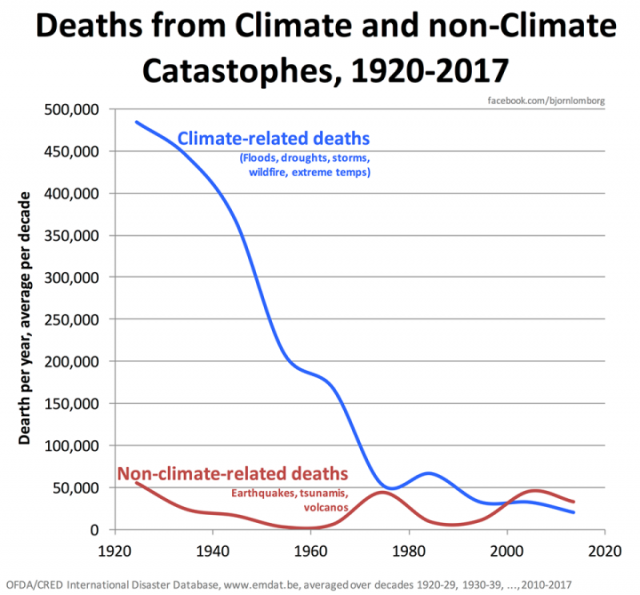
Immer weniger Menschen sterben durch klimabezogene Naturkatastrophen
Das ist eindeutig das Gegenteil dessen, was man normalerweise hört – hören wir doch oftmals von einer Katastrophe nach der anderen und wie ,viele‘ Ereignisse auftreten. Die Anzahl der Ereignisse, über die berichtet wird, steigt, aber das ist hauptsächlich auf bessere Reportage-Arbeit, niedrigere Schwellenwerte und bessere Zugänglichkeit zurückzuführen. Zum Beispiel gilt für Dänemark, dass die Datenbasis erst im Jahre 1976 Ereignisse aufzeichnet.
Stattdessen betrachte man die Anzahl der Todesfälle pro Jahr, die zu manipulieren viel schwieriger ist. Angesichts des Umstandes, dass diese Zahlen von Jahr zu Jahr erheblich fluktuieren (vor allem in der Vergangenheit bei gewaltigen Dürren und Überschwemmungen in China), werden sie hier als dekadische Mittelwerte gezeigt (1920 bis 1929; 1930 bis 1939 usw. mit 2010 bis 2017 als der letzten Dekade). Die Daten stammen von der angesehensten globalen Datenbasis, der International Disaster Database, http://emdat.be/emdat_db/. Es gibt gewisse Unsicherheiten über die vollständige Erfassung während der ersten Jahrzehnte, weshalb diese Graphik erst im Jahre 1920 ihren Startpunkt hat; aber falls überhaupt etwas bedeutet diese Unsicherheit, dass die Graphik den Rückgang der Todesfälle ,unterschätzt‘.
Man beachte, dass dies ,nicht‘ bedeutet, dass es keine globale Erwärmung gibt oder dass ein Klimasignal eventuell zu weiteren Todesfällen führt. Stattdessen zeigt die Graphik, dass unser gestiegener Wohlstand und unsere besseren Anpassungsfähigkeiten jedweden potentiellen Einfluss des Klimas weit überkompensiert hat, wenn es um die Verletzlichkeit von Menschen bzgl. Klima geht.
Man beachte weiter, dass der Rückgang der absoluten Zahlen der Todesfälle zu einer Zeit erfolgte, während der sich die globale Bevölkerung vervierfacht hat. Das individuelle Risiko, durch klimabezogene Katastrophen ums Leben zu kommen, hat um 98,9% abgenommen. Im vorigen Jahr sind weniger Menschen an klimabezogenen Katastrophen gestorben als zu jedem anderen Zeitpunkt während der letzten drei Jahrzehnte (1986 war ein ähnlich gutes Jahr).
Irgendwie ist es aber überraschend, dass der sehr starke Rückgang der klimabezogenen Todesfälle während der letzten 70 Jahre einherging mit einer kaum zurückgehenden Anzahl von Todesfällen durch andere Ursachen. Das solle einmal näher untersucht werden.
IT professionals have long known the weaknesses of passwords. For years, the security community has lamented how easy passwords are to steal and how difficult they are to secure, not to mention the failure of employees to be responsible with the passwords they use every day.
Perfect is standing in the way of better password security
While everyone continues to call for the death of the password, can IT professionals say they are currently doing enough to address today’s reality of password security? In many ways, the idea of a perfect, universal answer to password security is preventing businesses from going back to basics to build a strong foundation of security right now. In a new paper titled “Solving the ‘Password Problem’ for Better Security,” IDC research director Frank Dickson explains that when it comes to cyber security in the workplace, the biggest ‘bang for the buck’ comes from doing the basics well. Given that over 80% of data breaches stem from stolen or weak passwords, improving password security is a logical place to start.
Strict password rotation policies aren’t the answer
IT organizations have long relied on strict password rotation policies to force users into better compliance with cyber security best practices. The result? Employees find ways to circumvent the onerous requirements and undermine the very security IT organizations are trying to build. They’ll create easily-guessed patterns, write their passwords down, or re-use the password across many of their accounts. With new recommendations from the National Institute of Standards and Technology (NIST) that businesses should forgo password rotation policies and instead seek out solutions like password managers, IT professionals now have the backing they need to change password practices and address the gaps in their organizations.
Read the complimentary Q&A paper
Fixing the password problem isn’t all about security – it also impacts employee productivity, and even the workload of an already-overloaded IT team. Given the efficiency and security gains businesses experience when passwords are automated, improving password-related processes and strengthening password security is a worthy investment.
Read the complimentary IDC paper where Dickson explores more around these topics, including:
The importance of password security
Building a strong security foundation through doing the basics well
The problems Enterprise Password Management solutions can help solve
Productivity and efficiency benefits of solving the password problem
Asya Ivashintsova fand nicht entwickelte Filme ihrer verstorbenen Mutter aus den Jahren 1960 bis 1999. Sie zeigen das Leben in Leningrad und die dortige Kunstszene.
Die Block-Artefakte das Dateiformats JPEG sind ebenso bekannt wie unschön. Ein Google-Entwickler hat nun einen JPEG-Decoder erstellt, der zumindest einige der Blöcke entfernen soll, ohne die Ausgangsdatei verändern zu müssen. (Google, Applikationen)
„Studien, die sehr hohe Schätzungen der wirtschaftlichen und sozialen Kosten des projizierten Klimawandels liefern, während die Möglichkeit der Anpassung ignoriert oder heruntergespielt wird und die Ungenauigkeit der zugrunde liegenden Annahmen verschleiert werden, sind eindeutig nicht hilfreich“, schrieb Oren Cass vom Manhattan Institute in einem Bericht vom März 2018.
Cass untersuchte die Modelle und Annahmen, die in den wichtigsten ökonomischen Studien zur Erderwärmung verwendet wurden, darunter zwei, auf die sich die US EPA und der amerikanische Rechnungshof berufen hatten, um die Schäden bis zum Ende des Jahrhunderts abzuschätzen.
Mangelhafte Annahmen in diesen Studien, die die Temperatur mit dem Wirtschaftswachstum in Verbindung bringt, führt zu Projektionen, dass die Erderwärmung die Mongolei, Finnland und Island in die reichsten Länder der Welt auf Pro-Kopf-Basis verwandeln würde.
„Die Ergebnisse sind mehr als nur fragwürdig. Korrekt verstanden, bieten Temperaturstudien keinerlei brauchbaren Vorhersagen über die zukünftigen Kosten eines projizierten, vom Menschen verursachten Klimawandels„, schrieb Cass in einer am Montag veröffentlichten Ausarbeitung, und fügte hinzu „dass diese Studien, obwohl mangelhaft, schnell verbreitet wurden und nun für die Behauptung von überwältigend, hohen Kosten für Klimaerwärmung hergenommen werden.“
Besonders nahm sich Cass einer Studie aus dem Jahr 2015 an, die in der Fachzeitschrift „Nature“ veröffentlicht wurde und die voraussagte, dass die globale Erwärmung das Brutto-Weltprodukt pro Kopf bis zum Jahr 2100 um 23 Prozent reduzieren könnte.
Mit anderen Worten, die Studie prognostizierte, dass jede Person in der Welt bis zum Ende des Jahrhunderts um 23 Prozent ärmer wäre. Fieberhaft berichteten die Medien die Ergebnisse der Studie. Sie warnten die „Millennials (– die Generation der Jahrtausendwende), dass diese „Billionen von Dollars an Lebenseinkommen verlieren könnten, wegen der vom Menschen verursachten Erwärmung“.
Climate change could cost millennials trillions of dollars in lifetime income
„Die globale Erwärmung könnte die größte Bedrohung für das Leben einer einzelnen Generation darstellen“, sagte Tom Steyer, Milliardär und Aktivist der Klima-Initiative und Gründungspräsident von NextGen, am 14.Mai 2016 auf einer Pressekonferenz.
Der NextGen-Bericht definiert Millennials, als alle Amerikaner im Alter von 18 bis 34 im Jahr 2015, was die gleiche Definition ist, die das Pew Research Center verwendet.
NextGen (Tom Steyer) hat auf die Politik der Demokratischen Partei großen Einfluss.
NextGen ist ein NGO, die vom NextGen Climate Action Committee finanziert wird, einem Super-PAC, das laut OpenSecrets.org im Jahr 2014 74 Millionen Dollar für die Unterstützung demokratischer Kandidaten im Senat und für Gouverneursrennen ausgegeben hat.
[de.Wiki: Ein Political Action Committee (PAC) ist in den USA die Bezeichnung für eine Lobbygruppe, die sich darauf konzentriert, Abgeordnete oder gewählte Beamte der Regierung zu unterstützen oder zu bekämpfen.]
Klimaaktivist Tom Steyer unterstützte Hillary Clinton im Juni 2016 offiziell, [damals] die demokratische Präsidentschaftskandidatin], bei ihrem Versprechen, sich der globalen Klimakrise zu stellen und die USA zu einer „sauberen Energie-Supermacht des 21. Jahrhunderts“ zu machen.
* * *
Cass stellte jedoch auf einige eklatante Probleme mit den zugrunde liegenden Annahmen und der Modellierung der Studie heraus.
Vorerst prognostiziert die 2015 Studien den Aufschwung der Mongolei als eine globale Wirtschaftsmacht bis zum Ende des Jahrhunderts und schätzt sie auf ein pro-Kopf-Einkommen von 390.000 $, was zu diesem Zeitpunkt viermal höher als in Amerika wäre.
Weiterhin werden die Isländer in der Projektion dieser Studie zu den reichsten Menschen der Welt. Island hätte dann ein Pro-Kopf-Einkommen von 1,5 Millionen Dollar, mehr als doppelt so viel wie jedes andere Land, außer Finnland (860.000 Dollar), das ein jährliches Wirtschaftswachstum von über 5 Prozent erreichen soll und noch mehr ansteigend „, schrieb Cass.
Kanadas Wirtschaft wächst bis zum Ende des Jahrhunderts, weltweit die zweitgrößte hinter den USA. Unwahrscheinlicher weise wird geschätzt, dass Kanadas Wirtschaft sieben Mal so groß ist wie die chinesische. Indien wird umgekehrt bis 2100 zum ärmsten Land der Welt.
Cass wies darauf hin, dass „man glauben soll, dass ein allmählicher Anstieg der Durchschnittstemperatur von 0°C auf 5°C Island und die Mongolei zu den führenden Volkswirtschaften des 21. Jahrhunderts machen wird“ , was nicht nur höchst unplausibel, sondern auch höchst unlogisch ist, um wirtschaftliches Wachstum zu erreichen.
Die Studie in Nature legt nahe, dass „die kambodschanische Wirtschaft [deren Index der menschlichen Entwicklung 0,563, USA = 0,920] weit mehr dynamischer ist als ihr amerikanisches Gegenstück und nur durch ihren Breitengrad von der Weltherrschaft zurückgehalten wird“, sagte Cass und bemerkte in der Schlussfolgerung, dass Reaktionen auf große, graduelle Temperaturänderungen qualitativ anders sind, als auf kleinere Temperaturschwankungen.“
Ralf / pixelio.de, Markttag in Kambodscha – Ein Land, kurz vor der Weltherrschaft
Mit anderen Worten, die Natur-Studie hat gravierende Mängel.
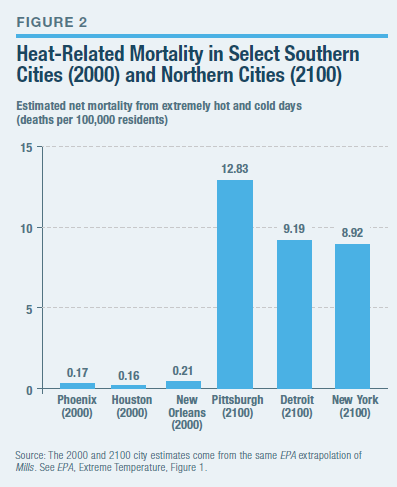
Aktuelle Studien, die die Kosten des vom Menschen verursachten Klimawandels vorhersagen, stützen sich auf statistische Analysen der Auswirkungen von Temperaturschwankungen. Diese Korrelation basiert auf Temperatur-Wirkungs-Studien – im Folgenden als Temperatur-Studien bezeichnet – und beginnt mit heutigen Beziehungen zwischen Temperaturen und Ereignissen wie Mortalität oder Wirtschaftswachstum. Sie extrapolieren aus diesen Beziehungen eine proportional größere Reaktion auf langfristig projizierte Klimaerwärmung und weisen Dollar-Werte aus, für sehr große Auswirkungen, die sich abzeichnen könnten.
Oran Cass_Hitzebedingte Todesfälle_ Südliche (wärmere) vs Nördliche (kälterer) Städte
Diese Abhandlung (Studie von Cass) untersucht eine Reihe solcher Studien, die von der U.S. EPA (Umweltschutzbehörde) und dem Rechnungshof – noch aus der Obama Ära, angezogen werden, um die Kosten des vom Menschen verursachten Klimawandels bis Ende des 21. Jahrhunderts für die USA abzuschätzen. Die Kosten beziffern Todesfälle durch extreme Hitze, verlorene Arbeitsstunden bei extremer Hitze und Todesfälle durch Hitze verursachte Luftverschmutzung. Die Abhandlung untersucht auch eine weitere, in Nature veröffentlichte Studie, die die Auswirkungen des vom Menschen verursachten Klimawandels auf die globale Wirtschaftsproduktion als Thema hat.
Saving photos or images from PowerApps to SharePoint is not easy, but there are workarounds using for example Flow to get this to work as I’ve written about previously. The caveat with this approach is that when using the camera control you won’t get full resolution on the images you take, but a scaled down version – and adding Flow to the mix increased complexity.
With the recent release of supporting attachments with SharePoint lists in PowerApps it’s now possible to get those high resolution photos into SharePoint. But, it’s not straight forward. Even though it’s possible you should think it through before going full on production with this.
Note: This post is written based on testing on iOS.
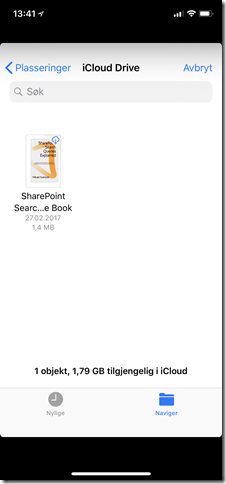
Uploading photos is a common ask when using PowerApps on mobile device. You might create a reporting application of sorts which supports adding photos as documentation. My first thought was to utilize the new attachment support, pick the camera as input and be done with it. Turns out I should stop believing in fairy tales when a feature is just released :). When tapping the “Attach file” link, you get a dialog to browse your iCloud Drive, not an option to tap into the camera. Which makes sense as you need an attachment filename. This means we cannot use the default add attachment functionality.
What I came up with was using the “Add picture” control with a custom collection, and then binding the forms attachment control value to this collection. You also need to reset the form after you modify the collection in order for the change to be picked up in the control (which is needed for it top be submitted). The reset has a timing issue, so I had to add a timer control which reset’s the form every 1 second. It’s all in a days works of duct tape.
Oh well.. let’s build the application, and you will see for yourself.
Ein Pflichtfach Informatik ab der 5. Klasse befürworten 69 Prozent der Bundesbürger. Deswegen müsse nicht jeder Programmierer werden, aber jeder sollte wissen, wie digitale Technologie funktioniere, erklärte der Bitkom-Chef. (Education Edition, Computer)
Anna ist einer der Gründe, warum wir den Business Storytelling Workshop entworfen haben:
Eine gute und nützliche Idee sollte sich
eigentlich wie ein Lauffeuer in der Firma und bei den Kunden verbreiten
und nicht wie zäher Sirup mühsam aus der (Lösungs-) Flasche tropfen.
"Warum fällt es den Führungskräften im Unternehmen so
schwer, eine Vereinfachung von Arbeitsabläufen den Mitarbeitern so zu
erklären, dass alle die Vorteile sofort erkennen statt eine gute Idee
einfach zu ignorieren?"
Anna ist Leiterin eines Teams, das im
Unternehmen an der Digitalisierung der Abläufe arbeitet. Oft konnten sie
schon mit simplen Ideen vielen Kollegen die Arbeit vereinfachen. Anna
sagt, der größte Teil der Arbeit ist die Story drumherum, damit alle
verstehen, um was es geht. Die technische Umsetzung passiert fast
nebenbei.
Zuletzt hat sie allen Mitarbeiter in den Werkshallen ermöglicht,
schnell und unkompliziert mit der Personalabteilung Kontakt aufnehmen
zu können, wenn es Fragen zur Gehaltsabrechnung gibt. Ein Bildschirm mit
Kamera, ein integriertes Telefon und eine Verbindung zu den
Mitarbeiterdaten – alles in einer geschützten, aber zentralen Ecke in
den Werkshallen installiert. Eine tolle Lösung, die letztendlich alle
begeisterte.
Das aufwändigste an diesem Projekt war
allerdings nicht die technische Umsetzung, sondern der Erklär-Aufwand,
den sie benötigte, um allen Führungskräften diese Idee zu erklären und
schmackhaft zu machen.
Die Zeit, die dafür nötig war, hat das Projekt um mehr als das
1,5 fache verlängert. Das hatte so niemand vorhergesehen - und das
Budget natürlich auch nicht eingeplant.
Es reicht nicht nur, eine gute Idee umzusetzen, der Rest des Unternehmens muss Nutzen und Handhabung auch verstehen.
Dafür hat Anna nun mehr als eine Story
sondern gleich eine ganze Erklärstrategie, mit der sie Sinn und Nutzen
Ihrer Projekte für die betroffenen Kollegen aus der Perspektive
ebendieser Kollegen erklärt. Damit baut sie zu ihren Projekten eine
„Short Story“ mit der sie den Nutzen für alle anschaulich erklärt.


 Trumps 60 Milliarden Dollar Importzölle auf chinesische Waren werden womöglich bis Freitag verhängt. Chinas Regierungschef Li Keqiang warnt vor "emotionalen Reaktionen."
 Man muss auch gönnen können. Nur können Frauen das nicht so gut. Wenn es um die Erfolge der anderen geht, nagt an ihnen immer nur die eine Frage: Warum sie und nicht ich?


 Spermbots, kleine roboterartige Antriebe, sollen künftig lahme Samenzellen zum Ei befördern. Gruselig, gefährlich oder genial?
 Asya Ivashintsova fand nicht entwickelte Filme ihrer verstorbenen Mutter aus den Jahren 1960 bis 1999. Sie zeigen das Leben in Leningrad und die dortige Kunstszene.
 Bundesinnenminister Seehofer erhält Unterstützung von der Kanzlerin. Auch Merkel will Kontrollen an der deutschen Grenze fortsetzen.
 Die Block-Artefakte das Dateiformats JPEG sind ebenso bekannt wie unschön. Ein Google-Entwickler hat nun einen JPEG-Decoder erstellt, der zumindest einige der Blöcke entfernen soll, ohne die Ausgangsdatei verändern zu müssen. (Google, Applikationen)



 Ein Pflichtfach Informatik ab der 5. Klasse befürworten 69 Prozent der Bundesbürger. Deswegen müsse nicht jeder Programmierer werden, aber jeder sollte wissen, wie digitale Technologie funktioniere, erklärte der Bitkom-Chef. (Education Edition, Computer)

