By 2000, American fans of indie music had become well accustomed to great acts bussed in from Canada. From the emphatic brilliance of the criminally underrated Sloan to the majestic lo-fi fuzz rock folk of Eric’s Trip, the Northern Invasion that now buffets our borders was already well on course. Still practically no one was prepared for Mass Romantic, the debut release from The New Pornographers — a brilliant, buzzing, caterwauling instant classic, which still serves as one of the greatest and most immediate power pop albums ever rendered. Originally released by the tiny Canadian imprint Mint and soon picked up by the indie giant Matador, it was one of those initial recordings so pitch perfect and fully formed that it could seemingly only portend a long career brimming with endless wonders. At those early stages, the band had a habit of making ironic light of its status as an ersatz “supergroup,” one containing both the masterful songwriting talents of group leader Carl Newman and Destroyer’s Dan Bejar, as well as the astounding vocal exertions of emerging alt-country star Neko Case. None were well known outside of a small following of devoted fans at the time. As events unfolded, each would increasingly gain a distinct and well-deserved reputation for ingenious work outside the band, and the supergroup appellation would evolve from comedic to strictly truthful. In recent history, no group has featured so much formidable established talent, collaborating on a regular basis.
Jakienle
Shared posts
Glass talks Big Ten expansion, addition of Maryland, Rutgers
Conference expansion and realignment have changed college athletics significantly. And whether you are a fan of what has taken place or oppose the breakdown in tradition brought about by these changes, the Big Ten has been ahead of the curve. With the conference reportedly paying out close to $26 million to each member institution in the last fiscal year, including $7.6 million from the Big Ten Network, it's not hard to see why schools like Nebraska, Maryland and Rutgers opted to leave their respective leagues to join. The Big Ten is distributing the most money of any conference to its members and with the growth of BTN and network TV contracts, the numbers should only continue to grow.
The post Glass talks Big Ten expansion, addition of Maryland, Rutgers appeared first on Inside the Hall | Indiana Hoosiers Basketball News, Recruiting and Analysis.
Flashback Fridays: Walter Smith
Indianapolis history is not just made up of buildings, historic homes, and age-old events. After all, it IS people who make history happen, so what better way to know Indianapolis history than to hear from life-long Indy residents? Every other week, HI is featuring some of Indianapolis’ oldest residents to unlock the personal memories and nearly forgotten stories of this great city.
_
Meet Walter Smith, a life-long Indy resident born in the early 40s in the thriving hub of black Indianapolis. Though he came from humble beginnings, Walter has done well for himself through hard work and encouraging motivators. Not only does Walter have a successful 37-year career with Allison Transmissions under his belt, but he also has a basketball state championship tucked away. Back in 1959, Walter earned his 15 minutes of fame as a player on the Crispus Attucks Basketball State Champion team. Now residing on the northwest side of town, he stands six feet seven inches tall and still looks like he would clean up on the basketball court.

Walter’s Crispus Attucks senior photo, 1960. (Photo courtesy of the Crispus Attucks Museum, Indpls, IN).
Walter’s parents, Wix and Alma Smith, were both Indy natives and grew up in the by Lockfield and Indiana Avenue. They met each other in high school at Crispus Attucks, married, and had seven children. His father worked at International Harvester for about 15 years and then worked as a millwright at RCA, on LaSalle and Michigan Road. His mother also worked at RCA when she wasn’t busy taking care of their children.

International Harvester Plant in Irvington, where Walter’s father worked for about 15 years. Bass Photo Co Collection, Indiana Historical Society.
The second of seven kids, Walter first lived on 11th Street near West Street, right at the end of the Crispus Attucks football field. Today, 11th Street merges with 10th Street, and West Street is called Martin Luther King Jr. Drive-meaning: his childhood home is no longer there.
“We used to play on the football field or use the basketball court at School 17, which was located near Crispus Attucks,” he said. “There wasn’t a lot of money so we didn’t go places often. And a lot of places were off limits to African Americans in those days.”

Aerial photograph between 11th (bottom of the picture) and Ransom Street. (top), and Fall Creek and West Street. School 17 is at the bottom right, adjacent to Crispus Attucks. Walter lived at the end of the football field. (Courtesy of Flanner House Collection, Indiana Historical Society).
His family moved to 27th and Northwestern Avenue when Walter was 12, which meant Walter no longer lived near the athletic fields.
“There wasn’t a whole lot of excitement in my childhood, but we’d sometimes to go to the Indiana Theatre (now the Indiana Repertory Theatre) or the Walker Theatre and see serial movies for 9 cents. And I was old enough to work, so I’d cut grass or help my dad with construction. We’d go downtown from time to time, but we didn’t have the money to go shopping.”
Walter did love walking down Indiana Avenue, the colorful hub of black Indianapolis that once thrived with jazz clubs and businesses.
“The Avenue was an exciting place back then, and it was a magnet for some of the bigger musicians – Lionel Hampton, Wes Montgomery, the Hampton Sisters. I was still too young to go to any of those clubs, but my mom loved to go to the Cotton Club,” he said.

Indiana Theatre, which is the Indiana Repertory Theatre today. 1927. (Bass Photo Co Collection, Indiana Historical Society).

The Duke Hampton family band playing in a club on Indiana Avenue. (Duncan Schiedt Collection, Indiana Historical Society).
Walter attended School 87, George Washington Carver, at 2411 Indianapolis Avenue. School 87 was a preparatory school for Shortridge in some ways, but Walter ended up at Crispus Attucks, an all-black high school until 1967. Attucks was known for its outstanding academics, but really earned its notoriety through athletics. Coach Ray Crowe and superstar player Oscar Robertson put Attucks on the map when they won the first Indianapolis basketball state championship in 1955. After Crowe retired, Coach Bill Garrett led Attucks to a 3rd state championship in 1959 – of which Walter was a part.

1959 Crispus Attucks High School State Champions. Walter, #23, is in the back row, 2nd from right. (Indianapolis Recorder Collection, Indiana Historical Society).

Coaches Ray Crowe (left) and Bill Garrett (right) led Crispus Attucks to three state championships during their consecutive terms. (Indianapolis Recorder Collection, Indiana Historical Society).
The Tigers ended their regular season with 26 wins and five losses, and were recognized as the tallest team in the state, with their average being 6’5″. Walter, who is 6’7″, remembers many people thinking they were college ball players because they were so tall. In their state final game, the team played in Butler University’s Hinkle Fieldhouse, Crispus Attucks crushed Kokomo 92-54.
“It was exciting,” remembered Walter. ”After we won the championship, the city rode us around in fire trucks, and they had a bonfire at Watkins Park for us. We had a lot of gratuities – some barbershops cut our hair free for a year, some restaurants let us eat free for a year. That was probably the highlight of my life.”
“Playing basketball was also one of the things that encouraged me to go to college, because scouts would come in and tell us about earning a better way of life by getting degrees and joining corporate America,” he said. “I was blessed.”
Walter went to college first at Morgan State in Baltimore to play basketball, then transferred to UAM in Arkansas. He dropped out to work at RCA in Indianapolis for several years, and finally finished school at IUPUI with a degree in economics.

RCA, circa 1960, northwest of Sherman Drive and East Michigan St. (Bass Photo Co Collection, Indiana Historical Society).
Walter met his wife Darlene while working for RCA, and they married in ’69. For dates, Walter and Darlene would visit places such as Eddie’s Drive-In on Sherman Drive or Al Green’s on East Washington Street – or have picnics at Watkin’s Park while watching a talent show or jazz concert.
They first lived at an apartment on 15th and Pennsylvania, but soon moved to 36th and Boulevard, across the street from Crown Hill Cemetery. Their next house was a log house they had moved to 31st and Capitol. Today, live in a house on the northwest side of town that Walter designed and built in the 80s.
Walter got a job in service engineering at Allison Transmissions, becoming the first African American to work in service engineering with Allison. He then worked in sales, which he enjoyed because of the travel. (He had an opportunity to live and work in Germany, and is still kicking himself for declining that offer). Allison was a division of General Motors, which started out primarily in aircraft engineering. There were several locations in Indy, including one on Tibbs Avenue and one on 10th Street. Allison became a private company in 2007 and is still located on West 10th Street. It’s responsible for the hybrid buses that keep Indy public transportation going.

Walter worked for 37 years at Allison Motors, a General Motors division, located on 10th St. 1940. (Bass Photo Co Collection, Indiana Historical Society).
Walter retired from Allison after 37 years, and now enjoys a quieter life with Darlene in his northwestside home of about 30 years. He still enjoys ‘piddling around’ with construction, and even built a home theatre in his house. Walter has three children who grew up attending North Central High School and graduated college in Indiana.
The Indianapolis that Walter knew as a child is long gone; Indiana Avenue is entirely different, and all of Walter’s childhood homes and hang out spots have since been torn down.
“I’ve seen some dramatic changes with Lockefield, for one,” he said. “When I was growing up, Lockefield was built for African Americans, but today a lot of the buildings have been changed, and the demographic is mostly medical students. The nightclubs no longer exist on the Avenue. To me, some of the places could stand to have been torn down, but there were some that brought about a lot of nostalgia, so it’s sad that they’re gone. All the unique mom-and-pop stores had to compete against big chains, and for whatever reasons the places I loved couldn’t make ends meet. The only place that has made it is BBQ Heaven!”
HI Mailbag: Celtic Federal Savings and Loan Association
Reader’s Question:
I am trying to find info on what happened to Celtic Saving and Loan Association. My grandmother had this certificate from 1936 (pictured below). Thanks, Tom Dolan
HI’s Answer:
Celtic Saving and Loan Association was the first institution in Indianapolis to finance home building projects. Founded in the spring of 1874 by a group of men who lived near one another on the south side, some of its original members’ surnames were O’Connor, O’Brien, Moriarty, Rinehan, Donnehy, and Clancy. As the men were all of Irish descent, they chose the name Celtic to honor the language of their families’ origins.
Organized in a grocery on the corner of S. Delaware and E. South Streets, Celtic began with a few hundred dollars from each of its founders. Loans to build or repair homes were made to friends and neighbors at reasonable interest rates. Transactions were initially conducted in a room at the rear of the store. As the number of people in attendance at association meetings increased, Celtic needed a larger space.
In 1884, the group moved to its second location, a meeting hall at the corner of W. Georgia Street and S. Capitol Avenue, adjacent to St. John the Evangelist Catholic Church . There association members gathered every Thursday night to make their deposits and hear applicants’ requests for loans. As Celtic continued to grow, the need for a permanent location and a more structured organization became evident. In 1888, Celtic Saving and Loan Association Number 3 was established. The first person chosen by the members to lead the association was John Richard Welch (1856-1934).
John R. Welch was born in the small town of Warsaw in Gallatin County, Kentucky, just across the Ohio River from the southeast corner of Indiana. His parents, Thomas and Ann Welch, had immigrated to the United States from Dublin, Ireland, less than a year before his birth. When John was 18, the family came north to Indianapolis. Their first residence was on Blake Street, just north of Washington Street and west of Military Park.

1876 city directory listed James, John, and Thomas Welch at 43 Blake (image courtesy of IUPUI Digital Archives)
Over the next few years, John Welch worked as a laborer for the Indianapolis Water Company, Kingan & Company Meat Packers, and Woodburn-Sarven Wheel Co. Desiring the education and qualifications that would provide him with better employment, Welch took night classes at a commercial college after his work day ended. He also invested some of his earnings in Celtic. When the newly reorganized Celtic Savings and Loan Association moved into its new office space at 52 Monument Place (now Monument Circle), John R. Welch opened his eponymous real estate and insurance business in the same building.

From 1888 to 1923, Celtic Savings and Loan Assn. and the John R. Welch Company were both located at 24 Monument Place (photo courtesy of Bass Photo Company Collection, Indiana Historical Society) CLICK TO ENLARGE
Celtic Savings and Loan Association operated from its offices in the southwest quadrant of the Circle for thirty-five years. In 1923, the building was sold to the heirs of Charles Test, who demolished it and the building next door to it. The Test Building was then erected on the corner of W. Market Street and Monument Circle. The mixed-use structure was considered very innovative, as it included one of the earliest parking garages in Indianapolis, the Circle Motor Inn. Both Celtic and John R. Welch Co. relocated one block north of the Circle to 23 W. Ohio Street in 1923, where it would remain for the next thirty-five years. It was located between N. Meridian Street and an alley mid-block known as Bird Street. In 1969, that portion of W. Ohio Street became the site of a Hilton Hotel. Today it is a Sheraton Hotel.

In 1923, the Celtic Federal Savings and Loan Association moved to 23 West Ohio Street, between Meridian and Illinois Streets (photo courtesy of Pierre and Wright Architectural Records Collection, Ball State University Archives)
In 1934, John R. Welch passed away, whereupon his oldest son Leo Francis Welch, Sr. (1893-1956) assumed the leadership of Celtic. Leo was president for more than twenty years. During the years Leo led Celtic, it added the word “Federal” to its name, and an “s” to the word “saving.”
Following Leo’s death, his son, John Richard Welch (1923-1989), became the third generation of the Welch family to preside over Celtic’s operations. In 1959, Celtic Federal Savings and Loan Association moved to new quarters in the Union Title Building on the southwest corner of N. Delaware and E. Market Streets. Within a few years of Celtic’s move to 163 E. Ohio Street, the practice of mergers had begun to occur. Smaller institutions simply could not compete with their larger competitors, especially after legislation permitted savings and loan associations and commercial banks to establish branches in contiguous counties. Celtic had never had more than its one location, downtown, and it was not economically feasible to begin building suburban branches at that time.
In 1966, Celtic made the decision to merge with First Federal Savings and Loan Association. First Federal was a relative newcomer in the S & L arena. Founded in 1934, it had grown to six branches by the Sixties. Celtic closed its doors on December 19, 1966. Its employees moved over to First Federal’s main branch at 1 N. Pennsylvania Street and were absorbed into the First Federal staff. John R. Welch became Senior Vice President of First Federal. After retiring from First Federal, he was a real estate broker for a few years. He passed away in 1989.
Celtic was clearly the pioneer of the savings and loan industry in Indianapolis. Besides being the first, it also had the longest run of any S & L under an entity’s original name – ninety-two years. Celtic assisted thousands of people in owning their own homes. Other associations that sprang up in the decades after Celtic was organized included Turner Building and Savings Association, Speedway Savings and Loan Association, Arsenal Savings and Loan Association, Railroadmen’s Federal Savings and Loan Association, and Fletcher Avenue Savings and Loan Association.

Celtic Federal Savings and Loan Association ad in the 1966 R. L. Polk & Company Indianapolis City Directory (image courtesy of IUPUI Digital Archives)
Eventually, First Federal became a commercial bank, called First Indiana. It was acquired by Wisconsin-based Marshall & Isley aka M&I in 2008, and then by BMO Harris Bank of Montreal in 2011.

The final location of Celtic Federal Savings and Loan Assn. was at 163 E. Market St., across from the City-County Building (2011 Google map)
If you have a question about Indianapolis history, please send it to historicindianapolis (at) yahoo (dot) com, with “HI Mailbag” in the subject line. I will do my best to answer it. If you would like to see features on specific properties, please consider becoming an HI sponsor. ~ Sharon
* * * * * * * * * * * * * * * * * * * * * * * * * * * * * * * * * * * * * * * * * * * * * * * * * * * * * * * * * * * * * * * * * * * * * * *
Indiana Basketball Recruiting Update: Decision Time for Robinson and Blackmon Jr.
JakienleLove the second to last line.

It's getting to be go time as the early signing period is less than a month away in the strangest recruiting year that I have ever been cognizant of. We are 29 days away from 2014 recruits being able to put pen to paper and lock in their commitments to college programs. Indiana is still sitting on one commitment at this moment from top 50 SG Rob Johnson. That doesn't mean the Hoosiers aren't still tracking a few other players as well.
Indiana is probably only looking at bringing in a maximum three players for the 2014 class at this moment so it isn't the most important gotta have class in the world. Only Will Sheehey and Evan Gordon's scholarships will be for certain opening up at the end of the year. That means the Hoosiers still probably want to add at least another wing and possibly a big man to the class if they feel the depth is necessary.
In comes Devin Robinson. Robinson along with Rob Johnson were probably the two biggest risers in this summer's AAU and camp circuit performances. Johnson went from unranked to top 50 over the summer and Robinson has gone from a back end of the top 100 ranking to 5 star status. Oddly enough, both live in the same Richmond, VA subdivision. One would think that having Johnson on board provides a boost to Indiana's recruitment, but that is uncertain as of now.
Robinson is a 6'8" wing that has a smooth jumper and can create his own shot. He would be a big addition to the Indiana roster, but the other schools aren't going down without a fight. Robinson's recruitment has been very quiet as mostly his family have been the ones handling all the contact. We haven't really known which way he leans for quite some time. It was speculated that Indiana and UConn were the front runners for the last few weeks, but UConn and Robinson both mutually ended the recruitment last week. That would allegedly put Indiana on top, but no one seems certain.
Florida, Oklahoma St and Notre Dame are the other three schools to have received officials around Robinson's Hoosier Hysteria visit. Notre Dame has been in on him the longest, but it sounds like Florida is making a hard push late. He just finished up his final visit this weekend to Florida and I would expect to hear his decision soon. Could be in the next week or two. As an interesting note in the world of "recruiting is creepy". Robinson's schools wouldn't allow any staffs into the school to recruit Robinson to give him a little break. Oklahoma State's coaching staff apparently was waiting for Robinson at the airport in Virginia when he got back from his Notre Dame visit. That apparently didn't go over as well as they thought it would. It sounds like it's a three horse race between Florida, Indiana and Notre Dame with Florida being IU's biggest threat.
In other news, James Blackmon Jr. has reshuffled his schedule a bit after a visit from Coach Crean this weekend. Before Crean's visit to Marion, it was expected for Blackmon to decide on Oct. 22 right after he finished his official visit to Kentucky this weekend. That tells everyone that Kentucky is probably a shoe in to land the commitment. Then Coach Crean paid Blackmon one last visit. Now Blackmon has doubled back on that Oct. 22 date.
Blackmon has been quoted as being fatigued by all the talk that his commitment to Kentucky is all but a formality. He will now make one final visit after Kentucky's Big Blue Madness to Indiana. I'm not sure how to read into this change of plans. Blackmon has been to IU 1000 times and really isn't going to get a new experience with his visit. So I don't imagine that's going to sway him, but it does suggest that he's still in consideration of all the schools. Outside of Kentucky, Michigan is still a pretty big threat to land his services. From everything I'm seeing and hearing it sounds like its down to either Kentucky, Michigan or Indiana and I would put the odds in that order.
If Indiana misses on these two, I'm not sure there is much left out there that we're currently aware of. Stuff always opens up and players constantly transfer so there are plenty of possibilities coming around in the Spring signing period, but these two are likely it for the fall. I fully expect a fan base melt down if at least one of these two don't pop for Indiana. Please don't. This class isn't a huge deal in the scope of things. It would be nice to add a few more trees to the forest, but IU's 2015 and 2016 classes are set up very very well. Just remember how upset everyone was on the two man class of Will Sheehey and Victor Oladipo and calm down. I think that worked out well.
On the Street….Les Tuileries, Paris
JakienleI've sat in those chairs.
Revisited Then and Now: The Dorman Street Saloon (aka “The Hog”), 901 Dorman Street
The Dorman Street Saloon has a long and fabled history in Cottage Home Neighborhood on the near eastside. Variously known as Anacker’s Tavern, the 9th Street Tavern, The Mahogany Bar (shortened to “The Hog,” a nickname still used today), May’s Lounge, and currently The Dorman Street Saloon, the bar has been a favorite watering hole on its corner at Dorman and Ninth Streets for at least 80 years.
This bar started out as a house. Joseph Rieger, a German-born railroad carpenter, applied for a building permit for this house in late 1871. In 1900 he lived in the two-story frame house with his daughter and her photographer husband, so one day I hope to locate an old photograph of the house. A glimpse of the east side of the house can be seen in this 1890s photograph of the adjacent brick cottage.
The history then gets a little fuzzy. A bartender named Barbara at Arnold’s Tavern on 10th Street once told me that “The Hog” had been a school and that she owned her mother’s class photo with the little tikes posed in front of the building. Since she is the only neighbor who ever mentioned this, and since I was a little fuzzy myself while sitting at her bar, I wrote off her story until I stumbled upon a 1912 city directory listing for “Free Kindergarten #27, northeast corner of Dorman and East Pratt” (renamed 9thStreet). During this era the Indianapolis Free Kindergarten Society set up neighborhood schools in houses, quite often in the front rooms of the teachers’ homes. By 1914 the neighborhood kindergarten had moved to Polk Street (currently the home of Troy Felton), so the school was only here for a short time. Check out the many unidentified kindergarten photographs in the Butler University Archives and let me know if you recognize “The Hog.”
When the house became a tavern is hard to pinpoint, but it was probably in the 1910s when the Frederick Miller Brewing Company bought the property, which by then had been expanded and converted into a grocery store. Miller Brewing Company owned many small taverns throughout the country including several in Indianapolis. This all came to a screeching halt in 1919 when Prohibition was enacted and Miller sold the building in January 1920. (Sign from retroplanet.com)
Old-timers (many now gone) tell me that the place sold “near beer” (with low-alcohol content) during Prohibition. The store was a grocery, restaurant, and ice cream parlor in the 1920s and ‘30s, changing management every few years until Clarence O. and Amelia Anacker took over from about 1930 until at least 1945. I cold-called the few Anackers in the phone book in the 1980s and finally reached an old woman who probably could have shared plenty of history. After reluctantly admitting that her family had owned the old dive, she curtly cut off the conversation with a stoic “let’s let them days die.” This beer token found on eBay a few years ago.
Persistent rumors exist that the bar was frequented by John Dillinger, who robbed the nearby Massachusetts Avenue State Bank on September 6, 1933. Some even heard that he sat in the bar/grocery while he planned the heist. Although it is hard to prove, there is likely some truth to his patronage here since Hilton Crouch, his get-away driver, lived two blocks away on Oriental Street. Doc Fitzgerald, who grew up nearby, told me that after the robbery the car was hidden in an alley ½ block from the bar while the police combed the area for the robbers. A few years ago an older woman from New Jersey revisited the bar that her grandparents frequented in the early 1930s and she claims to have a snapshot of Dillinger posing with her grandparents in front of the tavern. Unfortunately, the patron she shared this with cannot locate his note with her name and address, so if this sounds like someone you know, please let us know.
After the Anacker’s left in the mid-1940s, the bar was managed by several different people and suffered a fire in 1956 (as seen in this Indianapolis Fire Department negative). Through the years, the by-all-accounts seedy bar was a hangout for laborers at nearby roofing and hardwood companies, employees of Schwitzer-Cummins, and neighbors in the working-class German and Irish neighborhood. A man I recently interviewed recalled that he hung-out there with many drywall workers from 1963 through the 1970s. Older pals told him that the name came from the beautiful mahogany woodwork in the bar, but there was no sign of original wood by the time he discovered the place. He said it was a “tough joint” frequented mainly by men, who occasionally brought along their wives or girlfriends. The place occasionally had performers such as go-go dancers and country music stars (including Little Jimmie Dickins, known for his novelty country songs, short stature, and Rhinestone outfits). He remembered many fights, a man being murdered as he walked out the side door, and a female manager so stingy that she often reused the ice from other peoples’ empty glasses. Friday nights the place was packed when the bartender had a huge wad of money to cash-in the workers’ paychecks. Mabel Russell purchased the bar in about 1980 and changed the name to May’s Lounge.
Neighbor Bruce Baird poses next to the bar in about 1990. By this point the old house was covered with wood siding and a painted pig paid tribute to the nickname “The Hog.” (Courtesy of Cottage Home Neighborhood Association). Tammy Miller purchased the once-rowdy bar in 2003 and still serves long-time regulars as well as a younger crowd.
A few years ago the owners removed the old siding and discovered original painted signs from prior to 1945. The top sign reads “9th STREET TAVERN / CLARENCE ANACKER, PROP.” A mural advertises Royal Crown Cola (a soda created in 1934). The signs were carefully repainted and one was added above the corner window for “maHOGany.”
Mary, the daytime bartender of 15 years, says that the bar came from the old Greyhound Bus Station, although no one knows exactly when it arrived. The Greyhound Station was located at the Indianapolis Traction and Terminal Station until the train shed was demolished in 1968 and the office tower in 1972, so the bar might have been salvaged at that time. (Photo by Joan Hostetler, October 2011)
The bar’s tiles were made by architectural ceramic artist Ernest A. Batchelder, an important Arts and Crafts Movement tile designer who worked in California. The earth-toned tiles feature animals and date to between 1914 (when he opened a large factory in Los Angeles) and 1932 when the factory closed due to the Depression. (Photo by Joan Hostetler, October 2011)
The Hog was named the “Best Dive Bar” by Indianapolis Monthly three years in a row and now features a large liquor selection, an impressive array of microbrews and imports, and the best jukebox in town. Learn more at the Dorman Street Saloon webpage and like them on Facebook to keep up with the latest happenings of this neighborhood bar that is not ashamed of its dive bar heritage.
The Odd Vest
Three-piece suits are bossy, no question. But anybody can match a jacket, trouser and waistcoat of the same fabric – that’s a no brainer.
It takes a little more style and grace to use an odd waistcoat as a complementary fabric with another suit. It’s also a great way to start slowly introducing layers as we move into Fall.
Here’s three examples from my personal wardrobe, along with some tips on how to pull it off.
[outfits]
Thanks, as always, for reading.
Some exciting updates coming soon!
Yours in style,
TSBmen
Photography by Alex Crawford.
Check out more of his work at alexcrawfordphotography.com.
$200 Suit vs. $2,000 Suit
JakienleA $2,000 suit is pretty luxurious but the points made are very interesting and the differences are even noticeable between a $200 and $500-$800 suit.
In the world of men’s suiting, there is a dramatic price variation from one brand to another.
Suits can range from ninety dollars to nine thousand dollars, and up.
Here I try to explain the difference(s) by having Townsend model his suit from H&M ($189) vs. his suit from Michael Andrews Bespoke ($1,995).
$189 vs. $1,995

Fit
The most important element of a suit, or any garment for that matter, is how well it fits your body.
The biggest fundamental difference between these two price points: on the higher end you can afford to have the suit custom made for your body, versus choosing the “closest” fit off-the-rack.
As you can see in the photo above, there are a number of noticeable fit compromises with Towni’s $200 suit even after having it altered:
- The shoulder slopes are not adjusted for Townsend, causing a collar roll across the upper back/neck that’s so bad we can see it from the front (see the wrinkle at the top of Towni’s right shoulder, above where the lapels meet the collar).
- The shoulders are too wide, causing that unsightly pad “cliff-dimple” (see his right shoulder).
- The front chest is too big (notice the bulging extra fabric at right chest, where the body meets the bottom of the armhole)
- Slight pulling at bottom of sleeves where they connect to the body of the jacket (see bottom of armhole on Towni’s left sleeve)
- The trousers fit fairly well overall (although common problem areas are not visible: crotch, waistband, pockets…)
Fabric
Fast-fashion retailers like H&M (Zara, Topman, JcPenney, etc) cut costs by ordering cheap synthetic fabrics in major bulk quantities. In this particular case, the suit is 85% polyester/15% viscose. The major downsides of this kind of man-made cloth (other than obvious look and feel) are breathability, shape retention, and reactions to cleaning and pressing agents.
For the bespoke suit Towni hand-picked a premium wool flannel/cashmere fabric designed and spun by Ariston in Naples Italy. It’s among the top 1% of the the most luxurious fabrics in the world. Ariston also produces all of their cloth in limited quantity, which means Townsend here is one of only a handful of guys in the world to have this brown flannel glenplaid with overlayed burgundy windowpane.
Tailoring
The $200 suit is machine made on a assembly line, where they pump out a couple hundred suits an hour. The front body (chest, collar, stomach, shoulders) is “fused”, meaning it’s literally glued together using iron-on fabric adhesive. This quick-and-dirty manufacturing greatly limits the three-dimensional shape that the jacket can achieve and can eventually cause “bubbling” (like a poorly-administered window tint) after a few rounds of dry cleaning and pressing. Fused jackets have a dramatically shorter lifespan than canvased ones.
A quality bespoke suit is almost fully handmade with roughy 30 hours of hand labor by an experienced pattern cutter and master tailor. The front body is fully canvassed, meaning a skilled craftsman carefully cut, shaped and hand-set a custom piece of canvas/horse hair between the front plate, lapel facing and lining. This dramatically improves the lifespan of the jacket. It will break-in over time (like a good pair of shoes), eventually molding to the shape of the wearer’s body.
Trims
The $200 suit has low-budget trims like plastic buttons, cheap linings, plastic zippers, non-working button-holes, etc. It even has fake pockets on the front.
A good tailor understands the importance of quality inputs. MAB, for example, uses genuine horn or mother of pearl buttons, durable bemberg linings, YKK zippers (the gold standard in quality zips), surgeon’s cuffs, etc. The pockets are also beautifully designed and can be custom sized for your gadgets (smart phone, ipad, kindle, ballpoint pen, cigarettes, etc).
Exclusivity
When you shop at H&M (or any fast-fashion retailer) there are thousands of other guys wearing the same thing as you.
Going bespoke, you can truly create something that is one of kind and exactly what you were looking for.
Shopping Experience
At a big chain retailer you pick it up off the rack, bring it to a tailor, and hope for the best.
At a reputable bespoke shop like MAB, service is the backbone of the business. You sit down with a glass of whiskey or a cold beer and they take care of everything. From waking you through the fabric options, advising you on styling choices, handling the measuring/fitting process, etc. You don’t have to worry about anything (although you do have to be willing to wait 6-8 weeks for delivery).
Final Note
So what’s the better value? It really depends on your budget, and how often/hard you’re going to wear your suit. If you’re looking for a workhorse suit that you can rely on 2-3 times/week, a $200 RTW number will not last. You’ll end up buying a new one every six months.
That doesn’t mean you have to go the full bespoke route; we realize that not all of our readers have this kind of budget. This article was not meant as a comparison between H&M and MAB, but rather a discussion about the factors that account for the price differences between suits and how they relate to quality and investment.
There are, of course, plenty of options in the middle ground…
If you’re a relatively easy fit (with balanced proportions) I recommend trying on multiple higher quality ready-to-wear brands (like Hugo Boss, Suit Supply, JCrew, etc). Keep in mind to look for items on SALE and don’t forget vintage/second-hand/consignment shops are full of steals. The trick is to try-on as many suits as possible to find the closest fit, then bring it a skilled tailor (like our boy Franklin at The Tailoring Room) to have it perfected.
If off-the-rack simply doesn’t work for your body type, there are options for lower-end custom. We’re currently working on a “Affordable Custom Clothes Review” but for now, you can use our Comprehensive Guide to Buying Custom Clothing as a reference while shopping around for options in your budget.
Just for Fun
Lastly, since I know we’re going to get comments and emails about this… Towni’s styling was upgraded a little from the $200 suit to the $2,000 suit (slick hair, even slicker briefcase). This was only because we shot this piece last year at the same time we helped produce an advertisement for MAB.
The advertisement, created by our friend Cory Sylvester, was never used…but I thought it was clever, so I copied it below ;)

Thanks, as always, for reading.
If you have any additional questions regarding this topic, please use the comment section below.
I will do my best to answer as soon as possible.
Yours in style,
Dan Trepanier & TSBmen
Photography by Alex Crawford.
Connaught Residence
WTLC-FM fires Rusty Redenbacher because of song selection
Abandoned Buildings Could Get New Life
Joyful Noise being heard as indie-label power
Law - Two must reads, or at least reading recommendations, this afternoon
JakienleFrank Wu's article is a good read.
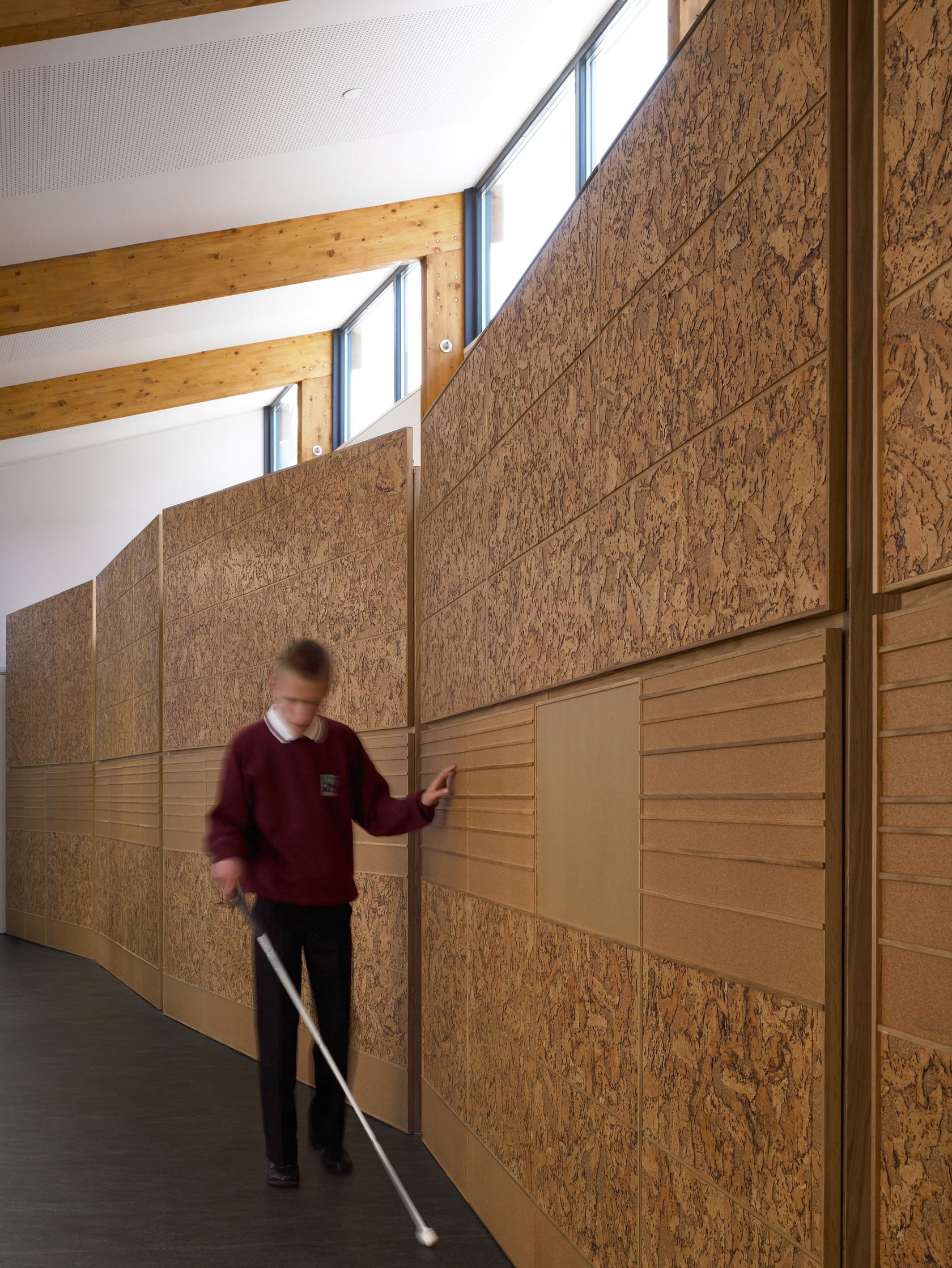
Out Of The Bottle And Into The Building: Applications Of Cork In Architecture
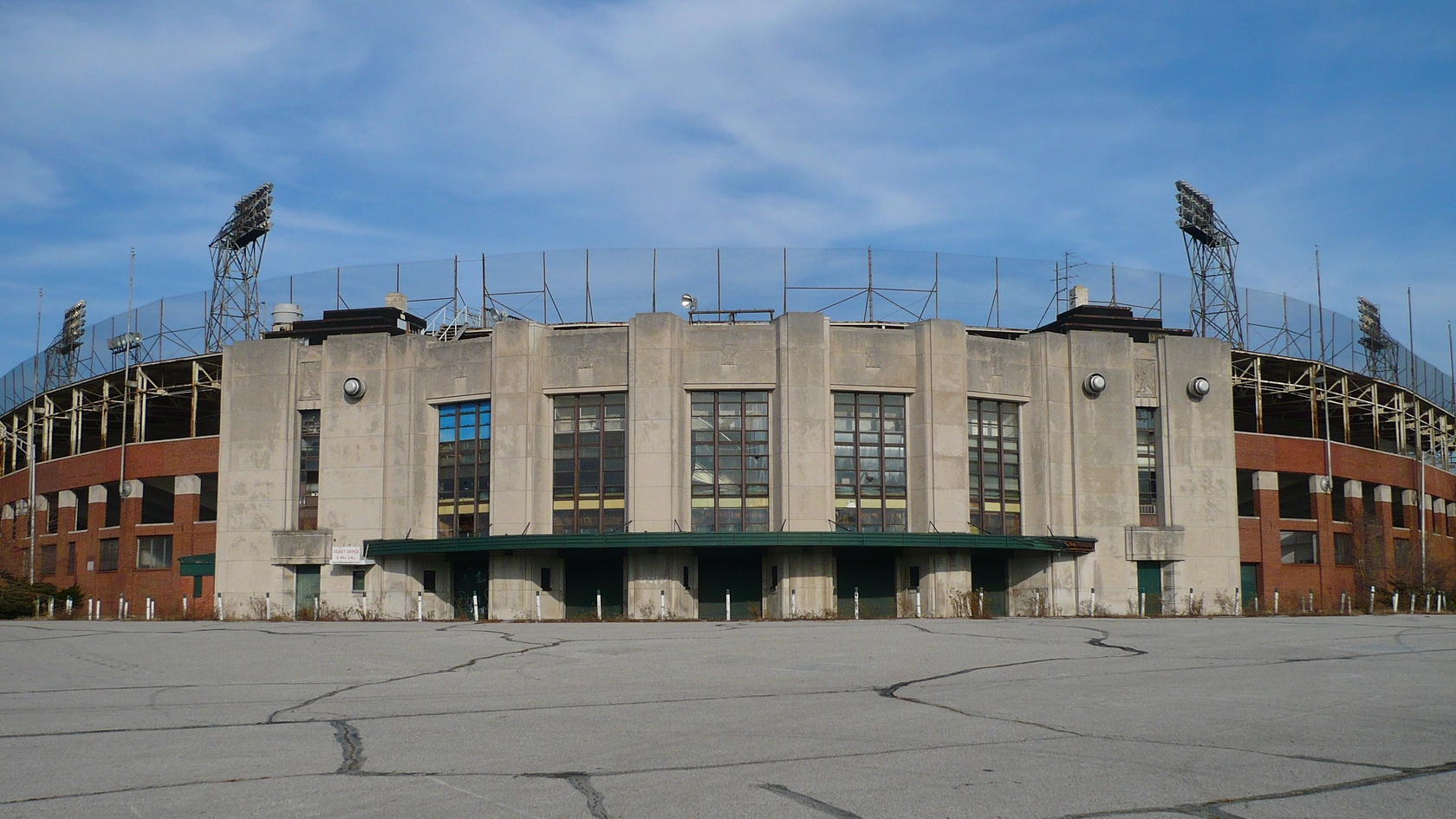
After The Crowds Leave: 4 Abandoned Stadiums That Avoided Demolition
JakienleWhat up Bush Stadium! This really should get more national press.
Vote: 10 Buildings That Changed America
Le Corbusier and New York City: A Love-Hate Relationship
JakienleI know Brutalism is not most people's favorite, but Le Corbu was a master of this style.
Former City Hall could reopen for planning work
IU Finds Team and Player on USA Today PreseasonTop 25 and All-American List

The Indiana Hoosiers are expecting a bit of a rebuilding year this coming season, but USA Today and others are looking at it more as a reloading year. Indiana is bringing in a top 5 recruiting class and most of those 6 guys should be getting a large chunk of minutes behind the seasoned veterans of Yogi Ferrell, Will Sheehey, Jeremy Hollowell and Hanner Perea. If we're lucky, even Austin Etherington's knee will be back in proper condition and we can see some contributions from him as well. The Hoosiers still have plenty of experience returning despite the loss of four starters from last year's squad. Lump 5th year senior Evan Gordon into the mix and you're looking at at least 5 sophomores or older players finding their way into the rotation.
USA Today apparently sees the talent joining up with the new leadership and has put Indiana at #23 in its pre-season top 25 a few days before practice starts. That top 25 is led by who else but Kentucky and followed by Michigan State, Louisville, Duke and Kansas to round out the top 5. Other Big Ten teams getting some love in this early poll are Michigan (8), Ohio State (12), and Iowa (24).
Indiana at #23 sounds right to me to start the season. Yes, the Hoosiers are bringing back several players to go with the super talented freshmen, but only two of those guys received a large chunk of experience before this year. There is definitely uncertainty with this team. They have the talent to be a back half of the top 10 team, but we don't know how well they're going to mesh. The same could have been said for Kentucky last year and we saw how that worked out. So until we can get a look at the team together on the court, I'm OK with #23.
The magazine also released their pre-season All-American list to go with the top 25. No, Hoosiers made the first, second or third team, but Yogi Ferrell is among the honorable mentions. First team AA's to start the year are Doug McDermott, Marcus Smart, Mitch McGary, Andrew Wiggins and Julius Randle. Second team includes Aaron Gordon, Willie Cauley-Stein, Aaron Craft, Gary Harris and Montrezl Harrell. Other Big Ten players that were among the honorable mentions were Adreian Payne and Glenn Robinson III. So, despite the Big Ten being down from last year, there are still many high caliber players that can cause problems.
If Yogi can find his way onto one of those first two teams, look for IU to be making quite a bit of noise down the stretch and potentially contending for a second conference title in two years. If Will Sheehey can also find his way somewhere onto the list, whether it be on one of the teams or an honorable mention then we're talking a season that will probably be just as exciting as last year, but more gratifying due to the lower expectations. Either way, it should be a good one. Get fired up everyone, practice starts in less than a 4 days.
Open Enrollment

"Where’s my affordable healthcare? I herd (lulz) there was healthcare in here!”
Butler's $2.9M grant to create new kind of science museum
Local manufacturer with 100 workers set to close
JakienleThat is totally Meredith Gramelspacher's husband's company.
Canterbury to change name, close for 9-month renovation
New gadget revives waterlogged cellphones
Heartland Film Festival leader Sparks stepping down
Ind. Decisions - Still more on "Comment brings suspension for lawyer"
JakienleDamn, what a dick.
Ind. Courts - Eugene Volokh on the State v. Brewington Oral Argument
JakienleMore Sam Adams love from Eugene Volokh