

Read more of this story at Slashdot.
Read more of this story at Slashdot.
Read more of this story at Slashdot.
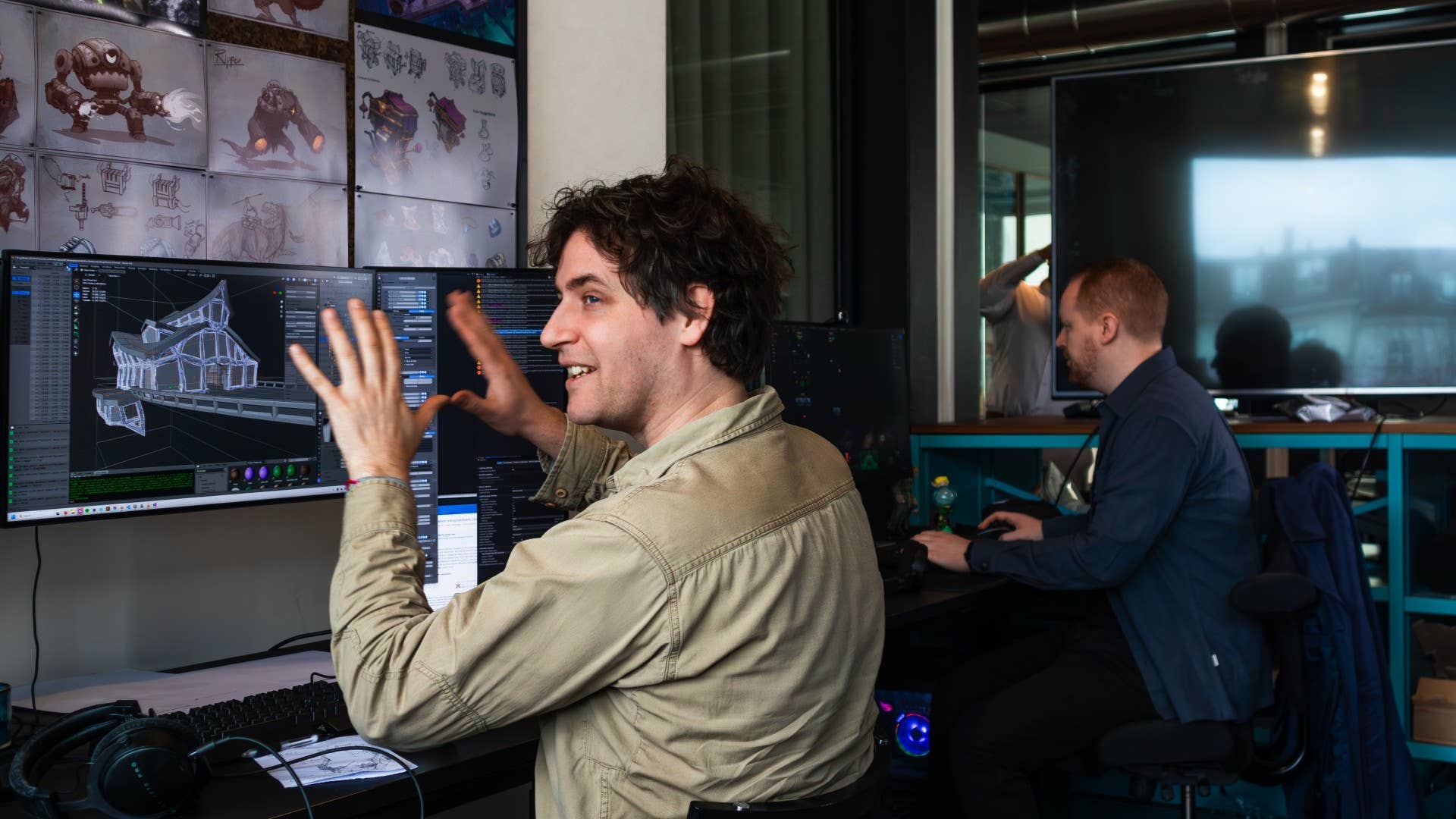
Wombo Games, a new studio led by IO Interactive co-founder and ex-Square Enix Chief Creative Officer Janos Flösser, has officially launched.

The sponsor newsletter is available to all paid supporters of AI and Games. Each monthly issue gives a deep-dive into upcoming newsletter articles, YouTube videos, podcast episodes and more. To read the full issue and find out about all more upcoming future content, please consider becoming a paid subscriber.
Hello all, Tommy Thompson here and welcome to the final sponsor newsletter of 2024. It has been a crazy year for me and my little enterprise at , and while we have two more issues of the newsletter to go before a much-needed break, this is the final time I’ll be sharing behind-the-scenes updates on what’s coming soon.
As a quick reminder for anyone who hasn’t read a sponsor newsletter before, in each issue I detail the following:
Upcoming issues of the bi-weekly Substack Newsletter.
Future AI and Games YouTube videos (which appear as case studies here on the Substack)
Plus updates on related projects, such as the AI and Games Conference and Goal State.
These updates are behind the paywall portion of the newsletter, but there’s plenty still to read for free! This week we continue listing the 2024 games of the year, both mine as well as some from our readers. But before all that, a quick update on the Kickstarter for Goal State!
I am happy to say the Kickstarter is still going strong. Back when I did a bunch of research on running crowdfunding campaigns I heard a lot about the ‘dead zone’: essentially the 3 weeks between the start and the end of a campaign. It’s expected you’ll make less than 20% of overall funding during that period, given you find most people will commit either very early as dedicated fans, or will come on late for fear of missing out.
We crossed the initial funding target a week or so back, and we’ve still managed to raise another stack of funding during this dead zone period. Now we’re in the phase of unlocking as many stretch goals as we possibly can. As explained in the article linked above, our stretch goals are broken down into two types:
Funding Goals: Unlocking once we hit a financial target.
Backer Goals: Unlocking once we reach a specific number of backers/pledgers.
At the time of writing the campaign is around 130% funded, and we have already unlocked our first funding goal, which adds a stack of hands-on tutorials to the Game AI 101 course for the Unity game engine. Meanwhile we only need a handful of people to back the project to unlock our first backer goal: a source-code deep dive of the gameplay and AI systems of DOOM (1993) that will be made free for everyone to enjoy on YouTube.
Once again a huge thank you to everyone who has supported the campaign thus far. We have around 10 days left to raise as much money as possible, and I hope we can secure a few more stretch goals along the way. You can support for as little as £1/$1/€1, but from £10 up we start adding offering special content for backers.
Support Goal State on Kickstarter
Alrighty, let’s continue to highlight some of the best games released or played these past 12 months. Tommy’s top 10 continues, plus more from the community! We’re still open to having more submissions for your favourite games, so don’t hesitate to get in touch or share them in our Discord server!
Last week I shared my thoughts on the first game in my GOTY list: The Chinese Room’s Still Wakes the Deep. Today, I share two more games from my collection. Two games that haven’t had that much media attention, but are unique and exciting experiences.
Capcom, 2024
I recently described Kunitsu-Gami: Path of the Goddess to a friend as ‘the most Capcom-ass Capcom game since Cannon Spike’. While this is perhaps the most accurate definition of the game I can think of - and I stand by it - it will make absolutely zero sense to anyone who isn’t familiar with Capcom’s game development history.
While we largely know Capcom nowadays for it’s three core pillars of Street Fighter, Resident Evil and Monster Hunter - all fantastic franchises in their own right - I’ve always held a soft spot for the company given they’re prone to going through highly experimental phases. To many that experimentation is evocative in titles like Okami, Viewtiful Joe, and Resident Evil 4 - the latter two games released as part of the Capcom Five in the early 2000s.
But for me, the true golden age of Capcom was the ill-fated but nonetheless adored Sega Dreamcast between 1998 and 2001. While only on the market for around two and a half years, Capcom released over 30 titles on the platform. Many of these were ports, either improved translations of existing titles such as Resident Evil II and Dino Crisis, or adaptations of arcade games like Street Fighter III: A New Generation and Giga Wing. But critically this was a period of experimentation. This led to new spins on old concepts, be it fighting games (Capcom vs SNK), survival horror (Resident Evil: Code Veronica), or arcade brawlers (Spawn: In the Demon’s Hand). I still go back and play many Capcom games of the era. Some have stood the test of time and are beloved to this day, while others - like the aforementioned Cannon Spike - are curios that mashed up genres and ideas that, while interesting, would never capture the imagination of the gaming populace at large. Nonetheless, I appreciated the effort to try and create something new.
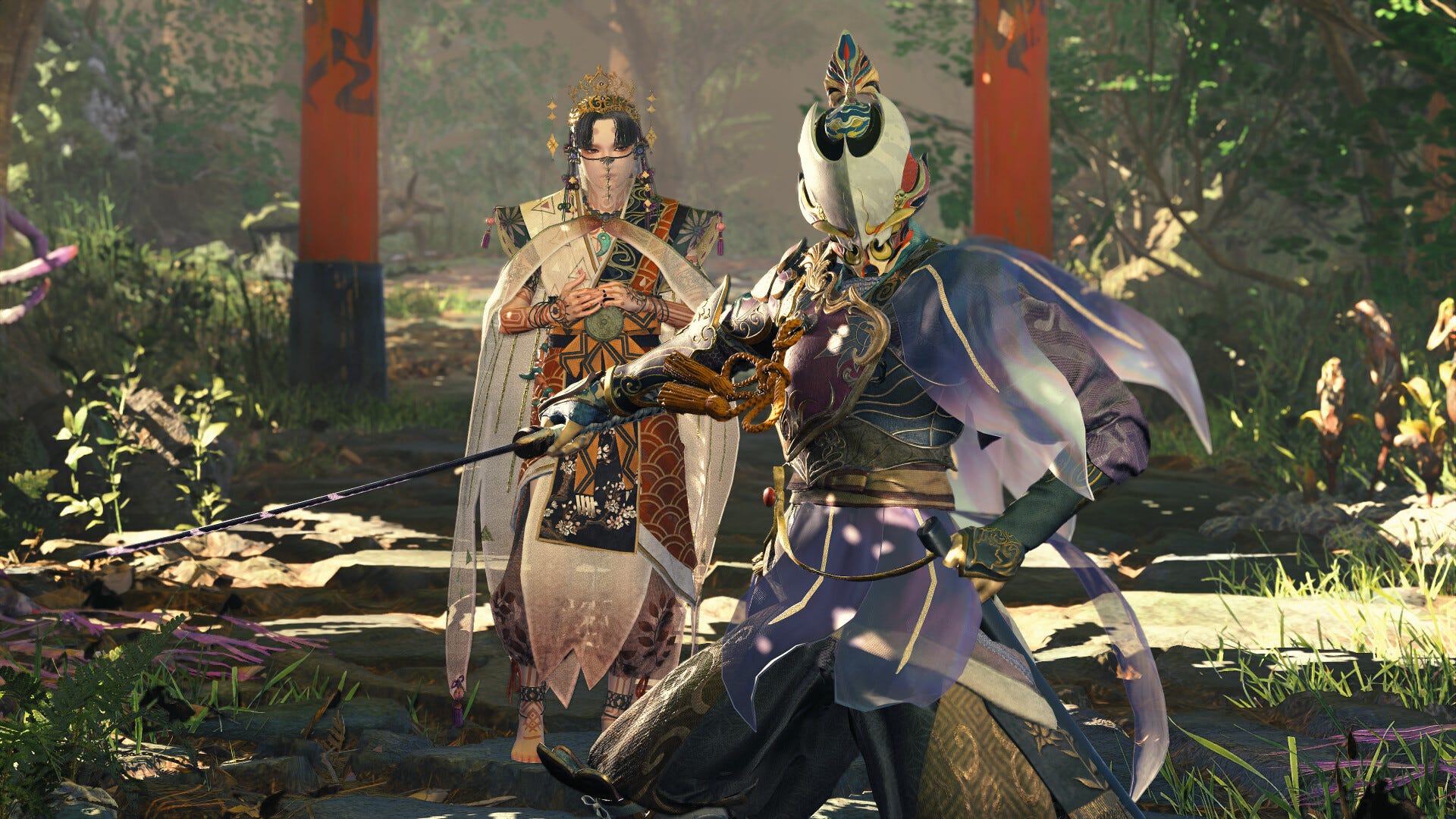
This is a very longwinded way of introducing Kunitsu-Gami: Path of the Goddess, a game that imbues Capcom’s experimental style from the turn of the millennium, in that it blends hack’n’slash combat with tower defence gameplay. The game is inspired by Japanese folklore, in which players take charge of a warrior named Soh, who is responsible for defending Yoshiro, a young maiden who is the titular goddess. Evil spirits have infested the fictional Mount Kafuku, and in each stage the goddess will slowly make her way through the land removing the infection to restore everything to its original glory. The player must then use their wits and skill to protect the Yoshiro and ensure no harm comes to her.
Each level operates in a day/night cycle, where the day period is spent building up defences, and clearing the path for Yoshiro to traverse. During this process, you can rescue civilians who can then be imbued with power to assume the role of certain NPC archetypes (close-range melee, ranged archer, etc.) and be strategically deployed along the path, knowing that the enemy - the Seethe - will attack once the sun has set. So you spend the day making progress clearing the map, and at night you hold your defensive line with a combination of defensive fortifications, your NPC allies, and your own hack’n’slash combat.
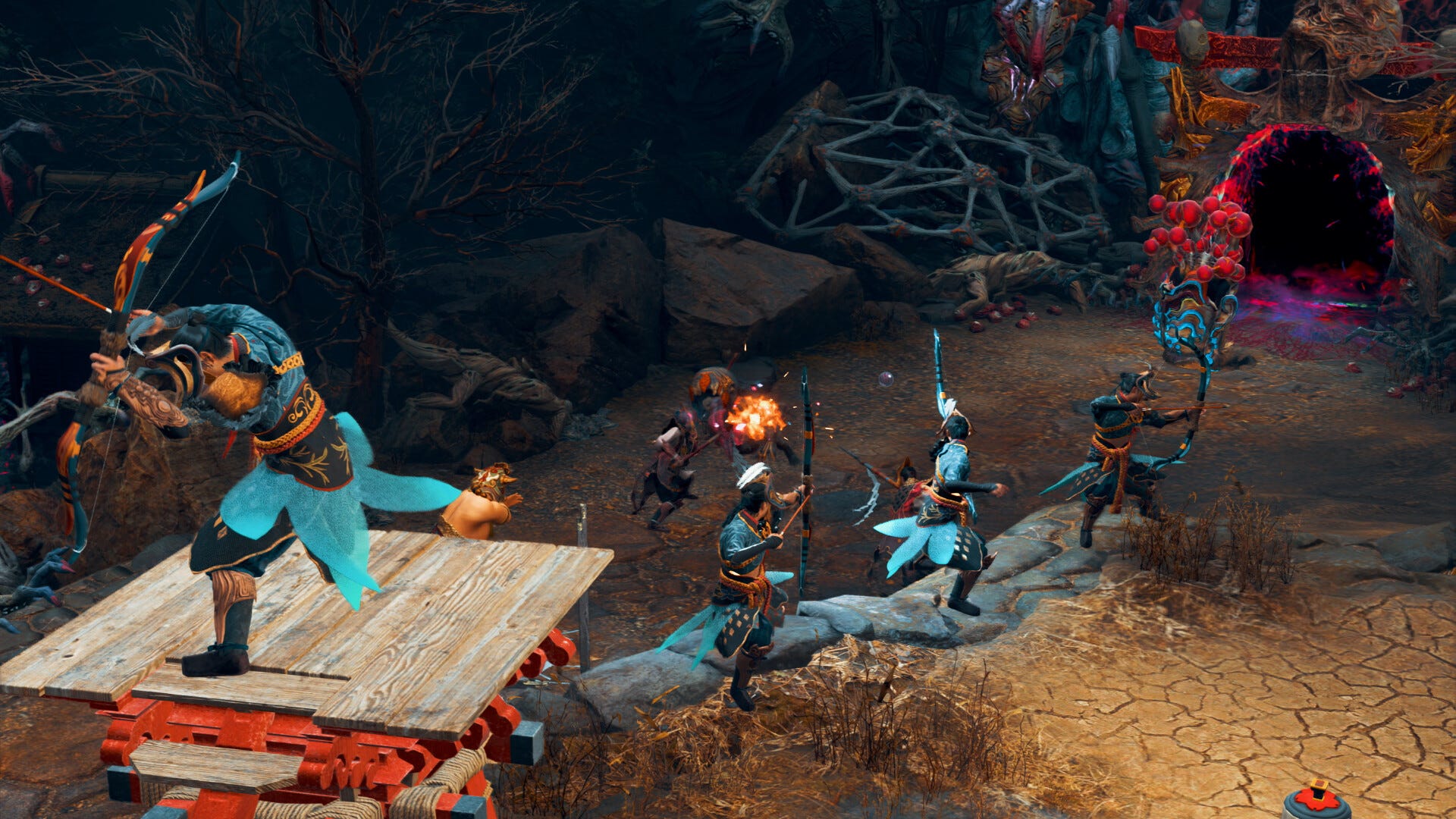
It’s an intriguing concept, and what sold it for me was how it reminded me of my love for ‘Musou’-style games - first courtesy of Hyrule Warriors but now with the Dynasty Warriors franchise where these ideas took form. One of the reasons I enjoy these games is that while on first glance they appear to be nothing but a flurry of button-bashing combat (which can be quite satisfying), they’re also increasingly more strategic and tactical at higher levels of difficulty. You have to deploy ally NPCs to attack/hold/defend locations while you’re running around doing your thing. Kunitsu-Gami takes this same concept, but I would argue shifts the balance between combat and strategy to give more space and time to really think through how to approach each phase of combat. Strategy even at lower difficulties is no longer optional.
All of this, combined with an aesthetic and style that evokes Japanese art and folklore, make it one of the most unique games from a AAA studio in recent years. I appreciate it won’t be everyone’s taste - and last I checked it’s still on Xbox Game Pass if you want to give it a crack - but it’s a game I’ve been slowly chipping away at for months and having a blast in the process.
Camouflaj, 2024
Having played several - and even worked on a few - VR games, I’ve previously felt the field suffered from two big issues that prevent broader market adoption:
Most people look and feel stupid wearing a big dumb thing on their head.
There is not enough games on VR platforms that showcase what virtual reality can do to craft unique experiences.
For years Beat Saber continues to be the poster child for VR gaming: an experience that simply will not work as well on traditional gaming platforms. But over time I realised what we also need is games that are inspired by existing works that re-imagine their ideas through a VR lens.
If I had written a GOTY list back in 2021 Resident Evil 4 on the Oculus (now Meta) Quest 2 would have been on there. A fantastic remake of a classic game that is all the more engaging to play in VR. And now in 2024, I think Batman: Arkham Shadow can sit alongside it as a fantastic example of translating an existing game while also delivering something new and exciting.
Arkham Shadow is a sequel to Warner Bros. Montreal’s 2013 game Batman: Arkham Origins, and thus takes place several years prior to Rocksteady Games’ initial title Batman: Arkham Asylum. As the Dark Knight, players work their way through Gotham City in pursuit of a character called the ‘Rat King’. Players work their way through several large and interconnected locales to solve puzzles, take down enemies, and in time bring the Rat King and his minions to justice. The game’s art style is evocative of the previous Arkham titles, and is immediately familiar to those who have played any of the previous entries in the series. But what really helps sell the experience is that it is unashamedly a clone of the core mechanics of previous entries in the series, but it does it entirely in VR.
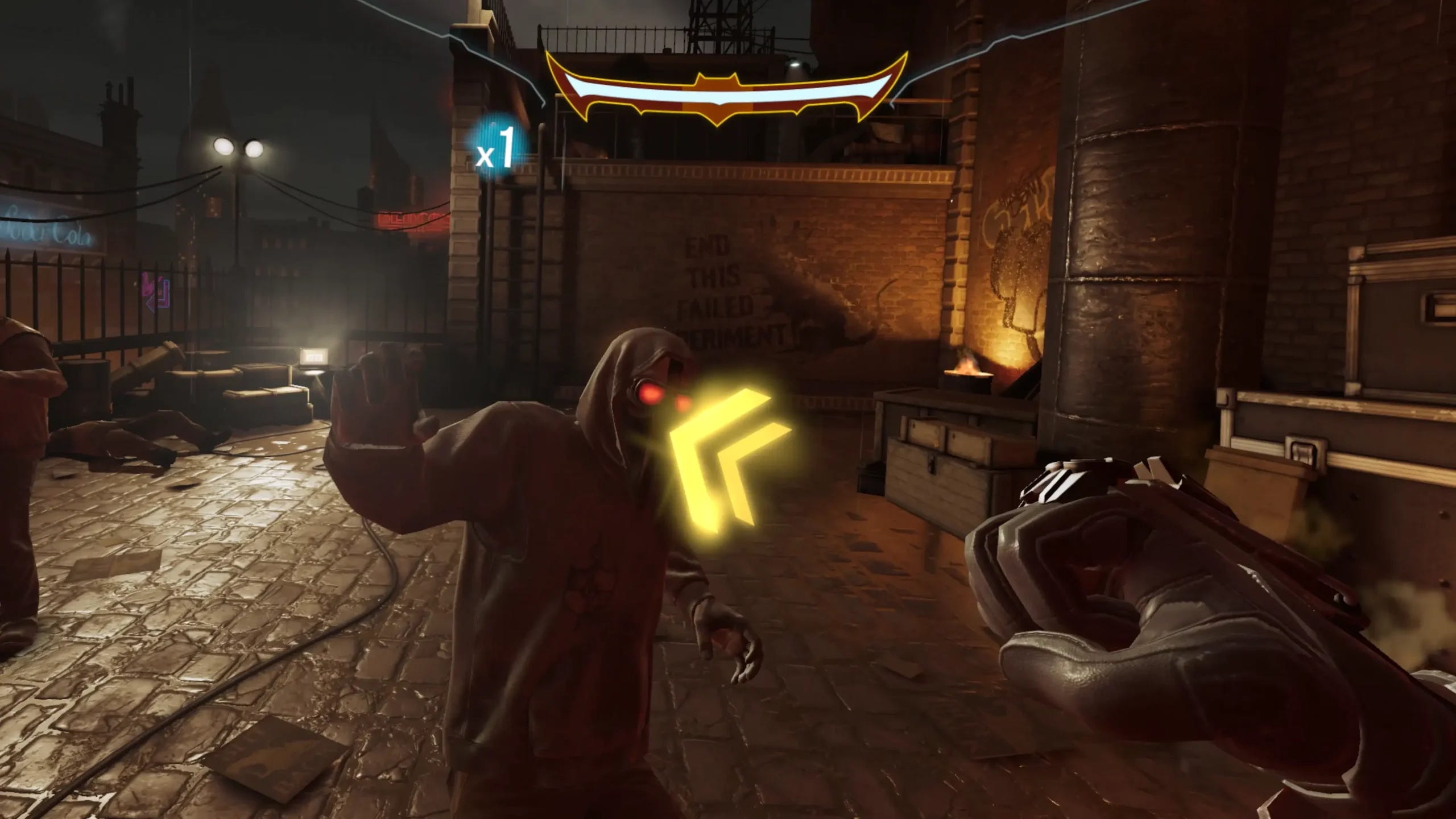
Perhaps the thing that blew me away about this game the most is that isn’t just reproducing parts of the Batman: Arkham experience, it does all of it. The free-flow combat, the gadgets, the detective vision, the hidden trophies, the predator sequences, everything! Every time I wondered whether a specific feature or mechanic of Arkham Asylum would appear, they’d find a way to make it work in VR in ways that felt fun, and without it feeling nauseous too!
Some of it works almost perfectly, while others require some imagination to work as envisioned. And while I know I look like an absolute muppet as I spread my arms to initiate a glide kick takedown, swooping down and then delivering the knock-out blow with a punch to a goons head is just an amazing feeling. By the end of a session you’re standing up taller, and broader, giving it your best Dark Knight stance - which as my partner pointed out is completely undercut by wearing the silly headset.
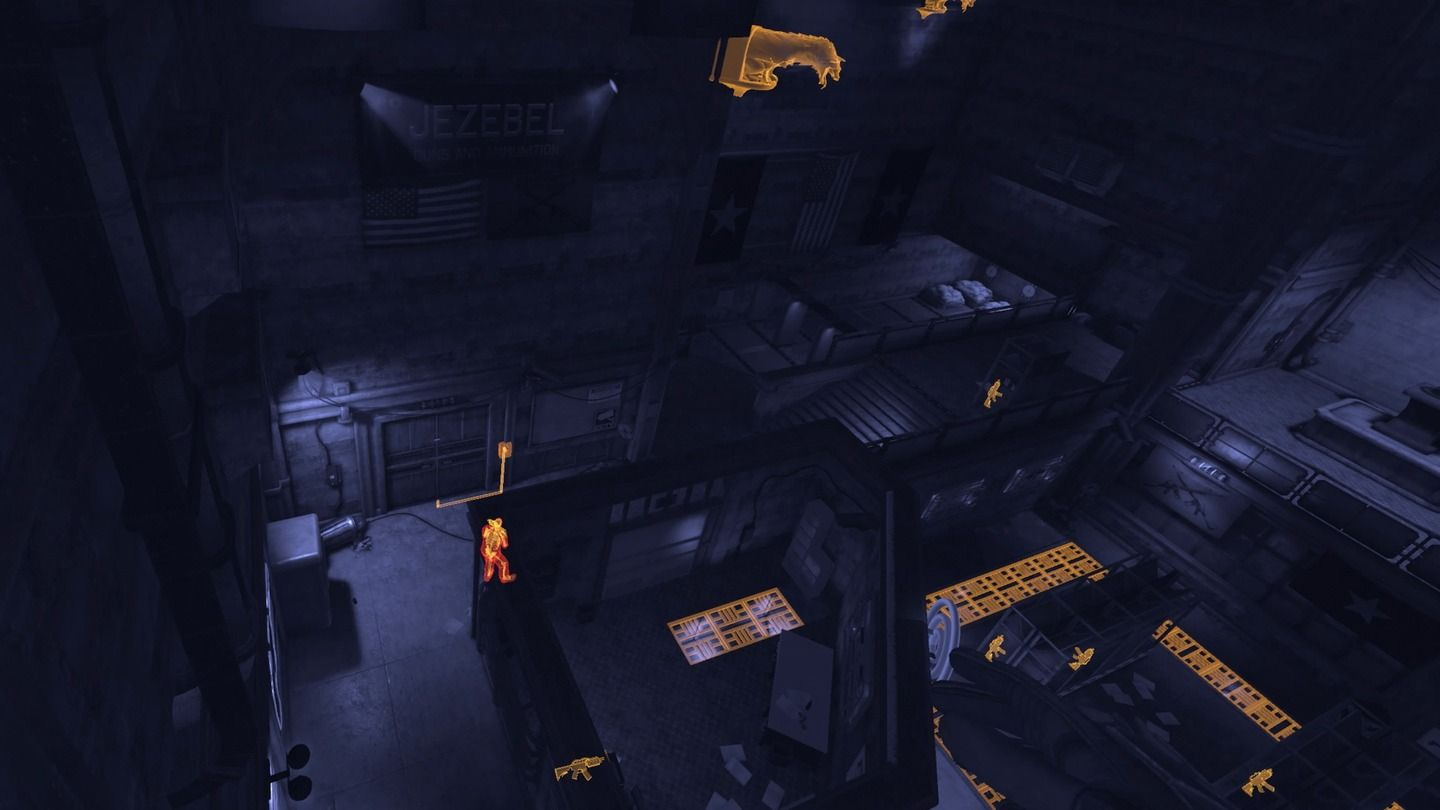
This year much has been said about the muted response to Rocksteady’s Suicide Squad: Kill the Justice League’: a perfectly fine 3rd-person looter-shooter that struggles both with the burden of being a live-service game that the publisher craved (yet the market did not), while also pulling its creators away from the story-driven single-player experiences that they’re known for. Enough time has passed since the release of Batman: Arkham Knight in 2015 that audiences want to assume the role of the Dark Knight once again. Arkham Shadow is perhaps not what the majority of audiences are looking for - given they need a Quest headset to experience it - but becoming the Batman once again has been an absolute blast and another fantastic reason to pick up that VR headset.
But of course it’s not just about me. I wanted to hear what your big games of the year were. Check out some quick reviews below, and if you want your words to appear on the newsletter, head to the #gaming-grove channel on the Discord, or drop me a message.
Suspicious Developments, 2024
Reviewed by OKB-1 (Niels) on Discord
Tactical Breach Wizards: a very good tactics game which does away with all of the bits that make games like XCOM feel unfair at times. It's very generous with the information and abilities it gives you right from the start, yet the game is a fun challenge throughout. And the story and characters are really fun as well.
LocalThunk, 2024
Review by Harry on Discord
A tough pick, but I think I have to go with the 'roguelike deck builder', Balatro. Its been a joy to discover the strategic depths and mechanics of this game since its release. On first glance, the game seems simple enough - but the more you play, the more you realise that there are a host of hidden tips and tricks that make all the difference on a run beyond the core scoring mechanics. The game's stratospheric rise to universal acclaim, multiple collaborations with other indie titles and swathe of content updates across PC, console, mobile and (overwhelmingly in my case!) handheld is made all the more impressive when you realise its a solo-dev title. The perfect pickup-and-play game, I fully expect the game to remain as popular as it is now, if not even more so, come 2025 (and beyond).
And now, with our GOTY entries concluded for the week, it’s time for our paying supporters of all things AI and Games to get an update on what’s cooking behind closed doors! Critically, what are my plans to evolve what I’m working on in 2025.