Shared posts

20 Jan 17:43

The Reason It Chapter Two Gave James McAvoy Nightmares

by Kaylee Dugan

Finally, we all have something in common with James McAvoy: a fear of celestial clowns who are maybe also spiders who are maybe also metaphors for generational trauma. When "It" and "It Chapter Two" were released in 2017 and 2019, respectively, it reinvigorated the interest in Stephen King's cosmic clown-based horror novel of the same name. If you'd already read "It," you were probably re-reading it in anticipation and if you'd never touched the book in your life, you were almost certainly stepping into the world of Derry, Maine to see what all the fuss was about.

Before McAvoy joined the grown up Losers' Club crew in the film's sequel, he decided to re-read the book in preparation for his role as the adult Bill, the de-facto leader of the group with a stutter who lost his younger brother Richie to the murderous Pennywise as a kid. In an interview with Entertainment Weekly promoting the sequel, McAvoy admitted that cracking open the book and diving back into the world of "It" scared him far more as an adult, "When I reread 'It' as an adult for the film," McAvoy said, "I actually had nightmares about Pennywise in a way that I never did as a child."

We All Have Nightmares Down Here

Pennywise's unnerving grin might haunt the mind of a child, but it's easy to see how the darker aspects of King's book could make the story feel far more unnerving to an adult. "It" trades in a whole suite of traumatic events, including childhood death, sexual assault, bullying, and hate crimes. While a clown monster might feel like an impossible enemy to a kid, the adults of "It" are also dealing with the weight of these larger issues on top of admitting that growing up and moving on hasn't solved any of their problems.

In the same interview, McAvoy touches on some of the heavier themes in "It" and "It Chapter Two, saying:

"[King's] writing about a small American town, he's writing about death, he's writing about growing old, growing up. And the movie is very much about that. You could argue the first movie is as much 'Stand by Me' and 'Goonies' and all those things as it is a horror movie."

The "It' sequel may have played around with the source material, but McAvoy still brings that world-weary, haunted feeling to his portrayal of Bill. He's a man who is trying to correct the childish mistakes of his past and will do anything he can to put an end to the pain, even if it's an impossible task. What could be scarier than that?

Read this next: 17 Horror Movies Based On True Stories That Will Creep You Out

The post The Reason It Chapter Two Gave James McAvoy Nightmares appeared first on /Film.

20 Jan 17:42

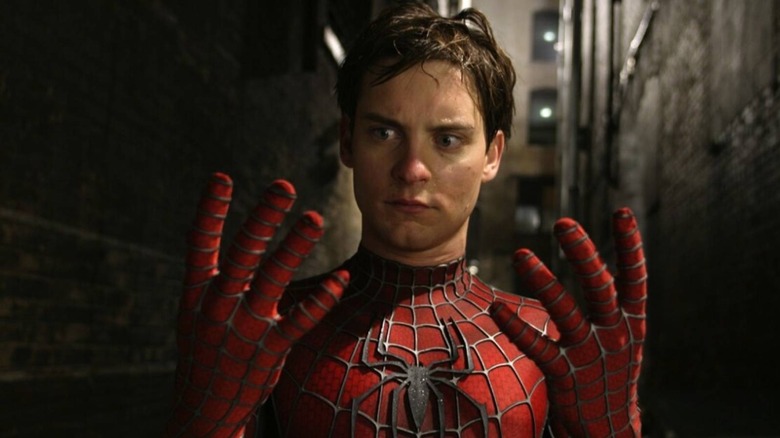
The Evil Dead Easter Egg You May Not Have Noticed In Sam Raimi's Spider-Man

by Ryan Leston

Comic book movies are always full of Easter eggs, especially Marvel movies. Sam Raimi's "Spider-Man" films are no exception. You'll find decades of superhero history scattered throughout, with subtle nods to several comic book heroes and villains. There's even a reference to their old rivals DC as Peter Parker shouts out classic superhero catchphrases while perfecting his web-slinging. "Shazam," anyone?

But for "Evil Dead" fans like me, there are some even groovier Easter eggs to be found.

Aside from his "Spider-Man" trilogy, Sam Raimi is best known for introducing the world to Ash Williams, the chainsaw-wielding, boomstick-toting hero of the "The Evil Dead," played by Bruce Campbell. It's no secret that Campbell appeared in several cool cameos throughout Raimi's "Spider-Man" trilogy -- appearing as a wrestling ring announcer in "Spider-Man," a theatre usher in "Spider-Man 2" and a French maître d' in "Spider-Man 3."

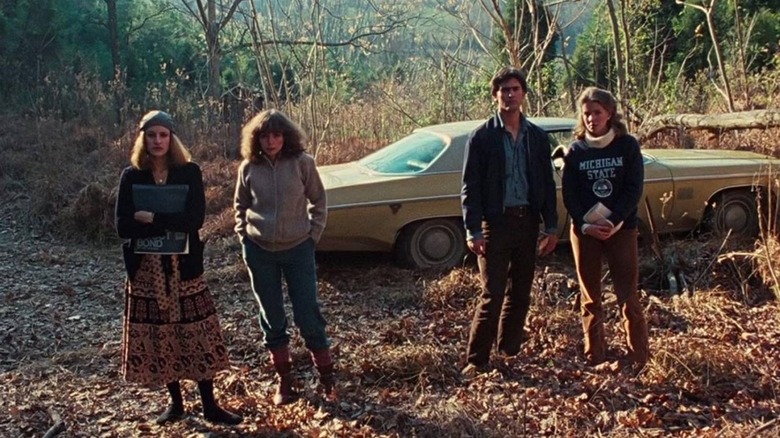
But there's one "Spider-Man" Easter egg you may not have noticed -- the appearance of a very familiar car. Hail to the Oldsmobile, baby.

The 1973 Oldsmobile Delta 88

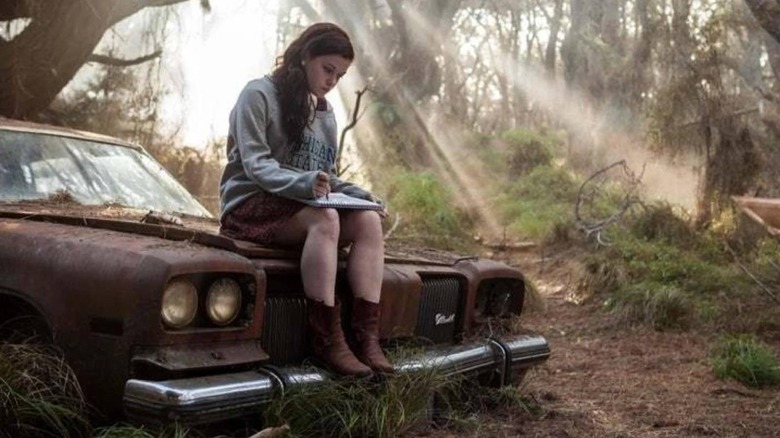
It first appeared in "The Evil Dead" as the car driven by Ash and the gang as they take their fateful trip to the cabin in the woods. Then, the 1973 Oldsmobile Delta 88 was seen in every one of the film's subsequent sequels. Ash's unmistakable classic car even made its way to medieval England in "Army of Darkness" after it was pulled through a time vortex, and after a bit of an upgrade, became one of Hollywood's most ridiculous on-screen vehicles.

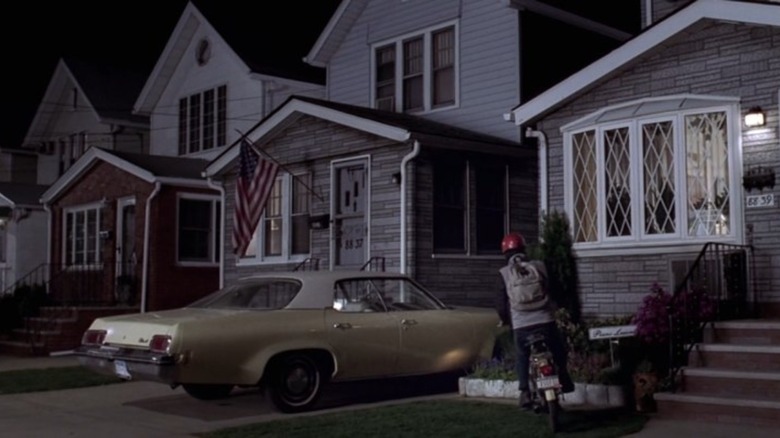
By 2002, the Delta 88 should have seen better days ... but somehow, it ended up in Uncle Ben's possession. That's right, Ash's Oldsmobile made it into "Spider-Man."

Also known as "The Classic," the iconic Oldsmobile was no longer being driven by Ash Williams. Instead, it was Uncle Ben (Cliff Robertson) behind the wheel. It wasn't a small cameo either -- Uncle Ben drives the classic car when he first gave Peter Parker (Tobey Maguire) that legendary speech. With great power comes great responsibility ... and a pretty sweet ride, too.

A Friendly Neighbourhood Oldsmobile

After its debut in "Spider-Man," the '73 Oldsmobile Delta 88 became the Parker family car.

It returned in "Spider-Man 2" but it's unclear what happened to it after Uncle Ben's untimely death. Whether or not Aunt May drove that thing around town is a mystery -- "The Classic" is only seen in a brief cameo on the driveway outside the Parker family home. And let's face it, with Peter's web-swinging, he doesn't exactly need to rely on a car to get around. After all, the traffic in New York City is a nightmare.

Again, the car returned in "Spider-Man 3" but this time, director Sam Raimi got creative with its cameo appearance. Since Uncle Ben was no longer with us at this point (RIP) and the car had already lazily hung out on the Parker family drive, it was down to a black-and-white flashback to sneak the Oldsmobile back into the franchise.

After confronting Sandman (Thomas Haden Church), the young Peter Parker finally learns the truth about Uncle Ben's death ... and is finally able to let his anger go. Most importantly, he gets a fleeting glimpse of the majestic '73 Oldsmobile Delta 88 as the Sandman and his criminal partner make off with the stolen car.

"I did a terrible thing to you," says Sandman. "I spent a lot of nights wishing I could take it back." Thankfully, "The Classic" made its way back home for "Spider-Man 2." It's what Uncle Ben would have wanted.

Where Else Have We Seen Ash's Delta 88?

Even for a car, this thing sure gets around, and not just in "Spider-Man" movies, either.

Sam Raimi has included the 1973 Oldsmobile Delta 88 in most of his movies to date. Of course, "The Evil Dead" was Raimi's first film and the first appearance of "The Classic." It then went on to appear in "Evil Dead II" and "Army of Darkness." But in-between these horror sequels, it also popped up in "Crimewave" in 1985, as well as Raimi's first superhero movie, "Darkman" in 1995.

Hilariously, Bruce Campbell had some tough words for "The Classic" in his autobiography, "If Chins Could Kill: Confessions of a B-Movie Actor":

"This damn car has been in more movies than I have! For some reason, it became the all-purpose car that appeared in almost every Super-8 film we ever made. When Sam began to make feature films, he kept using it—starting with Evil Dead in 1979."

Campbell claims that the car was the same one driven by Raimi's mom when she used to drop them off at the movie theater as kids. And he even joked that Raimi lost his virginity in the backseat:

"This car knew where the bodies were buried. It had some deep history. I'm not a method actor by any means, but it was really cool to have that crappy car back. It meant a lot. It made this real."

After the "Evil Dead" trilogy, Sam Raimi's Oldsmobile was next seen in "A Simple Plan" in 1998, followed by "The Gift" in 2000. Then it's off to the "Spider-Man" universe for a few years before it reappears in the 2009 supernatural horror, "Drag Me to Hell." It has since appeared in many other film and TV projects, including the 2013 "Evil Dead" reboot, "Oz the Great and Powerful" and of course, the "Ash vs Evil Dead" TV show.

Now that "Evil Dead Rise" is on its way to HBO Max, will it include its own Oldsmobile tribute? We'll have to wait and see. But it would be really groovy if it does.

Read this next: The 20 Best Zombie Movies Of All Time

The post The Evil Dead Easter Egg You May Not Have Noticed In Sam Raimi's Spider-Man appeared first on /Film.

20 Jan 17:41

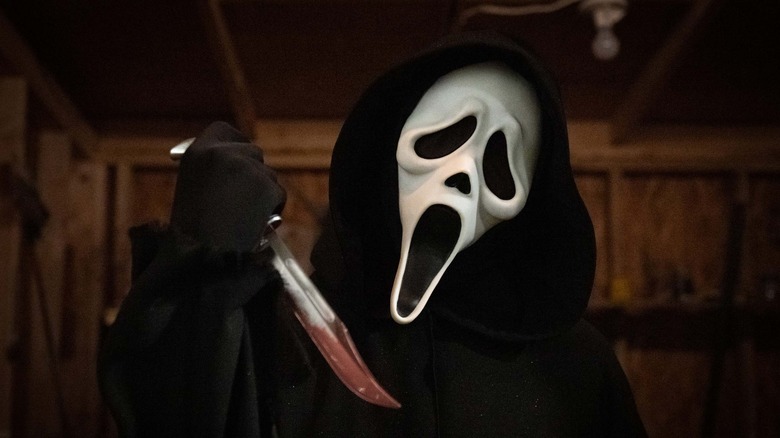
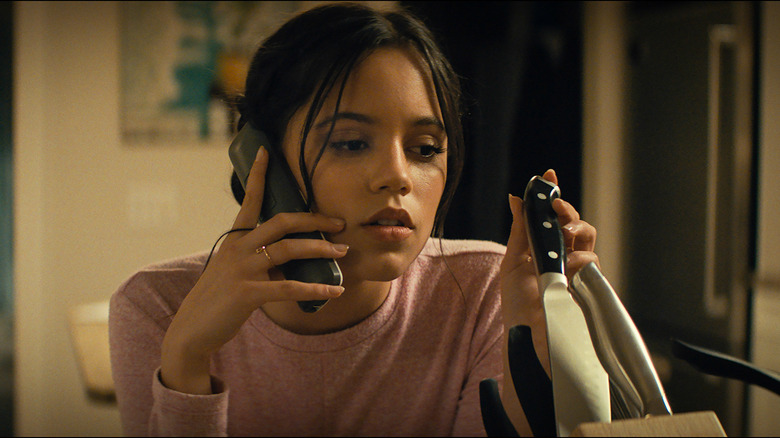
Scream Directors Reveal Details About The Spoiler-Y Cameo, You Know The One

by Lex Briscuso

The new "Scream" is chock-full of homages and allusions to the franchise's past, some overt and some more subtle. One of the biggest of them involves a legacy character who is no longer with us ... and if you want to know more, get your butt ready for some spoilers.

Billy Loomis (once again played by Skeet Ulrich) returns to us in the new "Scream," and directors Tyler Gillett and Matt Bettinelli-Olpin opened up about the decision to include the beloved-yet-hated character in their film to Collider in an interview:

"For us, Billy and Stu are some of the most iconic slasher villains of all time, and to have him pop up in the movie, it feels like such a moment where the movie is aware of its lineage, it's aware of its past, it's also aware of itself as a movie in a fun way, right? It's sort of like, 'Hey, we're gonna have some fun. We're gonna Hollywood this thing up for a few moments.' And then to also give that character a bit of an arc, right? We loved that the villain that started it all has a bit of a hero's return in a weird way, as actually a part of Sam, of that character fully realizing that she's a complete person, it's just that a part of herself is dark and is a thing that she would like to keep hidden and ultimately has to come out for the movie to resolve. We just loved that turn for the character."

The Radio Silence filmmakers — who are perhaps best known for their film "Ready or Not" and their segment in "V/H/S," directed alongside the third Radio Silence member, Chad Villella, and Justin Martinez — also noted that the character's resurgence (as a hallucination, mind you, not a ghost) was important for the movie's main character, Sam (Melissa Barrera):

"We also really loved what that character coming back did for our lead, right? There's so much at work in that Billy father/daughter relationship that's about legacy and about the things that you inherit and how you move on from them and what sort of pieces of those legacies you take with you, which is obviously also what the movie as a whole is about, and that baton pass from one generation to another."

Breaking The Scream Rules

Obviously, Billy's inclusion in the fifth installment is a massive spoiler — but beyond that, it's a decision that pushes the boundaries the "Scream" franchise has already set forth for us. After all, these movies are all about rules, but rules are made to bend and break. In fact, Gillett added that the filmmakers hope viewers see their intentions with the choice:

"Our reaction that we hope audience members have when he pops up was our reaction reading the script. We were all just like, 'What the f—k?' And we also knew that it was really gonna push the guardrails out on what you expect a Scream movie to do. We also knew that that was one hundred percent the reason to do it."

As someone who really adored the new "Scream," I have to say that the choice was a perfect addition to the film that both satisfied some of our legacy desires as longtime fans while also setting the audience up for new twists. We're familiar with a leading lady like Sidney Prescott, who is known for her rationale and quick thinking. By giving us a protagonist who is essentially unreliable — though through no fault of her own — it puts the audience in a position we've never been in before: we're not sure who we can really trust. There is no anchor. It was a bold and risky move, and it really paid off. In fact, Sam's supposed weakness ended up being one of her greatest assets. Man, you just gotta love movies.

Read this next: The 15 Best '90s Horror Movies Ranked

The post Scream Directors Reveal Details About the Spoiler-y Cameo, You Know the One appeared first on /Film.

20 Jan 17:41

The Batman Easter Egg In Watchmen That Stayed Hidden For Years

by Ryan Leston

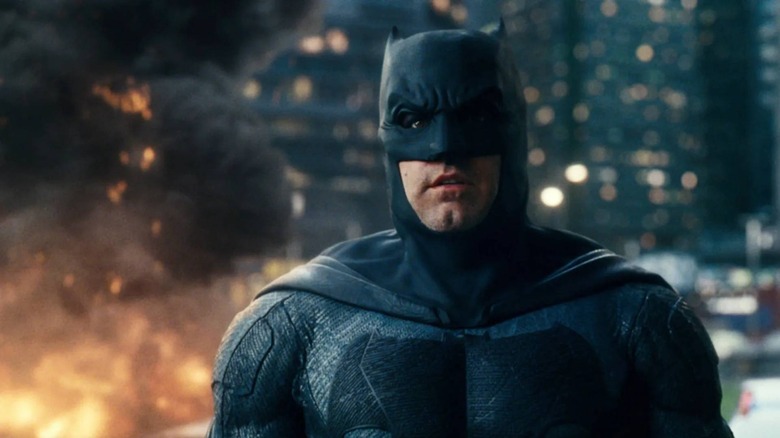
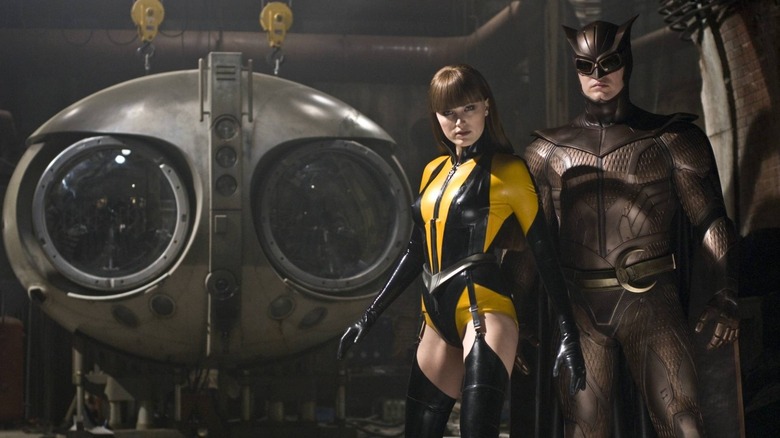
There was a time, long before "Justice League" when Zack Snyder's big ensemble comic book movie was "Watchmen," his 2009 film based on the classic graphic novel by Alan Moore and Dave Gibbons. A gritty deconstruction of the superhero genre, "Watchmen" tears apart what it means to be an all-American superhero. And in its famous title sequence, there's a nod towards one of DC's most iconic heroes — Batman.

The title sequence has become something of a specialty for Zack Snyder. "Watchmen" is one of his greatest examples, depicting snapshots of an alternate American history from the 1940s to the late 80s. We see the rise of the Minutemen, the precursors to the Watchmen, as well as their downfall. We're even treated to some cute twists on real-life events, with Doctor Manhattan appearing alongside Neil Armstrong during the Apollo moon landing in 1969. But it's the very first shot that has had DC fans talking since the film's release.

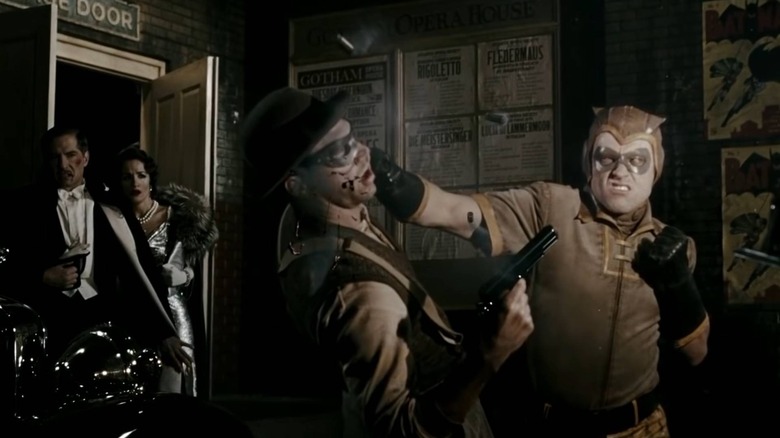
The montage opens with Nite Owl, one of the original Minutemen, socking an armed robber right in the jaw, in an alleyway outside a movie theatre. If that seems familiar, it's because the Batman-like hero has just saved Thomas and Martha Wayne.

The Not-Quite-Origin Of Batman

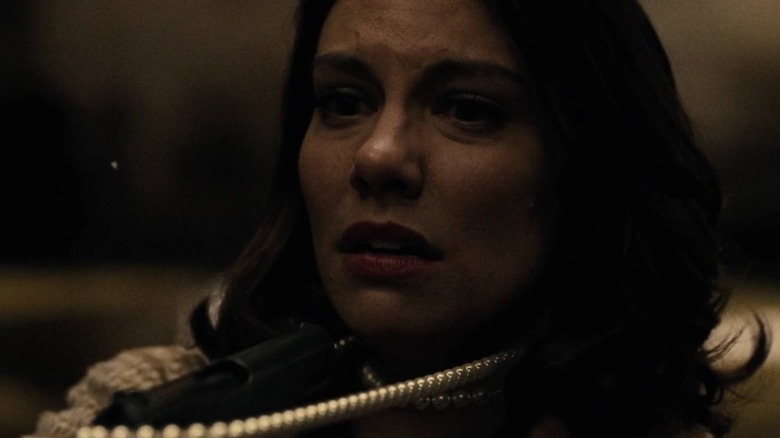
Comic book fans will be all too familiar with this iconic scene — one of the most important crimes in DC history. In fact, Zack Snyder depicted it again during his "Batman V Superman: Dawn of Justice" title montage. But the "Watchmen" version isn't quite the same.

For one thing, the brutal killing of Thomas and Martha Wayne has been foiled by the 1940s era superhero, Nite Owl (aka Hollis Mason). This clearly throws a spanner in the works when it comes to the Dark Knight's origins. Without the bloody killing of his parents, there's just no reason for Bruce Wayne to become Batman. Although the scene openly establishes a link between "Watchmen" and the DC universe, as well as placing one of our heroes directly into Gotham City, it's a bit more complicated than that.

After all, without the murder of his parents, there is no Batman. Once again, like the rest of the title scene montage, this is an alternate history. Except that this time, it's an alternate comic book universe.

Zack Snyder Confirms The Theory – It's Batman

Ever since "Watchmen" was released in 2009, DC fans have been convinced that this Batman Easter egg ties the movie into the wider DC universe. Then the director himself confirmed it.

During an episode of Netflix Film School, director Zack Snyder stated in no uncertain terms that this scene depicts "[the] origin of Batman."

"The concept is that Nite Owl is sort of saving the Waynes from dying after an opera," he revealed. "And so, there's no Batman."

This neat twist on Batman's iconic origin story works well alongside the alternate history of the movie's title montage. It also establishes "Watchmen" as part of the wider DC universe – even if it is an alternate one. It certainly makes you think – what would happen to Bruce if he doesn't become Batman? Will he simply turn out to be the billionaire playboy he always pretended to be? More importantly, if "Watchmen" is set within the DC universe, where are all the other superheroes? Why hasn't Clark Kent become Superman? What happened to Wonder Woman, The Flash and Cyborg?

The Nite Owl Takes Bruce's Place

It's no secret that "Watchmen" hero, the Nite Owl, takes Bruce's place as Batman. His owl-themed costume and wide range of gadgets mirror the Caped Crusader. Not to mention his successor Nite Owl II's airship (also known as the Owlship) is reminiscent of the Batmobile. Having this particular hero step in and stop the murder of Thomas and Martha Wayne feels like a symbolic gesture — a tip of the hat to the fans who will know what it's all about.

If that wasn't poetic enough, Snyder goes one step further. Plastered all over the walls of crime alley, you'll see a load of Batman posters. As subtle as a sledgehammer, Snyder has chosen a very specific issue to appear behind the Nite Owl — Batman #1. This issue was Batman's crucial 1940 solo debut after his appearance in Detective Comics. It also retells the story of Batman's origins... including the death of his parents.

Subtext may not be Snyder's strong suit, but these not-so-subtle nods towards Batman's origins cement the Nite Owl as his spiritual successor. Anchoring "Watchmen" as part of the DC universe also lays the foundations for Snyder's eventual career path, bringing Batman, Superman, and the rest of the Justice League to the big screen.

You just have to wonder whether Nite Owl's mom was called Martha, too.

Read this next: The 15 Best Batman Comics You Need To Read

The post The Batman Easter Egg in Watchmen That Stayed Hidden For Years appeared first on /Film.

20 Jan 17:40

Social Media Bans of Scientific Misinformation Aren't Helpful, Researchers Say

by BeauHD
An anonymous reader quotes a report from Gizmodo: The Royal Society is the UK's national academy of sciences. On Wednesday, it published a report on what it calls the "online information environment," challenging some key assumptions behind the movement to de-platform conspiracy theorists spreading hoax info on topics like climate change, 5G, and the coronavirus. Based on literature reviews, workshops and roundtables with academic experts and fact-checking groups, and two surveys in the UK, the Royal Society reached several conclusions. The first is that while online misinformation is rampant, its influence may be exaggerated, at least as far as the UK goes: "the vast majority of respondents believe the COVID-19 vaccines are safe, that human activity is responsible for climate change, and that 5G technology is not harmful." The second is that the impact of so-called echo chambers may be similarly exaggerated and there's little evidence to support the "filter bubble" hypothesis (basically, algorithm-fueled extremist rabbit holes). The researchers also highlighted that many debates about what constitutes misinformation are rooted in disputes within the scientific community and that the anti-vax movement is far broader than any one set of beliefs or motivations. One of the main takeaways: The government and social media companies should not rely on "constant removal" of misleading content [because it is] not a "solution to online scientific misinformation." It also warns that if conspiracy theorists are driven out of places like Facebook, they could retreat into parts of the web where they are unreachable. Importantly, the report makes a distinction between removing scientific misinformation and other content like hate speech or illegal media, where removals may be more effective: "... Whilst this approach may be effective and essential for illegal content (eg hate speech, terrorist content, child sexual abuse material) there is little evidence to support the effectiveness of this approach for scientific misinformation, and approaches to addressing the amplification of misinformation may be more effective. In addition, demonstrating a causal link between online misinformation and offline harm is difficult to achieve, and there is a risk that content removal may cause more harm than good by driving misinformation content (and people who may act upon it) towards harder-to-address corners of the internet." Instead of removal, the Royal Society researchers advocate developing what they call "collective resilience." Pushing back on scientific disinformation may be more effective via other tactics, such as demonetization, systems to prevent amplification of such content, and fact-checking labels. The report encourages the UK government to continue fighting back against scientific misinformation but to emphasize society-wide harms that may arise from issues like climate change rather than the potential risk to individuals for taking the bait. Other strategies the Royal Society suggests are continuing the development of independent, well-financed fact-checking organizations; fighting misinformation "beyond high-risk, high-reach social media platforms"; and promoting transparency and collaboration between platforms and scientists. Finally, the report mentions that regulating recommendation algorithms may be effective.

Read more of this story at Slashdot.

20 Jan 17:40

Something In Your Eyes May Reveal If You're At Risk of Early Death, Study Shows

by BeauHD
A quick and pain-free scan of the human eyeball could one day help doctors identify "fast agers," who are at greater risk of early mortality. ScienceAlert reports: A machine learning model has now been taught to predict a person's years of life simply by looking at their retina, which is the tissue at the back of the eye. The algorithm is so accurate, it could predict the age of nearly 47,000 middle-aged and elderly adults in the United Kingdom within a bracket of 3.5 years. Just over a decade after these retinas were scanned, 1,871 individuals had died, and those who had older-looking retinas were more likely to fall in this group. For instance, if the algorithm predicted a person's retina was a year older than their actual age, their risk of death from any cause in the next 11 years went up by 2 percent. At the same time, their risk of death from a cause other than cardiovascular disease or cancer went up by 3 percent. The findings are purely observational, which means we still don't know what is driving this relationship at a biological level. Nevertheless, the results support growing evidence that the retina is highly sensitive to the damages of aging. Because this visible tissue hosts both blood vessels and nerves, it could tell us important information about an individual's vascular and brain health. The study was published in the British Journal of Ophthalmology.

Read more of this story at Slashdot.

20 Jan 17:40

Red Cross Begs Hackers Not To Leak Data of 'Highly Vulnerable People'

by BeauHD
The Red Cross has disclosed that it was the victim of a cyber attack and has asked the hackers who broke into the IT network of one of its contractors not to leak the personal information of more than 515,000 of "highly vulnerable people." The Record reports: The data was stolen from a Red Cross program called Restoring Family Links, which aims to reunite family members separated by conflict, disaster, or migration. "While we don't know who is responsible for this attack, or why they carried it out, we do have this appeal to make to them," said Robert Mardini, director-general for the International Committee of the Red Cross. "Your actions could potentially cause yet more harm and pain to those who have already endured untold suffering. The real people, the real families behind the information you now have are among the world's least powerful. Please do the right thing. Do not share, sell, leak or otherwise use this data," Mardini said. "While we don't know who is responsible for this attack, or why they carried it out, we do have this appeal to make to them," said Robert Mardini, director-general for the International Committee of the Red Cross. "Your actions could potentially cause yet more harm and pain to those who have already endured untold suffering. The real people, the real families behind the information you now have are among the world's least powerful. Please do the right thing. Do not share, sell, leak or otherwise use this data," Mardini said. "The people affected include missing people and their families, unaccompanied or separated children, detainees and other people receiving services from the Red Cross and Red Crescent Movement as a result of armed conflict, natural disasters or migration," the organization said in an email.

Read more of this story at Slashdot.

20 Jan 17:40

Sony Expects Microsoft To Keep Activision Games Multiplatform

by msmash
Sony said Thursday that it expected Microsoft to ensure that games from Activision Blizzard are available on non-Microsoft videogame platforms if Microsoft completes its proposed acquisition of Activision. From a report: "We expect that Microsoft will abide by contractual agreements and continue to ensure Activision games are multiplatform," a Sony spokesman said Thursday. Activision supplies some of the most popular games for Sony's PlayStation game console, including the Call of Duty series. After Microsoft on Tuesday announced its acquisition plan, some analysts raised the possibility that Activision games might be available exclusively for Microsoft's own Xbox console and its subscription videogame services in the future.

Read more of this story at Slashdot.

19 Jan 23:37

Better.com's Founder Returns As CEO After Firing 900 Workers On Zoom

by BeauHD
An anonymous reader quotes a report from The New York Times: Vishal Garg, the Better.com founder, who fired roughly 900 of his workers via Zoom last month and then took "time off," is returning to his position as the head of his mortgage lending company. "As you know, Better's C.E.O. Vishal Garg has been taking a break from his full-time duties to reflect on his leadership, reconnect with the values that make Better great and work closely with an executive coach," Better.com's board said on Tuesday in an email to the staff, which was reviewed by The New York Times. "We are confident in Vishal and in the changes he is committed to making to provide the type of leadership, focus and vision that Better needs at this pivotal time." Better.com has since conducted a "thorough, independent" review of its culture, according to the board's memo on Tuesday. The review was led by Anthony Barkow, a partner at the law firm Jenner & Block and a former federal prosecutor. As a result of that investigation, the company is working to expand its leadership by recruiting a new chairman for the board, a president and a chief human resources officer. In the meantime, a former McKinsey senior partner, Richard Benson-Armer, will serve as interim head of human resources, and the company's chief financial officer, Kevin Ryan, will serve as interim president. Two members of the board also recently resigned, but not "because of any disagreement with Better," according to the memo. Some of the additional measures the company announced Tuesday include a training program on building "a respectful workplace" and a new ethics and compliance committee, reporting directly to the board.

Read more of this story at Slashdot.

19 Jan 23:34

How Fennec Shand Subverts An Irritating Sci-Fi Trope In The Book Of Boba Fett

by BJ Colangelo

The Greek myth of Pygmalion told of a misogynist sculptor who fell in love with an ivory statue of a woman he had carved, "detesting the faults beyond measure which nature has given to women," only able to find love with a woman created artificially from his own fantastical design. As we evolved as a civilization and new technologies were developed, this fascination with artificial women pivoted toward the mechanical. The false Maria of "Metropolis," the doppelgangers of "The Stepford Wives," and even the replicants of "Blade Runner" are all examples of "woman as machine" creations, typically existing for the benefit of the male gaze, male service, or male-run labor. Gynoids, Fembots, and other biomechanical women have a deeply rooted history in literal objectification and the use of technology as a tool of patriarchal oppression — the futuristic evolution of "women as dolls."

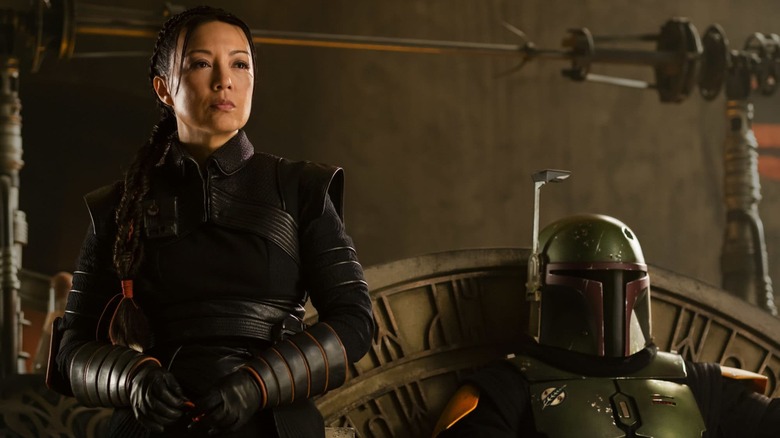
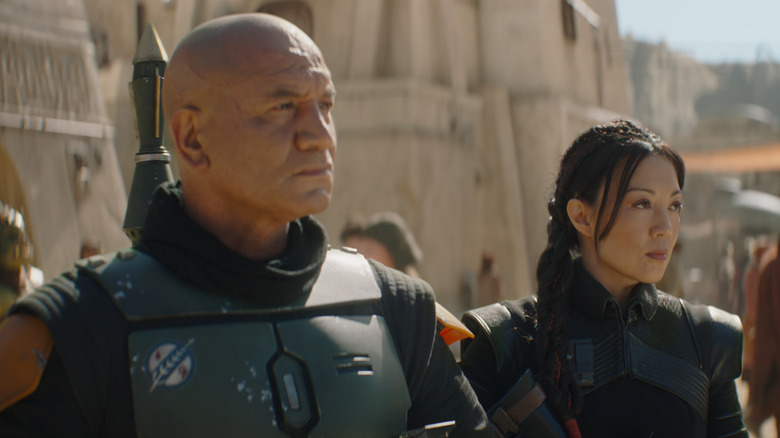
In episode 4 of "The Book of Boba Fett," we finally learn how Fennec Shand survived the aftermath of "The Mandalorian." The episode "The Gunslinger" ends with an unseen figure and the sound of spurs approaching her body, now confirmed to be Boba Fett. Season 2 of "The Mandalorian" showed that her should-have-been-fatal abdominal wound from Calican had been replaced with machinery, but today's episode "Chapter 4: The Gathering Storm," showed that Fett took Shand to a mod parlor outside Mos Eisley, where she was outfitted with cybernetic parts to save her life. Fennec Shand is now a Gynoid, but one that subverts the tropes typically associated with artificial women.

Fennec Is The Droid I'm Looking For

Before Fennec became bio-mechanical, she was a gifted female bounty hunter, elite mercenary, and Master Assassin who worked for the top crime syndicates during the age of the Galactic Empire. Cybernetic modification was not necessary for her to fulfill her roles, and her ability to strike fear in the souls of her enemies was established long before the Mod Artist (indie bassist and singer Thundercat) gave her a gut full of hydraulics. Robotic women are typically expected to achieve the impossible while maintaining a flawless chassis, an exploitation of the "bring home the bacon and fry it up in a pan" expectations put upon those socialized as women. Fennec worked her way up the criminal underworld as a cunning and elite mercenary during the beginning of the Empire's reign, and did so without the assistance of machinery. She was just that badass.

Gynoids typically also don a high-femme or overtly risqué appearance, a juxtaposition of the idealized standard of Western beauty with the intensity of machinery. Even characters like Ava in "Ex Machina," who eventually gains her own autonomy after enduring patriarchal abuse, chooses to wear unquestionably "girly" clothes in order to appear more human. Fennec Shand on the other hand is stylized in sleek, practical, and threatening gear. The clothing options in the world of "Star Wars" are typically gendered outside of military uniforms, and Fennec's portrayal of being a mechanical woman while incorporating Domme fashion is a total subversion of what is typically "allowed" of mechanical women, especially that her mechanical stomach is eventually covered by clothing, much to the chagrin of the Mod Artist.

Not A Rebuilding, But A Reawakening

Perhaps most important is the intent behind Fennec's body modifications. Unlike the biker teens who willingly enhance their bodies with droid parts for aesthetic and rebellious reasons (like the "Star Wars" equivalent of getting tattoos), Fennec's modification is done out of survival. Fett wants Fennec to survive, and she surmises that he did this only because she's worth more alive than dead. But in reality, he wants her help. Fett understands and respects her skill and power, and calls on her to assist in his retrieval of his Firespray from Jabba's palace. While yes, the argument can be made that he only saved her and made her mechanical because he needed her to work for him (thereby falling under the "labor" aspect of the trope), this is exactly the type of work she would have done as a human beforehand. Fett could have let her die and looked for someone else to assist him, but the proficiency she showed as a human is why he specifically wanted her, not because of her eventual mechanical enhancements.

Fennec obviously feels beholden to Fett for saving her life, but her partnership with him feels less like repaying a debt, and more of a conscious decision made on the grounds of mutual respect. Seldom are we given the opportunity to see a biomechanical woman make her own decisions, develop her own moral code, and maintain bodily autonomy without being defined by her mechanical alterations. Mechanical stomach or not, Fennec is still one of the coolest characters this side of Tatooine's two suns.

Read this next: The 25 Best Movie Robots Of All Time

The post How Fennec Shand Subverts an Irritating Sci-fi Trope in The Book of Boba Fett appeared first on /Film.

19 Jan 23:33

God of War PC Update 1.0.2 released, full patch notes revealed

by John Papadopoulos

Santa Monica and Jetpack Interactive have released the second PC patch for God of War. Update 1.0.2 is a small patch that fixes two bugs and adds two error messages. So yeah, don’t expect any major enhancements or improvements. Going into more details, Patch 1.0.2 fixes an issue where users with Intel 12th Gen CPUs … Continue reading God of War PC Update 1.0.2 released, full patch notes revealed →

The post God of War PC Update 1.0.2 released, full patch notes revealed appeared first on DSOGaming.

19 Jan 21:49

WhatsApp Ordered To Help US Agents Spy On Chinese Phones

by msmash
New submitter HillNKnowlton22 writes: U.S. federal agencies have been using a 35-year-old American surveillance law to secretly track WhatsApp users with no explanation as to why and without knowing whom they are targeting. In Ohio, a just-unsealed government surveillance application reveals that in November 2021, DEA investigators demanded the Facebook-owned messaging company track seven users based in China and Macau. The application reveals the DEA didn't know the identities of any of the targets, but told WhatsApp to monitor the IP addresses and numbers with which the targeted users were communicating, as well as when and how they were using the app. Such surveillance is done using a technology known as a pen register and under the 1986 Pen Register Act, and doesn't seek any message content, which WhatsApp couldn't provide anyway, as it is end-to-end encrypted. As Forbes previously reported, over at least the last two years, law enforcement in the U.S. has repeatedly ordered WhatsApp and other tech companies to install these pen registers without showing any probable cause. As in those previous cases, the government order to trace Chinese users came with the statement that the Justice Department only needed to provide three "elements" to justify tracking of WhatsApp users. They include: the identity of the attorney or the law enforcement officer making the application; the identity of the agency making the application; and a certification from the applicant that "the information likely to be obtained is relevant to an ongoing criminal investigation being conducted by that agency." "Other than the three elements described above, federal law does not require that an application for an order authorizing the installation and use of a pen register and a trap and trace device specify any facts," the government wrote in the latest application.

Read more of this story at Slashdot.

19 Jan 21:27

15 Shows Like The Sopranos That Will Have You Glued To Your Seat

by Liam Gaughan

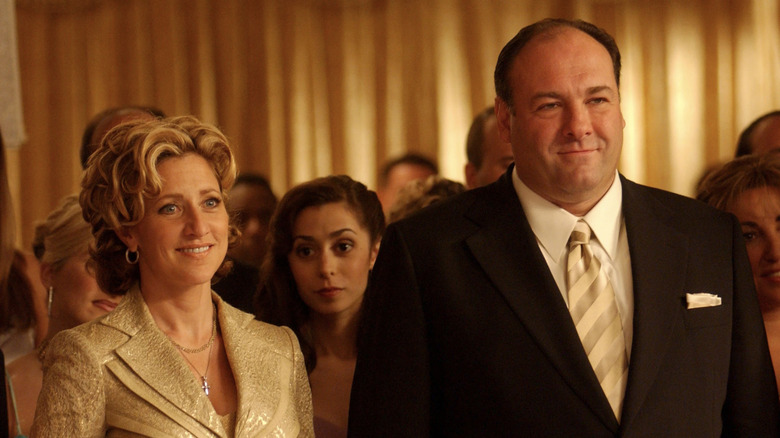
"The Sopranos" essentially did for television what "The Godfather" did for cinema; it was a foundational text that not only ranks among the most brilliant and beautifully constructed ever made, but is continuously cited for its groundbreaking achievements within the medium. When "The Sopranos" debuted in 1999, there was simply nothing like it. Ambitious long-form storytelling on this scale did not exist on television at the time, and "The Sopranos" continuously kept viewers on the edge of their seats with its frequent twists and turns.

"The Sopranos" solidified HBO's excellence in original programming and laid the groundwork for the "peak TV" of today. Thanks to "The Sopranos" and the shows it inspired, television is now considered to be a form of storytelling that's not only equal, but oftentimes superior to film. Showrunner and creator David Chase justified prolonged viewer interest by crafting creative storylines that explored the true depths of mob boss Tony Soprano (James Gandolfini) and his operations. Gandolfini's sensitive, nuanced performance is one of the greatest pieces of acting ever committed to screen.

If you love "The Sopranos," you should check out these gripping shows, too.

Twin Peaks

In addition to the brilliant writing of David Chase and the excellent performances, one of the reasons "The Sopranos" was so groundbreaking was that it was one of the few television shows that felt fully cinematic. There is a beautiful quality to the craftsmanship of the series, and often the show would experiment with arthouse film techniques to show the interior of Tony's mind. The season two finale "Funhouse," for instance, included visions in which Tony weighed the betrayal of one of his closest allies, and the experimental season five episode "The Test Dream" found him considering his cousin Tony's (Steve Buscemi) loyalty.

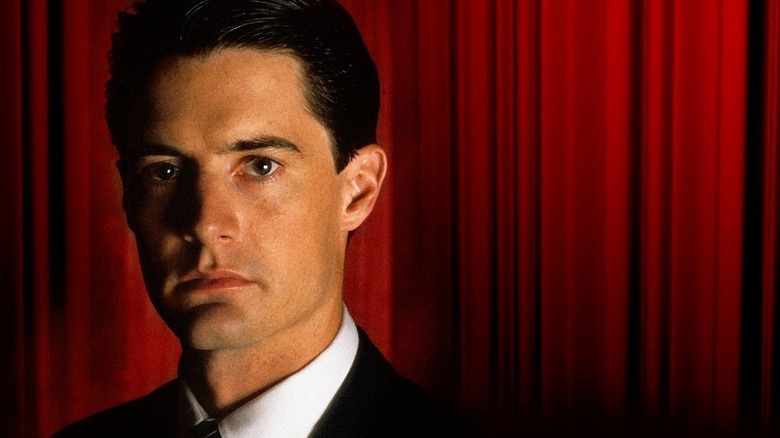
Few television shows rise to the same cinematic heights as "The Sopranos," but nearly a decade prior to its debut, "Twin Peaks" set the gold standard for ambitious storytelling on television. At the time it was very rare for such a visionary director to work in television, but "Twin Peaks" was co-created by the brilliant filmmaker David Lynch. Lynch crafted an enticing mystery that continues to provoke questions and theories.

"Twin Peaks" is set within a small town of the same name where the high school's prom queen, Laura Palmer (Sheryl Lee) is found dead and wrapped in plastic. The idiosyncratic FBI Agent Dale Cooper (Kyle MacLachlan) is dispatched to investigate and encounters the strange and unusual residents of the community, as well as unexplained supernatural events.

Mr. Robot

Suspense and anxiety were a large reason why "The Sopranos" was so gripping, as the characters were constantly in danger and many shocking deaths occurred over the duration of the series. There was no guaranteed safety for any of the show's characters, and some of the most emotional episodes in the series are ones in which long-time cast members are forced to depart, such as the heartbreaking "Long Term Parking." There were also many shocking reveals. For example, Christopher Moltisanti (Michael Imperioli) begins to gradually piece together the true backstory of his father Dickie and his death.

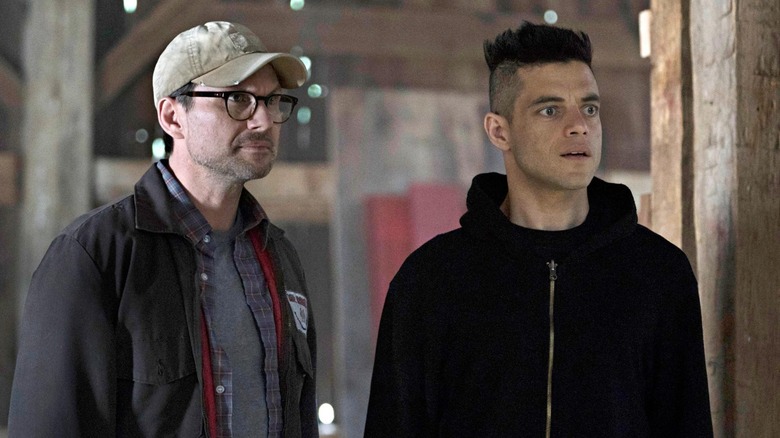
The USA Network thriller series "Mr. Robot" is one of the most gripping television shows in recent memory. Similar to Chase, showrunner and creator Sam Esmail utilized experimental filmmaking techniques to create a visually and tonally distinct series. "Mr. Robot" follows the data security programmer Elliot Alderson (Rami Malek), who works for the conglomerate E Corp, which he refers to as "Evil Corp." Elliot secretly works as a Robin Hood-esque hacker exposing corrupt individuals, and he's recruited by a mysterious hacking society named fsociety and their enigmatic leader, Mr. Robot (Christian Slater), who want to hack E Corp and erase the world's debt.

House Of Cards

While "The Sopranos" is often a violent show that features many gripping action setpieces, at its heart, it's a political drama about the difficult decision-making process and consideration that goes into choosing and maintaining leaders. Tony did not rise to prominence purely through his family name, as he had to contend with rivals for his position of influence and earn respect. The relationships between different mafia organizations within the area are fragile, and Tony must be wary of upsetting any alliances or preexisting deals that could jeopardize the stability of his operation.

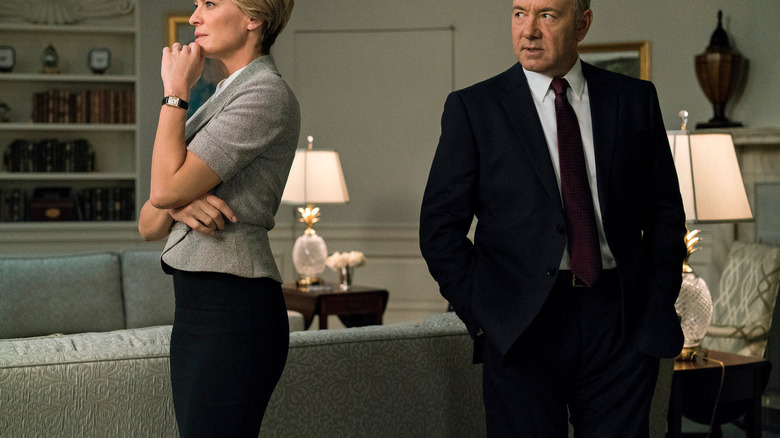
The political maneuvering that is so present on "The Sopranos" is central to "House of Cards." Similar to "The Sopranos," "House of Cards" was a game-changer in how it was presented to viewers, as was the first-ever Netflix original series. "House of Cards" inspired fans to sit down and watch extended binges of new episodes thanks to its gripping narrative and frequent twists. Just as "The Sopranos" explored the inner workings of the mafia, "House of Cards" showed the behind-the-scenes wheeling and dealing within modern politics.

Succession

For as gut-wrenchingly emotional and brutally violent as "The Sopranos" could get, it was often a hilarious series with a great sense of humor. Tony was a complex character who often used jokes as a defense, and his playful interactions with the men under his control often inspire hilarious conversations. Some of the show's best episodes, such as "Pine Barrens," seamlessly combine comedy and drama.

Few shows currently on the air manage this balance between comedic and dramatic influences as well as another HBO series, "Succession." The financial family drama is similar to "The Sopranos" in that the characters are engaging and somewhat sympathetic, despite the fact that they do monstrous things that harm a lot of innocent people. "Succession" has some of the best one-liners and insults, but the humor doesn't detract from the brilliantly written tragedy of a family that has always failed to communicate and express their emotions to one another.

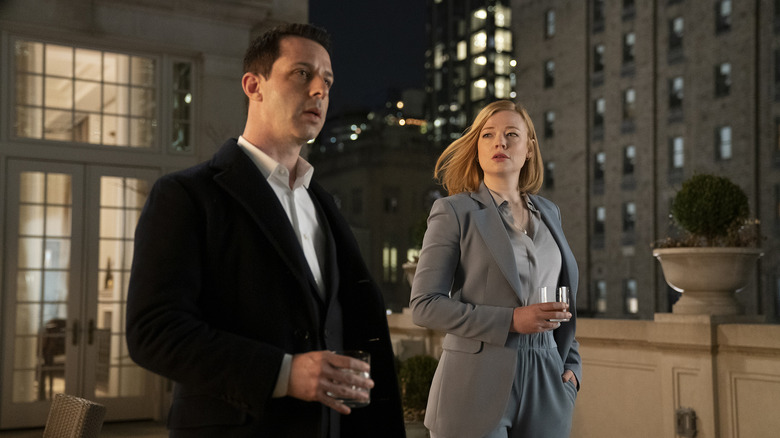
The series follows aging media mogul Logan Roy (Brian Cox) as his leadership is put into question, and the future of his empire Waystar RoyCo is in jeopardy. Logan's influence is sought by his four children: Former drug addict and loyal company man Kendall (Jeremy Strong), wisecracking scoundrel Roman (Kiernan Culkin), politically savvy tactician Shiv (Sarah Snook), and utter goofball Connor (Alan Ruck).

Angel

"The Sopranos" was a fascinating series because its characters did not strictly fit into the classic categories of good or evil. Tony does many terrible things throughout the show, but he's also a sensitive man who is shown to be loving towards his wife, Carmela (Edie Falco), and his children. Tony's sensitivity comes out prominently during his therapy sessions with Dr. Melfi (Loraaine Bracco), in which he reveals personal details that he wouldn't dare share with any other close confidant.

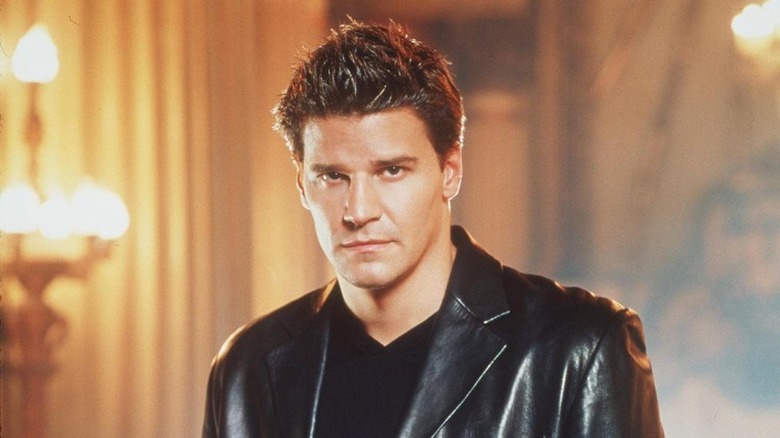
The fantasy adventure series "Angel" explored a similarly nuanced character who evolves throughout the series's five-season run. David Boreanaz's titular character, a vampire cursed with a soul, was first introduced on the young adult series "Buffy the Vampire Slayer," but departed from the main series cast at the end of the third season. The spinoff reimagines Angel as a detective in Los Angeles, where he attempts to atone for the sins of his past by helping others in need and dealing with supernatural threats. Angel is haunted by visions of his past cruelty, and his evil alter ego Angelus threatens to emerge.

Battlestar Galactica

"The Sopranos" took a somewhat unexpected take on the well-established mafia genre. It's not as if casual viewers were entirely unaware of the inner workings of criminal underworlds, as cinematic classics like "The Godfather," "Goodfellas," and "The Untouchables" had been exploring similar territory for decades. However, taking a prominent mob boss and depicting him as a family man was a new take on the genre, one which made "The Sopranos" feel unique. While the show would make reference to "The Godfather" and "Goodfellas," it quickly established itself as a future classic in its own right.

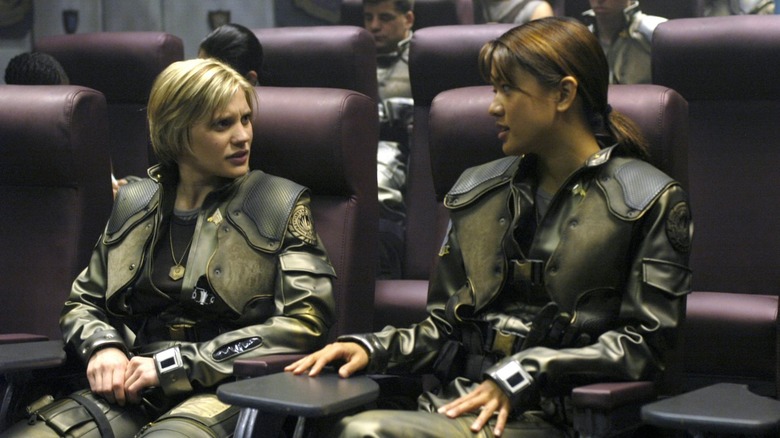
The original 1978 science fiction series "Battlestar Galactica" was little more than a cheaply produced, campy action series made to cash in on the recent success of "Star Wars." However, the 2004 reboot took the universe in a completely unexpected direction. The series was reimagined as a political drama about the fragility of maintaining civilization during the constant threat of an invasion from lethal aliens known as Cylons.

Game Of Thrones

"The Sopranos" is all about the wheeling and dealing that goes into holding a dangerous organization together. Each decision has to be meticulously planned as Tony and his allies weigh the course of action that will be best for the family's future. Tony is ruthless, but he's also a savvy strategist who tries to read his enemies' minds and analyze their plans. His intelligence makes him a compelling series lead, and he's accompanied by a cast of characters that are equally as complex.

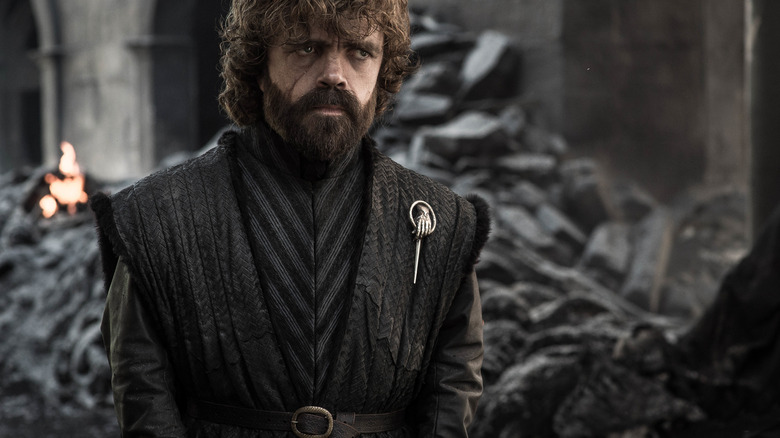
"Game of Thrones" is essentially a political thriller that just so happens to take place in a mystical fantasy realm. The great source material of George R.R. Martin's novels created the perfect template for a fable about the all-consuming nature of war and the power struggles that result as the families of Westeros vie for control of the Iron Throne. It's ironic that as this conflict plays out, the characters are ignorant to the looming threat of the undead Whitewalkers and their leader, The Night King.

Daredevil

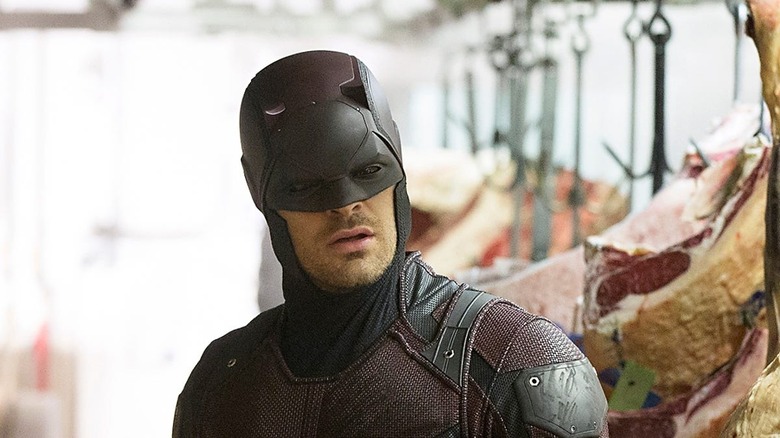
Comic book storytelling grew grittier throughout the development of the medium, and different superheroes had diverse depictions that suited them for different types of adaptations. While some superhero characters are inherently sillier and deserve a more light-hearted approach, other characters are more bound to reality and benefit from a dark and gritty tone. Blind lawyer Matthew Murdock and his superhero alter-ego "Daredevil" is often the star of darker, crime-based storylines, many of which have way more in common with "The Sopranos" than they do "Spider-Man" or "The Incredible Hulk."

The Netflix series adaptation "Daredevil" fulfilled the character's proper legacy by setting him within a realistic world. Charlie Cox gave a brilliant performance as the central hero, whose childhood loss of his father and prominent Catholic upbringing granted him with a strong sense of morality. Murdock doesn't face off against supernatural threats, but rather the crime boss Wilson Fisk (Vincent D'Onofrio), also known as Kingpin.

Mad Men

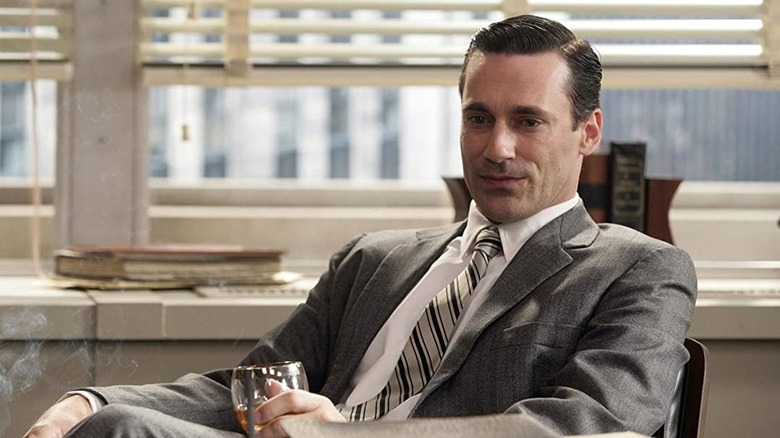
One of the most impressive things about "The Sopranos" is how it justified the show's prolonged length without dulling viewer interest. Not every show can run for six seasons and continue to be interesting throughout, but "The Sopranos" kept fans engaged by putting the characters in constant danger and peeling back Tony's psychological layers. Tony is hardly the same man in the series pilot as he is by the finale, as he's changed and desensitized by the events of the show. Key flashbacks to his childhood helped Gandolfini flesh out his performance.

The AMC period piece "Mad Men" was similarly gripping throughout its run, as it ran for seven brilliant seasons and concluded perfectly with the finale "Person to Person." The series is set in the 1960s, and follows the inner workings and employees of the fictional advertising company Sterling Cooper and its charismatic creative director, Don Draper (Jon Hamm). Like Tony, Don is a fascinating character who holds many mysteries beneath his outward persona. It's revealed that he has stolen his identity after growing up penniless and surviving a traumatic wartime experience.

The Shield

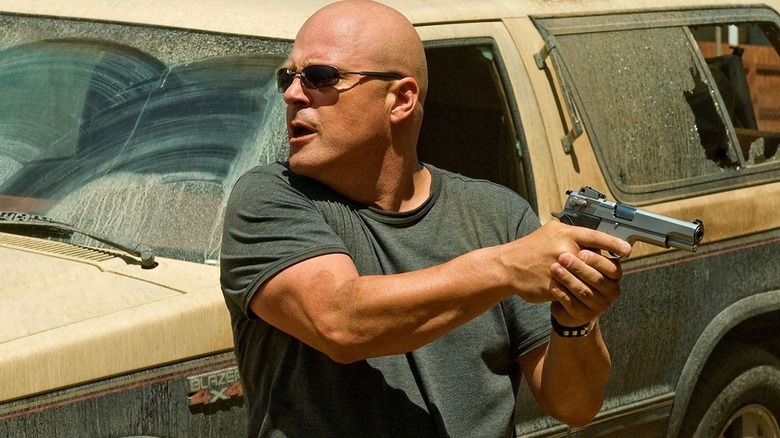
Tony Soprano completely characterizes the classic anti-hero trope. Against their better judgment, fans may be rooting for Tony to win the day even though he's continuously proven to be a violent, extreme, and often cruel character who takes advantage of others and puts both his family and friends at risk. When discussing the great anti-heroes of modern television, Michael Chiklis' Vic Mackey, of "The Shield," also deserves to be in the conversation.

Mackey is the head of the Strike Team division of the Los Angeles Police Force, and specializes in raids and dangerous operations that he oversees with an elite and loyal team. Mackey is known for his brutality, as he will emotionally and physically torment his witnesses in order to get them to cooperate, and he often conflicts with the department's leadership. However, Mackey's methods are sometimes necessary in order to find a solution during a race against time; during the pilot episode, he is called in to question a child predator in order to determine the location of a kidnapped young girl. This is the same episode in which he brutally slays a fellow cop, so it's safe to say viewers certainly got to see the range of actions Mackey is capable of, right off the bat.

The Wire

"The Sopranos" explores the intersections between various institutions that involve the mafia; at various points, Tony must contend with local police, some of which he paid off, and the looming threat of an FBI investigation and the fear that one of his close allies could be an undercover informant. Later seasons also incorporated the influence of Hollywood, as Christopher worked to get his screenplay produced and establish himself as an actor. There is also a news media presence that paints Tony in a new light and gives him a different public reputation.

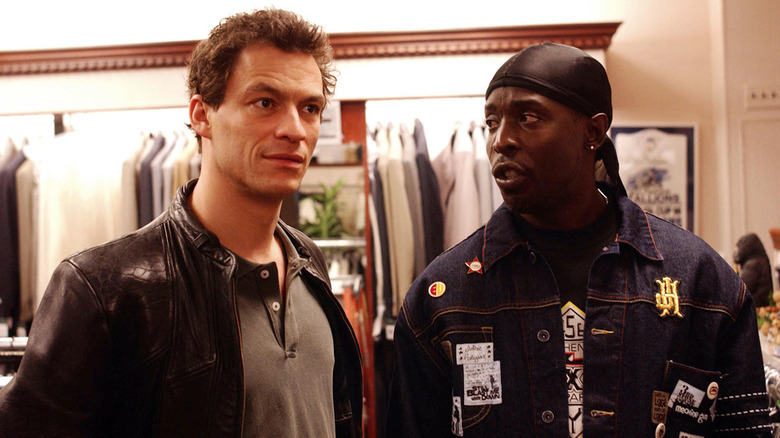
David Simon's ambitious HBO series "The Wire" debuted only a few short years after "The Sopranos," and was as equally important in showing the possibilities of cinematic storytelling on television. "The Wire" is Shakespearean in its scope, exploring the Baltimore drug scene from the perspective of various players, and giving empathy to them all.

The first season focuses on the cops' investigation and wiretapping of the Barksdale drug ring and other operations. Season two took the drama to the city ports and explored the perspective of dock workers. Season three explored city politics and the corruption of legacy leaders, focusing on the mayoral campaign of the charismatic young politician Tommy Carcetti (Aidan Gillen). Season four followed several young schoolboys who are drawn into a life of crime. Season five explored the media's coverage of city crime, and how a false story about a serial killer took root.

11.22.63

There is an element of "The Sopranos" that involves a race against time. Tony is frequently trying to avoid an FBI investigation, and the sixth season, in particular, is very chaotic. All-out war is breaking out between the crime families, and Tony must quickly determine the path forward in order to establish his family's survival.

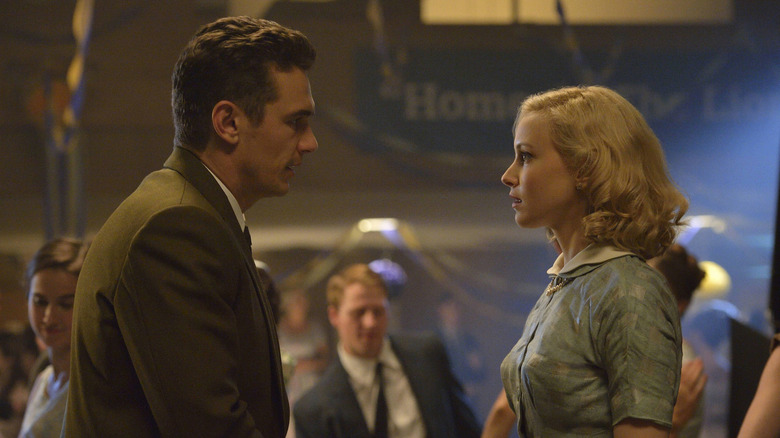
The Hulu miniseries "11.22.63" explores a frantic mission by a hero who faces a similar ticking time clock. Based on the novel by Stephen King, the show follows high school English teacher Jake Epping (James Franco), who meets a mysterious man named Al Templeton (Chris Cooper), who suggests he holds a gateway to a different time period. Al is able to transport Jake back to the 1960s, and the two decide to stop the assassination of U.S. President John F. Kennedy in 1963. Jake finds himself comfortable within the new environment and falls in love with a kind-hearted fellow teacher by the name of Sadie Dunhill (Sarah Gadon).

Narcos

"The Sopranos" explores the complex ins and outs of a world that viewers may be familiar with. Mafia films are popular and certainly give one perspective on the crime world, but "The Sopranos" went far more in-depth in its exploration of the daily lives of Tony's family and team. The drug cartel landscape and prominent drug-runners that occupy it have been frequently depicted in films and media, but the Netflix series "Narcos" did an excellent job at exploring the real history behind many of the legends.

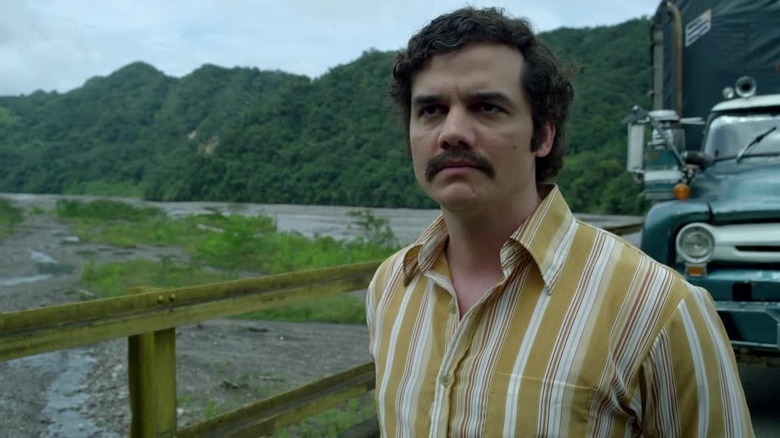
The first two seasons of "Narcos" explore the rise and fall of Pablo Escobar (Wagner Moura) as he expands his Columbian operation and becomes a prominent political leader. Escobar is hunted down by DEA Agents Steve Murphy (Boyd Holbrook) and Javier Pena (Pedro Pascal). The third season continues Pena's story as he investigates the Cali cartel that grows in the wake of Escobar's death. The series expanded with the spinoff "Narcos: Mexico," which follows the simultaneous rise of Mexican drug lord Félix Gallardo (Diego Luna).

Bloodline

Family is a cornerstone theme on "The Sopranos;" Tony prizes the loyalty to his bloodline above all else. Part of the reason that he chooses Christopher Moltisanti as his heir apparent is that he is a relative, and Tony must deal with his scheming Uncle Junior (Dominic Chianese), his overbearing mother (Nancy Marchand), and his obnoxious sister Janice (Aida Turturro). Tony and Carmelas' marriage takes many upwards and downwards spirals, and Tony struggles to connect with his daughter, Meadow (Jamie Lynn-Sigler), and son, A.J. (Robert Iller).

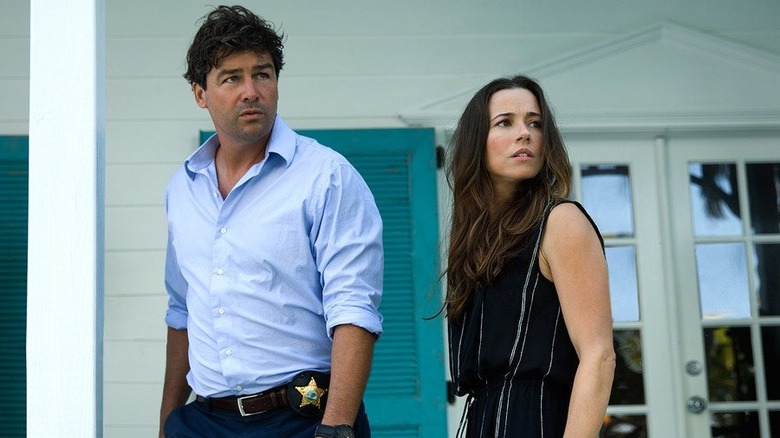
The integration of family drama and crime made "The Sopranos" compelling, and another great series that weaves those same bonds is the Netflix drama "Bloodline." The series follows various grown siblings who gather at a beach resort for the 45th wedding anniversary of their parents, Robert (Sam Shepard) and Sally Rayburn (Sissy Spacek). Their eldest son John (Kyle Chandler) is a local police detective and highly suspicious of his brother Danny (Ben Mendelsohn), the black sheep of the family. Chaos ensues.

Perry Mason

"The Sopranos" was unafraid to show disturbing images and paint the streets of New Jersey in gritty, grimy strokes. It was not a series for the faint of heart, as certain characters like Ralph Cifaretto (Joe Pantoliano) and Phil Leotardo (Frank Vincent) are particularly vile. It's one thing to show violence simply to shock the viewer, but "The Sopranos" justified its more intense elements by showing their consequences, and telling a story that necessitated the heavy approach.

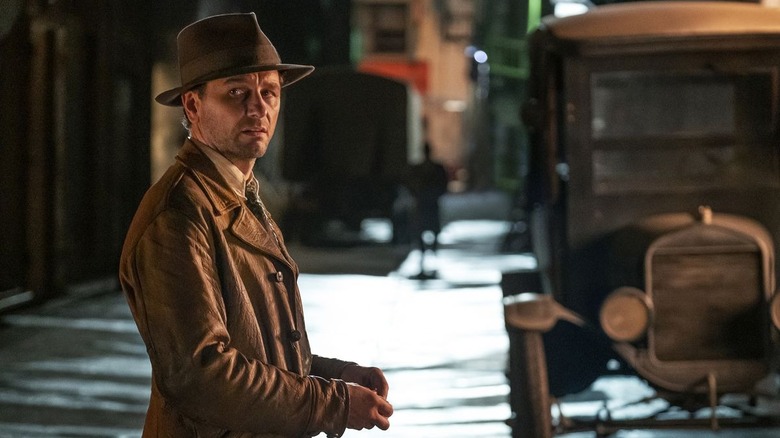
HBO's reboot of "Perry Mason" is far more intense than the original 1950s series that some viewers may have been familiar with. The series follows the titular criminal lawyer (Matthew Rhys), who sidelines collecting gossip on Hollywood figures. Mason decides to take on a baffling child murder that has sent the city into a state of paranoia, and defends the child's accused mother, Emily Dodson (Gayle Rankin), when it's assumed she is a murderer.

Read this next: Shows Like Breaking Bad That You Can Binge Watch Today

The post 15 Shows Like The Sopranos That Will Have You Glued to Your Seat appeared first on /Film.

19 Jan 20:23

Intel CEO Urges Lawmakers To 'Not Waste This Crisis' in Chip Push

by msmash
Intel Chief Executive Officer Pat Gelsinger urged the U.S. and Europe to push ahead with efforts to bring back chip manufacturing, arguing that government funding is needed to address an overconcentration of production in Asia. From a report: Governments need to learn from the disruptions of the pandemic and consider the national-security implications of having about 80% of production in Asia, Gelsinger said in an interview with Bloomberg News Editor-in-Chief John Micklethwait at The Year Ahead conference. Gelsinger said he was optimistic that the U.S. and European Union will push forward with proposed government funding to support the building of plants. "Let's not waste this crisis," he said. "It's good economics, but it's also national security." A chip shortage has ravaged a wide range of industries in the past year, hurting sales of everything from cars to iPhones. That's put a spotlight on the lack of production outside of Asia. Increasing tensions with China also have added pressure on U.S. lawmakers to restore local manufacturing. Gelsinger, 60, said he will soon announce expansion plans for Intel's manufacturing in the U.S. and Europe. Bloomberg has reported that the chipmaker is planning to build a production base in Germany and other facilities in Italy and France. Its next domestic factory will be in the Columbus, Ohio, area, according to Cleveland.com.

Read more of this story at Slashdot.

19 Jan 20:23

FBI, US Agencies Look Beyond Indictments in Cybercrime Fight

by Associated Press

The FBI and other federal agencies are increasingly looking to counter cyber threats through tools other than criminal indictments, the head of the bureau’s cyber division said in an interview with The Associated Press.

read more

19 Jan 20:23

Under The Radar: The Most Underrated Movies, Performances, And Moments Of 2021

by Jeremy Mathai

(Welcome to Under the Radar, a new column where we spotlight specific movies, shows, trends, performances, or scenes that caught our eye and deserved more attention ... but otherwise flew under the radar. In this edition: a round-up of 2021 as a whole.)

Can we talk about how we talk about entertainment for a second?

For as long as I'm paid to write about pop culture on the internet, I can promise that you'll never see me describe anything as "overrated." Not only does anyone using it usually come across as smug and dismissive, but there's no getting around how the very word itself (by definition!) only deals with the overall reaction to any given movie or show -- not the actual merits of the movie or show itself. "Overrated" implies some hypothetical, universal standard of how we "ought to" feel, all while conveniently ignoring how one could possibly ever quantify such a vague, ill-defined, and incredibly subjective notion in the first place. Worst of all, "overrated" simply doesn't foster discussion; it instantly shuts it down.

Hopefully, this is where "Under the Radar" comes in. If I've done my job right, it'll come as no surprise that I feel strongly about fostering a better kind of conversation. My aim for this series is to search for under-appreciated gems that may or may not receive their just due come awards season; to highlight certain noteworthy elements of movies or television that demand further exploration; to pinpoint those transformative storytelling moments that defy easy labels and don't necessarily lend themselves to viral-ready memes, 280-character tweets, or social media trending topics. Though the premise of this column might imply that the most popular titles need not apply here, we won't discriminate between blockbusters or indies, Oscar darlings or unabashed genre exercises, box office success stories or commercial flops. Ideally, this will be a place for nuance, discovery, and honest analysis of all the most overlooked puzzle pieces that come together to make stories work. It'll also provide a fantastic opportunity to, you know, yell at me on Twitter about anything and everything I unforgivably leave out, too.

So on that note, let's use this inaugural edition to take a trip back to the year that was and single out 10 specific aspects of 2021's movies and television that ultimately, for one reason or another, flew under the radar.

Zack Snyder's Justice League Gives Us A Look Behind The Curtain
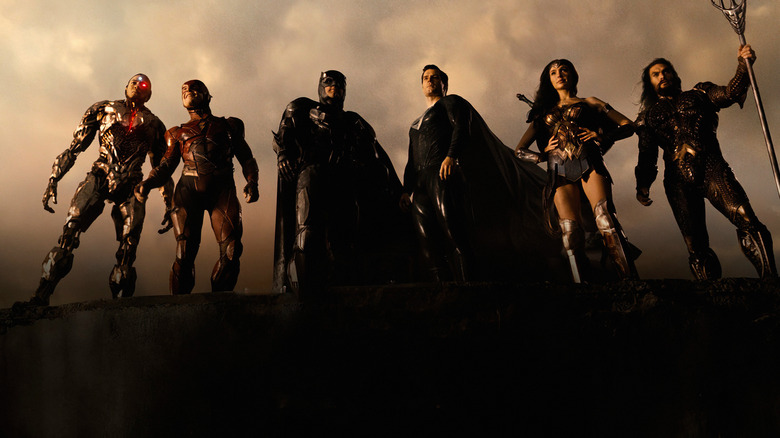
I know, I know. Bold move to kick things off with one of the most fiercely-debated movies in all of 2021, right?

As strange as it may seem to highlight "Zack Snyder's Justice League," I'd argue one important takeaway fell by the wayside amid the fraught circumstances surrounding its controversial release. Here, against all odds, fate delivered a rare opportunity to dig into both the 2017 theatrically-released "Justice League" and this new, wildly different version and take note of how the filmmaking sausage gets made ... and very few fans, if any, bothered to do so. Not that I expected much else from a tribalistic and toxic fandom, but the response felt disappointing all the same.

Think of it like this: presuming a healthy curiosity for the medium of film, the best way to learn more is to study the behind-the-scenes process. It's one thing to simply know that 2015's "Fantastic Four," "Solo: A Star Wars Story," or any number of movies through the decades started out one way and turned out differently. It's another thing entirely to see those changes for ourselves. In effect, both cuts of "Justice League" function as an invaluable, insightful exercise in how much can change in the edit.

This doesn't just apply to the obvious differences, either, like reinstating the backstory for the villainous Steppenwolf or Superman donning his black suit (tragically, sans beard or even mustache). Consider one minor example, like Cyborg's first meeting with Wonder Woman. Where Victor Stone dramatically flies in and land at Diana Prince's feet in Snyder's cut, the theatrical haphazardly mixes reshoots with original footage to have him slink out of the shadows in an alleyway. One version is obviously centered around his grand reveal, keeping the camera close to the ground to maximize the impact of his aerial arrival.

The other ... well, just look at this jarring, counterintuitive shot selection, seemingly changed for no other reason than to ward off potential CinemaSins logic nitpicks about why a superhero in hiding would make such a public entrance. (Answer: because it's cool as hell!)

Fans can consider this a beginner's guide to how meaningful cuts and purposeful camera placement comprise the technical basics of filmmaking. Looking back, "Zack Snyder's Justice League" inadvertently gave us 2021's most unexpected and eye-opening look at how movies are made.

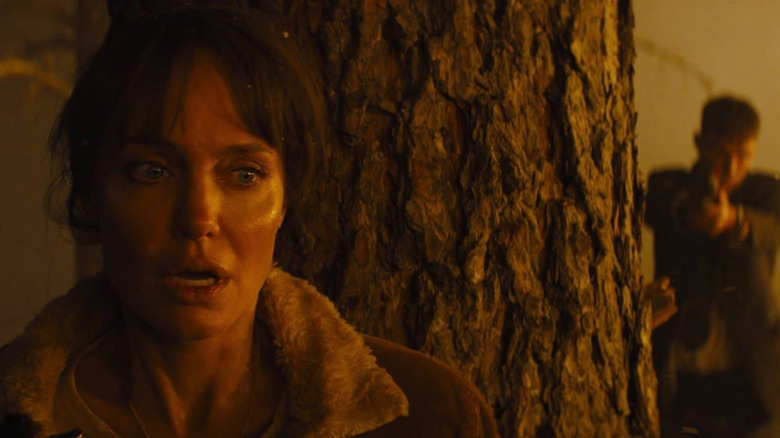
Angelina Jolie Reignites The Movie Star In Those Who Wish Me Dead
Where do you stand on the Great Movie Star Debate?

Many cultural critics have argued that the concept of genuine movie stars -- you know, the kind that instantly puts butts in seats and can singlehandedly carry any production on their backs to box office salvation -- have become a dying breed. Sure, Tom Cruise is still doing his thing and Chris Hemsworth and the other Marvel Chrises seem to meet that criteria, but did anyone bother showing up in significant numbers for less recognizable efforts outside the franchise machine, like "Bad Times at the El Royale," "Blackhat," or "American Made"?

However, one old-fashioned 2021 film helped revive some hope that, perhaps, we need not give up on the movie star just yet. Upon release in May of 2021, Tayler Sheridan's "Those Who Wish Me Dead" felt like a small light in the darkness -- ironic, given its fire-and-brimstone premise. Not only does the film stay far away from the typical IP-obsessed mindset of studios these days, but the very specific way it uses its star brings to mind any number of no-frills, no-nonsense films of yesteryear.

Angelina Jolie commands the screen as Hannah Faber, a "smokejumper" firefighter who parachutes her way into forest fires from above. Such bold feats come with the abrasive temperament to match, though she's all but grounded by the time the film begins on account of her lingering PTSD from a jump gone terribly wrong. Sheridan takes her on a collision course between a lost child on the run from the hitmen sent to kill his dad, a forest fire raging out of control, and the demons of her past. It's precisely the kind of "Grizzled loner in need of redemption" Dad Movie™ that could've starred Harrison Ford or Robert Redford at comparable points in their careers (or perhaps John Travolta or Nicolas Cage, as /Film's Chris Evangelista notes in his review), adding even more '90s throwback energy to the proceedings.

Unfortunately, "Those Who Wish Me Dead" fizzled out in theaters during limited release (though it's streaming on HBO Max), bringing daydreamers like me crashing back to Earth and reminding us that we live in a very different, pandemic-affected landscape now. Yet its simple goals, old-school feel, and legendary action star make it a rare, underappreciated thriller worthy of a closer look.

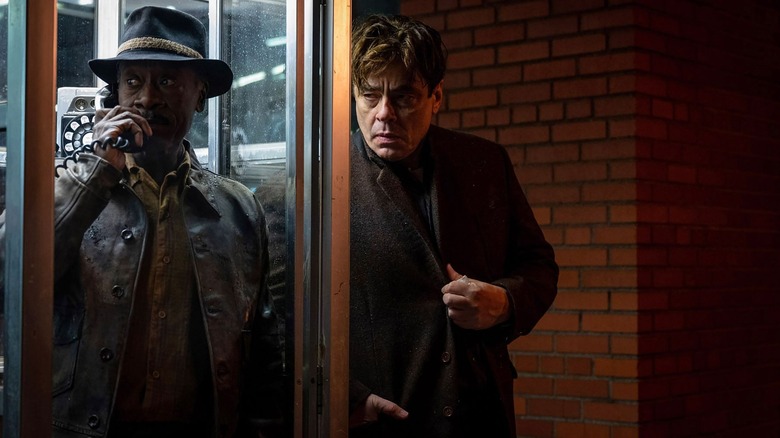
No Sudden Move: Soderbergh Keeps Making It Look Easy
"My God ... it's only Tuesday."

Few directors are able to rival Steven Soderbergh in terms of sheer output on a year-in and year-out basis, making his hit-to-miss ratio through the decades all the more impressive. But when he's at the top of his game, I would argue that nobody outdoes his uncanny ability to depict crime as either the most spectacularly alluring carrot on a stick that you've ever watched on the big screen ... or a never-ending, thoroughly exhaustive exercise in futility and mistakes made. While constantly keeping viewers on their toes through the many fun twists and turns of writer Ed Solomon's script, "No Sudden Move" firmly lands in the latter category of Soderbergh's crime dramas, with the added punch of the above quote delivered in the late stages of the film by a monumentally defeated David Harbour, and it's all the better for it.

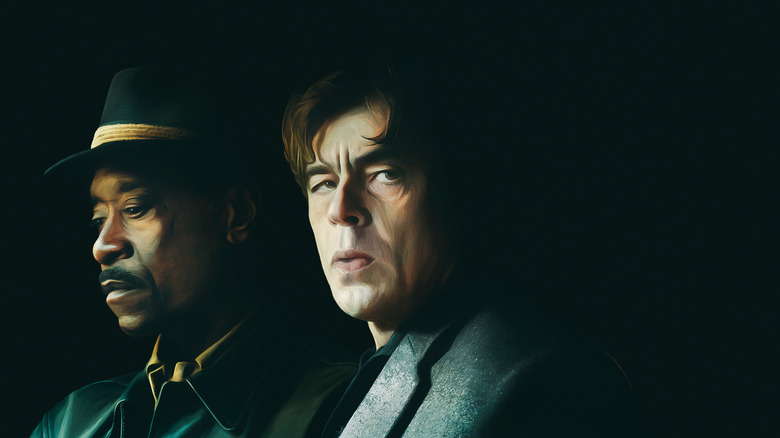
At first glance, the 1950s Detroit-set "No Sudden Move" appears to betray somewhat low ambitions. Don Cheadle's Curtis Goynes is fresh out of jail and in serious need of some quick cash to start his life over again, while Benicio Del Toro's Ronald Russo appears to be on a quest to rewrite his unflattering reputation as a gangster who is alternately described as "unpredictable," "untrustworthy," and "sloppy" (the first two delivered by a menacing Ray Liotta, the last by a pitch-perfect Brendan Fraser). The job? "Babysitting" the terrified family of Matt Wertz (Harbour), a number-pushing accountant for car manufacturer GM, while their third associate (played by trigger-happy Kieran Culkin) extorts the in-over-his-head Wertz into retrieving a work document containing sensitive information -- a deceptive MacGuffin that hangs over the head of the entire plot like the grim reaper itself.

Almost like a thematic cousin to Shane Black's similarly automobile-focused "The Nice Guys," Soderbergh's latest steadily unravels and reveals its greater focus from a couple of low-level criminals caught between two rival crime bosses and the score of a lifetime, to an industry-spanning conspiracy with unimaginably wide-ranging ramifications. The bleak ending (which, according to Solomon himself, could've been even bleaker), the purposefully disorienting warping effect caused by using wide-angled anamorphic (and period-accurate) lenses, and a practically acidic script help transform this otherwise slick, breezy caper into one of 2021's most pleasantly surprising gut-punches, as paradoxical as that sounds. May Steven Soderbergh never actually retire.

Pig (Or The Unexpected Emotional Devastation Of A Dinner Scene)
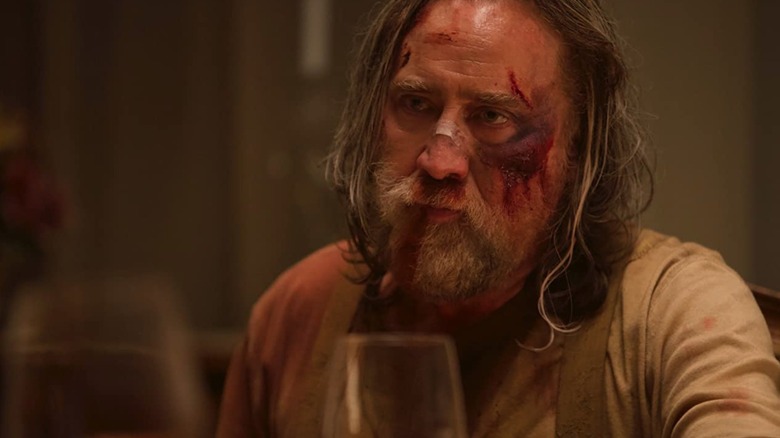
There's probably a hypothetical version of "Pig" where the premise is played for laughs or over-the-top action, as happens in other Nicolas Cage movies like "Prisoners of the Ghostland" or the upcoming "The Unbearable Weight Of Massive Talent." That's what most of us assumed upon first hearing about the film's initial plot description, involving the theft of his truffle-hunting pig and subsequent vengeance quest to recover it. Instead, writer/director Michael Sarnoski's directorial debut is thoughtful, melancholy, and shockingly restrained, using the field of culinary arts to sneak in larger questions about life, loss, and unrealized potential. Cage's soulful performance as the grungy, beat-up Robin Feld -- a famous chef who dropped off the map over a decade prior -- has rightfully earned praise in the months since release and the industry has taken notice of Sarnoski's work, snatching him up into franchise land with the next "A Quiet Place" movie.

So with those qualities already spoken for, I'll focus instead on one of two quietly devastating moments in "Pig" set around (fittingly enough) dinner tables, both of which calibrate the depths of Robin's loss of his pig. The show-stopper comes at the climax of the film, which has similarly received due recognition, but the first arrives about an hour into the film. Robin and truffle-buyer Amir's (Alex Wolff) impromptu investigation leads to an unbearably gimmicky, high-end Portland, Oregon restaurant that just so happens to be run by Robin's former employee. The surprisingly tense 10-minute sequence that follows between Cage and David Knell's Chef Derek Finway is breathtaking in its surgical precision. Though he attempts to brush over his complicity in stealing the pig, Robin changes tact and juxtaposes the chef's inauthentic restaurant with Derek's unrealized dream of starting a pub to cut through the artifice of his worldview.

"They're not real. You get that, right? None of it is real. The critics aren't real, the customers aren't real, because this isn't real. You aren't real."
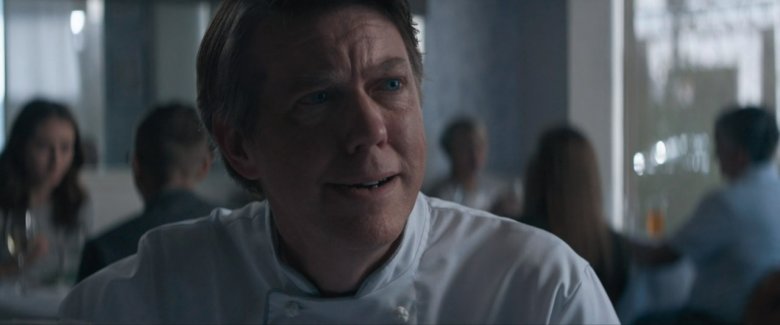
Of all the movie scenes in 2021, David Knell's face crumbling in front of our eyes in response to Cage's empathetic, yet honest assessment of how he's lost his way is an image I can't forget. So many characters in "Pig," Robin included, put up barriers to shield themselves from truths they'd rather not face. This one conversation captures that theme to powerful effect.

Old: Surrendering To Shyamalan
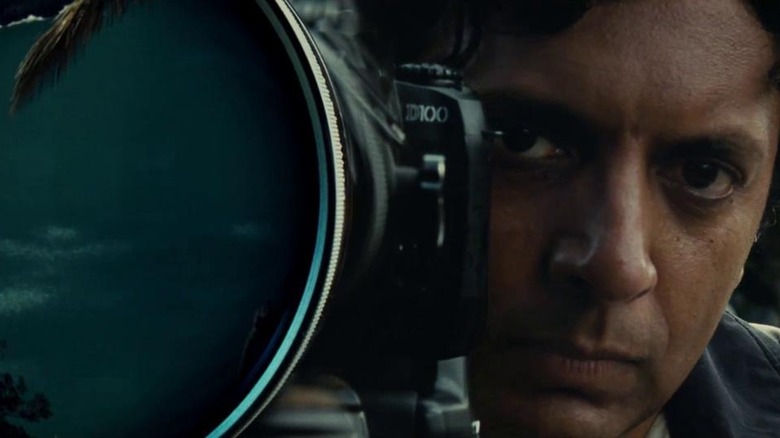
Say what you will about "Old," the movie where a bunch of people become trapped on the beach that makes you old, but viewers don't have to wait very long to realize what kind of tone it's trying to establish. Early on in M. Night Shyamalan's script, Vicky Krieps' Prisca wistfully takes in her young daughter's singing voice and follows with the bluntly on-the-nose remark that she "...can't wait to hear it when you're older," we're introduced to a rapper named "Mid-Sized Sedan" (Aaron Pierre), and Shyamalan himself cameos as the ostensible villain of the story. And to think that some people still had the audacity to try and act like the filmmaker somehow wasn't in on his own joke!

If "overrated" stands out as my biggest pet peeves in film discussions, then putting on airs and taking the default position that silly dialogue or concepts in movies couldn't possibly have been done intentionally would be a close second. "Old" is a self-examination of mortality, a deeply personal attempt to wrestle with parental fears, and simply a fun, unsettling horror flick all at once ... but it's also extremely, obviously, and self-assuredly comedic at times. For whatever reason, however, our instinct as viewers is to assume that we're superior to what we're watching. I wouldn't say "Old" is flawless or even one of my favorites among Shyamalan's filmography, but I don't think it's asking too much to meet the film halfway and on its own terms.

While many will never be satisfied until the divisive director returns to his glory years of "The Sixth Sense" and "Unbreakable," "Old" takes a much different (and, in my view, much more interesting) approach in blurring the line between horror and outright schlock. The deaths and body horror are played straight with as much tension as the camera can wring out of them, but familiar "Shyamalanisms" like stilted dialogue/acting, a willingness to mess around with tone, and a wry sense of self-aware humor reveal a filmmaker who has learned to crawl out from under the crushing weight of outsized expectations early on in his career and forge his own identity. Given that he's one of the very few directors currently telling original stories and bringing in general audiences on name recognition alone (the others being Christopher Nolan and Jordan Peele), I'd say he's doing something right.

The Green Knight: It's Dev Patel's World And We're All Just Living In It
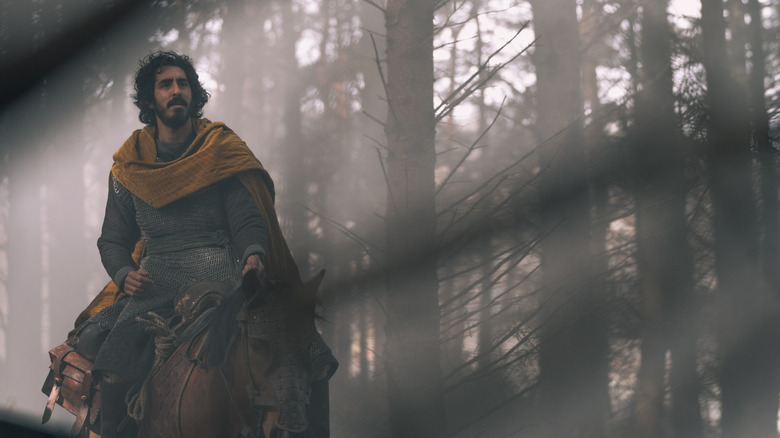
It's thrilling to watch a reliable, hard-working actor in their latest role and suddenly realize that you're witnessing the culmination of a journey into something more than "just" an actor -- a performer, an artiste (okay, I'll rein in the pretentiousness a bit), or maybe, just maybe, a star in their own right. A retelling of a timeless and authorless piece of Arthurian legend wouldn't seem to lend itself to such a grand proclamation, but that's precisely what Dev Patel and writer/director David Lowery accomplish.

In many ways, "The Green Knight" boasts all the trappings of traditional arthouse fare that makes average moviegoers flee in the opposite direction: an ambiguous ending; a story predominantly told through color, atmosphere, and symbolism; and almost a built-in requirement that one be familiar with the original text before even attempting to parse the meaning of the film's faithfulness and divergences. All of that combines to explain the glaring discrepancy between the glowing critic rating and the more tepid audience rating on Rotten Tomatoes ... but if that deterred you from checking this film out the first time around, then I'm here to inform you that you made a grave mistake.

My argument begins and ends with only two words: Dev Patel.

Although if you'll allow me to offer the somewhat longer version, I would point to Hoai-Tran Bui's review for /Film and Angeline Rodriguez's Polygon article, both of which get right to the heart of why his casting works so well as the not-yet-knight Gawain. He's hot and talented, he plays Gawain's brashness and eagerness to prove himself (and, inevitably, his unlikability) without a hint of irony or self-consciousness, and his unmistakable South Asian heritage adds several layers of subtext to the epic poem. The push and pull between Patel's rugged exterior and boyish charm immediately grants a lived-in feel to his relationship with Alicia Vikander's prostitute Esel, and he proves equally as adept at handling the much darker and more disturbing paths Gawain takes in the latter half of the film. In short, Patel's casting does everything a storyteller could ever want from a lead, elevating what was already on the page to another level entirely.

"The Green Knight" takes its cues from Dev Patel by alternately beguiling, repelling, and ultimately challenging its intended audience.

Exploring Memory And The Mundane In C'mon C'mon
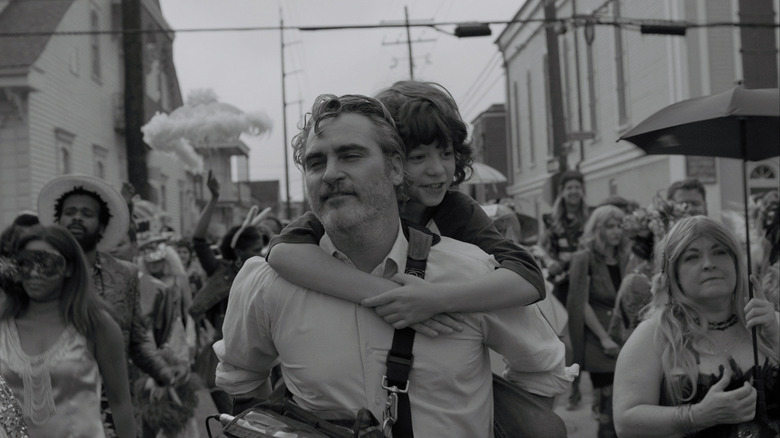
I've anticipated director Mike Mills' next feature film ever since 2016's "20th Century Women," which stands tall as one of my absolute favorites of the last decade or so, only narrowly missing out on my personal list of defining movies (a ranking I felt unsatisfied with roughly 10 minutes after submitting it, mind you) because I felt it needed a little more time to breathe. Needless to say, last year's "C'mon C'mon" didn't let me down. In fact, both this and "20th Century Women" are more alike than you might think, despite the vast gulf in their respective settings. The two coming-of-age, slice-of-life stories revolve around aimless young people heading towards an uncertain, oftentimes frightening future. "C'mon C'mon" merely makes this journey literal, taking Joaquin Phoenix's emotionally distant uncle Johnny on a road trip to bond with his openhearted nephew Jesse (Woody Norman) while interviewing students from across the United States and asking them their thoughts on the current world, their place in it, and their hopes/fears for the future.

The black-and-white picture feels remarkable for, well, how thoroughly unremarkable it is. Mills doesn't clutter up his script with dramatic plot twists, insipid contrivances, or manipulative storytelling to spice up a relatively plotless mood piece. What you see is what you get ... but, at the same time, the filmmaker's extraordinarily steady hand behind the wheel allows viewers to uncover layer upon layer of meaning from a glance, an unspoken word, or brief moments of panic when Johnny thinks he's lost Jesse (on multiple occasions!) in the streets of New York City. Many an arthouse film has reached similar conclusions about how hard parenting is, but "C'mon C'mon" breathes new life into this familiar territory by ceding time and space to Johnny's overwhelmed sister Viv (Gaby Hoffmann) and her struggling husband Paul (Scoot McNairy).

Like "20th Century Women," "C'mon C'mon" also ends up circling back to the idea of memory -- in this case, Johnny's job as a radio journalist allows him to capture voices, cityscape sounds, and his own private reflections of taking care of Jesse, all taking shape in an extended audio journal of sorts. When young Jesse frets about his uncle's nonchalant assertion that he'll forget their experiences together when he grows up, Johnny offers comfort the best way he knows how: "I'll remind you of everything."

Star Wars: Visions Makes The Franchise Feel New Again
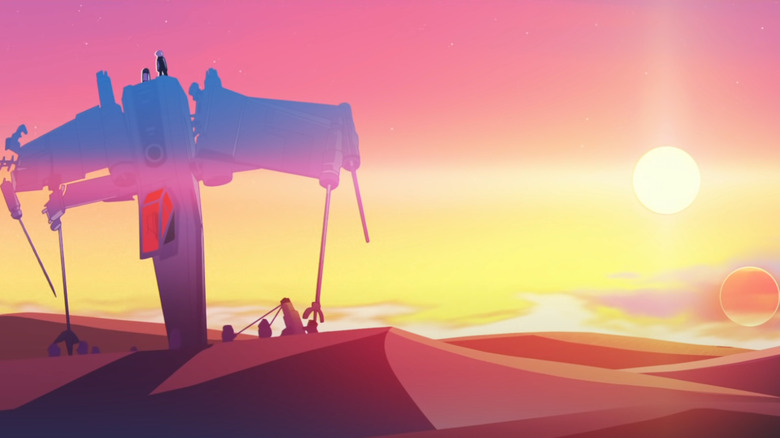
Confession time. You might think this column is written from the perspective of some insufferably holier-than-thou snob, but may this entry rid you of that notion entirely. After putting it on the record (not once, but multiple times) that I simply couldn't wait to watch "Star Wars: Visions" for its bold, inventive, and refreshingly new approach to telling stories in this sprawling universe, I ... promptly did just the opposite and forgot all about the anime series until a few short weeks ago. Mea culpa, folks. I'm just as guilty of passing up on quality entertainment as anyone else.

But all that said, boy am I glad that I finally caught up on what I'd missed the first time around. I can confidently say that "Star Wars: Visions" more than lives up to its potential as the injection of fresh creative energy that the franchise (and its fans) needed after "The Rise of Skywalker" brought the main saga to a profoundly disappointing close. Where the overwhelming majority of the post-Disney "Star Wars" era has struggled to balance the crushing weight of nostalgia with crafting new characters with new stories worth telling in the first place, "Visions" nimbly avoids these pitfalls by simply ... crafting new characters with new stories worth telling in the first place. It seems laughably simple when I put it that way -- and, in many ways, it really, really is -- but the episodic animated series deserves even more respect and applause for forging its own path in such style, all while remaining faithful to the spirit of George Lucas' original story.

None of the nine episodes run for longer than 24 minutes (credits included), but the sheer amount of imagination, story, and action packed into each installment is nothing less than, well, visionary. Impressive efforts like "The Duel," "The Twins," "The Village Bride," "The Ninth Jedi," and "The Elder" show off a darker side to bringing "Star Wars" back in line with the samurai movies that originally inspired Lucas, but "Tatooine Rhapsody" and "T0-B1" go a long way towards reminding us that this universe is meant to be optimistic and fun, too. "Lop and Ochō" and "Akakiri," meanwhile, are bold enough to end in outright heartbreak. In refusing to allow established canon to suffocate itself, "Visions" genuinely makes "Star Wars" feel new again.

Riz Ahmed Is A Powerhouse In Mogul Mowgli
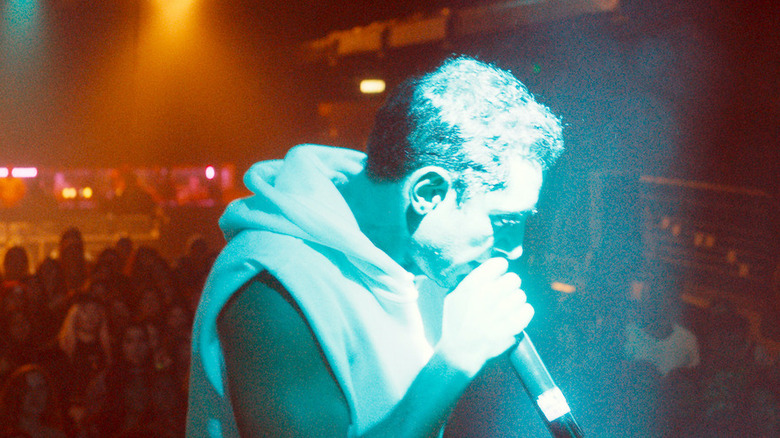
Have you noticed the work that Riz Ahmed has been putting in throughout recent years? Fans likely are familiar with the actor through "Nightcrawler," "Rogue One," or "Venom," but he has quietly strung together career-best performances with the excellent 2018 Western "The Sisters Brothers," 2019's "Sound of Metal," 2021's "Encounter," and "Mogul Mowgli." Though "Sound of Metal" shined a welcomed spotlight on the talented British-Pakistani actor, Ahmed may have one-upped himself with his strangely similar -- on the surface, at least -- role in "Mogul Mowgli." (Yes, we're counting this as a 2021 movie despite first premiering on the film festival circuit in 2020.) Both "Sound of Metal" and "Mogul Mowgli' star Ahmed as a talented musician who experiences a disability that impedes his ability to pursue his artistic passions, but the parallels end there.

In "Mogul Mowgli," writer/director Bassam Tariq and Ahmed (who receives both "story by" and "written by" credit) create a pseudo-autobiographical tale that borrows liberally from Ahmed's actual musical career. Zed is a famous rapper who writes material specifically about his Pakistani upbringing and cultural identity, living in two worlds without ever really feeling like part of either. A long-overdue visit to his family in Pakistan initially seems like a chance for clichéd attempts at "finding himself" or "gaining inspiration," but it soon turns into a nightmare as he can no longer ignore the profound generational disconnect between himself and his parents, as well as the alienation he finds even among his peers who were born and raised in Pakistan their whole lives. Zed's cultural identity crisis that /Film's Hoai-Tran Bui describes in her review accurately sums up the intense first/second-generation immigrant anxieties I felt while watching Ahmed rap, argue, and stubbornly refuse to accept his reality as a debilitating autoimmune disease threatens to derail his short-lived career.

From the evocative opening scene to the final haunting shot, Tariq and Ahmed can't help but add a sense of surrealism to the story, further exacerbated by Zed's repeated visions of a man from his childhood rocking a headdress, repeating the phrase "Toba Tek Singh" and tapping into a place in Zed's psyche that he isn't sure he wants to open up. With Riz Ahmed always finding the most interesting path to realizing the truth of his character, "Mogul Mowgli" easily stands out as one of 2021's best.

Jeffrey Wright Breaks Hearts And Takes Names In The French Dispatch

It's one thing to exude a cool and collected aura in big-budget genre pics, as Jeffrey Wright pulls off with ease in "No Time To Die" and likely will in "The Batman." But how many actors can also reach within themselves and bring out hidden depths as supporting players in more complex roles, like Wright has accomplished in projects like "Lady in the Water" (yeah, I said it!), "Only Lovers Left Alive," "Hold the Dark," "Westworld," and more? "The French Dispatch" benefits from both of these skills -- Wright as a showman and Wright as a sensitive soul -- to elevate itself into one of the biggest surprises in all 2021.

Of the many stand-out performances in "The French Dispatch," Wright's journalist Roebuck Wright (partly based on the great American writer James Baldwin) rises above the packed ensemble, a keystone holding up the architecture of the entire anthology film. Though each standalone vignette is about more than it lets on (i.e. the tension between art and commerce in "The Concrete Masterpiece," or the coming-of-age love story amid student riots in "Revisions to a Manifesto"), the penultimate chapter, "The Private Dining Room of the Police Commissioner," provides the film's most stirring portrait of life in the fictional French town of Ennui.

Even with so much narration and voiceover work (the framing device puts Roebuck on a talk show, flawlessly recollecting every word of his article), Wright's performance subtly brings decades-worth of weight to the idea of outsiders finding a sense of belonging. Roebuck is written as an energetic and tireless reporter, but Wright and Anderson further infuse the character with a sort of bemused vulnerability that hints at hidden depths. Intending to write a profile on the famous chef Nescaffier (Steve Park), Roebuck naturally gets caught up in a kidnapping plot concerning the police commissioner's son, a frantic shootout, a daring rescue implemented by the chef, and a thrilling (and endearingly animated) chase sequence through the streets of Ennui. His long-delayed meeting with Nescaffier results in one of Anderson's most poignant interactions yet.

Bonding over their outsider status as foreigners (with Roebuck previously incarcerated for loving "the wrong way"), Wright's earnest delivery of one last line of dialogue hits like a ton of bricks: "Maybe with good luck, we'll find what eluded us in the places we once called home."

Read this next: The Best Movies Of 2021

The post Under The Radar: The Most Underrated Movies, Performances, and Moments of 2021 appeared first on /Film.
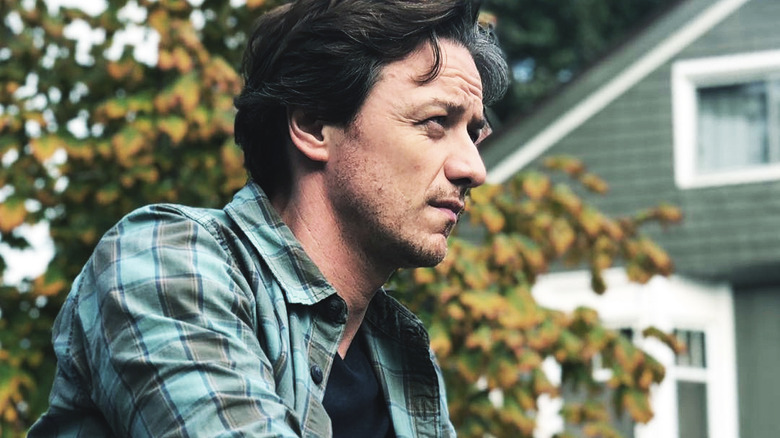
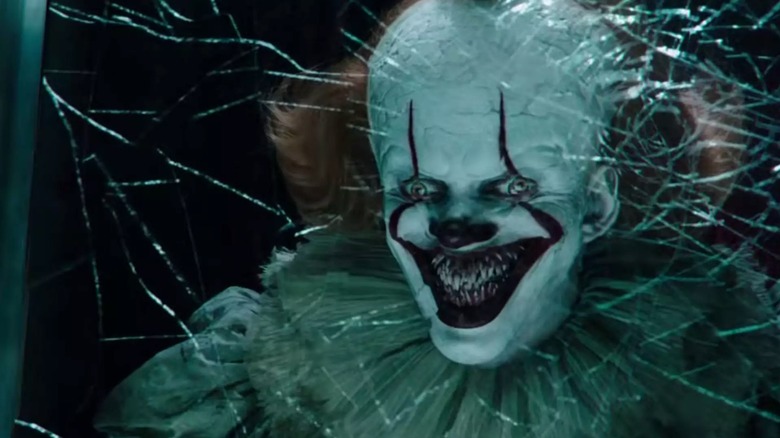
19 Jan 20:20

President Biden signs memo to help improve military cybersecurity

by Jon Fingas

President Biden is following his executive order on cybersecurity with more concrete action. The leader has signed a memorandum aiming to improve digital security for the Defense Department, the intelligence community and national security systems. The notice sets firmer requirements, both for schedules and for the technology needed to lock down government data.

The memo lets the NSA require agencies to take "specific actions" in response to threats and security flaws, and asks the NSA to coordinate with Homeland Security on directives. Agencies will also have to identify their national security systems, report incidents and secure tools that transfer data between classified and unclassified systems. The President's move also sets timelines and guidance for implementing technologies required in the executive order, ranging from encryption to multi-factor authentication.

Biden's move complements an order that was initially signed in response to critical infrastructure cyberattacks. In theory, this will tighten security at some of the most sensitive federal government institutions. As with the order, though, the memo can only accomplish so much without Congress' support. Virginia Senator Mark Warner, for instance, used the signing to ask Congress to pass legislation requiring notices of critical infrastructure breaches within 72 hours.

The timing is apt, at least. The President's effort comes as tensions rise between Russia, the US and American allies, with Ukraine blaming Russia for a string of cyberattacks that knocked out government websites. The situation might not lead to outright cyberwarfare, but the US still has a strong incentive to close as many security holes as possible.

19 Jan 20:19

Breaking Down Everything The Lord Of The Rings: The Rings Of Power Trailer Just Revealed

by Jeremy Mathai

One does not simply walk into Mordor. Instead, to really understand what you're dealing with, you have to travel back thousands of years before the mighty Fellowship ever came together on their mission (... quest ... thing) to destroy the Ring in the fires of Mount Doom and defeat Sauron once and for all. Luckily for us all, that's exactly what Amazon's "The Lord of the Rings: The Rings of Power" series is planning to do. After years of secrecy and speculation, the dam has finally begun to burst in recent months and information on this new take on Middle-earth has grown from a trickle to ... well, not quite the raging river that drowned Isengard just yet, but perhaps the one that put those Ringwraiths (briefly) out of commission? Yeah, let's go with that.

Amazon made waves (see what I did there?) when they gave us our first look at the then-untitled series back in 2021, though we were left to our own devices in parsing out all the hidden details and clues concerning what the show has in store for us. Today, however, the newly-announced title and accompanying trailer has finally given us our strongest and most reliable roadmap thus far. If you're a little overwhelmed by the daunting prospect of figuring out where, when, and what events this series will portray compared to Peter Jackson's "The Lord of the Rings" trilogy, or if the diehard fans out there merely want some more validation that their predictions are on the right track, then you've come to the right place.

Join us as we dive deep into "The Lord of the Rings: The Rings of Power" and attempt to lay out everything that the title, the announcement video, and the press release all reveal about this thrilling new era of stories set in Middle-earth.

Familiar Territory

Right off the bat, the early seconds of the clip put us on solid and recognizable ground, particularly for those familiar with both author J.R.R. Tolkien's landmark fantasy series and Peter Jackson's live-action adaptation. Eager fans, many of whom have been hunting for the slightest hint about the direction that "The Rings of Power" will take, couldn't have missed the implication of choosing Morfydd Clark -- rumored to portray a young Galadriel in this series -- to recite the voiceover narration that guides us through the title announcement. Reminiscent of Cate Blanchett's Galadriel becoming the very first voice we hear in the opening sequence of "The Fellowship of the Ring," somberly laying out the history of the Ring and Sauron's rise to power in Middle-earth long before, Clark definitely sounds like she's channeling a very similar sort of energy to create a thematic bridge between the two properties. But not a directly canonical one, as this series remains obligated to avoid directly referencing the Jackson movies.

The score, too, adds even more of a subtle connection between this new series and the famous Middle-earth movies that everyone on the planet is most familiar with. We previously brought you the news that Howard Shore, the masterful composer of "The Lord of the Rings" trilogy, was in talks to return for the same duties on "The Rings of Power." Though it's unclear if he had a hand in this announcement video or if this is merely a placeholder musical theme that will be replaced in the show itself, the opening notes in the trailer sure seem to evoke Shore's memorable motif for the One Ring

To some, it might seem counterintuitive to even subconsciously bring to mind the unparalleled heights of Jackson's trilogy, but it does make a certain amount of sense to give fans a solid foundation on which to build their understanding of this never-before-seen period in Middle-earth history. Set in the Second Age, thousands and thousands of years before the events of "The Lord of the Rings," casual viewers could quickly find themselves overwhelmed by the sheer amount of lore that Tolkien packed into these stories, much of which will be pulled from the appendices he included at the end of "The Return of the King." Time will tell if using the familiar to introduce something brand-new will pay off.

What's In A Name?

Though Amazon made us wait quite some time to discover the title (and, admittedly, it does sound a little generic and focus-tested), the name itself at least offers some valuable insights into the main thrust of the story that the creative team will tell in this series. As the official press release teases:

"...the significance behind the subtitle will not be lost on J.R.R. Tolkien fans, foreshadowing an epic story that welds the major events of Tolkien's Second Age together: the forging of the iconic rings."

Those who've brushed up on their Tolkien lore (or, alternately, just paid attention during the extremely efficient prologue preceding the main storyline of "The Fellowship of the Ring") already know that Sauron's initial rise to power stretches back millennia, back when he still had human form (as opposed to that big, flaming eye stuck on top of his tower in Mordor) and was gifted with the ability to seduce powerful individuals with little more than his voice. The title of this new series turns our assumptions into all but confirmation: Sauron will appear in the flesh and at the height of his powers as "Annatar" in "The Lord of the Rings: The Rings of Power."

As summarized in the trailer narration, taken directly from Tolkien's "Ring Verse" poem in the books, we can expect the series to cover how Sauron commissioned a total of 19 Rings from the Elves (after teaching them his skills in the first place under the guise of friendship) that would allow their wearers to perform extraordinary feats, such as creating the Elven realms of Rivendell and Lothlórien or helping the Dwarves accrue their great wealth. Once Sauron forged his own additional Ring that would control the others, however, the Elves wearing the Three Rings immediately became aware of his deception and his evil intentions.

Honestly, the mind reels at the nerdy implications of the five seasons of this series possibly addressing the history of Sauron openly warring against the perceptive Elves, recovering those Rings, and gifting them to the races of Dwarves and Men -- the latter of which directly leads to the creation of the villainous Ringwraiths. "The Lord of the Rings" mostly brushed over all the complexities and conflicts of this period of time, but the Amazon series will have plenty of time to sink its teeth into this untold story.

Read this next: The Best Movies Of 2021

The post Breaking Down Everything The Lord Of The Rings: The Rings Of Power Trailer Just Revealed appeared first on /Film.
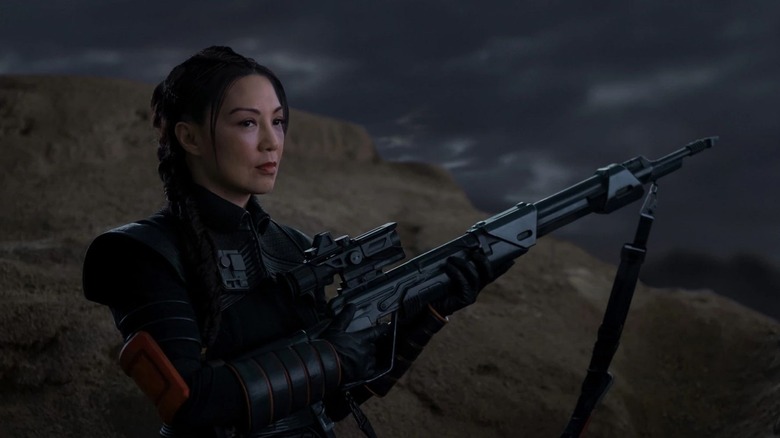
19 Jan 20:19

Project Zero: Zoom Platform Missed ASLR Exploit Mitigation

by Ryan Naraine

A prominent security researcher poking around at the Zoom video conferencing platform found worrying signs the company failed to enable a decades-old anti-exploit mitigation, a blunder that greatly increased exposure to malicious hacker attacks.

read more

19 Jan 20:17

Google Requiring All 'G Suite Legacy Free Edition' Users To Start Paying for Workspace this Year

by msmash
An anonymous reader shares a report: In 2020, G Suite became Google Workspace as part of a mass reorganization of the company's apps for the "future of work." Various plans were migrated over, and Google is now finally getting rid of the G Suite legacy free edition. "Google Apps" for businesses and schools were introduced 16 years ago and was discontinued in 2012. However, the company made no significant changes to those free accounts in the past decade, until today. In an email to administrators this morning, Google said it "will now transition all remaining users to an upgraded Google Workspace paid subscription based on your usage." As such, Workspace's only free plans are for Nonprofits and Education (Fundamentals). After getting free Gmail, Drive, Docs, and other apps for the past several years, companies/people will need to start paying for those Google services and the ability to use your own custom domain (instead of just gmail.com).

Read more of this story at Slashdot.

19 Jan 20:17

Microsoft Edge Adds Security Mode to Thwart Malware Attacks

by Ryan Naraine

A new security feature in the latest beta of the Microsoft Edge browser can help protect web surfers from zero-day attacks.

read more

19 Jan 19:38

The 'Dune' NFT Copyright Fiasco Is the Least of Crypto's Legal Worries

by Jessica Rizzo
Spice DAO's copyright misstep shows how many questions there are about the rules of cryptoart. This is an opportunity for transformation
19 Jan 19:37

FIN8 Hackers Spotted Using New 'White Rabbit' Ransomware in Recent Attacks

by noreply@blogger.com (Ravie Lakshmanan)
The financially motivated FIN8 actor, in all likelihood, has resurfaced with a never-before-seen ransomware strain called "White Rabbit" that was recently deployed against a local bank in the U.S. in December 2021. That's according to new findings published by Trend Micro, calling out the malware's overlaps with Egregor, which was taken down by Ukrainian law enforcement authorities in February
19 Jan 19:37

Apple Says US Bill That Allows Sideloading of Apps Would Wreck Consumer Privacy

by Ali Salman

US Bill Sideloading Apps Consumer Privacy

The United States bills which would require App Store to make major changes would ultimately compromise consumer privacy through various means. Apple's Senior Director of Government Affairs Timothy Powderly sent a letter to the Senate Judiciary Committee today highlighting the impacts of sideloading apps on iPhone and other platforms. Scroll down to read more details on the subject.

Allowing Sideloading of Apps Will Compromise User Privacy and Security and It Will Be "Nearly Impossible" to Protect Them

In the letter, obtained by MacRumors, Powderly stated that the bill would allow bad actors in the industry to take advantage of users through ransomware and malware. This is due to the fact that these actors could gain more user information compared to the boundaries that Apple has in place. In addition, he also stated that it would become "nearly impossible" for the company to protect the privacy of users from scammers. All of this would be possible if the bill was passed to force Apple to allow sideloading of apps.

US Bill Sideloading Apps Consumer Privacy

This is not the first time that Apple has been pressurized to make changes to the App Store. The company faces pressure from regions across the world, forcing Apple to make changes in the platform according to their laws and market. The American Innovation and Choice Online Act and Open Market Act will go up for debate in the United State and if the bill is passed Apple will be forced to allow sideloading of apps on iPhone and iPad. While this could cause the company to introduce alternative protection methods, user privacy and security will be compromised.

The bills put consumers in harm’s way because of the real risk of privacy and security breaches. In addition to making privacy and security protections nearly impossible to defend, the bills would actually allow predators and scammers to side-step Apple’s privacy and security protections completely. This circumvention is possible because the bills would mandate “sideloading,” or the direct installation of software from the internet in a way that circumvents the privacy and security protections Apple has designed, including human review of every app and every app update.

As for the company, it says that if the bill goes through, it will be a "big win" for bad actors and developers. These bad actors would have the option to collect and sell user data, putting "millions of Americans" at risk as they install apps and services from unauthorized sources. Moreover, it would pose malware and ransomware risks for users as well. The company also says that Apple can work with the Committee in favor of anti-competitive claims against it while still protecting user security and privacy.

We will share more details on the subject as soon as further information is available. Share your views with us in the comments section below.

The post Apple Says US Bill That Allows Sideloading of Apps Would Wreck Consumer Privacy by Ali Salman appeared first on Wccftech.

19 Jan 19:36

AMD Removes ‘4GB VRAM is not enough for games’ Marketing Hours Before Radeon RX 6500 XT 4 GB Launch

by Hassan Mujtaba

AMD once claimed that 4 GB VRAM was not enough for gamers to tackle NVIDIA's entry-level lineup but they are backing up from that marketing statement hours before the Radeon RX 6500 XT hits retail shelves.

AMD Has Removed '4 GB VRAM Is Not Enough For Games' Marketing Hours Before Radeon RX 6500 XT 4 GB Graphics Card Launch

Update: The card has been launched and most outlets are calling it the worst modern GPU launch yet.

As discovered by KitGuru (via Videocardz), the AMD marketing blog for the Radeon RX 5500 XT which mentioned that 4 GB wasn't sufficient for games has been removed. This comes a mere hours before the red team will be officially launching its highly controversial Radeon RX 6500 XT graphics card which packs 4 GB memory.

AMD is leading the industry at providing gamers with high VRAM graphics solutions across the entire product offering. Competitive products at a similar entry-level price-point are offering up to a maximum of 4GB of VRAM, which is evidently not enough for today's games. Go Beyond 4GB of Video Memory to Crank Up your settings. Play on RadeonTM RX Series GPUs with 6GB or 8GB of VRAM and enjoy gaming at Max settings.

AMD Marketing Blog For Radeon RX 6500 XT (Now Removed) Videocardz

AMD Removes '4GB VRAM is not enough for games' Marketing Hours Before Radeon RX 6500 XT 4 GB Launch

it comes as no surprise as that marketing blog would have made the Radeon RX 6500 XT 4 GB graphics card look really bad as a 2022 launch. Here are some key points to consider for the Radeon RX 6500 XT graphics card:

  • Only 4 GB VRAM in 2022
  • Limited To Just 4 PCIe Lanes (Gen 3 platforms to see severe performance degradation)
  • No AV1 Decoding
  • No H264/H265 Encoding
  • $199 US MSRP But AIBs suggest over $339/299 Euros pricing
  • Questionable Availability

Furthermore, several reviewers have not been allocated the Radeon RX 6500 XT graphics card for review. Renowned tech outlets such as TechPowerUp & Computerbase have reported that they won't be getting a sample from AMD or its AIB partners.

Some of the design choices were made to make the graphics card a viable option for gamers in a market that is heavily constrained (or so they want us to believe). But it turns out, these decisions have caused a major backlash from the tech community, and even older options such as the Radeon RX 5500 XT or the Radeon RX 480 look like better options compared to the new variant. Benchlife has even posted their review of the card early on and the performance versus the GTX 1650 SUPER OC looks disappointing:

  • amd-radeon-rx-6500-xt-performance-review-_1
  • amd-radeon-rx-6500-xt-performance-review-_2

But that's not it, the latest listings of the RX 6500 XT graphics card are way above the MSRP. In fact, these are cards are almost twice the MSRP, retailing at up to 378.44 Euros. That's $400-$430 US if you convert it and the MSRP is $199 US for the US market. We have seen ASUS state a 299 Euros pricing for their custom cards but in reality, it's going to be much higher.

AMD Radeon RX 6500 XT Graphics Card With 6nm Navi 24 XT GPU - $199 US / 19th January Launch

The AMD Radeon RX 6500 XT will be utilizing the full Navi 24 XT GPU die. Internally known as 'Beige Goby', the AMD Navi 24 GPU is the smallest of the RDNA 2 lineup and will feature a single SDMA engine. The chip will feature 2 shader arrays for a total of 8 WGPs and a maximum of 16 Compute Units.

  • 2022-01-04_21-52-13
  • AMD Removes
  • 2022-01-04_21-52-15
  • 2022-01-04_21-52-16
  • 2022-01-04_21-52-17
  • 2022-01-04_21-52-18

AMD has 64 stream processors per compute unit so that brings the total core count on the Navi 24 GPU at 1024 which is half that of the Navi 23 GPU which will offer 2048 stream processors in 32 compute units. The GPU for the RX 6500 XT will be clocked at 2815 MHz boost and 2610 MHz game clock, making it the highest clock RDNA 2 GPU to date. That's around 5.7 TFLOPs of FP32 performance from the chip.

In addition to the number of cores, each shader array would feature 128 KB of L1 cache, 1 MB of L2 cache and there would also be 16 MB of Infinity Cache (LLC). The AMD Navi 24 RDNA 2 GPUs will also be featured across a 64-bit bus interface & will be featured on low-end Radeon RX 6500 or RX 6400 series parts. The card will feature a bandwidth of 144 GB/s but AMD is coming up with a new marketing name for total bandwidth (including Infinity Cache) which is rated at 232 GB/s.

  • 2022-01-04_21-52-11
  • 2022-01-04_21-52-12

As for the specifications, the AMD Radeon RX 6500 XT graphics card will feature 1024 cores and 4 GB of GDDR6 memory. The card would not be able to operate in any mining algorithm, especially ETH. The top model will feature a TDP of 107W and as such, will require external power connectors to boot. The graphics card has launched and we will update this post with a few retailers links for you to see that none of them match the MSRP of $199 US as promised by AMD.

AMD Radeon RX 6000 Series "RDNA 2" Graphics Card Lineup:

Graphics Card AMD Radeon RX 6400 AMD Radeon RX 6500 XT AMD Radeon RX 6600 AMD Radeon RX 6600 XT AMD Radeon RX 6700 XT AMD Radeon RX 6800 AMD Radeon RX 6800 XT AMD Radeon RX 6900 XT AMD Radeon RX 6900 XT Liquid Cooled AMD Radeon RX 6900 XTX
GPU Navi 24 (XL)? Navi 24 (XT)? Navi 23 (XL) Navi 23 (XT) Navi 22 (XT?) Navi 21 XL Navi 21 XT Navi 21 XTX Navi 21 XTXH Navi 21 XTXH
Process Node 6nm 6nm 7nm 7nm 7nm 7nm 7nm 7nm 7nm 7nm
Die Size 107mm2 107mm2 237mm2 237mm2 336mm2 520mm2 520mm2 520mm2 520mm2 520mm2
Transistors 5.4 Billion 5.4 Billion 11.06 Billion 11.06 Billion 17.2 Billion 26.8 Billion 26.8 Billion 26.8 Billion 26.8 Billion 26.8 Billion
Compute Units 12 16 28 32 40 60 72 80 80 80
Stream Processors 768 1024 1792 2048 2560 3840 4608 5120 5120 5120
TMUs/ROPs 48/32 64/32 112/64 128/64 160/64 240 / 96 288 / 128 320 / 128 320 / 128 320 / 128
Game Clock 2039 MHz 2610 MHz 2044 MHz 2359 MHz 2424 MHz 1815 MHz 2015 MHz 2015 MHz 2250 MHz TBA
Boost Clock 2321 MHz 2815 MHz 2491 MHz 2589 MHz 2581 MHz 2105 MHz 2250 MHz 2250 MHz 2345 MHz 2435 MHz
FP32 TFLOPs 3.5 TFLOPs 5.7 TFLOPs 9.0 TFLOPs 10.6 TFLOPs 13.21 TFLOPs 16.17 TFLOPs 20.74 TFLOPs 23.04 TFLOPs 24.01 TFLOPs 24.93 TFLOPs
Memory Size 4 GB GDDR6 + 16 MB Infinity Cache 4 GB GDDR6 + 16 MB Infinity Cache 8 GB GDDR6 + 32 MB Infinity Cache 8 GB GDDR6 + 32 MB Infinity Cache 12 GB GDDR6 + 96 MB Infinity Cache 16 GB GDDR6 +128 MB Infinity Cache 16 GB GDDR6 +128 MB Infinity Cache 16 GB GDDR6 +128 MB Infinity Cache 16 GB GDDR6 +128 MB Infinity Cache 16 GB GDDR6 +128 MB Infinity Cache
Memory Bus 64-bit 64-bit 128-bit 128-bit 192-bit 256-bit 256-bit 256-bit 256-bit 256-bit
Memory Clock 14 Gbps 18 Gbps 14 Gbps 16 Gbps 16 Gbps 16 Gbps 16 Gbps 16 Gbps 18 Gbps 18 Gbps
Bandwidth 112 GB/s 144 GB/s 224 GB/s 256 GB/s 384 GB/s 512 GB/s 512 GB/s 512 GB/s 576 GB/s 576 GB/s
TDP 53W 107W 132W 160W 230W 250W 300W 300W 330W 330W
Price $149 US? $199 US $329 US $379 US $479 US $579 US $649 US $999 US ~$1199 US ~$1199 US

The post AMD Removes ‘4GB VRAM is not enough for games’ Marketing Hours Before Radeon RX 6500 XT 4 GB Launch by Hassan Mujtaba appeared first on Wccftech.

19 Jan 19:35

How Do You Know What "Bad" Looks Like?

by Unknown

From the time I started in DFIR, one question was always on the forefront of incident responder's minds...how do you know what "bad" looks like? When I was heading on-site during those early engagements, that question was foremost on my mind, and very often, the reason I couldn't sleep on the plane, even on the long, cross country flights. As I gained experience, I started to have a sense of what "bad" might or could look like, and that question started coming from the folks around me (IT staff, etc.) while I was on-site.

How do you know what "bad" looks like?

The most obvious answer to the question is, clearly, "anything that's not "good"...". However, that doesn't really answer the question, does it? Back in the late '90s, I did a vulnerability assessment for an organization, and at one of the offices I visited there were almost two dozen systems with the AutoAdminLogon value in the Registry. This was anomalous to the organization as a whole, an outlier within the enterprise, even though only a single system had the value set to "1" (all others were "0"). The commercial scanning product we were using simply reported any system that had the value by name as "bad", regardless of what it was set to. However, for that office, it was "normal" and the IT staff were fully aware of that value, and why it was there.

From this example, we can see that the universal answer applies here; "it depends". It depends upon the infrastructure in question, the IT staff engaging in and managing that infrastructure, the "threat actor" (if there is one), etc. What's "bad" in an organization depends upon the organization. 

A responder from my team went on-site and acquired the systems of one employee; the goals of the investigation were to determine if there was anything "bad" on the systems, and the responder took that request, along with the images, and headed back to the lab. They began digging into the case, and found all sorts of "hacking" tools, scripts, instructions regarding how to use some of the tools, etc., and reported on all of what they found. The customer responded that none of this was "bad"; it was expected, as the employee's job was to test the security of their external systems.

While reviewing EDR telemetry over a decade and a half later, during an incident response engagement, I saw where an Excel spreadsheet was being opened by several employees, and macros being run. I thought I might have the root cause, only to find out that, no, that was "normal", as well, and part of a legitimate, standard business process. In one instance, we observed Excel launching macros, and alerted the customer to the nefarious activity...only to be told that it was a normal, legitimate business process, and expected behavior. Talk about "crying wolf"...what happens the next time something like that is seen in telemetry, and reported? It's likely that someone in the chain, either on the vendor/discovery side, or on the customer's side, is going to glance at the report, not look too deeply, and simply write it off as normal behavior.

The days of opening Task Manager during an engagement and seeing more svchost.exe processes than what is "usual" or "normal" are a distant memory, long faded in the rearview mirror. Threat actors, including insider threats, have grown more knowledgeable and cautious over the years. For more automated approaches to gaining access to systems, we're seeing scripts that include ping commands intended solely to delay execution, so that the impact of commands are not clustered tightly together in a timeline.

There are things...artifacts...that we universally know, or believe we know, to be bad. One of the best examples is the Registry value that tells the Windows OS to maintain credentials in memory in plain text; I cannot, nor have I seen, a legitimate business purpose for having this value (which doesn't exist by default) set to "1". I have, however, seen time and time again where threat actors have created and set this value several days before dumping the credentials. To me, this is something that I would consider to be a universally "bad" indicator. There are others, and this is just one example.

There are things that we believe are highly likely to be bad, such as the "whoami" command being run in an environment. I say, "highly likely", as while I have most often observed this command in EDR telemetry and associated with threat actors, I have also seen those very rare instances where admins had accounts with different privileges, and might have lost track of their current session; typing the "whoami" command allows them to orient themselves (just as it does the threat actor), or to troubleshoot their current permissions.

Finally, we need to be aware that something that might be "bad" might, in fact, be bad for the majority of an environment, but not for one outlier business unit. Back in 2000, I found a persistent route in the Registry on a system; further investigation revealed an FTP script that looked suspicious, and appeared to rely on the persistent route to work properly...I suspected that I'd found a data exfiltration mechanism. It turned out that this was a normal, legitimate business function for that department, something that was known, albeit not documented.

When determining "bad", there's a great deal that comes into play; business processes and functions, acceptable use policies, etc. There's a great deal to consider (particularly if your role is that of an incident response consultant), beyond just the analysis or investigative goals of the engagement. So, "it depends". ;-)

19 Jan 19:35

Phil Spencer comments on Xbox exclusivity following Activision purchase

by Chris Moyse

So, we all gotta buy an Xbox now or..? In the wake of yesterday’s industry-shaking news concerning the acquisition of...

The post Phil Spencer comments on Xbox exclusivity following Activision purchase appeared first on Destructoid.

19 Jan 19:35

Analyst: It’s Not Financially Sound for Microsoft to Make Activision Games Exclusives; A Big Response to the Deal from Sony Would Slow Down the Effects

by Alessio Palumbo

Microsoft Activision Blizzard

Following the groundbreaking announcement of Microsoft's intent to purchase Activision Blizzard for nearly $70 billion, we reached out to Karol Severin, Senior Analyst and Product Manager at MIDiA Research (a market intelligence and consulting firm focused on entertainment and digital media), to get his perspective on this huge deal.

When we asked whether he expects Microsoft to make Activision Blizzard Games exclusives to its own platforms (PC, Xbox, and cloud), Severin replied by stating that wouldn't make a lot of financial sense, while a softer approach might be in order.

Given Xbox’s cross-platform and gamer-friendly narrative, the impact is less likely to be about ‘draconian exclusivities’ and more about ‘enhanced experiences' on Microsoft-owned assets. The big hits, in particular, produce a significant (and often majority) revenue from the Sony side. It wouldn’t be financially sound to turn that revenue off, particularly because given Microsoft’s mega-portfolio (if the acquisition closes), it doesn’t need to. Engaging in hard exclusivity could risk alienating users on the other side, which still remain very valuable. Instead of exclusivity on whole titles, Microsoft can push more softly, e.g. through windowing access (e.g. first month of new CoD only on Xbox, not Sony), discounts, exclusive in-game content, experiences, etc.

This does seem to resonate with what we've heard so far from rumors and official sources, which is that at least some of the games won't become exclusives.

Even so, this is certainly going to be a hit for Microsoft's primary competitors in the current gaming space, Sony and Nintendo. How will they react? According to Severin, Sony would do well to respond in kind, even if that might prove exceedingly difficult to pull off.

A big response would be great for Sony - very important in slowing down the effects of Microsoft’s acquisition (IF it goes through, which Sony will be monitoring closely, I’d imagine). If it does go through, the sheer difference in company size will make it very difficult for Sony ($124 billion market cap) to come up with an acquisition answer comparable to what Microsoft ($2.3 trillion market cap) just announced. A similar dynamic applies to Nintendo at $54bn market cap. Having said that, more acquisitions are likely. M&A reportedly reached $85billion in 2021, three times that of 2020. 2022 almost beat that mark already (we’re at $81.4bn considering Zynga's deal with Take-Two) and it’s not even the end of January!

Sony has indeed been trying to acquire more studios, but its acquisitions have been of a far smaller scale than Microsoft's. While the latter has gobbled up the entirety of Bethesda's parent company Zenimax for $8.1 billion, securing eight development studios and countless big IPs in the process, Sony's biggest acquisition to date is Insomniac Games for around $230 million. More recently, Sony announced deals for smaller developers like Housemarque, Firesprite, Bluepoint Games, Nixxes Software, and Valkyrie Entertainment.

The post Analyst: It’s Not Financially Sound for Microsoft to Make Activision Games Exclusives; A Big Response to the Deal from Sony Would Slow Down the Effects by Alessio Palumbo appeared first on Wccftech.

19 Jan 19:34

AMD’s Ryzen CPU Reportedly Cuts Down Tesla Model 3’s Driving Range

by Ramish Zafar

Chip designer Advanced Micro Devices, Inc (AMD) Ryzen microprocessors installed inside U.S. electric vehicle manufacturer Tesla, Inc's Model 3 electric vehicles are reducing their driving range according to a report from advisory service Teslascope. Tesla, which had previously used Intel Corporation's Atom processors for its infotainment systems, has recently made the switch to AMD devices, and the report shows that Tesla customers who had pre-ordered a Model 3 are now being asked by the company to accept a range decrease for heir vehicle in some jurisdictions due to consumer protection laws. Additionally, the range for Tesla's Model Y also appears to have increased, but this seems to be due to the vehicle receiving larger batteries.

Tesla Model 3 Range Decreased By 2.4% On Average After Installing AMD Ryzen Processors Suggests Data

The report from Teslascope came in the form of a tweet that also highlighted how buyers in Australia are required to consent to have their vehicle range decreased since the time a pre-order was made. While the message sent out by Tesla does not explicitly mention AMD, it does state that a new computer for the Model 3 is affecting the vehicle's range.

Tesla's message reads as follows:

We have updated Model 3 vehicles to optimise the touch screen experience with our new car computer. This hardware change requires more power, resulting in a minor drop in range. Your Model 3 range is now 602 kilometers (WLTP), 22 kilometers less than originally communicated.

It then proceeds to ask the user whether they would still like to proceed with the pre-order. As Teslascope notes in its tweet, the message has not been sent to all customers who have pre-ordered a Model 3 for themselves or others, and the one sent in Australia is due to stricter consumer protection laws in the country.

Tesla Model S Plaid AMD Ryzen
A teardown of Tesla's Media Control Unit (MCU) inside the Model S Plaid conducted in October last year shows the AMD Ryzen on the right. Image: Tesla's New Plaid Car Computer!Tesla's New Plaid Car Computer!/YouTube

The Ryzen has been present inside Tesla's other electric vehicles, such as the Model S Plaid and the Models S and X since last year, and a teardown of the Model S Plaid's Media Control Unit revealed the specifications of the processor.

According to YouTuber Ingineerix, the Model S Plaid's MCU Ryzen had the following specifications:

The main processor is now an AMD Ryzen YE180FC3T4MFG (4 core 45 watt Ryzen Embedded) 512 KB L2 cache per core, 4 MB L3 cache.

The GPU is also an AMD Radeon marked 215-130000026, closest guess is a similar to a Radeon Pro W6600.

Wifi/BT Module is an LG Innotek ATC5CPC001

Cell Modem is a Quectel AG525R-GL

Gateway is still the venerable SPC5748GSMMJ6

DSP 1 is an ADSP-SC587W SHARC+ Dual Core DSP with ARM Cortex-A5

DSP 2 is an AD21584 SHARC+ Dual Core DSP with ARM Cortex-A5

Ethernet Switch is a Realtek RTL9068ABD

Insideevs, which originally picked up the report from Teslascope shares more details for the Model 3 range reduction. It reports that:

Model 3 RWD (no changes)
18" wheels: 510 km (317 miles)
19" wheels: 491 km (305 miles)
Model 3 LR AWD
18" wheels: 626 km (389 miles), down by 11 km or 1.7% from 637 km
19" wheels: 602 km (374 miles), down by 12 km or 2.0% from 614 km
Model 3 Performance
20" wheels: 547 km (340 miles), down by 20 km or 3.5% from 567 km
Model Y LR AWD
19" wheels: 565 km (351 miles), up by 28 km or 5.2% from 537 km
20" wheels: 533 km (331 miles), up by 26 km or 5.1% from 507 km
Model Y Performance
21" wheels: 514 km (319 miles), up by 34 km or 7.1% from 480 km

The range details were originally shared by the Twitter account Tesla_Adri, who goes further and quotes a source within Tesla confirming that the range reduction is due to AMD's chip.

Teslascope had been the first to discover in December last year that the 2022 variants of the Models 3 and Y were also equipped with AMD's processors.

The post AMD’s Ryzen CPU Reportedly Cuts Down Tesla Model 3’s Driving Range by Ramish Zafar appeared first on Wccftech.

19 Jan 19:32

Cyber Threat Protection — It All Starts with Visibility

by noreply@blogger.com (The Hacker News)
Just as animals use their senses to detect danger, cybersecurity depends on sensors to identify signals in the computing environment that may signal danger. The more highly tuned, diverse and coordinated the senses, the more likely one is to detect important signals that indicate danger. This, however, can be a double-edged sword. Too many signals with too little advanced signal processing just