Like so many of us in academic libraries and public higher education more generally, at my college and university we’ve experienced several successive years of budget cuts. My colleagues and I have done what we can to make changes that reduce costs with minimal impact to patrons, but unfortunately we are now at the point where it’s no longer possible to do more — or even the same — with less.
It’s challenging to do less with less in a profession that’s as focused on service as librarianship. My colleagues and I care about our students, each other, and our college community. We want to say yes, to offer support, to maintain our open hours, to teach that additional class. We need to keep our working hours realistic both for contractual reasons (library faculty and staff are unionized) and to stave off burnout; as the director, it’s important for me to take seriously the possibilities for burnout and low morale. When we reduce services and resources in the library we also experience a (completely understandable!) increase in complaints from students, which is an added emotional load on library workers.
It’s challenging to do less with less when we what we really want is to do more. My colleagues have expertise in and beyond their areas of focus in the library, and we’re interested in expanding our knowledge and skills as well. We know there are more services and resources we could offer in the library with increased funding, additional collaborations we could engage in with faculty and students, more work we could facilitate and support with facilities and infrastructure adequate to the campus population.
There’s no easy answer to budget cuts; while I continue to advocate for increased funding and to foreground student concerns, disinvestment in public higher education is not a problem that we in our library can solve. In working within and through the challenges of budget cuts we’re trying to identify the things that we do have control over, however small. I can’t add another floor to the library with more student seating, but we can revise and clarify our signage to make it easier for students to find what they need, especially during busy, crowded times. Keeping the front doors closed rather than propped open (with a sign that indicates that we’re open) this semester has helped cut down on the ambient noise from the hallways outside the library and has made it a little bit quieter overall, though we still lack a truly quiet study area.
Small changes don’t obviate the need for additional funding, nor my obligation to argue for it. It’s hard work keeping our chins up during times of austerity, and I want to acknowledge our feelings while we keep doing the best we can with the resources we have available, pushing for change while working within our current constraints.
Kentucky's Peoples Rural Telephone Cooperative came out of a local electrification co-op set up during the New Deal, and in 1949 it was expanded into a telephone co-op with more federal infrastructure money. Today, the PRTC has used Obama FCC funding to expand into public broadband delivery, wiring up all of Jackson and Owsley Counties, some of the poorest places in America, using a mule called "Old Bub" to haul fiber through inaccessible mountain passes and other extremely isolated places.
Fiber buildout has created an economic miracle for the people served by the PRTC; working with the nonprofit Teleworks USA (which trains people for remote work, especially tech support and customer service), the coop has created high-paying, sustainable jobs in the counties, taking local unemployment from 12-16% to below 5.5%. People work doing customer service and tech support for "Hilton Hotels, Cabela’s, U-Haul, Harry & David, and Apple," and some people get paid to tutor wealthy Chinese children in conversational English ("We joke that there are going to be all these kids in China with Southern accents").
The fiber buildout cost $50k/mile, a price-tag that reflects the coop's commitment to serving every person in its region, no matter how remote. The result wasn't just hundreds of good jobs paying much higher than the counties' median wage, but also a closure of the regional "homework gap."
The region's blazing fast broadband has made it a desirable place for siting all kinds of businesses, bringing in both call-centers and a helicopter rotor factory. Cheap land and a trained workforce, combined with amazing internet have turned the county around.
The grant money and loans for the broadband service came in large part from Obama's Connect America Fund, which Trump FCC chairman Ajit Pai renamed the Rural Digital Opportunity Fund, riddling it with loopholes that allow the big cable and telcoms companies to reap massive federal subsidies by connected as few as one household in the regions targeted by the plan.
The region is still saddled with the long-term effects of poverty, especially opioid-related effects, thanks to aggressive targeting by opioid manufacturers like the Sackler family's Purdue Pharma. In Owsley county, the school superintendent says more than a third of his students are not being raised by their parents, who are either "in jail, addicted or dead." Teleworks has been able to alleviate some of this, helping those incarcerated over opioids get work with call-centers that do not require background checks.
Sue Halpern's longread for the New Yorker is the kind of Appalachian coverage that I'd love to see more of: portraits of good people, hard done by, figuring it out through a combination of solidarity and smart federal spending targeting improved infrastructure, rather than subsidizing for-profit monopolies to do work we know they'll skimp on, or cheat their way out of altogether.
Remember that preventing government provision of broadband is priority #1 for the Republican Party, from Red State legislatures that have banned cities from creating fiber networks to Trump's FCC, which has blocked cities and states from creating broadband solutions to the nation's deplorable, failing, overpriced network infrastructure, a creature of monopolists who would rather spend billions on stock buybacks than fiber.
Meanwhile, in April, the Trump Administration, led by the F.C.C.’s chair, Ajit Pai, announced its own broadband initiative, the Rural Digital Opportunity Fund, which, as critics have pointed out, is essentially a renaming and repurposing of an Obama-era program called the Connect America Fund. That program uses a portion of the Universal Service Fund, a pool of money collected from customers by their service providers and passed along to the F.C.C., to subsidize, among other things, phone and broadband service in places where it is not otherwise economical. Some companies receive more money back from the U.S.F. than they contribute. Others pay in more than they receive. P.R.T.C., for example, gets a U.S.F. subsidy every month that enables the coöperative to avoid passing along the real—and prohibitive—cost of service to its members, which Gabbard estimates to be two or three times what P.R.T.C. actually charges.
The big telecom companies also receive U.S.F. money, often taking advantage of a loophole in the law that lets them claim to be operating in an underserved area as long as they are providing service to a single customer in a rural census block. These “false positives,” Bloomfield told members of the House of Representatives in September, too often result in areas without service appearing on maps as if they were covered. (As a case in point, many of the residents of Lee County, Kentucky, which is adjacent to Jackson and Owsley Counties, while “served” by A.T. & T., are still only offered dial-up Internet.) The solution, Bloomfield told me, is better mapping. “It’s the No. 1 thing,” she said. “We really need to get carriers to really be honest about what areas they’re serving, what they’re not serving, and what the speeds are.” Better maps will enable U.S.F. money to be distributed more equitably, freeing up funds for coöperatives, municipalities, and smaller, regional companies to build the necessary infrastructure to deliver broadband to otherwise overlooked communities.
The financial health of colleges and universities is much in the news these days. An enrollment cliff – a drop-off in traditionally aged college students – will hit in the next decade and may threaten more small, regional and marginally resourced public and private colleges and universities. A recent article in Forbes offered some sound advice recently: “If you are worried or even curious about the financial health of a college, ask them. It’s a good, reasonable question for any student, parent or community leader to ask.” But what are the right questions to ask? As long-time university administrators with experience in both the public and private college sectors, we suggest beginning with these five questions:
1. What physical shape is the school in?
Institutions with cash flow problems often put off millions of dollars of maintenance – and it shows. As you tour a campus, you will probably get a feel within the first few minutes of what the campus is like. Is it clean and neat? Is there evidence of disrepair? Do the buildings appear well cared for and technologically up-to-date? All these things shine light on whether an institution has the resources needed to keep its facilities in good operating order. The more you see that concerns you, the more you should wonder if a school has enough money to provide a quality educational experience.
2. How big is the endowment?
When it comes to a college or university’s endowment, size matters. An endowment is a permanent fund that universities and their foundations use to collect and invest funds given by philanthropic donors. Most schools use interest and dividends earned from the funds in their endowment to pay for various things, such as student aid programs and financial support for study abroad and internships.
You can find out what the institution’s endowment is through an online search. Generally speaking, the larger the endowment, the better able an institution is to finance its operations and the more stable it is for the long run. Only 106 institutions have endowments of more than US$1 billion. But the size of endowment isn’t the only thing to consider.
To preserve the value of the endowment spending for both current and future students, historically, colleges were advised to spend only about 5% of their endowments each year. Institutions that spend above that amount over a longer period of time can potentially erode the value of their endowments, unless they attract more donations or gain other sources of revenue.
For that reason, institutions that spend more than 5% assume larger risks for the future market value of the endowment.
An endowment spending rate of more than 5% may be also a sign of budget stress and another potential red flag. There is no single place that you can go to find out the spending rate of the endowment. Some institutions, such as Elon, where we both work, and Yale, publish this information on their websites. Many do not.
Often, the only way to find out is to ask. You might start by asking the director of admissions or chief financial officer.
3. What is the tuition discount rate?
At private colleges, you should ask, “What is the school’s tuition discount rate?” These discounts are actually tuition dollars that families or students pay that are redistributed – for very good reasons – to support students with high financial need or to attract students with special talents. Learning environments that are diverse and vibrant benefit all students. This tuition money gets redistributed in the form of need-based financial awards, merit financial awards and athletic financial awards.
According to the National Association of College and University Business Officers, the average tuition discount rate for incoming freshmen in 2018-19 was 52.2%. When an institution is using 52% of every dollar they take in for discounting, that leaves only 48% for everything else, such as faculty and staff salaries, student support services, facilities and utilities. A tuition discount rate higher than the average rate can be a sign of trouble.
If you have never understood why the sticker price of college is not what you end up paying, a big part of that answer for private colleges is the tuition discount rate.
4. Check databases
Check out federal databases to get key measures about a school’s performance. The College Scorecard, for instance, is a free U.S. Department of Education site that provides information on a variety of measures, including the size of the student body, cost, graduation rates and how much students are expected to earn after they graduate.
The education department also publishes a Financial Responsibility Composite Score for each institution in the U.S. that receives federal aid. This score rates each school’s ability to meet the standards of financial responsibility necessary to participate in federal financial aid programs. The range of scores is a high of 3 to a low of -1. While this simple score might not tell the complete story of a school, it is a key indicator of whether a school is in good financial health.
5. Search online
Get online and broadly research institutions you are considering. Many state university systems are considering mergers because of declining enrollment. Your research will also help you uncover potential trouble spots: Is the school’s accreditation threatened? Has enrollment been on the decline? Has there been frequent turnover in leadership? None of these things bodes well for a college or university in the future.
There are more than 4,500 colleges and universities in the U.S. Most of them can make a major difference in a student’s life. But some are in danger of closing and – in the most egregious cases – are revolving doors of failure. Before you invest your money by paying your own costs or footing the bill for a loved one to attend a particular college, understand that the responsibility for doing research and asking questions is on you.
Leo M. Lambert is on the Board of Directors of the Association of Governing Boards, the Washington Center, and the John N. Gardner Institute for Excellence in Undergraduate Education.
Gerald Whittington is affiliated with Kaludis Consulting, as a Senior Consultant.
We recently tested 467 makeup products, donated by people in the UK, for bacterial and fungal contamination and found that 90% contained potentially deadly germs. These products, which included lipstick and mascara, could pose a significant health threat.
We found E coli and Staphylococci in used eyeliner and mascara. These bacteria can cause irritation and conjunctivitis (pink eye). Although the symptoms of conjunctivitis tend to be mild – itchy, watery eyes – in extreme cases it can lead to sight loss. And the germs causing conjunctivitis can spread to other parts of the body, which can trigger a more serious secondary infection.
The lipsticks and lip gloss in our sample contained Staphylococci and various bacteria associated with faecal matter. These bacteria could cause redness, swelling and inflammation of the lips, which can be treated with antibiotics or antibacterial creams. But if the germs spread to the blood or deeper tissues of the body, the infection can become life threatening.
Also, some strains of Staphylococci, such as Staphylococcus aureus, have become more resistant to antibiotics. S aureus is fairly contagious and can cause skin infections, including impetigo.
The makeup products we examined (lipstick, lip gloss, eyeliners, mascaras and beauty blenders) had between 100 and 1,000 individual bacteria, except for beauty blenders which had an average of a million bacteria. As few as 100 cells of some bacteria can cause infection.
Previous studies have investigated microbial contamination in makeup in other countries, such as Iran, Saudi Arabia and Italy,. They have reported high levels of disease-causing bacteria, including E coli, Salmonella, Klebsiella and Citrobacter, but little research has been conducted in the UK.
Our research is the first to look at beauty blenders – a popular foundation blending and contouring sponge. (Over 6.5m beauty blenders have been sold worldwide.)
We found that these products are particularly susceptible to contamination as they are often left damp after use, which creates an ideal breeding ground for harmful bacteria. Most (93%) of the beauty blenders we tested had never been cleaned, despite two-thirds (64%) of those we surveyed admitting that they’d dropped them on the floor.
It’s actually easy to avoid germs from cosmetics. Beauty blenders can be cleaned with warm, soapy water. For lipstick, simply turn the lipstick tube up slightly and wipe off the top layer of lipstick with a tissue, then pour a small amount of rubbing alcohol and dip the exposed lipstick into the alcohol for 30 seconds. Remove it and gently dab the alcohol off and allow it to dry. This won’t affect the lipstick but will keep it clean.
Mascara pots can harbour bacteria, but they can’t be cleaned, so it’s best to replace your mascara monthly or use disposable wands.
Check expiry dates
All cosmetics are made under strict conditions to control the growth and accumulation of microbes during use. Preservatives are used to stop bacteria from growing, but they have a finite shelf life. All cosmetics have expiry dates, which are calculated based on the length of time the preservatives in the product are able to control contamination.
If the expiry date is printed on the packaging, it is displayed in the form of a symbol resembling an opened pot with either 3M, 6M, 12M, 18M, 24M, or 36M printed in the middle, corresponding to the number of months the product can be used. Most products have an expiry date of three to 12 months, providing the user has not had an infection, such as conjunctivitis. However, our latest study shows that people are using products beyond the expiry dates and allowing microbial contamination to build up.
To avoid contamination, make sure you discard makeup that has passed the expiry period, don’t apply makeup if you have an infection or broken skin, never share cosmetics with friends, and definitely avoid using makeup samples in stores.
Amreen Bashir does not work for, consult, own shares in or receive funding from any company or organisation that would benefit from this article, and has disclosed no relevant affiliations beyond their academic appointment.
by Yousuf Mohammed, Dermatology researcher, The University of Queensland
SLS is a known irritant to human skin. But if it's only in contact with your skin for a short time, it's probably OK. from www.shutterstock.com
If you’ve ever Googled the causes of a skin complaint or damaged hair, chances are someone on the internet has pointed the finger at SLS, or sodium lauryl (or laureth) sulfate, a common ingredient in beauty products, washes, toothpastes and even cleaning products.
So what does this ingredient do, why is it in everything, and what does the evidence say about how safe it is?
Why SLS?
When we use a wash or beauty product on our skin, it’s probably a liquid made of a water phase and an oily phase. As we know, oil and water don’t mix, so something is required to keep the ingredients together.
That something is called a surfactant. A surfactant allows the oil and water molecules to bind together – it’s what’s found in soaps and detergents so we can wash our oily faces or dishes with water and get the grime to disappear.
Sodium lauryl sulfate is a surfactant, and its efficacy, low cost, abundance and simplicity mean it’s used in a variety of cosmetic, dermatological and consumer products.
Your toothpaste, shampoo and body wash probably all contain SLS.
from www.shutterstock.com
Our skin’s outermost layer is specially designed to keep harmful stuff out, and this is where a surfactant can cause problems. Using a chemical that weakens this defence mechanism can potentially cause our skin harm.
And some surfactants are more irritating to our skin than others. For something to be harmful, irritant or allergenic, it has to fulfil two criteria.
It has to have been found in studies to irritate human skin, and it has to have the ability to penetrate the skin. SLS ticks both of these boxes.
Researchers from Germany tested 1,600 patients for SLS irritancy and found 42% of the patients tested had an irritant reaction.
Another study, on seven volunteers over a three and a half month period, found regular contact caused irritation, and the irritation subsided once the skin was no longer exposed to SLS.
Another study found the warmer the water used with SLS, the more irritating it will be.
In fact, SLS is so known to cause irritation, it’s used as a positive control in dermatological testing. That is, new products being tested to see how irritating they might be to human skin are compared to SLS - something we know definitely to be irritating.
If a person is sensitive to SLS, they might find the area that has been in contact is red, dry, scaly, itchy or sore.
It’s also important to note there’s no scientific evidence SLS causes cancer, despite what you may read on the internet.
If you suspect you are sensitive to SLS, stop using the product and consult your GP or pharmacist.
from www.shutterstock.com
So why is it allowed?
So if it’s known to be irritating to human skin, why don’t the regulatory authorities ban its use?
For SLS to be considered dangerous, it would have to be in contact with the skin for a long period of time. Generally, with consumer products such as washes that contain SLS, it’s assumed they won’t be on the skin for very long, meaning the chance of your skin being affected is pretty low. So authorities don’t ban its use, but instead cap the maximum percentage at which it can be used in products.
This cap varies based on how long the product is likely to be in contact with the skin. So products that will be on the skin for a prolonged time can contain no more than 0.05-2.5% SLS in most countries.
All consumer and cosmetic product manufacturers are required to conduct thorough testing and include any adverse findings in the form of warnings on their labels. So on products containing SLS, you should see something like “if this product causes any skin redness or irritation, discontinue use and consult a medical practitioner”.
People with a history of sensitive skin, hyperirritable skin and patients suffering from skin conditions such as atopic dermatitis (eczema), rosacea and psoriasis are best to avoid products containing SLS.
There are many safer alternatives available (look for fatty alcohol ethoxylate, alkyl phenol ethoxylate or fatty acid alkoxylate on the label). If you think it might be SLS causing a skin irritation, stop the use of the product and ask your pharmacist or GP for advice. Skin care products also have hotline numbers on the packaging that can be contacted to report adverse effects.
Yousuf Mohammed receives funding from the U.S. Food and Drug Administration through grants 01FD005226,U01FD006946 and U01FD006700. The views expressed here are those of the author and do not reflect the official policies of the U.S. Food and Drug Administration. .
by David Yeates, Director of the Australian National Insect Collection, CSIRO
Scientists need your help to protect Australia's insects and track their numbers. Joe Castro/AAP
Are you planning a big garden clean-up this summer, or stocking up on fly spray to keep bugs at bay? Before you do, it’s worth considering the damage you might cause to the insects we share the planet with.
Australia’s insect populations are under pressure. The problem is better known in the Northern Hemisphere, where over the past few years scientific studies have reported alarming declines in insect numbers.
We don’t yet have a true understanding of what is happening in Australia. This week, scientists gathered in Brisbane at the Australian Entomological Society conference to discuss the extent of the problem. Evidence suggests several species and populations are under threat.
Some might see insects as small and insignificant, but they perform functions crucial to sustaining life on Earth. There are several simple steps you can take to address insect decline in your area, or even help scientists keep tabs on the problem.
A gold wasp. Australian insect declines have not been well documented.
Oliver Niehuis/Australian Science Media Centre
We need to know more
In Australia, we know iconic species such as the bogong moth, green carpenter bee and Key’s matchstick grasshopper are in decline. There is documented evidence for the extinction of two Australian insect species, but this is probably just the tip of the iceberg.
A research review published this year suggested more than 40% of insect species globally are threatened with extinction over the next few decades. However, this estimate was based on limited studies of a few iconic insect groups in western Europe and the US.
Such findings should be taken with caution. We do not have enough evidence to extrapolate to the whole planet.
Despite this, factors affecting insect populations overseas – such as habitat loss, climate change and insecticide use – most likely also apply in Australia. Bushfires and drought on this continent can also affect insect populations.
There are no published studies documenting insect decline in Australia, but anecdotal reports from entomologists suggest lower than average populations across a number of species. However, very few of our estimated 250,000 insect species are being formally monitored.
A Pelecorhynchid fly. Studies suggest insect populations are declining, but data in Australia is scarce.
CSIRO Entomology
Why you should care
Insects pollinate plants, dispose of waste and control pests, among other functions. The planet would cease to support life without the services insects provide.
If insect populations are in decline, so are the populations of larger animals such as birds and lizards that feed on them.
In NSW, bogong moths are a staple food for mountain pygmy possums. A collapse in the moth population would lead to possums going hungry, which affects their breeding success.
Australia’s threatened species strategy prioritises action to protect 20 bird species – 14 of which feed partially or solely on insects.
Mountain pygmy possums feed on bogong moths.
Tim Bawden
Six ways to help insects
Insects are small and can inhabit hidden places, so you may not realise how many exist around you. Here are a few ways to help prevent insect decline in your home and elsewhere:
Household insecticide use can damage local insect populations.
Flickr
1. Entice insects to your garden: Lawn is a virtual desert for insects, so if you don’t really need it, cultivate insect-friendly native plants instead. Plan to have something flowering most of the year and aim for a variety of plant heights and structures, such as tall trees, thick shrubs and ground cover.
2. Put the fly spray away: Insecticides have become very efficient in recent years. They indiscriminately kill all insects, not just the ones you’re trying to get rid of. If you have to use insect spray, do so sparingly.
And whenever you can, choose food produced without lots of pesticides. These products are sold with labels such as organic, biodynamic, or chemical-free.
3. Turn off the lights: If you don’t need that outdoor light on all night, turn it off: the moths in your area will thank you. Many nocturnal insects can’t resist the light, but it disrupts their navigation system. This plays havoc with their ability to feed and reproduce.
4. Build them a home: Think about installing an insect hotel – a small structure of hollows for insects to rest and lay eggs in. Or simply leave dead wood or small areas of bare ground for insects to build nests in. If you don’t have a garden, join a local tree-planting group, or convince your council to plant more natives.
A flower fly. Scientists need help form the public to track insect numbers.
Denis Anderson/CSIRO
5. Resist the urge to clean up: If there is a section of your garden, local park or nature strip that is unkempt, leave it that way. What looks untidy to you is a great place for insects to live.
David Yeates currently receives funding from The Federal Government Departments of Environment and Energy, Agriculture, CSIRO and the Schlinger Foundation.
Katja Hogendoorn receives funding from the federal Department of Agriculture, AgriFutures and HortInnovations Australia Ltd.
Manu Saunders does not work for, consult, own shares in or receive funding from any company or organisation that would benefit from this article, and has disclosed no relevant affiliations beyond their academic appointment.
by C. Michael White, Professor and Head of the Department of Pharmacy Practice, University of Connecticut
Generic drugs can be a great way to save money, but a recent study shows there are risks involved. HQuality/Shutterstock.com
Generic prescription drugs have saved the U.S. about US$1.7 trillion over the past decade. The Food and Drug Administration approved a record 781 new generics in 2018 alone, including generic versions of Cialis, Levitra and Lyrica. They join generic versions of blockbusters from yesteryear, like Lipitor, Nexium, Prozac and Xanax.
Seniors are the biggest purchasers of generics, because they take the most medications and are on fixed incomes, but virtually everyone has taken a generic antibiotic or pain pill at one time.
This leads to a vital question: Are generics safe? If drug manufacturers followed the FDA’s strict regulations, the answer would be a resounding yes. Unfortunately for those who turn to generics to save money, the FDA relies heavily on the honor system with foreign manufacturers, and U.S. consumers get burned. Eighty percent of the active ingredients and 40% of the finished generic drugs used in the U.S. are manufactured overseas.
As a pharmacist, I know that the safety of prescription medications is vital. My research, recently published in the “Annals of Pharmacotherapy,” raises alarming concerns about our vulnerabilities.
Where are your drugs being made?
A pharmacist at a drug plant outside Mumbai in 2012, shortly after a change in patent law allowed production of a generic cancer drug.
Rafiq Mugbool/AP Photo
Generic drug manufacturers either make bulk powders with the active ingredient in them or buy those active ingredients from other companies and turn them into pills, ointments or injectable products.
In 2010, 64% of foreign manufacturing plants, predominantly in India and China, had never been inspected by the FDA. By 2015, 33% remained uninspected.
The FDA informs manufacturing plants in other countries when it plans to inspect their plants.
Andrew Harnik/AP Photo
As I detail in my paper, when announced foreign FDA inspections began to occur in earnest between 2010 and 2015, numerous manufacturing plants were subsequently barred from shipping drugs to the U.S. after the inspections uncovered shady activities or serious quality defects.
Unscrupulous foreign producers shredded documents shortly before FDA visits, hid documents offsite, altered or manipulated safety or quality data or utilized unsanitary manufacturing conditions. Ranbaxy Corporation pleaded guilty in 2013 to shipping substandard drugs to the U.S. and making intentionally false statements. The company had to withdraw 73 million pills from circulation, and the company paid a $500 million fine.
These quality and safety issues can be deadly. In 2008, 100 patients in the U.S. died after receiving generic heparin products from foreign manufacturers. Heparin is an anticoagulant used to prevent or treat blood clots in about 10 million hospitalized patients a year and is extracted from pig intestines.
Some of the heparin was fraudulently replaced with chondroitin, a dietary supplement for joint aches, that had sulphur groups added to the molecule to make it look like heparin.
One of the heparin manufacturers inspected by the FDA received a warning letter after it was found to have used raw material from uncertified farms, used storage equipment with unidentified material adhering to it and had insufficient testing for impurities.
These issues continue to this day. Dozens of blood-pressure and anti-ulcer drugs were recalled in 2018 and 2019 due to contamination with the potentially carcinogenic compounds N-nitrosodimethylamine or N-nitrosodiethylamine.
One of the major producers of these active ingredient powders used by multiple generic manufacturers was inspected in 2017. The FDA found that the company fraudulently omitted failing test results and replaced them with passing scores.
This raises a critical question: How many more violations would occur with inspections occurring as frequently as they do in the U.S., and more importantly, if they were unannounced? Relatively speaking, the number of drugs proved to be tainted or substandard has been small, and the FDA has made some progress since 2010. But the potential for harm is still great.
What’s next?
How safe should U.S. residents feel when 80% of the active ingredients in our drugs are made overseas? Evidence shows that the FDA can’t trust the documents that foreign manufacturers produce to ensure that their products meet quality standards. The widespread willingness of foreign manufacturers to falsify, manipulate or shred documents in order to sell lower-quality or unsafe drugs to U.S. citizens shows that only frequent unannounced FDA inspections or FDA testing of batches of medications when they reach the U.S. will compel them to follow the rules.
Patients taking prescription drugs are sick and vulnerable; they should not be subjected to poor-quality medications that can make them worse. Similarly, domestic generic drug manufacturers employing U.S. citizens should not have to face strict regulatory compliance that effectively is not required of foreign competitors.
It is expensive, logistically challenging and politically unpalatable for the FDA to show up for unannounced inspections of foreign plants. If the agency is not given that right or the funding to ramp up testing of their products here in the U.S., it should not be subjecting U.S. citizens to the drugs produced in foreign plants. Unless we tackle this issue soon, I am afraid there will be a major incident where patients are killed and the golden goose – those immense savings associated with generic drugs – will also be sacrificed.
C. Michael White does not work for, consult, own shares in or receive funding from any company or organization that would benefit from this article, and has disclosed no relevant affiliations beyond their academic appointment.
by Derya Iner, Senior Lecturer, Charles Sturt University
Muhammad Ruqiyaddin/Unsplash
The second Islamophobia in Australia Report launched last month, in the same week a graphic video showing a pregnant Muslim woman being punched and stomped on circulated widely on social media.
Earlier in October another video went viral, showing two New South Wales police officers verbally abusing two Muslim women, threatening to falsely charge them as an accessory to murder.
In both cases, the victims were women and visibly Muslim, wearing a head covering (hijab), and the perpetrators were white men. These examples correlate with the report’s findings, where 71% of perpetrators were male and 72% of victims were female.
Alarmingly, most Islamophobic attacks occurred in public, and yet only 14% of bystanders got involved or intervened. And of those, only one in three defended the victim. The majority of witnesses simply passed by without paying attention.
Islamophobic incidents recorded nationwide
The second biennial Islamophobia in Australia report analysed 349 Islamophobic incidents reported to the Islamophobia Register of Australia, from 2016-2017. Combined with the previous report, 592 online and offline cases were recorded in the last four years. But this represents only the tip of the iceberg.
Both reports conclusively show Islamophobia in Australia does exist and is a persistent social issue, one that overwhelmingly targets women, a vulnerability that stems from being identifiably Muslim when wearing a hijab.
It is also alarming that the incidents in public spaces not only continued to occur regularly, but their prevalence increased since the previous report.
Guarded places, such as shopping centres, train stations and other crowded areas saw 60% more harassment than unguarded places – an increase of 30% since the previous report. Islamophobia in shopping centres was most common, accounting for 25% of reported incidents.
This could be because public spaces give more opportunity for Islamophobic people to cross paths with Muslims. Yet, the presence of a crowd, CCTV cameras and guards didn’t appear to deter them.
What you can do if you see an attack
Hate crimes are rarely prosecuted in Australia, and together with the lack of bystander intervention and pervasive negative stereotypes of Muslims, perpetrators seem more emboldened.
But public opinion is where the most important opportunity to prevent Islamophobia lies. If witnesses to Islamophobic hate incidents intervene, it would strongly discourage perpetrators and others with similar sentiments.
So, if you see an Islamophobic incident in a public, guarded place like a shopping centre, the first thing you can do is directly report to the security guards, who can take the perpetrator away.
Witnesses should also consider reporting the incidents to the Islamophobia Register and the police. In fact, witnesses reported 41% of all physical cases recorded in the report.
The second thing you can do is comfort the victims. Victims, who were often left in tears, say they felt traumatised, deeply disappointed, publicly ridiculed and, as a result, extremely distressed.
A smile or simply saying, “don’t worry, this is your country just like all other Australians”, would go a long way to alleviate the intense feeling of not being accepted.
And third, witnesses should get involved. In one reported case, when a Muslim mother with her three children was severely abused, the support from surrounding people discouraged the perpetrator, who quickly left.
Here, the mother describes the support she received afterwards.
I was really upset and crying and my kids were in shock […] Everyone was looking at us and the woman from Donut King came over and offered a seat, a cup of tea and some drinks for my kids.
Security moved us to the management office soon after that but not before a sister who I happened to sit next to said she had removed her hijab and abaya because she was tired of being harassed.
Another beautiful lady gave me a much-needed hug and some kind words only someone who knows discrimination could share and another wanted to buy my kids donuts. The staff in the management were very kind and gave my children colouring in.
In another case, high school students defended their Muslim friend, whose name was scribbled on a toilet door, calling her a terrorist.
Her friends scribbled over it and wrote if u knew her u wouldn’t say that about her.
The presence and behaviour of the police is another key factor. Victims reported immense relief and trust in Australia and its institutions when they felt police showed understanding, even if the case couldn’t lead to a criminal charge.
But police attended only half of the 22% of the incidents reported to them. And in some cases, police explained to victims how there’s freedom of speech in Australia and they can’t do much.
In 11% of the cases where police became involved, they were constructive and comforted the victim.
What you can do if you experience Islamophobia
First – stay strong and know you’ve done nothing wrong just for being a Muslim. Remembering this can give you the courage to call for help from bystanders.
In the earlier case of the Muslim mother with three children, it was her firm and loud response to the abuser that attracted attention and led to people offering help.
Victims should also report the cases to the police and to the third-party reporting platforms, such as Islamophobia Register Australia.
Even if the incident doesn’t fall into a crime category, it can still be helpful for police to monitor the perpetrator, while the register can provide advocacy and use the reported incidents to raise public awareness in its reports.
And victims should seek counselling from organisations in every state and territory designed to help victims, such as Victim Services in NSW. The Australian Human Rights Commission also receives complaints and provides advocacy services across Australia.
Mosques and Muslim organisations can also provide a safe space for victims to talk about their experiences. Even if you don’t feel the need for counselling, discussing the experience can help make sense of it all in a meaningful way.
Islamophobia in Australia is a social problem that affects a significant portion of society. Recognition of Islamophobia does not diminish the achievements of Australian society and the success of its multiculturalism.
It will merely highlight a social problem that cannot be ignored or downplayed any longer.
Derya Iner works for Centre for Islamic Studies and Civilisation, Charles Sturt University and she is affiliation with Islamophobia Register Australia and Islamic Science and Research Academy
Mehmet Ozalp is affiliated with Islamic Sciences and Research Academy of Australia.
Hans Calmeyer was a left-wing German lawyer -- his law license was temporarily suspended when he was accused of being a Communist -- who was inducted into the German army under the Nazis, who put him in charge of an office that determined which Dutch people would be deported to Auschwitz during the Nazi occupation.
Calmeyer used his position to sabotage Nazi deportations, accepting obviously forged documents that proved that Dutch Jews had non-Jewish grandparents, and slow-walking document processing to keep Jews from being deported. He is estimated to have saved 4,000 Jews from the camps (he was imprisoned as a war-criminal after the war, but released when his actions came to light; he later worked on reparations claims by victims of the Nazis).
One of the people whom Calmeyer saved is Laureen Nussbaum, who married her boyfriend -- another Jew who went into hiding during the occupation -- and moved to the USA after the war, where she became a German language professor at Portland State University.
Nussbaum is now 92 and retired, and has just published Shedding Our Stars, a memoir that weaves her life-story in with Calmeyer's and that of other survivors (Ursula K LeGuin helped advise her on how to frame the story).
Calmeyer's story has been lightly recounted in German and Dutch literature, but Nussbaum's piece marks the first English book on the subject. Nussbaum says it took her so long to write in part because so many of her friends discouraged her from talking about her experiences during the Holocaust.
Nussbaum was also a prime mover behind the publication of Anne Frank's lost novel, "Dear Kitty," which was published in Germany, Austria and Switzerland this year after 25 years of Nussbaum's advocacy (thanks to baroque copyright struggles between different institutions claiming to represent Anne Frank's legacy, the book won't be translated into English or distributed in the USA until 2047).
Today, Nussbaum says she fears the rise of antisemitism in the USA, saying that the situation under Trump and his white nationalist supporters has "parallels that are very, very scary."
Thousands petitioned his office for reclassification. Calmeyer, in the name of thorough research, dragged the decision-making process out as long as possible, delaying deportation to concentration camps. In a majority of cases on what became known as the Calmeyer list, people never went to the camps because his office ultimately decided they were not Jewish, despite documentation sometimes patently false.
The bureaucrat confided at the time to a friend he was trying to prevent more people from being sent to the camps and wrote in a statement after the war that he willfully sabotaged laws he took to be immoral.
And so he accepted a concocted story by Nussbaum’s family about her mother having a Christian father. The man identified was really her mom’s foster father for a time, the real father being Jewish. Because Nussbaum’s maternal grandmother was Catholic — a singer who toured all over Europe and didn’t marry her Jewish lover until 20 years after their child was born — the author’s mother was, officially, no longer considered Jewish. Nussbaum and her siblings were regarded as having mixed blood and her father part of a “privileged mixed marriage.”
68% of the 1600 residents of of Baldwin, Florida -- where the median income is $44k/year -- voted for Trump in 2016, and in the years since, they've lost their only grocery store, which has been a particular hardship for the large number of seniors who live there, many of whom are no longer able to drive.
So the town did the logical thing: it opened a city-run grocery store that operates on a break-even basis, with the clerks, stockers, butcher and other staff all drawing a paycheck from city hall. This is unquestionably a socialist enterprise, but the town's residents don't see it that way. As Mayor Sean Lynch, a retired Navy vet, told The Washington Post: "We take the water out of the ground, and we pump it to your house and charge you. So what’s the difference with a grocery store?"
Not a thing, Mayor Lynch, not a single, solitary thing. Indeed, America's most important institutions -- power, water, roads, libraries, schools, even the Navy -- are socialist in nature.
White Americans vote against welfare benefits and publicly provided healthcare because the Republican Party and Reagan's "welfare queen" campaign convinced them that "welfare" is "undeserving Black people, Native Americans and immigrants" being helped out by the state. Of course, the majority of public spending in America goes to white people, so racism is used to harm racists themselves -- as well as the racialized people at the margins who are also punished by cuts.
The good news is that things like Baldwin Groceries are an opportunity to de-brainwash reactionaries and racists, showing them that the "socialism" they're been terorrized with all their lives is actually the stuff they love best about America: the letter-carrier they see every day, the VA that takes care of them, the library and the high school and the roads.
So far, though, the experiment has been a success. The town council had hoped to take in $3,500 a day, and sales have routinely exceeded that, Lynch says. About 1,600 people — roughly the equivalent of the town’s population — stopped in during opening weekend, according to the Florida Times-Union, and the market sold out of meat. Eight employees, all Baldwin residents, were hired at the outset, but the town recently brought on two more people to help out during the busy holiday season.
As Lynch showed a reporter around on a recent weekday afternoon, a woman in a McDonald’s uniform excitedly interrupted him. “I’m so happy you guys are open,” she gushed. “I was a regular before.” Though she works at the truck stop in Baldwin, she lives in an even more rural community outside of town, she explained, and had been driving 10 miles out of her way on bad roads that always seemed to be under construction to get to the nearest Winn-Dixie. “And their meats are not as good as yours,” she added.
The US government detained more than 69,000 migrant children last year in the course of its brutal family separation policy. There's no guarantee these kids will ever be reunited with their parents; in fact, some of them have already been put up for "adoption" (read: legalized kidnapping) after their parents were deported. Many of these adoption agencies are of course Christian organizations, who genuinely believe themselves to be acting from a compassionate, altruistic pro-life perspective.
This is not breaking news; nor is it necessarily unique to the Trump administration. But I was reminded of it as I scrolled through Twitter over the weekend:
ICYMI: Some asylum seekers who have given birth in custody were forced to hand over their newborns to the Texas Department of Family and Protective Services. We were unable to verify what happens to the children of women who lack access to legal help. https://t.co/3BcZF7HmmL
And for whatever reason, this reminder flagged another connection in the mind: the second season of the "Missing and Murdered" podcast, produced by CBC, the Canadian public broadcasting service.
Also known as "Finding Cleo," the 10-episode second season follows host Connie Walker as she tries to track down the truth about a deceased Cree girl named Cleo. According to Cleo's sister, Christine, all of the siblings in their family were forcefully taken from their First Nations home by Canadian child protective services. Somehow, Cleo ended up being adopted by a white Christian family in the United States until she was allegedly raped and murdered. She was 13 years old.
Of course, this a true crime podcast, so there are plenty of twists and turns and other surprises along the way. But that's not the only reason it's worth a listen. While "Missing and Murdered" does focus specifically on Cleo's story, it also covers on the larger historical relevance of First Nations children being "adopted" (again, read: kidnapped) by white Christian families, whose supposedly charitable intentions were still not enough to undo the trauma of being ripped away from your family and the language and culture you grew up with. Throughout the podcast, Cleo's surviving siblings open up about the harrowing struggles they endured as they were passed around the social work system, forced to live with families who wanted nothing less than to see them assimilate. It's a powerful reminder that the brutal legacy of colonialism and Manifest Destiny was not left behind in the 1800s—it has continued in various forms up until the present.
Growing up in the States, I was told that those who don't learn history are doomed to repeat it. "Missing & Murdered" explores the modern ramifications of a Canadian policy from the 1970s that Americans are never taught about. And right now, we're in the process of repeating it. It doesn't matter if these are non-European people who traveled across imaginary lines, or non-European people who were here before us; the trauma of family separation and forced assimilation is the same.
At least 145 coffins have been discovered underneath King High School in Tampa, Florida. Apparently a citizen researching area cemeteries advised the school district that in the first half of the 20th century, there was an African-American graveyard on the site. So far, ground-penetrating radar revealed 145 coffins just a few feet below the surface. From Bay News 9:
The pattern of the findings matches historical records for a "potter's field," or pauper's field, called Ridgewood Cemetery, the district said.
"Hillsborough County Public Schools remains committed to respecting the individuals who are buried there, and their families," officials said.
This is just the latest of several "forgotten" African-American cemeteries found in Tampa in the past year.
The coffins are believed to be from Ridgewood Cemetery, which was designated by the city of Tampa as a pauper’s cemetery decades ago. The school district purchased the property in 1959, and built King High School soon after. pic.twitter.com/Jzhwyj693n
The discovery of Ridgewood Cemetery under King High School makes the second discovery of an erased black cemetery in Tampa this year. This is a pattern. It was intentional. pic.twitter.com/UTM8VQ2PFY
The European Medicines Agency approved a vaccine for the deadly Ebola Virus Disease. The vaccine has already been administered to hundreds of thousands of people in the Democratic Republic of the Congo, saving countless lives during an ongoing epidemic there. From Nature:
The decision by the European Medicines Agency (EMA) to allow US pharmaceutical company Merck to market its vaccine means that the product can now be stockpiled and, potentially, distributed more widely, in particular in Africa. In 2015, Gavi, the Vaccine Alliance — a global health partnership that funds vaccine supplies in low-income countries — told Ebola-vaccine manufacturers that it would commit to purchasing vaccines once they had been approved by a “stringent health authority” such as the EMA...
“This is a vaccine with huge potential,” said Seth Berkley, chief executive of Gavi in Geneva, Switzerland, in a press release after the EMA decision. “It has already been used to protect more than 250,000 people in the DRC and could well make major Ebola outbreaks a thing of the past.”
Image: "Ebola virus virion" by CDC/Cynthia Goldsmith (Public Domain)
Spanish surrealist Salvador Dalí was no stranger to pop culture, even appearing on a TV game show. So, it's not a complete surprise to find out he created an entire 78-card tarot deck. Originally conceived as a prop for the for the 1973 James Bond film, Live and Let Die, his tarot cards didn't end up in the movie but were issued later as a set.
Albert R. Broccoli, a producer for the 18th James Bond spy thriller, approached Dalí with an offer to create the tarot deck for a scene in the film. The cards were needed as props for the character of Solitaire, played by Seymour, a psychic who works for a menacing drug lord. As Bond films typically go, the psychic changes sides to become the spy’s collaborator and love interest.
Dalí accepted the offer and started working on the cards, possibly encouraged by his mystically inclined wife Gala, but it was rumored that the contract fell through when the artist demanded an astronomical fee that was too high even for the film’s $7 million budget.
But, even though the deal fell through, Dalí did complete the deck. He worked on its art for 10 years before it was issued to the public in 1984. Now, for the first time since then, Taschen is making the deck, and its instructional booklet, available.
Norms are perceptions or beliefs about what we understand the rules for acceptable behavior to be. They are powerful predictors of behavior. By openly broadcasting his anomalous actions and views, Trump is shifting public attitudes about what is deemed appropriate – not only in politics, but also in society.
Norms are crucial in understanding how people succumb to unethical influences. We often decide what to do in a situation by first looking at what others are doing.
For example, if a financial adviser starts working in an institution in which her managers and leaders condone unethical practices that put profits over clients, she will understand the norm in that environment to be “self-interest first.” It then becomes perfectly appropriate, and even desirable, for that adviser to succumb to conflicts of interest and neglect or even defraud clients in the pursuit of profits.
Such behavior was evident in financial crises in the U.S. and more recently in Australia, which I examined for the Royal Commission into Misconduct in the Financial Services Industry.
And institutional norms, once set, can be incredibly persistent.
My recent research shows that requiring advisers to disclose conflicts of interest – the ways they would profit from their advice – doesn’t work if the company’s norms put self-interest first. In fact, disclosure in these instances can actually make things worse by leading to more biased advice.
However, if the institutional norm was to put “clients first,” disclosure improved the quality of advice.
Diplomats testify during the first public impeachment hearing on Nov. 13.
Jim Lo Scalzo/Pool Photo
How norms shift
Fortunately, Americans draw on many sources of information to perceive norms, not just the president’s deeds and tweets.
The behavior of other people, mass media and laws all factor into how we think about norms – good or bad – and can influence norm shifts.
For example, when the U.S. Supreme Court ruled in favor of same-sex marriage in 2015, a survey of norms and attitudes revealed that Americans perceived stronger and increasing public support for gay marriage after the ruling. This shift in perceived norms occurred in spite of the fact that personal attitudes toward gay marriage did not immediately change.
These shifts matter because norms can actually change our minds over time. A more recent 2019 study found that the Supreme Court ruling on gay marriage ultimately changed attitudes as well as norms, resulting in a reduced anti-gay bias in many parts of the country.
Re-establishing ethical norms
Although people select which news sources and peers to pay attention to, it is hard to ignore the behavior of the president. That’s why pursuing Trump’s impeachment, regardless of whether it is successful or not, is necessary to give a clear, authoritative legal signal of what is unacceptable behavior.
Of course, re-establishing the norms that have been broken over the past few years will take more than the actions of the political party that opposes the president. The voices of Republicans are also important. But so far, their general silence has only strengthened Trump’s ability to break down norms.
Research on obedience and conformity show that all it takes is one dissenting voice to speak out against authority to inspire others to do the same.
If more whistleblowers, Republicans and members of the administration speak up, the ethical, social and political norms that Trump has broken may start to regain their vitality.
Apocalyptic toys were all the rage in the late 1970s, not that they were thought of as apocalyptic at the time. Citizens didn't fear their annihilation; they quite looked forward to demonstrating their 'Dunkirk spirit' with the misguided belief that it would somehow bring the country together. It didn't occur to them that their dogmatic nationalism might instead bring about the demise of the nation.
As the country moved toward collapse, social unrest and inevitable casualties increased. The paranoid state began anonymously exterminating citizens who so much as hinted at insurrection. Average (and the vast numbers of below-average) people were killed in street clashes between opposing factions and there were spates of frightened suicides.
Scar Toys exploited this expanding market opportunity and created a range of toys aimed at the many children in the process of being orphaned. One such toy, the Breath Mirror Set, aimed at young girls, was designed to accompany their more traditional beauty/vanity toys. The deluxe set (see picture above) included one mirror for each parent, colour-coded as per gender convention: pink for girls, blue for boys.
The wording on the back of the packaging encouraged children to use the mirrors beyond the death of their own parents. Included was a little booklet into which little pink stars could be affixed for every corpse that was identified using the mirrors. Highly sought-after prizes were awarded to the girls with the most stars and council archival documents reveal that the police turned a blind eye when gangs of little girls began slaughtering adults in frenzied attempts to accumulate more stars.
by James M. Skidmore, Director, Waterloo Centre for German Studies, University of Waterloo
Universities have a responsibility to reduce barriers in student learning, and one way to do this is through creating textbooks that are free to students. (Min An/Pexels)
A solution to this problem exists: open educational resources. These are textbooks and other teaching materials produced by academics or instructors and distributed free of charge. Such resources could be a greater part of higher education. Why aren’t they?
This was a question posed to me by eCampusOntario. This organization, funded by the provincial government, supports online and technology-enabled learning in publicly supported colleges and universities.
In some programs of study, students don’t buy just textbooks anymore. Many publishers provide digital materials. If the instructor adopts the digital products too, students may be required to purchase a code to gain access to digitally locked material.
When books come with digital content, this may mean students can’t share textbooks, buy a used copy, find comprehensive materials at the library or resell the book. In some cases, the publisher may also supply tests and quizzes, and students pay to submit work for grading.
Gone are the days of book sharing. Students may now need unique digital access codes for some content that is marketed with the book or required in the course.
(Shutterstock)
Many instructors and students say these publishing practices put the publishers’ bottom line ahead of students’ welfare.
Some groups, like OpenStax or eCampusOntario, have created online libraries to house and even market these resources. Although the move to open educational resources is relatively young, such libraries of open textbooks now house standard and introductory courses in every discipline.
Thanks to the development of online software, it has become relatively straightforward for someone with expertise and dedication in a particular field to write or curate and develop high-quality materials. Pressbooks allows you to publish the material online and offers multiple formats for printing hard copies; eLink.io lets you package together resources; hypothes.is enables personal and crowd annotating.
Open-access resources video.
Down with financial stress
The benefits of open educational resources go beyond helping students stock up on Kraft dinner. Developing or adapting open educational resources fosters collaboration among instructors, between instructors and students, and among academic services on campuses: libraries, teaching centres, bookstores, IT departments.
Still, it surprises me that these resources haven’t taken higher education by storm. Some subjects do lend themselves better to open educational resources than others. I teach literature, so in my courses you can’t get around having to buy the novel.
Offering incentives
In our study, we discovered that some colleges and universities across North America had provided incentives to encourage educators to create or adapt open educational resources. These were usually small grants and course releases that would give staff the time and resources needed to produce open textbooks.
But uptake of open educational resources is still relatively small. Even with incentives, many educators are reluctant to become involved. Faculty members who want to pursue the academic study and development of open resources are often discouraged not to. There’s a long-standing bias in universities that this work isn’t serious enough.
Modern universities are often not the disruptors they pretend to be, especially pertaining to career advancement. Faculty members won’t engage with creating open resources because colleges and universities by and large don’t make this part of the criteria on which they judge performance, promotion and tenure.
Mention in tenure policies
We only found two institutions in Canada, the University of British Columbia and the Southern Alberta Institute of Technology, where explicit mention of open education had been made in performance and tenure policies.
We recommended that Ontario’s colleges and universities recognize creating open resources in policies governing tenure and promotion. Doing so would change the culture of these institutions and be a more effective incentive than course buy-outs or small grants. It would communicate clearly that institutions of higher education take seriously the responsibility to tailor knowledge to students and to reduce barriers.
Producing quality educational materials takes time and resources. But if doing so is an integral part of people’s job descriptions, they will do it, and do it well.
Guggenheim and MacArthur fellowship-winning philosopher Elizabeth Anderson recently spoke with Joe Humphreys at the Irish Times about America's toxic obsession with by-your-bootstraps individualism, and specifically how it relates to poverty.
There are plenty of impactful quotes throughout the interview, but the parts that stuck out the most to me—as an agnostic born into an Irish Catholic family, whose mother worked for the church for a long time—were her observations about America's puritanical roots, and, later, the impacts of World War II. Anderson essentially proposes the idea that early America Puritans like the Pilgrims were determined to distance themselves from the institutional power of the Catholic church—which, for all its faults, has at least had a longstanding commitment to helping and empathizing with those suffering from poverty. In addition to Manifest Destiny, these Puritans believed that hard work was the only promise of salvation, which eventually evolved into the whole "rugged individualism" idea that consumes so many American conservatives and Evangelicals. While Anderson acknowledges that this ethic is rooted in a very pro-worker mindset, it's clearly been secularized over time into a highly partisan hatred of the poor, with a nod towards its religious roots:
There is a profound suspicion of anyone who is poor, and a consequent raising to the highest priority imposing incredibly humiliating, harsh conditions on access to welfare benefits on the assumption you’re some kind of grifter, or you’re trying to cheat the system. There is no appreciation for the existence of structural poverty, poverty that is not the fault of your own but because the economy maybe is in recession or, in a notorious Irish case, the potato crop fails.
[…]
I think this work ethic ideology lies at the root of prejudice against whole groups of people. So the English notoriously considered the Irish lazy, lacking in the work ethic, just as [white] Americans think of blacks that way. The work ethic lies very deep in the way western countries have conceptualise the superiority of their groups.
Anderson also ties this back to World War II (a connection I've loosely explored elsewhere) by pointing that Europe was ravaged—forcing the predominantly Catholic population to acknowledge the importance of community support—while the mainland United States remained unscathed, ushering in an era of prosperity that allowed individuals to thrive even more:
That individualism – the idea that I’ve got to save myself – got secularised over time. And it is deep, much deeper in America than in Europe – not only because there are way more Catholics in Europe who never bought into this ideology – but also in Europe due to the experience of the two World Wars they realised they are all in the boat together and they better work together or else all is lost. America was never under existential threat. So you didn’t have that same sense of the absolute necessity for individual survival that we come together as a nation. I think those experiences are really profound and helped to propel the welfare state across Europe post World War II.
The interview is brief, but the whole thing is worth it for the few small insights like this.
It’s Open Access Week and we’re joining SPARC and dozens of other organizations this week to discuss the importance of open access to scientific research publications.
An academic publisher should widely disseminate the knowledge produced by scholars, not hold it for ransom. But ransoming scientific research back to the academic community is essentially the business model of the world’s largest publisher of scientific journals: Elsevier.
This has been an ongoing fight, not just in California. Many academics (and EFF) believe that scholarly research most effectively advances scientific progress when it is widely availableto the public, and not subjectto the paywalls erected by publishers. Scientific research is a driving force behind technological innovations, medical breakthroughs, and policy decisions, and the bulk of it in the U.S. is publicly funded. When libraries, universities, individuals, and even researchers themselves have to pay to access academic work, we all suffer.
Elsevier boasts profit margins in excess of 30%, much of it derived from taxpayer dollars. Academics effectively volunteer their time to publishers to write articles, conduct peer review, and sit on editorial boards, and then publishers demand ownership of the copyright and control over dissemination. Universities and other institutions fund these researchers, and a mega-publisher like Elsevier reaps the benefits while trapping all of that work behind a paywall.
This is far from the first time someone has called for a boycott of Elsevier. Efforts go back to 2012 with a call to action from mathematician Timothy Gowers which led to the “The Cost of Knowledge” campaign. Since then, boycotts have extended across entire countries, acrossAsia, Europe, and South America. Elsevier has even gotten into scraps in its home country of The Netherlands, where universities banded together to force Elsevier to make 30% of the research published by Dutch researchers open access (though they were asking for 100%).
As open access is gaining more traction legislatively, however, Elsevier appears to be doing everything in its power to dig itself in even further, going so far as to patent online peer-review, winning them EFF’s Stupid Patent of the Month.
The progress of knowledge and culture happens when scholarly works of all kinds are widely shared, rather than locked behind paywalls and restrictive licensing. Efforts to boycott Elsevier and reimagine the scholarly communications ecosystem are on the forefront of the fight for knowledge.
Radical librarian (and warrant canary inventor) Jessamyn West (previously gave this year's Alice G Smith lecture at the University of South Florida's School of Information. It's called "Social Justice is a Library Issue; Libraries are a Social Justice Issue."
The talk crib and slides are all online but the long and the short of it is that being a place devoted to universal access to all human knowledge is, and always has been, a radical act -- and putting that into practice requires specific skills and policies that librarians all over the world have spent generations creating, and are still inventing today.
So my response to people asking why I am making things political is often just to restate that I am just trying to help people achieve equity which is not the same as equality. Equality always implies that we are all starting from the same place, so it's fine if we have, from today forward, equal opportunities. This ignores a great deal of history. But the awkward part is that sometimes getting at this equity can mean rebalancing things from where they are now. Doing this in response to social issues is considered social justice. OK then.
As I said before, representation matters. Libraries are, nominally for everyone, but does everyone feel included, does everyone feel like the library is the place for them? My public library specialty is outreach. Basically (at least partly) figuring out who is in your community, subtracting everyone who is coming in to the library and figuring out if there is anything you can do about the ones who don't come in. Maybe not... but probably there are things you can be doing. I'm not going to say it's not tricky but one of the most basic things that helps people feel included is safety. Safety from harassment, safety from judgement.
And in some cases, the world as many people understand it has changed. And this is an opportunity to say "we recognize everyone and want them to be included." and you can try things, work them out, maybe one set of signs doesn't work because it's too cutesy (who is that person?), or too vague (is there a urinal?) and maybe it takes you a while to settle on one option.
...and this isn't just "yay progressives" People may have religious reasons to feel a men-only or women-only bathroom is appropriate, so keeping those options is *also* a way of supporting diversity. So talk to them, have transparency in your process.
Gaggle is one of a handful of creepy companies that sell surveillance software to school districts, which monitor every keystroke and click on school networks -- they're the latest evolution in spy-on-kids tech, which started off by promising that they'd stop kids from seeing porn, then promised they could end bullying, and now advertise themselves as a solution for school shootings, under the banner of being a "Safety Management Platform."
Gaggle has plenty of competition from the likes of Securely and Goguardian. The whole sector has undergone a massive buzzword-compliance overhaul and added "AI" to their products, using algorithms to decide which student keystrokes are worthy of being flagged as suspicious.
But Gaggle appears to be unique in promising to help school board detect unrest among teachers so that the wave of teachers' strikes can be headed off by management. In a deleted blog post, Gaggle wrote, "Think about the recent teacher work stoppage in West Virginia. Could the story have been different if school leaders there requested search results for ‘health insurance’ or ‘strike’ months earlier? Occasional searches for ‘salary’ or ‘layoffs’ could stave off staff concerns that lead to adverse press for your school district."
It's a great example of the shitty technology adoption curve: first we use creepy technology against people who don't get to complain, like schoolkids, then, once it's normalized, we work our way up the privilege gradient, inflicting it on teachers, then everyone.
Avoiding bad press and preventing teacher strikes have little to do with keeping students safe, but the implied message from the post is clear: Gaggle’s clients are administrators, not the students or teachers.
The concern, however, is that students’ protection is coming at the expense of their privacy. As kids spend more of their formative years online, they also need safe digital spaces to explore their own identities.
“Suppose you are a kid considering suicide and you want to write a diary about it or talk to your friend about the feelings that you’re having, but you don’t because you’re afraid you’ll be turned into your parent,” Keller said. “I’m not sure that’s a good outcome.”
When we start monitoring kids’ behavior from a young age, Keller believes it can set a dangerous precedent. As adults reckon with issues of privacy and data protection, she believes kids must also learn what it means to give companies access to their personal information.
by Bridget Marshall, Associate Professor of English, University of Massachusetts Lowell
Seventy-eight percent of the people executed for witchcraft in New England in the late 17th and early 18th centuries were women. Jef Thompson/Shutterstock.com
When powerful men cry witch, they’re generally not talking about green-faced women wearing pointy hats. They are, presumably, referring to the Salem witch trials, when 19 people in 17th-century Massachusetts were executed on charges of witchcraft.
Using “witch hunt” to decry purportedly baseless allegations, however, reflects a misunderstanding of American history. Witch trials didn’t target the powerful. They persecuted society’s most marginal members – particularly women.
Perhaps the most salient point about witch trials, students quickly come to see, is gender. In Salem, 14 of the 19 people found guilty of and executed for witchcraft during that cataclysmic year of 1692 were women.
And even when men faced allegations of witchcraft, it was typically because they were somehow associated with accused women. As historian John Demos has established, the few Puritan men tried for witchcraft were mostly the husbands or brothers of alleged female witches.
The Puritans thought women should have babies, raise children, manage household life and model Christian subservience to their husbands. Recalling Eve and her sinful apple, Puritans also believed that women were more likely to be tempted by the Devil.
As magistrates, judges and clergy, men enforced the rules of this early American society.
When women stepped outside their prescribed roles, they became targets. Too much wealth might reflect sinful gains. Too little money demonstrated bad character. Too many children could indicate a deal with a devil. Having too few children was suspicious, too.
Mary Webster of Hadley, Massachusetts, was married without children and relied on neighborly charity to survive. Apparently, Webster was not meek and grateful enough for the alms she received: She developed a reputation for being unpleasant.
Webster’s neighbors accused her of witchcraft in 1683, when she was around 60 years old, claiming she worked with the devil to bewitch local livestock. Boston’s Court of Assistants, which presided over cases of witchcraft, declared her not guilty.
Then, a few months after the verdict, one of Webster’s upstanding neighbors, Philip Smith, fell ill. Distraught residents blamed Webster and attempted to hang her, supposedly to relieve Smith’s torments.
Smith died anyway. Webster, however, survived the attempted execution – much to the terror of her neighbors, I imagine.
The accused witch Mary Bliss Parsons, of Northampton, Massachusetts, was the opposite of Webster. She was the wife of the wealthiest man in town and the mother of nine healthy children.
But neighbors found Parsons to be a “woman of forcible speech and domineering ways,” historian James Russell Trumbull wrote in his 1898 history of Northampton. In 1674 she was charged with witchcraft.
Parsons, too, was acquitted. Eventually, continuing witchcraft rumors forced the Parsons family to resettle in Boston.
Stay in line, woman
Prior to Salem, most witchcraft trials in New England resulted in acquittal. According to Demos, of the 93 documented witch trials that happened before Salem, 16 “witches” were executed.
But the accused rarely went unpunished.
In his 2005 book “Escaping Salem,” Richard Godbeer examines the case of two Connecticut women – Elizabeth Clawson of Stamford and Mercy Disborough of Fairfield – accused of bewitching a servant girl named Kate Branch.
Both women were “confident and determined, ready to express their opinions and to stand their ground when crossed.” Clawson was found not guilty after spending five months in jail. Disborough remained imprisoned for almost a year until she was acquitted.
Both had to pay the fines and fees related to their imprisonment.
Most Puritans who claimed to be victims of witchcraft were also female.
In the famed Salem witch trials, the people “afflicted” by an unexplained “distemper” in 1692 were all teenaged girls.
Initially, two girls from the Reverend Samuel Parris’ household claimed they were being bitten, pinched and pricked by invisible specters. Soon other girls reported similar feelings. Some threw fits, crying out that they saw terrifying specters.
Some have suggested that the girls were faking their symptoms. In a 1700 book, Boston merchant and historian Robert Calef called them “vile varlets.”
Arthur Miller’s play “The Crucible” also casts one of the Salem girls as the villain. His play depicts Abigail – who was, in real life, a girl of 11 – as a manipulative 16-year-old carrying on an affair with a married man. To get his wife out of the way, Abigail makes witchcraft accusations.
Nothing in the historical record suggests an affair. But Miller’s play is so widely staged that countless Americans know only this version of events.
Systematic oppression
Other Salem stories blame Tituba, an enslaved woman in the household of the Reverend Samuel Parris, for teaching witchcraft to the local girls. Tituba confessed to “signing the devil’s book” in 1692, confirming Puritans’ worst fears that the devil was actively recruiting.
But given her position as an enslaved person and a woman of color, it’s almost certain that Tituba’s confession was coerced.
This is why witch trials weren’t just about accusations that today seem baseless. They were also about a justice system that escalated local grievances to capital offenses and targeted a subjugated minority.
Women were both the victims and the accused in this terrible American history, casualties of a society created and controlled by powerful men.
Bridget Marshall does not work for, consult, own shares in or receive funding from any company or organisation that would benefit from this article, and has disclosed no relevant affiliations beyond their academic appointment.
Now is the time to tell your Representative to vote NO
Supporters of the bill insist there’s no problem, because $30,000 isn’t that much money. They even laughed about it. We know the reality: when nearly half of this country would struggle to afford an emergency $400 expense, the penalties in this bill are deadly serious. What’s worse, they’ll be imposed not by an experienced judge, but instead by a committee of unaccountable bureaucrats.
What the CASE Act Does and Why it is a Disaster for Internet Users
The CASE Act creates a new tribunal separate from the federal judiciary (this is part of the constitutional problem) and places it within the Copyright Office. This agency has a sad history of industry capture, and often takes its cues from major content companies as opposed to average Americans. The new tribunals will receive complaints from rightsholders (anyone that has taken a photo, video, or written something) and will issue a “notice” to the party being sued.
We don’t actually know what this notice will look like. It could be an email, a text message, a phone call with voice mail, or a letter in the mail. Once the notice goes out, the targeted user has to respond within a tight deadline. Fail to respond in time means you’ll automatically lose, and are on the hook for $30,000. That’s why EFF is concerned that this law will easily be abused by copyright trolls. The trolls will cast a wide net, in hopes of catching Internet users unaware. Corporations with lawyers will be able to avoid all this, because they’ll have paid employees in charge of opting out of the CASE Act. But regular Americans with kids, jobs, and other real-life obligations could easily miss those notices, and lose out.
The CASE Act Radically Changes Copyright Law
One of the most disastrous changes to copyright law the bill creates is granting huge statutory damages to copyright owners who haven’t even registered their works. Under current law, if you copy a work that isn’t registered—meaning, the vast majority of things that are shared by users every single day—you’re only on the hook for the copyright owner’s actual economic loss. This is called “actual damages,” and very often, it’s $0. Under CASE, however, every copyrighted work will automatically eligible for $30,000 in damages—whether or not the owner has bothered to register it.
Under current law, when I take a photo of my kids and someone shares it without my permission, the most I can sue them for is nearly always $0. The CASE Act is a radical departure from this sensible rule. If it passes, sharing most of what you see online—photos, videos, writings, and other works—means risking crippling liability.
If this is upsets you and you want Congress to leave Internet users alone, then you have to contact your Representative and two Senators today, and tell them to vote NO on the CASE Act.
[My EFF colleague Katharine is back with a very important message about a singularly stupid and dangerous legislative proposal that is steamrolling through Congress; even by the standards of stupid and dangerous Congressional copyright rules, this one is an exception -Cory]
Every year, for a couple of years now, Congress has debated passing some version of the Copyright Alternative in Small-Claims Enforcement Act (CASE Act). It’s supposed to be the answer to artists’ prayers: a quicker, cheaper way to deal with infringement than going to court. But the way this bill is written (and re-written, and re-written, and re-written) doesn’t do that. It just makes it easy to bankrupt people for sharing memes.
The CASE Act creates a small claims court for copyright claims. Sort of. The maximum amount that can be awarded is $30,000 per proceeding. And the CASE Act allows statutory damages for unregistered works, which is not permitted in courts—so you might actually end up owing more in the “small claims” framework than in a lawsuit. This might be a “small claims” framework in a legal sense, but for the almost 40% of Americans who would have trouble coming up with $400 in an emergency, it won’t feel that way.
And it’s not a court, either. What the CASE Act actually creates is a Copyright Claims Board staffed by Copyright Claims Officers in the Copyright Office. That means your case won’t be heard by a real judge (much less a jury), and many of the hard-won protections you get in court—like a growing understanding of the importance of fair use—may not apply.
So what actually will happen is that a board you’ve likely never heard of will send you a notice that there has been a claim against you. If you ignore it, you’re bound by whatever decision they make, since the CASE Act alsomakes appealing decisions very difficult.
You can choose to opt out, by sending an opt-out notice to the Copyright Office within 60 days of getting notice of the claim against you. Of course, that would require you to know how to do it and do it correctly, and the CASE Act contains no requirements that it be easy for regular people to opt out. The opt-out mechanism is left to the Copyright Office to create after the bill is passed.
Or you can try to defend yourself, getting a lawyer and still being forced to expend money even if you did nothing wrong.
Large-scale, repeat infringers and infringers with sufficient resources would be able to find their way out of the system. The system would also make it easy for trolls to file claims and then offer to make the claim go away for a little bit less than what going through the system would cost.
A lot of how we use the Internet is based in sharing: memes, images, words, music, whatever we want. The CASE Act could make doing those things—even when they’re perfectly legal to do—feel dangerous. It’s a bad deal all around, which is why you should take the time today to call Congress and tell them not pass this terrible bill.
by Brad Ridoutt, Principal Research Scientist, CSIRO Agriculture, CSIRO
A small chocolate bar takes 21 litres of water to produce. Byline: CAROLINE BLUMBERG/ EPA
Our diets can have a big environmental impact. The greenhouse gas emissions involved in producing and transporting various foods has been well researched, but have you ever thought about the water-scarcity impacts of producing your favourite foods? The answers may surprise you.
In research recently published in the journal Nutrients, we looked at the water scarcity footprints of the diets of 9,341 adult Australians, involving more than 5,000 foods. We measured both the amount of water used to produce a food, and whether water was scarce or abundant at the location it was drawn from.
The food system accounts for around 70% of global freshwater use. This means a concerted effort to minimise the water used to produce our food - while ensuring our diets remained healthy - would have a big impact in Australia, the driest inhabited continent on Earth.
Biscuits, beer or beef: which takes the most water to produce?
We found the average Australian’s diet had a water-scarcity footprint of 362 litres per day. It was slightly lower for women and lower for adults over 71 years of age.
A water-scarcity footprint consists of two elements: the litres of water used, multiplied by a weighting depending on whether water scarcity at the source is higher or lower than the global average.
Foods with some of the highest water-scarcity footprints were almonds (3,448 litres/kg), dried apricots (3,363 litres/kg) and breakfast cereal made from puffed rice (1,464 litres/kg).
In contrast, foods with some of the smallest water-scarcity footprint included wholemeal bread (11.3 litres/kg), oats (23.4 litres/kg), and soaked chickpeas (5.9 litres/kg).
It may surprise you that of the 9,000 diets studied, 25% of the water scarcity footprint came from discretionary foods and beverages such as cakes, biscuits, sugar-sweetened drinks and alcohol. They included a glass of wine (41 litres), a single serve of potato crisps (23 litres), and a small bar of milk chocolate (21 litres).
These foods don’t only add to our waistlines, but also our water-scarcity footprint. Previous studies have also shown these foods contribute around 30% of dietary greenhouse gas emissions in Australia.
Sheep drink from a dried-up water storage canal between Pooncarie and Menindee in western NSW. Water shortages along the Murray Darling Basin have devastated ecosystems and communities.
Dean Lewins/AAP
The second highest food group in terms of contributing to water-scarcity was fruit, at 19%. This includes whole fruit and fresh (not sugar-sweetened) juices. It should be remembered that fruit is an essential part of a healthy diet, and generally Australians need to consume more fruit to meet recommendations.
Dairy products and alternatives (including non-dairy beverages made from soy, rice and nuts) came in third and bread and cereals ranked fourth.
The consumption of red meat - beef and lamb - contributed only 3.7% of the total dietary water-scarcity footprint. These results suggest that eating fresh meat is less important to water scarcity than most other food
groups, even cereals.
How to reduce water use in your diet
Not surprisingly, cutting out discretionary foods would be number one priority if you wanted to lower the water footprint of the food you eat, as well as the greenhouse gas emissions of production.
Over-consumption of discretionary foods is also closely linked to weight gain and obesity. Eating a variety of healthy foods, according to energy needs, is a helpful motto.
Aside from this, it is difficult to give recommendations that are relevant to consumers. We found that the variation in water-scarcity footprint of different foods within a food group was very high compared to the variation between food groups.
For example, a medium sized apple was found to contribute a water-scarcity footprint of three litres compared with more than 100 litres for a 250 ml glass of fresh orange juice. This reflects the relative use of irrigation water and the local water scarcity where these crops are grown. It also takes more fruit to produce juice than when fruit is consumed whole.
Two slices of wholegrain bread had a much lower water-scarcity footprint than a
cup of cooked rice (0.9 litres compared with 124 litres). Of the main protein sources, lamb had the lowest water-scarcity footprint per serve (5.5 litres). Lambs are rarely raised on irrigated pastures and when crops are used for feeding, these are similarly rarely irrigated.
Consumers generally lack the information they would need to choose core foods with a lower water-scarcity footprint. Added to this, diversity is an important principle of good nutrition and dissuading consumption of particular core foods could have adverse consequences for health.
Workers process punnets of strawberries at a Queensland strawberry farm.
Dan Peled/AAP
Perhaps the best opportunities to reduce water scarcity impacts in the Australian food system lie in food production. There is often very large variation between producers in water scarcity footprint of the same farm commodity.
For example, a study of the water scarcity footprint of tomatoes grown for the Sydney market reported results ranging from 5.0 to 52.8 litres per kg. Variation in the water-scarcity footprint of milk produced in Victoria was reported to range from 0.7 to 262 litres. This mainly reflects differences in farming methods, with variation in the use of irrigation and also the local water scarcity level.
Water-scarcity footprint reductions could best be achieved through technological change, product reformulation and procurement strategies in agriculture and food industries.
Not all water is equal
This is the first study of its kind to report the water-scarcity footprint for a large number of individual self-selected diets.
This was no small task, given that 5,645 individual foods were identified. Many were processed foods which needed to be separated into their component ingredients.
It’s hard to say how these results compare to other countries as the same analysis has not been done elsewhere. The study did show a large variation in water-scarcity footprints within Australian diets, reflecting the diversity of our eating habits.
Water scarcity is just one important environmental aspects of food production and consumption. While we don’t suggest that dietary guidelines be amended based on water scarcity footprints, we hope this research will support more sustainable production and consumption of food.
The author originally disclosed that he undertakes research for Meat and Livestock Australia. His disclosure has been updated to specify that the above research is among the projects to which the MLA has contributed funding.
Brad Ridoutt has undertaken food systems research related to environmental issues for a variety of private sector organizations and Australian government agencies. This includes Dairy Australia and Meat and Livestock Australia - the latter of which partially funded this research.
by Morgan Marietta, Associate Professor of Political Science, University of Massachusetts Lowell
The Supreme Court begins its newest session on the first Monday in October. AP/J. Scott Applewhite
The Supreme Court begins its annual session on Oct. 7 and will take up a series of cases likely to have political reverberations in the 2020 elections.
Some of the most important rulings will address the recognition of rights by the conservative court: gay rights, gun rights and Native rights.
These cases focus on perhaps the deepest divide on the court: Should the justices base their rulings on the contemporary meaning of words in our laws (or in the Constitution itself) as the public understanding of those concepts changes over time?
Or should they insist that our laws can only be changed from their original meaning by the country’s democratic representatives, who are directly accountable to the people?
Gay rights
The justices will consider three cases on LGBT employment rights.
Gerald Bostock was fired by Clayton County, Georgia, because he is gay. Donald Zarda was fired from his job as a tandem sky-dive instructor for being gay (before his death in a BASE-jumping accident). Aimee Stephens transitioned from male to female identity and was fired from her job as a funeral director.
These cases turn on one word’s meaning: the word “sex” in Title VII of the Civil Rights Act of 1964.
Does “sex” mean what legislators thought it meant when the law was passed, barring discrimination against women? Or should it be interpreted more broadly now to mean discrimination against any aspect of sexuality?
Since that time, the looming question has been what sort of restrictions would be considered constitutional.
New York State Rifle & Pistol Association v. New York City puts this question to the test. Licensed gun owners were prevented from transporting firearms outside of their homes, even to a second home or to a shooting competition outside the city. The court must decide if this is a reasonable regulation that leaves the essential right to bear arms intact.
In the midst of growing concern over mass shootings, the ruling may have ramifications for future attempts at gun regulations.
The least-known but potentially most important case of the year is not about widely-discussed gay rights or gun rights, but about Native rights.
Sharp v. Murphy began as a dispute over jurisdiction in a murder prosecution. But it has become a potentially influential case about who represents the rightful government of Eastern Oklahoma.
The historic reservations of the Cherokee, Chickasaw, Choctaw, Creek and Seminole Nations comprise 40% of Oklahoma land. These tribes were forcibly removed from the eastern U.S. to the Oklahoma Territory in the 1830s, some making the journey along the infamous Trail of Tears.
Since then, parts of their reservation land have been seized by the state government or sold to private citizens, so they are no longer part of the reservation. This includes the city of Tulsa.
This may at first appear to be a small case about a piece of the American West. But if the Native rights claim is recognized by the court, it may also apply in later cases to a surprisingly large proportion of the United States that was once “Indian country” under official treaties. That is why 10 states filed a friend-of-the-court brief arguing against the Native rights claim.
A map submitted as an exhibit in the Supreme Court case about the boundaries of tribal reservations in Oklahoma.
Supreme Court
Bigger implications
The Native rights claims at issue are not individual rights of the type the U.S. Constitution generally contemplates. They are rights held by an ethnic group. The question of who belongs to the group – and hence has access to the group right – is a divisive one because any answer includes some members while excluding others who claim the same identity.
It also is reminiscent of another proposed group right that is being debated in American politics: reparations. This summer the U.S. Congress held contentious hearings to discuss possible payments as reparations for slavery.
But payments to whom? Both Native Americans and African Americans share a distinct problem yet to be solved: how to determine who is a member of the group.
So in the case of reparations: Would they be paid only to direct descendants of slaves? To all African American descendants no matter when their progenitors arrived in the U.S.? To all people who have any black ancestors regardless of their current status or wealth?
Many Native tribes use what’s called the “blood quantum” approach, which forces individuals to document their lineage and proportional ancestry to prove membership. But scholars in this area argue that this approach is fraught with complications in many contexts.
Election 2020
Democratic presidential hopefuls have already grappled with questions around tribal membership and the country’s history of racism. Sen. Elizabeth Warren has dealt with a damaging controversy over her claims to Native American ancestry. Former Vice President Joe Biden has come under fire for his earlier opposition to reparations.
In terms of both legal and political influence, Sharp v. Murphy is a case with potentially major ramifications. And with the combined focus on politically divisive issues like gay rights, gun rights and Native rights, this year’s docket is likely to have an unusually strong presence in the 2020 campaigns.
Morgan Marietta does not work for, consult, own shares in or receive funding from any company or organization that would benefit from this article, and has disclosed no relevant affiliations beyond their academic appointment.
40 years of Reaganomic sociopathy has managed to convince hundreds of millions of otherwise sensible people that big, social problems are caused by their personal choices, and not (say) by rapacious corporations that corrupt the regulatory process in order to get away with literal and figurative murder. The Intercept's Sharon Lerner made a short doc on the subject, showing how the inevitable pollution from single-use plastics was rebranded as a matter of individual carelessness, starting with the "Crying Indian" ads, and how that continues to this day, with the plastics industry successfully lobbying states to ban cities from limiting plastic bags, even as those cities have to pay to landfill and clear them away.
Plastic production really began in earnest in the 1950s. It’s hard to remember, but we once got along without it. Of course, plastic offered great convenience, and its production skyrocketed. In 1967, when Dustin Hoffman was advised to go into plastics in “The Graduate,” there were 25 million tons of plastic produced. These days, we’re making 300 million tons. At this point, the plastics industry is worth $4 trillion and almost half of what we’re producing is single-use plastics — things that will be used once and almost instantly become trash.
Public outrage at this problem erupted in 1970, with the first Earth Day, and the industry has been successfully dodging the issue ever since. Through advertising, public outreach campaigns, lobbying, and partnerships with nonprofits designed to seem “green,” plastics industry organizations have been blaming “litterbugs” for the growing menace and promoting the idea of recycling as the solution, while at the same time fighting every serious attempt to limit plastic production.
by Camilla Nelson, Associate Professor in Media, University of Notre Dame Australia
Greta Thunberg departs after speaking at the youth climate strike in Battery Park, New York. Peter Foley/EPA
Detractors have dismissed Swedish climate activist Greta Thunberg - a Nobel Prize nominee - as mentally ill, hysterical and a millennial weirdo after she pleaded with world officials last week to address the climate crisis.
Here, two researchers explain the stereotypical labels deployed by critics to undermine Thunberg’s call to action, which the activist herself has described as “too loud for people to handle”.
Camilla Nelson, Associate Professor in Media, University of Notre Dame
Greta Thunberg obviously scares some men silly. The bullying of the teenager by conservative middle-aged men has taken on a grim, almost hysterical edge. And some of them are reaching deep into the misogynist’s playbook to divert focus from her message.
It is not a rhetorical accident that critics of Thunberg, nearly 17, almost always call her a “child”. This infantilisation is invariably accompanied by accusations of emotionality, hysteria, mental disturbance, and an inability to think for herself - stereotypically feminine labels which are traditionally used to silence women’s public speech, and undermine their authority.
At a deep level, the language of climate denialism is tied up with a form of masculine identity predicated on modern industrial capitalism – specifically, the Promethean idea of the conquest of nature by man, in a world especially made for men.
By attacking industrial capitalism, and its ethos of politics as usual, Thunberg is not only attacking the core beliefs and world view of certain sorts of men, but also their sense of masculine self-worth. Male rage is their knee-jerk response.
Thunberg did not try to be “nice” when she confronted world leaders at the United Nations last week. She did not defer or smile. She did not attempt to make anybody feel comfortable.
US President Donald Trump tweeted: “She seems like a very happy young girl looking forward to a bright and wonderful future. So nice to see!” Happiness here aligns itself with conformity, and an unspoken idea that women and children are expected to be docile and complacent.
But in reality, Thunberg is cutting through - rather than displaying - emotionalism. What certain kinds of men do not wish to acknowledge is that asking for action on climate change is entirely rational.
Meg Vertigan, lecturer in English and writing and academic advisor at the University of Newcastle
As Greta Thunberg’s speech to the UN climate summit last week reverberates across the world, claims by critics over her mental state are alarming. Thunberg has described herself as having “Asperger’s”, an autism spectrum disorder, and describes it as her “superpower”.
Yet commentator Andrew Bolt wrote of Thunberg, “I have never seen a girl so young and with so many mental disorders treated by so many adults as a guru”.
“She seems chronically attracted to apocalyptic visions, to fear,” he wrote, describing her as “chronically anxious and disturbed”.
Thunberg is ‘not the messiah, she is an extremely anxious girl’, Bolt says.
Not-for-profit organisation Beyond Blue defines anxiety as stress or worry which occurs “without any particular reason or cause”. Therefore by diagnosing Thunberg with anxiety, men are pathologising Thunberg’s concern about the environment and dismissing her fears as baseless and the result of mental illness.
History is littered with examples of this. Former Coalition minister George Brandis in 2015 famously called Labor frontbencher Penny Wong “shrill” and “hysterical” after she interjected during his Senate address - implying her comments were due to feminine mental instability.
So too, Australian Prime Minister Scott Morrison suggested climate change fears were a type of pathology. Following Thunberg’s UN speech he declared that the climate debate subjected children to “needless anxiety” and suggested they needed more “context and perspective” on the issue. “We’ve got to let kids be kids,” he said.
Here, Morrison is implying that Thunberg’s anxiety is somehow contagious. This is offensive to people with anxiety disorders - and offensive to passionate and vocal women.
The authors do not work for, consult, own shares in or receive funding from any company or organisation that would benefit from this article, and have disclosed no relevant affiliations beyond their academic appointment.
by Jayur Mehta, Assistant Professor of Anthropology, Florida State University
Native American burial mound at Lake Jackson Mounds State Park, north of Tallahassee, Fla. Ebaybe/Wikipedia, CC BY-SA
Native North Americans first arrived in Florida approximately 14,550 years ago. Evidence for these stone-tool-wielding, megafauna-hunting peoples can be found at the bottom of numerous limestone freshwater sinkholes in Florida’s Panhandle and along the ancient shoreline of the Gulf of Mexico.
Specialized archaeologists using scuba gear, remote sensing equipment or submersibles can study underwater sites if they are not deeply buried or destroyed by erosion. This is important because Florida’s archaeological resources face significant threats due to sea level rise driven by climate change. According to a new U.N. report, global sea levels could increase by over 3 feet by the year 2100.
Archaeological sites contain evidence of what people ate in the past, what kinds of houses they built, how they buried their dead and what they did to memorialize stories, leadership and community. These places literally embody human lives, and are the only records we have of prehistoric indigenous peoples of the New World.
Between the years 1500 and 1850, 2.5 million Europeans migrated to the New World. As a consequence of their arrival, 50 million indigenous people died from disease, massacres and slavery.
As scholars who study anthropology and archaeology, we believe that the genocide of these oral historical and literate societies, native to North, South and Central America, makes it even more important to preserve their ancient sites. Without them, we may never be able to learn the history of the first peoples of this land.
Sea level rise in the Big Bend region of Florida, modeled by Tara Skipton.
Valuable and vulnerable
At present, 1,539 archaeological sites are located at or below sea level in Florida. By A.D. 2100 up to 6,820 will become submerged by sea level rise.
This map shows the geological definition of the Big Bend Coast (blue) and the definition used by private agencies serving the Big Bend Region (red).
Donald Albury/Wikipedia, CC BY-SA
Florida’s Big Bend region – the eastern half of the Panhandle – contains 541 Native American archaeological sites, found from the coast to inland hills and river valleys. They include earthen and shell mounds and shell middens, or refuse heaps. These sites belong to Deptford, Swift Creek, Weeden Island or Fort Walton and Apalachee cultures, and represent a time period of over 2,000 years of occupation, from 500 B.C. to 1540 A.D.
Notable sites in this region include Mound Field, Bird Hammock and Garden Patch – places where hunter-fisher-gatherers built monuments, traded for goods and practiced crafts such as basketry and bead and pottery production.
The Garden Patch site, a barely investigated Middle Woodland shell midden and six-mound complex, is one of Florida’s innumerable cultural resources at risk. With roughly 5 to 6 feet of additional sea level rise, most low-lying areas at the site will be flooded, and saltwater will kill grasses and trees. With no tree cover or vegetation, the site’s mounds, middens and mortuary remains will erode away and be permanently destroyed.
There are cost-effective ways to stabilize the site and make it more resilient to climate change. They include planting salt-tolerant grasses and shrubs, such as spartina and saline-adapted mangroves, and building sea walls and levees to redirect water. However, studies show that hard systems like this are not always effective and can have negative environmental effects on surrounding areas.
An even more effective response is raising public awareness of America’s Native and Indigenous heritage, and encouraging study of these sites while they are still above water.
Saving stories by saving places
Shell rings along the U.S. southeast coast were the largest structures in North America when they were built 3,000-5,000 years ago. Researchers believe they were places of celebration, ritual and feasting.
NPS SEAC
Other parts of the Gulf coast, such as the Mississippi River Delta and coastal Louisiana, are comprised mainly of low-lying marshes that are extremely vulnerable to sea level rise. In contrast, Big Bend interior cities like Tallahassee will be relatively well protected by geographic features that prevent seawater from penetrating far inland.
Except for universities, hospitals and government in Leon County and Tallahassee, the main industries in the coastal Big Bend region are fishing, farming and tourism, and the population of the entire area is just 500,000. Relatively few people in this part of Florida will be affected by rising seas compared to large, low-lying cities like Tampa, Miami and Jacksonville, with a collective population of 9.6 million people.
However, infrastructure along the coast will be significantly affected. For example, St. George Island State Park, which is on a 28-mile barrier island, incurred over US$5 million in damage from Hurricane Michael in October 2018, and the entire island will be inundated with as little as one meter, or about 3 feet, of sea level rise.
American history is Native American, African American, Latinx, Asian and European. Our cumulative story begins 15,000 years ago and ends when we decide. In our view, Americans and scholars have an obligation to try to save our collective histories.
The discovery of stone tools alongside mastodon bones in a Florida river shows that humans settled the southeastern U.S. up to 1,500 years earlier than scientists previously believed.
By advocating for the study of the past, we hope to encourage documentation of endangered landscapes, collaborative data recording, multi-agency partnerships and acknowledgment that the U.S. is going to lose sites that are parts of its heritage. Rather than focusing on preserving singular parts of America’s past, like Jamestown, Virginia, the first permanent English settlement in North America – which is also in a low-lying and threatened environment – we want to see lesser-known features of America’s past documented and saved as well.
As we see it, Americans’ collective identities are rooted in a shared past and in physical landscapes and places. That makes saving these places important. The first step is talking about them. The next step begins when scholars and the public come together to learn about the past and advocate for preserving it.
Analise Hollingshead, a former graduate student at Florida State University, contributed to this article.
Jayur Mehta receives funding from Florida State University Council on Research and Creativity and is an executive board member of the Gulf Communities Research Institute.
Tara Skipton does not work for, consult, own shares in or receive funding from any company or organization that would benefit from this article, and has disclosed no relevant affiliations beyond their academic appointment.
Autumn Peltier, a teenage activist from Wiikwemkoong First Nation on Manitoulin Island, Ont., addresses the United Nations General Assembly on March 22, 2018.
THE CANADIAN PRESS/HO-United Nations-Manuel Elias
Youth and adults worldwide have been moved by Thunberg, and her young companions, including Anishinaabe teen Autumn Peltier. But they have also faced skepticism and hostility. Some members of older generations have looked upon these events through jaundiced eyes and questioned their credibility.
What is the significance of youth climate activism? Are Thunberg and other youth just being manipulated by adults? From a sociological point of view, there are a variety of intriguing aspects to this mass mobilization.
While I am not sure manipulated is the right word, in some cases climate strike participants are influenced by others. Youth leaders actively mobilize other youth at high schools and universities. In some cases youth also consult and interact with adults such as parents, teachers and activists.
The idea is that those who have contributed the most carbon emissions and benefited the most from them tend to be less affected by the negative consequences of global warming. Those who have contributed less to the problem are typically disproportionately affected. Some dimensions of climate justice involve social class, global North-South citizenship, Indigeneity, race, gender and age cohort.
With regard to intergenerational equity, youth have contributed far less to emissions but during their lives they will be far more affected by climate change. Significantly, in recent decades, in Western countries at least, there are many more courses and programs on environmental topics available in the education system than there were 50 years ago.
When thinking about whether the youth participating in these mass mobilizations are being “manipulated,” it is useful to consider the fact that they have a higher stake in tackling climate change than older adults because they are fighting for their future, and on average, they are better educated on these issues.
Nevertheless, there are several apparent puzzles concerning youth involvement in politics and activism. For example, voting-age youth typically have lower voting rates and some research has shown that, demographically, lower numbers of youth are members of established environmental movement organizations.
This is due to socialization related to environmental education, current events and information campaigns led by social movements. Youth engagement in activism is also partly a function of “biographical availability” — being more flexible in terms of schedules and less susceptible to sanctions, such as being fired from a job.
Questioning business as usual
One answer for why are some people reacting against the recent waves of youth climate activism might be found from the insights of Bob Inglis. The former Republican, who had long been a climate denier, reversed his stance on climate change in 2010. His decision to come out as a believer in human-caused climate change may have cost him his seat in Congress.
During an interview in the 2014 documentary Merchants of Doubt, Inglis observed that if the scientists are right about climate change, then you are forced to question your whole way of life. This is a hard conclusion to accept, and it is easier psychologically to attack the messengers.
This could be one reason why people like Bernier are savagely attacking Thunberg and other youth. On the other hand, one of the reasons why youth climate activists are able to take on the role of messenger is that they are not nearly as tied to the status quo as older age cohorts.
As sociologist Doug McAdam has noted, if there is hope that social movements will play a significant role solving the climate crisis, it lies with the actions of the world’s youth.
David Tindall receives research funding from the Social Sciences and Humanities Research Council of Canada. This is an agency that provides funding for academic research. The funding is for research expenses, not the salary of the author. David Tindall has a volunteer affiliation with the Climate Reality Project Canada, for whom he periodically gives educational presentations to public audiences on climate change.

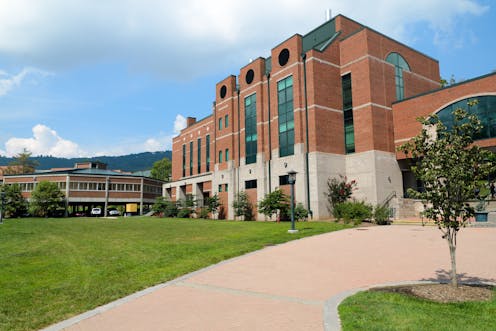

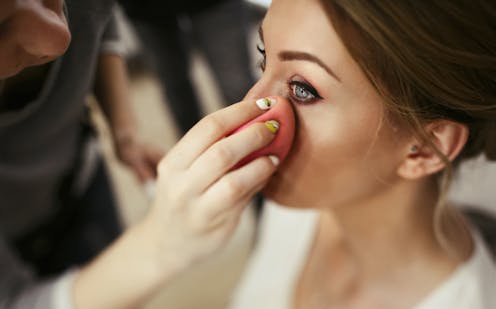
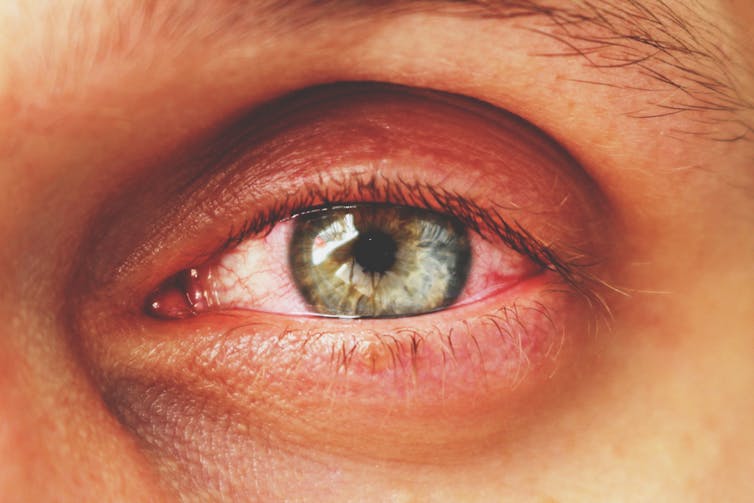

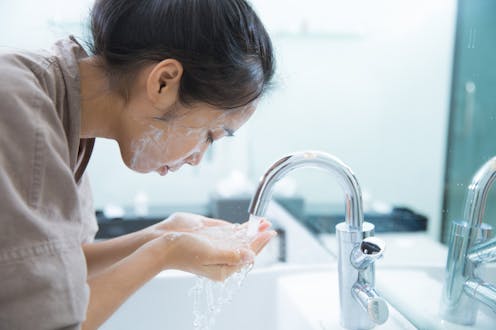
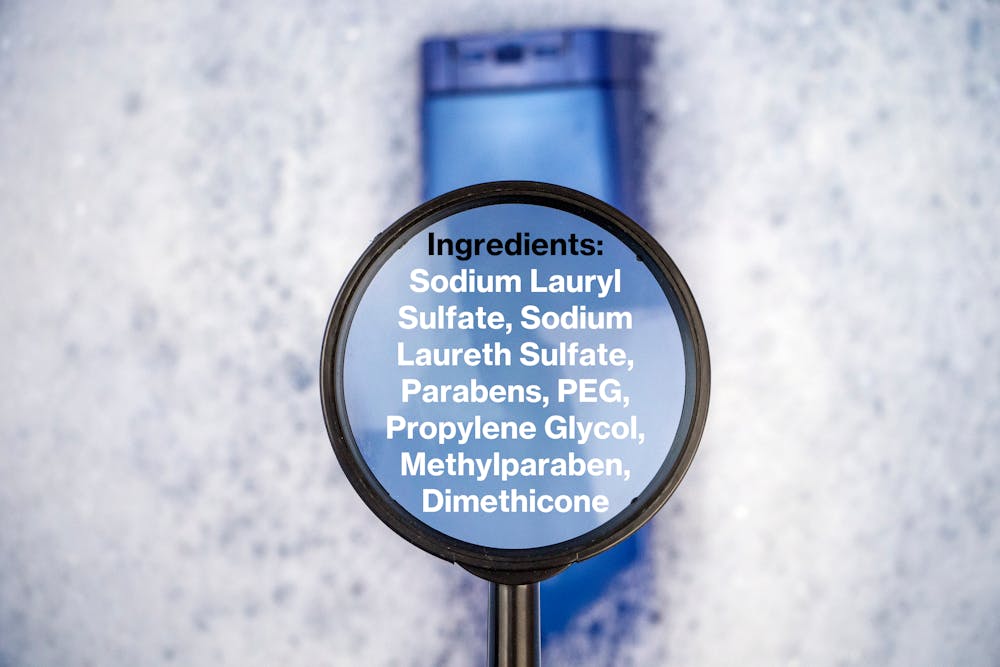





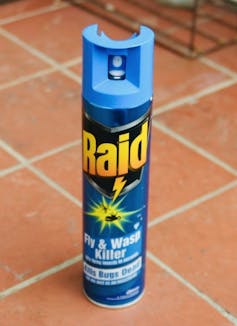



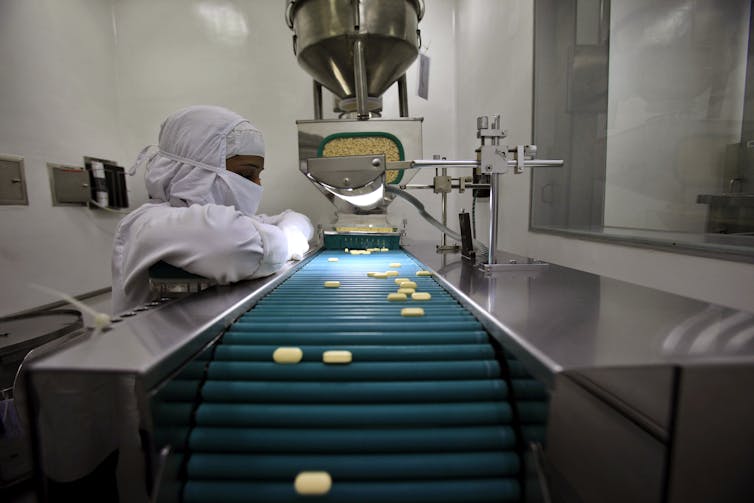

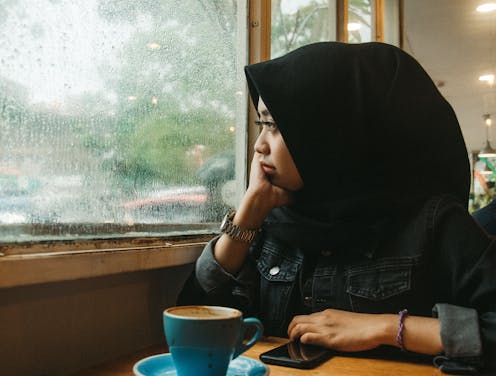
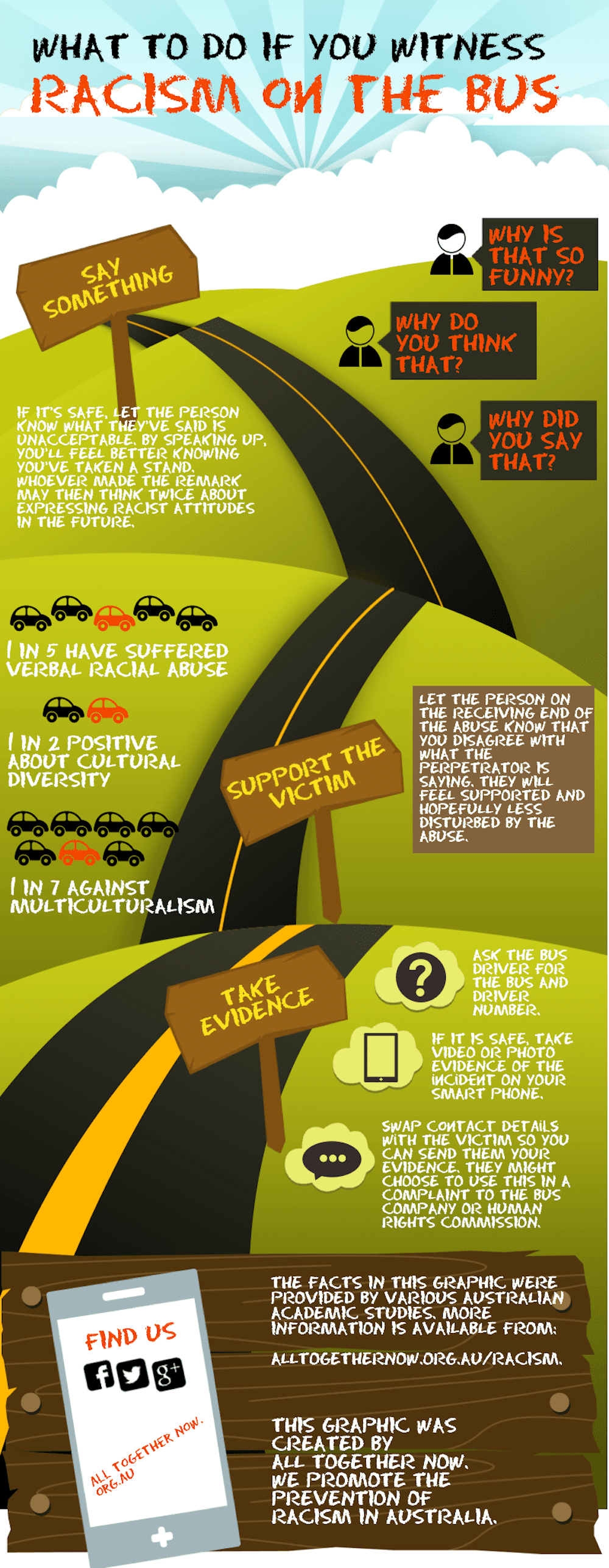

 One of the people whom Calmeyer saved is Laureen Nussbaum, who married her boyfriend -- another Jew who went into hiding during the occupation -- and moved to the USA after the war, where she became a German language professor at Portland State University.



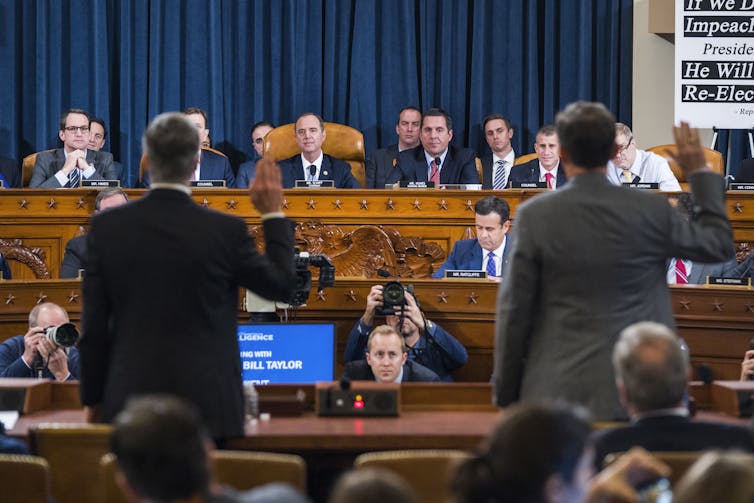








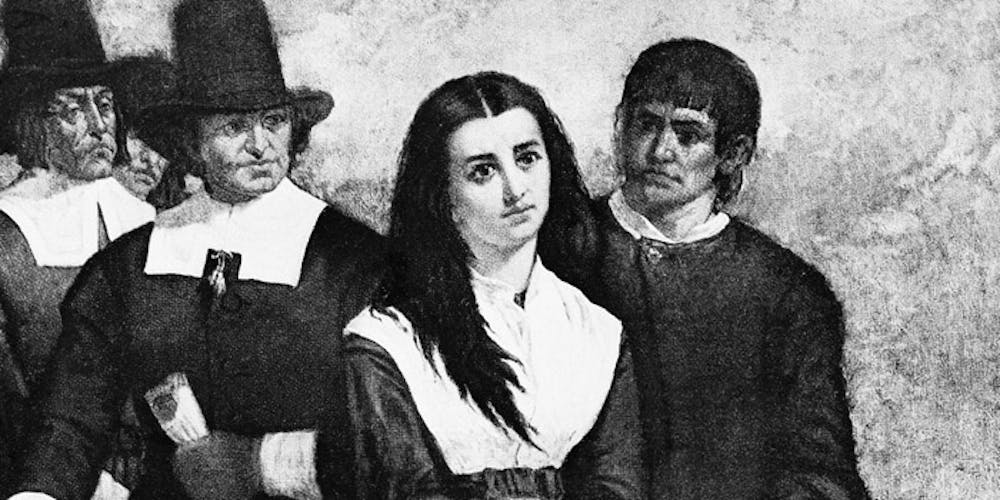
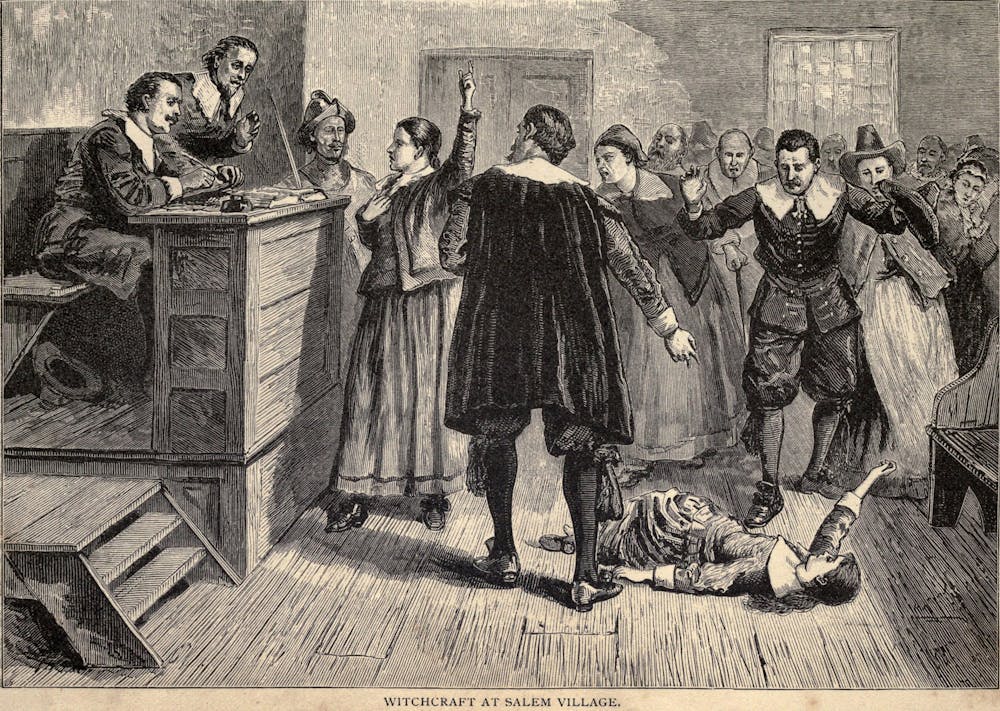





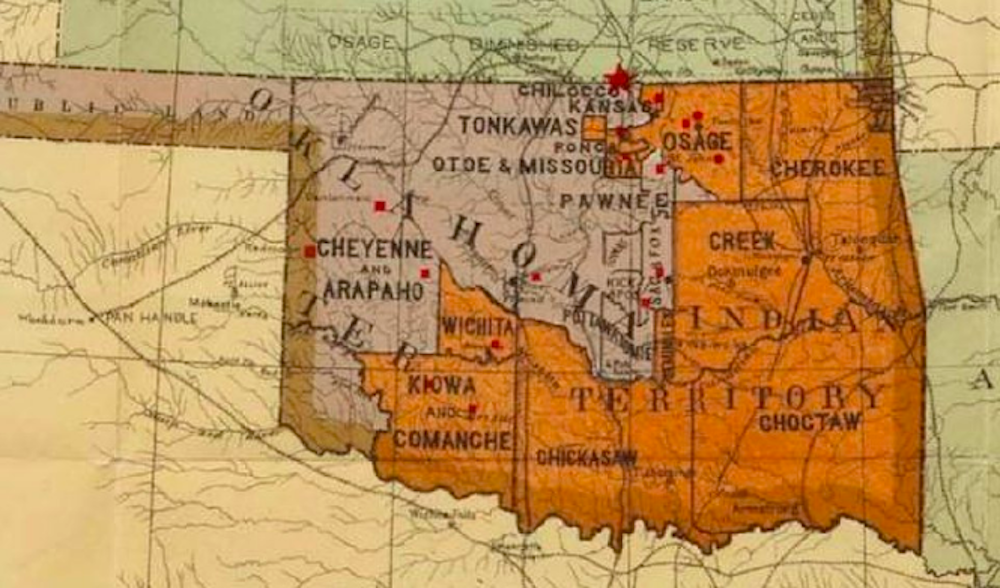




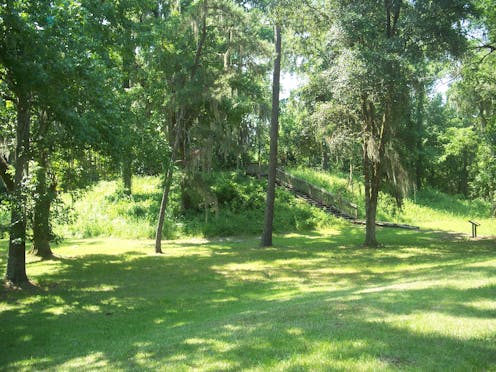





.jpg)

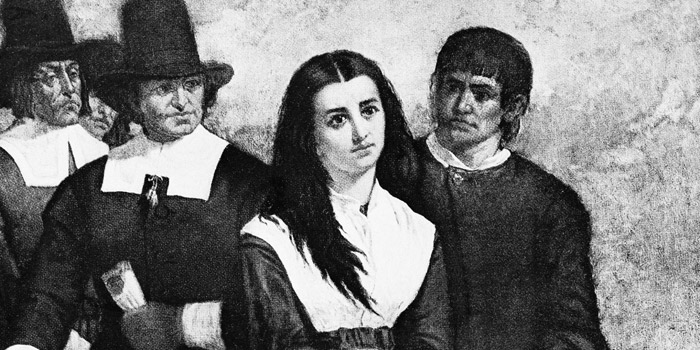

#/media/File:BigbendFla2.png)