Shared posts

23 Aug 14:59

Fake research can be harmful to your health – a new study offers a tool for rooting it out

by Lisa Bero, Research Professor Public Health and Medicine, University of Colorado Anschutz Medical Campus
Although most medical research is reliable, studies that are flawed or fake can lead to patients undergoing treatments that might cause harm. skynesher/E+ via Getty Images

If you are suffering with chronic pain, diabetes, heart problems or any other condition, you want to be confident that your doctor will offer you an effective treatment. You certainly don’t want to waste time or money on something that won’t work, or take something that could do you harm.

The best source of information to guide treatment is medical research. But how do you know when that information is reliable and evidence-based? And how can you tell the difference between shoddy research findings and those that have merit?

There’s a long journey to the publication of research findings. Scientists design experiments and studies to investigate questions about treatment or prevention, and follow certain scientific principles and standards. Then the finding is submitted for publication in a research journal. Editors and other people in the researchers’ field, called peer-reviewers, make suggestions to improve the research. When the study is deemed acceptable, it is published as a research journal article.

But a lot can go wrong on this long journey that could make a research journal article unreliable. And peer review is not designed to catch fake or misleading data. Unreliable scientific studies can be hard to spot – whether by reviewers or the general public – but by asking the right questions, it can be done.

While most research has been conducted according to rigorous standards, studies with fake or fatally flawed findings are sometimes published in the scientific literature. It is hard to get an exact estimate of the number of fraudulent studies because the scientific publication process catches some of them before they are published. One study of 526 patient trials in anesthesiology found that 8% had fake data and 26% were critically flawed.

As a professor in medicine and public health, I have been studying bias in the design, conduct and publication of scientific research for 30 years. I’ve been developing ways to prevent and detect research integrity problems so the best possible evidence can be synthesized and used for decisions about health. Sleuthing out data that cannot be trusted, whether this is due to intentional fraud or just bad research practices, is key to using the most reliable evidence for decisions.

Systematic reviews help suss out weak studies

The most reliable evidence of all comes when researchers pull the results of several studies together in what is known as a systematic review. Researchers who conduct systematic reviews identify, evaluate and summarize all studies on a particular topic. They not only sift through and combine results on perhaps tens of thousands of patients, but can use an extra filter to catch potentially fraudulent studies and ensure they do not feed into recommendations. This means that the more rigorous studies have the most weight in a systematic review and bad studies are excluded based on strict inclusion and exclusion criteria that are applied by the reviewers.

Systematic reviews explained.

To better understand how systematic reviewers and other researchers can identify unreliable studies, my research team interviewed a group of 30 international experts from 12 countries. They explained to us that a shoddy study can be hard to detect because, as one expert explained, it is “designed to pass muster on first glance.”

As our recently published study reports, some studies look like their data has been massaged, some studies are not as well designed as they claim to be, and some may even be completely fabricated.

Our study provides some important ideas about how to spot medical research that is deeply flawed or fake and should not be trusted.

The experts we interviewed suggested some key questions that reviewers should ask about a study: For instance, did it have ethics approval? Was the clinical trial registered? Do the results seem plausible? Was the study funded by an independent source and not the company whose product is being tested?

If the answers to any of these questions is no, then further investigation of the study is needed.

In particular, my colleagues and I found that it’s possible for researchers who review and synthesize evidence to create a checklist of warning signs. These signs don’t categorically prove that research is fraudulent, but they do show researchers as well as the general public which studies need to be looked at more carefully. We used these warning signs to create a screening tool – a set of questions to ask about how a study is done and reported – that provide clues about whether a study is real or not.

Signs include important information that’s missing, like details of ethical approval or where the study was carried out, and data that seems too good to be true. One example might be if the number of patients in a study exceeds the number of people with the disease in the whole country.

Spotting flimsy research

It’s important to note that our new study does not mean all research can’t be trusted.

The COVID-19 pandemic offers examples of how systematic review ultimately filtered out fake research that had been published in the medical literature and disseminated by the media. Early in the pandemic, when the pace of medical research was accelerating, robust and well-run patient trials – and the systematic reviews that followed – helped the public learn which interventions work well and which were not supported by science.

For example, ivermectin, an antiparasitic drug that is typically used in veterinary medicine and that was promoted by some without evidence as a treatment for COVID-19, was widely embraced in some parts of the world. However, after ruling out fake or flawed studies, a systematic review of research on ivermectin found that it had “no beneficial effects for people with COVID-19.”

On the other hand, a systematic review of corticosteroid drugs like dexamethasone found that the drugs help prevent death when used as a treatment for COVID-19.

There are efforts underway across the globe to ensure that the highest standards of medical research are upheld. Research funders are asking scientists to publish all of their data so it can be fully scrutinized, and medical journals that publish new studies are beginning to screen for suspect data. But everyone involved in research funding, production and publication should be aware that fake data and studies are out there.

The screening tool proposed in our new research is designed for systematic reviewers of scientific studies, so a certain level of expertise is needed to apply it. However, using some of the questions from the tool, both researchers and the general public can be better equipped to read about the latest research with an informed and critical eye.

The Conversation

Lisa Bero is Senior Editor, Research Integrity for Cochrane, an international non-profit organization that publishes systematic reviews.


22 Aug 19:50

Lying GOP congresswoman from Florida tells constituents that inflation is 40%

by Mark Frauenfelder

Republican Rep. María Elvira Salazar of Florida is a savvy congresswoman. She knows her constituents require a steady stream of lies to stay happy, so yesterday she gave them a whopper of a fib, claiming U.S. inflation is 40%. That's 31.5% more than the actual rate of inflation. — Read the rest

22 Aug 19:37

This Italian farm sits 8 meters under the ocean

by Popkin

This Italian farm sits 8 meters under the ocean. It's called Nemo's Garden and was created by the Ocean Reef Group. The underwater farm began in 2013 when the owner's crops were having trouble in the cold weather, above ground. — Read the rest

22 Aug 14:56

The First 100 Cases at the Copyright Claims Board

by Jonathan Bailey

The Copyright Claims Board (CCB), better known as the “copyright small claims court”, became a part of U.S. copyright law in December 2020 with the signing of the Copyright Alternative in Small-Claims Enforcement Act (CASE Act)

After a year and a half of rule making and infrastructure building, the CCB opened its doors in June 2022. Within a month, the first 70 cases had been filed

The goal of the CCB is to provide a practical way to address smaller claims of copyright infringement. Since, in the United States, copyright disputes are a matter for federal courts, such cases are often costly and smaller infringements or infringements where the damages may not be very high are impractical. 

To that end, the CCB sets a limit on the amount of damages one can receive, $15,000 per infringement or $30,000 per case. The system is designed to be navigable by non-lawyers and, instead of a judge and/or jury, the case is heard by a panel of three officers and the entire process is held online. 

As a result, a case with the CCB can be filed for just $40 with another $60 owed when and if the respondent opts in to the process and the actual case begins.

However, the process is still very new. To date only one case, which ended in a settlement, has actually been concluded. But, the CCB recently did cross the 100 case threshold and I took the opportunity to examine each of those cases in an effort to see who is filing the cases and what issues they may be facing in doing so.

To achieve that, I created a spreadsheet of the first 100 cases filed with the CCB looking at several quantifiable variables to see what I can learn about the CCB and how it is being used at this time. 

Here’s a look at what I found. 

Note: Though there are 100 cases, only 98 have enough information for analysis. One case was filed against child protective services and another had no documentation available at the time of analysis.

Who is Filing with the Copyright Claims Board

When looking at the claimants, the list is almost entirely made up of individuals or small companies. 

The largest company present in the claimant side was Joe Hand Promotions, a company that helps bars and restaurants legally play large sporting events, including ones put on by UFC and WWE. They filed a total of 8 cases, each against venues they accuse of illegally streaming such events to their customers.

Larger companies do routinely wind up on the respondent side with those names including Apple, YouTube, Turner Broadcasting, Warner Chappell Music, Hasbro, Amazon and Spirit Halloween to name a few.

Of the cases filed, 33 were filed by an attorney or other counsel, while 65 saw the claimant represent themselves. However, only 22 of the cases opted for the smaller copyright claims court, this process further reduces damages to $5,000 per proceeding but also further reduces costs. The remaining 76 cases chose to opt for the full court.

Cases by How They Were Filed

Yes No
Self-Represented 65 33
Smaller Claims Option 22 76

When looking at the types of works involved, photographers and visual artists led the way with 46 of the cases filed. 16 cases involved audiovisual works (movies), 15 cases involved literary works and another 15 involved sound recordings (music). The remaining cases involved musical compositions and dramatic works, which were two apiece.

Cases by Type of Work

Photographers/Visual Artists 46
Audiovisual 16
Literary 15
Sound Recordings 15
Musical Compositions 2
Dramatic Works 2

Interestingly, every one of the first 11 cases filed were pictorial, pointing to the idea that photographers and visual artists are the ones with the greatest pent-up demand for a new copyright enforcement solution.

Of the cases filed, only 11 involved works that were not registered with the U.S. Copyright Office. The lion’s share of cases, 84, had works that were already registered when the case was filed (Note: There are an additional three cases where the registration status is unknown).

Registration Status at the Time of Filing

Work Registered 84
Work Not Registered 11
Unknown or Irrelevant 3

Of the registrations, 49 of the registrations were before 2020 and 68 were from before 2022. Only 15 of the registrations were from this year, indicating that they were likely done specifically for this process. Seven of the registrations took place before the year 2002, making them older than 20 years.

Years of Registration from Earliest Date

Before 2002 7
2002-2020 42
2020/2021 19
2022 15

Of the alleged infringements, over half (55) described that the infringement is still ongoing, with another 12 indicating that they don’t know if the infringement is ongoing. Of the remaining, 28 said that the infringement had stopped and in 3 cases the question was not relevant.

Is the Alleged Infringement Ongoing?

Yes 55
No 28
Unknown 12

Statistically, the most common claimant is a photographer or visual artist that is representing themselves, rejecting the smaller claims option and targeting an ongoing infringement with a work that was registered well before the case was filed.

But how are the cases doing? Most of the cases don’t have any information at all, as the CCB has not made any determination. However, for a subset, we do have some outcomes worth examining. 

How are the Copyright Claims Board Cases Going?

As of this analysis, the CCB had only made initial determinations on 27 of the 100 cases. With these determinations, the CCB doesn’t look at the merit of the claim, but only if the claim is compliant with the rules of the CCB and can be served to the respondent.

In those 26 cases, 18 were found to be compliant and 8 were found to be non-compliant. Of the 8 non-compliant cases, 4 have already had their claimant file an amended claim and, in two of those cases, the CCB has already accepted the amended claim.

Initial Determinations

Claim Compliant 18
8Requires Amendment 8

Looking at the reasons these cases were (at least initially) rejected, the most common is issues with the copyright infringement claim itself, including element of access, and element of substantial similarity. However, several of the cases had multiple issues, including one that had six separate problems. 

Of the 18 cases there were found to be compliant, it is an even split between those filed by lawyers and those filed by individuals, 9 apiece. Of the cases found to be not compliant, only two were filed by lawyers and one of those has already been amended and that amended claim was approved. 

Was Counsel Used?

Claim Compliant 9/18
Claim Required Amendment 2/8

Of all 100 cases filed, only one has been successfully concluded and is marked as “closed”. That case was settled outside the CCB system, and it was dismissed without prejudice last week.

One interesting thing to note is that the cases are not being addressed in the order they were filed. Case 55, which was filed on July 14, has already been initially rejected pending an amended complaint. Similarly, Case 52, which was filed on July 12, was given the green light. However, there has been no such decision in cases 23, 24 or 25, which were all filed on June 23. 

It is unclear why the responses to these cases are out of order, as the ones seemingly skipped have little, if anything, in common. However, it is important to note that, if you file a case with the CCB, it may not be addressed in the order it was received.

The Picture This Paints

The CCB is a completely new process and a new system. The first 100 cases were always going to be chaotic and likely not fully representative of how the system will be used longer term. 

That said, there is still a great deal to glean. 

First and foremost, the CCB is being used very much as intended. It is predominantly being used by smaller creators to file claims that, most likely, would not be viable in a traditional court. Most are filing without attorneys and, on average, those filing cases are doing reasonably well. 

Though a large percentage of cases are being rejected at the first step (roughly 30%), the majority are moving forward, and that rejection rate will likely go down as familiarity with the system improves. After all, this is every claimant’s first time using the system.

Fears of large corporations using the CCB to target file sharers or small pirates has not panned out during this early phase. While the use of the CCB to target bars and restaurants is somewhat unexpected, it also makes sense within the confines of what the CCB does.

The big question now is whether respondents will opt into the system or not. Of the cases that have been approved to move ahead, the plaintiffs have been scrambling to serve the papers to the respondents and those documents are just now starting to be delivered. However, none have responded as of this analysis, and we have no idea how many will opt in or opt out of the process.

In the end, that, more than anything, will determine the success or failure of the CCB. 

Bottom Line

The first 100 cases will likely not be representative of how the CCB is used over the longer term. Even within those 100 cases, there was a notable shift that saw a greater variety of cases and a shift to more people filing for themselves.

As such, much of the future of the CCB is unwritten. This is still very much an untested and unknown system.

But the first 100 cases does tell us a great deal about whom the regular system is failing. Each one of these cases represents a person or company that would have, if it were an option, likely gone through the traditional courts.

Looking through these numbers, these aren’t people that have ignored copyright issues or failed to protect their work. Nearly all have copyright registrations, and most of those registrations are from well before the CCB was even announced. 

These aren’t creators that failed the system, these are creators that the system failed.

That, if anything, should be the biggest takeaway from the early days of the CCB. 

The post The First 100 Cases at the Copyright Claims Board appeared first on Plagiarism Today.

22 Aug 14:54

Hillsborough River State Park to become The Haunted Woods this October

by Andrew Harlan
inflatable light up dragon set up in a dark wooded area.

It’s HOT out, so we’re keeping cool by dreaming of autumn events. Hillsborough River State Park is a resplendent space to connect with nature. It’s also one of the most beautiful campgrounds, and glamping spots, in the state of Florida. This October, these enchanted woods will become haunted. Haunted Woods, sponsored by the Hillsborough River State Park Preservation Society, includes the Haunted Woods Trail and Costume Contests.

Food and refreshments will be available (cash only!) and music will fill the hopefully crisp fall air. There will be a costume contests both nights, and these contests are open to all ages.

This event costs $10 for ages 13+, and children 12 and under can attend for free! All proceeds benefit the Hillsborough River State Park Preservation Society. The spooky festivities will take place on Friday, October 21, and Saturday, October 22, and begins at 6pm both nights. You can see more on the Hillsborough River Preservation Society’s Facebook page.

Want to be a volunteer for this marvelous festivity? You can sign up through Hillsbrough River State Park online.

Hillsborough River State Park provides many opportunities for outdoor recreation. From fishing in the Hillsborough River to hiking or biking on the trails or picnicking under pavilions built in the 1930s, there is something for everyone here. Besides enjoying a living history lesson, visitors can view Class II river rapids, which are rare in Florida, and canoe or kayak along the scenic Hillsborough River.  

Hillsborough River State Park, 15402 N. U.S. Highway 301 

What to read next: 

The post Hillsborough River State Park to become The Haunted Woods this October appeared first on That's So Tampa.

22 Aug 14:16

What is Breadfruit? Scientists Say It Could Help With Climate Change

by Staff

The answer to beating climate change may be to plant more breadfruit trees, a new study contends.

While studies predict that climate change will have an adverse effect on many crops worldwide, researchers from Northwestern University say global warming trends will have little effect on breadfruit production. Breadfruit is a starchy tree fruit native to the Pacific islands. Although it’s a fruit, people often use breadfruit as a substitute for potatoes because it’s so starchy and seedless.

Previous studies have even celebrated the fruit as a “superfood,” due to how rich in nutrients it is — containing high levels of fiber, vitamins, and minerals. In the tropics, people have been eating it for thousands of years in a variety of different ways. These include steaming, roasting, frying, or fermenting the common crop. You can also turn breadfruit into flour to lengthen its shelf life and export it.

Unlike rice, corn, and soybeans, the new study finds it is resilient enough to withstand extreme changes to the environment. Moreover, they found new regions that can grow breadfruit which face high levels of food insecurity and are vulnerable to the worsening global hunger crisis.

“Breadfruit is a neglected and underutilized species that happens to be relatively resilient in our climate change projections,” says Northwestern’s Daniel Horton in a university release. “This is good news because several other staples that we rely on are not so resilient. In really hot conditions, some of those staple crops struggle and yields decrease. As we implement strategies to adapt to climate change, breadfruit should be considered in food security adaptation strategies.”

Climate change will have little to no impact on breadfruit

Since global warming is making tropical regions both warmer and wetter, study authors wanted to see if this would impact breadfruit’s ability to grow in its native climate. They first mapped out what climate conditions these trees need in order to properly grow breadfruit. The team then looked at climate change models, predicting what the weather will look like in these areas in 2060 and 2080.

Specifically, the projections looked at two scenarios: one where rising greenhouse gas emissions continue to plague the world and one where emissions stabilize in the future. In both scenarios, regions that are suitable for growing breadfruit trees remained relatively unchanged. In the tropics and subtropics, the amount of suitable land for growing breadfruit only decreased by 4.4. to 4.5 percent.

Researchers also found that there is suitable land for growing this crop in other regions, including sub-Saharan Africa, where people don’t usually plant these trees.

“Despite the fact that climate will drastically change in the tropics, climate is not projected to move outside the window where breadfruit is comfortable,” says study first author Lucy Yang. “From a climate perspective, we can already grow breadfruit in sub-Saharan Africa. There is a huge swath of Africa, where it can grow to various degrees. It just has not been broadly introduced there yet. And, luckily enough, most varieties of breadfruit are seedless and have little-to-no likelihood of becoming invasive.”

“Breadfruit trees can live for decades and provide a large amount of fruits each year,” adds Nyree Zerega, director of the Program in Plant Biology and Conservation. “In some cultures, there is a tradition to plant a breadfruit tree when a child is born to ensure the child will have food for the rest of their life.”

It could put an end to world hunger

Zerega says that once people establish a breadfruit tree, they are capable of withstanding heat and drought much longer than most other crops. They’re also a perennial crop, meaning they require less energy and effort in comparison to crops that farmers need to replant every year. Breadfruit tress also sequester carbon dioxide from the atmosphere, making them extremely important for the environment.

“A lot of places where breadfruit can grow have high levels of food insecurity,” Yang says. “Oftentimes, they combat food insecurity by importing staple crops like wheat or rice, and that comes with a high environmental cost and carbon footprint. With breadfruit, however, these communities can produce food more locally.”

Researchers say that, due to the ongoing war in Ukraine, the coronavirus pandemic, and climate change, global food insecurity is becoming a greater problem every day. They believe that planting more breadfruit trees can create more resilience in the global food system.

“Climate change further emphasizes the need to diversify agriculture, so the world doesn’t rely on a small number of crop species to feed a large number of people,” Zerega concludes. “Humans rely heavily on a handful of crops to provide most of our food, but there are thousands of potential food crops among the approximately 400,000 described plant species. This points to the need to diversify agriculture and crops globally.”

Story attributed to Study Finds.

The post What is Breadfruit? Scientists Say It Could Help With Climate Change appeared first on ModernGlobe.

17 Aug 19:56

927

by Gene Ambaum

16 Aug 19:31

Florida special education teacher quits when classroom posters of black heroes are removed from his walls

by Jason Weisberger

Michael James wanted to inspire his students with images of leaders they could identify with. One day he returned to his classroom to find that a district employee had removed posters of Martin Luther King Jr., Harriet Tubman, Colin Powell, and other black heroes. — Read the rest

16 Aug 12:45

The guide to Tuesday’s Hillsborough County primary elections

by Andrew Harlan
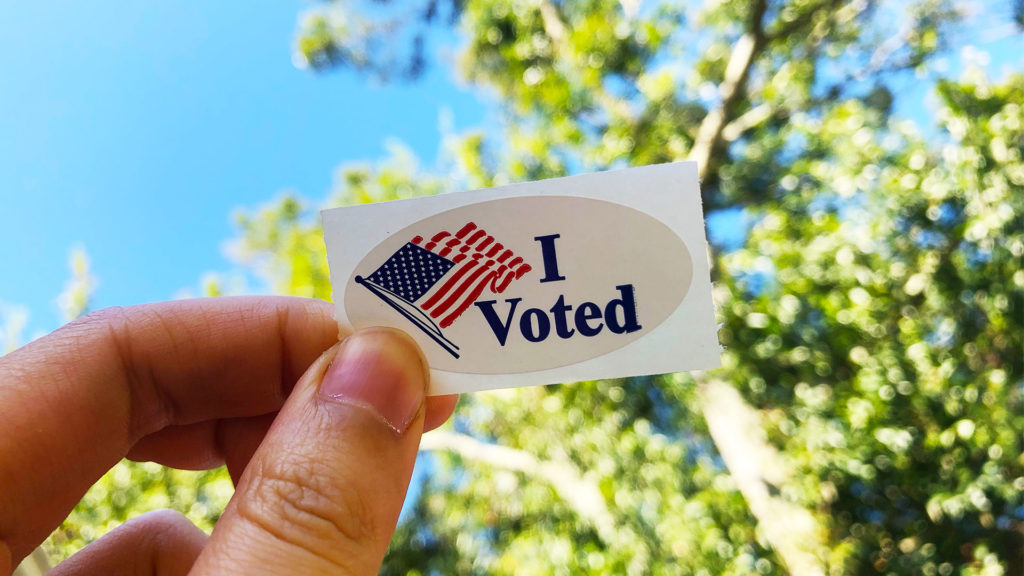
I voted sticker held up against blue sky and tree

Here’s everything you need to know ahead of the primary election here in Hillsborough County including voting deadline for Tampa residents, how to check if you’re registered to vote in Hillsborough County, vote by mail deadlines in Hillsborough, and what exactly is on the ballot.

Key voting dates and info

  • Early Voting: August 8-21 (10am-6pm)
  • Primary Election Day: August 23 (7am-7pm)
  • Mail In Voting: Must Be received by 7pm on August 23

Are you registered to vote? Check your status online. The deadline for registration to vote in the primary has passed, but you can still register to vote in the general election. The deadline to register is October 11 and the general election is November 7th.

Sample ballots are available to view online

All voters may vote in the Primary Election. The races in your Primary Election ballot are based on your political party affiliation and where you live. You can look up your sample ballot by using our Voter Information Lookup.

Key initiatives on the ballot

Hillsborough County voters will be asked whether the school board can raise taxes The tax increase would bring in approximately $146 million annually for four years and be used to raise salaries, expand art, music and P.E., and for workforce development.

Voters will also decided on which democratic candidate will run against Ron DeSantis in the Florida Governor’s race. It’s a tightly contested race so far between Charlie Crist, and Nikki Fried.

What to bring on voting day

Not sure where to vote in person? Find your precinct here. If you’re voting in person, make sure to bring one or two forms of identification that include your signature and photo. Without proper identification, you may still vote a provisional ballot, which will later be evaluated by a canvassing board for eligibility. Any of the following forms of photo identification are acceptable:

  • Florida Driver License
  • Florida ID Card issued by the Department of Highway Safety and Motor Vehicles
  • U.S. Passport
  • Debit or Credit Card
  • Military ID
  • Student ID
  • Retirement Center ID 
  • Neighborhood Association ID 
  • Public Assistance ID
  • Veteran Health ID (issued by VA)
  • Concealed Weapon License (issued pursuant to s. 790.06)
  • Government Employee IDIf your photo ID does not include your signature, you will be asked to provide another ID that has your signature.

You should also bring your sample ballot to the polling place with notes on how you plan to vote. By making your voting decisions before going to the polling place, you help keep the lines down.

The post The guide to Tuesday’s Hillsborough County primary elections appeared first on That's So Tampa.

12 Aug 12:59

How Genetically Similar Are Humans to Other Life Forms

by Staff

Of the three billion genetic building blocks that make us living things, only a handful are uniquely ours. In fact, despite our differences on the outside, humans are 99.9% genetically similar to one another.

But how alike are we to other, non-human life forms? Turns out, we’re a lot more similar than you might think.

Comparative Genomics 101

First, how do scientists compare the genetic makeup of various life forms?

Comparative genomics is a branch of biology that compares genome sequences across different species to identify their similarities and differences.

This field of research is important because it:

  • Helps us better understand evolution, and how living things have adapted over time.
  • Builds knowledge around genes and how they influence various systems in our bodies.
  • Has wider applications in agriculture, especially in conservation efforts among endangered species.

According to the National Human Genome Research Institute (NHGRI), scientists have already sequenced the genomes of more than 250 animal species, as well as 50 bird species.

Human Genetic Makeup vs. Other Life Forms

Perhaps unsurprisingly, chimps are one of our closest genetic relatives in the animal kingdom.

Because of our similarities, chimpanzees have a similar immune system to humans, which means they’re susceptible to viruses such as AIDS and hepatitis.

Related: Scientist Trying to Build More Heat Tolerant Plants

Though chimps are one of our closest relatives, other species are strongly linked to humans as well—and not necessarily the ones you’d think.

For instance, according to NHGRI, fruit flies are 60% genetically similar to humans.

This may sound confusing at first, since humans and insects couldn’t be more physically different. However, because we share many of the same essential needs to sustain life, such as the need for oxygen, these similarities are reflected in our genetics.

DNA vs Genes

It’s important to note that being genetically similar to something is different than sharing the same DNA. That’s because genes (the part of DNA responsible for making protein) only account for up to 2% of your DNA, while the rest of your genome is made up of what scientists call “non-coding DNA.”

So while a banana is 60% genetically similar to humans, only 1.2% of our DNA is shared.

Story attributed to Visual Capitalist.

The post How Genetically Similar Are Humans to Other Life Forms appeared first on ModernGlobe.

11 Aug 14:49

The US government is trying to stop the merger of two of the world's biggest publishers – but will it help authors?

by Agata Mrva-Montoya, Lecturer, Department of Media and Communications, University of Sydney
Matt Brown/Flikr, CC BY-SA

When Allen Lane set out to make cheap paperbacks for commuters in the 1930s, no one imagined he was building what would become the biggest publishing house we’ve ever seen.

The company he founded became Penguin Books, which in turn became Penguin Random House, following a merger in 2013. Now, in a deal first announced in November 2020, Bertelsmann, the parent company of Penguin Random House, wants to buy another publishing behemoth, Simon & Schuster.

The proposed merger has caught the eye of the Biden administration. The US Department of Justice has filed an antitrust lawsuit, arguing that the merger will drive down author advances, result in fewer books being published, and provide less variety for consumers.

The court case, which began on August 1, is set to continue over three weeks. It has featured evidence from bestselling author Stephen King, who testified in support of the Department of Justice.

The publishers and their attorneys argue the deal will create “efficiencies” that will lead to “better offers to more authors”.

The proposed acquisition of Simon & Schuster is the latest in the long history of mergers and acquisitions in what has been described in the New York Times as “increasingly a winner-take-all business in which the largest companies compete for brand-name authors and guaranteed best-sellers”.

If allowed to take place, the merger of Penguin Random House and Simon & Schuster will reduce the number of big US publishers from five to four. It raises the question of how big is too big.

Bestselling author Stephen King arrives at federal court in Washington DC to testify for the US Department of Justice, 2 August 2022. Patrick Semansky/AP

Read more: Small is beautiful: in praise of organic book publishing


Why the merger?

Since the early 1960s, many independent publishing companies operating in the Anglo-American trade sector have become imprints of multinational corporations as the result of a succession of mergers and acquisitions.

As John Thompson writes in the Book Wars: The Digital Revolution in Publishing, the scale of these large publishing corporations gives them access to financial backing of their parent company and the ability to offer high advances and extensive marketing and editorial support for big name authors, in return for multi-book deals.

Larger publishers also have the leverage to negotiate with large retailers and other entities in the book publishing chain.

The typical sale of a publishing house happens as result of its founder retiring or for financial reasons. This is not the case with Simon & Schuster. The attempt by Penguin Random House to acquire Simon & Schuster is a buyer-driven merger, with the ability to better compete against Amazon given as the key rationale.

Simon & Schuster’s revenue rose 10% over 2020 to just under US$1 billion in sales in 2021. The Bookseller reported that the $2.2 billion bid for Simon & Schuster aims to recoup Penguin Random House’s lost market share and “cement” the publisher’s number one status in the USA.

The market share of Penguin Random House and Simon & Schuster in the US has been estimated variously from 20% to 50%. In Australia it is around 30%.

According to author Mike Shatzkin, the consolidation is a logical outcome of the fact that “the ‘trade’ itself is shrinking and the total sales made by those publishers constitute an ever-diminishing share of the total market”.

As Publishers Weekly reported, the plan is to maintain the Simon & Schuster imprints, and allow Penguin Random House and Simon & Schuster editors to bid against one another for books at auction. But as Penguin Random House CEO Markus Dohle admitted, there was no “legally binding way” to ensure that promise is kept.

According to Franscois McHardy, until recently Head of Publishing at Booktopia,

Promises of editorial autonomy being made by Bertelsmann are not to be trusted. They made them in the late 90s when Bantam Doubleday Dell/Transworld was merged with Random House, and although Transworld has maintained a separate building in the UK, they were quickly merged in all other markets. The same has happened with the Penguin Random House merger where people now routinely only talk about “Penguin” in reference to the merged company, and Random House imprints are being phased out.

Fewer imprints means fewer opportunities for mid-list authors and new writers without a proven track record.

CEO of Penguin Random House Markus Dohle at the PEN Literary Gala in New York, May 2018. Evan Agostini/AP

What’s at stake

The protection of bestselling authors is one of the key arguments in the antitrust case. The Department of Justice’s pre-trial brief states that the merger is likely to diminish author advances of $250,000 and above and lead to “fewer authors being able to earn a living from writing”.

The complaint and the court case are being presented by the US government as “the latest demonstration of the Justice Department’s commitment to pursuing economic opportunity and fairness through antitrust enforcement”. But they ignore the key player undermining fair competition in the US publishing industry.

Amazon has approximately 50% of the print book market, at least 75% of publishers’ ebook sales (in addition to Amazon’s own ebook publishing business), and over 41% of the US audiobook market through its subsidiary Audible.

Hence, the merger is not about Penguin Random House being in competition with other publishers; it is about giving them heft in the negotiations with other players in the book publishing circuit.

These include Amazon and other platform retailers, streaming services for audiobooks (publishers are trying to avoid music-industry style streaming services in favour of a restricted credit model), and libraries that are disputing high prices and restrictive licensing terms for digital works.


Read more: Publishers vs the Internet Archive: why the world's biggest online library is in court over digital book lending


Penguin Random House are seeking to own enough of the market so they can begin to make structural decisions that will provide a bulwark against disadvantageous changes in book distribution.

A consolidated Penguin Random House and Simon & Schuster may enable that publisher to stand up to Amazon for longer, but the continued growth of the latter suggests this is likely to be a losing battle.

Few authors will ever receive a high advance from the big four or five publishers, so the outcome of the court case is not likely to have an impact on most authors’ ability to earn a living from writing, which is becoming increasingly difficult.

According to a survey conducted by the US Authors Guild, the median income of full-time authors was $20,300 in 2017, a figure that combined book income with related activities, such as speaking, teaching and reviewing. The Australian Society of Authors has reported in 2020 that 53.6% of full-time writers earned “less than $15,000 per year from their creative practice”.


Read more: Friday essay: the remarkable, prize-winning rise of our small publishers


The Conversation

Agata Mrva-Montoya is Executive Member of the Round Table on Information Access for People with Print Disabilities Inc. and a Member of the Accessibility Initiative Working Party, Institute of Professional Editors.

11 Aug 14:44

Politicians seek to control classroom discussions about slavery in the US

by Raphael E. Rogers, Professor of Practice in Education, Clark University
A Texas law says slavery cannot be taught as part of the 'true founding' of the United States. Tamir Kalifa/Getty Images

Of all the subjects taught in the nation’s public schools, few have generated as much controversy of late as the subjects of racism and slavery in the United States.

The attention has come largely through a flood of legislative bills put forth primarily by Republicans over the past year and a half. Commonly referred to as anti-critical race theory legislation, these bills are meant to restrict how teachers discuss race and racism in their classrooms.

One of the more peculiar byproducts of this legislation came out of Texas, where, in June 2022, an advisory panel made up of nine educators recommended that slavery be referred to as “involuntary relocation.”

The measure ultimately failed.

As an educator who trains teachers on how to educate young students about the history of slavery in the United States, I see the Texas proposal as part of a disturbing trend of politicians seeking to hide the horrific and brutal nature of slavery – and to keep it divorced from the nation’s birth and development.

The Texas proposal, for instance, grew out of work done under a Texas law that says slavery and racism can’t be taught as part of the “true founding” of the United States. Rather, the law states, they must be taught as a “failure to live up to the authentic founding principles of the United States, which include liberty and equality.”

To better understand the nature of slavery and the role it played in America’s development, it helps to have some basic facts about how long slavery lasted in the territory now known as the United States and how many enslaved people it involved. I also believe in using authentic records to show students the reality of slavery.

Before the Mayflower

Slavery in what is now known as the United States is often traced back to the year 1619. That is when – as documented by Colonist John Rolfe – a ship named the White Lion delivered 20 or so enslaved Africans to Virginia.

As for the notion that slavery was not part of the founding of the United States, that is easily refuted by the U.S. Constitution itself. Specifically, Article 1, Section 9, Clause 1 prevented Congress from prohibiting the “importation” of slaves until 1808 – nearly 20 years after the Constitution was ratified – although it didn’t use the word “slaves.” Instead, the Constitution used the phrase “such Persons as any of the States now existing shall think proper to admit.”

Congress ultimately passed the “Act Prohibiting the Importation of Slaves,” which took effect in 1808. Although the act imposed heavy penalties on international traders, it did not end slavery itself nor the domestic sale of slaves. Not only did it drive trade underground, but many ships caught illegally trading were also brought into the United States and their “passengers” sold into slavery.

The last known slave ship – the Clotilda – arrived in Mobile, Alabama, in 1860, more than half a century after Congress outlawed the importation of enslaved individuals.

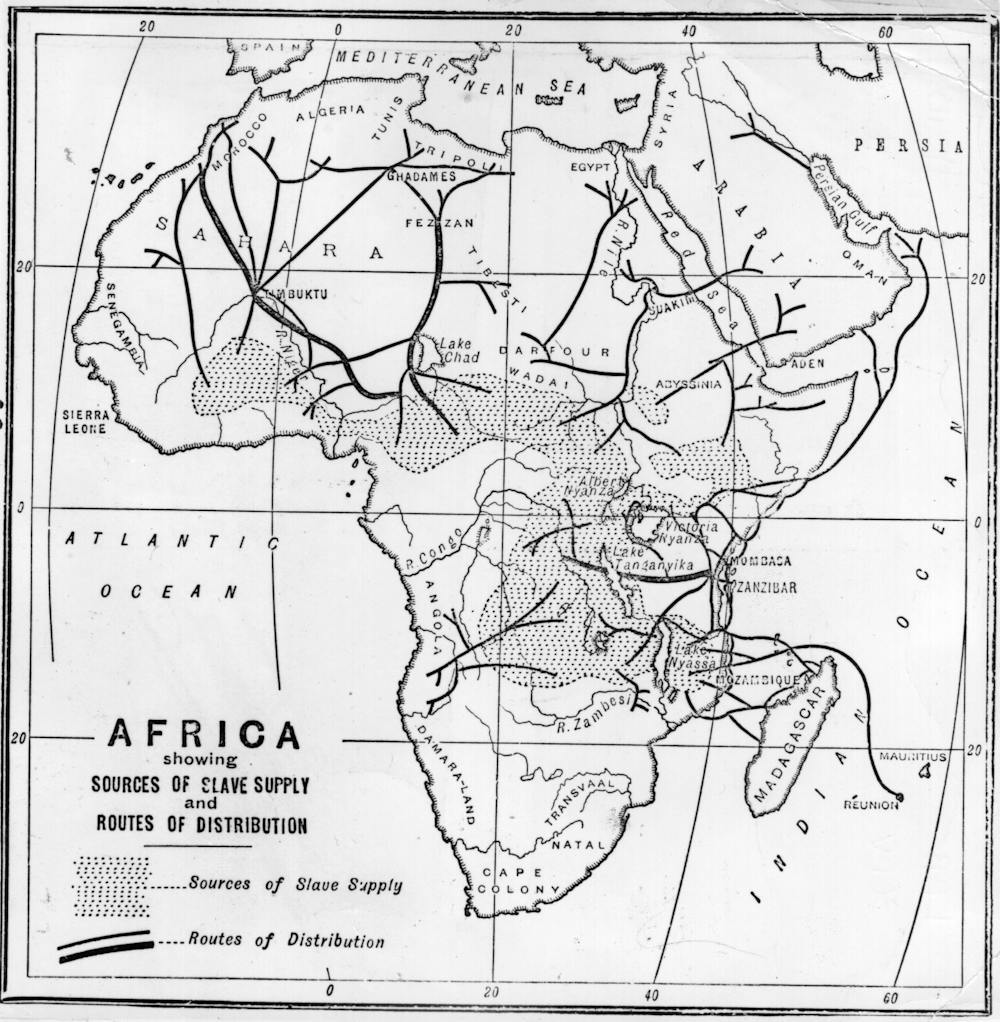
A map of Africa showing slave trade routes
An 1880 map shows where enslaved people originated from and in which directions they were forced out. Hulton Archive/Stringer via Getty Images

According to the Trans-Atlantic Slave Trade database, which derives it numbers from shipping records from 1525 to 1866, approximately 12.5 million enslaved Africans were transported to the Americas. About 10.7 million survived the Middle Passage and arrived in North America, the Caribbean and South America. Of these, only a small portion – 388,000 – arrived in North America.

Most enslaved people in the United States, then, entered slavery not through importation or “involuntary relocation,” but by birth.

From the arrival of those first 20 so enslaved Africans in 1619 until slavery was abolished in 1865, approximately 10 million slaves lived in the United States and contributed 410 billion hours of labor. This is why slavery is a “crucial building block” to understanding the U.S. economy from the nation’s founding up until the Civil War.

The value of historical records

As an educator who trains teachers on how to deal with the subject of slavery, I don’t see any value in politicians’ restricting what teachers can and can’t say about the role that slaveholders – at least 1,800 of whom were congressmen, not to mention the 12 who were U.S. presidents – played in the upholding of slavery in American society.

What I see value in is the use of historical records to educate schoolchildren about the harsh realities of slavery. There are three types of records that I recommend in particular.

1. Census records

Since enslaved people were counted in each census that took place from 1790 to 1860, census records enable students to learn a lot about who specifically owned slaves. Census records also enable students to see differences in slave ownership within states and throughout the nation.

The censuses also show the growth of the slave population over time – from 697,624 during the first census in 1790, shortly after the nation’s founding, to 3.95 million during the 1860 census, as the nation stood at the verge of civil war.

2. Ads for runaway slaves

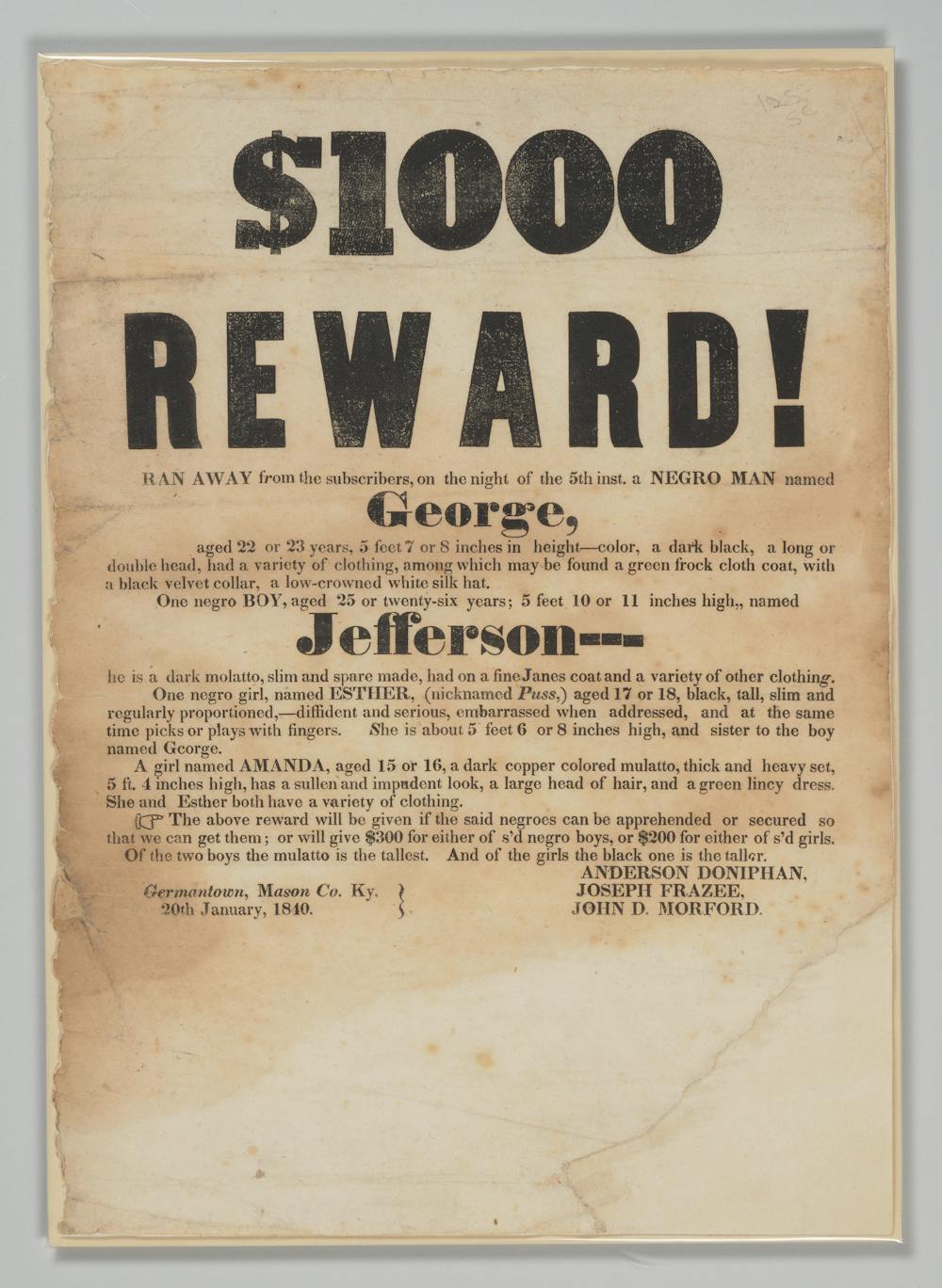
An advertisement for two men who ran away from slavery
Advertisements for fugitive slaves offer a glimpse into their lives.

Few things speak to the horrors and harms of slavery like ads that slave owners took out for runaway slaves.

It’s not hard to find ads that describe fugitive slaves whose bodies were covered with various scars from beatings and marks from branding irons.

For instance, consider an ad taken out on July 3, 1823, in the Star, and North-Carolina State Gazette by Alford Green, who offers $25 for a fugitive slave named Ned, whom he described as follows:

“… about 21 years old, his weight about 150, well made, spry and active tolorably fierce look, a little inclined to be yellow, his upper fore teeth a little defective, and, I expect, has some signs of the whip on his hips and thighs, as he was whipped in that way the day before he went off.”

Advertisements for runaway slaves can be accessed via digital databases, such as Freedom on the Move, which contains more than 32,000 ads. Another database – the North Carolina Runaway Slave Notices project – contains 5,000 ads published in North Carolina newspapers from 1751 to 1865. The sheer number of these advertisements sheds light on how many enslaved Black people attempted to escape bondage.

3. Personal narratives from the enslaved

Though they are few in number, recordings of interviews with formerly enslaved people exist.

Some of the interviews are problematic for various reasons. For instance, some of the interviews were heavily edited by interviewers or did not include complete, word-for-word transcripts of the interviews.
Yet the interviews still provide a glimpse at the harshness of life in bondage. They also expose the fallacy of the argument that slaves – as one slave owner claimed in his memoir – “loved ‘old Marster’ better than anybody in the world, and would not have freedom if he offered it to them.”

For instance, when Fountain Hughes – a descendant of a slave owned by Thomas Jefferson who spent his boyhood in slavery in Charlottesville, Virginia – was asked if he would rather be free or enslaved, he told his interviewer:

“You know what I’d rather do? If I thought, had any idea, that I’d ever be a slave again, I’d take a gun and just end it all right away, because you’re nothing but a dog. You’re not a thing but a dog. A night never come that you had nothing to do. Time to cut tobacco? If they want you to cut all night long out in the field, you cut. And if they want you to hang all night long, you hang tobacco. It didn’t matter about you’re tired, being tired. You’re afraid to say you’re tired.”

It’s ironic, then, that when it comes to teaching America’s schoolchildren about the horrors of American slavery and how entrenched it was in America’s political establishment, some politicians would prefer to shackle educators with restrictive laws. What they could do is grant educators the ability to teach freely about the role the slavery played in the forming of a nation that was founded – as the Texas law states - on principles of liberty and equality.

The Conversation

Raphael E. Rogers does not work for, consult, own shares in or receive funding from any company or organization that would benefit from this article, and has disclosed no relevant affiliations beyond their academic appointment.

11 Aug 14:42

Russia’s threats to shut down Jewish Agency raise alarm bells for those who remember the past

by Shaul Kelner, Associate Professor of Sociology and Jewish Studies, Vanderbilt University
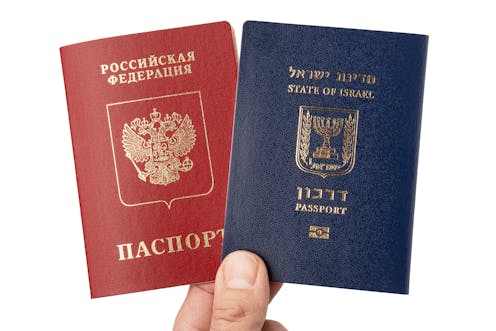
During the Cold War, Jewish emigration from the Soviet Union was tightly restricted. Dzurag/iStock via Getty Images Plus

Russia’s invasion of Ukraine in February 2022 sparked a surge of refugees fleeing the war zone, but political repression and economic uncertainty have also prompted emigration from Russia itself. Among the emigrants are Russian Jews, 16,000 of whom have left for Israel in the nearly six months since the war’s start.

Now, Russia’s Justice Ministry is threatening the organization that helps the emigrants leave. A Moscow court held a preliminary hearing on July 28, 2022, about the ministry’s application to dissolve the Russian branch of the Jewish Agency for Israel.

The Jewish Agency, a nonprofit with government ties that is older than the country itself, helps Jews around the world who want to immigrate to Israel. The move to shut down its operations in Russia has raised alarm – particularly among people who see it as turning back the clock to a time, not so long ago, when Soviet Russia forced Jews to endure state-sponsored antisemitism while trampling on their right to emigrate.

Soviet antisemitism

On paper, the Soviet Union vowed to create an egalitarian society. In reality, it denied rights to minority populations, including Jews.
The government closed down Jewish schools and cultural institutions, criminalized the teaching of Hebrew, murdered Jewish leaders, orchestrated anti-Jewish campaigns in the press and in the courts and created glass ceilings that blocked Jews’ ability to advance at school and in the workplace. In 1966, during a telephone address to Jewish Americans, Martin Luther King Jr. called it “a kind of spiritual and cultural genocide.”

Cold War politics made the predicament worse. The Soviet government’s domestic persecutions of Jews were bound up in its foreign policy toward Israel. When the country declared independence in 1948, the U.S. and USSR each raced to secure its allegiance. After Israel aligned with the West, however, the Soviet Union became patron of the Arab states and broke diplomatic ties with Israel in 1967.

During the string of Arab-Israeli wars from the 1950s to 1970s, the USSR accompanied military support for Egypt and Syria with anti-Jewish campaigns at home. Using “anti-Zionism” as a dog whistle, Soviet propaganda resurrected classic antisemitic stereotypes of Jewish conspiracies for global domination.

International pressure

In the 1960s, Soviet Jews began trying to escape their predicament by applying for exit permits to emigrate. A movement for emigration rights sprang up among Jews in the USSR, led by activists who sought to go to Israel. Article 13 of the Universal Declaration of Human Rights gives all people the right to leave their country, but the Soviet government refused the applications for emigration permits and heaped more troubles on those who had dared to ask.

Stuck in the Soviet Union, these “refuseniks,” as they came to be known, lost their jobs and housing and were harassed by the secret police. Leaders of the emigration rights movement – including Natan Sharansky, who went on to become chairman of the Jewish Agency and deputy prime minister of Israel – were arrested and sent to prison camps or Siberian exile.

As Soviet Jews fought to emigrate, a global human rights campaign mobilized on their behalf – a movement I have written about as a scholar of modern Judaism. Marching under slogans like “Let them live as Jews, or let them leave” and “Let my people go,” political leaders, clergy, civil rights activists, labor unions and celebrities joined Jewish people in embracing the cause.

On a congressional delegation to Russia in 1979, then-Sen. Joe Biden visited Leningrad’s synagogue to meet Soviet Jewish emigration-rights activists. In December 1987, at the start of the summit between U.S. President Ronald Reagan and Soviet leader Mikhail Gorbachev, a quarter-million Americans gathered on the National Mall in Washington, D.C., to demand freedom for Soviet Jewry. Republican Vice President George H.W. Bush and Democratic U.S. Rep. John Lewis shared the podium.

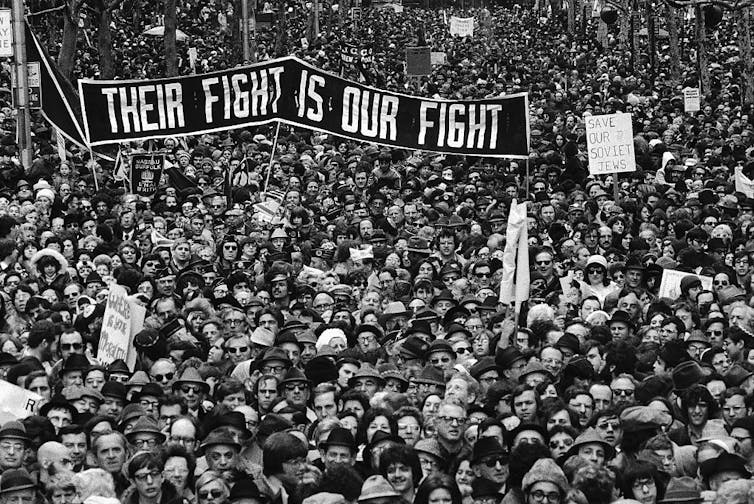
A black and white photo shows a closely packed crowd at a protest, with a large sign that says 'Their fight is our fight.'
Tens of thousands of people gather in front of the United Nations in New York in 1975 to call for more rights for Jewish people in the Soviet Union. Bettmann via Getty Images

A trickle, then a flood

The human rights campaign succeeded, but not all at once. In 1964, the USSR let only 537 Jews emigrate. In the 1970s, it let around 25,000 out on average each year, bending to the international outcry and hoping to advance détente with the West. But in the early 1980s, the Cold War chilled, and the Soviet Union closed the gates again.

With Gorbachev’s liberalizing reforms in the late 1980s, however, the USSR walked back its anti-Jewish policies, reestablished ties with Israel and opened the gates to unrestricted Jewish emigration.

Once Jews were free to leave, most chose to go. About 400,000 left in 1990 and 1991, when the USSR collapsed, and the flow continued afterward. All told, between 1970 and 2022, almost 2 million Jews emigrated – mostly to Israel, but also in the hundreds of thousands to the U.S., Canada and Germany.

A man in a suit smiles and holds a young girl in a white jacket, who waves at the camera.
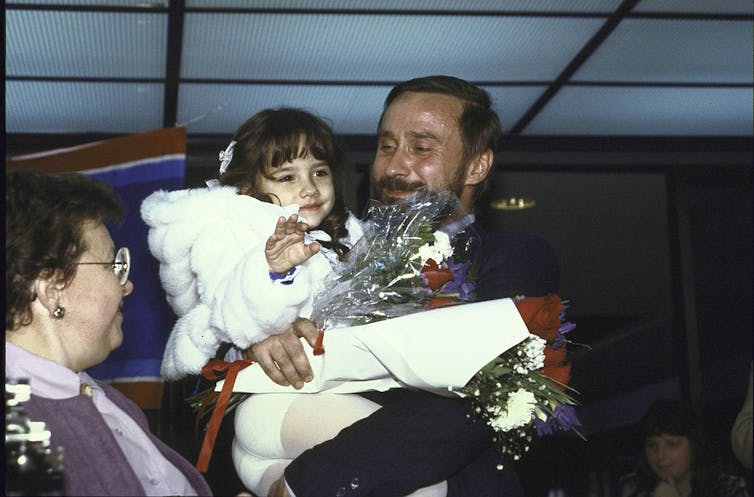
Soviet refusenik Yuri Balovlenkov, who had to wait nearly a decade for an exit visa to leave the USSR, holds his daughter after arriving in the U.S. in 1987. Cynthia Johnson/The Chronicle Collection via Getty Images

Emigration has ticked upward since the Ukraine war began. Fewer than 150,000 Jewish people remain in Russia today. Another 450,000 or so who do not necessarily consider themselves Jewish but have Jewish ancestry are also eligible for immediate Israeli citizenship.

Political dance

Throughout all these decades, the Jewish Agency for Israel has been the main organization helping Russian Jews emigrate – working in Russia itself since 1989, and before then, when Israel and the USSR did not maintain diplomatic ties, from transit stations in Austria and Italy.

For most of the post-Soviet period, Israel and Russia have maintained cautiously friendly ties, and the Jewish Agency’s work has proceeded smoothly. This, and Russia’s military presence in Syria, along Israel’s northern border, have muted the Israeli response to Russia’s invasion of Ukraine.

Nevertheless, the war has stoked tensions between Moscow and Jerusalem. Increasingly isolated, Russia has also drawn closer to Iran. As a result, a new relationship between Russia and Israel may be taking shape.

An old technique, made new?

Russia’s Justice Ministry claims that the Jewish Agency’s collection of data about Russian citizens violates Russian law and denies the case is political. The next hearing is scheduled for Aug. 19, 2022.

Outlawing the Jewish Agency is unlikely to end Jewish emigration, since people are still able to leave the country. The gates are still open, for now. Passing through them may become a bit harder.

During the Cold War, the Soviet Union knew that Jewish emigration symbolized something important to the West. It used that to its advantage, treating Jews as “pawns,” in the words of historian Jonathan Dekel-Chen. The Kremlin let them go or held them back as a way of telegraphing its interest or lack thereof in good relations with the West.

Now, it seems Vladimir Putin’s Russia has found the old telegraph from the Cold War attic, dusted it off, and discovered that it still works for tapping out signals today.

The Conversation

Shaul Kelner has received funding from the National Endowment for the Humanities and Brandeis-Genesis Institute for Russian Jewry. He has consulted and contributed writings to research and education projects supported by the Jewish Agency for Israel.

11 Aug 14:41

Faced with a rise of extremism within its ranks, the US military has clamped down on racist speech, including retweets and likes

by Dwight Stirling, Lecturer in Law, University of Southern California
Secretary of Defense Lloyd Austin speaks at a news briefing at the Pentagon on July 20, 2022. Anna Moneymaker/Getty Images

Less than a month after the Jan. 6, 2021, assault on the U.S. Capitol, Secretary of Defense Lloyd J. Austin took the extraordinary step of pausing all operations for 24 hours to “address extremism in the ranks.” Pentagon officials had been shaken by service members’ prominent role in the events of Jan. 6.

Of the 884 criminal defendants charged to date with taking part in the insurrection, more than 80 were veterans. That’s almost 10% of those charged.

More remarkable, at least five of the rioters were serving in the military at the time of the assault: an active-duty Marine officer and four reservists.

Service members’ involvement in the insurrection has made the spread of extremism – particularly white nationalism – a significant issue for the U.S. military.

Solving the problem

A blue ribbon committee called the Countering Extremist Activity Working Group was quickly commissioned in April 2021 to evaluate the extent of the problem.

The group found about 100 substantiated cases of extremism in the U.S. armed forces in 2021.

The latest instance occurred in July 2022, when Francis Harker, a National Guard member with white supremacist connections, was sentenced to four years in prison for planning an anti-government attack on police. Harker, who carried a picture saying “there is no God but Hitler,” was planning to attack police officers in Virginia Beach, Virginia, with Molotov cocktails and semi-automatic rifles.

Worried, Austin has tightened the rules regarding political speech within the military. The new rules prohibit any statement that advocates for “violence to achieve goals that are political … or idealogical in nature.” The ban applies to members of the military both on and off duty.

Also, for the first time, the new rules prohibit statements on social media that “promote or otherwise endorse extremist activities.”

While the intent behind the new rules is laudable, political speech – even of an offensive or distasteful nature – goes to the core of U.S. democracy. Americans in uniform are still Americans, protected by the First Amendment and afforded the constitutional right of free speech.

In light of the stricter policy, it is useful to consider how courts apply the First Amendment in the military context.

Good order and discipline

While soldiers and sailors are certainly not excluded from the protection of the First Amendment, it is fair to say they operate under a diluted version of it.

As one federal judge observed, the “sweep of the protection is less comprehensive in the military context, given the different character of the military community and mission.”

The “right to speak out as a free American” must be balanced against “providing an effective fighting force for the defense of our Country,” a federal judge noted in a separate case.

These and other federal judges point to the military’s need for good order and discipline in justifying this approach.

While never precisely defined, good order and discipline is generally considered being obedient to orders, having respect for one’s chain of command and showing allegiance to the Constitution. Speech that “prevents the orderly accomplishment of the mission” or “promotes disloyalty and dissatisfaction” within the ranks harms good order and discipline, and can be restricted.

In 1974, for example, the Supreme Court ruled that the Army can punish an officer for encouraging subordinates to refuse to deploy.

The officer’s comments included: “The United States is wrong in being involved in the Vietnam War. I would refuse to go back to Vietnam if ordered to do so.”

In 1980, the Seventh Circuit Court of Appeals ruled that the Army could legally fire an ROTC cadet for making racist remarks during a newspaper interview.

Explaining his political philosophy, the cadet said: “What I am saying is that Blacks are obviously further behind the whites on the evolutionary scale.”

In 2012, a San Diego district court ruled that the Marine Corps can lawfully discharge a sergeant who mocked president Barack Obama while appearing on the “Chris Matthews Show.” At one point the sergeant told the host: “As an active duty Marine, I say screw Obama and I will not follow his orders.”

While each of these statements is protected by the First Amendment in civilian life, they crossed the line in military life because they were deemed harmful to morale and represented what one federal court described as more than “political discussion … at an enlisted or officers’ club.”

The military’s job is to fight, not debate

In deciding these First Amendment cases, courts often hark back to why the military exists in the first place.

“It is the primary business of armies and navies … to fight the nation’s wars should the occasion arise,” the Supreme Court said in 1955.

In a separate case, the Supreme Court declared: “An army is not a deliberate body. It is the executive arm. Its law is that of obedience.”

Dozens of soldiers dressed in uniforms form a square and stand at attention.
U.S. soldiers stand to attention at the United States Army military training base in Germany on July 13, 2022. Christof Stache/AFP via Getty Images

Quickly following orders can mark the difference between life and death in combat.

On a national level, the degree to which an army is disciplined can win or lose wars. A mindset of obedience does not come solely from classroom training but from repeated rehearsals under realistic conditions.

As a military judge observed in a 1972 decision, while service members are free to discuss political issues when off duty, the “primary function of a military organization is to execute orders, not to debate the wisdom of decisions that the Constitution entrusts” to Congress, the judiciary and the commander in chief.

New policy bans ‘liking’ extremist messages

The U.S. military’s revised approach to political speech prohibits retweeting or even “liking” messages that promote anti-government or white nationalist and other extremist groups.

Does a restriction this broad comply with legal precedent?

As a law professor who has served more than 20 years in the U.S military, I believe the broader rules will probably be upheld if challenged on First Amendment grounds.

The most comparable case is Blameuser v. Andrews, a 1980 case from the Seventh Circuit Court of Appeals where an ROTC cadet espoused white supremacist political views in a newspaper interview.

Amongst other extremist remarks, the cadet told the reporter: “You see, I believe that in the final analysis, the Nazi Socialist Party will take over America and possibly the whole world.”

Finding that the statements harmed good order and discipline, the Seventh Circuit ruled that the Army did not violate the First Amendment when it subsequently removed him from the officer training program.

The cadet’s “views on race relations draw into question his ability to obey commands, especially in a situation in which he regards the military superior as socially inferior,” the Blameuser decision said.

The military has wide latitude in deciding who is deserving of the “special trust and confidence” that comes with military employment. Military officials are free to consider political and social beliefs that are “inimical to the vital mission of the agency” in making hiring and firing decisions, the Blameuser decision said.

Social media posts expressing support for violent political activities will likely be treated in the same way.

As the Seventh Circuit said in Blameuser, by liking or retweeting an extremist message, a service member’s actions are “demonstrably incompatible with the important public office” they hold.

The Conversation

Dr. Dwight Stirling is a reserve JAG officer in the California National Guard. The views expressed in this article are his own and do not necessarily reflect the official policy or position of any agency.

11 Aug 13:06

Car free Ybor City: one resident imagines Tampa with European promenades

by Andrew Harlan

Ybor City made national headlines when it shut down certain roads to traffic so that restaurants could expand their outdoor seating capacity. The new popular AI service DALL-E has captivated content creators as the system uses simple text prompts to craft surreal images. An updated version of the software allows users to submit images and make certain requests of DALL-E. One user, @CubanBread on Twitter, calls St. Petersburg home, and has used DALL-E to imagine Florida streets without cars.

One image of historic Ybor City is absolutely stunning. Brick streets head down toward Centro. We could imagine a future where folks take advantage of an expanded Streetcar system, electric bikes and scoots, and autonomous vehicles, to navigate Tampa.

A car free South Howard Avenue via @CubanBread (Twitter)

One rendering imagined the street just outside Oxford Exchange and Craft Kafe, across from The University of Tampa, without any traffic. The resulting renderings are wonderful reminders of the promise and potential of open streets in city’s such as Tampa. South Howard Avenue is also visualized through @CubanBread without any car traffic.

These measures are also part of the influence behind Vision Zero as Tampa leaders continue to examine ways in which streets can be made safer for pedestrians and cyclists.

What to read next: 

The post Car free Ybor City: one resident imagines Tampa with European promenades appeared first on That's So Tampa.

10 Aug 18:57

everything’s bigger in texas

Howdy folks! Pardon my July hiatus, as I was uhhhh covering the Tour de France. Anyway, before I get started, I’m back now and have some good news, which is that the McMansion Hell Patreon tiers have been updated – it’s never been such a good time to support McMansion Hell.

For $1/month you can get access to the Good House posts (McMansion Eyebleach) and the wonderful McMansion Hell Discord, a great, friendly community which is where many houses on here now come from. $3/month tiers will now receive an entire bonus MMH post in addition to the Good House posts that follow every edition of MMH. $5/month tiers still get a monthly house roasting livestream complete with bingo. $10/month tiers now get a bonus livestream that’s much more intimate and also includes voice chat participation. All in all, it’s more of what you want from McMansion Hell. Tiers above $10/month get a selection of exclusive merch along with other benefits.

Ok, awkward marketing moment over. Let’s get down to business. Big business.

We’re back in Denton County, Texas, one of the ground zeros of McMansion Hell, with a “Greek Revival” house built in 1989 but remodeled in the early aughts. Sitting at $2.5million (that’s a lot of oil money) and 6500 square feet, it’s just another example of how everything’s bigger in Texas. Let’s continue.

Lawyer Foyer

Whomst remembers swag? Absolutely dated bit of millennial slang now. Also get used to weird stairs because nothing in this home seems to be on the same level.

??? Room

I guess this is an office? It’s mostly a collection of things just for the sake of things. Peak McMansion.

Living Room

My mom did the red/green thing in her bathroom back in the day so I’m weirdly nostalgic for it. Still it was real. A lot of talk on HGTV at the time about mixing opposing colors (warm/cool) and pops of color (which were kind of missed in the greige era though they are coming back.)

Kitchen

The kitchen was probably renovated later than the rest of the house (I date it around 2009 or so - mismatched islands were kind of a thing then.) Still, no one really knows what to do with that much space and the result is almost always not very economical.

Speaking of…

Bedroom

If you don’t have a stuff corner in your bedroom are you even wealthy?

Bathroom

See the white carpet thing is only a problem when people actually use the tub which they almost never do.

bonus room

What’s the point of having all them trinkets if yer not pondering em???

Well that’s all for this edition folk— wait. wait.

What?

Bonus house-cels coping and seething at pool-chads.

Anyway, let’s look at the back of this thing:

The Dyingest Lawn In Texas is a free album name for anyone who wants it. (Did I mention I was born in Texas yet? That’s a fun fact.)

Anyway, that does it for this edition of McMansion Hell. See y'all soon.

If you like this post and want more like it, support McMansion Hell on Patreon for as little as $1/month for access to great bonus content including extra posts and livestreams.

Not into recurring payments? Try the tip jar, because inflation is ruining my life and coffee is like $4/cup now.

10 Aug 18:41

Don't be too quick to blame social media for America's polarization – cable news has a bigger effect, study finds

by Homa Hosseinmardi, Associate Research Scientist in Computational Social Science, University of Pennsylvania
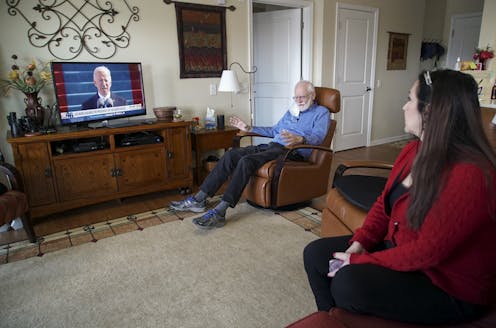
Joe Biden and Donald Trump supporters, like these two, are more likely to be polarized by TV news than online echo chambers. AP Photo/Allen G. Breed

The past two election cycles have seen an explosion of attention given to “echo chambers,” or communities where a narrow set of views makes people less likely to challenge their own opinions. Much of this concern has focused on the rise of social media, which has radically transformed the information ecosystem.

However, when scientists investigated social media echo chambers, they found surprisingly little evidence of them on a large scale – or at least none on a scale large enough to warrant the growing concerns. And yet, selective exposure to news does increase polarization. This suggested that these studies missed part of the picture of Americans’ news consumption patterns. Crucially, they did not factor in a major component of the average American’s experience of news: television.

To fill in this gap, I and a group of researchers from Stanford University, the University of Pennsylvania and Microsoft Research tracked the TV news consumption habits of tens of thousands of American adults each month from 2016 through 2019. We discovered four aspects of news consumption that, when taken together, paint an unsettling picture of the TV news ecosystem.

TV trumps online

We first measured just how politically siloed American news consumers really are across TV and the web. Averaging over the four years of our observations, we found that roughly 17% of Americans are politically polarized – 8.7% to the left and 8.4% to the right – based on their TV news consumption. That’s three to four times higher than the average percentage of Americans polarized by online news.

Moreover, the percentage of Americans polarized via TV ranged as high as 23% at its peak in November 2016, the month in which Donald Trump was elected president. A second spike occurred in the months leading into December 2018, following the “blue wave” midterm elections in which a record number of Democratic campaign ads were aired on TV. The timing of these two spikes suggests a clear connection between content choices and events in the political arena.

The 2018 midterm elections saw campaign ads reach new levels of partisanship.

Staying in TV echo chambers

Besides being more politically siloed on average, our research found that TV news consumers are much more likely than web consumers to maintain the same partisan news diets over time: after six months, left-leaning TV audiences are 10 times more likely to remain segregated than left-leaning online audiences, and right-leaning audiences are 4.5 times more likely than their online counterparts.

While these figures may seem intimidating, it is important to keep in mind that even among TV viewers, about 70% of right-leaning viewers and about 80% of left-leaning viewers do switch their news diets within six months. To the extent that long-lasting echo chambers do exist, then, they include only about 4% of the population.

Narrow TV diets

Partisan segregation among TV audiences goes even further than left- and right-leaning sources, we found. We identified seven broad buckets of TV news sources, then used these archetypes to determine what a typical unvaried TV news diet really looks like.

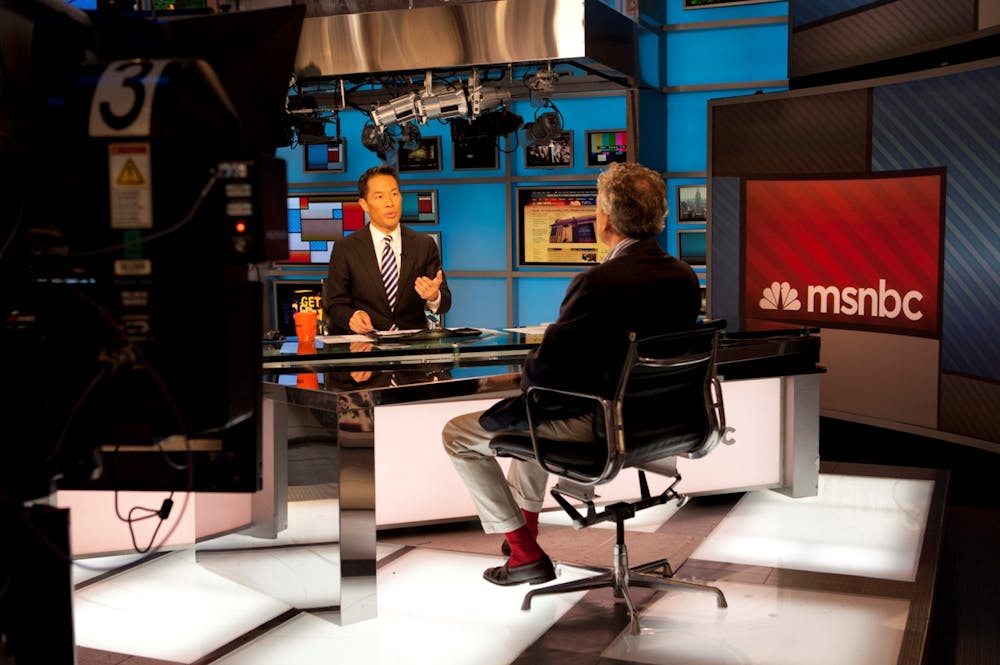
We found that, compared to online audiences, partisan TV news consumers tend not to stray too far from their narrow sets of preferred news sources. For example, most Americans who consume mostly MSNBC rarely consume news from any other source besides CNN. Similarly, most Americans who consume mostly Fox News Channel do not venture beyond that network at all. This finding contrasts with data from online news consumers, who still receive sizable amounts of news from outside their main archetype.

One man interviews another on the set of the television program
People who get their news from MSNBC rarely stray beyond MSNBC and CNN for their news consumption. Mikeblog/Wikimedia, CC BY-SA

Distilling partisanship

Finally, we found an imbalance between partisan TV news channels and the broader TV news environment. Our observations revealed that Americans are turning away from national TV news generally in substantial numbers – and crucially, this exodus is more from centrist news buckets than from left- or right-leaning ones. Within the remaining TV news audience, we found movement from broadcast news to cable news, trending toward MSNBC and Fox News.

Together, these trends reveal a counterintuitive finding: Although the overall TV news audience is shrinking, the partisan TV news audience is growing. This means that the audience as a whole is in the process of being “distilled” – remaining TV viewers are growing increasingly partisan, and the partisan proportion of TV news consumers is on the rise.

Why it matters

Exposure to opposing views is critical for functional democratic processes. It allows for self-reflection and tempers hostility toward political outgroups, whereas only interacting with similar views in political echo chambers makes people more entrenched in their own opinions. If echo chambers truly are as widespread as recent attention has made them out to be, it can have major consequences for the health of democracy.

Our findings suggest that television – not the web – is the top driver of partisan audience segregation among Americans. It is important to note that the vast majority of Americans still consume relatively balanced news diets.

However, given that the partisan TV news audience alone consumes more minutes of news than the entire online news audience, it may be worth devoting more attention to this huge and increasingly politicized part of the information ecosystem.

The Conversation

Homa Hosseinmardi does not work for, consult, own shares in or receive funding from any company or organisation that would benefit from this article, and has disclosed no relevant affiliations beyond their academic appointment.

10 Aug 18:40

Corporations want to profit from the world’s problems – here’s how they can solve them instead

by Jagannadha Pawan Tamvada, Associate Professor of Strategy and Innovation, University of Southampton
Shutterstock/seisler

There’s a good chance that you would like to see COVID disappear for good. And you may also wish for an end to the war in Ukraine – or any other war for that matter.

But would you feel the same way if you were the head of a big pharmaceutical corporation which has seen a massive surge in profits over the last couple of years? Or if you ran a company which manufactures weapons?

For these industries, a pandemic or a war might be considered a time of clear economic opportunity, when it would make no sense for them to work towards ending a particular illness or conflict. They have no motivation or incentive to do so.

But this creates a serious problem. How does society as a whole tackle major issues when the people with the power to do something are economically motivated to do nothing?

Take COVID for example, and the massive profits made by the pharmaceutical firms which succeeded in coming up with effective vaccines. Arguably the best economic scenario for them is to keep selling booster shots for billions of people around the world for years to come.

Of course, that doesn’t really work for the rest of us. But our research shows why many industries thrive on the fact that problems are more profitable than solutions.

The idea that corporations are not always motivated to seek solutions which are in wider society’s best interests is something we call the “paradox of incentives”. This refers to when corporate structures are more favourably aligned with the world’s biggest problems than with finding answers.

In fact, think of any serious issue facing the world, and there is likely to be a corporation, or a group of powerful people, who benefit from its existence. The paradox of incentives can be seen in everything from the staggering profits of the oil sector as climate change accelerates, to gun lobbies preventing reforms restricting access to weapons, and increasing house prices benefiting property investors and developers over buyers.

Another example is weapon manufacturers, which make astronomical profits during a conflict. Increased demand allows these firms to charge high prices and make more money.

The Russian invasion of Ukraine, which has had a negative economic impact on millions around the world, has led to record profits for some of the biggest corporations in the defence and energy sectors. One of the world’s biggest problems has led to some major profits being made.

The case of COVID

Our research into the actions of big pharma during the pandemic, highlights the negative effects of this approach on society. But it also gave us some hints on how things might be improved.

To begin with, we found that there should be a limit to the rewards given to CEOs and executives who often receive large salaries and bonuses directly tied to a firm’s profits. Such financial incentives motivate leaders to make decisions that generate greater profits for their firms rather than advancing public interest.

There also needs to be much greater transparency when it comes to how governments subsidise research that leads to new medicines and vaccines, and making this kind of taxpayer-funded knowledge more accessible and available.

Global hologram with blurred cityscape background.
A world of paradox. Shutterstock/sdecoret

If pharmaceutical companies became more open in this way, firms in developing countries would be able to manufacture similar products at significantly lower cost for some of the poorest populations in the world.

At a global level, there should be efforts towards an international agreement (it does occasionally happen) to offer significant rewards to firms which fast-track innovations for a more enduring treatment for COVID.

For while there may be significant benefits for the company which finds a cure (or a one-off vaccine), the overwhelming effect of the paradox of incentives in the pharmaceutical industry means more needs to be done to counter it.

More broadly, to resolve the universal and detrimental impact of this paradox of incentives, an even bigger shake up of capitalism is required. The arms trade needs to be deescalated through global treaties to the point that it no longer exists, while the world’s natural resources should be widely shared and treated as common global assets.

For the time being though, we should at least try and become more aware of how the paradox of incentives affects all of our lives. The next time you test positive for COVID, or despair at the missiles being launched in Ukraine, or worry about your next gas bill, remember that not everyone sees these incidents as problems that need to be fixed. Your problem equals someone else’s profit – and until that changes, the world’s biggest challenges will remain unresolved.

The Conversation

Jagannadha Pawan Tamvada is affiliated with the Council for Inclusive Capitalism and the India Centre for Inclusive Growth and Sustainable Development at the University of Southampton.

Rashedur Chowdhury does not work for, consult, own shares in or receive funding from any company or organisation that would benefit from this article, and has disclosed no relevant affiliations beyond their academic appointment.

09 Aug 18:02

USF Launches Dashboard to Track Invasive Mosquito Population

by Staff

USF researchers are working on novel solutions to fight the spread of deadly mosquito-borne diseases worldwide. One way to combat these pests includes a new global dashboard that uses data from smartphone users and other worldwide invasive mosquito research. 

The Global Mosquito Observations Dashboard is part of a large-scale project to establish global surveillance of mosquito-borne diseases with automated mosquito identification. It is funded by a four-year grant from the National Science Foundation.

Invasive mosquito dashboard

The dashboard combines data from three partner apps – Mosquito Alert, NASA’s GLOBE Observer and iNaturalist. Each app uses citizen science, where everyday people around the world provide photos of mosquitoes using their smartphones. 

For Florida residents, mosquitoes are a known nuisance. Over a dozen species native to the area are carriers of disease. Each year, mosquitoes cause nearly 700 million infections and more than one million deaths. This makes mosquitoes the deadliest animal on Earth. Only a small percentage of the mosquito species transmit diseases. Therefore, extensive surveillance and precise identification are critical in community defense.

Related: USF Student Creates Lumber Alternative from Recycled Plastic

With the combined international data from research centers and citizens, the dashboard has the potential to provide data at a frequency and geographic resolution otherwise impossible because of cost and other constraints. The dashboard is accessible via computer browser or mobile device.

“This dashboard represents a unification of global citizen science platforms for mosquito surveillance and control,” said principal investigator Ryan Carney, assistant professor of integrative biology. “This tool will help mosquito control personnel to seek and destroy invasive species and monitor disease vectors on an international basis by leveraging the geo-reference computers people carry around in their pockets every day: their smartphones.”

Testing the dashboard

To test the effectiveness of citizen science for the surveillance of mosquitoes, Carney and a team of three USF students asked citizen scientists to target primary vectors of Zika, yellow fever, dengue and Chikungunya. The citizen scientists succeed in locating vectors. And their efforts resulted in the first iNaturalist observations in the U.S. of Aedes scapularis. This is an invasive species that causes yellow fever. The documentation was shared with local vector control officials in Texas. This also serves as a model for monitoring in Florida, where the species recently invaded.

Aedes scapularis, an invasive species that causes yellow fever, documented in Texas. Courtesy of USF.

The study was recently published in a special edition of the journal Insects. It will serve as a reference for future planning and execution of citizen science projects. 

This project is also in collaboration with the Wilson Center’s Science and Technology Innovation Program, the Institute for Global Environmental Strategies and NASA Earth Science Education Collaborative and the U.S. Department of State.

The post USF Launches Dashboard to Track Invasive Mosquito Population appeared first on ModernGlobe.

09 Aug 17:34

Why The Conversation is committed to non-partisan journalism

by Misha Ketchell, Editor, The Conversation

The world of journalism has been transformed by the internet over the past two decades and many shibboleths have been discarded.

One that for a long time seemed to be destined for the scrap heap was the idea of journalistic objectivity. As journalism academic Jay Rosen has often pointed out, objectivity is a myth and the “view from nowhere” doesn’t exist. Everyone brings a perspective and lived experience to their journalism.

That’s why diversity in newsrooms is so important.

When Donald Trump was elected in 2016 it sparked a big debate in American journalism about how best to combat lies and misinformation propagated under the authority of the presidential seal. Some argued that journalists should become advocates and wear their hearts on their sleeves. This played into Trump’s attempt to cast the traditional quality media as purveyors of fake news. If everyone is seen to be pushing a barrow, if the media is openly antagonistic to one side of politics, then there is no one you can trust. Truth doesn’t matter. Anything goes.

For this reason as the editor of The Conversation, I cling to the unfashionable view that the ideal of non-partisan journalism is vital for democracy. The Conversation exists to provide audiences with quality information on everything from politics to vaccines to how to prepare children for school. But we don’t push agendas and we are not advocates.

I believe it is important to publish articles you can disagree with – as long as they are cogent and evidence-based. Everyone on the editorial team has views about the types of policies and interventions that work best to create a better society and address the existential threat of climate change. But it is not our role to campaign for any one of them. Rather, we aim to keep our own counsel and facilitate the discussion.

Ultimately we believe that the world needs purveyors of quality information who don’t pursue an agenda or ulterior motive. Journalism is a service industry, a public service. We need to serve readers with humility and respect. We need to have the discipline to be self-critical and own up to our mistakes. We need to understand that we perform a small but vital role and that this requires us to stay in our lane.

There are other ways of approaching journalism and there are valid arguments for taking these different approaches. What’s crucial, and what I want to highlight, is that journalists at The Conversation operate under a strong charter that gives us the editorial independence to determine our own path.

The path we have chosen is to create a quality information service for the broad public and public policy experts alike, and to do it to the best of our ability with transparency, humility and respect.

I hope you agree that this is a good way of delivering on our promise and repaying the faith that readers have placed in us.


This is an edited version of a message recently sent to Friends of The Conversation, donors whose generous contributions underpin the editorial independence discussed above.

The Conversation
09 Aug 17:27

How the FBI knew what to search for at Mar-a-Lago – and why the Presidential Records Act is an essential tool for the National Archives and future historians

by Shannon Bow O'Brien, Associate Professor of Instruction, The University of Texas at Austin College of Liberal Arts
The gate to former President Donald Trump's home at Mar-A-Lago in Palm Beach, Fla., on Aug. 8, 2022. Photo by Eva Marie Uzcategui/Getty Images

The FBI search of former President Donald Trump’s Florida estate, Mar-a-Lago, on Aug. 8, 2022, has sparked a vigorous outcry from Trump and his allies. The details of the search are not clear, but reporting by The New York Times confirms that the search was “at least in part” for presidential records that Trump had taken from the White House and which were being sought by the National Archives and Records Administration. We asked Shannon Bow O'Brien, a scholar of the presidency at the University of Texas, Austin College of Liberal Arts, to discuss the history, law and customs associated with presidential archives.

How do the archivists actually know what’s missing? Isn’t that hard to figure out?

The archivists probably have a really keen idea of what is and what isn’t missing, based upon things that they’ve gotten out of other offices, like the vice president’s office and things that got deposited from the secretary of state, for example. There are a lot of papers that are referenced and cross-referenced, multiple copies or multiple things going in and out of offices.

One scholar did a study of the presidents’ annual Christmas speech at the Ellipse in Washington. He looked at how the speeches – from the Roosevelt administration to the present – developed, and it was kind of a ring-around-the-rosy inside the West Wing and within the departments – what went in, what went out, what went in, what went out. Who won and who didn’t win. Everybody left their marks on the speeches. All of those changes and requests appear in documents, and if part of the conversation is missing from the National Archives, it’s obvious.

A middle-aged white man is dressed in a navy blue business suit and sitting on a leather chair behind a wooden desk.
President Donald Trump in the Oval Office on Sept. 17, 2020. Oliver Contreras-Pool/Getty Images

We know from other presidents’ records that really comprehensive records are kept via daily manifests of what the presidents are doing. And while I am not a historian, it’s not unreasonable to assume that the other departments and agencies likewise have daily manifests of their top officials. So if they know that someone at an agency sent something over to the White House that was this or that, and it came back from the White House with this or that, then there should be a document somewhere that’s got something from the White House on it – and if you’re missing that, that’s a problem.

Will the public find out what was in these documents, given that they are classified?

We’ll be lucky to know if, and when, the documents get declassified. We might get some hints of what is there if Trump does get indicted for a crime related to removing the documents or based on something found in them. We’ll possibly find out what grade of classification the documents had – they get different levels based on the level of seriousness.

What’s the law that governs what happens to a president’s documents?

It’s the Presidential Records Act. It came about originally because these guys, the presidents, were just kind of doing whatever the heck they wanted with their records. Hoover donates his; FDR doesn’t.

The act, first passed in 1978, says administrations have to retain “any documentary materials relating to the political activities of the President or members of the President’s staff, but only if such activities relate to or have a direct effect upon the carrying out of constitutional, statutory, or other official or ceremonial duties of the President.”

An administration is allowed to exclude personal records that are purely private or don’t have an effect on the duties of a president. All public events are included, such as quick comments on the South Lawn, short exchanges with reporters and all public speeches, radio addresses and even public telephone calls to astronauts in space. Diaries and journals are off limits, but any papers to carry out the job are public records.

Have there been other controversies over presidential records?

There’s one that poses an essential question: What value can you place on history? In 1998, the Nixon estate felt his records had a monetary value of over US$200 million and sued the government, which had seized the records, for what they believed their value amounted to.

A middle-aged white man sits behind a desk and poses for a portrait.
The actions of U.S. President Richard Nixon prompted numerous federal presidential record-keeping laws after the Watergate scandal. Don Carl Steffen/Gamma-Rapho via Getty Images

There’s a two-decade background to the case. After he left the presidency, Nixon brokered a deal with the General Services Administration about the retention of his records, but when knowledge of it became public, there was considerable outcry. A large amount of material was to be withheld from public view, and there was concern the depth of Nixon’s true involvement in Watergate would be obscured.

Congress responded and in 1974, President Gerald Ford signed the Presidential Recordings and Materials Preservation Act to specifically apply to Nixon’s presidential materials. It gave the archivists the power to seize materials from Nixon’s time in the White House and return those deemed private.

Nixon immediately sued over who possessed his records. While he had already been pardoned when it was enacted, Nixon was concerned about his reputation and legacy. He wanted control over what the public saw about his time in office. One of the major issues in front of the court involved the disposition of documents he believed were private. Given the scandal associated with his resignation, should these documents be inspected by archivists for veracity?

More important, did the government have the right to seize presidential documents?

In a 7-2 decision, the Supreme Court rejected all of Nixon’s arguments. They said his privacy rights were still intact because the archivists were not making things immediately public but inspecting them and retaining public items while returning family ones. The court noted the “unblemished record of the archivists for discretion.”

In 2000, the lawsuit was settled over the Nixon records, with the bulk of the settlement money going to pay attorney fees. Some observers were unhappy, because these documents should have already been considered public, but the decision was likely made to finally close this chapter on American history. In 2007, the Nixon library in California became public and integrated into National Archives.

This story includes parts of an article originally published on Feb. 11, 2022.

The Conversation

Shannon Bow O'Brien does not work for, consult, own shares in or receive funding from any company or organization that would benefit from this article, and has disclosed no relevant affiliations beyond their academic appointment.

08 Aug 18:28

Scrapping use-by dates could prevent huge amounts of food waste – here's what else could help

by Lingxuan Liu, Lecturer in Sustainability, Lancaster University
Supermarkets are beginning to remove date labels on fruit and veg to tackle the food waste issue. Adam Melnyk/Shutterstock

Before ending up on a European supermarket shelf, an avocado has effectively emitted 1.3 kilograms of carbon into the atmosphere. Its production alone consumes 60 gallons of water. Despite this, the fruit will often be discarded as household waste.

Wastage occurs at each stage of the food supply chain, but household food waste is one of the most significant. British households waste an estimated 6.7 million tonnes of food each year, amounting to approximately 32% of all purchased food items.

Household food waste is also notoriously difficult to manage. Studies show that consumers often both fail to understand the environmental consequences of food waste, and are rarely held accountable for it.

Household food waste is the result of mismanagement

Much of this wastage is avoidable and the food may have been eaten had it been better managed. This has prompted Waitrose to join a growing number of food retailers in removing date labelling, such as the “use-by” or “best-before” date, from some fresh food items in an attempt to reduce household food waste.

Past studies have confirmed the importance of date labelling on consumers’ decision making. Almost 60% of western European consumers surveyed said they “always” check date labels while purchasing a food item or preparing a meal.

But the routine application of date labelling has long come under criticism. A recent study attributed consumers’ failure to understand the application of date labelling to an increased likelihood of irrational decision making. Indeed, research has shown that consumers commonly reject edible, but date-expired food, rejecting up to 56.7% of such food on average.

The Institute of Food Technologists additionally question whether date labels are an accurate measure of food safety anyway, as post-packaging temperature control cannot be assured.

The removal of date labelling is therefore a promising start. Without date labels, often dubious information that may interfere with the consumers perception of what is edible, is removed. Instead, consumers are encouraged to sense-check fresh food items.

In the case of an avocado, the advice given to consumers is that when ripe, it should have a “pleasant and slightly sweet aroma”, whilst the skin should be “dark green or brown”. Information is also provided on how an avocado should look, taste, and feel when “overripe”. It is hoped that a better informed consumer will be less likely to blindly discard food due to a lapsed date.

The Waste and Resources Action Programme (WRAP) predict that approximately 50,000 tonnes of food waste could be avoided each year in the UK if date labels were removed from just apples, bananas, potatoes, cucumber and broccoli.

Should retailers be doing more?

Despite growing momentum in date label removal, industry stakeholders remain insistent that retailers are duty-bound to do more.

Some research suggests that retailers should also explore alternative ways of expressing labelling to better meet consumers’ informational needs. Re-scripted date labels such as “best before, often good after” may encourage the acceptance of “date-expired” foods in the knowledge that the item remains safe to consume.

Encouraging people to buy appropriate amounts of food items is also an effective way of reducing food waste. Supermarkets are being placed under increasing pressure to sell loose products. WRAP forecast considerable waste reductions should this be implemented nationwide.

Changing the behaviour of consumers

Gradually changing ingrained consumer behaviour, through long-term awareness campaigns is often considered key to reducing food waste. Commercial campaigns and targeted community outreach programmes can contribute to a greater understanding of the science behind date labels. They can also encourage consumers to source food locally and participate in urban farming schemes.

A pilot study at the University of Sussex analysed fruit and vegetable yields from 34 urban allotments. They found that urban growers were able to grow 1kg of fruit and vegetables per sq metre, a yield within the range of a conventional farm.

Five allotment patches with densely built houses and a cloudy blue sky in the background.
Urban allotments can often be very productive. Kristof Bellens/Shutterstock

Changing consumers’ perceptions through innovative social and commercial initiatives, also represent increasingly popular food waste reduction strategies. Downloadable meal planning and smart shopping tips both encourage responsible shopping practices.

Fresh food box schemes which supply precise quantities of ingredients for specific dishes also substantially reduces household food waste. The Wuppertal Institute reports that HelloFresh meals generate 51% less food waste than non-HelloFresh meals.

While the removal of date labels indicates a growing desire to reduce food waste, it is effective only if consumers are supported with better information and encouraged to simultaneously adopt more sustainable shopping practices. While changing dietary culture and consumer behaviours towards greater sustainability is an arduous process, it is a necessary one as we transition towards greater responsibility in food waste management.

The Conversation

Lingxuan Liu receives funding from ESRC and BBSRC of UKRI.

08 Aug 17:56

The last Salem "witch" has been cleared

by Devin Nealy
Salem Witch Trials

The mercurial nature of human understanding makes history both a compelling and horrifying subject. When human ignorance is benign, it usually manifests in the form of silly beliefs, like flat Earth. Once an intellectual blindspot mutates into an unwavering and unassailable belief, ignorance can quickly become malevolent. — Read the rest

08 Aug 17:44

Visit your local creative reuse center to donate or discover used art supplies

by Popkin

Visit your local creative reuse center to donate or discover used art supplies. This website offers a list of creative use centers in various cities around the U.S., so check it out to find one near you.

What exactly is a creative use center, you may ask?  — Read the rest

08 Aug 17:40

New scientific paper shows the Mandela Effect is real

by Thom Dunn

The "Mandela Effect" is a term used to describe the phenomenon (read: conspiracy theory) wherein groups of people collectively mis-remember things, but continue to insist that their (incorrect) memories are in fact true, which may or may not be an indication that someone is messing with our reality (check out my not-yet published novel How To Build A Universe That Doesn't Fall Apart for more information!). — Read the rest

08 Aug 14:59

923

by Gene Ambaum

08 Aug 12:47

Victory! Federal Court Upholds First Amendment Protections for Student’s Off-Campus Social Media Post

by Mukund Rathi

EFF intern Emma Plankey contributed to this blog post.

Students should not have to fear expulsion for expressing themselves on social media after school and off-campus, but that is just what happened to the plaintiff in C1.G v. Siegfried. Last month, the Tenth Circuit Court of Appeals ruled the student’s expulsion violated his First Amendment rights. The court’s opinion affirms what we argued in an amicus brief last year.

We strongly support the Tenth Circuit’s holding that schools cannot regulate how students use social media off campus, even to spread “offensive, controversial speech,” unless they target members of the school community with “vulgar or abusive language.”

The case arose when the student and his friends visited a thrift shop on a Friday night. There, they posted a picture on Snapchat with an offensive joke about violence against Jews. He deleted the post and shared an apology just a few hours later, but the school suspended and eventually expelled him.

The Tenth Circuit first noted that these facts closely mimic those in Mahanoy v. B.L., a recent Supreme Court case that protected a student from suspension after she posted a picture to Snapchat with the caption “fuck cheer.” The Mahanoy Court explained that when students speak off campus, schools don’t have the same educational interests in regulating that speech. Social media does not change that. EFF argued to the Tenth Circuit that, if anything, courts should especially protect social media speech, because it is central to young people’s communication and activism.

The Tenth Circuit held the First Amendment protected the student’s speech because “it does not constitute a true threat, fighting words, or obscenity.” The “post did not include weapons, specific threats, or speech directed toward the school or its students.” While the post spread widely and the school principal received emails about it, the court correctly held that this did not amount to “a reasonable forecast of substantial disruption” that would allow regulation of protected speech.

02 Aug 16:30

Stock Photo Company Decides To Treat ‘Pirates’ Like Humans, Rather Than Demons

by Dark Helmet

Over these many years, we’ve talked about a myriad of ways in which people and companies can respond to copyright infringement. The common reaction, and probably the one most natural, is for those copyright holders to absolutely freak out, scream about lost sales and “teh pirates!!1!”, and then turn to their lawyers. Others take a more nuanced approach. Some video game companies mess with pirates by making pirated games unplayable or annoying. Others look at piracy as a market force that illuminates where potential customers are under-served. And still others try to actively engage with those doing the infringing in the hopes of being seen as humans, building up a connection, and trying to convert them into paying customers.

Dreamstime, a stock photo agency, is an example of the last type of strategy. Like other photo agencies of the kind, Dreamstime has a program that crawls the internet for unlicensed uses of its photos. Unlike other agencies, however, the company has a relatively benign response to those infringing uses in most cases.

The Tennesse-based stock website launched a new infringement tracking tool, dubbed LicenseGuard, earlier this year. But rather than demanding thousands of dollars, it will offer a softer resolution. If the offender has only infringed once and it is a genuine mistake, then they can simply remove the image. Dreamstime will offer a “special version” of its regular image license that covers post-usage permission. The company will try to bring the infringers on as clients as well as providing education about best practices.

The reason for this approach, according to Dreamstime, is that most of the infringements it sees are accidental. Examples can include people who purchased themes that used stock images, individuals who don’t understand copyright law, and those that did not understand the license.

Now, in subsequent statements, Dreamstime has been very clear that it absolutely will go the legal route for repeat infringers and those that simply ignore its softer method for reaching out. But as far as middle grounds go, it’s not terrible. First, treat the infringers as though they’re human beings rather than piracy demons, show some understanding that copyright law is so counter-intuitive and pretzeled at this point that honest mistakes happen, and try to convert them into paying customers. Then, for those that truly are just out to infringe, go legal. Again, not necessarily perfect, but understandable.

And the important bit is that Dreamstime is looking at this as a way to bring in more customers, rather than being litigious assbags that piss everyone off.

The company sees these publishers as ideal long-term customers and believes that the current approach, taken by some stock agencies, is adversarial and scares people away from the industry.

100 percent true. And perhaps, just by being a little more human than the Getty’s of the world, a little honey will catch more flies than the vinegar.

01 Aug 16:51

Living with COVID: how treating masks like umbrellas could help us weather future pandemic threats

by Simon Nicholas Williams, Lecturer in Psychology, Swansea University
When cases rise, we can make small changes to our behaviour. Jaromir Chalabala/Shutterstock

Thankfully, the UK now looks to be past the peak of both the recent heatwave and the latest COVID wave. But there will be more of both – and in future, we might think about how we protect ourselves from COVID in the same way we protect ourselves from the weather.

An umbrella is a useful analogy. If we look out the window or check the weather forecast and see rain, we would probably take an umbrella out with us. Similarly, if COVID cases are starting to rise or if a new wave is forecast, we might consider grabbing a face mask, for example.

But just as there’s no need to carry an umbrella with us when it’s sunny, we needn’t be expected to wear masks all the time. Of course, some people may choose to wear masks more consistently in certain settings, while others may forgo wearing them altogether. This is the nature of the current phase of the pandemic we’re in, a big part of which is based on personal choice and responsibility.

Thanks largely to the impact of vaccines, we no longer need the kind of rules-based approach to risk management we saw earlier in the pandemic. But the umbrella analogy can guide our behaviour and choices in a variety of areas of our response moving forward. Beyond masks, these include testing, ventilation and social distancing.

The idea is that we can pick up or step up precautions when we most need them (when COVID cases are on the rise), before relaxing them, if we want to, when infection rates and risk are lower.

What might this look like in practice?

Let’s say we start to see COVID cases rising again come autumn. This is a distinct possibility.

It then becomes even more important to take a test if we have any symptoms that might be COVID-related. This will help inform our decision of whether, and to what extent, to minimise contact with others.

Isolation is no longer a legal requirement, and I think this should remain the case. However, if possible, staying at home while we’re unwell is a sensible and considerate thing to do, particularly when COVID rates are high.

Distancing should also remain a choice. But during a wave of infections, people might wish to maintain more distance between themselves and others in shops, or may choose to avoid crowded venues.


Read more: I have COVID symptoms. Should I do a test?


Back on masks, when cases begin to rise, the risk of contracting and transmitting COVID also rises, so masks become a more useful and reasonable precaution. They can be particularly valuable in certain circumstances – for example, if someone is unwell but can’t isolate, when visiting people who are vulnerable, or in crowded indoor spaces.

Opening windows even a little can increase fresh air indoors and also help reduce the likelihood of transmitting the virus.

Finally, the number of people in the UK who have had a COVID booster vaccine is considerably lower than the number who received their first and second doses. We know immunity from vaccines wanes, and boosters restore vaccine effectiveness. So if we start to see rising cases, or looking ahead to future waves, it would make good sense for people who are behind on their vaccines to get up-to-date.

A woman administers a rapid COVID test to her son on the couch.
Testing becomes more important during a COVID wave. Dragana Gordic/Shutterstock

Shared responsibility

It’s been a year since England’s “freedom day”, when most legal COVID measures were removed. But the pandemic is far from over. Along with high numbers of daily infections, long COVID is very common, and the pressure on the NHS is still unsustainable.

In a recent article in the British Medical Journal, Professor Susan Michie and I reflected on some of the lessons we’ve learned over the past year.

Among these, the pandemic has shown us that behaviour is not purely down to an individual’s choice or motivation. People’s actions are also shaped by the opportunities and supports they’re given – or not given. For example, while some people might want to stay home if they have symptoms, they may not if neither their employer or the government provides financial support.

People should be encouraged and supported as much as possible to stay home when they’re sick, particularly when cases are high. Amidst a winter COVID wave, Australia has re-instated its pandemic leave disaster payments to enable those with COVID and without proper sick pay to stay home and not lose out financially.

Further, governments could ensure that free at-home tests are available during times when infections are likely to, or starting to, rise.

And it’s important that, to mitigate the impacts of future waves, vaccination coverage is as high as possible. Public health campaigns should target both the unvaccinated and partially vaccinated, as well as encouraging people (particularly the most vulnerable) to take up booster offers.

We also need more action to ensure adequate ventilation. In the US, billions of dollars are being made available for improving air quality in schools and other public buildings.


Read more: Caught COVID? Here’s what you should and shouldn't do when self-isolation isn’t mandatory


I’ve previously argued that the UK government puts too much responsibility in the hands of the public. Just like climate change, pandemics are global problems, and addressing them requires a collective effort.

The Conversation

Simon Nicholas Williams has received funding from Swansea University, the University of Manchester, Senedd Cymru and Public Health Wales for research on COVID-19. However, this article reflects the views of the author only and no funding bodies were involved in the writing or content of this article.

01 Aug 14:26

Why is our planet rotating faster? Scientists don't know

by Jason Weisberger

It would appear the Earth has sped up a little bit, and we may need some "negative leap seconds" to keep our artificial system of measuring "time" in order. The folks measuring the speed with which our planet rotates have some ideas, but no conclusions, as to why this may be happening. — Read the rest