Shared posts

14 Apr 16:55

Using Marketing Personalization Without Being Creepy

by Ryan Shelley

ribkhan / Pixabay

Marketing personalization is possible thanks to the power of big data. But, as we have seen recently, data can be used for good or… well evil. Personalization is a great way to engage with your users, but if your not careful you can come across as creepy. So let’s talk about how to use personalization without being creepy.

Before we get into some best practices, I want to share some statistics that prove personalization works.

  • 79% of consumers say they are only likely to engage with an offer if it has been personalized to reflect previous interactions the consumer has had with the brand. (Marketo)
  • By 2020, 51% of consumers expect that companies will anticipate their needs and make relevant suggestions before they make contact. (Salesforce)
  • More than half of consumers (57%) are okay with providing personal information (on a website) as long as it’s for their benefit and being used in responsible ways. (Janrain)
  • Personalization works: 88% of U.S. marketers reported seeing measurable improvements due to personalization — with more than half reporting a lift greater than 10%. (Evergage)
  • 78% of U.S. Internet users said personally relevant content from brands increases their purchase intent. (Marketing Insider Group)

As you can see, leveraging personalization can result in better engagement and improve sales. While there are a number of ways to personalize our messages for our leads, there are a few best practices to keep in mind. Remember, there is a fine line between personalized and just plain creepy.

Respect Their Information

When a lead hands over personal information in exchange for a piece of content, they are trusting you respect that information. This is where a lot of businesses go wrong. Just because they gave you some information, doesn’t mean they also gave you free reign on how you use it.

We live in a world where we have been conditioned to hand over our name and email to gain access to platforms, content or tools. This information is valuable and can be used to provide more value to the individual that shared it with us. The key here is to respect the information and not overuse, misuse or abuse it.

Here are a few a best practices for using your customers’ personal data:

  1. Only use their name in personalization where it makes sense: Using a first name in an email is cool. Using it to greet them on your homepage is creepy.
  2. Be Transparent: Inform your visitors that you collect information to help give them a better and more personal experience.
  3. Give them a choice: lf someone decides they no longer want to stay connected with you, give them a clear way to opt out.

Context Is King

Context is the most important thing when it comes to personalization. Knowing when, where, and how to add a personalized message is the difference between great marketing or being a total creeper.

Take into consideration the communication platform. Email should be treated differently than a social channel. A website should be treated differently from the other two. When creating a personalized campaign, make sure that you empathize with your customer and take into account how they may react.

Use Common Sense

With all that we can do with technology one thing that often gets overlooked is common sense. In my last point I talked about using empathy. But we have to do more than just empathize; we have to act on that. Before using your customers’ data to personalize your strategy, stop and ask, “is this cool or creepy?” If you would feel weird getting the message you are about to send, stop and rethink your strategy.

There is so much we can do when it comes to creating personalized experiences online. Whether you are creating an email, social retargeting, or onsite personalization, make sure that you have all of your bases covered. While personalization can be very powerful and add a ton of value, if used incorrectly you can come across as creepy and untrustworthy.

13 Apr 16:22

Tune In: The Best Podcasts for Marketers, Remote Workers

by Caroline Curran

StockSnap / Pixabay

I spent a few years working in news radio, so there’s a certain nostalgia for me that podcasts hold. It’s good, old-fashioned storytelling with a certain depth that is often absent in a written piece. I once cherished the opportunity to go on-air and explain a story in a way that didn’t make it into print, particularly for complex stories that unfolded in a courtroom. It was a way to offer some context to a story, to set the stage so to speak.

As a listener, I binged on the first season of “Serial.” By the time the second season rolled around, the Netflix Effect had me by a choke-hold and it was painful to wait an entire week for the next installment. It’s the storytelling that gets me. It’s so colorful, so full of context and backstory. For me, work- or business-related podcasts have that same effect, but with the modern convenience and availability of tuning in when I want: while walking the dog, doing tasks around the house or driving.

From a listener’s perspective, podcasts are entertaining, they’re educational and, at times, even funny. But what about from a PR or content marketing perspective: Have you ever thought about developing a podcast to help your business?

We have a few clients who have gotten on board with podcasts, and they’re doing great work. Our friends at Basecamp, who wrote the book – literally – on remote working have a stellar podcast, REWORK. Headed up by Chicago Tribune and Dow Jones alum Wailin Wong, REWORK tackles topics such as “How to say you’re sorry,” “Meetings are toxic,” and “Interruption is not collaboration.” It’s a must-listen for those working remotely.

Another Metis client, Zaius, a B2C CRM, recently launched a podcast, the Empowered Marketer, the name an homage to what the company hopes to do for its customers, the majority of whom are marketers and chief marketing officers. The podcast offers real-world techniques for B2C marketers.

Whether you’re looking for a podcast on remote working, one designed specifically for marketers, or a just great suggestion for anyone interested in business podcasts in general, here are some recommendations, crowdsourced from the Metis team:

  • NPR’s On the Media, which explores how the media shapes our worldview.
  • StartUp from Gimlet Media, which shares interesting stories about the genesis of various companies, including the challenges and end result (good or bad).
  • Bloomberg’s Game Plan, which delves into office topics we all can relate to, from office jargon to controlling the thermostat.
  • Tim Ferriss’ podcast, featuring interesting people, productivity tips and some life hacks;
  • Endless Thread, delving into stories from Reddit.
  • Hiding in the Bathroom, the networking guide for ambitious introverts.
  • Harvard Business Review’s IdeaCast, featuring leading thinkers in business and management.
  • Claim the Stage, focused on public speaking for women.
13 Apr 16:22

11 Things You Can Do to Better Prepare for Your Next Large-Scale Launch

by Young Entrepreneur Council

What’s one thing you can do to prepare for a big product release?

1. Build a Community

Building a community around your company is an incredibly powerful resource. It takes a lot of time and work to build up. For product releases, having an active community who care about what you’re building is a great place to start with promotion. – Ben Lang, Spoke


2. Look at What the Competition has Done Recently

Be sure to check out what the competition is doing so that you can address that in your launch by differentiating what you say about your product. Consider everything from pricing to distribution channels to see how you can do things differently in releasing your product. – Peter Daisyme, Due


3. Prepare Messaging and Channel Timing

Create a roadmap in advance of what you will say, where you will say it, and when. This is key to determining interest and generating buzz. Often, it’s good to plan it in a way that releases a little information in advance at a time to stir interest and get people excited. Preparing messaging in advance ensures consistency and offers a way to tie it to various tactics. – Angela Ruth, Calendar


4. Update Your Email List

Don’t depend on social media and advertising to help you earn sales. Create content, attract prospects to your website, convert them to email subscribers, and then let them know when they can pre-order or when the product goes live. – Thomas Smale, FE International


5. Test With Different Influencers

Before a launch, I always test my product with different influencers. It’s easy to be excited about your product, but sometimes you lose sight of reality. Listen to the feedback those influencers give. Usually, you’ll learn a little something that will make your release even more successful. – Colbey Pfund, LFNT Distribution


6. Tap Into Thunderclap

In the past, whenever I did a product launch I asked friends to post on their social feeds about it on the day of. Then I started using Thunderclap and got 10 times the results from previous launches. The tool gives me the ability to send friends a link where they can submit their post in advance, and on the exact time and day of launch, everything gets released at the same time. It’s been huge for us. – Mark Krassner, Expectful


7. Run Paid Advertisements

You can build demand for a product through blog posts, press releases, and tapping your social media connections. But paid advertisements over search engines, Facebook, and Twitter will allow you to target individuals who would be more likely to make a purchase and deliver great short-term gains to gear up other strategies, such as email remarketing for those who abandon cart purchases. – Kristopher Jones, LSEO.com


8. Develop a Content Marketing Strategy

Create a calendar to keep track of your content marketing. You will want to execute this well to ensure that you rank well on social media. Use tools like AnswerThePublic.com to figure out what your future customers are searching for and create blog posts with the answers to their questions. Your customers will keep coming back for the valuable information. – Jared Atchison, WPForms


9. Hold a Mock Release to Find Pain Points

If there’s one consistency in product releases, it’s that they often create challenges or introduce complexity into your pipeline when you run into a problem you didn’t anticipate. Distribute a “mock release” to a small, unbiased test group to emulate the process of releasing the product to its core audience to find and correct pain points before they become a problem for real customers. – Blair Thomas, eMerchantBroker


10. Get Your Customer Support Ready

If you aren’t already using a ticketing system like Zendesk, now would be a good time to implement it. You may receive a lot of questions when launching a new product. Sometimes, this isn’t the case, but it’s always best to be prepared. – Ismael Wrixen, FE International


11. Launch Late if You Have to

Sometimes there is a temptation to launch on a set date. More important than the date is nailing the product. We decided to let the official launch day pass and added three additional weeks of rigorous testing. While we technically launched “late,” our customers now love the bug-free product, and are helping us spread the message far and wide. – Brint Markle, Mountain Hub

13 Apr 16:21

7 Steps to Organize Your Email and Add Hours to Your Week

by KeriLynn Engel

How many hours every week do you spend on email?

Here’s a challenge for you: Starting next week, take note of all the time you spend checking email.

Write it down in a notebook or use a time-tracking app like Chrometa. You’ll probably be shocked at how quickly the hours add up.

What else could you do with all that extra time? However, email is crucial to running your business, so how can you cut back?

The following steps go beyond the basics, showing you how to create systems to get organized and keep your inbox in check. What would you do with a few extra hours every week?

Here’s how you can find out.

Step #1: Reduce Incoming Emails

Take a look at what typically comes into your inbox.

If you’re subscribed to more than 5 email newsletters, that’s probably too many.

Try a tool like Unroll.me to manage and reduce your subscriptions. Be ruthless about unsubscribing to all but the most useful newsletters.

Are most of your emails from clients?

If you have a service-based business, client emails often take up a huge portion of time.

If you offer a service, consider reducing the amount of clients you deal with. It’s better to have two clients who each pay $250 than to have 5 clients who each pay $100 because of the overhead time for each client.

Consider raising your prices and reducing the amount of customers you need to email.

If you find yourself answering similar emails over and over again, publish a FAQ on your website to handle the most frequent questions. Be sure to link to your FAQ and glossary from your contact page, and encourage visitors to read it before contacting you. If you can’t reduce the amount of emails, at least you can schedule them better.

Try Boomerang, which allows you to pause your email delivery and receive it in batches.

Step #2: Manage Expectations

Checking email constantly throughout the day has a huge impact on your productivity.

Multitasking can reduce your productivity by 40% and even lower your IQ by up to 10 points according to scientific studies.

Reduced work quality can hurt your client relationships more than a slightly delayed email response.

What if your customers are used to you answering their emails immediately?

Fast responses to email inquiries might be a big selling point for your business. But you can be responsive without checking email compulsively throughout the day. You just need to manage your customers’ expectations and train them to your new schedule.

What they consider an “emergency” often isn’t.

First, set a schedule for yourself. You might decide to only check email 2-3 times a day, or only in the mornings.

Next, you’ll need to let your clients know about your new policies, and how long it will generally take you to respond to emails. You can train your customers to expect your new schedule by:

  • Publishing your policies on your website. On your contact or support page, let them know how long they can expect to wait for a response.
  • Sharing a welcome packet with new clients. In your welcome packet, outline your communications policies: how they should contact you, and when you’ll respond.
  • Consider setting up an email auto response that lets your contacts know when you’ll respond to their email.
  • Never send or respond to emails during off hours (like evenings and weekends). This gives the impression of 24/7 availability. Instead, you can schedule your email to go out in the morning.

For existing clients, let them know personally that you’re updating your policies.

Spin it as a benefit to them!

Dear [client],

[Personalized greeting] I’m getting in touch to let you know about my new email policy.

As my business grows, my priority is to make sure I continue to provide you with quality service. In order to keep doing so, I’m updating my communication policy. Going forward, I will be checking my email [at these times].

I will answer your emails within [response time]. [Optional:] If your message is urgent, you can use the word “Urgent” in your email subject line and it will alert me immediately. This new policy will enable me to give 100% focus when working on your projects, without being distracted by emails throughout the day.

Thank you for your business.

Let me know if you have any questions about this new policy.

Customers will appreciate your professionalism and straightforwardness, and will soon grow used to your new response times.

Step #3: Organize and Automate

When your inbox is full of all kinds of emails, from client communications to newsletters to order confirmations, it’s tough to wade through it all.

It can be overwhelming, and it also leads you to focus more on irrelevant emails to the detriment of more important ones. Gmail’s tabbed inbox does help with this, but you can organize it even more using labels and filters.

For example, you might get both personal emails from friends and family, and emails from your business mixed up in your Primary tab.

If you want to automatically separate out your business emails so you can prioritize those, you can easily set up a filter to have them all labeled under “Business” so you can easily sort them.

create-a-filter

Just use the search field to find the emails you want to label, and click the link at the bottom that says “Create filter with this search”.

apply-label-filter

Then click the “Apply the label” option, and select the label you’d like to use.

Another tool you can try is SaneBox, which automatically detects which emails are important to you, and clears the rest out of your inbox for later.

Step #4: Escape the Inbox

Do you use your email inbox as a to-do list?

This isn’t the most efficient or scalable system: Email wasn’t designed to be a to-do list.

You want to be able to focus on tasks to be completed without being distracted by personal emails. Instead, try using tools made for to-do lists, like Asana, Trello, or Todoist.

Asana is a project management app that’s free and simple to use. You can easily turn any email into a task by forwarding it to Asana.

If you can get your clients to use Trello instead of email, it’s much easier to keep organized and keep communications and files all in the same place – no more hunting through your inbox for that specific message or file.

Instead of keeping an email in your inbox as a reminder, you can schedule it to come back to your inbox at a certain time, using a tool like Yesware.

Step #5: Set Up Alerts

You don’t have to constantly check your email just to see if you got that one important message or file. Instead, set up specific alerts using Gmail/Android filtering and labels (or set up a text alert using IFTTT).

If you use Gmail and an Android phone, you can set up your phone to only notify you about certain emails:

  1. First, create a filter (as shown above) to automatically label the email you’re waiting for. You can do this by sender, keyword, whether the email has an attachment, etc. You can call your label “Notification,” “Urgent,” etc.
  2. From your phone, open the Gmail app and navigate to Settings, and select your email account.
  3. Make sure the “Notifications” checkbox is checked.
  4. Scroll down and select “Manage labels.”
  5. Select your new label.
  6. Sync your messages and turn on notifications for that label.
  7. Go back and make sure notifications for other labels are not synced, so you won’t receive notifications for them.

That’s it! Now you’ll only receive notifications when you get new emails that match your filter.

Step #6: Don’t Feel Obligated to Answer Everyone

Just because someone emails you doesn’t mean you’re obligated to respond.

This might sound cold, but if you gain any kind of success online, people will start emailing you and asking for your time.

You might want to answer everyone, if only to apologize and explain why you can’t help them.

But remember: as a business owner, time is your most precious resource. Don’t let yourself feel obligated to everyone that emails you. You don’t owe everyone an in-depth response. “No” is a complete sentence.

Step #7: Ask for Help

If after all these steps you’re still spending a ton of time on email, you should consider getting help so you can focus on running your business.

There are virtual assistants that specialize in answering email.

Email can be a huge time-suck, but it doesn’t have to be!

Whether you’re doing it on your own or hiring help, wrangling your inbox into shape can be a time-consuming project at first. Once your systems are in place, it’ll save you a ton of time – which you can reinvest in running your business.

13 Apr 16:21

5 Tactics for Becoming the Ultimate Dealmaker, According to BetterYou's CEO

by Sean Higgins

Welcome to "The Pipeline" — a weekly column from HubSpot, featuring actionable advice and insight from real sales leaders.

You’re almost there. You’re in a meeting with the decision-maker, demoing your product, handling any questions they throw at you, and winning the business. At least, that’s how it looks in your 4:35 p.m. daydream.

Let’s face it, sales is usually easier said than done. So, how do the best of the best come home with the contract? Here are five tactics to bring home the business and make you the ultimate dealmaker.
Free Download: Sales Plan Template

How to Become a Dealmaker

1. Flip positions into interests and objectives.

People who say sales is all about listening are dead wrong. Listening doesn’t get you anywhere. Learning is what gains you ground. It’s important to learn the value proposition for your prospect. What features matter? Which ones don’t? This information helps you effectively position your demo to a final decision-maker, enabling you to put your best foot forward.

This also applies to objections. Your prospect will often ask for things that don’t matter. If you don’t ask, the answer is always no, right? Start every meeting by honing in on why your prospect wants to meet.

What’s wrong with their current system? What are they doing today they want to keep doing? This way, when they ask about a feature that doesn’t matter, you can loop them back to the main reason they were interested in you. The key questions to ask here are:

  • What’s important to you in a solution?
  • What else is important?
  • Which of these is the most important?

The goal here is to turn blanket statements like, “We need something for under $12,000,” into underlying interests such as, “We only have $12,000 in the budget this year and are looking to solve this problem in the next month before our new product launch.” This will help you see things from the other side and ultimately make a better proposal.

2. Don’t be the first to propose.

In deal-making, you rarely want to go first. If you do, you’ve suddenly provided more information to the other side without getting much back. Avoid this by asking about your prospect’s budget or what they spent on previous solutions in the space.

Guaranteeing price savings if the prospect shares their bill with you is an effective tactic against higher-cost solutions. This puts you in a great position, as you immediately know the buying cycle and what your prospect has already budgeted for a product. As a high-value solution, you might need to demonstrate the value other similar companies received from your offering to benchmark your ROI potential.

Usually, you’ll find yourself in a spot where you need to provide a quote. That’s likely how you got your prospect on the call in the first place. The trick to making a quality proposal is to have a firm foundation. If you have a firm understanding of the ROI your prospect gets with your product, their buying cycle, and their budget — all you have to do is ask for their business.

To do this, lay out your standard pricing, and ask how that stacks up with your prospect’s budget. Don’t make concessions without first hearing from the prospect. You should have a decent sense of what they value, but this is where the rubber meets the road.

Rather than push back immediately against objections, remember to ask “Why?” Then, you’ll likely have the opportunity to tailor any counteroffer based on your interests and theirs.

3. Link and trade.

At this point in the conversation, you should know what matters to your prospect and what doesn’t. You’ve identified the items up for discussion (like price, the timeline to implement, support level, feature availability, and so on), and you’ve confirmed what the prospect cares about.

Now it’s time to compare which of these items is most important to you and which is important to the prospect. This enables you to make trades with your prospect, which leaves both parties better off.

Can you offer better support for a better price? Or perhaps you can speed up the timeline if the feature scope becomes more limited? Either way, you’re now in a position to make a proposal even in the face of hard resistance on the initial pitch. You can also confirm these points during your call to improve your plan.

When using a link and trade, make sure:

  1. You’ve clearly identified what’s valuable to the other side.
  2. You see they’re stuck on a few points and at a standstill moving forward.
  3. You’ve clearly gotten some value from the trade (if the prospect thinks you’ve given them something for nothing, they’ll wonder what else you have to give).

To initiate a link and trade, you must propose a hypothetical: “What if we could deliver this new feature you asked for if we lowered our service level and moved the price up by 10% for the term of the agreement? Would that be interesting?

Give your prospect enough specifics for them to be able to give you real feedback. Too broad of a proposal, and the prospect will not be able to give you any real insight. If the prospect is interested in your new offer, ask for the signature to seal the deal. If not, ask what they would move around.

4. Have your prospect propose

If you’ve laid out a proposal and are facing significant resistance, don’t be afraid to ask the prospect what a proposal they would sign off on would look like. This gives you a better indicator of your prospect’s baseline around price/scope and might still be well above your minimum threshold for the deal.

If it doesn’t line up with what you can offer on cost, let the prospect know right away and make a counteroffer. You’ll be in a better position if you can successfully execute this tactic because it gives you a firm baseline around prospect expectations. And it saves you from ending up with a worse deal than the one your prospect proposes.

This tactic won’t work unless you’ve clearly presented the value of your solution. Without a clear ROI understanding, even $15/month will seem too high for your prospect. Before going this route, always confirm the prospect sees the value in your offering.

5. Build agreement early.

There’s a lot to discuss in every deal. Since you’ve already identified the points that matter most to the prospect and you, it should be easy to kick off the process with the issues that are less important. This might seem counterintuitive, as everyone wants to win a high-price deal, but by working out the small issues first, you’ll build agreement early on.

This gives you a rapport with your prospect and paints you as someone willing to work with them. It can also help you establish the link-and-trade tactic early on. When making a deal, momentum is your ally. Don’t overlook ways to generate it early in the negotiation process.

With these tactics in your arsenal, any single account executive on your team can turn into a dealmaker. Give your team the ability to uncover interests from the discovery call, and they’ll learn more about your prospects than you thought possible.

Give them the insight to only propose after learning enough about ROI and budget, and they’ll have the confidence not to drop the price right away. Lastly, give them boundaries to link and trade, and they’ll become better dealmakers than you ever thought possible.

So, tell them to go ahead and pick up that coffee, you have a team of closers on your hands.

sales plan

13 Apr 16:20

Bringing Down Your Customer’s Purchasing Anxiety

by Benjamin S Powell

What do customers dislike about shopping online? One study found that over 56% of survey respondents still visited physical stores in order to be able to touch, feel and try the products they want to buy. Uncertainty about product quality is just one of the many things that contribute towards purchasing anxiety.

A prospective buyer may have other concerns about the credibility of the seller, the robustness of the web security infrastructure and also about delivery. The average cart abandonment rate has been pegged between 60% to 80% by various industry reports.

One of the most effective ways to reduce cart abandonment and increase customer loyalty is by addressing the buyer’s purchasing anxiety. In their book, ‘Friend and Foe’, Dr. Maurice Schweitzer and Dr. Adam Galinksy write about two factors that can instantly contribute to building trust between people – warmth and competence. Their advice is on personal relationships and how an individual needs to show a balance between competence and vulnerability to build trust.

For example, psychiatrists who need their patients to open up about their feelings often demonstrate competence through the numerous diplomas and certificates hanging on their walls. At the same time, they crack bad jokes or drop a pencil to show they are vulnerable. Psychological studies show that this helps them build a rapport with their clients within a short period of time.

For an online retailer, competence can be incredibly important. A buyer needs convincing that your product will work as advertised and that your store will fulfill its promises. At the same time, the buyer needs convincing that your competence is not ‘superficial’. Negative reviews about the high price or the occasional late delivery help convey the fact that your store may not always be perfect. While this may appear to be detrimental to conversions, they are a part of the trust-building process that brings a customer’s purchasing anxiety down.

In short, every component of your product page should contribute towards building buyer trust.

Product Images

Product images are the closest thing to ‘touch and feel’ that customers enjoy in a physical store. The objective here is to showcase the product in high quality detail that compensates for the physical touch. Images provided by your supplier are often inadequate on this aspect.

HDR Visuals – Customers need to be able to zoom in on your image to view the product in great detail. Stock images or low quality photos lend uncertainty to the quality of the product and brings down the trust factor.

Better Projection – How does the product feel in real life? If you are in the apparel business, it is important to show how your product looks when it is worn by a real human. Avoid mannequins at all costs. If your business cannot afford to hire a model, you may use one of the many free mock-up tools that let you showcase your designs on a human model.

UGC – While high definition photos and improved projection help demonstrate competence, user generated content can be a mix of competence and vulnerability. Many online stores today showcase product photos shared by past buyers. These are not professional shots. Yet, they help a prospective buyer know what the product looks like in real life. Also, showcasing these images from past buyers also adds credibility to the store since they deliver on their promise.

Explainer Videos – High quality images help sell a product that is visually appealing. This may not work for functionality-driven products. An example of this would be an air purifier or a smoke mask where the buyer is more interested in how the product works rather than how it looks. In such cases, it is a good idea to include high quality videos where experts explain or demonstrate the product – such visuals help underline the competence of the product and bring down anxiety related to its quality.

Shipping Details

Shipping plays a profound role in eCommerce and contributes to a lot of buyer anxiety. Prospective buyers need assurance from the seller that they are a brand that can be trusted with delivering on the promise. In addition to this, the buyer would also be concerned about potential delays and defects in delivery.

Dedicated Shipping Page – A lot of eCommerce vendors include shipping information as part of their ‘Terms and Conditions’ – a page that does not get read by a majority of buyers. Product pages often limit themselves to talking about the shipping time. To build trust, your store must have a prominent Shipping Information page that contains clear information regarding the shipping options, costs of shipping, processing time, shipping duration, handling time and restrictions.

Shipping Costs – The heavy competition among eCommerce vendors has brought about a price war among the various retailers. Many vendors resort to shady ‘bait and switch’ techniques to get customers interested in the product through heavy discounts which are negated through taxes and high shipping costs that the customer only sees on the payment page. Not only does this bring down the seller’s credibility, but is routinely cited as the primary reason for high cart abandonment rates.

Payment Page

A major chunk of cart abandonment happens on the payment page. Tacking on additional taxes or shipping charges is a major component. In addition to this, buyers may also experience additional anxiety when they are about to give away their confidential financial details.

Use trusted third party gateways – Building your own payment gateway can consume a lot of time and resources. But unless you are an Amazon or Walmart, it is difficult to get customers to trust your infrastructure with their financial information. A good alternative is to use trusted third party payment gateways like Stripe, Paypal or Square. These are brands in their own right and give buyers the much-needed assurance that their data is absolutely safe.

Collect on delivery (COD) – Many shipping companies, including UPS offer a feature called ‘Collect on Delivery’. This feature enables retailers to collect payment from the buyer upon delivery of the product instead of getting paid in advance. While this increases risks from the seller’s side, it offers a lot of assurance about delivery to the buyers and thus dramatically increases conversion rates.

13 Apr 16:20

SMS Trends Businesses Should Try in 2018

by James Patterson

Short message service (SMS) or texting is one of the most useful inventions of the 20th century. Thanks to text messaging, communication has become easier and faster than ever before.

Since the introduction of SMS in 1992, it has come a long way from being a tool for personal communication to become a piece of technology that can be used in more advanced applications.

Specifically, there are now companies that are using SMS in different areas of business operations including recruitment, marketing, customer service, and sales. At the same time, SMS remains an efficient method of communication not only for individuals but also for business communities.

Given the versatile functionality of the SMS technology, it’s only right that you start including SMS in your business strategy this year. Here’s why and how:

1. SMS is a useful recruitment tool that helps improve the overall candidate experience.

Part of candidate experience includes keeping your potential employees updated on the status of their job application. When you fail to stay in touch with your applicants, you can expect that roughly 80% of them would be discouraged to re-submit their application to your company.

In today’s candidate-driven job market, you should be exhausting all possible means to keep your candidates engaged. Through text messaging, you can easily notify candidates about the result of their application. It’s a way for you to show candidates your commitment toward a positive hiring experience, which can be a plus factor in attracting great talent.

2. SMS marketing is attractive to consumers.

Globally speaking, there are about 5 billion people who are mobile users. Because of this, SMS has a good potential of reaching more consumers to whom you could market your brand, products, or services.

And true enough, statistics estimate that by 2020, 49 million consumers will agree to receive SMS notifications from businesses. This prediction is based on the fact that approximately 37 million had opted into SMS marketing at the turn of 2017.

There are countless ways you could integrate SMS into your marketing campaigns. Since modern consumers love receiving tips and tidbits of information on their mobile, you could use the SMS platform to send this type of content to your subscribers. At the end of the text message, you could include a link to the full content on your website.

You could also tie up SMS messaging with other marketing channels by simply texting to mobile users the link to your social media pages, where you could further promote your business or engage your audience.

3. Buyers respond to SMS better than other forms of advertising.

You can’t possibly get a sale from every SMS you send, but there’s a silver lining to text messaging. Just look at these numbers:

  • 9% of mobile users have downloaded an app after receiving a text message. This number is higher if would compare it with the 4% response rate of mobile users toward mobile advertising.
  • SMS is also likely to get a 209% higher response rate compared with phone calls, email, or Facebook.

These numbers prove that SMS can help you close sales, so you should use every opportunity to advertise special promotions or exclusive deals to your SMS subscribers first before making the official announcement on other media.

Don’t forget to include mobile coupon codes in your SMS broadcast so that customers could use their rewards in both your online and physical store.

4. Text messaging can help businesses deliver customer support.

It’s now common for businesses to send text messages to customers who are waiting for their ordered items to be delivered or shipped to them.

If you’re involved in e-commerce, this is one form of customer service that you could implement in your business strategy. This way, you’re a step ahead in communicating with your customers even before they could reach your website to send a follow-up inquiry.

You could also use SMS to conduct a customer satisfaction survey, remind customers about their business appointments, confirm an order, or send a list of frequently answered questions to your text recipients.

5. SMS is ideal for disseminating important information.

Statistics show that 9 out of 10 consumers prefer SMS as their main channel of business communication. Even in the banking industry – where privacy and security are the norms – customers can request for information about their account balances and transactions. Some UK banks are also sending text notifications to customers when their accounts are due for overdraws.

Local communities are likewise leveraging text in their public information campaigns by sending status updates to residents about their construction permit applications, road closures, and weather alerts. Meanwhile, residents can also contact their municipality through text when they need to report or request for important information.

These are only a few of the ways you could use text messaging to grow your company. Depending on your ability to plan and innovate your strategies, you might be able to integrate SMS as part and parcel of your business model.

13 Apr 16:19

Influence Millennial B2B Buyers With a Page From the B2C Playbook

by Sanjay Castelino

Marketing to millennials is the norm in the consumer world. For years, B2C marketers have been delivering personalized messages through digital channels to meet millennials where they are with what they care about.

It’s time for B2B marketers to do the same.

Millennials, those people born between 1981 and 1997, are growing their careers, moving up the corporate ladder, and coming into roles that influence meaningful business spend. Now the largest generation in U.S. history, millennials are often less responsive to impersonal marketing tactics, such as cold calls, direct mail, and mass emails.

This shift challenges the basic mindset of the B2B marketer. In many cases, these marketers think about selling their product to a business, but in reality, we’re selling to humans working within the business who have their own interests, needs, and drivers. Although we’ve started to target the business role of our prospects, it’s time to further incorporate demographic information into our marketing campaigns, such as generational data.

By understanding the buying habits and preferences of millennial B2B buyers, we can better target our outreach and grab their attention. But here are a few data-driven insights to keep in mind before creating a campaign around what you think you know about millennial decision makers.

Millennials want easily accessible information online.

Unlike the generations that came before them, millennials grew up with technology. This group of “digital pioneers” expects to easily find the information they seek. In fact, Spiceworks research shows that compared to baby boomers, millennial tech buyers are more likely to turn to Google and social media to learn about new products and services. And when they land on your site, they expect to find detailed product specs and pricing information.

In other words, if you put too much control over your product information by requiring a sales call first, that’s a surefire way to get ignored. It’s our job to make the desired information easy to find. Otherwise, millennial buyers might suspect you have something to hide and turn to another provider.

Millennials expect more personalization.

At this point, millennials expect targeted emails and ads based on their interests and have embraced quid-pro-quo arrangements. They’re willing to share their data with companies as long as they’re getting value from it in exchange. B2C marketers are already leveraging this data to create personalized experiences for millennials, so why aren’t B2B marketers following suit?

Research shows millennial buyers are twice as likely to respond to a personalized message than Gen Xers and baby boomers. As B2B marketers, we should be anticipating our customers’ needs with more demographic data: their age, company role, and where they are in the buying cycle. We can use this information to personalize our campaigns and add more value with content that moves prospects closer to a solution.

Often, this will result in a win-win situation; in exchange for the value you provide, your millennial prospects will be more willing to provide information about themselves, their company, and their purchase plans.

Millennials despise cold calls and mass emails.

The quality and frequency of your communication is key when reaching out to millennial buyers. In fact, 85 percent of millennial tech buyers said too many sales calls and emails will make them less likely to purchase from a brand they’re loyal to. So instead of emailing them product pitch after product pitch, focus on making their lives easier by sending them informative content (e.g., technical specs, how-tos, templates) that helps them get their jobs done and convince their boss to invest.

And if millennials don’t engage with (or even open) your email, a phone call could push them even further away, especially considering only 8 percent of millennial buyers prefer to be contacted by sales reps and marketers via phone. A high volume of unsolicited calls from sales or marketing is almost guaranteed to do serious damage to your brand and cause millennials to look elsewhere.

Millennials appreciate creative marketing efforts.

At the end of the day, B2B buyers are expected to make technology purchases that are in the best interest of their business. To make these decisions, they need content through each phase of the purchase journey that will help them determine a need in their organization, compare solutions, and make final purchase decisions.

However, millennials have a little more appreciation for creative marketing efforts throughout the decision-making process. In fact, 23 percent of millennials tech buyers believe creative marketing efforts are important to driving brand loyalty, but only 18 percent of Gen Xers and 13 percent of baby boomers said the same. This means marketers may have more luck reaching millennials and building brand advocates if they experiment with visual content, video, and other creative content that quickly grabs their attention.

Ultimately, to reach and influence millennial B2B buyers, take a page from the consumer marketing playbook. No need to overhaul your entire marketing strategy, but keep in mind the preferences of each generation and test to see what works. You’ll see a lot more success if you stop thinking about your buyers as a business and start thinking about them as humans with individual needs.

13 Apr 16:19

Are You Exploiting These 4 Easy Social Selling Techniques

by Tom Martin

Four Pillars of Social Selling Success by Tom Martin

I don’t have time to play on Twitter, LinkedIn, or Facebook—I have sales calls to make.

Ever heard that one before? It’s been the most common thing social selling trainers and social selling agencies have heard from salespeople for as long as social media has been around. And this belief is the key reason that most sales organizations still haven’t embraced social selling. But I believe it’s a big mistake.

Sort of like when you dumped your old rotary phone for a fancy, speedy push-button version, social media is the new sales phone—and if you’ve been avoiding it, you’re missing out on key opportunities to identify new sales prospects and move them down the sales funnel faster than you ever have before. And that’s the real power of social selling — prospecting at a scale never before achievable.

So if you haven’t yet begun using social media as part of your company’s sales prospecting strategy, now is the time. As a starting point, here are four pillars on which you can build a social media strategy that is focused on helping your sales team develop deeper sales prospecting relationships.

1) Social Reconnaissance

The goal of social reconnaissance is to understand your customers’ and prospective customers’ needs.

By following conversations about your brand on social networks, and using social listening tools you can keep track of what customers and prospects are saying about your company and its products.

You’ll hear not only what is being said, but also the sentiment of those conversations. You can quickly determine whether prospects and customers are speaking well or poorly of your company and its products.

Even better, you can determine who is talking about your company and its competitors, where those conversations are occurring, and how influential the people having the conversations are in your industry. This data will also help you to see bigger trends or issues within your industry, and to determine what content you might be missing in your company’s digital marketing arsenal.

But best of all, done correctly, social reconnaissance enables to building of detailed sales prospect dossiers that will help your sales team connect faster, and form stronger relationships with your sales prospects.

2) Customer Support

Instead of picking up the phone or sending an email, customers and sales prospects are increasingly turning to social media to ask questions and to announce their complaints about product and service experiences.

That’s why beyond just listening to what your customers are saying, salespeople and social media managers should be trained in how to deal with customer support issues online. Sites like Salesforce.com make it easy to outsource socially driven customer service, so that any question submitted on your company’s social media sites is automatically routed directly into the social media call agents’ queue. You can set up your own guidelines directing how those agents are to transact with people over social media.

Or if you’re not quite ready for that, simply training your sales team how to find these sales prospects online can be enormously effective. BUT, if you do this, don’t forget to train those same sales people on the proper way to approach a social selling sales prospect online. Done correctly, you can fasttrack a sales opportunity to close. Done incorrectly, well… let’s just say Scott Stratten is always looking for a new example to include in one of his Unselling keynotes.

3) Promotion

As part of your overall content marketing strategy, you should already be creating and curating helpful content for your customers in the form of blog posts, newsletters, and white papers. But once you’ve created that content, you also need to promote it in order to be seen.

Just because you’re producing great content doesn’t mean social selling prospects are able to easily seek it out if you aren’t promoting across various mediums. By using social media channels like Twitter, Facebook, and LinkedIn to share the content you’ve created, you’re widening your audience.

It’s also wise to cultivate relationships by promoting content by other third party thought leaders and content curators in your industry whose opinions you respect. This increases the chance of your content being published on their social platforms, which widens your overall social reach. It’s also just good business.

4) Thought Leadership

People trust experts. Customers are often not well versed enough in the products or services they are buying to really understand which option is best.

In search of answers, self-educating buyers turn to their propinquity points, including social media, in search of someone who will help them make the right decision. By using your social media channels to share your knowledge and promote your helpful content, your company has the opportunity to be seen as an authority, or thought leader within your industry. This will help you leverage your social selling efforts to create top of mind preference that converts to sales as customers seek to solve their problems.

By delivering on these four key pillars of social selling, your company can get closer to its sales prospects and leverage that closeness to build and strengthen relationships. You’ll hear challenges before they become full-scale problems. You’ll sense market opportunity. And you’ll better prepare your sales teams for possible sales objections—all by using social media to hear your prospect’s voice.

So do you still think you don’t have time to play around on social media every day? Are you sure about that?

13 Apr 16:19

An Excerpt from Deb's Latest Book, Stop Selling and Start Leading

by Guest Blog Post

Editor's note: this excerpt originally appeared on 800-CEO-READ on April 9, 2018. 

Mindset matters. If you believe you are powerless to effect change, you’ll miss your opportunities to do so. Instead of learning from challenges and disappointments, you’ll feel negatively about them. Negativity is contagious and repels buyers. When you fail, look for ways to reframe your failures as learning and growth experiences.

13 Apr 16:18

The SaaS Executive’s Guide To Building A Winning Go-To Market Strategy

by Jacco Van der Kooij

The Winning By Design Blueprint Series provides practical advice for every part of a SaaS sales organization. In this blueprint, we take a tactical approach on how to build a go to market strategy.

This will then help you diversify your revenue, make your business more resilient to economic setbacks and help you plan for growth.

5 Steps To Building Your Go To Market Strategy

1. Where you can apply this GTM strategy
2. How to map your GTM strategy to different customer segments
3. The SMB segment—going upstream vs. downstream
4. Using CAC to model your GTM strategy
5. Setbacks of using a 2-Stage inside sales organization

Where Can You Apply This Go To Market Strategy?

1) Across regions

Cultural and geographical, Asia, US, etc. Regions often respond with a 1-2 year delay to the US Market. Some regions behave similarly such as within Scandinavia. Whilst others require a dedicated approach such as Germany vs. Spain.

2) Spanning markets

Vertical markets such as Healthcare, MarTech etc. Markets have very specific requirements—think of Governments. This may require a specific product.

3) Covering multiple segments

Pro-user, SMB, Enterprise, this requires a specific Go To Market strategy. Think of the differences of calling on a pro-user vs. an enterprise.

CASE IN POINT: In the late 90s, SkyStream followed Cisco’s footsteps in infrastructure sales. It primarily sold to high tech companies. In 2002 the “bubble” burst to wipe out most of the Silicon Valley. However, SkyStream was able to sustain itself as it had diversified with a $10M contract with Disney on a new product, a $5M 3-year contract with the Department of Defense, and a $2Mrevenue stream from both the EMEA and APAC region.

How to Segment B2B Your Customers

When we map the number of deals committed against a listed price (ACV), you will notice deals starting to segment around discount levels.

When salespeople get involved (!) discount levels quickly start to group around 10% and 20% levels. Although this is depicted in the shape of a bell curve it does not have to be.

Distribution of B2B deals as a function of price (a product of discount and list price)

Figure 1. Distribution of B2B deals as a function of price (a product of discount and list price).

B2B segments in focus:

  • Enterprise/Company wide – selling a platform (CRM/ERP) using multi-year contracts
  • Mid Market/Department – selling platforms and applications using annual contracts
  • SMB/Group like – selling applications using an annual/monthly/usage contract
  • Pro-user – selling a browser plug-in under a freemium/monthly/usage contract

You’re likely to see a number of bell curves across these segments. The next figure shows such segmentation against the number of deals per segment.

Segmentation based on Deal Size (ACV)

Figure 2. Segmentation based on Deal Size (ACV).

The SMB Segment: Going Upstream vs. Downstream

When companies start in SMB and move towards Enterprise this is referred to as moving Up-Stream. When companies sell in the enterprise and they start to sell to the faster paced SMB market or Pro-User market is called going Down-Stream.

The most common problem is that companies move UpStream or Downstream by just hiring additional salespeople, not contemplating the consequences for the other parts of the organization. However, pursuing a new segment needs to be a company initiative—it may even require you to re-look your product-market fit.

The importance of the SMB segment in determining your go to market strategy

Figure 3. The importance of the SMB segment.

Comparing spending flexibility you’ll find that Pro-user is cost-centric and max out at spending $1,000/yr. In Mid-Market, the value of a specific product is obscured by many other products and often you find yourself selling to only a small group or department at best.

Enterprise vs SMB: The enterprise market may use lengthy RFP/RFQ purchasing procedures based on spending thresholds and are often focused on the service offered. SMB on the other end offers a greater flexibility—spending anywhere from $1,000 to $100,000, and with shorter 30-90 day sales cycles as they seek immediate impact.

CASE IN POINT:

An SMB with a $100k problem is willing to spend $12k on a solution. That same SMB is willing to spend 3x that for a $300k problem. 3x the problem, 3x the spend. An enterprise with a $1M problem is willing to spend $100k, however, it’s hard to convince the enterprise to spend 3x the money for 3x the problem. Purchasing procedures and spending thresholds put in place over decades have flattened out spending flexibility.

It explains why so many SaaS startups use SMB as a jumping board. This is in comparison to Perpetual Software who uses the Enterprise market as their jumping board.

Your CAC Determines the Go To Market Strategy You Choose

Selling a $5/month Chrome plugin to a Pro-user? It’s foolish to travel across the country for an in-person demonstration!

Likewise, it’s foolish to expect an Enterprise client to commit to a $100,000 platform by simply visiting your website and entering their credit card details.

Clearly, each of these has a different Go To Market approach for which the customer acquisition cost (CAC) has to fall in line with the revenue it generates.

GTM Approaches as a function of Annual Contract Value

Figure 4. GTM Approaches as a function of Annual Contract Value.

Below you will see a variety of GTM approaches we know per today as a function of Annual Contract Volume and Volume of Deals/Month. Each of these approaches is modeled on the best customer experience.

For Web Sales, this may be optimized for speed (online), and for Local Sales—complexity (integration in the existing infrastructure).

freemium vs average contract value go to market strategy

Figure 5. GTM models as a function of Annual Contract Value.

6 Go To Market Models Based on Your CAC

marketing qualified lead handoff

1) Freemium

A customer signs up for a free service. The customer gets hooked and has to pay for more premium services (e.g. more storage, personalization etc.) A common strategy here is to use these Freemium customers as a lead source.

Transactions are processed online via credit card, questions are addressed through FAQ and YouTube videos. Think of a Google Chrome plug-in/extension as an example.

2) Web sales

If multiple customers from the same domain name sign up for a Freemium account, you can convince them to purchase”Corporate License” with “security” as an added feature. This can be automated. Think of LinkedIn’s Sales Navigator subscription as an example.

3) Online sales

As the solution becomes more comprehensive, your customers tend to have more questions. For example, signing up for a Zoom.us group license.

Customers want to talk to someone instead of using the online FAQ. Online chat offers a solution where Inside Sales Reps (ISR) field questions from the customer. This is preferred over inbound phone calls to avoid any challenges with accents etc.

4) Inside sales

A. Inbound-centric

As the solution increases in complexity, once again more questions arise and customers go through a purchasing procedure.

They need assistance. They reach out to talk to an expert, that is, an Account Executive (AE). A Sales Development Rep (SDR) picks up the phone and directs the call based on the qualification. This works well for growth organizations that use marketing to generate inbound leads.

B. Outbound-centric

The solution does not generate enough inbound leads, and/or the number of inbound leads generated doesn’t match quality.

A group of Sales Development Reps identify and contact prospective customers and set up meetings with solution experts (AEs). This is one of the most common approaches to kick-start sales—it’s often based on a service that sits on a platform (CRM).

5) Field sales force

This applies to platform sales such as an ERP or CRM.

Customers may demand custom integrations with their databases, workflows etc. They want to discuss their specific situation and their customized needs.

A salesperson gets on an airplane and visits the customers. To identify these customers you need a more sophisticated approach with an Account Development Rep (ADR) who targets multiple people in the account with coherent messaging aka account based selling. This is often split by region to keep the travel cost low.

6) Local sales force

You may wish to target AT&T Dallas and therefore use a local sales approach with a Dallas-based sales executive. This local salesperson is expected to have in-depth relationships within the account that lets him navigate their org chart easily.

This tends to be the most costly approach, but it also comes with the highest rewards. This approach is often reserved for million dollar deals, under a multi-year, wall-to-wall enterprise deal to justify the cost associated with a dedicated resource.

Setbacks of Using a 2-Stage Inside Sales Organization

2-stage inside sales organizations consist of SDRs who send thousands of emails and place hundreds of phone calls to set up meetings for AEs.

The AEs then gain contractual commitment. With slumping response rates to emails and phone calls, this approach has caused industry-wide failure.

  • An SDR/AE team closes 3 deals/month at an ACV of $6,000/deal.
  • The AE has a win rate of 1 in 5 deals, meaning 15 SQLs are needed per month.
  • The SDR sends out a couple of hundred emails and makes dozens of phone calls each month to secure these 15 SQLs.
  • The SDR/AE combo closes 12 x 3 x $6,000 = $216,000 in ARR per year.
  • Total compensation is $80,000 for the SDR and $150,000 for the AE. Thus, adding up to a total of $230,000.

Here’s the problem:

The hard CAC of $230,000 exceeds the first year revenue of $215,000.

Solution 1: Tackle compensation

Lower the SDR/AE compensation by moving the team to cheaper locations.

For most companies, the efficiency lost being remote from the company results in reduced effectiveness nullifying the impact.

Use of Volume-based outbound at an ACV of $6,000 using a 2-stage sales model

Figure 6. Use of Volume-based outbound at an ACV of $6,000 using a 2-stage sales model.

Solution 2: Apply a different prospecting process


volume based outbound vs content based outbound inside sales

Figure 7. Split the model.

Solution 3: Raise your product’s price (remember the elasticity in SMB!)

web sales vs inside sales go to market strategy

Figure 8. Raise the price and use the inside sales team on bigger deals.

Want to learn more about Winning By Design?

Feel free to reach out and connect with us!

The post The SaaS Executive’s Guide To Building A Winning Go-To Market Strategy appeared first on Sales Hacker.

13 Apr 16:17

You Are Not Delivering a Product or a Service Anymore, You Are Delivering Value

by Nancy Van Elsacker

We all know this one: The internet connection is down or the SaaS-provided accounting software is down. It just happens to be near the end of the quarter or fiscal year. You, as the service desk manager, can point fingers at the provider, but your end users will still look at you for answers, right? You can future proof against pointing fingers, but to do so you better have a good strategic partnership set up to be able to deal with these kind of situations.

However, just because there is a partnership in place doesn’t mean you have to sacrifice your organization or it services to your end users because of existing service level agreements and operational level agreements. In fact, in regard to SLAs and OLAs, there are so many war stories around the subject. For example, are we going to base their adherence on response time, uptime, resolution time or a combination of these factors?

Alignment between your internal organization and one supplier is still doable, but what if there are multiple supplier dependencies? Oh, the benign complexity. And what about stepping away from SLAs toward a service catalog. Not only is defining SLAs and services in the catalog hard enough to manage already, but how are you going to integrate your supplier offerings there, and, more importantly, keep the catalog up to date.

Given all of these issues surrounding SLAs and their management, it’s no wonder that service management conferences, educational events are filled with so many sessions about SLAs and service catalogs.

SIAM (service integration and management) or MSI (multiple supplier integration)

The definition of each looks great. They talk about multiple suppliers, and integrating services with the end goal of meeting business requirements. They really are a very good framework; however, there are some pitfalls. Mainly, it is yet another framework. It scares people away, and many don’t know where to start with it.

In many SIAM implementations, we are really creating a layer in between the inside and the outside world. This works fine, but creates extra bureaucracy in a number of ways, so the question arises: Are we just moving the problem instead of solving it?

Also, much has been written about SIAM pointing out that there is a high focus on the solution and, more specifically, the technicalities of it, but there is less focus on the value. Why then introduce a new framework?

The focus is on a system of relationships

New frameworks can shift the mindset from the technical connotation to the human part. With my HR background for any ITSM issue I always first look at the people aspect, but that is not obvious to everyone and forgotten at many times. However, it’s important to remember that people process technology and fit into a “relationship” with the ecosystem. In such an approach, you don’t need to see this approach as a new framework, but as a mind shift and a way to get you to thinking and be able to break it down into pieces.

The best thing is that you can choose where you start, but you must keep in mind that the process will depend on where you currently are in it and you must also keep in mind that it’s continuous movement. The following three pieces of guidance should help you get to value delivery. Let me explain all three:

Focus on the value for end users. You are not just delivering a product or a service anymore, you are delivering value. If your end users can focus mostly on what they are good at and what they are hired to do, that is true value. Forrester calls this “workforce enablement.”

A good place to start is to ask questions and don’t assume that you know what your end users expect. You have to be weary of this feedback, however. Like Henry Ford is credited with saying (some say he didn’t say it): “If I had asked customers what they wanted, they would have said faster horses.” So always bring your own thoughts and innovation ideas to your offerings, as well. Don’t just blindly follow your end user’s expectations.

With a focus on value, service level agreements don’t really work anymore. Of course, they are valuable if we talk about uptime, for example, but there are plenty of examples where an SLA is met but the end user did not have a good experience and is unhappy in the end. (“The operation was a success but the patient died.”)

I am not advocating death to all SLAs. Perhaps this can just be a matter of looking very deeply at what SLAs you currently have, define if they really make sense and add value then make little changes in communication, for instance, to ensure a big impact.

Define and structure suppliers. Using a Kraljic portfolio purchasing model as an example – often used define your suppliers – there are several factors that impact your organization’s supply risk and profit impact. There are “non-critical” items, typically things such as stationary. “Leverage” items are more expensive and are provided by a lot of suppliers, such as hardware. “Bottleneck” items can be relatively expensive and have few suppliers, such as mail delivery. “Strategic” items, such as software, have few suppliers and are pretty expensive. These are things where you will not easily change suppliers. What is important about this is that there is a shift in what is being outsourced. In the past, these used to be more the non-critical items whereas now it is more and more strategic items.

Why is it important to structure your suppliers like this? When they are defined, you can decide how much time and energy to invest in the suppliers, as well as how you are going to assess them.

Once defined, your picture shows you where it’s good to spend time in your supplier relationships. It’s pretty obvious that no one is going to invest a lot of time in suppliers, such as Staples and Office Depot, regarding non-critical items. They are too low cost and provide low value add.

Investing a lot of time in “leverage” or “bottleneck” item suppliers is too costly and doesn’t provide enough benefit. For “strategic” item suppliers, it does make sense to invest more time in those suppliers as it can really help with the added value. For strategic items a strategic partnership is very important.

Thus, the selection of those strategic partners is very important. Keep these three things in mind. The way we select those partners has changed. It is not just about money, product and service anymore but about value.

After selecting your suppliers, the process then becomes about building those relationships. Here we have three leading factors: agreements, motivation and freedom. It’s where those three come together that we have meaningful partnerships.

Creating a partnership is not solely focusing on penalty clauses and contracts, but also on a joint motivation. Tight, waterproof agreements and clauses in the contract do not always work best and can actually make things worse. Asking for a fixed pricing agreement, for instance, usually means the supplier is going to put in very detailed and specific clauses about what is and is not included. This typically takes away freedom from both parties and so motivation is lost.

What works better is making the supplier part of the team for your strategic items. Knowledge gives understanding and that creates a common goal.

The next step can be more futuristic for some organizations than others. It is about tying it all together and breaking through silos — within IT, between departments and in the interactions with your suppliers. I am sometimes amazed how many silos there still are — your end users do not benefit from that. The real future of ecosystems is about shared service management throughout the entire chain beyond just IT ecosystem integration alone. A good example of this is employee on-boarding. All parts of the chain are involved in all of the steps. That is true value as a service for your customers.

Ultimately, you need to first focus on the end goal, which is happy customers. Secondly, work on your strategic supplier management, and thirdly, choose relationships over procedures and agreements externally with suppliers, but also internally.

And, of course, communicate, collaborate and cooperate – for the value that you are adding.

13 Apr 16:16

Why Training Your Employees is Important for Your Business [Infographic]

by Stacey Rudolph

Benjamin Franklin once said that the best investment that pays the best dividends is an investment in knowledge. Did you know that all you need to increase your employee productivity by over 200% is by equipping them with the right skills and training? According to Go-Gulf, 68% of employees think training and development is a critical workplace policy. Moreover, research by the Association for Talent Development (ATD) indicate that firms that offer training and development programs enjoy 208% higher income per employee than those companies that don’t have such programs. That is not all! Such companies also reap 24% higher profits compared to those that spend little to no resources on employee training and development.

Infographic Source

Although training your employees will cost money, time and materials, it is worth it. Most business owners and HR managers end up employing under-qualified personnel. Sometimes employees automatically become under-qualified and redundant due to rapid changes in technology and business environment. Sometimes new methods are developed, making employee training a necessity rather than an option.

Reasons to train your staff

Losing employees is expensive

If you thought that employees don’t value training then you are wrong. According to a recent study, around one-third of employees leave their job within first six months of their new job. The process of hiring new employees can be expensive and time consuming. So it absolutely makes sense to offer training and development opportunities to your employees even if it costs money and resources.

Trained employees are more productive

Employees who are trained regularly are more productive and efficient because they are able to complete tasks more quickly and are less prone to making expensive mistakes. As a result, customer satisfaction also increases, hence, attracting and retaining more customers.

Improved consistency

Structured training and development programs improve employee consistency. It is good when employees are reading from the same script. This means that your employees are able to move in one directions when it comes to company mission, policies and procedures. That consistency ensures all employees are aware of the goals of the company and what is expected of them.

Employee satisfaction

Employees who have access to training and development opportunities report higher job satisfaction rate compared to those who don’t have such opportunities. Employee training and development also improves employee engagement. In other words, employees become more engaged with their company, colleagues and organizational goals.

Conclusion

According to one Deloitte report, many companies are increasing workplace training budget. Given the benefits that come with employee training, it is not unreasonable to expect this trend to continue as technology changes and the workplace environment experience rapid revolution.

13 Apr 16:15

Why Great Pitches Come From Customers: 5 Questions for Pinpointing Why They Really Buy

by Andy Raskin

Editor’s Note: This article first appeared on LinkedIn here.

A few months ago, the CEO of a growth-stage software company on the East Coast engaged me to align his team around a new strategic narrative – the high-level story they’ll pitch in sales, fundraising, recruiting, everything.

After a half-day kickoff session with the team, the CEO and I had dinner at a crab restaurant, where he told me he was concerned.

“How are we going to take all of my team’s divergent ideas,” he said, digging the meat from a stubborn claw, “and merge them into one simple, powerful narrative?”

To be sure, judging by the opinions expressed in the kickoff session, you’d think some of his team members operated in completely different markets.

Thankfully, experience has taught me that this is almost always the case, and not to panic. Because there was one voice we hadn’t yet heard from – the voice that has ultimate power to align any team.

“Let’s see what happens,” I said, savoring the distinctive blue crab flavor that you miss after living for two decades in San Francisco, “when we speak to customers.”

Getting Past “False Knowledge” of Customers

The strategic North Star guiding every great startup is a story – not about its team or its products, but about its customer. If that sounds trite, remember that most of the stories leaders traditionally tell – like mission, vision, and positioning statements – are structured as self-centered narratives (even in the grammatical sense) that cast the company as protagonist:

“Our mission is to be the most trusted provider of ___”

“We’re disrupting ___”

“The unique value we offer is ___”

Even when you pitch to investors, if you start with that kind of statement, they’ll eventually ask you to cut the crap and explain why customers have to buy. (Similarly, customers will be the recipients of your investors’ first due diligence calls.)

I’ve written in other posts about how to structure a customer-centric pitch narrative, most notably in the Greatest Sales Deck I’ve Ever Seen (which, as savvy readers point out, is not about a sales deck, but about the strategic story leadership tells).

Still, how do you align your team on a single, simple version of that story?

Toward that end, one of the biggest mistakes I made early on was making customer interviews optional. After all, the teams I work with typically boast millions of dollars in revenue. Aren’t their senior executives a reliable enough proxy for understanding the customer story?

I quickly learned that the answer was often no. One reason, I think, is that startups can accumulate what the venture capitalist Scott Maxwell, of OpenView, calls “false knowledge of the customer.” According to Maxwell, product and marketing people, in particular, are commonly “cloistered in the office,” insulating themselves from the real drama playing out in customers’ lives. (In contrast, salespeople are “out there touching prospects all the time,”Maxwell says, “and as a result have idiosyncratic knowledge of the people with whom they are interacting.”) Maxwell estimates that 50% of startups he meets have an inaccurate understanding of why customers buy:

“The problem is that no one believes they have false knowledge of the customer. But believe me, some of you reading this do.”
– Scott Maxwell, OpenView

Of course, even if you have true knowledge of customers, members of your team may focus on different aspects, or simply express it in ways that sound divergent.

5 Questions For Aligning Your Team Around True Customer Knowledge

When we talk about “knowledge” of customers, what exactly are we trying to know? We are not, first and foremost, trying to know what they think about you, your product or your team (though that’s valuable knowledge, of course.)

Rather, we’re trying to name the drama playing out in customers’ lives that propels them to buy. This is different from what most pitching and positioning advice tells you, which is to brag about the superiority of a “solution” that you sell into a static world of “needs” and “problems.” Perhaps the very earliest adopters, who may be acutely experiencing the drama, have enough context to evaluate that sort of pitch; everyone else needs a story about why what you’re pitching matters.

For that reason, I now make customer input a part of every engagement I lead. After getting the lay of the land from the leadership team, we interview representative customers over the phone. While there are many valid methods for obtaining customer input, I like interviews because I get to hear the emotion in people’s voices and the words they use in regular conversation, both of which you miss out on if you just collect data on them or send out a survey.

I’m always honing the list of questions I ask, but these are the five – in this order – that I’ve found to be effective:

1. The “Promised Land” Question: How have we changed your life?

Of all my questions, this is the only one that mentions “us.” It does so in service of getting customers to reflect not on the problems we’re solving or what we’ve delivered, but on why those things matter. Answers to this question are gold because they inform the way you structure a statement about what should be the real mission – the “Promised Land” you’re committed to helping customers reach.

(What if you don’t have any customers yet, or if they haven’t yet experienced some new version of your product? Ideally, find some early adopters who can weigh in. Otherwise ask, “How do you imagine this would change your life?”)

2. The “Change” Question: What’s different about the world now, such that what you just described is more valuable than it would have been, say, 5 or 10 years ago?

This is the biggie. Yes, the Promised Land may sound awesome, but what has changed in the world such that this person was willing to take extraordinary measures (i.e., buy) to achieve it? The answer to this question informs your strategic narrative’s change statement – the engine of a customer-centric positioning narrative – like Zuora’s “Subscription Economy” and Salesforce’s “No Software.”

3. The “Happily-Ever-After” Question: What does winning look like for you?

We all want to tell a narrative that drives urgency, which is to say we want to hook people emotionally. In story terms, that means getting them to connect the change they cited in #2 with stakes – opportunity and risk. While #1 (about the Promised Land) probes for a concrete way customers want to see their life change (for example, if we’re talking to a ride-sharing customers, “Now I can get a ride whenever I want”) this one asks them to reflect on higher-level meaning (“I can get more done and be more successful in my career”).

4. The “Hell” Question: How about losing?

You’d think this question would be a waste of time – isn’t losing just the opposite of winning? – but I’ve found that it isn’t. That’s because people describe vivid, emotionally charged scenes when they talk about losing – colleagues going crazy, bosses pulling their hair out, etc.—that are priceless for crafting the story. Teams I’ve worked with have used this kind of input to portray an “anti-Promised Land” (a.k.a. hell) that customers can identify with because they desperately want to avoid it. In other words, answers to this question and the one preceding (#3) help you frame the stakes that drive emotional buy-in and, as a consequence, urgency.

5. The “Monsters” Question: What are your biggest obstacles to winning?

Aligning your company around a customer-centric strategic narrative means no one ever talks about disembodied “features” and “benefits”; instead, you describe your capabilities only in the context of how they help customers overcome obstacles to winning. Each obstacle, of course, is an opportunity: a monster you can slay with new product capabilities.

Customers, the Great Aligners

In the week following our crab fest, the CEO, his team, and I interviewed several of his early customers using the questions above. (How many is enough? My rule of thumb is to keep going until I can tease out words and ideas I’m hearing over and over; usually that’s between 5 and 10, sometimes more.) We then pored over the interview transcripts.

While I’ve learned never to expect unbridled unanimous agreement at any stage of this challenging work, at our next team session, the points of contention were orders of magnitude narrower. Nearly all of the big controversies had been resolved by the consistent themes – and words – we found in the transcripts.

As the CTO noted of one customer’s response:

“The way she put it, I just never would have thought to say it that way. But yes, that’s exactly what I meant in last week’s kickoff session.”

Interestingly, others rallied around the same point, even though they seemed to disagree over it the week before. I’ve seen this happen so many times now that sharing customer comments has become my favorite part of every strategic narrative engagement.

Next, the CEO and his team will be testing the new narrative in sales calls. Based on what we learn, we’ll refine the story and roll it out on their website, in recruiting discussions, and everywhere else. I’m hoping to visit again in a few months to check on their progress – and not just because it’ll be the start of soft shell season.

About Andy Raskin

I help CEOs and leadership teams align around a strategic story — to power sales, marketing, fundraising, product, and recruiting. My clients include teams backed by Andreessen Horowitz, KPCB, GV, and other top venture firms. I’ve also led strategic storytelling training at Salesforce, Square, Uber, Yelp, VMware and General Assembly. To learn more or get in touch, visit andyraskin.com.

The post Why Great Pitches Come From Customers: 5 Questions for Pinpointing Why They Really Buy appeared first on OpenView Labs.

13 Apr 16:15

How to Establish Values on a Small Team

by Amelia Friedman
apr18_13_583950174
MINORU KIDA/Getty Images

When Tony Hsieh, founder of  Zappos, was asked what he’d do differently if he could restart his company from scratch, he responded with this: “If I could go back and do Zappos all over again I would actually come up with our values from day one.”

Developing your corporate values early in your company’s history can have a lasting and positive effect on your organization and its culture, and it’s easier to do when your team is small. After all, it’s much easier to steer a four-person speedboat than a 2,000-person cruise ship. Once your team grows larger, it may be challenging to reach consensus around what your values should be.

I’ve worked with a handful of small organizations as they’ve established the cultural tenets of their business — most recently, I went through the process of developing corporate values at my own tech startup. When we first drafted and integrated our values we were a four-person team. We spent a few weeks developing our corporate values together, discussing how the values should be interpreted (and hence applied), and then integrating them into our processes and culture. A year later, we’re 21 people and growing, and our team still references these values multiple times a day.

Whether you’re running a startup or a small business, here’s how you can do the same.

Develop your corporate values together

Drafting a values statement in a silo and then mandating the team follow it is rarely effective. A person can’t just be told what to find meaningful — a values system is something that you develop over the course of years, and it is not easy to change overnight. In my company’s case, we included everyone on our small team in the process so that we could tap into values that people already held and uncover core values that we, as an organization, were already living. This helped us avoid those aspirational but essentially meaningless values that leaders often impose on an organization in an attempt to re-sculpt culture. Values unveiled with everyone participating are more likely to be unique to your company — and differentiated values are correlated with better performance.

Give folks the opportunity to reflect and contribute thoughtfully. We started the process by reflecting independently on our existing (and yet unspoken) corporate values, as well as our opinions on the values systems that would be best suited for our company. We asked all team members to start thinking about questions like: What do you value? What unspoken values have contributed to our success to date? What do successful employees share in common? What values should govern the way we interact with each other and with our customers? We sent over a complete list of these questions a few days before our scheduled meeting.

Get all ideas out there. And then organize them. When we sat down together, we started by listing all of the potential values on a whiteboard. This was an independent exercise with everyone scribbling across the board at the same time, and whenever marker movement slowed, I would deliver another prompt to spur more ideas. After 15 or so minutes (when we were out of suggestions), we asked everyone to pull out a sheet of paper, independently select ten values that they thought would resonate, and rank those values in order of importance to them.

Collaboratively identify a shortlist of values. We compared our lists and assigned point values to each value — if a value was #1 on a person’s list, it was given 10 points; if it was #10, it received 1 point; and so on. We looked at the numbers, discussed our reasoning, and used the point sums to begin to create a short list. From there, we had an open conversation about what we valued as a company. General themes emerged from our lists, and we uncovered and discussed areas of disagreement. After an hour of discussion, we ultimately agreed on seven core values.

You and Your Team Series

Making Work More Meaningful

  • You’re Never Done Finding Purpose at Work
    • Dan Pontefract
    The Research We’ve Ignored About Happiness at Work
    • André Spicer and Carl Cederström
    What to Do When Your Heart Isn’t in Your Work Anymore
    • Andy Molinsky

    At the time, there were only four of us and we were fortunate to reach consensus relatively quickly (and to uncover values that continue to resonate a year later). For some teams, an hour won’t be enough, however, and you may need to take time to reflect and reconvene several times. Or this may be an activity you do at a full-day offsite. For mid-sized teams, this activity might be undertaken by a handful of key employees, ideally with representatives from different departments. And, while at some companies values will be cemented at your first meeting, at others a shortlist may be fodder for discussion and final decision by top executives. Either way, key team members have been included and thereby will be more likely to champion the chosen corporate values.

    Discuss interpretation

    Understanding what your chosen values mean is critical to implementation. In fact, an employee who knows and understands their corporate values is 51 times more likely to be “fully engaged” at work.

    Once your company has its list of values, set aside time to discuss what each value means to you and to your teammates and how each one could and should be applied in your everyday work. Keep in mind that even the most well-intentioned employee may misunderstand or misapply a value — what’s obvious to you now when you’re well-ingrained in the process may not be obvious to an employee that joins the team two months later. Take the time to explain what each one truly means.

    For this discussion, focus on addressing questions like:

    • What does this value mean to us?
    • What does it look like in action?
    • How might it be misinterpreted?
    • How will we evaluate adherence to it?
    • How will it change our relationships or our interactions?

    Try to synthesize your shared understanding into clear, direct explanations of how you will see, experience, and live those values in the workplace. Take the value of “respect” as an example. What does that look like at your company? How will your employees demonstrate their respect? Who will they be respectful of? How will that change their everyday behavior?

    During this process, task a team member who everyone trusts with compiling notes, and then send them off to nail down the precise wording and interpretations. Word choice is important since it will affect how the values are read and interpreted. Circulate an early draft among your team and then meet to discuss and finalize a few days later.

    You may need to go through this process a few times — draft, meet, discuss, modify, redraft, and repeat — before landing on an interpretation that everyone can stand behind. That’s OK. The more thoughtful and intentional this process, even if it’s slow, the better.

    Integrate your values

    Posting your values in your break room isn’t nearly enough. It’s critical to identify any changes you’ll make or practices you’ll adopt to support their integration.

    In our case, our “maintain a growth mindset” value led to the addition of independent learning and professional development goals into our quarterly review process. Now everyone is asked, “What will you learn?” at the beginning of the quarter, and then held accountable for those commitments three months later. Part of our interpretation of our “results-oriented” value was that “we limit meetings to those that create value,” so all team members were immediately asked to revisit their schedule, and to shorten or eliminate meetings where possible.

    Bring together your team again to draft a plan for integrating your values. Go one by one to determine how they might become a part of your culture, or how you might build a rewards system that better aligns with them. At bigger companies, you might invite all executives and managers to build independent integration plans within their teams, or for individuals to submit their own personal integration plans.

    Look for ways that you can integrate values into hiring practices, orientation and onboarding, performance bonuses, and promotion opportunities. Be sure to highlight employees who are living examples of the values, and reinterpret the values for different situations or departments, as we did for our customer service team. And, allow your values to evolve over time. Once a year, you might bring together a group of stakeholders to discuss your values, and determine whether your interpretations (or then values themselves) might need revisiting, or how you might even better integrate them in the coming year.

    Thoughtful, well-implemented values can serve as the foundation for a positive, high-performance culture. It’s worth taking the time to get everyone on the same page by establishing corporate values, developing a mutual understanding of them, and then making them an integral part of your everyday work experience — and this is all much easier to accomplish when your team is still small.

13 Apr 16:14

In these tense times, Goldman Sachs says owning commodities is a must

by Bloomberg News

The case for owning commodities has rarely been stronger, according to Goldman Sachs Group Inc.

With raw materials rallying on escalating political tensions across the globe and economic growth remaining strong, the bank’s analysts including Jeffrey Currie doubled down on their “overweight” recommendation. They reiterated a view that commodities will yield returns of 10 per cent over the next 12 months, according to an April 12 note.

The Bloomberg Commodity Index is up more than 2.5 per cent this week, the most in two months. Another raw materials gauge, the S&P GSCI Index, has rallied over 5 per cent this week to levels last seen in 2014.

The gains are being driven by crude, which is set for its best weekly jump since July, and aluminum, poised for its strongest rally since 1987. Oil investors are rattled by the potential for Middle East supply disruptions in the wake of the U.S. threatening to bomb Russian ally Syria, Saudi Arabia shooting down missiles fired by rebels in Yemen, and rising concern that America would reimpose sanctions on Iran and curb its exports.

In the aluminum market, U.S. sanctions on Russian producer United Co. Rusal, the biggest maker of the metal outside China, have sent buyers scrambling to find supplies.

“With low cross-asset correlations, increasing inflationary risks, a positive carry and the potential for oil supply disruptions in the Middle East, the strategic case for owning commodities has rarely been stronger,” the Goldman analysts wrote in their report.

Brent crude, the benchmark for more than half the world’s oil, has risen 7.8 per cent this week to US$72.33 by 11:01 a.m. in London on Friday. U.S. West Texas Intermediate futures are up 8.6 per cent on the week at US$67.38 a barrel in New York as the escalating tensions have taken investor focus away from concern that an American crude boom will undermine OPEC’s output curbs to clear a global glut.

The missiles fired at Saudi Arabia by pro-Iranian Houthi rebels in Yemen and the prospect of U.S. retaliation against Syrian President Bashar al-Assad — whose forces are backed by both Russia and Iran — for a suspected chemical weapons attack raises the risk of supply disruptions, Goldman said.

“The unilateral nature in the escalation of tensions so far suggests that the production impacts would likely be modest initially unless a military conflict occurs between Saudi Arabia and Iran,” the bank’s analysts wrote. “With low and declining inventories the market remains vulnerable to even small disruptions.”

Sanctions Threat

There’s also increasing concern whether the U.S. will pull out of a deal between Iran and global powers that eased sanctions on the OPEC nation in exchange for curbs on its nuclear program. The appointment of John Bolton as National Security Advisor and Mike Pompeo as Secretary of State, both vocal Iran hawks, has significantly increased the odds of sanctions being reintroduced by President Donald Trump’s administration, Goldman said.

If that happens, European refiners may cut imports from Iran, given their exposure to the U.S., either through assets or product trade flows, according to the bank. “The EU accounts for 25 per cent of Iran’s 2.6 million barrel-a-day crude exports but we believe the key for the global oil market is whether these flows will be curtailed rather than simply redirected to Asia,” the analysts wrote.

In the aluminum market, all parts of the supply chain are rushing to assess the risks of handling metal from Rusal, a company that Goldman said represents 6 per cent of global output. The moves will drive significant disruption in the near term, according to the bank, which flagged upside risks to its end-year forecast of US$1,950 a metric ton.

“We now expect aluminum prices to remain high and volatile through early June when markets will be forced to come to terms with the structure of the sanctions,” the Goldman analysts wrote.

Prices on the London Metal Exchange have jumped more than 13.5 per cent this week to US$2,320 a ton after surging to a six-year high on Thursday. Aluminum’s gains on the LME have outstripped increases in China in the past week, potentially making exports more profitable for the Asian nation’s traders just as their domestic market struggles with bloated stockpiles.

That dynamic, and a collapse in Rusal’s share value, will “incentivize a restructuring of Rusal’s assets and redirect global aluminum flows to establish a new equilibrium,” the Goldman Sachs analysts said. “There is significant upside risk and potential volatility as markets find the new equilibrium.”

Bloomberg.com

13 Apr 16:14

The Complete Checklist for Building an ABM Foundation

by Brandon Redlinger

MichaelGaida / Pixabay

Good Account Based Marketing doesn’t just happen. B2B marketers must first build a solid foundation to support their teams in an account-based world.

As Harvard Business Review explains, “Only when data is organized and integrated does it open up a true perspective on every touch point and allow organizations to optimize each step of the customer’s journey.”

Just like a house won’t be able to support a family and stand the test of time without a solid foundation, your ABM program won’t stand a chance unless you first put the right pieces into place.

We’re assembled an ABM Foundation checklist to help you make sure you’ve got all the right foundation for your ABM programs.

Let’s walk through the key elements of building your ABM foundation.

1) Selecting target accounts

In the ABM world, everyone has agreed that target account selection is the most crucial and first step is getting your ABM program up and running. However, we’ve realized there’s a step that should precede account selection: Account Entitlements. In other words, you need to answer the question “what is the right amount of time, money and resources dedicated to each account in each tier?”

Once that has been completed, you can move on to selecting your target accounts. Many companies have adopted the same 3-tier approach we take at Engagio for selecting the number and priority for those target accounts. After all, not all target accounts are created equal.

Drilling one level deeper, the next step is to establish your Ideal Customer/Buyer Profiles. You must identify the right people to approach within those target accounts. Purchasing decisions at large, enterprise organizations can involve as many as 17 decision makers! If you want to effectively sell into those accounts, you must map your decisions makers.

2) Account and Contact Data

Data can make or break the operations of your marketing. You have a lot riding on your target accounts, and the last thing you need is inaccurate, incomplete, or missing contacts holding you back, or worse, causing you to commit egregious errors in your ABM efforts. Think about the last time someone called you by the wrong name – it’s the same thing. There are 4 types of data that are essential for building your ABM foundation: firmographic, technographic, intent, and engagement data.

Coverage is a critical metric. It answers the questions “How complete is your account data?” and “How effectively is your team building contacts with the people who matter at your target accounts?” For ABM success, it’s imperative that you have a contact data management strategy in place, and that it’s ongoing, not a one-time event. You need to maintain a quality standard for your house data, while simultaneously seeking “greenfield” contacts within each target account.

3) Lead-to-Account Matching

Since a major factor to the success of your Account-Based Marketing strategy is your ability to find appropriate contacts for each of your target accounts, you must also map them to their related account object. This is also known as Lead-to-Account Matching (L2A). The L2A process takes each lead, and identifies which account it belongs to. You can do this manually, use a simple match on email domain and website (domain-based matching), or automate it with technology like Engagio Foundation that uses more sophisticated “fuzzy logic” methods to match on multiple dimensions including company name, email domain, and any other fields that may contain company information.

If you don’t have leads matched to their respective accounts, you’ll have a hard time doing ABM effectively and efficiently.

4) Marketing Programs

Marketers use program performance metrics to monitor early market changes and determine messages and offers that resonate with buyers. Keep “boiler room” metrics internal to Marketing and use them to refine programs and messages at each stage of the customer journey. Also, don’t get caught in the trap of using these as vanity metrics.

Add important campaign fields in Salesforce lead and contact records. You may want to do the same for account records. Doing this will ensure you have the right data for proper ABM attribution.

  • Pick List Fields: Lead source, lead source asset, last lead source, last asset
  • Freeform Fields: Lead source detail, lead source asset detail, last lead source detail, Last asset Detail, plus relevant Google UTM fields for source, medium, term, content, and campaign.

5) ABM Funnel

The ABM funnel defines how accounts move through defined stages toward intended outcomes and give marketers metrics to manage their process with rigor. Defining your funnel will give you visibility into an account’s movement between stages and help you answer important questions about the status of a deal.

Though account stages differ across businesses, this is what it looks like at Engagio. We tend to like the funnel orientation of the stages, thus the account funnel. You can use this as a starting point and base your framework off of something similar.

account funnel

6) ABM Team

The center of any ABM initiative is an aligned marketing and sales team. Once you have alignment and buy-in from key stakeholders, you must then set your success metrics. What does success with ABM mean to you and your company?

Start with a pilot, dedicating a certain percentage of your team to the program for a predefined amount of time. The goal is to prove that this program will give you a positive return. After achieving early wins, you can commit more resources so your organization can scale your programs. Once the ABM program has proven successful over a longer period of time, assign team members to a dedicated ABM team or ABM demand center.

– – –

Rome wasn’t built in a day, and neither was any great ABM program. But if you put the time, energy and resources to build a strong foundation, you too can achieve greatness.

Use this checklist to ensure you build a solid foundation and set yourself up for ABM success.

13 Apr 16:13

Why Bad Data Sabotages Your Sales

by Brad Smith

Data is the fuel that drives successful marketing, especially as the world becomes more customer-centric.

But not all data is created equal. There is a difference between good and bad data, and the costs for using bad data are higher than you might think.

Data and Marketing Association (DMA) predicts that this year and beyond there will be an increasing emphasis placed on the quality of data because B2B brands are finally starting to see the harsh truth: bad data hurts your bottom line.

Not only does it prevent marketing campaigns from performing, but bad data also costs sales reps their time and energy to fix. That’s additional lost value for every dollar spent.

For organizations that want to make the most out of their marketing campaigns without wasting valuable resources, having good data is essential.

But what makes data bad, exactly, and how do you know if you have it? More importantly, how do you fix it?

What is “Bad” Marketing Data?

Some might say that there is no such thing as good or bad data and that all data is just that: data. But bad data does exist.

Bad data is not the same as unsuccessful data, meaning that it isn’t classified as “bad” just because it fails to give you marketing insights; it’s “bad” because it’s inaccurate.

(image source)

Over time, leads change positions in their company, change their email addresses, or leave those companies altogether. Companies may also fold or merge into other companies.

Not only is this unhelpful for creating marketing campaigns, but this sort of bad data can actually harm your bottom line.

According to a study from Gartner, the average financial impact of bad data to organizations is $9.7 million per year, with Harvard Business Review (HBR) reporting that figure at nearly $3 trillion annually across all industries.

(image source)

For smaller businesses, Blue Sheep research found that smaller companies lose 6% of their revenue each year due to poor-quality data.

You shouldn’t assume that your business is immune, either. SiriusDecisions reports that between 10% to 25% of all B2B companies have critical errors in their marketing databases.

But the price tag isn’t all about money.

Time that could have otherwise be better spent nurturing leads and building customer relationships is spent updating databases or searching for new data. One study by DiscoverOrg found that sales teams lose about 550 hours each year updating old data.

HBR calls it the “hidden data factory.”

(image source)

In past studies, HBR found that up to 50% of employee time is wasted in these hidden data factories, hunting for data, finding and correcting errors, and searching for confirming sources.

With so much on the line, it’s vital that B2B businesses ensure their data is clean and accurate, without wasting employee time doing it.

How to Find Bad Marketing Data

So how do you know if you’re plagued by bad marketing data?

If any of the following sounds like your organization, you probably have bad data:

  • Your databases aren’t regularly updated — If you haven’t scoured and scrubbed your CRM in years, the chances are high that you have inaccuracies somewhere.
  • You don’t regularly use all the data you have — If you only rely on certain data, like names and emails, even though there is a lot more in your databases (job title, company name, phone number, etc.), then that data needs to be cleaned to ensure accuracy.
  • You don’t have a system for collecting data from multiple sources — If someone can give you their email multiple times (sign up forms, event forms, etc.), but you don’t have a way to eliminate duplicates, you have bad data.
  • You don’t know how to use your data for marketing insights — If you’re not sure how to use your data, you might eventually find you’ve collected the wrong types of data (you have too many phone numbers and not enough emails, for example). Missing data is also bad data.

Of course, just because you have bad data somewhere doesn’t mean it will pop up and say hello. Sometimes you have to root out that data, which means knowing what to look for.

Here are a few of the most common types of bad data you might encounter.

1. Duplicate contact records

When you have two or more of the same contact represented in your database, it not only creates clutter but can lead to confusion, especially if certain records contain different or incomplete information.

Ideally, your CMS or database should be able to double-check and remove duplicates, but if not, this process has to be done manually.

2. Incomplete profile fields

In some instances, data might come into your database already missing critical information. This is often due to user error — a contact doesn’t complete every step of the form, or the sales rep doesn’t fill out (or ask about) every field when interviewing a lead.

Missing or incomplete information is often the hardest to recover from, as it takes reaching out to that contact to retrieve the information.

Incomplete information means holes in your rep’s messaging, weaker outreach, and ultimately, less closed sales.

(image source)

3. Typos or inaccurate entries

Inaccurate data entries can happen when someone (either the contact or rep) inputs information incorrectly. If a prospect’s email address was “@businessname.com” but was entered as “@businessname.co,” then that email is considered bad data.

While it’s mostly up to the team or system collecting the data to ensure its accuracy, this type of bad data can, unfortunately, be difficult to avoid 100% of the time.

4. Incompatible software migration

In one survey, the biggest obstacles for receiving ROI on marketing data were inconsistent data across technologies and integrating technologies.

(image source)

In other cases, you may have complete and accurate records in one system, but lose data when it’s migrated over to another system.

Even importing data from an online form into a CRM may cause issues if those systems aren’t properly integrated. Spreadsheets, in particular, can cause problems when being imported.

Some of this bad data can be fixed fairly easily, but some of it requires more time-consuming cleaning processes which can eat into company time if not done properly.

How to Fix Bad Data

As they say, “The best defense is a good offense.”

Having a strong B2B data practice is important if you want to keep data clean, accessible and, most importantly, actionable across multiple departments, locations, channels or even brands.

Here are a few data management principles that can help set you up for success.

1. Know what bad data looks like

Again, bad data is any data that is missing, incomplete, inaccurate or otherwise unhelpful to your team.

(image source)

Wrong email addresses and phone numbers are just the start. You might also notice:

  • Blank data fields
  • Duplicate data (even if it’s accurate)
  • Not enough data (low-quality data)

A lack of data can also be considered “bad data,” so if you’re not getting what you need, you should have a strategy for getting more of it. Keeping in mind, of course, that all data will go bad over time.

2. Keep your team organized

Sadly, people can be one of the biggest roadblocks to maintaining good data.

Whether it’s a contact or lead giving you a misspelled email, or a sales rep entering in the wrong phone number on accident, user error can wreak havoc on your data.

Before you tackle your database, you have to ensure that your team is organized in a way to prevent bad data from entering your system in the first place.

(image source)

This may mean mapping out your marketing workflows — where your data is coming from, who has access to it, and what procedures they should follow — before you do anything else.

3. Choose a CRM that manages bad data

You also want to create opportunities for CRMs or other software to fill in the gaps.

Choosing the right marketing CRM is important, of course, but it’s equally important to make sure that CRM integrates well with other software or tools you’re using.

Sure, Salesforce integrates with practically everything. But it’s also expensive and a pain to use for most small teams.

If you use Gmail all day, just use a simple Gmail-integrated CRM. It doesn’t even have to cost you a lot. SalesMate has a free one to test out.

4. Automate data wherever possible

Most clerical errors occur because data is being entered into the system manually.

Automating manual steps such as moving figures and summations can reduce bad data significantly.

(image source)

You can (and should) automate everything from the initial contact information collection through CRM update and follow-up replies. That way, no friction exists in between each step and the odds of clerical errors will fall dramatically.

(image source)

Automating other parts of your lead generation process, like using online forms or collecting emails with tools that integrate directly with your CRM (and are designed to do so), can also reduce the odds of clerical errors.

When things are automated, bad data is often eliminated before it ever touches your database.

5. Only collect the data you absolutely need

More data doesn’t equal better data. Most B2B companies have more data than they know what to do with, which can make it even harder to spot missing or incomplete data until it’s too late.

The easiest thing to do is, first, clean out your database of any unnecessary data. This means removing duds and duplicates or incomplete and outdated contact records.

Second, get rid of any fields that you don’t absolutely need.

If you don’t plan on reaching out to people via direct marketing strategies like postcards or mailers, for example, don’t bother collecting addresses. Streamline your data to focus on the marketing strategies that really make an impact.

6. Perform regular data audits

If you’re not regularly updating your records for accuracy, you’re going to have more bad data, which means your campaigns will never be as successful as they could be.

(image source)

These audits should ideally review how data is collected and how the collected data is being used. Specific points for data audits include:

  • Reviewing data collection forms and eliminating any unnecessary information.
  • Creating consistent practices across all of your data touch points, like websites, ads, social media, and so on.
  • Using tools provided by your CRM (or outside tools and applications) to automate the data cleaning process.
  • Adding expiratory dates to all of your data, to signal when another audit or update should occur.
  • Reaching out to contacts to update stale records and noting any changes (email addresses, job changes, etc.) in your records (this process can be automated in some cases).
  • Centralizing your database so no information is left “out there” and that each data silo makes its way there.
  • Creating a marketing taxonomy for your campaigns so that all information is categorized and classified appropriately in your database.
  • Making sure your team understands what to do with data and how (and when) to handle data discrepancies.

Regular audits will help ensure that your marketing efforts (and your bottom line) aren’t ruined by bad data.

7. Hire someone to clean and audit your data

Sometimes doing it yourself or even with a small team isn’t always the best option. It can be easy to look at streams of bad data without noticing any glaring inaccuracies.

Or, you might notice too many and feel like you’re not sure where to start.

There’s no shortage of both free and paid tools that are designed to help you achieve optimal data cleanliness, however. And many might already be a part of your existing CRM software (like Salesforce) or other analytical tools.

But if your tools or your team can’t get the job done, considering hiring someone who can help you clean your data. Gmass offers the following five-step checklist that almost anyone can follow to find email addresses:

  1. Start with LinkedIn searches
  2. Try the LinkedIn Sales Navigator Chrome extension (formerly Rapportive)
  3. Try the ContactOut app
  4. Ask Norbert to help
  5. Subscribe to your contact’s company newsletter

Bad data will cost your business significantly more than the costs of a cleaning solution.

Conclusion

Bad data hurts your bottom line.

Not only will it cost you in terms of revenue — losses in the millions to even trillions across all industries — but also time, something that you can never get back.

Think of it this way: would you rather have your dedicated sales and marketing team, whom you pay for their top talent, spend their time talking to qualified leads, or would you rather have them chasing down email addresses?

Hopefully, you’d rather have them talking to qualified leads. But to make sure that happens, you need to ditch the bad data that keeps them from doing their jobs.

12 Apr 17:45

Does Content Marketing Still Matter for Your Business in 2018?

by Mitchel Sinon

So much has changed in the past decade. Just ten years ago, iPads didn’t exist, the most popular cell phones still had slide-out keyboards, and mobile-optimized websites were virtually unheard of. The online environment has to be one of the most dramatically different aspects of our culture. With the constant evolution of online standards, requirements, and design aspects, a certain question has grown in popularity: Is content marketing dead as we know it?

Countless articles have been written recently with some variation of the title, “Content Marketing is Dead.” Marketers, business owners, and bloggers all seem to agree that online writing is outdated and getting replaced by other forms of marketing. So, does content marketing still matter for businesses in 2018? The answer depends on how you define it, because the right type of content marketing is not only alive and well, it’s more relevant than ever before.

AdobeStock_175050326

The Case for Content Marketing’s Death

In a Forbes article entitled “Content Marketing Is Dead! Long Live Marketing!” written late last year, author and marketer John Ellett claims that content marketing is, as the title proclaims, dead. However, he defines “content marketing” as something that’s seller-driven, and says it’s being replaced by buyer-driven content that matches the buyer’s journey and includes information that buyers would appreciate. He summarizes this theory by complaining about marketers who are “focused on what they want to publish and on pushing the content they want to promote.”

In a Relevance article titled “9 Reasons Why Content Marketing is Dead, and Influencer Marketing is the Future” by digital marketing consultant Gaurav Sharma, Gaurav argues that content marketing is dead due to the online market saturation of terrible content. He goes on to project (unsurprisingly) that the online environment is moving towards “influencer marketing,” where brands reach out to social media influencers to publicize their products.

So, is content marketing actually dead? Poorly written content living in an online environment amongst an over-population of more poorly written content that’s not catered to the buyer’s journey definitely sounds dismal. But now let’s check out the other side of the debate.

The Case for Content Marketing’s Survival

In a recent DreamGrow article entitled “Content Marketing Is Dead: 2018 Is All About Storytelling” author Sarah Johnson confirms that, yes, crappy online content is dead (as it should be). However, she says this doesn’t mean that content marketing is actually gone. It just means it should be done differently. For instance, instead of creating clickbaity content that shows up seemingly everywhere online, write solid content that is actually helpful to your buyers. Don’t try to get the most clicks online, try to get the most qualified clicks online. This requires catering to your audience.

The two articles mentioned earlier by Gaurav Sharma and John Ellett are not necessarily saying that content marketing is dead, either. Both of them, and many others who are writing about content marketing’s demise, are defining content marketing as a seller-driven, one-way form of communication — where the seller pushes a ton of content on Google that is created solely for the purpose of getting their name out, regardless of how useless it may be to their potential buyers.

Now, we have both sides of the argument. The only question is, what’s the final say?

Content Marketing in 2018: Our Final Say

Everyone cited in this article is correct: Crappy content marketing is dead. But, that doesn’t mean that quality content marketing is dead. In fact, when these marketers provide the response to its death, they typically describe a better way of content marketing without actually naming it: inbound marketing.

By focusing on the buyer’s journey and writing content that’s truly useful to the qualified buyers of your company’s product or service, you’ll be able to push past all the other crappy content online and establish yourself, in Google’s and in your buyer’s eyes, as a content leader. Not only is content marketing not dead, but it’s become even more important in Google’s new algorithm and in the eyes of most consumers.

A lot has changed in the world of SEO in 2018. Last year, Google dropped a new algorithm update which penalized websites that provided a lot of content that wasn’t specifically helpful to their clients. Barry Schwartz wrote about it in his Search Engine Land article. “[The websites that are being penalized by the new update] seem to have content on a vast array of topics that are not adding all that much value above what other sites in the industry have already written,” he says in his book.

Content Marketing Takes Many Forms

While the old form of content marketing may have died off, quality content marketing is at its zenith. Google rewards websites that continually produce helpful content and buyers appreciate the unbiased information to aid in the research process. This doesn’t have to be in the form of a blog though — quality content can come in the form of pillars, podcasts, YouTube videos, and many other media options. When it comes to content marketing formats, the sky’s the limit.

With content marketing alive and well, have some fun with it! Create videos, podcasts, long stories, and more — as long as it’s helpful to your customers.

12 Apr 17:39

Get an Edge With “Always On” Agile Content Marketing 

by Chloe Rolph

A decade ago, content marketing was still earning its stripes in the B2B space. Its value was hotly debated in hard-fought battles between sales and marketing departments. Today, we know it works, and everyone’s doing it. But not everyone’s doing it well. And most aren’t reaping the benefits of taking an agile approach.

Waterfall content marketing barely scratches the surface

The formula seems simple enough — deliver relevant quality content on a regular basis. You’ve got a content production schedule, your team hits their deadlines (most of the time), and each piece is promoted on social to get in front of the right eyeballs. Check, check, check.

In the world of checklist marketing, success is based on output more than outcome. Each content piece dies when it’s predetermined amplification budget is exhausted and it’s campaign lifespan comes to an end. Your audience sees what you planned for them to see. The problem with all this? Your outcomes are only as good as your guesses.

Guess less with agile content

Going agile takes more than slotting your existing content schedule into sprints. Yes, sprints can help you stay on track with production, but they also force analysis and iteration. At the end of each sprint, dive into consumption metrics and explore what hit and what missed. Take these findings and apply them to your next sprint.

Letting the data talk brings ultimate flexibility to delivering what your audience is craving. A few sprints later, if you find your production output looks different from your original plan, you’re doing it right.

Put your audience in charge of consumption

Instead of attaching a predetermined budget and lifespan to each piece of promoted content, try an amplification strategy that puts the audience in control.

First, set up an always-running campaign with a pooled budget. Then, add all your content to the campaign and let the battle begin. Ad platform algorithms are designed to spend budget on what’s resonating. These algorithms will determine budget shares across your content, funding the heavy-hitters while weaker content takes a back seat.

Leverage the hell out of new insight

An agile “always on” setup does more than just magnify the impact of your content. It gives your organization better data to work with. You’ll always have a pulse on the challenges and interests of your audience. These insights can inform business decisions far beyond your approach to content, so don’t forget to create a feedback loop with Product and Sales teams too.

You can’t make this shit up

You didn’t think I’d write a whole blog post on a hunch, did you? After a successful pilot with our own content, we started testing this agile always-on content with our client, Syngenta Canada, last year.

Soy Masters is Syngenta’s national program built to help their customers grow their best soybean crop. Built on Uberflip and amplified via PPC and email, we’ve seen huge success connecting with soy growers across the country. Curious about that success? You can read more about it in our Soy Masters case study.

12 Apr 17:38

6 Marketing Lessons From an Economist

by kniemisto

Last year, I took a class in microeconomics, which makes me sound way more technical and impressive than I actually am. However, in the middle of production functions and indifference curves and trying to figure out what on earth a derivative is, I found myself scribbling down some notable quotables that applied directly to my day job as a marketer. Lessons in marketing from an economist? Lessons in marketing from an economist who refuses to share personal information with any company so they can’t determine his preferences and sell to him more effectively? Preposterous…but true.

So let me save you from a challenging eight weeks of trying to determine what an individual consumer’s alpha and beta are (don’t ask).

Here is the snackable version of what a microeconomist taught me about marketing.

There is No Such Thing as a Completely New Product

Ok, not entirely true. My professor said we’ll be able to Harry Potter-style apparate and disapparate in the near future, which is as close to a new product as you can get. However, on the whole, we all like to think that what we’re marketing is the latest, best, first—but in reality, it has most likely been done before. So how do you make what you’re doing seem fresh? A little creativity, a little innovation, a little bit of believing that what you offer really is better than what’s already out there. Market what you believe in and make your product live up to your aspirations.

You Can Be Wrong, Just Be Precise

I particularly like this one. Why? Because I interpret it as giving us the room to make mistakes but encouraging us to use data to arrive at our conclusions. Marketers are moving so quickly today, and digital means that we’re sitting on mounds, HEAPS of data (another quote: “We are in the Gold Rush of data with algorithms”). If you’re not paying attention to it to best inform your activities and decisions, you’re doing it wrong. That doesn’t mean that we’ll get it right every time, but the more you rely on data to drive your outcomes, the closer you’ll be to your desired goal.

The Best Thing You Can Do Is Learn About the Customers of Your Customers

OK, this one had a slightly less altruistic punchline. My professor posited that understanding the customers of your customers is the best way to negotiate with them on price because you’ll understand what they value and at what cost. Valid. However, I like to think of this less as cost-driven and more because as marketers we need to know how best to serve our customers’ needs. Our customers have their own customers and their own goals they’re trying to accomplish. At the end of the day, if you’re not helping them to make their own customers happy, we’re not providing any value.

Culture Must Affect Your Production Function

I’ll get pedantic for a sec. A production function is how much output you get when you factor in an organization’s capital and labor. However, my professor claimed—and rightly so—that an organization’s culture will also affect its production. So, if marketers own the brand from the inside out, then marketers must also consider how to imbue their org with a positive and productive culture that maximizes their outcomes. In my case, this is why I order my team emergency milkshakes when we’re having a particularly rough week.

If All Consumers Don’t Like You, You’re Doing Something Wrong; If All Consumers Like You, You Are Also Doing Something Wrong

In microeconomics, this is all about consumer preferences and competitive markets. In marketing, this serves as a reminder that you can’t please everyone. What you market will never be the product that meets everyone’s needs, and why would you want to be? A little competition and friction keeps it interesting, and keeps us marketers on our toes and focused on audiences and customers that our products and services are best suited for.

Sunk Costs: That’s it, Move on. How Much You Can Gain Moving Forward is All That Matters

Preach, microeconomist, preach! Sunk costs are what has already been spent and cannot be recovered. I like to keep this in mind for projects that didn’t go as planned—we’ve all spent on something before that didn’t drive the results we were looking for. But I like the philosophical sentiment behind this: just look forward. It’s over, it’s done with, focus on the future and what you CAN do tomorrow that will help your organization to be successful.

And One More Thing…

There you have it. Six very sage lessons from an economist. He also said that the CEO of a competitive firm should just earn minimum wage, but I’ve opted to leave that out of the core of this post because I value my job and my relationship with my CEO.

Have you ever gotten marketing inspiration from an unlikely source? Let me know by leaving a comment below! Or better yet, use code Lyman450 to get $450 off your registration for Marketing Nation Summit, and tell me in person! Hope to see you there.

The post 6 Marketing Lessons From an Economist appeared first on Marketo Marketing Blog - Best Practices and Thought Leadership.

12 Apr 17:38

25 Mind-Blowing Statistics on the State of Data-Driven Marketing 2018

by Larisa Bedgood

With the market becoming more complex and customers demanding a personalized experience, data-driven marketing is the only way forward. As we head into 2018, marketers are more focused than ever on using data-driven insights to better understand their customers and boost their overall competitive advantage.

Here’s a look at 50 amazing statistics on the impact of how data will impact marketing success in 2018:
1. 33% of elite marketers say having the right technologies for data collection and analysis is the most useful in understanding customers. (Econsultancy & IBM)

2. Understanding customer interactions across all touchpoints is the #1 challenge for marketers. (Forrester and DMA)

3. 1/3 of marketers identified cross-device ID as a priority in their organization. (Winterberry Group & DMA)

4. 68% say improving ROI measurability is the most important goal for a data management strategy. (Ascend2)

marketing data

Stock photo

5. The ability to gain a whole view of the customer depends in part on the integration of data from different sources. So which sources are being used to augment data-driven marketing? According to survey by Adobe, the top 3 ways marketers are adding value include the use of CRM data, real-time data from analytics, and by integrating analytics across channels. (Adobe/Marketing Charts)

6. In research by Ascend2 and Research Partners, the most important data-driven marketing objectives cited by marketing professionals include:

  • basing more decisions on data analysis (51%)
  • acquiring new customers (45%)
  • integrating data across platforms (43%)
  • and enriching data quality and completeness (37%)

7. 88% of marketers surveyed by Forbes use data obtained by third parties to enhance their understanding of each customer. (Forbes)

8. In the same study by Forbes, 66% of marketing data is used to better focus on targeting offers, messages and content. (Forbes)

9. Companies who adopt data-driven marketing are more likely to have an advantage over the competition and increase profitability. In fact- they are six times more likely to be profitable year-over-year. (Forbes)

Stock photo

10. 64% of marketing executives “strongly agree” that data-driven marketing is crucial in the economy. (Forbes)

11. GlobalDMA found that 49% of marketers use data to enhance customer experience. (GlobalDMA)

13. According to CMO, 67% of marketers believe speed is one of the primary benefits of data-driven marketing, resulting in the ability to execute their campaigns quickly. (CMO Council)

14. 44% of marketers say that increasing revenue due to marketing is their top goal. (Ascend2)

15. Research by CMO Council showed that an inadequate budget was the biggest obstacle for marketers to start using data-driven customer strategies. (CMO Council)

16. Customers expect companies to recognize and engage with them in real-time. Unfortunately, few marketers are able to act this quickly. In the study by CMO Council, 7% of survey respondents say they’re always able to deliver real-time, data-driven experiences across physical and digital touchpoints. And while 52% of respondents say they can deliver some of these experiences, they can only do so via marketing-owned (28%) or mainly digital channels (24%). (CMO Council)

marketing data

Stock photo

17. Last year, more than 63% of marketers reported they have increased their spending on data-driven marketing, and around 20% of all marketing spend goes on data-driven advertising campaigns. (Digital Doughnut)

18. One-third of industry professionals highlight that the right technologies for data collection and analysis are essential for better understanding of customers. Currently, 44% of marketers say they have data management platforms, and 33% are planning to have one. (Digital Doughnut)

19. According to Sitecore, brands report harvesting an average of eight pieces of data, ranging from more transactional details to behavioral insights and trends. The most common types of customer data that respondents’ brands collect online are: Email address (89%), Name (84%), Telephone number (75%), Physical address (68%).

In their on-going quest to know customers better, some respondents’ brands are delving deeper: Through purchasing (47%), Browsing (31%), Histories down to devices used (30%), Social media habits (27%), Real-time geolocation (21%)

Many brand respondents in SiteCore’s survey report internal technical hurdles to becoming a data-driven organization including: 42% have a lack of integration between data collection apps, 20% do not have the technology to collect online customer data, 15% do not have the technology to store it.

20. Many marketers struggle with the amount of real-time insights they can access. Only the minority can react to online customer interactions immediately – 43% in the pre-purchase stage, 38% during purchase, and just 35% post-purchase. 31% lack the in-house skills to analyze the data, Just 12% have data at an individual customer level (vs. segment or demographic group), 65% of brand respondents’ organizations are using digital analytics software, with 30% only planning to adopt it. (SiteCore)

21. Data enables marketers to pinpoint the exact moment a message is most relevant to a consumer. People receive between 300 and 3000 marketing messages a day, but can only retain a maximum of three – if you’re not serving personalized content at the most relevant, receptive moment for that consumer, you’re wasting resources and losing opportunities.
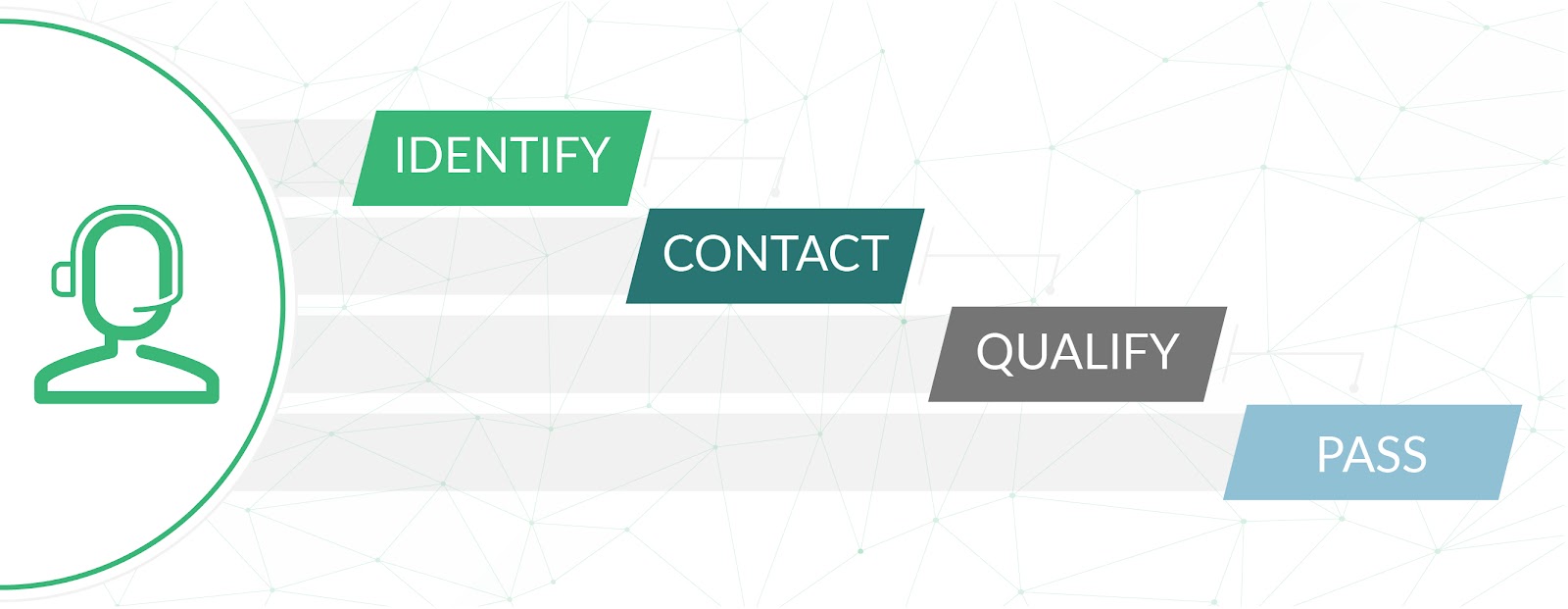
omnichannel data

iStock

22. In fact, 52% of consumers (and 65% of B2B buyers) say they’re likely to switch brands if a company doesn’t personalize communications to them. But brands can only personalize effectively if they know who their customers are – their information, behaviors and preferences. A CRM platform is critical in tracking and using this data. (Salesforce)

23. 57% of consumers are willing to share personal data in exchange for personalized offers or discounts. A similar proportion will share their data in exchange for product recommendations that meet their needs (52%) and personalized shopping experiences (53%). (Salesforce)

24. Nearly two-thirds (62%) of consumers say it’s acceptable for companies to send personalized offers and discounts based on items they’ve already purchased. (Salesforce)

25. 89.6 percent of survey panelists in research by MediaMath said that their practice of data-driven marketing and advertising was focused, at least in part, on the maintenance of customer and prospect databases—with those resources typically aimed at supporting better and more relevant offers and general customer communications. (MediaMath)

12 Apr 17:35

8 Data-Backed Ways to Boost Performance in a Sales Development Team

by Gabe Larsen

The sales development role is here to stay. We’ve long known companies employing sales development (or business development) representatives see higher revenue and return on investment. When the sales development team has good communication with account executives and marketing, the sales machine works efficiently and results are impressive.

In an effort to understand the sales development function and its role in the sales process, InsideSales.com Labs conducted a study of over 1,000 companies showing how companies build, scale, and execute strong sales development teams.

The findings show high performance results correlate with good team communication, excellent execution, and adoption of the right tools for the right sales environment.

The Sales Development Role and Daily Activities

There are typically four steps a sales development rep takes to be successful: Identify the correct leads, contact prospects, qualify them, and pass the opportunity to the account executive.

We found sales development reps did an average of 93.8 daily activities:

  • 37.2 phone calls (39.7%)
  • 36.2 emails (38.6%)
  • 15.2 voicemail messages (15.2%)
  • 7.7 social media touches (8.2%).

These activities led to an average of 13.6 meaningful conversations a day -- a 14.5% conversation rate. These 13.6 conversations resulted in an average of 22.5 appointments set per month -- a 5.5% appointment rate.

We also found, from start to finish of the sales pipeline, it takes an average of 458 activities to close one deal per quarter (assuming 60 work days per quarter).

Call volume has a lot to do with sales development success, but list quality and accuracy of list -- and knowing when and who to call with the right message -- is paramount to an SDR’s success.

Using the Correct Lead Qualification Model

BANT (Budget, Authority, Need, Timing) is the most traditional qualification model -- and the most common -- used by 29% of SDR’s. Other models like ANUM (Authority, Need, Urgency, Money), and its abbreviated form, AN (Authority, Need), have also become popular -- used by 9,8% and 22% of SDR’s, respectively.

However, 21% of SDR’s included in this study reported they do not use any kind of qualification model. The use of qualification models seems more prevalent in companies with larger deal sizes.

Successful SDR’s Meet Regularly With Account Executives

Nearly 80% of companies (78.3%) of respondents in the InsideSales.com study reported SDRs in their sales organization meet and coordinate with account executives at least once a week. Naturally, better coordination between SDRs and AEs showed higher rates of appointment holding and opportunities successfully passing.

Appointment hold rate for SDRs and AEs who meet daily is 17.7% higher than for those who only meet once a week. More importantly, quota attainment is 7.2% higher for those companies with daily communication between SDRs and AEs.

Good SDR’s Are Social. Great SDR’s Pick Up And Call

Email and social selling have become popular methods of sales communication, however successful SDR’s don’t discount phone calls as an effective way to reach targets. This research shows using the phone is slightly more popular than using email (37.2 calls per day versus 36.3 emails per day).

Almost all SDRs use email (96%), however it only represents about a third (37.6%) of SDR’s activities. 63.9% of sales development representatives reported using social media for prospecting in their daily routine, but it only represented 8% of daily activities.

SDRs viewed LinkedIn as a research tool more than anything else (64%). And research and direct communication like InMail were seen as more effective than traditional “social” features like commenting and sharing posts.

Inbound or Outbound SDR’s? Together Is Better.

U.S. census data from 2017 shows the estimated number of professional salespeople in the U.S. is 5.7 million, and about 677,479 of those are sales development reps. This means there’s a ratio of about one sales development rep for every three account executives.

While in some companies, sales development teams are inbound or outbound only, it’s important to mention 54% of sales development reps report performing activities that blend both models.

For comparison, blended teams set an average of 61% more appointments than outbound teams alone. They also have higher rates of appointments held than outbound- or inbound-only sales development teams.

Choosing The Right Technology For Your Sales Development Team

The nature of the sales development role lends itself to more automation than other roles in the sales department. However, choosing the right technology for an SDR team is not easy.

Sales development tools for automating and tracking follow-up sequences like sales cadence tools are a major factor when increasing productivity in SDR teams. And this is proven by their widespread use -- sales cadence has an adoption of 37% among sales development teams.

They automate complex sales sequences met in relational sales environments, set follow-up reminders, send automated emails or pre-recorded voicemails, and allow the use of templates to make the job easier.

If you’re wondering about the cost of these tools, our data shows companies spend around $3,827 per sales development rep every year. The study shows blended teams adopt more technology than inbound- or outbound-only teams.

Companies who focused on larger deals also tended to use more technology than companies focusing on smaller deals. Larger deals often come with more decision makers and higher complexity, so companies might be more inclined to use sales technologies to assist their SDRs.

Best Tools For a Sales Development Rep

Here are the top five tools in SDR arsenals today:

Technologies like gamification, video outreach, sales coaching, sales signals, and direct mail are among those expected to grow significantly in 2018.

Sales Development Performance Measurement and ROI

The study revealed the average base salary for sales development reps is $43,499 with average on-target earnings (OTE) of $83,484 and an average 60/40 split for base versus variable compensation. Companies also reported using and average of 2.6 metrics to calculate variable compensation.

The most common metrics used were closed revenue (37.3%) with an average quota of $89,333, number of opportunities accepted (19.2%) with an average quota of 15.2 opportunities, and number of appointments held (12.6%) with an average quota of 19.2 appointments.

Considering all quotas, companies report 63.8% attainment for SDRs, with inbound SDR’s having a slightly higher quota attainment than outside sales development representatives.

Conclusion

The average tenure of a sales development rep is 2.7 years which includes a four-month average ramp time. To make sure they retain sales development reps and maximize peak productivity, companies should have the right compensation, structure, and tools in place. Technology will be key in improving efficiencies and productivity in the sales development department, as with any other sales role.

HubSpot Free Sales Training

12 Apr 17:34

Why is Your Sales Team Falling Short? (And What Can You Do About It?)

by Rick Goodman

I’ve said this before, but it bears repeating: There is no such thing as a product that sells itself. If you want to move product—if you want to generate revenues—you need a sales team willing to connect and close deals.

But what happens if your sales team isn’t meeting their goals? First and foremost, it’s not necessarily their fault. It’s worth considering that your marketing arm isn’t doing its job in generating hot leads.

Even so, it’s always worth taking missed sales goals seriously, and considering how you can better help your sales reps to succeed. The first step? Understanding why your sales pros aren’t performing.

Lack of Skills

The problem could be that, for as zealous and as eager as your sales reps are, they simply don’t have the skills they need to connect and to convince. If that’s the case, the only solution is to invest in some team training—ensuring your sales reps have the tools they need to channel their enthusiasm into actual persuasion.

Insufficient Time

Another potential problem is that you’ve imposed some needlessly tight deadlines on your team—and they’re buckling under the pressure. I’d recommend loosening up a little bit, minimizing deadlines and giving them more liberty to sell their way.

The Wrong Technology

Does your sales team have the right CRM platform? The best connections to the lead pipeline? Resources in place to educate consumers on the product in question? Outdated tech can make life 10 times harder than it needs to be, and your sales reps will bear the brunt of that!

Wasted Opportunities

Finally, your sales team may simply not be following up as they should, missing some key opportunities to close deals. If that’s the case, then you have some cultural problems, and need to brainstorm some solutions to improve morale and incentivize your employees better.

Get the Coaching You Need

One way you can breathe new life into your sales division is to invest in coaching—and that’s something I can provide you with!

12 Apr 17:34

8 Data-Backed Ways to Boost Performance in a Sales Development Team

by Gabe Larsen

The sales development role is here to stay. We’ve long known companies employing sales development (or business development) representatives see higher revenue and return on investment. When the sales development team has good communication with account executives and marketing, the sales machine works efficiently and results are impressive.

In an effort to understand the sales development function and its role in the sales process, InsideSales.com Labs conducted a study of over 1,000 companies showing how companies build, scale, and execute strong sales development teams.

The findings show high performance results correlate with good team communication, excellent execution, and adoption of the right tools for the right sales environment.

The Sales Development Role and Daily Activities

There are typically four steps a sales development rep takes to be successful: Identify the correct leads, contact prospects, qualify them, and pass the opportunity to the account executive.

We found sales development reps did an average of 93.8 daily activities:

  • 37.2 phone calls (39.7%)
  • 36.2 emails (38.6%)
  • 15.2 voicemail messages (15.2%)
  • 7.7 social media touches (8.2%).

These activities led to an average of 13.6 meaningful conversations a day -- a 14.5% conversation rate. These 13.6 conversations resulted in an average of 22.5 appointments set per month -- a 5.5% appointment rate.

We also found, from start to finish of the sales pipeline, it takes an average of 458 activities to close one deal per quarter (assuming 60 work days per quarter).

Call volume has a lot to do with sales development success, but list quality and accuracy of list -- and knowing when and who to call with the right message -- is paramount to an SDR’s success.

Using the Correct Lead Qualification Model

BANT (Budget, Authority, Need, Timing) is the most traditional qualification model -- and the most common -- used by 29% of SDR’s. Other models like ANUM (Authority, Need, Urgency, Money), and its abbreviated form, AN (Authority, Need), have also become popular -- used by 9,8% and 22% of SDR’s, respectively.

However, 21% of SDR’s included in this study reported they do not use any kind of qualification model. The use of qualification models seems more prevalent in companies with larger deal sizes.

Successful SDR’s Meet Regularly With Account Executives

Nearly 80% of companies (78.3%) of respondents in the InsideSales.com study reported SDRs in their sales organization meet and coordinate with account executives at least once a week. Naturally, better coordination between SDRs and AEs showed higher rates of appointment holding and opportunities successfully passing.

Appointment hold rate for SDRs and AEs who meet daily is 17.7% higher than for those who only meet once a week. More importantly, quota attainment is 7.2% higher for those companies with daily communication between SDRs and AEs.

Good SDR’s Are Social. Great SDR’s Pick Up And Call

Email and social selling have become popular methods of sales communication, however successful SDR’s don’t discount phone calls as an effective way to reach targets. This research shows using the phone is slightly more popular than using email (37.2 calls per day versus 36.3 emails per day).

Almost all SDRs use email (96%), however it only represents about a third (37.6%) of SDR’s activities. 63.9% of sales development representatives reported using social media for prospecting in their daily routine, but it only represented 8% of daily activities.

SDRs viewed LinkedIn as a research tool more than anything else (64%). And research and direct communication like InMail were seen as more effective than traditional “social” features like commenting and sharing posts.

Inbound or Outbound SDR’s? Together Is Better.

U.S. census data from 2017 shows the estimated number of professional salespeople in the U.S. is 5.7 million, and about 677,479 of those are sales development reps. This means there’s a ratio of about one sales development rep for every three account executives.

While in some companies, sales development teams are inbound or outbound only, it’s important to mention 54% of sales development reps report performing activities that blend both models.

For comparison, blended teams set an average of 61% more appointments than outbound teams alone. They also have higher rates of appointments held than outbound- or inbound-only sales development teams.

Choosing The Right Technology For Your Sales Development Team

The nature of the sales development role lends itself to more automation than other roles in the sales department. However, choosing the right technology for an SDR team is not easy.

Sales development tools for automating and tracking follow-up sequences like sales cadence tools are a major factor when increasing productivity in SDR teams. And this is proven by their widespread use -- sales cadence has an adoption of 37% among sales development teams.

They automate complex sales sequences met in relational sales environments, set follow-up reminders, send automated emails or pre-recorded voicemails, and allow the use of templates to make the job easier.

If you’re wondering about the cost of these tools, our data shows companies spend around $3,827 per sales development rep every year. The study shows blended teams adopt more technology than inbound- or outbound-only teams.

Companies who focused on larger deals also tended to use more technology than companies focusing on smaller deals. Larger deals often come with more decision makers and higher complexity, so companies might be more inclined to use sales technologies to assist their SDRs.

Best Tools For a Sales Development Rep

Here are the top five tools in SDR arsenals today:

Technologies like gamification, video outreach, sales coaching, sales signals, and direct mail are among those expected to grow significantly in 2018.

Sales Development Performance Measurement and ROI

The study revealed the average base salary for sales development reps is $43,499 with average on-target earnings (OTE) of $83,484 and an average 60/40 split for base versus variable compensation. Companies also reported using and average of 2.6 metrics to calculate variable compensation.

The most common metrics used were closed revenue (37.3%) with an average quota of $89,333, number of opportunities accepted (19.2%) with an average quota of 15.2 opportunities, and number of appointments held (12.6%) with an average quota of 19.2 appointments.

Considering all quotas, companies report 63.8% attainment for SDRs, with inbound SDR’s having a slightly higher quota attainment than outside sales development representatives.

Conclusion

The average tenure of a sales development rep is 2.7 years which includes a four-month average ramp time. To make sure they retain sales development reps and maximize peak productivity, companies should have the right compensation, structure, and tools in place. Technology will be key in improving efficiencies and productivity in the sales development department, as with any other sales role.

HubSpot Free Sales Training

12 Apr 17:34

What Every SaaS Business Needs to Know About User Adoption

by Rachel Orston

Editor’s Note: The following article is based on Rachel Orston’s presentation at SaaStr Annual 2018. You can see the full presentation here.

User adoption is the process of ensuring each of your users is successful in using your product to achieve their business goals. This is critical for SaaS (software-as-a-service) businesses who rely on recurring revenue because, if managed effectively, it leads to higher retention rates and unlocks new revenue growth opportunities for your business.

Unfortunately, this step is often skipped as companies quickly try to move straight into retention. Getting user adoption right is hard work, but without it, retention, expansion, and advocacy become significantly more difficult to master and leaves your organization vulnerable to preventable churn. It’s the bedrock of any best-in-class customer success strategy because it sets the foundation for users’ understanding of and success with your company and your product. When you make user adoption a key company strategy, customer success transitions from a department to an entire company philosophy. It’s truly amazing what happens when marketing, sales, customer success, product, customer support all embrace user adoption.

A strong user adoption strategy can mean the difference between growth and churn, which is why getting it right is a must for SaaS companies today. It is a fundamental element to the customer journey that must come before retention, expansion, or advocacy.

Why user adoption is vital for SaaS businesses

I’m sure most of you have read Tomasz Tunguz’s illustrative blog post about the math behind how a business with a -5% monthly customer churn rate can see an additional 73% in revenue annually versus one with a 5% monthly customer churn rate. That’s huge!

Churn Rate

And while I want to acknowledge that churn has completely legitimized the customer success role, it’s also driven many companies to act from a position of fear, and that in itself is a weakness that I want to address. I think customer success was inherently born out of churn and that’s a tough starting point. It means we’re working from a place of reactivity to churn instead of proactivity against it in the first place, making it harder for us to progress as an industry and match our customers rising expectations.

At UserIQ, we look at customer growth as a company-wide, multi-step journey through several phases – retention being just one of them. It’s not a walk in the park; it’s more like a series of steep climbs you need to get through. It’s hard work.

User Adoption

In this journey, many companies are still trying to get their act together and figure out where to even start. Often they want to skip right to customer retention and expansion because that’s where the money is, but here’s what I’ve found: there are no shortcuts on the journey to customer growth. Too many companies (my own experience included) have skimmed or even completely skipped over adoption and have paid the price for doing so in that they miss out on building stronger foundations for their users.

User adoption is a company-wide effort

Let’s be clear: User adoption is not just a customer success challenge. It’s also critical if you are a marketer or a sales executive because, as Jason Lemkin predicts, we have entered a golden age of freemiums. That means there will be 100 low-touch and freemium unicorns by 2025-2028. If you have a freemium model or are a product that offers a free trial, there are a few things to note:

  1. Your users are your buyers.
  2. Onboarding and adoption is happening before purchase.
  3. Your longtail is your secret marketing weapon.

Let’s assume you are a fast-growing SaaS platform with 10,000 customers. Even if freemium is only 20% of your revenue, if it represents 2,000 customers that are happy, spreading the word, tweeting, telling their friends … that’s powerful. All the best software companies are built on word-of-mouth. The more happy customers you have, the faster that positive word-of-mouth spreads.

Adoption is also critical to product managers who want to ensure that the products they build are being used in the way they intended and that users are getting the value they require. And because adoption tactics can often be baked into the product itself, product managers are paying more attention to not just what they are building, but making sure these tactics are connected to both a bigger “Why” and WOW! opportunity (more on that below).

So here are a few of the fundamentals to master that will help you drive stronger user adoption and WOW! your users to becoming your advocates.

Start with the “why”

“The defining characteristic of a simple (read: good) product is not the abundance of features but rather the relevance of those features to its users.” – RRE Ventures

One of the best ways to get at the “why” of user adoption is to ask yourself “Who are my best customers?” We have a ton of new tools available to us now that help us see who our at-risk and possibly our “worst” customers are (i.e. the now familiar “health dashboard”), but to me, it’s more important to know what makes a great customer. I’m constantly surprised by how often I ask “Who are your best customers?” and hear crickets. We tend to dig deeper when fear of churn is front and center and we don’t take the time to understand specifically who our most successful users are, what actions are they taking in our platform to achieve desired outcomes, and why. Even though these “best customers” are the exact people for whom we’re building our products.

Once you know who your best customers are, you can start to identify the WOW! moments that got them there. Invented by David Skok, a WOW moment refers to the moment where your user suddenly sees the benefit they get from using your product and says to themselves WOW! Even better, a WOW! moment might result in a conversion activity for you, like trial to paid or an upgrade from one version to the next.

So what are your WOW moments? What are the top reasons that people come to you and use your application? What value and business outcoming are you providing?

The usefulness of each of your features and their ability to generate WOW moments is what matters. Users want reasons why they should adopt your product. They need to see the bigger payoff. So start asking yourself: Why is your application part of your customers’ tech stack? What is motivating them to stay subscribed month after month?

Then get to the “what”

Once you’ve discovered the “why” for your product and its features, you have to ask yourself “what are the features in my product that get my users to their WOW moment?” You can think about this as: “What are the top actions that your most retained users do?” You’re looking for a set of behaviors exhibited by users who stay, not behaviors exhibited by users who leave. Getting to that answer shouldn’t be hard. You can do it in a couple of ways:

  1. Segment the actions your most retained users take and compare that against your most most churned users to see if there is a list of actions that have no correlation between the two. However, chances are you won’t get that lucky and it’ll take a little more digging. You’ll also find some value in taking a smaller sample of a few retained users and a few churned users and seeing where there is correlation and/or no correlation. But finally—and this is where the real money is—compare most of your retained users to a few of your churned customers. You’re looking for correlations here that help you get at what exactly your users are trying to solve for with you product.

Get to the What

  1. If you are just getting up and running and don’t have a large sample size or aren’t collecting this data yet, just pick up the phone and ask! You will be surprised how much your users will share with you if you’re just asking for input and not selling them something.

Getting to the “what” and the “why” will directly impact how you get to the WOW! and segmenting your users is a great first step to getting there. But, to answer these questions, you need data, and that requires departments in your organization to work in tandem.

Customer success & product managers need alignment

The best place to look for your what’s and why’s are most likely within your Product and Customer Success teams. The problem is that they are often focused on those areas separately and they do a mediocre job merging to two, if they’re doing it at all.

In fact, most of the time, these teams live in separate applications and are looking at completely different sets of data even though they often want to answer similar questions when it comes to user adoption.

Last year, we facilitated a benchmarking survey in collaboration with SuccessHacker and ProductCamp to hundreds of customer success and product management executives to find out how these two teams work together today. This survey was the first of its kind and we uncovered so much insightful data, like the fact that 80% of product and CS teams work with separate applications. We also found that most respondents felt least aligned on who their ideal customer was. That’s concerning to think about when knowing your customer and understanding your users is so critical to your success as a business.

Realities of Alignment

Regardless of what role you’re in, if you asked your peers in other departments who your best customers are, would you all come up with the same list of common characteristics? Not knowing your audience is pretty scary, and becomes even more complex when you have different types of users and multiple product lines. Without understanding the needs, characteristics, and expectations of your customers, you leave open the potential for miscommunications, an inability to tailor your efforts, and misguided direction on how your product fits into their day-to-day.

One way to go about aligning your customer success and product teams toward the customer and their success is to consider how you can merge your efforts. Take a look at the success flows your customer success team is thinking about (moving customers along the customer journey) and the user flows your product team is thinking about (guiding users through key features) and look at ways you can combine these into one map of the customer journey as it relates to your product.

User Flows

(Click the image above to see the user flows).

The takeaway here is to bring together your product and customer success teams more often to discuss what they’re seeing, to share data, and to ultimately come to a conclusive idea about who your ideal customer is and how you can WOW! them both online and offline.

Offline behaviors and Moments of Truth

User adoption (or lack thereof) plays an integral role in shaping both online and offline behaviors that can drive Moments of Truth. Moments of Truth are interactions that have a disproportionate impact on your customer’s long-term mindset about your brand. Let’s talk about a few critical offline moments you should be aware of:

  1. Change in relationship: When users are showing signs of weak engagement or WOW attainment, right after they purchase you, or right after they finish onboarding. Questions to consider:
  • Do they have a strategy?
  • Do they lack resources or capacity?
  • Has something in the organization changed?
  1. Crisis: When the customer shows lots of early WOW moments and engagement but then you notice a sudden drop off. Questions to consider:
  • Did your champion leave the company? Were they promoted?
  • Bigger strategic issue or priority (i.e. acquisition)?
  • Personal issue (again capacity, frustration, etc.)
  1. Unexpected Delight: When your customer does something positive that you didn’t expect them to do, celebrate and reward that WOW achievement. Acknowledgments to consider:
  • Send badges, gift cards, or other swag
  • Deliver a “high-five” via email or in-app
  • Invite them to write a blog post or speak at an event to discuss their success and advice to other users who most likely share similar aspirations.

Implementing your user adoption strategy

Here are my final thoughts: If you are already tracking logins and clicks and product engagement, that’s great! But do understand that adoption is just not about activity, it’s about building confidence in your product and in your product’s vision and mission.

If you approach user adoption right, which means:

  1. Merging the what and why by making user adoption a collaborative effort in your company between product, customer success, sales and marketing, and
  1. Looking at what’s happening in your product as a way to engage with your users out of the product so you can get them closer to your company mission and feeling more emotionally connected to your brand,

Then you are grasping the fundamentals of user adoption. You are building a foundation that isn’t built on getting rid of churn, you are preventing it from happening in the first place. And in the process, building a really strong fortress against other competitors to come in. Because if you don’t WOW your users, someone else will.

Time to wow

We have spent the last decade focusing on the buyer and the buyer journey, but everyone has woken up to the fact that customer success is the engine to incredibly exponential growth. User adoption is the FUEL to that engine.

This article was inspired by a recent presentation I gave at SaaStr Annual 2018. You can access the full presentation deck here.

The post What Every SaaS Business Needs to Know About User Adoption appeared first on OpenView Labs.

12 Apr 17:34

How Sales Pros Should Approach Their Personal Summary on LinkedIn

by Steve Kearns

We recently explained how to optimize your LinkedIn profile headline for selling. A well-considered LinkedIn headline can do wonders for your lead gen because it can compel a higher percentage of future sales prospects to discover what makes you different. Whether prospects search for your skillset, or for your exact name – often to put a face to your recent outreach – getting a prospect to click through to your LinkedIn profile is an opportunity earned.

What your sales prospect sees after the click is entirely up to you.

After a quick scan of your profile photo, company, education, and connections, your prospect will zero in on your summary. Is yours optimized to impress?

How a Personal Summary Supports Lead Generation

Your personal summary is the first area of your profile a prospect will go for substantive information about you. A good summary calls the reader’s attention to your unique attributes and how those attributes serve to make your customers’ worlds better.  

By investing time to craft a clear summary that speaks to the top motivations and pain points of your prototypical sales prospect, you can create an always on elevator pitch that makes scores of future sales prospects more comfortable with the idea of doing business with you.

What Goes into A Good Personal Summary

Your personal summary is your proxy; it represents you in situations where you aren’t physically present. If your summary is blank, it won’t do any work for you.

Use the space to demonstrate the value you offer, establish credibility, and build rapport. Conclude with a statement covering what you’d like the reader to do next and provide contact information to make it easy to connect with you.

A good personal summary is complete and clear. It expands upon the idea expressed in your headline, and it tells the reader why you’re the perfect person to work with. A few things to keep in mind as you aim to up the conversion power of your summary:

Do

  • Have a good understanding of your ideal buyer audience
  • Write to be understood
  • Incorporate your personality

Avoid

  • Trying to appeal to all audiences
  • Jargon and complex language
  • Projecting an overly formal or stiff image

People reviewing your profile won’t know about your approachable demeanor and helpful attitude unless your profile conveys as much. And even though you see it everywhere, do your best to avoid run-of-the-mill jargon in favor of straight talk. Jargon puts people to sleep. And complex language can signal that you’re not the easiest person to work with. That’s a legitimate concern for buyers who need to collaborate with their sales partner over a lengthy sales cycle. Straight talk, on the other hand, is refreshing.

Best Practices for Salespeople Writing a Personal Summary on LinkedIn

If you’re unsure what to include in your all-star summary, here are a few pointers.

Be concise.

The most effective profile summaries respect the reader’s time. Roughly two-thirds of those who visit LinkedIn do so from a mobile device, making concise, clear language a must. Avoid long chunks of text because it makes for a more difficult read. Instead, shoot for shorter paragraphs and capitalize on headers and bullets to organize key points, including ample white space.

Highlight your best work.

Hopefully you have many accomplishments and accolades to feel good about. Rather than cover them all in your summary, select one to two of your most recent wins. Be specific as to why these are notable, taking care to cover the benefit to the customer and the value the deals delivered for them. Make the scenario relatable to the prospects who will be viewing your profile. Try to incorporate keywords your ideal buyer is likely to use during a search, without sacrificing message quality, of course.

Reveal your differentiators.

What factors, traits, or experiences separate you as a sales professional? Explain what motivates you to carry out your best work and describe circumstances in which you shine. If useful to those reviewing your profile, describe a brief scenario that typifies your methods for solving customer problems.

Offer next steps.

Close with a call-to-action that clearly explains how the profile viewer can connect with you. Include at least one phone number and email address, and a web page they can visit to get more context about specific ways you could help.

Incorporate proof.

Punctuate your great new profile summary with resources that further underscore the text you’ve written. Add a presentation, press release, or other file to your profile. You can also link to a website, custom landing page, or page with a video. Take advantage of the rich media capability in your summary to demonstrate your strengths in a visually appealing format.

Take care of housekeeping items.

Writing about your attention to detail carries little weight when typos or grammar errors are present. Pay attention to capitalization, grammar, and syntax. It can be helpful to read from the bottom of your summary to the top; sometimes errors are more obvious when read out of order. Reading it out loud works, too. Better yet, get feedback from someone you trust.

Follow these best practices to craft a LinkedIn profile summary and you may soon find more B2B buyers in the mood to do business with you.

Learn more ways to generate quality sales leads with our guide, Read Me If You Want to Target the Right Prospects on LinkedIn.

12 Apr 17:34

How to Downsize Your Sales Force

by Andris A. Zoltners
apr18-12-871734518-japatino
japatino/Getty Images

Many industries have had to downsize sales forces. There are several reasons for recent sales force job cuts:

Shifting market dynamics are one cause, including changing customer needs, customer consolidation, new buying channels, and slowing market growth. Merck recently publicized that it planned to lay off about 1,800 U.S. sales reps following an industry-wide downsizing trend. The trend is attributed to the growth of digital communication channels and reduced access to physicians, who increasingly prefer to get product information online.

Changing company strategies is another, including new strategic product/market priorities and shifts to e-commerce. Microsoft recently reported it was cutting up to 4,000 global sales and marketing jobs and refocusing field sales effort on specialized growing markets in cloud computing, data analytics and artificial intelligence. At the same time, sales of simpler products were moving to lower-cost channels.

The desire for productivity improvement is a third, including eliminating inefficiencies and nonproductive sales time and reducing the cost of sales. Recently, Anheuser-Busch announced it would eliminate 300 U.S. sales jobs from its high-end craft beer division. The goal was to simplify the sales organization following multiple acquisitions and to give customers a single point of contact.

No matter the reason for cutting sales staff, a sales force downsizing is stressful and emotionally draining. Unfortunately, too often sales forces downsize for the wrong reasons or implement the downsizing poorly. The result is a loss of key customers and good salespeople and a substantial drop in sales performance.

Here is how to avoid five of the most critical sales force downsizing errors.

Error #1: Downsizing to save costs while ignoring the revenue impact

Companies eliminate too many jobs when they let cost savings, not revenues, dictate how many salespeople to cut. The sales force is a revenue generator; its size directly affects the top line. The cost impact of downsizing is easy to estimate and is realized quickly. The revenue impact is much more difficult to predict, but rest assured, having fewer salespeople will generate less revenue. Incremental revenue loss from a sales force reduction accrues slowly and accelerates with time as loyal customers eventually stop buying.

To avoid excessive downsizing, link sales force size to customer coverage needs. Avoid excessive cuts by estimating costs and revenues over a minimum three-year time horizon.

The solution: Recognize that when you downsize the sales force, you downsize your sales, too.

Error #2: Downsizing through multiple waves of layoffs

Gradual sales job reduction can be effective when the need to make cuts is not urgent and the process is well-managed. For example, companies sometimes avoid massive layoffs by implementing temporary hiring freezes for low-potential sales territories or by proactively eliminating poor performers. But too often, companies cut a few sales jobs and hope for a market turnaround that never happens. This leads to multiple waves of layoffs and continuous disruption to sales relationships. Amid the uncertainty, many of the best salespeople depart, leaving behind a less-effective sales team. Assuming the opportunity decline is fairly certain, companies should reduce their sales force all at once to increase the odds of holding onto their best salespeople and customers.

The solution: Measure twice, cut once.

Error #3: Slashing jobs without rethinking sales strategy

When faced with downsizing, companies often feel tremendous time and cost pressure. However, downsizing without a strategy for how to meet customer needs with a leaner sales team leads to lost opportunity.

It isn’t realistic to expect fewer salespeople to work harder and smarter and to accomplish the same work the larger sales team performed. Meeting customer needs with a smaller sales team requires redefining how work gets done. Perhaps responsibility for smaller customers and simpler sales tasks can move to inside and digital sales. In that case, the downsized sales team could focus on major customers and activities for which salespeople add significant value. Defining a sales strategy up front greatly increases a company’s odds of emerging from a sales force downsizing well-positioned to defend strategic business sectors and realize key growth opportunities.

The solution: Do less with more focus.

Error #4: Allowing downsizing to divert salespeople’s attention away from customers

It’s easy to understand how the uncertainty of sales force downsizing can distract from serving customers. Proactive steps can reduce the impact of this distraction. To start, make a list of key customers (for example, those contributing 80% of profits). Minimize the disruption of salesperson relationships with these customers. For key customers that must be reassigned to another salesperson, create a transition plan. Ask a sales manager to participate in the transition. Use coaching and CRM systems to help the replacement get up to speed on the customer’s needs quickly. If downsizing requires customers to buy differently (say, using digital channels), educate customers about how to use these channels. Use performance management and incentives to keep salespeople focused on important sales activities and customers.

The solution: Focus on your customers, or your competitors will.

Error #5: Underinvesting in salespeople’s continued success

To keep the sales team strong, make a list of top-performing and high-potential salespeople. Reassure these people early on that they will have a job. Create a retention plan for each key person. Once the smaller sales team is in place, help salespeople adapt to the many changes they will face. Realign sales training, coaching, compensation, performance management, and sales tools to support the remaining salespeople in their expanded or redefined sales roles.

The solution: Communicate that it is not the strongest who will survive, but those who can change.

By using a purposeful and strategic process for implementing a sales staff reduction, and by avoiding some common errors, you can emerge from a downsizing stronger and better positioned for future growth.

12 Apr 17:33

Measuring Marketing Efficiency Is Only the Beginning

by Adam Fout

If you’re not measuring your marketing efficiency, your marketing is going to suffer, but marketing efficiency is only the beginning — what matters most is identifying the pieces of data that can make a difference in driving your marketing strategy.Measuring Marketing Efficiency — An orange circle of three arrows around a gear

It’s not exactly a secret that marketing is expensive — especially digital marketing. It’s important not only to get as high an ROI on your marketing investment as possible, but to also ensure that marketing is both efficient and effective…

As long as it’s the right type of marketing in the first place…

We know that measuring the efficiency of marketing is as critical to the success of the modern marketer as is measuring the ROI of their marketing efforts. The fact is this and nothing less: Marketers who measure what they do get more leads and sales for less time and effort.

Consider these statistics:

  • Companies that don’t put data at the center of their marketing and sales decisions are missing out on a 15-20% increase in marketing ROI (Source)
  • 72% of organizations that calculate ROI say their marketing strategy is effective (Source)
  • Marketers that calculate ROI are 1.6 times more likely to receive higher budgets (Source)
  • 91% of senior marketers believe successful brands use customer data to drive marketing decisions (Source)
  • 63% of CMOs say ROI will be the standard for their performance (Source)
  • B2B CMOs say demonstrating ROI is their No. 1 concern (Source)

But while it certainly is important to know just how well your marketing is performing compared to how much you’re investing into it, it’s more important to determine other pieces of data that can really influence your strategy.

It’s nice to know that one piece of marketing is efficient and effective, but what if there’s a far better solution that you’re missing? For instance, suppose someone is spending all their money on radio ads, and the radio ads are hitting an ROI of 20%. They’re getting 100 leads a week from these ads, and for them, that’s pretty good.

ROI and efficiency aren’t going to tell them that they could be getting 1,000 leads a month if they invested in digital marketing.

So while it’s good to know they’re not wasting their money completely on radio ads, in a way they are — and measuring ROI or the efficiency of their marketing ain’t gonna tell them that.

Measuring the Efficiency of Your Marketing and ROI Is Just the Beginning

I’m not going to walk you through how to measure ROI or the efficiency of your marketing here — you can easily look up the calculation for ROI on your own, or you can just grab our Marketing ROI Calculator, which will do it for you.

Instead, I want to pound this idea into your skull — measuring ROI, measuring the efficiency of your marketing, is all well and good, but it means nothing on its own.

ROI, efficiency — they’re just pieces of data that tell you how well a particular type of marketing is performing.

They can’t tell you that there’s a better option out there.

That being said, you can still use ROI and efficiency info to inform your current strategy and make the necessary changes to increase your returns, remove marketing tactics that aren’t working or worth the money you’re investing in them, and search for new tactics that can support the tactics that are working well… but you still won’t know if there’s a better option out there, a better marketing tactic that would blow all of this out of the water.

ROI is just a piece of data

ROI is a number that has no real meaning in and of itself, but if that number inspires you to drop your expensive radio ads and increase your budget on Google Adwords, and if that, in turn, reduces the cost of customer acquisition while also increasing sales/leads, then that number suddenly has significance. The importance of ROI is knowing where you stand, but you also have to translate that into action.

Beyond that, you have to look at other pieces of data that tell you what other types of marketing you should be doing along with (or instead of) what you’re doing currently — that is, other pieces of data that can inspire you to change your entire marketing strategy.

Therefore, it becomes important to recognize what works and what doesn’t — taking the time to understand, collect, and pick out the right pieces of data to further improve your marketing efforts (and ultimately the success of your business).

The Deeper You Examine Your Data, the Better, but Fuzzy Data Is Better Than Nothing

What are those other pieces of data that are so much more helpful than simple marketing efficiency or ROI? Here are just a few examples:

  • Where are your most valuable customers coming from?
  • How did they hear about you?
  • Where are valuable potential customers hiding and why haven’t you been able to reach them?
  • How valuable is each customer to you over their lifetime?
  • What is the most valuable segment of your market?
  • How many touches does it take to get someone to purchase or walk in the door?
  • How much of your time and your employees’ time is spent with each lead/sale?
  • How much this stuff is REALLY costing you (when you include manhours)?

Information like this can change your entire marketing strategy. You can pair the information above with other pieces of data, like the efficiency of your marketing and the ROI on each tactic, to determine what marketing efforts are working the hardest for you, which can go, and what entirely new types of marketing should be considered.Pie chart cut into sections (also, maybe Pac Man eating a few wedges of cheese) — One basic principle of marketing is to know your audience inside and out and then to segment that audience, much as this pie chart has been segmented.

When calculating your ROI, you want to be accurate if possible, but it’s these other pieces of data that are probably more valuable to you (customer lifetime value is a perfect example).

A fuzzy understanding of customer lifetime value for a specific customer type that you’re targeting is probably more valuable than the knowledge that your Adwords spend has an ROI of 50%.

Why? Because if I know that one segment of my market is far more valuable than another, it could change my entire marketing strategy.

That number gives me an accurate idea of the action I need to take.

Determine the Pieces of Data That Mean the Most — Don’t Get Obsessed With Accuracy

We can get really accurate numbers on some pieces of data that are fairly useless. The goal is to go from determining simple stuff, like the efficiency of my marketing or my marketing ROI, to determining the more valuable pieces of data and doing my best to get accurate on those pieces.

What matters is taking the time to identify the pieces of data that matter the most to your success

Who cares if my Adword spending is driving X amount of traffic a month?

What matters is how many leads/sales that Adword investment is resulting in.

Who gives a hoot if my blogging has an ROI of 50% if all the sales that result are low and non-recurring?

What does it matter to learn that my outdoor advertising is extremely efficient for the cost if it turns out that none of my most valuable customers are seeing those ads?

See where I’m going with this?

What matters is taking the time to identify the pieces of data that matter the most to your success.

Even if some of these numbers are difficult to calculate, even if you can’t get super accurate information (for instance, who knows how long a person has been creepin’ on your website before they decided to click an ad, or how many times they walked by your store, or walked in and left without a purchase, before they actually bought something), it’s better to have fuzzy data that helps you understand how well your marketing efforts are working and how your marketing strategy should be adjusted than to have precise data (like traffic to your website) that’s not tied in a meaningful way to the success of your business.

But to get started, you have to have an understanding of some of those numbers. That’s why we built the Marketing ROI Calculator. It walks you through the process of calculating your ROI and your marketing efficiency (and it also helps with some more useful pieces of data, like lifetime value for your customers).

12 Apr 17:33

Follow Up Strategy: How to Craft a Killer Cold Email Sequence

by Radhika Bhangolai

Yes, the first cold email is really important.

And a well crafted one with all the right ingredients – personalized, packed with value, social proofing, a clear CTA – has a huge chance for new opportunities.

But in most cases, your first email may not invoke a response.

No, it’s not the fault of your email. It’s the time when you send the email.

Your prospect receives a bunch of cold emails each day, and your email is likely to get buried in their inbox if you haven’t sent it at the right time.

There are also chances that the prospect would have seen the email but were either too busy or distracted by something that prevented them from taking any action.

You never know unless you send them a second email.

Most salespeople hesitate to follow up with prospects. They don’t want to come across as spam or a stalker. So they send one cold email and wait for the prospect to respond. And when they don’t get a response, they give up.

That’s a wrong approach.

The key to getting a reply is to follow up on the email. Heather Morgan, the CEO of SalesFolk says, “Even if your first email doesn’t get a response, the second email has a 21% chance of being read.”

In this post, you will learn how you can put together a follow-up strategy for cold emails that will help you fill up your sales pipeline and ultimately close more deals.

Follow up strategy for different types of prospects

One of the most frequently asked questions by most salespeople is “How often do I follow up with a prospect?” The answer would usually depends on how they interact with your email. A CRM software or email outreach tool with email tracking mechanism can help you figure that out.

Let’s take a look at some of the possibilities.

  • Prospects who responded positively at least once or shown some interest but suddenly went cold, follow up until you they respond. It’s alright even if they say a firm no, or ask you to stop sending emails as long as you have their answer and can move on to other prospects.
  • For prospects who have shown very little interest like opening and clicking on your email but hasn’t replied, follow up as long as they respond. Probably the prospect is interested in your offering but isn’t finding time to respond. You have the chance to show another value-add or benefit of your solution, or address another pain point so when the prospect is really interested in purchasing a solution, yours will be on top of their mind.
  • Prospects who aren’t interacting with your email, follow up six to eight times. There is any point following up with them beyond this. Your emails are probably going to their spam filter, and might just hurt your reputation.

The right follow up frequency

This is a general schema to schedule the follow-up emails.

Day 1: The cold email

Day 3: Email 1 – The first follow up email

Day 7: Email 2 – A new thread with a different value-add and different timing

Day 12: Email 3 – Restating the call to action

Day 18: Email 4 – Permission to follow up (quasi-breakup email)

Day 23: Email 5 – A new email thread giving a link to a useful resource

Day 28: Email 6 – The breakup email

There on, a follow-up email every month

There are no hard and fast rules to set up the email cadence. It depends on the person, the context and the relationship you have with the person. For instance, if you are following up with someone who is incredibly busy and important like the CEO of a company, it’s best to give more time between your follow up emails – 5 to 7 days after the first follow up email, and then an email each week.

Follow up email samples

Day 3: The first follow up email

For prospects who haven’t replied to your first email, send this email in the same thread. Provide a context that you had reached out to them earlier. This email should be a modified version of your first email – it should convey the same message in a different format.

Sample template:

Hey {first name},

I know my previous email might’ve been an ‘educated stab’ in the dark. I’d like to apologize if I caught you at the wrong time and if you found that email a little too sales-y.

I decided to reach out to your company only because I was confident that we could add value to your current system.

Is using a {solution and the benefit} a priority for your company? If so, may I propose a short email exchange or phone call— to decide if a serious conversation is warranted? If not, thanks for your time in considering.

Please let me know what you decide, {first name}?

Day 7: Email 2 – A new thread with a different value-add and different timing

Take this as an opportunity to provide another benefit of your solution, or address another pain point. You can also try sending this email at a different time.

Sample template:

Hi {first name},

I am reaching out to ask if you are happy with your current system.

We have helped many companies {quote the number}, improve {the benefit of your solution}.

Would you be interested in scheduling a 5-minute call so I could explain how you could better manage your service desk/help desk?

If not, thanks for considering.

I look forward to hearing from you {first name}.

Some links:

{Resource 1}

{Resource 2}

{Resource 3}

Day 12: Email 3 – Restating the call to action

Simply restate your desired call to action in this email without much explanation. It can be to get on a call, point you to the right person in the organization, or simply reply to your email.

Sample template:

Hi {first name},

I hope you had a chance to go through my previous email and it did not get buried in your inbox.

Could you connect me with the person who handles {department} in your organization, {first name}?

I look forward to you putting me in touch.

Day 18: Email 4 – The ‘Quasi’ breakup email

If you haven’t heard from the prospect after the third follow up email, you can send them a ‘quasi’ breakup email, something in the lines ‘if this does not lie in your domain, my apologies. I only wanted to know if this is relevant to you.’ The purpose of this email is to seek their permission to follow up. If they say a firm no, then you can cease your emails with them.

Sample template:

Hi {first name},

The optimist in me refuses to stop until I can reach and speak with you.

We have had great success with {customer 1} and {customer 2} by improving {benefit with your product name}.

Can we get on a short call on Wednesday at 10:00 am, {first name}?

If this does not lie in your domain, my apologies. It would be amazing if you could point me in the right direction.

Day 23: Email 5 – A new email thread giving a link to a useful resource

At this point, you are left with people who are fairly interested in your solution but haven’t responded to your call to action. Perhaps you didn’t send it at the right time, or probably this isn’t on their top priority list right now. This is the time when you can add value by sharing some helpful materials that are useful to their industry or job. The whole idea here is to nurture these leads in your sales campaigns.

Sample template:

Hi {first name},

I was just reading this article about the {impact of something on their business}.

I was hoping to have a small chat around this and talk about the processes in place for this at {company}.

{add social proofs to gain credibility and trust}

Would you mind if I drop a call next Wednesday to introduce myself, {first name}?

Day 28: Email 6 – The breakup email

The breakup email works for prospects who have shown interest but haven’t got the chance to reply to your email. It essentially works on the principle of loss aversion. This email also tends to work because you are turning the dynamics around by choosing to walk away than pursuing the prospect. Your breakup email shouldn’t show signs of disappointment or criticism.

Sample Template:

Hi {first name},

I’ve tried to reach you a few times to go over suggestions on how you can improve your {department that uses your solution}, but haven’t heard back.

Are you interested in {solving a problem} with {your solution} at {their company name}? Let me know with a yes or no.

The ‘win’ actually happens when you follow up, and following up by email is one of the best ways to increase conversion rate. When you follow up by phone, you can easily come across as being annoying and the chances of getting a ‘maybe’ or ‘no’ is much higher. There is a huge chance that they may turn you down even if they are genuinely interested in your solution.

The key is to keep your emails short and yet remain persistent. If the prospect has shown interest in your solution but did not reply to your email, keep following up with them until they respond. But if you haven’t got any response to your cold email, it’s best to stop after six emails and focus on more receptive recipients.