Sales Leaders leverage Sales Training as a tool for improvement. HR Leaders in Learning and Development get tasked with making it happen. Both leaders should know what emerging practices are available. This will prevent wasting your sales or HR dollars on low-return methods.
This article lists sales training poisons SBI has seen - and their respective antidotes. To assist you further, sign-up for SBI’s Sales & Marketing Research Review here. At no cost, an expert from SBI will present the full research findings. You will have access to guides, templates and tools to help your sales training efforts. One of these tools is the Top Training Techniques Tool - a list of bad sales training methods and their cures.
1. Executive Fly-By
Getting your sales force together for a training event can be expensive. Having company executives speak at these events is a must-do. It is part of managing culture change. However, many executive(s) fly in for a 1 hour keynote and then split. This runs the risk of demoralizing the team or setting a bad precedent.
The emerging practice cure: Have execs stay for part or all of the training. Have them participate as learners or as guest instructors. Put them on a Q&A panel. Ensure they have some unstructured timeframes (dinners, fun events, happy hours). They'll be able to hear perspective not always heard in the halls of the C-suite.
Recommendation: for 4 days of training, the executive(s) should plan on 1 day minimum. This can be a half-day afternoon, overnight, and the half-day morning.
2. Off-the-Shelf Courseware
This option is actually OK - if all you want is generic sales concepts for your sales force. What's missing from the generic concepts is the real world context. The concepts totally grasped. Why? They aren't wrapped in company-specific context. Sure, instructors can ask for company stories/scenarios to share. But, this level of story does not become ingrained in the content.
The best practice cure: Customization coupled with real-world pilot testing. The concepts are much more easily grasped when context is built in. Internal processes, titles, product/offering names, even names of personnel are in the customization. All of this makes it more familiar and friendly to the audience.
Recommendation: Customize not only content, but the choice of modules to instruct. Use the "off menu" approach with your sales training provider. Ensure they have multiple components of training materials. Then pick the ones that your sales force needs most and have them customized.
3. "Foreign" Instructors
If you get your content customized with your context, don't then make this mistake. Instructors that are not from your company will also lack needed context. The instructor has not dealt with your sales force. So, he/she lacks the logistical and emotional context that your sales force knows. We even go so far as to say company instructors not from sales are 'foreigners'.
The emerging practice cure: Use your sales force as instructors. Leverage Sales Managers and Sales Reps to do the teaching. They will have the context and real-life stories. This makes the content come alive. Hopefully, you've had these instructors piloting the materials before training day - a part of this emerging practice.
Recommendation: Choose a team of Reps + Sales Managers, maybe even some sales directors/VPs. They should be assessed for training and storytelling capabilities. They don't have to be perfect trainers. But, they'll need to be able to hold an audience's attention. Train the concepts to them in a train-the-trainer manner. After this, set them off on a pilot to use the concepts.
Top Training Techniques Tool
The above described only 3 of the many ineffective sales training methods. Download a copy of SBI’s Top Training Techniques Tool. It includes more detail on these 3. It also has 4 more bad methods - along with the way to correct them. You can get a copy by signing up for SBI’s Sales & Marketing research review here. Here you will get free access to all of our guides, templates and tools. Not only to help improve your sales training, but your Sales Force.
Other Sales Training Gaffes
Here's a list of some other ways to kill sales training:
Don't let out-of-date sales training methods waste money and sales force' time. Learn and apply these emerging practices.
1. Get the Top Training Techniques Tool to assess your current sales training. You get this tool by registering here. You'll then be hosting this free tour stop at your company. And you'll learn how other top sales organizations are applying emerging practices.
2. Use the tips in the tool to apply emerging practices for upcoming training events.
3. Don't just wait for the next big sales training. Many 'cures' can be applied even without a big training event scheduled.
4. Please add your comments below: what bad sales training techniques have you experienced?
This is the second post by Alexis Ohanian for Entrepreneurship Week on this blog. Here is the first post, which covers his founding of reddit, which he later sold for millions of dollars.
This post covers a critical topic: how to get massive attention for your company from national media. How do you pitch press? Develop relationships with influential journalists? The real answers might surprise you.
Most books and articles on this subject are pure BS. Speaking as someone who’s been on magazine covers (Outside, Inc. Magazine) and section covers (NYT Style Section, Travel Section), I can tell you: there is a science to this.
Alexis is a master. Enjoy.
Enter Alexis
I’m back!
Tim very kindly invited me back to give you another excerpt from my book that draws from all my experience over six years as a Y Combinator advisor and startup investor (70+ companies).
I want to help you do what Steve and I did (not in costume) to grow reddit into the top-50 website it is today… with a total advertising budget of a few hundred dollars. I spent that all on stickers…
Sidenote: The first one of you who tweets at me (@alexisohanian) with the correct answer for Steve’s Halloween costume in the above photo will get a signed copy of Without Their Permission, plus some fun extras.
Traction: Everyone wants it, here’s how I think about generating “buzz”
I’m not a businessman, I’m a business, man. —Jay-Z, “Diamonds From Sierra Leone”
I believe in startup karma.
Being the kind of person who’s always asking for favors and hustling others is a reputation that not only gets around, it sticks. It’ll work in the short term, and perhaps there are some exceptions to the rule who have made it work in the long term, but being someone who’s always asking for favors makes the already difficult job of starting something new immeasurably harder.
Instead, look at every meeting as a chance to do someone a solid. This especially matters when dealing with representatives of the media, because just buying them a coffee doesn’t mean you’re getting a front-page story. Look at every meeting as a long-term investment. She’s not writing about your startup? That’s okay!
Be helpful. What’s she thinking about right now? Some kind of trend is going on in X that’s not been covered yet, and she’s looking for a founder doing Y. If you can connect the dots, make the introduction for her. You’ve just helped two people with one e-mail. Cha-ching. More good karma.
Over the years, you can build a reputation as a connector in your field. Connectors are a journalist’s trump card when they need to get a lead on an unreported idea, or when they need an introduction in order to land a useful interview. This is a valuable position for you to be in, because it means you’re going to stay at the tops of their minds. When your journalist friends are writing about something in your field, whom do you think they’re going to reach out to first?
Never Turn Down Cannoli
In between bites of cannolo (yep, that’s the singular form of cannoli), I was explaining to Rachel Metz, freelance reporter for Wired, why reddit.com was going to become the front page of the Internet. She seemed interested, but she could’ve just been enjoying her cannolo.
I’d taken the Fung Wah bus down from Boston to meet with her in downtown Manhattan because a few weeks earlier, I’d met a friend of hers named Jennifer 8. Lee. Jenny had attended a Halloween party that Steve and I had thrown at our Somerville home and office—which should explain the above photo—and we hit it off. We discussed the subject of her book proposal, which happened to be, of all things, Chinese food. I managed to impress Jenny with my knowledge of Chinese cuisine, so we got to talking that night and that led to her introduction to Rachel.
A few days later, Rachel would confess to me that while she initially wanted to write a story about reddit, she felt we’d become friends and that it wouldn’t be professional for her to pursue the story. That was fine by me. No Wired story came from that, but I got a new friend in Rachel, one who happened to mention reddit to her editor at Wired, Kristen Philipkoski. Kristen, the wife of Kourosh Karimkhany, was doing business development for Conde Nast and heard from Rachel about a pair of plucky founders in Boston working on something interesting called reddit.
And then one day (February 22, 2006, to be precise) this e-mail popped up in my inbox:
I’m a friend of Rachel Metz. I’m also the director of biz dev for CondéNet, the internet arm of Condé Nast, which, as I’m sure you know, publishes magazines like Wired, GQ, Vogue, New Yorker, Vanity Fair, etc. I’m intrigued with your technology and was hoping to set up a time to talk about possibly working together. I’m open the rest of the day today and Thursday, but will be traveling for a week starting Friday. Do you have time for a phone call? Also, are you based in Boston?
Little did we know that exactly one year after that fateful party on Halloween, Steve and I would be celebrating the acquisition of our company. As if you needed more reasons to throw a Halloween party. Or eat cannoli.
Everyone Is the Media
The traditional public-relations industry model is broken. Good riddance.
The only time I ever wrote a press release was when Condé Nast made me do it for the announcement of our acquisition, and I wasn’t about to argue with the company that had just bought my company. Full-disclosure: Since writing this book, I’ve had to edit a press release the PR firm hired by my publisher wrote on my behalf. But the truth is, I’m not certain that press releases are as relevant as they were in the twentieth century.
These days, everyone you meet is part of the media. Every relationship you enter into, whether it’s with a customer or a writer at The Wall Street Journal, is a long-term investment. No self-respecting journalist wants to feel like all she does is publish press releases as “news,” although some do. The idea that a press release is magically going to compel someone to talk about what you’re working on is absurd. At a time when none of us have enough time to pay attention to all the content the Internet produces, you can be sure the professionals who are pitched every minute of the day certainly don’t have the spare cycles. This means you’re going to have to make yourself known. Here are some things to keep in mind as you do that.
Be Helpful
If you’ve been doing your job as a founder, by now you should be an expert in your industry (and maybe even in a few others as well). Use that to your advantage when talking to the media. It gives you insights on bigger trends that are valuable to journalists, so be helpful—even if it’s not directly helping you or your company, it is actually still helping you and your company. Anything you can do to help someone else do his or her job better is going to win you that valuable startup karma. Noticing a trend in X meets Y, offer an introduction to some other experts in X meets Y. Be helpful!
Remember the RentHop team from chapter 4?1 While Lee Lin was getting his broker’s license, he found himself noticing trends. He validated that hunch when he and his co-founder, Lawrence Zhou, started mining mountains of New York rental-price data that revealed everything from how much more people are willing to pay for a doorman to how much less an apartment is worth for every block it sits away from a subway stop. At first, they had no plans to publish any of what they’d learned. Once Lee started promoting RentHop, however, he realized that these data were a tremendous resource. Whether it was a blog post he wrote charting the optimal time of day to search for rentals in New York (spoiler: between 9:00 a.m. and 10:00 a.m.) or a statistic a journalist could cite for an article, it was a piece of added value that bolstered his company’s reputation as experts in apartment rentals.
Every time Tim does a great job breaking down exactly how he does everything he does, it’s being helpful. Over time, he becomes known as the guy for getting things done (not always in 4-hours, mind you) then turns around and does solids for people like me. Building for the long-term.
Speaking of which, I’ve got an entire class on online brand building (lessons from reddit, breadpig, and hipmunk) with specific examples of everything from low-cost social media campaigns I used to make people love our hipmunk chipmunk to the sticker strategy that spread reddit aliens all over the world. Grab some popcorn, it’s long.
Pitch the Right Journalists the Right Way (by Not Pitching)
Okay, you’ve found them. Warm introductions to mutual acquaintances from people who know you both well always help, but there’s nothing wrong with a cold pitch. Just be concise. I try to write e-mails in fewer than five sentences. Precision with impact is one of the most effective writing skills one can have. The best way to get coverage is to not pitch your product. Journalists are human beings. Whether they write for [insert your favorite, most venerable news organization here] or they just launched their first blog yesterday, they do not exist just to write about you or your big idea. Sorry, but it’s better you hear it from me now. In order to earn their attention (and their goodwill), you’re going to have to give them something. Pitch by not pitching—be helpful. You know what they’re into, so send them a link to a breaking yet underreported story you think they’d appreciate. If you can introduce them to a fellow founder who’s working in a sector they’re covering, offer it to them. Know they love futuristic watches? Let them know when NOOKA is having a sale. When and if the time comes to make a pitch (you’ll know it when it happens), then do it well.
Tell Stories Around a “Peg”
Pardon the jargon, but it’s helpful to know how journalists think. Big trends, things that people are talking about, are “pegs” that you ideally want to anchor to your pitch. It could be as blatant and timely as the Olympics, or it could be more subtle. During the famed billion-dollar acquisition of Instagram by Facebook, Michael Seibel, CEO of SocialCam, a mobile video-sharing app and portfolio company, rode the wave of media attention surrounding the acquisition. It was no surprise that over the next few days, articles buzzed about who would be “Instagram for video.” It didn’t surprise me one bit when SocialCam was there in every discussion.
Over time you’ll develop an eye for it. If you’re reading about a particular idea that’s got everyone’s attention, find a way to connect your own story to it. If you don’t get written up, or quoted, or appear to have gotten anything in return for your time, don’t fret (and remember what I said about these people not existing to do you a favor). There’s always value in taking the time to meet someone. You shouldn’t always be pitching, anyway. Build long-term relationships and they’ll pay long-term dividends.
Don’t Forget to Document Your Startup
Take photos around the office, screenshots of early builds, et cetera. No matter how things turn out, you’ll appreciate having these memories later. In the meantime, it’ll be useful in a blog post or tweet. And if things turn out really well, people will come to really value those behind-the-scenes photos or embarrassing early builds.
For instance, here’s a photo of Steve and me from just days after we’d launched reddit.
The first photo taken of Steve + me as “reddit founders” – photo courtesy of Trevor Blackwell
Please, please have a decent high-resolution photo of your founders readily available. I’ve had to arrange last-minute photo shoots for founders who were about to land some great press but didn’t have a single decent photo to send. Your smartphone won’t cut it. Borrow the nicest digital camera you can find from your nicest friend and take some photos. If nothing else, you can send them to your mom.
For good measure, record the stages of your product, too, even if it’s only so you can look back on them with a hearty laugh. No matter how your company turns out, you’ll appreciate having a record of its evolution. I use this first version of reddit as an example of just how embarrassed you should be by your first version.
Attentive readers will notice I managed to get –1 karma, because Steve is a jerk.
Once You Get Press, Make a Note of It, Then Get Rid of It
This has been my policy since the day we finally got a taste of attention from the mainstream media. It was a different Internet back then, and it took me months of hustling to finally get someone to write about us. Oddly enough, it was a British newspaper, The Guardian, that wrote the first story—six months after we’d launched. It was great to see the increase in our traffic when a digital publication would write about us, but there’s something to be said for that palpable version of the news. The Guardian kindly sent us a few print copies. I reread the article, imagining better quotes I could’ve used, and brought it with me on my next trip back home. My parents had hoarded just about everything I did since I was a little kid (only child, remember), and my mom was thrilled to see her son’s name in print (I couldn’t tell her that it was less exciting than digital, which would have enabled us to actually get click-throughs to our site).
This started a tradition I continue to this day. Even though Mom is gone, I personally send my dad all the press I ever get, because I don’t want to see it. I don’t want to think about it for more than a day. It’s a twenty-four-hour rule. I think I heard a football coach talk about this once in an interview. Feel good about the win for twenty-four hours, and then get your mind off it and think about next week. Same goes for losses, too. But I especially don’t want to dwell on past accomplishments, and I recommend the same for my portfolio companies.
As a startup founder, you’re a cheerleader. You should always have a recent e-mail, or tweet, or quote from one of your users who love you readily at hand. Go a step further and keep a mailing list of those superfans who love you so much they’ve said they’d be willing to be interviewed about your business. List those people on a spreadsheet that you share among your team, and when you encounter a superfan, ask her if she’d be willing to be contacted by the press at some point and have a testimonial on record.
Each superfan should have his or her own row on your spreadsheet. Establish columns for a favorable quote, home address, occupation, and e-mail address. Always respect a person’s privacy and explain why these tidbits are so helpful; years later, when this list gets long and you’re trying to help a journalist who’s writing about graduate students in the Bronx using [insert your type of product or service here], you can get him connected to the perfect person.
Keep another spreadsheet for press hits, designating columns for important sort criteria like name, e-mail, publication, a pull quote from the piece, and the URL. This becomes your press contacts list. PR people will brag about the size of these as though they were in a locker room, but, as always, it’s not about size—it’s about how you use it. You’re building relationships. It does not matter how many people you have on this list if none of them give a damn about what you have to say.
Start small. As I said earlier, it took six months before any mainstream media wrote an article about us, and until then I was reaching out to anyone who had a blog in tech or media. As you grow beyond your niche, you’re going to be forced to connect your idea to bigger trends and find ways to humanize it with real people telling real stories.
Traction starts with a product people want; as word spreads, you’ll start seeing the week-over-week and month-over-month growth that gets investors pulling out their checkbooks and briefcases full of money.
Actually, most investments are done via duffel bags full of cash—or via wire transfer.
Get started being awesome. None of us know what we’re doing, but trying is how we learn.
Yep, Tim inspired me with his DonorsChoose.org fundraiser, for which I had the pleasure of being a bonus-prize, and as we’re both advisory board members to this awesome non-profit, I figured this was the perfect place to launch it.
This means a lot to me, not just because it’s my home, but because of how much I believe in the internet to change the world for good. Yet this will only happen if we get all of us connected and armed with the skills to make the most out of this tremendous resource. This is one small step forward.
Several commenters have asked, “How do I get to know journalists or bloggers in the first place?” Besides volunteering to work for free at events where they congregate (e.g. SXSW, GigaOm/PaidContent, etc.), here in an article that explain how to do it remotely:
"We follow up on new leads that register for a free trial of our Saas and I’m having a hard time getting them to call or email me back. I would expect that if the leads were cold but these are warm leads (hand raisers). Are we just getting bad leads?"
Answer:
This is a common problem. A lot of sales people think that just because it's a "warm lead" that its OK to handle the call a little differently (read: SKIP SALES STEPS)
No matter if you are making cold calls or contacting warm or even hot prospects, you must always lead with a WHAT’S IN IT FOR THEM statement. You must first PIQUE their interest.
Most sales people will call a warm lead and say / leave a voicemail message or email something to the effect of:
"You recently set up a trial of our (_________) service, so I was calling to get a little more insight into your requirements and learn what you are looking to accomplish"
Now here's the problem… the prospect most likely is already on to a new fire. Taking the time to educate you on what they need is most likely not high on their to-do list. Even with a warm lead who is interested in solving a problem they have.
However, most prospects are willing to talk to someone that can help them get what they want. There's a big difference.
Let's see if this alternative example will help get the point of today's lesson across:
Salesperson:
"I understand you're curious about what type of LEAD RESPONSE you might be able to get by using our drip marketing campaign software as well as what pricing incentives may be available"
Do you see how one discusses "insight" and "requirements" (BORING) and the other discusses a hot button (in this case, LEAD RESPONSE) and "pricing incentives"?
Which call / voicemail / email would increase your chances of responding to? The one that wants to know insight / requirements or one that has promise of helping you get what it is that you are really after?
SALES QUESTION:
"We follow up on new leads that register for a free trial of our Saas and I’m having a hard time getting them to call or email me back. I would expect that if the leads were cold but these are warm leads (hand raisers). Are we just getting bad leads?"
Answer:
This is a common problem. A lot of sales people think that just because it's a "warm lead" that its OK to handle the call a little differently (read: SKIP SALES STEPS)
No matter if you are making cold calls or contacting warm or even hot prospects, you must always lead with a WHAT’S IN IT FOR THEM statement. You must first PIQUE their interest.
Most sales people will call a warm lead and say / leave a voicemail message or email something to the effect of:
"You recently set up a trial of our (_________) service, so I was calling to get a little more insight into your requirements and learn what you are looking to accomplish"
Now here's the problem… the prospect most likely is already on to a new fire. Taking the time to educate you on what they need is most likely not high on their to-do list. Even with a warm lead who is interested in solving a problem they have.
However, most prospects are willing to talk to someone that can help them get what they want. There's a big difference.
Let's see if this alternative example will help get the point of today's lesson across:
Salesperson:
"I understand you're curious about what type of LEAD RESPONSE you might be able to get by using our drip marketing campaign software as well as what pricing incentives may be available"
Do you see how one discusses "insight" and "requirements" (BORING) and the other discusses a hot button (in this case, LEAD RESPONSE) and "pricing incentives"?
Which call / voicemail / email would increase your chances of responding to? The one that wants to know insight / requirements or one that has promise of helping you get what it is that you are really after?
Thanks to the cloud, today’s online buyer has more exposure to information. Some studies estimate each of us are exposed to more than 3,000 brand impressions a day… and that is only being matched by a shorter attention span.
Potential customers no longer want, nor expect, a long, drawn-out sales process where discovery, education, comparing, payment, and deployment, as well as retention come in distinct waves. For today’s buyer, if any of those steps are visibly disconnected or misaligned with their individual needs, a deal can be ruined completely.
That new sales paradigm has demanded a rethinking of how sales and marketing platforms talk to and work with each other to address buyers in a B2Individual (B2I) world and not just the “consumer” or “business.” No longer can a business look at commerce and marketing as separate cycles that only touch at the very ends of their respective processes. Such a separation creates more opportunity for issues to arise that cause inefficiency and confusion on the vendor-side and leave a bad taste on the buyer-side. And why would you add an extra layer to a process that technology can eliminate?
Let’s look at three key ways to make the online sales experience as streamlined and impactful to the individual as possible.
Addressing Needs, Not Waiting for Them
Now, businesses can use various channels, both direct and indirectly managed, to get their wares in front of buyers more frequently and consistently. Technology has changed channels from being seen as just an opportunity to increase reach to integral pieces of the sales equation. For all intents and purposes, channels today are nearly the same as their direct counterparts, but able to get to the specific markets a vendor cannot easily reach or service.
These new channels can be anything from an online reseller, mobile application, to a live-chat support person—anywhere that the individual touches your business. This array of channels that blur the traditional sales model means that more holistic analysis of the customer is necessary. Every point at which a customer engages, discovers, learns, and uses your service is an opportunity for them to make further purchasing decisions on your products and services—whether that’s to buy something, upgrade from a trial, or just sign-up for a freemium version. That means that, as a customer uses your products, it’s easy for them to add-on capabilities at the point of need. Even the more “mundane” of channels, like outbound emails, sales engagement, and support channels matter in this “transact anywhere” world.
Going With the Flow
Software buyers today are no longer satisfied with a “one size fits all” way to pay, and with increasing number of alternatives to both your product as well its pricing and packaging, buyers have plenty of choices in how they would like to pay now as well. Having the ability to offer a product on a fractional ownership, rental, subscription, or even plain old pay-upfront has become a core part of the value of your solution to your customers. Enabling these various business models requires a holistic, commerce analysis of your key customer segments’ requirements.
Additionally, customers no longer want to spend their money in the same ways as their peers either. Whereas before they had to succumb to the business models promoted by the vendor, taking a holistic approach and looking at commerce as a whole has allowed for businesses to quickly experiment with and customize their models to best suit the needs of increasingly fragmented sets of buyers. Along with increasingly individualized payment models, vendors have to increasingly expand from the traditional “consumer” or “business” methods of payment such as credit card or via purchase orders to payment approaches that increasingly overlap across both, such deferred payments, bank transfers, and other payment options.
Building Relationships Globally
The online world has not only exposed vendors to the global stage of competition but also leveled the field for reaching global prospects and customers. That means if you are not selling global right from the get go, you are already losing share as ideas and product concepts are rapidly replicated worldwide. You may be thinking right now, “How can I tailor to the individual wants of global customers when I’ve only just launched with a sole focus in the US?” The answer is your holistic commerce solution becoming an invaluable extension to your marketing and engagement efforts.
Rather than walking into a new market with a “we will just figure how best to sell here” attitude, vendors can use the localization, distribution, and reseller capabilities of a holistic commerce solution to enter the market with the ability to reach and personalize to the unique needs of that local audience. Even as a vendor focused on one market, but with some international customers, a global commerce solution can drive the same individual-focus regardless of location. That is important because, rather than sending customers the same emails with the wrong currency, taxes, and URLs, their channels can be localized and tailored automatically.
As to the points above, the traditional silos isolating marketing from sales cannot support today’s more inundated buyer. Having a two-part process with its requisite sets of systems and integration points is too slow, too clunky and too risky. That is why integrating the knowledge of these two functions into a holistic act of commerce is crucial.
Customers want more engagement, but they want that executed in a way that is highly personalized with other options for self-servicing, as well as assisted service to buy when and how they want. So, get on the same wavelength as your buyers and start thinking about ways to do commerce. Your customers will thank you for it.
Lead generation can be tough work for B2B marketers. One sure way to make an impact on prospective clients is to present impactful, engaging landing pages. By following these 5 steps, you can develop a landing page that will bring you tons of new leads.
1. Start With Catchy Headlines
The first thing that a potential lead sees when they visit your landing page is the headline. The one line needs to be filled with enough impact to attract their attention and convince them to continue reading. That’s a big job for such a small element of your landing page!
In order to achieve that level of impact, you have to craft your headlines carefully. Develop several versions and test them out to see which is the most compelling. Focus on presenting the key terms that you want to convey to your readers – a potential lead needs to get a clear idea of the ethos of your company just from reading the headline.
2. Keep Things Simple
Landing pages should be simple and straight to the point. You’ll have further opportunities to present more complex content if you succeed in gaining a lead. Lee Odden suggests that simpler pages usually work better for lead generation. You might consider removing your main navigation from your landing pages in order to cut out any distractions. The point of your landing page is lead generation, so avoid including anything that doesn’t directly serve that purpose.
3. Present a Clear CTA
Every landing page must have a clear CTA that tells its audience exactly what you want them to do. Of course, you don’t want to be too over-the-top, but other businesses want to know exactly what you’re offering and what step you recommend taking. If they have trouble figuring out the point of your landing page, you’re likely to lose a potential lead.
Your CTA should include compelling reasons to take action. Convey a sense of urgency, include encouraging statistics, or offer an incentive. You want a potential client to understand that choosing your B2B company will be beneficial to their business.
4. Connect to Social Media
One of the best ways to increase traffic on your landing page is to connect it to social media. Of course, in order to benefit from this relationship, you have to maintain a thriving presence on social media. You can easily promote your landing pages by building a social media campaign in Oktopost.
This connection should work in both directions. Share your landing pages through social media, but be careful to present them in a way that makes them relevant and useful. On the other end, consider including social share buttons so that it is easy for a potential lead to share the page if they like what they see.
5. Optimize for Mobile
Mobile has become more and more important. Your landing pages should be optimized so that they load quickly on mobile platforms. Google expects your “above the fold” content to load in less than one second, so make sure that your headline and key information is formatted so that it appears instantly.
What are your best tips for developing awesome landing pages?
Sales coaching—working one-on-one or in small groups with firms and individuals in a highly focused manner to help them increase effectiveness, revenues, and sales—is a large part of what I do on a day-to-day basis.
Done right, it’s one of the most powerful, impactful ways to increase revenue and boost individual or group performance.
I love the work. It allows me to make a real difference, work with driven, motivated professionals, and see them grow and expand their abilities in the process. I also love it because it is one of the most direct ways in which I can demonstrate the full impact of what I do to a new (or existing) client.
Clients are often surprised by the effect of sales coaching, both in terms of “hard numbers,” as well as the changes they see in the people being coached...
When was the last time you took revenge for poor customer service?
When a disgruntled BA customer recently paid for a promoted tweet to complain about the loss of his fathers luggage by the airline – it got sent to the top of BA’s Twitter feed and the feeds of related companies across the world, gaining more than 25,000 impressions within 6 hours, with commentators heralding it as a ‘new trend in online feedback.’
You would think that BA would have tried to limit any brand damage with a swift response but alas they further added fuel to the fire by taking four hours to respond via a direct message on the social networking site that read: ‘Sorry for the delay in responding, our Twitter feed is open 09:00-17:00 GMT.’
Another example of the general consumer fighting back is the recent news coverage of an enterprising man, who got so fed up with cold marketing calls that he set up his own premium rate phone number so that the companies that called him got charged 10p per minute, pocketing him over £300 to-date.
So you have to ask yourself – how sweet is revenge?
Well, whilst the customer may get some short-term satisfaction, both the brand and the consumer are losers in the long run. The company risks losing business through brand damage and the customer has had to go to great lengths and financial costs to resolve an issue, which should have been handled swiftly in the first place.
The business 9-5pm ‘computer says no’ mentality, no longer has a place in today’s 24/7/365 fast paced world, where consumers expect constant availability and customer support. The key issue for many organisations however, is how they offer a consistent customer service across all customer contact channels.
Before you review your customer service strategy, below are key questions to consider:
1. What technology do you have in place to support your contact centre staff?
How can you ensure that all contact centre staff are up-to-date with the latest information / offers on your products and services?
How do staff shifts affect the transferal of knowledge – how is this communicated?
Will customers calling out-of-hours receive a poorer quality of customer service?
2. How do you handle customer enquiries out of office hours?
If your phone lines are only open 8 hours per day – are customers able to self-serve answers to their questions quickly and easily on your website or other channels?
Do the majority of your customers contact you for pre and post sales support during work hours or do they frequently require assistance out of office hours?
How do you handle overseas customers in different time zones?
3. What channels do your customers use to contact you?
The contact centre is only one channel available for customers to contact you over – how are you handling enquiries across other channels like the web, mobile, e-mail and social platforms?
4. Are you listening to your customer’s feedback and complaints?
How quickly and efficiently are you responding across all of your channels?
Do you have a mechanism in place to ensure you monitor customer feedback so you are able to improve the quality of your products and services and level of response in the future?
Delivering a high quality round-the-clock customer service isn’t easy. Without the right technology in place to support a customer service strategy, organisations will constantly fail to meet or exceed their customer’s expectations and in light of the ‘new trend in online feedback’ – ignore social channels at your peril!
Find out how Synthetix multi-channel customer service solutions are helping leading brands provide a consistent 24/7-customer experience here.
While it’s impossible to completely defend yourself from negative word of mouth, there are some strategies to stop it before it gets too big. Three ways to do it:
1> Ask for feedback
2> Get fans involved early
3> Be prepared to apologize
1> Ask for feedback
One of the easiest ways to avoid negative word of mouth is to open yourself up to feedback. It could be as simple as a comment box near the register or an online forum for customers to share ideas and suggestions. Either way, without a place to share feedback, the only option a customer has is to vent directly to friends or in reviews on Yelp and Amazon.
2> Get fans involved early
Build a base of fans willing to defend your creations by getting them involved early. Let them test it, point out problems, and offer suggestions. You’ll get a bunch of great ideas and you’ll help fans develop a little ownership in what you’re building.
3> Be prepared to apologize
At some point — no matter who you are or what industry you’re in — something will go wrong, something will break, or something will get mixed up. Nobody is perfect. Avoid overblown negative word of mouth by giving your team an action plan on how to make up for any missteps that may happen along the way.
US tablet users overindex for tech device usage, and thus are nearly constantly connected. But according to a new eMarketer report, while they are highly accessible to marketers, they are also likely to frequently shift their attention.
Can a Jeep really do that? No. But the imagery is captivating, right?
The idea here is to grab attention. You’ve probably heard this again and again; it’s preached to death in the marketing world. To help you out, we’ll get a little more specific: you want to capture attention with shock value (the good kind, of course).
Jeep wasn’t going to capture attention with a flashy car leaping and bounding over rocky terrain during a storm. Every single car company has done that and the commercials have gotten as dramatic as is realistically possible. They’re glamorous and they’re death-defying and they’re… boring to us, right? We’ve seen them a hundred times. So to actually grab attention, Jeep had to take it a step further.
Apply This To Your Marketing
Translating this to marketing your own business, think about what people usually expect to hear about a business like yours. Now think about what would shock them to hear. Use it.
There is a danger with using shock value to grab attention. Do it the wrong way, and you can seriously annoy some people. I’m willing to bet we all hate getting a piece of mail that’s designed to look like it’s from the government and stamped with a phrase like, “Legal matters require you to open this immediately.” You start to get a little worried! You start to wonder if you pushed the “submit” button when you were filing your taxes.
So the question is, how do you make marketing with shock value work well for your customers?
1. Don’t give a tease in the subject line and a “just kidding” inside the email. Unless it’s April 1. 2. Do use humor if possible. This can often come as a pleasant shock. 3. Do relate it to your product. If your “shock value” is just a gimmick that has nothing to do with your business, it will lose its impact.
Don’t Miss the Last Ad!
We wrap up award-winning ad lessons with a look at how storytelling can get your audience excited. Don’t miss it – sign up to join our email list below!
Now that Owner Magazine is up and running, I have new work in front of me. On one level, I work with all my authors to make sure we’re creating really useful business information for people just like you. I work with Rob Hatch to ensure that we’re creating interesting opportunities for our launch partners and future sponsors/advertisers. But my primary goal beyond that is building the community and attract new readers, and to empower the Monchu. Part of what I’m learning is what matters for those efforts and what doesn’t, what works and what doesn’t.
I know, for instance, that subscribers to my newsletter are FAR more responsive and interactive than any other digital touchpoint I have. This blog post will drive a dozen or so people to go check out Owner magazine, but a pointer via my email newsletter (which has now 1/4 the size of the amount of people who will see this post) will drive hundreds and hundreds of people to check it out. Thus, with that in mind, if I really want you to see something and it really matters to me, I may or may not blog about it here, but I will definitely touch the newsletter list and ask them to check it out.
Test and Test and Measure and Test
I’m reading Growth Hacker Marketing (affiliate link) by Ryan Holiday right now. Early on, one of the first big points I came to appreciate in the book is that he describes how the growth hackers differ from traditional marketers insofar as more of their efforts are placed on experiences they can measure. For instance, growth hackers spend more time figuring out which technologies move which dials in this or that analytical tool. I’ve gone from NEVER doing things like that to paying $100 on Facebook and seeing what I get for it (so far about $20 for 60 clicks, so not exactly stellar, but I’ve learned a lot about what I don’t know). I never used to care about testing and measuring. I just worked by feel. And I still do to a large extent. But I see the wisdom in knowing my stats a little better.
I had a chat with Christopher S Penn over lunch the other day, and he mentioned that Twitter had some really neat new analytics. I’d never even seen those before:
That’s the activity around Owner so far. Not bad, consider we just launched. But I also see that I want to do more to up the ante. I want to know how else to get attention and traffic and build some community from it. But is Twitter really my target? Not necessarily. So I’m learning to court places I’ve really not done much with for a while, like LinkedIn. That’s not panning out yet, but I’m measuring.
What Works and What Doesn’t
I’m hard at work writing my new book and in so doing, I’ve been thinking about how some entrepreneurial types do certain things whether or not they work, just because they used to work, or you believe they did. For instance, Twitter used to be really great for me for promoting and marketing? Now? Not so much. And yet, I hang around there a lot more than I should, given the value I receive from there (in a purely business perspective).
What works? Connecting with people. What works? Helping others by solving their challenges directly. What doesn’t work? Just lobbing things over the wall. What doesn’t work? Hoping my efforts are being helpful without measuring.
Do your work and do it where it makes sense. That’s what will help you find your success.
And if you’ve not yet checked out Owner, prove me wrong by clicking that link and mess up my stats by showing me that you visited the site. : )
It’s no secret that demand for video is growing. In fact, comScore estimates that over 86% of the Internet audience viewed online video last month, reaching 187 million Americans. And more than half of professional marketers believe video has the best ROI in content marketing, triumphing over whitepapers, photos, infographics, interactive media, and buying guides.
Despite the demand for and results achieved with video, marketers continue to face challenges when working with video. Often stating that video is “difficult to create” and that it is “overpriced,” video production has been viewed as an analog process in a digital world.
The rise of video and the online ecosystem that marketers currently live in has lead to the demand for video-productions services that are reliable, affordable, and easy to navigate.
Today, some pioneering companies have responded to that demand by creating low-cost scalable video services that produce high-quality content specifically for digital agencies and web marketers. Whether promotional online clips, complex video marketing campaigns, or high-definition commercials, those cloud-based solutions have dispelled the most widespread myths related to video production:
1. All professional video production is costly
Traditionally, producing a video could cost as much as $1,150 per hour and up. Small to midsize businesses that are operating with lean marketing budgets can’t afford to allocate these dollars to video production.
SoMedia Networks has created ScalableVideo, an affordable video production platform that allows digital agencies and web marketers to order and resell business video products to their clients at cost. The pay as you go resale solution enables businesses of all sizes to easily incorporate video into any marketing budget.
2. Professional-grade video production is time-consuming
To shoot, edit, and produce a high-quality video used to take anywhere from a few weeks to a few months depending on length.
ScalableVideo has streamlined the creative process and brought the entire process online. The online management system is capable of quickly deploying a videographer to any location in North America. The video is shot on location, and then edited and uploaded for review and final approval. As a result, video projects are completed and delivered to clients within 14 days of the shoot.
3. Finding and hiring the right videographer is the most time-consuming part of the job
Until now, employing a videographer without a personal recommendation has been complex and often high risk.
Today, the ScalableVideo platform has employed and prequalified more than 3,400 skilled industry professionals including directors, producers and videographers. All those professionals have been vetted by SoMedia to ensure a high-level service and quality product.
4. Production should take place under one roof, if it’s going to be done properly
Traveling back and forth to a production studio is no longer the best way to monitor the video production process and collect the finished product.
The digital age has enabled new methods of collaboration and communications and changed the way in which many of us work. ScalableVideo is disrupting the traditional video production model by leveraging cloud-based technologies, process engineering, and a tightly managed crowdsourced workforce. Professional marketers can now order, schedule, and deliver professional videos for their clients through an easy to use online portal.
Consumers have moved online for information—and if digital agencies aren’t able to offer affordable video solutions, their clients are missing out on the opportunity to engage with their target market.
Performing research is a key part of being successful in business so today we’d like to share a few tips for how you can use Evernote for researching competitors and prospects.
Using Evernote for Competitive Research
When you have insight into your prospects and competitors, you’re able to make better decisions. Since Evernote lets you collect many different types of information, it’s an ideal tool for capturing business research.
Read up on prospects. When you’re going into meetings and sales calls, it’s helpful to have background information on the individuals you’re meeting with and the companies they work for. Using the Evernote Web Clipper, capture industry information and recent news about your prospects in Evernote. If they’ve sent you white papers, reports, RFPs/RFQs, or other data, store those in Evernote as well. To keep things organized, tag notes with the prospect’s name or put them in a notebook for that prospect. As you prepare for a meeting, you can quickly refer back to the notes you’ve collected.
Keep an eye on the competition. No business operates in a vacuum. Chances are there are multiple players in your industry, and even if they’re not direct competitors, it never hurts to keep an eye on what they’re up to. Again, use the Web Clipper to capture press mentions, relevant blog posts, and articles about what companies in your industry are doing. If your competitors are using email marketing for newsletters or updates, forward the messages they send to your email-to-Evernote address to keep them permanently. Review the notes you’ve collected as you’re planning what’s next for your business.
Know what your team knows. If you work on a team and have multiple people who perform research, create a Shared Notebook so everyone can contribute in an organized way. Evernote Business can help your team further leverage each other’s efforts. For instance, as you’re clipping articles about a prospect, you’ll automatically see Related Notes your colleagues have previously collected about them. The same is true for researching competitors.
Have you used Evernote to perform business-related research? Share your thoughts in the comments below.
2013 is the year Social Selling became Mission Critical. Companies are trying to grow new business. Yet many reps struggle to get that critical first meeting with a decision maker. Social Selling is a proven method of securing the first appointment with buyers inside of target accounts.
There’s a lot written these days on Social Selling. At its core, Social Selling is a modern prospecting methodology that fills the funnel with opportunities. Here are some stats to consider:
Social Selling is the #1 source of rep generated opportunities
Social Selling training budgets increased 48% in 2013
Social Selling’s ‘Lead-to-Close’ conversion rate is 5x marketing sourced leads
When done right, Social Selling is extremely effective. This post will address what Marketing can do to promote, enable and optimize social selling within the organization.
The best sales & marketing leaders are leveraging social selling to make the number. Sign up here for SBI’s 7thAnnual Research Presentation to learn what they’re doing differently and why.
LinkedIn is by far the #1 tool for social selling. The best sales teams are leveraging their LI connections to prospect and generate referral leads. The best marketing leaders are working hard to enable reps to maximize this tool.
Below are five ways to contribute to Social Selling Excellence:
OPTIMIZE THE TEAM’S LINKEDIN PROFILES
Step #1 to Social Selling excellence is a world class LinkedIn profile. Do the sales reps’ individual profiles reflect the company’s brand? Marketing owns branding. As such, the marketing leader should invest time in generating a LinkedIn profile template for each rep to follow. The template should be awash with customer-centric language. Fight the temptation to pontificate on your company’s greatness. Instead, focus on what’s important to the customer and what he’s trying to solve. Think ‘customer-centric’ not ‘company-centric’. Get a copy of the LinkedIn Profile Review Guide when you sign-up for the Research Presentation.
OPTIMIZE THE COMPANY LINKEDIN PAGE
Compared to B2C, most B2B company LinkedIn pages are pretty lame. They are not dynamic. Make sure you are updating the page regularly – at least once a day. Use the company page to promote upcoming events: webinars, events, etc.
TURN REPS INTO MARKETING CHANNELS
Once optimized, each rep’s LinkedIn page becomes a marketing channel. As they grow and expand their networks with quality connections, company exposure grows. Each new connection represents a potential customer. Leverage this marketing channel to reach a broader audience and expand reach.
DEVELOP CONTENT FOR SYNDICATION
Use the reps LinkedIn page to syndicate content. Marketing should be providing the sales team rich persona-specific content to prospect and nurture their connections. The best reps are already creating and curating content for this purpose. Make it easier for them.
EXPAND THE COMPANY’S SOCIAL REACH
Use your sales team’s collective network to expand the company’s social reach. Every marketing leader should strive to have every rep connected to the corporate LinkedIn page. As updates are published on the corporate page, the reps syndicate that content to their networks.
CALL TO ACTION: Marketing has a big role to play in Social Selling. As a marketing leader, are you working to enable the sales organization to be great social sellers? Are you leveraging the sales team to be another marketing channel. LinkedIn is far and away the most effective tool for social selling. Learn how to leverage the technology to build awareness, reach new customers and drive new business.
How do you know how you compare to your competitors from your prospective customers view? How effective is your marketing? How do you know? A gut feeling, or what your customers are telling you? Or perhaps what your employees are telling you in their weekly reports. However you came to your conclusion of how you stack up, I will tell you that you are in for a big surprise.
“You don’t know what you don’t know.”
That is unless you are using a competitive intelligence tool called Rival IQ.
I have yet to introduce Rival IQ to any customer that has not experienced a jaw-dropping moment in the first fifteen minutes of the meeting. It can be a bit unnerving to open up your Rival IQ dashboard for the first time and have the facts about your marketing efforts as compared to your best competitors. My challenge with this post is that I cannot due it justice within the confines of this blog. It has so much information, and provides so much insight into your competitors strengths and weaknesses that I will simply try to whet your appetite.
Rival IQ displays your organizations social metrics and content in a series of dashboards. You select five of your strongest competitors and enter their domain names. Then the automagical probes of Rival IQ go out to the web, grabbing intelligence about each company as well as yours. Within 24 hours or less, you are presented with a series of dashboards containing the truth about you and your competition.
What can you learn?
You can learn how to stand out with the social bio and web positioning review tools. Each interaction with your customers matters. Learn from your competition. Customize your positioning so that your company stands out across the social platforms. Ensure that you are consistent in your messaging and that you are delivering the message and image that you want to.
Drive Social Engagement by seeing the truth about what is working in your market. You will gain deep insight into what content is catching the attention of your customers and driving them to action. Track your content and then optimize both your tactics and strategy with the elegant analytics. A clear path to connect with more prospects will be laid out with the facts, rather than your gut or filtered feedback.
Track and manage the changes that are taking place amongst your competitors. No one likes to be surprised and Rival IQ will prevent those surprises by monitoring your market daily, watching over everything with intense detail and focus.
Look, there is so much information available via the Rival IQ dashboards that it would take a book to cover all the information and features provided. The best way to learn about the hundred plus reports, trends and details that you can gain access to is just to go check it out for yourself.
Market Landscape Example
One of over 100 reports showing the drill down details available, this one for Twitter
You know my preference to get readers of Fill the Funnel special deals as often as is possible. Click on this link to receive a very generous offer from the team at Rival IQ.
One thing I can guarantee. Once you see all the information and reports available to you from within Rival IQ, you will know where you stand, what you are doing well and what you need to get to work on in all your marketing efforts.
Recommended Actions:
Start your free trial and take advantage of the special offer.
Set up your account and check back in 24 hours later.
If you are not in Marketing, then share this post with your Marketing leaders. Just make sure they show you what they find.
Share what surprises you discovered when using Rival IQ in the comments below. I read every one.
"We follow up on new leads that register for a free trial of our Saas and I’m having a hard time getting them to call or email me back. I would expect that if the leads were cold but these are warm leads (hand raisers). Are we just getting bad leads?"
Answer:
This is a common problem. A lot of sales people think that just because it's a "warm lead" that its OK to handle the call a little differently (read: SKIP SALES STEPS)
No matter if you are making cold calls or contacting warm or even hot prospects, you must always lead with a WHAT’S IN IT FOR THEM statement. You must first PIQUE their interest.
Most sales people will call a warm lead and say / leave a voicemail message or email something to the effect of:
"You recently set up a trial of our (_________) service, so I was calling to get a little more insight into your requirements and learn what you are looking to accomplish"
Now here's the problem… the prospect most likely is already on to a new fire. Taking the time to educate you on what they need is most likely not high on their to-do list. Even with a warm lead who is interested in solving a problem they have.
However, most prospects are willing to talk to someone that can help them get what they want. There's a big difference.
Let's see if this alternative example will help get the point of today's lesson across:
Salesperson:
"I understand you're curious about what type of LEAD RESPONSE you might be able to get by using our drip marketing campaign software as well as what pricing incentives may be available"
Do you see how one discusses "insight" and "requirements" (BORING) and the other discusses a hot button (in this case, LEAD RESPONSE) and "pricing incentives"?
Which call / voicemail / email would increase your chances of responding to? The one that wants to know insight / requirements or one that has promise of helping you get what it is that you are really after?
SALES QUESTION:
"We follow up on new leads that register for a free trial of our Saas and I’m having a hard time getting them to call or email me back. I would expect that if the leads were cold but these are warm leads (hand raisers). Are we just getting bad leads?"
Answer:
This is a common problem. A lot of sales people think that just because it's a "warm lead" that its OK to handle the call a little differently (read: SKIP SALES STEPS)
No matter if you are making cold calls or contacting warm or even hot prospects, you must always lead with a WHAT’S IN IT FOR THEM statement. You must first PIQUE their interest.
Most sales people will call a warm lead and say / leave a voicemail message or email something to the effect of:
"You recently set up a trial of our (_________) service, so I was calling to get a little more insight into your requirements and learn what you are looking to accomplish"
Now here's the problem… the prospect most likely is already on to a new fire. Taking the time to educate you on what they need is most likely not high on their to-do list. Even with a warm lead who is interested in solving a problem they have.
However, most prospects are willing to talk to someone that can help them get what they want. There's a big difference.
Let's see if this alternative example will help get the point of today's lesson across:
Salesperson:
"I understand you're curious about what type of LEAD RESPONSE you might be able to get by using our drip marketing campaign software as well as what pricing incentives may be available"
Do you see how one discusses "insight" and "requirements" (BORING) and the other discusses a hot button (in this case, LEAD RESPONSE) and "pricing incentives"?
Which call / voicemail / email would increase your chances of responding to? The one that wants to know insight / requirements or one that has promise of helping you get what it is that you are really after?
I'll admit it -- I'm a cheap-o when it comes to most things in my life. When going to the airport, I'll volunteer to schlep an extra hour on the MBTA with my suitcase over taking a cab. I will buy the generic over the name brand any day. And if I can find some free online tool to do something I'd otherwise have to pay for in my marketing ... you guessed it -- I do it.
In my quest to find alternatives to fancy computer programs, I've come across a lot of free tools that help take my marketing up a notch while also save my team's budget -- and I wanted to share them with you. Although there will be some occasions where you won't be able to avoid paying for the tools you need to rock your job, lots of times you can increase the quality of your visual content with just a free resource. But you have to know the free tool is out there in the first place. So without any further ado, let's get to the meat of the post: the most important free tools you can use to create visual content.
10 Free Resources to Help You Create Kick-Ass Visual Content
1) PowerPoint Templates for Infographics, SlideShares, Social Media Images, and Calls-to-Action
Some may believe that designing in PowerPoint isn't professional ... but I like to think of it as a visual content testing ground for people who don't have the budget or time to work with Photoshop. That way, you don't have to drop a lot of money for a complex program, only to not get your money's worth.
Instead, you can begin in PowerPoint -- and start with these free templates. All of the templates can be downloaded here, or by clicking the links below:
One of the most important elements of design is your color palette -- you want to make sure your images, graphics, and font colors all help convey your message and maybe even drive conversions. But often, it's hard to find that exact shade of blue that's in a photograph you need to use -- which is where Pictaculous comes in. Upload a photo and then instantly get recommendations for colors to use, including their respective HEX codes. Your color palettes will never be uncoordinated again!
Taking screenshots can be really annoying if you don't have the right tool up your sleeve. Often, you can only capture what is visible on your screen -- making screenshots of long web pages especially grueling. Or, you have to use 20 different programs to crop, edit, and annotate screenshots. Well, with Awesome Screenshot, a browser extension for Firefox and Chrome, you can easily screenshot anything on the web and edit it directly within your browser. This extension has become a staple of my own browser -- I can't go back to regular old screenshots anymore.
Even if you have the tool to create a gorgeous screenshot, that's not always the most professional way to display web page content. Sometimes, you need a photo of your website, blog, or Twitter profile, but with a polished flair. While you can try manually customizing your screenshot to fit into a stock photo you already have, PlaceIt is an even better alternative. Upload photos directly into Creative Commons-enabled stock photos -- you'll see your screenshots come to life immediately.
Okay, let's say you don't have the budget for Photoshop and feel somewhat limited by PowerPoint's visual editing capabilities ... what are you to do? If you want to spruce up your images -- recolor them, add borders, add text, and even insert graphics on top -- all without downloading yet another program to your computer, check out PicMonkey. The whole photo editing process is intuitive, which means you can spend more time optimizing your blog posts instead of sprucing up its accompanying featured image.
If you're looking for a Creative Commons image, but are finding terrible options through its native search engine, check out Compfight. While it often surfaces similar content, I spend half the time looking for engaging Creative Commons images than with the native search tool because Compfight's algorithm seems to sort gorgeous images right to the top. Bonus: You never have to worry about correct attribution again, because Compfight will automatically generate HTML code you can embed in your website to properly credit the original author.
7) 235 Stock Photos From HubSpot
Or, if you don't want to worry about all that attribution stuff, you can just download our own free stock photos for you to use anywhere, anytime. Seriously, there's no catch. All you need to do is download the first batch here and get your business-themed photos here -- and then be on your merry way to create engaging, visual content. Seriously ... just do it.
If you're looking for more "do whatever you want" photos with a scenery or inanimate object tilt, check out Unsplash. Just like our own stock photos, no attribution is needed with Unsplash. The pictures speak for themselves -- so go check out the website for more.
If you're looking to make interactive infographics -- not just plain visuals -- check out this free tool. Easily add graphs, maps, text, and even playable videos without diving deep into a design program. It also has social sharing tools built right into the infographic, so you don't have to worry about creating a custom Pin-It button. It's a pretty nifty tool if you want to create and ship an infographic -- fast.
Say goodbye to your weird Microsoft Paint drawings and say hello to polished, professional Google Drawings. If you have a personal Gmail or your company uses Google Apps, you can use Google Drawings to create custom visual content. One of my favorite features about it is that it comes with an invisible background right off the bat so you can create custom shapes that can easily be pasted on top of your other marketing collateral -- the perfect way to spruce up an updated ebook call-to-action or even customize a stock photo. And the best part of all is that you can collaborate with your co-workers on the drawing by sharing the document, just like you would any other Google Document.
And that's just a few of our must-have visual tools. What programs and resources do you use to create visual content?
Mark Burton, co-founder and vice president, Holden Advisors suggests that despite the plethora of solutions and the value we bring to our companies, pricers are falling short impacting both revenue and profit growth.
There are many reasons for this and many solutions, says Burton. Big Data, software, sales tools, etc. – all devised today to help try to reverse the damage from tough negotiations with price sensitivecustomers or ‘acts of god’ from global commodities markets.
However Burton will argue that the answer lies not in with tools in techniques, but rather our ability to change the way the pricing department works within companies.
A big part being more effective, Burton will suggest is moving to an integrated pricing department is to provide more agile solutions to a number of problems. The answer to continued profitability, Burton says, lies in an organizations ability to bring pricing more broadly into the enterprise – pricing leadership – is the path for the future career trajectory of pricers.
This model embeds pricing talent in sales, product management and marketing, as well as in customer facing roles. This leads to teamwork with the sales hierarchy where sales are measured in ways that do not conflict with smart pricing approaches. In omni paratus, we are ready for anything.
Mark Burton kicks off the first Keynote Thursday October 24th at the Fall Conference with “The Trillion Dollar Opportunity: How the ‘Embedded Pricing Organization’ will Enable Your Firm to Reach Its True Revenue Potential.”
We are all aware that buyer personas are integral to creating a focused and successful content marketing strategy. However, what people don’t often tell you about buyer persona development is that collecting the data to create them is a lot of hard work.
Surveys and interviews seem to be the go-to source for learning about your target audience’s needs, interests, and goals, but they are not the only way to accomplish this goal. Below, are some other options for sourcing the data you need to create detailed, multi-faceted personas that provide insights above and beyond what direct questioning techniques can accomplish on their own.
Google consumer surveys
Google Consumer Surveys have several advantages over other crowdsourcing survey tools when it comes to buyer persona development. To begin with, respondents answer questions in exchange for premium access to specific content. This makes it good not only for data sourcing, but also as an opportunity to get potential leads into your funnel.
GCS offers organized and clean data analysis that is easily segmented into useful categories. The Double-Click cookie tool, combined with an IP address, allows it to infer important demographic and geographic information that adds an additional level of depth to your results. Marketers can use GCS as an added component of their persona development process — namely to understand behaviors, motivations, beliefs, and habits of real people who are representative of the customers you are targeting. Augmenting your data sourcing efforts with GCS also offers the ability to gather a larger sample size of data without increasing your workload significantly — and we all know that more data from different sources leads to more informed and statistically significant insights.
For example: King Arthur Flour sells a variety of mixes and multipurpose flours. The company set out to expand its understanding of bakers’ motivations and behaviors beyond the data they would be capable of gathering through its small test kitchen in Vermont.
King Arthur Flour used GCS to survey bakers across the country and gain insights into what motivated their flour purchases. The results surprised them: Prior to their Google Survey experiments, the company had believed customers were highly motivated by discounts, promotions, and loyalty programs. Afterwards, they learned that prospective customers were more situationally motivated — for example, when looking to try out a specific recipe or to bake for a specific event, like a birthday or holiday party, they chose whatever brand was most conveniently available to them at the time. Knowing this helped the company to better understand how to focus its content marketing efforts, but also provided deeper insights on their customers — a benefit for its sales and marketing efforts, on the whole.
Quora
Those of you who are familiar with Quora likely associate this social surveying tool with questions like, “Why do bees sting me?” or “How long do penguins live?” Yet, Quora can also provide interesting ways to gather data for a buyer persona.
The tool aims to be “your best source for knowledge” and works by allowing people to pose and answer questions on over 250,000 topics. Even if you already have clearly developed buyer personas, posing targeted questions on Quora can help you dive more deeply into your audience members’ motivators and interests, and flush out the content topics they are most likely to engage with.
Pretend for a moment that you run a small business that matches tutors with struggling students. You likely already know a lot about who your customers are, but learning additional details about their behaviors can give you a more complete picture of their needs.
Questions to ask on Quora in this scenario might include:
If you have hired a tutor for your child, how did you find him or her?
What are the qualities that are most important to you when selecting a tutor?
What makes you trust a tutor to work with your child?
It’s easy to see how Quora can provide insights on the considerations involved for parents who are looking to hire a tutor for their child — information that would allow your tutoring business to go beyond demographic information and home in on the key decision-making factors that their customers are concerned with.
For example: Stephanie Kapera runs an online content production website out of Raleigh, N.C. She is always looking to creatively source information so she can develop relevant personas of her customers. Stephanie used Quora to research the ways that staffing professionals at large nonprofit organizations find and interact with freelance writers. She asked a series of questions aimed at eliciting the information she was looking for (e.g., “If you use freelance writers who aren’t experts in your industry, what makes you trust them to write well about your specific topic areas?“), and was impressed with the quality and variety of answers she received. In fact, she remarked that using Quora even allowed her to develop an entirely new persona that had not occurred to her to target before (the Small Hospital Marketing Director).
Mechanical Turk
Amazon’s Mechanical Turk works to connect businesses with a large and diverse on-demand workforce that can help them address challenges and accomplish tasks effectively and cost-efficiently. Though the service is often used for outsourcing lower-level tasks, its capabilities (like feedback tools and content creation and monitoring services) can also be applied to helping increase the insight and accuracy of buyer personas. For example, you can access Mechanical Turk to build heat maps or screen shares that give you a clearer understanding of how workers engage in a task, or with content, or use it to venture more deeply into the world of behavior and specific engagement practices.
For example:Marshall Kirpatrick, a Senior Writer at ReadWriteWeb, was organizing a conference and wanted to develop cutting-edge conference content tailored to the specific needs of his registered attendees. He provided a list of attendees’ Twitter handles and a template to Mechanical Turk workers, and asked them to populate the template with specific information about those Twitter users, including gender, job status, and links to their personal blogs or company websites. His crowdsourcing allowed him to conduct this detailed research — for a cost of only $50. Persona developers could easily use MT for similar audience research processes.
NoSQL
Today’s social applications are successful because of the insights that emerge through their use — the suggestion of music or books that you might like based on mutual interests that you have with a friend, for example. Organizations no longer need complex data mining initiatives to learn about the dark matter hidden within their user data; lightweight tools like NoSQL can speed time to market with new content and features by quickly unlocking inferences about customers.
NoSQL is a coding language that is sophisticated enough to work with the growing mound of Big Data that marketers have available to them. This coding tool works with cloud-based technologies and allows marketers to query a huge amount of data in a quick amount of time. Because NoSQL is non-relational, it allows users to source this data in unique ways.
For example: Sears used NoSQL to develop a new social network for fitness enthusiasts. Fit Studio was unique in its development approach because it started with minimal features and allowed users to develop profile data that later informed content development on the site. As the site grew, Sears was able to bring on content marketing specialists to develop specialized content for different fitness segments.
Feedback Army
Where Mechanical Turk is useful across a huge range of topics, Feedback Army is geared more closely to providing you with feedback about specific web content. It is a quick and inexpensive way to test out content topics and experiment with new ideas by querying people about their interests and preferences, like:
Which aspects of our business confuse you most?
What services are most appealing to you?
Which of our services would you be most likely to pay for?
Feedback Army can also help with buyer persona development. The tool is not great at allowing you to define a segmented audience — you’ll have to hack the tool by including questions in your survey that allow you to do segmentation later. (This may be an irritation, but Feedback Army is inexpensive, and in return, you can get high quality answers. It’s a trade-off you’ll have to weigh.) Use it to gather user information that can help you add depth to your persona profiles around issues of user habits and engagement.
For example: When testing a new Firefox add-on, Mozilla used Feedback Army to query consumers on questions like, “What confused you about the installation process?” and “How do you activate the spell and grammar checking?” The results the company received were quite detailed and provided some additional layers of information (e.g., workers volunteering information about their Facebook use or about workarounds they had come up with). While Mozilla wasn’t sourcing for persona data here, it’s clear that Feedback Army has the potential to be used in this capacity, especially if you build in some audience segmentation at the front end.
The takeaway
While many content marketers stand by interviews as the best method of sourcing data for buyer personas, the rise of social media and the development of sophisticated crowdsourcing tools have been game changers. New tools can help provide a more complex and comprehensive view of your customers’ identities, interests, and motivations than was ever possible before. With a well-developed persona that answers more than just the who question, you will be able to identify and target customers with more precision and personalization.
Find out quickly which prospects might buy and, if so, exactly how to sell to them.
Once you've established that a potential customer truly needs what you're selling, asking the following four questions will help you turn that opportunity into a sales win:
1. "How would your company go about buying this?"
This question uncovers how the customer's firm makes the decision to buy and as the process steps that ideally will result in payment. It also provides a map of the people and players with whom you'll need to work to bring the sale to fruition.
2. "Whose numbers determine the budget?"
This question separates the players identified in question #1 into two categories: deciders and influencers. The deciders are the people who have financial responsibility and thus control whether money will be spent; the influencers are everybody else.
3. "Who else are you talking to?"
This question uncovers whether or not you're facing a competitive threat. If so, you'll need to adapt your campaign to counter the specific threat. For example, if your competitor has feature "A" but not "B", you'll need to show why "B" is crucial.
4. "What happens if you don't buy?"
This question reveals the customer's priorities when it comes to the problem or goal that your offering addresses. If not buying is a viable option to the customer, the customer will probably not buy, either from you or your competitors.
Although I’m naturally an optimistic person, I truly believe in the power of pessimism. I don’t care what all those self-help gurus tell you. If you only see the world through your rosy glasses, you’re going to run smack dab into sales-derailing situations that could have been prevented.
That’s why it’s imperative today to take time to be negative when preparing your sales strategy. For every sales opportunity you have, you need to ask questions like:
What could go wrong in this meeting?
Where are our weakest spots?
Who might not want us to be successful?
Why would they decide to stay with the status quo?
How could our competitors beat us?
If you can visualize these obstacles happening, you can do something about them – before they create problems for you.
For example, let’s be pessimistic about your prospects deciding they’d rather not change. And why does it usually happen? Because they don’t see enough value in doing it. Are you hurting your chances of success by being so brutally realistic?
No. You’re actually increasing them because now you can create a sales strategy to address that issue. That’s why pessimism is so darn important today. It prepares you to deal with reality much more effectively.
Like it or not, the first experience most people have with your company is going to be your website design. Do you want them to see a flat, bland, and impersonal electronic brochure? Or rather, an individualized, warm, and interactive experience that gets prospects connected with your company from the very first visit?
More importantly, which experience do you think will generate more leads? After all, inbound marketing teaches us that our goal is to generate leads, right?
Your prospects are making their purchase decisions during their first visit to your site. That’s because we (human beings) make most purchase decisions emotionally first, and then rationalize the decision second. As a result, when prospective clients land on your site, if you don’t capture them emotionally and give them an amazing, personalized experience, they might just end up at your competitor’s site.
How a Responsive Website Can Help
Delivering an amazing experience for your prospects has to be realized whether they visit your website via computer or smart phone. This means your site has to work perfectly on every device. If you’re still unsure if you need your site to look great on a smart phone or a tablet, here are some cold hard facts:
“Some 88% of U.S. adults own a cell phone of some kind as of April 2012, and more than half of these cell owners (55%) use their phone to go online,” said Aaron Smith, senior research specialist, Pew Internet & American Life Project.
The Pew study also found that 45% of those who use the internet on their phones prefer web browsing on their mobile devices.
The same study found that, overall, 17% of the U.S. cell phone adult users prefer going online by using their phones instead of desktops, laptops, or tablets.
These stats mean your website has to be what is called, “responsive,” so that it works beautifully on all devices, including computers, smart phones, and tablets. Here are a few snapshots from the responsive Square 2 Marketing website and how it looks on a laptop, iPhone, and iPad:
Your inbound marketing strategy can help inform your website redesign if you decide to go responsive. Responsive sites deliver either altered navigation or menu options, so your strategy can help you decide what content should go where. You have to plan this out in advance to ensure that the most important pages and pieces of content (from your prospect’s perspective) are prominently delivered.
It’s also important to view your new responsive site on as many devices as possible. Since you may not have each potential device at your disposal, you can use a Google Chrome plug-in called Responsive Site Viewer or try out HubSpot's Device Lab, currently in beta, to view your website on different devices right in your browser.
Looking great is certainly important; however, delivering great results is even more important. Here are some data points that show a dramatic increase in leads once we moved to a responsive site in May:
Our inbound leads increased by 66% immediately, and then continued to show an increase of 34% over an average of pre-responsive months.
Usage from devices other than laptops also increased from 11% of total traffic to 15%, which means that people may have been sharing links from smart phones and tablets after experiencing our site.
Our site-wide conversion rate also increased from 2% to 5.6% once the site went responsive.
Adding Personalization to the Mix
But a responsive site is just a piece of the puzzle. The other key ingredient to an amazing website is providing a personal experience. To date, delivering a truly personalized experience has been owned by the major website companies, such as Amazon, Netflix, and Zappos. While these sites have taught us a lot about how to personalize a visitor’s experience, the tools have been limiting.
Here is an example of a client who provides IT consulting and outsourced technical services to small- and medium-sized businesses. Its website home page allows visitors to self-select whether they are a business owner or an IT professional:
Once they pick a path, they then tailor the message, headline, web page copy, pictures, and call-to-action buttons directly to their specific issues and challenges.
Here you see a snapshot of both secondary pages. One targets the business owner, with specific pictures, headlines, and offers, and the other for the IT professional, with relevant content, copy, and images.
While this client is early in its program with us and its traffic numbers are still climbing, these two pages are in the top five for visits and conversions. For most company, the results of personalization will be dramatic.
Gravity, which calls itself the, “Interest Graph Company,” has seen these dramatic results first-hand. It delivers personalized content to visitors of sites like The Wall Street Journal, TIME, and TechCrunch. For the first time, the company has shared its initial user engagement statistics, comprising data from the past six months. The results, if accurate and sustainable, seem impressive.
Gravity reports have delivered an average of over one million personalized content recommendations per day to more than 400 million users per month over 10 initial sites.
Across these partner sites, they say that click through rates have grown two to three times.
Site loyalty, as measured by monthly return rate, is up three fold.
Finally — and this is a hell of a claim — its partners have seen pageviews increase more than 40 percent on average.
What does this mean to you? It means you have to take a long hard look at your website. If you are like most business owners, CEOs or marketing professionals, your website is two or three years old. While your last website redesign project might have been painful, it’s probably time to start considering another upgrade. The number of people viewing and interacting with your company’s website via mobile devices, smart phones, and tablets is only going to continue to increase. If your site isn’t usable on these devices, and if the experience is subpar, there is a great chance that your potential customers are going to look elsewhere for your products and services.
If your site doesn’t have personalization today, and you’re not prepared to deliver a more personal experience in the future, you are going to be at a competitive disadvantage with businesses that are more proactive in this area.
Today, the tools, expertise and information are available for your business to deliver a “world-class” website experience to your prospects. The data shows that this experience influences people to buy from you, to share your site with other people like them, and to help move your business to the next level.
Co-founder and president of Square 2 Marketing, Mike is passionate about helping entrepreneurs, CEOs and marketing professionals think differently about how they marketing their firms. Mike works daily to help them move from interruptive marketing to highly efficient and lead generating inbound marketing. Mike is the author of the popular blog, Inbound Unwound, a guest blogger for a number of marketing-related blogs including HubSpot, SmartBlogs, Talent Zoo, MarketingProfs and Business 2 Community, a frequent public speaker on the topic of Inbound Marketing and a regularly quoted marketing expert in the media.
Measurement is a key discipline for any modern marketer. Metrics that measure inbound, outbound, brand and other performance are all critical for understanding marketing effectiveness and its impact on sales. Yet, a Fournaise Marketing Group survey reported that 73% of CEOs think marketers lack business credibility, since they can’t prove they generate business growth. So, how can CMOs leverage new tools, such as predictive analytics, to measure marketing’s impact on revenue and improve sales and marketing alignment?
A New Generation of Marketing Analytics Tools
Thanks to a new generation of marketing analytics tools, today’s CMO has the ability to measure the impact of marketing programs, demonstrate a clear and compelling marketing ROI, and ultimately build respect in the executive suite.
While most marketing metrics tend to be backward looking, predictive models can be used to identify patterns in historical data and use it to anticipate what customers and prospects are likely to do next. Predictive analytics can be used to answer such questions as:
Which prospects are most/least likely to buy? How can we prioritize our sales efforts based on those prospects most likely to buy?
Which product is each of our customers most likely to buy next?
Which customers are most likely to leave?
How can we reduce customer acquisition costs, increase purchase size and reduce fraud?
Which measurements can be used to gain executive confidence in marketing’s contribution to sales?
Common goals, strategies, and success metrics for lead generation, qualification and prioritization are key to improving sales and marketing alignment. According to HubSpot’s recently published 2013 State of Inbound Marketing Report, 72% of C-level marketers said lead scoring was important to achieving marketing goals. This should be no surprise, since lead quality is often one of the top sources of contention between sales and marketing teams.
What is surprising, according to the HubSpot report, is that only 22% of marketers say converting leads into customers is their top marketing priority for 2013. While the reason for this lack of urgency isn’t clear, a solution is readily available—implementing lead scoring can be a high-impact step towards improving sales and marketing alignment.
Predictive Analytics Produces Superior Lead Scoring
Lead scoring is certainly not a new concept and it has been successfully implemented in most high-performing organizations. However, unlike traditional rules-based scoring approaches, predictive analytics can be used not only to prioritize sales leads, but also to use available information to predict the highest likelihood of success with that lead. For example, predictive analytics output can be used to direct the lead to a particular sales team or product specialist based on a prediction of which product the prospect is likely to buy.
Keep in mind that changing to a predictive model may produce leads with different characteristics than those your sales reps are already familiar with. So, make sure you remember to thoroughly educate and train your sales and marketing staffs in the new approach to reduce the chance that sales reps will reject or disqualify a high proportion of the new leads.
Lead Scoring Can Improve Sales and Marketing Alignment
Lead scoring can help eliminate the frequent finger pointing that exists between sales and marketing. By providing an unbiased measure that enables the impact of people and processes to be objectively evaluated, lead scoring can help CMOs show marketing’s impact on revenue, improve sales and marketing alignment, and begin to enhance their own credibility in the C suite.
How fast summer goes by. Now we’re back to autumn-scented Yankee Candles and Halloween costumes. I wonder how many Miley Cyrus bear costumes and Robin Thicke “Beetlejuice” outfits will be out trick-or-treating?
The summer can be odd for inside sales teams in the technology industry. It’s a period of time where prospects tend to use a majority of their vacation hours and quite often it’s a season where you’ll hear prospects worry about timeframe. These prospects will likely ask for a call back between 2-5 months when we arrive to the popular “budget” allocation time of year for many organizations.
Well, that time is now, so this is a good thing for us. But with a plethora of IT projects being discussed internally at organizations, how are you creating the best chance for your service or solution to be realistically factored into their strategic planning?
This morning, I met with a sales rep for a residential heating and cooling company. September is a very active month for heating companies to gain new business. My house uses oil and we have gas pipes and meters in the basement. I want to convert our heating system to efficient natural gas. Oil is way too expensive, plus our oil furnace is 20+ years old, so we’d be due for a system upgrade anyhow. However, my budget is pretty strict.
During my conversation with this particular sales rep, I recognized the intent of each question he asked, but thought he was a good speaker. He asked me questions that in turn garnered conviction, even for myself, that this is indeed a project I want done sooner rather than later. Cold weather is looming, and this is a very busy season for heating companies, so I felt the pressure of getting a deal done. He asked why the first company fell short, what were the things I needed to have, as well as what I would need to see from a company in order to feel comfortable. He then repeated back my answers, which gave me comfort in the fact that we knew exactly what kind of project I was looking for. He took some time, then gave me several options that fit my budget and expectations. I still have one more estimate to get from a company but I would not be surprised if I call him back in two days and sign a contract with his company. He was more consultative than anything, which I believe caters well to any prospect in general.
He made known the fact that his company is helping out a ton of households this season to convert oil to gas, and that’s on top of the usual maintenance and heating services they provide. That alone put the notion in my mind that I need to commit to this project soon. “So many other people are doing this too; I don’t want to get left behind!” People in sales can be sold too.
There’s always a challenge to open the eyes of decision-makers and get them to realize you have the solution or service for a project they should be budgeting for. But people inherently put things off with the intent of handling them later.
On the flip side, nobody likes to be late or miss the boat completely, so it always helps when you can adequately articulate past projects you’ve done for similar companies or verticals. If someone knocks on my door and explains that almost my entire neighborhood had their exterior walls insulated and are now saving an average of $1,200 a year on heating, then I’d certainly listen and give that person a shot to create a case. September is a great time to demonstrate your understanding of the importance of strategic budgeting as well as to assert yourself as a consultative partner who can help prospects accomplish their top goals.
Assessing how the latest technology trends can support the sales process
Mobile, social, Cloud and Big Data are converging, with the sales department seemingly sat directly on the nexus point. Not only are these mega-trends impacting sales behaviours, but also sales technologies.
Mobile, social, Big Data and Cloud are influencing the entire sales force automation (SFA) ecosystem, from sales opportunity management (contact management, sales forecasting, lead distribution, etc), sales effectiveness (prospect qualification, proposals/contracts, order management, etc) and sales performance management (objectives/quota management, territory management, etc).
With such widespread influence, sales teams that harness these forces have the potential to significantly improve their business results.
‘The trends help the sales leaders address the perennial issue of how to make salespeople more productive, while the next generation of sales tools also mean you can have deeper insight about your customers – know which ones to call, be able to qualify leads better, be able to enter in data whilst you’re in the field and get data that you need,’ says Bill Band, VP and Principal Analyst for Forrester Research.
‘The primary driver for implementation of the first generation of SFA tools was around reporting for management. But most of these new trends help the sales person more – they make them smarter, more effective and efficient and have data available to them when they need it. So this collectively benefits the sales person more than the previous generation of SFA.’
But these technology changes also necessitate wider changes within the sales department, if they are to fully benefit from the forces, says Patrick Stakenas, Research Director at Gartner.
‘In the past, organisations had to build their sales strategies around a technology, versus now building the technology around the sales strategies,’ he explains. ‘So with on-premise type tools you built your sales processes around having to come back to the office and log back in and be on the network and so on. But that all goes out the window with Cloud and mobile. And the amount of information that is coming from Big Data and social is also changing the way sales organisations manage their business.’
And Stakenas believes the impact is such that the mega-trends actually ‘invalidate’ many existing sales strategies.
‘Everything that we knew a couple of years ago as it relates to managing the sales organisation and how we sold is changing,’ he continues.
‘For instance, we used to be the informer – we would show up as a sales person to a customer and they wouldn’t know anything about the topic or what we’re selling. Now, 60% of the decision is already made by the person because of the internet. But that doesn’t mean that it is going to eliminate sales reps – in fact, quite the opposite.
There is a great need for sales people because there is so much information out there and the information that they’re finding on the internet is confusing the buyer, so professionals have to show up with even more information and be super sales people because they know that their buyer is probably as educated as they were a couple of years ago.
So these four trends are changing the way that sales people sell these days, and changing strategies related to how the sales rep interacts on a daily basis and how the buyers are buying.’
..And there are other changes taking place that will shape the IT strategies of the modern sales department.
In the recent past, people’s most sophisticated computing experience would be at work, but this has now changed. The proliferation of excellent devices and applications with minimal learning curves has meant that people have become more sophisticated users of technology in a short span of time.
And today’s empowered individuals expect access to similar functionality in their jobs, demanding the likes of location services, contextual search results and interaction with social networks, across multiple devices. Ultimately, this ‘consumerisation’ of technology, means that IT strategies must adequately support the rep, or they will seek out alternative access to tools and apps to support their jobs.
‘If IT wants to keep control here and if they want to keep it collaborative, then it is going to have to move with the flow,’ says Stakenas. ‘They are going to have to mobilise the existing on-premise tools, because if IT doesn’t do it then salespeople are going to find it on their own – they will buy their own applications of download their own CRM applications on their phone.
As far as information goes, IT is going to have to figure out ways to adapt the old systems of record like Hyperion and Business Objects and Cognos that spit out Excel spreadsheets, because nobody wants Excel spreadsheets anymore, they want that data pushed to them in a dashboard or in a way that is already pre-formatted.
‘It is the same with mobilisation. IT organisations need to recognise that the Cloud is going to be the method of delivery and the utilisation tool is going to be a mobile device. So IT will either have to buy new systems to replace legacy systems or go into the marketplace and look for tools that can help them convert their existing applications to mobile.’
This leaves IT with a lot of work to do in the next couple of years to ensure that the systems are updated to enable the sales force, but it is work that is essential.
Harnessing the IT forces
So how can sales organisations adapt their strategies to harness these disruptive technology forces?
‘The major thing we recommend is don’t start with technology – start with workflow,’ says Jim Dickie, Managing Partner at CSO Insights. ‘Take a look at what salespeople are doing on daily basis..
how much time are they researching prospects;
how much time are they spending generating their own leads;
how much time does it take to do a needs analysis of a new client, or to build a proposal, or to get the pricing done right, or whatever it is.
Start looking for an opportunity to really streamline things to save time or optimise things like building a proposal to solve a problem. Then go back and say how could technology help you do that?’
For instance, don’t think about it as a Big Data project, says Dickie, think about how you are installing a system to take a look at your existing customers to find out what their ordering patterns are and then putting them in peer groups.
‘For example, if I’m selling medical devices, I can look at what a cardiologist typically orders versus interns versus OB/GYN, so that I can realise what a typical client should order and then when I’m getting ready to call on a new prospect and out of the 50 things that the average cardiologist orders this guy is only ordering 12 I can see I have got 38 cross-sell opportunities,’ continues Dickie.
‘So if you start by taking a look at how your people are doing their jobs today you can see where the roadblocks are, or the things that are being done ineffectively. And at that point you sit down with companies like Lattice Engines or PROS in the Big Data space, or Salesforce.com or Oracle in the CRM space or Marketo or Eloqua in the lead generation space, and you ask them to tell you how their product helps you solve your problems. So you are doing things that you know will probably have an impact on efficiency and effectiveness and therefore should impact both the top line and the bottom line.’
Stakenas, meanwhile, has the following advice for sales leaders seeking a place to start to harness the strategic benefits of social, mobile, Big Data and the Cloud.
‘Start with mobile. The key thing is to start with the devices – figure out what you’re going to do with the company and whether you’re going to distribute devices or encourage bring your own device (BYOD),’ he advises.
‘BYOD is a very common thing these days. If you decide that bring your own device is OK, and that you’re going to let sales people use their smart phones or tablets that they already own, then start with that, and start opening up your systems. Even five years ago, you had specific builds on your laptop and you have to have that build, and you couldn’t change it and you couldn’t download applications – you were relegated to what the company gave you. That time has passed. Now sales reps will leave their laptops behind and take tablets so that they can have their personal apps along with their business apps.’
‘From there, look at the Cloud from an IT perspective and how it can enable you. Even if it’s something that isn’t out in the world from a pure Cloud perspective, in a multi-tenant SaaS environment, even if it’s a private Cloud that I’m able to get to and keep logged in on a 24/7 basis from my tablet or phone, start with that. At least give your sales people access to the information they need via these tablet devices, and if you just do those two things recognise mobile and recognise the Cloud as a way for salespeople to get access – that is a huge start.’
And for those sales teams that have yet to get started, there’s no time to waste.
‘Sales organisations must embrace these new technologies or risk becoming irrelevant‘ emphasises Christopher Cabrera, Founder, President and CEO at Xactly‘. ‘The Cloud has lowered the barrier to entry for cutting-edge, best-of-breed sales applications – making them cost-effective, secure and easy to install and maintain. Sales and IT teams that have not begun to embrace these technologies are already behind the eight ball when it comes to their competition.’
Thanks to Neil Davey for sharing his advice and opinions in this post. Neil is editor of MyCustomer.com, an online community of CRM, customer strategy, marketing and customer service professionals.
By John Holland, Chief Content Officer, CustomerCentric Selling® - The Sales Training Company
Image courtesy of Stuart Miles at FreeDigitalPhotos.net
My first sales manager's advice as he put me on quota was: "Call high. Stay high. Don't lead with product." Brilliant, but Jeff never explained how. Most vendors provide product training that points sellers toward educating buyers. This approach conflicts with calling high, staying high and not leading with product. Superior sellers figure it out. All others struggle.
How sellers spend their time goes a long way toward determining success or failure. New or mediocre sellers believe more activity will yield higher achievement, but they don't know the difference between being busy and being productive. Painting with a broad brush, they:
Initiate opportunities at low levels with buyers that can't buy.
Waste time with non-decision makers that are willing to talk with them.
Are most comfortable talking about features of their offerings (giving product pitches).
Lead with product, causing premature pricing discussions.
Struggle to establish value and potential payback.
Have trouble relating how business results can be improved through the use of their offerings if they gain access to executive levels.
Have high percentage of opportunities in their pipelines that are unbudgeted.
Have a high percentage of opportunities that end with in "no decision." No vendor is awarded the business because buyers decide to develop internal solutions, abandon evaluations of offerings or shelve them for the time being. A Sales Benchmark Index survey found 52% of opportunities end in "no decision." This is an overall average, so the figure is likely higher for new or mediocre sellers.
These sellers are hard working but settling for activity vs. progress means many will not make their numbers.
Oddly enough many of the behaviors listed above are exhibited by prospects doing their own research via the Internet and social networking (feel free to go back and have another look at the list). If you have offerings that cost more than $50K:
Aren't the majority of Website visitors the same levels B and C sellers pursue?
By educating them on offerings, how well will they relate to executives if/when they ask for money for the initiative?
If an executive asks what payback can be expected, how compelling will the response be?
If professional sellers have a 52% chance of no decision, how high is the rate for internal "buying" cycles by mid to low-level staff?
Inbound and outbound efforts share a common goal of generating top line revenue. I suggest there be a balance of lower level knowledgeable buyers getting vendors involved and outbound calls targeting executives that can be taken from latent to active need for business results they'd like to improve. I believe the pendulum has swung too far. Companies relying too heavily upon inbound buyers to build pipelines may be in for hard times.
Need some help with your sales performance? Take a look at the sales training workshops available to you and improve sales performance.
The problem “cold calling” is real. It exists. However, it’s also completely preventable. If you are looking to engage prospects for your business – you need to find valuable and relevant reasons to connect with them.
In this 3 part series, I will teach you 7 sales tips for effective prospecting. By applying these tactics correctly and consistently, you can eliminate “cold calling” from your vocabulary.
TIP #1: Automate Your Outreach
Email programs such as Microsoft Outlook and Boomerang allow users to send messages at scheduled times. If you use Hotmail or Yahoo!, check out LetterMeLater.
For example, suppose that you’re going through your inbox at 2:37am and respond to your prospect’s message. When they awake later that morning, your message may get deleted with spam, along with 89% of messages that also arrived in the very early hours.
Instead, your message could arrive at 7am or on a weekend afternoon, when your prospects will likely READ the email. Below are the steps for scheduling email messages:
In your message on the Options tab, click “Delay Delivery”
Under Delivery options, select the “Do not deliver before” check box and specify the delivery date and time that you prefer
Click “send” and your message will remain in Outbox until the scheduled delivery time
TIP #2: Use Three Sentences in Emails (No More Than Five)
The average professional receives 115 emails a day and reads 43% of emails from their phone.
If you send a novel of an email, it will get trashed, skipped for “later viewing” (which won’t happen) or partially read. People only have time to read short texts and tweets, so write brief and concise emails.
TIP #3: Create Push Notifications for Sales Intelligence
Sales reps and account managers have access to overwhelming amounts of data and insights, but it’s often time consuming to gather and sift through the important data.
By using a CRM intelligence solution such as InsideView, key insights would be automatically delivered to you via email or right within your CRM. Furthermore, the email would contain essential sales intelligence: leadership changes, new product offerings, company earnings, expanding operations, etc. Try out InsideView’s free offering here.
Every salesperson longs to find a champion within their prospect who is prepared to recommend the vendor’s solution to their colleagues. Even better if that champion appears to be the ultimate decision-maker. But finding an enthusiastic champion isn’t enough to guarantee that you’re going to win the sale.
I’m not just thinking about people who behave like champions and position themselves as decision-makers when they really aren’t. Sales people come across those fake champions more often than they would like, and with experience there usually comes a better – but rarely perfect – ability to identify the false prophets from the true believers.
No: I’m talking about people who genuinely believe that your solution is the best available and are prepared to enthusiastically champion you to their colleagues. The problem is, all too often, that getting them onside and willing to promote your solution isn’t enough. And it’s not just about their ability to position your solution as being different from and superior to those of your competitors.
Getting their colleagues on-side
It’s about your champion’s ability to make the case for change within their own organisation. High-value purchases are increasingly team-driven, consensus-led decisions and are usually subject to lengthy and careful consideration. Senior managers have learned to their cost that imposed decisions often fail to receive the support of the people who are ultimately responsible for the project’s success.
In many environments, your real competition isn’t the companies you regard as competitors. It’s all the alternative ways that your prospect’s organisation could use the funds that are going to be required – including keeping them in the bank.
Your real competition
Your real competition is often other completely unrelated projects – maybe being promoted by a completely different department. And your real competition also almost always includes the possibility that the prospect will at the end of the day simply decide to “do nothing”.
That’s why cultivating a champion who believes that yours is the best option to solve their particular problem is often not enough to win you the business. Your champion also has to be able to sell the case for change to their colleagues, and to sell their project as being more important to their company than all the other competing projects.
Their ability to sell your solution internally won’t be enough. When their decision comes up for approval, you can count on there being discussions around the ultimate decision-making group along the lines of “tell me again why we need to do this, and why we need to do this now…” as well as the robust promotion of the alternative projects that others have been lobbying for.
Breaking away from the status quo
At this point, your champion has to be able to make a persuasive case for change to their colleagues. They will have to explain why sticking with the status quo would be a risky and potentially far more costly decision. And they will need to explain why this project is in the interests of both their colleagues and the company as a whole.
In short, they have to be able to communicate “what’s in it for you, for your department and for the company as a whole” to their colleagues. And here’s the problem: unless you have selected your champion very carefully, or have been very lucky, they are probably not as good at that process than you might hope.
Coaching your champion
You can’t afford to leave these things to chance. Many of the top-performing sales people that I’ve been able to work with attribute at least part of their success to their ability to coach their champions to make the most persuasive case for change to their colleagues. Luck should play no part in this: you have to be prepared to equip your champion to make the strongest possible case.
It’s usually helpful to role-play the potential reaction of their colleagues with your champion, and to play out some “what-if” scenarios with them – and it’s often a good idea to help them anticipate and prepare strong answers to their colleagues’ inevitable “what’s in it for me, my department and the company” questions.
As long as you apply a modest amount of emotional intelligence to this exercise, you can do it in a way that seems helpful and in no way patronising, condescending or questioning of your champion’s ability. You can present it as the shared learning from helping dozens of people in positions like theirs to successfully navigate pet projects through the approval process.
And anyway, what’s the alternative? Crossing your fingers and hoping? Rather you than me…
Since the early days of computers, Apple has been leading the pack around the issue of accessibility. As much as computers made the lives of many individuals easier, technological innovation had the potential to leave out large segments of the population who simply could not use the technology. Apple set out to change all that, expanding the scope of their brand, and in the process gaining a loyal group of customers and a lot of goodwill. Making accessibility a company value has helped Apple stand out from its competition.
Tools for Everyone
Apple has considered virtually every area when it comes to increasing the accessibility of their devices. Today, VoiceOver will read your screen to you if, for example, you have low vision that makes the text too difficult to see. Apple’s zoom capabilities are also impressive, as almost any Mac user knows. Even on a desktop it is simple to magnify your screen, while on Apple’s mobile devices, it takes only the swipe of two fingers to get a closer look at a small website. For those with visual impairments, these tools can be a blessing.
Apple has plenty on offer for the hearing impaired as well. iPhones are optimized for high performance with many types of hearing aids, making it easier to get your phone and hearing aids working together. Apple also offers closed captioning on movies and TV shows purchased through the Apple store, allowing viewers to read along if they can’t hear the audio.
Accessibility Builds Loyalty
These features are far from the only accessibility options that Apple offers, and they are always reaching into new areas, such as Braille displays. Moreover, from a marketing standpoint, Apple’s hard work on behalf of the disabled community has translated into significant brand loyalty. Other companies simply have not worked as hard at integrating accessibility tools into their technology.
It’s also important not to overlook the fact that what are called accessibility options are really part of universal design. Apple’s dictation software, for example, allows anyone to send messages hands free, not just those with visual or motor impairments that make typing a challenge. Similarly, many users are reliant on Apple’s zoom, particularly on iPhones where web pages may simply just be too small to use otherwise. And closed captioning is great for when you’ve forgotten your headphones – just turn off the sound and enjoy! Apple’s story is a clear example of why greater accessibility is good for everyone, not just people with disabilities.
Do you use any of the accessibility features on your Apple product? Tell us in the comments!
Philip Elmer-DeWitt / Fortune: Morgan Stanley: Apple iPhone sales up 28% this quarter — AlphaWise survey data through Sept. 15 catches early interest in iPhones 5C and 5S. — FORTUNE — Apple (AAPL) had only just begun taking iPhone 5C pre-orders Sunday when Morgan Stanley's AlphaWise Smartphone Tracker closed the books on Q3 2013 …
 1. Executive Fly-By





 2013 is the year Social Selling became Mission Critical. Companies are trying to grow new business. Yet many reps struggle to get that critical first meeting with a decision maker. Social Selling is a proven method of securing the first appointment with buyers inside of target accounts.



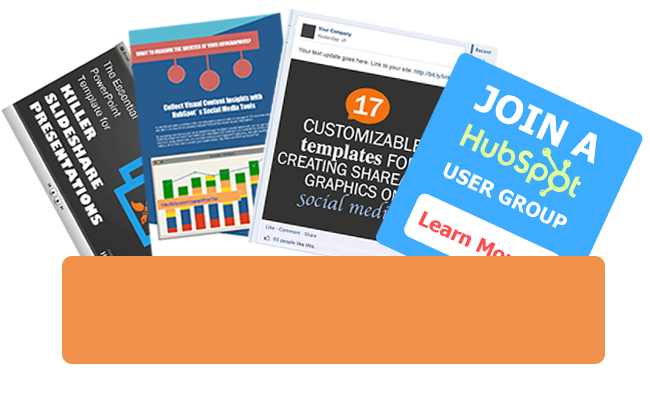
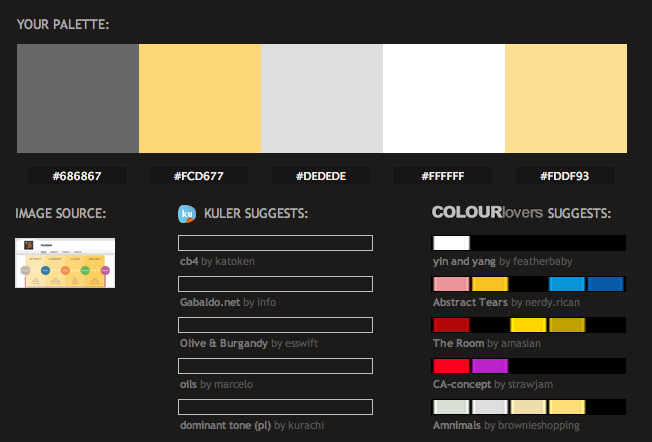
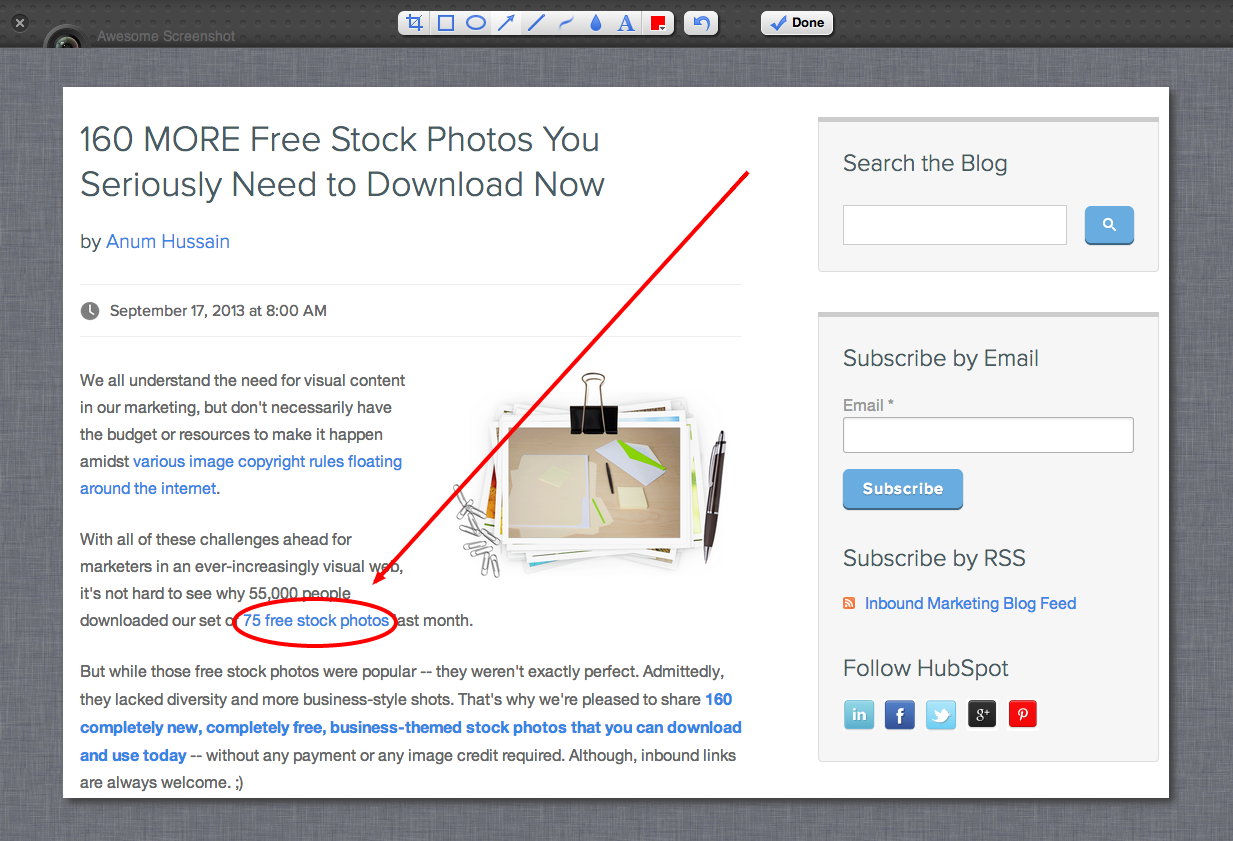
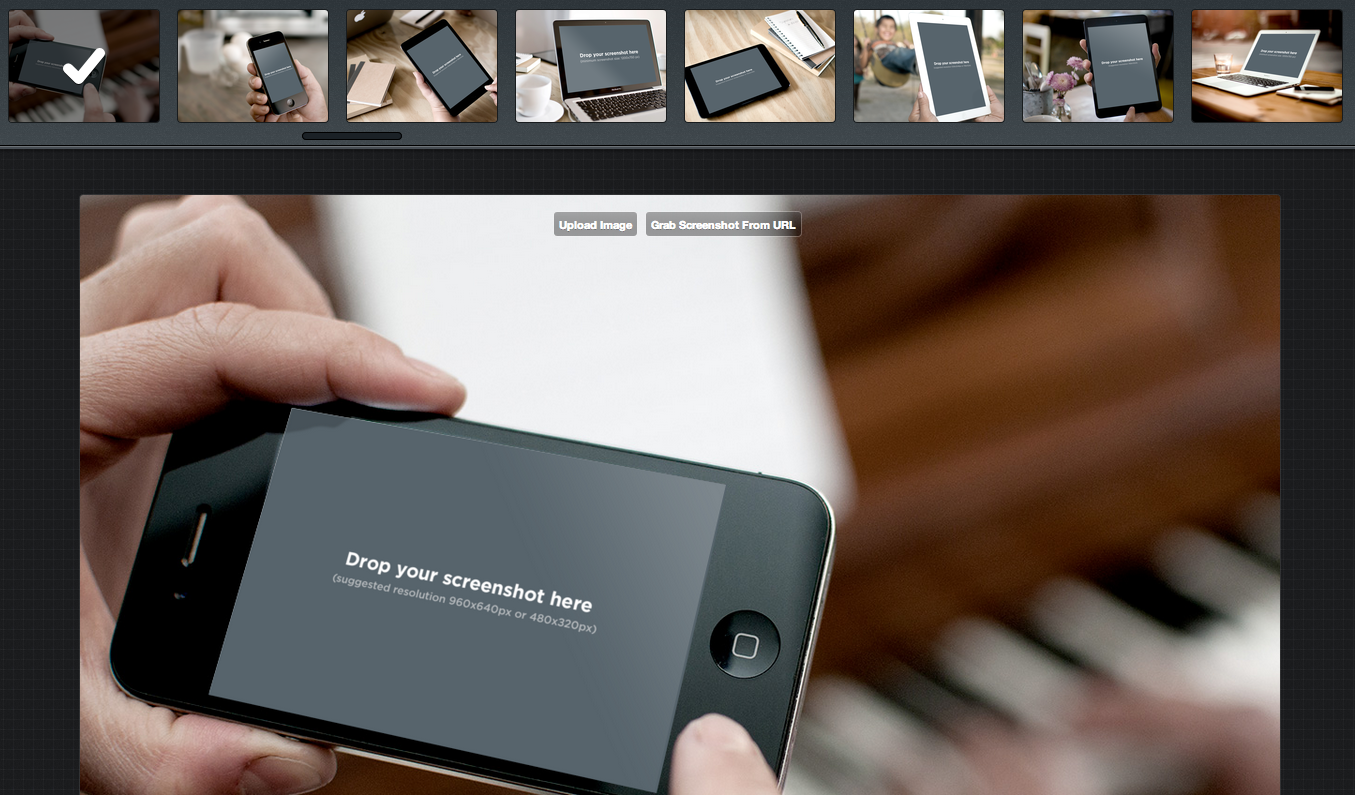

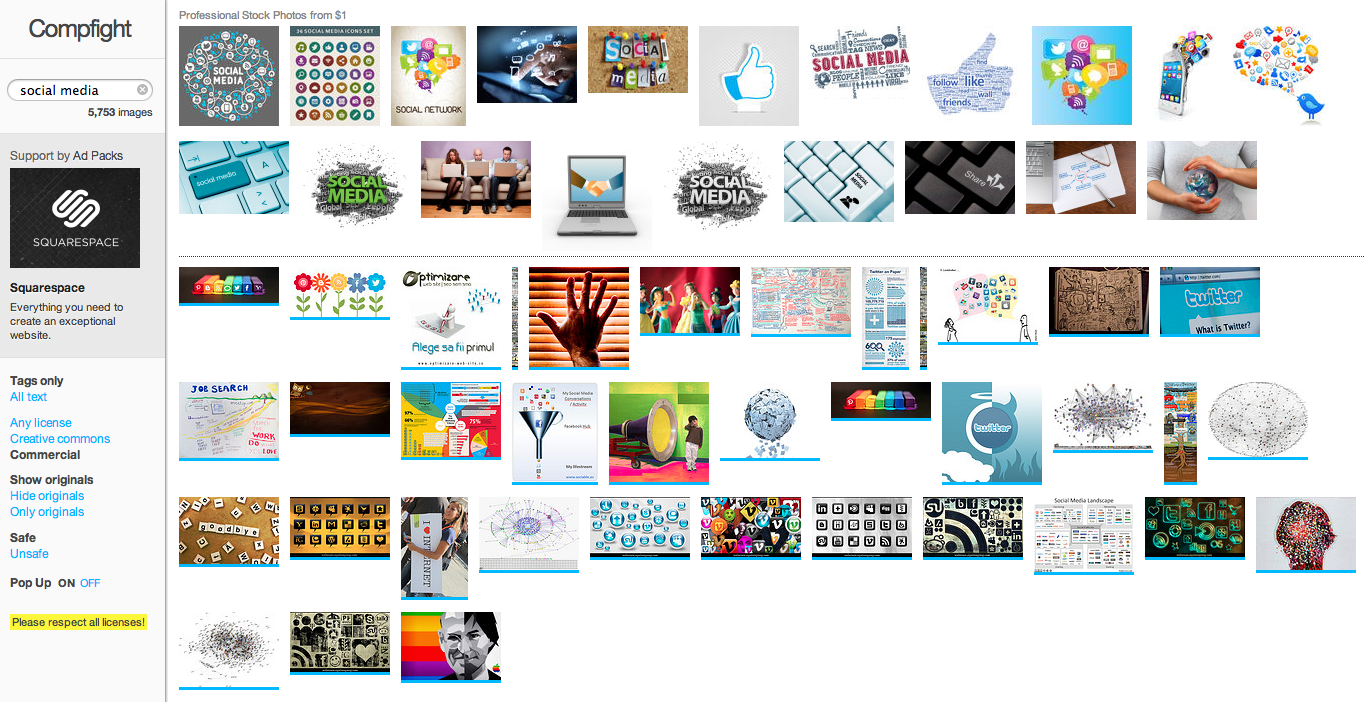


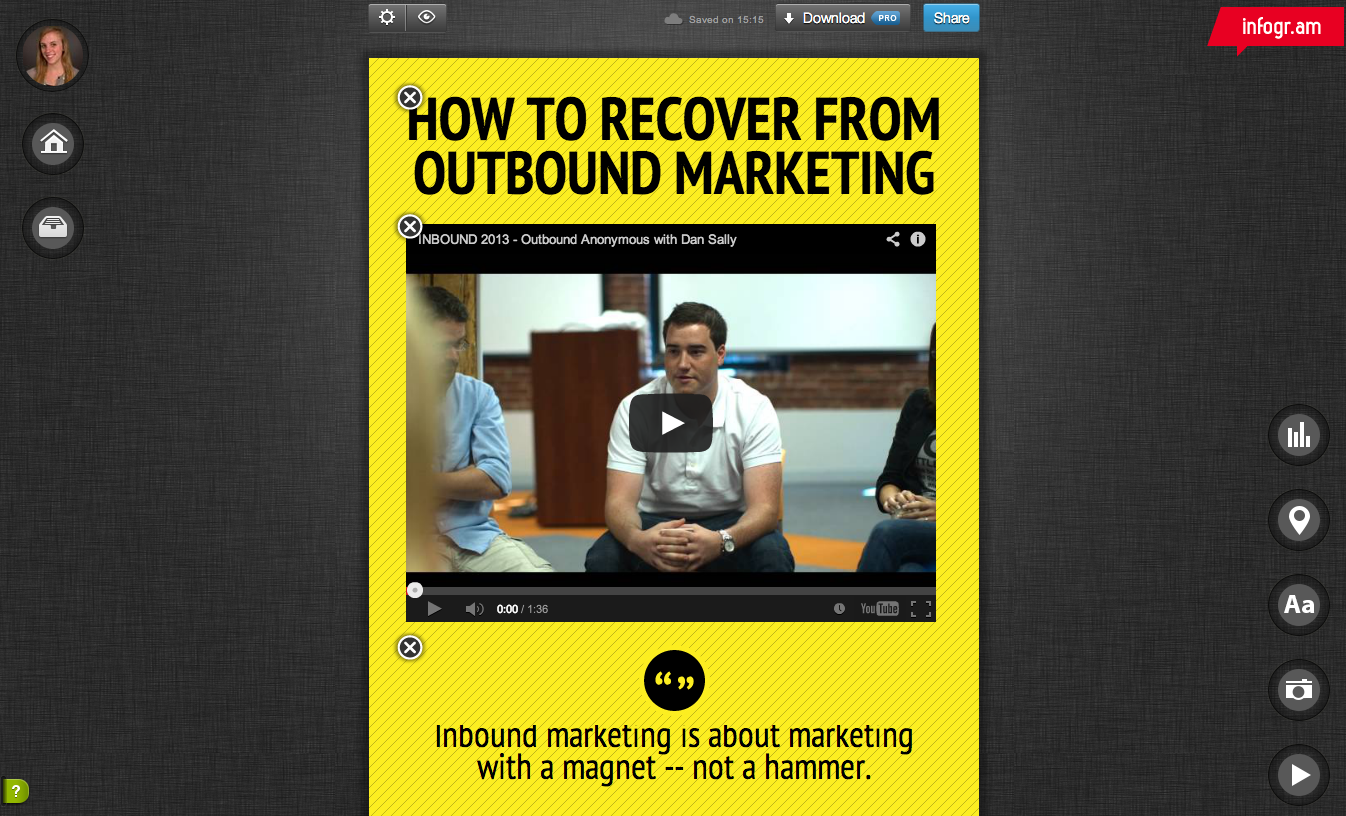



 We are all aware that buyer personas are integral to creating a focused and successful content marketing strategy. However, what people don’t often tell you about






 Measurement is a key discipline for any modern marketer. Metrics that measure inbound, outbound, brand and other performance are all critical for understanding marketing effectiveness and its impact on sales. Yet, a
  How fast summer goes by. Now we’re back to autumn-scented Yankee Candles and Halloween costumes. I wonder how many Miley Cyrus bear costumes and Robin Thicke “Beetlejuice” outfits will be out trick-or-treating?


 These sellers are hard working but settling for activity vs. progress means many will not make their numbers.

 I’m not just thinking about people who behave like champions and position themselves as decision-makers when they really aren’t. Sales people come across those fake champions more often than they would like, and with experience there usually comes a better – but rarely perfect – ability to identify the false prophets from the true believers.
 Since the early days of computers, Apple has been leading the pack around the issue of accessibility. As much as computers made the lives of many individuals easier, technological innovation had the potential to leave out large segments of the population who simply could not use the technology. Apple set out to change all that, expanding the scope of their brand, and in the process gaining a loyal group of customers and a lot of goodwill. Making accessibility a company value has helped Apple stand out from its competition.
