Shared posts

30 Sep 20:59

Which Marketing Metrics Matter?

by Kathleen Schaub
The ability to measure is a sure sign of a quality organization. As marketing technology permits access more data, the gap between excellent marketing organizations and those deficient will widen — defined, in part, between those that measure well and those that do not.

To have a bigger impact on the business, marketing executives must learn which metrics matter – and to whom.  When marketers get swamped with data, they often report the wrong things to the wrong people. As one CEO told me, "The day I care about how many clicks our Web site gets is the day I lose my job!"

Three Levels of Metrics
IDC's Hierarchy of Marketing Metrics describes the business context of what marketing measures
and reports. It parses metrics into three categories that correspond to the types of decisions made at various organizational levels and highlights the links between them. The three categories are:
  • Corporate-level metrics: Used at the highest level of the company to manage company productivity and performance as a whole.
  • Operational-level metrics: Used to manage marketing resources and asset productivity, forecast the performance results of core marketing processes, and diagnose the "red" areas on the quarterly business review (QBR) charts.
  • Execution-level metrics: Root metrics produced by marketing tactics; used to manage and optimize the marketing tactics and to coalesce to produce operational-level metrics.

Managing the Business vs. Managing Programs
Magic happens when marketing executives grasp the critical difference between operational-level metrics and execution-level metrics. Both are critical, but for different reasons. Execution-level metrics measure the results of marketing programs. They are used for optimization (did we increase conversion rates?), for testing (did emails with this color outperform?), and for customer behavior analysis (what offer should come next?).  Execution-level metrics are also those that form the basis for operational-level metrics.

Operational-level metrics map the inner workings of marketing into the language of business. Each major function in a company (finance, marketing, HR, R&D) is a specialty area with its own private language. Converting each function into "business speak" by using metrics ensures that the company executives can collaborate to run the business as a whole.

Making connections between the inner workings of marketing as described by execution-level metrics and the operational metrics needed to run the business is hard. Calculating an operational-level metric requires inputs from multiple execution-level metrics, sometimes as many as 30! However, this mapping is the only way to tie the tactics of marketing to things that matter to the corporation's productivity (profits) and performance (revenue and market share).

Data offers an opportunity for marketing to have a greater impact on the company's goals and therefore greater power within the organization. To realize this opportunity, marketing leaders must invest in the skills, discipline, and tools needed to master data at both the execution level and the operational level.
 
Copyright 2011 IDC. Complete articles may be reposted. Reproduction in part is forbidden unless specifically authorized. All rights reserved. Please contact IDC for information on republishing or web rights.
30 Sep 20:57

Best Salesperson Doesn’t Always Equal Best Manager

by Josiane Feigon

Does this scenario sound familiar?

You’ve got a great team of inside salespeople and one of your star players, Bulldog Bob is killing it. His numbers are higher than the rest — he’s a total bulldog when it comes to chasing deals and closing business. He is self-sufficient, requires little guidance, and is very independent. Bob has been in sales for a while and has progressed from all the various teams. His team is inspired by his success. 

Bob is always in your office talking about deals and his future. He tells you that recruiters are tracking him down, enticing him with some nice new offers. He is aggressive, knows what he wants, and reminds you about that promise you made many months back about putting him into a management role.

You have just brought in eight new hires in the last six weeks and they need to be managed quickly — you want to show some revenue increases fast. You’ve been scattered lately, and have several more teams that also report to you. You decide to promote Bob the Bulldog  because you know he can hit the ground running and transfer some of his special sales talent to his team. Bulldog-HD-Images

What are the chances for survival here?  Pay attention to the following clues — they spell disaster:

1. Those “independent, self-sufficient, bulldog” qualities are great, but they might alienate the team.

2. Bob’s aggressive personality may be misunderstood as micro-managing, or worse — salespeople fear they will get fired.

3. When a salesperson reminds you about what they want and tells you that a recruiter is calling, that’s a threat. Chances are they will threaten their teams in the same way. 

4. Just because a salesperson is killing their numbers, that is absolutely no guarantee that they will kill it as a manager. These kills are completely different.

It’s a disaster waiting to happen. When Directors or VP’s are scattered or too busy to help coach, mentor, and develop their managers, disasters DO happen. By the time managers figure out what happened, it’s too late. If you want to learn more about this, download a chapter of Smart Sales Manager or learn more about our Smart Sales Manager training


The post Best Salesperson Doesn’t Always Equal Best Manager appeared first on TeleSmart Communications.

30 Sep 20:36

8 ways to get more traffic using #Twitter

by Lilach Bullock

Twitter has always been – and continues to be – my number one source of social media traffic. Other social networks may come and go, but I’ve found over the years that I can always count on a steady stream of traffic from Twitter. Here are 8 easy ways to make sure you get as much … Continue Reading

8 ways to get more traffic using #Twitter by Lilach Bullock - Maximize Social Business - Maximize Social Business - Your Social Media for Business Resource ... Featuring Contributions from Global Thinkers . This copyrighted content was originally published on Maximize Social Business and may not be republished on any other website or in any other format without explicit permission from the publisher.


Related Stories

30 Sep 20:36

The HOW MUCH IS IT? Question

SALES QUESTION:
"What should I do when a prospect asks the "HOW MUCH IS IT?" question? No matter how I answer, they never buy."
Answer:
The "How Much Is It" question can be a dangerous one for sales people to handle because there are different scenarios that this question can come up, and each one needs to be responded to a little differently in order to have greater success.
One popular scenario is this one:
You are making a cold call to a prospect that has already been contacted numerous times by your firm in the past. After your opening value statement (what you say after "Hello, my name is...") the prospect cuts you off and asks: "How much is it?"
Now old school sales philosophy will say:
"This is a buying signal. Jump on it!"
But I totally disagree with that line of thinking. I know from first hand experience that when the "how much is it" question comes up right out of the gate, if I give a price, any price, I'm almost certain to hear "Can't afford it (click)" followed by a dial tone.
SO WHAT DO I DO? HOW DO I RESPOND?
In tough sales situations, sometimes it's better to list out the things that you DO know, in order to help you respond to a situation that you don't know how to handle. Bear with me while I make my point.
Here's what I DO KNOW from my perspective at this point in the sales call:
I'm not sure if a need for our solution even exists yet. (They may not need what it is that I have to offer)
I have not confirmed this prospects role in the decision making process. (he/she may not even be authorized to say "no", let alone "yes")
So knowing that I don't know these two important details yet, I can quickly realize that getting into a pricing discussion will be nothing more than a shot in the dark. And I don't like those odds.
A simple response like this has been very successful for me:
"(Prospects name) at this point I'm not asking for you to make a purchasing decision right now. I just wanted to ask you a few questions just to see if what we have to offer would be of any help to you. Would that be OK?"
If you get a "Yes, sure, go ahead" response, great. Go to your next step in the selling process.
BUT WHAT IF I GET A "NO" AND THEY ASK ABOUT PRICE AGAIN?
Here are a few choices that have helped me in that scenario:
OPTION 1: Ask "Do you know enough about our product/service that if the price is right, you would be ready to buy/register/order right now?" If the answer is YES, then you have a buying signal and you can move forward. If the answer is NO, then you need to gain permission to ask them a few questions in order to identify a problem as well as qualify them on their role in the decision making process.
OPTION 2: Say "Depending on a few factors, pricing will be anywhere from (now give a low and a high) but I would need to ask you a few quick questions first in order to get a more accurate number, would that be ok?"
OPTION 3: If you know the price they would have to pay, give it and follow it with a hint at an incentive "The price is $_____ HOWEVER should you decide this is something you truly want, we would do everything possible to not let price stand in the way of us earning your business. I would just need to ask you a few quick questions to make sure what we have to offer would be a good fit for you, would that be ok?"
Now, this doesn't automatically mean I'm going to cut price. We can address that once we get to the negotiating phase. Right now, we are just trying to get past the opener phase. Once we legitimately get to the negotiation phase, there are other ways to offer an incentive without cutting price.

SALES QUESTION:

"What should I do when a prospect asks the "HOW MUCH IS IT?" question? No matter how I answer, they never buy."

Answer:

The "How Much Is It" question can be a dangerous one for sales people to handle because there are different scenarios that this question can come up, and each one needs to be responded to a little differently in order to have greater success.

One popular scenario is this one:

You are making a cold call to a prospect that has already been contacted numerous times by your firm in the past. After your opening value statement (what you say after "Hello, my name is...") the prospect cuts you off and asks: "How much is it?"

Now old school sales philosophy will say:

"This is a buying signal. Jump on it!"

But I totally disagree with that line of thinking. I know from first hand experience that when the "how much is it" question comes up right out of the gate, if I give a price, any price, I'm almost certain to hear "Can't afford it (click)" followed by a dial tone.

SO WHAT DO I DO? HOW DO I RESPOND?

In tough sales situations, sometimes it's better to list out the things that you DO know, in order to help you respond to a situation that you don't know how to handle. Bear with me while I make my point.

Here's what I DO KNOW from my perspective at this point in the sales call:

I'm not sure if a need for our solution even exists yet. (They may not need what it is that I have to offer)

I have not confirmed this prospects role in the decision making process. (he/she may not even be authorized to say "no", let alone "yes")

So knowing that I don't know these two important details yet, I can quickly realize that getting into a pricing discussion will be nothing more than a shot in the dark. And I don't like those odds.

A simple response like this has been very successful for me:

"(Prospects name) at this point I'm not asking for you to make a purchasing decision right now. I just wanted to ask you a few questions just to see if what we have to offer would be of any help to you. Would that be OK?"

If you get a "Yes, sure, go ahead" response, great. Go to your next step in the selling process.

BUT WHAT IF I GET A "NO" AND THEY ASK ABOUT PRICE AGAIN?

Here are a few choices that have helped me in that scenario:

OPTION 1: Ask "Do you know enough about our product/service that if the price is right, you would be ready to buy/register/order right now?" If the answer is YES, then you have a buying signal and you can move forward. If the answer is NO, then you need to gain permission to ask them a few questions in order to identify a problem as well as qualify them on their role in the decision making process.

OPTION 2: Say "Depending on a few factors, pricing will be anywhere from (now give a low and a high) but I would need to ask you a few quick questions first in order to get a more accurate number, would that be ok?"

OPTION 3: If you know the price they would have to pay, give it and follow it with a hint at an incentive "The price is $_____ HOWEVER should you decide this is something you truly want, we would do everything possible to not let price stand in the way of us earning your business. I would just need to ask you a few quick questions to make sure what we have to offer would be a good fit for you, would that be ok?"

Now, this doesn't automatically mean I'm going to cut price. We can address that once we get to the negotiating phase. Right now, we are just trying to get past the opener phase. Once we legitimately get to the negotiation phase, there are other ways to offer an incentive without cutting price.

30 Sep 20:35

The Curse of Social Media Junk

by admin

This article is an excerpt. Read the full article on TheWall.co.uk

Why IS the marketing landscape littered with social junk? Well, it’s inevitable that with anything ‘new and shiny’ marketers will experiment, for the novelty, because of the need to be the first to do something, to be famous, for being a maverick. Of course experimentation is no bad thing, but in order to come up with any successful marketing initiative (especially social), you need to avoid doing something for the sake of doing it, with little to no consideration of the customer or end user. It’s imperative marketers know what makes their audience tick, what they need, what they don’t need, what they want, what they don’t want. Just because you can do it on social media, it doesn’t mean you should.

How do marketers tackle social’s obesity problem? Well, first of all, they need to admit there is a problem. And secondly, as with the obesity crisis, it all comes down to prompting the audience to consider how they can live healthily. Using this analogy, marketers can interrogate the health of their social initiatives by asking the following questions:

  • Are we doing this for the business or for the customer?
  • If it’s for the business, how can we tweak it so that it fulfils a customer need?
  • What is the key customer insight/need that it addresses?
  • What’s in it for the target audience?
  • Are we asking too much of them?
  • Would people do it once and never return?
  • Is the content or functionality useful or entertaining enough for it to be shared?
  • What is the worst-case scenario we could encounter from a reputational perspective?
  • If the social initiative is successful, how will it impact the business?

So the next time you’re originating ideas for your latest social initiative, make sure you ask yourself the questions above. Very quickly, they will enable you to understand whether you are the sort of marketer that’s contributing to social’s obesity crisis, or whether you are the sort that’s creating healthy customer-centric social marketing. The question is, which one will you be?

Matt Holt is the Associate Director, Digital Strategy for OgilvyOne in the UK.

Follow Matt on Twitter: @mattsocial

30 Sep 20:35

How to Become a Social Executive

by Andrew Urteaga

social media executive ceoA recent study by CEO.com shows that 70% of Fortune 500 CEO’s are not on Social Media.  LinkedIn, the leading social network for business professionals, shows an 11% growth rate in CEO presence.  This is by far the greatest CEO presence of all social platforms.  Ignore this trend, and run the risk of being left behind by your peers.
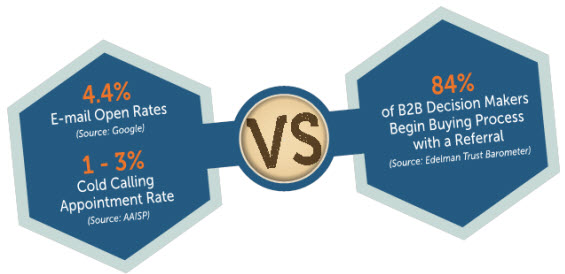
In addition, 45% of all LinkedIn users can make a business decision.  As a leader of the organization why not live where your buyers live? 

In this post, we will talk about why CEO’s do not have a presence on LinkedIn; why they should have a presence; and how to get started.  You can download the Social Executive Profile Builder to help you create a social brand.  Get your copy by siging up for SBI’s 7th annual research tour:  "How to Make Your Number in 2014:  A Sales Strategy You Can Execute"You will learn how to build an effective social presence on LinkedIn.

Lack of Presence

Fear

As a CEO, you are probably concerned about the potential forms of lawsuits, leaked trade secrets or exposure to angry customers.  This argument can be very shortsighted.  On the contrary, most people want CEO’s who are authentic.  69% of the population says it enhances the company’s market credibility.  This is why LinkedIn is a powerful tool to keep things professional and authentic.

Time

Another argument that CEO’s cling on is that they are busy running the organization.  Although this is true, creating your brand as a leader has become a power leadership tool.   You work hard to monitor your brand on TV, media, and radio.  Don’t let your social brand erode.

How does LinkedIn help?

Growing the Business

84% of B2B decision makers begin their buying process with a referral, accordingly to the Edelman Firm.  Here is a good opportunity to lead from the front.  Your own network of CEO’s, top decision makers and even the board members are a great source of new business opportunities.  Leverage your network to help the organization make the number in 2014. b2b sales buying begins referral 2

Attracting Customers

LinkedIn is a hotbed of conversations around your industry, your brand, and your products.  Listen and respond with the right content that gives you a competitive advantage.  Thus allowing your sales force to engage customers earlier in the buying process.

Attract Top Talent

As a CEO, you are at war for top talent.  The best people are not looking for a job.  This is why your best source of finding talent is from a referral.  Remember great people always surround themselves with great people.  LinkedIn has over 238 million users and growing.

How-to Guide

Build Your Brand

Your LinkedIn profile is a product that you are presenting to the world.  Today’s buyer is more informed than ever before about your industry, products, and business.  Your brand needs to perpetuate credibility and trust.  Download the Social Executive Profile Builder and learn to build your brand effectively.

  • Your profile should speak to key influencers who are focused on your products, services, and solutions 
  • Address your buyer’s questions in your profile. What problems are they trying to solve? Use the mapping of the buyers process to guide you.  If you don’t have one you need to  have this built
  • Use buyer language not company lingo
Social Executive Profile Builder
 

Build Your Reach

Focus on quality not quantity.  It is no longer important to have 500+ connections.  It’s about “Who you know” more than “What you know”.  How many other CEO’s do you know?  More importantly, how many key decision makers in your target accounts do they know? 

Increase Referrals

Here is a good opportunity to lead from the front.  Identify 2-3 connections that are good leads for your sales organization and ask for introductions to you or your sales team.  Also, connect with your employees.  This gives them the ability to not only scan your network for opportunities but also leverage your relationship in the sale.

Executives who are successful in their use of social media raise their corporate brand.  Today’s digital consumers connect with the brands they admire and executives who are genuinely involved in the conversation.  If you decide to ignore, you run the risk of your competition outpacing you.  Make the decision to be a social executive and make your number in 2014.  Sign up for SBI’s 7th annual research tour:  "How to Make Your Number in 2014:  A Sales Strategy You Can Execute".

Author: Andrew Urteaga

sbi on linkedin

Follow @UrteagaSBIi

Follow Sales Benchmark Index @MakingTheNumber

If you enjoyed this post, never miss one again by subscribing your Email Here and/or subscribing to the RSS.

30 Sep 20:32

How to Make a Visual Call-to-Action for Social Media [Quick Tip]

by gsoskey@hubspot.com (Ginny Soskey)

social_media_image_ctasOne of the most popular social media tips people give is "Make sure you include an engaging image in your posts" ... but what does that actually mean? If you're trying to generate leads with social media, do you need to include a certain type of image to do so? Or is simply including an image enough to increase engagement?

Lots of people take the latter path ... but think about it for a second. If you're slapping up any image on social media, you're losing out on valuable lead generation real estate. What if, instead, you used that image as a visual call-to-action to help you get even more clicks, leads, and customers? That'd be pretty cool, huh?

But generating leads from visuals on social media isn't as simple as attaching a bright red "Download Your Ebook Here" CTA button. Because of the way social networks like Facebook, Twitter, Pinterest, and Google+ display images, users can't just click on an image to be taken to your landing page. You've got to use images to spur clicks on the link in the copy of your post. 

Basically, there's a huge opportunity to optimize social media images to help generate leads, but we just have to be very particular about how we use them. We'll walk you through every part of creating a social media call-to-action image below so you can generate even more leads from your social media accounts. Let's get on with it. 

The Resources You'll Need

First things first -- you need the right resources to create and optimize a call-to-action for social media. Here's what you need:

Now, let's get started. 

How to Make an Effective Visual Call-to-Action for Social Media

1) Set your background to fit the social network's photo dimensions.

We're going to do a Facebook Cover Photo in this example (an 815 x 351 picture). Resize your photos to work best for the social network you're on (here's how you can resize backgrounds in PowerPoint).

change_slide_background

2) Add copy to the photo to communicate what marketing offer you're promoting.

Be clear about what you're offering here. For instance, if it's an ebook, call it an ebook. People won't like feeling duped if they see one thing on the social media image and another on your landing page. 

add_copy

3) Add visual imagery to explain the offer.

Whether you decide to use a stock photo, a Creative Commons photo, or an icon, make sure your visual is ... well ... visual. Since the marketing offer I am promoting is our free icon set, I will go ahead and use the icons.  

add_visuals

4) Add a call-to-action to the image.

This is probably the most important part of your social media image, as it will instruct users how to get your free download. Notice in the image below that I don't say "Click Here to Get Your Offer." This is because, technincally, users can't just click on the photo to get the offer. Be explicit here, and clicks will increase.

add_cta

5) Group your images and then save them as a picture.

save_as_image

6) When uploading your image to social media, don't forget to add a shortened link to the offer in the accompanying text.

This will allow you to track your content even more effectively than before. 

shortened_link

And voila! You've got a call-to-action image that's prepped and ready for any social network you like. :)

Image credit: LUH 3417

free call-to-action templates in ppt

subscribe to the hubspot marketing blog

30 Sep 20:32

The Resources You Need to Be a Lead Generation Machine [In Under 100 Words]

by ceridon@hubspot.com (Corey Eridon)

lead-generationIf you're not up to speed on the concept of lead generation, get your introduction here

Caught up? You want more of those leads, right? Find out where they're hiding -- this post explains where marketers get leads.

To get in on that lead gen game, you gotta create an offer. Don't worry, you already have the content for one: Find out where.

Now that you've created an offer, learn how to generate leads on Facebook, Twitter, and your blog.

Finally, to maximize your lead gen, get comfortable optimizing landing pages for conversions -- this ebook will tell you how.

Image credit: JD Hancock

download lead generation ebook

subscribe to the hubspot marketing blog

30 Sep 20:15

Anatoliy and Dave’s Silver-Bullet

by Mark Lautman

This blog is about two friends in Colorado Springs who might have developed the Silver-Bullet solution for two of the most wicked and intractable challenges communities face today: underperforming public schools and a growing shortage of technical talent.

Their proposition is simple: A universal, age-appropriate physics curriculum that begins in fifth or sixth grade, is the primary factor that separates places that over-produce technical talent from those that under-produce technical talent.

The observation comes from Ukrainian-born physicist, Anatoliy Glushchenko, who, after living in France, Germany and South Korea early in his career, noticed that most countries either over-produce or under-produce technical talent.

After a stint at the Kent State University Optics Lab in the early 2000s, Anatoliy moved his family to Colorado Springs to pursue an opportunity with the University of Colorado in Colorado Springs. As he attempted to enroll his eldest daughter in middle school, he discovered that she would not be able to take physics until her junior or senior year of high school.

Some follow up research revealed that countries that over-produce technical talent teach a full spectrum of physics topics in all middle school grades, no exceptions. The under-producers wait till later in high school and sometimes make it an elective.

Turns out, if you start teaching physics in middle school, it completely rewires the student’s brain for complex, analytical thinking and drives a school’s success metrics through the roof across all subjects.

Physics is the fundamental science discipline that describes how the world works. Whether a student goes on to become an engineer or a musician, the end game is the same. Studying physics at an early age develops critical thinkers who can internalize and process complex ideas as they advance in life.

Most young brains are uniquely curious and eager to learn up until around fifth grade. The National Science Foundation calls this group our future innovators. Waiting to offer physics until the 12th grade chokes off interest in STEM fields and drives the sky-high attrition rate of freshman STEM majors.

Two years ago, Anatoliy teamed up with Dave Csintyan, Colorado Springs’ former Chamber of Commerce director, to start a national foundation called “See the Change USA” (www.seethechangeUSA.org) to produce age-appropriate, demonstration-based physics content and curriculum to proliferate the program.

The program requires a one-time investment cost of $50,000 per middle school for all three grades, and does not require the recruitment of physics-qualified instructors. The model is to train the trainer (the teacher) who, in turn, educates the student. All content is now online and plans are in place for a full suite of videos to enhance the training experience.

The pilot program was implemented in two of Colorado Springs’ poorest performing middle schools and the first-year results were spectacular.

Colorado Springs’ School Board Chair, Deborah Hendrix, reported that in one year the program literally flipped poor student’s performance across all subjects.

Harrison School District conducts a number of assessments to show mastery of concepts, subject matter and academic growth. These measurements are all designed to see whether or not students are growing to be better prepared for the next grade and/or stage in life.

The state has several measures as well. The one that notes growth of students is called the Median Growth Percentage. Low growth is 1-34; median growth is 35-65; and high growth is 66 and above.

Carmel Middle School is one of the poorest performing schools (Eighty-five percent of its students get free or reduced lunches). This past year, Carmel Middle School’s growth was 72. Although the Transitional Colorado Assessment Program (TCAP) scores were not stellar, the growth rate was exceptional; Carmel’s students grew more than one grade level. This is significant because many of the students come to the school 2 and 3 grade levels behind.  Of particular note, they found their Math and English departments pacing off of the physics curriculum.

Not only could Anatoliy’s solution flip student success metrics in your middle schools next year, but in six to seven years you would infuse your local economy with a steady stream of high school graduates wired for technical work and bury your higher education institutions with STEM majors that won’t wash out their freshman year.

On November 14th and 15th the Community Economics Lab, an Albuquerque based think tank, will host Anatoliy Gluschenko, Dave Csintyan and the See The Change Foundation members for a series of seminars on the program. New Mexico’s education, economic development and community leaders are encouraged to attend.

30 Sep 20:00

Sales Secret: 'Why' Is More Important Than 'What'

by Geoffrey James

Rather than "tell what" you're selling, "show why" they're buying.

Lately, I've been reviewing dozens of sales messages and have discovered a common theme. Most sales messages, whether in emails, presentation or websites, are ineffective because they "tell what" rather than "show why." Let me explain.

Average sales messages tell what the seller would like the customer to believe. The problem with such messages is that the customer has no idea whether these statements are true.

Wrong:

  • "We are reliable and trustworthy."
  • "Our product saves you money."
  • "We have the best customer service."

Right:

  • "Our customer base includes IBM and Coke."
  • "Independent studies show our customers save 20 percent."
  • "Our service team has won two industry awards."

The same is true when describing products. Average sales messages tell what the product does or is. Such messages force the customer to figure out how the factoid in the message applies to the customer's own concerns and own situation.

By contrast, great sales messages show why the product is (or should be) important to the customer.

Wrong:

  • "Our software automates supply chains."
  • "Our marketing experts help build brand awareness."
  • "Our gadgets have dual framistats."

Right:

  • "Our software makes your products available for sale 10% faster."
  • "Our experts can help you double sales by building brand awareness."
  • "Dual framistats mean your gadget will work even when dropped."

If you want to increase sales by having a great sales message, go through all your marketing and sales materials and convert your tell what messages to show why messages.

Yes, it IS that simple.

Like this post? If so, sign up for the free Sales Source newsletter.


30 Sep 20:00

Entrepreneurial Vision? Take A Crappy Sales Job

by Personal Branding Blog

They call them “churn” positions, sales jobs where there is an expectation that most will be unsuccessful. They are horrible places to work and you’ll likely burn out before the end of your first year. I’m going to recommend that you take one of these horrible jobs before you ever think of becoming an entrepreneur.

Entrepreneurial Vision? Take A Crappy Sales Job image shutterstock 41204386 300x200My first sales job was as a “financial advisor”. I had to take my NASD series 7 and 66 licenses along with the state insurance license, all on my dime. When I completed them and was officially “hired”, I got a bonus to make up for the cost of the licensure. It was an office of around 40 financial advisors, many of whom tried and failed as I was to do as well.

I would love to tell you that I made a fortune and was the best financial advisor that ever existed, but that simply isn’t the case. I was straight out of my college experience and knew next to nothing about finance, I was assured that was alright. I would learn as I sold. That was the key, keep on selling.

We got a list of leads upon our first day on the job, they must have been years old. Every name and number was excruciating to call, hang ups, cuss outs and the “Do Not Call” list had just gone into effect. The goal for the financial firm was for me to grow weary and reach out to family and friends to sell to. Then, upon my departure, they’d pass those accounts to one of the 2% of advisors who survived.

Sounds awful, right? It was. I wouldn’t trade the experience for anything in the world.

I learned about every style of management technique. I learned about every type of sales technique, including the smarmiest that I thought were exclusive to used car salespeople. I learned about growing a backbone, communicating and where my ethical boundaries were. Eventually, the morality kicked in and I split.

Management

I had a terrible alpha male leader who ran our office, he was a car salesman with more money. He was abusive, rude and dishonest. He invoked fear. He was everything I hate about managers and I learned what questions to ask to avoid his type in every job interview since.

My direct manager was kind but weak. He was at the disposal of the alpha male office leader and he knew it. He was a ladder climber who, when given the chance, bolted to take his next position. I learned little from him.

I got to see the spectrum of management from overbearing to weak and learned what I didn’t want to be. You can’t be an entrepreneur without a vision of your management style.

Sales

Yes, the sales were smarmy, but they did pay for training. I got to take multiple sales courses and half of them weren’t half bad. I learned sales and without the ability to sell, you’ll never have success as an entrepreneur. As an entrepreneur you’ll have to sell to everyone from investors, to partners, to employees; you’ll sell your vision.

Strength

I know this may sound like a cliche , but you don’t know your strength until you’ve had it tested. Taking on and attempting to surmount the task ahead of me in my “churn” sales position was a life lesson that I wouldn’t ever give up. I was exhausted, broken, and unrelenting. I learned what I had within me and that I was up for any task.

Take The Job

If you’re going to be an entrepreneur, who cares about your resume anyways? Go for it. Take the horrid sales job. Use it to strengthen your skills and your knowledge, just don’t try to sell crap to your friends and family along the way.

Author:

Nick Inglis is the Founder/CEO of LeftGen Information Management Group (InformedIM, SolveIM, ClearIM & AgentIM), an expert on enterprise software, and is the author of the AIIM SharePoint Governance Toolkit. Nick has worked with companies as diverse as Ernst & Young, Shell and Canon. Nick is a SharePointM, ECMs, E20m, & IMCP. Nick is a keynote speaker on the topics of SharePoint, Information Management and Collaborative Technologies.

30 Sep 20:00

Why Sales Ignores Leads From Marketing

by Sherry Lamoreaux

In a recent poll, CEB asked sales and marketing professionals why some leads aren’t followed up on, in what ways that’s a problem, and how to fix it. Not surprisingly, the two functions had some differences of opinion. In the blog post Why Leads Die, CEB’s Katie Castagna discusses the issues:

Why Sales Ignores Leads From Marketing image ceb 1

“Each lead is a financial investment and unfortunately many of them end up being ignored, then forgotten, never to be seen again. … Interestingly, both Sales and Marketing seem to agree that information transparency could be better. Marketers generally assume that having more customer information will make Sales more inclined to follow up. But what Marketers clearly underappreciate, is that Sales often wants to know why Marketing considers a lead valuable or sales-ready. While it may seem like a subtle distinction, giving sales the right type of information could be relatively easy and make a big difference to follow-up.”

Let’s take a closer look at the problem

Are you ready for this scary statistic? 49 percent of surveyed sales reps ignored more than half of all marketing-provided leads. Ouch. What’s greater here, the injury or the insult?

Why Sales Ignores Leads From Marketing image ceb 2

However, when sales reps were asked what they wanted from marketing, 53% said theywant better leads from marketing.

Why Sales Ignores Leads From Marketing image ceb 3 700x364

And only 3% of the reps said they could generate all the leads they needed themselves.

When asked why sales ignores leads from marketing, the reps replied:

  • 30% said they don’t trust marketing’s leads
  • 29% said they don’t have enough time to follow up on every lead
  • 22% said they need more contextual information to have a productive conversation

Further:

  • 67% said fewer leads from marketing actually convert
  • 49% said it takes more time for marketing-generated leads to convert
  • 41% said it takes more effort for marketing-generated leads to convert

37% of reps agree that their marketing colleagues understand and support sales business needs. 28% are neutral on the issue. Of the balance 35% disagree, with 9% disagreeing strongly.

That’s enough rain for anyone’s parade. What to do?

Alignment is the answer.

Every company needs to define “sales and marketing alignment” for itself, but at a minimum it begins by agreeing on a common lexicon and getting sales’ input into how leads are qualified.

  • 64% of salespeople say getting leads that were qualified according to criteria sales had agreed on would give them more confidence about following up on marketing-generated leads.
  • 61% of salespeople say they would follow up on marketing-generated leads more often if they had more information about why a lead is considered qualified. Here again, if sales has a seat at the table and can say what “why” means to them, then marketing has an opportunity to fulfill that need.

Paying attention to sales’ desires might change the how, why, where, and when of marketing’s hand-off to sales, but it should also result in better leads, more confidence in those leads, and so more marketing-generated leads being followed up.

Why Sales Ignores Leads From Marketing image alignment no border

There’s a lot to learn about sales and marketing alignment. Act-On’s white paper “Introduction To Integrated Marketing: Sales and Marketing Alignment” gives seven steps, from developing buyer profiles to reviewing success, that can get your teams on the road to cooperation – and profit.

Graphs courtesy of CEB, Why Leads Die, Arlington VA, 2013

30 Sep 19:59

Success Saturdays – 10.5 Sales Mistakes a Kick Ass CEO Made and How They Kept Him from Reaching His Goals

by Keenan

Big shout out to my boy Kyle Porter, CEO and Founder of SalesLoft for pointing me to this presentation, it was awesome.

Allen Nance is the CEO of What Counts, an email marketing company. A few weeks ago, Allen gave a powerful presentation on the 10 sales and marketing lessons he learned over the past 12 years that prevented him AND his company from reaching the 100 million dollar mark. Allen is funny, passionate, energetic, and most importantly spot on.

What is most engaging about Allen’s keynote, besides his obviously larger than life speaking presence, was the depth and realness of his presentation.  Allen leverages humility to deliver his message,. I know right, what CEO/Sales “expert” leverages humility in front of hundreds these days? Not many. But, Allen does and it’s this humility that delivers a presentation any sales exec or Founder/CEO will benefit from.

This presentation is not only worth watching, it’s worth being archived and revisited every 6 months or a year as reminder to be looking at the right things and asking the right questions.

Here are Allen’s 10.5 things:

  1. Team genetics
  2. Market wave
  3. ReInvest in Sales (I loved this one, it killed him)
  4. Have a strong sales leader
  5.  Sales chemistry
  6. Specialize
  7. Centralize (This one got me thinking, hmm)
  8. Measure
  9. Allbound (All i can say about this one is AMEN!!)
  10. Hourly (Not sure I can get on board here, it’s an execution question)

and .5 Hard work

Allen nails it in the presentation. It’s the type of post or content I envisioned when I started Success Saturdays. This is good shit.

Kyle, thanks my man for your “Everybody Sells Something” updates.  Always good reading.  (I recommend you sign up for this piece bi-weekly sales goodness)

Enjoy your Saturday all.

30 Sep 19:59

VIDEO SALES TIP: Does Your Sales Process Suck? It Might!

by TheSalesHunter

If you haven’t looked at your sales process in awhile, it could be in need of some refinement.

A lot of salespeople put a sales process in place — and then just let it coast.   The truth is, your sales process may suck.  That’s right! It may be falling way short of doing what you think it is doing.

You have to on a regular basis assess if what you’ve been doing is really working or if you need to tweak it, refine it, or change it completely.

Check out the below video to see what I mean:

Copyright 2013, Mark Hunter “The Sales Hunter.” Sales Motivation Blog. 

button receive a free9 300x51 VIDEO SALES TIP: Does Your Sales Process Suck?  It Might! photo

30 Sep 19:59

How to Be a Sales Coach, Not a Sales Manager

by Matt Sunshine

sales-coachingAlmost every up-and-coming salesperson wants to grow into the job of sales manager. The job title carries a lot of weight and the position itself typically involves either running the entire sales department or a significant portion of it.


Someone with this kind of business responsibility could easily fall into the trap of spending their time managing the numbers, studying the spending, being mindful of the cost of sale, carefully watching the attrition rate of existing accounts, and tracking new business. There is no doubt that these are all important job functions that fall under the responsibility of the sales manager.

However, none of those responsibilities are as important as growing and developing salespeople.

At the Center for Sales Strategy, we believe that the sales manager’s primary responsibility is to turn talent into performance -- and you do that by being an outstanding sales coach.

Coaching Essential to Success

The sales manager’s job is, first and foremost, as a coach. And the sales manager’s dilemma is finding a way to focus primarily on coaching while also juggling all of the responsibilities listed above.

The best sales managers know that it all starts with spending time out in the field, coaching salespeople, rather than simply looking at the scores. They ride with them to the appointments, ask them questions about their plans for the call, give them feedback on what they did right, and help them to continually improve.

In essence, the best managers help grow their salespeople. What they don’t do is ride along on the call in order to take on the call and close the business.  

To be respected (and a good teacher), managers can’t join ride-alongs by surprise to check-up on and micromanage the salespeople. Effective coaching days are always planned and on the calendar many weeks in advance -- because this is not about catching them doing it wrong. This is about completely focusing on helping them to grow. When done right, the sellers actually like and appreciate the coaching. Why? Because they see actual growth as a result of that coaching.

Can you imagine a professional football coach not attending the practices or the games? What if that coach avoided any time in the field, and instead determined how a play was doing by relying entirely on the score? How could he give his players input on what they need to do to win or to grow professionally?

Don't be this coach. Be involved with your team so you can impart your knowledge and assist them in any way possible.

3 Things You Can Do to Be a Better Sales Coach

1) Commit to spending time regularly in the field with your sales reps.

Remember to use this time for coaching, rather than micromanaging. Schedule this in-field time well in advance, so it's not a surprise attack, and share very clear expectations regarding the purpose and intended outcome of this time together.

Also, this is a coaching call, so make sure to provide detailed feedback on what you saw that you liked and where the seller might make slight adjustments to improve.

2) Make time to get to know each of your salespeople and build an individualized growth plan for each one.

It's vital to learn what their goals are, how they prefer to receive coaching, and the kinds of recognition that feels good to them when they succeed. The more you can get to know your salespeople as individuals, the better you will be able to coach, teach, and motivate them.

3) Understand their talents inside and out.

In order to be a highly effective coach, you need to understand the natural abilities of each person you plan to grow and create a clear plan to do this. This means creating strategies to maximize their innate strengths and provide them with opportunities to use and grow those strengths. It also means recognizing any weaknesses they may have and building workarounds to keep those weaknesses from getting in their way.

Because each person you manage is wired differently, the one-size-fits-all coaching plan won’t work here. You will need a specific plan to nurture each individual based on their unique set of natural talents. 

So here is the question you should ask yourself: Are you coaching your players while they play and practice? Or are you spending most of your time managing from your office? No need to worry if it's the latter -- it’s not too late to change your methods!

Take time today to rearrange your priorities and make sure you're spending time coaching. I assure you, you will see your salespeople grow -- and you will also find that your business grows along with them.

Matt Sunshine is the Executive Vice President at The Center for Sales Strategy, for which he regularly blogs.

Image credit: euthman

Sales performance CTA

subscribe to the hubspot marketing blog

27 Sep 14:15

13 Facts About McDonald's That Will Blow Your Mind

by Ashley Lutz and Mike Nudelman

McDonald's is the most dominant fast food chain in the world. 

We compiled some crazy facts about the retailer: 

mcdonald's facts

SEE ALSO: 11 Dramatic Changes McDonald's Made This Year

Join the conversation about this story »


27 Sep 14:12

‘NSA-Proof’ Encryption – A Precious Asset for BlackBerry’s Buyers

by Thea Neuman

The enterprise IT division owned by Blackberry is among the small number of networks of the world which the US National Security Agency cannot hack. It is a valuable asset for companies wanting to purchase the troubled smart phone maker. The division of Blackberry that was once a major player will attract competitors like IBM, Cisco and Microsoft according to an analyst. Peter Misek, a spokesperson of the US investment banking firm Jefferies indicates that his company has had dialogues with the NSA and are certain that the security agency has been unsuccessful in hacking Blackberry’s custom cryptography despite several reports stating that NSA has successfully cracked the security measures that protect data on iPhone, Android and Blackberry devices.

Misek also confirmed with CBC’s business program Lang & O’Leary Exchange that it was NSA proof and the security was so robust that to hack it thoroughly; a brute computer force for four million years was required. According to IDC, the future of Blackberry has come under intense scrutiny as its share in the smart phone market has reduced to a meager 2.4 percent with devices like the Apple iPhone and Google Android becoming more dominant.

There has been a major restructuring within the company since July and it announced a second round of 60 layoffs this week at its headquarters in Waterloo, Ontario. According to reports, Blackberry has contacted potential buyers and there is a wildly fluctuating speculation about who the buyers are. Microsoft and Canadian pension funds were considered to be potential buyers and immediately dismissed as they showed no interest in the financially unstable company.

Misek anticipates Blackberry to be sold in three parts as the Blackberry Messenger Service, the enterprise IT services and handset and operating system division of the company. He considers the IT services business to be the crown jewel as mentioned in a recent edition of Lang O’Leary Exchange.

NSA Proof Encryption   A Precious Asset for BlackBerrys BuyersIn a world where cloud computing is playing a major role, it is considered extremely valuable for Blackberry’s enterprise customers who have access to its ultra secure server network. Misek anticipates that major players like Microsoft, IBM, Cisco, Oracle and SAP that offer IT services and software to businesses could be the potential bidders for that division of Blackberry while its handsets and operating systems could benefit the Asian manufacturers like Lenovo, ZTE and Samsung.

According to a few analysts, the recent $7.6 billion purchase of Nokia by Microsoft is a major hurdle for any Blackberry acquisition, but Misek perceives Nokia and Blackberry fitting well as Microsoft evolves from a PC focused company. According to the opinion of analysts, Blackberry could be sold off in an auction scheduled to happen in early November. Misek said it could be purchased by Microsoft or Cisco for $15 a share or if there are no major bids for a meager price of $5 a share. On the other hand, if Blackberry has no buyers and goes out of business, it would have a devastating effect on Canada’s tech industry and result in an absence of critical mass of developers in the nation.

27 Sep 14:11

The Collapse Of Blackberry Happened Much Faster Than You Realize

by Joe Weisenthal

Here's a fantastic chart from IveyBusinessReview that drives home just how rapidly Blackberry collapsed.

It was VERY recently than Blackberry had 93% of smartphone sales on Verizon. Granted, the iPhone didn't come to Verizon until 2011 (it originally came out in 2007), but 93% to 6% in about 4 years is a breathtaking drop in such a short time. And based on a quick querry of the BI office, almost nobody realized that their dominance of a major carrier was that huge.

RIMDecline2

Join the conversation about this story »

27 Sep 14:09

Football and Inside Sales Superheroes

by Josiane Feigon

I’m seeing lots of similarities between football and inside sales superheroes — especially now that the 2013 NFL season is under way.

Football

If you follow the NFL at all, you’ve probably read at least several bazillion stories about the “read-option” and the young, agile new quarterbacks who were throwing defenses completely off-kilter for most of last season. It’s pretty much all anyone was talking about going into this season, and it seemed a sure bet that this play was the league’s new direction and these QBs were the new superstars. 

But then some unexpected things happened. First, the league decided that the QBs — protected from being hit during the read-option plays last season — were now fair game as long as they continued to hide whether they had the ball. This set off debate over whether teams would have to stop using the play in order to protect their valuable QBs.

Second, three weeks in to the season the read-option teams aren’t even doing well! Defenses have successfully countered with their own formations and the 49ers, Redskins, and Eagles (all major read-option teams last season) have won a collective two of seven games. And that, clearly, is not going to cut it.

The 49ers, according to Bleacher Report’s Tyson Langland, need to remember to never take their eyes off the conditions of the moment. They should not focus on hammering away with a failing strategy, but on making the “in-game adjustments” that “are one of the most underrated keys to prospering in the NFL.” I couldn’t think of better advice for inside sales managers!

Managers are often looking at a Millennial Talent 2.0, flighty and non-committal Customer 2.0 and the whole field of social selling — and still responding as if it the tried-and-true methods from their own selling days still work.

It’s time to get a new game plan and move that ball forward!

The post Football and Inside Sales Superheroes appeared first on TeleSmart Communications.

27 Sep 14:08

A B2B Marketing Qualified Lead is whatever Sales wants it to be

by Hugh Macfarlane
There are many theories on Marketing Qualified Leads, but what exactly are they and how 'qualified' should they be before Marketing hands them over to Sales?

read more

27 Sep 14:08

VIDEO SALES TIP: Using “Out of Office” Auto Reply to Your Advantage

by TheSalesHunter

The “Out of Office” auto reply feature can be a great tool to capitalize on sales opportunities.

Many people use the feature when they are on vacation or simply away from the office for a few days.  Do you?  That’s great if you do, but if possible, still reply to the emails when they come in.

Think about it… your customer or prospect emails you. The auto reply message indicates to them that you will not get back to them for awhile, so imagine their surprise when you do indeed reply to them.  This little step can show them that you are engaged and interested in helping them with what they need.

Yes, I know it’s not always possible to reply, but for the times you can, you will benefit greatly.

Check out the below video to see how this works:

Copyright 2013, Mark Hunter “The Sales Hunter.” Sales Motivation Blog. 

button receive a free9 300x51 VIDEO SALES TIP: Using Out of Office Auto Reply to Your Advantage photo

27 Sep 14:08

Sales Motivation: Who Is Your Sales Role Model?

by TheSalesHunter

5335081 medium 300x175 Sales Motivation: Who Is Your Sales Role Model? photoWho is the sales role model you pattern yourself after?

Surprising to me is the number of people who don’t have a sales role model.

Only the very top performing salespeople tend to have role models.  Does that make you think that possibly one of the reasons they’re a top performer is because they have a role model?

A role model does not necessarily need to be someone you personally know.

It’s merely someone you know enough about and you can benchmark what you do against what they do. Role models are those people you aspire to be more like. They’re the sales giant you one day want to become.

Who is your sales role model?  If you don’t have one, begin the process by brainstorming on who you could use as your sales role model.  Watch others and while you’re watching, begin to make a note of the positive traits you see in them and ask yourself whether you have similar traits.

The ability to learn from others is critical.   Use others as your test lab.  As you observe others, the point isn’t to focus on people who are operating at a level lower than you. These are not the people you want to be watching. Be on the lookout for the top-performers.

Look not just within your own industry, but look at other industries as well.  Reason I like this is because it can begin to open your mind to new ideas.   Some of the ideas you see may not be 100% transferable to your industry, but undoubtedly there are pieces.

Role models can be a significant source for your personal growth. The best thing is it doesn’t cost anything and the learning is real.

This week, make a list of top performers you see or know about.  As you build your list, add the traits you see in them that makes them a top performer.

With each trait you record, ask yourself how you measure up.   Even if you don’t wind up being able to identify a role model, you still will have developed a key list of traits you can measure yourself with.

Copyright 2013, Mark Hunter “The Sales Hunter.” Sales Motivation Blog. 

button receive a free9 300x51 Sales Motivation: Who Is Your Sales Role Model? photo

27 Sep 14:08

How Sales Managers Undermine Price

by TheSalesHunter

4773489 medium 225x300 How Sales Managers Undermine Price photoSales managers without even trying are very good at taking profit right out of their company.

They do this because of how they handle things with their salespeople who in turn offer customers discounts.

Sales managers place inordinate pressure on salespeople to close the sale immediately, and in so doing, they are telling the salesperson to cut the price as a way of getting the order now.

Yes, it’s necessary to place pressure on salespeople, but placing pressure merely for the sake of pressure is stupid.

When a sales manager places pressure, they need to do it with guidance as to how the salesperson should handle things.  This means giving them advice and support in how to close the deal immediately without a discount.

Another thing sales managers do is extol to everyone the sales success a particular person may have had in closing a deal, regardless of the profitability.   The salesperson who closes an order without a discount receives the same praise and bonus as the person who closes a deal with a discount.

When this happens, it doesn’t take long for salespeople to realize how selling at full price is not something they need to strive to achieve.

A third way sales managers undermine price is they fail to support their salespeople on what the price is supposed to be.  Sales managers need to ensure all of their salespeople know the price point they are expected to get.

Discussions between the sales manager and the salesperson before the sales call need to be focused on matching the offering to the needs of the customer and how to ensure the customer understands.

The discussion should not be on what concessions should we be ready to make if we face pushback from the customer.   This type of discussion only serves to undermine the confidence of the salesperson.

If you are a sales manager, look back over how you have managed in scenarios where price and profit are discussed and examined.  Are you making it too easy for your sales team to rely upon discounting?  If so, then you need to right the ship and start being part of the profitability solution.

Copyright 2013, Mark Hunter “The Sales Hunter.” Sales Motivation Blog.

button receive a free9 300x51 How Sales Managers Undermine Price photo

27 Sep 14:08

4 Types of Questions You Need to Ask on Every Sales Call

by TheSalesHunter

4746315 medium 236x300 4 Types of Questions You Need to Ask on Every Sales Call photoAllow your prospect to understand the value of what you have to offer by the questions you ask.

In preparing for a sales call, you should at the minimum develop the following:

4 Questions that will allow the customer to explain to you their needs and the benefits they desire.

3 Questions for which you don’t have the answer.

2 Questions that link back to what the customer shared with you on a previous call.

1 Question that closes the sale.

A sales call that does not include a question that asks for the order is not a sales call!

This process has served me well and I’ve shared it with thousands of salespeople across numerous companies around the United States and the world. Each time I do, I get comments back about how effective it is.

Build your sales presentation around the questions you’re going to ask and not the material or cute pictures you want to share.  Questions get the customer talking and in the end, that’s what you need if you intend to close a sale.

The order above is 4,3,2,1, and it serves as an easy way to remember them. However, when it comes time to use them, here is the order you need to use:  2,4,3,1.

Let me explain.

First, you want to open with questions that link back to something they shared with you previously.  Linking back to something the customer shared with you shows how much you respect that they share with you and demonstrates your listening skills.

Second, you want to ask questions to uncover new needs.

Third, you want to ask questions for which you don’t have the answer. This is a way to really get the discussion moving.  Finally, you ask for the order.

A very simple process that is amazingly effective.

Copyright 2013, Mark Hunter “The Sales Hunter.” Sales Motivation Blog.

button receive a free9 300x51 4 Types of Questions You Need to Ask on Every Sales Call photo

27 Sep 14:08

Throw Your Sales Materials Away…NOW!

by TheSalesHunter

trash can 199x300 Throw Your Sales Materials Away...NOW! photoI recently watched a very capable salesperson get completely flustered because the sales materials he had weren’t in the order he wanted them.

He opened the sales meeting beautifully and then began walking the customers through the materials. At that very point is where things fell apart.

For some reason, he was hung up on the idea he needed cute pictures and “marketing speak” content to wow his customer.

Why?  I have no idea! The guy was good!

He didn’t need to rely on anything other than his own knowledge and his ability to have a discussion.

If you need to have sales materials to deliver a presentation, then you don’t know what you’re doing. 

I’ve been a strong believer for a long time that the best sales presentations made are those that do not rely on any sales materials.

Why?

Because a sales presentation should be a discussion between people who are comfortable and confident enough with each other to share key information.

This salesperson felt compelled for some reason to use the sales materials his company supplied him.   I’m amazed at the number of salespeople I meet who share that belief.  If you don’t need it, don’t use it.

Problem too many times with sales materials is that they block discussion more than they foster it.  Reason is the sales materials too many times deal with things the customer is not interested in.

When the customer has stuff thrown in their face they don’t really want to see, they wind up shutting down.  I don’t know about you, but that doesn’t sound like a good thing!  We want customers talking and we want them engaged. That is the objective, so let’s engage them with a discussion.

Your objective is to know what you sell and know it so well that you don’t need anything other than the questions you want to ask.   When you approach sales calls with this strategy, you will be better equipped to show how what you offer meets the customers’s needs and desired benefits.

Copyright 2013, Mark Hunter “The Sales Hunter.” Sales Motivation Blog.

button receive a free9 300x51 Throw Your Sales Materials Away...NOW! photo

27 Sep 14:08

Sales Managers: Is Your Team Prepared to Sell to Purchasing Departments?

by TheSalesHunter

596440 medium 199x300 Sales Managers: Is Your Team Prepared to Sell to Purchasing Departments? photoAs a sales manager, one of your jobs is to make sure your salespeople are equipped to succeed when selling to purchasing departments and/or buyers.

These selling situations can be much different than other situations, because professional buyers are incredibly adept at working deals to their advantage.

I have an entire page on my website with articles about Working with Purchasing Departments.

Here are some suggestions on how to use that page:

  • Rotate having a different salesperson each week review one of the articles and share his/her personal insights about it with the team.
  • Have all the salespeople read all of the articles.  Then in an upcoming team meeting, make a list of the tips/insights from salespeople who have been successful in selling to purchasing departments or working with buyers.
  • Challenge each salesperson to try a new tip they have learned, and then come back to the group at the next meeting and share how it went.

It is possible to succeed when selling to purchasing departments, but your team has to be prepared.

The more preparation and insight on how purchasing departments and buyers work, the more likely it is you will see increased profits from these relationships.

Copyright 2013, Mark Hunter “The Sales Hunter.” Sales Motivation Blog.

button receive a free9 300x51 Sales Managers: Is Your Team Prepared to Sell to Purchasing Departments? photo

27 Sep 14:07

Sales Training Article: Why Your Deal Went Dark

by Customer Centric Selling
Rnordman

Really good article

Sales Training Article: Deal Gone Dark?

By Scott Gruher, Sales Benchmark Index (SBI)

Image courtesy of 9Comeback at FreeDigitalPhotos.net

sales training workshopIn this post we will discuss why sales opportunities go dark.

Nothing is more frustrating for a sales person. You can't get access to the decision maker. Your boss repeatedly asks you when the deal is going to close. Your bonus is on the line. Sales leaders have to provide clarity so their seller can advance the opportunity.

The number one reason opportunities go dark is lack of alignment between buyer and seller. An example is the seller providing pricing early while the buyer has unanswered questions.

Throughout each of these stages, a deal can fall through the cracks. This occurs when the rep pushes the buyer through the sales process. Here's an example from each stage:

1.Meeting 1 - you discuss what the customer is trying to achieve. You talk about your company and solution set. You agree to meet again to determine requirements

2.Meeting 2 - more technical folks are involved. You talk through functional requirements and objectives

3.Meeting 3 - you nail down the scope and timeline. Leave the meeting with a plan to provide pricing

4.You answer an RFP or provide a pricing proposal

5.You wait and wait and wait

6.Four weeks later you learn no decision was made. Nothing happened. Why not?

Root Causes of Opportunity Darkness

1. You aren't aligned with the buyer - here are a few examples.

a.Haven't fully defined the problem - you are solving a problem that isn't painful. You figure that they are engaging with you, so they must understand the problem. Not really. They may just be coming to you with a symptom. You didn't fully develop the problem and its implications. The buyer is still trying to determine if they need to solve it. You are misaligned.

b.Give pricing too early - over the years, buyers have been trained by bad sales people. They have been trained to ask for product information and a price. Then bring it back and socialize it internally. You have to train them otherwise. Providing a product and price is the easy way out. Rushing the price quote makes the buyer hesitate. They don't fully understand the total solution and its savings. Your price seems steep.

c.You don't connect emotionally to the buyer - buyers will always gravitate to those they trust. If you don't establish credibility and demonstrate empathy, they will hesitate.

d.Didn't address the buyer's fears - there are a lot of risks - financial, personal, operational, if something goes wrong. If you don't make buyers feel secure, they won't buy from you.

2. Single Threaded - you only met with one stakeholder that has any power. The other folks involved are just making sure you can meet minimum requirements. The people you didn't meet had questions, concerns, and their own agendas. You didn't address them. The deal

was lost when you weren't in the room.

3. Too focused on your company and product - this is a very common issue. You are getting blasted with internal initiatives. So it is natural to be focused on pushing your company's agenda in sales calls. This leads to a lack of differentiation, commoditized offerings, and stalled deals.

The Solution

1. Individual Buyer Personas - a sales tool connected to each individual buyer. Personas force you to focus on what the individual buyer is trying to achieve. Buyer Personas contain information on:

  • Fears
  • Personal objectives
  • Business objectives
  • Metrics/Measures of success
  • How they do research
  • Who/What influences them

2. Buying Process Maps (BPM) - a sales tool that maps the decision making process used to purchase a product, service, or solution

There are 3 Main Components to a BPM

  • Buying Phase - the distinct components of the buyer process
  • Key Buyer Action - the actions the buyer is taking in the phase
  • Micro-Decision - the questions the buyer is asking. They could be asking them directly to you or to themselves


The problem with most buying process mapping is it lacks detail. At the broad sales stage level, you don't answer all the buyer's questions. This leads to a lack of alignment within the stage itself. Why is the buyer dark? They are trying to answer their micro questions. You are trying to complete a list of activities. When those micro questions aren't answered, the result is the buyer going dark.

These tools will help you sell the way the buyer wants to buy. By using these tools you will appeal to the buyer's logical and emotional needs. You will help them understand the problem in a different way. You will help them influence other internal stakeholders. Personas and buyer process maps help you slow down and think like a buyer. By doing so, you achieve alignment. Now you can move through the process together.


sales training companyNeed some help with your sales performance? Take a look at the sales training workshops available to you and improve sales performance.

Read more sales training articles from CustomerCentric Selling® - The Sales Training Company.

27 Sep 14:02

10 Conversations to Retain Millennial Sales Talent

by John Kenney

Gen-Y_Sales_TalentEntering 2014, Sales and HR leaders face new trends causing turnover with top talent. The impact of generational differences can be profound.

As reported recently in AARP The Magazine, Baby Boomers are now outnumbered by Millennials. (The group now in their mid-teens to early 30’s.)  Also known as Gen-Y, they have different career aspirations than their older counterparts. They change jobs after just 2-3 years. They have the power to damage reputations and brands with social media. "Nearly tanked my career. The idiots at that company just churn and burn people!"

This post offers solutions to Sales and HR leaders who ask this question: “How do we respond to demographic trends and retain top sales talent?” Included in this post is the Millennial Coaching Planner. This tool is a practical guide to 10 conversations that will boost retention. To get your copy, simply register for this year’s Annual Tour here.

Millennials Change Jobs 2X More Frequently

During the recent downturn, many sales forces benefitted from a uniquely capable labor market. Unemployed Gen-Y workers from hard-hit sectors like financial services turned to sales as a new career direction. Overqualified for the new role, they readily developed the necessary skills. Now they are impatient to make up for the temporary career setback.

Millennial Branding recently conducted a survey of 233 HR professionals from various industries. 30 percent of respondents reported that they had lost 15% or more of their millennial employees in the past year. This is twice the rate of their older co-workers.

Best-selling author and Gen-Y expert Dan Schawbel explains why.  Generation Y employees “view work differently. While older generations are looking for salary and benefits, Millennials are looking for meaningful and flexible work. What they want from their jobs is different, and that's why they leave in a couple years."

Millennials Want Personalized Career Plans

Retaining Gen-Y employees requires new strategies. It’s especially true for sales roles where the timing to change jobs is predictable. When new territories and quotas are assigned, other pastures look temptingly green. For most sales organizations, that happens on January 1 - only 95 days away! 

The solution lies in meeting the needs of Millennials head-on.  Development Dimensions International recently surveyed 1,987 HR professionals and 12,423 business leaders of various ages. The results were published in the Global Leadership Forecast. Gen Y leaders surveyed placed a greater emphasis on personal development plans than other generational groups.

Millennials crave a clear career path. They demand to know what to do to keep advancing. If they are not advancing, they are heading for the exit.

The challenge for sales is unique. True, sales managers constantly provide feedback and guidance to employees. Quota attainment is one clear and regular indication of performance. There is a temptation for sales managers to view sales achievement as personal development. Moving up in the stack ranking may seem like moving upward in the organization. But it isn’t. Coaching for Millennials in sales must expand beyond performance and focus on personal growth.

Ten Best Practice Conversations with Gen-Y Reps

A key challenge with coaching personal development is frequency. Those who are truly committed to retaining their sales talent do it monthly.  Equally important is to make it meaningful. Simply reviewing a checklist of developmental tasks won’t work.  Each employee is unique.

The Millennial Coaching Planner is a powerful aid. It's a guide to personal development that covers ten dimensions. Each conversation covers one of the topics listed below. The Planner includes a series of questions to stimulate the discussion. Few managers have time to cover all topics with each employee. The Planner also includes a section to tailor the conversations to suit the individual's needs.

  1. Career Direction
  2. Personal Branding
  3. Parallel Worlds
  4. Collaboration
  5. Generational Differences
  6. Reverse Mentoring
  7. Company and Culture Direction
  8. Continuous Learning
  9. Community Service
  10. Communication Preferences

The examples below are just 2 of the 10 conversation topics and guiding questions. The Planner includes 8 more topics that comfortably open up communications.  


Coaching_Planner

4 Steps to Retaining Millennials

Effective coaching for development starts with trust. The conversations in the Planner will break down generational barriers and start open communication. Be better prepared in the valuable time you have available to develop your team. Here’s how:

  1. Download the Millennial Coaching Planner by signing up for the SBI research event here.
  2. Select the conversation topics appropriate for each player on your team
  3. Schedule a regular cadence of coaching sessions
  4. Use the questions to start the conversations. Personalize with your own questions.
Millennial Coaching Planner


Retaining sales talent is a critical success factor. Gen-Y players are prone to exit earlier than previous generations. The answer is to understand their expectations and work to help them meet their goals.

Prevent turnover with a proactive development program. The impact of Millennial employees grows each day. You will only Make Your Number in 2014 if you maximize their potential.

Author: John Kenney

sbi on linkedin

Follow @jdkenney

Follow @MakingTheNumber

If you enjoyed this post, never miss one again by subscribing your Email Here and/or subscribing to the RSS Here.

27 Sep 14:02

A Practical Guide to Sales and Marketing for Renewable and Retrofit Businesses

by nfgrphx

A practical guide to sales and marketing for renewable and retrofit businesses created by YouGen.
21 Sep 16:55

Are You Frustrating 33% Or More Of Your Buyers?

by Tony Zambito
Are You Frustrating 33% Or More Of Your Buyers? image 300px New Jersey 33 Business.svg

New Jersey state route shield (Photo credit: Wikipedia)

33%. One third. If you have 3,000 buyers, this means 1,000 buyers. Having 10,000 means 3,000. Up to 100,000 means 30,000. This is how many buyers you can potentially be frustrating. This is a lot of buyers.

A Big Problem

As I was reviewing the Buyersphere Report 2013 produced by Base One and B2B Marketing (in association with McCallum, Layton, and Research Now) a brief footnote on frustrations caught my attention. Yes, it is only one survey. However, when approximately a third of respondents faced frustrations in their search for information to help them make decisions – this is not good.

This serves as another indication, despite the buzz about content marketing, B2B marketing is falling short significantly when it comes to providing information buyers need. Here are the themes, which came out of this survey:

  • Information too generic or vague
  • Slow response to request for information
  • Lack of comparative information
  • Lack of information in general
  • Too much information
  • Information incorrect or not credible
  • Sales speak
  • Lack of clarity
  • Difficult to find unbiased information

I was frustrated just reading this list.

High Stakes

While one can argue about the statistics of surveys, these still rings true and are similar to the recent CMO Council and Netline report. A disconcerting story of buyers not receiving the information they seek. There is a lack of information period. Buyers saying there is too much irrelevant information. And, credibility is beginning to be a serious issue.

What is interesting about where information is today versus pre-Internet is this: if it is not the information buyers seek, then the fact information is lacking is more visible. Having the right information is a much higher stakes game than it has ever been.

Automating The Bad

There has been tremendous investments made in marketing automation by many organizations. The growth continues in this industry at a rapid pace. Automation is good. When automating the bad – then it is not good. Automation is an engine. Whether you fill with good information or bad, it is going to do its’ job. If you fill it with information lacking in buyer understanding, it is still going to do its’ job of sending it out to every click imaginable. What is accomplished is the automation of the bad.

The One Thing

Usually it comes down to one thing. In this case we can call it guessing. We can call it lack of understanding. We can call it not having a clue. We can call it many things. But it is one thing. The one thing is – not knowing your buyers deeply. Without knowing your buyers, there will be ineffectiveness in providing them the right information or knowing how to speak to them.

We have been hearing the mantra buyers are changing. But, do we really know how? Most surveys are focused on activities and what buyers do. They are severely limited in getting at the heart of what buyers think and what they are attempting to accomplish. This is the deeper place organizations must go to make their information mean something to buyers.

The Right Information

What is the right information? Here are some guidelines:

  1. It helps buyers learn how they can accomplish their goals
  2. The information is informative towards a decision
  3. It can be shared with others to discuss
  4. A path to a resolution is seen
  5. It is relevant to what buyers are facing in the moment
  6. Information helps buyers envision a different future
  7. Buyers learn and become knowledgeable
  8. It helps them to communicate with others
  9. The information provides a clear course of action
  10. The information helps them to articulate their issue

These are a few and there are more guidelines I am sure. The important point is in order to make these guidelines work; you need to know your buyer deeply.

Buyer Insight Research

Surveys are, by nature, a quantitative exercise. To get to the deeper layers; B2B companies must embrace qualitative buyer insight research. This allows for getting at the heart of what matters to buyers. It gives the ability to know how buyers think and speak. These are two very important ingredients for getting information right. And, enables you to achieve the guidelines mentioned above.

Information Versus Content

There has been a big push for content marketing these past two years. What B2B marketers must not forget is content and information can be two very separate things. Content marketing calls for sound strategy and good tactical execution. Information provides insight turned into knowledge.

Let us not forget about information in the whirlwind buzz about content marketing present today.

(Need help with making sure you have the right information? Schedule time with me and a conversation to help you. I am very interested in getting your thoughts and perspectives on how not to frustrate buyers. Please share widely – your peers and colleagues are frustrated and so are their buyers.)