Canaryville... "West Side".... that's some real loose neighborhoodization
Check out homes in Edgewater, Logan Square, Lincoln Park, and more
Welcome to Curbed Comparisons, a weekly column that explores what one can buy for a certain dollar amount in various Chicago neighborhoods. We’ve found five homes at or around today’s price of $675,000. Vote for your favorite below
First up is this charming American Foursquare in the historic Magnolia Glen community of Edgewater. From a traditional front deck to the coffered dining room ceiling, there’s a lot to like. Though built in 1901, the three-bedroom, two-and-a-half-bathroom home has many contemporary upgrades including a refreshed kitchen and plumbing fixtures. It’s asking $675,000.
Next is this playful brick cottage on a quiet tree-lined street in Logan Square. Built in 1906, the property includes a teal and purple front porch, an ornate fireplace, four bedrooms, two bathrooms, a finished lower level, and a rear patio. The residence is an eclectic mix of original wood and plaster architectural details and bright paint choices. It’s listed for $664,000.
Courtesy VHT Studios/Keller Williams Chicago-O’Hare
Situated on a double-wide corner lot in the West Side neighborhood of Canaryville is this a spacious Victorian that dates back to 1870s. The 6,000-square-foot property received a gut rehab in 2014 and features a grand spiral staircase leading to four bedrooms and a cozy sitting room atop its turret. There’s also a separate two-bedroom garden unit that can be rented out. When the home listed for $759,000 in 2014, Chicago Magazine called it “a steal.” You can pick it up today for $664,900.
Here’s a three-level lofted condo in Lincoln Park’s former 1875 Headley School that lives like a single-family home. The three-bedroom, two-and-a-half-bathroom residence spans 2,600 square feet and boasts high ceilings, large windows, and sturdy brick construction. The school-to-condo conversion includes an elevator, a communal roof deck, and a shared rear yard. Own this unit for $674,500.
This sunny two-bedroom unit on the 22nd floor of architect Bertrand Goldberg’s midcenturty Astor Tower offers sleek, contemporary interiors including a modern all-white kitchen and two renovated bathrooms. Electric blinds, views of Lake Michigan, a rooftop deck, and a prime Gold Coast location sweeten the deal. Listed at $678,000, the downtown condo is the most expensive property of the bunch.
Because he's a mean, cruel, petty, stupid, dumb man
Updated on May 24, 2019 at 5:29 p.m. EST
On Friday, Donald Trump’s administration started rolling back two controversial legal provisions related to the Affordable Care Act: protections against discrimination based on gender identity, and based on the termination of a pregnancy. Advocates for LGBTQ and women’s health care see this proposed reversal as a pointed attack on transgender people and patients who have received abortions—the latest in a seriesof moves by the Trump administration to limit the rights of marginalized populations.
But beyond the alarmed reactions, a larger legal question is at stake, about both the authority of government agencies and the very nature of discrimination. In the absence of a clear federal law protecting LGBTQ and other rights in housing, hiring, and public accommodations, including health care, this culture-war fight is being played out in the courts and agencies, where officials are left to decide just how far interpretations of the law should go when it comes to protecting minority rights.
For years, across the legal system, people have been debating whether civil-rights prohibitions against sex discrimination should be interpreted expansively to include sexual orientation and gender identity, thus offering specific protections for LGBTQ people. The Supreme Court just agreed to take up this question in a different area of law: It will hear three cases about alleged discrimination against LGBTQ people in the workplace, which also turn on this question of what “sex discrimination” actually means.
HHS’s latest move is a flag in the ground for the legal position that executive-branch agencies can’t get out in front of Congress and create rules that go beyond the scope of the law, just because those agencies think it’s the right thing to do.
Barack Obama’s administration took a different position. In 2016, the Department of Health and Human Services issued a rule that would have put new discrimination protections in place. The rule relates to Section 1557 of the Affordable Care Act, which forbids discrimination in health care on the basis of “race, color, national origin, sex, age, or disability.” This is a standard list of categories found in U.S. civil-rights laws, which cover everything from work to education to health care. Once the Affordable Care Act was in place, HHS was responsible for specifying how it interpreted these provisions, and how they would be enforced. The department’s final rule took an expansive view of what “sex discrimination” actually is, taking it to include gender identity and abortion.
Progressive activists cheered this as a significant step forward for women and LGBTQ people. Conservative critics saw the rule as agency overreach, however: an attempt by nonelected officials to establish protections that went beyond the intentions of Congress when it wrote and passed the ACA. Soon after the Obama rule was issued, these sections were enjoined by a federal court, and never went into effect.
Since the late 1980s, a body of case law about the meaning of “sex discrimination” has been building. In recent years, progressive legal advocates have pushed a relatively novel theory that it should cover discrimination on the basis of gender identity, which would protect transgender and nonbinary people. Several legal bodies, including the Equal Employment Opportunity Commission, have agreed with this theory. Under Obama, HHS—along with a number of other departments—embraced that stance.
Shortly before the department’s ruling on Section 1557 was set to go into effect, however, a Texas judge issued a nationwide injunction on those specific provisions of the rule, preventing them from being enforced. Soon after, President Donald Trump took office. His administration set about rescinding a series of Obama-era agency rulings on LGBTQ discrimination, including at the Department of Education and the Department of Justice. In subsequent litigation on the Affordable Care Act rule, HHS signaled that it would take a similar position. As Roger Severino, the director of the Office for Civil Rights at HHS, noted in a call with reporters on Friday, the administration took the position that “discrimination on the basis of sex does not include gender identity and termination of pregnancy.”
In a follow-up email, Severino noted that some medical providers feared they would be coerced into providing abortion or sterilization services under the Obama-era rule. “A federal court enjoined the ‘termination of pregnancy’ provision because it risked forcing people to perform, refer for, or cover abortions, contrary to law,” he wrote. The new, “proposed rule conforms to the court’s judgment as well as statutes protecting against forced participation in abortions.”
It was only a matter of time, in other words, before HHS initiated a rollback of this part of the Obama-era rule on Section 1557. The department officially began the notice-and-comment process on Friday, which gives the public a chance to weigh in. (The rule change would also make minor changes to provisions on language-translation services, based on the argument that the Obama administration wildly underestimated the costs of its new translation requirements.)
LGBTQ advocacy groups see this move as an enormous step backwards for health-care civil rights. The original rule was adopted “in response to an overwhelming record of anti-transgender discrimination and barriers to health care and health coverage,” said Jocelyn Samuels, the former director of the HHS Office for Civil Rights and the current head of the Williams Institute at UCLA, in a statement. “A reversal of these protections would be contrary to the law and, if adopted, would seriously endanger the health and wellbeing of an especially vulnerable population.” The Williams Institute, a think tank on LGBTQ rights, said that this rollback would leave 1.4 million transgender adults and 150,000 transgender teens without the help of the federal government in situations of discrimination.
Conservative groups, meanwhile, applauded the proposed reversal. Before the rule was enjoined, a number of legal organizations warned that it would put pressure on doctors and religious hospitals to perform procedures they object to, such as gender-transition procedures. The Becket Fund, which litigates religious-freedom cases, dubbed it the “transgender mandate.” “Now patients can be reassured knowing their doctors are free to follow their best medical judgment,” said Lori Windham, one of the group’s senior attorneys, in a statement. “This new rule follows medical consensus and common sense.” The reversal would follow other significant steps from HHS to strengthen religious-freedom protections in health care, including a new rule earlier this month related to forced violations of conscience around abortion and sterilization.
More than half of states do have LGBTQ nondiscrimination protections in place, covering some combination of housing, hiring, and public accommodations, which includes health care. If HHS does, in fact, reverse this rule, it wouldn’t preempt or change those state laws. But this is another reason why these provisions are so controversial: Because there is no federal law in place that prohibits discrimination against LGBTQ people, protections vary widely depending on where people live in the United States. There have been efforts to pass a federal law along these lines. Just last week, the House of Representatives passed the Equality Act, a sweeping bill to put LGBTQ nondiscrimination protections in place. That proposal is expected to die in the Senate, however, meaning that this legal question will remain ambiguous.
Ultimately, this rule change is about a subtle, but important, disagreement about how to interpret the law. The Trump administration is not alone in arguing that the Obama administration stepped beyond its legal authority in trying to expand the definition of sex discrimination to cover the LGBTQ community, although progressives argue that case law supports this position. Most important, though, this episode is evidence that questions of LGBTQ rights are still unresolved in many areas of the law.
For now, the status quo remains in place. As courts and successive administrations continue to debate the meaning of sex discrimination, LGBTQ people, along with people who seek abortions, will be left on their own to navigate situations where they believe they’re facing discrimination.
Urban Institute looks at what neighborhoods are getting capital
The disinvestment across Chicago neighborhoods, especially on the south and west sides is a well-known issue. It’s something that city leaders and community organizations have talked about for years. During Mayor Lightfoot’s campaign, the decades of economic inequity and disinvestment became one of her top issues.
A new report from Urban Institute looks at what neighborhoods are getting investment dollars, such as home mortgages, small business loans, and commercial real estate. For the first time, researchers combined data from two dozen sources for a comprehensive analysis, said Brett Theodos, a senior researcher and author of the study. It puts “sobering” numbers to the investment disparity between neighborhoods.
It isn’t surprising well-off and mostly white neighborhoods get the most capital. What’s striking is by how much. Wealthy neighborhoods see about four times as much market investment than poor neighborhoods. Majority-white neighborhoods get four and a half times as much market investment as black neighborhoods and two and a half times as Latino neighborhoods.
Getting more market investment means neighborhoods that are already thriving, are getting more money to grow. While struggling neighborhoods aren’t getting enough help.
“Not having these resources is the difference between having a vibrant neighborhood and economy,” said Theodos.
A healthy neighborhood depends on a variety of investment such as business loans, mortgages, and real estate. Private investors, both profit-seeking and mission driven, and federal, state and local dollars are incredibly important for neighborhood success. The problems Chicago faces are similar to other hyper-segregated cities like Detroit and Baltimore.
Chicago has programs to help build up economies in poor neighborhoods, like the Neighborhood Opportunity Fund. This type of investment from the city, and other mission investors, is 10 times higher in low-income neighborhoods. And while that’s good, it still isn’t even close to closing the gap.
From 2011 to 2017, private market investors provided $67 billion of lending capital. Public and mission-driven lending reached $4 billion in the same time period.
The pool of money for low-income neighborhoods needs to be at least 10 or 100 times bigger to see a change in the inequity, Theodos said.
With a new mayor and administration, it looks like reform is coming. Lightfoot recently appointed a new commissioner of the Housing Department who will spearhead inequity, segregation, and affordable housing. There isn’t one simple solution and a fix can’t come from local governments alone. While getting more public and mission-driven money is important, its vital that more mainstream capital needs to go to a broad range of neighborhoods, the report said.
We watched Blackkklansman this weekend, and boy, I was not prepared for how unsettling it was. Especially at the end. It wasn't a story about history, I'll just say that much.
The first quotation from Donald Trump ever to appear in The New York Times came on October 16, 1973. Trump was responding to charges filed by the Justice Department alleging racial bias at his family’s real-estate company. “They are absolutely ridiculous,” Trump said of the charges. “We have never discriminated, and we never would.”
In the years since then, Trump has assembled a long record of comment on issues involving African Americans as well as Mexicans, Hispanics more broadly, Native Americans, Muslims, Jews, immigrants, women, and people with disabilities. His statements have been reflected in his behavior—from public acts (placing ads calling for the execution of five young black and Latino men accused of rape, who were later shown to be innocent) to private preferences (“When Donald and Ivana came to the casino, the bosses would order all the black people off the floor,” a former employee of Trump’s Castle, in Atlantic City, New Jersey, told a writer for The New Yorker). Trump emerged as a political force owing to his full-throated embrace of “birtherism,” the false charge that the nation’s first black president, Barack Obama, was not born in the United States. His presidential campaign was fueled by nativist sentiment directed at nonwhite immigrants, and he proposed barring Muslims from entering the country. In 2016, Trump described himself to The Washington Post as “the least racist person that you’ve ever encountered.”
Instances of bigotry involving Donald Trump span more than four decades. The Atlantic interviewed a range of people with knowledge of several of those episodes. Their recollections have been edited for concision and clarity.
I. “You Don’t Want to Live With Them Either”
The Justice Department’s 1973 lawsuit against Trump Management Company focused on 39 properties in New York City. The government alleged that employees were directed to tell African American lease applicants that there were no open apartments. Company policy, according to an employee quoted in court documents, was to rent only to “Jews and executives.”
The Justice Department frequently used consent decrees to settle discrimination cases, offering redress to plaintiffs while allowing defendants to avoid an admission of guilt. The rationale: Consent decrees achieved speedier results with less public rancor.
Nathaniel Jones was the general counsel for the NAACP. He later became a federal judge. John Yinger, an economist specializing in residential discrimination, served at the time as an expert witness in a number of fair-housing cases. Elyse Goldweber, a Justice Department lawyer, brought the first federal suit against Trump Management.
Nathaniel Jones: The 1968 Fair Housing Act gave us leverage to go after major developers and landlords. The situation in New York was terrible.
John Yinger: Community groups like the Urban League started doing audits and tests to show discrimination. In 1973, the Urban League found a lot of discrimination in some of the properties that Trump Management owned.
elyse goldweber: I went to a place called Operation Open City. What they had done was send “testers”—meaning one white couple and one couple of color—to Trump Village, a very large, lower-middle-class housing project in Brooklyn. And of course the white people were treated great, and for the people of color there were no apartments. We subpoenaed all their documents. That’s how we found that a person’s application, if you were a person of color, had a big C on it.
The Department of Justice brings the case and we name Fred Trump, the father, and Donald Trump, the son, and Donald hires Roy Cohn, of Army-McCarthy fame. [Cohn, a Trump mentor, had served as Senator Joe McCarthy’s chief counsel during his investigations of alleged Communists in the government and was accused of pressuring the Army to give preferential treatment to a personal friend.] Cohn turns around and sues us for $100 million. This was my first appearance as a lawyer in court. Cohn spoke for two hours, then the judge ruled from the bench that you can’t sue the government for prosecuting you. The next week we took the depositions. My boss took Fred’s, and I got to take Donald’s. He was exactly the way he is today. He said to me at one point during a coffee break, “You know, you don’t want to live with them either.”
Everyone in the world has looked for that deposition. We cannot find it. Trump always acted like he was irritated to be there. He denied everything, and we went on with our case. We had the records with the C, and we had the testers, and you could see that everything was lily-white over there. Ultimately they settled—they signed a consent decree. They had to post all their apartments with the Urban League, advertise in the Amsterdam News, many other things. It was pretty strong.
john yinger: Trump had some interesting language after the settlement: He said that it did not require him to accept people on welfare, which was kind of beside the point.
Pages from a February 1970 complaint against Trump Management alleging discriminatory rental practices
Under the terms of the settlement, reached in 1975, the Trumps did not admit to any wrongdoing. But soon, according to the government, they were back at it. In 1978, the Justice Department alleged that Trump Management was in breach of the agreement. The new case dragged on until 1982, when the original consent decree expired and the case was closed. Soon, Trump’s headquarters would be installed in Trump Tower, which opened in February 1983. Barbara Res was the construction manager.
barbara res: We met with the architect to go over the elevator-cab interiors at Trump Tower, and there were little dots next to the numbers. Trump asked what the dots were, and the architect said, “It’s braille.” Trump was upset by that. He said, “Get rid of it.” The architect said, “I’m sorry; it’s the law.” This was before the Americans With Disabilities Act, but New York City had a law. Trump’s exact words were: “No blind people are going to live in this building.”
elyse goldweber: Was he concerned about injustice? No. Never. This was an annoyance. We were little annoying people, and we wouldn’t go away.
barbara res: As far as discrimination, he wouldn’t discriminate against somebody who had $3 million to pay for a three-bedroom apartment. Eventually he had some very unsavory characters there. But if you read John O’Donnell’s book [Trumped! The Inside Story of the Real Donald Trump—His Cunning Rise and Spectacular Fall, written with James Rutherford and published in 1991], Trump talked about how he didn’t want black people handling his money; he wanted the guys with the yarmulkes. He was very much the kind of person who would take people of a religion, like Jews; or a race, like blacks; or a nationality, like Italians, and ascribe to them certain qualities. Blacks were lazy, and Jews were good with money, and Italians were good with their hands—and Germans were clean.
nathaniel jones: Consent decrees were an important tool. The sad thing now is that, in his last act as Trump’s attorney general, Jeff Sessions issued a memorandum curtailing enforcement programs and consent decrees across the board when it comes to discrimination.
II. “Bring Back the Death Penalty”
The so-called Central Park Five were a group of black and Latino teens who were accused—wrongly—of raping a white woman in Central Park on April 19, 1989. Donald Trump took out full-page ads in all four major New York newspapers to argue that perpetrators of crimes such as this one “should be forced to suffer” and “be executed.” In two trials, in August and December 1990, the youths were convicted of violent offenses including assault, robbery, rape, sodomy, and attempted murder; their sentences ranged from five to 15 years in prison. In 2002, after the discovery of exonerating DNA evidence and the confession by another individual to the crime, the convictions of the Central Park Five were vacated. The men were awarded a settlement of $41 million for false arrest, malicious prosecution, and a racially motivated conspiracy to deprive them of their rights. Trump took to the pages of the New York Daily News, calling the settlement “a disgrace.” During his 2016 presidential campaign, Trump would again insist on the guilt of the Central Park Five.
Jonathan C. Moore represented four of the Central Park Five when they later sued the City of New York. Yusef Salaam was one of the five young men who were wrongly convicted. Timothy L. O’Brien spent hundreds of hours with Trump while researching his 2005 book, TrumpNation. C. Vernon Mason represented Salaam and other defendants.
jonathan c. moore: The Trump ad was calling for the death penalty for juveniles. It was taken out at a time before there was any adjudication of their guilt. The theme was: Here are all these young black kids and Hispanic kids who are going to rape our young white women, so let’s put them all away. You know, we call them the Central Park Five, but it’s really the Central Park 15, or 18, or however many family members there were, because the family members suffered a great deal as well. They visited the boys in prison, on holidays; they did their birthdays inside, had Christmas parties. To this day I talk to some of them and they go into tears when they think about what happened.
yusef salaam: When we were accused of raping the Central Park jogger, it really wasn’t an accusation. It wasn’t like we were innocent and had to be proved guilty in the eyes of the law and in the eyes of the people. Everybody, including Donald Trump, rushed to judge us, and therefore it became that much more difficult to be able to mount a really successful fight. And, of course, we lost.
timothy l. o’brien: One of the things Trump learned when he injected himself into the Central Park Five case was that he could get attention for himself because he was a spokesman for a certain type of Archie Bunker New Yorker. I think that’s one of the bonds that he shares with [Trump attorney and former New York City Mayor] Rudy Giuliani: They’re both profoundly guys from that moment in New York when a lot of racial boundaries got drawn.
c. vernon mason: The level of animosity and hatred was palpable. It was brutal. The language used around this case—“savages”—bordered on the kinds of stuff that Ida B. Wells and others wrote about during the lynching period.
An advertisement placed by Donald Trump in all four major New York newspapers on May 1, 1989, calling for the death penalty for the Central Park Five
yusef salaam: For him to say, You know what? I’m going to take out an ad, and I’m going to call for the state to kill these individuals—it was almost as if he was trying to get the public or somebody from the darkest places in society to come into our homes. Remember, they had published our phone numbers, our names, and our addresses in New York City’s newspapers. So we were pariahs.
c. vernon mason: The defendants were afraid for their own safety and for their families. These were not people who had substantial means to protect themselves with security guards, or who were living in some gated community.
yusef salaam: I think about when they took our DNA and they tried to match it against what they had. And there was no match, and they still moved forward. The spiked wheels of justice continued to roll down the hill and mow us down. And all of this on the heels of what Donald Trump had published. Donald Trump’s ad was vicious. It was very disrespectful of what the law is supposed to be about.
jonathan c. moore: I have children, and I can’t imagine my son being in prison from age 14 to age 21. You’re stealing the most innocent part of somebody’s life. None of these kids had ever had any real interactions with the law before. When they were finally vindicated, there was never any apology from Trump, or even a hint of an apology.
yusef salaam: Donald Trump’s ad ran on May 1, 1989. The crime had happened April 19, 1989. We hadn’t even started trial! That was just a few weeks after we were accused. He put nails in our coffin. He’s continuing to do that by continuing to say that we are guilty, by continuing to say that the police department had so much evidence against us. What evidence did they have that stuck? They had no evidence. They had manufactured false confessions.
c. vernon mason: In 2016—this is 26 years after the case, and 14 years after it had been proved that none of these defendants had anything to do with that rape—Donald Trump said, I still believe they’re guilty. And I guess, in his mind, he would suggest that they still should be executed.
timothy l. o’brien: He trusts his gut on issues surrounding race, because he’s got a simplistic, deterministic, and racist perspective on who people are. I think at his core he has a genetic understanding of what makes people good and bad or successful. And you see it all the time—he talks about people having good genes. He looks at the world that way. He’s got a very Aryan view of people and race.
III. “They Don’t Look Like Indians to Me”
In the early 1990s, Trump attempted to block the building of new casinos in Connecticut and New York that could cut into his casino operations in Atlantic City. (All of Trump’s casinos eventually went into bankruptcy.) In October 1993, Trump appeared before the House Subcommittee on Native American Affairs of the Committee on Natural Resources. The subcommittee was chaired by Bill Richardson, later New Mexico’s governor. Trump was there to support an effort to modify legislation that had given Native American tribes the right to own and operate casinos. George Miller, a Democrat from California and the chair of the Committee on Natural Resources, was also present.
Tadd Johnson, of the Minnesota Chippewa Tribe, Bois Forte Band, served as the Democratic counsel on the subcommittee. Rick Hill is a former chair of the National Indian Gaming Association and of the Oneida Tribe in Wisconsin. Pat Williams was a member of Congress from Montana.
Trump began by noting that he had prepared a “politically correct” statement for the committee, but almost immediately went off script. The hearing became loud and acrimonious.
bill richardson: He said he didn’t think that Native Americans deserved the legislation, because there was a lot of corruption around Native American casinos. I remember asking him after the hearing, “Well, what’s the evidence?” He said, “The FBI has it.” I said, “You’re making the accusation; why don’t you bring the evidence?” He said, “No, you should ask the FBI.” I said, “You’re making the charge of corruption and you’re not backing it up—that is unacceptable.”
tadd johnson: Trump was wearing pancake makeup, which I hadn’t seen before, at least not on somebody testifying in Congress. He was very evasive, and he made all these allegations about organized-crime activity but could produce no single incident, no tangible evidence, nobody we could talk to. A lot of what he was saying were just fabrications.
The transcript of an October 1993 hearing of the Subcommittee on Native American Affairs at which Trump testified
rick hill: He said, “You guys are all going to have egg on your faces.” This was going to be the worst thing to happen since Al Capone. Trump went all threatening, raving about how there is no way we could stop the Mafia. He used the phrase Joey Killer. He said there was no way the tribal chairmen could stop Joey Killer.
bill richardson: The second allegation he made that was very disturbing at that hearing was to examine some Native American tribes’ application as Indian tribes—they were trying to get the subcommittee to basically declare their tribes or their group of individuals Native Americans. Trump mentioned Native Americans who had recently opened casinos and said to George Miller, “They don’t look like Indians to me.” He said that. It was so outrageous.
rick hill: Miller challenged him. He said, “You know how racist what you’re saying is? How racist that is to judge people by what we think they look like and ignore their inherent rights as a person?”
tadd johnson: George responded, “Well, thank God people don’t have rights based upon your look test. And, you know, how many times have we heard this before in this country?” And then he went through a litany of various groups that were discriminated against, which is a long list.
pat williams: I was stunned by the openness of Trump’s anger toward anyone who would compete with him—and particularly if they were people of color.
tadd johnson: I remember watching the faces of the Indian people in the back. There were some tribal elders who had come in from Minnesota, and were giving looks that could kill.
bill richardson: It was the most hostile hearing that I’ve ever been involved in. And I was in Congress for 15 years.
pat williams: I think the reason Trump blew up at Miller didn’t so much have to do with whatever the debate was about at the moment. He blew up because he came to realize that Miller was more important than he was.
Later, using a front organization called the New York Institute for Law and Society, Trump and his associate Roger Stone placed advertisements in upstate–New York newspapers in an attempt to block the Saint Regis Mohawk Tribe’s planned Sullivan County casino. On a page proof of one ad, featuring hypodermic needles and lines of cocaine, Trump wrote: “Roger, this could be good!” Trump, Stone, and the institute would later pay $250,000 in fines for violating disclosure rules governing political advertising. Bradley Waterman served as general counsel and tax counsel for the Saint Regis Mohawks. Tony Cellini was the town supervisor of Thompson, where the casino was going to be built.
Page proof—with Trump’s handwritten notation—of one of the ads Trump commissioned to oppose casinos run by Native Americans. The ad ran in 2000.
bradley waterman: Trump and Stone created an organization that was said to be pro-family and anti-gaming. Its real mission was to put the kibosh on gaming by the Mohawks in the Catskills and in that way protect Trump’s casinos in Atlantic City. To that end, the organization—actually Trump and Stone—purchased ads that portrayed the Mohawks as criminals, drug dealers, etc. The Mohawks regarded the ads as racist. So did I. So did everyone else who weighed in.
tony cellini: We were hurting for jobs in this area. And then all of a sudden these attack ads came out, which were financed, we found out later, to the tune of more than $1 million by Donald Trump.
bradley waterman: Trump personally approved the ads. For example, he wrote comments on proofs such as “Roger—do it.” Not surprisingly, Trump and Stone lied about the number of people who contributed financially to the organization. It was strictly a Trump-Stone operation. The chiefs were furious, particularly since Trump never met any Mohawks, set foot on Mohawk territory, or otherwise tried to learn about the Mohawks.
IV. “Our Very Vicious World”
In the summer of 2005, Donald Trump had an idea: What if the next season of his reality-TV show, The Apprentice, pitted “a team of successful African Americans versus a team of successful whites”? Trump thought the format would be a sort of social commentary—“reflective of our very vicious world.” The concept never made it to air, but Trump’s treatment of black contestants on his show generated controversy.
One contestant, Kevin Allen, a graduate of Emory University, the University of Pennsylvania, and the University of Chicago, was criticized by Trump on the show for being too educated; at the same time, Trump suggested that Allen was personally intimidating.
Mark Harris was a television critic for Entertainment Weekly. Kwame Jackson was the runner-up on The Apprentice’s first season.
mark harris: We were still very early in the history of reality-competition TV. The Apprentice started in January 2004, so the models that I was working off of as a critic were really just Survivor and American Idol. The Apprentice had this very manipulative approach to race. I felt that it was casting and shaping stories toward stereotypes that a default white audience would find somehow satisfying.
kevin allen: I remember Donald Trump asking me, “Kevin, why are the women in the suite scared of you?” I had never heard this before from anybody. It was shocking to me to hear that sort of attack. There was a lot of picking at me and trying to make me come out and be that overly aggressive, overbearing, scary African American male. But I was in law school at the time and I had worked on Capitol Hill, and I’m fairly adept at diffusing that sort of thing. I think it made me sort of a boring character. But there were moments when I was put in situations where it could have gone wrong.
mark harris: It’s interesting to look back at it now, because the way Kevin Allen was treated was like a sneak preview of white critical reaction to Obama. It was like, Well, maybe he’s too qualified, maybe he’s too smart, maybe he’s too cerebral.
kwame jackson: I think that Donald Trump had only been used to dealing with black men of a very specific genre: Mike Tyson, Don King, Herschel Walker—celebrities, entertainers. So to have a young African American man with arguably a better education than him—I don’t think that was something he was used to, because obviously he didn’t hire any in his organization.
Randal Pinkett, a black man and the show’s 2005 winner, was asked by Trump to share his title with the white runner-up, Rebecca Jarvis. Pinkett refused. As the winner, he later worked briefly for the Trump Organization.
randal pinkett: He did not want to see an African American as the outright and sole winner. I believe I backed him into a corner. It goes back to an old adage that I’ve been told throughout my life as an African American man—that you have to be twice as good just to be considered equal. And that is a statement that reflects the thinking of a Donald Trump. Donald can be racist in ways that he’s not even aware are racist, because he is so out of touch with people who are not like him.
timothy l. o’brien: The only people of color he’s gone out of his way to try to establish relationships with are people who are athletes, celebrities, or entertainers. He became close to Mike Tyson because Donald and Don King were trying to arrange heavyweight fights in Atlantic City, to draw high rollers to the casinos. It wasn’t because he was fond of black athletes. It was because black boxers were good for his business.
Donald Trump talks with The Apprentice’s Season 4 winner, Randal Pinkett, in 2005. (Stuart Ramson / AP / Shutterstock)
randal pinkett: I was the only person of color that I saw at an executive level in my entire year with the Trump Organization. And to put that into context, this was 2006. This was the height of Donald’s popularity with The Apprentice. He had launched several ventures, most of which are now defunct: Trump University, Trump Institute, Trump Ice, Trump Mortgage, Trump magazine. All of those companies were up and running. All of them had employees; they had CEOs who ran those companies—and still, as I recall, none of them had persons of color in executive roles. None of them.
V. “He Doesn’t Have a Birth Certificate”
“Our current president came out of nowhere, came out of nowhere … The people who went to school with him—they never saw him; they don’t know who he is.” That statement, made at the February 2011 Conservative Political Action Conference, marked the launch of Donald Trump’s public efforts to sow doubt about whether President Barack Obama had been born in the United States. “Birtherism” had been festering for several years before Trump embraced it—supplanting other proponents and becoming its most prominent advocate. In March, on The View, Trump called on Obama to show his birth certificate. In April, he said that he had dispatched a team of investigators to Hawaii to search for Obama’s birth records.
For Trump, the run-up to birtherism had been a controversy that flared when a Manhattan developer proposed building an Islamic cultural center on a site in Lower Manhattan—the so-called Ground Zero mosque. In 2010, on the Late Show, Trump told David Letterman: “I think it’s very insensitive to build it there. I think it’s not appropriate.” Letterman pushed back, saying that blocking an Islamic facility would be akin to declaring “war with Muslims.” Trump answered: “Somebody’s blowing up buildings, and somebody’s doing lots of bad stuff.” Trump offered to buy out one of the investors in order to halt the project. The action made him one of the project’s key opponents and for the first time gave him national visibility on the political right.
Anti-Muslim sentiment animated Trump’s birtherism campaign. He said of Obama on The Laura Ingraham Show in March 2011: “He doesn’t have a birth certificate, or if he does, there’s something on that certificate that is very bad for him. Now, somebody told me—and I have no idea whether this is bad for him or not, but perhaps it would be—that where it says ‘religion,’ it might have ‘Muslim.’ ”
Sam Nunberg became an adviser to Trump after working with him to oppose the Islamic cultural center. Jerome Corsi, the author of Where’s the Birth Certificate?, and Orly Taitz, a dentist and an attorney, are among the instigators of the birther movement. Dan Pfeiffer was the White House communications director.
sam nunberg: I don’t believe Donald Trump would have done birtherism if he had not done the Ground Zero mosque and gotten all the conservative publicity he did. I had met Roger Stone, and we briefed Trump on the issue, and he came out and said he wanted to buy the site. Then he got interviews on Fox News. It also was a part of his brand—he wasn’t just somebody coming out saying, “I’m opposed to you,” but “I want to buy it.” He went where the “Just run on lowering taxes” Republican intelligentsia, the Republican establishment, will tell you not to go.
jerome corsi: Donald Trump came into it pretty late. I was driving the story well before Donald Trump. He called me maybe three or four times in the period around April and May 2011. Donald Trump’s interest advanced the story in terms of public awareness.
orly taitz: I just turned over all the information to him. I talked to his assistant. She told me to forward all the information to his attorney Michael Cohen. Because Trump was a well-known public figure, the issue did get attention.
dan pfeiffer: It wasn’t until Trump picked this up that it spilled into the mainstream. It created a permission structure for normal reporters to ask this question. It’s like, Well, Donald Trump, this famous person, said this on The View, which is different than saying Jerome Corsi wrote it in a book.
sam nunberg: It was about destroying Obama’s favorability, his likability. It was this way to differentiate Trump from Mitt Romney, who was dancing around not wanting to criticize Obama directly. We looked at Obama as a Manchurian president. Trump will do anything to win. Birtherism would brand Trump as the guy who would do anything he could to take down Obama. He wasn’t just going to lose with a smile and lose respectably the way John McCain and Mitt Romney liked doing.
Attempting to quell the conspiracy theories, on April 27, 2011, Obama released his long-form birth certificate. Ben Rhodes was Obama’s deputy national security adviser for strategic communications.
ben rhodes: I remember Obama started to get increasingly frustrated in Oval Office sessions—not just that Trump would say these things, but also that the media would cover it as a story. Obama was angry that he had to release the birth certificate. I remember being in the Oval Office and him commenting that he couldn’t believe he had to do this, but feeling he had to nip it in the bud. Obama was more acutely aware of issues involving race and racism than he sometimes projected. Obama knew this wasn’t going away, and he knew it was racist, and he knew he needed as much armor as he could get.
The birth certificate of President Barack Obama, released to the public on April 27, 2011, in an attempt to quell Trump-fueled “birther” theories
A few days later, at the White House Correspondents’ Dinner, Obama and the comedian Seth Meyers mocked Trump’s birther claims, leaving Trump red-faced and seething at a table in the audience. Jay Carney was the White House press secretary.
seth meyers: We were constantly getting a refreshed list of who was going to be in the room. I will say that we were happy when we saw that Trump was going to be there. I think our best joke about him being a racist that night was: “Donald Trump said recently he has a great relationship with the blacks, but unless the Blacks are a family of white people, I bet he is mistaken.” There’s a thing Donald Trump does better than anybody else, which is that by stating one position, he reveals that he actually holds the opposite position.
One of the reasons we piled on with our Trump jokes wasn’t that he was a reality star. It was that he was someone who was doing the rounds, continuing to double down and triple down and quadruple down on this incredibly racist rhetoric. Historically, if you look at other rooms I’ve been in, I’ve never done a run of 10 jokes about anyone before. Obviously we felt pretty strongly for that to be the case.
jay carney: After that, birtherism diminished as a subject in most media, but I’m sure folks took notice of what Trump had done, and how, by completely concocting this nonsense, he had hijacked the conversation. It still pisses me off.
dan pfeiffer: The mainstream political conversation after Obama released his birth certificate was: Trump is a clown, right? He’s a clown who got out of his depth and has embarrassed himself and should be run out of politics forever. It was not long after that that every Republican—even, you know, putatively serious Republicans like Mitt Romney—went and begged Trump for his endorsement. I don’t think any of us realized that there was a tremendous appetite for anger in the Republican base that Trump was seeking to use.
Trump did not let up. In May 2012, he told the CNN host Wolf Blitzer that “a lot of people do not think it was an authentic certificate.” In August, he called the birth certificate “a fraud.” Finally, in September 2016, under political pressure during his presidential campaign, Trump acknowledged that Obama had in fact been born in the United States. That was not the end of the matter. In November 2017, The New York Times reported that Trump was still privately asserting that Obama’s birth certificate may have been fraudulent.
ben rhodes: It cannot be overstated that this is the creation story of Donald Trump becoming president of the United States. His whole brand is: I will say the things that the other guys won’t. Without birtherism there is no Trump presidency.
VI. “On Many Sides”
Roughly six months into Trump’s presidency, on the night of Friday, August 11, 2017, hundreds of neo-Nazis and white supremacists marched onto the University of Virginia’s campus in Charlottesville chanting “Jews will not replace us” and “Blood and soil,” a Nazi slogan. The “Unite the Right” rally was protesting the proposed removal of a statue of Confederate General Robert E. Lee. Confrontations arose between members of the so-called alt-right and groups of counterprotesters, including members of the anti-fascist movement known as “antifa.”
Mike Signer, Charlottesville’s mayor, had been dealing with far-right protests all summer. Richard Spencer was one of the key figures behind the “Unite the Right” rally.
mike signer: The first event was in May of 2017, led by Richard Spencer, who invented the term alt-right and is a UVA graduate. He had done an event right after Trump’s inauguration where he had led a fascist salute with all these people at a hotel in Washington, D.C.—buzz cuts, uniforms, very frightening.
richard spencer: There is no question that Charlottesville wouldn’t have occurred without Trump. It really was because of his campaign and this new potential for a nationalist candidate who was resonating with the public in a very intense way. The alt-right found something in Trump. He changed the paradigm and made this kind of public presence of the alt-right possible.
David Duke, the former Ku Klux Klan leader, who participated in the Charlottesville rally, called it a “turning point” for his own movement, which seeks to “fulfill the promises of Donald Trump.” Will Peyton, the rector of St. Paul’s Memorial Church, near the UVA campus, hosted an interfaith service in opposition to the rally. As alt-right protesters marched by, the roughly 700 people in the church were advised to stay inside for their own safety.
will peyton: I was out in a parking lot during the morning while all the various neo-Nazi people and different white-supremacist groups were gathering and unloading. They were piling out of vans and trucks, and kind of giddy. I’d never seen swastikas and Nazi salutes out in the open like that—people wearing helmets and carrying clubs and shields.
richard spencer: The whole day was chaotic. I woke up that morning; we had breakfast. We didn’t quite know what was going to happen. I certainly thought it was going to be a big event, but I never quite knew that it was going to turn into this ultimately historic event.
mike signer: Richard Spencer and David Duke spent time attacking me and talking about the Jewish mayor of the city. There was a threat against a synagogue saying, “It’s time to torch those jewish monsters lets go 3pm.” There was an intensity in the anti-Semitism that previously was unthinkable in American political life. I grew up five blocks from the headquarters of the American Nazi Party, in Arlington, Virginia. It was above what is now a coffee shop, in a ramshackle house, and we laughed at this lonely, pathetic old man who would come in and out of that building. Now you’re seeing something different. I was infuriated that you weren’t seeing a condemnation of this coming from the White House.
On August 12, a black man named DeAndre Harris was beaten by at least four white supremacists. At about 1:45 p.m. that day, James Alex Fields Jr., a 20-year-old white supremacist from Ohio, drove his Dodge Challenger into a crowd of counterprotesters, killing 32-year-old Heather Heyer and injuring 35 others. Fields was convicted in December 2018 of first-degree murder. In March, he pleaded guilty to 29 of 30 federal hate-crime charges in a separate trial. Speaking on the afternoon of the attack from his Bedminster, New Jersey, golf club, Trump denounced “this egregious display of hatred, bigotry, and violence on many sides.” He paused, then repeated: “On many sides.” Lisa Woolfork is a UVA professor and an organizer with Black Lives Matter’s Charlottesville chapter. Jason Kessler was an organizer of the rally.
richard spencer: We were dealing with this terrible accident that occurred with James Fields and Heather Heyer, and it was certainly not why I came and I don’t think it’s why anyone else came. I was trying to deal with that situation in the best way I could by just saying that we simply don’t know what happened and we should stress that this young man deserves a fair investigation and a fair trial. Trump, in his own way, was being honest and calling it like he saw it. I was proud of him at that moment.
Pages from the indictment of James Alex Fields Jr., who rammed his car (top right) into counterprotesters at an August 2017 white-supremacist rally in Charlottesville, Virginia, killing one person and injuring many others (Photo: Matthew Hatcher / Getty)
mike signer: This was a coordinated invasion of the city by violent right-wing militias. I watched a clip of the president and my mouth fell open, and I was at once ashamed for him and for the country.
lisa woolfork: The car sped down Fourth Street and collided with the counterdemonstrators who were marching that way. I was about 100 feet from the impact, and it was complete chaos. I remember seeing a shoe fly into the air. I remember people screaming. It was an utterly terrible moment. After a long and traumatic day, the president’s remarks were chilling. One of the dangers of having the president speak in the way that he spoke about the events in Charlottesville—about “many sides”—was that it promotes this very dangerous false equivalency. Trump made things much worse by explicitly stating that you can be a white supremacist or a Nazi or a neo-Confederate and still be a good person.
jason kessler: The president was absolutely correct in blaming both sides. I’ve probably seen more video of the event than anyone alive. People who are upset feel that the majority of the blame should be with the alt-right because of the tragic death of Heather Heyer. It’s fair enough to acknowledge their emotional need for this, but no one at “Unite the Right” was responsible for that car accident but James Fields himself.
will peyton: I had a visceral, emotional reaction when I heard what the president said. I was an eyewitness. I saw with my own eyes that there was one side here that came planning and intending violence. There’s just no two ways about that.
On August 14, Trump walked back his initial statement and specifically condemned “the KKK, neo-Nazis, white supremacists, and other hate groups.” A day later, he walked back his walk-back. There were “very fine people on both sides,” he said, adding that the “alt-left” had been “very, very violent.” White-nationalist leaders welcomed his remarks.
mike signer: There was a robocall that went out in November 2018, because the trial of Alex Fields was happening and he was about to be convicted. The call was all about how the Jew mayor and the Negro police chief had created this situation, and how we’re the ones who should be held responsible for Heather Heyer’s death.
VII. “Go Back to Their Huts”
In office, Donald Trump followed through on his promise to curb immigration from majority-Muslim countries. He created a commission to investigate voter fraud (virtually nonexistent, according to state election officials), claiming that he would have won the popular vote but for millions of ballots cast by people in the U.S. illegally. He shut down the government for 35 days in an attempt to secure funding for a wall on the U.S.-Mexico border. He reportedly referred to African countries as “shithole” nations—asking why the U.S. can’t have more immigrants from Norway instead—and complained that, after seeing America, immigrants from Nigeria would never “go back to their huts.” The administration favored victims of Hurricane Harvey, which hit Houston, over those of Hurricane Maria, which hit Puerto Rico, sending three times as many workers to Houston and approving 23 times as much money for individual assistance within the first nine days after each hurricane.
sam nunberg: Remember in 2011 he was criticized when he said, “I’ve always had a great relationship with the blacks”? I think he just doesn’t speak “politically correct.” It’s not in his vernacular, or consciousness. It’s generational. It’s also probably—not to play psychiatrist—it’s growing up where he grew up, in Queens, New York, and dealing with union members, dealing in a crime-riddled New York City. I think it’s just the way things were thought of as different then.
timothy l. o’brien: This is the same debate we have about whether or not he’s a liar. And I get the journalistic need to be really clear about how we use terms. You know, lying implies volition and knowledge. But I’m very comfortable saying I think he’s got a pathology around lying. And when it comes to race, I don’t think it’s merely using racial animosities or race-baiting as tools to promote his business. I think it’s a deep-seated reflection of what he thinks about how the world works.
kwame jackson: America’s always trying to find this gotcha moment that shows Donald Trump is racist—you know, let’s find this one big thing. Let’s look for that one time when he burned a cross in someone’s yard so we can now finally say it. People refuse to see the bread crumbs that are already in front of you, leading you to grandma’s house.
This article appears in the June 2019 print edition with the headline “An Oral History of Trump’s Bigotry.”
Why do they keep doing this? They're killing their own citizens! Its mind-boggling!
Last night, Alabama Governor Kay Ivey, who is well past the age where an unwanted pregnancy might be a concern, signed a bill outlawing abortion entirely, except in the case of the "life of the mother." It is -- so far -- the most restrictive ban in the country, following several six-week abortion bans popping up in Georgia, Ohio, Kentucky and Mississippi.
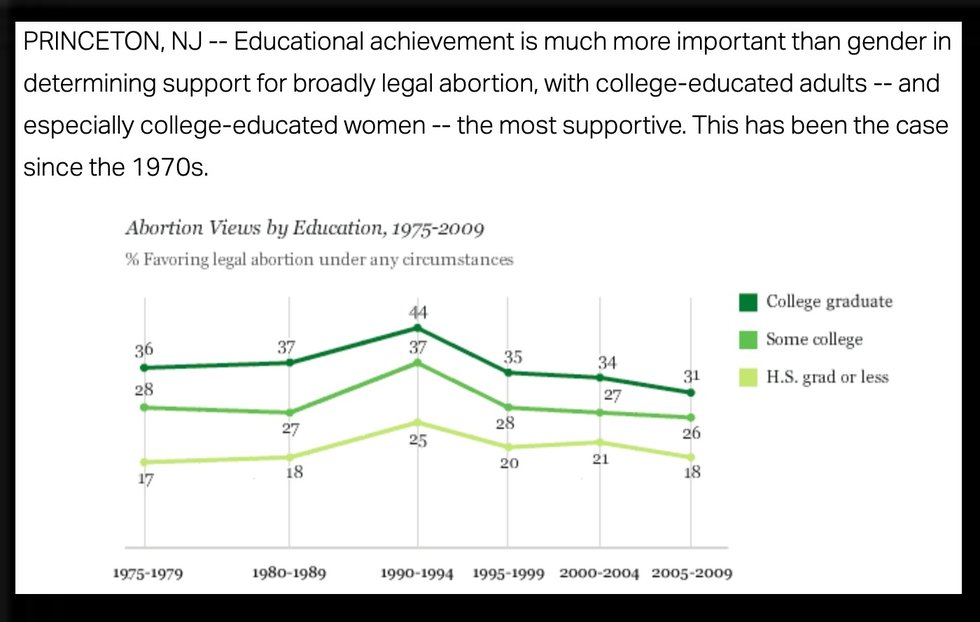
While legislators in these states are very excited for the chance to see Roe v. Wade overturned—which it will be, why even pretend anymore—and to see abortion banned entirely, that does not seem to be what the majority of people in this country, even in their own states, want. In fact, there is not a single state where more than 20% of the population actually wants this.
But banning abortion is not the only thing these states have in common. They also all have sky-high infant mortality rates, maternal mortality rates, or both.
JEEZ. It is almost as if the very people who go around falsely accusing Democrats of murdering babies right after they're being born, for funsies, are the ones from the states where said infants are more likely to actually die soon after being born. What gives?
General child mortality rates are not looking too good either.
Wow! It sure seems like there is some kind of correlation between reproductive rights and reproductive care! Who would have thought, except for everyone on earth who pays any attention to this kind of thing at all.
Another fun thing these states have in common is that they also have far higher than average teen pregnancy rates.
And high rates of unintended pregnancies in general...
Source: Guttmacher Institute
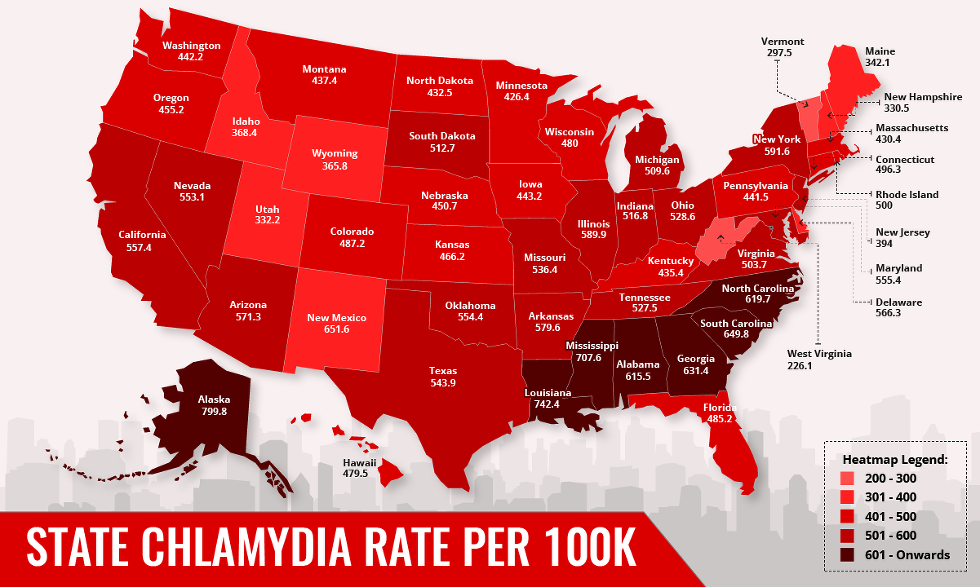
They're apparently not doing too well on chlamydia, either...
I am not pointing this out to be judgy about STIs: The problem here is really that chlamydia is pretty simple to treat if people have access to antibiotics early on. It really shouldn't be spreading this much. The other problem is that untreated chlamydia can lead to pelvic inflammatory disease (PID), which can lead to a host of problems, including ectopic pregnancies.
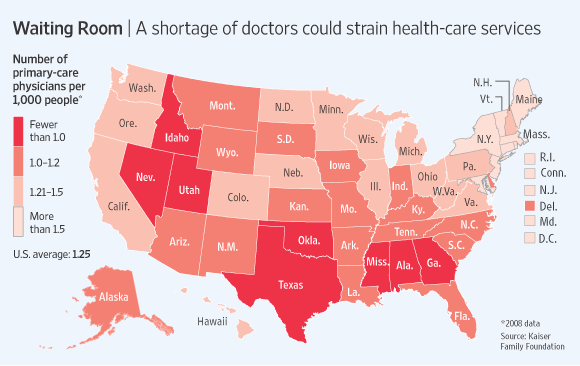
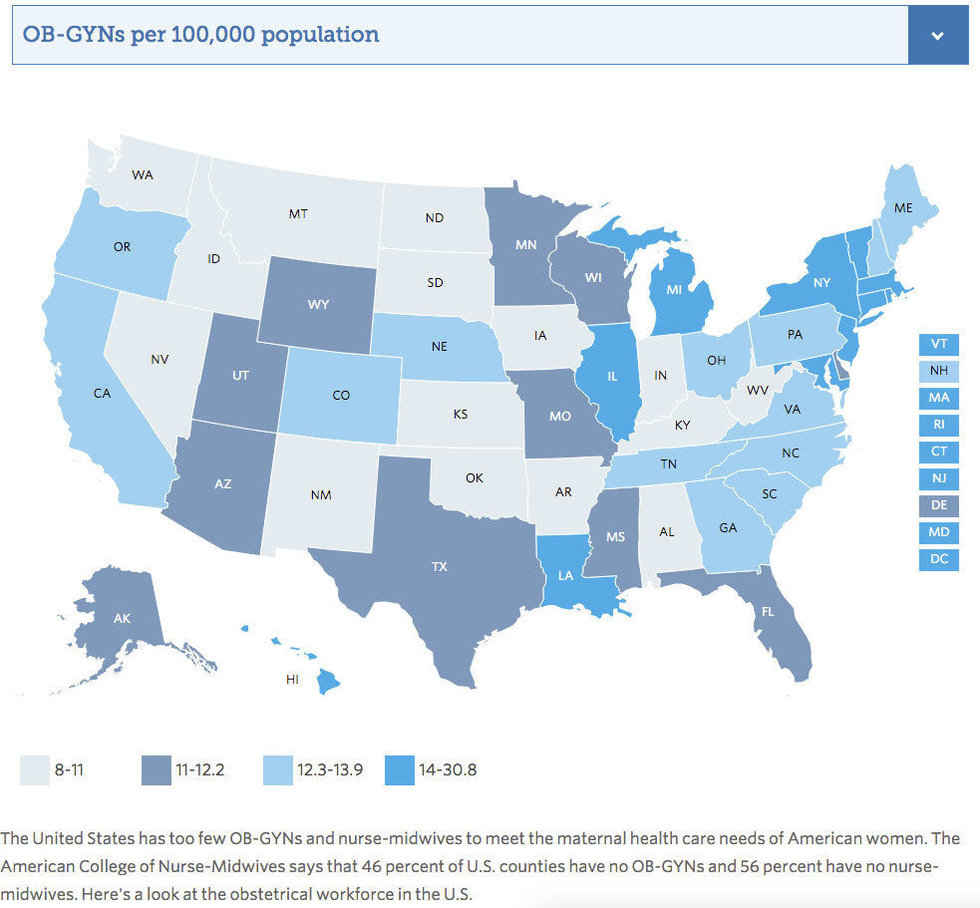
Treatment for a whole lot of things is difficult, as many of these states are also dealing with very serious primary physician and ob-gyn shortages, particularly in rural areas.
Now, while there are probably lot of reasons for the doctor shortage in rural areas, pay is not one of them. Rural doctors are actually likely to make far more money than their urban or suburban counterparts.
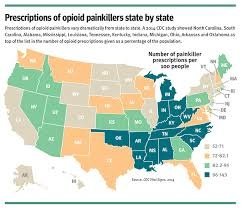
You know what's also a problem in these states? The opioid crisis.
And that's a problem because in states like Ohio and Alabama, the foster care system is already overburdened as a result of said crisis. They do not have enough people to take in all the kids who are being taken away from their opioid-addicted parents.
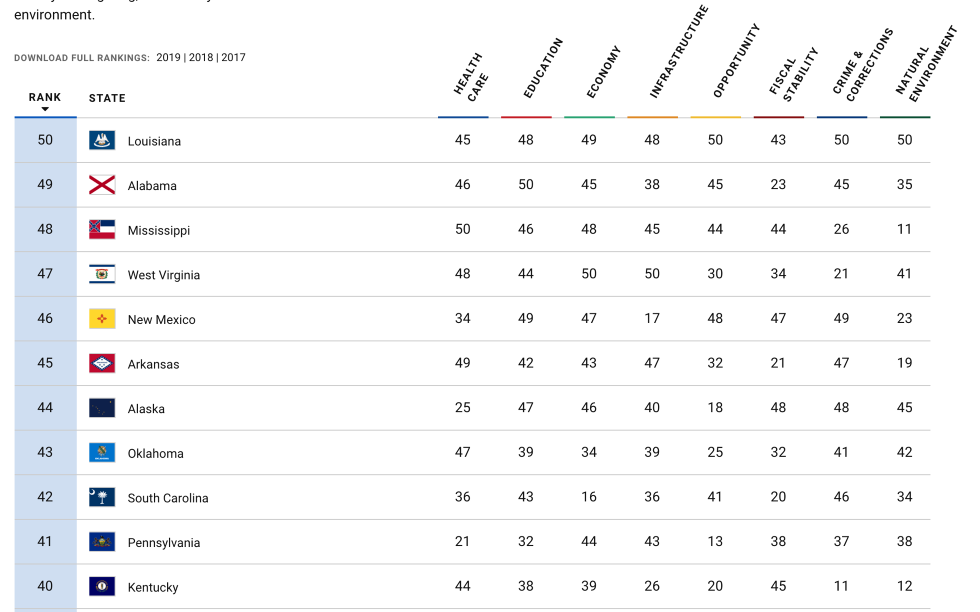
These states also have very low ranking public school systems. (Hover over the states to see their public schools' ranking.)
In Alabama, the state is currently$35 million short of the budget they currently need to provide healthcare to children. Twenty-six percent of children in the state live in poverty.Thirty-one percent of children in Mississippi live in poverty. Georgia and Kentucky, 25% each. They, quite literally, cannot and do not take care of the children they have now.
Hey, you know what group of people tends to be pretty well-educated? Doctors! The exact people these states need to move into them. Maybe I am an idiot of some kind, but it sure seems like a really bad idea to pull this kind of shit when people in your state cannot go to the doctor without driving an hour. Especially since the increase in unwanted pregnancies would obviously mean that your state would need an increase in ob-gyns.
These laws are not just going to make it so doctors are less likely to move to these states. They are going to make it really difficult for businesses to move to, open up or even stay in these states. If you own a business, one of the things you need to consider is your ability to attract the best employees for that business. It is going to be hard to do that if the only people you can attract are anti-choicers willing to give up their reproductive rights and their children's reproductive rights. It's a smaller pool of people. No one needs to officially "boycott" these states for there to be some pretty serious economic consequences.
Then you've got colleges. How many kids are gonna want to go to college in a state where they have no reproductive rights? How many smart kids raised in Alabama and Mississippi with the ability to leave are gonna decide to just stay in a state where they have neither reproductive rights nor a whole lot of job opportunities? In states that just recently came in second and third in a list of the worst states to live in? Not too many!
What they will have are a bunch of young women who didn't graduate from high school or go to college because they got pregnant.
I am not saying all or any of this for the purpose of schadenfreude. I am not so vindictive that I am sitting here thinking, "You know what? Fuck them. Let them screw themselves here. Let them live out their pathetic Handmaid's Tale fantasy until it fucking destroys their economy and kills them all, I don't care anymore."
OK, fine, I am thinking that, but only about the assholes who wanted this. I certainly don't feel that way about the people these laws are actually going to hurt most. Because the people who are going to be hurt most by these laws and their effect on the state's economy and tax base are the poor. They're people who are already economically disadvantaged and aren't able to leave the state for whatever reason and don't want to lose their reproductive rights. Shit, a big chunk of the people these laws will hurt the most cannot even vote yet.
And given how far these states have just let things go in other areas, it doesn't seem like they'll change their minds and decide the costs of these laws are too much after all.
holy shit, I had no idea. This is so scary. I really like Drew Magary as a writer and he of course writes about this terrifying experience with such eloquence and emotion.
The best thing the Navy has ever done, short of admitting that UFOs are maybe real, is copping to tracing an enormous dick in the sky over Washington state in November 2017.
Now, thanks to the Navy Times, which obtained a copy of the Navy’s probe into the phallus using a Freedom of Information Act (FOIA) request, we have a record of the absurdly ill-advised discussion between two prankster pilots—perhaps a gift even greater than the penis drawing itself.
Washington locals first noticed the drawing which was made of white contrails that jet engines leave behind. Soon after, the Naval Air Station Whidbey Island said it was responsible, and at some point began investigating the matter it called “absolutely unacceptable” at the time.
We now know that a talented yet rascally jet crew was to blame. Specifically two junior officers, or “Zappers,” with the Electronic Attack Squadron 130 piloting an EA-18G Growler electronic warfare aircraft. The duo was on a routine training flight when they decided to have some fun.
“You should totally try to draw a penis,” the pilot’s cockpit partner, an electronic warfare officer, said according to the probe.
“I could definitely draw one, that would be easy,” replied the pilot. “I could basically draw a figure eight and turn around and come back. I’m gonna go down, grab some speed and hopefully get out of the contrail layer so they’re not connected to each other.”
As Deadspin wrote, you should absolutely dedicate five minutes to reading the entire transcript, which includes lines such as, “Balls are complete.” Here’s an excerpt:
“Balls are going to be a little lopsided,” the pilot advised.
“Balls are complete,” he reported moments later. “I just gotta navigate a little bit over here for the shaft.”
“Which way is the shaft going?” the EWO asked.
“The shaft will go to the left,” the pilot answered.
“It’s gonna be a wide shaft,” the EWO noted.
“I don’t wanna make it just like 3 balls,” the pilot said.
“Let’s do it,” the EWO said. “Oh, the head of that penis is going to be thick.”
One of them deleted photos of the drawing from their phone, feeling shameful and not wanting them to spread, the Navy Times wrote. Both immediately apologized.
Their names were redacted in the FOIA response, and it’s unclear whether they face punishment. However, the squadron’s commanding officer called one of them “a ‘whiz kid,’” and the other “my best junior officer,” according to the Navy Times.
I think the most reasonable response to the sordid episode came from the Federal Aviation Administration, which said at the time that unless it poses a flight risk, there ain’t nothing they can do about it.
If you’ve ever thought of Joe Biden as a clueless but lovable clod, a well-meaning klutz who is predictable, friendly, and ultimately electable, I am in small part responsible for that image. And I’m sorry.
I worked at The Onion for 19 years as a writer and features editor. By the time I left in 2012, the publication had developed its take on Vice President Biden: “creepy but harmless,” with the emphasis on “harmless.” We lampooned him as an uncle you’d shake your head at but not think twice about—the sort of guy who’d wink and say, “Don’t let your meat loaf!” as a farewell. For many people, the image of Biden that most readily springs to mind is the one of Diamond Joe, shirtless and grinning, washing his Trans Am in the White House driveway.
The handsome guy who’s got it good but doesn’t take himself too seriously is a profoundly American aesthetic, and Biden seemed to embody it. The Onion even produced a Biden book, The President of Vice, in 2013. He may not have been in on the joke, but he certainly knew about it and embraced it, calling it “hilarious” in a 2011 interview and jumping in to a Reddit AMA with the faux Biden to express his preference for Corvettes.
I can’t speak for my colleagues, but at the time, I didn’t take him seriously enough to think we were doing anything wrong. I thought of him as little more than a political necessity: the older, more conservative white guy who softened Barack Obama’s image in regions where the prospect of a black president was too radical. A deeper dive on Biden never felt necessary.
One thing I keep coming back to—and which helps put our failure on Biden in context—is the way other comedy outlets treated Trump during his campaign.
Trump is not a secret racist. He is not a secret sexist. He is not a secret cheat and he is not a secret liar. He’s not even a secret idiot; there is no gap between the most eviscerating parody and the man himself. A reality this twisted not only resists satire, it cannibalizes it. There are no jokes to be had at Trump’s expense, because he can afford them all.
Despite all that, a scant six months after referring to Mexican immigrants as rapists during his campaign announcement, Trump was invited to host Saturday Night Live. And then, a month and a half before the election, when the timing couldn’t have been worse, Jimmy Fallon had him on The Tonight Show to ask pressing questions like, “Can I mess up your hair?”
Those appearances were a failure of comedy: It was immoral to treat him as casual entertainment while he used his platform to promote racism and cruelty. Every appearance helped him seem like a fun guy who has a sense of humor about himself (he isn’t; he doesn’t). Even though neither of those opportunities got him elected, they should never have been given to him, any more than they would have been granted former Klan leader David Duke or alt-right figures like Richard Spencer.
To be clear, Biden won’t wind up in the same layer of hell as Trump, and I don’t believe The Onion’s Biden is solely responsible for this early popularity of real-life Biden. We were just one small link in a chain of institutions that didn’t scrutinize Biden closely enough. I wish we had looked more at his actual career in politics—which includes opposition to busing as a way to integrate schools and support for predatory financial institutions—and tried to really puncture him, rather than just turning him into a clown. We helped make him more likable by inventing a version of Biden that never existed.
I still think those Onion articles are funny. The Onion’s approach to covering public figures was to establish consistent, world-building takes that rewarded the reader, and our Biden was an endlessly refillable character with good visuals, one that made us laugh. It still makes me laugh.
But I’m afraid it didn’t go deep enough. His aforementioned handsiness may not be ultimately disqualifying, but his failure to honestly understand why it would be upsetting (he’s joked about it in public) certainly should be. And his insistence that we can rectify our current political discord with some good old-fashioned bipartisan dealmaking seems hopelessly out of touch and ignores all the times Democrats reached their hands across the aisle, only to be met with open flame from the right.
Satire isn’t dead, and it shouldn’t be cast aside. It will always have a place in the social order, and that is to tell the truth by constructing a fiction, to amplify society’s negative traits to a comical extent so you can see the ugliness that’s always been there.
On that score, the Onion’s Biden stories didn’t measure up. We knew through inside sources that at the time people in the White House loved those pieces, and that should have been a red flag. As a guideline, if the people you’re satirizing aren’t mad, then you should dig deeper. I hope that my alma mater, and everyone else in comedy, follows this rule now that Diamond Joe is back.
Joe Garden traded in a life of writing toil to sell junk in the Hudson Valley.
MONTGOMERY, AL—Conveying her concerns that the additional obstacles presented by parenthood would be too much to bear, 12-year-old abuse survivor Abigail Dunn was reportedly worried Wednesday that she wouldn’t be able to handle being a mom on top of everything else she had going on. “I have several book reports and a…
You’re the Man Now Dog is gone. A year after it stopped accepting new users, YTMND.com has officially shut down.
YTMND started in 2001 and was one of the first viral sensations of the early internet. Before impact fonts and weird Twitter, there was YTMND.com. The site allowed anyone to attach a gif, usually animated but not always, to a bit of looping sound. Users could vote on these weird animations, remix, and share them. When it launched, it was the perfect mix of ridiculousness and interactivity.
It was named for its first upload—tiled pictures of Sean Connery pointing aggressively while a clip of him saying “you’re the man now dog” from the Gus Van Sant movie Finding Forrester played over and over again on a loop. Back in 2001, we thought this was the height of comedy. Even now, watching the clip brings a smile to my face.
Creator Max Goldberg started the website after seeing the trailer for Finding Forrester, but he never expected he’d created something that would shape the early internet. Along with Something Awful, NewGrounds, Ebaumsworld, and 4chan, YTMND.com defined and shaped the humor of the early generation of the extremely online.
The sites memes and animations were hilarious and the traffic was high enough to make it a profitable venture, but policing its users became a full time job for its creator, Max Goldberg. “People would upload child porn and make death threats and people uploaded other people’s addresses,” he told Gizmodo. By 2004, he was already dealing with internet Nazis.
As the traffic waned and people moved on to Twitter, Vine, and YouTube, YTMND made less money but required no less time to police. In 2016, Goldberg said he’d pinched a nerve in his body, had to code less, and that the site was no longer profitable and likely to shut down. Three years later, it’s dead.
But YTMND.com will live on forever in our hearts and on the Internet Archive. The Archive team copied the entire site last year and is working to make all of its most popular animations playable in the Wayback Machine. Mine was always a techno remix of Samwise Gamgee cooking potatoes from Lord of the Rings: the Two Towers. What’s taters precious?
No spoilers but if you're a parent who named your kid "Khaleesi" or "Danerys" you probably feel a little silly right now
“Game of Thrones” has conquered television, pop culture and best-seller lists. Could preschools and playgrounds be far behind?
Parents are increasingly giving their children names from the gritty and graphic TV series about the battle for power in war-torn Westeros, according to a new analysis...
This looks like The Wicker Man meets Martha Marcy May Marlene
Our first look at Midsommar, Ari Aster’s anticipated Hereditaryfollow-up, leaned hard into the “Scandinavian folk horror” of its premise, which finds a gang of Americans traveling to Sweden for a colorful, flower-strewn festival that unfolds just once every 90 years. Its first full trailer, however, hearkens more to…
I think my favorite of these is "coconut water tastes too wet."
We're proof that those who cook, eat, and write about food for a living are prone to developing some of the quirkiest affinities and aversions, and clinging to them like ketchup to a soggy French fry. Prepare to lose any remaining respect for us as we delve into the Serious Eats team's best worst food opinions.
Read More
holy shit, this is not human. That should not be possible.
Unbelievable.
When using the phrase “most impressive in history”, I know it’s going to be met with furrowed brows and utter disbelief. I was right there with you, until I saw what high schooler Matt Boling did over the weekend at a track meet in Texas.
Behind almost a full three seconds, Boling (a UGA commit) took the baton as anchor of the Houston Strake Jesuit 4x400 relay team and went into another dimension, finishing with a 44.74-second time in his leg and stealing victory where it looked impossible.
Boling made waves in April when he became the first high schooler to break the 10-second mark in the 100m, though it’s not considered a record because of the wind. The time was still good enough to set a national record.
Here’s the thing about Boling’s relay comeback: It’s literally unprecedented. When you look at the greatest recorded comebacks in running they’re usually resigned to distance running. The idea, of course, is you need actual time to mount a comeback — not the final 400 meters of a relay. There is no evidence of anyone coming back from 3 seconds down in a 4x400 relay to win — until now.
Now, I get the basic concept that Boling was in a class of his own — so his time tells the story more than the comeback itself, but his 44.74 was close to national individual record (44.69) that we saw something special in this race. Keep in mind too that his form is far from perfect. His starts aren’t the most efficient, and his finish is a little wobbly. When he starts working with UGA coaches the sky is the limit.
Boling also went on to take gold in the 100-meter dash and the long jump. What a weekend.
As reported by the Associated Press, actress and singer Doris Day—who headlined no shortage of soul-warming films and musicals in the ‘50s and ‘60s—has died. She was 97.
I was first elected to the Iowa legislature in 1978, when I was still in my late 20s. I served for seven terms in the House and another three terms in the Senate. I worked on passing nonpartisan redistricting legislation, creating REAP (a program enhancing and protecting Iowa’s natural resources), developing sentencing-reform legislation, protecting the elderly from abuse, and floor-managing one of the toughest drunk-driving laws in the nation.
While my emphasis was on bipartisan legislative undertakings, I was comfortable with my party’s priorities and felt at home in the Republican caucus. Governor Robert Ray, a Republican, was in office when I first served and was a wonderful mentor. I continue to believe that he epitomizes what is best about public service—integrity, compassion, moderation, and a spirit of rational inquiry.
But after 24 years in the legislature, I made the decision to return to Jones County to serve as a county supervisor. My four children were in or approaching their teenage years, and I felt I was needed at home. I had missed some important moments in my children’s lives—school concerts, parent-teacher conferences, sport events—and wished to make up for the time I had lost. And with college expenses on the horizon, I also needed to put more time into my law practice.
Fifteen years later, after my kids were grown and I retired from my law practice, I decided to return to the state capitol. I wasn’t quite ready for retirement and felt that I had more to contribute. What I found, however, was very different from the legislative body I had once served in.
The legislature is considerably more partisan and regimented than it used to be. I believe the increased partisanship often stands in the way of good legislation, and I’m also deeply concerned by the growing influence that big money exerts on the legislative process.
I also found a very changed Republican caucus. While I have great respect and personal regard for my Republican colleagues, I found myself more and more uncomfortable with the stance of my party on the majority of high-profile issues, such as gutting Iowa’s collective-bargaining law and politicizing our method of selecting judges. I worked for changes to improve legislation that I had concerns about, but also voted against many of these priorities.
I might have limped along—attempting to work within my caucus for what I felt was best for the people I represent—if it hadn’t been for another factor. With the 2020 presidential election looming on the horizon, I felt, as a Republican, that I needed to be able to support the standard-bearer of the party. Unfortunately, that is something I’m unable to do.
I believe that it is just a matter of time before our country pays a heavy price for President Donald Trump’s reckless spending and shortsighted financial policies; his erratic, destabilizing foreign policy; and his disdain and disregard for environmental concerns.
Furthermore, he sets a poor example for the nation and our children. He delivers personal insults, often in a crude and juvenile fashion, to those who disagree with him, and is a bully at a time when we’re attempting to discourage bullying, on- and offline.
In addition, he frequently disregards the truth and displays a willingness to ridicule or marginalize people for their appearance, ethnicity, and disability.
I believe that his actions have coarsened political discourse, contributing to unprecedented polarization and creating a breeding ground for hateful rhetoric and actions.
Some would excuse this behavior, claiming Trump is just telling it like it is—and that this is the new normal. If this is the new normal, I want no part of it. Unacceptable behavior should be called out for what it is—and Americans of all parties should insist on something far better from the man holding the highest office in the land.
All of which is to say that my decision to switch political parties has been a very difficult decision for me and has only come after considerable reflection, much prayer, and many restless nights. I had been a registered Republican for close to half a century, a Republican officeholder for 35 years, and the longest-serving Republican currently in the Iowa legislature. I am proud of many good things that the Republican Party has accomplished over the years.
I am all too aware that my decision is a disappointment to many friends and colleagues who have supported me over the years. However, the time comes when you have to be true to yourself and follow the dictates of your conscience. For me, that time is now.
I want the people I represent in Jones, Jackson, and Dubuque Counties to know that I’m still the same Andy McKean today that they knew yesterday. We still share the same basic values, are proud of our families and our communities, and want to make Iowa an even better place. I’ll continue to work for the same goals and priorities that I always have during my years in public service.
I look forward to continuing my service in the Iowa House and bringing people together to improve the quality of life for all Iowans.
This is the most Kiwi thing ever: “I was just going for a casual swim, so it's escalated a bit."
Nobody downplays things like someone from NZ. Its amazingly charming.
A New Zealand man has discovered footprints belonging to an ancient, long-gone bird at a local swimming hole.
Michael Johnson, a resident of Kyeburn on New Zealand’s South Island, was walking his dogs along the Kyeburn River (“a ripper spot during the summer,” he told TVNZ) when he spotted a path of enormous tracks beneath the water.
They were left by an extinct moa, a huge, flightless bird that roamed New Zealand until roughly 1445 when it succumbed to overhunting.
Sensing their significance, Johnson sent photos of the prints to Otago Museum on Facebook Messenger, according to TVNZ. The museum excavated the tracks this week, and plans to display them.
“I was just going for a casual swim, so it's escalated a bit,” Johnson told TVNZ.
Otago Museum sent Kane Fleury, an assistant curator of natural science, and two other curators to authenticate the footprints. Using snorkels and underwater cameras, the team confirmed they indeed belonged to a moa, the museum said in a statement.
“I came out with my snorkel and mask and my wetsuit and dove on into the swimming hole and had a look at the prints under the water and they were just mind-blowing,” Fleury told TVNZ. “Way better than the photos indicated and a super, super special find.”
Each print measured nearly a foot long by a foot wide, and consisted of “five markings, with very clear, three-pronged imprints in a hard clay substrate.”
Fleury speculated they may have been there “for a million years, maybe a bit longer.”
Source: Otago Museum/Facebook
Source: Otago Museum/Facebook
The team had to cordon off the river and pump the swimming hole out to exhume the prints. Otago Museum said they were vulnerable to erosion in the event of a flood.
They are the first moa prints to have been photographed and preserved on the South Island, the museum says. At least ten footprints and pathways belonging to several moa species have been recorded on the North Island.
The moa is technically nine species of ratite, or flightless birds related to the ostrich and diminutive kiwi. It is native to New Zealand and grazed on vegetation.
Source: Wikimedia Commons
Standing 12 feet tall and weighing 500 pounds, the moa was desirable game for humans. It has been theorized that they were hunted to extinction by Māori. But some experts suggest that they had few predators before humans reached New Zealand, and were thus susceptible to outside forces such as hunting and minor habitat loss.
A study published in Nature Communications in 2014 found it took little effort to exterminate the bird within 120 years—“the moa never really had a chance,” ScienceNews wrote at the time.
“These prints form an important path back to the past,” Ewan Fordyce, a geology professor at the University of Otago, said in a statement. “We might imagine the moa pacing, perhaps slowly and deliberately, across a nearly dried firm muddy surface.”
The prints are now en route to Otago Museum where they will receive conservation treatment before going on display.
We've all seen too many Instagram videos of influencers pulling apart grilled cheeses or biting into burgers. We're tired. Even the cuteness of babies has been diluted as they, too, become ploys for clicks. If anything remains unblemished—the one true antidote to our collective influencer burnout—it's cute animals, and especially cute animals eating food. (I will, quite frankly, never get over the video of hamsters going on a tiny date.)
Because it's Friday and you deserve Something Nice to round out your week, meet Punchan the Shiba, whose wholesome content you can follow on Instagram, Twitter, and even YouTube so you can see something that actually puts a smile on your face, for once.
Screenshot via YouTube
The premise across the board is similar: Punchan sits in a chair next to the kitchen counter, where he watches food being prepared. While lesser behaved pups might be tempted to sneak a bite or bark, Punchan sits patiently like the goodest boy, perking up his ears as his owner cuts onions or cooks meat. The look on his face resembles me at the end of a long day, when my boyfriend cooks dinner and I wait with hungry longing.
Many of the meals, like ketchup-based spaghetti, don't actually end up on Punchan's plate (he has his own, of course). Instead, he gets a simpler, more dog-friendly food like boiled meat or bites of omelette, which he eats off a spoon (he's a civilized dog, thank you very much). In any case, as someone who ate mostly instant ramen packets this week, Punchan is food goals.
Screenshot via YouTube
And if you're into it, these videos probably also count as ASMR. Cue fried chicken sizzle sounds below for extra relaxation:
We give Punchan 12 out of 10 stars for giving us the wholesome, pure food content we truly need.
Seriously, fuck this district and fuck them for turning down a $12,000 donation on accounts that it wasn't "fair". Like WTF.
The humanitarians at the Warwick, Rhode Island, School District announced last week that any students with "unpaid balances" on their lunch accounts would enjoy an exclusive menu of sunflower butter and jelly sandwiches. They'd dine with a scarlet "P" for "poverty" until they settled their tabs. They'd also be seated in the "point and laugh" section of the cafeteria.
Fortunately, yogurt company Chobani stepped up and offered to pay off the estimated $77,000 debt. It's also donating cups and yogurt to the Warwick community.
Warwick's per capita income is $23,100. The poverty rate is 6.7 percent. This includes children. Seventy percent of schoolchildren receive free or reduced price lunches. School is where many kids receive their only nutritious meal of the day. We don't need to make them feel bad about it. But weasels like Paul Ryan might disagree.
RYAN: You know, this reminds me of a story I heard from Eloise Anderson. She serves in the Cabinet of my buddy, Gov. Scott Walker. She once met a young boy from a very poor family. And every day at school, he would get a free lunch from a government program. He told Eloise he didn't want a free lunch. He wanted his own lunch—one in a brown-paper bag just like the other kids. He wanted one, he said, because he knew a kid with a brown-paper bag had someone who cared for him.
We fully support every child having someone who loves them and packs their lunches with extra sunshine. Unfortunately, that's not reality. Starving or humiliating children isn't going to magically turn their parents into tech start-up millionaires. It will, however, contribute to poor performance that will needlessly limit their own potential. And anyway, OF COURSE, Paul Ryan was lying.
President Jed Bartlet, who is fictional but more human than Ryan, put it best: "If fidelity to freedom and democracy is the code of our civic religion then surely the code of our humanity is faithful service to that unwritten commandment that says, 'We shall give our children better than we ourselves had.'"
Chobani founder and CEO Hamdi Ulukaya is living up to that code. And so is Angelica Penta, a local restaurant owner. She set up donation jars in two of the diners she runs with her husband, Michael. She helped raised $12,000 to pay off student lunch debts. She did this last year. But the Warwick Public Schools turned her down.
"The business owner has maintained a position that they want to make a single, large donation to the district while leaving the student selection process to the school department," Warwick Public Schools told WPRI in a statement. "This is a position that the school department cannot support given the school's mission to treat all children equitably."
That's a pretty galling statement considering the school's executed policy deliberately singled out children for unfair treatment. Fortunately, Chobani made a donation so large and public it was impossible to refuse. Ulukaya has done impressive work with the company he founded in 2005. Thirty percent of his workforce are refugees. He believes most people who come to this country want to contribute and become part of a community. They don't want to take anything away from those already here. If only the president appreciated this.
And to our eternal amusement, Chobani sued toxic waste dump Alex Jones for defamation when he accused the Twin Falls, Idaho, company of "importing migrant rapists." Jones was forced to apologize and retract his gross statements, and Wonkette got to post our second-favorite-ever headline, Alex Jones Apologizes To Yogurt.
We appreciate what Chobani and Angelica Penta have done for kids who need help and compassion. We're also glad to have a nice time for a change.
If you are pro-life, how can you justify treating a child this way? Because they don't conform to your singular idea of what a child should be? India is fortunate that they have risen like a phoenix but how many thousands of queer, gay, and trans kids continue to be abused? It shouldn't be this way.
Indya Moore, star of FX’s Pose, recently gave a candid account to Elle about the horrors of being sex trafficked as a young, vulnerable trans person in the foster care system.

/cdn.vox-cdn.com/uploads/chorus_asset/file/16295933/CurbedComparisons_Chicago_PostHeader.png)
/cdn.vox-cdn.com/uploads/chorus_asset/file/16295930/CurbedComparisons_Chicago_HorizontalRule.gif)
/cdn.vox-cdn.com/uploads/chorus_asset/file/16296137/large_57__1_.jpg)
/cdn.vox-cdn.com/uploads/chorus_asset/file/16296141/large_369002.jpg)
/cdn.vox-cdn.com/uploads/chorus_asset/file/16296146/large_177002.jpg)
/cdn.vox-cdn.com/uploads/chorus_asset/file/16296148/large_14.jpg) Courtesy VHT Studios/Dream Town Realty
Courtesy VHT Studios/Dream Town Realty
/cdn.vox-cdn.com/uploads/chorus_asset/file/16296157/large_57.jpg)
/cdn.vox-cdn.com/uploads/chorus_asset/file/16296170/large_165__1_.jpg)
/cdn.vox-cdn.com/uploads/chorus_asset/file/16296171/large_3.jpg)
/cdn.vox-cdn.com/uploads/chorus_asset/file/16296173/large_14__1_.jpg) Courtesy VHT Studios/Baird & Warner
Courtesy VHT Studios/Baird & Warner
/cdn.vox-cdn.com/uploads/chorus_asset/file/16296209/large_900000.jpg)
/cdn.vox-cdn.com/uploads/chorus_asset/file/16296177/large_32.jpg)
/cdn.vox-cdn.com/uploads/chorus_asset/file/16296178/large_900002.jpg)
/cdn.vox-cdn.com/uploads/chorus_asset/file/16296179/large_130.jpg) Courtesy VHT Studios/Keller Williams Chicago-O’Hare
Courtesy VHT Studios/Keller Williams Chicago-O’Hare
/cdn.vox-cdn.com/uploads/chorus_asset/file/16296180/10368500.jpg)
/cdn.vox-cdn.com/uploads/chorus_asset/file/16296184/10368500_2.jpg)
/cdn.vox-cdn.com/uploads/chorus_asset/file/16296186/10368500_5.jpg)
/cdn.vox-cdn.com/uploads/chorus_asset/file/16296188/10368500_12.jpg) Courtesy Berkshire Hathaway HomeServices KoenigRubloff
Courtesy Berkshire Hathaway HomeServices KoenigRubloff
/cdn.vox-cdn.com/uploads/chorus_asset/file/16296192/10375763.jpg)
/cdn.vox-cdn.com/uploads/chorus_asset/file/16296193/10375763_1.jpg)
/cdn.vox-cdn.com/uploads/chorus_asset/file/16296195/10375763_9.jpg)
/cdn.vox-cdn.com/uploads/chorus_asset/file/16296196/10375763_3.jpg) Courtesy Berkshire Hathaway HomeServices KoenigRubloff
Courtesy Berkshire Hathaway HomeServices KoenigRubloff




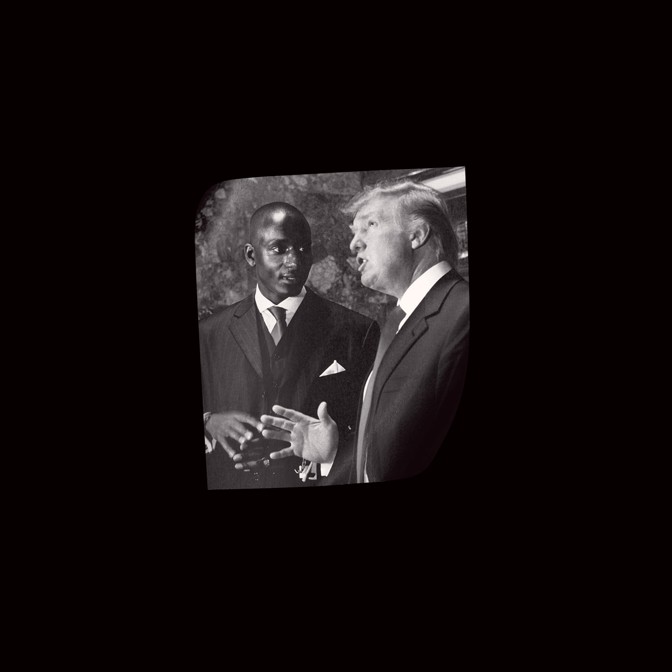


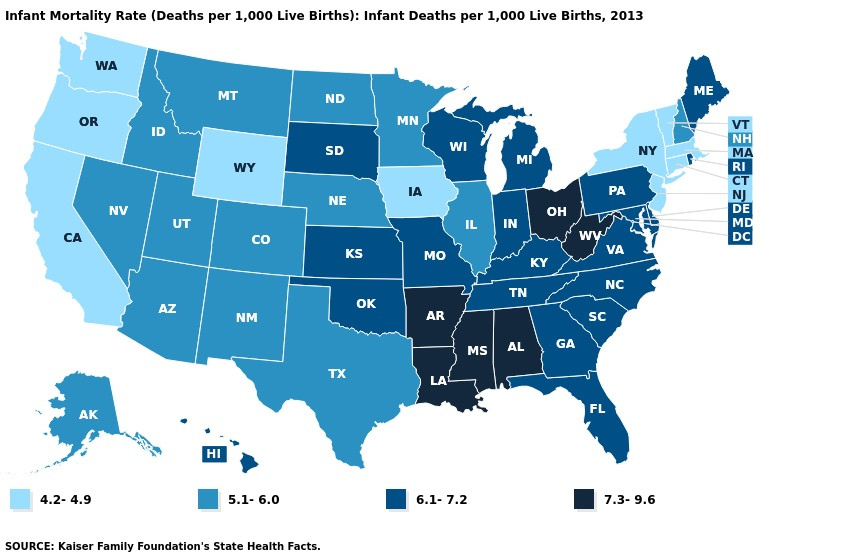
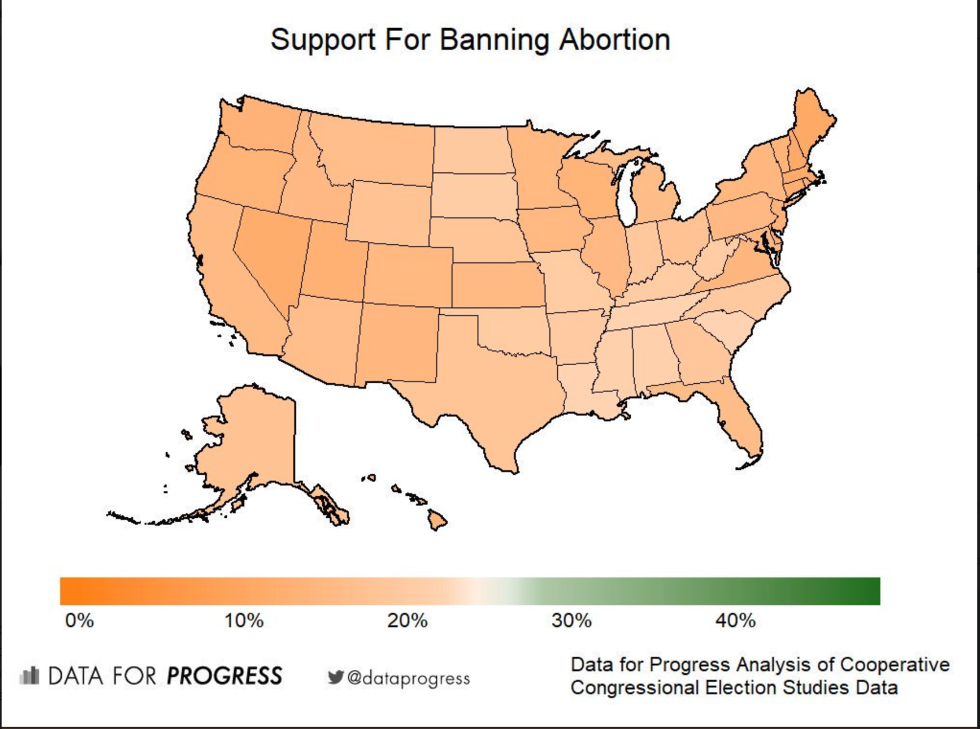
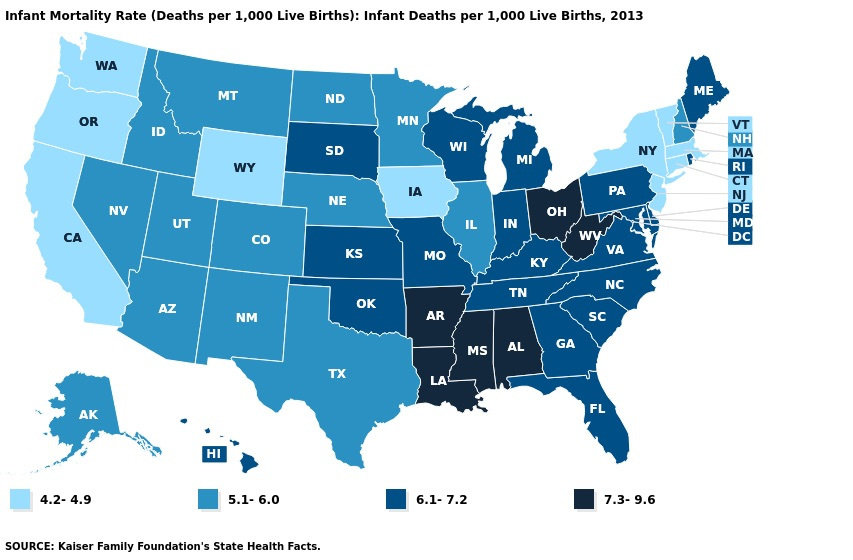
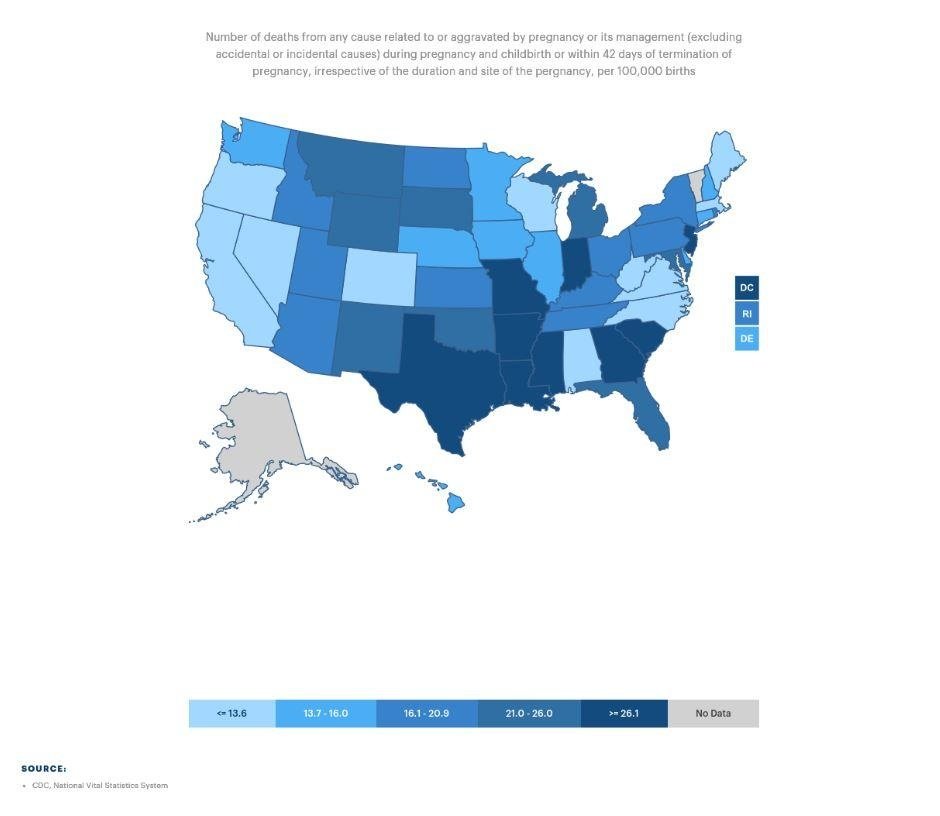
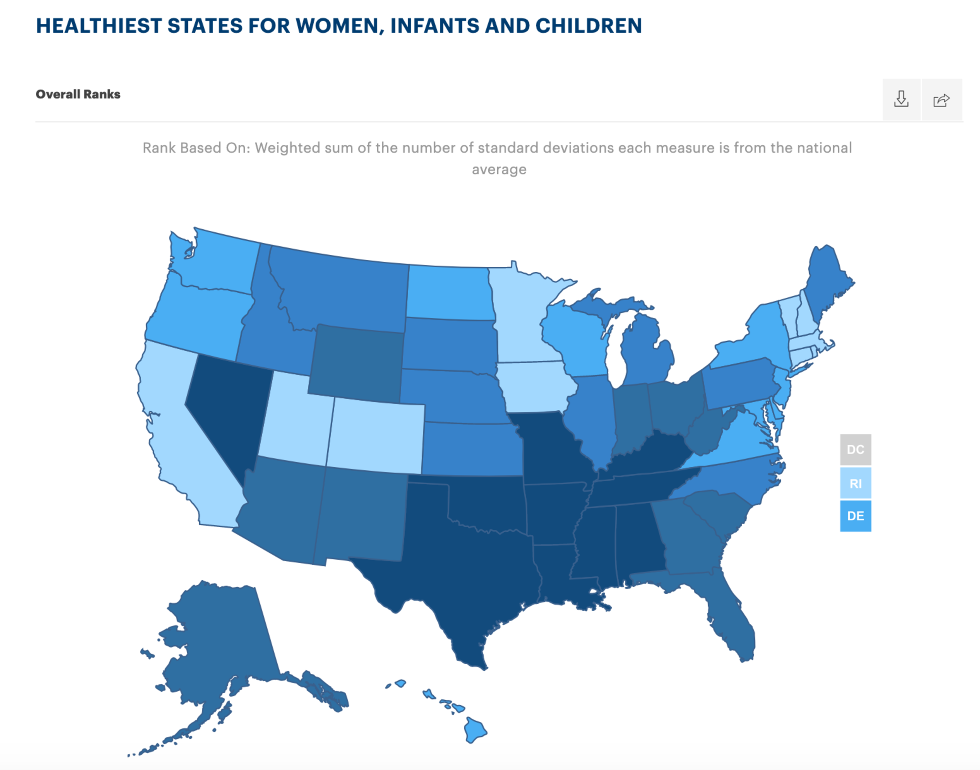 Source: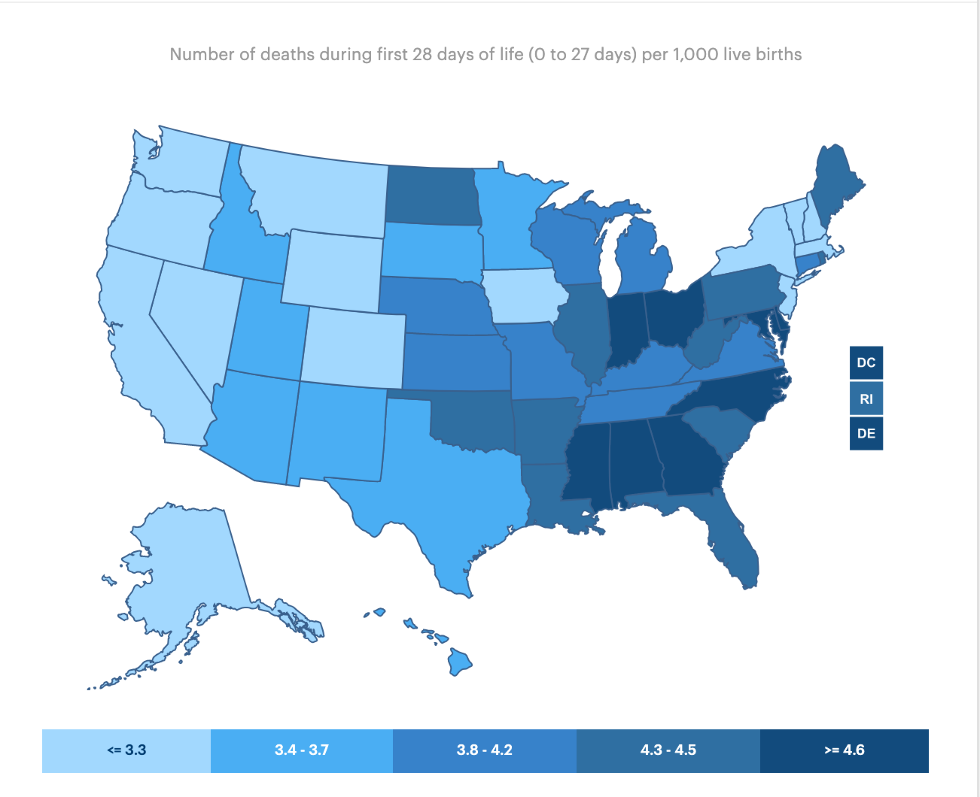
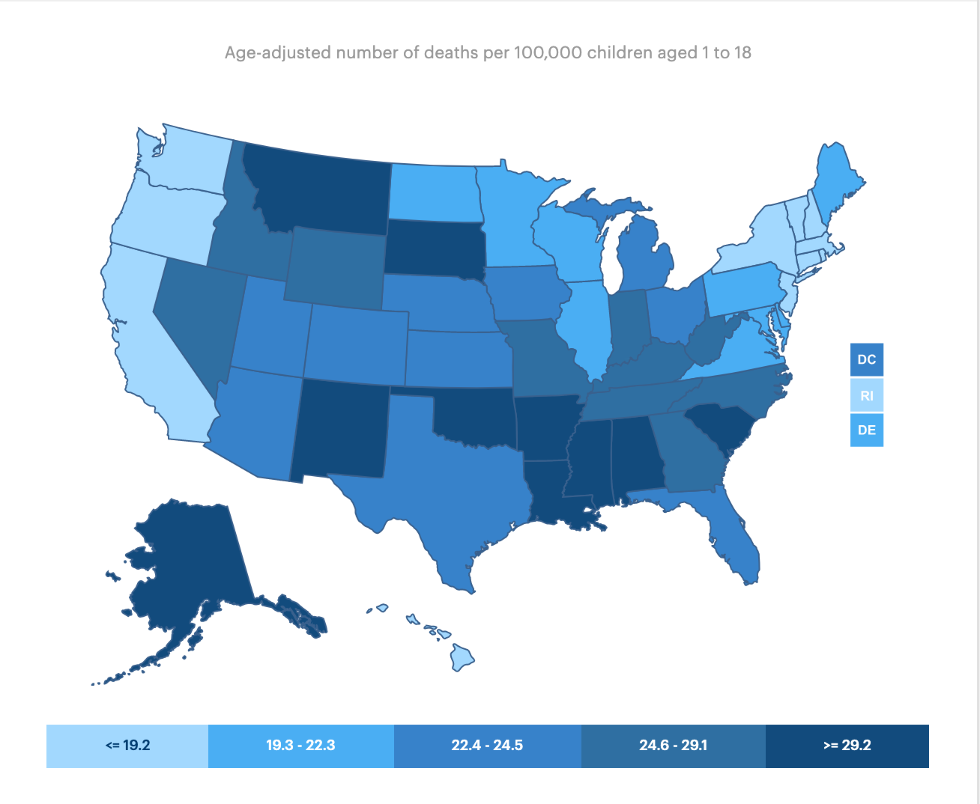
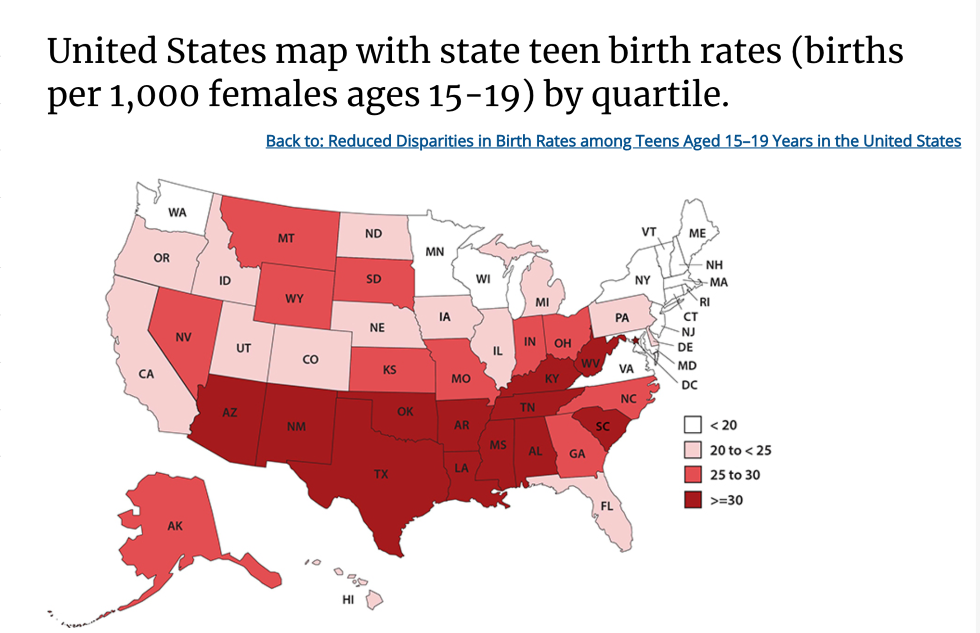 Source:
 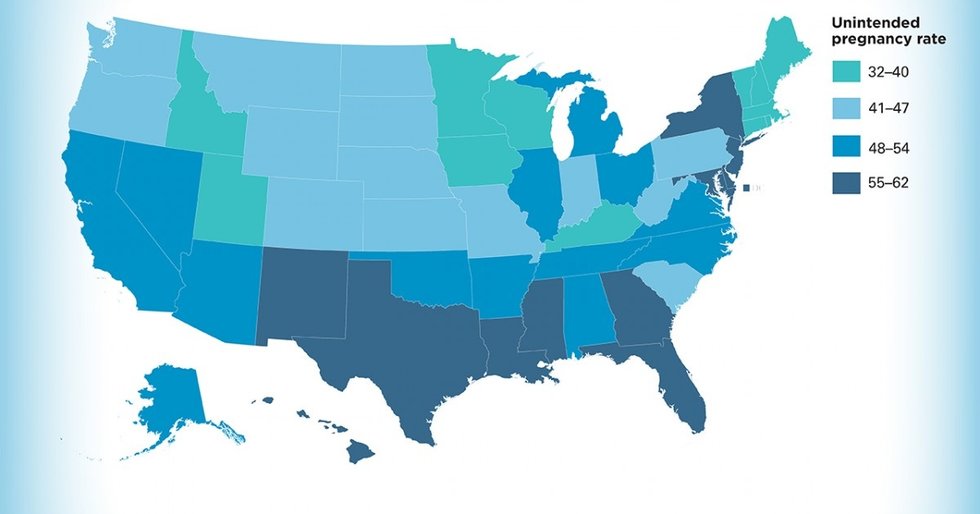 Source: Guttmacher Institute