Shared posts

22 Apr 09:48

The Quick and Dirty on Data Visualization

by Nancy Duarte

Displaying data can be a tricky proposition, because different rules apply in different contexts. A sales director presenting financial projections to a group of field reps wouldn’t visualize her data the same way that a design consultant would in a written proposal to a potential client.

So how do you make the right choices for your situation? Before displaying your data, ask yourself these five questions:

1. Am I presenting or circulating my data?

Context plays a huge role in how best to render data. When delivering a presentation, show the conclusions you’ve drawn, not all the details that led you to those conclusions. Because your slides will be up for only a few seconds, your audience will need to process them quickly. People won’t have time to chew on a lot of complex information, and they’re not likely to run up to the wall for a closer look at the numbers. So, think in broad strokes when you’re putting your charts together: What’s the overall trend you’re highlighting? What’s the most striking comparison you’re making? Those are the sorts of questions to answer with projected data.

Scales, grid lines, tick marks, and such should provide context, but without competing with the data. Use a light neutral color, such as gray, for these elements so they’ll recede to the background, and plot your data in a slightly stronger neutral color, such as blue or green. Then use a bright color to emphasize the point you’re making, as in this example:

hbr_dataviz_10_cr

It’s fine to display more detail in documents or in decks that you e-mail rather than present. Readers can study them at their own pace — examine the axes, the legends, the layers — and draw their own conclusions from your body of work. Still, you don’t want to overwhelm them, especially since they won’t have you there in person to explain what your main points are. Use white space, section heads, and a clear hierarchy of visual elements to help your readers navigate dense content and guide them to key pieces of data.

2. Am I using the right kind of chart or table?

When you choose how to visualize your data, you’re deciding what type of relationship you want to emphasize. Take a look at this chart, which shows the breakdown of an investment portfolio:

dr_hbr_dataviz 1

In the pie, it’s clear that this person holds a number of investments in different areas — but that’s about all you see.

Here are the same data in a bar chart:

dr_hbr_dataviz 2

Now it’s much easier to discern how much is invested in each category. If your focus is on comparing categories, the bar chart is the better choice. A pie chart would be more useful if you were trying to make the point that a single investment made up a significant portion of the portfolio.

3. What message am I trying to convey?

Whether you’re presenting or circulating your charts, you need to highlight the most important items to ensure that your audience can follow your train of thought and focus on the right elements. For example, this chart is difficult to interpret because all the information is displayed with equal visual value:

dr_HBR_dataviz 3

Are we comparing regions? Quarters? Positive versus negative numbers? It’s difficult to determine what matters most. By adding color, you can draw the eye to specific areas:

dr_HBR_dataviz 4

We now know that we should be focusing on when and in which regions revenue dropped.

4. Do my visuals accurately reflect the numbers?

Using a lot of crazy colors, extra labels, and fancy effects won’t captivate an audience. That kind of visual clutter dilutes the information and can even misrepresent it. Consider this chart:

dr_HBR_dataviz 5

Can you figure out the northern territory’s revenue for year one? Is it 17? Or maybe 19? The way some programs create 3D charts would lead any rational person to think that the bar in question is well below 20. However, the data behind the chart actually says that bar represents 20.4 units. You can see that if you look at the chart in a very specific way, but it’s difficult to tell which way that should be — even with plenty of time to scrutinize it.

It’s much clearer if you simply flatten the chart:

HBR_dataviz%206

5. Are my data memorable?

Even if you’ve rendered your data clearly and accurately, it’s another challenge altogether to make the information stick. Consider using a meaningful visual metaphor to illustrate the scale of your numbers and cement the data in the minds of your audience members. A metaphor can also tie your insights to something that your audience already knows and cares about.

Author and activist Michael Pollan showed how much crude oil goes into making a McDonald’s Big Mac through a striking visual demonstration: He placed glasses on a table and filled them with oil to represent the amount of oil consumed during each stage of the Big Mac production process. At the end, he took a taste of the oil to drive home his point. (To add an element of humor, he later revealed his prop “oil” to be chocolate syrup.) Watch the video here:

Pollan could have shown a chart, but this was more effective because he gave the audience a tangible visual — one that triggered a visceral response.

By answering these five questions as you’re laying out your data, you’ll visualize it in a way that helps people understand and engage with each point in your presentation, document, or deck. As a result, your audience will be more likely to adopt your overall message.

Persuading with Data
An HBR Insight Center
21 Apr 14:10

Your Tendency to Put Things Off May Have Been Inherited

by The Daily Stat

46% of the trait of procrastination is due to genetic influences, according to a study of hundreds of sets of twins. The research also lends support to a theory that procrastination, in its tendency to undermine adherence to long-term goals, is a byproduct of impulsivity, which may have had an evolutionary origin: Hunter-gatherers had an advantage if they acted swiftly to satisfy their survival needs. Your genetics don’t necessarily condemn you to a life of procrastination: The 46% figure means procrastination is only “moderately heritable,” according to the researchers, led by Daniel E. Gustavson of the University of Colorado.

21 Apr 09:17

16-Year-Old Survives In Wheel Well Of Maui Flight

The teenage boy survived the trip from California to Hawaii on Sunday unharmed despite frigid temperatures at 38,000 feet and a lack of oxygen, FBI and airline officials said.

» E-Mail This

21 Apr 02:20

We Try Everything On Taco Bell's New Breakfast Menu

by Dennis Lee
Lindsaycdavison

i enjoy the packaging

Slideshow

VIEW SLIDESHOW: We Try Everything On Taco Bell's New Breakfast Menu

Nobody loves Taco Bell more than I do. Taco Bell is my favorite fast food restaurant, and if Taco Bell were a person, we'd be married right now, with 2.5 horrific taco-human hybrid babies. If you're listening, Taco Bell, please marry me! I'm not getting paid to say this, just so you guys know. Every chance I get to talk about Taco Bell, I extoll its virtues to anyone who will listen. Most of the time, nobody believes me. But I can carry this torch alone.

When I heard that the Bell was coming out with breakfast, angels sang a chorus in my direction. I was both excited and scared. What if...what if it wasn't any good? What if...it was amazing?

The photos you are about to see are shocking. Just kidding. Click through the slideshow to find out.

21 Apr 02:14

aatombomb: bestrooftalkever: annicka: believeinrecovery: A...

by nickdivers


aatombomb:

bestrooftalkever:

annicka:

believeinrecovery:

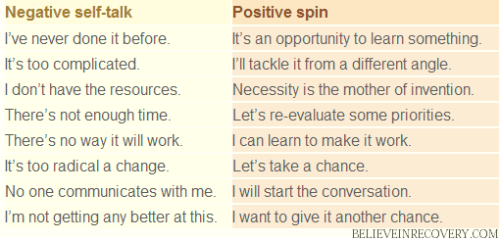
A little table to how to get rid of all that negative self-talk. We have to learn look at the good in situations too, instead of dwelling on things we can’t change- because you know what? We may not be able to change what is happening but we CAN change how we view it! 

heck yeah!

yeah this is cheesy but it’s something really worth striving for.

Everything is the worst. : At least it can’t get any worse.

No one is reblogging my content  |  No one has SEEN my content

21 Apr 02:12

UPDATED: Deal Would Allow Tennessee Bus Rapid Transit Project to Proceed | Autopia | WIRED

by nickdivers
Lindsaycdavison

thank goodness.

UPDATED: Deal Would Allow Tennessee Bus Rapid Transit Project to Proceed | Autopia | WIRED:

well, that was quick.

sometimes, not even Koch money can successfully back an idea this stupid.

21 Apr 01:56

fatmanatee: hanzobladeofsteel: I’m not antisocial, I’m just...

by nickdivers


fatmanatee:

hanzobladeofsteel:

I’m not antisocial, I’m just picky about who to be social with

D:

I know Hanzo, and I can tell you that this is very true.

miss u buddy.

17 Apr 22:58

The Science of Fat-Washing Cocktails

by Kevin Liu

From Drinks

20140414_butter_glass.JPG

[Photos: Kevin Liu]

Fat-washing: it might sound like a process for getting rid of bacon grease on your shirt, but it's actually a clever cocktail technique that adds savory flavor to spirits. To fat-wash your alcohol, you just add a liquid like sesame oil or melted butter to a spirit at room temperature. Let it sit for a few hours, then chill everything in the fridge or freezer until the fat solidifies and can easily be skimmed off. The spirit retains the flavors of the fat even after you've done the skimming.

We've seen fat-washed spirits at bars around the country: we've tried sesame oil-infused gin and a tasty Sazerac infused with duck fat, to name a few. Since the technique gained popularity around 2007, bartenders have experimented with fat-washing spirits with everything from peanut butter to an entire grilled cheese sandwich.

Today, we'll take a look at where fat-washing came from and the science of what's actually going on with this tasty trick.

First, a Little Fat-Washing History

The history of the fat-washed cocktail reads like a who's who in top-tier cocktail making. You might have heard of the Benton's Old-Fashioned, a bacon-infused cocktail created by Don Lee at New York's Please Don't Tell (PDT). By combining bourbon and bacon, Lee brought together two of America's favorite flavors in a classy, drinkable format. The drink took fat-washing from mad-scientist status to must try at home practically overnight.

Lee credits his knowledge of fat-washing to another well-known New York City bartender: Eben Freeman, then working at the wildly innovative WD-50. Freeman's probably best known for brown-butter-washed rum. And he in turn credits his innovations to chef Sam Mason, who at the time was working as the pastry chef at WD-50.

If we peel back the onion even further, bartender/writer/thought leader Gaz Regan explains in his Annual Manual for Bartenders 2011 that Mason was himself inspired by the techniques of perfumers, who have long used fat-washing to extract aromas from tricky compounds.

The Science of Fat-Washing

I started researching this topic because Serious Eats reader QuinnO sent this question to the SE team:

I was wondering what actually happens you fat wash spirits. Is it the same as a regular old infusion? Instructions always claim that once you chill, skim, and strain, you aren't left with any fat in the mix, but does some of it dissolve into the alcohol? It definitely feels like the texture changes.

There aren't a whole lot of scientific papers that research the fat-washing of cocktails. So, I took a page from Sam Mason and considered the techniques of perfumers.

Let's say you wanted to extract the flavors from an orange peel. As you may know, orange peels are lined with sacs filled with aromatic oils. That's why you can flame an orange twist—the oils from the peel are flammable.

But perfumers don't only use oils for their aromas. While many powerful aromatic compounds are fat-soluble, others are water soluble. Consider the extremely aromatic orange flower water, for example. Orange flower water is an example of a hydrosol—the water-soluble aromatic compounds left over after oil-soluble aromas have been removed.

Add alcohol to the mix and things start to get interesting.

Alcohol (or ethanol/ethyl alcohol) can dissolve both oil-soluble and water-soluble flavors. That's because the alcohol molecule has two distinct ends, one of which is polar (water-loving) and the other of which is non-polar (oil-loving).

20140302ethanolcropped.jpg

An ethanol molecule

In the above illustration, the polar side is to the right of the image and the non-polar side is to the left. Whereas water is considered a powerful polar solvent, with a dielectric constant (εr) of 80, alcohol is a less powerful, but still effective polar solvent, clocking in at a respectable εr of 24.55. Any molecule with εr greater than 15 can act as a polar solvent. The non-polar side of alcohol has no εr and acts instead as a non-polar solvent, which gives it the ability to latch on to oil-soluble flavor compounds.

What does all this mean for fat-washing? The original question asked whether fat-washing is different from traditional infusions. And the answer is: not really. Regardless of whether you use vanilla beans or sesame oil as the flavor-adding ingredient, alcohol will extract a portion of both the fat-soluble and water-soluble flavors in that ingredient. If you used a pure oil, like olive oil, the majority of the flavor compounds would be fat-soluble ones. If you used butter—which is not actually a pure fat, but rather an emulsion of water and oil—you would capture both oil-soluble and water-soluble flavor compounds.

And how does fat-washing change the texture of a spirit? Many sources say that by freezing a fat-washed spirit, it's possible to strip out 100% of the original fat. Frankly, that's probably not true. Freezing the spirit solidifies the fat and makes it easier to strain, but it's very unlikely you'd be able to strain out every bit of the fat. There probably wouldn't be enough fat left to affect calorie counts, but even a small amount of dissolved oils could affect mouthfeel.

Have you tried fat-washing? If so, what's your favorite ingredient to play with?

About the author: Kevin Liu likes to drink science and study cocktails. Wait, that's backward. Ask him geeky food and booze questions on twitter @kevinkliu. While you're at it, check out his book about cocktail science.

17 Apr 18:24

The Picasso Museum’s Sad Saga

by Laurie
Lindsaycdavison

while this is sad for the picasso museum, it makes me happy. Why? Because it was supposed to open the week I moved to Paris and then was popstoned and I was super depressed about it. And then I saw like the day I was leaving it was supposed to open the week I was leaving and that made me even more depressed...but NOW it doesn't look like it will ever open so FOMO is over hahaha


The Picasso Museum, which was supposed to reopen 3 years ago, has postponed, yet again, its opening. Renovations that were meant to take 2 years have stretched to 5. The museum’s website has recently changed the announcement that it would open this June to “opening in 2014!”

Don’t hold your breath.

17 Apr 18:23

The Ho Mobile

by Laurie
Lindsaycdavison

these are so sad....

In the US, we pioneered food trucks. Here comes France with its own version of rolling service.

17 Apr 15:45

The Best Delivery Snack Packages in the U.S.

by Brooke Porter Katz
Lindsaycdavison

@packaging people

20140415-snackbox-collage.jpg

The home-delivery snack box trend has expanded rapidly over the last few years, to the point that you can find just about any kind of specialized box, from gluten-free to Paleo-diet-friendly. But being the snack-obsessive that I am, I was most interested in testing out the bigger and broader options, some of the best of which are reviewed here.

Most of the founders I spoke with credit savvier consumers for the proliferation of these snack-of-the-month clubs—best described as subscription-based food services that deliver a box of goodies to your door. They also point to the lack of innovation in standard grocery and convenience stores, which are more focused on the bottom line than selling unique and independent labels. And, of course, there's the internet—you can buy pretty much anything online.

So what do I look for in the perfect snack box? First and foremost, variety. I want an even mix of sweet and salty, chewy and crunchy, healthy and indulgent. On the ability to compose the contents of your own boxes, I'm torn. (Only one company on this list leaves the decision 100% in the subscriber's hands; a few allow you to rate snacks, which influence future orders.) Sure, it's nice to be able to pick out what you want. Yet part of the fun is the element of surprise and being forced to try new things. And of course, services should be convenient, giving you the ability to start and stop whenever you want.

So which ones, er, deliver? Read on the find out.

Love With Food

20140319-snack-boxes-love-with-food.jpg

[Photograph courtesy Love With Food]

Founded in late 2011 by Aihui Ong, a software engineer with a passion for food, Love With Food is part snack box business, part charity. For every box ordered, the company donates a meal to a U.S. food bank, with more than 150,000 meals donated to date. The focus is on organic or all-natural goods with no artificial flavors or colors, trans fats, hydrogenated oils, or high-fructose corn syrup. The cheery red box I received was a grab bag of somewhat random single-serving items that skewed sweet—I could have used a few more salty or savory options (or even a second bag of the addictive 479 Degree black truffle-white cheddar popcorn). The dark-chocolate-covered blueberries by Emily's Chocolate and chocolate-chip biscotti from Biscotti di Suzy weren't anything special, but the individually wrapped pieces of TCHO chocolate—including Mokaccino, made with Blue Bottle Coffee—made up for it. The Back to Nature honey graham sticks were like that somewhat healthy dessert you put into your kid's lunch; for me, they hit the spot when I wanted something just a little sweet. And though I was skeptical at first of the small pouch of seasoned pitted olives ("packed loose without the juice!"), they were surprisingly good.

Based on the volume and variety, I definitely felt like I got my money's worth, and adding coupons for a few of the items was a nice touch. The box also had a card listing every snack included, along with a description (and Twitter handle of the company); this came in handy to remind me what I liked even after I'd eaten it in case I wanted to order more directly from Love With Food website. Once a quarter, Love With Food invites celebrity chefs such as Ming Tsai and Andrew Zimmern to curate boxes. Users are very active on the company's website, writing about and rating (from 1 to 5 stars) individual snacks; one item had more than 1,000 reviews.

How it works: Tasting box (from $10) includes around eight snacks; the Deluxe box (from $17) comes with 16-20 snacks. Subscribers also earn points with each box, which can be redeemed online for individual snacks they want more of (100 points = $1).

Promo: Click here to receive your first box free, with $2 shipping.

NatureBox

20140415-snackbox-naturebox2.jpg

[Photograph courtesy NatureBox]

What sets this two-year-old snack-of-the-month company apart is that it lets you choose what you want in your own boxes. Subscribers can choose from more than 120 products that are free of high fructose corn syrup, trans fat, and artificial colors, sweeteners and flavors; filters like dietary needs and taste (such as savory, sweet, and spicy) make the website easy to navigate and fun to use. If you'd rather not decide for yourself, pre-made boxes like Picnic Season and Fall Feast are also available. Snacks come in full-size, NatureBox-branded re-sealable bags. The Pistachio Power Clusters— nut squares with almonds, cashews, and pistachios— were a crunchy treat, while the French Toast Granola (maple-flavored granola with pecans) tasted too sugary for me. I used the Cherry Berry Bonanza (dried cranberries, cherries, and blueberries) in my cereal every morning —it saved me from having to buy that week's worth of dried fruit. The box also includes a pamphlet that illustrates the serving size for each snack, which made it clear that I was eating way too many of both the Masa Crisps (mini corn chips with flax seeds) and Roasted Kettle Kernels (honey-coated toasted corn that made me never want to eat a salty corn nut again). The pamphlet also mentions ways to use them in recipes, though telling me to sprinkle dried cherries over Greek yogurt for "tart texture" or serve masa crisps with a homemade dip (without providing a recipe for said dip) wasn't that helpful.

Despite the relatively streamlined website, I couldn't figure out how to put my subscription on hold—there wasn't an easy "cancel" button on the account page—but my correspondence with customer service via email was quick and easy. And though this one is on the pricier end, you get enough snacks to last at least a few weeks (assuming you adhere to the serving sizes). Like Love With Food, NatureBox donates a meal for every box it ships—the company says it's on track to donate over 1 million this year.

How it works: The Deluxe package includes five full-size packages ($19.95/month); Happy Snacker, good for four to five people, has 10 packages ($29.95/month); and Smart Snacker, eight to 10 people, has 20 packages. ($49.95/month). Shipping is free.

Promo: 50% off first box, use code SERIOUSEATS

Mouth

20140414-snackbox-mouth.jpg.jpg

[Photographs courtesy Mouth]

This company, which launched two years ago, is the most expensive option on the list—but it's also the sharpest. It all starts with the website, which really is a work of art; I challenge you to visit and not go down the rabbit hole of impeccably photographed food. The company champions what it calls "indie food"—made-in-America, small-batch goods that use mostly fair trade and organic ingredients, with cute packaging. My reusable tote bag (another bonus) came with not-too-salty potato chips from St. Louis; Brooklyn-made Butter & Scotch caramel popcorn (punched up with bourbon and lemon zest); a salty-and-sweet granola studded with dried sour cherries and pumpkin seeds by Portland, Oregon's Blackbird Food Co.; a Sweeteeth chocolate bar from Charleston, made with port wine and vanilla bean; a fiery jar of jalapeño-honey-dill pickles (complete with a mass of dill fronds in the jar) by Denver-based The Real Dill; and chewy filet mignon from Three Jerks Jerky (Venice, CA). There was not one thing I didn't like or wanted more of once it was gone (except maybe for the pickles—that was one huge jar).

Unlike the others on this list, Mouth.com is not as invested in meeting certain nutritional standards—so if you're looking for a way to only snack healthfully, this is probably not for you. The price comes out to $60 per month, so it's best for that person who is committed to supporting homegrown brands and quality goods, rather than someone who just wants the convenience of snacks delivered to their door.

How it works: Subscriptions start at three months for $180, and go up to a year for $720.

Promo: Enter SeriousEats15 for 15% off.

Nibblr

20140319-snack-boxes-nibblr.jpg

[Photograph courtesy Nibblr]

This new subscription service sends four single-serving, individually sealed boxes. I received two sweet and two salty options, with nothing over 150 calories. I could have used a second (or third) serving of the Sesa-Me & You (sesame honey almonds), but the Stuck on Flax (flax sea salt pretzel pearls) felt like they were giving me cavities while I ate them. The seasoned curry cashews were the highlight of the Oh My Thai mix, which also had raisins and toasted coconut. My favorite was actually the simplest: dried figs, dates, and apricots, a.k.a. Mediterranean Treasures, though it could have had more apricot and less fig. In general, I've never been a fan of paying more for pre-portioned anything, but if nothing else, Nibblr showed me how much dried fruit I should be eating (a lot less than I usually do). Users can go online and rate the products, from "Love it" to "No thanks." While you can't choose exactly what you get, the more you rate, the more the company will know what you like and don't like, so your box still maintains some element of surprise.

The website is simple and easy to use, but the search function didn't work that well; key terms such as "flax," "fig," and "sesame" turned up no results. When I found my way to the snacks I had received, I noticed that many of my opinions didn't match up with the overall "Love it" ratings: the pretzel pearls came in at 42% (I would have said "No thanks"), while the cashew mix ranked 21% ("Like it" for me). It made me curious what the highest-ranking snacks were—perhaps a tab the website could incorporate in the future.

How it works: Frequency is weekly, every other week, or monthly, and you can pause or cancel at any time. $5.99/box (if you order four at once, it's $5.75, and 12 at once, it's $5.50).

Promo: SERIOUSEATS for half off the first box.

Graze

20140319-snack-boxes-graze.jpg

[Photograph courtesy Graze]

This European transplant was founded in London in 2008 by seven friends who were "sick of chips and candy." Since launching in the U.S. at the end of 2013, Graze has already doubled its U.S. subscriber base. The format is essentially the same as Nibblr: boxes contain four individually packaged and pre-portioned snacks. Full nutritional info can be found online, though each package is labeled with a symbol that describes its health benefit, from having a serving of fruit to being a source of protein. The mixes didn't always live up to their names. Take Cookies and Cream, for example. Sure, it had somewhat cardboard-y mini chocolate cookies and white chocolate "buttons," but hazelnuts and a lot of sunflower seeds outnumbered them. Jelly Doughnut was much better: raspberry strings (best described as less sugary sour straws), raspberry-infused dried cranberries, almond slices, and Nilla wafer-like "sponge pieces." The two savory options were the straightforward black pepper pistachios (my favorite) and the too-garlic-and-onion-y Cheese Board, with "cheese cashews," baked herb bites (a.k.a. crackers), and salsa corn sticks.

Like Nibblr, the website is simple and clean-lined, though it has a lot more specific categories to search (including "flapjacks," British for oat-based granola bars). Also like Nibblr, rating your snack box is a huge part of the process and helps the company customize deliveries. According to an article on Market Watch, more than 15,000 new ratings are generated per hour. Allergic or just don't like a certain ingredient? You can "trash" everything that contains it. There's also a tab for "undiscovered foods," which indicates the snacks that you personally have not yet tried, which is a nice touch.

How it works: Boxes cost $6, including delivery. They initially come every two weeks, but you can choose to get them every four weeks or even weekly.

Promo: Enter SERIOUSSNACKS for your first box free.

About the author: Brooke Porter Katz is a Los Angeles native now living in Brooklyn. She is an associate editor at Travel + Leisure. Follow her on Twitter at @brookeporter1.

17 Apr 10:00

Outdated Tax Code Gives Some Working Spouses A Bad Deal

Lindsaycdavison

@colin...can u fix? kthnxbai

The U.S. tax code, which dates back to the days of Ozzie and Harriet, can work against dual-income spouses. In some cases, it's cheaper for one spouse to stay home.

» E-Mail This

17 Apr 06:30

tastefullyoffensive: [balten]

by nickdivers
16 Apr 21:11

Do Millennials Really Want Their Bosses to Call Their Parents?

by Vince Molinaro
Lindsaycdavison

this is crazy! I have a hard time believeing that Indra calls or emails the parents of young top talent that work for her.

How far would you go to build a strong relationship with your employees? Would you go as far as calling their parents?

In an interview last fall with Fortune magazine, PepsiCo CEO Indra Nooyi revealed that she often writes letters to her direct reports’ parents to thank them for “the gift” of their children. Some of those parents even write back. Nooyi said her gesture has opened up new and intimate lines of communication not only with the parents, but also with her top employees.

“And it opened up emotions of the kind I have never seen,” Nooyi told Fortune.  “Parents wrote back to me, and all of a sudden, parents of my direct reports, who are all quite grown-up, and myself, we had our own communication.

“And one executive, I remember, he went home and he said to his mom, ‘You know, my boss is really giving me a tough time.’ And his mom told him, ‘Nuh-uh, not about her. She’s my friend!’”

Nooyi also admitted that she has called the parents of potential hires, urging them to convince their children to accept a job with PepsiCo. She recalled trying to recruit a high-potential candidate who had an offer from another company. In order to gain some leverage, Nooyi called the candidate’s mother and explained why her son should take the PepsiCo offer. When he found out the CEO of PepsiCo had called his mom, he took the job.

Is Nooyi demonstrating the new best practice for recruiting top talent? Is this a caring gesture by a top business leader, or a creepy intrusion into the private lives of her employees? Does it cross a line between work life and personal life?

PepsiCo is not the only big employer to reconfigure its relationship with millennial employees to include more interaction with parents. Recently, LinkedIn gained international attention when it sponsored a bring-your-parents-to-work day. More than two dozen companies in 14 countries participated last November, allowing employees to show their parents exactly what they were up to. Some companies, like Google, have been offering employees chances to expose their parents to their work lives for years.

These companies recognize that Millennials, and the generations that follow them, have a different perspective on their careers and the role their parents play. They also realize they can make powerful, personal connections with their employees when they encourage parents to be proud of their kids’ accomplishments.

As someone whose parents have always struggled to understand what I actually do for a living, I can see value in these efforts. Bridging that gap of understanding between the generations seems like a good thing.

However, I believe as leaders we need to step back and think about these practices more broadly. Connecting with parents of employees may be a good thing in some ways, but part of me worries that we may be perpetuating helicopter parenting once reserved for the elementary school playground. So before jumping on the bandwagon, you really need to consider the implications to your company and consider the real value to your company.

At the same time, it’s also important to remember that while some younger workers do want to involve their parents in their work-lives, not all of them do.  A 2012 study of US post-college job applicants by Adecco, a big player in the HR field, found that 8% took their parents with them to job interviews – not an insignificant number, but not an overwhelming majority either. Three percent actually asked to have at least one parent sit in on the interview. And there are plenty of boomer parents who would see a phone call from their child’s boss as an intrusion.

And yet at Knightsbridge, many of our consultants report that parents can make or break a job offer. Some parents even get involved in negotiations on salary and benefits. We have also heard about managers getting calls from their employees’ parents, who have concerns about how their kids are being treated at work.

Is this what Millennials really want – hand-holding at interviews and parent-manager conferences? Are we ever going to let Millennials grow up? I asked the Millennials on my own team what they thought of Nooyi’s letters and calls to parents. Not surprisingly, I got a variety of different responses.

Some of the first employees to get back to me said that Nooyi’s gesture appeared heartfelt and sincere, demonstrating real caring for her employees. But other team members questioned Nooyi’s motives and suggested she was being more manipulative than maternal. She may have frustrated as many employees as she impressed.

The lesson here is that today’s workforce is constantly evolving, and it’s incumbent for business leaders to stay on top of how to best to engage their talent. There is no one approach to reaching out and connecting with younger employees. For every employee who might appreciate you reaching out directly with their parents, there will be others who are genuinely creeped out by the gesture. The only way around this is to get to know your employees as individuals. Spend time with them, ask them about their lives, and show them you really care about who they are as people. Be transparent — this is why Nooyi is successful. The way she reaches out is personal. No hidden agenda. Just connecting honestly, to deepen relationships.

Whether it’s a personal letter, a phone call, or a day set aside annually, I believe it’s important for any leader to pause and reflect on the approach that will work best for you and your company. For example, we do a lot of work with clients in high potential programs. They usually end with a capstone event – something marking the young leaders’ accomplishments. That would be a natural opportunity to engage parents by inviting them to attend an event like that.

It’s hard to ignore the fact that Millennials demand to be treated differently than previous generations in almost all aspects of their careers. Compared to previous generations, they’ve blurred the line between work and personal life considerably. And that means leaders need to learn new strategies.

But don’t treat this like a fad. There may some leaders who read stories about PepsiCo, LinkedIn, and Google and decide to jump on the bandwagon. If you do this it will be little more than a gimmick.

16 Apr 20:27

What If Google Glass Came In The Form Of A Contact Lens?

by Alice Truong
Lindsaycdavison

that would be way better...

Google filed a patent application for a Glass-like contact lens embedded with tiny cameras. The proposed smart contact lens could integrate a display that shows content from a web browser or application.

Imagine if Google Glass were invisible.

Read Full Story


16 Apr 15:15

CakeSpy: Cadbury Creme Egg in Hole Toast

by cakespy
Lindsaycdavison

not a fan of creme eggs really, but this is interesting...

From Sweets

20140408-289162-eggstoastcad3.gif

[Photographs: Jessie Oleson Moore]

Around Easter time, the culinary emphasis for dessert is on candy, not cakes. Here's a recipe designed to end this sweet segregation by uniting candy and cake in one delicious recipe: Cadbury Creme Egg in Hole Toast.

This sweet dish is inspired by the look of "egg in hole toast", a morning delicacy made by griddling a slice of bread with an egg tucked inside. Instead of bread, this Easter version is made with thick slices of pound cake, and Cadbury creme egg halves are used instead of, well, actual eggs. When heated on a griddle with plenty of butter, the fondant-filled eggs get nice and melty in the middle, making for an extra sweet surprise in the middle of your cake slice.

It's a fantastic way to have your cake and eat Easter treats, too.

20140408-289162-eggsmelt1.gif

Inspired by the use of Cadbury Creme Eggs in recipes? Be sure to check out my suite of Easter recipes using the creamy eggs, including Cadbury Creme Eggs Benedict, Deviled Cadbury Creme Eggs, Cadbury Creme Egg Foo Young, and Cadbury Creme Egg Salad Sandwiches.

About the author: Jessie Oleson Moore is a writer, illustrator, gallery owner, and cake anthropologist who runs Cakespy, an award-winning dessert website. Her first book came out in October 2011, and her second book came out in May 2013.

Get the Recipe!
16 Apr 15:13

Yahoo Profit Is a Footnote to Alibaba’s Huge Gains

by By VINDU GOEL
Lindsaycdavison

alibaba is crazy!!!!!!

Yahoo’s shareholders are far more excited about what the company owns — namely, 24 percent of Alibaba — than anything the company runs.
16 Apr 15:12

Revised SAT Won’t Include Obscure Vocabulary Words

by By TAMAR LEWIN
Lindsaycdavison

LUCKY!! that was the worst part of the SAT...learning stupid vocab that you'll never use

The College Board plans to release many details of its revised test on Wednesday, including sample questions and explanations of the research and goals behind them.


16 Apr 15:09

Giant South American Bird On The Run In The U.K.

Lindsaycdavison

BIG BIRD ESCAPES...

ps when I was in Tokyo, all I could think of was Big bird goes to japan. And the only word I knew of japanese was "Ohio"..which apparently isn't even the way they say hello. Did anyone watch that movie as a kid? Only me? Alrighty then.

The bird, which newspapers say stands 6 feet, can run 40 mph and is "capable of disemboweling a human," escaped last month from a farm in Hertfordshire after apparently being spooked by a local hunt.

» E-Mail This

16 Apr 12:01

The Best Worst Thing Just Happened On "Game Of Thrones"

Lindsaycdavison

I AM SO MAD AT EVERYONE WHO SPOILED THIS EPISODE FOR ME.

Well, that was unexpected. WARNING: MASSIVE SPOILERS AHEAD for the April 13 episode, “The Lion and the Rose.”

At long last, we've arrived at the marriage of King Joffrey Baratheon to Margaery Tyrell.

At long last, we've arrived at the marriage of King Joffrey Baratheon to Margaery Tyrell.

Yes, he's a horrifying sadist and she's way too good for him, but at least Sansa didn't have to go through with this.

Helen Sloan / HBO

All hail Queen Margaery!

All hail Queen Margaery!

Less enthused about King Joffrey.

Helen Sloan / HBO

The celebration moves outside for revelry and dwarf fights.

The celebration moves outside for revelry and dwarf fights.

Yes, Joffrey decides to reenact the recent wars with dwarves, thereby offending his Uncle Tyrion and Tyrion's wife Sansa, whose ENTIRE FAMILY IS DEAD. (Or so she thinks.) It's tacky and totally in character, but it really makes you want to strangle Joffrey.

Macall B. Polay / HBO

Tensions flare between Joffrey and Tyrion.

Tensions flare between Joffrey and Tyrion.

And it's obvious whose side we're on. You know what Tyrion got Joffrey for his wedding? A really neat old book. You know what Joffrey did with it? CHOPPED IT INTO PIECES.

HBO


View Entire List ›

16 Apr 11:53

Leftovers: Goat/Sheep Hybrids, Shake Shack Chicago, Space Bacon, and More!

by The Serious Eats Team
Lindsaycdavison

COME TO SINGAPOREE WYAHHHHHH i want shake shack...more like baby BOY davison wants shake shack. NOW

20140404-leftovers-shakeshack.jpg

Shake Shack: coming soon to Chicago? [Photograph: Kenji Lopez-Alt]

News has been scarce about Shake Shack's potential Chicago location for awhile, but Eater Chicago noticed that the company is now hiring managers for the River North location, which is also directly across the street from Eataly. Still no official opening date, though "fall" is rumored, but those griddled burgers are getting closer. —Nick Kindelsperger, Chicago Editor

Apparently, astronauts have eaten a lot of bacon in space over the years. —Maggie Hoffman, Senior and Drinks Editor

These are some nifty little infographics from the chemistry blog Compound Interest about the chemistry of every day foods.—Kenji Lopez-Alt, Managing Culinary Director

[Video: Regular Ordinary Swedish Meal Time on YouTube]

My favorite YouTube cooking show is back after a two-year hiatus: Regular Ordinary Swedish Meal Time!!! Where some Swedish dudes make ordinary dishes in EXTREEEEME WAAAAYS, and then sit down to a nice civilized meal, in this case, lasagne, . Mmmmmmm. (Warning for Jamie/anyone who hates mayo: video features a guy eating mayo out of a jar with gusto.) —Robyn Lee, AHT Editor/Art Director

This Irish sheep and goat farmer was surprised to find a rare goat/sheep hybrid on his farm. The video is a must must must watch. —Ben Fishner, Ad Ops Admin

If there is one cuisine that comes alive in spring, it's Roman. A big part of that is obviously thanks to artichokes, and I love that Elizabeth Minchilli went so far as to put her photos of artichokes in Rome into a video montage (with jaunty Italian trattoria music playing in the background) and title it "Carciofogram." —Carrie Vasios Mullins, Sweets Editor

Checking in on the state of fake meat innovation, including the company behind eggless Just Mayo, my new favorite mayo. There's one hell of a lede: Whole Foods mixed up its bird- and plant-based chicken salads at the salad bar, and [allegedly] no one complained. —Max Falkowitz, NY Editor

16 Apr 06:35

For Coke, a Globally Mixed Picture

Lindsaycdavison

first decline in 15 years. wow, that's impressive

Coca-Cola Co.'s global soda volumes slipped 1% in the first quarter, the first decline in its carbonated soft-drinks business since 1999. Business in China and other emerging markets was strong, though.
16 Apr 06:33

Obama Commutes a Sentence Lengthened by a Typing Error

by By PETER BAKER
A drug convict had been mistakenly sentenced to an extra three and a half years in prison after an incorrect number was entered into his pre-sentence report.


16 Apr 06:26

Obama's Tax Rate Rose — And He Can't Blame Anyone But Himself

Lindsaycdavison

that's still less than25%

President Obama, like many wealthy Americans, is paying more of his income to the IRS. He and the first lady paid $98,169 in taxes for 2013 on income of $481,098.

» E-Mail This

16 Apr 06:25

Early Data in E-Cigarette Study May Raise Safety Concerns

by By BARRY MEIER
The study, still in a preliminary stage, found that lung cells exposed to e-cigarette vapor showed cancerous reactions similar to cells exposed to tobacco smoke.


16 Apr 05:02

Hemingway Was A Horrible Dresser And Wanted The World To Know It

According to the notes on this 1950 telegram.

This is an exchange between Ernest Hemingway and two friends in 1950.

This is an exchange between Ernest Hemingway and two friends in 1950.

The backstory on this:

- Russel Crouse, a journalist, playwright, and friend of Ernest, sent this telegram to their mutual friend, Leonard Lyons, a columnist.

- Leonard is talking about the journalist Heywood Broun, a notoriously horrible dresser. Following Broun's death, Hemingway apparently (jokingly, one would imagine) tried to claim the title of "worst-dressed man."

- The recipient of the telegram, Leonard Lyons, presumably sent the document to Hemingway, who hand-wrote the following:

rrauction.com

"I challenge you Crouse you louse or I will defend yours without mercy Your old colleague but implacable enemy on this terrain, Ernie"

Judging from this photo, it seems safe to say that Hemingway's claim to the "worst-dressed man" title should have never been disputed in the first place.

Judging from this photo, it seems safe to say that Hemingway's claim to the "worst-dressed man" title should have never been disputed in the first place.

Hulton Archive / Getty Images

16 Apr 03:44

How McMansions Ruined America — Design News

by Tara Bellucci
Lindsaycdavison

i hate mcmansions...my old mcmansion neighborhood in TN didnt' even have sidewalks!! just big ass houses and big ass stupid SUVs. thank god my parents moved.

Pin it button

A thought-provoking piece in Salon this week delves into the history of grandiose suburban homes, and how they perpetuate a world of inequality and sprawl. It explores the beginnings of gated McMansion communities and the societal consequences, including wars over gas prices, stagnant wages, and longer hours.

READ MORE »

15 Apr 17:20

State of the Art: Users’ Stark Reminder: As Web Grows, It Grows Less Secure

by By FARHAD MANJOO
Lindsaycdavison

Can someone tell me in dumb person terms what this heartbleed bug is and if it's fixed and if I am affeted by it?

The bug known as Heartbleed illustrates that the Internet is still in its youth, and vulnerable to all sorts of unseen dangers, including simple human error.
15 Apr 16:34

The Food Lab: 11 Essential Tips for Better Pizza

by J. Kenji López-Alt

20130926-kettle-pizza-baking-steel-new-22.jpg

These 11 tips are guaranteed to up your pizza game. [Photographs: J. Kenji Lopez-Alt, except where noted]

Making pizza is a year-round activity for me, whether it's a No-knead, no-stretch pan pizza in the winter, a grilled pizza party in the summer, or a Neapolitan pie baked in my Baking Steel/Kettle Pizza kit.

Pizza can be as simple or as difficult as you'd like it to be, but here are 11 good, universal rules that anyone who makes pizza should follow.

#1: Use a Scale!

In my experience, the majority of problems people have with making good dough comes down to incorrectly measuring flour, and the absolute worst way to do it is with a cup measure. The best pizza (and bread) recipes will call for ingredients by weight instead of by volume.

Why is this?

It's because flour is compressible. Measure your flour by sifting it into a cup and you'll end up with about four ounces of flour when the cup is totally full. On the other hand, measure your flour by firmly dipping that cup measure into a bag of flour and leveling it off and you can end up with as much as six ounces of flour in the same cup. That's a difference of 50%!

Using a scale will ensure that no matter how compressed your flour is, you'll always be using exactly the correct amount.

Not only that, but it allows you to measure your ingredients—flour, yeast, salt, and water—directly into the same bowl, making clean-up a snap.

I use the OXO Good Grips Stainless Steel Scale with a pull-out display for all of my baking. Check out this article for more details on how to correctly use a scale.

#2: Learn How to Use the Metric System and Baker's Percentages

20101026 bakers percentage.JPG

[Photograph: Donna Currie]

If you want to get really serious about your pizza game, learn how to read and think in baker's percentages, the standard notation for professional bakers. With baker's percentages, every ingredient is represented by its proportion by weight to the flour in a recipe. When coupled with the metric system and its logical base-ten measures, it helps liberate you from recipes.

So, for instance, if a pizza dough recipe calls for 60% water (also known as 60% hydration), 2% salt, and .5% yeast, that means that for every 1,000 grams of flour, you'd add 600 grams of water, 20 grams of salt, and 5 grams of yeast.

The advantage of the system is that it allows you to scale a recipe up and down freely without having to recalculate fussy cups or tablespoons. Once you get yourself a scale that measures in grams, you'll be throwing together batches of dough, large or small, in no time.

Read up a bit more on baker's percentages and start measuring!

#3: Choose the Right Flour

Flour is the main ingredient in pizza dough, and the type you use can have a big effect on the end result. All-purpose flour will work fine, but if you want a chewier crumb and a better hole structure, you should consider buying yourself some high protein bread flour. I use either King Arthur-brand bread flour, or imported Antimo Caputo bread or pizza flour (which is ground more finely than its American flour counterparts).

There's more information about flour choices here.

And for the record, no, there's nothing special about New York water. You can make great pizza with almost any water.

#4: Pick a Style

20110114-three-doughs-to-know-primary.jpg

Before you start mixing your dough or firing up the oven, make sure that you know what type of pizza you're going for. Are you looking for hardcore Neapolitan-style pizza with fresh mozzarella and a soft, crisp crust? Or are you in the mood for New York-style pizza, with a more substantial crunch and a layer of grated, dry mozzarella?

If you're looking to feed a large crowd with minimal fuss and fool-proof end results, then you might consider attempting a Sicilian-style square pie, or an easy no-knead, no-stretch pan pizza. Our recipes are simple enough that a complete pizza noob can make them without fail on their very first try.

Of course, that's just dipping your toe into the world of pizza styles out there. Check out our Ultimate Pizza-Making Guide for links and recipes for dozens of other styles.

#5: No Stand Mixer? No Problem

Kneading develops gluten, the network of interconnected proteins that gives structure to baked goods. Sure, a stand mixer can help when you've got a lot of pizza to make, but it's not the only way to knead your dough. In fact, as I've discovered, using a food processor can actually help you develop gluten faster and better than you can in a stand mixer.

Don't have any fancy equipment at all? Not to worry. The No-Knead method uses time and a bit of physics to create gluten with no kneading whatsoever. Just stir together all of your ingredients, cover the bowl with plastic wrap, and let the dough sit out overnight. The next day your dough will be ready to shape, proof, and stretch. It's my method of choice for making dough that takes just one bowl and almost no clean-up. (And for the record, it will work with almost any dough recipe!)

#6: Cold Ferment for Better Flavor and Texture

20120530-pizza-kettle-test-three-works-16.jpeg

Cold fermenting your dough—that is, storing it in the refrigerator after forming it—can help improve both its flavor and its browning characteristics as the yeast slowly gets to work digesting carbohydrates.

In the tests that I've done, dough gets better and better over the course of a few days in the refrigerator, peaking at about 3 days. When I have the time, I'll make my dough, throw it in a zipper-lock bag, and refrigerate it for a few days because taking it out, shaping it, and allowing it to proof at room temperature before stretching and baking.

#7: No Time to Make Fresh Dough? Just Buy It

We've all been there. You're craving fresh pizza, but you just don't have the time or inclination to make your own dough. Don't worry, most store-bought pizza dough does just fine. If you're lucky, you'll even find a local pizzeria who will sell you good raw dough. Heck, we even got Domino's to hook us up with some raw dough, which, when cooked using our skillet-broiler method was as tasty as you could hope for.

#8: Can't Stretch Like a Pro? Use a Pin

[Photograph: Adam Kuban]

It takes practice to stretch out a ball of dough into a perfect circle with a slightly raised lip. But there are two good things for beginners to know: First, even a misshapen pizza will still taste darned delicious, and second, it's still possible to make good pizza even without proper stretching. A rolling pin may be scoffed at by the pizza snobs, but it'll do in a pinch. It's an especially useful tool if grilled pizza is on your agenda.

#9: Top Your Pies Wisely

20130926-kettle-pizza-baking-steel-new-18.jpg

It's a given that whether you're making a cooked sauce or simply using hand-crushed tomatoes straight out of the can, you should be using a good brand (I like Muir Glen or Cento). Similarly, the cheese you use is important, whether it's fresh homemade mozzarella or grated dry mozzarella.

As for other toppings, the urge to go crazy with them can be intense, but the best pies keep the toppings minimal and balanced. I try to limit it to two or three, asking myself at each step whether what I'm adding is complementing the ingredients I added before, and whether they all come together into a synergistic whole that is greater than the sum of its parts.

Does the pizza with four types of meat and seven different vegetables really taste better than the one that just has charred brussels sprouts and pancetta? Probably not.

#10: Blast That Heat

Why does the local pizzeria's pizza taste better than the stuff you make at home? It's likely because their oven is hotter than yours. A hotter oven leads to superior oven-spring—the early phase of baking during which air and vapor bubbles inside dough rapidly expand, causing the dough to become airy and full of holes. A hot oven also creates a better contrast between crisp, lightly charred exterior, and soft, cloud-like interior.

At the very least, you should be baking your pizzas as hot as your oven will go—generally in the 550°F range—but if you want to up your game even further, consider a higher heat approach like our skillet-broiler method, or—my method of choice— outdoors, using a Baking Steel/KettlePizza Weber grill conversion kit. It'll up your pizza game by several hundred degrees.

#11: Use a Baking Steel

20120826-pizza-lab-pizza-steel-testing-12.jpg

A good, heavy, baking stone can hold tons of heat energy, releasing it rapidly into a pizza as it bakes, giving you a crisper crust and better oven spring.

But forget baking stones. The Baking Steel is where it's at these days. With a higher heat capacity, higher specific heat, and higher conductivity, The Baking Steel is like a baking stone on steroids, and it'll help deliver the crispest crusts you've ever had coming out of your home kitchen.

About the author: J. Kenji Lopez-Alt is the Chief Creative Officer of Serious Eats where he likes to explore the science of home cooking in his weekly column The Food Lab. You can follow him at @thefoodlab on Twitter, or at The Food Lab on Facebook.

Recipes!

15 Apr 16:32

Neve Campbell Appears in ‘Mad Men’ Season Premiere

by By DAVE ITZKOFF
Lindsaycdavison

@ASD -- WOAH! your fav

Neve Campbell is among the latest additions to an unlikely roster of veteran television stars who have found recurring roles on “Mad Men,” reinventing themselves in period clothing and hairstyles.