I.gardner.gb
Shared posts
Canadians Lack Investing Knowledge
Public service employment relations in an era of austerity: The case of Denmark
This article analyses the impact of the economic crisis on the public sector in Denmark. It first examines the overall public sector responses and presents local case studies, before offering a comparative perspective with other Nordic countries. The article concludes that responses to the crisis in Denmark mostly involve ‘resetting recent reform’. The crisis has affected on job levels and employment relations, but other drivers are also important. Analysis at the local level reveals that the reduction in job levels is as much an expression of the implementation of pre-crisis reforms and demographic change as a manifestation of a direct crisis impact. The moderate impact of the crises on public sector reforms is also found in Norway, Finland and Sweden.
The Future of Education Technology Infographic
Share the same Education passion with us! https://www.facebook.com/Elearninginfographics
KPMG research reveals many organisations take narrow approach to talent ... - The Lawyer
KPMG research reveals many organisations take narrow approach to talent ... The Lawyer New research from KPMG International reveals that many organisations take a narrow approach to talent management — one that is steadily weakening their competitiveness and agility. 29 November 2013. The top 10 risks identified by survey respondents ... |
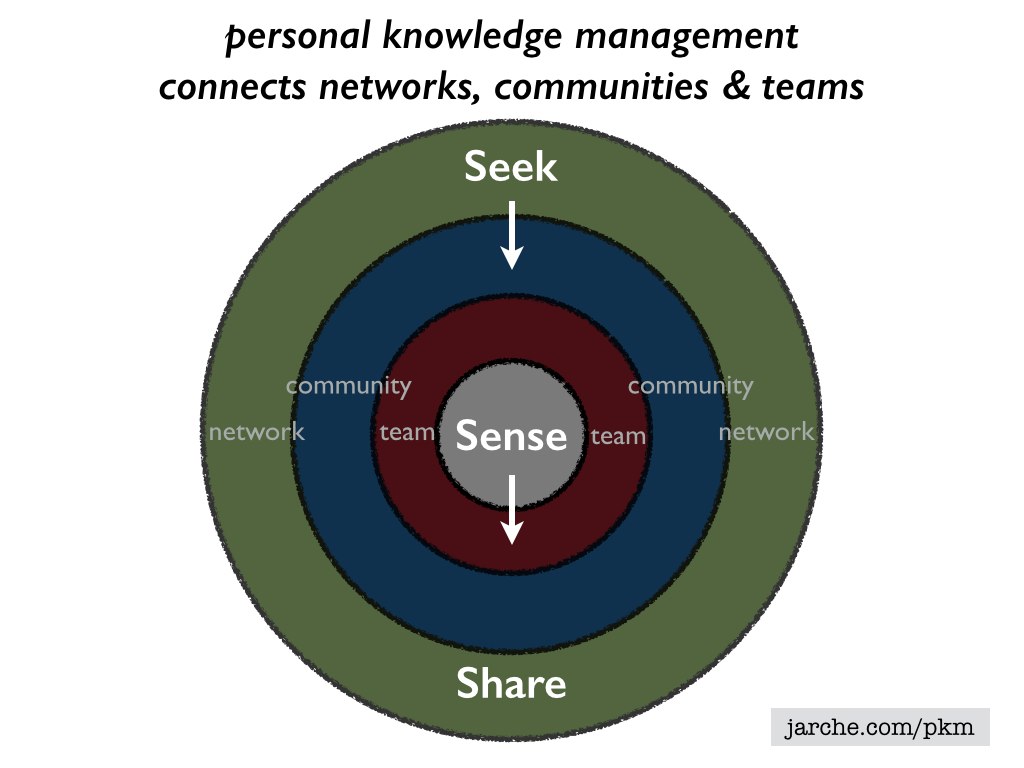
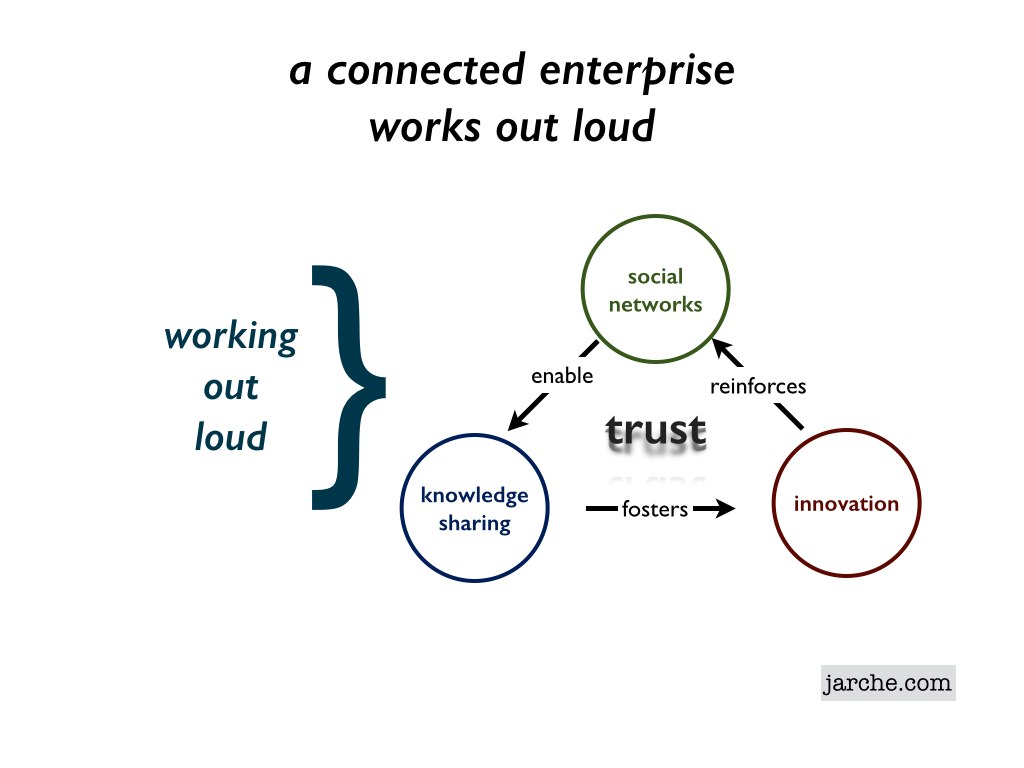
The Connected Enterprise in Six Images
If networks are the new companies, then what does a connected enterprise look like?
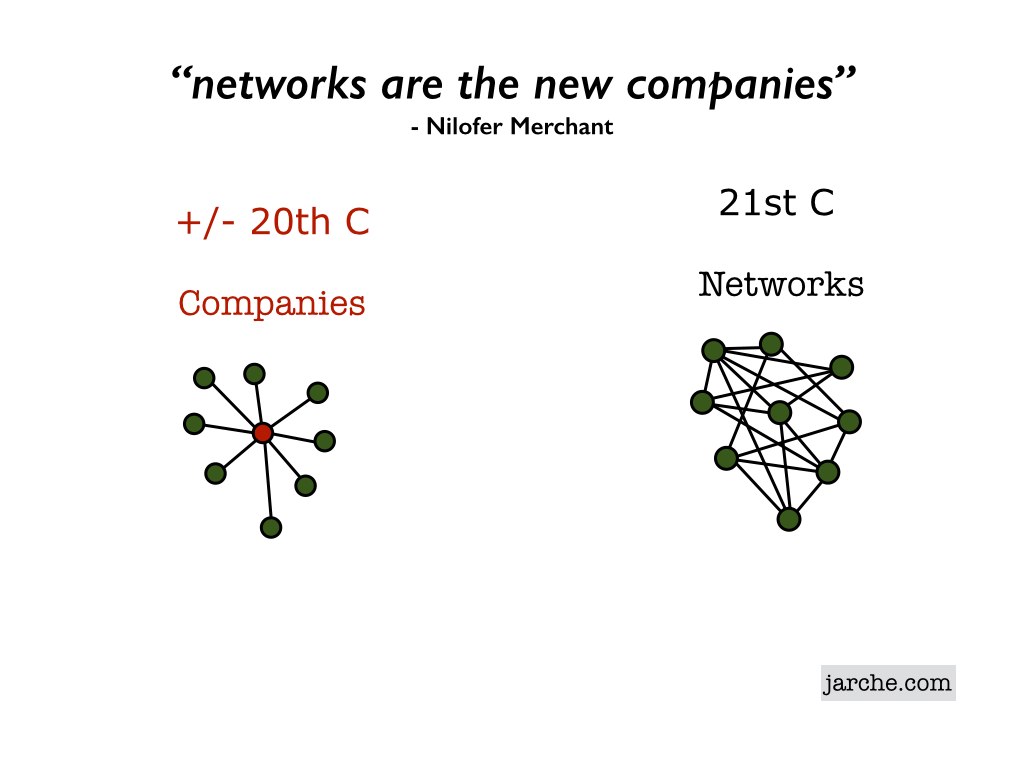
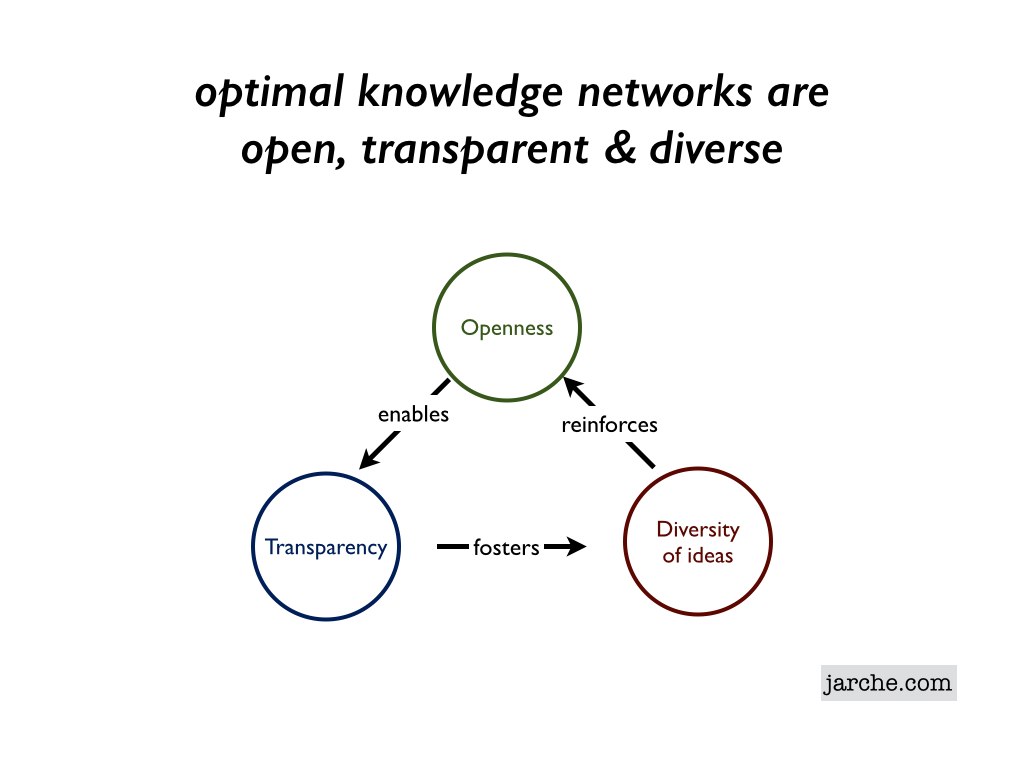
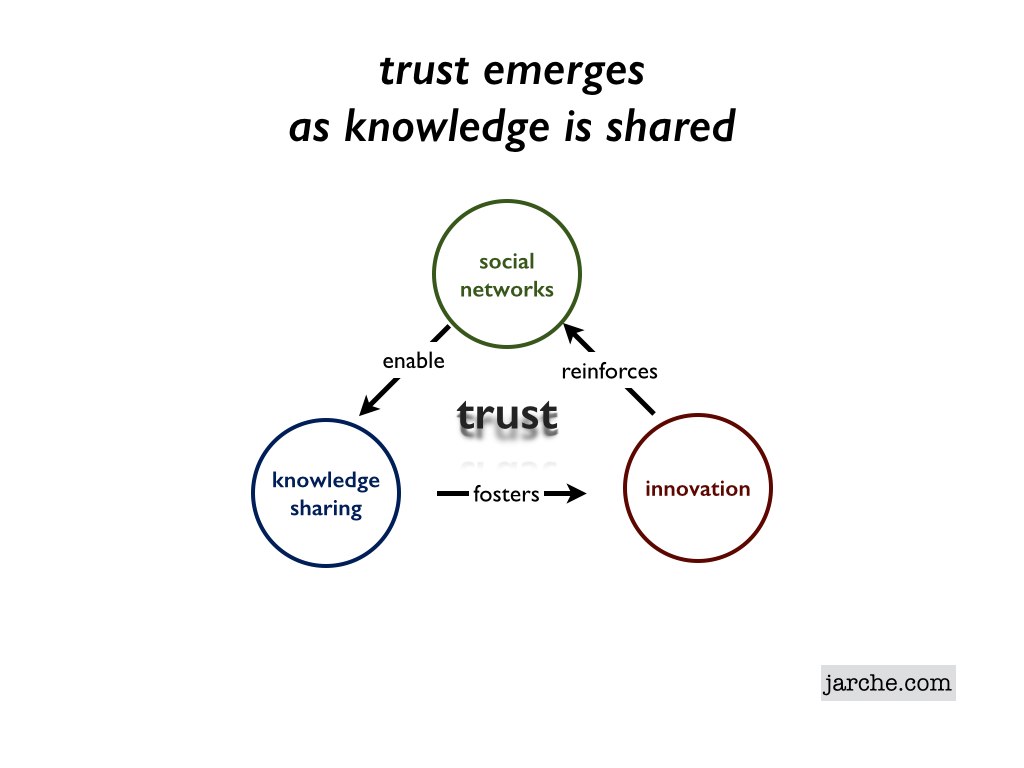
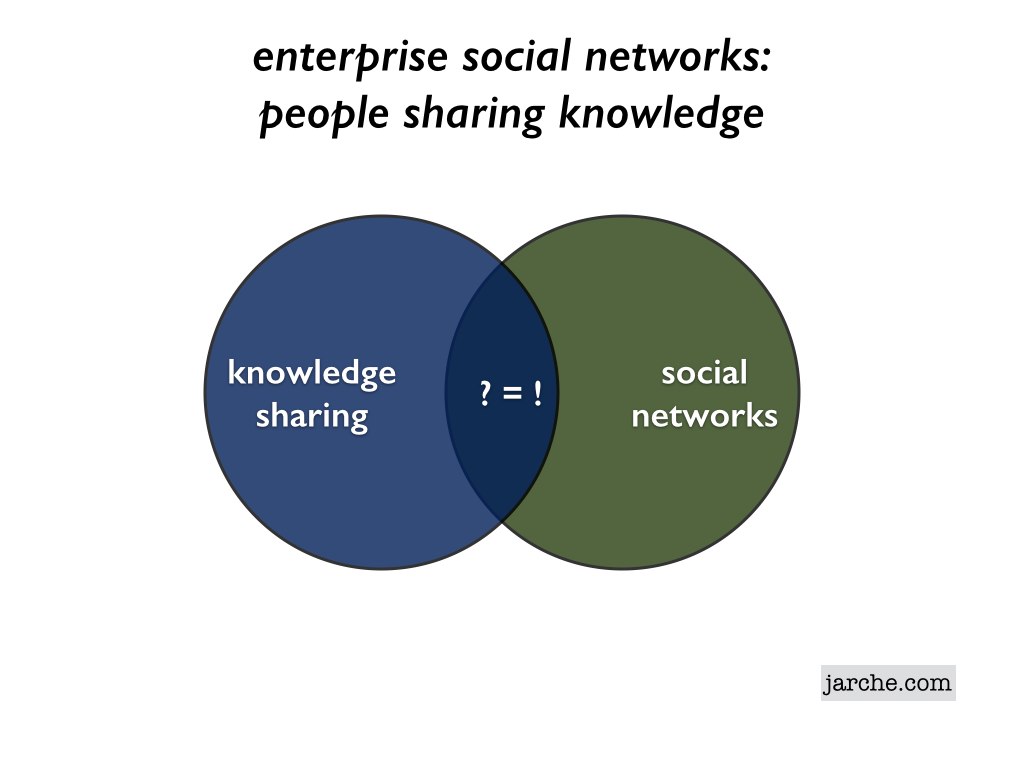
A visual guide to teaching students digital citizenship skills
Hashtagify.me for Twitter Hashtags
One of the things that does cause people problems with Twitter is the use of hashtags. I don't think that it's because they're difficult - it's because they can't believe that they're so easy to use! A hashtag is a controlled vocabulary keyword preceded by the hashtag (#) symbol. Except that it's not very well controlled, since people can just make them up for themselves to emphasis something - a little like emboldening or underlining, while others use them in a far more controlled manner in order to gather together tweets from an unknown group of people who are all tweeting about the same thing.
There are tools out there which help you make sense of them, and one such has Hashtagify.me which has a number of helpful features. You can simply put in the name of a hashtag, and it will find related tags, key influencers (those tweeting most and using the tag), languages and in the commercial version, more detailed analytics. They currently have quite a lot in Beta mode, and you can see an example of that below, and they're busy signing up people to get involved with their program. It's a really nice tool and if you're a keen Tweeter, something you should check out.
via hashtagify.me
The future of libraries: what the Guardian online debate found
Future of libraries: keeping the service alive - Guardian.
The Guardian held one of its online debates on libraries today. The discussion between several library experts (managers, campaigners, councillors) and anyone contributing online. Around 200 comments were made so it’s a little condfusing: I’ve endeavoured to summarise below, although doubtless I have missed some things which some would consider important. Main threads and arguments.
- Are libraries declining due to technological change? Libraries are still needed, in some ways more than ever: internet/online access essential and libraries provide the access and skills to those without either or both. Seven million have never used the internet. Wikipedia etc don’t cover all information and are prone to deletion, accidental or otherwise and is also not entirely trustworthy anyway. Libraries provide quiet study spaces. Children need the books and everyone needs serendipity that bookshelves allow. Bookstock is declining due to budget cuts. It’s not black and white – books and e-books will co-exist. Books are still in demand with 244 million loans in England 2011/12,
- Joined up thinking required between school and public libraries (But … safeguarding issues) sharing resources e.g. Tri-borough, co-locations. Essex sharing buildings with parish and district councils. Children’s services a natural to co-locate with. But … need to be sensitive to needs of library to avoid them being sidelined in co-located buildings.
- Governance e.g. industrial and provident societies, private companies, social enterprise solutions? Conflict of interest over profit in private companies, but some social enterprises have been successful and/or hopeful.
- Volunteers: they need start up grants and council support , Fresh Horizons in Huddersfield and Alt Valley Community Trust doing well, adding value (if additional/complementary) But … questions over sustainability, is it a destructive trend? Need to have at least one professional/paid member of staff with skills. Australia doesn’t have money volunteers because of worries of public liability insurance. Exploitation of the volunteer also a worry
- Libraries are more than books: Idea stores (issues up 20% over ten years, staff appointed for enthusiasm for books), Edinburgh’s digital strategy lauded. Provide welcoming space/social centres, play sessions, reading groups, job-seeking, music, films, local and family history, coffee (but make it good), e-books (should be done nationally and not by authorities), online catalogues (should be better), self-service (but not liked) and for using technology/online, wifi, Need 24/7 access. iPad access in Brent. Public health via the Reading Agency.
- Improve what we already have: don’t reinvent.
- Campaigning: strength of local campaigns suggest a national one would not be lacking in support. Need to stress the economic benefits of libraries.
- No national steer or strategy for libraries unlike NZ or Eire. But … deliberate to run it down?
- Prioritising big libraries (esp. Birmingham) over smaller ones. Great library But … at the cost of running down smaller branches where people cannot afford to get to Central. Less small libraries, improve the surviving? But … being local is a strength. Need to improve the small ones.
- Austerity/cuts. Hollowing out of services. Councils see libraries as easy target and see it as retreating not reinventing But … ideological and no real reason to cut.
- Outreach e.g. Brent with 130 locations being served inc. cafes and hospitals.
Changes
- Denbighshire - New Library Plus in Prestatyn: co-location with health/social care/college/schools. £1m council funding inc. £300k from Welsh Government.
- Plymouth - Libraries in total open for 11 hours longer, with more straightforward times.
News
- Cuts may force councils to stop funding arts and leisure services by 2015 – Guardian. “Local council funding for “quality of life” services such as leisure centres,libraries and playgrounds will largely disappear in the next three years as authorities focus their depleted resources on crisis interventions for the poorest people, a study says. The report on spending and savings plans found that by 2015 many councils in England will have exhausted “back office” efficiency savings. As a result they will be forced to reduce core services to the bare bones, while any services they have no legal obligation to provide will be at risk of being cut entirely.” … “English councils’ funding is being cut by 29% over five years to 2015,”
“It found that where funding is cut from services such as libraries, parks and even litter collection, councils were increasingly expecting communities to step in. “If budget cuts continue at the levels anticipated, all but the most vulnerable will be expected to do more for themselves and to supplement state services with commercial alternatives,”
- Damaging library cuts are wrong and dangerous – CILIP. Response to Joseph Rowntree report. “CILIP warns that libraries are often viewed as easy targets to save money; this is short-sighted and dangerous. Public library services offer people access to the information, tools and support needed to survive and thrive in today’s society. People use public libraries to look for employment, to access essential government services and develop their skills. The government is currently on a drive to make their services digital by default with many only able to access the internet at their public library”
“An attack on a library service is an attack on a community, and for everyone in society – young or old, male or female, literate or not, with internet access or without, it is vital that they are not only kept running, but that they flourish.” Phil Bradley
Dr Rhys Jones joins the Get Libraries Campaign
- Newcastle to feature in library e-lending pilot – BookSeller. “Newcastle City Council joins Peterborough, the Royal Borough of Windsor and Maidenhead and Derbyshire County Council in taking part in e-book lending pilots throughout 2014, gathering data on the impact of digital lending on libraries and e-book consumption. Peterborough and Newcastle are the two urban authorities, with Peterborough testing out loans of seven days, and Newcastle testing loans of 21 days.” … “Each authority will now be asked to purchase a catalogue of 1,000 titles made up of front and backlist titles, before running the pilots throughout 2014. They will report back findings halfway through the year, and at the end.”
- No taxpayer funding for Margaret Thatcher Memorial Museum and Library - 38 Degrees. “Dear Minister, Please do not give the go-ahead for the proposed museum and library in honour of the late Margaret Thatcher. The Prime Minister, David Cameron, appears to have given this £15 million proposal his backing. Given that we are living through a period of extreme austerity, and that there is talk of various museums having to close, I feel it is most disingenuous to assume the taxpayer is happy to fund a proposed £15 million edifice in her name. “
Events
- LibCampUK13: the essentials – 30th November in Birmingham. A great guide to the Library of Birmingham where it is to be held.
UK news by authority
- Bristol - Short Story: The Tale of the Mayor, the Cook and the Wardrobe – Blue Glass Boy. An amusing allegory of the proposed moves to allow a Free School to move into Bristol Central Library and move stock displaced into a warehouse.
- Denbighshire - Prestatyn’s new look library opens its doors – News North Wales. “opened on Monday, will also serve as a hub for third sector health and social care services and provide collaboration with local colleges and schools.” … “Denbighshire invested £1m including a £300,000 grant from the Welsh Government Museums and Libraries Division”. “There will be a single point information/customer service desk, which will also provide signposting to specialist support services and expertise including a portal for potential volunteers.”
- Derbyshire - Outrage as Derbyshire County Council seeks ‘fat cat’ while planning mobile libraries axe - Derby Telegraph. “The county council says mobile libraries may have to close as it can no longer afford the service because of budget cuts. However, the Labour-run authority says it can take on another highly-paid boss – despite councils being told by the Government to reduce their senior management teams to help offset cuts. The council – which sparked anger earlier this year by adding a third highly-paid member of staff to the chief executive’s office – is now advertising for a strategic director of corporate resources, who will be paid between £108,087 and £118,895 a year. He or she will be tasked with saving the council money by deciding which jobs are no longer needed and can be axed.” and also Mobile libraries being scrapped is ‘diabolical’ – Burton Mail. “Gill Farrington, chairman of South Derbyshire Forum, labelled the move ‘diabolical’, saying: “This is just something else being taken away from older people. You have got to wonder what there is left.”
- Hertfordshire - Tell us what you want for the future of libraries – Hemel Today. “Just five members of the public turned out to talk about the future of library services in the borough – but does that mean people don’t care about libraries any more? Apparently not.” … ““While people aren’t necessarily coming out to meetings on cold November evenings, we have had 5,500 responses – that is hugely encouraging and we are only half way through.” see also Have your say on the future of Hertfordshire’s libraries at Cheshunt meeting – Hertfordshire Mercury.
- Moray - Campaigners abandon Moray library closure fight – Scotsman. “Today the single mum, chosen by campaigners to lead the legal challenge against the council’s controversial library closure plans, announced that she had abandoned plans to take legal action against Moray Council in seeking a judicial review at the Court of Session in Edinburgh.” … “ having received that legal advice I have, with great regret, decided that legal action can not presently be taken forward”
-
Plymouth – City libraries set to open an extra 11 hours a week - Herald. “More libraries will be open from Monday through to Saturday and opening hours have been scheduled more evenly across the week to make them easier to remember and more convenient
 for customers. The city’s six largest libraries – Central, Crownhill, Plympton, Plymstock, Southway and St Budeaux – will all be open from 9am to 6pm Monday to Friday, with no changes to their current Saturday opening times.”
“Deputy prime minister Nick Clegg has accused Sheffield city chiefs of closing libraries in Lib Dem-voting areas out of “political spite”. Labour-run Sheffield’s plans to lop £1.6m from the libraries budget involve keeping just 12 of the current 28 libraries. A further five will receive some council funding to help them become volunteer-run libraries, while the rest will close altogether. But campaigners, including the deputy PM, say the branches targeted for closure are disproportionately in the south and west of the city – which is where Lib Dem councillors’ wards are located. So what’s Mr Clegg doing about this? Can he use his political clout to persuade the Department for Culture, Media and Sport to finally act on a local authority failing in its duty to provide a comprehensive library service? Er, no. According to his website, he’s been busy collecting signatures on petitions in the city’s suburbs.” Sheffield – Library News - Private Eye. Issue 1354 – p.29
London University predicts MOOC recruitment windfall
The Future of Open Learning Environments

By Mercè Fort
The movement toward openess in many parts of the world is one of the key trends ranked by the NMC Horizon Report > K-12 Edition. "Open" continues its diffusion as a buzzword in education, leading more educators to realize that understanding its impact and influence is becoming essential.
In the past several years, there has been an ongoing international debate in Europe about the widespread implementation of ICT-enabled innovations for learning. Research teams have been conducting studies and surveys about the future of education, which have sparked healthy discussions involving different stakeholders: teachers, students, policy-makers and industry leaders.
The resulting information and reports from these activities have led the European Commission to launch Opening Up Education, an initiative that promotes open technology-based education to become a ‘must have’ instead of 'good-to-have' across the field. Opening Up Education asserts that, “Open technologies allow all individuals to learn, anywhere, anytime, through any device, with the support of anyone” with the intentions of making education available and accessible to all.
Open education is the goal in Europe and mainstreaming it through policy can be the vehicle to get there. Some large-scale investigations and research efforts are supporting decisions to take innovative practices to scale. The iTEC project is an excellent example of an initiative that has brought tech-based learning activities to thousands of classrooms.
 A recently funded project, sponsored by the European Commission, takes a novel approach to open education. Learning at Home and in the Hospital (LeHo) is an effort to design digital and online solutions that “will help the schools and family to guarantee the right to education, “ as well as to young people who cannot experience education through mainstream avenues due to disease and psychological illness.
With plans to launch in January 2014, LeHo wants to explore the different ways countries tackle this issue and in particular to learn from the solutions different countries are providing for education in hospitals or at home.
It will be interesting to see the results of this international benchmarking. We may find that some of the strategies the hospitals have used to achieve student’s engagement, to train educational specialists, and to choose devices will directly support the expectations of open education which are rooted in the idea that open technologies should allow all individuals to learn, from anywhere, at any time, using any device, with the support of anyone.
 In fact, education in hospitals has always been somehow open. Open in the sense that it is not compulsory, open in the sense that it has no classrooms, open in the sense they have to use and reuse open educational resources, open in the sense that they have to connect with the schools outside and open in the sense that it has to be flexible to adapt to the personal needs of each student, to different timetables and periods.
A number of countries have produced their own solutions to this problem, which are designed to be innovative and to improve education in difficult contexts with open learning environments. To get an idea of what’s already in practice, you may want to look into Children's Hospital School University Hospitals of Leicester in the UK, the Bednet project in Belgium, and PSO, the Italian Portal for the School in The Hospital. What if these innovations could be effectively applied also in the mainstream educational contexts? LeHo project’s work will shed light on potential applications of online learning for our consideration.
Matteo Uggeri is the project coordinator of LeHo, and he has opened the discussion to hear from the international community about existing practices and research about online learning in hospital environments. Although the project website is not available until January 2014, there is a Linkedin group for those interested to get in touch.
All images Creative Commons by digital cat (thumbnail) and Nox Vobiscum (3rd from top)

Mercè Fort is a freelance documentalist, collaborating in the development of editorial and communication activities about online environments in the field of ICT and learning. You can reach her at merce@miniprint.org.
Skillsoft and LinkedIn Team Up to Promote Enterprise Learning Accomplishments
The Art and Science of Learning Design
The Change Leadership Agenda
RSS and the Open Web

This post is not about the day to day operations of The Old Reader or anything of that nature. It’s about how our team came to get involved with RSS and how we see the future of this application and technology that we value so highly.
As a long time user of RSS and Google Reader, I’ve long appreciated the benefits of the technology. Like many people, my use of Google Reader faded a bit as social media platforms took hold. But, I’d always go back to Google Reader when I wanted to cut through the noise of social networks and focus on things I’m really passionate about. Google Reader wasn’t my “second screen” application where I’d go to take a break from work. It filled a much more essential need for me by providing these three features:
1. Unread items are kept in a queue. I don’t miss things. No algorithm chooses what to show me or not show me.
2. It’s an archive of blogs that I value and posts that I’ve read.
3. I can follow whatever I want from anywhere on the web. It embodies the open web.
For my professional career in web research and development, I can’t really live without these features. I can follow twitter feeds or like Facebook pages, but I’m certain to miss important content from people who I highly value. I need those items queued, archived, and I need to be able to subscribe to anybody on the entire open web. I can’t be limited to those authors who choose to enter into private social networks and I don’t want to have to constantly check my accounts for updates.
So this leads me to how we got involved in The Old Reader. When Google Reader shut it’s doors, my business partner Jim did some research and tried several services and suggested I’d like The Old Reader the best. So we both moved on over. I read some articles trying to understand why Google Reader would shut down and one really stuck with me. It hypothesized that Google had been following the lead of companies like Facebook and Twitter by turning their backs on the open web and trying to build their own private/closed social networks. It’s frankly hard to argue against this theory.
However, we see this trend of migrating from the open web to private networks as cyclical. How long will it be before your Facebook stream is so full of promoted content, bizarre algorithmic decisions, and tracking cookie based shopping cart reminders that you won’t be getting any valuable information? For as little as $60, a business can promote a page to Facebook users. It won’t be long before your news feed is worthless. So we jumped at the opportunity to get involved with developing and managing The Old Reader. We believe in it.
As we’ve been looking to grow our engineering team at Levee Labs and The Old Reader we’ve met with a number of bright young people that are surprisingly unaware of RSS. They say “I recognize the RSS icon, but haven’t really ever used it.” Is it possible that there is a lost generation of internet users that are completely unfamiliar with RSS? Are they unfamiliar with the idea of the open web too? We believe that’s the case and we’ve been working hard to come up with ideas that’ll expose that generation to RSS, The Old Reader, and the open web. It’s what made the internet great to begin with and it’s coming back.
Thanks for using The Old Reader!
A Telling Tale about Talent
Stan Lepeak, Global Research Director, KPMG LLP Advisory
KPMG recently completed its semiannual global market study on the state of the finance function. KPMG released the first of an ongoing wave of findings and analysis from this study in early November. In addition to assessing organizations’ finance functions’ performance levels, key issues and needs, and future investment plans, this year’s study examined finance from the perspective of four additional themes: finance and risk alignment, data and analytics, lean finance and the use of finance global business services, and talent in the finance function. Collectively, these fed into the overarching theme of this year’s study of the role of next-generation finance target operating models in enabling the “intelligent” finance function. This market study complements and extends recent and ongoing research performed by the U.S. firm on the intelligent finance organization and other KPMG member firms’ research efforts globally.
Adequate and skilled talent, outfitted with the best available tools and with a clear, strategic direction provided by management, are intuitively core to creating an intelligent—or at least pretty bright and competitive—finance function. Talent is and has been for several years a hot topic in finance circles as well as in other functional organizational circles such as human resources, information technology, and perhaps most importantly executive management. There are talent shortages and resultant wars for talent. Organizations are struggling as to how best to attract, retain, and grow their talent. Aging workforces retiring with their talent, succession planning, and grooming talent are all topics of angst, as is what to do with “legacy” talent and those employees or candidates with little talent while seeking more higher skilled but often fickle cross-border, transnational, “gen-y,” and millennial talent. Talent as a broad topic, or problem, is critical, self-evident, and lucrative. Addressing and solving talent challenges and successfully using talent as a competitive weapon requires taking the issue down a level, in this case to what does it mean in the context of the finance organization.
Going beyond the intuitive or conceptual point of the importance of talent, finance organizations need to build solid business cases to improve talent capabilities. This is not just about throwing more money at top talent, though in some cases this is required, but rather about fundamentally changing overall talent management practice and philosophies from perspectives as diverse as what talent is needed to succeed to when organizations should contract talent from outside the organization (e.g., partner or outsource) to what are the most critical skills required in next-generation executive leadership (hint: not likely the same as last generation). Key to building this business case is creating a real sense of directed urgency versus an ongoing drone of lip service to the importance of overhauling talent practices. On this point, this year’s global finance study offers some compelling findings.
Reiterating the problem, processes for attracting talent, retaining staff, and maintaining technical knowledge of finance personnel were most often cited as a weakness among study participants (19 percent of respondents) and least likely to be cited as a strength (41 percent, as opposed to the top category of treasury activities identified by 59 percent of participants). Further, the finance “process” cited as the most difficult to improve was processes for attracting talent, retaining staff, and maintaining technical knowledge of finance personnel. Study results identified one likely contributor to organizations’ talent challenge and shortcomings: collaborating with the human resources group (ideally a key element of bettering talent capabilities) was the finance activity most frequently cited as a weakness (15 percent of respondents) and least likely cited as a strength (35 percent of respondents). On a more positive note, 56 percent of study participants felt their organizations were somewhat (41 percent) or very skilled and strong (15 percent) at talent management. Given the findings that talent management is generally still perceived as a weakness in most finance organizations; clearly these skill levels need to further improve.
Perhaps most telling, 44 percent of study participants indicated that talent management was the factor and capability most important to the success and competitiveness and value-add of their organization’s finance function. Segmenting “high performing” organizations (defined as those with revenue and EBITDA [earnings before interest, tax, depreciation, and amortization] of greater than 10 percent over the past three years) further reinforced the importance of talent. Sixty-one percent of high-performing organizations rank talent management as the most important finance function capability (see Figure 1). Less than 30 percent of “low performers” (respondent organizations with revenue and EBITDA declines over the past three years) scored talent management as the most important factor to the success of the finance function. This is the tangible, financial business case for improving finance functional talent management capabilities.

So what can and should a CFO and the finance function do to improve their talent management capabilities? Here are a few starting points.
- Go global: To enable an effective talent management strategy, CFOs need to take a global view of their finance talent. The employees in various finance functions should be treated as one diverse pool of talent. Roles, responsibilities, and career paths should be clear for all finance people at all levels. Further, the company’s approach to career paths should be broadened to create prospects for mobility across finance teams and to encourage linkage and knowledge transfer between embedded and offshore teams.
- Build the finance brand: This involves emphasizing the value proposition of working with the finance function within the company, both to attract new recruits and retain them in today’s highly competitive job markets. CFOs need to articulate the benefits of working for the finance function within the company and what sets their finance function apart as an employer of choice.
- Create a consistent recruitment policy and plan for the finance function globally.
- Leverage liberally global business services models to augment or in some cases replace traditional talent pools.
- Deploy reward and incentive programs that motivate the right behavior and celebrate accomplishments in a meaningful way to employees, not just the HR group.
- Employ training programs that address skills development (of the skills really needed) and (meaningfully) promote knowledge transfer at all layers of the organization.
- Utilize targeted interventions (such as coaching programs and buddy systems) for specific employees or employee groups to equip them with new skills in anticipation of emerging needs and improve their ability to add value.
- Take a proactive, transparent approach to succession planning of the best people for the job at hand.
Finally and perhaps most importantly, senior finance executives must take ownership of the talent agenda. They need to consider the implications of business changes on their staff and ensure that qualified resources are in place to meet current and future business needs. They must respect the divergent needs of their employees, for example, as transaction-oriented service providers or strategic business partners. Above all, they need to create an organization-wide HR strategy that attracts appropriately skilled finance employees and supports their aspirations at all levels throughout their careers.
For the latest news and insights from KPMG on this topic, visit the Advisory Institute.
Social Media and Law Schools (an introduction)

4 Strategies For Teaching With Bloom’s Taxonomy
 4 Strategies For Teaching With Bloom’s Taxonomy
by TeachThought Staff
Bloom’s Taxonomy can be a powerful tool to transform teaching and learning.
By design, it focuses attention away from content and instruction, and instead emphasizes the “cognitive events” in the mind of a child. And this is no small change.
For decades, education reform has been focused on curriculum, assessment, instruction, and more recently standards, and data, with these efforts only bleeding over into how students think briefly, and by chance. This means that the focus of finite teacher and school resources are not on promoting thinking and understanding, but rather what kinds of things students are going to be thinking about and how they’ll prove they understand them.
This stands in contrast to the characteristics of the early 21st century, which include persistent connectivity, dynamic media forms, information-rich (digital and non-digital) environments, and an emphasis on visibility for pretty much everything. What does this mean for how you use Bloom’s Taxonomy in your classroom? What kinds of adjustments should you make–if any–in light of these shifts in the 21st century?
Using Bloom’s Taxonomy In The 21st Century: 4 Strategies For Teaching
1. Use Every Level.
There is nothing wrong with lower levels of Bloom’s taxonomy.
Memorization is much-maligned as a waste of time that dumbs down student learning, and sure-fire evidence that teachers aren’t doing their jobs. But in reality the broader and more diverse a student’s knowledge background and schema are, the more fluidly they’ll be able to transition across the various levels of Bloom’s.
Memorization can reduce the cognitive load on a student as they process information, allowing for quick recall and application rather than breaking that thinking process apart, first finding information, then evaluating its credibility, and only then moving on to the cognitive main course. In short, the more “immediate access” a student has to information, the more naturally they can not only apply that information at higher-levels of thinking, but also can initiate these kinds of actions on their own, making their own connections, identifying their own misunderstandings, and more fluidly transferring understanding to new and unfamiliar situations on their own.
2. Use Asynchronous Collaboration
As the highest level of Bloom’s revised taxonomy, “Create” requires students to use innovative–or at least inventive–thinking.
While many classrooms force awkward collaboration on students, even with the best of intentions and skilled use of pre-assessment data, this kind of collaboration can stifle student curiosity and individual talents while placing a premium on socialization, procedural knowledge, and assignment compliance. While this may be “real world,” it could be that there are some parts of that world better left to the lifetime they’ll spend as adults. If we can do better in our design of learning experiences we should, and this means giving every student room to breath cognitively and creatively.
One approach here is to use digital technology and social media to enable asynchronous collaboration using apps, social media, or digital communities. Here, students can access different strands of a given assignment at their own pace, adding their own thinking, and being able to observe, sit back, internalize, and then offer strategic input according to their own readiness, background knowledge, and relative expertise.
Note that this can be especially effective for teaching introverts, especially creative introverts that may not be able to advocate for themselves in the pressure of a large group at the social dynamics it represents.
3. Allow Students To BYOM
Like BYOD, allowing students to Bring Your Own Media can support learning by allowing students to use what “their own stuff.”
Among other effects, this can make cognitively challenging work at the upper levels of Bloom’s seem more accessible. One example? Compare and contrast Shakespeare’s use of thematic development across 3 sonnets, or do the same for two songs by Lupe Fiasco and one sonnet by Shakespeare. If nothing else, BYOM allows students to start any learning experience on somewhat solid ground.
Further, as a classroom this should collectively yield a diverging collection of media, which can be celebrated in classroom showcases, and community-driven and place-based education, with diversity being among the strategies Silver, Strong, and Perini recommend in Teaching What Matters Most (a book I highly recommend for any educator).
4. Use Bloom’s Spiraling
Bloom’s Spiraling is the process of starting first at lower levels of Bloom’s–recalling, defining, explaining, etc.–and then progressively increasing the level of thinking. In that way, Bloom’s Taxonomy becomes a kind of pathway to guide the learning process itself.
First defining a right triangle, then explaining its characteristics, comparing it to other geometric shapes, arguing for or against some right triangle-related idea, then finally designing a novel use of the right triangle in design or architecture, for example. In this process, all students start at the same point–recognizing and defining–and then move “up” Bloom’s Taxonomy, with the “Create” level helpfully providing a flexible ceiling that can stretch to meet the needs of even the most advanced understanding while still acting as a goal for students that might struggle.
And more broadly, Bloom’s Spiraling can be used to frame a lesson, assessment, or even a project-based learning unit.
Conclusion
Thinking isn’t any different in 2014 than it was in 1214. Only it is. Using Bloom’s Taxonomy in the 21st century is more complicated than the above strategies honor.
The idea here is to somewhat model how we can adjust the design of learning experiences in response to changes in the world students use information in. Strategically using every level of Bloom’s Taxonomy–even memorization, using asynchronous collaboration, “BYOM,” and Bloom’s spiraling are all steps in that direction.
Using Bloom’s Taxonomy In The 21st Century: 4 Strategies For Teaching; 4 Strategies For Teaching With Bloom’s Taxonomy
The post 4 Strategies For Teaching With Bloom’s Taxonomy appeared first on TeachThought.
New UCL Moodle baseline
 The UCL Moodle Baseline that was approved by Academic Committee in June 2009, has now been updated after wide consultation on best current UCL practice. The aim of the Baseline is to provide guidelines for staff to follow when developing Moodle courses in order for UCL students to have a consistently good e-learning experience. They are intended to be advisory rather than prescriptive or restrictive. These recommendations may be covered within a combination of module, programme and departmental courses.
Changes include the addition of a course usage statement explaining how students are expected to use their Moodle course. A communications statement is also now a requirement, in order to explain to students how they are expected to communicate with staff, and how often they can expect staff to respond. It is now a recommendation for staff to add (and encourage their students to add) a profile photograph or unique image, to make it easier to identify contributors in forums and other learning activities.
New guidelines for including assessment detail and Turnitin guidance have been added for those who use these technologies.
See the new UCL Moodle Baseline v2
Find out more about this and other e-learning news in the monthly UCL E-Learning Champions’ Newsletter.
Chronogogy – time-led learning design for online education
If analytic data suggests there is a ‘heartbeat’ of online activity should this inform learning design?
Background
Planning for f2f teaching is largely led by institutional limitations and personal habits. Rooms are booked in 1-hour slots and sessions can only be so-many-hours long. As people can’t stand and talk for hours plus few would sit there and listen for the same period. There’s also only so much time in the day, especially ‘core working hours’. Time for education gets murkier when considering flexible learning, say clinicians who must be in practice between certain times or evening-study students.

Chrono-based design is as old as time itself
In all walks of education, from homework to dissertations, teachers set activities to be completed in student’s own time. Time planning for f2f education is often based on teaching time, set in rooms, schedules, people, slots. Time for learning has to fit into this schedule and is otherwise completed out of these normal hours. Students are expected to complete a substantial amount of personal learning hours – often tied to readings or assessment activities.
Programmes at higher education institutions are increasingly moving into online environments, many of which are still taught in traditional ways. There remains a large focus on face to face teaching and learning activities such as lecture, seminar, lab & essay led teaching. An increasing number are using online learning environments to provide some supportive or supplementary educational value. Some are ‘blended learning’ where elements of the course must be completed online by the learners. Contact time is altered where some is face to face and an amount is also online. A smaller number are fully online, where the online environment is driving the course, delivering a structured programme of study via resources and activities.
Building for these environments is often a process which involves a significant amount of investment for the teachers and learners.
Teachers
- Often going alone, designing what works best for their teaching style, their students and making best use of their knowledge of the available tools .
- Sometimes they may ask for support or advice on best practices, examples, tips and tricks and other approaches improve their original ideas.
- Some invest additional resource to make larger changes.
- Courses will always be refreshed over the years, often this comes with a partnership of moving more content online and reworking the existing online content to improve it.
Learners
- Need to adapt to different approaches of teaching. One part of their course may be very traditional, others may be more online.
- Method of delivery may influence enrolment decisions.
- Work/life/study balance & looking for flexibility built into courses.
- Increasingly using online environments in their daily life.
- There’s a digital divide between some individuals, some generations and their digital literacies.
Through the techtonic [sic] shifts in education the definition of ‘how people learn’ and ‘good teaching’ remains quite similar to that of 50 or 2000 years ago, and yet still quite hard to define. Many have tried, such as Bloom, Dewey, Paiget, Vygotsky, etc & we should embrace their work. However, it remain somewhat marred by the findings and the reality that most teachers are significantly impacted in how they were taught, and would still reflect this back in their own teaching. (Which is an opportunity for the expansion of innovation, if good teachers influence more good teachers.)
Technology in education has looked at converting the ‘sage on the stage’ to the ‘guide on the side’ for some time. If a good educational experience is about providing agency for individuals to become the best learners they can be, then we need to also reflect that in the design for learning.
Interaction and engagement are often driving factors
The design of online teaching and e-learning is often reserved for academic developers, educational technologists and teachers. Designs often cover what will be taught, intended learning outcomes, design of activities, overall structure & any resources required. Design is often overlooked, and many go directly past the planning phase in favour of the building/development phase. This is perfectly acceptable, especially if on a path over a number of years, increasingly using the affordances of e-learning tools to complement their teaching and learning.
Often skipped, or under-resourced are the steps within the planning phase for a blended or fully online course. This may have more substantial repercussions as skipping design can lead to greater issues later on, which may need to be revisited. Luckily, cyclic design methodologies (whether intentional, or not) are no bad thing. It’s a little chicken & egg and the lack of planning is often due to lack of time across the sector/universe.
Designing a good structure for the course is often one of the first tasks needed. The rest of the course should hang off the back of a good structure:
- The structure will, particularly with a fully online course, define what needs doing, and when.
- This is the guide for the students, the stick, the planner, the measure of success and the motivator to stay on track.
- When thinking of how much time students will spend on tasks, and when they do the task may have been overlooked.
- A course overview/week-by-week structure is often where the planning of the chronology of the course starts, stops and the rhythm within.
Learning design to incorporate time as a critical factor?
Not factoring in when a learner will engage in an online environment could increasingly become a bigger issue. In an attempt to identify the importance of this issue, this blog post was written.
Chrono-what?
- Chrono – time
- Gogy – lead
- Pedagogy – to lead the child
- Chronogogy / chronogogical - to lead by the time, time-led
I felt that this might have significance, and anything of that nature would require promotion within the relevant fields for others to rip it apar, to build retaliating endurance into the concept. After looking for time-influenced learning design in conference proceedings, journals and blogs I found nothing on the subject of time-based instructional/learning design or impact. I had to put a term down to then build upon. Sorry if you don’t like it.
Using captured analytic data to measure ‘visit’ hits & drawing crazy ideas off the back of it
Learning analytics is an emerging field within education where data is used to inform the success, design and evaluation of online learning. In a simplistic model used here, we have taken Google analytics visitor data for one month to attempt and identify if we can see any trends with correlation to learning design. It’s a crude example, but the whole post is based on answering my ‘is this a thing?’ question (it’s bothered me for around six months).

- Website 1 – Learning Circuits – an interactive educational resource for 8-10 year old children (I made this a decade ago, still going)
- Website 2 – UCL Moodle – an institutional online teaching and learning environment
- Website 3 – UCL.ac.uk – the main UCL website, hosting information about the university.
These data show a regular path of activity for the number of visits to websites across the February time period. The websites are all of an educational nature, but differ in their intended target audiences. Y-axis shows the percentage of the monthly number of visits for that day. X-axis shows the day of the month. The chart clearly shows a rhythm in visits, going up and down in a pattern.
The websites were selected for two reasons
- This is an educational observation (but it may be of interest to others if it rung true on other domains)
- These websites were the ones the author had access to for analytical information
- There is a distinct shape in visits.

M-shape of activity
- There is a regular drop in the weekend, both days seeing less than half of the weekday visits
- Saturday is the lowest point every week. Sunday is rarely much higher.
- There is a slight drop on Wednesdays.
- This month shows a heartbeat shape to the number of visits.
- There is a slight shaping of an M over the weeks, where single websites, or all together, still create this rough M-shape (shown best in blue)
- Sunday is the beginning point
- Monday/Tuesday is the first highest
- Wednesday shows some drop
- Thursday marks the second peak
- Friday is often slightly lower that a Monday or Tuesday counter-part, but still holds up the M-shape
- Saturday is the lowest point of the week.
Repeating in other months?
February was chosen as a month in the year as it showed steady visits across three educational, but different sites. Each site has a different busy period, as shown below:
Overview of the number of users for UCL Moodle and activity over the year.

Overview of the number of users for UCL Moodle and activity over the year
Overview of the number of users for Learning Circuits and activity over the year

Overview of the number of users for Learning Circuits and activity over the year
Sticking with February we looked at the same month for the past five years:

Average of visits, as a percentage, for each day, over five years across three sites
This chart shows the percentage of the visits per day of the week, for three websites, over a five year period. The purpose of this chart is to see if the data shown in the first chart, for February 2013, would be repeated over a longer period. The chart is done by day, and not date & the chart runs over fewer days as the first Monday of February would fall on different days, thus shortening the timeframe to evaluate. The chart shows Saturday having the lowest number of visits over the week, with Sunday resulting in a similar number. The M-shape is less common with Wednesday gaining more visits over a longer time period. The heartbeat over the week, with peaks around Monday/Tuesday and Thursday/Friday remain to show the highest number of visits, especially when compared to weekends.
Out of Winter, across the year
Look across a whole year, in this example 2012, we can see if the data is true across all months and not just February.

One year of daily visits, as percentages, to UCL Moodle
And for Learning Circuits

One year of daily visits, as percentages, to Learning Circuits
These two charts show the average (as red) of the percentage of visits over the week. There is no longer an M-shape but do continue to show Saturday and Sunday as the lowest number of visits during the week. Wednesday becomes an increasingly common day over the year for number of visits and for Learning Circuits becomes the most popular day. (This might not have been helped by using Mean numbers and a handful of disproportional and high plots in around week 40 in the year.) UCL Moodle has a similar pattern, with one result much higher above than all others – this is the first week of term in September where the average for the month is very low initially, so on comparison that week is substantially higher. No chart exists for UCL.ac.uk – sorry.
Each of these two charts show the number of visits across two of the sites over a one year period (2012). The intention here is to primarily show that the ‘heartbeat’ of online activity is regular across the year. There are low and high points, but when matched up to the charts above, showing each week’s average, they show that the data analysis, in particular Saturday and Sunday being quiet days, remains true across the year for both domains.
Quantitative vs qualitative
I wonder how long you’ve been thinking ‘he’s not measuring this data very well’. Firstly, I accept all contributions to this. Secondly, this is a desk-based observation, not a research proposal. Any next step would be to review a longitudinal study with an online course, proper data analysis and a real methodology. This is just an idea-incubated post I’m afraid.
Discussion point
Much like the National Grid boost up the power networks when an advertisement break is coming in the nation’s favourite soap operas, could the same be said for a course designer planning their online learning? Perhaps not providing a boost, but instead being aware, and planning for, peaks of online activity?
IF, for example, I were planning an asynchronous activity for my learners would I want to set it for Friday and hope it’s completed by Monday? When would be the best time to plan this?
Most at the moment just set up a week-based activity and hope learners can manage their time effectively around this. However, if the data above can be read into, then more people will be online during the week rather than the weekend. Therefore, it would be best planned over the week, but does this depend on the type of task? What about synchronous activities?
I appreciate this is half-baked but I wanted to share a few simply observations:
- Activity online is clearly displayed in analytical review of web access logs
- This activity seems to indicate a pattern of peaks and troughs, of a ‘heartbeat’ of online visitor activity (measured in days)
- Has time-led instructional design (I like the terms chronogogy of learning design, chronogogical instructional design or chronogogically informed teaching and learning) been undervalued/overlooked in past learning design models for online education?
- Does this have a wider impact for online education, including distance learning and MOOCs?
Next steps
I’ve got a few ideas:
- Talk to fellow educators, technical and less so, ask them if this really has an impact
- Review course design, basic principles, feed into them the idea of time-based / chronogogical learning design
- Expand upon this. We have a ‘Moodle archive’ – find a course with an activity like discussion forums and try to match up stored data with analytics information. Does anything correlate?
- Build it into a platform and measure the data points over a period of time, for a selection of courses
- Fester in a basement for six years completing a part-time research project and slowly lose my mind over a somewhat trivial matter.
Closing
If analytic data suggests there is a ‘heartbeat’ of online activity should this inform learning design? I’d like to hear your feedback, as I think should. I’m going to keep looking into it, I just wanted to share some early thoughts with the internet and its people.
edit: sorry, a grammatically-correct friend provided me some advice on lead vs led. People are reading at least!
6 Companies Aiming to Digitize the Textbook Industry

Like CourseSmart, it provides access to textbooks online, in a downloadable format, and from mobile iOS apps. Like CafeScribe, students can choose to share their notes and highlights with just friends or with anyone else who ...
How my job has changed....
 Last week I posted that I'd given a telephone interview with a journalist and how concerned I was about what I might have said. Well, the result has been published (see here) - there's a bit of poetic licence, and some things I refer to are theoretical rather than actual, but it's not at all bad. It reflects pretty much how I feel about how our jobs are changing.
Introduction to ecosystems

Ecosystems is about the relationships between living organisms. Gain an understanding of the natural world, how the web of life works, with illustrations from around the world.
Ecosystems is about the relationships between living organisms. Gain an understanding of the natural world, how the web of life works, with illustrations from around the world.
If we don’t grasp why ecosystems function, it becomes harder to determine possible reasons for when they don’t, and makes it difficult to identify possible environmental threats to humans.
Professor Martin Hall appointed new Jisc chair
Professor Martin Hall has been appointed as the new chair of Jisc, succeeding Professor Sir Tim O’Shea after his very successful tenure.

The appointment, announced today by UUK, GuildHE and AoC following an open and competitive selection process will see Professor Hall taking up his position in January 2014. He has been closely involved with Jisc a member of the board since 2011 and became a trustee in December 2012 when Jisc was incorporated and became an educational charity.
Professor Sir Tim O’Shea, vice-chancellor and principal at the University of Edinburgh has provided exceptionally strong leadership, guiding Jisc through a challenging time for higher and further education. He has overseen a series of changes in the organisation, notably its move to charitable status and the development of a more focused, impactful and clear customer-focused ethos.
Professor Hall has been vice-chancellor of the University of Salford since August 2009. He joined Salford from the University of Cape Town where he was deputy vice-chancellor for six years. His career has been characterised by a passion for innovative research, teaching and learning – particularly through the use of advanced digital and new media.
Professor Martin Hall said:
“Sir Tim will be a very hard act to follow, but I am looking forward to the challenge. Under his leadership and direction Jisc has developed into an organisation with greater customer focus. He has also secured successfully the next generation of digital connectivity and national infrastructure for UK education and research with the implementation of Janet6.
“I am very much looking forward to working with the board of trustees and the Jisc team across the UK. I recognise this role will be key in overseeing the change and continuing development of Jisc to ensure it makes its crucial contribution to the UK higher education, further education and skills sectors most efficiently and effectively.
“Jisc has a crucial role, as a trusted partner, in helping the education and research sectors to embrace the use of digital technologies for advantage.”
Nicola Dandridge, chief executive of UUK commenting on behalf of UUK, Guild HE and AoC said:
"We are delighted that we have been able to name Professor Hall as the next chair of Jisc. He has huge strategic leadership experience and knowledge in areas such as open access and digital technologies. This expertise will be invaluable in continuing Jisc's already impressive progress towards achieving its strategic vision and mission."
Responding to new technologies: collaborate to compete?
3D printing, composite technologies, plastic electronics: sometimes it feels like science fiction is becoming science reality. And it’s not just the average person struggling to stay up –to-date with new technology. As new research from the UK Commission of Employment and Skills shows, the pace of change in some of our leading manufacturing industries is presenting a real challenge for the skills of our people and the capacity of our training providers. (UKCES has produced some new infographics on this very topic focusing on the aerospace and automotive sectors.)
New technologies are increasingly specialised, but at the same time increasingly interconnected. These days, no single firm has all the requisite skills and experience to go it alone. Nowhere is this clearer than in the production of cars and planes, which are pushing performance to the limit.
Building an airliner isn’t just about nuts and bolts anymore. Composite technologies, which combine different fibres together, are making planes lighter and stronger. 3D printing (or more properly ‘additive manufacturing’), is a fast-growing new technology set to radically alter the way many components are produced. This disruptive innovation is set to alter the way many materials are manufactured, drastically cutting production times and removing the need for traditional techniques.
For many aerospace and automotive firms, this is creating demand for people with new skills and knowledge. There’s likely to be a growing need for engineers and R&D personnel with composites experience. People with CAD design skills and knowledge of 3D printing processes will be in high demand. Bigger companies are starting to recognise this and are recruiting from a global talent pool. But our research shows that smaller firms typically face greater challenges in finding the right staff and meeting their workforce training and development needs.
Smaller technological firms also have different recruitment needs: they often require multi-disciplined recruits to undertake additional supporting roles like IT, Quality Assurance and Business Development on top of their day jobs. Take the Plastic Electronics industry, for example, where electronic materials are printed on flexible surfaces. For many industry employers, most new candidates are sourced internationally and if a product takes off commercially, production is likely to move abroad, where there is a plentiful supply of readily-available talent.
New technologies bring exciting opportunities for the UK, but if we lack the skills to harness them, these opportunities will be lost. We need to develop technological expertise within the UK and enable smaller businesses to access this talent pool.
Whether you’re a training provider or a high-tech firm the key to making science fiction science fact for the UK economy is collaboration. Aligning elements of course provision to business need is a must for the higher education industry to continue to attract new students and keep content up-to-date. For businesses, building better networks with research centres/education providers requires resource, but it also helps firms tap into the latest technological developments and key talent which would otherwise remain elusive. Access to this expertise can make the difference between staying ahead of the competition and falling behind in the race to commercialise new technologies.
The lurking tipping point – socially and academically acceptable?


Where’s the door? How do I get in? [struggle with site, find dashboard, maybe this will help . . . nope. Lost again] Who else is here? Do I know anybody? [read through introductions, post mine, try to find it again because there were some pretty good questions in there, can't find it. Keep reading to get some sort of sense of who's here too many posts, can't make sense, can't connect. I'm lost again.] (How do I get to know anybody?) What can I do here? [cool idea, massively crowd-sourced writing, whoops, the deadline is past. I'm still lost, can't find my way in.] What are people thinking and saying, maybe I can just lurk. [Wander around from blog post to blog post, twitter post, not sure why some of this stuff is here, it seems there are intimate conversations going on, I really feel like an outsider here.]
What I looked forward to, I have come to dread. Tonight I found myself sitting in front of my computer, my head in my hands, feeling like an utter failure. Saying for the 10th time, that’s ok, you are learning how to do something new, and that means you don’t know how to do it. Keep trying. Just another half hour. Realizing ten minutes later that I’m standing in front of the refrigerator, thinking about making some cinnamon toast – my version of comfort food.
Tagged: #altmoocsig, MOOCs


End of support for Internet Explorer 9
Google’s test plans have been adjusted to now stop all testing and engineering work related to Internet Explorer 9 (IE9), as Internet Explorer 11 (IE11) was released on 17 October 2013. End users who access Gmail and other Google Apps services from an unsupported browser will be notified within the next few weeks through an in-product notification message or an interstitial pages with information about modern browsers and how to upgrade to them.
Editions included:
Google Apps for Business, Education, and Government
For more information:
https://support.google.com/a/answer/33864
Get these product update alerts by email
Subscribe to the RSS feed of these updates
CDE seminar: Old wine in new bottles? Exploring MOOCs

LMS Market expected to triple in the next 5 years to $7.8 Billion
Winners of competition to uncover ‘Workplace of the Future’ announced

PopUP concept by Cincinnati School of Architecture and Interior Design
The results of a competition designed to showcase the Workplace of the Future, sponsored by Staples have been announced. The contest, run in conjunction with US based Metropolis magazine, attracted entries from some 200 architects and interior designers. The winner was Joe Filippelli, who created Vertical Flux, which is described as ‘a comfort-based approach to the 2020 workplace with fluctuating atmospheres’. The runner-up was CoLab from Rotterdam based Eckhart Interior Design with a ‘digital re-envisioning of the classic corporate office… which incorporates technology in a way that allows employees to work at any location throughout the office, collaborating with co-workers in any imaginable configuration.’
 The organisers summarise the general focus of the issues addressed by the entries as:
- Reclaiming urban space: Capitalizing on vacant building spaces in cities to provide workplaces for businesses, travelling workers and anyone in need of a productive work environment.
- Re-imagining office furniture: Rethinking the way furniture is designed to facilitate mobile, pop-up workstations with self-sufficient, self-powering capabilities and interactive technology interfaces.
- Employee-centric design: Creating all-encompassing workplace environments that consider comfort, sustainability and health of employees.
- Hyper-collaboration: Pushing workspace layouts beyond conventional collaborative models to focus on interdisciplinary, multi-company and multifunctional arrangements that take the co-working trend to the next level.
The winner, Joe Filippelli was awarded $7,500 for the Vertical Flux concept that ‘radically re-imagines office space as a series of atmospheres where occupant comfort and health are at the forefront. This new approach focuses on thermal comfort made possible by advances in technology, as well as natural properties of temperature and light, to create fluctuating environments and comfort zones.’

The features of the winning design (pictured above) include:
- Radiant heating and cooling
- A solar-powered fibre-optic ceiling that fluctuates in colour and intensity
- Thermally active furniture with touch screen capabilities
- Multiple varieties of plant life local to each climactic zone in the building
“By thinking of light, temperature, and air as building materials, architects/designers can rethink the typical static office environment and put the worker’s individual comfort into the foreground,” said Filippelli. “I believe staging the office as a gradient, providing opportunities for both privacy and collaboration in a variety of atmospheric conditions, will be a significant element in future workplace design.”
 As for CoLab by Eckhardt (left), the basic element of the design is a described as a ‘modular partition system that functions as a physical and acoustic separation, interface and display. This scalable partition system, which can create team rooms, meeting rooms, board rooms, individual work booths, privacy spots and informal meeting places, includes cutting-edge technology elements that allow for seamless connectivity and integration.’
More information on the winning entries and another ten shortlisted submissions can be seen here.
The two horsemen of the higher education ‘apocalypse’

It was fabulous to attend the Festival of Dangerous Ideas in Melbourne yesterday. I managed to see four of the five speakers and all of them were excellent. Starting with Dan Savage talking about the perils of expecting too much from monogamy we had then had Arlie Hochschild talking about outsourcing ourselves, Kirby Ferguson talking about conspiracy theories and patterns and finally Hanna Rosin, talking about “the end of men”. I’m sorry to say I missed David Simon talking about why some people are more equal than others but hopefully his video will be available on the Wheeler Centre web site soon.
It was thought provoking from start to finish and each presenter talked about their topic with enthusiasm, passion and great expertise. Although none of them focussed on education I did think that Arlie Hochschild’s presentation had lots that was relevant to higher education. Her new book is entitled “The Outsourced Self” and it examines the way that individuals increasingly outsource aspects of their life to paid strangers; from children’s parties to love coaches, wedding planners to surrogate mothers. I think you can probably see where I’m going with this already.
The outsourcing of services by higher education institutions has been going on for a long time but has accelerated over the last few years. Institutions may now have third parties providing services for staff employment, student accommodation, knowledge management, email, web applications, learning management, synchronous web classrooms, student counselling to name just a few. In fact it may soon be rarer to find an information service provided by the institution itself rather than outsourced to a third party. An interesting development for entities that purport to be knowledge centres. But that sounds as though I’m against the idea of outsourcing and I’m not necessarily. I think there many good reasons to outsource some services.
What I thought was most interesting was when Hochschild was asked how we could reverse the trend to outsourcing by individuals, to which she replied that there were two headless horsemen that had been released over the last few years; the market and technology. They were headless in that there were/are no controls on each of them and that we were seeing the results of that in the rise of the outsourced self. She said that they had galloped far ahead leaving culture at the starting gate (forgive the analogy, the Melbourne Cup runs tomorrow and I have racing on my mind).
The market and technology as two headless horsemen; a compelling image and one that conjures up so many visions of human endeavours struggling with these uncontrolled beasts over recent years; not least higher education. The question is, how do we tame them and direct them?
Will they be part of the so called higher education apocalypse? Or will they help bring about a better version of higher education in the future?
I don’t have an answer but it’s certainly something that I’ll bear in mind as I think about change in higher education and it’s an image that I felt worth sharing. If you have an answer then please share below.