Shared posts

13 Sep 06:55

What has the EU ever done for us? Some thoughts on a new mapping project

There’s a new project being shared round today that maps EU-funded projects in the UK: here it is. It’s easy to use and very interesting to find out, for example, what projects have been funded in my home town.

Kudos to the folks who built it. Creating sites like this is hard work, and a vital part of the national discussion about the EU.

So for transparency (which is a good thing) I’m hugely in favour of this.

But in terms of what I think about the EU funding itself, I’m not so sure. The strapline for the site is What has the EU done for your area? and while in one sense that’s true, it makes me think: but this was the UK’s money to begin with, right?

Looking at the breakdown of the EU membership fee, the UK paid £13.1bn into the EU budget in 2016, and received back £5.5bn in various forms of funding (£4.5bn channeled through the public sector, and approx. £1bn direct to the private sector). So the first thing the mapping project highlights is that the UK pays more to the EU than it "gets back."

That purely budgetary framing makes me uncomfortable. Should we really be looking at what we "get back" from the EU in terms of project funding? How do we value reduced friction to trade (and associated economic boost), the reduction in defence and diplomatic spending (by being part of a bloc), the cultural benefits of having a stronger voice on the world stage, etc.

What this mapping project also highlights is, well, should the EU be choosing how this money is spent at all? When money is spent directly by the UK government there is a certain amount of democratic accountability. I know who I can complain to, I know how I can try to influence the spending criteria, and I can campaign to vote out the people ultimately responsible if I really disagree.

But for EU spending? It’s more abstract. When I see this map of EU spending in the UK, what it makes me ask is why the UK government isn’t in charge of it. That same discomfort was, of course, a reason why people voted for Brexit in the 2016 referendum. Although if the UK government controlled the spending, that doesn’t imply that it could all go the NHS instead--regardless of what was written on the side of a bus--as many of these projects are vital for our agriculture, regional growth, jobs, and industrial strategy, and you wouldn’t want to stop them. So leaving the EU wouldn’t mean we’d get this money "back" in the national budget by any means.

Now, on balance, I believe Brexit is a bad idea. The UK’s contribution to the EU is only 2% of our total national budget and, as I said, the "non-spending" benefits of EU membership matter significantly, and many of these projects would be funded anyhow.

But I’m not an unequivocal booster of everything the EU does. This mapping project is fixing a huge lack of transparency. The level of democratic accountability worries me: how do we know that all of these projects are within the mandate that we’ve given to the EU under the treaties, and how can we influence the allocations? I happen to believe that these problems are addressable as a member of the EU. (And to be honest, the same concerns could be levelled at the UK government about the project grants we do control.)

So while I’m pleased (and relieved) that this spending is broadly sensible, I’m not sure it should be waved around as "hey look at all this awesome stuff we’re getting from the EU." I don’t think that’s the case it makes at all.

--

My brand of weight-it-all-up ambivalence doesn’t play particularly well in this era of hyper-shareable Facebook posts and 24 hour news cycle sound bites.

However it’s by taking into account evidence like this that I’m able to say with increasing confidence that Brexit doesn’t add up. I look at what’s going on, consider alternatives, and... well, the Brexit options currently on the table look terrible, and the impending exit day of 2019 (which occurs well ahead of any trade deal being done) is so close with so little certainty around which to prepare that I fear a lot of damage and hurt will result.

It’s also this kind of easy-to-read evidence that we were lacking in the 2016 referendum, which is why I don’t think anyone (however they voted) really knew enough to make an informed decision, and why it’s perfectly ok to revisit the issue now and have a re-think before it’s too late. Given the circumstances it’s ok to change your mind.

That mapping project again: myeu.uk. More like this please!

13 Sep 06:54

Great Price on Lumintrail Bike Light Set Right Now

by Average Joe Cyclist

Great Price on Lumintrail Bike Light Set Right NowLumintrail makes a very affordable set of bike lights - which are currently on sale at an excellent bargain price. The set comprises a super bright headlight, plus a taillight. These bike lights are easy to install and water resistant.
The post Great Price on Lumintrail Bike Light Set Right Now appeared first on Average Joe Cyclist.

13 Sep 06:54

The Fast and Frugal Needs of the Online Reader

by mikecaulfield

I’m writing a couple framing documents for some events coming up. This is one that I’m still drafting, but I thought I’d throw the draft up and take any comments. Note that this is already at max length. Also, one site name has been removed in an effort to not attract the trolls. And citations haven’t been added (although I will need to be strategic with what to cite given length limits).

The Fast and Frugal Needs of the Online Reader

Many educators believe the solution to our current dilemma is to get our students to think more about the media that reaches them. But what if the solution was to get them to think less?

I say this partially to be provocative: as I’ll make clear momentarily, thinking “less” is meant here in a very specific way. But it’s evident that many of the sorts of academic investigations for which we train our students are a poor fit for the decentralized, networked environment of the web. Years ago, I used to teach students to look deeply at documents, and wring every last bit of signal out of them, performing a complex mental calculus at the end: does the story seem plausible? Does the language seem emotional? What is the nature of the arguments? Any logical fallacies? Is it well sourced? Does it look like a professional website?

Such approaches fail on the web for a number of reasons:

  • Students are really bad at weighting the various signals. A clickbait-ish ad on the sidebar can cause students to throw out the website of a prestigious news organization, while the clean interface of xxxxxx, a prominent node in the disinformation ecosystem, engenders confidence.
  • They don’t work under time pressure and at volume. Most of the online information literacy taught in higher education is built around students choosing six or seven resources for a term paper, where students may have several hours to spend vetting resources. In the real world we have minutes at most, seconds at worst.
  • Engagement with these sources is problematic in itself. The traditional academic approach is to evaluate resources by reading them deeply. This is a profoundly inappropriate tactic for disinformation. There is ample evidence that reading disinformation, even with a critical eye, can warp one’s perspective over time. From the perspective of bad actors, if you’re reading the site, they’ve won.

At the college level, online information literacy methods initially grew out of slow methods of print evaluation. Methods still in use, such as CRAAP and RADCAB, grew out of decades-old procedures to evaluate the purchase of print materials for library collections. It’s time to develop new methods and strategies suited to the speed, volume, and uncertainty of the social web.

Heuristics provide an alternate solution

In cases where individuals must make quick decisions under complexity and uncertainty, rules of thumb and quick standard procedures have been shown to outperform deeper analysis. Competent decision makers reduce the factors they look at when making decisions, and seek information on those limited factors consistently and automatically. This pattern applies to online information literacy as well.

As one example, imagine a student sees breaking news that Kim Jong-un has stated that any future nuclear attack would focus on Los Angeles. The student could look at the source URL of the story, the about page, and examine the language. See if the spelling exhibits non-native markers or if the other stories on the site were plausible. Alternatively, she could apply a simple heuristic: big, breaking stories will be reported by multiple outlets. We select some relevant text from the page, and right-click ourselves to Google News Search. If we’re met with a number of outlets reporting this, we’ll take it seriously. If we don’t see that, we dismiss it for the time being.

This process takes five seconds and can be practiced on any story that fits this description. It makes use of the web as a network of sites that provides tools (like Google News search) to make quick assessments of professional consensus. In this example, should the story turn out to be well reported, the results present you with an array of resources that might be better than the one that originally reached you, putting you on better footing for deeper analysis. In part, we reduce the complexity of initial vetting so that students can apply that cognitive energy more strategically.

Online information literacy built for (and practiced on) the web

Over the past year and a half, the project I am involved with has been developing a toolbox of techniques like this, relentlessly honing them and testing them with college students and professors. Our techniques tend to fall into various buckets that are not entirely different from traditional online information literacy concerns: Check for other coverage, find the original, investigate the publisher. But unlike much information literacy, these concerns are bonded to quick web-native techniques that can be practiced as habits.

The techniques encode expert understandings of which the students may not even be aware: our Google News search technique, for example, is meant to filter out much of the echo-system that Kate Starbird’s team has investigated. It does that by using a somewhat more curated search (Google News) instead of a less curated one (Google). While teaching the students about the echo-system may be beneficial, they don’t need to know about it to benefit from the technique.

What do we need to do as a community?

Despite the novelty of the problems and solutions, our process for developing educational approaches grows out of standard educational design.

  • Start with the scenarios. Any reasonable strategy we teach students to sort and filter media must grapple with authentic scenarios and work backwards from there. What do we expect the student to be able to do, under what conditions? How does that inform the strategies we provide?
  • Address the knowledge gaps the process foregrounds. Media literacy and news literacy remain important, but broad theories of media impact are often less helpful than domain-specific information students need to quickly sort media they encounter. What is a tabloid? A think tank? What is the nutraceutical industry and how do they promote medical misinformation? How does state-funded media differ from state-controlled media?
  • Learn to value efficacy over accuracy. Higher education is not known for valuing speed and simplicity over deeper analysis, but if we wish to change the online behavior of students these need to be core concerns. Any approach to uncertainty which seeks 100% accuracy is wrong-headed, and likely harmful.
  • Use the web as a web. For years, approaches have treated the web as an afterthought, just another domain in which to apply context-independent critical thinking skills. But the problems of the web are not the problems of the print world, and the solutions the web provides are distinct from print culture solutions. Approaches need to start with the affordances of the web as the primary context, pulling from older techniques as needed.

In short, develop new solutions native to the context and the problem that are lightweight enough that they have a chance of being applied after the student leaves the classroom. These are not new educational insights, but are ones we need to turn towards more fully if we wish to make a difference.

13 Sep 06:53

"Don't Wait for the Eulogy"

by peter@rukavina.net (Peter Rukavina)

From the book This Could Help by Patrick Rhone:

Why wait for the eulogy to state what someone means to you? If someone’s life and accomplishments have great meaning the day after they are gone, my bet is they had even greater meaning the day before. Tell them today — right now — while you have the chance. Because this moment may be your only chance. Because none are guaranteed.

You never know how it might have an impact on someone who needs to hear it. We so often do not get the full story. Even from those we are close to. A kind word of gratitude for who someone is and what they mean to you could make someone’s day or even save their life.

I’m generally adverse to aphorisms, but I’m also a frequent sender of thank you notes, and I gotta tell you, thanking someone is way better than not thanking them and then having them up and die.

Saying thanks is also much more satisfying than complaining.

(Pro tip: telling someone who is dying what they’ve meant to you will not make them die faster, nor make them think you’re ready for them to die; there’s only an upside).

13 Sep 06:53

One particular thought about the Apple keynote

by Volker Weber

Sketch

Let's forget about the iPhone for a second. Apple Watch Series 4 is huge. No, not the larger screen, not the smaller bezels, nor even the faster processor. The really big thing is how Apple doubles down on health.

Health might not be a concern, if you are younger. But if you are my age, you are increasingly faced with health issues. Your parents become frail or they die. You will even have friends your own age or younger die. So health is a big thing. You often take it for granted when you are younger. But as you get older, you suddenly know your vitals. Your blood pressure, your cholesterol levels, your blood sugar.

And your heart.

When I was in a critical condition last year, my Apple Watch data showed me very clearly that I was in trouble. It did not alert me, but I could see that my heart wasn't working as it should.

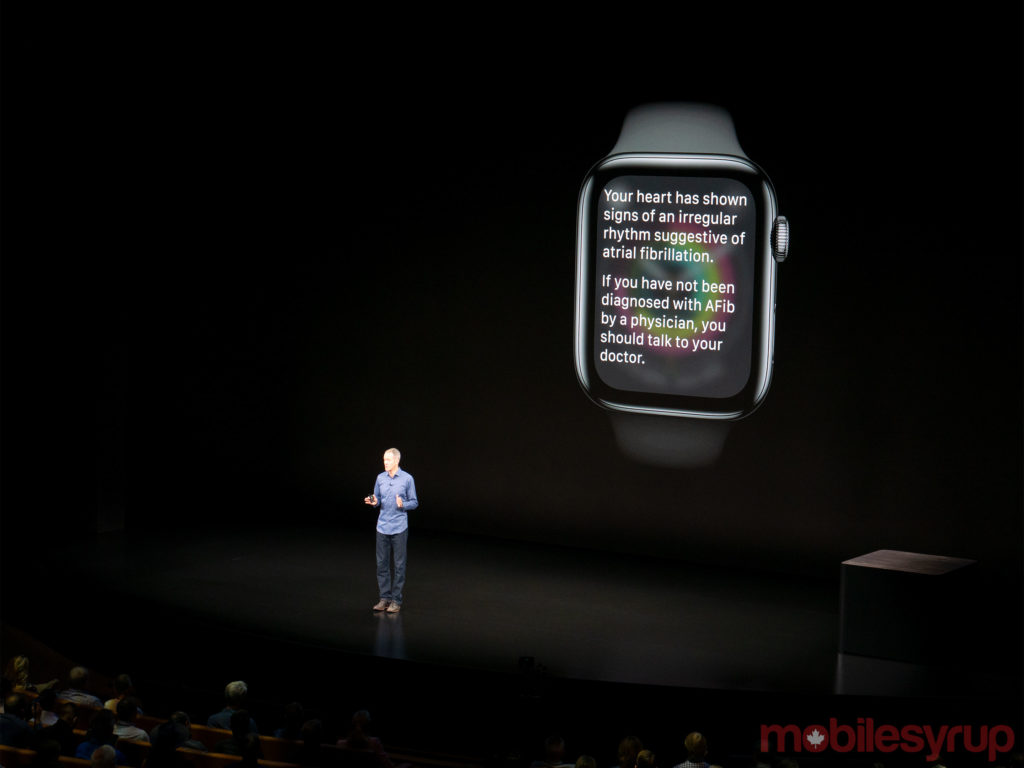
With Apple Watch 4, this will evolve in a fundamental way. Watch will watch over you. It will alert you, when your heart rate is too low or too high. It will alert you, when your heart rhythm isn't as it should be. And it will let you take an ECG (EKG in German), exactly when you think something is off. Not when you are at the doctor, but right here and there, when it happens. And you will be able to share that ECG with your doctor, exactly the same way it would come out of a ECG machine.

Caveat emptor: ECG and arrythmia detection aren't here yet, and it will only get to American customers this year. Watch will be a medical device and it needs to be certified, which isn't working worldwide. I hope it spreads faster than Apple Pay.

Beyond the heart monitoring, which will save a lot of lives, there is another important feature. Watch will detect when you fall. And it will call help, even completely autonomously, when you pass out. You cannot imagine how important that is if you want to monitor an old person. If they are willing and able to wear an Apple Watch and charge it daily, you are watching over the biggest immediate risk.

This is a huge move for wearables. It puts Apple Watch way above the competition.

13 Sep 06:49

Here’s how much Apple’s products from last year are worth today

by Brad Bennett

Apple’s trade-in program has updated with new information regarding how much users can trade-in their old Apple products for now that the iPhone XS is out.

This is an excellent way to see how much money your phone or watch is worth, and if you want a new iPhone, this could be one of the cheapest ways to get one. It’s worth noting that the value attached to these phones is in Apple Store credit, not real Canadian dollars.

Users can get a staggering $690 CAD if they trade in a top of the line iPhone X from 2017. Curiously, both the 64 GB and the 256 GB models trade in for the same price.

Both versions of the iPhone 8 can be traded in for $455 CAD, and the 8 Plus variants can net users $525 worth of Apple store credit.

The Series 3 Apple Watch is also worth a pretty penny. The Aluminium Series 3 with GPS is worth $225. The stainless steel model with cellular connectivity is worth a little more coming in at $325 worth of store credit.

Remember that all of these prices are based on the devices working optimally. Depending on the wear and tear on the phone or watch it may be worth a lot less when what it says online.

To check out how much your device is worth visit Apple’s GiveBack webpage here.

Source: Apple

The post Here’s how much Apple’s products from last year are worth today appeared first on MobileSyrup.

13 Sep 06:49

Top Five announcements from the Apple ‘Gather Round’ Event

by MobileSyrup
Apple event

Apple hosted its ‘Gather Round’ event in its new campus in Cupertino, California on Wednesday, September 12th, 2018.

The company used the event to make a number of new announcements and show off a number of exciting new products.

New iPhones

Apple today unveiled its new trio of smartphones, the iPhone XS and XS Max and the iPhone XR.

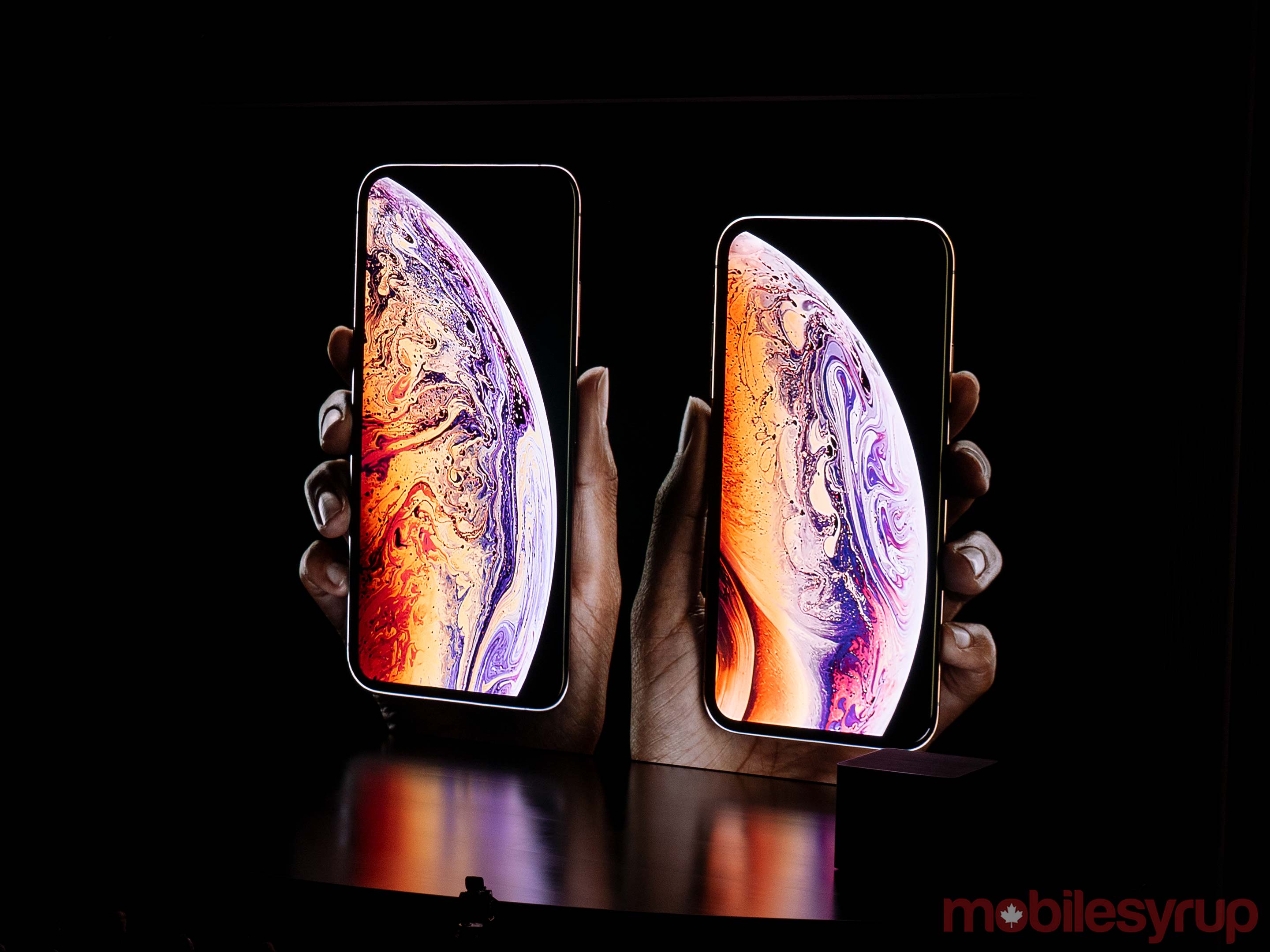
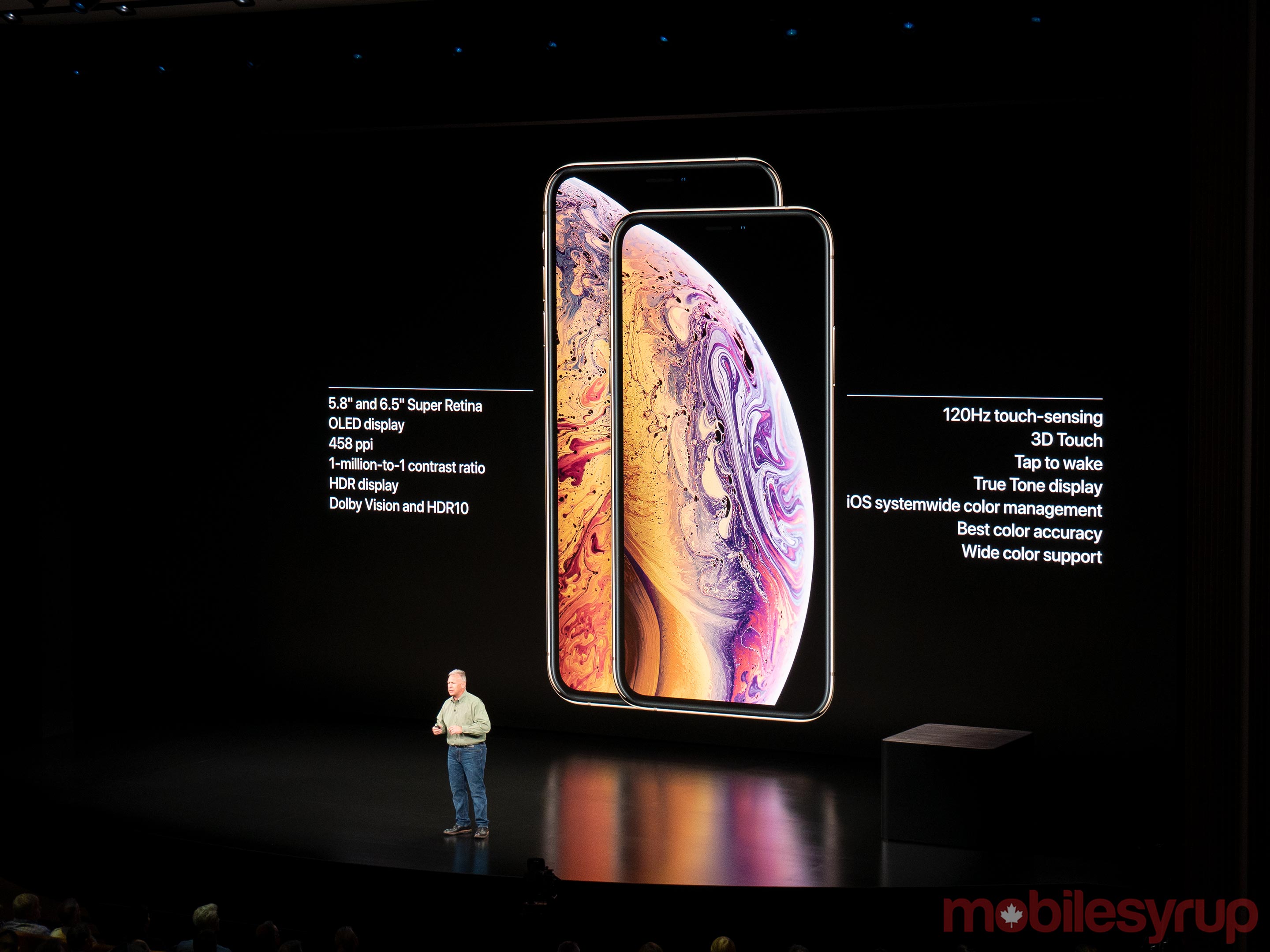
Customers can grab the iPhone XS and XS Max flagships with up to 512GB of internal storage — more than any iPhone ever. Furthermore, both of the company’s headliners feature Dolby Vision and HDR10 with an impressive 120Hz refresh rate — also a first for an iPhone. This should make both devices an excellent option for watching movies and playing games like the upcoming The Elder Scrolls: Blades.

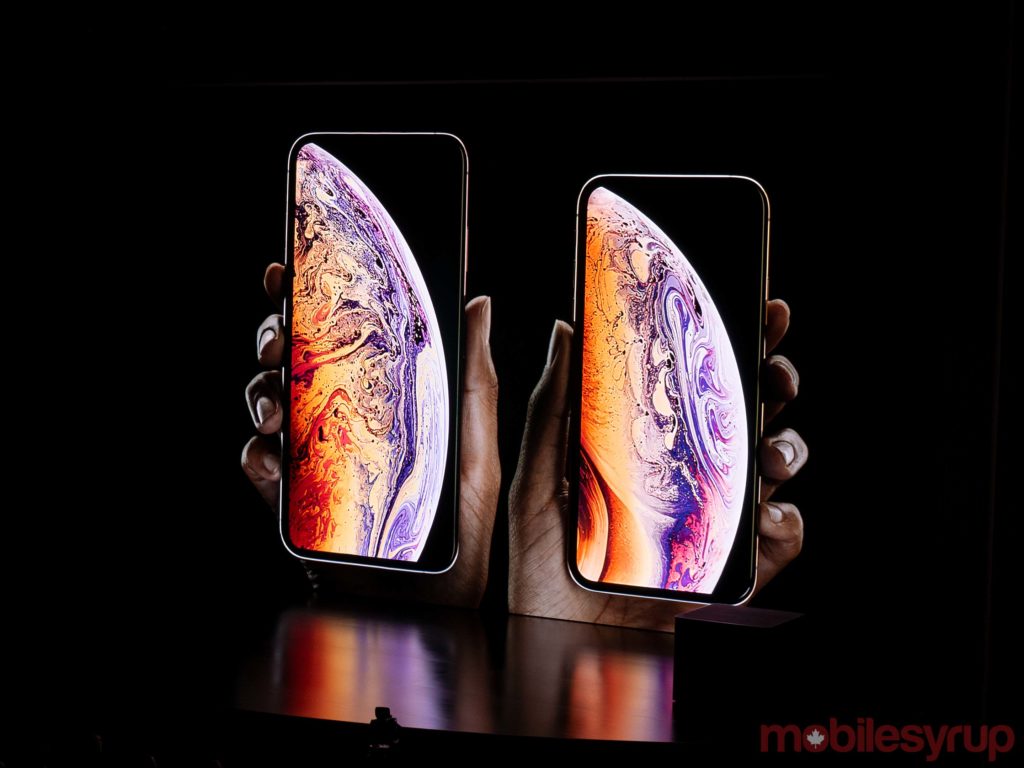
The new iPhone XS Max features a 6.5-inch Super Retina OLED display, making it the largest screen ever on an iPhone. The new iPhone XS, meanwhile, sports a 5.8-inch display, similar to the previous iPhone X.

National carrier Bell is also allowing subscribers to pick up iPhone XS and XS Max devices with an eSIM, with eSIM support for Rogers expected to arrive sometime this year.

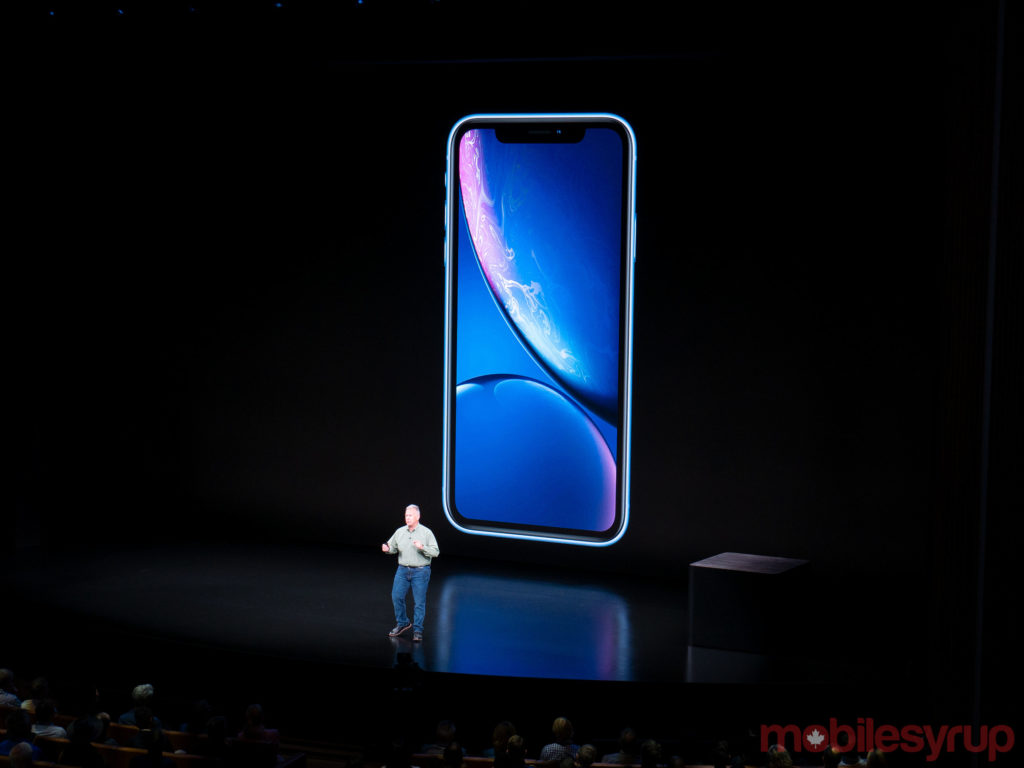
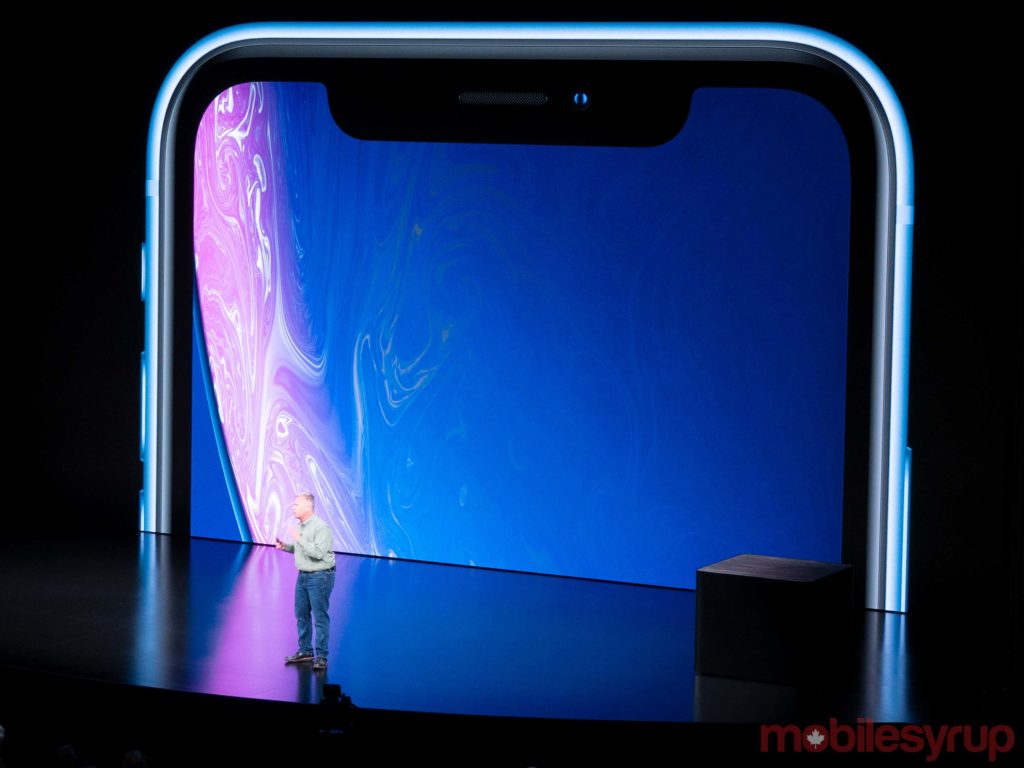
In terms of the cheaper 6.1-inch iPhone XR, that device sports new display technology that Apple calls ‘Liquid Retina.’ The new entry-level  iPhone also lacks a home button and a fingerprint scanner — like the iPhone X — instead relying on Apple’s Face ID biometric security technology.

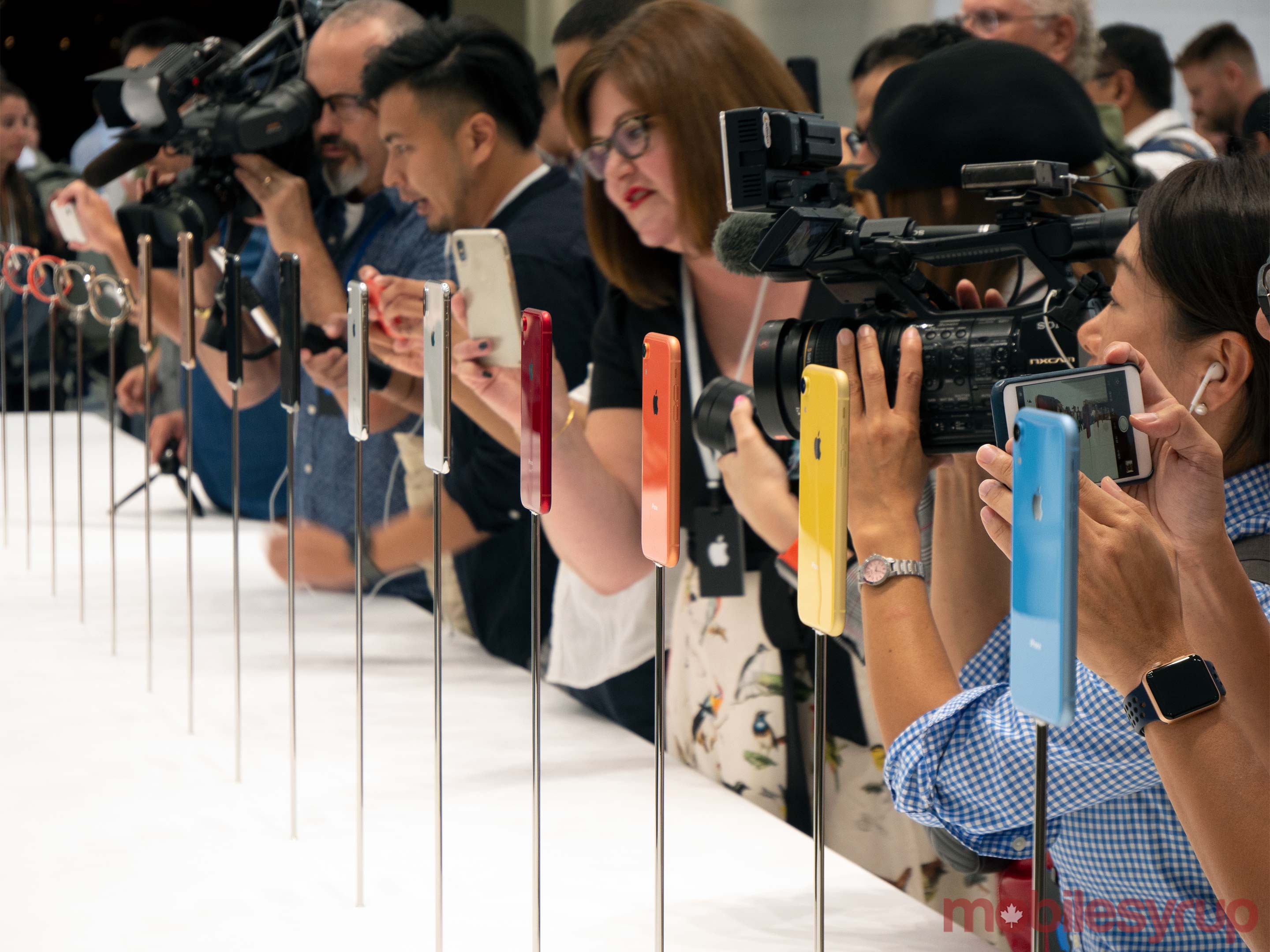
The iPhone XR smartphone comes in six colours: white, coral, yellow, blue, black and a Product Red variant. Apple’s iPhone XR lacks 3D touch but features Haptic touch technology similar to the company’s MacBook Pro laptops.

All three of these handsets feature Apple’s A12 bionic processor, as well as new camera features.

The iPhone launches September 21st, 2018, while the XR will be available starting October 26th, 2018.

Apple Watch

Apple used the opening moments of its latest event to showcase the brand new Apple Watch Series 4.

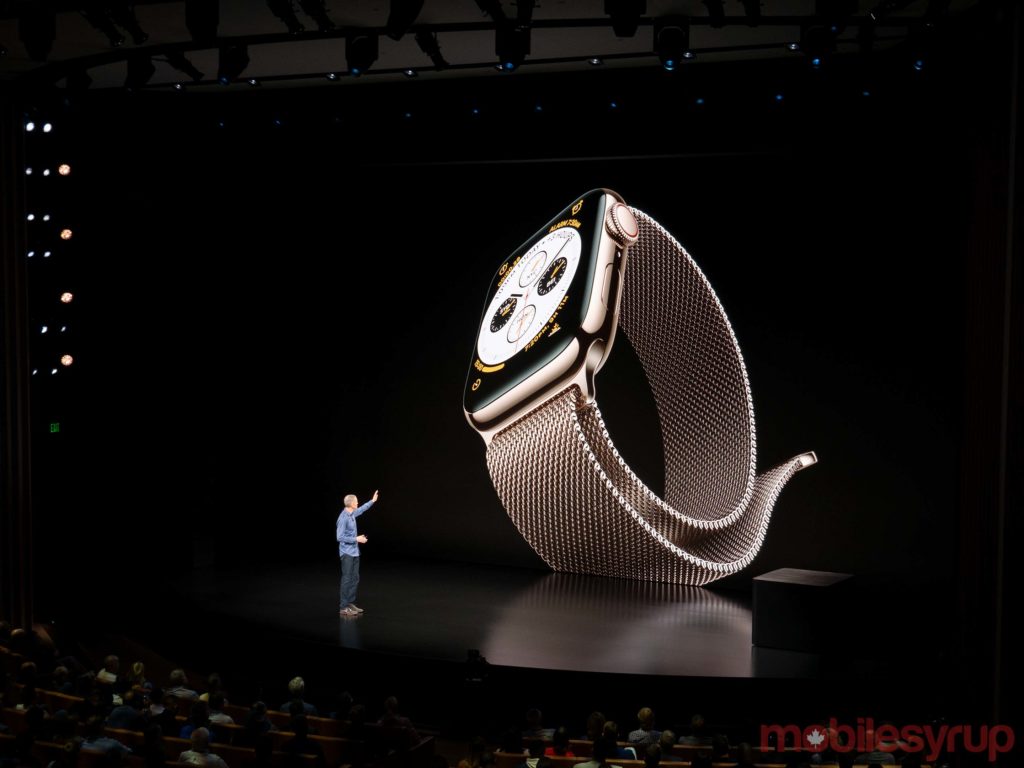
Apple’s latest smartwatch comes in 40mm and 44mm variants, with displays that are 35 percent and 32 percent larger than those found on the Apple Watch Series 3. These new, larger screens give the watch a subtle, but refined look.

The new watch has a number of other new features, but the new displays definitely steal the show, especially alongside the new gold stainless steel colour option.

Packed inside each smartwatch is Apple’s new S4 chip. The chip promises to offer double the performance compared to the chip found in the Series 3 smartwatch. There are a few other changes, including Haptic Feedback in the Digital Crown and a new back plate to improve wireless signals.

Even with all these new features and the larger display, the Series 4 is reportedly able to hold its charge for around 18 hours.

Apple also started selling 20 new watch bands to celebrate the new device and the arrival of the fall season.

Photography

As with every iPhone iteration, Apple’s newest smartphones feature the company’s best camera technology to date. Apple has added new, more advanced, sensors to the mix to help iPhone users capture beautiful photographs.

However, it’s the iPhone XS, XS Max and XR’s new software features that make the new phones stand out, with the new adjustable depth of field portrait mode being the most exciting.

According to Apple’s senior vice president of worldwide marketing Phil Schiller, the iPhone photography team spent the past year researching high-end full-frame DSLR and expensive lenses to develop the iPhone XS, XS Max and XR’s new adjustable depth of field mode.

While we’ve seen a similar feature in devices from Samsung, the shots Apple revealed showed off some of the most natural-looking bokeh I’ve seen from a smartphone camera. What’s more, the new iPhones will allow users to adjust an image’s depth of field after taking a photo.

We’ll have to see what kind of pictures the new iPhones produce in real-world use, but if there’s a feature I’m most excited to play with, it’s the new adjustable depth of field mode.

A12 Bionic

According to Apple, the A12 Bionic is not only the smartest and most powerful chip in a smartphone, it’s also the world’s first seven nanometre chip. Chinese manufacturing giant Huawei would no doubt argue with Apple’s marketing, but considering that the iPhone XS and iPhone XS Max will be launching with the A12 Bionic, the Cupertino computing giant can certainly lay claim to the title of “First company to launch a device with a seven nanometre chip.”

The A12 Bionic is comprised of eight cores in total — two CPU cores are responsible for performance, four CPU cores are responsible for efficiency, while the remaining four cores ensure that the chip’s GPU is able to provide users with impressive graphics capabilities.

Apple claims that the two performance cores are 15 percent faster than the company’s previous A11 Bionic chip, while the four efficiency cores are 50 percent more power efficient than the A11 Bionic. Additionally, the four graphics cores are allegedly 50 percent faster than the A11 Bionic.

The A12 Bionic also features a neural engine that’s able to perform five trillion operations per second, while also ensuring that Apple’s Core ML machine learning platform is able to run up to nine times faster than on the A11 Bionic.

All in all, the A12 Bionic’s specs should mean that apps across the feature spectrum — ranging from casual web browsing to intense 3D gaming to augmented reality — can run smoothly and efficiently.

Health

One of the more interesting items to come out of Wednesday’s Apple event is the company’s continued health push. Apple Watch Series 4 hardware enables a lot of new and important health options. Things like high and low heart rate detection, atrial fibrillation-detection and built-in ECG capabilities are all valuable parts of self-monitoring. The Apple Watch Series 4 now make it easier than ever to tell if something’s wrong.

Furthermore, improved sensors allow for more accurate exercise-tracking and even fall-detection. If Apple Watch detects you’ve fallen, it’ll give you a prompt to call 911 for help. If you don’t move for a minute after falling, the smartwatch will make the call for you and alert emergency contacts.

Perhaps more than anything else announced at Apple’s Gather Round event, these new health features have the potential to meaningfully affect the way people care for themselves.

The post Top Five announcements from the Apple ‘Gather Round’ Event appeared first on MobileSyrup.

13 Sep 06:48

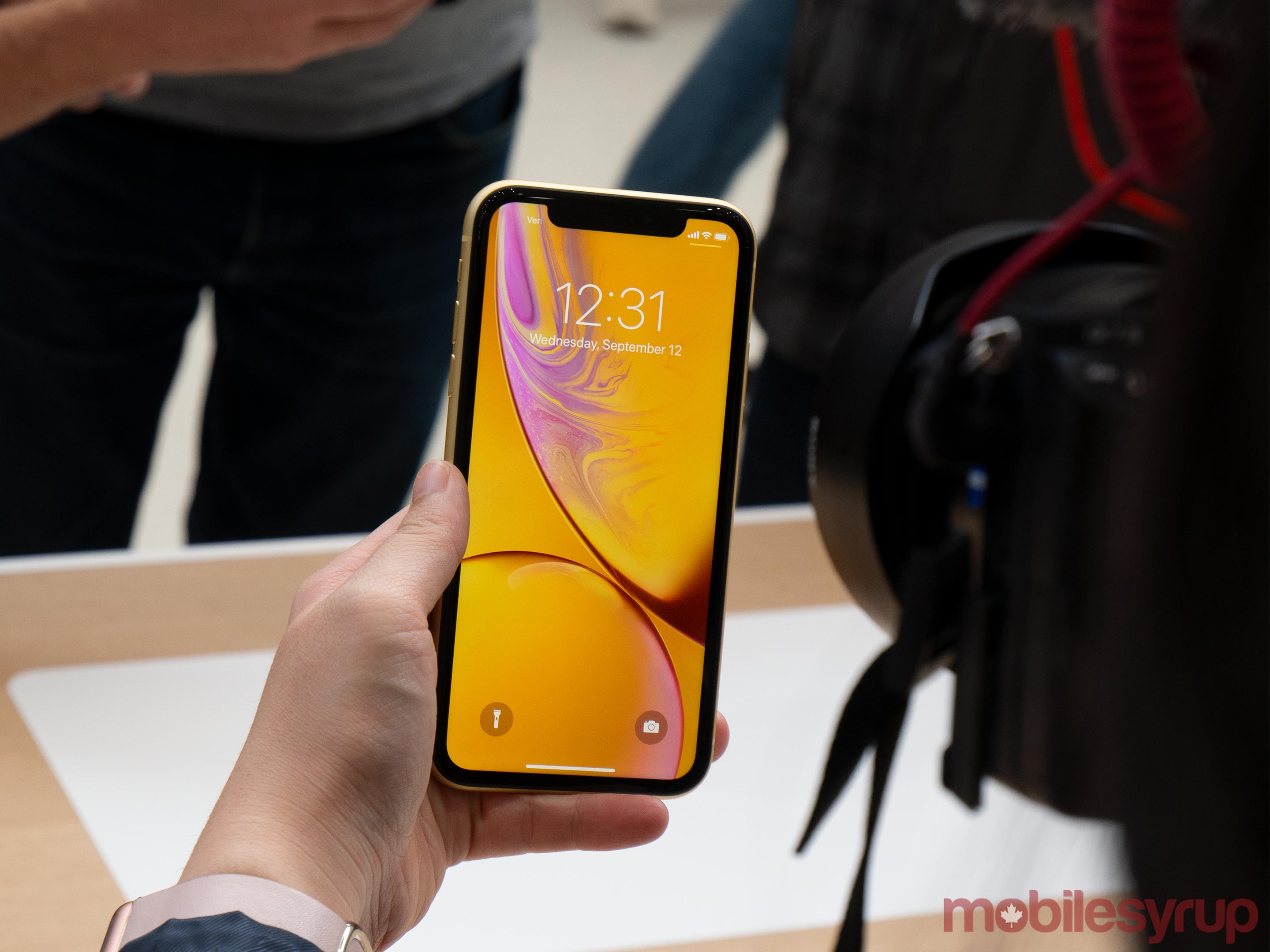
iPhone XR Hands-on: Apple’s entry-level smartphone is back

by Patrick O'Rourke
iPhone XR

Despite Apple’s emphasis on the new iPhone XS and XS Max during its fall hardware keynote, the new entry-level iPhone XR is arguably the more interesting smartphone the company showed off.

The new smartphone features everything that was great about the iPhone X, in a more iPhone 8-like package — at least in some respects.

iPhone XR

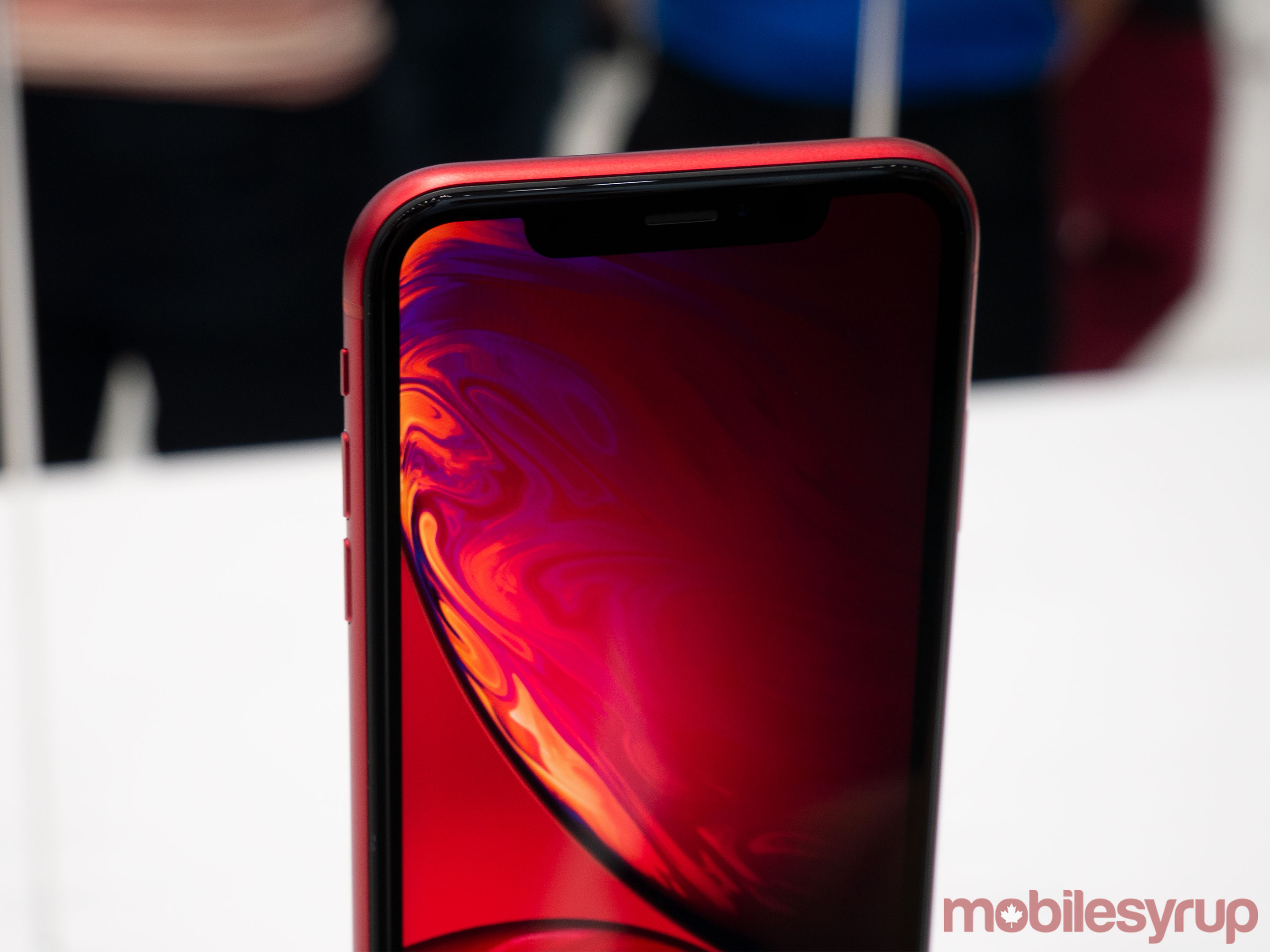
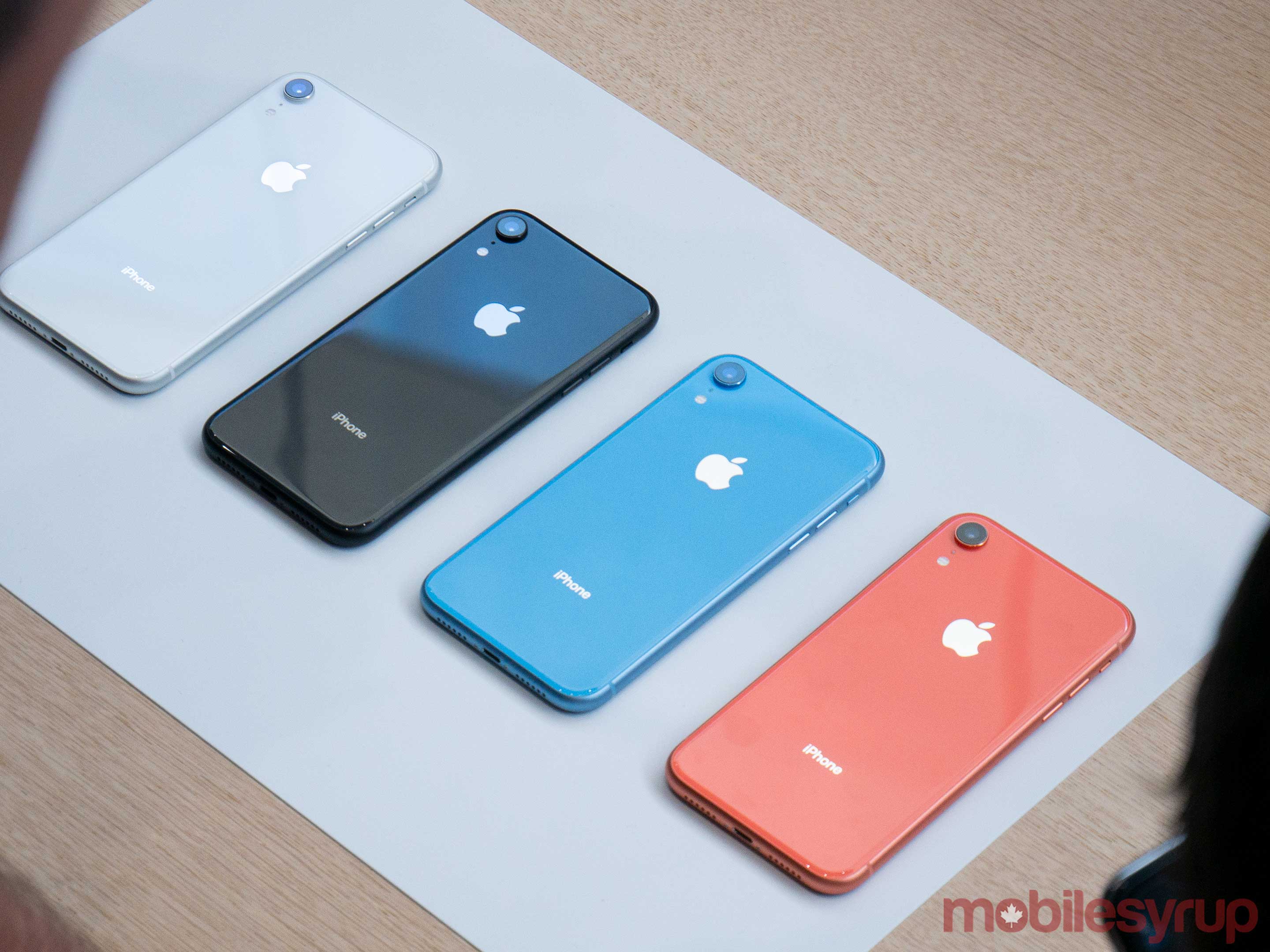
The main difference with the XR, beyond the smartphone’s various bright colours, which include ‘White,’ ‘Black,’ ‘Blue,’ ‘Red,’ ‘Coral’ and ‘Yellow,’ is the fact that it features a 6.1-inch LCD display, rather than OLED screen like the iPhone XS and XS Max.

In terms of resolution, the iPhone XR’s screen measures in at 1792 x 828 pixels, which comes somewhat close to the XS’ resolution. While Apple managed to make its new notched display work with the XR’s LCD technology, it does have slightly more substantial bezels when compared to its more expensive siblings.

iPhone XR lineup

That said, the average user likely won’t notice this shift. Unlike other edge-to-edge LCD smartphones, the XR also doesn’t feature a substantial lower bezel of any kind, which speaks to Apple’s prowess when it comes to wrangling its display partners to manufacture screens to its exact specifications.

Interestingly, the entry-level XR also features almost the same technical specifications as the XS and XS Max, which is a surprising move on Apple’s part. The exceptions to this rule include the XR’s LCD screen, as well as the absence of 3D Touch — a feature I’ve probably only used a handful of times over the last few years.

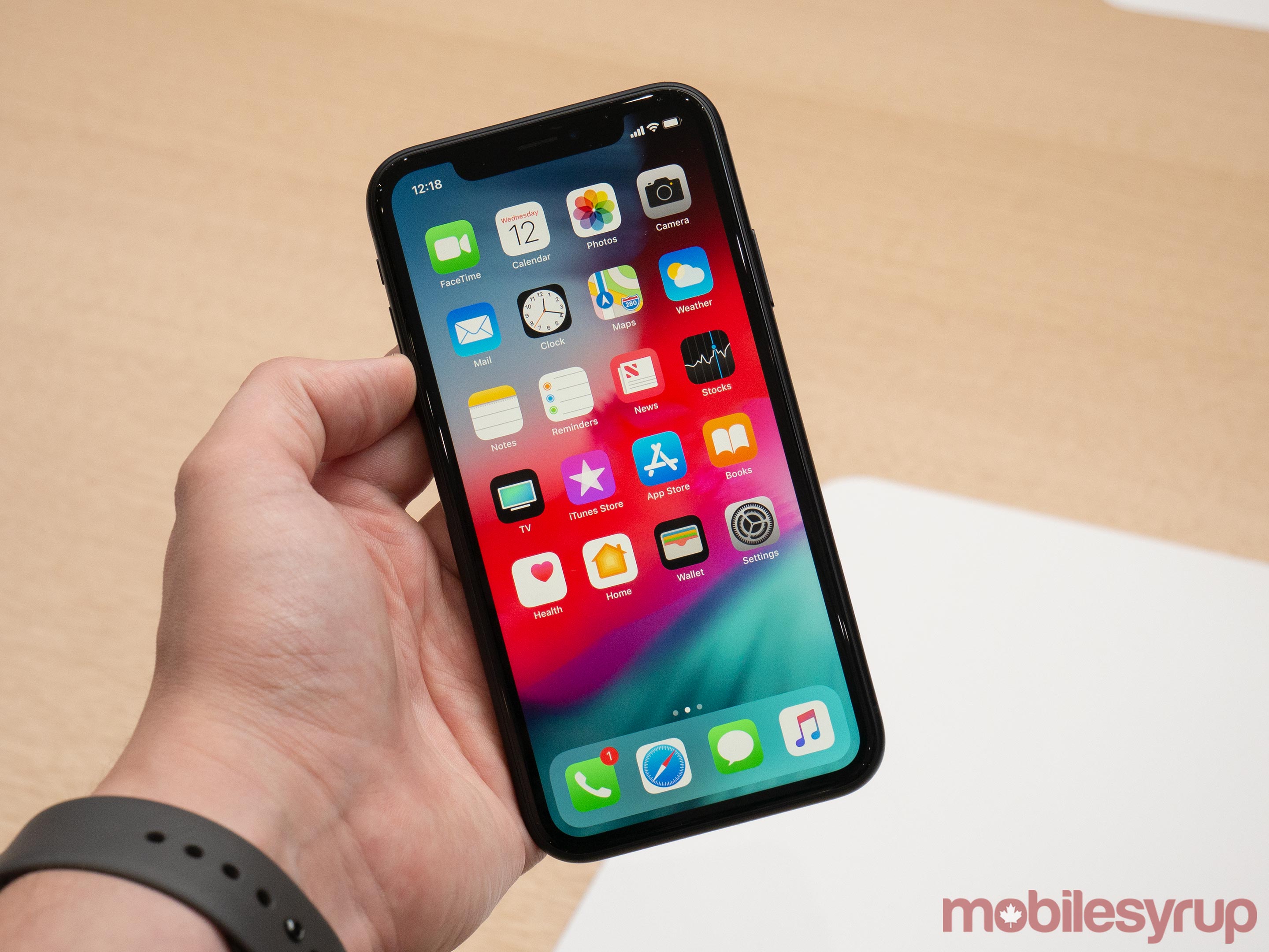
iPhone XR in hand

The phone also only features IP67 water resistance, instead of IP68 like the iPhone XS. The XR even features Apple’s new A12 Bionic processor, just like Apple’s more expensive 2018 iPhones.

The XR also includes Face ID, which will be viewed as a controversial move by those who are fond of Touch ID and the iPhone 8 and iPhone 8 Plus’ physical home button. It’s unclear if Face ID works as well with the XR as it did with the iPhone X, so further testing is necessary.

iPhone XR Peach

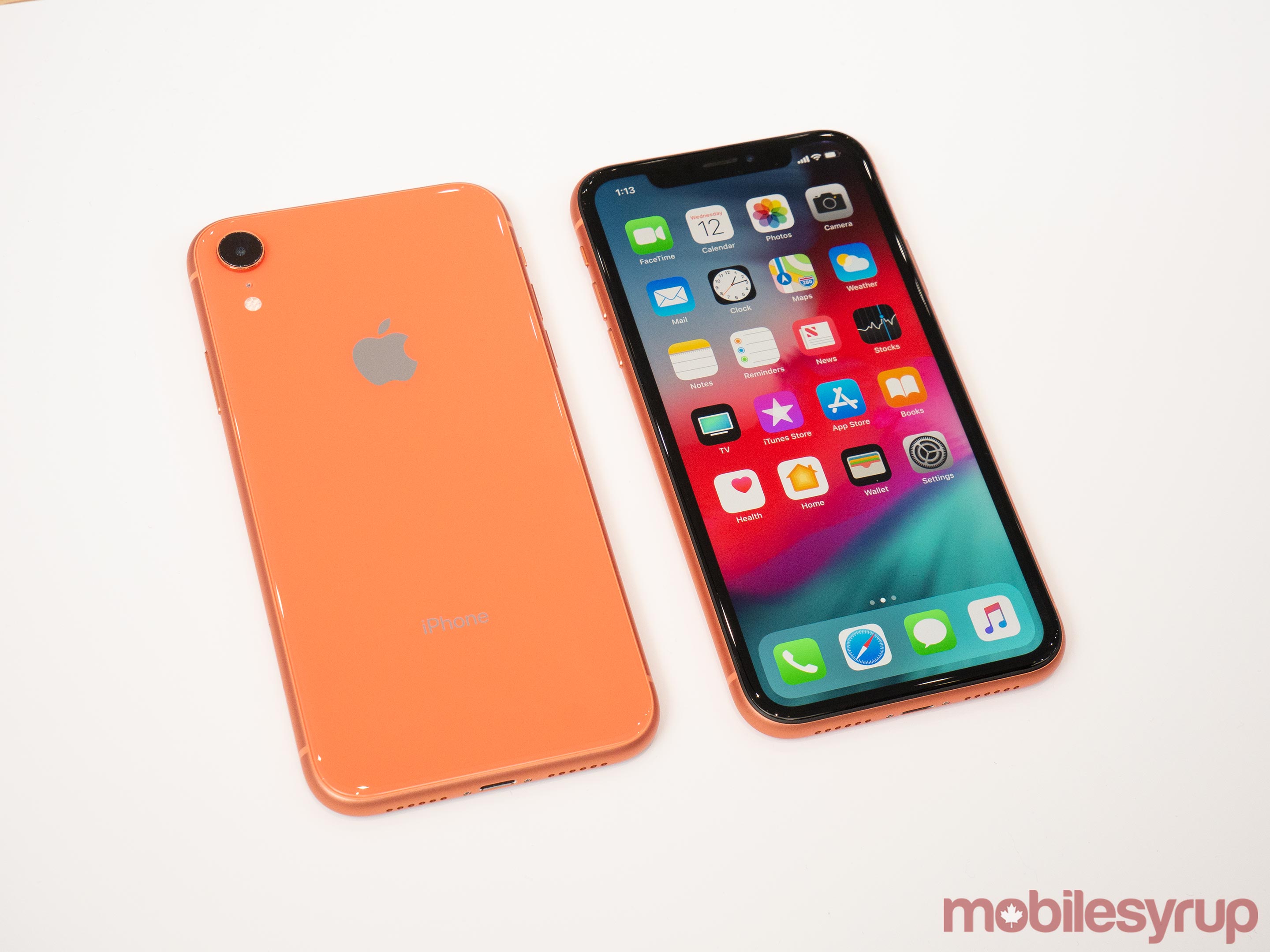
The XR’s colourful body, with the Coral and Yellow versions being my personal two standouts, could end up being a reason why some people opt for Apple’s entry-level smartphone instead of the more expensive XS or XS Max. Seriously, the phone looks great and its various colours pop impressively, harkening back to the flashy iPhone 5C.

Further, while the XR lacks the easily scratched stainless steel bezels of the iPhone XS, it still features the same aluminum frame and glass design. It’s also worth noting that the XR feels considerably lighter than both the XS and the XS Max, though it still has a weight to it that makes it feel like a well-built device.

iPhone XR Yellow

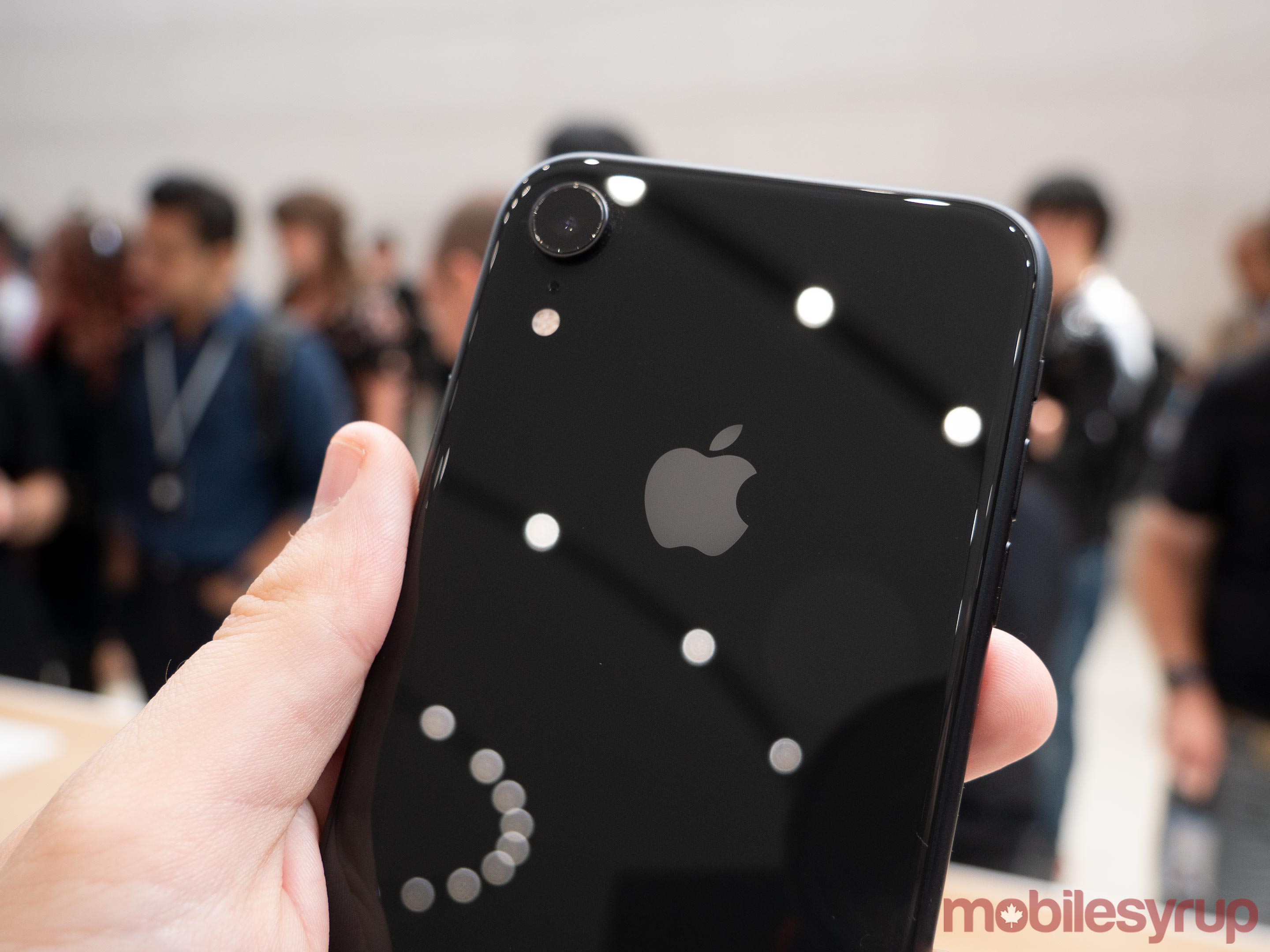
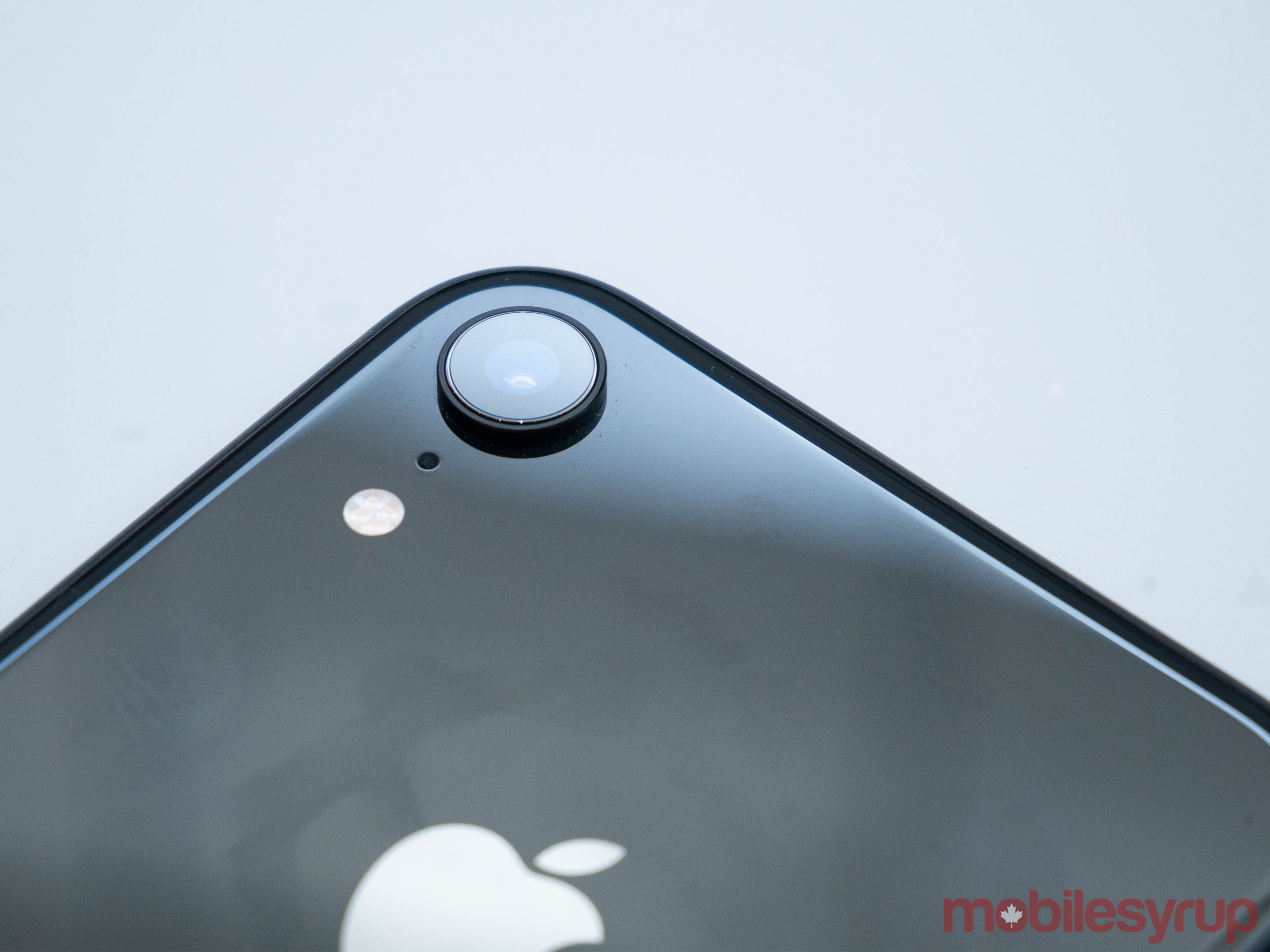
On the camera side of things is where the XR is also interesting. While the XR includes only a single 12-megapixel camera, the smartphone is capable of Portrait Mode depth-of-field effects in post-production, just like the XS and XS Max. That said, because the iPhone XR only feature a lone rear shooter, it isn’t possible to shoot images that feature 2x zoom, which is a feature I definitely would miss.

The XR also includes dual-SIM Support and eSIM functionality, just like the XS. Of note in the Canadian market, while the XR is being positioned as Apple’s entry-level smartphone, it still comes in at a pricey $1,029 starting price tag.

iPhone XR

That said, given the phone’s feature set, especially in comparison to the XS and XS Max, I’d argue that a lot of people are going to opt for Apple’s entry-level offering over its more expensive siblings.

Still, a thousand-dollar smartphone is a pricey proposition, especially for a so-called budget device.

iPhone XR camera bump

The iPhone XR is set to come in 64GB, 128GB and 256GB variations, with a starting price tag of $1,029 CAD.

The XR will be available for pre-order on October 19th, 2018 and will ship on October 26th, 2018.

iPhone XR camera bump

MobileSyrup will have more on the iPhone XR in the coming days, including a review of the smartphone.

The post iPhone XR Hands-on: Apple’s entry-level smartphone is back appeared first on MobileSyrup.

12 Sep 20:01

Apple announces iOS 12 will launch on September 17

by Bradly Shankar
iOS 12 beta 2

Apple has confirmed that iOS 12 will launch on Monday, September 17th.

The next version of the operating system has been in beta since June, but this marks the first time it will roll out to all users.

Some of the most significant features in iOS 12 include animated Memoji that can act out a user’s facial expressions, the health-centric Screentime app to monitor device usage and the 32 participant-capable Group FaceTime.

More to come….

The post Apple announces iOS 12 will launch on September 17 appeared first on MobileSyrup.

12 Sep 20:01

Apple’s macOS Mojave to launch on September 24

by Sameer Chhabra
macOS Mojave

Cupertino computing giant Apple used its September 12th, 2018 ‘Gather Round’ event to announce that the latest version of its macOS desktop operating system — macOS Mojave — will officially launch on September 24th, 2018.

The latest version of macOS was first announced on June 4th, 2018, at Apple’s annual WWDC developers’ conference.

MacOS Mojave comes with a number of improvements over previous versions of Apple’s desktop operating system, including a new dark mode that shifts the hues and overall colour temperature of the operating system as time changes throughout the day.

The new operating system also comes with a revised version of the macOS Finder app, which allows users to manipulate certain file types directly through the Finder app — rather than needing to launch a separate application.

The post Apple’s macOS Mojave to launch on September 24 appeared first on MobileSyrup.

12 Sep 20:01

iPhone XS, iPhone XS Max and iPhone XR Canadian specs, pricing and availability

by Igor Bonifacic

Apple unveiled its latest trio of iPhones today, the iPhone XS, iPhone XS Max and iPhone XR.

Specs

Availability

The iPhone XS and XS Max are set to launch on September 21st, while the pre-orders for the devices start on September 14th. The more affordable iPhone XR ships on October 27th and pre-orders start October 19th.

Pricing

The 5.8-inch iPhone XS starts at $1,379 CAD. The 256GB iPhone XS retails at $1,589 and the 512GB variant costs $1,859.

Meanwhile, the 6.5-inch iPhone XS Max starts at $1,519, the 256GB variant costs $1,729 and lastly the 512GB retails at an astonishing $1,999.

The 6.1-inch iPhone XR starts at $1,029, the 128GB variant retails at $1,099 and the 256GB iPhone XR costs $1,239.

We currently have no word Canadian carrier pricing, however, Apple has listed the following carriers will be capable of bringing on the iPhone XS and iPhone XS Max: Bell, Cityfone, eastlink, Fido, Freedom Mobile, Koodo, BellMTS, PC Mobile, Rogers, SaskTel, TbayTel, Telus, Videotron and Virgin Mobile.

The post iPhone XS, iPhone XS Max and iPhone XR Canadian specs, pricing and availability appeared first on MobileSyrup.

12 Sep 20:01

Lightning to 3.5mm headphone adapters no longer come with new iPhones

by Jonathan Lamont
Lightning to 3.5mm adapter

First, we said goodbye to the headphone jack. Now we may say goodbye to the headphone adapter.

According to the ‘What’s in the Box” information for the new iPhones, the Lightning to 3.5mm adapter does not come in the box.

This is true across the iPhone XS Max, XS, XR, 8, 8 Plus, 7 and 7 Plus.

While it could be a simple omission from the website, this would fit with Apple’s vendetta against the 3.5mm jack.

We’ve reached out to Apple for comment.

Furthermore, none of the iPhones come with a fast charger. Instead, a five-watt charger is included in the box.

This means if you’re dropping $2,000 on the iPhone XS Max, you’ll also need to fork out for a $10 adapter and at least $59 for a fast charging brick and another $25 for a USB-C to Lightning cable.

The post Lightning to 3.5mm headphone adapters no longer come with new iPhones appeared first on MobileSyrup.

12 Sep 20:00

Apple discontinues iPhone X, iPhone 6S and 6S Plus, iPhone SE

by Sameer Chhabra
iPhone X

It appears that Cupertino computing giant Apple has quietly discontinued last year’s iPhone X smartphone, as well as the last iPhones with a headphone jack — the iPhone 6S, the iPhone 6S Plus and the iPhone SE.

These four devices are no longer available for purchase through Apple’s online storefront.

When users navigate to the iPhone page on the Apple website, the only devices available for purchase are the newly announced iPhone XR, XS and XS Max, as well as the iPhone 8 and iPhone 8 Plus, as well as the iPhone 7 and iPhone 7 Plus.

Apple choosing to discontinue the iPhone SE, iPhone 6 and iPhone 6 Plus isn’t incredibly surprising — though it is certainly disheartening.

After all, the iPhone 6S and 6S Plus were both released in September 2015, while the iPhone SE was released in March 2016.

However, what’s surprising is that Apple has discontinued its iPhone X — a device that was released in September 2017.

Interestingly enough, Apple’s decision to discontinue the iPhone X speaks to the fact that the device was intended to celebrate the iPhone’s 10th anniversary. After all, the iPhone brand is now in its 11th year, so there’s no longer any need to celebrate the brand’s 10th anniversary.

It’s also worth noting that Apple no longer has a smartphone that can be used by smaller hands. The smallest iPhones — the iPhone 7 and the iPhone 8 — both feature thick top and bottom bezels, as well as 4.7-inch displays.

The post Apple discontinues iPhone X, iPhone 6S and 6S Plus, iPhone SE appeared first on MobileSyrup.

12 Sep 18:42

Apple announces ‘iPhone XR’ budget smartphone

by Sameer Chhabra

Cupertino computing giant Apple has formally announced a device that could serve as the spiritual successor to the company’s 2013 iPhone 5C.

Dubbed the iPhone XR, the new device features a 6.1-inch 1792 x 828 Liquid Retina LCD display, and comes in six colours, including white, coral, yellow, blue and black. There’s also a Product Red variant for anyone who loves Apple’s collaboration with the ONE Campaign non-profit.

The device itself is made out of 7000-series aerospace-grade aluminum and glass, and though the device has a larger screen than the iPhone 8 Plus, the iPhone XR nonetheless has a smaller overall footprint.

It’s worth noting that the iPhone XR features an aluminum frame and a glass back, meaning that it’s capable of wireless charging through the Qi charging standard.

Additionally, the iPhone XR features IP67 dust- and water-resistance.

The device features a screen cutout and lacks a home button, much like last year’s iPhone X and this year’s iPhone XS and iPhone XS Max.

The device doesn’t have 3D touch, but features Haptic touch technology, which is reportedly similar to the technology used in the trackpad on the MacBook Pro.

Due to the lack of home button and fingerprint sensor, the iPhone XR features Face Unlock as a form of biometric security.

The iPhone XR features the same Apple A12 Bionic chip found in the iPhone XS and the iPhone XS Max, meaning it features that same 4-core GPU and 6-core CPU setup as its more expensive siblings.

According to Apple, the A12 Bionic chip’s neural engine is able to complete five trillion operations per second. The chip is also capable of faster plane detection for ARKit.

While the phone is certainly an attractive piece of technology, Apple spent quite a bit of its press conference highlighting the iPhone XR’s camera.

The iPhone XR features a single rear-camera setup, with a 12-megapixel wide angle lens — the same as the wide angle camera in the iPhone XS and the iPhone XS Max.

Thanks to improvements with the phone’s image signal processor (ISP), the iPhone XR is able to shoot photos with an improved bokeh effect, while Smart HDR allows the camera to record better highlights and shadow details.

Additionally, just like the iPhone XS and the iPhone XS Max, the iPhone XR is capable of adjusting a photo’s depth of field after it’s been shot.

In terms of battery life, the iPhone XR reportedly delivers 90 minutes more battery life than the iPhone 8 Plus.

The iPhone XR is able to connect to LTE-A networks, and features a single nano SIM slot as well as as onboard digital eSIM.

The iPhone XR will come in a 64GB, 128GB and 256GB configuration and will start at $1,029 CAD.

The device will be available for pre-order on October 19th, 2018 and will ship on October 26th, 2018.

The post Apple announces ‘iPhone XR’ budget smartphone appeared first on MobileSyrup.

12 Sep 18:33

Bethesda shows off The Elder Scrolls: Blades game running on iPhone XS

by Bradly Shankar

Bethesda Game Studios director Todd Howard took to stage at Apple’s Gather Round hardware event to show off what the upcoming The Elder Scrolls: Blades game looks like on the just-announced iPhone XS.

In a presentation, the prolific game developer said that the power of the iPhone XS offers “console-quality” graphics on mobile. To demonstrate this, Howard played a video showcasing some of Blades’ dungeon crawling and first-person combat.

Specifically, Howard revealed that Blades will have greater detail on the iPhone XS’ OLED screen, as well as improved lighting effects that can bloom, brighten and reflect off of surfaces. Meanwhile, new wide stereo in the XS can create ambient sound, even without headphones.

As announced in JuneBlades is slated for a fall release. The game can now be pre-ordered on the App StoreBlades will be free-to-download and presumably feature in-game purchases, although Bethesda has yet to detail them.

The game is also coming to Android; pre-registration on the Google Play Store is available here.

The post Bethesda shows off The Elder Scrolls: Blades game running on iPhone XS appeared first on MobileSyrup.

12 Sep 18:32

Apple Watch Series 3 price drops to $369 in Canada

by Jonathan Lamont

Apple announced a price drop for the Apple Watch Series 3.

The announcement came alongside the reveal of the Apple Watch Series 4 at the ‘Gather Round’ event in Cupertino, California today.

The Series 3 is set to go down to $369 CAD in Canada for the GPS model. Currently, the 42mm GPS model retails for $429.

The GPS and cellular model will retail for $499.

Both options are now available on Apple’s website. Retail stores will likely adjust pricing in the coming days.

Despite being an older model, the Series 3 is still a fantastic option. For those in the market for a new Apple Watch and not looking to break the bank, this will be the way to go.

Furthermore, Series 3 is set to receive Watch OS 5. That will bring a number of new features to the watch as well.

To see our full thoughts on the Series 3 Apple Watch, click through for the review.

It’s worth noting that, at the time of the review, only Bell offered support for LTE on the Series 3 watch. Since then, Telus has added support for the Series 3 cellular. According to a slide from Apple’s keynote on Wednesday, Rogers will support the Series 4 cellular model. This likely means that the company will support the Series 3 as well.

The post Apple Watch Series 3 price drops to $369 in Canada appeared first on MobileSyrup.

12 Sep 18:12

Public Art — Vernon & Hastings

by Ken Ohrn

Found this artist (calls himself Form), working at Vernon and Hastings.

You can see more of this artist’s work at Instagram @form_ske

12 Sep 18:12

Urbanist Abroad: Bligh’s Backpacking — Finland

by Colin Stein

If, by now, you’ve noticed that contributor James Bligh’s Instagram travelogues are a bit — how shall we say — architecturally nerdist, it’s on purpose. Also, it’s a Price Tags thing.

Beyond a romantic holiday through European capitals, this trip has been the urbanist equivalent of a fan tour of American baseball stadia, but with the benefit of a willing and supportive spouse (Errin — she’s been starring in many of the videos). James has been hitting some architectural must-sees, and we hope you’ve learned a thing or two.

This Finland bit should be no different. Here we get a quick taste of the Finnish Modernist approach to building design practices by architectural auteurs. In this case, one in particular:

“We were only briefly in Helsinki — most of our visit in Finland was spent traveling to several far-flung buildings designed by legendary Finnish architect Alvar Aalto.

Our short time in the capital left me with an impression of a city that had grit, diversity, history, and the familiar pervasiveness of global capitalism. Bordered by former occupiers Russia and Sweden, we wondered, ‘What will the future of Helsinki look like?’

I present an un-Finnished list of urban findings to consider…”

Instagram PhotoInstagram Photo

12 Sep 18:12

@stoweboyd

@stoweboyd: We have a candidate for US president who is running on a platform fighting the robot...
12 Sep 18:12

@stoweboyd

@stoweboyd: Nina Trentmann reports on an Accenture report that projects ‘Nearly half of all tasks...
12 Sep 18:12

@stoweboyd

@stoweboyd: Robert David Hart is a bit too pedestrian in his thinking, wondering about...
12 Sep 18:11

Social Media Announcement

mkalus shared this story from xkcd.com.

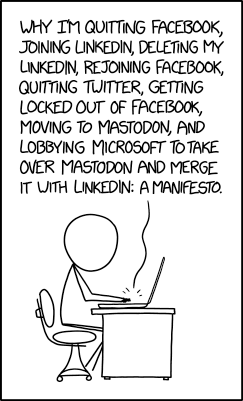
Why I'm Moving Most of My Social Activity to Slack, Then Creating a Second Slack to Avoid the People in the First One, Then Giving Up on Social Interaction Completely, Then Going Back to Texting
12 Sep 18:11

Star Trek: Galaxy - re:View

by RedLetterMedia
mkalus shared this story from RedLetterMedia's YouTube Videos.

From: RedLetterMedia
Duration: 25:40

This is a milestone! The first re:View based on something that doesn't exist. I guess it's not a re:View, but oh well...

Mike and Rich spitball some ideas for that newly announced Picard TV show. Mike has an idea to put Picard back on a Galaxy class ship again so he can relish in nostalgia and yell "I recognize that!" at his TV. Rich and Mike talk crew, mission, science mystery and not having a Star Trek series based on "action schlock" and terrible things that make us puke.

12 Sep 18:11

It's actually a fact of human psychology – and this has been proven by science – that you cannot be depressed while firing all of your guns at once and exploding into space.

by existentialcoms
mkalus shared this story from existentialcoms on Twitter.

It's actually a fact of human psychology – and this has been proven by science – that you cannot be depressed while firing all of your guns at once and exploding into space.


Posted by existentialcoms on Monday, September 10th, 2018 7:17pm


478 likes, 65 retweets
12 Sep 18:11

Bike the Night – Sep 15

by Gordon Price

Bike the Night is this Saturday, September 15 – a relaxed and colourful 10 km ride through car-free Vancouver streets. Register now to save on tickets, skip the line-up and get 10 percent off at MEC.


12 Sep 17:44

Apple hasn’t patched Safari security flaw they’ve known about for 3 months

by Jonathan Lamont
Safari icon

A security researcher discovered a security flaw with both Microsoft’s Edge browser and Apple’s Safari. However, more than three months after disclosing the flaw to both companies, only Microsoft has released a patch.

The flaw allows a malicious attacker to update the address bar of the browser before the webpage finishes loading. This could allow an attacker to display legitimate website names in the address bar.

This could allow attackers to masquerade fake sites as real ones to steal information. For example, creating a fake login screen to steal a user’s password.

The researcher, Rafay Baloch, says he reported the vulnerability to both companies on June 2nd and provided them with the customary 90-day timeline.

The 90-day timeline encourages companies to provide quick fixes for flaws. Baloch sent reminders to both companies on August 11th and 14th before the 90 days expired on August 31st.

Microsoft released its patch on the 14th of August.

How it works

According to Baloch, the exploit exists because Safari allows javascript to update the address bar while the page loads.

One obstacle for attackers is that the Safari browser doesn’t allow users to type information into input boxes while the site loads. However, this is easily avoided, according to Baloch, by building a fake keyboard into the website.

Baloch posted a video showing the exploit in action. In the video, you can see that the URL in the address bar changes quickly to ‘xyzbank.com.’

Baloch then loads up another page that shows information acquired from the fake login page. This includes device information and his username and password.

Since the 90 days has passed, Baloch shared the security flaw. However, he won’t disclose code revealing how to do it until Apple patches it — which, hopefully, will be sooner rather than later.

Source: Rafay Baloch Via: The Register, 9to5 Mac

The post Apple hasn’t patched Safari security flaw they’ve known about for 3 months appeared first on MobileSyrup.

12 Sep 17:44

Apple announces new Apple Watch Series 4 with 30% larger display

by Igor Bonifacic

At its ‘Gather Round’ event in Cupertino, California, Apple today announced its latest smartwatch, the Apple Watch Series 4.

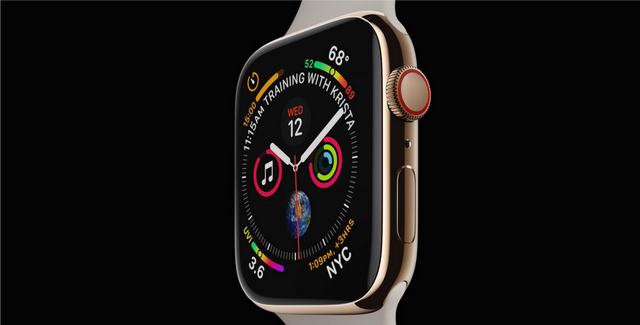
The new wearable’s marquee feature is a new, larger display on both 40mm and 44mm models. The screens are 32 and 35 percent larger, respectively. As a result of the new screens, the Series 4 is able to display more complications in both watch faces and apps.

Apple has also redesigned the Apple Watch’s signature Digital Crown. It now features haptic feedback. Users will notice the feedback when scrolling through lists, for example.

The speaker, meanwhile, is 50 percent louder. Apple has also moved the microphone so that it sits below the Digital Crown, on the opposite side from the speaker. This reduces echo in phone calls. Additionally, the back of the smartwatch features a new surface made of black ceramic and sapphire crystal, allowing for better transmission of radio waves. Together, Apple says these features lead to significantly better phone call quality.

Inside of the smartwatch is the company’s new S4 processor. Apple says the dual core 64-bit processor delivers twice the performance. Apple has also integrated a new accelerometer and gyroscope, which will allow the Apple Watch to detect when the user falls. After detecting a fall, Series 4 will display a notification, prompting the user to call 911 emergency support. If Series 4 senses the user is immobile for one minute, it will start a call automatically, as well as send messages to the user’s emergency contacts.

Apple has also enhanced the Series 4 heart rate technology, adding three new heart rate monitoring features to the mix. The first will warn the user when their heart rate is too low. The second will warn the user of atrial fibrillation when it detects an irregular heart rhythm. The most interesting addition, however, is that the Series 4 can now take electrocardiograms. These features were endorsed by the American Heart Association and approved by the FDA. For right now, they’ll be available to U.S. customers while Apple works to bring the features to other markets.

Despite the new feature additions, Apple is still promising 18 hours of battery life. Moreover, the company says it’s been able to increase outdoor sport battery life, as well.

Series 4 will be available in three aluminum finishes and three stainless steel finishes.

The new wearable will be available starting on 21st, with preorders opening on the 14th. The GPS watch will be available for $519. The GPS and cellular variant will be $649. Additionally, the older Series 3 model will retail for $369.

Apple revealed Rogers will start carrying the Apple Watch Series 4. Apple will launch watchOS 5 on September 17th as well.

The post Apple announces new Apple Watch Series 4 with 30% larger display appeared first on MobileSyrup.

12 Sep 17:43

A Cloudy Vision — 2018 Vancouver Civic Election

by Ken Ohrn
Ian Campbell. Photo Dan Toulgoet

In the wake of Ian Campbell’s unexpected withdrawal from the Vancouver 2018 civic election’s mayoral campaign, Vision Vancouver is considering all options, while putting on a brave face.  And a somewhat scattered face, as their opponent parties chortle in ill-disguised glee.

This is from a mass e-mail sent yesterday to me from Vision’s shell-shocked HQ:

Here’s what’s next.

All options are on the table for how we can elect every Vision candidate for Council, Park and School Board on October 20th.

Vision may still run a Mayoral candidate. Our internal polling numbers show that if the election was held today, it would be a neck and neck race between Vision and the NPA for Mayor.

Vision may endorse an independent for Mayor. But we know it’s very difficult for an independent to win. And we’d need to know how they would help elect our candidates, support Vision’s policies, and most importantly how they would defeat a well-resourced NPA.

The Vision campaign team is carefully considering all options.

Vision’s options:  endorse Sylvester or Stewart, nominate no candidate, nominate a new candidate.

Vision’s strength: their database of supporters, and the skills and means to stimulate turnout of those voters. This could be a difference-maker in a low-turnout election scenario.

Announcements, rumours and gossip:  in no particular order.

  • Currently-sitting Vision councilors Kerry Jang and Tim Stevenson have endorsed Kennedy Stewart for mayor.  They’re NDP supporters. Stewart is a former NDP MP. They’re all progressively attuned, so it’s all good.
  • Rumours persist that Vision plans to announce a replacement mayoral candidate.  Tick-tock everyone, nominations’ filing deadline is this Friday, September 14 at 4 pm, or else you don’t get on the ballot.  Don’t forget that deep background check.
  • Andrea Reimer, by some reports, may consider leaving Harvard U to pursue the mayor’s chair for Vision.  Ms. Reimer would make a terrific mayor. To me, new horizons are a better choice than a battered ship heading for a fractious council of mostly rookies.
  • Shauna Sylvester and Kennedy Stewart both say they’re not looking for a Vision endorsement. (Thanks to Frances Bula and Sunny Dhillon in the Globe and Mail)
12 Sep 17:43

Apple watchOS 5 launches on September 17

by Sameer Chhabra

Cupertino computing giant Apple used its September 12th, 2018 ‘Gather Round’ event to announce the new Apple Watch Series 4.

In addition to a brand new smartwatch, the company also announced that its watchOS 5 smartwatch operating system would arrive on devices on September 17th, 2018.

All versions of the Apple Watch will be supported by watchOS 5, with the sole exception of the Apple Watch Series 1.

The post Apple watchOS 5 launches on September 17 appeared first on MobileSyrup.

12 Sep 17:42

Apple announces 5.8-inch iPhone XS and 6.5-inch iPhone XS Max

by Igor Bonifacic

Apple’s newest pair of flagship smartphones are known as the iPhone XS and iPhone XS Max, the company announced today at its ‘Gather Round’ event in Cupertino, California.

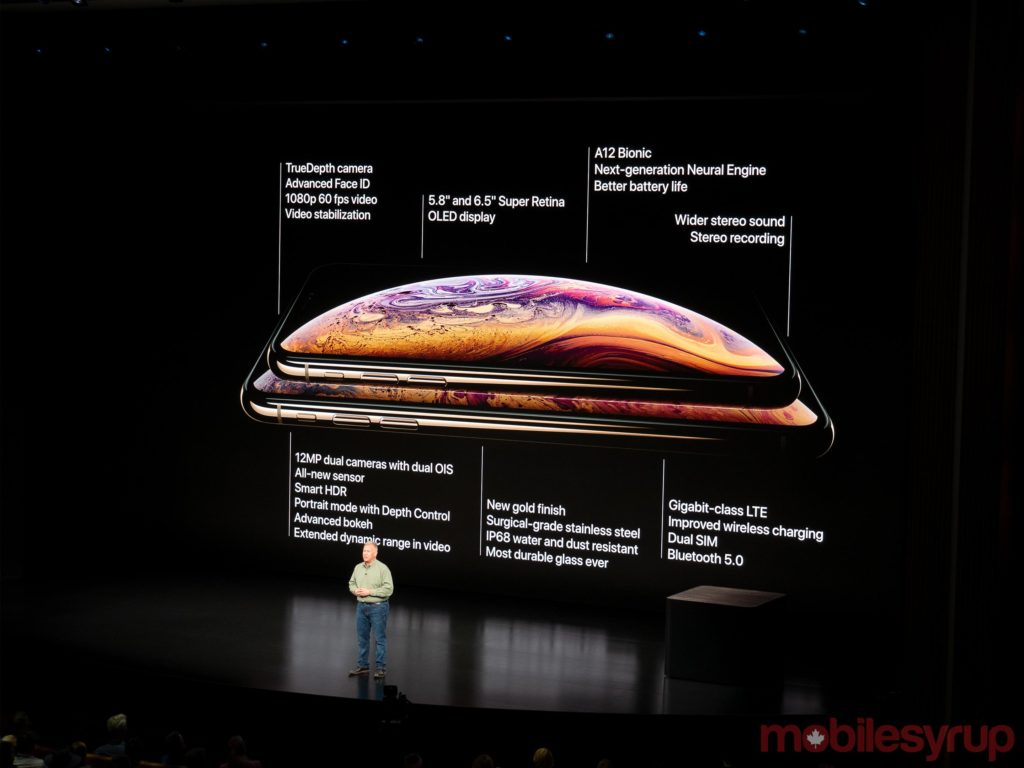
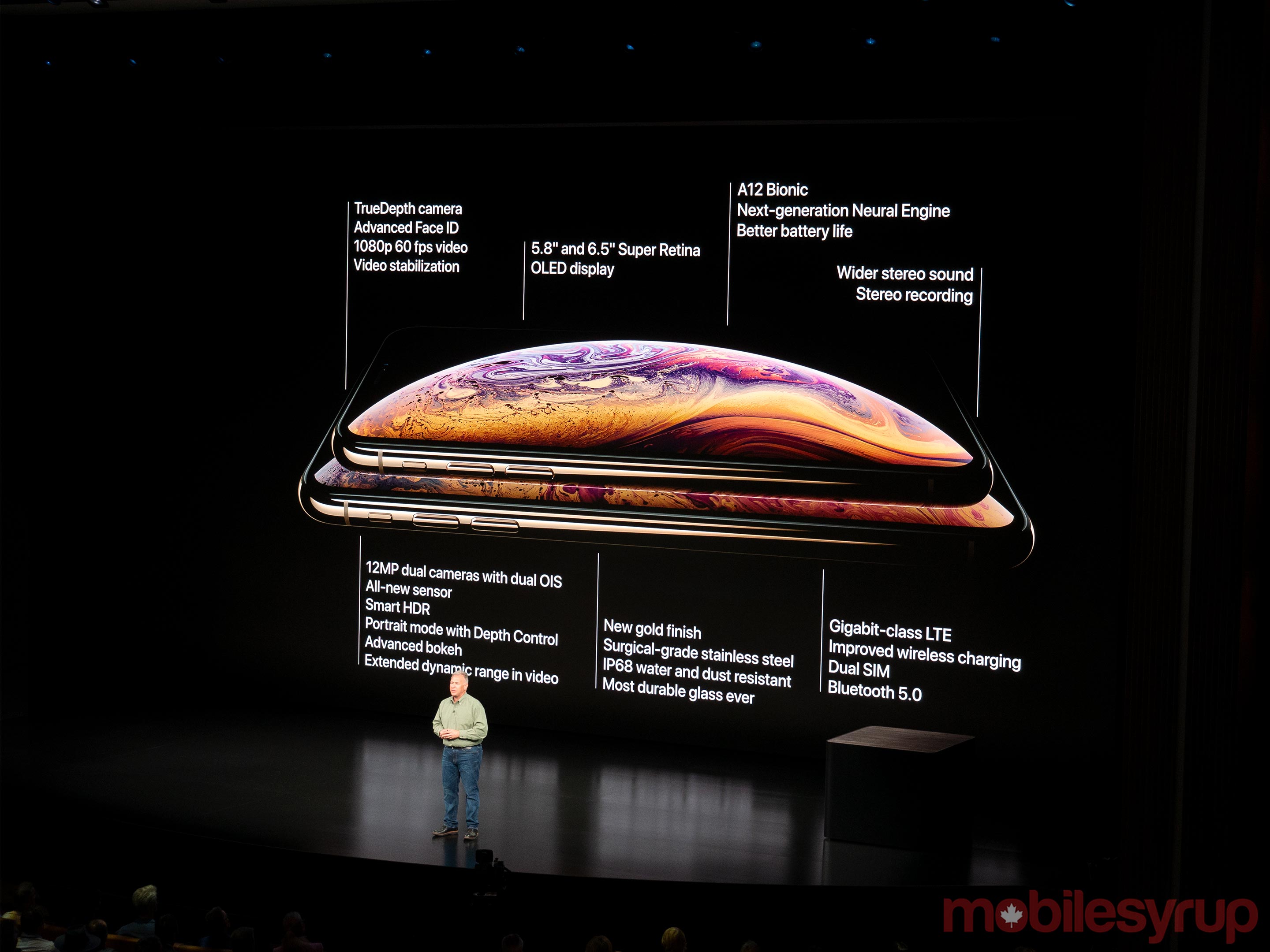
The iPhone XS features a 5.8-inch ‘Super Retina’ 2,436 x 1,125 display. Meanwhile, the iPhone XS  Max features a 6.5-inch 2,688 x 1,242 display. The latter is the largest iPhone Apple has announced to date. To put the size of the iPhone XS Max in perspective, when it comes out, it will be larger than both the iPhone 8 Plus and the recently announced Samsung Galaxy Note 9. In addition, both displays support HDR 10 and Dolby Vision, as well as 3D Touch, True Tone and a 120Hz refresh rate.

Apple says the glass on the new iPhones is the most durable ever featured on an smartphone. Both devices are IP68-rated water and dust resistant, as well.

Powering the iPhone is Apple’s new A12 Bionic chipset. It’s the smartphone industry’s first 7nm chip, according to Apple. It features a six core CPU — with two high-performance cores and four efficiency cores — a four core GPU and the company’s latest Neural Engine. The new design takes advantage of eight cores. According to Apple, the A12 Bionic is able to process 5 trillion computations per second. That’s a significant leap over the A11 Bionic’s 600 billion computations per second.

One of the new features powered by the A12 Bionic is Siri Shortcuts. The feature allows users to set reoccurring routines with Siri.

For the first time, the iPhone will be available in a 512GB configuration. Both devices are also available in a new gold colour.

On the camera front, the iPhone XS and iPhone XS Max feature a dual camera module with a 12-megapixel wide-angle camera with f/1.8 aperture and optical image stabilization and a 12-megapixel telephoto lens with f/2.4 aperture. The latter lens enables two-times optical zoom. On the front of the phone is a 7-megapixel sensor with f/2.2 aperture lens.

With the help of the iPhone XS’s new A12 Bionic processor, Apple is introducing a new Smart HDR feature. Essentially like Google’s HDR+, the feature promises to deliver better high-dynamic range photos than ever before. Apple has also enhanced the iPhone’s portrait mode functionality. By studying high-end DSLR and professional camera lenses, the company has refined the iPhone’s depth of field rendering. The iPhone is now capable of adjusting the depth of field of a photo, in effect adjusting the look of the background blur.

iPhone XS features a slightly larger battery that delivers 30 minutes more uptime than the iPhone X. The iPhone XS Max, meanwhile, features the largest battery Apple has every put into a smartphone.

For the first time in the history of the iPhone, the iPhone XS and XS Max feature dual SIM support. Apple has integrated a variety of features, including one called Dual SIM Dual Standby (DSDS), that the company says will make it easy for users to identify individual SIM cards with ease.

Along with dual sims, the iPhone XS will support eSIM. Right now, it looks like Bell will support the feature, according to Apple. However, Rogers eSIM support is coming sometime this year.

The iPhone XS and iPhone XS Max will be available in three storage configurations: 64GB, 256GB and 512GB. The iPhone XS starts at $1379, while the iPhone XS Max $1519. Preorders starts on Friday, September 14th, with sales opening on September 21st.

The post Apple announces 5.8-inch iPhone XS and 6.5-inch iPhone XS Max appeared first on MobileSyrup.