Era uno de los deseos de muchos y la queja de muchos, pero parece que en ambos casos se va a tener que esperar porque a pesar de los esfuerzos de Apple la compañía no lo ha conseguido para esta nueva generación de Apple Watch que supuestamente se nos presentará en septiembre. La independencia del Apple Watch respecto al iPhone va a seguir sin conseguirse en la segunda generación que previsiblemente se lance a finales de este año, aunque gracias a algunas mejoras que se incorporarán será un problema menos importante que en la primera generación.
Ha sido Mark Gurman el que citando fuentes muy cercanas a la compañía nos ha desvelado que a pesar de los esfuerzos realizados en este sentido, Apple no ha conseguido dotar al nuevo Apple Watch de conectividad propia, paso indispensable para poder usarlo sin tener que llevar el iPhone encima. Y el problema es el que todos nos podemos imaginar: la batería. Los actuales chips LTE consumen demasiada batería y un dispositivo tan pequeño como el Apple Watch no puede albergar una batería lo suficientemente grande como para aguantar un día completo.
Apple ya está trabajando para conseguir chips LTE más eficientes que puedan incorporarse a una futura generación, pero para la que llegará este final de año ya ha incorporado algunas novedades que paliará esta dependencia respecto al iPhone. Un nuevo chip GPS permitirá que el reloj conozca nuestra ubicación y nos permita por ejemplo correr sin tener que llevar el iPhone encima, y poder después trazar en un mapa nuestro recorrido. Esto, junto a la ya existente posibilidad de almacenar música y escucharla mediante unos auriculares Bluetooth, lo convertiría ya en un perfecto “wearable” para llevarlo a correr. Aunque obviamente seguiremos sin recibir WhatsApp ni llamadas telefónicas sin tener el iPhone cerca.
Además del GPS, Apple incorporará nuevos sensores biométricos para cuantificar más constantes vitales, como nuestras respiraciones. Este añadido podría permitirnos monitorizar de forma más precisa nuestro sueño, uniéndose a los datos ya capturados por el sensor de frecuencia cardiaca y el de movimiento. No nos olvidemos de que el nuevo Apple Watch también puede tener funciones que dependan de software, y no de un hardware dedicado. La posibilidad de conectarse a redes WiFi para conseguir conectividad propia sin iPhone podría llegar en esta nueva generación, y también conseguiría dotarle de mayor independencia.
The Playstation 4 is getting a facelift. Sony will reveal a new slimmer version of the PS4 next month, according to a Wall Street Journal report. The new console, unofficially dubbed the PS4 Slim, will have the same exact specifications as the original PS4 but with a new thinner design. It will compete directly with the Xbox One S
. According to one analyst cited by the WSJ, the new slim model will also be sold at a cheaper price.
pues sí, dentro de poco ya no se harán motores nuevos, aunque los motores diesel para camiones supongo que seguirán avanzando
Hybrid and pure electric cars may be the future of transportation, but Nissan's Infiniti badge has found a way to make the most out of gas engines while they're still relevant. When the next-generation QX50 crossover arrives in 2017, it'll carry the...
La eterna lucha de patentes entre las compañías tecnológicas tiene ahora un nuevo episodio. Y es que una última petición de patente descubierta por Patenty Apple nos muestra cómo Samsung ha intentado hacerse con los derechos y diseños de un reloj inteligente que se nos hace muy familiar, un Apple Watch en toda regla.
La patente presentada ayer nos muestra varios dibujos de cómo sería el wearable conectado de Samsung. Estos dibujos tienen tanto el factor forma como los componentes de un reloj de Apple, en el que vemos los biseles redondeados, el botón de inicio y la corona digital perfectamente. Teniendo en cuenta cómo son los relojes y wearables de Samsung lanzados hasta el momento, ninguno de ellos coincide con los dibujos presentados a la oficina de patentes.
Si bien es cierto que algunos de los dibujos presentados en la petición corresponden a diseños del Gear 2 y otros wearables de la empresa, otros son directamente copias calcadas del Apple Watch en diferentes vistas. Puedes comprobarlo por ti mismo echando una ojeada al documento presentado a la oficina de patentes estadounidense.
Por suerte en este tipo de patentes los dibujos son uno de los aspectos menos importantes
En este tipo de patentes los dibujos son uno de los aspectos menos importantes, ya que cuenta mucho más la explicación y el funcionamiento de los inventos. Sin embargo, no deja de ser curioso que se utilice exactamente el diseño de tu mayor competidor en el mercado.
Seguramente Apple alegue esta petición de patente y si por cualquier razón llega a buen puerto, en cualquier momento Apple podría demostrar que el diseño es suyo contrastando fechas. ¿Un dardo venenoso lanzado a Apple? ¿Un simple error de becario? Nunca lo sabremos, pero no deja de ser curioso y un reflejo de la filosofía de cada una de las empresas.
Making games is hard. Making games on your own is even harder, but being successful at it is reserved for the best of the best.
In this interview, we hear from one of the best of the best: Unity developer Daniel Nascimento, who recently released his game Rocket Fist on Steam.
We chat about the process of creating games in Unity, bringing them to market, and whether this indie apocalypse is really a “thing” or not.
Getting Started
What brought you into game development?
I studied 3D Animation at the Vancouver Film School, but not really for games: more for TV and movies. I was having a hard time finding a job as an animator, and at the time I was playing a lot of a game called Dungeon Defenders, which had a level editor based on Unreal Development Kit.
I started using what I have learned about 3D Art in school to play around with it and make my own levels; I also started ripping characters from the game and posing them in funny scenes and posting it in their forums. That ended up leading me to being hired to animate a trailer for their new game.
That opened a whole new world to me, it didn’t even occur to me before that working with games was something I could do. I bought a Unreal Development Kit book and started learning how to make games with it.
What is your game development experience?
I made many games, most of them really small projects made for game jams in under 72 hours. The most famous of them was Go Home You’re Drunk which was played by a lot of the biggest YouTubers and was made in a 15-hour jam with 2 friends.
I also did a Masters of Digital media in which we worked in a couple of game projects and worked in a couple of virtual reality companies later on as a Technical Artist.
How did Rocket Fist come about?
I wanted to make something more complete with a longer development cycle.
I was pursuing a master’s degree in Digital Media, and in one of the projects we were working on, we were tasked with coming up with games for the PS Vita that made good use of it’s physical interface. I was working on a lot of small prototypes in the Vita and had the idea of making a 1 vs. 1 game in which each player held one side of the device.
And that was the first ever version of Rocket Fist. It was just some spheres in an environment made of cubes throwing little cube missiles at one another, and even at that stage it was already pretty damn fun.
Each player only had one button and one analog stick to play with; it was simple and addicting. I started playtesting with my classmates and it was a success. Everyone I introduced this to would play for a long time and would have a hard time giving it back. At that point I was sure that was THE ONE, the project I should pursue to be a long-term commercial project.
About Unity
Daniel Nascimento
When producing Rocket Fist, why did you choose Unity over other game engines?
When I was starting, I learned Unreal Development Kit for a while, which was Unreal Engine 3, but it was a really awkward engine to use, with lots of annoying problems.
In the first game jam I participated, I worked with a programmer that was using Unity and fell in love with the engine. From there on I started learning C# and using unity and haven’t looked back since.
What Unity features do you really enjoy?
I love how easy it is to create stuff in it, even to change the editor itself and create tools to help in the development! I also love the component-based nature of it.
Conversely, how do you think Unity can be improved?
It really needs a better way to version control scenes, those are always a problem when working with others. Also wish they would focus more on stability and performance for a while instead of just trying to cram more features into it.
How has the experience been for developing multiplatform games on Unity?
It was great! I thought it would be much harder to get the game working in other platforms, but for most of them it was mainly pressing a button and changing one method or another. Conditional compilation also really helped with that; so far I’ve been keeping the same project for all platforms (except for Universal Windows App, which is very picky about a bunch of things).
Did you use Unity’s multiplayer tools, or did you create your own? What was your reasoning and how has it turned out?
I tried many multiplayer tools. Unity’s was too laggy for Rocket Fist, since it’s a very fast-paced game.
I ended up opting to go a P2P route with players hosting their own servers. I built my own framework on top of Steamworks Multiplayer using TNet as a base, but in the end it wasn’t working that well, with inconsistent results. I’m now in the middle of implementing Forge Networking instead, which gave me way better results in my tests.
In general terms, was it difficult to integrate Steam into the game?
There’s been a lot of talk about the great Indie apocalypse. How do you see the current landscape for the indie developer?
There is a lot of competition that’s for sure. It’s not an easy path. Personally, I make games because I really enjoy making games. So no matter what, I’ll keep making my own games on my free time, even if I have to work a day job alongside with it.
What do you consider the hard aspects of game development?
Online Multiplayer. Still have PTSD from working on it.
Rocket Fist went straight to market in a completed state. What’s your thoughts on programs like early access in terms of being an indie development?
I figured that you really only have one chance at making your initial splash, and I wanted that initial splash to happen when the game was really ready for it. So far I’ve been receiving great feedback and reviews, I think it was a good choice.
I was also concerned with support requests and the added work that comes with it, but looking back, it isn’t as much trouble as I anticipated. I might try some sort of early access for my next project, maybe Itch.io’s refinery.
Rocket Fist also features a flat cost versus being filled with microtransactions or being free to play. Why did you choose the flat price and what advice do you have for an indie developer when determining a price?
I just hate microtransactions very very much, which is one of the reasons I tend to stay away from mobile game development. I don’t really have any good advice about determining a price; what I ended up doing was asking a bunch of people about their opinions and trying to figure it out from it.
Also gotta keep in mind that a lot of people only want to buy games now when there’s a sale, so think that most of your sales will happen when the game is being sold at a smaller price than the one you picked.
What advice do you have for indie game developers?
Playtest a lot, be open to feedback and suggestion, keep on learning, keep on making stuff, have fun with it!
Where to Go From Here?
Many thanks to Daniel for his insights as an indie developer.
There’s a lot consider when developing games, as well as things to consider even after your game goes live. Indie development is hard, but as Teddy Roosevelt once said, “Nothing in the world is worth having or worth doing unless it means effort, pain, difficulty”. I look forward at presenting more stories of Unity pain in the future. :]
If you enjoyed this interview and you are curious about Rocket Fist, definitely check out Rocket Fist over at Steam. With great reviews and a price to match, it’s definitely a game worth trying.
Pensaba que la moda de los pastelitos "originales" estaba pasando, pero aún encontramos algunas joyas de la repostería dignas de mención.
Por ejemplo, los cupcakes con forma de grano purulento. Se presentan con el aspecto de una espinilla infectada que pide a gritos que alguien la apriete para liberar toda la pus que contiene. Al hacerlo con los dedos, una sabrosa crema empieza a aparecer mientras salivamos pensando en el lametón que le vamos a dar.
Una creación asquerosamente apetitosa, gracias a los californianos de Blessed by baking.
Este es un tema que ya hemos tocado anteriormente en NoPuedoCreer enfocando las soluciones hacia el diseño de notas pasivo-agresivas. Divertidas y originales pero, nos tememos, poco efectivas.
Contra esta clase de imbéciles hay que ser más agresivo. Ya lo vimos también con una elegante solución en Brasil, y ahora nos llegan un par de innovaciones interesantes.
La primera, envolver el vehículo del infractor en celofán resistente como el que se utiliza para asegurar cargamentos y maletas en los aeropuertos. Concepto similar al estilo brasileño, menos artístico pero más rápido de llevar a término.
Pero a nosotros la que de momento más nos gusta es la solución "Toma, te regalo mi carrito de la compra, idiota". La acción solo requiere de unos segundos para llevarla a término. Simplemente necesitamos llevar en el bolsillo una brida de esas tan fáciles de cerrar y tan difíciles de abrir si no llevas un objeto cortante a mano. La única pega es que solo sirve para los parkings de centros comerciales.
Nos gusta también la idea de que se puede complementar, ahora sí, con una de las notas pasivo-agresivas que podemos dejar dentro del carrito. Es recomendable para responder la pregunta que se harán la mayoría de los idiotas ¿Qué raro, porqué me habrán enganchado a la puerta un carrito de la compra?.


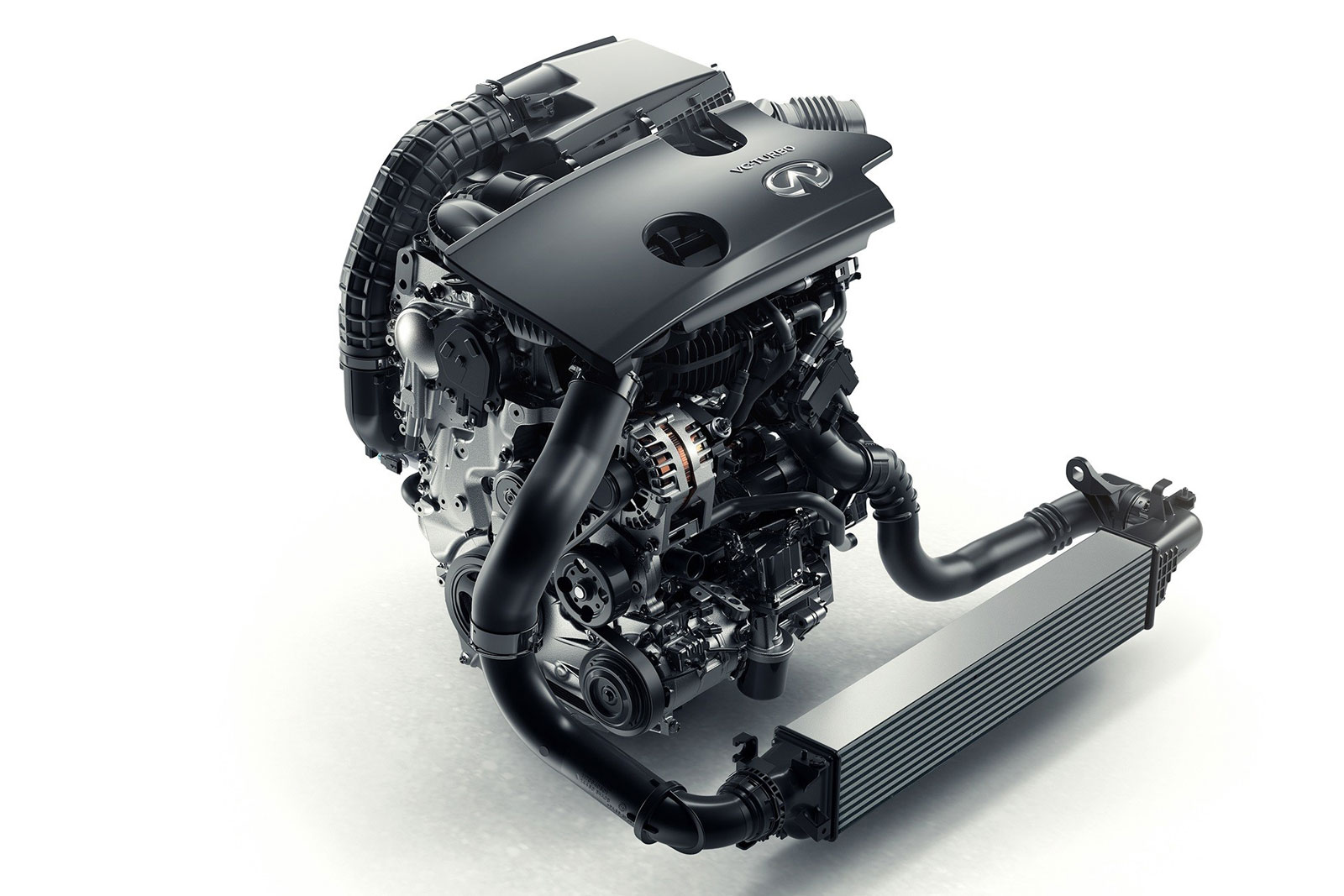 Hybrid and pure electric cars may be the future of transportation, but Nissan's Infiniti badge has found a way to make the most out of gas engines while they're still relevant. When the next-generation QX50 crossover arrives in 2017, it'll carry the...



 When producing Rocket Fist, why did you choose Unity over other game engines?