Amazon Web Services reported $11.6 billion in revenue for the third quarter, up about 29% from the same quarter last year.
Are you an Amazon Web Services employee? Contact this reporter via the encrypted messaging app Signal (+1-425-344-8242) or email (astewart@businessinsider.com).
Amazon reported $11.6 billion in quarterly revenue for the company's market-leading Amazon Web Services cloud business, up nearly 29% from the same quarter last year.
The sales growth for AWS is in line with analyst expectations. AWS growth has been slowing for years (from a high of 46% growth in the fourth quarter of 2018), but analysts generally chalk it up to law of large numbers. Basically, AWS' growing revenue base makes it harder to demonstrate large growth percentages every quarter.
It's hard to know exactly how much AWS revenue compares to runner-up Microsoft Azure because Microsoft doesn't report revenue for the business.
Revenue for Microsoft's Azure cloud platform is unknown. Microsoft doesn't break out revenue figures for Azure, and only shares the percentage by which it grew from the same period of the year before. In its first quarter, that figure was 48%. Two analysts estimated Azure makes up 17% of Microsoft revenue, which would be $6.3 billion of the $37.2 billion in Q1 revenue Microsoft reported this week.
Google, which lags behind both Amazon and Microsoft in the cloud, reported $3.4 billion in Q3 revenue, up about 45% year-over-year (though the way it reports revenue also doesn't offer an apples-to-apples comparison).
Got a tip? Contact reporter Ashley Stewart via encrypted messaging app Signal (+1-425-344-8242) or email (astewart@businessinsider.com).
Social media is well established as a major factor in American politics, but how voter preferences align with different platforms is less understood.
Preferred social media platforms and how one uses them — such as simply browsing or posting regularly — are indicators of how Americans plan to vote, according to a series of Insider polls taken from August through October.
Those who say they check Twitter at least daily are 20 percentage points more likely to say they'll vote for Joe Biden than the overall respondent.
People who post or share links on Facebook at least once a week are the most heavily aligned with President Donald Trump, with that group being 10 percentage points more likely than the average respondent to say they'll vote for his reelection.
YouTube is the closest platform to a "swing state," with some differences between those who post comments frequently and those who just watch videos.
Both social media preferences and behavior are aligned with who Americans plan on voting for in the 2020 election, according to a series of Insider polls conducted from August through October.
Self-described Twitter and TikTok users lean more toward voting for Democratic nominee Joe Biden, while active Facebook users are more likely to back President Donald Trump.
YouTube is a mixed bag, with those who post or comment more frequently tending to be more likely Trump voters, while those who simply browse the site to watch videos prefer Biden.
People who said they checked Twitter at least once a day had the highest lean toward Biden compared to the overall set of respondents, while Trump performed best with those who said they post or share links on Facebook at least once a week.
Here's a breakdown of the numbers:
This data is from an aggregation of nine polls taken between August 8 and October 12, particularly from respondents who said they were likely to vote. All told, the polls combined to 10,077 respondents, 8,623 of whom indicated they were registered to vote and 8,321 of whom said they would likely do so.
Respondents were asked who they intended to vote for in November as well as a number of other questions. This chart shows the difference between the overall margin of support for Trump or Biden among likely voters as a whole and the margin of support among respondents who said they agreed with the description of their social media usage.
Twitter users skewed left compared to the overall respondent pool, with those who check it at least once a day being the most likely to say they'll vote for Biden — 20 percentage points more likely than the average respondent.
Less frequent Twitter users are 12 percentage points more likely to say they'll back Biden at the ballot box.
Facebook is the red state of social media platforms, with weekly posters 10 percentage points more likely to say they'll vote for Trump and those who check it once a day 5 percentage points more likely.
TikTok users are more in the Biden column, with both daily and weekly users more likely to identify as voters for the Democratic nominee. This may very well be due to the younger-skewing audience of the platform, and it could shift over time as it expands.
The polling also found that across all platforms, people who say they post on the sites are less likely to be Biden supporters than those who say they simply browse.
This phenomenon is best demonstrated on YouTube: weekly commenters are 3 percentage points more likely to say they're behind Trump, while those who just check YouTube daily are 7 percentage points more likely to be in the Biden column. The viewers skew blue, the commenters skew red.
SurveyMonkey Audience polls from a national sample balanced by census data of age and gender. Respondents are incentivized to complete surveys through charitable contributions. Generally speaking, digital polling tends to skew toward people with access to the internet. SurveyMonkey Audience doesn't try to weight its sample based on race or income. Polling data collected 1,150 respondents August 7, 1,106 respondents on August 11, 1,128 respondents August 21-22, 1,073 respondents August 29, 1,161 respondents September 4, 1,107 respondents September 15, 1,017 respondents September 18, 1,122 respondents September 28, 1,176 respondents October 5, and 1,130 respondents on October 12. All polls carried approximately a 3 percentage point margin of error individually.
A federal judge blocked President Donald Trump's nationwide ban on the video sharing app TikTok, saying that the administration's phrasing for the national security concerns the app posed was "hypothetical."
The ban, which Trump originally issued in August, was intended to go into effect on November 12.
The judge's block of the ban is the latest development in the Trump administration's mission to ban TikTok from the US market over national security concerns.
A federal judge just blocked President Trump's nationwide TikTok ban, saying that his national security concerns were "hypothetical."
The injunction was filed on Friday in a Pennsylvania district court. It blocks Trump's ban, which was originally issued in August, from going into effect on November 12.
The injunction is part of a lawsuit that was filed in mid-September by some TikTok creators who argued that a ban would majorly affect their business and limit their audience growth, as well as restrict their freedom of expression on the platform.
In a statement to Business Insider, a TikTok spokesperson said "we are deeply moved by the outpouring of support from our creators, who have worked to protect their rights to expression, their careers, and to help small businesses, particularly during the pandemic. We stand behind our community as they share their voices, and we are committed to continuing to provide a home for them to do so."
The judge's motion to block the ban is the latest development in a series of efforts made by the Trump administration to bar the app from the US market. US officials have criticized the app's China-based parent company, ByteDance, over national security concerns. Some US lawmakers on both sides of the aisle have expressed fear that the Chinese government could access millions of Americans' personal data through the app.
In addition to the ban, Presiden Trump has also ordered ByteDance, TikTok's parent company, to sell TikTok's US business to an American firm. Microsoft was initially floated as the reported frontrunner for such a deal until Oracle unexpectedly won the bid to be the app's "trusted technology provider." However, the Oracle sale remains in limbo, and TikTok's future in the US remains murky.
As the Trump administration has attempted to block TikTok from the US market, other tech firms have moved in with TikTok-like services, like Instagram's Reels feature that allows users to create short videos on the platforms. TikTok's rival, the video-sharing app Triller, has also risen to popularity during TikTok's debacle with the Trump administration. ByteDance and TikTok recently sued Triller over patent infringement claims, alleging that the companies have been using its technology for years.
Five9, a leading cloud-based contact center solutions provider is acquiring Inference Solutions, a fifteen-year-old company whose cloud-based offerings provide businesses of all sizes with a platform for creating Intelligent Virtual Agents (IVAs) quickly and relatively affordably. The purchase price is $172 million, starting with $148 million in cash and an additional $24 million when certain targets are met. Inference claims to be “the most widely deployed Intelligent Virtual Agent (IVA) platform” in the world with “6,000+ IVAs sold” to 550+ customers.
Inference Solutions spun out of Telstra Labs in 2005 and built its formidable installed base through resale arrangements and partnerships with telcos and communications service providers. In addition to Telstra, its list of resellers includes Evolve IT, Broadsoft (now part of Cisco) and AT&T. It also has agreements with some of Five9’s direct CCaaS competitors 8×8 and Vonage. Its not-so-secret sauce is simple packaging and attractive pricing, which starts with a monthly fee of $400 per virtual agent.
The two companies are well-acquainted with one another. Five9 began reselling Inference Solutions’ IVA roughly two years ago and have found their cloud-based, API-driven approach to be highly compatible. During that time, they grew a joint customer base that includes Chick-fil-A (QSR), Health Care Advantage (a Medicare patient acquisition specialist), IQVIA (A health sciences service provider), and Windham Hotels, among others. Each turned to Five9 for tools from Inference to support speedy “no code” or “low code” development of IVAs. In this on-demand Webcast (produced in August 2020) I was joined by Inference’s CEO Callan Schebella and Five9’s EVP of Product Management Anand Chandrasekaran. They described how their joint approach overcame the major barriers to adoption of IVAs, namely high-costs, reliance on professional services and protracted time to deploy.
Fulfilling on the Promise of “Practical AI”
For Five9, the acquisition represents the realization of the “Practical AI” strategy spelled out by CTO Jonathan Rosenberg when he took on the role of CTO in January 2019 (I discussed it here). Openness is a core tenet of the company’s approach. While acquisition of a core partner appears antithetical to the spirit of an open approach, Schebella was quick to point out that Inference’s development tools allow enterprise customers to start with resources that automate frequently invoked activities, such as appointment setting, package tracking, payments, and others, while enabling them to integrate popular natural language understanding and machine learning APIs from Google, Amazon, Microsoft or others.
The impact of the purchase is a significant increase in Five9’s total accessible market (TAM). Consensus assessment of Contact Center as a Service (CCaaS) spending is in the $25 billion range. Yet management believes such a modest assessment overlooks the $210 billion that companies around the world are spending in labor costs for contact center agents. This implies that they are looking at business cases that replace live agents and their attendant costs with automated virtual agents. Yet the use cases that are mentioned fulfill on the idea of replacing agents for frequently invoked but ultimately boring tasks while, at the same time providing prompts or screen pops to make their live agents more productive and consistent in the assistance they provide customers.
The Inference Solutions brand will live on and the company will continue to support existing clients who are not deploying on Five9’s cloud. We also expect to see deeper integrations of Inference Solutions tools with those brought into the Five9 cloud with the acquisition of Whendu. The focus of all this acquisition activity is to make it simple for the so-called citizen developers and departmental employees to bring IVAs and Conversational AI into their mainstream activities.
Google is introducing custom backgrounds for its Meet videoconferencing platform, the company announced in a blog post. If you use Meet in Google’s Chrome browser you should be able to access the feature in Chrome OS as well as on Windows and Mac laptops and desktops. The feature is “coming soon” to mobile, Google says.
There’s no browser extension needed to activate custom backgrounds; you should be able to add a background image from your own photo collection or from a library of images provided by Google that includes landscapes, abstract art and (for some reason) offices.
Google
Google Meet custom backgrounds
It may take up to a week before all Google Meet users can access the new custom background...
A good set of headphones is key for boosting immersion in a VR game. I didn’t realize that a nice pair of shoes could amplify it even further.
Not just any shoes, mind you. I’ve been testing out DropLabs’ $300 EP-01, a pair of Yeezy-inspired shoes with bass-rattling speakers embedded in their soles. When they’re really bumping, it feels like what I imagine it’d be like to stand on a concert PA while it pushes out sound. You can tune the intensity of the bass via an iOS or Android app, which you’ll need to use anyway to initialize the shoes. Have you ever initialized shoes?
DropLabs intends for the EP-01 to be worn in everyday life, wirelessly providing the beat to whatever music you’re listening to in your headphones. They’re certainly...
The cloud infrastructure market kept growing at a brisk pace last quarter, as the pandemic continued to push more companies to the cloud with offices shut down in much of the world. This week the big three — Amazon, Microsoft and Google — all reported their numbers and, as expected, the news was good, with Synergy Research reporting revenue growth of 33% year over year, up to almost $33 billion for the quarter.
Still, John Dinsdale, chief analyst at Synergy, was a bit taken aback that the market continued to grow as much as it did. “While we were fully expecting continued strong growth in the market, the scale of the growth in Q3 was a little surprising,” he said in a statement.
He added, “Total revenues were up by $2.5 billion from the previous quarter causing the year-on-year growth rate to nudge upwards, which is unusual for such a large market. It is quite clear that COVID-19 has provided an added boost to a market that was already developing rapidly.”
Per usual Amazon led the way with $11.6 billion in revenue, up from $10.8 billion last quarter. That’s up 29% year over year. Amazon continues to exhibit slowing growth in the cloud market, but because of its market share lead of 33%, a rate that has held fairly steady for some time, the growth is less important than the eye-popping revenue it continues to generate, almost double its closest rival Microsoft .
Speaking of Microsoft, Azure revenue was up 48% year over year, also slowing some, but good enough for a strong second place with 18% market share. Using Synergy’s total quarterly number of $33 billion, Microsoft came in at $5.9 billion in revenue for the quarter, up from $5.2 billion last quarter.
Finally, Google announced cloud revenue of $3.4 billion, but that number includes all of its cloud revenue including G Suite and other software. Synergy reported that this was good for 9%, or $2.98 billion, up from $2.7 billion last quarter, good for third place.
Alibaba and IBM were tied for fourth with 5%, or around $1.65 billion each.
Image Credits: Synergy Research
It’s worth noting that Canalys had similar numbers to Synergy, with growth of 33% to $36.5 billion. They had the same market order with slightly different numbers, with Amazon at 32%, Microsoft at 19% and Google at 7%, and Alibaba in 4th place at 6%.
Canalys sees continued growth ahead, especially as hybrid cloud begins to merge with newer technologies like 5G and edge computing. “All three [providers] are collaborating with mobile operators to deploy their cloud stacks at the edge in the operators’ data centers. These are part of holistic initiatives to profit from 5G services among business customers, as well as transform the mobile operators’ IT infrastructure,” Canalys analyst Blake Murray said in a statement.
While the pure growth continues to move steadily downward over time, this is expected in a market that’s maturing like cloud infrastructure, but as companies continue to shift workloads more rapidly to the cloud during the pandemic, and find new use cases like 5G and edge computing, the market could continue to generate substantial revenue well into the future.
Welcome back! This month we have a packed blog with a lot of new features that are now generally available to improve your experience with meetings and calling, chat and collaboration, as well as a number of new updates to Microsoft Teams devices. This blog also contains a few industry specific items for Education, Firstline Workers, and our Government customers. We have updates on Teams platform capabilities and we’re introducing a new section called “App spotlight” that showcases 3rd party apps available in Teams.
What’s New: Meetings & Calling Live Captions with speaker attribution Microsoft Teams added speaker attribution to live captions so that you can see who is speaking along with what’s being said, making meetings more inclusive and easier to follow along.
Spotlight an individual video participant for all attendees in a Teams meeting Presenters can now pin an individual video feed for all attendees to see during a Teams meeting. Once pinned, the individual identified as the spotlight will be the main video shown to all participants. This applies to PC, Mac, mobile (view only) and Microsoft Teams Rooms on Windows. Learn more
Prevent attendees from unmuting in Teams Meetings Meeting organizers and presenters can now prevent attendees from unmuting during the meeting and enable specific attendees to unmute when they raise their hands. This can be helpful for press conferences and classrooms scenarios where you want to be in control of who’s speaking. Learn more
Advanced Production for Teams Meetings
Transform your Teams Meeting into a virtual stage with a new advanced production option for broadcasts. Network Device Interface (NDI) support for Teams allows event producers to convert each participant's video into a discrete video source that can be used in the video streaming production tool of your choice. This functionality enables you to use Teams meetings in new ways, including bringing speakers into Together Mode or customized views, to deliver professional broadcasts to the end point of your choice and reach audiences wherever they are.
Microsoft Whiteboard read-only mode
Microsoft Whiteboard read-only mode is available in Teams allowing for more flexibility for you to either present the digital whiteboard in read-only mode, or to allow others to edit and collaborate when given access.
Meeting & Calling recordings stored in OneDrive and SharePoint Teams meeting and call recordings can now be stored in your OneDrive for Business or in SharePoint, providing the ability to share recordings with guests or external users, access meeting recordings faster, and manage recordings with security and compliance controls available to other file types in Microsoft 365. Teams Admins can select their recording storage location by updating policies using PowerShell. Learn more
Changes in Incoming IP Video policy (New Audio and Video Policies) We are updating our meeting policies to allow IT administrators more control over how video is managed in Teams meetings. Current policy can only be set to prevent outgoing video. We have extended the Allow IP Video policy to prevent both outgoing and incoming video as needed. Tenant administrators can use this policy to manage bandwidth. Learn more
What’s New: Devices ARM64 Native Teams App Unleash the full power of Microsoft Teams on your favorite ARM devices with the new native ARM64 Teams client now generally available. Stay connected and organized while enjoying improved performance, reliability, and battery life in devices such as the Surface Pro X.
New capabilities coming to Microsoft Teams Rooms Features beginning to roll out to Microsoft Teams Rooms on Windows include:
Spotlight support: Microsoft Teams Rooms now supports the spotlight feature in Teams meetings, which enables you as a meeting organizer or presenter to select a video feed as the spotlight for all attendees. Once selected, the individual identified as the spotlight will be the main video shown to all participants, which is great to make sure everyone focuses on, for example, the presenter.
Hard mute: This feature allows you as a meeting organizer to disable microphone controls for all meeting participants. This feature can be useful for scenarios like distance learning or executive board meetings where organizers want a higher level of control over who can unmute their microphone and when. Teams Rooms supports this setting and joins muted with microphone disabled unless granted permission.
Dell Meeting Space Solution for seamless onsite and remote collaboration Dell’s newest Meeting Space Solution for Microsoft Teams Rooms offers a complete group collaboration ecosystem that includes the OptiPlex 7080 Micro running the Teams Rooms experience on Windows, Dell Large Format Monitors, plus Logitech Tap and ConferenceCams. With proximity detection and one-touch join, you can start a meeting while instantly projecting content in the room and to virtual participants.
EPOS announces two new headsets certified for Microsoft Teams The IMPACT MB Pro 1 UC ML and 2 UC ML have now passed the rigorous reliability testing required to be certified for Microsoft Teams. You can now experience high end audio tools that provide optimal comfort, easy call handling and rich, natural sound – all while reliable, intelligent technologies filter out unwanted noise, enhance audio and boost efficiency.
New offline presence status Let others know when you are not available in Microsoft Teams. You can now change your presence to “Offline”. This allows you to have full access to Teams while signaling to colleagues that you are unavailable.
Language-aware proofing Communicate using multiple languages in Microsoft Teams. If you write different messages in different languages, you now see spellchecking relevant to the language you use when typing a message in the Teams desktop app.
Templates for creation of a new Team When creating a new team, you can now choose from a variety of customizable templates including event management, crisis response, as well as industry-specific templates like hospital ward and bank branch. Microsoft publishes a set of first-party templates and as an IT professional you can also create new custom templates for your organization, allowing you to standardize team structures, surface relevant apps, and scale best practices.
New file sharing experience Team members share and work together on content from a single source of truth seamlessly with Microsoft Teams. You can now create a shareable link for any file stored in Teams and directly set the appropriate permissions. Additionally, you can also set permissions for files stored in SharePoint or OneDrive while composing a private chat or starting a channel conversation. Learn more
Updated SharePoint pages app Using SharePoint pages is a great way to consolidate and share content in the right context using images, Excel, Word and PowerPoint documents, videos, links, Twitter feeds and more – all on the same page. And now you can more easily add your pages as tabs in Microsoft Teams. Learn more
New and simplified global notification settings As a user you can now configure and customize your notification settings through a newly designed notification settings section. This new experience makes it easier to find the exact notifications you want so you can keep track of the activity you care about. To access, go to your profile picture > Settings > Notifications. We also added a new setting that allows you to turn off message previews in chat notifications if you desire more privacy.
What’s New: Teams for Education Anonymous grading and marking in Assignments Tackle unconscious bias and even the playing field in class with Anonymous Grading. When enabled in the assignment detail view, students’ names are anonymized and avatars are temporarily removed, presenting a random list of students. This allows you as an educator to review work with identities hidden, no shuffling of paper involved.
View assignments across all classes Being able to see what’s upcoming, whether you’re an educator or student, is critical to getting a handle on your week, month, or year. Now both educators and students can once again view upcoming and turned in assignments by class or view them across all classes. Just visit Assignments in your app bar on the left-hand side of Teams to view assignments across all classes. Students can also filter by category, see the due date, and assigned value of the assignment and more.
What’s New: Firstline Workers Off-shift access controls With off-shift access controls, IT administrators can now configure Teams to alert you when you are accessing the app on your personal device outside of working hours. The feature prompts you to accept that you will not be getting paid for time spent on Teams to help ensure that you are not involuntarily working while not on shift and helps your employer to comply with labor regulations. The feature does not require active usage of the Shifts app, but it does require Shifts being configured and schedule data being inside the app; either added natively with Excel import or including workforce management API connectors like Kronos, BlueYonder and more. Learn more
What’s New: Government These features currently available to Microsoft’s commercial customers in multi-tenant cloud environments are now rolling out to our customers in US Government Community Cloud (GCC), US Government Community Cloud High (GCC-High), and/or United States Department of Defense (DoD).
Priority notifications Share urgent messages and time-sensitive information more effectively with Teams. Priority notifications alert a recipient of an urgent message on their mobile and desktop devices until a response is received, every two minutes for up to 20 minutes. IT admins can manage this feature as part of messaging policies in Teams. Priority notifications are now available in GCC, GCC High, and DoD. Learn more
Read receipts Now available in GCC, read receipts in private chats allow senders to know that a message was read by the recipients. IT admins can configure messaging policies from the Microsoft Teams admin center to enable or disable this feature for users. Learn more
File viewer upgrades Teams file viewer is being upgraded for Gov clouds from legacy to OneUp for non-Office file types and to unified app for Office file types (Word, PowerPoint, and Excel).
Together mode Together mode, now available in GCC, uses AI segmentation technology in meetings to digitally place participants in a shared background, making it feel like you’re sitting in the same room with everyone else.
Large Gallery view (Preview) - see up to 49 participants Large Gallery is providing a new way to view video up to 49 participants at once on a single screen (7x7). This feature rolled out to production with the new multi-window experience. To take advantage of this new view, users will need to turn on the new multi-window meeting experience. Large Gallery is now available in GCC.
Spotlight an individual video participant for all attendees in a Teams meeting We are delivering the ability for presenters to lock on an individual video feed for all attendees to see during a Teams meeting. Once selected, the individual identified as the spotlight will be the main video shown to all participants. This applies to PC, Mac, mobile, and Microsoft Teams room systems. The spotlight feature is now available in both GCC and GCC High.
Improvements to meeting notes Meeting notes now support 100 users by default. Also, if anyone joins your meeting past after it is scheduled and, doesn't have access to notes, they can now request access from the note’s owner in one click. Meeting notes are now available in GCC, GCC High, and DoD.
Changes in Incoming IP Video policy (New Audio and Video Policies) We are updating our meeting policies to allow IT administrators on GCC more control over how video is managed in Teams Meetings. Current policy can only be set to prevent outgoing video. We are extending the Allow IP Video policy to prevent both outgoing and incoming video as needed. Tenant administrators can use this policy to manage bandwidth. Learn more
What’s New: Healthcare Microsoft Cloud for Healthcare Earlier this week we announced the general availability of our first industry-specific cloud offering, Microsoft Cloud for Healthcare, including the new Microsoft Teams EHR connector for Epic EHR. This allows clinicians to launch a virtual visit in Teams from within their electronic health record system. Learn more about how and about the many new features now available as part of the Microsoft Cloud for Healthcare.
What’s New: Platform Microsoft Teams and Power Automate - Simpler automation for everyone A new Power Automate app for Teams makes automating workflows easier than ever with new templates and a simplified editor experience.
Organizational branding for line-of-business Teams app catalog IT Admins can now customize their Teams line-of-business app catalog using their organization's branding. This enhances the user experience for end users and increase organic discovery and use of an organization's line-of-business apps. Learn more
Resource-Specific Consent now generally available on the Microsoft Graph v1.0 endpoint We are excited to announce that Resource-Specific Consent (RSC) is now generally available on the Microsoft Graph v1.0 endpoint! Your Teams app can now call Teams Graph APIs from the BETA endpoint without needing admin consent. This capability empowers Team owners to install an app for their specific team and restrict the app’s scope and access to data to only that one team, without needing the global IT admin to provision access. Learn more
App certification Publishers building Microsoft Teams add-ins can now work with Microsoft to certify that their app – and its supporting infrastructure – protect the security and privacy of sensitive customer data. Certified apps receive a badge that is visible in AppSource and from within the Microsoft 365 tenant administrator’s console. We strongly encourage app publishers to take advantage of this program, and over time, expect to make it a requirement. Learn more
Publisher verification It’s critical that IT Admins and end-users know that partner apps come from verified sources. Using a process that relies on a verified Microsoft Partner Network account, Microsoft now offers application developers a publisher verification service. Verified apps receive a badge that is visible in AppSource and in the consent dialog when a user or admin installs an application. Learn more
Teams App Spotlight
Clio is a cloud-based legal software that law firms trust to manage their practices and clients from intake to invoice. As the needs of legal professionals have changed over the last year, Clio has been focused on building solutions law firms need in this new digital-first reality. To make remote collaboration even easier, Clio customers can now check the status of their matter, scan recent communications, and plan for upcoming events all within Microsoft Teams. Learn more
For the second year in a row, Mattel's Day of the Dead Barbie is a hit, but not without controversy.
Mattel introduced the $75 doll in September, and it quickly sold out according to Mattel, just like in 2019. Last year, the response was divided between people who worried that the holiday was being used as a cash grab, and those who were optimistic about the visibility for Mexican Americans, The New York Times reported.
Day of the Dead — or Dia de los Muertos — is a holiday celebrated in Mexico dating back nearly 3,000 years, combining Catholic and Indigenous traditions. Mattel explained back in 2019 that it hoped the Barbie would "honor the holiday for the millions that celebrate and to introduce people not familiar with the tradition to the rich meaning."
Mattel did not immediately respond to Business Insider's request for comment.
Both dolls were created by Mexican American designer Javier Meabe.
"I also know how important representation is in our community, and I wanted little girls to see themselves through this doll," he said about his design this year, where he combined his own experiences and memories with research.
Barbie is one of the biggest winners of the pandemic, according to The Wall Street Journal. Mattel Chief Executive Ynon Kreiz said that retail level Barbie sales were up a staggering 50%, which can be partially attributed to parents trying to keep their kids off of screens. Now, Mattel is preparing to keep the momentum going through the holidays.
Take a look at the controversial, sold out doll here.
This year's doll wears a light pink dress with floral accents.
Day of the Dead Barbie.
Photo by ALFREDO ESTRELLA/AFP via Getty Images
The doll's face is decorated based on the "Calavera Catrina," a popular image that emerged in art during the Mexican Revolution.
Day of the Dead Barbie.
The character is often an inspiration for face paint on the holiday, and "calavera" means skull.
La Catrina.
Photo by Hector Vivas/Getty Images
The 2020 edition also holds a bouquet of marigolds, a flower often associated with the holiday.
Day of the Dead Barbie.
Photo by ALFREDO ESTRELLA/AFP via Getty Images
Last year's Barbie, which Mattel said was one of its best selling dolls of the year, wore a black mermaid dress also decorated with marigolds and Calavera Catrina makeup.
Day of the Dead Barbie.
Photo by ALFREDO ESTRELLA/AFP via Getty Images
Designer Javier Meabe was responsible for both dolls. "Traditions like marigolds, skeleton details, and Calaveras makeup were elements that I knew we had to keep but introduce in a new way," he said of creating the 2020 edition.
Day of the Dead Barbie.
Photo by ALFREDO ESTRELLA/AFP via Getty Images
Last year, Meabe told the Times that he based the doll on dresses his mother wore. "I grew up going to Mexico and I pulled a lot of that inspiration and things that I remember growing up."
Day of the Dead Barbie.
Photo by ALFREDO ESTRELLA/AFP via Getty Images
Reviews on Mattel's website are largely positive. "I bought this for my Day of the Dead altar," one buyer wrote.
Day of the Dead Barbie.
Photo by ALFREDO ESTRELLA/AFP via Getty Images
Critiques of the Day of the Dead dolls echo earlier criticisms of Mattel's Frida Kahlo Barbie doll. Critics argued that the doll erased Kahlo's disabilities and lightened her skin tone. The doll is banned in Mexico.
Day of the Dead Barbie.
by mmeisenzahl@businessinsider.com (Mary Meisenzahl)
Postal workers wear masks and gloves during the coronavirus pandemic as they physically distance from each other at the United States Postal Service processing and distribution center on Thursday, April 30, 2020 in Oakland, California.
On-time delivery of first class mail by the USPS this week fell 6% from earlier weeks.
USPS employees were ordered to make late and extra trips.
While delivery numbers are being scrutinized leading up to the US election, it's important to note on-time delivery statistics are higher for ballots than for regular first-class mail.
The USPS is under increased scrutiny as an election with a large number of mail-in ballots looms. According to a new court filing, the service's on-time deliveries for first class mail on Tuesday was 69.8%, a 6% decrease from earlier weeks, Bloomberg reported.
US District Judge Emmet Sullivan ruled in favor of an emergency request to increase service to allow more on-time deliveries.
"USPS personnel are instructed to perform late and extra trips to the maximum extent necessary to increase on-time mail deliveries, particularly for election mail," Judge Sullivan said, ordering Postmaster General Louis DeJoy to expand services less than a week before the election.
Though the timely delivery of ballots is key leading up to the election, the 69.8% statistic applies to all first-class mail. Ballots have an inbound on-time delivery rate of 95.1%, and an outbound rate of 89%.
The Supreme Court earlier this week delivered a decision to uphold an appeal that ballots must arrive before polls close in Wisconsin, a key state. Justice Brett Kavanaugh's opinion included a controversial argument that states should not accept ballots that arrive after polls close, even if they were mailed on time, and that results should be delivered "on election night, or as soon as possible thereafter." As Grace Panetta reported, this is controversial because more than half of all voters have voted by mail, and the count could take several days.
Voters who have not yet mailed in ballots should note that many election officials have said it is too late to guarantee a timely delivery by election day. Instead, voters should hand deliver them or take them to a ballot drop box.
Earlier this month, CBS’s Evil dropped its first season on Netflix. It arrived after what had felt for me like a listless few months; very little pop culture could hold my attention. And then out of nowhere I was transfixed.
Evil is a show that surprises you, which to me makes it one of last year’s best dramas. While the show is essentially a network procedural — perhaps the least surprising genre of television — the series is interested in stretching the boundaries of what that means, starting with its premise. Evil follows Dr. Kristen Bouchard (Katja Herbers), a forensic psychologist, and David Acosta (Mike Colter), a priest in training. Together, the two work as assessors for the Catholic church, investigating claims of the...
Wednesday’s hearing was supposed to focus on nuanced reforms to a landmark internet law — Section 230 — which shields tech companies from being sued for content users post on their platforms. Both Democrats and Republicans have been calling for years to reform this law, arguing that it is outdated considering how large and powerful these tech giants have become. That’s why the Senate Committee on Commerce, Science, and Transportation subpoenaed Facebook CEO Mark Zuckerberg, Google CEO Sundar Pichai, and Twitter CEO Jack Dorsey to face questioning.
But instead of talking about reforming the actual law, most Republican Senators — with notable exceptions such as Sen. Shelley Moore Capito (R-WV) and Sen. Deb Fischer (R-NE) — used their time to press the CEOs about specific content moderation decisions that have been controversial with Republicans. Namely, Twitter blocking an unverified story in the New York Post making damning accusations about Hunter Biden earlier this month, or why the company fact-checks Trump more often than Iran’s or the Chinese Communist Party’s leaders.
Some Democrats at the hearing — and many outside observers — have written off the hearing as political theater orchestrated by conservatives days ahead of the election to intimidate these companies so they avoid fact-checking Trump or conservative disinformation campaigns.
But Republicans argued that allegations of bias are critical and valid, and that they need to be swiftly addressed.
Many Senators used assumptions and cherry-picked evidence to try to prove their points. And in response, the tech CEOs effectively skirted more serious discussions about their actual shortcomings in content moderation.
Here are the fact-checks on the five most head-scratching claims senators — and tech CEOs — made at the hearing.
1) Though Republicans say social media companies are broadly censoring conservative speech, the evidence doesn’t support the claim.
Many conservative lawmakers, encouraged by President Trump, have long alleged that tech companies are censoring Republicans on social media. And today’s hearing was no exception.
Citing social media companies’ handling of the Hunter Biden New York Post story, as well as Google’s threats to ban conservative news website the Federalist over allegedly racist content, Senate Commerce Committee Chairman Sen. Roger Wicker (R-MS) said in his opening remarks: “These recent incidents are only the latest in a long trail of censorship and suppression of conservative voices on the internet.”
While it’s true that Twitter and Facebook have made some controversial and at times questionable decisions to limit false or unverified speech by conservative politicians and news outlets (Twitter reversed its stance on blocking the Hunter Biden story, Facebook did not), these are individual examples.
On the whole, data shows that conservative content thrives on social media. Conservative pundits like Dan Bongino and Ben Shapiro consistently rank among the most shared news sources on Facebook based on the company’s data aggregation tool, CrowdTangle. And despite all the hoopla about Twitter’s alleged censoring of Trump, the president still uses the platform every day to reach tens of millions more followers than Joe Biden does.
In fact, Trump himself has repeatedlystated that, without social media, he wouldn’t be able to “get the word out” to the people.
Republican senators asked why tech companies haven’t fact-checked high-profile Democratic leaders like Biden as much as they have Trump, but they ignored the very obvious answer: that Trump, unlike Biden, has more frequently promoted false and misleading statements on social media. If Biden were to attack mail-in voting or the basic science behind Covid-19, as Trump has, he would likely face the same kind of moderation.
To Republicans’ credit, an underlying tension here is that many people who work at tech companies lean liberal (more on that later). And, back in 2016, Gizmodo reported that those political beliefs sometimes trickled into low-level employee content moderation decisions via the disastrous “Facebook Trending” section. But a lot has changed since then (for one, Facebook has done away with that its trending section entirely). If anything, the evidence now seems to suggest that Facebook has adjusted in the other direction to please Republicans and fend off claims of anti-conservative bias. According to recent reporting from BuzzFeed News, NBC News, and the Wall Street Journal, the company has at times overridden its fact-checking system and tweaked its algorithms to favor conservative publications over liberal ones like Mother Jones.
2) Ted Cruz claimed social media companies are the biggest threat to free speech in the US. That’s not at all clear.
Sen. Ted Cruz (R-TX) came in hot to the hearing, announcing his intent to grill Dorsey in a wrestling-match style flyer he (ironically) tweeted out the night before the session, all in the name of defending free speech on the internet.
“The three witnesses we have before the committee today collectively pose the single biggest threat to free speech in America and the greatest threat we have to free and fair elections,” Cruz said, speaking about Dorsey, Zuckerberg, and Pichai.
Cruz is entitled to his opinion, of course, but it’s not at all objectively clear that the biggest threat to free speech or election integrity in this country is when Facebook, Twitter, or Google fact-check politicians like Trump.
In fact, if you asked this same question of leading free speech advocates and human rights organizations, many would say a bigger concern is Trump’s sustained and increasingly vitriolic attacks on the free press since his first day in office. If social media companies do pose a threat to free speech, they say, it has less to do with how they handle conservative voices and more do with the extremist hate speech that spreads on their platforms, and which has a chilling effect on women, minorities, and other marginalized groups by shutting them out of online public discourse.
It’s true that social media companies now rival governments in the scope of their power and influence, and free speech defenders of all political persuasions demand that these companies provide more transparency and accountability about what content they do and don’t allow.
But for Cruz and some of his Republican colleagues to support free speech only when it suits their political needs (in an extreme example of this, Sen. Marsha Blackburn (R-TN) denounced Google for allegedly censoring Republicans while simultaneously calling for the company to fire a rank-and-file employee who publicly criticized her) is a hypocritical one at best.
3) Dorsey told Cruz that Twitter doesn’t impact elections. It does.
Despite Cruz’s largely theatrical political showboating, he did get into one important exchange with Dorsey that highlighted an issue originating with the tech platforms themselves: their refusal to acknowledge that they are more than just neutral platforms.
At one point, Cruz asked Dorsey whether Twitter has influence over the elections, and Dorsey said no.
Cruz retorted, “If you do not believe you have the power to influence elections, why do you block anything?”
Dorsey’s response was that Twitter blocks content to reduce harassment and make everyone feel included on its platform. Facebook and Google have similarly asserted that they aim to be neutral platforms for people to communicate, with exceptions to protect their users from harm. But that’s just part of the picture.
The reality is that Twitter, Facebook, Google, and every other social media platform make decisions every day about what kind of political speech is and isn’t allowed on their platforms. Moreover, the algorithms underpinning these platforms dictate which topics go viral and reach the masses instantly, and which ones get seen by a much smaller number of people. And because these sites are the main way tens of millions of Americans primarily consume their daily news, what is and isn’t allowed on them can of course impact how someone votes in an election.
The fact that Dorsey — as well as Zuckerberg and Pichai — wouldn’t admit this basic fact was telling of tech CEOs’ lack of candor about the political power they’ve amassed through their companies.
4)Senators suggested tech companies’ liberal employee majorities are a problem. But that’s neither illegal nor the government’s job to police.
First of all, let’s be clear that most tech employees at Google, Twitter, and Facebook lean liberal. That’s reflective of the demographics where these companies are based and the skills they hire for: largely college-educated workers in major urban areas like San Francisco, New York, and Seattle.
In Wednesday’s hearing, several Republican Senators questioned tech CEOs about the political makeup of their workforce as if there was something shameful about this.
The insinuation is that because these companies have a liberal-leaning workforce that they as a default are stifling conservative speech.
But as we mentioned earlier, there isn’t any real proof of that systematic suppression. And even if there were, the solution wouldn’t necessarily be to mandate that everyone who works for Facebook or Twitter pass some kind of political litmus test.
Congress has a dark history of blacklisting citizens from gainful employment due to their political beliefs. While it’s fair to question the unparalleled political power of tech companies and try to regulate that problem, it’s dangerous for lawmakers to misleadingly frame the issues at hand as being connected to employees’ personal politics.
5) Senators kept pronouncing Google CEO Sundar Pichai’s name incorrectly. It’s pronounced “Pitch-eye.”
Senators across the aisle repeatedly butchered the name of Google CEO Sundar Pichai. The soft-spoken Pichai, who was born and raised in India and worked his way up at the search giant from a product manager to its chief executive, refrained from correcting his questioners.
The fact that members of Congress were mispronouncing the name of one of the most important business leaders in the US was an embarrassing slip many observers immediately noted on Twitter. Especially as it was Pichai’s third time being questioned in front of Congress.
And while getting Pichai’s name right is a less important point in the scope of the broader issues at stake around social media, it’s not insignificant, either. In recent months, Trump and some Republican lawmakers have repeatedly mocked Democratic vice presidential nominee Kamala Harris over the pronunciation of her name. It seems more likely that in this case, senators were botching Pichai’s name out of ignorance rather than malice. But as BuzzFeed News pointed out, Congress hasn’t had any trouble pronouncing other hard-to-pronounce names in the past. In the year 2020, there’s really no excuse for elected officials not to at least try and correctly pronounce the name of a global tech titan.
Millions turn to Vox each month to understand what’s happening in the news, from the coronavirus crisis to a racial reckoning to what is, quite possibly, the most consequential presidential election of our lifetimes. Our mission has never been more vital than it is in this moment: to empower you through understanding. But our distinctive brand of explanatory journalism takes resources. Even when the economy and the news advertising market recovers, your support will be a critical part of sustaining our resource-intensive work. If you have already contributed, thank you. If you haven’t, please consider helping everyone make sense of an increasingly chaotic world: Contribute today from as little as $3.
As communicating with customers across the world grows ever more challenging due to multiple channels, tools and networking providers, companies are looking for a way to simplify it all. Sinch, a company that makes communications APIs, announced a new tool this morning called the Conversation API designed to make it easier to interact with customers across the planet using multiple messaging products.
Sinch chief product officer Vikram Khandpur says that business is being conducted in different messaging channels such as SMS, WhatsApp or Viber depending on location, and businesses have to be able to communicate with their customers wherever they happen to be from a technology and geographic standpoint. What’s more, this need has become even more pronounced during a pandemic when online communication has become paramount.
Khandpur says that up until now, Sinch has concentrated on optimizing the SMS experience for actions like customer acquisition, customer engagement, delivery notifications and customer support. Now the company wants to take that next step into richer omni-channel messaging.
The idea is to provide a set of tools to help marketing teams communicate across these multiple channels by walking them through the processes required by each player. “By writing to our API, what we can provide is that we can get our customers on all these platforms if they are not already on these platforms,” he said.
He uses WhatsApp as an example because it has a very defined process for brands to work with it. “On WhatsApp, there is this concept of creating these pre-approved templates, and they need to be reviewed, curated and finally approved by the WhatsApp team. We help them with that process, and then do the same with other channels and platforms, so we take that complexity away from the brand,” Khandpur explained.
He adds, “By giving us that message once, we take care of all of [the different tools] behind the scenes transcoding when needed. So if you give us a very rich message with images and videos, WhatsApp may want to render it in a certain way, but then Viber renders that in a different way, and we take care of that.
Examples of transcoding across messaging channels. Image Credits: Sinch
Marketers can use the Conversation API to define parameters like using WhatsApp first in India, but if the targeted customer doesn’t open WhatsApp, then fall back to SMS.
Sinch, which competes with Twilio in the communications API space, may be one of the most successful companies you never heard of, generating more than $500 million in revenue last year while processing over 110 billion messages.
The company launched in Sweden in 2008 and has never taken a dime of venture capital, yet has been profitable since the early days. In fact, it’s publicly traded on the NASDAQ Exchange in Stockholm and will be reporting earnings next week.
China's air force has stepped up combat training exercises involving its J-20 stealth fighters, according to state media, as tensions in the region continue to mount.
Footage from a drill aired on official broadcaster CCTV recently showed two of the warplanes firing dozens of decoy flares, which are typically used during dogfights. The flares burn at high temperatures and are used to counter heat-seeking missiles fired by the adversary that target aircraft engines.
Stealth fighters like the J-20 have a cross-section design to reduce visibility and a radar-absorbent coating that makes it difficult for the enemy to detect them and harder for radar-guided missiles to target them.
But in an encounter with enemy aircraft within visual range, or if other types of missiles are being fired, decoy or countermeasure flares are needed, according to military commentator Song Zhongping.
"This training [using decoy flares] is essential for actual combat situations," said Song, who is based in Hong Kong. "It's a very useful tactic for a close-up dogfight between fighter jets, or if they've been targeted by a surface-to-air missile from a ground air-defence system."
Reuters
The J-20 is China's most advanced, and the only fifth-generation, stealth fighter in service and has featured in the People's Liberation Army's recent shows of military might.
The Chinese air force has ramped up activity near Taiwan recently, and a J-20 was spotted flying low over Quzhou in Zhejiang province last month — just 20 minutes away from the self-ruled island. That was seen as Beijing sending a warning to Taiwan, which it regards as part of its territory, to be brought under mainland control by force if necessary.
If a conflict did erupt across the straight, the J-20 would be up against Taiwan's advanced F-16 fighter jets. The island has put in an US$8 billion order for 66 additional upgraded F-16V jets from Lockheed Martin, which will take its fleet to more than 200 by 2026.
Meanwhile, a border stand-off with India continues in the Himalayas, and two J-20s were seen at Hotan airbase in China's far western Xinjiang – close to the disputed region — in August. India reportedly deployed five new Dassault Rafale fighter jets to nearby Ladakh.
The J-20, a single-seat twin-engine stealth fighter, entered service in 2017 but has been dogged by engine development problems. The PLA Air Force has not revealed how many J-20s it has, but the number has been estimated to be at least 50.
If you miss hanging out with your co-workers but don’t want to spend a single second more on Zoom, the latest product from Donut might be the answer.
The startup is launching its new Watercooler product today while also announcing that it has raised $12 million in total funding, led by Accel and with participation from Bloomberg Beta, FirstMark, Slack Fund and various angel investors.
Co-founder and CEO Dan Manian told me that this is actually money that the startup raised before the pandemic, across multiple rounds. It just didn’t announce the fundraising until now.
The startup’s vision, Manian said, is “to create human connection between people at work.” Its first product, Intros, connects via Slack teammates who didn’t already know each other, often with the goal of setting up quick coffee meetings (originally in-person and now virtual).
Donut says it has facilitated 4 million connections across 12,000 companies (including The New York Times, Toyota and InVision), with 1 million of those connections made since the beginning of the pandemic.
However, Manian said customers have been asking Donut to facilitate more frequent interactions, especially since most people aren’t going to have these coffee meetings every day. At the same time, people face the dueling issues of isolation and Zoom fatigue, where “the antidote to one thing makes the other pain worse.” And he suggested that one of the hardest things to recreate while so many of us are working remotely are “all the little microinteractions that you have while you’re working.”
That’s where Watercooler comes in — as the name suggests, it’s designed to replicate the feeling of hanging out at the office watercooler, having brief, low-key conversations. Like Intros, it integrates with Slack, creating a new channel where Watercooler will post fun, conversation-starting questions like “‘What’s your favorite form of potato?” or “What’s one thing you’ve learned in your career that you wish you knew sooner?”
Talking about these topics shouldn’t take much time, but Manian argued that brief conversations are important: “Those things add up to friendship over time, they’re what actually transform you from co-worker to friend.” And those friendships are important for employers too, because they help with team cohesion and retention.
I fully endorse the idea of a Slack watercooler — in fact, the TechCrunch editorial team has a very active “watercooler” channel and I’m always happy to waste time there. My big question was: Why do companies need to purchase a product for this?
Donut Watercooler. Image Credits: Donut
Manian said that there were “a bunch of our early adopters” who had tried doing this manually, but it was always in the “past tense”: “It got too hard to come up with the questions, or it took real work coming up with them, whoever was doing it already had a it full time job.”
With Watercooler, on the other hand, the company can choose from pre-selected topics and questions, set the frequency with which those questions are posted and then everything happens automatically.
Manian also noted that different organizations will focus on different types of questions. There are no divisive political questions included, but while some teams will stick to easy questions about things like potatoes and breakfast foods, others will get into more substantive topics like the ways that people prefer to receive feedback.
And yes, Manian thinks companies will still need these tools after the pandemic is over.
“Work has fundamentally changed,” he said. “I don’t think we’ll put remote work back in the bottle. I think it’s here to stay.”
At the same time, he described the past few months as “training wheels” for a hybrid model, where some team members go back to the office while others continue working remotely. In his view, teams will face an even bigger challenge then: To keep their remote members feeling like they’re connected and in-the-loop.
The UK's first vegan butcher is opening on Saturday to mark World Vegan Day.
Rudy's, in Islington, London, will sell meat-free versions of traditional butcher products, including pulled pork, pepperoni, and even the components of a Full English breakfast.
The UK's meat-free market is booming – even though just 1% of Britons are vegan.
It may look like a traditional butcher selling rows of fresh meat – but Rudy's in Islington, London is strictly vegan.
It will become the UK's first vegan butcher when it opens on Saturday to mark World Vegan Day.
The store looks like a traditional butcher shop, but only sells meat-free alternatives.
Rudy's Vegan Butcher
The butcher sells only meat-free alternatives of traditional butcher products.
These includes vegan versions of pulled pork and meatballs alongside ready-made meals like "lobstah" salad and "chilli-non-carne."
Vegans can use the ingredients to make Full English breakfasts at home, as well as cruelty-free versions of many other meat-based dishes.
Rudy's Vegan Butcher
The substitutes are made from soya and seitan, and are designed to mimic the texture and taste of meat.
The store sells everything you need for a vegan Full-English breakfast, it says, with meat- and dairy-free remakes of bacon, scrambled eggs, black pudding, and sausage.
The butcher sells a vegan version of black pudding, a type of blood sausage.
Rudy's Vegan Butcher
The butchers even has a charcuterie section selling vegan smoked ham, salami de provence, pepperoni, and pastrami, and offers vegan turkey for the upcoming holiday season.
The butcher will send a range of vegan charcuterie products.
Rudy's Vegan Butcher
Rudy's has tweaked the name of many of its products to emphasize their vegan nature, such as "chick'n lover" pâté.
The butcher is delivering to the rest of the UK, too, and says that every order placed on its first day will include a free pack of "baycon."
The butcher follows the success of its owners' American-style diner of the same name in London's Camden area. The diner opened in April 2018 and sells vegan hot dogs, mozzarella sticks, buffalo wings, and milkshakes.
The owners of the butchers also launched a vegan diner in London in 2018.
Rudy's Vegan Diner
UK plant-based boom despite only 1% of Brits being vegan
The meat-free market in the UK is booming. Sales of plant-based foods grew 40% between 2014 and 2019 to around £816 million ($1.05 billion) per year, according to estimates from analysts at Mintel. It expects this to rise to more than £1.1 billion ($1.41 billion) by 2024.
Almost a quarter (23%) of all new UK food product launches in 2019 were labeled as vegan, its research found.
Around 1% of Brits are vegan, Mintel said in January, adding that this hadn't risen much in the past two years. The higher demand has instead come primarily from the rising popularity of "flexitarian" diets, said Kate Vlietstra, Mintel global food and drink analyst.
"Many consumers perceive that plant-based foods are a healthier option, and this notion is the key driver behind the reduction in meat consumption in recent years," Vlietstra said.
Coca-Cola has partnered with Amazon's cloud computing arm Amazon Web Services (AWS) to let thirsty diners pour drinks at Coca-Cola touch-screen soda fountains using their phones.
Diners simply scan a QR code on the Freestyle machines, of which there are 52,000 in the US, and the buttons usually displayed on the machine appear on their phone screen instead, making the process fully contactless.
The plan was first unveiled for a trial in July, before Coca-Cola partnered with Amazon — now, the drinks giant says the tech will come to all Freestyle machines this year.
The company developed the machines with AWS in collaboration with restaurants. The software only shows which beverages the machine has in stock, and pouring starts and stops by holding down a button. This has to happen in near-real time to avoid overflows and spills.
The Freestyle machines, first introduced in 2009, are soda fountains that allow diners to combine various drinks from Coca-Cola's portfolio.
Usually this is done via touchscreen – but during the pandemic, Coca-Cola wanted a contact-free option.
While the traditional machines are safe to use during the pandemic if sites follow the recommended cleaning rules, Coca-Cola said it wanted to "get ahead of shifting consumer needs."
Coca-Cola rolled out pilots of the tech to Wendy's, Firehouse Subs, and Five Guys six weeks after the company's initial brainstorm.
The company has since expanded the "pour by phone" option to more than 30,000 machines across restaurants and entertainment venues. By the end of 2020, all Coca-Cola Freestyle machines in the US will be touchless.
Kandji, a mobile device management (MDM) startup, launched last October. That means it was trying to build the early-stage company just as the pandemic hit earlier this year. But a company that helps manage devices remotely has been in demand in this environment, and today it announced a $21 million Series A.
Greycroft led the round, with participation from new investors Okta Ventures and B Capital Group, and existing investor First Round Capital. Today’s investment brings the total raised to $28.4 million, according to the company.
What Kandji is building is a sophisticated zero-touch device management solution to help larger companies manage their fleet of Apple devices, including keeping them in compliance with a particular set of rules. As CEO and co-founder Adam Pettit told TechCrunch at the time of his seed investment last year:
We’re the only product that has almost 200 of these one-click policy frameworks we call parameters. So an organization can go in and browse by compliance framework, or we have pre-built templates for companies that don’t necessarily have a specific compliance mandate in mind.
Monty Gray, SVP of corporate development at Okta, says Okta Ventures is investing because it sees this approach as a valuable extension of the company’s mission.
“Kandji’s device management streamlines the most common and complex tasks for Apple IT administrators and enables distributed workforces to get up and running quickly and securely,” he said in a statement.
It seems to be working. Since the company’s launch last year it reports it has gained hundreds of new paying customers and grown from 10 employees at launch to 40 today. Pettit says that he has plans to triple that number in the next 12 months. As he builds the company, he says finding and hiring a diverse pool of candidates is an important goal.
“There are ways to extend out into different candidate pools so that you’re not just looking at the same old candidates that you normally would. There are certain ways to reduce bias in the hiring process. So again, I think we look at this as absolutely critical, and we’re excited to build a really diverse company over the next several years,” he said.
Image Credits: Kandji
He notes that the investment will not only enable him to build the employee base, but also expand the product too, and in the past year, it has already taken it from basic MDM into compliance, and there are new features coming as they continue to grow the product.
“If someone saw our product a year ago, it’s a very different product today, and it’s allowed us to move up market into the enterprise, which has been very exciting for us,” he said.
Reimagine your workday with Microsoft Teams displays, a new category of Teams device solutions that combine productivity, collaboration and artificial intelligence into one seamless experience. Teams display is the first all-in-one touchscreen device dedicated to bringing the Teams experience to life; by channeling your alerts, schedule, calls and meetings into one device you can free up your PC and mind space to the task at hand and minimize distractions. Most exciting, Teams displays are powered by Cortana, transforming what would be an ordinary video phone into a powerful personal assistant.
Whether you are at home or in the office, Teams displays change how you work.
1. Teams at your fingertips As a device dedicated only to Teams, displays bring together everything you need to stay in the rhythm of work: chat, meetings, calls, calendar, and files can be accessed instantly, freeing up your PC for other tasks. Engage in high quality calling and meetings with your colleagues with industry leading microphones, cameras and speakers built in.
Dedicated Teams devices like Bluetooth headsets (left) and displays (center) create a more reliable calling and meeting experience.
2. Everything you need to know, at-a-glance The customizable home screen of the display shows you key alerts from Team, your schedule highlights, and shortcuts to key communication apps like calling, contacts voicemail. Ever been heads down in a deliverable and can’t remember what is next in your day? Take a look at your display to stay caught up without skipping a beat. Customize your notifications to surface what is important to you and reduce pings and distractions from your primary work device or mobile. Finally change your wallpaper from a variety of delightful preset options, with the capability to add your own coming soon.
Microsoft Teams displays can be personalized to include wallpapers and highlight important activities and notifications.
3. Use the power of Cortana to go hands free
Use voice commands to leverage Cortana in your daily tasks. You can make requests like:
"What is on my calendar today?"
"Share this document with Megan"
"Join my next meeting"
“Add Joe to this meeting"
"Present the quarterly review deck"
Take back the time from little tasks with built in voice assistant capabilities.
4. Better together with your PC Microsoft Teams displays seamlessly integrate with your PC to bring a companion experience that allows for seamless cross-device interaction. You can easily lock and unlock both devices from your connected PC, open files or messages on one with the option to respond on the other. You can even split the contents and participants in meetings across two screens, so you can consume information while maintaining contact with your collaborators.
Using Microsoft Teams displays allows for a distributed meeting experience across devices.
5. Enterprise privacy, security, and compliance Microsoft Teams displays ensure user's privacy and meets enterprise-grade security and compliance in several ways:
With a camera shutter and microphone mute switch, users can feel assured that your conversations and video will remain private.
IT admins can securely manage, update, and monitor Microsoft Teams displays through the Teams admin portal.
Users will securely sign in with their enterprise Azure Active Directory credentials.
Voice assistance experiences are delivered using Cortana enterprise-grade services that meet Microsoft 365 privacy, security and compliance commitments.
The Lenovo ThinkSmart View will be the first Microsoft Teams display to market, with Yealink coming soon.
The first Microsoft Teams displays are from Lenovo (left) and Yealink (right).
After a successful pilot program, White Castle just announced that robotic fry cook Flippy will work in an additional 10 restaurant locations in 2021.
Robot assistant Flippy from Miso Robotics became commercially available earlier this month for $30,000, or on a payment plan, with plans to eventually lower the price. Flippy is attached to a rail under the kitchen hood to move back and forth while manning the grill and fryer.
"After we shared a sneak peek of the prototype in January, we've seen demand through the roof from operators, especially in light of COVID-19" Miso Robotics CEO Mike Bell said in a press release. The coronavirus pandemic has hit restaurants hard, but fast-food chains have recovered faster with the drive-thru and takeout business not relying on indoor dining, compared to fast-casual chains.
White Castle says it will use Flippy to staff night shifts and food prep while employees are increasingly focused on preparing takeout and delivery orders. "Artificial intelligence and automation have been an area White Castle has wanted to experiment with to optimize our operations" Lisa Ingram, White Castle CEO, said.
Here's how Flippy works in White Castle kitchens.
White Castle first announced a pilot program with Flippy in July.
Flippy.
Miso Robotics
Flippy can place baskets in the fryer, shake baskets in oil, and monitor for appropriate cooking time to make chicken tenders and tater tots.
Flippy.
Miso Robotics
The newest version of Flippy works while attached to an overhead rail.
Flippy.
Miso Robotics
The design was created to assist busy cooks in a quick-service kitchen, installed under a kitchen hood to move along equipment while staying out of the staff's way.
Flippy.
Miso Robotics
Flippy can take over some of the more dangerous kitchen tasks, like deep frying behind a safety shield to protect staff from hot oil.
Flippy.
Miso Robotics
ChefUI, Miso's proprietary software, can identify food types and temperatures, and learn new foods.
Flippy.
Miso Robotics
A monitor on the robot tells the staff what orders are up next, and staff can also adjust cooking times here for custom orders.
Flippy.
Miso Robotics
Flippy is able to be completely washed down, and tools are automatically switched and cleaned too.
Flippy.
Miso Robotics
Using Flippy reduces human contact with food, and enables social distancing as fewer employees are required in a crowded kitchen.
Flippy.
Miso Robotics
The robot arm even got a uniform sleeve to look like part of the team.
Flippy.
Miso Robotics
Since Flippy started at White Castle in September, it has cooked about 14,580 pounds of food in 9,720 baskets.
Flippy.
President Donald Trump greets Supreme Court Justice Neil Gorsuch as Supreme Justice Brett Kavanaugh looks on ahead of the State of the Union address in the chamber of the U.S. House of Representatives on February 04, 2020 in Washington, DC. | Mario Tama/Getty Images
The Supreme Court’s new decision on Wisconsin mail-in ballots threatens a century of voting rights law.
The ruling, which was decided by a 5-3 vote along party lines, is not especially surprising. The lower court determined that an extension was necessary to ensure that voters could cast their ballot during a pandemic, but the Court has repeatedly emphasized that federal courts should defer to state officials’ decisions about how to adapt to the pandemic. Monday night’s order in Democratic National Committee is consistent with those prior decisions urging deference.
What is surprising, however, is two concurring opinions by Justices Neil Gorsuch and Brett Kavanaugh, each of which takes aim at one of the most foundational principles of American constitutional law: the rule that the Supreme Court of the United States has the final word on questions of federal law but the highest court in each state has the final word on questions of state law.
This division of power is implicit in our very system of government. As the Supreme Court has explained, the states and the federal government coexist in a system of “dual sovereignty.” Both the federal government and the states have an independent power to make their own law, to enforce it, and to decide how their own law shall apply to individual cases.
If the Supreme Court of the United States had the power to overrule a state supreme court on a question of state law, this entire system of dual sovereignty would break down. It would mean that all state law would ultimately be subservient to the will of nine federal judges.
Nevertheless, in Democratic National Committee, both Gorsuch and Kavanaugh lash out at this very basic rule, that state supreme courts have the final say in how to interpret their state’s law, suggesting that this rule does not apply to most elections.
They also sent a loud signal, just eight days before a presidential election, that long-settled rules governing elections may now be unsettled. Republican election lawyers are undoubtedly salivating, and thinking of new attacks on voting rights that they can launch in the next week.
A potentially seismic reinterpretation of American election law
As Gorsuch notes in his concurring opinion, which is joined by Kavanaugh, the Constitution provides that “the Times, Places and Manner of holding Elections for Senators and Representatives, shall be prescribed in each State by the Legislature thereof.” A separate constitutional provision provides that “each State shall appoint” members of the Electoral College “in such Manner as the Legislature thereof may direct,”
According to Gorsuch, the key word in these constitutional provisions is “Legislature.” He claims that the word “Legislature” must be read in a hyper-literal way. “The Constitution provides that state legislatures — not federal judges, not state judges, not state governors, not other state officials — bear primary responsibility for setting election rules,” he writes.
The implications of this view are breathtaking. Just last week, the Supreme Court split 4-4 on whether to overturn a Pennsylvania Supreme Court decision that also would have allowed some mailed-in ballots that arrive after Election Day to be counted. Both Gorsuch and Kavanaugh were among the dissenters, though because there were no written opinions,neither explained why they would have thrown out the state supreme court’s decision.
We now know why. Based on Gorsuch’s reasoning in Democratic National Committee, it’s clear that both he and Kavanaugh believe the Supreme Court of the United States may overrule a state supreme court, at least when the federal justices disagree with the state supreme court’s approach to election law.
That is, simply put, not how the balance of power between federal and state courts works. It’s not how it has ever worked.
Nor is it correct that the word “legislature” should be read in the hyper-literal way Gorsuch suggests. For more than a century, the Supreme Court has understood the word “legislature,” as it is used in the relevant constitutional provisions, to refer to whatever the valid lawmaking process is within that state. As the Court held most recently in Arizona State Legislature v. Arizona Independent Redistricting Commission (2015), the word “legislature” should be read “in accordance with the State’s prescriptions for lawmaking, which may include the referendum and the Governor’s veto.”
But Gorsuch’s opinion suggests that this longstanding rule may soon be gone (again, as he put it, “state legislatures — not federal judges, not state judges, not state governors, not other state officials — bear primary responsibility for setting election rules”). State supreme courts may lose their power to enforce state constitutions that protect voting rights. State governors may lose their power to veto election laws, which would be a truly astonishing development when you consider that every state needs to draw new legislative maps in 2021, and many states have Republican legislatures and Democratic governors.
The return of Bush v. Gore
Kavanaugh, for what it’s worth, takes a slightly more moderate approach in his concurring opinion. The Supreme Court of the United States, he writes in a footnote to that opinion, may overrule a state supreme court when the state court defies “the clearly expressed intent of the legislature” in a case involving state election law.
Just how “clear” must a state court’s alleged mistake be? The answer to that is unclear. But it is clear that Kavanaugh rejects the longstanding rule that he and his fellow federal justices must always defer to state supreme courts on questions of state law.
That position could also have profound implications. In 2018, for example, the Pennsylvania Supreme Court struck down gerrymandered maps drawn by the GOP-controlled state legislature. Kavanaugh’s position would allow the Republican-controlled Supreme Court of the United States to overrule such a decision.
Kavanaugh also lifts much of his reasoning from a disreputable source. Before today, the Supreme Court’s decision in Bush v. Gore (2000), which effectively handed the presidency to George W. Bush, had only been cited once in a Supreme Court opinion — and that one citation appeared in a footnote to a dissenting opinion by Justice Clarence Thomas, which was joined by no other justice.
But Kavanaugh quotes heavily from Chief Justice William Rehnquist’s concurring opinion in Bush, which also embraced an excessively literal approach to the word “legislature.” It appears that Bush v. Gore, arguably the most partisan decision in the Court’s history — and one that Kavanaugh helped litigate — is back in favor with key members of the Court.
It’s worth noting that the decision in Democratic National Committee was handed down literally as the Senate was voting to confirm incoming Justice Amy Coney Barrett, a staunch conservative who during her confirmation hearings would not commit to recusing herself from cases involving the 2020 election.
That means that last week’s decision allowing a Pennsylvania Supreme Court decision to stand could be very short-lived. That decision, after all, was 4-4, with Chief Justice John Roberts voting with the Court’s three liberals. With Barrett, the Court’s right flank may well be getting a fifth vote to toss out the state supreme court’s decision — and to order an unknown number of ballots tossed out in the process.
It’s unclear what immediate impact the decision in Democratic National Committee will have on the upcoming election. Last April, about 79,000 ballots arrived late during Wisconsin’s primary election but were counted anyway due to a lower court decision. The Supreme Court’s decision in Democratic National Committee will prevent similarly late ballots from being counted during the 2020 general election. The deadline for Wisconsin mail-in ballots to arrive is 8 pm on Election Day.
Though 79,000 ballots could easily swing an election, that’s only if it is close (in 2016, Trump won the state by a razor-thin margin of some 22,000 votes). A large enough margin could minimize the impact of the Court’s decision, and voters can ensure that their vote is counted by voting early enough.
But while this decision may not change the result of the 2020 election, its impact is still likely to be felt for years or even decades — assuming that Republicans retain their 6-3 majority on the Supreme Court. American election law has entered a chaotic new world, one where even the most basic rules are seemingly up for grabs. And the Supreme Court just sent a fairly clear signal that it may be about to light one of the most well-established rules on fire.
The United States is in the middle of one of the most consequential presidential elections of our lifetimes. It’s essential that all Americans are able to access clear, concise information on what the outcome of the election could mean for their lives, and the lives of their families and communities. That is our mission at Vox. But our distinctive brand of explanatory journalism takes resources. Even when the economy and the news advertising market recovers, your support will be a critical part of sustaining our resource-intensive work. If you have already contributed, thank you. If you haven’t, please consider helping everyone understand this presidential election: Contribute today from as little as $3.
Getting a refund from an airline isn't becoming any easier, even half a year into a pandemic that's upended air travel as we know it.
Data released by the US Department of Transportation on Monday show a nearly 500% increase in customer complaints during July compared to last year, even as just 52% of scheduled air service ran during the same month this year.
Of 11,117 complaints DOT received about airline service in July, it said, 10,257 — or 92% — concerned refunds, a point of contention and frustration since the pandemic first began impacting flights in February.
And while most carriers have adopted more flexible policies in the face of ever-changing research about flying's safety, getting a flat-out refund is still near impossible in many cases. That's despite a blunt order from DOT to airlines in April that they "remain obligated to provide a prompt refund" for cancelled flights or those that have a significant schedule change.
Air travel has slowly been increasing in the United States, even as the country's outbreak is largely uncontrolled. Passenger screening numbers released by the Transportation Security Administration showed that US traffic topped one million on October 19 for the first time since March.
Still, with no end to the pandemic in sight and flights still at a shell of normal schedules, airlines have shed workers and extended furloughs. Further economic relief has been stalled on Capital Hill since the summer, and it's not clear if further aid for aviation may be included in any eventual compromise.
Even if relief comes, airlines are hunkering down for a long winter of dampened travel.
"Timing [of a recovery] has more to do with the state of the virus and the medical containment of it than it does any specific a strategy that we could deploy to make certain everybody stays safe," Delta CEO Ed Bastian said on a call with investors earlier this month. "Because the goal in this is that we want to eliminate quarantines."
The German software giant’s value plummeted overnight after the company revised financial projections downward in its Sunday earnings disclosure. Uncertainty in spending patterns caused by the global pandemic is driving down demand for its products.


 Five9, a leading cloud-based contact center solutions provider is acquiring Inference Solutions, a fifteen-year-old company whose cloud-based offerings provide businesses of all sizes with a platform for creating Intelligent Virtual Agents (IVAs) quickly and relatively affordably. The purchase price is $172 million, starting with $148 million in cash and an additional $24 million when certain targets are met. Inference claims to be “the most widely deployed Intelligent Virtual Agent (IVA) platform” in the world with “6,000+ IVAs sold” to 550+ customers.
 Illustration by Alex Castro / The Verge

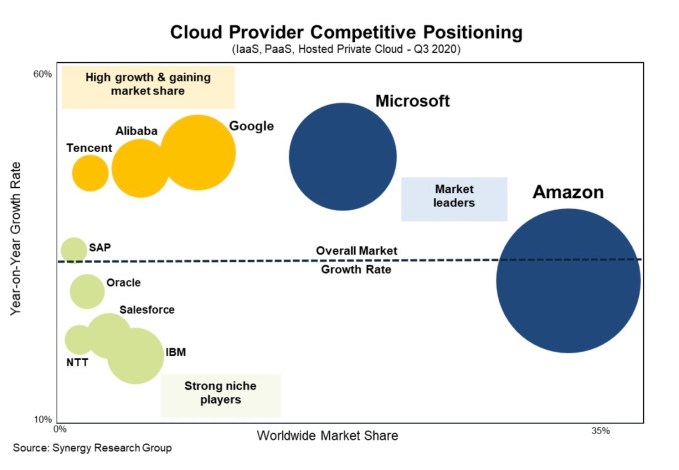

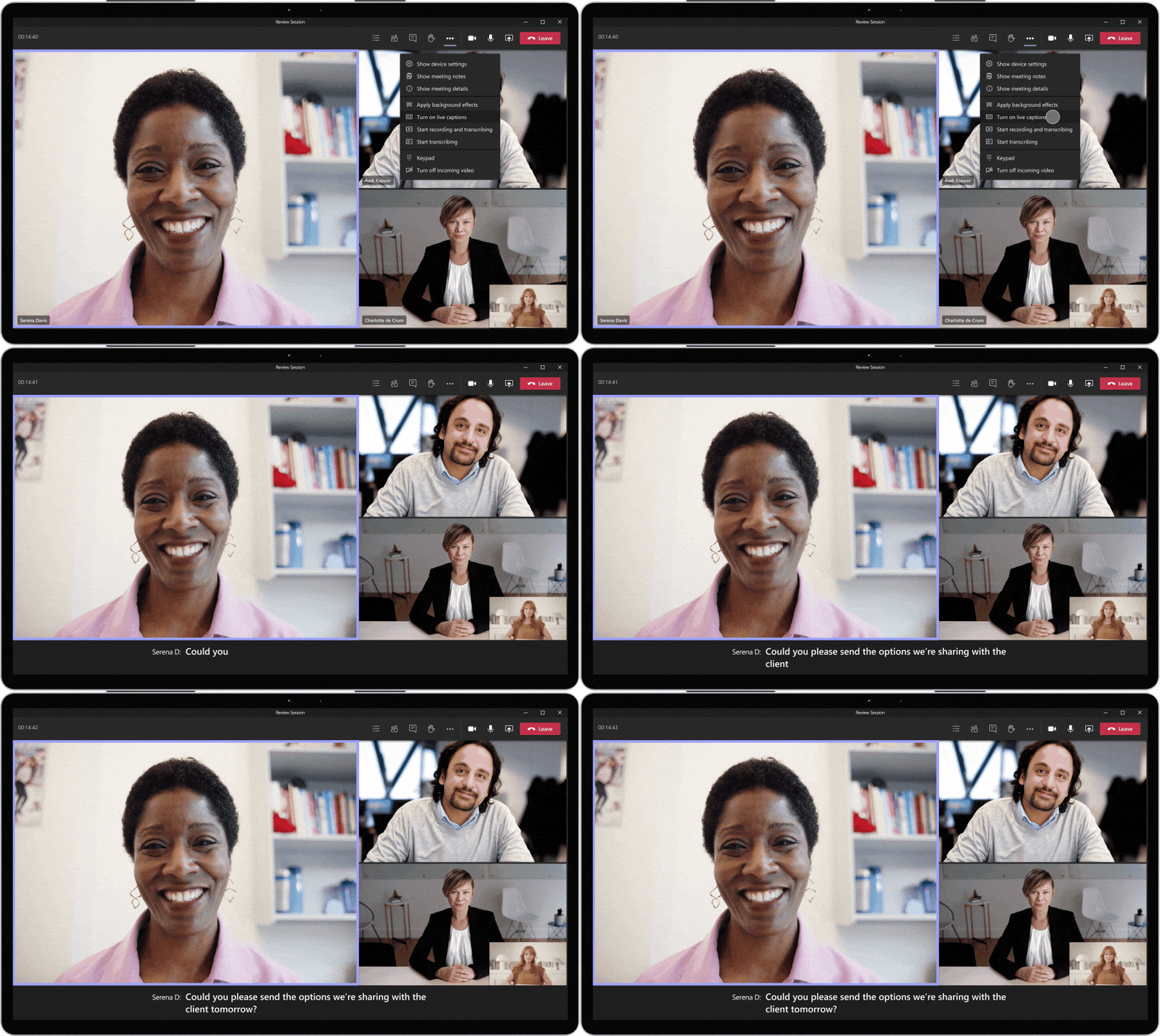
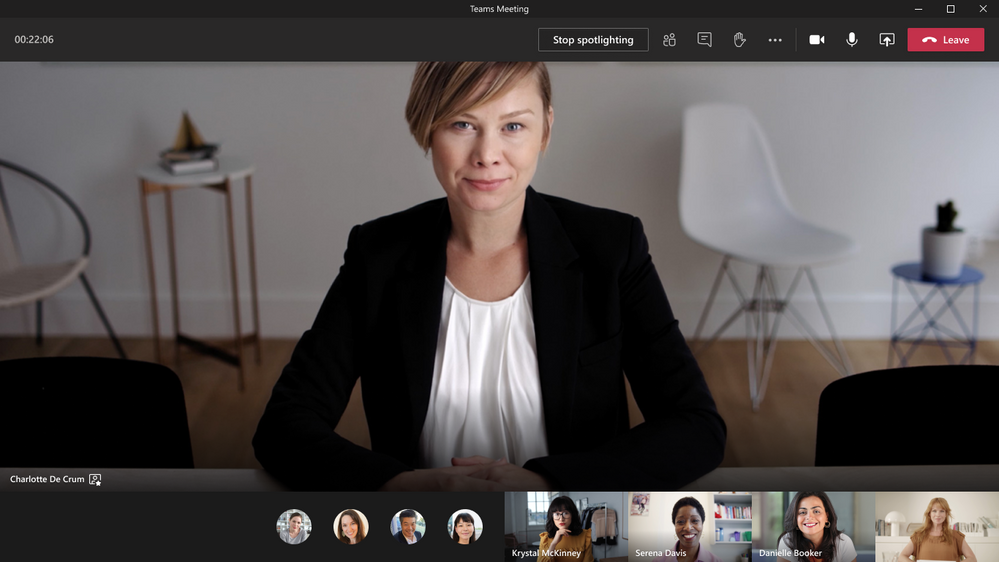
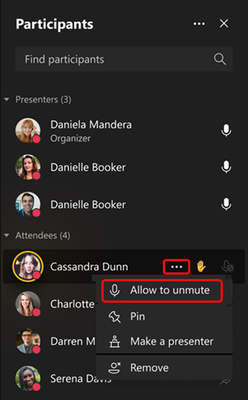
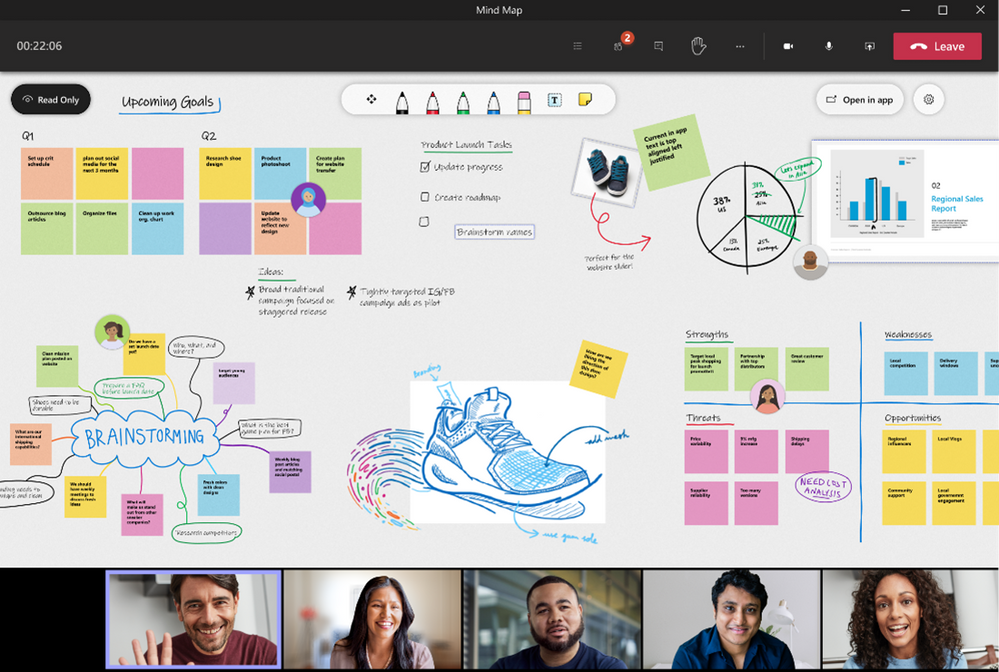
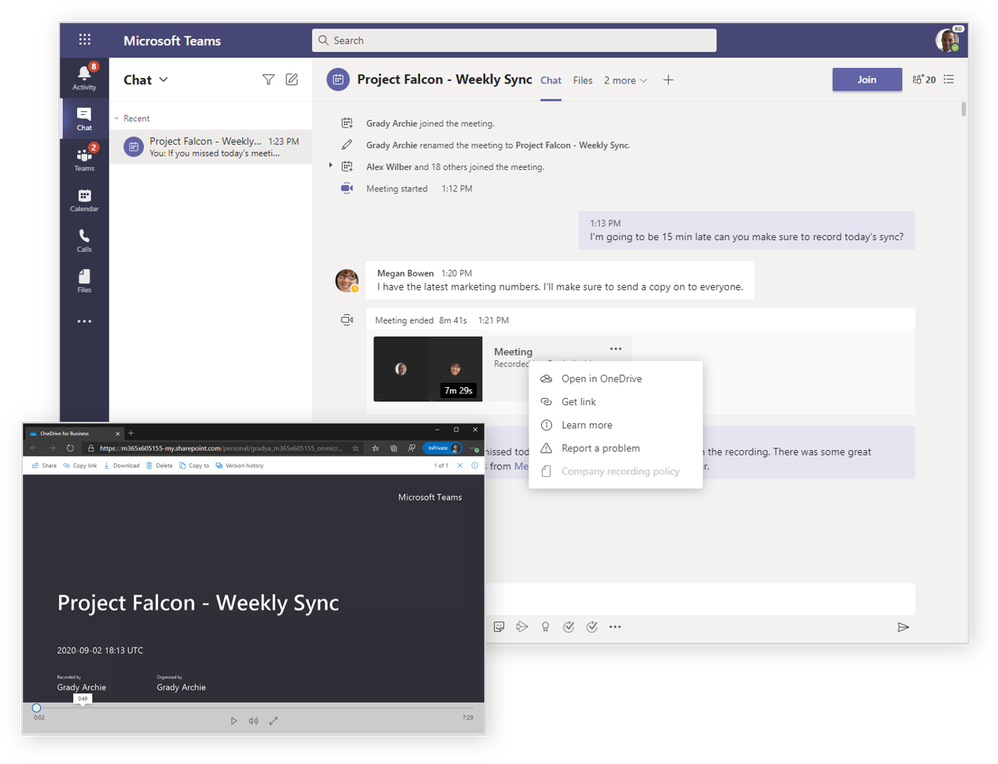
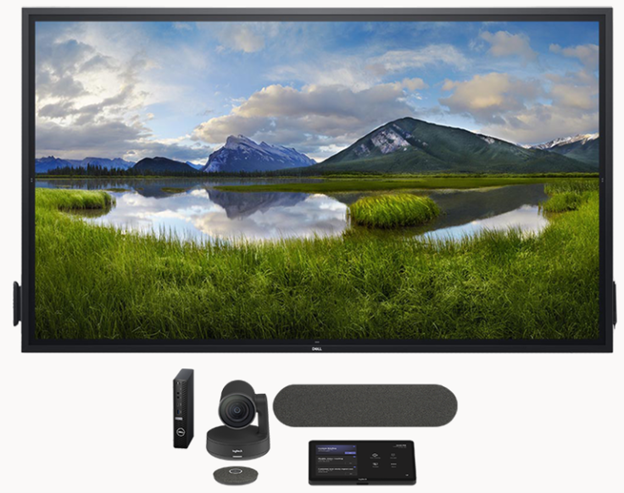


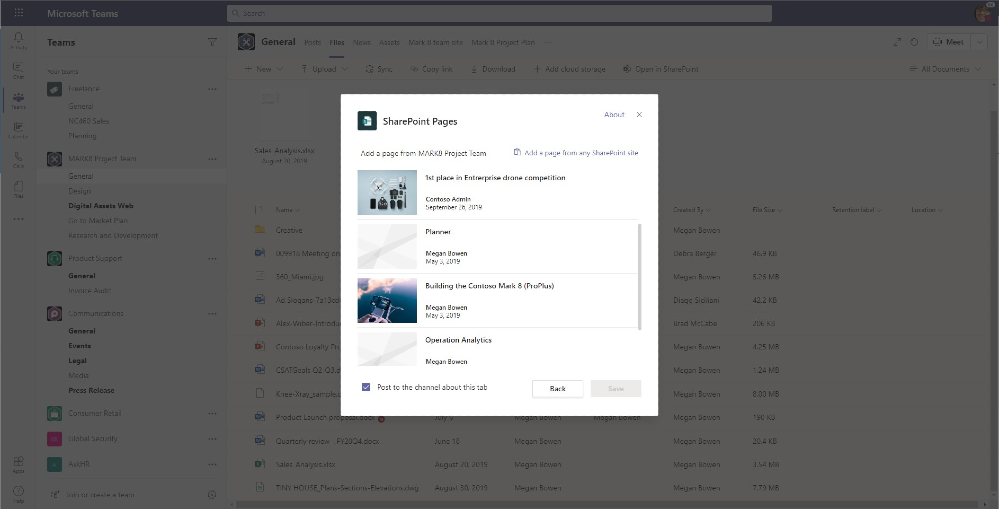


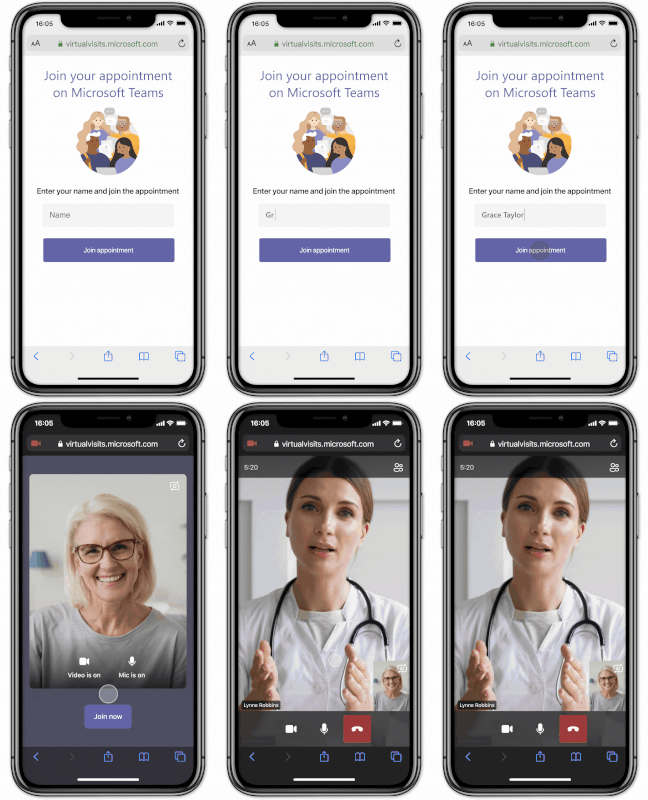



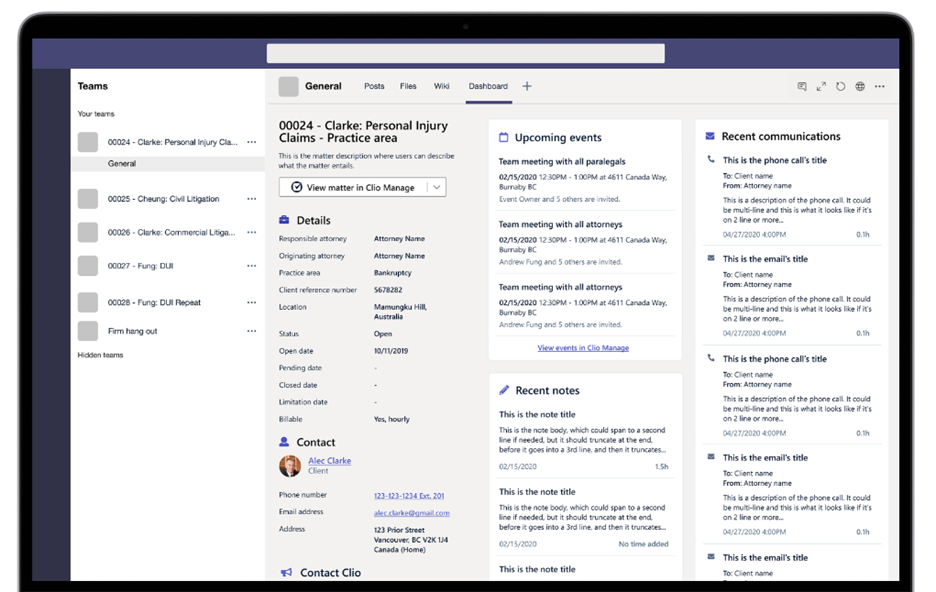


 CBS
CBS
 Twitter CEO Jack Dorsey testifying remotely before the Senate on October 28. | Michael Reynolds/Getty Images
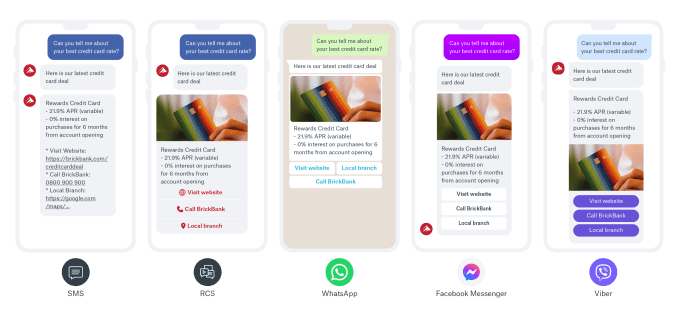


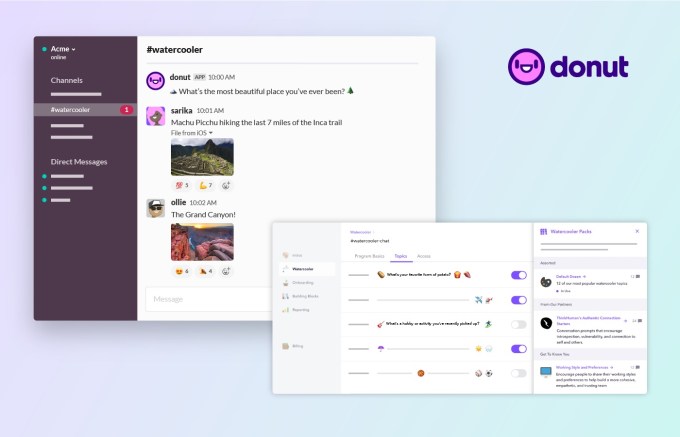


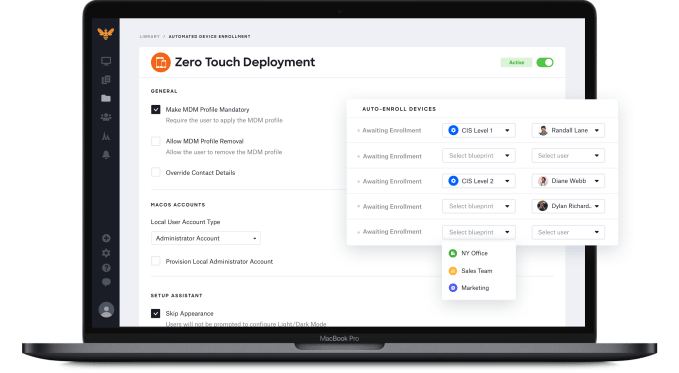
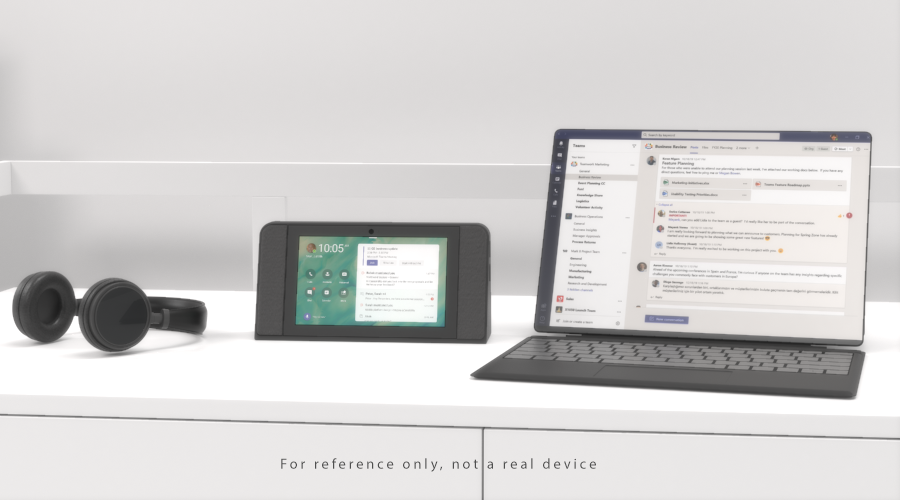
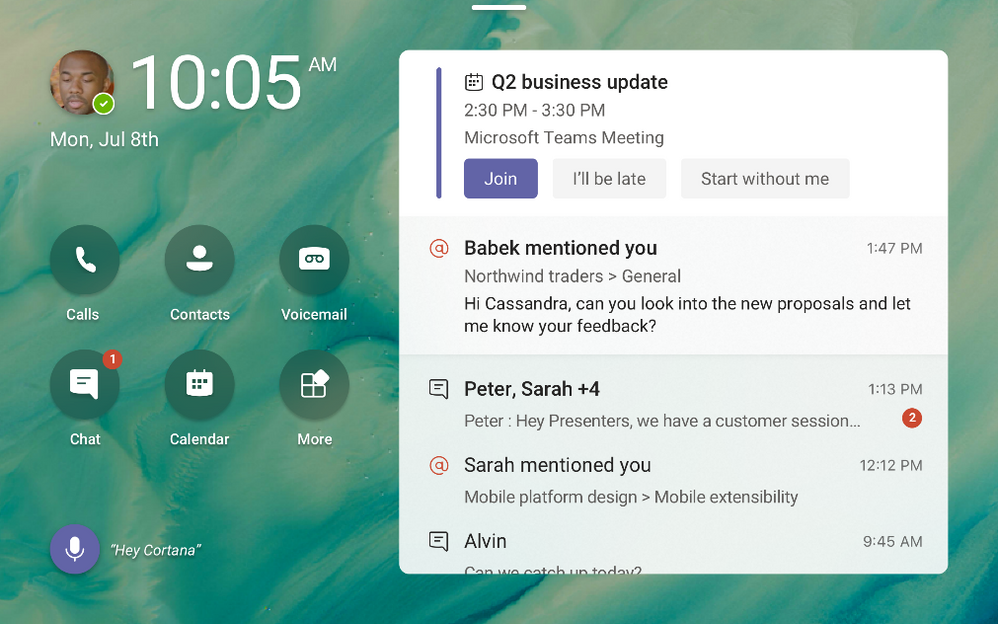
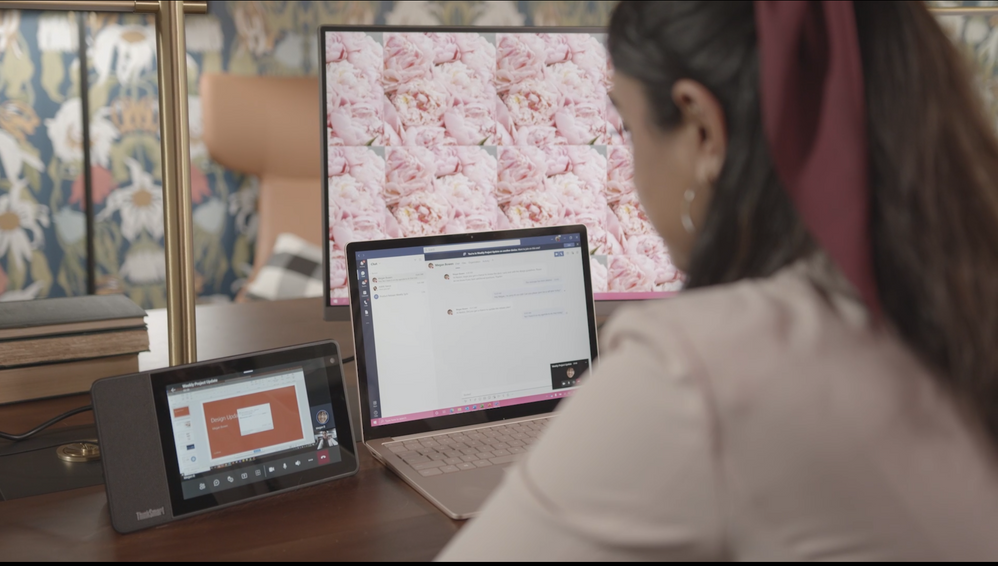
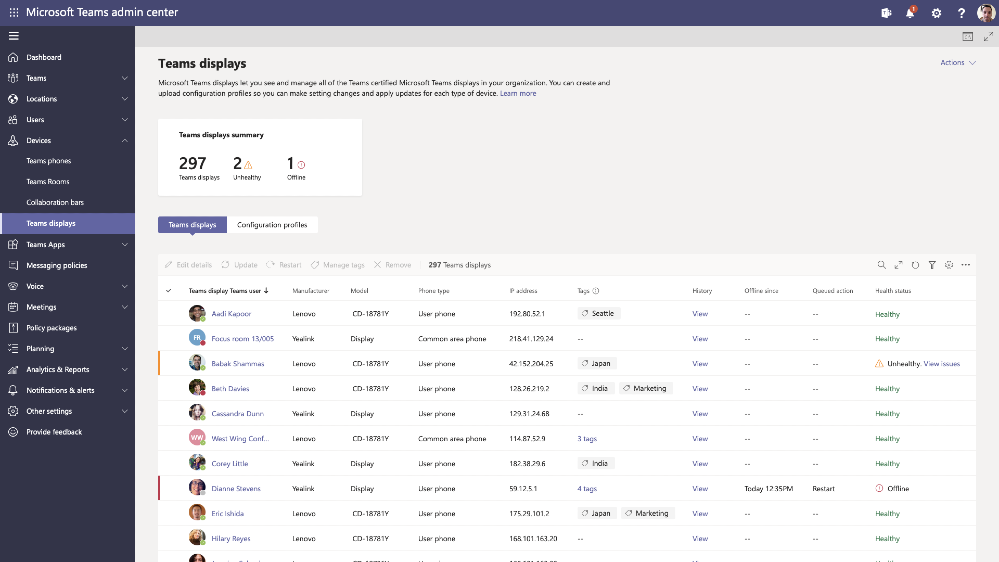
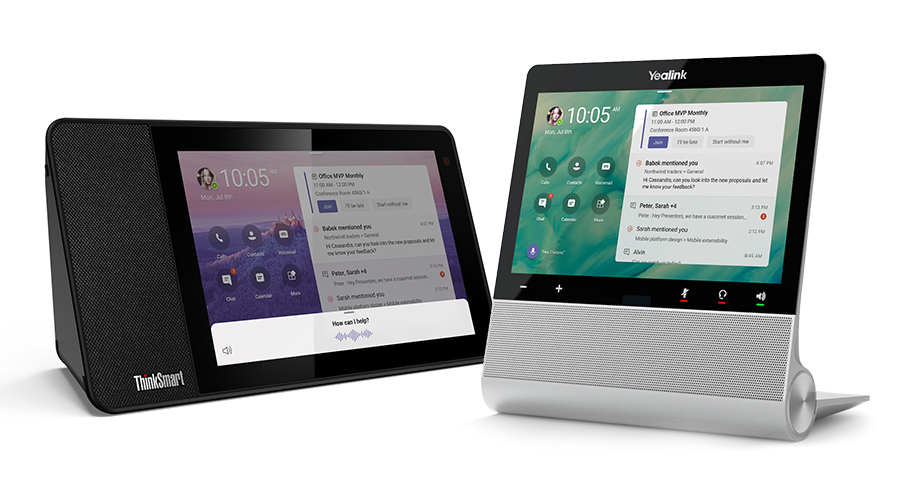


 President Donald Trump greets Supreme Court Justice Neil Gorsuch as Supreme Justice Brett Kavanaugh looks on ahead of the State of the Union address in the chamber of the U.S. House of Representatives on February 04, 2020 in Washington, DC. | Mario Tama/Getty Images


