 After more than a year of testing, the Electronic Frontier Foundation is releasing Privacy Badger 1.0, a browser extension for Chrome and Firefox that prevents ads and sites from tracking your activity on the web. The EFF says over a 250,000 users...
Adam Victor Brandizzi
Shared posts
10 Aug 11:25
After more than a year of testing, the Electronic Frontier Foundation is releasing Privacy Badger 1.0, a browser extension for Chrome and Firefox that prevents ads and sites from tracking your activity on the web. The EFF says over a 250,000 users...
EFF's browser extension that blocks spying ads officially launches
by Devindra Hardawar
After more than a year of testing, the Electronic Frontier Foundation is releasing Privacy Badger 1.0, a browser extension for Chrome and Firefox that prevents ads and sites from tracking your activity on the web. The EFF says over a 250,000 users...
09 Aug 00:22

Crazy people chainsawed a frozen lake to make a spinning ice carousel
by Casey Chan
Winter makes people desperate. Being surrounded by snow for months saps the fun out of the world. Walking on a frozen ice lake is not comforting. But screw it all. Because people need to be, well, people, crazy folks that were sick of winter this year decided to chainsaw up a frozen lake and make a moving carousel on ice. It looks like so much fun!
Cary Renquist, Vvicked and 5 others like this
09 Aug 00:21


shubbabang: I FORCED LIFE BACK INTO A FIVE YEAR OLD LAPTOP...
I FORCED LIFE BACK INTO A FIVE YEAR OLD LAPTOP AFTER IT WOULDN’T TURN ON FOR LIKE 2 WEEKS AND I’VE NEVER FELT SO POWERFUL
Sophianotloren, Randy Laue and 2 others like this

07 Aug 18:52
by Mr. Lovenstein (bonus rollover panel)

Adam Victor Brandizzi, Barciella and one other like this
07 Aug 17:27
O que a Veja não viu no caso Romário
by João Paulo Charleaux
 Os leitores que hoje se regozijam com o erro da revista Veja sobre as falsas contas bancárias atribuídas pela publicação da editora Abril ao senador Romário (PSB-RJ), na Suíça, onde haveria R$ 7,5 milhões não declarados pelo ex-atleta à Receita Federal, são em boa parte os mesmos que há 6 meses dedicavam o melhor do seu tempo a atacar a apuração cautelosa que o jornalista Fernando Rodrigues (UOL) fazia de um caso semelhante, o Swissleaks, que reunia mais de 8 mil contas bancárias brasileiras suspeitas no HSBC de Genebra – entre as quais, movimentações atribuídas a Cláudia Raia, Jô Soares, Márcio Fortes e outras figuras tão diversas, famosas e influentes quanto o baixinho. Os dois casos ocupam extremos opostos de um mesmo assunto: critérios de apuração jornalística e de publicação de dados de contas não declaradas por figuras públicas brasileiras em bancos estrangeiros.
Na matéria da revista Veja, os jornalistas Thiago Prado e Leslie Leitão, de posse de um documento falso, disseram que “a conta não declarada na Suíça passa a ocupar o topo da lista de enroscos financeiros de Romário em tempos recentes”. A publicação chamou o senador de “mau pagador” e construiu um texto adjetivado para descascar o ex-jogador. Em defesa da revista se pode dizer que constava na matéria uma frase do baixinho negando tudo: “Até agradeço por me informarem. Se for dinheiro meu, vou buscar”, ironizou a fonte que, com o dito, figurou de fanfarrão num texto construído para lhe vexar. De acordo com Leslie e Prado, o documento que provaria a fraude estava “nas mãos do Ministério Público Federal”. A fonte oficial (ou alguém dentro dela) conferiam o esteio necessário, sob o ponto de vista dos jornalistas, para cravar o título: “Romário tem conta milionária na Suíça”. Não tinha.

O documento era falso, a fonte que vazou o papel era fraca e agora tanto o senador quanto o banco suíço BSI, com sede em Lugano, tocam em frente um processo milionário contra a revista, os jornalistas e quem mais pintar pela frente.
O caso encarna o pesadelo jornalístico perfeito. É o equivalente a um erro médico. Pessoalmente, o horror desses fracassos me fascina tanto que há dois anos coordeno por iniciativa própria uma mesa sobre erros jornalísticos no congresso anual da Abraji (Associação Brasileira de Jornalismo Investigativo), da qual, este ano, participaram os colegas William Waack (Globo), Roberto Lameirinhas (Estadão) e Bruno Manso (Ponte).
Swissleaks
Se a apuração da história de uma única conta bancária na Suíça provocou esse enrosco, o que dizer da apuração da existência de mais de 8 mil contas brasileiras, num total que supera os R$ 20 bilhões? Essa era a trolha nas mãos do jornalista Fernando Rodrigues no caso Swissleaks.
Não cabe recuperar aqui o caso todo, mas é curioso ver a diferença nos métodos de apuração. A relutância de Rodrigues em publicar a lista completa dos nomes, sem antes fazer a correta apuração, valeu-lhe uma onda de ataques violentos. Diziam, no mínimo, que Rodrigues protegia o (agora ex-) patrão, já que os donos da Folha apareciam entre os nomes.
A torcida dos leitores influencia o jornalismo. Lidar com isso é parte da profissão. Meu ex-chefe de Estadão, Lameirinhas, bem lembrou em post pessoal no Facebook essa semana, sobre o caso Romário: “com o tempo, uma imprensa cínica, mercenária, demagógica e corrupta formará um público tão vil como ela mesma”. A profecia é de Joseph Pulitzer.
A história toda ainda não acabou. Tudo é possível. Mas com o processo movido por Romário já se pode medir o valor da precaução em reais. E da credibilidade também.
07 Aug 17:16

Family Portraits Illustrated with Paper by Jotaká
by Christopher Jobson

Spanish illustrator Juan Carlos aka Jotaka created this fantastic series of paper family portraits by rendering his bendy illustrated characters in cut paper. Titled La siesta, he describes the images as “a personal project about hugs, the importance and the ideal time to receive them.” Some of these are available as prints in his shop, and he regularly updates a blog here. (via Behance)


Barciella, Adam Victor Brandizzi likes this
07 Aug 17:08
(Fact Source)Follow Ultrafacts for more facts



Mitch Laue, Adam Victor Brandizzi and one other like this



07 Aug 16:56


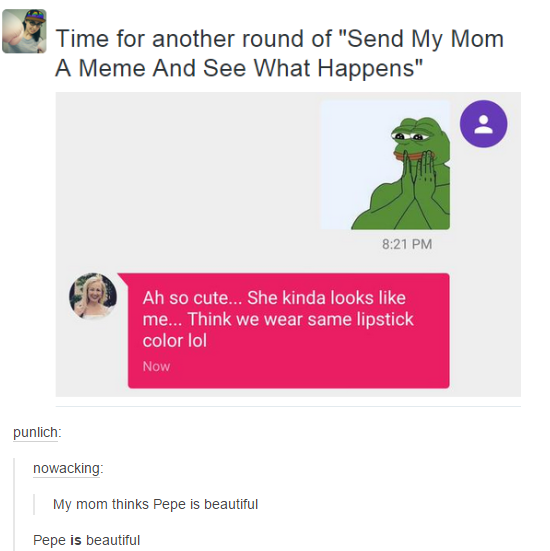
Beautiful short film about a Japanese doll maker
Adam Victor Brandizzi, firehose likes this
07 Aug 16:55


 Larger version of this image is viewable here
 Image by Greg Girard
 Image by Greg Girard
 Image by Keith Perelli
 Image by Stefan Morrell
 Image by Stefan Morrell
 Image by Stefan Morrell
 Image by Andrew Suryadi
 Image by Nivanh Chanthara
 Image by Nivanh Chanthara
 Image by Nivanh Chanthara
 Image by Nivanh Chanthara
The Original, Real-Life Dystopian Cityscape of Kowloon Walled City, and the Artwork It Inspired
Kowloon Walled City was a crazy social experiment, except there were no scientists in charge; the test subjects were.
On the site of a dismantled Chinese fortress in Hong Kong, refugee squatters began building makeshift homes in the 1940s. What started out as 2,000 refugees in huts gradually grew into 50,000 people crammed into ramshackle, unregulated skyscrapers leaning on each other for support. (It's reported that no architects or engineers were involved in building the structures, which went up to 14 stories, but were somehow erected by the community that lived there.) And amazingly, it all formed a cohesive—and largely contiguous—structure, resembling a castle or fortress.
KWC had water and electricity siphoned from wells and the rest of the city, but was an unregulated mess of ad-hoc infrastructure largely unsupported by government. Police were afraid to venture inside (though unbelievably, postman were reportedly forced to deliver mail there!). It was filled with criminals, drug dealers and prostitutes, as well as honest families, schoolchildren and one-man manufacturing shops. The following illustration shows what a slice of it might look like:
Larger version of this image is viewable here Tiny, cramped spaces did double duty, with units that were classrooms during the day transformed into strip clubs at night. There were restaurants and gambling dens, hair salons and convenience stores, unlicensed doctors and dentists. So close were the buildings that sunlight was hard to come by on street level; thus fluorescents were hung outdoors at ground level for illumination. Rooftops, meanwhile, became social spaces.
The government finally shut it down in the 1990s and razed it. But in the years during and since, Kowloon Walled City has captured the imaginations of everyone from architects to sci-fi authors to set designers to artists.
Image by Greg Girard Image by Greg Girard Speaking of artists, photographer Greg Girard, who documented KWC in the 1980s, probably has the best photo essay on it (shot both inside and outside) right here. We also wanted to show you the fantastic KWC-inspired work done by a handful of illustrators:
Image by Keith Perelli Image by Stefan Morrell Image by Stefan Morrell Image by Stefan Morrell Image by Andrew Suryadi Image by Nivanh Chanthara Image by Nivanh Chanthara Image by Nivanh Chanthara Image by Nivanh Chanthara
07 Aug 14:19
Comic for August 07, 2015
Yahoo Pipes is shutting down. Please visit this blog post for replacement feeds and to report any issues.
Barciella, Adam Victor Brandizzi likes this
07 Aug 14:19
Saturday Morning Breakfast Cereal - Stating the Obvious
by admin@smbc-comics.com

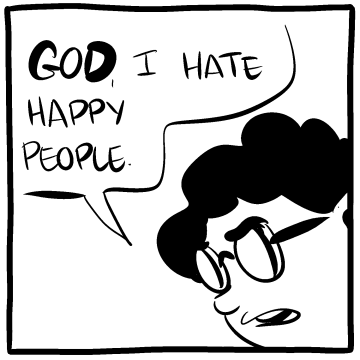
 Expanded from
Adam Victor Brandizzi likes this





07 Aug 14:15
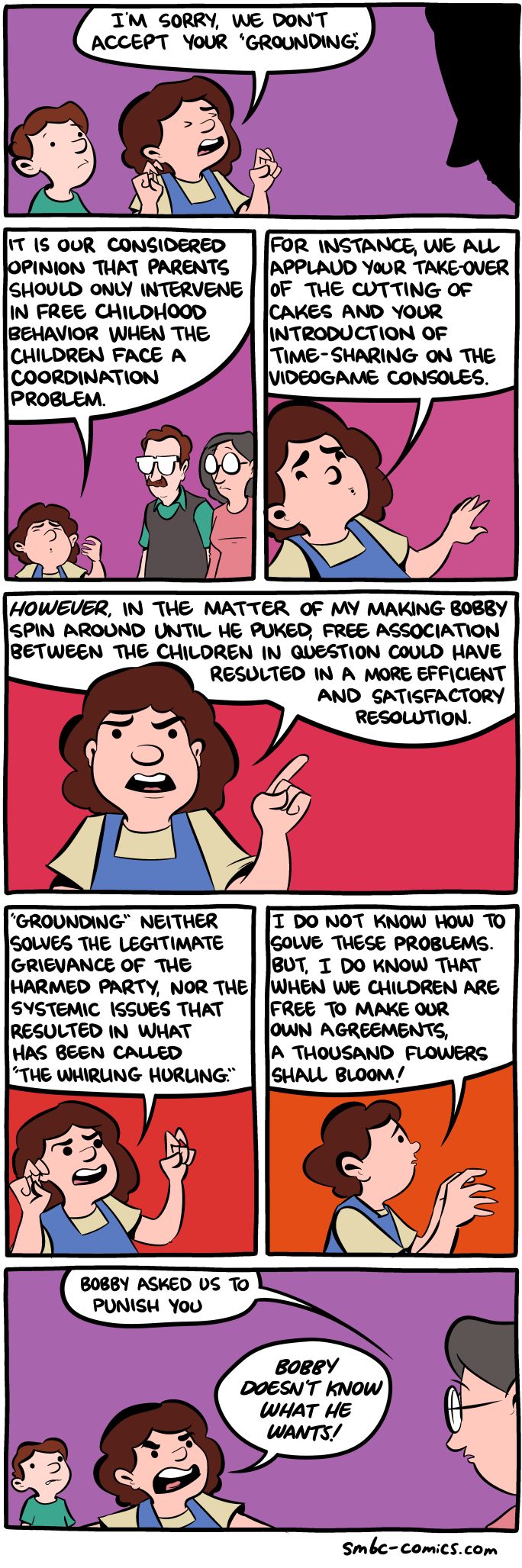
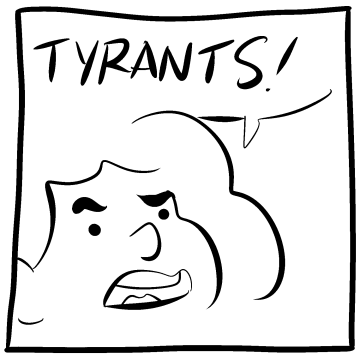
Saturday Morning Breakfast Cereal - Grounding
by admin@smbc-comics.com
Adam Victor Brandizzi likes this


06 Aug 20:39
clever girls
| archive - contact - sexy exciting merchandise - search - about | |||
 |
|||
| ← previous | August 3rd, 2015 | next | |
|
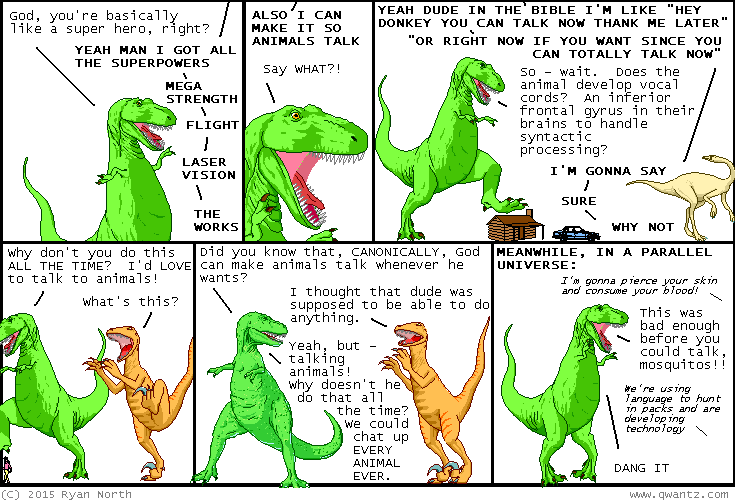
August 3rd, 2015: The talking donkey in the Bible never even gets a name! I propose we call her... "Chatty McVocalcords". It is a reasonable name that will fit into the other names in the Bible nicely. – Ryan | |||
06 Aug 18:22


Japanese burger chain Mos Burger replaces its buns with two halves of a giant tomato
by Oona McGee
Adam Victor BrandizziQuero.

Japanese fast food chain Mos Burger has built a reputation over the years for its healthy burger options. For those with an aversion to traditional wheat-based buns, Mos Burger offers versions made with grilled rice patties. And if you’re counting calories, they’ll simply wrap your filling in lettuce.
Now there’s an even more impressive option for health-conscious customers: a burger stuffed between two halves of a giant tomato. Available after 2:00pm from only one outlet in Japan, we stopped by to check out the rare red burger, taking lots of delicious photos for you along the way!
Limited sales of the tomato-bun burger can only be found at the Think Park Plaza store in Osaki, Shinagawa-ku, Tokyo.


We’ve come for the Toma-mi Burger, which combines the word ‘tomato’ with the character 実 (mi, meaning fruit, seed or nut). Although it’s technically a fruit, the humble tomato was classified as a vegetable for culinary purposes after a U.S. Supreme Court Ruling in 1893. The more you know!

Mos Burger has always made a point of using thick slices of locally-grown tomatoes in their products. Now it’s the star of the show, as the piece that holds it all together – literally.

The unusual burger is only available as part of a set, which includes a glass filled with more tomatoes instead of a serving of fries, for 880 yen (US$7.12). Seeing as the meal is designed to help customers get over the summer heat, we decide to really put it to the test by sitting outside under the hot Japanese sun.

The Caprese salad contains classic ingredients: fresh tomatoes, basil, mozzarella cheese and an olive oil and balsamic dressing. The flavours were fantastic and the cool tomato pieces refreshing. We loved the fact that it was served in a glass with a small silver fork!


The red roundness of the tomato ‘bun’ had been enticing us from the minute we set eyes on it.

Looking inside, we found a massive tomato, at least the size of a regular Mos bun, cut in half and filled with a classic patty, onion, lettuce combination. The patty wasn’t piping hot, which meant it went well with the cold tomato casing, and the whole thing was surprisingly easy to bite into as the skin on the vegetable was nice and firm. This was one good-quality tomato!

The initial bite was an odd experience because we were waiting for the usual chewiness of the bread bun. Instead, we really noticed the crunch of the lettuce, but the flavour of the tomato really sang as the hero of the dish. When we looked closely, we could see the hole where the core had been carefully removed.

This is definitely an impressive summer burger. It left a clean feeling in the mouth and we actually felt healthy after eating it! There was no strong meat flavour and despite the huge amount of sauce, which meant we couldn’t remove the beast from its package for fear of major spillage, it didn’t overpower the other ingredients or make them soggy.


So, do we recommend the Toma-mi Burger? A resounding yes. We’d order another one in a heartbeat!

But would we eat it outside again in the humidity of a Japanese summer?

Now that’s the question that’s hard to answer!
Source and Featured Image: Mos Burger
Photos © RocketNews24
Origin: Japanese burger chain Mos Burger replaces its buns with two halves of a giant tomato
Copyright© RocketNews24 / SOCIO CORPORATION. All rights reserved.
Related Stories
- We try the new Tokyo Tower Burger from Mos Burger
- New MOS Burgers are 100% Beef, Still 0% Moss
- Japan’s Mos burger releases inaugural tower burger to celebrate new Tokyo Tower outlet opening
- McDonald’s to get fresh at breakfast time, the little scoundrel
- We try the $10 Quarter Pounder that’s only available in Japan on July 6
Adam Victor Brandizzi likes this
06 Aug 12:28
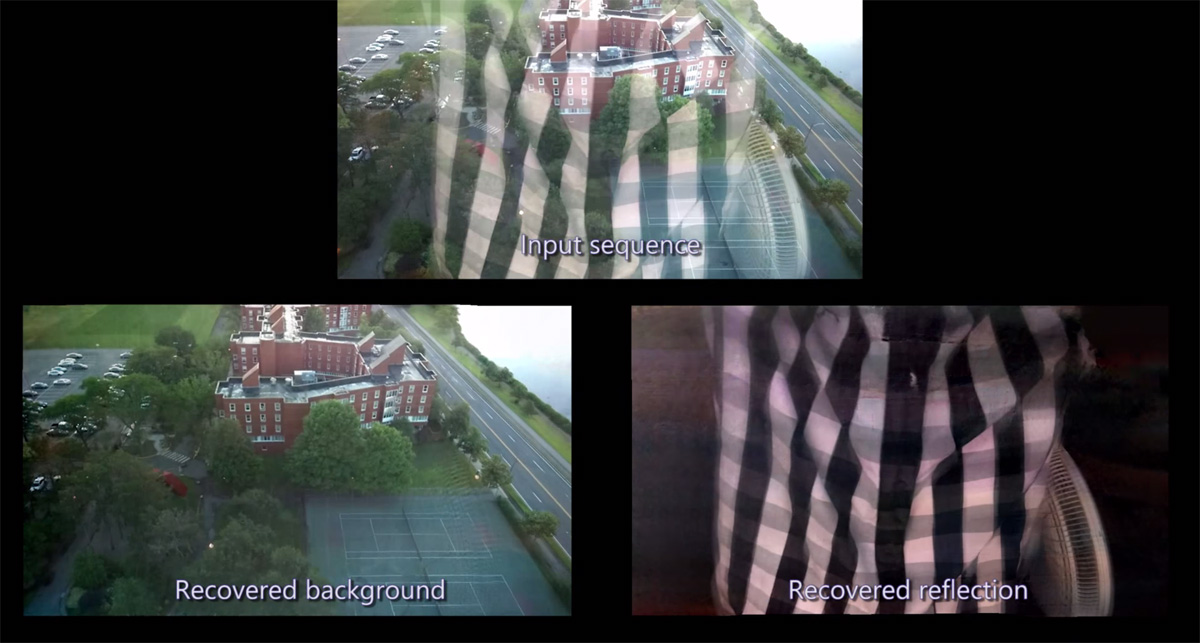 Who knew that reflection-free window photos were suddenly in vogue? Google and MIT do, apparently. Some of their researchers have developed an algorithm that eliminates unwanted visuals by using frames from a short video to separate the foregroun...
Google and MIT can take reflection-free photos through windows
by Jon Fingas
Who knew that reflection-free window photos were suddenly in vogue? Google and MIT do, apparently. Some of their researchers have developed an algorithm that eliminates unwanted visuals by using frames from a short video to separate the foregroun...
Sofía Henao, Rtersieva and 3 others like this
06 Aug 12:27
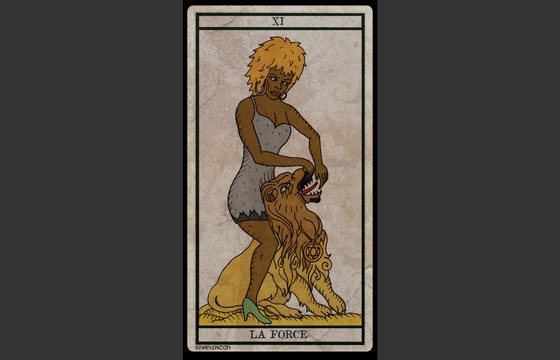
The Illustrated Black Power Tarot Deck
by Editor@juxtapoz.com (Juxtapoz)
Musician King Khan and graphic artist Michael Eaton have collaborated to create an illustrated black power tarot deck. The deck incorporates black musicians as well as other black public figures into a traditional tarot card structure. The project was overseen by Chilean filmmaker and artist Alejandro Jodorwosky.
06 Aug 12:27
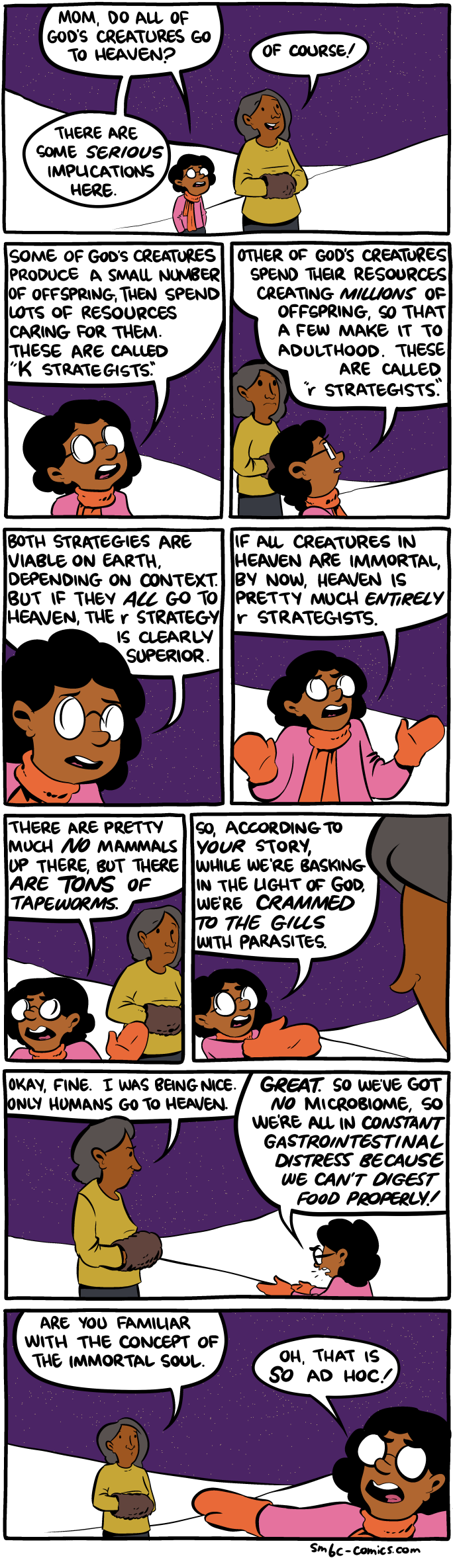
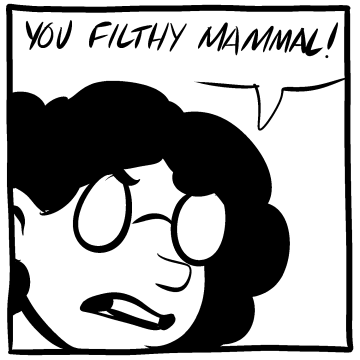
Saturday Morning Breakfast Cereal - Supernatural Selection
by admin@smbc-comics.com
Jagripino, Adam Victor Brandizzi likes this


06 Aug 12:19
Now Read:
15 Fun Games for the Bored Designer
Do you find it difficult to find an excuse to take a break from your designing duties? If so, these fiendishly addictive design games are for you. Each one is ideal to play during your coffee break, no matter how short it is. And if any one asks, you can tell them that these games help hone your design instincts and sharpen your skills. Seriously.
In this post are 15 addictive games that test your knowledge on things related to design: fonts and kerning, colors and hues, hex codes, site layouts and more. Race against the time and compare scores with your fellow designers, and most of all, have some fun.
Kolor
Think you know magenta from fuchsia or snow from ivory? Here’s a chance to test your eye for subtle shade differences as you race against the clock to identify the correct design color in this great game from Kolor.
Kern Type
Laying out text evenly on the page, or ‘kerning’ as it’s known in the typography business, is harder than it looks. However, as any self-respecting designer will tell you, it’s integral to creating slick content on the page.
Shape Type
There’s a fine art to shaping letters, especially when you want to create an aesthetically pleasing image on the screen. Test your skills with this fun, tablet-compatible game. IT’s harder than it looks.
Hex Invaders
Whoever said that hex codes were fairly useless in terms of everyday skills obviously never played this game! It’s based on the classic arcade game, but with a cunning design twist, of course. To destroy the invaders, you’ll need to match the supplied hex code that appears on the top of the screen.
The Bezier game
Ever struggled to draw things in your designs with the pen tool? With Bezier, you get a tutorial that shows you how to use the pen tool to draw several shapes. Just copy the steps to quickly master the pen tool. Replay the tutorial if you find yourself at a loss.
RGB challenge
Are you an RGB code master, or do you struggle to get your head around remembering them? If you think you’re a bit of a color expert, here’s the game to test your skills to the max. Make no mistakes, because any mistake sends you back to the beginning. See if you can beat your best score!
Brandseen
Brandseen gives you the chance to combine your knowledge of some of the world’s most famous brands with your color identification prowess. You’ll be shown 9 of the most iconic logos, and you’ll need to use your supreme design-jedi master skills to match the right color to the logo design.
color
Now it’s time to get serious about testing your color knowledge. This simple, yet comprehensive test challenges your eye in finding the right shade. You’ll need to identify complementary colors, analogous hues, triadic, tetradic and saturation.Or just try to get the color in the middle circle right. Good luck!
Odd one out
Here’s a nice color recognition game with a twist. You’ll need to find the odd one out each time, but be warned, the game gets progressively trickier! It’s a great way to train your eyes to get used to subtle differences between hues, which is always useful when designing a site.
Color Run
If you think you’re good at picking up subtle color differences, then this game tests how effective you are at identifying the lighter color, against a ticking clock. You’ll need to have lightning reflexes and quick fingers to score well, and it’s a good game to compete with friends.
Pixel perfect
Pixactly is the game that assesses how well you really know your pixels. All you’ve got to do is draw a box that matches the width and height dimensions given, and see how close you get to the right answer. Sounds easy, right? There’s only one way to find out.
Online Color challenge
According to the statistics included on this site, 1 in 255 women and 1 in 12 men have some sort of color vision deficiency. No matter your gender, we suspect you’ll find this color sorting game quite challenging!
The Rather Difficult Font Game
As designers, we use fonts all the time. So why are the names so hard to remember? If you’re constantly finding that the name of the perfect font that is just at the tip of your tongue, here’s a game to help improve your knowledge and understand the subtle differences between font styles.
Dedesign The Web 2
It’s amazing how instantly recognizable some websites are, just from their layout. This fascinating quiz proves the point perfectly, though you’ll also be amazed at how many you recognize, but aren’t quite sure which site they are!
Shoot the serif
Select your level of design skill, then shoot only the serif fonts in order to get promoted. It’s an addictive shoot-em-down style game that helps you easily identify serif fonts. Just make sure you leave the sans serif standing!
We hope you enjoyed your break, had a lot of fun, and even learned something new! What’s your favorite game? Do you know any other great design quizzes, tricky experiments, or challenging apps? Do share your scores, achievements, and thoughts!
Editor’s note: This is written by Lana Lozovaya for Hongkiat.com Lana is the content strategist and social media manager at PSD2HTML®, the leading PSD to HTML and web development company.
Now Read:
40 Addictive Web Games Powered By HTML5
Tertiarymatt, Adam Victor Brandizzi and -1 others like this