Shared posts

28 Aug 12:18

This Cartoon Explains How Important It Is to Have Good Posture

by Patrick Allan

We’ve covered a lot of great ways to help you adjust your posture; from fixing your chicken neck, to undoing your computer hunch. This video explains why developing your posture is so important for the rest of your body.

This video from the TED-Ed YouTube channel explains why standing up straight is about more than how you look. Your posture affects every movement your body makes, and can make your muscles work harder to perform normal tasks, or become weakened over time. Pain and the inability to move certain ways are now all too common side effects of poor posture, and it can even start to affect your internal organs; so it should be taken seriously. Sitting at desks is the root cause for a lot of these problems, but there are plenty of things you can do to help yourself out.http://lifehacker.com/5755870/how-to...

The Benefits of Good Posture | YouTube

25 Aug 00:29

Is there a moral case for eating meat? - Vox

Originally published on Grist.

Where are the philosophers arguing that eating meat is moral?

When I started researching this piece, I’d already read a lot of arguments against meat, but I hadn’t seen a serious philosophical defense of carnivores. So I started asking around. I asked academics, meat industry representatives, and farmers: Who was the philosophical counterweight to Peter Singer?

In 1975, Singer wrote Animal Liberation, which launched the modern animal rights movement with its argument that causing animal suffering is immoral. There are plenty of other arguments against eating animals besides Singer’s, going back to the ancient Greeks and Hindus. There are even arguments that Christianity contains a mandate for vegetarianism. Matthew Scully’s Dominion argues against animal suffering; Scully rejects Singer’s utilitarian assertion that humans and animals are equal but says that, since God gave people "dominion over the fish of the sea and the fowl of the air, and over the cattle, and over all the earth," so we have a responsibility to care for them and show them mercy.

The arguments against eating animals are pretty convincing. But surely, I thought, there were also intellectuals making convincing counterarguments. Right? Nope. Not really.

At first glance, the moral defense of meat seems to be lacking
Woman with drawing of an angel and devil over each shoulder

(Shutterstock)

There is the Cartesian idea that animals are unfeeling machines, incapable of suffering — but I just wasn’t buying that. It’s clear that animals have an aversive response to pain, and careful, well-respected scientists are saying that animals are probably capable of feeling and consciousness. Once we admit even the possibility that animals are sentient, the ethical game is on: It doesn’t matter that an animal is just an animal; if you’re against suffering and you agree animals can feel pain, it’s pretty hard to justify eating them. (Of course, the further you get from humans the harder it is to judge — plants may be sentient in a totally alien way! Singer says we can stop caring somewhere between a shrimp and oyster.)

My enquiries didn’t turn up any sophisticated defense of meat. Certainly there are a few people here and there making arguments around the edges, but nothing that looked to me like a serious challenge to Singer. In fact, the lack of philosophical work to justify meat eating is so extreme that people kept referring me not to scholarly publications, but to an essay contest that the New York Times held back in 2012. Ariel Kaminer organized that contest after noticing the same gaping hole in the philosophical literature that I’d stumbled upon. Vegetarians have claimed the ethical high ground with book after book and, Kaminer wrote:

In response, those who love meat have had surprisingly little to say. They say, of course, that, well, they love meat or that meat is deeply ingrained in our habit or culture or cuisine or that it’s nutritious or that it’s just part of the natural order … But few have tried to answer the fundamental ethical issue: Whether it is right to eat animals in the first place, at least when human survival is not at stake.

The winner of that contest, Jay Bost, didn’t take it much farther than that, basically arguing that "meat is just part of the natural order" because animals are an integral part of the food web. That’s a start, but I’d want a lot more than a 600-word essay to flesh out the idea and respond to the obvious criticisms — since almost all the animals we eat are far removed from natural food webs, it’s still basically a prescription for veganism. Plus, where do you draw the line on what’s natural?

I found several beginnings of arguments like this — no real philosophical shelter for a meat eater, but a few foundational observations that you might build something upon if you carefully thought through all the implications.

"We’ve gotta give animals a life worth living"
Cow licks its lips after eating at John Fiscalini's Dairy and Cheese factory where manure waste is turned into methane gas on February 02, 2010.

(Bob Chamberlin/Los Angeles Times via Getty Images)

Animal welfare expert Temple Grandin offered one potential plank for building a defense of meat eating. "We’ve gotta give animals a life worth living," she told me. Later in the interview, she reminded me that most farm animals wouldn’t have a life at all if no one ate meat. Combine these points and you could argue that it’s better to have a life worth living than no life at all — even if it ends with slaughter and consumption.

Using the same argument, we might raise children for the purpose of producing organs

When I bounced this argument off the ethicist Paul Thompson, he said, "That may be a defensible position, but a philosopher should also be prepared to apply it to humans."

Right. It’s hard to limit the "a life worth living is better than no life at all" argument to farm animals. Using the same argument, we might raise children for the purpose of producing organs: As long as they were well cared for, ignorant of their fate, and painlessly slaughtered, you could say they had a life worth living. The clone gets a (short) life, a dying girl get a new heart, everyone wins! It’s rationally consistent, but certainly doesn’t feel right to me.

Perhaps some brilliant philosopher will develop these points, but, since I am not one of those, I was left with the conclusion that the vegans were right. Oddly, however, that didn’t make me think twice about laying sliced turkey on my sandwich the next day. I was convinced on a rational level, but not in an embodied, visceral way.

People eat meat even though the rational arguments against it are convincing
Man at a table, head tilted back, dangling raw meat into his mouth

(Shutterstock)

"Animal Liberation is one of those rare books that demand that you either defend the way you live or change it," Michael Pollan once wrote. I know what he means — when I first read it, I felt battered and stupefied by the horrors of animal suffering that Singer paraded before me. Nevertheless, despite my inability to muster a defense for my meat eating, I didn’t change my way of life. Pollan didn’t, either: His piece is set up as a stunt — he’s reading Animal Liberation while eating rib eye in a steakhouse. And, though Pollan finds himself agreeing with Singer, he has no problem finishing his steak.

"[L]ife-long adherence to solely plant-based diets is less than 1 percent"

I tend to think of rational argument as a powerful force, certainly more powerful than the trivial pleasure of eating meat. But it turns out that’s backwards: Rational morality tugs at us with the slenderest of threads, while meat pulls with the thick-twined chords of culture, tradition, pleasure, the flow of the crowd, and physical yearning — and it pulls at us three times a day. Thousands, convinced by Singer and the like, become vegetarians for moral reasons. And then most of those thousands start eating meat again. Vaclav Smil notes: "Prevalence of all forms of ‘vegetarianism’ is no higher than 2–4 percent in any Western society and that long-term (at least a decade) or life-long adherence to solely plant-based diets is less than 1 percent." As the psychologist Hal Herzog told Grist’s Katie Herzog in this podcast, "It’s the single biggest failure of the animal rights movement."

How do we deal with this? Some people just shrug and say, "Whatever, animals are different, it’s okay to kill them." I can’t quite bring myself to do that, because I value rational consistency. And yet, I don’t feel immoral when I eat meat — I actually feel pretty good.

Is vegetarianism a virtue?
Man with a halo

The virtuous vegetarian. (Shutterstock)

Whenever you have lots of people agreeing in principle to a goal that is impossible for most to achieve in practice, you have something resembling religion. Religions are all about setting standards that most people will never live up to. And Thompson thinks they have something to teach us on this issue.

Thompson’s solution is to treat vegetarianism the way religious traditions treat virtues. Christians strive to love their neighbors, but they don’t say that people who fail to reach Jesus-level self-sacrifice are immoral. Buddhists strive for detachment, but they don’t flagellate themselves when they fail to achieve it.

Allowing people to access that protein should be moral, not just an excusable lapse

Thompson suggests that we should strive to do better by animals, but that doesn’t mean we should condemn ourselves for eating meat. There are lots of cases like this, he told me. "Some people are going to take these issues up in a way that other people would find really difficult," Thompson said. "For instance, we all respect Mother Theresa for taking on amazing burdens, but we don’t say that you are evil for not doing it."

This makes sense to me. Louis CK can make a pretty solid argument that people who have enough money to buy a nice car (or to spend time reading long essays about meat philosophy) should be donating 90 percent of their income to the poor.

And yet most of us don’t give up our luxuries. By Thompson’s reasoning, that doesn’t make us immoral. In fact, he says, it’s just wrong to condemn people who eat meat. When people rise out of extreme poverty, that is, when they start earning $2.60 a day, they almost invariably spend that newfound money on animal protein: milk, meat, or eggs. Now, you might roll your eyes and say that of course the desperate should be excused from the moral obligation — but wait. As Thompson writes in his book, From Field to Fork: Food Ethics for Everyone:

[T]his response misses my point. Excuses apply in extenuating circumstances, but the logic of excuses implies that the action itself is still morally wrong. A poor person might be excused for stealing a loaf of bread. Theft might be excused when a poor person’s situation takes a turn for the worse, but in the case at hand, their situation has taken a turn toward the better. Under modestly improved circumstances, the extremely poor add a little meat, milk, or eggs into their diet. My claim is that there is something curious with a moral system that reclassifies legally and traditionally sanctioned conduct of people at the utter margins of society as something that needs to be excused.

Is it morally wrong for a hungry child in India to eat an egg? This isn’t just a thought experiment — it’s a real controversy. It’s not enough to wave it off by saying it’s easy to provide vegan alternatives, because those alternative just don’t exist for many people. Often, the cheapest high-quality protein available to the poor comes from animals. Thompson’s point is that allowing people to access that protein should be moral, not just an excusable lapse.

This means animals' living conditions really matter
Chickens in cages at an egg farm, getting fed

David Silverman/Getty Images

Could keeping egg-laying chickens in cages actually be better for them? (David Silverman/Getty Images)

If we accept Thompson’s formulation (and I’m inclined to), it lets us stop wringing our hands over our hypocrisy and strive to improve conditions for animals. That’s what Temple Grandin does. She didn’t have much patience for my philosophical questions. Instead, she is focused on the realistic changes that will give animals better lives. And as I talked to her, she served up surprise after surprise. Many of the elements in confined animal feeding operations (CAFOs) that people find most abhorrent, she said, may be fine from the animal’s perspective. For instance, consider egg-laying hens: What’s better for them — an open barn or stacked cages? Small battery cages, with several hens packed inside each, are bad news, according to Grandin, but enriched cages are a really good alternative.

"There are objective ways to measure a hen’s motivation to get something she wants — like a private nest box," Grandin told me. "How long is she willing to not eat to get it, or how heavy a door will she push to get it? How many times will she push a switch to get it? A private nest box is something she wants, because in the wild she has an instinct to hide in the bushes so that a fox doesn’t get [her eggs]. Give her some pieces of plastic to hang down that she can hide behind. Give her a little piece of astroturf to lay [her eggs] on. Give her a perch, and a piece of plastic to scratch on, and at least enough cage height so she can walk normally. I’m gonna call that apartment living for chickens. Do they need natural elements? Being outside? Science can’t answer that. I mean, there are people in New York that hardly go outside."

"A private nest box is something [an egg-laying hen] wants"

I pressed her: Can’t you use those same objective measurement techniques to see how badly the hens want to go outside and scratch for bugs?

"Well you can," Grandin said, "and the motivation is pretty weak compared to something like the nest box, which is hardwired. Take dust bathing. For a hen dust bathing is nice to do, but it’s kind of like, yes, it’s nice to have a fancy hotel room, but the EconoLodge will do too."

And in fact, the free-range system that I would instinctively choose for chickens may be worse than an enriched cage — because the birds get sick and injured a lot more. And laying hens, unlike meat chickens, are pretty nasty about setting up pecking orders. As Thompson observes in his book, "This is well and good in the flocks of 10 to 20 birds, as might be observed among wild jungle fowl, and it is probably tolerable in a flock of 40 to 60 birds that might have been seen on a typical farmstead in 1900 … But a cage-free/ free-range commercial egg barn will have between 150,000 to 500,000 hens occupying the same space. If you are a hen at the bottom end of the pecking order in an environment like that, you are going to get pecked. A lot."

Even small farms with pastured hens that produce $9-a-dozen eggs often have hundreds of birds, which means the most submissive hens are going to get beat up. I certainly prefer Joel Salatin’s 400-bird Eggmobile on lush grass, because to my human eyes it’s beautiful — and chicken cages look horrible. But I have real doubt as to what’s better from the chicken’s perspective.

There are a lot of counterintuitive things like this when it comes to animal farming (here’s our Q&A in full). So I asked Grandin how we should feel about animal agriculture in the United States as it’s currently practiced: Do these animals really have a life worth living?

It varies greatly, she said, but some CAFOs really are good. "I think cattle done right have a decent life," she said. I couldn’t get her to give a simple thumbs up or down to chicken or pork CAFOs.

Even the Dalai Lama eats meat twice a week
The Dalai Lama with hands together in greeting

The Dalai Lama. (Keith Tsuji/Getty Images)

Talking to Grandin didn’t make me want to go stock up on corn-fed beef, but it did significantly soften my (negative) feelings about industrial animal production. And talking to Thompson made me realize that I was willing to compromise the needs of animals for the needs of humans if they come into direct conflict. In that way I’m a speciesist — I have an unshakable favoritism for humans. Perhaps it’s irrational, but I really want that little girl in India to get her egg, even if it means hens suffer, even if there’s a good vegan alternative for a slightly higher cost.

I have an unshakable favoritism for humans

Perhaps there’s a philosophical argument to be made in defense of killing animals, but no one has spelled that out in a way that I found convincing. Does this mean that we should join the vegans?

I think the answer is yes, but in a very limited way — in the same way that we all should take vows of poverty and stop thinking impure thoughts. Ending deaths and suffering is a worthy moral goal for those of us who have the wealth to make choices. But saying that it’s wrong and immoral to eat meat is just too absolutist. I mean, even the Dalai Lama, who says vegetarianism is preferable, eats meat twice a week.

The binary, good-or-evil view of meat is pragmatically counterproductive — the black and white strategy hasn’t gotten many people to become vegan. Instead, let’s focus on giving farm animals a life worth living.

Grist is a nonprofit news site that uses humor to shine a light on big green issues. Get their email newsletter here, and follow them on Facebook and Twitter.

Bookmarked at brandizzi Delicious' sharing tag and expanded by Delicious sharing tag expander.
24 Aug 19:24

The Incredible Pencraft of Jake Weidmann, the World’s Youngest Master Penman

by Christopher Jobson

When in school, artist and penman Jake Weidmann watched as his classmates typed their notes in laptops. Weidmann instead took the old-fashioned approach and wrote everything longhand with pen and paper, using every opportunity to practice and perfect his exquisite penmanship. The hard work quickly paid off he’s now one of only a dozen people designated as a master penman—not to mention the youngest by three decades.

This new video from Uproxx profiles Weidman has he talks a bit about his process and shows off some of his delicate pencraft, much more of which you can see on his website where he also shares his paintings, drawings, and sculptural work. (via Sploid)

pen-1

pen-2

pen-3

pen

17 Aug 12:19

IG: @Lohfashion


IG: @Lohfashion

15 Aug 11:28

The World’s Oldest Multicolored Printed Book Has Been Opened and Digitized for the First Time

by Kate Sierzputowski
All images courtesy Cambridge University Library

All images courtesy of Cambridge University Library

The earliest example of multicolor printing is now available for the public eye, digitally available through Cambridge University Library’s Digital Library site. The 17th century book, Manual of Calligraphy and Painting (Shi zhu zhai shu hua pu), is so fragile that it was previously forbidden to be opened, its contents a total mystery before its recent digitization.

The book was created in 1633 by Ten Bamboo Studio and is the earliest known example of polychrome xylography, invented by Hu Zhengyan. The technique, also referred to as douban, uses several printing blocks applied in succession with different inks to achieve the appearance of a hand-painted watercolor. The Cambridge site explains that the although the skill required to achieve such douban prints is admirable, the gradations of color within the book are what led to its reputation as “perhaps the most beautiful set of prints ever made.”

The manual contains eight categories showcasing birds, plumbs, orchids, bamboos, fruit, stones, ink drawings and miscellany. All of these sections of the manual are contained in the original “butterfly binding,” and has been identified to be the finest copy in the original binding by a leading scholar.

In addition to Shi zhu zhai shu hua pu, the library has also digitized other selections from its Chinese collections including the oracle bones (the earliest surviving examples of Chinese writing anywhere in the world), a Buddhist text dated between 1127 and 1175, and a 14th century banknote that threatens forgers with decapitation. (via Hyperallergic)

cambridgecalligraphy11

cambridgecalligraphy7

page-extra-1

cambridgecalligraphy4

cambridgecalligraphy5

cambridgecalligraphy8

cambridgecalligraphy12

page-extra-2

cambridgecalligraphy6

cambridgecalligraphy3

cambridgecalligraphy2

cambridgecalligraphy1

12 Aug 19:55

ArtStation - Wolf Pack, by Yuri Shwedoff

11 Aug 19:41

Good Morning

by Grant

11 Aug 19:40

RT @juliana_m: Eu nunca vou perdoar a Google por ter matado o reader. Nunca passou...

by Pai Osias
800px-Coturnix_coturnix_eggs_normal.jpg
Author: Pai Osias
Source: Mobile Web (M2)
RT @juliana_m: Eu nunca vou perdoar a Google por ter matado o reader. Nunca passou de doer.
11 Aug 19:39

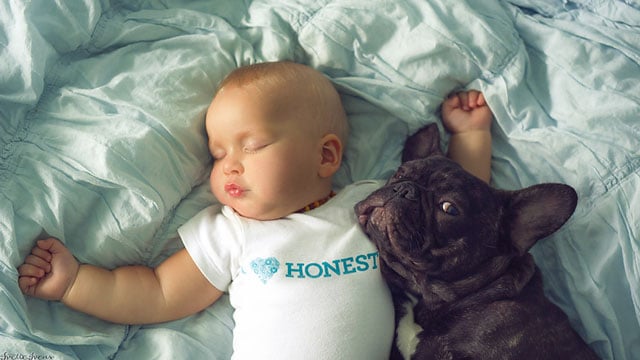
Portraits of a Baby Boy and Bulldog Who Were Born on the Same Day

by Michael Zhang

babyandbulldog1

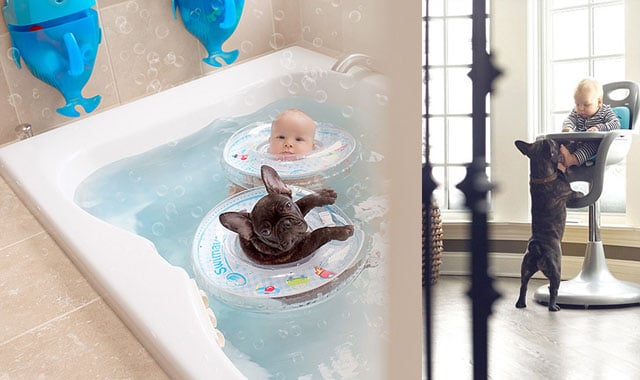
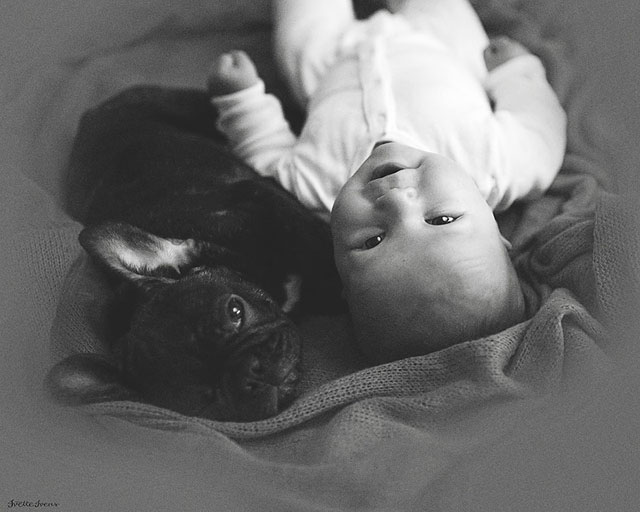
Chicago-based photographer Ivette Ivens has been shooting a heartwarming series of portraits of her son and dog and the special bond they share. The baby boy, Dilan, and the French bulldog puppy, Farley, were born on exactly the same day about 8 months ago.

Ever since Farley joined the family, he has been eating, napping, playing, and bathing together with Dilan.

“I’m pretty sure Dilan thinks they’re both the same species, as they are both going through the stage of chewing on everything,” the photographer tells The Daily Mail. She calls the relationship “pure, unconditional, irreplaceable and inseparable,” and that’s what she hopes to capture in her images.

babyandbulldog2

babyandbulldog6

babyandbulldog8

babyandbulldog9

“I just take these photographs during random parts of the day,” Ivens says. “There’s no need for another inspiration or idea when you see this out-of-control cuteness happening 24/7.”

babyandbulldog7

babyandbulldog5

babyandbulldog4

babyandbulldog3

You can find more of Ivens’ work on her website, Instagram, and Facebook.


Image credits: Photographs by Ivette Ivens and used with permission

11 Aug 15:39

approximately 1/12th of all death has occurred during august

archive - contact - sexy exciting merchandise - search - about
← previous August 10th, 2015 next

August 10th, 2015: FUN FACT ABOUT AUGUST: given the world's current population and death rates, well more than 1000 people will die every day in August. THANKS, AUGUST. Friggin' August.

– Ryan

11 Aug 12:56

piauí_107 [esquina] A medalha de Anne

Amultidão de adolescentes se descontrolava vendo o ídolo de perto. “Artur, Artur! Olha para cá!”, gritou um garoto, colando seu rosto ao do astro para tirar um selfie. Uma coordenadora pedia em vão para que as centenas de crianças que cercavam desajeitadamente o ídolo o deixassem respirar. Uma menina suplicou nervosa: “Tia, eu só quero apertar a mão do ‘Medalha Fields’.”

Não houve sossego para Artur Avila, naquela segunda-feira de julho. O matemático carioca participava da abertura da premiação da Olimpíada Brasileira de Matemática das Escolas Públicas, a Obmep. Agraciado em 2014 com o prêmio mais prestigioso da disciplina, o “Medalha Fields” era ovacionado como astro de rock pelos 501 estudantes de todo o país que viajaram ao Rio de Janeiro para receber a medalha de ouro da competição.

Enterrada no meio da multidão, uma garota magricela aguardava sua vez de tirar a foto com o matemático. Anne Beatriz Cardoso de Sousa, de 13 anos, não entrou na disputa por Avila com os amigos, mas esperou paciente, observando o tumulto de maneira discreta. Ouviu sem perder uma vírgula o relato do pesquisador carioca, que narrava para os adolescentes sua trajetória até o prêmio Fields.

Ele também tinha 13 anos quando participou pela primeira vez de uma competição daquele tipo – à época, a Obmep, exclusiva para escolas públicas, ainda não existia; Avila disputou a Olimpíada Brasileira de Matemática (OBM), mais antiga, que também aceita alunos de escolas particulares. Ganhou uma medalha de bronze logo na prova de estreia, e três de ouro, nas seguintes. Segundo Avila, foram essas competições que o aproximaram da disciplina e revelaram seu talento. “Eu possivelmente não seria um matemático se não fosse por isso. As questões eram mais criativas do que as do colégio, despertaram meu prazer”, disse.

Logo após participar da primeira olimpíada, Avila foi informado de que deveria ir a um endereço “esquisito” no bairro do Jardim Botânico, quase dentro da Floresta da Tijuca, para a cerimônia de premiação. Chegou a um prédio no meio do mato, uma escola da qual nunca ouvira falar. Estava pela primeira vez no Impa, o Instituto Nacional de Matemática Pura e Aplicada, um dos principais centros da disciplina em todo o mundo, que organiza a OBM desde o final dos anos 90 e, desde 2005, a Obmep. Saiu de lá com uma lista de exercícios bastante complicados, e tomou gosto pela coisa. Poucos anos mais tarde, passaria a frequentar o Impa diariamente, como aluno do doutorado.

Anne ouvia atentamente o relato de Avila. Muito tímida, mal esboçou um sorriso quando o veterano passou os braços em seus ombros e a cumprimentou por ter alcançado o primeiro lugar no Nordeste e o quinto no Brasil entre os alunos da 6ª e da 7ª séries. Não só era a primeira viagem da piauiense de Capitão de Campos, como também ela nunca andara de avião. No Rio, a adolescente queria saber de duas coisas: registrar no celular fotos com matemáticos e realizar o sonho de conhecer o Impa.

Omunicípio de Capitão de Campos fica no norte do Piauí. Cortado pela BR-343, tem quase 11 mil habitantes e poucas construções com mais de um andar. Por lá não existe clube com piscina, cinema ou parque. “Não tem nada para fazer”, suspirou a jovem.

Anne mora com a avó, que é revendedora de cosméticos, e o avô, dono de um bar. Desde o anúncio da vitória na Obmep, em novembro de 2014, ela vem recebendo uma bolsa de iniciação científica do Impa. São 100 reais de ajuda de custo e também um tablet, pelo qual acompanha aulas dadas por matemáticos do instituto. Cerca de 6 500 estudantes espalhados pelos cinco cantos do país, medalhistas na olimpíada, assistem a essas videoaulas e estudam a distância com os professores do Impa.

Pequena e magrinha, Anne tem os cabelos crespos bem espessos. Como muitas outras garotas de sua idade, enfeita as unhas com adesivos de flores, corações e estrelas. Fala muito pouco e baixinho. No colégio, não é do grupo que reúne vários amigos. Senta-se colada ao professor, para evitar os colegas mais desordeiros. Em casa, fica acordada até depois da meia-noite resolvendo problemas. Frustra-se, às vezes até o choro, quando encontra alguma questão que não consegue solucionar. Diz estudar muito não só para ganhar prêmios, mas porque deseja ser pesquisadora do Impa no futuro.

Enquanto, ao lado dos outros oito medalhistas de ouro do Piauí, aguardava o momento de subir ao palco do Theatro Municipal do Rio de Janeiro e receber a honraria da Obmep, a menina sacou o smartphone do bolso e apontou para si a câmera frontal do aparelho. Queria conferir o visual uma última vez.

Chegara havia pouco mais de um dia à cidade e enfiara-se nas atividades programadas pelo Impa. Show com mágico, sessão de filme, palestras com matemáticos – tudo acontecia no hotel em que os alunos estavam hospedados. Só não pôde aproveitar a piscina: um funcionário do instituto lhe havia dito que faria frio na cidade, e os trajes de banho ficaram no Piauí.

Ajeitando a blusa no corpo, preparou-se para subir ao palco do Municipal. Recebeu a honraria das mãos de Jacob Palis, um dos matemáticos mais importantes do país. Ganhou do pesquisador a medalha de ouro, um sorriso largo e dois tapinhas de incentivo, um em cada ombro. Feliz com o prêmio, a menina acabaria não visitando a sede do Impa, o local no meio do mato que tanto encantara o estreante Artur Avila. Já há algumas edições da Obmep, o instituto deixou de organizar uma visita dos premiados a suas instalações no Jardim Botânico – o fato de serem 501 jovens dificulta a operação.

A noite de Anne terminaria com um lanche no hotel e cama. De manhã, o voo de retorno ao Piauí. Bem cedo.

Bookmarked at brandizzi Delicious' sharing tag and expanded by Delicious sharing tag expander.
11 Aug 12:46

Cultivation

I didn't mint to write a pun comic but this conversation actually happened so I decided on season the opportunity
Expanded from Cheer Up, Emo Kid by XPath Expander.
11 Aug 12:40

Como um herói curdo pode ser considerado terrorista pela Turquia?

by gustavochacra

Sempre escrevo que o Oriente Médio é um lugar complexo. Imagine que você seja curdo, por exemplo. Dependendo do lugar que você estiver, você pode pode ser considerado um herói no combate ao ISIS (Grupo Estado Islâmico ou Daesh) ou um militante terrorista para a Turquia. Também influencia quem te classificará.

Os guerreiros curdos do Curdistão iraquiano, conhecidos como Pesh Merga, são considerados fundamentais no combate ao ISIS no Iraque. São idolatrados de Washington a Londres, de Teerã a Tel Aviv, de São Paulo a Tóquio.

Caso este curdo, porém, lute em áreas mais próximas à fronteira do Iraque com a Síria e seja leal ao PKK, será considerado terrorista pela Turquia e sofrerá bombardeios. E não adianta argumentar que este guerreiro lute contra o ISIS. Não interessa. Para as Forças Armadas da Turquia, este curdo pode ter sido um herói em batalhas contra o ISIS que ainda assim será terrorista.

Os EUA não farão nada para ajudar este curdo, a não ser que ele cruze a fronteira para a Síria. Neste caso, ele em teoria passará a integrar o grupo curdo YPG, que é basicamente a mesma coisa que o PKK e, portanto, considerado terrorista pela Turquia. Estes “terroristas”, segundo a Turquia, são, no entanto, o principal grupo na Síria combatendo o ISIS e agem em coordenação com os EUA.

Complicou? Complica mais. Estes curdos do YPG são os responsáveis por avisar os americanos onde estão os militantes do ISIS para serem bombardeados. O problema é que a Turquia passou a integrar a coalizão que combate o ISIS desde que possa também bombardear os curdos do YPG que são os principais aliados americanos no combate ao ISIS. Isso mesmo.

Mas, óbvio, a complexidade aumenta. O YPG, além de agir em coordenação com os EUA, também atua em parceria com o regime de Bashar al Assad, que é inimigo dos EUA. Mas, vale notar, o YPG é aliado de Assad e dos EUA para combater os ISIS. Não podemos esquecer, claro, que os EUA ainda consideram Assad um inimigo, assim como o Hezbollah, considerado terrorista pelos americanos, apesar de ser inimigo do ISIS. Tanto o Hezbollah quanto o regime de Assad são aliados do Irã que acabou assinar um acordo na área nuclear com todas as potências mundiais, incluindo os EUA.

Hoje, o Hezbollah e o regime de Assad, inimigos dos EUA, travam batalha contra a Frente Nusrah, que é a Al Qaeda, na fronteira da Síria com o Líbano. Esta Al Qaeda da Síria recebe apoio da Turquia, Arábia Saudita e Qatar, que são aliados dos EUA. Não podemos esquecer que a Al Qaeda, e não o ISIS ou o Hezbollah, fizeram o 11 de Setembro.

Guga Chacra, comentarista de política internacional do Estadão e do programa Globo News Em Pauta em Nova York, é mestre em Relações Internacionais pela Universidade Columbia. Já foi correspondente do jornal O Estado de S. Paulo no Oriente Médio e em NY. No passado, trabalhou como correspondente da Folha em Buenos Aires

Comentários islamofóbicos, antissemitas, anticristãos e antiárabes ou que coloquem um povo ou uma religião como superiores não serão publicados. Tampouco são permitidos ataques entre leitores ou contra o blogueiro. Pessoas que insistirem em ataques pessoais não terão mais seus comentários publicados. Não é permitido postar vídeo. Todos os posts devem ter relação com algum dos temas acima. O blog está aberto a discussões educadas e com pontos de vista diferentes. Os comentários dos leitores não refletem a opinião do jornalista

Acompanhe também meus comentários no Globo News Em Pauta, na Rádio Estadão, na TV Estadão, no Estadão Noite no tablet, no Twitter @gugachacra , no Facebook Guga Chacra (me adicionem como seguidor), no Instagram e no Google Plus

10 Aug 22:38

Photo


10 Aug 22:04

These 5 Battles Just Aren't Worth Fighting, According To Real Parents

Adam Victor Brandizzi

Rapaz, eles tocaram exatamente nos pontos onde eu mais dou liberdade...

Choose your battles. For many of us, this expression means very little until you become a parent -- and then it makes perfect sense. Because when it comes to parenting, you have to choose your battles. A lot. Deciding when to be soft and when to be strong is a tricky balancing act. Virginia-based mom Katie, who blogs at Our Two Little Monkeys, explained what “choose your battles” means to her: “My youngest is in the throes of ‘I do it myself,’ and I have to pick and choose where to draw the line. Crossing the street without my hand? Nope! Feeding himself tomato soup? OK, but I'll cringe at the mess the whole time. Safety is non-negotiable, and the rest is just a lesson in patience!”

What else isn’t worth fighting over with your kids? We partnered with Angel Soft and asked some of our favorite parenting bloggers which battles they choose to overlook or ignore:

CLOTHES:
little girl princess dress
Image: FARINASTER/FLICKR
Parenting shouldn’t feel like an episode of “What Not To Wear,” our bloggers agreed. Kenny, who writes at Electradaddy, said his son used to wear his socks inside out. “I used to try and stop him. Now I’m like, ‘OK. Roll with it, dude! You do your style and I’ll do mine,’” he said. And Rebecca from Mamaguru explained her take on kids’ fashion: “I take Superman to the library or a pirate to the grocery store. My kids sport stripes and plaids that capture the entire rainbow. They strut their fashion ‘don'ts’ with irresistible pride that I don’t have the heart to crush. Besides, I have my hands full controlling their behavior. Why worry about fashion?”

SLEEP:
While sleep itself is of the utmost importance for children, how exactly a child sleeps is not, according to a few of our bloggers. Kat of Transparenting no longer battles with her son over toys in the crib. She said she had an epiphany: “My son is a great sleeper, and having a car or two means that when he wakes up in the morning, he will sometimes start playing quietly by himself.” So be it! And Gordon of Neurotic Dad said, “My 4-year-old sometimes likes to sleep on the floor, and I don’t think that’s worth fighting over. We put a blanket on him, he sleeps through the night, and everybody’s happy.”

FEELINGS:
asian tantrum
Image: Alamy
When you ask parents what they -- ultimately -- want for their children, many will say that they just want their kids to be happy. But, the truth is, how our children feel is not something we can (or should) control, according to the bloggers we asked:

Kristin, who writes about family and relationships at her blog Two Cannoli, said her son has been reserved and cautious in new situations since he was a baby. “I realized that he adapted well when he had the chance to assess the situation without being pushed,” Kristin said. “Now that he is almost 6, I allow him time to get used to a new situation and try to prepare him as much as possible, and I let him be scared when he is scared; I tell him I am often scared too, and that seems to comfort him and give him the confidence to branch out,” she added.

David of The Daddy Complex and the author of Calm the F*ck Down: The Only Parenting Technique You’ll Ever Need believes that many parents are too quick to step in if their son or daughter complains about being bored. "When kids fall, they need to pick themselves up,” David explained. “It helps them learn self-reliance and resilience. The same thing goes for when they claim boredom. Let them be bored. Eventually, they'll find a way to entertain themselves that you probably wouldn't have thought of, even if that sometimes means surfing down the stairs on an air mattress," he (half) joked.

ROUTINES:
Nate of Improvising Fatherhood started using classic improv technique at bedtime with his 5-year-old. “The main source of my frustration had simply been me having an agenda and him not complying with that agenda,” he explained. And so, Nate decided it was OK to stray from his routine at bedtime. “I played our conversation like an improv scene, supporting and heightening his ideas. What ensued was a really nice conversation filled with a lot of giggles,” Nate said. “We can’t always drop our agenda to follow the crazy whims of our children. But the more opportunities you can find to let your kids take the lead, the more willing they will be to follow you back.” Charlie and Andy, who are the fathers behind the How To Be A Dad entertainment website share this philosophy. “Being right all the time as an adult is a futile and unworthy goal,” they wrote.

HELPING CHILDREN CHOOSE THEIR BATTLES:
hate vegetables
Image: Getty Images/Vetta
Jeris of The SAHMMY believes that parents need to help their own children understand what is and what is not worth putting up a fight. “I wanted to stop butting heads about brushing hair and teeth before school,” Jeris said of her 9-year-old daughter. So, to help quash unnecessary battles with her on school days, she explained, “Not wanting to brush your hair is not a good battle. If you want to resist me, make it about something you are passionate about … something worth fighting for.”

We want to hear from you. How do you pick and choose your battles with your children? What’s important to you? And what’s best left ignored?

When choosing your battles, there is a time to be soft, and a time to be strong. Like parents, Angel Soft products are both soft and strong–learn more at AngelSoft.com.

Bookmarked at brandizzi Delicious' sharing tag and expanded by Delicious sharing tag expander.
10 Aug 21:41

G is for Google

Adam Victor Brandizzi

Eu jurava que, se isso fosse acontecer, iam mudar o nome para OCP :P

(Brincadeira, claro, OCP é a Amazon)

As Sergey and I wrote in the original founders letter 11 years ago, “Google is not a conventional company. We do not intend to become one.” As part of that, we also said that you could expect us to make “smaller bets in areas that might seem very speculative or even strange when compared to our current businesses.” From the start, we’ve always strived to do more, and to do important and meaningful things with the resources we have.

We did a lot of things that seemed crazy at the time. Many of those crazy things now have over a billion users, like Google Maps, YouTube, Chrome, and Android. And we haven’t stopped there. We are still trying to do things other people think are crazy but we are super excited about.

We’ve long believed that over time companies tend to get comfortable doing the same thing, just making incremental changes. But in the technology industry, where revolutionary ideas drive the next big growth areas, you need to be a bit uncomfortable to stay relevant.

Our company is operating well today, but we think we can make it cleaner and more accountable. So we are creating a new company, called Alphabet (http://abc.xyz). I am really excited to be running Alphabet as CEO with help from my capable partner, Sergey, as President.

What is Alphabet? Alphabet is mostly a collection of companies. The largest of which, of course, is Google. This newer Google is a bit slimmed down, with the companies that are pretty far afield of our main Internet products contained in Alphabet instead. What do we mean by far afield? Good examples are our health efforts: Life Sciences (that works on the glucose-sensing contact lens), and Calico (focused on longevity). Fundamentally, we believe this allows us more management scale, as we can run things independently that aren’t very related. Alphabet is about businesses prospering through strong leaders and independence. In general, our model is to have a strong CEO who runs each business, with Sergey and me in service to them as needed. We will rigorously handle capital allocation and work to make sure each business is executing well. We'll also make sure we have a great CEO for each business, and we’ll determine their compensation. In addition, with this new structure we plan to implement segment reporting for our Q4 results, where Google financials will be provided separately than those for the rest of Alphabet businesses as a whole.

This new structure will allow us to keep tremendous focus on the extraordinary opportunities we have inside of Google. A key part of this is Sundar Pichai. Sundar has been saying the things I would have said (and sometimes better!) for quite some time now, and I’ve been tremendously enjoying our work together. He has really stepped up since October of last year, when he took on product and engineering responsibility for our Internet businesses. Sergey and I have been super excited about his progress and dedication to the company. And it is clear to us and our board that it is time for Sundar to be CEO of Google. I feel very fortunate to have someone as talented as he is to run the slightly slimmed down Google and this frees up time for me to continue to scale our aspirations. I have been spending quite a bit of time with Sundar, helping him and the company in any way I can, and I will of course continue to do that. Google itself is also making all sorts of new products, and I know Sundar will always be focused on innovation -- continuing to stretch boundaries. I know he deeply cares that we can continue to make big strides on our core mission to organize the world's information. Recent launches like Google Photos and Google Now using machine learning are amazing progress. Google also has some services that are run with their own identity, like YouTube. Susan is doing a great job as CEO, running a strong brand and driving incredible growth.

Sergey and I are seriously in the business of starting new things. Alphabet will also include our X lab, which incubates new efforts like Wing, our drone delivery effort. We are also stoked about growing our investment arms, Ventures and Capital, as part of this new structure.

Alphabet Inc. will replace Google Inc. as the publicly-traded entity and all shares of Google will automatically convert into the same number of shares of Alphabet, with all of the same rights. Google will become a wholly-owned subsidiary of Alphabet. Our two classes of shares will continue to trade on Nasdaq as GOOGL and GOOG.

For Sergey and me this is a very exciting new chapter in the life of Google -- the birth of Alphabet. We liked the name Alphabet because it means a collection of letters that represent language, one of humanity's most important innovations, and is the core of how we index with Google search! We also like that it means alpha-bet (Alpha is investment return above benchmark), which we strive for! I should add that we are not intending for this to be a big consumer brand with related products--the whole point is that Alphabet companies should have independence and develop their own brands.

We are excited about…
  • Getting more ambitious things done. 
  • Taking the long-term view. 
  • Empowering great entrepreneurs and companies to flourish. 
  • Investing at the scale of the opportunities and resources we see. 
  • Improving the transparency and oversight of what we’re doing. 
  • Making Google even better through greater focus. 
  • And hopefully...as a result of all this, improving the lives of as many people as we can.
What could be better? No wonder we are excited to get to work with everyone in the Alphabet family. Don’t worry, we’re still getting used to the name too!

Posted by Larry Page, CEO
Bookmarked at brandizzi Delicious' sharing tag and expanded by Delicious sharing tag expander.
10 Aug 18:47

A vs. Bimage | twitter | facebook


A vs. B

image | twitter | facebook

10 Aug 18:47

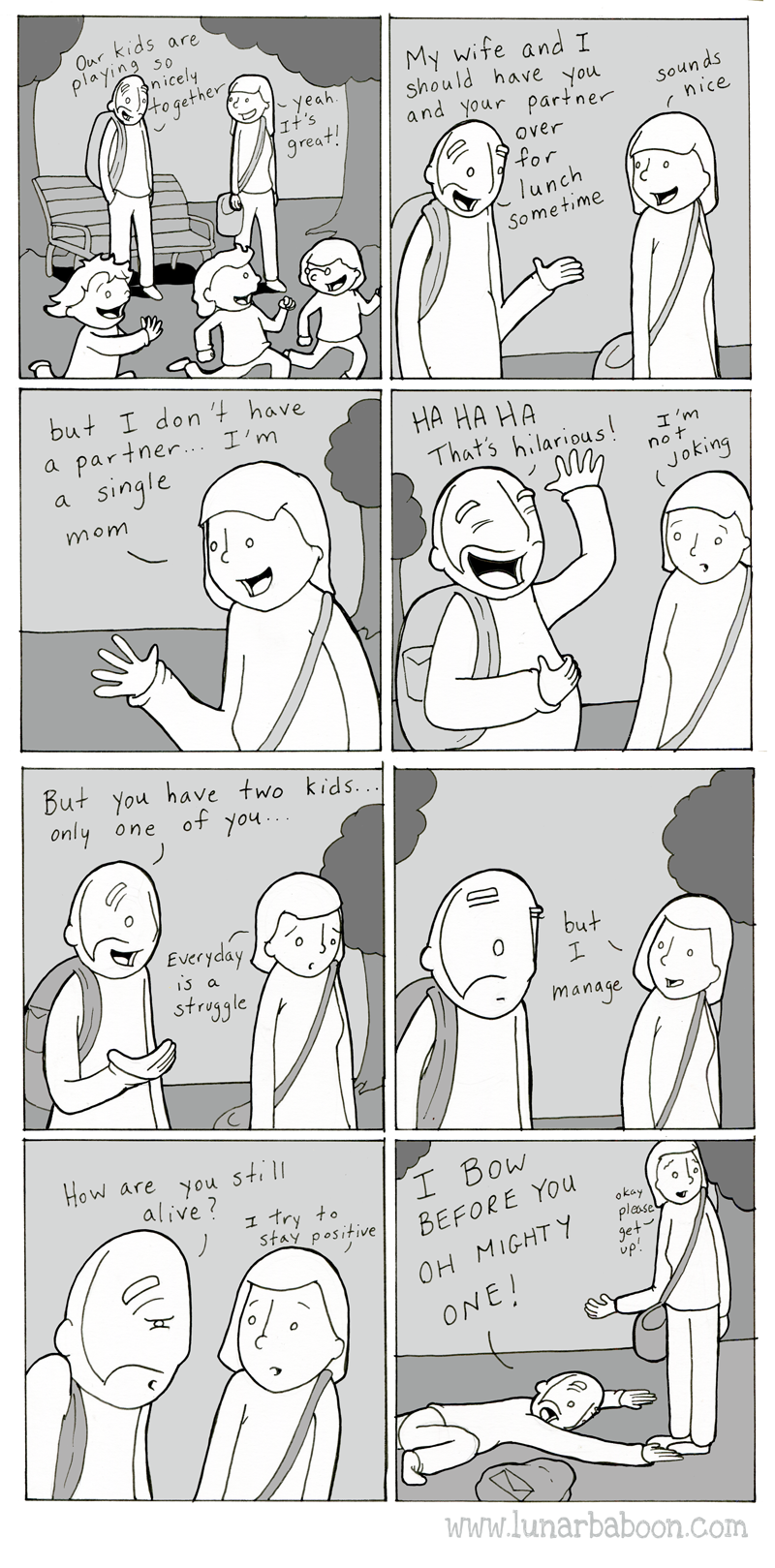
Mighty

by Lunarbaboon
Adam Victor Brandizzi

Tem que fazer isso para toda mãe solteira mesmo (e pai solteiro também, claro)

Buy a book and make someone's day! Book Store

10 Aug 18:24

New Zealand’s New Flag Could Be One Of These Designs

by dmitry

1
The government of New Zealand today published a list of 40 possible designs for its new national flag, ahead of a national referendum slated for later this year. The designs were selected by an independent panel from a list of nearly 10,300 online submissions that included a kiwi bird with laser eyes, a stick figure riding a bicycle, and an ice cream cone.

2
“Moving Forward” by Dominic Carroll

The designs selected today aren’t nearly as daring. Many include national symbols like the silver fern, the Southern Cross constellation, and the koru — a fern leaf motif common in Maori tradition. Notably, none of the submissions include the British Union Jack that features prominently in its current flag.

3
“Wā kāinga/Home” by Grant Alexander (principal), Alice Murray, Thomas Lawlor, and Jared McDowell

“A flag should carry sufficient dignity to be appropriate for all situations in which New Zealanders might be represented,” the 12-member “flag consideration panel” said in an open letter published Monday. “It should speak to all Kiwis. Our hope is that New Zealanders will see themselves reflected in these flags’ symbols, color and stories.”

4
“The Seven Stars of Matariki” by Matthew Clare

The campaign to choose a new flag was launched late last year, with Prime Minister John Key saying it was time for New Zealand to discard its current design in favor of one “that better reflects our status as a modern, independent nation.” The initiative has faced backlash over its costs, which are estimated at $17 million, and recent polls suggest that the majority of New Zealanders are in favorite of keeping their current flag.

5
“Land Of The Long White Cloud (Traditional Blue)” by Mike Archer

The panel will choose four finalists by mid-September, and voters will rank them in a referendum later this year. A second referendum will be held in March 2016, when voters will decide between their current flag and the alternative design. The panel will also conduct an extensive review of the 40 finalists released today, including “robust intellectual property checks.”

6
“Silver Fern (Black with Red Stars)” by Kyle Lockwood

7
“Koru Fin” by Daniel Crayford and Leon Cayford

8
“Koru (Blue)” by Andrew Fyfe

9
“Huihui/Together” by Sven Baker

10
“Tukutuku” by Pax Zwanikken

11
“Curly Koru” by Daniel Crayford and Leon Cayford

12
“Southern Cross Horizon” by Sven Baker

13
“Land Of The Long White Cloud” by Mike Archer

Via The Verge, The Guardian, New Zealand Herald, New Zealand Government

10 Aug 18:21

Four Oh Four! | FT Labs

The web is a messy place, and people encounter 404 “Page not found” errors from FT websites all the time. This is a page that hasn’t had a lot of love from the technology team over the last few years, but considering that we’ve disappointed the reader by not giving them what they want, we thought we should make more of an effort with the content of the error page.

This is what the old error page looks like:

Old 404 page

The copy on the page is already pretty good. It’s written in plain English, offers some helpful options including the ability to contact a real person for assistance, and apologises to the reader. But the styling is out of date, and while it’s utilitarian, it has no FT personality.

404s

The Telegraph’s in house cartoonist features on their 404 page with a topical illustration. Bloomberg famously has a GIF of a businessman smacking a computer and then disintegrating. The Verge pokes fun at clickbait style headlines, while the BBC rolls out the famous test card.

We worked with Chris Smith in the product team and devised some ideas which we published in a multi-variant test on ft.com

Basics

A good basic 404 message should be clear, focusing on the problem, not the reason for it, or technical codes or jargon. So rather than starting with an apology or the error code ’404′, we lead with the clear message ‘Page not found’. If we’re going to be quirky, lets save it for after the reader already understands what’s going on.

We also removed references to mistyping the URL – because no-one manually types a URL with a path. Finally, we provide three ‘onward journey’ options: topics, search and home, which satisfy the three main navigational thought processes.

Copy

Now we can start to augment our basic message with some more distinctive colour.

Funny

We ran an internal survey to find the most popular ideas that amused FT staff. The winner is a list of reasons why the page wasn’t found from the perspective of multiple economic schools of thought:

Economic theories

Educational

The FT Lexicon site is an underused resource that defines many useful financial terms and cross references them with FT articles. The 404 page seemed like an ideal opportunity to give readers a quick definition of a financial term that they may not know.

Lexicon

Competitive

As a twist on the Lexicon idea, we made a variant that asks the reader to choose which term is being described by a definition. This also allows us to get an idea of whether this additional 404 page content is interesting – will readers bother to click the buttons to answer the question?

Lexicon challenge

Helpful

Finally, it makes sense to try and get the user back on track by working out what page they were looking for. Correcting typos is not a frequent problem, but instead, looking at URLs that are frequently requested and not found, we find some common patterns:

  • Appending a shortcode to www.ft.com instead of on.ft.com
  • Appending a slash (/) to a URL that doesn’t (yet!) support it
  • Redirect bugs, eg when a URL ends up with multiple /intl/ segments in it
  • Malformed URLs that still contain a valid content UUID

By baking these common patterns into some JavaScript that examines the requested URL, we can easily provide a suggested link to the page the reader probably wanted:

Helpful

Results

We replaced all 404s on the ft.com domain, including our new beta site, with this multi-variant experiment. Across all variants, we found we’re serving around 180,000 404 errors per day. However, there’s a massive bias towards bots, since humans learn from mistakes, whereas dumb robots tend to just keep requesting the same incorrect URL repeatedly. To identify the difference, the 404 page contains JavaScript that sends a beacon back to us. Users that run that JavaScript we’ll consider to be humans, though this might also catch a few particularly advanced bots.

In fact, on average it turns out we serve a mere 4,000 404s per day to JavaScript-enabled user agents, just 2% of the total. That’s pretty good – in comparison to our overall traffic, we’re not letting people down very much.

To see how each of our variants fared, we put a “Do you like this page?” vote bar at the bottom of each variant. Normalising for unique users, here are the results over the first two days (click variants for a live demo – if we’re still running it):

The actual number of YES and NO votes is relatively unimportant since there’ll be a bias towards NO because on the face of it a 404 error is not what the user wanted, so they’re liable to say they don’t like the page.

But it’s clear that the users really like our economic theories idea – getting more YES votes than any of the others, and fewer NO votes.

Feedback

Some closing thoughts from Chris Smith:

I think we’re in a really good place at the end of the two-week lifespan of this Labs project. To go in that time from nothing to running a multi-variate experiment in live with the goal of improving, for our users, an experience which would normally only be a disappointing dead end is a worthwhile achievement. I’m looking forward to assessing the results and taking the most successful idea forward into production. I was impressed at how flexible Labs was able to be in the structure of the project, and the speed with which we went from early ideas and prototypes to a wide array of possibilities, and finally filtered them down to the final four. Can’t wait to do it again!

Bookmarked at brandizzi Delicious' sharing tag and expanded by Delicious sharing tag expander.
10 Aug 11:44

Collage

by Greg Ross

http://commons.wikimedia.org/wiki/File:Going_over_the_top_01.jpg

Glimpses from the first day of the Battle of the Somme, July 1, 1916:

“I was ordered to fetch the breakfast from the kitchens about a mile away. On the way back, in the trench, we came across a covey of young partridges and, as we walked along, we were driving them in front of us. A lot fell in a sump which was full of water so they would surely drown. But I could not see them drown, so I pulled the top off and got them out, put them in my steel helmet and lifted it up to the top of the trench. There, their mother was waiting and she chuckled them all together and off they went, never to be seen by us again.” — Pte F.G. Foskett, 7th Bedfords

“I suppose a shell hole is not the best place from which to admire anything but, believe it or not, waving about just over my head were two full-blown red poppies which stood out in pleasant contrast against the azure blue sky.” — Pte G.E. Waller, Glasgow Boys’ Brigade Battalion

“The worst sights were in our own trenches where some of the badly wounded had managed to crawl. We were not allowed to help any of them, but kept our machine-gun mounted on the parapet in case of a counter-attack. The wounded were trying to patch each other up with their field dressings. A chaplain tore his dog collar off in front of me and, with curses, said, ‘It is a mockery to wear it.'” — Pte C.A. Turner, 97th Brigade Machine Gun Company

“I could see, away to my left and right, long lines of men. Then I heard the ‘patter, patter’ of machine-guns in the distance. By the time I’d gone another ten yards there seemed to be only a few men left around me; by the time I had gone twenty yards, I seemed to be on my own. Then I was hit myself.” — Sgt. J. Galloway, 3rd Tyneside Irish

“Now we came on to a German machine-gun post and there were all the twelve of the crew lying dead around the machine-gun; a short distance away we saw the body of one of our sergeants, formerly one of the king’s footmen who joined up with us at Norwich. He had obviously accounted for the machine-gun crew, before he himself received his death blow. A strange feeling possesses one at such a moment. It seems as if one is detached and merely looking at a scene of carnage from a great distance.” — Pte WC. Bennett, 8th Norfolks

“I then went on to the second-line trench and jumped in, to see a German soldier lying on the parapet. With fixed bayonet I approached, then I saw his putty-coloured face which convinced me he was mortally wounded. The German brought up an arm and actually saluted me. I understood no German language but the poor chap kept muttering two words ‘Wasser, Wasser,’ and ‘Mutter, Mutter.’ It took me a minute or so to realize he wanted a drink of water. The second word I could not cotton on to. I am glad to this day that I gave him a drink from my precious water.” — Pte G.R.S. Mayne 11th Royal Fusiliers

“We are filled with a terrible hate. Our actions are born of a terrible fear, the will to survive. Some of the Germans were getting out of their trenches, their hands up in surrender; others were running back to their reserve trenches. To us they had to be killed. Kill or be killed. You are not normal.” — L/Cpl J.J. Cousins, 7th Bedfords

A company commander in the London Division’s Pioneer battalion was left out of the battle: “My recollection, after all these years, is of being in a trench discussing the rumours, helping with the wounded (we had four men killed) and occasionally lying in a bit of shelter, reading Pickwick Papers and watching the activities of a fat and grey rat.” — Capt. P.H. Jolliffe, 1/5th Cheshires

(From Martin Middlebrook, The First Day on the Somme, 1971.)

Please support Futility Closet on Patreon!

10 Aug 11:31

Jovens nos EUA trocam dívidas por vida em microcasas - BBC Brasil

Adam Victor Brandizzi

Acho que eu ia gostar de uma casinha dessas (se fosse solteiro)

Jay Austin Conjunto de casas minúsculas em Washington, nos EUA

Quem caminha pela rua Hamlin, no nordeste de Washington, pode confundir a construção de madeira nos fundos de uma espaçosa residência com uma casa de bonecas. Mas há poucos meses o caixote se tornou o lar da geógrafa Lee Pera, de 37 anos.

Pera levou três anos para construir a casa, erguida sobre rodas e que soma 13 metros quadrados, área equivalente à de uma caminhonete de cabine dupla.

Leia mais: Economia dos EUA decepciona: entenda como isso afeta o Brasil

Leia mais: Crise imobiliária obriga cidade da Califórnia a pedir concordata

Ela diz que, em vez de aprisioná-la, morar naquele espaço lhe proporcionou mais tempo livre e uma vida social mais intensa. Antes, Pera morava num apartamento e não tinha acesso a áreas externas.

"Adoro chegar em casa à tarde e sentar na varanda, e também adoro ter um armário menor. É muito bom não ter que pensar em tantas opções", ela afirma à BBC Brasil.

Rodeada por árvores e estacionada no quintal da casa de amigos, a residência de Pera é composta por varanda, sala, cozinha, banheiro e um "loft" com cama de casal.

A geógrafa pertence a um grupo crescente de americanos que, embora escolarizados e com boas perspectivas profissionais, têm optado por viver em casas minúsculas sobre rodas.

Muitos querem evitar passar décadas em trabalhos indesejados em troca de salários que permitam saldar os empréstimos da casa própria.

Outros buscam um estilo de vida mais simples e ecológico, livre do consumismo que marca a vida nos subúrbios americanos.

A geógrafa Lee Pera em sua microcasa; construção de 13m2 demorou três anos para ser erguida

Outros ainda, como o casal Guillaume Dutilh e Jenna Spesard, querem poder viajar sem sair de casa.

Acompanhados por sua cadela Salies, eles já percorreram 31 mil km (dez vezes o trajeto de Porto Alegre a Manaus) desde que começaram a viajar pela América do Norte, há quase um ano.

O trio, que mantém o blog Tiny House, Giant Journey (casa minúscula, jornada gigante, em tradução livre), está agora no Alasca.

Em comum, eles têm o fato de que quase todos construíram suas casas – ou ao menos parte delas – com as próprias mãos, orientados por livros, blogs e fóruns na internet.

O movimento das casas minúsculas (tiny houses, em inglês) foi retratado no documentário Tiny, exibido no Netflix, e no reality show Tiny House Nation, veiculado na TV americana.

O movimento considera minúsculas casas com até 400 pés quadrados (37 metros quadrados). Não há dados sobre quantos americanos moram nessas residências.

Fetiche e confusão

Autor de um dos mais populares blogs sobre microcasas ( tinyrevolution.us), Andrew Odom diz que hoje há um "fetiche e muita confusão" em torno do tema nos Estados Unidos.

Segundo ele, muitos dos que têm se mudado para casas minúsculas buscam soluções rápidas para problemas pontuais, como dívidas, e ignoram a essência do movimento, que "tem a ver com uma transição espiritual, mental e física".

Ambiente interno de uma das casas minúsculas de Washington; crise de 2008 impulsionou essa alternativa de moradia

"A menos que a pessoa dê os passos internos necessários para separar desejo e necessidade e se libertar de uma sociedade materialista, a mudança não será bem sucedida", afirma à BBC Brasil.

Pessoas de vários lugares – inclusive muitos americanos pobres – vivem em espaços apertados há milênios, mas Odom diz que muitos no país só passaram a considerar a opção a partir da crise econômica de 2008.

Leia mais: EUA processam 17 bancos por crise de 2008

Leia mais: EUA vivem temor de nova bolha imobiliária

A crise começou com o colapso do setor imobiliário americano. Famílias endividadas contraíam empréstimos para investir em casas na esperança de ganhar com a constante valorização dos imóveis. Quando a bolha estourou, os preços despencaram, bancos quebraram e muitos perderam os bens.

Para Odom, o episódio mostrou que a estabilidade financeira dos Estados Unidos é incompatível com o sistema imobiliário atual, em que famílias contraem pesadas dívidas para ter onde morar.

Ele diz que, mais baratas, as microcasas poderiam solucionar parte do problema – a dele custou US$ 12 mil (R$ 41 mil), ou 3,6% do preço de uma casa americana média. A partir de US$ 10 mil é possível encomendar uma casa minúscula pronta pela internet.

Cada vez mais americanos têm optado por viver em microcasas sobre rodas; evitar dívidas 'eternas' do financiamento habitacional e busca por estilo de vida mais simples são algumas razões por trás dessa tendência

Para Odom, porém, o maior obstáculo para a expansão do movimento são as restrições legais.

A maioria das cidades americanas proíbe que moradores vivam em casas muito pequenas. Uma forma de driblar a regulação é construi-las sobre rodas. Nesse caso, são consideradas residências móveis (como trailers) e toleradas em certas áreas.

Ainda assim, muitas prefeituras não permitem que pessoas morem integralmente nessas unidades.

Para Carey Carscallen, diretor da Escola de Arquitetura, Arte e Design da Universidade Andrews, em Michigan, outra barreira à disseminação do movimento é o número de residentes que uma microcasa comporta.

Para ele, ela pode abrigar um morador ou, no máximo, dois. A partir daí, a convivência ficaria muito difícil.

Carscallen orientou seus alunos num projeto em que tiveram de construir duas casas minúsculas. Durante o experimento, ele diz ter sido procurado por muitas pessoas que pediam ideias para erguer suas próprias unidades.

Para o professor, microcasas são ideais para jovens profissionais "que acabaram de sair da faculdade e ainda não acumularam muita coisa".

Frustração e desistência

Nem todos conseguem migrar para espaços tão pequenos. Em julho, o site Business Insider citou três casos de pessoas que desistiram de viver em microcasas.

Um casal sucumbiu aos frequentes vazamentos e crescentes custos de manutenção; um morador não conseguiu autorização da prefeitura para viver no local e outro casal se sentiu muito isolado na área em que pôde se instalar.

Andrew Odom concorda que casas minúsculas não são para todos. Hoje ele divide a residência de 23 metros quadrados com a mulher e a filha de três anos, mas reconhece que um dia terá de se mudar para um lugar maior.

O que não significa que morará numa casa típica de subúrbio. Para ele, uma residência com dois quartos e 70 metros quadrados – ainda bem pequena para padrões locais – deverá ser suficiente.

"Vamos avaliar quais são nossas necessidades e nos ajustar", diz.

Bookmarked at brandizzi Delicious' sharing tag and expanded by Delicious sharing tag expander.
10 Aug 00:44

trashriotart: “Into the Eye”[2015]


trashriotart:

“Into the Eye”[2015]

10 Aug 00:44

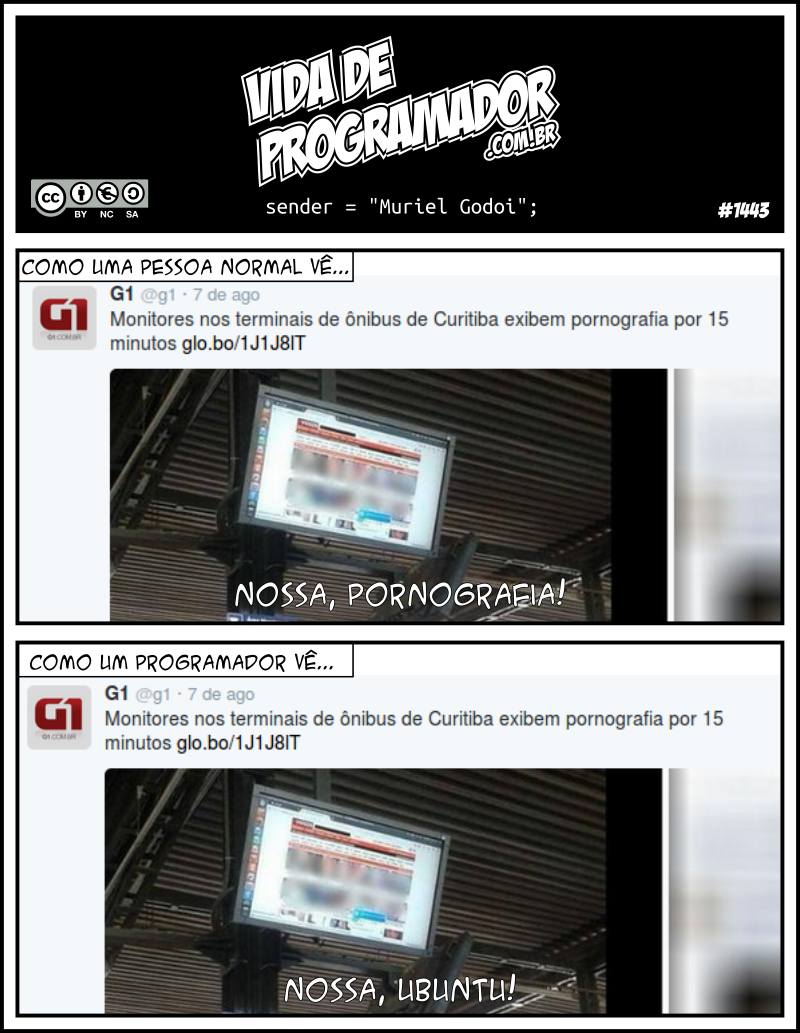
Terminais de ônibus de Curitiba exibem pornografia por 15 minutos

by ProgramadorREAL
 
tirinha
Inclua essa tirinha em seu site
COLE ESSE CÓDIGO EM SEU SITE x
Fonte: Vida de Programador

Veja a notícia

sender = "Muriel Godoi";
Notícia: Terminais de ônibus de Curitiba exibem pornografia por 15 minutos
(Na foto o monitor com imagens impróprias borradas)
Como uma pessoa normal vê: Nossa, pornografia!
Como um Programador vê: Nossa, Ubuntu!

The post Terminais de ônibus de Curitiba exibem pornografia por 15 minutos appeared first on Vida de Programador.

09 Aug 21:30

Welcome to The Internet of Compromised Things

by Jeff Atwood
Adam Victor Brandizzi

Bateu paranoia suficiente para mudar a senha.

This post is a bit of a public service announcement, so I'll get right to the point:

Every time you use WiFi, ask yourself: could I be connecting to the Internet through a compromised router with malware?

It's becoming more and more common to see malware installed not at the server, desktop, laptop, or smartphone level, but at the router level. Routers have become quite capable, powerful little computers in their own right over the last 5 years, and that means they can, unfortunately, be harnessed to work against you.

I write about this because it recently happened to two people I know.

In both cases, they eventually determined the source of the problem was that the router they were connecting to the Internet through had been compromised.

This is way more evil genius than infecting a mere computer. If you can manage to systematically infect common home and business routers, you can potentially compromise every computer connected to them.

Hilarious meme images I am contractually obligated to add to each blog post aside, this is scary stuff and you should be scared.

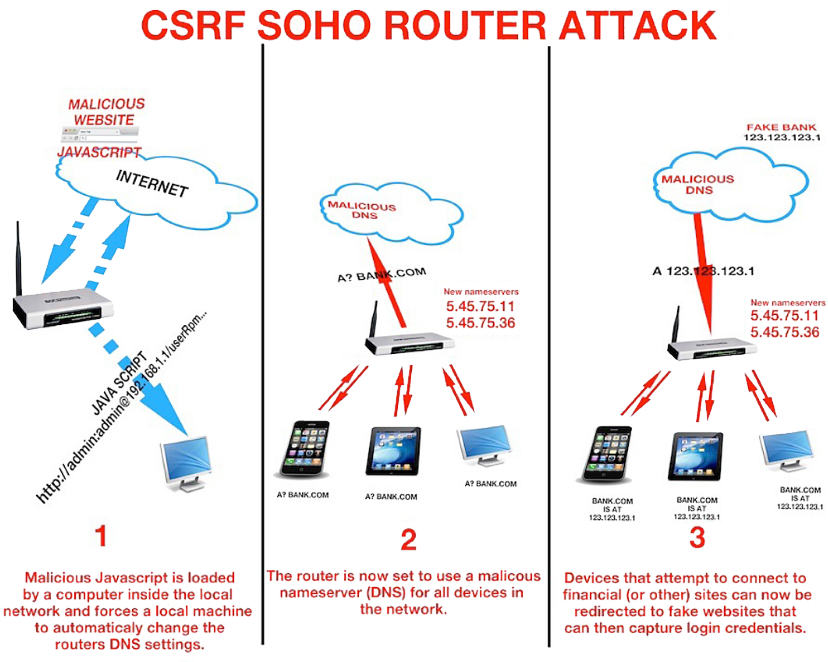
Router malware is the ultimate man-in-the-middle attack. For all meaningful traffic sent through a compromised router that isn't HTTPS encrypted, it is 100% game over. The attacker will certainly be sending all that traffic somewhere they can sniff it for anything important: logins, passwords, credit card info, other personal or financial information. And they can direct you to phishing websites at will – if you think you're on the "real" login page for the banking site you use, think again.

Heck, even if you completely trust the person whose router you are using, they could be technically be doing this to you. But they probably aren't.

Probably.

In John's case, the attackers inserted annoying ads in all unencrypted web traffic, which is an obvious tell to a sophisticated user. But how exactly would the average user figure out where this junk is coming from (or worse, assume the regular web is just full of ad junk all the time), when even a technical guy like John – founder of the open source Ghost blogging software used on this very blog – was flummoxed?

But that's OK, we're smart users who would only access public WiFi using HTTPS websites, right? Sadly, even if the traffic is HTTPS encrypted, it can still be subverted! There's an extremely technical blow-by-blow analysis at Cryptostorm, but the TL;DR is this:

Compromised router answers DNS req for *.google.com to 3rd party with faked HTTPS cert, you download malware Chrome. Game over.

HTTPS certificate shenanigans. DNS and BGP manipulation. Very hairy stuff.

How is this possible? Let's start with the weakest link, your router. Or more specifically, the programmers responsible for coding the admin interface to your router.

They must be terribly incompetent coders to let your router get compromised over the Internet, since one of the major selling points of a router is to act as a basic firewall layer between the Internet and you… right?

In their defense, that part of a router generally works as advertised. More commonly, you aren't being attacked from the hardened outside. You're being attacked from the soft, creamy inside.

That's right, the calls are coming from inside your house!

By that I mean you'll visit a malicious website that scripts your own browser to access the web-based admin pages of your router, and reset (or use the default) admin passwords to reconfigure it.

Nasty, isn't it? They attack from the inside using your own browser. But that's not the only way.

  • Maybe you accidentally turned on remote administration, so your router can be modified from the outside.

  • Maybe you left your router's admin passwords at default.

  • Maybe there is a legitimate external exploit for your router and you're running a very old version of firmware.

  • Maybe your ISP provided your router and made a security error in the configuration of the device.

In addition to being kind of terrifying, this does not bode well for the Internet of Things.

Internet of Compromised Things, more like.

OK, so what can we do about this? There's no perfect answer; I think it has to be a defense in depth strategy.

Inside Your Home

Buy a new, quality router. You don't want a router that's years old and hasn't been updated. But on the other hand you also don't want something too new that hasn't been vetted for firmware and/or security issues in the real world.

Also, any router your ISP provides is going to be about as crappy and "recent" as the awful stereo system you get in a new car. So I say stick with well known consumer brands. There are some hardcore folks who think all consumer routers are trash, so YMMV.

I can recommend the Asus RT-AC87U – it did very well in the SmallNetBuilder tests, Asus is a respectable brand, it's been out a year, and for most people, this is probably an upgrade over what you currently have without being totally bleeding edge overkill. I know it is an upgrade for me.

(I am also eagerly awaiting Eero as a domestic best of breed device with amazing custom firmware, and have one pre-ordered, but it hasn't shipped yet.)

Download and install the latest firmware. Ideally, do this before connecting the device to the Internet. But if you connect and then immediately use the firmware auto-update feature, who am I to judge you.

Change the default admin passwords. Don't leave it at the documented defaults, because then it could be potentially scripted and accessed.

Turn off WPS. Turns out the Wi-Fi Protected Setup feature intended to make it "easy" to connect to a router by pressing a button or entering a PIN made it … a bit too easy. This is always on by default, so be sure to disable it.

Turn off uPNP. Since we're talking about attacks that come from "inside your house", uPNP offers zero protection as it has no method of authentication. If you need it for specific apps, you'll find out, and you can forward those ports manually as needed.

Make sure remote administration is turned off. I've never owned a router that had this on by default, but check just to be double plus sure.

For Wifi, turn on WPA2+AES and use a long, strong password. Again, I feel most modern routers get the defaults right these days, but just check. The password is your responsibility, and password strength matters tremendously for wireless security, so be sure to make it a long one – at least 20 characters with all the variability you can muster.

Pick a unique SSID. Default SSIDs just scream hack me, for I have all defaults and a clueless owner. And no, don't bother "hiding" your SSID, it's a waste of time.

Optional: use less congested channels for WiFi. The default is "auto", but you can sometimes get better performance by picking less used frequencies at the ends of the spectrum. As summarized by official ASUS support reps:

  • Set 2.4 GHz channel bandwidth to 40 MHz, and change the control channel to 1, 6 or 11.

  • Set 5 GHz channel bandwidth to 80 MHz, and change the control channel to 165 or 161.

Experts only: install an open source firmware. I discussed this a fair bit in Everyone Needs a Router, but you have to be very careful which router model you buy, and you'll probably need to stick with older models. There are several which are specifically sold to be friendly to open source firmware.

Outside Your Home

Well, this one is simple. Assume everything you do outside your home, on a remote network or over WiFi is being monitored by IBGs: Internet Bad Guys.

I know, kind of an oppressive way to voyage out into the world, but it's better to start out with a defensive mindset, because you could be connecting to anyone's compromised router or network out there.

But, good news. There are only two key things you need to remember once you're outside, facing down that fiery ball of hell in the sky and armies of IBGs.

  1. Never access anything but HTTPS websites.

    If it isn't available over HTTPS, don't go there!

    You might be OK with HTTP if you are not logging in to the website, just browsing it, but even then IBGs could inject malware in the page and potentially compromise your device. And never, ever enter anything over HTTP you aren't 100% comfortable with bad guys seeing and using against you somehow.

    We've made tremendous progress in HTTPS Everywhere over the last 5 years, and these days most major websites offer (or even better, force) HTTPS access. So if you just want to quickly check your GMail or Facebook or Twitter, you will be fine, because those services all force HTTPS.

  2. If you must access non-HTTPS websites, or you are not sure, always use a VPN.

    A VPN encrypts all your traffic, so you no longer have to worry about using HTTPS. You do have to worry about whether or not you trust your VPN provider, but that's a much longer discussion than I want to get into right now.

    It's a good idea to pick a go-to VPN provider so you have one ready and get used to how it works over time. Initially it will feel like a bunch of extra work, and it kinda is, but if you care about your security an encrypt-everything VPN is bedrock. And if you don't care about your security, well, why are you even reading this?

If it feels like these are both variants of the same rule, always strongly encrypt everything, you aren't wrong. That's the way things are headed. The math is as sound as it ever was – but unfortunately the people and devices, less so.

Be Safe Out There

Until I heard Damien's story and John's story, I had no idea router hardware could be such a huge point of compromise. I didn't realize that you could be innocently visiting a friend's house, and because he happens to be the parent of three teenage boys and the owner of an old, unsecured router that you connect to via WiFi … your life will suddenly get a lot more complicated.

As the amount of stuff we connect to the Internet grows, we have to understand that the Internet of Things is a bunch of tiny, powerful computers, too – and they need the same strong attention to security that our smartphones, laptops, and servers already enjoy.

[advertisement] At Stack Overflow, we help developers learn, share, and grow. Whether you’re looking for your next dream job or looking to build out your team, we've got your back.
09 Aug 21:29

Artist: Trent Reznor (Nine Inch Nails) Atticus Ross (Nine Inch...

Adam Victor Brandizzi

Que coisa excelente.


Artist: Trent Reznor (Nine Inch Nails) Atticus Ross (Nine Inch Nails And How To Destroy Angels) Track List: ____________________ 00:00 Hand Covers Bruise 04:…

(via Trent Reznor And Atticus Ross The Soical Network Soundtrack [Full Album])

09 Aug 17:20

Saturday Morning Breakfast Cereal - Natural Selection

by admin@smbc-comics.com
09 Aug 14:41

Precocious

by Greg Ross

https://www.google.com/patents/US3091888

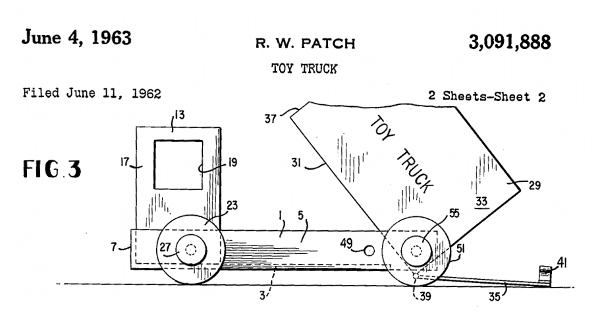
Robert Patch of Chevy Chase, Md., was only 5 years old in 1962 when he designed a toy truck that could be converted into a flatbed or a dump truck by altering the placement of the axles. His father, a patent attorney, saw that the truck’s design was unique enough to be patentable, so Robert signed the application with an X and had the mark witnessed by a notary public. When the application was granted, Robert became the youngest person in history to receive a U.S. patent.

The publicity meant nothing to him, but it did bring one benefit. He had made his working model from bottle caps, Scotch tape, nails, and old shoe boxes. Someone at US Keds, the shoebox brand, saw the story — and sent him a new pair of sneakers.

Please support Futility Closet on Patreon!

09 Aug 13:25

O PT que perdeu

No início do governo Lula, nos anos de 2003 e 2004, o PSDB comportou-se praticamente como um partido da base de sustentação do governo. Diversos projetos importantes para o futuro do país foram apoiados pelos tucanos. Vale lembrar a minirreforma tributária, a minirreforma previdenciária, a Lei do Bem, a Lei da Inovação, todo o pacote de políticas que estimularam o crédito e a Lei das Parcerias Público-Privadas.

O então ministro da Fazenda, Antonio Palocci, costurava a colaboração com possível ingresso da oposição na base de sustentação governista. Visto de hoje, após tudo o que ocorreu, é difícil imaginar tal situação. A história é feita pelos homens e não está escrita.

Palocci perdeu para José Dirceu e Lula, e o PT escolheu antagonizar partidos da centro-esquerda à centro-direita do espectro político-ideológico: PPS, PSDB e Democratas. Essa escolha obrigou as coligações do governo no Congresso Nacional a serem muito heterogêneas ideologicamente, cobrindo da esquerda à extrema direita.

Em razão da enorme heterogeneidade das coligações na era petista, optou-se por compartilhar menos o governo. A participação do PT nos ministérios e no governo em geral passou a ser muito maior do que seu peso relativo na coligação.

A literatura recente de ciência política mostra que os dois instrumentos que o Executivo tem para gerir o presidencialismo de coalizão –compartilhar governo e moedas de troca (principalmente a liberação de recursos para emendas parlamentares)– são substitutos, e não complementares. Quem emprega muito um deles emprega pouco o outro e vice-versa.

Nosso presidencialismo de coalizão transformou-se no atual presidencialismo de cooptação, tocado quase que exclusivamente no varejão da política. Mensalão e petrolão são consequência direta dessa escolha. Essa foi a primeira derrota de outro governo petista possível.

Havia em 2005 reconhecimento por parte de inúmeros atores políticos, da situação e da oposição, de que nosso contrato social projetava trajetória insustentável do gasto público e, portanto, que o aparecimento de gargalos e constrangimentos no front fiscal era somente questão de tempo.

A conversa prosperou, e um grupo de políticos –liderados pelo então deputado Antonio Delfim Netto e pelos ministros Antonio Palocci e Paulo Bernardo– propôs que a sociedade, por meio do Congresso Nacional, discutisse o tema. O objetivo era colocar uma trava na Constituição para que o gasto público parasse de crescer sistematicamente mais rápido do que o produto da economia.

Esse debate está sumarizado na publicação do Ipea de agosto de 2005, que não veio a público, intitulada "A qualidade da política fiscal de longo prazo". Textos de Delfim, Palocci, Paulo Bernardo, Tasso Jereissati e Fabio Giambiagi reconheciam o problema e estimulavam que se avançasse na direção da construção da trava legal ao crescimento contínuo do gasto público.

Já o texto do senador Mercadante, na mesma publicação, ia na direção contrária, considerando que primeiro vem o crescimento. O ajuste fiscal seria consequência. Logo em seguida, em novembro de 2005, a então ministra de Minas e Energia, Dilma Rousseff, torpedeou o ajuste, qualificando-o como rudimentar.

A proposta ficou para os anais da história dos bastidores da política e caiu no esquecimento. Toda a sociedade paga hoje o preço da segunda derrota de outro PT que era possível.

09 Aug 00:13

http://www.wimp.com/perpetualmotion/(via Infinite Energy...