Art by Derek Bacon
For anyone who has never attended, the Sundance Film Festival might live somewhere in the abstract realms of the yearly film calendar. In a calendar year, the average American moviegoer may only see 2-3 movies in a theater. Many of them might not be too concerned with a bunch of critics and bloggers who descend upon a ski town in Utah every January to consume 40+ movies in the span of 9 days, many of which will never make it to the local cineplex. If you’re not part of the film industry or don’t aspire to become part of the industry, why care about what movies are playing at Sundance?
You should absolutely care. This list is out to prove that. Not because the most audacious blockbusters premiere at Sundance (they don’t) or because massive stars are all over Sundance (they usually reserve that for the red carpet at Cannes) or because all of the major Oscar bait will play there (that’s what the Toronto Film Festival is for). You should care because Sundance is where the careers of many of your favorite filmmakers were born. In going back over the 37 year history of the festival (which began as the Utah/US Film Festival in 1978), our editorial team couldn’t help but notice that so many great filmmakers have made their name in and around Park City, Utah. Many of them have made our list, which counts down the best that Sundance has delivered in its long and illustrious run as the preeminent American film festival.
This list answers a simple question: what are the 25 best movies that have played at Sundance?

25. Blood Simple (1985)

MGM
Scott Beggs: If you looked at the title of this list before reading it (and maybe you didn’t, our modern world keeps everyone busy), then you expected to see the Coen Brothers’ double cross somewhere on it. It’s a must-have. Not only was it one of the first winners of the festival after the Sundance Institute took over running the US Film Festival and began transforming it into the powerhouse it is today, this was also the directorial debut of a filmmaking duo that has delivered dozens of outstanding, unique cinematic experiences.
As you’ll see with the rest of the list, there’s one major narrative throughline that emerges: powerful beginnings. Many prominent, important filmmakers got their start by impressing audiences at Sundance, and Blood Simple is a rare example where the film (and its creators’ prowess) also helped the festival in turn. They helped give rise to one another.
The Coens managed it by refreshing a classic noir outline. There’s a hired hit, deadly miscommunication and scenes that make me want to avoid being in the same room with M. Emmet Walsh for the rest of forever, but it was imbued with a hip sensibility, aggressive framing and dialogue as thick as unleaded fuel.
24. Winter’s Bone (2010)

Roadside Attractions
Kate Erbland: Two words: Jennifer Lawrence. In a parallel universe somewhere out in the great beyond of whatever, Lawrence was cast in the Twilight films and made her entrée into the wide world of YA fun early – thankfully, in this universe, she didn’t get the part and went on to star in Debra Granik’s haunting Winter’s Bone.
The dark Appalachia-set drama was an instant hit at the 2010 festival, snapping up the Grand Jury Prize for Best Dramatic Film (essentially, the Best Picture category of Sundance voting) and making it known that Lawrence was one to watch within hours of premiering. That promise carried all the way to Oscar time, when the film picked up four nominations – including Lawrence’s first Best Actress nod and a Best Picture bid for the film itself. Sundance often announces great talents, but Lawrence’s near-meteoric rise to superstardom is one of the festival’s greatest success stories and, perhaps, just a harbinger of other things to come.
23. Big Night (1996)

Columbia TriStar
Christopher Campbell: Just thinking of this movie makes my mouth water, my eyes widen and my ears buzz for the sounds of Louis Prima. In the two decades since its debut, Big Night has constantly appeared at the top of lists of favorite foodie films, but it’s so much more than a showcase of Italian cuisine, particularly the main event dish of timballo (timpano in the movie). It’s also much more than the story of two brothers driven by a passion to run a successful authentic Italian restaurant on the Jersey Shore in the 1950s, when American palettes weren’t ready for more than spaghetti and meatballs and lasagna, and their one last hurrah in a bid for relevancy and, more importantly, customers.
This co-directorial debut of Stanley Tucci and Campbell Scott is first and foremost one of the most perfect allegories of the film business around the very time it debuted. Big Night was part of the dramatic competition program in 1996, the year that Sundance exploded in sort of the worst way (look up the infamy of The Spitfire Grill), yet it was also a year that was great for independent cinema, a peak for the decade that gave rise to the kinds of movies being highlighted in this list. But in spite of all the praises and press given then to the Big Nights and the Shines and Fargos and Lone Stars, etc., the people were mostly watching stuff like Independence Day, Twister and The Nutty Professor.
The restaurant run by Tucci and Tony Shalhoub’s characters is the arthouse, offering a menu of authentically European-style fare. The restaurant run by Ian Holm’s character is the multiplex, serving bland comfort food. The former’s big night might as well have been representative of the Oscars ceremony the following year, honoring so many smaller films of 1996 that the media referred to it as “independents day.” And just like the morning after Primo and Secondo’s fabulous feast, the day after those indies received special attention in Hollywood, everything was just back to normal, all still struggling to garner interest from the majority of consumers. Meanwhile, in 2014, we got Tucci in Transformers 4 and Shalhoub voicing a main character in Teenage Mutant Ninja Turtles, and it’s all the fault of everyone who didn’t see Big Night.
22. Calvary (2014)

Fox Searchlight
Rob Hunter: Father James (Brendan Gleeson) only wants what’s best for his congregation in the small Irish town he calls home, but his tranquility is upset when a man in the confession booth threatens to kill him in one week’s time. The next several days count down as the priest — who knows the man’s identity even if we don’t — interacts with increasingly agitated and frustrated townspeople, welcomes his emotionally troubled daughter (Kelly Reilly) and weighs the lost art of forgiveness in a world overtaken by selfishness, greed and anger.
The last thing I expected to love is a film about a faith, forgiveness and love, but writer/director John Michael McDonagh’s dark yet hopeful look at the complexities of human relations devastates me anew every time I watch it. There’s a rare and sincere respect to it all even as one of the side characters risks a comical level of abrasiveness (sorry Leo), and while the locals take pot shots at the priest the film never does. Instead we’re allowed to see him as a man, filled with strengths and weaknesses but striving to see the best in himself and those around him.
McDonagh has made two feature films, and like his brother Martin above his particular wheelhouse is the intersection of wit and violence. Of their four collective films though this is the only one to fully imbue its combination of comedy and mortality with an honest and profoundly hopeful spirit.
21. Garden State (2004)

Fox Searchlight
Kate Erbland: Put aside everything we know about Zach Braff’s filmmaking now – especially, put aside everything we know about his Wish I Was Here, his lackluster Kickstarter-funded Sundance return from last year – and just remember what it was like when Garden State premiered back in 2004. Braff wasn’t a known quantity just yet (“the guy from Scrubs?!”), and the film served as his both his writing and directing debut and his wider debut to Hollywood at large.
The film sold almost immediately, when Miramax and Fox Searchlight bought the film together for a gobsmacking $5M (twice its budget). The film hit theaters mere months later, pulling in an extremely impressive $35.8M in box office returns and earning scads of praise for Braff. The film should have been – and, at the time, was viewed as – the first step in a series of ever-ascending steps for Braff. Sundance was going to be the home of not just a hit, but a bright new talent who could speak for an entire generation.
Braff didn’t write or direct another film for a decade, and while it was fitting that his Wish I Was Here had its debut at Sundance (where it all began!), it was somehow even more fitting that the film bombed, a shocking reminder of the fickleness of fame and how even the most honored Sundance stars can fizzle fast.
Click here to continue reading on the next page >>
"The 25 Best Sundance Movies of All-Time" was originally published on Film School Rejects for our wonderful readers to enjoy. It is not intended to be reproduced on other websites. If you aren't reading this in your favorite RSS reader or on Film School Rejects, you're being bamboozled. We hope you'll come find us and enjoy the best articles about movies, television and culture right from the source.





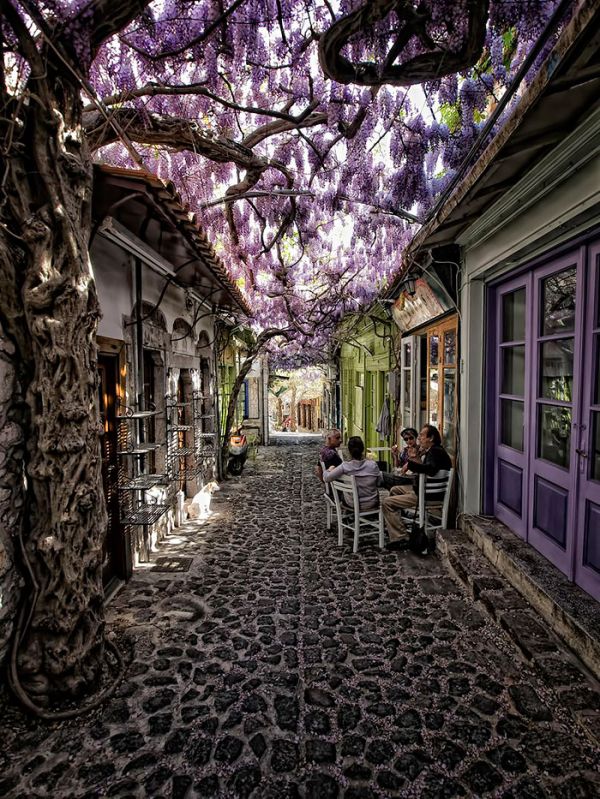 Molyvos, Lesvos, Greece | Image: Jay 21310
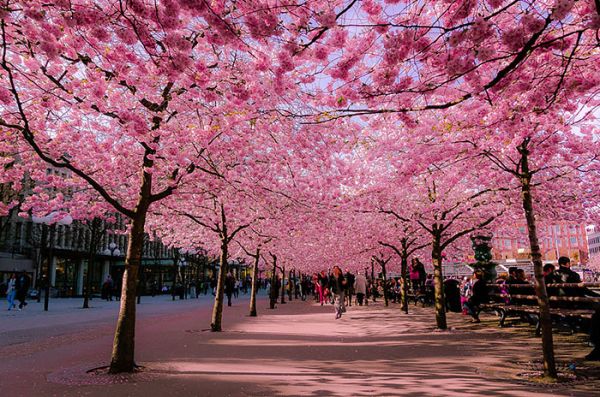 Stockholm, Sweden | Image: Hector Melo
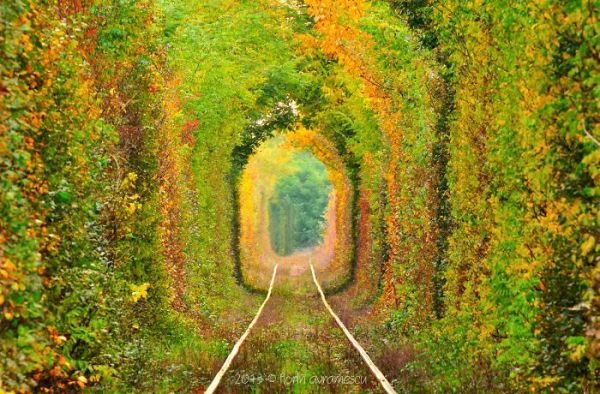 Tunnel of Love Romania, Caras-Severin | Image: Sue Hsu
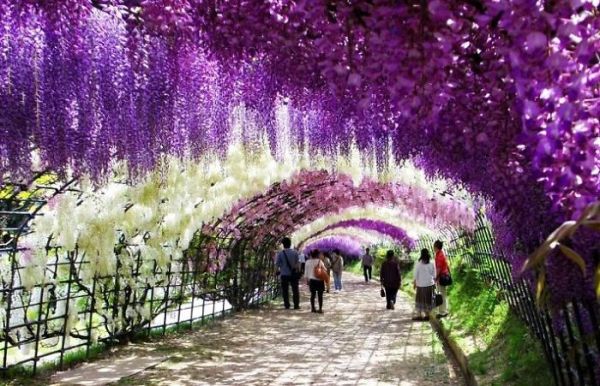 Wisteria Tunnel, Japan | Image: Andreea Vintila Kostova
 Bamboo Forest, Sagano Japan | Image: Andreea Vintila Kostova
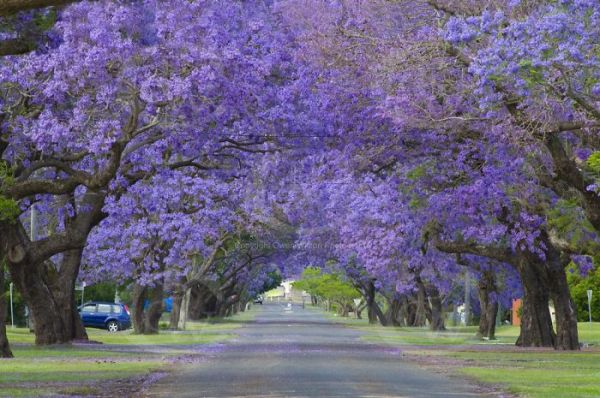 Grafton, New South Wales, Australia | Image: Jo Hitchin
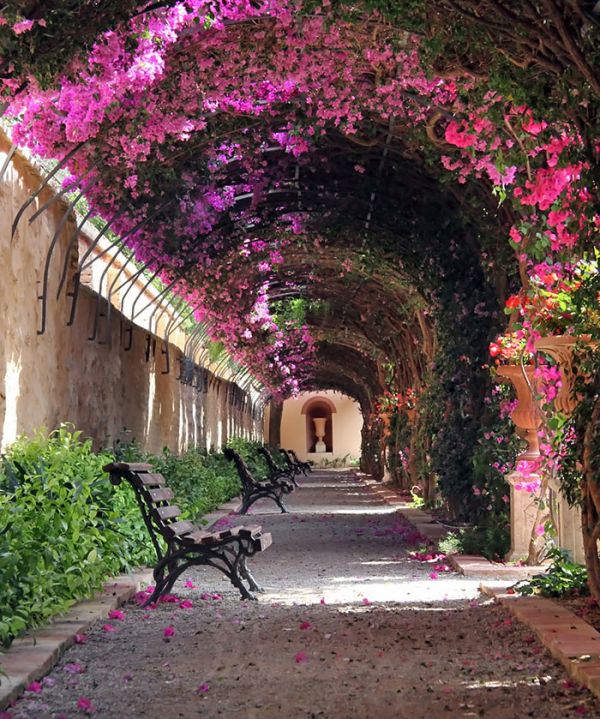 Valencia, Spain | Image: Visittheworld.tumblr.com
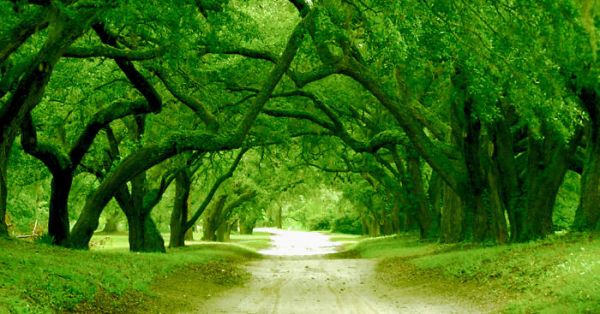 Orton Plantation Driveway, Smithville, NC | Image: Mia of Sky People