Shared posts

11 Feb 16:13

Jon Stewart quits The Daily Show

by René

Nach Ferguson und Colbert schmeisst nun auch Jon Stewart bei der Daily Show hin. Nach dem Klick seine Ankündigung während der gestrigen Sendung und Comedy Centrals Dankeschöntweet:

Thank you Jon. pic.twitter.com/yPdxjnkuLw

— Comedy Central (@ComedyCentral) February 10, 2015

10 Feb 13:48

Barbies barbarische Brüder

by Rider
Ein schöner Bericht von Danny Kringiel um den Aufstieg und Niedergang der Masters of the Universe:

"Sie hießen He-Man, Stinkor oder Man-E-Faces: 1982 stürmte eine wilde Gang von Plastikmuskelprotzen die Kinderzimmer. Fünf Jahre beherrschten die "Masters of the Universe" die irdischen Spielzeugläden - doch plötzlich war die Barbarenhorde wie vom Erdboden verschluckt. Warum eigentlich?" Hier geht es zum ganzen Artikel. Es lohnt sich!

10 Feb 13:03

This Pixelated Tribute to "The Simspons" is Trippy and Marvelous

undefined


This collaboration between pixel a...

10 Feb 09:22

Rückblick: 20 Jahre Playstation

by Christoph Vent
Der folgende Text ist ein Auszug aus der kommenden Retro Gamer 2/2015, die am 19.2.2015 an die Kioske kommt – mehr zum Heft und seinen Highlights erfahrt ihr im heutigen Montagmorgen-Podcast.

Weiterlesen

09 Feb 15:18

Nintendo 64 Coffee Table Base: Insert Glass Top

by Lambert Varias

A few years ago, we saw a beautifully made coffee table based on the Nintendo 64 logo. If you’ve ever wanted one but can’t tell a hammer from a, uh, from another woodworking… stuff, Geeks With Wood is your man. He had the exact same idea except he opted to make money out of it. You’ll have to provide the glass top though.

nintendo_64_table_base_by_geeks_with_wood_1zoom in

nintendo_64_table_base_by_geeks_with_wood_2zoom in

The base is made of MDF and measures 18″x 18″x 18″. Order one from Geeks With Wood for just $125 (USD).

[via ThisIsWhyImBroke]

09 Feb 15:17

Street Fighter II Ryu Light-up Diorama Will Hadouken Your Money

by Lambert Varias

Hong Kong-based toymaker BigBoysToys is working on the next best thing to Street Fighter Amiibo. Its Street Fighter TNC line feature miniature figurines of the World Warriors, with a diorama stand as well as lights and sound effects. First up is Ryu, his hadouken and his Street Fighter II stage.

street_fighter_TNC_01_ryu_bigboystoys_1zoom in

street_fighter_TNC_01_ryu_bigboystoys_2zoom in

street_fighter_TNC_01_ryu_bigboystoys_3zoom in

street_fighter_TNC_01_ryu_bigboystoys_4zoom in

Here’s a brief demo of the toy:

You can pre-order the Street Fighter T.N.C. 01 Ryu from Play-Asia for $90 (USD). BigBoysToys will release a total of 8 T.N.C. figures; judging from the photos on its Facebook page the second one will be Ken.

[via GoNintendo]

09 Feb 14:52

Superbowl 2015 Trailers & Spots

by Sascha

bowl

Im Vergleich zu den Vorjahren finde ich die Trailerübersicht zum diesjährigen Superbowl auf den ersten Blick ziemlich dürftig. So gibt es zum Beispiel nichts von Marvel oder DC zu sehen und auch Fury Road bekommt keinen neuen Kracher. Bei $3,5 Millionen für 30 Sekunden Sendezeit ist das aber auch kein Wunder, immerhin haben diese Filme auch so genug Hype und brauchen diesen zusätzlichen Push nicht wirklich. Aber es wäre trotzdem schön gewesen, wenn man mal was von Batman V Superman gesehen hätte. Dafür sind aber die einzelnen Trailer teilweise extrem schick.

Jurassic World

Wie etwa der neue Spot für Jurassic World, der mich mehr packt als der eigentliche Trailer. Das CGI ist natürlich noch nicht fertig (obwohl deutlich besser, /Film hat da einen super Vergleich) und ich finde die Kreation des Indominus Rex sowie den Plot um die Jagd höchstens auf einer Metaebene interessant, aber insgesamt wirkt das alles sehr solide auf mich. Die ersten 30 Minuten mit dem Park in Betrieb sind sowieso alles, was ich sehen möchte und die darauffolgende Story ist für mich eigentlich nur noch ein Sahnehäubchen.

Fast and Furious 7

Holy Shit! Sieht das geil aus!!! #Family, Rachethriller und fliegende Autos. Can’t wait.

Tomorrowland

Tomorrowland zeigt in seinem neuen Spot mehr Jetpacks, eine Rakete und Hugh Laurie. Ich bin froh, überhaupt mal eine halbwegs originelle Story im Kinosommer wiederzufinden und bin dank Brad Bird, Damon Lindelof und dem Cast auch dezent gehypet. Erinnert mich alles an die “World of Tomorrow” der World Fair 1939, Syd Mead und die sonstigen (retro)futuristischen Zeichnungen aus den Sechszigern – gutes Zeichen.

Minions

Ich habe die Despicable Me Filme noch nicht gesehen, bin mir aber um den immensen Hype um diese kleinen, gelben Viehchen hier bewusst. Deshalb hatte ich mir auch mal einzelne Clips angesehen, aber so richtig nachvollziehen konnte ich das alles nicht. Dieser Superbowl Spot hilft mir da auch nicht weiter, aber dafür fand ich den Trailer so bis zur Hälfte ganz lustig. Soll mich nicht stören. ¯\_(ツ)_/¯

Seventh Son

The Seventh Son ist anscheinend ein Film, der existiert und dieses Jahr in die Kinos kommt. Ich bezweifle das weiterhin, bis ich ihn mit eigenen Augen im Kino sehen werde. Die Produktionshölle des Filmes ist gut im Netz dokumentiert und der Film wird natürlich außerordentlich bomben, daran hindert auch dieser Spot nichts mehr. Interessant aber, dass die bei Legendary tatsächlich gewillt sind, noch mehr Geld in dieses Loch zu werfen. Alle Achtung.

SpongeBob: Sponge Out Of Water

Nie gesehen. Kann ich null mit anfangen.

Terminator Genisys

Terminator Genisys sieht weiterhin ziemlich belanglos und verzweifelt aus – schade um Arnie. Neue Szenen, die am schwachen Eindruck des ersten Trailers rütteln könnten, sucht man ebenfalls vergebens. Einzige Ausnahme sind zwei Shots der “neuen Bedrohung”, die nicht wirklich nach einem Skelett, sondern eher einem verbrannten Menschen mit ein paar Löchern aussieht. Hmmm.

Insurgent

Ich sah Divergent im Kino (ziemlich mies) und kann mich eigentlich noch gut an den Plot des Films erinnern, weshalb ich jetzt verwundert bin, dass mir dieser Teaser/Trailer/Dingens überhaupt nichts sagt. Was passiert hier überhaupt? Wen, außer Fans der Serie, soll das ansprechen? Shailene ist böse auf Kate Winslet, oder so? Rausgeworfenes Geld. Mal sehen, was Robert Schwentke nach seinem Desaster mit R.I.P.D. aus dem Stoff macht. Dem Spot hier nach zu urteilen nicht viel.

Kingsman: The Secret Service

Matthew Vaughn machte mit Kingsman: The Secret Service aus Mark Millars Comic einfach nochmal Kick-Ass und vermischt es mit dem Spioncharme der James Bond Filme. Die Trailer sehen alle nach einer Menge Spaß aus und die Kritiken sind bisher auch positiv. Bei uns startet der Film am 12. März.

divbar

Fast and Furious: Supercharged

Fast & Furious bekommt eine eigene Attraktion in den Universal Studios und ich kann nicht glauben, dass das erst jetzt passiert. Überfällig! Brummbrumm.

Make Safe Happen – Nationwide Insurance

Um… huh? Bring on the thinkpieces, I guess?

09 Feb 13:09

Techdemo: Besucht die sauberste Wohnung in Paris (Video)

by Felix Knoke
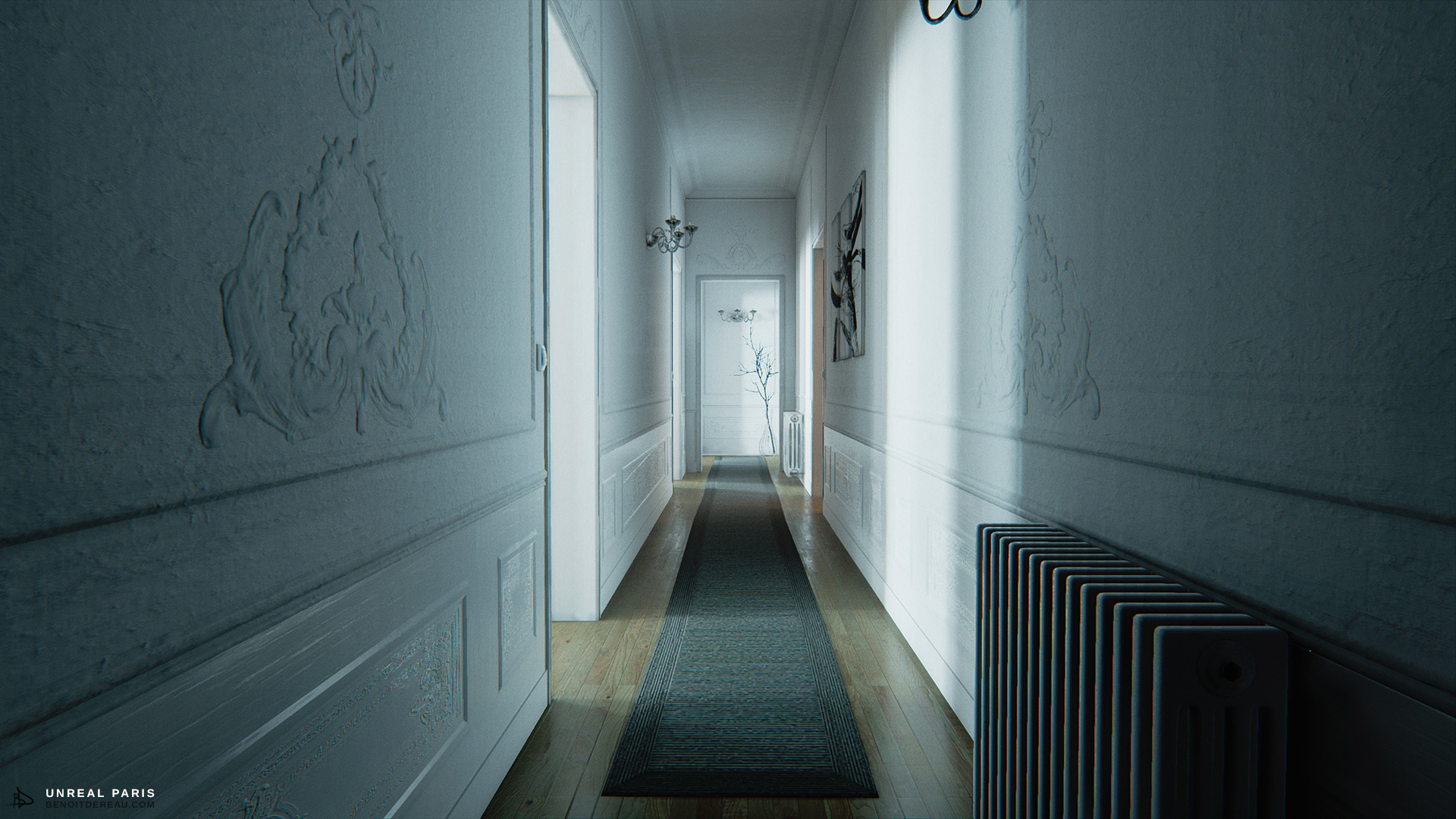
Es ist noch ein weiter, weiter Weg hin zum Fotorealismus und ein noch unendlich viel weiterer Weg hin zum Realismus in Computerspielen. Aber diese Techdemo der Unreal Engine 4 von Epic Games ist schon ganz hübsch: extrem detailliert, aber unbelebt. ...
09 Feb 13:08

Amazon Prime Video kostet über 1 Milliarde Euro im Jahr

by Sascha Koesch
Amazon, die vor kurzem erst ihre neuen Serien-Anwärter, eine Kooperation mit Woody Allen, ja sogar eigene Kinofilmprojekte vorgestellt haben, ist immer auf Expansionskurs. Mit den neuen Quartalszahlen (29,3 Milliarden Dollar Umsatz bei immerhin 214 M...
09 Feb 09:25

Nintendo Offers Free Mario, Zelda, and Kirby Valentine's Day Cards

by Emanuel Maiberg

Need a Valentine's Day card for that special someone in your life? If they love games, Nintendo can help you out.

The company posted a selection of Nintendo-themed Valentine's Day cards to its website, which you can print, cut out, and give to your loved ones.

There are four sets of cards overall themed after different Nintendo franchises, with six cards in each. Theres a Super Mario set, a Kirby set, a The Legend of Zelda: The Wind Waker set, and a Yoshi set.

You can find them all on Nintendo's site, or simply grab them from the gallery above.

In other Nintendo news, the company's relationship with YouTubers is less than perfect following its new revenue-sharing initiative, which gives a slice of ad revenue to people who upload videos of certain Wii U, 3DS and legacy console games. Even YouTube's biggest star, PewDiePie, spoke against the new policy.

09 Feb 09:01

'Magazine Mogul' Review - Game Dev Story 2 Without The Games

by Shaun Musgrave

Kairosoft makes a lot of games. Rather, I suppose they made a lot of games and have been diligently porting them over to smartphones ever since. They're not bad games. If you happened to be trapped in an elevator for a couple of days with one, you might not even notice you didn't hit your floor. That said, they are extremely similar to one another, relying on the same few templates spread across every single job anyone ever had or will have. It wears on you after a few games, especially if you fall into a row of their building simulations. I've often said that any given Kairosoft game is going to be amazing if it's your first and mind-numbing if it's your fifth. The sad thing in all of this is that the template that brought them to the dance, so to speak, is the least-recycled of them all. Game Dev Story [$3.99] put Kairosoft on the international map years ago, and the biggest request everyone has made since is for a sequel. Kairosoft marches to their own beat, though, and that beat apparently dictates that there shall be only one Game Dev Story per Halley's Comet appearance.

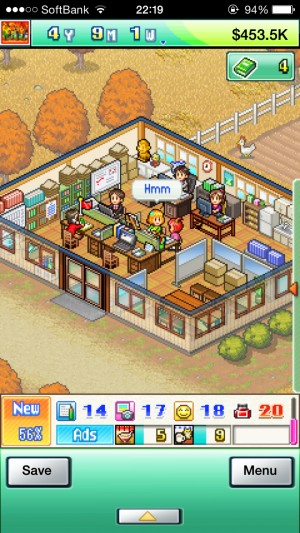
Here's the next best thing, however. Magazine Mogul [$4.99] is for all intents and purposes a sequel to Game Dev Story. Its core gameplay is identical, but with more gravy slathered on top. It pulls in some of the advances from more recent Kairosoft efforts to provide a satisfying evolution to the gameplay, with the only real downer being that instead of making weird video game ideas, you're making weird local magazine story ideas. I think we can all agree that video games are infinitely more interesting than local magazines, right? If you can get over that, this is the follow-up you may have been waiting for before you gave up and moved on to other things. Your job is to run a successful magazine, and for some reason, also help run the town you're based in. The magazine you run doesn't have a regular schedule, with each issue releasing whenever you happen to get it finished. Given the amount of time it takes to put one together, you can usually get out a couple editions per year, so you'll want to make them good ones.

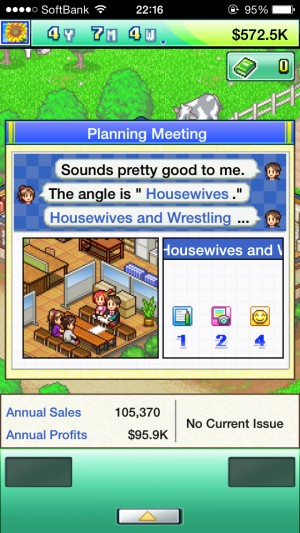
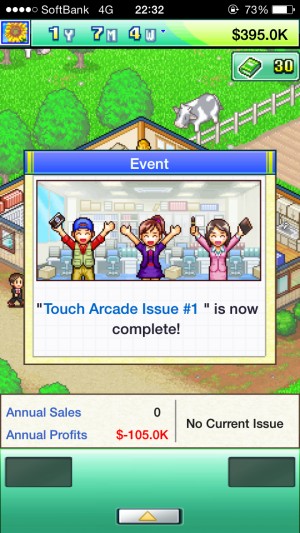
Photo 2015-02-06, 16 34 49There are a handful of things you need to decide on for each issue. You need to settle on which advertisers you're going to work with, which kind of regular column you're going to feature, and the details of your main story. For each main story, you can choose a location, a topic, and who the feature is aimed at. As an example, you might decide to have a story about businessmen and pajamas by the river, if you're absolutely insane. Once the plan is decided, your staff will get to work on it, adding points to its writing, design, and interest qualities based on their stats. They'll also boost the ads and sometimes make typos. You'll have to choose a staffer to go out on location to take pictures, and another one to touch up the writing. The last step before it's finished is proofreading, where all the typos are corrected in exchange for an equal number of research points. The more typos you have, the longer this stage will take. After that, it's off to the stands to see how it sells.

This is all nearly the same as Game Dev Story, of course. You can hire on new staffers, level up or train the existing ones to boost their stats, and spend your money on various promotional campaigns to increase the size of your audience. While I'd be fine with a straight retread simply because they haven't done one until now, there are a couple of new things stapled on to try and push things forward a little bit. One of them works well, the other is kind of odd and out of place. First, instead of relying on research or pure happenstance to get new locations and topics for your features, you need to go out and scout at existing locations. Scouting involves sending a party of staff members to the spot, where they'll encounter walls that impede their progress and investigation points that they need to try to overcome. Success earns you new courses, new locations and topics, cash, research points, and more. These scouting missions play out pretty similarly to the party exploration missions in other Kairosoft games like Dungeon Village [$4.99], so they're not totally new, but they do add an interesting wrinkle to the familiar gameplay.

The other added piece, the town management, doesn't fit quite so well. At a certain point in the game, you're tasked with helping your town grow. The town has its own separate budget, and you can spend it on various initiatives to try to increase the population. If you're successful at this, your potential readership grows and new locations are unlocked. There's not much to it other than going in and picking a couple of new things each time you're allocated more money, with a little mental subtraction to make sure you can afford the upkeep until the next budget comes through. It's shallow, extraneous, and has no logical connection to the main situation, so it really feels like something they threw in just for the sake of it. It's not so much a negative point as it is a squandered positive, though. It's easy enough to do the bare minimum. You'll still win anyway.

As with almost all of Kairosoft's games, Magazine Mogul is light on challenge. While you can meet the occasional setback if you go with weird features, for the most part your numbers will only go up as you play. If you start to run out of money, it will magically appear from the ether so that you won't face a game over situation. You have to mix and match meta-goals to end up with something difficult to take on, like trying to win the grand prize in the annual awards before a certain number of years is up. If you just want to play and watch your numbers rise, the game will easily accommodate you. It's not as much of a problem here as it can be in some of their other games because there's plenty of enjoyment to be had from unlocking everything and playing around with crazy combinations.

Photo 2015-02-06, 16 34 44 Photo 2015-02-06, 16 34 36

The pacing works really well in this game too, though it's little surprise as that's typically one of Kairosoft's strongest areas. It's hard to quit when you're in the middle of putting together an issue, and then you'll really want to see how it does sales-wise before you stop playing, but you should probably start your next issue so that you don't waste any time, and oh my goodness, it's two in the morning. All of Kairosoft's games can hit you with that particular whammy if you allow yourself to get into them, but this one is easier to fall into than most of their library. I think a lot of this is down to the game avoiding unnecessary micromanagement. It communicates its theme clearly and logically without having to teach you where to put the soda machines for maximum yield. It gives up a little depth as a result, but Kairosoft games tend to be in the shallow end of the pool anyway, so it's not a heavy blow.

Magazine Mogul serves to at least partially fulfill the wishes of people waiting for a sequel to Kairosoft's first breakout release. It's not as original as some of their recent titles like Kairobotica [$4.99], but the familiarity isn't a bad thing in this case. The game it's built on is quite beloved and it has been years since its release, so getting a second game that follows its dance steps is a good thing, in my opinion. This is probably the most fun I've had with a Kairosoft game since Dungeon Village, even though I have to admit a great deal of my affection comes from its similarity to Game Dev Story. If you're still carrying a torch for that game, you might want to give Magazine Mogul a look.

06 Feb 08:09

Super Mario Sunshine Unofficially Ported To Nintendo DS In Super Mario 64 DS ROM Hack

by no-reply@retrocollect.com (Cauterize)

Super-Mario-Sunshine-64-DS-ROM-HackSuper Mario Sunshine might not be every retro gamer's favourite outing of the famous plumber, but its quirky mechanics sure do attract a loyal fan-base. Without the water-propelled action and cleaning mechanics though, how would the Gamecube hit's levels fare when thrown into a more traditional 3D platformer? Well, you're about to find out with a hack of Super Mario Bros 64 DS known as Super Mario Sunshine 64 DS.

06 Feb 08:08

Back To The Future Redesign Scraps The DeLorean For Something...Faster

by Luke Plunkett

Back To The Future Redesign Scraps The DeLorean For Something...Faster

Artist Khyzyl Saleem has an idea on what he'd like Back to the Future to look like. I've got to say, as emotionally attached as a lot of people are to the DeLorean DMC-12 from the movies, this looks pretty damn good.

Read more...


05 Feb 08:57

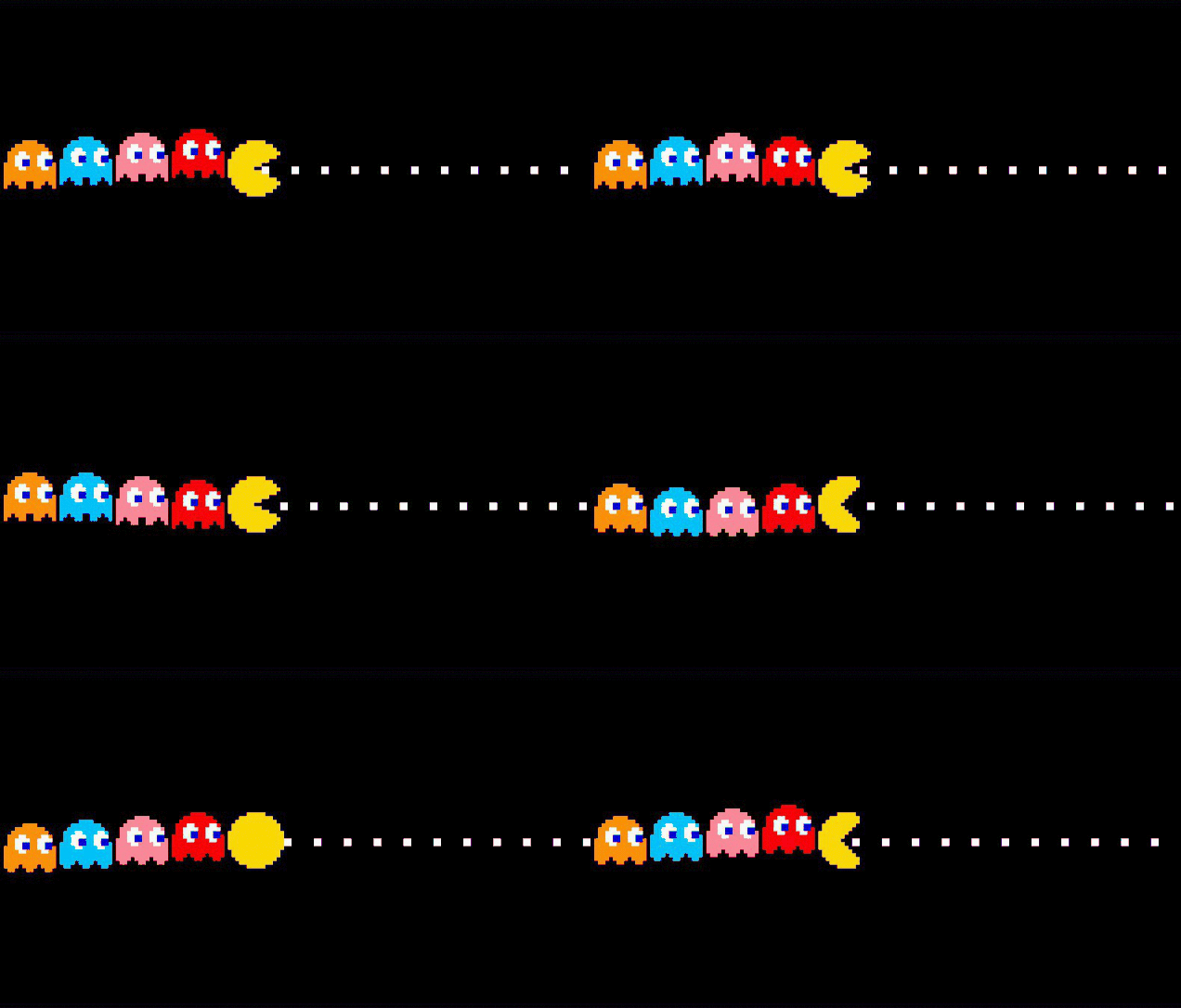
Pac-Man Ghosts Are Smarter Than You Think

by Nathan Grayson

Pac-Man Ghosts Are Smarter Than You Think

Pac-Man might not seem like much next to today's hyper-realistic gun, dungeon, and gungeon-packed blockbusters, but the tiny puck that aspired to manhood inhabited a surprisingly complex world. His nemeses, the ghosts, are still pretty clever, even by modern video game standards.

Read more...


04 Feb 13:47

Hardware-Test: New Nintendo 3DS XL!

by info@10do.de
Der neue 3DS XL im Video. Nächste Woche kommt der New Nintendo 3DS (XL) bei uns auf den Markt. Ich stelle euch heute im Video die große Version vor und vergleiche den neuen Handheld mit dem direkten V...
02 Feb 13:10

Nintendo Released 15 Stages for Free for Super Smash Bros. for Wii U

by William D'Angelo

Nintendo has released free DLC for Super Smash Bros. for Wii U that adds 15 8-player stages to the game, according to Gamesbeat. The DLC is 316MB in size and is not the last DLC that will be released for the game.

Nintendo is working on a stage based on the Miiverse, as well as a 64 player tournament mode, which will both be free. They are also working on a new character, the Pokémon Mewtwo, which will not be free, unless the player bought the Wii and 3DS versions of the game.

________________________________________________________________________________________

A life-long and avid gamer, William D'Angelo was first introduced to VGChartz in 2007. After years of supporting the site, he was brought on in 2010 as a junior analyst, working his way up to lead analyst in 2012. He has expanded his involvement in the gaming community by producing content on his own YouTube channel and Twitch channel dedicated to gaming Let's Plays and tutorials. Outside, in the real world, he has a passion for the outdoors which includes everything from hiking to having received his B.A. in Environmental Studies. You can contact the author at wdangelo@vgchartz.com or on Twitter @TrunksWD.

Full Article - http://www.vgchartz.com/article/252965/nintendo-released-15-stages-for-free-for-super-smash-bros-for-wii-u/

30 Jan 14:53

Nintendo: Wii U Hits 9.2M, 3DS 50.3M, Mario Kart 8 4.77M, Super Smash Bros. for 3DS 6.19M

by William D'Angelo

Nintendo has released the sales figures for their third fiscal quarter and the nine month period, which ended on December 31, 2014. Revenue for the third quarter was ¥271.5 billion, while net income was ¥45.2 billion.

"Based on the sales performance for the nine months ended December 31, 2014 and afterwards, net sales and operating income are expected to be lower than our original forecasts," read the report. "Also, considering recent trends in foreign currency exchanges, assumed exchange rates for the fourth financial quarter as well as at the end of the full fiscal year have been revised as follows: ¥115 per U.S. dollar (previous rate: ¥100), ¥130 per euro (previous rate: ¥140). As a result, we have revised up the ordinary income and net income forecasts."

For the full fiscal year Nintendo expects revenue to drop year-over-year to ¥550 billion, while net income is expected to grow to ¥30 billion.

Nintendo also released the sales figures for their hardware and some of their key software. For the third quarter Nintendo shipped 1.91 million units Wii U consoles to bring the total to 9.2 million units. Nintendo also shipped 4.99 million units 3DS consoles for the quarter, to bring the total to 50.41 million units. They also announced that Wii shipments hits 101.44 million units and DS shipments hit 154.01 million units.

Looking at software sales, Pokémon Omega Ruby and Alpha Sapphire was Nintendo's biggest game with sales of 9.35 million units. Super Smash Bros. for Nintendo 3DS sold 6.19 million units, while the Wii U version sold 3.39 million units. Mario Kart 8 sold 4.77 million units.

________________________________________________________________________________________

A life-long and avid gamer, William D'Angelo was first introduced to VGChartz in 2007. After years of supporting the site, he was brought on in 2010 as a junior analyst, working his way up to lead analyst in 2012. He has expanded his involvement in the gaming community by producing content on his own YouTube channel and Twitch channel dedicated to gaming Let's Plays and tutorials. Outside, in the real world, he has a passion for the outdoors which includes everything from hiking to having received his B.A. in Environmental Studies. You can contact the author at wdangelo@vgchartz.com or on Twitter @TrunksWD.

Full Article - http://www.vgchartz.com/article/252926/nintendo-wii-u-hits-92m-3ds-503m-mario-kart-8-477m-super-smash-bros-for-3ds-619m/

30 Jan 14:21

Pause vorbei: Kalkofe kehrt Mitte März zurück

by Red./GRMY

Foto: © Gert Krautbauer
Nach längerer Auszeit gibt es in einigen Wochen wieder neuen Stoff von «Kalkofes Mattscheibe» zu sehen.
TV-Satiriker Oliver Kalkofe hat sich seit gut zwei Jahren bei Tele 5 eine neue Heimat aufgebaut, mit der er augenscheinlich sehr zufrieden ist. So hat er eine neue Plattform für seine «Mattscheibe», die er zuletzt allerdings auch einige Monate lang pausieren ließ. Für die Rückkehr aus der längeren Auszeit hat der Privatsender nun den 13. März auserkoren.
weiterlesen…

30 Jan 08:50

Analysis – Nintendo's Tough Hardware Choices May Test Consumer Confidence

by Mike Futter

This morning, Nintendo reported its fiscal third quarter financials. The news was largely positive, with Wii U sales up, strong attach rates for Mario Kart 8 and Super Smash Bros., and a slight increase in projected net income for the fiscal year.

One note did stand out as concerning, though. The company lowered sales forecasts overall and for the 3DS. The company previously projected total unit sales of 12 million worldwide for fiscal 2015. That has been cut by 25 percent, even as the publisher is set to release the New 3DS XL in North America.

What is also concerning is that net profits were skewed by currency exchange rates. While this is great for the bottom line, it obscures weakness that is still present as Nintendo faces a market that doesn’t know what to make of the Wii U.

(Please visit the site to view this media)

The Wii U – Planning for the future
Bluntly, the Wii U has almost no chance of recapturing third party support. The company hasn't crossed the 10 million unit threshold in over two years. At the same point in its life cycle, the Wii had trucked past 40 million units. This leaves the platform as a strong secondary device that has one selling point (albeit a strong one) – it’s the only way to play Nintendo’s newest games on your big television in HD.

Given the polish on Mario Kart 8 and Super Smash Bros., for many fans that’s enough. But Nintendo isn’t going to push the console into the mainstream market without blockbusters (something Nintendo America president Reggie Fils-Aime recently equivocated on). For one-platform homes, this remains a significant disadvantage.

I expect that Nintendo will have a solid fiscal 2016, provided it can fulfill its promises. That means both Star Fox and Zelda arriving before March 31, 2016. It means Xenoblade Chronicles X arriving worldwide. And it means a regular pace of first-party titles that rival the big attention-getters on PlayStation 4, Xbox One, and PC.

What I don’t see is a long life ahead for the Wii U. I think that when all is said and done and Nintendo moves ahead with its next hardware announcement, the console’s legacy will be a respectable one based on its small number of standout titles (like Super Smash Bros.). People will look more fondly on Nintendo’s efforts with it in hindsight than they do right now, as the sales struggles become obfuscated by time.

Hopefully, the company learns lessons from this experience. It made a mistake straddling the line between niche first-party system and third-party powerhouse. It didn’t go all-in with publishing partners. 

But in order to not just survive (a given) but succeed (the true goal), Nintendo must recapture its spirit of differentiation. The GamePad could have been enough to separate the Wii U from the pack (as the Wii Remote was for its predecessor), but it simply isn’t used to great effect, even by most first-party titles.

The 3DS – Planning For Now
With the New 3DS XL on the horizon, the message Nintendo is sending is that it isn’t quite time for a completely new hardware product. Unfortunately, some Japanese analysts beg to differ. 

Speaking with Bloomberg today, SMBC Nikko Securities analyst Eiji Maeda said that the 3DS is “passed the peak of its hardware cycle.” That’s even taking into account the New 3DS. “The device is the next one in line for a refresh,” he says. “It would make sense to have a new model next year, so we can expect the news flow to begin from the middle of this year.”

For the sake of those rushing to buy up those precious Majora’s Mask New 3DS consoles, I hope he’s wrong for two reasons. First, releasing a new product geared toward upgrading hints that the next handheld is further down the line. Remember, Nintendo shipped the New 3DS without a power supply, citing that users might already have one from a previous purchase. 

Second, it means that beyond the Xenoblade Chronicles port, there likely wouldn’t be many software reasons to own a New 3DS. That kind of frequent turnover is wearying for consumers and erodes confidence. The new hardware features solid improvements compared to its predecessor, but if Nintendo is using the New 3DS as a stop-gap, it’s making a short-term bet at the cost of long-term consumer care.  

I don’t disagree with Maeda that Nintendo has become overconfident in its handheld. The company today reduced sales expectations by 3 million units (25 percent), and missed targets last year, too. Mobile phones and tablets aren’t a strict replacement for the 3DS, but they are eating away at interest at the fringes.

Amiibo – Planning for yesterday
The Amiibo phenomenon is a tough one to parse. On one hand, Nintendo is off to a strong start with sales considering 5.7 million of the figures have been shipped around the world, and there are still more coming.

On the other hand, Nintendo is spreading itself very thin. It didn’t meet demand for many figures, and is offering an almost exhausting amount of options (with many Smash Bros. characters not even revealed yet).

The tiny toys have great shelf appeal, despite a significant downgrade from prototypes shown at E3 2014, but there aren't many compelling reasons to use them in games. Sure, they unlock costumes in Mario Kart or give you weapons in Hyrule Warriors. But even the Super Smash Bros. use that takes advantage of the figures’ onboard memory isn’t that impressive. The promised 3DS portal has disappeared from the discussion, with Nintendo putting focus on the onboard functions in the New 3DS.

The compatibility with different titles is confusing (we’re keeping track in a regularly updated feature in case you’re curious), but there’s no strong hook. I keep buying Skylanders because I know that every one I purchase will work in future games. Disney Infinity characters put me in control of iconic movie and comic personalities. Amiibo don’t have the same allure.

Right now, people are extremely interested in picking them up because they are new and many of them have strong nostalgic connections to the characters. However, this is a short-term pull, especially as they remain difficult to acquire.

Nintendo needs to advance its strategy for the figures to the next stage (a roadmap it should have laid out before the first one ever arrived at retail). Even hinting that there is a broader purpose would keep people engaged. But until we know that there is something more to them, I’m not confident of the long-term appeal. There’s no magic there yet.

Making The Most Of The Next Hardware Cycle
Nintendo is in an unenviable position. It is staring down a potential shortened console life-cycle and might be about to begin a push toward a brand new handheld presence. The best scenario is a mingling of those two concepts (and, please, with a universal account system), but there is no guarantee that the merger of the home and portable software units will yield a unified hardware solution.

This iconic company isn’t going away any time soon, and the Wii U still could have its best days ahead (Zelda on the Wii U is looking great). I’m just not sure that the Wii U has much time left, with sales that have failed to impress and even the most stalwart of partners walking away. After all, the dream presented by the announcement sizzle reel is far from reality.

28 Jan 13:47

Nintendo: Geschäftsbericht: Schwarze Zahlen; Wii U bei weltweit 9,2 Mio. Verkäufen, 3DS bei 50,41 Mio.; Prognose der Netto-Einnahmen angehoben

Nintendo verkündete im Rahmen des Geschäftsberichts von April bis Dezember 2014, dass weltweit mittlerweile mehr als 9,2 Mio. Exemplare der Wii U und 50,41 Mio. Geräte aus der 3DS-Familie verkauft wurden. Vergleichsdaten: PlayStation 4: 18,5 Mio. (Stand: 04.01.2015); Xbox One: 10,9 Mio. (Stand: 25.01.2015). Das bedeutet, dass das Unternehmen von Oktober bis Dezember 2014 ungefähr 1,9 Mio. Wii-U-Konsolen und fast 5 Mio. 3DS-Handhelds im Weihnachtsgeschäft absetzen konnte.


Verkaufszahlen (seit der Veröffentlichung):

Nintendo beschreibt die Wii-U-Verkäufe als "zuverlässig und stabil" und belässt die Prognose bei 3,6 Mio. verkauften Einheiten im aktuellen Geschäftsjahr (01.04.2014 bis 31.03.2015). In den ersten neun Monaten des Geschäftsjahres gingen knapp 3,03 Mio. Geräte über die Ladentheken. Die Prognose für verkaufte Software in diesem Zeitrahmen hob das Unternehmen um fünf Mio. an (von 20 auf 25 Mio.) - hauptsächlich durch die starken Verkaufszahlen von Mario Kart 8 und Super Smash Bros.

Nicht ganz so zufrieden ist das Unternehmen mit den 3DS-Verkaufszahlen. Zwar wird die Markteinführung des New 3DS in Japan als Erfolg gefeiert und auch danach seien die Verkaufszahlen vielversprechend, aber gerade weltweit schwächelte der Absatz. Daher reduzierte Nintendo die erwarteten Hardware-Verkäufe im laufenden Geschäftsjahr von 12 Mio. auf 9 Mio. Geräte und die geschätzten Software-Verkäufe von 67 Mio. auf 61 Millionen.

Um die prognostizierten Ergebnisse für das Geschäftsjahr 2014/2015 zu erzielen, müssen von Januar bis März 2015 noch 1,92 Mio. 3DS-Handhelds und 570.000 Wii-U-Konsolen verkauft werden.


Ansonsten schreibt Nintendo weiterhin schwarze Zahlen. Von April bis Ende Dezember stand ein Netto-Einkommen von 59,5 Milliarden Yen unter dem Strich (444 Mio. Euro). Eine Steigerung um 483,7 Prozent im Vergleich zum Vorjahreszeitraum, in dem lediglich 10,2 Milliarden Yen eingenommen wurden. Auch das operative Ergebnis fällt mit 31.6 Milliarden Yen positiv auf. Zudem profitiert Nintendo von dem schwachen Yen-Wechselkurs gegenüber dem Dollar und dem Euro.

Last but not least korrigierte das Unternehmen die Prognose für das laufende Geschäftsjahr. Es wird davon ausgegangen, dass das prognostizierte Netto-Einkommen auf 30 Milliarden Yen steigt, während die Ausblicke für Nettoumsatz (550 Milliarden Yen) und das operative Ergebnis (20 Milliarden Yen) gesenkt wurden.
28 Jan 08:13

Early Sega Saturn 'Pluto' Console Prototype Appears on eBay

by no-reply@retrocollect.com (Cauterize)

Sega-Pluto-Prototype-Mockup-on-eBayJust moments before the Dreamcast arrived, Sega were due to release a revised model of their 32-bit hardware which incorporated the NetLink port for online gaming. Known as the Pluto, this updated take on the Saturn sported an all new look, however, it was one which remained unseen for many years. While what was due to go to market may have looked more akin to Sega's previous designs, a more Dreamcast-esque mockup of the console has surfaced and been made available to collectors via eBay.

27 Jan 15:46

How to Release a Product, Nintendo-Style

   undefined

undefined...

27 Jan 15:18

Hyrule Warriors ships over 1 million units

by Miles Taven

Publisher Koei-Tecmo have today announced that the Zelda/Dynasty Warriors mash up has surpassed 1 million units shipped around the globe, it's not made clear if this includes e shop sales or strictly retail. Either way this has proven to be an incredible sucess for both Koei-Tecmo and Nintendo, becoming a best seller for the company.

Hyrule has achieved over 120,000 units in Japan and over 400,000 in the US.

Full Article - http://www.vgchartz.com/article/252908/hyrule-warriors-ships-over-1-million-units/

27 Jan 09:49

Megablast Nr.4/1993

by Rider
Zum 11. Geburtstag von Retropoly gibt es das komplette Megablast Magazin Nr.4/1993 aus dem Joker Verlag zum lesen. Viel Spaß damit :-)

27 Jan 08:24

It Takes Nine Minutes To Break Down The Amazing Super Mario Timeline

by Patricia Hernandez

There are a lot of Mario games out there. Though most of these games aren't particularly story heavy, some people have still set out to try to place these games in chronological order in an effort to make a single Mario timeline. Here's the latest crack.

Read more...


26 Jan 08:02

Video: New 3DS XL: Auspacken, Datentransfer, Spiele-Check

by Jörg Langer
Jörg Langer packt seinen New 3DS XL aus (natürlich ist es der Redaktions-Handheld), um euch in aller Ausführlichkeit die Unterschiede zum alten 3DS zu zeigen und zu erklären. Unter anderem geht es um das Thema Datentransfer vom Altgerät zum Neuen.

Weiterlesen

23 Jan 07:55

10 Gaming Innovations The World Wasn't Ready For (But Is Now)

by Brian Shea

Since its inception, the game industry has been in a constant state of innovation. We’re at a point in this industry’s history where it seems that every year is a new metamorphosis of the industry that entertains us on a day-to-day basis.

With today’s announcement of Microsoft’s exciting new Windows Holographic suite, we found ourselves cautiously optimistic at what the HoloLens and HoloStudio could accomplish if/when it comes to market. We were also reminded of the seemingly endless potential held by the Kinect when it was first announced as Project Natal in 2009; potential that has still yet to be fulfilled.

Because of this, we got to thinking of some of the biggest and most influential innovations in gaming’s history that the world just wasn’t ready for at the time. Whether the technology caught up to the idea, or the market changed to be more conducive to the concept, there are several times where something that didn’t work previously just happened to catch on with a few tweaks.

Check out 10 times where companies in the games industry were ready to innovate, but the ideas were just ahead of their times.

Power Glove/Motion Sensing - 1989

The Power Glove may have been one of the biggest flops on the NES, but its concept and legacy stuck with Nintendo and was eventually tweaked and implemented with much more success through the Nintendo Wii. 

Sure, the Wii Remote wasn’t a tacky looking glove, but the technology behind motion controls had finally caught up to the concept behind the Power Glove, and the result was the fierce fad that spawned the Wii, the Kinect, and PlayStation Move. Thanks, Power Glove!

Atari Lynx/Color Handheld Gaming - 1989

When discussing technology that was way ahead of its time, the Atari Lynx is a shining example. Released in 1989, the Lynx featured a backlit color screen with network support – in addition to a seemingly insatiable appetite for batteries. 

Later, the Game Gear ran into the same problem, while Nintendo kept pace, avoiding putting a backlight in its handheld until the technology was more feasible. Today, handheld manufacturers have figured out backlit, color screens, as the 3DS and Vita both provide bright and vibrant experiences on gorgeous screens, as do most phones.

Sega VR/Virtual Reality - 1991

Announced for Mega Drive in 1991, the Sega VR headset gave players hope for a home virtual reality experience. The headset used head-tracking to allow games to be controlled by movements made by players’ heads, as well as an LCD screen and stereo speakers. While the Mega Drive version never made its way to market, the headset was featured in some of Sega’s arcade releases in the ‘90s. 

Fast forward to 2015, and we’re standing at the precipice of a new virtual reality revolution as Oculus, Valve, and Sony all demonstrate VR technology, while Microsoft’s new Holographic technology takes the concept in a different direction.

Sega Channel/ On-Demand Gaming - 1993

Though it ultimately fizzled out, the Sega Channel innovated in many areas that led to some of the most prominent trends we see in gaming today. The concept of being able to turn on your television and play a game attempted to transcend the rental market, but it did a lot more than just that. 

The idea also laid down the groundwork for what would eventually evolve into the on-demand gaming systems we have in place today, as well as the idea of digitally delivering a game. The Sega Channel was also influential in the concept of a premium subscription service in the console gaming space.

Sonic 3 & Knuckles Lock-On/Connected Games and Expansions - 1994

In series like Mass Effect and Dragon Age, players can connect games and see the story all the way through in a fairly seamless experience. Prior to that, however, it was Sonic & Knuckles that pioneered the idea of connecting multiple games to provide that end-to-end story. While it was crude, and involved stacking games on top of each other, Sonic 3 & Knuckles was a spectacular implementation of the idea. 

Using the lock-on technology, Sonic & Knuckles also served as one of the first expansions in console gaming. Sadly, the idea didn’t take off again in the console market until the idea of downloadable content became commonplace on PlayStation 3 and Xbox 360.

Sega Saturn/Surprise Launches - 1995

The Sega Saturn initially was planned to launch on September 2, 1995, but at E3 in May of 1995, Sega of America CEO Tom Kalinske surprised members of the media by announcing that Sega Saturn had already been shipped to several retailers for immediate release. This move ultimately failed, as Sony’s PlayStation released later that year to much higher sales numbers, and Sega’s excluding of certain retailers led to strained relationships. 

Today, we see surprise launches at events all the time. Whether you’re talking Apple’s semi-annual events or the occasional surprise software launch on consoles, surprise launches rely heavily on how quickly information can spread through the internet, something that wasn’t as commonplace in 1995. To date, no major console manufacturer has attempted the surprise launch since Sega with Saturn, but with whispers of Nintendo working on ideas for a new console, or the constant underground demand for a Dreamcast 2, it would be interesting to see how they would fare under those circumstances.

Expansion Pak/Gaming Hardware Improvements - 1998

Nowadays, upgrading gaming hardware isn’t an odd idea. From PC gamers continually searching for the latest magic combination that will let them max out their favorite games to console gamers replacing hard drives and modifying controllers, hardware optimization is quite regular these days. The Nintendo 64 Expansion Pak, however, was an odd case. 

Adding 4 MB of RAM to the N64, it enabled better graphics for certain games like Command & Conquer and Excitebike 64, hinting at gaming’s upgradable future. The Pak was also required for games like Legend of Zelda: Majora’s Mask, Donkey Kong 64, and Perfect Dark, foreshadowing Nintendo’s handheld future with how the New 3DS will utilize a better processor to speed up loads on 3DS games in addition to beefing up titles created only for the new system.

Dreamcast VMU/Second Screen on Controller - 1999

Nintendo may have released the first home console with a touchscreen on a controller, but nearly a decade and a half prior to that, Sega put a second screen experience in our living room with the Visual Memory Unit for the Sega Dreamcast. While plugged into the Dreamcast controller, the VMU served not only as a second screen that displayed information or images during gameplay, but also as a memory card for game saves. 

As a bonus, after you turned your Dreamcast off, you could bring the VMU, which had its own set of buttons, on the road and use it as a type of handheld device to play minigames tied to your Dreamcast library. The downside was that the Dreamcast controller looked weird and incomplete without the VMU connected.

Dreamcast/PS2 Network Adapter/Xbox/Online Gaming - 2002

I still remember unpacking my Dreamcast and finding a disc that allowed me to connect to the internet. I don’t think I ever used it with any amount of success, but many became obsessed with playing Phantasy Star Online with friends. Sony was also an early supporter of online gaming, but with the functionality relegated to a separate Network Adapter, the company found it hard to rally its audience. The SOCOM series was an early success, but Microsoft’s Xbox took online console gaming to the next level with Halo 2. Today, it’s impossible to imagine the games industry without all of the online features that have become commonplace in nearly every major release.

OnLive PlayPack/Instant Game Collection - 2010

PlayStation Plus is one of the best values in gaming today, but before that, OnLive, the game streaming service, attempted to do something very similar through the OnLive PlayPack. Those who picked up the subscription received a collection of games that could be streamed at no additional cost as long as the user maintained the subscription, and also offered additional discounts on games on the OnLive service. OnLive failed to become the streaming juggernaut it hoped to be and the company was sold. It was relaunched in 2014 with the return of the PlayPack and a new CloudLift feature that lets one play downloaded PC games in the cloud on most devices.

23 Jan 07:53

Garantie, Gewährleistung, Widerruf und Umtausch – wo liegt der Unterschied?

by Tilman

Wer sich mit dem Thema Verbraucherrechte auseinandersetzt, merkt schnell, dass er sich auf sehr dünnem Eis bewegt. Nur wenige Leute wissen beim Onlineshopping und offline Einkaufen im Markt genau, was sie dürfen und was nicht, wenn es mal zum Fall kommen sollte, dass ein Gerät defekt ist oder doch nicht gefällt. Begriffe wie Garantie, Gewährleistung, Widerruf und Umtausch werden häufig durcheinander gebracht – einerseits sind sie schwierig auseinander zu halten und andererseits greifen sie teilweise gleichzeitig oder werden selbst vom Händler oder Hersteller unverständlich formuliert. Wir möchten euch in diesem Artikel bis ins Detail aufklären, so dass ihr eure Rechte kennt und ggf. anwenden könnt.

Garantie, Gewährleistung, Widerruf und Umtausch   wo liegt der Unterschied? ratgeber  Garantie Gewährleistung Widerruf und Umtausch wo liegt der Unterschied schnaeppchenfuchs

  • Garantie, Gewährleistung, Widerruf und Umtausch – wo liegt der Unterschied?
  • 1. Widerruf
  • 2. Umtausch
  • 3. Was ist ein Mangel?
  • 4. Gewährleistung
  • 5. Garantie
  • 6. Garantie, Gewährleistung, Widerruf und Umtausch im Vergleich
  • 7. Wie verhält es sich bei Gebrauchtware und B-Ware?
  • 8. Fallbeispiele
  • 9. Tipps
  • 10. Weiterführende Informationen

Oft geht man von der Annahme aus, dass man gekaufte Produkte innerhalb von 14 Tagen umtauschen kann. Diese Rückgabe ist jedoch nur beim Widerruf im Online-Geschäft gesetzlich vorgesehen, im Ladengeschäft ist ein Umtausch prinzipiell nicht gesetzlich geregelt, sondern basiert auf der Kulanz des Händlers. Falls eine Ware jedoch kaputt ist, dann handelt es sich rechtlich gesehen um eine Reklamation, wobei zwischen der gesetzlich verankerten Gewährleistung des Händlers und der freiwilligen Garantie des Herstellers unterschieden wird. Diese vier Begriffe möchte ich im Folgenden für euch deutlich voneinander abgrenzen.

1. Widerruf


Wenn ihr Waren online gekauft habt, dann gilt innerhalb von 14 Tagen die gesetzlich geregelte Widerrufsfrist, d. h., ihr könnt in diesen zwei Wochen ohne Angaben von Gründen von eurem Kaufvertrag zurücktreten und bekommt euer Geld zurückerstattet. Dazu reicht eine eindeutige Erklärung (per Mail, Brief oder im Paket) und die Rücksendung der Ware – generell müsst ihr dabei die Versandkosten selbst tragen. Einige Händler wie Amazon oder zalando bieten aber auch einen kostenlosen Rückversand an.

Die Widerrufsfrist gilt allerdings nur bei Onlinekäufen, Katalogbestellungen und Käufen außerhalb von Ladengeschäften (also bspw. am Telefon oder vor der Haustür abgeschlossene Verträge). Damit unterscheidet sie sich erheblich vom Umtausch und darf damit nicht verwechselt werden – dieser basiert nämlich nur auf Kulanz bei einigen stationären Händlern (siehe 2. Umtausch).

Käufe, bei denen der Vertragspartner kein Unternehmen, sondern eine Privatperson ist, sind übrigens vom Widerruf ausgeschlossen – hier greift maximal die Gewährleistung bei einer Reklamation (siehe 4. Gewährleistung). Bestimmte Produkte sind darüber hinaus generell vom Widerruf ausgenommen, diese habe ich euch einmal aufgelistet:

  • Tickets für Flüge und Konzerte, Fahrkarten und Reservierungen in Hotels bei festen Terminen
  • personalisierte Waren nach Kundenwunsch
  • regelmäßig zugestellte Nahrungsmittel
  • geöffnete und vorher versiegelte Datenträger (wie CDs, DVDs und Blu-rays)

Darüber hinaus sind Zeitschriften-Abonnements, die über das Internet abgeschlossen wurden, nicht widerrufbar, insofern das Abo bis zum ersten möglichen Kündigungstermin nicht mehr als 200€ kostet. Hier gilt die Widerrufsfrist nur bei telefonischem Abschluss des Vertrags bzw. bei einem Haustürgeschäft.

Einige Händler bieten euch beim Onlinekauf aus Kulanz sogar eine noch längere Widerrufsfrist. Als Beispiel wäre hier Amazon zu nennen, das Unternehmen ermöglicht seinen Kunden eine Bedenkzeit von 30 Tagen nach Kauf des Artikels. Mitte letzten Jahres überraschte auch IKEA mit einem lebenslangen freiwilligen Rückgaberecht.

2. Umtausch

Garantie, Gewährleistung, Widerruf und Umtausch   wo liegt der Unterschied? ratgeber  widerruf

Genau diese Widerrufsfrist gilt beim Einkauf im Laden nicht, das Recht auf Umtausch ist in diesem Fall ein Mythos! Es gibt kein gesetzlich geregeltes Rückgaberecht bei Ladenkäufen und das solltet ihr euch merken. Wenn eine Ware also frei von Mängeln ist, dann ist es prinzipiell nicht vorgesehen, sie einfach wieder gegen Geld umtauschen zu können.

Höchstwahrscheinlich hat sich dieses vermutliche Umtauschrecht eingebrannt, weil eine Vielzahl von Händlern aus reiner Kulanz dennoch einen Umtausch bzw. eine Rückgabe anbieten. Viele große Modeketten ermöglichen es den Kunden, die Kleidung noch mal vor dem eigenen Spiegel Zuhause anzuprobieren und sie ggf. zurückzubringen. Auch die Elektronikriesen Saturn und Media Markt werben mit dem berühmten “Umtausch ohne Wenn und Aber“ innerhalb von 14 Tagen.

Etwas verwirrend in diesem Zusammenhang ist häufig auch die Formulierung von sogenannten “Preis-” oder “Zufriedenheitsgarantien” von Händlern. Im Grunde genommen handelt es sich dabei nicht um eine Hersteller-Garantie (wie in Punkt 5. Garantie) beschrieben, sondern um verlängerte Widerrufs- (bei Online-Geschäften) bzw. Umtauschfristen (bei Offline-Geschäften).

Generell ist ein Offline-Händler keineswegs dazu verpflichtet, gekaufte Ware wieder zurückzunehmen, denn gemeinhin gilt, dass geschlossene (Kauf-)Verträge erfüllt werden müssen. Anders verhält es sich natürlich bei mangelhafter Ware und Ware, die nicht hält, was sie verspricht – hier gelten nun die Reklamationsansprüche in Form von Gewährleistung und Garantie.

Zusammenfassung: Unterschied zwischen Widerruf und Umtausch

Grob gesagt gibt es die gesetzlich geregelte Möglichkeit eines Widerrufs innerhalb von 14 Tagen nur bei Onlinekäufen. Wenn ihr Waren in einem Ladengeschäft erworben habt und euch diese nicht gefallen, dann könnt ihr nur auf die Kulanz des Händlers durch eine freiwillige Umtauschfrist hoffen – diese ist nicht gesetzlich verankert, wird jedoch von vielen Händlern angeboten. Ob der Händler euch dann einen Gutschein oder Bargeld als Erstattung anbietet, ist ihm freigestellt.

3. Was ist ein Mangel?

Garantie, Gewährleistung, Widerruf und Umtausch   wo liegt der Unterschied? ratgeber  Mangel

Bevor wir zur Definition von Gewährleistung und Garantie kommen, soll zunächst geklärt werden, was überhaupt ein Mangel ist. Denn so banal es sich auch anhört, hier gibt es eine Menge an Unterschieden und Ausnahmen, die teilweise einzeln betrachtet werden müssen. Ein Mangel liegt zunächst einmal bei folgenden Fällen vor:

  • Sachmangel – Ein Produkt entspricht nicht der Beschaffenheit, die beim Kaufvertrag vereinbart wurde.
  • Ein Produkt hält nicht, was die Werbung verspricht.
  • Das Produkt wurde vom Verkäufer (oder dem beauftragten Service) mangelhaft montiert.
  • Fehlerhafte Montageanleitung (unverständlich übersetzt oder Anleitungshinweise beschädigen Ware).
  • Es wurden falsche oder zu wenige Teile geliefert.

Dabei spielt die Ausprägung bzw. Wesentlichkeit des Mangels so gut wie keine Rolle. Wenn euch also ein Verkäufer à la “Das ist doch nicht so schlimm” abspeisen will, dann solltet ihr euch auf den Gewährleistungsanspruch berufen.

Kein Mangel besteht, wenn das Produkt durch eine unsachgemäße Benutzung einen Schaden erleidet. Verschleiß und typische Abnutzungserscheinungen rechtfertigen einen Sachmangel ebenfalls nicht. Bei einigen Produktkategorien ist dies natürlich ein kritischer Punkt – Schuhe z. B. sollten bei durchschnittlicher Qualität mindestens 6 Monate tragbar sein, mit Mängeln bei PKWs hat sich der ADAC ausführlich auseinander gesetzt.

4. Gewährleistung

Garantie, Gewährleistung, Widerruf und Umtausch   wo liegt der Unterschied? ratgeber  gewaehrleistung

Unter der Gewährleistung (auch Mängelhaftung genannt) versteht man die gesetzlichen Rahmenbedingungen, die einem Käufer durch den Kaufvertrag zustehen, wenn ihm vom Verkäufer mangelhafte Ware ausgehändigt oder zugeliefert wurde. Dabei stellt ein Verkäufer per Gewährleistung sicher, dass eine von ihm verkaufte Sache frei von Mängeln ist. Die dafür vom Händler gewährleistete Frist beträgt 24 Monate nach § 438 BGB.

Im Falle eines Mangels hat der Kunde zunächst Anspruch auf Nacherfüllung (§ 439 BGB). Dabei kann der Kunde grundsätzlich selbst entscheiden, wie die Nacherfüllung auszusehen hat, d. h. ob der Mangel am Produkt beseitigt oder gar ein neues Produkt geliefert werden soll. Die Material-, Arbeits- und Transportkosten hat nebenbei bemerkt der Verkäufer zu tragen. Falls kein Ersatzgerät geliefert werden kann und eine Reparatur ebenfalls nicht möglich oder unverhältnismäßig teuer ist, dann hat der Kunde ein neues Wahlrecht – entweder er macht den Vertrag rückgängig und erhält sein Geld zurück (§ 440 BGB), oder er kann eine Minderung des Kaufpreises verlangen (§ 441 BGB).

Bei einem Defekt innerhalb der ersten 6 Monate wird zum Vorteil des Kunden davon ausgegangen, dass die Ware schon zum Lieferzeitpunkt mangelhaft war. In diesem Fall sollte die Nacherfüllung verhältnismäßig einfach über die Bühne laufen. Nach diesem halben Jahr folgt nun aber die Beweislastumkehr, d. h. der Kunde muss beweisen, dass die Ware bereits bei Übergabe mangelhaft war, was sich ggf. als sehr schwierig erweisen kann und im Zweifelsfall nur per Gutachter möglich ist.

An dieser Stelle sei nochmal darauf hingewiesen, dass die Gewährleistung im Gegensatz zur Garantie vom Händler übernommen wird. Dieser darf seinen Kunden im Falle einer Reklamation innerhalb der Gewährleistungsfrist auch nicht dazu zwingen, sich an den Hersteller zu wenden. Im Übrigen kann die Gewährleistung vertraglich nicht ausgeschlossen werden.

5. Garantie

Garantie, Gewährleistung, Widerruf und Umtausch   wo liegt der Unterschied? ratgeber  garantie

Die Garantie ist eine zusätzlich zur Gewährleistung freiwillig vom Hersteller versprochene Dienstleistung. Die Dauer dieser gewerblichen Garantie, die als eine Art Funktionsversprechen verstanden werden kann, darf der Hersteller selbst bestimmen – er ist allerdings auch nicht dazu verpflichtet, diese überhaupt anzubieten.

Häufig beträgt die Dauer des Garantieanspruchs 1 bis 2 Jahre, teilweise sogar länger. Es ist auch möglich, dass nur bestimmte Teile des Geräts mit einer Garantie versehen sind, oder dass unterschiedliche Teile eine unterschiedlich lange Garantie besitzen. Viele Smartphone-Hersteller unterbreiten bspw. 24 Monate Garantie auf das komplette Gerät, allerdings nur 6 Monate auf den eingebauten Akku.

Bietet ein Hersteller eine Beschaffenheits-  oder Haltbarkeitsgarantie an, dann kann der Käufer diese über den vorher definierten Zeitraum in Anspruch nehmen und muss für eine notwendige Reparatur nicht bezahlen, insofern er das Gerät nicht entgegen seines normalen Gebrauchs benutzt hat. Dabei ist wichtig, dass die Garantie rechtlich bindend ist, sobald der Hersteller eine Erklärung der Garantie abgegeben hat.

Darüber hinaus gilt, dass die zusätzliche freiwillige Garantie vollkommen unabhängig von der gesetzlichen Gewährleistung besteht, d. h. auch, dass sie die 24-monatige Gewährleistung auf keinen Fall aushebeln, verringern oder ersetzen kann. Manchmal bieten Händler auch eine zusätzliche Garantie an, die aber meist kostenpflichtig ist.

Zusammenfassung: Unterschied zwischen Gewährleistung und Garantie


Vereinfacht betrachtet ergeben sich zwei wichtige Unterschiede zwischen Gewährleistung und Garantie: zum einen die gesetzliche Grundlage und zum anderen der Vertragspartner. Die Gewährleistung ist gesetzlich verankert und greift für 24 Monate, wohingegen die Garantie nur eine freiwillige Zusicherung darstellen kann, deren Laufzeit vom Hersteller selbst definiert wird. Damit tut sich auch schon der zweite große Unterschied auf – ein Gewährleistungsanspruch richtet sich immer an den Händler bzw. Verkäufer, die Garantie hingegen wird vom Hersteller der Ware versprochen.

6. Garantie, Gewährleistung, Widerruf und Umtausch im Vergleich

Ware zurückgeben… Widerruf Umtausch Gewährleistung Garantie
ohne Grund ohne Grund
auf Kulanz
bei Mangel bei Mangel
auf Kulanz
innerhalb von 14 Tagen ja ja ja ja
innerhalb von 6 Monaten nein nein ja ja
innerhalb von 2 Jahren nein nein ja (Beweislastumkehr) ja
nach 2 Jahren nein nein nein ja

7. Wie verhält es sich bei Gebrauchtware und B-Ware?

Garantie, Gewährleistung, Widerruf und Umtausch   wo liegt der Unterschied? ratgeber  b ware

Zunächst gilt festzuhalten, dass bei Gebrauchtware die gesetzlich vorgeschriebene Rückgabemöglichkeit in Form des Widerrufs und Reklamationsmöglichkeit in Form der Gewährleistung bestehen bleiben. Umtausch und Garantie sind weiterhin freiwillige Ergänzungen, die bei gebrauchten Produkten aber zumeist ausgeschlossen werden.

Wie weiter oben bereits proklamiert, kann die Gewährleistung im Mangelfall seitens des Verkäufers nicht ausgeschlossen werden. Es ist allerdings möglich und üblich, bei Gebrauchtware die Gewährleistung von 24 auf 12 Monate zu verringern. Bei der Nacherfüllung bleibt dem Verkäufer aber oft nur die Reparatur übrig, da meistens nicht gegen andere gebrauchte Ware getauscht werden kann – es besteht natürlich auch kein Anspruch auf Neuware. Sollte die Nacherfüllung überhaupt nicht möglich sein, dann bleibt nur der Rücktritt vom Kaufvertrag oder die Minderung des Kaufpreises. Bei B-Ware, die als neu gilt und nur eine beschädigte oder fehlende Verpackung hat, liegt die Gewährleistungsfrist weiterhin bei 24 Monaten.

Wenn der Kunde allerdings vor dem Kauf über die bestimmte Fehlerhaftigkeit der Ware aufgeklärt wurde, dann ist die Haftung des Verkäufers diesbezüglich ausgeschlossen und eine Reklamation kommt aus diesem Grund nicht in Frage.

Bei der Garantie gestaltet es sich schon etwas schwieriger. Hier ist erstmal wieder davon auszugehen, dass die Garantie eine freiwillige Dienstleistung ist und euch nicht gesetzlich zusteht, deshalb ist es nicht möglich, eine allgemeingültige Aussage zu treffen. Bei cyberport lässt sich dazu z. B. finden, dass sich die Herstellergarantie lediglich um wenige Wochen verkürzt – vermutlich um die Wochen, in denen das Gerät schon in Gebrauch war. Die Warehousedeals von Amazon schließen hingegen generell die Herstellergarantie für alle Produkte aus.

Bei der Garantie müsst ihr euch also auch beim jeweiligen Händler im Voraus informieren. Teilweise wird vom Hersteller übrigens die Garantie nur für den Erstkäufer übernommen, aber das müsst ihr jeweils den gegebenen Garantiebestimmungen eines Geräts entnehmen. In diesen Fällen äußert sich das häufig in der Formulierung: “Die Garantie ist nicht übertragbar” – hier könnt ihr nur auf die Kulanz des Herstellers hoffen.

8. Fallbeispiele

Abholung im Laden

Beispiel 1: Online gekauft und im Laden abgeholt – greift der Widerruf?

Ihr habt z. B. bei Media Markt, Saturn oder Conrad online ein Produkt bestellt, es euch aber in eine Filiale vor Ort liefern lassen, weil ihr so keine Versandkosten bezahlen musstet und ihr die Ware auch schneller in der Hand haltet. Nun fällt euch zu Hause auf, dass ihr das Produkt, aus welchem Grund auch immer, doch gar nicht haben wollt. Jetzt stellt sich die Frage, ob hier der Widerruf greift, weil ihr online bestellt habt – oder ob ihr das Gerät evtl. gar nicht einfach so zurückgeben könnt (wenn kein Umtausch angeboten wird), weil ihr es bei der Abholung ja sehen könnt.

Es kommt drauf an: Das hängt maßgeblich von der gewählten Bezahlart ab. Schließt man den Kaufvertrag online ab und bezahlt im Voraus bspw. per PayPal, dann ist das als ein Fernabsatzsgeschäft zu verstehen und es besteht ein 14-tägiges Widerrufsrecht. Zur Abholung bekommt man dann meist nur einen Lieferschein ausgehändigt, die Rechnung wurde bereits per Mail zugestellt. Wählt man allerdings die Bezahlung vor Ort, dann ist auch der Händler vor Ort der maßgebliche Vertragspartner. In diesem Fall darf der Kunde beim Abholen noch selbst entscheiden, ob er wirklich kauft oder nicht und hat insofern danach kein Widerrufsrecht. In diesem Fall bleibt nur zu hoffen, dass der Händler einen Umtausch anbietet.

Mangel bei ebay

Beispiel 2: Mangelhafter Artikel von ebay geliefert – Chance auf Rückerstattung?

Bei ebay wird ein Smartphone von einer Privatperson verkauft. In der Beschreibung steht, dass es sich um Gebrauchtware handelt, jedoch einwandfrei funktioniert. Dazu schreibt der Verkäufer im letzten Absatz die Formulierung: “Dies ist eine Privatauktion, deshalb keine Gewährleistung und kein Rückgaberecht”. Zuhause ausgepackt weist das Smartphone jedoch einen Funktionsmangel auf. Gibt es eine Chance auf die Rückerstattung des Geldes?

Fall für die Gewährleistung: Wie es sich mit der Gewährleistung bei Gebrauchtware verhält, haben wir ja bereits besprochen. Bei privaten Verkäufern ist die Rechtslage jedoch etwas anders. Prinzipiell ist es möglich, dass ein privater Verkäufer Gebrauchtwaren anbietet und dabei die Gewährleistung ausschließt. Allerdings wird dies nach § 444 BGB unwirksam, wenn der Verkäufer einen Mangel kennt und diesen arglistig verschwiegen hat. Wenn der Verkäufer also gelogen hat und ein Mangel vorliegt, dann ist das ein Fall für die Gewährleistung. Zunächst besteht das Recht auf Nacherfüllung – wenn der Privatkäufer das Gerät jedoch nicht austauschen oder reparieren kann, dann kann das Geld zurück- oder eine Minderung des Kaufspreises verlangt werden.

Kaputter Smartphone-Akku

Beispiel 3: Akku im Smartphone kaputt – Garantie oder Gewährleistung?

Ihr habt vor einem Jahr z.B. ein LG G2 gekauft. Auf das Gerät gibt es 24 Monate Garantie seitens des Herstellers, allerdings nur 6 Monate Garantie auf den Akku. Nach einem Jahr gibt es nun aber Probleme mit dem Akku, da er sich viel zu schnell entlädt. Leider kann man bei diesem Smartphone den Akku auch nicht problemlos selbst austauschen. Gibt es eine Möglichkeit, trotzdem kostenlos einen neuen Akku zu bekommen, obwohl die Garantie bereits abgelaufen ist und die ersten 6 Monate vor Beweislastumkehr der Gewährleistung auch schon verstrichen sind?

Fall für die Gewährleistung: Ja, in diesem Fall greift die Gewährleistung. Carolin Semmler von der Verbraucherzentrale Nordrhein-Westfalen erläutert in einem Interview im Focus, dass es auch in den restlichen 18 Monaten der Gewährleistungsfrist bei Problemen mit dem Akku eine gute Chance auf eine Reparatur gibt: „Der Käufer muss lediglich darlegen können, dass er das Gerät ordnungsgemäß behandelt hat.“ Wenn ihr das Smartphone also vorher schon aufgeschraubt habt, dann stehen die Karten eher schlecht für euch – bei sachgemäßem Gebrauch und ohne große Sturzspuren solltet ihr den Händler aber überzeugen können.

9. Tipps

Garantie, Gewährleistung, Widerruf und Umtausch   wo liegt der Unterschied? ratgeber  tipps

  • 1. Bei einem Defekt eines Geräts solltet ihr euch innerhalb der ersten 6 Monate auf die Gewährleistung und damit euren Händler berufen. Wie oben beschrieben übernimmt nämlich der Verkäufer die Material-, Arbeits- und Transportkosten. Nach den 6 Monaten erfolgt bekanntermaßen die Beweislastumkehr bei der Gewährleistung – damit ihr euer Gerät aber möglichst schnell und reibungslos repariert bekommt, würde ich euch dann zur Wahrnehmung des Garantieanspruchs raten, insofern der Hersteller einen solchen einräumt.
  • 2. Wenn ihr Ware online einkauft, seid ihr dank Widerrufsfrist schon mal eher auf der sicheren Seite als beim Kauf im Ladengeschäft. Des Weiteren empfehle ich euch, Ware auch direkt online zu bezahlen, wenn ihr sie bspw. im Markt abholen wollt. Nicht alle Händler bieten nämlich im Laden einen Umtausch an, wenn ihr allerdings per PayPal, Kreditkarte oder Lastschrift gezahlt habt, dann könnt ihr euch auf den Widerruf berufen.
  • 3. Versucht bei Gebrauchtware immer auch die Rechnung des Produkts zu bekommen, dann habt ihr im Falle eines Mangels noch die Möglichkeit, den Nachteil über die evtl. geltende Garantie laufen zu lassen, wenn sie eine Übertragbarkeit nicht ausschließt. Wenn das Produkt bar bezahlt wurde und auf der Rechnung kein Name vermerkt ist, dann dürfte es aber weder dem Händler noch dem Hersteller im Reklamationsfall auffallen, wenn ihr als Zweitbesitzer vorbeikommt.
  • 4. Im Gewährleistungsfall habt ihr nach jeder Reparatur einen neuen Gewährleistungsanspruch – häufig wird dieser dann aber auf 1 Jahr wie bei Gebrauchtware herabgesetzt. Wenn euer beschädigtes Gerät z. B. nach 1,5 Jahren vom Händler repariert wurde, dann habt ihr danach erneut 1 Jahr Gewährleistung und nicht mehr nur ein halbes Jahr.

10. Weiterführende Informationen

Garantie, Gewährleistung, Widerruf und Umtausch   wo liegt der Unterschied? ratgeber  Elektronik im Ausland kaufen Garantie und Gew%C3%A4hrleistung innerhalb der EU

Habt ihr ein Produkt online gekauft und wollt es nun wieder zurückschicken, weil es euch dann doch nicht so gut gefällt? Dann schaut mal in unserem Artikel zum Rückversand – Kosten und Konditionen bei 30 Shops im Überblick. Hier findet ihr eine übersichtliche Liste über die Kosten für den Rückversand von 30 der größten Shops im Internet.

Wenn ihr bei einem unserer Schnäppchen aus dem Ausland zugeschlagen habt und nun aber ein Mangel auftritt, dann empfehle ich euch mal in unseren Artikel zur Garantie und Gewährleistung innerhalb der EU zu schauen. Hier ist es oftmals ratsam, sich direkt an den Hersteller zu wenden, also die Garantie zu bemühen, da fast alle großen Hersteller auch in Deutschland eine Reparaturmöglichkeit bieten. So müsst ihr die Ware nicht erst nach Italien oder Spanien schicken und euch dann vielleicht noch mit einem fremdsprachigen Support auseinandersetzen.

22 Jan 11:58

Watch John Romero Play Doom & Fail At His Own Game

by Paul Walker-Emig

As part of Double Fine’s Devs Play series, Doom designer John Romero has been coaxed in to play Doom. In this first part, Romero actually gets bested by his own game, though in fairness, he is playing on a tough difficulty.

22 Jan 08:32

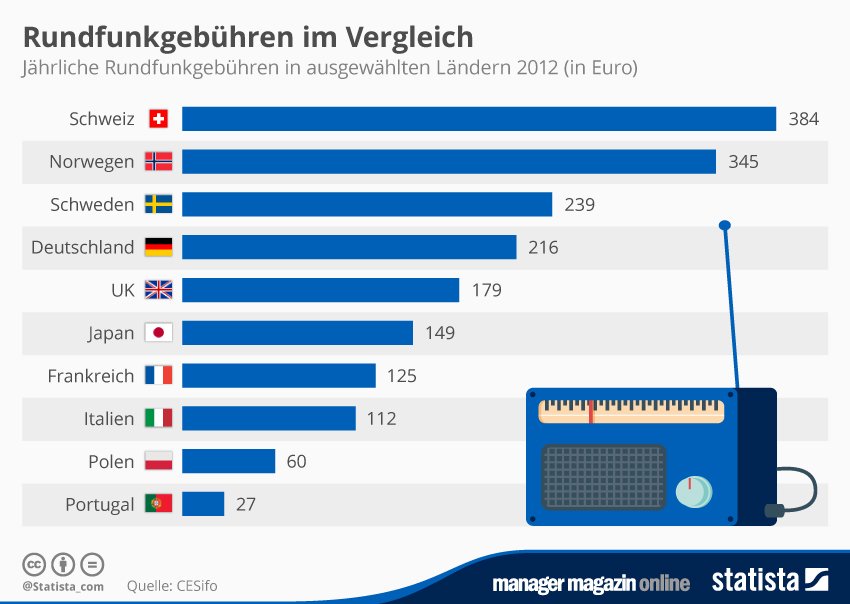
Deutsche Rundfunkgebühren im Vergleich

by Felix Knoke
Beim Manager Magazin gibt es ein feines, kleines Balkendiagramm, das die (vorwiegend) europäischen Rundfunkgebühren im Vergleich zeigt. Schweiz, Norwegen, Schweden vorneweg, dann Deutschland und UK. Wichtig ist dabei ja wirklich nicht, was sich oben...