Shared posts

11 Oct 08:39

România are o piață a muncii contra naturii

by Vlad Petreanu

În doar câteva zile, dau peste următoarele relatări despre criza de forță de muncă din România:

Brașov. Reprezentantul unei fabrici de piese de aluminiu explică la Pro TV cum caută de un an, deja, 10 muncitori necalificați, cărora le oferă salariu net de 1.700-1.800 de lei, ore suplimentare plătite cu 200%, cazare sau transport gratuit, bonuri de masă și instruire – deci un venit lunar de aprox. 2.500 de lei (și un viitor). Nu găsește pe nimeni.

În același reportaj, situația unei burse a locurilor de muncă di Topoloveni, Argeș. Bursa, cu 400 de oferte, a fost vizitată de 100 de asistați social din zonă, trimiși cam cu forța de primari. Niciunul nu a dorit să se angajeze. Totuși, o femeie a promis că se va mai gândi și va da un răspuns la una dintre propunerile de angajare.

Șantierul Naval Tulcea a trebuit să angajeze muncitori din Vietnam și se pregătește să importe forță de muncă din Ucraina din cauză că nu găsește muncitori în România.

Potrivit INS, “câştigul salarial mediu lunar brut pe total economie realizat în anul 2016 (2809 lei) a fost cu 9,9% (+254 lei) mai mare decât cel din anul 2015. Câştigul salarial mediu lunar net la nivelul economiei naţionale (2046 lei) a înregistrat o creştere de 10,1% (+187 lei), comparativ cu anul precedent.”

În județul Gorj, doar 20% dintre locuitori sunt salariați, arată o analiză realizată pe baza datelor de la INS. Cine sunt salariații? Inclusiv sezonierii sau zilierii, potrivit definiției INS. Evident, și salariații statului tot în această statistică intră.

Caut mai multe date, găsesc o radiografie a pieței muncii făcută de Ziarul Financiar tot pe baza datelor de la INS. Iată câteva exemple, luate la întâmplare: Argeș – doar 25% dintre locuitori sunt salariați. Maramureș – doar 22%. Buzău – 19%. Teleorman: 15%.

Sigur, mai sunt pensionari, mai sunt șomeri-șomeri, care încă-și mai caută ceva de lucru, mai sunt bolnavi, dar… proporția cetățenilor care aduc efectiv plusvaloare economiei este înspăimântător de mic. Te-ai aștepta ca, în aceste condiții, să se bată oamenii pe locurile de muncă, nu? Însă nu, paradoxul românesc continuă: în țara în care, în aproape toate județele, trei sferturi dintre locuitori nu iau salariu, angajatorii pur și simplu nu găsesc persoane dispuse să muncească.

Avem o piață a muncii contra naturii.

Nu cred că o societate care ajunge să disprețuiască munca mai are cine știe ce viitor.

The post România are o piață a muncii contra naturii appeared first on Petreanu.ro.

09 Oct 12:18

Industria farma și influențarea deciziilor de prescripție

    După un scandal-monstru de corupție în China și o amendă-record de trei miliarde de dolari în SUA pentru marketing ilegal, GlaxoSmithKline este prima companie farmaceutică gigant care a renunțat să plătească medicii pentru promovarea produselor și a eliminat acordarea de bonusuri agenților de vânzări în (...)
27 Sep 17:50

Survey: 9 of 10 Americans Take Cancer Prevention Steps

HealthDay news image

Source: HealthDay
Related MedlinePlus Pages: Cancer
27 Sep 07:00

Este esențial să avem un program național de prevenție a bolilor cardiovasculare

Una dintre cele mai importante manifestări științifice din România, Congresul național de cardiologie, va avea loc în perioada 20–23 septembrie la Sinaia, în organizarea Societății Române de Cardiologie (SRC). Manifestarea este una cu o îndelungată tradiție, anul acesta ea ajungând la a 56-a ediție. Potrivit profesorului (...)
25 Sep 22:46

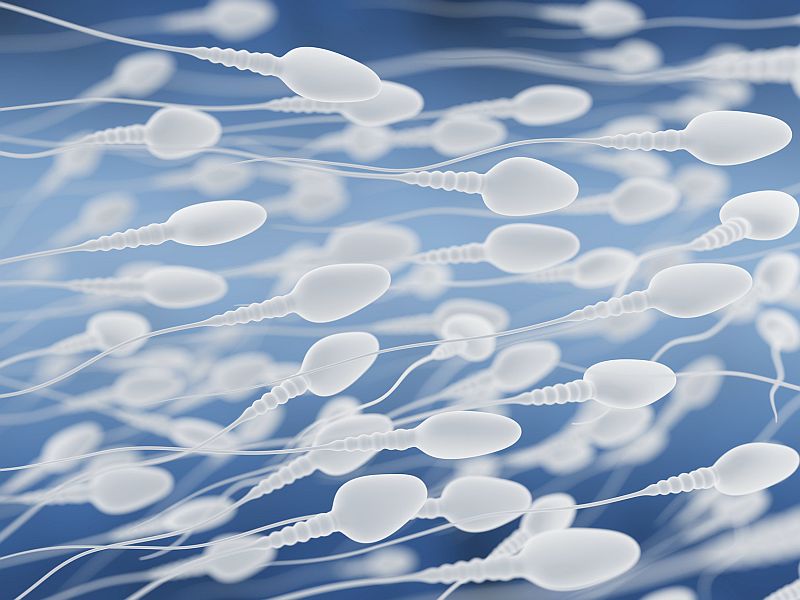
As Men's Weight Rises, Sperm Health May Fall

But shedding pounds may bring them back to normal, researcher says

HealthDay news image

Source: HealthDay
Related MedlinePlus Pages: Assisted Reproductive Technology, Male Infertility, Obesity
25 Sep 22:01

A venit toamna. Ce imbraci repede?

by Cezar Ionascu

Toamna este timpul in care incepe sa fie vorba despre confort termic. Si peste camasa este nevoie repede de ceva care sa tina de cald in diminetile din ce in ce mai racoroase. Primul impuls este un pulover sau o jacheta. Nu zic ba, dar daca te uiti de jur imprejur in birou, in tramvai [...]

The post A venit toamna. Ce imbraci repede? appeared first on Domni de Romania !.

21 Sep 16:55

Early Onset of Pregnancy Complication May Raise Heart Risks

Doctors should monitor women with pre-eclampsia after childbirth, study suggests

HealthDay news image

Source: HealthDay
Related MedlinePlus Pages: Heart Disease in Women, High Blood Pressure in Pregnancy, Postpartum Care
21 Sep 16:47

Implicarea corpului medical în războiul de întregire a țării, în anul 1917

     Anul 1917 marchează mari eforturi și jertfe pentru întregirea neamului românesc, a țării, populației, armatei. Este exprimarea cea mai înaltă a capacității medicale a serviciilor sanitare, civile și militare, de a asigura sănătatea populației și a celor ce luptau pe front. Anul 1917 nu a început sub (...)
18 Sep 19:50

Evaluarea tehnologiilor medicale, la răscruce

     Există momente-cheie în istoria oricărui sistem, care, deși nu produc revoluții răsunătoare, au potențialul de a genera schimbări durabile. E vorba de acele schimbări subtile realizate nu prin răsturnări, ci prin colaborări. Schimbări așezate pe fapte științifice solide, pe oameni care lucrează (...)
13 Sep 11:37

8 Ways College Women Can Protect Their Health

Awareness and follow-up are keys to avoiding gynecologic problems, expert advises

HealthDay news image

Source: HealthDay
Related MedlinePlus Pages: College Health, HPV, Women's Health
11 Sep 21:03

Could Folic Acid Fight a Cause of Autism?

Prenatal supplements may help reduce harms of pesticide exposure, study suggests

HealthDay news image

Source: HealthDay
Related MedlinePlus Pages: Autism Spectrum Disorder, Folic Acid, Pesticides
28 Aug 18:00

Schimbări majore în reclasificarea carcinoamelor tiroidiene

     Recent, la Cluj-Napoca a avut loc ediția cu numărul 25 a Congresului național de endocrinologie, organizat sub egida Societății Române de Endocrinologie, în colaborare cu Societatea europeană de endocrinologie și Universitatea de Medicină și Farmacie „Iuliu Hațieganu” din Cluj-Napoca. Manifestarea a (...)
27 Aug 14:20

Vacanța este o treime plăcere

by Bogdan

Vacanța nu este mereu zahăr și miere, însă poate fi ceea ce ne amintim cu bucurie: O excursie de vacanță este o treime plăcere, pe care ne-o amintim cu bucurie, și două treimi necazuri, pe care le uităm cu totul. – Robert Brault Citate asemănătoareD. Bocari – Plăcerile viețiiPatria Română, de George CoșbucAm legat un …

The post Vacanța este o treime plăcere appeared first on Citate Motivationale.

15 Aug 06:40

Fericirea la locul de muncă: cauze sau efect al performanţei?

by Mihai Stănescu

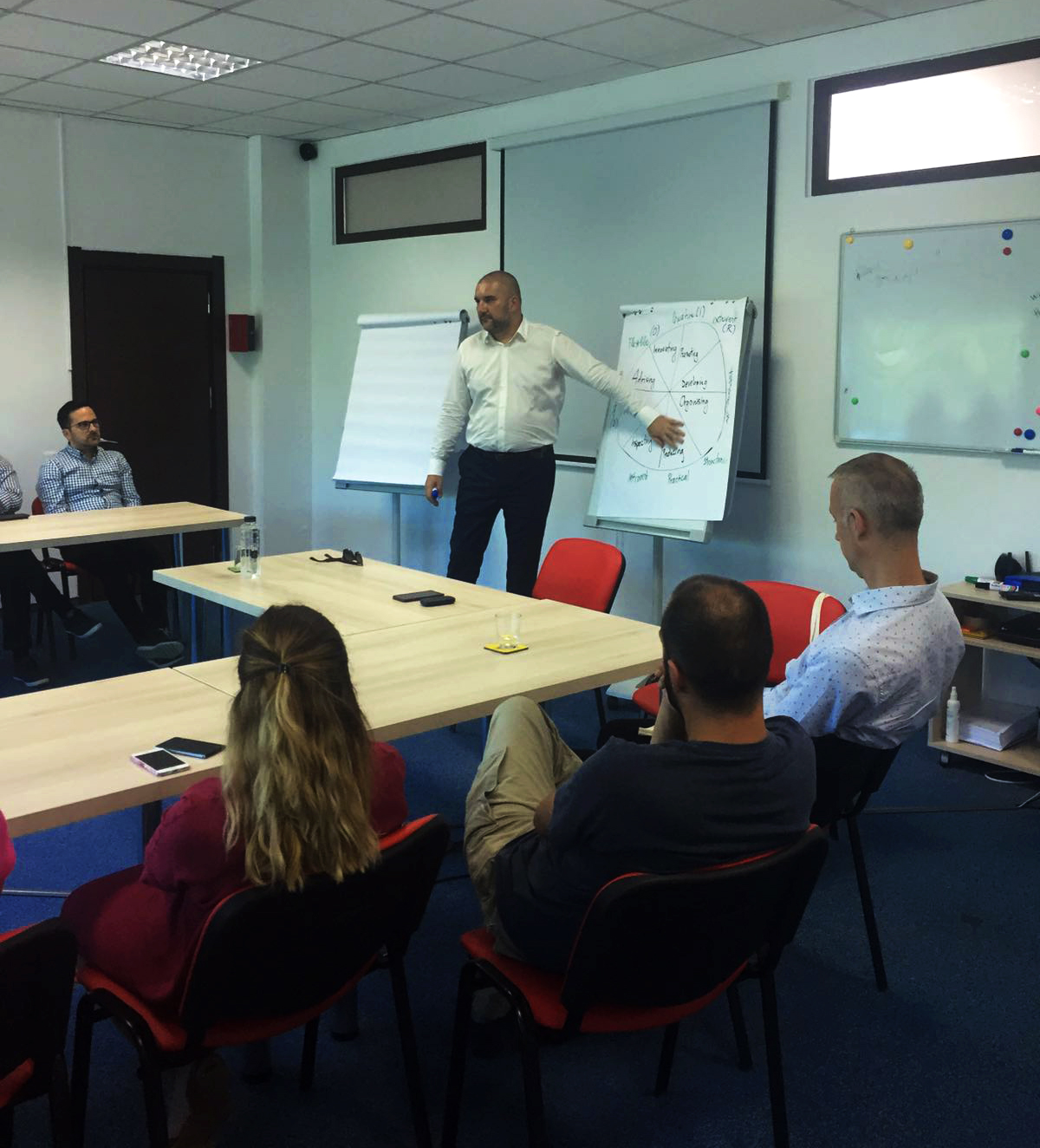
Practic coaching în România de 16 ani şi mă bucur, acum ca la început, să văd oameni interesaţi de conceptul de coaching. Săptămâna trecută am participat, la invitaţia lui Dragoş Anastasiu, preşedintele Eurolines Tour, la o discuţie în cadrul firmei.


O mică prezentare care trebuia să se termine la ora 6, dar care s-a prelungit datorită numeroaselor întrebări primite. Vorbind despre: Fericirea la locul de muncă: cauze sau efect al performanţei, participanţii au fost curioşi să afle cum pot să atingă cel mai înalt nivel profesional menţinând în acelaşi timp echilibrul emoţional. Clasicul: Cum reuşesc în viaţă fără să mă enervez şi să fiu fericit cu ceea ce fac?

Discuţia a început de la beneficiile coaching-ului şi importanţa TMS (Team Management Systems) şi a culminat cu o mare curiozitate: Cum se pot implementa?

Abordarea TMS se concentrează pe identificarea și înțelegerea elementelor cheie de lucru care explică, negru pe alb, de ce unele persoane, echipe și organizații îndeplinesc, lucrează eficient și își ating obiectivele, în timp ce altele nu reușesc.

Combinaţia dintre acest tip de abordare şi coaching reprezintă avantajul performanţei.

Dar, gândind în retrospectivă, realizez, că ce m-a bucurat cel mai mult a fost iniţiativa domnului Dragoş Anastasiu. Un reprezentativ om de afaceri din sfera businessului românesc, un lider care a înţeles cum să îşi motiveze angajaţii. Prin decizia de a organiza lunar asemenea evenimente el a oferit o provocare. A reuşit să îşi motiveze oamenii, să le deschidă orizonturile profesionale şi să îi facă își dorească mai mult la nivel profesional.

Îi mulțumesc pe această cale pentru inviție și îmi doresc să particip la cât mai multe inițiative de acest tip. Să creștem împreună calitatea mediuliu de afaceri românesc!

© 2017, Mihai Stănescu. All rights reserved.

The post Fericirea la locul de muncă: cauze sau efect al performanţei? appeared first on Coaching Perspectives.

02 Aug 01:40

Podiatria și profesia de podiatru în România

    La o lună de la Congresul național de podiatrie din București, sentimentele mele sunt încă împărțite. Îmi amintesc atât elementele teoretice împărtășite de invitații de marcă, precum și vorbele lor de duh, care îmi reapar în minte precum o melodie preferată. Acest congres a fost mai mult decât o (...)
01 Aug 13:30

The management of whales

by Seth Godin

In online gaming, a whale is someone who plays far more than the typical player. It's not unusual for 2% of the player base to account for 95% of all the usage.

The same thing is true at the local gym. All the money is made on the customers who pay and never come--the folks who are at the gym or the pool for 5 hours a day use far more resources than you could possibly charge for if everyone acted this way.

The management of whales, then, is a delicate balancing act—the people who love you the most are also costing you the most. If you have too many or they take too much from the buffet, your economics are shot.

In a traditional business, one where people pay based on usage, a whale is the difference between profit and loss. That person who eats at your restaurant once a week, or goes to see Hamilton six or twelve times... This is one of the best uses of customer data. You have the chance to find people who truly are your best customers, and to treat them accordingly. A business that gets this right will outperform one that doesn't by as much as 5:1.

But there are also whales when it comes to word of mouth. Most people tell no one. A few people tell a friend or two. But some people tell everyone. And they do it with authority. With leverage. And with persistence.

A whale like this is priceless. You can't bribe someone into becoming a whale, but you can dissuade them and disappoint them merely by not caring enough to notice.

Best of all, you have a chance to become whale-worthy. To design products and services that are precisely the sort of thing that heavy users will happily use, and that powerful sneezers will happily talk about.

Actually, it's not really about the management of whales at all—it's more like seeing them, leading them and respecting them.

       
31 Jul 18:47

You've arrived

by Seth Godin

It's easy to fall in love with the GPS version of the universe.

There, just ahead, after that curve. Drive a little further, your destination is almost here.

Done. You've arrived.

Of course, that's not how it works. Not our careers, not our relationships, not our lives.

You've always arrived. You've never arrived.

Wherever you go, there you are. You're never going to arrive because you're already there.

There's no division between the painful going and the joyous arriving. If we let it, the going can be the joyful part.

It turns out that arrival isn't the point, it can't be, because we spend all our time on the journey.

       
31 Jul 18:45

Deconstrucția unei povești de succes

by Mihai Stănescu

“Nothing will work unless you do.” —Maya Angelou

Am afirmat constant, de când practic coaching în România, că cele mai productive conversaţii despre evoluţia profesională au loc în grupuri restrânse şi motivate. De aceea, în ultimii ani am organizat nenumărate seminarii deschise. Scopul acestora a fost mereu educarea şi apropierea de oamenii care îşi doresc schimbarea.

Executive coaching – Deconstructing the Success Story este al doilea eveniment deschis pe care l-am organizat la sediul firmei. Prima sesiune a fost dedicată specialiştilor din cadrul departamentelor de Resurse Umane. Însă, cel de săptămâna trecută a fost dedicat executivilor, oamenilor de afaceri care au dorinţa de a face primul pas către o performanţă profesională.

Într-un cadru destins şi intim, am avut plăcerea să cunosc şi să vorbesc despre beneficiile şi necesitatea coaching-ului în mediul de business. M-am bucurat să văd că împreună am reuşit să deconstruim şi să înţelegem că în spatele unei povești de succes se află coaching-ul.

Le mulţumesc participanţilor şi sper că şi următoarele evenimente pe care le voi organiza să se bucure de aceeaşi reuşită.

Mai jos veţi găsi o mică parte din evenimentul nostru.  Până data viitoare…enjoy!

Posted by Mihai Stanescu on Freitag, 21. Juli 2017

© 2017, Mihai Stănescu. All rights reserved.

The post Deconstrucția unei povești de succes appeared first on Coaching Perspectives.

28 Jul 18:48

Drug Beats Steroids for Controlling Blood Vessel Inflammation in Study

With tocilizumab's approval, there's an alternative treatment for giant cell arteritis

HealthDay news image

Source: HealthDay
Related MedlinePlus Pages: Giant Cell Arteritis, Medicines
27 Jul 15:21

Computer-Assisted Diagnosis

by Steven Novella

It is very disheartening for me to listen to the political discussions surrounding health care. I can’t help thinking that the proposed changes amount to rearranging the furniture on the deck of the Titanic.

This is not to say that there aren’t important policy decisions at stake. It is important that everyone has health coverage, as a matter of efficiency and just compassion. However, the health care debate is often framed as an attempt to reduce health care costs. This is where the rearranging the deck furniture metaphor is apt.

There are some minor efficiencies to be gained in how we pay for health care, but that is not going to touch the real driver of rising health care costs – technology. Of course there are multiple factors, but the main one is the fact that we have the technology to deliver more care and more expensive care, and to keep people alive longer. This is combined with a culture that demands expensive care. We want MRI scans for every ailment, and the most aggressive procedures to keep our loved ones going for as long as possible.

More care and higher tech care costs more money.

Fixing those issues, however, is going to require tough decisions and a change in culture. Meanwhile we do need to pick the low hanging fruit, even if it is the smaller portion of rising health care costs. The low hanging fruit consists of the win-wins – changes that lead to better outcomes, cheaper care, and everyone is happy.

Medical Decision-Making

One area that everyone agrees needs to improve is medical decision-making. This consists of making the best diagnosis as early as possible, ordering just those tests that are necessary, and prescribing the optimal treatment. Of course, all physicians already aspire to this ideal. The problem is, it’s really difficult. Medicine is complex and getting more complicated as our knowledge and options increase.

The traditional method for dealing with the complexity of medicine is training, and this will always be necessary. But training and education have their limits, and it seems that we are pushing up against those limits. Further, as you engage in error reduction you get diminishing returns. It takes more and more effort to make smaller and smaller incremental improvements.

Because of our technology, errors and delays are getting more costly.

While I do think we need to optimize medical education and training, it is also clear we need other methods to optimize care and reduce error. Atul Gawande wrote about this in his excellent book, The Checklist Manifesto. He advises using systems, like checklists, to reduce error and improve quality of care. A checklist is essentially an external aid that professionals (not just doctors) can use to reduce error.  Checklists work.

There is another external aid that has the potential to have an even more profound effect on error reduction and care optimization than checklists, but has yet to come into its own – expert computer systems. These are software algorithms that can, for example, take a list of signs and symptoms and suggest possible diagnoses.

The latest issue of Scientific American has an excellent article on these systems, which is worth a read. I will expand upon their main points here.

Essentially physicians engage in two types of thinking when it comes to diagnosis and treatment – intuitive and analytical. Intuitive thinking is experience based and involves a great deal of pattern recognition. The advantage of intuitive thinking is that it is fast and can incorporate a great deal of information. The disadvantage is that it is based upon the quirky (not necessarily representative) experience of the physician, and is subject to a host of cognitive biases.

Every heuristic I have discussed here and elsewhere comes into play when thinking about patients. This is why physicians (and again, any professional) needs to be aware of critical thinking, biases, heuristics, logical fallacies, and the fallacy of memory and perceptions and take them into consideration when making medical decisions.

Analytical thinking is slower and more deliberate, but has the advantage of accounting for specific bits of information in a rigorous statistical manner. Analytical thinking in medicine is critical, but it is very difficult. It involves remembering or having access to a mountain of statistical data and knowing how to properly crunch the numbers.

The ideal clinician blends intuitive thinking and analytical thinking to take advantage of the best of both.

Expert computer systems essentially are a tool for analytical thinking, which is something that computers do much better than humans. Humans are better at intuitive thinking – recognizing a disease by the subtle way a patient looks and moves, for example. Intuitive thinking is also critical for interpreting a patient’s symptoms. Patients don’t complain to their doctors that they have appendicular ataxia. They report what they experience, and that has to be translated into medial phenomena. Further, there is a personality and cultural layer involved. How significant is a symptom, how new is it, etc. ? Because patients are people, we won’t be removing the human element of health care anytime soon.

But computers potentially kick ass at that analytical evaluation. They can sift through thousands of factors, and know what their statistical influence is on possible diagnoses. They will know what tests are necessary, and what treatments are likely to have the best outcomes. This information can then be filtered through the intuitive and personalized evaluation of the physician.

To give you an example of how powerful the analytical approach can be, when coupled with large amounts of data, play with the Akinator. With a surprisingly few questions, some of which may seem arbitrary, this computer algorithm can guess just about any character you are thinking of. It essentially takes an analytical approach to 20 questions, and is better than any human.

Now imagine playing this game except for diseases.

There are applications already in existence, DXplain, VisualDx and Isabel. They work, and studies have shown they improve diagnostic accuracy for rare or obscure diseases. For everyday common diseases, there is less room for improvement. However, even in those situations an expert system may optimize treatment, by, for example, recommending the optimal medication.

Right now we essentially are having an infrastructure issue. These systems need to get better and more comprehensive, but mainly they need to be available at every point of patient care. Further, use of expert systems needs to be incorporated more into medical training.

I would like to see such systems everywhere and routinely used. We should already be at this point, in fact. They we can explore further ways to exploit these systems to optimize care and reduce health care costs.

Again – we do need to improve how we pay for health care to optimize access and reduce waste and inefficiency. But this is small potatoes compared to optimizing the practice of medicine itself. Expert systems, when fully realized and integrated into medical practice, have a far greater potential for improving outcomes and reducing costs.

This is an infrastructure investment worth making.

 

27 Jul 15:20

BenQ lansează ZOWIE CELERITAS II şi G-SR SE

by Știință&Tehnică

BenQ lansează tastatura ZOWIE CELERITAS II şi mousepad-ul G-SR SE, varianta imprimată a modelului din seria ZOWIE G-SR. Suntem de părere ca apăsarea optimă și repetată a unei taste reprezintă cea mai importantă caracteristică a unei tastaturi. Pornind cu această idee în minte ne-am concentrate atenţia pe fiecare aspect ce implică apăsarea unei taste. Pe […]

Articol original BenQ lansează ZOWIE CELERITAS II şi G-SR SE publicat pe Știință & Tehnică.

26 Jul 18:24

New Surgery May Fix Tough-To-Treat Rotator Cuff Tears

Procedure could offer option for otherwise irreparable shoulder injury, surgeons say

Source: HealthDay
Related MedlinePlus Pages: Rotator Cuff Injuries, Surgery
26 Jul 18:23

Sperm Counts Continue to Decline in Western Nations: Review

How this might affect male fertility isn't clear, researchers say

HealthDay news image

Source: HealthDay
Related MedlinePlus Pages: Infertility, Men's Health
25 Jul 16:14

Estrogen May Influence Women's Depression Risk

Early menstruation, more frequent periods seem to make sad times less likely, researchers suggest

HealthDay news image

Source: HealthDay
Related MedlinePlus Pages: Depression, Hormones, Women's Health
25 Jul 16:06

Instead of the easy numbers...

by Seth Godin

What is it that you hope to accomplish? Not what you hope to measure as a result of this social media strategy/launch, but to actually change, create or build? 

An easy but inaccurate measurement will only distract you. It might be easy to calibrate, arbitrary and do-able, but is that the purpose of your work?
 
I know that there's a long history of a certain metric being a stand-in for what you really want, but perhaps that metric, even though it's tried, might not be true. Perhaps those clicks, views, likes and grps are only there because they're easy, not relevant.
 
If you and your team can agree on the goal, the real goal, they might be able to help you with the journey...
 
System innovations almost always involve rejecting the standard metrics as a first step in making a difference. When you measure the same metrics, you're likely to create the same outcomes. But if you can see past the metrics to the results, it's possible to change the status quo.
       
25 Jul 15:36

All deals are handshake deals

by Seth Godin

The only variable is how specific you're willing to be about who is promising what.

Specific contracts don't completely protect you from dishonorable people. What they do is make it really clear about what it takes to do what you said you were going to do.

Start with a good agreement. But your future depends on doing agreements with good people.

       
23 Jul 07:29

Permission abused is permission lost

by Seth Godin

It doesn't matter what your privacy policy says, it doesn't matter when your quarterly results are due and it doesn't matter what the database is telling you...

If someone doesn't want to hear from you anymore, you've lost the ability to reach them.

Yes, you can go back to trying to interrupt them, but of course, that's getting more and more expensive.

Permission is valuable and permission is fragile.

       
19 Jul 16:48

Drip, drip, drip

by Seth Godin

Who do you subscribe to?

And who subscribes to you?

Those simple questions determine what you know and what you learn. And they influence whether a business or a charity will succeed, and whether or not lives will be changed.

Newspapers are discovering that without subscribers, they can't do their work. Online voices that were seduced by the promise of a mass audience are coming back to the realization that the ability to deliver their message to people who want to get it is actually the core of their model.

Big hits are thrilling. Launch days, deadlines, the big win... That's easy to sign up for as a creator or marketer. But subscriptions are what work.

Netflix, HBO, Amazon Prime... subscriptions. This blog wouldn't exist without the people who trust me enough to read it every day.

Consider the case of charities. If they raise money from consumers, they get almost their entire budget in the last month of the year, or related to some sort of external event. And most people who donate never do so again. Out of sight, out of mind.

Who do you subscribe to?

Who subscribes to you?

Seven years ago, I dedicated my annual birthday post to raising money for charity:water. 665 generous readers like you ended up contributing more than $39,000. Enough water to impact the lives of 3,000 people. On their behalf, thank you.

Five years after that, we did it again, but this time I encouraged my readers (people like you) to donate their birthdays to charity:water. 204 of you raised more than $50,000 and saved even more lives. And again, thank you.

This year, I'm hoping 1,000 people will subscribe to charity:water today. A monthly drip, the best possible pun, drip, drip, drip in a way that not only becomes a habit but gives the organization a chance to plan, because thirst doesn't have a season. Every month becomes your birthday, because you're giving a magical present, paying it forward. I just subscribed for $4,000 a month. If more than 500 of you subscribe at any amount (even $6), I'll double my monthly commitment.

Scott and his team made a film and built a site. You can skip the film if you're busy, but don't skip the box at the bottom of the page.

This is how we change the world.

Literally with a drip, drip, drip.

       
19 Jul 16:46

KFC si-a lansat propriul smartphone in China

by Cristian Manafu

La aniversarea a trei decenii de la intrarea pe piața din China, KFC a lansat, în colaborare cu Huawei, un telefon mobil cu însemnele lanțului de fast-food. Telefonul este roșu, are gravate logo-ul KFC și chipul colonelului, iar pe partea de software, are o aplicație specială KFC și un cont virtual preîncărcat cu 100.000 de K-dolari, moneda digitală a restaurantului.

KFC nu este la prima personalizare a unor produse care nu au nicio legătură cu produsele sale. În mai 2016, a lansat oja de unghii comestibilă și cu miros de pui, care a dus sloganul KFC, “Finger-licking good”, la un alt nivel, iar trei luni mai târziu a lansat loțiunea pentru protecție solară, tot cu aromă de pui prăjit, aceasta vânzându-se în primele două ore de la lansare într-un număr de 3.000 de bucăți.

Telefonul, Enjoy 7 Plus Android, are procesor Snapdragon 425, 3 GB RAM și spațiu de stocare de 32 GB, o baterie de 3.020 mAh, scanner de amprentă (cam greu de folosit după ce te înfrupți din puiul de la KFC), ecran de 5,5 inch și vine în ediție limitată: doar 5.000 de bucăți sunt disponibile. Prețul este de 1.099 yuani (140 de euro).

15 Jul 09:27

What happens in your brain when you pay attention? | Mehdi Ordikhani-Seyedlar

by TED

Attention isn't just about what we focus on -- it's also about what our brains filter out. By investigating patterns in the brain as people try to focus, computational neuroscientist Mehdi Ordikhani-Seyedlar hopes to build computer models that can be used to treat ADHD and help those who have lost the ability to communicate. Hear more about this exciting science in this brief, fascinating talk.

The TED Talks channel features the best talks and performances from the TED Conference, where the world's leading thinkers and doers give the talk of their lives in 18 minutes (or less). Look for talks on Technology, Entertainment and Design -- plus science, business, global issues, the arts and more.

Follow TED on Twitter: http://www.twitter.com/TEDTalks
Like TED on Facebook: https://www.facebook.com/TED

Subscribe to our channel: https://www.youtube.com/TED