Shared posts

19 Nov 14:22

NSA reform bill killed in U.S. Senate

by Chuong H Nguyen

A bill introduced by Senator Patrick Leahy and supported by a coalition of technology companies designed to curb NSA data collection had undergone a Senate vote and failed by two votes. The USA Freedom Act fell short of the 60 votes needed to pass, garnering 58 votes in favor and 42 against.


19 Nov 00:08

U.K. Government Funds Free Online Courses Teaching Startup Skills

by Natasha Lomas
Digital Business Academy A tech industry-backed, U.K. government-funded initiative offering free online courses to those wanting to learn commercial digital business skills goes live today, aiming to upskill Brits to work for tech companies or even start their own startup. Read More
18 Nov 23:24

WATCH: Star trails and stone trails merge in beautiful Arizona timelapse, “Wavelight”

by Xeni Jardin
Star Trails and Rock Trails Collide at Arizona's legendary WAVE in this new timelapse film by Gavin Heffernan. Read the rest
18 Nov 23:22

11 things we just learned about how the Apple Watch works

by Ross Miller

As of today, developers can now make apps for Apple Watch. Well, they're not separate apps so much as they are extensions of pre-existing iPhone apps, and there isn't a lot of flexibility in the WatchKit toolset — but it looks like that'll change next year.

We've been combing through all of Apple's publicly-released documentation and watching the WatchKit introduction video. This is everything we've learned about Apple Watch and how it works.

Continue reading…

18 Nov 21:45

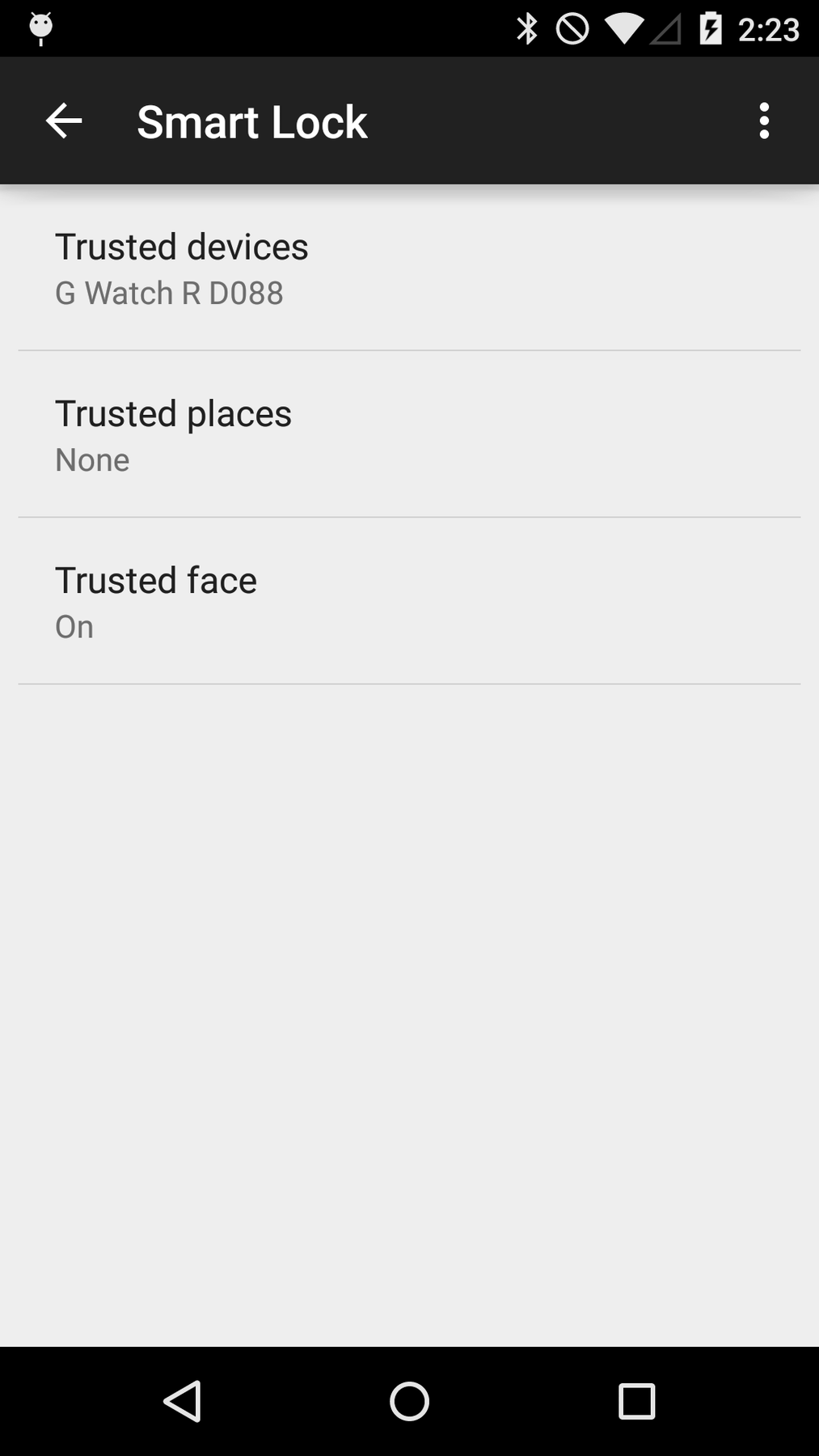
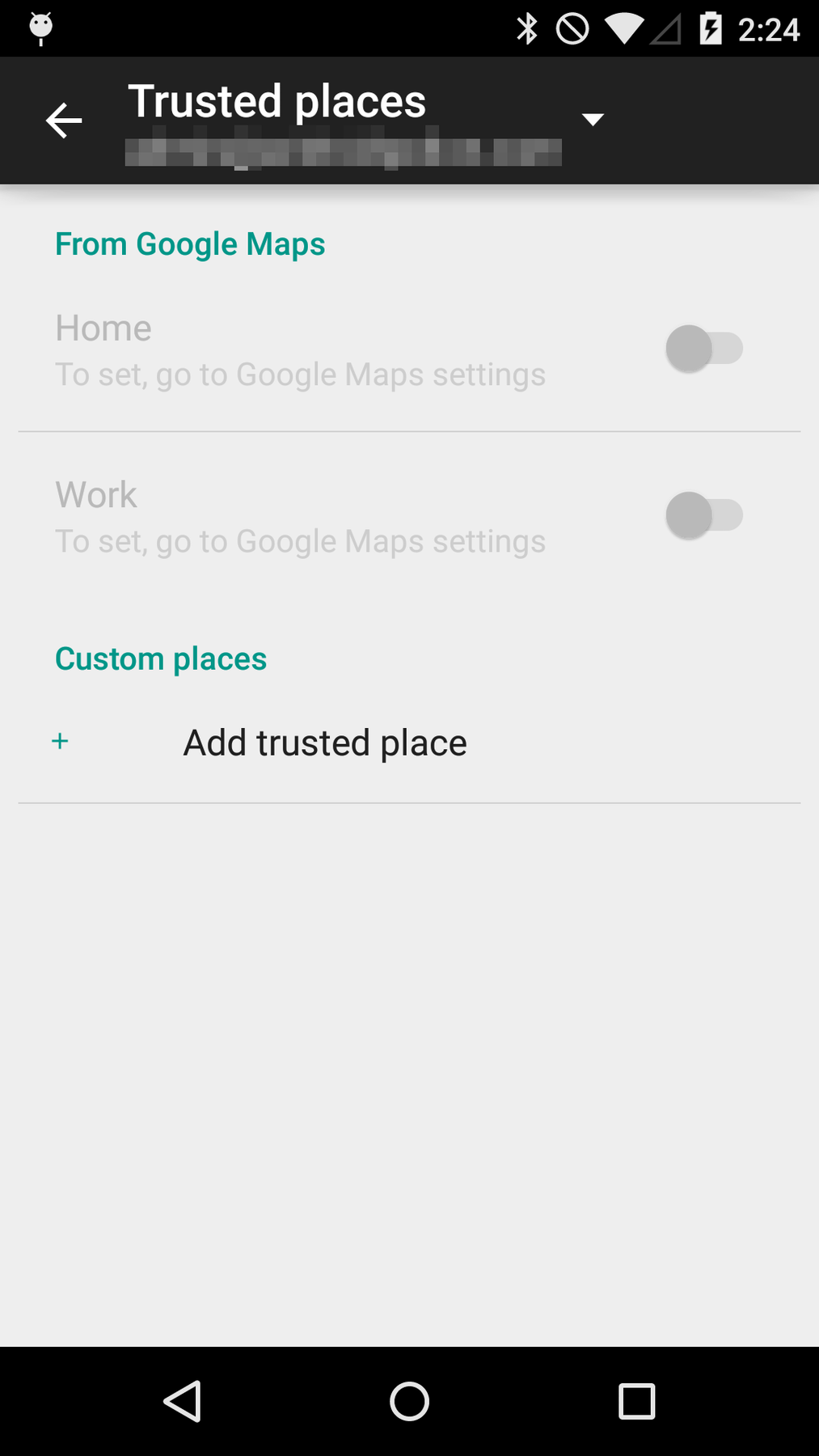
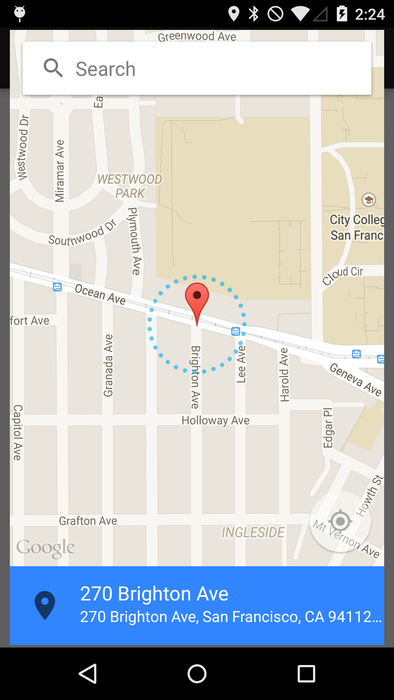
Google Play Services Update Adds Trusted Places Feature To Lollipop's Smart Lock

by Ryan Whitwam

2014-11-18 09_44_11-Android Police_ AndroidPolice.com_ Smart Lock gains trusted locations in additioSmart Lock in Lollipop encompasses both trusted face and trusted devices, but a new option is joining the party—trusted places. The latest Google Play Services for Lollipop devices is adding this option to the menu automagically. Just choose a trusted place, and your phone will remain unlocked when it's in that geographic area.

11 22 33

If you're on a Lollipop device and aren't seeing this yet, you can manually install the –438 build of Play Services 6.5 from APKMirror.

Google Play Services Update Adds Trusted Places Feature To Lollipop's Smart Lock was written by the awesome team at Android Police.


18 Nov 21:42

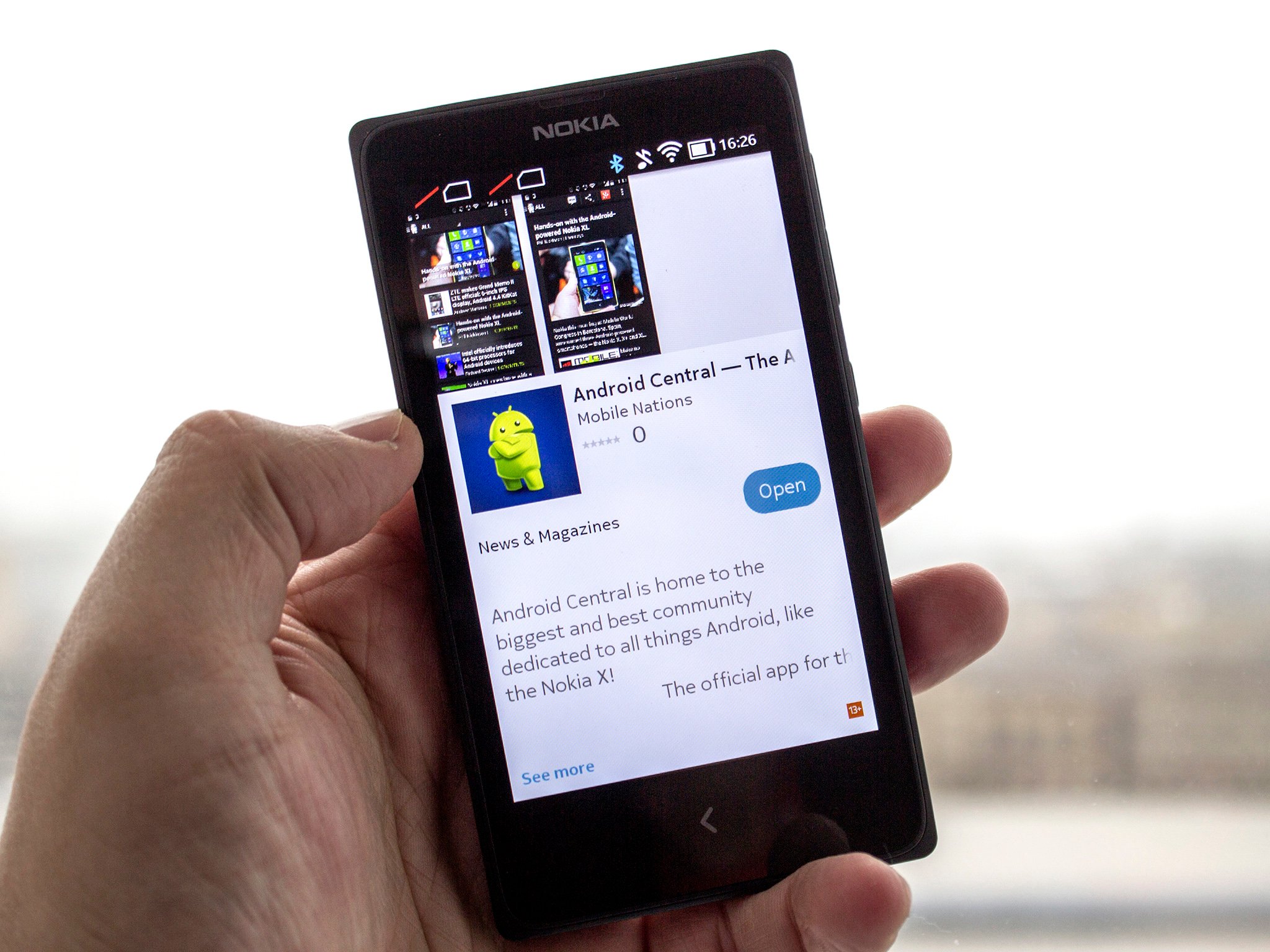
Nokia Store to be replaced by Opera on Nokia X mobile devices

by Rich Edmonds

Opera has today announced the company has signed a deal with Microsoft to see its Opera Mobile Store replace Nokia's portal as the default hub for apps and games on select hardware. Nokia feature phones, Symbian, as well as Nokia X mobile devices will be affected by the switch, which will commence in the first quarter of 2015 as Opera begins redirecting consumers through their own store portal.


18 Nov 21:41

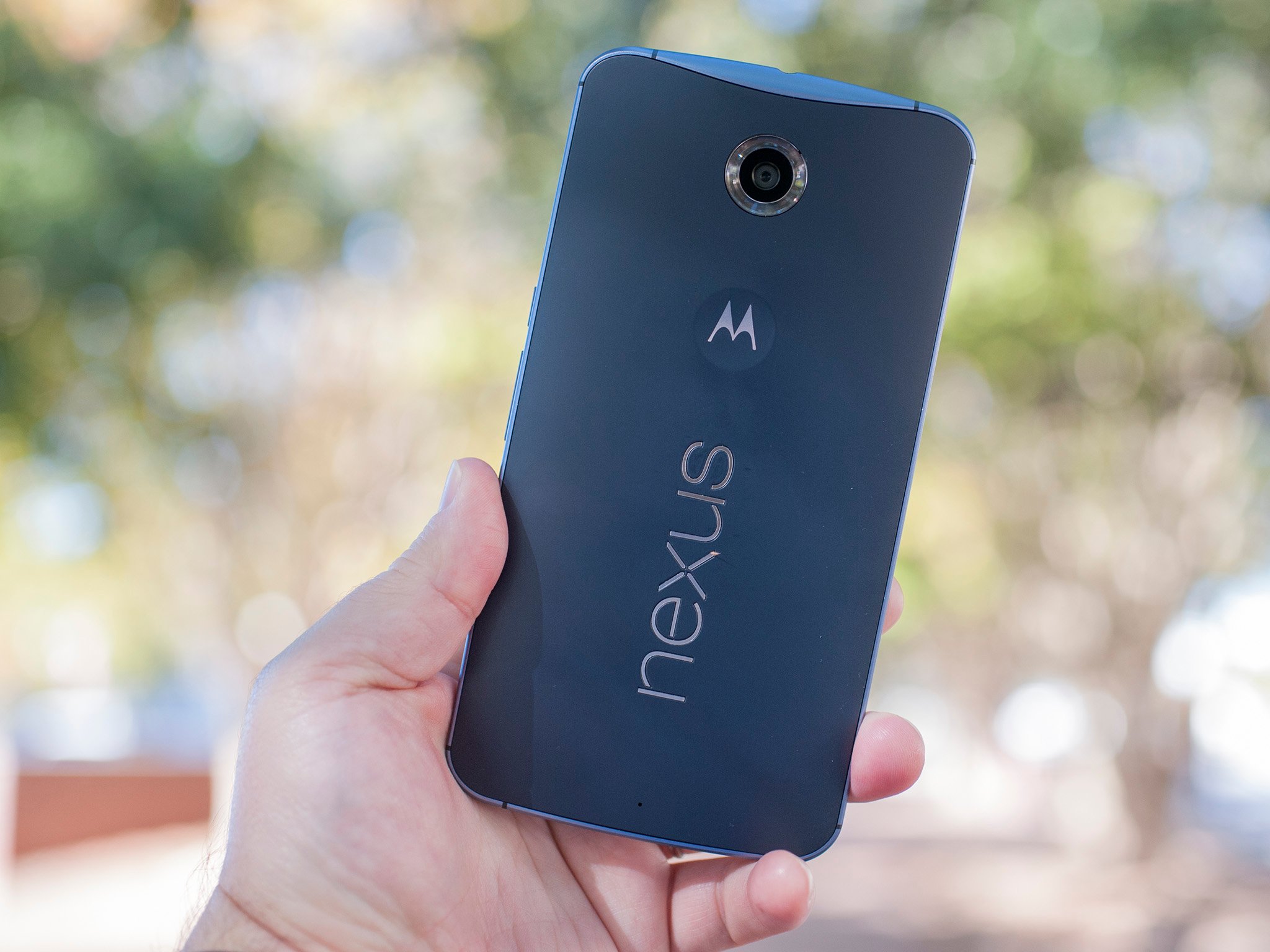
Nexus 6 up for pre-order through Vodafone and Clove in the UK, first 500 get a free Moto 360 [Updated]

by Rich Edmonds

We've already covered Nexus 6 pre-orders going live in the UK at a few retailers, but now Vodafone has commenced taking orders for the latest Nexus device. Plans start from £44.50 a month with no upfront fee, or £39.50 if you don't mind paying £19 to receive the handset.


18 Nov 21:41

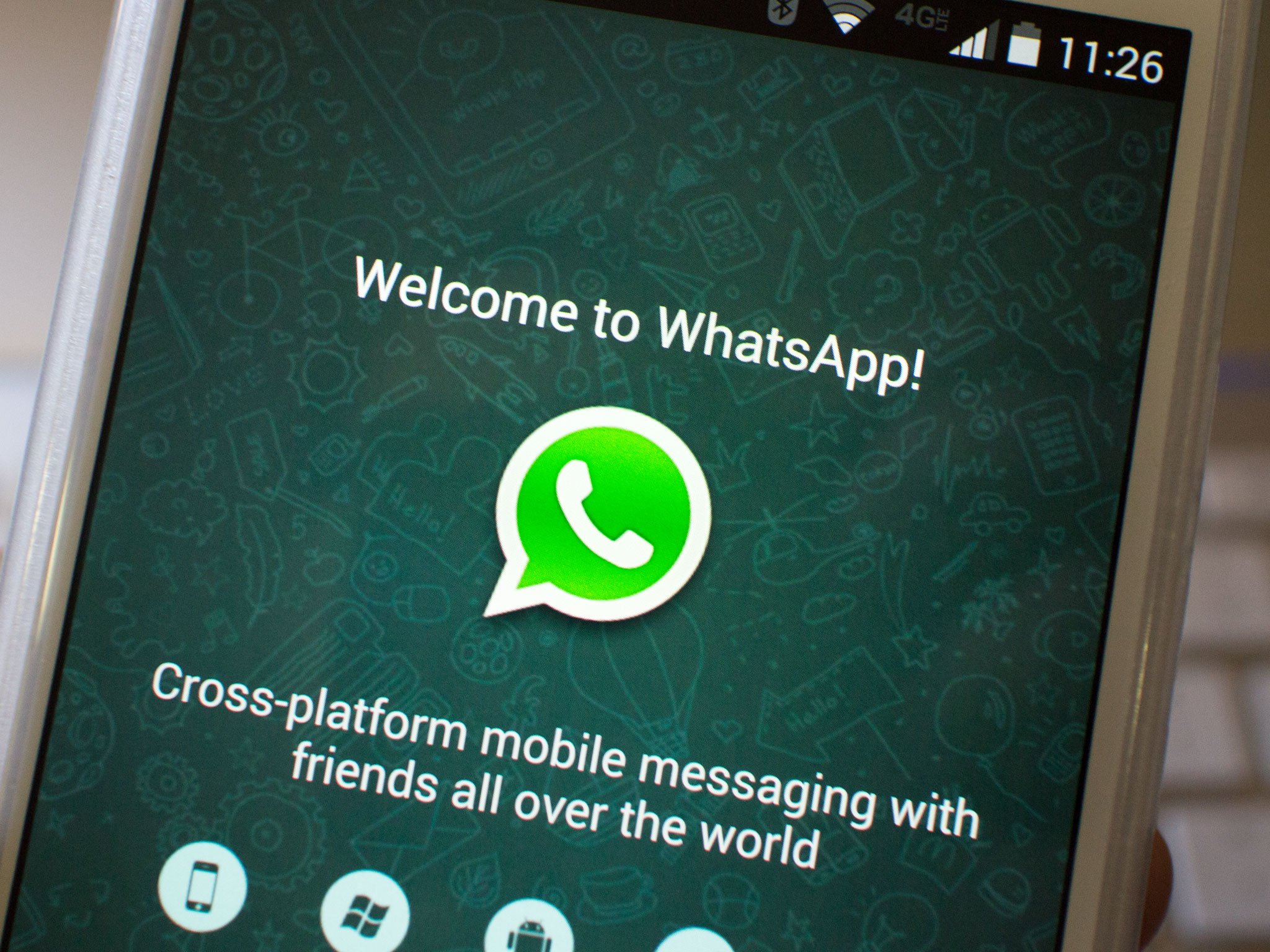
WhatsApp is now the most secure messaging app on Android

by Adam Zeis

WhatsApp is now one of the strongest messaging apps you can find on Android, thanks to new end-to-end encryption for messages. That means that your messages are totally secure and cannot be decrypted by WhatsApp at all — no matter what. Other apps offer similar end-to-end security, but WhatsApp is by far the largest of the bunch. The new encryption features are said to be heading to iOS soon as well.


18 Nov 21:30

Twitter's powerful new search engine includes every tweet ever sent

by David Pierce

Twitter's always been about speed and immediacy. It's where news breaks, it's where topics trend, it's where your timeline flies by so fast you're bound to miss things. In an effort to make itself a more permanent home for all that information, Twitter has announced today that you can search through every tweet sent on the service since 2006.

Twitter has always stored tweets permanently (that's not just up to the Library of Congress), but used to purge tweets from the search index after only a few days or weeks. For a few years, though, it's been working to fix that. The new search engine means that you'll be able to search for that tweet from '08 where your friend DM-failed and never noticed, or that link someone tweeted at you two...

Continue reading…

18 Nov 15:49

Forty Years Young: Hello Kitty and the Power of Cute

by Racked Staff

Kitty White is five apples tall, and she weighs as much as three. She lives in London with her twin sister, Mimmy, and their parents, George and Mary. The third grader plays piano, bakes cookies, and is never seen without her signature red bow that she wears on her left ear.

She is, of course, better known as Hello Kitty, and she is everywhere. With more than $8 billion dollars in global annual sales, she's the not-quite-cat who has taken over the world, proving that cuteness can conquer all.

Continue reading…

18 Nov 13:31

Nexus 6 up for pre-order in the UK, priced £499 [Updated]

by Harish Jonnalagadda

As rumored, the Nexus 6 has started to go up for pre-order in the UK today. The device is available in Midnight Blue from Amazon UK starting at £499 ($780), with an estimated release date of December 15.

Unlocked-Mobiles has also commenced pre-orders for the Nexus 6 in the UK at the same price. The retailer is selling the 32 GB version of the device in Midnight Blue, with stock set to arrive during the first week of December. Carphone Warehouse is now listing both storage variants of the device in Midnight Blue and Cloud White colors, with the 32GB model on offer for £499 ($780), and the 64GB version for £549 ($860).

Buy: Nexus 6 on Amazon UK, Unlocked-Mobiles, Carphone Warehouse (32GB), Carphone Warehouse (64GB)


18 Nov 13:30

Nokia N1 Android tablet is official with 64-bit CPU and Lollipop, all for just $249

by Harish Jonnalagadda

Nokia has announced its first Android tablet at the Slush 2014 keynote today. Dubbed the Nokia N1, the tablet (which is being built by Foxconn licensing the Nokia name) comes with a 7.9-inch screen and 64-bit 2.3 GHz quad-core Intel Z3580 CPU. The software side of things include Nokia's Z Launcher atop Android 5.0 Lollipop. The Nokia N1 will be priced at an aggressive $249.


18 Nov 13:28

What Really Happens When You Delete Something from Your PC

by Patrick Allan

If you want to sell or get rid of your computer, it's important to make sure there isn't any leftover data that someone could get to. When it comes to NTFS-formatted hard drives, simply deleting your files isn't enough—even if you empty your recycle bin—but there are still a few things you can do.

When you "delete" a file, it gets moved to the trash or recycle bin in your operating system. However, as Linus from the Techquickie YouTube channel explains, emptying the trash or recycle bin doesn't remove that data. The only thing removed when you empty the trash or recycle bin is the master file table reference, which merely tells the operating system where the file was located. Essentially, you're only removing the map to the data—not the data itself—while also giving the operating system permission to overwrite that area of the hard drive. This is why some data is recoverable with special software or the right set of skills.

Lingering data is not something you want if you're selling or giving your system away, so there are a couple options you have to ensure your data stays truly deleted:

  • Delete and rewrite: You delete all of the data on the hard drive to the best of your ability and then rewrite over the old data with new random data over and over again. There are a number of tools that will do this for you.
  • Physical destruction: You destroy the hard drive to the best of your ability. Boom. Obviously, this is not ideal if you want to sell your hard drive, but it is the one way to be absolutely sure your data is safe.

For a lot of you, this isn't new information-and we've talked about it in one way or another before—but Linus does a great job of laying it out, so it's a good explanation for tech beginners. Check out the full video above for more.

What Happens to Deleted Data as Fast As Possible | Techquickie (YouTube)

17 Nov 21:23

Google Keep: Share ideas with friends and family

by Unknown
Sticky notes on refrigerators were once the preferred way to say, “We’re out of bread - could you pick some up?” Now with Google Keep, not only can you jot down ideas or put together shopping lists, you can also share them with friends and family and work on them at the same time. So next time you create a list, share it on Keep and watch as items get checked off in real time! No need for text messages back and forth—get things done together, quicker.
Searching for your notes is simpler now too. You can filter notes by color and other attributes such as whether they’re shared, have a reminder, are lists, or have an image or audio. Find what you’re looking for even faster, and let Keep do the remembering for you.


Google Keep is available for free on Google Play for your Android phones (Android 4.0, Ice Cream Sandwich and above). For existing users, the sharing feature will start rolling out today on Google Play and is already available on the web and the Chrome Web Store.

Posted by Ken Thai, Software Engineer and Chief Listmaker
17 Nov 21:23

[Update: Here's How To Get It] Google Keep Note-Sharing Support Is Rolling Out To Users Starting Today [APK Download]

by Bertel King, Jr.

thumbkeepUpdate: The feature should be live for everyone. To get it, go to Google Keep on the web. You should see this message.

keep3

Once you share your first note, the feature will fire up inside the Android app as well.

4

You don't need the latest version of Keep for this to work, but we're including the latest APK at the bottom of this post regardless.

Google will soon give Keep users the ability to share their notes with friends and family members.

[Update: Here's How To Get It] Google Keep Note-Sharing Support Is Rolling Out To Users Starting Today [APK Download] was written by the awesome team at Android Police.


17 Nov 17:46

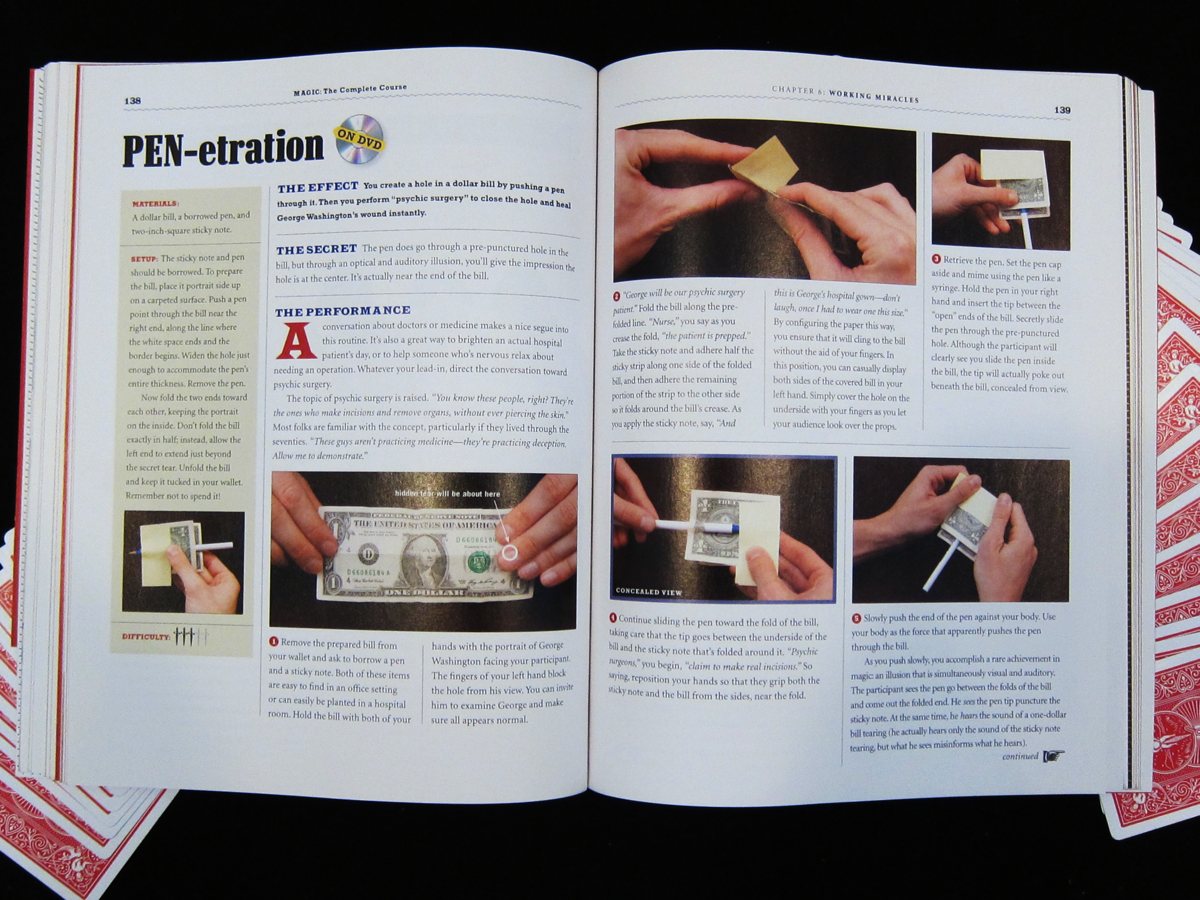
Magic: The Complete Course - How to perform over 100 amazing tricks

by Mark Frauenfelder

For the last six months or so my 11-year-old daughter and I have become magic trick fanatics. I’ve purchased quite a few magic books, including several decades-old classic cards trick books that magicians have told me are essential. Magic: The Complete Course, is one of the best. Read the rest

17 Nov 17:41

Nokia Teases “Something” That Either Is, Or Comes In, A Black Box

by Darrell Etherington
B2pgXV7CUAABW3A.jpg-large Nokia is getting back into hardware after selling its handset division to Microsoft, but its re-entry into the gadgets market doesn’t look like it’s going to be a phone. The Finnish company tweeted out a teaser for an announcement it’s making November 18, which included a photo of a device that looks quite a big like an Apple TV, or some kind of streaming set-top box. It… Read More
17 Nov 17:39

MPAA launches site to help you find legal streams of movies and TV shows

by Jacob Kastrenakes

The MPAA isn't the first organization that you'd expect to start helping you find movies and TV shows to watch online, but it turns out the association has become pretty cooperative. It's launched a new site called WhereToWatch that lets you search for a movie or TV show and find out where you can legally stream it, rent it, or buy it. The site will also tell you where to get what you're looking for on DVD or Blu-ray, and if a movie is still in theaters, it'll look up nearby showtimes too. It's a surprisingly nice and useful service, especially given that the MPAA has a bad history of working against consumers, rather than with them.

Continue reading…

17 Nov 14:22

Write Down Your Feelings Before Undertaking a High-Pressure Task

by Eric Ravenscraft

Write Down Your Feelings Before Undertaking a High-Pressure Task

Being under pressure can turn even the most skilled person into a floundering moron. To deal with your anxiety before a high-pressure situation, write down your worries before you get started.

As news site Vox explains, writing down how you're feeling (while perhaps cheesy) can take the edge off and help you get a handle on your emotions. The idea is that externalizing your thoughts helps alleviate the tension of holding in your worries. This frees you up to perform at your usual peak:

Beilock's research group has also shown several times that writing about one's feelings before a test can help. In a study published in Science in 2011, they explored this by having college students take a very difficult math exam. (Sara Reardon has a good summary for Science's news section.) To boost up the pressure, the researchers put some cash on the line and videotaped them and told them the tape would be shown to their teachers and friends. And if that wasn't enough, they also told the students that a partner in the experiment had already taken the test, performed well, and would disappointed if they didn't do well, too. Eek.

But those who were told to write about their feelings for 10 minutes before the test did better than those in a comparison group who simply wrote about an event in their past. This trick worked outside the laboratory, too. The researchers repeated the experiment with real-life ninth graders taking a real-life final exam and got similar results.

Of course, you can't always write down what you're feeling before every high-pressure situation. However, for situations like tests, speeches, or job interviews, you've got plenty of time to plan ahead. Besides, writing in a notebook before an important meeting can only make you look better, right? Check out the Vox's article for more tips on dealing with high-pressure situations.

The science of choking under pressure — and how to avoid it | Vox

Photo by The LEAF Project.

17 Nov 13:03

Google works with Australia's biggest carrier to test Project Loon balloons

by Rich McCormick

Project Loon, Google's ambitious plan to bring internet to the entire world by way of a network of high-altitude balloons, is preparing to launch a series of test flights in Australia. The tests will see 20 balloons launched across western Queensland, and will be the first to be conducted in the country when they begin in December. They'll also mark the first time Google has partnered with a wireless carrier to beam internet to the ground below — the flights are being run in partnership with Australia's largest telecoms company, Telstra.

Google announced earlier this year that it would join forces with wireless companies around the world to make Project Loon a reality. The search giant's eventual plan is to have carriers leasing its...

Continue reading…

17 Nov 12:59

Dual-screen YotaPhone 2 set for official unveil on December 3

by Harish Jonnalagadda

Russian manufacturer Yota Devices is scheduled to launch a new model in the YotaPhone series, dubbed YotaPhone 2, at an event in London on December 3. No other details are available, but based on the image above, it looks like the device will also feature dual-screens.


16 Nov 23:06

The Copyright Monopoly Wars Are About To Repeat, But Much Worse

by Rick Falkvinge

copyright-brandedPeople sometimes ask me when I started questioning if the copyright monopoly laws were just, proper, or indeed sane. I respond truthfully that it was about 1985, when we were sharing music on cassette tapes and the copyright industry called us thieves, murderers, rapists, arsonists, and genocidals for manufacturing our own copies without their permission.

Politicians didn’t care about the issue, but handwaved away the copyright industry by giving them private taxation rights on cassette tapes, a taxation right that would later infest anything with digital storage capacity, ranging from games consoles to digital cameras.

In 1990, I bought my first modem, connecting to FidoNet, an amateur precursor to the Internet that had similar addressing and routing. We were basically doing what the Internet is used for today: chatting, discussing, sharing music and other files, buying and selling stuff, and yes, dating and flirting. Today, we do basically the same things in prettier colors, faster, and more realtime, on considerably smaller devices. But the social mechanisms are the same.

The politicians were absolutely clueless.

The first signal that something was seriously wrong in the heads of politicans was when they created a DMCA-like law in Sweden in 1990, one that made a server owner legally liable for forum posts made by somebody else on that server, if the server operator didn’t delete the forum post on notice. For the first time in modern history, a messenger had been made formally responsible for somebody else’s uttered opinion. People who were taking part in creating the Internet at the time went to Parliament to try to explain the technology and the social contract of responsibilities, and walked away utterly disappointed and desperate. The politicians were even more clueless than imagined.

It hasn’t gotten better since. Cory Doctorow’s observation in his brilliant speech about the coming war on general computing was right: Politicians are clueless about the Internet because they don’t care about the Internet. They care about energy, healthcare, defense, education, and taxes, because they only understand the problems that defined the structures of the two previous generations – the structures now in power have simply retained their original definition, and those are the structures that put today’s politicians in power. Those structures are incapable of adapting to irrelevance.

Enter bitcoin.

The unlicensed manufacturing of movie and music copies were and are such small time potatoes the politicians just didn’t and don’t have time for it, because energy healthcare defense. Creating draconian laws that threaten the Internet wasn’t an “I think this is a good idea” behavior. It has been a “copyright industry, get out of my face” behavior. The copryight industry understands this perfectly, of course, and throws tantrums about every five years to get more police-like powers, taxpayer money, and rent from the public coffers. Only when the population has been more in the face of politicians than the copyright industry – think SOPA, ACTA – have the politicians backpedaled, usually with a confused look on their faces, and then absentmindedly happened to do the right thing before going back to energy healthcare defense.

However, cryptocurrency like bitcoin – essentially the same social mechanisms, same social protocols, same distributed principles as BitTorrent’s sharing culture and knowledge outside of the copyright industry’s monopolies – is not something that passes unnoticed. Like BitTorrent showed the obsolescence of the copyright monopoly, bitcoin demonstrates the obsolescence of central banks and today’s entire financial sector. Like BitTorrent didn’t go head-to-head with the copyright monopoly but just circumvented it as irrelevant, bitcoin circumvents every single financial regulation as irrelevant. And like BitTorrent saw uptake in the millions, so does bitcoin.

Cryptocurrency is politically where culture-sharing was in about 1985.

Politicians didn’t care about the copyright monopoly. They didn’t. Don’t. No, they don’t, not in the slightest. That’s why the copyright industry has been given everything they point at. Now for today’s million dollar question: do you think politicians care about the authority of the central bank and the core controllability of funds, finances, and taxation?

YES. VERY MUCH.

This is going to get seriously ugly. But this time, we have a blueprint from the copyright monopoly wars. Cory Doctorow was right when he said this isn’t the war, this is just the first skirmish over control of society as a whole. The Internet generation is claiming that control, and the old industrial generation is pushing back. Hard.

We’ve already seen the magic trigger words usually applied to culture-sharing being tried on bitcoin. Like this infamous quote:

“Bitcoin is used to buy illegal drugs!”

Since this is laughably used in defense of the US Dollar, that argument cannot go uncountered by the trivial observation that “So… you’re claiming that the US Dollar isn’t?”. But we’re already seeing the arguments that were used in the copyright monopoly battle getting rehashed against the next generation of peer-to-peer technology. The exact same trigger words: organized crime, file sharing, child porn, drug trade. The trigger words that mirror the way “communism” was used in the US in the 1950. And “jazz music” before then, by the way.

Beyond bitcoin, there are technologies like Ethereum and Counterparty, which aim to make the more core services of government – incorporation, courts, arbitration – obsolete and circumvented. The old structures will not accept that development sitting down.

The entire copyright monopoly war is about to repeat. But rather than brushing it off because politicians don’t care about what’s being discussed, this time, the technology and social changes are going to be attacking the very core power of politicians head-on. This time, they will try to crush technology and its users quite deliberately, rather than out of ignorance. This time, they will hold no punches and consider no balance against rights to privacy, life, happiness, or liberty.

But this time we’re ready. This time, we have a blueprint for exactly what will happen, because the copyright monopoly wars were the tutorial missions in the game of civil liberties. To be honest, we haven’t played the tutorial very well. But we know all the adversary’s capabilities, moves, and patterns now.

The end of that development is either a Big Brother society beyond dystopian nightmares, or a society where cryptocurrency is firmly established and the copyright monopoly has also been abolished to cheers and whistles from a new, liberated generation, who have new problems to deal with instead of those that defined our grandparents’ generation.

About The Author

Rick Falkvinge is a regular columnist on TorrentFreak, sharing his thoughts every other week. He is the founder of the Swedish and first Pirate Party, a whisky aficionado, and a low-altitude motorcycle pilot. His blog at falkvinge.net focuses on information policy.

Book Falkvinge as speaker?

Follow @Falkvinge

Source: TorrentFreak, for the latest info on copyright, file-sharing and anonymous VPN services.

15 Nov 21:30

The Google Play Music Website Now Has A Nifty 'Particles' Visualizer

by Michael Crider

ink spotsThe web browser version of Google Play Music isn't exactly full-featured - it pales in comparison even to built-in tools like Windows Media Player or iTunes. But now it has one more tool that's bringing it a little closer: a visualizer. A visualizer is a overlay that presets a visual accompaniment to a musical track. Some of them get pretty elaborate, some of them aren't much more than a graphic equalizer.

The Google Play Music Website Now Has A Nifty 'Particles' Visualizer was written by the awesome team at Android Police.


15 Nov 21:29

The first official Batmobile ever built is headed to auction

by Dante D'Orazio

If you're a fan of old-school Batman comics, there's really only one Batmobile for you. It's not Zack Snyder's brand new model, nor is it Christopher Nolan's tank. Not even Tim Burton's slick version or the legendary customized Lincoln used in the ’60s TV series will do. No, this recently-discovered Batmobile built from a 1956 Oldsmobile is the only real option for lovers of the original comics.

The hand-built car is said to be the very first officially-licensed Batmobile ever made, and it's up at auction now for a starting price of $90,000. Unlike all of the other Batmobiles, it evokes the original design used in the 1940s comics: a massive center tail fin and long, swooping lines, and a bat face for a front end.

According to...

Continue reading…

15 Nov 17:01

Spain's top piracy-fighter goes to jail for embezzling $50K to spend in brothels

by Cory Doctorow


Pedro Farré was head of corporate relations for the Sociedad General de Autores y Editores, and he falsified €40K worth of receipts for all night binges where he consumed Champagne and sexual services at brothels, claiming the funds were spent entertaining and meeting with senior cops, journalists, and academics. Read the rest

15 Nov 10:52

With theBomb, The Makers Of theChive Aim To Create A Viral Video Hub

by Anthony Ha
resignation media Resignation Media, the startup behind the popular photo site theChive, is moving into the viral video business with the launch of a new property, theBomb. Even if you’re not a regular Chive visitor (or, to use the parlance of the site, a Chiver or a Chivette) you may be familiar with one of the site’s publicity stunts from wayyyyy back in 2010, the girl who quit her job with a… Read More
15 Nov 10:45

UK Tories demand a "ban this terrorist filth" button for the Web, ISPs comply

by Cory Doctorow

David Cameron says that the reason Britons are fighting with IS is that they were hypnotised by unstoppable sorcerous "extremist" words on the net and that the best way to fight this is to get the big UK ISPs to agree to block any "extremist" content that's reported by the eagle-eyed public and added to (yet another) secret, unaccountable, extrajudicial list of websites that can't be reached from behind the Great Firewall of Cameron -- and the big ISPs agree with him! Read the rest

14 Nov 21:38

Pushbullet Browser Extensions Get Updated Look That Matches The Android App And Website

by Bertel King, Jr.

Pushbullet-ThumbNot too long ago, Pushbullet got all prettied up for Android 5.0. The app is a great example of a third-party developer coating their software with Material Design dust and spreading it out to users via an update (I'm pretty sure that's how all this stuff works). Now the team has given its browser extensions the same treatment.

sFmNTVk a7czJAx

The goal is for the Pushbullet experience to look largely the same regardless of where you access it, whether it's the site, the extension, or the Android app.

Pushbullet Browser Extensions Get Updated Look That Matches The Android App And Website was written by the awesome team at Android Police.


14 Nov 21:30

Money Makes You Less Rational Than You Think

by George Dvorsky

Money Makes You Less Rational Than You Think

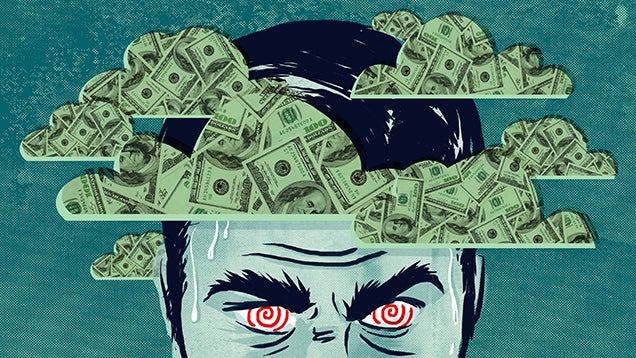
Many of us believe that money brings out our calculating sides, inspiring decisions that are motivated by rational self-interest. But new evidence suggests that money does the opposite, leading to druglike mental states and irrational choices that are anything but sound.

Illustration by Tara Jacoby.

We get super weird around money, no doubt about it. Friends we thought we knew suddenly turn into different people when it comes time to pay the bill. Families get torn apart when loans aren't paid back on time. We obsess over nickel-and-dime transactions, but then buy something crazy-expensive for something we don't even really need.

But is it money that makes us act in these strange ways, or is it our approach that's the problem? As the latest research attests, it's actually a bit of both. We may be predisposed and biased towards certain behaviors around money — but that doesn't mean we can't be aware of these proclivities and change our attitudes accordingly.

Feeling Detached

Indeed, the mere thought of money can turn us into complete assholes. Our social skills actually dissipate when we're reminded of money and wealth, and it doesn't matter if we're conscious or unconscious about the subject at hand.

Money Makes You Less Rational Than You Think

For example, marketing professor Kathleen Vohs has shown that people who are exposed to money suddenly become less helpful than those who aren't. Her experiments involving the use of Monopoly cash showed that subtle reminders of money enhance tendencies towards personal agency.

In the experiment, volunteers were exposed to varying amounts of money. Afterwards, another lab confederate carrying a bundle of pencils deliberately bumped into them and dropped the pencils in order to see how helpfully the subjects would respond to this "accident." Volunteers who were exposed to no money — the control group — were more helpful than those who had been exposed to a low amount. The low-amount subjects, in turn, were more helpful than those in the high-amount group.

Money Makes You Less Rational Than You Think

Vohs also showed that people, when in a money-minded state, prefer solitary activities and less physical intimacy.

At the same time, however, reminders of money can also induce positive changes. When money's on the brain, people work harder on challenging tasks and are inclined to take on more work. Vohs's experiments showed that reminders of money can increase personal performance, but at the expense of our interpersonal skills.

But this doesn't mean that people who act in this way are inherently selfish. As Vohs points out, "A selfish person likely would have immediately asked for help when given a tough assignment...and would have rejected the notion of accepting more work than was necessary."

Behaving Badly

Money also clouds our moral judgment. A recent study revealed that just thinking about it leads to bad behavior. Researchers from Harvard and the David Eccles School of Business showed that people are more likely to lie or make immoral decisions after being exposed to money-related words.

Money Makes You Less Rational Than You Think

When "primed" with money, there's an increased likelihood of unethical intentions and behavior. Exposure to the concept of money appears to trigger a "business decision frame," causing us to think narrowly in terms of cost-benefit calculations, while pursuing our own interests at the expense of moral considerations.

Being wealthy also primes people to act in questionable ways, though there's a definite chicken-and-egg aspect to such claims. Two year ago, Berkeley researchers showed that people who drive expensive vehicles are four times more likely to cut off drivers of lower status vehicles. The researchers concluded that higher social class can predict increased unethical behavior.

But it's not money per se that's making them act greedily or selfishly. As TIME health writer Maia Szalavitz has written:

The reason for this was not necessarily their class, but the fact they agreed with Wall Street's Gordon Gekko that greed is good. When the researchers examined the connection between beliefs about greed and unethical behavior, they found that class was no longer a significant variable. In other words, rich people tended to take advantage of others primarily because they saw selfish and greedy behavior as acceptable, not just because they had more money or higher social status.

Like a Drug

Another explanation is that money evokes conditioned emotional responses. Many of us are obsessed with money and the acquisition of it — a pursuit that often induces a drug-like buzz.

Money Makes You Less Rational Than You Think

Psychologists speculate that these urges are atavistic, a cross-wired emotional response that harkens back to a time when our ancestors were driven by cravings for food. And indeed, we become fiscally tighter when in the presence of aromatic foods. As the researchers of this study point out, "people's desire for money is a modern derivate of their desire for food."

Animal studies would seem to corroborate this notion. Many animals, like rodents and birds, cache food for times when it may be scarce. But given how bad many of us are at saving money, this line of inquiry doesn't make a whole lot of sense.

Clearly, money itself doesn't cause addiction. As psychologist Tian Dayton has noted, the compulsive need to acquire money is part of a class of behaviors known as "behavioral additions," which are separate from substance abuse:

These days, the idea of process addictions is widely accepted. Process addictions are addictions that involve a compulsive and/or an out of control relationship with certain behaviors such as gambling, sex, eating and yes, even money...There is a change in brain chemistry with a process addiction that's similar to the mood altering effects of alcohol or drugs. With process addictions engaging in a certain activity, say viewing pornography, compulsive eating or an obsessive relationship with money, can kick start the release of brain/body chemicals, like dopamine, that actually produce a "high" that's similar to the chemical high of a drug. The person who is addicted to some form of behavior has learned, albeit unconsciously, to manipulate his own brain chemistry.

Consequently, and like any addict, the life of the addict becomes increasingly organized around the use and abuse of their substance.

Wealth itself has been linked to a predilection for addictions, particularly among affluent youth. Children of the rich are susceptible to substance abuse, anxiety, and depression. Wealth is not considered the direct cause of these issues, but rather the product of parental pressure to succeed, and the often attendant isolation these kids have with their parents.

Glitchy Thinking

Money also makes us think and act irrationally, a consequence of our built-in cognitive biases.

This particular area of study, called behavioral economics, is a field that was started several decades ago by Daniel Kahneman and Amos Tversky. Back in 2002, Kahneman won the Nobel Prize in Economics for showing how we consistently take shortcuts that "systematically depart from basic principles of probability." He showed that money can induce glitchy thinking, leading to awful errors of judgment and decision making.

Money Makes You Less Rational Than You Think

For example, he realized that we respond very differently to losses than to gains. The feeling of loss hurts more than the pleasure of a gain. He even calculated the degree of this difference. If I were to lose $100 today, I would feel the pain of this loss. But if I were to find some money tomorrow, I would have to find more than $200 to make up for the loss of $100. It's what behavioral economists called "loss aversion" — and its cumulative effects can be quite catastrophic.

Related: The Neuroscience That Explains Why You Fall for Con Artists | A Test to Measure How Rational You Really Are | How Bayes' Rule Can Make You A Better Thinker

Sadly, this bias appears to be deeply ingrained in our psyche. Experiments show that monkeys are also susceptible to these mistakes. The solution, therefore, is to be aware of the problem. As psychologist Laurie Santos has said, we may not be able to change ourselves, but by being aware of our cognitive limitations, we may be able to design the environment around us in a way that provisions for our likely mistakes.

This is Your Brain on Money

Indeed, the aversion to losing money has been tied to a specific structure in our amygdala, a part of the brain that registers rapid emotional reactions. A 2010 study published in PNAS showed that patients with a rare genetic disease in which the amygdala is impaired showed virtually no aversion to monetary loss, which ran in sharp contrast to the control group.

"Monetary-loss aversion has been studied in behavioral economics for some time, but this is the first time that patients have been reported who lack it entirely," noted lead researcher Benedetto de Martino. This observation shows that the amygdala is critical for triggering a sense of caution when we make gambles we're likely to lose. This function of the amygdala may be similar to its role in fear and anxiety.

At the same time, the acquisition of money triggers our reward system, though not directly. Money is what's referred to by psychologists as a secondary reward; it's true value lies in what it can get us — primary rewards like food, fast cars, and iPads.

Neurologically, this involves the mesocortical and mesolimbic pathways, the latter of which feeds into the ventral tegmental area (VTA). The VTA is a source of many dopamine pathways in the brain, which use dopamine neurons to transmit signals to other structures. And as as is well known, dopamine is a crucial neurotransmitter that regulates emotion, and by consequence, desire.

Not the Key to Happiness

Ironically, money appears to impair our ability to enjoy the simple things in life. Jordi Quoidbach has shown that

money impairs people's ability to savor everyday positive emotions and experiences. In a sample of working adults, wealthier individuals reported lower savoring ability (the ability to enhance and prolong positive emotional experience). Moreover, the negative impact of wealth on individuals' ability to savor undermined the positive effects of money on their happiness.

So for example, people who are reminded of great wealth are less able to enjoy a piece of chocolate that is given to them to eat. It affirms the credo that having access to the best things in life may actually undermine our ability to reap enjoyment from life's small pleasures.

Given money's often detrimental effect on our cognitive reward system and our ability to be rational, productive, and good people, it's not immediately obvious how we should approach this thing that is money.

To that end, a paper by Elizabeth Dunn titled, "If money doesn't make you happy, then you probably aren't spending it right," proposes eight principles designed to help consumers get more happiness for their money:

  1. Buy more experiences and fewer material goods.
  2. Use your money to benefit others rather than yourself.
  3. Buy many small pleasures rather than fewer large ones.
  4. Eschew extended warranties and other forms of overpriced insurance.
  5. Delay consumption.
  6. Consider how peripheral features of your purchases may affect your day-to-day life.
  7. Beware of comparison shopping.
  8. Pay close attention to the happiness of others.

Along these lines, it has also be shown that we can derive great satisfaction by giving our money away — a process that tickles our reward system and is productive and pro-social at the same time. Well, within limits of course. It is money, after all.

Follow me on Twitter and friend me on Facebook.

14 Nov 21:29

Artist Explorer Finds New Music to Listen to with an Interactive Chart

by Thorin Klosowski

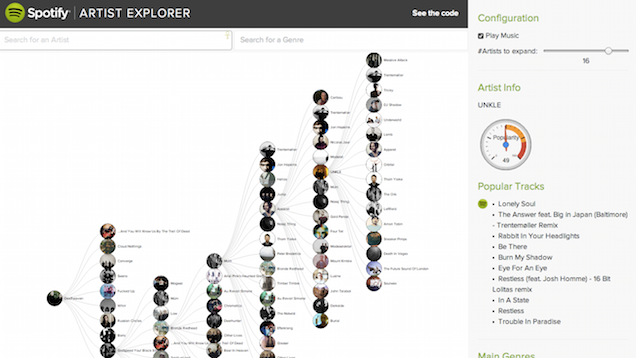
Artist Explorer Finds New Music to Listen to with an Interactive Chart

Finding new music to listen to can be tough, but Spotify released a new Artist Explorer tool that helps you find similar artists with a gigantic interactive chart.

Artist Explorer works with Spotify, but an account isn't required to use it (just to listen to samples). Just type in an artist you like and you'll see similar artists. Click on one of them to listen to a sample or expand the chart even more to find other similar artists. It's essentially just a visual way to browse Spotify's Related Artists section, but it's a lot more intuitive for hunting down something new to listen to.

Artist Explorer | via The Next Web