Shared posts
Amerikai kongresszusi gépekről trollkodták meg a Wikipédiát
Majdnem visszasüllyedtünk a középkorba
Jimmy Kimmel tests people’s reaction to a fake Apple iWatch smartwatch
Nagyot nőtt a hazai PC-piac, a tableteké viszont esett
Pert indítanak több száz olasz időjárási honlap ellen
Szdani88xD
Defender smart pepper spray takes pictures of crooks

Defender is an Indiegogo project featuring a smart pepper spray that snaps photos of would be criminal offenders and connects to smartphones. Smart devices are everywhere, and integration is a common theme in consumer tech today. Smart watches, smart appliances, even smart glasses. The trend is so common, even self-defense gadgets can now connect to [...]
The post Defender smart pepper spray takes pictures of crooks appeared first on VR-Zone.
Sencsenben gyártják a jobb világot
Xiaomi Mi 4 benchmarked, compared with other Snapdragon 801 flagships
Ferrari: 21 év után az első szezon győzelem nélkül?
Szdani88micsdoa rekord dőlhet meg jó eséllyel xd

Xiaomi Mi Pad 64GB available in EU for 280 euro
Szdani88nem is rossz még így sem, persze belenyal a 100kba majdnem
4G-s újdonság, árcsökkenések a Telekomnál
Xiaomi Mi Pad Review: The “iPad of Androids”, With Excellent Battery, Good Display and Top Notch Acoustics and Camera (Video)
The Xiaomi Mi Pad is a tablet that’s on everyone’s lips these days, but if you truly start browsing the web, you’ll notice there’s no huge review about it, filled with all the small details everyone wants to know. Well, we at Tablet-news.com took it upon ourselves to create said review. The result can be seen below.

The slate is a 7.9 inch model with a Tegra K1 processor and it was launched in stores (online) on July 1st 2014. It sold 50k units in less than 4 minutes on the same day and in China it goes for $240. We bought it from Italian retailer Xiaomishop.it for 300 euros, plus a 14 euro fee for delivery in Europe. In the meantime the 64 GB version of the device debuted and we only got to buy the 16 GB model.
The product is a hit already, that’s for sure, so let’s analyze it. The tablet has an iPad Mini format and it uses a polycarbonate glossy case, that’s pretty slippery, but that can be solved with the proper case. The tablet comes in blue, green, yellow, pink, white or gray and it measures 8.5 mm in thickness. It weighs 360 grams, which is 30 grams heavier than the iPad Mini Retina. The rest of the sizes are pretty much the same as the ones of the iPad Mini.

The grip is decent and we’ve got a good build here. The bezels are a bit big for modern standards, but we’ll live with that. Upfront we’ve got the selfie camera and display, plus the logo and notification LED at the top. There are capacitive buttons at the bottom, much more stylish ones than we’re used to on Android. At the back there’s the main camera, plus two microphones and two speakers at the bottom.
At the top there’s an audio jack, while at the bottom there’s a microUSB port. On the right side we’ve got volume buttons and On/Off buttons, that are comfy and offer good feedback. On the left there’s a microSD card slot, that can be pulled out as a tray using a metal key. The back of the Mi Pad uses anti fingerprint coating, but the front is pretty prone to fingerprints. The design is pretty OK and premium for a plastic tablet.

As far as hardware is concerned, the Xiaomi Mi Pad features a 7.9 inch IPS LCD display with a 2048 x 1536 pixel resolution and 326 ppi density. This screen comes with OGS tech and it can be used with gloves on. The CPU inside the slate is a quad core Nvidia Tegra K1 clocked at 2.2 GHz, with a Kepler 192 core GPU. Mi Pad integrates 2 GB of RAM (LPDDR3), 16 or 64 GB of storage, a microSD card slot with support for up to 128 GB of extra storage and an 8 megapixel camera with Sony sensor at the back, plus a front 5 MP shooter.
On the connectivity side there’s WiFi, WiFi Direct, Bluetooth 4.0 and we have no GPS on this tablet. There’s a gyroscope, light sensor, a proximity sensor and compass on board, as well as a Li-Ion 6700 mAh battery, that offers about 86 hours of music playback on paper at least. Our test with brightness at 50% and WiFi on involves playing back a video loop till the battery runs out. We achieved 10 hours of battery life in this mode, which is very OK. By the way, the iPad Mini Retina reaches the same time of video playback, so we’re doing very well. We also beat another popular Android tablet, the LG G Pad 8.3, that only gets to 7 hours and 40 minutes of playback.

The charging takes 2 hours and a half, which is pretty good, considering an iPad Mini Retina needs 3 hours and 40 minutes for charging. There’s no exact power saving mode, but you can go to Settings and Battery and choose one of the three functioning modes: High Performance, Balanced and Battery Save. Overall, the battery on this tablet is very good and now let’s move on to the acoustics. We’ve got two speakers at the lower back area and the MIUI music player bundled on the slate looks pretty nice, being minimalistic and all, but I regret the lack of an EQ. The player also integrates the Baidu music store, as shown in the video review.
The speakers offer a loud and clear sound, very good bass and it’s superior to the iPad Mini and iPad Mini Retina in the acoustic area. The sound is crisp and voice is warm on this tablet, but we also measured the decibel level to be sure. We achieved 83.3 dBA at the front of the device and 84.2 at the back. I’d say we’re doing well, seeing how the flagship phone LG G3 got 87 dBA in a similar test. As far as the screen goes, this is a 7.9 inch IPS LCD with Retina level display, vivid colors and wide view angles. The video player is minimalistic and the tablet played pretty much all the files that we tried out.

The screen is pretty bright, the image is crisp and I’m liking the whole high resolution thing. The pixels are of the RGB Stripes kind and this panel behaves well in sunlight. We also tested it with a Luxmeter and we achieved 310 lux units, which is not that impressive compared to the 500 lux of the Nexus 7 2013 or the 412 lux of the iPad Mini Retina. At least we beat the LG G Pad 8.3 and it’s 260 lux, right?
Overall, the screen could be brighter, but you won’t feel the lack of extra lux in regular use. As far as the camera goes, we get a Sony CMOS 8 MP sensor, while the front camera is a pretty good selfie shooter with 5 MP res and F/2.0 aperture. The camera UI is minimalistic, perhaps even more than the iPad’s and we basically have no detailed options for capture. It takes a while to focus properly, but the pictures are taken fast. On the left side of the UI there’s a shortcut to the front camera, audio on/off and beauty options, with 4 levels of smoothing. You can also apply effects to the image, like blur, mono, vivid, fisheye, indigo, sketch, mosaic and more.

The tablet offers 4X zoom and both cameras do Full HD 30 FPS video capture. As far as the actual pictures I’ve taken are concerned, we’ve got crisp images, good white balance, fast face detection and realistic colors. Focus loss happens sometimes and the quality is pretty much on par with the one of the iPad Minis. Sadly, the video capture is not that good, especially since the image quality diminishes when zooming in. At least the tablet films in MP4 format, not some 3GPP low bitrate format. There’s focus loss when filming and in this aspect, the tablet is certainly not on par with the iPads.
Overall, the image capture on this model is OK for a tablet and if you know how and when to focus you’ll be happy with it. The selfie camera is also very good, so overall the cameras do a fine job. You can also edit the pictures you take using the usual options, like crop, rotate, doodle, red eye, sharpen, contrast etc. Now we move on to the performance analysis and I must say that the tablet reaches 45.7 degrees Celsius, so games trigger a bit of overheating, especially the higher end ones. The tablet’s web browser is fast and the sites look very crisp on the high res screen.

The keyboard is comfy and well spaced, although there’s the occasional blunder with Chinese characters. As far as the benchmarks go, I compared this model to the iPad Mini Retina and its 64 bit processor and the Galaxy Note Pro 12.2, in spite of the diagonal difference. The Note Pro 12.2 has an Exynos 5 Octa octa core processor, a high end CPU, that’s why it made our comparison here.
Here are the results:
AnTuTu:
- Note Pro 12.2: 34074
- Xiaomi Mi Pad: 39353
NenaMark 2:
- Xiaomi Mi Pad: 59.6 FPS
- Note Pro 12.2: 59.9 FPS
Vellamo:
- Xiaomi Mi Pad: 2977
- Galaxy Note Pro 12.2: 1794
3DMark:
- Xiaomi Mi Pad: 25321
- iPad Mini Retina: 14629
- Galaxy Note Pro 12.2: 12784
GFXBench:
- Xiaomi Mi Pad: 47.7 FPS
- iPad Mini Retina: 26 FPS
- Note Pro 12.2: 22.9 FPS
SpeedTest:
- Xiaomi Mi Pad (Speed Checker): 22/6 Mbps download/upload
- iPad Mini Retina: 19 Mbps download
- Note Pro 12.2: 24/25 Mbps download/upload
SunSpider:
- Xiaomi Mi Pad: 594
- iPad Mini Retina: 425
- Galaxy Note Pro 12.2: 531
Overall, I’d say say this model beats its rivals in the tests we did and sadly some benchmarks I really liked to try don’t work: Quadrant, GeekBench 3 and BrowserMark 2.1. It’s probably the fault of the Tegra K1. We also measured how long it takes for the device to shut down (15 seconds) and how long it takes for it to boot (29 seconds). The iPad Mini Retina boots in 20 seconds, for comparison sake.
Xiaomi Mi Pad runs Android 4.4.2 with MIUI v5 on top, with a clean and minimalistic UI. There’s no separate app zone and apps are shown on the homescreen, while widgets get their dedicated homescreens. Some of the widgets don’t work, like the ES Task Killer and Gallery to name two. You swipe up to unlock the device and pinch the homescreen to trigger its options. Toggles and shortcuts can also be integrated on the homescreen. The dock area features basic apps, like Gallery, Music and Video and it’s customizable. The dropdown area is very minimalistic and features both notifications and the usual connectivity and functioning toggles, plus a screenshot button.

The Settings area reminds me of the iPad’s similar section, being clean and very well organized. A nifty option is the one allowing you to see the speed of the connection at all time. You can also change the layout of the notification area, tweak security options (pattern unlock) and assign features to the long press of the capacitive buttons. For example a long press of the Back button in the lockscreen triggers the camera.
The preinstalled apps list is not much here, including the likes of Calendar, Notes, Games, Market, MiCloud, Calculator and Explorer, all of them coming with MIUI. As you know, Google Play and Google apps are not installed, so I’d recommend the tutorial we did here to get them on the device. I must also mention that although the slate’s UI is in English, parts of it are in Chinese or in poorly written English.

The slate has no lag, but it misses the occasional frame between homescreens. You may get rid of some of the problems by playing with the Nova Launcher, as we did at the end of the review, especially now that it has some Android L features included. And now the verdict! Let’s see the pros and cons of the Xiaomi Mi Pad.
Here are the Pros:
- good battery
- good price
- quality picture taking
- loud audio and clear
- powerful hardware
- quality display
- good selfie camera
And the Cons:
- underwhelming video capture
- slippery
- hard to find/purchase (it’s true!)
- MIUI may not be to most people’s liking
- overheats in high end games
- screen is fingerprint magnet
Keep in mind this is a tablet we liked very much and I myself am an iPad Mini owner considering the switch to a Mini Retina. This model had me in doubt, that’s why it gets a 9.1 out of 10 for design, a 10 for hardware, 9 for OS and UI and a special 10 for price. Making an average, we get a 9.52 out of 10 and this becomes the Tablet of the Year 2014 so far. It’s a great device, but the iPad Mini Retina has some extras you can’t miss (no overheating, better filming, games come earlier, better screen). However, if you must have Android and you want a lower price, the Mi Pad is the device to get.


Related posts:
- iPad Mini Retina Review: Excellent Design, Powerful Hardware, Slight Decrease in Battery Performance (Video)
- HTC Desire 816 Dual SIM Review: Surprisingly Good Camera, Excellent Audio and OK Battery (Video)
- iPad Air Review: Impressive Design Evolution, Excellent Multimedia Experience, Surprising Camera (Video)
Így festett az első GTA plakátja
Az új német fájdalomcsillapító: a fű
Erős kávét inna? Utazzon Glasgow-ba!
Szdani88nagyon jol hangzik
Orrot növesztett egy nő hátán az őssejt terápia
Pinch-to-zoom functionality comes to Chrome OS
Szdani88majd egérrel meg touchpaddal vagy h toljak ez? xd
Ritka fotók a száz évvel ezelőtti Oroszországról
BMW-seket etet a Jaguar
GeForce GTX 880 möglicherweise zur Gamescom
Xiaomi announces the Mi 4 in China
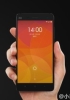
Xiaomi has announced the successor to their flagship Mi 3 smartphone, the Xiaomi Mi 4. The key features of the Mi 4 smartphone include a new Qualcomm Snapdragon 801 SoC with a quad-core 2.5GHz CPU, 3GB LP-DDR3 RAM, 16/64GB internal memory, 5.0-inch, 1080p display from Sharp or JDI with One Glass Solution, 13 megapixel rear camera, 8 megapixel front camera with stacked Sony CMOS sensor, and a 3,080mAh battery. The phone runs the latest MIUI 6 on top of Android KitKat. The phone has a stainless steel machined frame around the sides although the back is made out of plastic that will seemingly be available in different finishes, such as wood, bamboo, marble, fabric, leather, etc. We will update the article as we learn more about the device. Update: The Xiaomi Mi 4 is priced at approximately $320 for the 16GB model and $400 for the 64GB model. Xiaomi has also announced a fitness band called Mi Band that will sell for $13....
LG G3 LTE-A goes official with Snapdragon 805 inside

LG has finally unveiled the G3 LTE-A. The device is going live for domestic Korean customers and will start selling on July 25, just as expected. The LG G3 LTE-A Cat 6 (previously referred to as LG G3 Prime) builds on the international G3 hardware but improves with a faster chipset - the Snapdragon 805 with 3 GB of RAM and the Adreno 420 GPU. LG G3 Cat 6 The LG G3 Cat 6 will also have 225 Mbps downlink capabilities in South Korea thanks to its Qualcomm Gobi 9x35 category 6 LTE-A modem. The LG G3 Cat 6 will meet the Samsung Galaxy S5 LTE-A spec for spec and on retail shelves. The question remains, though - when will the rest of the world see these two...
Origin PC Offers $200 Back to School Deals
Szdani88back to school gamer csomag XD
Our buddies over at Origin PC are having a pretty sweet Back to School deal, depending on which product you buy from them. If you’re in the market for a sweet gaming desktop or a high-end EON gaming notebook from them, then you can expect to get a free upgrade to a 240 GB SSD from VisionTek as well as a free copy of Watch Dogs. Or, if you’re in the market for something like their EVO15-S gaming laptop, then you can get free ground shipping across the US, a free 2 year part replacement warranty (standard is one year), and a free copy of Watch Dogs. However, it appears that their 2 year warranty that they’re including here does not include the cost of shipping or labor for the laptop, so it may not actually be as good of a warranty as it may seem.

Back 2 School Origin PC
We’ll be watching out for other good Back to School deals for you guys as they start to heat up, leading to the beginning of the school year. We’re already working on some guides for the best laptops, desktops, smartphones, and tablets for this back to school season so that you’ve got most of your decisions covered. But as of right now, Origin PC is the only company that’s launched their back to school deals so far. And while the 2 year part replacement warranty may not seem so great, most gaming laptops dong really last that long to begin with and any repairs are mostly going to be the cost of parts and not really labor. That’s primarily because replacement parts for most laptops are incredibly expensive and usually drive people towards just buying a new laptop. But even with that caveat, the Origin PC desktop and EON Laptop deal isn’t a bad one because they’re basically throwing in a free SSD and game which is actually worth about what they say it is.
The post Origin PC Offers $200 Back to School Deals appeared first on Bright Side of News*.
Newest Windows 8 Start Screen photo confirms previous leaks
Nem sokáig zabálja már az akkumulátort a Chrome
Intel: 19 neue Prozessoren und Preissenkungen bis zu 13 Prozent
Senki nem tudja, hová tűnt az óceánból a szemét
Szdani88xd addig a jó
AMD: 20-nm-Produkte frühestens im nächsten Jahr
Szdani88xdd intel elfelejti mi h régen 20 felett is gyártottak, mire az amd meglép a 20at
ESPN to Show DOTA 2 International Championships
Valve has just announced that ESPN networks will be carrying the DOTA 2 International Championships, which just recently broke a $10 million prize pool. The International DOTA 2 Championships will be held in Seattle, Washington from July 18th to the 21st and will culminate in a final where the winners will walk away with nearly $5 million thanks to so many people buying Compendiums.

Prizepool
People wanting to watch the DOTA 2 International Championships on TV or online can do so using ESPN 3, and ESPN 2 for the final match. You can also access most of the matches and the final match on WatchESPN, ESPN’s streaming application which is available on smartphones, tablets, Amazon Fire TV, Apple TV, Chromecast, Roku, Xbox 360 and Xbox One.
This means that eSports just gained another level of legitimacy that I don’t think very many people expected. Because Valve was able to bring Disney/ESPN onboard for the DOTA 2 International Championships, they are in effect making eSports one of the most legitimate forms of sport today. ESPN already had great success with the world cup and they clearly are recognizing an opportunity here to once again capitalize on a very excited audience and are doing so by announcing this the day before the DOTA 2 International Championships.
Hopefully ESPN will not be the only ones that will start broadcasting eSports on TV for people to watch and enjoy. I suspect that League of Legends from Riot Games may eventually get streamed/broadcast by someone like Fox or Turner Sports who all will want to get in on the eSports buzz and craze as they are some of the most loyal audiences and also have some incredible spending power, as shown by the DOTA 2 International Championships’ crowd funded prize pool of over $10 million. This is just the beginning and it will very likely only get more interesting very soon.
The post ESPN to Show DOTA 2 International Championships appeared first on Bright Side of News*.
Fél éven belül két repülőgépet veszített a Malaysia Airlines
Szdani88szinte már nehéz véletlennek nevezni