YouTube user Michaelm2391 got bored, so he compiled every grunt/yell/scream from Michael Jackson's music career, in one video.
via
Shared posts
11 May 05:34
Brian to the resuce
by BigScott62
I am having some computer problems that are driving me batty, and along with some other shit is haven't been able to post for a few days......luckily the resliliant Brian comes through with a post he wants me to share and I am happy to do so, look for me to get back to the many music posts tomorrow if I can straighten this damn computer out.........nayway, check what Brian has up for this evening
-------------------------------------------------------------------------------------------------------------------------


-------------------------------------------------------------------------------------------------------------------------
The Strange Sound World Of Ken Nordine
Ok, Ken Nordine....truly a unique artist. A commercial and voice actor whose career started back in the 1940s, he turned to releasing albums of spoken material in the late 50's. Philosophical musings, skewed stories, all with a jazz backing....one of the most singular discographies in music. You may have heard his Colors excerpts on the "Incredibly Strange Music" CDs, or his appearances on some of those Hal Willner tribute albums.
I must stress, this is not beatnik material....no "kicks joy darkness" or "Howl" reciting here. His phenomenal speaking voice is tied to a very odd brain. Indescribable vignettes like "I Used to Think My Right Hand Was Uglier Than My Left" and "Confessions of 349-18-5171" ...hilarious cultural observations on "The Vidiot" and "Faces In the Jazzmatazz" ...brilliant constructions like "The Sound Museum". You've never heard anything like this! And he's still releasing albums to this day...
It should also be mentioned that the group backing him on this album is the Chico Hamilton group, the original group for one of my favorite jazz instrumentalists, Eric Dolphy.
I've also included a zip file that has three of the Word Jazz broadcasts Ken did for radio (I believe in the 60s). These are really indescribable, stream of consciousness stuff. He muses, has conversations with himself....really out there. I'd asked Ken about the broadcasts when I emailed him, and he said there's a plan in the works to have them all archived online somewhere. That's good, cuz I could ever only find these three....
WORD JAZZ BROADCASTS
WORD JAZZ BROADCASTS
As a bonus track, I've included Ken's reading of "The Conqueror Worm" from the "Closed On Account of Rabies" Poe tribute CD. It's only three minutes, but he brings such weight and drama to the poem. "Lo, it was a gala night....in the lonesome latter years". Just, damn! And his voice has only gotten deeper over the years...it's amazing.
If I've piqued your interest, go buy some of his stuff of iTunes or on CD. Most of it is still in print. I have it all but I'm not gonna give it all out...The guy is 95 and he's still going. Even "Bits & Pieces of Word Jazz" from last year is awesome! You gotta support somebody this
----------------------------------------------------------------------------------------------------------------------------------------------------------------------------------------------------------
Thanks Brian I'll get this shit straightened out tomorrow, it's pissing me off, and I will get it........thanks for this post though, and I hope you all enjoy!
strange....
11 May 05:31
Ping Choi: «Santiago es una ciudad acogedora y aquí no hay que soportar colas»
by xosé manuel cambeiro
Afirma que su mentalidad es diferente a la de los chinos que residen aquí

11 May 05:25

Chico punk busca chica para toda la vida

"Una de nuestras mayores preocupaciones es cómo nos las vamos a arreglar mi mujer y yo para morir al mismo tiempo"
10 May 23:43
How to distinguish a wedge from a modified wedge.
by joseph conrad is fully awesome
Messybeast.com [previously] has a lot on offer than previously discussed on the blue; the cat care, welfare, rescue, genetics and history page has information about cat breeds and types, cat behaviour, eye colours in cats, a plain english guide to cat colours and patterns, a plain english guide to conformation, and cat colour and pattern charts. Oh and don't miss the indefinable colours, with photos and description.

10 May 21:09

500 €/mes en París. Limitando con el boulevard periférico. 9...
500 €/mes en París. Limitando con el boulevard periférico. 9 metros cuadrados. Todo lo que hay es lo que se ve. Eso del fondo tapado con una cortina es la ducha.
(Para algunos de estos apartamentos te piden además que justifiques unos ingresos mensuales netos de al menos 1350 € al mes).
10 May 21:07
Por culpa de la tan celebrada sociedad de consumo tenemos los límites de París llenos de pasillos de...
Por culpa de la tan celebrada sociedad de consumo tenemos los límites de París llenos de pasillos de nueve metros cuadrados en octavos pisos sin ascensor con retrete compartido en la escalera alquilados a doscientos euros la semana como “buhardillas bohemias para enamorados” y las calles del centro llenas de furgonetas de comida que, devorando un sistema usado en principio por personas que no podían permitirse pagar el alquiler y mantenimiento de un local para vender comida más barata por comerse de pie, ahora son instaladas por personas que ya antes ganaban mucho dinero, encareciendo muchísimo esa comida callejera al mismo tiempo que se ahorran costes y consiguen por medio de publicidad (que ya no son anuncios sino el dejar ver que alguien más guapo y con más dinero que tú está haciendo algo) que todo el mundo considere “cool” (término que significa “me entero cuanto antes de cuál es a partir de este momento el comportamiento más aceptable”) pagar a precio de terraza frente a monumento nacional el estar deambulando por una calle, espacio público, completamente invadida por estos dispositivos en una zona de la ciudad en la que no existen los bancos (si existieran, serían completa y definitivamente ocupados por mendigos en sus primeros segundos de existencia).
No puedo más con cualquier procedimiento que implique transacción de euros en cualquier lugar. Os maldigo muchísimas veces a todos los que pensáis que esto es aceptable, que nos hace libres; que, si no me gusta, que no mire; que contribuís a ello con vuestros «Qué bonito» carentes de todo sentído crítico e interés por intentar entender qué es lo que se ve.


10 May 20:31
Unhappy Mother's Day
by NotATailor
Mother's Day is the day of the year when Hallmark and commercialism dictates that we celebrate that most sacred of bonds, that between mother and child. For most, it's a happy day of celebrating Mom, reminding her that you remember the things she's done for you. For some, who have lost their mothers, it's a bittersweet or even very sad day where they can't avoid the reminders of what they've lost. For another group, it's painful in a way the others may not be able to imagine. For some adult children, the only option to stay sane was to break up with their mothers, forever.
It's a taboo in our society, but some mothers are just completely toxic. There are some mothers who are, for whatever reason, be it mental illness, addiction, pure poverty or just not wanting to mother their children, bad mothers. They exist in every part of society, every class, every culture, but we don't talk about them. Not unless they do something so horrible they show up in the news. Not unless their children are taken away from them.
But the debt we feel towards our mothers means that few people in these situations get taken away. A child will cover for their mother, out of fear or love. Many children don't escape until adulthood, even late adulthood, when they make the conscious choice to walk away and become motherless.
And so many just don't talk about it. They grin and bear it when facebook and other social media becomes a sea of people thanking their mothers and reminiscing. Maybe they close social media all together for that week. Maybe they sit and shake at the idea of having to waitress a Mother's Day brunch. Maybe they spend the day letting themselves grieve.
So if you can spare it, take a moment today, when you're posting facebook statuses about your mother or talking about your amazing Mother's Day brunch tomorrow at work, to think about the fact that the saying may not have started out as 'blood is thicker than water.' It may have started out as 'the blood of the covenant is thicker than the waters of the womb.' And some people, on this Mother's Day, are struggling with that.

It's a taboo in our society, but some mothers are just completely toxic. There are some mothers who are, for whatever reason, be it mental illness, addiction, pure poverty or just not wanting to mother their children, bad mothers. They exist in every part of society, every class, every culture, but we don't talk about them. Not unless they do something so horrible they show up in the news. Not unless their children are taken away from them.
But the debt we feel towards our mothers means that few people in these situations get taken away. A child will cover for their mother, out of fear or love. Many children don't escape until adulthood, even late adulthood, when they make the conscious choice to walk away and become motherless.
And so many just don't talk about it. They grin and bear it when facebook and other social media becomes a sea of people thanking their mothers and reminiscing. Maybe they close social media all together for that week. Maybe they sit and shake at the idea of having to waitress a Mother's Day brunch. Maybe they spend the day letting themselves grieve.
So if you can spare it, take a moment today, when you're posting facebook statuses about your mother or talking about your amazing Mother's Day brunch tomorrow at work, to think about the fact that the saying may not have started out as 'blood is thicker than water.' It may have started out as 'the blood of the covenant is thicker than the waters of the womb.' And some people, on this Mother's Day, are struggling with that.
10 May 10:46
These Are The Five Mother Sauces Every Cook Should Know
Master these sauces, then conquer the world. (Or at least the kitchen.)
Béchamel

What it is: A rich white sauce traditionally made of roux (or butter and flour) + cream.
If you've eaten homemade macaroni and cheese, a classic croque madame, or lasagna, chances are you've experienced the rich creaminess of Béchamel. It can be made in its most basic form by just combining roux and cream, or it can be mixed with other ingredients to create new sauces: Mornay is made by adding Gruyère or Parmesan, and mustard sauce is made by adding — you guessed it — mustard.
Here are some other ways to use Béchamel:
• Swap in Béchamel for some of the cream in a gratin.
• Pour it over polenta cakes and broil for a few minutes until bubbly and golden brown.
Once you've mastered basic Béchamel:
• Spike a classic Béchamel with soy and miso for a new take on Trent Pierce’s Miso-Creamed Kale or Nobu’s Fried Asparagus.
James Ransom / Via food52.com
Velouté

What it is: Just like Béchamel, it starts with a white roux and then gets mixed with white stock made from fish, chicken, or vegetables.
Velouté is used as a flavorful starting point for gravies, mushroom sauces (hello, chicken pot pie), and shrimp sauce (shrimp bisque, anyone?).
Here are some other ways to use Velouté:
• Whip up Velouté with veal stock, then use it to make Swedish Meatballs.
• Smother biscuits with an herby gravy for breakfast.
Once you've mastered basic Velouté:
• Make meatless velouté with a mushroom-based stock for this Vegetarian Mushroom Thyme Gravy.
James Ransom / Via food52.com
Espagnole

What it is: Roux + a brown stock (traditionally veal or beef).
Also known as brown sauce, Espagnole begins with a mirepoix (carrots, celery, and onions), beef stock, and deglazed brown bits (fond) from beef bones. From there, tomato paste and spices may be added.
To make a demi-glace (a rich French brown sauce), combine the Espagnole with more beef stock. To create Bordelaise (a red wine sauce that pairs well with steak and mushrooms), mix the demi-glace with red wine and herbs. Serve this with filet mignon for an excellent dinner.
Here are some other ways to use Espagnole and its variations:
• Pair roast lamb with a demi-glace.
• Drizzle a little Bordelaise over mushroom risotto.
Once you've mastered basic Espagnole:
•Take Espagnole somewhere new by adding tamarind paste and making Dan Barber’s Braised Short Ribs.
Sarah Shatz / Via food52.com
Tomato

What it is: In some cultures it's roux + tomatoes, but many go the Italian route by skipping the roux and simply reducing tomatoes over medium-low heat until thick.
Probably the first mother sauce you ever tasted (over a heaping bowl of spaghetti), tomato sauce is often a mixture of just onions, garlic, and tomatoes. Although some traditionalists may start with a roux, most tomato sauce just rely on a tomato reduction to build flavor and create thickness.
Here are some other ways to use tomato sauce:
• One word: pizza.
• Turn tomato sauce into breakfast with shakshuka.
Once you've mastered basic tomato sauce:
• Marcella Hazan's tomato sauce can't be beat, but if you want to think outside of Italy, use your tomato sauce to make Lentil Cakes with Tikka Masala.
James Ransom / Via food52.com
10 May 10:25
"It is time that more of us spoke out."
by Fizz
What Caused the Crime Decline? [Brennan Center for Justice]
Related:
Mass Incarceration: The Silence of the Judges, a critical essay by Jed S. Rakoff. [New York Review of Books]

"What Caused the Crime Decline? examines one of the nation's least understood recent phenomena – the dramatic decline in crime nationwide over the past two decades – and analyzes various theories for why it occurred, by reviewing more than 40 years of data from all 50 states and the 50 largest cities. It concludes that over-harsh criminal justice policies, particularly increased incarceration, which rose even more dramatically over the same period, were not the main drivers of the crime decline. In fact, the report finds that increased incarceration has been declining in its effectiveness as a crime control tactic for more than 30 years. Its effect on crime rates since 1990 has been limited, and has been non-existent since 2000."A report by Oliver Roeder, Lauren-Brooke Eisen, and Julia Bowling, with a foreword by Joseph E. Stiglitz and an executive summary by Inimai Chettiar Brennan Center for Justice, NYU Law School, 134 pp. [Foreword] [PDF] [Scribd]
Related:
Mass Incarceration: The Silence of the Judges, a critical essay by Jed S. Rakoff. [New York Review of Books]
Katiesullivan likes this
10 May 10:19
The Pen is Mightier than the Sword
by quin
Seb Lester is an astonishing calligrapher and graphic designer. In this clip, he freehands a number of famous logos...
But he's got so much more to see. His YouTube channel is filled with videos that are simply amazing.
Favorites include:
- Rock & Roll
- A Word Paints a Thousand Pictures
- A-Z Speed Calligraphy
- Improvised Calligraphy Demonstration A-Z Blackletter & Italic
- Roman Capitals practice

But he's got so much more to see. His YouTube channel is filled with videos that are simply amazing.
Favorites include:
- Rock & Roll
- A Word Paints a Thousand Pictures
- A-Z Speed Calligraphy
- Improvised Calligraphy Demonstration A-Z Blackletter & Italic
- Roman Capitals practice
10 May 10:03
Sex is Not a Dirty Word: or, Why The Woman Called Fujiko Mine is a Great Feminist Anime
by Vrai Kaiser

z But all that perhaps intimidating gushing aside, it occurs to me that I’ve never really written about the show with a prospective rather than an informed viewer in mind. And while a truly in-depth discussion of the show basically requires discussion of the ending and spoilers generally, I think I can still paint a picture for curious-but-nervous viewers as to why this show is well worth your investment.
A quick summary: Fujiko is a thief, a seductress, and a woman of many mysteries. On one job she crosses paths with famed gentleman thief Arsene Lupin III, setting off a chain of events involving an underground drug cult; strange, spying figures with owl heads, long buried memories, and the men who will one day become her partners in crime. But who is Fujiko Mine…and just who is telling this story, anyhow?
There is a lot of nudity in TWCFM – at least one scene per episode shows us the protagonist nude, sometimes in scenes that seem included purely to have some onscreen boobs. It turns a lot of people off, to the point where a fair number of (predominantly male, by my count) reviewers as the show was airing actually criticized it for having too much female nudity, for being cheap or exploitative of its lead. That’s for each individual viewer to decide at the end of the day, but let’s remember that context is everything: the POV, tone, and framing of sexuality can bring it wildly different meaning upon inspection even if it looks problematic on the surface.

The one of the thorniest issues in examining portrayals of female sexuality is how the scene is portrayed, as enunciated quite well in this comic. A Strong Female Character wearing a brass bustier and blowing things up is not inherently feminist any more than a shy ingénue is anti-feminist, and puzzling out where the lines are is all in how much power the character is given in the scene: are they aware of their own sexuality or choosing to exercise it in the given situation, is the camera objectifying regardless of whether the scene is explicitly intimate (the difference, in other words, between focusing on a woman’s breasts because she’s consciously drawing attention to them and, say, having a warrior splattered with goo in battle and framing it to look like a cum shot), does the character have dimension outside of their sexuality, etc. Hazy stuff in the abstract, I know, so let’s go through some examples.

The moments of greatest focus on Fujiko’s body – i.e. when the camera pans across her or focuses in in what would be considered a typically male-gazey way – are largely centered in the first couple of episodes. The first as an establishing character moment for Lupin, since being compromised by his lust is often what gives Fujiko the upper hand on him. The second is when Fujiko has been explicitly accused of being a seductress and little else, and seems to prove that accusation right (it’s worth noting that her breasts are comically oversized in this scene, noticeably so compared to the rest of the series).
This scene is twofold in importance: both because Fujiko is playing on what is expected of her as a woman in the story context (while also proving herself adept as a thief, killer, and manipulator), and because the series itself is using a character with a very long history where indeed eye candy and betrayal were her only points of interest (the amount to which this was true varying based on author – running a spectrum from a young Hayao Miyazaki all the way down to some stuff that would make Frank Miller proud). By addressing that perspective in the show’s pilot, the script can then move beyond it. Both the scenes of Fujiko acting as a harem dancer and as a stripper (in the second episode) were explicit cases of Fujiko performing in order to gain an advantage over her chosen mark – and accordingly, the camera focuses on the places where she herself draws attention (and the costume design goes one step beyond, giving Fujiko a wardrobe that’s fashionable but practical when seduction isn’t her immediate tactic or cover).
These stand-out “cheesecake” scenes are all orchestrated by our lead, and all take care to give her power and agency in how and why she displays her body. In fact, the cinematography goes out of its way to make the viewer uncomfortable in the few moments where Fujiko loses the upper hand or has been exposed against her will: her body is cast in shadow when her clothes are taken in the opening of “.357 Magnum,” while her skin is colored in a pale, almost deathly cast during her most vulnerable point in “Prison of Love.”

And the longer the show goes on, the more it begins to divorce the concept of nudity from an inherently sexual context. I mentioned above that the show seems to have a “boobs per episode” quota, to the point of seeming like self-parody. But while the early going is dominated by those moments of seduction, later on we simply see Fujiko in mid and wide shots while she happens to have no clothes on, sitting in the bath or sleeping naked, existing as a woman who has the power both to choose when to be sexual and when she simply wishes to exist in her own skin without shame. Even further, the script uses straightlaced samurai Goemon’s crush on Fujiko to question the myth of the “pure” woman and his struggle to reconcile the Nice Young Woman he thought he met with the sexually confident woman he’s later confronted with.
And speaking of sex scenes, the show has (sort of) two. And it takes advantage of both to paint wildly oppositional pictures of male- versus female-focused pleasure: the latter occurs entirely in abstracted silhouette, with writhing shapes that could belong to anyone (including a manga-homage of representing the penis as the male gender symbol) and a deliberately sleazy audio track with overplayed female moans; the latter is backed by a breathy jazz number and focuses entirely on the intimacy/foreplay element, forgoing nudity entirely in favor of hands entwining and soft communication. Both scenes are false in different ways, but each prove their execution to be rooted in both individual context, character desire, and smarter commentary on the part of the director (and if there’s one thing I cannot emphasize enough, it’s how much Sayo Yamamoto’s work bears watching).

One of the primary criticisms of the inclusion of sex in fiction is that it’s done thoughtlessly, or could be excised from the narrative to no great effect, but here is a series that seeks to embrace the roots of its character while also centering her in a story where her sexual confidence would feel justified and necessary. But equally important, the story expends an equal focus in not holding every other female character to the same worldview as Fujiko. The women Fujiko meets cover a range of personality, appearance, and goals (albeit within the limitations of the show being a 1960s period piece), and the show further passes both the Bechdel and Sexy Lamp tests with ease.
Last and most vaguely, given its proximity to those spoilers I was talking about, is the series’ overall focus on narrative. The opening moments tell the viewer that they are watching a story being told, and from there it presses forward in asking increasingly difficult questions. Whose stories do we tell, and how are those stories shaped? How, particularly, are women’s stories overshadowed, shout over, and outright stolen? And how does one go about taking that power back?
Any recommendation of this show comes, by needs, with a certain amount of warning, as it delves into topics of torture, mental illness, and child abuse (though the show earns them all by context and never truly feels gratuitous) alongside its very frank sexuality. But for those who feel up to the material, it is both a gorgeous and unforgettable viewing experience. The show is available on Hulu.
Want to share this on Tumblr? There’s a post for that!
Vrai is a queer author and pop culture blogger; they are required to write about a certain gentleman thief at regular intervals lest the hives start again. You can read more essays and find out about their fiction at Fashionable Tinfoil Accessories, or remind them of the existence of Tweets.
—Please make note of The Mary Sue’s general comment policy.—
Do you follow The Mary Sue on Twitter, Facebook, Tumblr, Pinterest, & Google +?
09 May 13:05
This Sleepy Domesticated Red Fox Is Almost Too Adorable To Handle
Rylai is an impossibly cute 5-week-old. She naps as often as you wish you could.
Meet Rylai. She's a domesticated red fox and also your new best friend.

Via reddit.com
Rylai's owner Jennifer, 29, introduced the five-week-old to Reddit after taking her home about a week ago.

Jennifer, who lives in the South and has a permit to legally own her fox, requested BuzzFeed News not publish her last name and state of residence for fear of people advocating for her pet to be taken away.
Via reddit.com
Since Rylai's family is more than 100 years removed from living in the wild, she wouldn't be able to survive out there, Jennifer said.
There's one simple reason Jennifer wanted Rylai as a pet, she told BuzzFeed News: "She’s just stinkin’ cute."
Indeed. Jennifer started her fox's social media accounts as a way to share her cuteness with friends, but never expected Rylai, who already has more than 5,000 Instagram followers, to make it big.
09 May 12:23


Marcel Bontempi - Witches Spiders Frogs & Holes - Stag-O-Lee Records 2015
by MrNoon

.... der Zauberer von Kassel
ist wieder zurück....
....MARCEL BONTEMPI compile enfin
ses divers 45 tours sortis sur divers labels...
... le tout agémenté de 7 INEDITS...
dont l'impeccable nouvelle version de
"BIG FAT SPIDER"

Dig A Hole (Bop Version)
Shag Rag
Big Fat Spider
Spiderman
Bull Frog
Do The Frog
Old Mad Witch
Train To Satanville
Race With The Devil
Train Of Sin
Witch Girl
Headless Horseman
Living Death
Just Dropped In
So Schön
Sunday Evening
Big Fat Spider (Alternate Version)
Dig A Hole (Stroll Version)
I'm So Lonely
Lovesick Stroll
Tarantula Mambo
.... en gros 21 Tracks indispensables...
!!!! ENJOY & COMMENT IN COMMENTS !!!!
...The Worst Is Yet To Come...
09 May 08:56
This Man Hasn't Bathed In Over 60 Years
by Zeon Santos

We take cleanliness for granted in this modern age, and consider personal hygiene to be an integral part of civilized society, but the definition of acceptable cleanliness levels vary by culture and country.
Even though we can’t agree on the average number of times people should bathe in a week we can all agree that going without a bath for sixty years will make you one stinky human being!
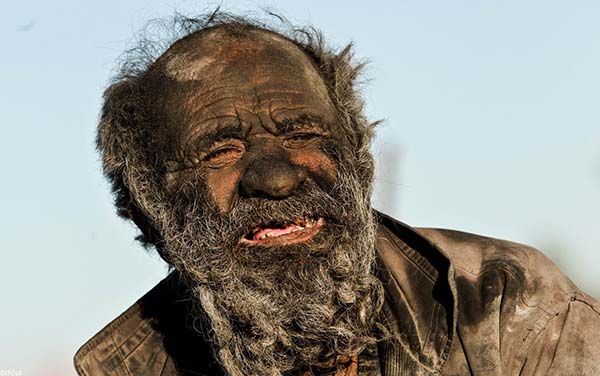
Amou Haji doesn't adhere to societal norms in any way- he's over 80 years old (7 years older than the average Iranian lifespan), he smokes animal feces and drinks water out of a rusty oil tin, his favorite food is rotten porcupine, and he hasn't taken a bath in over 60 years because he believes bathing will make him sick.
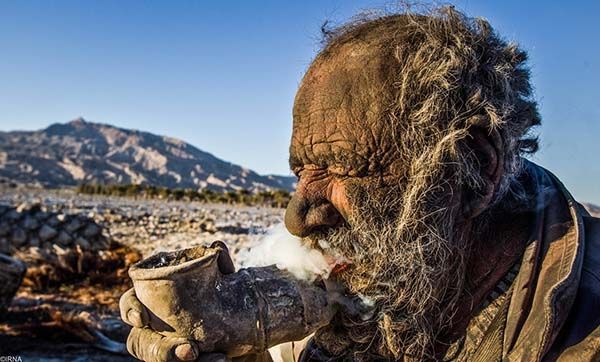
Maybe Amou is on to something with his Bizarro health regimen? Nah, it's probably just the luck of the draw...
-Via VeryViral
09 May 08:44
58 mitos que nos seguimos creyendo
by Jaime Rubio Hancock
En internet se difunden a toda velocidad rumores, mitos y leyendas urbanas. Pero también es un medio idóneo para desmentirlos. Snopes lo hace desde 1995. No están solos: el año pasado Information is Beautiful elaboró una infografía con 52 de los mitos más difundidos y Mental Floss publica habitualmente videos desmintiendo mitos y creencias populares, como este dedicado a la ciencia. Recogemos otros 58 ejemplos en este artículo, con enlaces que amplían (e incluso matizan) la información en muchos de los medios y webs que se dedican a recordarnos que, a menudo, nos equivocamos.
Cuerpo humano
1. Sólo usamos el 10% de nuestro cerebro. Un mito que se resiste a morir y que es incluso el punto de partidas de películas recientes como Lucy. The Guardian lo llama “el mayor mito sobre el cerebro de la historia”: un 48% de los profesores británicos lo cree. Según Snopes, ni siquiera está claro su origen. Lo cierto es que usamos todas las áreas de nuestro cerebro, incluso cuando estamos descansando. Es verdad que el cerebro es muy plástico (podemos vivir con medio) y que no usamos todo a la vez, ya que algunas zonas están especializadas: cuando caminamos, por ejemplo, las partes centradas en la actividad motora son más activas que otras. Pero no hay una parte del cerebro que no haga nada y que esté esperando a que la activemos para tener superpoderes.
2. Las neuronas no se pueden regenerar. Desde los años 90 hay pruebas de que el cerebro tiene capacidad de regeneración, al menos en algunos casos e incluso después de un infarto cerebral, gracias a la neurogénesis.
3. Uno de los hemisferios del cerebro es dominante y eso determina si somos más artísticos o más racionales. Sí que es cierto que hay zonas del cerebro que están especializadas: el lenguaje se procesa en el hemisferio izquierdo, por ejemplo. Pero no es cierto que uno de los hemisferios domine sobre el otro, con independencia de lo bueno que sea uno con las palabras. En este vídeo hay otros cinco mitos más sobre el cerebro:
4. Las partes de la lengua están especializadas en diferentes sabores. Aunque es algo que muchos aprendimos de niños, los receptores de sabor están distribuidos por toda la lengua. Como recoge el New York Times, sí podría haber diferencias en cómo hombres y mujeres detectamos los sabores amargos, salados y ácidos. Además de eso, hay un quinto sabor, umami, que significa “sabroso” y que está presente en las proteínas.
5. El alcohol te mantiene caliente. Los licores dan sensación de calor, pero el alcohol baja la temperatura del cuerpo, con lo que realmente es peligroso beber alcohol cuando hace mucho frío. Lo mismo pasa con el café, según Mental Floss.
6. Y mata neuronas. Aunque algunas mañanas parezca que los gintonics de la noche anterior hayan arrasado nuestro cerebro, el alcohol no llega a matar neuronas. Eso sí, el consumo excesivo durante mucho tiempo puede dañar las conexiones entre estas células y causar atrofia y degeneración (reversibles).
7. El frío causa resfriados. Los resfriados vienen provocados por un virus que viaja por vía aérea “a través de las gotitas originadas al hablar, toser o estornudar”, no por el frío en sí. Como añade la OCU, cuando hace frío, pasamos más tiempo en espacios cerrados y en zonas comunes (colegios y oficinas). Además, en las regiones con poca humedad, las fosas nasales se secan más fácilmente. Todo esto contribuye a que sea más fácil contagiarse. (Además y como nos avisan en Twitter, el frío puede debilitar el sistema inmune, lo que facilitaría los resfriados).
8. Y la vitamina C los previene. No hay ninguna prueba que confirme esta relación, si bien es cierto que una alimentación sana nos ayuda a mantenernos sanos y una alimentación sana incluye fruta y vitamina C. Si es cierto que esta vitamina podría ayudar a reducir el tiempo que dura la enfermedad, según algunos estudios.
9. Las uñas y el pelo siguen creciendo después de muertos. Un cadáver no puede producir nuevas células. BBC explica que la piel que rodea las uñas se deshidrata y por eso parecen más largas. Lo mismo ocurre con la piel de la barbilla, lo que lleva a que parezca que la barba crece. Da miedo igual.
10. Crujir los dedos causa artritis. Ese ruido en los nudillos se forma por burbujas de gas que se acumulan en las articulaciones de los dedos y no tiene efectos nocivos.
11. Si te tragas un chicle, tardas siete años en digerirlo. Esta advertencia que todos oímos de niños es falsa: los chicles no se quedan pegados al estómago o a los intestinos, ni tardan más en ser eliminados, a pesar de que, como recuerda Snopes, “llegan al otro lado sin cambios sustanciales”.
12. Tenemos cinco sentidos. Aparte de los cinco sentidos tradicionales que ya catalogó Aristóteles, tenemos unos cuantos más: entre 9 y 20, dependiendo de la definición que usemos. Estos incluyen la propiocepción, que nos permite saber dónde están las diferentes partes de nuestro cuerpo, los sensores de temperatura (termocepción), del dolor (nocicepción) e incluso el sentido del equilibrio. Algunos apuntan que lo más fácil es dividirlos en tres grupos: mecánicos (tacto, oído y propiocepción), químicos (gusto, olfato y los sentidos internos) y la luz.
13. Cortarse el pelo (y afeitarlo) lo hace más fuerte. Aunque lo parece por un tiempo, ya que cada cabello acaba en punta y cuando lo cortamos o afeitamos, lo hacemos por el tallo.
14. “Rápido, orina en esa picadura de medusa”. El vinagre y la orina no son buenas ideas para calmar el dolor de una de estas picaduras.
15. El estrés hace que se te vuelva el pelo blanco. No exactamente: el estrés provoca que se te caiga el pelo y el cabello con pigmento es más débil, por lo que estos se caen y las canas se quedan. Es decir, si ya tienes canas, el estrés te dejará sólo con ellas. Si no tienes canas, corres el riesgo de quedarte calvo.
Animales
16. Los avestruces esconden la cabeza bajo tierra. Bajan la cabeza a ras de suelo para pasar desapercibidos y parecer un arbusto, aunque es más normal que corran.
17. Los lemmings se suicidan en masa. Como explica Io9, estos roedores del ártico pasan por ciclos de población en los que se multiplican por 100 o incluso por 1.000, para luego descender hasta casi la extinción, ya que dependen de climas muy fríos para reproducirse. En los picos de población, muchos grupos de lemmings se ven obligados a emigrar y, ocasionalmente, caen por acantilados. Pero por accidente. No se arrojan al vacío. Estos ciclos de poblaci´n tan bruscos llevaron a varias leyendas, incluida la de que se arrojaban al mar. Un documental de Disney (sí, Disney) de 1958 dio esta leyenda por cierta y los autores decidieron comprar un camión lleno de lemmings y empujarlos por un barranco para simular lo que en su opinión la naturaleza hubiera hecho de todas formas. Este vídeo recoge el aterrador fragmento.
18. Según la física, el abejorro no podría volar. La abeja era el insecto de la historia original, que se habría originado en la Alemania de los años 30 (fíate tú). Como recogía en su blog Javier Armentia, director del Planetario de Pamplona, “en movimiento, la abeja crea una serie de turbulencias que explican sus sustentabilidad”. Aunque no se trata de un proceso sencillo, ningún científico -ni cualquier otra persona sobria, añado- ha dudado jamás de que un abejorro pueda volar, ya que todos han visto a alguno volando.
19. Los tiburones no enferman de cáncer. Pues sí, y de todo tipo. Así que conviene no fiarse de los productos hechos con cartílago de tiburón que aseguran prevenir esta enfermedad.
20. La memoria de los peces dorados dura sólo unos segundos. Estos peces pueden aprender, retener información y usarla posteriormente, como muestra un experimento en el que tras unas semanas dejando comida en el mismo sitio, el pez se acercaba a ese lugar antes de ver la comida y cuando le tocaba. También pueden aprender a distinguir y recordar música. Lo explica Mental Floss.
21. Los perros sudan salivando. Regulan la temperatura sobre todo con la respiración, jadeando con la boca abierta. La mayor parte de sus glándulas sudoríparas están en las plantas de sus patas.
22. Los toros no ven el color rojo. Es cierto que el toro embiste por el brillo y el movimiento del capote. Pero estos animales sí distinguen el color rojo, si bien es cierto que no les enfada. En el programa de televisión Mythbusters sometieron este mito a prueba.
23. Los patos no hacen eco. Sus graznidos tienen eco, aunque el espectro de este sonido es difícil de percibir por el oído humano, como explica Quo.
24. Los murciélagos son ciegos. Ven casi tan bien como los humanos. Se orientan gracias a sus ojos, al sónar de ultrasonidos, que les ayuda a cazar insectos en la oscuridad, y a una brújula interna.
25. Las moscas viven 24 horas. Las moscas comunes viven entre 15 y 25 días.
26. Un año de perro son siete años de humano. Los perros envejecen a otro ritmo, pero esta famosa equivalencia no es exacta. Los perros crecen mucho más rápido durante los dos primeros años y, de hecho, alcanzan la madurez sexual ya en el primero, que equivaldría a unos quince años humanos. Priceonomics publica una tabla que da la equivalencia, que también depende del tamaño del perro.
27. Nos tragamos ocho arañas al año mientras dormimos. Tal y como recoge Snopes, el mito ya se desmintió en un libro de 1954, aunque se resiste a morir. Snopes cita a Scientific American, que asegura que las arañas probablemente encuentran aterrador a un humano dormido. Menos mal. Mental Floss desmenuza la leyenda urbana en este artículo, que hace referencia a que Snopes explica que su difusión reciente se debe a un artículo de la revista PC Professional de 1993, que quería demostrar que nos creemos cualquier cosa que nos envían por mail. La autora, Lisa Holst, propuso su propia lista de hechos inventados y ridículos. Pero en internet nadie ha conseguido encontrar a Lisa Holst. ¿Existe ese artículo? ¿Es otro mito? Este es uno de los grandes misterios de internet.
28. Los delfines son los animales más inteligentes después de los humanos. No lo parece. Tal y como relata Jessa Gamble, comprenden signos, como los primates y los loros, pero recuerdan menos que muchos perros. Se reconocen en los espejos, pero también lo hacen muchos animales. En la revista Spiegel explican el origen del mito y la polémica actual.
Ciencia y vida cotidiana
29. El agua del fregadero gira en sentido contrario en el hemisferio sur. Tal y como recoge Xataka, el efecto Coriolis existe y afecta a depresiones atmosféricas y huracanes, pero es muy débil y sólo produce consecuencias significativas a largo plazo. Por tanto, no llega a afectar al desagüe, que se ve más influido por otros factores, como la inclinación de la bañera, por ejemplo.
30. Escuchar a Mozart nos hace más inteligentes. El famoso experimento de 1993 que dio con un efecto Mozart en bebés menores de tres años se ha repetido varias veces sin éxito. Lo cual no quita que escuchar a Mozart esté bien, sólo faltaría.
31. Las vacunas provocan autismo. El estudio del doctor Andrew Wakefield sobre la asociación de la vacuna triple vírica con el autismo falseó datos, fue retirado por la revista que lo publicó, The Lancet, y se desmontó tras un estudio con 1,3 millones de niños.
32. Si todos los chinos saltaran a la vez, alterarían el eje de rotación de la Tierra. Como recogen en Xataka, citando 100 mitos de la ciencia, de Daniel Closa i Autet, “la Tierra pesa diez billones más que todos sus habitantes humanos juntos”, por lo que “sería como si una mosca saltara sobre la superficie de un barco”.
33. No hay que despertar nunca a un sonámbulo. Es posible que el sonámbulo se muestre molesto y desorientado. Más o menos como cuando nos sacan de un sueño profundo. Es desagradable, pero no hay peligro de infarto ni de coma, y en caso de riesgo puede ser hasta recomendable (no vaya a tropezar y caerse). Eso sí, en la BBC recomiendan intentar llevar al sonámbulo cuidadosamente a la cama sin despertarlo.
34. Si algo de comida cae al suelo, tarda 5 segundos en contaminarse. Cuanto menos tiempo pase ese trozo de chocolate en el suelo, menos posibilidades tendrá de contener bacterias, recoge Scientific American. Hay otras variables que influyen, como el tipo de suelo (la madera sería lo peor) o si la comida está húmeda. Pero la mayoría de estudios coincide en que si la superficie está contaminada, no hay diferencia sustancial entre tres o quince segundos: mejor no arriesgarse.
35. Si orinas en la piscina, un componente químico hará que el agua se vuelva roja en contacto con la orina. Según Snopes, este mito se remonta como mínimo a 1958, pero no hay ningún compuesto que actúe sólo contra la orina y no contra otros componentes orgánicos similares. Snopes también recuerda que muchos niños incluso orinarían voluntariamente sólo para ver el tinte. En este blog de la tienda de piscinas Gunitec, Marcos Gisbert explica que incluso ha preguntado a proveedores por este tinte para acabar de confirmar si se trata de una leyenda urbana: nadie lo tenía. Así que puedes hacerlo sin riesgo a quedar en evidencia. Pero no lo hagas. Por favor.
36. El suero de la verdad funciona. En la BBC probaron el tiopentato sódico para poner el mito a prueba. Es cierto que desinhibe, como el alcohol, y vuelve más sugestionable, pero no es fiable. De hecho y durante el interrogatorio simulado, el periodista comenzó explicando (entre carcajadas) que era “un cirujano cardiaco mundialmente famoso”. Cuando se le incrementó la dosis, admitió su verdadera profesión. Pero estos sueros apenas tienen efecto en quien no quiera contar nada.
37. Cuando alguien dispara un arma con silenciador, apenas suena un silbido. Depende del arma, pero el disparo se seguiría oyendo y no se convertiría en el mejor amigo de un asesino discreto, tal y como explican en este hilo de Quora. Se usan sobre todo para cazar o para defensa doméstica. En Quora incluyen este vídeo de un ruso disparando un escopetazo con un silenciador. Aquí hay otro ejemplo más discreto, que permite comparar.
38. Los bebés se parecen más a sus padres porque así es como la naturaleza les recuerda que son realmente suyos. Aunque este mito está basado en un estudio de los años 90, otros estudios lo han negado e incluso sugieren que en realidad los bebés se parecen menos a sus padres que a sus madres porque así habría más seguridad de que el padre cuidaría de este bebé, ya que asumiría que es suyo, se le parezca o no.
39. Dejar los fluorescentes encendidos ahorra. Consumen más energía al encenderse, pero no tanta como para compensar.
40. Los huevos pardos son más sanos que los blancos. El color del huevo depende del tipo de gallina, pero no hay más diferencia. Ni siquiera en el sabor. Si notamos un color diferente en la yema, es por la alimentación de la gallina, no por el color de la cáscara, cuyo grosor, además, depende de la edad de la madre. En España cuesta encontrar los blancos porque hace años se comenzaron a asociar los pardos con los de corrales tradicionales, tal y como explican en el blog Directo al paladar.
41. Einstein suspendió matemáticas. Nunca fue un mal estudiante y, de hecho, empezó a estudiar cálculo tres años antes que el resto de sus compañeros. Sí es cierto que recibió ayuda de otros matemáticos a la hora de desarrollar su trabajo, incluida Mileva Maric, su primera esposa. Este es el posible origen del mito.
42. No hay Nobel de matemáticas porque la mujer de Alfred Nobel le fue infiel con el matemático Gosta Mittag-Leffler, que hubiera podido ganar el premio. Como recuerda Snopes, aunque Nobel tuvo tres amores importantes, nunca se casó. Por otro lado, había más candidatos que podrían haberle disputado el premio a Mittag-Leffler, como Henri Poincaré y David Hilbert. No se sabe por qué no hay Nobel de matemáticas, pero podría deberse a que el rey de Suecia ya financiaba el que concedía la revista Acta Mathematica y Nobel quizás no quiso competir con un soberano. Es posible que considerara que era una ciencia demasiado teórica. O puede que simplemente no le interesaran.
43. Hubo tres Reyes Magos. Como recuerda Umberto Eco en Historia de las tierras y los lugares legendarios y en su novela Baudolino, y al margen de que su existencia no está confirmada, los evangelios sólo hablan de magos, sin indicar cuántos eran, cómo se llamaban y si eran reyes. Aunque sí había tres regalos, las tradiciones hablan de dos y a veces de doce reyes magos, con nombres como Hormidz Jazdegard, Hor, Basander, Karundas... En el siglo V, el papa León I dejó el número en tres y el siglo siguiente se les asignaron sus nombres. Además, Baltasar no fue negro hasta finales del gótico, cuando se decidió que serían un blanco, un árabe y un africano, "para sugerir la universalidad de la redención".
44. La doncella de hierro es un instrumento de tortura de la Edad Media. Este sarcófago con clavos en su interior es una invención del arqueólogo Johann Siebenkees, que la fabuló en 1793 basándose en cuentos tradicionales. También se contaba en el siglo XVII que la condesa húngara Erzébet Báthory usaba este instrumento para obtener más sangre de sus víctimas.
Naturaleza
45. Hay un lado oscuro de la Luna. Desde la Tierra sólo vemos el 59% del satélite, pero el otro 41% también recibe luz solar.
46. Si saliéramos al espacio sin traje, explotaríamos. La forma de morir en este caso es bastante más aburrida: la falta de oxígeno nos haría perder la conciencia en sólo 15 segundos. No puedes coger aire y aguantar la respiración: no hay presión atmosférica y si tuvieras aire en los pulmones, se expandiría y te los destrozaría. Una vez inconsciente, aguantarías vivo durante un par de minutos y morirías por no poder respirar, por la radiación o, probablemente, por un infarto. No morirías congelado porque el vacío ayudaría a mantener el calor en tu cuerpo.
47. La NASA se gastó millones de dólares en desarrollar bolígrafos que funcionaran sin gravedad. Los rusos usaron un lápiz. Esta historia es muy bonita, pero no es auténtica, como cuenta Snopes. En los primeros vuelos, los astronautas rusos y americanos usaban lápices, pero no eran una herramienta apropiada: la punta se rompe, lo que no es agradable sin gravedad, y además son inflamables, por lo que suponen un riesgo en caso de incendio. El boli espacial lo desarrolló una empresa privada por su cuenta, la Fisher Pen Co., y la NASA los compró, después de probarlos, a un precio razonable.
48. El Sol es amarillo. Lo vemos amarillo por la atmósfera, pero en realidad es blanco. De hecho y tal y como explica IFL Science, las fotos de astronautas a menudo se retocan para que lo veamos como estamos acostumbrados.
49. El sol es una bola de fuego. La reacción es nuclear, no química: el sol brilla, pero no está en llamas.
50. Puedes ver la Gran Muralla China desde el espacio. Aunque hay polémica al respecto, lo cierto es que la gran muralla sólo tiene unos metros de ancho, tanto como una carretera o un aeropuerto. Además, es de un color similar al del suelo que la rodea. Sí hay construcciones humanas que se pueden ver desde el espacio, como los invernaderos de Almería, el Parlamento de Rumanía y la mina de cobre de Kennecot.
51. Los diamantes son trozos de carbón sometidos a presión extrema. En realidad, son minerales con carbono que se han expuesto a estas altas presiones. Los diamantes tienen entre tres mil millones y mil millones de años de antigüedad. El carbón tiene unos 300 millones de años.
52. El agua conduce la electricidad. En realidad, el agua pura es un buen aislante. Lo que conduce la electricidad son las impurezas, como las distintas sales. Que es como la encontramos habitualmente, así que mejor sigamos comportándonos como hasta ahora en lo que atañe a este punto.
53. Si dejas caer un penique desde un rascacielos podrías matar a alguien. Pesan muy poco y son aplanados, por lo que caerían casi (CASI) como una hoja, explica Scientific American. Incluso aunque cayeran en el vacío, no serían capaces de atravesar un cráneo. Aunque dolería. En Mythbusters también lo pusieron a prueba. En sus propias carnes.
54. Los girasoles siguen al sol. Sólo miran al sol de jóvenes, cuando necesitan aprovechar al máximo la luz. Cuando crecen y maduran, se quedan en una posición fija, orientados al este.
55. “La supervivencia del más apto” o “la supremacía del más fuerte” es un término de Charles Darwin. Es cierto que Darwin escribió la frase, pero sólo en la introducción a la quinta edición de El origen de las especies. Y estaba citando a Herbert Spencer, que la había acuñado en su Principios de biología después de leer la primera edición del libro de Darwin. Darwin escribió que había usado el término selección natural, “pero la expresión utilizada a menudo por el Sr. Herbert Spencer de la supervivencia del más apto es más exacta, y es a veces igualmente conveniente”.
56. El hombre viene del mono. Darwin tampoco dijo nunca tal cosa. Lo que dijo es que monos y hombres tenemos un ancestro común, que como explican en ABC Science fue un primate. Decir que venimos del mono es como decir que somos hijos de nuestros primos, tal y como apuntan en The Guardian.
57. Puedes hipnotizar a una serpiente con una flauta. Mejor no lo pruebes: las serpientes son sordas y lo que las calma es el movimiento del instrumento. La cobra mueve la cabeza no porque esté hipnotizada, sino porque es la forma en la que observa mejor todos los movimientos.
58. Las serpientes son sordas. No te puedes fiar ni de los artículos que desmienten mitos, como este que estás leyendo. Aunque queden hipnotizadas por el movimiento del flautistas antes mencionado, las serpientes no son sordas. No tienen oído externo ni martillo, pero oyen gracias a las las vibraciones que llegan a su cráneo y a su piel. Esto les permite oír las vibraciones que se transmiten a través del suelo y también los sonidos graves que llegan por el aire.

09 May 00:50
I Simplified My Life By Getting Rid Of All Of Greg’s Possessions That Didn’t Bring Me Joy
by Laura Buchholz
If you’re looking for a way to cut through the clutter and create space for increased intentionality in your life, you’ve probably read The Life-Changing Magic of Tidying Up: The Japanese Art of Decluttering and Organizing by Marie Kondo. With Kondo’s method, you take all your possessions and touch each one, and decide which objects bring you joy. The ones that don’t bring you joy get thrown out. Well, I’ve found a better, more efficient way to clear out the junk and get down to the business of living my best life: I got rid of all of Greg’s possessions that didn’t bring me joy. And let me tell you, I’ve never been happier.
Greg is my boyfriend of seven years. We live together and have no immediate plans to get married, because we’re not like that, says Greg. Greg also has a lot of stuff, and last week I got rid of a whole bunch of it while he was visiting his brother in Philly. And I have to say, I haven’t felt this light and free for years! For example, while I can objectively see that Greg has a lot of good-quality coffee mugs, almost none of those mugs bring me any joy, because most of them are from a college that I didn’t go to. So I threw almost all of them out. I had to leave him one coffee mug, of course, so I chose the one that brought me the most joy: the one with the owl riding a bicycle on it.
After this small victory, I was hooked.
I threw away a bunch of Greg’s old ratty sweatshirts, a bunch of his CDs, his ancient pillows, and about 20 pairs of his athletic socks. I also threw away two hats his ex-girlfriend Marcia knitted him, which he had refused to throw away himself “because they were nice hats.” Well, in fact, they are not the best hats, and they definitely never brought me any joy, and so they’re gone now, and so is the feeling of having an anvil sitting on my chest whenever I see those hats. Progress!
All in all, I threw out about eight boxes worth of Greg’s stuff, and the apartment looks great! I can’t wait to see what Greg says when he gets home from Philly!
Maybe someday I will get around to getting rid of my own things that don’t bring me joy, but then again, maybe not. After all, those are my things. It’s so much better to get rid of someone else’s stuff!
And so while I understand where Kondo was coming from when she wrote that book, I think she missed the mark a bit. Everybody has a Greg in his or her life. And every Greg has some things that could be donated to Goodwill later this afternoon. So what are you waiting for? Oh right, for that person to leave the house so you can start throwing away his or her things. That makes perfect sense. But as soon as they leave, all bets are off. Get your boxes ready, folks, and get ready to live a new life free of other people’s stuff that doesn’t bring you joy! I highly recommend it!
I Simplified My Life By Getting Rid Of All Of Greg’s Possessions That Didn’t Bring Me Joy is a post from: Reductress
08 May 19:25
Love on the Battlefield of Eastern Ukraine
by Roc Morin
"I have killed 24," Oxana Gimranova boasted, cradling a rifle almost as tall as she is. Her husband, Ruslan, showed off pictures on his phone of Oxana holding her young son—a similar pose, a similar tenderness. The photos were from a year ago, back before the war, before Oxana had ever touched a gun. She had been a tax collector then, in what was once Horlivka, Ukraine. The city belongs to the Donetsk People's Republic (DPR) now, the breakaway, pro-Russian government for which Oxana is fighting. She wears the word "Cнайпер" (sniper) in fresh ink on the skin of her chest—she's the best marksman in the company, according to her comrades. The tattoo hides beneath a black pullover imprinted with skull-and-crossbones dice.
We sat on sandbags in an abandoned coal-processing plant near the front lines of Horlivka; their company has turned the administration building into a barracks. Ruslan continued to flip through his phone until he came to a picture of his wedding last August. In it, the 22-year-old Ruslan stands clutching a Christian icon beside his 27-year-old bride in a white dress.
[body_image width='2000' height='1333' path='images/content-images/2015/05/07/' crop='images/content-images-crops/2015/05/07/' filename='love-on-the-battlefield-of-eastern-ukraine-507-body-image-1431010828.jpg' id='53742']
The war accelerated everything. Ruslan and Oxana met first as soldiers in the same unit. Both had joined the DPR military at the beginning of the region's violent secession from Ukraine. The courtship started when Ruslan was shot in the chest during a firefight. Without even knowing his surname, Oxana tracked him down in a local hospital and held his hand as he struggled for life. "The doctors only gave him a one percent chance of survival," Oxana remembered, "but after several days, he was OK."
For weeks, the pair met in secret, afraid that their commanders would disapprove. When they announced their wedding plans, however, the officers—along with the entire battalion—helped pay for Oxana's dress. Their honeymoon consisted of an afternoon drive around Horlivka before they returned to the front to fight that evening.
It was Ruslan's first marriage, and Oxana's second. Her first had been at the age of 12 to a man in his 30s. They had two sons together, Oxana explained, but the man was abusive, and she eventually fled with her boys. "I never loved him," she insisted. An aunt is currently raising the two children in a nearby city. "We visit as often as we can," Ruslan said. "They call me Papa now. I love them as though they were my own."
Related: Russia's Ghost Army
[youtube src='//www.youtube.com/embed/C66mAkS1ZfM' width='640' height='360']The conflict in eastern Ukraine has been going on for more than a year now. It began with a popular uprising by Europe-aligned protesters in Kiev against Ukrainian President Viktor Yanukovych. Yanukovych had refused to sign an association treaty with the EU, preferring instead to establish closer ties with Moscow. After Yanukovych was unseated, some citizens in the provinces of Donetsk and Luhansk joined a once-fringe separatist movement, which quickly led to war between the Western-supported Kiev government and the pro-Russian rebels, who were joined not-so-covertly by troops from the regular Russian army.
In September, a ceasefire agreement called the Minsk Protocol was signed, but according to Aleksandr Shumakov, a local businessman turned commander, "There hasn't been a day of ceasefire here." Another ceasefire struck in February helped de-escalate fighting in some sectors, but the war has continued unabated in others. I heard and saw shelling every single day I was there, and when I visited with Shumakov and soldiers like Ruslan and Oksana last month, they suggested the battle will not end until they achieve a stable independence from the government in Kiev.
"They speak Ukrainian," Shumakov asserted. "We speak Russian." [body_image width='1750' height='1167' path='images/content-images/2015/05/07/' crop='images/content-images-crops/2015/05/07/' filename='love-on-the-battlefield-of-eastern-ukraine-507-body-image-1431028104.jpg' id='53827']
Artillery exploded in the adjacent hills as Oxana climbed onto a truck full of grim soldiers outfitted for a mission. "Enough of this," the sniper crowed, "there are Ukrainians waiting to be killed!" She flashed a quick victory sign and stuck out her tongue. The men around her laughed and tousled her hair as the vehicle pulled off in the direction of the shelling.
Ruslan scrolled through several more pictures of his wife playing with her sons. "She's a great mother," he insisted. "Very kind. Very loving."
I asked how someone like that could kill 24 people.
He paused a moment, and looked away. "Actually," he replied, his eyes wider now, "she is sorry about that. It is hard to kill a person. When I killed my first person, I couldn't sleep for three days. He wasn't very close. He was forty meters away from me, but I saw how he died. It was really hard."
[body_image width='1750' height='1167' path='images/content-images/2015/05/07/' crop='images/content-images-crops/2015/05/07/' filename='love-on-the-battlefield-of-eastern-ukraine-507-body-image-1431010872.jpg' id='53743']
I told him that I was collecting dreams, and asked about his. "I always see the fighting," he recalled. "Oxana also sees such dreams. Often, she speaks in her sleep. She dreams that she's injured, and she dreams of the shelling and the shooting. Oxana wraps her arms around herself and curls up. She pushes into me, trying to get as close as she can. We both dream of our friends who were killed by Ukrainians. In our dreams, they are still fighting alongside of us."
Follow Roc's project collecting dreams from around the globe at World Dream Atlas.
08 May 19:17
Europe Day must give back meaning to the EU
by 151
The European Union needs a new narrative and more legitimacy.

On May 9, 1950 at 18:00 in the Quai d'Orsay salon, Robert Schuman presented his proposal for sharing both coal and steel in order to reorganize Europe under a Franco-German effigy, which would be indispensable for the maintenance of peaceful relations. Known as the "Schuman declaration", it is considered to be the act which gave birth to the European Union.
Since then May 9 has become both a European symbol and an element of identification to the European Union as a political entity. However, in recent years doubts and questions have arisen over the prospects of the Union. It is therefore time to remember the ideals of the founding fathers who fought for a united, peaceful and prosperous Union.
I) Europe Day, as a tribute to the founding fathers
In 1940, Jean Monnet started to think about the future of Europe during his trip to America. In his famous memorandum of 5 August 1943 in Algiers, he discussed the best way to restore a lasting peace in Europe after the end of the War. According to him, the heart of the problem was related to the relationship between France and Germany. He stated that, "There will be no peace in Europe if the states are reconstituted on the basis of national sovereignty."
Following this there was a Hague Congress in May 1948 and the creation of the OECD (Organisation For Economic Co-opération in Europe), however they led to deadlocks. According to Monnet, Europe should begin with "achievements more pragmatic and ambitious, and attack the national sovereignty with more audacity". Monnet's work inspired the French foreign minister, Robert Schuman. Together, they prepared a text in the utmost discretion. Schuman thought that, "we must change the minds of men by a profound, immediate and real action". Nine versions of the text were written, the last one dating from May 6, 1950. The German Chancellor Konrad Adenauer was excited about the proposal. In his speech in Cologne March 24, 1946, he had already claimed that "Europe will be possible only if a community of European people is restored, in which each nation provides its contribution." On May 9, 1950 at 18:00 on the Quai d'Orsay salon's clock, Europe was born.
But this statement would have remained dead without the will of some individuals, inseparable from the first stages of European construction: Konrad Adenauer, the German Chancellor who joined the project, Alcide De Gasperi, the Italian Prime Minister, Paul-Henri Spaak, the Belgian Prime Minister, Johan Willem Beyen, the Dutch Prime Minister, and Joseph Bech, Luxembourg's head of government. Together they are the seven founding fathers of the ECSC (European Coal and Steel Community), a project with a great future, which ultimately led to the European Union. But many others before them had put forward the idea of a united Europe. Aristide Briand and Richard Nikolaus Coudenhove-Kalergi, without forgetting Victor Hugo, with his famous speech on the "The United States of Europe", on August 21, 1849 at the Peace Congress. It is appropriate to recall that many of them had grown up close to borders, and were sometimes forecefully moved, like Robert Schuman - a German born in Luxembourg, who became French after the annexation of the Moselle River in France, or Alcide de Gasperi, who began his political career at the Innsbruck Austrian parliament to end up as president of the Italian Council of Ministers.
As a result, many factors led the Fathers of Europe to answer Robert Schuman's offer on 9 May 1950. They all shared the same experience of wars, the harmful effects of protectionism and weakening German policy carried by the Versailles Treaty of 1919. They had a vision of the way forward for Europe based on the prosperity and ideals of the Universalists of Christian Democracy.
II) Europe Day, as a time for giving back meaning to Europe
It was agreed at the Milan European Council in June 1985, that May the 9 will indeed be the official "Europe Day". Little did the decision makers know that the EU would be plunged into doubt a couple of decades later. On the back of a severe economic crisis and a lack of efficiency and clarity on its migration, diplomatic and military policies, the EU is struggling to establish itself. 28 states making decisions is more complex than the initial 6, particularly regarding the political and cultural situation of the various Member States. Not to mention the atypical case of Greece and its delicate relationship with Germany. In fact, we are far from the thought and the dream of solidarity evoked Jan Monnet and the founding fathers.
Maybe we should take up their verbal jousting advocating for a "fact of action" and “pragmatic achievements."
Initially built on the concept of permissive consensus, the European Union tends to the constraining dissensus. In other words, citizens perceive the EU as a constraint in their daily lives. Europe needs actions and achievements to feel alive. We must concentrate on a major project. The founding fathers were well aware that we could not build a federal Europe with a simple idea: it is a matter of time and trust between States. To build it, it is important to act together on small issues that will enable step by step to accomplish great ones. The creation of the ECSC, the European budget, the European Parliament, the single currency and the CAP (Common Agricultural Policy) are already realities of unifying actions. But this is not enough. The Ukrainian crisis, the various armed conflicts in the world, the attack on Charlie Hebdo, or the crisis in Greece show us how fragile Europe is.
In this difficult context, it is time to think over our public policies, to reconnect with European citizens. Europe must be more involved in environmental matters, it must create its own diplomacy and army, it must increase its budget, harmonize its taxes and so on. Ideas abound, but there is a lack of political will.
In our Union, after 55-years of historical peace, European citizens expect more. Because the construction of a political Europe involves the development of everyday symbols, common to all peoples, it is also time to give Europe a national holiday. Celebrating Europe is a way to remember those who fought to build peace, especially through the two World Wars.
We do not have not the right to stop history in 1945 and it is time to celebrate the progress made since. Because it means little more than a day off, public holidays must find meaning and modernity. Because Europe keeps on its development, it's time to celebrate the progress made to undertake what remains to build together. Europe needs us if it is to grow.
Sources:
http://www.taurillon.org/9-mai-jour-ferie-dans-toute-l-Europe,03515
http://www.robert-schuman.eu/fr/doc/divers/Peres_de_l_Europe.pdf
http://www.touteleurope.eu/
08 May 19:14
What It's Actually Like to Live with Crohn's Disease
by Liam Lonergan
[body_image width='2241' height='1362' path='images/content-images/2015/05/08/' crop='images/content-images-crops/2015/05/08/' filename='this-is-what-living-with-crohns-is-actually-like-385-body-image-1431094109.jpg' id='54180']
Illustration by Dan Evans.
This article first appeared on VICE UK.
You can tell a lot about someone via their relationship to shit. Salvador Dali was besotted, working skid marks into his paintings and writing that "true love would be to eat one's partner's excrement." The French Renaissance writer Rabelais is said to have used human shit to signify the body's "instinctive right to primal satisfaction." James Joyce was really, really into having sex with women while they farted.
I've had shit on the mind myself recently because, a few months ago, I had to defecate into a plastic basin and tip the sample into a stool container. It wasn't pleasant. Aesthetically, it reminded me of hematite or some kind of advanced skin disease. Still, that was one of the better ones.
The reason I was shitting into a basin is this: I've had chronic pain in the pit of my stomach for about two and a half years. I move around sluggishly. Color drains from my face, the red that enlivens my skin replaced by a sickly pallor beaded with sweat. Jets of warm shit, then four days of nothing at all.
Each time I went to the doctor about my symptoms I was diagnosed with irritable bowel syndrome, a common complaint that can cause cramps, bloating, diarrhea, and/or constipation. I knew what I was dealing with was worse; I'm no middle-of-the-road IBS sufferer (welcome to the hierarchy of bowel dysfunction).
When Martin Amis went to Mike Szabatura, his dentist, and found out that the "ridge of darkness just above his chin" was a cancerous growth, he wrote, "For months, months, I had felt something new and strange down there: pressure, activity, occupancy..." There was pressure, activity, and possible occupancy in my bowel or intestine. There was a balloon in my anus, and this balloon inflated at inopportune moments, diverting the course of events and inevitably leading me to the toilet bowl. Sex, work, TV, the spreading of cold butter on cold bread—all disrupted by the balloon.
I once had a friend whose depression was characterized by a lament for his routine of eating, shitting, and wiping, on repeat, ad nauseam. He said the inevitability of this cycle was "agony." I was starting to identify.
[body_image width='2241' height='1362' path='images/content-images/2015/05/08/' crop='images/content-images-crops/2015/05/08/' filename='this-is-what-living-with-crohns-is-actually-like-385-body-image-1431094157.jpg' id='54181']
James Joyce, famous lover of farting women
I finally found a doctor who was willing to explore the possibility of Crohn's disease and refer me to the Department of Gastroenterology and Endoscopy. They inject you, lull you, and violate your interior by inserting a flexible tube down your throat or up your rectum.
Prior to this procedure I had to starve myself for 38 hours. On the way to the hospital I had a faint hallucination. I saw a slurry of feces spill from a spare tire and onto the motorway while listening to "Walk Away Renee" by the Four Tops. Sitting in the waiting room, alongside the other starving patients, the hospital staff had the bright idea of putting The Hairy Bikers' Asian Adventure on the TV.
According to Crohn's and Colitis UK, a nationwide charity established in 1979, Crohn's Disease is a type of inflammatory bowel disease. I first heard of it when Sam Faiers from The Only Way Is Essex was on the 2014 edition of Celebrity Big Brother. She seemed lethargic, withdrawn, undernourished; swamp-green circles blemished the area around her eyes. After being visited by an onsite doctor, she was diagnosed with Crohn's. She spoke to the Daily Express and asserted a willful defiance against a disease that was, basically, a serious case of the shits: "I won't let Crohn's disease beat me," she said, in turn becoming the poster girl for Rubbish Bowels and alerting me to the disease.
Related: 'You Don't Know Shit,' our film about how the human shit industry is worth hundreds of billions of dollars.
In an episode of The Sopranos titled "Funhouse," Tony can't differentiate between depression—an affliction of the mind—and the physical effects of food poisoning. I spend a lot of time occupying this space between mental and physiological malady. My disposition is informed by the severity of the stomach complaint—to the extent that my entire being is reduced to the flesh of the terminal ileum.
I live inside my biology, burrowing deeper into the swelling. On a bad day I wake up (at midnight), explode into the toilet bowl like a geyser of jet-engine fuel, wipe myself, and repeat this pattern throughout the night. I lose blood. I get cold. But, with increasing urgency, I have to leave the comfort of my duvet to make my way downstairs to the frigid harshness of the bathroom tiles.
On the "Information and Support" section of Crohn's and Colitis UK's website, it says: "In both Ulcerative Colitis and Crohn's, parts of the digestive system (the gut), which includes the intestines or 'bowels,' become sore or inflamed. Crohn's can affect any part of the digestive system, from the mouth to the anus."
[body_image width='1700' height='1033' path='images/content-images/2015/05/08/' crop='images/content-images-crops/2015/05/08/' filename='this-is-what-living-with-crohns-is-actually-like-385-body-image-1431094196.jpg' id='54182']
I have ileum Crohn's—the most common form—which affects the small intestine and the colon. The normal function of the bowel is disrupted because the tissue can swell, thicken or form scar tissue, leading to blockage due to the narrowing of vital passageways. A condition known as malabsorption—"a failure to absorb nutrients from the gastrointestinal tract"—can occur, which leads to fatigue and loss in weight. And ulcers may form in the deepest layers of the bowel wall. I live on a diet of 30mg of Co-Codomol and 3mg of Budesonide capsules, but, because the steroid tablets no longer carry out their function and the pain persists, the hospital are starting me on Adalimumab injections, which helps to reduce swelling and pain by limiting inflammation.
Every day I have to plan with my bowels, not my brain. I have to think about wet-wipe allocation—one pack in the bathroom at home, the bathroom at work, my bag, and my (parents') car—to make sure that I don't further fuck up my Crohn's-y asshole with hemorrhoids. Every day the cycle begins, repeats, and repeats until we're in double figures. And yes, my friend was right: It's agony.
Follow Liam Lonergan on Twitter.
Follow Dan Evans on Twitter.
08 May 19:04


ALGO PASA CON INDITEX
by noreply@blogger.com (Lo dice Diana Aller)
El presente texto no se ha incluido en varias publicaciones a las que se lo he presentado y en todas las ocasiones (salvo en una por motivos diferentes) no se han atrevido a publicarlo. ¿Explico cómo hacer un cóctel molotov? ¿Amenazo al gobierno? ¿Defiendo al Estado Islámico? No... simplemente hablo -creo que de forma suave y correcta- de Inditex.
El modelo de negocio de Inditex se ha estudiado en universidades, se ha examinado con lupa, se ha desmenuzado y copiado por partes y también todo junto. Amancio Ortega y su buque insignia ZARA, revolucionaron las finanzas textiles en el mundo entero. Su fórmula, pese a seguir funcionando, recula y se asemeja cada vez más a la de otros emporios ¿Por qué?
Todos conocemos la historia de Inditex. Incluso a ratos nos enorgullece haber gestado y dado cobijo al mayor gigante textil de la historia. Todos sabemos cómo de un comercio en Coruña, se llegó al imperio que es hoy el conglomerado de ZARA, ZARA Home, Stradivarius, Massimo Dutti, Bershka, Pull&Bear, Oysho, Lefties y Uterqüe.

Inditex (que en realidad es la contracción de “Industria de diseño textil”) invertía en propiedades en lugar de publicidad. Sus escaparates sobrios hasta el aburrimiento eran la carta de presentación perfecta para llegar a los 87 mercados en los que opera actualmente. La renovación constante de la oferta, una logística impecable y unos precios sorprendentemente asequibles han convertido a Inditex en líder indiscutible no solo de la industria textil, si no de los mercados financieros. Se estima que el año pasado ganó casi 2.400 millones de euros, un 1% más que el año anterior. (*últimos datos contrastados)
La parte oscura que justifica estos brutales beneficios es siempre la misma: fabricación en el tercer mundo con costes y condiciones laborales muy discutibles, libertad de horarios, beneficios fiscales, y descaradas copias de firmas, desfiles e influencerspara sus diseños.
Sin campañas ni alusiones directas, y con la discreción que caracteriza a la marca, se vienen dando ciertas concesiones que la igualan a sus competidores textiles. Por ejemplo, crean promociones entre temporadas en sus tiendas on line, o convocan fiestas y photocalls para sus franquicias “menores” con caras conocidas para atraer la atención. O lo que más nos ha sorprendido: contratando a net-starscomo imagen de una de sus firmas.
Esto es lo que ha ocurrido con Uterqüe (la más “pija” de las tiendas) y Gala González, la bloguera-diseñadora-influencer-y lo que haga falta, sobrina de Adolfo Domínguez.
Lo cierto es que la sobriedad de la firma y la corrección de la bloguera maridan a las mil maravillas, y naturalizan la visibilidad mediática a la que se resistía la macroempresa de Ortega.

Hasta ahora habían utilizado caras famosas pero sólo como modelos de sus catálogos. Esta es la primera vez que se oficializa una campaña protagonizada por una celebrity, un juego que da mucho ídem a otras marcas de la moda. El tirón visual de ciertos personajes otorga beneficios mediáticos en primera instancia y económicos después; algo que Inditex no ha querido dejar pasar, rompiendo con su política de silencio y su particular modelo de negocio.
Es evidente que han hecho números, estudios de mercado y balances de la competencia. Es evidente que es rentable contratar a Gala González, que por otra parte, está bastante cotizada en el mundo “it”. González es la Olivia Palermo patria, representa a la perfección los valores más tradicionales, bienpensantes, clásicos… y aburridos.
Inditex y sobre todo Uterqüe, la filial más aspiracional del gigante textil, basan buena parte de su éxito en la imagen seria, madura y deliberadamente burguesa de sus prendas. Teniendo en cuenta el coste tan barato que tienen, es fácil comprender que el secreto es precisamente ése: Mostrar al mundo lo fácil que es hacerse pasar por una persona acomodada; adoctrinar sobre las bondades de la discreción; jugar a ser pudiente.
No es casual que sea esta firma y no por ejemplo Berskha –de aspecto más “macarra”- la que cuente con la estirada bloguera.
Vestir de Uterqüe –nos está diciendo Amancio Ortega- es lo deseable, lo bello, lo correcto. Puede que para tener el aspecto de Gala González miles de trabajadores vivan en condiciones de semiesclavitud, puede que juguemos sucio dentro del libre mercado, puede que todo vaya enfocado a aumentar nuestro beneficio… Pero tú podrás sentirte como si no tuvieras nada que ver con la precariedad que nosotros mismos provocamos.


(Imágenes del derrumbe de una fábrica en Bangladesh hace dos años)
Nadie se va a escandalizar porque Inditex copie las estrategias de sus competidores. Al fin y al cabo se mueve conforme a las directrices del capitalismo más salvaje. Simplemente adapta su sistema único y novedoso a las infraestructuras globales. No engaña a nadie, no se jacta de sus conquistas… simplemente recauda mayores beneficios año tras año.
Lo dice Diana Aller
 ...
...
08 May 17:57



Every Masters of the Universe Action Figure, Ranked
by Rob Bricken
The most powerful man in the universe was also part of the greatest toyline in the universe. MotU’s giant, wildly varied assortment of heroes and villains set it apart from its ‘80s counterparts — admittedly, some more so than others. So here are all 60 original action figures, scientifically ranked by awesomeness.
08 May 17:51
SdJ Re-Reviews #1: Hase und Igel
by chriswray84
Hase und Igel Designer: David Parlett Publisher: Multiple Players: 2 – 6 Ages: 8 and Up Time: 45 Minutes Times Played: > 5, on the 2007 Ravensburger edition. Series Introduction This is the … Continue reading →
08 May 17:29
Eat Like an Aussie: Finger Limes, Pearl Meat, and More Far-Out Ingredients
by Christina Chaey
Australian chefs are on the world’s radar in a big way, thanks in no small part to their experimentation with indigenous ingredients.

Wallaby
What it is: Initial public squeamishness about eating the kangaroo’s beloved cousin has relaxed as Australians recognize it for its depth of flavor and tenderness when slow-cooked, particularly the tail, which is now treated as a kind of antipodean oxtail.
Where to eat it: At the recently relocated Sydney institution Billy Kwong, chef Kylie Kwong features crisp wallaby buns and red-braises the caramelized tail with black beans and chili.

Old Man Saltbush
What it is: Sheep grazing in the drier inland bush areas have historically sustained themselves off this hardy perennial shrub—said to be one of the factors that gives Australian lamb its intense savor and slightly salty aftertaste. Saltbush wasn’t considered edible by humans until recently, when chefs began adding it to stir-fries, wrapping meat in it, frying the leaves, and using it as an organic salting agent.
Where to eat it: Native-food evangelist Jock Zonfrillo flash-fries tiny branches of saltbush to create a snack that is a substitute for salt and vinegar chips—minus the salt—at Orana in Adelaide.

Finger Limes
What it is: Referred to as citrus caviar for its hundreds of pretty teardrop-shape translucent sacks, the diminutive fruit’s bright, sweet-tart flavor has helped it go from barely known curiosity to mainstream ingredient.
Where to eat them: At Sydney’s Sepia, chef Martin Benn places The Pearl, a sphere of candy, in front of diners. A gentle tap shatters the illusion, as pearls of finger lime, sherbet, and lime cream emerge from the collapsed shell.

Warrigal Greens
What it is: Often referred to as native spinach, this nutrient-dense, antioxidant-rich succulent grows like a weed in coastal parts of the country. Unlike English spinach, cooked warrigal greens retain their flavor, form, and chlorophyllic punch, which is why you’ll see them stuffed into dumplings or served as a sturdy side.
Where to eat them: As part of a compound butter accompanying grass-fed steak at Jeremy Strode’s Sydney bistro, Bistrode CBD.

Lemon Myrtle
What it is: The creamy blossoms of the now-popular bush plant exude an intoxicating perfume that is a combination of honey, citrus, and eucalyptus. When used sparingly, its powerful lemon-meets-lemongrass flavor adds delicate notes to dishes.
Where to eat it: Bircher muesli is an Australian café staple, but the version made by the Sourced Grocer in Brisbane is next-level: The soaked oats come with thick yogurt, carefully arranged tropical fruits, and the faintest sprinkle of dried lemon myrtle.

Pearl Meat
What it is: The flesh from the dinner-plate-size oyster pearl shell (a by-product of Australia’s gem industry) was once discarded. Long prized by aboriginal people and the Asian market for its texture (somewhere between a scallop and abalone), the West Australian delicacy has been discovered by chefs.
Where to eat it: In place of abalone, Melbourne’s beloved Chinese restaurant Flower Drum presents pearl meat, sautéed with asparagus and chives, in its luminescent shell.

Bunya Nuts
What it is: The impressive bunya-bunya pine produces pineapple-shape cones the size of footballs. Similar to a chestnut but with a clean pine-nut flavor, bunya nuts were traditionally roasted in coals, ground into flour, or made into a paste by aboriginal people.
Where to eat them: Melbourne chef Ben Shewry has long been on a mission to demystify native ingredients. At Attica, he pairs salted red kangaroo with shavings of bunya nuts in an ochre-hued dish reminiscent of Australia’s Red Centre.

Muntries
What it is: These pink, pea-size berries, which grow among the windswept sand dunes of South Australia and Victoria, are sometimes known as emu apples or native cranberries. With a flavor not dissimilar to dried apple, they are a favorite of the Narrindjeri people and have become sought after as piquant additions to salads and desserts.
Where to eat them: Hamish Ingham of Sydney’s Bar H finishes the meal with an updated Australian classic: a rose-geranium Pavlova with yuzu curd and muntries.
The post Eat Like an Aussie: Finger Limes, Pearl Meat, and More Far-Out Ingredients appeared first on Bon Appétit.
08 May 17:27
Langoustines Are Better Than Lobster
by Amiel Stanek
Forget foie. Forget caviar. Langoustines are the new marker of haute cuisine. Slim, pinkish-orange, and built like a basketball player (all arms and legs), Nephrops norvegicus is a shrimpy-looking crustacean in the lobster family. Its body can grow up to ten inches long, but it’s basically just the delicious tail meat that has chefs from Copenhagen to Vegas in a full-on frenzy.”Nothing highlights the elegance and bounty of the sea better than langoustines,” waxes Esben Holmboe Bang, chef of Maaemo in Oslo. “They have a more complex and delicate taste than lobster. The flavor is sweet, elegant. Lobster is rustic by comparison.”
So, What’s the Big Deal?
Langoustines are extremely perishable, which means if you see one on your plate, it was likely overnighted live from some remote, inhospitable place. Why live? Because as soon as langoustines die, their delicate flesh begins to “autoconsume,” turning black, mealy, and disgusting. Getting them from point to point still wriggling is an insane (and very expensive) logistical feat. The most-coveted ones are hand-harvested from traps set in the icy coastal waters of the northeastern Atlantic Ocean. The little buggers then have to be shipped in individual “apartments,” because just looking at other langoustines stresses them out, which could compromise the quality of their meat.
Location, Location, Location
The real-deal, super-primo langoustine specimens come from the northeastern Atlantic Ocean, particularly the clear, frigid waters off the coasts of Iceland, Scotland, and Norway. That same species of langoustine, however, ranges as far south as Portugal, and can be found in parts of the Adriatic sea, though choosy chefs don’t favor them. Close cousins exist all over the world, notably Metanephrops challengeri, which can be found off the coasts of New Zealand and is sometimes marketed as the genuine article.
Little Luxuries
Did we mention that they’re expensive? Like, really, really expensive? At New York’s Eataly, live langoustines run a cool $37.80 per pound—compare that to $15.80 per pound for lobster. What’s even crazier is that while langoustines cost more than twice as much as lobster, the actual meat-per-pound yield can be as little as 20% (that same figure for hardshell lobsters, by contrast, is more like 50%). That means that a pound of langoustines might yield as little as two dainty appetizers.
Get in on the Action
If you can’t find a source for live langoustines where you live (and, frankly, you probably can’t; we had a hard enough time finding them in New York City), don’t despair. You can buy individual north Atlantic langoustines from Scottish Gourmet USA ($64 + shipping for a 2-lb. box). Thaw the langoustines under cold running water for ten minutes, then toss them in boiling water for a minute or two for the most decadent seafood cocktail your guests have ever seen.
The post Langoustines Are Better Than Lobster appeared first on Bon Appétit.
08 May 16:30
No, no pienso escribir ningún artículo sobre los malditos muppies
by GQ
Basta ya de tendencias chorra que no existen.
08 May 16:29
Lo jodido que es votar desde el extranjero
by Sara Plaza
Peor que pedir es tener que rogar. Así se sienten miles de españoles residentes en el extranjero que quieren participar en la "fiesta de la democracia". Tienen que rogar el voto. Suplicar para poder meter una papeleta que probablemente no lleve ni una gaviota ni una rosa como sello. PP y PSOE se lo pusieron difícil con la reforma de la Ley Orgánica del Régimen Electoral General (LOREG) de finales de 2010. Idearon el 'voto rogado', una maraña administrativa que obliga a los emigrados a pedir permiso para ejercer este derecho constitucional y que ha conseguido que sólo el 2% de los censados participara en las pasadas elecciones europeas. De esta manera lo explica la Marea Granate, un colectivo de jóvenes indignados que se ha convertido en una improvisada oficina de información al votante ante el silencio administrativo. Pero, ¿qué camino deben seguir los electores hasta llegar a la meta?
Lo primero es registrarse en el Consulado en una de las dos modalidades: residente ausente (CERA) o no residente (ERTA). El primer censo es permanente y, si se apuntan, solo pueden votar en las elecciones autonómicas (nada de municipales). A cambio, pueden votar de manera presencial en el Consulado. El segundo es temporal y los allí inscritos no pueden votar de manera presencial. "Hay que tener cuidado porque si te apuntas en el CERA causas baja en el padrón de España y pierdes la Seguridad Social", explica Altea Gómez, española e integrante del Nodo México de la Marea Granate.
Tras esto tienen que 'rogar' el voto a la Oficina del Censo Electoral rellenando un formulario y adjuntando su documentación. El plazo para estas elecciones acabó el 26 de abril y la administración tuvo hasta el 4 de mayo para responder en la mayoría de Comunidades y en Madrid tiene hasta el 12. "Queda a potestad de la Junta Electoral darte o no el derecho al voto. A algunos se lo han negado y no argumentan bien por qué. Además, si la Junta te lo deniega no te da tiempo a reclamar ya que las elecciones son el 24 de mayo. También puede pasar que la Junta te lo conceda pero que no te llegue a tiempo. En las andaluzas a un amigo le mandaron las papeletas el último día", relata Gómez quien presume de ser de las pocas que ya las han recibido. "En mi entorno solo dos las hemos recibido. Yo soy de Catalunya, los de Madrid aún no han tenido ni respuesta".
Seguidamente, y cruzando dedos, tienen que esperar a que les lleguen las papeletas para el voto. Altea nos cuenta su estrategia para intentar finalizar la carrera electoral a tiempo. "Puse la dirección de un compañero que vive en una zona más céntrica en un edificio que tiene portero. Yo vivo en el extrarradio. Aquí mi voto no llega".
Luego viene el sprint final hacia la urna. Gómez está inscrita como no residente así que está obligada a votar por correo. "En México una carta tarda en llegar a España un mes y 3 días, lo tengo calculado. Será muy raro que mi voto llegue a tiempo", se resigna la integrante de la Marea Granate. Conclusión: según los datos que maneja este colectivo, en las elecciones del 2011 sólo se efectuaron a tiempo un 10,77% de los "ruegos" y la mitad de estos votos autorizados no llegaron a su destino.
Urnas vacías, votantes que desaparecen
19 de marzo de 2015. Ciudad de México (antiguo DF). Consulado General de España. Segundo día para votar en las elecciones andaluzas. Una urna. Cinco papeletas. Más de 4.000 andaluces censados en el país. Un candado que protege la voluntad expresada por el pódium de votantes que han conseguido finalizar el triatlón electoral. Asombro. Soledad. Bolas de paja rodando por los pasillos que preceden la mesa. "Al final votaron 9 andaluces. La urna vacía era un espectáculo", expresa la integrante del Nodo México.
Laura Pablos, española en Holanda, está inscrita en el censo de ausentes por lo que podrá asistir a la fiesta de las papeletas solitarias. Sin embargo, a día de hoy no lo tiene muy claro. "A mí me han enviado una carta de la Oficina del Censo Electoral informándome que tengo que pedir el voto. Envié la solicitud el 4 de abril. Me dijeron que ya me darían respuesta y aún no la tengo", expresa cuando falta apenas una semana para que acabe el plazo. "Yo quiero votar porque me importa. Y si no recibes nada, ¿qué pasa?", se queja esta madrileña. "Nos están dificultando el voto pero ¿a dónde llamo? He estado buscando un correo para poner una reclamación pero no lo he encontrado".
Es frecuente que los españoles en el extranjero rememoren tiempos pasados. Antes recibían la información para votar por defecto, enseñaban su carnet en el Consulado y votaban. Poco más. Tras la reforma electoral, en octubre de 2013 el PSOE se dio cuenta del galimatías generado y propuso en el Congreso derogar el 'voto rogado'. Sin embargo el PP se negó. El partido en el Gobierno argumenta que es un método para evitar falsificaciones y duplicidad de identidades. "Dicen que es por seguridad. Yo no lo creo. Cocinaron el cambio de ley con nocturnidad y alevosía. Se dieron cuenta que la bolsa de emigrantes iba a aumentar y estos no les interesan por que son gente descontenta", relata Gómez.
Hijos del bipartidismo que huyeron de España con lo puesto en busca de una salida laboral. Según los datos del INE de enero de 2015 hay más de 2 millones de inmigrantes registrados en el Padrón de Españoles Residentes en el Extranjero (PERE), de los cuales 1,8 está en edad de votar. Y estas cifras no reflejan bien la realidad. "Hay muchos más españoles sin inscribir, calculo que seremos el doble. Entre los que están inscritos y los que no se van a liquidar entre 2 y 4 millones de votos. Esto es un pucherazo en toda regla", sentencia. Por ello, peor que te pidan el voto es que te lo roben.