As with most of her classic Italian recipes, this sauce is a celebration of simplicity. It utilizes three basics—tomatoes, onion, and butter—to prove that high-quality ingredients and a little time are all you need to make a dish really sing.
Sure, you could use this Genius sauce over whatever pasta shape you adore and continuously devour. But because the recipe is so straightforward (and truly, honestly good), you can easily manipulate this three-ingredient winner into a whole week of different meals without much effort.
Photo by James Ransom
Make a big batch of this simple sauce on Sunday, use it to coat your pasta strands generously, and pretend you're twirling your fork through them in an Italian sidewalk café. When you’ve had your fill, pack up your extra sauce and get ready to have a week of equally happy meals. Here's how:
On Sunday make sure to cook up:
A big, big batch of Marcella Hazan's tomato sauce with onion and butter. You can do this with canned or fresh tomatoes, if they're in season where you live. (I'd recommend peeling and coring them before proceeding to make sauce.)
Use your pizza dough to make stromboli. Roll dough into a rectangle and cover with cheeses, assorted meats, sautéed onions, and spinach (or whatever toppings you like), making sure to leave a one-inch border all the way around. Roll the dough tightly into a neat log and tuck the ends underneath. Cut a few steam vents in the top of dough with a sharp knife, brush with egg wash, and bake until golden brown. Serve with your tomato sauce for ample dipping.
Slowly poach fresh fish filets in tomato sauce (use a method just like this) and serve with couscous and a simple sautéed spinach.
Incorporate your tomato sauce into a seasonal ratatouille. If it's summery where you are, go for the classic eggplant, pepper, and zucchini combo, but if you're still working with winter produce, try parsnips, sweet potatoes, carrots, and rutabaga. Serve with chickpeas for some added bulk.
Sandwich night! Pound your chicken cutlets until thin, dredge them in breadcrumbs, and pan-fry in olive oil. Top them with cheese and broil until bubbly, cheesy, and amazing. Spread tomato sauce on slices of bread, top with chicken and sautéed kale, and celebrate.
You know that you'll want to eat this sauce over more pasta, so change things up by serving over a different shape, making a baked pasta, or bulking up the sauce with beans or greens. This is a good opportunity to use up any extras from the week (chicken, vegetables, chickpeas!).
And don't forget about eggs! You're just a few steps away from dishes like skakshuka or eggs in purgatory. Serve with toasted bread and any cheese you like.
En México non hai demasiada proteción do orixen e dos queixos. Polo que se un vai a un supermercado ou unha tenda mexicana (u ó 7-eleven ou no OXXO), pois ides topar sempre algúnha "versión industrial" de queixo mexicano: Oaxaca, Doble Crema, Panela, Manchego, Asadero.... De feito imaxino que son este tipo de queixos os que exportan ó estranxeiro.
Non merecen demasiado a pena (na miña opinión). Todos eles teñen un sabor ben pouco particular, e en xeral todos teñen un punto chicloso (no caso dos frescos) ou son graxos (os de fundir). Son cartos tirados.
Por iso eu prefiro ir ós mercados e incluso postos de rúa (hai unhas camionetas que seica veñen dende Oaxaca, que venden quesos a granel) e mercar queixos cun carácter máis peculiar. O cal é sempre unha aventura, porque nunca sabes moi ben coma sairá o queixo.
Pero, unha vez que tes localizado un vendedor xeitoso, teño un queixo de bó precio, de bó sabor - máis ou menos peculiar, intuese unha orixe natural e podes imaxinar que estas colaborando cun pequeno productor e non andar a facerlle o xogo a un dos 4 o 5 conglomerados lacteos de México.
Un pouco de referencia sobre o queixo Mexicano no aspecto legal e da súa protección:
Bueno, pois aquí vai unha pequena guía ilustrada dos queixos mexicanos que compro.
(Curiosamente, un dos queixos máis populares de México, o quesillo ou queixo oaxaca)
Requesón
Pois ahí non vos debería abraiar moito: o requeixo artesano do centro de México (descoñezo outras variedades, eu vivo nesta zona) asemella moito ó requeixo este dureiro que se fai no sur de galicia (requeixo estilo As Neves ou Celanova). De sabor, tenvos un aire. O requeixo é así graudo, pero de grau fino. Un chisco ácedo, e para o meu gusto - eu non vos son moito de sal - un tanto salgado.
O que si que observaredes que é diferente, é que tradicionalmente gardase envolto nunha folla da mazaroca de millo (cousa moi habitual no país, estas follas usanse para mil e unha cousas).
Ranchero o "de rancho"
Con este nome, venden queixos de diferente formato, pero de bastante parecido gusto e textura. Este da foto que vedes e comprei en Villa del Carbón. Neste caso vendiano coma queixos pequenos e non moi gordos. (Púxenvos un coitelo ó lado para facervos unha idea do tamaño) Vendiasen de 3 en 3.
Neste queixo veselle ainda un certo emparentamento co requeixo que saiu arriba. Tamén se lle nota graudo. Pero neste caso vese que está un pouco máis compacto, e tamén que xa estivo un certo tempo a madurar. Ten máis consistencia. Ten un sabor un chisco ácedo, moi humido, pero xa vai collendo ese outro regusto máis a queixo.
Hai outra versión de este queixo, que se vende metido nun aro (unha tubería de PVC destas gordas dunha baixada de augas cortada cunha serra ... veselles que prepararon o aro na casa porque ainda ven con rebordes de cando lle pasaron a serra). O queixo é parecido, pero neste caso, ven en pezas máis grosas. A textura é parecida ó de enriba.
Continuando ca progresión ... este ven sendo o seguinte en máis maduración dos queixos mexicanos. Non vos son experto na súa fabricación, pero podería ser que co leite callado dos queixos anteriores, cun pouco máis de presión e cun certo tempo máis de maduración quedase o panela.
Xa vos dixen que aquí usan a folla da mazoroca de millo para moitas cousas, aquí a tedes outra vez:
O panela ten de peculiar e identificativo (excepto claro está as versións industriais) que o queixo trae grabado todo ó redor a forma da cesta de palla onde se escurriu o queixo. De feito chamaselle panela, porque a cestiña díselle panela.
Coma vedes, unha vez máis, un queixo branco. Neste caso xa é bastante compacto, pero se esta feito cun pouco de xeito (e non é unha trapallada indusrial) ten pequenos furados irregulares polo medio. O sabor neste caso e suave, e xa vai tirando a doce. Iste si que non é salgado.
Unha cousa que lles gusta moito ós mexicanos, é preparar panela de sabores. Por exemplo o meten en salsa de chipotle, e coma este queixo é poroso, acaba quedando co sabor do chipotle.
Outra cousa que lle fan moito, e prensalo con follas dunha planta que lles encanta ós mexicanos: o epazote. E un pouco de chile. E así queda un queixo cunha combinación de sabores curiosa: o epazote aporta o amargor, o chile o picantiño e o queixo ese toque doce e un chisco a froitos secos.
E parte parece unha faciana... ¡¡¡Que curriño!!!
Quesillo
Iste todo o mundo o coñece coma queso Oaxaca, pero en Oaxaca fan máis tipos de queixos, así que habería que ser moito máis específico, e chamalo coma lle din os oaxaqueños: quesillo. Iste queixo é moi importante para os mexicanos porque é imprescindible para dous platos moi populares: as quesadillas (con queso) e as cemitas poblanas.
Iste queixo é moi elástico e algo correoso. Ven así gordo coma unha corda, e vendeno arrollado en diversos tamaños (cheguei a ver para vender a granel, unha bola de estas coma de 8 ou 9 kilos).
Tanto para fundilo, coma para tomalo crú, a xente o que fai é ir separanoo en fíos. Con paciencia saenche mil e un mundo de fíos. (Coñezo a algún que corta cachos del e rilla así directamente, pero parece ser unha cousa non típica).
O máis habitual é tomalo fundido. Ten un certo aire a un mozarella dureiro e correoso. E de sabor semella ó que os gringos e os daneses venden coma mozarella pero que non é mozarella. Así que xa podedes imaxinar, sabe coma o das pizzas esas "de cadena".
O artesano ten un sabor cun pouco máis de carácter. Por desgracia ás veces quedalles moi ácedo. Non é o meu queixo favorito así que non o compro máis que se teño pensado facer quesadillas ou cemitas (porque é ingrediente imprescindible para que queden coma ten que quedar).
Chihuahua
Con todos estes realities e película sobre Amish xa sabedes todo sobre eles. Pois hai unha secta moi semellante ós Amish, que vive en México: os Menonitas. Pois o queixo Chihuahua é cousa dos Menonitas.
Iste é un queixo maduro. Ven envolto cunha capa de algo parecido a cera ou parafina.
De textura parecese a estes queixos casteláns de mezcla (ata se vedes, os buratos que ten teñen un certo aire). Pero de sabor é máis coma un queixo de vaca galego pouco cremoso. Bueno, tampouco tanto, porque é bastante salgado.
Ainda quedan moitos máis queixos mexicanos dos que falar. Pero non vou falar neste artigo por varias razóns:
Con motivo del aniversario del nacimiento de Wilbur L. Scoville, creador del método para medir el nivel de picante, hace poco hicimos un repaso por las variedades de pimientos más potentes del mundo. Es un tema realmente fascinante que tiene atrapados a investigadores y científicos de numerosos países, y es que todavía no se conocen todos los detalles de por qué unos pican tanto y otros no. Un estudio reciente ha lanzado algo más de luz sobre el asunto: no todos almacenan la capsaicina de la misma forma.
No todos los pimientos pican, aunque en nuestro país solemos llamar a los que sí lo hacen como chiles. Todos pertenecen al género de los Capsicum, dentro de la familia de las Solanáceas. El culpable de ese poder picante de ciertas variedades es la mencionada capsaicina, un compuesto químico que se produce en las vesículas internas del fruto. A la hora de cocinar con ellos, se suele aconsejar retirar los filamentos y las semillas internas para reducir el nivel de picante pero, ¿sirve realmente de algo?
La cuestión es algo más compleja de lo que parece porque parece ser que no todos los pimientos almacenan la capsaicina igual. Investigadores de la Universidad de Nuevo México, con un instituo dedicado enteramente al estudio de los chiles, han publicado recientemente los resultados de un trabajo que aclara algunas cuestiones. Los científicos descubrieron que algunos pimientos sí almacenan todo su picant en las semillas, pero otros lo hacen mayoritariamente en la piel.
La capsaicina tiene forma líquida y se puede ver en forma de venas amarillentas en muchos pimientos cuando se abren, por ejemplo en los jalapeños. Pero algunos de los chiles más picantes del mundo, como el Naga Jolokia o Ghost Chili, no muestran tales venas. Hasta que un día los investigadores vislumbraron marcas amarillas por el reflejo de la luz solar en el campo, y decidieron llevarse unos ejemplares al laboratorio para someterlos a luz ultravioleta.
Así descubrieron que algunos chiles la almacenand entro de la propia piel, y no en las semillas o en los filamentos de la placenta. Por eso algunos pimientos sí que reducen drásticamente su poder cuando los vaciamos, pero otros seguirán produciendo alientos infernales por mucho que procuremos dejar la piel limpia. Antes de conocer este hecho podía confundirse el poder picante de diferentes variedades tras procesarlos para cocinar con ellos, y además abre las puertas a nuevas investigaciones para comprender mejor y controlar la capacidad picante de estos vegetales.
La comida picante cada vez gana más adeptos en Occidente y son muchos los que se están aficionando a las salsas picajosas en casa. Los productores buscan variedades cada vez más potentes, pero estudios como este tienen además mucho interés en el campo de la ciencia y la medicina. La capsaicina está demostrando tener muchas aplicaciones para tratar enfermedades y dolencias musculares. Un pequeño consejo: cuando manipuléis chiles en casa, utilizad guantes. No es muy agradable rascarse un ojo o rozar una herida después, aunque creamos que nos hemos lavado muy bien las manos.
Garlic, onions, leeks, and scallions are some of the most versatile, wonderfully flavorful things we cook. But they’re often hidden in a braise or buried in a pot of stew. Isn’t it time we let the Allium Family shine? Here, you’ll learn how to pickle, char, roast, and prepare them raw for a crunchy spring salad, a buttery pasta, and your new favorite chicken.
Roast for the Most
Alliums couldn’t be more at home in the oven, smothered in olive oil and seasoned with salt. Scatter green onions in a cast-iron skillet and roast hot and fast for crisp stalks, or pile bulbs in a baking dish and give them the low-and-slow treatment for tender, golden results. In dishes that have enough oil, you’re left with an irresistibly flavored infusion, so don’t forget bread for dipping.
Charred Is the New Seared
Because “browned” isn’t always enough, restaurants—from New York’s High Street on Hudson to San Francisco’s Lord Stanley—are turning char into the new sear. Blister leeks or scallions to transform the crunchy, spicy vegetables into something soft and smoky. Or try charring one side of bigger bulbs on a grill: You’ll get earthiness that contrasts with fresh, vegetal flavor.
Raw (Yes, Raw!)
Uncooked alliums have a welcome snap and sharp savory notes, but don’t go treating them like any old crudités. There are rules, people! (1) No one wants to bite into a hunk of raw onion, so shave thinly for salads, or cut into small dice for garnishing soups and tacos. (2) Soak slices for 30 minutes in ice water to rid them of their sulfury smell and firm them up. (3) Finely grate into dips or vinaigrettes; they’ll virtually disappear.
In a Pickle
Whether by way of vinegar or citrus juice, acidity curbs alliums’ edges and highlights their sweetness. It’ll also help preserve them—indefinitely if you’re canning, or for a month or two in the fridge if you’re quick-pickling. That only means good things for the future of sandwiches everywhere.
Butter Makes It Better
Creamy, rich fat tames even the wildest fire—looking at you, raw onion—and makes any allium more tasty. This works if you’re sautéing or frying them in butter, or getting all advanced by charring whole scallions before whipping them into a spread.
A visual glossary to the tastiest alliums in town.
White Onions
An especially sharp variety that’s best chopped or sliced raw into salads, slaws, and pico de gallo. Cook it now:21 onion recipes for soup, dip, and more
Red Onions
Usually used raw or pickled for a pop of flavor and color. But when you slow-roast them, they taste like candy. Cook it now:Quick Pickled Onions
Shallots
Super versatile! Chop into marinades; slice thin and shallow-fry for salads; or roast whole with skin for an easy side. Cook it now:Slow-Roasted Shallots in Skins
Leeks
Delicate flavors come out when slowly cooked. Remove thick green leaves and slice white and pale-green parts into a gratin. Cook it now:12 of our very favorite leek recipes
Green Garlic
Available in spring, it’s less intense than grown-up garlic. Stir into soft-scrambled eggs or sautéed veg to take its edge off. Cook it now:Green Garlic Labneh Fermented Hot Green Garlic
Ramps
Technically a wild leek. Roast or grill to bring out fragrant garlic notes, then serve with ricotta as a luxe toast topper. Cook it now:Buttermilk-Fried Ramps
'You're The Worst's' dysfunctional lead couple after a quiet night in. FXX
Mulder and Scully, Niles and Daphne, Dappy and Luisa Zissman—there are so many TV relationships that teetered on a will-they-won't-they dynamic that it's gone beyond a cliché to become the blueprint of a television relationship. Every time a new show starts with two of the lead characters sharing cruel-but-flirty back-and-forths and longing stares, we know we're going to be strung along for four seasons until they eventually make out in the rain.
You're The Worst, a romcom sitcom takes the will-they-won't-they question and gives it a blowjob in the alley halfway through its first date. The show's two leads, Gretchen (Aya Cash) and Jimmy (Chris Geere), aren't the worst, but they are pretty bad. She's a music PR representing an off-brand Odd Future while he's a writer struggling to follow up his successful debut novel. They meet at his ex's wedding and bond over bitchy comments about whether the marriage will last. Jimmy is thrown out for being rude to the bride, then Gretchen follows him and takes one of the wedding presents with her. He takes her home, and she steals his car. Over the course of the first series, they get closer, but they remain fully aware of each other's flaws. As Gretchen says, "If you both know that it can't work, then there's no harm, right?"
This cynical sense that everything is doomed any way, so it doesn't really matter if they stay together or not, is what gives You're The Worst its edge. Nobody is walking on eggshells, terrified the other might leave and ruin their dreams. They're already miserable. They get wasted together, have sex in public, and wake up hungover. Even the show's moral heart, Jimmy's flatmate Edgar, an Iraq War veteran suffering from PTSD and gullible naivety, is mercilessly belittled by the show's leads. Unsurprisingly, by season two, things for these "poison people" get a lot darker.
You're The Worst fits into a TV landscape where shows such as Master of None, Love, and Broad City have shown us that you can portray sex and relationships in a way that, unlike the romcoms of the last fifteen years, feels modern and reflective of what dating is like in the real world. You just know that Gretchen and Jimmy would fucking hate Ross and Rachel. The show is created and written by Stephen Falk, who also executive-produced Orange Is the New Black and Weeds. He talked about how a TV romcom stays fresh in 2016, as well as looking at the ways in which You're The Worst tackles other issues that get in the way of finding someone who will cuddle up next to you and watch shows like his.
VICE: Gretchen and Jimmy spend most of their time either drunk or in bed together. How did you approach this without it being clichéd? Stehen Falk: Sex and drinking is fundamental to twenty- and thirty-somethings, at least the ones that I know. My goal, rather than portray something which was palatable or "romantic" to audiences, was to portray the way people meet and hook up in the real world. That often involves drinking and then, hopefully, sex. That's why the characters dispatch with the "will they, won't they?" question in the first four minutes. They meet at a wedding and have sex within three minutes of the pilot. That allows us to get into the nitty gritty of relationships much earlier. I'm much more interested in what people actually go through rather than, "Are we going to have sex?" Too often that is the fundamental conflict of romantic comedies, so if you dispatch with that, you can get to the meatier stuff.
The thing about relationships that interests me is the way people get in the way of their own happiness. I find that with complex relationships, the problems come from yourself and not the other person. I wanted to try and examine in the ways we shoot ourselves in the head and muck it up. The inspiration for the show comes from British sitcoms like Pulling and Spaced plus older things such as Fawlty Towers, which was always on if we could find it. British comedy has always allowed its characters to be flawed, but Americans don't have that freedom, which I have always found very limiting.
Those flaws your characters have makes it hard for any of them to express their true feelings for each other. How important is romance? The weird thing with You're the Worst is that as cynical as it is, it's also deeply romantic. I'm a sucker and a sap, even though I've been through the ringer romantically. It's quite a noble place to be, to hit the canvas and still want to keep trying. That to me is the whole challenge. If you can emerge from tragedy with belief, then you've won. Jimmy and Gretchen are fundamentally broken, and they celebrate that in a way. They certainly don't hide any of their damage. The aspirational element of their relationship is that they don't hide that from each other. They confront it and say: "Don't go home with me. I'm incredibly broken and flawed, and I'm not a good person to hang out with." Once you've done that, there's all the freedom in the world. The fear in relationships can come from waking up one day and finding out our partner has found out something about us that they find deeply unlovable. If from the very beginning you present everything that is unlovable about yourself and they still want to go home with you, then there's nothing to be afraid of.
The characters still lie though, in particular about their mental health. Jimmy's flatmate Edgar is an Iraq vet suffering from PTSD, for example, and later in the show, Gretchen's mental health deteriorates. How do you write comedy around something as sensitive as depression? Talking about mental health is seen as "fearless," but it shouldn't be. It's simply an acknowledgment of what is true. It's about how complicated we are. There's a very American desire to spackle over the cracks. The word "likability" is used a lot, and it's about characters being perfect. To me, the characters I like are the ones who are three-dimensional and like us. Show me characters who are completely fucked up and able to say, "I'm still lovable." Tackling mental health and PTSD is dangerous, and it's not something we do lightly. We don't try to represent everyone, just these characters. We do the research, but ultimately, our goal is to present characters with these flaws and say they are still deserving of love.
Gretchen's friend Lindsay (Kether Donohue) is hilarious, and has love from her husband, which she ignores and then cheats on him constantly. What does she bring to the show? Lindsay is an attempt to show what happens when you choose a life or a partner based on what you've been told you should do. The struggle she has is to try and find happiness within a terrible choice. It's the detrimental effects of loyalty. She's made a commitment to this man and this lifestyle. He has money and represents security. We're not cagey about it; she does not love him, and she is not the right person for him. However, she thinks that she should love him, so she continues to try and make it work. She's symbolic of a universal desire to force ourselves to be happy, even if we're not.
Jimmy is from England and is played by a English actor (Chris Geere). Are you worried about what British audiences are going to think about him? The lead actor wasn't supposed to be British, but when Chris Geere auditioned, it immediately clicked and felt right. Jimmy is a disaffected Brit living in Los Angeles and soaking up the shallow vibe of the city. British actors are way too overconfident with their American accents. Some can do it very well, but the majority are rubbish. The fact that some can do a good job makes American casting directors wrongly confident in thinking they all can. Chris Geere has a terrible American accent. In fact, we often make him say things using it, and he gets very upset when we laugh at him.
The reason Chris made so much sense in the role, I think, is that You're the Worst is very inspired by British humor, even as far back as the John Osborne play Look Back In Anger, which is seminal to the angry young men movement. It really affected me a lot. That's where the character's name, Jimmy, comes from.
Is this a changing of the guard regarding romance on TV? Are we throwing out the old sitcom clichés? How do you feel about your show being compared to things like Master of None and Love? The humor in our show can be very broad, in ways. It's something of a pendulum swing away from these slice-of-life, mumblecore shows that present themselves as comedy but don't have any laughs. It's important to me for a comedy to be funny.
While I'm happy that there is a wave of programming that is reaping the benefits of streaming services and TV being forced to try new things and be risky, whenever you're lumped in with a list of shows, like Catastrophe as well, one can get a sense of devaluation. It's a watering down of a state that when I entered into it was very empty. When we came out there were four other romantic comedies that came shortly after us , that you could argue tried to do the same as us and failed. They all felt like pale imitations of what we were doing at the time. So I sort of feel like the guy who was into a band when they had ten fans, and now they're playing stadiums. It feels crowded, but I'm proud to be playing the stadium.
Scientists believed a whiff of the chemical could increase trust between humans. Then they went back and checked their work.
Would you trust a stranger with a packet filled with notes detailing your sexual secrets?
In 2010, psychologist Anthony Lane and his colleagues at Catholic University of Louvain in Belgium assumed most people would not. But they had a hunch about how to manipulate levels of trust with oxytocin, a neurochemical best known for its ability to induce labor. Just one whiff of it, they thought, might make people less anxious about a stranger — in this case, the researcher running the experiment.
They gave participants a survey inquiring about their bedroom habits and fantasies — everything from bondage to toys. After the survey was complete, the experimenters gave half the participants the oxytocin. The other half got a placebo.
Next came the real test: The researchers gave their participants an envelope to seal their secrets in, and told them they would not look at participants’ questionnaires. The participants had the option of closing their envelopes and adding sticky tape.
Sixty percent of the oxytocin sniffers decided to not seal their envelopes, while only 3 percent of the placebo group did the same. It appeared the placebo group was particularly anxious too: 80 percent not only sealed the envelope but added the tape.
Biological PsychologyLane's study saw stark differences between participants who received oxytocin and those who did not.
From this simple but compelling study, Lane and his colleagues concluded that oxytocin does make people more trusting of others. "We thought the hormone was a kind of magic one," Lane tells me.
At the time, the "envelope task" was just the latest study adding fuel to an increasingly hot line of psychology research into oxytocin.
For many decades in the 20th century, scientists had studied the effect of the chemical in animals. They knew it was important in inducing labor but also in mother-infant bonding and lactation, and even relationships beyond mother and child. In the soup of chemicals that constitute animal life, oxytocin seemed to be the one that bonded individuals together.
In 2005, scientists took this knowledge and made a leap. If oxytocin seemed to make animals care about one another, what would happen to if you gave it to humans — who can be quite cold-hearted at times — an extra dose?
A Nature paper found that people who got a blast of oxytocin nasal spray became more trusting of others in a money-sharing game. Experiments that followed — including Lane's — showed that a whiff of oxytocin could make people more willing to open up and share painful stories with strangers. Others suggested it could help people recognize emotion in others. It made people more charitable, more empathetic. It showed promise in helping people with autism connect with others.
All the results seems to point in the same, very promising direction: Perhaps oxytocin could be widely deployed to soften the world's coldest hearts.
That's what Paul Zak, one of the authors on the original Nature paper, has argued to the public. In a 2011 TED talk he brandished a syringe filled with oxytocin, dubbing it "the moral molecule." The video has since been watched more than 1.4 million times. He told the audience, "It's so easy to cause people's brains to release oxytocin." His favorite method? Hugging. "Eight hugs a day," he said, to be specific. "You'll be happier, and the world will be a better place. Of course, if you don't like to touch people, I can always shove this up your nose."
But lately, doubt has seeped into the theory that a dose of oxytocin could be used to promote trust and gooey feelings between people.
Now even the chemical's leading researchers are doubtful of the extent of its powers. Here's one conclusion from a 2015 statistical overview of oxytocin research: "[M]ost of the reported positive findings regarding how OT [oxytocin] affects human behavior are likely to be false-positives."
Psychologists can chase wrong conclusions for years
That most of the positive findings on oxytocin may be false positives is actually something Lane has concluded after undertaking a critical reevaluation of his lab's work on oxytocin.
He tells me that in 2010, he and his colleagues had produced experiment after experiment like the envelope task that confirmed the link between oxytocin and trust. "We didn't think it was possible to fail with oxytocin," Lane says. "We were maybe a bit naive."
But after 2010, fewer and fewer of their lab's experiments yielded data that confirmed the oxytocin could reliably increase levels of trust. Lane says the first few misses just seemed like bad luck. That's just science: Sometimes experiments fail on chance alone. But there was a point where the bad luck became more consistent than the good. "There wasn’t a real point where the doubt just explodes," Lane says.
The doubts crested in 2014 when Lane and his colleagues couldn't replicate their own envelope study. They had conducted a modified version of the test, changing the design from a single-blind test (the experimenter knew who received the oxytocin but the subjects did not) to a double-blind test (no one knew who got what). And they found nothing.
"Our results question the purported size of [oxytocin's] effect on trust and emphasize the need for replications," their resulting paper in PLOS stated in summary.
The lab was able to publish this negative finding, but Lane felt a larger problem was lurking. Labs are judged on the strength of their published work. And Lane's published portfolio on oxytocin just wasn't representative of their work anymore. They still had five papers showing promise for oxytocin, and only one casting doubt.
In a new paper published March in the journalNeuroendocrinology, Lane and his colleagues go through their "file drawer" of studies, and conclude the whole of their work yields an inconclusive result on the power of oxytocin spray to change behavior. They looked at 25 different tests their lab conducted. Only six of the 25 tests yielded significant results. In aggregate, the difference between the oxytocin sniffers in their studies and placebo groups "was not reliably different than zero," the paper found.
When they tried to submit their null findings, they "were rejected time and time again," the paper reports.
Publication bias puts perverse pressure on scientists
This is a great illustration of what's known as publication bias: the tendency for journals to favor publishing results that confirm hypothesis, and neglect inconclusive data.
Publication bias puts a perverse pressure on scientists to cherry-pick their results to skew positive. After all, prominent citations are an academic's lifeblood. It's often called "publish or perish," and it's a real threat researchers feel.
The result of publication bias: Whole textbook chapters of psychological theories may be resting on overly sunny data. Experiments — even classic ones, with hundreds of supporting citations — are failing under systematic retests. Psychologists are calling it a "replication crisis." The cure, many believe, is a call for a new age of transparency in psychology.
Lane openly wonders if his lab, on the whole, shows an inconclusive result for oxytocin "that may be the case in many labs around the world," he says.
It may be. In February, Larry Young, a neuroscientist at Emory, published a report on the statistical methods used in oxytocin research on humans. He and his co-authors found that overall, the field is underpowered. Statistical power is the likelihood a study will produce a result, provided one exists.
High power is the result of sample size. The more people who participate in the study, the more likely a scientist can find differences wrought by an experimental design. (Lane admits this was a problem in his lab's work: Most of their studies only had around 30 participants per condition.)
It's weird when many labs report positive findings with low statistical power. Young determined that the average oxytocin study had a 16 percent chance of finding an effect. Yet most of them did. Evidently, more labs — like Lane's — were only choosing from the top of the file drawer.
"I do believe that some of the effects reported in the literature are true effects," Young writes me in an email. "But I am afraid that in some of the more psychological literature the best research practices may not always be followed, and people are doing post hoc analyses on lots of variables and cherry-picking those that are significant to report."
So what do we really know about oxytocin today?
Even Ernst Fehr, a neuro-economist at the University of Zurich who was an author on the original 2005 oxytocin paper in Nature, says the "real" effect of oxytocin nasal spray on trust may be very small. If the effect were strong, he says, it wouldn't be so fragile under slight changes in study design.
"There are few studies who really had a design similar to ours, which means that the jury is still out," Fehr writes. It could be oxytocin works, but only in small and very specific instances.
"It’s unlikely that it is having this universal effect of having people be more trusting," she tells me. "People with a lot of interpersonal insecurities — whether they have prior experiences with negative relationship, or even in borderline personality disorder, where you have extreme concerns about being abandoned by others — in those individuals, oxytocin actually amplifies those interpersonal fears and concerns."
Knowing this, she says, it makes sense labs like Lane's have a lot of inconclusive findings in their drawers. A small study could be skewed by personality effects alone.
Overall, the new consensus on oxytocin is that it draws our attention to personal relationships but doesn't necessarily direct the emotions of them. (It's important to note that the animal research on oxytocin is more conclusive: When scientist block oxytocin all together in the brain, they become uninterested in their mates.)
Still, scientists say they haven't given up on studying the chemical, particularly when it comes to treating autism. Elissar Andari, a postdoctoral fellow in Young's lab at Emory, has conducted tests on the use of oxytocin in people with autism and found it may help them interact with others. She says it's important to continue research, because severely autistic people don't have many options for treatment.
Even if oxytocin only works narrowly, it's worth finding out if that narrow effect applies to this population. (That's not to say parents of autistic children should go out and buy oxytocin sprays on Amazon. These products are highly suspect.)
The bigger point, Lane argues, is that scientists really don't know the nuts and bolts of how intranasal oxytocin works. And that has to come before any theory on how a spray might help people. "The problem with oxytocin research is that too many people have been focusing on cataloging what it does (at least in some situations), rather than how it works," Ed Yong, a science journalist, wrote on the state of the science in 2012, in Slate.
Before scientists try to predict what effects it can produce, they need to shore up details like how much oxytocin from the sprays actually reach the brain, and how much of a dose is needed to see changes in behavior.
"There are a lot of moderators that can modify the reaction after the administration of an intranasal oxytocin," Lane says. "People at the moment are carrying on assessing variables without knowing the mechanism. Without having a strong reliable theory, it’s worthless."
For now, he says, "oxytocin does not deserve to be known as a miracle anymore."
Gender representation in video games has been recognized as a bit of a longstandingissue. James Therien, technical director at Ubisoft, once claimed that this was partially due to the difficulty of animating women in video games.
Frente a la tristísima noticia del fallecimiento de la excelsa actriz Chus Lampreave a los 85 años de edad en Almería, no podemos hacer otra cosa que recordarla con una sonrisa. Actriz superdotada e injusta secundaria, el desparpajo de Lampreave, principalmente en las películas de Almódovar, consiguió traspasar la gran pantalla para incorporar a nuestro día a día frases de sus películas como si se tratasen de lemas inspiracionales para afrontar la vida. Aquí, una muestra:
“Paso total de vosotras, me aburrís” (¿Qué he hecho yo para merecer esto?)
“Yo soy testiga de Jehová y mi religión me prohíbe mentir” (Mujeres al borde de un ataque de nervios)
“¡Cállate, cara de ladilla!” (La flor de mi secreto)
“Una operación es como un melón cerrado; hasta que no lo abres, no se sabe si está bueno o está pasao“ (La flor de mi secreto)
“Es muy triste. ¡Cómo están los masa media de este país!” (Hable con ella)
“A mí me gustan las magdalenas, el cementerio, las bolsas de plástico, el dinero” (¿Qué he hecho yo para merecer esto?)
“¿Ves qué facil?” (¿Qué he hecho yo para merecer esto?)
“Tan joven y ya estás como vaca sin cencerro” (La flor de mi secreto)
Y su poema a su aldea (La flor de mi secreto):
Descansa en paz, Chus. Te echaremos mucho de menos.
At the American Toy Fair in 1959, a historic mistake was about to be made: some of the first people to ever see a Barbie doll decided that no one would ever want one. "Fully fifty percent wanted nothing to do with her," as Barbie's creator Ruth Handler explained in her autobiography Dream Doll: The Ruth Handler Story.
"Ruth, little girls want baby dolls," one buyer explained. "They want to pretend to be mommies."
"No, they don't," Ruth answered. "They want to pretend to be bigger girls."
In almost every way, Barbie's existence challenged the sexist standards of her day. Created by a woman who forced her way into a male-dominated business world, Barbie blanketed America with a new understanding of what womanhood could be. She showed that women could be the centers of their own lives, rather than mere accessories of husband, family, and household.
As a character that girls were encouraged to think of as a representation of themselves, Barbie inspired an entirely new category of toys. Any doll that its user projects themselves onto, from She-Ra to Monster High to American Girl, owes something to Barbie. A "doll with breasts," as a gallery of horrified adults described her, Barbie proved that a grown woman could be a role model for girls, instead of a sex object unfit for innocent eyes. The ideological victories Barbie's creation secured are so great and enduring that they are often taken for granted.
"Girls want to pretend to be bigger girls."
Although Ruth Handler was happily married and the mother of two children, the notion that this was all a woman should ever hope to accomplish filled her with despair. "If I had to stay home," she once said, "I would be the most dreadful, mixed-up, unhappy woman in the world."
Ruth knew that her children felt the same way. Handler noticed her daughter Barbara—who also went by "Babs" and, yes, "Barbie"—had a particular way of playing with paper dolls: she used them to imagine her adult life in roles besides parent and homemaker. "Wouldn't it be great," Handler thought, " little girls could do their dreaming and role-playing with real dolls and real clothes?"
Handler was uniquely equipped to make the toy her daughter wanted into a reality. She had already founded a toy company with her husband Elliot called Mattell. In its humble beginning, Mattel's products consisted of anything Elliot knew how to make that Ruth knew how to sell. But one thing had changed since Mattel moved out of the Handler household garage: it now employed a room full of designers which Ruth would have to convince to develop her doll concept. And they insisted that an eleven-and-a-half-inch fashion doll with adult proportions and detailed clothes would be too intricate to produce—at least at an affordable price. To that charge, Ruth Handler had no answer—until she took a vacation to Europe. There she found the doll that would become the basis for Barbie: an adult novelty doll called Lilli, based on a bawdy comic strip that appeared in the German newspaper Bild-Zeitung. Although the Lilli doll was never intended for children, a variety of saucy outfits were sold separately that men could use to dress—and undress—her.
While Lilli was a gold digger with a fondness for exposing her curvaceous figure in the comic strips, Barbie's personality was inspired by a very different comic strip character with a strangely similar name—Tillie the Toiler. Appearing in newspapers from 1921 to 1959, Tillie was an early portrayal of an independent career woman. Tillie worked in the office of a clothing company and even joined the army during World War II. While Tillie had the attitude Handler wanted for Barbie, Lilli had an affordable doll in the likeness of an adult woman.
The raunchy context of the Lilli doll meant nothing to Ruth Handler. "I didn't know who Lilli was," as Handler put it inForever Barbie: The Unauthorized Biography of a Real Doll. "I only saw an adult-shape body that...our guys said couldn't be done."
Lilli doll and comic at a museum in Prague
Handler suspected that Mattel staff dismissed her doll concept as impossible simply because they were uncomfortable of the idea of creating "a doll with breasts." But they were right that creating the doll would be a challenge. Mattel employee Frank Nakamura spent weeks searching Japan for a manufacturer with the equipment to recreate Lilli and found only a single one: Kokusai Boeki Kaisha. Even then, the doll maker had never performed the specific plastic-molding process he knew would be required.
Once Barbie had been given physical form, she needed clothes. For this task, Ruth Handler selected Charlotte Johnson, a clothing designer and instructor at the Chouinard Art School. Barbie's original wardrobe was designed and manufactured by women: Japanese housewives sewed the tiny garments at home as a part-time job.
Barbie's original wardrobe was designed and manufactured by women: Japanese housewives sewed the tiny garments at home as a part-time job.
With the challenges of production behind Barbie, the task of marketing laid ahead. Handler estimates that half of Mattel's usual buyers initially passed on Barbie, including a representative for Sears. The rest ordered Barbie conservatively, seemingly motivated more by Mattel's solid track record than faith in the product.
Tillie the Toiler paper dolls
Mattel knew that Barbie would need a pitch as original as the doll itself. To achieve this, they enlisted Dr. Ernest Dichter, a psychiatrist who applied his expertise to the world of advertising. Dichter was already famous for assignments like his research for Chrysler, where he determined that his male subjects liked to think about buying convertibles, but were more likely to buy sedans.
Doing research for Mattel, Dichter determined that children liked Barbie, but her mature figure made parents uncomfortable. A compromise revealed itself when one mother's resistance softened upon hearing her daughter say, "She's so well groomed, mommy!"
Dichter advised Mattel to present Barbie as a role model that could turn your daughter into a "poised little lady." This scientific recommendation was expressed in a state-of-the-art advertising medium: a television commercial. In 1955, Mattel had become the first toy company to advertise on television, allowing them to reach their audience directly.
In that original sixty-second commercial, the Barbie dolls were lit and filmed for the commercial like fashion models, an unprecedented approach with new technical challenges. As Cy Schneider, one of the developers of Barbie's television campaign explained, "Filming a close-up of a beautiful woman has its own set of problems, but when the model's head is the size of a quail's egg, enormous difficulties arise." Dolls had to be frozen overnight to prevent them from melting under spotlights.
In the commercial, Barbie is only once described as a doll, and the closing jingle established the crucial link between the dolls and the children they were being advertised to: "Someday I'm gonna be exactly like you/ 'Till then, I know just what I'll do / Barbie, beautiful Barbie/ I'll make believe that I am you."
Ruth Handler owned a pink Thunderbird and a dream house in Malibu before Barbie did.
After the unexpectedly small orders for Barbie at Toy Fair, Mattel scaled back production, anxious to avoid accumulating unsellable product. But the summer after the commercial hit the airwaves, the retailers who had passed on Barbie were suddenly swamped with shoppers requesting the doll. Mattel found itself unable to meet the demand for Barbie, and the many stores that had underestimated Handler's creation learned their lesson the hard way.
For Mattel and toy retailers, Barbie was the gift that kept on giving. Once the demand for Barbie dolls was met, the demand for Barbie's clothing and accessories continued. Those who had purchased Barbie dolls weeks, months, and even years prior still wanted new clothes for Barbie to wear and new things for Barbie to do.
Barbie was as much a reflection of Ruth Handler's own experience as the ways she wanted the world to change. Ruth Handler owned a pink Thunderbird and a dream house in Malibu before Barbie did. And like Handler, Barbie was a career woman in an era when this was exceptional. Throughout her time at Mattel, Handler was often the only woman in the room.
Barbie and Mattel enjoyed great success in the late 60s and early 70s. Mattel stock was a celebrity on Wall Street, but this acclaim turned out to be the seed of disaster. To meet sales goals, Mattel management started billing retailers for merchandise it couldn't sell in a dangerous new twist on an old tradition in the toy business called "bill and hold."
The original 1959 Barbie Doll
Normally, "bill and hold" meant a retailer had placed an order for toys that they wouldn't want to be shipped until later, such as during the Christmas rush. But now Mattel was billing retailers for orders that had not been made. Worse still, retailers could cancel these bills for unsolicited orders. Not only was Mattel collecting profits for merchandise it had not sold, it was reporting income from sales that had been cancelled.
The price of Mattel's stock became inflated, debt piled up, and though it hadn't been her idea, it all happened on Ruth Handler's watch. In the wake of a federal investigation, Ruth quit Mattel and was later convicted of criminal charges relating to the scandal. Barbie was officially separated from her creator.
After Handler's departure, an employee confided to Ruth that the new management was thinking about retiring the doll. Unfazed, Ruth calmly said that "Barbie is going to be around long after you and I are gone." And as it had so many times before, history would prove Ruth Handler's intuition right.
Even the original Barbie doll was a sea change in what toys for girls could be, and that spirit of innovation has endured. The most dramatic change to Barbie's appearance was announced just weeks ago: Barbie dolls in three new body types—"tall," "curvy," and "petite." These latest additions to the Barbie line are just one new rung on the ladder of Mattel's long game of representing as many dimensions of the feminine experience as possible—both with Barbie and through the other products she influenced.
Mattel's line of entrepreneurial Barbies
In the 1980s, Mattel created the Heart Family so that a line of dolls could celebrate family and parenthood without undermining Barbie's message of female independence. In that same decade, Barbie designer Jill Barad developed She-Ra, Princess of Power, a sword-swinging defender of a fantasy realm.
In the 1990s, Mattel released Shani, an entire line of black dolls. The psychologist Dr. Darlene Powell Hopson, author of Different and Wonderful: Raising Black Children in a Race-Conscious Society, was invited to be a consultant. At the suggestion of Dr. Hopson, the dolls of Shani and her friends each had a unique skin tone. Some of the dolls' clothing was even made of Kente cloth, a traditional African fabric.
At the start of this decade, Mattel introduced the Monster High series, featuring the teenage daughters of famous monsters. Monster High infuses traditional fashion dolls with the aggressive traits of goth fashion and monster folklore, as well as the monster's narrative of celebrating difference.
Even the company behind Barbie's other biggest competitor, American Girl, has been a subsidiary of Mattel since 1998. American Girl offers both customizable dolls as well as dolls with official backstories from all manner of ethnic, economic, and historical backgrounds.
American Girl's "Truly Me" series features forty different dolls of various skin tones, hairstyles, and eye colors. The dolls can be further customized with clothes and accessories which simulate their owner's personal effects; even wheelchairs and diabetic blood test kits are available for American Girl dolls.
Although American Girl dolls are flat-chested and child-like, they wholeheartedly embody Ruth Handler's original concept of Barbie as a personalized alter ego for each individual owner: "My whole philosophy was that with the doll, a little girl could be anything she wanted to be." The work of creating a doll for everyone was not finished by Barbie, but there can be no question that she started it.
When Ronnie Spector says hi, it's with a girlish chuckle and a thick Noo Yoik twang that hasn't diminished in all of her 72 years. Easily one of the most iconic singers of all time, she's influenced everyone from Bruce Springsteen to Amy Winehouse, thanks to her soulful style, compassionate command of the poetry of pop, and downright outstanding fashion sense.
Growing up in Spanish Harlem, she formed the Ronettes with her sister Estelle Bennett and cousin Nedra Talley in the early 1960s. The most individual and edgy of the girl groups, they were a self-styled gang who had the Beatles and the Rolling Stones trailing at their heels like puppy dogs, not to mention legions of screaming fans across the United States and Europe.
After Ronnie's 1974 split from producer Phil Spector—who is currently serving a life sentence for the 2003 murder of actress Lana Clarkson—she embarked on a solo career. She's still actively touring and releasing new material, following up promotion for a new Best Of collection last year with the forthcoming English Heart, a tribute to the British artists she toured, worked, and hung out with in the 1960s.
"To me, of course, lyrics are everything," she says down the line from her home in Connecticut, explaining her choice of material on the new album. "When I sang 'How Can You Mend A Broken Heart' , you never got paid for it. You never knew that you were supposed to get paid! You didn't know about composing and writing and publishing. Of course, everybody knows about that now because of people like me. You have to speak up.
"Look at Taylor Swift today, there's a woman who wrote all her own songs and she has millions, but back in the 60s the producers and the owners of the record companies made the millions. I made pennies compared to what they were making." Rather than single out other contemporary artists, Ronnie seems overjoyed at success of women as a collective. "I like them all, because I'm so happy that girls now can write their own material and publish their own music. That's what I like the most. I don't have any favorites, I'll put it that way."
One star she is happy to heap praise upon however, is the late Amy Winehouse, whose "Back To Black" song has been a regular part of Ronnie's live set since before the British artist's death in 2011. Though the pair never met, Ronnie has become friends with Amy's mother Janis. "She gave me this great book the last time I was in the UK, about three months ago, a book she had written, and she put inside, 'You were Amy's inspiration.' It was such a touching thing. I'm looking at the book right now, I keep it on my bookshelf right here."
Ronnie Spector in the studio. Photo by Evan Seplow
Amy wasn't the only one to have borrowed heavily from Ronnie's signature look. It's rare now for Ronnie to look out into the crowd and not see a sea of backcombed bouffants bobbing away in her direction. "I'm in shock! When I come out and see all these girls with the beehive you think you've gone back in time!" she laughs.
The look itself came directly from the Manhattan that Ronnie was raised in. "Everything came from the streets," says Ronnie. "We were different from any other girl group because we had tight dresses on, not flared dresses or gowns. We just had a street look, like everybody in our neighborhood; the black girls, the Spanish girls, the Puerto Rican girls, the Chinese girls."
Ronnie's mother had six sisters, each one of them a hairdresser, who would tend to the trio's towering manes, spraying them with clouds of Aquanet hairspray, while Ronnie, Estelle and Nedra piled on the Cleopatra eyeliner. "Backstage at these shows, at places like the Brooklyn Fox Theater, where you had to stay from 12 in the afternoon to 12 at night because you did six shows a day, you had nothing backstage but mirrors and makeup! So we stayed there all day. That's how we got the Ronette look."
It was a look that bewitched fellow musicians as well as the fans. The Ronettes were such a big deal that in 1964 the Rolling Stones were chosen as their opening act for a UK tour. Ronnie and Keith Richards even had a fling, with him regularly taking her out to the country's provincial burger joint Wimpy while they were on the road.
The Ronettes returned the favour to another English band not long after. Stranded in New York and desperately trying to avoid clamouring fans, The Beatles called up Ronnie, who quickly whisked them away to Spanish Harlem for some respite and BBQ. "Nobody bothered them because they thought they were just some Spanish dorks. In my neighborhood Spanish guys didn't get their hair cut for two weeks, because their parents couldn't afford it. So when the Beatles came to Spanish Harlem, people didn't even look up at them! They loved that, not being seen and being able to enjoy a good meal."
It was the Beatles, amongst others, who helped convince Ronnie to start singing again after she extracted herself from the claws of Phil Spector and California. "When I got back to New York and met up with John Lennon, he said, 'You've got to be in the studio, your voice is still so great.'
"So that's what I did. I went right back, because I had people like Keith Richards and John Lennon and Billy Joel and David Bowie—even Springsteen—telling me 'Ronnie, you have the voice of all voices.'"
[While I'm away for a week, I'm posting classic Boing Boing entries from the archives. Here's a gem from 2006.]
I'm reading a terrific book by William Poundstone called Fortune's Formula: The Untold Story of the Scientific Betting System that Beat the Casinos and Wall Street. On page 153 Poundstone writes about a 1968 dinner meeting between mathematician Edward Thorp and fund manager Warren Buffett. Poundstone mentions in passing that Buffett and Thorpe discussed their shared interest in nontransitive dice. "These are a mathematical curiosity, a type of 'trick' dice that confound most people's ideas about probability," writes Poundstone.
Curious, I googled "nontransitive dice" and found a nice description of them by Ivars Peterson at the Mathematical Association of America's website.
Peterson introduces the subject with this intriguing paragraph:
The game involves four specially numbered dice. You let your opponent pick any one of the four dice. You choose one of the remaining three dice. Each player tosses his or her die, and the higher number wins the throw. Amazingly, in a game involving 10 or more throws, you will nearly always have more wins.
The trick is to always let your opponent pick first, and then you pick the die to the left of his selection (if he picks the die with the four 4s, then circle round to the die with the three ones). It's just like playing Rock, Paper, Scissors -- only you get to see what the other guy picks in advance.
With these dice, you always have a 2/3 probability of winning -- what a great sucker's bet!
Link
No descubro nada nuevo si digo que no todos partimos del mismo punto a la hora de ser considerados por la cultura de nuestro tiempo. Así ocurre en este apasionante mundo de los escribientes entre los que me hallo. (Soy escritora, esa es mi profesión, aunque con mi nombre no haya un solo libro publicado aunque sí escrito).
Influye, ya lo saben ustedes, nacer en un país y no en otro, en una familia de dineros y no en la Cañada Real, disfrutar de privilegios y no discapacidades y, en fin, una serie de baremos que conviene tener en cuenta si usted se quiere dedicar a este noble arte, buscar el prestigio y, posiblemente pasar hambre. Ahí van:
1- Ser varón Como en todo (salvo si quiere ser matrona o top model) si usted porta un pene entre sus extremidades inferiores, le será más fácil dedicarse a escribir y a sacar rédito de ello. Por supuesto, no será consciente del privilegio, y achacará a su buen hacer el número de lectores, la cuantía de los premios y la cantidad de obras publicadas. Pero así, entre usted y yo, le advierto que gracias a eso que le cuelga, usted tiene parte del recorrido hecho. Reconózcalo. Aprovéchelo.
2- Ir a tertulias y cosas de escritores Para ser escritor no basta escribir. Hay que serlo y también parecerlo. Lo suyo es reunirse en un café con encanto y debatir acaloradamente sobre las vanguardias de entreguerras, discutir sin escuchar, beber vino, achisparse y terminar cada charla afirmando que no hay nadie más anarquista que usted. Los escritores tienden a hacer cosas que consideran de intelectuales, por eso es raro verlos llevando a sus hijos a actividades extraescolares o acumular cupones descuento, o comprar pilas triple A.
3-Tener una combinación de nombre/apellido no común Siempre he pensado que Miguel Hernández no es más estudiado porque tiene nombre de funcionario, de compañero de clase con forro polar, de padre aburrido, hermano ausente, hijo menor de 4 hermanos, de señor de pelo sucio con un samsung negro, de vulgaridad, de verano en Levante y peña futbolística. Miguel Hernández no es nombre de genio, ¡Qué contradicción escribir tan bien al amor y a la ausencia, pardiez!: Perseguidos, hundidos por un gran desamparo de recuerdos y lunas de noviembres y marzos, aventados se vieron como polvo liviano: aventados se vieron, pero siempre abrazados.
4-Ser familia de escritores o artistas Curiosamente en estas labores de grafía de palabras continuada, influye y mucho, el apellido. No solo que sea raro, sino que se asocie a la cultura. Si sus padres vienen de un entorno rural e indocto, mal. Si usted pertenece a una saga adinerada, bien. Si en su familia hay un escritor, perfecto. Las editoriales le ofrecerán encargos, los diarios albergarán su ingenio, sus contemporáneos le citarán de cuando en cuando.
5-Tener aspecto bohemio y/o extravagante si se es hombre y de pija si se es mujer Puede llevar sombrero, pajarita, gafas de montura redonda o cualquier complemento en desuso. Aunque sea contrahecho y patizambo, le dará el aspecto interesante e intelectual que usted ansía. Si entre sus piernas se fricciona un rosado clítoris, sepa usted, mujer, que su atuendo tiene que ser más Carmen Posadas, como de señora bien del Pinar de Chamartín, que el look Lavapies de Lucía Etxebarria. Como mucho, está bien visto una gorrita afrancesada y unas ordenadas canas a lo Carmen Martín Gaite. Pero ya.
6-Tener opinión de todo, aunque no se esté acreditado para ello. Leo columnas, asisto a declaraciones televisivas y me espanto ante estados de Facebook que prodigan un brutal desprecio hacia los desfavorecidos, misoginia, racismo, superioridad... y todo amparado por una supuesta pátina de intelectualidad siempre autoproclamada de unos cuantos cantamañanas que se dicen escritores. Es muy duro vivir aguantando esto. ¿Saben lo que pienso de ellos? Que son unos pocasluces, barbilampiños, mikolápices, zascandiles, pelagambas, zurcefrenillos, tuerceanos, y hediondos. Ya me he quedado un poco más a gustico. Perdón. Sigo:
7-Malditismo Un malditismo occidental, aprendido y muy perverso, porque es "pro-sistema" disfrazado de "anti", de protesta, de rebeldía... Siempre estarán contra el gobierno, siempre llorarán para que "papá Estado" les subvencione, siempre enarbolarán banderas de sus propias causas, siempre le cantarán al desamor. La homosexualidad se admira secretamente, pero en su fuero interno, el escritor considera mariconadas las cosas dulces y tiernas, y se le antoja asquerosa la imagen de dos gays envueltos en arrumacos. Para compensar, y sentirse abiertos de mente, gozan con los anos de sus compañeras sexuales. Utilizan la pobreza como excusa vital, han desarrollado una inmensa cara dura que integran en cada cosa que hacen, y el ego les perdona y anima a consumir alcohol y otras cositas, solo por pose. El malditismo es así.
8-Tener una carrera de letras Si usted es filólogo tiene más posibilidades de que le reconozcan como escritor, que si estudió fisioterapia.
9-Dar a entender que se es de izquierdas ¡Ojo! Solo hay que darlo a entender, porque luego, en el día a día, su comportamiento puede ser aburguesadamente pepero. En un escritor, estas cosillas se perdonan. (No pasa nada, todos lo hacen)
Espero que esta humilde guía les sirva para decidir la deriva de sus vidas y sus escritos. Si desean ejercer este precioso oficio sin malditismo, ni sombrero, ni polla, ni tertulias, ni ayuda, sean igualmente bienvenidos, y prepárense para una vida plena, esforzada, dura y feliz. (Y cupones descuento del Carrefour, y soportar críticas infundadas y que le cierren puertas en las narices sin parar). Y ni mil Pérez Revertes o cualesquiera de su calaña, conseguirán disuadirnos de la maravilla del lenguaje y sus posibilidades de juego y trampantojo.
Pero sí. Escribir. Escribir por gusto. Por obligación. Por placer. Por prescripción psicológica. Por desidia. Por amor. Por desamor. Por activismo. Por inactividad. Escribir mola. Siempre.
"El porno está creando una subcultura de
hombres poco motivados y mujeres que se contentan con hacer muy poco con sus
vidas", explicó un usuario en Quora en noviembre del año pasado.
Preguntar algo en Quora es diferente a preguntar
algo en Yahoo o Reddit porque suele haber expertos que leen Quora y ofrecen
análisis interesantes o anécdotas informativas y valiosas. Esta publicación en
particular requería que los expertos propusieran una solución para ayudar a
"mitigar los efectos negativos del porno en nuestra generación" y
daba por sentado que el porno tenía "efectos negativos" y
desconcertaba a los millennials.
Hoy en día, hacer aseveraciones generalizadas —y
con frecuencia estúpidas— sobre los millennials es, como dicen los propios millennials,
#trendy. Según un artículo del New York Times,
se dice de ellos que su sinceridad compulsiva hace que carezcan de tacto, que
expresen todas sus emociones en la red y que —prepárate— se crean con todo el
derecho de hacerlo. Pero ¿el porno explica por qué los
millennials son la generación más llorica y/o la más guay de la historia?
A juzgar por la información que existe, las
investigaciones que se han realizado y la información anecdótica sobre cómo y
cuándo tienen sexo los millennials, el porno realmente ha dejado huella en los
hábitos sexuales de los jóvenes.
Los millennials han tenido acceso fácil a una variedad de porno mucho más
amplia que las generaciones anteriores y se han convertido en adultos consumidores
de porno. Un estudio realizado por la Universidad Brigham Young que se publicó el año pasadoen la revista científicaJournal
of Sex Research reveló
que el consumo de porno ha aumentado de forma constante durante las últimas
décadas.
La generación X veía más porno que los baby
boomers y, como era de esperar, la tendencia fue a más con los millennials. Y ¿todos
esos GIF y videos explican por qué los millennials están tan mal y son tan miserables?
Al parecer, sí. Lo que dice la gente sobre los
hábitos en la recámara que tienen los millennials da la impresión de que su
vida sexual está jodida.
"He follado con millennials y con personas
de generaciones anteriores y sé que los millennials tienden a evitar los
preliminares del sexo, nunca hablan de condones y no son muy tiernos después
del sexo", nos dice Jason, gay de 40 años, y afirmó que el porno frío e
impersonal es una de las causas probables. "Me he dado cuenta de que los
menores de 25 años son buenos para el sexo casual, pero hasta ahora no he
encontrado a alguien con quien pueda tener una relación o al menos una amistad
significativa", agregó Jason.
No hay estudios formales sobre la falta de
arrumacos poscoito, pero la cifra de matrimonios indica que el comentario de
Jason no está fuera de lugar: cada vez son más los millennials que no tienen
interés en las relaciones. Según un análisis de datos a largo plazo realizado
por el psicólogo Jean M. Twenge de la Universidad Estatal de San Diego que se
publicó el año pasadoenArchives of Sexual Behavior, los
millennials tienen una actitud más abierta respecto a la promiscuidad que las
cuatro generaciones anteriores. "A medida que aumenta el individualismo,
la actitud y el comportamiento sexuales se vuelven más permisivos", dice Twenge en la publicación.
El "individualismo", en este caso,
significa ser soltero durante más tiempo y, posiblemente, para siempre. Aunque
el centro de investigación no reunió información sobre las relaciones en
comparación con los amigos con derecho a roce, descubrió que los millennials no
se casan tanto como sus mayores y que probablemente uno de cada cuatro millennials nunca llegue a casarse.
Según Chauntelle Tibbals, socióloga y autora deExposure:
A Sociologist Explores Sex, Society, and Adult Entertainment, esa
falta de conexión, y la promiscuidad que resulta de ella, no son producto del
porno. Lo más probable, según Tibbals, es que se deban al "aislamiento y el
colapso interpersonal" que experimentó la generación X y que se extendió a
otras generaciones. Esa falla en la conexión ha sido el tema de muchos libros.
Por lo tanto, Tibbals afirma que el porno es un
"artefacto social" que refleja un panorama social más amplio. Dicho
artefacto es, "sinérgicamente, una causa y efecto del contexto en el que
existe". En otras palabras, ¿qué fue primero: la gallina de la falta de romanticismo
en la vida real o el huevo de la pornografía poco romántica?
En 2014, la socióloga Elizabeth Armstrong, de la
Universidad de Michigan, declaró a la revista Rolling Stone:
"Parece que entre los jóvenes hay menos sexo, menos relaciones y menos
compromiso pero lo que están haciendo es más casual. Todavía no lo entendemos
del todo". No está claro si existe una relación entre la pornografía y la
tendencia a evitar las relaciones. "Lamento decir que solo puedo especular
sobre los efectos de la pornografía en la generación de los millennials",
me dijo Armstrong en un correo electrónico.
Los trabajos académicos sobre la pornografía y
los millennials se centran en la estética del porno. De igual forma, la
investigación de la conducta que vincula el consumo de la pornografía con los
hábitos sexuales relacionados tiende a ser muy específica y tiene poco que ver
con la edad. Un informe de 2014, por ejemplo, atribuye la práctica sexual sin
condón entre hombres gais al visionado de películas porno en las que tampoco se usa protección. Aunque el estudio no está centrado en los
millennials, esta clase de estudios demuestran que las fantasías pornográficas
de las personas y los hábitos sexuales del mundo real a veces chocan.
Es muy difícil precisar las fantasías porno de
los millennials como colectivo, pero aun así hay quienes lo han intentado. En
julio del año pasado, PornHub y Mic se unieron para explicar la forma en que
los millennials consumen pornografía en una publicación llamada "Coming of Age: Millennials".
No era perfecto, ya que se centraba demasiado en la forma en que los
millennials utilizan PornHub, pero al menos es un argumento convincente de que a
los millennials les encanta el hentai (caricaturas porno japonesas) y odian el tabaco.
Esas observaciones específicas sobre las tendencias sexuales de los millennials
son solo la punta del iceberg. De acuerdo con Tibbals, "las generaciones
anteriores tenían que rebuscar en el buzón de correo si querían un poco de
inspiración erótica", pero los millennials tienen acceso a porno para sus
gustos tan particulares. Hoy en día el porno, como la mayoría de los medios de
comunicación, satisface las necesidades de todos, afirma Tibbals, y agrega que
"evoluciona al mismo paso que la cultura y los consumidores para
satisfacer las necesidades y satisfacer los intereses".
"A los millennials que conozco les atraigo
porque me ven como a un 'papi'", nos dice un hombre gay anónimo que pasa de los 40 años de edad y que ha practicado sexo tanto con
millennials como con hombres mayores que él. "Supongo que en parte se debe
a los vídeos en los que se erotiza a los hombres mayores y el sexo
intergeneracional".
Curiosamente, haya influencia del porno o no, la
figura del "papi" también se da en el sexo heterosexual, al menos
según un millennial que pidió que le llamáramos Chase. Chase, que ha estado con
mujeres de la generación de los millennials y de la generación X, dice que: "A
las mujeres millennial les encanta decir 'papi' durante el sexo". Ese
pequeño fetiche de edad es tan común que, afirma Chase, "he tenido que
adaptar mis preferencias para que no me moleste escucharlo todo el
tiempo".
Chase también ha notado que la imaginación
sexual de las mujeres de más edad muestra influencias de los diálogos de las
pelis porno que veían. "El lenguaje de la seducción de generaciones
anteriores a los millennials tiende a ser cursi, como de película de
Cinemax", nos dice —una teoría que propone que las mujeres mayores sacan su
vocabulario sexual de las novelas románticas—. Chase afirma que las mujeres
mayores dicen "tómame" o "dámelo todo", mientras que las
millennials son "un poco más vulgares con sus descripciones o
peticiones".
Aunque las frases subidas de tono no son
exclusivas de la pornografía, no hay duda de que resulta familiar para
cualquiera que haya visto The Red Shoe Diaries,
una serie erótica de los años 90 con un presupuesto muy bajo para ser una serie
de televisión pero astronómico para ser porno.
Tibbals cree que la facilidad para buscar
escenas de sexo hardcore sin contexto en las páginas "tube" en vez de
esperar a que lleguen DVD porno tipo Netflix por correo (Sí, ¡existe ese servicio!)
provoca que los millennials no estén viendo lo mejor que la industria porno
puede ofrecer. Están viendo contenido "huérfano" (del que el dueño de
los derechos de autor desapareció misteriosamente), junto con "fragmentos
de contenido que se presentan sin contexto", en lugar de "películas
para adultos" de calidad, con argumentos y personajes.
Tibbals, que aboga por la pornografía, es
optimista con respecto al efecto que tiene el porno en los millennials. Explica que el porno muestra al espectador una gran variedad de actos sexuales, formas
humanas, tamaños y colores. "Es probable que el porno ayudara a que muchos
millennials no se sientan tan aislados y aprendan que —siempre y cuando haya
consentimiento— sus deseos no tienen nada de malo y no son los únicos que
desean ese tipo de cosas".
No cabe duda de que el porno ha afectado algún
aspecto de la vida de los millennials. Si eres de mente abierta y te gusta
aprender, el porno te sirve como inspiración para experimentar cosas nuevas con
tus genitales o cercanías. Por otra parte, si crees que el exceso de imágenes
de apareamiento entre los tu propia especie tiene la culpa del daño que ha
sufrido la sociedad, probablemente pase mucho tiempo antes de que la ciencia
pueda decir con exactitud qué clase de daño es ese.
"Esto
lo inventó en 1940 Perico Chicote, de una casa de cócteles que hay todavía en
la Gran Vía y que ahora el dueño es amiguete mío. Millán Astray le pidió un
cóctel sencillo, barato y nutritivo. Se acordó de los legionarios, que echaban
alcohol de desinfección a la leche condensada que daban a los enfermos, y se le
ocurrió esta bebida con ginebra, hielo y leche condensada. Lo llamó leche de
pantera por el vestido que llevaba Celia Gámez". José Bayón, miembro de la
Hermandad de Antiguos Caballeros Legionarios y propietario del Rincón de la
Legión, acaba de invitarnos a dos chupitos bien cargados en su bar de Vallecas,
un museo improvisado de parafernalia y artículos militares. Son las once de la
mañana.
"La
Legión quiere mucho y la quieren mucho a la Legión. Nos debemos a la gente.
Aquí vienen profesionales de todos los cuerpos: COEs, paracaidistas,
caballería, brigada de sanidad, ellos van trayendo sus emblemas y se van
poniendo todos. Es una droga la Legión. Es que es legionario nunca se va de la
Legión. Yo entré en el 72 y ahora tengo 64 años. Nací en Picos de Europa, donde
estaba el banderín de enganche. Mi abuelo ya era militar y mi padre legionario.
Ninguno de sus hijos y nietos han continuado la tradición. No les ha dado por
lo militar y yo no obligo a nadie a nada".
Mientras
hablamos con José, digerimos el cóctel y todo lo que nos rodea. Diplomas, un
Franco pequeñito, parches, réplicas de tanques sobre el aire acondicionado, el
documento oficial de una mujer legionaria de 1939 ("la nieta viene por aquí"),
trinchas, uniformes para niños que celebran la Primera Comunión, Felipe ("el
mono que teníamos en la quinta bandera donde estuve yo en Ceuta"), porras
("también hay armas, pero no muchas por la gente"), gastadores con el Cristo de
la Buena Muerte ("nuestro protector, como la Virgen del Pilar para la Guardia
Civil"), con sus hachas, sierras y palas, cascos de artificieros y
antidisturbios, gorras y chapiris, un televisor en el que se ven maniobras y un
desembarco en Málaga.
José
se ha criado en el barrio. "Detrás del Rayo, yo soy del Rayo y me anuncio en su
revista, tengo amigos de todo tipo. Aquí todo el mundo es bienvenido. Pablo
Iglesias si quiere entrar podemos hablar de qué va a hacer por la juventud".
Sin embargo, no todos los vecinos están de acuerdo con su negocio. "La Legión
nunca se ha metido en política, siempre ha sido más de ayudar. Lo que pasa que
tenemos aquí la bandera de España y por pintarlas en la puerta no veas la que
me liaron, tirándonos pintura veinte mil veces, pintándonos la hoz y el
martillo, lanzando pedradas... la chavalería, sabes". El novio de la muerte es el
único que permanece intacto en su fachada.
No
empapa de nostalgia sus anécdotas, pero sí insiste que "ahora la Legión es más
blanda, aunque solo sea porque el chopo (CETME) pesaba cuatro kilos y te hacían
correr más". Eran los tiempos de la Marcha Verde, del asesinato de Carrero
Blanco... "Una época que me gustó mucho y lo pasé bien, porque en la Legión si haces
lo que te dicen te va bien, como en la vida. Vosotros es que no habéis conocido
la mili, claro. Es algo bueno para los chavales. Se puede aprender un oficio. Y
las chicas... las chicas son valientes, eh". Nos despide con un apretón de manos
letal, tres llaveros y una invitación a volver y probar las paletillas de Rosa.
"Yo no quiero el bar pero no lo puedo dejar, porque me engancha".
En 1975 apareció en EEUU un libro titulado Cunt Coloring Book (Libro de colorear del coño). Los hippies ya habían curado de espanto a la sociedad con su amor libre y su humo de colores, pero esta obra volvió a escandalizar al país. En el título usaba la palabra maldita: ‘cunt’, que significa ‘coño’, pero en el mundo anglosajón es más que esa parte del cuerpo. Es el peor vocablo del mundo, la blasfemia más bestia.
Tee Corinne elaboró este libro con el propósito de dar a conocer la sexualidad femenina entre niños y adultos. Era 1975, el mismo año en que, después de divorciarse de su marido, se declaró lesbiana.
La activista llevaba dos años dibujando vulvas reales de mujeres que querían participar en su obra. Ellas hacían de modelo porque Corinne quería mostrar cuerpos reales. Y, además, decidió presentarlas en forma de libro para colorear porque pensaba que, de esa forma, resultaría más atractivo y más fácil de entender para los niños.
En la primera tirada, la pintora, fotógrafa y escritora no recurrió a ninguna compañía para publicar y promocionar su libro. Ella misma editó el Cunt Coloring Book, y en su primera página incluyó la declaración: «This is a WOMAN MADE book» (Este es un libro hecho por una mujer).
Vendió más de lo que nunca hubiera imaginado y en muy poco tiempo se hizo muy conocido. El contenido sorprendió a muchos estadounidenses. Pero lo que realmente lo hizo popular fue la palabra perversa de la portada.
La autora relató que muchas personas se quejaban de ese «título horrible», según un artículo de Dangerous Minds. En 1981, después de tres ediciones, sustituyeron el maléfico vocablo por ‘Labiaflowers’ pero, de acuerdo con Corinne, el eufemismo era ridículo y «el libro prácticamente murió».
Unos años después volvió a ser editado con su nombre original, el que no tuvo miedo de usar la palabra que raja los oídos de los herederos de los victorianos: Cunt Coloring Book.
Esta noche hay una cena de empresa y los compañeros llevan toda la semana hablando entusiasmados de lo muchísimo que van a beber y de te acuerdas en la anterior del jefe gritando que invitaba al décimo chupito y cogiendo la moto borracho.
Esa es la adultez. Emocionarte muchísimo por una cena con personas a las que pones mala cara y malos modos a diario porque vas a poder emborracharte acompañado.
¿Existe un fandom femenino? ¿Por qué triunfan ciertas franquicias entre las chicas? ¿Mercadeo de género? ¿Feminismo o visibilidad? Nos adentramos en un animado debate en el que caben desde superheroínas, lecturas de verano, creadores como Joss Whedon, fenómenos como Moderna de Pueblo, el look de Leia Organa, las nuevas Cazafantasmas y series como Sexo en Nueva York. Girl power!
La “chica rara”, esa amiga que se parecía a las protas de Ghost World, con un mechón teñido como Tank Girl y que flipaba con Donnie Darko ya no es una excepción. Xena, las series de Joss Whedon o, por ejemplo, el auge de la literatura young adult están dejando patente una gran proporción de mujeres entre el fandom. El boom de novelas como 50 Sombras de Grey o Crepúsculo, iconos como Carrie Bradshaw o el enorme número de seguidoras de Star Trek son otros casos en los que su “consumo femenino” es notable o prácticamente exclusivo. ¿Productos para chicas o gender bending?
El mundo del cine confía cada vez más en mujeres fuertes y carismáticas como protagonistas de sus producciones. La imponente Imperator Furiosa es uno de los ejemplos más recientes, pero la infravalorada Leia Organa, Ripley o Sarah Connor son otros buenos ejemplos. Mención especial para un film como Jóvenes y Brujas que marcó a toda una generación en los 90.
El mundo del cómic también está apostando por superheroínas de todo tipo o “novelas gráficas que gustan a las mujeres”, aparte del habitual atractivo que tiene el manga entre las lectoras. Además, hay una enorme explosión de autoras como Mamen Moreu o tebeos que empiezan a ser etiquetadas como “para chicas”. ¿Mercadeo o verdadera igualdad de género?
No dejéis de dar vuestras opiniones y no dejéis de compartir este podcast entre vuestras amigas. This is NOT just for the ladies!
Full disclosure: sex ed was awful and inaccurate at my all-girls' school. I remember that our biology teacher said that when a man (and only a man) climaxed, it was called "achieving organism." As you'd expect from such a cryptic introduction to sex, formative experiences went along the lines of downing two bottles of Lambrini and getting fingered in a phone box by a boy you'd bitterly insulted 30 minutes earlier. Talking about sex and sexual intimacy is something that people from Germany, Scandinavia, and possibly the west coast of the US do.
Anyway, forget about all that because over Easter weekend I opted for for an introductory session to Orgasmic Meditation: a US import that aims to help people achieve intimacy and connect with each other through a specific amount of clit touching. The all-day session, held in a studio in east London, is led by Rachel Tayeb, who has been OM-ing for a decade.
She spends an hour telling the punters—who have each paid £147 for the course—her personal story. She suffered from anorexia and was told by three doctors she would never be able to orgasm. A guy called Kapil from India tells the 60-strong audience of his crippling addiction to pornography. OM turned their lives around, they say, and the audience is rapt. I think this is when a guy on my row starts crying.
Let's back up. Orgasmic Meditation, we're told, is a practice that involves very focused, concentrated stroking of the clitoris, by either a man or woman, for a timed 15-minute session. There's no eye contact allowed and the stroker wears gloves, maintaining focus on the genitals only while asking yes or no questions such as: "would you like me to use a lighter stroke?" No chat, no penetration, and you can only refer to vaginas as "pussies." After 15 minutes, a timer goes off and the session is up. The stroker then presses the palms of their hands against the woman's vulva to bring down the swelling of her genitals.
After the explanations, a microphone is passed around the room and everyone has to say their name and what they're feeling. There are several pass-the-mic sessions during the day, where people say they're feeling curious, excited, trepidatious, hot. Several say they feel like they've "come home."
And then the demonstration starts. The day's headline act. I couldn't take a photographer in, but this is an example of what it looks like, as per some images that OneTaste—the company behind Orgasmic Meditation—sent.
A man and a woman come to the front of the class. She jumps up on a bed positioned in front of the chairs, knickerless underneath her dress. She plants her feet together with her knees apart and the man puts on his vinyl gloves, lubes up his finger, and begins to gently stroke her clitoris with precision. Within 15 seconds she seems to be orgasming wildly. The pressure in the room drops and the audience is captivated. The guy next to me, who I'd just had a lovely chat with, is making a low guttural noise. People in the room are calling out what they feel—tingling in their feet, a heavy clitoris, shooting in their calves. Someone says something about their perineum.
I speak to Dette, a wonderfully sunny, certified OM consultant and former computer scientist from Mexico, who says that it took her three months to fully get into it—but then her life changed. A friend first recommended she try it out. "When he mentioned the word 'clitoris' to me, I felt itchy. I wanted him to stop saying it. I was just living in my brain, not my body," she says.
"At the beginning I was having heartbeats and sensations I'd never felt before. My scientist friends thought I needed to go to hospital," she says. She went in skeptical, unsure, and then embraced OM and said everything improved, from her sex life to her relationship with her family.
At the end of the day's course, people say this feels like the first chapter of the rest of their lives, and that they're finally accessing parts of themselves that they thought would be locked away forever. They say they feel part of a new community. I feel like a head in a jar and my knickers remain bone dry, but there we go. Some of what we've seen feels like anything you'd already know, if you've dated or shagged anyone committed to really working the clit.
But still, today has shown me that orgasm is possible outside the old 'penetrative straight sex with the one you love' scenario. People in the audience believe there's more out there—not just for their sex lives, but in other parts of their day-to-day existences. If OM helps people connect with others and learn to come, then I can't really argue with that.
For more on orgasms and OM, watch a clip from a recent VICELAND episode of BALLS DEEP:
It feels like every few weeks some article comes out asking whether porn makes us bad lovers, asking whether it's making teen boys into cumshot-obsessed mouth-breathers, or teen girls coerced puppets who think anal is standard second-date fare. According to PornHub, everyone around the world watched about 4.3 billion hours of people groaning and slamming their genitals into each other on their site last year, which has no doubt contributed towards the moral panic.
This concern about skewed expectations in the bedroom as a result of pornography contrasts with the advocacy for the benefits of couples watching it together. So we decided to just cut out the middle man and ask two couples and one newly single woman about how they navigate watching porn while in relationships.
"We used to watch bondage shit for ideas, but it's all so Hollywood and fake"
Hannah and Jake Ages: 26 and 24
VICE: How many nights a week do you two spend together? Jack: In theory every night: we rent a basement flat together in southeast London, though about three nights a week we will do our own thing.
What are your porn-watching habits like, now that you live together? Hannah: Well, we've been together for nearly four and a half years so it was never really a shock that we'd both watch it separately sometimes. That's how we do it now I think—well that's what I do! I'm assuming Jack's the same.
Jack: I watch it alone, but a lot less than I used to. Maybe it's an age thing or a time thing, but we don't really try it together anymore.
Why's that? Jack: We tried it and it just wasn't right. It was weird at first, but we got into it. We used to watch bondage shit and got some ideas from it, but it's all so Hollywood and fake, so it detracted from the experience. When we're together it's about us, and we both seem to feel that that's how we should keep things.
Hannah: We've always been pretty open about what turns us on, so there's never been any embarrassment or secrets. But I think we both like to keep our deepest fantasies as fantasies, if you get me. There are things we like the idea of or like to see, but wouldn't like to do with each other. I personally think that watching stuff and playing along alone is a completely different thing than being with the person you love. I think lust is natural and porn is a way to get it out without cheating or stuff like that.
How open are you about what you like to watch alone? Jack: We don't really talk about it, and I don't think we need to. I don't ask her what she had for lunch every day, and I don't ask her what she got off to either.
Hannah: As long as it is just fantasy then I think it's healthy that we keep it as our own business.
So how does it affect your sex life? Jack: When we first started it was more out of a desire to mix things up, and it helped at the time. But it didn't last, and started being more of a negative. We were both into different things and it caused more issues than it solved, so we just stopped, and now have our own times alone. Not that we announce it, but it's just an understood thing, I think. Even though we don't mind each other getting off to porn alone, it does seem a bit like betrayal even if it shouldn't, so we keep it to ourselves. At least that's the conclusion I've come to.
"I checked his browsing history and he'd been watching some videos about strange shit"
Megan Age: 25
I recently broke up with my boyfriend, after three years together. I sort of watched porn behind his back at first while working freelance from our flat—alone time wasn't much of an issue. He only ever caught me in the act once: I managed to close the browser at the last minute and play it off casual, but it was kind of obvious.
After a while, I felt like it might help if we tried watching some porn together, so I awkwardly put the idea forward over dinner as we watched TV. By that point, I'd been psyching myself up for about a week, and decided that no scenario could be worse than carrying on with the token sex life that we'd slumped into.
I just blurted it out. There was some presenter on TV, so I said something like: "Oh she's pretty, I wonder if she's ever been in any porn?" He was like, "Erm, I dunno, probably not if she's on evening TV." So that didn't really work. I left it for a couple of minutes then just came out and said we should try watching porn together. He didn't really react, but just carried on looking at the TV and said something like: "Yeah, why not?"
To move things along, a few days later I left my laptop in plain view with an X-rated page open. He saw it and was like: "What's this all about?" So I said I'd been finding something for us to watch. I thought he looked kind of embarrassed, but he said OK and we tried it that night. It was weird, because it was so... normal. He was really into the actual sex, but didn't seem to care much about the porn—he didn't look at it or talk about it at all. He just seemed so disinterested, so I knew something was up.
I let it slide and we went back to normal. But one weekend I went to grab some stuff for lunch, and when I came back he was in the shower. His work laptop was open and unlocked so I had a sneaky look at his files, which were boring, and then at his browsing history. Literally a couple of minutes before his shower he'd been watching some videos about, like, strange shit.
Nothing illegal or anything, but just very fetish-y. There were searches based around bondage at first, then there was one about feet. But the one that sticks in my memory that I've not been able to find since involved three women getting off while covered in gunk—like the brightly-colored slime or goop they used to dunk celebrities under on children's TV. Then out came the baked beans. It was basically a threesome with tinned foods and neon gunge. Admittedly, there's a lot weirder stuff out there but it was a shock.
We broke up for other reasons not that long after that. Basically it turned out he was into some really odd shit, and all that time I'd been looking at soft missionary stuff.
Illustration by Dan Evans
"We tried using food, like chocolate sauce, and it was just a bit gross"
Amy and Duncan Ages: 20 and 22
VICE: So, you've told me you and your girlfriend watch porn together. What brought it about? Duncan: She just asked me if I watched it, and I was like: "Well... yeah.' Then we discussed how it would be quite good to watch it together, so that's how it started. She may find some of the stuff I like a bit weird, but we can always talk about that. Overall, it's definitely been a positive thing. We've done it for about two years—half our relationship.
Let's talk logistics. How often do you watch it together? And do you still get some alone time? Amy: We might watch it once or twice a week, sometimes as more of a precursor and sometimes with more focus on it. But it really depends on how busy we are or if we don't like each other that night for some reason. We both haven't actually talked about if either of us still watches it alone... Maybe it's better to keep that secret?
How much do you find that it enhances or detracts from your sex lives? Duncan: Well we're still theoretically living apart, but I'm renting a place that's quite big, and Amy stays over more nights than not in a typical week. We cook together most nights and it feels like we're living together really.
How open are you about the kinds of things you like to watch? Duncan: After two years of doing it I think we're fairly open about what makes us tick. I'd say most of what we watch involves things like couples "sharing" their partner, or the guy watching as his girlfriend gets with something else. Also stuff like the babysitter or the housewife and gardener. It's weird because I'm not into the idea of sharing, but it's different when it's porn.
Tell me about the first time you watched X-rated stuff together. Amy: I think I just asked him point blank. I read an article on Cosmopolitan or something (don't judge) about watching porn as a couple. I'd done it solo for a while every so often, and wanted to know if he did too. I'm pretty sure we'd just been out for drinks so chatted about it openly.
When we tried it first I think we'd been drinking again, which made it less awkward than you might have thought. I remember we half-watched something quite tame to get the mood going, then it moved from being on in the background to taking a more central role in sex. Like copying what we were seeing: positions and places—the kitchen, car, etc.—and some tying up and teasing. I've always liked that sort of thing, and I think it's a lot more common since 50 Shades of Grey.
So how does it affect your sex life? Duncan: We don't watch it every single time, but use it to keep things more varied. It's also definitely allowed us to open up about our kinks, and given us some ideas—though not all of them work in real life. We tried using food, like chocolate sauce and it was just a bit gross, and shower- or bath-related stuff isn't practical. Also I don't think we'll ever experiment with candle wax again.
Amy: It can also make it more of an event rather than a quick token thing. We can pace ourselves and take our time, plus there's so much stuff on the internet—it can take a while just browsing.
ECC Ediciones ha decidido publicar todas las historias de estos dos autores que estaban inéditas en castellano (Hanzo, el camino del asesino, El hombre sediento, Son Goku: El héroe de la ruta de la seda, Kasajirô, el clava-tatamis y Kei, crónica de una juventud), y en Comicrítico planeamos reseñar todas ellas, para que el lector pueda elegir en función de sus gustos, aunque avisamos que todas las obras comparten las mismas características básicas que las convierten en referentes del manga histórico basado en samuráis y ninjas.
Dentro de todas las diferentes obras que realizaron Kazuo Koike y Goseki Kojima juntos, Kei, crónica de una juventud es la más diferenciada de todas ellas. Comparte el mismo patrón, un héroe masculino experto en artes marciales (Kei es un samurái de gran habilidad), que emprende un viaje a través de Japón. Por el camino debe superar diferentes pruebas que le hará ganar enemigos y aliados. Además, en cada capítulo los autores hacen un repaso histórico de la época en la que se encuentra el personaje. También hay que destacar que las diferentes historias de Koike-Kojima están encuadradas en diferetes momentos histórico. En el caso de Kei, crónica de una juventud, la historia de este mangasucede al final del Periodo Edo, alrededor del año 1850, mientras que Hanzo, el camino del asesino sucede en el siglo XVI, en torno al año 1574, y El Hombre Sediento se coloca entre los siglos XVII y XVIII. También hay un cambio argumental importante entre Kei y el resto de historias: mientras que en Hanzo se muestran las batallas e intrigas militares y ninja de la época, o en El hombre sediento se exploran las circunstancias que rodean la vida de los nobles en palacio, en Kei, crónica de una juventuddescubrimos la vida rural del Japón feudal, además de hacer incapié en la situación de las mujeres en el entorno social y cambiante de aquella dura y oprimente época.
Tres de las series del dúo Kazuo Koike - Goseki Kojima, publicadas por ECC Ediciones:
Nuestro protagonista, Keiichirô Akashi (Kei) también es bastante diferente a los demás que hemos visto en anteriores historias del dúo. Su habilidad puede ser algo similar (aunque inferior) al de Mondo Kainage, Itto Ogami, Asa o incluso Hanzo (autores de las demás obras de Koike-Kojima y que manejan diferentes estilos de combate), mostrándose siempre superior a sus rivales en las diferentes batallas que emprende, pero su corazón y alma son muy diferentes. Aunque estamos ante un hombre con una poderosa determinación, muestra una tristeza y un semblante bastante inusual, que le provoca llorar de forma recurrente y apenarse rutinariamente por la situación que vive en cada momento. Y es que su motivación es de lo más deprimente: su esposa ha sido secuestrada por maleantes, lleva cuatro años viajando por todo Japón en busca de pistas y teme que haya sido obligada a prostituirse en contra de su voluntad. Ello le hace tener una profunda empatía con todas las féminas que se encuentra, por lo que Kazuo Koike no duda en mostrarnos su lado más feminista, dentro del particular punto de vista que ha mostrado el autor en todas sus obras.
"Soy Keiichirô Akashi y me desterraron del feudo de Mito. El nombre de la mujer a la que busco es Karen Kukori."
Kei (a la izquierda) y su aliado, Makabe (a la derecha):
Los diálogos de este manga son los más poéticos que se pueden encontrar entre las diferentes propuestas del dúo Koike-Kojima, y busca destacar la belleza dentro del oscuro camino del protagonista, resaltando el amor y la amistad como nunca habíamos visto. Al final, el camino de Kei es una alegoría hacia el optimismo y la firmeza de nuestras convicciones, defendiendo durante toda la trama la importancia del valor, el sacrificio y la colaboración. Y es en este tercer tomo donde la colaboración tomará un papel relevante, y el nuevo aliado del protagonista, Makabe, tendrá un importante papel dentro de la trágica historia que plantean los dramáticos capítulos del interior de este volumen. Aunque tenga uno de los momentos más dramáticos vistos por el momento en la trama, también somos testigos de un combate espectacular entre Kei y Makabe contra un grupo de 17 asesinos ninja, rescatando los mejores dibujos del mítico Goseki Kojima, capaz de retratar la violencia visceral, los elegantes movimientos de las espadas samuráis y las brutales muertes de cada contrincante, con una veracidad que traspasa el papel...
Portadas originales japonesas:
Edición
La edición que está haciendo ECC Ediciones sobre esta serie es sencillamente bellísima. Con un tamaño que respeta el original del manga, con un papel de altísima calidad y que respeta todas las certificaciones ecológicas, y con un precio adecuado (13,95 euros) a la cantidad de hojas (360) que tiene, es una oportunidad maravillosa de tener una colección con toda la calidad posible. La traducción es impecable y las notas a pie de página, con detalles que quizá se nos hubieran pasado por alto, imprescindibles.
En conclusión...
Por el momento, este es el tomo más interesante y en el que por fin vemos una batalla épica y un acontecimiento lo suficientemente dramático para provocar un giro de 180º en la trama.
EQUIPO CREATIVO Y PUBLICACIÓN
Publicación original: 'Kei no Seishun' fue publicado originalmente entre 1978 y 1980.
Publicación en castellano: 'Kei, crónica de una juventud' comenzó a ser publicado por ECC Ediciones a partir de septiembre de 2015. Tendrá una duración de 10 volúmenes, y este tercero fue publicado en enero de 2016.
Ficha técnica:
- Rústica
- Blanco y negro
- 360 páginas
- Formato: 12,8 x 18 cm
- ISBN: 9788416581429
- Precio: 13,95
- Guión: Kazuo Koike
- Dibujo: Goseki Kojima
Durante mucho tiempo, Kazuo Koike y Goseki Kojima estuvieron relatando con sabiduría, ímpetu y honor, la historia del Japón feudal en diferentes épocas, haciendo un repaso a los siglos XVI, XVII y XVIII, de forma brillante y destacando los aspectos históricos que rodearon los estamentos más importantes de la sociedad, desde la vida rural y la militar, hasta la vida palaciega, los entornos de los ninja, el honor samurái o las guerras por el poder. Y 'Kei, crónica de una juventud' no es más que otra grandiosa aventura con otro carismático protagonista que nos descubrirá el lado más bello, a la vez que brutal, de muchos aspectos de esa desgarradora sociedad.
How To Start Running. (SLNYT). A comprehensive guide that covers the walk-run method, running form, training plans, also the skinny on weight-loss, stretching, hydration, running gear, and lots more. As part of NYT's Well section, it's backed by the latest scientific findings, most of which (surprise!) default to common sense. Trying to find the perfect shoe? Pick a pair that's comfortable. How much to hydrate? Drink when thirsty...
Proper running form? Heel strike or toe strike, they both work. Do we have to stretch beforehand? Only if you want to. And the only non-intuitive bit is about nutrition: Careful about weight gain.
YouTube celebrities, in spite of the meritocracy your parents raised you to believe exists, have become actual celebrities, with the same endorsement deals and high-powered agents as people who don't make their livings vlogging about lip stains from their San Fernando Valley apartments. But what are the secrets to their success? How could a simple, non-Yas-Kween like myself "build my brand," amass a rabid squad of Pinterested fans of my snackable content, and get rich as fuck in the process?
The answer was (seemingly) simple—by taking a Sunday afternoon class at The Grove, an LA shopping mall that formerly served as the shooting location for Extra. "Who says you can't be the next YouTube sensation?" the class description saucily teased. "Learn all about what goes into making your favorite YouTube videos in this 3-hour crash course. A blogger extraordinaire will take you through the basics of content creation, shooting, editing and so much more!"
The class took place above an Italian restaurant; complimentary rose water drinks with the tagline "Drink and Be Beautiful," sitting next to branded notebooks and cards with inspirational phrases like "Your future is created by what you do today" and "Never stop reaching for your dreams" acted as our place settings. In the corner, a table filled with pastries languished, neglected. The frilled edge of a woman's bootleg Burberry poncho fell into her coffee.
My fellow attendees were comprised of a group of about thirty women, generally in their thirties and twenties with a smattering of middle aged people. There was one man.
If we followed her exhaustive list of tips, we were told we'd eventually reach the peak of the mountain, the dream every tween kindles in heart while living in these tainted times —the dream of creating branded content.
An ineffably chipper woman named Tiffany pushed a baby carriage containing her dog, a Pomeranian wearing a bedazzled hair (fur?) clip, into the makeshift classroom. The dog, we soon learned, was named Sophia Loren. "She just happens to be a dog," Tiffany told no one in particular, "but she's into fashion."
Our instructor described herself a "celebrity stylist," having styled "everyone from Kristie Alley to Jimmy Kimmel," who "made the transition to YouTube" a few years ago and quickly amassed 130,000 subscribers. "I hate saying YouTuber because it sounds so young," she told us. She preferred the phrase "content creator."
"I'm here to share my secrets—I'm taking them out of the vault—on YouTube content creation" she informed us; she did so while being filmed by another content creator on an iPhone 6s. True to form, she immediately began sharing glistening pearls of glamorous wisdom. Like:
Always Be Pedantic
When it comes to choosing your YouTube channel's identity, specificity is key. You need to pick two or three things to be your focus, like "design and fashion" or "design and fashion and beauty," and stick to them. "You don't want people to come to your page and be, like, 'Why is she talking about science? I want design and fashion and beauty!'" she offered as a harrowing cautionary tale.
It's Lit, Fam
"Decent lighting" and "snappy editing" keeps people engaged; you're not making Citizen Kane, you're making a vlog about mascara. Natural lighting is ideal, but she doesn't use it because she has a "YouTube studio" she bought on Amazon for $300, the centerpiece of which is a circular Diva Ring light. "I know, it sounds like birth control," she laughed. "It's the weirdest name."
Network, Network, Network
"Network, network, network," as video collaborations can be "paramount to growing your channel." LIKE and SUBSCRIBE to other channels—when bigger, more established YouTubers like or comment or your channel, that helps garner you exposure. By saying something in the comments of their videos, their fans might be inclined to look up your own hot take on hair care.
Collaborate or Die
When it comes to "collabs," you should create a "call to action" within the first 30 seconds wherein you push the audience to subscribe to both of your channels, because that's when people are the most engaged. You should do it in the middle of the video as well, but organically. She said this in spite of the fact that YouTube stars are the GMOs of celebrities.
Title it Tight
"Titles are so important," she told us. "People love listicle titles," herself included. "Top 10 best places?" she, acting as a phantom viewer, asked. "Where is that?!?" Be uncreative and to the point—even if you come up with a cute word, as she did, with "hairccessory." The title and first three sentences of the video's description should all be similar, which essentially means you should repeat the same fucking sentiment four times. Redundancy rules, as YouTube isn't exactly known for its subtlety.
If we followed her exhaustive list of tips, we were told we'd eventually reach the peak of the mountain, the dream every tween living in these tainted times hopes to one day achieve—the dream of creating branded content. Then, perhaps, we could one day scale the financial heights as Forbes' ten highest grossing YouTube stars of 2015, like Swedish video game blogger PewPewDie ($12 million)
Tiffany told us about companies that offer trade opportunities, wherein a YouTubber gets money or free products in exchange for brand promotion. "Oh my God, there are so many companies you guys," she said, as we sat and watched her scroll through her phone, struggling to find examples. Even if we only had a few thousand subscribes, she encouraged us to reach out these companies so we could become YouTube Influence Marketers.
Grapevine's homepage
A video of "stars" on Grapevine's roster, all of whom had interchangeably beachy waves—with the exception of the African-American influencer, until it was revealed the video she created was about turning her natural curls into beachy waves—twirled for the camera and showed off the merchandise (cosmetics, hand balm, disposable clothing). It was the consumerist equivalent of a porn compilation, one I felt I would never get a liquid foundation money shot in.
I took her advice and attempted to sign up for Grapevine, one of the biggest dogs in the content fight for influence; I quickly learned that, as someone with less than 1,000 YouTube subscribers (I have a pitiful 102 and according to one subscriber's comments I should "just facking ." Then, and only then, will I be allowed the opportunity to be the best brand ambassador Tampax has ever seen.
Do you want to hear a joke? So do I. I can appreciate the artistry involved in an elaborate yarn or a sharp one-liner. I
enjoy having my knocks knocked. After a childhood aversion, I've even come
around on the beauty of a well-placed
pratfall. Like most people, I think I have a pretty good sense of humor.
However, I do not like pranks.
I know this is an unpopular opinion, akin to saying you believe
grandmas are overrated. Upon hearing it, well-meaning people barrage me with
stories from middle school and clips of
Nathan for You. Sometimes I'll
even laugh, and they take that as proof that I do not truly dislike pranks.
They're wrong. My issue is not that I don't think pranks work (though I do
think that most pranks are unfunny); I just think pranks are bad. If someone
were to force you to watch a stolen nudie vid of my sister, you may become
aroused, but that doesn't necessarily mean you are in favor of stolen nudie
vids.
Pranks exploit a balance of power. You might prank your
co-worker, but you probably wouldn't prank your boss. Between friends, it's
usually the dominant members of the group who play a trick on the weaker ones.
Would a prank by any other name sound as harmless?
Hazing is essentially a
vicious form of pranking that results in multiple deaths per year.
I was recently told a story about a traveling college sports
team who secretly stuck a Ziplock bag containing a bottle of lotion and a large
double-sided dildo into their coach's luggage. At the airport, when asked if he
was carrying any liquids, the coach said "no," forcing the TSA agent to rummage
around in his bag and pull out the dildo-lotion bag and ask "Is this yours?" in
full view of the security line, howling athletes included. I think it was also
the coach's birthday.
I laughed, of course, but I was immediately plagued with
uncomfortable questions. For starters, isn't this a gay joke? Maybe the players
didn't mean it that way—they probably just spent ten seconds debating, "What's
the funniest thing to put in Coach's luggage?" But why is a big double-sided
dildo the go-to funniest thing to be caught with? There's nothing wrong with
involving a big fake dick in your sex life. Isn't it plausible that someone in
the vicinity might have seen this incident as just another instance of society
mocking gay people? Might this person have felt personally wounded? But also: Maybe
secretly having a giant penis statue in your duffel is just funny. Surely it's
possible to acknowledge that some sex acts are humorous without saying that the
people who like them are bad? In finding this troubling, am I being the kind of
bore who compliments your new engagement ring by noting that I recently read an
article about how there's no such thing as a non-blood diamond?
The point here is not to decide if this joke is OK, but to say
that thoughts like these go through my head every time I witness a prank. They
make me physically uncomfortable. Think about the infamous
Jackassprank where a man leaves a car seat with a (fake) baby on
top of his SUV and then starts to drive. You are supposed to laugh at Home
Depot shoppers who desperately try to tell a man there's a kid on his car. Do
we really want to live in a world where we worry about being punk'd before
warning a stranger about their child's imminent death? Not to mention how weird
it is that TV prank shows feature celebrities putting civilians into situations
where they humiliate themselves so that we, the knowing audience, can mock
them.
Ultimately, pranks
ignore the fundamental truth that living can be hard, and most people are
trying to do their best. Our lives are a series of relative victories and minor
defeats, with occasional eruptions of love, life, and loss. It's impossible to
know what someone's going through. So today, before you put up that irreverent
lost pet dragon flyer, ask yourself how it might affect someone whose cat
recently died. Before you put your co-worker's Jello-encased stapler back on her
desk, consider that she might be going through a horrible breakup. What I'm
saying is that, as a prank happens, this person with aspirations and bills is
thrown into temporary crisis. Why would you want to add more bad moments to
someone else's life?
There's a pretty simple way to tell if a joke is offensive: If
the punchline is the victim, the joke is probably bad. Pranks take this one
step further. They not only laugh at the victim, pranks create a victim for the
sole purpose of laughing at them. If that's your idea of a good time, maybe
you're the April Fool.
Monkey Swingers [Free] is a game that has some immediate appeal, but it doesn't take long for it start pushing you away. Not only is the game quite tough, it also demands a fair bit of concentration, and a good run usually lasts longer than the excitement does. If you intend on getting your little monkey up into space and beyond, you need to demonstrate a high level of skill, but also set aside a reasonably big chunk of time to dedicate to the task. I like the idea behind the game well enough, and it's certainly got a nice system of upgrades and fun cosmetic items to unlock, but it just doesn't come together as well as I'd hope.
In Monkey Swingers, you play as a little monkey who apparently wants to climb all the way to heaven. It does this by moving up a vertical shaft, grabbing and swinging off of handholds. Along the way, there are bananas to collect, which work as the game's currency, and a large assortment of power-ups you can grab. The bottom of the screen moves up behind you, and should you fall off, you lose. It's a simple game in concept, as all you need to do to play is tap, hold, and release with good timing. Your monkey can grip with either of its hands if you tap and hold when it's near a handhold. Once it latches on, it'll spin around the grip point until you release, at which point it'll go flying off in whatever direction it was pointed in, slowly spinning all the way. The handholds are relatively small and spawn seemingly randomly, so it's a different challenge every time you play.
When you inevitably miss a jump and go crashing down, you'll return to the main menu, where you can spend the bananas you've earned on a fine selection of upgrades for your power-ups and some funny hats. Things get really costly in a hurry relative to what your banana intake probably looks like, but you can throw $0.99 at the game to get a permanent banana doubler that helps a lot. There's also a selection of banana packs you can purchase in varying amounts if you'd rather just cut to the chase. The only other monetization in the game is the presence of incentivized ads, which let you earn some extra bananas when you die, with the amount being relative to how many you collected in your current run.
Should your Game Center still be functioning, the game has support for leaderboards, and also allows you to easily share your best height reached on a few different social networks. It also uses nicely integrated in game markers to let you know when you've passed your previous run and your best run. Naturally, since you'll be investing in upgrading those power-ups, your scores should logically trend upwards even if your skill isn't improving greatly, but that aspect does make it a little hard to make straight comparisons with friends. The starting forms of the power-ups are barely helpful at all, while after they gain a few levels, they'll make a big difference.
The variety of power-ups is kind of nice because the odds are very high that you won't run into the same items in any two plays, but there's a bad side to that. There are a few power-ups which stand out significantly from the rest in terms of how useful they are. With so many less useful power-ups in play, you probably won't be able to depend on getting any particular item that you specifically want. Random factors are a nice thing in arcade games as they can add some spice and excitement, but in this case, the good power-ups are so good that they tilt the whole game. Picking up a Miracle Bush power-up starts to feel like a miracle, and I started to resent the runs where I would get a bunch of magnets and banana bushes instead.
While Monkey Swingers mostly plays okay, there were a couple of things that felt off for me. You've got to be very precise when you try to grip onto a handhold, and you really have to gauge what the result of your grip is going to be. If you missed, you'll want to tap again quickly, but if you actually caught the handhold and then go to tap again, your monkey will release its hold and drop, often fatally. You really have to watch where your monkey's hands are as you approach a handhold and hope you've supposed correctly.
The game also has a weird pace to it. The handholds are usually far enough apart vertically that you need to swing around your current perch a couple of times to build momentum before leaping. You're stopping and starting, stopping and starting again nearly the whole way through, when the game is most fun in those rare moments when you can zip from perch to perch. I'm also not a big fan of having to go back to the main menu every time I lose. A quick restart button would be great, since I don't usually have enough bananas to buy anything anyway after most runs.
At the very least, the game looks really great. The sprite work is excellent, with vivid colors and plenty of detail. There are lots of animations to help make the small world come alive, and the main character is quite cute. There's a decent assortment of hats you can put on the monkey, and they all look like they belong on its head rather than just floating there like in many other games. The audio end of things is somewhat more subdued, but the music that plays during the game is thematically-appropriate and doesn't get too repetitive over time.
It feels like Monkey Swingers is only a few little changes away from being an excellent game, but those small issues add up to something that just doesn't work all that well for me. For a free game, it's quite player-friendly even if you don't pay anything, and you'll likely get a few laughs out of it, but in its current form, it falls into the troublesome category of sessions requiring a bit too much time and concentration to cram into short slices, yet being too repetitive and capricious to satisfy for longer sit-downs.
Reporters were shocked to discover that Ben Thompson was able to guess the ending of Bridget Jones’ Diary on a recent Sunday night with his girlfriend a mere five-sixths of the way through the movie.
“It’s almost like there’s some sort of formula at play in these movies,” Ben courageously told Debbie, who was also pretty sure how the movie would end but refrained from talking over it. “It’s like, first I guess the end of A Walk To Remember, now Bridget Jones’ Diary? C’mon. They’re made for each other!”
After being forced to “compromise” and watch the popular romantic comedy with his girlfriend, Henry grew confident throughout Act Two that Bridget was not going to end up with Hugh Grant’s character (Daniel Cleaver) and was instead almost definitely going to end up with Colin Firth’s character (Mark Darcy) even though it had seemed like it was going to be the opposite of that at the beginning of the movie.
“God. I knew they were going to end up together,” Ben stated loudly over and over again as Debbie tried in vain to pay attention to the part where Bridget Jones and Mark Darcy finally make out at the end of Bridget Jones’ Diary—the sole reason she had chosen this particular film as her biweekly movie night pick in the first place. “Like, it’s a classic ‘who’s the bad guy’ situation. But it was such a predictable switch! This is amateur hour.”
Ben, when questioned after the movie on what had alerted him to the fact that Mark Darcy and Bridget Jones were probably going to end up together at the end of Bridget Jones’ Diary, cited the part of the movie where Bridget admits in her diary that she was developing feelings for Mark, which Ben called a “dead giveaway.”
“I totally could have written this,” Ben leaned over to tell Debbie as the credits for the movie finally rolled. Debbie briefly considered rewinding the scene to try to enjoy it without commentary but gave up when she realized Ben wasn’t done talking.
“I’m actually considering whether or not we should take a break from out relationship,” Debbie whispered to our reporter. At that moment, Ben shouted from the other room: “CALLED IT.”


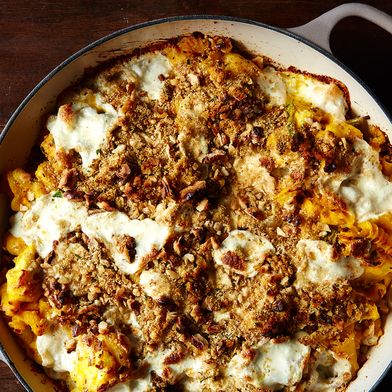


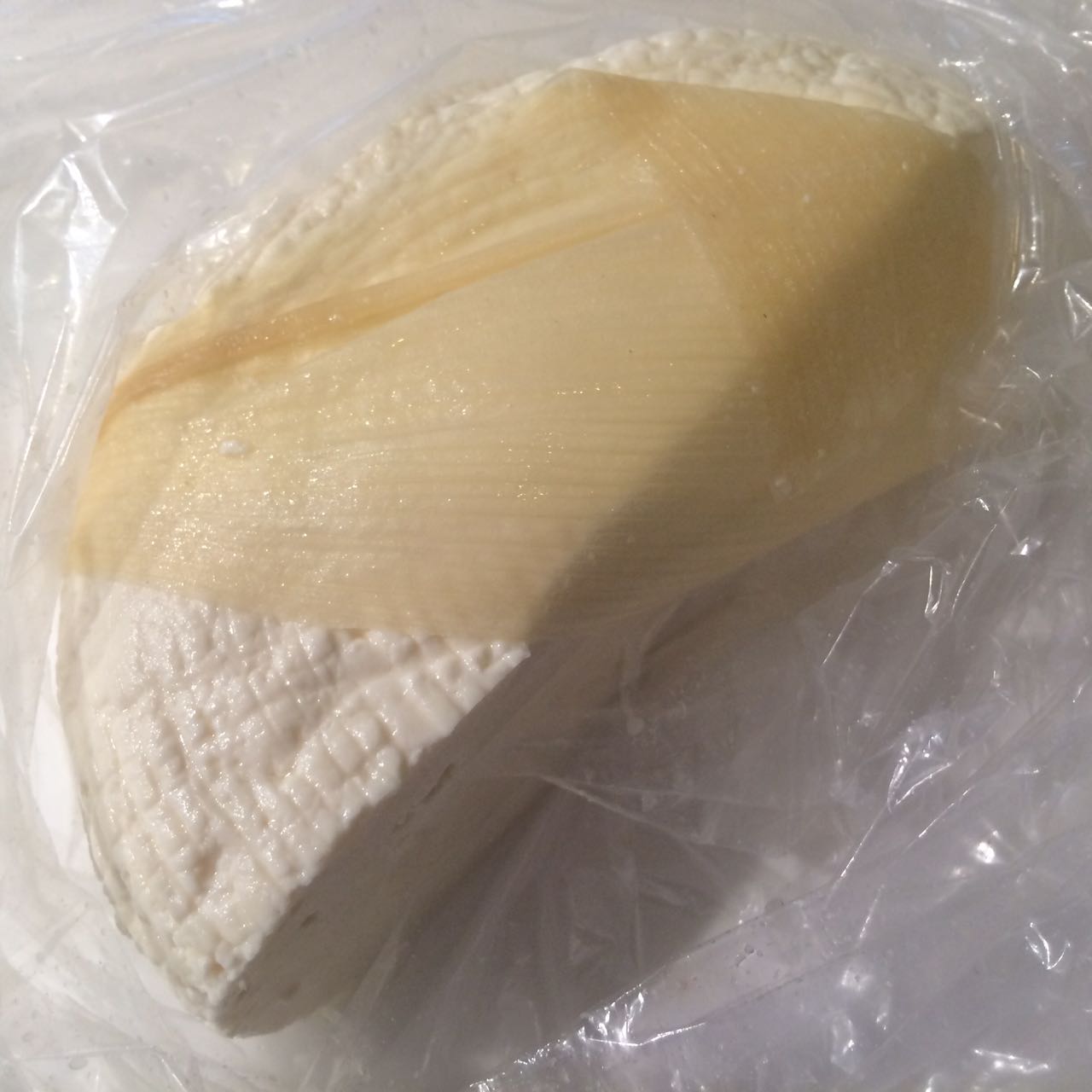


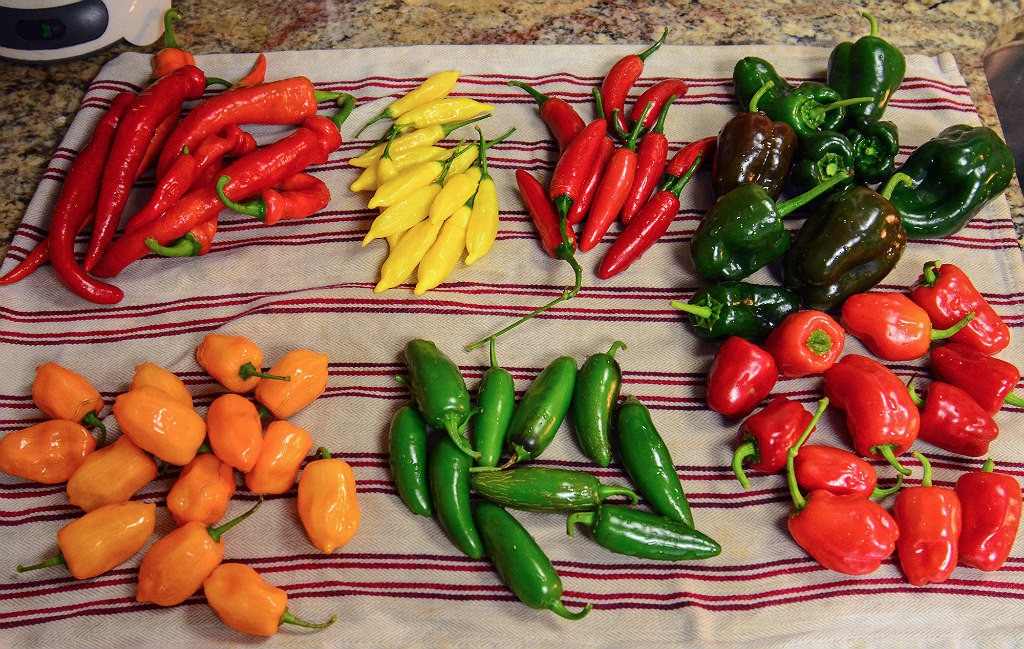





 'You're The Worst's' dysfunctional lead couple after a quiet night in. FXX
/cdn0.vox-cdn.com/uploads/chorus_asset/file/6284297/Screen%20Shot%202016-04-04%20at%208.55.02%20AM.png)






 In Monkey Swingers, you play as a little monkey who apparently wants to climb all the way to heaven. It does this by moving up a vertical shaft, grabbing and swinging off of handholds. Along the way, there are bananas to collect, which work as the game's currency, and a large assortment of power-ups you can grab. The bottom of the screen moves up behind you, and should you fall off, you lose. It's a simple game in concept, as all you need to do to play is tap, hold, and release with good timing. Your monkey can grip with either of its hands if you tap and hold when it's near a handhold. Once it latches on, it'll spin around the grip point until you release, at which point it'll go flying off in whatever direction it was pointed in, slowly spinning all the way. The handholds are relatively small and spawn seemingly randomly, so it's a different challenge every time you play.
 The variety of power-ups is kind of nice because the odds are very high that you won't run into the same items in any two plays, but there's a bad side to that. There are a few power-ups which stand out significantly from the rest in terms of how useful they are. With so many less useful power-ups in play, you probably won't be able to depend on getting any particular item that you specifically want. Random factors are a nice thing in arcade games as they can add some spice and excitement, but in this case, the good power-ups are so good that they tilt the whole game. Picking up a Miracle Bush power-up starts to feel like a miracle, and I started to resent the runs where I would get a bunch of magnets and banana bushes instead.