Ana González, Ana Bobkat, cantante y guitarrista del trío asturiano Bobkat’65, autora de la biografía de Tonto and the Renegades y coleccionista de singles de garaje 60’s en ese estilo que ella define como garaje derrotero, bandas adolescentes o preadolescentes que facturaban canciones de espíritu perdedor o melancólico.
Playlist; Bobkat’65 (Hey you boy (stay away)), The Jesters IV (She lied), The Cobras (Goodbye), The Underprivileged (You hurt me), The Zelkians (You don’t love me anymore), The Shaynes (From my window), The Apostles (Help me find a way), The Impacts (Don’t you dare), The Mods (Days mind the time), Tonto and the Renegades (The easy way out, Little boy blue), The Mojos (Love does it harm), The Motleys (My race is run), The Myrchents (All around you), The Morning Dew (Go away) y The Squires (Go ahead).
No, Alan Moore Isn't a Recluse [Publishers Weekly] "Speaking in intimidatingly long and thoughtful sentences, Moore is affable, relaxed, and eager to talk about his new novel, Jerusalem [Amazon], to be published in September by Norton's Liveright imprint in the U.S. and Knockabout in the U.K. It's a 600,000-word opus that has been lurking, Cthulhu-like, behind his last decade of work. Remixing the most-reader-challenging tricks of writers such as James Joyce, Roland Barthes, and Mark Z. Danielewski, Jerusalem is an astonishing collection of words and ideas that weaves a hypnotic spell." [Previously] [Previously]
- Alan Moore and Literature's Fascination with the Fourth Dimension [Maclean's Magazine]
The exploration of this fourth dimension is the central concern of Moore's exceptionally long, 600,000-word book—at least inasmuch as a tome of such varied indulgence, epic scope and sheer heft can be said to have a "central concern." As he told The Believer in 2013, when he was in the final throes of completing Jerusalem, "pretty much all of the book is predicated upon the assumption, which seems to be implicit in the work of most modern physicists since Einstein, that we inhabit a universe that has at least four spatial dimensions."
- Alan Moore Confirms He is Retiring from Creating Comic Books [The Guardian]
The decision came, Moore explained, when he realised he felt too comfortable in the medium. "I think I have done enough for comics. I've done all that I can. I think if I were to continue to work in comics, inevitably the ideas would suffer, inevitably you'd start to see me retread old ground and I think both you and I probably deserve something better than that," he said. "So, the things that interest me at the moment are the things I don't know if I can do, like films, where I haven't got a clue what I am doing, or giant literary novels. Things I wasn't sure I'd even have the stamina to finish ... I know I am able to do anything anyone is capable of doing in the comic book medium. I don't need to prove anything to myself or anyone else. Whereas these other fields are much more exciting to me. I will always revere comics as a medium. It is a wonderful medium."
How do you organize your books?
Huh. Yes, I suppose I could organize my books, couldn't I? That might actually work a lot better than my current method, which is to tell myself that I know roughly where all my books are according to a kind of literary form of proprioception; a psychic gift which, glaringly, I don't possess. If you could require the president to read one book, what would it be? The prime minister?
You can bet that if I could compel the president or prime minister to read one book — other than "The Very Hungry Caterpillar" — then I definitely would.
- A Party in a Lunatic Asylum: On the mundane mysticism of Alan Moore. [The New Yorker]
Now that revisionist interpretations of the superhero genre are the Hollywood norm (in large part thanks to Moore), he has abandoned the form. "I would rather do things that nobody wants," he said, of his decision to spend the past decade on a metaphysical, postmodern novel. "It's the most interesting thing to do, to find the areas of culture that are not being paid attention to." Characteristically, with "Jerusalem," he has refused any intervention from his publisher. "What I wanted was to do something that was so completely unmediated and undiluted. I thought, I don't want anybody making helpful suggestions."
In the fashion industry, plus-size refers to models who are US size 8 and above. But most clothing stores don't start their plus sizing until size 16 or higher.
Katelyn Lilly writes about the problem she has with the way the fashion industry labels and separates plus-sized clothing, saying, "Separating clothes by body type overtly continues a cycle of internal misogyny and pitting women against each other. The separation of clothes physically separates women when they shop, both online and in-store."
From RetailDive: Hana Ben-Shabat (a partner in the retail practice of global strategy and management consulting firm A.T. Kearney) says that the average size of women in U.S. is approximately 14; research from Washington State University assistant professor Deborah Christel suggests that number might be as high as size 16 to 18. Ben-Shabat says that the current U.S. population, size-wise, doesn't resemble previously established standards, which is creating a dearth of options. "We're finding ourselves in a situation where there's a big part of the population that's being ignored," she said.
Ernest Raymond Beaumont Gantt, a Texas native, left home in 1926 and traveled the world, including the many of the islands of the Caribbean and the South Pacific. In December of 1932, when he arrived in Los Angeles penniless, he took the only job available at the time: bootlegging. When booze was legalized, Ernest kept with the trade, and took a place in the neon-soaked Hollywood in a thirteen by thirty foot space connected to the McCadden Hotel. His love of Jamaican rhum shaped his drinks, and his collection of items from the Pacific Islands and driftwood decorated his bar. He naming his establishment the Beachcomber's Bar, and thus Donn Beachcomber (or Don the Beachcomber) was (re)born.
The Límbó (Limmm-Bó) is a unique dance and is also known as the "Under Stick Dance". The limbo dance, originally a ritual performed at 'wakes' (funeral dance which maybe related to African legba or legua dance) in Trinidad from the mid or late 19th century does not appear to have any roots in West Africa where most African traditions within the diaspora have emerged.
Tiki culture left in the 1970s, as rebellion and freedom was found in other styles and music, returning with varying levels of interest and (inter)national at various times in the past decades. It's not quite clear if Disney was tracking these trends, as it opened Walt Disney's Enchanted Tiki Room, first at Disneyland in 1963 (and presented on LP in 1968), later expanding to the Magic Kingdom in 1971 and Tokyo Disneyland in 1983.
If you can't make it to Florida or Califoria, or the Pacific Islands themselves, check out Critiki to find over 850 Tiki bars and other slices of Polynesian Pop around the world. Humuhumu, who runs Critiki, has a response to the NPR piece linked above the break, Let's talk Tiki bars: harmless fun or exploitation, which is quite a personal look at her experiences and understanding of Polynesian pop culture and authentic Polynesian culture. She also gives Critiki Symposiums, sharing Polynesian pop culture and tiki bar history with bartenders and others who want to understand the mixed history of how authentic Polynesian culture came to the US, primarily through Tiki bars.
For more than 100 years, Britain has been perpetually at war. Some conflicts, such as the Falklands, have become central to our national narrative, but others, including the brutal suppression of rebels in Oman, have been deliberately hidden.
Pese a que el mundo de fantasía de Warhammer había ido cogiendo sustancia con el paso de los años, Games Workshop decidió derribarlo a hachazos y convertirlo en un desastre de proporciones épicas.
La novena era —o era de Sigmar— es, lisa y llanamente, un desastre universalmente reconocido. El propósito de este artículo es repasar el por qué de este desastre en lo relativo al trasfondo y a las miniaturas. Como coleccionista de las mismas y devoto del background en que se desarrolla el juego es...
¿Te apetece leer el resto de la entrada? No lo pienses más y pincha en el título.
Ferrolterra tiene un enorme patrimonio arquitectónico histórico y lamentablemente la gran mayoría esta muy desaprovechado. Uno de sus mejores ejemplos es el precioso castillo de la Palma situado en la dos veces Real villa de Mugardos. Esta fortaleza perteneció a defensa y fue vendido en 2003 para hacer un hotel y en 2016 no hay hotel y el deterioro de las instalaciones es cada día mas evidente. El Concello de Mugardos ha tenido la brillante idea de conseguir que durante los fines de semana de verano se pueda visitar previa cita para dar a conocer esta joya de la arquitectura militar que defendía la base naval de Ferrol. Todo ese sistema defensivo,La Palma, San Felipe y San Martín hacían de la base un bastión inexpugnable, que se lo pregunten a los franceses de Henri D’Escobleau de Sourdis en 1690 o a los ingleses de Warren en 1800. Tuve la suerte de poder asistir a una de estas visitas donde nuestra guía Patricia nos dio una paseo de hora y media mostrándonos las instalaciones y su historia. Un diez para Patricia por su forma de contar la historia del lugar y hacernos la visita de lo más amena.
Lo primero que vemos tras aparcar el coche es la bocana de la ría y enfrente su hermano, el Castillo de San Felipe que también os recomiendo visitar (ver articulo)
La puerta principal de entrada destaca por la estructura del antiguo puente levadizo que ya no existe por desgracia y podemos ver el foso seco de cuatro metros como primera medida defensiva. Os llamo la atención sobre las dos pequeñas torres que franquean el paso y que son el símbolo del cuerpo de ingenieros que en 1893 le dio el aspecto que tiene hoy en día a pesar de que el origen del castillo es de 1597. La fortaleza se asemeja mucho a los bastiones centroeuropeos que fueron destruidos durante la I Guerrra Mundial contruidos a finales del XIX.
A la derecha de la entrada encontramos un saliente, la caponera con diversas aspilleras para controlar y defender con fuego de mosquete a quien osase entrar sin permiso. Vistas desde fuera e interior.
Tras acceder vemos desde dentro el contrapeso del puente levadizo, hoy inútil como símbolo de la ingeniería de tiempos pasados.
A la derecha nos encontramos con la capilla, muy pequeña y en la que prácticamente cabía el capellán y sus monaguillos obligando a los soldados a oír misa a la intemperie.
A través de la sacristía, curiosamente mucho mayor que la capilla, accedemos a través de una escalera de caracol a las cubiertas donde veremos unas preciosas vistas a la ría y a su hermano que esta tan cerca y tan lejos. Sobre la capilla estaba la torre del reloj que con tres campanas con nombres de reinas marcaba los tiempos en castillo. La maquinaria esta expuesta en el museo militar de Coruña.
Tambien veremos los patios y el muelle a través del cual llegaban los pertrechos a la fortaleza y que mediante un ingenioso sistema de vagonetas con raíles facilitaban el transporte de las pesadas cargas de artillería pro todo el complejo.
Desde aquí a la izquierda veremos una curiosa piedra redonda en la ría, O Cu da Raiña. Según cuentan las crónicas fue el primer lugar que piso Mariana de Neoburgo, segunda esposa de Carlos II cuando llego a España. Y no fue una feliz toma de contacto ya que resbalo y las reales posaderas tomaron contacto con el granito gallego. Debido al excelente trato dado por los mugardeses a la futura reina le fue concedido por Carlos II el privilegio de Real y eximio a sus quintos de servir en los ejércitos del Rey.
Bajamos al polvorín, donde vemos el curioso sistema a base de unas plataformas giratorias para hacer girar las vagonetas.
El polvorín tenia diversas estancias en las que se fabricaban los cartuchos de fusil o se almacenaba la pólvora. Fijaros en esas piedras en el suelo, sobre esas piedras había un suelo flotante de madera que por un lado evitaba el contacto con la humedad del suelo y aireaba la pólvora.
Este es el único sitio del castillo con ventanas grandes y sin rejas. ¿Por que? Para poder evacuar el polvorín en caso de emergencia y como ventilación. Las ventanas tenían como peldaños para poder escalarlos.
Vamos ahora las casamatas donde se encontraban los cañones que disparaban a través de las troneras. Cada cañón estaba en su casamata correspondiente y protegido con gruesos muros de su vecino para minimizar los efectos de una explosión bien accidental o el impacto de un atacante.
Quizás una de las imágenes mas bonitas del interior de la fortaleza el pasillo, el juego de luces y sombras con el color de la piedra.
Los tiempos cambian y con llegada de los aviones y misiles la misión de estas defensas se volvió anticuada y durante la guerra civil el complejo se transformo en prisión militar, y aquí tuvo durante dos años como huésped a Tejero. Quizás el hecho por el que es mas conocida la historia de la fortaleza. La fabrica del ala de prisión donde estaban los arrestados es mas moderna lógicamente Veremos las habitaciones con sus baños y vistas a la ría donde cumplían sus arrestos los militares. Pero ojo , aquí no estuvo Tejero, era un Teco y hasta en prisión hay grados. Lamentablemente esta zona esta destrozada ya que en 2011 reventaron todas las instalaciones e hicieron agujeros en la piedra para llevarse el cobre.
Y por supuesto disponían de cantina en la zona de de las celdas, donde se ha visto un cuartel aunque sea prisión sin cantina.
Bajamos al nivel inferior a la otra entrada, el muelle. Un lugar con mucho encanto tras pasar bajo un puente y por donde llegaban las mercancías y empezaba el sistema de raíles.
Aquí estaba el calabozo por si te pasabas de vueltas para que te enfriases un poco. Y también la zona de servicio donde se encontraban las cocinas, comedores, letrinas, lavanderías Fijaros en los pilones para lavar la ropa.
Subimos por una empinadas escaleras y recorrimos el interior del pasillo de aspilleras para defender con fuego de fusil una de las paredes que dan a tierra.
Volvemos al nivel superior donde ahora si vemos las dependencias de habito Tejero durante dos años, consistentes en un par de habitaciones al lado de la entrada principal. En suelo no es parquet, es Sintasol, calidad Made in Spain. Producto decorativo sesentero por excelencia.
Con esto damos por finalizada la visita a esta fortaleza y que os recomiendo encarecidamente. Me dejo muchas cosas en el tintero ya que la historía de la zona es muy rica pero no da tiempo a todo. Las visitas son posibles previa cita en el teléfono de la oficina de turismo de Mugardos 630 885 761en horarios de 17:30 o 19:00 viernes , sábado y domingo hasta el 30 de septiembre. Muchas gracias Patricia por tus amenas explicaciones.
Existe una diferencia entre como Rusia es vista por el mundo y como se ve a sí misma. En parte por la propia política exterior de Moscú, caracterizada por la retórica nacionalista del Kremlin y una política exterior agresiva que ha recurrido al factor de lo ruso en un intento de mantener su esfera de influencia en el espacio postsoviético y de conservar fuera de este la imagen de superpotencia heredera de la Unión de Repúblicas Socialistas Soviéticas (URSS); cubriendo de paso sus deficiencias internas y desviando la opinión pública hacia otros asuntos alejados de las diversas problemáticas internas.
Así resulta lógico que desde fuera se suela pensar en Rusia como un estado nación, eslavo y homogéneo, donde pequeñas minorías viven oprimidas ante el feroz nacionalismo estatal. Sin embargo Rusia tiene una visión muy diferente sobre su propia idiosincrasia interna. Rusia sí se autoconsidera como un estado nación, pero a la par plurinacional, siendo a la vez el heredero del Imperio Ruso, y por tanto último vestigio de los estados plurinacionales modernos que dominaron Europa central y oriental. Un estado nación contemporáneo que bebe del nacionalismo decimonónico.
Esta aparente contradicción entre dos conceptos considerados fuera de la Federación Rusa como antagónicos es la piedra angular de la articulación del estado ruso. Y es que en ruso el concepto de ruso tiene dos connotaciones diferentes que no se repiten en el resto de idiomas. Por una parte está lo Russkii (Русский), o ruso étnico, y por otro lo Rossiyane (Россияне), o relativo a Rusia.
Ciudadanía, nacionalidad y política exterior
En Europa Occidental y las regiones europeizadas del resto del mundo, formadas por los países creados bajo el concepto de estados nación, se suele dar por hecho una correspondencia entre el Estado y el pueblo que lo habita, así todos los ciudadanos de Francia deben de ser franceses, y todos los de Argentina, argentinos. Sin embargo esta correlación no puede aplicarse a la totalidad del mundo, ni tan siquiera a la totalidad de Europa.
Existe en Rusia una diferencia entre el concepto de ciudadanía y nacionalidad, donde no son sinónimos, y donde no todos los ciudadanos poseen la misma nacionalidad. Esta queda fijada por nacimiento, y su adjudicación depende de la decisión parental de inscribir a sus hijos con una u otra nacionalidad, compartiendo el 80% de la población la nacionalidad rusa étnica, o Russkii, mientras que el otro 20% se reparten otras 193 nacionalidades diferentes.
Otra cuestión es el tema de la ciudadanía, ya que todos los rusos poseen la misma ciudadanía Rossiyane, independientemente de su nacionalidad, siendo esta la que otorga deberes y derechos a los habitantes, y careciendo la inscripción en uno u otro grupo étnico de cualquier valor legal o político fuera de lo meramente identitario y cultural.
Así Rusia se plantea como el estado nación de los Rossiyanes, no de los Russkiis, es decir, como el estado nacional de todos aquellos pueblos que han abrazado algunos elementos de la cultura Russkii, como la lengua, pero que no lo son necesariamente, ofreciendo a la vez a las demás naciones no Russkiis un estado plurinacional con autonomía para los pueblos que lo integran. En este contexto se acaba reconociendo que la mayoría rusa étnica tienen la razón de estado por ser la nacionalidad con la cultura e historia que cohesiona el país.
Por ello cuando los líderes políticos rusos hablan de los ciudadanos rusos, no se refieren a la población Russkii, sino Rossiyane, un concepto mucho más amplio, ambiguo, y sin connotaciones necesariamente étnicas. Esto es aplicable cuando las autoridades rusas hablan de su deber de proteger a los ciudadanos rusos en el extranjero, que necesariamente no implica que posean la etnia rusa, sino que hayan abrazado su cultura.
En las repúblicas exsoviéticas, al igual que en Rusia, existe una diferencia entre las comunidades de etnia rusa, y aquellas que han adaptado parte de su cultura, como la lengua. Fuente: locusinsight
Teniendo en cuenta la gran superficie que ocuparon el Imperio Ruso y la URSS, y su larga duración conjunta, sumado a las migraciones internas, o la articulación de la URSS bajo el paradigma Rossiyane, el hecho de que un pueblo haya abrazado la cultura rusa es de lo más común en las repúblicas exsoviéticas. Y esto explica gran parte de la política exterior rusa, como sus intervenciones en Georgia, la posible adhesión de Osetia del Sur, el reparto de pasaportes a ciudadanos de las exrepúblicas soviéticas, o los conflictos de Ucrania, no siendo la población Russkii mayoritaria en ninguna de las intervenciones exteriores, con la única excepción de la anexión de Crimea.
Esta agresiva política exterior se fundamenta precisamente en la idea del estado nación Rossiyane, vista desde fuera como un nuevo expansionismo Russkii, pero desde la propia Rusia como un irredentismo Rossiyane.
La compleja organización del Estado
La dimensión espacial del estado y la gran diversidad social y cultural con múltiples grupos étnicos, algunos muy concentrados en el espacio, se traduce en una compleja organización estatal. Rusia se organiza como un estado federal, con 85 sujetos federales –incluyendo a Crimea y Sebastopol–, todos formalmente iguales, y con la misma representación en el Consejo de la Federación pero que en la práctica tienen diferencias considerables para responder a la diversidad geográfica, étnica y cultural del país. Hay regiones u óblasts, territorios o krais, distritos autónomos u orkugs, repúblicas y ciudades federales.
Los óblasts o regiones, y los krais o territorios, suman 55 de los 85 sujetos federales, concentrándose en las zonas de amplia mayoría Russkii, en la parte europea del país y el eje del Transiberiano. Las diferencias de nomenclatura son históricas, pero ambas tienen las mismas competencias limitadas.
Las ciudades federales (Moscú, San Petersburgo y Sebastopol), son regiones urbanas formadas por múltiples municipios, los cuales se unen para formar una ciudad.
El conjunto de estas tres figuras de competencias limitadas suma 58 de los 85 sujetos federales, que suponen poco más del 77% del territorio ruso, en el cuales se concentra el 91% de la población con nacionalidad Russkii. Entre ellos solamente cuatro óblasts y la ciudad de Sebastopol no alcanzan el 80% de población de nacionalidad Russkii, la media nacional.
Las repúblicas son el segundo sujeto más común, representando un cuarto del total. Se trata de subestados nación, con sus propias constituciones, y la potestad de establecer lenguas estatales diferentes al ruso. Originalmente se crearon en aquellas regiones donde había una mayoría no Russkii, aunque las migraciones internas y externas han alterado la composición étnica de muchas de ellas, no siendo ya la nacionalidad titular de la república necesariamente la mayoritaria.
Los distritos autónomos, u orkugs, son una figura intermedia entre las repúblicas y los óblasts, que aunque son sujetos federales iguales al resto siguen formalmente siendo parte de otro óblast, con la excepción de Chukotka. Suponen un reconocimiento de autonomía a una o dos nacionalidades, en regiones escasamente pobladas, por lo que continúan dependiendo parcialmente de otra región. Sus funciones difusas y escasa población han hecho que hayan ido desapareciendo, esfumándose la autonomía de múltiples naciones. Los que han sobrevivido lo han hecho gracias a grandes reservas de hidrocarburos en sus territorios, lo cual les ha permitido mantener su autonomía, pero que ha atraído numerosa población de otras nacionalidades, suponiendo las nacionalidades titulares una minoría en los cuatro orkugs, con mínimos en Janti-Mansi donde los dos pueblos que dan nombre a la región sólo suponen el 1,3% de la población.
El Óblast Autónomo Hebreo es una anomalía. Pese a ser un sujeto federal étnico, la nacionalidad titular nunca fue la mayoritaria. Fue planteado con la idea de que todas las naciones tuviesen una autonomía dentro del socialismo, incluyendo a los hebreos que se encontraban dispersos por el territorio, como una patria socialista para el pueblo judío y para luchar ideológicamente contra el sionismo que empezaba a tomar importancia. Se creó en una región remota de Siberia, en la frontera con China, con la intención de aumentar la población del territorio y controlar las fronteras, pero lejos de las regiones europeas donde se concentraba la propia población hebrea. El resultado fue que sólo tras la II Guerra Mundial la población hebrea de la región llegase a suponer un tercio del total, per la persecución de Stalin y la creación del Estado de Israel, sumado a la migración de población Russkii a la zona, han supuesto que la región sólo posea un 1,2% de población hebrea y más de un 92% de población étnicamente rusa.
Las regiones étnicas o autónomas ocupan únicamente un 22% del estado, concentrando a casi el 60% de las minorías. Así, mientras que para los Russkiis la población que reside en las regiones autónomas es una minoría, para los demás grupos la población fuera de las regiones autónomas es muy importante.
La nación de las 200 nacionalidades
Para comprender esta complejidad territorial es necesario remontarse al siglo XIII, cuando un gran estado eslavo llamado Rus de Kiev, que abarcaba la actual Bielorrusia, y gran parte de Ucrania y Rusia occidental, se descompuso ante la presión de la llegada de las hordas mongolas de Gengis Kan y las luchas internas. El Imperio Mongol y su sucesor occidental, la Horda de Oro, cambiaron el panorama étnico, lingüístico y religioso en los límites de la antigua Rus de Kiev, con la consolidación y asentamiento de las tribus nómadas turcas y la llegada de tribus mongolas, a la vez que penetraban nuevas religiones como el budismo y el islam.
No será hasta el siglo XV cuando el Principado de Moscovia logre librarse del vasallaje turco-mongol, y empiece a imponerse sobre los demás principados Russkiis. Este estado es el germen de la actual Rusia, y núcleo de la cultura Russkii, en lo que los rusos denominan Rusia Central, una región con su centro en Moscú, de superficie algo mayor que Francia y con una población étnicamente rusa de más del 90% en todos los óblasts.
Hacia el norte, Rusia se topó con un territorio escasamente poblado, aunque con multitud de pueblos como ingrios, carelios o samis, pero con salida al mar, lo que propició el auge de importantes ciudades portuarias como Arcángel, y la llegada de numerosa población Russkii desde el sur, que se incrementó aún más con el traslado de la capital a territorio ingrio, a San Petersburgo. Solo la República de Carelia tiene proporciones inferiores al 85% de población Russkii, sin embargo incluso esta supera el 80%, ya que la mayor parte de la población carelia, un subgrupo finés, emigró a Finlandia durante la Guerra de Invierno.
En dirección sur la expansión siguió una dinámica similar, escasamente poblado por tribus nómadas, pero con tierras muy fértiles y salida al Mar Negro se produjo una intensa colonización siguiendo el cauce de los ríos Don y Volga. Especialmente importante fue la población ucraniana, que acabó siendo asimilada por la Russkii. Las regiones del Don rondan el 90% de población Russkii, pero esta desciende al 80% al aproximarse al Cáucaso, y hasta suponer tan solo dos tercios en el delta del Volga.
Hacia el este, en Siberia, se encuentra la el otro gran eje de población Russkii. Este está constituido por un conjunto de regiones con entorno a un 90% de población Russkii siguiendo el eje del Transiberiano. Hacia el norte y el sur la proporción de rusos étnicos desciende rápidamente, y sólo las regiones de las llanuras suroccidentales y las costas del pacífico mantienen proporciones superiores al 80%.
De este modo la población Russkii se concentra en dos lugares, en Rusia Central y sus zonas de expansión norte y sur, y en el eje del Transiberiano. Así se configuran cinco áreas donde la Rusia eslava homogénea del imaginario pierde importancia ante la Rusia Plurinacional.
A mediados del siglo XVI Iván IV “El Terrible”, inició una campaña contra los tártaros para acabar con los continuos ataques y saqueos de estos, que culminó en 1552 cuando logró vencerlos y anexionarse sus territorios. Se iniciaba así una nueva etapa, donde los eslavos dejaban de ser el grupo étnico dominante en todo el país, y el estado debía repartir su territorio entre las diferentes comunidades, que además se multiplicaban por la continua expansión territorial.
En la abrupta y fronteriza región del Cáucaso, Rusia alberga la región étnica más compleja de Europa con numerosos pueblos, lenguas y religiones, donde una sola república como Daguestán alberga más de 10 grupos étnicos y 30 lenguas diferentes. Étnicamente está lejos de la Rusia eslava: mongoles, túrquicos, iranios o circasianos son algunos de los grupos étnicos de la región. Religiosamente no es menos compleja, con comunidades musulmanas sunníes, cristianas ortodoxas, neopaganos y una región de dominio budista, muchas veces sin homogeneidad de culto dentro del mismo grupo étnico o lingüístico.
En la zona del Volga y el sur de los Urales se encuentran los pueblos a los que debió de enfrentarse Iván el Terrible, naciones túrquicas suníes como los tártaros y bakshires y ugrofinesas ortodoxas y animistas como maris y mordovians. De esta región son las minorías étnicas más numerosas y extendidas por Rusia, ya que fueron las primeras en integrarse en la Rusia plurinacional, y participaron junto a los Russkiis en la colonización de los nuevos territorios.
A ambos lados de los Urales septentrionales se encuentran cuatro regiones étnicas, entre las cuales están las tres con mayor Producto Interior Bruto (PIB) per cápita del Estado, por lo que la población Russkii presenta porcentajes superiores al 50% y no deja de aumentar, relegando a las naciones ugrofinesas titulares de esos territorios en segundo plano.
En el sur de Siberia habitan pueblos túrquicos muy influenciados por los mongoles, y de religión budista tibetana y animista, como tuvanos, buriatios o altáis. En el extremo norte habitan los también túrquicos yakutios y otros pueblos aislados como los esquimales de Siberia, o chukchis.
Las minorías y el nacionalismo Rossiyane
Exceptuando la zona norte de los Urales, la población Russkii no ha dejado de descender en las regiones autónomas y el conjunto del país desde la descomposición de la URSS. Y es que la demografía juega en su contra. La migración a otras regiones más prósperas, los conflictos interétnicos de los 90, y sobre todo la baja tasa de natalidad de la población Russkii frente a las altas tasas de otras nacionalidades no ha hecho más aumentar el peso relativo de las etnias minoritarias en la mayoría de las regiones autónomas, pero también el peso absoluto en el conjunto del país, y su importancia política. En regiones como la República de Tuvá los rusos étnicos han pasado de representar un tercio de la población en 1989 a un sexto en 2010; en Ingusetia han pasado de ser un cuarto de la población a menos del 1% y en Yakutia han descendido de la mitad a un tercio.
Las elecciones presidenciales de 2012 mostraron, no sin acusaciones de pucherazo electoral, un apoyo al líder nacionalista y conservador superior a la media en las regiones con importantes minorías étnicas. Fuente: Electoral Geography 2.0
Aunque en los años 90 la violencia de las minorías se centrase contra la población Russkii, y se llegase a proclamar la independencia de Tartaristán y Chechenia, con dos guerras en la última de las regiones y creación de entramados terroristas. En la actualidad, las regiones autónomas y las nacionalidades minoritarias son los principales sustentos del nacionalismo ruso, y del voto a Rusia Unida, el partido conservador y nacionalista de Vladímir Putin. Y esto pese a que la política interna que ha promovido ha sido tendente a reducir la autonomía de las regiones, centralizar la administración, y a promover la lengua rusa en contra del resto de idiomas.
Empero, el nacionalismo que promueve el gobierno, el nacionalismo Rossiyane, está más próximo al concepto de hispanidad que al de los diferentes pueblos que la integran. Y es que Rusia no es Rusia, Rusia es la Federación Rossiyane. En palabras de Putin, “la gran misión de los rusos es unir la civilización. El idioma, la cultura, una cordialidad general, (…) deben unir a los armenios rusos, los azerbaiyanos rusos, los alemanes rusos, los tártaros rusos… Unirlos en un tipo de Estado donde no hay representantes de una etnia ajena. Tal tipo de identidad de la civilización se basa en la conservación de la cultura rusa dominante, que no solo pertenece a los rusos eslavos, sino también a todo el pueblo de Rusia, independientemente de su etnia.”
“Peachy salad dressing would be the best I could come up with. Tangy, and just a little sweet. The texture is very velvety and soft between the inner labia and generally y’know, skin-like, on the outer labia.”
“Things that remind me of that taste:
• Lindemans Pêche Lambic
• Mussels in White Wine
• Oysters on the Half Shell (the sweeter ones, usually but sometimes the saltier/brinier ones)
• Lamb.”
“It’s gross, I had a girl (she was 35 and I was 25) basically sit on my face and rub her pussy in my face and it was awful, I got all this… bodily fluid…on me and it smelled like body odor. I don’t think I’ll ever be going down on another girl, unless I really really love her (and she has good hygiene). I don’t like receiving oral sex either, so it may just be a ‘thing’ with me…vaginas are gross and ugly; so are penises, they’re all gross and ugly.”
I was drinking a can of V8 the other day, and about 10 minutes after I finished, I realized that the aftertaste was reminiscent of vagina, so there you go.”
“Have you ever bitten your lip and gotten a little bit of blood in your mouth? It’s got a very distinct taste. Even when a woman isn’t on her period, there’s always a hint of that flavor, among all the others.”
“I’ve been with 3 different women of Puerto Rican descent, and they all tasted vaguely of onions. Not unpleasantly so, but there was definitely an onion thing going on down there.”
“I have, on more than one occasion, noted a hint of something that was slightly like cumin. Which is great for both me and her, because I love cumin. I would categorize this flavor under ‘musky,’ but there are other elements, as well: salty, slightly tangy (I think lime comes somewhat close; I don’t buy the battery thing), and mildly buttery.
To my tastebuds, this is a very fine and most enjoyable combination.”
“There’s a reason it tastes a little like a bitten lip—the liquid is blood that has been filtered by the inner walls of the vagina—so it is clear and slick—and delicious. It’s blood-light, for the vampire in us.”
“Pennies is a metallic taste, is a blood taste. It can taste sour like salad dressing (vinegar) based on pH. I think that it varies even with the same person. But really not much taste after the initial.”
“I’ve heard a lot of descriptions—chicken, fish, etc. That’s all bullshit. If you wanna know what it tastes like, stick your tongue in the small of your underarm after a mild workout. That’s the smell and the taste! The moistness, the sickly sweetness of sweat, the mild metallic taste, even the way it looks when it’s unshaved—it’s just like pussy.”
“It’s been my experience that most vaginas are thick and salty tasting. My personal favorite. The second type to of vagina produces a thick clear fluid. It’s clean and odorless like the first till dry, then it produces a light vanilla smell. Loaded with pheromones, they are intoxicating to males. Oil glands can be found all over the body but those in the pubic region fuse their scent to pubic hairs. A second pheromone that when combined with vaginal fluid, can produce a most unwanted affect. The continuous undeterred affection, or pursuit of a unwanted one-time lover, or former spouse. This also explains the vanilla perfume craze of the previous three years. I’m so very happy not to sample the odor of well-groomed…
The third and final flavor of healthy vagina is a lightly pungent taste and tangy smell. This type of vagina will produce a fishy smell after a vigorous day of sex….”
“Inside of your cheek is a pretty good way to describe it. Imagine a tight and firm entrance but once inside it’s pretty close to two cheeks pressed firmly together. The taste, on the other hand…leaves something to be desired. Tastes like what you would think an open slit between a girl’s legs would taste like. Like an open wound without the blood (hopefully without the blood). One that sweats every day and expels dead eggs every month, pee also comes from the same area and surely runs through the money pit.”
—Name Withheld
44. It tastes like animals fucking somewhere in the woods under a full moon.
“It tastes like the color red.
It tastes like animals fucking somewhere in the woods under a full moon.
It tastes like want and desire poured over warm skin, something rough, something soft, something salty.
And of course if you’re in love, it tastes like a secret door that is open, where everything that is good in the world is hidden.
You taste wine or meat or cheese, but when you mouth is between her legs, there’s a different kind of hunger that taste doesn’t cover.”
“I have tasted a fair few and the general consensus I can give to you through my experiences is most women taste a little salty down there (much like sweat) and the aroma is musky with the slight scent of body odor!
Though my description doesn’t make it sound all that appealing, trust me, it is….Remember we are human beings and deep down we work on the same instincts (Males are attracted to female pheromones and vice-versa)…
Personally I enjoy going down on a girl that I’m with and it’s not weird for me at all. All he has to do is basically tickle/massage your clit with his tongue and lips for you to feel pleasure from this experience; it’s not as if he has to bury his mouth deep into your pussy and never come out for air…
Of course diet and hygiene plays a huge part with how you both smell and taste down there, so just like men can drink pineapple to make their cum taste sweeter, there are similar methods for the girls.
So tell your man to either get over it or go and find yourself a new one who will satisfy your needs.
I know it’s a major turnoff when a girl won’t go down on me so I can see why this is a problem for you.”
Society gives men numerous bonuses—higher pay, larger governmental representation—but males take their own lives at a higher rate than women. In 2012, men constitute three quarters of suicides in the United Kingdom and 79 percent of suicides in the United States, according to the Guardian. Women also outlive men: In a blog for Harvard Medical School, associate professor Robert H. Shmerling reports that women make up 67 percent of 85-year-olds.
The non-profit Movember Foundation wants to better men's mental health. "We're losing the battle," says Movember co-founder Adam Garone. "Suicide rates are going up for men." Most people already know his organization for encouraging men to not shave in November to raise awareness for cancer. But in honor of World Suicide Prevention Day, they have launched a video and campaign to encourage men to improve their mental health.
They based their new programs on a 2015 Prevention Institute report called "Making Connections for Mental Health and Wellbeing Among Men and Boys in the US." The study found that the stresses and risks of American society may lead to male psychological issues; that boys and men of color are at greater risk for mental health problems, and military servicemen, veterans, and their families live through trauma at a disproportionate rate, alongside other underrecognized issues.
Movember has teamed with the Prevention Institute to create new programs that begin with identifying the causes. As everyone who has ever dated a man knows, men hate discussing their personal problems. Garone views the behavior as a huge factor in their poor health. "It's complex, but a big part of it is the way we're conditioned to talk," he says. "We just bottle stuff up and prefer to deal with it ourselves." Many men, he believes, fail to recognize they suffer from depression because they're poorly educated about the issues and symptoms. Movember argues that better mental health has multiple benefits for men: "We know that men's health leads to men leading longer and happier lives," Garone says.
Photo courtesy of Stocksy
Mental healthy problems can begin in boyhood. "Often they're going through physical or psychological abuse at home and nobody's recognizing that," says Randall Henry, the project leader for Movember's Making Connections project with the Violence Prevention Coalition in LA. "Nobody at the school is taking notice of, 'Wow. This kid's in really bad shape and doing something about it.' We're going in and creating support to prevent those kinds of environments." Henry runs programs that teach positive behavior at schools. When boys get older, the programs then teach them readiness training.
For programs aimed at grown men, Movember goes into the workplace to teach men communication skills. "One of the biggest things we can do is talk when things get tough, talk with our friends and our family," Garone says. "A big part of this is around connectedness, ensuring men maintain a good social network." Males need friends because adult life—work, romantic relationships, and finances—can cause triggers for mental health issues. Men's problems can impact women in negative ways.
"Some of the conditioning of men is feelings about needing to be in control, which influences domestic violence, for sure," Garone says.
Movember also wants to help LGBTQ men and men of color, who are at even higher risks for suicide. Surveys show that 41 percent of trans people have attempted suicide where only 4.6 percent of the US population has attempted suicide. "More gay and transgender men take their lives," Garone says. "One of the other tricks around sexual orientation is you have big transitional moments in your life where you're not sure which path you're going. That could be sexual orientation, it could be relationships, it could be job offers, it could be becoming a dad." Like straight men, LGBTQ men also must talk about their problems.
"The first thing we've got to do is highlight the gravity of the issue," Garone says. "We just don't talk about it."
El mejor guionista de la historia del cómic, Alan Moore, ha decidido finalizar su trabajo en este medio y ha decidido poner fin a su carrera como escritor de cómics, en busca de nuevos retos.
"Creo que he hecho suficiente por los cómics. He hecho todo lo que podía. Creo que si tuviera que seguir trabajando en los cómics, inevitablemente, las ideas sufrirían, inevitablemente, comenzarías a ver a mi viejo estilo recauchutado y creo que usted y probablemente yo, merezco algo mejor que eso". - Alan Moore
Se va algo hastiado de una época, la moderna, en la que los valores se han olvidado y todo vale para vender más. Esa no era su idea cuando comenzó a deslumbrar al mundo entero con su monumental etapa en La cosa del pantano (1984-87), ni tampoco cuando reescribió el género de superhéroes y lo cambió para siempre con Watchmen, o cuando introdujo un sinfín de ideas filosóficas y místicas en Promethea o Top Ten, entre otras obras maestras.
"No suscribo la idea moderna de que todo debe ser válido en diversas plataformas. Así, acabas con cómics que quieren ser películas y con películas que quieren ser merchandising. Estoy harto de leer novelas que en el primer párrafo sabes en qué actriz piensa el autor. No me gusta la falta de ambición de la cultura contemporánea. Y no vale con quejarse, hay que hacer algo que creas mejor".
Todavía le quedan unas 250 páginas más que escribir de cómics, en las que va a finalizar su historia de La Liga de los Hombres Extraordinarios, entre otras obras. Una pena, puesto que parece lejana la idea de que vaya a surgir un escritor de cómics tan relevante como él.
"Hay un par de temas de un cómic de Avatar Press que estoy haciendo en este momento, una parte del trabajo de HP Lovecraft que he estado trabajando últimamente. Yo y Kevin haremos finishingCinema Purgatorio y tenemos un cómic más, un libro final de la Liga de los hombres extraordinarios por completar. Después de eso, aunque pueda extrañar el pequeño pedazo cómics de mí en algún momento en el futuro, estoy más o menos terminado con cómics".
"Por lo tanto, las cosas que me interesan en este momento son las cosas que no sé si puedo hacerlas, como las películas, en las que no tienen ni idea de lo que estoy haciendo, o novelas literarias gigantes. Cosas que no estaba seguro de que ni siquiera tendría la energía para terminar... Yo sé que soy capaz de hacer cualquier cosa que nadie es capaz de hacer en el medio del cómic. No necesito demostrar nada a mí ni a nadie. Mientras que estos otros campos son mucho más excitantes para mí. Siempre veneraré los cómics como medio. Es un medio maravilloso".
Back in July, Lucky Kat released their charming monster collecting/combining/battling game Combo Critters [Free], and we rather enjoyed it in our review. Taking a page out of Pokemon, in Combo Critters you'd explore an overworld map and engage in battles, and upon winning, hopefully snag that defeated foe to add them to your collection. Where things got really neat was in the way you could combine any of the creatures in the game to get a mishmash character as a result. It made for a ton of variety in terms of monsters, and today Lucky Kat has announced that there will be even more variety thanks to a new update next week that will add 3 new worlds and 45 new types of creatures to Combo Critters. You can check out the new stuff in this trailer.
Even though I'm not really into Pokemon-like games, I really ended up enjoying Combo Critters when it released, and I'm happy to see more content coming to the game. Lucky Kat notes that with next week's update the game will now feature more than 100 critters and 6000 possible combinations by mashing them together, which is pretty cool. Look for the Combo Critters update to hit around next Thursday and drop by the forum thread to discuss the game.
Rodeo Stampede is my favorite endless runner of 2016 so far, which is no small feat considering Rooms of Doom also came out this year and lets you play as a cat wearing another cat as a disguise. But one of my only complaints about this ultra-endearing collect-a-thon was that the animals were way more chic than my wrangler: the Celebirdy is a brilliantly blue peacock daring to wear red pumps, the Lawrilla somehow makes a barrister’s wig look not-ridiculous, and the Ballerina Hippo is pure princess. And yet, atop these majestic models, my lasso-wielding lass remained plain in an orange Henley and wide-brimmed cowboy hat. Yawn.
This week’s update, however, drastically tips the style scales. For the first time, you can not only change your character’s appearance, but unlock a wide variety of hats and costumes for her to don. These unlocks come from experience points gained via riding rare animal variations—such as the Celebirdy and friends mentioned above—which adds another much-desired feature to the game: a benefit to jumping on rare animals after you’ve already added them to your zoo. Since rarer animals earn you more experience, there’s a reason to repeat the secret challenges that make ultra-rare critters appear, like eating 30 animals on a single lion to unveil Le’ Ion Chef.
The outfits you can unlock vary in complexity, from a different hairstyle like the spiky “Giddy Up” to an entirely new costume like the helmet-, cape-, and sword-bearing “Spartan.” To earn all the different items, you’ll need to ride rare versions of every animal: each type of creature, such as lion, hippo, alligator, etc., unlocks specific items as you level up in their area of expertise. So if you want that Spartan outfit, you’ll need to get riding buffalos in the Savannah, while elephants will help you earn the regal Crown ensemble.
Not to be outdone by their human conquistador, every species in the game has also received a new rare skin to discover and tame. These seventh variations are only discoverable once you’ve upgraded the related animal habitat to level nine, so it will be an expensive challenge for most players. If all the new additions are as ridiculously charming as the seventh buffalo—a racing-striped, spoiler-decked “Bufferari”—I’m willing to shell out the in-game cash.
This update also adds one more highly-requested addition: the Mission Mule, an IAP that gives players unlimited missions without waiting or watching ads. Previously, the critical coin- and boss-earning missions only appeared every few hours, unless you watched an ad to earn a new one. Since you could easily complete one (or more) mission on every run, this resulted in a lot of non-mission downtime. This IAP essentially offers a premium version of Rodeo Stampede, since it’s priced at $5.99 and does away with almost any need to watch ads (especially since the in-game continue can now be purchased with coins instead of ads, too).
The now extra-fashion-packed Rodeo Stampede is still available as a free download.
Hasta hace poco, el sueño se consideraba una parte meramente de descanso, sin embargo los excéntricos experimentos de un investigador nos revelaron que en algunas fases del sueño nuestro cerebro está activo como si estuviera despierto, lo cual sugiere que dormir es mucho más importante de lo que parece. Y que sirve para algo más que descansar.
Dormir poco, incluso, puede incrementar el número de pensamientos negativos que alumbramos, según un estudio llevado a cabo por investigadores de la Universidad de Binghamton.
Sueño y estado de ánimo
Jacob Nota y Meredith Cole, de la Universidad de Binghamton, sometieron a 100 personas a una serie de cuestionarios y tareas realizadas por ordenador, además de preguntarles si eran más nocturnos o diurnos.
Lo que observaron es una fuerte correlación entre los voluntarios que se acostaban más tarde o dedicaban menos horas al sueño y entregarse a pensamientos negativos, como el preocuparse en exceso por el futuro, analizar demasiado el pasado, experimentar pensamientos invasivos y demás síntomas que pueden acarrear trastornos psicológicos comunes, como la ansiedad o la depresión.
Even though research has shown that most parents show preferential treatment to one kid over the others, few mothers will willingly admit that they actually like one child the most. And absent a parental confession, siblings will often use their own accomplishments as a way of sussing out...More »
If, somehow, you are in need of more reasons to stop eating unsatisfying low-fat yogurt (or, more accurately, yogurt-like slop), here is another: A new study found that women who regularly ate high-fat yogurt were less likely to be diagnosed with depression than women who ate...More »
Though there’s a lot happening underneath the hood, infants present as being damningly, maddeningly dumb. “A newborn baby has two moods: rage and satiation,” wrote dad-blogger Tom Scocca of his second child. “It is a howling mass of appetites, and nothing more. There are no better...More »
Recuerdo la primera vez que leí este relato escrito por Alan Moore, una mezcla del género superheroico con el policiaco. ¿Ein? Una comisaría encargada de luchar contra todo tipo de amenazas en una ciudad donde todo el mundo tiene poderes. ¡Maldito melenudo! Lo ha vuelto a hacer, otra vez se ha sacado de la manga un concepto que, sí, lo voy a decir, revoluciona el comic mainstream. Y no lo hizo una sola vez ya que su línea, America´s Best Comics, nos dio muchas alegrías a los aficionados con títulos como Promethea, Tom Strong o Tomorrow´s Stories.
Moore sabe jugar muy bien sus cartas, no en vano, cada nuevo título que aparece con su firma en los créditos, siempre es motivo de celebración. Cuando esta obra fue publicada, pudimos ver al de Northhampton en plena forma, entregado mes tras mes historias que dejaban en evidencia a la mayoría de sus colegas de profesión, y lo hacía sin demasiada dificultad, parecía ir con el acelerador a medio pisar y, aun así, le sacaba bastante ventaja a su “perseguidor” más cercano. En ‘Top 10’ todo funciona a la perfección, una premisa tan sencilla como la saturación de poderes en una ciudad de lo más peculiar.
¿Quién pondrá algo de orden entre tanto personaje? Los chicos del Distrito 10, una de las zonas más peligrosas de Neópolis, donde los casos más extraordinarios tienen lugar día sí y, al otro, también. Pero claro, todo no se va a resumir en algo tan ¿simple? Para nada. Moore se mueve como pez en el agua a la hora de crear personajes y dotarlos de una historia única a cada uno de ellos. Una caracterización de aúpa que nos hará empatizar con ellos desde la primera viñeta en la que aparezcan. ¿Y qué me dicen de algunas de las amenazas a las que tendrán que enfrentarse?: un gigantesco monstruo ebrio de más de 30 metros, un asesino en serie de gran inteligencia o un acosador sexual invisible que tiene aterrorizadas a todas las mujeres de la ciudad.
Gene Ha fue el elegido para dar brillo y esplendor a la historia. Un dibujante que realiza un trabajo soberbio, donde cada viñeta está “rellena” hasta el último hueco con una eficacia brutal, cada personaje, que no son pocos, está perfectamente diseminado a lo largo del papel. Todo ello sin perder un ápice de narrativa, algo que, teniendo a Moore de director de orquesta, no es nada fácil ya que exige a sus artistas el 200% de su capacidad. Una suerte de “Canción Triste de Hill Street” que marcó un antes y un después en el mundo “viñetil” y que significó otro acierto en la carrero del barbudo escritor. Y ya van… [Grade — 10.00]
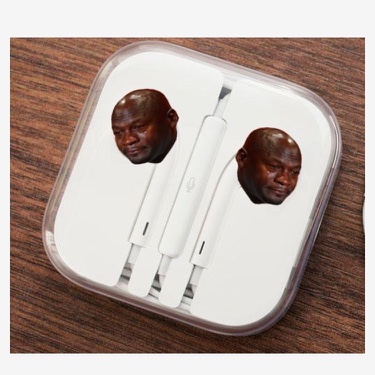
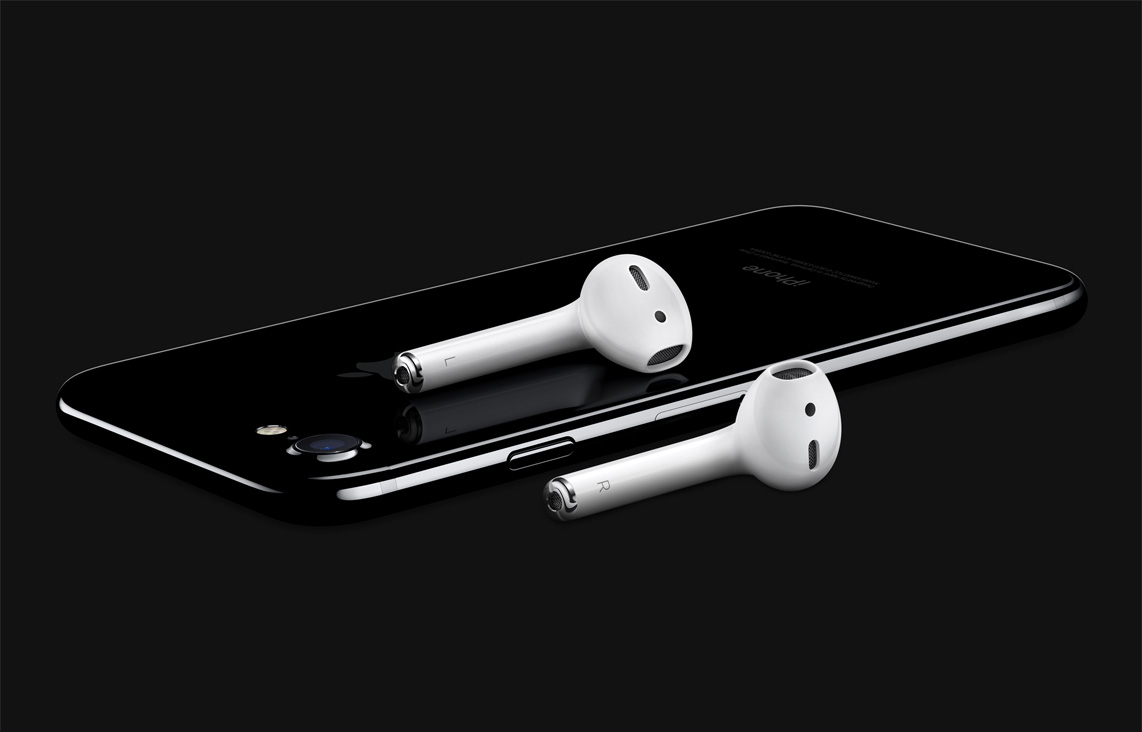
Apple removing the headphone jack from the iPhone 7 has me unhappy, but the misconceptions around it have me angrier. I thought trying to read Polygon talking about mobile games made me angry, but then I read tech journalists totally flounder when explaining what Apple going to Lightning for audio would mean, and it has me furious. Claims of "infinite improvements in sound quality" and that the 3.5mm jack was a "bottleneck for improvements in audio quality." Look, I accept that there are potential benefits to digital connections for headphones, but I am not for intellectually dishonest arguments. And when it comes to removing the headphone jack, there's a lot of garbage being spewed. When Phil Schiller says that it took "courage" to remove the headphone jack, maybe that should have been the thing that convinced you that it was stupid. Or maybe it was the fact that his brain didn't immediately escape his body from having said something so stupid. It's because I think too many people misunderstand the nature of how headphones and digital audio work, making it easy for companies like Apple to claim that removing the headphone jack is somehow better for people. And I don't think that people, even tech journalists that you hope would know better, are idiots. Understanding digital audio and headphones are difficult unless you dive deep into the topics like I have been doing the past year or so, and even audiophiles have plenty of debates over sound-related topics to where getting a clear answer on anything is nigh-impossible. But it's because of this confusion that nobody but mad geeks like me understand why people are getting screwed over, and that Apple can get away with it. Removing the headphone jack isn't all bad, there are some benefits and if you don't mind the drawbacks of Bluetooth audio, it's okay, but people ought to be mad about this.
For starters, going to Lightning won't inherently make headphones sound better. There's certainly a theoretical advantage to separating audio components from the noisy internals of the modern smartphone where interference can have an impact on sound quality, but it's certainly possible to make a good-sounding smartphone. Apple did it with the iPhone 6 Plus, after all. It's a reasonably powerful, low-noise audio source.
This isn't like moving from floppy disks to CD drives, removing optical drives entirely, or even like the transition to digital video and HDMI. The 3.5mm jack, antiquated though it may be, can handle 32-bit, 384 kHz audio, even non-standard audio formats like DSD. All the 3.5mm jack does is transmit power to headphones in such a way that the drivers generate the sound waves at the volume (which is just power) that you want to listen at. It's not magical. All that Lightning audio is doing is offloading the digital-to-analog conversion and headphone amplification to offboard components. That's it. There's always going to be the digital-to-analog converter (or DAC) that turns digital data into physical sound waves, and the amplifier that provides power to the transducers that create sound on the other end. Lightning audio is no magical advance in technology, it's just rearranging where the audio components are. And the analog jack itself has no inherent quality bottleneck. You can buy what well-respected headphone expert Tyll Hertsens calls the world's best headphone for $4000 in the Focal Utopia. Not only will it work with a 3.5mm headphone jack (like many high-end headphones, they come with a 6.3mm plug, but 6.3mm to 3.5mm connectors are easy to find), but an iPhone can drive them to great volume. Sure, you'd want to use high-quality DACs and amplifiers with them to provide more accurate and/or more pleasing sound, but you don't have to. You could plug $4000 headphones into your current iPhone and have a great time, because the most important part of great sound is the device that's providing the sound. The 3.5mm connection has nothing to do with audio quality, and there's no reason why it couldn't be used for another hundred years.
You might see comparisons of video's transition to HDMI with digital audio. And yes, going from analog video to digital video connections made a lot of sense! It enabled for crisp transmission of high-definition video (and audio!) through a single cable. Here's the thing though: audio already had its big digital transition when the Red Book audio format was first introduced in 1980. It standardized 16-bit, 44.1 kHz digital pulse code modulation audio for storage on compact discs. And that format represents the entirety of audible frequencies, and 16 bits of resolution are more than enough dynamic range for practical purposes. There is virtually no practical benefit to higher bit depths or sampling rates for the average consumer. 24-bit makes sense on a consumer level for digital volume control without losing audio resolution, and for audio professionals to work with digital effects that may generate noise that can be shaved off when producing the final 16-bit product. But it's literally impossible for digital-to-analog converters to actually render all 24 bits of audio resolution, at best right now you can get 21 bits of resolution from high-end components using military-grade chips. And it's possible that at worst, higher sampling frequencies provide worse sound quality through trying to render ultrasonic frequencies. If you're curious to read more, this article says a lot. It was written by Chris "Monty" Montgomery, who invented the Vorbis audio codec, so he knows a thing or two about digital audio. Plus, all the music you buy through virtually every digital retailer is 16-bit, 44.1 kHz, often just compressed for digital distribution. Compression has gotten so much better since the days of 128 kbps mp3s on Napster to the point where detecting the difference between a well-encoded compressed music file and lossless CD-quality file is difficult to do in a double-blind A/B test. Lossless audio has benefits for archiving, and perhaps compression artifacts like pre-ringing echoes before cymbal hits become more apparent with music that the listener is highly familiar with, but that's picking nits. As an audiophile, I can speak from personal experience: that kind of nit-picking is not a worthwhile road to go down.
Plus, the very nature of using mobile devices in noisy public spaces means that chasing additional sound quality over say an ideal-sounding iPhone headphone jack is full of rapidly diminishing returns. To quote Chicago-based sound designer George Hufnagl, "arguing for better sound quality makes sense when listening in isolation, nor for a mobile device directly affected by ambient noise." As a personal example, I was using some Audio-Technica ATH-IM02 in-ear monitors that are rather sensitive to noise and provide 31 dB of noise isolation. I was using them with a Fiio Q1 combo DAC and headphone amplifier for the longest time, until one day I was using them at home, and noticed a very low level hissing from the Q1 that I couldn't hear when I was at Starbucks. It took me months to notice this micro-detail that I could hear at home in a much quieter environment. Essentially, from a mobile device, there's only so far you can go with sound quality improvements versus an at-home setup.
Hufnagl continues in discussion of mobile audio quality: "Audio quality as a feature makes great sense as a bullet point. I'd argue, however, that our perception of it is affected not only by environmental circumstances, but by Apple's incredible branding. Of course, we want to reproduce source audio faithfully, but the average listener does not critically listen to audio in the same way a sound engineer has been trained to do. Unless the new iPhone is marketed towards audiophiles (it's not), then for me, the argument for the removal of the headphone jack as an increase in audio quality is moot."
In fact, it's quite possible that personal audio will get worse thanks to the transition to digital. Apple's DACs are generally considered to be pretty good. Not super-great, but of acceptable quality. A standalone DAC might have less noise from electrical interference, lower distortion, and perhaps a particular tonal balance to it. But the reality is that an iOS device does a better job than many consumer-grade, non-specialist electronics at converting the ones and zeroes of digital audio into the analog signals that represent sound. Now, more than ever, DAC and amplifier work is being shouldered onto companies that have less experience with designing good-sounding components in tight spaces like Apple does. At least with an internal headphone jack, and an annoying dongle, there's the potential for a good baseline of quality. Something that's good enough for even many audiophiles like myself to prefer the simplicity of an iOS device's onboard headphone jack to an external solution when convenience is more important.
When it comes to stuffing electronics into headphones, it's worth considering that headphones are a unique audio challenge compared to freestanding speakers. They're very difficult to tune well not only of the small space even the largest over-ear headphones have to work with, but also because headphones have to compensate for the acoustic effects that sounds have on your head, ears, and even your torso. Basically, sound entering the ear canal is transformed as it goes in to your ears, to where sounds from speakers with perfectly flat frequency response (in theory) will sound different from headphones with the identical frequency response. It is possible to tune headphones to compensate for this with head-related transfer functions (HRTF), but there are several competing theories on HRTF compensation, and every ear is different, so any compensation is bound to be imperfect. Regardless, headphones will never offer the same physical effects that good speakers can have as far as spatialization goes because when you hear stereo speakers, the left ear hears some of the right speaker and vice versa. Simulations of this through virtual surround and crossfeed exist, but nothing perfect has been invented yet.
Headphones also present unique acoustic design challenges before you talk about adding additional electronics to them. The best, world-class, cost-is-no-object headphones are open-backed, meaning they leak sound and aren't meant for public usage. Closed back headphones present unique challenges for making good sound, as the rear driver coverings can have audible effects on ringing and resonance, though they do have a benefits when it comes to bass. Now, if headphone designers, already contending with the intrinsic challenges of closed-back headphones that many consumers want, have to deal with tuning sound around built-in electronics, sound quality is going to suffer when closed-back acoustics are an issue as it is.
For the acoustic reasons mentioned above, Bluetooth is often a challenge to make sound good. For example, V-Moda makes a great basshead headphone in the M-100. They made a wireless version of the headphone in the Crossfade Wireless, and it has sound flaws that the M-100 does not, such as a more uneven frequency response, plus it had to sacrifice features like the folding mechanism that the wired-only M-100 has. As well, Bluetooth itself has inherent sound quality issues, as Bluetooth audio is compressed itself. So, you're taking compressed audio, and compressing it even further, and transmitting it to headphones that have made acoustic sacrifices to fit in the Bluetooth receiver, digital-to-analog converter, amplifier for the headphones, and microphone in them. Not to mention that you're often getting high-latency sound that doesn't work well for games and movies, and Bluetooth pairing still sucks. Apple's solution for pairing? A proprietary wireless chip.
And that's the thing that's annoying about the wired alternative now being Lightning: it's a proprietary connector. If Apple had announced that they were going USB-C with the iPhone 7, that would be fine. It would be pushing toward a new universal standard for mobile and desktop devices. You could theoretically buy a USB-C audio adapter and have it work wherever you go. The transition to USB-C would rough for a few years, but I imagine by 2020 nobody would be complaining becuase USB-C would be ubiquitous. But by going Lightning, Apple's making it so that any headphone that wants to interface with an iOS device has to have someone pay an Apple tax somewhere along the line.
And there's reason why companies might be skittish to deal with Apple, which requires companies to submit electronic schematics as part of the "Made for iPhone" licensing program. So, if you're a headphone manufacturer that doesn't want people to have to use a dongle with your headphones, you have to submit to Apple, and reveal your electronic schematics to Apple. Apple, as you may well know, owns the headphone company Beats. Apple has a tendency to copy companies that make products for them to the point that the term Sherlocking exists. So if you're a company that invents an effective solution to get technology in a headphone with few acoustic drawbacks, or got a way to get a low-power, high-quality sound component developed, you could be handing your detailed designs to Apple, who could easily steal them. Chord, a high-end audio company, cited this as a concern in not making their Mojo DAC/amp go through the MFi program, especially since they use a custom design built on an FPGA board.
I'm not going to completely dismiss the benefits of going to digital connections with headphones. Features such as digital sound processing could become in greater use in wired headphones if manufacturers get direct access to the digital signal with ease. Headphone manufacturer Audeze includes a DSP chip in their Cipher cable headphones that connect via Lightning. Noise cancellation headphones could exist without external batteries, instead getting power straight from the device. Fitness sensors in headphones could directly communicate with devices. Headphones with microphones that could perform head-related transfer functions on a per-user basis could exist in audiophile-friendly wired form for mobile. Something like the Ossic X only reaches peak performance on PC. I am excited by the potential with in-ear monitors (which are often colloquially called earbuds but are different from earbuds by way of going into your ear canal) in particular. The Revols that use a power connection to form a custom foam mold for your ears similar to what custom in-ear monitors do for superior fit and isolation compared to universal IEMs. If this technology could exist with high-end custom IEM manufacturers, it would be exciting. Instead of having to go to an audiologist to get molds made and mailed off, anyone could have custom IEMs made in a minute. Right now, to do this all in a wired fashion is difficult, which is why the Revols use Bluetooth, in part because they already have the battery right there. With a single digital connection for power and audio, perhaps a wired variant could exist. As well, many in-ear monitors often are made in such a way that they are sensitive to the output impedance of audio devices, where the frequency response can be negatively affected. With digital connections, IEMs could be made to have perfect frequency response from any device they can connect to. Just a shame that you could have a pair that only works with your iOS devices, as opposed to everything you own that plays audio.
And don't believe the lie that the headphone jack had to be removed to make the phone waterproof. Did anyone see the Samsung ads where Lil Wayne pours a bunch of champagne on his phone to show how waterproof it is? Spoiler alert: it has a headphone jack. As TrustedReviews explains:
"The S7 has a rubber seal around the charging port and headphone jack to keep water out. To prevent water ingress through the speaker holes, Samsung has added a screen behind the holes that stops water getting in but still allows sound waves to get out."
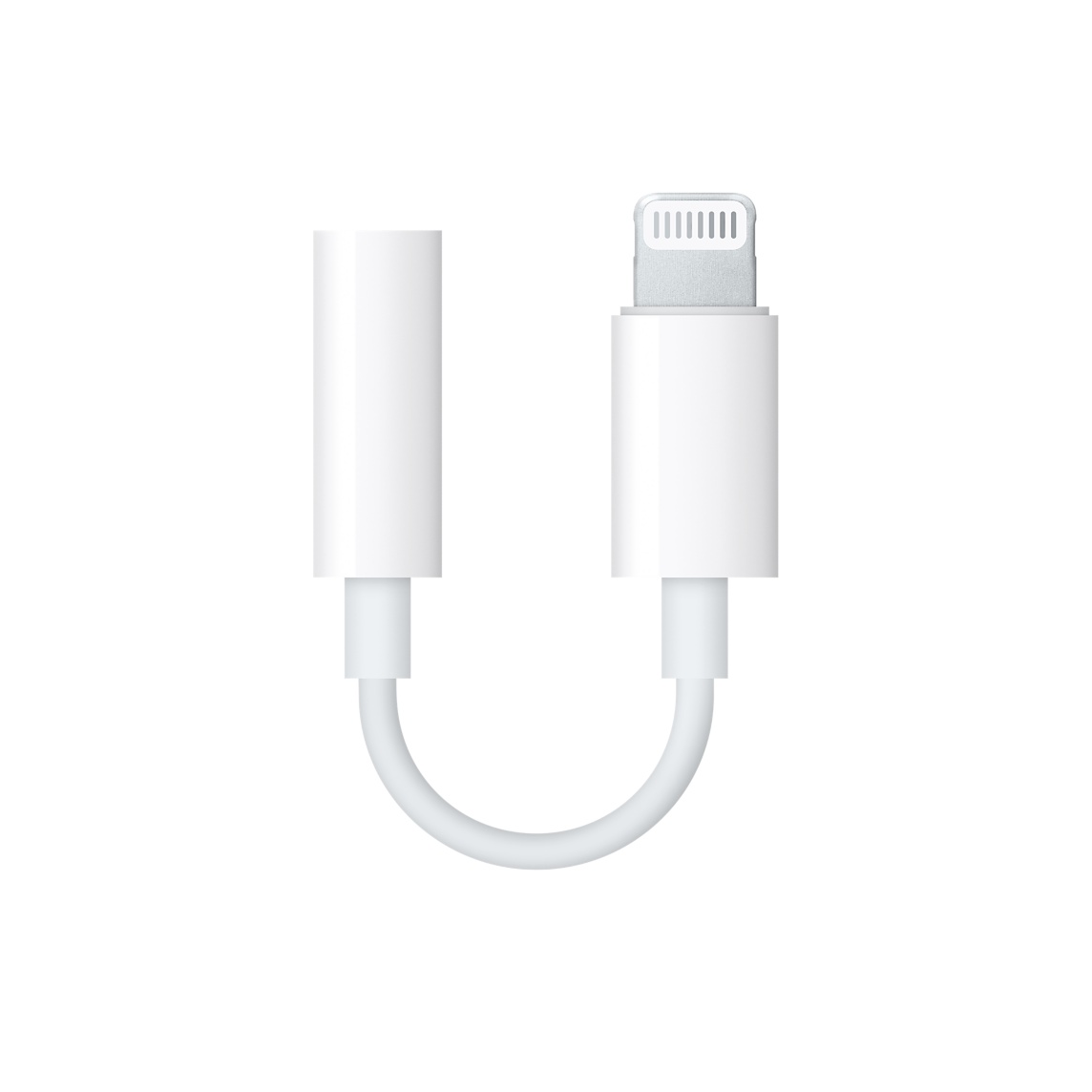
I suppose it's not all bad, we'll all just acquiesce to the new reality of having to buy $9 dongles and $40 charging adapters like this Belkin one that splits a Lightning port into two Lightning ports. But what sucks is that it's another trade-off in the world of audio being made for the benefit of corporations with the "courage" to cut costs in their phones and induce more spending into costly licensing programs where the costs will be passed on to consumers. Already, the dynamics have been sucked out of music thanks to the "loudness war," and the need to make music sound good when it's being compressed for digital distribution, to be played back on devices with weak speakers and headphone amplifiers, often with pack-in earbuds and IEMs of questionable quality. Now, companies are trying to make it harder than ever to just use any headphones that they don't profit off of because, well, they know they can get away with it.
Maybe you say you'll be fine with it. But I remember when the Game Boy Advance SP came out without a headphone jack and I had to use a dongle to get headphone audio? It was annoying, and as a charger jack was being used as a dual-purpose audio jack, it was not the most ideal solution. And nowadays, if I ever want to play my GBA SP, I can't do so with headphones as the dongles I had were lost to history. And I had forgotten to bring the dongle with me plenty of times before. And that was with a nonessential, secondary device. The day's going to come when maybe you just want to take a pair of earbuds with you heading out the door, and you'll forget the dongle. Or you'll bring a laptop to a coffee shop and you pull out your headphones, and you only have ones that work with your iPhone. Or you want to play music in your friend's car and they don't have a dongle, so too bad! And even with Bluetooth headphones, who hasn't forgotten to charge them before, and then suddenly they died while out on a walk? And do you really trust that the Lightning headphones you buy today will work with iOS 11, or 12, if the manufacturer decides to stop updating the firmware? Are these grand crimes against humanity? No. But they are annoyances that you will be made to put up with only because enough people at Apple thought they could get away with it.
So here's the question: will you let them get away with it? There's a lot of great new features in the iPhone 7. But is it worth the new annoyances you'll have to put up with, where the solutions mostly benefit them? Unless they decide someday to push for the universal USB-C standard, then I say no. I know there are many people who don't care, but I think they should because this is as blatant an anti-consumer move that Apple has ever done. And I hope enough people say to Apple that this is unacceptable that they have to think carefully not only about bringing the headphone jack back in the 7S, but about any potentially anti-consumer moves that they consider in the future.
For people with celiac disease, eating gluten can damage their small intestine and lead to vitamin and mineral deficiencies, not to mention cause extremely unpleasant GI symptoms in the short term. But for others, the protein found in wheat, barley, and rye has become synonymous with “thing that...More »
Once, while I was a younger idiot, I was tramping around the woods in Hawaii near my sister’s old place when I came across an innocent-enough-looking hot pepper, maybe an inch and a half in length, orange in color, supple to the touch. Having spent a lifetime eating hot things,...More »
Awkwardness is like pornography — you know it when you see it — but it can be harder to pin down all the various components that turn a conversation from pleasant to uncomfortable. You’d probably notice if someone kept interrupting you, for example, or laughed at inappropriate times, but you...More »
Why do you long for a nice hot cup of tea on a rainy day and not a hot nice cup? Why would you pair that with a huge fuzzy blanket and not a fuzzy huge blanket? Why does the quick brown fox jump over...More »
Studies have shown that perceptions of racial bias contribute to health disparities between Blacks and Whites, but a fundamental question remains: Is overt bias linked with health disparities, independently of people’s perceptions? Psychological scientist Jordan Leitner and colleagues took advantage of data from two large samples to find out.
Their findings, published in Psychological Science, suggest that people who live in communities with high levels of overt racism are more likely to die from heart disease and other circulatory diseases, and this is especially true for Black individuals.
“This suggests that living in a racially hostile environment might be detrimental to both the group targeted by this bias, in this case Blacks, as well as the group that harbors the bias, in this case Whites,” lead study author Jordan Leitner said in a statement from the University of California, Berkeley.
Leitner and his co-authors examined data from the Centers for Disease Control on health risks and death rates from circulatory diseases – including heart attacks, angina, and coronary heart disease – in counties across the US. They compared these data with racial bias data collected from nearly 1.4 million White Americans via Project Implicit, a website where anyone can take brief tests measuring explicit and implicit biases related to gender, religion, and race.
To assess people’s automatic, or implicit, attitudes in relation to race, Project Implicit participants saw a series of faces on a computer screen and used specific keys to categorize the faces as Black or White. Next, they saw a series of positive and negative words (e.g., “nasty,” “agony,” “joy,” “peace”) and used specific keys to categorize each word as “good” or “bad.” Comparing response times provides the researchers an indication of implicit bias. For example, if people are quicker to respond when Black faces and negative attributes require the same key press than they are when Black faces and positive attributes require the same key press, this suggests a stronger negative association and, therefore, implicit bias.
To measure overt racial attitudes, Project Implicit participants rated the warmth of their feelings about White people and Black people on a 0-10 scale. Overt racism was defined as greater warmth towards Whites, as compared to Blacks.
In their analyses, the researchers also accounted for various factors – including age, education, income, population, rural versus urban – that might influence health.
The data showed that Black people reported less access to healthcare in counties in which White respondents reported greater levels of explicit bias. There was no evidence of a relationship between overt bias and healthcare access for White participants, and there was no evidence of a link between implicit bias and healthcare for either group.
Black participants were more likely than White participants to have a diagnosis of circulatory disease overall, but this difference was not associated with levels of racial bias. However, Blacks may be more likely to die from circulatory disease in counties with levels of racial bias: Death rates due to circulatory disease was greater for people living in counties in which White respondents showed more overt racial bias, and this link was stronger for Black people than for White people.
These findings do not shed light on whether racial bias caused disparities in access to healthcare or in death from circulatory disease, but Leitner and colleagues speculate that racial discrimination, combined with bias-related stress, may play a role:
“One possibility is that blacks in racially hostile communities experience lower quality health care, or may avoid seeking health care, even if it is available, because they feel like they won’t be treated fairly,” Leitner said.
Reference
Leitner, J.B., Hehman, E., Ayduk, O., & Mendoza-Denton, R. (2016). Blacks’ death rate due to circulatory diseases is positively related to whites’ explicit racial bias: A nationwide investigation using Project Implicit. Psychological Science. DOI: 10.1177/0956797616658450






















![William Shakespeare [Misc.];Sarah Bernhardt](https://pixel.nymag.com/imgs/daily/science/2016/09/07/07-adjective-order.w146.h97.jpg)
 Studies have shown that perceptions of racial bias contribute to health disparities between Blacks and Whites, but a fundamental question remains: Is overt bias linked with health disparities, independently of people’s perceptions? Psychological scientist Jordan Leitner and colleagues took advantage of data from two large samples to find out.

