KWBaker
Shared posts
Netflix's Top Hit Movies and Shows, Ranked (According to Netflix) - CNET

Photographing Zanskar, an Untouched Region in the Western Himalayas
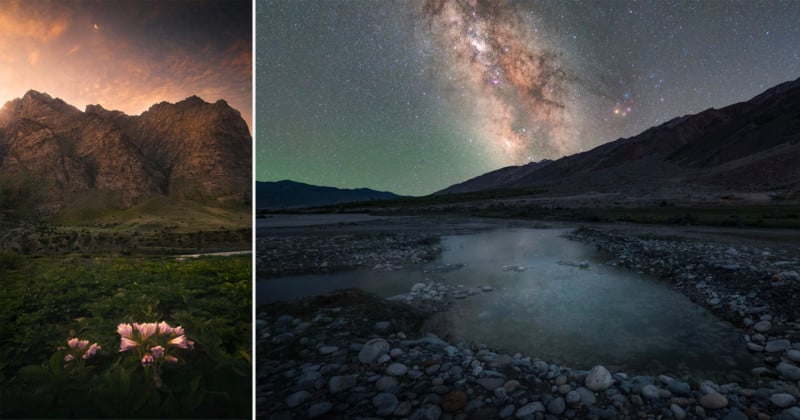
An amateur photographer wanted to showcase the picturesque potential of a lesser-known region along the western part of the Himalayas through a body of work that highlights the grand beauty of the area.
Tanay Das, based in India, works for Amazon and pursues landscape photography as a hobby. It was only in 2018 that Das got his first camera, a Nikon D5500 which he says he is still learning how to use at its full potential.
In 2019 while watching a YouTube Vlog, Das heard about the lands of Zanskar, an area in the western part of the Himalayas known as the Ladakh region. While beautiful, he says that it hasn’t been widely visited or photographed by landscape photographers.
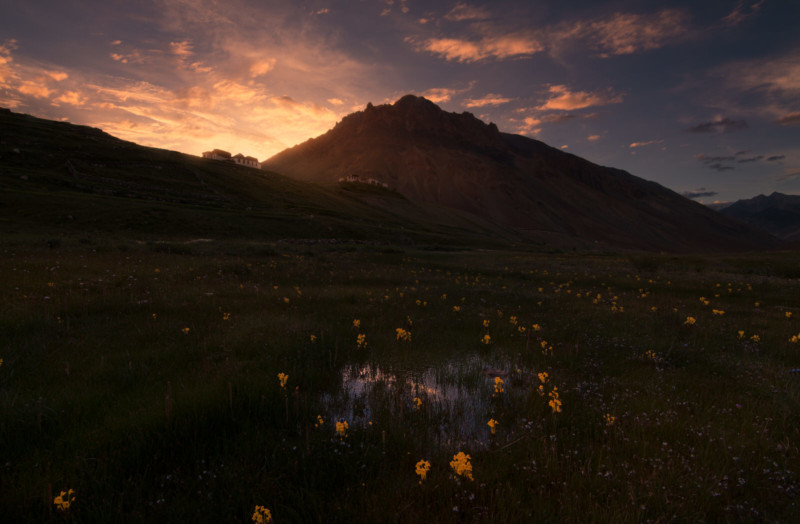
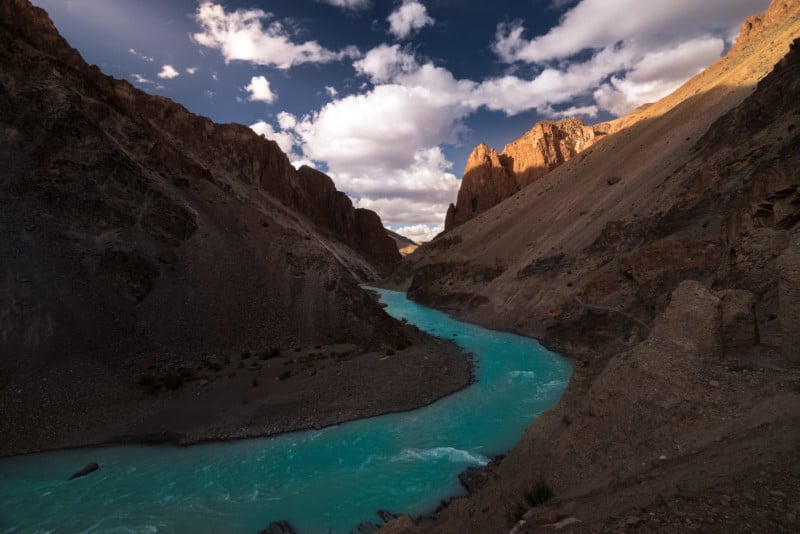
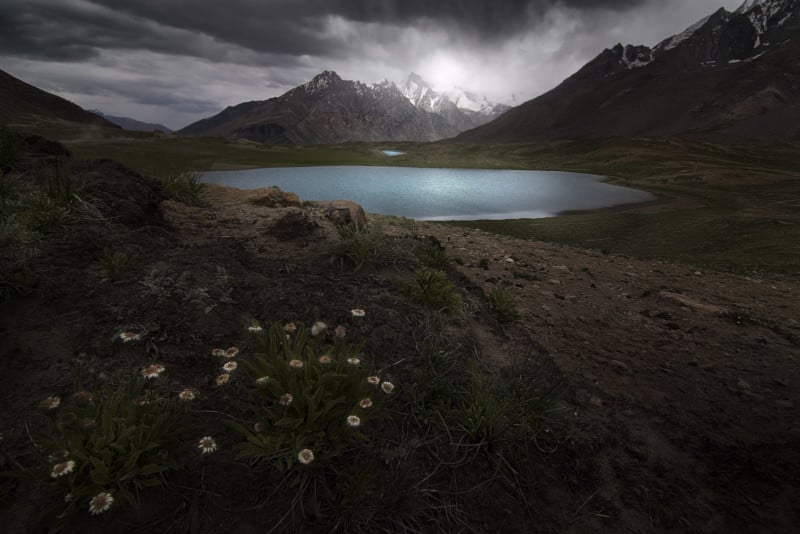
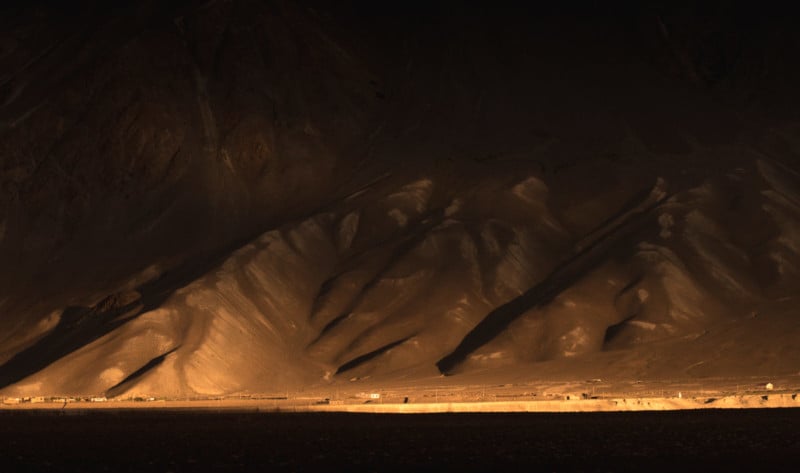
Das made contact with landscape photography company Thescape which offers photography and filmmaking services, workshops, and tours. The company invited Das to photograph the area and join a 15-day long mountain tour.
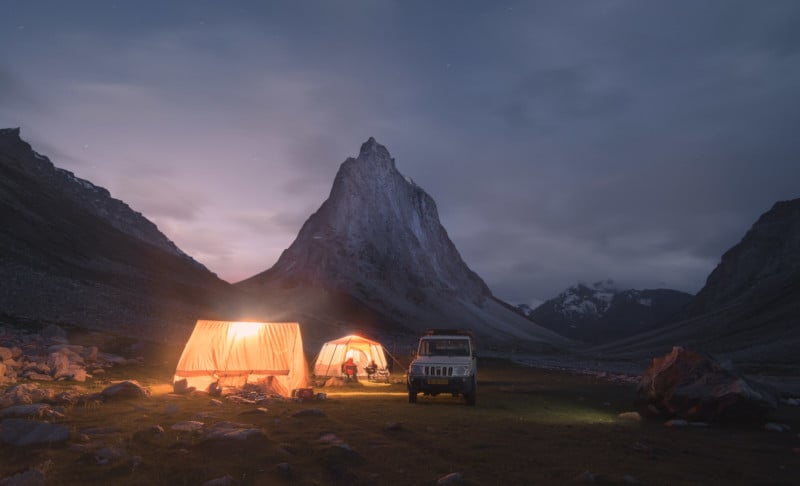
Because of the COVID-19 disruption, Das hadn’t been able to pursue many of his planned photography trips. This meant that by the time the tour date rolled around, it was his first time capturing the western part of the Himalayas.
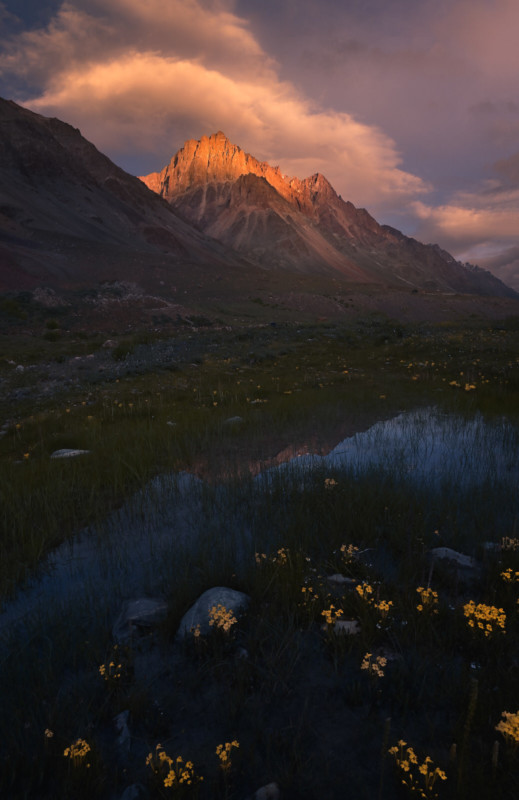
During the preparations for the trip, Das packed his Nikon D5500 and a choice of three lenses — Tokina 11-16mm f/2.8, Nikon 18-55mm f/3.5-f/5.6, and the Nikon 70-300mm f/4.5-/f/6.3.
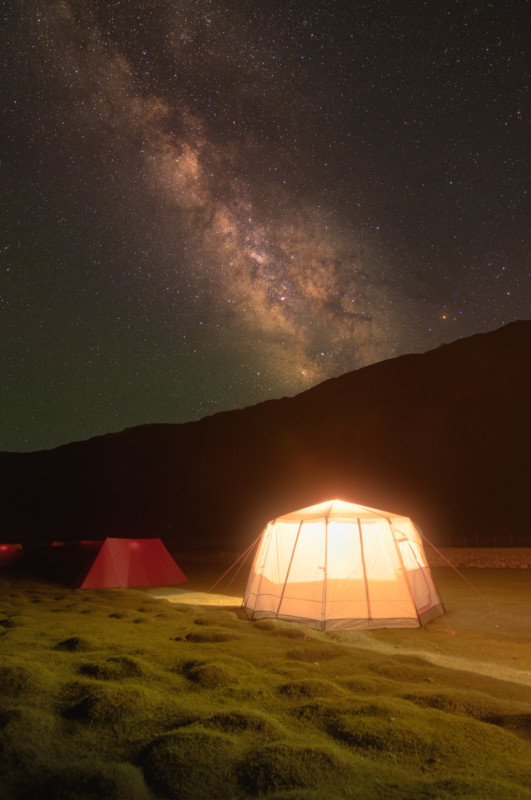
The experience of camping and shooting in such an untouched natural region was particularly memorable for Das, which he says is hard to describe and left him speechless during much of the experience.

“The primary reason could be how raw nature actually is,” he says. “The place where we were standing was more than 14,500-feet high. Standing at that kind of altitude in the middle of the night and seeing the cosmos is something absolutely mindblowing and leaves a deep impact on you.”
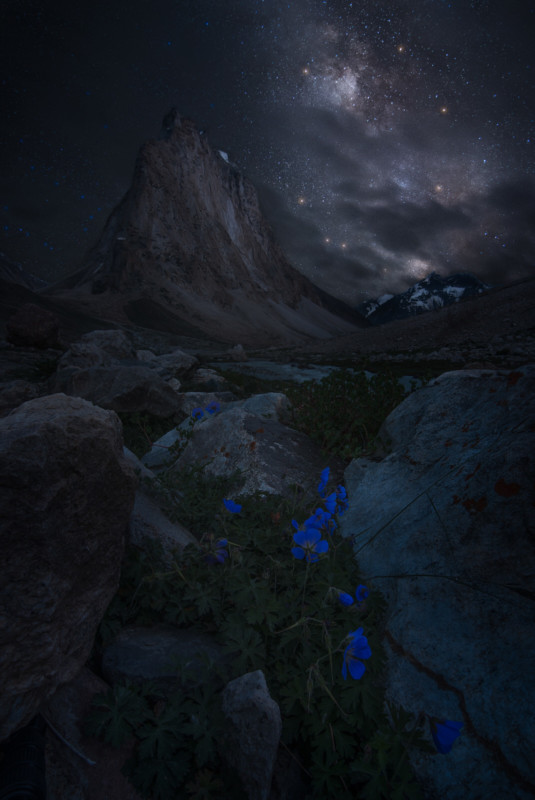
Following his experiences in Zanskar, Das is currently working on a project with Thescape to bring out the best of the Indian Himalayas through tours across the region. Das follows the motto of “travel, learn, and share” and hopes to inspire people to photography the beauty of the area.
More of Das’s landscape photographs can be found on his Instagram page.
Image credits: All images by Tanay Das and used with permission.
3 Things We Like And Dislike With The 2021 Triumph Speed Triple 1200RS
Subscribe!
http://www.youtube.com/subscription_center?add_user=Motorcycle
YouTube - http://www.youtube.com/Motorcycle
Facebook - http://facebook.com/MotorcycleCom
Twitter - http://twitter.com/MotorcycleCom
Web - http://www.Motorcycle.com
Established in 1994, Motorcycle.com is the premier online resource for motorcycle and scooter enthusiasts. With hundreds of high quality, detailed video reviews on bikes from Harley-Davidson, Honda, Yamaha, Suzuki, Kawasaki and just about everybody else, it's the best place to go to learn about the latest and greatest two-wheeled creations. There's simply no better resource if you're planning on buying or if you just want to check out some awesome machines.
Triumph Announces Four New Special Editions
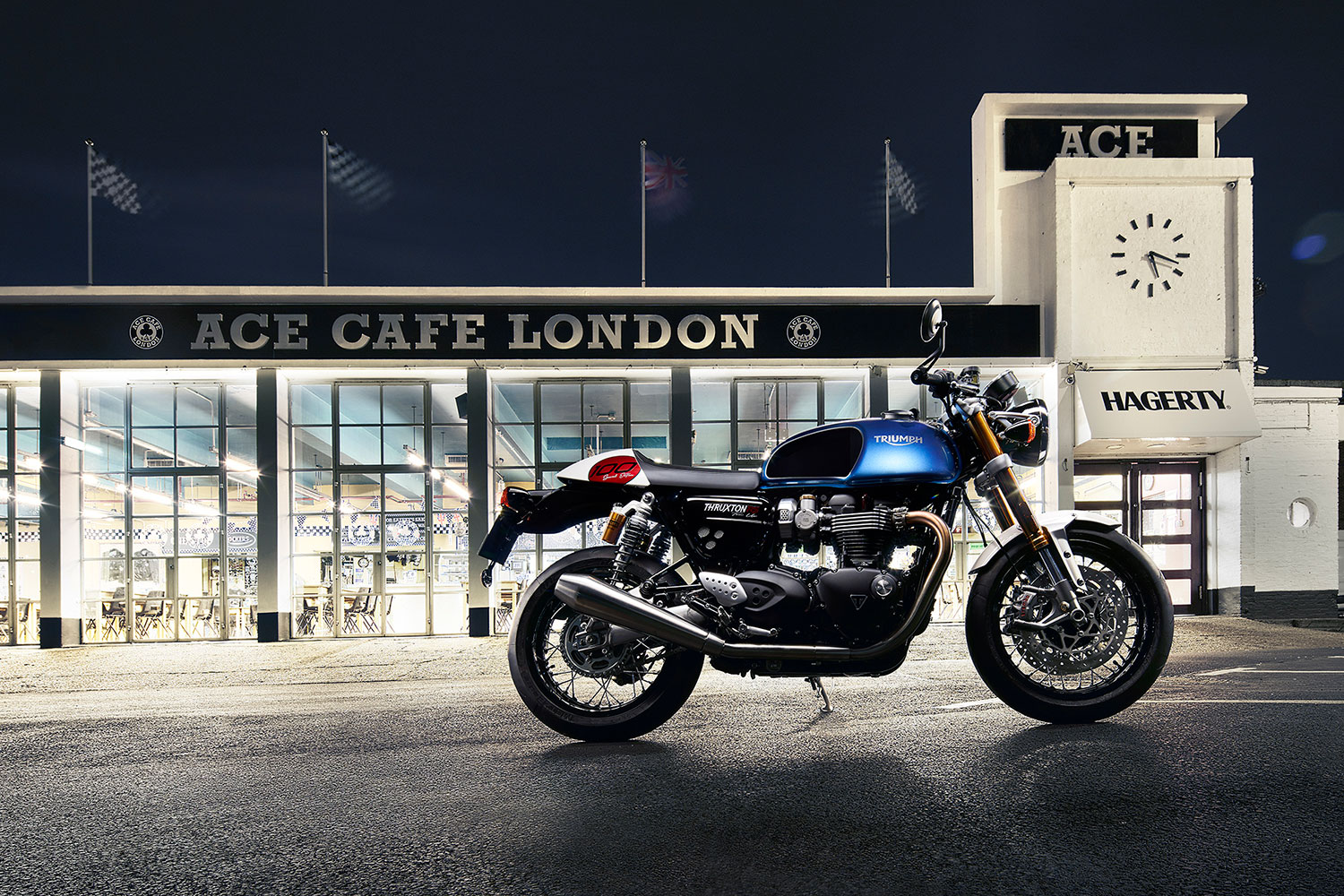
Triumph has an early holiday present for fans of Britain’s custom-classic and road racing culture, in the form of four limited-release Special Edition models, each available for one year only: the Street Twin EC1, Thruxton RS Ton Up, Rocket 3 GT 221, and Rocket 3 R 221.
2022 Triumph Street Twin EC1 Special Edition
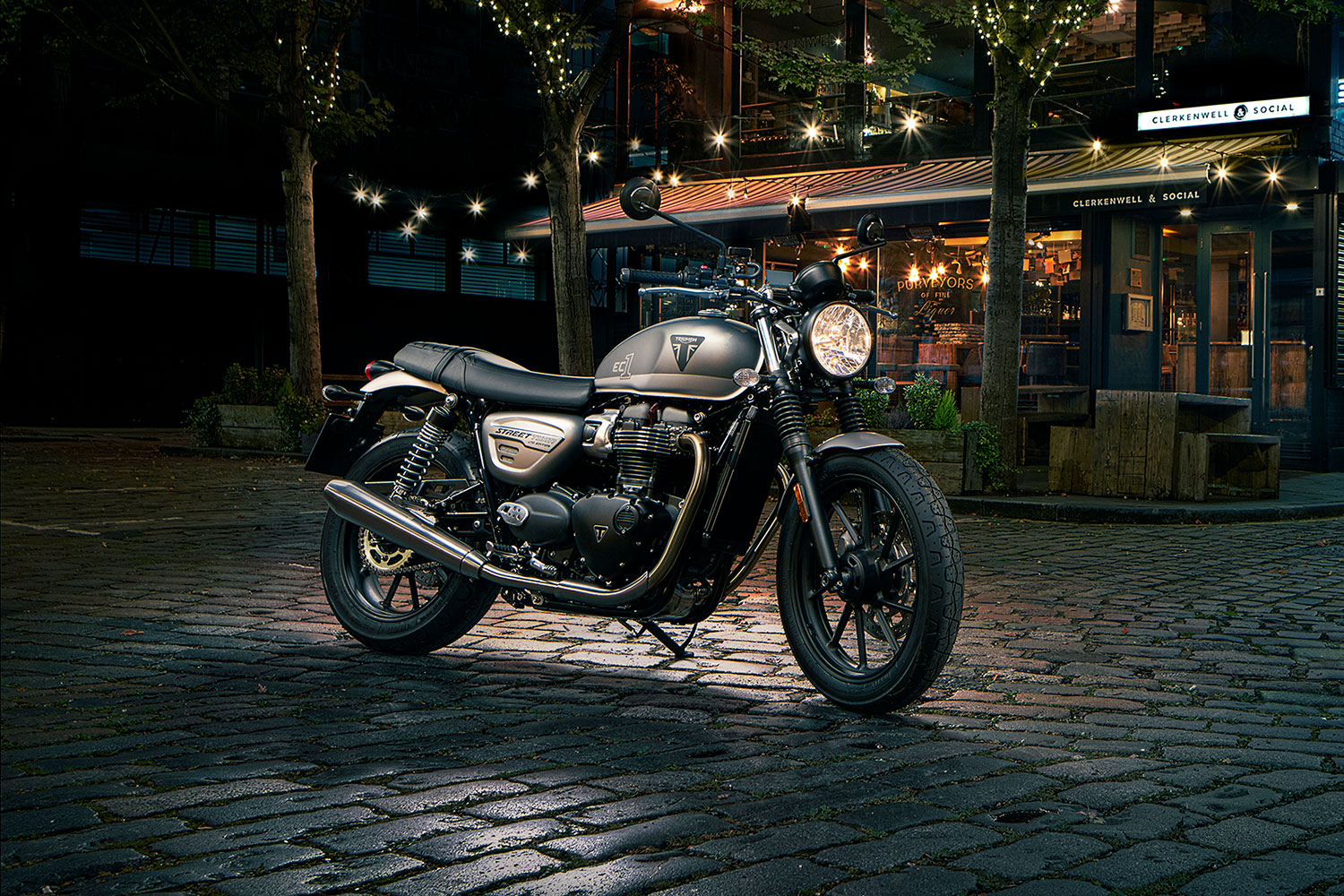
Triumph’s best-selling modern classic model, the Street Twin, gets a makeover inspired by the vibrant custom scene of London’s East End – particularly the historic streets of the EC1 district that gives the Street Twin EC1 Special Edition its name. The EC1 is set apart as a Special Edition with a unique Matte Aluminum Silver and Matte Silver Ice paint scheme with special EC1 graphics on the tank and side panels, as well as a matching fly screen.


The spunky Street Twin is unchanged otherwise, with its liquid-cooled 900cc parallel-Twin engine, Brembo 4-piston front brake caliper, ABS, Road and Rain ride modes, traction control, torque-assist clutch, and USB charging socket, all standard. The Street Twin EC1 Special Edition will be available starting in January 2022, for an MSRP of $10,350.
2022 Triumph Thruxton RS Ton Up Special Edition
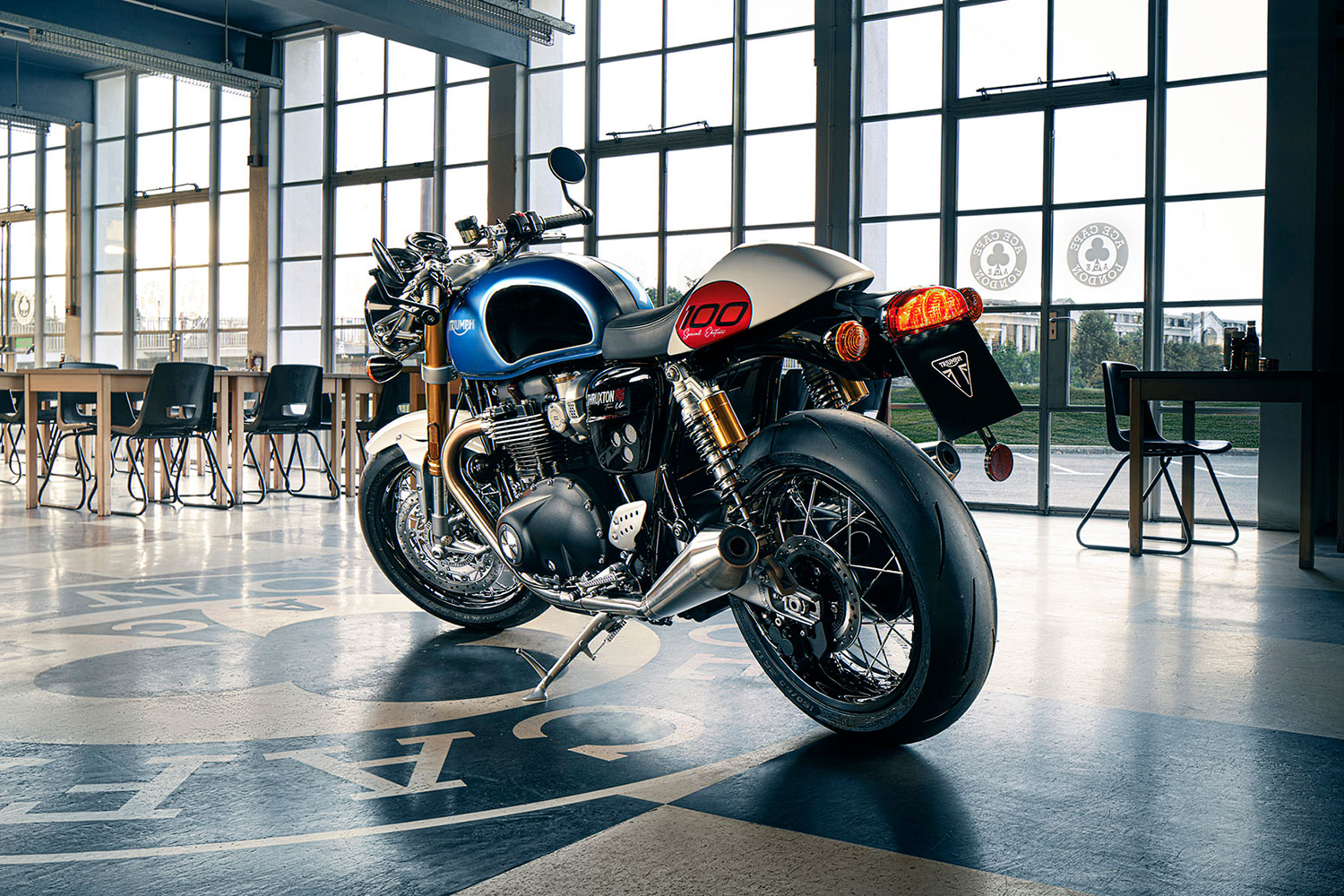
The legendary Ton Up boys of the 1950s and ‘60s – the original café racers – and the first ever production 100mph lap of the Isle of Man TT, achieved by Malcolm Uphill in 1969, are celebrated by the new Thruxton RS Ton Up Special Edition. With its Aegean Blue gas tank, Fusion White seat cowl and front fender, and Carnival Red accents and graphics, the Ton Up will stand out in a crowd. Also included are unique “100” and “Ton Up” graphics and an accessory Aegean Blue fairing to complete the café racer look.


Otherwise the Thruxton RS retains all of its standard features, including a character-filled liquid-cooled 1,200cc parallel-Twin, twin 310mm Brembo floating front brake discs squeezed by Brembo M50 radial monoblock calipers; fully adjustable Öhlins shocks and Showa 43mm fork; Metzeler Racetec RR tires; throttle-by-wire with Road, Rain, and Sport ride modes; ABS; traction control; torque-assist clutch; and a USB charging socket. The Thruxton RS Ton Up Special Edition will be available starting in January 2022, for an MSRP of $17,300.
2022 Triumph Rocket 3 GT and Rocket 3 R 221 Special Editions
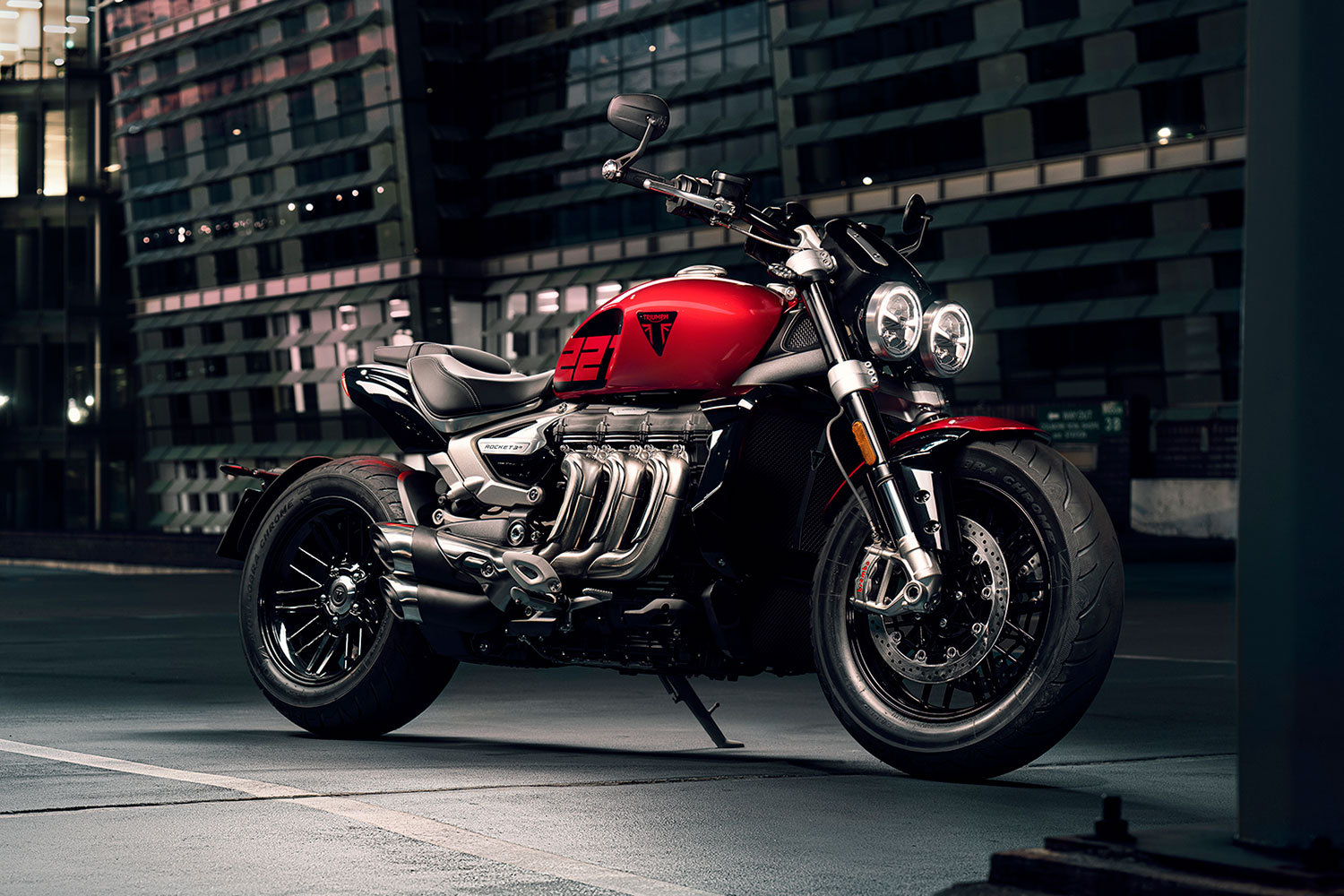
The Rocket 3 GT and Rocket 3 R 221 Special Editions seek to remind the world of one thing: their superlative 221 Newton meters of torque (or 163 lb-ft for us Yanks), the highest claimed torque of any production motorcycle in the world. The 221s get their message across with a rich Red Hopper paint scheme incorporating the Rocket 3’s performance numbers emblazed on the tank: horsepower, torque, engine size, bore, and stroke.
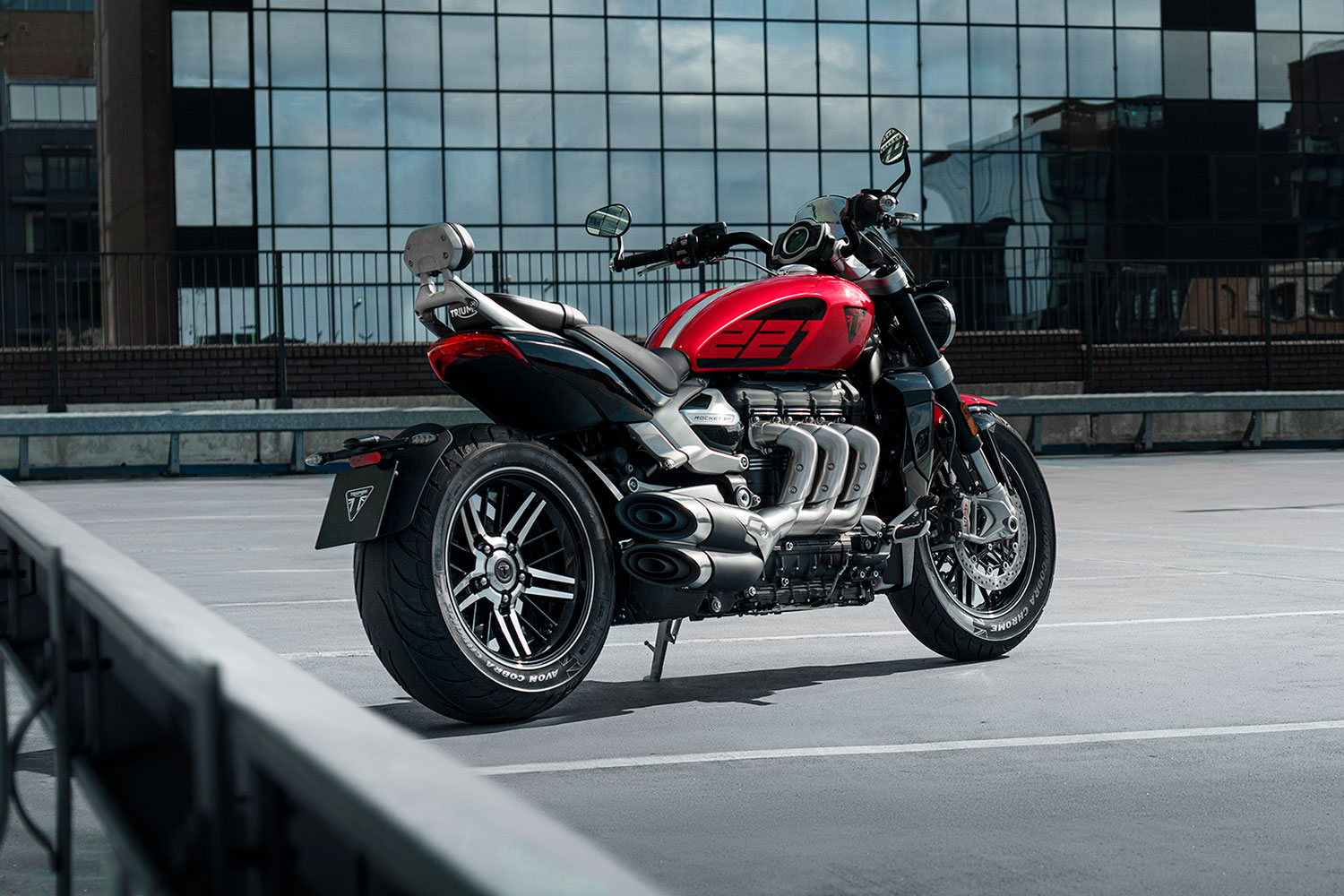
Backing it up, of course, is the massive 2,458cc inline-Triple producing all that torque and a claimed 167 horsepower, along with a fully adjustable Showa shock, adjustable 47mm Showa fork, Brembo Stylema 4-piston radial monoblock calipers, TFT instrumentation, IMU-based ABS and traction control, four ride modes (Road, Rain, Sport and Rider-configurable), hill hold control, cruise control, keyless ignition, heated grips (GT only), and a USB charging socket.


The Rocket 3 GT 221 Special Edition will be available starting in January 2022, for an MSRP of $24,600. The Rocket 3 R 221 Special Edition will be available starting in January 2022, for an MSRP of $23,900.
For more information or to find a Triumph dealer near you, visit triumphmotorcycles.com.
The post Triumph Announces Four New Special Editions first appeared on Rider Magazine.How To Make a Proper Cowboy Coffee

For the holidays this year, we're making it count. So we reached out to our friends at High West to spend some festive time with them at the
Triumph Announces Special Edition Rocket 3, Street Twin and Thruxton Models
Triumph announced four new special edition models, each featuring a special livery that will only be offered for the 2022 model year.
The 2022 special edition models are the Street Twin EC1, Thruxton RS Ton Up and the 221 Edition Rocket 3 R and Rocket 3 GT. Each SE model is mechanically the same as their respective regular versions, but featuring a unique livery.
The special edition models will arrive in U.S. dealerships in January 2022, each carrying a premium of $750-$900 over the MSRP for the regular models.
2022 Triumph Rocket 3 R and GT 221 Edition
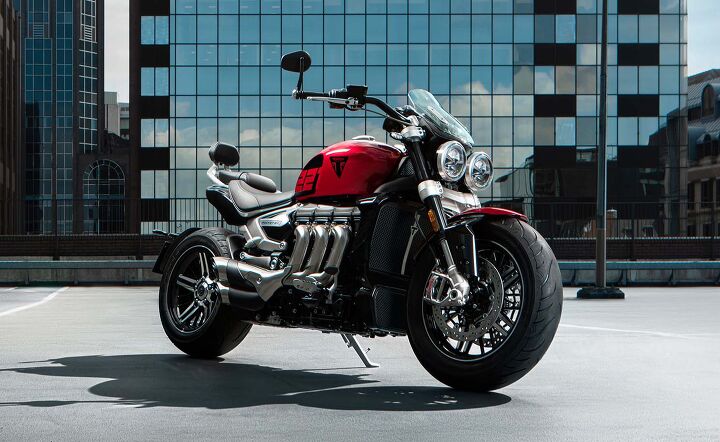
The Rocket 3 R and GT 221 Special Edition celebrate the 221 Nm (163 lb-ft.) of torque claimed by Triumph’s massive 2458cc Triple. According to Triumph, this is the highest peak torque on any production motorcycle.
The special edition models sport a “Red Hopper” color scheme with a red tank, front fender and “221” knee pad graphics contrasted against Sapphire Black fender brackets, headlight bowls, flyscreen, side panels, rear bodywork and radiator covers.
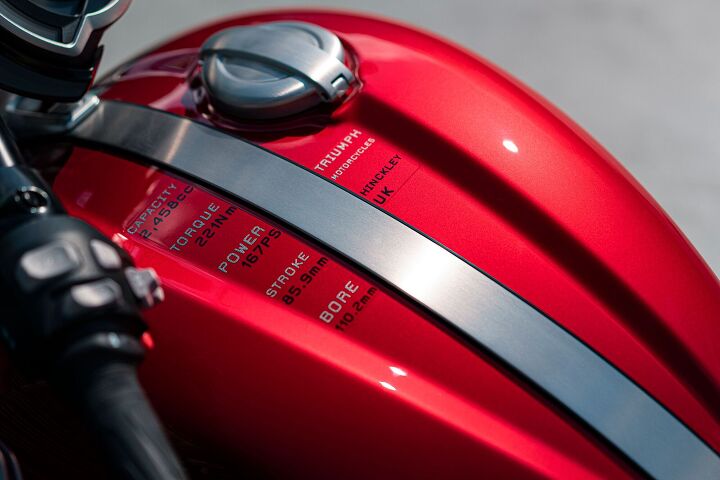
Another unique feature is a fuel tank graphic listing the Rocket 3 engine’s displacement, torque and power output, stroke and bore.
The Rocket 3 GT 221 Special Edition is priced at $24,600 while the Rocket 3 R 221 Special Edition is priced at $23,900, both adding $900 to the price of the regular models.


2022 Triumph Street Twin EC1
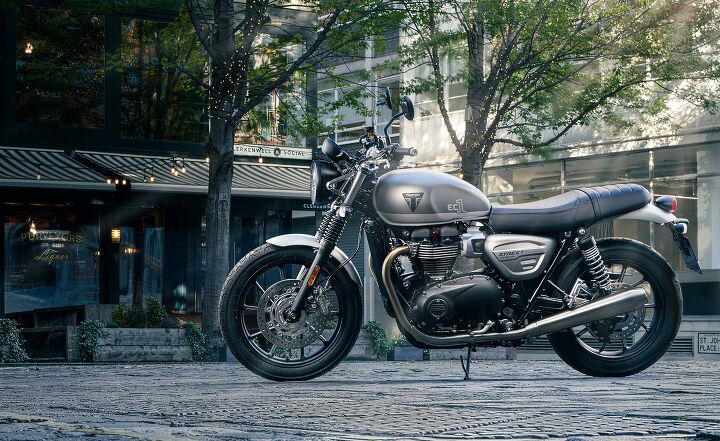
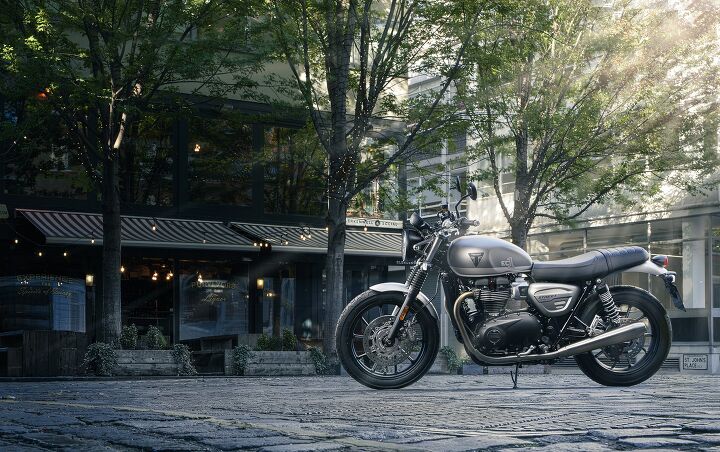
The Street Twin EC1 pays tribute to the East End of London, specifically the historic streets with the postcode that gives the bike its name.
The special edition model comes in a Matt Aluminum Silver and Matt Silver Ice paint scheme with EC1 graphics and details on the tank and side panels. The Street Twin EC1 can also be fitted with an accessory Matt Silver Ice flyscreen, as well as any existing Street Twin accessories.
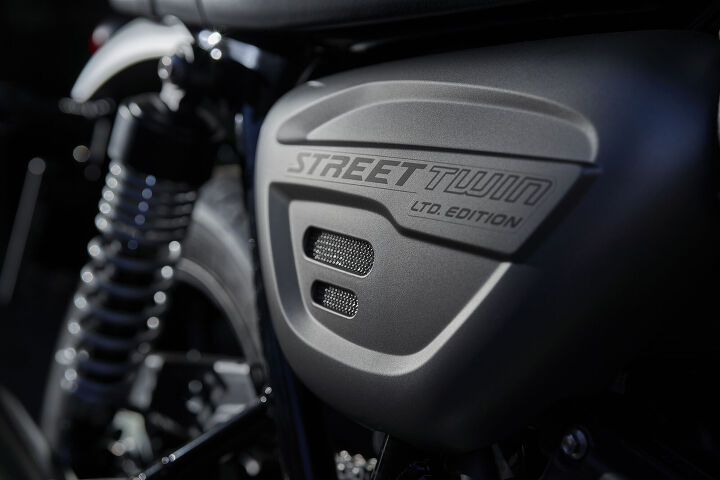
The 2022 Triumph Street Twin EC1 has an MSRP of $10,350, which is an extra $750 on top of the price of a regular Street Twin.


2022 Triumph Thruxton RS Ton Up
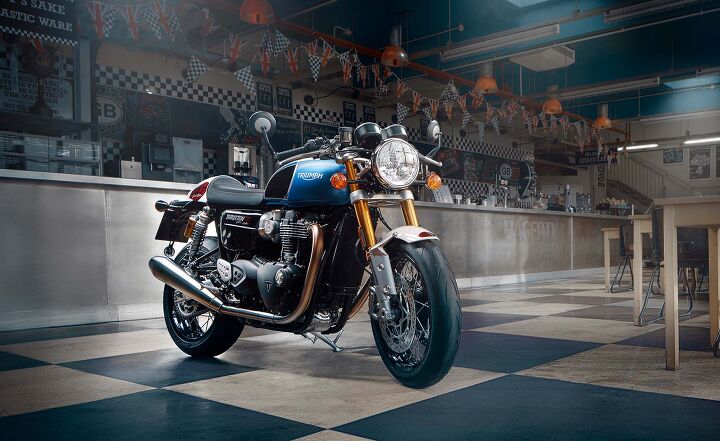
The Thruxton RS Ton Up is named for the “Ton Up Boys” café racer subculture of the ’50s and ’60s, and the first-ever 100 mph lap of the Isle of Man TT by a production motorcycle, completed in 1969 by Malcolm Uphill.
The Ton Up edition comes with an Aegean Blue fuel tank with Jet Black knee pad graphics and hand-painted silver pinstriping. The tail cowl is painted Fusion White with a Carnival Red infill with hand-painted black striping and a “100 Special Edition” graphic. The front fender sports a similar motif. An Aegean Blue cockpit fairing is available as an optional accessory.
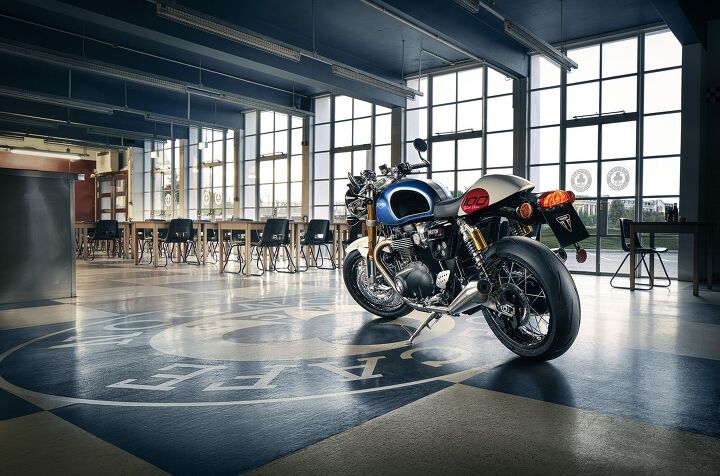
Other features include side panels with the Thruxton RS Ton Up logo, headlight bowl and rear fender all painted in Jet Black, blacked-out wheels, engine covers and rear suspension springs and Matt Aluminum Silver fork protectors.
The 2022 Triumph Thruxton RS Ton Up will be available for $17,300, an $800 increase over the price of a regular Thuxton RS.


Become a Motorcycle.com insider. Get the latest motorcycle news first by subscribing to our newsletter here.
The post Triumph Announces Special Edition Rocket 3, Street Twin and Thruxton Models appeared first on Motorcycle.com.

2021 Heavyweight Naked Bike Spec Shootout
MO’s string of naked motorcycle shootouts continues, and this time we saved the best for last.
We started things off in June with the middleweight class, seeing the Triumph Trident 660 emerge from a six-bike shootout. In August, we moved up a weight class and saw the Yamaha MT-09 come out ahead in another six-motorcycle dog fight. For September, we witnessed KTM’s 390 Duke top a field of five lightweight nakeds.
As we approach the middle of November, it’s time to bring out the big guns. We’ve got a battle royale featuring seven heavyweight naked models. Our contenders: the Aprilia Tuono V4 Factory, the BMW S1000R, the Ducati Streetfighter V4 S, the Kawasaki Z H2 SE, the KTM 1290 Super Duke R, the MV Agusta Brutale 1000RR, and the Triumph Speed Triple 1200 RS.
Ordinarily, we try to group motorcycles with a similar price point, but we had to forget about that for this grouping. You can blame MV Agusta for that, with its $33,800 MSRP for the Brutale 1000RR. That’s a $8,605 premium over the second most expensive bike, Ducati’s $25,195 Streetfighter V4 S.
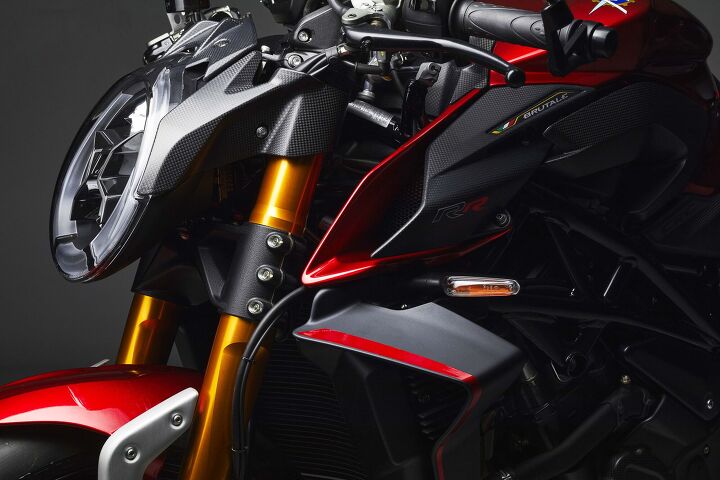
The MV Agusta Brutale 1000RR is a carbon-clad Italian beauty, but it’s $33,800 price tag is 50% higher than the average of all seven bikes combined.
The BMW starts with a $15,040 base price, but for this test, it is equipped with the M, Sport, Select and Premium packages, bumping it up to $20,765. That moves it up from what would have been the least expensive bike in this group to the third most expensive.
The supercharged Z H2 SE sits right in the middle of the pack, with a price of $19,700, just ahead of the $19,499 Tuono V4 Factory. KTM’s beastly SDR slots in next at $18,699, with the Speed Triple RS rounding out the group at $18,500.
That’s a combined $156,158 of the highest performance naked motorcycles on the market that the MO Team has been diligently putting to the test. Yes, I know, it’s a tough job, but somebody’s got to do it.
Before we find out about the riding impressions, let’s take a look at the spec sheets to see just what kind of performance level we’re talking about.
Engines
Our seven combatants include engine displacements ranging from 998cc to 1301cc. There’s also a good mix of engine configurations, including a V-Twin, a Triple, a couple of V-Fours, and three Inline-Fours.

At 1301cc, the Super Duke R’s 75° V-Twin has the largest displacement of this comparison. Photo by R. Schedl.
At 1301cc, the Super Duke V-Twin has the largest displacement, with a 108.0 mm bore and 71.0 mm stroke. The Triumph’s 1160cc Triple is the second largest engine thanks to its 90.0 mm bore and 60.8 mm stroke.
Aprilia’s 1077cc V-Four has a 65-degree angle while Ducati stayed with its traditional 90-degree configuration for the 1103cc Desmosedici Stradale engine. The BMW and MV Agusta are probably the most similar, both displacing just under a liter, with the Brutale having a longer stroke and a higher compression ratio. The Kawasaki’s engine has a similar displacement, but with a 90.0 mm stroke, it has the longest stroke and the earliest redline of the four-cylinders. Then of course, there’s the little matter of having a supercharger.
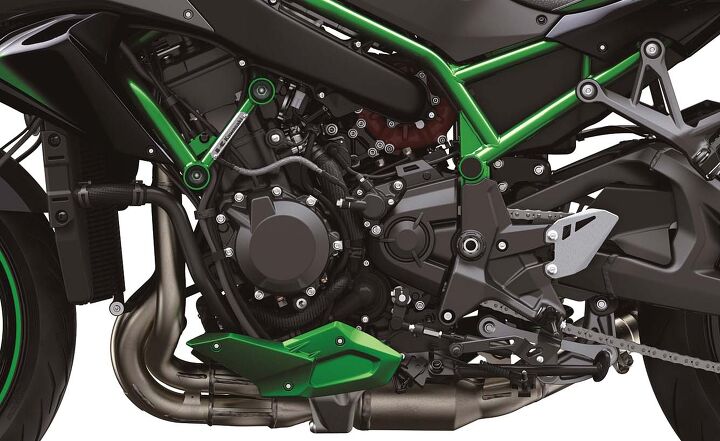
The Kawasaki Z H2 SE and its supercharger stands out from this otherwise naturally-aspirated group.
Measured on the Wrench Motorcycles dyno, the differences in their horsepower and torque curves really stand out. The high-revving Streetfighter V4 S topped the field with 176.6 hp, reaching that peak at 12,500 rpm, long past where most of the other bikes reached their rev limits.
Up until 9,800 rpm, however, it’s the KTM with a significant horsepower advantage over the competition, with the margin the widest at 7800 rpm where the Super Duke R has a 19.6 hp edge over the Z H2 SE. The Kawasaki eventually catches up as it approaches its 163.1 hp peak at 10,200 rpm, but the Streetfighter takes over shortly after.
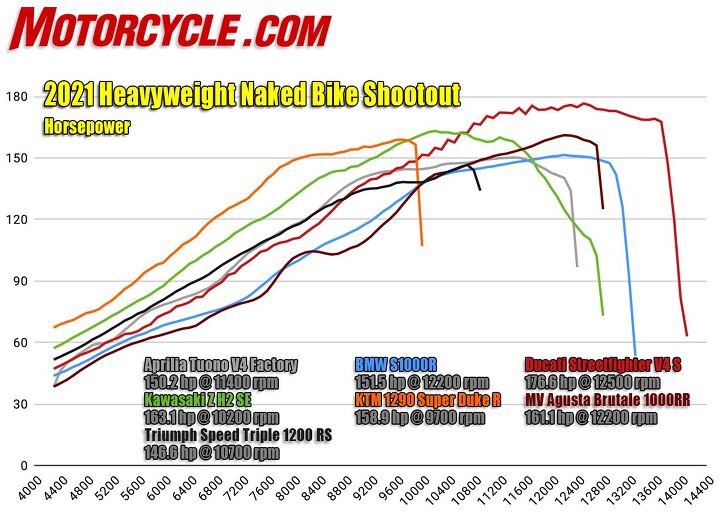
The Z H2 SE, Brutale, and S1000RR have the smallest displacements in this group, each around 998cc or 999cc, but we can see the difference Kawasaki’s supercharger makes over the other Inline-Fours. The Brutale has what would be an impressive peak at 161.1 hp at 12,200 rpm (which is good for third overall) were it not for the fact that MV claims 208hp at the crank. Matters are further complicated as for most of the rev range, it sits at the bottom, with some noticeable dips in its curve that give the advantage to the S1000R.
The Speed Triple RS has the lowest peak power figures, topping off at 146.6 hp at 10,700 rpm, but it has one of the more linear curves of the group until it starts to flatten around 8,000 rpm. It holds up well against the others, sitting third in the group and going neck and neck with the Tuono before the Aprilia finally overtakes it on the way to its 150.2 hp peak at 11,400 rpm.
Looking at the torque curves, the KTM 1290 Super Duke R’s 98.0 lb-ft. at 7,800 rpm jumps out, with a 10.4 lb-ft. advantage over the Kawasaki. If it weren’t for the KTM’s beast of a V-Twin, we’d be singing the praises of the Z H2 SE’s torque curve which stacks up well compared to the others, with a nice plateau from just after idle to its redline.
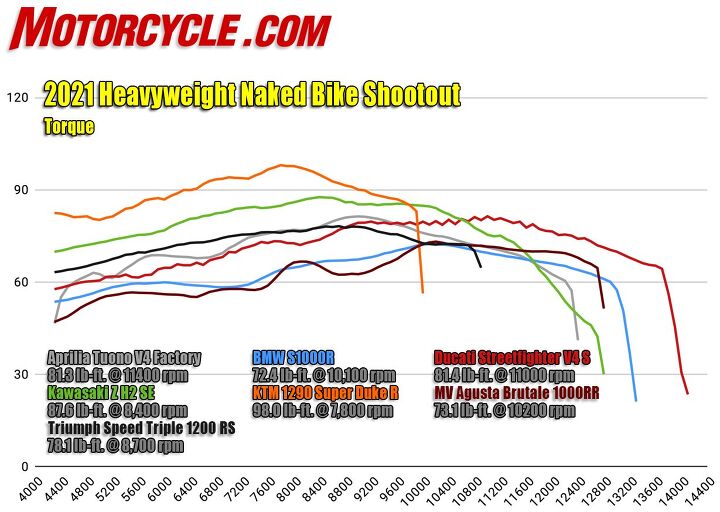
Triumph’s Triple fares well at lower revs again here, but beyond its peak 78.1 lb-ft. at 8700 rpm, it gets overtaken by two Italians. The two V-Fours post similar peak torque numbers with the Ducati having a 0.1 lb-ft. advantage, but it reaches its 81.4 lb-ft. peak 2,000 rpm after the Aprilia. It’s interesting seeing how different the Streetfighter and Tuono’s V-Fours look on these charts, and I look forward to hearing how they compare in practice.
When it comes to torque, the two naturally-aspirated Inline-Four literbikes are at a disadvantage, with the MV Agusta Brutale 1000RR peaking at 73.1 lb-ft. and the BMW at 72.4 lb-ft. As we saw with their horsepower curves, the Brutale has a couple of noticeable dips in torque curve with an odd blip at around 8,000 rpm where it briefly surpasses the S1000R.
| Engine | Aprilia Tuono V4 Factory | BMW S1000R | Ducati Streetfighter V4 S | Kawasaki Z H2 SE | KTM 1290 Super Duke R | MV Agusta Brutale 1000RR | Triumph Speed Triple RS |
|---|---|---|---|---|---|---|---|
| Engine Type | 65° V-Four, four-strokes, liquid cooling system, double overhead camshaft (DOHC), four valves per cylinder | Water-cooled four-stroke DOHC Inline-Four with four valves per cylinder | Desmosedici Stradale 90° V4, rearward-rotating crankshaft, 4 Desmodromically actuated valves per cylinder, liquid cooled. | 4-stroke, 4-cylinder, DOHC, 4-valve, liquid-cooled, supercharged | Liquid-cooled four-stroke 75° V-Twin, DOHC, 4 valves per cylinder | Liquid-cooled four-stroke DOHC Inline-Four with four valves per cylinder | Liquid-cooled, 12 valve, DOHC, inline 3-cylinder |
| Bore x Stroke | 81.0 x 52.3 mm | 80 mm x 49.7 mm | 81 mm x 53.5 mm | 76.0 x 55.0mm | 71.0 mm x 108 mm | 79 mm x 50.9 mm | 90.0 mm x 60.8 mm |
| Displacement | 1077 cc | 999 cc | 1103 cc | 998 cc | 1301 cc | 998 cc | 1160 cc |
| Compresion Ratio | 13.6:1 | 12.5:1 | 14.0:1 | 11.2:1 | 13.5:1 | 13.4:1 | 13.2:1 |
| Horsepower | 150.2 hp at 11,400 rpm | 151.5 hp at 12,200 rpm | 176.6 hp at 12,500 rpm | 163.1 hp at 10,200 rpm | 158.9 hp at 9,700 rpm | 161.1 hp at 12,200 rpm | 146.6 hp at 10,700 rpm |
| Torque | 81.3 lb-ft. at 9,000 rpm | 72.4 lb-ft. at 10,100 rpm | 81.4 lb-ft. at 11,000 rpm | 87.6 lb-ft. at 8,400 rpm | 98.0 lb-ft. at 7,800 rpm | 73.1 lb-ft. at 10,200 rpm | 78.1 lb-ft. at 8,700 rpm |
| Transmission | 6-speed cassette type gearbox. Gear lever with Aprilia Quick Shift electronic system (AQS) | Constant-mesh 6-speed gearbox | 6 speed with Ducati Quick Shift (DQS) up/down EVO 2 | 6-speed dog-ring, return shift | Anti-hopping clutch in oil bath/hydraulically operated | Cassette style; six speed, constant mesh | 6 speed |
| Clutch | Multiplate wet clutch with slipper system | Self-reinforcing multi-plate anti-hopping wet clutch, mechanically activated | Hydraulically controlled slipper and self-servo wet multiplate clutch | Assist & Slipper clutch | 6-gear transmission, claw shifted | Wet, multi-disc with back torque limiting device and Brembo radial pump/lever assembly | Wet, multi-plate, slip & assist |
| Drive | Chain | M Endurance Chain | Chain | Sealed chain | X-Ring chain | Chain | X-ring chain |
Chassis
The Z H2 SE, Super Duke R, and Brutale each use tubular steel frames while the Tuono, S1000R, and Speed Triple R go with aluminum twin-spar frames. The Streetfighter stands alone with its aluminum “front frame,” a compact chassis design developed from Ducati’s MotoGP program that sees the frame attach to the upper crankcase of the front cylinder bank and the heads of the rear cylinders.

The Tuono V4’s adjustable frame has been a signature feature since Aprilia introduced it on the RSV4.
The Tuono’s chassis is also unique among this group with the level of adjustability it offers. Like the Aprilia RSV4, the Tuono offers adjustable headstock angle, engine height, and swingarm pivot.
Öhlins’ 43mm NIX fork and TTX rear shock is a popular combination for this segment, appearing on the Tuono, Streetfighter, Brutale, and Speed Triple RS. The Triumph is the only one of these four to not offer electronically adjustable suspension. The Aprilia and Ducati use Öhlins’ Smart EC 2.0, an event-based active suspension that automatically adjusts damping, compression, and rebound for both front and rear suspension to suit riding conditions. The Brutale makes do with an older-generation Öhlins EC semi-active suspension.
The S1000R comes standard with a 45mm closed-cartridge inverted fork and manually-adjustable rear shock, but can be fitted (as our test unit was) with BMW’s Dynamic Damping Control system that electronically adjusts damping to improve control and comfort.
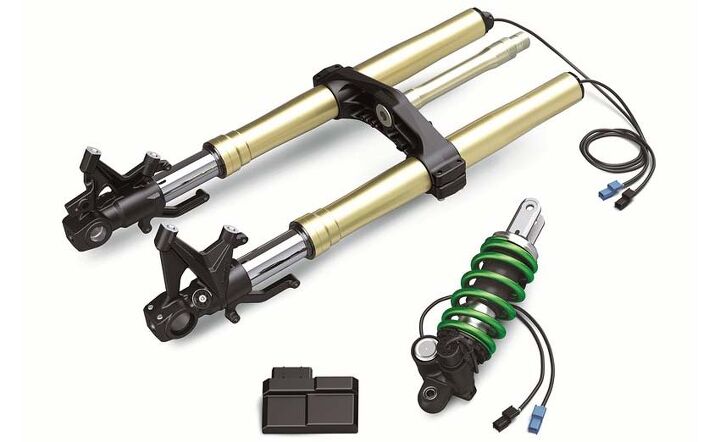
Electronic suspension is one of several upgrades Kawasaki gave the Z H2 to make the SE version.
The Kawasaki Z H2 SE is also equipped with electronic suspension, with a Showa Skyhook EERA and a Uni-Trak, Showa gas-charged shock. The electronic system automatically adjusts compression and rebound damping, leaving preload to be manually adjusted. The rear shock’s compression and damping are likewise automatically adjusted to suit riding conditions, but the preload is manually set by the rider.
KTM, naturally, opted for suspension components from its fellow Pierer Mobility subsidiary, WP Suspension. Up front, you have an APEX 5548 inverted fork and at the rear, an APEX 5746 shock, both offering full (manual) adjustability.

Brembo Stylema calipers are a popular choice in this group, offered on five of the seven bikes including the Triumph Speed Triple 1200 RS.
Brembo is the brake supplier of choice for all seven entrants, with Ducati, Kawasaki, KTM, MV Agusta, and Triumph opting for Stylema calipers. The BMW is the sole bike equipped with M4.32 calipers while the Aprilia uses a pair of M50s. The Tuono and the Streetfighter have dual 330mm front rotors while the rest make do with 320mm discs.
On paper, the bikes equipped with the higher-end Stylema calipers should have an advantage, but we’ll see in our testing how they fare against the others.
Anti-lock brakes are standard on all seven motorcycles, but we’ll go into more detail in the Electronics section.
All seven of our competitors are equipped with aluminum wheels, with the Ducati Streetfighter V4 S, BMW S1000R, and MV Agusta Brutale 1000RR going with forged alloys instead of cast.
| Chassis | Aprilia Tuono V4 Factory | BMW S1000R | Ducati Streetfighter V4 S | Kawasaki Z H2 SE | KTM 1290 Super Duke R | MV Agusta Brutale 1000RR | Triumph Speed Triple RS |
|---|---|---|---|---|---|---|---|
| Frame | Aluminium dual beam chassis with pressed and cast sheet elements. Adjustments foreseen: position and angle of the headstock, engine height, swingarm pivot height. Upside-down double braced aluminum swingarm. | Aluminium composite bridge frame, load-bearing engine | Aluminum alloy “Front Frame” | High tensile steel trellis | Lattice frame made of chrome molybdenum steel tubing, powder-coated | CrMo Steel tubular trellis | Aluminum twin spar frame, bolt-on aluminum rear subframe |
| Front Suspension | Smart EC 2.0 electronically managed Öhlins NIX fork with TIN surface treatment. Completely adjustable spring preload and hydraulic compression and rebound damping. 4.7 inches of travel | Upside-down telescopic fork, sliding tube diameter ø 45 mm. 4.7 inches of travel. Dynamic Damping Control electronic suspension. | Öhlins NIX30 43 mm fully adjustable fork with TiN treatment. Electronic compression and rebound damping adjustment with Öhlins Smart EC 2.0 event-based mode. 4.7 in travel | Showa SFF-BP Fork with KECS Compression and KECS Rebound Damping, plus Manual Spring Preload Adjustability. 4.7 inches of travel. | Fully-adjustable WP Suspension APEX 5548 fork. 4.9 inches of travel. | 43mm Öhlins Nix EC hydraulic inverted front forks with electronically controlled compression and rebound damping with manually controlled spring preload. 4.7 inches of travel. | Öhlins 43 mm NIX30 upside down forks with adjustable preload, rebound and compression damping, 4.7 inches of travel. |
| Rear Suspension | Smart EC 2.0 electronically managed Öhlins monoshock absorber with piggy-back. APS progressive linkages. 5.1 inches of travel. | Aluminium underslung double-sided swingarm with central spring strut and Full Floater Pro kinematics. 4.6 inches of travel. | Fully adjustable Ohlins TTX36 unit. Electronic compression and rebound damping adjustment with Öhlins Smart EC 2.0 event-based mode. 5.1 in travel | Showa Gas-Charged Shock with KECS Compression and KECS Damping, plus manual spring preload adjustability 5.3 inches of travel. | Fully-adjustable WP Suspension APEX 5746 shock. 5.5 inches of travel. | Öhlins EC TTX completely adjustable with electronicall controlled compression and rebound damping and spring preload. 4.7 inches of travel. | Öhlins TTX36 twin tube monoshock with preload, rebound and compression damping, 4.7 inches of rear wheel travel. |
| Front Brakes | Dual 330-mm diameter floating stainless steel disc with lightweight stainless steel rotor with 6 pins. Brembo M50 monobloc radial callipers with 4 Ø30mm opposing pistons. Sintered pads. Radial pump and metal braided brake lines. | Twin Ø 320 mm disc brake, floating radial 4-piston Brembo M4.32 fixed calipers | 2 x 330 mm semi-floating discs, radially mounted Brembo Monobloc Stylema (M4.30) 4-piston calipers. | Dual 320mm disc with radial-mount Brembo Stylema four-piston calipers | Twin 320 mm floating brake discs with radially mounted four-piston Brembo Stylema brake calipers. | Dual 320 mm steel discs and aluminum flange, Brembo radial pump/level assembly, Brembo Stylema radial-type, single-piece four-piston caliper | Twin 320mm floating discs. Brembo Stylema monobloc calipers, radial master cylinder with separate reservoir, span & ratio adjustable. |
| Rear Brakes | 220 mm diameter disc; Brembo floating calliper with two 32-mm Ø isolated pistons. Sintered pads. Master cylinder with built in reservoir and metal braided hose. | Single Ø 220 mm disc brake, single-piston floating caliper | 245 mm disc, 2-piston caliper | Single 260mm disc with two-piston caliper | Single 240mm fixed disc with dual-piston brake caliper. | Single 220 mm steel disc with Brembo PS13 brake pump, Brembo two-piston brake caliper | Single 220mm disc. Brembo twin piston caliper. Rear master cylinder with separate reservoir. |
| ABS | Bosch 9.1 MP ABS with cornering function, adjustable on 3 maps, featuring RLM strategy and can be disengaged. | BMW Motorrad ABS Pro (part integral) | Cornering ABS EVO | Kawasaki Intelligent anti-lock Brake System (KIBS) | Bosch 9.1MP 2.0 (with cornering ABS and SUPERMOTO ABS) | Continental MK100 with RLM (Rear Wheel Lift-up Mitigation) and with cornering function | OC-ABS |
| Front Wheel | 3.5″ x 17″ cast aluminum wheels with 3 split spoke design. | 3.5″ x 17″ forged aluminum wheels | 3.5” x 17” 3-spokes forged aluminum alloy | 3.5” x 17” cast aluminum wheels with 3 split spoke design. | 3.5″ x 17″ five-spoke cast aluminum | 3.5″ x 17″ forged aluminum alloy | Cast aluminum, 17 x 3.50 in |
| Rear Wheel | 6.0″ x 17″ cast aluminum wheels with 3 split spoke design. | 6.0″ x 17″ die-cast aluminum wheels | 6.0” x 17” 3-spokes forged aluminum alloy | 6.0” x 17” cast aluminum wheels with 3 split spoke design. | 6.0″ x 17″ five-spoke cast aluminum | 6.0″ x 17″ forged aluminum alloy | Cast aluminum, 17 x 6.00 in |
| Front Tire | 120/70 ZR 17, radial tubeless | 120/70 ZR17 | 120/70 ZR17 | 120/70 ZR17 | 120/70 ZR17 | 120/70 ZR17 | 120/70 ZR17 |
| Rear Tire | 200/55 ZR 17 (alternative: 190/50 ZR 17;), radial tubeless | 190/55 ZR17 | 200/60 ZR17 | 190/55 ZR17 | 200/55 ZR17 | 200/55 ZR17 | 190/55 ZR17 |
Electronics
With each of our entrants representing the pinnacle of their respective brands’ naked bikes, it should come as no surprise that they all come tricked out with electronic rider aids. For the most part, all of these competitors boast of a lot of the same rider aids, often under their own proprietary names which can make things confusing.
Six of these motorcycles are equipped with a six-axis IMU, with the lone exception being the Kawasaki which has a five-axis IMU and uses the ECU calculating the yaw rate for a sixth axis. The IMUs allow all of these bikes to offer both lean-sensitive traction control and ABS. Wheelie control and an up-and-down quick shift are also common to all seven models. Each manufacturer will tune their settings specifically for each model, but for the most part, we can consider these four electronic aids to be the minimum standard for this class.

All seven of our entrants come with wheelie control to help keep the front wheel on the ground. Except when you don’t want it to.
The Streetfighter is the only one that lacks cruise control while all but the Triumph offer a form of launch control. The Aprilia, BMW, Ducati, and Kawasaki are equipped with engine braking control systems. The Streetfighter V4 S and Z H2 SE both offer slide control that modulates torque delivery for controlled slide angles on corner exits.
The KTM and BMW offer motor slip regulation (MSR), also known as engine drag torque control. MSR opens the throttle to prevent the rear wheel from slipping during heavy downshifts or abrupt throttling, for situations exceeding what a slipper clutch can manage. In BMW’s case, MSR works in conjunction with engine braking control to help stabilize the rear wheel.

The BMW S1000R uses both MSR and engine braking control along with traction control to help with cornering stability.
The BMW S1000R is available with hill start control, while the Ducati, MV Agusta, and Aprilia (incidentally, the three Italian bikes) all offer a pit lane speed limiter.
As we noted in the chassis section, all but the Triumph and KTM are equipped with some form of electronic suspension.
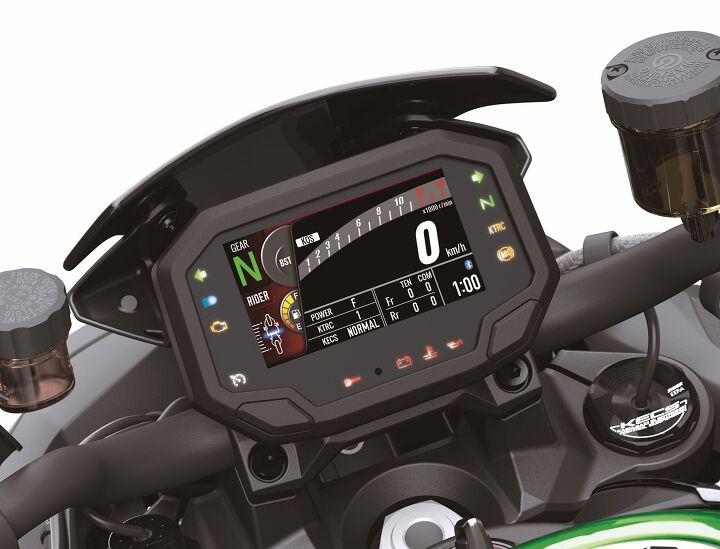
All seven bikes are equipped with TFT displays. At 4.3 inches, the Z H2 SE’s screen is the smallest.
To help manage all of these electronic settings, each bike is equipped with a TFT display. The S1000R has the largest display, spanning 6.5 inches, followed by the Brutale 1000RR and its 5.5 inch screen. The Aprilia, Ducati, KTM, and Triumph are all equipped with 5-inch displays while the Kawasaki makes do with a 4.3-inch screen.
Dimensions
Measured on our MO scales, the Kawasaki Z H2 SE is by far the heaviest bike in this group, weighing in at 531 pounds. The Tuono and Brutale are next, at 471 pounds, followed closely by the 467-pound Super Duke R and 464-pound Streetfighter V4 S. The S1000R’s svelte 450 pounds is impressive, until you see the Speed Triple 1200 RS come in at a spritely 436 pounds. To give some perspective, that’s lighter than two of the models from our middleweight shootout.
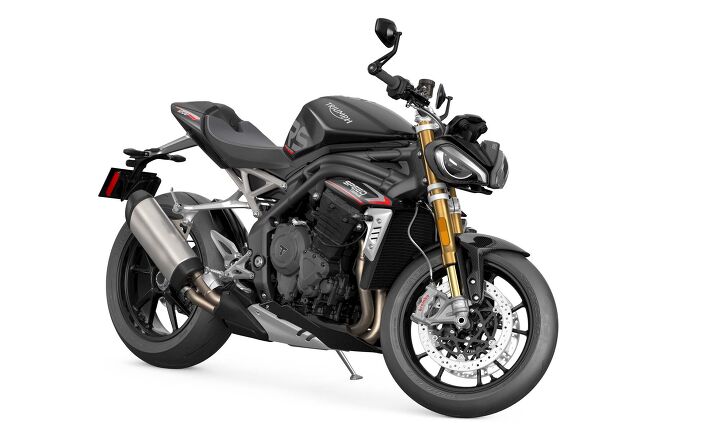
The Triumph Speed Triple 1200 RS is far and away the lightest bike in this comparison.
The KTM (58.9 inches) and the Ducati (58.6 inches) have the longest wheelbases. The Kawasaki is next at 57.3 inches, followed by the Aprilia and BMW with their 57.1 inch wheelbases. The Triumph is next at 56.9 inches, followed by the MV Agusta which has the shortest wheelbase at 55.7 inches.
The Brutale also has the tallest seat height, matching the Streetfighter at 33.3 inches. The KTM is next at 32.9 inches while the Triumph, Kawasaki and BMW have 32.7-inch seat heights. Rounding out the group is the Aprilia with the relatively low seat height of 32.5 inches.
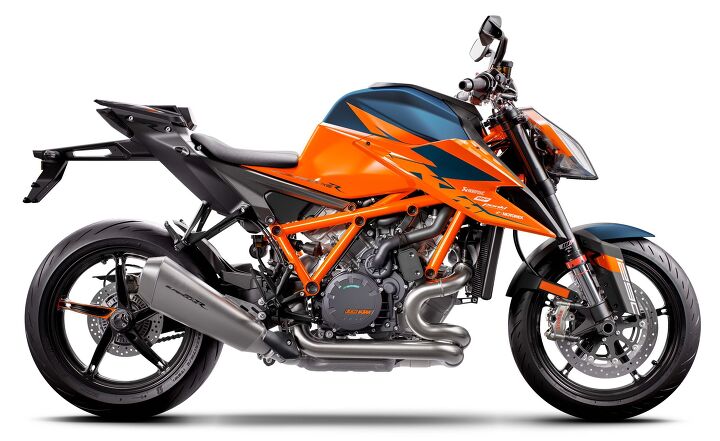
The Super Duke R has the longest wheelbase and largest of this grouping.
The Z H2 SE has the largest fuel tank in this group, with a 5.0-gallon capacity, though the Tuono V4 Factory is close with 4.9 gallons. The S1000R’s tank holds 4.4 gallons while the Streetfighter, Brutale and Super Duke R can each carry 4.2 gallons. That leaves the Triumph Speed Triple RS with the smallest fuel capacity at 4.1 gallons.
| Dimensions | Aprilia Tuono V4 Factory | BMW S1000R | Ducati Streetfighter V4 S | Kawasaki Z H2 SE | KTM 1290 Super Duke R | MV Agusta Brutale 1000RR | Triumph Speed Triple RS |
|---|---|---|---|---|---|---|---|
| Wheelbase | 57.1 inches | 57.1 inches | 58.6 inches | 57.3 inches | 58.9 inches | 55.7 inches | 56.9 inches |
| Seat Height | 32.5 inches | 32.7 inches | 33.3 inches | 32.7 inches | 32.9 inches | 33.3 inches | 32.7 inches |
| Rake/Trail | 24.7°/3.9 inches | 24.0°/3.8 inches | 24.5°/4.0 inches | 24.9°/4.1 inches | 25.2°/4.2 inches | 24°/3.8 inches | 23.9°/4.1 inches |
| Curb weight | 471 lbs. | 450 lbs. | 464 lbs. | 531 lbs. | 467 lbs. | 471 lbs. | 436 lbs. |
| Fuel tank capacity | 4.9 gallons | 4.4 gallons | 4.2 gallons | 5.0 gallons | 4.2 gallons | 4.2 gallons | 4.1 Gallons |
Oh, the anticipation!
So, now you know who we’ve invited to our party. Perhaps, you’re wondering what is on the menu for this horsepower feast. We’ll start with street testing on the OEM tires as our first course. We’ll give these seven bikes the best and worst that our local roads have to offer to determine which heavyweight naked bike dominates the public highways. Then we’ll cleanse our palates with some fresh, sticky buns – Pirelli Diablo Supercorsa SC2 front and SC3 rear tires – in preparation for digging in on a hefty portion of track time at Northern California’s Thunderhill Raceway.
Hang on! We’re just getting started!
| Specs | Aprilia Tuono V4 Factory | BMW S1000R | Ducati Streetfighter V4 S | Kawasaki Z H2 SE | KTM 1290 Super Duke R | MV Agusta Brutale 1000RR | Triumph Speed Triple RS |
|---|---|---|---|---|---|---|---|
| MSRP | $19,499 | $20,765 | $25,195 | $19,700 | $18,699 | $33,800 | $18,500 |
| Engine Type | 65° V-Four, four-strokes, liquid cooling system, double overhead camshaft (DOHC), four valves per cylinder | Water-cooled four-stroke DOHC Inline-Four with four valves per cylinder | Desmosedici Stradale 90° V4, rearward-rotating crankshaft, 4 Desmodromically actuated valves per cylinder, liquid cooled. | 4-stroke, 4-cylinder, DOHC, 4-valve, liquid-cooled, supercharged | Liquid-cooled four-stroke 75° V-Twin, DOHC, 4 valves per cylinder | Liquid-cooled four-stroke DOHC Inline-Four with four valves per cylinder | Liquid-cooled, 12 valve, DOHC, inline 3-cylinder |
| Bore x Stroke | 81.0 x 52.3 mm | 80 mm x 49.7 mm | 81 mm x 53.5 mm | 76.0 x 55.0mm | 71.0 mm x 108 mm | 79 mm x 50.9 mm | 90.0 mm x 60.8 mm |
| Displacement | 1077 cc | 999 cc | 1103 cc | 998 cc | 1301 cc | 998 cc | 1160 cc |
| Compresion Ratio | 13.6:1 | 12.5:1 | 14.0:1 | 11.2:1 | 13.5:1 | 13.4:1 | 13.2:1 |
| Horsepower | 150.2 hp at 11,400 rpm | 151.5 hp at 12,200 rpm | 176.6 hp at 12,500 rpm | 163.1 hp at 10,200 rpm | 158.9 hp at 9,700 rpm | 161.1 hp at 12,200 rpm | 146.6 hp at 10,700 rpm |
| Torque | 81.3 lb-ft. at 9,000 rpm | 72.4 lb-ft. at 10,100 rpm | 81.4 lb-ft. at 11,000 rpm | 87.6 lb-ft. at 8,400 rpm | 98.0 lb-ft. at 7,800 rpm | 73.1 lb-ft. at 10,200 rpm | 78.1 lb-ft. at 8,700 rpm |
| Transmission | 6-speed cassette type gearbox. Gear lever with Aprilia Quick Shift electronic system (AQS) | Constant-mesh 6-speed gearbox | 6 speed with Ducati Quick Shift (DQS) up/down EVO 2 | 6-speed dog-ring, return shift | Anti-hopping clutch in oil bath/hydraulically operated | Cassette style; six speed, constant mesh | 6 speed |
| Clutch | Multiplate wet clutch with slipper system | Self-reinforcing multi-plate anti-hopping wet clutch, mechanically activated | Hydraulically controlled slipper and self-servo wet multiplate clutch | Assist & Slipper clutch | 6-gear transmission, claw shifted | Wet, multi-disc with back torque limiting device and Brembo radial pump/lever assembly | Wet, multi-plate, slip & assist |
| Drive | Chain; drive ratio: 42/15 | M Endurance Chain 525 | Chain; drive ratio: 42/15 | Sealed chain | 525 X-Ring chain | Chain; drive ratio: 48/82 | X-ring chain |
| Frame | Aluminium dual beam chassis with pressed and cast sheet elements. Adjustments foreseen: position and angle of the headstock, engine height, swingarm pivot height. Upside-down double braced aluminum swingarm. | Aluminium composite bridge frame, load-bearing engine | Aluminum alloy “Front Frame” | High tensile steel trellis | Lattice frame made of chrome molybdenum steel tubing, powder-coated | CrMo Steel tubular trellis | Aluminum twin spar frame, bolt-on aluminum rear subframe |
| Front Suspension | Smart EC 2.0 electronically managed Öhlins NIX fork with TIN surface treatment. Completely adjustable spring preload and hydraulic compression and rebound damping. 4.7 inches of travel | Upside-down telescopic fork, sliding tube diameter ø 45 mm. 4.7 inches of travel. Dynamic Damping Control electronic suspension. | Öhlins NIX30 43 mm fully adjustable fork with TiN treatment. Electronic compression and rebound damping adjustment with Öhlins Smart EC 2.0 event-based mode. 4.7 in travel | Showa SFF-BP Fork with KECS Compression and KECS Rebound Damping, plus Manual Spring Preload Adjustability. 4.7 inches of travel. | Fully-adjustable WP Suspension APEX 5548 fork. 4.9 inches of travel. | 43mm Öhlins Nix EC hydraulic inverted front forks with electronically controlled compression and rebound damping with manually controlled spring preload. 4.7 inches of travel. | Öhlins 43 mm NIX30 upside down forks with adjustable preload, rebound and compression damping, 4.7 inches of travel. |
| Rear Suspension | Smart EC 2.0 electronically managed Öhlins monoshock absorber with piggy-back. APS progressive linkages. 5.1 inches of travel. | Aluminium underslung double-sided swingarm with central spring strut and Full Floater Pro kinematics. 4.6 inches of travel. | Fully adjustable Ohlins TTX36 unit. Electronic compression and rebound damping adjustment with Öhlins Smart EC 2.0 event-based mode. 5.1 in travel | Showa Gas-Charged Shock with KECS Compression and KECS Damping, plus manual spring preload adjustability 5.3 inches of travel. | Fully-adjustable WP Suspension APEX 5746 shock. 5.5 inches of travel. | Öhlins EC TTX completely adjustable with electronicall controlled compression and rebound damping and spring preload. 4.7 inches of travel. | Öhlins TTX36 twin tube monoshock with preload, rebound and compression damping, 4.7 inches of rear wheel travel. |
| Front Brakes | Dual 330-mm diameter floating stainless steel disc with lightweight stainless steel rotor with 6 pins. Brembo M50 monobloc radial callipers with 4 Ø30mm opposing pistons. Sintered pads. Radial pump and metal braided brake lines. | Twin Ø 320 mm disc brake, floating radial 4-piston Brembo M4.32 fixed calipers | 2 x 330 mm semi-floating discs, radially mounted Brembo Monobloc Stylema (M4.30) 4-piston calipers. | Dual 320mm disc with radial-mount Brembo Stylema four-piston calipers | Twin 320 mm floating brake discs with radially mounted four-piston Brembo Stylema brake calipers. | Dual 320 mm steel discs and aluminum flange, Brembo radial pump/level assembly, Brembo Stylema radial-type, single-piece four-piston caliper | Twin 320mm floating discs. Brembo Stylema monobloc calipers, radial master cylinder with separate reservoir, span & ratio adjustable. |
| Rear Brakes | 220 mm diameter disc; Brembo floating calliper with two 32-mm Ø isolated pistons. Sintered pads. Master cylinder with built in reservoir and metal braided hose. | Single Ø 220 mm disc brake, single-piston floating caliper | 245 mm disc, 2-piston caliper | Single 260mm disc with two-piston caliper | Single 240mm fixed disc with dual-piston brake caliper. | Single 220 mm steel disc with Brembo PS13 brake pump, Brembo two-piston brake caliper | Single 220mm disc. Brembo twin piston caliper. Rear master cylinder with separate reservoir. |
| ABS | Bosch 9.1 MP ABS with cornering function, adjustable on 3 maps, featuring RLM strategy and can be disengaged. | BMW Motorrad ABS Pro (part integral) | Cornering ABS EVO | Kawasaki Intelligent anti-lock Brake System (KIBS) | Bosch 9.1MP 2.0 (with cornering ABS and SUPERMOTO ABS) | Continental MK100 with RLM (Rear Wheel Lift-up Mitigation) and with cornering function | OC-ABS |
| Front Wheel | 3.5″ x 17″ cast aluminum wheels with 3 split spoke design. | 3.5″ x 17″ forged aluminum wheels | 3.5” x 17” 3-spokes forged aluminum alloy | 3.5” x 17” cast aluminum wheels with 3 split spoke design. | 3.5″ x 17″ five-spoke cast aluminum | 3.5″ x 17″ forged aluminum alloy | Cast aluminum, 17 x 3.50 in |
| Rear Wheel | 6.0″ x 17″ cast aluminum wheels with 3 split spoke design. | 6.0″ x 17″ die-cast aluminum wheels | 6.0” x 17” 3-spokes forged aluminum alloy | 6.0” x 17” cast aluminum wheels with 3 split spoke design. | 6.0″ x 17″ five-spoke cast aluminum | 6.0″ x 17″ forged aluminum alloy | Cast aluminum, 17 x 6.00 in |
| Front Tire | 120/70 ZR 17, radial tubeless | 120/70 ZR17 | 120/70 ZR17 | 120/70 ZR17 | 120/70 ZR17 | 120/70 ZR17 | 120/70 ZR17 |
| Rear Tire | 200/55 ZR 17 (alternative: 190/50 ZR 17;), radial tubeless | 190/55 ZR17 | 200/60 ZR17 | 190/55 ZR17 | 200/55 ZR17 | 200/55 ZR17 | 190/55 ZR17 |
| Wheelbase | 57.1 inches | 57.1 inches | 58.6 inches | 57.3 inches | 58.9 inches | 55.7 inches | 56.9 inches |
| Seat Height | 32.5 inches | 32.7 inches | 33.3 inches | 32.7 inches | 32.9 inches | 33.3 inches | 32.7 inches |
| Rake/Trail | 24.7°/3.9 inches | 24.0°/3.8 inches | 24.5°/4.0 inches | 24.9°/4.1 inches | 25.2°/4.2 inches | 24°/3.8 inches | 23.9°/4.1 inches |
| Curb weight (MO Scales) | 471 lbs. | 450 lbs. | 464 lbs. | 531 lbs. | 467 lbs. | 471 lbs. | 436 lbs. |
| Fuel tank capacity | 4.9 gallons | 4.4 gallons | 4.2 gallons | 5.0 gallons | 4.2 gallons | 4.2 gallons | 4.1 Gallons |
Become a Motorcycle.com insider. Get the latest motorcycle news first by subscribing to our newsletter here.
The post 2021 Heavyweight Naked Bike Spec Shootout appeared first on Motorcycle.com.

Candid Cameron – Hitting the Highway
This week on Candid Cameron, “Hitting the highway means I’m going hunting!” It’s that time of year when there are so few days to hunt but so many birds to hunt. When I see Mike is digging into a box of shotshells or putting a shotgun into a case, I rush to the garage entrance…
The post Candid Cameron – Hitting the Highway appeared first on Sporting Classics Daily.
Hit the culinary and cultural highlights of Chapel Hill, North Carolina

Photo courtesy of The Carolina Inn
Chapel Hill, home to the University of North Carolina (UNC), has that elusive blend of qualities that makes for an ideal weekend destination: instantly comfortable yet demanding to be explored. It’s like the brainiac scholar who happens to be good-looking and fun. While you’re out and about, expect to encounter baby-faced undergrads, top-of-their-field professors, and a mix of smart locals befitting a Research Triangle town. Here’s a proposed itinerary that will sample beloved dining institutions and cool cocktail spots, with stops at a few on-campus cultural gems.
FRIDAY
Check-In
Drop your bags in one of the traditionally decorated rooms and suites at The Carolina Inn. Opened in 1924 and listed on the National Register of Historic Places, the stately Colonial Revival–style building is perched on the hill for which the town is named. Its prime location on the northwest corner of the UNC campus is just a block from Franklin Street, downtown’s main thoroughfare, making it an ideal home base. Walls and lounge areas throughout are peppered with Tar Heel memorabilia and photos of noteworthy alumni, from actor Andy Griffith to basketball legend Michael Jordan.

Photo courtesy of Carolina Stamey/Il Palio
Evening
Get the sun-tinged lay of the land at Top of the Hill Restaurant & Brewery, where you can enjoy the view with a Bell Tower Blueberry Wheat. Then head to Il Palio—located a short drive away in the city’s other signature hotel, the Siena—for an upscale Italian dinner. Chilled oysters with Prosecco mignonette, burrata-stuffed ravioli with lobster, and espresso-rubbed beef tenderloin with 12-year balsamic are just a few of the menu’s highlights. Finally, head back downtown and settle into a high-backed leather stool at The Crunkleton, a bar that’s amassed a loyal following since 2008 but feels older, with its vintage books and imposing taxidermy. Order one of more than 100 bourbons straight, or have the bartender whip up a flawless Negroni, Sazerac, or elderflower sour to cap off the evening.

Photo courtesy of The Crunkleton
SATURDAY
Morning
Don’t be deterred by the line of cars trailing onto the street at the drive-thru-only Sunrise Biscuit Kitchen—it moves fast. Plus, the fluffy buttermilk cathead biscuits, made from owner David Allen’s grandmother’s recipe, are worth every minute of the wait. Add your choice of pairings (including fried chicken or pork chop), and you’ll discover why breakfast here has drawn a crowd since 1984. Then, make the 10-minute drive to the Carrboro Farmers Market, a Saturday-morning tradition for more than 40 years. All the goods at this producer- and artisan-run market—from handwoven rugs and pottery to fresh pasta and produce—come from within a 50-mile radius. While you’re in the neighborhood, swing by Car Mill Mall, the 1898 cotton mill that’s now a shopping destination. Find Carolina-crafted gifts and fashion at Thirteen West and gentle skincare products made on-site at Hidden Forest Naturals.

Photo courtesy of Thirteen West
Afternoon
Ask locals for a restaurant recommendation, and you’re likely to hear, “You have to go to Mama Dip’s!” Founded in 1976 by Mildred “Mama Dip” Council, who passed away in 2018, the comfort-food institution serves favorites like chicken and dumplings, barbecue pork ribs, sweet potato biscuits, and banana pudding. Dine family-style or order a la carte, then walk off your lunch at UNC’s Morehead Planetarium & Science Center, the South’s first planetarium, founded in 1949. Learn about the center’s impact on space exploration (John Glenn and Neil Armstrong trained here), and finish with a showing of Carolina Skies, an ethereal, narrated look at the heavens on a 68-foot-wide screen. For another visual treat, head to Ackland Art Museum, where the permanent collection includes works by Diego Rivera and Andy Warhol. (On tap for fall: Asian masterworks from the Rockefeller collection.)

Photo courtesy of Chapel Hill/Orange County Visitors Bureau
Evening
Prepare to go high-low tonight: First up is dinner at Hawthorne & Wood, where chef/owner Brandon Sharp (who helped Napa’s Solbar earn seven consecutive Michelin stars) creates art on every plate. The moody dining space, with olive banquettes, brass sconces, and fish-scale-tiled bar, accents globally inspired dishes like shrimp remoulade served alongside spiced fried saltines; chilled English pea soup with delicate crabmeat; and sauteed flounder with coconut-lemongrass broth over jasmine rice. After you’ve wined and dined like royalty (or at least like a prospective scholar-athlete), make your way to downtown dive He’s Not Here, so named for the standard answer bartenders give to girlfriends who call looking for their beaus. Find a spot in the breezy courtyard and sip a Mother Earth Brewing Long Weekend IPA from the bar’s keepsake Carolina blue plastic cups.

Photo courtesy of Merritt's Grill
SUNDAY
Morning
Wake up your senses with a walk around Coker Arboretum, a five-acre copse of fall color right on campus. Tours are offered every third Saturday; otherwise, relax in the grassy areas or on the plentiful benches. Make one last stop at filling-station-turned-restaurant Merritt’s Grill to fuel your trip home. This Chapel Hill staple has doled out the carbs since 1992; just about everything is served between slices of fresh-baked bread. While you’ll find flavorful chicken salad, small-batch pimento cheese, and all manner of breakfast sandwiches, it’s the extraordinary BLT, made with ultra-crisp bacon, vine-ripened tomatoes, and crunchy lettuce, that will have you dreaming of a return visit.
MORNING JOLT
A superior caffeine scene fuels students, locals, and weekend explorers
Drink in History
Pouring since 1922 out of a former student post office, Carolina Coffee Shop is the state’s oldest continuously running restaurant. Now serving breakfast, lunch, and dinner as well as coffee and cocktails, it’s known for its spectacular French toast.
Sip in the Woods
Caffe Driade, set in a tree-shaded garden (“driade” means wood nymph in Italian), is equal parts coffee bar, wine bar, and teahouse. Order a local Carrboro Coffee Roasters brew and Ninth Street Bakery biscotti.
Up Your Game
Thai iced latte (espresso, cardamom, cinnamon, and condensed milk), sparkling matcha lemonade, and on-tap nitrogen-infused cold brew are favorites at La Vita Dolce.
This article appears in the Fall/Winter 2021 issue of Southbound.
The post Hit the culinary and cultural highlights of Chapel Hill, North Carolina appeared first on Atlanta Magazine.
This Stunning 4K Timelapse of the Sun is Made from 78,846 NASA Photos
Astro filmmaker Seán Doran has used a set of 78,846 repaired, rescaled, and remastered AIA Angstrom 171 photos from NASA’s Solar Dynamic Observatory to create a dramatic 48-minute timelapse video of the Sun as it moves over the course of a month.
The NASA Solar Dynamics Observatory (SDO) is a mission that the space agency has been using to observe the sun since it was launched on February 11, 2010. The observatory is part of the Living With a Star (LWS) program. According to NASA, the goal of the LWS program is to study the aspects of the Sun-Earth system that directly affect life and society on the planet. The SDO itself is used to understand the influence of the Sun on the Earth by studying the solar atmosphere in small scales of time and in many wavelengths simultaneously.
There are three instruments on the SDO that capture different wavelengths of light: Extreme Ultraviolet Variability Experiment (EVE), the Helioseismic and Magnetic Imager (HMI), and the Atmospheric Imaging Assembly (AIA). Below is a collage of solar images from the DO that shows how observations of the Sun in different wavelengths helps highlight different aspects of the Sun’s surface and atmosphere:

The third of these instruments, the AIA, has the full name of the AIA 171 Å (Angstrom), and it shows the quiet corona and coronal loops, typically colorized in gold. As explained by NASA:
The Sun emits light in all colors, but since yellow is the brightest wavelength from the Sun, that is the color we see with our naked eye. Specialized instruments can observe light far beyond the ranges visible to the naked eye. Different wavelengths convey information about different components of the Sun’s surface and atmosphere.
The Solar Dynamics Observatory, or SDO, images 10 different wavelengths, measured in angstroms (Å), with its Atmospheric Imaging Assembly (AIA) instrument.
Below is the most recent photo (at the time of publication) captured by the AIA 171 Angstrom as an example:

As spotted by Laughing Squid, Doran used 78,846 frames taken by this particular instrument on the SDO during the month of August in 2014. After repairing, processing, and rescaling them to fit his desired look, he created about 22 minutes of footage at 60 frames per second. After slowing that down to half that for more traditional viewing, the finished video is 44 minutes long and shows a slow pan over the Sun that would normally take 31 days to see.
For more like this, Doran has a large library of stunning astro-focused videos that use NASA imagery on his YouTube Channel.
How to Stop Alexa from Asking Annoying Follow-Up Questions
After you get Alexa to answer a question, is it continuing the conversation longer than you'd like? There's a fix.

Inside Pine Cay, a Five-Star Caribbean Private Island Resort So Low-Profile It’s Almost a Secret

The 8 Best Books for Anyone Who Loves Cars
An exhaustive history of James Bond cars, Porsche's trove of unseen concept cars and more.

Turf Tutorial: Stargazing
As a self-professed space cadet, I grew up dragging friends and family out at all hours of the day or night to look up at the sky. I’m not sure how or when it actually started but I’ve been looking skyward for as long as I can remember. My mom loves to remind me how we used to always look for the Moon at bedtime when I was little. As soon as I spotted it, I’d get all excited, point up at the sky, and call out to it. It was practically my first word, so naturally, I turned out to be an astronomer.
You may think becoming an astronomer requires studying math and physics and owning fancy computer-operated telescopes, but I’m here to tell you that you don’t need anything more than your eyes. If you become hooked, as I expect you might, you can dive deeper at any time, but to start you only need to step outside.
Here’s how to start:
- Find somewhere dark (as far away from artificial lights as you can manage) and open (doesn’t have to be at the top of a mountain, a field, an unlit parking lot–even your backyard or driveway will do in a pinch)
- Lie down on your back if you can or sit in a chair that reclines a bit (it’ll save your neck, trust me) and let your eyes adjust to the dark, this usually takes about 20 minutes (don’t even think of looking at your phone!)
- LOOK UP and take it all in!
Stargazing and hiking are great partner activities. Some of the best stargazing comes when you can escape the concrete jungle or the brightly lit neighborhoods and roads of the suburbs. Hiking takes you out of the day-to-day grind, so does stargazing. Hiking immerses you in nature, so does stargazing. And most importantly, hiking makes you feel like you’re a part of something bigger. So does stargazing–and it’s an experience that might change your life.
For many summers growing up, I would visit my godmother at her house in the heart of the Adirondacks - the largest state park and the largest publicly protected area in the contiguous United States. At roughly six million acres, it’s bigger than Yellowstone Yosemite, Glacier, Grand Canyon, and Smoky Mountain National parks combined. So as you might imagine, it’s home to some great hiking and great stargazing opportunities.
When I was in middle school, there happened to be a lunar eclipse during my visit. I had never seen one before and I truthfully didn’t fully understand what one entailed. Nevertheless, I insisted we all had to go watch. At the time, we were camping alongside a lake, so after dinner, s’mores, and campfire stories, we all piled in canoes and rowed out to the middle of the water. That’s when I got my first lesson on how long a lunar eclipse can last.
"During a lunar eclipse, the Moon first moves through Earth’s penumbra and dims only slightly. But when it passes through the umbra, the real show begins."
Unlike a solar eclipse when the Moon crosses in front of the Sun and blocks its light in a matter of minutes, a lunar eclipse is a prolonged affair. The Moon actually passes through Earth’s shadow, which at a distance of over 200,000 miles is quite large, so lunar eclipses are more on the order of hours. A shadow is made up of an umbra and a penumbra. The umbra is the center of a shadow where all light is completely blocked. The penumbra is the outer part of the shadow where the light is only partially blocked. During a lunar eclipse, the Moon first moves through Earth’s penumbra and dims only slightly. But when it passes through the umbra, the real show begins. This particular eclipse was only a partial, meaning that the entirety of the Moon would not pass through the darkest part of Earth’s shadow, just a piece of it.
Everyone humored me for the most part as we eagerly awaited the headline event, but while we sat afloat in the lake, I remember lying back in my canoe and taking in the full starry sky. Friends and family members followed my example and were soon shouting questions to me left and right: Where’s the Big Dipper? What is this cluster of stars? Why is that star so red? I had answers for some, but others I had yet to learn. At some point we all fell silent, captivated by the sky, as if under some celestial spell. As the eclipse reached its maximum, it looked like someone had taken a bite out of the Moon.
That night deep in the Adirondacks, away from buildings, houses and streetlights was the first time I realized how truly vast and full of stars the sky was, and how much I wanted to learn everything about it. The more you look up into the night sky, the more you are bound to learn.
Here are a few facts to kickstart your curiosity:
- You can see shooting stars on any given night if you’re patient enough. There are always small particles of space dust entering the Earth’s atmosphere, just be patient.
- If you’re keen to see the planets, they will always be in the southern sky for those of us in the Northern Hemisphere. Venus, Mars, Jupiter, and Saturn can all be spotted with the naked eye if they are up. And that first star you think you see after sunset is Venus more often than not.
- From a darker location, you can start to see the color of some stars. Just like the flame on your gas stove, blue stars are hotter (and therefore younger) than red stars. The best example of this is in the constellation Orion. It’s a winter constellation so it becomes more and more prominent in the night sky the closer it is to January. It resembles a capital “K” of sorts with the uppermost left star, Betelgeuse, glowing reddish-orange and the bottommost right star, Rigel, shining bright blue.
- Test your vision using the Big Dipper! The middle “star” in the handle was used as an eye test in antiquity by Arabs, Persians, and Romans. A keen-sighted stargazer should be able to resolve this fuzzy spot into two separate stars: Mizar (below) and Alcor (above). And thanks to over 400 years of observation with ever-evolving telescopic instruments, we now know these two points of light are actually three binary systems - six stars in total!
- If you can find some truly dark skies in the spring and summer, plan for some after midnight stargazing to see our galaxy, the Milky Way, in all its starry glory. Once your eyes have adjusted to the dark, notice how many stars you see strewn across the sky. It’s no wonder the Greek’s thought it looked like someone poured milk over the heavens. The word galaxy even comes from the ancient Greek word for milk: gala/galakt-. And if you look closely at the ground around you, you should even be able to see the shadows cast by it.
- Personally, I prefer to stargaze with my naked eyes because I love to jump around the sky at will, but if you want to see things in more detail, try a pair of binoculars. No need to put down any big bucks for a telescope until you’re ready.
Here’s how to have your own lunar eclipse adventure. On November 17th, get outside in celebration of National Take A Hike day and find a quiet, open spot. The next evening, return to that spot prepared to experience the longest partial lunar eclipse in 600 years. This partial lunar eclipse will be visible in North America on the night of November 18th or in the early hours of November 19th, depending on your location.
Can’t make the lunar eclipse? Never fear, the night sky is sometimes more amazing without our rocky friend. Believe it or not, to astronomers, the Moon is actually a source of light pollution since the sunlight it reflects can often be bright enough to wash out nearby stars. So if you want to maximize your star viewing, nights around the New Moon are more desirable than those around a Full Moon.
But no need to wait for perfect conditions. Any night with a clear sky is all you need, just grab a comfortable pair of shoes, get outside, and simply look up!
Some great places for stargazing or learning more about the night sky include: Mount Marcy in the heart of the High Peaks region of the Adirondacks (which happens to tower above the lake where I saw the lunar eclipse), Lowell Observatory in Arizona where you can stargaze with experts, and Mount Wilson Observatory in southern California where Edwin Hubble made observations that fundamentally changed our understanding of the Universe.
Turf Tutorial: Birdwatching
Most of humanity lives in urban centers. Unbelievably, over 20% of the world’s different bird species (approximately 10,500) also reside in our towns and cities. Even more fascinating–90% of all bird species found in the US have at some point wound up in a city. This means that practically anything can turn up anywhere at any time, like Snowy Owls in New York City or Black-and-white Warblers in Los Angeles during the middle of winter when they should be sunning themselves in Central America and further south. All you need to do to start watching birds is to get on nature’s wavelength. Have an open heart and open mind to become aware of the birds around you. Keep your eyes open and don’t forget to look up.
I’m David Lindo, also known as The Urban Birder. I connect urbanites with the incredible world of birds, starting with the ones at their doorstep. Born in London, my interest in birds started at a very early age. It seemed to come from nowhere, as none of my family members or friends were interested in natural history. With no real mentor to guide me into the world of birding, I taught myself and became a veritable expert by the age of eight.
“Birding should be a holistic experience. It is a great way to relax and to allow the worries and stresses of your normal life to ooze from your body and mind.”
Almost every time I go birding it is a memorable experience. I remember being in Queens, NY, 25 years ago. I had heard about the Jamaica Bay Wildlife Refuge and was desperate to visit this famous birding hotspot at the edge of the city. The site is a sanctuary covering some 27,000 acres consisting of small islands, marshes, dunes, woodlands, and fields.
My visit there started before dawn to take advantage of the birds’ morning activity. Upon arriving at the refuge from the A train, within moments, I was hearing the airborne cackling of geese. I looked up to see a skein of hundreds of Snow Geese drift overhead with an almost eerie azure, causing the geese to appear like flickering ghosts. It was an amazing sight especially as it was the first time that I had ever seen these geese so close to a city.
In the half-light of dawn, the sky showed a promise of the day ahead. Closer to earth I could hear Northern Mockingbirds issuing their signature loud contact calls. Not being from the States, I’m not as familiar with the birds of the region, but I could immediately recognize the unique meowing cries of a couple of Gray Catbirds that were hidden in the dense undergrowth of the woods I was slowly walking through. I was just enjoying the solitude and the thrill of being somewhere completely new with birds that I was largely unfamiliar with.
In the search for more bird species, I arrived at an area of open marsh and wetland. In the distance were hoards of Mallard, Northern Shoveler, and Gadwall– all duck species that are very common back home in the UK. It was also wonderful to see native birds like American Black Duck and American Wigeon, catch up with shorebirds like Killdeer, and study the plentiful Ring-billed Gulls.
Spectacular birds of prey were in no short supply. With a superb view of a foraging Red-tailed Hawk and a marauding Peregrine Falcon whose presence scattered all of the smaller waterfowl residing in the bay. The most memorable moment of the morning was watching a large, magnificent Northern Goshawk sweep through the vista. A proficient predator, this powerful hawk is an impressive and normally secretive raptor that is native to the woodland realm. It truly is the Lord of the Woods.
“In your next excursion, you may feel a new sense of wonder when you discover a bird species you’ve never seen before.”
Birding should be a holistic experience. It is a great way to relax and to allow the worries and stresses of your normal life to ooze from your body and mind. I find it completely grounding. A session of birding can lift your spirit, readying you for the day ahead. It allows you to lose yourself in a world that is filled with only you and the nature that surrounds you. This feeling of wonder was how I felt the day I explored Jamaica Bay.
You too can experience this feeling of being an explorer in search of wonder, even in an area that you already know well. It can be in your city, your neighborhood, or even your backyard. Simply start by emptying your mind. Try to imagine seeing the environment that you are in like a bird would. Urban environments will become scattered woodlands with lakes and valleys, and buildings become cliffs. Investigate the places where there should be birds dwelling and ponder the places you wouldn’t usually think to explore. I guarantee that you will surprise yourself. Birds are everywhere!
From the comfort of your windowsill, your next stroll through the park, or a hike through a nature refuge, make sure to come with a few things. Be sure to grab your favorite pair of shoes, an informative bird guidebook, and a reliable pair of binoculars. On your next excursion, you may find a new sense of wonder when you discover a bird species you’ve never seen before.
Here are 5 basic steps for anyone to start becoming a birder:
STEP 1: FEED THE BIRDS
Backyards are great training grounds for the apprentice birder. If you put out food for the local birds, your yard may become a veritable fast food restaurant attracting lots of birds for you to enjoy. Just put out a couple of nut containers or seed feeders and wait for them to be discovered.
In these early days don’t worry too much about identifying species; just enjoy them.
STEP 2: GRAB A BIRD BOOK
Eventually, it will be time to start trying to decipher the different species. A small bird guidebook should be quite sufficient, as we are not talking about high-browed ornithology here. Keep it by your window and refer to it when you start seeing anything. Take it with you on your next walk or hike to quickly reference while outdoors. You will be an expert before you know it.
STEP 3: BUY BINOCULARS
Not all the birds that you may see in your garden will conveniently pose in front of your nose as some can be exceptionally shy and only offer the observer distant fleeting views. You now need “bins”. When buying binoculars, test them out first. The popular choice amongst birders is 8x magnification for woodland birding or 10x for scanning reservoirs and skylines Make sure that they feel comfortable in your hands and importantly, that you can see through them clearly!
STEP 4: MEET OTHER BIRDERS
Try to hang out with other more experienced birders. Join a local Audubon chapter or visit a local nature preserve and don’t be shy to ask questions. Most birders will be only too pleased to share their knowledge with you.
STEP 5: REMEMBER TO LOOK UP
Look up and enjoy! There’s a big sky up there and it’s an amazing arena.
Podcast: The Office of Collecting and Design
Listen and subscribe on Stitcher, Apple Podcasts, Spotify, and all major podcast apps.
In this episode of The Atlas Obscura Podcast, we meet Jessica Oreck, a woman who has spent the last 30 years collecting odd and forgotten objects Now, they’re all beautifully curated and on display in the Office of Collecting and Design in Las Vegas, which you can follow on Instagram.
Our podcast is an audio guide to the world’s wondrous, awe-inspiring, strange places. In under 15 minutes, we’ll take you to an incredible site, and along the way you’ll meet some fascinating people and hear their stories. Join us daily, Monday through Thursday, to explore a new wonder with cofounder Dylan Thuras and a neighborhood of Atlas Obscura reporters.

The 7 Best Thanksgiving Dessert Recipes

How to Grill Halibut
Foodwise, November is a rich and calorific month. We crave comfort food like soups and stews, braised meats, and mac and cheese. And that’s before the belt-busting Thanksgiving feast.
If you’re ready for a break from heavier meals, consider a healthier option, grilled fish. We’re especially fond of halibut, a meaty but mild-tasting fish that thrives in colder waters and can attain weights of over 400 pounds.
But it’s a problem that bedevils grillers all over Planet Barbecue: How do you keep tender fish fillets from sticking to the grill grate? One solution is to grill the seafood in a hinged grill basket. Oil it well before using.
Or borrow a technique from the Thai grill masters Steven met when researching his recipe-packed book, Planet Barbecue. It has the added advantage of sealing in such vibrant Asian flavors as lemongrass and Thai basil.
And the results look cool as all get-out. The fish is wrapped in flavorful banana leaves, which turn up throughout Asia, not to mention in Latin America and the Caribbean. The charred banana leaf imparts an herbaceous smoke flavor, but if banana leaves are not available (we buy them frozen from Melissas.com), you can substitute grape leaves or aluminum foil and still get great results. If you are lucky enough to have fresh banana leaves, be sure they come from a tree that has not been treated with pesticides. To make a fresh banana leaf pliable, you’ll need to soften it by grilling it or heating it over the burner of a stove for 15 to 30 seconds per side. Don’t skip the Honey Lime Dipping Sauce, which makes a wonderful accompaniment.

Banana Leaf Packets
Halibut is generally sold in two forms: fillets and steaks. Because steaks are quite large and can contain bones and skin, we prefer fillets. Any white fish, such as mahimahi, would work well, too. It cooks quickly—about 3 to 5 minutes per side.
Other ingredients that are not common in all markets are coriander root and Thai basil. The coriander roots have a sweeter, earthier flavor than the coriander leaves (usually called cilantro, but you could certainly substitute fresh cilantro. Thai basil has smaller leaves and a more pungent licorice flavor than Italian basil, but again, you could substitute the latter. Both ingredients are available in Asian and Indian markets, or can be ordered online at ImportFood Thai Supermarket.

Follow us on Facebook, Twitter, Reddit, or Instagram!
The post How to Grill Halibut appeared first on Barbecuebible.com.
A Glorious Side: Potatoes on the Grill
My late friend, Mel, an extraordinarily talented ceramic artist, once gave me advice on planting potatoes. It was something I knew a little bit about as I used to help my grandmother garden. “So,” he said, “chunk the potatoes and plant the eyes face up. Then cover each one with a paper towel.”
“A paper towel?” I said. “I’ve never heard of that before.”
“Well, yah. You don’t want them to get dirt in their eyes.” Sorry. That corny joke is for Mel.
I love potatoes. Mashed, baked, sautéed, or fried. Even at a fancy steakhouse, they’re the first target of my fork. But I especially love them when they’re smoke-roasted. That hint of wood smoke turns the humble potato into something glorious and sublime.
They’re dense, yes. So they need a little extra time on the grill. But your patience will be rewarded when you taste that smoky, fluffy potato flesh, especially when it’s enhanced with bacon, cheese, butter, and sour cream.
Don’t pigeon-hole potatoes as a side dish. They’re much more versatile than that. I love to eat them in the morning (maybe 10-ish) filled with sausage, scrambled eggs, and salsa. You won’t need lunch. In my mind, the skin is the best part. That’s where all the nutrients are. One potato will give you a third of your daily requirements of Vitamin C and Vitamin B6 with a payload of only 168 calories. (Yes, that’s before the bacon.)
And potatoes soak up all the lovely flavors of the grill like a sponge. They respond so well to indirect grilling—that is, grilled near (but not over) the fire. If you want to reduce the grilling time, you can partially cook the potatoes before transferring them to the grill. I sometimes boil baby potatoes (often called “B” potatoes) in salted water on the stovetop, then transfer them to skewers or a grill pan to finish. Serve with a dab of garlic butter. Sublime! In the meantime, here is one of my favorite potato recipes of all time, Steven’s Quadruple Smoked Potatoes.

Share your love for potatoes with us on Facebook, Twitter, Reddit, or Instagram!
The post A Glorious Side: Potatoes on the Grill appeared first on Barbecuebible.com.
‘The Porsche 911 Book’ Tells the Story of the Most Successful Sports Car in History

Learn how to pick a lock in 6 easy steps
Here's what you do if you misplace your keys. And then learn the surprising creature that can pick locks as well as a human.
The post Learn how to pick a lock in 6 easy steps appeared first on The Manual.

I Don’t Need a 2021 Toyota Tacoma...But I Definitely Want One
This wasn’t my first time driving the Tacoma, but it’s the first time I understood it.

A Whiskey Brand You've Never Heard of Is Making the Best Everyday Bourbon You Can Buy Right Now
A bottom-shelf beauty no one but you and the people who work the liquor store know about.

10 Books About Food and Farming to Read This Fall
Diet for a Small Planet (Revised and Updated)
Fifty years ago, Diet for a Small Planet helped spark a food revolution. In the book—the first one to note the environmental impacts of meat production—author Frances Moore Lappé argued for environmental vegetarianism, practicing a vegetarian lifestyle due to concerns over animal-based industries and products. It sold more than three million copies. This fall, a revised and updated version was released in honor of the book’s 50th anniversary. In the new edition, Lappé offers ways we can address the current climate crisis and restore damaged foodways. It also features 85 plant-centered recipes, as well as new insights from Mark Bittman, Padma Lakshmi, Alice Waters, José Andrés, Bryant Terry and other notable chefs.
(September 21, Ballantine Books)

Meatpacking America: How Migration, Work, and Faith Unite and Divide the Heartland
Kristy Nabhan-Warren lives in the Corn Belt state of Iowa, which has led the nation in commercial red meat production in recent years. In 2020, Iowa accounted for nearly 9 billion pounds of beef, veal, pork, lamb and mutton—up from 2019, despite the fact that COVID-19 infections spread rapidly throughout meatpacking plants across the nation during the early days of the pandemic. It’s those workers, many of whom are immigrants, that Nabhan-Warren focuses on in Meatpacking America. Through interviews with immigrant and native-born meatpacking workers and residents, agricultural CEOs and local religious leaders, she explores how the state came to be a major hub of both migration and food production.
(September 21, UNC Press)

Bet the Farm: The Dollars and Sense of Growing Food in America
Journalist Beth Hoffman spent decades reporting on food and agriculture before she and her husband decided to leave their home in San Francisco to take over his family’s Iowa farm, with the goal to turn it into a more environmentally friendly business in the process. The couple quickly learned how expensive and challenging it would be to do so. In Bet the Farm, Hoffman talks frankly about the struggles of being a beginner farmer, including how their decision to grow oats, which are good for the soil, ended terribly after a storm came through and soaked them just before harvest. It’s a book about succession and determination, but it’s also about just how fragile the future of family farms is in America.
(October 5, Island Press)

For his latest obsession, Rowan Jacobsen—the author of A Geography of Oysters, Fruitless Fall and American Terroir—delves into the seductive world of truffles. He journeys from Italy to Istria, Hungary, Spain, England and North America, following the trail of about a dozen different species of truffles, including Italy’s celebrated white truffle, as well as the black truffle, which is more subtle but longer lasting. Truffle Hound offers a unique insight into the secretive hunts and black-market deals that take place before chefs shave them over luxury dishes and serve them to you in restaurants. Jacobsen also meets a few good dogs along the way.
(October 5, Bloomsbury)

Seed Money: Monsanto’s Past and Our Food Future
If you want to learn just how Monsanto came to be hated by so many, this is the book for you. Award-winning historian Bartow J. Elmore traces the St. Louis chemical firm’s beginning in 1901 as a humble enterprise to becoming the face of corporate evil. He covers the troubling, explosive parts of the company’s history—everything from the introduction of its genetically modified organism (GMO) Roundup Ready seeds 25 years ago and how the sterile seeds hurt farmers’ margins, to the many lawsuits against the company (which merged with German pharma-biotech giant Bayer in 2018), to the hold Monsanto’s legacy still has on the global food system.
(October 12, W.W. Norton & Company)

Growing and Eating Sustainably: Agroecology in Action
While the industrial food system is built for scale and efficiency, often resulting in food that’s less expensive for the consumer, it doesn’t do much good for the environment. It’s a major contributor to social and economic problems, too. The coronavirus pandemic helped further expose the fragility of our global food system. In response, an approach known as agroecology—which views agricultural areas as ecosystems—is on the rise. In this book, Evan Bowness and Dana James showcase agroecology in action throughout Brazil, highlighting farmers and how the farming practices they use can contribute to more sustainable and just food systems in other parts of the world.
(October 15, Fernwood Publishing)

The planet needs better soil, says soil specialist Dale Strickler. In addition to producing healthy food, good soil holds moisture, resists erosion, stores carbon and can withstand droughts and floods. In his latest book, Strickler looks at the various factors that have led to poor soil quality, such as the rise of industrialized agriculture, tilling and monocropping, and makes a case for why farmers and home gardeners should care just as much about cultivating healthy soil as they care about cultivating crops. He offers proven methods for how to restore depleted soil, and explains what signs of life to look for in healthy soil.
(October 26, Storey Publishing)

Taming Fruit: How Orchards Have Transformed the Land, Offered Sanctuary, and Inspired Creativity
As Bernd Brunner points out in Taming Fruit, the story of orchards is intertwined with the story of humanity. He considers their importance as sources for food, as well as the role orchards have played as sources of inspiration for artists and writers. In an exploration that’s both captivating and scientific, Brunner explores the history of orchards around the world, filled with fruits such as apples, pears, quinces, plums, cherries, dates and almonds, and how they’ve helped establish our ever-evolving tastes.
(October 31, Greystone Books)

The Farmer’s Lawyer: The North Dakota Nine and the Fight to Save the Family Farm
In the early 1980s, farmers were suffering in ways they hadn’t in decades. Tightened money policies from the Federal Reserve and the Reagan administration caused farmland to drop nearly 60 percent in some states. Farm foreclosures rose dramatically. It was the worst economic crisis to hit rural America since the Great Depression. In North Dakota, Sarah Vogel, a young lawyer and single mother, stepped up to help farmers save their land. As the lead attorney in Coleman v. Block, a national class action case filed on behalf of 240,000 farmers, Vogel became known as “The Farmer’s Lawyer.” In her stunning memoir, she chronicles the battle she fought—both in the courts and in her personal life—to ensure she and those farmers survived. (Look for our profile of Vogel next week.)
(November 2, Bloomsbury)

How to Be a Farmer: An Ancient Guide to Life on the Land
This anthology features classical Greek and Roman writings about living on and working the land. The original texts, translated by classicist M.D. Usher (who happens to also be a farmer in Vermont, where he produces lamb, eggs and maple syrup on a 125-acre farm), sit alongside their English translations on neighboring pages. They include ancient Greek poet Hesiod praising the dignity of labor and cultivating good neighbors; Roman poet and philosopher Lucretius’ philosophy of compost; Roman scholar Varro dedicating a farming manual to his wife, “Mrs. Farmer” and exploring the prestige of rearing livestock; and Pliny the Elder explaining why all culture stems from agriculture.
(November 2, Princeton University Press)
The post 10 Books About Food and Farming to Read This Fall appeared first on Modern Farmer.
Tomphubil Lime-Kiln in Glengoulandie, Scotland

During the 18th and 19th-century, limestone was quarried locally at Tomphubil and transported to Strathtay. There, it was rendered down to make fertilizer and mortar. Around 1865, someone decided to build a large kiln at this location instead. The kiln was constructed into the hillside.
The quarried limestone was broken into small pieces then loaded into the pot of the kiln. It was then alternatively layered with wood or peat and fired. The ash and quicklime were then drawn off through the draw arch.
The kiln went out of use in the 1900s and now sits as an abandoned reminder of this beautiful location's industrial past.
TIL honey actually does last forever

I’ve long heard that honey has an indefinite shelf life. But, I’ve always taken that fact somewhat skeptically. Sure, some food can last for a mighty long time, but indefinitely? That always seemed a little suspect to me. But this piece from Smithsonian Magazine has put my skepticism to rest: honey does in fact, have…
The 20 Most Expensive Yachts in the World and Who Owns Them
 |
submitted by /u/LithiumLawson [link] [comments] |
![[link]](https://i.imgur.com/3WMpRXX.png)
John Cleese Presents His 5-Step Plan for Shorter, More Productive Meetings (1976)

Let’s face it, meetings are boring at best and at worst, chaotic, volatile, and potentially violent. And let’s also face it: to get through life as functioning adults, we’re going to have to sit through one or two of them — or even one or two of them a week.
Maybe we’re the one who calls the meetings, and maybe they all feel like a waste of time. One solution is to have more informal meetings. This can be especially tempting in the age of work-from-home, when it’s impossible to know how many meeting attendees are wearing pants. Fewer rules can raise the spontaneity quotient, but allowing for the unexpected can invite disaster as well as epiphany.
On the other end of the scale, we have the formality of parliamentary rules of order, such as those introduced by U.S. Army officer Henry Martyn Robert in 1876. Robert, whose father was the first president of Morehouse College, gained a wealth of experience with unproductive meetings as he traveled around the country with the Army. One particular meeting became a defining experience, as one account has it:
While in San Francisco, the local leader of his community didn’t show up for a church meeting. Henry Robert was asked to preside over the town hall (without any prior notice). Let’s just say that on this particular evening in 1876, he did a bad job. An hour into the meeting, people were screaming and the church actually erupted into open conflict.
Sadly, this sort of thing has become almost routine at town halls and school board meetings. But it needn’t be so at the office. Nor, says John Cleese in the brief video above, do meetings need to follow the formality of parliamentary procedure.

Cleese’s rules are simpler even than the simplified Roberts or Rosenberg’s Rules of Order, an even more simplified version of Robert’s Rules. Furthermore, Cleese avoids using words like “Rules” which can be a turn-off in our egalitarian times. Instead, he presents us with a “5-Step Plan” for holding better and shorter meetings.
1. Plan — Clear your mind about the precise objectives of the meeting. Be clear why you need it and list the subjects.
2. Inform — Make sure everyone knows exactly what is being discussed, why, and what you want from the discussion. Anticipate what information and people may be needed and make sure they’re there.
3. Prepare — Prepare the logical sequence items. Prepare the time allocation to each item on the basis of its importance not its urgency.
4. Structure and Control — Take the evidence stage before the interpretation stage and that before the action stage and stop people jumping ahead or going back over ground.
5. Summarize all decision and record them straight away with the name of the person responsible for any action

Easy, right? Well, maybe not so easy in practice, but these steps can, at the very least, illuminate what’s wrong with your meetings, which may currently resemble one of Cleese’s many parodies of business culture. Nobody videophoned it in at the time, but trying to figure out who’s supposed to be doing what can still take up an afternoon. Let Cleese’s five steps bring order to the chaos.
Related Content:
Monty Python’s John Cleese Creates Ads for the American Philosophical Association
John Cleese’s Very Favorite Comedy Sketches
Josh Jones is a writer and musician based in Durham, NC. Follow him at @jdmagness
John Cleese Presents His 5-Step Plan for Shorter, More Productive Meetings (1976) is a post from: Open Culture. Follow us on Facebook and Twitter, or get our Daily Email. And don't miss our big collections of Free Online Courses, Free Online Movies, Free eBooks, Free Audio Books, Free Foreign Language Lessons, and MOOCs.
How Martin Luther King, Jr. Wrote His Momentous “I Have a Dream” Speech (1963)

Martin Luther King, Jr.’s “I Have a Dream” speech ranks as one of the most famous of American speeches. As Evan Puschak, the Nerdwriter, says in his video above, it’s “arguably the most important and well-known speech of the 20th century.” King’s popular vision of a peaceful, harmonious, multiracial democracy might explain why nine out of ten Americans have a positive attitude toward King now. That polling looks very different by party affiliation. Even so, many more Americans look fondly on King’s memory than supported (or now support) the racial and economic justice for which he fought. The current use of King as a whitewashed martyr figure, Michael Harriot argues, obscures the reality of “a dream yet unfulfilled,” as King once called the U.S.
Even after King’s “I Have a Dream” speech at the 1963 March on Washington and his 1964 Nobel Peace Prize win, only about 37% of Americans approved of his message in 1966 Gallup polling, a number that dropped even lower when he came out against the Vietnam war in 1967. Approval for MLK “only started to shift after his assassination in 1968,” writes Senior Data Scientist Linley Sanders at YouGov. King’s “Dream” speech at the Lincoln Memorial may be posthumously remembered as his finest hour by those who weren’t there. For thousands of people who were, his address was also a fiery summation of the major themes up to that point in dozens of speeches and sermons.
“Riddled with big difficult terms and full of rhetorical devices that are intentional and practiced,” Puschak says, the speech eloquently explained “why fully 100 years after… the Emancipation Proclamation,” Black Americans were still politically disenfranchised and economically disadvantaged. It did so through a series of dense allusions to the Emancipation Proclamation, the country’s founding documents, the song “My Country ‘Tis of Thee,” and other artifacts of American national identity, in an attempt to “frame civil rights in the larger American mythology so that those who identify with that mythology might incorporate this struggle into that story.”

The American story has justified oppression and fear of the same people fighting for full integration into the national polity during the Civil Rights movement, a problematic irony of which King was hardly unaware. He also drew from traditions older than the U.S. founding — the humanism of Shakespeare and the prophetic voices of the Old Testament, for example. These were indeed practiced maneuvers. (King very much lived down the C he once got in a public speaking class.) But the rousing refrains in his speech’s conclusion — which gave the speech its title and spread its fame around the world — were ad-libbed.
“I started out reading the speech, and I read it down to a point… the audience response was wonderful that day” King later remembered. “And all of a sudden this thing came to me that… I’d used many times before… ‘I have a dream.'” The reference didn’t come out of nowhere, says Clarence Jones, who helped King write the speech’s text just hours before it was delivered. Jones recalled that King’s favorite gospel singer Mahalia Jackson called out for the then-familiar (to her) theme:
As he was reading from the text of his prepared remarks, there came a point when Mahalia Jackson, who was sitting on the platform, said, “Tell them about the dream, Martin! Tell them about the dream.”
Now I have often speculated that she had heard him talk in other places… and make reference to the dream. On June 23, 1963, in Detroit, he had made very express reference to the dream.
When Mahalia shouted to him, I was standing about 50 feet behind him… and I saw it happening in real time. He just took the text of his speech and moved it to the left side of the lectern. … And I said to somebody standing next to me: “These people don’t know it, but they’re about to go to church.”
Before celebrating a redeemed interpretation of the American dream in his extemporaneous finale, King’s speech condemned the nation’s reality as morally corrupt and illegitimate. He urged restraint among his followers through nonviolent “direct action,” but foresaw worse to come before the country could realize its potential.
It would be fatal for the nation to overlook the urgency of the moment. This sweltering summer of the Negro’s legitimate discontent will not pass until there is an invigorating autumn of freedom and equality. 1963 is not an end, but a beginning. Those who hope that the Negro needed to blow off steam and will now be content will have a rude awakening if the nation returns to business as usual.
“There will be neither rest nor tranquility in America until the Negro is granted his citizenship rights,” King continued. “The whirlwinds of revolt will continue to shake the foundations of our nation until the bright day of justice emerges.” Maybe it’s little wonder many white Americans, hearing these remarks, turned away from King’s vision of racial justice, which required reckoning with “the unspeakable horrors of police brutality.” Ending the “unearned suffering” of Black Americans, King knew, would come at too great a cost to unearned privilege. Indeed, the FBI heard King’s words as a direct threat to the country’s historic power structure. After the “I Have Dream” speech, the Bureau seriously intensified its program to surveil, discredit, and destroy him.
Related Content:
Imagining the Martin Luther King and Malcolm X Debate That Never Happened
Josh Jones is a writer and musician based in Durham, NC. Follow him at @jdmagness
How Martin Luther King, Jr. Wrote His Momentous “I Have a Dream” Speech (1963) is a post from: Open Culture. Follow us on Facebook and Twitter, or get our Daily Email. And don't miss our big collections of Free Online Courses, Free Online Movies, Free eBooks, Free Audio Books, Free Foreign Language Lessons, and MOOCs.