KWBaker
Shared posts
The 21 Best Whiskies You Can Buy Right Now

How To Use A Comma
I needed this humorous and visual comma rules refresher.
The Best Robot Mops

A good robot mop is like an automatic Swiffer: It won’t make your floors sparkle, but it will wipe up splatters and some grime, and it can be a handy, low-effort tidy-up tool for busy areas like your kitchen, bathroom, and mudroom. We tested 10 different bot-mops, and we think that the first one you should consider is the small, simple, smart-enough iRobot Braava Jet 240.
Amazon to launch an Instacart-like service in the US next year, report says - CNET

75 held stocks in MODERNA, J&J, or PFIZER...
Key findings from investigation into federal lawmakers' personal finances...
48 Congressmen violated federal conflicts-of-interest law...
Drudge Report Feed needs your support! Become a Patron
Neil Perry's barbecued sardines with spicy mint and cucumber salsa - Good Food
Meyer Lemon Tart
My friend Barbara made this Lemon Tart by Claire Saffitz yesterday and I can’t stop thinking about it. It was the most delicious desert I have ever had.
How a tornado forms. About one in a thousand storms becomes a supercell, and one in five or six supercells spawns off a tornado.
 |
submitted by /u/st3v3piper [link] [comments] |
Give Flavors to your food with these Spices
 |
submitted by /u/Rochelle202 [link] [comments] |
Why Moving Because Of State Taxes Can Be The Wrong Move

Pros from Argentina offer tips for rattled Americans...
Check Out the Watches Made for France's Newly Merged Air & Space Forces
Yema is again outfitting France's military pilots.

The 11 Best Space Heaters for Staying Warm
Bringing the heat in more than one way.

Here's Our Best Look Yet at Aston Martin's Final V12 Vantage
The last 12-cylinder Vantage should be one for the history books.

Photographer Snaps Close-Up Photos of Animals at a Bird Feeder
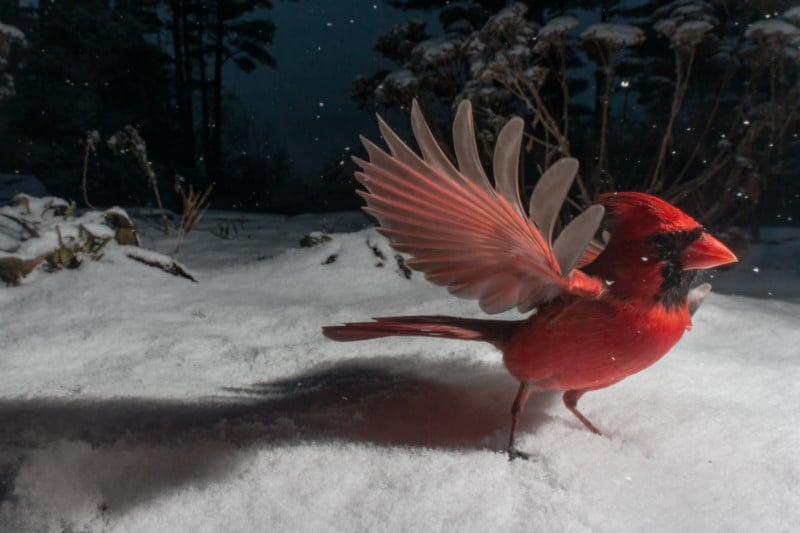
Wildlife conservation photographer Carla Rhodes set up a camera trap under a bird feeder and captured gorgeous close-up photos of the numerous small creatures that visited it in the winter.
Rhodes, a former comedian and ventriloquist based in Catskill Mountains, New York, got hooked on photography after she bought a Canon 70D in 2015. Although she got it to make short films for her former venture as a comedian and ventriloquist, it was photos of wildlife that ended up fascinating her.
Later in 2018, Rhodes had the opportunity to travel to the Indian Himalayas and during one of the excursions, she photographed greater adjutants, an endangered type of large bird.
“This was truly a pivotal moment in my life that set me on a new path,” Rhodes tells PetaPixel. “Upon returning back home to the USA in late 2018, I decided to dedicate my life to wildlife conservation photography, which I’ve pursued with every fiber of my being ever since.”
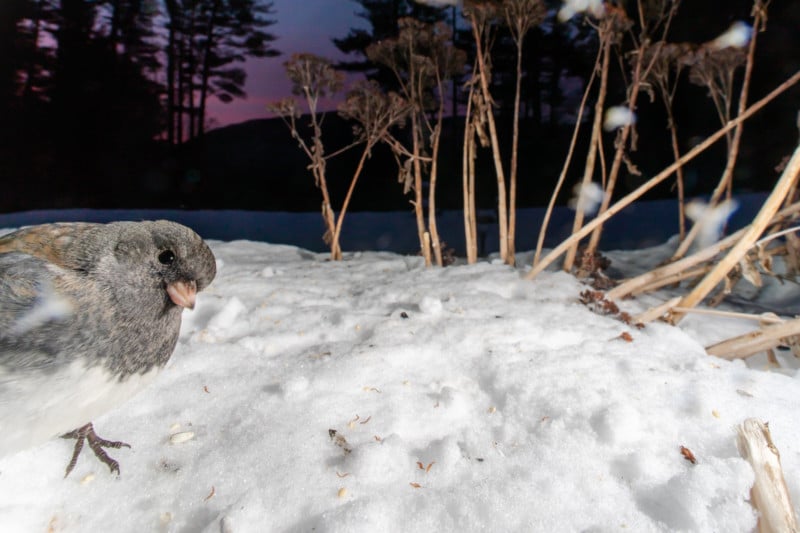
Even the COVID-19 lockdowns didn’t stop Rhodes from pursuing her passion. During the winter months of late 2020 to early 2021, she set up a camera trap to challenge herself. It’s not an easy feat to capture small creatures like birds and mice, due to their size and speed.
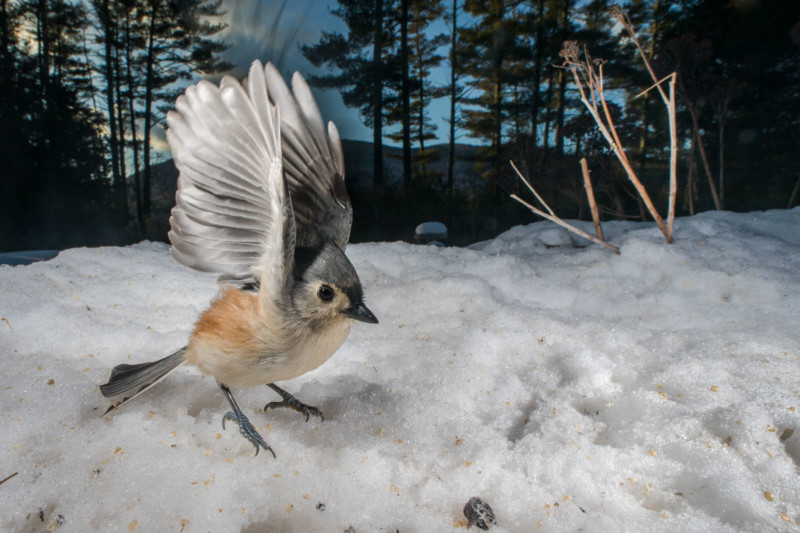
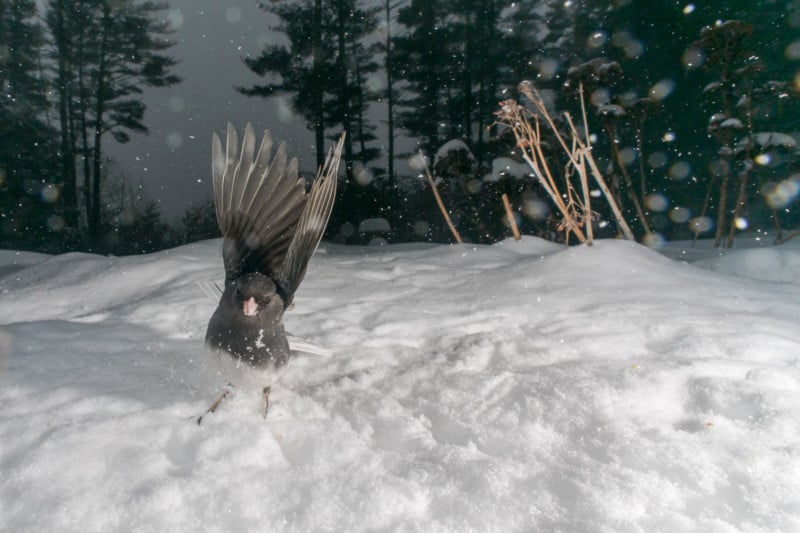
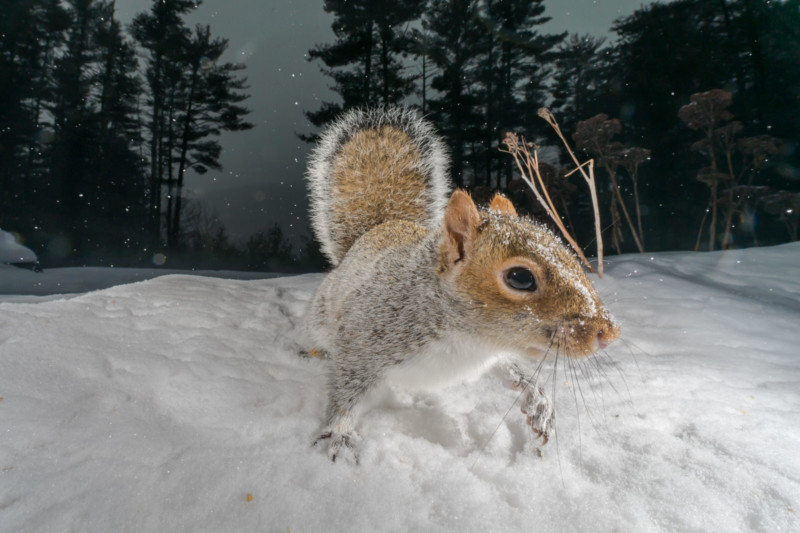
Camera trapping is Rhodes’s favorite photographic art form because it gives the opportunity to “photograph wildlife with minimal disturbance and to capture natural behaviors.”
“Because I already had a bird feeder set up, placing a camera trap underneath it was a great way to learn to photograph smaller subjects through trial and error,” Rhodes explains. “To say this project was a challenge is an understatement… But, I am so pleased with how it grew into a fully-fledged project.”
The project is titled “Beneath the Bird Feeder.”
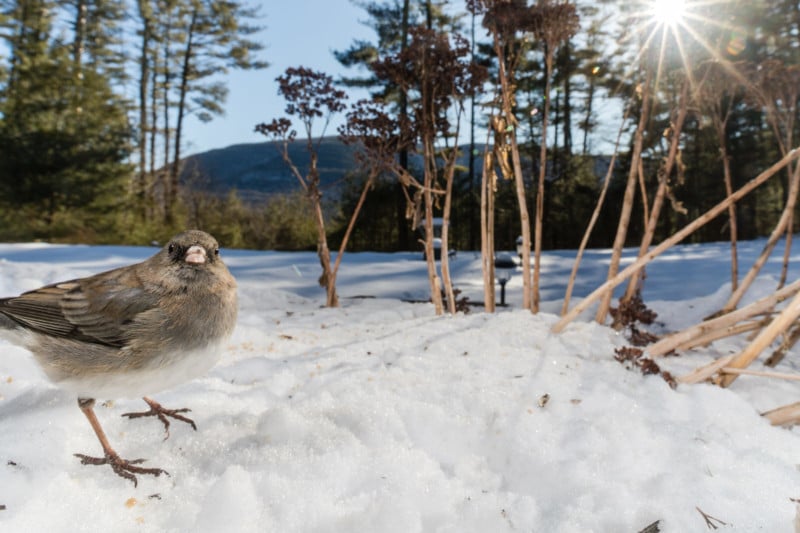
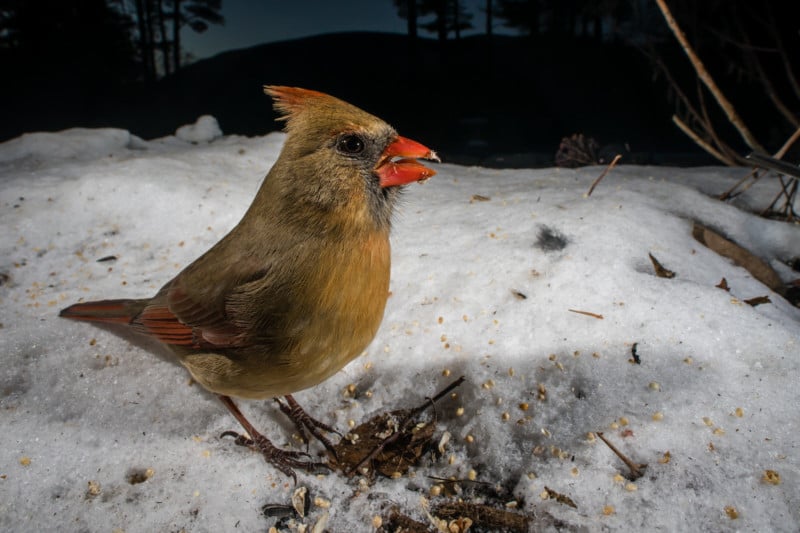
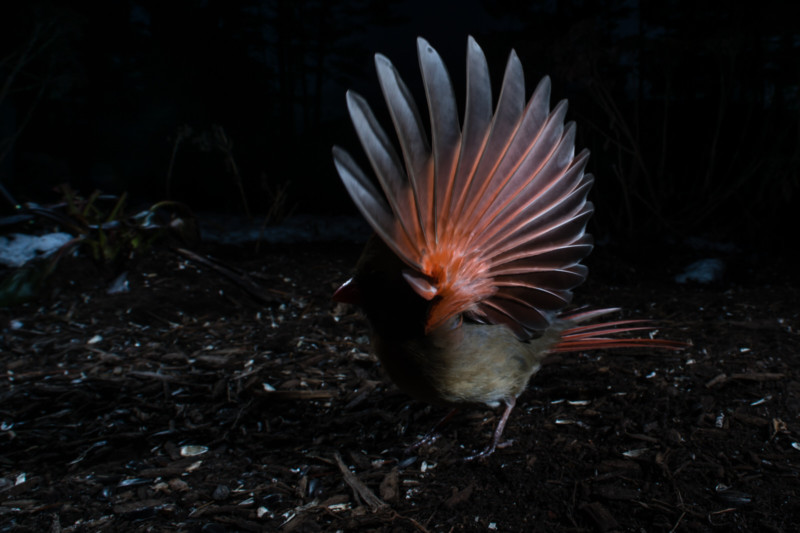
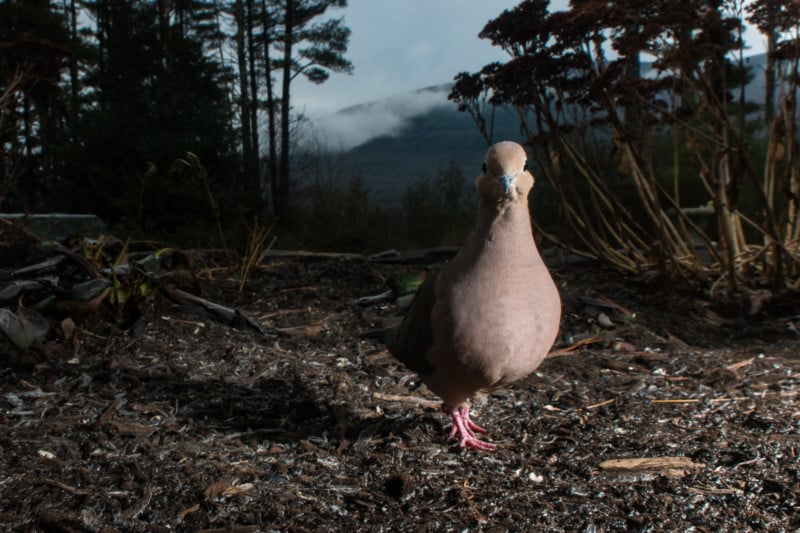
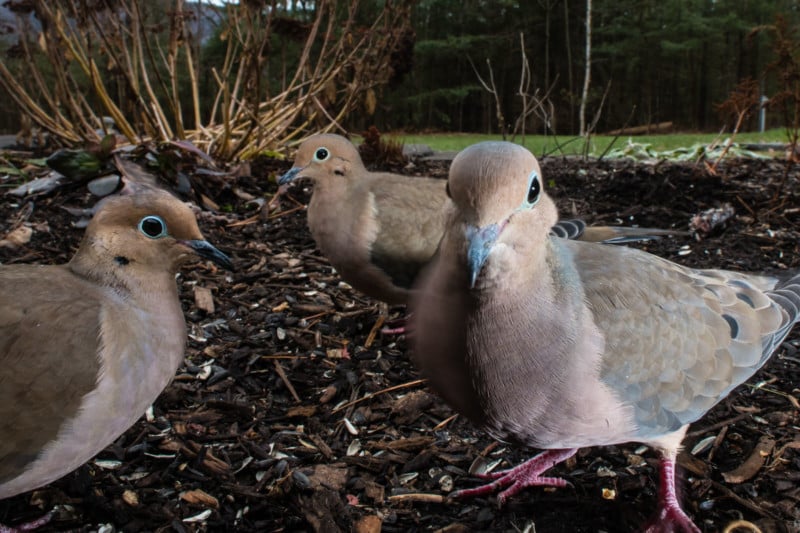
Rhodes used a Cognisys system for camera trapping, and her setup consists of a camera box, flashes, and a passive infrared sensor. For camera bodies, Rhodes used a Canon 70D and Canon 5D Mark IV with a variety of lenses that she experimented with throughout the project.
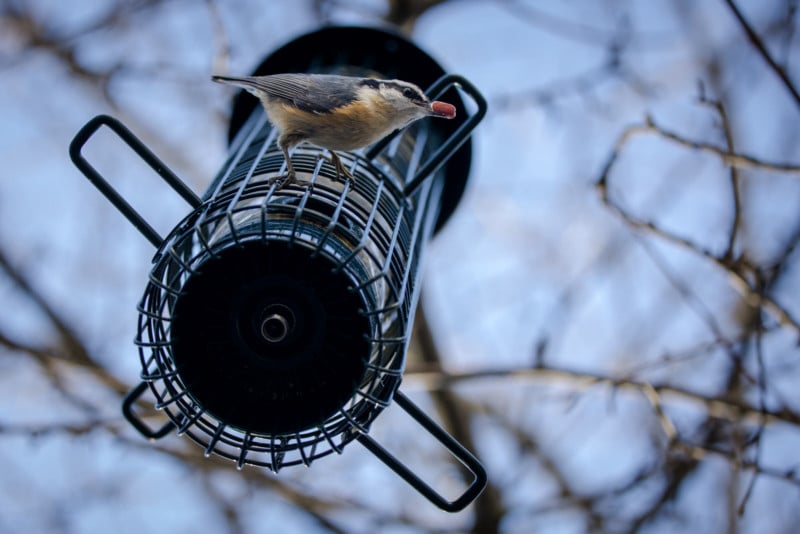
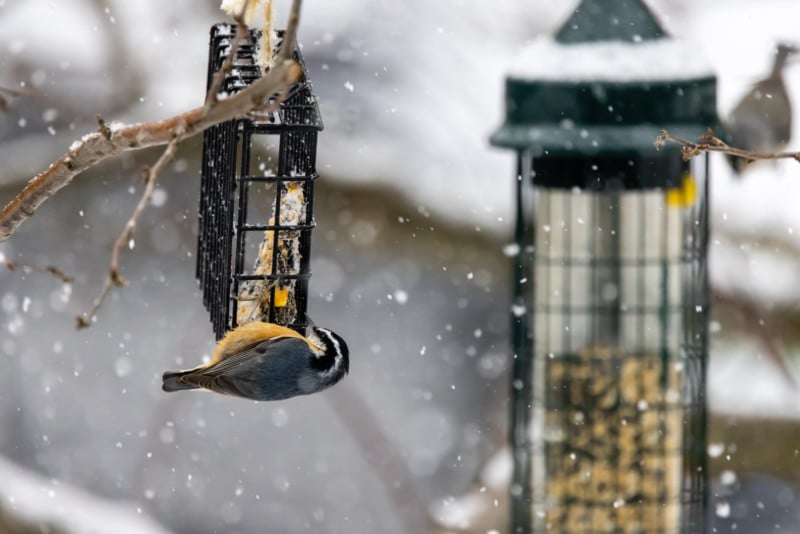
Rhodes took great care of the feeder and regularly disinfected it, rotated to different tree branches, raked beneath, and at times left it empty. All of these precautions help avoid spreading disease.
“I think ethics and truth in captioning are extremely important to talk about in wildlife photography and should always be considered whenever humans interact with wildlife,” she says. “Some of the ethical considerations for this project included hanging the bird feeder away from house windows, in a tree (which provided cover) while surrounding native plantings offered additional cover and food sources.”
During the process, Rhodes tried to edit her shots every day, but it soon proved difficult as the number of shots soon drastically increased. Some of the shots have technical flaws, such as ice on the lens, ghosting, or other imperfections, but if the photo moved Rhodes, she would pick it.
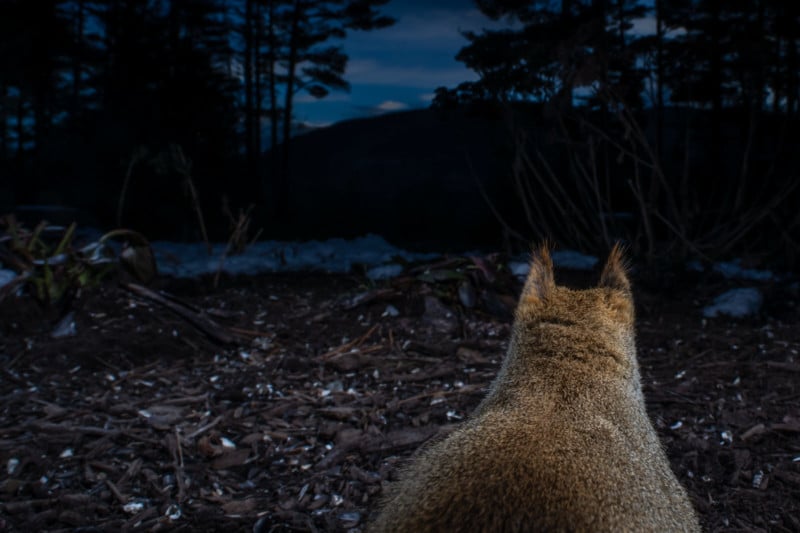
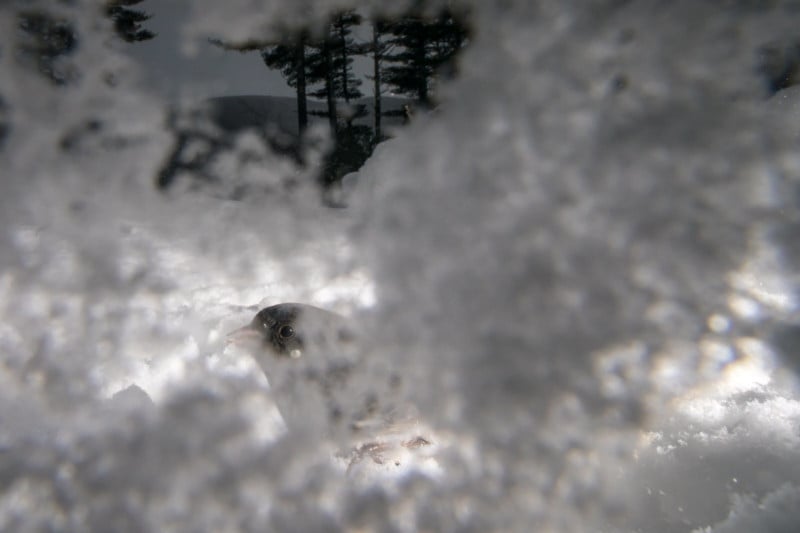
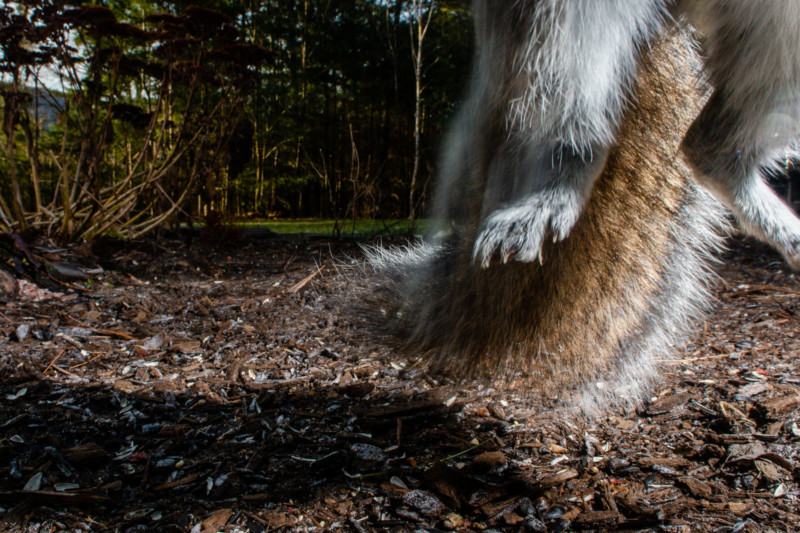
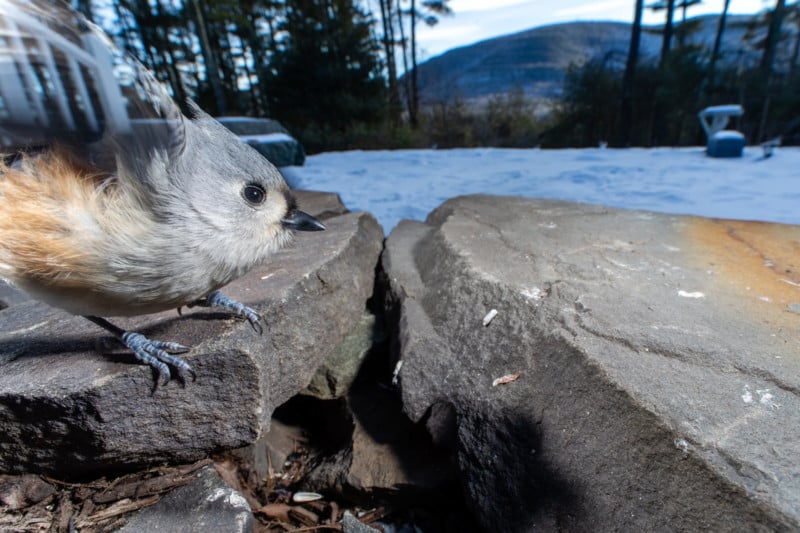
“Storytelling and capturing a feeling/behavior is paramount to me,” Rhodes says. “I personally find when photos are ‘too perfect’ they often lose feeling. Technically, it is important to me that the main subject is in focus as I want viewers to be drawn into the subject, with the hope it will pique their interest in wildlife.”
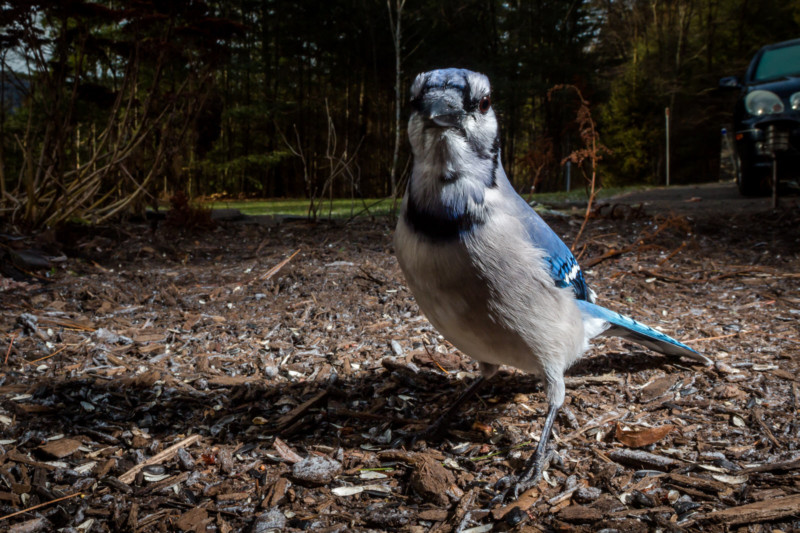
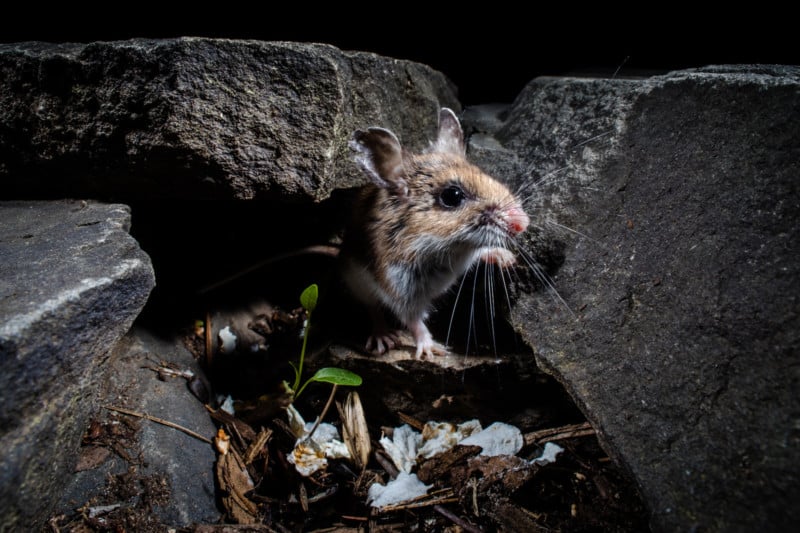
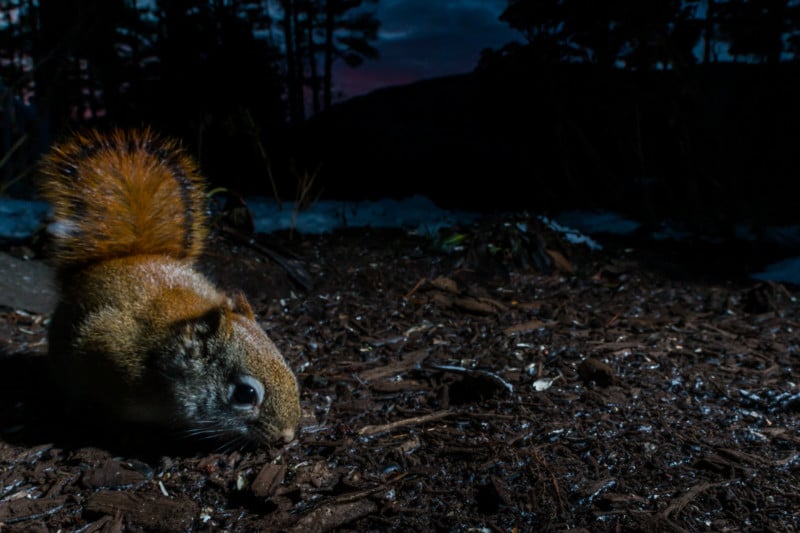
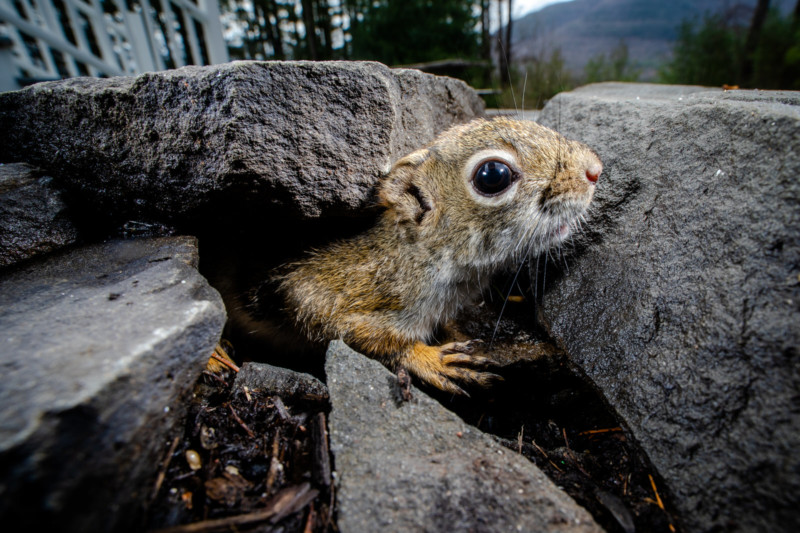
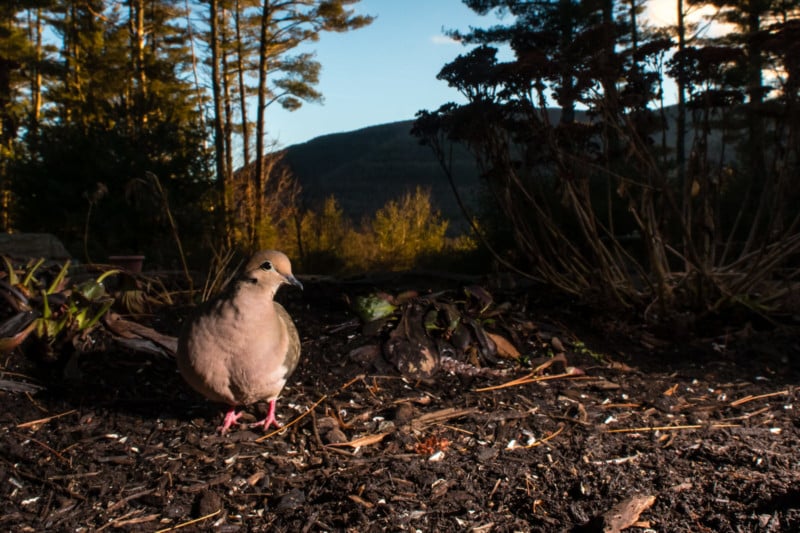
The project has allowed Rhodes to learn more about animal behavior and has allowed her to witness the wider ecosystem that the bird feeder created. Numerous animals displayed their quirks, such as a deer mouse storing discarded seeds into a nearby bluestone wall which created a den of treasures that was visited by many other creatures.
Rhodes was also thrilled to have captured a Northern short-tailed shrew, one of the world’s few venomous mammals.
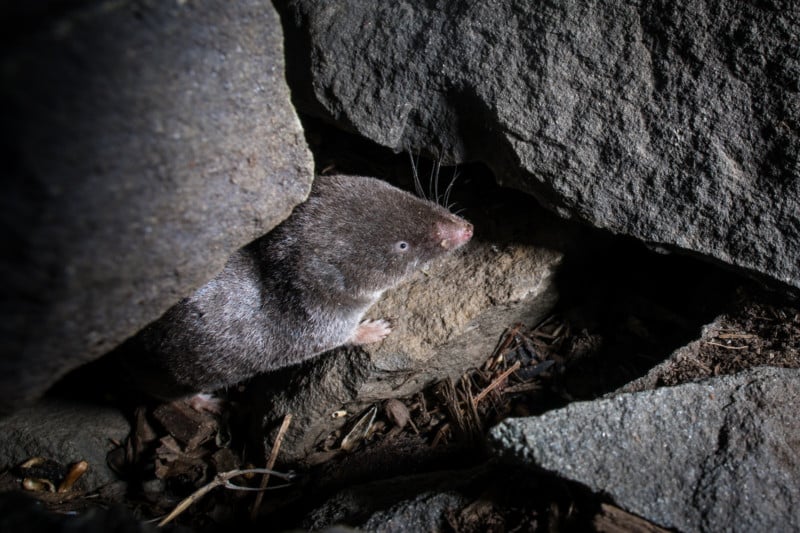
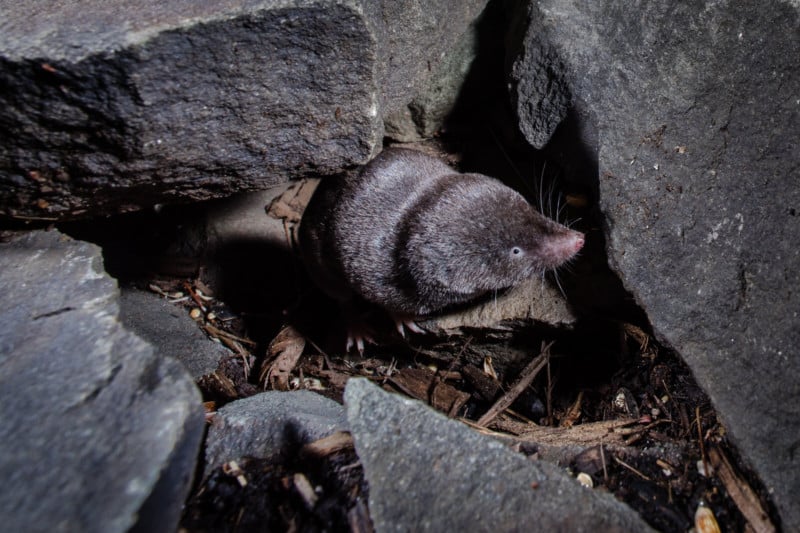
“Until this project, I didn’t realize northern short-tailed shrews were even in my vicinity,” says Rhodes. “This is a perfect example of why I will always consider myself a beginner… I am continually humbled by nature teaching me new things daily!”
More of Rhodes’s wildlife photography can be viewed on her website and Instagram page.
Image credits: Photographs by Carla Rhodes.
NEW ADVANCED BIOFUELS SET TO TRANSFORM RACING
San Antonio, TX (December 9, 2021) – VP Racing Fuels, Inc., a global leader in performance fuels, lubricants and additives, announced Thursday that advanced bio-renewable components are available for adaptation with the company’s current race fuel [...]
The post NEW ADVANCED BIOFUELS SET TO TRANSFORM RACING appeared first on Total Motorcycle.
Are These Glasses The Future For Athletes?

Flokehyttene Cabins
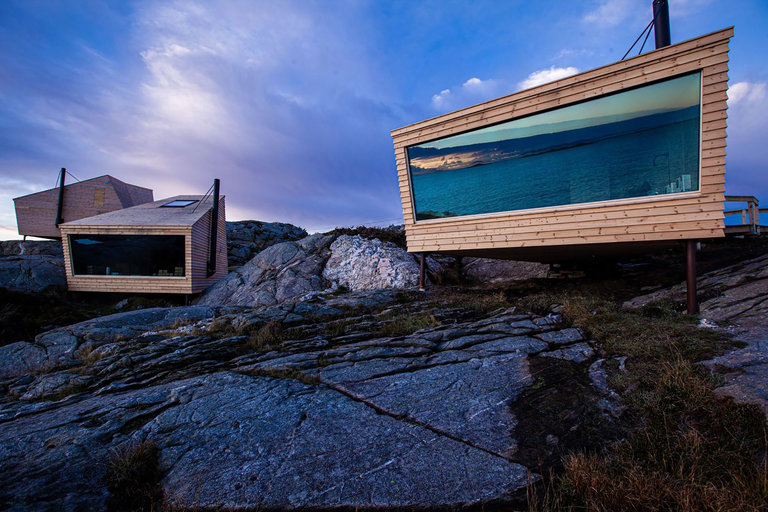
Visit Uncrate for the full post.
Sunday Firesides: The Best Way to Keep Up With Your Physical and Mental Housekeeping

There’s one best, sure-fire way to keep your house neat and tidy:
Regularly invite people over to it.
Whenever you’re anticipating a visit from guests, finding the motivation to get your place in order ceases to be a problem. Toilet paper rolls move from the floor to the holder; shipping boxes get taken to the post office; random clutter that’s been sitting on the counter for weeks finally gets put away.
The fear of social shame is a big driver behind this cleaning spurt; we don’t want our guests to think we live like slobs. But it’s also spurred by the opening of the ability to see how our surroundings would look to other people. Messiness that we’ve gotten used to, as we’ve lived among it 24/7, suddenly stands out.
Inviting people into our thinking has a similarly cleansing effect on our mental clutter.
Solitude is vitally important for fruitful reflection; cultivating our own, original ideas; listening to our inner, self-reliant thoughts. But, if we don’t share those thoughts with others, they can become disordered, run-down, and outright squalid.
In conversation, we get to see our thinking through other people’s eyes, and sometimes find it’s gone a little bit to pot.
In conversation, we see that opinions we’re super high on actually have some holes. Or that something we’re overly down on (often ourselves) has more worth than we’d been believing; other people can help us locate hope in what can seem hopeless.
Dialogue and discussion are crucial in disentangling our messy mental knots.
Because of “nose blindness,” we don’t notice how our house smells, but visitors do; likewise, friends and family can tell us, in the healthiest possible way, “Hey, your thinking stinks!”
So be sure to invite folks over now and again — both into your home, and into your head.
The post Sunday Firesides: The Best Way to Keep Up With Your Physical and Mental Housekeeping appeared first on The Art of Manliness.
Crypto Rich Moving to Puerto Rico, World's New Luxury Tax Haven...
Crypto Rich Moving to Puerto Rico, World's New Luxury Tax Haven...
(Second column, 10th story, link)
Lake District Landscape Photography Tips (+7 Must-See Locations)
The post Lake District Landscape Photography Tips (+7 Must-See Locations) appeared first on Digital Photography School. It was authored by Jeremy Flint.
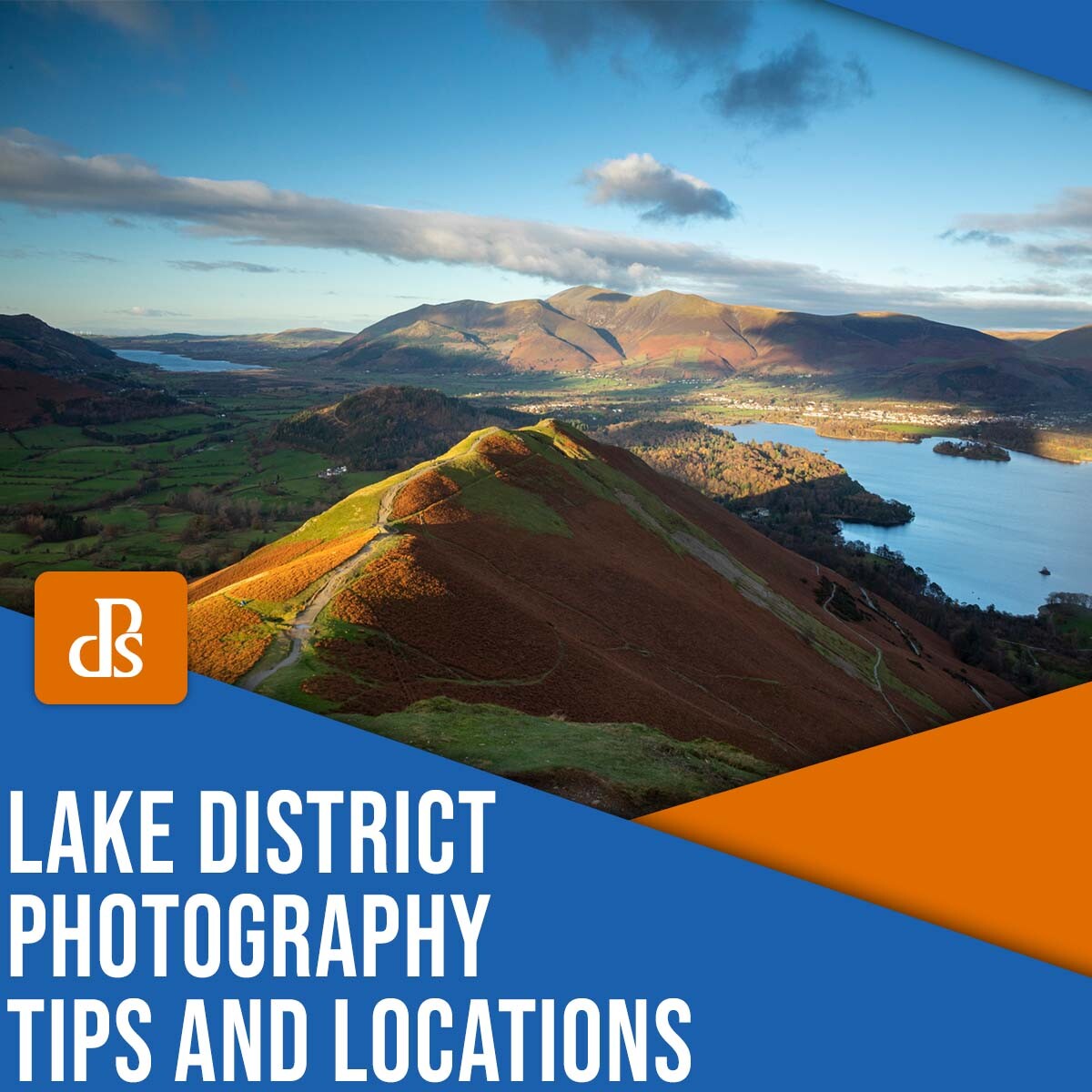
The Lake District is one of the UK’s most stunning national parks and one of the absolute best places in the world for landscape photography. It features glacial lakes, rugged fells, and mountain views, as well as picturesque inns and attractive market towns.
But if you’re a first-time Lake District visitor, what’s the best way to capture beautiful photos? And what are the best locations for a landscape photographer?
In this guide, I share plenty of Lake District landscape photography tips to get you started. I’ve also included seven of my favorite locations. Of course, in a place as beautiful as the Lake District, it’s impossible to mention every awe-inspiring view, so I highly recommend you spend some time exploring the area on your own.
Now, without further ado, let’s take a look at my top tips for Lake District landscapes:
1. Visit during the autumn and winter
The Lake District looks gorgeous at any time of year, but if you only get one shot, then head over during the winter or fall.
Winter can feature snow on the fells, which always makes for some amazing landscape photos. And autumn is a great time to capture fall foliage combined with incredible backdrops.
The Lake District is a popular location, so during the summer months, visitors flock to the area and cause congestion on the roads and walkways. If you’re given the opportunity to go during peak months, don’t pass it up – but if you’re planning a trip in advance, go for a quieter season.

2. Check the weather before heading out
The weather can change rapidly in the Lake District, so you should always keep an eye on the latest forecast. Make sure you’ve shared your location before going off into remote areas, and over-prepare for inclement weather.

If the forecast does show adverse weather, avoid climbing high peaks; you can easily get lost, especially when clouds are low. Leave the more challenging routes for clear days.
Also, always carry a rain cover for your backpack, and I’d recommend storing a camera cover in your bag. A good waterproof cover can keep you shooting long after most other photographers will have thrown in the towel.
3. Take suitable clothing
As I emphasized above, the conditions and temperatures in the Lake District can change quickly, so in addition to protecting your camera, you’ll need to protect yourself.
Pack clothing for all weather, including warm layers in case the temperatures plummet, as well as a raincoat to handle rain.
Note that, up in the mountains, it can often be far colder than at ground level, so make sure you keep extra layers in your bag at all times!
Also, be sure to bring well-fitted walking boots (ideally with good ankle support and strong grip to prevent slips, especially in winter).
4. Walk within your means
Photographing landscapes in the Lake District is amazing – but make sure not to get overexcited. If you push yourself too hard, you might end up temporarily injured (or worse).

Instead, if you’re unsure about your fitness level, go slow. Start with easy walks and work your way up. Eventually, you might be running up and down mountains – but I don’t recommend you try it at the beginning!
5. Take food and drink whenever you go out
Whether you’re planning to head out on a long hike or a short hike, you should always take plenty of food and drink. Dehydration is dangerous, a lack of food can increase your fatigue, and both problems will contribute to mistakes being made.
At the very least, take a water bottle (you can tuck it into a backpack side pocket) and a few non-perishable snacks to eat along the way. And as you go, stop for occasional rests; it’ll give you time to rehydrate, plus it’ll help prevent injuries.
6. Take a map
If you’re embarking on an adventurous walk, you should take a detailed map with you (check out the relevant Ordnance Survey map). Even if you think you’ve memorized the route, you might make a mistake, take a wrong turn, etc., and find yourself in an unknown location with no easy way to get back.
And as I mentioned in Tip 2 above, always inform someone of your planned route. You’re heading out into the wilderness; better safe than sorry!
Must-visit Lake District locations
Below, I share the Lake District landscape photography locations that you absolutely do not want to miss, featuring lakes, rivers, mountain scenery, and more.
1. Derwent lake
One of the best locations to photograph landscapes in the Lake District is, without a doubt, Derwent Water. It offers some of the most magnificent scenery you can imagine, and potential photography subjects include the lake itself, jetties, boats moored along the waterfront, and the stunningly beautiful mountains and scenery that surround the lake.
The lake can look great at any time of the day and in any light. You can shoot with or without the sun, because while golden light is always nice, darker, dramatic skies can help create drama and add mood to your images.

2. Ashness Jetty and Ashness Bridge
Of the many jetties positioned around Derwent lake (see above), Ashness Jetty – situated a few miles along the east shore of Derwent Water – is one of the most photographed.
There’s also Ashness Bridge, which is the most popular bridge in the Lake District for photography. Both locations are great for landscape shooting and deserve to be included on any Lake District bucket list.
If you visit Ashness Jetty in the morning, you will have the sun lighting the fells in the distance; you can also capture a great shot at sunset, as the sun drops below the distant horizon.
At Ashness Bridge, the rocks and stream offer a great range of possible compositions, and it’s an area that can be visited at any time of the day in all seasons. It is worth noting that you will find it quieter in the morning, so if you’d rather visit when it’s less crowded, head out before first light.
3. Cat Bells
The climb up Cat Bells may be steep, but it’s absolutely worth it; with superlative views over Derwent Water, Cat Bells offers plenty of opportunities for Lake District landscape photography.
There are several other views to shoot as you ascend, including Newlands Valley to the west and Skiddaw to the north, and at the top, you’ll be rewarded with a spectacular view. Cat Bells makes for a great location to visit at any time of the day and especially at sunrise.

4. Buttermere
In the heart of the beautiful Lake District region is Buttermere, located after Borrowdale when traveling from Keswick.
As you approach the lake, you’ll traverse the magnificent Honister Pass, and you can capture stunning images of the road snaking down through the valley. Then there’s Buttermere lake itself, popular among photographers with its Scots pine trees, boats, and shapely high fells that flank up on either side.

One tip: Walk the circular path around the shores of Buttermere. It’s almost entirely level, yet it gives outstanding and constantly changing views of the summits that loom above, including High Stile, Haystacks, Fleetwith Pike, and Robinson. You’ll find endless opportunities for landscape photography, and the reflections, mist, and interesting light can be amazing (especially in the cooler months of autumn and spring).
5. Crummock Water
Beyond Buttermere to the north lies Crummock Water, surrounded by lower fells. Crummock Water was formed at the end of the last ice age from the build-up of debris and silt brought down by a side valley.
There are ample opportunities for landscape photography, thanks to an interesting shoreline with rocks, fences, and even islands to capture. And the lake looks great from any of the surrounding peaks during most of the day and in every season.

6. Ullswater
Ullswater is an outstanding lake for landscape photography. A few areas to visit include the Duke of Portland Boathouse – go here for sunrise as it faces east – and the jetties.
There are also some great views to be captured from higher elevations, where you can take in the lake from Hallin Fell or the little-visited valley of Martindale. To elevate your images further, compose with an interesting sky and/or good light.
7. Thirlmere
Thirlmere is an artificial lake (reservoir) that was built to store water. There is a road running the length of the lake that provides many interesting photo spots, and views from above the lake can look great, too. The Helvellyn ridge – which lies to the east of Thirlmere – or Armboth Fell and Raven Crag – to the west – gives gorgeous views of the lake and beyond.

Lake District landscape photography: final words
Now that you’ve finished this article, you should be well equipped to enjoy your visit to the Lake District!
So stay safe, walk within your fitness levels, and check the weather – while capturing some gorgeous Lake District landscape photography.
Now over to you:
Which of these Lake District destinations do you plan to visit? Have you been to the Lake District before? Share your thoughts in the comments below!
The post Lake District Landscape Photography Tips (+7 Must-See Locations) appeared first on Digital Photography School. It was authored by Jeremy Flint.
Nascar’s Blue Collar Connection: A Part Time Racer Lives His Dream

URGENT: Stunning data from South Africa suggest Omicron may be the end of Covid (and of Covid vaccines)
A six-tweet thread from a South African engineer sums up the apparent state of play: Omicron appears more contagious but far milder than earlier strains of Covid.
South African physicians and hospitals have leaned in this direction all along. But now we have close to three weeks of data and they are saying so with increasing certainty. The lag from symptoms to severe disease is about a week. If large numbers of patients were going to progress to hospitalization or intensive care, they almost surely would have done so by now.
Perhaps one more week and we will know for sure, but at this point it would be a stunning reversal if Omicron were NEARLY as dangerous as earlier strains. And the Omicron’s mildness is not because South Africa is highly vaccinated; only about 1 in 4 South Africans is fully vaccinated.
What has not yet been said - and will surely NOT be by the media - is that assuming this data holds, Omicron’s emergence should end any and all vaccination efforts with the mRNA or DNA/AAV vaccines. Their risk profile has been steadily worsening - one has yet coherently explained the synchronized rise in all-cause mortality in highly vaccinated countries. The Netherlands saw all-cause mortality 41 percent above normal (yes, 41 percent) in its most recent week of data. Only one of five of those deaths was Covid related.
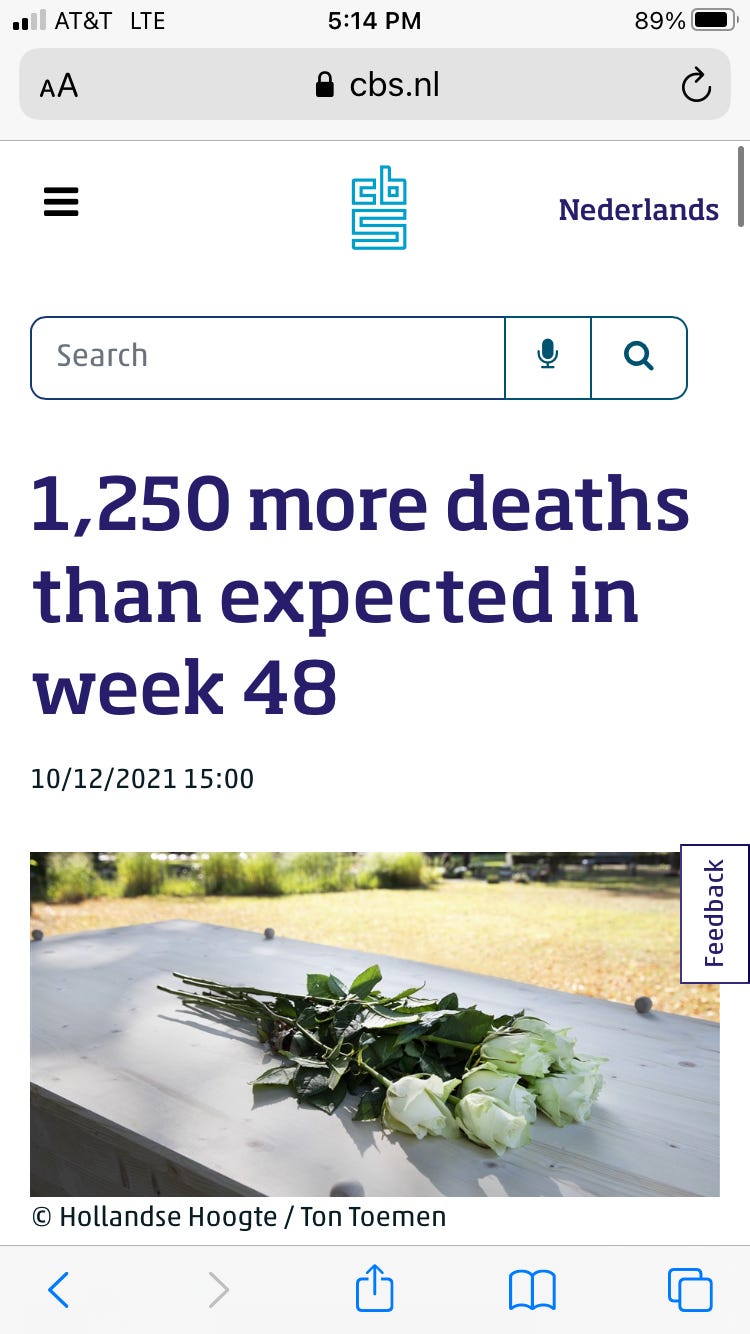
SOURCE: https://www.cbs.nl/en-gb/news/2021/49/1-250-more-deaths-than-expected-in-week-48
Giving these vaccines for a virus that appears to be becoming a cold for most people is horrendously bad public policy. Especially since the vaccines don’t appear to work very well against Omicron in any case.
All that’s left now is to track the mess from the vaccines. Let’s hope it’s temporary.
The end.
SOURCE:
 pieterstreicher @pieterstreicher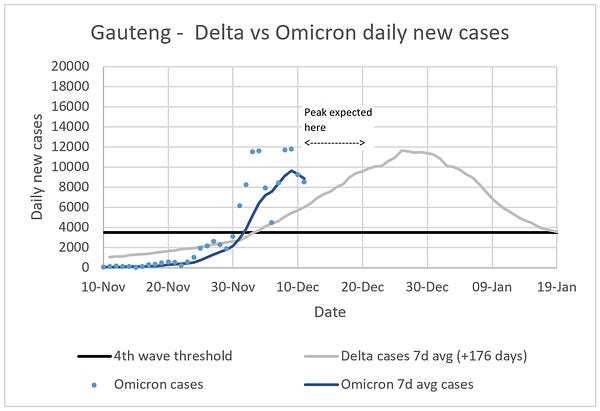
December 11th 2021
847 Retweets1,969 LikesAlso:
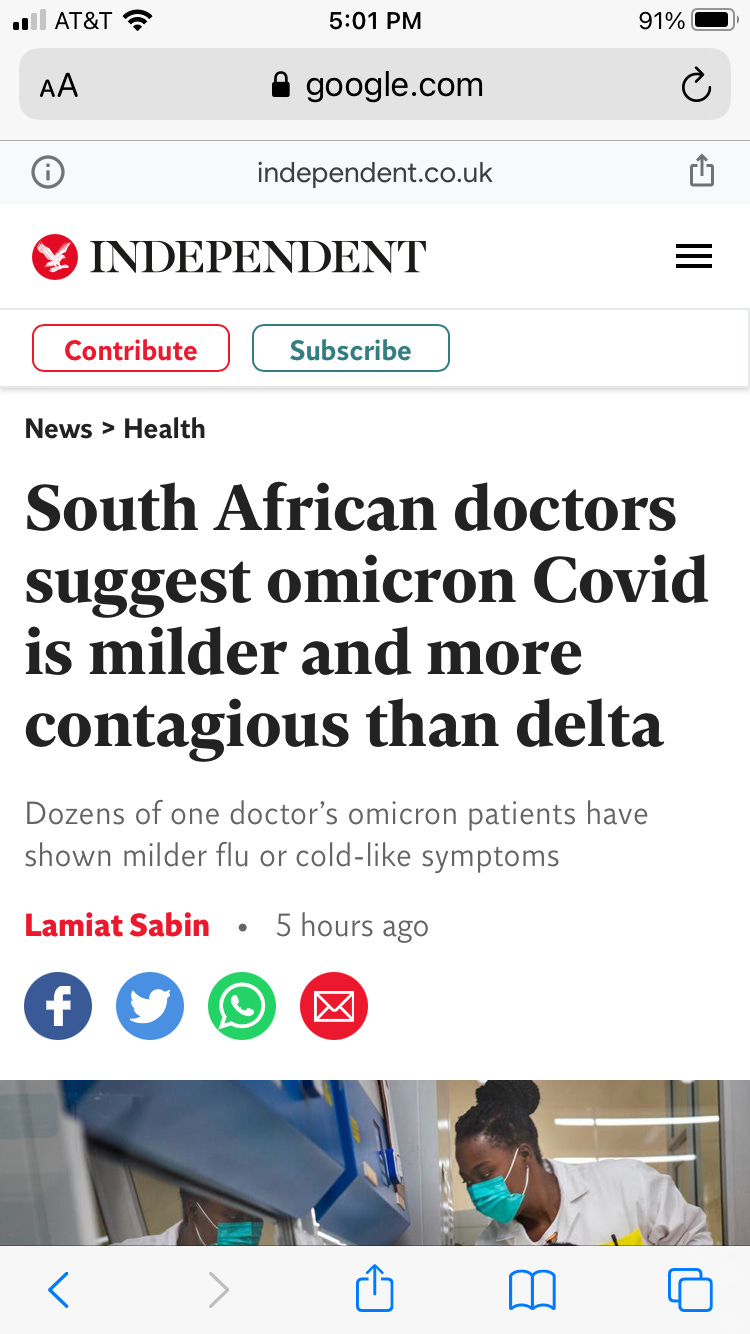
SOURCE: https://www.independent.co.uk/news/health/omicron-milder-delta-signs-south-africa-b1974206.html

People are set to protest over the re-naming of a pub in Linlithgow, Scotland
1117 points, 169 comments.

Everything You Need to Know About Raw Pet Food (and What to Ignore)
All the myths you’ve probably heard, debunked.

The Watch Built From One of Cinema's Most Famous Motorcycles
Rec Watches' TTT Great Escape uses recycled parts from Steve McQueen's on-screen Triumph TR6 Trophy.

How to Talk Bourbon: 11 Slang Terms Every Wannabe Expert Should Know
Our guide to bourbon terms covers everything you need to know to sound like a bourbon bro.

![[link]](https://i.redd.it/6zwdfu8k57581.jpg)
![[link]](https://i.imgur.com/HjlR3LX.jpeg)