Tales of their courage, valor, and piety have long captured our imaginations. Shrouded in mystery, the knights of the medieval world evoke romantic ideas of a time when noble quests and adventure seemed the norm. Yet, while some of these orders may sound familiar, others escape our attention, even though their power and influence were […]
I grew up in the suburb of Lake Forest, Illinois. I recently did some thinking and realized that we weren’t particularly known for any one dish. Still, I definitely had my favorites. I was a huge fan of a little hot dog stand called Left Bank (which is still around, thank God). Psst, if you’re ever there, get the…
They may not have buzzy nightclubs or champagne bubble baths like some hotels, but one analyst toldThe Wall Street Journal that, for investors, extended stays “print money.”
At extended stay hotels…
… guests typically check in for 1 week to several months. They differ from traditional hotels in a couple of ways:
They have cheaper nightly rates
They come with kitchenettes
They swap posh amenities for things like laundry and mail services
They’re also cheaper to operate
With less guest turnover, hotels save on cleaning and staffing costs. And because guests frequently cook for themselves, they don’t need full-service, on-site restaurants and bars.
Plus, they can weather a pandemic
At the onset of the pandemic, extended stays were used by health care and military personnel. In 2020, revenue per available room fell 48% YoY for traditional hotels, but only 33% for extended stays.
And now, experts say the lodging once popular with business travelers is attracting remote workers and vacationers, who are into the autonomy, low contact, and convenience they provide.
In 2021, extended stays enjoyed an average occupancy rate of 73% compared to 56% for hotels in general.
Fun fact: Actor Richard Harris once said he lived in London’s The Savoy Hotel because “if you’re paying the mortgage on a home, you can’t ask the bank manager to fetch you a pint.” He’s got a point.
SQUIRREL AND DUMPLINGS High Country Comfort Foods: Part 2 Although the grand comeback stories of the white-tailed deer and wild turkey have relegated the humble bushytail to a place well down the ladder when it comes to game species favored by hunters, for several generations squirrels were the single most popular quarry among countless sportsmen.…
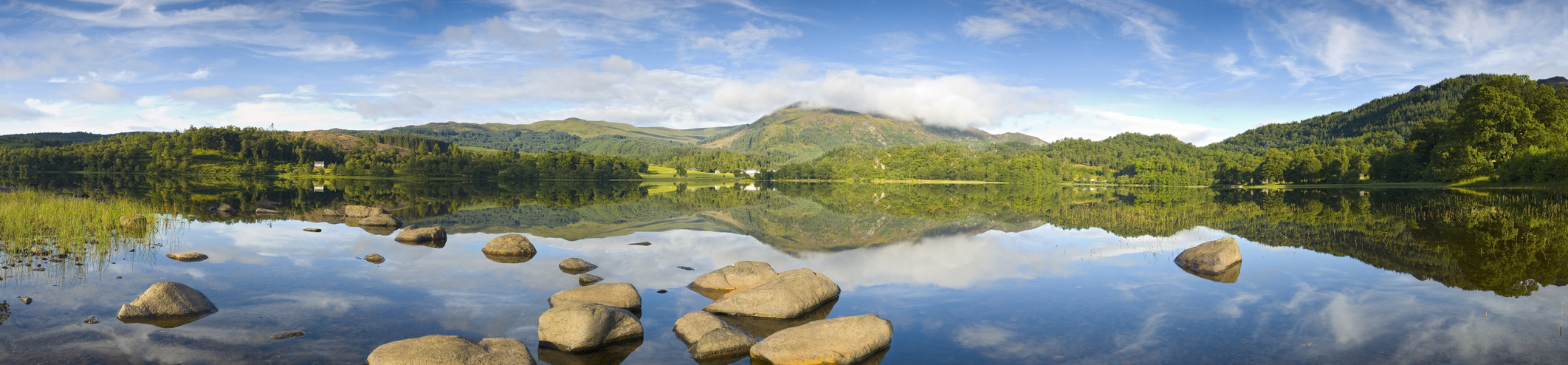
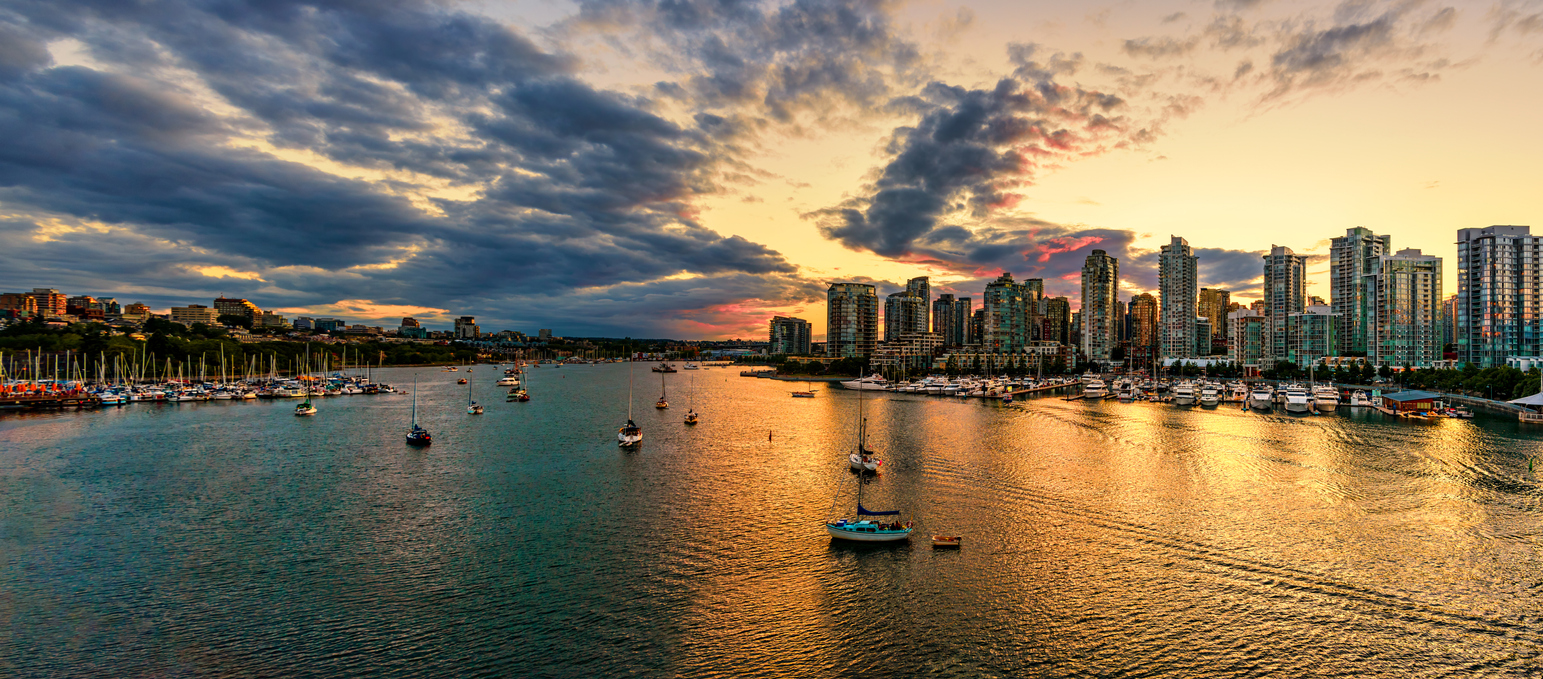
Panoramic photos are a wonderful way to show off the beautiful scenery you’ve found for landscape photography. Interactive spherical panoramas are fun to share online and are great for commercial realty clients, so you’ve probably already started making panoramic photos.
Getting panoramic photos printed is another good way to show off these fascinating works of art. But when you look at the dimensions of panoramic photo prints, you see that getting panoramic photos printed isn’t as straightforward as printing other types of images.
Getting Panoramic Photos Printed - Where?
Panoramic images have been available for a long time. A careful film photographer could have lined up image captures with overlapping borders to later take in for panoramic photo printing, or a specialty camera with a motor turning the camera automatically could be used for creating a panoramic photo from one long negative.
The print sizes for panoramic were not the standard sizes like 8X10 or 16X24, instead being more along the lines of 8x30 or 16x80, so finding a printer able to print those negatives was often problematic.
The same holds true in the digital age. We can easily make the image files in camera digitally for awesome panoramic prints, but getting panoramic photos printed can still be a challenge. A high quality printing company catering to serious photographers and professionals is your best bet for finding someone to make your digital files into panoramic photo prints.
An alternative is doing the printing yourself if you have a photographic printer that uses rolls of paper instead of single sheets. For some images and print sizes, you’ll end up with quite a bit of waste to trim away.
Getting Panoramic Photos Printed - What Type of Print?
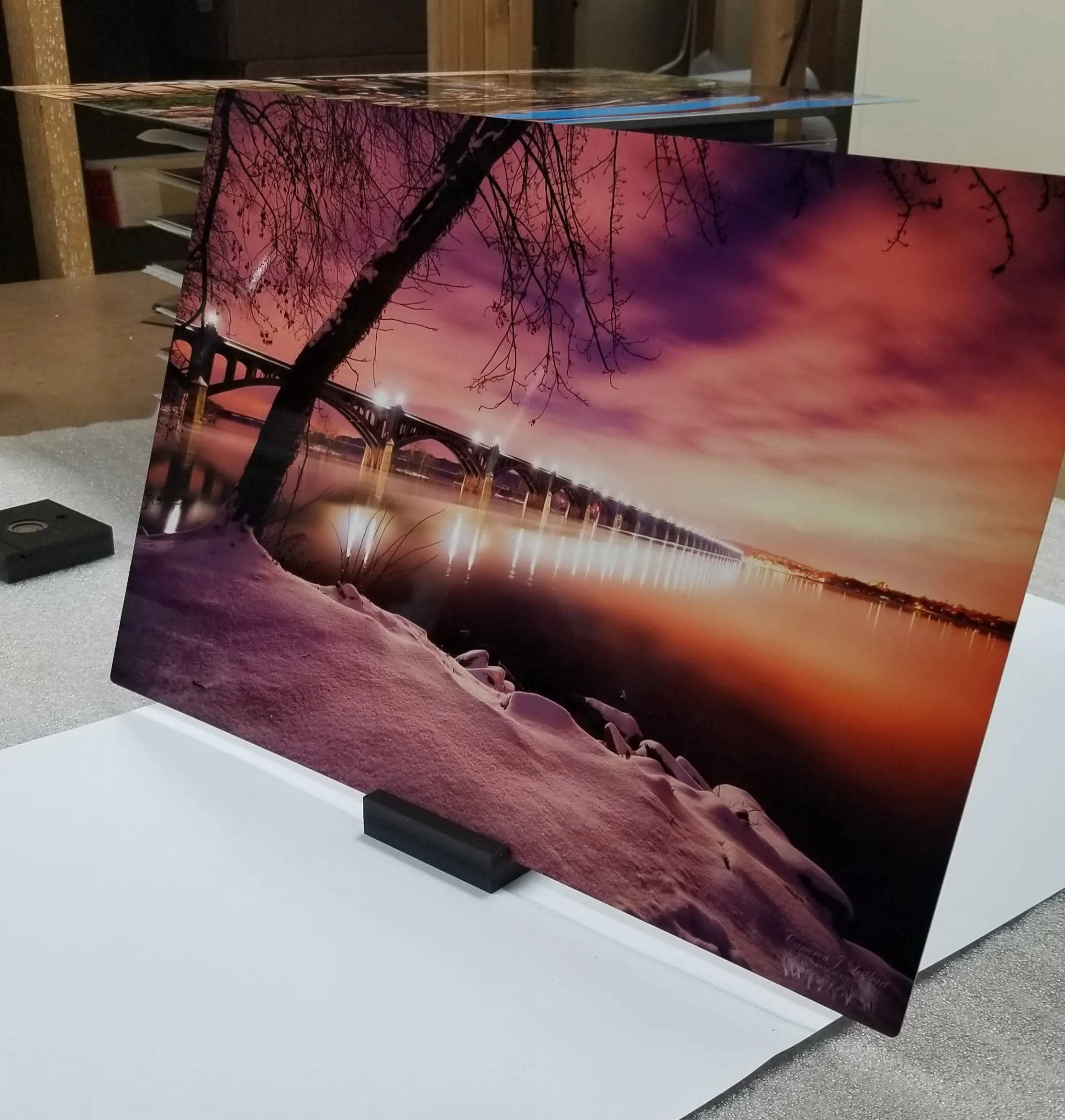
Choosing the right type of material for getting panoramic photos printed can add to the visual impact of your images, more options are available besides paper. Since a large part of the appeal is the oddball sizing of panoramic photo prints, choosing a printing option that allows you to highlight the picture itself, such as flat metal prints, is desirable,
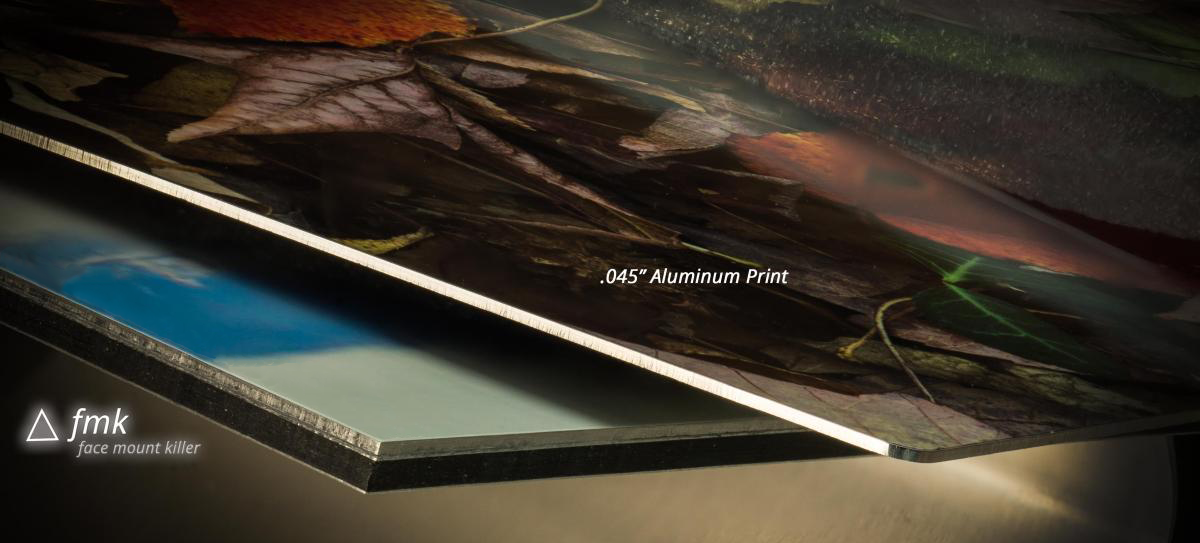
While it may be a little difficult to find the exact size options on a printer’s website, most specialty printers can handle many out of the ordinary sizes. Metal Mouth Prints is a printer specializing in metal prints with Chromaluxe aluminum panels and also FMK (Face Mount Killer) options for some sizes with an added layer of acrylic.
Metal prints will really show your panoramic images in the best way possible, since you don’t actually need any frame or other mounting since the metal print can stand on its own. You’ll have to submit the image to them in order to know what sizes are available and what prices they are before they actually print. Getting panoramic photos printed is a custom printing job.
A basic rule for creating great panoramic photos digitally is to have the separate images that you will blend together line up properly. The best method for this is to use a nodal panorama mount.
A nodal mount requires some setup in order to give us any real benefit, but it’s not too difficult to do that. The setup changes with different lens focal lengths and different physical sizes of the cameras and lenses used. It allows the camera to pivot along the actual nodal point of the lens so image files line up properly with minimal distortion.
While you could send a printer several different image files and hope they line up properly or trust that the printer will stitch them as you intended, it’s a better idea to do this part yourself. Many post processing programs have stitching and blending modes built in, or you could opt for a specialty stitching program.
Whichever method you choose to use, you’ll have a lot of control over the final image by blending and stitching yourself. An important tool is the cropping tool. Sometimes, despite our best efforts, the images aren’t lined up as perfectly as we intended.
The way to keep any white edges on our panoramic photos is to crop them out. The better job you do of adjusting your nodal mount and choosing enough image overlap to allow good blending, the less cropping you’ll be forced into.
Getting Panoramic Photos Printed: Display Them With Pride!
The whole point of getting panoramic photos printed is to show them to others. A well designed image, printed by a high quality printer, on a superb surface such as metal printing will really grab the attention of viewers. Carefully craft your digital files and have them printed on metal for an attention grabbing impact.
The eighth annual International Landscape Photographer of the Year has announced the winners of its 2021 competition, which awards both an individual photo as well as names an overall winning photographer.
In World war II, the Walt Disney Company contributed a lot of propaganda to the war effort. Well, "contributed" might not be the best word, because they were paid well. Donald Duck was the cartoon character that emerged as the most patriotic of them all. The fact that he was often angry contributed to his popularity, but there was more to it than that. Phil Edwards explains how soldiers were able to relate to Donald Duck so much more than Mickey Mouse or any other Disney character. And when you think about it, things haven't really changed much since then. -via reddit
Annapolis Yacht Club (AYC) hosts an annual Oktoberfest cruise, where a grill master cooks juicy sausages, complemented by a special cocktail and several kegs of German beer to enjoy throughout the evening. Attending boaters provide appetizers, side dishes, and desserts, and we spend the night eating, drinking, and socializing. It is one of the club’s most popular events, and the inspiration for the following feast.
Wisconsin Beer Brats
8 raw bratwurst sausages
24 oz. beer (I like a lighter beer for cooking.)
1 medium onion, sliced
8 hot dog buns
4 oz. whole grain mustard
1½ cups sauerkraut, warmed
Prick brats with a fork and marinate in beer and sliced onion (using a large Ziploc bag) in the refrigerator for several hours, if possible. Next, boil the brats to keep them juicy by transferring sausages, marinade, and onions to a skillet and boiling on medium for 10 minutes. Drain, then grill or sauté brats on medium-high for 8-10 minutes until golden-brown. Serve on buns with onions, mustard, warm sauerkraut, and a side of beans.
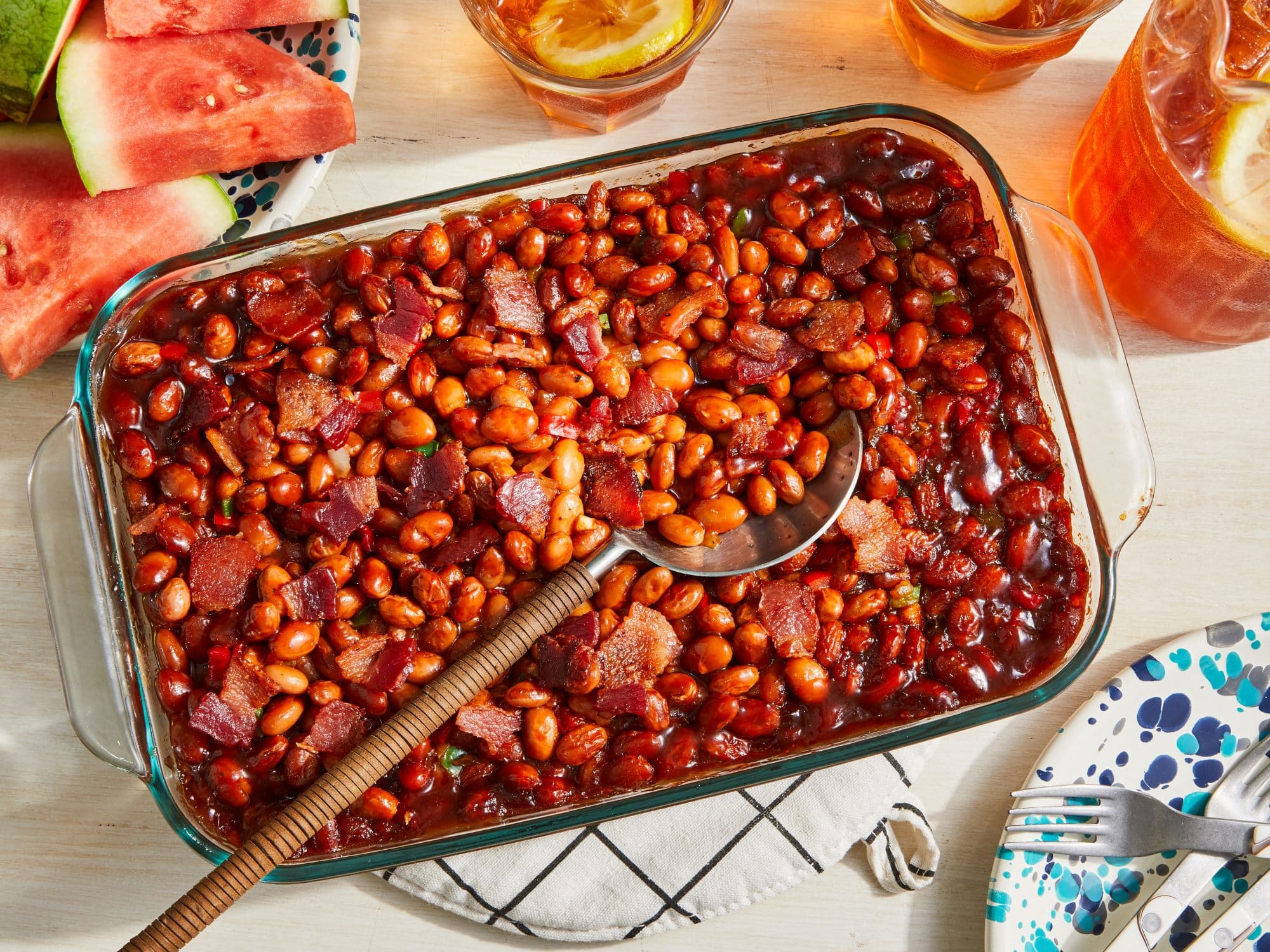
Texas Beans (courtesy of Ann Peterson)
½ lb. bacon, coarsely chopped
1 cup onion, chopped
1 Tbsp. minced garlic
1 jalapeño pepper, chopped
1 lb. skirt or other tender steak, coarsely chopped
¼ cup vinegar (red wine vinegar is good)
¼ cup brown sugar
3 Tbsp. ketchup
2 Tbsp. molasses
1 Tbsp. soy sauce
¼ tsp. each salt and pepper
6 cups of cooked/canned beans, drained (use a mixture of 3-4 beans
for the best texture)
(e.g., small lima beans, cannellini, kidney beans, black, or pinto)
In a skillet heated to medium-high, sauté bacon until browned and then place bacon in a bowl. In the bacon grease, sauté onion, garlic, and jalapeño pepper until softened and remove to the bowl with bacon. Place steak in the same skillet, and cook until just browned, and then add to the same bowl.
Add vinegar to the hot skillet, stirring well to get all the browned bits from bottom of pan, then pour in sugar, ketchup, molasses, and soy sauce and stir to make a sauce. Add the beans and the contents of bowl (meat, veggies) to the skillet, cover, and heat through. Taste for seasoning and add salt and pepper if needed. Serve warm.
Baked Pears with Cheese and Nuts
4 pears, cored, halved, but not peeled
1-2 Tbsp. olive oil
Pinch of dried thyme
Pinch of salt & black pepper
¼ cup blue, goat, brie, or other favorite cheese
¼ cup chopped walnuts, pecans, or other favorite nuts
Preheat the grill to medium-high or oven to 375 degrees Fahrenheit. Arrange pears, cut sides up, on a baking sheet. Drizzle with olive oil and sprinkle with thyme, salt, and pepper. Cook 20 minutes. Remove baking sheet and spoon 1 generous teaspoon of cheese in the center of each pear half and sprinkle pears with nuts. Cook 10 more minutes. Serve warm.
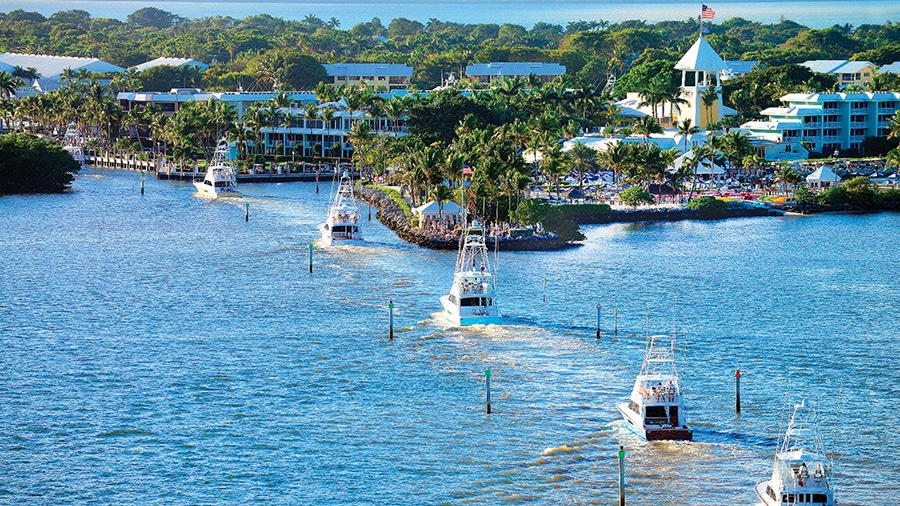
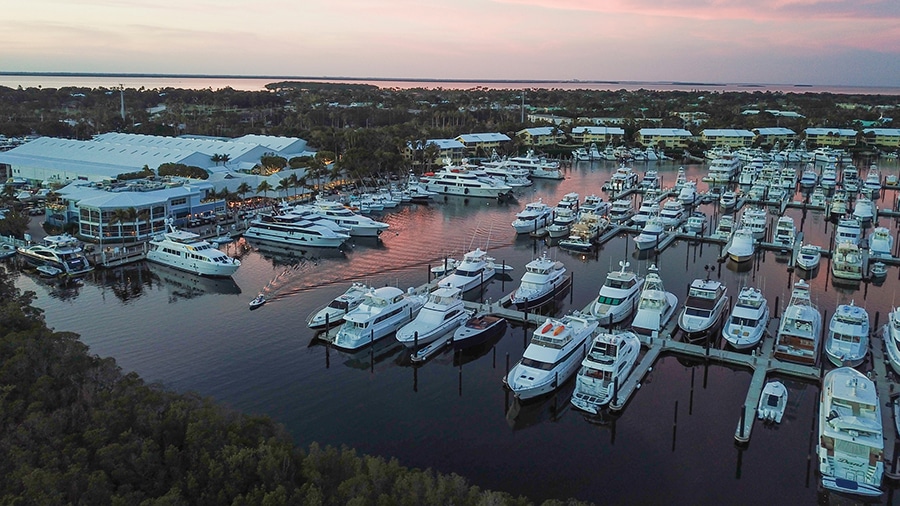
Convenient to the Bahamas and encompassed by the famed waters of the Florida Keys, Ocean Reef Club’s 175-slip marina is nothing short of world class. One of finest marinas on the Eastern Seaboard, a full range of marina services, private charters, and watercraft rentals are available to Members and their guests, accommodating performance and sportfishing boats as well as yachts up to 175 feet. As Members moor their boats in the marina or an individual slip – the on-site facility will handle any detailing or repair needed, and also provide accessories, bait, and tackle.
Surrounded by clear, warm waters and the finest fishing in the world, Ocean Reef Club is a place where the possibilities – and the memories – are limitless. The variety of local fish is astounding, and the techniques of their capture are among life’s most exhilarating pursuits. Members can fish for billfish one day, snapper the next, and wind up your week stalking bonefish. There is also the reef itself, the only living coral reef in American waters. It towers above the seafloor, sheltering an amazing variety of species. Between 15 and 60 feet down, you’ll encounter snapper, porgy, grouper, hogfish, mackerel, jacks, and many others. It’s unforgettable entertainment.
Ocean Reef is a residential club unlike any other. A place where generations of Members and their families have experienced the wonder of living on 2,500 pristine, secure acres. No other club in the world offers the abundance of amenities and privileges, kinship, and tradition.
There are only two ways to experience Ocean Reef Club’s Unique Way of Life – as a quest of a Member or through the pages of Living magazine. Visit OceanReefClubLiving.com or call 305-367-5921 to request your complimentary copy.
Dry-aged tomahawk chop, roasted broccoli, carrots vichy, frisee salad, and latkes. | Andrew Thomas Lee
Chef Hugh Acheson breaks down the five standout dishes to try at Montreal-style steakhouse Mount Royal and rooftop lounge Spaceman
Hugh Acheson may bebest known for serving fresh takes on Southern cooking at Empire State South in Midtown and Five and Ten in Athens, but the Canadian-born chef just opened two new restaurants in Atlanta, one of which is an ode to Canada’s capital and the neighboring city of Montreal.
Now open at the Hyatt Centric hotel in Buckhead, Acheson reconnects with his French-Canadian roots at Mount Royal, a Montreal-style steakhouse named for a mountain just west of the city, while dialing up the bar bites at rooftop lounge Spaceman.
Acheson and chef Sam Herndon (head of Acheson’s culinary team) provided Eater with a glimpse into the creation of the menus for Mount Royal and Spaceman, along with five dishes people should try when they visit.
Originally from Ottawa, Atlantans first saw Acheson leaning back into his regional Canadian roots with By George, which opened at the Candler Hotel in downtown Atlanta three years ago. The menu blends familiar French dishes and ingredients with those found throughout the South. At By George, one might dine on beef tenderloin drizzled in bordelaise sauce and sides of whipped potatoes and kimchi creamed spinach, followed by delicate profiterole topped with chocolate sauce and local pecans and a scoop of vanilla ice cream.
Acheson, who refers to himself as “quietly Canadian,” describes the menu at Mount Royal as an ode to Montreal and Ottawa, where prime cuts of steak pair with French-Canadian classics like Lyonnaise salad, meat pies, and sour pickles. But the chef still taps into the bounty of Southern ingredients here. Over half the dishes at Mount Royal contain vegetables or ingredients sourced from local farms and food purveyors, right down to the sorghum and flour.
Tourtiere
“The tourtiere is one of the quintessential dishes of the Quebec region, and a staple item of the Mount Royal menu,” says Acheson.
This traditional meat pie is filled with seasoned braised pork, ground veal, and ground pork stuffed inside a flaky puff pastry and served with a small salad of frisee hearts (curly endive) dressed in black truffle vinaigrette.
Ora King Salmon
“We try to delve deep into classic techniques that just aren’t around as much anymore, because frankly they require more work,” says Acheson.
The chef sources the Ora King salmon for this dish from New Zealand. The fish is gently flatten to an even thickness. Next, a layer of soft-cooked leeks is spread over the salmon, before the fish is rolled into a pinwheel shape.
“From there, you chill it, slice it and poach it in a sauce of buttered seafood stock (nage), trout roe, lemon juice, and chervil (French parsley),” he adds. “It hits all the spots — delicate, buttery rich, texture, and it’s visually really beautiful.”
Carrot Vichy
“This dish [top right corner] originally comes from the town of Vichy in the center of France, and it’s known for its great water, so here we cook with a spring water to replicate,” Acheson says. “Quebec has a strong French heritage, and the carrot vichy is our homage to the history.”
Acheson credits James Beard for bringing French food to prominence in the U.S. and helping to “popularize” the carrots, which are cooked in a small amount of water, butter, and sugar. The carrots are then sprinkled with fresh parsley.
“To cook vegetables that guests crave is such a treat for us, and we really deliver on this carrot side dish,” he says.
High atop Mount Royal on the 15th floor of the hotel, Spaceman offers a more casual vibe with its indoor-outdoor lounge and skyline views. It also showcases the playful side of Acheson and his cooking. Look for cocktails pairing mezcal with bitter orange vodka and bianco and dry vermouth or cognac and fino sherry alongside amped-up bar bites, including green chicken chili nachos, hummus and bagel chips, and snow crab legs with Aleppo lemon butter.
Fripper’s Hot Dog
Spaceman sources hot dogs from Atlanta sausage company Fripper’s, owned by Colin Miles.
“This locally based company offers an amazing hot dog. Often people are willing to pay for an $18 hamburger and will avoid any hot dog over five or six bucks, but honestly a lot more technique goes into making an amazing hot dog than a burger,” says Acheson.
The deluxe dog at Spaceman is topped with crispy potato sticks and chow-chow relish mixed with black truffles. It’s then drizzled with French dijon mustard and a dusting of more black truffles and served on a Martin’s potato bun.
Single Layer Nachos
Herndon says a scene from the movie “Saving Silverman” serves as the inspiration for the nachos on the menu at Spaceman.
“One scene that always makes me laugh is when Jack Black claims, much to Steve Zahn’s chagrin, that when eating nachos, ‘dude, if you get the nachos stuck together, that’s one nacho!’ Every chip has as much of the toppings as possible,” Herndon says.
Nachos here come two ways: topped with green chili chicken or red guajillo chili mushrooms. The chips are then topped further with queso fresco, pickled red onions, jalapenos, black beans, sour cream, pico de gallo, and guacamole.
“Everyone orders the green chili chicken, but honestly, the mushroom vegetarian version with guajillo is the way to go.”
Mount Royal open daily, 7 a.m. to 10 a.m. for breakfast and 5 p.m. to 10 p.m. for dinner. Lunch Monday - Friday, 11:30 a.m. to 2 p.m. Spaceman open Wednesday - Sunday, 4 p.m. to 11 p.m.
Public transit information: Within walking distance of Lenox MARTA train station and accessible via MARTA bus 27.
Disclaimer: Health experts consider dining out to be a high-risk activity for the unvaccinated; it may pose a risk for the vaccinated, especially in areas with substantial COVID transmission. The latest CDC guidance is here; find a COVID-19 vaccination site here. It is highly advised people wear masks indoors or when in crowded situations, regardless of vaccination status, to help mitigate the spread of COVID-19.
Not long after World War II, Georgia politician Melvin E. Thompson spotted a quiet little island between Savannah and the Florida state line and envisioned a park, where citizens of the state could enjoy the unspoiled beaches that were once an exclusive getaway for rich Northerners with names like Vanderbilt, Pulitzer, Morgan, and Rockefeller.
By the time Thompson made a bid for the island in 1947, that high-society heyday was long gone. The grand club, which was once the island’s centerpiece, was shuttered. The island was essentially abandoned. Few saw any value there. Thompson, then acting governor, paid a mere $675,000—about $8.5 million today—for the whole island.
As it turns out, it may have been the deal of the century. Maybe a couple centuries.
Today, Jekyll Island enjoys a veritable renaissance. In the past decade alone, under the ever-watchful eye of the state’s Jekyll Island Authority, the island has undergone some $300 million in investments from state and private investors. New hotels have risen aside revamped older ones and the stately Jekyll Island Club Resort. A new beachfront shopping and gathering epicenter was built in 2015. Jekyll Island has an unmistakably fresh identity.
The beauty of Jekyll Island, though, is that it’s still Jekyll. By law, only 1,600 acres or so of the island’s 5,500 acres can be developed. The rest must stay untouched. (Like its vast maritime forest, new development grows over old.) That gives Jekyll a vibe unlike other nearby destinations. It’s a place that worships nature and respects its past, notable in those pristine beaches and in island bulwarks like the Georgia Sea Turtle Center (rehabilitating reptiles and educating people on the creatures since the 1970s), the nationally designated Historic District, and the newly expanded Mosaic, Jekyll Island Museum.
Nearly 400 guests, including dignitaries and elected officials from throughout Georgia, turned out this past Friday evening to commemorate Jekyll Island’s 75th anniversary designation as a state park. The black-tie affair included a synchronized swimming performance from nationally renowned Aqualillies and a massive fireworks display. Signature cocktails were served at the stately Grand Dining Room of the Jekyll Island Club Hotel and capped off with a seated dinner and dancing to Big Band tunes at the Morgan Center Ballroom.
“The celebration was a tremendous event that encapsulated the historic era of Jekyll’s past, while recognizing our present successes and accomplishments yet to come,” says Jones Hooks, executive director of the Jekyll Island Authority. “The magic of the evening was felt by all who attended. We are grateful to past Governor M.E. Thompson and his vision for Jekyll Island, and thankful for many private partnerships alongside the State of Georgia investments that have allowed the island to remain the public treasure it is today.”
As the island marks its 75th anniversary as a state park, Jekyll Island is being celebrated not only for what it was, but for what it will always remain: a true Georgia gem.
Basic fishing gear every center console should keep on board
Center consoles are popular with anglers because they are designed with many fishing-friendly features. Powerful engines quickly get the boat to where the fish are biting. Common amenities include fish boxes, lockable storage, raw-water washdown system, and tons of rod holders. However, there is some basic fishing gear that might not come standard. These are some items that every center console should keep on board.
Rods and reels
It goes without saying, but we’re saying it anyway. They are two of the most essential pieces of fishing gear—you can’t catch fish without them! There are many brands from which to choose, such as Daiwa, Penn, Abu Garcia, St. Croix, and Shimano. Each offers a plethora of different rods and reels for every fishing adventure at any skill level. Do some “reel” homework to find out which combo best suits your needs.
Lures
You know what else you need to catch fish? Sure, a great personality helps, but can you put that on the end of the line? Lures are also essential to have on board for your fishing excursion. “You’ll want a mix of styles, colors, and sizes to match the local prey and cover the entire water column from top to bottom,” says fisherman and award-winning outdoor writer Tom Schlichter. Some of the more well-known lures are made by Rapala, Strike King, Panther Martin, and Heddon.
Fishfinder
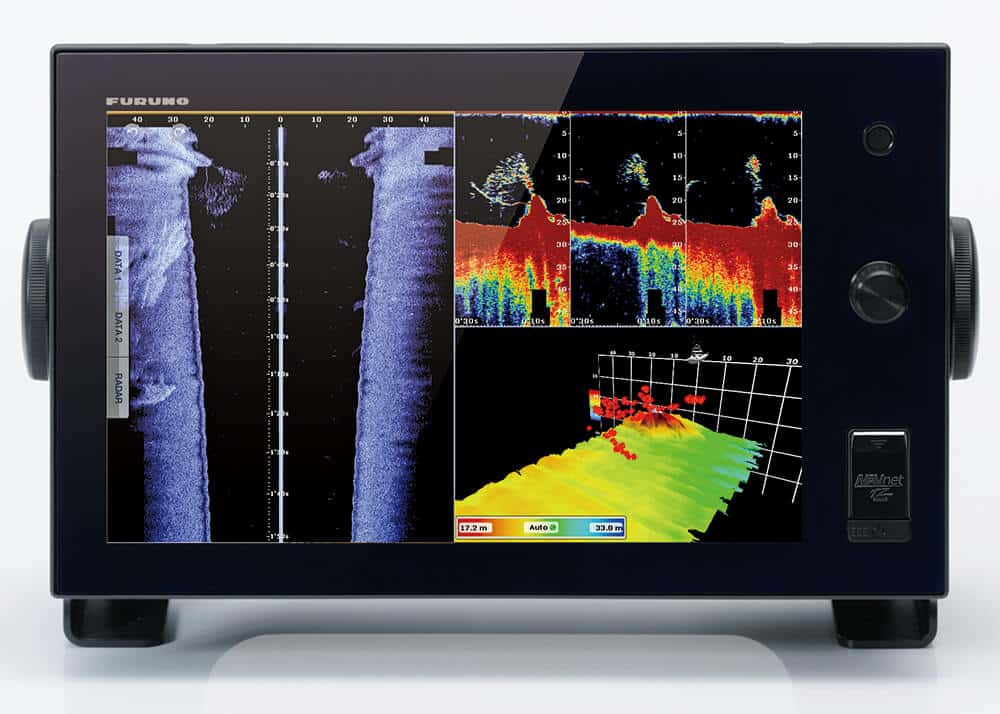
“In today’s world, it’s hard to imagine not having a fishfinder aboard your center console,” says Schlichter. “A fishfinder confirms your hunches and pinpoints the exact depth and coordinates of your quarry whether in the back bays, inshore ocean, or offshore grounds.”
The Furuno DFF-3D is a fishfinder that produces highly detailed images and turns the NavNet TZtouch MFD into a multi-beam sonar to let you see the direction fish schools are moving, while displaying the seabed condition in real time.
Tackle box
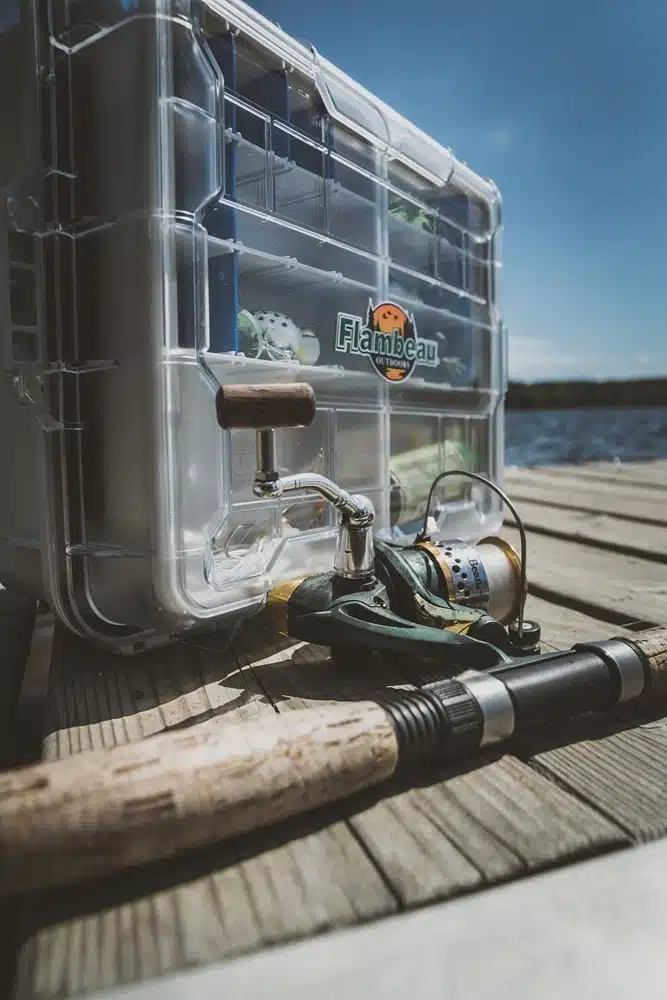
More center consoles are building tackle storage drawers into the console with new models, but every angler should have a durable, waterproof tackle box with compartments of various sizes and a large base storage area to keep lures, line, sinkers, pliers, and other items organized on board. In this “case,” size matters. The occasional fisherman can stick with a small or medium box, like the Plano Guide Series Waterproof Utility Case, while a more serious, experienced angler with lots of goodies will need a much larger box, like the Flambeau Outdoors Waterproof Tackle Satchel.
Landing nets
Big fish, little fish, red fish, blue fish—if it’s on a hook, the easiest, safest, and most effective way to land fish is by scooping them up in a net. “Collapsible nets are real space-savers, but be sure to buy a net large and strong enough to lift aboard the biggest fish you might catch in your home waters,” says Schlichter. “Frabill offers some great choices, including its Deep Knotless Conservation Nets which are less prone to tangle with your rigs and hooks.”
Long-nose pliers
Fishing pliers are indispensable on board. Need to de-hook your catch? Cut the line? They even help with bending wire and changing split rings. The versatile tool should be corrosion-resistant with jaws that align properly and slip-resistant grips that are easy to use when your hands are wet or wearing gloves. Rapala, Bubba, and Umpqua, just to name a few, make long-lasting fishing pliers.
Coolers
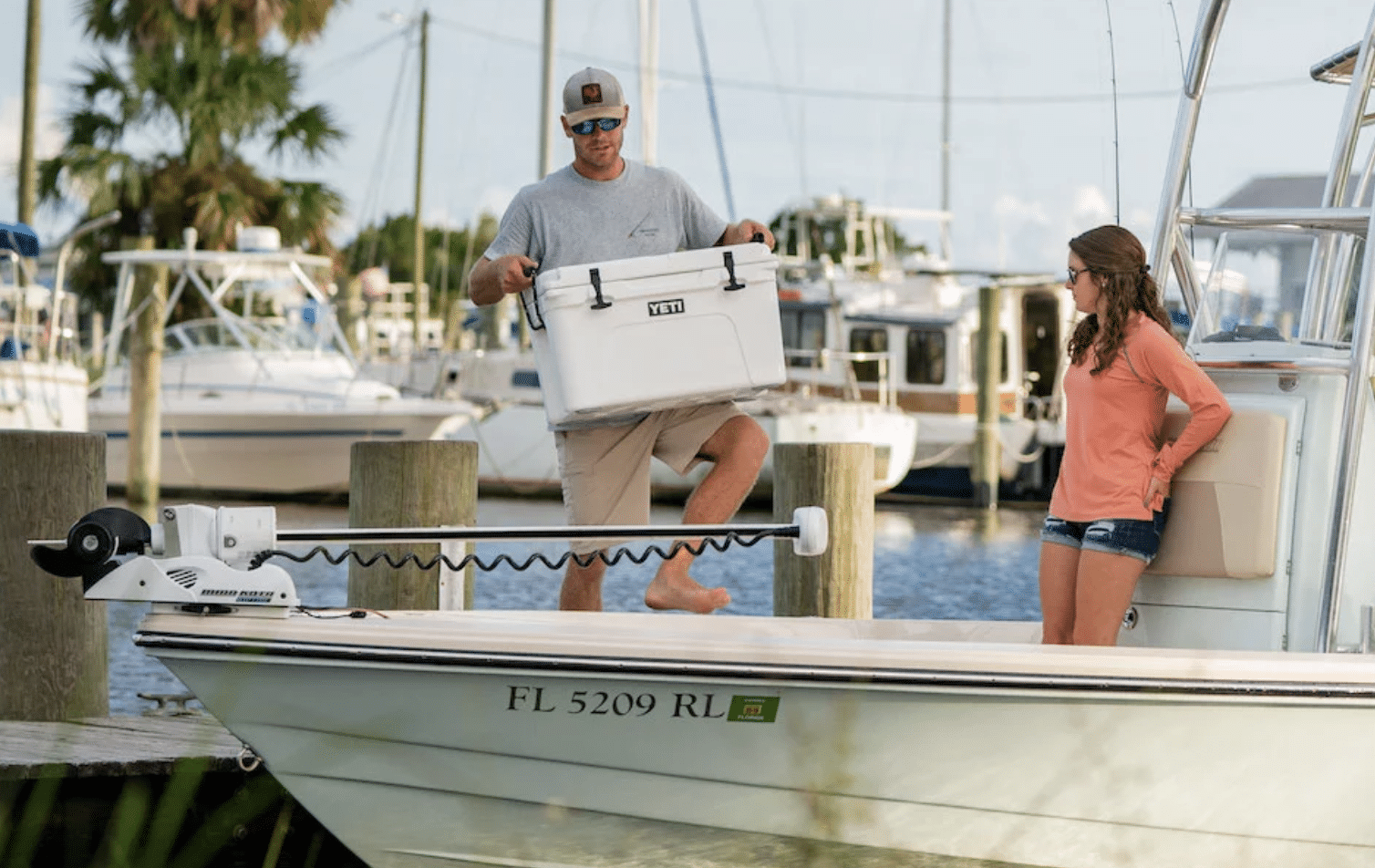
They keep your snacks and beverages cool, and the stronger ones like Yeti and Igloo can also serve as casting platforms if secured to the deck. Use separate coolers to store food and catch.
Ruler
A 36-inch ruler sticker applied to both gunwales makes it easy to ensure that your inshore catches measure up to minimum size limits,” says Schlichter. A high-quality fish ruler, like ones made by SeaDek and Berkley, provide accurate measurements to prevent you from getting penalized. Go big AND go home!
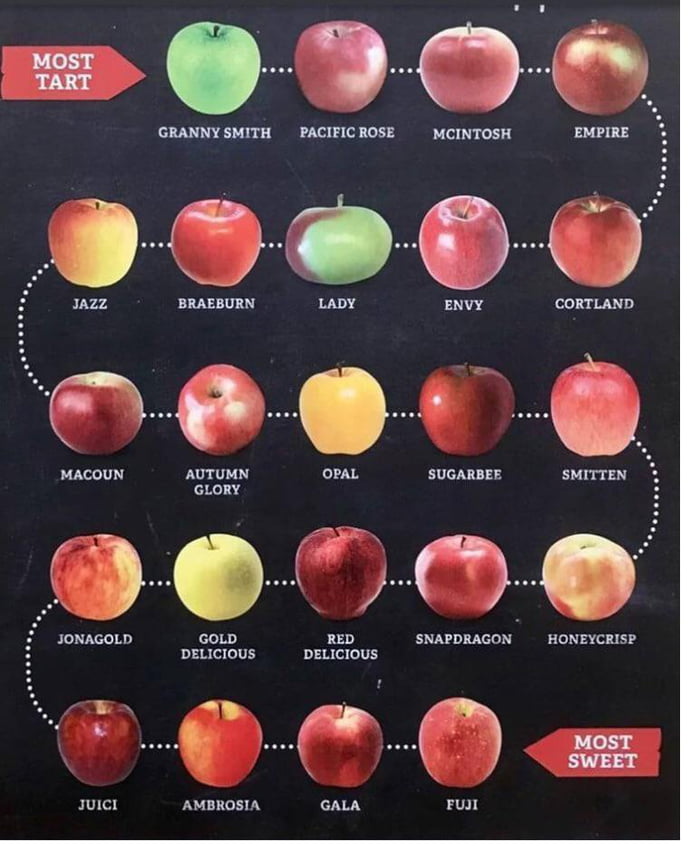
Learn how to make a Moonlight Delight cocktail, a Hendrick’s Lunar gin cocktail with ginger beer and lime juice.
8 oz. Hendrick’s Lunar Gin (or other favorite gin)
8 oz. apple juice
4 oz. lime juice
1 cup ginger beer
4 slices each of fresh apple and cucumber
Mix all ingredients except apple and cucumber in a pitcher. Divide among 4-6 glasses filled with ice. Add a slice of apple and cucumber to each glass. Enjoy!
Envision an autumn afternoon spent apple-picking in Benton County, Arkansas. While wandering through the orchard, your gaze lands on apples so deeply hued that they seem to have emerged from a fairy tale. You reach out reflexively and pluck an enchanting orb, pressing its waxy, smooth skin against your palm. On taking a bite, you discover a rock-hard, sour piece of fruit. It's terrible.
Arkansas Black apples aren't meant to be eaten straight off the tree. In fact, the best thing you can do to one is put it in the refrigerator and forget about it until next season. Patient pickers are rewarded with a sweet, firm fruit that offers notes of cherry, cinnamon, vanilla, and coriander, but only after having aged it in cold storage for a few months.
Growers first discovered and cultivated this breed in 1870, at an orchard in the county seat of Bentonville. Arkansas established an economy around apple production, and during the 1920s, 15 to 20 percent of the state's yield was its namesake black variety, thought to be a descendant of the Winesap apple. But moth infestations that necessitated costly management and the onset of the Great Depression were a fatal blow to commercial production.
Families maintained Arkansas Black apples trees in their yards, but the supply was relegated to home cooking, including baking the long-lasting fruit into pies and pastries. Today, the species make up between 3 and 5 percent of the state's apple production. Over the last decade, local chefs have taken to the fruit with renewed interest, using the heritage crop to add a unique element to meat accompaniments, pie fillings, and cheese pairings.
Every February 2 since 1887, a groundhog named Phil has made an appearance before a group of tuxedo- and top hat–wearing local gentlemen in Punxsutawney, Pennsylvania. In earlier decades, the reason the little rodent may have been tempted to dive back into the ground had nothing to do with six more weeks of winter—or Bill Murray having a midlife crisis—but rather with the very legitimate danger that some of the spectators might be planning to eat him.
“There was a time not too long ago when eating groundhog was fairly common throughout rural America,” writes William Woys Weaver in As American as Shoofly Pie: The Foodlore and Fakelore of Pennsylvania Dutch Cuisine. Groundhog dinners were once popular fundraisers among Pennsylvania Dutch communities in the 19th and early 20th centuries, with offerings ranging from roast groundhog with bread stuffing to buttermilk-brined groundhog braised with vinegar and wild ramps.
While part of this affinity was born from resourcefulness, Weaver goes on to insist that there was more to it than that. “Yet properly dressed, groundhog is indeed an underrated American delicacy, and smoked groundhog is an unsung luxury—I do not exaggerate,” he writes. Whether you call them groundhogs, woodchucks, or whistle pigs, the varmints have a mild flavor and texture that Weaver says many have likened to veal.
To anyone horrified by the idea of butchering Punxsutawney’s furry weatherman, it’s worth remembering that it’s no coincidence that the holiday of Groundhog Day originated in this Pennsylvania Dutch stronghold. Grundsau (or “Groundhog”) Lodges were popular gentlemen’s clubs that sprang up around the region in the 1930s. Given that these organizations were often hunting lodges and that Punxsutawney’s first branch sprang up in 1887, it’s not hard to imagine that at that first celebration, Phil—or one of his relatives—may well have been on the menu. In his book Groundhog Day, author Don Yoder cites a 2002 issue of the local magazine Hometown Punxsutawney in which the editor writes that in the past “the groundhog wasn’t the center of attention; he was the center of the meal.”
Since the dead of winter is hardly prime hunting season, members of Punxsutawney’s Groundhog Lodge may have consumed more “groundhog punch”—a questionable-sounding blend of vodka, orange juice, milk, and raw eggs—than actual groundhog. Yet there’s no doubt that locals enjoyed dining on woodchuck well into the last century, particularly during the annual Groundhog Picnic in the summer and early fall. “It is custom for members of the club to take an afternoon off with mattocks and spades and dig up and slaughter a sufficient number of woodchucks for a feast,” reported The Pittsburg Gazette of the town in September 1902. “The animals are cooked by an expert, and while roast woodchuck forms the basis of the feast a variety of other edibles are provided.”
“Roast woodchuck” is certainly a key recipe in Cooking With the Groundhog, a cookbook published in 1958 to raise money for a hospital in Punxsutawney. The book features all sorts of helpful tips on brining, braising, and otherwise consuming “The Seer,” along with other small game like rabbit. In a bizarre twist, the story behind the book feels worthy of its own groundhog-themed rom-com. Elaine Kahn Light, a plucky, young reporter for the Associated Press in Pittsburgh, journeyed to Punxsutawney for Groundhog Day, ended up falling hard for a member of the local Groundhog Lodge, and ditched the big city for small-town life. Not too surprisingly, Light remained a lifelong fan of groundhog, of which she writes, “Prepared with wine and herbs… it becomes a dish for an epicure.”
“The groundhog wasn’t the center of attention; he was the center of the meal.”
A whole lot of game animals currently disdained by most American diners—including squirrel, raccoon, groundhog, beaver, possum, and muskrat—were once staples of the country’s cuisine. “We are very disconnected to the food system from the way it was a hundred years ago,” says cookbook author Alan Bergo, also known as the Forager Chef. Recipes for Brunswick stew and other dishes featuring these critters abound in cookbooks from the 1600s through early 1800s. “Small game used to be a major part of the American diet,” Bergo says.
According to Bergo, a former fine-dining chef who has become an advocate for responsible foraging and hunting, we could learn a thing or two from the ways our ancestors ate. Groundhogs are so abundant that most states impose few—if any—hunting restrictions on them. More importantly, relying on groundhogs as a food source instead of, say, pigs or cows, represents a conscientious departure from factory farming.
“You are eating outside of the giant meat-making machine here in the United States,” Bergo says. “It’s a very ethical thing to do, a very sustainable thing to do. You’re not supporting an animal that was raised in cages.”
Bergo catches several groundhogs each year on the farm he shares with his partner using humane Havahart traps. Up until their demise, the groundhogs spend their days nibbling on fruits and vegetables, and living as nature intended. “This was a woodchuck that lived a good woodchuck life,” he says. “They’re sitting [in the trap] eating apples—we put food in there for them. They don’t suffer and we dispatch them quickly.”
Groundhog may be sustainable, but Bergo wouldn’t serve it if he didn’t think the taste was up to scratch. Although game sometimes gets a reputation for being pungent or stringy, as long as woodchucks are correctly prepared, the lean, dark meat is an easy sell. “Groundhog is absolutely excellent,” Bergo says. “It’s like duck crossed with rabbit.”
There’s a straightforward reason for that. Omnivorous or carnivorous animals that feast on rotting meat, fish, or shellfish will tend to taste accordingly. “With the small game, just like any other animal, the taste is from the diet,” Bergo says. “So possum or something that is eating carrion or crayfish is going to have an incredibly strong taste.”
As Michael Twitty writes in The Cooking Gene, resourceful Black cooks in the American South historically would fatten up possums on persimmons. After a week or so on a carefully controlled vegetarian diet, the meat would take on a completely different flavor. Since groundhogs are born vegetarians, cooks can skip this step. “Groundhogs are eating organic produce out of the garden,” Bergo says.
Bergo hopes that in the future, diners will keep an open mind about small game meat—Punxsutawney Phil included. Choosing to eat meat is an inherently complicated issue, but opting out of the meat industrial complex where possible reduces both cruelty and environmental impact. And for those willing to set aside their preconceptions, there’s a real culinary payoff.
“I’ve served people [groundhog] and just told them that it’s small game,” Bergo says. “Everyone has said, ‘This is fantastic.’”
1 skinned and gutted groundhog (2–3 pounds), preferably young, with heart, kidney, and liver Kosher salt and pepper 1 tablespoon freshly minced rosemary 6 tablespoons extra virgin olive oil, divided, or as needed, plus more for finishing All-purpose flour as needed for dredging 1 small yellow onion, diced 2 cloves garlic, minced 1 tablespoon tomato paste ½ cup dry red wine 4 cups chicken stock 6 ounces mixed baby carrots, zucchini, baby greens, mushrooms, and/or edible flowers for garnish
Instructions
The night before you plan to serve the stew, cut the gutted groundhog into six pieces using kitchen shears, a very sharp chef’s knife, or a cleaver. Reserve the heart, kidney, and liver and set aside. Carefully remove the pea-sized scent glands, which are located under the skin around the tail, armpits, and back. If not removed, the scent glands can impart an off-flavor to the meat, particularly in older groundhogs. Season all of the groundhog parts and organs liberally with salt, pepper, and rosemary, then cover and allow to dry-brine in the fridge overnight.
The following day, preheat the oven to 300 degrees Fahrenheit.
Dredge the groundhog parts (except for the offal) in flour until well coated.
Heat 2 tablespoons of olive oil in a large Dutch oven until it shimmers. Sear the groundhog pieces in batches until deeply browned, approximately three to four minutes per side. Add additional oil as needed. Remove the groundhog from the Dutch oven and set aside.
Add another tablespoon of olive oil if necessary, then add onions to the Dutch oven and sauté until they’re softened and beginning to brown. Add the garlic and sauté for one minute, or just until fragrant and beginning to turn golden. Add the tomato paste and stir continuously for another minute, or until the tomato paste caramelizes slightly.
Increase the heat to medium-high and add the red wine. Stir constantly to deglaze the pan, scraping up all of the browned and caramelized bits. Allow the wine to reduce by half, then add all of the chicken stock.
Return the groundhog pieces to the mixture, then bring everything to a gentle simmer. Place the pot in the preheated oven. Cook for 1.5 hours, or until the meat is tender and falling off the bone. Remove from the oven and allow to fully cool.
While the meat and braising liquid cool, prep your garnish. Ideally, you want a mix of quick-cooking, garden-fresh vegetables. Evenly dice tender carrots or zucchini, halve or quarter mushrooms, and tear or chop tender greens and herbs into small pieces. Set them aside.
Once the meat is cool enough to handle, remove the groundhog pieces and carefully pull the meat off the bones. Try to leave the meat in large chunks, if possible. Carefully remove and discard all of the bones, some of which will be small.
Return the groundhog meat to the braising liquid and gently begin to reheat the mixture, covered, over medium-low heat. Taste and adjust flavor by adding salt or pepper if necessary.
In a pan, heat one tablespoon of olive oil over medium-high heat, then sauté the mixed vegetables until just cooked. Remove from the skillet and set aside.
Coarsely dice the groundhog organ meat and season with salt and pepper. Add an additional tablespoon of olive oil to the skillet, increase heat to high, then sauté the offal until fully cooked through and beginning to crisp.
To serve, scatter the chopped offal meat into shallow bowls. Ladle the stew on top, then garnish with the sautéed vegetables. Add any additional herbs or edible flowers on top. Drizzle with extra virgin olive oil and add freshly cracked black pepper to taste.
New business applications increased 24% in the first year of the pandemic according to the Economic Innovation Group. However, as a result, it’s continuing to get harder and harder to stand out in the entrepreneurial world. Defining your superniche is how you are going to cut through the noise.
Have you always been interested in racing or perhaps just want to learn how to become a better, safer driver? These driving schools give you the opportunity to learn from industry experts in a safe environment.









/cdn.vox-cdn.com/uploads/chorus_asset/file/23212556/Mount_Royal___Tourtiere___Photo_by_Andrew_Thomas_Lee.jpg)
/cdn.vox-cdn.com/uploads/chorus_asset/file/23212558/Mount_Royal___Salmon___Photo_by_Andrew_Thomas_Lee.jpg)
/cdn.vox-cdn.com/uploads/chorus_asset/file/23212560/Mount_Royal___Spread___Photo_by_Andrew_Thomas_Lee.jpg)
/cdn.vox-cdn.com/uploads/chorus_asset/file/23212564/Spaceman___Fripper_s_Hot_Dog___Photo_by_Andrew_Thomas_Lee.jpg)
/cdn.vox-cdn.com/uploads/chorus_asset/file/23212568/Spaceman___Nachos___Photo_by_Andrew_Thomas_Lee.jpg)



 Tackle box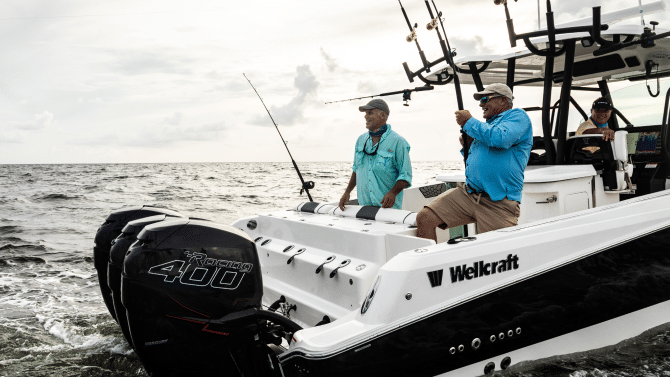


![[link]](https://i.imgur.com/OMSvN2M.png)