KWBaker
Shared posts
In Hoc Anno Domini
Activity trackers get smarter at measuring fitness...
Activity trackers get smarter at measuring fitness...
(Third column, 20th story, link)
Related stories:
6 Very Old Fashions That Are Still in Style
1. PANTYHOSE
In 1953, Ethel Boone Gant was feeling uncomfortable. While sitting on an overnight train from New York to North Carolina, the expectant mother leaned over to her husband, Allen, and told him that she wasn’t going to travel anymore. At least, not until their baby was born. At the time, women wore stockings held up with girdles or garter belts— annoying when paired with a growing belly. The complaint gave Allen an idea. He asked his wife to clip a pair of stockings to her underwear and try them instead—a crude prototype for the pantyhose was born. Allen, who happened to be the head of a textile company, spent the next six years developing his product, and in 1959 “Panti-Legs” hit the shelves. As spandex got cheaper and miniskirts became all the rage in the ’60s, the product soon became a staple.
2. THE 3-BUTTON SUIT

iStock
Growing bellies actually account for a lot of fashion trends. King Edward VII, for instance, was a legendary eater. With an expanding 48-inch waist, he often kept his bottom jacket button undone. Soon, the style became a trend and the “sometimes, always, never” rule (for the top, middle, and lower buttons) became a hard and fast fashion commandment. In fact, many jackets today are designed to leave the bottom button undone.
3. CUFFED JACKET SLEEVES

iStock
The buttons on most blazer sleeves are functionally useless, but some jackets still sport a “surgeon’s cuff”—a relic from the 19th century. Back then, a proper gentleman never removed his coat, not even to perform the 1800s version of emergency open-heart surgery. So men tailored suits to their needs, allowing for the possibility that they may need to do an off-the-cuff operation. The buttons allowed men to curl back their sleeves and get their hands dirty while retaining dashing decency.
4. EYELINER

iStock
If ancient Egyptians could tell us anything about living in the desert, it would be that the sun can get unbearably bright. It didn’t help that the pyramids in Cairo were made of white limestone. So the locals rubbed kohl around their eyes to reduce the glare (the same way athletes do today). The eyeliner had a cooling effect, repelled flies, kept dust away from the eyes, and may have prevented infections because it contained lead salts, a bacteria killer.
5. HIGH HEELS

iStock
Originally for soldiers, high heels were once the manliest thing a person could wear. A high heel allowed a cavalryman to lock into his horse’s stirrup and keep his balance as he stood to draw a bow. In the 16th century, Persian royals visited Western Europe, and the look caught on; soon elites were flaunting their status by upping the height of their shoes. King Louis XIV (who stood at a modest 5 feet, 4 inches) insisted on parading about in four-inch red heels. At the same time, women started wearing the heels for the opposite reason they do today—to appear androgynous. By the end of the 17th century, the unisex style had become gendered: Men’s heels were square and wide; women’s were pointy and slender. When the Enlightenment ushered in practical dress, men abandoned the style completely.
6. SEQUINS

iStock
When it comes to bling, Liberace and Richard Simmons have nothing on King Tut. The boy king had gold disks sewn into his garments, possibly with the hope of using them in the afterlife. Thousands of years later, from Peru to India, sewing gold and other metals onto your clothes became a sign of wealth and a way to protect yourself from evil spirits. Which explains a lot about the 1970s.


With Return As Top Tier Bowl, Cotton Bowl Tickets Up 23% From Last Season (Infographic)
France waves discreet goodbye to 75% super-tax...
Shed-roofed cabin built over 6 days outside Portland,...


Shed-roofed cabin built over 6 days outside Portland, Oregon.
Submitted by Mac Bishop.
More at sixdaycabin.com
A backyard shed for writing books & plotting expeditions...

A backyard shed for writing books & plotting expeditions outside London, UK.
Submitted by 2012 National Geographic Adventurer of the Year, Alistair Humphreys.
Obama in 2008: No Normalized Relations with Cuba Until All Political Prisoners Released

On May 23, 2008, then-presidential candidate Sen. Barack Obama (D-IL) gave a speech at the Cuban-American National Foundation’s annual Cuban Independence Day luncheon where he promised he would not begin to "normalize" relations with Cuba until all political prisoner are released, saying "beginning with with the freeing of all political prisoners, we will take steps to begin normalizing relations."
According to Human Rights Watch's "World Report 2014," the Cuban Commission for Human Rights and National Reconciliation reported over 3,600 arbitrary political detentions in 2013.
Obama said, "My policy towards Cuba will be guided by one word, liberty. The road to freedom for all Cubans must begin with justice for Cuba's political prisoners, the right of free speech, a free press, freedom of assembly, and it must lead to elections that are free and fair. That is my commitment."
He added, "I will maintain the embargo. It provides us with leverage to present, so do not be confused about this, I will maintain the embargo. It provides us with the leverage to present the regime with clear choice. If you take significant steps towards democracy, beginning with with the freeing of all political prisoners, we will take steps to begin normalizing relations. That is the way to bring about real change in Cuba, through strong, smart, principled diplomacy. We cannot keep playing political games on this issue. It is time for us to finally bring about the changes that will release the enormous potential of the people that are currently trapped in Cuba."
Follow Pam Key on Twitter @pamkeyNEN

Peel a Boiled Egg with a Spoon
The worst part about making boiled eggs is getting the peel off. This video from Food & Wine showcases a quick trick for peeling the egg without getting egg shards all over your fingers.

Create a "Fake" Automatic Paycheck When Your Income is Irregular

Even if your paychecks are irregular, your bills usually aren't. If your work doesn't allow for steady income, fake it by setting up a separate account to pay yourself from.

Leaked CIA documents show how to beat airport security like a spy

WikiLeaks has published a pair of internal CIA documents briefing undercover agents on how to dupe security at airports. The two documents — both classified as "Secret/NOFORN" meaning not to be shared with allied security agencies — give spies advice on how to maintain their cover. They also provide a detailed overview of the covert tactics airports use to vet travelers.
TOP CIA ADVICE: If you're a spy, try not to look nervous
Although some of the information in the documents is public knowledge, advice on how to avoid being singled out for secondary screening could be useful to a variety of people. These include tourists and travelers trying to get home for the holidays, but also terrorists, drug traffickers, and common criminals. The...
Monday DBR: Merry Christmas Week

Since it's Christmas week, not many things are going to be happy for Baylor after today, since all the athletes and coaches will be with their families enjoying the holiday. Today, however, there are things to discuss.
WBB undefeated over weekend
The Lady Bears clawed their way out of Florida without a loss, beating Syracuse and Michigan State in Winter Park on Friday and Saturday respectively. The 'Cuse game was close all along nd the ladies managed to win 74-72. The Michigan State game was far more stressful, since Baylor was down by double digits at the time. They managed to rage back in the second half to win by 19, because Kim Mulkey is never finished.
RT @BaylorWBB: Lady Bears defeat Syracuse by 2 to improve to 9-1. #SicEm pic.twitter.com/zI467RhEin
— Baylor Athletics (@BaylorAthletics) December 20, 2014
Lady Bears roll in second half to win by 19. #SicEm pic.twitter.com/MXmx7a823R
— Baylor Lady Bears (@BaylorWBB) December 20, 2014
The team has a post-Christmas game against Prairie View A&M, and then conference play begins.
MBB's 2014 nearly over
Baylor is out to another excellent start by controlling the glass: http://t.co/Nj7p8LUkIq (via @Sam_Vecenie). #SicEm
— Baylor Basketball (@BaylorMBB) December 19, 2014
Taurean Prince listed. #SicEm RT @GoodmanESPN: Breakout Players: 20 guys who have stepped up their game -- http://t.co/bGtZvtIw2a
— Baylor Basketball (@BaylorMBB) December 19, 2014
Baylor at No. 22. #SicEm RT @GaryParrishCBS: Here’s Sunday night’s updated Top 25 (and one): http://t.co/9ciSNyrxg2
— Baylor Basketball (@BaylorMBB) December 22, 2014
MBB has two more games in 2014, and it should win both. They play Southern tonight in the Ferrell Center at 7 p.m. Waco is a complete ghost town right now, so if you're in town, go show the guys some support. Student attendance has been great this year, but there are no students this week.
The final game of 2014 is on December 30 against Norfolk State.
Sports Thing of the Day: Marshawn Lynch hates babies
Honorable Mention: Darren Bates defies gravity
/cdn0.vox-cdn.com/uploads/chorus_asset/file/2870250/ramblock.0.0.gif)
The Daily Bear
/cdn0.vox-cdn.com/uploads/chorus_asset/file/2870264/Screen_Shot_2013-04-25_at_12.21.23_PM.0.png)
This is, in fact, a Baylor bear, though I'm not sure which one. It patrolled the sidelines of the 1979 Peach Bowl and harassed the Clemson bench. This was back in the day before some communist decided that letting Chamber walk fully grown black bears on leashes was a bad idea.
How to Learn Your Camera’s Light Meter and Master Manual Mode
Most cameras have a few different shooting modes such as Automatic, Aperture Priority (A or Av), Shutter Priority (S or Tv), and Program. It’s not uncommon for people to take a majority of their photos in Automatic mode since it generally does a good job of getting decent results, though more advanced photographers will often use Aperture or Shutter Priority. Shooting in Manual, however, might seem intimidating and highly complex but once you understand a few basics it starts to make a lot more sense. Certainly you should have a working understanding of the three components of the exposure triangle: shutter, aperture, and ISO.
But in order to get the most out of your camera you will need to know how to use a simple, but incredibly powerful, tool that functions as the glue that binds everything together: the light meter.

Nestled quietly at the bottom of your camera’s viewfinder or Live View display is a small block of lines or bullets accompanied by a few numbers. You might also have noticed a little triangle moving back and forth, or some vertical hash marks appearing and disappearing from time to time, in a fashion that seems nonsensical or completely random. If these numbers and symbols make no sense at all, don’t worry, you are not alone. It can be a bit confusing to understand the light meter at first. But once you get the fundamentals you will probably find yourself growing much more confident in understanding how photography works. Maybe you’ll even venture out of Automatic and into Manual for the sheer amount of control you are able to have over your photos.
Before I get into the nitty gritty of the light meter itself, I want you to take a look at it in relation to the other data shown in your camera’s viewfinder. Note that this diagram is highly simplified and your viewfinder might look slightly different, or include other information, but all cameras (except some point-and-shoots) include the elements shown here.
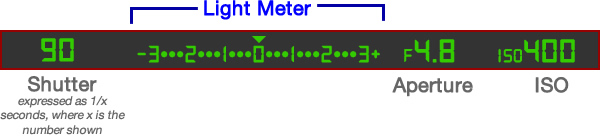
In this example the camera’s shutter is set at 1/90 of a second, the lens aperture is f/4.8, and the ISO is 400. The light meter is a readout that shows whether these values are going to result in a photo that is properly exposed – that is, a photo that is neither too light or too dark. The small triangle hovering over the zero in the light meter shows that the exposure is correct, and when the shutter button is pressed the picture will look fine. But, I’ll show you a few pictures to see what happens as the camera’s exposure settings are changed. If you want to try this yourself you will need to have your camera in Manual mode, and I would recommend reading the rest of this article with your camera at your side so you can do a bit of experimenting on your own.
For my first shot, I’ll show you a photo that is underexposed and then illustrate how the camera settings can be adjusted to get the proper exposure. The values shown on these images are exactly what I used in my camera to get these shots, and nothing has been edited or retouched in Photoshop.
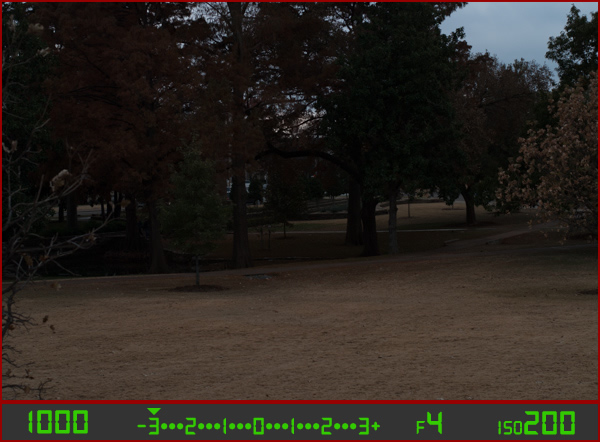
Here you can see that the shutter speed is 1/1000 of a second, the aperture of the lens is f/4, and the ISO is 200. The camera’s viewfinder displays this information along with the light meter, and note how the triangle has moved all the way over to -3 EV. (EV stands for Exposure Value, and technically this image is underexposed by three stops. Don’t worry about the technical jargon though! For now just follow along with the examples to see what happens when the exposure values are altered.
To get a properly exposed photo you are essentially trying to re-create what your eye already sees, but right now the light meter tells us that the photo will be way too dark. And indeed, the resulting photo turned out just how the light meter predicted: it’s so dark it looks like it was taken at night instead of mid-afternoon.
So what can be done to fix this? By adjusting the aperture, shutter, or ISO you can change the exposure settings with the goal of getting that little triangle to hover above the zero. Watch what happens when I change the shutter speed but I leave the aperture and ISO fixed at their present values:
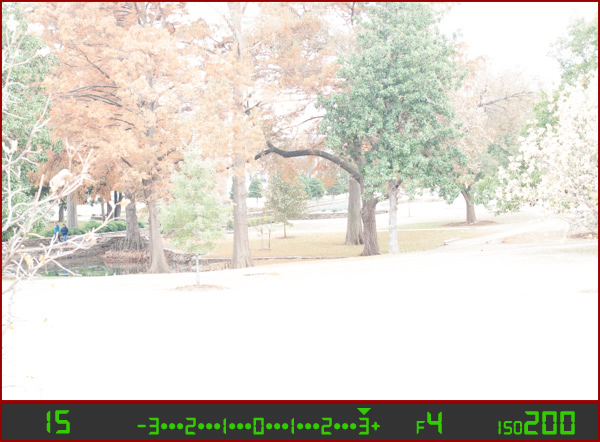
By altering the shutter speed from 1/1000 of a second to 1/15 of a second, the photo is now too bright – exactly as the light meter said it would. It is overexposed by three stops, and the image is virtually unusable. Because the viewfinder itself does not change as the aperture, shutter, and ISO are adjusted, you have to rely on your light meter to tell you how bright or dark the image will be. And sure enough, the triangle is hovering above the +3, which tells us the photo will be too bright. Here is what a properly exposed photo looks like.
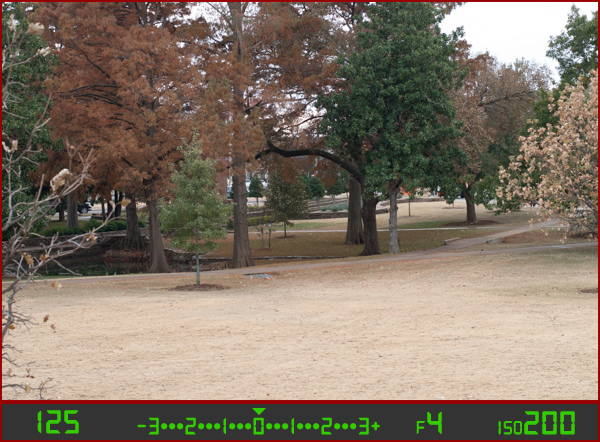
Finally, a good picture! By adjusting the shutter speed to 1/125 of a second, I was able to get the triangle to hover above the zero, which means the photo would be properly exposed. Note that there is no one correct way to do this, and a proper exposure could have also been obtained by changing the aperture or ISO instead of the shutter speed, or a combination of all three. For instance, I could have left the shutter at 1/1000 and increased the ISO to get the same result.
Why bother with all this?
At this point you might be wondering why you would want to go to all this trouble when you can put your camera in Automatic mode and it will just take care of everything. The answer lies in the fact that you, not your camera, know exactly what kind of photo you want to take. Your camera does not know whether you are shooting landscapes, portraits, sports, starry nights, kids, pets, or anything else. All it sees is how much light is coming in, and it tries to adjust the shutter, aperture, and ISO to get that triangle to hover above the zero. But if you know how to control those values yourself, you can open up vast new areas of photographic creativity that Automatic mode can never do for you.
As another example, here is a picture of some berries, but again notice how it is underexposed by three stops.
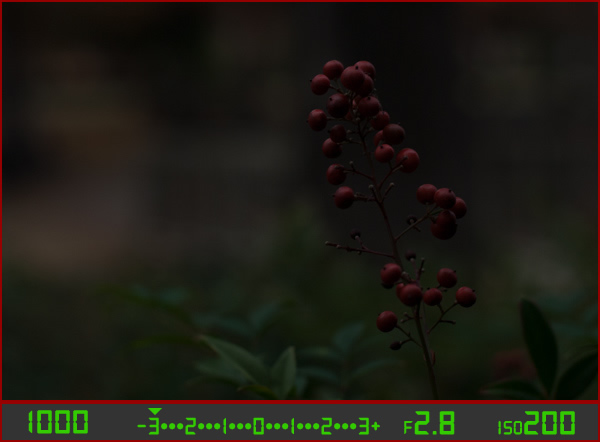
There are several settings I could adjust in order to fix this, or I could just put the camera in Automatic mode. The problem with Automatic in this case is the camera does not know that I am looking at berries. It just sees light, and would attempt to adjust the shutter, aperture, and ISO to get a proper exposure even though it might not end up with the exact type of picture I want to take.
Because I shot in manual using the light meter as my guide I was able to get precisely the shot I was looking for. I knew that I wanted a shallow depth of field, which meant I should use a large aperture of f/2.8. I knew that an aperture of f/1.8 would be too wide for my taste, and a smaller value like f/4 or f/8 would not give me the nice blurry background I was hoping for. By leaving the aperture at f/2.8 and changing the shutter speed I got a properly exposed photo with a nice smooth background as you can see here:
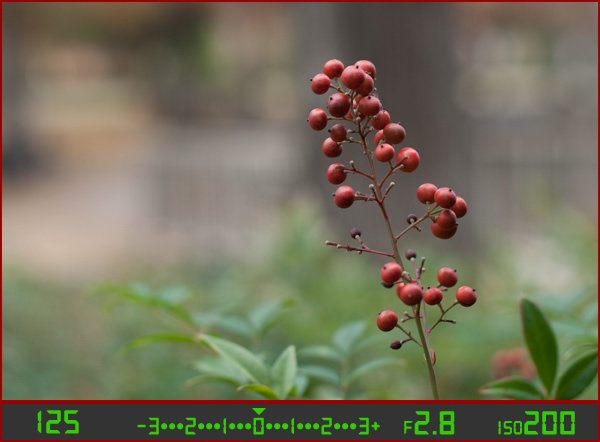
But what if I had changed the other values instead? Look what happened when I left the aperture and shutter at their original values from the underexposed photo (f/2.8 and 1/1000), and raised the ISO instead:
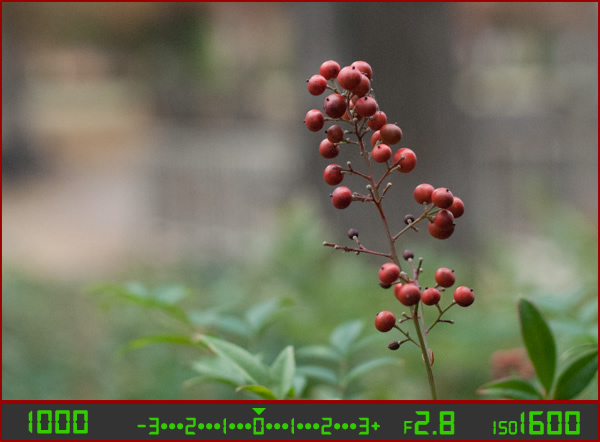
The end result is almost the same: a properly exposed photo (just like our light meter told us it would be, with the triangle hovering above the zero), but this image has much more noise and grain than the previous one. Notice how the tree in the background just behind the berries looks speckled and grainy instead of silky smooth, which is what usually happens at high ISO values. Thus, raising the ISO might not be the best way to get the image I want even though the photo itself is properly exposed.
So what about changing the aperture instead?
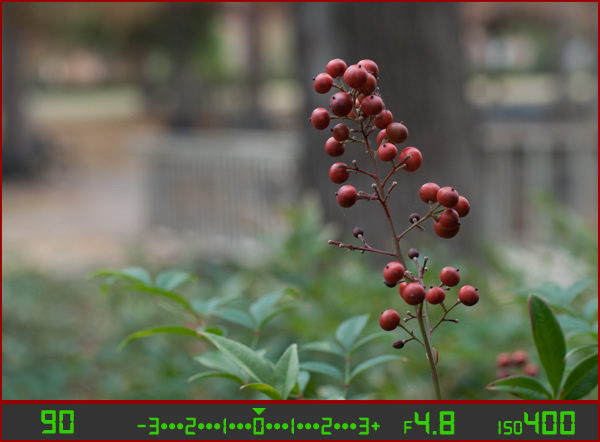
Once again the result is a photo that is properly exposed, but the depth of field is much wider – see how the background is not quite as smooth and blurry as before? Also, because the aperture was smaller I had to leave the shutter open longer at 1/90 of a second and even raise the ISO a bit in order to maintain a proper exposure.
Get the exact shot you envision
Shooting in manual and using the light meter as your guide is a good way to ensure that the image you see in your mind is exactly what you end up with when you click the shutter. If you are shooting fast-moving subjects like cars or sports, you would want to start with a fast shutter speed and adjust the other settings until you get that little triangle to hover above the zero. If you are taking portraits and want a shallow depth of field with nice blurry backgrounds, keep the aperture wide and change the shutter and ISO until the exposure is correct. It’s all about giving control back to you, the photographer, instead of letting your camera make the creative decisions for you.
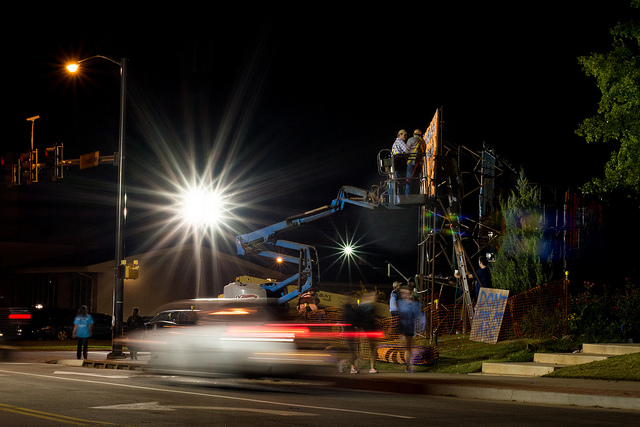
Shooting in manual was the only way to capture this photo. By reading the light meter while carefully adjusting my exposure settings I got precisely the shot I was aiming for. Camera settings: f/16, 1/3 second, ISO 800
Understanding the basics of the light meter is really just scratching the surface, though. Additional settings like your camera’s metering mode and the Exposure Lock function are even more tools you can use to take control over your photography and unlock your true artistic potential. Using manual mode and reading the light meter might seem like a complicated way to take photos, but remember that you know better than your camera what kind of picture you want to take. Once you know how to read your light meter and adjust your camera’s settings accordingly, you can open up a whole new world of creativity that has been right in front of you just waiting to be discovered.
Practice time
So now it’s your turn: grab your camera, put it in Manual mode, and hold the viewfinder up to your eye. Now start changing the aperture, shutter, and ISO values and watch what happens to the light meter. Is your image going to be overexposed? Lower the ISO, raise your shutter, tighten the aperture, or try a combination of all three. Is your image going to be underexposed? Do the exact opposite. The more practice you get, the easier it will be and soon you will feel much more comfortable shooting in a mode that might have seemed hopelessly confusing before.
Do you shoot in manual? If so, how did you get yourself off Automatic mode? Or do you actually prefer Automatic? Share your thoughts and experiences in the comments below.
The post How to Learn Your Camera’s Light Meter and Master Manual Mode by Simon Ringsmuth appeared first on Digital Photography School.
25 Wonderful Facts About 'It’s a Wonderful Life'
Some fascinating facts about the ultimate holiday movie.
Continuity - winter solstice at Cothiemuir Wood

Toronto Gallery Buys the Entire Collection of Vivian Maier Negatives Owned by Jeffrey Goldstein
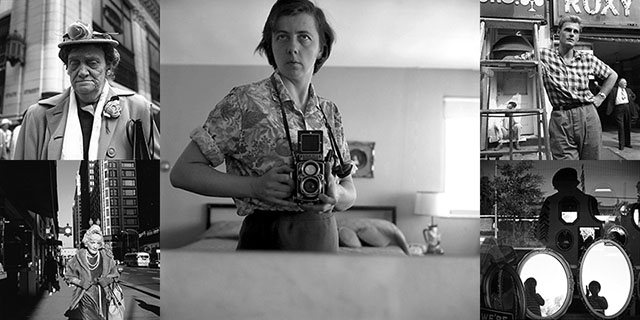
Amidst a messy legal battle over copyrights to Vivian Maier’s now famous work, a gallery in Toronto has acquired the entire collection of negatives owned by Jeffrey Goldstein.
StreetShootr first reported the sale and also published an interview with Stephen Bulger, the owner of the Stephen Bulger Gallery, about his purchase.
Vivian Maier was a previously unknown street photographer who became famous in recent years after large collections of her work were auctioned off in 2007 and purchased by three different photo collectors. Eventually two collectors named John Maloof and Jeffrey Goldstein came to own virtually all of the work.
After tracking down Maier’s heir and paying for copyrights to the photos, the two collectors began to promote and sell the work.
Things were going very well until recently, when a lawyer and photographer named David C. Deal began to challenge the current owners in court, claiming that he had located a closer heir that was the rightful owner of the copyright.
With things getting increasingly murky on the legal side of things, Goldstein has decided to sell his negatives to Stephen Bulger rather than face the legal fees of a potentially drawn out case. “In the end Jeffrey sort of thought that these negatives are a liability,” Bulger tells StreetShootr. “As it stands he can’t really do anything with them.”
The deal happened on December 17th, 2014, and the Stephen Bulger Gallery is now in possession of the negatives. The sale involved roughly 17,500 photographic negatives representing about 15% of the entire known Maier collection.
Unfortunately for Bulger, he’s bound by the same legal handcuffs that caused Goldstein to give up on the photos. Until the copyright issues get sorted out, the 15% owned by the Stephen Bulger Gallery will be hidden away in a museum-quality storage facility and out of public view.
P.S. If you’d like to read up on how this whole story has played out so far, you can find two in-depth articles on it written by The New York Times and Hyperallergic. StreetShootr‘s interview with Bulger has interesting background information as well.
Image credit: Header thumbnails from negatives in the collection of the Stephen Bulger Gallery
Photographs of Oymyakon, the Coldest Village on the Face of the Earth
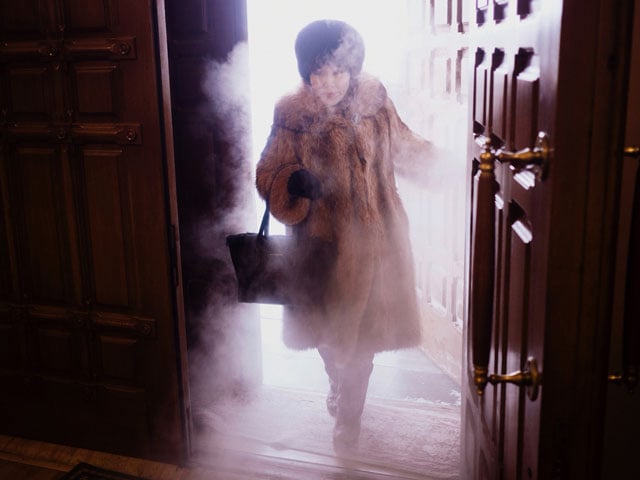
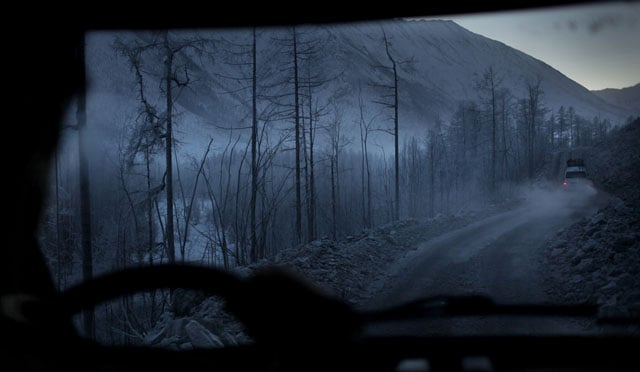
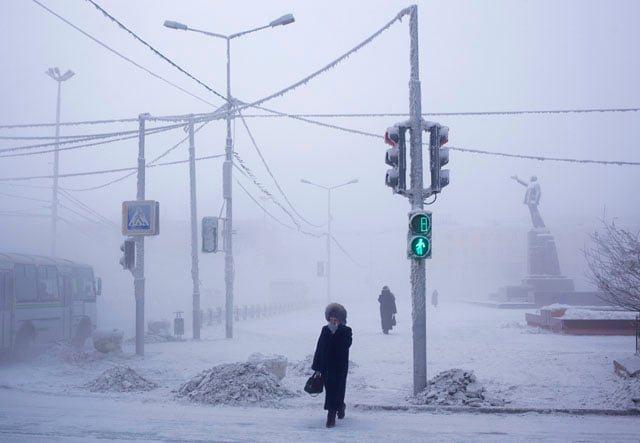
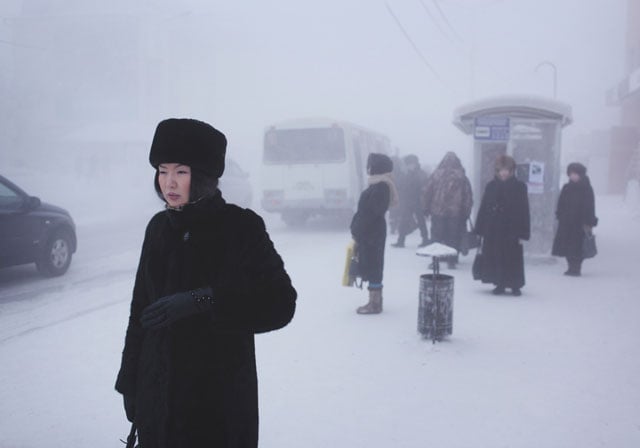
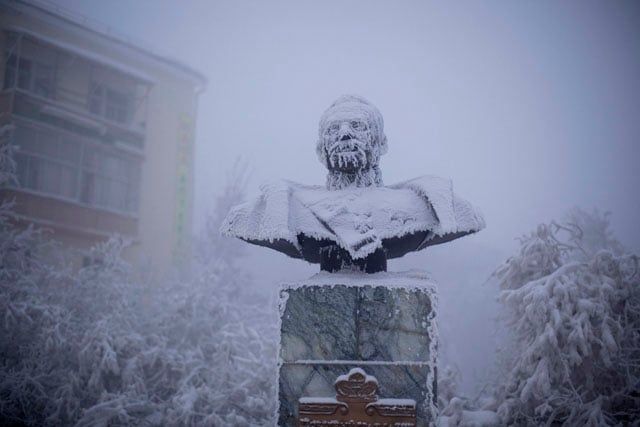
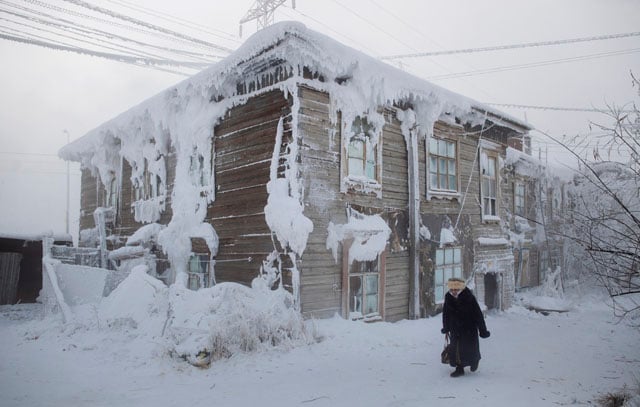
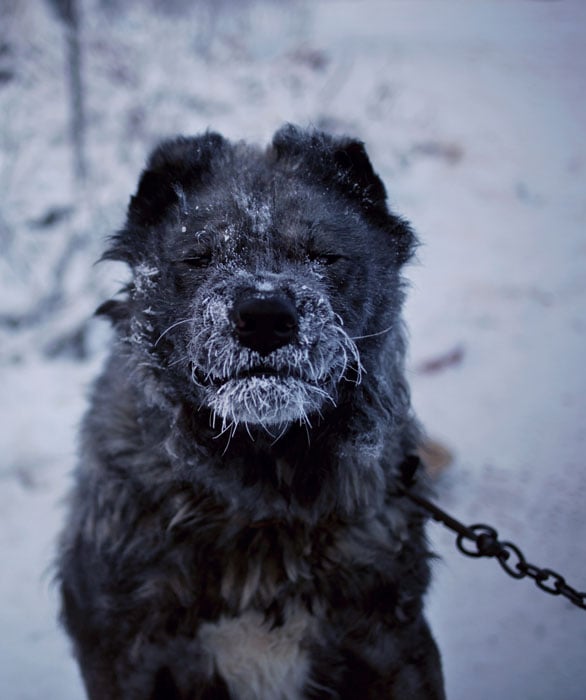
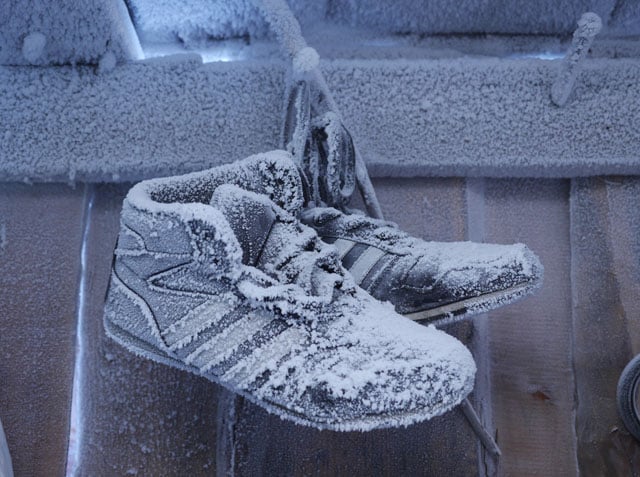
Located in the heart of Siberia, the village of Oymyakon in Russia is widely considered to be the coldest inhabited place on Earth. A temperature of −90 °F (−67.7 °C) was recorded there back in 1933 — the lowest recorded temperature for any permanently inhabited spot in the world.
New Zealand-based photographer Amos Chapple paid a visit to the 500-person village and captured a series of beautiful photographs showing what life is like inside this extreme village.
Traveling to the village usually involves a two-day drive from Yakutsk, a capital city of 300,000 people that has average winter temperatures of −30 °F (−34 °C), making it the coldest major city in the world.
Residents of Oymyakon deal with special challenges that most of the world can’t relate with: there’s very little indoor plumbing due to the frozen terrain, motor vehicles left outside heated garages must be continually running lest they go into deep freeze, and meat is the main food due to the area’s inability to grow crops.
Chapple says that one of the main challenges of shooting this project — aside from enduring in the fierce coldness — was operating his camera. Things were so cold that his lens’ focus and zoom rings would sometimes get frozen in place.
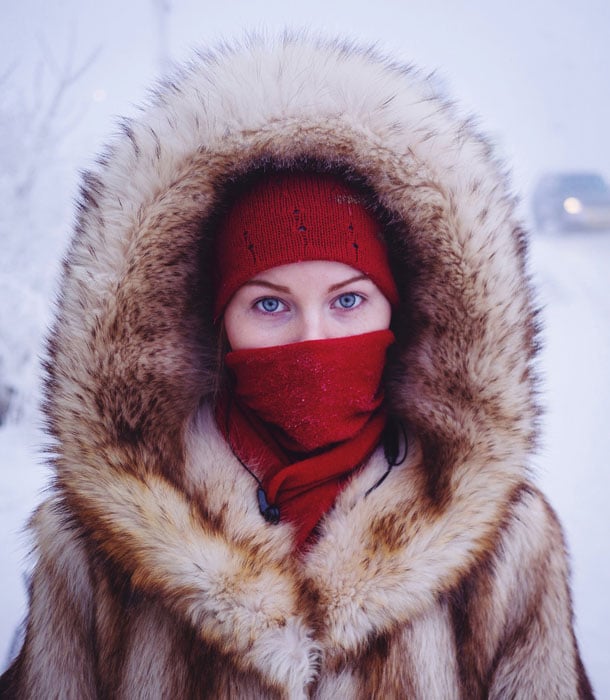
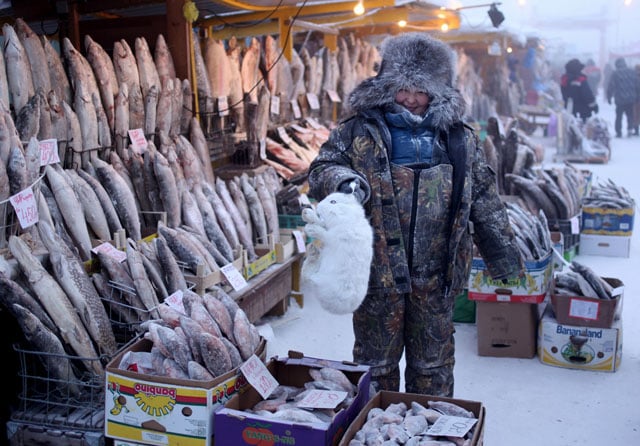
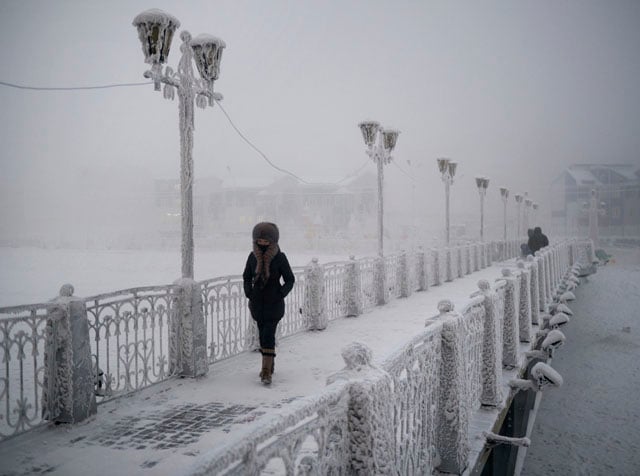
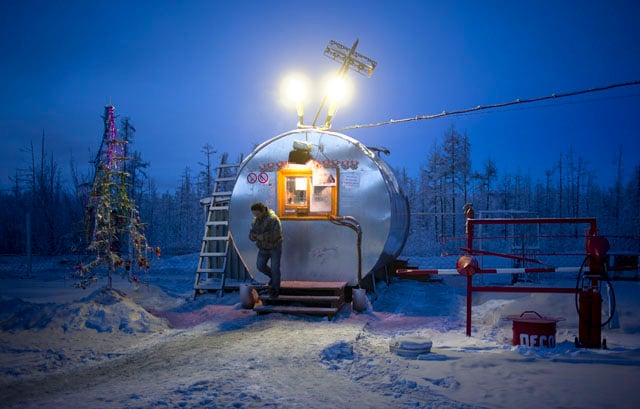
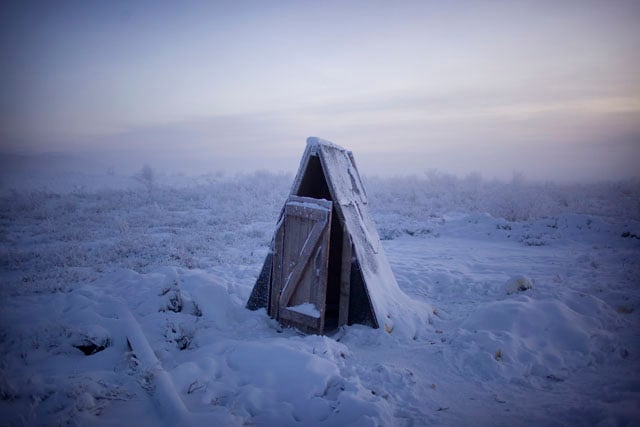
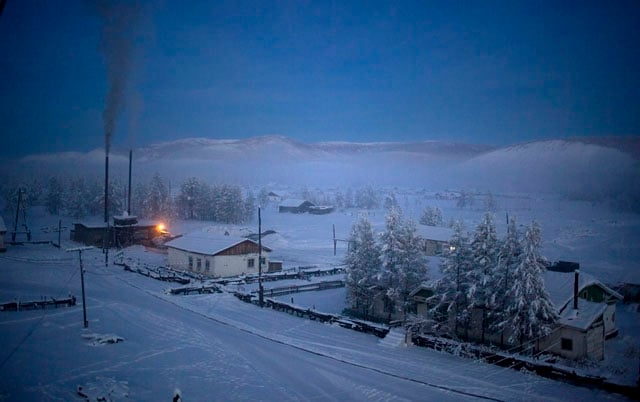
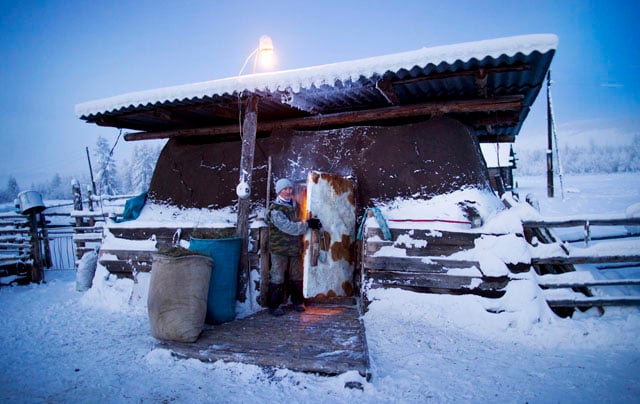
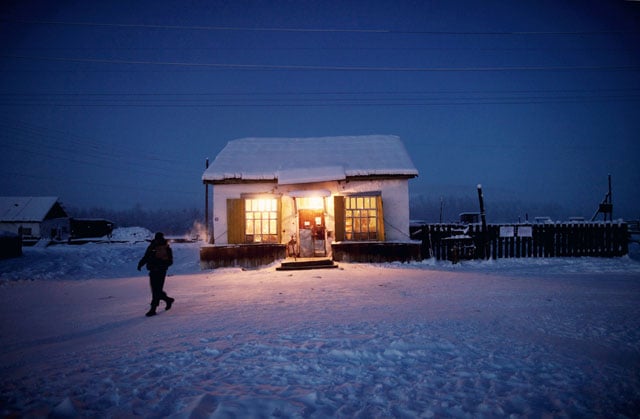
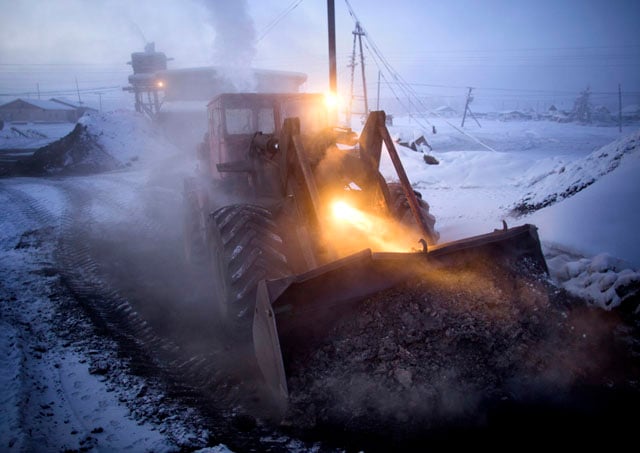
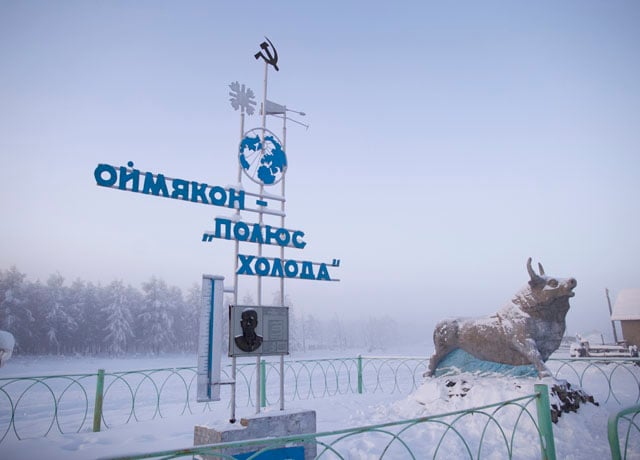
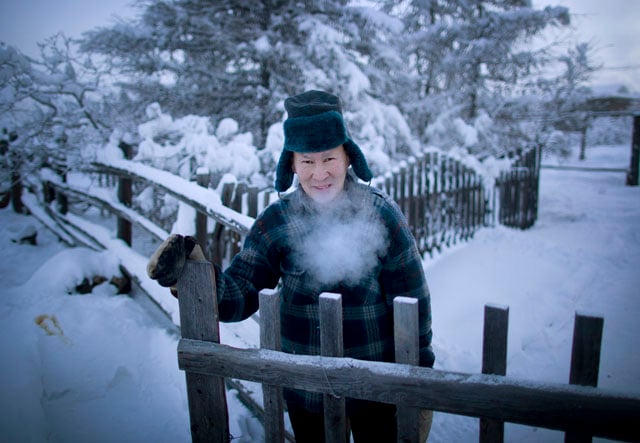
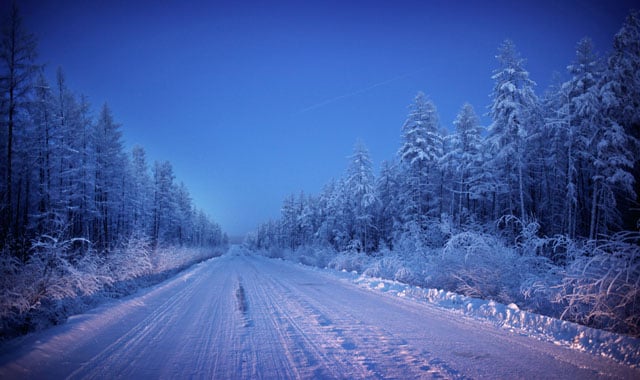
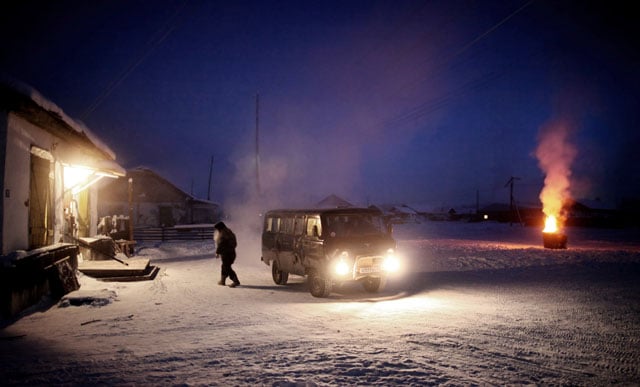
You can find more of Chapple’s work over on his website.
Update: Not all the photographs above were captured in the village of Oymyakon. Some of them were shot in Yakutsk, the coldest major city on Earth.
Image credit: Photographs by Amos Chapple and used with permission
Jacob Grier on What Obama’s Cuba Deal Means for the Future of Cuban Cigars
 This week's
announcement of more normal diplomatic relations between the United
States and Cuba is welcome news for many reasons. Americans will
now have somewhat fewer restrictions on travel, business, and
banking on the island, and they will be allowed to send higher
remittances to family living there. In Cuba, the deal includes the
release of political prisoners and a promise of expanded Internet
access. Yet the one benefit that captures the imagination of many
is the possibility that Cuba's most famous export, cigars, may
finally become legally available in the United States.
This week's
announcement of more normal diplomatic relations between the United
States and Cuba is welcome news for many reasons. Americans will
now have somewhat fewer restrictions on travel, business, and
banking on the island, and they will be allowed to send higher
remittances to family living there. In Cuba, the deal includes the
release of political prisoners and a promise of expanded Internet
access. Yet the one benefit that captures the imagination of many
is the possibility that Cuba's most famous export, cigars, may
finally become legally available in the United States.
If only it were that simple. Even in a best case diplomatic scenario, writes Jacob Grier, we're still a long way from finding Cuban cigar brands at our local tobacconists. Here are three obstacles to getting Cuban tobacco into the U.S.

There’s a Nikon 2000mm f/11 on eBay, Complete with a Lens Cap and Carrying Case
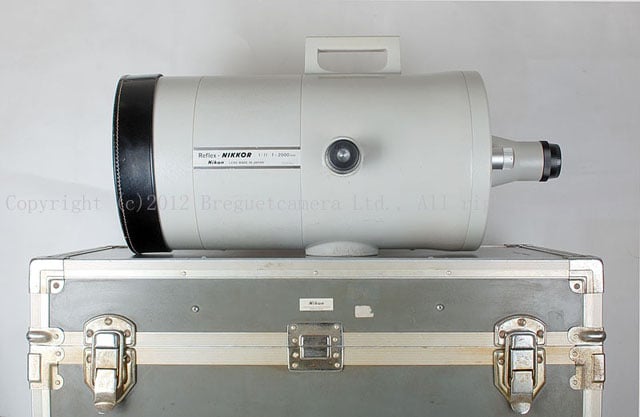
If you’ve been dying to get your own copy of the super rare Nikon Reflex-Nikkor 2000mm f/11 mirror lens, here’s a prime opportunity to snag one: a copy of the lens has appeared on eBay, complete with a leather “lens cap” and a nice aluminum case for transporting the beast. The buy it now price is a cool $32,777.
The lens is being sold by Guangzhou, China-based camera store Breguet Camera, which writes that it is “one of the most collectible Nikon lenses” and in excellent shape cosmetically, optically, and mechanically.
This Nikon 2000mm lens is the longest (~2 feet) and heaviest (~38.5 pounds) Nikon lens ever to appear for 35mm photography. $32K seems like a lot (well, it is), but the market for these lenses can be pretty unpredictable. One was being sold on eBay for around $20K back in 2010. The next year, a copy was sold for around $95,000 at a charity auction.
Perhaps influenced by the record sale, a completely broken and beat up copy was listed for around $25,000 a couple of years later. In light of these sales, $32K seems like a pretty reasonable asking price for a nice copy that comes with a case.
In case you’re wondering, this is what it looks like when you mount a 35mm SLR camera to this particular lens (you’d surely attract strange looks if you brought it onto the street):
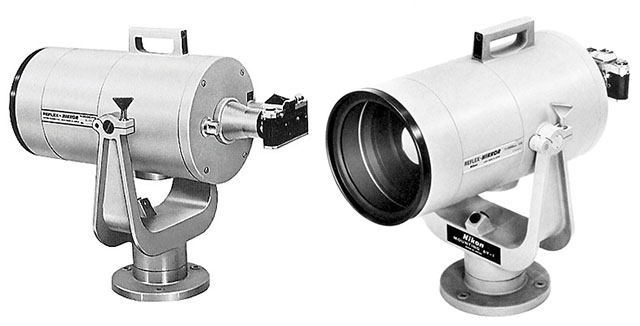
Here are some photos that offer a closer look at this rare piece of equipment, courtesy of Breguet Camera:


Rare Nikon Reflex-Nikkor 2000mm f/11 Mirror lens [eBay via The Digital Picture]
Image credits: Photographs by Breguet Camera
In the Rush to Blame Everyone for the Shooting of NYPD Cops, Don't Forget to Include the Actual Shooter
In the wake of the horrific and unjustifiable shooting of two NYPD officers who were sitting in a patrol car in Brooklyn, the mad rush is now on to indict a wide range of co-conspirators and "real killers."
This is a tired and worn-out gambit and its high point (that is, low point) has already probably been reached in the Twitter feed of deluxe troll Charles C. Johnson:

Expect slightly more sophisticated versions of this argument to emanate throughout the blogosphere and cable-news-a-verse like the Blob over the next couple of weeks.
Just as Sarah Palin's defense of gun rights has zero culpability in the shooting of Rep. Gabby Giffords and Dallas's right-wing "climate of hate" had nothing to do with Marxist-Leninist Lee Harvey Oswald's assassinaton of JFK, it's worth underscoring at every moment of what is already shaping up as a very ugly debate that the actual killer is the culprit here.
As the New York Daily News and other outlets are reporting, the apparent shooter was not only violent and unhinged but had bragged via Instagram that he was "putting wings on pigs" and "putting pigs in a blanket."
The distance between such rantings and, even worse, the act of shooting policemen sitting in a patrol car is so vast that they simply have no relation to legitimate and even impassioned criticism of the militarization of police and the protesting of specific acts of apparent injustice.
To suggest otherwise is not simply disgraceful and cheapening to serious public discourse. It's all too often the first refuge of people on the right and the left who are afraid to actually engage in any sort of meaningful debate.
(Disclosure: Charles C. Johnson actually wrote two not-bad pieces for Reason.com back in 2012. A mind is a terrible thing to waste.)
Related: What We Saw at the pro-cop "I CAN Breathe" rally in NYC
Watch This Family Catch Christmas Burglars, Hold Them At Gunpoint In Middle Of A TV Interview
An Alabama family got the rare opportunity to catch the thieves who had just robbed their home, and it was all caught on live TV.
As WBRC news cameras were rolling, interviewing the victimized family about the recent robbery, the thieves were spotted. Wyatt family members didn’t waste time, darted after the their unsuspecting robbers, and held them at gunpoint until officers from the Jefferson County Sheriff’s Office arrived on the scene.
Wyatt family members were able to spot the burglars due to surveillance footage of the break-in that was captured by cameras the Wyatts placed around their front porch. The camera captured footage of a woman and two men who fit the same description as the perps.
“They happened to drive by and we (saw) them drive by and we knew it was them and we stopped them,” Chris Wyatt said.
Eric Paul Stillwell, 38, of Quinton, Natosha Derrick, 29, of Jasper and Elizabeth Frost, 28, of Burnwell, were charged with third degree burglary, and second degree theft of property for the robbery.
Sarah Wyatt says she would like to have back the gifts that were stolen, but is just glad that the family is safe.
“Sure hope so, if they don’t at least we’re all safe and in one piece and they are off the street for now,” Sarah said.
The post Watch This Family Catch Christmas Burglars, Hold Them At Gunpoint In Middle Of A TV Interview appeared first on Daily Surge.
NIGHTMARE: NYPD Cops Shot Dead ‘Execution Style’ During Patrol; Gunman Sought Revenge For Michael Brown And Eric Garner
Scroll down for updates…
What an excruciatingly sad day.
Two NYPD officers were gunned down this afternoon inside their marked patrol vehicle in what is being called an “execution style” murder. According to local reports on the ground, “the perp came out of the houses, walked up behind the car and lit them [the cops] up.”
The shooting took place in the Bedford-Stuyvesant area of Brooklyn, NY.
The officers were pronounced dead at the hospital. The suspect then fled into a subway station where he is believed to have committed suicide.
While it’s still too early to ascribe motive to today’s horrific attack, some leads on social media indicate that the perp may have been exacting revenge for Michael Brown and Eric Garner.
Conservative blogger SooperMexican pulled an Instagram photo from around the time of the attack that reportedly was posted by the shooter himself.

The Instagram photo appears to match the same camo pants being worn by the suspect as he was removed from the subway station by paramedics. The message admits to firearm use as well.

The Instagram user, “Don’tRunUp,” also posted a message that threatened to put “wings on pigs” and added “Let’s take two of theirs #ShootThePolice.” The user ended that thread with the hashtag “#RIPErivGarner” and “#RIPMichaelBrown,” before signing off with this warning: “This may be my final post. I’m putting pigs in a blanket.”

It must be stressed that the police have not identified the suspect at this point, so motives are only speculative thus far. (Update: See Below: Suspect identified and it appears that this is his Instagram account.)
We’ll have a lot more to add if it is confirmed that today’s ambush was linked to the Ferguson and Eric Garner.
For now, our prayers are with the families who lost love ones today in the line of duty.
Police offers around the country have been maligned repeatedly by the likes Al Sharpton and NYC Mayor Bill de Blasio as of late. But the reality is that cops put on the uniform every day knowing full well it may be their last time ever wearing it.
They risk their lives in order to keep ours safe.
And for that we thank them.
RIP.
Update: The evidence is pointing toward that today’s ambush was in direct retaliation for the deaths of Michael Brown and Eric Garner. The shooter has been identified as Ismaaiyl Brinsley, a gang member from Baltimore. The Instagram posts above, both bragging of committing a deadly shooting and promising to kill two cops, did originate from his account.

These new developments are a game changer: There is no doubt that NYC Mayor Bill de Blasio, Al Sharpton, Eric Holder, and the media have blood on their hands for intentionally spreading falsehoods about rampant police brutality and stoking the flames of racial unrest in America.
As we have reported, Bill de Blasio smeared the police department as institutionally racist in condemning the grand jury decision not to indict an NYPD cop for the death of Eric Garner. De Blasio should be nowhere near these two officers’ funerals, and if the NYPD union has any say on it, he won’t.
In Al Sharpton’s case, today he picks up right where he left off with Freddy’s Fashion Mart, otherwise known as the Harlem Massacre. He’s a longtime preacher of hate and a proven liar (Tawana Brawley, Duke Lacrosse) who is treated as though he’s a real civil rights leader rather than the incendiary con artist that he really is.
Eric Holder, the most divisive attorney general ever, has not stop indicting America as a racist country since he was sworn into office. He started out, recall, reprimanding us a “nation of cowards” because we refused, he said, to address underlying racial prejudice in America. Flash forward to the present, and it was Eric Holder who said he personally understood the sense of “mistrust” and “mutual suspicion” between cops and the black community. He later irresponsibly compared Michael Brown to Emmett Till, a teen who was brutally murdered in 1955 by actual racists for flirting with a white girl.
And the media. For months now they have carried the erroneous narrative that Michael Brown was shot in the back while saying, “hands up, don’t shoot” even though there was not any evidence to support such claims. To the contrary, forensic evidence portraying the exact opposite (that Michael Brown as a thug who charged at Darren Wilson) was muted and marginalized. The media not only give airtime to serial fabricators like Al Sharpton to spread racial division, but, with Sharpton in particular, he’s their colleague, rewarded with a television show of his own.
There is no evidence whatsoever that the deaths of Michael Brown and Eric Garner had anything to do with race. Zilch. Nada. Moreover, it is an indisputable fact that both men would be alive today if they did not resist arrest from law enforcement personnel. And yet the media have reported and framed each segment on these two incidents as examples of ongoing police brutality and systemic racism against blacks.
Well words have consequences, especially when those words are amplified by the power of “mainstream” journalists.
Update: The Daily News is reporting that Ismaaiyl Brinsley is believed to have ties with the Black Guerrilla Family, a prison gang, which allegedly declared open season on NYPD cops after the Eric Garner grand jury decision.
Update: The fallen officers have been identified as Wenjian Liu, who was on the force seven years, and Rafael Ramos, who has been with the NYPD since 2012.
RIP.
Update: Police Commissioner William Bratton described the ambush as going down in the following manner:
“He [gunman] took a shooting stance on the passenger side and fired his weapon several times through the front passenger window, striking both officers in the head,” Mr. Bratton said.
“Officer Ramos and Officer Liu never had the opportunity to draw their weapons. They may never have had the chance to see their murderer.”
Update: It was one week ago today that loathsome police-hating protestors at Al Sharpton’s march were chanting: “What do we want? Dead cops!”
Update: Fmr. NYPD Commish Kerik: Sharpton, De Blasio Have ‘Blood On Their Hands’
The post NIGHTMARE: NYPD Cops Shot Dead ‘Execution Style’ During Patrol; Gunman Sought Revenge For Michael Brown And Eric Garner appeared first on Daily Surge.
Charles Krauthammer Knows How Sony Can Still “Screw Over” North Korea
Sony Pictures Entertainment announced yesterday that it will cancel the Christmas day premier of The Interview, a comedy directed by and starring Seth Rogen and James Franco, because of fears that terrorists might attack theaters around the country for showing the film.
The Department of Homeland Security has said that there is “no credible intelligence to indicate an active plot against movie theaters in the United States.” And yet Sony is still playing it safe and is not showing the anti-Un film.
Now Fox News contributor Charles Krauthammer says he knows exactly how Sony can still stick it to the Norks.
Krauthammer made it clear tonight on Special Report that Sony Pictures made the “wrong decision” when they pulled the plug on The Interview. “I think this is not sort of rocket science, Sony made exactly the wrong decision,” he said.
Then Krauthammer explained how Sony could simply upload the film online, allowing infinitely more people to view the movie that shows Kim Jung Un’s head exploding. “What you do is…you put it out on the Internet for free. So it’s a gesture, but also it doubly screws over Pyongyang.”
“The whole cyber-attack was so the world wouldn’t see the movie,” Krauthammer added. “Well now the world will see it in far larger numbers than it would if it were a paying proposition at the theaters.”
He has a great idea. And the first person to upload The Interview to the internet will become a national hero.
The post Charles Krauthammer Knows How Sony Can Still “Screw Over” North Korea appeared first on Daily Surge.