
Drinking your Bloody Mary is all fine and good, but the good people at delish have devised a way to have your Bloody and eat it too, and it looks delicious.
Drinking your Bloody Mary is all fine and good, but the good people at delish have devised a way to have your Bloody and eat it too, and it looks delicious.
Silver is a precious metal that has been used for thousands of years in currency, ornaments, utensils, and trade. Alchemists have linked silver to power of the Moon and the mysteries of the sacred feminine. It has the highest conductivity of any metal and is critical in solar panels, industrial electrical contacts, and medical instruments. […]
The post Top 10 Secrets Discovered In Silver appeared first on Listverse.
Char siu pork. Photo by Richard Dallett.
Don Draper from the TV series Mad Men defined nostalgia as “a twinge in your heart far more powerful than memory alone.”
Perhaps that explains the soft spot I have in my heart for Polynesian-themed bars and restaurants. I remember accompanying my parents to these establishments as a child in the 1960s. Tiki totems flanked the entrance to a cavernous tropical paradise where dugout canoes hung from the thatched ceiling and beverages—even nonalcoholic ones—came with paper umbrellas and fresh orchids. Of course, most captivating to me were the teak pupu platters with sizzling prawns, teriyaki beef skewers, crispy chicken wings, fried wontons, crab Rangoon, and best of all, sweet and sticky barbecued spare ribs you sizzled on miniature flaming hibachis.
It turns out Victor Bergeron, aka “Trader Vic,” was the visionary behind this themed restaurant in the basement of the Plaza hotel in New York City. (His birthday is tomorrow, December 10.)

Photo courtesy of Trader Vic’s International.
Bergeron, who invented rumaki—chicken livers and water chestnuts grilled wrapped in bacon (click here for Steven’s version)—and the Mai Tai, that rum-blasted cocktail that’s laid many imbibers low, was one of the earliest restaurateurs to understand that dining out had the potential to be an experience that transcended merely eating. It could be escapism in the best possible sense, transporting you to the South Pacific, the Caribbean, or other exotic locales.
And the food, best described as American-Cantonese, was damned good, too. Bergeron built barrel-shaped Chinese barbecue ovens, the design of which dates back 2,000 years to the Han Dynasty, in the kitchens of his restaurants to smoke and slow cook meat. Wood fires were built in a rectangular brick pit, then embers are shoveled into the bottom of the oven as needed. Meat, such as char siu pork or Indonesian rack of lamb, was suspended from hooks at the top of the oven. Capping the unit is an iron lid with a vent for heat control. Hmm, the Big Green Egg before its time?

Photo by Erik D. Redd.
Though Bergeron died in 1984, Trader Vic’s International continues to operate 19 restaurants throughout the world, including three in the U.S.: Beverly Hills; Emeryville, California; and Atlanta, Georgia. (From the menus, it appears the aforementioned ovens are in use only in the Emeryville and Atlanta locations.) Shortly after my last visit to the New York Trader Vic’s with my husband in the late 1980s, Donald Trump acquired the Plaza and closed the basement restaurant, denouncing it as “tacky.” I was bereft.
There is reason for optimism, though. A new generation appears to be discovering the allure of the tiki culture, or as it’s now known, “Polynesian Pop.” For starters, Thrillist recently published a digital guide to the 17 best tiki bars in the country. And Martin Cate, the owner of Smuggler’s Cove in San Francisco (named Best American Cocktail Bar of 2016), and his wife Rebecca have written an engaging book called Smuggler’s Cove: Exotic Cocktails, Rum, and the Cult of Tiki (Ten Speed Press, 2016). In addition to more than 100 recipes, the Cates write eloquently about the movement’s founders—Trader Vic and Ernest Gantt, aka “Don the Beachcomber”—and why the tiki culture is enjoying a renaissance. Read Smuggler’s Cove, and you’ll soon be obsessed with rum and rattan.
In the meantime, snub your nose at Old Man Winter and celebrate Trader Vic’s birthday by grilling up some tropically inspired dishes from Steven’s books. Please post photos of your pupu platters or tiki-themed man caves on Facebook or the Barbecue Board!
GET THE RECIPES:
Tiki Beef Kebabs
Shrimp Grilled on Sugarcane with Dark Rum Glaze
Wacky Rumaki
Char Siu Pork Tenderloin
Chinatown Ribs
The post Barbecue, Tiki Torches, and Trader Vic appeared first on Barbecuebible.com.
Rule number one: Always stay in character.

We first tried to eat at Jackie Hites Bar-B-Q several years ago. I can’t tell you exactly when it was, but I do know that it was a Tuesday. “How do I know”, you ask? My notes are very clear (in BOLD CAPS) that they are closed for lunch on Tuesday. They’re pretty clear on that fact, as well.

I don’t know that I knew that it was a buffet until we showed up, even based on everything that I had read. They were on a list of barbecue places in the Carolinas that a friend gave me several years ago and they also seem to be on several folks’ lists. Jackie Hite, who was once the mayor of Leesburg, passed away a couple of years ago, but his family is continuing the tradition.
We walked in and immediately went to start of the food line. Here’s a shot down the line:

I ended up with a simple plate – focusing on the pulled pork, fried chicken (it was Sunday afternoon), hash and rice, butter beans and mac-n-cheese.

The pork is whole hog barbecue and apparently, Friday is the day to go as they have a pig picking – half the split pig goes out at 11:00 and the other half at noon.
I was really excited about the hash and rice – a distinctly South Carolina dish, that I’m fond of. If you aren’t familiar with it, it takes the place of Brunswick stew as a side in most of that state, and contains all of the miscellaneous pig parts – it’s ground very fine and served hot over white rice.

I was somewhat sad that I didn’t have the option to order what I wanted – the key to that seems to be to order carry-out from the side door. But, then again, I wouldn’t have ordered the fried chicken, which was actually better than the barbecue – it was both very fresh and very hot.
I’m glad I checked this one off the list, but I don’t know that I’d travel the distance off 20 again to get there, again as I was driving through.


And for a little context.

The exhibition is a sort of Faulknerian stream-of-consciousness narrative, moving seamlessly from subject to subject. Tattered orange and red dishtowels on a clothesline, each piece of cloth shot through with holes; a line of railway freight cars shrouded in the evening light of the Mississippi Delta; thin shadows cast on brown cinderblocks below a periwinkle-blue sky. The bohemian and gothic Souths collide in Eggleston’s photographs—his bright colors and distinct perspectives imbue rusting signs and aging buildings with a spiritual, emotional darkness that speaks to a decaying world of an older South fading into suburbia and industrial development.
“I want you to know that your parrot has just bitten my mother,” William Eggleston first said to William Ferris. During a trip up to Memphis from Oxford in the 1970s, Ferris had received a spur-of-the-moment invitation to a party at Eggleston’s home. Given that Eggleston, the pioneer color photographer, held a reputation as a loveable eccentric central to the city’s emerging Bohemian community, and that Ferris, the celebrated folklorist, took his Yellowhead parrot, Oggie, with him everywhere, it would follow that a man like Ferris would be welcome at an Eggleston gathering. To play it safe, Ferris left Oggie on a perch outside, at what he thought was a fair distance from the boisterous revelers in the house. Oggie had proven him wrong.
In spite of this awkward introduction, the two shared a few drinks and Eggleston allowed Ferris to look through the prints he kept stacked on top of his Steinway grand piano. Ferris purchased several on the spot—“When I first saw Eggleston’s photographs, it was as if I had never seen a photograph before,” he recently recollected, “I was speechless”—and that night a collection and friendship were born.
Ferris shared this story at the opening of “The Beautiful Mysterious,” an exhibition of more than fifty Eggleston prints donated by Ferris to the University of Mississippi Museum during his long tenure as the director of the Center for the Study of Southern Culture. Throughout the 1980s the two men would often travel throughout Mississippi to photograph together. (Whenever he came to Oxford, Eggleston would stay in the same room at the old Holiday Inn, surrounded by cameras and the elaborate stereo system he traveled with.) Steeped in the folkways of the American South, Ferris understood Eggleston’s work in the context of the photographer’s roots in the Delta, with its complex culture of both artistic genius and racial violence. Eggleston’s 1972 portrait of bluesman Mississippi Fred McDowell lying peacefully in his coffin serves as a counterpoint to the image of Emmett Till caught by Memphis photographer Ernest Withers fifteen years before.
The exhibition is a sort of Faulknerian stream-of-consciousness narrative, moving seamlessly from subject to subject. Tattered orange and red dishtowels on a clothesline, each piece of cloth shot through with holes; a line of railway freight cars shrouded in the evening light of the Mississippi Delta; thin shadows cast on brown cinderblocks below a periwinkle-blue sky. The bohemian and gothic Souths collide in Eggleston’s photographs—his bright colors and distinct perspectives imbue rusting signs and aging buildings with a spiritual, emotional darkness that speaks to a decaying world of an older South fading into suburbia and industrial development. The pictures can be disturbing in their marriage of stark ordinariness and psychic disarray. What James Agee called “the cruel radiance of what is.”
Ferris compared Eggleston with another photographer friend, Agee’s collaborator Walker Evans. “With the grace of a ballet dancer, Eggleston positioned himself for each shot,” he said, whereas “Walker would seek for hours to find the right light and shadows to capture his photographs.” Like Walker, Ferris shot mostly in black and white; sometimes he pointed his camera at Eggleston, perhaps with the folklorist’s impulse to document the creative process. What Ferris remembers most vividly about his many trips with Eggleston is how Eggleston chose his subjects democratically—and only if they provoked an immediate emotional reaction. Perhaps that is why Eggleston says he never takes more than one image of an object. As the exhibition’s curator, novelist Megan Abbott, notes, Eggleston doesn’t see much difference between people and objects. It is all one long body of work.
Thirty years have come and gone since their house party meeting, but the two remain close and continue to spend time together. On their most recent visit, Ferris asked Eggleston why he decided to photograph in color. The answer was simple. “Color is everywhere,” Eggleston said, “even in the black hole of space.”
The Beautiful Mysterious: The Extraordinary Gaze of William Eggleston. September 13, 2016–January 14, 2017. The University of Mississippi Museum.
He was a great mentor, and I learned as much from him as I did from any teacher at the Academy. We rode around in the late afternoon light in Memphis and its environs, where I observed those things he thought worth photographing (pretty much everything!). It was an education in how to look at the world and take away a little piece of it, and for that I’ll always be grateful. I later moved to New York City, where Bill had the first color show at the Museum of Modern Art (Photographs by William Eggleston, 1976). Not everybody quite understood the work then, but later they did.
—Maude Schuyler Clay, photographer, author, and cousin of William Eggleston
Standing before these photos, we are never mere observers. We experience them. We feel them. We close our eyes and still see them. We’re forever seeing them. Look at an Eggleston photograph once and you are forever altered. Suddenly, you are in it. It is in you.
—Megan Abbott, novelist and guest curator of The Beautiful Mysterious: The Extraordinary Gaze of William Eggleston at the University of Mississippi Museum
{gallery}_WEB/2016/12-Dec/2016-12-08_EGGLESTON Notebook:300:250 ::{/gallery}

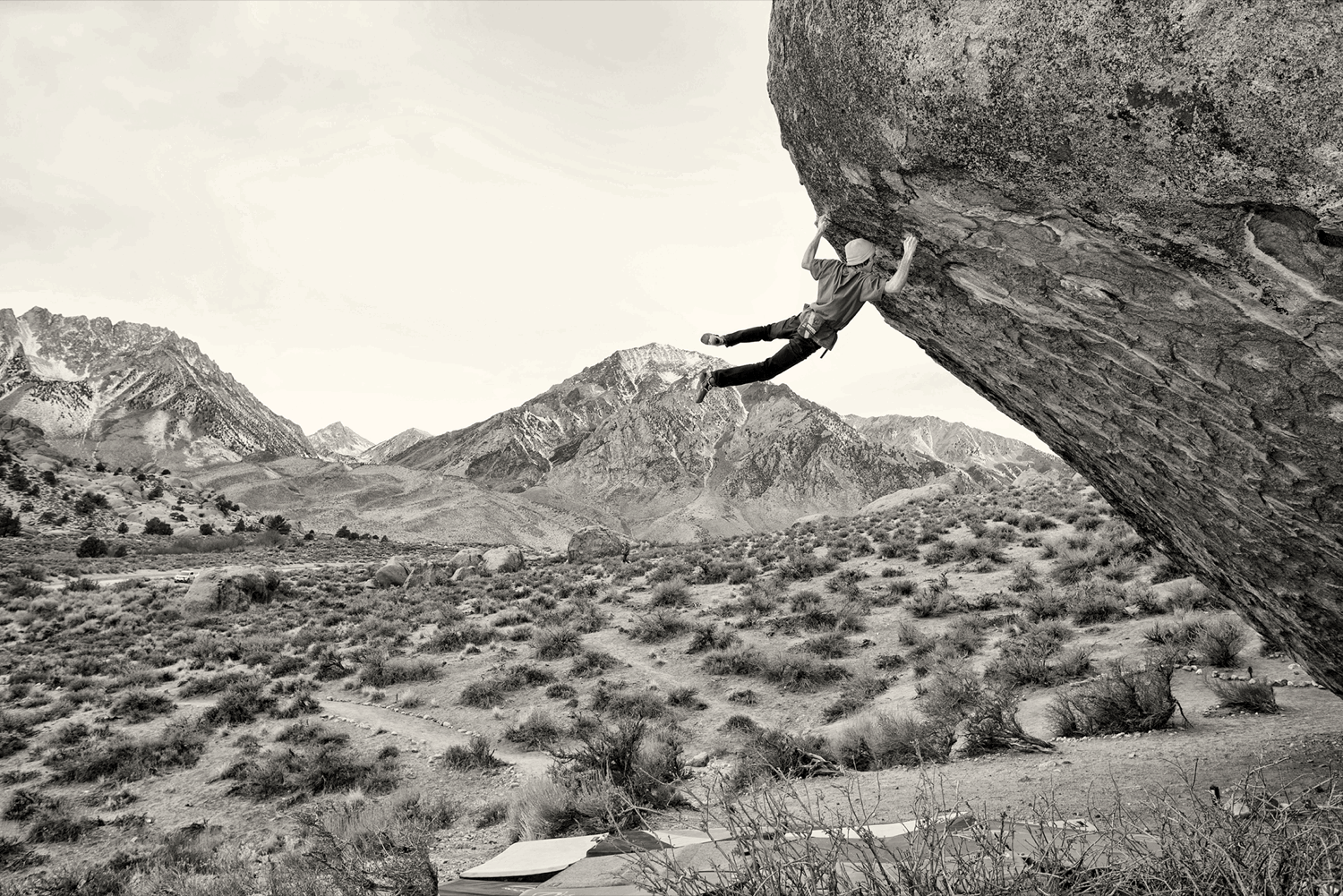
At 27 years old, professional rock climber Daniel Woods is already one of the most accomplished climbers in history. He’s scaled 21 boulders graded up to the highest difficulty — 12 of which were first ascents, including The Process, Magic Wood, El Diablo and Paint it Black. On the competition circuit, he’s arguably the most decorated American male competition climber, having won the American Bouldering Series National Championship nine times and the Sport Climbing Series National Championship while also racking up a 2010 Vail World Cup gold medal and a 2011 Eindhoven World Cup silver medal.
Woods’ voice is full of passion, energy and the spirit of a man who grabs onto life with nothing more than the very tips of his fingers. Located in the Buttermilks of Bishop, CA, The Process was a previously unachieved route. Woods not only found a way to tackle the daunting problem, but he did so in the dark to avoid intense sun. Upon completing it, Woods dubbed The Process a V16, the highest and most challenging rating given to a bouldering ascent. Nearly a year removed from that unprecedented first ascent we caught up with Woods to talk about the sport he loves, his motivations and how he actually made it up there.

Before The Process, the hardest rated routes were all V15s — so it was especially rewarding to complete something so difficult. It was a 40-50’ climb and it tested me mentally and physically
You’ve completed some of the most incredible climbs on the planet. How does The Process stack up?
It was an awesome experience. I’ve been lucky enough to take on some incredible climbs in my career and The Process was one of the best. It’d never been done before and it eventually graded out to a V16 difficulty level. Before The Process, the hardest rated routes were all V15s — so it was especially rewarding to complete something so difficult. It was a 40-50’ climb and it tested me mentally and physically. It wasn’t the hardest set of moves I’d ever done, but it was the hardest I’d ever done at that height. It took me a year to plan and execute the climb, and one of the hardest pieces was convincing myself I could pull it off safely. To prepare, I not only trained and strategized, I also read Calming Your Anxious Mind by Jeffrey Brantley.
The Process is one of several first ascents you’ve achieved in your career. How do you approach something that nobody else has ever done before?
The first thing is convincing myself it’s even possible. It’s weird, but I still feel intimidated at first when I take on these challenges. If all these other incredible climbers haven’t been able to complete it, what makes me more capable? That’s always my first reaction, but over the years I’ve grown better at channeling that intimidation into positive energy. I break the climb into pieces in my mind. Gaining that confidence is always the first step.
With The Process, I inspected the rock from every angle. I rappelled down to find ledges, crystals and other natural formations to use as holds. I never chip the rock; everything we climb, we climb it in its natural and true form. And looking at The Process in its true form, I believed there was just enough there to make it barely possible. Once I’d made that determination, there was no going back.

My ascent at Clear Creek Canyon introduced me to the realm of developing entirely new climbs at a very young age and it gave me the confidence and motivation to pursue a career as a professional rock climber
Have there been other ascents you take special pride in?
The other climb that always stands out is Clear Creek Canyon. I completed it at the age of 15 and it was my first groundbreaking ascent. It introduced me to the realm of developing entirely new climbs at a very young age and it gave me the confidence and motivation to pursue a career as a professional rock climber. That ascent made me stop and think, “Wow, this is what it’s like to do something that nobody else has ever done before. Maybe I do have a future in this sport.”
You began climbing at age five. Can you remember when you fell in love with climbing and bouldering? How did you get introduced to the sport?
Without a doubt — it happened at Lake Mineral Well State Park in Texas. I grew up in the area, and my Boy Scouts troop would head to that park frequently. My dad was one of our scout leaders and one day we set out a bunch of top ropes and I just starting scaling some of the different rock spaces in the park. Right away, climbing just felt natural for me.
It wasn’t until I was seven years old that I started climbing regularly. At that age, I joined local climbing gyms and I’d go about three times a week. Then my family moved to Colorado and I hooked up with some climbing teams and met coaches who taught me all the basic techniques. It wasn’t long after that before I was competing locally, then regionally and nationally.
How do climbing competitions work?
There are certain competitions that just involve speed and how fast you can scale a rock face, etc… For me though, most of my competitions are based around difficulty. There will always be a time limit, but it’s more about: Are you skilled enough to complete the climb, strong enough to hold the grips, smart enough to understand the sequence?
Bouldering is the most simple and pure type of climbing. All you need is a pair of rock climbing shoes, a chalk bag and a crash bag
Similarly, you have a strong preference for bouldering. Why bouldering compared to other types of rock climbing?
Bouldering is the most simple and pure type of climbing. All you need is a pair of rock climbing shoes, a chalk bag and a crash bag and you can go for it. It’s a really free and empowered experience. And, at the same time, it’s one of the hardest forms of climbing as you’re constantly testing your body to see what it’s capable of achieving.
Tell us about your training regimen.
The routine is climbing and more climbing. When I’m not in competition mode, I’ll just climb outside as much as possible to test myself and grow stronger. During competition seasons, I’ll often do double sessions with three hours early in the morning and then three hours at night, five days a week. Beyond climbing, I mix in lots of push-ups, pull-ups and work on the peg and fingerboards to make sure I’m as ready as possible. Basically, my goal is to turn the body into a complete machine.

Climbing is a sport that lends itself to iconic figures – who are some of your inspirations?
There’s a climber named Chris Sharma — he’s one of the most famous in the sport. He’s a huge inspiration to me. There’s also a guy named Dave Graham. He’s an incredibly strong climber, too. Alex Honnold — I don’t really climb the same types of routes he climbs, but he blows me away as he loves to tackle huge walls without any rope or support. And, honestly, my friends like Paul Robinson, John Cardwell, Matty Hong — these are guys my age I climb with all the time and we’re always pushing each other to be better.
What’s next?
At the moment, I’m actually working on this giant roof climb at Chaos Canyon inside Rocky Mountain National Park. It’s a route that’s 20 moves long and is definitely a V15. I’ve been working on it but haven’t completed it yet. Other than that, I’m constantly hiking in the mountains and looking for climbs that nobody else has ever done. The fall and winter are great times to find new lines because the conditions are so crisp. Those are the seasons I really take advantage of and when I look for new ways to push myself. You fail, you practice, and you learn so much about yourself along the way, but if you’re able to get to the top — it’s utterly incredible. And then you’re instantly ready to chase that feeling again. [H]

Christopher Whitcomb lives with his wife in Buffalo, NY. Chris enjoys long runs and hikes, good beer, warm weather, swimming, golf and Buffalo Bills wins.
All photos courtesy of Daniel Woods.
This year’s Christmas on the Bayou in Gulfport, Miss. is expected to include more decorated boats than ever before. Find public viewing spots at Gulfport Lake, Kremer’s Landing, Switzer Park, The Dock Bar & Grill and The Blow Fly Inn.
Click on the Christmas on the Bayou Route Map for complete details.
The post Uniquely Southern: Christmas on the Bayou appeared first on The Southern Weekend.

There’s nothing better, on a warm and sunny afternoon, than meat slowly cooking on a barbecue. Gathering family and friends around to share in your masterfully prepared feast is one of the great pleasures of summertime.
Now also as a (FREE) Audiobook HERE
We reveal the essential Pitmasters recipes and techniques most used by both backyarders and competition teams. This is more than just a cook book. Sometimes the secret is more in the technique than the ingredients. Many of us just throw items onto a grill and hope for the best. With one click you’ll have easy to read, step by step, tricks in time to grill tonight, with The BBQ Blueprint.
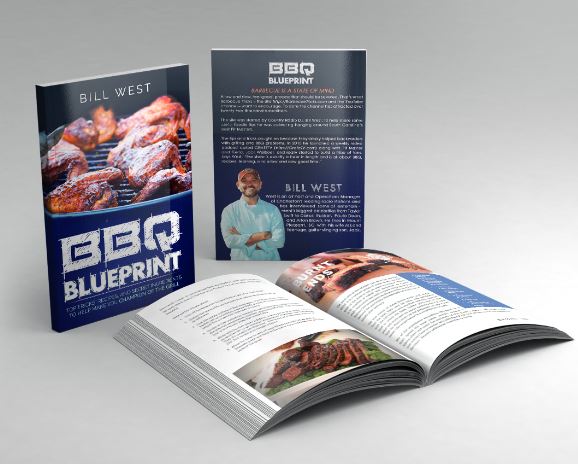
In this innovative barbecue book we go behind the scenes at the world’s most popular BBQ pits. You’ll read details about Scott’s BBQ and see inside the smoke house. Plus, learn about the underground charcoal roasting chutes at Charlie Vergos’ Rendezvous in Memphis (and get secrets behind the recipes).
If you are venturing into new and unfamiliar areas of live fire cooking you will not be alone! Author Bill West and The BBQ Blueprint will be with you every step of the way to help walk you through the entire delicious and fun process. It’s a book about learning, enjoying and above all, sharing.

The post The BBQ Blueprint appeared first on Barbecue Tricks.

If you feel like shooting off a quick blog post, personal essay, or anonymous rant and don’t want to set up a whole new blog on something like Wordpress, IO offers a simple an elegant solution to publish your writing online, no account required.
The draw for many will simply be that you don’t need to register your email or anything, and you can still publish immediately to their site. That’s really useful if you’re on something like Twitter and need a little more room to express your thoughts. You can add your name to your post, choose to remain anonymous, or connect your Twitter account. You can see the above post here, for example.
IO also has a deceptively barebones interface that hides a few pretty cool features and robust formatting similar to most WYSIWYG interfaces. Moreover they offer a “Hemingway” tool that highlights adverbs and passive voice to help keep your writing lucid and to the point. There’s also a cute option to play ambient background noise while you’re writing, which includes stormy weather, cafe sounds, a crackling bonfire, and a few others. You shouldn’t expect this to be a platform where your writing will live forever; rather, it’s a place to post text that you want to share now, without any hassle of creating a blog.
IO via Product Hunt
Nevada is known for its gorgeous deserts, but there's so much more to the western state. Early explorers of the Spanish Territory were blown away by the magnificent colors of Nevada's scenery, and wrote much about the beauty of their surroundings. Mark Twain spent a piece of the early 1860s writing in Virginia City and in Roughing It, waxed poetic on rugged canyons, silver threads of river, and lakes flaming in the desert. "At rare intervals—but very rare—there are clouds in our skies," he wrote, "and then the setting sun would gild and flush and glorify this mighty expanse of scenery with a bewildering pomp of color that held the eye like a spell and moved the spirit like music."
Luckily, great swathes of that "mighty expanse of scenery" look much as they did back then, and as they have for hundreds, even thousands of years.

This lake earned its name from the conical stone formations that can be seen rising from the still waters. The limestone tufa formations were exposed when a larger ancient lake receded. Today they are not only scenic, but some of them are also home to a rare breed of pelican. The surrounding waters are also teeming with fauna—they are home to the ancient Cui-ui fish and the largest species of cutthroat trout in the world, the Lahontan Cutthroat. The scenic lake is also the setting of numerous local ghost stories, from lore about drowned babies to tales of vengeful mermaids.

The Spring Valley mountain range's elevation is so great that it is referred to as a "sky island," where the ecosystems at different elevations vary wildly based on each climate. Each level of elevation supports a different kind of vegetation and wildlife, some of which is unique to Nevada. At the base of the mountain range, it's mostly desert plants and scrub brush. Move a bit further upwards and it becomes gray blackbush scrub, which eventually gives way to a dense green conifer forest at the peak.

The vistas of Valley of Fire Park are just as dramatic as its name, which comes from the red sandstone formations that glow as if on fire when the sun's setting rays hit them. But people have been admiring the beauty of Valley of Fire for a very, very long time as evidenced by the petroglyphs that dot the rocks all over the park. Some of the art dates to around A.D. 300, but it is believed the Anasazi inhabited the valley as far back as 300 B.C. In addition to these natural and archaeological wonders, the valley boasts an assortment of wildlife, including roadrunners, coyotes, jackrabbits, and desert tortoises, just to name a few.

The natural wonders of Nevada don't only exist above ground, they're underfoot too. Underneath Great Basin National Park you will find miles of magnificent cathedral-like chambers. These caves were discovered in the late 1880s, though there is evidence that they were previously used as a burial site for American Indian tribes. In the following decades, Lehman Caves became the setting for weddings and parties.
You can still see graffiti from these times on some of the cave walls (in the aptly named "Inscription Room"). Some of the signatures are written in charcoal, while others are carved into the stone. The caves are now protected and preserved as part of Great Basin National Park. However, even the damage to the cave represents more than a century of human interaction with the site.

You would never guess it now, but 10,000 years ago, the desert of Nevada was home to the 8,500-square-foot Lake Lahontan. Today, 90 miles east of Carson City, Sand Mountain is a modern remnant of that ancient lake. As wind blew across the empty lakebed, the sand accumulated near a basin that stopped the wind. Stretching across the Nevada desert, the giant dune is two miles long and 600 feet high, but that's not the only unique thing about it. It's also musical. As wind blows across the top, the sand's movement creates an eerie, whispery hum. This rare ringing phenomenon can only happen under precise conditions: a particular sand shape, a particular humidity level, and a particular concentration of minerals.

This refuge is one of the most isolated in the contiguous United States, and as such it is home to animal populations, birds in particular, that aren't found anywhere else. The largest group of canvasback ducks outside of Alaska nests here, and as protected areas become increasingly scarce, deer, antelope, grouse, and other animals find shelter in Ruby Valley. The territory is varied and representative of Nevada's many environments (it's not all desert): there are mountains, plains, lakes, marshes, and even hot springs.

The mirrored waters of a Lake Tahoe are expansive enough that there are secret wonders hidden throughout. One of them is Bonsai Rock, a boulder with four tiny trees growing from the top. Unlike the deliberate fine tuning and precise pruning required for tended bonsai, these trees have been pruned by a the force of scarcity. They've defied the odds of survival by thriving on a diet eked out from their rocky, nutrient-deficient natural container.

Web: A well-formatted resume isn’t too difficult to make if you have the right tools for it, but finding the tools and time is the hard part. Resume Beacon keeps it as simple as possible, and gives you a good-looking resume at the end of the exercise.

As seen on Shark Tank, the Fizzics Waytap beer dispenser takes any standard can or bottle of beer, agitates it with sound waves, and dispenses it with just the right amount of “micro-foam” to simulate beer straight from the tap. There are no gasses or chemicals at work here; just sound waves powered by AA batteries.


I can’t tell you how many times I’ve taken meat out of the freezer in the morning, only to have a sudden change in dinner plans that evening. It may be tempting to pop the cut back in the freezer, but doing so will adversely affect the taste and texture of your meal.

Editor’s Note: Awhile back, I came across a really cool little old book called Men of Stamina. Published in 1950 and commissioned by Stamina Clothing, a now defunct Australian men’s clothing company, the book (which also came in the form of trading cards) provided profiles of 79 of history’s most eminent men from all around the world. Each profile was accompanied by a rich illustration of the man, and a brief sketch of their accomplishments, contributions to humanity, and how they embodied the qualities of physical, moral, and/or intellectual fortitude. Some of the men are very well known, while others are more obscure (at least to non-Australians!). The book remains a neat collection of dossiers on some of history’s grittiest movers and shakers, so we decided to republish it in full as inspiration for greater stamina today!
…have been those who have possessed, besides remarkable ability, the spirit of endurance. They have not been discouraged by mounting difficulties and shaking defeats. They have always produced that extra something which has been able to turn disaster into victory. They stuck to it and it was this invincible staying power which won in the long run.
And in the humbler sphere of man-made goods, endurance is the ultimate test of merit. With the compliments of the Stamina Clothing Company.
To make two blades of grass grow where one grew before, to increase the world’s store of good things, to raise the standard of living for all men the world over, is a great achievement.
To establish in the minds of men, by just living amongst them, the principles of justice, truth and freedom – that, too, is a great and noble aim. But to live in such a fashion that men and women are moved from a life of selfishness to one of selfless service – that is to achieve.
A study of the world’s great men makes it clear that they, one and all, gave freely and generously of their best, not for private gain, but for the common good.
The Pinnacle of Mankind is not reached by spending our days in a round of idleness and self-indulgence. Rather, we achieve in proportion as we eagerly and gladly toil and strain after our Ideals.
We shall see that in the endeavor to overcome want and tyranny, injustice and evil, MEN are produced.
Greatness is not the private preserve of the soldier or the statesman. The scientist, the man of business, the artisan, the teacher, the agriculturist, are equally great if they gladly give of their best in the spirit of service.
And so this book goes forth into the world. We believe that it will be a source of inspiration to all who read its pages. We hope it will do its part in adding further to the roll of Men of Stamina.
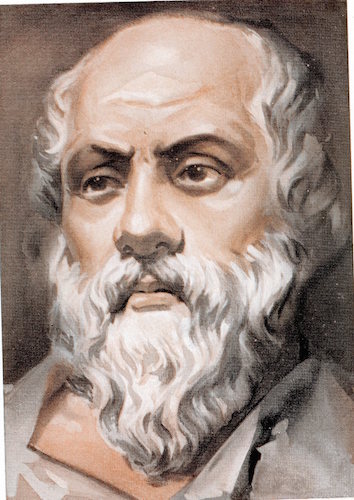
“At the dawn of modern history stands the figure of an old stone cutter.” This man of stamina is well called the originating genius of common sense. He taught men to seek and talk always of realities, to be morally and intellectually honest. He gave his life to deliver men from delusion. To read the story of his life is to know the meaning of stamina – to live in his spirit is to achieve all that stamina means. Fertilizing the mind of humanity with the desire for truth, Socrates turned the twilight of Athenian glory into the morning of a new civilization.
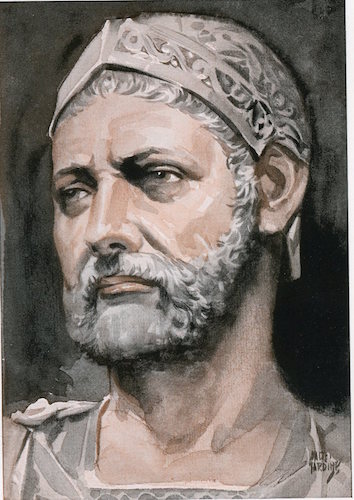
The story of Hannibal is one of the epic stories of stamina. He has been called “History’s most glorious failure.” This dauntless Carthaginian General exhibited an amazing tenacity of purpose. Although that life purpose was ultimately defeated the failure has left his fame undimmed. At the age of 29 he led a heterogeneous army of mercenaries across the well-nigh impassable snow-swept Alps, and with but 26,000 men for 16 years routed, defeated and kept at bay the Romans, whose manpower outnumbered his by 30 to 1. As a military general, as a master of strategy and of tactics, as a commander with magnetic personality, he stands alone.
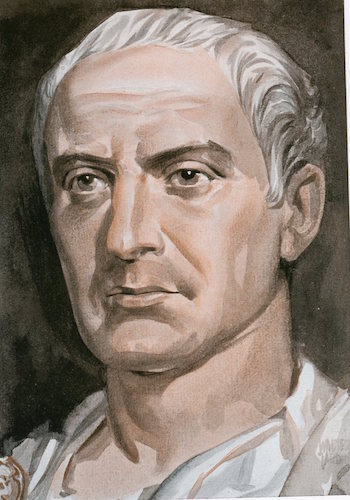
This remarkable Roman soldier and statesman was essentially a man of stamina. It has been said that the decisive moment in his life was when in 49 B.C. he “crossed the Rubicon,” a little river that separated Gaul from Italy, thus declaring war on the Roman Senate. Judged by today’s standards, he has no place in the Hall of Fame, but by the standards of his day he was a brave and fearless leader of men, a genius at war and a skillful writer. The daggers of those who feared him and hated his dictatorship saved him from oblivion.
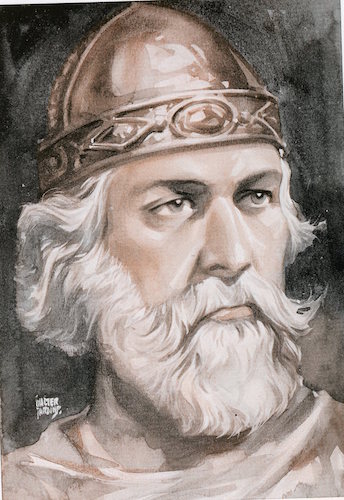
No king ever deserved the title “Great” more than Alfred, King of the West Saxons. For over 30 years he fought the Danish Invaders in what seemed a hopeless struggle. His incredible stamina, his dauntless courage, his implacable tenacity, combined with a genius for war enabled him at last to overcome every obstacle. Victorious, he set himself to further advance his people’s welfare. He is remembered as a great Lawgiver, Protector and Educator. His standard of kingship has inspired men for over 1,000 years. When your future looks dark and the struggle hopeless, think of Alfred and take courage.
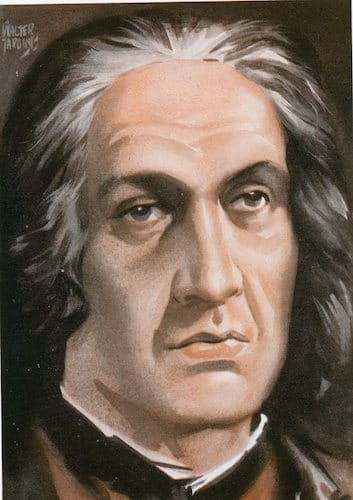
Ten long years of neglect, rebuffs, delays, disappointments, scoffs and sneers – and yet he still refused to accept defeat. That is stamina! Columbus was born with that inner hunger for high endeavor, which is the mark of all great souls. In 1482, possessed with the idea that by sailing westward he would find a new route to India, he sought financial help to carry out his visioning. Ten long years passed before he set sail into the unknown, from Spain. Only his courage and strength of purpose kept his frightened mutinous crew from turning back, but at last success came! On October 12, 1492, he discovered the New World.
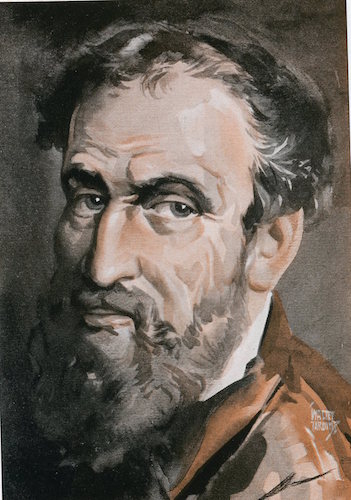
Famous Italian sculptor, painter, architect and poet. This master genius of the Renaissance frescoed the 5,000 square feet of the Sistine Chapel with his immortal vision of the world’s creation. For four years he lay on a scaffolding many dizzy feet above the floor, painting on the wet plaster of the ceiling. His fresco, “The Last Judgment,” is probably the most famous painting in the world: his statues of Moses and David amongst the greatest. His indomitable will and almost superhuman energy, his courage to endure great hardships, illness and overwhelming labour, put him in the front rank of the men of stamina.
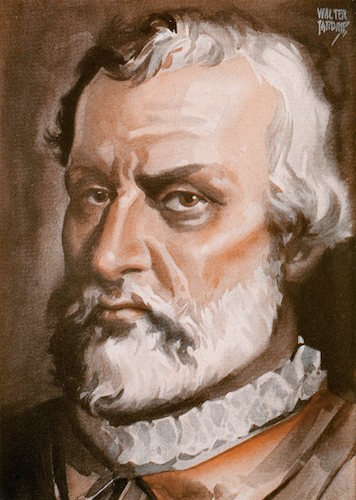
This Portuguese nobleman was the first man ever to undertake a voyage around the globe. He achieved what Columbus had planned. This pioneer of the Pacific was embodied stamina. In a ship of only 110 tons he felt his way down the unknown South American coast, taming unruly captains and mutinous crews, and, in the face of hunger, thirst and sickness, braved the rigors of a Patagonian winter. Forcing his way into the ocean he named Pacific, with hunger and privation as his companions, but sustained by his magnificent faith, he sailed blindly westward for 100 days to achieve one of the deathless deeds of mankind.
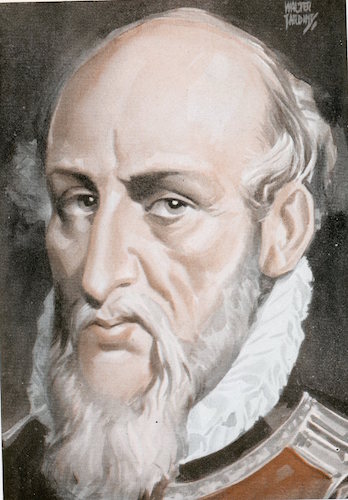
Seventeen long years of utter failure and still undaunted! Palissy sat among the wreckage of the years, utterly worn out, wasted with toil, anxiety and want of food, in debt and on the verge of ruin. But nothing could shake his faith in ultimate success or daunt his courageous spirit. Palissy’s one unconquerable desire was to discover the secret enamel. This Frenchman, whose parents had been too poor to give him any school education, DID discover the secret. He became one of the greatest potters of all time. This is the almost incredible story of a man who would not fail.
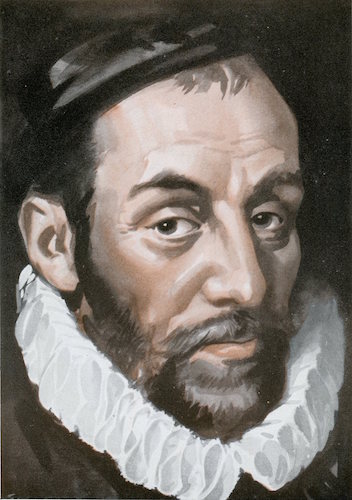
William of Nassau, Prince of Orange, called the Silent, was one of the wisest, gentlest and bravest men who ever led a nation. He was the creator of Holland. He had but one noble ambition – the welfare and liberty of his people. The Netherlands were writhing in the grip of Spain. To free his people seemed a hopeless venture, but William set himself to the task. The story of his struggle is one of the epics of stamina. Constant defeat did not embitter him, nor disaster ruffle his courtesy. His superb courage, tenacity, exhaustless patience and tolerance underline his greatness.
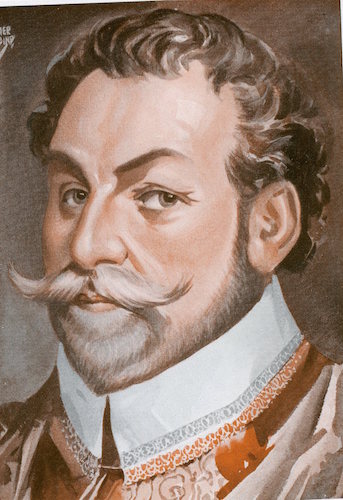
This is the story of a man who loved his country more than his life. He reached success by the painful ways of failure. Few men have stood up to so many rebuffs in early manhood and snatched victory out of them. This great sailor and patriot was always studying and learning. With infinite audacity he confronted a vast world power, which was determined to enslave England and destroy her claim to freedom of thought and independence. How he shattered that power is one of the epic stories of all time. He changed the naval strategy of England and gave her the sea for her heritage.
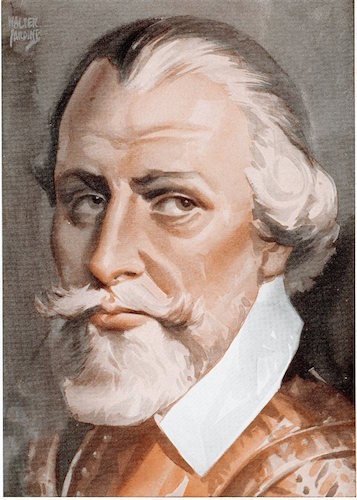
It is written of the heroic Elizabethan sea-captain, “he had the extreme courage.” Called to live in those years when England was threatened by the power of Spain, Grenville, like Drake, Raleigh, Hawkins and Howard, became a man of action. The spotlight of history was focused on his last few days. When off the Azores, in the “Revenge” (450 tons) on September 9th, 1591, 52 Spanish ships attacked him: unafraid, he gave fight. He had only 100 men free from sickness. Although mortally wounded in the head and body, Grenville refused to surrender. His fearless courage and stamina have become part of our inheritance.
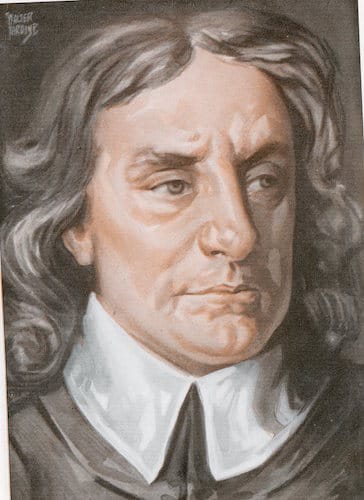
To Cromwell, more than to any man in history, the world owes the idea of political liberty. In the early years of the 17th century, servility, born of a gross materialism, was destroying the manhood of England. Because the religious and political liberty of the people was in jeopardy, an English farmer, a man of 43, took up arms in the struggle against tyranny. He became one of the greatest military leaders in history. In 9 years he never lost a battle. As Lord Protector he gave England prosperity at home and respect abroad. About his whole career there was no stain of personal interest.
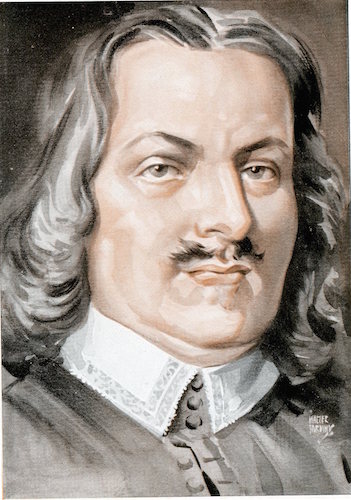
If ever a man needed courage and stamina it was in the year 1660. Freedom of speech and freedom of worship were denied, the penalty being imprisonment in unspeakably vile jails, exile or death. Rather than go back on his principles, John Bunyan endured imprisonment for 12 years from his 32nd to his 44th year. During a second imprisonment in 1675 he wrote his immortal Pilgrim’s Progress, which has proved, next to the Bible, the world’s “best seller.” Few greater men have lived than this amazing tinker, preacher, author. He put first the Kingdom of God and took the consequences.
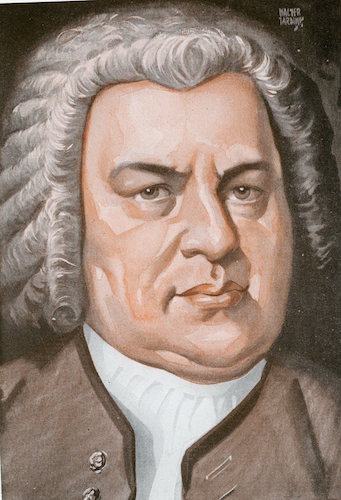
If you are ever tempted to give up your work because you are not appreciated, think of Johann Sebastian Bach. The greatest of all musicians, of whom Schumann wrote – “Music owes almost as much to Bach as Christianity owes to its Founder,” lived and died almost unknown. Limited and handicapped by the resources he had at his disposal, he wrote music that has an eternal quality. “The object of all music should be the Glory of God.” That was his secret. Whatever he did was done to the full of his powers, for the love of God.
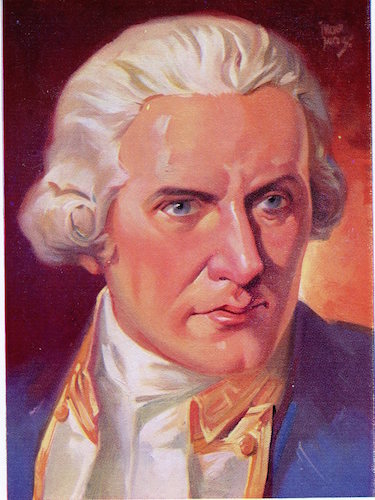
In Australian history Cook stands first, for he, in a very real sense, was the discoverer of Australia. The story of how this Yorkshire lad became one of the greatest navigators in history is a stirring tale of grit and determination. His work as an explorer was crowded into the last ten years of his life, ten years of wonderful achievement. He learned to endure great hardships gallantly – his stamina was amazing. Taking possession of the whole eastern coast by the name of New South Wales, Cook gave to England, and so to us, Australia. He was one of the noblest men the world has ever known.
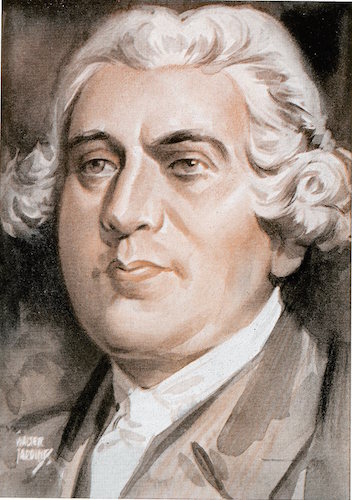
Probably there has never been a more skilled potter than Josiah Wedgwood. Crippled by smallpox at the age of 11, this lad, who had to leave school at 9 to earn his living, was hardly ever a day without violent pain. He, however, possessed the desire to excel; he had the determination to give his fellows beautiful china, that would be useful, and at a price they could afford to pay. The story of Wedgwood is the story of stamina of a man who forgot himself in the service of others – surely the hallmark of true greatness.
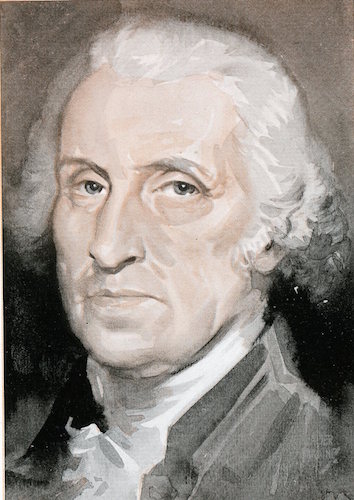
Commander-in-chief of the American forces in the War of Independence, this American surveyor was the real founder and the first President of the United States of America. When 43 he was called to lead the American Colonists in a six years war against England. He had to face incredible difficulties: there was no central government, no supplies, no organization, no stores or munitions, no hospitals. Many of his men were in rags and half starved – often he was near complete disaster. This man, who put deeds before words, triumphed. Washington’s success lay in his self-discipline, courage and determination. Ambition and opportunity never tempted him from the path of honor.
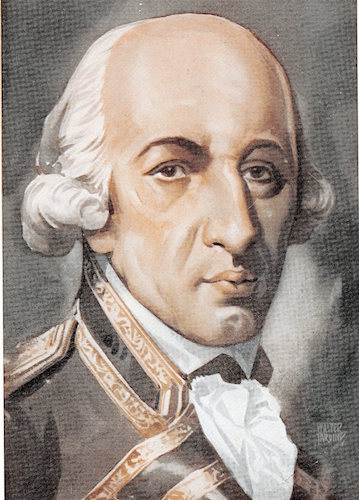
If Cook discovered Australia, Phillip founded it. On January 26th, 1788, Phillip unfurled the British flag at Sydney. He was born in London. At the age of 15, after but three years’ schooling, he joined the merchant navy. When 49, he was chosen to be the Founder and First Governor of N.S.W., to transport 1,486 men and women to a land practically unknown, across almost unchartered seas. His naval training, his personal courage, his dogged persistence in the face of grave difficulties, his supreme faith in his venture, his unshaken belief in Australia’s future, his unswerving loyalty to Britain, his amazing stamina, his genius for administration, alone made possible the successful colonization of our land.
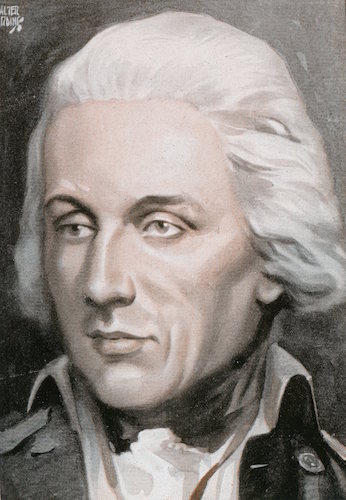
The spirit of the frail lad, who, by his bravery, stamina, and tact, rose to the very pinnacle of naval fame, is one of the inspirations of our race. This son of a clergyman is considered to be the greatest sailor of all time. His men loved him, for he treated them as men. Fighting fearlessly for England, he lost his right eye, then his right arm, but nothing could daunt him. At Trafalgar he finally crushed the sea-power of his country’s enemies. Nelson’s last message to his men was: “England expects that every man will do his duty.” This strong sense of duty was the secret of his stamina.
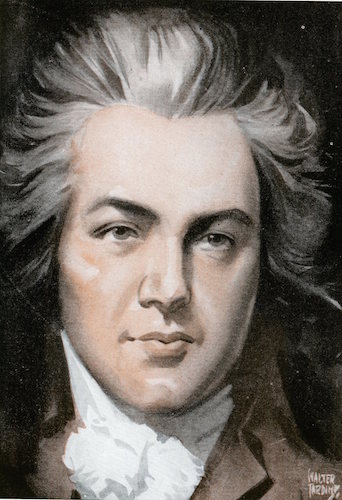
In 1785 William Wilberforce decided that buying and selling slaves, however profitable to England, was a disgrace to a great nation. He set out to destroy this slave trade. For over twenty years, in and out of Parliament, he worked and pleaded. Failure followed failure, but failures merely spurred him on to greater efforts. He would not accept defeat – he had stamina. In 1807 the slave trade was abolished throughout the British Empire, and in 1834 all slaves were set free. He died at the age of 64, worn out with his labors. The abolition of slavery was one of the greatest humanitarian events in the history of mankind.
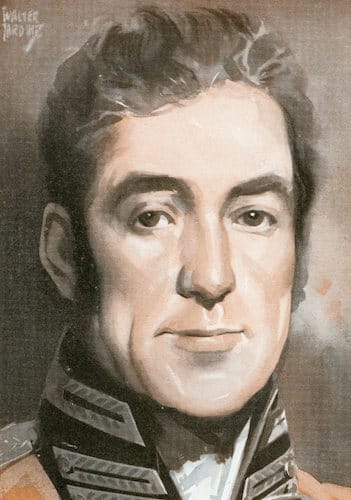
This man, who governed our land for 12 crucial years, was the son of a poor Scottish Highland widow. Twenty-one years after Governor Phillip landed on the scrubby shores of Port Jackson, Macquarie arrived. The colony was in a ferment following the revolt against Governor Bligh. Agriculture was languishing; famine was imminent; the people were morally debased and religious worship was almost totally neglected. Governor Macquarie set himself to help the people, convict and free alike. To him New South Wales was not a goal, but the beginnings of a great colony. With great energy and persistence, despite many obstacles, he rebuilt Sydney, founded new towns, and gave Australia prosperity and vision.
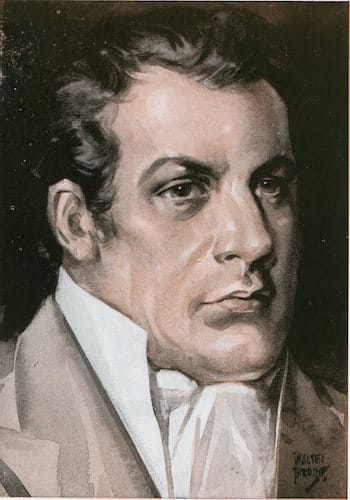
In 1790, when Sydney was but two year old, a young subaltern, with his wife and child, arrived in the second fleet. It was drought time; water was rationed and food was scarce. Macarthur was sent as Commander to Parramatta. After many adventures this turbulent, strong-willed man turned to sheep farming. His energy and intelligence, applied to wool production, demonstrated how great an industry it could become. He became the pioneer and founder of our great sheep industry, giving us our merino sheep. He was one of the ablest of Australia’s founders – truly a man of stamina.
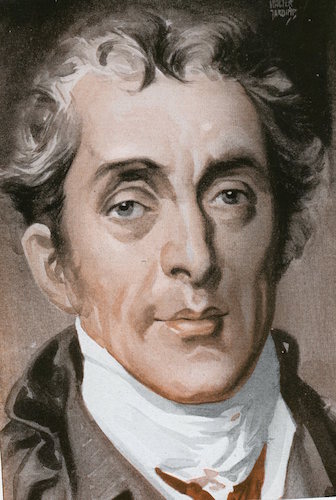
This Irish boy, declared to be the dunce of the family, by tenacity of purpose and sheer stamina, became one of England’s greatest Generals. This lad, whose mother said, “Arthur is fit food for powder and nothing else,” became Prime Minister of England. Wellington is best remembered for his decisive defeat of Napoleon at Waterloo. His military genius was perfected by encounter with difficulties. In India, in Portugal, and in Spain his tenacity of purpose and application, combining with his businesslike attention to the well-being of his army and his men, gave him victory. Wellington always worked for what he believed to be the good of the nation.
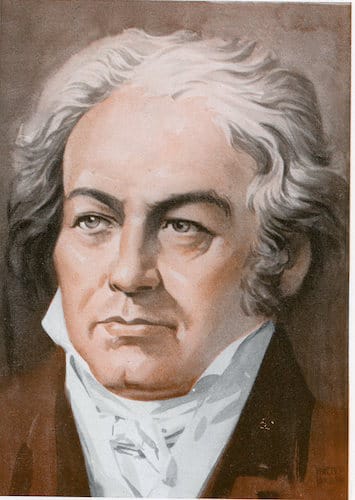
Ludwig van Beethoven was a musical genius of such eminence that beside his, all other works, however great, seem to dwindle, yet few have had as wretched a childhood, as hard a struggle, or as sad a life as he. The sublime music of this dauntless, unconquerable man will charm the world forever. The story of his life is a saga of hard work and persistence. The tragedy of his deafness only throws into grander relief his heroic spirit. Developing his talents for the benefit of mankind, he sought to use them to help others, rather than for his own gain.
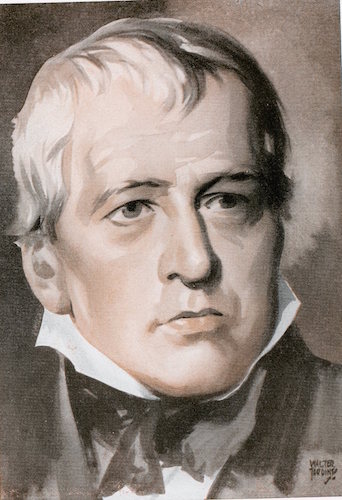
This great Scottish poet and writer of historical romances – one of the greatest of British novelists – is a supreme example of stamina. Losing the use of his right leg when only eighteen months old, he became lame for life. A practicing barrister, he worked hard and lived hard. A printing business, in which he had invested his savings, went bankrupt. Scott set himself to pay off a £117,000 debt. Novels, poetry, biographies, streamed from his pen. At last his health broke down, but still he gallantly went on, refusing to admit defeat or despair. His debts were paid in full.
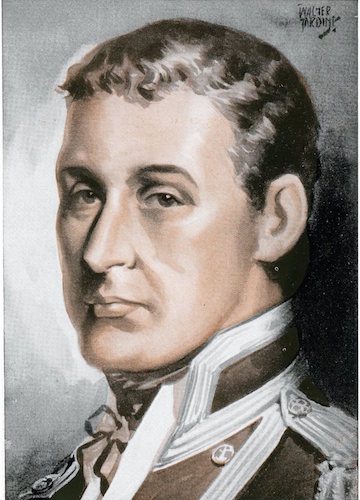
This great English navigator, who first proved our Continent to be an island, is the man who gave Australia its name. Before then, Australia was called New Holland. In 1803, by circumnavigating Australia, Flinders completed the great task of coast exploration. He produced a map of the whole Continent, proving it to be one vast island. The story of Flinders is the story of amazing dangers and escapes and of great stamina. His honest, simple and heroic character, his skill, resourcefulness, thoroughness and indomitable courage, make Flinders one of the greatest figures in the history of British seamanship. The map of Australia is his memorial.
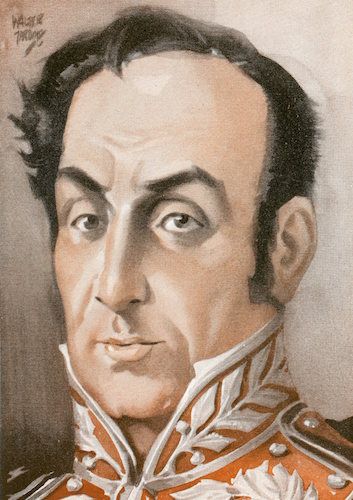
“The Liberator” is the title given to this great South American General and Statesman, for it was he who led the revolution which, after 300 years of misrule, freed what is now Venezuela, Columbia, Ecuador, Panama, Peru, and Bolivia from the power of Spain. This amazing patriot, who dared all, gave himself and all he had to his self-imposed task of bringing freedom to his people. Disaster and victory were all in the day’s work for him. The crossing of the almost impassable Cordilleras is one of the most magnificent episodes in the history of war. To know Bolivar is to understand the meaning of stamina. His spirit of selfless service lives on to inspire and lead us.
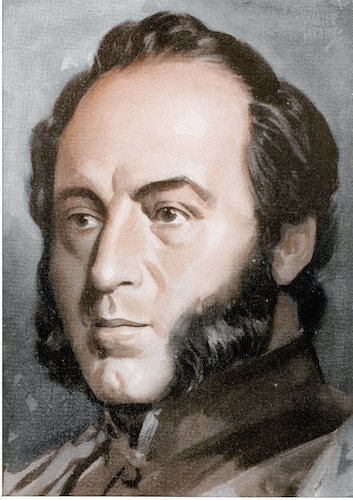
At 16 this Scots boy entered the Army. After serving with distinction under Wellington in Spain, he came to Australia. He was 36 when he became Surveyor-General. By his energy, his ability as a draughtsman, by his remarkable stamina, he did a great deal to open much fine country for the early settlers. Mitchell conducted four expeditions of discovery. He cut the passes through the Blue Mountains to the interior, journeying as far afield as Port Phillip. It was Mitchell’s discoveries that colonized Victoria. It took stamina to be an explorer. Mitchell gladly gave his country 28 years of splendid service.
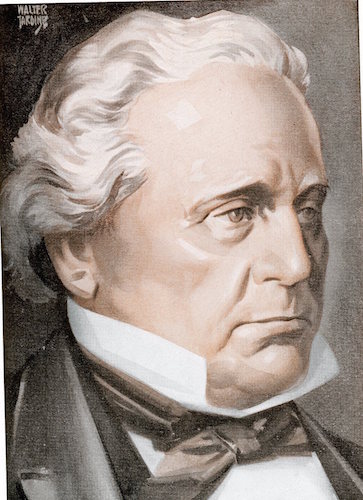
This forceful, clear-headed, rebellious man was our first Australian-born statesman. He made Australia a home for free men. We owe to his wisdom and stamina, freedom of the press, trial by citizen jury, the extension of full citizen rights to all, and the creation of an elected Legislative Assembly. He was the initiator of the movement for the founding of the first Australian University, that of Sydney. In 1852 he drafted a Constitution for New South Wales, including in it many of the great aims for which he had striven. Under this Constitution the Colony obtained self-government in the full sense of the word.
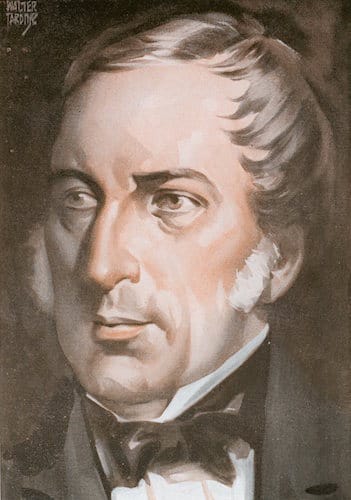
Captain Charles Sturt was a soldier. Educated in England, he came to Australia with his regiment in 1827. He was a man men would trust and follow. Despite physical difficulties that would have daunted lesser men, Sturt discovered and named the Darling River, named and explored the Murray to its mouth, and heroically explored Central Australia – a desperately brave achievement. Other Australian explorers have made more valuable and important discoveries, but none has better deserved success – there was none greater. Sturt wrote that he undertook his series of hazardous explorations from a “wish to contribute to the public good.” Australia has every reason to cherish his memory.
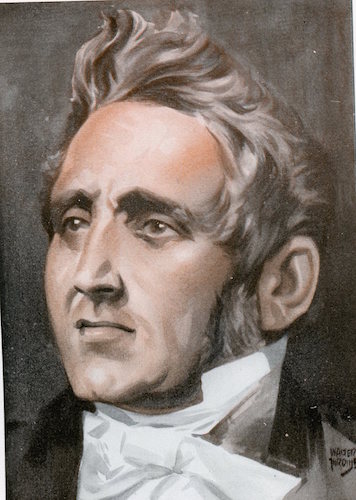
To Goodyear’s stamina we owe his gift to mankind of commercial rubber: the rubber that means so much to us nowadays. He was a sick man all his life, but he never gave in, for he felt he had a divine mission. Caring little for money, he devoted his life to serving mankind. He was cheated in every way, but he won through as a man, and we are his debtors, each one of us. How many of us would endure twenty-five years of struggle, misery and disappointment, with failure after failure, for the good of others? We would do well to emulate Goodyear.
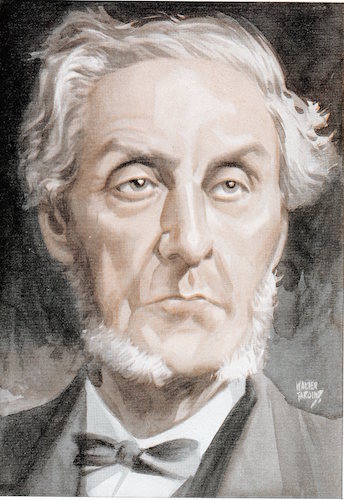
Few men have done more for their fellows than Lord Shaftesbury. After an unhappy childhood he entered Parliament in 1826. Throwing away his chances of advancement, he championed the cause of the slave children of England – of the ill-treated lunatics, the climbing boys, the costermongers, the ragged children of the streets. For 30 years he fought an uphill fight for the children slaving in the “dark Satanic mills” – the women and children working in the coal mines, the little chimney sweeps, the children in the brick yards and in the field gangs. We are spared the wretchedness, so common and accepted 100 years ago, because of him.
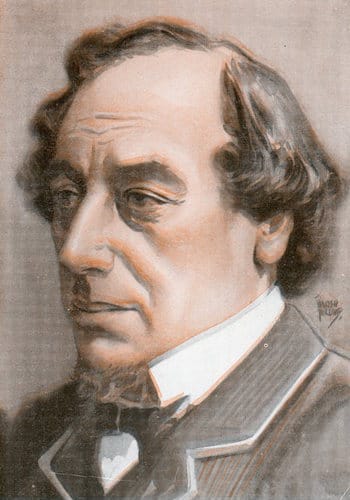
Brilliant statesman and clever novelist, Disraeli gave the masses in England their first enfranchisement. Thrice Prime Minister of Great Britain, he raised his country again as one of the Great Powers. This member of an alien and persecuted race showed a spirit of courage and persistence under defeat that ranks him for ever as a man of stamina. He knew how to accept rebuffs and defeat with patience. He was 64 before he at last realized his ambition and became Prime Minister. He is remembered as the man who made Britain half-owner of the Suez Canal (1875). His motto was: “To the brave, nothing is difficult.”
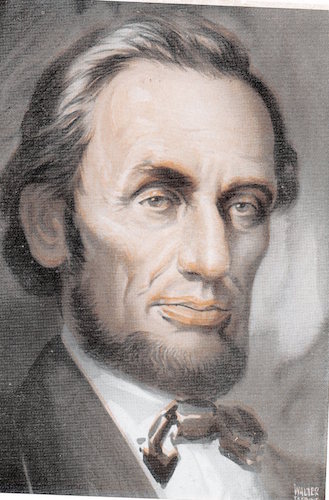
This is the story of a man who failed in almost everything he undertook. With little opportunity for learning, nourished in the sterile soil of backwoods life, the son of poor, unlettered parents, he yet rose to greatness unsurpassed in the annals of the U.S.A. It is said that the vital thing is a man’s breaking point! How much he can endure without weakening. This great man, who saved the Union and freed the slaves, possessed this indispensable quality – stamina. In the darkest hours he remained unshaken by reverses, undismayed by defeats, ever courageous. This man of infinite patience gave his life to advance his people’s welfare.
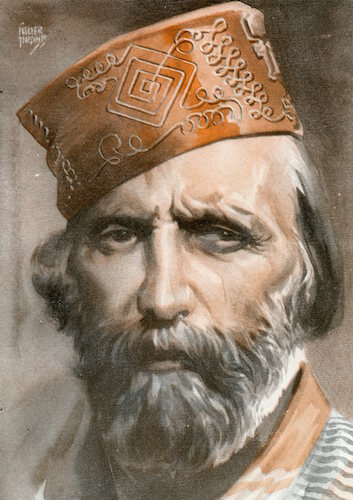
The almost unbelievable story of Garibaldi is the record of a man whose life was consecrated to one thing – LIBERTY. He gave his life to make men free. When this Italian boy was born, Italy was divided into ten kingdoms, the people being subject to Austrian and Bourbon despotism. Garibaldi became the sword and soul of Italy. This son of a sea-faring man, more than any other, liberated his people. His love of country and love of freedom were kept pure by his tender humility for all mankind. Few men have had as adventurous a life as Garibaldi. To read his biography is to know the full meaning of stamina.
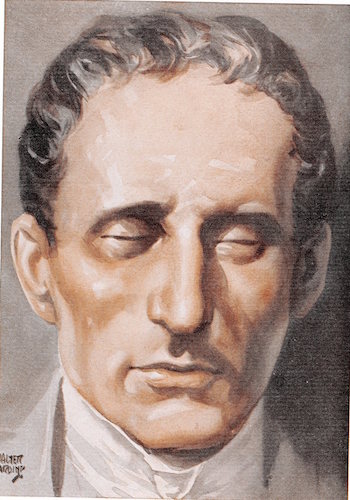
This is the epic of a blind French boy, who gave “sight to the blind.” This harness-maker’s son lost his sight by accident when but three. At the age of 26 he was in the grip of T.B., but Braille thirsted for knowledge; he wanted to read books and help other blind folk to do the same. A game of dominoes gave him the idea – he invented “Braille.” The officials at the Institution rejected his idea, but he fought to get it adopted. Before his death at 43 he had won recognition for his invention. He gave it freely to the world.
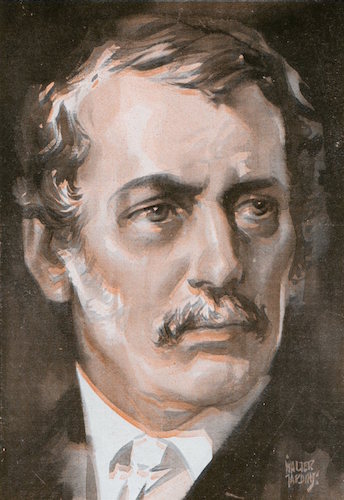
The story of David Livingstone is one of the greatest epics of stamina ever told. As a lad of ten he worked at cotton spinning from 6 a.m. to 8 p.m., then night school from 8 p.m. till 10 p.m., and at homework until midnight. Completing his medical course at 27, Dr. Livingstone became a missionary of the London Missionary Society. For 33 years he selflessly served the peoples of “darkest Africa,” becoming, in his desire to stamp out the slave trade, one of the greatest explorers of all time. His stamina was amazing. His unstinted self-sacrifice still inspires men and women to a like life of eager, selfless service.
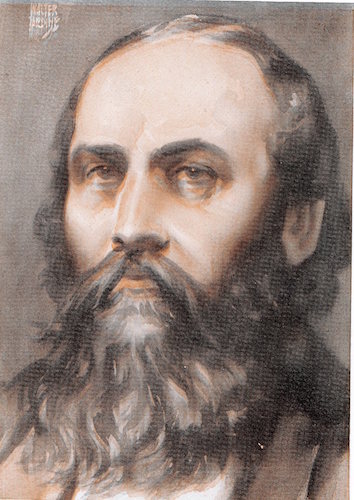
Stuart was 44 when, in 1859, he sought to cross and map Australia from South to North. Three times he set out, the first time beaten by threatened blindness and murderous attacks of blacks when only 400 miles from his goal. Four months later he tried again. Nettles, fifty feet high, stinging with deadly poison, fierce thorn bushes, and, above all, a shortage of water, beat him when only 150 miles from the sea. Undismayed, he again set out. Heat, privation, native attacks, accidents, agonizing thirst, were all borne with noble fortitude. In 1862 he reached the sea – the first man to cross the Continent and live.
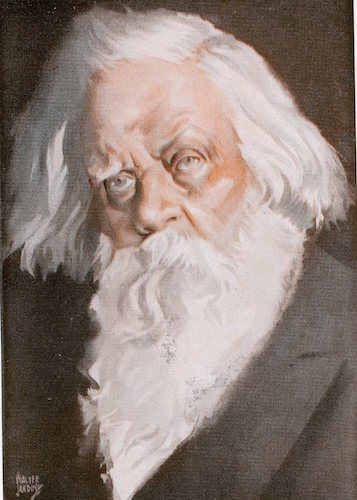
Parkes, more than any other man, made Australia a democracy, giving us Government by the People. This English lad passed his boyhood in squalid misery, often half starved. His father was too poor to give him an education. When 24 he left England as a “bounty emigrant.” When he landed in Sydney with his wife and their little baby, born at sea, he had only 3/-. From this lowly start he rose to become the leader of the State and the power behind the move for Federation. Uneducated as a child, he established, for Australian children, the basis of our education system. He was Australia’s greatest statesman.
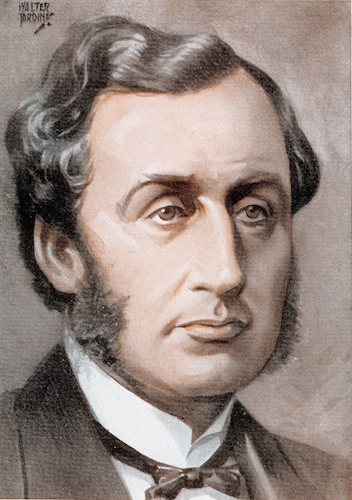
Mort was 21 when he landed in Sydney. This Lancashire lad, by sheer hard work and frugal living, rose from clerk to salesman to junior partner in five years. He became one of our greatest industrial pioneers. The frozen meat trade, the milk supply of Sydney, the local wool sales, Mort’s Dock and Engineering Company, the railways and steamboats of New South Wales, the gold, copper and coal industries of Australia, and the dairying industry of the South Coast are all, wholly or in part, a tribute to his memory. He introduced profit-sharing into industry. Mort used his wealth to benefit Australia.
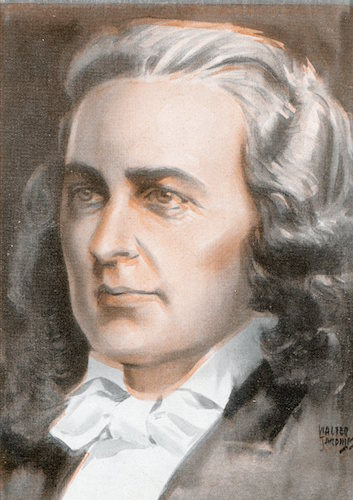
This is the story of the inventor who released millions of women from the slavery of the needle. Lame and delicate, the American of English parents set himself to make a machine for sewing. In a desperate struggle against extreme poverty, stupidity, illness and death, Howe’s stamina carried the day. No disappointments or discouragements, not even starvation, could make him give up his life work. They called him the fool who put the eye in the point of the needle. Howe’s life shows us what one determined man, plus a new idea, can do to benefit the world.
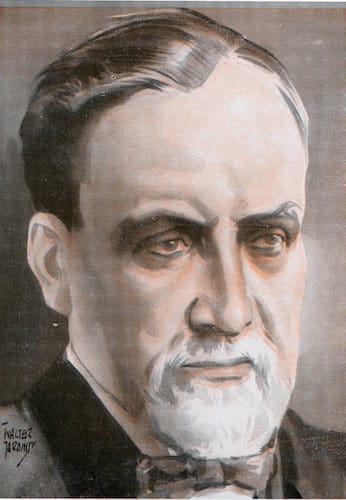
Few men have given so much to humanity as Louis Pasteur, the French scientist. He saved mankind from hydrophobia; discovered “pasteurization”; found the cure for anthrax; saved the French silk industry from ruin; and was the first cause of the system of antiseptic surgery. Hungry for knowledge, he injured his eyesight by his unremitting toil. The record of his persistence, his joy in service, his love of work, his stamina no less than his discoveries, put all humanity in his debt. His work laid the foundation for most of the great life-saving discoveries of the last fifty years in the field of germ diseases.
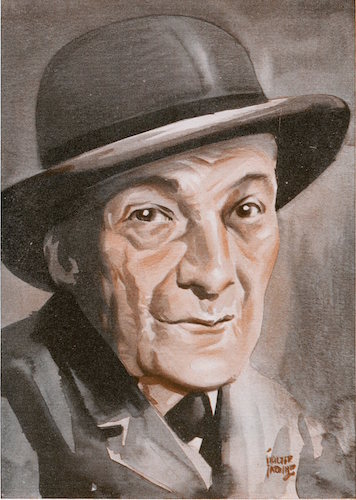
The story of this great Naturalist, who all his life had to struggle hard with poverty, is one of the epic stories of stamina. From street hawker to school teacher, he turned at last to patiently solve the mysteries of insect behavior. With an absolutely inexhaustible fund of endurance and tenacity, he never abandoned any task of observation upon which he embarked. He wrote eleven books, two story-books of science concerning birds and beasts, and the enthralling adventurous life-story of nine of the insects he gave his life to observe. This man of stamina, Victor Hugo well called “The Homer of the Insects.”
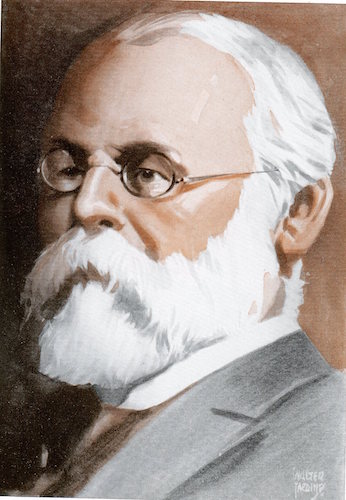
On the side of every British ship sailing the Seven Seas of the world you will find a single sign – a circle, twelve inches in diameter, with a horizontal line 18 inches long, across the middle. It is the Plimsoll Mark. No ship is permitted to load so heavily that the horizontal line is under the water. It indicates the weight each ship can carry without danger of sinking in heavy seas. To give protection to sailors, Plimsoll labored unremittingly for 26 years. Year after year, undaunted, he fought on, often alone, against vested interest, apathy, and overwhelming odds. He would not fail.
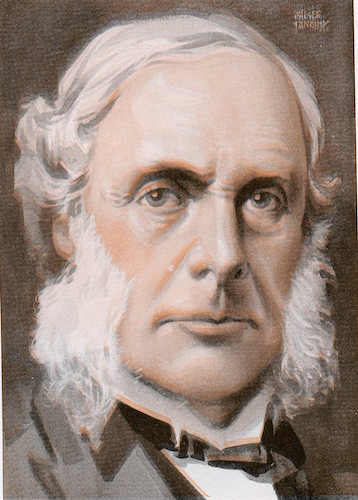
Dr. Joseph Lister was never content to accept other people’s ideas. He believed in finding out the facts for himself. As a student he did not acquire knowledge easily, but worked in a slow and toil-some way of his own. When 38 he set himself to discover the cause of gangrene and inflammation. Helped by Pasteur’s discoveries, in 1865 he began his experiments in antiseptic surgery. Because he persevered, untold thousands of lives have been saved from “hospital diseases.” Lister stands out as one of the world’s great benefactors – the founder of antiseptic surgery.
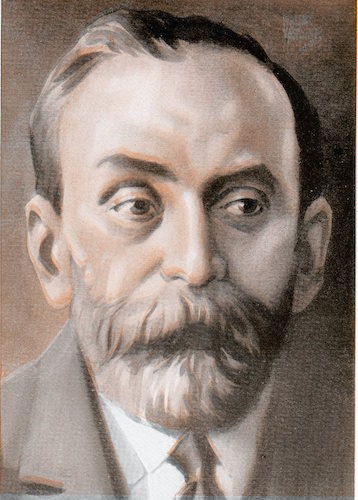
This Swedish scientist, who invented dynamite and founded the Nobel Prizes, including the best-known Nobel Peace Prize, was an idealist who sought to do all he could to eliminate the scourge of war. Neither poverty nor wealth, neither sickness nor easy living, nor misfortune to his loved ones, nor his crushing loneliness, could ever turn him from his self-imposed task. His fortune was left for the benefit of those who, year by year, make the most important discoveries in physics, chemistry and medicine, whose literature is most distinguished by idealism, and who best promotes the cause of peace.
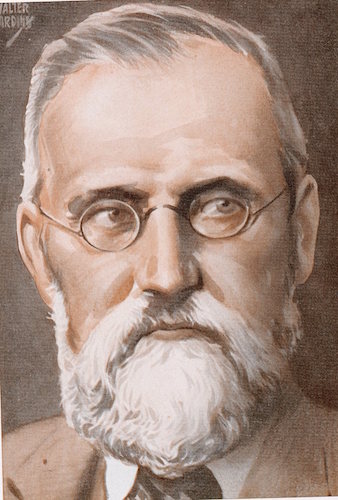
Australia, and indeed the whole world, is under a lasting debt of gratitude for Farrer. Working in a most generous manner, and entirely for the good of the country, he gave Australia her mighty wheat industry. Few men have so persistently battled against such discouragements and embarrassments. Few have given their country so great and permanent a gift. Leaving England on account of ill-health, at the age of 25, he ultimately set himself to find rust-resisting varieties of wheat. For 11 years he steadily pursued his experiments. His new varieties put Australia in the forefront of the wheat-producing countries of the world.
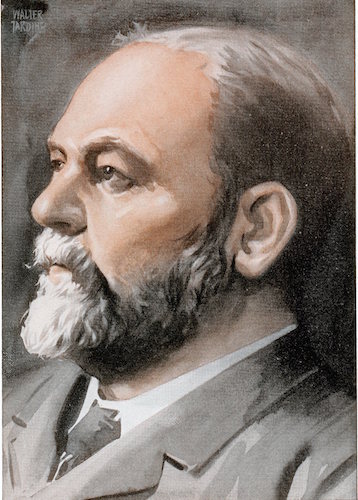
Statesman and explorer, born at Banbury, W.A., this man of stamina is remembered mainly for his great work in the development of Western Australia. At the age of 21 he was given charge of an expedition to search for the missing explorer, Leichhardt. Later he crossed the western desert between Perth and Adelaide, then he crossed the Central Desert in W.A. When Premier of W.A., as a result of his efforts, water was conveyed 300 miles to Kalgoorlie. Besides this goldfield water scheme, the Fremantle Harbour Works, the liberal land legislation of the Colony, and the extension of the railway system throughout the west, Forrest gave freely of his best years in selfless service to the Commonwealth he loved.
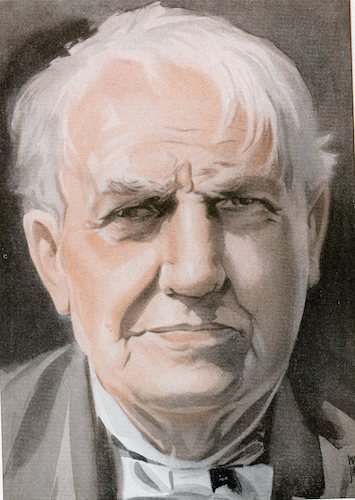
This is the story of an American boy who had only three months’ schooling. The teacher sent him home with a note saying he was too stupid to teach. He spent the rest of his life finding out, exploring, experimenting. Whenever you touch an electric light switch, pick up the telephone, turn on the gramophone, or watch a film, you are paying an indirect tribute to the inventive and mechanical genius of Edison. And his secret? Persistent research, inexhaustible patience. By his own driving effort and by his peculiar genius, he made himself the greatest practical man of science of his age, and the most successful inventor the world has known.
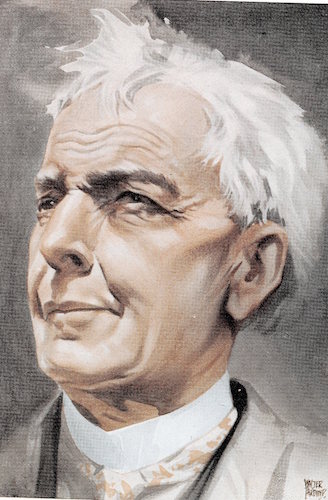
Burbank was the King of Gardeners. It is written of him that he created more new flowers and plants than any other man since time began. Always frail, he set himself, by hard work and persistence, working ten to seventeen hours a day, to leave the world a little better than he found it. He taught roses to grow without thorns, the cactus without spines. He developed potatoes that made every housewife his debtor. He made the Shasta Daisy a great, glorious, pure white flower. He produced scores of new and better varieties of fruits, flowers, vegetables, shrubs, and trees. Yet he was poor; had no money and little encouragement. But he did have stamina. The world is a richer and lovelier place because of the life of Luther Burbank.
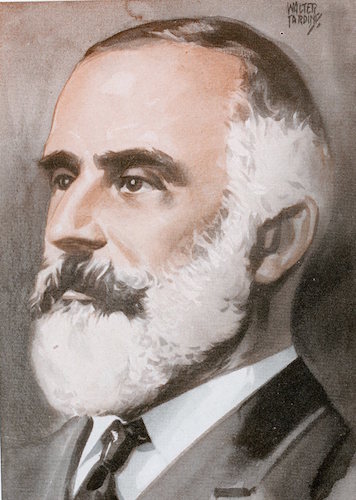
Hargrave was Australia’s pioneer in aviation. He probably did more to bring about the accomplishment of dynamic flight than any other single individual. Hargrave did the pioneering – working at first in absolute darkness, by his indomitable will, perseverance, and stamina, he gradually saw the light. Had he patented his inventions he would have been a wealthy man, but he sought rather to work for mankind. When Wilbur Wright requested permission to use his ideas, Hargrave freely gave them to the American, saying they were “for all and at the disposal of all.” The first aeroplane to fly to France was simply an arrangement of Hargrave’s idea. We may rightly call him the inventor of “human flight.”
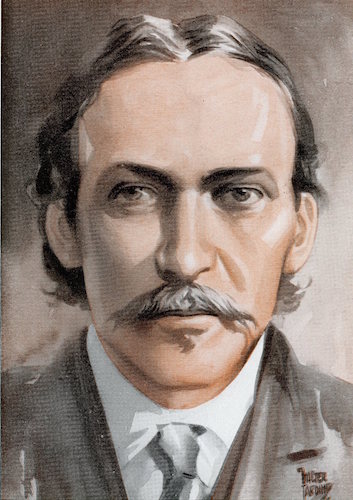
The history of English literature records no braver story than the life and work of the blithe and gifted story-teller, essayist, and poet, Robert Louis Stevenson. He was born in Edinburgh, Scotland. Few thought he would survive his childhood; for 44 years he waged one long fight with death. This brave man produced an enormous amount of work of an enduring quality. He did not permit constant pain and overpowering weakness to affect his gaiety of spirit or to quench the flame of joy that burns in every line. Because of his brave spirit, unconquerable cheerfulness, and stamina we have such books as Treasure Island and Kidnapped.
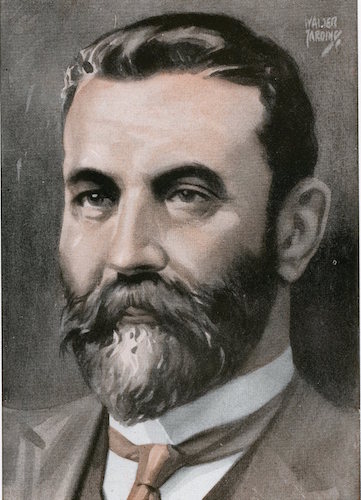
If ever a man loved Australia it was Alfred Deakin. Entering Victorian politics at the age of 24, he determined to dedicate his life to the service of all the people. He became the father of Victorian Factory Legislation and inspired her great irrigation projects. He is best remembered for the pre-eminent part he played in the creation of Federation. Twice Prime Minister, he formulated a great part of our national policy. Deakin never used his power for private ends. For him, to serve his fellows was to serve God, and to serve God was the supreme purpose of life. In that faith he lived. That is his heritage to you.
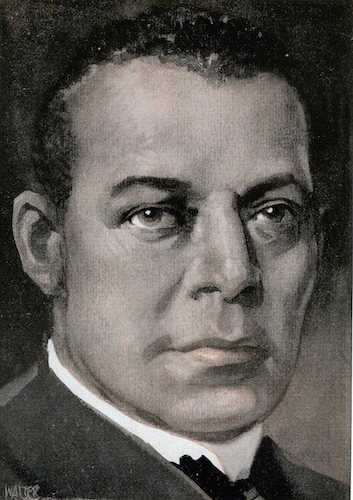
If you should think your lot is difficult, read Up from Slavery; you will quickly realize how easy your life really is. Born in all the squalor and poverty of slavery, this little negro slave toiled and worked until he became famous as one of America’s greatest exponents of industrial education. Having no surname he called himself Washington. His struggle for an education is an almost incredible tale of sheer stamina. He died when only 56, worn out with his labors, but he lives on still in the hearts of his people. Booker T. Washington believed and practiced that citizenship confers obligations as well as rights. Let him teach us that at least.
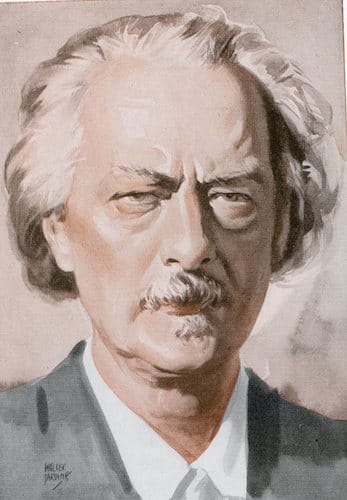
This is the amazing story of a poor Polish boy. Seeking a musical career, the musical professors considered him a hopeless pupil. One of them told him plainly that if he ever wished to make an honest living from music he should give up the piano. Paderewski became one of the greatest pianists and composers of the age. His secret, he said, was “Practice, more practice, an yet more practice.” Over the years he acquired indefatigable patience, relentless determination, and terrific self-discipline. In the day of Poland’s need he became a national leader, and ultimately Prime Minister of Poland. “Success comes,” he said, “if you like your work and put sufficient time and energy into it.”
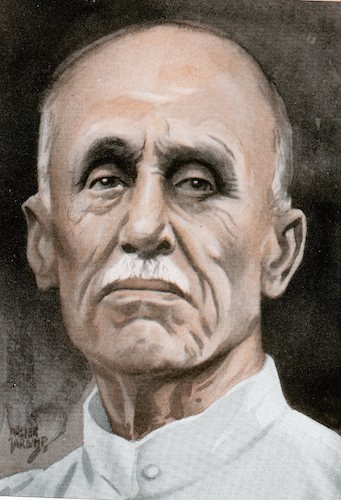
Australia is proud of Sir Hubert Murray. For 32 years, as Lieutenant-Governor of Papua, he gave himself in unstinted service for the Papuans. Educated at Sydney, and later at Oxford, in 1886 he was called to the Bar. In 1904 Judge Murray became Chief Judicial Officer in British New Guinea. Loving the native peoples, he understood them; while he lived, the Papuans knew they would receive justice, mercy, and protection from exploitation. His honesty of purpose, his intolerance of evasion or prevarication, his love for the peoples of Papua, explain his greatness. His 36 years in Papua are a thrilling story of courage, service, and stamina.
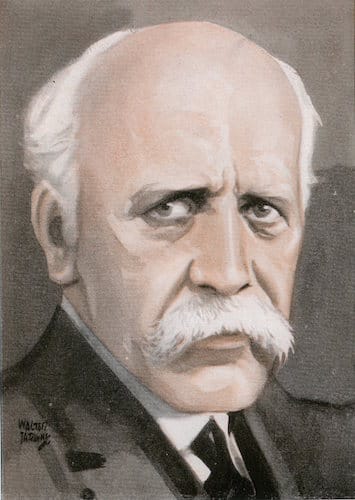
In the days when at last there is Peace on Earth and Goodwill amongst men, the name of Dr. Nansen will shine out as one of the earth’s greatest men. Born in Norway, he planned to live dangerously. He became a great explorer; then one of the foremost workers of the League of Nations in its vast humanitarian work. After World War I Nansen was given the titanic task of repatriating the countless prisoners held all over Europe, and of feeding and settling millions of refugees. How he accomplished that stupendous task is an epic story. Nansen sought to build a new world of peace and brotherhood. We are called to complete that work.
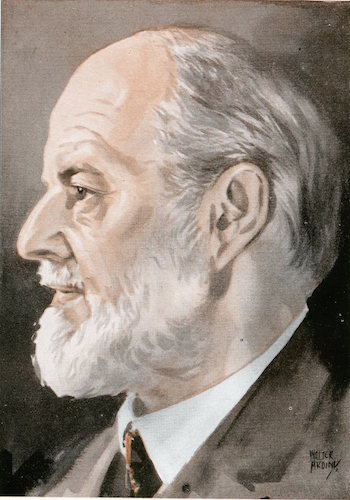
The remarkable engineering products originated by Royce are known the world over. They have become a symbol of quality. In spite of poverty and malnutrition in his early days, and his shattered health, this English lad became one of the outstanding engineers of his time. With high ideals of craftsmanship he fought against adversity, undaunted by reverses, never wavering from the ideals he had set himself. First the Rolls-Royce car, then the Rolls-Royce aircraft engine. This great man of stamina gave England the engine superiority that twice helped to save her, and so us all, from our enemies. His infinite capacity for taking pains, his courage and perseverance, made the Rolls-Royce engine the greatest in the world.
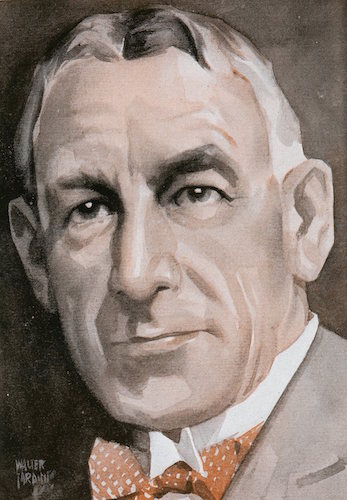
Every Australian should read The Americanization of Edward Bok. This Dutch boy was brought to America when he was only six. What chance had he to succeed? His family was poor, he could not speak the language; he had no friends, and no money. When he was 13 his father died. Bok had a hunger for knowledge and the will to succeed. How he became Editor of the Ladies’ Home Journal and one of the greatest influences for good in the U.S.A. is an absorbing story of grit and determination – of stamina. “No man,” he said, “has the right to leave the world as bad as he found it.”
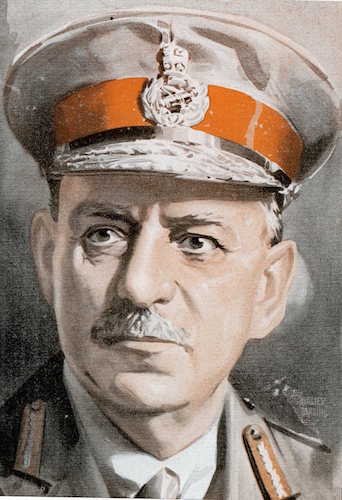
Brilliant soldier, brilliant engineer, Monash was one of Australia’s great sons. A Melbourne boy, he rose to be one of the Empire’s foremost organizers. His brilliance and success as a war leader resulted from the abilities he had demonstrated in years of peace, the ability to undertake and carry through extensive and difficult undertakings. In 1918 he commanded all the five divisions of the Army Corps in France. Becoming Chairman of the Victorian State Electricity Commission in 1920, he planned that every Victorian town should be supplied with electricity from the brown coal at Yallourn. In peace, as in war, he demonstrated his stamina.
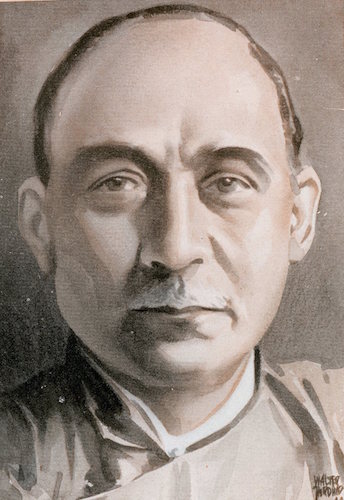
Dr. Sun Yat Sen, the Father of the Chinese Republic, and its first Provisional President, was the son of a Chinese farmer. Helped by Christian missions, at twenty-six he graduated in medicine and became a doctor. As Sun traveled around China, he saw everywhere the evidence of the corruption, misrule and evil of the Manchu dynasty. He dedicated his life to freeing his 400 million people from their appalling conditions. Ten times his carefully planned efforts at revolution failed, but still Sun kept on. In 1912 the Manchus were overthrown, and China was proclaimed a Republic. Sun’s Three Principles of the People have become the people’s charter, the political blueprint for one-fifth of the whole human race. His singleness of purpose, his sheer tenacity, reveal this great man as essentially a man of stamina.
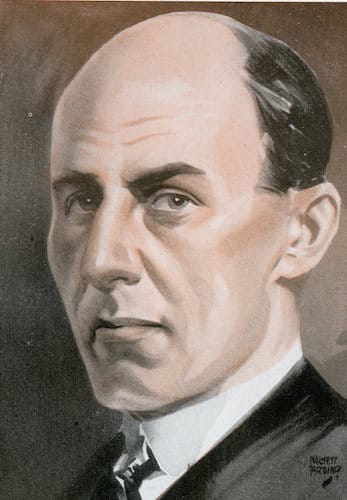
In 1903 the possibility of the airplane first ceased to be a fantastic dream. It became a reality through the vision, skill, courage, stamina and painstaking perseverance of the two Americans, the brothers Orville an Wilbur Wright. On December 17, 1903, these men of stamina flew, for the first time in the history of mankind, a heavier-than-air, power-driven flying machine. This epoch-making feat was not accomplished without a vast amount of work and a great deal of disappointment that would have been more than enough to deter other men. They had faith in the ultimate success of their labor. Their revolutionary discovery of aileron control finally gave them the victory.
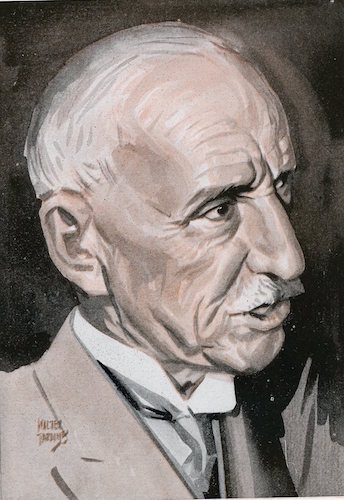
If you are ever discouraged and feel like giving in, read again the story of William Morris Hughes. Born in Wales, he migrated to Australia while still a youth. Handicapped by poor physique and defective hearing, unknown and with none to help him, he fought his way to leadership, and became in 1915 Prime Minister of Australia. Few of Australia’s great men had so hard a life, few so bravely overcame such formidable obstacles. His amazing life is equaled only by his amazing stamina. Great as his outstanding service to Australia and the whole world has been, it may well be that the almost incredible story of his courage, persistence, and stamina will yet be seen to be his greatest gift to our nation.
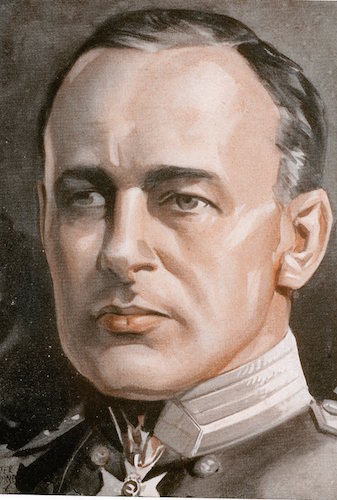
In the realms of Antarctic exploration, few have shown greater courage, endurance and comradeship than Captain Scott, typically a man of stamina. By dint of hard work and self-discipline, Scott had become, in 1900, a Commander in the Royal Navy. For the next twelve years he gave his life to the exploration of the Antarctic. After reaching the South Pole, Scott and his companions perished on the return journey. His death was a triumph of the invincible spirit of man. Under the cross, erected to his memory, is written: “To strive, to seek, to find and not to yield.”
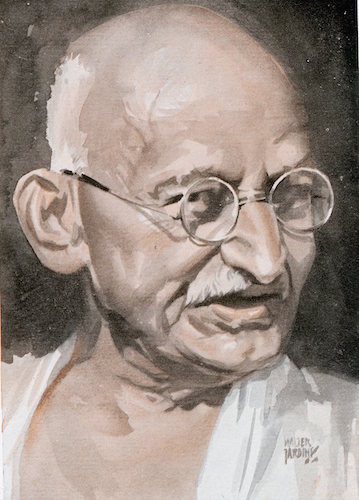
The story of Gandhi is the almost unbelievable tale of a timid boy who became one of the world’s bravest men. Educated for the law he became India’s leader in her struggle for independence. This noble Hindu believed that he had behind him in his working for truth all the power of God. He was convinced if you used the right means the right results would follow. He believed that anything can by changed that ought to be changed. Acting on his principle of non-violent resistance he became invulnerable and invincible. Not since Buddha has any Hindu been so universally revered.
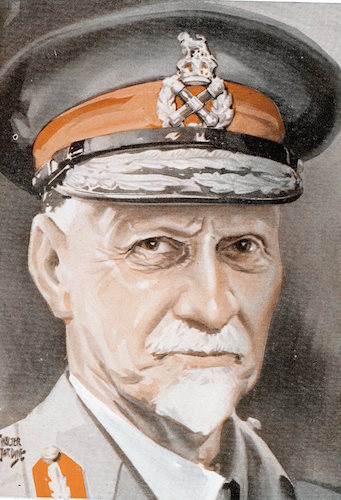
This Prime Minister of the Union of South Africa, who became a Field-Marshal of England, was the son of a Boer farmer. Because of ill-health he was 12 years of age before he went to school, or learned to read and write. Trained as a lawyer, he became State Attorney to President Kruger of the Transvaal, when only 28. During the Boer War he fought against England. His leadership in World Wars I and II, in the League of Nations and in U.N.O. (he wrote the preamble to the Charter) is the story of what courage, persistence and stamina can achieve.
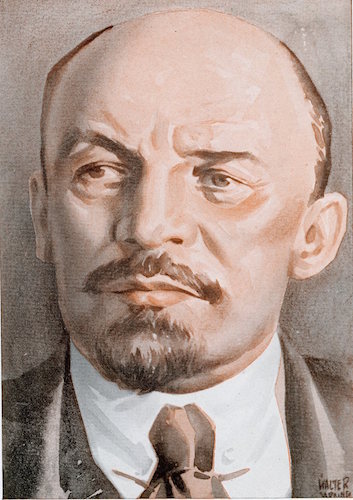
Utter devotion to his ideals made it possible for this son of a schoolmaster to control and direct a revolution vaster than anything known in history. Vladimir Ilyich, known as Lenin, was a man of unshakeable faith and titanic energy – nothing ever daunted him. This Russian lived in poverty all his life: he was imprisoned, exiled to Siberia, forced to leave his country, often in peril of his life, often misunderstood and rejected by his countrymen. A disciple of Marx, he gave his life to the founding of a new world order, where the worker would rule. Refusing to accept defeat, he became the founder and guiding spirit of the U.S.S.R.
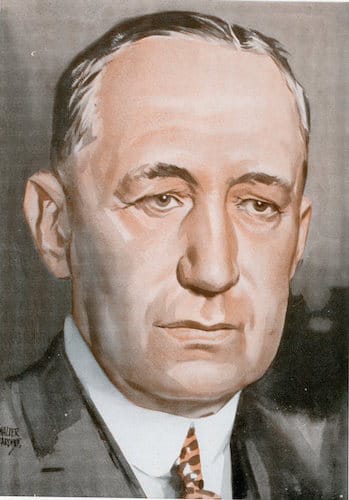
To the courage and persistence of this famous Italian inventor we owe that priceless gift, wireless. After years of patient labor, Marconi discovered how to send messages through space without wires to carry them. He offered his marvelous invention to the Italian government, but they refused to buy. It was in England that he found support and encouragement to make wireless telegraphy available for practical purposes. In 1901 the first wireless telegram was sent across the Atlantic Ocean. This engineer, a typical example of stamina, who sought to make life safe for the sailors, continued until his death to improve the wireless he had invented. To Marconi, difficulties were but stepping stones to success.
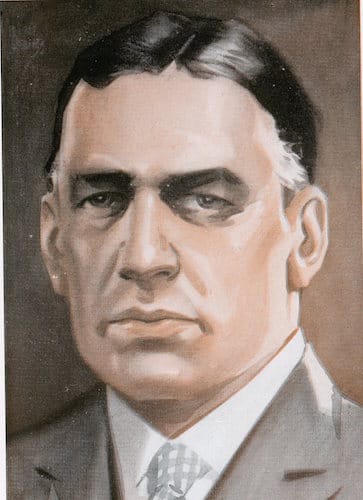
Shackleton’s life is the thrilling story of a great explorer whose unconquerable spirit so inspired his fellows that he made them invincible. This fact is underlined in the unforgettable story of his third Antarctic voyage. The epic story of stamina is surely contained in those 16 days of unspeakable privations when, in a small 23-foot boat, Shackleton and his five men crossed 750 miles of turbulent sub-Antarctic Ocean – the most tempestuous ocean in the world – only to find their way barred by the seeming impassable mountains of South Georgia. Shackleton was beloved by all who sailed with him, for he was a very gallant gentleman.
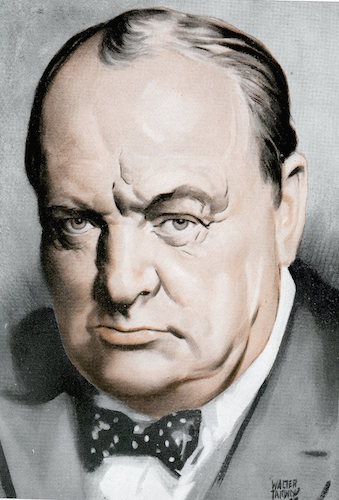
This is the man of whom it was written, “He might be knocked down, but he never was knocked out. He never took the count.” In his 65th year, in the days of the Empire’s peril, Churchill was called to leadership as Prime Minister of England. His dynamic speeches and strong conviction of ultimate victory sustained and heartened his nation in their darkest hour. Through the dark days of Dunkirk and the “Battle of Britain,” his dogged courage and indomitable will inspired the British people to a defense of their country unparalleled in human history. He has well been called “the greatest Englishman since the time of Elizabeth.”
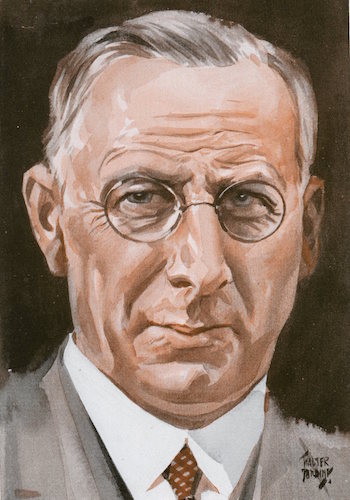
“Flynn of the Inland,” the son of a school teacher, was born in Victoria. Answering the call to the Christian ministry, he was called to serve in dreary, drought-stricken areas of Australia. Realizing the loneliness and the hardships suffered by men and women pioneers in the great open spaces of the Inland, he set himself to spread over them “a mantle of Safety.” In 1912 the A.I.M. [Australian Inland Mission] was formed. The Flying Doctor Service are monuments to his vision, stamina and foresight. We join with the people of the Inland in grateful thanks for his life of selfless service.
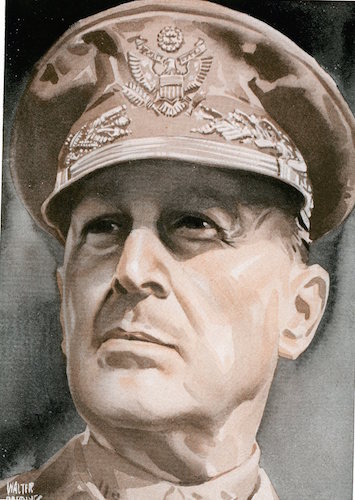
It was cited of this great American, “on a field where courage was the rule, his courage was the dominant feature.” MacArthur is more than a distinguished soldier, he is a great leader of men. After outstanding service in World War I, he became General (1930) and Chief of Staff of the U.S. Army. During World War II, he led the United Nation’s armies in the South-West Pacific to victory. From 1945, for five years he was Supreme Commander of allied powers in Japan. Australia will ever be indebted to him for his courage, military genius and stamina.
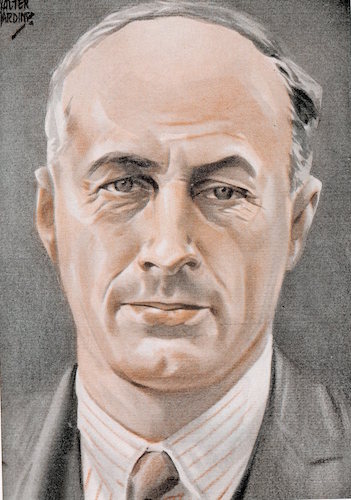
Few men have done more for Australia than this great explorer and scientist. Born in Yorkshire, he came to Australia whilst still a child, receiving his education in Sydney. When only 23 he was Lecturer in Mineralogy and Petrology at Adelaide University. Accompanying Shackleton to the Antarctic, with Professor David and Dr. Mackay, in 1909, he located the South Magnetic Pole. In 1911, 1929 and 1930 he organized and led further Antarctic expeditions, taking possession of over one million square miles for the Empire. The story of his incredible courage and stamina, especially during those three months from November, 1912, to February, 1913, is one of Australia’s priceless possessions.
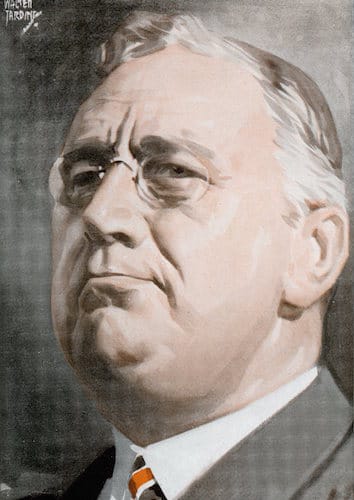
This iron-willed man was stricken with Poliomyelitis when he was 39. Completely and permanently paralyzed from the waist down, by sheer will-power he courageously sought to carry on. Instead of remaining an invalid, he fought his way to the leadership of 120 million people. He was 51 years of age when he became the 32nd President of the United States. His aim in life was “to make life better for the average man.” Believing in social justice, he fought for it. At home and abroad he led his nation to victory, freedom and prosperity. He is the only man ever to be elected President of the U.S.A. four times.
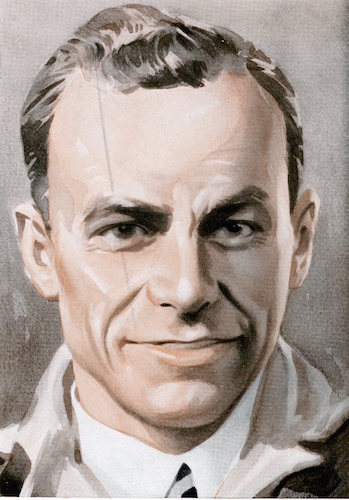
“He can who thinks he can” might well have been the motto of the boy from Bundaberg. As a lad he made and flew gliders, reading and absorbing all he could about aeroplanes. So keen was he on flying that, when 19, he worked his way to England on a tramp ship, securing work with the Sopworth Aircraft Company. Decorated for gallantry in World War I he ultimately became a test pilot. In 1928, in a diminutive plane, this courageous Queenslander flew the 11,450 miles from England to Australia in 15.5 days, the longest light plane flight ever made. Few have equaled his doggedness, endurance, perseverance, daring and stamina.
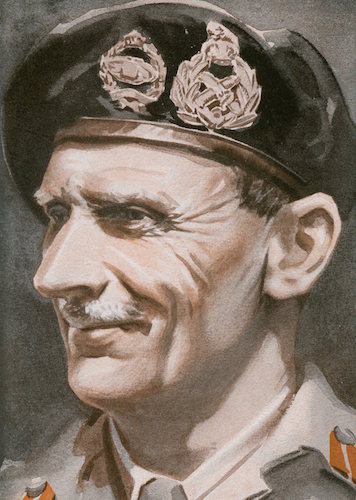
When your outlook is dark and you are near defeat, remember Bernard Law Montgomery. In the dark days of World War II he was hurriedly flown to Egypt to defeat Rommel. He took a poorly-equipped, tired, dispirited conglomeration of Allied soldiers and welded them into the famous Eighth Army. At Alam Halfa and Alamein he began an unbroken run of victories, ending only when, after leading a million men to the assault on Europe, World War II was won. The secret of his remarkable success may be found in his dynamic enthusiasm, his will to win, his supreme self-confidence, his genius for seeing the obvious, his faith in God.
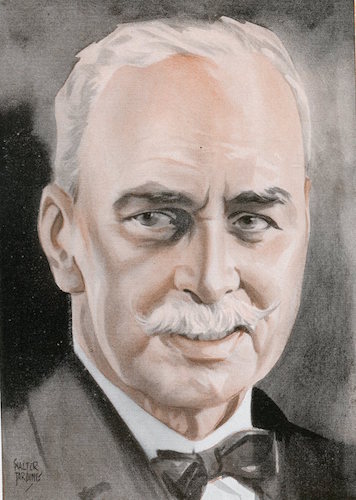
When your task seems hopeless, remember Sir Ronald Ross, the conqueror of malaria, and take courage. His infinite patience, sheer dogged persistence, stamina and faith have saved millions of lives and spared millions more from suffering. Struggling for years, when his quest seemed hopeless, Ross at last discovered that the germs of malaria were injected into people by certain mosquitoes, who carried and developed the mosquito parasite. It was one of the greatest medical discoveries ever made. Without it there would be no Panama Canal. Because of his stick-at-it-iveness and his endurance the world is a better and healthier place to live in.
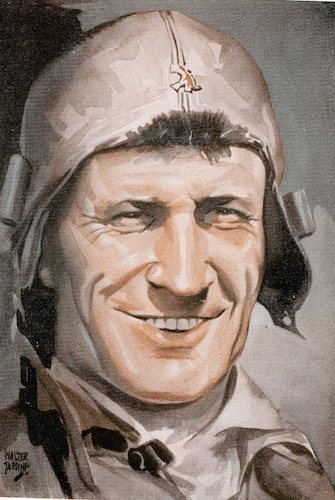
For sheer stamina few Australians have equalled our great flier, “Smithy.” His interest in flying dates from World War I, where he gained the Military Cross for conspicuous gallantry in the Flying Corps. After the War, he and Charles Ulm broke the round-Australia record. In his “Southern Cross” he broke record after record – across the Pacific, the Tasman, the Atlantic, around the world, solo from England to Australia. He became Wing Commander –Air Commodore –Sir Charles. His courage and daring, his grit and determination, will inspire us increasingly as the years march on, beckoning us on to higher heights and greater efforts.
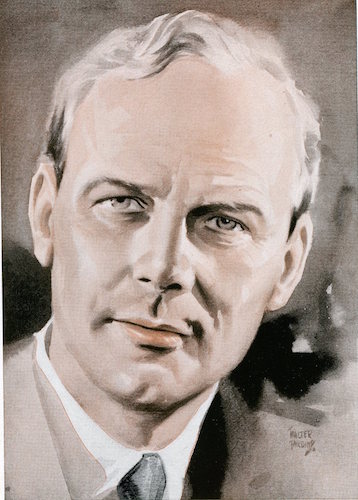
The greatness of a country is not measured by the number of square miles it contains, but by the number of square men and women living in it. This portrait represents those Australians whose conduct squares with what is right: who “play the game” by their fellow men: who love God and their neighbors as themselves. We will achieve true Greatness in proportion as we follow Him who said:
“He who would be great among you, let him be your servant.”
The post Men of Stamina appeared first on The Art of Manliness.

You know what’s really painful? Getting that ridiculous cable bill every month and having to shell out the cash for a ton of channels that you have no interest in watching. That’s why so many people are cutting the cord and relying on the Internet for their entertainment. With services like Netflix and Hulu, this has become easier than ever before. However, if what you want to watch is outside of those places, things can get complicated. Shows and movies are spread all over the Internet, and finding them is complicated. That’s where SelectTV comes into play. It takes all...
Read the full article: These 2 Deals Will Let You Get Rid of Cable Today

If you’ve recently opened up Uber on your phone, you will have seen a new alert on how the app can access your location even if you’re not using it. This includes tracking you for a full five minutes after your Uber ride has ended, but there’s a way to stop it. In addition to those five minutes after the ride, Uber points out that it tracks your location information at the following times: When you are interacting with the Uber app and the app is foregrounded and visible. When you’re on a trip: from the time you request a trip...
Read the full article: Uber Tracks You After Each Journey, But You Can Stop It


We were heading up to the fabulous North Georgia Folk Festival, above Athens and stopped downtown, for a little pre-festival shopping and lunch at Clocked! Diner. They declare their ideology very clearly:
We proudly use organic, local and natural ingredients, free of chemical fertilizers, antibiotics, growth hormones, synthetic herbicides and pesticides, ammonia and other additives. All of our food is cooked-fresh-to-order, we appreciate your patience.

While it was fairly busy, we seemed to have landed right at the end of the first shift of diners and were seated, fairly quickly. It’s very much a throwback, without being kitschy, reminding me of Grindhouse Killer Burgers, in that regard. Check out that pleated leather on the bar, below.

The menu is burger-centric, but with a large variety of vegan and vegetarian options – salads and sandwiches. I went with the Ring of Fire burger – jalapeños (which were full of seeds – they were very fresh), topped with pepper jack cheese and a chipotle mayo.

The first couple of bites were fairly lively, so I pulled out the jalapeños themselves. But I ended up leaving the seeds, which probably made it worse… This was a good, hot burger.
My beloved had a Bronco burger, with Gouda, bacon, barbecue sauce and an onion ring.

Honestly, just like in Jerry McGuire, I think that they had her at onion ring. When they added Gouda, she was hooked. We decided to share an order of tater tots. Since the burger was completely devoured, let’s assume that it was good. I see why they’ve been known for making “out of this world” burgers since 2000.


 Neatorama presents a guest post from actor, comedian, and voiceover artist Eddie Deezen. Visit Eddie at his website or at Facebook.
There have been many famous, legendary haircuts (for men) and hairdos (for women) in show business history. Well, we can start with the mop tops of the Beatles. Then we obviously drift over to the long hair, frizzly hair, shaved head of the respective three stooges- Moe, Larry, and Curly. (not to mention the split-in-the-middle part of Shemp). Alfalfa of the "Little Rascals" had his slicked-down cowlick, Harpo Marx had his curly blond locks, and Yul Brynner and Telly Savalas had their bald domes.
Veronica Lake had her "peek-a-boo" hairdo. The classic blonds include Marilyn Monroe and Jean Harlow. And let's not forget Lucille Ball's legendary carrot top.
But Elvis Presley's combed-back, ink-black, slickly-oiled, long-sideburned haircut is known all over the civilized (and uncivilized) world.
The earliest Elvis hairstyle was not the jet-black we are all so familiar with. One can watch and enjoy Elvis' earliest TV appearances from 1956 and even his first movie Love Me Tender from 1956 and notice his hair a slightly lighter, dark sandy-ish shade.
It wasn't until his second (and best) movie Loving You in 1957 (Elvis' first color film) that we see the extreme ebony hair that was to be become his trademark. Although the King's hair was actually snow-white by the end of his life, he routinely had it dyed black from '57 on out.  Even as a young teen, Elvis grew his hair "different" (very long instead of the routine crew-cuts of the early '50's) and was reputedly thrown off his high-school football team for refusing to get it cut. As for the sideburns, the most common story is that that was the way truck drivers grew it during the early fifties, and Elvis, being a truck driver himself, just went along with the crowd.
Elvis' slicked back, semi-ducktail haircut is sometimes credited to the great Tony Curtis for its original inspiration. Elvis was a movie usher as a teenager and he did love Tony as a matinee idol. Curtis makes the claim of being Presley's role model in his first autobiography.
But was there another inspiration? A more far-fetched, but feasible one?
In 1971, Elvis Presley accepted the single award he claimed to be proudest of in his entire career. That year, Elvis was voted one of the "ten outstanding young men" by the U.S. Jaycees. In his speech at the awards dinner (Elvis worked for weeks on his speech) he says the following interesting line: "When I was a child, I was a dreamer. I read comic books and I was the hero."
Elvis was, indeed , a big comic book reader and his supreme comic book hero was one "Captain Marvel, Jr."
Like most American boys in the 1940's, Elvis dreamed and fantasized about growing up to be like his favorite comic book hero. But unlike most boys, Elvis didn't associate himself with Superman, Batman, or The Green Hornet. Elvis was obsessed with Captain Marvel, Jr. also known as "America's most famous boy hero."
A younger version of the more famous Captain Marvel, the character sported a jet-black tuft of hair with a curly lock falling over his forehead. Sound familiar?
When Elvis set to conquer the world in the mid-fifties, it seems fairly apparent that he copied his comic hero's hairstyle. Elvis was to, as we all know, succeed in his quest, and soon make his "Elvis Presley haircut" one of the most famous haircuts of the 20th century.
But that wasn't all the King borrowed from his superhero idol. The famous jumpsuits with capes draping the back also came right from Captain Marvel, Jr. This is not to mention Elvis' beloved lightning bolt "T.C.B." (Taking Care of Business) insignia that he loved and had inscribed on jewelry, gifts, clothes, etc. in the later days of his career. The T.C.B. insignia bears a striking resemblance to Captain Marvel, Jr.'s own lightning bolt personal trademark.
 Elvis never tried to hide his love for Captain Marvel, Jr. A copy of Captain Marvel, Jr. #57 still sits in Presley's childhood bedroom in Memphis (now a shrine). His full comic book collection remains intact in the attic of Graceland.
And Captain Marvel, Jr. paid tribute to the King in one issue, calling Elvis "The greatest modern day philosopher."
 It’s a family affair for chef Hudson Rouse and his wife, Kathryn Fitzgerald Rouse, who opened this cozy spot in the spring. They collaborate on the menus, she runs the front of the house and oversees the beverage program (which includes her creative sodas, last seen at the General Muir), and even the kids pitch in. In addition to the stellar all-day breakfasts and hearty lunches, the restaurant now serves dinner, with unfussy meals (pot pies, chicken dinners) built around locally sourced meats and fresh, homegrown veggies. 124 North Avondale Road, Avondale Estates, 404-600-5297 Back to Food & Dining Back to Best of Atlanta This article originally appeared in our December 2016 issue.View Original Post
In addition to producing one of Atlanta’s only hard ciders (made with apples picked from its own orchard), Urban Tree pours local craft beers, hosts live bands, and brings in food trucks for the crowds that pack this breezy space. 1465 Howell Mill Road, urbantreecidery.com Back to Food & Dining Back to Best of Atlanta This article originally appeared in our December 2016 issue.View Original Post
It’s a family affair for chef Hudson Rouse and his wife, Kathryn Fitzgerald Rouse, who opened this cozy spot in the spring. They collaborate on the menus, she runs the front of the house and oversees the beverage program (which includes her creative sodas, last seen at the General Muir), and even the kids pitch in. In addition to the stellar all-day breakfasts and hearty lunches, the restaurant now serves dinner, with unfussy meals (pot pies, chicken dinners) built around locally sourced meats and fresh, homegrown veggies. 124 North Avondale Road, Avondale Estates, 404-600-5297 Back to Food & Dining Back to Best of Atlanta This article originally appeared in our December 2016 issue.View Original Post
In addition to producing one of Atlanta’s only hard ciders (made with apples picked from its own orchard), Urban Tree pours local craft beers, hosts live bands, and brings in food trucks for the crowds that pack this breezy space. 1465 Howell Mill Road, urbantreecidery.com Back to Food & Dining Back to Best of Atlanta This article originally appeared in our December 2016 issue.View Original Post
 Jessica PhillipsPhotograph by Johnathon Kelso It’s a fall afternoon, and Jessica Phillips is sitting in a log cabin and discussing Foxfire, the cultural appreciation nonprofit that for 50 years has transcribed and recorded the oral histories of vanishing Southern Appalachian folkways. Phillips, 18, is completing her fourth year of Foxfire journalism classes at Rabun County High School in northeast Georgia—like her mother, father, brother, and two aunts, who are all alums of the program. When Foxfire published its first book in 1972, the volume went through three printings and became a New York Times bestseller in just one month. Embraced by the era’s back-to-the-land enthusiasts (not unlike today’s maker movement), Foxfire became a phenomenon, inspiring bestselling books and a Tony-winning play starring Jessica Tandy. Foxfire…View Original Post

As a lost hunter, your job is to make SAR’s job easier by staying put. But as you wait to be found, there are other things you should do to stay comfortable—and alive

An educated foot can keep your truck moving in the right direction