“Earthrise” is an iconic photo of Earth rising up from the Moon’s horizon that’s considered one of the most important environmental photos ever made. Here’s a fascinating 3-minute visualization by NASA that recreates how the photo was shot in real-time.
In December 1968, Apollo 8 crew members Frank Borman, James Lovell, and William (Bill) Anders became the first humans to leave Earth and travel to another body in space. While orbiting the Moon and photographing the lunar surface on December 24th, the astronauts suddenly spotted the Earthrise.
Here’s how the conversation unfolded:
Anders: Oh my God! Look at that picture over there! There’s the Earth coming up. Wow, that’s pretty. Borman: Hey, don’t take that, it’s not scheduled. (joking) Anders: (laughs) You got a color film, Jim? Hand me that roll of color quick, would you… Lovell: Oh man, that’s great!
Anders, using a Hasselblad 500 EL equipped with a 250mm lens and custom 70mm Kodak Ektachrome film, first captured a black-and-white photo of the Earthrise.
Anders then asked Lovell to pass him a color film. By the time he got it, the Earthrise had passed out of view from the window Anders had been looking through. But then Lovell spotted the Earth through a different window.
Anders: Well, I think we missed it. Lovell: Hey, I got it right here [in the hatch window]. Anders: Let me get it out this one, it’s a lot clearer. Lovell: Bill, I got it framed, it’s very clear right here!
*shutter click* Lovell: Got it? Anders: Yep. Lovell: Take several, take several of ’em! Here, give it to me! Anders: Wait a minute, just let me get the right setting here now, just calm down. Lovell: Take – Anders: Calm down, Lovell! Lovell: Well, I got it right – aw, that’s a beautiful shot…Two-fifty at f/11.
*shutter click* Anders: Okay. Lovell: Now vary-vary the exposure a little bit. Anders: I did, I took two of ’em here.
Here’s the iconic photo Anders captured at 250mm, 1/250s, and f/11:
Thanks to audio recordings, photo mosaics, and elevation data from the orbiter, NASA was able to reconstruct the story behind this famous photo for the visualization video above. The orbiter was shooting photos of the lunar surface every 20 seconds, allowing NASA to precisely figure out the orbiter’s orientation at every moment.
“It has not been widely known, for example, that the spacecraft was rolling when the photos were taken, and that it was this roll that brought the Earth into view,” NASA writes. “The visualization establishes the precise timing of the roll and, for the first time ever, identifies which window each photograph was taken from.”
Image credits: Video by NASA’s Scientific Visualization Studio. Spacecraft model by Stuart Howes. The Blue Marble data is courtesy of Reto Stockli (NASA/GSFC).
Few things are as comforting as a brownie with a tall glass of cold milk. This classic recipe will give you a chocolatey, gooey dessert that will conjure memories of your grandma’s brownies—plus a little booze for good measure. We made sure to create a recipe that uses ingredients that can be gathered at your corner market. Also because we’re preparing it in a cast iron skillet, you can even take this recipe on the road. (Who doesn’t love bourbon brownies on a camping trip?) Just make sure to tent the skillet with aluminum foil when you put it on an open fire and note that cooking times will vary. Wherever you’re cooking, remember to be generous with the bourbon and enjoy.
1. Adjust oven rack to lowest position and heat the oven to 350º
2. Place bowl over a pot of simmering water (make sure bowl does not touch water), creating a double boiler. Add bittersweet chocolate, cocoa powder, and butter. Fold until chocolate and butter are melted.
3. Remove from heat and add eggs and vanilla, folding until smooth. Then fold in sugar and your shot of bourbon. Add flour and salt and mix until combined.
4. Using silicone spatula, scrape batter into a prepared cast iron skillet. Sprinkle Maldon. Bake until a toothpick inserted halfway between the edge and center comes out with a few moist crumbs (roughly 20-25 minutes). Let cool and enjoy.
So you’ve finally made up your mind and decided to start eating healthier. Good for you; keeping a good diet offers more perks diet than just staying in shape. Eating healthy can improve your mood, eliminate risks of certain deceases, and even save you money.
As a sampler, we offer you to try this delicious selection of mobile apps that do everything from counting calories to helping you avoid foods you’re allergic to.
1. Fitbit
Our first pick is perhaps the most well-known of all. You’re familiar with Fitbit as a tool to use for tracking your day-to-day activity. However, it’s actually great for tracking other parts of your daily routine.
If you want to start logging the food you eat, you can use Fitbit mobile app to do just that. Keeping a record of your meal history is made simple thanks to the barcode scanner. It won’t let you forget about other parts of an effective diet, as it tracks your water intake and sleeping patterns as well.
To stay on top of your weight gain/loss even better, you can use the app together with the Aria Wi-Fi Smart Scale from Fitbit.
At first glance, YAZIO looks like a simple calorie counter. But before you get to tracking the nutritional elements of your meals, the app offers you an opportunity to create a personal plan for losing weight.
You can also use it if you just want to get back in shape and build muscle. On the app, you can create meal plans and track your daily calorie intake as well as steps taken. There’s even an option to sync it up with other fitness apps you use.
The app is free, with an option of an upgrade. Buying the Pro version unlocks a bunch of healthy recipes, as well as body fat and blood sugar tracking.
Download: YAZIO for iOS | Android (Free, subscription available)
3. MyFitnessPal
If you’ve tried various apps for losing weight in the past and didn’t get the results you were hoping for, MyFitnessPal might be your answer. This app isn’t just about telling you what to eat and not eat. There’s a lot of community support in it as well.
The best part of this app is that it has its own fitness social network. You can connect with other users, exchange updates, and receive encouragement and support for reaching your goals. They’re pretty much the (virtual) gym pals you never had. Of course, you also get a food diary to log your daily meals, and a calorie counter for millions of different food items.
You can download MyFitnessPal for free, but there’s a subscription available for those who are looking for more tracking options and exclusive content.
Download: MyFitnessPal for iOS | Android (Free, subscription available)
4. Substitutions
Substitutions is an app that helps you find—you guessed it—substitutions for different foods and ingredients. This app will come in handy in both the supermarket and the kitchen.
It can help when you’re trying to avoid eating certain foods, or if you realize you’ve run out of an ingredient in the middle of cooking. Speaking of which, are you aware of the great services that deliver fresh meals to your home?
My Diet Coach is aimed at women, and is a good choice for anyone need of motivation. Just like an actual coach, the app is all about making sure you stay committed to reaching your goals.
The app lets you create an avatar that represents you. With time, you’ll watch your avatar lose weight and get in shape together with you, as you complete your goals in both the virtual and real world.
You can set personalized reminders for yourself to help stay on track. My Diet Coach is less about the calorie counting approach and more about a virtual friend trying to help you along the way.The app has a set of motivational posts and photos as well.
Download: My Diet Coach for iOS | Android (Free, subscription available)
6. FoodPrint
While some nutrition apps start by asking you for your parameters and let you set your goals yourself, FoodPrint starts by asking you about what you eat. Once you’ve finished entering your taste preferences and health/fitness goals, the app will help you create a personalized menu.
Based on this, it also tells you how many calories you should eat each day to reach your goals. You’ll also learn what types of fitness activities are best for you and your needs. To keep you accountable, FoodPrint allows you to share your progress on social media.
Download: FoodPrint for iOS | Android (Free, subscription available)
7. Find Me Gluten Free
When you’re in a new neighborhood or traveling, finding a place that serves gluten-free meals can be difficult. Thankfully, Find Me Gluten Free will be your personal Yelp for gluten-free dining. You can look up restaurants near your current location, search for a place by address, or use an interactive map to see what’s available around you.
User reviews let you check if the place is any good before you arrive.
Download: Find Me Gluten Free for iOS | Android (Free, subscription available)
8. Fooducate
If you’re looking to get some food education, Fooducate is here to help you. If you struggle to make sense of nutrition information on food labels, you’ll love this app. Using it, you can scan the barcode of a product (or type its name in) to find out its total calories, fat, and related information.
Fooducate can also help you track the calories you consume on daily basis. Plus, it will assess your sleep patterns, mood, and hunger levels to determine where your habits might need improvement. You can also log your health conditions and allergies into the app, and it’ll help you avoid certain foods in the future.
Download: Fooducate for iOS | Android (Free, subscription available)
Ready to Change Your Lifestyle?
Lifestyle changes never come easy. Bu sometimes all you need is one extra push to keep going. These apps can help you get motivated and stay committed to your goals.
You’re probably familiar with how to take regular screenshots on Android and iOS. But what options do you have when you need to take a longer screenshot?
If you want to capture an entire web page or chat conversation, try using one of these seven apps to capture scrolling screenshots.
1. LongShot
LongShot is a powerful Android-only app for making long and scrolling screenshots. The app has three core features:
The stitching tool, which allows you to connect multiple screenshots into one long one.
A tool that can automatically capture long web pages.
A floating tool to snap multiple screenshots in quick succession.
If you want to grab an entire web page, just scroll to the bottom. The app will take care of the rest with no further input. You can also add your own start and end points for more customization. There’s no limit to the number of screenshots you can stitch together.
LongShot captures all its images in lossless format. Any blurring you might see when you share your screenshot to other apps is caused by image compression on their end.
The app is free to use and does not include watermarks.
This iOS app’s focus is quite specific; it’s designed for taking screenshots of web pages. Long Screenshot does not work with other content such as WhatsApp chats or Twitter threads.
To take a screenshot of a complete web page on your iOS device, just copy the URL and paste it into the app. The end product is a high-quality image.
One of the best alternatives to LongShot on Android is Stitchcraft. Unlike its rival, there’s no automatic scroll-and-shoot feature, but it’s still a robust app.
The lack of an automated tool means you need to take all screenshots individually. Just make sure there’s a small amount of overlapping image in each for best stitching results.
Conveniently, the stitching process is automatic. Select the images you want to include in your long shot, and the app will put them together. You can also do the stitching process manually if you prefer to have a more granular level of control.
Stitchcraft works with web pages, third-party apps, message threads, and fixed background images. Other noteworthy features include an annotation tool, an image manager, and an easy way to share your images on social networks.
The app is free to use, though an ad-free Pro version is also available.
Download: Stitchcraft Free for Android (Free) | Stitchcraft for Android ($1)
4. Picsew
We think Picsew is a better option for iOS than the previously mentioned Long Screenshot, as it has more features.
Most notably, Picsew can stitch images together along both the vertical and horizontal axis, allowing you to create awesome landscape-oriented scrolling screenshots if the need arises.
It also includes some editing tools (though they aren’t as powerful as other photo editing apps on iOS). You can pixelate your images to hide people’s faces or sensitive information. You can also add watermarks and borders to customize your screenshot.
Lastly, Picsew has a Web Snapshot extension. It lets you grab a screenshot of an entire web page with a single tap.
As is the case with most of these apps, Picsew offers both automatic and manual stitching. It has no limit on the number of screenshots that you can stitch into a single image.
The app works with any scrollable content on your iOS device, including third-party apps and social media apps.
Web Scroll Capture is the Android equivalent of Long Screenshot on iOS. It only works with web pages; you can’t use the app to capture message threads or content from third-party apps.
The app has three primary features. You can save web pages as a PDF, as an image, or download the page for offline viewing.
In truth, the Android OS and Chrome already handle the PDF and offline viewing features. However, if you frequently find yourself needing to save web pages as images, Web Scroll Capture is worth checking out.
Tailor is another versatile iOS app. It will work with the most popular software on your device, including Facebook Messenger, WhatsApp, and Twitter.
It doesn’t automatically scroll down a web page or app for you. Instead, you need to take all your screenshots manually, then add them into Tailor. The app can automatically stitch them all together.
The basic version of the app is free. For a $3 in-app purchase, you can remove the ads and watermark.
Some Android phone developers have started to include a native ability to take long screenshots on their devices. Samsung and Huawei have led the way on this.
Samsung introduced its Capture More feature with the Note 5. This was rebranded as Scroll Capture on the Galaxy S8.
To use the feature, head to Advanced Settings and turn on Smart Capture. Take a screenshot as usual, but tap on Scroll Capture to add more shots below. Keep tapping on Scroll Capture until you’ve covered all the content you need.
On Huawei devices, press Power + Volume Down to take a simple screenshot. Immediately tap on Scrollshot to make a long screenshot. The page will start scrolling automatically; tap on the screen to stop it.
Learn More About Taking Screenshots
Taking a good screenshot is an art form. There are lots of methods you can use and tips you should keep in mind.
Over 500 guns were surrendered to Baltimore police within the first hour and a half of a citywide gun buyback program this week. Participants received anywhere from $25 to $500 for their unwanted firearms.
Mayor Catherine Pugh and Interim Police Commissioner Gary Tuggle announced a gun buyback program—the first in six years—last week. Pugh said that the program was intended to "get the guns off of our streets."
The program reportedly cost the city $250,000, but there is little evidence that buyback programs are effective in reducing violence, or even in reducing the number of firearms in circulation—as one woman ably demonstrated.
Kathleen Cairns, a WBFF Baltimore journalist, tweeted a picture of a woman who was surrendering a 9mm. She hoped to use the money from the program to buy an even bigger gun.
One woman shows us the 9MM she is turning in for the Baltimore City Gun Buy Back program. But she says she is using the cash to get a bigger weapon! Story on FOX45 at 4pm. pic.twitter.com/LlmCbezpU7
There are other ways to game the system as well. For example, the city is offering $25 for every "hi-capacity" magazine turned in. Some digging from Daniel J. Mitchell of the Foundation for Economic Education (FEE) discovered that such a "hi-capacity" magazine can be purchased online for about $12. The $13 in profit may not seem like much money to some, but it can be the difference between paying for food, rent, a bill, or even a Christmas gift.
Of course, the vast majority of participants of the program are not those with criminal intentions. In fact, interviews revealed that participants wanted to declutter their homes, get rid of old family heirlooms, or simply make a buck.
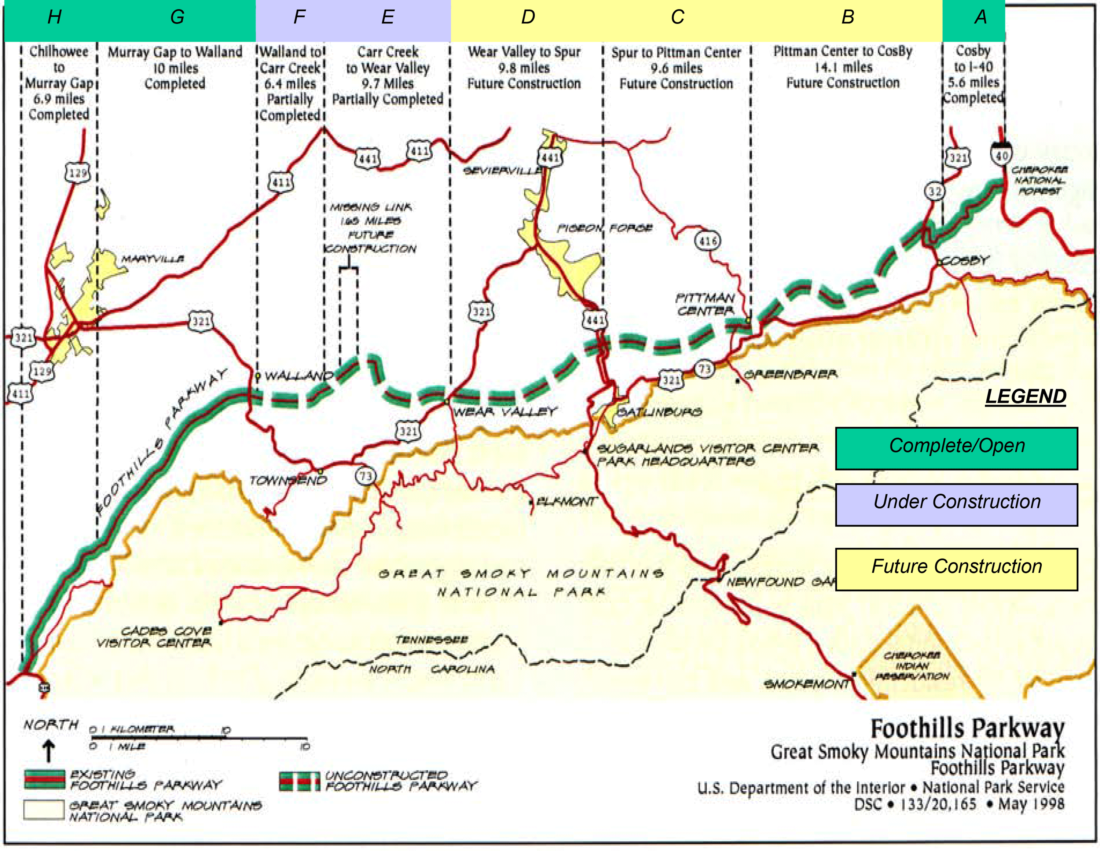
The Foothills Parkway, a scenic two-lane that hugs the forested slopes of East Tennessee overlooking the Great Smoky Mountain National Park, has remained unfinished for decades. But this weekend, it’s sixteen miles closer to completion. On Saturday, November 10, a stretch of the parkway between Walland and Wears Valley that includes a 1.65-mile portion known as the “missing link” finally opens to motorists.
The story of the parkway begins in 1944, when Congress approved building a seventy-two-mile road that would stretch from Interstate 40 in the east, snake around the northern and western edges of the park, and end at Chilhowee Lake in the west. It was inspired by the Blue Ridge Parkway, which links the North Carolina side of the Smokies with Virginia’s Shenandoah Valley. “The premise of the parkway was for it to be a scenic roadway that, by design, would allow spectacular views into the national park,” says Alan Sumeriski, who, as the park’s chief of facility management, has overseen this phase of the project’s construction.
Sections E and F comprise the 16 miles opening this weekend.
The first of eight total sections of the parkway—sixteen miles on the far western end and six miles on the far eastern end—were completed in the late 1960s. Around that time, construction began on the western segment that connected Walland, now home to the famous Blackberry Farm resort, to Wears Valley. “But there was limited funding due to competing needs,” Sumeriski says. “Then, in 1986, one of the retaining walls fell, which put a pause on the project altogether.”
When building resumed in the 1990s, nine gaps in the road needed to be connected. “The question arose: Do we build bridges or cut-and-fill to connect the ‘missing link?’ What environmental risks do we have here?” Sumeriski says. The Park Service chose to build bridges, a more environmentally sensitive approach. (Both water and wildlife can pass beneath.) Construction continued to move slowly, though, until 2009 when the American Recovery and Reinvestment Act passed, providing funds to propel the project forward.
photo: National Park Service
One of nine newly completed bridges.
“When we construct a road, we try to fit it into the landscape,” Sumeriski says. “This leads to engineering challenges, but it also leads to creativity and intriguing architecture.” Take Bridge Two, for example, which is similar in design to the serpentine Linn Cove Viaduct outside of Linville, North Carolina, on the Blue Ridge Parkway. Except that Bridge Two increases more than seventy feet in elevation in less than 800 feet in length—a nearly ten percent grade. “Bridge Two has won three different awards within the bridge industry,” Sumeriski says. “It was built in Strawberry Plains, Tennessee, shipped on site, and set with a crane.” After Bridge Two’s completion, the last five of the nine bridges were built in place using top-down construction, a method where equipment works from above, limiting the construction site’s impact on the environment.
“[The view] from this part of the parkway is a view that no one has ever painted or photographed before,” Sumeriski says. And now, an estimated 3,000 visitors per day will be able to enjoy it.
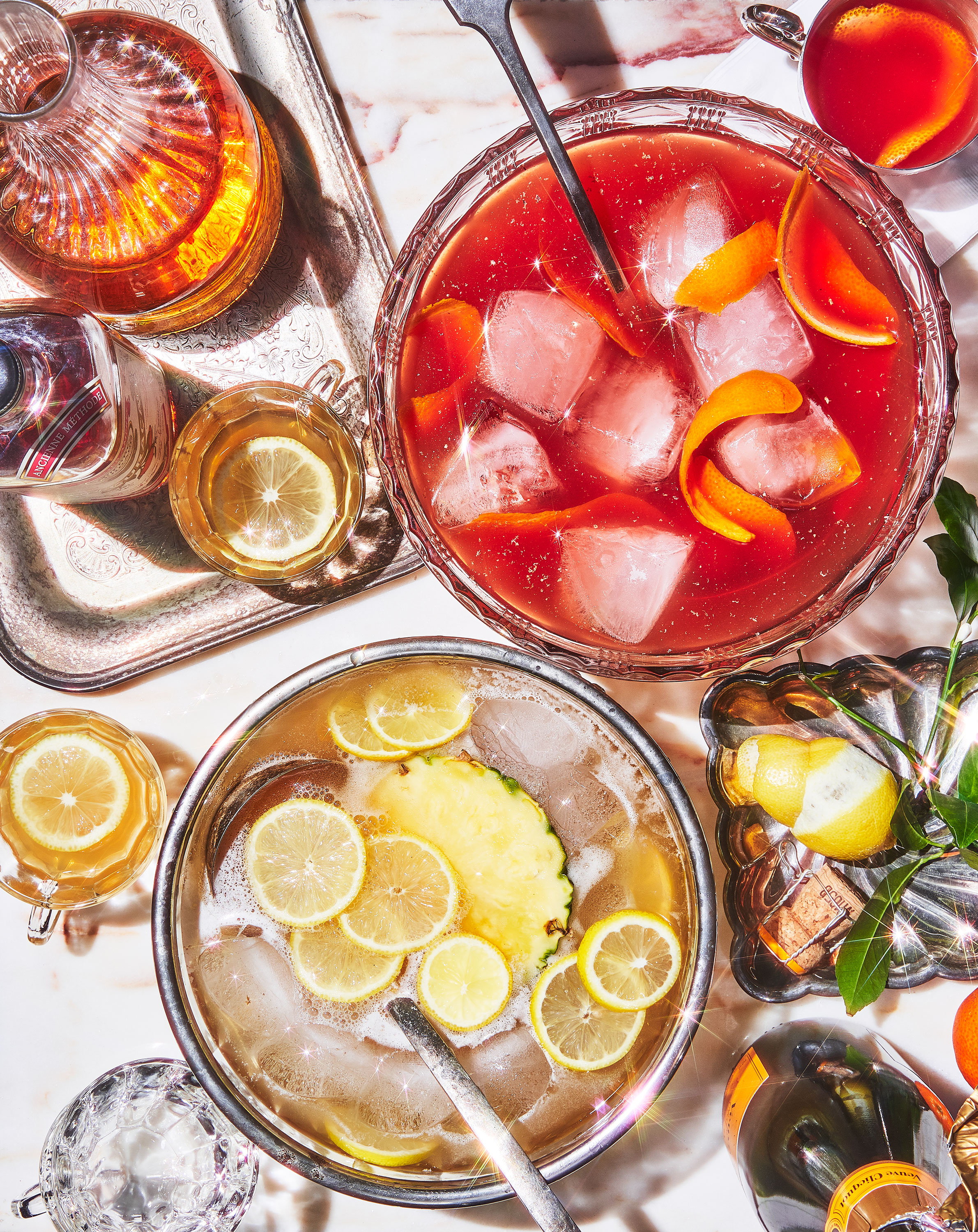
Punch has historically been more concept than commodity. It was built around a simple idea rather than a specific product: that you could sand down the rough edges of a harsh spirit—and keep a crowd happy—with some well-considered additions, which came to include sugar, citrus juice, and spices, along with tea or (later) soda.
The first written reference to punch arose in India in 1632 (penned in a letter by a British traveler), and from there the notion overspread the globe, although rather slowly since ships were then the chief form of social media. Punch was originally concocted from palm-sap liquor, but then brandy and whiskey took over when the drink reached Europe. Punch next made a fateful and fortuitous leap to the West Indies, with its sugar crops and bottomless barrels of rum. By the end of that century, it had arrived in the American colonies.
Johnny Autry
Throughout it all, punch has remained the most democratic of drinks. Taverns throughout the colonies set out bowls awaiting customers, and many prided themselves on the excellence of their offerings. Alice Morse Earle, the author of Stage-Coach and Tavern Days,noted, “Sometimes honor was conferred by naming the punch for the person,” then added, perhaps uncharitably, that “sometimes the punch was the only honor the original ever had.”
Punch persisted through the nineteenth century—commentators noted that some bowls of it were large enough that geese could swim in them. But then came the upstart cocktail—individually sized, endlessly customizable, attractively modern—and punch began its long sunset. By the middle of the twentieth century, it was largely exiled to bridge clubs and Ladies Auxiliaries. Worse yet, college fraternities took a liking to it, and so random liquor and random juices all went into trash-cans-as-punch-bowls, in the unsound belief that this was how adults drank. The death knell came when a mirthless, alcohol-free version entered the exitless mire of bottled drinks for children.
With the revival of sophisticated drinking among younger generations over the past decade, punch has happily reemerged, thanks in large part to cocktail historians such as David Wondrich, whose 2010 book, Punch: The Delights (and Dangers) of the Flowing Bowl, resurrected antiquarian recipes. Rum-and-lime-heavy West Indian punches of the seventeenth century and Madeira-spiked ones of the eighteenth seem right at home alongside sparkling post-Prohibition concoctions from the twentieth. Punch has by now all but recovered from the indignity of fraternity and bridge parties, and bowls of thoroughly modern mixes regularly appear at hip bars in Atlanta and New Orleans and Washington, D.C., offering both traditional hospitality as well as a beverage that makes the palate dance.
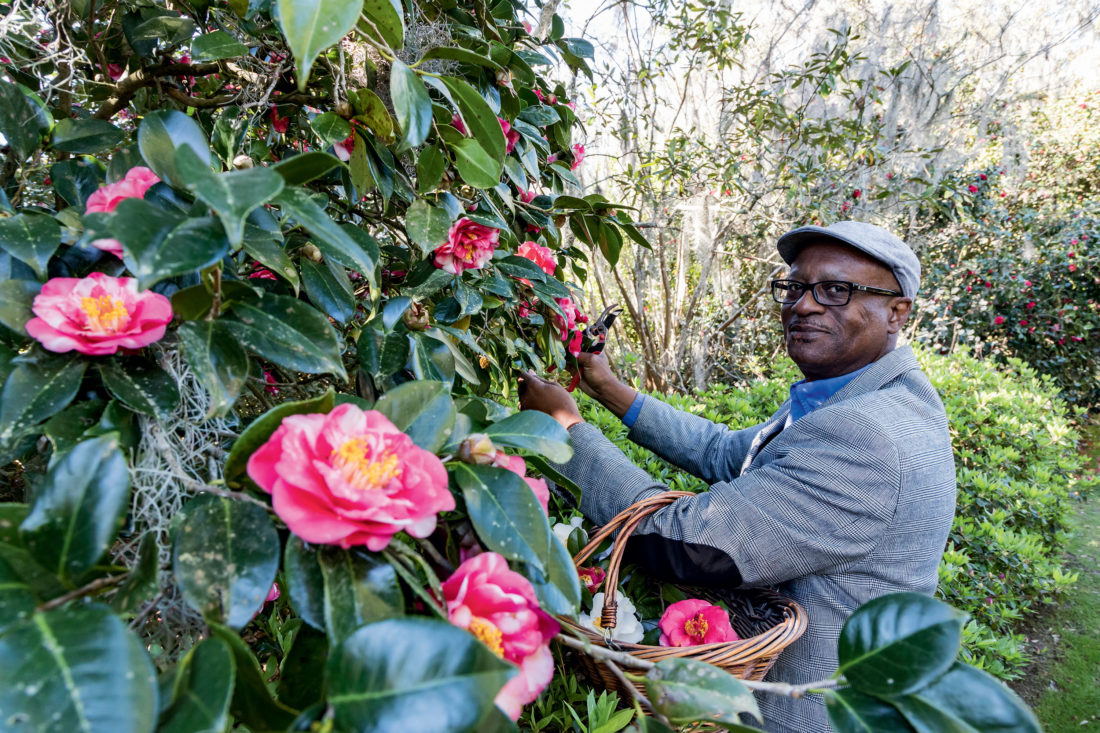
Sidney Frazier reaches for the dark green leaves, gently, as if clasping his grandmother’s hand. “This is the Queen of Flowers, our oldest camellia,” he says of the plant, which blooms red with a splash of white. “It’s over two hundred years old.”
Frazier is the vice president of horticulture at Middleton Place, a colonial-era plantation turned house museum along the Ashley River just outside Charleston, South Carolina, where he oversees the oldest landscaped gardens in America. Just as storied, though, are the property’s ten thousand pink, red, and white camellias, cold-tolerant shrubs native to Asia that bloom November through January. Some blossoms are floppy, wavy with petals, others so symmetrical and delicate they almost look like porcelain. One, that Queen of Flowers, is very likely the nation’s oldest camellia.
photo: Peter Frank Edwards
Sidney Frazier pruning Camellia japonica blooms at Middleton Plantation.
Frazier considers himself the guardian of them all—he has tended the flowering shrubs for more than forty years. And although he has planted a handful of camellias over the decades, most are older than him. Walking along one of Middleton’s brick paths, the sixty-one-year-old peers through his glasses, examining his charges like a doctor. “Camellias are not high-maintenance, and they love the environment here,” he says in an easygoing tone that might baffle those who find daunting the prospect of keeping
masses of centuries-old shrubs alive, including rare specimens among the more than one thousand cultivars and species. “I prune for shape and form, letting air flow through the plant so it can breathe. Some camellias grow over the top of a path, so that as they bloom, you walk through a tunnel of flowers.”
As a boy, Frazier discovered plant cycles and patience while growing up on his grandparents’ sharecropped patch of land on nearby James Island. His first sight of Middleton came when he was seventeen and hired for a summer job in 1974. “I saw the terraces and the lakes and the ponds, and it just did something to me,” he says. “I felt a connection. I thought this type of garden only existed in England or Italy, but I never knew this existed in South Carolina, in my backyard.”
Groundskeepers at Middleton admired the teenager’s curiosity, his willingness to get his hands dirty, and how Frazier asked earnest questions when he didn’t understand—“How do you prune azaleas?” “When do we fertilize?” After joining the staff at Middleton full-time in 1978, he furthered his horticultural education at nearby Trident Technical College. Frazier now regularly answers calls from garden clubbers, leads camellia workshops and guided walks at the estate, has appeared as a frequent guest on the local show Making It Grow, and lectures at his alma mater. Today some call these sixty-five acres “Sidney’s garden,” among them Sallie Duell, chairman of Middleton’s board and a cofounder of the Charleston Horticultural Society. “Sidney has been the steward of the garden longer than any other known person, and he’s also the most hands-on of any of its caretakers,” Duell says. “It’s to Sidney’s credit that the queen camellia is still with us, the way he babies it along.”
photo: Peter Frank Edwards
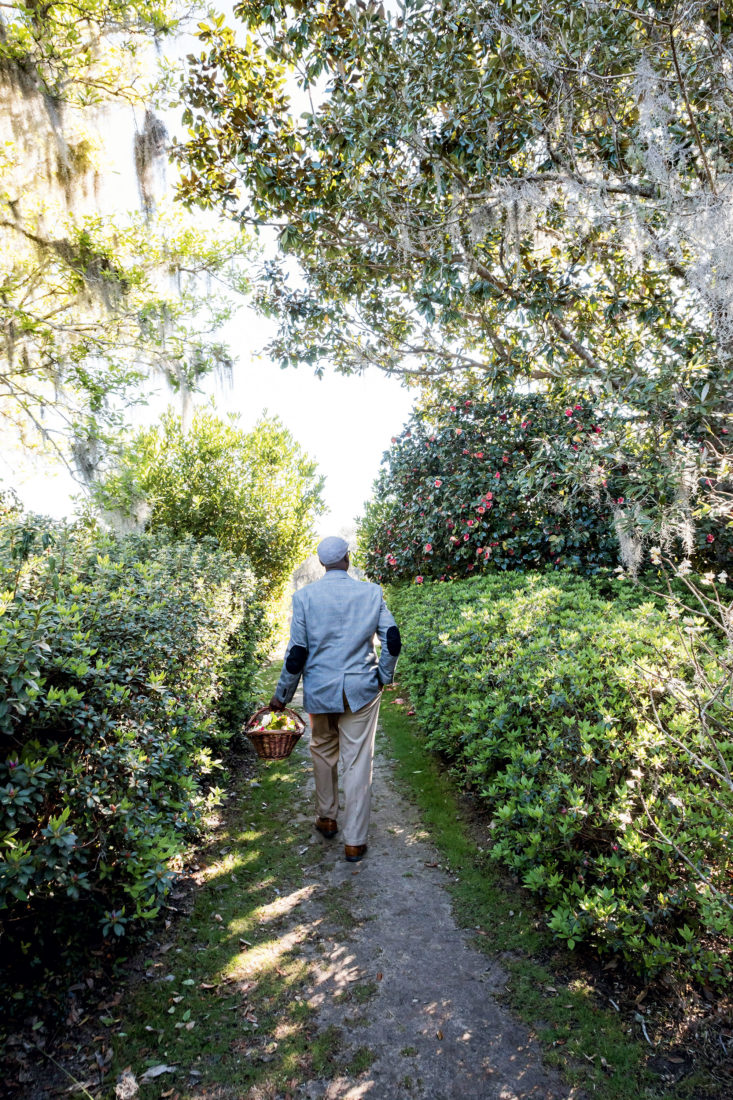
Frazier strolling Middleton’s North Green Walk.
Standing alongside that “Reine des Fleurs,” Frazier takes one of her branches gingerly in his palm. One of the first four camellias rooted here in 1786, this plant was a gift from the French botanist André Michaux to the Middleton family, wealthy indigo and rice planters who made the property their showplace. Only one of those originals—the queen—survived the Civil War and centuries of hurricanes. “After Hugo, we realized we could lose the ancient plants,” Frazier says. “If they’re gone, they’re nowhere else, so they’re really gone.”
In the years after that 1989 storm, Frazier began to attempt to propagate the queen, in an experiment called air layering. The process involves cutting into a piece of a limb, bandaging the wound in wet moss, and wrapping it in plastic wrap. “Then forget about it for six months, come back, and see if that piece is starting to root out,” he says. If the growth has established strong roots, Frazier extracts the new genetically identical piece. “The plant doesn’t even know it’s being removed from the parent,” he says. So far, Frazier has air layered six offspring from the queen and planted the most successful progeny.
“A lot of what I do takes time to be realized,” he says. “If you understand the windows Mother Nature presents to you, you will be rewarded at the right time. If you work against Mother Nature…” He shakes his head. His eyes drift above the queen to a towering magnolia tree. “The camellia is older, but the camellia needs shade,” he says. “The big magnolia, native to here, is her protector.” Just like Frazier.
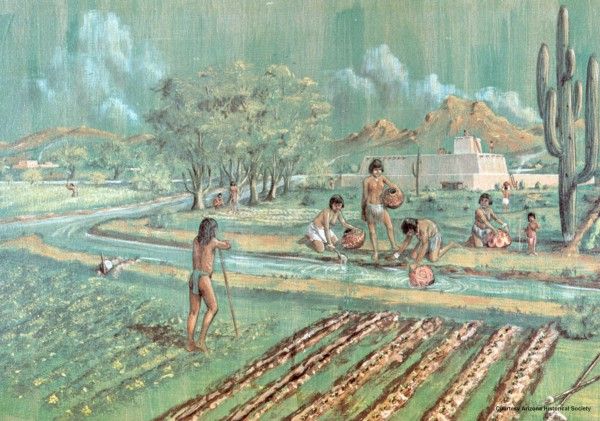
At the start of any society or civilization is the advent of agriculture and the pioneering technologies that make it more convenient and productive.
For agricultural societies, water is a very important resource. Natural disasters would cause a great impact in their lives, with droughts sucking up all the water and floods ruining the crops and possibly taking lives.
So the Hohokam civilization of Arizona built and maintained an intricate system of canals that not only protected them from the floods but also provided a network of irrigation and water supply that benefited them greatly.
From approximately A.D. 450-1400, a Native American group known today as the Hohokam overcame a harsh desert environment along with periodic droughts and floods to settle and farm much of modern Arizona.
They managed this feat by collectively maintaining an extensive infrastructure of canals with collaborative labor.
There are times when the moral obligation to help others out becomes our primary motive to go out of our way and possibly risk our lives to do what we can to help. That's what a co-worker did to help solve a 30-year-old crime.
The investigators had come once before, in 2013, asking about a delivery truck driver named Timothy Bass. Strangely, they had wanted to know details of his daily routes decades ago.
Now, four years later, a female co-worker — who has not been publicly named — asked why. They told her: Bass was a suspect in the 1989 rape and murder of 18-year-old Mandy Stavik, one of the region’s most infamous unsolved crimes.
She handed over the information the police wanted even though her bosses had previously declined to assist. Later, a detective called back, asking if Bass ever ate food at work. She understood.
Situated on the Royal Mile, World’s End Close is a typical alleyway in a part of the city that was once a fish market.
Records indicate that it was referred to as Swift’s Close in the 15th century after a John Swift; and later, Stanfield’s Close after Sir James Stanfield, who was supposedly drowned by his son. But it was an entrance toll by which this now-famous point of interest became known as World’s End Close.
World’s End Close is an alley leading off the Royal Mile, once located inside the Netherbow Port. The Netherbow Port was a large gatehouse that served as a passageway between the Royal Mile at the Canongate region of Edinburgh’s Old Town. Travelers were required to pay a fee to enter the gates, which kept Edinburgh’s poor residents confined to the city their whole lives.
For the last 12 months, the global media has been focused on a lot of bad news. But there were other things happening out there too: conservation successes, huge wins for global health, more peace and tolerance, less war and violence, rising living standards, some big clean energy milestones, and a quiet turning of the tide in the fight against plastic. Stories of human progress, that didn’t make it into the evening broadcasts, or onto your social media feeds.
We spent the year collecting them, in our ongoing mission to stop the fear virus in its tracks.
All of these stories first appeared in our fortnightly email newsletter. If you’re interested in getting more news like this in 2019, you can subscribe for free right here.
1. The Kofan people of Sinangoe, in the Ecuadorian Amazon, won a landmark legal battle to protect the headwaters of the Aguarico River, nullifying 52 mining concessions and freeing up more than 32,000 hectares of primary rainforest. Amazon Frontlines
2. Following China’s ban on ivory last year, 90% of Chinese support it, ivory demand has dropped by almost half, and poaching rates are falling in places like Kenya. WWF
3. The population of wild tigers in Nepal was found to have nearly doubled in the last nine years, thanks to efforts by conservationists and increased funding for protected areas. Independent
4. Deforestation in Indonesia fell by 60%, as a result of a ban on clearing peatlands, new educational campaigns and better law enforcement. Ecowatch
5. The United Nations said that the ozone hole would be fully healed over the Arctic and the northern hemisphere by the 2030s, and in the rest of the world by 2060. Gizmodo
6. $10 billion (the largest amount ever for ocean conservation) was committed in Bali this year for the protection of 14 million square kilometres of the world’s oceans. MongaBay
7. In California, the world’s smallest fox was removed from the Endangered Species List, the fastest recovery of any mammal under the Endangered Species Act. Conservaca
8. In 2018, after more than ten years of debate, 140 nations agreed to begin negotiations on a historic “Paris Agreement for the Ocean,” the first-ever international treaty to stop overfishing and protect life in the high seas. National Geographic
9. Niger revealed that thousands of local farmers have planted more than 200 million trees in the last three decades, the largest positive transformation of the environment in African history. Guardian
10. Spain said it would create a new marine wildlife reserve for the migrations of whales and dolphins in the Mediterranean and will prohibit all future fossil fuels exploration in the area. Associated Press
11. Following ‘visionary’ steps by Belize, UNESCO removed the Belize Barrier Reef, the second largest in the world, from its list of endangered World Heritage Sites. BBC
12. Colombia officially expanded the Serranía de Chiribiquete (also known as The Cosmic Village of the Jaguars)to 4.3 million hectares, making it the largest protected tropical rainforest national park in the world. WWF
13. Mexico said its population of wild jaguars, the largest feline in the Americas, grew by 20% in the past eight years, and 14 Latin American countries signed an agreement to implement a regional conservation program for the big cats through 2030. Phys.org
14. In the forests of central Africa, the population of mountain gorillas, one of the world’s most endangered species, was reported to have increased by 25% since 2010, to over 1,000 individuals. Reuters
15. Canada signed another conservation deal with its First Nations people, creating the largest protected boreal forest (an area twice the size of Belgium) on the planet. BBC
16. Chile passed a new law protecting the waters along its coastline, creating nine marine reserves and increasing the area of ocean under state protection from 4.3% to 42.4% BBC
17. The Seychelles created a new 130,000 square kilometre marine reserve in the Indian Ocean, protecting their waters from illegal fishing for generations to come. National Geographic
18. New Caledonia agreed to place 28,000 square kilometres of its ocean waters under protection, including some of the world’s most pristine coral reefs. Forbes
Some extraordinary new milestones for global health
19. 25 million doses of a new cholera vaccine were administered globally, and preparations began for the largest vaccination drive in history. UNICEF
20. France revealed a sharp fall in daily smokers, with one million fewer lighting up in the past year, and cigarette useamong Americans dropped to its lowest level since the Centers for Disease Control and Prevention started collecting data in 1965.
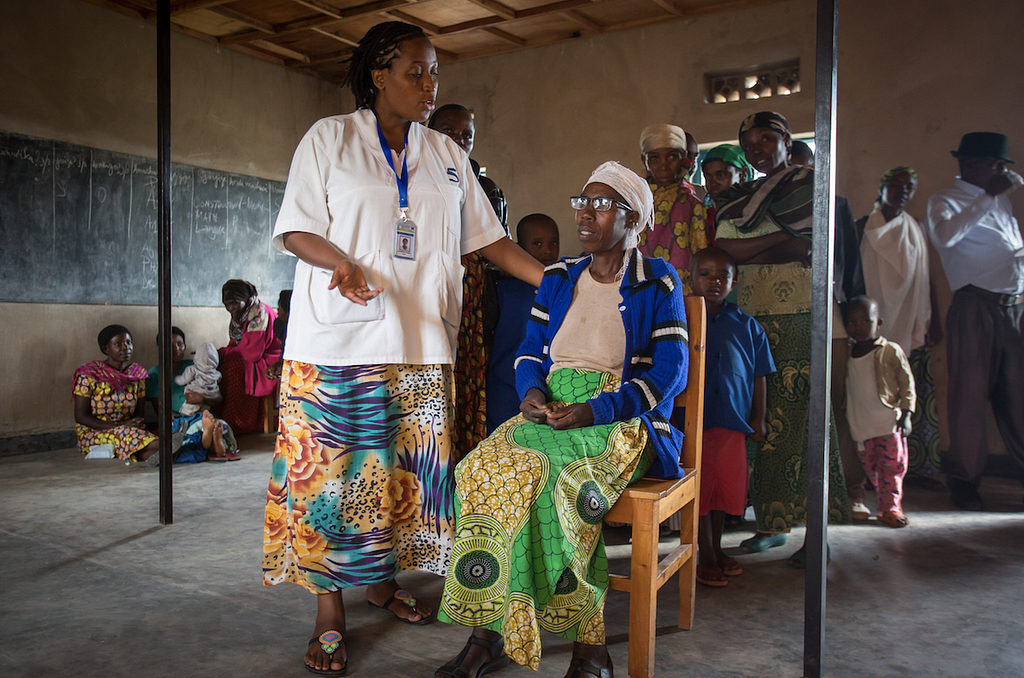
21. Rwanda became the first low income country to provide universal eye care to all of its citizens, by training 3,000 nurses in over 500 health clinics. Global Citizen
In five years, Rwanda has carried out 2.4 million eye screenings, and over 1.2 million basic treatments have been provided. Image credit: Clearly
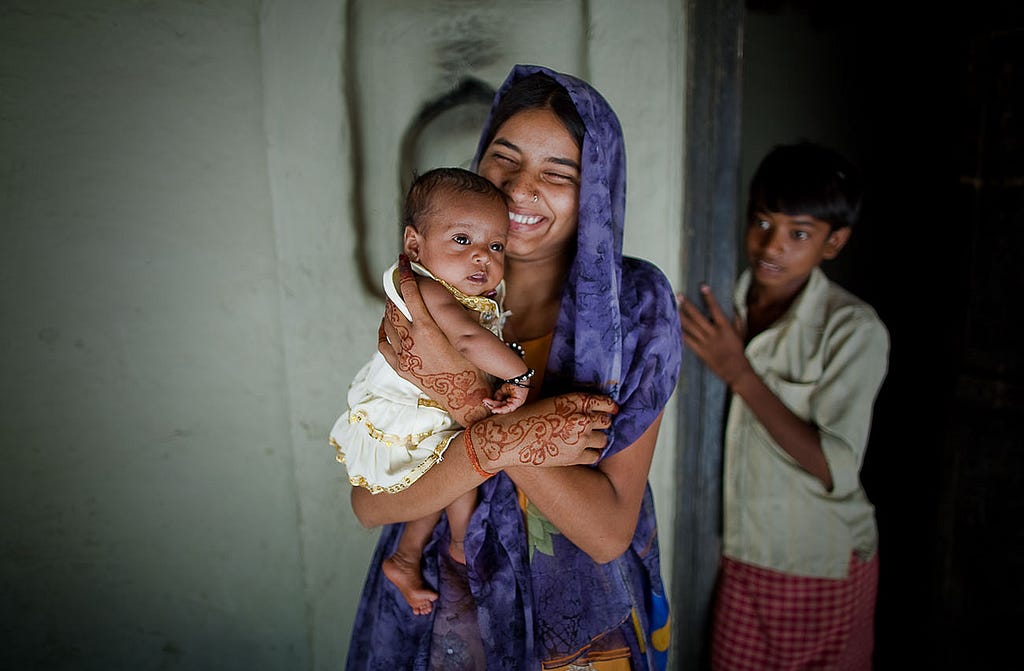
22. India registered a 22% decline in maternal deaths since 2013. That means on average, 30 more new mothers are now being saved every day compared to five years ago. The Wire
23. Ghana became the first country in sub-Saharan Africa to eliminate trachoma. In 2000, it threatened 2.8 million people (15% of the population) with blindness. Devex
24. The WHO revealed that teenage drinking has declined across Europe, the continent with the highest rates of drinking in the world. The country with the largest decline? Britain. CNN
25. Since 2010, global HIV/AIDS infection rates have fallen by 16% in adults and by 35% for children. Most countries are now on track to eliminate infections by 2030. Undark
26. In 2018, New York and Virginia became the first two US states to enact laws requiring mental health education in schools. CNN
27. Malaysia became the first country in the Western Pacific to reduce mother-to-child transmission of HIV and syphilis. Malaymail
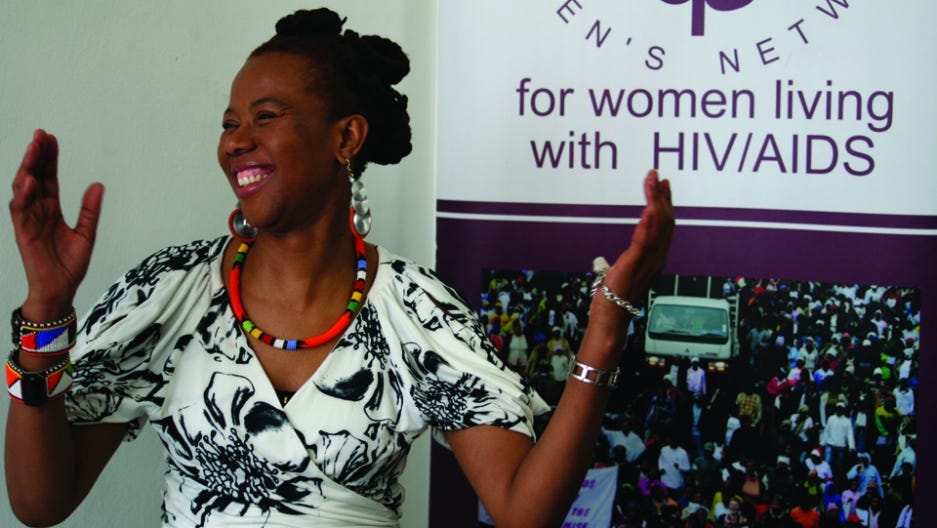
28. South Africa, home to the world’s largest population of people living with HIV, shocked health officials by revealing a 44% decline in new infections since 2012. Telegraph
The late Prudence Mabele, founder and executive director of Positive Women’s Network, who broke ground in 1992 in South Africa by publicly revealing her HIV-positive status. Image credit: PRI
29. After five successful, annual rounds of large-scale, school-based deworming across Kenya, worm-related diseases have fallen from 33.4% in 2012 to 3% today. Evidence Action
30. Russians are drinking and smoking less than at any point since the fall of the Soviet Union, with tobacco use down by 20% since 2009, and alcohol consumption down by 20% since 2012. Straits Times
31. Tanzania revealed that in the last ten years, it has reduced the malaria death rate by 50% in adults and 53% in children. Borgen
32. The WHO certified Paraguay as having eliminated malaria, the first country in the Americas to be granted this status since Cuba in 1973.
All of these stories first appeared in our free, fortnightly email newsletter. You can subscribe here.
33. New research revealed that in the last two decades, female genital mutilation has fallen from 57.7% to 14.1% in north Africa, from 73.6% to 25.4% in west Africa, and from 71.4% to 8% in east Africa. Guardian
34. Costa Rica’s Supreme Court ruled that the country’s same-sex marriage ban was unconstitutional, and gave the government 18 months to change it. BBC
35. India’s highest court struck down a century-old prohibition on homosexual sex, calling the Victorian-era law “irrational, indefensible, and manifestly arbitrary.” Al Jazeera
36. Morocco passed a landmark law that criminalises violence against women, and imposes harsh penalties on perpetrators. Albawaba
37. Germany released new figures showing that more than 300,000 refugees have now found jobs, and the share of MPs with migrant backgrounds has risen from 3% to 9% in the last two elections. Economist
A Syrian refugee at a German Railway training workshop. Image credit: Quartz
38. New Zealand became the second country in the world (after the Philippines) to pass legislation granting victims of domestic violence 10 days paid leave. Guardian
39. Scotland became the first nation in the world to guarantee free sanitary products to all students, and India’s finance ministry announced it would scrap the 12% GST on all sanitary products.
40. Canada became the second country in the world to legalise marijuana. A major crack in the grass ceiling, and a wonderful moment for fans of evidence-based decision making everywhere. BBC
41. In a milestone for human rights in the Middle East, a Lebanese court issued a new judgement holding that homosexuality is not a crime. Beirut
42. Trinidad and Tobago’s high court ruled that the Caribbean nation’s colonial-era law banning gay sex was unconstitutional. NBC
43. Tunisia became the first Arab nation to pass a law giving women and men equal inheritance, overturning an old provision of Sharia Islamic law. Dhaka Tribune
44. Pakistan’s parliament passed a landmark law guaranteeing basic rights for transgender citizens and outlawing all forms of discrimination by employers. Al Jazeera
45. Scotland became the first country in the world to include teaching of lesbian, gay, bisexual, transgender and intersex rights into its state schools curriculum. The Scotsman
46. Nepal became the 54th country in the world, and the first country in South Asia, to pass a law banning corporal punishment for children. End Corporal Punishment
Living standards improved for most people in the world
47. Quietly and unannounced, humanity crossed a truly amazing threshold this year. For the first time since agriculture-based civilisation began 10,000 years ago, the majority of humankind is no longer poor or vulnerable to falling into poverty. Brookings
48. A little perspective. The Economist revealed that global suicide rates have dropped by 38% since 1994, saving four million lives, four times the number killed in combat during the same time.
49. The UNDP released a new report showing that 271 million people in India have moved out of poverty since 2005, nearly halving the country’s poverty rate in one decade. Times of India
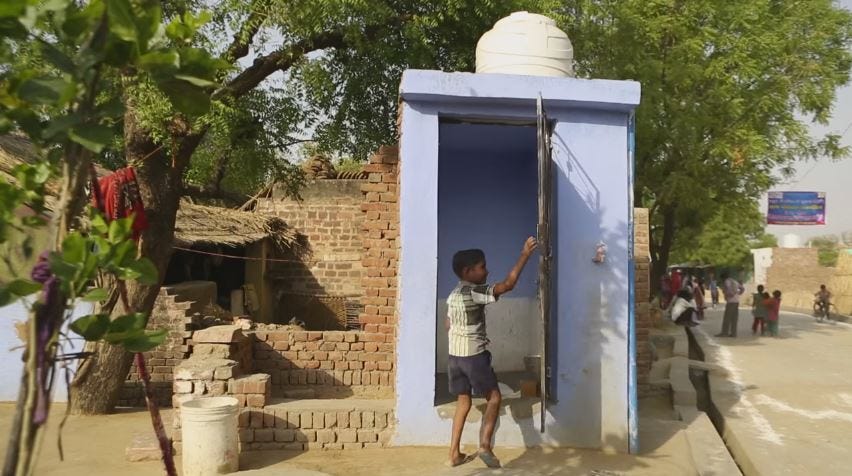
50. India also continued the largest sanitation building spree of all time. More than 80 million toilets are estimated to have been built since 2014. Arkansas Democrat Gazette
51. The International Energy Agency said that in the last year, 120 million people gained access to electricity. That means that for the first time since electrical service was started (1882), less than a billion of the world’s population are left in darkness.
52. A new report showed that the global fertility rate (average number of children a woman gives birth to) has halved since 1950. Half the world’s countries are now below replacement levels. BBC
53. Bangladesh revealed that it had reduced its child mortality rate by 78% since 1990, the largest reduction by any country in the world. Kinder-World
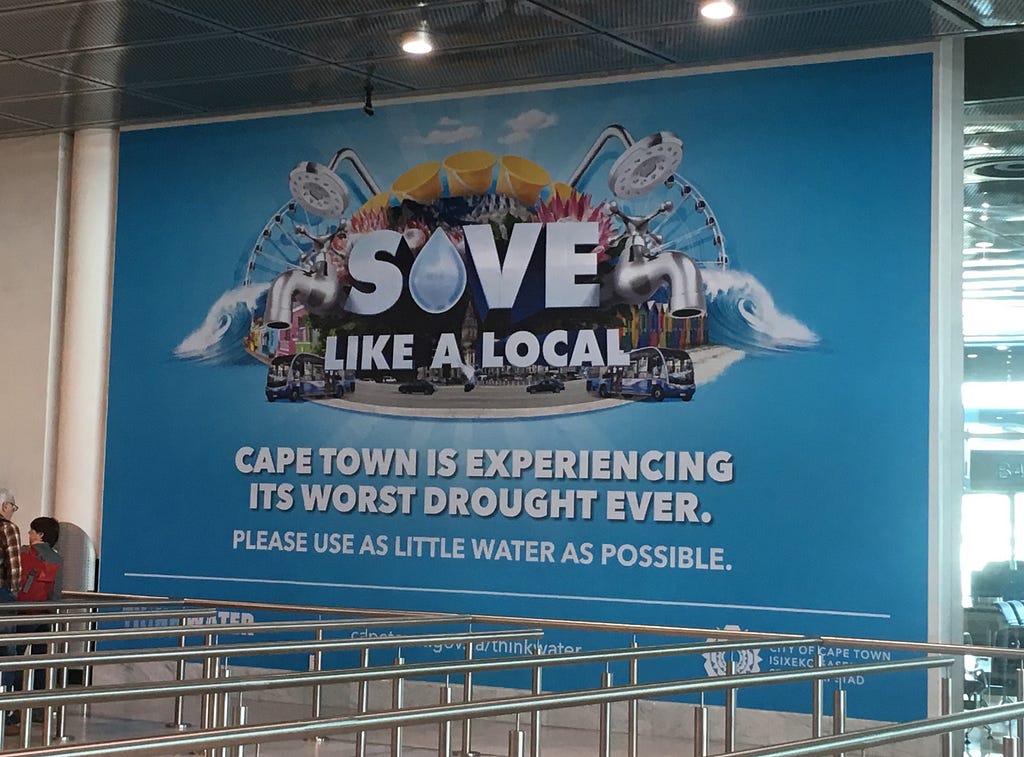
54. Remember how the global media worked itself into a frenzy over Cape Town’s water shortages and Day Zero in 2017? Strangely, nobody reported this year how the Mother City successfully averted the crisis. apolitical
Thanks to an unprecedented collective effort, this warning is now a thing of the past. Image credit: Harold McNiell
55. Respiratory disease death rates in China have fallen by 70% since 1990, thanks to rising incomes, cleaner cooking fuels and better healthcare. Twitter
56. The share of black men in poverty in the United States fell from 41% in 1960 to 18% today, and their share in the middle class rose from 38% to 57% in the same time. CNN
57. A new report showed that democracy is more widespread than ever. Six in ten of the world’s countries are now democratic — a post war record. Pew Research
58. A new global youth survey showed that young people in all countries are more optimistic than adults. Nine in 10 teenagers in Kenya, Mexico, China, Nigeria and India reported feeling positive about their future. Guardian
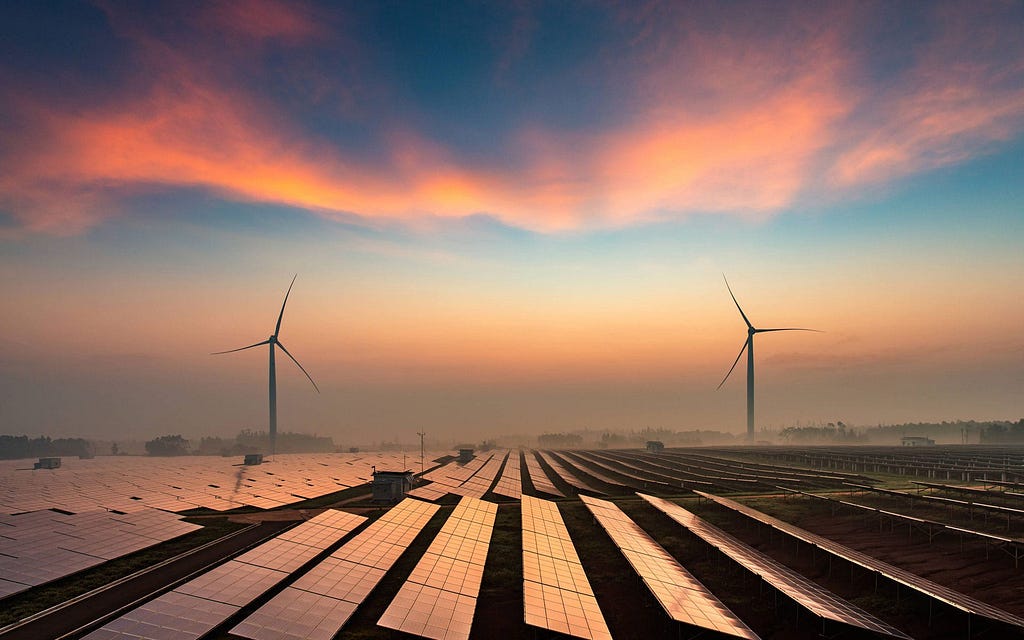
59. The world passed 1,000 GW of cumulative installed wind and solar power this year. 10 years ago, there was less than 8 GW of solar. Future Crunch
60. Solar and wind continued their precipitous cost declines. In the second half of 2018 alone, the levelized cost for solar fell by 14% and the wind benchmark by 6%. In many parts of the world it’s now cheaper to build new clean energy than it is to keep dirty energy running. BNEF
61. Allianz, the world’s biggest insurance company by assets, said it would cease insuring coal-fired power plants and coal mines, and Maersk, the world’s largest maritime shipping company, said it would begin ditching fossil fuels, and will eliminate all carbon emissions by the year 2050.
62. Repsol became the first major fossil fuels producer to say it would no longer be seeking new growth for oil and gas. Bloomberg
63. California unveiled the most ambitious climate target of all time, with a commitment to making the world’s fifth biggest economy carbon neutral by 2045. NBC
Lentil-eating, latte-sipping, sackcloth-wearing greenies in action. Image NBC
64. China, the world’s biggest energy consumer, revised its renewable energy target upwards, committing to 35% clean energy by 2030. Engadget
65. Chile said it had managed to quadruple its clean energy sources since 2013, resulting in a 75% drop in the average cost of electricity. IPS News
66. The United States set a new record for coal plant closures this year, with 22 plants in 14 states totalling 15.4GW of dirty energy going dark. #MAGA. Clean Technica
67. 11 European nations either closed their coal fleets or announced they will close them by a specific date, including France by 2023, Italy and the UK by 2025, and Denmark and the Netherlands by 2030.
68. Some of the world’s biggest sovereign wealth funds, representing more than $3 trillion in assets, and Black Rock, the world’s biggest fund manager, with assets worth $5.1 trillion, said they would only invest in companies that factor climate risks into their strategies. UNFCCC
69. India increased its already massive 2022 clean energy target by 28%. It plans to add 150 GW of wind and solar in the next four years. Clean Technica
70. Ireland became the world’s first country to divest from fossil fuels, after a bill was passed with all-party support in the lower house of parliament. Guardian
71. Spain committed to shutting down most of its coalmines by the end of the year, after the government agreed to early retirement for miners, re-skilling and environmental restoration. Guardian
These stories all come from our free, fortnightly email newsletter. If you’re interested in getting more news like this in 2019, you can subscribe here.
War, crime and violence continued their inexorable, long term decline
72. The Journal of Peace Research said that global deaths from state based conflicts have declined for the third year in a row, and are now 32% lower than their peak in 2014.
73. After a decade long effort, Herat, Afghanistan’s deadliest province for landmines, was declared free of explosive devices. Nearly 80% of the country is now mine free. Reuters
74. Following the collapse of ISIS, civilian deaths in Iraq decreased dramatically. 80% fewer Iraqis were killed in the first five months of 2018 compared to last year. Anti-War
75. Ethiopia and Eritrea signed a peace treaty, signalling the end of a 20 year war, and reuniting thousands of families. BBC
76. Malaysia abolished the death penalty for all crimes and halted all pending executions, a move hailed by human rights groups in Asia as a major victory. SMH
77. Honduras had the highest homicide rate in the world in 2012. Murders have decreased by half since then, more than any other nation. Ozy
78. Crime and murder rates declined in the United States’ 30 largest cities, with the murder rate for 2018 projected to be 7.6 percent lower than 2017. Vox
79. Crime falls when you take in millions of refugees too. The number of reported crimes in Germany has fallen by 10%, to the lowest level in 30 years. Washington Post
80. Worried about the kids? Youth crime in the Australian state of New South Wales has plummeted in the last 20 years. Vehicle theft is down by 59%, property theft by 59%, and drunk-driving by 49%. ANU
81. Still worried about the kids? In the last generation, arrests of Californian teenagers have fallen by 80%, murder arrests by 85%, gun killings by 75%, imprisonments by 88%, teen births by 75%, school dropouts by half, and college enrolments are up by 45%. Sacbee
82. According to new data from the Department of Justice, the proportion of people being sent to prison in the United States has fallen to its lowest level in 20 years. Pew Research
83. Damn those pesky millenials. A new report revealed that, thanks to shifting tastes amongst those born after 1980, 70% of the world’s population is reducing meat consumption or leaving meat off the table altogether. Forbes
84. Germany announced one of the most ambitious waste management schemes in history. The government plans to recycle 63% of its total waste within the next four years, up from 36% today. DW
85. The Malaysian government announced it would not allow any further expansion of oil palm plantations, and that it intends to maintain forest cover at 50%. Malaymail
86. Denmark became the latest country to announce a ban on internal combustion engines. There are now 16 countries with bans that come into effect before 2040 — including China and India, the two biggest car markets in the world. Bloomberg
87. In 2018, the world surpassed the 4 million mark for electric vehicles. In the world’s biggest car market, China, electric cars reached 5% of sales; China’s internal combustion car market is flat, with all growth now being absorbed by EVs. Bloomberg
88. Adidas expects to sell 5 million pairs of shoes made from ocean plastic this year, and committed to using only recycled plastic in its products by 2024. CNN
89. Four years ago, China declared a war on pollution. It’s working. Cities have, on average, cut concentrations of fine particulates in the air by 32%. New York Times
90. Thanks to tightening restrictions, the United Kingdom reported a 12% drop in vehicle emissions since 2012, as well as significant overall drop in air pollutants. BBC
…and a turning point in the global effort to reduce plastic waste
91. 250 of the world’s major brands, including Coca Cola, Kellogs and Nestle, agreed to make sure that 100% of their plastic packaging will be reused, recycled or composted by 2025. BBC
92. The European Parliament passed a full ban on single-use plastics, estimated to make up over 70% of marine litter. It will come into effect in 2021. Independent
93. As of the end of 2018, at least 32 countries around the world now have plastic bag bans in place — and nearly half are in Africa. Quartz
94. China said it had seen a 66% reduction in plastic bag usage since the rollout of its 2008 ban, and that it has avoided the use of an estimated 40 billion bags. Earth Day
95. India’s second most populous state, Maharashtra, home to 116 million people, banned all single use plastic (including packaging) on the 23rd June this year. Indian Express
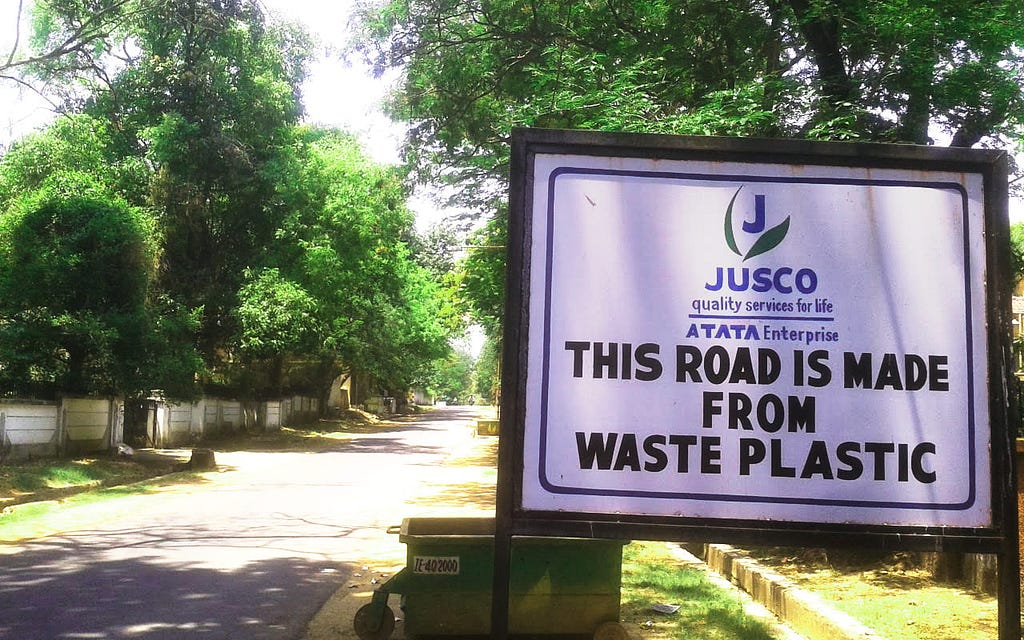
96. India’s environment minister also announced the country would eliminate all single-use plastic by 2022. Oh, and three years after India made it compulsory to use plastic waste in road construction, there are now 100,000 kilometres of plastic roads in the country.
97. Four years after imposing a 5p levy, the United Kingdom said it had used 9 billion fewer plastic bags, and the number being found on the seabed has plummeted. Independent
98. Following a ban by two of its biggest retailers, Australia cut its plastic bag usage by 80% in three months, saving 1.5 billions bags from entering the waste stream. NY Post
99. After enacting the world’s toughest plastic bag ban, Kenya reported that its waterways were clearer, the food chain is less contaminated — and there are fewer ‘flying toilets.’ Guardian
… and one last one, just for luck (our favourite story of the year, and the subject of this article’s cover photo)
100. There is now a giant 600 metre long boom in the Pacific that uses oceanic forces to clean up plastic, and you can track its progress here. Despite a few early setbacks, the team behind it thinks they can clean up half the Great Pacific Garbage Patch in the next seven years. Ocean Cleanup
If we want to change the story of the human race in the 21st century, we need to change the stories we tell ourselves.
We help people understand what’s on the frontiers of science, technology and human progress, and what it means for humanity.
Our free, fortnightly email newsletteris filledwith stories about people from around the planet who are using science and technology to make the world a better place.
Note: a version of this post was posted in December 2017. It has been updated as of December 2018.
Monk: For those last minute shoppers (whoops, should have posted this a few weeks earlier), here’s some gift ideas for the barbecue lover in your life. Or perhaps you if you want to treat yo’ self. The bolded items are the ones I can personally recommend.
A group of bicyclists were about seven miles south of Columbus, Georgia, this summer when they came across a five-month-old Great Dane mix with a broken leg, broken toe, and substantial road rash. Despite his ailments, the pup came bounding up to them, looking for help. Jarrett Little, one of the cyclists, could not leave the dog on the side of the road and carried him on his back into town, where he was treated, named Columbo, and quickly adopted.
photo: Chris Dixon
Columbo holds on to Jarrett Little as he bikes to safety.
Grin and Bear It
As mountain communities like Asheville, North Carolina, grow, they get closer and closer to the wildlife around them—as Nicole Minkin Lissenden, who parked her minivan in her parents’ driveway just north of town one afternoon, learned this year. When she noticed the car’s door was ajar, she closed it and walked away, not noticing she had trapped a black bear inside. But it didn’t stay there for long.
Elsewhere in Asheville, this bear was a little less boisterous as it snoozed the day away in a backyard hammock.
Circle of Life
Last spring in Florida, nature photographer Doc Jon snapped a photo of an osprey on Madeira Beach without thinking much of it. Later, when he zoomed in on the image, he saw that the bird was carrying a small shark, which was carrying an even smaller fish in its mouth.“The odds are impossible that I got this shot,” he said. “I take pictures all the time, but I don’t know how I’ll ever top this.”
photo: Doc Jon
An osprey on Madeira Beach, Florida, carries a shark, which carries a fish.
Bridle Party
The rules at Elk City Tractor Supply Company near Cheyenne, Oklahoma, are clear: all pets are allowed inside as long as they’re on a leash. That’s why this September, the manager of the store allowed a man to bring his horse inside. The bay doubled as a shopping cart as its owner tossed a bag of feed across its saddle before hitching up to the checkout counter. Robin Morris, who snapped a photo of her fellow shoppers, told a local Fox News affiliate: “Technically a bridle is a leash.”
photo: Robin Morris
A man brings his horse into an Oklahoma store.
Happy Dance
When Daisy, a seven-month-old husky mix went missing from her Jackson, Mississippi, home in June, her owner, Joyce Adams, spent days trying to track the dog down. Two weeks later, Adams and Daisy reconciled at a local shelter and their reunion is guaranteed to be the happiest thing you’ll see all day.
Want to see our favorite kind of fireworks? They are called the “dog missing for over two weeks reunited with owner at the City of Jackson Animal Shelter fireworks celebration”. Take a look at the video and enjoy the sheer delight and love between family members reunited. Happy and safe Fourth of July to everyone!!
This August in Culpeper, Virginia, Pam Alvey’s lime green Indian ringneck parakeet, Kiwi, was perched on Alvey’s husband’s shoulder inside their home when he suddenly took flight and disappeared out an open window. Devastated, Alvey thought she’d never see the bird again. Two months later, Kiwi touched down on the shoulder of a security guard at Thomas Jefferson’s Monticello, some forty miles from Culpeper. When the historic site posted a picture of Kiwi on its Facebook page alongside a bust of T.J. himself, Alvey was delighted. “In my book, this is a miracle,” Alvey told NBC29, tears of joy streaming down her face as she was reunited with Kiwi.
photo: courtesy of Thomas Jefferson's Monticello
Kiwi perches on a bust of Thomas Jefferson.
That’s Reticulous
One of earth’s largest amphibians was introduced to the world this year after being discovered in southern Alabama and northwestern Florida swamps. The reticulated siren, a spotted salamander with a snake-like body, can reach up to two feet in length. And while scientists have been studying these not-so-little guys for about five years, only this year did they find enough specimens to formally describe the species in scientific journals, thus making the discovery official.
photo: courtesy of David A. Steen, Science Wildlife Ecology and Conservation
Reticulated siren.
Two Heads Aren’t Always Better Than One
In late September, a rare two-headed baby copperhead slithered into a Virginia garden. The gardener, both frightened and intrigued, contacted the Virginia Herpetological Society, which took the snake to the Wildlife Center of Virginia. Two months later, after attracting national attention, the snake died of natural causes. “Too many challenges living day to day with two heads,” wrote J.D. Kleopfer of the Virginia Department of Game and Inland Fisheries on Facebook.
photo: J.D. Kleopfer/Virginia Department of Game and Inland Fisheries
A two-headed copperhead found in Virginia.
Cold-Blooded Chillers
As big and intimidating as alligators are, they tend to mind their own business. Take this six-footer who decided to nap on the porch of a Louisiana home.
photo: courtesy of St. Martin Parish Sheriff’s Office
An alligator napping on the porch of a Louisiana home.
This even extends to its cousin the crocodile, one of which was spotted floating pleasantly around Key Largo on a pool noodle.
Udder Arrest
After a car chase in Sanford, Florida, this August, a suspected felon ran into a field full of cows. These bovine bounty hunters—cow cops?—chased her through the pasture, eventually cornering her against a fence where police arrived to arrest her. Police helicopter footage captured the entire event.
photo: courtesy of Seminole County Sheriff’s Office
The cow chase as seen from a police helicopter.
The Great Kitten Rescue
In July, a woman drove the forty-five miles from Capron to Petersburg, Virginia, before stopping for lunch, realizing as she got out of the driver’s seat that she had a stowaway: a kitten was stuck inside the fender well of her car. Warren Strum of Leete Tire and Auto Service came to the rescue, extracting the scared but unharmed cat. It was then love at first sight for one of the Leete Tire employees who had tagged along. He adopted the kitten on the spot.
A woman rode from Capron, Va to Petersburg, Va and discovered a cat under her car! Miraculously this cat survived with…
Of all the good dogs this year, three labs stood out from the pack: Woody, a South Carolina pup who rescued a drowning man in the Okatie River in March , Cash, who sniffed out a missing toddler in April, and Sully, George H.W. Bush’s service dog who paid his last respects to his beloved owner before moving on to help disabled soldiers and veterans in need.
The Canon EOS M50 is a compact interchangeable lens camera for aspiring photographers looking for an easy way to boost the quality of their photos and videos. Sporting 4k video capabilities to capture your favorite memories, 24-megapixel vibrant photographs, and Dual Pixel Autofocus system, the Canon EOS M50 is a masterful piece of technology.
Social media mavens can benefit from the camera’s Wifi function that allows users to connect to the Canon Camera Connect app to transfer images to their smart device. From there, you can share and upload from your device directly to various social media sites.
Canon’s newest addition is an excellent introduction to mirrorless cameras. Complete with a lens, its ready to go right out of the box – making it a fantastic holiday season gift for any photography enthusiast. Following is why this camera is so spectacular!
What is a Mirrorless Camera?
Before we get into it, let’s have a quick look at what a mirrorless camera is and how this new technology compares to digital Single Lens Reflex cameras (DSLRs).
The way that a digital SLR camera works is that a mirror inside the camera reflects the light up to the optical viewfinder (which is also how you see the image before you take it). When you release the shutter, the mirror lifts, allowing the light to hit the sensor and capture the image.
In a mirrorless camera, there is no mirror or optical viewfinder. Instead, the imaging sensor gets exposed to light at all times. This method gives you a digital preview of your image either on the rear LCD screen or an electronic viewfinder (EVF). As such, a mirrorless camera is one that doesn’t require a reflex mirror – a key component of DSLR cameras.
Due to the lack of mirror, the camera is significantly smaller and lighter weight than a DSLR, a very distinct difference between the two. However, DSLRs are well-trusted because of their true-to-life through-the-lens optical viewfinder system, which uses a series of mirrors to reflect light to your eye.
Mirrorless cameras, on the other hand, require an electronic viewfinder or LCD screen for image monitoring. Both are equally spectacular. Each model has their own pros and cons and it comes down to personal choice.
Canon EOS M50 features and specifications
Features
The Canon EOS M50 mirrorless camera sports some very impressive features that would make even the smuggest photographer blush. The EOS M50 delivers improved Dual Pixel CMOS AF for fast, accurate autofocus that helps you get the photo you want right at the moment it happens.
The 24.1 Megapixel (APS-C) sensor is capable of capturing high-resolution image and video. The files grant the user images suitable for enlargements with sufficient resolution for significant cropping. The video capability of this hardy little camera is even more impressive. It has the ability to record in 4K UHD at 24 frames per second. The high-speed 120p mode is possible in HD.
According to the manufacturer, the built-in high-resolution electronic viewfinder features approximately 2,360,000 dots. So, you can see high amounts of detail in whatever you’re capturing.
The vari-angle Touchscreen LCD, which has a flexible tilt range. The tilt range is ideal for high-angle and low-angle shooting so you can get the composition you want without breaking your back. The Canon EOS M50 camera features the new DIGIC 8 Image Processor, which helps improve autofocus performance, enables you to shoot 4K UHD 24p video and aids with many other advanced features.
Specifications
Improved Dual Pixel CMOS AF and Eye Detection AF.
24.1 Megapixel (APS-C) CMOS Sensor with ISO 100-25600 (H: 51200).
4K UHD* 24p and HD 120p** for Slow Motion.
Built-in OLED EVF*** with Touch and Drag AF.
Vari-angle Touchscreen LCD.
Built-in Wi-Fi, NFC, and Bluetooth Technology.
Automatic Image Transfer to Compatible Devices while Shooting.
New DIGIC 8 Image Processor with Improved Auto Lighting Optimizer.
Silent Mode for Quiet Operation.
This is only the second EOS M model to have a built-in Electronic View Finder (with the first being the EOS M5). It is also the first EOS M model to offer 4k video, which puts it one step ahead of the EOS M5. The camera also uses a DIGIC 8 processor, rather than the older DIGIC 7 processor.
Physical build
This camera’s size is brilliant! It is smaller than my cell phone (Google Pixel). Easy to throw into any bag, purse, or pocket. The body construction consists of polycarbonate rather than a metal body shell, but it still feels robust enough in your hand. The camera features a very comfortable and well-designed grip containing ‘hooks’ for your second finger and thumb. As a result, the M50 feels surprisingly secure, even when used with one hand.
Much like Canon’s pro-level DSLRs, the controls are well laid-out. The buttons are a decent size and easily located by touch while using the viewfinder. However, the size may be an issue for those with larger hands. My hands are petite, and I find the controls just fine (haha)!
The tilt, vari-angle touch screen is brilliant. This nifty feature has infinite uses. Additionally, the screen can be stowed backward against the camera body to avoid any potential scratches (for those that don’t purchase screen protectors). The built-in viewfinder is very helpful when shooting during the noon sun or other bright conditions. There’s an auto activation when your eye approaches the viewfinder, ensuring that the LCD doesn’t blind you.
Canon has a knack for making its small models handle well and feel professional. The M50 is proof of this.
Autofocus
Canon’s autofocus is what has kept me loyal to the brand for over ten years now. Canon’s Dual Pixel CMOS sensor that the M50 sports mean every sensor pixel is capable of being used for phase detection. Allowing fast autofocus almost wherever the subject gets situated within the frame. The AF system is sensitive down to -2 EV, which means the camera continues to focus in extremely low light.
A new autofocus feature of this model is the eye-detection autofocus. The camera can find eyes on your subject and lock focus on them with the push of a button. It is photographic witchcraft, and I love it. This feature is activated when face detection is turned on, to focus specifically on your subject’s eye.
Do make note that this fun feature is only available in single-AF mode, which means you can’t use it track focus during burst shooting. As can be seen above, the eyes of my dog are nicely in focus (and this was easy to achieve, even when she moved a bit).
I have always preferred the AI Servo | Continuous Focus mode due to the majority of my subjects moving around a lot. Thanks to the ability to use phase-detection anywhere in the frame, this feature is fast and reliable.
Low light capability
As the years’ progress, so does low-light capability. In higher ISO levels, image quality stands up very well at ISO 800. It’s only at ISO 3200 noise, and noise reduction starts to blur away detail. However, the color gets retained well. The higher numbers are passable for smaller reproductions, but you’ll generally find yourself not wanting to move beyond 12,500 max! The autofocus continues to shine even at low-light levels.
Battery life
I have always been a tremendous fan of Canon’s batteries. They always continue to impress me with their longevity. This camera is no exception, despite having an always-on LCD screen! As always, I do suggest purchasing more than one battery, but you can remain confident in this camera lasting you through your entire photo session and photography adventures.
The lens: EF-M 15-45mm f/3.5-6.3 IS STM
The M50 kit comes complete with the EF-M 15-45mm f/3.5-6.3 IS STM, a compact and stylized zoom lens for the mirrorless camera. The lens is very compact and features a side switch to flatten the lens when stored. This feature makes traveling with the M50 kit an absolute breeze.
With the 15-45mm kit lens with its STM focus motor, autofocus is great. It is super-fast, silent, accurate, and excellent for any photography style. The 35mm-equivalent 24-72mm range combines a wide-angle for landscapes and big group photos, with a telephoto zoom for close-ups and detailed headshots.
I found the lens to be reliable, fast, and sharp – no complaints whatsoever!
Final thoughts
The Canon EOS M50 is an excellent entry-level camera for aspiring, beginner, and hobbyist photographers alike. From its variety of features to its portable size and ease-of-use, unraveling this camera under the Christmas tree would excite even the most controlled picture-takers. Plus, having a kit that comes with a lens is just a brilliant bonus!
Haiti's story is being rewritten. Haitian literature reveals a compelling story of nation, one that focuses on the beauty and resiliency of the island’s landscape and citizens. Reading the works of Haitian authors opens a window into this Caribbean nation's vibrant culture and tumultuous history.
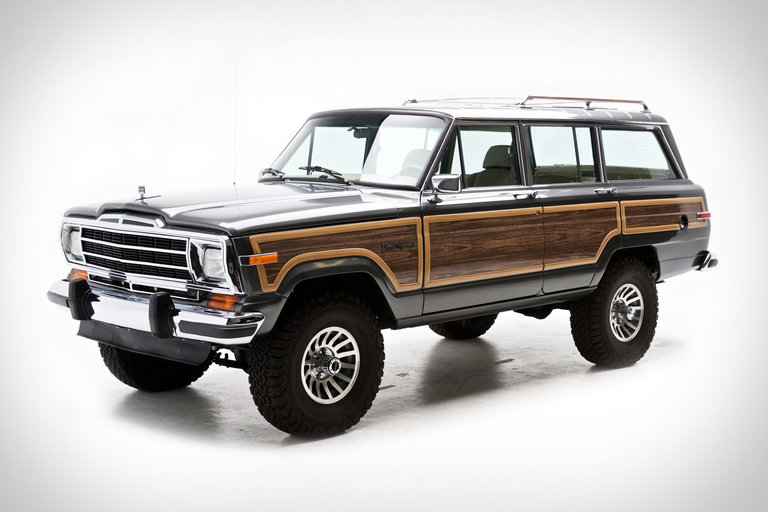
If you're in the market for a turn-key resto-modded classic SUV that's ready to drive, this 1989 Jeep Grand Wagoneer might be for you. Before Land Rover, Eddie Bauer edition...
Freshly brewed beer tastes great, but nailing the brewing process is tough. The LG HomeBrew Beer Machine makes it easy. This countertop gadget uses single-use capsules containing malt, yeast, hop...
If you’re considering getting started in beekeeping, you might be tempted to jump right in with your first hive and order your package bees. Indeed, it’s possible to learn the very basics of beekeeping and keep a successful hive through your first winter. But do you really know what’s going on inside that busy colony? To be a successful beekeeper and truly understand your colony’s needs, it helps to have an understanding of basic honey bee biology.
An Introduction to Honey Bee Biology
Honey bee colonies contain three distinct types, or castes, of individuals. Typically, each hive contains a single female queen, tens of thousands of female workers, and anywhere from several hundred to several thousand male drones during the spring and summer months.
Honey Bee Castes: Queen Bees
Queen bees are physically the largest individuals in most colonies and carry out many important functions in the hive. Primarily, the queen is responsible for laying a constant supply of eggs to build up and maintain the hive’s population at adequate numbers. In a good year, a queen may lay as many as 200,000 eggs!
The queen also produces chemicals called pheromones that control and organize many of the behaviors of her colony. Each queen has their own distinct pheromone profile, which allows her colony to recognize her, defend her and meet her needs to keep the hive safe and strong.
Honey Bee Castes: Worker Bees
Worker bees are by far the most numerous caste in hives and, as their name implies, carry out all of the work needed to keep the colony fed and healthy. During their first days as mature adults, workers tend to perform tasks inside the hive, such as cleaning and capping cells.
As they mature, worker bees begin to perform more tasks inside the hive, including feeding the queen and developing brood, drawing out new comb, and managing food stores. The oldest and most experienced workers tend to perform the most dangerous chores: guarding the hive from intruders and foraging outside the hive for pollen and nectar.
Honey Bee Castes: Drone Bees
The only males found in the hive, drones are destined to perform only one task during their lifetime: mating with new queens. When a drone reaches sexual maturity at about two weeks of age, he begins taking mating flights. These flights usually take place in spring and summer afternoons and last about 30 minutes.
Newly matured queens and drones from several hives typically join in these flights. In most instances, the queens mate with multiple drones and store the drones’ sperm in an organ called the spermatheca. The queen will then use this stored genetic material to fertilize her eggs for the rest of her life.
What Makes a Queen?
After a successful mating flight, queens begin laying eggs that quickly develop into new brood. The caste of the developing brood is decided by two factors. The first is whether or not the egg is fertilized by the queen, the second is the type and amount of feeding the larva receive in the first few days of development.
Unfertilized eggs develop into males that become drones, while fertilized eggs develop into female brood. Whether these female brood become workers or a new queen is determined by the type and volume of food they receive from glands in the hive’s nurse bees.
Brood destined to become workers are typically fed smaller amounts of secretions from the hypopharyngeal glands of nurse bees and, in the last few days of development, honey and pollen. Those destined to become queens are fed larger amounts of a secretion known as royal jelly, which is produced by the nurse bees’ mandibular glands.
Developmental Stages of Honey Bees
No matter which caste they become, all honey bees progress through the same basic stages of growth. The first of these is the egg stage. As mentioned above, eggs are typically laid in a cell by the colony’s lone queen. There are a few circumstances that will cause workers to lay eggs as well, but by and large this task is handled by the queen.
After approximately three days the egg hatches and the bee enters the larval stage. This stage is all about eating the secretions from the hive’s nurse bees and growing rapidly. Indeed, the larva is not much more than a mouth and a digestive tract! At the end of this growth stage, which typically lasts four to six days, the bee enters the prepupal stage where worker bees cap the cell with beeswax and the larva covers itself in silk.
Wrapped in their cocoon and safely capped in their cell, the bee next enters the pupa stage. This is when the bee makes its amazing transformation from a worm-like larva into what we typically think of as a bee. During this stage, the bee develops legs, wings and other functional body parts. Near the end of this transformation, the new bee chews through the cap of their cell and enters the adult stage where they will carry out the role of their given caste.
Billy Bob’s Texas This honky-tonk palace has the makings of the ultimate tourist trap, with live bull riding and a well-stocked gift shop. But Billy Bob’s is a real-deal slice of Fort Worth fun, catering as much to longtime customers as it does to newbies. Sidle up to one of the Texas-sized, neon-lit wooden bars, order a Lone Star, and soak it all in. billybobstexas.com
The Chat Room Pub Billing itself as Fort Worth’s “Eighth Best Bar” (wink, wink), the Chat Room is one of Leon Bridges’s favorite dives and part of the blossoming Magnolia Avenue scene south of downtown, which also includes the brand-new Fairmount Music Hall and Off the Record, where you can add to your vinyl collection while sipping on one of the beers on tap. thechatroompub.com
Heim Barbecue Before a night on the town, fuel up on pit master Travis Heim’s brisket, sausage, ribs, and more, smoked over post oak. Pair that platter with a pour from the 100-plus-
bottle whiskey collection, and don’t even think about passing on the bacon burnt ends. heimbbq.com
Main at South Side A venue that epitomizes Cowtown’s DIY ethos (it’s collectively owned by eleven members of the Fort Worth music scene), MASS books everything from jangle-pop teens Ting Tang Tina to local cowpunk acts such as Holy Moly. massfw.com
Shipping & Receiving Come for the music, stay for the sprawling beer garden’s rotating lineup of food trucks, from the vegan Zonk Burger to OH Balls, Fort Worth’s finest purveyors of meatballs. shippingandreceiving.bar
Southerners have a flair for language. See: William Faulkner, Margaret Mitchell, Tennessee Williams, Harper Lee, Truman Capote…So it’s no surprise that our linguistic skills combine with our culinary ones in curious ways. And we don’t mean “heapin’ helpin’s of vittles and fixin’s.”
This glossary is not intended to be a complete list of Southern culinary terminology. Nor is it intended to catalog our region’s countless dishes—from Creole gumbo to Lowcountry Frogmore Stew, with all their hyper-regional subvarieties. You’ll find recipes for many of those elsewhere on this website. It’s simply a collection of terms that have special meaning in the Southern kitchen.
Barbecue: A noun or adjective only, never a verb: meat slowly smoked over hardwood or charcoal. Usually pork or beef; smoked chicken or turkey might be described as “barbecue chicken” or “chicken barbecue.” In Kentucky, it may also include lamb or mutton.
Bark: The charred, extra-smoky exterior of barbecue. Rarely on the menu, but nearly always available at barbecue joints, where you can place an order of pulled pork with “extra bark.” Also called “outside brown” or just “brown.”
Boil: A generic term, both noun and verb, for Southern outdoor gatherings at which shellfish (enough to feed a good-size crowd) is boiled, along with potatoes, corn, and seasonings in a large pot. The dish is inseparable from the event. In coastal South Carolina and Georgia Lowcountry boils, shrimp and crab go into the pot. In Louisiana, crawfish.
Buggy: The wheeled shopping basket you use to hold groceries at Piggly Wiggly (aka “the Pig”), Publix, Harris Teeter, or any other Southern grocery store.
Chicken-Fry: The verb describing the process by which chicken is prepared—dredged in seasoned flour, then fried in oil or melted lard until golden-crisp. Also applies to other foods cooked in this manner. (See the recipe for Chicken-Fried Short Ribs.)
Cracklins or Cracklings: Crisp, savory leavings––may be skin, meat, or membrane––from the rendering of pork fat. Not to be confused with chitlins or chitterlings, which are hog intestines that have been turned inside-out for a thorough, laborious and…shall we say fragrant cleaning, then simmered to soften.
Debris(DAY-bree): In New Orleans, a rich beef gravy full of pan drippings and bits of meat. Elsewhere in Cajun cuisine, the term refers to a more rustic gravy made with organ meats and other parts left over from hog butchering.
Deviled: To be made spicy, usually with the addition of cayenne pepper or hot sauce. As with eggs, crab, or ham.
Dinner: The midday meal, historically quite large, as it was the primary fortifying meal of the day. The evening meal, usually smaller, may be called “supper.”
Frying Pan: A common term for the cast-iron skillet, which is used for frying as well as searing, sautéing, simmering, and even baking. About ten inches in diameter, on average, although many sizes are available, and frequently notched on one side for easily pouring off grease. Does not refer to stainless-steel, copper, or nonstick pans—Teflon, ceramic, or otherwise.
Peter Frank Edwards
Grease: Flavorful, semi-bold bacon-fat renderings or drippings, which can be used in place of butter or oil to start a sauté. Often kept at room temperature in dedicated canisters, some with filters that remove any particles or browned bits, although coffee cans work fine for this purpose too.
Greens: Most frequently applies to hearty winter greens, like collard, mustard, and turnip. (See also “mess.”) In Appalachia, may also refer to more tender spring lettuces, which may be eaten raw in salads or cooked. (See also “kil’t.”)
Holy Trinity: The Father, Son, and Holy Ghost, yes. Also the combination of celery, onion, and bell pepper at the heart of nearly every Cajun or Creole dish you can imagine, from grillades to gumbo.
Ice, Icing: Applied to a cake, the same as “frost” or “frosting.” Refers to both a thin sugary glaze or a thick buttercream.
Icebox Desserts: Frozen concoctions, similar to ice cream, but without all the churning. Similar to Italian semifreddo, often with fanciful names that might include such words as “delight” or “delectable.” Usually molded in loaf pans, though the term may also apply to pies made with frozen fillings. The “icebox” refers back to a time when refrigeration was accomplished with large blocks of ice stored in insulated cabinets or chests.
Kil’t: An adjective commonly used for greens that have been wilted, or “killed.”
Light Bread: A synonym for store-bought loaf bread made from white flour. As opposed to “bread,” which for much of Southern history automatically meant cornbread in its many variations.
Meat and Three: Exactly what it seems: a plate containing one meat with three vegetable sides (which includes mac and cheese), served, often cafeteria-style from steam tables, by restaurants known as “meat-and-threes.” The dishes are deliciously homey—think hamburger steaks with brown onion gravy or fried catfish.
Mess: Frequently applied to greens, but can also apply to any food cooked in large quantity. Implies an amount that would require using a stockpot.
Milk: As a verb, the process by which the milky liquid inside individual kernels of corn is removed, usually accomplished by firmly running the back of a knife down the length of an ear of trimmed corn. (Only when the ear is shucked, de-kerneled, and dried does it become a “cob.”)
Old Ham: A synonym for salt-cured country ham, which can be aged for years before eating. Ordinary ham, the moist, tender kind, is often called “city ham,” to distinguish it from its country cousin. For more on old ham’s preferred partner, the biscuit, and its many forms, click here.
Pea: Less likely to refer to round green English peas than starchy field peas (black-eyed, pink-eyed, etc.), which can be cooked from fresh or frozen, or rehydrated from dried. Similar to—but not the same thing as—butter beans, which are a small, pale yellow-green variety of lima beans.
Peter Frank Edwards
Picking: A noun used to describe the party that commences as soon as a whole-smoked and roasted hog comes off the pit. Also the process by which its meat is hand-pulled.
Poke or Polk: In conjunction with “salad” or “sallet,” refers to pokeweed, a common wild green that’s both edible and poisonous. Young leaves—never stems, berries, or roots—must be boiled, like other greens, changing the water at least two or three times to remove the toxins naturally present in the plant. “Poke” may also refer to a bag or sack used to carry food.
Potlikker: The meaty, nutrient-rich liquid left behind after a “mess of greens” is cooked, usually with a smoked ham hock or a piece of salt pork. “Beanlikker” is similar, but thicker-bodied than potlikker due to starches leached from the beans.
Put Up: As a verb, to preserve by canning or pickling; jars of canned fruits or vegetables, pickles, jams, or preserves are sealed in sterilized lidded jars and then stored (i.e., “put up”) for later use. As an adjective, the description of said preserved items (e.g., “put-up green beans”).
Roast: As a noun, an oyster roast. Like a “boil” or a “picking,” a gathering at which the dish and event are one.
Season: A cast-iron skillet must be periodically “seasoned” with oil or lard to maintain its nonstick properties. When slowly heated, the oil polymerizes and bonds to the pan’s surface. Despite popular myth, soap won’t remove that polymer; feel free to gently wash your frying pan after every use.
Smidge: A small amount, roughly analogous to a pinch, but likely even less, as determined by intuitive cooks. Similar to—but not the same as—“skosh,” also a small amount, but more often applied to libations.
Sweet milk: Whole cow’s milk, called “sweet” to distinguish it from tart buttermilk. Not to be confused with sweetened condensed or evaporated milk, which may often be described by their brand names (e.g., “PET milk”).
—Excerpted from The Southerner’s Cookbook, available at Amazon, Fieldshop, IndieBound, and in bookstores everywhere.
Francis Chester-Cestari’s business could be considered farm to closet. The Cestari Sheep and Wool Company doesn’t just farm sheep, shear them and mill the fiber for luxurious wool yarn; it also sells skeins to yarn shops and knitters in the United States, Canada, Europe and Asia and designs hats, gloves and blankets for the company’s textiles.
Chester-Cestari has been farming since 1946 — “at the age of 10,” he says — first in Long Island, New York, where he tended to a vegetable garden, milked goats and raised chickens with his family as a child. Shepherding is in his blood — his father’s family has been shepherds in Italy for generations — so it was only a matter of time before he ended up with his own flock.
Today, along with his wife, Diane, and his children and grandchildren, he is based in Augusta County, Virginia. It is a land of green — the family’s property of rolling pasture in Churchill, Virginia, is nestled between the George Washington and Jefferson National Forests and Shenandoah National Park — and possibility.
Ambition is part of Chester-Cestari’s fabric. As a teenager, he went to law school and got a degree as a backup plan in case he found farming to be too volatile. “But I always wanted to be a farmer, and I’m so pleased that, ultimately, I became one,” he says.
Today, as well as the wool part of his business, he sells and ships fresh, frozen lamb across the U.S. The lean, mild, sweet-flavoured meat he gets from his wool-bearing sheep are sold in packages of cuts, from loin chops and lamp chops to bone-in legs and stewing meat to ground lamb and heart for dogs. Each package comes with a recipe from Diane Chester-Cestari, too.
Ever the entrepreneur, Chester-Cestari continues to innovate. In the summer of 2017, he launched the Let’s Grow Sheep Together program, an initiative that allows people to purchase sheep from him and have the company sheer and buy the wool back. It will also buy progeny lambs that weigh more than 200 pounds.
“It’s something that I felt needed to be done because the sheep population has gone from 54 million in the early 1950s to 5.2 million today, with their numbers decreasing over the past 12 years in the U.S.,” he says. In essence, he adds, “It’s franchising.”
Because the program guarantees $3 per pound of raw wool and a backup market for lambs, as well as continual education and outreach for farmers, most of the sheep sold through the program to date have been to “non-sheep people,” says Chester-Cestari. His goal is to see 20,000 sheep sold through the program. Today, 200 have been purchased, and word is quickly spreading. Most sales have been small lots – “A dozen here, six there,” he says – but recently he’s had queries from two farms looking for 500 sheep each.
“The United States Department of Agriculture is telling existing sheep people that no one wants wool anymore, which is outrageous. I see a great future for natural fibers, as demand for them is growing very rapidly. The public seems to be getting tired of synthetic fibers.”
The Chester-Cestari farm opened its first wool mill in 1981, but 2019 will see the arrival of a second mill that will increase production by 400 percent, with the ability to process wool, cotton and cotton blends. “This is going to be the first wool mill built in the United States in generations,” he says.
Can’t figure out where to go next? These apps will help you find your next destination based on unique filters, like weather, visa requirements, regions, and more.
When you’re going on vacation, it’s all about where you go. Even when you have a place in mind, there are different considerations you need to make. The budget to travel there, the kind of weather you can expect, whether you need a visa or not, and so on. Sometimes, you want to go to multiple places but can’t figure out how to make it work.
But there are always apps to make things a little easier.
JetSet Weather (Web): Find Destinations Based On Average Weather
They say the best apps are those that come from the maker fulfilling their own needs. JetSet Weather’s developer Emin Sinani built the app after not finding any way to filter destinations based on the kind of weather you can expect.
Travel is about change and a lot of the time, you desire that change in the form of weather. If you’re in a cold place, then you want a warm destination and vice versa. You can search for a destination, but the best feature is the Explore tab. Here, you can set filters for the type of temperature you’re looking for, which region you want to visit, when you’re visiting, as well as flight preferences. JetSet Weather will update the results according to what you choose.
The website also has a handy “Compare” feature. In this, you can add multiple cities that you’ve wanted to visit. In a calendar view, you will see their average temperature in each month, as well as average flight costs. It’s really cool and a great way to decide where to visit and when to visit.
VisaList (Web): Find Visa Requirements Based On Nationality
Some passports are stronger than others. But no matter which country you are from, there are some nations that require a visa to travel to. VisaList is the easy way to find everything you need to know.
Put in your home country and the app will generate a data map. You can immediately see which countries you can travel visa-free, visa on arrival, with an e-visa, or have to apply for a visa. Click on any country and you’ll get more details, like what you need to apply for the visa, how to apply for it, and any other essentials. It’s a simple one-stop destination to get all the information you need.
Like the best decision-making travel tools, VisaList can be used to filter destinations based on how much trouble you are willing to go through for a visa. If you want to travel quickly, the website can help find easy-to-go places.
Eightydays.Me might be a play on the classic novel, but it won’t take you around the world. Instead, it focuses only on Europe. But it nonetheless helps you plan a multi-destination trip across the continent.
There are different types of European trips you can choose from, like the mainland, Schengen only, Balkans, sunny destinations, and so on. What you need is your point of origin (and if it’s a round trip), as well as the travel dates.
After that, uncheck the “Anywhere” box ticked by default. Now you can add cities that you absolutely want to visit. Click the “Design Adventure” button to get recommendations from Eightydays.Me for a travel plan.
Plotted on a map, you can change the plan based on budget, or the number of cities you want to visit. Play around with the app and get different recommendations. You might discover places you didn’t know about, and find something interesting to do.
Great Escape (Web): Filters for Price, Visa, and Interests
Great Escape combines many of the things we like about the other apps and throws in a little more. While the end result has weather, price, visa requirements, and regional specifications, not all of it can be filtered or searched easily.
Set your home country or point of origin, and the site lets you adjust multiple filters such as the budget, how many stops in the flight, visa requirements, and the popularity of the destination. You can also set a country or a region that you want to visit, to get specific recommendations.
Your results are plotted on a map, showing the flight tracks to the destination. Click any destination and you’ll get more details, such as why Great Escape recommends going there. You’ll find information on what’s interesting there, the average temperature, a few pictures, and flight prices from Skyscanner. You can then use that to score cheaper tickets on Skyscanner.
MyTravelPersonality (Web, Android, iOS): Tinder-Like Trip Choices Based On AI
MyTravelPersonality uses a combination of artificial intelligence and Tinder-like design to create a profile of what you like and don’t like. Based on that, it will give you recommendations of where to travel.
Here’s how it works. Once you sign up, you will be shown a series of pictures, each with a caption describing the activity. Swipe right if it’s something you’d like to do or see, and swipe left if you don’t like it. The more you do this, the better MyTravelPersonality’s algorithm will build a profile of your travel tastes.
At any point, jump into the recommended destinations for you. You can add a bunch of filters to these, like weather, dates, flight costs, cost of living, type of activities, and so on. Destinations can be saved to a travel map for places you have visited or plan to go to.
Download: MyTravelPersonality for Android | iOS (Free)
How About a Random Destination?
With all of these travel planning apps, you should be able to find a place to visit based on your unique requirements. It’s also a good idea to use some of these together, such as finding a place through MyTravelPersonality, getting a plan from EightyDays that includes the city, and then checking visa requirements on VisaList.
But instead of all of this planning and filter, there is one other option. Let luck and serendipity guide you to your next adventure. Take a risk and pick a random destination to travel to.
The Swiss formula for success--sensible taxes, sound money and a weak central government--offends the big-government bias of most economists and politicians.
In his cheeky invention of a character called Marvin Pontiac, an obscure West African-born bluesman, the avant-garde composer and saxophonist John Lurie created “a wry and purposeful sendup of the ways in which critics canonize and worship the disenfranchised and bedeviled,” Amanda Petrusich writes at The New Yorker. Lurie's satire shows how the critical fetish for outsider artists has a persistent emphasis: a hyperfocus on “misshapen yet pervasive ideas” about class, race, education, and ability as markers of primitive authenticity.
The term "outsider art" can sound patronizing and even predatory, laden with assumptions about who does and who does not deserve inclusion and agency in the art world. Outsider art gets collected, exhibited, catalogued, and sold, usually accompanied by a semi-mythology about the artist’s fringe circumstances. Yet the artists themselves rarely seem to be the primary beneficiaries of any largesse. In the case of the fictional Marvin Pontiac, his status as “dead and heretofore undiscovered” makes the question moot. The same goes for the very real and perhaps most famous of outsider artists, whose life story can sometimes make Lurie’s Pontiac seem underwritten by comparison.
Reclusive hospital custodian Henry Darger spent his early years, after both parents died, in an orphanage and the Illinois Asylum for Feeble-Minded Children. He spent his almost completely solitary adult life in a second-floor room on the North Side of Chicago, attending Mass daily (often several times a day), before passing away in 1973 in the same old age home in which his father died. He had one friend, left only four photographs of himself, and his few acquaintances were never even sure how to pronounce his last name (it's a hard "g"). In his last diary entry, New Year’s Day, 1971, Darger wrote, “I had a very poor nothing like Christmas. Never had a good Christmas all my life, nor a good new year, and now… I am very bitter but fortunately not revengeful, though I feel should be how I am.”
So much for “outsider.” As for the label “Artist”—inscribed on his pauper’s grave (along with “Protector of Children”)—Darger shocked the art world, who had no idea he even existed, when his landlord discovered the typescript of an unpublished 15,000-page fantasy novel, The Story of the Vivian Girls, in What is Known as the Realms of the Unreal, of the Glandeco-Angelinian War Storm, Caused by the Child Slave Rebellion. Also in his apartment were a 8,500 follow-up, Further Adventures of the Vivian Girls in Chicago, and several hundred “panoramic ‘illustrations,’” notes the “official” Henry Darger website: “many of them double-sided and more than 9 feet in length.”
These works, we learn in the PBS video at the top, “The Secret Life of Henry Darger,” now regularly sell for hundreds of thousands of dollars. Darger, it seems, never meant for anyone to see them at all. Perhaps for good reason. His work leaves “a set of contradictory impressions,” Edward Gómez writes at Hyperallergic, “a celebration of childhood fulsomeness and a whiff of pedophiliac perversion.” The latter impression seems to have less to do with criminal sexual inclinations than with contemporary cultural perceptions about childhood. Compare Darger's work, for example, with Lewis Carroll's obsession with children, alarming to us now but not at all unusual at the time.
Still, Darger's hundreds of "drawings of naked, prepubescent girls whose bodies prominently include male genitals” have raised all sorts of questions. Critics have pointed to the obvious influence of Victorian children's literature, but perhaps even more pervasive was Darger's own painful childhood, his considerable discomfort with the adult world, and his expressed desire to protect children who might suffer similarly (a preoccupation shared by Charles Dickens). Learn about Darger’s troubled, tragic childhood in the Down the Rabbit Hole video biography above, and in these two portraits, see why his work deserves—despite but not because of his marginality and oddness, his being self-taught, and his desire for his art to disappear—the posthumous acclaim it has received. Like that quintessential outsider artist, William Blake, Darger left behind a daringly original body of work that is as compelling and beautiful as it is disturbing and otherworldly.
To delve deeper into Darger's world, check out the 2004 documentary, The Realms of the Unreal, which can be viewed on Youtube, or purchased on Amazon. The film's trailer appears below.
This post is brought to you by Crowd Cow, which provided advertising support.
One of the questions we often get from our readers is “Where can I buy a really great steak online?”. We’ve found the answer for you: Crowd Cow. Since 2015, they have worked to bring you healthy, high-quality meat from independent farms, which you can buy online. You get the exact cuts and quantity you want, delivered straight to your door.
What sets Crowd Cow apart is its attention to the source of the products they offer. All of the livestock are pasture raised with no hormones, on an independent farm run by a family whose goal is to deliver high quality meats. The hard work they put in shows in the excellence of the finished product.
Among the samples we tried was Crowd Cow’s Wagyu. The beef was amazing—marbled, rich in flavor and luxurious—in other words it’s the real deal. If you have never tried Wagyu now is the time! It is THE way to indulge over the holidays, and Crowd Cow is a source we trust.
We’ve got steak on our minds today, but it’s not just about the beef! Crowd Cow has chicken, pork, and exclusive cuts not sold anywhere else in the USA and can serve as your one-stop shop for craft meats sourced straight from the farm. All of their meat gives you full transparency into where your food came from, with no subscription, and no need to bulk order.
In case you need any more reason to give Crowd Cow a try: If you visit crowdcow.com/bbqbible to place your first order, you will receive $25 off!
Watch a Crowd Cow Steak Unboxing to learn more about what you can expect when you order:

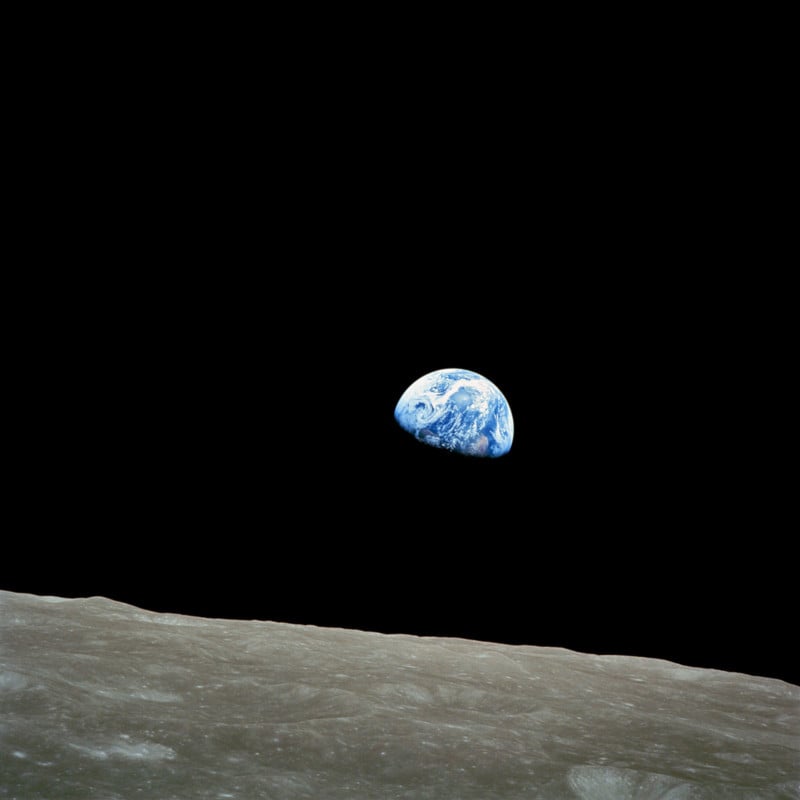










 Over
Over