Jean-Philippe Encausse
Shared posts
OpenAI introducing ads to ChatGPT
From the NRF Show Floor – My Top 10 Retail Tech Companies to Watch in 2026
NRF left me energized about where retail is headed. As I met with industry leaders and partners, what stood out wasn’t just innovation for innovation’s sake. It was how practical, intentional, and retail-ready so much of the technology has become. From autonomy and AI to payments and infrastructure, this feels like the beginning of the biggest evolution retail has seen in a century. These are the top 10 companies that, in my view, are helping push the industry forward in meaningful ways.
#1: Autolane

Autolane represents the moment when autonomous retail stops sounding futuristic and starts feeling inevitable. The idea of vehicles picking up groceries or handling fulfillment without human intervention is no longer a stretch, it’s becoming a real operational advantage. What I respect most is their focus on solving everyday retail problems, not just showcasing autonomy. This is grocery delivery and convenience evolving in real time.
#2: BlueConic

BlueConic is exactly where retailers should be placing their bets as data strategies get reset. First-party data isn’t just important, it’s everything. And BlueConic treats it like a growth engine, not a compliance burden. Their platform makes personalization feel achievable again, even in a privacy-first world. If retailers want real customer understanding without shortcuts, this is the right direction.

Churchill Systems reminds us that innovation collapses without stability. While others chase headlines, Churchill is focused on keeping retail systems reliable, secure, and always on. After 35 years in retail, Churchill Systems isn’t chasing the AI hype cycle, they’re applying machine learning where it actually matters. From merchandise planning to supply chain, pricing, and promotions, their strength is elevating the systems retailers already rely on.
#4: Microsoft

Microsoft is playing an increasingly critical role as retail becomes more connected and more vulnerable at the same time. AI, cloud, and digital transformation only work if security keeps pace, and Microsoft is clearly thinking several steps ahead. Their AI-driven security approach feels proactive, not reactive. That’s how retailers can move fast without breaking trust.
#5: IBM (Watsonx)

IBM’s Watsonx stands out because it’s not trying to oversell AI, it’s trying to make it work. This is enterprise AI built for scale, governance, and real outcomes. IBM understands that retailers need control and clarity as much as they need intelligence. Watsonx feels like AI all grown up.
#6: Simbe

Simbe is one of the clearest examples of robotics delivering real, measurable value in retail today. Their autonomous robot, Tally, is a practical solution to inventory accuracy, shelf availability, and operational blind spots. What stood out to me is how seamlessly Tally fits into store environments, working alongside teams rather than trying to replace them. Simbe is proving that store-level AI can scale, and that’s a big deal for modern retail.
#7: Mastercard

Mastercard is no longer just about how people pay. It’s about understanding why they buy. Their ability to turn transaction data into meaningful retail insight is becoming a serious competitive advantage. What impressed me is how seamlessly trust, data, and commerce intersect in their ecosystem. Mastercard is helping retailers see the bigger picture behind every purchase.
#8: JumpMind

Jumpmind is focused on the operational backbone of retail, and that’s where innovation often matters most. Inventory accuracy, ordering, and fulfillment visibility are make-or-break in omnichannel retail. JumpMind brings real-time clarity to systems that have historically been fragmented. This is the kind of technology that quietly improves everything downstream.
#9: FreedomPay

FreedomPay is solving the fragmentation problem that still plagues modern commerce. Payments, loyalty, and customer engagement shouldn’t feel disconnected, and their platform proves they don’t have to be. What stands out is how future-ready their approach feels and it’s flexible enough to adapt as consumer behavior keeps changing. FreedomPay is building for where commerce is going, not where it’s been.
#10: Tech Mahindra

Tech Mahindra understands that retail transformation is less about tools and more about execution. They bring a grounded, pragmatic approach to AI, automation, and digital modernization. What impressed me is how they help large retailers move forward without disrupting what already works. That balance is harder to achieve than it sounds, and they’re doing it well.
Wrapping it up.
What stood out at NRF to me wasn’t just new technology, but how ready it all feels. Retail is clearly moving past experimentation and into execution, where ideas are being brought to life in real environments. The conversations felt more grounded, more honest, and more focused on outcomes than buzzwords. These companies aren’t asking if innovation will work, they’re showing how it already is.
What impressed me most was the practicality behind the progress. AI, automation, data, and infrastructure are no longer isolated initiatives; they’re converging into cohesive retail ecosystems. The focus has shifted from flashy demos to operational impact, from pilots to platforms. Retailers are demanding solutions that deliver value now.
That shift changes everything. It signals an industry that’s ready to move faster, take smarter risks, and build with confidence. The companies leading this moment understand that innovation has to be both bold and usable to matter. If this is the direction retail is headed, the future looks very bright.
About the author: Severin Thornton is CMO at RetailWire, bringing more than 13 years of media experience shaping thought leadership through compelling storytelling, strategic brand development, and data analytics. His work centers on helping retail and technology leaders translate innovation into impact.
TSMC says AI demand is “endless” after record Q4 earnings
On Thursday, Taiwan Semiconductor Manufacturing Company (TSMC) reported record fourth-quarter earnings and said it expects AI chip demand to continue for years. During an earnings call, CEO C.C. Wei told investors that while he cannot predict the semiconductor industry's long-term trajectory, he remains bullish on AI.
TSMC manufactures chips for companies including Apple, Nvidia, AMD, and Qualcomm, making it a linchpin of the global electronics supply chain. The company produces the vast majority of the world's most advanced semiconductors, and its factories in Taiwan have become a focal point of US-China tensions over technology and trade. When TSMC reports strong demand and ramps up spending, it signals that the companies designing AI chips expect years of continued growth.
"All in all, I believe in my point of view, the AI is real—not only real, it's starting to grow into our daily life. And we believe that is kind of—we call it AI megatrend, we certainly would believe that," Wei said during the call. "So another question is 'can the semiconductor industry be good for three, four, five years in a row?' I'll tell you the truth, I don't know. But I look at the AI, it looks like it's going to be like an endless—I mean, that for many years to come."
LEGO dévoile la Smart Brick - Un mini-ordinateur dans une brique 2x4
On avait les Mindstorms, les Boost, les Powered Up, et maintenant voici la Smart Brick ! LEGO vient en effet de lâcher une bombe au CES 2026 : un micro-ordinateur complet qui tient dans une brique 2x4 classique. Et visiblement, c'est pas qu'un gadget marketing !

La Smart Brick, une brique 2x4 qui cache une puce ASIC de 4,1mm ( Source )
Le concept est fou puisque LEGO a réussi à caser une puce ASIC de 4,1mm (plus petite qu'un tenon LEGO !), des capteurs (accéléromètre, lumière, son), un mini haut-parleur avec synthétiseur intégré, du Bluetooth et des bobines de charge sans fil... le tout dans le format exact d'une brique 2x4 standard. De l'extérieur, impossible donc de faire la différence avec une brique normale.
Le truc cool, c'est que ça fonctionne avec des Smart Tags, des tuiles 2x2 qui servent à donner du contexte à la brique. Vous approchez une minifig Star Wars équipée d'un tag NFC et hop, la brique sait qu'elle doit jouer le thème de Dark Vador. Vous posez votre X-wing sur un socle taggé et les bruitages de moteur se déclenchent. Pas de caméra, pas d'IA générative, juste des interactions physiques bien pensées.
D'ailleurs, la fascination de LEGO pour l'automatisation n'est pas nouvelle. Mais cette fois, c'est directement dans les briques que ça se passe.

Le pad de recharge sans fil permet de charger jusqu'à 10 briques simultanément ( Source )
Pour la batterie, LEGO annonce plusieurs années d'autonomie en veille. Et pour la recharge, un pad sans fil à 39,99$ permet de charger jusqu'à 10 briques simultanément. Fini les piles à changer ou les câbles qui traînent partout.
Côté sets, LEGO démarre fort avec Star Wars dès le 1er mars 2026 :
- Le TIE Fighter de Dark Vador (75421) à 69,99$
- Le X-wing de Luke (75423) à 99,99$
- Le Duel de la Salle du Trône avec A-wing (75427) à 159,99$

Le TIE Fighter de Dark Vador (75421) avec Smart Bricks intégrées ( Source )
Chaque set embarque des Smart Bricks, des minifigs NFC et des accessoires son/lumière. Julia Goldin, la directrice produit et marketing de LEGO, parle carrément de "plus grande évolution depuis la minifig en 1978". Bref, ils y croient fort.
Et le meilleur dans tout ça ? La Smart Brick reste 100% compatible avec vos millions de briques existantes. Votre vieux château fort des années 90 pourra accueillir des briques qui font du bruit. De quoi verser une petite larme en retrouvant des sensations qu'on pensait à jamais disparues.
Les précommandes ouvrent le 9 janvier 2026. Après Star Wars, LEGO City, Technic et Harry Potter suivront dans l'année.
Alors, prêts à ressortir vos LEGO du placard pour y ajouter un peu de jus de cervelle ?

⭐️ CES 26 - À bord de Zoox, le taxi autonome d’Amazon
Depuis les rues de Las Vegas, Jérôme Colombain et Bruno Guglielminetti embarquent dans un véhicule sans volant ni conducteur. Une immersion sonore et visuelle au cœur de l’une des expériences les plus marquantes du CES.
Avec Bruno Guglielminetti (Mon Carnet)
Une première mondiale grandeur nature
À Las Vegas, la mobilité autonome sort du laboratoire. À l’occasion du CES, Jérôme Colombain et Bruno Guglielminetti montent à bord d’un véhicule 100 % autonome développé par Zoox, filiale de Amazon. Un taxi électrique sans volant, sans pédales et sans chauffeur, désormais autorisé à circuler en conditions réelles sur le Strip.
Sensations et conduite autonome
Accélérations franches, arrêts précis, respect strict du code de la route : la Zoox s’intègre naturellement dans la circulation dense de Las Vegas. Le véhicule, autonome de niveau 4, s’appuie sur des lidars et une cartographie très fine de la ville pour gérer feux, piétons et autres usagers, au point que les passagers finissent par oublier qu’aucun humain ne conduit.
Amazon, le cloud et la mobilité de demain
Derrière Zoox, c’est toute la stratégie d’Amazon qui se dessine. Comme Waymo pour Google, l’enjeu dépasse le simple transport de passagers : collecte de données, intelligence artificielle et puissance du cloud AWS sont au cœur de cette révolution. Une étape de plus vers un futur fait de véhicules autonomes, de logistique robotisée et de services sans conducteur.
Hébergé par Audiomeans. Visitez audiomeans.fr/politique-de-confidentialite pour plus d'informations.
The next era of LEGO Play: will fans embrace SMART Bricks at CES 2026?
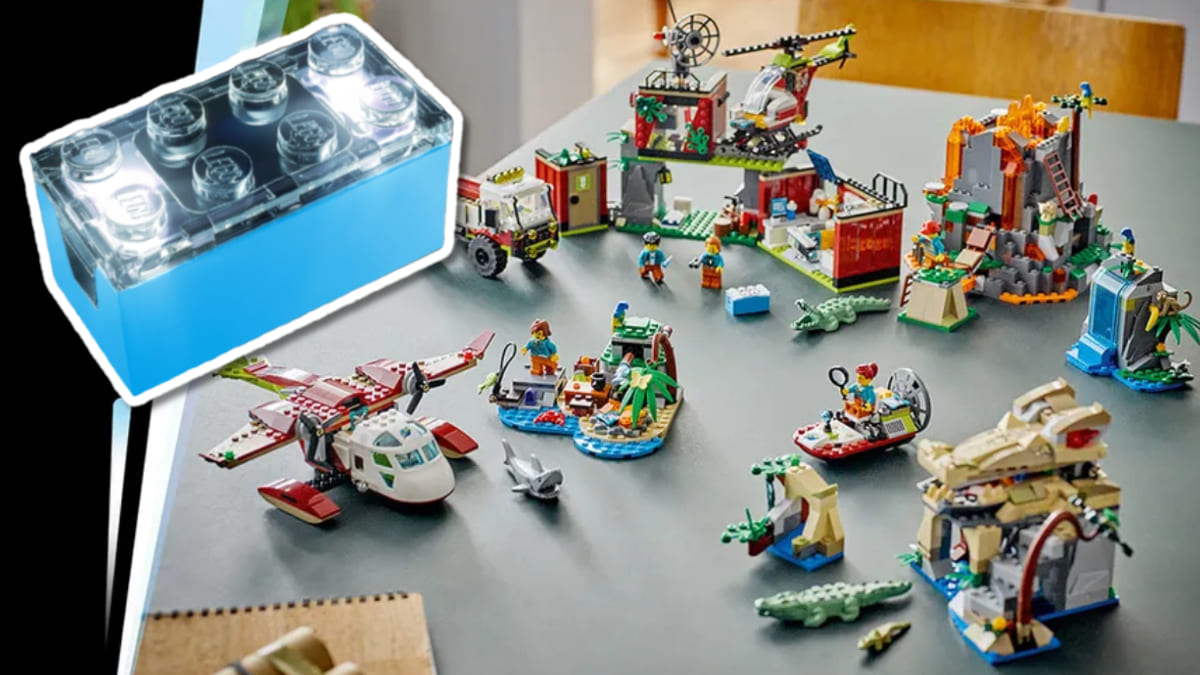
LEGO is stepping into the future with its innovative new product, the SMART Brick, which promises to revolutionize how kids and builders interact with their LEGO creations.
Unveiled at CES 2026, this new product line is designed to bring LEGO builds to life with interactive lights, sounds, and motion, all without requiring a screen or app during play. But will LEGO fans embrace this shift toward more tech-heavy play, or will they stick to the traditional brick?
What Are SMART Bricks?
The core of LEGO’s new SMART Play system is the SMART Brick – a 2×4 brick that packs in cutting-edge technology, including motion sensors, light sensors, sound sensors, and even a tiny speaker. With this setup, the bricks can respond to their environment: for example, placing a SMART Brick in a LEGO X-Wing triggers engine sounds and lights, while positioning it in a turret activates laser noises. As kids play, the bricks can even register “hits” in a dogfight scenario.
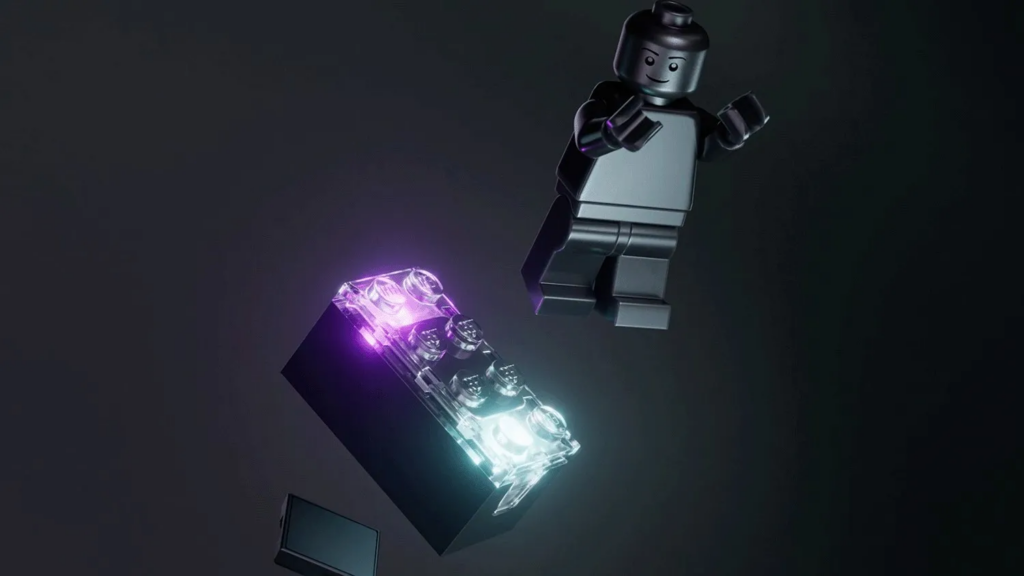
Image Credits: KOIN 6
What makes SMART Play stand out is that it requires no screen or app during play. The system uses a proprietary wireless protocol called “BrickNet,” enabling SMART Bricks to communicate with each other and respond in real time, making the experience seamless and immersive.
Fans’ Initial Reactions: Excitement Meets Skepticism
The announcement of SMART Bricks has sparked a range of reactions in the LEGO community. Some fans are excited about the possibilities. Many view this innovation as a logical progression from earlier interactive LEGO elements, like the light-and-sound bricks of the 1980s and ’90s. “It’s an evolution of what we already had, more versatile, more interactive,” one fan remarked.
Others are even optimistic about the potential for SMART Play to inspire fresh, creative play scenarios. For example, Eurobricks users have suggested ideas like a LEGO train that automatically reverses at the end of the track using SMART Bricks, or LEGO racecars that detect the finish line.

Quotation Credits: X
There’s also enthusiasm from some adult fans of LEGO (AFOLs), who acknowledge that while the SMART Brick may not be for them, it could be a great addition for younger generations. In fact, early feedback from playtesters has been largely positive, with one parent commenting that their kids “loved it” and appreciated how the SMART Bricks adapted the sounds and lights based on the way the model was handled.

Quotation Credits: Reddit
However, the response isn’t entirely positive. Many LEGO fans, especially AFOLs, are skeptical about the need for such a high-tech brick. Some argue that the SMART Brick is nothing more than a “gimmick” that risks undermining LEGO’s tradition of open-ended, imagination-driven play. One fan expressed concern that with pre-programmed sounds and reactions, kids won’t use their imagination to create their own sound effects.

Quotation Credits: Reddit
Additionally, the price of SMART Play sets is a major point of contention. With fans noticing a significant premium, some have voiced concerns that LEGO might be inflating prices across popular themes by bundling SMART components with standard sets. For example, a standard LEGO Star Wars set might cost around $70, but the SMART version can go up to $100. While LEGO enthusiasts are used to paying a premium for their favorite products, many are uncomfortable with paying extra for tech they don’t necessarily want.
The Risk of Tech Overload: Will It Stick?
A key concern for long-time LEGO fans is the longevity and support of the SMART Play platform. Fans point out that previous attempts to integrate electronics with LEGO, like the RCX programmable brick or LEGO Fusion, ultimately fizzled out. The worry is that SMART Bricks might follow the same path, becoming obsolete or unsupported in a few years. After all, LEGO bricks are famously built to last, while electronics have a much shorter lifespan.
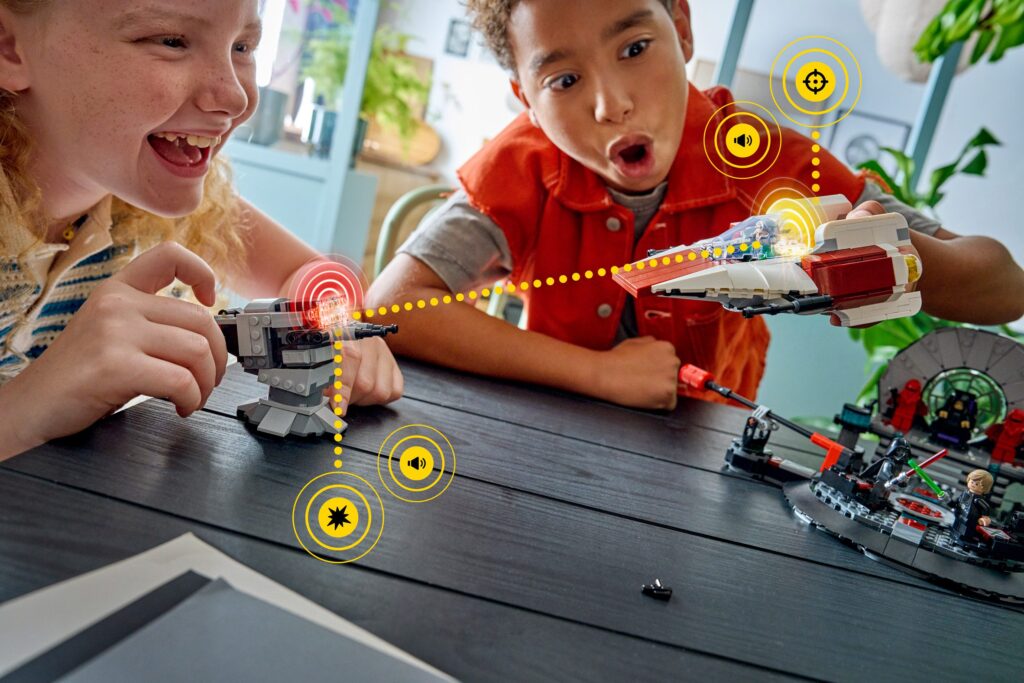
Image Credits: Dezeen
On the other hand, the SMART Play system might find success if it resonates with today’s kids, who are increasingly tech-savvy and accustomed to interactive play. Parents are already showing interest: a 2024 global study found that 70% of parents say their child enjoys blending digital games with physical play. As such, LEGO might be on the right track, offering a product that lets kids enjoy screen-free digital play without compromising the classic hands-on experience.
The Star Wars Advantage
LEGO has strategically launched the SMART Play system with one of its most beloved franchises: Star Wars. With a fanbase that spans generations, the franchise offers immediate appeal, ensuring a strong initial interest in the new sets. For example, the SMART X-Wing set offers the promise of interactive play for kids, while collectors might find themselves intrigued by the new features—if not compelled to buy a second version of a model they already own.

Image Credits: YouTube
But, even with Star Wars as the launch theme, LEGO must prove that SMART Play offers value beyond the novelty. If kids embrace the tech and start building creative scenarios with their SMART Bricks, LEGO could find itself with a winner. However, if the excitement wears off after the initial “cool” factor fades, LEGO might find it challenging to sustain interest.
The Road Ahead: Can SMART Bricks Take Flight?
It’s still early days for SMART Play, and the product’s full potential won’t be realized until it hits the shelves on March 1, 2026. But LEGO’s choice of Star Wars sets for the launch is a strategic masterstroke. It brings together the best of both worlds – fans who are already invested in the theme and kids who are eager to experience the latest in tech-driven play.
If kids find the SMART features genuinely fun and engaging, LEGO could see massive success with SMART Play. But, if the novelty wears off too quickly, it could go the way of past LEGO experiments. The key will be to keep the tech in balance, making sure it enhances creativity rather than taking away from it.
LEGO’s SMART Play has the potential to become an exciting subcategory within its iconic product lineup. Or, it could be yet another short-lived experiment. Whatever happens, CES 2026 will surely be remembered as the moment LEGO began to truly bridge the gap between the physical and digital worlds of play.
The post The next era of LEGO Play: will fans embrace SMART Bricks at CES 2026? appeared first on Gadget Flow.
CES Day 2 showcases AI assistants, robotic airport crews and smart health tech
NotebookLM - Comment discuter avec vos experts préférés sans y passer des heures
Bon, je ne vais pas vous refaire le topo sur NotebookLM , cet outil de Google qui permet de transformer un tas de sources différentes (PDF, YouTube, sites web, Google Docs...) en un assistant intelligent.
Mais je voulais vous partager ma petite routine du moment parce que c'est devenu un game-changer complet dans ma manière d'apprendre des trucs. En gros, quand je tombe sur un expert, un mec qui a pondu des tonnes de contenus passionnants sur un sujet qui me branche, au lieu de me taper des heures de vidéos YouTube ou de fouiller dans ses vieux articles pendant des jours, je balance tout ce que je peux dans NotebookLM.
Et là, c'est assez bluffant puisque grâce à ça, je peux discuter avec une IA qui a digéré tout son contenu. Je lui pose des questions précises, je vais droit à l'essentiel, et l'outil me répond en se basant sur ce qu'il a lu, avec les citations qui vont bien pour vérifier qu'il n'invente rien (car oui, ça reste une IA, donc gardez un œil critique).
C'est vraiment un gain de temps de dingue.
Seulement voilà, même si Google permet maintenant de coller plusieurs liens d'un coup, l'interface reste parfois un peu rigide. Et c'est là que j'ai découvert NotebookLM Web Importer .
C'est une extension non officielle qui fait le job ingrat à votre place. Ça permet de balancer des pages ou des vidéos en un clic dans NotebookLM voire carrément des playlists entières ou des flux RSS.
L'outil est dispo sur Chrome mais aussi sur Firefox , donc pas de jaloux et c'est ultra pratique pour se construire une base de connaissance thématique en quelques minutes sans se chopper une crampe de l'index.
D'ailleurs, pour ceux qui préfèrent des solutions plus "généralistes" ou qui veulent simplement extraire le contenu proprement pour d'autres usages, il y a aussi des alternatives sympas sur Firefox comme LLMFeeder ou MarkDownload . Ces extensions permettent de nettoyer une page (quand le site le permet) pour n'en garder que le contenu principal en Markdown.
C'est parfait donc pour nourrir n'importe quelle IA sans lui faire bouffer tout le gras, comme les pubs ou les menus qui polluent inutilement le contexte.
Voilà, si vous n'avez pas encore testé cette méthode de lecture assistée par les sources, foncez, c'est vraiment un autre monde.
Et un grand merci à Lorenper pour le partage de cet outil !

LEGO Smart Brick : les briques de la marque danoise deviennent interactives
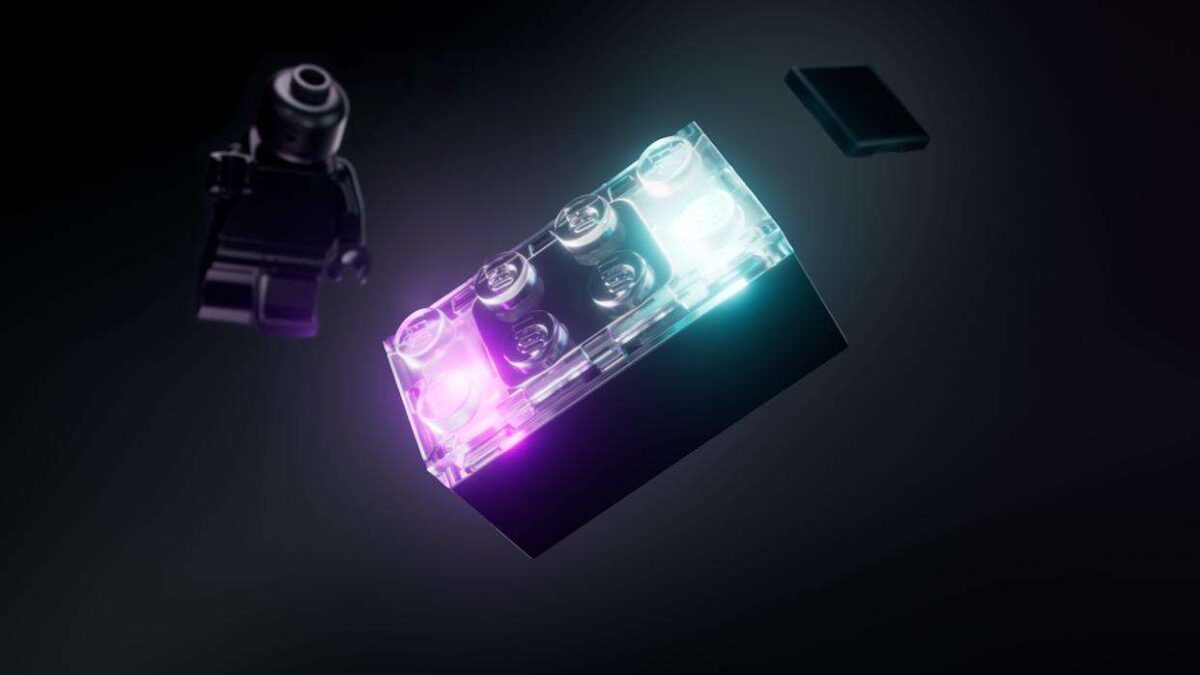
Avec les Smart Bricks, LEGO transforme chaque construction en une expérience connectée grâce à des capteurs, haut-parleurs et LED intégrés.
CES 2026 : ces deux technologies d’écran pourraient rendre obsolètes tous les modèles actuels
Google Extends Hardware Partnership with XREAL, Positioning AR Glasses Maker as Android XR Leader
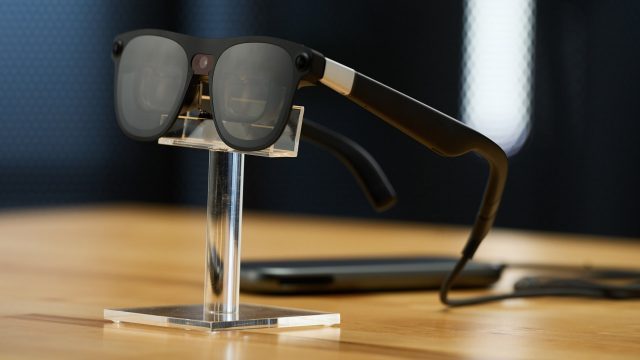
Google announced a multiyear extension to its partnership with AR glasses maker XREAL, positioning it as a lead hardware partner for the Android XR ecosystem.
The News
XREAL Project Aura is an Android XR-based pair of AR glasses which is due to ship sometime this year.
Combining a 70° field of view with an optical see-through display, the device is powered by an X1S chip in the glasses themselves and a Snapdragon XR2+ Gen 2 in the separate compute puck, enabling 6DoF tracking, hand and eye0tracking, and Google Gemini integration.
Ahead of its 2026 rollout, Google announced it’s strengthening its partnership with the Beijing, China-based XR glasses maker.
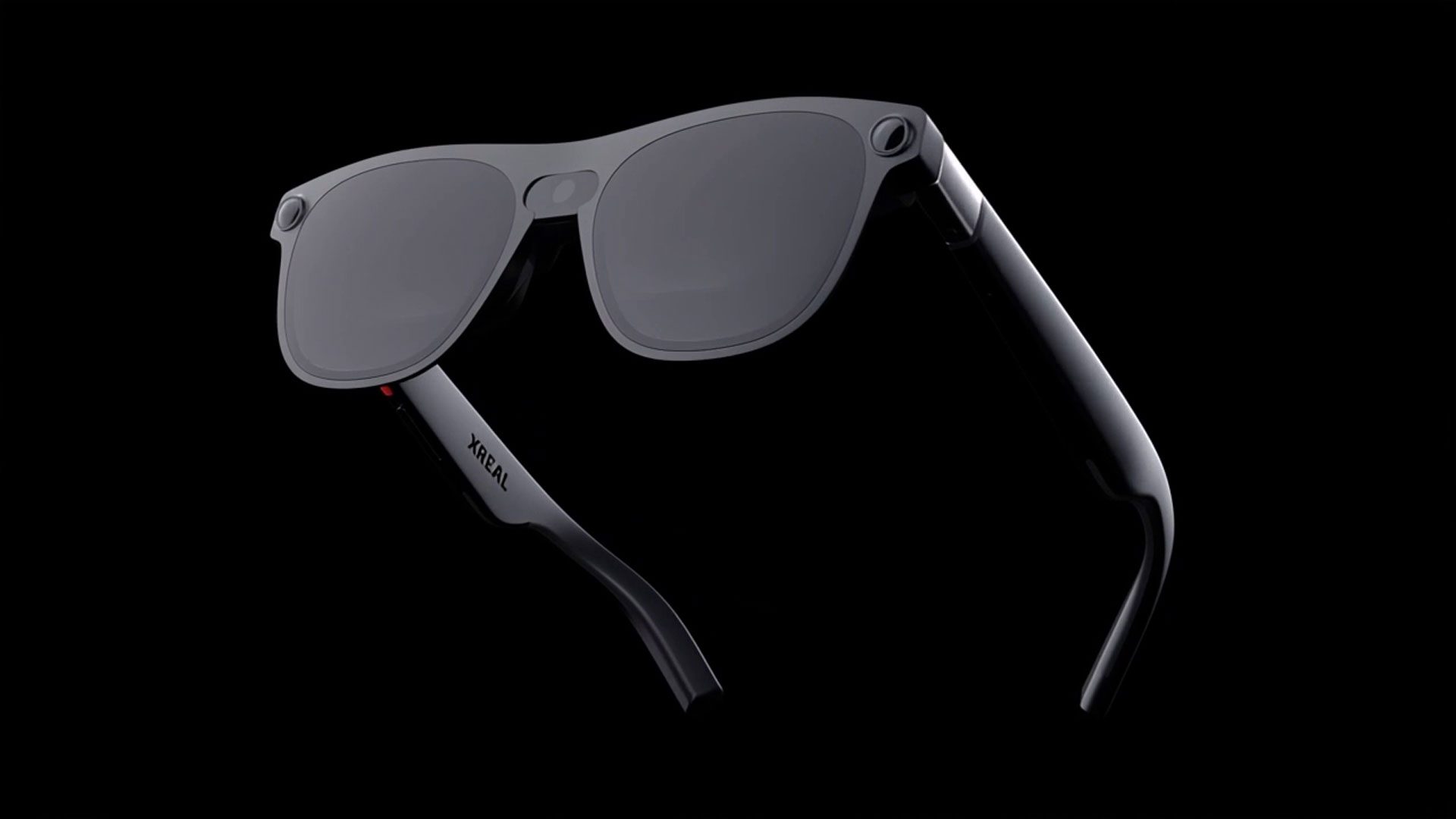
The companies say in a press statement that the deepened collaboration “aligns XREAL’s long-term hardware roadmap with the Android XR platform,” noting that Google and XREAL will collaborate on bringing Android XR to optical-see-through devices, like wired XR glasses.
Notably, XREAL Aura is set to be the first pair of see-through AR glasses to run Android XR, which serves up an impressively compact form factor thanks to offloading a fair bit of weight to the external compute/battery puck, which can slip into your pocket.
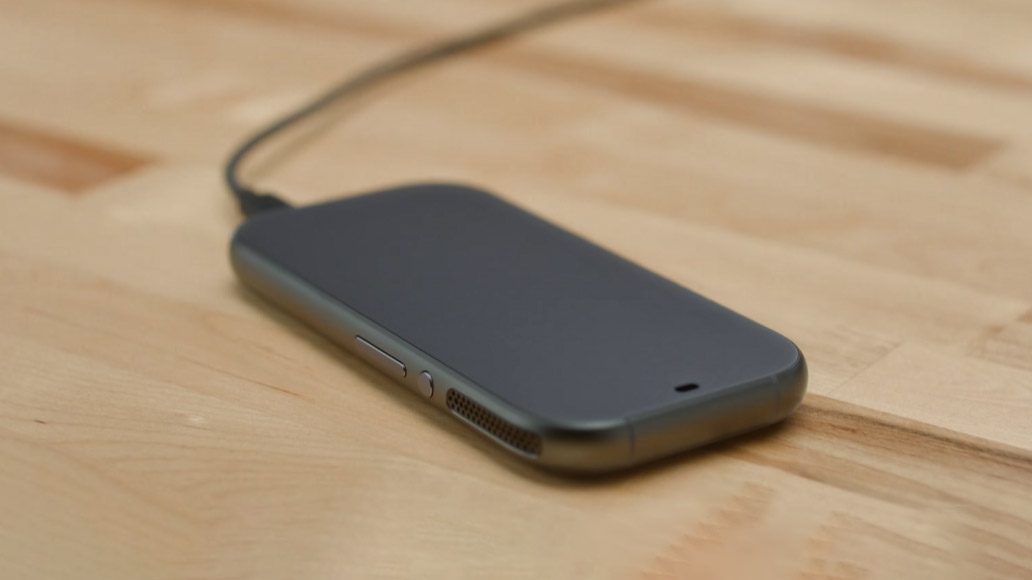
“Interestingly, the puck looks like the size and shape of a typical smartphone, but instead, the entire screen area is a giant trackpad which can be used for mouse-like input in addition to hand-tracking,” Road to VR’s Ben Lang says in a hand-on with the device.
We still don’t know when Project Aura will launch, however Google says we should learn more later this year.
Additionally, At CES 2026 this week, XREAL announced it was working with ASUS Republic of Gamers (ROG) on a pair of AR glasses for traditional gaming, which boast an impressive 240Hz refresh rate.
My Take
Google has been working on XR for years now; it has dedicated in-house hardware teams which have been bolstered by HTC’s XR engineering talent—acquired in early 2025.
That said, with the mounting pressure from competitors like Meta to own a large market share of the coming AR ecosystem, it’s more than a bit surprising to see that Google is leaning so heavily on an external partner for its initial push into consumer AR glasses.
Then again, you might say the same with its rollout of Samsung Galaxy XR in October 2025, the first VR headset to adopt Android XR. Still, standalone XR has a proven track record—Quest 3, Apple Vision Pro, Pico 4, etc—that, and Google/Samsung’s longstanding relationship makes things feel decidedly less experimental as a result.
More likely: Google still isn’t ready to swing its full weight into XR right now, as they seem happier to let hardware partners take the bulk of the risk in proving out the market. Once signs are clear that AR is big enough, Google may even launch their own first-party XR hardware—or maybe even acquire XREAL if things shake out the way they hope.
The post Google Extends Hardware Partnership with XREAL, Positioning AR Glasses Maker as Android XR Leader appeared first on Road to VR.
Google Classroom’s new tool uses Gemini to transform lessons into podcast episodes
CES 2026 TV lineup: which screens impressed me, from Micro RGB to wallpaper glow-ups

My favorite part of CES isn’t the laptops or smart home gadgets. It’s the TVs. CES is basically Disneyland for display tech, and CES 2026 turned the Las Vegas show floor into a gallery of beautiful screens from the big players. As always, the CES 2026 TV lineup includes futuristic pieces, while others are shockingly realistic upgrades you’ll want in your living room. These are the ones that genuinely wowed me.
This year’s TV buzzword is RGB Mini in all its flavors. Meanwhile, head-turning models like LG’s W6 Wallpaper TV and Samsung’s Moving Style show just how far brands are pushing home entertainment in 2026.
Without further ado, here are my picks for the best TVs at CES 2026.
CES 2026 Micro RGB TVs
Hisense 116 UXS RGB MiniLED TV

Nearly a year after introducing the first consumer model with this tech, Hisense hit CES 2026 with a new flagship, the 116UXS RGB MiniLED TV. Using RGB MiniLED evo with a fourth cyan layer. That extra cyan may sound nerdy, but the result isn’t: smoother gradients, more natural mid-tones, and richer color depth without that overly “cranked saturation” look. It’s made for people who watch everything—sports, movies, streaming.
Hisense UR8 and UR9

What really impresses me is how quickly Hisense is scaling this tech downward. The UR8 and UR9 series bring second-generation RGB MiniLED to sizes from 55 to 100 inches. It essentially gives mainstream buyers access to the same color magic. These models are built for real-world living rooms. And the promise is stable color, clean motion, and games that don’t smear or wash out. Add in Devialet-tuned audio and slim, modern designs, and it feels like Hisense is pushing the big names hard.
The takeaway? Hisense isn’t just experimenting with RGB MiniLED — it’s building an entire ecosystem around it. From the flagship 116UXS to the more accessible UR8 and UR9, the CES 2026 TV lineup shows a brand moving faster than its competitors to make advanced color tech widely available.
Samsung 130-inch Micro RGB TV (prototype)
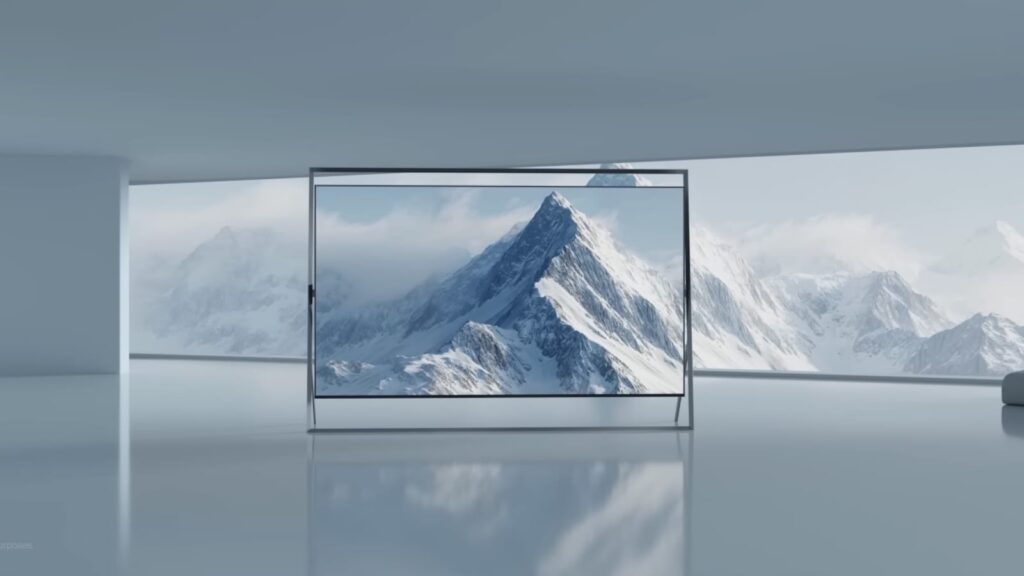
If there’s one TV at CES 2026 that feels like it wants to replace your projector, it’s Samsung’s massive 130-inch Micro RGB prototype. It’s pure spectacle: vivid color that hits full BT.2020 coverage, incredible brightness control, and Samsung’s new “Timeless Frame” design that makes the whole thing look like a giant digital canvas.
You can’t buy the 130-inch model this year—it’s a prototype—but it serves as a preview of what’s coming. The same Micro RGB platform will power Samsung’s upcoming R95H-series sets in more practical sizes.
CES 2026 TV Lineup: OLED TVs
Samsung OLED S95H

Samsung’s new OLED S95H is one of those TVs you stop and stare at when you walk past it — and not just because of the picture. This CES Innovation Awards 2026 honoree has a super-slim, borderless design that hangs on the wall like a work of art.
As the follow-up to last year’s award-winning S95F, the S95H pushes brightness substantially higher. Samsung claims roughly a one-third increase thanks to a more efficient QD-OLED panel. With its combination of gallery-style design and boosted performance, the S95H is especially appealing for movie buffs who don’t have a perfectly dark home theater.
LG OLED C6H
The LG OLED C6H is the C-series model I’ve been waiting for. For the first time, LG brings a tandem OLED panel to its wildly popular mid-range line, which pushes the C6H into “almost-flagship” territory. Available in 77- and 83-inch sizes, this upgraded panel drives a massive jump in brightness. LG says it can match last year’s G5.
What makes it exciting is how it repositions the C-series overall. The standard C6 models stick with conventional OLED panels in the smaller sizes. However, the C6H breaks away with better brightness and overall performance, while still offering the C-series price/performance sweet spot.
Best Futuristic TVs of CES 2026
LG OLED evo W6 Wallpaper TV

The LG OLED evo W6 revives the brand’s “Wallpaper TV” concept, delivering a screen so slim it practically melts into the wall. Measuring in at just millimeters thick and mounted completely flush, it’s more like digital décor than a traditional theater. Thanks to LG’s True Wireless system, all ports and connections live in a separate box that can sit across the room.
Powered by the latest α11 AI Processor Gen 3, the W6 delivers sharper upscaling, smarter image tuning, and ultra-smooth motion with refresh rates up to 165 Hz. Add LG Gallery+ to turn the screen into curated artwork or personal photos, and the W6 becomes a statement piece that doubles as the most elegant TV in the CES 2026 TV lineup.
Samsung MovingStyle TV

Samsung’s MovingStyle TV literally rolls with you. This updated portable TV features a 27-inch touchscreen and a detachable design you can move from the living room to the kitchen, the balcony, or wherever you’re hanging out. Meanwhile, a 3-hour battery life ensures it can outlast most movies.
What really sets it apart in the CES 2026 TV lineup is Samsung’s new Vision AI Companion (VAC). This AI assistant helps you decide what to watch, what to listen to, and even what to cook based on what’s on-screen. It solves a simple problem: sometimes you want the TV to come to you, not the other way around.
TCL X11L SQD-Mini LED TV

TCL’s big spotlight at CES 2026 is on the X11L SQD-Mini LED. It’s easy to see why. This premium set skips RGB backlighting in favor of blue LEDs paired with TCL’s quantum dots and a new color filter. The result is outrageous brightness claims of up to 10,000 nits, as many as 20,000 local dimming zones, and full BT.2020 color coverage.
In real viewing, that tech translates to intense color, impressive contrast, and noticeably controlled blooming even in challenging scenes. It’s very much a showcase product: pricing starts at $6,999.99 for 75 inches, but the X11L clearly signals where TCL wants to push mini-LED performance next.
Where CES 2026 TVs are Headed Next
The CES 2026 TV lineup makes one thing clear: display tech is moving fast, and it’s not just about resolution anymore. Brands are doubling down on brightness, color accuracy, AI processing, and bold form.
The best TVs on the show floor this year are products you can actually imagine in your living room. I can’t wait to see which of these models becomes the one everyone is talking about by the end of the year.
The post CES 2026 TV lineup: which screens impressed me, from Micro RGB to wallpaper glow-ups appeared first on Gadget Flow.
Perfect Corp. brings AI powered skin analysis tech into pharmacy environment
Perfect Corp. is powering a new in-store digital initiative in the pharmacy sector through a partnership with PHOENIX Pharma Italia.
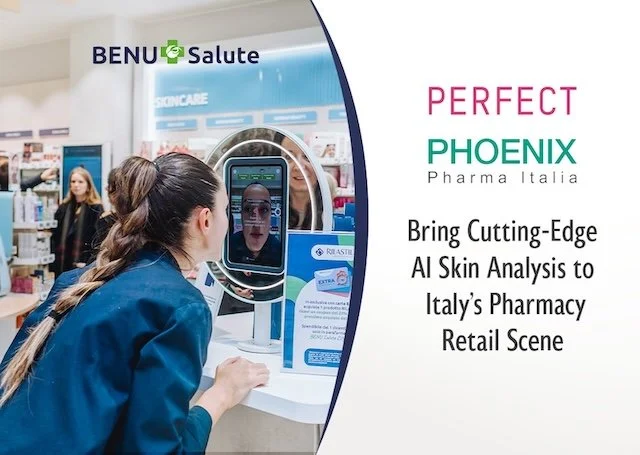
Customers visiting Italian BENU parapharmacy of Citylife in Milano, part of the PHOENIX Pharma Italia Group, can now access an AI powered skin analysis and personalised product recommendation experience.
PHOENIX Pharma Italia plans to expand the solution to additional pharmacies and says it will continue exploring ways to integrate digital services into its retail ecosystem. Future developments include CRM integration and enhancements designed to support the evolving expectations of customers.
Customers can access the experience in BENU parapharmacy through smart, illuminated mirrors provided by Inovshop. With a facial scan, Perfect Corp.’s Skincare Pro solution analyses several facial features and identifies eight skin concerns including spots, wrinkles, acne, redness, eye bags, dark circles, radiance, firmness as well as the skin type.
The results are delivered on an iPad interface and paired with personalised suggestions drawn from more than 200 skincare products from major brands integrated into the recommendation system.
"Partnering with PHOENIX Pharma Italia allows us to expand our retail innovation into a new environment where skincare advice plays a key role in the customer decision process," says Alice Chang, Founder and CEO at Perfect Corp. "Our AI powered tools help consumers explore their skincare needs in an accessible, intuitive way, and support pharmacies in offering more personalised product guidance.”
"We are pleased to collaborate with Perfect Corp. as we continue to enrich the customer experience in our BENU stores, also thanks to our new Beauty Circle format, dedicated to a new concept of beauty,” says Vincenzo Masci, Group Commercial & Marketing Director at PHOENIX Pharma Italia.
“Digital solutions like this help simplify the shopping process and offer customers new ways to engage with our skincare assortment, making it easier for them to find products that suit their needs.”
RTIH AI in Retail Awards
RTIH proudly presents the first edition of its AI in Retail Awards, sponsored by VenHub Global, 3D Cloud and EdTech Innovation Hub.
This is now open for entries. Deadline for submissions is Friday, 5th December. It’s free to enter and you can do so across multiple categories.
Check out categories and entry forms here.
As we witness a digital transformation revolution across all channels, AI tools are reshaping the omnichannel game, from personalising customer experiences to optimising inventory, uncovering insights into consumer behaviour, and enhancing the human element of retailers' businesses.
With 2025 set to be the year when AI and especially gen AI shake off the ‘heavily hyped’ tag and become embedded in retail business processes, our newly launched awards celebrate global technology innovation in a fast moving omnichannel world and the resulting benefits for retailers, shoppers and employees.
Our 2025 winners will be those companies who not only recognise the potential of AI, but also make it usable in everyday work - resulting in more efficiency and innovation in all areas.
Winners will be announced at an evening event at The Barbican in Central London on Thursday, 29th January. This will kick off with a drinks reception in the stunning Conservatory, followed by a three course meal, and awards ceremony in the Garden Room.
Accenture invests in retail technology firm Profitmind as AI reinvents how people shop
Accenture is investing an undisclosed amount in Profitmind, which has developed an agentic AI platform designed to help retailers automate decisions across pricing, inventory, and planning.
The pair are also entering into a strategic partnership to expand Accenture’s data and AI capabilities in retail.
“In retail, AI is reinventing how people shop, how businesses operate and how employees work. Retailers are navigating relentless disruption, and nowhere is the impact more acute than in merchandising. Frequently considered the heart and soul of retail, executives are often overwhelmed by massive amounts of data, reports and spreadsheets, leaving little time for effective decision-making,” says Jill Standish, Accenture’s global retail lead.
“Profitmind bridges the gap between insight and action through agentic AI. It mirrors how retailers run their businesses, linking data from multiple sources for clear, prioritised recommendations that can be trusted and executed quickly in response to an increasingly competitive industry.”

“We launched the first agentic platform for retail at NRF 2024. Now, by teaming with Accenture, we are directly addressing the operational complexities retailers face across markets, channels and data systems. This partnership allows us to bring that innovation to more global clients, delivering consistent solutions that increase agility and turn critical insights into tangible business outcomes,” says Dr. Mark Chrystal, Co-founder and CEO at Profitmind.
RTIH AI in Retail Awards
RTIH proudly presents the first edition of its AI in Retail Awards, sponsored by VenHub Global, 3D Cloud and EdTech Innovation Hub.
This is now open for entries. Deadline for submissions is Friday, 5th December. It’s free to enter and you can do so across multiple categories.
Check out categories and entry forms here.
As we witness a digital transformation revolution across all channels, AI tools are reshaping the omnichannel game, from personalising customer experiences to optimising inventory, uncovering insights into consumer behaviour, and enhancing the human element of retailers' businesses.
With 2025 set to be the year when AI and especially gen AI shake off the ‘heavily hyped’ tag and become embedded in retail business processes, our newly launched awards celebrate global technology innovation in a fast moving omnichannel world and the resulting benefits for retailers, shoppers and employees.
Our 2025 winners will be those companies who not only recognise the potential of AI, but also make it usable in everyday work - resulting in more efficiency and innovation in all areas.
Winners will be announced at an evening event at The Barbican in Central London on Thursday, 29th January. This will kick off with a drinks reception in the stunning Conservatory, followed by a three course meal, and awards ceremony in the Garden Room.

⭐️ CES 26 Jour #5 – Gadgets futuristes et innovations insolites
Cinquième jour au CES de Las Vegas. L’heure du bilan approche, mais avant de refermer cette édition 2026, place à une sélection de produits qui illustrent parfaitement l’ADN du salon : un mélange de technologies très sérieuses, de concepts futuristes… et d’idées parfois complètement décalées.
En partenariat avec FreePro, le meilleur de Free pour les entreprises
L’informatique en mode métamorphose
Les ordinateurs restent une valeur sûre du CES, et Lenovo a frappé fort cette année. Le constructeur chinois a impressionné avec un concept de PC portable à écran extensible : d’un simple raccourci clavier, l’écran OLED se déploie latéralement pour passer de 16 à 24 pouces. Une démonstration spectaculaire de ce que peuvent offrir les dalles souples et motorisées, même si ce Legion Pro Rollable reste pour l’instant un pur prototype de salon. Autre idée audacieuse : le HP Eliteboard G1A. Sous ses touches se cache un véritable PC, équipé d’un processeur Ryzen et d’un NPU dédié à l’IA. Léger, ultra-compact, capable d’alimenter deux écrans 4K, il promet une nouvelle façon de travailler en mobilité… et, cette fois, le produit sera bien commercialisé.
Téléviseurs extrêmes : la quête de la finesse absolue
Côté écrans, LG a une nouvelle fois joué la carte du spectaculaire avec un téléviseur ultra-fin de moins d’un centimètre d’épaisseur, le Wallpaper OLED Evo W6. Fixation murale magnétique, connectique déportée dans un boîtier externe et transmission sans fil des flux 4K : l’objet frôle la prouesse d’ingénierie. À ce niveau de sophistication, la technologie devient presque un élément de design… même si le prix, lui aussi, tutoie les sommets.
Robots domestiques : rêve ou illusion ?
Les robots ont été omniprésents dans les allées du CES 2026. LG a notamment présenté le CLOiD, un robot humanoïde capable, en théorie, de plier le linge, préparer le petit déjeuner et servir de centre de contrôle pour la maison connectée. L’IA « physique » promise laisse entrevoir un futur fascinant, mais, comme souvent au CES, on reste face à une démonstration plus qu’à un produit réellement prêt à entrer dans les foyers.
Samsung, de son côté, a profité du salon pour annoncer l’abandon définitif de son robot Bollie, pourtant très remarqué il y a quelques années. Un rappel que, dans l’univers des robots domestiques, l’innovation se heurte encore à la réalité industrielle.
Compagnons IA : entre fascination et malaise
Autre grande tendance de cette édition : les assistants de compagnie. Razr a dévoilé un étonnant avatar holographique, baptisé Projet Ava, destiné aux gamers, capable de commenter une partie en temps réel et de suggérer des stratégies grâce à une caméra intégrée. Derrière l’effet “waouh”, la question de la vie privée s’impose immédiatement : accepterons-nous demain d’être observés en permanence par nos assistants numériques ?
Plus troublant encore, ce cadre photo intelligent, de la marque chinoise Vinabot, capable de donner vie à des personnes disparues ou à des figures historiques, grâce à l’IA et au clonage vocal. Une technologie qui fascine autant qu’elle dérange, tant elle brouille les frontières entre souvenir, hommage… et illusion numérique.
Quand Lego passe à l’ère intelligente
Enfin, impossible de ne pas évoquer l’une des annonces les plus surprenantes du CES : Lego Smart Play. Des briques connectées, sans écran ni smartphone, capables de réagir aux mouvements, aux figurines et à l’environnement sonore. Une façon inédite de mêler jeu physique et interaction numérique, qui montre que même les icônes du jouet traditionnel se réinventent à l’ère de l’IA et de l’électronique embarquée.
Le CES, laboratoire de l’imagination technologique
Cette cinquième journée illustre parfaitement ce qu’est aussi le CES de Las Vegas : un immense terrain d’expérimentation. Tous les produits présentés ne verront pas le jour, loin de là. Mais chacun raconte quelque chose de notre rapport à la technologie : notre envie de mobilité extrême, notre fascination pour les robots, notre curiosité pour les compagnons artificiels… et notre goût intact pour les objets qui font rêver, sourire ou débattre.
Rendez-vous pour le grand débrief final de cette édition 2026, avec Bruno Guglielminetti, pour tirer les enseignements de cette semaine hors norme au cœur de la tech mondiale.
Hébergé par Audiomeans. Visitez audiomeans.fr/politique-de-confidentialite pour plus d'informations.
New York légifère sur la sécurité de l'IA
CES 2026: weirdest tech that made me say “wait…what?”

From AI home robots to LEGO Smart Bricks, CES 2026 is packed with cool, innovative takes on technology. But, if we’re being honest, plenty of products cross the line from innovation into full-on weirdsville. After days of digging through all the “serious” announcements, it felt like time for a little comic relief. That’s why I’m kicking off a CES 2026 weirdest tech roundup, highlighting the products that made me scratch my head and sometimes go, “Why…?”
Sure, there are plenty of impressive innovations this year, but this list is all about the stuff that makes you question reality—and have a little fun while doing it. Check out my favorite weird tech at CES 2026.
Throne One

Everyone wants to be healthier in the New Year — and the Throne One aims to help people achieve just that. Described as an on-toilet sensor, it looks into your toilet to determine biomarkers that track gut health, hydration, and bathroom habits.
To be honest, there shouldn’t be an “ick” factor here. The process is automatic, hands-free, and detects body signals you might otherwise miss. But a gadget that analyzes bowel movements (if you don’t have health issues) seems a little extra.
Vivoo FlowPad

For more on bodily fluid analysis, let’s talk about the Vivoo FlowPad, which I covered in my CES 2026 tech gadgets for women roundup. What is it? A menstrual pad that tests for follicle-stimulating hormone (FSH).
As a woman, I love tech that helps me understand my body better—but embedding a test in a pad feels a little too personal. Still, it’s genuinely useful: the most common FSH test is a blood test, and if needles aren’t your thing, this could be a much easier alternative.
GLYDE: The Smart Hair Clipper

For anyone who’s ever wanted to save a few bucks by cutting their hair at home, the GLYDE Smart Hair Clipper has the answer. It comes with an AI hair-cutting coach so that you can cut your own hair, or let a family member help you.
It sounds normal enough. The weird part is the face band you have to wear to make the product work; it tells the shaver where on your head it’s cutting. Designed to be mistake-proof, even people with no hair cutting experience can operate it.
TDM Neo Hybrid Headphones
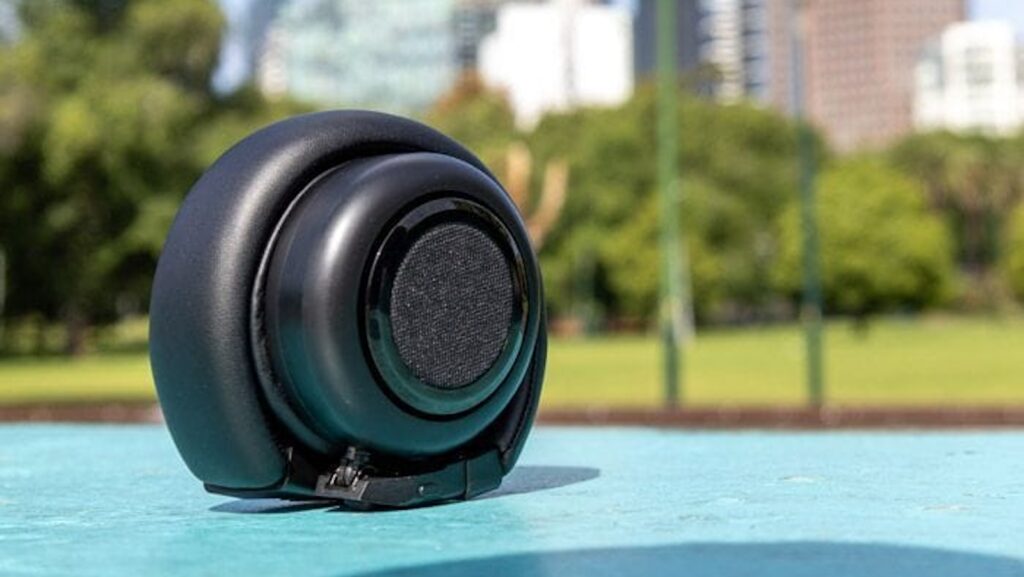
If you’ve ever wished your headphones could double as a speaker without carrying extra gear, the TDM Neo Hybrid might just blow your mind. This premium 2-in-1 audio device twists from high-fidelity headphones into a portable speaker, with over 200 hours of playback in headphone mode and 10+ hours as a Bluetooth speaker.
The tech sounds impressive—but here’s the weird CES part: it physically twists. Like, you literally turn your headphones into a speaker. It’s a clever, modular design, and I love the concept, but there’s something a little absurd about spinning your headphones mid-concert or on the subway to share your jams. Still, it’s hard to deny the appeal: headphones when you want privacy, a speaker when you don’t.
Luka AI Cube

Would you buy an AI companion for your kid? At CES, Ling AI showed off the Luka AI Cube. This AI companion recognizes your surroundings through live video or photos, chats with kids in multiple languages, and even doubles as a museum guide or reading partner.
So what makes it weird? It’s essentially a full LLM-powered chatbot designed for children, which naturally raises safety questions. How reliably can the company filter and moderate every response? And beyond content filtering, are we comfortable outsourcing conversation, curiosity, and comfort to an algorithm? It’s equal parts fascinating and unsettling—and definitely one of the head-tilting moments from the show.
C-200 Ultrasonic Chef’s Knife

Yes, you read that right—this ultrasonic knife vibrates 30,000 times per second. Press a button, and the C-200 slices through tomatoes, dough, and stubborn veggies with almost zero effort. You can’t see it, you can’t hear it, you can’t feel it—but somehow, it works.
It’s basically a normal chef’s knife… that secretly went automatic. Even when it’s off, it’s a razor-sharp Japanese AUS-10 blade. Turn it on and it’s like your food suddenly obeys the laws of physics differently. It’s precise, effortless, and a little absurd—all at once.
CES 2026 Weirdest Tech
CES 2026 proves that innovation doesn’t always mean practical—or normal. From ultrasonic knives that make food obey physics to AI LLMs for kids, the weird tech on display this year is equal parts impressive and head-scratching. Sure, some of it might never make it to your home, but that’s exactly why it’s fun to see. These products remind us that tech isn’t just about solving problems—it’s about surprising us, entertaining us, and sometimes leaving us thinking, “Wait… people actually made this?”
The post CES 2026: weirdest tech that made me say “wait…what?” appeared first on Gadget Flow.
Microsoft introduces Copilot Checkout to help you shop and pay without leaving the chat
Microsoft's Copilot assistant is getting a checkout experience to help users browse, compare, and buy products without leaving the chat.
The post Microsoft introduces Copilot Checkout to help you shop and pay without leaving the chat appeared first on Digital Trends.

Actualité : Le CES 2026 vécu par la rédaction : entre prouesses, coups de cœur et réalité du terrain

La Chine relance un projet militaire futuriste via un programme diffusé sur la télévision d’État

Longtemps considérés comme des maquettes de communication inspirées de la science-fiction, les avions du projet militaire chinois Nantianmen ont été remis en avant le 9 janvier 2026 par la CCTV, qui les a présentés comme potentiellement réalisables.
Looking Glass hololuminescent display + faytech glasses-free 3D digital signage, 16″ FHD and 27″ 4K
Looking Glass and faytech walk through a new Hololuminescent Display (HLD) platform aimed at group-viewable, glasses-free 3D for digital signage and in-store product presentation. The core idea is a light-field optical stack that creates a fixed “holographic volume” while staying slim enough to mount like a normal screen, roughly under an inch thick on the shipping sizes. https://lookingglassfactory.com/hld-overview
The demo focuses on how parallax behaves in the real world: as you move your head, the background shifts naturally while a foreground layer can stay readable for UI, giving a hybrid of conventional 2D interface plus spatial content inside a visible “box.” Because it’s autostereoscopic and multi-view, it stays convincing for multiple people at once, and even reads well on camera for people filming the display.
They also outline the initial lineup and positioning versus earlier, more developer-centric light-field systems. HLD 16 is a 16-inch portrait display listed at 1080p, while HLD 27 is a 27-inch portrait display listed at 4K UHD, both designed for plug-and-play deployments and repeatable content loops. The pricing discussed is about $1,500 for the 16-inch unit and about $3,000 for the 27-inch unit.
On the deployment side, they frame HLD as a “taster” for retail endcaps and kiosks, with optional touchscreen integration through the faytech partnership, so a standard touch UI can sit alongside a floating 3D product render. Brightness is described around 500–600 nits in the booth context, with the implication that higher-brightness builds can be handled as a specialty build. This interview was filmed at CES Las Vegas 2026 inside the faytech booth area.
Finally, the conversation lands on AI-driven characters as a natural fit for spatial displays: Looking Glass previously built an early 3D chatbot concept (Lightforms) and now expects partners to bring modern LLM-driven agents onto this kind of hardware. The practical takeaway is that a conversational character, brand mascot, or guided product explainer becomes more “present” when it occupies depth in a shared viewing volume, even when driven by modest on-site compute like a tablet or signage player.
I’m publishing about 100+ videos from CES 2026, I upload about 4 videos per day at 5AM/11AM/5PM/11PM CET/EST. Check out all my CES 2026 videos in my playlist here: https://www.youtube.com/playlist?list=PL7xXqJFxvYvjaMwKMgLb6ja_yZuano19e
This video was filmed using the DJI Pocket 3 ($669 at https://amzn.to/4aMpKIC using the dual wireless DJI Mic 2 microphones with the DJI lapel microphone https://amzn.to/3XIj3l8 ), watch all my DJI Pocket 3 videos here https://www.youtube.com/playlist?list=PL7xXqJFxvYvhDlWIAxm_pR9dp7ArSkhKK
Click the “Super Thanks” button below the video to send a highlighted comment under the video! Brands I film are welcome to support my work in this way 
Check out my video with Daylight Computer about their revolutionary Sunlight Readable Transflective LCD Display for Healthy Learning: https://www.youtube.com/watch?v=U98RuxkFDYY
CES 2026 : une année noire annoncée pour l’industrie du PC

Au CES 2026, la situation du secteur informatique s’est révélée particulièrement préoccupante. Les acteurs majeurs du PC ont affiché des perspectives moroses, confrontés à une stagnation de l’innovation et à une demande en net repli cette année.
Ce nouveau jeu de société est un cauchemar pour les débutants (et c’est tant mieux)
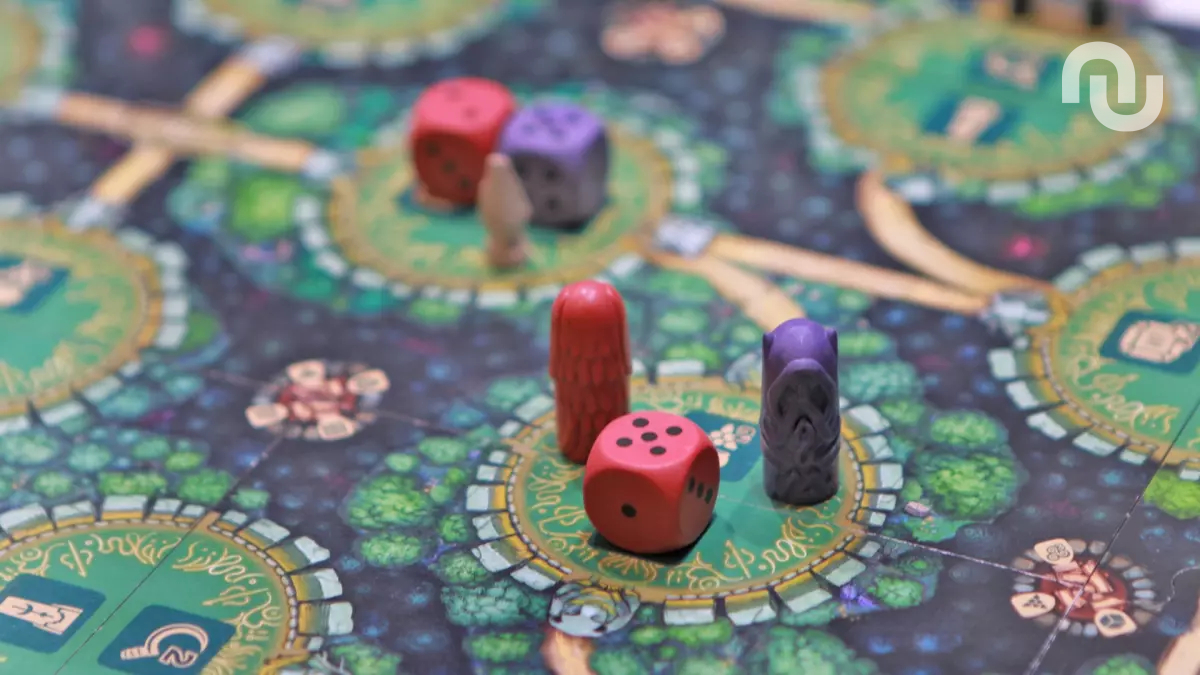
Incarnez des druides et des sorcières, et parcourez la forêt mystique pour y ériger des menhirs, dans Les Druides d’Edora, notre jeu de société de la semaine. Comment ça se joue ? Quel est notre avis ? On vous dit tout.
Une batterie alimentée par déchets radioactifs… et manipulable sans danger
Un père et son fils ont créé un drone plus rapide que tout ce qui existait avant : ils ont dû en construire un 2e pour le filmer !
CES 2026: Sci-Fi meets beauty in L’Oréal’s new hair straightener and LED face mask
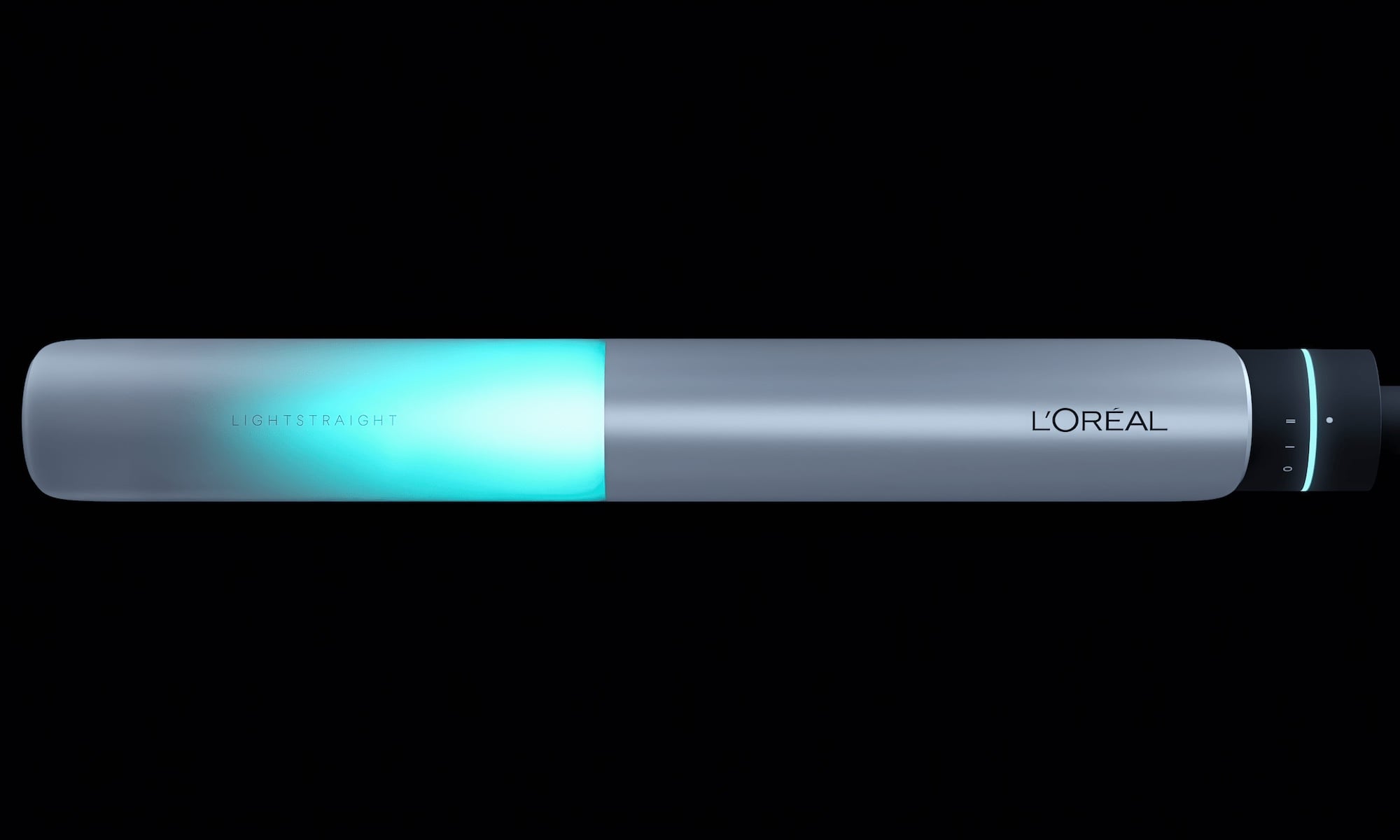
LED-equipped beauty products have been gaining momentum for the past decade. L’Oréal at CES 2026 was riding that wave with its new hair straightener and LED face mask. The mask uses LEDs to improve skin quality in a sci-fi-like, flexible design, while the straightener styles hair without damaging it.
As someone who’s tried her fair share of beauty gadgets, I appreciated L’Oréal’s emphasis on LEDs this year. Unlike some buzzwordier products, LED therapy is actually backed by science, so I know these devices aren’t just snake oil.
It’s also refreshing to see beauty tech that supports both health and practicality. I mean, have you seen what most LED face masks look like? Creepy…
Light Straight + Multi-styler: Style Without Sacrifice
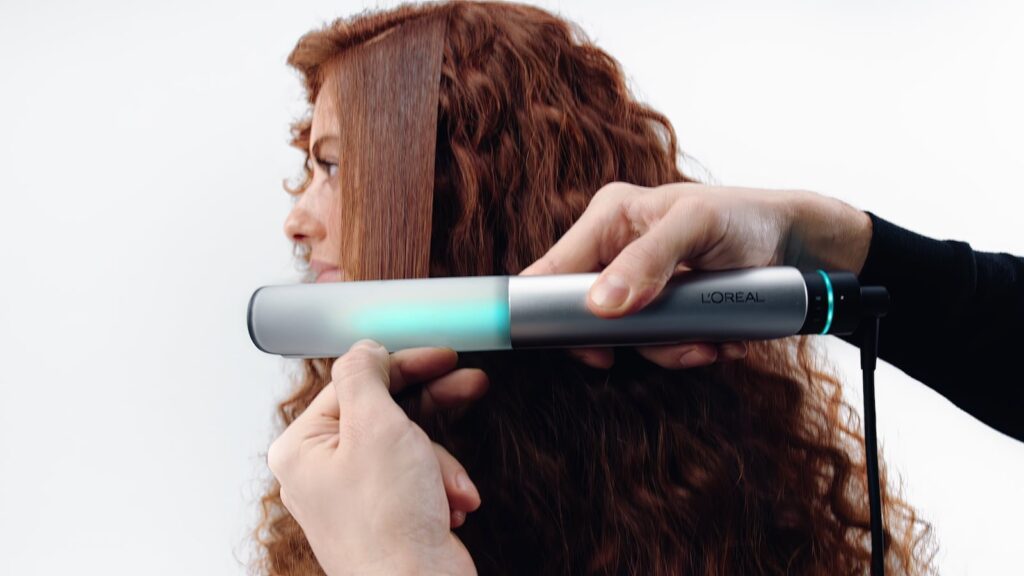
I’ll admit it: I’m wary of most hair straighteners. Traditional irons can reach 400°F, which is way above the temperature where keratin starts to deteriorate. L’Oréal’s new straightener flips the script. Using patented infrared light technology, it never exceeds 320°F but still promises glossy, smooth results. According to L’Oréal, it works three times faster than leading premium stylers and leaves hair twice as smooth. Nice!
How does it work? The near-infrared light penetrates deeply to reshape internal hydrogen bonds—the microscopic structures that determine hair’s texture. It gives you sleek strands without damaging the hair’s natural strength.
Another cool touch? The Light Straight + Multi-Styler adapts to your gestures with built-in sensors and AI. Your styling is personalized without you having to think about it.
LED Face Mask: Science Meets Comfort

LED face masks are a complicated product category. I’ve seen plenty of bulky, uncomfortable masks that promise miracles and deliver…well, nothing. L’Oréal’s version takes cues from sheet masks: it’s flexible and sits directly on your skin. From that position, red and infrared light easily penetrate the dermal layers. You only need 5–10 minutes per session, which is far less than most masks on the market.
Even better, the mask uses two scientifically supported wavelengths—630nm and 830nm—backed by clinical research from L’Oréal’s partner, iSmart. That’s the kind of detail that makes me trust a beauty gadget. And while I haven’t tried it myself yet, the design suggests it could complement existing skincare routines, like boosting absorption of serums or moisturizers.
I also appreciate that L’Oréal is pursuing FDA 510(k) clearance, a rare move in the beauty world. It signals that they’re serious about safety and honesty with this wearable beauty gadget.
My Take: Practical, Futuristic, and Surprisingly Sensible
Both products feel futuristic, like we’re witnessing the next generation of beauty products. The straightener is fast, smart, and protective. The mask is flexible, science-driven, and user-friendly. Both make beauty tech usable and effective.
Pricing and global launch dates haven’t been revealed yet. The straightener won’t hit stores until 2027, and the mask is pending FDA clearance. But if L’Oréal’s R&D delivers, these could become must-haves for anyone who loves gadgets and cares about results.
Bottom Line
L’Oréal’s Light Straight + Multi-styler and LED Face Mask show that the future of beauty doesn’t have to be overcomplicated. It can be smart, safe, and practical. For anyone tired of sacrificing hair health or wearing clunky masks, these gadgets might just give your beauty routine a seriously high-tech glow-up.
The post CES 2026: Sci-Fi meets beauty in L’Oréal’s new hair straightener and LED face mask appeared first on Gadget Flow.
Google MedGemma 1.5 et MedASR - L'assistant ultime des toubibs
Il semblerait que l'intelligence artificielle ait fait suffisamment de progrès pour pourvoir assister à terme nos médecins débordés et en sous-nombre... C'est vrai que je vous parle souvent ici de comment les technos peuvent faire évoluer la médecine , mais là Google vient de passer un nouveau cap avec sa collection HAI-DEF (pour Health AI Developer Foundations, oui ils adorent les acronymes de barbares, je sais..).

Et là dedans, on trouve un gros morceau baptisé MedGemma 1.5 . Si la version précédente gérait déjà les radios 2D classiques, cette mise à jour s'attaque maintenant à la "haute dimension". En gros, le modèle peut maintenant analyser des volumes 3D issus de scanners (CT) ou d'IRM, et même des coupes d'histopathologie (l'étude des tissus biologiques).
Pas mal hein ?
L'idée n'est pas de remplacer le radiologue (pas encore... brrr), mais de lui servir d'assistant survitaminé pour repérer des anomalies ou localiser précisément des structures anatomiques. Ainsi, sur les tests de Google, MedGemma 1.5 améliore la précision de 14 % sur les IRM par rapport à la V1. C'est un sacré gain qui permet d'avoir des diagnostics plus justes et plus rapides.

Mais ce n'est pas tout puisque Google a aussi dégainé MedASR, un modèle de reconnaissance vocale (Speech-to-Text) spécialement entraîné pour la dictée médicale. Parce que bon, on sait tous que le vocabulaire d'un toubib, c'est un peu une langue étrangère pour une IA classique comme Whisper. Grâce à ça, MedASR affiche 58 % d'erreurs en moins sur les comptes-rendus de radios pulmonaires, soit de quoi faire gagner un temps précieux aux praticiens qui passent souvent des heures à saisir leurs notes.
D'ailleurs, si vous vous souvenez de mon article sur l'ordinateur plus efficace que les médecins , on y est presque ! Sauf que là, l'approche est plus collaborative. Les modèles sont d'ailleurs disponibles en "open" (enfin, avec les licences Google quoi) sur Hugging Face pour que les chercheurs et les boites de santé puissent bidouiller dessus.

Alors bien sûr, faut toujours rester prudent et Google précise bien que ce sont des outils de recherche et pas des dispositifs médicaux certifiés pour poser un diagnostic tout seuls. Je me souviens bien de Google Health et des questions sur la vie privée que ça soulevait à l'époque, mais techniquement, ça déchire.
Voilà, si ça vous intéresse, je vous laisse regarder leurs explications et vous faire votre propre avis sur la question... Maintenant, est-ce que vous seriez prêts à confier votre prochaine analyse à une IA (assistée par un humain, quand même) ?
Moi oui !

AI Has Basically Killed Stack Overflow
Since 2008, Stack Overflow has been an immensely helpful resource for developers, allowing them to crowdsource answers to their coding questions — and resulting in a vast online repository of coding knowledge.
But as Dev Class reports, the advent of generative AI appears to have caused an extinction-level event for the platform, with the number of monthly questions plummeting significantly since around the time ChatGPT burst onto the scene in late 2022.
The data, as accessed through Stack Overflow’s own Data Explorer, tells a dramatic story. The number of questions per month fell from over 21,000 in January 2025 to a measly 3,607 by December. Back in the start of 2023, it was fielding 100,000 per month.
The issue? Large language model-based tools like OpenAI’s blockbuster chatbot have allowed programmers to get coding help with simple text prompts, foregoing the need to take their questions to Stack Overflow.
There’s a meta twist: Stack Overflow signed a partnership with OpenAI in 2024 in an effort to “strengthen the world’s most popular large language models” — either leaning into the inevitable or hastening its own demise, depending on your perspective.
It’s a confounding situation. The company introduced an “AI Assist” feature, described as a “new way for users to access our 17 years of expert knowledge,” last month. Yet, as Dev Class points out, using generative AI to answer questions on the platform is still banned.
Disillusioned users argued that the site’s often hostile and “toxic” community has contributed to its decline as well, criticizing the company for allowing moderators to mishandle duplicate queries, for instance. Many users have grown frustrated with being shut down for asking already-answered questions.
“Of course, one could point to 2022 and say ‘look, it’s because of AI,’ and yes, AI certainly accelerated the decline, but this is the result of consistently punishing users for trying to participate in your community,” one Reddit user argued. “People were just happy to finally have a tool that didn’t tell them their questions were stupid.”
Others pointed out that the most important questions simply may have already been asked.
“I very rarely find that I need to ask new questions on Stack Overflow,” another user wrote. “A problem is either trivial enough that I can find the answer myself, common enough that someone’s already asked before, or so difficult and so niche that asking other people for help is fruitless.”
Programmers are concerned about what comes next, especially considering the well-documented shortcomings of AI. Hallucinations are still a major issue, forcing developers to spend significant amounts of time fixing errors.
The more practical question: when new technologies are deployed, and Stack Overflow is a husk, where will the AIs get their coding info from?
Stack Overflow “was by far the leading source of high quality answers to technical questions,” one user argued on Hacker News. “What do LLMs train off of now?”
More on AI coding: AI Code Is a Bug-Filled Mess
The post AI Has Basically Killed Stack Overflow appeared first on Futurism.