Jean-Philippe Encausse
Shared posts
Microsoft poursuit un groupe de pirates pour LLMjacking
Google releases SpeciesNet, an AI model designed to identify wildlife
Google has open sourced an AI model, SpeciesNet, designed to identify animal species by analyzing photos from camera traps. Researchers around the world use camera traps — digital cameras connected to infrared sensors — to study wildlife populations. But while these traps can provide valuable insights, they generate massive volumes of data that take days […]
© 2024 TechCrunch. All rights reserved. For personal use only.
TSMC pledges to spend $100B on US chip facilities
Chipmaker TSMC said that it aims to invest “at least” $100 billion in chip manufacturing plants in the U.S. over the next four years as part of an effort to expand the company’s network of semiconductor factories. President Donald Trump announced the news during a press conference Monday. TSMC’s cash infusion will fund the construction […]
© 2024 TechCrunch. All rights reserved. For personal use only.
CalCam: Transforming Food Tracking with the Gemini API
Inseye "Pauses" Lumi, Its Quest 2 & 3 Eye Tracking Addon
Inseye has "paused" Lumi, the Quest 2 & 3 eye tracking addon it planned to sell, to focus on bringing the technology to smart glasses instead.
Unlike camera-based eye tracking systems of the kind you'd see in headsets like Apple Vision Pro or PlayStation VR2, the $160 Lumi promised to use an array of simple and inexpensive photosensors to measure the intensity of the reflection of infrared light off your eye. Each part of your eye reflects infrared light with a slightly different intensity, and Inseye says its neural network uses the intensities reported by the photosensors to determine the exact position of your pupil at 1000Hz, while using five times less battery than cameras.
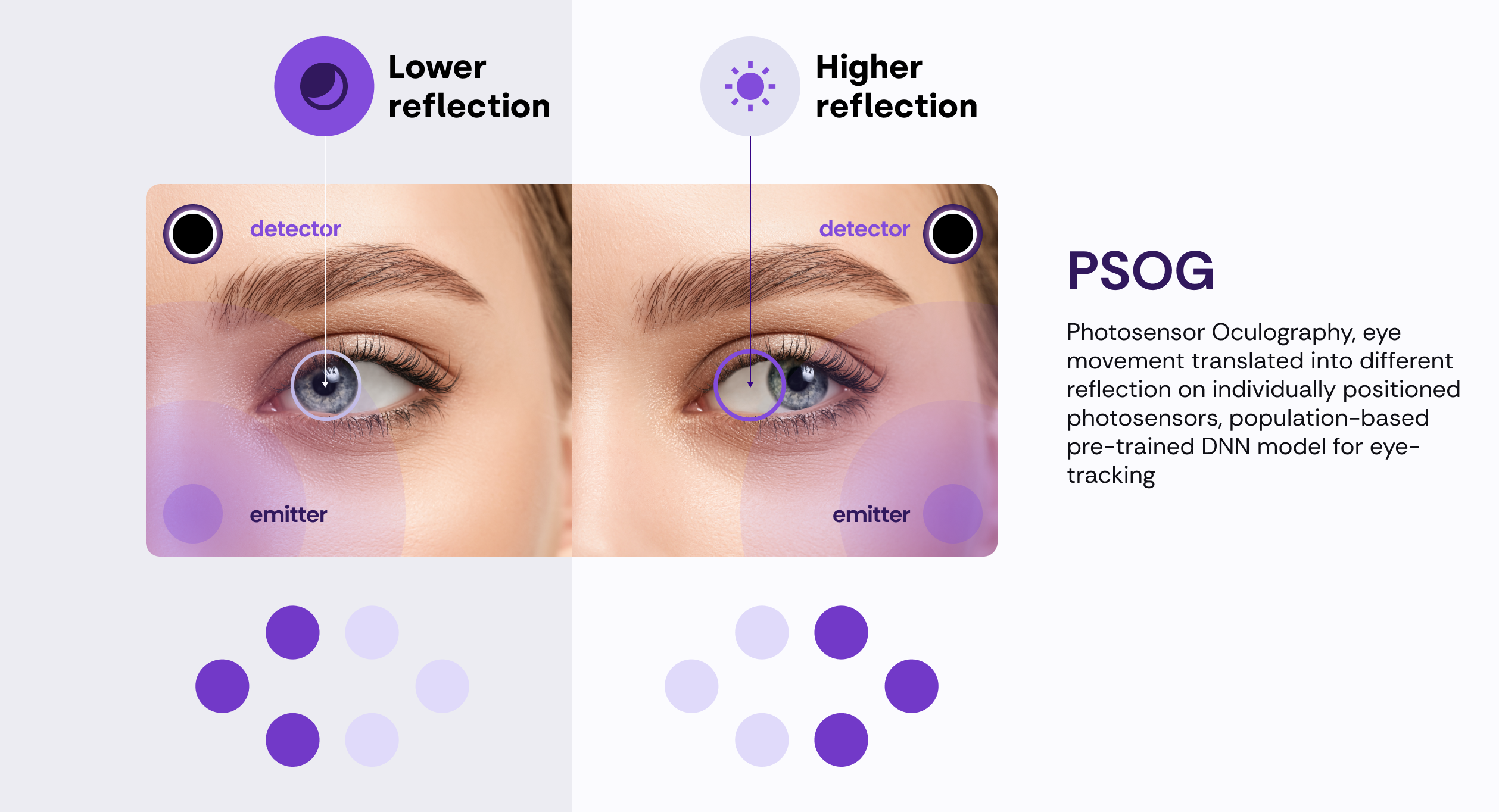
The startup announced the device back in June, and took $1 "refundable deposits" to get it for a discounted price of $100 whenever it eventually shipped.
But now, Inseye says it has "paused Inseye Lumi project for the time being". The startup says it's doing so because it's shifting its focus to integrating its technology into smart glasses and AR glasses, rather than VR/MR headsets, and as a "startup with limited resources" it can't do both - at least not at the same time.
The startup says it's now "working closely with clients who are preparing to bring next-generation smart eyewear to the market".
"Please know this doesn’t mean we’re giving up on VR. We remain convinced VR has massive potential, and we plan to revisit our VR projects when the time and resources are right," Inseye told backers.
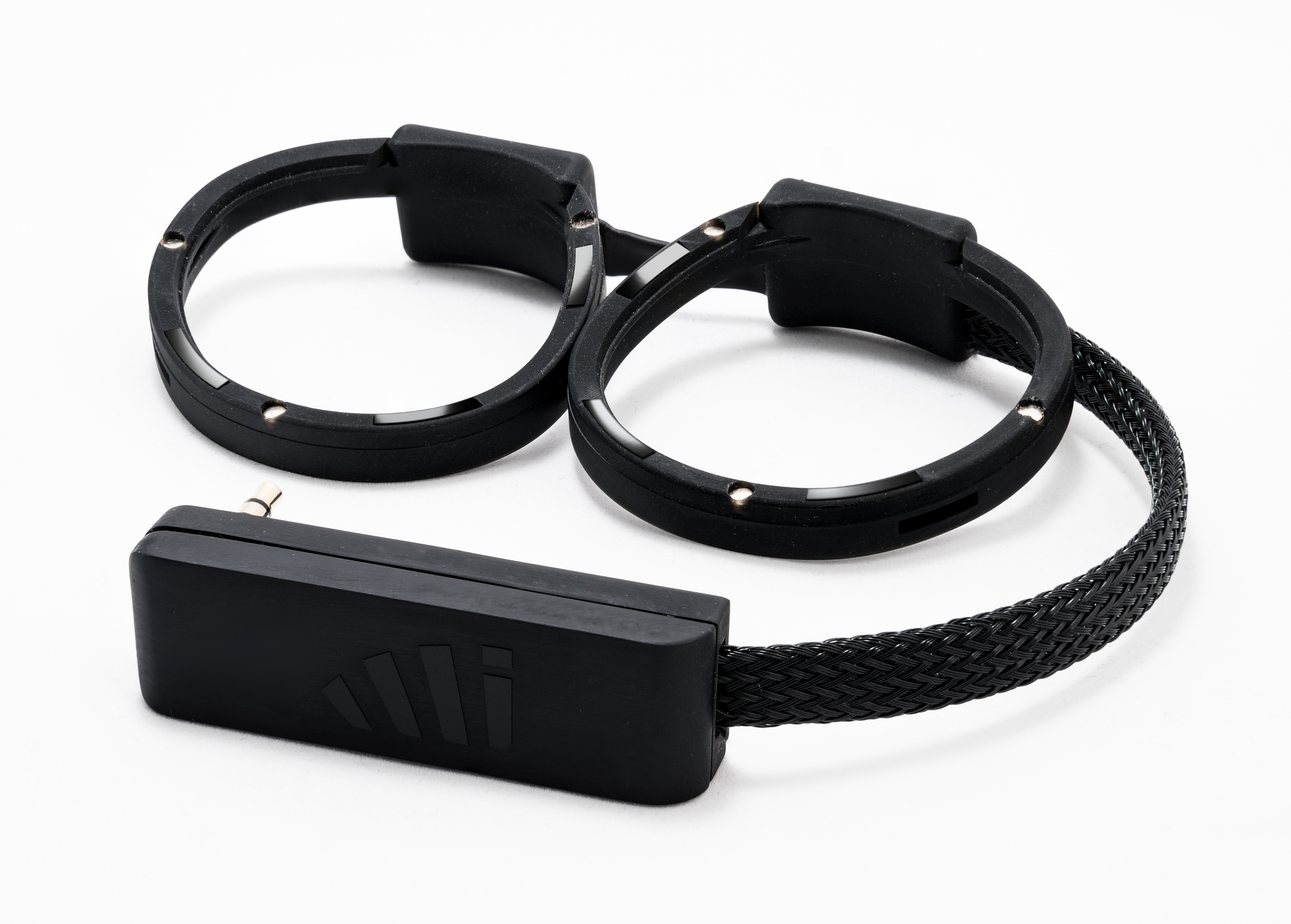
Inseye claims it will refund the $1 deposit of any backer who reaches out via email.
Meanwhile, in January a Japanese engineer said he's making his own face & eye tracking addon for Quest 3, but significant concerns were raised about the project.
 UploadVRDavid Heaney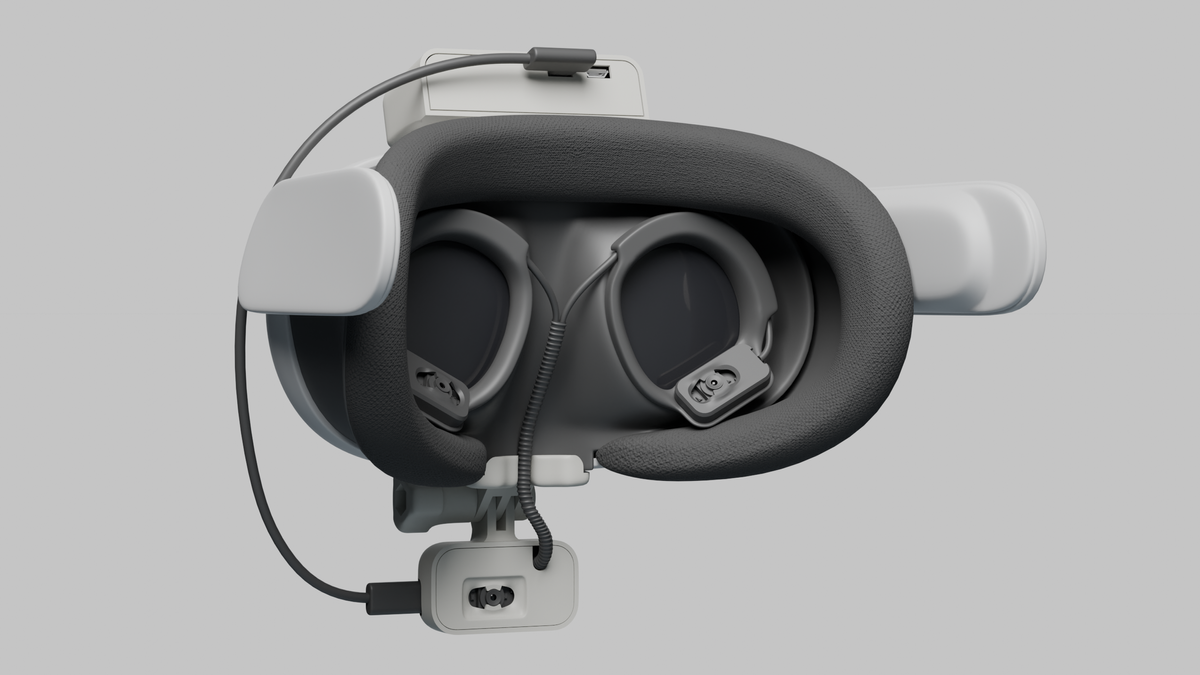
Designing a Toy Conveyor Belt For Fun and Profit
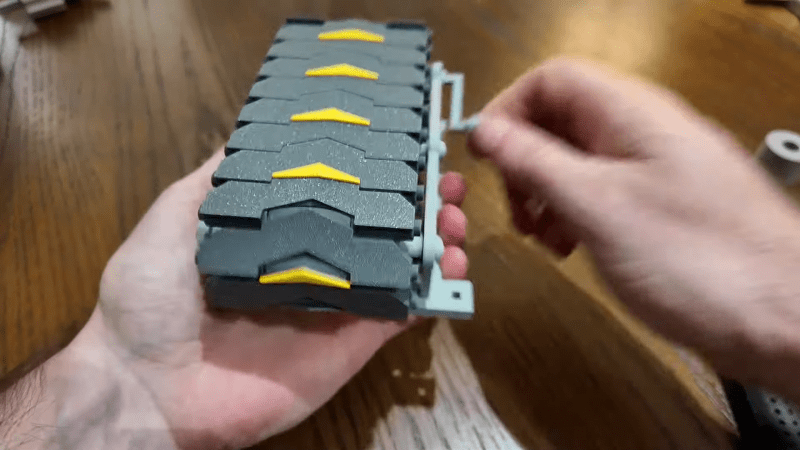
[Hope This Works] wants to someday build a tiny factory line in the garage, with the intent of producing some simple widget down the line. But what is a tiny factory without tiny conveyor belts? Not a very productive one, that’s for sure.
As you may have noticed, this is designed after the transporter belts from the game Factorio. [Hope This Works] ultimately wants something functional that’s small enough to fit in one hand and has that transporter belt aesthetic going. He also saw this as a way to level up his CAD skills from approximately 1, and as you’ll see in the comprehensive video after the break, that definitely happened.
And so [Hope This Works] started by designing the all-important sprockets. He found a little eight-toothed number on McMaster-Carr and used the drawing for reference. From there, he designed the rest of the parts around the sprockets, adding a base so that it can sit on the desk or be held in the hand.
For now, this proof-of-concept is hand-cranked. We especially love that [Hope This Works] included a square hole for the crank handle to stand in when not in use. Be sure to check out the design/build video after the break to see it in action.
How happy would you be to see Factorio come up in a job interview?
Thanks for the tip, [foamyguy]!

Christie's first AI art auction sees hits... and plenty of misses
Ce bio-ordinateur utilise des neurones humains: vers une IA encore plus performante ? 🖥️

Nuclear, Microgrids Could Ease the AI Power Drain
It’s no secret that data centers are power hogs. Going nuclear might be part of the solution.
Small modular nuclear reactors, or reactors that are significantly smaller than your average nuclear power plant, could provide relief for the stress that data center demand poses on an already-weary power grid. But given that only three of these reactors are actually in operation, scaling them is slow-going, and likely won’t be commercially viable for at least five years.
In the meantime, microgrids could offer support to ease the burden on the grid without slowing down AI growth, said Michael Stadler, chief technology officer of Xendee.
“It’s really important to start thinking about what we can do now about this power problem,” said Stadler. “We are thinking about what could happen in five years or 10 years, but I think we have to start acting now.”
Microgrids connect a patchwork of distributed energy resources, such as generators, batteries or solar, that operate within a set boundary to power a single facility. These systems can be connected to the power grid or act in an isolated “island mode,” said Stadler.
While microgrids have been around for decades, they’re garnering more attention as AI and data centers increase pressure on utilities: Goldman Sachs Research predicts that global power demand from data centers could jump 150% by 2027.
- In the context of a data center, a microgrid would simply expand on the generators that many data centers already have for backup power. Using a microgrid could allow data centers to harness renewable power, battery storage and grid power depending on immediate needs, reducing emissions and costs, said Stadler.
- “This is now why we are getting into the data center space, because data centers have high power demand, and utilities are really far behind in upgrading the system,” said Stadler. “So why not install something on-site?”
And how does nuclear come into the picture? Because these microgrids are made up of several different interconnected energy sources, once small modular reactors are available, these grids could be augmented to use them, said Stadler.
A recent white paper by Xendee performed cost modeling for potential microgrids on data centers in Santa Clara, California, and Ashburn, North Carolina. The paper forecasted that implementing microgrids that give way to small modular reactors by 2035 could result in operational expenditure savings of nearly 80% and 60%, respectively.
“It’s basically a stepwise approach which allows you to adapt to changes in the future,” he said.
The post Nuclear, Microgrids Could Ease the AI Power Drain appeared first on The Daily Upside.
Generative AI Consulting Roles Are On the Rise. Here’s Why.
Practically every enterprise is seeking to figure out where AI fits in – and how the tech will augment its workforce.
Data published last week by Hiring Lab, Indeed’s economic research arm, found that generative AI roles have grown rapidly in recent years, with many companies specifically seeking consultants with expertise in the technology. Management consultant roles accounted for 12.4% of all generative AI roles as of January 2025, up from 0.2% in January 2024.
That’s more than double the percentage of roles for machine learning engineers, software architects and data scientists, which each made up between 4.4% and 5.4% of all generative AI job postings.
Many businesses understand the transformative potential of AI, but have little idea where to start, said Larry Kodali, CEO and founder of AI hiring firm OptimHire.
- “At every step, they’re trying to see how they can optimize with AI, how they can improve efficiency, where they can plug in different AI elements and engines into it,” said Kodali. “We are in this phase of investigation.”
- Rather than hire teams to help them integrate AI or build models from the ground up, many enterprises are opting for consultants to come up with the “blueprint” for where it works best, he said.
If your enterprise is lost amid the overwhelming and rapid progression of this tech, hiring an in-house team to work on AI may not be the right place to start, said Kodali, and could potentially add to already-distended AI budgets. Outsourcing AI integrations to consultants could help businesses hone in on operations to figure out where AI optimization will go farthest.
“To be honest, almost every company should hire them,” said Kodali. “There is a lot of process optimization that can be done at every step of the way. It’s good to hire multiple consultants for different sections of the workflow process.”
And in this market, businesses might be hard pressed to find excellent AI talent looking to go in-house, said Kodali. “There’s a lot of entrepreneurship happening,” he said. “If you’re really talented, there are too many opportunities for you right now.”
But AI isn’t a set-it-and-forget-it kind of technology. Once the groundwork is laid by the consultant during the so-called investigation phase, Kodali said, it’s time to start hiring and upskilling your workforce.
As AI confusion and uncertainty hampers adoption, training and hiring staff with generative AI expertise can’t be ignored: A December study by enterprise software firm Slack of more than 17,000 workers found that while 76% said they wanted to become competent at using AI, only 7% considered themselves expert users. Some 30% of workers say they’ve had no AI training at all.
“People would like to hire consultants on a temporary basis – get them in, improve their optimization,” said Kodali. “Once these processes are added into the system, then they will probably try to hire people who know how to use GenAI.”
The post Generative AI Consulting Roles Are On the Rise. Here’s Why. appeared first on The Daily Upside.
The One Smart AI Pen – A ballpoint pen with Bluetooth and a microphone for translation, LLM integration, note taking (Crowdfunding)
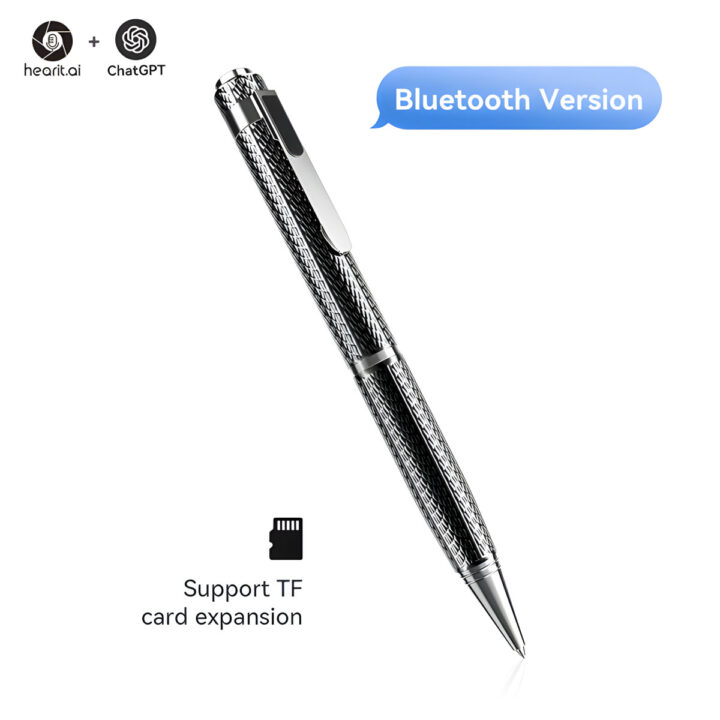
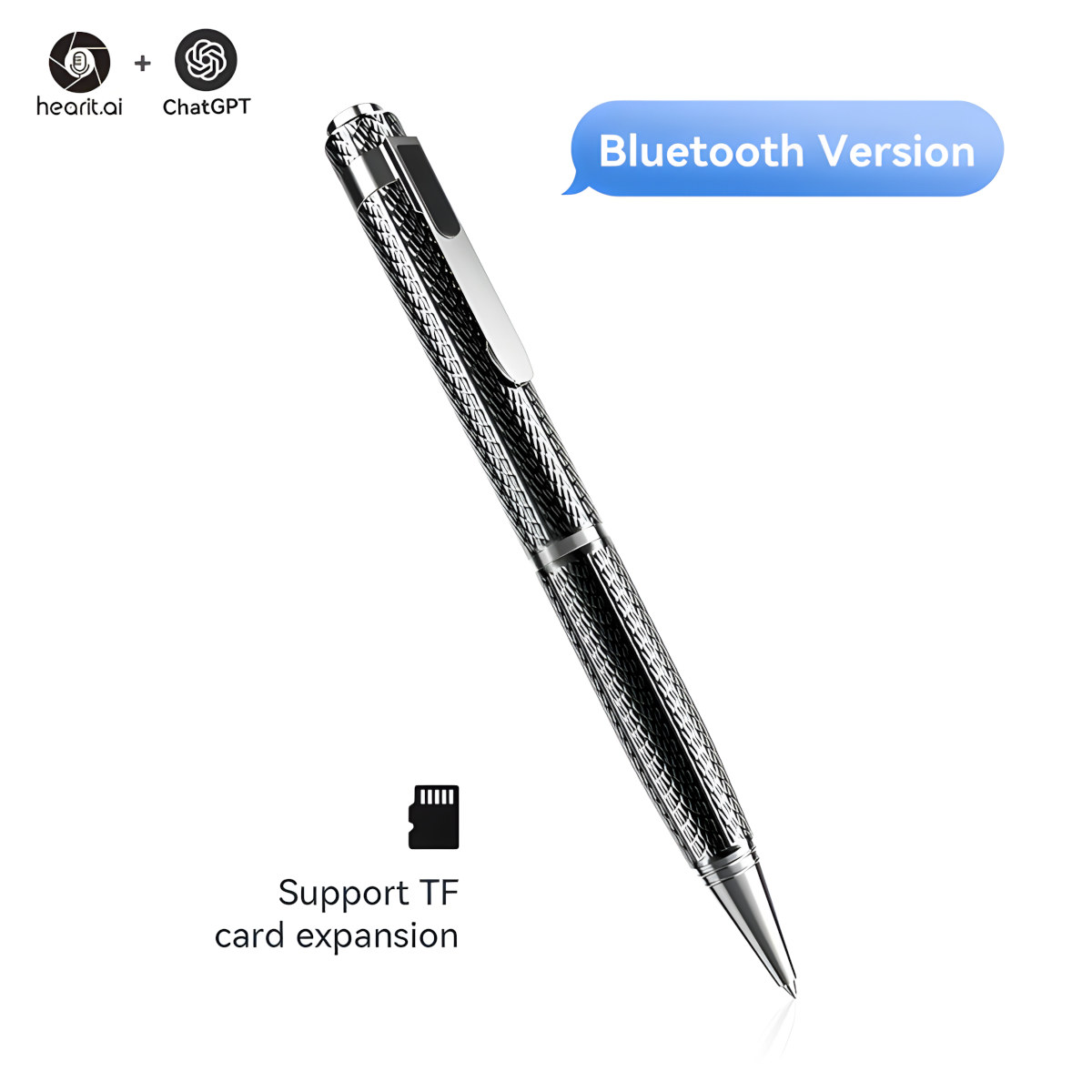

You may have seen the “Sell me that pen. It’s AI-powered” meme if you are a social media user. It may have started as a joke, but Zakwan Ahmad made the meme become reality with “The One Smart AI Pen” which is basically a standard ballpoint pen with a battery, Bluetooth connectivity, a microSD card, and a microphone.
The AI part is not exactly inside the pen per se, but in a smartphone’s app called Hearit.ai that allows the user to translate his/her voice input, use a range of LLMs such as ChatGPT, recording a meeting, or taking notes, for example, to schedule events or meetings.
The One Smart AI Pen specifications:
- “AI chip” – Not clear why it’s needed here… unless it transcribes audio into text inside the pen (as opposed to inside the phone)
- Storage – MicroSD card slot inside the pen
- Wireless – Bluetooth 5.2 with up to 10-meter range via Bluetooth transmitter module
- USB – 1x USB Type-C charging port
- Misc
- Button for power, pairing, AI activation, and standalone mode (audio recording to microSD)
- Ball pen with replaceable refills
- Battery – 200mAh battery good for 30 hours talk time; charging time: 30 minutes
- Dimensions – 14.5 x 1.5cm ∅
- Weight – 30 grams
- Material – Steel and plastic
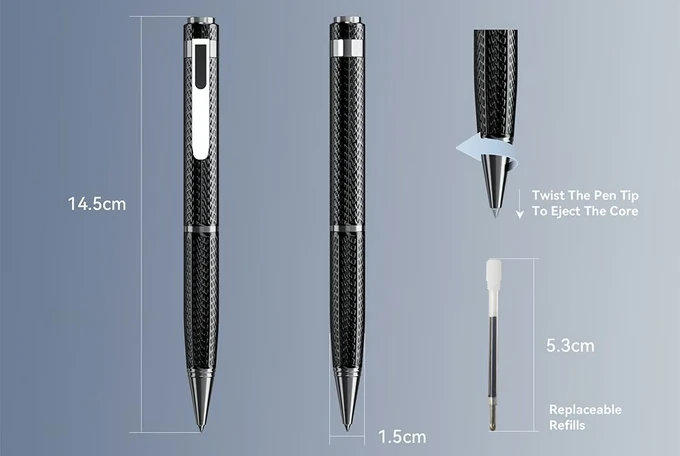
The AI pen has six modes through the Android app:
- Writing Mode – Convert handwritten notes into digital text in real-time. (I can’t find a demo of that one)
- AI Assistant Mode – ChatGPT-powered support for drafting emails, brainstorming ideas, and answering questions.
- Translation Mode – Instantly translate text or speech into multiple languages (52 languages supported).
- Voice Dictation Mode – Speak, and the pen transcribes your words on the fly.
- Recording Mode – Capture audio from meetings, lectures, or conversations.
- Reminder Mode – Set tasks and alerts with simple voice commands.
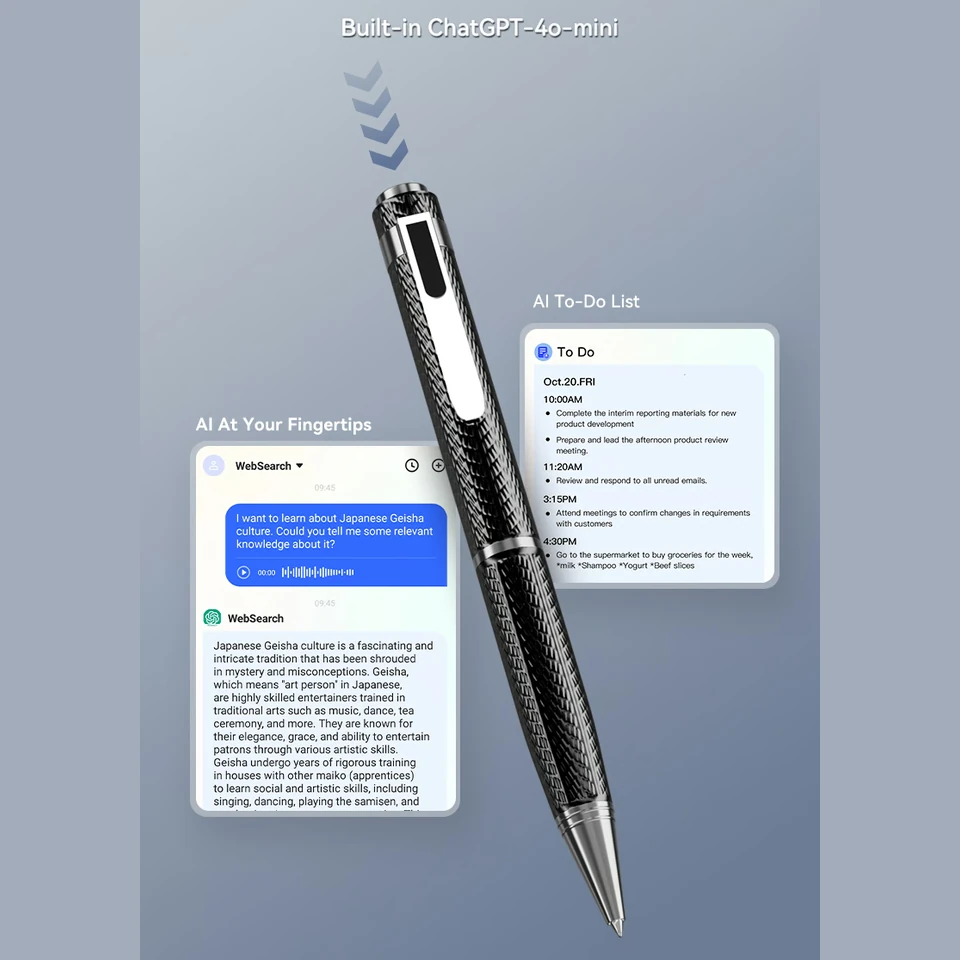
It can also be used in standalone to record audio to the microSD card. Zakwan expects the pen to be especially useful for healthcare, education, business, legal, and governmental fields. You can check a demo of the pen in the video below (Note: the writing mode is not showcased).
The One Smart AI Pen has been launched through a Kickstarter campaign with a $10,000 funding goal. Rewards start at $50 for the pen and free ChatGPT-4o-mini for the first 1,000 backers. Shipping is free to the US and will be calculated after the campaign is finished for other countries. Note that it’s not the first hardware device compatible with the Hearit app, and you can already purchase Hearit AI Wireless Microphone on Amazon for $29.99.
The post The One Smart AI Pen – A ballpoint pen with Bluetooth and a microphone for translation, LLM integration, note taking (Crowdfunding) appeared first on CNX Software - Embedded Systems News.
L’agence spatiale polonaise victime d’une cyberattaque d’ampleur, les hackers restent inconnus

L’Agence spatiale polonaise (POLSA) a subi une cyberattaque, forçant la déconnexion de ses systèmes. La Pologne, cible croissante des hackers pro-russes, voit ses infrastructures stratégiques menacées.
“Wooly mice” a test run for mammoth gene editing
On Tuesday, the team behind the plan to bring mammoth-like animals back to the tundra announced the creation of what it is calling wooly mice, which have long fur reminiscent of the woolly mammoth. The long fur was created through the simultaneous editing of as many as seven genes, all with a known connection to hair growth, color, and/or texture.
But don't think that this is a sort of mouse-mammoth hybrid. Most of the genetic changes were first identified in mice, not mammoths. So, the focus is on the fact that the team could do simultaneous editing of multiple genes—something that they'll need to be able to do to get a considerable number of mammoth-like changes into the elephant genome.
Of mice and mammoths
The team at Colossal Biosciences has started a number of de-extinction projects, including the dodo and thylacine, but its flagship project is the mammoth. In all of these cases, the plan is to take stem cells from a closely related species that has not gone extinct, and edit a series of changes based on the corresponding genomes of the deceased species. In the case of the mammoth, that means the elephant.

Eerily realistic AI voice demo sparks amazement and discomfort online
In late 2013, the Spike Jonze film Her imagined a future where people would form emotional connections with AI voice assistants. Nearly 12 years later, that fictional premise has veered closer to reality with the release of a new conversational voice model from AI startup Sesame that has left many users both fascinated and unnerved.
"I tried the demo, and it was genuinely startling how human it felt," wrote one Hacker News user who tested the system. "I'm almost a bit worried I will start feeling emotionally attached to a voice assistant with this level of human-like sound."
In late February, Sesame released a demo for the company's new Conversational Speech Model (CSM) that appears to cross over what many consider the "uncanny valley" of AI-generated speech, with some testers reporting emotional connections to the male or female voice assistant ("Miles" and "Maya").

Amazon Just Walk Out tech powered Hudson Nonstop store opens at Colorado Springs (COS) Airport
Another Hudson Nonstop store, powered by Amazon Just Walk Out technology, has opened its doors, this time at Colorado Springs (COS) Airport.
In a LinkedIn post, Harold T. Respass, Principal Technical Infrastructure Programme Manager - Just Walk Out, said: “I’ve officially led the launch of my 50th retail store powered by Amazon’s Just Walk Out technology: Hudson Nonstop Colorado Springs! (COS).”
“This marks the 18th Hudson Nonstop store, and I’m proud to have launched the last 16 of them. As an Implementation Manager, I oversee the end-to-end project management for third-party retailers adopting this game-changing technology. From initial planning to final execution, I work closely with our customers to integrate Just Walk Out into their operations, creating frictionless, innovative shopping experiences for travelers and shoppers alike.”
He added: “This work isn’t always easy - it takes strategy, collaboration, and a deep focus on execution. But seeing a store go live and watching customers walk in, grab what they need, and leave seamlessly? That’s what makes it all worth it.”
“A huge thank you to my team, our partners at Hudson, and everyone who plays a role in bringing these stores to life. And of course, a special shoutout to my incredible colleagues who build and refine this technology - your innovation and hard work make these seamless shopping experiences possible. Here’s to the next 50!”

2025 RTIH INNOVATION AWARDS
Checkout-free stores will be a key focus area at the 2025 RTIH Innovation Awards.
The awards. which will open for entries in March, celebrate global tech innovation in a fast moving omnichannel world.
Our 2024 hall of fame entrants were revealed during an event which took place at RIBA’s 66 Portland Place HQ in Central London on 21st November, and consisted of a drinks reception, three course meal, and awards ceremony presided over by comedian Lucy Porter.
In his welcome speech, Scott Thompson, Founder and Editor, RTIH, said: “The event is now into its sixth year and what a journey it has been. The awards started life as an online only affair during the Covid outbreak, before launching as a small scale in real life event and growing year on year to the point where we’re now selling out this fine, historic venue.”
He added: “Congratulations to all of our finalists. Many submissions did not make it through to the final stage, and getting to this point is no mean feat. Checkout-free stores, automated supply chains, immersive experiences, on-demand delivery, next generation loyalty offerings, inclusive retail, green technology. We’ve got all the cool stuff covered this evening.”
“But just importantly we’ve got lots of great examples of companies taking innovative tech and making it usable in everyday operations - resulting in more efficiency and profitability in all areas.”
Congratulations to our 2024 winners, and a big thank you to our sponsors, judging panel, the legend that is Lucy Porter, and all those who attended November's gathering.
For further information on the 2025 RTIH Innovation Awards, please fill in the below form and we will get back to you asap.
Name * First Name Last Name Email * Subject * Message *Thank you!

Build a Parametric Speaker of Your Own

The loudspeaker on your home entertainment equipment is designed to project audio around the space in which it operates, if it’s not omnidirectional as such it can feel that way as the surroundings reflect the sound to you wherever you are. Making a directional speaker to project sound over a long distance is considerably more difficult than making one similar to your home speaker, and [Orange_Murker] is here with a solution. At the recent Hacker Hotel conference in the Netherlands, she presented an ultrasonic parametric speaker. It projects an extremely narrow beam of sound over a significant distance, but it’s not an audio frequency speaker at all.
Those of you familiar with radio will recognize its operation; an ultrasonic carrier is modulated with the audio to be projected, and the speaker transfers that to the air. Just like the diode detector in an old AM radio, air is a nonlinear medium, and it performs a demodulation of the ultrasound to produce an audio frequency that can be heard. She spends a while going into modulation schemes, before revealing that she drove her speaker with a 40 kHz PWM via an H bridge. The speaker itself is an array of in-phase ultrasonic transducers, and she demonstrates the result on her audience.
This project is surprisingly simple, should you wish to have a go yourself. There’s a video below the break, and she’s put all the files in a GitHub repository. Meanwhile this isn’t the first time we’ve seen a project like this.
LILYGO T-Connect Pro industrial IoT controller offers Ethernet, WiFi, Bluetooth, LoRa, RS232, RS485, and CAN Bus
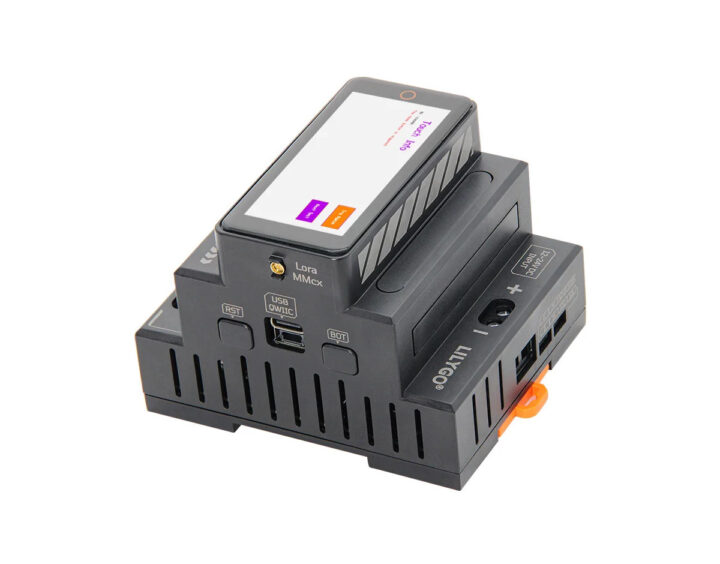
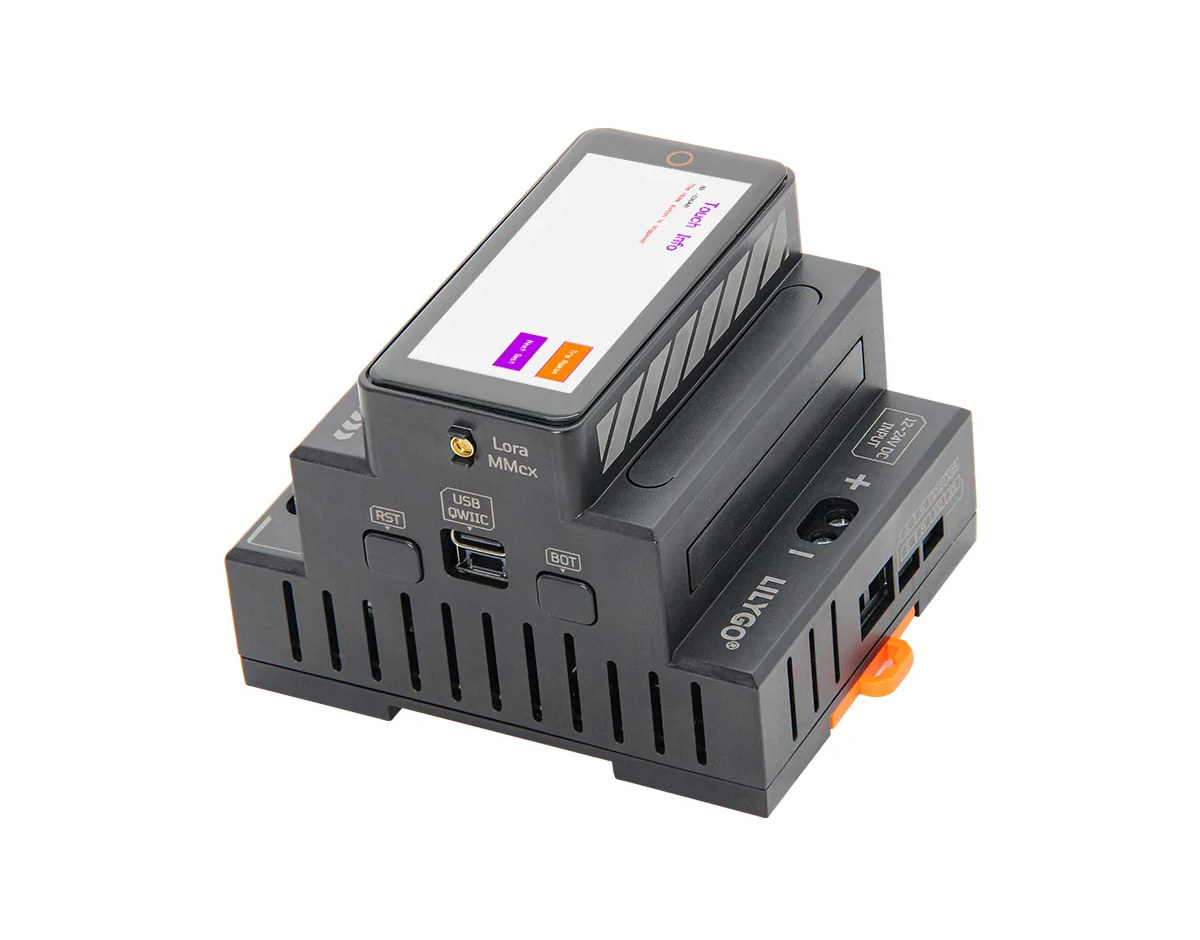
LILYGO T-Connect Pro is a DIN rail-mountable, ESP32-S3-based industrial IoT controller with Ethernet, WiFi 4, Bluetooth 5.0 LE, and LoRa connectivity, as well as CAN Bus, RS232, and RS485 interfaces.
The controller also features a 2.33-inch touchscreen display, a 10A relay, a 12V to 24V DC screw terminal for power, 5V USB-C port for programming, a Qwiic connector for expansion, and BOOT and Reset buttons.
LILYGO T-Connect Pro specifications:
- SoC – Espressif ESP32-S3R8
- CPU – Dual-core Tensilica LX7 microcontroller up to 240 MHz with vector instructions for AI acceleration
- Memory – 8MB PSRAM
- Wireless – WiFi 4 and Bluetooth 5.0 LE + Mesh connectivity
- Storage – 16MB SPI flash
- Display – 2.33-inch RGB display with 480×222 resolution via ST7796 SPI display controller with touchscreen using CST226SE chip
- Networking
- 10/100Mbps Ethernet RJ45 port via W5500 4-wire SPI controller
- WiFi 4 and Bluetooth 5.0 LE via ESP32-S3
- LoRa via HPD16A Semtech SX1262 module (Bands: 433, 868, 915, 920MHz) and external antenna
- USB – USB Type-C port for power and programming
- Serial
- RS232 UART module (TD501D232H)
- RS485 UART module (TD501D485H-A)
- CAN Bus I2C module (TD501MCANFD); isolation voltage: 2500V
- Relay – 10A output relay
- Expansion – Qwiic connector
- Misc – BOOT and Reset buttons
- Power Supply
- 12 to 24V DC input
- 5V/500mA via USB port
-
Dimensions – 88 x 72 x 25mm; 4x M3 mounting thread
- Weight – 240 grams
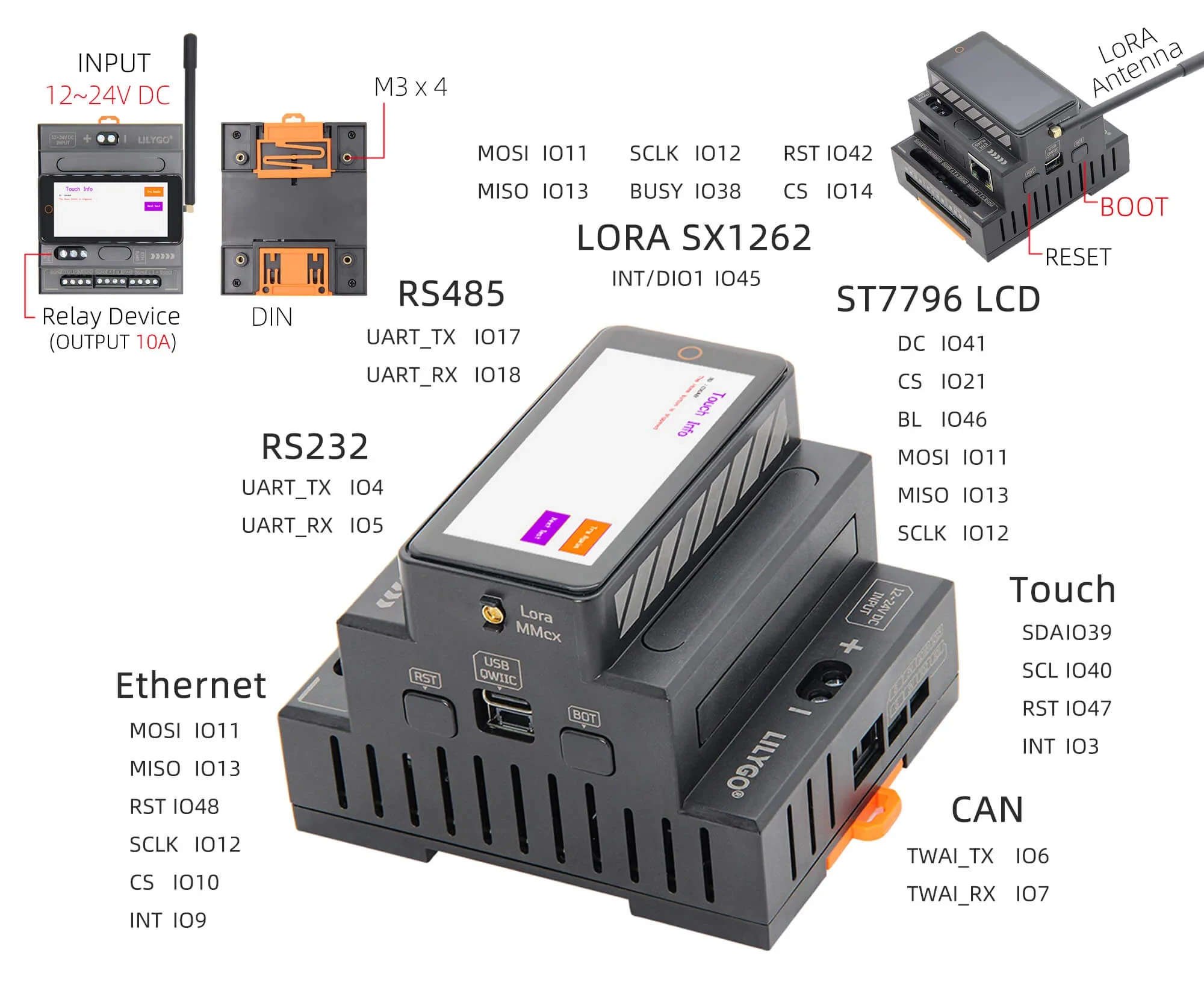
LILYGO provides Arduino code samples for all features, including a factory test sketch on GitHub, where you’ll also find basic instructions to get started with PlatformIO + VS Code or the Arduino IDE, and the PDF schematics.
We have written about plenty of ESP32 IoT controllers over the years, but the LILYGO T-Connect Pro’s design reminds me of the NORVI ENET DIN Rail ESP32 industrial controller with a similar shape, a touchscreen display, the same wired and wireless connectivity option (Ethernet, WiFi, BLE, LoRa), etc… However, the new LILYGO device features a more recent ESP32-S3 microcontroller, a larger display, CAN Bus, RS232 and RS485, although it lacks analog inputs, digital outputs, and only offers one 10A relay.
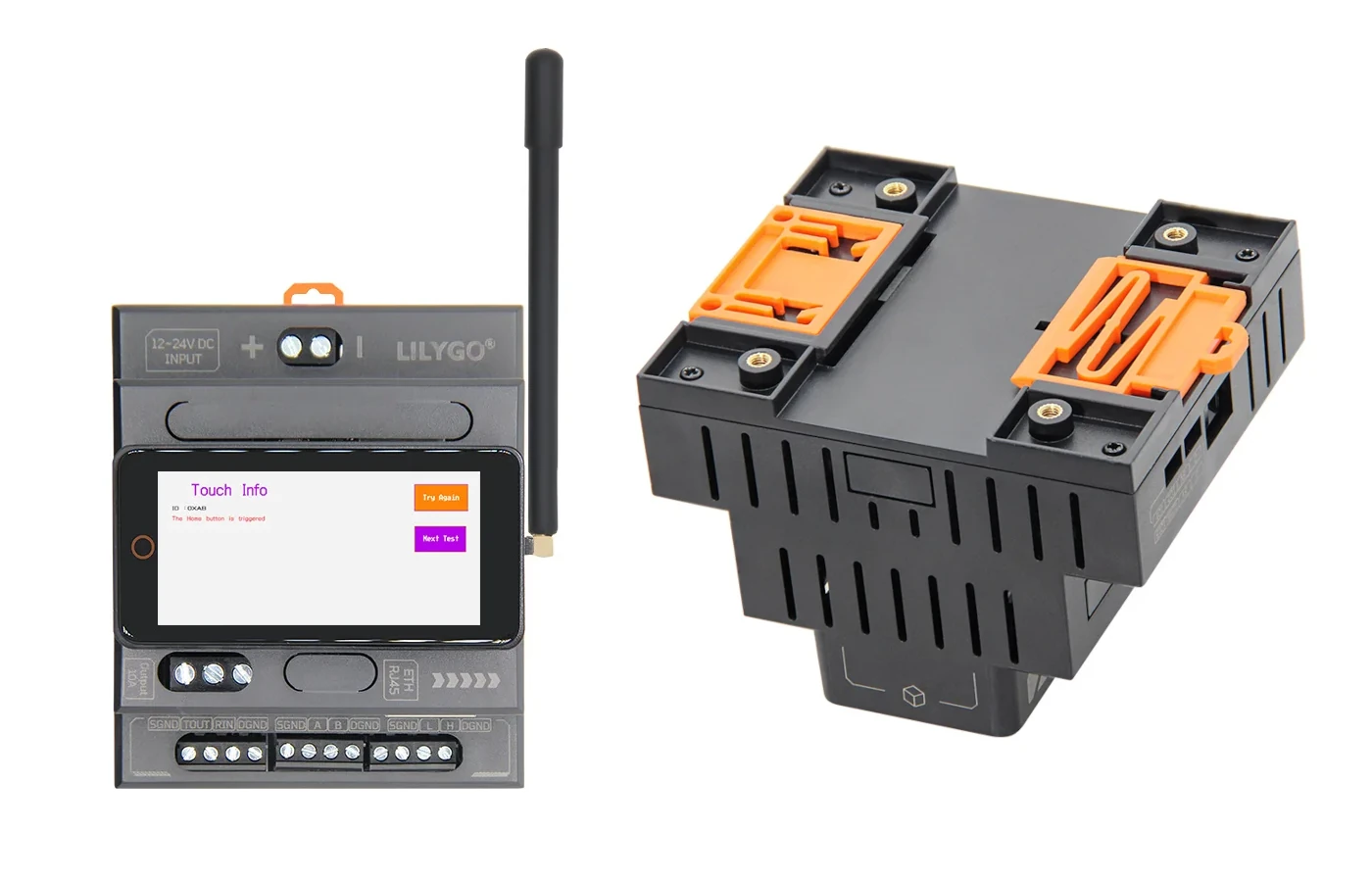
Another advantage is that it’s also cheaper since it’s made in China. The T-Connect Pro is sold for $89.98 on AliExpress including shipping, $78 on Amazon, and you’ll also find it on the company’s online store for $70.36 plus shipping.
The post LILYGO T-Connect Pro industrial IoT controller offers Ethernet, WiFi, Bluetooth, LoRa, RS232, RS485, and CAN Bus appeared first on CNX Software - Embedded Systems News.
Louis Vuitton confirme son lancement sur le segment de la beauté
MWC 2025 : Steve Wozniak prend position sur l’IA, la Silicon Valley et l’avenir de l’innovation
Lors de son intervention au Mobile World Congress 2025, Steve Wozniak, cofondateur d’Apple, a livré une série de prises de position tranchées sur l’évolution du numérique, l’intelligence artificielle et le rôle des géants de la tech. Fidèle à son franc-parler, il a partagé ses inquiétudes sur l’IA générative, critiqué la mainmise des grandes entreprises sur …
L’article MWC 2025 : Steve Wozniak prend position sur l’IA, la Silicon Valley et l’avenir de l’innovation est apparu en premier sur FRENCHWEB.FR.
Le chien robot Aibo de Sony en tant que compagnon plus silencieux et danseur grâce à l’IA
Sony a développé Aibo, un chiot robotique capable d'imiter les comportements d'un vrai chien. À présent, grâce aux avancées technologiques récentes, Aibo pourrait bientôt marcher plus silencieusement et exécuter des routines de danse complexes. Cela offre ainsi une expérience encore plus réaliste et divertissante.
Une marche plus silencieuse grâce à l'IA
Le robot Aibo, déjà capable de marcher, réagir à son nom et effectuer quelques tours, rencontre cependant un inconvénient majeur : le bruit qu'il génère lorsqu'il se déplace. Ce problème avait été soulevé par de nombreux utilisateurs. D'ailleurs, son bruit dérangeait lors de ses déplacements dans la maison. Ceci en rendant son côté « chien de compagnie » quelque peu perturbant.
Pour résoudre ce problème, une équipe de chercheurs de l'ETH Zurich et de Sony Group Corporation a conçu une approche innovante basée sur l'apprentissage par renforcement (RL). Le but était de réduire considérablement le bruit des pas du robot. Grâce à l'utilisation de capteurs sous ses pattes et à des ajustements intelligents des articulations, Aibo a été entraîné à amortir et rigidifier ses mouvements pour rendre sa marche plus silencieuse. En testant cette méthode, les chercheurs ont pu prouver que leur modèle était nettement plus efficace que les contrôleurs commerciaux précédemment utilisés.
Cette avancée pourrait permettre à Aibo d'interagir de manière plus agréable dans un environnement domestique. Ainsi, sa capacité à se déplacer discrètement serait un atout majeur pour une utilisation quotidienne dans des maisons ou des espaces publics.
Des routines de danse expressives pour un robot plus divertissant
Outre la marche silencieuse, Sony et ses partenaires ont également travaillé sur l'amélioration des capacités artistiques du robot. Aibo pourrait bientôt exécuter des routines de danse plus fluides et expressives. Le modèle Deep Fourier Mimic (DFM), développé par l'équipe de chercheurs, permet au robot de reproduire des mouvements de danse artistique tout en intégrant des actions de locomotion. Contrairement aux techniques traditionnelles qui ne reproduisent que des gestes simples, ce modèle permet une plus grande diversité de mouvements. Cela ajoute de l'expressivité à la performance du robot.
Grâce à cette nouvelle approche, Aibo peut désormais interagir plus naturellement avec ses utilisateurs. Il est capable de danser en synchronisation avec eux et d'imiter leurs mouvements. Cela rend notamment l'expérience de l'utilisateur plus immersive. De plus, le robot peut enchaîner des transitions fluides entre différents types de mouvements. D'ailleurs, ceci offre une prestation de danse plus réaliste.
Cette capacité à effectuer des mouvements artistiques pourrait révolutionner les robots de divertissement. Aibo ne serait plus simplement un compagnon robotisé, mais un véritable partenaire pour des expériences interactives. En outre, les chercheurs envisagent que cette technologie puisse s'étendre à d'autres robots domestiques, voire être utilisée dans des parcs d'attractions pour divertir les visiteurs.
Vers une future perfection des mouvements du robot
Bien que ces avancées soient prometteuses, les chercheurs de Sony et de l'ETH Zurich sont conscients qu'il reste encore des défis à surmonter. Par exemple, un compromis persiste entre la réduction du bruit et la robustesse de la marche. Lors des tests réels, on constaté que certaines modifications apportées pour rendre la marche plus silencieuse ont entraîné une diminution de la stabilité du robot.
Les chercheurs travaillent actuellement sur une solution qui permet de créer une politique de marche qui soit à la fois silencieuse et robuste. Ils cherchent à optimiser l'utilisation des informations perçues par les capteurs pour résoudre ce problème. En parallèle, les progrès dans la danse expressive ne s'étendent pas encore aux mouvements non périodiques, comme sauter ou attraper un objet. Ces actions se traiteront séparément. Certes, elles pourraient s'intégrer dans des versions futures du robot.
Dans un avenir proche, Aibo pourrait donc devenir un compagnon seulement silencieux. Mais ce dernier est également capable de s'adapter à une variété d'environnements et de situations. Ceci tout en offrant une expérience interactive encore plus riche et divertissante. La technologie derrière Aibo, qui mêle intelligence artificielle et robotique avancée. D'ailleurs, cela ouvre la voie à de nombreuses applications futures. Ceci tant dans le domaine domestique que dans celui du divertissement.
Cet article Le chien robot Aibo de Sony en tant que compagnon plus silencieux et danseur grâce à l’IA est apparu en premier sur OBJETCONNECTE.COM.
🚨 Spécial MWC 25 - Les nouveautés les plus marquantes du salon de Barcelone
Deuxième épisode spécial depuis Barcelone pour découvrir les dernières tendances du Mobile World Congress 2025, le plus grand salon des technologies mobiles.
Avec le soutien de FreePro, "le meilleur de Free pour les entreprises".
Au sommaire :
- Des smartphones toujours plus fins et transparents : des modèles signés Samsung, Oppo ou Tecno se distinguent par une finesse record (5-6 mm) grâce à des batteries silicium-carbone. Nothing, de son côté, présente sa nouvelle génération de smartphones transparents Phone (3a) et le Phone (3a) Pro. Realme joue la carte de l'originalité avec un appareil qui change de couleur selon la température.
- Un PC portable à énergie solaire : Lenovo dévoile un prototype équipé d'une dalle photovoltaïque capable de récupérer une heure d'autonomie après 20 minutes d'exposition au soleil.
- La réalité virtuelle et mixte progresse : HTC présente ses casques destinés aux professionnels et aux applications spatiales. Samsung et Google dévoilent le projet Woohan, leur casque VR concurrent du Meta Quest.
- Les réseaux boostés à l'intelligence artificielle : Huawei explique comment les infrastructures 5G évoluent pour s'adapter à l'essor des agents IA et garantir une latence minimale.
- Innovation chez Free Pro : présentation des Smart Cells, des mini-réseaux 5G privés pour les entreprises.
- La robotique à l'honneur : Huawei et Honor exposent des bras robotiques commandés par reconnaissance visuelle de mouvements.
-----------
🎧 L'Hebdo Premium : https://m.audiomeans.fr/s/S-xylotlSe
🌍 Web : https://mondenumerique.info
🗞️ Newsletter : https://mondenumerique.substack.com
📹 YouTube : https://www.youtube.com/@mondenumerique
♥️ Soutien : https://donorbox.org/monde-numerique
Distribué par Audiomeans. Visitez audiomeans.fr/politique-de-confidentialite pour plus d'informations.
WebLLM : Des modèles de langage directement dans le navigateur
Découvrez WebLLM, une technologie permettant d’exécuter des modèles de langage (LLM) directement dans le navigateur, côté client. Cette avancée promet de rendre l’IA plus accessible aux développeur·se·s tout en préservant la confidentialité des données. Une innovation qui pourrait redéfinir l’intégration de l’IA dans les applications web futures.

Commentaires
L'article WebLLM : Des modèles de langage directement dans le navigateur a été posté dans la catégorie JavaScript de Human Coders News
GibberLink lets AI agents call each other in robo-language
A weekend hackathon project that lets AI agents talk on the phone with each other in a robotic language, one that’s incomprehensible to humans, has gone viral on social media over the past week. The project, called GibberLink, was created by two Meta software engineers during a hackathon competition in London, hosted by ElevenLabs and […]
© 2024 TechCrunch. All rights reserved. For personal use only.
AI chatbots struggle with empathy: Overempathizing and gender bias uncovered
There’s another spacecraft landing on the moon tomorrow — here’s how to watch

We're Apparently Living in an Anime, Because This Robot Has Learned Kung Fu

Chinese robotics company Unitree has shown off its G1 humanoid robot pulling some gnarly kung fu moves.
In a video released this week, the child-sized robot can be seen punching the air and even deliver a swooping roundhouse kick.
"We have continued to upgrade the Unitree G1's algorithm, enabling it to learn and perform virtually any movement," the company wrote in the video's caption. "What other moves would you like to see. Do share with us in the comments."
"Please keep a safe distance from the robot," the company advised.
The stunt highlights how far consumer-facing humanoid robotics have come. Unlike its growing number of Western counterparts, including Tesla's Optimus and Figure's 01, Unitree's G1 is already being sold to consumers. Pricing starts at just $16,000, according to the company's website.
The robot features anywhere from 23 to 43 joint motors, depending on the configuration, allowing it to walk, hop — and evidently dabble in martial arts as well.
A previous video shared by the company shows G1 busting out some dance moves, while — we are not kidding — a human engineer tries to knock it off its feet with what appears to be a padded broom stick. A separate video released last month shows it running down a street and briskly walking over an uneven, rocky surface.
YouTuber Sohail Khan recently took the robot for a spin after unpacking it from a large check-in luggage-sized hardcase. He even nudges it to demonstrate the robot's ability to right itself, and shows it lying flat on its back before instructing it to clamber back onto its feet.
Apart from bipedal robots, Unitree has also shown off two quadrupedal robot dogs called B2 and Go2. The latter can be bought for less than $2,000, a massive discount over Boston Dynamics' Spot Mini, which can cost as much as $75,000.
But when or if these robots will ever be able to defeat a human martial artist or boxer remains to be seen. Considering how easy it is to tip over a Unitree G1 — Khan had more than one hair-raising incident while testing the robot's self-balancing limits — us humans will likely have plenty of time until we'd have to worry about getting knocked out in hand-to-robot-hand combat.
More on humanoid robots: China Is Hosting The World’s First Foot Race Between Humans and Robots
The post We're Apparently Living in an Anime, Because This Robot Has Learned Kung Fu appeared first on Futurism.
There’s a Vape With a Tamagotchi Inside It That Dies If You Stop Puffing

Behold, the latest dark entity purportedly birthed out of our not-so-brave new world: a Tamagotchi, housed inside of a vape, that croaks if you stop hitting that sweet sweet juice.
The Tamagotchi in question was apparently presented during a "Stupid Hackathon" put on by New York University (NYU) Tisch School's Interactive Telecommunications Program (ITP) and Interactive Media Arts departments. There, according to the ITP website, students enrolled in the programs are invited to "make something stupid."
"Do you have an idea so absurd, so utterly useless, that it needs to exist?" it reads. "Then welcome to Stupid Hackathon 2025!"
Among those ideas, according to a video posted this week to ITP's TikTok account showcasing the event's various — indeed, delightfully stupid — treasures, is the Vape-a-gotchi.
"May I ask you what your Stupid Hackathon project is?" the interviewer holding the camera asks one participant, who's gripping what appears to be an orange e-cigarette.
"It's a vape with a Tamagotchi in it," the participant calmly replies. "And if you do not hit the vape, the Tamagotchi will die." Harrowing!
@itp_ima_nyusome stupid projects from the stupid hackathon 2025 @joshjoshjosh.net went to go check em out #hackathon #stupid #technology
Incredibly, a few Google searches reveal that the Stupid Hackathoner may not be the first person with this idea.
"Idea for a vape: a Tamagotchi that you can only 'feed' or 'play with' by taking a puff of nicotine," reads one — satirical, probably — X-formerly-Twitter post from Works in Progress editor Sam Bowman, published in May 2023. "Vaping is so safe that if this got just one kid off cigarettes it would be worth another 50 getting into vaping."
"Hi sharks," reads another post, this one from June 2024, referencing the "Shark Tank" television program, "today we're putting a Tamagotchi pet on this vape thing." (This one was written in response to a post from senior Wired business editor Louise Matsakis, who had posted about some very techy-looking vapes.)
Through one lens, the Tamagotchi vape could be interpreted as an exploration of sacrifice, or maybe even mutual destruction; studies continue to show that vaping is terrible for you — and so, to ensure the life of their beloved Tamagotchi, the vaper must offer up their own health for that of their pet. Or, given that Tamagotchis are generally regarded as a children's toy, it's a poignant meditation on how the tobacco industry's turn towards vaping reignited nicotine addiction amongst young people, as cigarettes continue their steady, decades-long decline. Zooming out, it could even be regarded as a general rebuke of young people's tech dependency.
Or it's just a very stupid Tamagotchi vape. In any case: hats off to our new favorite Dr. Frankenstein.
More on whatever this thing is: Military Robot Deployed as Nightclub DJ
The post There’s a Vape With a Tamagotchi Inside It That Dies If You Stop Puffing appeared first on Futurism.
Actualité : La Russie n'est plus une cybermenace pour Donald Trump, les États-Unis sont en danger d'après les experts

This Gesture Sensor Is Precise, Cheap, Well-Hidden
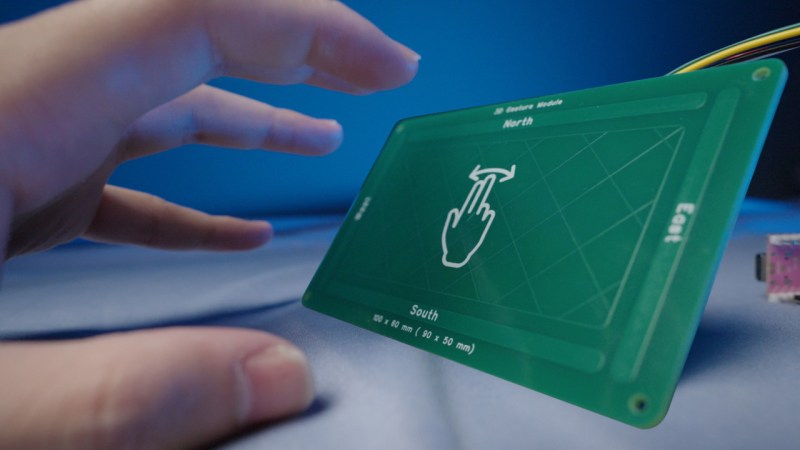
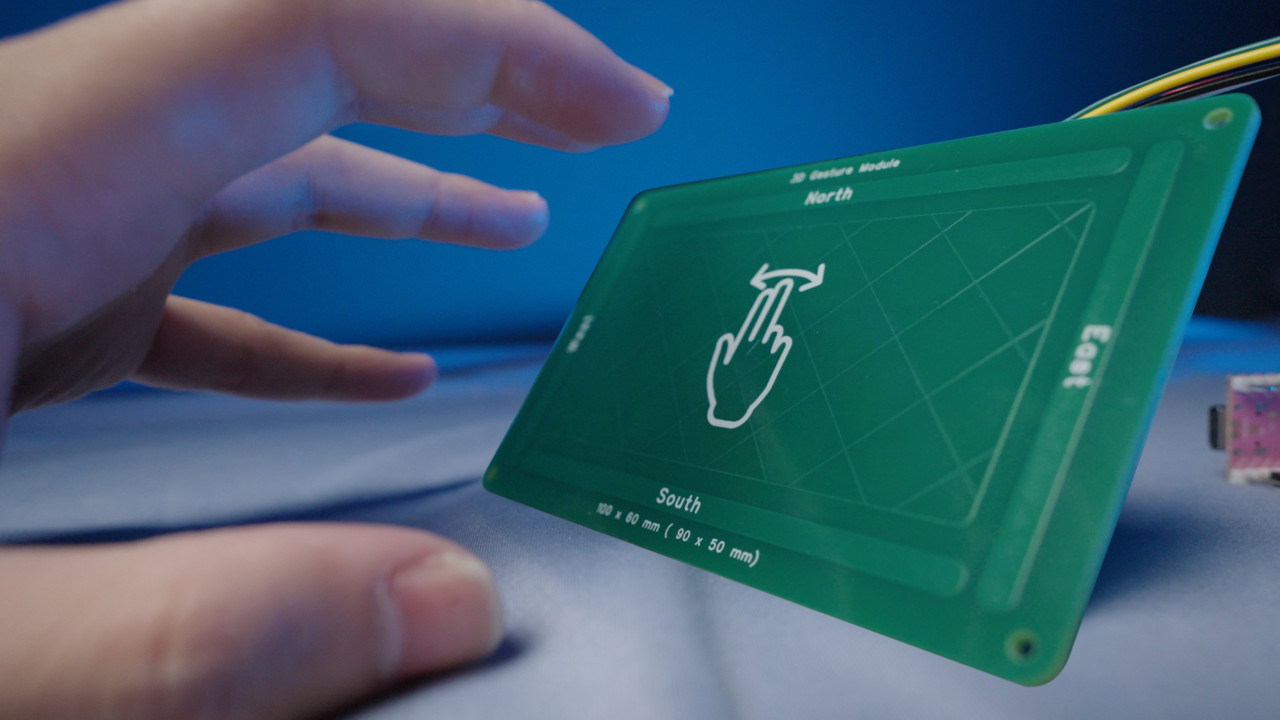
In today’s “futuristic tech you can get for $5”, [RealCorebb] shows us a gesture sensor, one of the sci-fi kind. He was doing a desktop clock build, and wanted to add gesture control to it – without any holes that a typical optical sensor needs. After some searching, he’s found Microchip’s MGC3130, a gesture sensing chip that works with “E-fields”, more precise than the usual ones, almost as cheap, and with a lovely twist.
The coolest part about this chip is that it needs no case openings. The 3130 can work even behind obstructions like a 3D-printed case. You do need a PCB the size of a laptop touchpad, however — unlike the optical sensors easy to find from the usual online marketplaces. Still, if you have a spot, this is a perfect gesture-sensing solution. [RealCorebb] shows it off to us in the demo video.
This PCB design is available as gerbers+bom+schematic PDF. You can still order one from the files in the repo. Also, you need to use Microchip’s tools to program your preferred gestures into the chip. Still, it pays off, thanks to the chip’s reasonably low price and on-chip gesture processing. And, [RealCorebb] provides all the explanations you could need, has Arduino examples for us, links all the software, and even provides some Python scripts! Touch-sensitive technology has been getting more and more steam in hacker circles – for instance, check out this open-source 3D-printed trackpad.
Humanoid Robots Are Starting to Work Human Warehouse Jobs

We may now be nearing the point where humanoid robots are no longer just clumsy curiosities, but genuine candidates — if not outright replacements — for human jobs.
As the Wall Street Journal reports, two bipedal helpers, built by Agility Robotics, are currently moving bins around in a busy warehouse in Georgia. Dropped right into an environment designed for humans, the robots bend over to pick up the containers, then amble over to a nearby conveyor belt to drop them off. Rinse and repeat.
Of course, there's still considerable work to be done; only two of these "Digit" robots are being used at the warehouse, operated by GXO Logistics, and are trusted only with simple tasks. But the industry argues that the robots are spearheading an imminent paradigm shift in automation: because of their human shape and function, such machines have the potential to be far more versatile than the purpose-built bots that have already automated some human jobs, able to slot into existing workplaces.
"Humanoid robots are the first category of robots that can be doing completely different tasks based on the needs of the business or the time of the shift," Adrian Stoch, chief automation officer of GXO, told WSJ. "In the future, we could have Digit unloading a trailer in the morning, picking goods in the afternoon, and loading trucks in the evening."
Companies like Amazon have been experimenting with roaming robotic arms and automated inventory management systems at its numerous warehouses. But these are purpose-built bots, performing only a single type of task, often requiring a more tailor-made environment to work in.
In theory, a versatile humanoid wouldn't be deterred by having to navigate stairs, or to grab stuff from a low or high shelf, or to sort through a box. And once they finish their job, the bots could be put to work elsewhere, ensuring that not a single second is wasted. That productivity boost could help offset the daunting costs of adopting the experimental technology — costs that the over a dozen humanoid robotics companies around the world are keeping under wraps, according to the WSJ.
"The challenge for robotics has always been the economics," Jeff Cardenas, CEO of the humanoid robotics startup Apptronik, told the newspaper.
Accelerating the timeline towards laboring humanoids, the robotics push has dovetailed serendipitously with the AI boom, bringing advances in the "brains" that power the machines. This, to AI leaders like Nvidia, is a ripe opportunity to double dip.
"We believe the enabling technology for autonomous robots is the same technology that's behind all the things we're doing with AI and with large language models," Rev Lebaredian, head of Nvidia Omniverse, the chipmaker's real-world simulation platform, told the WSJ.
More on robotics: You Are Completely Unprepared for What This Humanoid Servant Robot Looks Like
The post Humanoid Robots Are Starting to Work Human Warehouse Jobs appeared first on Futurism.