Shared posts



















20 Jan 13:36

A gritty Netflix-style documentary on the Tide Pods epidemic
by Rusty Blazenhoff
The folks at Reality Check Documentaries took the trailer for Netflix's gritty drug-crime docuseries DOPE and made it into a clever parody for the "Tide Pods epidemic." It works a little too well, imo.
The official trailer for #TideDoc a documentary exploring the struggles and lives of pushers and the police in their never ending cat and mouse game.
Previously: Now there's Tide Pods sushi and, yes, it's edible
20 Jan 13:29
Listen to a ragtime piano medley of Super Mario Bros. music
by Mark Frauenfelder

Pianist Scott Bradlee gives the old ragtime treatment to Super Mario Bros. It's as if the music was always meant to be played that way.
Here's the obligatory death metal version from the Bowser Castle music:
https://youtu.be/NBgMk4X9MzA
17 Jan 15:17


Mormon missionaries share awful pickup lines before homeowner opens door
by Rob Beschizza
There are cameras everywhere, kids.
This was recorded on the afternoon of Dec. 28, 2017. On the way to the front door these Mormon missionaries made eye contact with an attractive woman inside the home through the window and practiced their pick-up lines as they waited for her to answer the door. Needless to say, she never answered the door. Do you have video footage of Mormon missionaries acting like fools? Send them to me at NewNameNoah@yahoo.com
katygo likes this
09 Jan 13:33
See the marvelous colors "inside" snowflakes
by David Pescovitz
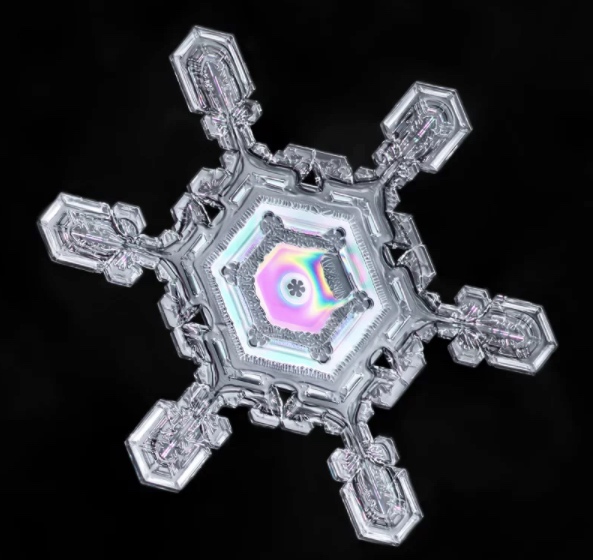
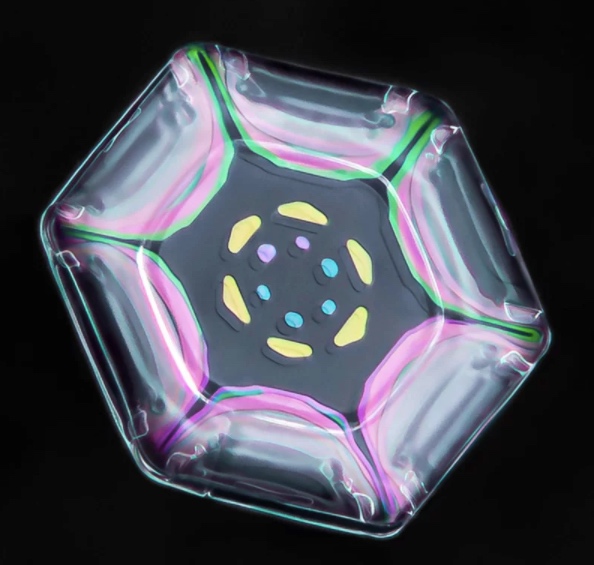
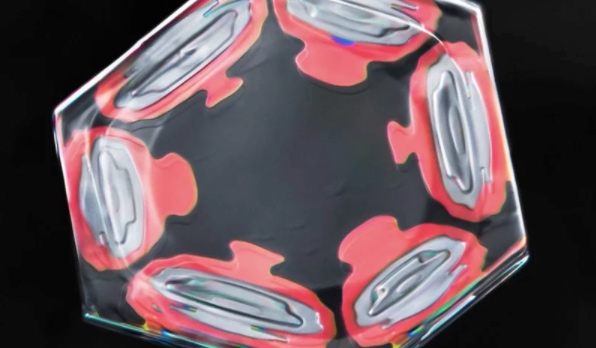
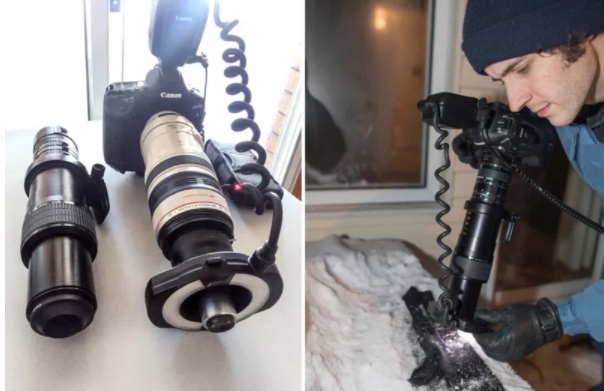
Don Komarechka captures astonishing photographs of snowflakes. His book Sky Crystals is a survey of snowflake science, a monograph of his macrophotography masterpieces, and a tutorial on the techniques. At Petapixel, Komarechka explains the surprising pop of color sometimes seen through the lens when he's shooting a snowflake:
As a snowflake grows it often creates a cavity or bubble inside of it where the inner side of the crystal grows slower than the top and bottom edge. This forces the layers of ice on either side of the bubble to be incredibly thin, so much so that light will interfere with itself.
Some light will reflect off the surface of the snowflake, but some will also enter the ice (slowing down due to the density of ice compared to air) and reflect off the inner ice/air boundary back towards the camera. If the ice is thin enough, the distance between the two rays of light is close enough to force them to interfere with each-other now that they are out of sync. Some wavelengths get amplified and others get reduced, resulting in a distinctive color emerging based on the thickness of the ice.
"How I Capture Vibrant Colors Inside Snowflakes" (PetaPixel)