Shared posts

17 Apr 14:45

Scotiabank sees slow growth in housing market; modest drag on overall economy

by CB Staff

TORONTO – Scotiabank says Canada’s housing market is in the process of transitioning to slower growth and will remain on a “subdued trajectory” over the next several years, imposing a modest drag on output growth as the effects make their way through the broader economy.

In a new report, bank senior economist Adrienne Warren says residential investment began to stall last year as affordability constraints tempered home sales and builders scaled back the number of new developments.

The bank says that it expects resale activity to edge lower in 2014-2015 as rising mortgage rates, combined with high home prices and stricter mortgage regulations strain affordability, especially for first-time buyers in major urban centres.

However, it says population growth and relatively healthy labour market conditions suggest sales should hold near their 10-year average.

Meanwhile, softer sales should in turn slow house price appreciation, with “greater downside price risk in the more amply supplied high-rise segment than for single-family homes.”

And it says a softer sales and the pricing environment is also expected to dampen renovation activity even as still expanding housing stock and high homeownership rates continue to support modest growth in renovation spending.

Scotiabank (TSX:BNS) predicts homebuilders will further slow the pace of new home construction in the face of weak growth in new home prices, rising building costs and increased unsold inventory, with the slowdown likely to remain focused on multi-unit construction due to growing concerns of oversupply and softening investor sentiment.

“From a regional perspective, Alberta is expected to outperform national trends, with sales and construction supported by relatively firmer employment and income gains and strong population inflows.”

The impact of a softening housing market will be felt broadly.

Apart from construction, the banks says industries most affected by a housing slowdown include manufacturing, retail and wholesale trade, finance, insurance and real estate and professional and technical services.

“The likelihood of smaller household wealth gains as house price growth slows — or adjusts lower — will reinforce a more cautious trend in consumer spending,” it added.

The post Scotiabank sees slow growth in housing market; modest drag on overall economy appeared first on Canadian Business.

17 Apr 14:44

22 Astounding Facts About Alibaba, The Giant Chinese E-Commerce Company Yahoo Depends Upon

by Jillian D'Onfro

Alibaba

Alibaba, the enormous e-commerce company in China, is about to file for an IPO in the U.S

The company is relatively unknown in the States — but not for long. 

Here are some facts about the company that help you figure out just how powerful it really is:

  1. 24,000 people work for Alibaba. That's more employees than Yahoo and Facebook have combined.
  2. Yahoo's entire market value is tied to Alibaba. Yahoo currently owns 24% of Alibaba (though it's predicted to sell back half its stake when the company IPO's). Yahoo's stake in Alibaba is worth around $30 billion. Yahoo's market cap is $39.5 billion. 
  3. In 2013, two of Alibaba’s websites handled $240 billion in sales. That's double the size of Amazon, triple the size of eBay, and one-third more than the two competitor companies combined.
  4. Yahoo only gets a small slice of the total sales, but even a small slice is a lot of money. In it's most recent earnings call, Yahoo reported its earnings in equity rose to $301 million. Alibaba's revenue was $3.06 billion at the end of 2013, up 66% percent from a year earlier. Its net income was $1.36 billion, up an astounding 110% year-over-year increase.
  5. During the Chinese equivalent of Black Friday, Alibaba processed more than $5.75 billion in sales. That's 3X more sales in just one day than America saw on Black Friday — on just one company's websites.
  6. Alibaba's sites account for over 60% of the packages delivered in China. It handles roughly 80% of all e-commerce too. 
  7. Alibaba has millions of registers users. In 2012, Alibaba had 36.7 million registered users from more than 240 countries. It also has more than 2.8 million supplier online storefronts and more than 5,900 product categories.
  8. Alibaba's IPO could be even bigger than Facebook's. Facebook’s IPO valued the company at $104 billion, but Bloomberg says Alibaba is valued between $153 billion and $200 billion.
  9. Alibaba is on track to become the world’s first e-commerce firm to handle $1 trillion a year in transactions.
  10. Alibaba's Taobao is one of the 20 most-visited websites globally. Taobao lets users sell goods to one another (like on eBay) and it features nearly a billion products from more than seven million merchants.
  11. Alibaba has a mind-bogglingly huge frontier for growth. Hundreds of millions of Chinese citizens still haven't shopped online, and analysts predict that China’s e-commerce market will be bigger than the existing markets in America, Britain, Japan, Germany and France combined by 2020.
  12. The company spent more than $3.5 billion on acquisitions since the beginning of 2013.
  13. There are two secrets to Alibaba's $100 billion success in its home country. It blocks China's search engine from searching inside two of its most popular web stores, Taobao and Tmall. (To understand that contrast from the norm, Google search "buy ___," and you'll see that Google will pull up product listings from sites like Amazon and Ebay. You can't do that with a Chinese search engine.)
  14. By not allowing search engines to display Taobao or Tmall items in search, Alibaba makes consumers start all their searches within each virtual store. It can then rake in cash by selling search ads on Taobao and Tmall – acting more like Google in how it makes money than eBay or Amazon.
  15. The company uses a unique payments system. It has Alipay, an online-payments system that relies on escrow. It releases money to sellers only once their buyers are happy with the goods received.
  16. Alipay was responsible for 70% of the mobile-payments business in China in 2013. 
  17. Alibaba has also dipped its toes in the loan business. For three years, Alibaba been making small loans (average size $8,000) to merchants using its sites. This practice has given it boatloads of data that it can use to help decide the company's business strategy. Its processed $600m in loans in 2012 and predicted that it would reach $2 billion by the end of 2013, with the non-performing-loan ratio below 2%.
  18. Alibaba's online investment fund, Yu'e Bao, has more investor's than the country's equity market. It has raised more than $65 billion, according to the Wall Street Journal — only five similar funds worldwide have more cash.
  19. The company has also started to break into the messaging app space. It's app, called Laiwang, had more than 10 million users in January. 
  20. There’s a annual employee talent show, that's so big that it's held at a local stadium. Employees will rehearse for weeks, and Alibaba's office is filled with photos from past events. 
  21. The company's name really is a reference to an old folk tale. Founder Jack Ma said in an interview that he chose the name because people all over the world have heard the story of Alibaba and the forty thieves. "We also registered the name Alimama, in case someone wants to marry us!"
  22. Jack Ma, Alibaba's founder, has a net worth of $10 billion. That makes him the eighth richest person in China.

SEE ALSO: The Remarkable Story Of How Alibaba Defeated eBay In China

Join the conversation about this story »

17 Apr 14:41

The Triggered Emails You Need to Make Your Marketing Automation Work

by emirman@hubspot.com (Ellie Mirman)

trigger-emailWhen you hear the phrase "marketing automation," what do you think of first? A detailed diagram of emails sent to different segments, broken out by email engagement, drawing a line from lead to customer? This has become the norm, yet it is among the least effective automation paths you can set up as a marketer.

The inherent flaw in this strategy is that it starts with the marketer's timeline rather than the prospect's. The marketer sits down and defines what information the prospect will consume next, what actions the prospect will take next, and the path the prospect will take from becoming a lead to becoming a customer.

But if we're honest with ourselves, we would admit that the world is not as straightforward as that. You might define the funnel stages as Lead to Marketing Qualified Lead (MQL) to Sales Qualified Lead (SQL) to Opportunity to Customer, where leads download an ebook, then become an MQL when they start a trial, an SQL when the sales person follows up with that prospect, an opportunity when they do a trial review call, and customer when they purchase.

... But what if they start a trial and then download an ebook? Or what if they get into a sales conversation after just downloading an ebook, never become a customer, and then go cold until they start a trial months later? The reality is that you can't control what your prospect does or in what order your prospect does it. What you can control, however, is how you react to your prospect's behaviors. And this is where automation becomes powerful.

Triggered emails -- automated marketing messages based on a prospect's behaviors -- are powerful because they are inherently relevant and timely. The key to an effective email is relevance plus timeliness plus value, and the first two are baked into triggered emails. It's up to the marketer to jump on that opportunity and align a valuable offer to those recipients.

Not using triggered emails? Here are a few recipes of triggered marketing automation to get you started.

Trigger: Downloaded an Educational Offer

This is a great place to start if you don't have any triggered emails set up, as this is the broadest trigger -- engaging the prospects at the earliest stage of the buyer's journey. 

What to Send: Transactional Email With Next Step Call-to-Action

In this situation, your triggered email can be a transactional email -- confirming the download (or registration or request) and including any information related to that download.

For example, if this is a follow-up to downloading an ebook, include the name of the ebook and a link to the PDF. If it's a follow-up to registering for a webinar, include the webinar information, including the time and date and how to log in.

Once you've covered your bases on the transactional information, it's time to think about what you want your prospect to do next. You have their attention -- take advantage of it! Do you want them to convert on a middle-of-the-funnel offer like a demo request or complementary consultation? Or do you want to encourage them to share this offer with their network, to expand the reach of your content? Think about that ideal next step, and include a call-to-action for that in your follow up email.

Trigger: Took One Action in a Series, but Not the Next

Say your prospect gets close to taking the action you want -- like starting a trial of your product -- but they don't quite get to the finish line. They visit the trial landing page, or view some content about your product, but don't start that trial. This is an opportunity for you to follow up to get them to cross that finish line.

What to Send: Related Content and an Alternative Action

Perhaps they didn't complete that action because of some hesitation -- they didn't want to fill out a form, or they had some additional questions that stopped them from starting that trial. This is an opportunity to follow up with related content (like product videos or resources for the trial) and an alternative action (maybe they don't want to use a trial, they simply want to get a demo or speak directly with a sales rep).

You can even simply ask them in your email ... what stopped you from signing up? Anything we can do to help? You'll be surprised by how many responses you'll get. After all, these are people who got close to taking an action but had some specific hesitation. You want to both discover and address that hesitation head-on.

Trigger: Viewed Specific Content

Whether you have content on specific topics (product pain points, for example), or content aligned with specific parts of the funnel (product pages vs. blog articles), when your prospects view that content, you have more data to use in your follow-up emails.

What to Send: Tailored Follow-Up Content

Whether you trigger an email immediately or save this intelligence for future communications, the data you collect about which content people view can be used to make your marketing that much more relevant on a one-to-one basis.

For example, if you have content on your website (case studies, blog articles, etc.) that's related to specific industries or target markets, you can infer that people who view that content are in that industry, and tailor your future marketing messages accordingly. Or, if you have content on your website that is related to specific topics of interest or pain points that you address, you can infer that people who view that content care about that pain point, and tailor your future marketing messages around that topic.

Think about the various behavioral data points you have about your prospects, and what you can draw from that to determine what they care about.

Trigger: Recently and Highly Engaged or Lacking in Engagement

Figure out what your bar is for a highly engaged prospect (perhaps they downloaded at least three ebooks and viewed at least ten blog articles) as well as an unengaged prospect, and respond and market to them accordingly.

What to Send: Timely Next Step Call-to-Action or Reengagement Campaign

For your highly engaged prospects, you once again have attention you can leverage. One great option is to encourage them to share the content they just downloaded. But also remember that triggered marketing automation does not need to be solely external (sent to prospects), it can also be internal (sent to your fellow employees)!

When a prospect becomes highly engaged, this is a great opportunity to notify that prospect's sales representative that this is a good time to follow up with the prospect. For your unengaged prospects, send a proactive reengagement email. You may even want to have multiple trigger points (e.g. haven't clicked on an email in three months, six months, one year) where you send different campaigns to reengage these prospects.

For example, after three months, send a reminder to update their email preferences. After six months, ask them if the content is irrelevant and offer them to unsubscribe. And finally, after one year, tell them you will not email them anymore unless they respond.

Trigger: Interacted With Your Company, or Mentioned Your Competitors or Industry, in Social Media

As you listen to what your prospects are saying in social media, you have the opportunity to follow up with those who interact with your company, or those who mention your competitors or specific pain points that you address.

What to Send: Comparison Guides, Product Information, or Educational Content

Pick a common and valuable interaction that occurs between you and your prospects in social media -- it may be asking questions about your product, mentioning that they're evaluating a competitor, or simply asking a question that relates to the pain points your product addresses.

If responding by social media, you likely don't actually want to automate your response -- it will be very easy for your prospect to recognize the impersonal nature of that interaction. However, you can supplement your one-to-one social media engagement with a triggered email campaign with supporting content. For example, if your prospect asks questions about your product, you can send how-to and product feature information. If your prospect mentions they're evaluating a competitor, you can send comparison guides, third party reviews, or case studies for them to use in their evaluation process. Or if your prospect simply asks a question related to your industry, you can follow up with educational content on the topic of interest.

At the end of the day, any of these triggered emails are likely to get a higher response -- and higher return on your effort -- compared to the typical linear marketing automation campaign. Using some of the same technology, you can reorient your marketing to work around your prospect's timeline instead of your own, while continuing to drive the actions you desire.

For the sales reps out there, the same approach of leveraging triggers works incredibly well in eliciting a response from your prospects. Do the research and follow up based on trigger events to get more sales.

optimizing email marketing ebook

subscribe to the hubspot marketing blog

                                     
17 Apr 14:40

How Often Should You Update Your Blog? A Data-Driven Answer

by Helen Nesterenko

How Often Should You Update Your Blog? A Data Driven Answer image medium 2283676770

When it comes to blogging, is more always better?

Deep down, we all know the general answer to this question. You should blog as much as possible, until your quality starts to slip. The point where your length, depth and originality start to slip is the point where you should scale it back.

Some of us are familiar with HubSpot’s state of inbound report, which has consistently found that the more blogs you publish, the more traffic, leads, and sales your business will generate.

How Often Should You Update Your Blog? A Data Driven Answer image blogging frequency1

Image source: Hubspot, “The 2012 State of Inbound Marketing”

Many of us have also noticed that big-name blogs, from HubSpot to Jeff Bullas blog at least once daily. In fact, it’s pretty rare to encounter a notable business blog that doesn’t blog at least five times a week.

But what do the case studies say? And more importantly, is there a right answer across industries and business sizes? That’s exactly what we set out to explore in this blog.

What the Research Found

Without a doubt, the best-known study on blogging frequency is HubSpot’s, which is illustrated below:

How Often Should You Update Your Blog? A Data Driven Answer image blogging frequency lead generation

Image source: Hubspot, The Effect of Blogging Frequency on Website Traffic

It’s clear that with few exceptions, the more you blog, the better your results will be. When it comes to lead generation, the companies who were able to blog 3-4 times daily saw by far the best results. This data is drawn from thousands of organizations, which run the gamut from tiny enterprises to major corporations, so it’s safe to say that it’s one of the most comprehensive studies to date.

But what about other data on how often to update your blog?

Unfortunately, there really isn’t much to draw from. Aside from anecdotal observations of high-quality blogs and the frequency they post, there have been very large-scale studies released on blogging quantity and results in the form of traffic, leads, and customers.

Amit Argawal, the author of the popular technology blog Labnol found the best results while blogging at least once a day, sometimes as often as 3-4 times daily.

Without exception, Argawal maintained quality, spending around 50 hours per week researching to ensure that his content was always unique and well-written. Mack Collier found much the same thing during an experiment where he blogged daily, finding that his individual post exposure decreased slightly, while overall blog traffic increased significantly.

Not quite sure just how good your content needs to be? Check out 5 Best Practices for Outsourcing Quality Content.

Other Opinions and Results

In a pretty fascinating case study from Derek Halpern that reveals the growth of his own blog Social Triggers, he admitted that blogging frequency is absolutely a factor in his own success. However, he had a pretty different take on the situation, advising brand-new bloggers to focus on building their email list and social following in order to gain an audience for their content. It’s good advice, to be sure, but what are we to conclude from all of this?

There is a one-size-fits-all solution when it comes to how often to update your blog, and it’s the more the better. The more often and consistently you put high-quality content on your website, the more people will subscribe to see your updates, and the more repeat visitors you’ll gain. You’ll attract more social shares, leads, and customers.

However, should you update once a day, or twice a day? Should you blog on the weekends, or just week days? I believe that every content marketer should ask themselves a series of questions before determining what is the optimal blogging frequency for them. These questions are:

1. How Far in Advance Can I Plan?

If you are still struggling to master a content calendar and keyword research, and you find yourself finishing up blogs just minutes before you’d planned to publish, increasing your frequency isn’t the solution. In fact, you might want to consider decreasing your frequency until you can get your organization in check. It’s much harder, if not impossible, to scale volume if your foundation isn’t sound.

2. Can I Outsource?

You almost certainly can. If you feel your blog’s growth is limited by your own ability to create enough content, outsourcing may be the right solution. Best of all, using outsourced content marketing resources allows you the freedom to experiment, and scale up or down until you find the optimal blogging frequency for your own content.

3. How Well Do I Know My Metrics?

Blogging frequently is a pretty big commitment. Before you make the leap, you better know exactly what you’re doing, or as close to it as possible based on your own historical metrics. Do your readers react best to content that’s 1,000 words, or closer to 2,500? Do you know the posting times or topics that resonate best? What days and times are optimal? It’s a bit bigger of a decision than just “more content,” so it’s wisest to have some kind of data-based strategy going in.

4. Can I Maintain this Pace?

It’s better to be honest than optimistic in this area. Time and time again, studies have shown that consistency is nearly as important as frequency when it comes to blogging metrics. You might not feel like you can maintain the commitment of creating 5-7 original blogs each week on your own – and that’s definitely okay and reasonable- but do you have freelance writers or contractors you trust who can shoulder some of the burden?

What’s the conclusion?

If you have the resources to blog daily, you absolutely should. The more often you publish quality content to your website, the more visitors, leads, and customers your business will attract.

However, to avoid the possibility of inconsistent posting, diminished quality or content marketer burnout, I recommend that everyone takes a thoughtful approach to deciding to increase how often they update their blog.

Has blogging more often lead to better content marketing metrics for your business? Share your thoughts and results in the comments!

16 Apr 15:02

Virtual Currency and Online Engagement: The Benefits of Online Rewards

by Sha Fakiri

Often people will drive an extra mile to go to a gas station that offers rewards points for their particular program. They will pick a contractor for their new kitchen based on whether or not that contractor will offer points. And supermarkets are a no-brainer. You go to the one that offers points.

Points, particularly in today’s economy, motivate consumers. The points I’m referring to are not frequent flyer miles that may possibly gain you round trip airfare to Florida over the course of several years. I’m talking about earn-them-today, use-them-tomorrow points that can buy the account holder a new sweater or a bottle of perfume within days or weeks: Points that function as currency for consumers.

The benefit of online rewards programs for consumers is clear; the benefits for marketers are tremendous. Here are just a few ways marketers can reap rewards of their own:

•Incentivize consumers to purchase products, without negatively impacting the bottom line: Coupons are a wonderful way to entice customers to try a new product, or to win back customers who have not bought from you in a while. The drawback with coupons is that you’re obviously taking money right off the top and impacting profits. The advantage of rewards points is that they can drive sales but at a much, much lower cost. With many programs, rewards points become a virtual currency. That amounts to quickly-accruing purchase power for program participants. For example, in some online rewards programs, 100 points may equal a dollar when shopping at participating retailers or for featured brands. However, the cost for the participating brand or retailer is significantly less than that. That means rewards programs can offer consumers more value at a lower cost.

A recent promotion for a CPG beverage company sent consumers to a particular convenience store chain to purchase a single-serving bottle of a product. Buyers were then asked to scan and send their receipts in exchange for points – more than enough points to offset their initial beverage purchase. The promotion was very effective for the brand, driving thousands of sales, but the cost was far lower than that of a typical coupon.

• Drive the right behavior – as well as loyalty and repeat purchases. The problem with coupons, really, is that they don’t drive loyalty to your product; they drive loyalty to discounts. With reward programs, consumers are keen to accrue points and will continue to purchase to earn them. As an example, Kellogg’s® Family Rewards has been a very effective program for the CPG giant. Consumers are offered points to redeem on merchandise including movie tickets and sporting goods for buying participating Kellogg’s products from Special K® to Cheez-its®. Kellogg’s reports that:  “We get a significant positive sales lift out of Family Rewards. Many shoppers have moved from single to multiple categories and brands under Kellogg based on rewards points.”

Department stores and specialty stores have been benefitting from programs like this for years in their attempt to drive customer loyalty. With digital technology making it easier for brands and retailers to leverage rewards programs for customer data, the advantages are greater than ever before.

• Build better online engagement by rewarding consumer action with points for activities like taking surveys, playing games and more. The best online rewards programs provide both partners and consumers with opportunities for further engagement. Consumer can play online games like BeJeweled, or fill out surveys to earn rewards points that can be used as currency in your online store.

And those increased levels of engagement mean more data for partners. Brands in the past have posted surveys, the results of which have resulted in data points that guided future campaign segmentation decisions. Furthermore, rewards were offered to consumers who participated in the survey, encouraging the desired behavior. (If the behavior is a softer conversion than purchase, rewards programs can provide the proof of conversion necessary for accurate measurement.) So rewards were helpful at both the front and back end of the process.

Online rewards programs can yield additional data, too – marketers can discover who their best customers are; which customer segments purchase from which product categories, and how often; and which offers resonate best. Certain offers may yield larger cart sizes among suburban moms, while others may increase the frequency of purchases among university students. The wealth of data yielded by online rewards programs can provide a virtual roadmap for marketers.

Today’s accessible rewards programs can be a fantastic tool for brands to drive sales and loyalty. And the best part is that, while they deliver the actionable insights marketers need for success, it’s not all one-sided. Consumers love rewards programs; the fair exchange of value is there.  With the right rewards programs in place, your customers will love your brand more than ever.

16 Apr 15:00

Cut Through the Red Tape of Consensus for B2B Buying Decisions

by Ardath Albee

This headline caught my eye – 53 Percent of B2B Fortune 500 Companies Use Marketing Automation – so I clicked through to read it. Mathew Sweezey wrote the post based on his research into the State of Demand Generation. Mathew presents three reasons for why this increase in the use of marketing automation foretells good things for the industry and his first one got me thinking.

Reason #1: Lots of Red Tape

Mathew makes the point that these enterprise companies are not light in the wallet, but that the process of getting through all of the red tape to get a deal done is exhausting. The fact that this obstacle is being removed bodes well for giving marketing automation the visibility it needs to gain more market share.

I agree. Even though I find it curious that only 53% are using it so far.

But what it made me think about is how many companies I work with where the sales team is convinced that losing deals is about price. We’ve all heard this argument, but we’ve also heard the repetitive push back that value overrules price considerations. Both marketing and sales are told to go prove the value.

And I agree with value playing an important role in the decision – perhaps a critical role.

But what if we haven’t looked far enough?

When I think of red tape, what I think about immediately for a B2B complex sale – and marketing automation is definitely complex – I think about consensus.

Consensus is hard to get. With the growing number of people (43% increase in stakeholders per IDC) involved in a B2B buying decision, 34% say it’s so, getting all of them to buy-in to a decision is requiring more effort.

But are B2B marketers tackling this? Or are they leaving it up to sales? It appears that neither are doing a stellar job as Sales Benchmark Index finds that 58% of typical pipelines are stalled or end up as no decision.

Here are a few reasons marketing needs to get the jump on this:

  • 58% of buyers say they spend more time researching
  • 53% rely more on peer recommendations
  • 34% say purchases were initially unbudgeted
  • 65% said the winning vendor’s content had a significant impact
  • Non-executives view more content than executives

B2B marketers are very concerned about reaching decision makers. This is primarily because this is who salespeople want to speak with. But we need to start thinking about consensus. For without it, we have no deal.

If your marketing content is focused on engaging the decision maker and/or economic buyer, what about the other 3 – 7 (or more) people who can argue against the decision and stop it cold?

What are we doing to convince them that making the decision is the best answer to their problem, issue or achieving their objective?

Context and Conversations

One-size-fits-all content won’t get this done. The context, care abouts and decision criteria are different for every influencer involved. In order to promote consensus, marketers need to figure out what the “overlay” conversations are amongst the stakeholders and provide ideas and insights that can be used to aid in their discussions about solving the problem. The key here is that you want them to use your ideas.

By addressing the context of each of them, we can help them to understand the opportunity that exists for them, specifically, as well as how these all culminate to be the best way to solve the problem for the company as a whole.

Establishing value is of course important, but relevance will determine its impact and this means it needs to be “personalized” and based on context.

The shift required here is for marketers to think beyond trying to getting their salespeople into the conversation. By working to facilitate conversations among the stakeholders based on our ideas, we’ll find that getting invited into these conversations follows more easily.

What are you doing to ensure your content and nurturing programs are stimulating conversations among stakeholders that build consensus?

Shameless Plug – Mathew and I will be co-presenting a charged-up session on Advanced Nurturing at Content Marketing World in September. I hope we’ll see you there.

16 Apr 15:00

Here’s how Google can boost the mobile ad market

by Jordan Novet
Here’s how Google can boost the mobile ad market

Above: Brendon Kraham, left, director of emerging ad sales and product strategy at Google, speaks to Omar Hamoui, a partner at Sequoia Capital, at VentureBeat's Mobile Summit in Sausalito, Calif., on April 15.


SAUSALITO, Calif. — Google doesn’t know everything about the world, but it does know this: Some companies don’t buy mobile ads in bulk. Not yet, at least.

Googlers have come up with some good ideas about how to make ad buyers more comfortable with mobile platforms. And no, they don’t involve slashing prices, as Google has been doing with cloud-based file storage and public cloud infrastructure for running web applications.

Google’s ideas about mobile advertising are more product-oriented — and they could have the effect of dissuading marketers from the idea that mobile ads don’t perform as well as desktop ads.

“There are multiple paths to purchase that happen as a result of us being mobile consumers that we’re not tracking and measuring today,” Brendon Kraham, director of emerging ad sales and product strategy at Google, said today at VentureBeat’s Mobile Summit conference. And Google wants to provide companies with tools for thinking about attribution in a different way, Kraham said.

For starters, companies need the ability to easily track and measure ads inside of mobile apps and connect those ads back to certain keywords, said Kraham, who was senior director of ad sales at AdMob, which Google bought in 2009.

Companies also need visibility into the role mobile plays into purchases, from one device to another. And they need to be able to see purchases that happen when people actually enter physical stores. “We have some products that are able to do that,” Kraham told Omar Hamoui, a partner at Sequoia Capital and AdMob’s founder.

Ad buyers can also connect a click-to-call feature to a mobile ad. That’s especially true for travel, finance, and insurance, because people sitting in call centers are great at closing people, Kraham said.

“Sometimes the conversion path on a mobile device — filling out a five-page form for buying auto insurance — is really hard,” he said.


VentureBeat Mobile SummitOur fourth annual VentureBeat Mobile Summit, April 14-15 at the scenic Cavallo Point Resort in Sausalito, Calif., will gather the top mobile 180 executives to tackle the biggest growth opportunities in the industry today. Request an invitation.


16 Apr 14:59

4 Tactics for Superior Global Customer Service

by Rachel Chilson

4 Tactics for Superior Global Customer Service image CustomerService 300x300Imagine that you’re browsing a global company’s website, happily reading about products and services—availing yourself of the content that’s been translated into your language. Just when you’re about to pull the trigger and make a purchase, a question occurs to you. You look for a frequently asked questions (FAQ) page and find nothing in your language. There’s no local number to call, either. Frustrated, you click out of the browser and seek other options.

This is just one example of the realities your global audiences may face if you don’t factor in customer service strategies with website localization.

Without adequate language support in this critical area, it’s hard to foster global sales, let alone gain repeat business.

In fact, Common Sense Advisory’s recent study finds that over 75 percent of the non-English speakers surveyed are more likely to buy a product if sales support is in their language, too.

That means that in order to increase your return from website localization, you may want to consider some ways to offer superior customer service in multiple languages. We have four ideas to get you started so your international shoppers feel like they’re valued and being served well throughout—and after—the buying process.

1.       Translated FAQs to anticipate questions

When planning out your global customer service strategy, a translated FAQ page on your website—covering anything from refund policies to product uses and more—is an easy place to start. It’s a great way to address any potential concerns and proactively answer any questions your international customers may have when browsing your site.

You’ll want to cater your FAQs to your audiences appropriately—just like during website localization. For instance, it’s unlikely that the most commonly asked customer questions will be the same in all your target markets around the globe. So, in addition to translating the copy for every language need, it’s a good idea to localize the material covered as well.

2.       A live chat feature to meet immediate needs

Another customer service tool to consider adding to your localized website is a live chat feature. This allows you to communicate with your international customers and address any questions in near-real time—which, as you can imagine, has some hefty benefits.

Studies show that live chat is not only convenient for customers, but it also increases sales, reduces expenses and keeps buyers on your website longer.

To keep up with potential demand, a multilingual chat feature is typically set up with a database of answers to frequently asked questions for agents to use. Because you will need to continually update this information, a machine translation solution may be a good option to help you meet these ongoing needs.

Check out One click support: Live chat translation for better customer service to learn more about how you can get started.

3.       Multilingual social media for better customer care

Some of your international customers are likely tweeting, posting, liking and sharing content around the clock. They’re also potentially using these channels to express concerns, ask questions and connect with your brand. As part of website localization, it’s an excellent idea to tap into these avenues for global customer service.

Many companies find social media to be an effective way to monitor and respond to global audiences. KLM, an international airline, is famous for its multilingual social media strategy—having one of the highest customer response rates on social networking sites among global businesses.

To be successful like KLM, fully plan out your approach and align necessary resources to get social with your target audiences appropriately. The last thing you need is a customer complaint to go viral—and tarnish your brand reputation—because of mistranslations.

A machine translation solution may be a viable option for executing global social media, too. Check out this best practice brief 5 tips for kicking off your international social media program with machine translation to learn more.

4.       A planned out multilingual strategy for call centers

Lastly, it’s important that global audiences have the ability to call your company—and reach someone who speaks their language. This means you’ll need to align training resources and scripts for employees handling these calls.

Sajan can translate anything from the actual call scripts to training documents, videos and more to ensure that your staff is properly equipped to give your global customers the support they need.

Website localization, when paired with a multilingual customer service strategy, is a strong way to build lasting relationships with your audiences worldwide—and ultimately increase global profits.

Want to get started? Download Website localization: Best practices for going global to find out how.

Did you plan for global customer service during your website localization process? What tactics do you use? 

Original article here.

16 Apr 14:58

Social Business For Real Work 4: Align Sales and Marketing

by Richard Hughes

Social Business For Real Work 4: Align Sales and Marketing image sbrw44

The Challenge

Sales and Marketing departments in large companies (and even not-so-large ones) often fail to communicate as effectively as they should. Marketing teams work on promotions and launch them without informing Sales, while Sales fail to give marketing insight into their pipeline. In the worst cases, this leads to mistrust between the teams and differing priorities.

The Social Business Advantage

An enterprise social network provides an environment where sales and marketing can exchange knowledge and details about their current projects. But it needs to be accompanied by a real desire to collaborate across departments. Marketing should give sales greater insight into work-in-progress, and actively solicit input from Sales. Sales should provide regular feedback on how the marketing messages are received by customers and prospects and on changes and additions to the library of marketing collateral.

Sales teams who are often out of the office are able to access the latest marketing material and contribute to the discussion of new material via mobile devices.

Example

Carol in the Marketing team has been tasked with improving the flow of information between the corporate marketing team in the US, and the sales teams in US, Europe and Asia. While the US team has usually kept up to date with the latest marketing messages because they work in the same office, the European and Asian teams have often continued using out-of-date material, and regularly complain about new promotions being launched on the global website which they knew nothing about.

To enable this she chooses to create two separate communities in the company social network. The first contains all published marketing material that is suitable for distribution to customers and prospects. In the past, this material had been stored in a shared folder on a file server. But it was often hard to be sure whether this was up to date, as many files were owned by people who had left the company. As this material is moved to the social network, Carol ensures that each file has a designated owner who is a current employee – someone who is responsible for ensuring the content is up to date, and who will respond to questions from sales about it.

Social Business For Real Work 4: Align Sales and Marketing image sbrw4 14

The second community Carol creates is for marketing work-in-progress. Anything here is strictly for company internal discussion only as has not been fully reviewed. The sales team are invited to join this community so that they can keep up to date with what marketing are currently working on, and can contribute their opinion while promotions, datasheets, white papers and other documents are being created. Sales are reminded that nothing here can be used outside the company until it is moved into the first community.

Social Business For Real Work 4: Align Sales and Marketing image sbrw4 24

The leaders of the sales and marketing teams also agree that the private sales communities, where each regional sales team shares information about the deals it is currently working on, are opened up to allow marketing to join. Carol joins each of the regional communities and monitors them to gain a better understanding of Sales’ current challenges and how Marketing can help.

Make It Real

  • More than any of the other examples in this series so far, success in connecting sales and marketing is dependent on changes in behaviour. Establishing communities for exchange of knowledge will not succeed unless it is accompanied by a willingness to share. Managers of sales and marketing teams need to lead by example and actively encourage this willingness.
  • Make a clear distinction between “customer-ready” marketing content and “work in progress”. Marketing reluctance to share work-in-progress content often stems from previous incidents where Sales have failed to respect this.
  • Ensure that all customer-ready material has a designated owner, and files owned by employees who leave the company are reassigned.
  • Make sure the communication is two-way. Giving Marketing insight into current Sales activities is just as important as giving Sales information about planned Marketing initiatives.
  • There may be a temptation to create one big sales and marketing community, but this is not always the most effective approach as it can lead to everyone being deluged with more information than they need. It is better to create smaller working communities for each group, but allow the other sales and marketing teams to “drop in” and see what’s happening.
  • Don’t assume that just because the other teams have access to what you’re working on they will always know when to “drop in”. When a piece of work needs review or input, use tasks to draw the attention of the wider sales and marketing community to it.
16 Apr 14:58

Ten Tips For Using LinkedIn For Sales Prospecting

by JennyAnn

Savvy salespeople are increasingly using LinkedIn as a primary source of new leads and tangible revenue. In fact, for business to business, LinkedIn is a critical tool that can make your prospecting faster, smoother and, ultimately, more profitable.
16 Apr 14:57

LinkedIn for B2B Marketing: Make It Work for You

by Alicia Dodd

LinkedIn for B2B Marketing: Make It Work for You image 24097879 s

LinkedIn is an individual tool, right? So if you are a B2B marketer, you might still wondering how LinkedIn might be useful to you and your business. After all, LinkedIn is, at its core, a people-based network and in B2B you don’t sell direct to consumers, you connect and provide services to other businesses. But social media, and LinkedIn especially, are great tools for B2B, so don’t abandon LinkedIn for B2B marketing yet.

Below are some stats on how B2B marketers like you are successfully using social media and LinkedIn in particular; followed by some tips on where to begin when marketing on LinkedIn.

Social Media is a proving to be a great resource in helping to find leads:

And LinkedIn has proven to be an asset in the B2B sector:

Now some of you may be wondering, “How do I begin to market myself and/or my business on LinkedIn?” The best way to do so is through content marketing. There are three ways you can begin to share content (both original and third party) on LinkedIn right away.

1. With your personal network on your home page

Sharing with your network is easy and it’s a great way to begin to increase your exposure with your personal and extended network. To share content with your network, log on to LinkedIn and click on the “share an update” box located at the top of your homepage. You can drop in a link or even upload different types of rich media.

LinkedIn for B2B Marketing: Make It Work for You image Screen Shot 2014 04 03 at 9.45.47 AM

Once you’ve shared an update, check back in later to see how your post has done by looking at “who’s viewed your updates” located on the right side of your homepage.

LinkedIn for B2B Marketing: Make It Work for You image Screen Shot 2014 04 03 at 9.48.27 AM

You can also share other people’s content by scrolling through your timeline and clicking either “like” or “share” on updates you find engaging. Generally, you want to make sure that the content you share is relevant to the industry that you serve and that the content is adding value to your network. So please, no cat pictures.

2. On your company page

Sharing content on your company page is just as easy as sharing with your personal network. First, you need to make sure that you have administrative rights on your company page. If you do not, request admin rights by following these instructions. Once you have admin rights, you can begin to share content by clicking on the “share an update” box at the top of the company page.

LinkedIn for B2B Marketing: Make It Work for You image Screen Shot 2014 04 03 at 9.55.42 AM

Make sure that the content that you are sharing on your company page is not simply promotional. Try to be more educational with your content strategy. This will position your company as a thought leader in your industry.

3. In groups

Take your sharing to the next level by sharing content in the groups that you are a member of on LinkedIn. There are two different ways to share content with your groups. The first: go into the group and share the content directly on the groups page by clicking the “start a discussion or share something with the group” box at the top of the page. Once you click, you can then specify the type of content that is being shared with the group (General, Job, Promotion), add in your content, and click share.

LinkedIn for B2B Marketing: Make It Work for You image Screen Shot 2014 04 03 at 10.43.13 AM

The other way to share content with your groups is by sharing other people’s content. When you click “share” on a piece of content, a box will pop up where you then can select “post to groups. ”From there, type in the group(s) you’d like to share the content with and add in a title that will be used to start the discussion.

LinkedIn for B2B Marketing: Make It Work for You image Screen Shot 2014 04 03 at 10.47.12 AM

LinkedIn for B2B Marketing: Make It Work for You image Screen Shot 2014 04 03 at 12.02.13 PM

Once you begin to share content on LinkedIn, you will increase your chances for opportunity. As people begin to like, share, and comment on your content, you will need to begin to understand how these interactions are opportunities and leads.

There are resources available to help you—take a look at how LinkedIn Contacts Turns LinkedIn into a CRM and the two-part series on Maximizing LinkedIn–4 New Habits to Create Opportunities, both written by Colleen McKenna.

Over all, LinkedIn is surprisingly only currently being used by 47 percent of B2B marketers, leaving a huge opportunity for you to get in and strike while the iron is hot.

I’m curious to hear how you are using LinkedIn for B2B marketing. Let me know in the comments below.

Image credit

16 Apr 14:57

How to Differentiate Your B2B Brand in 2014

by John McTigue

How to Differentiate Your B2B Brand in 2014 image b2b differentiatorsHaving trouble setting your brand apart from your competitors? You’re not alone. If your brand isn’t a household name, like Amazon or Fedex, you must find other ways to differentiate and capture market share. Millions of companies like yours struggle with this challenge. The key thing to remember is differentiation is in the eye of the beholder. Your customers will decide who gets the sale.

Brand Differentiation is Not a New Challenge

The Four P’s of Marketing (a.k.a “Marketing Mix”), Price, Product, Promotion and Place, have been discussed since the 1960s to describe the primary differentiators of commodity products. In the 70s, a more customer-centric model, the 7 Cs Compass Model, was introduced, including Corporation, Commodity, Cost, Communication, Channel, Consumer, Circumstances. Things have changed a lot since the 70s. In fact, the ability to change rapidly is now a significant differentiator in today’s online marketplaces.

The Past 5 years Have Changed the Game Completely.

In today’s wired economy, having a great product or service isn’t enough. Once launched (and even before), everyone knows what you have to offer, and they’re talking about your brand in their favorite channels. Everything is transparent—features and functions, price, support, even your roadmap for the future. Competitors have the same access to information as consumers, and their development efforts will almost certainly match yours. Consumers have multiple tools, including search, to size you up against your competitors and make decisions before your sales team has had a chance to try to sway them. So how can you differentiate your brand today?

Know Your Customers and Their Preferences

There’s no substitute for understanding how and why your customers choose your brand. Before you update your brand, go-to-market strategy, website, messaging and content, do your homework. Ask your customers why they chose you over your competitors. Pin down what the tipping points are and how your customers perceive your company, people and the way you do business with them. Set aside your pre-conceived ideas of your brand’s strengths and weaknesses and go with what’s worked instead. This might break down into several differentiators that represent key criteria for your customers, including:

Industry Vertical

Companies that focus on a single, unique industry vertical, with expertise and customer history to back it up, enjoy a significant advantage over the generalists. BuilderTrend.com is a SaaS/Cloud project management application for small home builders and remodelers. The good news: according to SoftwareAdvice.com, within the builder community more than 72 percent said that the specialty software was very useful, while only 18 percent supported more generic project management applications. The bad news: there are more than 100 competitors in the construction project management space. Clearly, additional differentiators are needed.

How to Differentiate Your B2B Brand in 2014 image Screen Shot 2014 04 14 at 8.53.10 AM resized 600

Specialty or Niche

Well, I’ll cite Kuno Creative as an example. We’re an inbound marketing agency within the broader sector of marketing agencies. Further, we specialize in companies working with (and we resell) the HubSpot inbound marketing platform, and we’re one of approximately 1500 HubSpot Partner Agencies. To narrow it down a little further, we’re one of eleven Platinum Level Partners with the highest HubSpot sales volumes. The good news: we are well known and respected within our niche. The bad news: there are a lot of competitors, and the field is growing larger every day!

Product or Service Level

Now we’re talking about the size, needs and budget of your customers. Do you sell a basic product or service at a relatively low price, or do you sell exclusively at a premium level with features and benefits usually not included at the discount levels? Or do you provide multiple levels? Much depends on the resources you allocate to your customers in terms of dedicated support and training or customization to fit their network or workflow needs. Smaller companies will generally have a hard time providing the higher levels of service and may have to build these resources over time. Salesforce.com is a good example of a software company with multiple levels of service designed to fit small, medium and enterprise-level customers. The good news: Salesforce is the de-factor standard in online CRM systems. The bad news: there’s a lot of competition, especially at the small business end, where SaaS startups seem to be emerging on a daily basis.

Location

The more you can appeal to a local market (or perhaps multiple local markets), the better. This gets tricky with your website and SEO strategy. How do you appear to be focused on one market and still serve multiple markets within one brand domain? Here are some SEO tips to help with that apparent dilemma. It’s one thing to optimize your site for local search, but you still have to be relevant to the local market. Your messaging, content, events and demand generation campaigns all need to have a local flavor. Oh yes, you need to have boots on the ground, too. Based in Austin, TX, Complete Web Resources knows where its customers live and work, so it created an Austin-flavored infographic to help promote the city and its local talents. The good news: Austin is rapidly growing, a great place to find new customers. The bad news: there will be lots of new web design firms popping up as the city grows.

Target Persona

Another way to differentiate is to focus your marketing on specific personas. Sales Benchmark Index has this approach down in spades. The first thing you’re invited to do is to choose your role: CEO, Sales Leader, Marketing Leader, Sales Ops/Enablement, HR Leader or Sales Rep. As you drill down, each section has relevant blog posts that will appeal to you and your business challenges. Because you have self-identified, SBI can continue to engage you with email, events and social media updates that help you find the right solution for your needs. This is content marketing at its best. The good news: SBI is killing it with persona-targeted content marketing. The bad news: other consulting firms are learning how to do this, too.

How to Differentiate Your B2B Brand in 2014 image Screen Shot 2014 04 14 at 1.30.21 PM resized 600

Real, Demonstrable Experience

Now let’s assume you have chosen one or more differentiators that help you reduce the competition and gain market share. You can’t just claim to be good at your niche. Everyone says they’re experts in your area. You have to back up your claims with real, demonstrable experience you can prove. Don’t make your buyers dig deep to find your niche-specific case studies and testimonials. Celebrate your successes with blog posts, webinars and videos that show you are the market leader in your space. Since B2B buyers often take months or even years to decide on a purchase, you need to keep this proof-of-experience publication fresh with new success stories and challenges. HubSpot does this really well with hundreds of customer case studies, organized into topics for easy search and selection. Good news: you can’t lose by showing your experience, unless, bad news, you don’t have much.

How to Differentiate Your B2B Brand in 2014 image screen shot 2014 04 14 at 12.28.12 pm resized 600

Real, Demonstrable Leadership

One of the best differentiators and drivers of brand awareness is thought leadership. Having one or more clear leaders in your industry or niche is a classic recipe for success. These days, that means blogging regularly, building social media reach and engaging every day on Twitter, LinkedIn and Google+, writing eBooks and books, speaking at industry events, making media appearances and sponsoring industry and charity events. Ideally, you want your CEO doing this, but don’t force the issue. Find the best thought leader for your company and channel her thoughts and experience into this role. Some of my favorites include Jay Baer, Joe Pulizzi, Ardath Albee and Rand Fishkin. Other things being equal, your acknowledged leadership in your niche will mean the difference between success and failure.

Other Differentiators

There are many possible ways to differentiate your brand, as listed in this post by Derrick Daye. Cosmetic things, like company name, logo and website design may help when it comes down to deciding between your brand and another, but I think the main things will be proven performance and alignment between what you do and what you say you do.

A few more differentiators that come to mind:

  • Agile product development and marketing
  • Really outstanding, live-person customer service
  • Customer user groups and forums, supported by you
  • User meetings highlighting customer success stories
  • High-profile brands as customers
  • Multi-language capability
  • Recognized expert-level publications in your niche
  • Aligned sales and marketing teams

What are your most important brand differentiators?

How to Differentiate Your B2B Brand in 2014 image 4947be1b d2cc 4d92 9654 85f7d9f0f8ef5

photo credit: photography by rockfingrz How to Differentiate Your B2B Brand in 2014 image

16 Apr 14:57

Quick Tips to Make Sure the Best B2B Leads Don’t Get Lost in the Marketing/Sales Void

by Francesco Adamo

Quick Tips to Make Sure the Best B2B Leads Don’t Get Lost in the Marketing/Sales Void image 5a61d31ed794cb758475f6c89477dfed S

To make sure you don’t lose your best B2B lead generation efforts when you hand them over to sales, you need to start by clearly defining what a good lead is. Both sales and marketing should agree on this definition. Then you’ll need to set up processes and standards for lead nurturing, communication between sales and marketing and lead scoring.

Define a Good Lead

Leads become lost because sales and marketing people have not defined what a good lead is or clearly identified who is responsible for lead nurturing.

Sales people would, of course, like marketing to fuel their sales funnel with ready-to-buy leads. They want to make a presentation, negotiate the price, and close the deal! And they expect marketing to give them leads that enable them to do just that.

Marketing, on the other hand, focuses on generating leads and think their job is done once they’ve entered the lead into the company’s customer relationship management (CRM) system.

There are actually two definitions of a good lead:

  1. If someone may be willing and able to buy at some time in the future, it is a good marketing lead.
  2. When a decision maker is ready to buy in a set timeframe, they have the budget and the needs have been determined, it becomes a good sales lead.

Nurture Your Marketing Leads

Good marketing leads need to be nurtured so that when they are ready to buy, they are more likely to turn to your company than a competitor. Just because they are not sales-ready the day you receive them, it doesn’t mean they are less valuable than leads that are ready to buy now.

In fact, they may be more valuable.

That’s because you have a powerful opportunity to be with the prospects from very early in their evaluation process. You can work side-by-side with them all the way through the buying-cycle, building trust and a valuable connection for future collaboration. And research shows that customers gained through a nurturing relationship will not only buy more, but will remain loyal customers for longer.

Therefore, staying in touch with prospects with a personalized nurturing campaign can significantly increase the number of leads that eventually transform into sales. Nurturing requires going beyond mass emails to campaigns that add the human touch, for example, by making a phone call every so often to see if you can be of any assistance and also reaching out to prospects to invite them to in-person events.

The human touch is crucial to understanding your prospects’ needs and in helping them through the buying process. Depending on your average sales cycle duration, this means you may need to make a phone call every three months or so.

Because you’re talking with prospects, you’ll be able to tailor your email nurturing and send highly relevant information. Providing customized content is critical as there is a real risk of spamming your prospects with the wrong information, which will do more harm than good to your relationship. You should also regularly check email open rates and the click-through rates to establish which content is generating interest.

Communicate Between Sales and Marketing

Communication between Sales and Marketing is important during the lead nurturing phase. For example, if marketing leaders are not aware that a sales person is in contact with that client, they will continue to treat them as a new prospect and send general marketing campaigns. In this scenario, content may not address issues they’ve discussed with a salesperson, and this can be disturbing for the client.

You also may have a lead from a company that Sales has been trying really hard to get into. This information can help sales get through the door.

Score Your Leads

It’s essential to use your CRM and marketing automation system to score leads in order to understand a prospects’ readiness and when it’s the right moment to add the human touch to qualify the lead before passing it onto sales. But the key is to keep lead scoring simple because the more complex your lead scoring system is, the more difficult it becomes to manage and the ability to optimize the processes is reduced.

For more information download our FREE e-book: “Bridge the Divide Between Sales and Marketing.”

16 Apr 14:57

Study: Optimizing a Social Media Content Strategy

by Melissa Megginson

In a study performed by Software Advice, 168 marketers were polled about their social media content strategy. Keep reading to find out what works – and what doesn’t work – for marketers today.

Study: Optimizing a Social Media Content Strategy image Study Optimizing Social Media Content Strategy

Tactics for Optimizing a Social Media Content Strategy

Modern marketers have a seemingly endless number of things to keep up with, thanks to the need for a solid social media content strategy. There’s all the Facebook, Twitter, Google+ and Pinterest posts, plus responding to users, listening for new leads, managing your brands reputation… The list goes on and on. But what tactics are most important to marketers today? Of the 168 marketers polled, these are the tactics they found most and least important:

Study: Optimizing a Social Media Content Strategy image Social Optimization Survey Results.001

The tactic marketers found most important this year? Images. With the growth of image-based sites like Pinterest and Instagram, images and photos must play an important part in your content strategy. Although images come naturally to some companies (just look at how amazing Sephora and Anthropologie’s Pinterest accounts are), it doesn’t mean that you should forego images just because your company doesn’t make pretty clothes. Any company can create and share images using apps like PicMonkey and PinWords. Just find a few quotes relevant to your company, make it look pretty and voila! Instantly sharable image.

Marketers also found targeting specific groups, hashtags and users especially important this year. Thankfully, social media has made this task a cinch. From the incredibly customizable target audiences on Facebook, to the plethora of hastags for seemingly every industry imaginable, reaching your audience is easier than ever. However, when you’re creating theme messages it’s important to keep in mind that that users want to be talked to on social media – not advertised at. Even though many marketers found CTAs important, it’s even more important not to over use them. Just remember – only tag users when relevant, only use relevant hashtags and use CTAs sparingly.

What works for one social channel is not going to work for all of them. That’s why marketers also found optimizing images, videos, and limiting the number of characters for posts important. While Pinterest’s 500 character pin descriptions might be great for describing your new video tutorial, you only have 140 characters to pull users in on Twitter. Once you learn about the different image sizes, character lengths and what your users respond to, optimization will become second nature.

Goals Achieved Through Social Content

Study: Optimizing a Social Media Content Strategy image Social Optimization Survey Results.002

Of course building brand recognition, gaining followers, increasing customer engagement, generating leads, building thought leadership, and driving traffic, SEO and direct response sales are all great things to have success in, but at it’s core social media marketing is about building and nurturing relationships. That’s why it’s so wonderful to see that nurturing relationships has been so successful for marketers. As I mentioned above, people trust people – not ads – so by treating them like a human being over social media, users will be more likely to interact, remember, purchase from and recommend your brand.

So who were these people?

Of the 168 marketers polled, 77% worked at small companies of between 1-100 employees:

Study: Optimizing a Social Media Content Strategy image Social Optimization Survey Results.003

With the majority of companies being relatively small, it’s no surprise that 64% of their marketing budget came in under $250,000:

Study: Optimizing a Social Media Content Strategy image Social Optimization Survey Results.004

However, that doesn’t mean that these findings are any less important to 20,000 people corporations spending millions of dollars every month on advertising. Why? Because social media is here to stay.

What are some of your favorite social media marketing strategies? Let us know in the comments!

16 Apr 14:56

How Pinteresting! Brands Use Best Practices to Increase Sales on Pinterest

by Victoria Schleicher

Just in time for Pinterest’s 4th anniversary, brands are awaking to the power of becoming pinfluential. In the short time Pinterest has been around, it has amassed over 70 million users and is mainly used for product and content research, making it an ideal platform for brands to engage with their audience. Some brands are using Pinterest like a pro, while others are focused on those other social media sites (you know the ones).

How Pinteresting! Brands Use Best Practices to Increase Sales on Pinterest image social media

Take Target, for example. The retail mega-brand was one of the first major companies to launch a Pinterest strategy and actually succeed. After a few tweaks to their images with “Pin It” buttons, boards created specifically for their ideal Pinterest user led Target to double their Pinterest followers and earn nearly a million shares of branded content.

How Pinteresting! Brands Use Best Practices to Increase Sales on Pinterest image target pinterest

Don’t take Target’s (or my) word for it, though.

What the Numbers Have to Say

Now that Pinterest is four years old, busy statisticians around the globe have had a full 48 months to gather data. Thanks to them, we begin to see the real value of Pinterest marketing as it relates to brands.

  • A pin is worth about 78 cents – more than a tweet.
  • Pinterest traffic results in a 1.56% conversion rate, followed closely by Facebook’s 1.13%.
  • Add your referral traffic from YouTube, Twitter, Google+, LinkedIn, StumbleUpon and Reddit. A big number, right? Pinterest is responsible for more than all of these combined.
  • More than 1 in 5 Pinterest users have made a purchase after finding a pinned product.
  • Customers referred from Pinterest generally spend up to 10% more than customers referred from other sites.
  • Emails promoting branded Pinterest accounts have higher response rates than those promoting Facebook or Twitter.

Those statistics are impressive, but I know what you’re thinking, “Yes, but only retail, fashion and lifestyle industries use Pinterest.” It’s true that those industries are prominent, but with a little creativity, brands in any industry can take advantage of Pinterest’s popularity.

How Pinteresting! Brands Use Best Practices to Increase Sales on Pinterest image tools on pinterest

The Business Case for Pinterest

Pinterest is more than sharing photos of wedding cakes and the latest fashion, it’s about communicating with the audience visually. From sharing infographics and pictures to blogs and video, Pinterest is the land of opportunity for brands, and these five benefits are proof.

  • Quality backlinks – As Sarah Beth pointed out, Matt Cutts announced backlinks are here to stay as they’re necessary for ranking. That means any opportunity your business has to generate quality backlinks is a welcome one. Adding a link to the description of a pin creates more backlinks for your brand.
  • Targeting options – Pinterest makes it easy for users to discover related boards, taking the guesswork out of segmentation for brands. Since Pinterest’s addition of Place Pins, users can pin interesting locations, which gives marketers further insight into customer preferences.
  • Pinterest generates more sales – According to one study, Pinterest drives up to 14x more referrals to brands than any other social media site and results in more sales than Facebook and Twitter combined.
  • Content has a longer shelf life – Because of Pinterest’s design, content lives on Pinterest waiting to be discovered by fresh eyes. When compared with the short shelf life of traditional social media posts, pins are superior with an average life of 2-3 weeks.
  • Expedites social sharing – With the addition of “Pin It” buttons to onsite images, your brand can expedite social sharing via Pinterest without compromising the user’s experience. It certainly worked for Target. Nearly a million shares with that simple addition? You can’t beat it.

The benefits are undeniable, but what exactly are brands doing to attract such a loyal following?

How Pinteresting! Brands Use Best Practices to Increase Sales on Pinterest image pin it to win it

Pinning Your Way to the Top: 7 Best Practices

So far, Pinterest’s most influential brands have struggled through trial and error to get desired results. Since its 2010 launch, Pinterest’s users have grown immensely. The platform has released new features and marketing strategies continue to change. Currently, the following 7 tips make up the most effective best practices implemented by top brands.

  • Create relevant boards – One of the best things about Pinterest is the ability to speak to a customer’s needs and wants. However, to stay relevant and brand-focused, businesses need to create a variety of boards.
  • The 80/20 rule – Pinfluencers agree that brands sticking to the 80/20 rule achieve better results. Typically, 80% of pinned content should come from brands while 20% of content should be re-pinned from other accounts. Keeping this rule lets customers know your brand is active on Pinterest and pays attention to customers.
  • Use the search function – To both research the competition and find relevant keywords, the search function is a life saver. By doing a small bit of research, businesses are able to better understand their audience, evaluate the competition’s strengths and weaknesses, and optimize branded Pinterest pages to receive desired results.
  • Post at the right times – According to statistics about Pinterest users in general, the best times to post are Saturday mornings and during the week between 2pm-4pm and 8pm-11pm. While this is a good place to start, Pinterest analytics should be monitored to pinpoint activity levels as they relate to your audience.
  • Reward Pinfluencers – In the case of Neiman Marcus, Pinterest acted as the first platform on which the fashion brand launched its Spring 2014 collection. Before the company’s own website, Neiman Marcus made the new line available to their Pinterest fans, a wise way to reward Pinfluencers. Similarly, Target teamed up with a top Pinfluencer to collaborate on party accessory design. Both gestures were powerful in the Pinterest world, as they showed each brand is paying attention to and rewarding their followers.
  • Make it easy to pin – By adding “Pin it” buttons directly to your onsite images, users are more likely to share visual content. Sharing branded content should never be a chore for customers. Audit each page of your website to ensure images are optimized for Pinterest and include sharing buttons on each page with written content.

How Pinteresting! Brands Use Best Practices to Increase Sales on Pinterest image just pin it

Just Pin It!

I don’t know about you, but I’m pretty excited about pinning. Personally, I think once more B2B companies realize the value of Pinterest they’ll begin to truly understand the craze behind boards, pins and the ever-mysterious “secret board.” In the meantime, putting Pinterest best practices in place (say that fast 3 times) can result in more traffic, better leads and higher sales than ever before.

Did I leave any best practices off the list? Share your Pinteresting tips with us!

16 Apr 14:56

Content Analytics For The Revenue Marketer

by Jean Spencer

Content Analytics For The Revenue Marketer image what kind of marketer are you

You may have heard the term “revenue marketer,” but do you really know what it means?

The term “revenue marketer” was coined by The Pedowitz Group in 2010 to describe a modern B2B marketer who is held responsible for revenue and the top of the sales funnel.

A revenue marketer is different from a brand marketer. While both marketers aim to increase brand sentiment, brand awareness, and the number of customers who purchase a product, only the revenue marketer is accountable for actual growth in sales or revenue of a business.

“The role of the new CMO has changed,” said Lee Hawksley, Managing Director of Salesforce ExactTarget Marketing Cloud Australia as reported this month. “They are no longer just ‘cost centre,’ but vital asset owners, who are responsible for driving business growth.”

A New Need for Data

The advent of revenue marketing necessitates an increase in supporting data and analytics.

According to a recent study, “adding data and analytics knowledge to marketing” is the number-one area where CMOs feel least prepared, but simultaneously half of all CMOs express a need for more data and analytics.

So we know we need it, but we don’t know how to get it.

It’s not completely surprising that the notoriously vague marketing department is unsure how to track revenue growth. It can be hard to prove how many hamburgers sell because of a TV ad; or to what degree a new customer is influenced by a singular blog post.

But it’s not impossible.

In order to measure success, the revenue marketer can use a variety of data-driven marketing technologies to track ROI.

And if a revenue marketer is involved with content marketing specifically (which they ought to be, since content is at the center of modern marketing), content analytics (and content marketing software) becomes their bread and butter.

What Are Content Analytics?

Content analytics are the metrics you track to evaluate the performance of your content assets. Metrics such as engagement, production, and content score are critical for setting benchmarks and goals, and verifying the effects of content on lead generation and revenue.

To do this, things like marketing automation, lead scoring, and a CRM system are essential. When numbers pulled from these systems are used together, you get a clear picture of the caliber of content your marketing team produces.

You can then use this data to see how content is effecting the bigger organizational goals.

For instance, you could look at the assets from a single quarter—say, for example, an eBook, webinar, and whitepaper—and track the amount of traffic, leads, and sales each piece drove for your business. In fact, let’s walk through that.

First, Know Your Metrics

First, identify the metrics you’ll track. These measurements should be tailored to your organization, and be available to you. Here’s what the Kapost marketing team tracks, all of which is pulled into our Kapost platform:

(if you like this idea, take this image, print it, and tape it to your desk monitor!)

Content Analytics For The Revenue Marketer image large version metrics and examples

Next, Break Down the Data

Compare the data from several assets to each other to see how effective each asset is.

Ask questions like:

  • Which asset was most effective at influencing sales?
  • How about the least effective?
  • Is there a reason one asset outperformed the others?
  • What was the purpose of each asset?
  • At what stage of the sales funnel was the asset effective?

Here’s an example:

Content Analytics For The Revenue Marketer image assets against each other

Looking at this data, you can immediately see the marketing team generated 11 sales.

Content Analytics For The Revenue Marketer image assets against each other highlighter

You can also delve deeper into the data to improve your marketing strategy. For instance, you can easily see the eBook did a great job driving top-of-funnel traffic. In contrast, the webinar generated little traffic, but secured a high number of sales—especially proportionately.

Perhaps this suggests that webinars reach the right audience, and move people through the sales funnel more successfully. They could also be useful and strategic for your business at the bottom of the funnel.

Finally, Calculate Your ROI

The last step for the revenue marketer is dividing the total number of sales by the cost of content production. For instance, if your eBook generated $100,000 in sales, but it cost $10,000 to produce the asset, your total ROI would be $100,000 / $10,000 = 10X ROI.

You can do this with each of your assets to assess individual content power, or collectively to measure the impact of your team.

Together, each content analytic metric—traffic, leads, opportunities, social engagement, and sales—paints the most accurate ROI picture a marketer can get.

But remember, it takes tools to do data and analytics well. The revenue marketer needs to be ready to make an investment in this toolkit to get these kinds of numbers on a regular basis.

Download the Content Analytics Deck to learn more, or checkout The 5 Essential Tools for the Modern Marketer to learn about the best technologies for the revenue marketer.

16 Apr 14:56

With Organic Reach Dead, Is Facebook Still A Preferred Medium For Brands & SMEs?

by Prasant Naidu

With Organic Reach Dead, Is Facebook Still A Preferred Medium For Brands & SMEs? image Facebook India mobile users1

Social media plays a major role in content discovery and Facebook leads the efforts. However the saying that the world’s most popular social networking site with more than 1.23 billion monthly users also helps you reach out to your audience organically, is no longer true.

Organic reach is dead on Facebook and the social networking giant has admitted it by the end of last year. In a sales deck obtained by Ad Age last year that was sent out to partners in the month of November 2013, the company states plainly: “We expect organic distribution of an individual page’s posts to gradually decline over time as we continually work to make sure people have a meaningful experience on the site.”

Speculations of diminishing organic reach of Facebook have been rife from the beginning of 2012. A research conducted by Group M Next stated that Facebook users seeing organic posts from a brand they “like” was down 38% in the five weeks after Sept. 20, from 15.56% (consistent with the average 16% Facebook has often reported) to 9.62%.

The message from Facebook is quite clear to marketers: pay to push your content for targeted reach. Finding the trend quite alarming, Harshil Karia, Co-Founder at FoxyMoron digital agency thinks the measures are too drastic, one that will forces brands to re-look at what Facebook means to them in their digital marketing portfolio.

The change was written on the walls, with Facebook focusing aggressively on increasing ad revenues, the social network has been working hard to make the News Feed engaging. With growing complaints of users finding the News Feed boring and spending more time on other networks, Facebook has strongly focused on making the News Feed intelligent and spam free.

By cutting down on the free ride for brands, Facebook is forcing brands to create engaging content rather than product push and make them earn the reach given by the platform. Appreciating Facebook’s new move, Sandip Maiti, CEO at Experience Commerce adds,

“I think Facebook has a right to do whatever it takes to keep enhancing/maintaining the user experience. If user feed is cluttered with Brand Posts, they will end up unsubscribing, so it is best that FB algorithmically figure out which post should reach the user and how often. If user engages with brand posts, I am certain they will see it more often. Brands can always promote a post to reach the user base.”

With Organic Reach Dead, Is Facebook Still A Preferred Medium For Brands & SMEs? image RIP Facebook Organic ReachInterestingly, Rajneel Kumar, Digital Head at Viacom18 shares that in the recent past some of their brand pages have done zero spends and yet have not seen engagement fall to abysmally low levels. He cited Nick India and the regional channels as a classic example to note the development.

“As a media and entertainment company, our FB base engages with us on a daily basis because the tonality of content is very conversational. We don’t see social media as just a promotional tool, it’s our best medium to have a two-way conversation with our audience. We take feedback and the audience sees the change immediately on all our broadcast channels. The same might not be the case with large CPG companies or those brand pages where product promotion is the key objective,” adds Rajneel.

Facebook believes the main reason to acquire fans isn’t to build a free distribution channel for content; it is to make future Facebook ads work better. The network states that, “Your brand can fully benefit from having fans when most of your ads show social context, which increases advertising effectiveness and efficiency.”

But, the same might be a daunting task for the social and digital media agencies who will have to convince their clients or the marketing managers to push money for boosting content, which was already done for building the fan base.

Harshil shares a two point strategy of his agency to tackle the pertinent situation: “The way we’re seeing it now is that only the most interested consumers will actually engage with your content. So do two things with content. Segregate content into community content which will be 90% of all posts and make efforts to make it as focussed (for community) as possible.”

Further, he says, “In a sense start dealing your page as a 100K strong community as opposed to a one million strong community. Have more fun with it and generate viral reach. And the rest of the 10%, make it branded content – rather make it like advertising. Make it work to give the right message at the right time to the right consumer. And put money on that. So we’re ensuring that if brands are putting money on their posts, their RoI elements are being refined more and more as we go along.”

Sandip doesn’t seem to see it as a challenge as his agency has always led its client engagements with a digital consumer strategy and not with a Facebook strategy in mind. “Assuming you have built up a fan base of 2M on Facebook organically, you have the right profile of audience you want to reach. With sponsored posts, you are assured of reaching this audience. It is just a matter of setting the right expectations.”

Brands are not only the ones who are getting affected by the change in strategy from Facebook, it is also the small and medium businesses that are getting affected severely.

Archana Doshi, who is a small business owner, Chef and Founder of Archana’s Kitchen, isn’t happy with the diminishing organic reach of Facebook. She states, “The organic reach of my posts has fallen significantly. It is 20% of what it used be 4-5 months back. However, Facebook is not penalizing all my posts equally. If it detects that a post is getting good engagement it does get a very wide organic reach.”

However, Archana understands the reason why Facebook has cut down on organic reach in the recent times.

“The goal for Facebook is to let its users stay connected and get updates from their friends and things they like. However, given that every marketer is trying to leverage Facebook it reached a point where users were getting bombarded with more marketing messages than updates from their friends. At the end of the day, Facebook is a business and it would be fair to charge money from businesses who want to leverage their reach.”

Today Archana experiments with all mediums of content promotion. Advising on whether paid promotion on Facebook is good or bad, she prescribes SMEs to focus on building engagement initially rather than using it as a platform to blast marketing messages. “They should also consider the costs and benefits of paid marketing with Facebook. If the life time value of their customers is higher than what they need to pay to Facebook to acquire a customer, it makes sense to spend money on Facebook.”

Sponsoring posts definitely will give the targeted reach but life becomes tough for SMEs who have a shoe string budget for advertising. Harshil finds the medium no good for Facebook and with the medium coming to the point of ‘buying’ reach, then it suddenly starts to play in the same pie as YouTube, Google Display Network, and all display sites which sell on a similar parameter.

“Facebook so far had its use as a social engagement platform and was seen as that in the media plan. I’m afraid a lot of that is slipping away.”

SMEs who may not have the budget for paid reach might look for other platforms but then every other social media platform is also pushing users to gain reach by paying some more dollars.

While I don’t like Facebook’s move of killing organic reach completely, it has killed those brands who had built a million-strong fan base by buying fake likes dreaming that they can push marketing messages as much they can. Now even if they think of sponsoring content on Facebook, they would be burning their money as the page is ruled by bots.

Sharing a similar opinion on this, Sandip says that brands who have built their fan base organically need not worry, it is worth paying to reach that organic fan base.

I am certain those who have spent money to buy their likes (and fan base) are a worried lot for obvious reasons, which I don’t need to spell out.

16 Apr 14:56

21 Fantastic Facebook Marketing Guides

by Tom Pick

Many (most?) marketers have a love-hate relationship with Facebook.

On one hand, not only is it an easy-to-use, low-cost platform with more than a billion members, but 77% of B2C companies and 43% of B2B vendors have acquired customers from Facebook, and the world’s largest social network drives 20% of all internet page views.

21 Fantastic Facebook Marketing Guides image facebook heartbreakerOn the other, marketers don’t “own” their presence on Facebook, consumers continue to have privacy concerns about the site, and Facebook is constantly making changes to its interface and other functionality, including recent modifications that have drastically reduced organic reach for brands.

But the bottom line is, as Amanda DiSilvestro notes in one of the posts highlighted below, “there are two online platforms (marketers) just can’t avoid: Google and Facebook.”

So with that in mind, how can brands optimize the limited organic visibility they still have? What are the best page apps for Facebook today? What can SMB marketers learn from the biggest brands on Facebook? What are the best practices for advertising on Facebook?

Find the answers to these questions any many more here in almost two dozen of the best guides to marketing on Facebook of the past year.

Best Facebook Marketing Guides

5 Painfully Obvious But Extremely Effective Facebook Tactics Nobody Told You About by unbouce

21 Fantastic Facebook Marketing Guides image Stefanie GrieserWriting that she’s “heard that it’s easier to get into Harvard than into someone’s Facebook news feed,” Stefanie Grieser shares a handful of tips to help get your content noticed by fans, such as creating a photo collage instead of just posting a single image, and asking questions only at the end of posts.


Is there value in #Organic #SMM after Facebook closes the “Like Economy”? by Social Media Marketing 4 Business

21 Fantastic Facebook Marketing Guides image Gary SchirrPondering the impact of the death of EdgeRank, Gary (@ProfessorGary) Schirr ?notes that “a post by a brand’s Facebook page could expect to reach 16% of its fans” up until the fall of 2013; but “after the algorithm change that figure seems to be 2.5%!” Will content proliferation and advertising keep small companies from being successful with social media marketing?


Infographic: Ten Facebook Page best practices by leaderswest Digital Marketing Journal

21 Fantastic Facebook Marketing Guides image Jim DoughertyJim Dougherty highlights an infographic detailing ten ways to boost a brand’s Facebook page agreement; for example by asking questions (ask fans to share consumer preferences or help name your new product), use images, use fan content (“People love to see their content & their friends’ content shared by brands”), keep posts simple, and have fun!


37 of the Best Facebook Page Apps for Brand Marketing by Pamorama

21 Fantastic Facebook Marketing Guides image Pam Dyer 2013Writing that “One of the easiest ways to use your Facebook page to its fullest potential for social media marketing is to employ third-party Facebook applications,” Pam Dyer provides brief reviews of more than three dozen such apps here, from Facebook app suites like AgoraPlus to apps for creating tabs, ecommerce, posting/scheduling, contests and promotions, blog apps and more.


Easy-to-steal ideas from Facebook’s 10 biggest brands by iMedia Connection

21 Fantastic Facebook Marketing Guides image drew hubbardDrew Hubbard shares ideas from mega-brands that “can be stolen…by even the smallest brands,” such as showcasing sponsorship of a local cause or organization; using caption contests (Red Bull does this well); documenting an event in photos; sharing an image of a cute animal next to your product (you don’t really need a reason); or giving people a look “behind the scenes” at your brand or company.


Facebook: News Feed Visibility Changes and RIP EdgeRank via V3 Integrated Marketing

21 Fantastic Facebook Marketing Guides image Katy SchambergerKaty Ryan Schamberger explains that while the term “EdgeRank” is no longer officially used by Facebook, “the algorithm’s three determining factors—affinity, weight and time decay—still play a role in News Feed visibility, although today’s ranking algorithm is much more complex. After detailing other new features, she notes that the key to increasing Facebook visibility is to create content users find engaging.


7 Powerful Facebook statistics you should know for a more engaging Facebook page by The Buffer Blog
***** 5 STARS

21 Fantastic Facebook Marketing Guides image Belle Beth CooperBelle Beth Cooper reveals some real-world findings about Facebook use that can help marketers optimize use of the social network, such as that photo posts get 39% more interaction; using emoticons increases comments by 33%; and question posts generate double the number of comments as the average post.


Facebook Finally Gets Hashtags: 10 Smart Ways to Help B2B Marketers by Inbound Visibility

21 Fantastic Facebook Marketing Guides image Sunita BidduExplaining that “hashtags can help your business get noticed by putting your posts in the stream of what’s being said and bringing you together with other people that are talking about the same thing as you are,” Sunita Biddu shares tips for optimizing your posts with hashtags, among them: know your audience, be consistent in your communications, engage your fans, and be active during events: “Creating a custom hashtag for your event (e.g. fundraising, seminar, handmade trade, etc.) and sharing it with attendees is a great way of increasing your brand’s buzz online.”


Does Facebook Work for B2B Lead Generation? Hell Yes! by Marketo Blog

21 Fantastic Facebook Marketing Guides image Jason MillerWriting to those “who say that Facebook is not an effective lead generation tool for B2B, I will tell them that they need a new strategy,” Jason Miller reveals how Marketo generates leads on Facebook and summarizes the experience with four helpful recommendations, among them: “Wittiness is terribly underrated. B2B marketers like to have fun too. They are not on Facebook to be sold to. Entertain them a bit, and then tie it back to something useful.”


Best Facebook Advertising Guides

Infographic: Facebook ad term glossary by Inside Facebook

21 Fantastic Facebook Marketing Guides image Justin LaffertyJustin Lafferty presents an infographic that explains words and phases as used in the world of Facebook advertising, such as Broad Categories (“allows advertisers to target users who have information in their Timelines and actions taken related to a specific category of interests”), Conversion Specs, Custom Audience, and Offsite Pixel (“tracking code placed on an external success page which alerts Facebook” of a conversion).


The Complete Guide to Getting Started with Facebook Ads by buffer

21 Fantastic Facebook Marketing Guides image Amanda DeSilvestroAmanda DiSilvestro provides an outstanding guide for those new to Facebook advertising, covering everything from the four different types of Facebook ads (and under what circumstances each option works best) and progressing through how to set up a Facebook ad, how to manage ads, and how to optimize campaigns once they are up and running.


Infographic: Facebook ad cheat sheet by leaderswest Digital Marketing Journal
***** 5 STARS

Jim Dougherty (again) showcases a phenomenally useful cheat sheet detailing all of the different Facebook ad sizes, types, positions, and options available. Beyond ad dimensions, this infographic also includes helpful tips, recommendations, and potential pitfalls to avoid.


20 Quick Facebook Ads QA Steps by FB PPC

21 Fantastic Facebook Marketing Guides image Andrew FoxwellAndrew Foxwell lists 20 questions to ask if your Facebook ads aren’t performing well, or if performance takes a sudden dip. Among them: Does (the) mobile landing (or desktop) page stink? Are the targeting audiences too small? Does the client have an active Facebook page? And have you gone through the signup flow and seen if the parameters stick properly?


How to Setup Facebook Conversion Tracking and Why It Matters by SteamFeed

Writing that “the Facebook Conversion Tracking feature is a way for marketers to measure the return on investment (ROI) of their Facebook ads,” Amanda DiSilvestro (again) provides a concise, three-step process for setting up and using this capability.


A Guide to Facebook Advertising by Capture the Conversation

21 Fantastic Facebook Marketing Guides image Leah LeskoConfused by “the ever-changing landscape of Facebook ad types”? You’re not alone. But Leah Lesko here helpfully sorts it all out, explaining the use of, details behind, and tips for sponsored stories, promoted posts, dark posts, Marketplace ads, and mobile app install ads.


Best Guides to Facebook Cover Photos

5 Ways to Turn your Facebook Cover Photo into a Call-to-Action that Converts by Wishpond

This post provides detailed and richly illustrated examples of five ways to drive conversions using Facebook cover photos, such as promoting a Facebook Page Tab, getting more “Likes,” or promoting gated content such as a white paper–though the post does point out that “it is not easy to fit content like ebooks and infographics inside of a Tab.”


Facebook Reduces Cover Image Restrictions by v3 Integrated Marketing

21 Fantastic Facebook Marketing Guides image Shelly KramerShelly Kramer says that “the latest (Facebook changes) might just make your day. The site has quietly removed the majority of its cover image restrictions, making it easier for brands and businesses to use this valuable visual real estate to promote things like sales, events and the Facebook page itself.” She then details what elements brands are now permitted to use in cover images, including “Calls to action such as ‘Buy now,’ ‘Tell your friends,’ ‘Contact us,’ etc..”


How to Effectively Use CTAs on Your Brands Facebook Page Cover Photo by Ignite Social Media

Building on Shelly’s post above, Ross Wilson delves into the use of calls to action on Facebook page cover photos, offering six tips for writing a compelling CTA (such as “Front load them with subjects and verbs. With only 20 percent content allowed in your cover photo, your CTA will be approximately the length of a tweet”) and following up with a handful of illuminating real-world examples.


Best Guides to Facebook Graph Search

Infographic: How to optimize your business Page for Graph Search by leaderswest

Jim Dougherty (one more time) showcases a nine-step “cheat sheet” for optimizing a page for graph search, from the basics like choosing the right category and making sure your business address is listed correctly through posting and tagging photos and videos (“posting photos and videos and tagging your business page in them can improve Graph Search rankings”).


Introducing Graph Search: Help People Discover your Business by Facebook Studio

This brief post explains what Facebook Graph Search is, how it works, why it was developed, and how it will be rolled out. “With Graph Search, people can search the social graph by looking for things like ‘sushi restaurants that my friends have been to in Los Angeles,’ ‘hotels near the Eiffel Tower,’ or ‘TV shows my friends like.’”


Social Media: Why Facebook’s new Graph Search will change social media marketing by MarketingSherpa

21 Fantastic Facebook Marketing Guides image john cockburnNoting that “The way Graph Search works is simple … it filters our search results by what our friends and neighbors have previously liked and shared with us,” John Cockburn explains that while graph search by no means heralds the end of marketing on Facebook, it does make relevance even more vital and means “companies will now have to find the right mix of creativity and incentives as they battle for check-ins and likes to maintain relevancy in consumer search listings.”

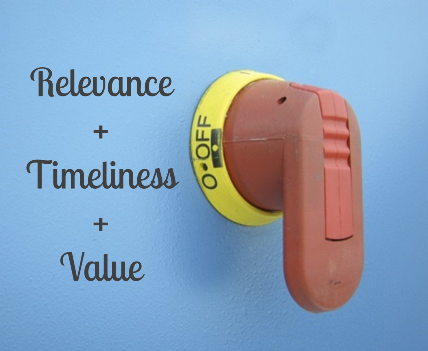
16 Apr 14:55

Tips to Develop a Lead Scoring Framework that Drives B2C Conversion

by Rachel Serpa

Tips to Develop a Lead Scoring Framework that Drives B2C Conversion image Lead Score 2Ask any successful B2B brand, and it will tell you that the golden thread between its sales and marketing teams is its lead scoring system. According to Marketo, only 25% of new leads are sales ready, and B2B marketers are pros at measuring consumer readiness to buy and nurturing them down the purchase funnel. On average, B2B companies using lead scoring systems increase close rates by 30%, revenue by 18% and revenue per deal by 17% (Eloqua).

Despite having the same ultimate goal – sales revenue – B2C companies’ larger volume of customers and highly independent, often automated purchase processes have led them to skip traditional lead scoring all together. Instead, most B2C companies measure and track page-level and event data in attempt to herd consumers through checkout. However, without insight into consumer identity and the ability to pinpoint the behaviors driving performance, this tactic most often results in a game of cat and mouse.

Here are 3 tips B2C brands should use to develop a successful lead scoring strategy that builds consumer relationships and boosts shopping cart conversions.

1. Establish Identity

It may sound obvious, but many B2C brands fail to complete the first and most important step of lead scoring: authenticating consumer identity. One way to let your customers leave your site without verifying their identities is by asking for too much information; the other is by asking for none at all. Too many businesses allow consumers to anonymously peruse their pages or checkout as guest, while 12% of consumers admit to having abandoned a purchase because the site required too much information (Invesp).

Offering frictionless registration, login and checkout processes is key in increasing consumer identity capture while minimizing abandon. Social Login allows consumers to register for and login to your site or app with the click of a button using their existing social media accounts. It also enables brands to request permission-based access to specific data points housed in users’ social profiles, which can then be used to create more tailored user experiences and pre-populate checkout fields.

2. Gamify Consumer Signals

In assigning “points” to “rank” potential customers based on particular actions and signals, B2B marketers are essentially unknowingly gamifying prospect interactions. This same “gamification mindset” can be leveraged by B2C marketers to gauge and influence consumers’ intent to purchase.

Gamification allows brands to reward consumers for completing specific actions that ultimately impact KPIs, such as registering, sharing content, or making purchases. Rewards can take the form of badges, public recognition, coupons, gifts and more, and foster feelings of exclusivity, value and prestige that effectively drive desired behaviors. Not only does gamification foster valuable consumer conduct by assigning value to actions and events that lead to conversion, but it also gives brands the ability to identify brand advocates and where potential customers sit within the purchase funnel. These insights can then be used to shape future messaging and interactions.

Tips to Develop a Lead Scoring Framework that Drives B2C Conversion image Boyd Gaming 2

The most successful gamification strategies bridge channels and devices to connect both virtual and real-world experiences. One brand with an exemplary gamification strategy is hotel and casino giant Boyd Gaming with its B Connected Social program. Participants can earn points by booking hotel rooms, sharing promotions with friends and checking in at any Boyd Casino. These virtual points can then be exchanged for real-world rewards like vacations and slot dollars. This gamified, cross-channel reward system has produced exceptional results, including over 35,000 social media shares at more than 3 social referrals per share.

3. Tailor Touchpoints

By successfully authenticating consumer identity and pinpointing users’ place in the buying process, brands can create more personalized user experiences that help consumers “level up” within the purchase funnel. With the insights garnered via Social Login, including users’ interests and media preferences, marketers are able to tailor content, product showcases, exclusive discounts and more to users’ real-time wants and needs. In addition to prompting 40% of consumers to buy more (Monetate), personalized experiences develop authentic relationships that result in customer retention, trust and lifetime value.

To do this successfully, brands need a single view into consumer actions and behaviors across channels and devices. Implement a robust, dynamic-schema database that automatically gives you the power to collect and consolidate cross-channel consumer identity data. This database should also enable bi-directional synchronization with existing third-party marketing platforms to engage every channel in the lead scoring and nurturing process.

Modern B2C brands would greatly benefit from taking a page out of B2B marketers’ playbook and putting lead scoring into place. However, the lead scoring process hardly ends once the first few customers clear checkout. A successful lead scoring strategy means constant optimization of social login options, gamified actions and data-driven campaigns to ensure that you are consistently reaching the right consumers with the right messages at the right moments.

16 Apr 14:55

The Top 5 Benefits of Contact Validation – Smart Data Leads to Smart Campaigns

by Wendy Breakstone

It’s undeniable; data is a hot topic right now for us marketers. Scratch that, data is a hot topic everywhere. Whether you’re the CEO, IT specialist or social media expert, data is part of conversations in every department, and is likely an agenda item for most meetings. But when you talk about data that is important to your business, are you considering the data that makes up your contact database? Just think about how important this information is. You turn to it when you need to engage with your customers. You use it to accrue new business so your organization can meet (or exceed) its sales goals. Because of these reasons and many more, the information in your contact database is absolutely essential to the success of any initiative you undertake in order to reach and engage with your target consumers.

If you haven’t given much thought to your contact data, it’s time you do. Because if you’re not keeping this information up-to-date, accurate and genuine, you’re never going to reach the audience you’re trying to target. And who wants to spend time and money and not even get your message heard?

Consider this. As your team preps to launch a new marketing campaign or customer recruitment initiative, you task someone to make sure the contact database is ready to go. It’s just a matter of spell checking it, ensuring each entry has a name, address, email and phone number, and then you’re done. Right? Well, it’s not that easy. Small typos can drastically impact the deliverability of mail and emails. Just one digit off in a zip code and forget about it – your mail is being returned to you without the intended audience seeing it. Did someone type .cim instead of .com? Well, you know the drill. Bounce backs. It all boils down to this – without a clean contact database you won’t reach the people you want to reach, and you’ll create more work for yourself with less success.

Now if this isn’t convincing enough, let me boil it down into the top five benefits of contact validation. Read these and I promise you’ll have a newfound respect for the validity of your contact database.

  1. Increase Customer Loyalty – Put your data to work. Use it to learn about and segment your contacts. Do you want to send a mailing to customers based on geographic location? Date they signed up for your service? To the most engaged and loyal users? With a database that is comprised of the right data, you have the ability to segment and then personalize the experience so your customers feel like you are speaking directly to them. And people like this, trust me. But it only works if you have valid contact database to leverage.
  2. Better Resource Allocations – It’s always good when you can save human resources and increase operational efficiencies. Consider integrating your database with web tools that offer real-time data verification and corrections. These services offer fast, accurate contact cleanup to keep your database in pristine condition so it’s ready anytime you need it – and you won’t have to spend one millisecond verifying street names or zip codes.
  3. Improved New Customer Identification – There are data validation vendors out there who can give you a more complete view of your customers – and potential new ones. With a true understanding of who they are, where they live and other basic demographic data details, you can better address their needs and offer them relevant solutions so that they want to buy what you’re selling. And, like mentioned in Benefit #1, people like it when you speak directly to them. So, isn’t it time you gave the people what they want? 
  4. Campaigns with a Stronger ROI – Here’s the reality: databases contain thousands of insufficient addresses. Whether due to spacing issues, misspelled email handles or incorrect street names, these inaccurate, incomplete addresses will result in undeliverable mail. On the flip side, if emails don’t bounce back and mail isn’t returned, then you’re reaching recipients with the message intended for them. This is sure to directly impact the success of your programs and help bring sales to the next level.
  5. Increasing the Qualified Lead Quota – Have you ever thought of your data as a silent sales rep? It’s true. You should consider working with a vendor that offers lead validation tools. With benefits from flagging the best leads to filtering out the bad ones, this can be an easy way to help bring in new sales – and you didn’t have to make one cold call.

The bottom line – contact validation should be part of your business. Luckily there are many vendors out there to help you. It’s their job to provide you with access to the best contact data available so you can do your job even better.

16 Apr 14:55

Where to Learn About B2B Social Media, Influencer Content Marketing, Future of Digital PR & SEO

by Lee Odden

TopRank Speaking Events Q2 2014

During the first 3 months of 2014, I’ve had a great opportunity to connect with marketers from London to Las Vegas sharing best practices and learning what’s on the mind of the marketing and PR community.

Those experiences have helped me take the temperature of what marketers questions are so I can apply those insights in our consulting and for future presentations. Topics that seemed to be high in demand include working with influencers in combination with content marketing and social media.  

As popular as content and social media marketing are in terms of increasing budgets and implementations, many marketers are still wondering about best practices and how to get the most from their investments. This was clear from all the questions and follow up engagement I received from recent events like ClickZ Live in New York and the Marketo Marketing Nation Summit in San Francisco.

I’ll be answering many of those questions with speaking engagements in Q2 of 2014 along with several keynotes that focus on “Future of” topics.  Here’s the breakdown of those events, topics and locations from New York to Bucharest to Minneapolis – I hope to see you at one or more of them:

B2B C2C

May 6-7, 2014 – Event Info
B2B / C2C – Content2Conversion Conference, New York
Speaking May 6th, 2:45pm
Influencer Content: How to Win Buyers Hearts, Minds and Wallets with Content Optimized for Search, Share and Sales
Shock and awe content simply isn’t sustainable for most organizations. But what if B2B marketers could tap into a rich source of content optimized for engagement, sharing and lead gen? Through several B2B influencer content case studies, this presentation will help you learn seven steps to developing an influencer content program that will grow your network and inspire more leads.

Authority Intensive Copyblogger

May 7-9, 2014 – Event Info
Copyblogger Authority Intensive, Denver (Sold Out!)
Speaking May 9th, 9:40am
How to Be the Best Answer Wherever Customers Are Looking
Brands large and small are waging a content war that’s increasingly difficult to win. Competition for time and attention has grown exponentially as brands, publishers and empowered consumers blast the web with more information in two days than between the dawn of time to 2003. Buyers are looking for answers in that sea of information muck and in order for brands to stand out, they must become “the best answer” when and where it matters most. This presentation will provide a model for understanding how a target audience discovers, consumes and acts on information so digital marketing and PR programs can be optimized for authority to attract, engage and convert more effectively.

PRSA Logo

May 13, 2014 – Event Info
PRSA Webinar
Speaking May 13th, 3pm
The Future of Digital PR is Integrated – How to Win With an Integrated Marketing Approach
Singular channels of digital marketing and communications are no longer effective. The changing digital media landscape combined with more sophisticated consumer behaviors means brands are competing for time and attention with other companies, as well as their customers. In this webinar, you will learn about:
* The foundation of an integrated marketing and PR strategy.
* A marketing case study that integrated PR.
* A PR case study that integrated marketing.

WVU IMC logo

May 30-31, 2014 – Event Info
WVU IMC’s INTEGRATE Conference, Morgantown, WV
Speaking May 31st, 9:45am
Digital Convergence: Integrating Marketing and Public Relations
* 3 trends in social media and content marketing
* 3 questions and answers on converged digital marketing and PR
* 1 model for digital marketing and PR success

Fusion Marketing Experience

June 1o, 2014 – Event Info
Fusion Marketing Experience – Content Marketing Conference, Antwerp Belgium
Speaking June 10th, 9:40am (Opening keynote)
Attract, Engage, Convert – How to Be the Best Answer Wherever Customers Are Looking
Search, social, content,… The way consumers discover, consume and act on information has totally changed. The consumer is at the center of an integrated media approach (owned, earned, shared) and Lee Odden offers an effective content marketing approach to win the heart, mind and wallet of the connected customer.

iceefest logo

June 12-13, 2014 – Event Info
ICEEfest, Bucharest, Romania
Speaking June 13, 9:00am (Keynote)
How to Win Friends and Influence the Influencers
Information overload numbs consumers to branded content but 85% seek advice from experts and influencers for purchases. Through several examples, learn how to develop an influencer content marketing program that’s optimized for search, socialized for engagement and publicized for exposure to all new communities and buyers.

MnSearch Summit

June 27, 2014 – Event Info
MnSearch Summit, Minneapolis, MN
Speaking June 27th, 8:20am
The Future Role of Search in an Integrated Marketing World
Search has long been one of the highest performing channels for digital marketers and while consumers are hardly displacing search for social networks, the environment for information discovery, engagement and action is far more dynamic than during the golden days of SEO and PPC. This presentation will highlight the future role of SEO and an “optimized” approach to digital marketing that integrates across channels and platforms to deliver the best possible experience for customers and business goals.

Whether you’re in New York, Denver, West Virginia, Antwerp, Bucharest or Minneapolis, I hope to see you at one of these events.

What events will you be attending in April, May and June of this year? What topics are you most interested in?

Photo: Shutterstock


Email Newsletter Gain a competitive advantage by subscribing to the
TopRank® Online Marketing Newsletter.

© Online Marketing Blog, 2014. | Where to Learn About B2B Social Media, Influencer Content Marketing, Future of Digital PR & SEO | http://www.toprankblog.com

16 Apr 14:55

Using a Trial/Freemium Model? Here’s How to Convert Those Users into Customers

by Steven Simoni
saas providers feature image

Author: Steven Simoni

If you’re a marketer with a Software-as-a-Service (SaaS) provider, you may have found that free trials and freemium models are an easy, low-risk way to introduce potential customers to your products. Freemium offerings allow prospects to download simplified versions of the product – for full functionality, the user must become a customer. Free trial offerings often offer full functionality, but only for a limited time.

Both methods give prospects a chance to test drive your product without making a big investment, and help minimize the risk of a new implementation. But as effective as these models are, converting free trial/freemium users into paid customers comes with unique challenges, which we discuss in our new ebook, SaaS Providers: Accelerate Conversion of Trial & Freemium Users to Customers with Marketing Automation,

The Conversion Challenge

Once users sign up for a trial or freemium version of your product, you’ll have captured their name and data. This is essentially an invitation to interact with the prospect. As your user decides whether or not to invest in your offering, you’ll need to nurture, route, and score these leads based on in-application usage.

To do so, you’ll want to understand exactly what your prospects experience as they experiment with your solution. The more data you have on the ways in which prospects are using your solution, the better you’ll be able to market your solution – both to your current trial/freemium users, and to users in the future.

So how can you make that happen? Through marketing automation. Specifically, through a sophisticated marketing automation solution that gives you in-depth insight into usage, and then allows you to encourage successful usage with tailored communications to your trial/freemium users.

As you evaluate potential marketing automation vendors to enhance your trial/freemium offering, here’s a list of things to look for:

In-Application Tracking

Using client side or server side tracking capabilities ingrained into the DNA of marketing automation solutions, you will need to know what stage of the trial each prospect is in. In-application tracking should also make it easy to see which part of your solution is being used, how long it’s being used for, the device your solution is being accessed on, and whether your application has been abandoned.

Advanced Lead Nurturing and Scoring

Just having the data isn’t good enough. You need to be able to use the data to send the trial/freemium users down the right path. That’s why you want a platform with functionality like our Customer Engagement engine, which can trigger email campaigns based on user action – for example, if a trial/freemium user hasn’t logged into your solution for a week, you might trigger an email encouraging that user to re-engage. According to Totango, free trial users still active after three days are four times more likely to convert into paying users. Checking in with these active trial users increases trial close rates by 70%.

This kind of functionality also allows you to automatically score users based on their application usage, placing them in the appropriate nurture steam. This will help you improve the journey for future free trial users.

Personalized Web Experience

Ideally, your marketing automation platform will have website personalization capabilities, so that you can present your users with relevant, personalized website experiences based on their position in your sales funnel. For instance, let’s say someone signed up and is using your freemium version. When freemium users visit your website, they’ll be presented with a personalized website experience focused on converting them to a paid customer. This ensures that you’re nurturing them to conversion in a way that speaks directly to their place in the buying journey.

To learn more about how marketing automation can help you convert freemium and free trial users to paid customers, download our new ebook, SaaS Providers: Accelerate Conversion of Trial & Freemium Users to Customers with Marketing Automation.

Saas Providers Trial Freemium thumbnail


Using a Trial/Freemium Model? Here’s How to Convert Those Users into Customers was posted at Marketo Marketing Blog - Best Practices and Thought Leadership. | http://blog.marketo.com

15 Apr 15:18

How do you buy? Steps in a buying decision

by info@sharondrewmorgen.com (Sharon Drew Morgen)

People are getting confused about the terms buying decision journey, buying path, buy-cycle, helping buyers buy, and  buying  decisions. Using a case study, let’s look at how a real buying decision happens.

When I began using the terms in the 80s my meaning described a change management process to lead buyers through their non-solution/non-need-related, behind-the-scenes internal and political issues that enable all who touch the solution to buy-in. Lately I’ve noticed the terms applied to the sales end of the buying decision – that 10% of the buyer’s journey that manages the  pre-solution choice  behaviors, including  solution/vendor choice, time/money issues. In other words, sales.

But let’s stop a moment: We don’t buy this way.

HOW DO WE BUY?

Here’s is a case study to offer an example of how we actually buy.

Pretend you are the VP of Client Services of a $15 Million company, considering upgrading your website; you don’t like the job your internal tech folks have done. What needs to happen for you to get a site you need? Get your own guys to work better/smarter? Bring in a new vendor to fix the one you have? Let’s look at the actions you must take prior to moving forward.

  1. start a conversation with a colleague/friend to discuss ideas about the status quo.
  2. if the idea has merit, see if there is interest from the VPs of Sales and Marketing as they’d need to share budget with you.
  3. go on line and do some research to: look at several possible solutions, see how your competition is managing it, and call colleagues for vendor possibilities.
  4. talk with the internal Tech guys to discuss your displeasure and see what they’re willing to do differently, closer in line with what you’ve learned.
  5. have a meeting with VPs or Sales and Marketing to get the lay of the land, share some new ideas, gather their thoughts, discuss options to move forward with their support. This is the foundation of the Buying Decision Team (BDT).
  6. contact a few local vendors to ask them to give you a presentation so you can better understand what they do and what’s possible.
  7. attend vendor presentations that focus on strength of design, strength of technical and programming skills.
  8. meet with the BDT to discuss your take-aways from the vendor presentations. Everyone wants to do more research. Sales and Marketing  folks not talking with each other, and each want to take this in different directions.
  9. meet with CFO who manages the technology department. She wants to keep all work inhouse.
  10. meet to discuss with Sales, Marketing. Invite Technology folks, but they don’t come. Sales and Marketing must learn how to get along as they have a similar focus and don’t like the work the Tech team does.
  11. decisions must be made as per changing mind of the CFO. Group decides to look at vendors again and gather different sorts of data to offer proof to CFO.
  12. same vendors come in to do a presentation to you, Sales, Marketing. Tech folks refuse to come.
  13. group decides to use vendors rather then tech team, but must find a way to get buy-in from CFO.
  14. group writes a paper to convince CFO to use outside supplier. Head of Sales is chosen to get Tech folks on board.
  15. meeting set up with Tech VP, CFO, heads of Sales, Internal Consulting, Project Management, HR (to manage any outsourcing) Marketing, and you – the complete Buying Decision Team. All decide to use the Tech team to do the programming; vendor to do the design. You all decide to take a look at the vendors again to see who would be most capable of collaborating as well as designing, as they’d need to hand over, and work with, the tech folks.
  16. vendor meeting #3. The vendors with the slide about collaboration was chosen (that buying criteria was not even discussed with the vendors during earlier conversations or needs-assessment conversations).

This is a very very simplistic decision path during a year’s worth of meetings: there are only ‘people’ variables, and not any policies, internal politics, initiatives, etc.

SALES FOCUSES ON NEEDS AND SOLUTION PLACEMENT

In this situation, the sales model would have the potential vendors gather, and assume that the ‘need’ was for web design, rather than collaboration skills AND web design. And, the assumption would be that the entire Buying Decision Team – not fully formed until near the end – is already on board.

In this instance, you’d become involved in steps 6,7. You’d give a great presentation, recognize a need, get along well with your contact, and assume you were ‘in.’ When you didn’t hear back for a while, you’d start calling. And when you got your second presentation appointment, you’d assume you were in. And the rest is history.

If you were using Buying Facilitation® all of this would have been avoided for both you and your prospect. As the vendor, you would have helped the buyer recognize the problem lie with the CFO on the first call, helped design the make up of the full Buying Decision Team, and not gone in to do a presentation until there was agreement to have a vendor do some/all of the work. You’d go in only when the VPs of Sales, Marketing, Tech, and the CFO were present in the room. And it all would have taken a month or two.

If you want to learn how to do this, start by reading Dirty Little Secrets. Then get the Guided Study program and begin learning Buying Facilitation®. Or call me and we’ll discuss training.

sd

Start the journey to help sellers get the skills they need to manage both ends of the buying decision journey – the off-line political and relational buy-in as well as the solution choice. Read Dirty Little Secrets: why buyers can’t buy and sellers can’t sell and what you can do about it.

Listen to insights and illustrative examples regarding: what change is and why its fundamentally the same regardless of industry or organization type, what systems are and their role in the change management process.

Have Sharon Drew speak on facilitating buying decisions at your next conference. Learn about her topics and see her in action on www.buyingfacilitation.com
Contact her directly at sharondrew@sharondrewmorgen.com

How do you buy? Steps in a buying decision is a post from: SharonDrewMorgen.com

15 Apr 15:17

Sales Tactics: Avoiding the Dark Stage

by Craig Rosenberg

Don’t forget: This  Thursday April 17th from 8:30-Noon is the Funnelholic Virtual Sales Summit feat. Jill Konrath, Jill Rowley, Matt Heinz, and Dan Waldschmidt. Please click here to learn more. It will be the most fun you will have all week (or month)…

Back to regularly scheduled programming:

Today’s post is about the dark stage. The dark stage = when we don’t hear “boo” from them. Today’s buyer only responds when they have something they want not what you want. This is why the “checking in” voicemails and emails that go unanswered. Fair enough…but to make it worse: Many buyers don’t even say “no” anymore, they just never respond. The problem is: They also don’t respond if things are still moving along. If there isn’t a profound update or information they need, they still don’t respond. It’s painful. It’s hard enough to get people on the phone in the first place…and now this. Alas, the dark stage.

sales tactics, lead followup, sales tactics

Let me set you up with a quick story: I was working with a client who had a horrendous post-demo fall-off rate. In other words, sales was doing the first call or even second call where they presented the solution and often presented a demo of the solution. After those calls, 80% of their buyers were going dark. Here is the scene: I am on a “ride-along” with one of their better reps which means I was listening, recording, and analyziing the call with a prospect. He had 4 stakeholders including the decision maker on the call. He had an hour — He just went right into the demo and finished the demo with 3 minutes left in the hour. At the end of the call, here is the dialogue:

  • Buyer: “Okay, well we need to go talk about this”
  • Seller: “Great, why don’t I follow up later”
  • Buyer: “Great, thanks!”
  • Hang-up
  • Seller: “Any feedback Craig?”
  • Craig: “Oh boy”

You just guaranteed to make your life harder. You will never hear from them and will have to make 20 calls and emails just to get them back on the phone. I love you, but if that is the data you collected from the buyer and how you end calls, we gotta work on this.

Stay with me here, I love when a series of events happen at the same time. And then Dave Brock wrote a great post: “How Much Follow Up is Too Much?” Dave’s post is very much like this post — Let’s avoid having to call 20X to get the buyer back. As Dave points out the problems are often:

  • We didn’t understand the buyer and their buying (aka decision making) process
  • We didn’t mutually agree on next steps

At the end of the day, the dark stage is really difficult to avoid. Buyers will respond when they want to respond. But for many, the dark stage can be avoided by having more meaningful conversations as part of the sales process. Here are some tips:

  1. Understand the buyer, their process, and where they are in the process — Asking the right questions are so key to your sanity later in the process it’s not funny.
  2. Figure out what they need to move to the next step — A conversation with a thought leader, content, a primer on the market, demo, etc. Recommendation: You can and should recommend the next step based on what you heard.
  3. Mutually define and agree on next steps — Keep in mind, the next step has to resonate with them. For example, tell them you will check in two weeks later is guaranteeing darkness. Figure out WIIFM (what’s in it for me) when defining why they need to be on a call with you again.
  4. Set time/date and send calendar invite while you are still on the phone — Don’t leave a call without setting the next conversation up.
  5. Send follow up email immediately after call — Deliver what you said you would deliver and remind them of next steps. Use a sales email application like ToutApp, YesWare, or ClearSlide to track if they opened or forwarded. Or use MyDocket to see if they engage with the content.
  6. Share great content while you wait for the next call — Send your prospect other valuable content depending where they are in the buying process. It doesn’t have to be an ebook. I remember pre-social media (2005) and Jill Rowley was selling Eloqua to us at Tippit. In the time between our first and second calls with each other, she sent me a simple email with a VentureBeat post of a potential competitor that just raised money — “Is this a competitor of yours?” was the body of the email. No pressure, just trying to offer me value. Use your sales email application to see if they open or forward.
  7. Connect with them on LinkedIn — Really? What does this have to do with the dark period? Well, if you must ask…I share 6-8 pieces of content a day on LinkedIn. On numerous meetings with prospects or customers, they will mention a post I shared. I didn’t see that they liked or shared and it’s okay…They saw it and/or read it. That is good.
  8. Send them a reminder the day before your call — Share your excitement about the upcoming call in the message.
  9. Rinse and Repeat

Sales leaders, just a couple notes for you:

  1. Make sure reps understand your target buyer — Train them on the buyer. In many cases, it’s more important than anything you do.
  2. Develop plays for each step in the buying process — Sales leaders typically focus on upfront messaging (what we say first) and closing (what we do last). This leaves the reps exposed at the end of calls when they need to develop a next step based on what they heard versus pushing buyers to the next sales step or “send content, call later”. This takes training, coaching, and conversation.
  3. Arm reps with the questions that help them understand the buyer and their process — I always get the list of “questions” and they are BANT. Not just BANT — lets dig deep to understand everything.
  4. Arm your reps with content — It works. One size does not fit all. Content should be based on who the buyer is and where they are in the process. If sales can’t help buyers move to the next step in their process, they will only work low-hanging fruit.

Beware the dark stage. Many times it can’t be helped as that’s the reality of today’s buyer but you can save yourself the wasteful dial/emails it takes to get people back on the phone by following these steps. Oh and to answer Dave’s blog question: How much follow up is too much? It depends. (:

8 millionth reminder: This  Thursday April 17th from 8:30-Noon is the Funnelholic Virtual Sales Summit feat. Jill Konrath, Jill Rowley, Matt Heinz, and Dan Waldschmidt. Please click here to learn more. It will be the most fun you will have all week (or month)…

Photo by: ROSS2085

Craig Rosenberg is the Funnelholic and a co-founder of Topo. He loves sales, marketing, and things that drive revenue. Follow him on Google+ or Twitter


15 Apr 15:15

When Should You Discount Your Product or Service

by Ian Altman

When Should You Discount Your Product or Service image 04082014 Discount

I was working with a talented team of sales professionals in a discussion about selling on value over price. One of the team members asked a great question, “So at which point does it make sense for us to offer a discount to win the business?” Whereas most people would not be comfortable asking this type of question, it was clearly an issue on everyone’s mind. In fact, I’m guessing you might be wondering the same thing.

The Ultimate Adversarial Trap

In Same Side Selling, Jack Quarles and I spend a fair amount of time discussing adversarial traps that put the buyer and seller on opposite sides of a transaction. Price is one of those traps. The buyer has a responsibility to her company or organization to purchase as much value as she can at the lowest possible price. Though Jack (an expert buyer) would argue that a smart company’s goal should be to get the most value per invested dollar (and I would agree). Unfortunately many confuse that goal with the task of finding the lowest price.

When the buyer says that you have to offer a lower price “in order to win the business,” it is easy to fall into that trap. However, do you think that the customer sees poor value at your current price, but will love the solution if it was 10% less? Not likely. Though they would love to pay a bit less, in most cases it is not because they don’t see value. Rather, their desire to pay less is because countless salespeople before you demonstrated the price can be lowered if the buyer simply asks for it. The buyer who sees value at 90% of your rate, will see it at 100%, too… if you are patient and focus on value.

The Only Excuse

My answer to the sales superstar (for real – a top performer) was that he should always lower his price anytime he feels the value he is delivering per invested dollar is less than the price the customer is paying or could pay elsewhere. So, if he is selling a commodity, then he might have to match other commodity sellers. The good news is that he, like most of you, do not sell a commodity. Rather, you have threads of differentiation that you can cling to and help the buyer realize why they will receive a better return per invested dollar with you than with alternatives.

When Price Matters Most

I often ask CEOs and executives in an audience to raise their hand if they feel that price matters most to customer buying their products and services. Almost 100% of them raise their hand. I then ask them to imagine a situation when they have to address something important in their business. Would they buy from:

A) The vendor they have known the longest;

B) The vendor who best understands their situation; or

C) The vendor with the lowest price

In more than 99% of the cases, they answer B) The vendor who best understands their situation.

You might say they are all hypocrites. Isn’t it ironic that as sellers executives think that price matters most, and as buyers price is less important.

Based on this revelation here is my recommendation: Discount if AND ONLY IF you believe that what you are selling is worthless.

Your Turn

When have you thought you needed to discount only to discover the client moved forward anyhow? When has discounting COST YOU the deal? Have you ever decided not to buy because the vendor dropped the price? Why?

15 Apr 15:13

How to Unlock the Lead Generation Power of Your B2B Website

by Douglas Burdett

Not generating enough leads on your website? Don’t get angry: Include these powerful things and your B2B lead generation can be an unstoppable force.

How to Unlock the Lead Generation Power of Your B2B Website image generating leads with your website Fotor resized 600

If you read a lot about B2B marketing like I enjoy doing, you would think that every company is generating leads from their websites, filling their sales pipeline to the point of bursting, breaking sales records and growing fast.

But the truth is there are lots of companies that aren’t quite there yet. In fact, many of them are just now getting to the point where they are realizing that they need to transition their websites from an electronic brochure into a powerful adjunct to their lead generation and sales efforts.

To get to that level of sales and marketing nirvana, a lot of things must happen before your prospects find your website. Those things include zeroing in on your buyer personas, creating content that is mapped to their buying process and using social media to share your content and attract more traffic. You might even need to have some online and even (gasp!) offline advertising to help build traffic to your site.

However you get traffic to your site (approaches vary), once the traffic is there, here are the “must haves” to unlock the power of your site’s lead generation program:

Calls-to-Action

A Call-to-Action (CTA) is a website button, image, text link that encourages a visitor to take an action by typically clicking on the button, visiting a landing page and filling out a form in return for some kind of content. Often, that content is a white paper, eBook, webinar or a newsletter.

Your CTAs need to be clear (not clever), include action verbs (e.g. “download” or “register”), stand out, mirror the buying cycle and match the headline of the landing page to which the visitor is taken.

Landing Pages

A landing page is a website page specifically designed to convert visitors to leads. It collects and processes information on website visitors who identify themselves in return for valuable content. An example of valuable content would be an eBook, research report, a webinar, etc.

Once the visitor is on the landing page, you’ve got just a few seconds to make your pitch. That’s why you need clear headlines, bullet points, a relevant image and a clear promised of what the visitor will gain from filling out the form and submitting the information.

One thing you don’t want on a landing page is your site navigation to distract the visitor from filling out and submitting the form. Landing page conversions are higher when the site navigation has been stripped out.

Forms

The fewer the fields in your landing page forms, the higher your conversions will be. If you’ve ever abandoned a landing page because there were just too many form fields (I have), then you’ve experienced an ineffective landing page.

When it comes to forms on landing pages, remember you’re just trying to start the relationship, not sell immediately. Think of the landing page form more as an introductory handshake on a first date than a marriage ceremony.

If your lead generation program is mapped to the buyer’s journey with other content, you can use progressive profiling to ask for additional information when the prospect returns and is ready to take the relationship to the next level.

Thank You Pages

After your visitor has submitted their information to get what’s behind the landing page, deliver them to a thank you page that includes a link to download the eBook, or the video player to watch the webinar, etc.

You should also send a thank you email to get the visitor used to receiving emails from you, but don’t require them go to their email program to retrieve the offer – put a link to it on the thank you page.

But don’t stop at thank you. A prospect that has just taken action on a landing page might be interested in additional information based on what they have just done. If they have just downloaded top-of-the-funnel information, they should be offered middle-of-the-funnel information in order to guide them down your sales funnel.

Sharing is caring. Once your visitor has been taken to the thank you page, include (with social sharing icons) the ability for your new lead to share the landing page with their social networks. Just make sure the social sharing is set up to share the landing page, not the thank you page (to capture a new lead).

Workflows

Using marketing automation software, set up workflows to manage all the leads that will come pouring in. Sales cycles vary by industry and product, but all can benefit from automated lead nurturing that send out invitations to take the next step on the buyer’s journey.

Then, based on the lead’s “digital body language” you can set up additional actions that automate what your next step is in guiding the prospect toward the bottom-of-the-funnel action, which generally involves human-to-human contact like a product demo or a proposal request.

Analyze Everything

That which can be measured can be improved! Online lead generation can be broken down into three broad areas:

  1. Getting found online
  2. Converting visitors to leads
  3. Analysis and measurement.

You should spend as much time on #3 as the first two in order to determine what’s working and what’s not working. Then, do more of what’s working and less of what’s not working to refine and strengthen your website’s lead generation power.

  How to Unlock the Lead Generation Power of Your B2B Website image 37e934ae 49c7 4398 99ef a682e20f1465

 photo credit: ☮ Javi ☮ via photopin cc How to Unlock the Lead Generation Power of Your B2B Website image

15 Apr 15:10

Why Blogs Matter in Business-to-Business Communications

by Jeremy Church

“Simple but not easy,” has been repeated with increasing frequency around the WordWrite office as we continue to brainstorm ways to provide the best possible strategic communications solutions for our clients. Why Blogs Matter in Business to Business Communications image Blogging2

Blogging, for example, is simple in theory, but not easy to execute if you want to provide value to your target audiences in the form of quality content that will keep them engaged and move them through the sales process.

(It might strike some of you out there as a little bit “meta” to write a blog about why blogging is so important, but stick with me for a minute.)

HubSpot conducts an annual survey on inbound marketing, its primary area of expertise. (Full disclosure: WordWrite is a HubSpot agency partner.) Here are some key findings related to business blogging from the 2013 report:

  • 82% of business marketers who blog daily acquired a customer using their blog
  • Blogs produced a new customer for 43% of marketers last year
  • Blogging requires roughly 9% of a full-time marketing team’s hours and just 7% of their total budget
  • Just 9% of companies employ a full-time staff member dedicated to blogging

Why Blogs Matter in Business to Business Communications image Blogging1Given the significance of those numbers, it’s hard to believe such a small fraction of companies employ a full-time staff member dedicated to blogging, especially when factoring in the relatively small amount of time required to acquire a customer per hours spent creating blogs.
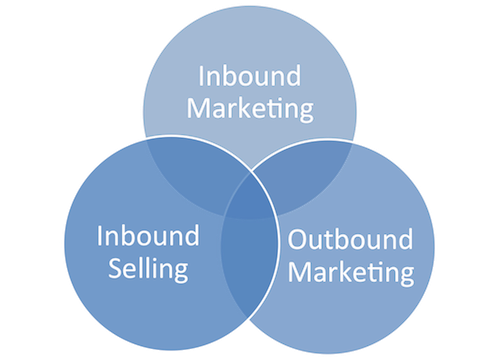

An important caveat to consider in your content creation: All blogs can contain interesting information, but a business blog is designed to mirror and align with your business goals.

Depending on your industry, it might or might not be realistic to blog every day. We don’t believe writing two or three sentences and linking to an article someone else wrote qualifies as a blog, specifically because that does little to demonstrate your value as a thought leader to potential clients or customers.

If a business wants more visitors, “qualified” leads and more clients or customers, then you do need to blog frequently. Yes, all your blogs are indexed pages on your website, so the more pages you have, the more likely search engines will find you. But website traffic in and of itself means little if you aren’t attracting the right type of visitor, so quality content creation is the key. Blog content provides a platform for you to showcase your professional experience and educate industry leaders on what makes you a trusted authority to help find solutions.

You need to focus on creating content consistently focused on the most valuable prospects in your industry. They want solutions, not an explanation of what you do. Why should they hire you? What makes you the best choice for the challenges they face?

Finally, make sure you hire or enlist the help of a professional writer to assist in the blogging process. I’m not talking about someone who knows how to use the electronic or social media tools you have at your disposal to post the content.  I’m talking about people like my colleagues at WordWrite – strategic thinkers and problem solvers who have honed their skills through years of professional experience.

No matter how well you distribute content, it won’t move the needle if you’re not speaking the language of your customers and clients. Deliver the right content to the right audiences and they’ll come back for more.

We’d be happy to have a deeper conversation on the best ways to create, promote and adjust content that delivers new business, not just new visitors. Want a headstart on our thinking? Click the link below for a free guide to best blogging practices!

Why Blogs Matter in Business to Business Communications image 41288c81 5731 4b4e 9264 1faa2f6baf35

15 Apr 15:10

How to Get Sales and Marketing On the Same Page

by John Jantsch

How to Get Sales and Marketing On the Same Page written by John Jantsch read more at Small Business Marketing Blog from Duct Tape Marketing

The title of today’s post became one of the major sub themes of my upcoming book Duct Tape Selling. It didn’t start out that way, but in working with more and more sales departments it became clear that the move to inbound and social selling occurs much more effectively when there’s a culture of cooperation and integration within sales and marketing departments.

Sadly, this is rarely the case. In fact, I’ll be presenting my view of the sales and marketing divide – and what to do about it – in an upcoming MarketingProfs Pro Seminar.

My take is that for organizations to take full advantage of the dramatic shift in the way people and organizations buy today they must intentionally blend inbound marketing, outbound marketing and inbound selling a way that mirrors today’s customer journey.

And, it’s not enough to simply pass white papers to the sales team and say “go be social.”

inbound selling

Sales and marketing must come together at the point where awareness and messaging and the very definition of what an ideal client actually looks like initiates.

Below are five activities that I believe should be at the forefront of any attempt to more closely align sales and marketing.

Shared planning

Quite often marketing creates a plan and calls on others to deploy it. The challenge is that in most cases the marketing folks are isolated from the actual customer. Sales and marketing must come together to define the customer, create marketing strategy and map a customer journey that puts the customer first. Invite sales into the planning phase!

Shared editorial

Marketing is now in full content production mode. But I wonder if more is really better? I believe that even if sales people aren’t asked to write blog posts they can both inform the editorial make up and personalize what content is produced in ways that will make it more useful to individual prospects and clients. Marketing must take the access they generally have to data and filter content to help sales professionals spend less time researching.

Shared social

Here’s an idea that is causing loads of angst in marketing departments around the world – turns out that social media is more effective in the hands of some sales professionals than it is in the hands of some marketing professionals. While far too many marketing departments view social media as another broadcast channel, smart sales folks are finding better ways to connect, network, prospect and engage very small numbers of the right people via social media. This is a huge training opportunity.

Shared engagement

To me the item that would really bring a sales and marketing group together would be the act of jointly engaging a client or prospect. This could start with working on a proposal together, making calls together, blending lead nurturing activities and, with the inclusion of a service or account manager, might just round out the perfect way to engage today’s buyer.

Shared measurement

Here’s the real problem. Many marketing departments are measured by the number of leads they generate – no matter the relative quality. Sales is measured by the number of those leads they convert – no matter the relative quantity and quality. Suffice it to say neither is too happy.

If you want to get sales and marketing really working together set up a way to measure the true impact of effective inbound marketing and selling as a team and reward each for the vital role they play in actually creating a profitable customer.

Related posts:

  1. Sales Is a Function of Marketing Pure and Simple Over the years one of the great breakdowns in many...
  2. The Greatest Opportunity In Social Media Marketing Today In my forthcoming book Duct Tape Selling (Portfolio May 15th)...
  3. The Problem With Inbound Marketing I’ve been promoting the concept of inbound marketing for about...
15 Apr 15:10

How to Get Out of a Social Sales Rut and Drive Revenue

by Gini Arnold

How to Get Out of a Social Sales Rut and Drive Revenue image question mark1Even the most seasoned social media users hit a wall sometimes when it comes to prospecting new opportunities. Much like the traditional sales process, social media has its ups and downs, and occasionally you may find yourself feeling as though you’re stuck in a social selling rut.

Use these LinkedIn-specific tips to generate new leads or to invigorate old ones.

1. Update Your Profile

Have you recently received new responsibilities that aren’t reflected on your LinkedIn profile? Add them! And while you’re at it, look at other areas of your profile that can always use a quick refresh such as your skills and expertise, summary and professional portfolio. Keep in mind that when you update your profile your network is notified, giving other users a reason to check out your page and interact with you.

2. Reconnect with Old Contacts

Every sales rep has at least a few prospects that seemed promising at first, but ended up not quite ready to commit to a deal. Take this downtime in your social sales cycle to strike up a new conversation with one of these latent prospects and see if they’re any closer to making a decision. It never hurts to check in!

3. Join a New Group

Joining groups on LinkedIn offers a number of benefits, one of which is the introduction to new potential prospects! Join a group relevant to your industry or the industry of your key audience and start interacting with active members. Answering questions, sharing appropriate content (more informative, less promotional) and engaging with other users are simple ways to find new leads.

4. Mix It Up

You may be sharing great content, but that doesn’t mean it’s resonating with your audience. Take a few days off from sharing your go-to content and instead share posts with a different tone or focus. But don’t stray so far from your bread and butter that you are no longer relevant to your prospects! For example, instead of sharing content that is strictly focused on the products you’re selling, share articles that will start great conversations about breaking news or industry-related trends.

5. Check ‘Who’s Viewed Your Profile’

This recently updated LinkedIn widget now has two awesome functions: it shows you which LinkedIn users have recently viewed your profile AND gives great tips for optimizing your presence. Suggestions such as information to add to your profile or specific pieces of content to share can point you in exactly the direction you should be heading to find more prospects.

6. Engage with Content

Sometimes, the easiest way to start a valuable conversation with a potential prospect is by simply commenting on or liking one of their posts. Take some time to look through your news feed and like or comment on a few updates that stand out to you. Remember to keep your comments positive and relevant to increase your chances of a response.

15 Apr 15:10

5 Questions with David Meerman Scott, Don’t Know Him? You Should!

by Jon-Mikel Bailey

David Meerman Scott is one of the most cited, trusted, and sought after minds in marketing today. He has been ahead of the curve with each step he’s made. This is not hyperbole, it is the truth.

Don’t believe me? His book, The New Rules of Marketing & PR was written in 2007 and is still just as relevant today as it was then. Totally amazing considering the only thing consistent about marketing these days is change.

5 Questions with David Meerman Scott, Don’t Know Him? You Should! image David Meerman Scott 1

If you want to learn more about David, check out his website. I just want to get inside his head!

Let’s get started…

Question One – The New Rules of Marketing & PR and the Changing Marketing Landscape

Your book, The New Rules of Marketing & PR, was certainly ahead of its time and continues to evolve as the marketing landscape changes. In fact, you are currently on the 4th addition. To me, this speaks to the fact that things change quickly in our industry and we have to be able to adapt quickly. What advice would you give to small businesses overwhelmed by the ever changing marketing opportunities available to them?

The Web has liberated us from the tyranny of paying for attention! There are four main ways to generate attention:

  1. You can BUY attention (this is called advertising);
  2. You can BEG for attention (this is called Public Relations);
  3. You can BUG people one at a time to get attention (this is called sales);
  4. Or you can EARN attention online by creating great information that your buyers want to consume such as YouTube videos, blogs, Twitter feeds, photographs, charts, graphs, and ebooks—and it is all free.

How are YOU generating attention?

Question Two – Newsjacking

I love the idea of newsjacking. We’ve seen some brands do some wonderful things with this. Can you share some of your favorite newsjacking examples?

Trent Silver, a young Internet entrepreneur, been building Web businesses since he was a 15-year-old high school student(!!). He’s 22 now.

One of Trent’s businesses is Cash for Purses, where he serves as CEO. Cash for Purses finds new homes for high quality designer purses and handbags (brands like Gucci, Prada, Hermes, Chanel, etc.), generating cash for the former owners.

Trent recently enjoyed a barrage of press because he tied his business with cash-strapped but designer bag laden starlet Lindsay Lohan. Trent recognized that Lohan is sitting on a goldmine and doesn’t even know it! So he crafted a pitch to celebrity Web sites that cover Lohan, saying that his company would purchase her extra handbags to help her pay her bills. He even offered to donate his profits to charity.

Trent understands that celebrity sites are always looking for exclusive stories, so he pitched the top sites first. Since Lohan’s financial troubles have been in the news, that was his newsjacking hook. Radar ran with it: We’ll Buy Your Purses, Lindsay! Company Offers Big Money For Cash-Strapped Lohan’s Leftovers.

Once the story was out, other sites started to pick up on the resulting buzz including Huffington Post: Lindsay Lohan Offered Money For Used Handbags By Fundraising Company and the Inquisitr: Lindsay Lohan’s Purses May Be Key To Financial Freedom.

Interestingly, people who read celebrity sites seem to also be people who want to sell their purses because since the story broke, Trent has received several hundred new leads from people ready to sell their designer bags.

Question Three – Writing a Book

You write in the introduction to your book that your writing style is more casual and the book is more like a collection of blog posts. I love this idea. It seems to open the door for anyone to work towards writing a book of their own. What would you tell a small business owner or marketing professional about writing their own book?

I’ve found that you can write much of a book over a year or two on a blog. 100 blog posts, well edited, is a great starting point for a business book.

You can self publish or go with a publisher. Both have merits.

My first book was self published and it was a great way to do a book. But you have to deal with and pay for every aspect – design, editing, distribution, sales, etc.

With big publishers, the business book publishing game is not about great book ideas. It is about great platforms. My first deal with Wiley was because I showed them that I could deliver an audience by having 50,000 downloads of a free ebook.

When looking at potential books to publish, the most important thing business book publishers look for is your platform. Biz book publishers need authors that they can prove will sell many thousands of books because the author has a large audience — through blogs, speaking, quoted in the press, famous, or whatever.

Question Four – Letting Your Content Go Free!

I absolutely love the fact that you wrote the book Marketing Lessons from the Grateful Dead with Brian Halligan of HubSpot. I know you’re both huge music fans. In fact, quite a few of my favorite marketing peeps are music lovers and write a lot about music. As a musician myself, I have always had a great respect for how the Dead marketed themselves. In some ways, they were early adopters of the new rules of marketing and PR. The fact that they opened all of their shows to tapers speaks to their willingness to release their death grip on content. What would you say to marketers who are afraid of losing control by sharing too much?

The biggest barrier these days is fear.

Many company executives and public relations people trace their worries about the over sharing to their belief that “people will say bad things about our company” via social media.

This fear leads them to ignore blogs and online forums and to prohibit employees from participating in social media. In every discussion that I’ve had with employees who freely participate in social media, I’ve confirmed that this fear is significantly overblown.

Let me repeat – everyone who has experience tells me this fear is overblown.

Sure, an occasional person might vent frustrations online, and now and then a dissatisfied customer might complain (unless you’re in the airline industry and then it might be more than a few).

But the benefit of this kind of communication is that you can monitor in real-time what’s being said and then respond appropriately. Employees, customers, and other stakeholders are talking about your organization offline anyway, so unless you are participating online, you’ll never know what’s being said at all.

The beauty of the Web is that you benefit from instant access to conversations you could never participate in before.

Question Five – David and Bob

What was your favorite live concert ever and why?

I have a small role in finally telling Bob Marley’s story on film.

While in New York City after a gig at Madison Square Garden, Bob Marley learned that he had terminal brain cancer. He headed to Pittsburgh anyway, travelling by bus with his band The Wailers for a gig at the Stanley Theater two days later in what turned out to be his final concert on September 23, 1980.

On that same day 32 years ago I also road tripped to the Stanley Theater to be at the show, although nobody in the crowd knew what the world would learn soon after, that Marley was very, very sick.

I felt compelled to borrow a friend’s excellent camera outfit complete with telephoto lens. It was a cosmic thing because I had never brought my own camera to a show before. Since the big Canon looked “official” back in the days of film cameras, the staff let me fire away from anywhere I wanted. Somehow I managed to focus the unfamiliar camera even though we had “prepared” for the show for the entire drive.

Turns out my photos are the only ones known from his last show and were used in the “Marley” documentary film.