Shared posts

21 Oct 17:46

Three factors that will determine the market’s future

by Martin Pelletier

Volatility has returned to global equity markets over the past few weeks, because of worries about the rapid descent in oil prices and the softening economic data coming out of Europe and emerging markets.

As a result, large daily swings in the markets are not uncommon, making it a rather challenging environment for investors.

We are at an interesting inflection point, as the majority of equity markets have just recently crossed their 200 day-moving average, an indicator that often hints at more downside risks than upside potential ahead.

At times like these it’s important to take a step back and separate out the fundamental developments against all the noise. In this regard, there are three important factors that could influence the direction of the market.

1. Lower commodity prices

Oil prices at times can be a great indicator of the overall health of the global economy, especially rapidly growing ones such as emerging markets.

But any hint that this growth is abating or, worse, that deflationary is pressure setting in, is not good news for resource-based economies such as Canada.

Investors have responded in kind to the recent rout in commodities by hitting the sell button first and asking questions later.

This has not been the case in the U.S., where many are solely focusing on the gains for consumers from weaker energy prices while ignoring the potential loss in economic stimulus from a capital-intensive shale oil sector now under pressure from lower oil prices.

We are also concerned about further geopolitical instability, especially in oil-dependent economies like Russia, Venezuela and the Middle East should weaker pricing persist.

This is no doubt putting tremendous political pressure on the leaders of those countries and who knows how they might react, resulting in potential dangerous implications for both commodity and equity markets.

2. U.S. economic growth

U.S. corporations have been firing on all cylinders, as is evident by their profitability levels reaching an all-time high when compared against GDP. U.S. unemployment has also returned to pre-financial crisis levels, with the latest jobless claims falling to a 14-year low.

But China and Europe, both large trading partners of the U.S., are experiencing slowing growth.

The International Monetary Fund cut its 2015 global growth forecast to 3.8% in its latest report, citing both eurozone recession risks and emerging-market slowdowns, down from its January forecast of 5.8%. It’s the third time it has reduced its forecast this year.

Can the U.S. go it alone with the rest of the world experiencing deflationary pressures?

3. U.S. Federal Reserve

The final and most important factor that will have the greatest impact on forward market performance is how the equity markets will react in the absence of the U.S. Federal Reserve’s quantitative-easing program, which ends this month.

Fortunately, interest rates remain at ultra-low levels, allowing U.S. corporations to continue taking advantage of extremely low-cost debt to buy back stocks.

Don’t kid yourself, the magnitude of these share buybacks is enormous, totalling well over US$2-trillion since the 2009 lows and have represented more than 95% of corporate earnings.

But a rate hike could put future gains at risk and the Fed knows it, so interest rates will likely remain low a lot longer than many expect. If so, will low rates be enough in the absence of QE to drive the markets back to new highs?

Martin Pelletier, CFA, is a portfolio manager at Calgary-based TriVest Wealth Counsel Ltd.

21 Oct 17:44

Can We Quantify the Value of Connected Devices?

by Sunand Menon

In the 1990s, Procter & Gamble’s Product Supply Organization kicked off a major Reliability Engineering program, much like the efficiency initiatives of companies such as Toyota. They institutionalized the use of data collection systems in their manufacturing facilities to understand how products and machines would “behave” and could be optimized. By collecting machine failure data via manual sources as well as PLCs (programmable logic controllers), they were able to plot statistical distribution curves that predicted the failure rates of machines, along with the specific causes. More impressively, by linking all the machines together, they were able to predict — and subsequently improve — overall process reliability and product quality. This was all done through physical, smart, connected devices and sensors, which monitored, controlled, and optimized the units with increasing autonomy via continuous learning.

Sound familiar?

The Internet of Things may already feel like an overused buzzword, but the value is real. A seminal article in this month’s issue of HBR by Michael Porter and James Heppelmann starts off with a definition of what the “Internet of Things” (or “IoT”) really is – a collection of smart, connected devices or products that, when pieced together well, can yield new functionality, reliability, utilization, and capabilities that were previously not deemed possible.

Organizations are salivating at the prospect of more and more data being fed into an IoT infrastructure and transforming industries globally. However, there’s skepticism that the results will live up to the hype. The Wall Street Journal ran a major story questioning how all the data collected can be commercialized and valued.

How can companies get beyond the hype to measure the value? The answer lies in recognizing that we’ve been here before. Early examples of connected devices offer lessons in estimating the value of the data they generate.

P&G didn’t go into its early connected device initiatives with a “let’s try this out and see what it gets us” mindset. Yes, they experimented in the labs and ran pilots to hone the methodologies and models, but they eventually rolled out the program with stated improvement targets which set overall process reliability numbers, and resulted in reductions in TDC (“Total Delivered Cost”). And this addresses the commercial value creation question – P&G’s mindset was to create operational efficiencies that would contribute to healthy EBITDA margins.

Another useful example comes not from connected devices but earlier data businesses.

A key challenge in quantifying the value of IoT is in valuing the data assets it creates. In many companies, these types of data assets are currently assigned rough valuations and classified as “intangible” or “goodwill” on the balance sheet. Part of the reason may be that although considered high potential, insufficient emphasis has been placed to understand their monetization as an ongoing business proposition.

Information companies such as Thomson Reuters and Bloomberg are examples of companies that have historically understood the value of data assets. Over the years, they have excelled at collecting, producing, and processing raw data to create valuable analytics and insights, which are subsequently distributed and commercialized. While not historically dedicated to connected devices, these companies are good case studies for the commercialization and valuation of their data assets.

These companies’ valuation of their data assets begins with a commercial business case. In this case the typical questions are: what’s the data, how do customers use that data, and therefore how can it be sold? On the revenue side, what’s the business model (for example, subscription or licensing)? On the cost side, what’s the sourcing cost, the production cost, and the distribution cost? Which of these are ongoing, and which are one-off? Combining these creates a P&L and a projection, which through a discounted cash flow analysis yields an NPV, which can be used to assess valuation. The process also includes a determination of how much of the activities are classified as capital expenditures versus ongoing operating expenses. This method is not perfect, but it is a good start.

The concepts of utilizing smart, connected devices and commercializing vast datasets are not altogether new, and that some organizations have been doing this already for a number of years on a limited basis. What’s different now is the volume of the data, the availability of efficient sensor technologies, and the prospect of application in every walk of life. The task may seem daunting, but it needn’t be, if one considers this to be the next logical step of an already existing trend, rather than a brand new phenomenon.

21 Oct 17:44

How To Renegotiate A Deal?

by steli@close.io (Steli Efti)

It can happen to the best of us. We pursue a deal, negotiate for the terms, put in all this effort and get them to sign the dotted line. Only to figure out a short while later, that the terms of the deal are bad. That’s sellers remorse.

What do you do now? Do you just try to make the best of a bad bargain? Do you go back to the prospect and re-negotiate the deal?

If you do re-negotiate the deal, how do you go about it? How do you bring it up with the prospect? How do you tell them what you both just agreed upon isn’t acceptable? In what words do you let them know?

There’s something much more important than all these tactical questions…

Rather than asking for tactics and hacks and rhetorical tricks, take a step back first and think about the basic psychology of the negotiation.

The most important question you have to ask yourself is this:

Are you willing to lose the deal?

If you’re not willing to lose the deal… forget about re-negotiating. Take the deal as it is. As long as you’re afraid of losing the deal, you’ll lose the negotiation. And what’s even worse: you’ll lose your credibility.

If you are willing to lose the deal though, you can go back to the buyer. Tell them with friendly strength:

“Listen, I really only want to do this when both parties are happy. And I want to be honest with you guys. I’m not fully happy anymore.

Thinking about the way we structured this deal, I’m not confident that we can serve you long-term and at the same time make a profit, and be able to provide you with [the service/the technology/the solution] you deserve.

This is not the right deal, and I think if we could only change this number, it would benefit both of us and would have a lot more longevity. Are you open to that?”

What if they don't agree and say no?

Accept the consequences. Tell them with friendly strength:

“You know what? I get where you’re coming from, and I hope you can see where I’m coming from. Maybe this isn’t a good deal to begin with. Maybe we are not a perfect fit.

It’s always sad to see this happen, but I’d much rather learn that now, than in two or three months after we’ve both invested a lot of time and money into this.

I want to let you guys think about it, but I truly believe that if we can’t get close to what I described to you, this deal probably shouldn’t happen.”

Then be willing to let go of the deal. If they say no, tell them the deal is off the table.

Why you need to go in with the willingness to lose the deal:

  • The energy and attitude of being willing to walk away is the magic ingredient that will more often than not cause you to win the negotiation. It doesn’t make sense from a logical perspective, but it does make a difference in the real world.

  • Even if you don’t win the negotiation, at least you’re winning credibility. People will respect you and talk about you highly. They might not buy today, they might be 6 months down the line, and if they do, they’re going to trust your word and they’re going to know that you always come from a position of strength, and you’re not somebody who can be pushed around.

Telling one of your largest and oldest customers they’ll have to start paying twice as much?

We did this once with our sales platform. One of our customers was generating a lot of costs doing tons calls in obscure countries where the calling costs where very high. We were making very little money on them, even though they were a large customer.

It always sucks to have to go to a large customer that’s been with you for a long time, and ask them to pay more money.

We actually encountered resistance from our own sales team, and our reps made valid points. This customer was a large company, they had referred many other customers to us, and we didn’t want to risk the goodwill we’ve had with them.

But it was inevitable. We couldn’t keep servicing this customer profitably on the old terms, and we needed to almost double the price.

We reapproached them, we explained exactly why the price wasn’t sustainable, we gave them plenty of time to make their decision whether they wanted to stick with Close.io despite the price increase or not. If they’d choose to move away from Close.io, we promised them our engineers would make sure that the transition to another solution would be taken care of.

Obviously we got some pushback from them about doubling their bills. But eventually they decided that the value we provided was still significantly higher than the price they paid, and we were still the best fit for their needs. They appreciated our transparency and started paying us a lot more money. We can now really afford to service and support them, and they’re still incredibly successful with us.

21 Oct 17:44

How College Ambassadors Can Revamp Your Brand

by Jillian Richardson

Even though I’m in college, where everyone should be studying, partying, and eating Ramen noodles, it seems like half the people I know are repping some sort of product.

Companies are always striving to reach the coveted market of 18- to 24-year-olds, and for the latest marketing fad, they’ve decided to get us involved. We are the new magical marketers. We are brand ambassadors.

However, even though a number of brands are using college campuses as an advertising arena, only a few have managed to master targeting millennials in a fun, non-intrusive way. How have they accomplished this? By actually paying attention to what their consumers are thinking. It may seem like a simple factor, but as you’ll read below, bringing students into the marketing process is all about trust.

What are ‘brand ambassadors’?

Almost million different pages pop up when you Google “brand ambassador.”

According to John O’Brien, president of the AroundCampus Group, these ambassadors are college students who are “influencers on campus.” Attack! Marketing describes them as a “walking and talking personification of your brand.”

Sure, college students might not have a ton of disposable income, but they’re willing to spend money on things they value. According to NationWide, college students spend $1,200 per month. Forty percent of this budget is spent on discretionary items like cosmetics, food, and clothes. As you can see in the graphic below, that adds up to a whole lot of cash that could go directly into your company’s pocket. Plus, you can turn college students into lifelong consumers of your brand if you target them the right way.

According to Uber’s blog, reps “get hands-on experience growing the brand on your campus and in the community.” There are a few more tangible benefits as well: Brand ambassadors get a small hourly salary and, more importantly, fodder for their résumés.

Jack Schuleman, a sophomore at Boston University who served as an ambassador for Uber last summer, said, “It’s cool seeing what’s going on behind the scenes at such a quickly-growing company. Uber is launching in so many cities so quickly, so watching a company take on a higher workload without stuttering is great.”

For other brands, it might seem difficult to attract qualified students when you can’t afford to pay them. Thankfully, there are plenty of other rewards you can use to draw in ambassadors. For example, Rohan Deuskar and Zach Davis, the heads of Stylitics, wanted to use brand ambassadors because they “comprise a close-knit group of consumers who can help bestow an aura of cool on a brand.” So instead of giving an hourly salary, they organized meetings for their brand ambassadors with top fashion executives and offered top-notch letters of recommendation.

Should every brand use ambassadors?

As obvious as this may sound, companies should avoid using on-campus brand reps if they’re not positive their product is right for the college audience. It’s easy to get caught up in targeting impressionable kids who may have disposable income.

“There was a company that had a prepaid credit card. It was rooted in the right spirit that banks are ripping students off,” O’Brien said. “However, people felt like they didn’t have a need for that type of product. The notion of credit cards for underclassmen is still a decision that they’re making with their parents.”

When I asked O’Brien how that company was doing now, he told me they went out of business a long time ago.

Elizabeth A. Corradino, a partner at Moses & Singer LLP, advises that brands should “consider carefully whether they want to use brand ambassadors, specifically when you’re dealing with pharmaceuticals,” since a heavily regulated market poses major risks for pharma companies trying to reach college students. “There are just so many hurdles,” she added. “Companies can put monitors in place to make sure that their brand ambassadors are staying on script and staying within FTC guidelines, but when you need to regulate behavior, there’s only so much that you can do remotely.”

So how do you actually market on campus?

Outside of the pharmaceutical and liquor industries, most companies can have a positive experience using brand reps at universities. For example, AroundCampus recruited girls from various sororities to promote a new line of Burt’s Bees lotions.

“We had a lot of sorority parties where the product would be utilized and samples would be provided,” O’Brien said. “The girls would give feedback which went straight back to Burt’s Bees. It was available only at select retailers, so the measurement was to see what kind of traction the product got at those stores and how quickly it went off the shelves.” After the brand rep program went into effect, stores reported that they had increased their sales of Burt’s Bees.

Serengetee, a charitable clothing company, is another example of a company that has relied heavily on brand ambassadors. A link to the brand ambassador application is featured prominently at the top of the brand’s homepage, and most of their YouTube videos highlight the students who make their promotional efforts possible:

Yet brands are also encouraged to take more extreme approaches, according to O’Brien. If the ambassadors are given the freedom to interact naturally in a college setting, the marketing won’t turn off the consumers.

“We had one company duct tape their ambassadors to trees and poles,” O’Brien told me. “The theme was, ‘You’ll do some stupid things in college—buying your books with Skyo.com won’t be one of them.’ Those kinds of eye-popping, what-the-heck-is-going-on campaigns can be effective.”

What’s the best way to reach students, in O’Brien’s opinion? Simple conversation. “I’m a firm believer in people-to-people interaction. We encourage brands to advertise online, but also make sure that they’ve got folks on campus as well, because that helps round out the marketing campaign. You can only do so much from your headquarters.”

Do brand ambassadors really work?

Yet you’re probably still wondering—how effective are these campaigns in reality? Do they actually increase brand awareness and sell more product? According to the data, the answer is yes. Thanks to college students, Joss Whedon’s film Serenity became No. 1 on the Amazon bestseller list after it had already been out for a year. Seamless used brand ambassadors to increase monthly sales on campuses by 320 percent. And Nestlé reps helped increase applications for their engineering and business programs by 64 percent.

“You’ve got the sweet spot of all things,” Corradino said. “You’ve got the 18-plus demographic, you’ve got some disposable income, and you’ve got a receptive audience. If you reach these people early on, you can create brand loyalty. It’s a no-brainer.”

21 Oct 17:44

Disney Finds Magic In Reciprocity Marketing

by Ernan Roman Direct Marketing
A healthy change is taking place: Consumers are demanding that brands engage them in conversations versus one-way blasts.Disney Marketing
But for this to be effective, both consumers and marketers have to change previous behaviors.
» Consumers have to recognize that to receive more relevant and personalized communications, offers, and experiences, they need to provide deeper personal or business information.
» Marketers have to recognize that to competitively differentiate, they have to provide significantly more personalized communications, offers, and experiences. However, true personalization is based on much more than traditional transactional data. Marketers must earn the right to collect increasingly deeper levels of preference-based data.
How is this accomplished? With trust. According to the 2014 BrandSpark Most Trusted Awards, “Across categories when considering [a] purchase of a new product, shoppers consider it extremely or very important that it comes from a brand they trust.”
Trust is the basis for obtaining deeper engagement with customers. It is a cycle:
Trust makes customers receptive to a reciprocity-based exchange of data in order to receive enhanced experiences.
The improved customer experience reinforces trust.
That, in turn, enhances trust.
Now customers are more motivated to provide deeper additional information.
Marketers can now engage customers in a deeper level of reciprocity-based interaction.
And the cycle continues, based on ever-deepening personalization and value.
An exciting example of reciprocity-based marketing is Disney’s MagicBand bracelet app. In return for the collection of consumer data, Disney offers guests the ability to “enter the parks, unlock Disney Resort hotel room[s], and buy food and merchandise. Plus, [the] MagicBand gives FastPass+ access to all the experiences selected online.” Users of the band and app can receive an email or text message about availability of reservations or rides noted as being preferred experiences.
In terms of data collection, MagicBands link electronically to an encrypted database of visitor information. The bands contain a radio frequency identification (RFID) chip that allows for the collection of intelligence that is coupled with guest input into the My Disney Experience app and Web site (input is voluntary.) All of this data gives Disney valuable information about customer preferences, which are then used to provide high-value experiences.
The Disney value proposition is in sync with findings that have emerged from Relationship Research our firm has conducted regarding what customers expect in a reciprocity-based relationship:
Trust: The marketer can be trusted to deliver on a fundamental brand promise.
Listen: The brand will listen to customers’ needs, suggestions, and concerns.
Deliver: The brand will provide communications and experiences relevant to customers based on their individual preferences.
Key Takeaways
Following are four key takeaways for implementing reciprocity-based marketing strategies:
It is not customers’ responsibility tell marketers what they want. Marketers must ask--and then respond with reciprocity-based customer experiences based on feedback.
Competitive differentiation is rooted in the ability to deliver offers, communications, and experiences based on the exchange of deep customer data and preferences.
Multichannel reciprocity-based marketing addresses the customer experience across all touch points, departments, locations, and company levels.
A high value, reciprocity-based customer relationship needs to be maintained throughout the life cycle of the customer, not just during the points of initial sale or add-on sales.
21 Oct 17:44

Reasons Why Books About Social Media Marketing Will Not Help You

by Laura Donovan

Until the cusp of the 21st Century, marketing books were pretty standard. The four P’s of marketing were immutable.  Products were Priced based on demand and Placed (sold) in stores. Promotion consisted of magazine and newspaper ads, signage and personal selling.  While there were a few tweaks in newer editions, the only major revisions to marketing books were made in the mid-20th century when television and radio became popular.

The 1980’s and 1990’s saw the precursors of social networks, and while some pioneering salesmen may have been hawking their wares there, the use of social networks as marketing vehicles was not on the radar of most people. In 1993 the World Wide Web became available to the general public, and along with it Email and online sales/auction sites. Some marketing books from that time included chapters on the Internet and websites and books about going “online” started to appear.

Everything Changed in 2006.Reasons Why Books About Social Media Marketing Will Not Help You image pillow book 300x298

Facebook was launched to college students in 2004. It was not conceived as a marketing platform. But when the network was open to the world in 2006, businesses took note and began to open accounts (often in the name of the owner or employee) in order to market their brands. And Social Media Marketing was born.  It would not be until 2009 that Facebook would officially sanction Business Pages. By then, many other Social sites had become popular, and the Social Media explosion was in full swing.

Because it was such a new concept, many books were being written. These books were great at explaining WHAT Social Media Marketing was and WHY businesses should consider adding it to their marketing plans.

“How” questions are a lot harder to answer.

Most business owners now know the answers to the what and why questions. They at least know they should be using Social Media because it is where their customers – and their competitors – are.

Their question now is: “HOW can I effectively use Social Media Marketing.”

Why Not Read a Book?

The problem with print or even e-Books is that they are obsolete before the last keystroke. The marketing world is moving fast – faster than books can be published.

New platforms are emerging as older ones are either retired or gobbled up by bigger sites. Existing sites are constantly changing their looks, their rules and their protocols. The devices used to access the sites are also evolving, including the newest trend – wearables. The word algorithm is now in every marketer’s vocabulary. These mathematical equations are used to decide what viewers see in their newsfeeds or what they find when searching the Internet. Maintaining a successful Social Media Marketing program requires staying current not only on the rules of current platforms, but the value of emerging ones. Added to that is the challenge of staying current on the latest trends and posting fresh, unique content that will not only get shared, but be seen by viewers on whatever device they are using … while eliciting the desired action.

If you still do not know WHY you should be marketing on Social Media, buy a book.  But if you want to successfully use Social Media as part of your marketing plan, find a marketing professional who stays current on the newest thinking in the field, understands the platforms available and how they can be used to meet your company’s unique marketing goals.

21 Oct 17:41

Ranked: All 32 billion-dollar mobile Internet startups (report)

by John Koetsier, VB Insight
Ranked: All 32 billion-dollar mobile Internet startups (report)

A little less than two months ago there were 25 billion-dollar mobile Internet startups. In a sign of just how quickly the mobile ecosystem is exploding, there are now 32.

Today in a report on VB Insight, mobile consultancy Digi-Capital released an updated list highlighting seven new entrants to the club, including Chinese social network Momo, the U.S. gamemaker Kabam, and the Japanese mobile game studio Gumi.

Mobile internet billions

To make the list, companies need to derive substantial amounts of their revenue from the mobile Internet, Digi-Capital managing director Tim Merel told VentureBeat via email. Qualcomm and Apple don’t fit the filter, nor do companies with “substantial but minority mobile Internet businesses,” such as Tencent with WeChat.


Both Digi-Capital’s full 498-page report and a free 43-page summary
are available on VB Insight


Twitter, WhatsApp, and Uber continue to top the list. Twitter’s current $30 billion valuation, up $10.2 billion this quarter, is the highest — Twitter, of course, gets more than 75 percent of its traffic via mobile.

South Korean messaging monster Daum Kakao, which is the result of a merger between Daum and Kakao, jumped both 15 places and $7.5 billion in value since the last index, hitting sixth place with an estimated value of $9.5 billion. Meanwhile, U.K.-based gamemaker King has hit a rough spell, dropping both seven spots and $2.4 billion.

Mobile internet billions - up, new,down

The category is still growing fast.

“Digi-Capital’s Mobile Internet Billions list has added $11.4 billion shareholder value in Q3 2014 alone,” Merel said. “That’s $125 million value added every day of Q3 to reach a combined $163 million valuation, only seven years after the launch of the iPhone.”

Interestingly, most of the billion-dollar mobile startups are in the games space, with 12 companies. Five are social, four are in messaging (which is pretty social, too), and the rest are in a wide-ranging combination of 12 different categories, including enterprise, lifestyle, commerce, and more.

Mobile internet billions - what do they do

That breadth should give early startups a great deal of hope.

“The diversity of the Mobile Internet Billions companies is as impressive as its scale,” Merel says. “The next billion-dollar company could come from any mobile Internet sector.”

While 13 of the mobile Internet startups are based in the U.S., 15 are in Asia, with Japan at eight, China at five, and Korea at two. The U.K. has one, with Sweden’s Spotify and Finland’s Supercell rounding it out for Scandinavia.

The full report is here.


Mobile developer or publisher? VentureBeat is studying mobile marketing automation. Fill out our 5-minute survey, and we'll share the data with you.


Twitter is a real-time information network that connects you to the latest information about what you find interesting. Simply find the public streams you find most compelling and follow the conversations. At the heart of Twitter ar... read more »

Uber Technologies Inc is known as Everyone's Private Driver. Uber operates an on-demand car service used all over the world. With the touch of a button from your phone, you can experience your own private driver. Sign-up quickly, g... read more »

Kabam is the leader in the western world for free-to-play core games with 1st and 3rd party published titles available on mobile devices and the Web. The company is revolutionizing the video games industry by innovating in the business... read more »

Supercell first started developing games for tablets in 2011, and haven't looked back for a second. Smoosh together all the best parts of gaming from consoles and PCs, add mobility along with a new touch UI and — BOOM — tablets ha... read more »

Digi-Capital advises mobile internet, games & digital clients across America, China, Japan, South Korea and Europe... read more »


21 Oct 17:39

Google's Android Had A Monster Year And It's Time To Stop Underestimating It As A Commercial Platform

by Marcelo Ballve

BII_Android_Cumulative

Android is underappreciated as a commercial platform — as a revenue driver for the e-commerce, advertising, and software industries. 

Too many analysts remain attached to an outdated idea of Google's mobile operating system as fragmented, malware-ridden, and low-end. They believe Android users don’t spend money on mobile and lack lifetime value. This is no longer true.

In a new BI Intelligence report, we show how Android has translated its massive audience — an estimated 1.2 billion active users globally by the end of this year — into a solid platform for mobile-based businesses. 

Access The Full Report And Data By Signing Up For A Free Trial Today >>

Here are the report's main takeaways: 

The report is full of charts and data that can be easily downloaded and put to use

In full, the report: 

For full access to the report on Android As A Mobile Business Platform and all our downloadable charts and data on mobile computing strategy and trends sign up for a free trial subscription today.

BII_Android_Cumulative


Join the conversation about this story »

21 Oct 17:39

An Honest Guide To Using LinkedIn Discussion Groups

by Manny Veiga

For a long time, LinkedIn Discussion Groups have been cast as the hidden treasure trove of social engagement and as every social media expert’s secret for LinkedIn marketing success. The “big tip” has always been to post a link to your blog in a relevant discussion group, and then watch as the page views come flowing in.

I’m skeptical.

An Honest Guide To Using LinkedIn Discussion Groups image spam 300x225.jpg

When I was an in-house marketer, I spent hours joining groups, participating in discussions and sharing links. Through it all, I developed a sneaking suspicion that the topics in Groups were nothing more than thinly veiled ad copy repurposed and poorly disguised as legitimate discussion. And linking to my own blog posts never yielded the results – click-throughs, page views, leads – that I wanted.

If we’re being honest, very little about the activity in Groups looks anything like actual, you know, discussion. Most topics are self-promotional and the handful of legitimate conversations that do occur are pushed down by mountains of spam.

There are certain factors working against Groups. Absentee group managers let spam go unchecked while well-meaning admins are too overwhelmed to keep up. That makes it difficult for members to find compelling discussions and difficult for marketers to find targeted groups with active and interested users.

But I am a big believer in LinkedIn as the most effective social network for B2B marketing, and I think there can be some value to posting in Groups as long as you’re honest about your expectations and desired outcomes.

I won’t promise you swarms of new leads and website traffic, but these tips should at least help raise the level of discourse on LinkedIn and ensure a better use of your time.

1. Find Your Community

Conventional wisdom says you should join the largest discussion group that is relevant to your industry. And while that’s perfectly reasonable advice most of the time, you could run into problems if you don’t take a harder look at a few other factors.

Filter the group timeline by popularity to see which posts are attracting the most attention. See how recent these posts are and gauge the nature of the conversation. Does this seem like an active group with lots of recent, interesting topic threads? Or are the posts months old, with very little in the way of genuine conversation?

Ultimately, you want to find a group where you can naturally slide in and start contributing to ongoing organic conversations, where topics are not easily sidetracked by overeager marketers shoehorning in their latest offer.

2. Engage First, Share Later

Now that you’ve identified the perfect group, take some time to engage with existing conversations before starting your own. Look for interesting topics and share an opinion. In other words, put your promotional hat down for a minute and treat the group like you would any conversation with friends on Facebook, Reddit, or an online message board.

At this point it’s not about touting your company’s latest eBook. It’s about having normal conversations with like-minded people about topics you care about. And when opportunities arise to link to a relevant blog post you wrote about the subject at hand, it’s far more likely people will notice and pay attention.

Pretty soon you’ll gain influence – note how LinkedIn tracks “Top Contributors” for each group – and when you do decide to start a fresh thread, it’s less likely to be immediately ignored amidst the flood of spam. And, by the way, you might actually start enjoying yourself.

3. Share Relevant, Actionable Content.

Not every new blog post you write needs to be immediately shared to a discussion group. In fact, due to the very nature of Groups, it’s very likely that your helpful little link will get lost in the heap of spam and never seen by more than a few members.

For a better response, be more selective about what you share. Typically, the topics that get the most attention are highly timely or relevant, include actionable tips and advice, or inspire provocative or lively debate.

If your company has produced a compelling industry survey or report, a new thread with a catchy headline that highlights important stats might give group members reason to pause.

Or if someone in the group needs help for a specific problem, sharing a link to your highly actionable blog post or eBook that clearly answers their question may be well-received.

Or if you have a strong opinion on anything (say, for example, LinkedIn Discussion Groups), start a debate and see where it leads. It’s better than sharing a link that will probably never get clicked, and it’s the type of productive activity that will help you earn influence.

4. Redefine Success.

I admit, I’m partly to blame for my poor experience with LinkedIn Groups. I wanted click-throughs and page views immediately, so I contributed the types of posts I hate most – selfie click-bait with the snappiest headline and description I could think of in five minutes or less – in the hopes of having success, as I defined it, as quickly as possible.

What I didn’t realize at the time was that the engagement I wanted is earned by building trust. I’ve had enjoyable experiences on LinkedIn Groups when I’ve focused less on getting referrals back to my website and more on contributing to a wider conversation. And the funny thing is, those organic discussions often eventually led to the clicks I wanted in the first place.

The biggest change for me was to play the long game and start looking at success in Groups as something that is earned after investing plenty of time being a valuable member of the group community.

If you don’t have the time to commit to this type of strategy, consider appointing a Brand Champion who can contribute on your company’s behalf. When done right, Groups can actually be a great way for a savvy social marketer to build their company and personal brand. As long as you’re not in the business of spamming.

21 Oct 17:38

5 Key SEO Points Every Decision Maker Needs To Understand

by Jonathan Long

After speaking with several high ranking executives throughout several large corporations we realized that the majority of these CEOs simply don’t really understand SEO in terms of the big picture. When they hear SEO they think keyword rankings — they don’t understand how SEO really works and what kind of effort is truly required to create a successful search engine optimization campaign.

When it comes down to it a CEO should be concerned with the operation of his or her company and not every little detail of a successful SEO strategy. In an effort to help decision makers and CEOs understand SEO we have put together a list of five key points that are important to understand. If you understand these points it will help you reach digital marketing success.

5 Key SEO Points Every Decision Maker Needs To Understand image 5 Key SEO Points Every Decision Maker Needs to Understand.jpg 600x258

1. SEO is Not Cheap

Let’s get this one out of the way first. SEO is not free and search engine optimization isn’t something that is going to cost your company a couple hundred dollars a month if you want sustainable results — so ignore those SEO companies that are advertising service for the special price of only $199 per month (or some other ridiculously low monthly fee). The only thing you are going to get with that is a bunch of headaches.

CEOs and decision makers are constantly focusing on money and ways to save it. This is normal business practices, but it is important to understand that quality SEO is going to cost money. Some of the expenses related to search engine optimization for a large brand include:

SEO Agencies: Many companies hire an SEO agency to handle their campaign. Avoid agencies that try to sell you with a “package” that includes pre-defined quantities and types of links. No successful SEO strategy starts with a package, as a cookie cutter approach is a recipe for major disaster. Reputable SEO agencies work on a monthly retainer and develop a custom campaign for each client.

Link Building: This doesn’t involve firing up automated software and blasting links all over. Creating content, doing industry outreach, establishing relationships, and publishing guest content are all ways to earn links. This takes time and money.

Analytics & Conversion Tracking: It is important that every segment of the SEO campaign is analyzed and measured. This allows weak points to be identified and eliminated as well as strong points to be identified and amplified. SEO is a numbers game and tracking the results (as well as understanding them) is essential.

Onsite SEOs: Some larger companies will hire an in-house SEO to oversee the entire operation. This doesn’t mean that they are actually doing the work, but they coordinate with the SEO agency and other marketing vendors they are contracting with to produce content, acquire links, etc.

Many CEOs associate SEO with organic (free) website traffic, and while organic traffic is great it does cost money. While there is a difference between pay per click advertising (paid traffic) and SEO (organic) it is important to understand that one thing is the same — both cost money.

2. SEO is Not an Overnight Process

If you want instant traffic then you need to look into PPC advertising. Search engine optimization takes months of hard work and strategy development before noticeable results are seen. There are some fly by night companies that pop up and make ridiculous claims such as “results in 30 days” or “first page rankings guaranteed” and this is simply a sleazy marketing tactic to lure in the unsuspecting business owner.

Any technique used to quickly game the search engines and position your website on top is dangerous and can completely ruin your website, eliminating it from the search results entirely. Creating a solid foundation gives a solid base to build from as well as insures long-term rankings and results.

When you see SEO as a long-term strategy you will see the true value in doing it the right way. Is the juice worth the squeeze? It sure is!

3. SEO is Part of Your Entire Marketing Strategy

SEO is something that all of your marketing needs to be tailored around. Let’s take a quick look at areas that are directly related to SEO:

  • Content produced for your website and blog need to be tailored around the SEO campaign.
  • Social media marketing is directly related to SEO.
  • Press releases and media outreach should be created around the SEO campaign.
  • SEO needs to be taken into consideration when creating website layout and usability features.

Smart CEOs have all of their marketing departments align with the SEO agency handling their campaign and allow the agency to provide best-practices guidelines and suggestions to make sure that everything that the company does impacts the SEO campaign in a positive way.

4. SEO is Content Marketing

Many people believe SEO involves unknown tricks and top secret methods in order to rank high in the search results. Sure, things like making sure the search engines can properly identify elements of web pages and access the website require technical knowledge — but the technical aspect is just a small percentage of the overall SEO effort.

SEO is about creating compelling content and promoting it. Companies that are serious about their SEO need to be ready, able and willing to invest in content marketing. When we develop a custom SEO strategy for a client we map out a content plan months in advance. It is something that needs to be well thought out, as moving forward without a clearly defined plan is reckless.

5. SEO is Always Evolving

While no SEO agency can make performance guarantees one thing is certain, and that is SEO is constantly evolving and will continue to do so. The search results change daily and it requires constant studying, research and testing to stay ahead of the curve.

Google’s algorithm changes daily and there are constantly new updates and refreshes performed. SEOs don’t have any control over what changes are implemented to the algorithm, but smart SEOs are constantly developing new strategies and are quick to adapt in the event that a new update turns the search world upside down.

If you are serious about your business then you need SEO. In the digital age we currently live in it simply cannot be ignored, so make sure you understand how SEO really works and what it involves.

21 Oct 17:38

Why telemedicine’s window is finally opening

by Krista Drobac, Alliance for Connected Care

GUEST POST

Why telemedicine’s window is finally opening
Image Credit: Andrey_Popov / Shutterstock

When I was a young undergraduate at the University of Michigan, Professor John Kingdon attempted to help his students understand why policymakers take up particular topics at particular times. The most obvious reasons are disasters or other high-profile focusing events that demand action. But most of the time, policy ideas “hit” when there is no one singular focusing event but a culmination of work by advocates to connect policy solutions to problems that the political realm is looking to address. Kingdon asserted that there are policy ideas that float around in the “policy primeval soup.” They bubble up and take time to develop. Meanwhile, political “streams” change according to national mood, elections, interest group campaigns, nominations, etc. When the policy soup and political streams converge, advocates are able to open a “policy window.”

The telemedicine window has opened, and 2015 will be the year that we go through it. The idea of telemedicine has floated around in the “soup” primarily in relation to ensuring care in rural areas. We’ve seen localized examples of success using virtual care, as well as increasing broadband deployment and plenty of champions of telemedicine policy among rural lawmakers. However, until now, there hasn’t been momentum to truly integrate the use of telemedicine into the spectrum of health care services for all Americans. Four factors have created the political momentum and policy environment for changes in the regulatory and legal structures around telemedicine, making this a critical time to effect change and finally make telemedicine mainstream:

1. Consumer Demand for Access, Convenience, and Engagement

Today’s consumers are accustomed to using technology for quick access to products and services. Health care is no different. Telemedicine used to be reserved for rural patients trying to access care over long distances. But today, consumers are engaging in telemedicine visits through their health plan, employer, directly over the Internet, or even at their local retailer. According to a report from Research and Markets, the global telemedicine market, valued at $14.2 billion in 2012, will have a compound annual growth rate of 18.5 percent through 2018. This growing market is a reflection of consumer desire for health care to evolve with technology. The challenge is that Medicare beneficiaries in traditional Medicare can’t use telemedicine to reach their health care providers in most situations because of outdated legal rules prohibiting most reimbursement.

2. Growing Emphasis on Value-based Care

The evidence is mounting that telemedicine can help achieve the “triple aim” of reducing health care costs while improving patient outcomes and access to quality care. As providers and health plans look for ways to deliver value in health care, telemedicine is increasingly making the list. Ongoing remote monitoring and the ability for patients to check in with providers via telemedicine make a positive difference in patient outcomes and satisfaction.

3. Broadband Infrastructure

The promise of telemedicine cannot be realized without robust broadband infrastructure. According to the Pew Research Center’s Internet & American Life Project, only three percent of American adults had a high-speed broadband connection at home in the year 2000. By May 2013, that number reached 70%. The literal groundwork has been laid for use of telemedicine at home, and we should be taking advantage of it.

4. Bipartisanship

Telemedicine has all of the political elements that lawmakers seek: Their constituents who have used it like it. It’s technologically advanced and presents a vision of the future of health care. It lowers costs and increases access. It is also a separate issue from the Affordable Care Act that both parties can embrace. It is American entrepreneurship and disruptive technology at its best. Lawmakers want to be “for” something in health care, and telemedicine presents that opportunity. This is the last legislative session before the beginning of the presidential election cycle. Lawmakers seem to have an appetite to get some things done, and telemedicine has a viable path forward as one of those things.

The Alliance for Connected Care will be working over the next year to capture this opportunity and ensure that more Americans have access to telemedicine services. The window is open; it would be a shame if we didn’t go through it.

Krista Drobac is executive director for the Alliance for Connected Care. She will be speaking at VentureBeat’s upcoming HealthBeat 2014 conference, Oct. 27-28 in San Francisco.


HealthBeat — VentureBeat’s breakthrough health tech event — is returning on Oct 27-28 in San Francisco. This year’s theme is “The patient journey: Connections, data, and innovation.” We’re putting long-established giants of the health care world on stage with CEOs of the nation's most disruptive health tech companies to share insights, analyze trends, and showcase breakthrough products. Purchase your tickets now and save $100!


21 Oct 17:38

5 Reasons Why You Need Social Metrics

by Morgan Johnstonbaugh

5 Reasons Why You Need Social Metrics image 5 Reasons Title Image 1024x572.jpg

As social media and analytics tools continue to grow in popularity and accessibility, firms both big and small are getting into social media monitoring. Marketers and advertisers have access to an increasing number of social metrics that help them track brand, product, and industry trends over multiple social media platforms. Offering a winning combination of unsurpassed efficiency and precision, ForSight™ metrics keep marketers prepared for all occasions.

1.  Measure Social Media Engagement

You can keep track of your brand’s social media engagement with a variety of different metrics. You can measure follower volume and watch how it changes over time, allowing you to determine what campaigns or events create the largest jumps in volume. You can also analyze how consumers are engaging with your brand by measuring the number of Retweets, Replies, and total impressions your published content earns. With these insights, you can manage your social media presence and maximize impressions and positive engagement.

5 Reasons Why You Need Social Metrics image 5 Reasons Engagement 1024x769.png

2.  Keep an Eye on the Competition

You can use Monitors to measure conversation sentiment and subject matter in order to understand how people feel about your brand, product, and industry. Monitors can be used to measure what people are saying about your products as well as competitors’. Not only can you measure positive and negative sentiment, you can also identify what people are saying with user defined categories. Determining what consumers value the most will help you align yourself with current and potential customers and differentiate your brand from the competition.

5 Reasons Why You Need Social Metrics image 5 Reasons Opinion 1024x563.png

3. Locate Potential Customers

Identifying where consumers are located with geographic metrics allows you to measure the success of regional campaigns and search for new audiences in likely and unlikely areas. You can build on your geographic metrics with Affinities which can help you determine where consumers are spending time and money. Discovering what interests separate your audience from social media users in general will help you design more efficient campaigns. Affinitiescan guide a campaign’s content and media planning strategy with greater accuracy and efficiency than ever before.

5 Reasons Why You Need Social Metrics image 5 Reasons Affinities and World 1024x370.jpg

4. Spot Emerging Trends

You can also monitor social media trends and include popular topics of conversation in your marketing campaigns. With access to historical data, you can analyze the duration of similar trends as well as the fluctuations in conversation volume and changes in sentiment. Combining your brand conversation with carefully-selected trending topics will boost brand engagement as your brand is incorporated into the ongoing conversation.

5 Reasons Why You Need Social Metrics image 5 Reasons Volume 1024x563.jpg

5. Get to Know Your Audience

Finally, interest segments offer you the opportunity to investigate your customers’ interests in even greater depth. You can gain access to metrics on top mentions and hashtags within the segment as well as influencers and shared interest segments. These insights can help you track who and what your customers are following on social media and create campaigns that are attuned to consumer interests.

5 Reasons Why You Need Social Metrics image 5 Reasons Segments 1024x832.png


For more insight into how social intelligence can reveal consumer brand perceptions over time, we invite you to download our advertising campaign effectiveness case study.

5 Reasons Why You Need Social Metrics image 031e8288 ff87 4c0a 88db 5817fefa3844.png

21 Oct 17:37

A 5-Minute Guide To Marketing Strategy

by Carolyn Crewe

Entrepreneurs know they need marketing, but often don’t know how to do it themselves, don’t want to do it, and can’t afford to pay someone else to handle it. Then just add a few extra things like social media, SEO, and content management to this already overwhelming marketing equation and watch their heads explode. Things tend to go off the rails when you lose sight of the fact that marketing is there to support your business goals. The goal here is to help you stop flushing your marketing dollars down the toilet and get results. So, let’s get the bad news out of the way. There’s a lot to know, so this is just meant to provide a quick overview of the basics. The good news, however, is that you don’t need to know everything, that the logic required to create your marketing strategy is not rocket science, and it can be applied no matter what stage your business is in. Understanding the basics will allow you to make good decisions and get more out of your marketing budget. So, let’s begin.

MARKETING STRATEGY VERSUS MARKETING PLAN

A marketing strategy is a high-level plan that outlines what marketing objectives need to be achieved in order to reach your business goals. In other words, your marketing strategy is dictated by your business goals and leads to your marketing plan. Each business goal can be supported by multiple marketing objectives and each objective can be supported by multiple tactics (Refer to Figure #1 below). The marketing plan is a more detailed roadmap for how to implement the marketing strategy and achieve the marketing objectives you’ve set by using a series of tactics. Here, you will coordinate and plan the specific activities you will carry out and when (based on your budget).

A 5 Minute Guide To Marketing Strategy image goals diagram1.png 600x165


WHAT YOU CAN DO

Identify your ideal customer. Knowing who your customers are, what they care about, and how you can solve a problem they have is the starting point for all your marketing. If you’re not sure who you’re trying to speak to, how can you get a message to them? The more specific you can be, the better. Take a look at this example for more help.

Create your message strategy. This step is probably the most difficult, and also the most important. What do you want to say to customers? Your message strategy is not the copy you’ll place in ads, but a statement that captures how you want your customers to think about or describe you. This article will give you ideas on how to get started and includes examples. Your message strategy is the foundation of all of your marketing communications and relates to concepts like differentiation and positioning. By setting your message strategy, you can ensure your customers receive a consistent message, no matter how they encounter your brand.

Find out where your customers spend time (both online and offline). Why buy Facebook ads if you know your customers don’t use Facebook? Focus on getting your message in front of potential customers only, not everyone. By identifying what your ideal customers care about, it will help you learn where they spend time online and offline. Spend your marketing dollars putting your message in these places.

Select the appropriate marketing channels. You have distribution channels to get products to customers, so now you need to think about the ways to get your message to them. Social media, emails, direct mailers, and magazine ads are just a few examples of potential channels that allow you to get your message to your ideal customer. Now that you know where they spend time, it should be easy to pick your marketing channels. Select the channels that will put your message in front of potential customers only. One trick to stay organized and ensure you’re covering all your bases is by creating a grid like the one below. Place all of your marketing channels down the left side and your segmented customer groups across the top. Place an ‘X’ in the boxes to indicate which marketing channels will be used to reach customer group.

A 5 Minute Guide To Marketing Strategy image stakeholder grid1.png 600x134

Set goals and metrics. How will you know your marketing efforts are working? Just like business goals, marketing objectives need to be measured. For each set marketing objective, decide what you will measure and when. For example, one marketing objective could be to increase the number of website visits by 5% each month. Use tools like Google Analytics to measure the number of website visits before you start any of your marketing efforts so you can make a later comparison to gauge how well your marketing is working.

FINAL THOUGHTS:

This is simply a quick overview, but by understanding what your customers value, you can really put those marketing dollars to work. Create a clear, consistent message and try to focus on only put it in front of the people who matter – your customers!

[Photo Credit: Laura Dinneen]

21 Oct 17:37

Why You Can’t Afford To Ignore Your Tagline

by Kara Jensen

A tagline, also called a slogan, is a brief sentence that encapsulates your company values. It serves often as a means to clarify your business, but can also instill trust, build dramatic effect and keep your business top of mind.

Creating and choosing a tagline is typically part of the branding process. As marketing executives go through logo designs and branding packages, the tagline shouldn’t be an afterthought. A successful tagline will keep your prospects interested, a bad one can turn them off and onto your competitor.

In this post we’ll outline what to consider when picking a tagline, but first…

Does your business even need a tagline?

Outside of behemoth brands like Nike, Coke and Apple, when was the last time you saw or recalled a tagline? Last year, AdWeek deemed the tagline as a dying advertising trend, noting that the most loved taglines were created before 1975. AdWeek continues that tagline started as a method to shorten lengthy ad copy. But as time progressed and ad copy itself became shorter, taglines seemed less necessary.

This isn’t to say taglines are incorrect in principle, it just means our way of thinking about them also has to change. For B2B industries, a tagline may still prove to be valuable. For one, they’re rare so it’s a chance to rise above your competition.

When considering if one is truly needed, think of how your business is perceived in the marketplace. Is your value proposition already clearly established? Or is it unknown? For newer businesses or one’s lacking in previous branding, a tagline may help accelerate brand recognition. Remember to think long term, a tagline is not a campaign slogan and should have longer staying power.

Our two rules to a successful tagline

Concise

Brevity is hard—really hard. For B2B industries with robust service offerings (think engineering and medical fields), it’s easy to want to make every part of the business feel included. Condensing a complex business into a short, emotional sentence is a challenge, but not impossible. Instead of looking inward, focus on your customers and buyer personas. What are they demanding from your business?

For example, consider accounting firm Grant Thornton. At its core, the firm is responsible for the same services as their competitors (business advisory, audits and tax consulting). Instead of saying they’re “revolutionary in audit strategies,” Grant Thornton’s tagline states “An instinct for growth.” Without naming any of their actual services, they instead address the core need of their clients (growth) and how they’re the best at it. Even better, it keeps their audience wondering and interested.

Not too vague

Yes, I know this seems contradictory of the first rule. In an attempt to say everything at once, many B2B taglines are too vague. Avoid fluff words that are overused like “innovation,” “excellence” and “premier.” Since your competitors are probably explaining themselves the same way (who doesn’t believe their company is the best?), they do nothing to differentiate your business.

Instead, focus on communicating your company vision. Where do you want to go? Who do you want to serve and how? Accenture does a great job at a short tagline (three words total!) that also communicates exactly what they hope to achieve. “High Performance. Delivered.” emphasizes their values of high-end technology to bring effective results.

Ideas for a tagline

You can go in many different directions for a tagline. Mood and tone can be modified to fit the desired message you want to convey. Here are some of our favorite directions you can take:

Empathy

This is a popular choice among marketers as it expresses understanding and presents a solution to their audience. Vacasa is a vacation home search database with the succinct tagline of “Vacation rentals made easy.” While seemingly straightforward, the tagline acknowledges that planning a vacation rental is stressful and their service can help.

Trustworthy

A tagline is also a short message to introduce your business to a new prospect. Creating a trustworthy message instills credibility and gets the prospect more interested in learning about your company. Tech support provider NetCom3 Global, Inc.’s tagline is “We improve PC’s”. It’s simple, but it also reinforces trust in their services. A word of caution with trustworthy taglines: avoid stating “America’s Best” or “#1 Choice” if you can’t back this up.

Stress

Another option is to build a sense of urgency or stress, encouraging the client to learn more about your solutions. Cisco Systems, Inc. states with their tagline “Tomorrow Starts Here.” Creating a sense of urgency to stay ahead, customers are compelled to partner with Cisco.

Wonder

We’re not talking imaginary friends or far away lands. Even a “stale” B2B industry can excite and inspire. Sempra Energy’s tagline reads “For everyday life.” It’s relatable, it’s fresh—it stimulates the imagination by having customers thinking of the many ways Sempra affects their everyday lives.

Need to Deliver!

A tagline is most effective if you can deliver on it. If you can deliver on your tagline’s promise and utilize it consistently on all marketing channels, you will begin to hear clients and partners repeat the tagline. That’s when you know you have an effective, sustainable tagline.

21 Oct 17:24

Six tips for finding influencers and co-creating content

by Ben Davis

How do you create content that gets heard from within the maelstrom of online media?

Well, consumers are looking for trusted and credible sources of information. Partnering with influencers who already have the ear of a community can be a way to create trusted content and get it shared by the right people.

The latest in the Econsultancy Masters of CX series is called 'Influence the Influencers - The Magic of Co-Created Content', authored by Lee Odden, CEO of TopRank.

Do download the report to read in full, but first I thought I'd pick out my favourite tips.

Avoid 'brandividuals'

Don't be swayed by the size of someone's network or affinity to an industry. They're probably a 'brandividual'.

What's more important is that the individual in question can actually be shown to influence a particular community. Unless they can, you'll be shouting into a vacuum, or peeing in the wind, or just generally not being successful.

Tools should be backed up with manual research

Followerwonk, Little Bird, Traackr, BuzzSumo, GroupHigh - all good tools for finding influencers.

However, you can't take their results as read. Cross-referencing and doing some background research will help you separate the genuine wheat from the disingenuous chaff.

Get out there

Attending industry events (such as, ahem, the Festival of Marketing) is a good way to spot influencers.

They are often presenting and can be found at the bar when the curtain comes down. That first conversation, in person, can lay the groundwork for a working relationship.

festival of marketing 2014

Have a sense of humour

Be clever or humorous when contacting an influencer.

Too many PRs and marketing professionals still contact people with impersonal, presumptuous and demanding requests. Cut through this by being a real person when you communicate, not entitled.

State your expectations

Make sure co-creators know what's expected of them, both in terms of content and communications. Give timelines but don't hesitate to also point out the benefits for all when the project is successful. 

Track, measure, analyse

Referral traffic from the influencer's social networks and websites is great, but don't leave the tracking at that. Look at time on site, categories of content consumed, leads and sales. It's the only way to improve.

Decide what key performance metrics will show increased affinity between a topic and the brand. Make sure you're measuring these from the beginning.

21 Oct 17:23

11 Rules You Must Follow To Be A LinkedIn Marketing Master

by Christopher Ryan

11 Rules You Must Follow To Be A LinkedIn Marketing Master image LinkedIn Logo.jpgAt my company, Fusion Marketing Partners, we have a policy of not spending money on marketing or sales. We are “pull” (inbound) marketers to the core and this philosophy has served us well. Of course, we do lots of “push” (outbound) marketing for clients, but we try to move them in the direction of pull marketing in order to drive awareness and leads up and drive new customer acquisition costs down.

While we don’t incur direct marketing or sales expenses, there is definitely a cost in time and effort, and this is the tradeoff you will also have to make if you decide to adopt the pull marketing approach. As a B2B marketer, one of the best social media tools you can use is LinkedIn. It has gained us awareness, leads and revenue, and it can do the same for your company (as well as you as an individual). But to be successful with LinkedIn marketing, you need to follow some important rules, like:

  1. Get started now. Lots of people talk about using LinkedIn effectively, but relatively few make it happen. Like most other worthwhile things in life, LinkedIn marketing becomes easier over time. The sooner you get started, the faster you get to the easy part of the deal.
  2. Be a combination of the hare and the tortoise. Some Linked practitioners start out slow and stay that way. Others begin with a fast pace but quickly drop off. A better approach is to build up to and maintain a moderate pace. I wrote about this in a 2011 blog post titled Is Social Media a Marathon or a Sprint?
  3. Offer value. Make sure your LinkedIn updates include you sharing content or ideas of value to your audience. A bit of humor and motivation are also good, but don’t overdo it.
  4. Don’t always be selling. Remember Alec Baldwin in the chalkboard scene from the movie Glengarry Glen Ross, where his character is haranguing his sales team and shouting “ABC, Always Be Closing!” While that philosophy may work in high-pressure sales situations, it does not hold water when you are communicating on LinkedIn. Think of LinkedIn as a relationship medium first, then a selling medium.
  5. Don’t pitch too soon. One of my pet peeves is people who connect with me and immediately try to sell me something. I bet you feel the same way about pushy salespeople. Build a relationship first, then make the offer. It works better this way.
  6. Connect with people. A technology company founder told me that he rejects most connection requests because he only wanted people he knows personally. In my opinion, this is shortsighted. It’s like only talking to people you already know at a cocktail party – you miss out on a lot of interesting opportunities. This is not to say you should connect with everyone. I probably accept about 60 percent of connect requests.
  7. Be visible. Even when you don’t have something pithy to say, you can stay visible by liking, commenting and sharing other people’s updates. Participating in groups is another way to stay top of mind.
  8. Don’t put social items on LinkedIn. Treat this medium as a way to showcase your company and personal attributes, not your personal life. Some examples of things not to talk about or share on LinkedIn:
    1. Photos of your family life (including children, pets, etc.)
    2. Photos of you drinking, partying or out with a group of friends
    3. Your religious or political opinions
    4. Your sports preferences
  9. Keep it civil. Never gripe about your employer, employees, partners or customers. For that matter, if you feel the need to disagree or criticize someone else’s update, do so in as gentle a manner as possible.
  10. Assume that everyone (yes, everyone!) can see everything you do on LinkedIn. If someone likes, shares or comments on one of your updates, all their followers can see it and it can certainly be copied and/or forwarded. Remember that your current and future employer, spouse, partners and friends will be able to see that irreverent, harsh or negative update that you thought was so clever at the time you posted it.
  11. Post your blogs as LinkedIn articles. I leverage many of my blog posts this way and they tend to get very high readership. Articles are a great to create or extend either your business or personal brand promise.

Of course, not all of these rules apply in all cases, but they are a good starting point. If you follow them, I hope that LinkedIn is as beneficial to you as it has been for me and my company. I’ll talk about other social media in future posts.

20 Oct 16:36

7 Advanced Ways to Promote Your Blog Content

by Jeremy Page
Content promotion is moving away from big-box social media channels to more focused platforms that hone in on a specific target audience.
To draw the attention of the movers and shakers in your niche or industry, you have to travel somewhere besides the familiar paths to promote your content.
It all starts with using the right tools in your content promotion toolbox. Here are seven ways you can promote your content that goes beyond basic social media engagement:
1. Sniply 
You can give context to links you share through Sniply and make them work for your content. Sniply allows you to tack a relevant message or call to action onto a link you share on Facebook, Youtube, Twitter or other major social media platforms.
If you are sharing content from another source, you can also include a link back to relevant content on your blog. It allows you to include sign up form for visitors to receive news and updates related to your blog.
Sniply has a cool feature where it lets you imbed viral content from Youtube or Vine and other popular visual content channels directly into your site. When people click on the embedded videos, it drives traffic back to you, so your blog benefits when it goes viral. This is big for beginning blogs that don’t have a lot of traction.
2. Outbrain 
When you read an article on high profile websites, you often come across a box at the bottom of the webpage containing a half-dozen images and links to other articles from around the web. Outbrain is responsible for bringing this targeted content to your attention.
Outbrain acts as a paid syndication service designed to connect content to interested audiences on high profile websites. It uses a per click distribution model. This means when your content receives a higher number of clicks, Outbrain will recommend your content on a higher number of websites. The cost per click is as low as $0.10 per article, so it offers an inexpensive option for getting many more eyeballs to see your content.
3. Subreddits 

Reddit is essentially the world’s biggest online bulletin board. Since there literally as many topics for discussion on Reddit as grains of sand at your local beach, subbreddits are useful for narrowing your target audience to a specific niche.
A subreddit is basically a niche within a content category. Self-improvement articles, for example, might be further divided into subreddits like fitness, philosophy, DIY and food. Content within these subreddits receives votes from members of the subreddit community.
A few good examples of niche subreddits:
College football: http://www.reddit.com/r/cfb
Reaction GIFs: http://www.reddit.com/r/reactiongifs
Movie News and discussion: http://www.reddit.com/r/movies
If you get positive votes, your content ranks higher in the subreddit and is seen by more people. The catch is you need to interact with others in the subreddit. If you are all about self-promotion, you can find yourself kicked out in a hurry. Troy Shanks at Blog Beast Network recommends spending 2-3 months of adding value to the conversation before dropping any self-promo.
4. Hootsuite 
Posting content links to social media platforms can be time consuming if you do it one at a time. That’s where a place like Hootsuite can be like a best friend for your content promotion efforts.
Hootsuite lets you manage accounts for more than 35 popular social networks in the same location. You can schedule when to publish links to content or specific messages to your social media followers. You have access to a wide range of analytics that track how your links are performing, so you can see what strategies work and which ones need to be changed.
The best feature is an app directory that gives you access to more than 100 popular social media apps from Instagram to Marketo, so you have a better idea on where to put the spotlight on your content.
5. Paper li
Large scale content promotion can be as simple as creating your own online newspaper. It only takes a few minutes and is totally free through Paper li. You can use Paper li to publish articles, photos and videos —created by you or others—relevant to your brand or industry.
Paper li processes more than 250 million social media posts per day and extracts more than 25 million articles from that slush pile of information. Our recent ipas2 post on Multiple Streams went viral because of the option paper.li gave us to put that piece in front of affiliate and network marketing audiences. It lets you select your sources, customize your newspaper with ads, videos and your own content and gives you access to promotional tools such as daily email digests and embedded news widgets for your blog.
6. Triberr 
Being part of a tribe isn’t just reserved for reality television. With Triberr, you can join a tribe of other bloggers to share content. Your reward is a promise of higher traffic and opportunities to earn income as a brand influencer.
Top Ten Reviews recently used Triberr to find niche specialists to cover some of their review pages…since they have over 1,000 of them. Triberr is free to use and works through 30 day influencer marketing campaigns. In this type of campaign, companies hire bloggers to promote and endorse their brand, products or services. It helps the company gain a foothold with certain target demographics. For the blogger, it is a great way to build their reputation and give their content added credibility as the ambassador of a popular brand.
7. Blog Aggregators 
Aggregators are landing pages that collect the best blog content from across the web. There are countless blog aggregators to choose from and each one offers different features and benefits for content promotion.
Blogorama functions as a free directory where your blog content can be grouped with other blogs covering the same niche or topics. Bloglines puts an emphasis on local news and groups blogs by city. You can vote on favorite blogs and the site lets you customize content feeds. AllTop is like a virtual magazine rack. It collects headlines from the latest stories on the top sites and blogs on the web. These headlines are grouped by topic into individual web pages.
Using a blog aggregator is most effective for timely content because it gets your content into the news feeds of people who are already interested in that topic.

The post 7 Advanced Ways to Promote Your Blog Content appeared first on Blogging Tips.

20 Oct 16:24

26 Reasons Digital Marketing Matters To The C-Suite

by Rob Petersen

26 Reasons Digital Marketing Matters To The C Suite image number 38514 1280 150x150.png

Digital is the only media channel predicted to grow in the next 3 years according to Zenith Optimedia. It is now #2 behind TV. By the end of the decade, many expect is to be ahead of TV. A decade ago, it was just beginning to make an appearance.

Executives say their CEO’s are more involved in digital efforts than ever before and that their enterprises are now investing enough to meet their overall digital goals. McKinsey says companies have to address organizational issues before digital can have a transformative impact on their business.

Do the opportunities outweigh the challenges with the C-Suite? Here are 26 reasons digital marketing matters so much to the C-Suite.

  1. 94% of CMO’s believe advanced analytics play a big role in helping them realize their goals (source: IBM Global C-Suite Study)
  2. 87% of CMO’s want to integrate cross-channel touch points (source: IBM Global C-Suite Study)
  3. 83% of CMO’s want to put analytics in place to capture customer insights (source: IBM Global C-Suite Study)
  4. 79% of CEO’s plan to build digital ecosystems capable of supporting complex customer interactions (source: IBM Global C-Suite Study)
  5. 78% of executives and managers say achieving digital transformation will be critical for their organization within two years (source: MIT Sloan Management Review)
  6. 75% of CEO’s fret about the talent gap; studies estimate that there are currently 110,000 unfulfilled tech jobs in the UK alone (Real Business)
  7. 78% want social networks to foster collaboration (source: IBM Global C-Suite Study)
  8. 70% of marketing organizations have a chief technologist on payroll; 80% of them report to marketing (source: Gartner Digital Marketing Spending Survey)
  9. 69% want a digitally enabled supply chain (source: IBM Global C-Suite Study)
  10. 67% of CMOs feel under prepared because they have made very little progress in coping with social media (source: IBM Global C-Suite Study)
  11. 64% say the pace of technology change in their organization is too slow (source: MIT Sloan Management Review)
  12. 63% of CMO’s say their companies lack a cohesive social media plan (source: IBM Global C-Suite Study)
  13. 53% indicate their leaders say they “don’t have time” for digital transformation (source: MIT Sloan Management Review)
  14. 52% say their organization doesn’t even know how to proceed with digital transformation (source: MIT Sloan Management Review)
  15. Up to 50% of digital marketing activities are outsourced (source: Gartner Digital Marketing Spending Survey)
  16. 45% of C-Suite executive say they are highly or somewhat dissatisfied with their management structure for digital (source: MIT Sloan Management Review)
  17. 41% of savings from digital marketing are reinvested (source: Gartner Digital Marketing Spending Survey)
  18. 40% say their company resists digital transformation with a “this is the way we’ve always done it” explanation (source: MIT Sloan Management Review)
  19. Less than 40 percent of executives say their companies have accountability measures in place for their digital objectives, either through measurable targets, performance incentives for relevant employees, or an executive “owner” of their digital programs (source: McKinsey)
  20. 38% say digital transformation is a permanent fixture on their CEO’s agenda, and only 36% say their CEO has shared a vision for digital transformation with employees (source: MIT Sloan Management Review)
  21. 27% say the critical time to implement digital transformation has passed— meaning they’ve missed the boat and are now just trying to survive (source: MIT Sloan Management Review)
  22. 25% of companies will have a chief digital officer in the C-suite by 2015 (source: Gartner Digital Marketing Spending Survey)
  23. 23% of respondents fear they’ll lose influence in their organizations if they push for a digital transformation (source: MIT Sloan Management Review)
  24. Only 15% of companies rank in the “most mature” stage of digital transformation, while 65% are considered “least mature” (source: MIT Sloan Management Review)
  25. Only 14% says they are highly satisfied with the management structure for digital (source: MIT Sloan Management Review)
  26. Only 7 percent say their organizations understand the exact value at stake from digital (source: McKinsey)

My own belief is the key to success for the C-Suite is steady, consistent commitment. Companies shouldn’t try to “boil the ocean,” but rather, establish near goals, build success stories, and scale. By the way, the philosophy to build, test, and scale is what digital marketing is all about and is how, much of the time, transformations take place.

How much do you think digital marketing matters to the C-Suite?

20 Oct 16:24

10 No-Fuss Steps a Local Business Can Take to Improve Search Rankings

by Elena Terenteva

10 No Fuss Steps a Local Business Can Take to Improve Search Rankings image d6ea4f1f 9767 4a6c a150 fc10b99e3fab 728.jpg 600x247

With all the businesses in town how are customers supposed to find you?

You know you need to improve your local search rankings.

But for some reason you can’t find the time to get started.

Maybe you don’t know exactly what to do. Maybe you’re overwhelmed because it all seems so complicated.
The good news is, you can get more customers for your business without a lot of fuss. Once you know what to do, you’ll be surprised how easily you can start driving traffic, marketing your product and ultimately getting increased sales using local search.

Imagine using a few simple tips and having people flock to your business. Sound too good to be true?

Well, you can turn Google into more customers…just follow these steps.

Get the Right Tools

If you want to do a job, you need the right tools. Small and medium sized businesses have access to many free and reasonably priced tools that will make keyword research, link building, and competitive analysis a piece of cake.

Make Keyword Research

The first thing you need to do is to figure out the right keywords that prospective customers use to find your business. If you want to benefit from keywords, you have to understand how to find them and use them. Keyword research is the basic part of any SEO campaign.

Tools for keyword research:

Put Customers First, Not Google

Yup, you read that right. Develop useful, educational content for your customers and prospects. The search engines will recognize you because you have a content-rich website with optimized keywords that help searchers solve their problems. If you know how to solve your customers’ problems, you should tell them. Better yet, show them. You could make an educational video. Not only would it build your credibility, you could repurpose the content for SEO value.

Harness the Power of Video

YouTube is the second largest search engine. Don’t ignore YouTube advertising. You can use YouTube to make how-to videos or record customer testimonials. Other ways to use YouTube to boost your search rankings and attract more customers include TrueView ads and remarketing to your YouTube subscribers.

Incorporate PPC

According to Search Marketing Consultant Darren DeMatas, Pay-Per-Click (PPC) advertising is the quickest way to the first page of Google. “A Pay-Per-Click campaign allows a website to rapidly gain targeted traffic. immediately. PPC can get you on Page 1 for keywords that don’t rank well organically. Perhaps most importantly, if managed effectively, PPC campaigns can start generating calls immediately.” PPC advertising can be critical to getting in front of people looking for what you sell. You can use a negative keyword list and other techniques to control your spend.

Make Sure Your NAP is Consistent

Your name, address, and phone number, or NAP, should be the same everywhere your business is listed. You can use schemas to markup your HTML pages and make your website easier for search engines to read. This will help potential customers to find your business in the search results.Your name, address, and phone number, or NAP, should be the same everywhere your business is listed. You can use schemas to markup your HTML pages and make your website easier for search engines to read. This will help potential customers to find your business in the search results.

Get Social

Use social media to your benefit. Take advantage of Pinterest Place Pins. Use them to increase your exposure on Pinterest. Get your business listed on Google Maps and include a map to your business on your contact page.

Make sure you’re using Google Places and the Google Maps app. Experiment with FourSquare, Yelp or even try and market your local business on Facebook.

Get Familiar with AdWords

Many business owners don’t understand how Google AdWords works. At first, when you hear about the program it may seem overwhelming–AdWords click-to-call ads…retargeting…location targeting options–and more. The good news is, you can visit the AdWords Help Center and Online Classroom to get up to speed on the basics.

Get Reviews

One of the most effective marketing strategies is to find creative ways to encourage customers to review your business. Reviews can help boost your search rankings and they also hold more weight with potential customers than your marketing efforts.

Build a Quality Link Profile

Building quality links is essential for success with traffic and search. If you want to dominate the search rankings, your goal should be to consistently and naturally obtain keyword-rich anchor-text links from relevant, reputable sources. For example, you can get your business listed in directories like Angie’s List or your local chamber of commerce.

Now, that we’ve covered the 10 no-fuss steps you can take to improve your search rankings, let me show you exactly how this works.

A “Real-Life” Example

Let’s say we have an emergency at the SEMrush office in Philadelphia. We need a plumber and we need one fast.

Like most people nowadays, the first thing I’d probably do is conduct a search for plumbers.

As you can see on this screenshot, when I search for “philadelphia plumber”, the first few results returned by Google in response to my keyword query are ads. You’ll notice that these businesses are using many of the tips we just covered (NAP, reviews, social media).

10 No Fuss Steps a Local Business Can Take to Improve Search Rankings image 31fecd28 6e55 4088 91f3 9099cd72f73b 728.png 416x600

As you carefully scan the screenshot, you’ll notice the next results are listings with reviews. As I mentioned, customer reviews can make a big impact when you’re trying to decide which business to work with.

The next seven entries, the Map results for “Philadelphia plumber”, all have:

  • Google reviews;
  • NAP;
  • Google Maps info.

So what can we learn from this example? Let’s bring it all together. A search engine results page (SERP) is simply the listing that a search engine gives the searcher in response to the keyword query (or search terms) that they enter. These results are comprised of sponsored listings, images, maps, definitions, videos and other search refinements.

It’s not as complicated as you thought to implement some of the tips provided and get better search rankings for your business.

Now that you know how to get started, and a guide on exactly how to do it, you can go back to Step 1 and begin implementing the strategies you’ve learned here.

What are you doing to help people discover your local business? Share your best tips in the comments.

Image via Shutterstock

20 Oct 16:23

Disruptive Technology And Social Media

by Rakesh Kumar

Disruption (noun) – an event that results in a displacement or discontinuity.

From communicating with gestures to Whatsapping, humans have come a long way in communicating with each other over the past several thousand years; especially in the past century.

From sharing information over print, radio and television, we were enamored by Internet which completely changed the way we communicate and interact. Long distance communications became inexpensive and easy as people thronged on Yahoo chatrooms and MSN messenger to chat with people from other countries.

Social media was a game changer for web communications as it was built around networks and communities which brought people even closer. The sense of being in a Tribe and interacting with people who share the same interests as yours was the major reason for the success of social media. Moreover, handheld devices combined with 3G was a shot in the arm of social media.

While we as users have always evolved, brands have been slower. Just take a look at the history of Television; BBC started the world’s first regular broadcast service in 1932 but it wasn’t till 1941 when the first television advertisement was aired!

As recently as 5 years back, only a handful of brands were doing good work on social media. It is only in the last couple of years, many brands have flocked to social media.

Brands Are Just Getting Social Media While Users Are Going Mobile

Users have always been a step ahead of brands, two steps in case of Indian brands. While Indian brands have just got hold of social media, users are already lapping up mobile communication with both their hands.

Brands are yet to become creative with their contests and campaigns and millions of users are already busy pinging each other on Whatsapp, WeChat & Viber.

Most of the brands out there have no clue on how to adapt to this kind of disruption. Exception to this is a brand like MTV India which came up with Count Your Drinks – an app that helps you count the money you are spending on your drinks while hanging out with your buddies.

For users, this may be just a simple app to calculate their expenses; but for MTV India, this is a treasure trove of valuable data into the spending habits of youngsters. As a brand, they can gather insights on how often youngsters hangout with their friends and how much they end up spending. These insights can be later used to come up with programs or offerings catered to such audience. The possibilities are endless.

Another example is that of Flipkart & Snapdeal. While major Indian ecommerce brands were promoting their websites, these two made the first move to launch their app and promote it heavily. Today, more than 50% of Snapdeal’s sales are done over mobile and Flipkart’s app features in the top 10 most popular free Android apps.

As we can see, it’s not just social anymore. It’s becoming mobile increasingly. Add “Location” to this and we get the most buzzing word of events these days: SoLoMo.

There are myriad of ways brands can leverage on the integration between Social, Location & Mobile. From pushing out in-store offers to RFID powered events, we can do a lot of activities that are truly unique and engaging in nature.

The goal in all this is get closer to the audience with a innovative idea on the device of their choice.

The Technology of The Future

Are Indian brands ready for wearables? Are Indian brands willing to experiment more with technologies like Augmented Reality & RFID?

I doubt most of them are.

We have just witnessed the launches of wearables such as Google Glass, fitness bands, smartwatches etc. While it may be early days, in a couple of years there is a good chance these might be the hottest selling cakes in the digital industry. Where will your brand be then?

In Altimeter’s report on Digital Transformation (authored by Brian Solis), Adam Brotman, CDO, Starbucks, stresses upon the impact of mobile on digital transfomation:

“I started with mobile; that was the heart of it where we really acted as a team.” “That worked well and catalyzed, moving into web where we were charged with figuring out what our mobile web strategy looked like and how it connected to our loyalty and payment groups. From there, it snowballed pretty quickly.”

Disruptive Technology And Social Media image d.png 600x519

In the coming years, wearables will help brands gather more data. Take fitness bands for examples. Today, these fitness bands have all the crucial data about our health: from our heart beats per minute to our daily activitiy levels. Now imagine how useful this information can be for brands in the healthcare industry?

We will also see devices being interconnected, relaying information seamlessly to simplify our lives. We already have smartphones and smart TVs, now imagine working with smart refrigerators, toasters and even door knobs! In a handful of years our social lives are going to be filled with interconnected devices, are brands ready to tap into all this?

Digital Transformation: Adapt or Die

In today’s times, the technology is changing faster than ever. We have new technologies and jargons thrown around every 6 months, and many of them end up having a substantial impact in our lives.

Technology has become an integral part of a consumer’s life and brands need to realize this as soon as they can. If you fail to adapt, or adapt at a slow pace, you might just fall of the chart and have your place taken over by some hotshot startup.

This is where digital transformation comes in.

The Altimeter Group defines Digital Transformation as:

“The re-alignment of, or new investment in, technology and business models to more effectively engage digital consumers at every touchpoint in the customer experience lifecycle.”

For the lovers of bullet points, here’s why you should be adapting with technology:

  1. Helps you identify the persona of your customer
  2. Trace their journey by tracking the data shared by them
  3. Get information about their lifestyle, social sphere and regular activities
  4. Trace their social fabric to find out factors and people who have an influence over them

Now all this might sound devious, but people are already sharing it over current social media channels. You don’t need to break into any vaults.

As technology changes our communication patterns, more data will be shared which can be used in ways more than one can imagine. All you need to do is to stay abreast of the latest innovations and monitor how your consumers are interacting with them.

When you understand how your consumers interact with digital, map their journey and observe all the data shared by them, you are well equipped to provide them with experiences that not only delight them, but also bring them closer to your brand’s philosophy – a crucial element in building an army of loyalists around you.

The best way to go about this, right now, will be to form strategic partnerships with companies that provide innovative solutions to understand your consumers and interact with them.

But adapting digital transformation is not an easy task. Providing an engaging digital customer experience will face challenges from several quarters, such as: In-experience, poor or divided vision and lack of budgets as well as talent.

Disruptive Technology And Social Media image c.png 600x430

In all this, possibly the biggest hurdle is the allocation of budget for digital transformation. Be it investing in technology or talent, not enough money is being pumped into it at this moment. But there are people within organizations who are leading the change.

Tony Hudnell, Associate Director at P&G, who overlooks technical development related to CRM shares in the Altimeter report:

“We need to work with each brand to help them understand how to utilize our new platform to drive digital transformation and build new, meaningful consumer experiences. What we don’t want to do is spend time and money relearning things across brands.”

But How Will Brands Adapt?

In order for brands to adapt to Digital Transformation, two things are most crucial: Change Agents and Vision.

The brand needs enthusiastic people who are willing to bring change in the organization and convince team members to work towards the change. Their main role is to come with a case to convince the executive leadership about the necessity of the change.

The change cannot happen unless there is complete support from the higher ups in the organization.

In cases where the brand mindset is traditional, a strong business case is required for the transition to kickstart. In the Altimeter Report, Scott Monty, Global head of social media at Ford shares how change agents can influence the executives:

“This is about inserting yourself into every conversation. It’s about finding the common ground, being true to your brand, and helping execs understand how this all plays out. It’s our job to help them understand how digital transformation fits into [or enables] the larger picture — this isn’t the picture alone.“Take data from social spaces and turn it into insights. That’s where executive value lies.”

But the change won’t be initiated unless an internal team member stands up and takes the initiative in his/her own hands.

LEGO’s Global Director of Social Media and Search, Lars Silberbauer notes:

“It’s about finding those people in different departments who are willing to risk things to be a lead within the company. There are a lot of people who want to take a company forward.”

In my opinion, the CMO and the CIO should work in tandem to lead the innovation within a brand. While a CIO will look at supplying technology within the organization, the CMO should work with the technology provided to strategize and execute innovative marketing campaigns that are driven by data.

CIOs will play a bigger role in marketing as it increasingly becomes data driven and heavily dependent on technology. CMOs should seek better IT support from the CIOs so that they can monitor data points and derive insights that help them understand their consumers better. These insights should then be implement to provide enhanced customer experiences.

Talking about the importance of integration of marketing with CRM, along with other systems, Tony Hudnell of P&G shares:

“We wanted to create a scaled platform to talk to consumers directly and keep track of consumers in a consistent way across brands, across the company. We designed a central hub for all individual consumer relationships with P&G across brands. This allows us to understand what brands consumers are engaging with, how they’re engaging, and also look across brands to improve our consumer understanding through common metrics and analytics.

We tore down what a CRM is and built it back up in a scaled model and have had good success in Asia, the Americas, and now we’re expanding into Europe.”

Technology, however, is only just a small part of the brand’s digital transformation process. Unless there is proper integration amongst the verticals in a brand and a fluid internal communication, these changes will not happen.

Moreover, all this is possible if the organization in all its entirety is willing to put on the roller-skates and match the speed of technology adoption. This involves a change in the philosophy of the brand’s workings, which might be very difficult to achieve.

But once achieved, this will lead to the brand generating digital-first strategies which help them build products and offerings that provide the best value to their consumers.

20 Oct 16:23

If Design Thinking Works for Your Digital Products, Why Not for Your Corporate Strategy?

by Dan Saltzman

The shift is on. In nearly every vertical, it seems, company leaders are recognizing that the the traditional, data model-driven, bottom line worshipping approach of the classic management consultant is perhaps not the best way to solve problems and engage customers. Executive teams shuttle off to three-day intensives at Stanford’s d.School to learn the techniques and tenets of Design Thinking: a different approach that entails evaluating a challenge, from proper definition of the problem space, through rapid prototyping, brainstorming and thoughtful iteration. This approach is particularly well-suited to solve problems – both interface-related, and business-centric.

But a different approach is not the only reason….

Brand value, and perception in the marketplace has become a weathervane for corporate health. Satisfied customers promoting your products and services to each other? Your stock price is probably on the move upward. Error-prone applications and poor customer service? Time to go into damage control mode on Twitter. Experience – especially first-time experience – is proving to be a critical factor to locking in long-term positive brand perception. In fact, in a recent study commissioned by EffectiveUI, 87 percent of people say that a frustrating digital experience leads to at least a somewhat negative perception about that brand.

It’s clear that experience has a real impact on brand value, which has a real effect on the bottom line. What experiences are we talking about? Primarily digital experiences, or at the very least, how traditionally offline experiences can be connected or transitioned to digital experiences. It’s likely that right now, the omnichannel touch point discussion is raging inside of your C-suite. While a balanced, multi-channel approach is generally the right framework, “omnichannel” is too often used as a code word for a myopic focus on transitioning as many services as possible from phone, brick and mortar, and direct mail channels solely to digital. And while this isn’t a bad thing, it does require intimately understanding the strengths and limitations of a digital product’s experience. It also requires mapping your customer’s entire journey through touch points with your brand, both on and offline. It’s likely you already have a partner with the expertise to navigate these requirements.

This partner is your Experience Services Firm: a firm that focuses solely on designing meaningful, connection-driven digital products is the ideal choice to prove out the brand persona that your ad agency is putting out into the marketplace.

As customers are provided with – and create – more and more pathways to interact with your brand, battle lines are being drawn. Externally, your customer has an ever-undulating, holistic perception of your brand, while internally your division heads may be lucky to be talking to one another once a quarter. This disconnect between the way your organization is structured and the perception that your customers have of your brand often manifests itself in highly inconsistent digital experiences, with one division’s content neatly tailored for mobile, while another’s doesn’t even match the current corporate design standards. While consistency at a certain, base level is important, division-level strategy as a subset and driver of corporate strategy carries more weight. If each division is thoughtfully plotting their next moves with customer experience in mind (including where there touch points meet other division’s), the result will be a positive experience for customers, regardless of 100 percent consistency in every aspect of the style guide.

Setting divisional strategy is hard. Probably harder than corporate strategy, since the latter  relies on each and every division to execute. The divisions are the workhorses of corporate success. For too long, while management consultants are often engaged by the c-suite, division heads are left to build their own strategies on their own. And the emerging need to define strategy at this level demonstrates an interesting pattern. The C-suite is well-versed and comfortable defining corporate mission and values, while the division is well-versed and comfortable defining initiative roadmaps and project schedules. This covers 80 percent of what is needed for an ideal corporate strategy that is both meaningful and flexible. Unfortunately, as we’ve seen in working with some of our large enterprise clients, what’s missing is the glue that binds the two together: The Strategy Statement.

One of the frameworks we like looks like this:

Mission Statement

Values

STRATEGY STATEMENT

Initiatives/Roadmap

Implementation Plans

Without a division-centric strategy statement, corporate will continue to set goals that divisions will be measured on fulfilling, and that fulfillment will happen one project and initiative at a time, without strategic guidance that ladders up to corporate values directly. The creation of a strategy statement that leverages the strengths of your division is also the perfect opportunity to incorporate experience into your approach. Large enterprises are adopting UX at the product and project level at surprising speed. However, adoption in the interface can only move the needle so far. To be most effective, differentiating on experience should be a key component of your divisional strategy, playing on your strengths and your unique value proposition.

20 Oct 16:23

4 Reasons Chipotle Is Destroying Fast Food

by Ashley Lutz

chipotle burrito

Chipotle reports earnings today after markets close. 

The burrito chain continues to report strong traffic trends and open new stores, according to research firm Trefis.

Shares are up by nearly 50% in the past year, and Chipotle is increasingly taking market share from fast-food chains like McDonald's.

In recent years, growth of fast-food restaurants in the US has slowed or stalled — largely because of competition from fast-casual chains led by Chipotle, writes Leslie Patton at Bloomberg News.

The burrito chain posted a 9.3% sales gain in 2013; its former parent company, McDonald's, saw sales fall by 1.4%. 

Here are a few reasons Chipotle is killing traditional fast food:

1. Diners who eat healthier don't go to burger chains. McDonald's CEO Don Thompson acknowledged that only a small percentage of customers buy salads, while Burger King killed the lower-calorie Satisfries it introduced in late 2013. Fast-food chains continue to be plagued with a perception their food is heavily processed and full of additives. Chipotle touts grilled meats and vegetables without antibiotics or GMOs. 

Burger King Satisfries.JPG

2. The menu remains classic. As McDonald's tacks on new menu items to entice customers, Chipotle has stuck to the same menu since it opened. The menu at McDonald's has grown 70% since 2007, Bloomberg reported last year. Chipotle does a few things really well, making it easier to execute and reduce customer wait times.

mcdonald's drive-thru menu

3. Millennials want customized food. Chipotle's menu items are built around customization, making it beloved by the younger generations, according to Patton. McDonald's and Burger King value meals give the perception that options are limited. To appeal to a younger demographic, McDonald's has been testing a program that lets patrons customize their burgers with toppings like jalapeños and guacamole. 

mcdonald's bacon clubhouse burger

4. Instant gratification. Chipotle has aggressively worked to reduce wait times during peak periods. Meanwhile, McDonald's is struggling with the longest drive-thru wait times in decades. McDonald's is attempting to fix wait times by cutting some menu items and adding employees to assist at checkout. But the overloaded menu makes it difficult for operations to run smoothly, Brian Sozzi, chief equities strategist at Belus Capital Advisors, told Business Insider. 

chipotle tacos


NOW WATCH: Starbucks, Dunkin', Or McDonald's: Whose Coffee Has The Best Buzz For Your Buck?

Please enable Javascript to watch this video

SEE ALSO: Starbucks' Pumpkin Spice Latte Doesn't Contain Pumpkin

Follow Us: On Twitter.

Join the conversation about this story »


20 Oct 16:23

Why a Great Product is the Ultimate Growth Hack

by Agu de Marco

Transitioning to the growth stage requires you make the decision to grow at the right time.

Why a Great Product is the Ultimate Growth Hack image half size 2014 05 21 hack 1400606033 1408734031 600x243

There is a study on startup scaling by the Startup Genome Project that reports “74% of high growth internet startups fail due to premature scaling.” Attempting to grow before your product is ready can greatly impact your startup’s chances for success. Making the decision to scale is just as important as deciding the right time to do so. However, time and time again, too many startups focus too heavily on trying to develop a product that serves everyone — or building something for millions of “customers” before they even have their first one.

Scaling too early, or spending your resources excessively before developing a product that will successfully satisfy a large market, can lead your startup to fall into the same trap as those mentioned above. The Startup Genome Project also discovered startups that scale properly grow about 20 times faster than startups that scale prematurely. I’m a firm believer that finding the right product/market fit before scaling is a critical factor in your startup’s success. Here are a few tips from my own experiences to help you sure your product is ready for growth and help you scale your business the right way.

Know what your customer needs

If there is no real problem you are trying to solve, it’s going to be difficult to build a successful solution. During the product development stage, it is important to gather as much feedback as possible on the customer pain point you are trying to solve. Know this problem inside and out. You need to understand exactly what your product is going to achieve. My company, Wideo, started because  I needed to make an online explainer video for another startup, but there were no free, useful tools available. This was a problem that I knew could be solved. Video production is expensive, and there had to be a way to offer a cheaper, DIY solution. I knew I could create this solution to help myself and others who would encounter this problem as well. That’s when I began the research process and discovered the need in the market. Only after you’ve gathered as much data on the customer pain point as possible, can you begin to develop your solution.

Nail the solution

I had to learn this step the hard way. When we launched Wideo, we gained users quickly without having the best product we could. While our consumer base grew, our product didn’t improve — and that is a huge problem. Eventually, we had to stop everything (marketing, networking, any promotions, and, of course, our personal lives) and only work on the product.

Entrepreneur and investor Paul Ahlstrom describes the correct order of operations as “Nail it, then scale it”. I couldn’t agree more. Building the perfect solution requires a great deal of fine-tuning—and this will always take longer than expected. Instead of taking your product to the masses too early, embrace this period as a time to learn from a few highly-targeted customers. Get as much feedback as possible on how your product is working for them and what you can improve Take the time to focus only on “what people want”, and your startup will reap the rewards. The greatest part about making something people want, is that it will eventually market itself.

Find product/market fit

Focusing on finding product/market fit before having any concerns for scaling is some of the best advice I can pass along to other startups. Sean Ellis, Dropbox’s first marketer and the man who coined the term Growth Hacker, has an excellent way to determine if your startup has reached product/market fit. He suggests asking your customers “How would you feel if you could no longer use this product?” With this question, you can find out if people are getting value from your product, and if these are the people who are going to help you grow it. If at least 40% confirm they would miss your product if it were no longer available, then you can safely move forward. If you don’t get 40% confirmation, it’s time to reevaluate and take responsive action. Dive deeper into why your product didn’t satisfy these customers and learn how you can improve. Keep in mind what users answer in surveys is not always the same as their actual behavior, but it is an acceptable way of gathering this information and using it as a starting point to determine product/market fit.

Transitioning to the growth stage requires you to make that decision to grow at the right time. Having a product that not only solves a problem, but can also handle rapid growth when the time comes, will require you to spend a lot of time testing and perfecting your solution. And if you’re too eager, you can add your name to the list of 74% of startups who failed because they scaled too early. Make sure your product is ready for growth, and you’ll increase your chances of successfully scaling your startup.

20 Oct 16:23

The 7 Real Reasons You Need To Be An Expert At Something

by Personal Branding Blog

The 7 Real Reasons You Need To Be An Expert At Something image shutterstock 168228902 300x200.jpgEmploying authority marketing as a strategy to grow your brand and increase your reach as a business has many benefits.

Authority marketing, which could also be referred to as expert marketing, simply means that you become known as an expert within your field. Most of the time, the process involves you helping customers overcome a problem, writing a book or articles, or it could even include an appearance on podcast broadcasts.

Eventually, when you are seen as an expert, or authority, in your field, your brand will become well known and profitable. In addition to those attributes, there are seven other real reasons you need to be an expert at something, and they are listed below:

1. You Don’t Have to Chase Clients, They Will Come to You

Your customers will come to you when you become an expert in your field. Consider Dave Ramsey as an example.

He is thought of as an expert in the field of finances, yet, he doesn’t ever lobby for work and doesn’t seem to compete with anyone. He simply offers his advice and is seen as an authority; therefore, customers come to him.

They buy his books, they attend his seminars they read his website, all due to the fact that he is now considered an expert in his field.

2. Your Advice is no Longer Called Into Question by Your Customers

In general, when you know someone knows what they are talking about, you probably won’t argue with them. A surgeon for example know lots more than we do about the inner workings of the human body.

If they say a person needs a certain operation, within their field of expertise, most people will not argue the point with them. In the same way, once you are considered an expert in your field, your customers will stop questioning your judgment and advice.

3. You Gain Influence Within Your Marketplace

If you are considered an expert within your field, or marketplace, you will be able to influence others within that realm.

For example, if you own a home remodeling company and have worked your way up to being considered an expert in the field, other home remodeling professionals will likely copy, or at least admire, what you do.

This will give you influence within your marketplace and enable you to make changes and voice concerns within your industry.

4. You Can Raise Your Rates For Services Rendered

When a customer hires someone to do a service or to provide a product, they will pay more for it if that person is considered an expert in their field. Using the aforementioned point about Dave Ramsey as an example, this is easily explained.

Would you pay more for a financial book written by a known financial expert like Dave Ramsey than you would a book written by some unknown accountant? Of course you would. In the same way, your customers will be willing to pay more for your services when they see you as an expert.

5. You Will Attract Attention Due to Your Role As Authority

Once you are considered an expert in your field, you will get the attention you deserve.

This could include invites to be on television or radio or could involve publishers asking for you to share your insights in a book. Regardless of how it takes shape, being considered an “expert” will give you the attention and respect you deserve.

6. You Have a Clear Understanding of Your Marketing Message

Becoming good at utilizing authority marketing and becoming an expert in your field means you have a clearer understanding of your overall marketing message.

In other words, you have successfully micro specialized within your field to understand where your strengths lie, and therefore understand what your marketing message should be.

As a way to illustrate the point, consider you are an architect by trade. You have taken jobs within a wide range of fields in the past, including everything from drawing home plans to creating the blueprints for major commercial projects.

Consequently, you have a wide range of customers to gear your marketing towards, making it a difficult task. However, if you determine to figure out where your strength as an architect lies, you can then gear your marketing strategy straight to those customers who fit that more narrow category.

For example, perhaps, you determined that commercial jobs are a better fit for you.

If that’s the case, you stop marketing to home builders and instead concentrate all your marketing efforts on government municipalities and other business owners who could use your services as a “commercial” architect. As a result, you have focused your marketing strategy and streamlined the process of acquiring clients.

7. Other Authorities and Experts Seek You

You know you are truly an expert when other experts began seeking you out. After all, another expert should be able to recognize the value of what you know.

A good example of this process could include a fitness expert who seeks out another fitness expert to make an awesome workout series that involves both expert’s styles of exercise. Another possibility is a syndicated talk show host, who is considered an expert in their field, seeking out an expert within the same field to appear on their show.

Being generally knowledgeable about many things is fine, but you probably won’t be considered an expert in anything if you have too broad a reach.

Since the benefits of being an expert in something are so vast, it makes sense to focus on what you are good at and take the steps necessary to become an “expert” in your field.

When you do, the seven benefits listed above will all come to fruition.

20 Oct 16:15

The Importance of Employee Engagement in Digital Customer Experience

by Loni Stark

The Importance of Employee Engagement in Digital Customer Experience image 477362249 e1413351961519 1200x677 600x338

Employee engagement is an essential part of overall digital customer experience initiatives. Yet many organizations neglect to create a clear employee engagement strategy, or view it as secondary to customer engagement strategies. The research shows that the two strategies should be intertwined, with company content targeting not only your buyers, but also the men and women who tell your story on the sales floor, telephone, or social channels day in and day out.

Shaping the Employee Journey

By now, most of us have embraced content marketing as a means to connect and communicate with customers. This content ideally weaves brand messaging and product information into a narrative that is meaningful to the customer, and mirrors the customer journey. How can you also create content to inform and inspire the employee journey?

At some stage of the journey, customers will speak to or interact with one of your employees, even if they don’t meet face to face. When employees have a deep understanding of your products and services and a true appreciation for your brand, their enthusiasm will be infectious. And beyond building excitement, they will be able to answer specific and complex customer questions, and tell compelling stories rooted in their personal experience.

Survey Says: Employee Engagement Is Good for Business

Researchers confirm a strong correlation between employee engagement and customer satisfaction. An investment in employee knowledge and satisfaction “can lead to improved business outcomes.” Some speculate that it only works the other way around, and employees become engaged when businesses are successful. Butorganizational psychologists found that employee engagement affects business growth more than growth affects engagement. Not only is the effect stronger, it is longer lasting: “While the impact of [business] performance on [employee] attitudes diminishes after one year, the impact of attitudes on performance lasts up to three years.”

Gallup research also shows that empowered employees are a common feature of the most successful companies across industries. “An employee engagement strategy that is linked to bottom-line outcomes” will help organizations succeed in the competitive digital marketplace.

Three Ways Employee Engagement Can Build Customer Loyalty

Your employees may be a customer’s first point of interaction with your brand. That first impression matters: a negative, confusing, or even mediocre first encounter can send a prospect to your competitor for good. When an employee is a true brand advocate, the customer experience improves, leading to repeat purchases, word of mouth recommendations, and continued online engagement through social channels and apps.

Employee-customer interactions take multiple forms, and aren’t limited to the sales floor. Here are three ways employees can connect with and influence your customers.

  1. Engaging Community In-Store

As Jim Brett, president of West Elm, recognized, “brick and mortar is an amazing opportunity to use our stores and store staff as a vehicle to engage with community.” The furniture retailer reinvented its outlets as “community hubs” defined by personal, human interactions. Employees were trained to get to know the person before them and make local recommendations, moving away from pushy sales tactics to valuable interactions that benefit the customer. VP of brand marketing Abigail Jacobs explains,

Most people have an affinity to a person who’s constantly introducing them to new things: She’s always got something interesting going on or she’s sending me a new article or telling me about an app she downloaded. That’s the kind of friend we want to be.

Engaging your customers in-store influences their perception of your brand, leading them to feel that personal connection even when they browse on their laptop or mobile device. Customers will also feel more comfortable reaching out to customer service departments with questions and feedback, and sharing their information with you. In-store engagement can forge a personal connection that allows you to move past competing on price point and building lasting, loyal customer relationships.

  1. Building a Digitally Connected Sales Team

Even without a brick-and-mortar location, people are still critical to customer experience. Airbnb and has helped to revolutionize both the on and offline customer experience without opening any storefronts. The company’s customer experiences extend beyond websites and mobile apps to face-to-face interactions all over the globe.

The unique Airbnb model includes thousands of hosts who are not direct employees of the company, but are still key representatives of the brand who personally interact with customers. If a renter has a great digital experience, but a terrible stay at their Airbnb home, the real-life experience is going to make the bigger impact. That’s why the company trains its hosts in a customer service approach that is consistent with the brand’s digital experiences. And to ensure that hosts put their best face forward, the company uses a system of public ratings. Interestingly, the ratings go both ways: hosts can rate renters, helping other hosts avoid bad experiences and stay committed to renting through Airbnb.

As Airbnb CEO Brian Chesky puts it, “Our business isn’t [renting] the house. Our business is the entire trip.” To support the entire trip, they are working on additional services that will create a consistent Airbnb experience wherever renters travel—for example, a cleaning service for keeping sheets and towels fresh on extended stays.

  1. Bridging Employees and Customers for Enhanced Experiences

Employees have a key role in creating positive customer experiences, even when there is no brick and mortar. The Uber app has taken off, and its brand name is beginning to replace the word “taxi” in our vocabulary. Its success is largely based on the fact that the company solved one of the main problems of the transit experience: it’s not fun being crammed in the back of a cab. The impersonal bars and plexiglass aren’t so different from a police car. The Uber experience begins with a direct connection with a driver, who then picks you up in his or her private vehicle. Each ride feels unique, and is based on a one-to-one connection between driver and passenger.

The popular Starbucks app is another great example of uniting employees and customers. For regulars who make their venti latte pitstop each morning, it streamlines the ordering and payment process without removing the positive personal interactions. The app offers “shake to pay” to give customers instant access to their payment or gift cards. And a digital tip function makes tipping easy, but still lets the user give to the barista of their choice. The app serves to merge the best of digital with the feel-good benefits of face-to-face transactions. For many companies, employees are the glue that binds loyal customers to a particular brand. As you transition deeper into digital, make sure you don’t disrupt these bonds.

Customer Engagement and Employee Engagement Are Intertwined

Your employees are on the front lines, representing and relating your brand to customers both online and off. Provide your employees with the training, information, and inspiration to become committed brand advocates, and customer experiences will improve along with business outcomes. But just because you grasp the importance of engaging employees doesn’t mean you understand how to do it. In my next post, I’ll explore several ways to effectively engage your employees, increasing their brand knowledge and fostering a lasting emotional commitment.

20 Oct 16:09

7 Essential Content Promotion Tools and Platforms

by Arnie Kuenn

In my last article, I highlighted 5 ways to reuse and distribute content for content marketing success. Today, we will take a look at the promotional side of content marketing and the various tools you can use to generate a buzz around your awesome content.

Some might join content promotion and distribution together, but they are actually two completely different marketing angles that should be balanced evenly. Put simply, the difference between promotion and distribution is that promotion is all about generating a buzz around your content and distribution is a matter of finding a lot of different ways to get your content to appear in search results.

Even if you create the absolute best content out there, how do you reach the people that want it? Publishing articles or content on your blog is only part of the process – brands must also effectively promote it to attract their target audience to a product or service. There are various tools and platforms that can help promote content and reach the biggest audience possible – here are 7 essential content promotion tools and platforms:

Hootsuite

HootSuite was originally designed for optimizing and managing Twitter accounts, but it also allows you to post from personal Facebook and LinkedIn accounts. Unfortunately, HootSuite will not connect to personal Google+ profiles, but it does allow you to manage your Google+ pages that hosts the content. This tool enables a brand to create a new post and send to any one, two or all of the connected social media accounts.

The ability to schedule posts is HootSuite’s most efficient tool, allowing a company to plan ahead and keep their account actively engaged with the audience using just a few easy steps. Select the date and time, and let Hootsuite post your content for you to reach the broadest audience possible.

Another cool feature of HootSuite is a link shortener built in to the compose box. If a content piece is on a page with a long URL, place the link in the box, and click “Shrink”. HootSuite will place the shorter URL (in the form of ow.ly) at the end of the text in compose field.

HootSuite’s link shortener will also track important social metrics found in the analytics section. You can create full reports on engagement, clicks and collective data for each specific social account. This is a vital promotional tool that can greatly save time for any marketer.

Followerwonk

For Twitter-users, Followerwonk stands out as one of the most robust tracking tools available to help generate the most engagement through Twitter. Followerwonk allows any user to identify, analyze and improve metrics from Twitter in order to maximize social media promotion.

The “Search Twitter Bios” function is among the most useful features on Followerwonk’s platform. Use it to find the most popular Twitter accounts in your particular field or industry. For example, if you are an internet marketing specialist, you could type “SEO” or “Linkbuilding” into the search bar, and Followerwonk will suggest all of the Twitter accounts that feature the word “SEO” or “Linkbuilding” (or closely related keywords) in their Twitter profile text.

Think of the possibilities for content promotion: with this data, you can sort followers by such stats as tweet count, account age, Social Authority, following or followers. This is crucial information about your audience and provides an even larger outlet for promoting content.

Taboola

Believe it, or not, Taboola is recognized as the world’s leading content discovery platform, reaching 400 million unique visitors and serving over 150 billion recommendations every month. Recently, Taboola acquired Perfect Market, a company which also worked to improve engagement and drive traffic and conversions. With this acquisition, Taboola has evolved from a content discovery engine to a content and product discovery engine giant.

With Taboola’s content recommendation platform, any brand can successfully drive traffic, improve social sharing metrics and increase the amount of links pointing back to the content. Taboola focuses strongly on videos because videos are one of the highest demanded forms of content; in fact, a recent study found that consumers are 27 times more likely to click through online video ads than standard banners. Additionally, native online video ads can generate 82 percent brand lift among users exposed to the ads. Taboola serves up to 1.5 billion recommendations to Internet users each day, (That’s 45 billion every month) and drives 24 million unique visits for marketers using the platform – numbers that should make any marketer’s ears perk up.

BuzzStream

BuzzStream is a popular tool that helps create buzz around content, build links, and increase website traffic by helping you “be found” by utilizing various marketing channels. The user-friendly dashboard provides an easily-digestible overview of an account’s history and tasks, filterable by:

  • Complete history (emails, tweets, logged calls, blog comments or engagement).
  • All projects or a specific task.
  • All items for/from a user or for/from a specific user.

BuzzSumo is another tool in the BuzzStream family that helps marketers find highly shared content, as well as influencers with specific expertise in certain fields. While there are other tools to find influencers on Twitter (such as Followerwonk, discussed above), BuzzSumo provides unique features that enable you to find not just an audience, but also content promotion and placement opportunities.

StumbleUpon

StumbleUpon is a wonderful content discovery engine greatly enhancing the way that people find and bookmark content. StumbleUpon begins by understanding their user’s personal interests. Initially, this comes from a short survey when the user creates a profile, but it grows in complexity as the user engages content through the service.

Users click the “stumble” button on the toolbar, which gives them a new web page to interact with. If they like what they’ve been offered, or “stumbled,” they can give it a “thumbs up.” If they don’t, they can give it a “thumbs down” vote. Content that is voted up by the people in the user’s network will be more likely to appear in the next “stumble” for that user. From this data, you can view a number of different trending data:

  • “Recently Hot” tags: These are the current trends that people are tagging. Drill down for more content under the tag.
  • “Most Popular All Time” tags: These tags change less frequently but will change. To see what is gaining the most attention, look through these tags. Again, drill down for more content.
  • Stumbles by topic: You can see what activity is happening by topic.
  • Top Rated websites: These are the pages that are getting the most stumbles.

Additionally, StumbleUpon offers a great paid discovery service that is great for any content marketing strategy. By consistently promoting content through this platform, you can quickly establish your brand as a thought-leader within the industry, driving more traffic, leads and sales for your business.

Facebook (Ads)

What would a content promotion article be without the mention of Facebook, right? It’s the largest social network – and boasts endless promotional opportunities for your content. There are three main locations on the site that you can choose to display your advertised content:

  • Newsfeed: The most popular of the Facebook advertising placements, these ads show up seamlessly in a user’s feed along with the content that they see from their friends and the people that they follow.
  • Mobile: Earlier this year, Facebook stated that there were 1.01 billion mobile monthly active users on the social network – that is a crazy amount of people. If your content is optimized for mobile, this is an avenue that can greatly enhance your content’s visibility.
  • Right-Hand Column: This placement can be seen below the “Trending” topics section. The benefit of this placement is that the ad will move down with the user as they scroll through their feed.

Advertising on Facebook allows you to reach one of the largest audiences in the world; never before have we been able to reach such a massive following with such accuracy and relevance.

Pinterest

As we know, Pinterest is one of the pioneers of photo album-style content that has blown up over the past five-to-ten years. By using “Boards” to tag and organize content, photos and images of all types become extremely shareable. Content marketers quickly discovered the advantages of this photo-distribution channel when promoting content – not only to drastically raise the visibility of the content, but also to encourage it to be shared to an even bigger audience.

By adding “Pin It!” buttons that appear when hovering an image with the cursor (beware these don’t function on mobile browsers) on your website, you will encourage visitors to pin your content for you. This is a great additional source for spreading your content on the Pinterest platform and will also encourage visitors on your website to start following you on Pinterest for more content.

Here’s a quick tip for brand recognition: add a small branded logo to the corner of all your pins (or content). This is a small and subtle addition to your pins that can amplify your brand name tremendously.

Promotion is all about creating excitement and engagement around content, and these platforms have simplified that process to greatly improve promotion and advertising of that content. These tools provide great opportunities to put your content in the hands of potential customers, but also to build a trusting relationship with your current audience and, ultimately, to increase your chances of landing new business and building on new leads.

20 Oct 16:08

The Secret to Getting More Repeat Customers

by Guest Post

The Secret to Getting More Repeat Customers written by Guest Post read more at Small Business Marketing Blog from Duct Tape Marketing

It’s guest post day here at Duct Tape Marketing and today’s guest post is from Rachel Daley– Enjoy! 

So you’ve made a sale. “YES! I sold my product! Ultimate goal met!”

Mmm… not quite.

One of the most critical post-sale mistakes is to assume that your job is done once you make the sale. What if I told you that you can turn that one sale into repeat sales to grow your business?

Turns out, what you do after the sale is just as important as what you do before. The ultimate success of your business depends on a strong, personable relationship with your customer base to build trust. Customer trust leads to customer loyalty, which leads to customer recommendations, which means more customers!

So how can you get the most out the sale you just made?

Ensuring customer trust and future sales all comes down to great customer service.

In fact, 70% of buying experiences are based on how the customer feels they are being treated.

But you already knew that.

So I’ll give you another little insider secret… your customers are your friends. Okay, maybe not exactly, but this is what I mean:

Friendships take work before, during, and after you become friends.

Customer relationships take work before, during, and after a sale.

You want those repeat customers who bring in other customers. They are the life line of your business! To build that kind of security, you have to build post-sale relationships with your customers even after their payment has been approved.

$ell 240x180

How to “stay friends”, Even After the Sale

Just think about how you treat your friends…

You keep in touch

Keep an email list of your customers so you can send newsletters with your business’s latest news and promotions to keep them in the loop. You can make things personal even by sending a mass email! Mailchimp has a great free plan, or check out Tiny Letter.

Answer all questions and respond to comments quickly! Staying on top of your social media, emails, and site comments is one of the easiest ways to continue the relationship post-sale. TIP: If you’re getting a lot of comments and questions maybe find some help to manage your social media.

You show gratitude

Remember those two magic phrases Mama taught us? Please and THANK YOU. Make sure to send a “thank you” when you receive notification of a sale. It may just a quick typed message, but it adds that personal touch even through the computer screen.

Offer a discount code to returning customers to make them not only want to come back, but also feel the love. EX: offer 10% off their next order.

  • Make things viral by getting them to share the deal with friends through a tweet. example: Yay, I just bought this item on www.shop.com and got 10% off my next order from @shopname

You go out of your way for them

Go even further and send a longer note with the product when you ship it. Bonus points if you handwrite it! Make sure to personalize each note with the customer’s name so they know you took the time.

You know them on a deeper level

Who knows what your customers want better than your customers themselves? Get to know them by asking for their input. TIP: Create an interactive quiz or ask fun yet helpful questions on your Instagram. Customers will be more likely to respond! The key is to not make customers feel obligated to answer questions because they are not paying for obligation.

Do it for free in 3 easy steps with Google Docs:

google docs survey 240x180

You respect them as human beings

Mama also said treat others the way you want to be treated. Keep that in mind and there’s your answer to how to engage with your customers before, during, and after a sale.

Similar techniques are used for pre-sales marketing of course, so these shouldn’t seem foreign to you. Just don’t assume marketing ends once the sale had been made. To create success with longevity for your business you have to create relationships with longevity. So after your next sale, follow these tips and you will gain a boost in sales and return customers that will bring their friends in no time.

Rachel DaleyRachel is the resident content wizard over at MadeFreshly. Helpful and inspirational advice for eCommerce is her specialty there, but when she’s not busy writing you will probably find her at a track meet or adventuring around California with her Canon T2i.  Follow her on Twitter.


Related posts:

  1. Using Forums to Market New Products and Services to Existing Customers It’s guest post day here at Duct Tape Marketing and...
  2. How to Attract and Retain Customers The title of today’s post mirrors the topic of discussion...
  3. Loyal Customers Are Made Well Before the First Sale I delivered the keynote address for the Association of Idependent...
20 Oct 16:08

The Benefits of Marketing Automation for Sales: Make the Most of Your Time and Money

by Lisa Cannon

The Benefits of Marketing Automation for Sales: Make the Most of Your Time and Money image Dollarphotoclub 52338626 700x463.jpg 600x396

Marketing automation provides powerful tools for marketers and sales teams to build stronger relationships with customers and make better decisions for their business. But what if you have a small team? Or you’re working with limited resources? In either case, marketing automation can become a powerful ally, because it can actually reduce costs while increasing productivity. In fact, Nucleus Research found that marketing automation increases sales productivity by 14.5% and reduces marketing overhead by 12.2%. And according to Forrester Research, companies using lead nurturing (one of marketing automation’s key capabilities) generate 50% more sales-ready leads — with 33% lower cost per lead. (!)

Act-On customers are seeing results that confirm the data. Recently, we conducted a case study with the Greater Philadelphia Chamber of Commerce (GPCC), a business networking organization with thousands of member companies representing more than 600,000 employees across three states. Like most not-for-profit organizations, GPCC spends a lot of time trying to get the most possible value from limited resources. Let’s take a look at how lead scoring, upselling and cross-selling, and advanced lead qualification strategies helped their sales and marketing teams do more with less.

1. Qualify Leads for the Sales Team

The Benefits of Marketing Automation for Sales: Make the Most of Your Time and Money image Dollarphotoclub 56375755 700x418.jpg 300x179Because marketing automation tracks prospective customers through their buying journey, marketers are better able to understand and manage prospects, and deliver qualified leads to the sales team. Sales departments can define the characteristics that indicate when a prospect is more likely to become a buyer, such as title, industry, and certain behaviors and/or actions. In turn, marketing is able to set up lead strata (such as “Marketing Qualified,” “Sales Accepted,” and “Sales Qualified”) that take the guesswork out of a lead’s status. Leads advance through these classifications automatically as they’re nurtured by marketing’s efforts, and engage in progressive buying behaviors. At the right time, marketing passes qualified leads to sales for continued engagement.

It’s a system that saves time and reduces wasted effort, and it’s proven extremely effective for the GPCC. They’ve been using Act-On solutions for about a year, and according to their sales director, the platform has already paid for itself, and the GPCC’s primary concern – a diminishing number of qualified leads – is seeing significant improvement. In fact, they’ve seen a 10% increase in the number of leads generated year-over-year from their website. Formerly, all inbound form submissions were counted as leads, including the ones from current members who were just visiting the website looking for information. This distorted marketing results and interfered with targeted follow-up. Thanks to marketing automation, the teams at GPCC are quickly able to identify which form submissions are actually leads, and then turn them over to sales when the time is right.

2. Prioritize Leads with Lead Scoring; Improve Engagement

The Benefits of Marketing Automation for Sales: Make the Most of Your Time and Money image Dollarphotoclub 50888549 700x612.jpg 300x262Lead scoring is the process of assigning points to a lead based on specific behaviors and demographic characteristics, with points accumulating over time. For example, if you know that looking at your pricing page is a buying signal, you assign that action a higher score than, say, opening a newsletter. Marketing automation tracks and scores a lead’s progress through the funnel in real time. When a pre-defined scoring threshold is passed, a notification is triggered to the correct sales reps, letting them quickly prioritize hot leads and respond at the right time.

Using Act-On’s powerful lead scoring capabilities,the GPCC has been able to identify strong leads based on email open and click rates as well as page visits. This helps the sales team prioritize; the team can focus on 30 warm leads instead of 300 cold ones. It saves time, reduces effort, and makes the sales team more successful. While the GPCC original goal for Act-On was to generate leads and increase sales, they quickly discovered that the email automation and lead scoring features could also be used to improve engagement for their existing members.

3. Cross-Sell and Up-Sell Current Customers

The Benefits of Marketing Automation for Sales: Make the Most of Your Time and Money image customer aquisition 700x525.jpg 300x225Marketing automation reports and dashboards make it quick and convenient to review and analyze a wealth of customer intelligence, including demographics, campaign engagement, website visits, and purchase history. This information – often available in real time – is essential for identifying cross-selling and up-selling opportunities. Behavior history profiles can uncover likely follow-up sale products based on each customer’s pre-purchase and post-purchase interactions.

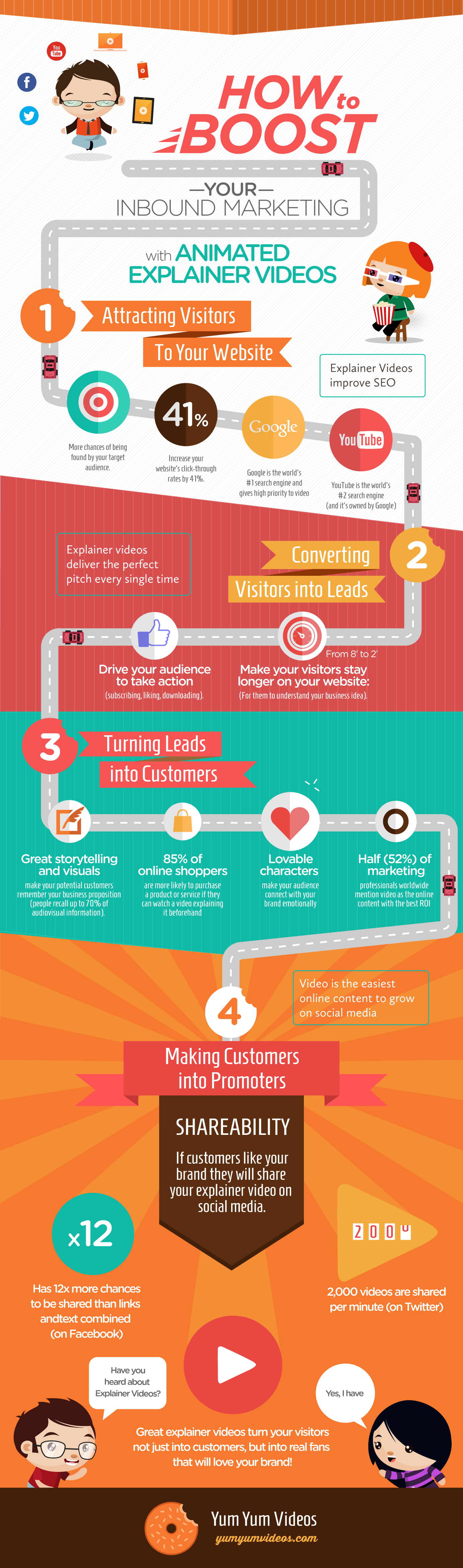
Using Act-On lead scoring, the sales team at GPCC is developing a baseline of customer satisfaction as well as tracking how likely their members are to recommend the GPCC to other businesses. Measuring this kind of data and setting up targeted, timely communications is a great way to maintain loyalty and gain traction with new prospects through referrals. It also makes it possible to up-sell services to current customers like advertising opportunities and special events such as ribbon-cutting ceremonies.

Check out the Greater Philadelphia Chamber of Commerce case study study to learn more about the many ways marketing automation has helped this non-profit do more with less, and continually improve the performance of their online conversion process.

Maximizing resources is a challenge for businesses of any size. But the benefits of marketing automation for sales teams go far beyond increased productivity. Read this eBook to learn more, and find out how to drive increased visibility, faster funnels, and higher close rates.

The Benefits of Marketing Automation for Sales: Make the Most of Your Time and Money image 10way sales benefits from MA e book CTA1.jpg1 600x213

20 Oct 16:08

Trends from HubSpot’s State of Inbound 2014

by Immanuel Lee

HubSpot recently released their annual report, State of Inbound 2014, on how companies are using inbound methodology and content marketing. The report is based on survey results from marketers concerning challenges, priorities, tactics, and results.

There were 3,570 respondents, consisting of both HubSpot customers and non-customers; employees B2B, B2C, and nonprofit companies; and marketing and sales personnel from various company sizes and job levels. The data has been organized into the four sections of budgeting, planning, execution and measurement. There are many shareable results from the survey.

This infographic from Growth Learner highlights the key findings of the 54-page report and will help you plan ahead.

Trends from HubSpots State of Inbound 2014 image State of Inbound 2014 Infog

Budgeting

Spending money is one of marketing’s most important jobs. Whether it’s providing efficiency to processes, licensing technology, sourcing and distributing content, or commissioning skills like user experience, SEO and video production. Of course, spending wisely is a prerequisite for marketing success.

Performance history has the greatest influence on budget with 50% of respondents citing past success as the largest factor for securing a higher budget. There’s an incentive to track ROI.

Not enough historical data? There’s an alternative: Service Level Agreements (SLA). For example, marketing agrees to deliver a certain number of leads for sales to follow up on over a certain period. This shows the focus is not on intradepartmental metrics, but rather on driving business results. Not only that, but SLA’s between marketing and sales correlate positively with the budget size.

Planning

Planning is the first building block for any effective program. A functional plan isn’t just a list or an outline of tactics, but it includes a well-defined strategy.

Lead attribution is important to resource allocation. The State of Inbound report shows that outbound as a primary lead source has dropped from 34% in 2013 to 22%. Half of marketers across all types of companies ranked inbound as their primary lead source, exceeding the average of all other channels combined.

Undoubtedly, there will be challenges and obstacles–seen and unforeseen. An effective plan prepares for and minimizes those.

Although proving ROI is the top challenge, it’s ranked as a relatively low priority. The number one marketing priority is lead generation (24%) followed by lead conversion (21%).

Collaboration can eliminate many challenges. Unbiased, objective data facilitates alignment by providing marketing leaders and practitioners with a common pool of information upon which to base decision-making and prioritization. 

Executing

Optimizing inbound is a cycle. Auto-pilot does not work with inbound. A successful inbound program requires measurement and adjustment based on performance.

What works? 84% of inbound marketers cite organic, top of funnel sources–social media, blogs, and SEO–as rising in importance for leads. Still, both inbound and outbound marketers (~80% each) agree that email marketing has become one of the most important lead sources over the past few months.

Exposure is the top priority for “high performers.” They focus on programs to get their content and company found. To establish or accelerate your inbound program, the data suggests blogging, SEO, and content distribution.

Measuring

When it comes to inbound, measurement is vital. Data is such a crucial component of the inbound machine. It’s the first consideration when developing a plan and the last step in determining results.

Marketers that measure inbound ROI are 17 times more likely to see the same or greater ROI over the previous year. Those who prioritize blogging are 13 times more likely to see positive ROI.

Remember from the budgeting section, those who show positive ROI are likely to see an increase in budget.

Conclusion

Along with your own data, this should provide you with the elements you need to plan for 2015. And here’s one final note. Leads sourced through inbound practices are consistently less expensive than outbound leads, regardless of company size.

20 Oct 16:00

How to Boost Your Inbound Marketing with Explainer Videos! (Infographic)

by Juan Mendez

Online marketing has changed for good during the last years and it’s moving towards new forms of content that actually help audiences and not just focus on hard-selling their products. Old-school methods like buying email lists or salesy ads don’t work anymore. Luckily, there’s a far more engaging way: I’m talking about inbound marketing, a new marketing trend that’s driving outstanding results to most online marketers.

The inbound marketing methodology is based on creating and sharing quality and useful content to educate and guide the audience towards a final purchase decision. By educating the audience and helping them with their problems, it generates great insight towards your company and that’s something, which translates into conversions and sales.

All of this is built on a 4-step buyer’s journey:

1. Attract visitors to your website.

2. Convert those visitors into leads.

3. Turn those leads into customers.

4. Make your customers into promoters of your brand.

This path makes use of all kinds of online content, but there’s one type of content that can boost every one of the four inbound steps: it’s animated explainer videos! Want to learn what makes this video marketing tool so special to inbound marketing? Let’s drive the road of this neat infographic and find out:

How to Boost Your Inbound Marketing with Explainer Videos! (Infographic) image how to boost your inbound marketing wiht Animated Explainer Videos

See how an animated explainer video could boost every step of an inbound marketing campaign? Being an effective marketing tool, explainer videos have the power to help marketers in each inbound step by improving your SEO campaign and click-through rates, driving new visitors to your website, leading them to take action, engaging with them emotionally and finally turning your customers into real fans of your brand. Amazing, huh?

Now if you’re not satisfied yet and want further advice on how to make the best of your online marketing campaigns, don’t forget to visit YumYumVideosExplainer Video Academy, where you’ll find lots of useful free content, such as eBooks, more great infographics, how-to slides and educational animated videos.