Shared posts

22 Jan 17:30

6 Tips for Helping CEOs Maximize Valuations

by Cres Ferell

Calculating valuation is both an art and a science. There are hard numbers you can estimate, but there’s also no way to accurately predict how much market share your team can successfully capture or at what rate a market is going to expand over the next ten years. That imprecision is what makes venture investing so risky—and so potentially rewarding. As a serial entrepreneur turned investor, I’ve taken part in valuation conversations on both sides of the table, and they’re usually tricky affairs.

In my decade of venture investing, I’ve learned that if you, as a founder, want to drive the highest valuation possible for your company, there are some specific do’s and don’ts to follow.

First, the don’ts:

  1. Don’t focus on your percentage of ownership. While your natural instinct might be to try to maintain the largest percentage possible of your company, you’re going to need help to grow the business. Sure, we love to idolize the Mark Zuckerbergs of the world, but the truth is, it’s very difficult to take your company from zero to IPO, and nobody does it alone. The right investor can coach you, introduce you to a great hire, connect you with game-changing customers, and more. Don’t sacrifice your growth to hold onto a certain percentage of your company. It will serve you better in the long run to have a small piece of a larger pie. Ask yourself which is better: 60 percent of a $10 million company or 20 percent of a $100 million enterprise?
  2. Don’t set unrealistic benchmarks. Building a company is a marathon, not a sprint. It takes time, and you need to have growth goals along the way. Your current and future investors will look at these milestones to assess your progress and reevaluate the valuation. Setting these goals is also an art—too high and you’ll miss them, too low and accomplishing them will be meaningless. But err on the side of caution. Investors will be much more comfortable investing in later rounds if you’ve surpassed your customer acquisition goals for the last three quarters. On the other hand, loss of momentum is the biggest red flag. It’s not impossible to recover from, but it will certainly negatively impact the valuation down the road. While double- or triple-digit annual growth is fantastic, the most important is positive traction. What investors want to see is a steady trajectory of progress.
  3. Don’t commit to an investor who won’t commit to you. There are several approaches to operating a fund. At BIP Capital, we ascribe to the philosophy of tranche investing (tranche is a French word that means to portion or slice). We invest a certain amount and release those funds in stages as the company hits predetermined milestones. This approach keeps us actively engaged with each of our investments and dedicated to helping founders achieve their goals. Some firms adopt a one-and-done method, where they invest all the money up front. While at first glance that might seem a more attractive option, that type of fund structure usually comes along with both slimmer valuations and stricter parameters on getting X return in Y timeline. Be sure your investor is truly invested in the growth of your company over the long run.

And now for the do’s:

  1. Research your options. Knowledge is power. The more you can uncover about your potential investors, the better equipped you are to drive a favorable valuation. Connect with founders in your network who have relationships with your target firms and get all the information you can from them. What other recent deals have they done? How connected are they in your company’s market? How confident are they in their ability to accelerate your growth? Do your homework to find an investor who’s an expert in your space, because they’ll be more comfortable managing the risk and thus more likely to place a risky bet in your favor.
  2. Consider the lifetime of your valuation. Think you can get away with one round of funding before your company is profitable enough to be self-sustaining? Excellent. Make that case to your investors and you’ll earn yourself a greater valuation. More often than not, companies need more than one round of funding and your valuation gets reassessed each time. Set yourself up for success from the start by taking careful consideration of how further dilutions might impact your stake in your company. Expect 20-30 percent dilution of your ownership each round, and plan accordingly.
  3. Prioritize customer success over everything. The best thing you can do for your valuation is to demonstrate the value of your company through your customers. Simple, right? A solid product-market fit for a sticky product is a goldmine, and investors will count themselves lucky to have an opportunity to work with you. But the only way to create a product customers love is to talk to the customers themselves. And to keep talking to them. Craft everything you do around a better understanding of your customers’ needs, and you’ll be armed with a deal investors won’t want to walk away from.

This article was originally published in VC-List and reprinted with permission.

22 Jan 17:29

Going for Gold: Five Traits of Successful SaaS Businesses

by Cres Ferell

If you’re running a SaaS company, keep these five things in mind as you work to grow your business.

I recently read an article by Tomasz Tunguz, a venture capitalist at Redpoint. Tunguz does a great job explaining the SaaS/Excel phenomenon. Essentially, Excel is such a common and accessible software that many professionals use it for an array of job needs, from calculations to simple CRM. But as companies and teams grow, their job needs become more complex and users no longer know how to make Excel work for them. Instead, they need a new solution. Enter any of hundreds of SaaS companies, who step in ready to solve a pain point with a crisply packaged service and a compelling demo.

Tunguz’s article got me thinking about how low the barriers to entry really are for starting a SaaS company these days: identify a problem, hire a developer, and boom. Over the past 10 years, AWS and Microsoft and Google have made it so easy to develop and deploy cloud-based applications and instantly create something massively scalable. So, the question arises: If everyone can scale, why don’t they? As an investor, I see a lot of SaaS ideas come and go, and I’ve even invested in some failures myself. Through that journey, I’ve identified several qualities of successful SaaS companies and entrepreneurs. If you’re running a SaaS company, keep these five things in mind as you work to grow your business. If you’re an investor, examine the SaaS companies in your portfolio through this lens to assess whether they’re headed for success, or whether it’s time to make some adjustments.

1. They start with a genuinely sticky product.

The ultimate question is this: If you were to turn off the servers or take the product away from customers, would they panic and scream about it? “Where did this go? I need it back! I can’t function without it!” If this would be their reaction, you’re golden. If not, the company is only a nice-to-have, and you need to get closer to the problem.

2. They really understand their customers.

Many CEOs think that once they get a few customers or hit that first million dollars in revenue, they have it all figured out. They think they’ve got the product exactly where they need it to be. After all, it’s selling! But that’s a dangerous assumption to make. You may have no idea how your customer is actually using your product, or how else you could be adding value. Companies best poised for success get close to the customer, understand how they’re using the product, and continue to adapt it to best suit their needs.

3. They’re the turtle, not the hare.

A misconception among many entrepreneurs is that once they land an investment, they think they have to move rapidly. It’s that West Coast mentality of go-go-go. But instead of running out to burn the money quickly (and perhaps not so wisely), successful companies are typically more patient. They’re methodical about their spend, in fact. And, they aim for profitability above all else, because they know once they’ve achieved that, they really can control their destiny.

4. They evolve beyond a technical founder.

Typically, SaaS companies start with a technical founder, which is great. It’s important to have top leadership that understands the nuts and bolts of the technology. But once a company hits a certain point of growth, it’s time to bring in a business leader who truly understands how to cultivate and scale a business.

5. They don’t skimp when hiring talent.

In addition to having a strong business leader at the company’s helm, most successful companies also have rock stars for each of their functional areas. Of course, to get A-list players, you’re going to have to pay for them. In my experience, CEOs rarely regret spending more once they see the impact a seasoned professional can make. This is especially true if your company has an intention to sell to enterprise customers. That process is incredibly difficult to navigate if your marketing or sales executives have little experience working with or selling to a major company.

Based on your own experience, what other traits of successful SaaS businesses would you add to this list?

The article was originally published in Talkin’ Cloud and reprinted with permission.

22 Jan 17:26

Why You Need to Know What Your Competitors Do

by Anthony Iannarino

A salesperson asked me a question that sounded a lot like this: “Do I have to understand my competitors’ solutions to be able to sell effectively?” This is was in response to a challenge from a prospective client who asked him, “How is your solution different from your competitor’s?”

You have to know what your competitors do so that you can differentiate your offering from their offering. Without knowing what they do, how they do it, and why they do it their way, differentiating is difficult at best, impossible at worst. You also cannot be impartial about the right solution and disqualify clients that you can’t easily serve (Let’s look at how both of these ideas help you differentiate and gain trust.)

By knowing what your competitors do, you can explain where they create value and who might be a good client for them. For example, if they have a low price model that is at quite the opposite of yours, you can point to the fact that if price is the dominate decision factor for your prospect, your competitor may be a better choice. If you can’t serve them, you can point them to someone with a lower price, and by doing so; preserve the relationship so that if they move upstream, you are the first person they call.

Another reason to know what your competitors do is so you can suggest that in some cases they may be the right choice, but in other situations, where different outcomes are important, your solution is likely a better fit. By acknowledging that there are cases where their solution might be right, you create the opportunity to explore where yours is different, as well as explaining how and why you do things differently to produce the better result you do in the situations where you do produce better outcomes.

Being willing to share the differences between what you do and what your competitor does, and where they create value that appeals to some people, you create trust and your honest candor makes it easy to believe you when you point to the areas where your solution is better.

If you don’t know what your competitor does, you cannot easily differentiate your offering. If you can’t differentiate your offering, you sound like a commodity, you reveal that you are not a subject matter expert (and are really only an expert in your product), and you make it unlikely that you can hold the position of trusted counsel because you lack the advice that would be necessary to doing so.

The post Why You Need to Know What Your Competitors Do appeared first on The Sales Blog.

22 Jan 17:25

Moving Data from the Basement to the Boardroom

by Martin Doyle

According to IDG, 35% of companies with effective data grow faster year-on-year, however, many still take little notice of data quality or ongoing data management, pushing it into deepest corners to eventually be abandoned and forgotten.

If this sounds like you, it’s time to consider putting data at the top of your business agenda again…

Big Data – a neglected but important aspect of business survival

As stated on Forbes, more data has been created in the past two years than in the entire previous history of the human race. This has led to the phenomenon known as ‘big data’. However, as we know its importance today, things weren’t so peachy a few years back. According to the report from Pricewaterhouse Coopers (PwC), even in 2015 only a small percentage of companies reported effective data management practice.

Moreover, the report found that while 75% of business owners were “making the most of their information assets,” with only 4% were set up for success. This was due to lack of tools and in-house knowledge of an effective data management, as well as disparate data sources. Overall, 43% of companies surveyed “obtain little tangible benefit from their information,” while 23% “derived no benefit whatsoever”.

The dangers of poor data management

Having no data strategy is an ongoing problem that plagues businesses of today. And, if you don’t take steps to improve your data management, there could be serious consequences…

  • Misinformed decision – When data is not managed properly when held in multiple data sources creating siloes, it is difficult to gain a complete view of your business. This has a direct impact on decision making, which ultimately affects your revenue streams.
  • Missed opportunities – With no historical data or a clear strategy how to effectively manage new information, your business won’t be able to create accurate forecasts or anticipate customer demands. If you don’t know your customers and bombard them with irrelevant campaigns, they will leave your business out of pocket.

Big data takes its place at the boardroom table. While traditionally seen as an unnecessary burden which is difficult to manage, data has taken a seat at the table as an important tool helping business to grow and increase profitability. But what has changed…

GDPR

General Data Protection Regulation (GDPR) is a new data privacy law coming into effect in May 2018 and is set to overhaul how businesses process and handle data. With fines as high as €20 million or up to 4% of global turnover for noncompliance, the regulations have become a priority for business to review processes and systems for data protection.

The age of the customer

Customers now have the ability to define your company’s success in a matter of seconds. Their expectations are changing and there is no doubt the digital age has transformed the way they shop. There is no going back to a pre-web mentality if you want to remain agile – satisfied customers spend more. This is where the importance of data comes in, allowing you to not only target customers with the right message at the right time, but also create life-time value, preventing them from switching when a competitor offers a better price.

From discovery to action: Master Data Management

Once you acknowledge the elephant in the room, it’s time to understand all facets of data – what data currently exists, what data they can get, how to organise it and, most importantly, how to put the data to use.

The best way to start is to implement a robust, enterprise-wide master data management (MDM) strategy to ensure the uniformity, accuracy, consistency and accountability of data assets. It is a foundation for a data first strategy that aligns with business objectives to support growth, profitability and customer retention.

As was discussed here, the average business uses up to 13 different applications, therefore data is scattered amongst disparate systems. This results in poor communication between departments, systems and processes, leading to an inability to meet your clients needs and business goals.

MDM breaks those siloes by creating the central source for accurate fully cross-referenced real time master data. It must seamlessly integrate with all data warehouses, business management applications and Business Intelligence (BI) systems to bring the right information in the right form to the right person at the right time.

How to get there?

  • Identify the business value – Identify the business value of a MDM plan. Think about what you want to achieve and what will help you develop actionable insights.
  • Choose the best IT platform – A good platform and technology will help you to easily integrate all your data sources. Think about real time access and mobility.
  • Develop a holistic approach – Involve all business stakeholders as well as culture and internal politics to ensure a company-wide MDM strategy that is beneficial to all.
  • Time to begin your big data journey – The objective of Master Data Management is to provide and maintain a consistent view of your core business data entities.

This was originally posted on DQ Global

22 Jan 17:25

Opinion: It’s time for forestry to benefit British Columbians, not multinational companies

by Harvey Enchin

There was a time when securing a good-paying forestry job in B.C. was not just an option but an expectation for many.

This was a time when the provincial government took an active role in managing our public forests and overseeing the activities of private companies whose workers cut trees, milled wood and made pulp.

All that started to change in the mid-1970s and has accelerated over the past 20 years, during which approximately 100 mills shut down and more than 22,000 forest industry jobs disappeared. Communities that once thrived with a forest economy experienced severe economic decline and the number of people employed in forestry has fallen precipitously.

B.C.’s forest industry today is a shadow of what it was in the post-war period. But it doesn’t have to be this way. I believe from my five decades experience with the industry, including as minister of forests in the Dave Barrett government, that a better way is possible.

A system of regional-based forestry would best serve British Columbians, our forests and forestry-dependent communities. In recent years I travelled to many forestry communities on Vancouver Island, the Interior, the Kootenays and along the coast with two registered professional foresters and a land planning researcher to examine the state of B.C. forests and speak with people who took control of local forests and forestry operations in order to protect valuable public resources for future generations and to create jobs today.

Right now we have an industry that for the most part is in the cheap commodity lumber business. We have pretended that we’ve developed a scientifically sound base for sustainable forestry practice with a successful licensing and cutting program, and we’ve pretended that we get full value for our trees with a competitive system for selling timber and cutting rights. On these points, and more, we have failed.

We no longer have reliable inventory data from the forests ministry, we no longer have a Forest Service and we no longer have adequate reporting from either the public or private sectors.

But if the provincial government again took responsibility for our public forests and didn’t forfeit their management to multinational corporations, this iconic B.C. industry could again thrive and create economic growth and improve equity and fairness throughout the province.

To do this, we need a new model of regionally based forestry management governed by a B.C. Forest Charter passed by the legislature that includes an overall vision for the province, sustainability principles, standards and goals for this valuable public resource. We should institute a new independent officer, a Forester General, to work with regional chief foresters on local land planning processes. This would correct the mistakes we’ve made over the decades of transferring more and more authority to manage our public forests over to corporations.

The number of mills closed and jobs lost since the early 1990s and the unprecedented number of raw logs exported from B.C. from 2013 to 2016 — 26 million cubic metres — demonstrate why we need to do forestry differently.

We can look to Sweden and other Scandinavian countries for better models. Sweden’s total forested lands are equal in area to B.C.’s commercial forests, but the Swedes manage their lands in a scientific manner. We do not. Over time, Sweden has increased the value and volume of trees growing in managed forests and we can learn from them.

Change is also needed because of our failure to deal honourably with First Nations who have borne the burden of decades of misguided forest policies. Regional management would allow First Nations to participate in planning processes as equal partners, which is not only vital but the direction in which our courts are telling us we must go.

Such change may seem radical, but if future generations of British Columbians are to benefit from one of our province’s greatest natural resources, change is needed now.

Bob Williams has been involved with B.C.’s forestry industry for five decades, including as Minister of Lands, Forests and Water Resources in the Dave Barrett government. He recently released the report “Restoring Forestry in B.C.: The story of the industry’s decline and the case for regional management” with the Canadian Centre for Policy Alternatives.

22 Jan 17:23

How Culture Adds Value to Your Company

by Rick Goodman

geralt / Pixabay

Company culture is often discussed in esoteric terms; most business owners will agree that culture matters, but only in nebulous and unquantifiable ways. It’s a great idea more than it is a prized commodity.

The truth is that company culture has a real, physical impact on your company’s bottom line—period. It can move the sales needle. It can increase the value you get from each employee. It can improve your margins and help your company grow.

Don’t believe me? Let me list just a few of the pragmatic ways in which company culture lends value.

How Company Culture Brings Value

It results in lower employee absenteeism. Let’s be real: When employees take sick days, it’s not always because they’re under the weather. Sometimes, they’re just not willing to come into the office. But what if you had a culture that made people excited to come to work each day? How much more could your team accomplish?

It decreases turnover. Culture is one of the big factors that employees use as they determine whether they wish to stay at your business or head for greener pastures. Bad culture means more turnover—and finding and hiring new team members can be costly. Culture helps you avoid that big expense.

It helps with recruiting. Along the same lines, a strong culture can be awfully attractive to new hires. If you want to bring in top talents—industry experts and rising stars who will really bring value to your team—culture is a good starting point.

It frees up your time. A positive culture encourages employees to work independently, to problem solve, and to take initiative. The result? Leaders and managers have less hand-holding to do, and can spend more of their time adding real value to the business.

It lends itself to continuous improvement. Finally, be aware that a strong company culture is one that’s always looking toward process improvements—meaning that, when you invest in culture, you invest in always making things more productive and more efficient. That can pay off in huge and surprising ways!

The Importance of Company Culture

Culture isn’t just a buzzword. It’s real, bottom-line value that you can inject into your company. Start harnessing the power of culture today.

22 Jan 17:23

Five of my best insights on becoming a great marketing consultant

by Mark Schaefer

great marketing consultant

By Mark Schaefer

I had the honor of studying under the legendary American management consultant Peter Drucker while I was earning my master’s degree from Claremont Graduate University.

Dr. Drucker was the most brilliant man I’ve known, and this was an extraordinarily impactful period of my professional life. He was one of those few people I’ve met in life who can distill complexity to its essence.

Spending three years under his tutelage literally formed my consulting style and there is not a single week that goes by that I don’t hear his voice in my head. And yet, I realized that I’ve never really talked about those lessons here on my blog.

Today I’ll recount the top five lessons from Dr. Drucker that I think would help anybody become a more effective marketing consultant.

1. The five questions

One of Dr. Drucker’s most famous contributions to management consulting is “the five questions.”

  1. What is your mission?
  2. Who is your customer?
  3. What does your customer value?
  4. What are your results?
  5. What is your plan?

You can’t have a business strategy without knowing the answers to these questions in highly accurate detail.

In my practice, I have evolved these questions to a bit of a shortcut. I ask my customers to complete this sentence: “Only we …” To finish that sentence, you need to know how your mission, your customer, etc.

Most companies cannot answer these questions easily, and discerning the answers is job one, no matter how long it takes.

2. The true job of a great marketing consultant

Dr. Drucker taught via the Harvard Case Method. For weeks, our class would dissect lengthy, detailed case studies to try to get to the bottom of the problems. This taught me to remove the emotion from a business situation and observe it as puzzle with many pieces.

My fellow students were all accomplished leaders and eager to “win” the case study by being the first with a correct answer. Dr. Drucker was a pretty mellow guy but boy he would get mad if you tried to “solve” the case study.

“How can you be so arrogant?” he would declare. “The people in this case have worked at their company for 30 years and they can’t figure it out. What makes you think you have the answers?”

The key value of a consultant and a great leader, he said, was not to have the right answers. You needed to have the right questions.

Having this pounded into my head for three years forever changed the way I looked at business and leadership. When I have a consulting engagement, I don’t try to tell people what to do. I’m very humble and ask questions and probe until I have the right questions. If you identify the right questions, the customer is smart enough to know you’re on to something and help figure out a solution.

In a traditional consulting model, the client is a bystander. Dr. Drucker taught me that the client is the true expert and will have the answer, with my guidance.

This also reduces political friction … people like to implement their own solutions!

3. “What everyone knows is usually wrong”

This was one of Dr. Drucker’s mantras and I have seen this wisdom in action throughout my career.

One value of being an outside consultant is being able to innocently question conventional wisdom. Often, challenging “mass agreement” has provided a spark for breakthrough thinking.

The scenario where I find this most valuable is when it comes to assumptions about customers and what they value. When a discussion begins with “Everybody knows …” about customers and what customers value, I need to question it.

Markets and customers are being profoundly impacted by technology. Marketing plans rarely last more than a year any more. This is why I almost always start a consulting engagement with customer visits, or at least customer discussions, to re-visit client “truths.”

Dr. Drucker taught me the power in ignorance. Once a student asked him how he could know so much about so many industries, and he said “I don’t. That’s my secret! Ignorance is the most powerful element in helping a customer solve problems.”

Luckily, ignorance has always come easy for me.

Here’s an example. One time I was helping a pharma company with a sales problem. They had done a tremendous amount of research to find out what would increase sales with doctors and had created a data-based strategy. But the more money they put into the execution of strategy, the more their sales declined!

“Everybody knows personal selling doesn’t work any more,” I was told … and they had research to prove it. But I needed to question this and noticed in the data that competitors were winning markets by doing the opposite of what our research said to do. They were increasing investment in personal selling efforts. Presumably they had access to the same doctors that we did and had the same research — what was going on here?

This was a clue I could not gloss over.

What I found was that the doctors were not truthful on their survey responses. They hated to admit they liked the personal sales attention but in fact, that is what made them buy! When my client reversed direction and re-invested in personal selling the trend turned around.

4. “The most important part of the communication is what isn’t said.”

Dr. Drucker approached problem-solving like Sherlock Holmes unraveling a mystery.

Once, when we were going through a case, he exclaimed “The dog isn’t barking! Wouldn’t you expect the dog to be barking? That’s what we’ve been looking for!”

What he meant by this was, often the key to finding an answer is to notice what is NOT there … something that you would expect to be there. When some data point is missing or something just seems to be absent from the puzzle, don’t gloss over it — dive into it. This is almost always an important clue.

I can remember coming home from an engagement and telling my wife “Everyone is so quiet in the meetings. It’s almost like they are afraid to participate. Why aren’t they talking?”

I had been around business long enough to know that this was a clue and what I discovered was that there was a tremendous amount of fear in the organization. The team knew how to solve problems but were afraid to speak up with their opinions. We didn’t have a marketing problem at all. We had a leadership problem.

5. The imperative for change

Peter Drucker is the most-quoted business professional in history and one of his most famous sayings is: “Because the purpose of business is to create a customer, the business enterprise has two–and only two–basic functions: marketing and innovation. Marketing and innovation produce results; all the rest are costs.”

I’m sure this upsets all my accounting friends but I think what Dr. Drucker was saying here is that a company must move forward. If you’re not pushing forward, you’re dying.

This is one of the most challenging issues for a consultant. Many company successes are built on a well-established idea or system. Over time, managers are rewarded for maintaining that idea and system. Even though leaders may talk publicly about the need for change, most are apprehensive about moving into a new future, especially if it means giving up a familiar career.

This is one of Drucker’s strongest messages: Continuing what led to past success will inevitably lead to failure. No matter what. He may have first uttered these words in the 1980s, but the advice is completely relevant today

These are some of the principles that guide me and my consulting practice. This is Dr. Drucker’s voice in my head and I hope in some small way I’ve carried his torch to you today.

Keynote speaker Mark SchaeferMark Schaefer is the chief blogger for this site, executive director of Schaefer Marketing Solutions, and the author of several best-selling digital marketing books. He is an acclaimed keynote speaker, college educator, and business consultant.  The Marketing Companion podcast is among the top business podcasts in the world.  Contact Mark to have him speak to your company event or conference soon.

The post Five of my best insights on becoming a great marketing consultant appeared first on Schaefer Marketing Solutions: We Help Businesses {grow}.

22 Jan 17:23

Is Thought Leadership Dead?

by Elizabeth Williams

A recurrent theme among the Blognocracy in 2017 was the idea that we are at “peak content”. Meaning there is simply no more room out there for all the posts and blogs and books and videos and webinars and white papers and so on. I disagree, though I will admit that we are at Peak Bullshit.

There is an entire industry dedicated to creating content out of nothing at all. These are the people who will interview you for half an hour and turn whatever flew out of your mouth into a “book”, for which they will then sell you services to turn that twaddle into blog posts, tweets, hardcopies and more.

bizmarketer thought leadership

There are even more people who will sell you courses in productivity, book-writing, public speaking, personal branding, social media promotion and what successful people do between 10:37 and 11:04 each day. Some of this is honest and helpful; most of it is the fetid output of the Bullshit Industrial Complex (BIC).

As with fake news, I suspect (or, perhaps only hope) that professionals are getting pretty good at spotting the BIC’s handiwork in our social feeds, LinkedIn groups and email. I worry, though, that all this noise and hustle is undermining the very real work of good brands and thoughtful people who have helpful ideas. We used to call them thought leaders, though that feels a bit tarnished now, doesn’t it?

Which is really too bad because good thought leadership is good for business:

  • It helps sales people have intelligent conversations about how your product solves a customer problem
  • It helps your employees understand the industry and how your brand participates
  • It helps marketers cut through the noise with high-value content
  • It helps executives build their presence
  • It positions your brand in the market
  • It opens new areas for discussion inside your company and your industry

All of this is good and healthy and appropriate.

The problem is, the BIC is giving it a bad name with its add-water-and-stir approach to starting intelligent conversations. Here’s an example: I recently attended a lovely event, featuring an explorer who was talking about teamwork. He told a compelling tale of leadership, teamwork, risk and reward, all of it straight out of Stephen Covey’s Seven Habits work.

I’m a fan of Covey’s and I love a good slide show with photos of mountains. If this speaker had been upfront about how his experiences proved out Covey’s theories, I would have been happy enough. If he had managed to build on the work to uncover some new information or some cracks in the logic or anything new at all, that would have been lovely, too. But in the end, it was like a chicken wrap on an airplane – a nice diversion into a nutritional void with the usual lessons attached.

In other words, nothing new here. And that is one of the cardinal sins of the BIC. There isn’t anything original coming out of it: it’s rehashed, warmed over or just plain stolen from the existing canon of business and personal improvement. To be fair, some that material is very good, but poor old Sun Tse is getting a bit worn. Also, none of this is original and none of it is adding anything new.

There’s another guy who promises to make you a thought leader on LinkedIn by getting you TV network logos you can put on your profile picture. How, you ask? Well it seems if you post a decent comment on a website belonging to, for example, ABC News or CNN, they might publish it in the crawl or read it on the air. This, apparently, allows you to grab their logo and put “…as seen on” on your LinkedIn profile. For a fee, this guy will do that all for you, and abracadabra, you needn’t bother actually earning your way onto a news show, developing any kind of authentic thought leadership of your own, or even managing your own brand.

As a special bonus, you get to diminish the value of both the media brands you are co-opting and the real experts who actually have something to say. That’s bullshit, and this guy, if you believe him, is making a killing.

I don’t really know how to shut down the BIC; I can only hope it exhausts itself into irrelevance. In the meantime, I think the best way to fight back is for brands and people to get on with the honest, valuable work of finding original and authentic ideas that move us forward. If you’re not sure where to find those ideas, ask your employees.

More on that one next week.

22 Jan 17:17

The No-Fail Formula for Creating Killer Webinar Content

by Shane Barker

formula-killer-webinar-content

Webinars are an important yet underrated content marketing tactic. They provide you the opportunity to create a more interactive content format for your audience. They also are one of the top five types of content that can naturally attract links to your site.

But, as of now, it seems not enough B2B or B2C companies excel in webinar creation (or they don’t host them). I compiled this list of the tips and tools that will help even novice marketers create highly effective webinar content.

1. Pick a narrow topic

One major mistake made by organizers is picking a generic topic because they are so eager to share their knowledge. They end up trying to fit everything they know in a short time.

Pick a topic or area narrow enough to address points in such a way that your audience will derive some benefit. Progress in a singular direction with that topic.

For example, instead of creating a webinar about social media marketing, Search Engine Land created a webinar on providing customer service through social media. This angle is relevant to its audience given that it educates on the broader topics of SEO, search engine marketing, and social media.

search-engine-land-webinar

2. Decide the best format for the topic

You will have to decide on which webinar format to use before you can create the content. What format will work well depends on the topic and the speaker(s).

Interview webinars

An interview with an influential expert in your industry can happen over the phone, on-screen, or through a screen share. One of the most engaging webinar formats, it also presents a chance that the guest goes off script.

Provide the expert with a list of questions a couple of weeks before the webinar. Ask them to prepare the answers in advance so you can get an idea of what they will be. Review it together and discuss your needs and expectations before going live.

The Lewy Body Dementia Association had an interview about clinical trials with Dr. Daniel Kaufer. An expert in cognitive neurology and memory disorders, Dr. Kaufer was the perfect guest expert for the webinar.

Q&A webinars

A bit like interviews, a Q&A involves questions from the audience, which tends to lead to a high engagement rate. Collect the questions before the webinar to vet them and pick the most relevant. Pre-selecting the questions also will ensure that the webinar sticks to its designated duration.


Q&A #webinars w/ an industry expert lead to a high engagement rate, says @shane_barker.
Click To Tweet


An expert from the industry or within your organization works well in these formats. It can be a great opportunity for your audience to directly address your company’s executives.

The Functional Medicine Coaching Academy provided the audience with an option to submit questions for an upcoming Q&A webinar with Dr. Sandra Scheinbaum, the CEO and founder. Asking for audience questions in advance is an excellent tactic to ensure that people tune in for the live webinar to see if their questions will be answered.

functional-medicine-coaching-academy

Panel discussion webinars

Instead of interviewing one expert, you could bring together a panel of experts to discuss a topic. This is a great way to provide your audience with different perspectives. Make sure the panelists are properly prepped for the format and get along with each other for the webinar to go smoothly. Often, a moderator is helpful to facilitate the discussion.

In May, Qt hosted a panel discussion webinar in which the speakers discussed security and the Internet of Things. In addition to experts within the company, the webinar featured experts from Ubuntu and INTEGRITY Security Services.

qt-panel-discussion-webinar

Presentation webinars

This type of webinar seems to be the most common across a variety of industries. It involves having someone present a PowerPoint presentation accompanied by a pre-written speech. Perhaps the reason behind the popularity is that they’re easier to create. However, they may not be as engaging as you want them to be if the presenter isn’t enthusiastic or experienced with the format.

Also, keep in mind how you want to show the presenter and the presenter’s information. In this Harvard Business Review-hosted webinar on continuous value improvement in health care presented by Dr. Kedar S. Mate, the doctor speaks as a voiceover while the PowerPoint presentation is displayed on the screen.

harvard-business-review-video


3. Create a structure

Don’t just wing the webinar. You need to clearly define the session to ensure that you head in the right direction. Even in interview and Q&A formats, where a detailed script (see below) may not be feasible, craft a road map to follow.

Any webinar should include the following elements: a compelling introduction, order of main points to be addressed, motivating close, and, in many cases, a relevant call to action. This helps the session stay on the path and avoid straying from the topic.


Create a structure for your #webinar to avoid straying from the topic, says @shane_barker.
Click To Tweet


Look at this webinar description from TechGig. It reads like the outline, including the key points of discussion. You could do something similar and clearly lay out a plan for your audience so they know what you’ll be discussing and at what time.

 techgig-webinar-description

4. Write a compelling script

An engaging webinar needs to have a script that’s powerful and interesting. You can use a lot of facts and stats, but make sure the tone speaks to your target audience. It can be a challenging task to keep an audience engaged for more than 30 minutes. Tell a story that will draw the audience to the session and keep them listening.

Including examples to illustrate the script points often helps the audience better understand the information. When possible, incorporate the audience into these examples to make it even clearer how they can benefit from the webinar.

5. Improve the slides

Carefully design your slides for readability and aesthetics. Here are some best practices to do that:

  • Don’t include too much text, which can overwhelm your audience.
  • Leave visual space between points.
  • Avoid using paragraphs; break them into bullet points.
  • Add plenty of visuals – images, graphs, charts, etc. – to support your points.
  • Include a closing slide that includes thanks to your audience, contact information of presenters and host, and a call to action.

The tools

To create more engaging webinar content, tap the power of technology. Here are a few of my favorite tools.

ClickMeeting

ClickMeeting is easy to use and comprehensive. You can invite your audience to a dedicated webinar room, create whiteboards and presentations, conduct polls or surveys, and record screen-sharing sessions.

The tool also lets you record your webinar, download it, and share it long after the event has ended. My favorite feature of this tool is the webinar and attendee statistics.

clickmeeting-tools

You can see how many people attended the webinar, the type of devices they used, and the country where they logged in. Using this feature, you can also get a visual representation of the poll statistics. You can then use these insights to enhance future webinars. For example, if most of the attendees are using mobile, creating content that works best for mobile viewing would be essential.


Use a tool like @clickmeeting to help you before, during, and after your #webinar, says @shane_barker.
Click To Tweet


ClickMeeting offers pricing models primarily based on the expected number of participants. Plans start at $25 per month for up to 25 attendants and two presenters.

SlideDog

SlideDog is a platform where you can create multimedia presentations. You can include charts, web pages, and videos in the slides to engage your audience better. Use its polling and comment features to make the presentation more interactive.


Use a tool like @TheSlideDog to help you create interactive multimedia presentations, says @shane_barker.
Click To Tweet


slidedog-tool

A live chat feature encourages the audience to participate in a discussion. The platform also enables you to collect anonymous feedback, which could be helpful in adjusting the content or improving future presentations.

SlideDog offers a freemium pricing model, with SlideDog Pro starting at $14.99 per month.

OBS Studio

When I started out and had budget limitations, OBS Studio was my savior for recording my screen sessions. The software can help you prepare detailed tutorial videos. In addition to recording your screen activity, the software lets you record from your webcam and your microphone. It also lets you add existing images and videos you might need for your webinar.


.@Techradar’s OBS Studio is great for small budgets & for recording screen sessions. @shane_barker
Click To Tweet


OBS Studio is free and open-source software. Download it and you’re good to go.

Canva

I recommend Canva if you’re looking for a free solution to create high-quality presentations but don’t have any design experience. The platform has several presentation layouts. You can change the fonts, add graphics, etc. I love this platform because it’s so easy to use and the quality of the layouts is professional.


Use @Canva if you’re looking for a free solution to create high-quality presentation layouts. @shane_barker.
Click To Tweet


Canva follows a freemium pricing model with the Canva for Work package starting at $12.95 a month.

Piktochart

Piktochart is another tool I recommend for marketers who wish to spruce up their webinars with visuals. You can create infographics and presentations using pre-existing templates.


Marketers can use @piktochart to spruce up #webinars w/ pre-existing visual templates, says @shane_barker.
Click To Tweet


piktochart

You can sign up for free and gain access to several templates, icons, and images to use for your infographics and presentations. Piktochart offers two pricing models ($15 or $29 a month).

Conclusion

Creating better content for your webinar starts with the topic selection. Pick one with a narrow focus that will clearly address the needs and/or issues of your target audience. With that decision and following the tips provided, you should have no trouble engaging your webinar audience in the future. Got any questions? Let me know in the comments.

Please note: All tools included in our blog posts are suggested by authors, not the CMI editorial team. No one post can provide all relevant tools in the space. Feel free to include additional tools in the comments (from your company or ones that you have used).

Cover image by Joseph Kalinowski/Content Marketing Institute

The post The No-Fail Formula for Creating Killer Webinar Content appeared first on Content Marketing Institute.

22 Jan 17:11

Farmers and Ottawa need a better relationship to breed the effective, fair laws the agriculture industry deserves

by Toban Dyck

Farmers and Ottawa need to have a better relationship. The country deserves it.

Among the agricultural community, at least the individuals I’ve had the pleasure of interacting with in Western Canada, the difference between an initiative, campaign or policy that is driven by farmers and one that is not is great.

It’s the first question a farmer will ask: Do you have any ag experience? Farming is a difficult, complex enterprise that requires expertise in accounting, politics, people management, monitoring and reacting to the markets and much, much more. Farmers have these skills because they have to have these skills. Farmers want those with the power to affect their operations to understand what it is they do.

Growers are used to lawmakers without agriculture experience or knowledge deciding the fate of Canadian farms. And this same group knows how ineffective and out of touch the resulting policies can be.

On Manitoban soil, good, trusting relationships breed effective and fair laws, and if I were a betting man, I’d say this applies across the country and abroad.

Imagine if Ottawa were to promote sound science surrounding GMOs with the same fervour the EU opposes it? Imagine if Ottawa knew how a farm operated before it released a crippling slate of proposed income-tax reforms? Imagine if it all looked a little different, where moves amount to more than mere theatrics and posturing?

Farmers would be less defensive. They/we wouldn’t feel such a strong compunction to oppose what comes out of our city centres.

The arena is us versus them, and the non-farming, non-agriculture public is the audience, believing that the feuds taking place in front of them are nothing more than the whining of a group that loves to complain about laws that limit their profits.

In one sense, I can’t argue. Which group wouldn’t want to get rid of impediments to the free market? But it’s more than that. Farmers lobby for better agronomy, better research programs — and they desperately want the trust of the public.

If Ottawa had an intimate understanding of the kinds of pressures a farm faces and the kinds of considerations it makes on a regular basis, the carbon tax laws threatening to be implemented would, hopefully, look different than they do now.

Instead, farmer groups across the country are gathering in the small corners of their communities drumming up responses to these laws that, when enacted, would raise a farm’s input costs and potentially further erode already tight profit margins.

Farmers are price takers and are unable to pass higher, say, fertilizer prices onto their buyers.

Some of the positions being formed on issues such as carbon tax are extreme, aimed at getting the attention of the political masters, who seem ready to react in kind.

At times, it seems this is the tableau of agriculture’s current status with government. But it needn’t be this way.

However it may look, it’s worth hoping and fighting for a better relationship — one that transcends the leanings of the party that’s in power. It starts with education.

I’m a broken record on this point, but I’ve been an engaged human long enough to know that success on this file will only come with honesty, clarity and repetition.

We farmers may seem wild and unwieldy at times, but trust me, we’re not. Do that and I’ll trust that the other side is interested in more than just theatrics.

22 Jan 17:08

My Favorite Paradox: Inbound Sales for Cold Leads

by Shoshi Weinstein

My Favorite Paradox: Inbound Sales for Cold Leads header

Hi John,

My company does awesome stuff. There’s a good chance you need us. Would you be free to speak Monday morning?

Best,
Shoshi

Before coming to Bold Digital, this was pretty much what my go-to cold outreach looked like. If your first touch sales emails look something like this (even if it’s the beginning of an automated drip), we’ve got a problem.

The problem is that the email I wrote out above is centered about one person: Y-O-U. Let’s break it down.

  1. Right off the bat, you’re talking about your company. This has nothing to do with the prospect. Who they are, their space in the market, their newest PR feature, their brilliance, their challenges. That’s what you should be talking about.
  2. Next, you’re a) assuming their needs, and b) exuding confidence that you’re the solution. Here you have explain to them why you think there’s a mutual fit. Have you learned about a particular challenge of theirs? Does that challenge sit in good company with the challenges your clients faced before implementing your solution? What’s a tip you can offer that will help them today?
  3. Lastly, you’re suggesting a time that works for you. They’re interested in a call? Great! If you have HubSpot Sales or other scheduling software, this is an awesome way empower your prospects. By to putting them in the driver’s seat, they can set the date/ time that works best for them. It also beats the ping pong match you’re all too familiar with, trying to find the right time over email.
  4. Bonus tip: Your sign off. Recent research has found that the top 3 response rates for sign offs included words of gratitude. A simple ‘thanks’ can go a long away.

So what is inbound sales?

By writing my pre-Bold email, you offer no personalization and no value or help in an area your prospect needs guidance. What you need is an inbound sales approach. With an inbound sales strategy, you can replace in your head “selling” with “helping”. By helping your prospects through supporting their dream, empathizing with their disadvantages, and offering advice and encouragement, you can build a solid relationship based off trust.

Where can you get started? In the world of inbound, the #1 rule of the game is, you guessed it, personalization. This is just as true for sales as it is for marketing. Whether you’re approaching a hot, inbound lead or you’re working on your cold outreach efforts, all communication should feel personalized.

But enough with the introductions. Let’s dive into the cold pool.

Inbound sales for cold leads

From everything we’ve talked about this far, it seems like cold emailing is the antithesis of inbound. Yes and no. Inbound leads, literally speaking, are incoming leads that come to you out of their own volition. But the truth of the matter is, as a startup still working on creating brand awareness, there’s a good chance you can’t solely rely on inbound marketing to fulfill your total goal of Sales Qualified Leads (SQLs) you want to attract/ convert on a weekly, quarterly, or yearly basis. It’s time to begin finding new leads that fit your prospect fit matrix. From there, you can begin reaching out, adding value, and positioning yourself through emails to help them understand the relevance of your solution to their pain points.

So even if cold outreach is a necessity for your company, there’s still a personalized, inbound way to reach out to those who have never heard of you. It’s time to get to work.

  1. This isn’t “coming from nowhere”. Cold outreach always feels like the moment you’re in the bar, club, or really any crowded social setting where you walk across the room to someone who caught your eye. Good chance, they’ll be sceptical. Who are you? Why me among the other potential suitors in the room? What’s your motive? The more you can show you’ve done your homework as to why you think there’s a potential shot for collaboration, the more you can show them you don’t just email anyone. They’re special.
  2. Get creative. Delighting shouldn’t be reserved for customers. Figure out the best way to delight and send the best first impression to your new leads. In a recent BizDev campaign we started at Bold Digital, we send videos to cold leads to help introduce us, our 2 cents on their website, and how we suggest they can step up their marketing efforts by offering them a tour of their own website through the eyes of an inbound marketer. The results? I’ll let them speak for themselves.

Our open, click, and reply rate for just the first email!

click and reply rate(Stats courtesy of HubSpot Sales)

Bold Digital’s Hall of Fame of responses:

Prospect response #1

Prospect response #2

Prospect response #3

Prospect response #4

(I guess we really gotta start offering sales enablement?)

3. Follow up. Outreach should never be a one and done. What does that say about how much you’re interested if you only give it one try? If you don’t have HubSpot Sales or other sales automation that allows you to initiate a sequence of emails, set a reminder for yourself to send out follow up emails. Pro tip: be sure to leave a few days between emails, otherwise you’re spamming them. Not sure how to make one-sided conversation with a stranger? Here’s HubSpot’s 5 part outreach sequence schedule, but feel free to adjust it to meet your industry, target audience, and available resources. Remember: as opposed to selling, this lineup offers leads multiple opportunities to open, read, and click your emails, in addition to guiding and adding value throughout the buyer’s journey.

Email sequence

(Courtesy of HubSpot)

Bonus Feature! Inbound sales for hot leads

If you’re wondering how inbound sales works for…well hot inbound leads, I’m glad you stuck around.

Here are my top 3 tips to personalize your emails for your hot SQLs:

  1. Leverage their journey. They fell into your lap because your marketing team thinks they had some digitally significant interaction with your company. What was it? Does it suggest that they were looking for help/ to learn about something in particular? Use this information in your initial outreach to open up a conversation about what they may be interested in learning more about, and how you can educate them further on the topic.
  2. Build rapport. Part of being personable can sometimes be about…getting personal. Check out the lead on LinkedIn. Do you live in the same city? Do you have mutual connections, background, or interests? While your emails should be professional, being human goes a long way in a world of impersonal automation.
  3. Get into their shoes. Remember that itch we talked about in #1 of what you think the potential problem might be? See if you can verify that problem by checking out their website, seeing what technology they’re using (try Ghostery or SimilarTech), and any other resources you think can help you paint a broader picture of their efforts. Rope that into your opening statements and watch them be floored by how much you just get them.

Wrapping up

As we jumpstart 2018, I have no doubt we’ll be seeing more and more automation for marketing and sales. While that’s sure to free up our time for creativity and help us ensure our efforts (and our prospects’ behavior) don’t fall through the cracks, automation will become less impressive and more the norm. The best way to be ahead of the curve is to be personal, add value, and show that you care.

Here’s a stat to consider for 2018: “88% of missed opportunities were caused because sales couldn’t find or leverage internal resources.” – Qvidian 2014 Sales Execution Survey

So get to know your SQLs, both hot and cold, before you reach out to them. I promise, if your outreach is personalized and continuous, they’ll be excited to get to know you too.

22 Jan 17:08

New Year, New Outlook: TopRank Marketing’s 2018 Integrated Digital Marketing Predictions

by Ashley Zeckman

The new year is barely underway and already we’re already seeing significant shifts in digital marketing.

Facebook recently announced their decision to favor friends over brands in news feeds and YouTube has tightened the reins on what channels can be monetized. And this is just within the first few weeks of the year.

Undoubtedly, digital marketing tactics like content marketing, SEO, paid, influencer marketing and social media will all face changes in the coming year. Some of which we’ll be able to predict, and some of which we won’t.

However, today’s best marketers know that individual marketing tactics do not stand alone. Which means that integrated, “best answer” digital marketing strategies will reign supreme. That is why instead of focusing our team’s predictions on how individual tactics will evolve in 2018, we’ve uncovered how the role of each tactic will change as part of the overall digital marketing mix.

The State of Digital Marketing in 2018

Lee Odden
CEO

As we head into the heart of Q1 2018, marketers are just as overwhelmed with tactics as buyers are with content. This paradox of choice at scale incurs costs that range from dissatisfied customers to ineffective marketing programs.

With increasing demands, fewer resources and greater complexity in marketing that now includes smart speakers, VR/AR, IoT, AI and all forms of disruptive technology, marketers are looking for the universal truths that will keep them on track and effective.

In my book, Optimize, I talked about a customer centric approach to digital marketing that emphasized search, social and content. The truths about how customers engage content to make decisions outlined then are equally true in 2018 and for nearly any kind of platform.

Those content truths are: discovery, consumption and action.

Discovery: Where do buyers look for solution information? What do they say to their Echo or Google Home device? What do they search for on their phone or tablet? What sources do they subscribe to for updates on their smart watch? Of course laptop, tablet and mobile search and social media behaviors are still relevant.

Consumption: What are your buyers’ preferences for engaging with the content they find? Do they read/watch/listen on the discovery platform or save/subscribe for later? Are there preferences for experiencing or interacting with content vs. simply read/watch/listen? Images vs. videos vs. audio vs. interactive on various devices is still relevant.

Action: What triggers will inspire action? Do buyers need content personalized on the fly or are they willing to exchange contact information to be fed personalized content? What will it take to motivate share, subscribe, inquire, transact or refer? All still relevant.

Marketers in tune with truths about how customers find, engage with and take action on information will reveal whatever technology, platform, media format and experience buyers need. As part of an ongoing effort to optimize marketing with a customer focus, these truths can help architect successful marketing programs in 2018 and for years to come.

Content Will Experience a Shift in Focus

Nick Nelson
Content Strategist

There’s a distinct movement taking place in content marketing, with the focus increasingly shifting from quantity to quality. With so much volume out there, it only makes sense to spend our time creating fewer assets that will truly stand out, as opposed to larger amounts of unremarkable material. Since content is already integrated with basically every aspect of a comprehensive digital marketing strategy (or should be at least), I foresee this change in mindset applying to every corner — social, paid media, lead nurturing, data analysis, and so forth.

The Impact of Artificial Intelligence

Ashley Zeckman
Director of Agency Marketing

For years marketers have been talking about the importance of customer experience. And for years, marketers have struggled to uncover the information that makes it possible to create a stellar customer experience.

The game changer in 2018? The emergence of Artificial Intelligence.

In 2017, AI finally began to become more mainstream which allowed platforms to begin harnessing its true power for marketing. In 2018, it will become essential that marketers use data collected by AI to make smarter marketing decisions that will allow them to personalize content, create more data informed social media marketing plans and better target SEO keywords.

SEO & UX Will Overlap

Joe Manier
Digital Advertising Manager

What does UX and good design have to do with SEO? Good UX keeps people on the page when they arrive to your site. The same holds true for good copywriting. It’s a one-two punch as people’s search process involves quick scans of copy and page design as they’re determining which result will best serve them.

This is all due to RankBrain, which has been around for a while, but it’s sinking in just how important it is being the 3rd most critical ranking signal. So in 2018, look for SEO to further overlap with UX teams and copywriters as they team up to boost the two main RankBrain components of page dwell time and SERP CTRs.

The Integration of Influencers & Sales

Rachel Miller
Influencer Marketing Manager

I think influencer relations will take on an increasingly bigger role affecting not just marketing but also sales and support. Partnering with the right people gives businesses unfiltered and holistic feedback that when combined with other key data points makes planning and decision making more effective. This increase in importance will require influencer marketing tools, tactics, and practitioners to bring nothing but their A-game.

Content Will Bolster Existing Relationships

Caitlin Burgess
Senior Content Marketing Manager

From compelling ad copy to best-answer blog posts to video on social media — content is the foundation of any digital marketing strategy. Period. And I think we can all agree that won’t change anytime soon. But one thing I see on the rise for content marketing in 2018 and beyond is a refocusing on developing content that aims to bolster and grow existing client/customer relationships.

We’ve all heard the stats on just how much it costs to acquire a new customer versus keeping an existing customer, but content marketing has largely been leveraged to move prospects through the funnel and get that first sale. I think it’s high time marketers developed more robust strategies to nurture after the first check clears. After all, more often than not, B2B and B2C companies alike are more than just one product or service offering—but many of your current customers and clients may not know just what you’re capable of. So, show them.

The Ad Viewing Experience Will Have to Improve

Stephen Slater
Senior SEO & Digital Advertising Manager

Ad blocker adoption grew 30% in 2016 (numbers for 2017 aren’t out yet, but I’m sure they will show continued adoption) and even browsers are getting in on the action.

So, instead of killing display ads as a whole, I predict that this desire to block ads is going to actually help the industry and drive display ad spend. Projections show that display ad spend should grow by about $5 billion in 2018.

Why would people spend all of that money on display ads that will possibly be blocked by their audience? Two reasons:

  1. Targeting is drastically improving. Programmatic targeting, account based targeting, interest and affinity targeting, and retargeting are all improving and driving more qualified impressions and clicks at a much lower CPC than search ads and most social platforms (for now).
  2. Display advertising placements have to/and will stop being so awful and intrusive. Publishers that offer ad space have to do better. If they don’t they run the risk of losing traffic. In January 2017, Google penalized sites that have “intrusive interstitial ads” and Google’s amp project is already shaking up ads on mobile devices. If publishers don’t comply they run the risk of losing traffic and losing ad revenue.

So what does this all mean? Even though users will attempt to block ads the CPC, targeting, and improved ad viewing experience will allow display ads to become a bigger piece of the digital marketing mix in 2018.

Content Will Fuel Digital Marketing

Anne Leuman
Copywriter

Content marketing, if it isn’t already, will be driving the digital marketing mix in 2018. After all, the foundation of the internet and the genesis of search were both inspired by content. With this in mind, each component or tactic within the digital marketing mix will need content behind it. This includes influencer marketing programs, social media campaigns, video, events, etc. and anything else you might be adding in the year ahead. Each piece of the mix needs content to fuel it.

Instead of asking how does our content fit in the mix, we’ll be asking how the mix supports our content.

The Combination of Influence & ABM Strategies

Amy Higgins
Strategic Account Manager

The root of influencer marketing is “influence”. You add marketing to the mix, and it leads to how can someone influence a person’s buyer behavior.

I believe that in the next year, we will begin to see that signal of influence move down the funnel and into ABM strategies. Currently, influencer marketing addresses mostly top of the funnel marketing initiatives. In order for this change to happen, marketers need to look at their influencers as extensions of their teams, more community based with deeper collaboration and strategies that benefit all sides of the equation — from the customer to the company, and to the influencer. Influencer marketers will begin to use community growth and acquisition strategies in order to see the largest benefit from their network of influencers. For example, influencer exclusive events influencer newsletters, and community forums are just a few of the tactics that marketers will use when approaching influencers. After all, influencer marketing is a two-way street.

Social Media Can’t Be an Afterthought

Debbie Friez
Influencer Marketing Strategist

First of all, if you don’t have social media as an integral part of your overall digital marketing mix, you need to start now.  You can no longer afford to make social media an afterthought.

Social media will share a place at the table with the other areas of the digital marketing mix.

  • Influencer Marketing. Everyone wants to do it, but to do it effectively, you need to interact with your influencers on social media. If you are jumping into influencer marketing, you will need to step-up your social media performance.
  • Lead Generation. Looking to increase conversion rates? More marketers will utilize Facebook and LinkedIn paid offerings for driving more leads. They have a key advantage, because people like to stay on their preferred social channels.
  • Content Marketing. Successful digital marketers will utilize social media in creative ways to drive traffic to their optimized content.  
  • SEO. Looking to really drive traffic to your website? Integrating social will be necessary to get the most from you overall strategy.

Getting noticed in the digital age can be hard. Social Media is consistently offering new ideas and avenues to stand-out. Let’s see what 2018 will bring us!

What Is Your Digital Marketing Prediction for 2018?

What each of these predictions tell us is that every digital marketing tactic is essential, and has its place. But we’re beyond the point in time where integration is a want, and is now a necessity.

Which of the digital marketing predictions above do you think will have the biggest impact on your 2018 marketing strategy? Tell us in the comments section below.


Email Newsletter Gain a competitive advantage by subscribing to the
TopRank® Online Marketing Newsletter.

© Online Marketing Blog - TopRank®, 2018. | New Year, New Outlook: TopRank Marketing’s 2018 Integrated Digital Marketing Predictions | http://www.toprankblog.com

The post New Year, New Outlook: TopRank Marketing’s 2018 Integrated Digital Marketing Predictions appeared first on Online Marketing Blog - TopRank®.

20 Jan 18:38

Work Smarter by Following These 50 B2B Sales Experts on LinkedIn

by Guest Blog Post

Editor's Note: This post was originally published by Alex Hisaka on LinkedIn.

LinkedIn Pen.jpg

They say it’s not what you know but who you know. When it comes to sales success, both matter. To help you “know” more people who can enhance what you know, we’ve paved a path to the B2B sales thought leaders who, if followed on LinkedIn, can help you work smarter.

Read on to discover sales experts who are known for adding relevant insights to their followers’ LinkedIn feeds.

20 Jan 18:11

Does Wall Street Finally Care About Sustainability?

by Andrew Winston
jan18-19-hbr-Neasden-Control-Centre
Neasden Control Centre for hbr

“Wall Street doesn’t care.”

I’ve been attending conferences on green or sustainable business for more than 15 years, and I’ve worked closely with senior executives at multinationals on sustainability strategy. Through it all, I hear a common refrain: Even though climate change is already creating material risks and opportunities for companies, and expectations from stakeholders about social responsibility are clearly rising, investors aren’t asking CEOs about their sustainability performance.

But could that finally be changing?

Last year there was significant movement by the financial community to push companies to look harder at climate change in particular, but also at other factors that matter to long-term performance, such as LGBT rights, economic inequality, and boardroom diversity. Then 2018 started with a bang — one that could indicate a further shift in investor priorities.

In his annual letter to S&P 500 CEOs, Larry Fink, CEO of BlackRock, made a full-throated defense of both long-term value creation and corporate purpose. And it’s powerful stuff, especially coming from the world’s largest asset owner. Fink points out that governments seem to be failing to prepare for long-term issues and that “society is increasingly turning to the private sector” to step up on societal challenges. (Interestingly, Apple CEO Tim Cook used remarkably similar language about the role of business in society last summer).

But the money quote from Fink was this:

Society is demanding that companies, both public and private, serve a social purpose. To prosper over time, every company must not only deliver financial performance, but also show how it makes a positive contribution to society.

Andrew Ross Sorkin, financial reporter for the New York Times, wrote a glowing report and summed up Fink’s message as “contribute to society, or risk losing our support.”

It’s good news. But before I get too excited, I pause to remind myself that we’ve been here before. This is the fourth straight year that Fink’s letter has made the pitch for long-term thinking and sustainability. The language this year is even broader, but he’s been hitting these themes for a while:

  • The 2017 letter: “[are you] attuned to the key factors that contribute to long-term growth…attention to external and environmental factors…and recognition of the company’s role as a member of the communities in which it operates.”
  • The 2016 letter: “Today’s culture of quarterly earnings hysteria is totally contrary to the long-term approach we need…ESG issues, from climate change to diversity, have real and quantifiable financial impacts.”
  • The 2015 letter: We see “acute pressure…for companies to meet short-term financial goals at the expense of building long-term value.”

Fink has used the phrase “long-term” 20 or more times every one of these years. Throughout these letters, and other pronouncements, BlackRock has made clear that managing issues like climate change and diversity creates business value. But have the letters made much of a difference? It’s not clear.

I’m not remotely suggesting that Fink isn’t serious. But there’s a critical structural problem here. Most of BlackRock’s trillions are “passive” investments, sitting peacefully in index funds (and even BlackRock points out that passive funds have limited impact on equity prices). So, BlackRock can’t move capital around based on its assessment of how well companies do at managing long-term value, even though it owns a chunk of every large company and hold assets “on par with Japan’s GDP.” In essence, the company is a bizarre, oxymoronic blend of unprecedented clout and powerlessness.

It’s also not clear how much attention CEOs pay to these letters. On the day that this year’s letter came out, I spoke to a client of mine, an S&P 500 CEO. He gave me a kind of shrug. As he saw it, leaders that get the value of sustainability to their core business are already doing what BlackRock wants, so it’s moot. And those that don’t buy it may not be rushing to change, since the capital won’t leave their stock.

So, what can BlackRock do to step up the pressure? I asked Ross Sorkin this question on Twitter. After he pointed out that index funds can’t move capital, he said, “They can vote directors off of boards.”

And here’s where it perhaps gets more interesting. The idea of shifting board composition used to be a fairly weak threat, but the rise of activist investors has made companies much more nervous. That said, could low-risk, index investor BlackRock really get more aggressive? Well, Fink did say in this year’s letter, “We must be active, engaged agents on behalf of the clients invested with BlackRock, who are the true owners of your company.” That sounds like it could be read as a veiled threat. After all, “active” is pretty darn close to “activist.”

And last year BlackRock did vote against two ExxonMobil directors while supporting a shareholder resolution to force the oil giant to “report on the impact of global measures designed to keep climate change to 2 degrees centigrade.” BlackRock, Vanguard, and State Street Global Advisors helped swing the resolution with their combined 18% of the company’s shares. These once “passive” voices became a lot more active.

It’s worth pausing to note the financial logic of supporting a resolution like this. The U.S. may have, in essence, pulled out of Paris climate accord, but every other country in the world is still in. And the prospects for oil are dimming. Big countries are banning gas and diesel vehicles, and Ford just announced an $11 billion investment in electric vehicles. So, yeah, global measures to slash carbon emissions will have a direct impact on ExxonMobil’s value. Stranded assets are not worth much.

BlackRock and other investors are in this for the money, as always. They are serving their fiduciary responsibility well. And thus I’m optimistic that action will continue, as the social responsibility argument increasingly lines up perfectly with the financial one.

Fink’s intentions and his letters do matter. But votes matter more.

20 Jan 18:10

Things Merchants Look For In a Value-Added Reseller

by Nicole Bryan

W

ith so many changes coming to the payments ecosystem in the past few years, many merchants are now considering their options when it comes to value-added resellers. With this in mind, it’s important for VARs to get a feel for what merchants need as they do their homework, and how they can use that knowledge to stand out from what is becoming a crowded field of competitors.

Among of the best things VARs can do at this time is highlight not only the benefits they can currently provide merchants, but also the added value they’ll be able to bring over the course of the relationship as more changes develop within the payments ecosystem, according to Green Sheet. This might be particularly important when resellers remember what the “VA” in “VAR” stands for: They need to be able to show that they’re providing merchants above and beyond industry standards.

Where to Begin?

One of the biggest challenges merchants now face relate back to security. While the ease of use for many modern point-of-sale devices is growing all the time, the work that needs to be done on the back end to ensure ongoing security of not only POS devices, but also the systems storing the data, is significant. To that end, VARs need to be able to highlight how they can help merchants with everything from meeting PCI compliance standards to getting up to speed on QIR certification and properly implementing more secure payment platforms like EMV and mobile.

But even beyond that initial setup associated with getting merchants up to modern security standards, there are also ongoing considerations that merchants face. VARs that show merchants they can assist in improving ongoing security posture will likewise find a more interested audience and, by extension, a growing base.

What about Hardware?

Of course, as merchants move to adopt the latest and best point-of-sale devices, they are likely to have plenty of questions about their operation, how their software integrates with old data, and so on. VARs that can provide high-level support that is responsive to each client’s unique needs are more likely to gain traction as reliable players in their field, according to Piper Jaffray. For instance, while many merchants have already made the move to upgrade to EMV in the past two years, there are still some holdouts, for any number of reasons. Complexity of getting new systems up to speed is likely to be among them.

Resellers that can walk their clients through the process of getting everything squared away may gain their trust for the next time they want to upgrade their POS devices as well, and that level of loyalty is likely to last for years.

Widespread Service

Of course, there are plenty of VARs that will be able to walk their clients through installation, security certification, and ongoing routine updates to maintain network safety, so the question often becomes what will “wow” a merchant, according to Digital Transactions. What applications can VAR’s provide to make a merchant’s job of properly handling each transaction and all accompanying data just a little bit easier?

In this regard, it may be important for VARs to take the approach of being able to help merchants regardless of the industry in which they operate, the report said. With more types of businesses now taking card-based payments, the ability for a reseller to meet the needs of a food truck or taxi service is now just as important as it used to be with a takeout restaurant or convenience store.

A Strong Relationship

In the end, the thing most merchants are likely to want from their value-added reseller is simple: The feeling that they have a strong working relationship that will lead to the most fruitful business relationships, according to Sitepoint. That is to say, if merchants feel as though they can pick up the phone and reach their resellers with any concerns they may have, when they first crop up, and get those concerns resolved, they’re far more likely to look for other options in the future, regardless of other circumstances.

With all this in mind, just like merchants with security and payment trends in general, VARs need to continually revisit what they can do to ensure their clients are getting the best possible service on a number of fronts.

20 Jan 18:10

The founder of a satellite imagery startup aiming to raise £20 million this year tells us how he is changing the commodity industry

by Camilla Hodgson

PuertoCabellooilrefinery_20140226 151014_GEOEYE01_TLLat10P492638Lng 68P046307_BRLat10P473651Lng 68P033453_Z16_1050410010167F00OTHER94f21cb5 a047 437a b6e4 248535809d49_CCOVER 4_SUNAZI 128P000_SUNELE 59P700_ONAD 17P500_BANDS 4_GSD 0P520_FCP

  • The founder of satellite imagery startup Bird.i spoke to Business Insider about scaling up the company and plans for the future. 
  • Corentin Guillo spoke about how satellite imagery analysis can be used to change the way commodity traders work and reduce risks and speculation.
  • The company hopes to raise up to £20 million this year in a third funding round.


LONDON — In only eighteen months a small group of data scientists in Glasgow have helped change the way commodity traders worldwide make decisions. 

Scotland-based Bird.i is a satellite imagery startup whose analysis has propelled founder Corentin Guillo into boardrooms with major financial firms and changed the way and speed at which commodity traders work.

"We give people access to new types of information and insight they've never been exposed to before," Guillo told Business Insider. A single image is "almost a postcard," but the potential information that can be drawn from analysing a series images over time is enormous.

Although the idea dates back to 2009, the business started in earnest in May 2016, when Guillo raised £500,000 and put together a team of six. A second £2 million founding round came shortly afterwards, in June 2017, and the team grew to 12 — 10 of whom are data scientists with machine learning backgrounds.

Guillo is now looking to scale up the business and grow a commercial sales team, and hopes to raise between £10-20 million in a third funding round this year.

How it works

Bird.i analyses satellite imagery to provide insights for professionals in the financial services and construction sectors, as well as for curious individuals who want more regularly updated images of the world than Google Maps can provide.

While a single high quality image of the world taken from space can be compelling, the information that can be drawn out of a series is much more detailed.

Bird.i analyses images across a range of commodities, including oil and agriculture, to allow traders to "limit the speculation and make decisions based on fact," says Guillo.

If an oil pipeline bursts, for example, Bird.i's analysts can predict the scale of damage and loss using daily or near-daily images, information which can be handed to traders in real time.

Images of oil refineries are also detailed enough to allow Bird.i to predict how full individual oil tanks are using the shadows cast by tanks' floating roofs: More shadow suggests the roof and oil stores are low.

Factors such as the time the photos were taken, the position of the sun, and the satellite's position are also considered.

These images can be taken in tandem with those of shipping ports, where the number and frequency of boats loading and unloading oil are recorded. Aggregating all this information allows Bird.i to provide traders with estimates of a country's oil production, storage and exports.

For companies signed up to this service, the data they receive is automatically updated every time a new image is analysed by Bird.i's team.

Another popular commodity to track is grain production. Bird.i collects images from grain storage units along the Mississippi river in the US, which are detailed enough to show how many barges at each loading site are collecting and moving grain towards the coast.

This means Bird.i can "predict the volume of grain that will be exported from the US," says Guillo, as well as which companies are moving the most.

RasTanuraRefinery_20170130 073917_WORLDVIEW02_TLLat26P653037Lng50P143758_BRLat26P635511Lng50P166550_Z16_1030010063B0AE00OTHERe28fa15d 5f5a 4304 89db c799740150d7_CCOVER 0_SUNAZI 156P000_SUNELE 42P500_ONAD 28P200_BANDS 1_GSD 0P5870_FCPS

'We take all the risk'

Although Bird.i has three main competitors in the space, Guillo says his business model is different and more affordable: Bird.i uses a revenue share model, whereby satellite operators allow the startup to access their images for free (a single image can cost thousands of pounds), and take a revenue cut every time one of their images is used.

"We take all the risk by creating a new market," says Guillo. "If we fail, it's not their money [that is lost], but if we succeed they share our success."

This also grants operators entry to a new market. One operator alone cannot provide regular enough images of a specific location for trends to be analysed; Bird.i aggregates images from numerous suppliers, allowing each operator potentially to reach audiences they otherwise would not have reached.

The concept behind Bird.i was born when Guillo was working in aerospace, aggregating satellite images, he says. He realised there was a huge number of satellites taking images all the time, which were going directly into huge databases that "nobody could access," (bar a few government and commercial organisations).

"I thought, we need to do something with this, it needs to be made available to the mass market."

Khalifa InternationalStdium_20171016

Scaling up 

Bird.i is unlikely to be profitable until 2020, says Guillo, but he is confident it will continue to grow. Going forward, the firm is looking to develop its work in the financial services and construction sectors, rather branch out into other sectors, such as defence, and compete with other satellite analysis companies. 

The challenge now, says Guillo, is to scale the business and attract more than the "few innovators" who initially understood the value of the company's analysis.

Part of this is educating people about the power of satellite imagery: "it's only when you've found their issue, their pain, that you can twist your pitch and your marketing strategy to address their problem."

Join the conversation about this story »

NOW WATCH: Netflix is headed for a huge profit milestone in 2018

20 Jan 18:04

The 4 Types of Customer Service and How to Use Them

by Elizabeth Ballou

Does your company frequently interact with your customers? If so, you may find it daunting to handle every customer interaction. Some people prefer live chat, while others like email, and still others would rather call you.

No matter what system you choose, your customer service will make or break your company’s reputation. According to a survey by American Express, a customer who’s happy with your business will talk about it to nine friends – which is like getting nine referrals.

On the other hand, an unhappy customer will discuss his experience with sixteen friends. That’s sixteen people who are less likely to try your product.

There are four main types of customer service: live answering, interactive voice response representatives, live chat, and email. Picking the one that’s right for you, or using them in tandem, means that you offer better, more consistent customer service.

  1. Live Answering Services

An answering service is a company that specializes in handling live phone calls. Say Customer A orders a dress from your clothing company, but the one she gets is ripped. She prefers calling to get the help she needs, so she calls the number on your website.

If you don’t have an answering service, you may not have the resources to field Customer A’s call in time. She gets frustrated and writes a negative review about you online.

An answering service would have picked up her call, recorded her problem, and maybe even sent her a new dress, depending on the answering service’s complexity.

If you’re in the market for an answering service or virtual receptionist, choose carefully. I conducted a survey that asked customers what they wanted from phone interactions. Customers said that they prioritized these characteristics:

  • Friendliness
  • Clarity of speech
  • Quick service
  • A decisive outcome

Most answering services give you a trial period so that you can assess whether they’re a good fit for your business. Look for one that will allow you to try before you buy.

  1. Interactive Voice Response Representative

An interactive voice response representative, or IVR representative, is a form of artificial intelligence that can direct callers to the information they want. IVR features voice recognition, which means that customers can describe their issue.

If a customer calls in with questions about a bill, the IVR might say, “Tell me a few words about your problem.” The customer says, “I want to pay my bill online, but I keep getting an error message.”

The IVR might respond by saying, “If you would like to pay your bill over the phone, press one.” Then the system directs the customer to a live representative who can take the customer’s payment information.

The IVR saves customer service reps valuable time by identifying the issue and assessing call priority level. It works well alongside an answering service or in-house customer support team.

  1. Live Chat Support

Have you ever opened a website and seen a chat window pop up with a message like, “Hi! My name is Mike. Let me know if you have any trouble picking out the product that’s right for you”? If so, you’ve seen customer support chat in action.

Chat messaging systems allow web users instantaneous access to customer service. Phones aren’t necessary, so customers who would prefer not to make calls like this option. Overall, live chat is the most popular customer support method: 73% of live chat customers report satisfaction, compared to 61% for email and 44% for phone, according to eDigital.

If you conduct most of your business through an online storefront, live chat is the perfect tool for converting leads. Potential buyers ask questions, receive answers, and make purchases based on your reps’ information.

You can add live chat to your online store by downloading plugins, such as Zendesk Chat, Pure Chat, and LiveChat.

  1. Email Customer Service

Email support makes use of one of the most popular, reliable communication platforms: email. According to DMR, people send 269 billion emails every day. Using email customer support, customers can ask questions about your product while they’re setting up meetings, browsing newsletters, and coordinating projects.

The process of implementing email support is similar to chat support: find a plugin, or sign up for a plan from a company like Zendesk, which provides customer service software and automation.

As GrooveHQ points out, automation lets you sort through, prioritize, and delegate support issues so that you handle them faster and better. Automation doesn’t replace relationships with your customers; it just makes them easier.

Customers seem to think that way, too: email is one of the most popular ways for customers to contact support, according to research by the Northridge Group.

Multichannel Support Means Happier Customers

The more customer support solutions you have at your fingertips, the more prepared you are to handle any issue. Answering services, IVR, chat, and email are four tools that offer distinct benefits, but they work best in combination. The specific tools you use are up to you, your budget, and your business model.

Just remember to put your customers’ needs first. Think back to the American Express research: if you give customers a positive interaction, they’re more likely to recommend you to nine friends than to put you down to sixteen.

20 Jan 17:57

Achieve Success at Your First Trade Show

by Jillian Tempestini

New to trade shows?

Fear not!

We’ve compiled key advice for making your first trade show run as smoothly as possible, from planning tips to booth design.

This post will help you optimize your experience as a first time exhibitor, while helping you achieve your trade show goals.

Planning Tips for First-Time Exhibitors

Properly planning for a trade show is an intensive process, and can seem overwhelming to the first time exhibitor.

Stay ahead of the curve with these pro planning tips!

Related: Be sure to read our trade show planning guide for more tips on getting the most out of your first event.

Register Early

Reserve your exhibit space early to take advantage of early-bird pricing, which will give you wiggle room for surprise expenses down the line. Early registration also leaves more time for planning and booth design.

The most important thing any exhibitor can do is to be aware of deadlines. Set deadline reminders to ensure that you don’t miss any opportunities for early-bird discounts on space, services, events, sponsorships and more.

Stay Up-to-Date on Emails

We know that your inbox can sometimes seem bottomless, but it is crucial to keep up with emails in the weeks leading up to your event.

Coordinators can send instructions in the months leading up to an event, so it is very important to stay up to speed to avoid missing anything critical.

Use the Attendee List

Many shows provide attendee lists to exhibitors (usually for a cost) prior to the event. Look at this list carefully to determine which attendees are most likely to be interested in your business.

You can also reach out to these attendees via email or social media to promote your booth at the event. However, use caution to avoid spam-like messaging tactics, making sure to keep them personal and engaging in order to gauge genuine interest.

Use your Booth Number

Prominently use you booth number on all pre-show promotional materials, as it is the easiest way for interested attendees to locate you on the day of the event.

Integrated pre-show marketing programs that feature the booth number will help drive qualified foot traffic to your booth.

Use Events to Network & Make Connections

Discussion panels, seminars, workshops and product unveilings are your best friend. They create excellent opportunities to network with other similar companies and attendees. These connections can then support your business.

Consult your show schedule to find networking events, or consider sponsoring your own event.

Staffing

Make sure that you have helpful staff members on the floor, and that they have breaks and back-ups to avoid fatigue.

Be clear about goals and expectations so your staff understands what it is your company is looking to accomplish by attending the show. Teamwork is vitally important for a successful event!

Giveaways

Giveaways generate excitement among attendees and strengthen brand recognition. Well-designed swag reminds attendees of your product or service long after the event is over, so incorporating promotions during your exhibit is key.

Designing Your First Trade Show Booth

A well-designed trade show exhibit sets the stage for success. This holds true for veteran exhibitors and first-timers alike.

Follow our guidelines for a head start as you dive into the design process!

Design your Booth with your Goals in Mind

There is a saying that goes, “If you don’t know where you’re going, any road will get you there.”

Unfortunately, this definitely does not apply to designing a trade show booth, whether you’re an expert or a newbie. Defining your goal and designing around that goal is the most important step in designing your booth.

Whether your focus is on increasing leads, sales or brand exposure will help determine the design, look and feel of your booth, so be sure to define your goals early.

Contract a Smaller Booth Space

When planning your first trade show exhibit, avoid the temptation to contract a large space.

Instead, start small so as to evaluate the show’s revenue potential.

Determine the smallest exhibit size you need to help achieve your goals when attending any event for the first time. It is always best to start small and expand later versus over-spending.

Know Your Space before Designing Your Exhibit

Every trade show booth begins as an empty canvas. When designing your first trade show exhibit, understand the exhibit space before making decisions about materials, artwork, graphic designs and booth structures.

Here are a couple questions to consider:

  • Exactly how big is the space?
  • Where will your space be located in the building?
  • Is the location a low-or-high traffic area?
  • Will you have access to lighting or electricity?
  • What companies or businesses will be your neighbors?
  • Does the venue have height or structural restrictions that will affect your exhibit?

When it comes to your first trade show, there are no stupid questions and finding the answers to these particular questions will save you time and from unwanted surprises down the line.

Consider Renting a Trade Show Booth

A rental trade show booth might be a good option for first-time exhibitors looking to “test the trade show waters.” If you are planning to exhibit at one or two trade shows, does it make sense to invest in owning an exhibit?

Create a Welcoming Booth Space

Whether your exhibit space is large or small, ensuring that your exhibit is welcoming is a critical part of booth design. The key to creating a welcoming exhibit is including elements that entice attendees to enter your booth.

For example, a counter or table at the front of your booth could visually block attendees from entering the exhibit space from the aisle, even when talking to booth staff. Seating, charging station, refreshments and recreation space encourage weary attendees to take a break in your booth.

Partner with a Professional

Consider partnering with a professional exhibit designer and maximize your time, while utilizing their experience to give you the look you have in mind. Designing an exhibit can be hard, as you must consider structure, graphic design, colors, textures and more.

Plan to Secure your Expensive Items

If you have expensive products, giveaways or laptops in your booth, be sure to have secure spaces to store these items after hours. During show hours, place expensive items well inside your booth space where they cannot easily be stolen.

Consider adding trade show counters and kiosks that come with lockable storage spaces, allowing you to accomplish two goals with one display element and efficiently using a smaller space. Remember, it’s always better to err on the safe side, rather than regretting it later.

Keep Shipping in Mind

Heavy and over-sized displays can be expensive to ship to-and-from the trade show site. Plus, large displays require expo workers to deliver your display from the warehouse to your booth space (drayage) and help with installation and dismantle (I&D).

If drayage and I&D are not in your budget, consider portable or collapsible trade show displays. They are lightweight and affordable to transport.

Additional Tips

Prepare Yourself Physically and Mentally

Take time to prepare mentally and physically for your event.

Some of our top pieces of advice:

  • Stay hydrated and get plenty of rest to be on top of your game.
  • Take short breaks to walk the floor and talk with other exhibitors. Having at least two staff members allows the team to stay fresh, while never leaving the booth empty./li>
  • Don’t overextend yourself during post-show events. Go to bed early, eat a balanced diet, and avoid late parties and receptions to keep on your game during multiple-day show.

Dress to Impress (While Remaining Comfortable)

Business casual attire is generally ideal for trade show exhibitors. It provides a professional appearance while ensuring that you remain cool and comfortable throughout the event.

You will be on your feet all day, so be sure to wear comfortable shoes! It’s also a good idea to dress in layers as temperatures may vary.

Meet Your Neighbors

Take the time to visit other booths and gain valuable insight into your competitors, trends in your industry, vendors and more.

Plus, understanding how other companies present themselves and their products may serve as inspiration for future exhibits. You can also use this opportunity to meet people in your industry.

Use Tablets, Smartphones & Other Tools to Stay Organized

Tech tools offer flexible ways to jot down notes or capture lead information while on the move. By staying organized throughout the event, you can follow up with visitors after the event quickly and easily. Smartphone apps, such as Evernote or CardMunch, are great ways to stay organized and engaged.

Make Your First Event a Success

Phew, that was a lot of information, but we promise that, if you follow these tips, your first trade show will run smoothly. At Nimlok we are committed to providing you with the necessary tools to guarantee that your experience will be a great one.

If you need any additional help please contact us today!

For more tips on designing your next trade show display, download Nimlok’s Exhibit Design Guide. Learn how to complete an exhibit design needs assessment, design your trade show graphics and more with this free comprehensive guide.

19 Jan 18:22

Stop Drowning in Metrics and Optimize KPIs That Move the Needle

Marketing campaign success isn't determined by diagnostic metrics (think website visits and the like). Don't fall into the trap of letting those middle metrics dominate your campaigns. Take these three steps instead. Read the full article at MarketingProfs
19 Jan 18:21

The Ultimate Guide to Lead Qualification for Inbound & Outbound SDR Teams

by Tito Bohrt

In this guide, I will teach you the fundamentals of Lead Qualification for inbound and outbound sales development, and give you actionable steps you can take to maximize your Revenue per Lead.

What Is Lead Qualification?

Lead qualification is the process of using metrics, scoring, and other criteria to ascertain whether or not a given sales prospect fits your ideal customer profile (ICP), and has strong mathematical probability of becoming a long term customer.

Every company is either trying to increase the quantity or the quality of their leads, and many are trying to increase both. Sales and Marketing Alignment is a trending topic and the role of Sales Development has been growing fast.

Outbound SDRs are usually hired to increase the number of leads, when Marketing can’t generate enough of them, while Inbound SDRs are hired to sort through the leads generated by Marketing and find the ones worth sending to the sales team.

Regardless of the source, the goal is to help the Sales Team handle as many Sales Qualified Leads (SQLs) as possible and maximize revenue. Ideally you can create a predictable and scalable Revenue engine, but lead qualification is an area where most companies struggle with, so today we will mark the end of that struggle, just like we did with the SDR to AE handoff.

You can use the table of contents below to navigate through the guide:

  1. Why Qualifying leads matters
  2. Understanding the buyer’s journey
  3. P-MAP and other qualification methods
  4. The Fundamentals of Qualifying outbound (P-M, from P-MAP)
  5. The Fundamentals of Qualifying inbound (P-MAP)
  6. Conclusion

Why Lead Qualification Matters

Every great founder and VC knows that to win in the world of SaaS, you need to maximize your Lead Velocity (Tom Tunguz, Jason Lemkin), which means that the number of Qualified Leads per month your company generates should be increasing constantly.

The key word is “Qualified”, as having too many marketing generated (inbound) leads that aren’t qualified will result in a lot of lost time for the SDRs sifting through the data.

Similarly, unless you have clearly defined criteria for your outbound SDRs, they will pass leads to sales that will waste their time with Demos and Discovery calls that go nowhere.

In short, qualifying leads matters because you only want your Sales Team to be working with companies that have a reasonable chance of buying, otherwise you’d be wasting resources and not generating revenue.  

Leads Are Either Qualified or Unqualified. Yet not all Qualified Leads are Equal.

Even though your qualification criteria must binary (either qualified or unqualified, as we covered in the SDR to AE Handoff article), each leads sits in a wide spectrum of qualification. Some leads are a perfect fit, others are a good fit – yet both are qualified.

As an example, imagine you sell to companies that have a minimum of 50+ employees, with 3+ sales people, and you sell to various industries but your best and happiest customers are in California, growing very fast, and work in tech.

Lead Example #1 – A company in North Carolina with 52 employees and 4 sales reps growing a 4% per year would be a qualified lead.

Lead Example #2 – A tech company with 5,000 employees, 1,000 sales reps based in California that just raised $300 Million in funding and is growing 100% per year is also a qualified lead.

The difference between those is that the first lead falls within your Target Addressable Market (TAM) – which could be defined as any company that passes the minimum requirement that makes it worth it for a sales rep to talk to.

The second one falls within your Ideal Customer Profile (ICP), which constitutes a small sub-segment of the market that tends to be your best and happiest customer.

Your ICP is more likely to buy, more quickly, and more likely to pick you over all other competitors. The value of this ICP lead is MUCH higher than a TAM lead.

The biggest struggle for most companies is that they don’t understand that Inbound and Outbound leads are very different. Marketing will celebrate when any TAM lead comes inbound. While the SDR team should focus solely on contacting ICP companies.

To understand this more in depth we need to dive deeper into human psychology, The Buyer’s Journey and P-MAP or other Qualification criteria.

Understanding the Buyer’s Journey (skim through)

HubSpot pioneered the idea of the Buyer’s Journey, a customer-centric approach to selling, where we need to understand where the customer stands and what we need to do to help them move to the next step, so that they can buy our solution.

At the same time, as sellers, we need to Qualify, and protect our Sales Team’s time to increase Sales Velocity. Therefore we need to combine the Buyer’s Journey, with our Qualification criteria, and determine if a lead is worth pursuing.

HubSpot only has 3 stages, but I believe that in the world of Account Based Everything and big ticket items, we must think of the Buyer’s Journey as 5 Stages, which I explain below:

Stage 1 – Strangers

This stage constitutes the majority of the world for a startup. These are all the people and companies out there, who have no idea who you are.

For example: If you’ve never heard of AltiSales, you’re in the stranger stage for us.

Stage 2 – Awareness

Awareness has two criteria:

Are they aware of the problem / need? Does this potential client understand that the costs of not solving this problem is high, so much so, that they decide they will do something about it.

For example: When you realize that you’ve grown from 3 to 10 customers and now you need a billing solution to stay organized.

Are they aware that your solution exists? Does this client recognize your name, and at least a basic understanding of what you do?

For example: I know Coca-Cola can help me when I’m thirsty, I know a drill can help me with holes in the wall to hang my TV, I know IKEA has some dresser where I can store clothes.

Stage 3 – Consideration

In the consideration stage, buyers are looking for a few things:

  • Define the criteria I need to solve this problem at my company.
    • How will I weight those criteria against one another?
  • Who else can help me solve this problem?
    • How is this solution different?

For example: When I was considering a car, I knew I wanted a small SUV, gas efficient, safe, brand new, Bluetooth enabled music, solar rooftop, electronic seats and windows.

Note that some criteria is specific (electric seats), other is functional (Bluetooth enabled music), and other quite broad (safe).

A good salesperson will be able to dive deeper into the requirements and hopefully show this buyer the cars that have electric seats, show him all types of cars that connect to music in different ways (maybe one already has Spotify as a car App, others have auxiliary cords, others Bluetooth, etc), and explain how these cars are safe (breaks quickly, lots of airbags, movement sensors, proximity sensors, etc).

The scope of this blog won’t cover the process of how a sales representative should do this, we are for now just interested in the buyer’s requirements.

Stage 4 – Decision

The decision stage is simple. Here’s where all the stakeholders get together to evaluate the options according to the defined criteria, and decide which options they prefer.

This should map pretty well to their perceived ability of your product to meet their requirements and needs (discovered during their consideration stage, “discovery call” anyone?), while also being cost-effective and lowering their risk of failure.

If you were able to ask the right questions in the consideration stage, their decision shouldn’t be a surprise most of the time.

Stage 5 – Purchase

For big ticket items, buying is not as simple as taking out a credit card and purchasing (like you would with a drink, or a snack). The process is similar to buying a car or a house where you need to talk to your family (multiple stakeholders), get some financial approval or loan (aka wife/husband, finance department and procurement).

Finally you get a signature or receive payment! There you go, you completed the last stage.

How Does That Help Me?

Now that you understand that your company needs to protect your Sales Rep’s time and you understand how a company or an individual go through a purchasing decision, you just need to understand how you will qualify each lead, and you’re going to easily improve your Revenue per Lead.

P-MAP and other Lead Qualification Methods

There are a lot of qualification methods. The oldest one most people know is BANT, which stands for (Budget, Authority, Need, Timeline).

However, other sales methodologies such as MEDDIC (Metrics, Economic Buyer, Decision Criteria, Decision Process, Identify Pain, Champion) have also become popular.

You can use any of them, but my favorite is P-MAP. If you’ve never heard of it, here’s what it stands for:

P – Pain/Need -> Similar to the Awareness Stage the question is “Is this important enough to do something about it?”

M – Mobilizer -> Is the person we are talking to able to evangelize our solution and help us move the needle to win the deal

A – Authority -> Do we have access to the person, or at least some of the people in the buying committee, those who will ultimately make the decision?

P – Project -> Do they have a project around this initiative that is SMART (Specific, Measurable, Attainable, Relevant, Time-bound).

The main reason I like P-MAP is that it follows the same sequence as the Buyer’s Journey through the awareness, consideration, and decision processes.

If you think about it, this is how it’s mapped:

In the next section you will understand why aligning the letters in the name to the Buyer’s Journey is so important.

The Fundamentals of Qualifying Inbound (P-MAP)

Inbound is very different from Outbound. The bad news is that you can’t pre-define who comes knocking on your door for a demo and therefore the Qualification requirements helps us filter out companies that aren’t a good fit.

For inbound, your SDRs are not looking for the perfect fit (ICP), just a good fit (TAM) as we saw before.

Depending how you’ve defined your TAM, most of the work can be done online with simple searches regarding the company size, growth, industry, funding, etc.

Here’s our Buyer’s Journey, P-MAP and Account Psychology again, showing where inbound leads come in:

Inbound leads already have Pain and a Mobilizer (whoever requested the demo) has been assigned to evaluate how to solve their pain. It might be the case that they already have criteria established, and maybe they have already talked extensively with your competitors.

Remember that you are qualifying the Account and not the person. Many times an “intern” or SDR from other company comes inbound asking for a demo to see your solution. You should still take the demo. It might be the CEO who asked them to start the evaluation of this project.

You’ll figure out if this company is worth pursuing according to where in the buyer’s journey they are right now.

Sales Qualification Questions to Ask Your Prospect

You can ask lead qualification questions such as:

  • What are you trying to accomplish?
  • Why is that important to your company?
  • What other options are you looking at?
  • What criteria have you established as important?
  • Most companies make this a group decision, who else do we need to show this to later on?
  • Are you aware of the approximate cost to solve this problem?
  • Do you have a deadline to implement this?

Focus on the pain they are expressing, and try to learn as much as possible about their criteria, and decision making committee.  

Most of the time you should go straight into discussing their requirements and criteria and help them buy your product if they fall within your TAM.

However, if they don’t have their requirements pre-set, you can even share the buyer’s journey flowchart and say something like:

“I know that you are past the awareness stage, possibly exploring various solutions. Have you yet defined criteria that you need for this solution? If so, I’d like to focus on those during the demo. If you don’t have requirements yet, I can do a broad overview and tell you how we are different from other solutions and why most companies tend to pick us.”

This is the buyer-centric approach where you take care of the right thing at the right time. Too often, companies miss the mark here.

Many ask “what are your requirements?” when the inbound lead is very early and this is their first demo ever of any solution.

Other times, they try to “pitch” why their solution is better without knowing that the person on the line doesn’t care about these features and has other requirements.

In either case you’re shooting yourself in the foot.

Similarly, if your company takes too long between a demo request and the demo actually happening, many leads will move through their journey to the decision stage, even before giving you a chance to show your product.

Sometimes the opposite is true as well, if you try to move too quick, and they aren’t ready, you will lose them as you are trying to close them before they even do a proper evaluation. Follow their pace, ask questions about timelines, and requirements, and follow up in a timely manner.

The Fundamentals of Qualifying outbound (P-M, from P-MAP)

When executing on an outbound strategy two things are true:

  1. You are focusing on your ICP, and therefore you should have better win rates and higher ACVs
  2. You are most likely reaching out to companies that aren’t even in the awareness stage, and therefore the sales motions early on are different and the sales cycles are longer.

For example, you can’t expect a prospect showing up to an outbound demo to answer “what are you trying to accomplish?” because they don’t even have Pain Awareness.

You should be educating the market on the industry pain, why you think they might be a good fit and all the possible ways to solve this problem (you don’t even mention your solution at first).

Here’s an illustration of where these prospects tend to be:

A few might be slightly further down the funnel and that’s why your prospecting email was compelling. Others might just take a demo with you because you were persistent.

When going outbound, you do want to qualify on the Mobilizer / Authority. Contrary to Inbound where the CEO might have asked the intern to start the evaluation of an active company project, when going outbound, booking a meeting with an intern will lead nowhere, because getting executive buy in when starting so low is borderline impossible.

Ideally you want to talk to someone who can start the initiative and have a discussion about the problem you solve, and find if it would be a good fit for them (most likely it is a good fit, as they are in your ICP). At AltiSales, we refuse to go outbound into anyone with seniority lower than “Director”.

What To Look For As An Outbound SDR

The only things you need to be looking for as an Outbound SDR are possible Pain/Need (P) and Mobilizers (M). If you do your list segmentation and lead research well, as we do at AltiSales, the list assigned to the SDRs constitutes of 99% Mobilizers at companies that fit the ICP, and therefore the first “demo” should be a combination of a quick conversation about the industry and a further exploration of the prospects pain.

Sharing case studies, or testimonials helps the prospect picture themselves in the future with your solution, and encourages them to become your Mobilizer or point you to a Mobilizer who can turn this Pain into a Project.

Another huge benefit of going outbound is that the Project Criteria isn’t defined yet and since you are educating this prospect on the pain, you can help them shape their requirements and further increase your chances of winning the deal.

DO NOT SPRAY & PRAY

A final word of caution for Outbound, is to be conscious of your Account to Demo efficiency. Too many companies decide to blast 10,000 emails to anyone from any target account. Not only will their email servers get blocked, but many customers will be annoyed. Ideally you can assign an SDR a certain number of accounts per month, and have them book at least 5% of them for demos. Spray and Pray is no longer a valid strategy in 2018.

Remember you are trying to create a scalable and repeatable process, if you burn through 10,000 leads a month with 1-2 SDRs, you’ll be out of Accounts so quickly that your system never scales.

The reason I am writing this blog post on Lead Qualification, is because between October and December 2017, we built a list of 290 Accounts for one of our clients and successfully scheduled 89 meetings with Mobilizers. This efficiency is incredibly important.

It means we can spend 30 months reaching out to our ICP (3000 Accounts) with one SDR or 300 months for our TAM (30,000 Accounts). Now the process becomes scalable and repeatable. We can hire 5 SDRs and get those TAMs done in 6 months. After those 6 months, you can probably go back to the ones you reached out to in month One, as their priorities might have changed or continue to expand to new verticals. Our process was almost infinitely scalable, due to our efficiency.

Sales leaders need to understand that the question of “How many demos can I get per month?” is secondary to “What percentage of my target Accounts can I book this month?”

Recap: 8 Steps To Mastering Lead Qualification

As we’ve learned today, qualifying leads is a difficult struggle for almost every company. I would be shocked if your company is currently not trying to increase the number or the quality of leads it generates.

However before you increase your team size or marketing spend, do the following.

Step 1: Define your Target Addressable Market (TAM) and Ideal Customer Profile (ICP)

Step 2: Build the right outbound lists for your team so that they are talking mostly or only to Buyer Personas (Mobilizers) at companies that fit your ICP.

Step 3: When doing outbound measure your Account to Demo efficiency.

Step 4: Teach your whole Marketing and Sales Organization about P-MAP and why inbound and outbound leads are different and how to handle each demo.

Step 5: Teach your inbound team to ask the right questions to qualify the accounts that come in. They should also understand in depth how your product can meet various requirements.

Step 6: Teach your AEs to handle Outbound demos, to be able to talk about the industry, common challenges, and high level goals of executives that your product meets.

Step 7: Put together an SLA where the marketing, SDR, and sales team are aligned in the quantity and quality of leads in the TAM and ICP, and make sure you’ve solved the SDR to AE Handoff so that the Death Zone is gone.

Step 8: Get feedback from your AEs regarding the quality of the meetings and make sure you are constantly improving your target accounts and Account to demo efficiency.

If you are able to execute on the above, your revenue per lead will skyrocket, and so will your Win Rate and your Outbound Average Deal Size. Finally don’t be surprised if your Sales Cycle also shrinks as you ask the right questions during the buyers journey.

Now go ahead and start executing. If you have further questions, don’t hesitate to contact me on LinkedIn.

The post The Ultimate Guide to Lead Qualification for Inbound & Outbound SDR Teams appeared first on Sales Hacker.

19 Jan 17:16

Guest Article: Sales Process or Sales Methodology?

by dabrock@excellenc.com (Dave Brock - Guest)

dave-head-shot-01.jpgI've had a number of new clients approach me trying to get their heads around the difference between a sales process and a sales methodology. It can be somewhat confusing to understand the differences, and sales training vendors don't always make the distinction clear.

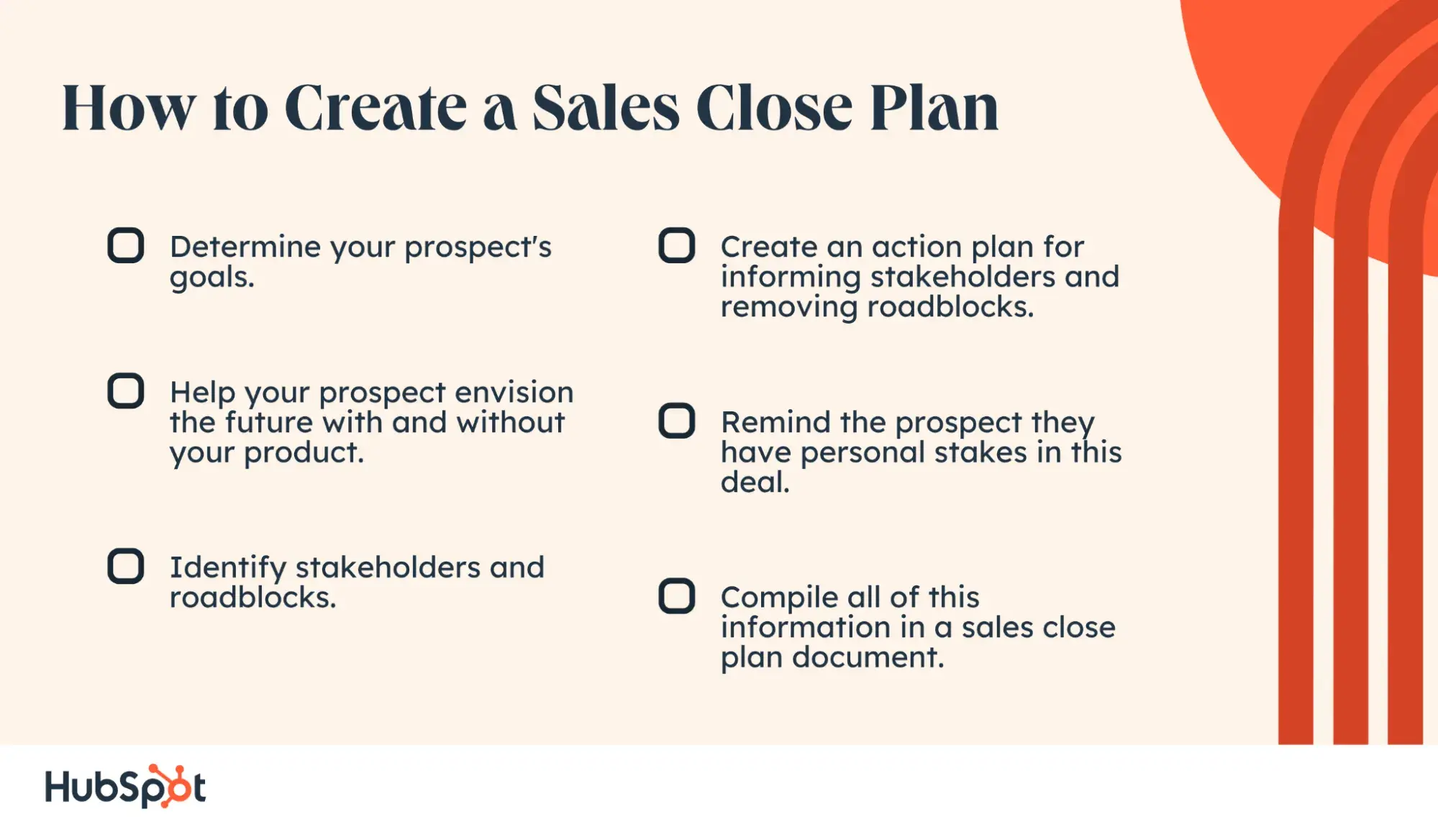
Do you need one or the other? Or both? And if so, how do they relate to each other?

I can't think of anyone better equipped to answer this question than my friend Dave Brock of Partners in Excellence, and he's very graciously agreed to let me re-publish his excellent article on the subject.

Over to you, Dave...

This article was originally published on the HubSpot Sales blog.

"Now I know some of you are scratching your heads, thinking I’m engaging in double talk. Isn't a sales process and a sales methodology really the same thing?

It is confusing, and the many sales training vendors don’t make it any less so, so let me sort them out.

What is a sales process?

A sales process is a road map to guide the sales professional in facilitating their customers’ buying processes. A sales process focuses only on deals and opportunities. It’s not a call plan, an account plan, or a territory plan.

Labeling deals by their sales process stages helps us identify and qualify those opportunities that fit squarely into our sweet spot. Then it guides us through the sets of activities we need to execute to win the business.

A sales process should answer these questions: Does it improve my win rate? Does it help me compress the buying/sales cycle? Does it help me maximize the deal value or profitability? If it doesn’t do those things, you’ve got the wrong sales process in place.

Is there an ideal sales process?

The sales process is unique to the company or organization. The sales process is based on a number of things, one of which is our own track record as an organization. It should represent the collective best practices we extract from analyzing our wins, and also what we’ve learned from analyzing our losses.

But it’s further unique to the company, since the sales process focuses on opportunities that are good for our organization. That is, they are good business for us -- they fit our strategies, they fit our ability to support them, they are with the customers we are trying to attract, and they are aligned with our culture and values as an organization.

That’s why every company has a unique sales process. Every company has different strategies, different cultures, different values. What is good business and a great customer for one company may be terrible for another. 

What is a sales methodology?

Sales methodologies are different. Sales methodologies are usually developed by sales training vendors or consultants. They represent unique approaches to driving sales effectiveness and developing sales skills. There are as many sales methodologies as there are sales training companies -- to tell the truth, it’s sometimes difficult to differentiate them. Some of the big names include Solution Selling, Customer Focused Selling, Provocative Selling, SPIN Selling, Large Account/Strategic Account Selling, Insight-Based Selling, Challenger Selling, Consultative Selling, and on and on and on.

Many of the sales training methodologies started with a specific focus. For example, SPIN Selling started with a focus on discovery and a questioning methodology to understand and probe into customer problems. Miller Heiman’s Large Account Selling originally focused on expanding share and growing presence in large accounts.

Some methodologies tend to be focused more heavily on a certain part of the sales process. For example, Challenger focuses more on the very front end of the process, providing insights that motivate the customer to take action and change. Some methodologies focus on negotiation which occurs at the end of the sales process.

How does my sales process fit the sales methodology?

Sales methodologies are often confused with sales process, but as I’ve outlined here, they are different. Each vendor has a generic process embedded into their methodology, so if an organization doesn’t have a sales process, they can use the generic vendor-supplied process.

But here’s the problem with the generic sales process -- it means the way we sell semiconductors is the same way we sell enterprise software, is the same way we sell machine tools, is the same way we sell investment packages, is the same way we sell mining equipment. It doesn’t make sense, does it?

Or here’s another problem. If we don’t have a sales process, and our closest competitor doesn’t have a selling process, and we both use the same generic sales process from the same sales training vendor, we would be undifferentiated. 

Now you can start to see the problem with not leveraging your unique selling process.

If we buy a sales methodology, we need to insist the vendor adapt their approach to our sales process -- not to their generic sales process. If we don’t, we risk confusing salespeople, getting zero adoption of either, and not getting the best results possible.

Which sales methodology is right for my company?

Which sales methodology do you buy? Well, it depends. The differences are often small and nuanced. Buy the one that fits your current priorities the best. Some are stronger in their questioning techniques. Some are optimized for large account development. Some, like ours, have been optimized around deal strategy and pipeline management. Your needs will vary over time, so use the one that fits your current priorities and requirements.

Another strategy is to take the best from several methodologies, creating your own unique methodology. I know a number of companies that have purposefully leveraged a number of methodologies -- one year they might learn one, two years later another, two years later yet another. They then incorporate the best pieces into what works for them. This can be a powerful strategy, as long as you are prepared to invest the training, tools, and enablement resources to maintain and update the “hybrid” methodology. Even large companies are careful in taking this approach.

Finally, some companies don’t leverage a methodology. I don’t think this is a good strategy, though -- the methodologies really do enhance our abilities to execute and can drive much higher levels of performance.

Sales process or methodology?

So do we need a sales process or a sales methodology? The definitive answer is, “Yes, we need both.” Make sure you invest the time in understanding and defining your own sales process. It’s the cornerstone to your success and differentiation. 

Overlay that, and sharpen your execution of your sales process with a great sales methodology. But make sure the methodology is integrated into your sales process. 

Don’t forget, you sustain your investment in any sales training by integrating it into your systems, processes, tools, and most importantly, coaching strategies."

If you've appreciated what you've just read, I strongly suggest that you subscribe to Dave's Blog, and follow him on LinkedIn and Twitter. 

FINAL THOUGHTS FROM BOB

Allow me to add a few final thoughts to complement Dave's excellent and very comprehensive article. It's clear that any effective sales process needs to be uniquely customised to reflect the organisation's specific business environment. 

My experience of sales methodologies is similar: their implementation needs to reflect the organisation's specific business environment. I've found that blending the best elements of a number of the published sales methodologies (and custom elements, if necessary) can be effective and affordable for even relatively small sales organisations if they are committed to the pursuit of sales excellence.

Perhaps most important, both the sales process and the sales methodology need to serve the primary purpose of facilitating our prospect's buying decision process.

I'd be very interested in your experiences... 

19 Jan 17:15

Sales Close Plan: The Best Tool to Close Way More Deals [Template]

by dtyre@hubspot.com (Dan Tyre)

I've written more sales close plans than I can count, and all of them start the same way: using my proven sales close plan template.

Sales close plans are critical for winning high-value accounts and finally converting customers you've been talking to for months. Once you invest that much energy into pitching your product, the last thing you want is to flush the deal down the drain with a poorly prepared sales closing process.

In this post, I‘m going to walk you through my proven process of creating a sales close plan that’s helped me get thousands of deals across the finish line. But first up: What is a sales close plan?

Table of Contents

Free Download: Sales Plan Template

I'm a big believer in preparation, so I always create a sales close plan for my prospect. It always increases my chances of winning the deal and prepares me for any last-minute objections.

The sales close plan should cover whatever your prospect suggests but will generally encompass the remainder of the sales cycle, how to sell the product internally, and the implementation of the product.

The result? Improved organization, sales efficiency, and prospect experience.

Why You Should Create a Sales Close Plan

Setting up a formal sales close plan ensures you and your prospect — and anyone else associated with the purchase decision — are on the same page. You can think of it as a mutual action plan for your prospective buyer that will guide them through the final stages of the sales process.

It also makes the sales process more manageable for a prospect who's never gone through a major purchase decision before by taking a gargantuan task and breaking it up into little, achievable pieces.

Potential obstacles: In most sales situations, the biggest challenge is inertia. Whether it‘s moving a prospect off a legacy product or introducing a new type of product for the first time, it’s usually easier for prospects to do nothing than to enter into a potentially complicated purchase or implementation.

Not only does a sales close plan remove this hesitation to act, but it also helps accelerate the deal and decision-making. Once the prospect has invested time in creating a plan, they have more incentive to move forward so their work doesn't go to waste.

Creating a sales close plan does two main things:

  1. Demonstrates your understanding of the problem at hand, and
  2. Provides an opportunity to clear up problem areas.

By clearly defining how to proceed through the sales process and implementation, you‘re reaffirming that your solution is actually solving a problem and that you’re speaking with the right people.

Pro tip: It‘s important to keep goals front of mind, both for you and your prospect. Emphasize the solution’s value throughout, not the product's specific features.

How to Create a Sales Close Plan

A good deal plan can be a complex or a very basic document. Below are the steps I take when creating a deal plan to make sure I'm covering all the bases.

How to Create a Sales Close Plan

1. Determine your prospect's goals.

You might have already gotten a good idea of your prospect's goals during your discovery call and follow-up conversations. But it‘s always a good idea to brush up on their goals once again when you’re creating your sales close plan.

Their priorities might have shifted during your conversations, especially if you surfaced an issue that they may not have previously accounted for. Here are a few questions you should ask:

What are your goals?

People who don‘t have goals aren’t good customers. Your job as a sales rep is to find great prospects who will become great clients, which will reduce churn.

What's your why?

Prospects don't buy for rational reasons — they buy for emotional reasons. Your product is a rational means to an end, but that end is usually influenced by emotion. Your prospect has an image of the future in their head, and your product can help them get there.

Pro tip: Prompting a prospect to talk about that future helps them understand why they should invest time and money in your solution.

If you don't know the answers to these questions, do you know whom to ask to find out?

Hopefully, they'll know the answers. But if not, they should be able to tell you who has the relevant information.

2. Help your prospect envision the future with and without your product.

Your prospect won't close with you unless you help them see what their life (or job) will be like after they close with you.

Write this down: I recommend asking the following simple question — “What changes will result from this purchase?”

Without sounding sales-y, this question helps my prospect to look ahead and explore these questions:

  • If I sell them my product and they use it successfully, what fundamental changes will they need to make to their business?
  • Will they need to add headcount?
  • Set up regular training sessions?
  • Reallocate budget?

But don't just focus on the logistics. Help them see the positive changes, too, such as growth opportunities and increased revenue. Only after you paint this image should you move on to process- or logistics-related conversations.

Another question I like to ask is: “What happens if you don't complete this purchase?”

With this question, you can find out your prospect‘s Plan B. They might be in a difficult situation if they don’t make this purchase, and asking them to envision that possibility will kickstart the closing process.

Extra insight: This question can reveal that you‘re in a competitive situation, in which case it’s time to reach out to a coach or champion and figure out where you stand.

3. Identify stakeholders and roadblocks.

After you‘ve painted an image of your prospect’s future with and without your product, it's time to clear up some logistical information, such as who has the final word on the purchase and who has buy-in.

Opportunity to clarify: You might‘ve uncovered this information at the beginning of your conversations with your prospects, but these answers often change after you’ve established enough trust and rapport. When they first started speaking with you, they might've provided vague answers, and your close plan is your opportunity to clarify.

Here are two questions you might ask:

Who's responsible for buy-in?

This depends on who will be using your product and how it will be implemented. It's also important to consider whether an executive needs to sign off on a decision.

And don‘t forget about potential detractors. For example, if a stakeholder previously acted as a champion for one of your competitors, it’s important to bring them into the fold early. Identify that person and have a conversation about how to save face and smooth the transition — you don't want to make an enemy.

What are your biggest challenges to the purchase?

Identify the roadblocks to purchase as soon as possible. This question will help you understand what still needs to be done before your prospect signs on the dotted line.

Other questions you might ask include:

  • Who needs to be involved in the actual purchase — signing contracts, approving budgets, etc.?
  • Does the purchase require an RFI (request for information), an RFQ (request for quotation), or any other documentation you'll be responsible for coordinating?
  • Does Legal need to get involved?
  • If additional documentation or reviews are needed, how long will those processes take?

4. Create an action plan for informing stakeholders and removing roadblocks.

Once you‘ve gotten answers to the questions outlined in the previous section, it’s time to create an action plan to inform stakeholders, address any concerns, and draft any necessary documents.

For instance, if your prospect indicates that they need to create a RFQ or RFP, then your next step might be to draft the quote or proposal and send it back to your prospect (even before they send you a formal RFQ or RFP). If your prospect needs to inform certain parties about the upcoming purchase decision, then you should outline meeting dates, especially if you plan to be in attendance.

Pro tip: Remember that the sales close plan is a collaborative document that both of you are working on to successfully close the deal. Since you're the salesperson, you might be more driven to close, but success is a goal for both of you, and the action plan should reflect this.

This collaborative approach is what makes a sales close plan such a powerful tool. Do this right, and you'll set yourself up for a healthy, productive, long-term relationship with this client.

5. Remind the prospect they have personal stakes in this deal.

When aiming for the close, it‘s all too easy to look at the deal from an overarching perspective, i.e. “My company will help your company achieve [x].” But when it’s near the end of the sales cycle, it's critical to zoom back in.

You are one person speaking to another, and if your prospect doesn‘t buy your product, their company doesn’t lose; they do. A way to reframe your sales close plan is to think of it as a mutual success plan for both you and your prospect.

That's why I like to ask prospects — “What's your personal goal?”

I always want to know whether my prospect has skin in the game. This gives me a sense of which motivating levers I can pull to move the deal ahead and forces the prospect to revisit exactly why this deal is important to them.

The closer you get to the end of a sales cycle, the higher the chance that your prospect will be fatigued. Refocusing them on the prize is crucial. Setting up your close plan as a joint execution plan can help reframe it for prospects.

6. Compile all of this information in a sales close plan document.

Whether you use a spreadsheet, a Word document, or a PowerPoint presentation, it's important to compile all of your findings in a sales close plan document. You can usually adjust your existing company sales plan to create your close plan, and remember to share it with your prospect so that they can make adjustments and leave comments as needed.

The good news: You don't have to make a successful sales close plan document from scratch. I use the template below every time I need to create a close plan, removing and adding sections when needed. Sales leaders can customize this plan for their sales teams to create a clear roadmap to closing.

Sales Close Plan Template

Featured Resource: Sales Close Plan Template

Free close plan templateDownload Your Free Template Here

This free template includes all the sections you need to create a foolproof close plan with your prospect. You have two options:

  1. A plain-text document, or
  2. A designed one that includes images and graphics.

Depending on your industry, you might benefit from going the text-only route.

Our free sales plan template includes both text and design options within one ready-to-customize document:

sales plan template

Image Source

Pro tip: You can also use this template to create a company-wide sales plan that will enable your entire sales team to sell more effectively, reach revenue goals, and use the resources available to them.

Here are the sections I suggest you include in your sales close plan:

  1. Cover Page. Introduce the company you‘ll be creating the sales close plan with. Don’t forget to include your prospect's name under “Written by” or “Authors.”
  2. Mission (optional). Include your prospect‘s mission if you feel it will help with the close. Understanding your prospect’s goal from an overarching standpoint can help you make that final pitch more effectively.
  3. Team. I'd recommend listing stakeholders in this section, paying special attention to decision-makers.
  4. Target Market. Outline your prospect's target market here. Compile all of your notes from your discovery call to populate this section.
  5. Tools, Software, & Resources (Optional). It might be helpful to know which tools your customer is already using. Are they using a competitor? Do they normally buy the type of product you sell? Change your pitch accordingly.
  6. Positioning. This is a critical section that will help you understand your prospect‘s standing in their industry. Fill it in with their help. Guessing won’t do you any favors here.
  7. Marketing Strategy (Optional). This section is optional unless you sell a marketing product. If you do, it's important to understand how your prospect currently markets their products and services.
  8. Prospecting Strategy (optional). Your buyer‘s prospecting strategy isn’t necessary unless you sell a product that can help them prospect more effectively — say, sales software.
  9. Action Plan. This is where you'll list what you and your prospect need to do to close the deal and successfully onboard them.
  10. Business Goals. List your prospect's revenue and other quantitative goals. Any qualitative goals, such as “Streamline operations,” should also be listed here.
  11. Budget. Include a brief outline of your potential client's budget for this purchase.

Don't start from scratch — use our free template below and get guided through the customization step by step.

HubSpot's free sales plan template

Image Source

When to Create a Sales Close Plan

Ideally, you’ll want to start discussing a sales close plan during the discovery phase of the sales process. Yes, closing starts at your first call! Not only will you be outlining what the plan contains, you'll also be determining its scope.

I always ask, “Have you bought a similar product before?” In HubSpot's case, I check for previous purchases of enterprise software.

This question is crucial. Here's why:

  • If this is the first time they‘ve ever bought something like your offering, your plan needs to outline how to buy in the first place. You’ll need to walk them through how to get internal buy-in and how to evaluate if your product is a good solution, working closely with them throughout.
  • If, however, your prospect is familiar with buying your type of product, your sales close plan might not need to cover the purchase at all. They know whom to speak with internally and how to get a deal over the finish line. They need your expertise in implementation, and that's what your plan should focus on.

This information will make your sales strategy more tailored to your prospect's unique position.

Pro tip: Learn what other questions you should be asking in our buyers' journey question guide.

Sales close plans are also useful if you get stuck somewhere in the sales cycle. Sometimes, you'll speak with a prospect who needs your product but is avoiding you or artificially elongating the process. A sales close plan can help define the process, especially if you suspect the problem is a lack of executive buy-in.

Overarching benefit: A sales close plan can streamline your closing process, especially with high-value prospects you don‘t want to lose. By creating one, you’ll strengthen your sales process at its most critical point and exponentially increase the chances of a closed-won deal.

Why a Sales Close Plan Matter

After many years working in sales, I've learned that every deal is different — but this close plan foundation is always the same. The entire sales process comes down to this moment. My free template is a great starting point for you or your sales reps to end the buying process on an organized, efficient, high note.

Having a structured approach to closing will not only help sales teams close deals — it‘ll keep your prospects happy, too. Having an organized approach to closing saves time, keeps everyone on the same page, and keeps leads from falling through the cracks. It’s the first step towards customer success.

Editor's note: This post was originally published in January 2018 and has been updated for comprehensiveness.


19 Jan 17:15

Here’s Why Strategy Chiefs Succeed or Fail

by Jo Whitehead
jan18_19_738785337
alicemoi/Getty Images

Why is it that some companies have great heads of strategy who make an outstanding contribution to their companies, while others don’t? To answer this question, we evaluated 55 heads of strategy, and looked more closely at 11 who were particularly successful and 10 who were at the other end of the spectrum. The full findings are contained in this white paper. But here’s a synopsis of what we learned.

The person’s capabilities should fit the challenges facing the organization. Consider Staples, the office supplies retailer, which tumbled from being the market leader to being one-third of the new leader’s size. The existing management team had not addressed a range of issues, including required changes to store sizes, the product range, and which geographies the company focused on.

So founder and CEO Tom Stemberg hired John Wilson as head of strategy and chief financial officer. Wilson was an industry outsider (he had previously worked as a management consultant and the head of corporate planning at an airline), described by Stemberg as a “provocateur” and an “in-your-face kind of guy.” Wilson was exactly what the business needed. He rammed through required changes in strategy such as building bigger and brighter stores, which helped the company nearly quadruple its revenues over the next four years. Wilson went on to be COO of The Gap Inc. and is currently president of Staples Europe.

As corporate priorities change, so should the head of strategy. Staples continued to grow, but profitability fell. There was a need to refocus the management team on reducing costs, targeting opportunities based on their profit rather than their growth potential and systematically reviewing all parts of the business for any other opportunities to improve profitability. Stemberg turned to Basil Anderson, who had tackled similar challenges as CFO of Campbell Soup and Scott Paper. Like Wilson, Anderson was able to lead the senior team. But Anderson, who had served as an independent director on the company’s board for several years, did this through having “tremendous relationships and credibility with the operating executives.” With Anderson’s help, Staples’ net profits grew more than tenfold over the next five years.

In some cases, it pays to tailor the job to the candidate’s unique capabilities. If the candidate has a particular set of capabilities of great value to the company, it can be worth the company’s while to fit the role to the candidate. Walgreens Boots Alliance’s Rick Mills has been the group strategy officer for 20 years. He has accumulated a unique mix of deep knowledge of the organization, the industry, and how to work with Stefano Pessina, the company’s executive chair. These attributes have allowed Mills to evolve from a strategy staff role into a critical member of the senior team. He has worked closely with Pessina to identify and execute deals that have propelled Walgreens Boots Alliance forward on both sides of the Atlantic.

Make sure the critical skills don’t already exist in-house. This means considering whether you can use other members of the senior team to do all or part of the strategy role. Doing so not only reduces costs but also avoids the potential frictions that come from adding a new member to a team (for example, the danger that the newcomer will clashw ith members of the leadership team for political or personality reasons).

For example, the CEO of a communications company we interviewed had hired a capable person to head strategy, but he didn’t contribute many insights beyond those that the CEO was already getting from the chief information officer. The latter was a capable strategist with relevant insight into digital technologies — the most pressing strategic issue for the company at that time. The CEO ended up getting rid of the head of strategy, continuing to use the CIO to provide him with strategic advice, and hiring a strong but relatively junior analyst to provide support to the senior team.

Don’t underestimate the importance of cultural fit. When the head of strategy at a large European chemicals company was retiring, the capabilities that his successor needed to have seemed pretty clear: the ability to structure a strategic process that helped and challenged the company’s business units to review their current competitive positions, project how the future might evolve, and develop plans that strengthened their short-term position and developed options for future changes.

The best fit seemed to be an experienced individual from a major consulting company, who had also served in an executive position at another multinational firm. Within a few months the CEO decided that the decision had been a mistake, because the personal style of the individual in question did not fit in with the company’s culture, which generated several conflicts over a short period of time. A senior executive described to us what he termed the “rules of engagement.” This included building a strong social network and working as a team with a shared stewardship of the organization. He said that while his successor had considerable talents, he failed to conform to these social rules.

In summary, success comes from a good fit between the capabilities of the head of strategy and the ongoing stream of corporate strategy work to be done, the capabilities of the rest of the senior team, and the broader context. Thinking this through should occur when a new hire is being considered and periodically thereafter.

Since this observation isn’t exactly rocket science, why do so many companies seem to break this rule? A central reason is it is hard to identify and recruit good candidates who fit on all dimensions.

To increase the chance of hitting the head-of-strategy jackpot, CEOs should avoid creating an all-encompassing wish list and focus on the most-important capabilities they need from a head of strategy. They should take the time to ensure that shortlisted candidates will complement the senior team and fit in with the organization. They should be willing to customize the job to capitalize on the strengths and minimize the weaknesses of the best candidate.

Yes, this takes a lot of the CEO’s time. But the prize is a head of strategy who will be highly effective.

19 Jan 17:15

All You Need To Know About Having Customer Reviews in Your Website

by Aleah Taboclaon

For small business owners, continuously growing your online presence is everything, especially if you have an e-commerce site. After all, how can your potential customers find you if your business doesn’t come up in their searches?

Unfortunately, the battle to better market your product isn’t over after you’ve got the site up and running, and even then, there are still a number of things you have to take care of. One major contributor to boosting your sales, however, is customer reviews.

Whether you’re a solo entrepreneur trying to grow your online community, or the CEO of a seasoned tech company with dozens of software services, including customer reviews on your site is an essential part of e-commerce.

Here are three reasons publicizing customer reviews are a must-have on your site.

3 Reasons For Including Customer Reviews in Your Site

1. Customer reviews encourage sales through unbiased testimonies

All You Need To Know About Having Customer Reviews on Your Website

Unsurprisingly, data shows that customers tend to trust other customers more than they would initially trust the company.

A whopping 70% of consumers consult reviews or ratings before purchasing, and as many as 85% of consumers trust product reviews as much as a personal recommendation.

Testimonies from relatable consumers provide reliable insight into the product in a way the business is simply not able to. Reviews from other customers are viewed as more valuable to the fellow consumer than marketing efforts from the company.

2. Reviews build credibility and increase repeat customers

Small business owners know the importance of customer loyalty and how difficult it can be to establish that initial relationship.

You should know, then, that positive reviews make majority of customers trust a local business more. Having established that credibility with the customer and after making that initial purchase, the customer is more likely to visit your site again.

According to some studies, repeat customers also have a higher conversion rate and spend more on average compared to new online shoppers.

Including product reviews in your site not only bring credibility to your business among new customers, but they also lead the way for repeat customers who have proven to spend more than new shoppers.

3. Customer reviews boost your SEO

Customer reviews boost your SEO

Making it easy for consumers to find you online is not as simple as some may think. However, ranking high in search engine results pages (SERPs) allow small business owners to better market their site while competing with larger companies.

Boosting your search engine optimization, therefore, is a must. It requires regular fresh and unique content that goes beyond standard manufacturer descriptions. User-generated posts like customer reviews have the ability to provide this regular fresh, unique content which increase the chance of ranking highly in the SERPs.

How to Handle Negative Customer Reviews

When you open your e-commerce site to accept customer reviews, however, you will have to accept BOTH positive and negative reviews. This is a major fear that business owners have: the possibility of bad reviews.

It’s true that negative reviews have a huge impact on customers; most people will hesitate to purchase from a business that has negative online reviews.

Bad reviews come with the territory of e-commerce, and it doesn’t equate to running a bad business. However, this doesn’t mean that you don’t need to do anything.

You can take action when negative reviews are posted to your site. Here are a few suggestions on how to stay on top of poor reviews.

1. Reach out to the customer

How to Handle Negative Customer Reviews

It’s important to reach out to dissatisfied customers as soon as possible. Promptly responding to a negative review allows you as the business owner to attempt to restore the relationship.

Reaching out to the dissatisfied customer allows you to understand what went wrong, and offer them a possible solution so that you can open back up the possibility of continued business with them.

Additionally, promptly responding to a negative customer review is also publicly showing other customers you value their feedback and are working on a solution.

It is recommended you directly respond to the negative review on your public review platform so that other customers have a chance to see how you handle these situations, and reinsert the customer loyalty that might be compromised.

2. Send a thoughtful response to your customer

It’s important you are thoughtful of the exact messaging you send your dissatisfied customer when crafting a response. Stay true to your branding style, but make sure you come off as a person invested in their trouble, not a corporation trying to put a band-aid over the incident.

Your customers will appreciate the efforts you make to get down to their level and view the experience as they did. Avoid sounding disinterested, disconnected, and defensive at all costs.

3. Follow up with the customer later on

Follow up with the customer later on

Lastly, follow up with the customer on their experience to drive home the point that your company is genuinely interested in their business.

There may not be a simple resolution to the customer’s complaint, but it’s still important to make efforts toward at not leaving them with a bad taste in their mouth when it comes to your company.

This might not always end in their continued business, but it makes strides toward containing their poor experience rather than allowing it to spread throughout the community. As you know, reputation is key for small businesses, and keeping poor experiences contained is important to maintaining a good standing.

How To Start Featuring Customer Reviews in Your Website

Now you know why customer reviews are important — they can help your business thrive by using unbiased reviews to drive sales, help build trust and encourage repeat customers, and boost your SEO efforts.

The obvious follow-up question remains: how do you start putting customer reviews on your site?

The simplest first step in publishing customer reviews on your site is to integrate a reviews plugin on your e-commerce site. We recommend giving POWr Reviews a try.

How To Start Featuring Customer Reviews on Your Website

Not only is it easy-to-use for non-technical business owners, you’ll also be able to seamlessly display and creatively control customer content appearing directly on your site.

Making this process as simple as possible will encourage the user to leave a review compared to something complicated and overly complex.

Next, follow up each purchase with a post-purchase automated email. On average, digital receipts sent through emails are opened 70.9% of the time, while marketing emails are only opened 17.9% of the time, according to TheGood.com. You can include promotions and discounts in this order confirmation email to highlight special sales and encourage users to return to your site.

Finally, don’t overlook the power of simply asking your customers for a review. Your customers understand that building your empire is a process, and taking a few minutes to leave a review is tremendously helpful. Lean on your customer, they may be more receptive than you can imagine!

19 Jan 17:15

The Modern Marketing Playbook: New Tactics to Try in 2018

by Julia Tiedt

With the start of a new year, comes the exciting opportunity to make a refreshing new start. The gyms are flooded with people trying to reach their fitness goals (or drop those extra holiday cookies), and people are making lists to get organized and healthy. Your digital marketing plan is no different. So, in 2018, why not resolve to get creative and do something different and/or new with your content marketing strategy. The Internet is changing every day, so it’s important to remain flexible to the environment and update your modern marketing playbook accordingly.

In honor of the new year, I wanted to share a few of our new-year marketing resolutions with you. Give one or all of these tactics a try to see what sticks for your business!

Explore Facebook Messenger Bots

Don’t worry, bots aren’t taking over… yet. But they are the future. As marketers, we are easily attracted to shiny new marketing tactics, and bots are definitely the new buzz about town.

FacebookMessengerBotsExample.png

You may have noticed the growing number of businesses that are starting to utilize Facebook messenger for one-to-one communication with prospects and customers. For consumers, it’s an easy, convenient platform that’s already part of their digital routine. And, Facebook showcases the standard response time for each organization you message, so more active pages have a chance to start more conversations.

With third-party companies like ChatFuel and ManyChat, it’s easy to create communication bots for Facebook Messenger.

  • What is a Messenger Bot? Essentially, a bot is a simple computer program automates the process of chatting with a user. While they may not be able to answer every question a consumer has, bots are able to answer common questions and help route users to the best support person for their question.
  • Get Started with Bots: The most common bot-builder platforms are easy to use and don’t require any coding. Think about how you can use them to automate customer service, nurture your leads, or stay top of mind with your prospects and customers!

Start a Facebook Group for Your Business

Chances are that you are probably a member of a group on Facebook. There are all types of groups out there. So, if you are a member of a Facebook group socially, you may be wondering how to best utilize the same concept for your business.

A business-focused Facebook group is all about building relationships. The most successful business groups focus on creating value, answering questions, and solving problems.

FacebookGroupsforBusiness.jpg

The number one thing you’ll want to avoid on your business Facebook Group page is being salesy. Just like your blog, you want your content in the group to be educational and unbiased. Answer members’ questions quickly and share useful information.

Give Trigger Emails a Try

Emails are still a solid marketing tactic, but there is a lot of competition in this area. And to make it even harder, Gmail’s promotional tab can make it harder to break through to your customers.

So, how do you rise to the top of the competition in your ideal customer’s inbox? What if you could send an email at the exact moment you knew they would be looking at their inbox?

TriggerEmails.png

Trigger emails do exactly that. They watch the behaviors of your leads and learn when the best time to send an email would be. Using machine learning, SaaS companies like Seventh Sense can analyze the behavior of your email list to identify the day and time that’s most likely to drive engagement for each individual person on your list.

Test Long-Form Content

From content pillars to long LinkedIn posts, there’s been a shift towards longer content (as long as it’s interesting and useful).

LongFormContent.jpg

After several years of prominence for micro-content, it seems like people are starting to engage with longer content online. If you haven’t already, try playing around with longer social posts, videos, podcasts, and blogs to see how your audience responds.

Remember that every industry and target audience is different, so just because it works for some businesses, doesn’t necessarily mean that it will work for you.

Organize Your Site’s Content with Topic Clusters

With a major shift in Google’s search algorithm last year, it’s important to organize your site in a way that helps silo similar content together.

ContentPillarExample.png

It’s now more essential than ever to spend time combing through the content on your website and putting together topic clusters that allow search engines to better understand the flow between the different pieces of content on your site.

If you aren’t familiar with content pillars and topic clusters, I’d suggest you start with this overview post.

Optimize Your Content for Featured Snippets and Voice Search

The way we search is changing drastically. Just ask Alexa, or Siri, or Google Home.

With the prevalence of digital assistants, it’s important to optimize well-performing content for voice search. If you have pages that are ranking on the first page of Google, make sure that your content is optimized to answer questions quickly and efficiently.

Conclusion

While these are just a few of the strategies you can play around within 2018, it’s important to stay ahead of the trends and not expect to get the same results by using last year’s marketing playbook. Besides, you never know when you will find that special unicorn that proves to be ultra successful.

19 Jan 17:14

Here's Your To-Do List Alignment Chart

by Nick Douglas

Your to-do management system says a lot, maybe everything, about you. We’ve organized the major systems according to their Dungeons and Dragons alignments, making value judgments with which no sane person could ever disagree.

Read more...

19 Jan 17:12

Trending This Week: Are You Selling or Solving?

by Kylee Lessard
Team of Professionals Struggling to Solve Business Problem

In setting up his latest post on the Digital Leadership Associates blog, Alex Low cites a philosophical sales question you might have come across before: “Does Black & Decker sell drills or holes?”

Pardon the pun, but this adage drills down to the core of B2B selling and the prominent disconnect that exists today. No matter what you sell — a product, a service, a media subscription, etc. — you’re selling a solution to a problem.

In almost every case, the act of solving that problem should be the primary focus of any engagement with a buyer. It might still feel foreign to reps who are trained in pitching features and pricing, but the data continues to make this abundantly clear.

Assisting a Self-Guided Solution Journey

“Ask yourself this,” Low implores us. “Are you selling drills? Or the overall solution to drilling a hole? I hope you see yourself as doing the latter, as this is solution-led rather than feature-led. The point is this: How are you helping your customers and targets on their self-guided journey by guiding them with the right validating questions?”

The unavoidable truth is that buyers are taking it upon themselves more and more to solve problems that arise on the job. Research tells us that 89% of B2B buyers conduct their own online research, and on average, they’re more than 70% of the way through the decision-making process before interacting with a sales rep.

This doesn’t put the sales team at risk of irrelevance — so long as we are willing to recognize this evolution and adapt.

It’s all about maximizing what we do with that final 30% of the journey, and making sure that our companies, if not reps themselves, are present and visible along the way there.

This is why sales and marketing alignment is arguably the single greatest priority of 2018 for B2B organizations.

A Cohesive and Consistent Experience

We see it time and time again: people on both sides wincing at the idea of a fully integrated sales and marketing operation. According to data compiled for our Power Couple eBook, there doesn’t seem to be much appetite for job swaps or skill overlap. And most pros shun the idea of a shared budget for sales and marketing.

But this initiative isn’t about overstepping or even necessarily direct collaboration. It’s more about aligning strategically, so that messaging, content, and touchpoints are all framed around a cohesive, underlying blueprint.

That means your company’s marketing content should directly address the questions buyers ask while in the process of solving their problems. Sales can help inform the direction of this content because it has a more open conduit to actual customers than anyone else.

It’s also important to ensure your sales approach is coordinated with marketing content that a decision-maker might encounter. As the Power Couple eBook points out, buyers are much more likely to engage a sales rep from a company if they’ve previously encountered marketing content from that same company on LinkedIn, and they’re more receptive if the messaging is consistent.

In a recent post for Forbes, Ryan Erskine laid out the key questions that an organization must address in formulating its strategy: “Who is your target audience? What problems do you solve for them? What questions might they be trying to answer when they first experience that problem? How do those questions change and evolve as they learn more about the industry?”

For best results, sales and marketing should work together to determine the answers and develop a plan that is proactive, predictive, and prescriptive. But that certainly doesn’t prevent the two sides from maintaining boundaries and autonomy.

Problem Solved

“As a sales person, you need to work with marketing to help them understand that you are not selling drills, but a solution that makes a hole,” concludes Low in his aforementioned blog post. “And based on your experience of selling your solution successfully, many times over, supported by continual client feedback, this is how we will guide customers to our solution by reminding them that this is the right one for them.”

By turning your company into a comprehensive problem-solving engine for your customers, you can in turn solve the biggest problem being faced by many sales and marketing teams struggling to acclimate in this new B2B landscape.

Whatever problems you face as a sales pro, we’re here to help solve them. Subscribe to the LinkedIn Sales blog and we’ll do our best to provide clarity in a complex world of B2B selling.

19 Jan 17:12

7 Deadly Email Sins You Need To Avoid

by Judith Michel

Email is one of the most effective marketing tools. If you know how to use it right you can gain more customers and boost your open-, click- and conversion rates. We know sometimes it sounds easier than it actually is, so we tracked down the seven deadly email marketing sins that might arise in your daily business and that affect the success of your marketing strategy. Let’s learn how to avoid those sins and push your email marketing to the next level.

Email Marketing Sins:

Sin #1: Blindly engaging in email marketing without developing an email marketing strategy.

One of the biggest misconceptions is that email marketing can be successful without an existing strategy. Sending out blind email campaigns is doomed to fail. The most important factors for successful email marketing are: a clear strategy, defined goals and predetermined KPIs.

Setting goals

First, set your goals and ask yourself what you want to achieve through email marketing. Do you want to increase your number of social media subscribers? Do you want to increase your sales figures? Tell your customers about a new product? Or maybe strengthen relationships with your customers? The clearer you formulate your goals, the more likely it is that you’ll be successful.

Developing a strategy

Once your aims are clearly defined, it’s time to develop an email marketing strategy to help you achieve your goals. For instance, if you want to work harder to cultivate relationships with your customers, just send a batch of emails asking your customers for their opinions or rewarding them for their loyalty, or send them a personalized thank-you email.

7 Deadly Email Marketing Sins

Defining KPIs

In order to analyze and assess your goals and achievements, it’s important to define KPIs. They reflect the effectiveness of your email marketing. KPIs provide you with an overview of your strengths and weaknesses and indicate whether or not your goals have been achieved so that you can change or adapt your strategy accordingly.

7 Deadly Email Marketing Sins

Sin #2: Promoting too much or too little.

Promotion is also one of the most important factors of success in email marketing, but it consistently poses a huge challenge for email marketers.

If you send too few newsletters, your subscribers will forget you and you’ll have your work out how to establish customer relationships and improve your sales figures. If, however, you have a high sending frequency and promote your products in newsletters on a daily basis, your customers will quickly get irritated. This leads to newsletter de-registrations, getting blocked or—worst of all—getting marked as spam. Your sender reputation will be damaged, and your sales figures may take a hit.

Therefore, sending frequency has an important role to play in email marketing. We recommend carrying out A/B tests to determine the ideal day, time and frequency for sending out your marketing materials.

Send your campaigns at different times and on different days, and increase and decrease your sending frequency. Compare the results of all campaigns with one another, and analyze the time and frequency that’s suitable for your customers and newsletter subscribers. Tailor these results to the sending of your newsletter, and that’s how you’ll find the right amount of promotion.

Sin #3: Ending email communication abruptly.

Many businesses are aware of the fact that a welcome email has huge potential in email marketing to create customer loyalty. But after a customer has been given a cordial welcome, deathly silence ensues in the subscriber’s inbox—a mistake that can cause you to quickly lose a potential buyer. Don’t just bury your new customers in your ex-customer graveyard straight away. Instead, establish strong customer relationships by sending them personalized, high-quality emails after the welcome email, offering them added value.

For starters, it’s important to leave a positive first impression with the welcome email. Avoid predictable phrases such as “You have registered successfully” and “Welcome, you have registered to our newsletter”. Give your customers a chance to try out your products and services, and pique their interest with a new-customer discount code. Only a few subscribers will want to miss out on this benefit.

You will score major brownie points if you customize the email at the time of registration. This creates the impression that you put the email together just for them and ensures instant customer loyalty.

7 Deadly Email Marketing Sins

After the initial purchase, it’s worth sending a feedback questionnaire so that your customer has the opportunity to rate your products and services. That way, you don’t just show that you’re interested in your customers’ opinions, but you also receive important information that can be used for your optimization process. Additional emails that can follow after a welcome email are:

  • Emails where you offer your assistance if the customer has not reached out for a while.
  • Reminder emails that refer to products in their basket or to the new customer discount that has not yet been redeemed.
  • Emails with product recommendations, based on the customer’s buying behavior.

Below you can see an example of how a reminder email might look like. This way, you make your customers aware of the products that are waiting in their shopping basket. By adding a promo code or special offers you motivate your customers to complete the ordering process.

7 Deadly Email Marketing Sins

Sin #4: Sending emails with too many images and too much information.

Of course, everyone wants a newsletter subscriber to recognize and understand all the information in the email. But if you try to cram too much information and too many visual aids into an email, you are bombarding your recipients with information, which will put them off rather than attract them.

It’s important for your emails to offer added value and to have a balanced proportion of text and images. Arrange your emails in a structured manner, and divide them up into header, footer and main body. Use related links and work with short texts that provide an incentive to read on. By sticking to the fundamentals of email design when creating your campaigns, you’ll attract your customers with your emails.

The following example shows you what sections make up a great email layout. The header, main body and footer are bordered with different colors for more clarity. In this way, you can see what content belongs to each area.

7 Deadly Email Marketing Sins

Sin #5: Putting off your subscribers with boring content and designs.

Even clearly structured emails can bore customers to death. One of the cardinal sins in email marketing is having content and design that is as dry as a bone. It won’t have a positive impact on your click- or conversion rates. Dust off your emails and make use of segmentation and personalization to breathe new life into your campaigns. Analyze your customer’s buying behavior, use their demographic and geographic data and create personalized emails that you only send to specific segments. That way, you’ll kindle the customer’s desire to buy and engage in successful email marketing.

7 Deadly Email Marketing Sins

However, exclusive birthday and anniversary offers or interactive content, competitions and themed designs for or special occasions such as Christmas, Valentine’s Day, Halloween or Black Friday also give your emails a special touch that will ensure they are opened.

Sin #6: Not having responsive design.

As the mobile phone is our most faithful companion during everyday life, emails are increasingly being read on mobile devices. Not using a responsive design is the death knell for every email marketer, as delayed texts, broken images and CTAs that are too small are extremely annoying for everyone who owns a smartphone.

7 Deadly Email Marketing Sins

Don’t do this.

Emails that reach their recipients in this way can be stigmatized faster than you can say email marketing. To prevent this, send your emails in responsive design.

7 Deadly Email Marketing Sins

The easiest way to draft emails like this by using email editors, such as Passport. The processing program saves your campaigns in responsive design so that your emails are automatically adapted to the device’s screen size without affecting the design of your newsletter. Creating these types of emails is still a challenge for many developers.

Sin #7: Panicking when subscribers unsubscribe.

No one likes it when newsletter subscribers ask to be removed from your list. But that doesn’t mean it’s the end. Far from it! It doesn’t matter how well you engage in email marketing, there will always be people who unsubscribe. For instance, if your recipients’ interests change or your sending frequency isn’t optimized, some readers may want to part. Make use of these decisions from your subscribers, and get the best out of yourself to stay long in people’s memories for the right reasons.

Design the unsubscribe process to make it as simple as possible and always ask for the reason for unsubscribing. Use the responses to optimize your email marketing and uncover potential weaknesses. All this shows that unsubscribes are an important part of email marketing and ensure that you keep developing your strategy.

Do you know of any more approaches that should definitely be avoided in email marketing? What experiences have you had? Share your ideas and experiences with is on Facebook, Twitter and Pinterest.

19 Jan 17:12

It’s Time for Electric Companies to Pivot

by Mark Anderson
U.S. demand for electricity has slumped; utilities should shift their focus to renewables and efficiency consulting
Illustration: iStockphoto

Renewable energy is rapidly changing the electric grid, and utilities need to adapt or face still greater disruption in their industry, according to a new report. Two directions now appear likely to offer opportunities for growth, the report says.

One is to move toward electric infrastructure as a platform for new applications that other companies can develop, such as renewable energy storage. The other direction is for the utility itself to expand into new growth areas like electric vehicle charging stations.

Either way, says report co-author Dan Cross-Call of the Rocky Mountain Institute, utilities that sit back and continue with business as usual could fall behind. Traditional utility growth models, he says, are not future-proof. “Demand for electricity has become flat or declining in many places,” he says. “So the historical expectation that sales increase is no longer the case.”

Cross-Call says renewables such as solar photovoltaics—whose explosive growth has put it 40 years ahead of the U.S. Energy Information Administration’s forecasts from earlier this century—continue to eat into the old centrally-generated electric utility business model. Meanwhile, the efficiencies of LED lighting and other improvements have reduced demand for electricity in the U.S. compared to the age of the incandescent bulb.

The good news for utilities, he says, is a number of innovative players have already shown the way. For instance, Cross-Call lauds the Vermont utility Green Mountain Power (which IEEE Spectrum profiled in 2014) as “one of the most innovative utilities in the U.S.” He says Green Mountain represents a hybrid approach, offering both platform development and some expanded offerings as well.

On the latter front, for instance, Green Mountain Power offers home energy audits and efficiency consulting as part of its services. And as a platform developer, they’ve partnered with Tesla to promote and install Tesla Powerwall and Powerpack batteries for home energy storage.

New York state also provides an example of utilities that have developed platforms that third parties can use. For instance, according to a Rocky Mountain Institute blog on the subject, in 2014 Con Edison opted not to open a US $1 billion electric substation and instead contracted out to other companies. Con Edison spent an estimated $505 million on renewables, increased efficiency, substation transformers, and power rerouting in the resulting Brooklyn-Queens Demand Management program. While a regulated utility might not always be so driven to avoid costs, the RMI’s blog notes that the New York Public Service Commission incentivized ConEd to seek what it calls ConEd’s “non-traditional solutions.”

“Demand for electricity has become flat or declining in many places.” —Dan Cross-Call, Rocky Mountain Institute

As such, RMI’s report calls the BQDM “the poster child for non-wire alternative investments.” (On the other hand, not all media accounts of BQDM have been as glowing. Last year one report called into question the savings and even the necessity of the New York City program.)

California also offers a case study in utilities that have expanded their own services, especially into regions that might otherwise be underserved.

The boom market in electric vehicles, Cross-Call says, makes a chicken-or-egg problem of charging stations. Namely, electric vehicles face headwinds as they try to penetrate further into the consumer automotive market if charging stations aren’t widely available. But the business incentive for making charging stations widely available is, of course, having more electric vehicles (EVs) on the roads.

“Utilities arguably have a significant role in developing and, in some cases, owning that EV charging infrastructure,” Cross-Call says. And Golden State regulators have studied the EV charging chicken-or-egg problem as intensively as any, he says.

“California has determined that utilities can own EV infrastructure in cases where the private market is not showing up,” he says.

So in cities and other regions with already high EV penetration, he says, the commercial sector could build out many of the EV charging stations the market will demand. However, utilities could still pick up plenty of slack in currently underserved markets.

And this leads to the cautionary tale underlying the entire RMI report. Market forces and incentives can shape electric utilities and infrastructure in productive ways… up to a point.

But market forces can also run amok and leave many consumers literally in the dark, as the 2001 collapse of Enron exemplifies. Enron was a Texas-based electricity production and transmission company that in the late 1990s turned their future energy production (and plenty other things outside energy) into futures contracts for Wall Street to gamble on. The speculative frenzy they launched helped spark a series of blackouts and energy price spikes in California in 2000 and 20001. Enron declared bankruptcy in December 2001.   

Cross-Call says state and local regulators must be proactive in guiding local utilities through their transition from centrally generated fossil-based entities to more decentralized and renewables-based utilities.

“Enron and the California Energy Crisis is always an apt reference point in electricity industry transformation,” he says. “It requires market oversight and regulation and appropriate market rules to ensure there’s not that type of market behavior or taking advantage of customers or others. Utilities are regulated businesses for a reason. The role of that regulation has to remain at the heart of this work.”

19 Jan 17:12

5 Email Marketing Trends You Can’t Afford to Ignore in 2018

by Liz Willits

I have two predictions for 2018. My first: Email marketing will drive insane revenue in 2018. Forget the 124 percent median average ROI reported in 2017 by the DMA. That’s a fraction of what you can earn from email this year. My second? The following 5 email marketing trends will help my first prediction come true. You can use them to stand out in inboxes flooded with bland, boring and downright spammy emails.

1. Hyper-segmented email automation

In 2018, a single automation series won’t be enough. As inboxes flood with more and more emails, you must be different to stand out. Hyper-segmented automation, when you create custom automation series for subscribers with different needs, interests, or characteristics, will play a big part in this. The more segmented and targeted your automation, the more it’ll resonate with subscribers. This leads to higher open and click-through rates. In fact, targeted emails can drive up to 77 percent of your overall email ROI, according to the Direct Marketing Association. One way to hyper-segment your audience? Allow subscribers to choose the type of content they receive. This is called self-selected email automation and it can skyrocket email engagement and sales. By making subscribers the decision makers, you’re taking permission marketing to a whole new level. Seth Godin coined this concept in his best-selling book Permission Marketing. Godin says that permission marketing is “the privilege (not the right) of delivering anticipated, personal and relevant messages to people who actually want to get them.” With subscriber-selected automation, you can be 100% certain your subscriber wants your message. After all, they chose it. Here’s an example of how a company might use self-selected automation to segment their automation. Tasty Treats, a fake bakery I invented for this example, has a food blog where they share gluten-free recipes and recipes with gluten. They also sell gluten-free cookbooks and cookbooks with recipes that contain gluten. When a subscriber first signs up, Tasty Treats sends this welcome email to find out if their new subscriber is gluten-free or not:

Once a subscriber clicks on one of the purple buttons, they are tagged with either “gluten-free” or “not gluten-free.” Tasty Treats then uses an email marketing platform — like AWeber — to automatically send an email based on the tag their subscriber has. (AWeber’s Click Automations can help you do this!) If they have a “gluten-free” tag, they automatically receive this email one day after their welcome email:

By giving subscribers the ability to segment themselves, Tasty Treats can send their audience more relevant content and increase sales by promoting more relevant products. This example is a simple one, but you can apply this same concept to send hyper-segmented automation series. Truity, a company that offers online personality and career tests, does just that. Using AWeber’s Click and Open Automations, Truity created custom automation series for each of the 16 personality types their subscribers might have. In the second email of their first automation series, Truity asks people to tell them their personality type by clicking the link that matches their type. Then, they are automatically added to the customized personality series which aligns with their choice.

By hyper-segmenting their automation in this way, Truity can send emails series dedicated to the 16 different personality types. It’s perfectly tailored to an individual. This increases subscriber engagement and better serves their audience. Want to create hyper-segmented automation with AWeber’s Click Automations? Try AWeber free for 30 days.

2. Text only emails

While beautiful, image-heavy emails (like the Godiva email below) remain popular with huge retail brands, small businesses will continue to adopt simple, text-only emails in 2018.

Text-only emails, although they may be less eye catching for subscribers, are popular among entrepreneurs and small businesses and will continue to be. For two reasons:

  • They feel more like a personal message and less like an advertisement. People tend to put up their guard when they think marketers are selling them something. Text-only emails, since they look like the messages you receive from friends, family, and coworkers, seem less like marketing and more like a conversation.
  • They’re easy to create. For text-only emails, all you need is written content. No more scouring the internet for free stock images or fidgeting with a clunky email template. Simply type your content and send. For time-strapped businesses, this simplicity is attractive.

Ben Settle, email marketing expert, copywriter, and entrepreneur, sends text-only emails without exception. As a result, his messages feel personal and raw, like an email from a friend.

3. Personalization

People love content when it speaks to them directly. That’s why email personalization is so effective and will continue to play a massive role in 2018. Personalization can take many forms. It can be simple, like this example found in Weekly Coffee, a productivity newsletter created by AWeber’s Product Marketing Manager (and host of our Ask Me About Anything Podcast series!), Tom Tate. Tom very naturally places his subscribers’ first names in the second paragraph of this email:

Or, it can be complex, like this email from KickStarter which dynamically inserts the number of pledges a subscriber’s KickStarter project has earned:

No matter the complexity, personalization is a powerful way to engage your subscribers. And the top-performing email marketers will use it heavily this year. Here’s a few ways you can be one of them:

  • Add your subscribers’ first names in your email content. But be creative! Instead of “Dear [insert first name],” try incorporating a first name in the middle of a paragraph.
  • Email your subscribers on their birthdays. They’ll love a celebratory message!
  • Thanks your new customers for purchasing a product, give them advice for using it, and then recommend similar products they might like.

Want to learn even more about personalization? Read How Personalization Can Help You Connect with Subscribers.

4. Conversational voice

Stop thinking of email as an advertisement in 2018. Think of it as a conversation. A business-like, formal tone will be increasingly disenchanting to your audience this year. People want to know that you’re a person. They’ll resonate with you more and find your messages more interesting. Instead of jargon, use familiar words. Write like you converse articulate confabulate communicate speak. Read your emails out loud before you send them. It’ll help you hear where your content is unnatural or robotic. And finally, be yourself. Show off your personality and have some fun with your content. Really Good Emails (a company who shares, well … really good emails) knows how to let their personality shine.

They use humor, self-deprecation, and great word choices to show off who they are –– really cool people who love emails. Their conversational voice gives them a brand identity that’s irresistible and makes subscribers want to open their emails. Even if their logo and branding went missing, you would still know this email is from Really Good Emails because of its distinctive tone.

5. Storytelling

Once upon a time, in a castle surrounded by a cactus forest, lived an undersized platypus named Pluto. Good stories involve your imagination. The details and plot catch the reader by surprise. Instead of merely telling them to “Buy, buy buy,” you’re creating a relationship. You’re giving them a glimpse inside your life or your business. And this builds connections. In 2018, businesses will capitalize on the power of the story in their email marketing. They’ll begin their emails with a story that catches their subscribers’ attention, then relate it back to the actual point of their email. To make his email content more interesting and catch the attention of his audience, John Corcoran, founder of Smart Business Revolution, shares a personal anecdote and ties it back to his webinar in this email:

These 5 best practices are just the beginning …

Now, you need to make them happen in your own email marketing. You got it! Want expert help for your 2018 email marketing strategy? Subscribe to our weekly newsletter all about email marketing. You’ll get our best blog posts and exclusive courses, webinars, and workshops –– delivered directly to your inbox.