The global stocks roller-coaster of recent days reminded me of three lessons I learned many years ago as an investor in emerging markets.
If well understood and applied, these precepts can turn unsettling volatility surges into longer-term opportunities.
Long periods of market calm create the technical conditions for violent air pockets. Until last week, the most distinctive feature of many market segments was historically low volatility, both implied and realized.
Although several economic and corporate reasons were liberally cited for this development (including the convergence of inflation rates worldwide, eternally-supportive central banks, as well as healthy balance sheets and synchronized growth), an important determinant was the conditioning of the investor base to believe that every dip had become a buying opportunity, a simple investment strategy that had proven very remunerative for the last few years.
The more investors believed, the greater the willingness to “buy the dip.” Over time, the frequency, duration and severity of the dips diminished significantly. That reinforced the behavior further.
How to make money in a market meltdown.
The economist Hyman Minsky had a lot to say about the phenomenon of prolonged stability breeding complacency as a precursor to instability. This phenomenon is reinforced by the insights of behavioral finance and can lead markets to embrace paradigms that ultimately prove unsustainable and harmful (such as the idea well more than a decade ago that policy making had totally overcome the business cycle, and the notion that volatility had been flushed or hedged out of the financial system).
Crowded trades can be a lot more unstable than most investors expect. This was the case this week with what are known as short-volatility trades, which come in many forms. Some were explicit, such as buying products that return the inverse of a volatility index like the VIX. Others were constructed via combinations of puts and calls in derivative markets. Others still were implicit in some of the extreme positioning among institutional investors, such as taking large off-benchmark exposure in high yield and certain segments of emerging markets. And all of this reflected a willingness of investors to give up an unusual amount of liquidity, and to do so while being compensated little relative to history.
Initially, these trades became more and more stable, and handsomely rewarding, as more investors and traders embraced them. This made the opposite positioning — being long volatility — very costly to hold. With that, John Maynard Keynes’ observation proved correct: “Worldly wisdom teaches that it is better for reputation to fail conventionally than to succeed unconventionally.”
Under such conditions, it should come as no surprise that the unwinding of crowded trades can be extremely unsettling for markets as whole. Prices gap lower, liquidity erodes and those in distress scramble for indirect hedges, as imperfect as these may be. During market turmoil, investor differentiation gives way to indiscriminate action.
As explained by the “market for lemons” theory put forward by George Akerlof, and by the work of Nobel Laureates Michael Spence and Joseph Stiglitz, it becomes very difficult to signal “quality” when the context is extremely noisy and volatility is unsettling. In violent market selloffs, even solid names get treated as “lemons” initially. Then, provided investors can underwrite volatility, comes the best of all market bargains: picking up at cheap prices stocks and bonds issued by fundamentally solid entities, both private and public, with strong balance sheets, limited debt and favorable growth prospects.
All three of these lessons are relevant to the recent market movements, which have been technically-driven, and not by economic and corporate fundamentals. Indeed, these gyrations occurred in the context of improving, and not deteriorating fundamentals. And they have served to partially close the gap between elevated asset prices and what had been more sluggish fundamentals.
The market turmoil will likely lead to a healthier resetting of investor conditioning and, one hopes, greater respect for volatility and the importance of proper pricing of liquidity. After all, as Warren Buffett observed, “Only when the tide goes out do you discover who’s been swimming naked.”
This column does not necessarily reflect the opinion of the editorial board or Bloomberg LP and its owners.
Mohamed A. El-Erian is a Bloomberg View columnist. He is the chief economic adviser at Allianz SE, the parent company of Pimco, where he served as CEO and co-CIO. He was chairman of the president’s Global Development Council, CEO and president of Harvard Management Company, managing director at Salomon Smith Barney and deputy director of the IMF. His books include “The Only Game in Town” and “When Markets Collide.”
Keeping up with buyers today is exhausting. Their behaviors are constantly shifting, and they do more research up front, on their own, than ever before. And on top of that, the buying team is bigger than ever. In short, the sales process is more complex than ever. The average B2B buyer is already 57% of the way through the purchase decision before engaging a supplier sales rep, according to CEB.
But ponder this: the modern sales rep doesn’t have a problem with any of that. The top echelon of sales reps is knocking it out of the park even in today’s buyer-first environment. Why? Because they’ve figured out what works. Sales enablement teams have the power to lead a shift across the sales organization to update old school “conventional wisdom” and modernize the way reps work.
How to do it? Take the right steps. Here are just a few ideas for ways that sales enablement pros can modernize the team in 2018:
Show them how to guide, don’t sell Since the dawn of capitalism, buyers have never really enjoyed being “sold” to. And today, with countless resources at their fingertips, they don’t have to sit through a rote sales pitch. The modern buyer responds best to a modern seller, who is there to guide and educate: 74% of buyers choose the rep that was first to add value and insight, according to Corporate Visions.
Train your sales reps to listen It’s essential for reps to keep tabs on how much time they are spending truly listening to buyers—and also how to respond appropriately. Enforce this training by encouraging reps to role-play (SKO is a great time for that!), to give practice in proper behaviors. Give reps a handy list of questions to ensure sales reps aren’t giving a one-sided spiel. Going hand-in-hand with listening to buyers is following up with relevant content. Emphasis on the word “relevant.” If you’re a marketer and you’re reading this, your job is to make sure that you’ve made content available to sellers so they can keep the conversations moving forward, making it easy for reps to find and use.
Leverage AI for sales enablement
“AI” and “big data” are buzzwords these days—yet the capabilities are real for sales enablement. Technology can determine how content performs—not just whether it appears relevant for a given sales conversation, but also how effective it is in a given deal stage, industry, or company size—and see how much revenue that piece of content generates—all integrated into your CRM. Typically, sales enablement teams don’t have the people resources to do that kind of analysis themselves. But technology can do it for you. That kind of data becomes actionable with AI surfacing the right content at the right time for a given sales conversation. And sellers don’t have to hunt for this kind of information—AI gives the edge.
Create a clear system for social selling Social selling isn’t going away—but not all sellers have embraced it. If you have a sales team that doesn’t get it, this year is the year for you to establish a social selling performance metrics, gamify who is posting the most, and provide social starters. In fact, this is a great topic for hands-on practice at your upcoming sales kickoff event. Using the full range of available communications methods to capture mindshare of a buyer is indeed a modern approach to sales.
Help sellers reach out creatively Personalized messages make an important difference, and they are infinitely better than a “just checking in” email. Here’s an example: personalized videos sent in email have been very effective for many a B2B company—these may be worth testing in yours. A natural extension of the ABM/ABS playbook, tailored messages like video emails must be highly personalized, short, and to the point. Your sales team needn’t fear: casual and human is the point of these personalized messages, so they don’t need to feel hyper-polished. Effective, creative, and ever so modern.
Know thy product Gone are the days when a seller can live by charm alone. B2B buyers often have strict requirements. They need to be thoroughly convinced by sellers. Make sure sellers have training materials close by (that means, digitally, where they spend most of their day), and that they get a refresher on key features before every conversation. Another thing on this topic: encourage your sellers not to be afraid of the words, “I don’t know.” As long as your seller follows up with the information or content requested, they will stay in good standing—much better than trying to skirt around ignorance.
What’s essential to empowering your organization to become more modern is to innovate. That may mean exploring and testing, to determine what works for your unique sales organization. What ideas have you been waiting to implement to empower and modernize your sales org? One thing is for certain: encouraging your sales team to do the same things they did five years ago will lead to those modern-thinking buyers slipping through your fingers. Instead, let 2018 be your year of modernization—and success.
Are you a marketing professional who takes advantage of social media to build your personal brand and build valuable connections?
As digital marketing headhunters, we often see even the most seasoned professionals make mistakes on social media that are easily avoidable.
Sure, social media is a place to showcase your awesome personality and get creative. But for marketing professionals, one small mistake can be detrimental – especially if you’re actively looking for a job. This is particularly true when using certain platforms geared strictly toward professional networking like LinkedIn.
Digital recruiters understand the complexities that come with using social media for professionals. With an endless amount of tools and platforms available, it can become overwhelming and easy to misuse. However, when leveraged correctly, they can be invaluable in many ways.
While there isn’t exactly a formal guide out there on how to “properly” use certain social media platforms like LinkedIn, there are a few common (and unspoken) best practices and rules to abide by.
Relevant Video: How to Get More Profile Views on Linkedin
Digital Marketing Headhunters’ Top LinkedIn Mistakes (And How to Avoid Them)
LinkedIn is the largest professional networking site available today, and with reason. It has 500 million users and more than 10 million active job posts to date and is the ultimate channel for professionals in any industry to build out their networks on.
However, LinkedIn can be a tricky platform to navigate. You make one minor blunder, and you can taint your entire professional credibility – making you look unprofessional and unfit for a job.
Whether you’re actively looking for a new job or not, digital marketing headhunters want to make sure you avoid making these common mistakes to maximize your presence on LinkedIn.
1. Not Establishing Clear-Cut Goals
Digital marketing headhunters hate seeing marketers that neglect to establish goals for themselves in regards to LinkedIn.
Setting target goals will help you in maximizing your efforts and making your time spent on this platform worth it. Your ultimate goals should include making connections with brilliant people in your industry and staying abreast of trends. However, this requires an investment in time and effort so don’t expect to see instant results. Instead, consider LinkedIn as a long-term strategy to enhance your professional brand.
One of your top goals should also include demonstrating the value you can provide for companies. Truthfully, employers and recruiters are more interested in what you can do for them than your personal life. Position your skills and experience to demonstrate your true value for businesses and show that you can help them solve challenging business issues.
2. Failing to Align Your Profile with Your Expertise
When digital marketing headhunters look through your profile, they should get a good understanding what you do, what you’ve done, and what you can do for an organization. Essentially, your LinkedIn should accurately reflect your career path and expertise.
LinkedIn is an important data point for digital recruiters and employers to use when evaluating your candidacy for a position. And if you have minor mistakes such as incorrect grammar and misspellings spread throughout your profile, these are all red flags. Typos in your job title, company name, or any other part of your profile speak volumes and make you look careless or even worse – lacking proper grammar skills, which is extremely alarming for those pursuing an executive position.
If you want to impress anyone who lands on your profile, you have to instantly catch their attention and make it worth their stay. Make your headline and summary concise and compelling to ensure you hold their attention.
Think of every post as a marketing effort – you’re essentially selling yourself. Posting content that is relevant to your professional brand and maintaining your profile properly supports the proficient marketing skills and knowledge you claim to have.
3. Your Presence Is Too Personal
LinkedIn isn’t a platform to show off the new car you just purchased or the video you caught of your dog performing a new trick. Your entire profile and every post should be work-centric and professional.
Simply put, don’t use it as a personal diary or to spill out your private opinions on things that will rub digital recruiters the wrong way.
Monitor the tone and language you use when posting your own content and when engaging with others’. Keep your personal comments and complaints to yourself, especially when trying to contribute your professional input on a certain topic. Err on the side of caution – if something seems like it could potentially come off the wrong way, don’t risk it.
LinkedIn is not a place for you to air out complaints against a client or bash someone for having a difference in opinion from yours. Recruiters will see such people as attracting drama in the workplace, and won’t hesitate to drop you from their list of potential candidates.
4. Failing to Update Your LinkedIn
As digital recruiters, we often see that many marketing professionals abandon their accounts when they’re not actively looking for a job. However, it’s much easier to find a new position if you are consistently on it and actively updating it.
Continuously update your profile and post and share content to keep yourself above the radar and highly relevant. However, be cautious to not post too much as posting too frequently could potentially backfire.
Avoid spammy and self-serving content. Remember, quality trumps quantity and marketing recruitment firms will be more impressed with your efforts in driving other businesses’ marketing efforts, than your personal objectives.
Ensure that your profile headshot is an accurate and professional depiction of you. Steer clear of any family vacation photos and selfies that are over ten years old. A profile with a clear and up-to-date headshot makes a significant difference as digital recruiters are more likely to click on a profile with a picture than one without. In fact, your profile is likely to get 14 times more views with a picture. Investing in a professional headshot will prove to be worth it in the long run.
Your LinkedIn profile needs constant TLC. Don’t wait until you start looking for a job to improve or update it. Constantly optimizing it maximizes the chances of opportunities coming to you, so you don’t have to wait around when the time comes for you to seek a new position.
5. Ignoring Your Network
Once you’ve invested sufficient time in building your network and connections, make sure it doesn’t go to waste by actively communicating and engaging with your network.
Stay active by joining relevant groups and engaging with users with similar interests. Engaging with other professionals in your industry will enhance your credibility and help keep you updated on new trends and developments. This is particularly important in the marketing space as it is constantly evolving and transforming.
This is another case where quality overtakes quantity. Instead of inviting everyone you come across, make meaningful connections with people in your industry to take your credibility to a new level. You will slowly start to see that connecting with people solely to increase the number of connections won’t be of any value.
Also, remember to not serve sales pitches after connecting with people. Taking time to build genuine relationships is especially important when pushing sales and asking for favors.
6. Not Including Keywords
One of the biggest mistakes marketing professionals make on LinkedIn is not including keywords in their profiles. Remember, LinkedIn is a search engine so make sure your professional summary, headline, and job descriptions are all keyword-focused. Your profile needs to demonstrate key marketing communication skills and your expertise through detailed descriptions and relevant keywords.
For instance, if you specialize in marketing automation, include keywords like “conversion rate” and “lead generation”, etc. Keywords will help digital recruiters find your profile and essentially boost your chances of finding new opportunities.
By clearly articulating what you’ve accomplished and what you can do as a marketer, keywords will only increase the chances of digital recruiters and employers finding you and potentially presenting you with a great new position.
7. Failing to Ask for Help
Digital recruiters realize you may accidentally overlook minor mistakes on your profile. However, it’s important you put your best foot forward on LinkedIn. This means reaching out to others to take a second look at your profile. This could be a colleague or peer in your industry – don’t hesitate to ask someone for help.
If you’re working with a recruiter, ask for feedback and prepare yourself for constructive criticism. This will ensure your profile is in tip-top shape and ready to go!
Conclusion
LinkedIn is the perfect place to build your personal brand and reputation, along with establishing key connections in a world where it’s easy to get lost. Always stay professional, but take advantage of it to show your personality as well – as long as it’s not too personal, you will leave a lasting impression on digital marketing headhunters and recruiters that land on your profile.
LinkedIn should be a place for you to tell your professional story and showcase your expertise in the best way possible. By avoiding these risky mistakes, you successfully increase your chances of building a great repertoire on LinkedIn and ultimately taking your career to new heights like never before.
Take your career to new heights with a new job today
In the realm of B2B marketing, video is all the rage. It’s one of the field’s fastest-growing tactics, and for good reason; there are a wealth of statistics reinforcing its value for engagement and ROI. To put it simply, video content is more likely than text to catch an internet user’s eye and pull them in.
Last year, LinkedIn introduced native video for members, and already we’ve seen plenty of people use this functionality in creative ways. In 2018, with social selling and marketing collaboration continuing to emerge as focal areas for sales professionals, it’s worth exploring how we might apply these techniques in our own digital strategies.
Here’s how social sellers can make B2B video work to their advantage.
How Video on LinkedIn Provides a Social Selling Edge
This shouldn’t be viewed as an opportunity to simply make sales pitches or shill your solution in a different format, but rather to engage and network in new ways. Video stands out more on feeds, captures a viewer’s attention more deeply, and opens the door for alternative styles of content.
There are video capabilities on other social networks, but none are especially effective for reaching a professional audience. Using native video (or embedded YouTube videos) on LinkedIn enables you to serve useful insights or information in a visual and compelling manner, and you won’t be sandwiched between cat videos and political rants.
The context, audience, and ease of use make LinkedIn a great place to try your hand at B2B video. Let’s take a look at some of the specific advantages of this medium:
Benefits of Video for B2B Sellers
More Personal and Immersive. Many sellers feel that an important element of the job has been lost in this digital age of faceless interactions. When working with people in the sales process, there is something to be said (on both sides) for seeing them and at least feeling like you’re actually talking to them. Putting yourself out there on video can build greater familiarity and comfort with prospects or peers.
Enables Demonstrative Content. When trying to help people solve a problem, work through an issue, or use a product, it’s almost always easier to show than to explain.
In-Depth Reporting. As you’d expect from LinkedIn, the video feature comes complete with extensive analytics so you can learn about what types of professionals are viewing and interacting with your content.
Highly Engaging and Shareable. On LinkedIn and elsewhere, statistics continually show that videos are more likely than text-based posts to be shared with others. This can increase the organic reach of your personal brand and messaging substantially.
Low Barrier of Entry. These days most of us have smartphones or webcams that are plenty powerful to capture clean, professional-looking, high-res video content. Unless you’re aspiring for a grand production, you don’t really need advanced editing skills or additional equipment to put together a quality broadcast.
Often Less Demanding. Many modern sales pros see the value in creating and sharing original content, but don’t necessarily feel confident in their writing chops. Sharing your thoughts or insights via video removes that requirement, allowing you to simply talk and converse with the camera.
What Kind of Video Should I Share?
While scrolling through your LinkedIn feed, ask yourself what kinds of video content would pique your interest. Or, even better: ask what would pique a prospective customer’s interest. Knowing what you know about the industry (or industries) you serve, what are the primary interests and challenges?
Here are a few suggestions that might get a few ideas flowing:
Tell a Story. Next time you have an experience or anecdote you’d normally share in the form of a written post, try speaking it into your phone’s camera and sharing it as a video. See if it drives more engagement.
Run a Webinar. Choose a topic that is relevant to your intended audience, and then put together a presentation around it, adding visual elements. If you’re uncomfortable on camera, you could narrate an informative SlideShare.
Film a Conversation. Team up with a relevant thought leader or influencer and host an on-camera interview covering an intriguing subject.
Create a How-To Video. As we mentioned earlier, it’s often easier to communicate instructional content through visible actions instead of words. Show people how to do something that will help them in their jobs. For instance, if you sell computer security software, you could create a video demonstrating three simple and free steps people can take to protect their laptops, then invite them to reach out if they’d like to learn more.
Final Things to Keep in Mind About Video
If you’re feeling inspired to give video a try and add a new dimension to your social presence, remember these caveats:
Captions are good. Many people watch videos with their phone on silent but will follow along if the words are on-screen.
Keep it short. Viewers are busy and typically won’t sit through several minutes of footage.
Don’t overdo it. Text-based posts and pictures still offer plenty of value, and the ideal mix will have a balance of all these formats.
Have fun with it! Videos are more compelling to watch if the folks on-screen appear comfortable and relaxed. Make it relatable and try sprinkling in some humor.
Social media feeds, like the B2B marketplace in general, are growing more crowded. Standing out is priority No. 1 for today’s sales pros, and video is an underutilized tool for doing just that. Are you ready to press record?
Theories and practices of management often spring from the opportunities created by new technologies. Interchangeable parts spurred ideas about structuring assembly lines and logistics. The complex calculations of the field known as Operations Research were enabled by mainframe computing. Client-server technology begat enterprise resource planning systems, and the consequent system-wide visibility that was required for what we call business process management (BPM).
That makes it imperative to start thinking about how management will be changed by the most impactful information technology of our time: cloud computing. What does it allow us to do differently, and how will that change the way we do things in the future?
History suggests that the main way information technology changes management is through changes in how information is gathered: the large-scale analysis of Operations Research reflected painstaking data collection around a few metrics, which were transferred to punch cards. BPM reflected the interactions of different stakeholders, from product creation through supply chain to final assembly.
How organizations are changing
With cloud, information travels rapidly in both directions, across computing systems that, with attributes like virtualization, scaling up or down to handle bigger workloads, or automated security patching across thousands of machines, are far more flexible. This will likely mean a more flexible work structure as well, in the interest of products and services that ideally can be adjusted to anticipate customer needs. Key to the new system are rapid data collection and analysis, followed by over the air changes to product software.
Likely outcomes of the move to cloud include changing how products are designed; closer collaboration between the corporate IT department and other business units, including sales, finance and forecasting; and more customer interaction, even to a point of jointly developing products with their consumers. In particular, new ways of writing and deploying software will encourage new types of faster-acting organizational designs. And the best way to anticipate how these changes will occur is to hear from companies already aggressively implementing them.
“It’s already changing organizations, by moving IT from a cost center to something with a place at the table in a lot of different meetings,” said Chris Jackson, head of cloud platforms at Pearson, a global learning company. If Pearson is looking at, say, a new online learning course, Mr. Jackson is part of early product design meetings, offering tips on what user interaction data should be collected, how, and how often a course might be tweaked. A job like his used to be concerned only with things that happened later in the process, like launching and maintaining a piece of software.
Public cloud computing, offered by companies like Amazon Web Services, Microsoft Azure, and my employer, Google Cloud, is still viewed by many as a cheaper and more efficient way for companies to store and process data. The cost may be lower, but like traditional computers, it is still a cost.
Lower costs have been reason enough for many companies to shut down their proprietary data centers and consume computational power and attendant software as a series of on-demand services. Others use cloud computing software in their own data centers, as a means of increasing resources and working faster.
How it effects product design and customer experience
As cloud technology improves, however, it is becoming easier for companies to create products and services within the cloud, or model new products or marketing campaigns as cloud-based software prototypes. The cloud is also a common repository for the collection and analysis of new data, and the place where an increasing number of artificial intelligence operations, like image and speech recognition, are conducted.
The evidence is already there, as startups increasingly conceive of their goods and services largely as software-centric entities, from which data is continually derived. Changes and upgrades become part of a continuous process. Organizational functions blur as processes become increasingly iterative.
The ride-hailing company Uber has stressed the importance of its hybrid cloud model to ensure not just constant uptime, but an indivisible relationship between product development and deployment. Uber is able to model a virtual fleet of taxis from private cars through a combination of mobile software, large-scale data analysis, mapping, and social networking.
A similar dynamic of redefined processes and constant iteration is happening with industrial products. Oden Technologies is a New York-based startup that builds sensor systems for factories, enabling continuous, precise monitoring of large and complex processes.
One recent project involved building a tablet-based system for carrying out complex calculations in real time. The product, which might normally take six months to a year to create, was finished in 10 weeks, thanks to accelerated testing, and direct communication with the customer about needs and specifications during design and construction. In effect, over time the initial design and the prototype incrementally became the product, with the customer participating in its creation.
“The relationship with the customers tightens,” said James Maidment, the team leader of the project. “We deployed faster, we got new requirements directly, and we iterated more quickly. In a way, we don’t have a final product, we have a customer relationship involved with a product.”
What else needs to change?
The constant relationship between management theory and applied technology shouldn’t be too surprising. William Hewlett, a founding father of Silicon Valley, famously said “you cannot manage what you cannot measure.” It seems to logically follow that opposite also holds true — what and how you measure something influences the way it is managed.
How soon will cloud be as influential for management as the mainframe or client-server computing? In a recent paper, Erik Brynjolfsson, Daniel Rock, and Chad Syverson found that major technology improvements may lag productivity gains for years, even decades. The most tantalizing reason why: An ecosystem of other changes has to arise, along with new thinking about how the technology should be used, in order for it to have full impact.
Brynjolfsson, a professor at MIT’s Sloan School of Management, thinks software-based advances like AI and cloud-style software will find a place faster than many of the earlier advances. For one thing, lower costs mean they can be quickly adopted by startups unencumbered by legacy costs and practices. And, unlike hardware-based advances, the influence this time will be from software — in particular, what happens when teams throughout the corporation build products and services using what is termed cloud-native software.
“With the cloud, we can replicate processes more quickly,” he said. “But you still need three things to be updated before you fully take advantage: Organizational innovation, trained human capital, and social institutions, like infrastructure and regulation, that accommodate new technologies.” He added, “the biggest issue now is that important new technologies are moving ahead, and people aren’t thinking enough about the big implications.”
The shift to “cloud native” organizations
The way software is conceived of for cloud computing may turn out to be as important as the physical infrastructure of cloud (which is millions of computer servers dispersed around the globe, connected by high speed fiber optic lines.)
“Cloud native” software approaches stresses ease of use and low-impact alteration of components of any given software application. Massive applications are subdivided into a series of “microservices” that can be tweaked with little effect on a running piece of software.
Traditional complex software often has a series of relationships, called dependencies, with other lines of code, requiring big rewrites for even trivial changes. Think of it as the way a plant’s roots can grow over a big area, and intermingle with other roots. By orchestrating microservices into highly portable units, called containers, the dependencies are potted.
That means it is possible to deploy and manage an application globally, from a single location, with relatively little hassle. Kubernetes, the most popular open source software for orchestrating such container usage, was originally developed inside Google to run the company’s many global applications, and easily alter products and issue software fixes at the greatest possible scale.
Google now runs about 2 billion containers a week on its in-house version of Kubernetes. Open source Kubernetes is managed by the Cloud Native Computing Foundation, which counts among its members Google Cloud, Microsoft, IBM, Oracle, and Amazon.
Dan Kohn, the foundation’s executive director, has predicted that eventually much the world’s legacy software, worth about $100 trillion in net GDP, will be ported into Kubernetes, for better servicing.
Blackrock, the world’s largest asset manager, recently built and released an investor research application using Kubernetes in 100 days, about the time it might normally take simply to procure computer equipment, on the cloud software it runs on its own computers. The team of 20 people represented technology, infrastructure, production operations, development and information security parts of the business.
Michael Francis, who led the project, noted how Kubernetes encouraged collaboration. “I saw junior developers working directly with senior managers, asking what they were looking for,” he said. “The feedback is much more rapid.” In addition, there is less fear about taking on a big project, since the thousands of processes involved in a large software project can be transparently managed, and issues resolved quickly.
Kubernetes works well, in part, because it fits a larger ethos in cloud technology, flexibility. The computer server virtualization in cloud enables more workloads per machine, and sudden influxes of data can “burst” onto other machines, even in remote locations. Data and work can also be apportioned in smaller units and dispersed, either for security or to maximize resources. As customers of public clouds typically rent computation instead of buying assets, IT spending moves from a fixed capital commitment to a more flexible operating expense.
Pearson uses Kubernetes to develop, deploy and manage new kinds of online learning systems in developing markets like India and Mexico. About 10 products serve several hundred thousand students a month, and products are designed to fine-tuned all the time, as opposed to an older twice-yearly model.
“It forces our internal teams to think about innovating faster,” said Mr. Jackson. “Conservatively, we can have 10 times more release activity. The software is designed to watch interactions with students, seeking ways to ensure they’re learning, and this also requires closer consultation among product people, software developers, and IT executives like Mr. Jackson, who handle resource allocation.
He calls it “a redistribution of accountability” with the organization, “changing the perception of what IT is, when it becomes a value enabler.” The new way of deploying software, he said, also gives him visibility on where and how it is consumed, providing information about future costs. That modifies his job from solely capital expenditure to operating expense, and effectively a collaborator on growth.
In 1967, still early days in the Information Technology revolution, John Culkin had a brilliant insight. “We become what we behold,” he wrote. “We shape our tools and then our tools shape us.” Five decades on, we have the benefit of much IT history, and can think how we, and our organizations may be shaped by new technology. As our systems and people gain in their capabilities to adapt to changing markets, every aspect of a business will become more responsive.
Fixed job roles, like software engineering or financial planning, may evolve towards domain knowledge, which is shared in collaborative teams, brought together and disassembled for some part of a product lifecycle. Companies may partner more deeply, taking advantage of each other’s comparative advantage to meet a new market need. Managers will need to concentrate more than ever on skills such as collaboration, empathy, learning, and novel rewards to create an organization hopefully even more adaptive than the cloud computing IT tool it beholds.
One of the key, distinct elements of our consulting practice is the lens from which we help leaders see and evaluate their operations. It is from a “how and why humans operate the way they do” point of view.
Over a great number of years in the field of human performance, I have developed a keen eye regarding human behavior from which I can quickly identify an issue and equally important, determine how to resolve it, if it can (in the context of a typical business setting).
This knowledge I have coined the “human quotient” and it’s what I transfer to my clients to help them work with the human aspects of their businesses more effectively… and this is what is sorely needed and dramatically missing among most business leadersand, as I’ve discovered over the years, their HR counterparts. Without it, decision-making is greatly handicapped and many decisions are made against the self-interest of the leader and company. Additionally, the absence of this knowledge hampers the ability to successfully manage employees for optimum operational effectiveness.
Here’s an example.
In the HR, talent management world, we talk a lot about behavior competencies or the qualities desired in those we want to hire and posess in our company cultures. Yet, in many companies, those qualities are not emphasized, given much attention, or intentionally developed.
I think the main reason why is we don’t understand or appreciate the direct impact qualities have (positive or negative) on our processes, results and profits.
In fact when you think about it, it’s common for qualities to only be given significant attention when they are negative and have reached the level of intolerance.
Imagine for a moment — if there was a heightened, intentional emphasis of positive qualities. Imagine in a team or department, certain qualities were given lots of attention, talked about regularly, fostering collective awareness, support and reinforcement.
The result? I’ve seen over time those qualities grow in volume, dimension and intensity, overcoming unwanted qualities…and they are fiercely protected because everyone is witnessing and enjoying their value.
And, if a new team member comes on the scene with negative qualities, one who let’s say is toxic, that team member wouldn’t fit and perhaps wouldn’t last very long or the collective power of the group qualities would influence a change in the behavior and performance of that team member. That’s what I call “positive peer pressure”.
Practical Application – A Unique Twist to KPIs
KPIs are a common theme for measuring a variety of elements in business. As it relates to our theme of qualities, we encourage our clients to incorporate KPIs related to qualities. We call them “key people indicators”.
Teams are encouraged to identify values and qualities they want their team and team members to be possess. Those are then regularly monitored. It’s kinda like taking the pulse of the team to monitor its health. If there is any variance, what ever is adversely impacting the qualities are quickly and constructively addressed. Imagine addressing issues within a team quickly and effectively!
One of the biggest weaknesses of many leaders is not addressing issues regarding employee behavior quickly.
It’s clear to see that qualities rule and they are fuel! Certain qualities act as fuel, they give life, in fact are the energy of performance. We commonly call this being “empowered”. Qualities impact motivation, engagement and provide strength emotionally, physically and spiritually.
While some qualities empower, other qualities de-energize, can drain or suppress motivation, more specifically undermine one’s life force. They are known as “disempowering”.
Let’s stop for a moment and make sure we’re clear on what is a quality. Here’s a simple dictionary definition:
Definition:
a distinctive attribute or characteristic possessed by someone or something.
“he shows strong leadership qualities”
synonyms:
feature, trait, attribute, characteristic, point, aspect, facet, side, property
“her good qualities”
In the book Power vs. Force, here are some examples of qualities and their impact:
Energizing qualities: peace, joy, love, willingness, courage, acceptance, pride, desire, understanding, patience. De-energizing qualities: Fear (it can go either way initially, but sustained would trend toward depleting), grief, apathy, guilt, shame, despair, regret, despondency, pessimism.
Every human quality has a motivational and engagement quotient as well as a vibrational energy level that impacts ones experience, the atmosphere of a team and all the elements involved in human performance to get results.
Those vibrational levels have been gauged and documented in the book Power vs. Force – The Hidden Determinants of Human Behavior, by David Hawkins. I write more about this in the post Can You Read Human Behavior Like the Beach Boys.It is one of the differentiating elements in our practice, and one of the reasons why our work is so unique and effective.
This information, used over time and applied in real-time business situations, from what happens on the manufacturing floor to executive leadership, provides that refined sensibility to the human experience where: > it becomes easier to detect, > becomes easier to see the impact to the operations of a business, > and therefore provides the motivation to quickly resolve issues.
That’s why we can quickly save our clients money while helping them make more.
A simple example is working with a dysfunctional manager. Side note: if there is one present, you’re already loosing money. We can determine if that manager can be coached to improvement fairly quickly. If not, we give our clients the confidence and clarity to terminate and then help them hire or promote a better option that can quickly grow to operational effectiveness, supporting profitability.
Without this knowledge and awareness, dysfunctional managers are allowed to stay impairing results and getting paid for it! Think about this for a moment.
Keeping a dysfunctional leader is like paying someone to help you lose money.
Does this make sense? And yet, it’s happening every day.
Qualities are the non-negotiable components of what causes an employee, leader or business to be successful– or not. And that’s why it’s critical that every leader and business owner sees and appraises their operations and performance of their employees with this information. Qualities are a business building resource.
Most leaders are conditioned to give attention to and
emphasize performance over qualities.
This is a missed opportunity.
For those unattuned to human energy, qualities and behavior, the typical leader or manager when assessing performance directs their attention towards an employee’s presence and activity, not necessarily the qualities exhibited while present and active. Those matter too. Both can impact the intended results and a company’s P/L.
For example: Let’s say you have a sales manager that directed his/her team to use specific tactics or processes known to get good results with clients. However, in the attempt to relay, teach and coach, team members are bullied, disrespected and threatened. Those leadership behaviors reflect qualities of aggression, perhaps an unhealthy ego, severe disrespect, and hostility and would certainly affect what could have been better results.
In fact, a proven formula or process could be weakened or seen as ineffective because of who and how it’s being implemented. Even a bad coach can ruin a good team.
Qualities Have Immediate, Short Term & Long Term Impact
All qualities at the outset have immediate impact for all those involved. Imagine the impact, good or bad, if sustained over a period of time. And so, we have to see qualities not only as present, but also in terms of intensity and duration and who is being affected and for how long….all of which have a financial effect.
Consider the operational impact with this in mind. Think for a moment about the positive and fairly high vibrational quality of courage. Imagine it being present in the moment….now imagine it in huge doses, strengthen over a period of time, even bolstered through exceptional challenges and circumstances. It’s safe to say, the results could be dramatic.
Now imagine a negative, low vibrational quality such as apathy being present in the moment. Now imagine it in larger doses over a period of time. Would anything get done? If nothing else, productivity would be very low and its effect could easily spread like a heavy cloud over an entire team encouraging other unhealthy, counterproductive behaviors to arise (e.g. complaining, gossiping, infighting).
The human qualities we possess and express have direct impact on everything we do — in fact our very existence — and so need to be seriously considered when leading and running a business.
Unfortunately, here’s what I’ve discovered regarding a typical leader’s relationship to qualities. They are…
undervalued or not seen as valuable at all
their connection to achieving desired outcomes is not understood
not emphasized enough
seen as all or nothing vs. measure and dimension
not understood as they relate to human behavior
As you have learned, its to the advantage of every company that leaders at all levels learn how to see and understand the ‘human’ element of their business — that is qualities, behavior and even vibrational energy.
Lead conversion is a big win for e-commerce business owners. Yet, there are myriad steps that can—and should—be taken after you successfully convert your prospects into customers.
Marketing effectively post-purchase should be your highest priority.
As you probably know, it costs more to acquire new customers than to retain your existing ones. Thus, it is vital to have a customer retention strategies in place to nurture your new shoppers and ensure quality service and satisfaction.
You invested time and money into converting your prospects—you’ll want to ensure you don’t lose them.
Successful online retailers have mastered the ability to provide their customers with a simplified way of doing business with them. And it’s important to understand that the entire experience is what drives growth and profits, not products and services alone.
Encourage customer registration
Order registration empowers your customers to track their product shipments, enjoy faster checkout experiences, receive special offers and have 24-hour access to their order history. This can drastically minimize the customer’s frustrations and the need to contact customer service.
While registration should be encouraged, it should not be a barrier to purchase. Newer customers may not be ready to commit to your brand. Sending an email reminder to register after the customer has already made the purchase can be more convenient for the customer. Additionally, offering an incentive (such as a discount on their next purchase) is an excellent way to persuade customers to sign up.
The checkout process
Consider what your customers experience when they check out. Assess each step from the buyer’s standpoint. Is there visual clarity? Is the process easy? Where is the frustration? Rather than asking, “Did I get through process?”, think about what it was like.
Investigate what successful brands in your industry are doing well and how their checkout sequence is laid out. This offers valuable insights that can help you learn from an “outsider’s” standpoint.
No matter how great your products are, people will ditch their shopping carts if the process of checking out is too lengthy or difficult.
Here are just a few examples of common obstacles attributed to cart abandonment:
Long forms with too many screens
Customer’s preferred method of payment is not offered
Lack of convenient customer support
Avoid asking your customers for too much (or unnecessary) information as they’re checking out. Offer a diverse set of payment options such as digital wallets and prepaid debit cards.
Online shoppers don’t wait until “business hours” to shop for the products they want and need. So it goes without saying that your customer service and support team should be within close reach when someone is ready to reach out. Customers should not be expected to wait even 10 minutes to get the help they need.
Mobile-friendly
Mobile optimization is no small thing. M-commerce comprises 30 percent of all e-commerce sales. Trying to make a purchase on a website that’s not mobile-friendly only results in anger and frustration.
Tracking and analyzing your mobile performance metrics should drive your marketing decisions and help you construct a layout that makes the process simple, which will ultimately increase your conversions.
Remember, the shopping process should be created with your customers in mind first. If you have a mobile layout but your cart abandonment rates are high, it may be time to rework the design.
Here are five fundamental elements to keep in mind:
A clear, visual format
No clutter on the page
Plenty of white space
Large, visible checkout and cart buttons on each page
Thankfully, email marketing has evolved from the dry, cold and boring promotional blasts that were once so prevalent. Its strength today lies in the ability to segment emails and make them personal and relevant to each unique reader.
Refill reminders
When customers need to refill their product, sending a reminder at least one month in advance is a great way to encourage them to buy again.
Abandoned cart notifications
It may seem awkward to remind your customers what they left behind in their shopping cart, but these notifications have a 40.5% open rate.
Product suggestions
We already established that random, irrelevant, sporadic email blasts are not part of the smart marketer’s strategy. Let’s have a look at how data-driven marketing can produce far better results.
Leverage technology to help you select and suggest items that a particular customer is likely to buy. What did they buy on their first purchase? Try suggesting similar items. Over time, their buying history will reveal what they’re most interested in, allowing you to strengthen your marketing message toward that customer.
Add value in your emails every time
Promotional emails should be balanced with added value. Let’s say your customer has purchased a really nice pair of suede shoes. Here are three ways you could add value without going in for the hard sell:
Send a video link on how they can clean their shoes when they get dirty
Send them a link to a helpful FAQ page
Have your customer support team reach out to see if they’re satisfied with their purchase and answer any questions they may have
Placing the information they want or need at their fingertips saves time and lets them know you’re committed to the success and enjoyment of their new product.
Deliver outstanding customer service
Strive to create the best experience for each and every customer. People want excellent products and services paired with a personalized buying experience. Focus less on doing more transactions and more on providing your customers with exceptional service.
Juggling a high volume of customer queries from multiple sales platforms is daunting if you don’t have effective tools in place to help you get the job done. An e-commerce help desk consolidates queries from all your sales channels into a central shared resource, so all the data you need to resolve tickets quickly is at your fingertips.
Engage with your customers post-purchase
Social media
Don’t just go social—be social! It’s rare to come across a company that does any of the following on their social networks:
Answers questions
Asks questions
Comes across as personable and willing to engage with the “average customer”
Acknowledges and responds to positive and negative feedback and comments
Every consumer wants to do business with a company they can trust. Being open, friendly, and approachable on social media shows your brand is not robotic. Social media is more than just a way of saying, “Hi, I’m here. Buy from me now.” It’s a great way to learn more about your customers and understand what they really want.
Establish clear methods of communication
Undoubtedly, the fastest way to upset your customer is to challenge him or her in a guessing game when they’re looking to get in touch. You’ll always win; they won’t. If it can’t easily be found on your website or in their email receipts, it puts up a red flag. Assume they haven’t bookmarked the emails you sent and make sure your contact information is on every page of your website.
Most customers dread calling customer service. Offer the fastest and most convenient method of communication (such as online chat or email) as your first point of contact. Fast service is expected. But truthfully, call volume, length and a prompt response are all secondary to making sure the customer’s issue was actually resolved the first time your team responds.
Don’t lose your customers by making them wait. xSellco Helpdesk enables you to send automated, personalized responses to customer queries, especially during peak times, after hours and holidays.
Wrapping up
Now that we’ve touched on several basic yet effective ways to convert first-time buyers into long-term customers, implement some of these ideas yourself—and don’t forget to track your performance metrics.
Remember, the overarching goal is to provide your customers with a personalized, high-quality experience that is always predictable. When the foundation of your business is customer-centric, customer retention won’t be nearly as challenging.
More than 80% of all B2B leads are from LinkedIn – so if you’re not using LinkedIn, or not using it effectively, you’re missing out big time. There’s a lot of opportunity on a platform that boasts half a billion users and encompasses every industry. But if you’ve only put together a basic professional profile,
In this blueprint, we provide insight into where growth comes from and how to structure your sales approach to capture that growth. The Winning By Design Blueprint Series provides practical advice for every part of a SaaS sales organization.
Traditional Sales Growth vs SaaS Sales Growth
Historically, growth of a sales team was based on the revenue starting with $0M on day 1 of the year. Doubling revenue would require hiring 2x as many people.
However, in a SaaS model, the customer acquisition team can grow revenue to $1M in year 1. If the same team keeps performing at the same growth it will achieve $2M in year 2 – whilst the renewals come in at 100%.
This misunderstanding in growth can cause many misunderstandings in a world where no one is educated in sales.
Figure 1. Growth rate depicted from traditional B2B sales teams vs. SaaS Sales teams
Growth rate reduces when a sales team keeps acquiring the same revenue [$]. To keep growing at the same growth rate requires a significant investment in the acquisition efforts as depicted in figure 2.
Figure 2. SaaS Growth Rate
Calculating Growth Potential
What is new in today’s B2B software world is that products sold against an OpEx (SaaS) model experience an exponential growth due to a variety of factors;
An increase in Online Spend – B2B customers are increasing their online spend. Previously they may have only spent $1,000 when buying a SaaS service online. Now the services have matured where buyers are spending 20x in online services is relatively comfortable. In-person meetings are no longer required.
Figure 3. Understanding Growth Potential
An increase in Market Size – Every seller now operates in a global marketplace with 10x more buyers, and buyers more accustomed to buying from remote providers.
A compressed Sales Cycle – Today’s B2B customers buy a lot faster than ever before. They no longer are buying for a solution 12-18 months from now, but rather they are shopping for a solution to solve an immediate problem.
Table 1. How the numbers add up
When to Accelerate Growth?
Figure 4. Early stages of growth
One of the most recent trends is the use of “growth hacking.” Growth hacking is a process of taking shortcuts. One of the key shortcuts is to use automated forms of outbound to identify leads that want to have a meeting and use low-cost sales resources to run those meetings in an effort to close.
Originally this worked well. In particular, post-2008 when a SaaS solution with its OPEX offering stood out from the conventional CAPEX solutions.
Case in point with Salesforce’s cloud CRM vs. SAP and Oracle’s on-site/perpetual license model. Today everyone offers a SaaS/OPEX solution and hacks no longer provide the desired results.
Table 2. Keys of each stage to achieve growth rate
CASE IN POINT: In 2015 Randy had grown sales from $800k to $4M in ARR. A formidable feat celebrated with a new round of funding. In 2016 Randy was on track to grow the business from $4M to $6M with a big deal that could take it close to $7M. Randy was let go in July. Why? In 2015 Randy had kept pace with the growth in the market. However, the growth accelerated substantially in 2016. Competitors were increasing their market share and Randy was falling behind.
STAGE 1. FIND PRODUCT MARKET FIT
Figure 5. Impact of sales hacking visualized
One of the keys to growth in today’s business model is to identify the most effective and efficient GTM model using a variety of sales and marketing channels.
The challenge is that organizations are primarily looking at the result, not using metrics to measure effectiveness and efficiency of each GTM strategy. This is needed to scale the business.
To achieve growth, you have to identify the following during Product/Market Fit:
WHAT is the value proposition that prioritizes the solution offered
WHOis the audience that has a real problem and is willing to take action
HOW to get to the audience with the real problem in an efficient and effective way
Due to the lack of measuring effectiveness and efficiency, the failures are also amplified by 10x. This means there is no real growth which results in a lower valuation of the company and the firing of the sales leadership. The replacement sales leader lacks the context of the growth hacking results and blames this on poor sales execution of the salespeople. The sales leader starts hiring new people… and with that, the downward spiral continues.
CASE IN POINT: Many SaaS companies can demonstrate the ability to get to $1M in ARR by pursuing 10,000 prospects with the “hack” of high-frequency email chains to set up demos. However, as these companies quadruple their sales teams they scale failure. This mimics tuna fishing with a fishing trawler using fine nets that destroy an entire ecosystem to catch a single tuna.
STAGE 2. HIT THE LAUNCH WINDOW
How do you know when you are in a launch window? There are three clear tell-tale signs;
INCREASE IN PRICE – Instead of $24,000 in ARR you start winning clients at $48,000 ARR. This is indicative that you offer real value, and that your customers start to understand the impact of the value on their business.
INCREASE IN WIN-RATE – Win-rate is measured as the number of Sales Qualified Leads needed to win one deal. Instead of winning 1 out of 4.8 deals you now win 1 out of 3 deals. This is indicative of a stronger position in the market.
DECREASE IN SALES CYCLE – The Sales Cycle is measured between SQL and WIN stage. For example, the average sales cycle is now 71 days instead of 84 days. This indicates your customers are prioritizing your solution.
Figure 6. Tell tale signs of being in the launch window
What do these telltale signs have in common? They are data-driven – factors you can measure, and when entered accurately, (and interpreted correctly) they can be leveraged to make a data-driven decision.
CASE IN POINT: Common mistakes we find that can lead you to believe you are in a launch window:
Not distinguishing outliers: One of our client’s database showed a single $200,000 annual contract (ACV) Enterprise deal with a 270-day sales cycle among dozens of $12,000 ACV deals with 28 days sales cycles. Such a deal will offset all other deals.
Not entering the data correctly: An untrained sales manager gets a lead (SQL) and following a discovery call disqualifies it. Two months later the same lead re-enters and a new opportunity is created – the deal closes in a matter of weeks. The lead now is categorized with a short sales cycle as the history was never taken into account.
Both examples indicate you need to a) segment your data, and b) ensure correct data entry.
STAGE 3. EXECUTE THE GO TO MARKET PLAN
To meet the growth potential a Go To Market (GTM) plan is imperative.
Figure 7. When funding is used to scale growth
In this case we use the world’s most common GTM plan: to achieve $30M. Do 3x of what you were doing that got you to $10M. As you can observe in the figure below, even when we grow the sales team by 3x, and they perform admirably the scaling still remains a challenge.
Figure 8. Just growing the sales team does not achieve the desired growth rate
This is commonly experienced in companies who depend primarily on an “outbound” approach. They find out the hard way that tripling the sales team, and tripling the activities does not triple the result. What is required is a more modern GTM model that has layers of revenue.
To avoid a scaling problem you have to think of your revenue as if it has layers.
For example:
Added regional teams to increase coverage and decrease dependence on your local market
Add new products/services to uplift the price, and create upsell/cross-sell opportunities
Pursue new accounts for example from SMB to Mid Market to Enterprise
Add a strategic partnership that opens a new segment, for example, Healthcare, Government, etc.
Going after bigger deals is not just taking your best sales people and giving them a list of bigger companies. This requires that you segment the market, and develop a new GTM plan for that market.
Figure 9. Layering of revenue. Each layer may need a different GTM strategy
Before you dive into this guide, let’s make a couple assumptions: First, your brand is already using influencer marketing. Second, you’re happy with where it’s headed and are looking to scale this acquisition channel. That’s where an influencer marketing platform enters the picture.
…a what?
An influencer marketing platform is a software solution that helps marketers be more successful in driving brand awareness, leads, and revenue from their influencers. You’re already leveraging subject matter experts, social-media influencers, and bloggers who want to encourage their followers to use your products and services, now it’s time to take it to the next level.
Brands that use leading-edge influencer marketing technology to automate the enrollment, communication, and reporting of – and for – their influencers, can easily scale and optimize this channel.
So, why are marketing teams still using spreadsheets and emails to track who received their latest product and what time it will post to Instagram?
Well, here’s the truth about influencer marketing: Coordinating influencer campaigns can be time-consuming, and the campaigns themselves can be costly, depending on the fees you pay to partners. So investing in technology on top of what you’re already spending can seem pretty overwhelming.
But if you’re looking to impact the bottom line by bringing in more revenue via influencer marketing, partnering with a data-driven influencer marketing platform is crucial to your brand’s success.
Especially now as influencer marketing is gaining traction and understanding in the C-suite, engagement metrics just won’t cut it. Just like any other marketing initiative, reporting and optimizing is key in understanding the success of your influencer program.
Brands that leverage technology can provide influencers with the tools they need, track activity and conversions, manage payouts, as well as analyze trends and measure ROI. The ones that are able to automate emails, customize share links, and white-label their programs are the brands that will see the most success.
Finding the Perfect Influencer Marketing Platform
In most cases, marketers manage influencer marketing manually — handpicking target influencers, reaching out to them individually, and tracking the program through spreadsheets and email.
There are some software programs designed to manage the procurement of the influencers themselves, which is usually via an agency with a matching algorithm. But these software programs do little to help with the process of managing influencers, attribution, payouts, reporting, and further empowering influencers to perform better. This is where marketing automation can step in to save the day.
But we know feature-rich technology can get confusing. So, let’s break down the “must-haves” when looking for an influencer platform:
1. Own the Registration Process
Influencers understand their audience better than anyone and they are actively seeking meaningful relationships with brands they already know and love. Make sure your program is accessible on your website, because that’s where most influencers go first to engage with brands they WANT to work with.
One of the best ways to do this is to provide a simple one-page registration that allows influencers to apply or register for your program and triggers an automated email sequence with next steps to both the influencer and your marketing team. Also, be sure to require the proper legal terms and conditions acceptance as a part of on-boarding.
2. Customizable Influencer Portal
Often times brands assume influencers are amazing content creators, this is often not the case. Proactively provide your influencers with quality, brand-approved assets, customizable share links, and codes to make promoting the brand or specific products easy.
The portal should also allow influencers to upload images or content for your approval prior to posting. Lastly, deliver reporting back to your influencers on their performance, with their own personal analytics dashboard.
3. Security & Control
Beyond controlling individual influencers, the right platform should enable you to make changes to the program (based on terms and conditions, influencer groups or segments, and commissions, etc.) that affect all influencers, in real-time. Ensure complete control while automatically flagging any suspicious activity, and even ban influencers.
4. Automated Cash Payouts
Deliver real-time or scheduled automated cash payouts to your influencers, all within one platform. You don’t want to waste time with manual checks or logging into multiple accounts or systems. And, your influencers don’t want to have to follow up asking when, and how much they will earn, that’s another aspect to the portal. Beyond automated payouts, and email notifications, the portal should be able to show each influencer how much they’ve earned, when, and for what.
5. Advanced Program Analytics
See which influencers are generating the most clicks, leads, customers, and revenue and by which channels (FB, Twitter, blogs, etc.). You want to be able to run cohort analysis and optimize your program in real-time.
Now that you know what to look for as you vet influencer marketing platforms, the real work begins.
Influencer Marketing Strategy: The Road to Success
As influencer marketing becomes ubiquitous, however, another realization has crystallized: it’s not enough to track down an influencer’s address and ship them product with a personalized coupon code to share with their followers. Not all influencers are created equal, and the best way to ensure successful campaigns is to develop relationships with both paid and organic partners who can employ a multi-touchpoint approach.
You could say, there’s an art to influencer marketing.
In order to ensure success (and ROI on technology), let’s dive into how to make your influencer marketing strategies pay off.
1. Identify influencers who connect with your brand’s core values
Sure, you can look at a potential influencer’s number of followers to get an idea of their social media presence and clout, but your analysis should go beyond that. Do they currently or have they in the past used your product? Is their audience your ideal customer profile? Influencers who have a natural affinity with your brand and its core values can generate more compelling – and higher converting – promotions than someone with a million or more followers but less personal interest in the product. Quality over quantity always wins.
Similarly, as studies have shown that potential consumers often only convert to traffic or customers after seeing a product multiple times, you want to identify whether influencers are meaningfully engaged with followers on multiple platforms. Can they deliver content that’s authentic and more than just a one-off? Before you sign paid contracts for influencers, make sure they are skillfully creating content on multiple channels, and that your brand’s values sync with theirs.
2. Use influencer campaigns to bolster traditional multi-channel marketing
Savvy marketers today are taking spend allocated to paid advertising and applying it toward influencer marketing knowing that this strategy will generate truer organic impressions, more quality click-throughs, and higher conversion rates. While influencer marketing has eclipsed its trendy beginnings, it’s still no replacement for integrated campaigns that drive brand awareness, website traffic, and product sales.
Users are smarter than you think and they’re becoming more and more sophisticated. Especially if you’re a consumer savvy fitness or fashion brand, influencer marketing runs the risk of not even reaching your audience. Users are familiar with sponsored posts and are prone to tune them out.
But taking all this into consideration, internal marketing campaigns are easier to measure and analyze, and consumers expect reputable brands to have a considerable online presence of their own.
Influencers can enhance marketing and diversify a brand’s target audience, but companies should use influencer campaigns to elevate their existing marketing, not rely on influencers exclusively.
3. Utilize brand ambassadors in addition to paid influencers
Your brand might get the most exposure, numerically speaking, from a niche-celebrity that has a large social following, but partnering with a brand ambassador can be even more beneficial for your brand and a lot friendlier to your budget.
Ambassadors – customers, fans, followers – are in it for the perks and their love of the brand, not the pay, which means that their word-of-mouth can really capture the heart and soul of your product and company. Additionally, an influencer program that relies on ambassadors is a great way to integrate a specialized referral program. The most effective way to get your customers to invest in your brand is to invest in them. Entice participation in a referral program with a purposeful reward structure; generate more revenue by running segmented campaigns to your most loyal customers; increase brand awareness by encouraging sharing through refer-a-friend programs.
By providing an avenue for promotion by your brand’s biggest fans, you build a well-oiled marketing machine that runs on dedication and doesn’t require the same level of vetting as other types of influencer marketing.
The Rise of Influencer Marketing
Over the past several years, influencer marketing has expanded exponentially. And as we mentioned, the premise of it is quite simple: Incentivize people with (typically) large, captive followings to talk about a company’s products or services. This approach provides social proof by linking a sought-after persona to your brand.
The thing is, influencer marketing is not new.
It’s actually rooted in affiliate marketing and if we take a look at this tactic, we can learn a thing or two about the best way to approach influencer marketing.
Historically, affiliate marketing has been very transactional. Its success (and cost) has depended on how much a brand is willing to pay a publisher to display their ads. Affiliate marketers tend to use more antiquated forms of media like email and PPC ads. They’re not contacting close friends, but rather looking for maximum exposure.
This is why brands leverage affiliate networks saturated with affiliates that are hungry to post their content and rake in their commission. The traffic generated are visitors searching for products online, and has very little to do with a prior relationship with the affiliate. While your brand may be getting more traffic, the likelihood of conversion is lower due to the lack of an authentic relationship.
Enter, the new generation of affiliate marketers: Influencers.
Influencers work mainly via social media platforms, text, and email, which makes sense, given the trust-based focus on peer-to-peer referrals these days. Brands leverage the existing relationships that influencers have with their large, captive, and engaged followings in exchange for a fee for their endorsement.
And just like affiliate networks, there are influencer networks popping up every day. Many of these influencer networks are primarily matching algorithms (see “agencies”) that match brands with trusted people (subject matter experts or niche-celebrities) or smaller publishers (bloggers) whose audience is one the brand seeks exposure to and are their most ideal customers.
That sounds…well, great, right?
It’s fast, easy, and predictable. The network agency already has access to hundreds, or thousands, of influencers the brand may not even know exist. And, you’ll know how many impressions your ad – or promoted material – will receive. All you have to do is supply content, and sit back and watch the marginal lift in traffic and conversions that quarter.
There aren’t many brands – consumer or commercial – that should shy away from this strategy. As long as your SEO and traditional paid campaigns are humming, this is a great next step in relationship marketing. If the impact isn’t as substantial as you like, your network will match you up with a different influencer, and you can try again. It’s much easier to manage one vendor who then manages multiple influencers and payments, etc.
Okay, so what’s the catch?
The downside is you’re renting. Your brand, and those influencers, are contractually bound to work through a network that acts as a perpetual middle-man. Maybe you find a great match with a few influencers, but the network has to service the influencer’s best interest equally. So when competitor X shows up offering 20% higher rates to promote their content, you can either pay higher rent or find a new apartment. Your brand doesn’t own that relationship and that influencer’s loyalty lies with the network who’s paying them.
Furthermore, you’re paying for impressions. The influencer generally has no incentive to help drive a prospect to purchase. This is not exclusively the case. The premium solutions will show you how they attribute conversions and revenue, but remember, you’re still paying to post.
Influencer Marketing is the New Native Advertising
Now, let’s contrast that against how forward-thinking brands are approaching influencer marketing today.
Instead of outsourcing their relationship with influencers, brands are spending time identifying and screening potential ambassadors of their brand. They then leverage a platform that ensures complete transparency – for both parties – throughout the lifetime of their partnership. No middlemen means no percentage to middlemen.
And beyond that, successful marketers are running influencer programs where the promotional material is trackable through the point of purchase, so these brands are rewarding influencers for driving conversions and revenue, not just impressions. This type of marketing channel creates a mutually beneficial relationship for brands and influencers.
Who is this great for?
Brands that sell direct. If you’re an OEM only and you don’t own the point of sale, then achieving this type of organic, vertical integration can be challenging. However, whether you’re big or small, this type of relationship marketing via influencers all but guarantees a direct path to your most valuable customers and ensures you are rewarding for revenue, not posts.
When you target these types of influencers, it’s also more likely that you’ll be able to build more personal, connected relationships with the individuals — bloggers, experts, etc. — who are behind them, and therefore more loyalty. This turns influencer marketing into a channel that’s owned, which gives you more flexibility and control if market conditions change.
We know that people trust recommendations from other people they know—and that includes people they know via their online presence. In fact, 92% of 18-to-34 year-olds say they seek recommendations from friends and family when considering a product purchase—which makes word-of-mouth the highest ranked source for trustworthiness. This trust is leveraged in influencer marketing.
And as long as your company has a quality product or service that customers love, a captive and engaged audience, as well as, a process to track, manage, and pay influencers, this marketing strategy will work for you.
“Growth hacker” might be overrated as a professional designation, but many businesses are becoming increasingly aware that traditional marketing alone isn’t enough to stay competitive in today’s changing business landscape.
As a result, the terms “growth marketing” and “growth team” are being thrown around more and more frequently as business goals – even though many of the people using them have no idea what a growth team is or how to build one.
In this article, I’ll break down the difference between growth and marketing, as well as describe what growth teams look like and how to plan for one based on your company’s unique needs.
Growth vs. Marketing
Before we get too far into this discussion, it’s important that we define what the difference between growth and marketing is:
Marketing is top-of-the-funnel, and typically involves looking at the impact individual promotional channels have on performance metrics like leads, traffic, email opt-ins and sales.
Growth involves a broader scope, encompassing the product or service itself. Sometimes that means changing the offering to better align with what’s needed for effective marketing. It might also involve adjusting the positioning, onboarding or activation workflows, or business structure at a high level to increase the odds of success.
Basically, growth is company-wide and encompasses the full funnel. Marketing is more tactical. As Alex Birkett notes on the ConversionXL blog:
“In the past, marketing teams focused primarily on the very top-of-the-funnel, measuring impressions, mind share, leads, etc. A growth team, however, is largely overlapped with product, engineering, and design as well. A growth team is made up of many different skill sets and can more easily push through ideas and experimentation that crosses traditional silos and boundaries.”
Who’s Who on a Growth Team
Knowing that a growth team should be more cross-departmental in nature than a marketing team gives you some insight into the kinds of roles you’ll find on each. I’ve written about this on the Web Profits blog, but a few of the roles that may be involved in growth teams include:
Growth Lead
Data Analyst
Content Marketer
Social Media & Community Manager
Growth Hacker
Project Manager
Full Stack Developer
Each of these seven roles is discussed in more detail in the original article, but beyond them, your growth team might also involve those in business intelligence, sales, customer service, customer success, design, engineering and UX/UI. Having said that, not all of these roles need to be filled at once – and they don’t necessarily need to be filled by full-time, traditional hires.
One of the things I like to do is work with contractors first. Not only can you let go of contractors more easily if they aren’t working out for you, but there are plenty of situations where contractors can get you faster results (or where long-term employees aren’t really needed).
For example, suppose you’re a Fortune 500 company, and you realize that you need to double-down on your SEO to facilitate growth. You’re going to be doing things like optimizing pages, writing new content and building links. Working with multiple contractors lets you tap into specialized skillsets much faster than you could with traditional employees. And, if you get the channel working eventually, you can always move it in-house.
Another thing I like to do is borrow team members from other departments. If I’m just starting the process of shifting from tactical marketing to broader growth, I might go to my product manager and say, “Hey, can I grab eight hours from you this month?” Or maybe it’s, “Hey designer, I need 10 hours of your time.” This creates a growth mentality internally and gets people to understand and buy into their role in supporting growth (all without adding extra unnecessary cost up front).
One thing you’ll need in all situations is a growth champion. This might be a VP of Growth, a VP of Marketing or even the CEO at a small startup. Regardless of the title, you need someone to lead the team who has more product experience, and who – ideally – has worked with designers and engineers before. You need someone who can explain the intricacies of growth, as well as get ideas actioned.
Once you understand the different roles you may want to consider, as well as your options for filling them, you can plan your specific growth team based on highest impact or biggest bottlenecks.
Finding Your Bottlenecks and Highest Priorities
When it comes to building a team, a lot of people focus on where they want to be. They don’t look at where they are right now, where they want to go, and what kind of people they actually need to get there.
“Being in business is all about focusing on the right thing at the right moment. Before Growth, you should be focusing on understanding the needs of your customers. If you don’t know (yet) if you reached Product / Market Fit, chances are that you need to work a little more on your product before experimenting on Growth.”
So when I’m building a growth team, the first thing I try to understand are the bottlenecks in a business and its funnels. That tells me which growth roles I need to fill first, as well as what it’ll take to create an effective team.
Let me give you an example. At my company Narrow.io, our goal this year is to double growth. Knowing where we want to go, we have a lot of levers we can play with. We have churn, our traffic numbers, our conversion rate, our activation rate and more. Those are all things we’ve been monitoring monthly year after year.
Looking at this data, we realized we don’t really have a conversion problem. Because we don’t offer a free trial and people have to pay to access our tool, our conversion rates have always been pretty high. But what we did discover was that, if new subscribers failed to set up our system correctly within the first 90 days, they were going to churn. And since word of mouth is such a big channel for us, any churn also means a corresponding decrease in referrals.
To figure out where we could make changes, our team started looking at support logs and talking to customers. We offered to look at hundreds of their campaigns for free, which took us about 20 minutes each. But we quickly found a few weaknesses, like a toggle button subscribers were missing or mistakes in the way they were entering search criteria. Changing our onboarding and activation workflows had an immediate impact on churn and referrals.
But let’s say you don’t have this kind of data. Let’s say you’re just starting out, and you need more traffic before you can do anything else. Maybe, where we needed to focus on filling more of a customer success role at Narrow.io, you need to hire a traditional marketing team. You might want to hire a PPC person, an SEO specialist, a social media manager or a marketing generalist.
Once you get more traffic, you’ll discover the other problems you need to solve with new members of your growth team.
Using Experimental Frameworks to Prioritize Your Bottlenecks
In a perfect world, your company’s bottlenecks – as well as their solutions – would be obvious. You’d crunch some numbers, spot the challenges immediately, and either pull internal resources or hire out to resolve them.
Actually prioritizing your bottlenecks and taking action on them is rarely that straightforward in the real world. Instead, you’re likely to face:
Multiple bottlenecks, without a clear understanding of what should be resolved first
Limited resources to put into product development or new hires
Internal team members who are already overburdened and unable to take on new growth responsibilities
Deciding how to move forward can be made easier with an experimental framework like “ICE” (which stands for impact, confidence, ease). I generally focus on achieving the highest impact with the least amount of work, which often means making non-technical changes.
In the case of Narrow.io, after listening to feedback from our customers, we asked ourselves, “What’s the minimal engineering involved?” If customers are stuck in activation, for example, we could have solved it by either reworking the UX to be clearer or investing in better process documentation and support. But one of those options was a lot less expensive and required less time, resources and specialized knowledge to achieve – so we went with better training.
Crunch the numbers to the extent you’re able to. Estimate what the impact on your business metrics will be for each proposed solution to your bottlenecks, as well as what the full costs will be to implement each. Your estimates won’t always be right, but as you gather performance data, you’ll be able to iterate continually by revisiting your experimental framework.
Putting It All Together
Ultimately, building a growth team comes down to understanding where your company is strong, where it’s weak, and which of these disconnects must be overcome in order to facilitate sustained growth.
It’s not about doing as many experiments as you can or filling spots on a team because some guy on the internet said you should. It’s about talking to customers, figuring out your bottlenecks, and understanding what it’ll take to fix them. It’s about making the biggest impact possible with the fewest resources possible, tapping into internal or external talent as needed to achieve your goals.
Once you begin operating from that mindset, the ideal structure for your growth team will become obvious.
Have you built a growth team before? If so, what other tips would you add to mine?
An effective follow-up email subject line can get you more opens and positive responses than your initial outreach email.
When it comes to sending emails cold, having an effective cold email subject line is key. But everyone knows that, right? You also know that it’s based on the subject line that people decide whether to open the email and read it or not.
What you may not know: It’s equally important to have a phenomenal subject line for the follow up email going out to leads!
The cold email subject line also plays a key role in whether the receiver actually finishes reading the email and responds. More on that in just a second.
Here’s all we’ll cover:
15 Reasons to Always Follow Up (Infographic)
Things You Must Include
What to Avoid in a Follow Up Email Subject Line (and the email itself)
Effective Subject Lines that Work for LeadFuze Clients
Common Mistakes We See
We’re going to discuss why it’s not just about getting them to merely open the email, too. This concept also applies (and is crucial) to your follow up cold emails to prospects!
The Power of Following Up
“Follow up or die” is the rallying cry of every small business. But even knowing that, many small businesses and their salespeople fail to follow up enough to close the deal.
Because of that, I gathered 15 interesting facts about following up on leads and getting the close that you might not know.
Following up is key now only with an interested prospect, but also with your cold email campaign! And the subject line is a contributing factor whether it gets opened or not!
How to Write a Follow-Up Email Subject Line that Actually Works
Writing a follow up cold email subject line that works is not as easy as it seems.
When it comes to email subject lines in the B2B world, a line that works perfectly for your friend’s business, may not work for you. That said, here are a few general suggestions you may find very useful. All geared to help you identify and write a great and effective subject line for your needs.
1. Always provide a crucial bit of information in the follow up email subject line
One of the most important things you should pay attention to is ensuring you provide the key information right away. It is a subject line, after all. That means you need a subject for follow up email.
It is always good to give a specific reason for the recipient to read your email message.
Mention the exact reason why you are contacting the person — whether it’s something you are offering, like a new product or a service, or whether it’s something you are asking for, or about. Even if it’s about a job interview you did and you know they know it.
Tell them again.
2. When it makes sense, use the recipient’s name in the subject line
Typically, you’ll want to use the person’s name in your follow up email subject line. If you don’t have it, you can use the company name instead. Good lead sources (like LeadFuze) will have the name of the person you’re emailing.
The more you personalize your subject line, the more benefits you can reap. Good contact data is key.
3. When it makes sense, ask a question (and answer it in the email)
Asking a question that is related to the recipient’s business, industry or company (in the subject line) can provoke an open.
Warning: It is essential that you provide a detailed answer or explain the cause of your subject line question.
4. Always ensure there is a connection between your subject line and your email message
This rule applies to any subject line and any email message, but it especially applies to the follow up email subject line.
A good subject line should create curiosity that can only be answered by reading the full email. It is crucial that your email actually answers the question generated by the subject line. If the email message which follows the subject line doesn’t provide a nice and accurate answer to the curiosity, the recipient may decide against giving you a second chance.
Effective Subject Lines That Get High Open Rates
The point of an effective follow up email subject line is to motivate the recipient to read the email message and hopefully have a positive response. To that end, there are certain cold email subject lines that get high open rates.
It’s almost impossible to give you general canned lines that will work for you, because this will wary by industry and context. If you want to write a good follow up email subject line, re-review the principles earlier in this article or consider asking us for help.
There are, however, some general scenarios where a general method can work for you. So here are a few examples…
The Genuine “Let’s Connect” Method
Follow up email subject lines that get high open rates are the ones which include the sender’s full name and their company’s name, plus the word “Introduction”.
Example:“Sender’s name/sender’s company name – Introduction”.
Alternatively you can write the recipient’s full name and “Introduction”; that works great as well. You can also try mentioning both companies’ names and the word “Introduction”.
Another way to do this is to include the sender’s name, professional skills, plus the phrase, “trying to connect”.
Example:“Sender’s name, Java developer – trying to connect”, or “Sender’s name, Cisco Systems Software Engineer – trying to connect”.
Compliments also work well, if they are genuine
If there’s something you admire about the recipient or their product and business, this can work well.
Example:“Wow [First Name], I love what you did in launching product X”.
Be careful, this only works if you genuinely are a fan of the person, their products or services. You also have to genuinely write the email from the perspective that you love their work, would like to connect, and see how you can provide value to them.
Offering to give value works as well, if it’s genuine
This is mostly applicable to seeking out joint ventures. Let’s say that you run a web design agency, and your recipient runs a web-hosting company. If you want to get web design leads, you do not contact them asking for leads!
Example:“Hey, I have some clients to send over to you, [First Name]”.
In the email, explain how many of your web-design clients need good hosting, which your recipient has (compliment them remember), and you want to know where to send them and how.
Get Straight to the Point
Writing effective cold email subject lines is important. It is a useful skill that can help you create or find new job opportunities which will reshape or launch your career.
In order to write follow up email subject lines that actually work, ensure you keep it simple and communicate effectively.
Remember to be specific and clear about what you are offering or asking for, and leave out generic greetings (they can be included in the email message). Instead, try to make your point in seven or eight words (including names) and get straight to the point.
You must never forget that in the business world time is money. And you certainly don’t want to waste it.
Mention a Direct Benefit for Your Recipient
According to Jimmy Rodela of EBCallCenter.com,
“Whether you’re sending a cold pitch, a follow-up email, or an email message to one of your existing connections, you need to add a direct benefit for the email recipient in your subject line if you want to catch their attention and increase the chances of them opening your email message.”
At the end of the day, you need to remember that your audience is thinking of the question, “What’s in it for me?” If you’ll add an enticing enough benefit in your follow up email subject line that can satisfy that question, then it becomes easier to compel your audience to open your email message.
What to Avoid When Writing Follow up Cold Email Subject Lines
Cold emails will be sent to busy, hardworking individuals who constantly receive numerous messages.
They don’t have the time to go through every cold email.
It is vitally important to write an outstanding and eye-catching subject line. Here are some suggestions on what to avoid when writing follow up cold email subject lines.
1. Avoid “never-ending” subject lines
A short and informative subject line is more effective than a subject line which tries to tell the entire story. The subject line is supposed to be a teaser, not a summary!
Moreover, many entrepreneurs check their email on their smartphones, and the typical inbox reveals only about thirty characters. So, try to keep it short and make your point in about seven to eight words.
2. Avoid subject lines which don’t give a reason to read the email message
It is very important to write a follow up email subject line which keeps the recipient interested in your email message. If your subject line doesn’t make a clear point, your email can easily end up in the spam or junk folder.
3. Avoid misleading subject lines
If you believe that the most important thing is to get your cold email opened, even if it means resorting to a misleading subject line — you are terribly wrong. There is nothing more disappointing than reading an email that is not related to the subject line. Not getting the content that is mentioned in the subject line can be annoying for the recipient and your email will get a negative response — something that you want to avoid, right?
Are You Making One of These Follow-Up Mistakes?
Growing a business is difficult and one of the most challenging parts is keeping your sales pipeline full. Following up with prospective customers is a key point to doing so, but are you killing your pipeline with one of these mistakes?
Not following up enough
The #1 problem people have with following up is that they don’t do it enough. Especially after someone has initiated interest. Conventional wisdom says you don’t want to annoy that person, but the reality is people now take that part too far.
Following up too often
On the other end of the spectrum is following up too often. You want to avoid annoying your prospects, so don’t contact them multiple times in one day or multiple days in a row. Give them a chance to check their email or their missed calls before trying them again a few days later.
Following up after they say “No”
I once worked for a candle store where company policy was to keep trying to upsell the customer until they said “No” 3 times. I wasn’t a fan of this practice then, and I’m not a fan of it now.
If someone tells you they aren’t interested, leave them alone. But until you receive a definite “no,” keep following up with them until they respond.
Steli at Close.io suggests following up once or twice with completely cold emails. If you have already had a favorable interaction with a prospect, follow up as much as necessary until they respond.
Sending a Flash-based email with no option for text only
According to HubSpot, 80.8% of users report reading email on a mobile device. Flash-based emails don’t load properly (or in many cases, at all) on smartphones and other mobile devices. If you send a Flash-centric email, be sure you give your prospects the option to view it as text-only. Or even better, don’t send a Flash-based email at all.
Sending mass, unpersonalized emails
If you’ve done any sort of research on your prospect, you should know their name at the very least. Never address emails as “To whom it may concern,” “Dear Sir or Madam,” or any variation of them.
Also, take note that if you CC or BCC too many people on one email, many email clients will automatically push that message to the Spam folder. If that happens, your message will never even be seen by the prospect, let alone responded to.
Sending the wrong email or the right email to the wrong person
Be sure to double-check the address before hitting send to make sure that the message gets to the intended recipient.
If you use a mail merge client, make sure that all of your tags get properly replaced with the corresponding fields. A good way to check this is to first send your message to your own email addresses via the merge client.
Bait and switch
Nothing relegates your message to the Spam folder faster than a bait-and-switch. Never try to trick your prospects into opening up your emails. Your follow up email subject line should always match the content of the email.
Writing a short novel in your email
Email follow ups are not the place to begin writing sections of your memoir. Keep your follow-ups short and to the point. You can expand on your offering when you have the prospect in a meeting or on the phone. At that point, they are a hot lead and will be interested in all of the details and nuances of your product or service.
Finding and following every social media account they have
While it’s not out of the ordinary to follow a prospect’s Facebook page or Twitter feed, going beyond that can end up backfiring in a big way.
If you have something relevant to add to a discussion taking place or have an interesting article to share with the prospect, feel free to share it with them. There is an art to social selling and you shouldn’t over do it.
But don’t expect them to respond, and don’t “Like,” “Follow,” or “Retweet” every update just to see if they notice. If they don’t notice, you’re wasting your time, and if they do notice, you’ll come off as a little creepy and stalkerish.
Conclusion
Cold emailing prospects is hard enough, so don’t waste all of your hard work by screwing up the follow up email subject line.
Keep it brief, on topic, and give them time to respond. Don’t give up early! That is the main problem that most salespeople have: They give up after 1 follow up call, when research shows it may take 5 or more touch points to convert a prospect.
Be the one salesperson who follows up enough to make the close, and you’ll be way ahead of the game.
What questions do you have on follow up email subject line strategies? Ask in the comments below!
Personality is at the core of everyone. It’s immutable, unchangeable, and informs every decision and interaction.
And research suggests that personality plays a key role in the traits that make salespeople irresistible.
Of course, not every salesperson has the exact same personality. Everyone is an individual and will have individual selling styles – however, this combination of traits that makes salespeople irresistible is a great indicator of whether a person has ‘what it takes’ to close.
Here are 10 traits that make salespeople irresistible:
1. Great salespeople are disciplined.
A huge aspect of selling is following up. Unfortunately, follow-ups can be time-consuming, boring, and often feel fruitless. It can be hard to see the forest for the trees when you’re knee deep in follow-up emails.
That being said, it is still a key to success as a salesperson.
While the rest of these traits that make salespeople irresistible might be natural or learned, the art of the follow up is purely one of discipline. And like any muscle, discipline can be trained and improved with work and persistence.
2. Great salespeople don’t get embarrassed easily.
The word ‘no’ is a salesperson’s constant companion. The fact of the matter is that hearing ‘no’ will happen more often than hearing ‘yes’. This is especially true for cold leads.
The ability to hear ‘no’ and keep going – aka resilience – is a salesperson’s best friend. Rolling with the punches is essential to doing this job and doing it well.
In fact, research has shown that of the top-performing salespeople surveyed, only 5% noted that they get embarrassed easily. That kind of resilience makes it easy to push past the no’s to get to a yes.
3. Great salespeople are extroverted.
Extroverted doesn’t mean that they’re outgoing. An extroverted person derives energy and passion from the people around them.
While introverts recharge by spending time alone, extroverts feed off of the enthusiasm and emotions of the people around them.
Great salespeople likely come home buzzing from a conference or networking event and can hardly sleep.
Good salespeople can use this power to tune into customers and really connect with them. For lack of a better word, one of the traits that make salespeople irresistible is being a ‘people person’.
It’s an ephemeral term but one most people know instinctively. It’s not just being extroverted, but also picking up on small social cues, remembering details and facts about other people, and being a thoughtful conversation partner.
4. Great salespeople are focused.
There needs to be a drive to truly perform at the highest levels of sales. It is not just showing up to work and putting in time, but targeting that time thoughtfully.
Not only are top salespeople focused on their work, but they’re focused on the outcome for every single task.
They’re asking, “Is this going to get me a sale?” It can be easy to get caught up in ‘busy work’ that feels productive but are dead ends. It is just as important to know when to say ‘no’ to work as it is to know when to say ‘yes’.
Top salespeople have this skill sharpened to a razor fine point.
5. Great salespeople are respectful.
While this one might sound like it’s coming from left field, respect is one of the key traits that make salespeople irresistible. Making it to meetings early and following up in a timely manner are rolled up into this idea of respect.
Respecting customers and their time goes a long way to building a foundation of earned trust.
Baseline: it is important to treat every customer like she matters because she does! Salespeople do not have the room to play ‘hard to get’.
They need to be easy to get. After all, if it is already hard to close a sale, imagine how much harder it is to close a sale with a disgruntled customer that’s been left waiting for 15 minutes.
6. Great salespeople are competitive.
Top salespeople are the same people that say, “Want to make a friendly wager?” They look for competition in everything and thrive when they’re competing against their friends or co-workers.
In fact, most top salespeople did sports in school. There appears to be a correlation between sports and success in sales.
Sports teach resilience, how to handle emotional disappointments, how to bounce back from losses, and how to prepare for future success.
These are all critical skills for salespeople to know and employ as well.
7. Great salespeople are organized.
Call it multitasking if you must, but it goes deeper than just patting your head and rubbing your stomach. Good salespeople have a lot of balls up in the air at once.
Great salespeople keep them up without fumbling. Being organized is key to closing the deal, because selling is following up, contacting new leads, setting and attending meetings, answering questions, and adding value.
8. Great salespeople are active listeners.
If you’re like me, you probably picture a top-performing salesperson as a smooth talker. The truth is that the highest performers are good talkers, but they’re better listeners. Just like with speaking, listening is a skill to be cultivated.
Within a customer’s words are the keys to unlock a sale. The customer gives away her pain points, her wants, and needs and it’s up to the salesperson to excavate these gems from the rocks around them.
Salespeople should be letting the customer do most of the talking and asking the right questions.
The most effective salespeople ask twice as many questions as average salespeople. Questions should be targeted to get into the deep roots of a customer’s problem, to find ways to offer additional value and to connect on a personal level.
9. Great salespeople are constantly learning.
Sales and sale tactics are constantly evolving. So is technology and customer needs. It cannot be overlooked that another trait that makes salespeople irresistible is that they are life-long learners.
Great salespeople can learn from a mentor, company-sponsored conferences, the wealth of information on the Internet, and even their customers.
10. Great salespeople love selling.
At the end of the day, a great salesperson needs to love selling. If you hate your job, it shines through. The same is true (maybe even more so) for selling.
Great salespeople will come to work energized, excited for the tasks on the schedule, and ready to hunt down new leads. Great salespeople are great because they’re doing what they love.
Are there any traits that make salespeople irresistible that we forgot to mention? Let us know in the comments!
If you’ve been wondering about how to become a sales rep and are looking for resources to help you get started, I have wonderful news for you: You’re in the right place.
Whether you’re drawn to the thrill of closing deals, the potential for high commissions, or just love the idea of chatting with people all day (strategically, of course), a career in sales can be exciting, rewarding, and — I’ll keep it 100% real with you — highly lucrative.
In this post, I’ll cover everything (yes, everything) you need to know about pursuing a career in sales before actually going through with it. I’ll also talk about the required experience and skills, salary/pay, how to land your first sales role, and other stuff that’ll help you decide if the sales rep path is the right job for you.
Want to know one of the most extraordinary things about starting a sales career? With the right mindset, effort, and external support, you can start as a complete beginner and grow into a top-tier performer. No one begins a career in sales with all of the required skills, but everything you need to succeed can be learned and developed. It’ll just take some time.
Overall, sales is a fast-paced field, especially when you’re a sales rep; figuring out where or even how to start can be intimidating.
Don’t let that fact scare you, though. As I said, adapting to the sales world can be much smoother than you think if you're open to learning and embracing new challenges. Plus, once you understand the role, you’ll be well on your way to upward mobility.
Sales representatives are often the go-to folks for fostering customer relationships and driving revenue for their company. Although selling is a core component of their role, they’re also responsible for other things, including:
Identifying and solving customer needs
Managing the sales pipeline through each stage of the sales process
Following up with prospects post-close for feedback and opportunities for upselling and cross-selling
On average, sales reps spend their time carrying out the sales process, but how they do this is game-changing. I spoke to Bri Lopez, Small Business Account Executive at HubSpot, to better understand what tools, tricks, and resources real-life salesfolks use to make the sales process easier, faster, and more unified. (You’ll also see Bri’s insights sprinkled throughout this post, so be on the lookout.)
Check out the list below to get a closer look at what Bri had to share and for a general overview of what the sales process involves, top to bottom:
1. Prospecting.
As you’ve probably already guessed, prospecting is the first step in the sales process. During this (very early) stage of the sales process, you’ll identify potential customers who may be a good fit for your company’s product or service.
When I poked Bri about how she navigates prospecting, one thing about her answer stuck out to me: her use of AI. “Much of the initial research for my sales strategy relies on AI. ChatGPT, HubSpot’s Breeze technology … I use AI to [get a bird’s eye understanding of] what their business does, then I reach out, ask my prospect more specific questions, and recommend products based on what I find out about their company,” she shared.
Prospecting will look pretty different for every sales rep because it’s all about approach. Some folks prefer to prospect through 1:1 relationship-building, while others prefer more automated and data-driven prospecting (like Bri). If you don’t know what your prospecting strategy will be, it’s okay. You’ll find your groove in due time.
Regardless of your spin on or preferred style of prospecting, it primarily requires that you master the following elements:
Researching businesses and potential stakeholders
Leveraging social media platforms (i.e., LinkedIn)
Cold calling and/or emailing prospects
Attending and engaging in networking events
There are two goals behind doing this preliminary work: 1) to generate and qualify leads and 2) to ensure you’re targeting high-potential prospects before investing time in deeper sales conversations. Always keep these priorities in mind.
2. Pitching.
Once you’ve made it beyond the prospecting stage, you’ll deliver a compelling sales pitch to your prospect. This is where you’ll showcase how your company’s offerings (a product or service) solve their pain points. Pitching is usually done through several methods of communication, such as:
Email (there’s already some great advice on email pitching, like this article)
Phone call
Virtual meetings
In-person presentations
Typically, the most successful pitches emphasize value over features, so ensure that yours demonstrates why your offering is the right solution for your specific prospect.
3. Handling Objections.
Here’s the unavoidable thing about being a sales rep: Not every potential prospect will be immediately sold on a product, and that’s where your ability to influence their purchase decision comes into play. As a sales rep, you’ve got to be skilled at addressing concerns, skepticism, and hesitations from the prospects you’re courting. Thus, this part of the sales process requires you to be good at the following:
Listening to prospects
Displaying empathy
Problem-solving for prospects
Comforting prospects through any anxieties they may have about making a purchase
But I’ve got a sales secret to share with you: Most prospects have objections around the same core categories: pricing, product fit, timing, and competitors. Knowing what prospects will raise concerns will make helping them through the decision-making process much easier.
4. Negotiating.
After you pass the hump of mitigating a prospect’s doubts, you’ll enter the negotiation phase. This is when details like pricing, contract terms, and other specifics of your deal get ironed out. Expect to do a lot of back-and-forth during this stage. You’ll also need to lean on your strategic thinking and engagement skills to ensure a win-win outcome for both the customer and your company.
Robust negotiation skills take time to develop, so don’t rush it. Seriously. And if it’s any consolation, just know this: Once you hone them, you’ll secure better deal terms and long-term client relationships in no time.
5. Closing Deals.
At this final point in the sales process, you have one last job: Convert leads into paying, loyal customers. Closing a deal is, without a doubt, the most important (and tedious) aspect of the sales process, so it warrants doing some last-minute housekeeping tasks, such as:
Finalizing paperwork
Getting approval from decision-makers
Ensuring your customers are happy with their purchase
Answering any final questions your customer may have about the deal
Oh, and one last thing: This portion of the sales process will require you to complete it as quickly as possible. Don’t feel bad about applying pressure to close a deal at this stage. Spearhead those necessary follow-up meetings or additional communication! Most customers appreciate this. Additionally, a successful sales rep always does their best to close strong. A well-executed close can lead to repeat business and referrals.
Unfortunately, mastering the sales process doesn’t happen overnight (even when you really want it to). It takes time, practice, and planting seeds early on to get it right.
Sales Representative Requirements
If you’re officially sold on becoming a sales rep, that’s fantastic news. But you should know that the excitement and potential of a life in sales also comes with a bit of a trade-off … you’ve got to commit to checking off some boxes. Want to know something reassuring, though? You may have more of them taken care of than you think.
Before you enter the big wide sales world, I’ve compiled a list of everything you’ll need to fulfill to go from aspiring sales rep to qualified sales role candidate. Check it out below:
1. An aspiring sales representative should have some form of education.
While many sales roles don’t require a specific degree, having some form of education attached to your resume is a plus. Whether your credentials be a high school diploma or bachelor’s degree in a specific career field (for sales, it’s typical to have a bachelor’s degree in business, marketing, communications, or finance), whichever proof of education you possess, it can serve as a firm foundation for your career.
And if you don’t have a formal degree, that’s totally okay. Don’t sweat it. Just be sure to supplement that experience with something else: mentorship, additional learning opportunities (i.e., courses/classes, micro-internships, externships, etc.), or whatever has helped you fruitfully gain sales knowledge.
If my encouragement wasn’t affirming enough, just keep this fact in mind: Employers care about how you’ve sought growth opportunities as much as they care about your education and where you got it from.
2. An aspiring sales representative should have a combination of soft and technical skills.
As much as I’d love to tell you that a sales job is about talking, I don’t believe in lying.
Unfortunately, a successful sales career doesn’t solely depend on how much you can gab. You’ve got to balance both soft skills (i.e., time management, active listening, etc.) and “hard” ones (i.e., knowledge of sales methodologies, ability to complete market research, etc.) to make it in this role.
If you’re wondering why, here’s your answer: The combination of these skills separates top-performing reps from those who struggle to close deals.
But don’t get too caught up on that right now. Later on, I’ll revisit this topic and go more in-depth into desired core competencies. I’m here to help you thrive, not overthink.
3. An aspiring sales representative should have some sales experience (don’t take this too literally … just stay with me).
Say it with me now: You don’t need years of sales experience to land your first sales role.
Tons of high-performing sales reps didn’t start in the corporate sales space. And, being candid, many of ‘em started just like the rest of us: working in retail, customer service, even in the non-profit space. No matter where you spent the first couple of years building your work experience, you likely spent that time doing all the things you’d be doing as a sales professional.
If you’ve ever had to convince someone or bargain for something, congratulations — you’ve already got the chops for sales under your belt.
4. An aspiring sales representative should have licenses and certifications (if applicable).
Some sales roles, especially in real estate, finance, and medical sales, require specific licenses or certifications. There’s no saying which ones you should be getting over others, but to help you filter through your options, I’ve researched several of the most popular ones for your consideration. Take a moment to explore — and maybe sign up for — them below:
5. An aspiring sales representative should have a strong understanding of the sales process.
While you wait to hear back about any potential sales roles you’ve applied to, there’s only one thing you should be doing to prepare for an interview: Do all the research on the sales process.
Knowing the ins and outs of the sales funnel, how to prospect, what lead qualification looks like, along with any other sales timeline stuff, will help you feel like you’re in familiar waters once you start your job.
So, if you find yourself in the middle of a free moment (or hour), use the time to read up on industry best practices, consume sales content (The Pipeline newsletter is one of my faves), and, if possible, spend time connecting with experienced reps who can share real-world insights. Preparation can go a long way in making you primed for success.
Sales Representative Skills
Remember that blend of soft and technical skills that I mentioned earlier? Well, if you thought it wasn’t that important for your sales career, you slightly underestimated just how essential they really are.
In this section, I’ll give you a bit more context into what developing these skills will mean for the trajectory of your sales career. I’ve even researched how they’ll separate you from other emerging sales folks. Scope out what I found below:
1. Familiarity with sales methodologies.
As I previously stated, working in sales isn’t solely about having a great personality or being a decent conversationalist. It’s about understanding and applying structured selling techniques.
Familiarity with popular sales methodologies — SPIN Selling, Challenger Sales, Sandler Selling, or Solution Selling — can help you build stronger relationships with prospects and close deals more effectively. The best sales reps don’t rely on guesswork; they follow proven frameworks to guide conversations, handle objections, and tailor their pitches to customer needs.
2. Experience with CRMs.
Customer Relationship Management (CRM) software is the backbone of any modern sales team.
Whether it’s HubSpot’s Sales Hub or some other CRM, knowing how to track leads, manage pipelines, and analyze sales data will transform how you sell. Many employers look for CRM proficiency when hiring, so being comfortable with these tools will make you a more attractive candidate.
3. Adaptability.
What worked last year in the sales industry might not work today. Welcome to the reality of modern selling.
Whether it’s adjusting to changing buyer behaviors, new industry trends, or evolving sales technology, the best sales reps know how to pivot and experiment with new strategies. Being adaptable also means:
Staying open to feedback
Learning from both wins and losses
Continuously refining your approach to match what works best for your target audience
4. Comfort with data analysis.
Gone are the days when sales were purely about gut instinct. Today, successful reps use data to drive their decisions.
Tracking conversion rates, identifying top-performing outreach strategies, analyzing customer behavior … you name it, a sales rep is likely doing it to sell smarter, not harder.
At its core, sales is about influence. Clearly articulating value, handling objections, and building trust with your prospects can (and will) make or break your success.
Persuasive communication isn’t just about talking more. It’s about listening, asking the right questions, and tailoring your message to what truly matters to your prospect.
Sales Representative Salary and Pay
Up to this point, I’ve talked a lot about what you’ve got to bring to the table to become a sales rep. However, it’s finally time to switch gears and give you some insight into what you can expect after landing your dream sales position.
According to Payscale, the average base salary for business development representatives (BDRs) is about $53,000. That said, I already know what you’re thinking: In today’s economy, a $53,000 salary isn’t the most appealing. But before you write off the role entirely, here are a few things you should keep in mind about earning potential in sales:
Like every other job, what you get paid as a BDR/sales representative is determined by where you live and how much knowledge, skills, and experience you have
BDRs/sales representatives are likely to receive bonuses and commissions on deals (sometimes, vested bonuses are integrated into BDR/sales rep roles)
BDR roles are high-growth roles (meaning that there’s tons of potential for folks to get promoted very quickly)
To help you better gauge what the sales representative job landscape currently looks like, have a peek below at the various job listings I found from real-life employers.
There’s a ton to learn from these postings, not just about what you’ll do but how much you’ll get paid for it:
Adobe posted this Business Development Representative job. The pay range for this position is $70,200 – $112,900. This role emphasizes the following responsibilities and qualifications:
Collaborating with Adobe’s Marketing teams to improve demand-generation strategies
Performing prospecting and qualifying activities to hit and exceed performance goals
Previous experience at an Enterprise SaaS (B2B) business
Excellent communication skills (specifically written and verbal)
Experience using a CRM
2. Outbound Business Development Representative at HubSpot
HubSpot posted this Outbound Business Development Representative job. The base salary for this position is $49,910 (with an on-target commission of $21,090). This role emphasizes the following responsibilities and qualifications:
Making daily cold calls and emails
Qualifying outbound-sourced leads based on criteria and scheduling qualified leads for follow-up discovery meetings
Conducting high-volume outbound prospecting activities through cold calling, email outreach, and social media scouting
Experience with/willingness to learn HubSpot Sales Hub, LinkedIn Sales Navigator, and other sales tools
Previous successful sales or BDR experience OR have a strong desire to begin a sales career path as a BDR if new to sales
3. Business Development Representative at Impact.com
Impact.com posted this Business Development Representative job. The base salary for this position is $76,500 (with on-target commission earnings included). This role emphasizes the following responsibilities and qualifications:
Educating and qualifying prospects about Impact.com’s technology
Participating in team meetings and networking efforts
Tracking and managing prospects as they go through the sales process
Must have a bachelor’s degree or equivalent experience
Experience in any customer-facing service industry (retail, telesales, etc.)
Hungry, humble, smart, and passionate about marketing and technology
This Sales Development Representative job was posted by Webflow. The base salary for this position is $90,300 (with on-target commission earnings included). This role emphasizes the following responsibilities, experience, and qualifications:
1+ years of sales experience minimum (ideally in a SaaS company)
Comfortable learning CRM and other Sales engagement platforms
Establishing rapport with all levels of buyers, including senior executives
Working cross-functionally with partners (like Marketing & Ops) to iterate processes and ideas for successful lead-generation campaigns
Evaluating and improving Webflow’s sales processes with an emphasis on building to-scale
How to Become a Sales Representative
Becoming a sales representative is part seeking out the right roles, part self-investment.
While scouring the internet for your next sales role, you should also plan to do some personal development. If you identify as a budding sales rep, scan through some of my proactive recommendations for getting prepped for industry expectations:
1. Challenge yourself to read (or listen to) some sales books.
Sometimes, returning to the basics means getting the best perspective on what works. Reading books is a super valuable way for ambitious sales professionals to get wisdom from seasoned sales pros without hunting high and low for expert advice.
Many sales books are available on various topics, from developing an entrepreneurial mindset to the psychological and behavioral aspects that affect sales success. Pick what best suits your needs, then read to learn from experienced professionals how to grow your skills and leverage your already-learned ones.
If you’re unsure of what books to buy, here are a few to start with (from my bookshelf to yours):
I tapped Kyle Jepson, former Senior Professor (and current Principal Marketer) for HubSpot Academy, to get his opinion on how far an inbound sales certification can genuinely take the up-and-coming salesperson. You’ll find his answer rather eye-opening, particularly if you’re looking for ways to grow your sales expertise fast.
“The Inbound Sales Certification is designed specifically for new sales reps. It gives actionable tips and strategies that salespeople can implement on their next call or in their next meeting, regardless of what industry they’re in,” Kyle told me.
Other sales training programs, whether entirely online, on-site, or hybrid, are also worth considering; that way, when you find one that piques your interest, you can best incorporate time for learning into your schedule.
3. Find out if you can take introductory courses near you.
If you’re hoping for a more traditional sales training program, take introductory sales courses at your local university or community college.
Many educational institutions offer business classes in sales development. If you can find a class to take, I guarantee that, along with getting a foundational education in sales, you’ll learn from experienced professionals and can begin expanding your sales network.
4. Build a sales network.
Working in sales is different from virtually any other profession; if you’ve ever been a sales rep before, you already know that you’ll feel the difference before you realize how fast-paced it is.
As you ease into the adjustment of being a sales rep at a new company (even if you’ve done it before), utilize every opportunity to seek out more established sales folks. Why? Well, for two reasons: 1) to understand how their positions work and 2) to get well-informed advice on the skills you should develop to be successful.
This means doing some serious social media scouring. Bri has done this herself as well. “I think it really starts with following people on LinkedIn that you admire. Once I started engaging with sales and marketing leaders on there, LinkedIn recommended other people to connect with,” she said. “The key to building a sales network is to post on LinkedIn frequently, share relevant content, and, [once you’ve built a community], connect the people you meet to others who can help them.”
Additionally, if you’ve already done the work to get your sales certifications or take university courses, talk to your instructors. Ask them if they have specific folks they think would be beneficial to chat with, then simply send them a note on LinkedIn. It doesn’t have to be complicated or scary.
Pro Tip: Want to start seeing salesfolks on your LinkedIn but don’t know where to start? Here’s a list — perfectly curated by moi, of course — of sales professionals posting helpful content on LinkedIn. Feel free to stalk as you see fit:
Darren Mckee (Darren Mckee Co., another rec from Bri)
How to Become an Independent Sales Representative
You may want to pursue independent sales once you’ve gained adequate sales experience.
As this section title suggests, an independent sales rep works for a company but is independently in charge of its operations (marketing, customer service, bookkeeping, etc.) and business practices. Independent reps sometimes contract for multiple companies at once. Kinda dope, right?
There are two critical factors for becoming an independent sales rep; they’re as follows:
Having sales experience, preferably in-house. It’ll be challenging to succeed in the role if you don’t understand how the sales process works, so developing solid selling experience is essential before embarking on a more independent journey.
Being comfortable working for yourself and able to work for yourself. This means that you don’t struggle if there isn’t anyone standing over your shoulder monitoring your progress because you can monitor your progress and get your work done. It’s important to note that you still have to report back to the business you work for; they’re just not likely to monitor your everyday progress.
Pro Tip: Having in-house sales experience opens doors to new opportunities. It’ll help you develop a network of contacts and relationships that can help you when you start working independently, whether by introducing you to potential clients or giving you credibility within the sales industry.
Still, there’s more to the story. Becoming an independent sales rep isn’t just about having experience — it’s about knowing what you need to handle the responsibilities of working for yourself. All of this said, here’s what it takes to thrive as an independent sales rep:
1. Start with your goals.
If you’re learning to sell, start from the very end and work backward. Knowing your goals and measuring your performance against them (more on that later) is the best way to lay a foundation for success. You can anchor yourself in this reflection process by asking yourself questions like …
How many customers do you or your company need, and in what time?
How many leads do you need to close that many customers?
How many connections do you need to generate that many opportunities?
Once you’re done, multiply your customer goal by the average sale price of your company’s product to get the revenue you should aim for.
Make sure you set personal sales goals as well. You can always tell when a salesperson is in the top 2% of their organization. They command attention, work at their craft, provide a consistent experience, and execute. These behaviors and actions typically precede results.
Aim to be in the top 2 percent of your organization. It won’t happen tomorrow and it won’t be easy, but always strive for the top.
2. Recognize that sales is a process.
Sales is not an art. It is a science and a technology that is changing rapidly, but simultaneously, it has a standard formula that will always be the same. To get customers, you’ll have to establish their needs and interest in your product, address inertia in their business, and determine a timeline to sell.
However, here’s the caveat for your consideration: How your company (and every company, honestly) moves through the sales funnel will be unique. You have to understand that every business has its playbook for a reason.
Before you get on the phone with a prospect, sit down with your managers and get all the information needed to thoroughly understand your company’s process. By doing so, you’ll learn the following (and then some):
How to position your product
Strategies for speaking with prospects
Understanding your key value propositions
Discovering what your ideal customer looks like
Pro Tip:Pete Caputa, CEO of Databox and former VP of Sales at HubSpot, and Harvard Business School professor and former HubSpot CRO, Mark Roberge, are some of the most successful sales executives (and scientists) I know of. They’re scientists and excel at making the classic sales process scalable. Follow them both on LinkedIn, pay attention to their content, and get as much as possible from engaging with any insights they share.
3. Identify business pains.
You must identify and distinguish your prospects’ business pain points from their run-of-the-mill business problems. If a step of their process is a slight annoyance, who cares?
Pain isn’t getting a cut on your arm. Pain is your leg falling off. Real business pain is discussed daily in the executive office and the boardroom. Someone has probably set aside a budget to solve it. If it’s a critical factor to their business’ success, you’ve discovered a real business pain.
Still, even after addressing their pain points, proposing a solution, and closing a deal, your relationship doesn’t end after the sale — you’re required to live up to your promise. Prepare your prospects for the transition to your product and give them all the help they need, and you’ll have a happy customer on your hands.
4. Measure every step.
Anything worth doing is worth measuring, and anything that can be measured can be improved.
Remember when you set your goals? Be fanatical about measuring your performance against them. At the rate you’re selling today, will you hit your numbers by the end of the month? Are your closing strategies converting prospects to customers? If not, change something up.
Don’t wait until it’s too late to reach your numbers this month. If you measure everything you do, you can solve problems as they arise. And these days, there are boatloads of coaching resources to help you through this.
A simple Google search for an area you’re struggling with will return a massive amount of material that can help you. Your managers will also be happy to help you, especially if you ask for assistance before it’s too late.
5. Sell to the right people.
This principle is at the heart of the inbound sales methodology.
Instead of trying to convince everyone to buy your product, focus on prospects who actually need what you’re selling. When (or if) you become an independent sales representative, your time will be incredibly valuable, so targeting the right audience will ensure that your efforts yield higher conversion rates and long-term customer relationships.
Pro Tip: Here are my suggestions for finding the correct folks to sell to:
Start by defining your ideal customer profile (ICP). An ICP will help you consider factors like industry, company size, budget, and pain points.
When starting in sales, you want to make a name for yourself. Many reps think the fastest way to do this is by blowing away the competition alone. That approach can be isolating, and you miss out on a lot.
For example, if you’re unsuccessfully trying to speak with the CEO of a large company, ask a sales leader if they can get you in the door by leveraging their seniority and making that first call. This collaborative approach doesn’t just help. It strengthens your chances of closing deals.
No matter their experience level, modern reps should embrace team selling; Bri agrees, too.
“Looping in another team member that you think would help you sell because they just closed a big deal, bringing in a [sales specialization partner] … even reaching out to people on Slack is what has constantly built up my knowledge as a sales rep,” she told me.
In light of Bri’s honesty, here’s my advice: Don’t be afraid to utilize your team's expertise to close more deals. It’s not cheating; it’s maximizing your resources. You’ll learn valuable skills and blow your quota out of the water.
8. Shadow your peers.
Along those same lines, you can learn a lot about excelling in sales by listening to the best — your peers and teammates alongside you.
Take some time each week — or each month — to listen to how your teammates conduct successful sales calls. Whether you’re listening live or listening to recordings, you can pick up phrases, rapport-building techniques, and closing strategies that you can personalize your calls.
9. Find a mentor.
Checking in with peers to hone your selling skills and day-to-day workflows is valuable. But pairing with a mentor who can impart wisdom, help you plan and grow your career, and guide you through challenges is likely the most advantageous thing you can do. This person should help you visualize where you see yourself one, five, or even ten years later.
That said, be sure to identify a mentor who:
Has found measurable success in the career you aspire to be in
Has accomplished specific achievements or milestones you admire
Has relevant experience that applies to your career path
Once you’ve identified someone with the experience and availability to be your mentor, don’t be a scaredy cat. Set up monthly or quarterly meetings with them to discuss how you anticipate spending that time so you can walk away with mutual value and new knowledge.
10. Build a personal development plan.
Every salesperson has strengths and weaknesses. As an independent sales rep, you must constantly re-evaluate your strengths and skills. This starts with pinpointing areas of the sales process that you do well, such as building rapport or asking good questions, and keeping tabs on how you refine them.
When you start, you are unconsciously incompetent – you don’t know what you don’t know. Then, over time, you become consciously incompetent – you do know what you don’t know, and you can make a plan to continue learning and filling in skill gaps. From there, finally, you become consciously competent — you have the qualities you need to do the job well.
I suggest assessing your new skills and creating a personal development plan (PDP) to facilitate this process. This can be a simple document that defines the two to three things per month that you want to work on to improve your skills.
You should aim to revisit this document with your manager or mentor regularly to ensure you’re on track with your learning.
11. Start a film club.
Professional athletes watch many films and footage of their performances. Salespeople can benefit from the same approach.
I recommend that new salespeople build a film club to accommodate different learning styles, with a handful of their peers trying to improve their skills. Here’s how a sales film club can work:
Set aside an hour, and have one person bring a recorded call and a standard evaluation template
Have the group listen to the call and note what they hear
Beginning with the person who recorded the call, have participants provide feedback on what worked and what could be improved
This group dynamic helps new salespeople work together to reduce their anxiety and learn to improve their sales skills in a safe environment.
Take a Chance on a Career in Sales
Taking a chance on a career in sales might feel like a big leap, but if you’re willing to put in the effort, it can be one of the most rewarding decisions you’ll ever make. And while it can be demanding, the payoff — both financially and personally — makes it worth the hustle.
Over time, you’ll develop skills that aren’t just valuable in sales. You can take whatever expertise you nurture to other industries, opening doors to leadership roles, entrepreneurship, and beyond.
If you’ve been hesitant about becoming a sales rep, consider this your sign to go for it. Take the first step, invest in your development, and embrace the learning curve. Your next deal might just be selling yourself on a lifetime career.
Editor's note: This post was originally published in May 2015 and has been updated for comprehensiveness.
Voice-based interfaces are the torchbearers of the future. They are creating a world where it’ll be possible to talk to machines for getting work done. Imagine being able to instruct your refrigerator to get the address of the nearest grocery store when you run dry of grocery supplies in your home. Or find out how far is the nearest diner by asking your car when you’re on a road trip. These are just some of the basic capabilities that voice-based assistants in gadgets bring to the table.
Take the example of GE’s Alexa-enabled lamp called the Sol. The device will include built-in Alexa Voice Service or AVS, which allows customers to control the lamp as well as other devices using voice commands.
Although it is in a nascent phase, big players like Microsoft, Amazon, Google and Apple are setting the stage for conversational search. To be one up your competition, you need to be on top of these searches as the approach differs from the approach used for text-based searches.
It’s all about connecting the dots in a seamless manner and these pointers will come to your rescue.
1. Personalized User Experience
A personalized user experience is the mainstay of voice-based search.
When the users use their voice to ask questions, the answers need to address their queries perfectly and solve their problems. The results need to be prompt and on the spot. A voice-based search assistant should have these features and more, considering the breakneck speed at which technology is progressing.
For instance, the use of smart speakers has grown tremendously in the recent past. These devices not only offer music and news, but also provide notifications and answer basic questions. While Amazon Echo and Google Home have forayed into several households, Apple’s Homepod will soon make its debut on the market.
More often than not, people are busy with little time on their hands to carry out several tasks at once.
Voice-powered assistants can help them increase their productivity by offering them simpler ways to find information.
Johnnie Walker, the whiskey brand made its debut on Amazon’s Echo. When users tap the voice service and say “Alexa, open Johnnie Walker,” it provides answers that includes cocktail recipes or blend suggestions. It also launched a Messenger bot on Facebook that serves more functions like delivery. Overall, the Amazon skill of the brand reduces the timeframe for getting information by providing results instantaneously.
Similarly, when you integrate voice search with your marketing efforts, make sure that you’re giving users the solution by cutting down their time, helping them take control and manage all the tasks. In essence, you have to make multi-tasking effortless for them. Your result should be the most preferred answer, when a user asks a query using voice assistants.
3. Replicate Human-to-Human Interaction
To ensure fruitful human-to-human interaction using voice, ensure that AI clearly understands what is being said. Instead of relying on keywords, focus on regular speech. Likewise, attempt to provide answers based on subtle nuances like locations and personal preferences.
This is one part where Siri is still struggling. It sometimes fails to get regional accents, quirks and it leads to users changing the way they speak in order to get the perfect search results. The problem can be solved by path breaking technology like the Hound app.
Launched by SoundHound Inc., Hound claims to be the world’s most advanced voice search and assistant app. Using Speech-to-Meaning technology, the voice recognition app lets users talk in their natural tone, accent and pace.
The hands-free interface has collaborated with Yelp and Uber. It will make Uber ride requests a breeze for customers who need to rush to their destination and have no time for typing their options in the app.
The only way to refine search from the outset when the user is using voice, is to ask them follow-up questions. At the same time, it is also essential to remember the answers provided by the users to the previously asked questions. This will not only give them a real conversation, but also help you refine the search to deliver 100% accurate and satisfactory results. With Google claiming that its voice search has an error rate of under 5%, it shouldn’t be a problem refining the search results for your users.
5. Optimize Your Website
Voice search is going to change the equation of search. Consequently, websites that relied heavily on text-based search should be optimized from the beginning. Because people will now search for “where is the nearest gas station in Utah” instead of “gas station in Utah,” the focus will shift from keywords to natural, everyday phrases people use.
Therefore, it makes sense to understand the voice commands frequently used by people. And with a 61% growth in consumers making longer queries starting with Who, When, Where and How, you need to optimize your content that are in-sync with the most common and most relevant questions. These can be something along the lines of:
How can your technology help me?
Who started this firm?
Where can I find your nearest store?
When will your next product launch take place?
Until and unless you conform to the natural language used by people, your business or brand will be dead in the water before long!
6. Go Local
A large volume of voice search queries is location-based and made using mobile devices. Hence, when you want to ensure that your content is visible to your target audience, use maximum local data in the content. It can include reviews, testimonials as well as the contact information of your brand/business.
This requires rethinking of your strategy for showing up for branded searches.
Some small but crucial steps in this direction include verifying your Google My Business listing, using a consistent NAP (Name, Address, Phone Number) on your online profiles, testing your keyword optimization strategy and adding the misspelt words to the list.
7. Settle for Voice Commerce
The power of voice is not just limited to providing services; there’s something more important called Voice Commerce.
For example, you can think of Alexa skills, which can add products to Amazon shopping list. Walmart for instance, launched voice ordering on Google Home for over 2 million products.
Another case in point is Dominos, which is among the early adopters of voice-powered products. The pizza company came up with a voice-activated pizza order app, developed in collaboration with Nuance, a speech recognition firm. This helped the firm gear up for efficient and accurate delivery.
When you’ve products to sell, this sure is an effective way to do so in the near future!
This was our take on making the most of voice-based search for your brand or business so that it doesn’t lose visibility. Stick to being accurate and keep abreast of the latest happenings in the industry and you’ll never go wrong when it comes to keeping up the pace and winning!
Facebook advertising for small business is a hot topic, and it’s gotten even hotter since Facebook’s been in the news lately talking about limiting people’s organic reach.
This is something that’s been going on for a couple of years, and I think that this whole political storm that kind of crept up made them take it a little more serious and bring it front-and-center.
In my view, the bottom line is that it’s going to sell more advertising, it’s going to make you more reliant on advertising. It’s not going to be an awful thing for Facebook; in fact, I tell people — half kidding, half serious — that you should buy some Facebook stock because of this, because if Facebook’s going to stick around, it’s going to because we have become so dependent upon it.
So, as a business, it’s still a great, viable place to advertise.
But I want to talk about that word a minute, because it’s not just a strict advertising vehicle, it’s a social media and content amplification play as well. It’s a great place to get very low-cost awareness of your business, promotions, and content.
If you’re going to be using social media, you need to produce content that creates awareness and drives engagement, particularly blog posts, and post it and promote it on Facebook.
I’m going to break this down, and it may be basic for a lot of people, but I think some people need to still understand the moving parts of Facebook for a small-business owner.
Getting started on Facebook
Business Manager
First and foremost, the ticket to play on Facebook is to have a personal profile. Personal profiles can create pages, ad accounts, and groups. Every personal profile comes with a Messenger, which is a direct inside-of-Facebook messaging component, and every personal profile can also create something called a Business Manager account.
For a long time, agencies, people like myself, have had Business Manager accounts, but I believe it’s the tool that every business on Facebook should have.
Pages
Pages are another component, and for the most part, every business should have a page. A page can also be an advertiser, and it can also have its own Messenger account.
Ad accounts
Ad accounts are a separate component. Profiles and Business Manager accounts can create ad accounts, and pages can be advertisers.
Groups
Anybody with a profile can create a group that can be private or public. Typically, a group is created around specific topics. They are great for community building. Groups are one of the best places to go to plug in and get information, ask questions, and engage folks to help you.
Messenger
Facebook Messenger is becoming more significant because that’s the tool that Facebook is going to use to reach out to the web. In other words, you can use Messenger today as a service or chat. You can install Messenger on your website now.
I think a lot of folks will put that on their website because if somebody asks a question, and if they’re logged in to Facebook already, you’ll know who they are, and you can respond.
In fact, you can create auto-responders that say, “Hi, John, how can we help you today?” because they’re logged in to Facebook. I think you’re going to see growth in that area. (Check out one of the bot tools like ManyChat for this.)
Setting up your Business Manager
But let’s get into the advertising component of Facebook for small business. First and foremost, you want to have a Business Manager account. Once you have your profile, go to business.facebook.com.
With a Business Manager account, you can more securely manage your pages and ad accounts, and today, a lot of people have multiple ad accounts.
If you’re managing advertising efforts on behalf of a client, you have to do it inside of the Business Manager. It makes it easier to add employees and agencies and remove them, to give different levels of permissions.
You can get by without it, but I think it’s a tool that will make your life better.
Once your Business Manager account is created:
Enter the name of your business
Select the primary page that you want to associate with that
Enter your name and work email address
Move through the rest of the onboarding flow by entering the rest of the required fields
Manage with Business Manager
What I typically am recommending that people do, if you have a page and ad account set up already, is assign those now because that way, you’ll be able to use all the functionality of Business Manager.
Once everything is set up, you’ll see a different interface than you’re used to, but it’ll show you the ad accounts and pages that you’ve assigned to it. It also then gives you a great deal of access to building audiences and finding your pixel, as well as using either the Ads Manager or a tool called Power Editor to manage.
From there, you can create page post, boost posts, and do a lot of things on this one platform, once you get used to the various components of it.
Understanding the Facebook Pixel
When everything is set up, the first thing I like to do is to go into the ad account, and go into the Assets component, and find something called the Facebook Pixel.
Trust me; you’re going to want to go through the process, take the steps, and get the code. You’re going to get a bunch of code that you’re going to have to install on your website. If you’re using WordPress, a lot of themes have a place to install code that will put it on every page, and what that’s going to allow you to do is start using some of the functionality to build audiences based on behavior.
In other words, you’ll be able to track somebody visiting your website or visiting a landing page that you created, and you’ll be able to send them different ads based on their behavior.
To ensure the pixel is installed correctly, use a Chrome plugin called the Facebook Pixel Helper. You’ll be able to surf to your site and see if the pixel is firing, based on using that tool.
Defining your audiences
There are a couple of standard audiences that I like to create once the pixel is set up.
Go back to your ad account, and to the Audiences tab. You’ll want to define an audience that is in a certain city, zip code, and has certain demographics. Save that audience because you’ll have the ability to then promote pretty much anything you want to this targeted group – this is called a Saved Audience.
When you go to create an ad or boost a post, you’ll be able to say, “Yes, use that audience,” and so it’ll already be defined and saved.
There are a couple of audiences I’m going to suggest that you build as well, and the first one is a custom audience of your customers. If you have, say, 1,400 names of customers, you can upload those to Facebook and create a custom audience of your customers. There are a couple of reasons you might want to do this:
If you’ve got existing customers, you might just want to run campaigns to them, so you are promoting to somebody who already is a customer and who is theoretically familiar with your business. If they’re a customer, it allows you to stay top-of-mind.
Another thing you might want to do with that audience is exclude them from your ads. If you’re running a new-customer special, the last thing you want to do is flaunt that in the face of your existing customers, so you might want to build an audience or a campaign, and say, “Okay, promote to these people, but exclude my customers, don’t show this ad to my customers.” It’s a great way to avoid wasting ad dollars.
The other thing you can do with your existing customers is you can create something that Facebook calls a lookalike audience. With this, you can upload your customer list and tell Facebook that you would like them to go out and find people that are like your customer list and share the same demographics. (Note that sometimes it takes a few days for uploaded audiences to be ready.)
One word of warning in building these lookalike audiences is that you can say, “Hey, I want a big one, I want a big audience,” and there’s a lot of appeal to that, as, “Hey, I want to have more people that I can market to.” But keep in mind, the bigger your audience gets, the less focused it becomes.
I tell people that if they have a customer list and want to build a lookalike, pick the smallest amount to start and test with. (1% perhaps)
On top of the custom audience, saved audience, and people that you’re trying to attract, you’ll want to create an audience of people who have visited your site (this is where the pixel is especially useful).
For this list, assign any page on your website, and give it a time frame. Keep in mind, the bigger the time frame, the more removed they are from visiting your website. A lot of people will start with a 30-day visit window because those are the hottest folks.
Let’s say you start driving traffic to your site, or just boosting content, and having people come and visit your site. With this list, Facebook is going to say, “Okay, I recognize that person,” and now you can start running ads specifically to people who have visited your site.
If somebody visited your site, read a blog post, looked at an offer, but they didn’t do anything, you can follow them around for a while with an ad set that is only going to be shown to them. This is often referred to as “remarketing.”
The theory behind that is that they were interested enough to go and read, or interested enough to go and check out an offer, and so you want to stay in their face a little bit and nurture the relationship because they may have just gotten distracted.
There are many audiences you could build but I wanted to discuss the standard audiences that we try to build for almost anyone we work with because I think they’re important.
The role of content in Facebook advertising
When it comes to your overall content breakdown, I recommend the following on Facebook (areas I use in advertising efforts are noted below):
35% towards your ongoing content – with advertising support
Content plays a huge role in the effectiveness of Facebook advertising.
You can log in to your Business Manager account, create an ad that says, “Here, buy this stuff,” and blast it out to the world, but we all know that most products and services are not going to be successful if we’re marketing in that format.
We have to warm people up and earn their trust for them to get their wallet out. Most often, this is done by creating awareness, understanding that they have an interest, and staying on their radar to the point where they decide that they’re going to buy.
At the very least, if you’re on Facebook today, and you’ve got:
You can benefit at a very low cost by throwing $20 at boosting that post. Again, don’t throw $20 at “Buy my stuff”; throw $20 at “Come check out this relevant, really useful piece of content.”
Spend a hundred bucks a month, and with every blog post that you write, promote it for $20 to your saved audience. You’re building awareness and driving traffic that will ultimately turn into some benefit for you.
The funnel approach
You could stop there, but eventually, content posting and boosting are only going to take you so far. You have to take the funnel approach to using Facebook. The idea behind that is that people move through a funnel from:
Awareness – They’ve heard of you and may want to get to know and like you
Consideration – They’re developing trust with you and may be interested in testing the waters
Conversion – The point at which a person converts on the desired action
You have to think about how you’re going to layer this. The typical approach for this is:
You have a message of great content and education that you think a certain target market is interested in
You’ll buy awareness ads so that they become aware of your content
There are many ways to do this. They may become aware of your content because they go to your website to read it, or they may consume it right on Facebook, but what you’re essentially doing is saying for anybody who takes that action, you are going to take that audience and say, “Okay, those people are interested in our content, so we’re going to up the game now” (you know this because of the Facebook pixel.)
These people will then see an ad that gives them a free trial, or an evaluation, for example.
You’re making a determination that because those people watched your first video, clicked on your ad, or went to get your ebook, that they are going to be interested in an even more aggressive offer.
At this point, you can start saying things to them like, “If you like the ebook, why don’t you get the $29 course?” which allows you to move them up into something that engages, educates, and allows them to move along the path and the journey.
Ultimately, you’re going to go after people who take that action and send them messaging to see how you can sell them your products or services.
As you can see, the funnel approach is your typical customer journey. The conversion component may end up being a one-on-one strategy meeting that you’re offering, or some low-cost audit.
You’re taking people that have raised their hand and said, “I want to know more,” and you’re moving them along the journey with this approach.
The funnel approach is audience-building. It’s a series of ads that are triggered by the fact that somebody took action, and it can be a low-cost way to funnel people to the point at which they want to buy.
If you skip these steps, and you just run “Hey, buy my stuff” ads, you’re probably not going to be that successful, and I see a lot of people wasting a lot of money that way because it’s easy to do.
The funnel approach takes a little time to set all the assets up, but it’s the kind of thing that you could run and repeat over and over again once you find a formula that works.
There you have it! Those are my best tips for getting started the right way with Facebook advertising. I’ve also included some of my favorite types of ads, tools, and further education below that I highly encourage you to check out.
Types of Ads
There are numerous types of ads on Facebook, but the examples below are what I find most helpful.
Almost every author that reaches out to me wants to sell more books, so you’re not alone. But surprisingly, aside from doing no marketing, the number one hurdle is often the book cover design.
Unfortunately this is a much more common problem for indie authors because we’re left to our own devices, we don’t have a publishing house making expert recommendations to a team of in-house professional designers.
But indie authors don’t get a free pass, if you want to sell more books you need to take a hard look at your book cover, and determine whether it’s supporting your book marketing in all the right ways.
Everything should be easy to read
Your book cover needs to be clear, concise, and easy to read.
Yes, you may have a great review and you may think slapping it on the cover will help you sell more books. But if you can’t incorporate it in an visually appealing way, it will just detract from your book marketing efforts.
Same goes for photographs. I’ve worked with a lot of authors that bring some great personal photographs to the table, but they don’t translate into a powerful book cover.
Indie authors need to remember to check their ego at the door when it comes to book cover design, and focus on what really works.
This is a great example of a clear, concise, easy to read cover:
A good book can sell more books. via @bookgal #sellmorebooks #bookmarketing Click To Tweet
Design your book cover for online shopping
Book marketing in this day and age is about being savvy online, and your book cover is no exception.
So if you want to sell more books you need a book cover that’s been designed for online shopping.
Yes, your original design may look good as a full sized PDF on your computer, but shrink it down to an Amazon-sized thumbnail before making final decisions.
This is an example of a cover that just has way too much crammed onto it to be impactful online:
A good book cover should read well on a small screen. via @bookgal #amazontips #bookmarketing Click To Tweet
Always consider your genre
Creating a design that fits in with your genre will automatically call to those most likely to buy your book.
And don’t think broad book marketing here, think niche, so, not simply romance, but paranormal fantasy romance. Or not just business, but personal finance.
As part of your book marketing approach, you should have detailed descriptions and demographics of your target buyer markets. Use these to determine what your book cover design needs to convey to be associated with things they already like to buy.
Is there any doubt in your mind this is a thriller/crime novel?
Goals need to evoke the right feeling
What are your goals and who aligns with those goals?
If you’re looking to sell more books, you sometimes have to take the genre notes a step further. Remember that your book cover design should also communicate your goals in a way that resonates with your buyer market.
Book marketing is about connecting, and it takes some finesse.
This is an example of a book cover that just has too much text. The author wanted to go for a “look” but it’s not something you’d associate with higher consciousness:
Aim for trendy without being cliché
Marketing and advertising are all based on psychology, making connections.
So you want to be sure the imagery and font you’re using represents what we’re seeing in the world today if the book is current, or what people were seeing in the past, if the book is historical.
This book was published in 2017 and is supposed to be about color theory. But the hard to read text and dated images of women do not make the author seem like a trustworthy authority on women’s lifestyle topics or women’s needs in today’s society:
A good book cover should be current and contemporary. via @bookgal #amwriting #bookmarketing Click To Tweet
Bonus book marketing tips!
Don’t use clip art, there’s no need for it.
Children’s books are bought by adults. so writing a children’s book does not give you a free pass to use corny graphics or your granddaughter’s preschool artwork. Hire a professional, use little Madison’s drawing as part of your acknowledgments.
Don’t illustrate your own cover. You may be an artist (or think you are) but that has no place on your cover unless you’re making a living at it and even then, be careful. Use your art within the story if it’s relevant, or use it as bonus content on your blog or social media. But pay a professional book cover designer to do the cover.
If you want to sell more books, you need to have a product that looks better, if not at least as good, as the books on the shelf at the store. Your book cover must be competitive.
To sell more books, make your cover work for you (not against you). via @bookgal #sellmorebooks… Click To Tweet
Head to your local Target and check out their book section. All of the covers are top notch. There’s a reason for that, and it’s because the author and/or their publisher understood how critical a good cover can be to a book’s success.
And if you think your cover is there but the needle isn’t moving on your book sales, I’d love to work with you on a personalized assessment!
Over the last couple of decades, the language of marketing has evolved. Today, the buzzwords include Big Data, artificial intelligence, marketing automation, content marketing, social media marketing, account-based marketing, influencer marketing and more. The thread that runs between these marketing methods is technology. While it enables them all, it does not tell the whole story.
Technology can make us more efficient, precise in our targeting and personalized in our B2B marketing outreach. It cannot, however, do the whole job. That’s because B2B products, services and solutions tend to be complicated and expensive. To educate buyers and to build the trust required to make a substantial investment, you need good, old-fashioned human interaction that is central to a couple of traditional marketing tactics.
While tried and true, these tactics have changed with the times. Let’s look at how these traditional techniques, now wrapped in new technology, have become more powerful than ever.
Inside Sales on Steroids
A couple of decades ago the role of the inside sales rep was to converse on the phone with prospects and customers. That was it.
Today, they are not limited to the phone and the job has become multifaceted. Inside salespeople complement their phone conversations by using personal emails, social media and sharing educational content. Also, the phone is not their only human-to-human communication tool. They also give demonstrations and presentations on web conferencing tools such as GoToMeeting and WebEx.
Not only has the means by which reps reach out to customers changed but also what they know about them. And that enables them to work more efficiently and effectively.
Marketing automation enables companies to amass information on a prospect’s interests as well as their level of interest. To learn even more about individuals and buying teams, reps can research on LinkedIn and other social channels.
Also, customer relationship management (CRM) technology keeps data organized and helps manage workflows for the reps. Through queue-based routing, reps receive the best leads automatically, ensuring no delays in follow-up. Thus, technology enables reps to time their outreach and tailor their messaging while also saving time. For the prospect, the communication is more personal and relevant than in the past.
Finally, because prospects can gather much of the information they need about a product online, inside sales reps are now more focused on digging deep into the prospects’ needs, creating a customized solution, and differentiating it from competitive offerings.
Trade Shows and Events
Despite all the rallying calls to web marketing, trade shows and other in-person events persist. Research from the Content Marketing Institute shows 68 percent of B2B marketers use in-person events in their marketing. Why? Because they work. Thirty-six percent say these functions are critical to their content marketing success.
Events, however, cannot be successful unless they are complemented with other sales and marketing techniques that increase engagement before, during and after the event.
Your marketing team should send emails to promote the event and invite participants and promote your participation on social media. Your inside salespeople must contact high profile prospects and customers to discuss their interests and highlight how they can benefit from attending. While on the phone, they should set up appointments at the event with your reps.
Once you’re at the event, don’t let data fall by the wayside. Before you go, decide on what information you need to add to your CRM system. While in the old days contact information sufficed, today you need more to keep up with buyers’ expectations. Customers don’t want to explain their problems and goals more than once. So make sure you have an easy way to capture relevant information that will enable your reps to follow up as easily and powerfully as possible.
Finally, just because you spent a lot of money and talked to people in person, it doesn’t mean that sales will materialize immediately following the event. So be ready with your post-event nurturing program, which may involve content, email marketing, social media and online conference calls.
Blending the traditional sales and marketing techniques with tactics enabled by technology can increase your success. Just like decades ago, winning at marketing and sales is all about having the right mix of tactics that complement each other. It empowers you to attract prospects and convert them into customers efficiently and successfully.
So I hear this all the time: Email marketing is dead.Email is dead. Well, I’m here to tell you that that’s far from the truth. Why is that? Well, first and foremost let’s look at corporate America. We all know our millennials — our kids or ourselves — we want to text. That’s what we like. We like that instant gratification of forwarding them and sending them back-and-forth and not having to work on email. But, corporations need some kind of paper trail and until somebody comes out with a way to archive texts like you do email, it’s not going to be a useful tool for them.
So, email marketing is far from dead. As a matter of fact, it’s alive and well and doing fine. Should you have it as part of your business? The answer that I have for you is yes, and what I want to talk today is about the five parts that you really need to think about.
Lists
Let’s start off with the first one, and that is creating email lists. A list is a group of people that have signed up for a particular email. Yes, you’re going to have subscribers and emails and all this other stuff, but I want to get into the philosophy of lists. Now, I had like 25, 30 lists. I know people that have hundreds of lists. The thing you need to question is if you can take the subscribers and consolidate them into a unified group, into a congregation, so to speak.
I had too many, and so when I was sending out emails, I’d have to check all of these but there was a group that had certain things in common. People I gave free things away to, whether they were lead magnets or giveaways at speeches or conferences. There was another group where I did affiliate webinars. There’s another group where I do webinars. There’s another group where I do live presentation speeches. So I took a whole bunch of those individual lists and I combined them into just that, groups that had something in common that I would want to communicate with a different way.
The people who got the freebies are not the same as the people that are my customers. And even though I might send the same email to both of them, not necessarily every email is going to be the same. So, you could have too many lists. Maybe you have too few. I had one customer who had 5,000 people all in one list. They had no idea whether they were current customers, potential customers, past customers, whatever.
So you really have to think about that, and take a look at your email lists and see if maybe now is the time to start consolidating. It’s not easy to do and I don’t have enough time today to get into it, but there are ways of tagging. There are ways of exporting and re-importing. It depends on the platform that you’re on.
I happen to use AWeber. I’ve looked at Drip. I’ve worked with MailChimp, Constant Contact, Infusionsoft, GetResponse, all of those kinds of things. There are tons of them out there. The key thing you have to do is use the tool that you can afford where you’re at right now and make the most of it.
Autoresponders
The second thing is autoresponders, which is where your lists are maintained and where you manage the emails you send. So, when somebody signs up for a list, you have a sequence of emails that are set to go out based on what they purchased or what they did, or what you want them to do. So, it could be a sequence of one, 10, five. I’ve seen as many as 300 or more emails all sequenced out to somebody who joined a list. The key question is with this particular list, what is the goal that you want? Somebody who purchased a product? Maybe you want to get them to purchase another one. Somebody who came to a webinar and maybe you want to get them on a phone call or a mastermind. Maybe presentations, I want to get another opportunity to speak. You have to think about the sequence of emails that you’re going to send to those people.
Subscribers
The next thing is, now we have to start attracting subscribers to these lists. Now you can export, for example, all of your customers out of QuickBooks and import them into an email list because you’ve gotten their information, you’ve done business with them and they can be set, customers. But in most cases, your website is going to have a form or a pop-up form that’s going to integrate with your email program.
Maybe somebody signs up for a webinar; you can take those people and import them automatically. Maybe somebody signs up for a meeting, you can do that automatically with some type of integration, like for example, Acuity Scheduling integrates with AWeber so when somebody schedules something, I can add them to a list of coaching clients because they booked a coaching session.
So, there are lots of different ways to do that. The key thing you want to do is make sure you’re getting the right person subscribed to the right list so that you can communicate with them the way they want to be communicated to.
Email Formats
The next thing is the actual email. So there are lots of different ways to do emails. First and foremost, you can use templates that are built-in, but a lot of the fluffy graphics and things like that tend to distract from the message. One of the things that I have found and I have heard is that, believe it or not, plain text messages that look more like an email coming out of an email program, have better open rates, better click-through rates, than these big fluffy graphics, but I still use both. It just depends on what I’m trying to do.
For example, if I’m doing an email sequence, I’m keeping them as plain text graphic. I may add a header at the top that just says it’s coming from Brian Basilico the Bacon Guy, but sometimes it’s just plain text.
When I’m sending out my weekly digest — and please don’t use the word ‘newsletter’ — it’s a digest of all the content I’ve created this week. (Newsletters are very old school.) This is very simple, clickable content to get to my blogs and my podcasts, and maybe click on information about speeches or classes that I’m giving. Those will tend to have a little bit more graphic content because the graphics from the podcast and the blogs, or maybe a picture of me speaking, may add a little bit to the opening rate of those particular links.
Call-To-Action
So, when we talk about the call-to-action when you put together an email, you want somebody to do something. Yes, you want them to read it, but more often than not you’re going to want them to click and go somewhere.
Now, in the case of most emails, you want one call-to-action in the email at least three times. So it’s the same call-to-action with three opportunities to click the link. In the case of my email digest, I have multiple links but people have been trained to expect that there is a link to a podcast, an expert interview, and a blog, and there are links to my presentations, speeches, what have you, even classes. They’ve been trained that there’s a little bit more in there, but in general when you’re putting together your autoresponders, when you’re putting together any kind of email out to your list, you want to make sure that there’s one call-to-action, and you want to have that call to action in there three times.
Here are a few other best practices. Sometimes I found that if you add https to your website links, it can actually stop the program from tracking clicks, so I’ll change it to http. The other thing that you cannot do is use a URL shortener. So if you use bit.ly or ow.ly or something like that, those tend to get spammed, which means the servers receiving them are less likely to deliver them because there’s the higher possibility that there is a bogus spam link or some kind of virus behind it. So make sure you’re using full, legitimate links.
Final Thoughts
That’s it. Those are the five things you’ve got to think about. Your lists, setting up autoresponders, getting people to subscribe to your lists, what kind of emails you’re going to send out, and what is the call to action in each one of those emails.
I would love to hear your thoughts and comments on your challenges with communicating about your business in this new online environment. Comment below and share your thoughts, ideas or questions about showing the concepts presented. Have you had to overcome any of the presented concepts? What worked and what did not live up to expectations? Do you have any ideas or advice you could share?
Landing big-ticket clients is like a solar eclipse: It doesn’t happen often. Plus, the acquisition process is brutal.
It takes multiple, maybe dozens of unreturned phone calls to reach the right person—the one who keeps ignoring your emails and sending you straight to voicemail.
Decision-makers don’t want to get on the phone with you when you’re a nobody. Reaching top-level contacts that you need to land big deals for your business is almost impossible.
But not with LinkedIn’s new Matched Audiences feature.
Why typical tactics won’t land big-ticket clients
If you’re currently landing big-ticket clients using inbound marketing tactics like blogging or lead magnets, kudos to you. You’ve probably gotten some incredible brand awareness. But if you’re like most of us, that’s not the case. We have to do a little bit more work.
Inbound marketing is great, but it generally doesn’t bring in big-ticket clients. You know, the clients that would literally turn your business from zero to hero overnight. The elusive unicorns that we all wish we could get.
Inbound marketing focuses on casting a wide net and bringing in as many leads as possible. Things like blogging and long-form content are the tools for doing that.
But take a second to think about the daily life of a C-suite executive. In the tech industry, they work on average 14 hours each day, 300 days a year. Their daily schedule might look something like this:
TL;DR: they are busy. Busier than most of us can imagine. Meaning your blog posts don’t even appear on their radar. They aren’t sitting around reading about the best SEO tactics. They aren’t Googling for eCommerce tips and growth hacks. C-suite decision-makers at big companies don’t have time for the small stuff.
More than likely, inbound tactics will only reach the gatekeepers, if that.
If you want to stand out and make a great impression on big-ticket clients, you need to sidestep gatekeepers.
Here’s how you can do that using Matched Audiences.
What exactly are Matched Audiences?
In April of 2017, LinkedIn announced a new, game-changing feature to their online advertising toolset: Matched Audiences.
LinkedIn Matched Audiences come in three different toolsets. The first is website retargeting. But that’s the least important one for now. When reaching hard-to-reach clients, this feature is pretty much irrelevant.
The two that you need to focus on are account targeting and contact targeting.
Account targeting allows you to market directly to decision-makers at a given company.
You can upload a secure CSV file of specific company names which LinkedIn will match against the 12 million company pages on their platform. Meaning you have full access to account-based marketing campaigns where you’re reaching qualified decision-makers instead of gatekeepers.
You’re qualifying users up front, before targeting them with ads. This allows you to reach the decision-makers you need to land the big deals.
Similarly, with Contact Targeting, you can upload a CSV file of email addresses or connect it directly to your CRM to import contacts.
So if you already have contact info for your top big-ticket fish, you can quickly upload them and match them to a live LinkedIn account for ad targeting.
If you don’t have any specific contacts, you can always fall back on the account targeting option.
What kind of results can you get from the Matched Audiences feature?
In a six-month pilot program, LinkedIn allowed 370+ advertisers to create 2000+ campaigns to beta test.
On average, customers using account targeting saw a 32% increase in conversion rates after a click and a 4.7% decline in cost per click.
Plus, users saw a 37% increase in CTR with contact-based targeting.
Targeting contacts and accounts with account-based marketing tactics is one of the best ways to sidestep a gatekeeper and reach real decision-makers. Here’s a step-by-step guide to using LinkedIn’s new Matched Audiences feature to reach the right people.
Step 1: Prospect your target accounts
The first step in landing a big-ticket client is to find target accounts. Up-front qualification is key.
While inbound marketing is all about bringing in as many leads as possible and disqualifying them later down the funnel, account-based marketing tactics are all based on prequalification.
You’ll save tons of time down the road by qualifying prospects ahead of time. Start by listing the ideal firmographics (like demographics for companies) of your high-level clients. That includes everything from company size to location.
Using LinkedIn, if you have Premium, you can conduct an advanced lead search focused on all of these firmographics:
You can focus on everything from keywords to company size and seniority level of the accounts you do target.
If you don’t have Premium, your target search will be a bit broader, but it’s still effective. You’ll just have to narrow down firmographics on your own rather than using the diverse filters.
For example, if you land on a company page and notice that they only have a few employees, but your ideal target is a company with 500+, then you can instantly rule them out:
Cross them off your list and move on to the next one.
If you don’t have Premium, keep searching on LinkedIn based on keywords.
On the right-hand side, you can sort the results by a few basic filters:
While these aren’t the best filters in the world, they’re better than nothing if you don’t have LinkedIn Premium. Add keywords, locations, and industries to narrow down your search results.
Once you’ve located a group of companies, start building a list in a separate document.
By now, you’ve done a bit of prequalification. You’ve listed some accounts based on ideal and target firmographics.
But sometimes, that isn’t enough. Sometimes you need to get specific with it. You need to see what current systems they have in place or better yet, what they lack.
This can open huge opportunities for you to slide in for the sale or to leverage them as talking points later down the line.
Using a tool like BuiltWith, you can analyze different software and tools that your target company is using:
This can help you understand a few major things about your target company/client:
What technology they use
The budget they have
What technology they lack, need, or could benefit from using
If you notice that your target company isn’t using any technology, it could mean that their marketing budget is low. If they’re already using a competitor’s product or service, use that as a talking point to undercut them with a better offer.
Use this tactic to disqualify any companies that don’t fit the bill or simply won’t convert on your offerings.
Step 2: Create and upload your list
Once you’ve whittled your list down, it’s time to build it on a Google Sheet and upload it to LinkedIn to get going.
Remember: your list must contain target company accounts, not individuals on LinkedIn. After you’ve uploaded a target account list, you can begin to segment your targeting within that list based on seniority or any other factor you’d like to target.
Create a new spreadsheet on Google Sheets and structure it with a single column titled “companyname”:
Add each company you want to target under the first column.
Now head to LinkedIn’s Campaign Manager and navigate to the account assets tab to click on Matched Audiences:
From here, select the “Upload list audiences” tab and click to upload your new CSV file:
Now simply give your new list a name, upload it, and click “Next” to continue:
This will display a message letting you know that they’re processing your list.
Once they’ve processed your list, you can begin creating and delivering ads to your target accounts and individual employees at those companies.
Step 3: Narrow your list during the ad creation process
Now that your target account list is uploaded, processed, and ready to go, it’s time to get your campaign off the ground and land those big-ticket clients that you’ve been chasing after for years.
During the ad setup process, you can narrow down your target account list by even more factors to target specific employees at those companies – meaning you can reach decision-makers and bypass gatekeepers to ensure that your content and brand get in front of the right contacts.
This involves anything from excluding specific groups to making sure that you are targeting only high-level employees.
From here you can choose between a few different ad formats.
Each has its own purpose, but the best two for reaching big-ticket clients are display-style Sponsored Content ads or message-based Sponsored InMail ads.
Sponsored content is great for building passive brand awareness and simply getting your company in front of the right eyes.
It’s a great starting point, allowing you to reach out with relationship-focused InMail ads once a target is familiar with your brand.
Select the campaign that you want to run and continue the ad setup process.
You can quickly create Sponsored InMail messages from templates that they offer:
Or you can even promote your latest content as an ad based on Sponsored Content:
If you don’t want to feature an old post, you can click “Create Sponsored Content” to tailor-make your ad for your targets.
Building out your content is the first step. But now it’s time to narrow down the audience list that you uploaded earlier for maximum impact.
Be sure to select your newly uploaded list in the target account section first:
Next, scroll down and start sorting the audience further using key identifiers of your decision-makers:
For example, you can sort by things like job seniority, member groups, titles, and functions.
Bypassing gatekeepers is incredibly easy with this feature, as you can exclude or include anyone from the target criteria. For job seniority, be sure to exclude any gatekeepers like middle managers and only target decision-makers like C-suite executives or department heads who make the final decision.
Now you can passively build brand awareness among these high-level executives who otherwise wouldn’t see your content. Once you’ve built some passive awareness and brand recall, you can start to personally message them with LinkedIn InMail to build a relationship and get their contact details.
And from there, you’re in the sweet spot of warm emails and successful, account-specific outreach. Now you can develop specific, personalized drip campaigns and automate your follow-up emails with tools like GMass. Then, you simply let the drip campaign run its course and wait until your contact shows interest.
Combine the methods of account-based targeting on LinkedIn and finish it off with a personalized email campaign to keep the conversation going in a natural format.
No more wasting money on ads that only target gatekeepers and low-level employees browsing Facebook.
This tactic will allow you to reach the unreachable and forge real relationships with the top decision-makers at your target companies.
Influencer marketing is becoming a crowded space. There's barely any loyalty between influencers and brands, especially in smaller cities and geographies. What do brands need to do today, to reap the rewards of influencer marketing tomorrow? Brands need to invest in true influence.
The post
By Avtar Ram Singh, {grow} Contributing Columnist
Influencer marketing is becoming a crowded space. There’s barely any loyalty between influencers and brands, especially in smaller cities and geographies.
It’s also becoming confusing and controversial. A brilliant piece of journalism from The New York Timescast some light on the rise of social media bots and the inflated follower counts that we see on Twitter.
If you’re working in influence marketing today, you probably don’t know how to measure success, or even what, exactly, to ask an influencer to do for you.
Today, I want to introduce a radical idea of where this needs to head. We need to be investing in the influencers themselves, not their audience, content, or reach.
What are marketers doing with influencers in 2018?
Let’s start this discussion by exhuming a few of the problems in the field.
Research from Linqia, an influencer marketing platform has revealed some interesting trends in terms of how marketers are thinking about influencer marketing in 2018.
One of the stand-out statistics is that 36% of marketers plan on using influencer content with e-commerce to drive product sales.
The wording there is important.
Brands don’t plan on leveraging influencers to drive product sales, they plan on using influencer content themselves, to do so.
In essence, engage the influencer to create content, and then use their content in their own paid advertising to drive product sales. It’s almost like they’re outsourcing their creative work to influencers.
Can we trust influencers?
Which leads us to an interesting place in the influence marketing evolution. Can we truly count on the influencers of today when trying to drive sales? When working with influencers, there are a couple of obstacles that almost always come up:
Influencers not wanting to give access to their page insights / data to check results.
Influencers refusing to use UTM tags to track website traffic and conversions.
Influencers refusing to use Bitly links to track performance.
Influencers trying to justify their worth by reach / impressions data, or engagement in terms of likes / retweets.
It can be frustrating. When you eventually do manage to find a solution and implement proper tracking, you suddenly realize that the results based on the investment, are frequently … underwhelming.
Influencers as Media Vehicles
Agencies have turned influencers into contract-based engagement services, and it’s driving the wrong behavior in our field.
Findings from Captiv8, a platform that connects influencers with brands – show that as you move up the chain of influence, acquiring more followers (and more influence?), you can demand greater compensation from brands for spreading the word about their product:
In fact, reports suggest that if you’ve got a cool half million lying around, you could get Selena Gomez to endorse your product for you. If you’ve got twice that amount, Beyoncé would be happy to talk to her followers about your B2B lead management tool. A dollar? I bet Mark Schaefer would pick up the phone (sorry Mark I couldn’t resist!)
This is a relevant model, and something we can understand because it is so similar to the way the ad world has always done things. Success has always been based on audience numbers: When you approach a magazine, a newspaper or a radio station for a promotion spot, their pricing usually hinges on the size of their audience. A 5:30 “drive time” spot at a radio channel costs more, because they promise you greater reach.
A newspaper with greater circulation can charge more than a competitor with a lot less circulation. They promise you more eyeballs.
As a result, wannabe-influencers have been inflating their follower counts and engagement with bots, faking it in the hope they’ll make it. We stopped asking them for influence, we stopped asking them for business results – we asked them for reach.
Heck, we said we’d pay them based on how many people they’d help us reach.
So who’s really to blame for this fake follower controversy?
A Shift in Thinking
But influence is not in the numbers.
How cool would it be, if an influencer said, “Hey – I’ve only got 8,000 followers and they’re all from Chicago, but each and every one of them trusts my choice in sportswear. If you want to promote those running shoes, I could pretty much guarantee you some sales in the next month.”
Real influence doesn’t hinge on the size of an audience, it hinges on the level of trust they have with their audience on a specific expertise.
Mark Schaefer, whose blog you’re on, is incredibly influential in the marketing world. But if he endorses a brand of toothpaste, how many people would buy it? Sure – his Alpha Audience might give it a punt, but it’s not going to do much for the toothpaste brand.
If he endorses a product like Brand24 however, there’s a certain level of guarantee that the product will see a significant level of movement.
How do we create an influencer marketing model that creates mutual value, trust, and results based on true influence?
The solution? Investing in influencers
In 2011, Nike signed an 11 year long contract with Brazilian soccer star Neymar Jr. At the time, Neymar was 18 years old, and a rising star in Brazil with Santos. His move to world superstardom would arrive two years later, when he’d sign for FC Barcelona.
When Nike first sponsored Neymar, he was just an up and coming athlete, making the occasional headlines. Today, he boasts an Instagram following of 88 million and regularly garners between 3-4 million interactions per post.
Patrick Kluivert, a famous Dutch soccer player that spent his glory years playing for Ajax and Barcelona, recently oversaw his youngest son, Shane Kluivert, sign a contract with Nike.
Shane is 9 years old.
Sports brands often make these sponsorship bets on rising stars, hoping to lock them in before they become world-famous to keep their sponsorship costs low in the long-term.
That kind of sponsorship can also provide those athletes with the resources and platforms to succeed.
That’s the approach marketers should take with other types of influencers as well.
There are lots of struggling artists, writers, designers, athletes, performers, etc. out there who could use a grant of some kind to get to the next level and bring their small but influential audience with them.
What if in exchange for providing a platform for their work, elevating their awareness, providing some financial support – they struck a long-term deal to continuously work with brands, utilizing their native expertise to be an advocate for the brand?
Of course, the brand would have to be closely related to the kind of things they are working on but instead of brands looking at “reach” like the ad days, what if we invested in real influence and helped these people along?
The point is – I’d imagine an influencer, whose potential value was recognised early by brands, rewarded, and elevated – would be incredibly devoted to helping the brand succeed.
Brands need to be able to think long-term about influencer marketing, place a bet on the stars of tomorrow, invest in them early, and reap the rewards 3-5 years in the future.
But in today’s instantaneous digital world, asking marketers to invest in a visionary strategy with high risk, no guarantee of success – but incredible reward, is easier said than done.
I’d love for a brand to be bold enough to take a punt on it though, and become champions for the true influencers in our world.
Avtar Ram Singhis the Head of Strategy at FALCON Agency, a performance-led, business results oriented marketing agency that operates in South East Asia. He’s built marketing strategies and performance frameworks for brands on global and regional levels, across a variety of industries. You can find him on LinkedIn, and Twitter.
http://feeds.feedblitz.com/~/219002108/0/markgrow~Brands-need-to-stop-the-insanity-and-invest-in-true-influence/2018/02/07/true-influence/feed/0Social Media Strategy,avtar ram singh,Content Ignition Strategy,Influence marketing,Internet marketing,influencers,social media,fake followers,social influencer,digital influencer,influencer marketing,influence marketing,Content Marketing,social media influencers
By Avtar Ram Singh, {grow} Contributing Columnist
Influencer marketing is becoming a crowded space. There's barely any loyalty between influencers and brands, especially in smaller cities and geographies.
It's also becoming confusing and controversial. A brilliant piece of journalism from The New York Times cast some light on the rise of social media bots and the inflated follower counts that we see on Twitter.
If you're working in influence marketing today, you probably don't know how to measure success, or even what, exactly, to ask an influencer to do for you.
Today, I want to introduce a radical idea of where this needs to head. We need to be investing in the influencers themselves, not their audience, content, or reach.
What are marketers doing with influencers in 2018?
Let's start this discussion by exhuming a few of the problems in the field.
Research from Linqia, an influencer marketing platform has revealed some interesting trends in terms of how marketers are thinking about influencer marketing in 2018.
One of the stand-out statistics is that 36% of marketers plan on using influencer content with e-commerce to drive product sales.
The wording there is important.
Brands don't plan on leveraging influencers to drive product sales, they plan on using influencer content themselves, to do so.
In essence, engage the influencer to create content, and then use their content in their own paid advertising to drive product sales. It's almost like they're outsourcing their creative work to influencers.
Can we trust influencers?
Which leads us to an interesting place in the influence marketing evolution. Can we truly count on the influencers of today when trying to drive sales? When working with influencers, there are a couple of obstacles that almost always come up:
- Influencers not wanting to give access to their page insights / data to check results. - Influencers refusing to use UTM tags to track website traffic and conversions. - Influencers refusing to use Bitly links to track performance. - Influencers trying to justify their worth by reach / impressions data, or engagement in terms of likes / retweets.
It can be frustrating. When you eventually do manage to find a solution and implement proper tracking, you suddenly realize that the results based on the investment, are frequently … underwhelming.
Influencers as Media Vehicles
Agencies have turned influencers into contract-based engagement services, and it's driving the wrong behavior in our field.
Findings from Captiv8, a platform that connects influencers with brands – show that as you move up the chain of influence, acquiring more followers (and more influence?), you can demand greater compensation from brands for spreading the word about their product:
In fact, reports suggest that if you've got a cool half million lying around, you could get Selena Gomez to endorse your product for you. If you've got twice that amount, Beyoncé would be happy to talk to her followers about your B2B lead management tool. A dollar? I bet Mark Schaefer would pick up the phone (sorry Mark I couldn't resist!)
This is a relevant model, and something we can understand because it is so similar to the way the ad world has always done things. Success has always been based on audience numbers: When you approach a magazine, a newspaper or a radio station for a promotion spot, their pricing usually hinges on the size of their audience. A 5:30 “drive time” spot at a radio channel costs more, because they promise you greater reach.
A newspaper with greater circulation can charge more than a competitor with a lot less circulation. They promise you more eyeballs.
As a result, wannabe-influencers have been inflating their follower counts and engagement with bots, faking it in the hope they'll make it. We stopped asking them for influence, we stopped asking them for business results ... By Avtar Ram Singh, {grow} Contributing Columnist
Influencer marketing is becoming a crowded space. There's barely any loyalty between influencers and brands, especially in smaller cities and geographies.
It's also becoming confusing and ...
Pricing pages are important to the success of many customer-facing businesses, but for a Software-as-a-Service (SaaS) company, whose product may be offered only in online form, they are hypercritical. To borrow from the title of everyone’s favorite gameshow (admit it, you love Plinko!), the pricing page must be right.
Pricing pages are one of the few pages on a SaaS website that gives the visitor information straight up. Customers want to know quickly what the product can do for them and how it will help based on particular price points. If a pricing page feels like a make-or-break element of a SaaS business’s website, well, in many ways it is …
Impressing the Customer
The way pricing pages are structured also affects the willingness of a website visitor to become a subscriber. It’s all about educating the user relatively quickly by aligning your products and services with an effective messaging design.
There’s no right or wrong way to do pricing pages, but they should be continually optimized as your business grows, and tested to ensure they are intuitive, communicate the right message, and convert well.
Simplicity is best. A good recipe for a pricing page includes:
An effective headline: This sets the tone and voice and compels the visitor to learn more.
A list of benefits and features: Make sure this list is easy to skim and digest. Other information can include comparison tables, add-ons, FAQs, trustworthy social proof (such as testimonials), and easy access to quick live chats if visitors have questions. Your messaging must speak to target buyers and personas.
Clear and easy pathways to brightly colored CTAs: This helps initiate conversions.
Great Examples of Great Pricing Pages
Here is a variety of examples that highlight pricing page best practices:
The headline is simple and sets the tone and emotion for the rest of the page.
This example also highlights the best plan option by adding a fun animated illustration to the package.
Directing visitors to a particular plan by highlighting the most profitable option as “most popular” is a common practice. Furthermore, adding design emphasis by placing bright colors around the popular section helps guide visitors in choosing a selection. Another tip (which isn’t present here) is to anchor the most expensive option first—visitors read left to right and are conditioned to seeing the lowest package first.
Another best practice followed here is a live chat feature that provides instant user feedback.
InVision app
The amount of copy on this pricing page is reduced, thus focusing on a small chunk of text above or near the fold so visitors can instead focus on the actual pricing plans.
The page portrays trustworthiness by showcasing testimonials as social proof along with popular company logos.
Another nice feature is the monthly/annual plans toggle that displays the amount of savings per toggle.
Each plan targets a particular persona and labels each CTA according to that target, rather than just saying “Buy Now.”
Simple is always the key, but if a laundry list of features must be showcased, include a comparison table with short bullets, which is able for the reader to digest. ChartMogul uses expand/collapse menus to showcase several sections of features. This helps prevent endless scrolling and lets users expand the sections that most interest them.
ChartMogul also incorporates additional information in tooltips if visitors want to learn more about a particular feature.
Adding interactivity such as a price slider to see different scale options gives visitors something to play with, which ultimately makes them stay on the page longer. Onfleet’s slider also selects the pricing plan based on how far the visitor drags the slide.
Both the CTA and the pricing slider are above the fold. Incorporating CTAs above the fold makes them stand out, thus making it easier for users to convert.
Colors are bright and contrast well with the simple dark background.
Any type of unlimited/enterprise plan should include a “Contact us for pricing” tag rather than list a static, large number that could scare off potential customers.
Besides labeling plans by persona, MailChimp also uses playful imagery for each plan.
Sometimes having too many choices can overcomplicate things, thus increasing bounce rate and/or giving visitors analysis paralysis, in which too many decisions prevent someone from taking an action. Fewer is better—three is typically the standard number of plans that should be showcased on pricing pages.
Adding free plans or a free trial is usually determined by several factors, including the sales funnel, target customers, the level of difficulty learning how to use the product, and whether the product can sell itself. Sometimes, “Request a demo” might be best to get a salesperson involved with customers to properly set up, answer any questions, and talk more about features of the product that the website couldn’t showcase.
Are there any examples of good pricing pages that you like? Share your favorites in the comments.
It’s crazy really, how few service professionals use this reliable, “boring” communication tool as a marketing channel.
In fact, you might be surprised at how many people would rather worry about Facebook’s latest algorithm change or spend hours attending a networking event (without their ideal client) rather than leverage something they CAN control.
Or maybe you’re not surprised.
Yes, it may be considered a “dinosaur” in some circles and it’s certainly not “shiny” enough for others, but if you want a reliable, effective and measurable marketing channel you can’t beat the most reliable online tool for leveraging your time.
As far as cost-effective? Sources say that for every dollar spent, you receive an average of $38-$44 in return.
Don’t you think that sounds like a good investment?
Hopefully, if you’re a realtor, attorney, financial service pro, business coach or healthcare practitioner, this will spark an “aha” moment and show you that it’s quite possible to leverage your time and knowledge far easier than you thought.
Let’s take a look at the top four “reasons why” service professionals forget about this under-utilized lead generation tool known as “email marketing.”
Yes, it’s “old-school.” However, that also means it’s stable and unlike some old-school marketing practices (Yellow Pages, anyone?) it’s still effective.
The Top 5 Reasons Most Service Professionals and Other SMB Don’t Use Email Marketing as a Cornerstone of Their Businesses
#1 – Confusing Technology
Constant Contact surveyed small business owners and found that 49% do not use email marketing data to assist with their email marketing campaigns because they do not know where to begin. (Source: Constant Contact, 2016)
Yes, there are a lot of email services available. Frankly, the best one is the one you’re going to use….especially at the beginning.
Choose something that meets your needs and you can grow into over the next couple of years.
Mailchimp, Aweber, Convertkit or anyone of the dozens of others will work. If you want to have the ability to enable soft and sift your prospects and clients based on their click, then you’ll need a tool that allows that action. However, that’s more sophisticated than most offices need at the beginning.
#2 Don’t Recognize the Value
Yes, email has been around for 20+ years.
Which means it works. Chances are, you use email to communicate every day and unlike shifting algorithms, you own your email database and if you lost access to social media tools, you could still communicate with your prospects and clients.
Of course, like anything else, you want to have a marketing strategy behind it.
A good email marketing strategy well-executed will showcase your credibility and help you stay top of mind.
Campaign Monitor says that email marketing averages a $44 return on investment. (Source: Campaign Monitor, 2016)
#3 Don’t Think They Have Anything Relevant to Say
People always ask me, “What would I put in a newsletter?” Since one of my skills is helping professionals come up with useful material to share, I can always rattle off a list of ideas on the spot.
As an expert in your field, you share insights and tips all day long with your clients. However, like most of us, you’ve probably forgotten that everyone else doesn’t have your years of experience and insights.
Here’s a quick exercise to stimulate your creativity that I use in my workshops. It never fails to spark new ways of thinking.
I call it the 5 x 5 method — write down the 5 questions that your clients ask you the most and answer them. Next, write down the 5 questions they DON’T ask but you wish they would.
If you can’t think of anything, go to Amazon and type in your topic. You’ll get a list of best-selling books in your industry, all of them planned and researched. What do they have in their Table of Contents?
What do we REALLY need to know but don’t know enough to ask?
Chances are, there’s a lot!
#4 Don’t Want to “Bother” People with Emails
This is a misperception.
It’s based on a mix of mindset and lack of understanding of how email marketing “done well” actually works.
You don’t want to add just anyone with an email address. Some businesses approach it this way and which definitely gives email marketing a bad rap.
Instead, you can approach it like the savvy business person you are and use the time-honored tradition of permission-based marketing.
Here’s an example, let’s say you’re speaking at a Chamber of Commerce event. Let’s say you’re a tax professional and you’re sharing tax-saving tips for small business owners. A crowd of 20 is listening and making notes.
Now, at the end of your presentation, you could offer the standard “free tax review” of previous taxes that most accountants offer, or you could offer a list of common “traps” that cost small business owners big.
If they want to receive this checklist, they can give you their business card and you’ll make sure they receive it. (Or, you can offer them a URL for the opt-in page but you’re better off taking the business cards.)
A few days later, you can follow up with an invitation to connect on LinkedIn. Maybe you offer them another piece of educational content. (Hint: It doesn’t even have to be created by your office.)
A week or so, offer them another piece of useful information.
As you probably know, only a few people are actively looking for an accountant at the time they meet you, but if you stay relevant and top of mind, they may reach out to you in the future.
Do you see how this works?
Hopefully, you see the possibilities for any service professional.
As you know, email is still something that nearly everyone checks nearly every day — if not several times a day. If you provide useful tips in your emails, then you’ll gain trust and credibility…as well as business.
Why not leverage your time and expertise with an email newsletter?
In a recent article on LinkedIn that I highly recommend for any tech entrepreneur, Jason Seeba and Ashu Garg spell out the key priorities, milestones, and pitfalls for early-stage companies seeking to acquire customers. In “The Startup’s Guide to Demand Generation: From Your First 10 Customers to Your Next 1,000,” the two authors cover everything from when to make the first marketing hire, to what marketing technologies to buy first, to how best to leverage marketing data.
Their article inspired me to reflect on some of the start-ups that my agency has worked with over the years. Some of those clients have gone on to great things, while some have fizzled or been acquired. Many we were able to generate real results for, very quickly, whilst others proved much more of a challenge. What distinguished the successes from the failures?
Here are some of the key lessons I’ve learned for how even the smallest company can find success generating leads, opportunities, and customers:
1. Branding Doesn’t Matter
When you’re an established company, say: Salesforce.com or Microsoft, how people feel about your company on an emotional level – based on the sum total of their interactions with that company — can have a significant impact on how and why they invest in your product. But a “brand” for a much smaller company is immaterial, I would argue. And, moreover, any time, energy or resources invested in defining or promoting that brand distracts from activity that would be better served generating leads, engagement, and customers. Worry about the brand when you get to a time and place where it finally matters.
2. Know, Validate, and Preach Your Message
Brand may not matter, but message does. If your company changes its value proposition from month to month (or from one executive to the next), or hasn’t validated that message in the field, no amount of demand generation will make a difference. Define who you are, what you do, and why it matters, validate those points, and ensure that everything you communicate into the market, from a Google Ad to a sales script, is based fundamentally on that same, consensus message. Better yet, develop a comprehensive message deck that sets out clear, defensible value propositions for defined audience segments, verticals, or buying personas.
3. Good Content is Your Secret Weapon
Demand generation as a whole, and content marketing in particular, is a meritocracy. Good content that provides clear, compelling information on how to solve a business problem generally wins. Bad content, poorly written, content that purports to offer advice but is really promoting a product, will more often fail. Larger companies may have more writers and a bigger budget, but they are no more capable of producing good content than you. A simple, well-crafted white paper – one that speaks to a pressing issue in the marketplace – can put you on the map, generate buzz, and be the foundation to a highly effective demand generation strategy. Plus, you can repurpose that same white paper into blog posts, slide shares, infographics, and more.
4. Use Outbound and Inbound Channels
In their article, Seeba and Garg say: “Identify what works for you.” But searching for that winning strategy doesn’t mean putting all your demand generation eggs in one basket. For start-ups especially, it’s critical not to rely on any one channel, or tactic, or piece of content. Most importantly, start-ups need to employ both inbound and outbound channels for demand generation. Inbound tactics (Google AdWords, LinkedIn ads, Content Syndication) increase the chances that someone trying to solve the very problem you can address will find you and engage with your company. Outbound marketing (email, direct mail, most ABM) puts your message in front of the right people. Outbound is especially critical for those companies solving a problem that people may not know they have. But no company can rely 100% on one vs. the other.
5. Go Easy on Webinars
I struggle to understand why so many start-ups are so infatuated with Webinars. Is it because they believe that Webinars generate better leads, and their company doesn’t have the sales bandwidth to filter the good from the bad? Is there something about Webinars that companies believe communicates a certain credibility, or viability? Either way, Webinars as a content strategy are overused. The key issue: Webinars set a “high bar” for response. A Webinar invitation is a request for 45 minutes of someone’s time, from a company he/she has never heard of, for a problem he/she may not know exists. I’m not saying don’t do Webinars at all, but don’t make them your main form of content. Consider an ebook, an infographic, or even a video, formats that ask less of the prospect and thus are more likely to generate engagement.
You’ve heard it a thousand times: marketing is all about attracting potential customers to your business.
As marketers, we love to talk about the tactics we use to do our jobs.We write articles, gather in meetups, and organize conferences to discuss topics like branding, SEO, media buying, display advertising, branded content, and much more.
However, what happens after a prospect becomes a customer is rarely discussed. Sometimes marketers feel like it’s their job to bring people to the business, not make them come back after their purchase. This can be a big mistake.
Think of marketing as a funnel where you attract a wide net of people to your website and slowly incentivize them to become more interested in your offerings. With this model in mind, marketing represents only the beginning of the funnel, the “top of the funnel” as it’s known.
There’s something more important that happens at the end of the funnel (i.e., after someone make a purchase), something that, if done right, can help you increase your revenue substantially. It’s called retention.
In this post, you’ll learn why you should focus on customer retention to grow your business.
What is retention?
The act of making customers “come back again and again” is retention. Retention is a group of marketing tactics you use to bring people back to your company. Just as you use tactics to acquire customers, you use tactics to keep them engaged. Since retention begins after a purchase, marketers need to reframe the way they think about serving their customers.
In a recent article about the future of email marketing, Samantha Anderl, Senior Director of Acquisition Channels at Campaign Monitor, said the standard marketing funnel no longer exists. Focusing only on acquisition won’t do it anymore. There are more things to a marketing funnel than acquisition.
A new marketing funnel has emerged and merges pre-purchase and post-purchase stages to present a complete view of the entire customer lifecycle. Multi-channel, multi-touch, multi-path customer journeys are the new marketing funnel.
[…] The end goal is no longer to simply convert a lead into a customer. It’s about maximizing the lifetime value of loyal customers who will come back again and again.
How retention changes the marketing paradigm
Marketing has historically been focused only on tactics to attract more people to a brand.
Retention changes the marketing paradigm: you no longer just look for new potential customers; you focus on making more money from your existing ones. This is not to say that you should stop doing “traditional” marketing altogether; rather, you should complement your marketing tactics focused on acquisition with those that focus on retention.
Take search engine optimization (SEO), a classic digital marketing tactic, as an example. SEO focuses on making your website attractive to search engine bots, which can increase your websites position in search results (SERPs), thus attracting more organic traffic to your site.
Every time you publish a new page that you want to rank in the search engines for a given keyword, you need to invest to attract links to it (which are one of the most important ranking factors). Depending on the industry, a link building campaign can cost from $100 to over $10,000.
Contrast that with a retention tactic: email post-purchase automation. As we explain here, using email post-purchase customer journeys helps you bring qualified traffic to your site, people to whom you have already convinced of making business with you. They already know you, and if you did a good job with your first sale, they probably already trust you, as well.
The cost of such campaign would be low. You need to compute the creation of the emails; copy, design, timing (which needs some analytics skills to optimize), and the cost of the email marketing provider.
The pricing delta between an acquisition campaign and a retention one can be high. What’s more, the ROI of the latter can be much higher than the former, as you are targeting people who already know your brand.
According to the book Marketing Metrics, selling to a new prospect has an average profitability that ranges between 5 to 20%, while one that targets an existing customer ranges between 60 to 70%. In other words, it’s more than 350% more profitable to sell to an existing customer than to a new one.
Don’t get me wrong; retention is more than sending an email; it’s about personalizing their shopping experience. If someone buys a product, they likely want more products related to it, at a similar price range, targeted to their own demographics.
By focusing on retention, you can increase the rate of a customer purchasing again as well as increasing the order frequency and the average order value of each repeat purchase. This, in turn, increases the customer lifetime value (CLV) as well as your long-term profitability.
Retention tactics you can use
Back in the day, a company could only hope that their customers would come back. The one-on-one attention they could provide and the way the business owner knew what their customers wanted helped them create a more personalized experience, which in turn drove retention up.
While the online world provides countless opportunities—more selection, better prices, and convenience, among others—at the same time, it creates friction in the shopping experience. You no longer know what each specific customer wants and likes.
With the help of technologies like big data and AI, you can discover what people buy, and based on that, recommend possible purchases which drive the retention up.
I don’t want to get bogged down in the details of the technology, however; I want to show you how you can get started with retention.
You have many options available you can use to get started with retention. To illustrate what I mean, take a look at the following stats:
According to a whitepaper done by Emarsys, 80% of businesses surveyed relied on email marketing for customer retention.
The same study found 44% U.S. retail professionals said social media drives retention.
37% of U.S. retail professionals have said retargeting drives customer retention, 21% said affiliates drive customer retention, and 18% said referral marketing drives customer retention.
As you can see, there are many tactics you have at your disposal. But if you take these statistics as our main data point to measure future steps, then it’s clear that email marketing is the best.
Whatever tactic you use, remember that retention is part of a bigger customer journey. If you fail to sync your retention strategy with the acquisition one, it may fail to deliver results.
Finally, I suggest you take a look at your analytics and see what works best for you. Make use your strengths rather than following some stats. If you or your team have a good grasp of email marketing, get started with it. Otherwise, use some of the other tactics described above.
Retention and loyalty
After you read this far, you must be thinking whether retention isn’t just another buzzword for loyalty. The fact is, they are quite related but aren’t the same.
Retention measures the frequency in which an existing customer continues to do business with your business, while loyalty measures their predisposition to select your business as their main preference.
In other words, when you attract a customer to make business with you for a second time, she has been technically retained, but the reason why she did so isn’t due to her loyalty towards your company. The reason why she bought from you for a second time may have to do due to better pricing, better selection, and better shipping rates, among other reasons.
The value she receives may end up making her loyal to your company, but not necessarily so.
While loyalty is related to your brand and positioning, retention is only a part of it; the activities that lead to the former, if you will.
Your ultimate goal is to drive retention up while making customers loyal to your brand. Take a look at the previously shown funnel; only after retention you see “expansion” and “advocacy.” While this is a topic for another article, you want to focus on retention, so you can end up with loyal customers.
Wrap up
In 2018, marketing will continue to face changes which will challenge its traditions. Now that it’s becoming easier for marketers to make use of technologies such as AI, big data, and machine learning, the way marketing is done will continue to evolve.
Along these technological advances, marketers also need to open their minds and focus on activities that extend beyond customer acquisition. Overlooking the sales funnel and working only on a part of it won’t cut it anymore.
In 2018, the new extended funnel will push marketers to work on the other parts of the funnel, the ones where the ROI lies. Retention has become the new marketing.
Sellers know their market matters. Territory, size, and industry all play a role in who you sell to and how you approach each deal. We know our customers use SalesLoft to acquire new business in diverse industries with different deal sizes all over the world.
A huge component of these deals is within the enterprise domain – the big fish your team is trying to reel in each quarter and year. These large target accounts supply a ton of revenue and give you recognizable logos to share with new prospects. While the rewards are plentiful, the sales cycles are typically lengthy and volume low. Big businesses will look for tools that are easy to implement at scale, provide traceable ROI, and fit with their mission and security needs. Your sales process should reflect these fundamental business differences.
Today, Hannah Pendleton, part of SalesLoft’s enterprise sales team, shares her favorite tactics on selling to big, high-value target accounts. Let’s dive in:
Hi, Hannah Pendleton here, part of SalesLoft’s Enterprise Sales team. Today, I’d like to talk to you about how you can start productive sales conversations with your biggest, most important accounts. While it’s obvious that small and large businesses differ, the nuances of beginning a relationship are less clear. When you’re reaching out to large companies, very few of your prospects are going to be sitting in the same room. Sometimes, not even in the same country, so it takes a lot longer to get buy-in on anything new because it’s implemented on such a large scale. So, this makes it crucial to choose the right accounts and communicate with them effectively. Let’s look at a few ways that you can be successful at doing both.
The earlier you can get started strategizing on your most valuable accounts, the better. Closing these businesses takes more time and resources, so pursuing the right ones is crucial. This usually involves Sales and Marketing alignment, which gives both departments the ability to have input. It’s a great starting point to match both Marketing and sales to business goals. To make sure you have enough time to strategize, it’s pertinent to reevaluate your target accounts each quarter. We typically begin this process halfway through each quarter for the upcoming one. We look at what new accounts have emerged, as well as how our current target accounts have developed. By strategizing early and often, you’ll rest confidently, knowing you’re strategizing your top resources in the right place.
So, now that you’ve settled on accounts, communication is key. Traditional sales teams often have older tools and workflows deeply embedded into their process. You might often hear objections such as, “This is the way we’ve always done it.” This is one of the most dangerous phrases in sales, as it rules out anything new and prevents growth. To combat this objection, it’s crucial to educate your prospects on value and mission, rather than only trying to sell them on product. One way I’ve seen the most successful reps navigate this objection is by asking them great, open-ended questions. This helps executives and managers see challenges in their process and realize that there is opportunity for improvement. I love hearing reps ask creative, open questions that let contacts realize their own pain points. For example, if you don’t have insight into your reps’ processes and activities, how are you able to effectively measure and replicate success? These tactics will help sales leaders realize the gaps in their own process that will tie back to your solution. Thanks so much for watching. I hope you learned a few tips on how to effectively connect with your most valuable accounts. Thanks, and have a great day.
Want to learn more about the hottest selling trends in 2018? Download the 6 Key Sales Trends of this year eBook absolutely free.
Account Based Marketing/Selling is all the rage today. if you haven’t jumped on that bandwagon, you clearly aren’t one of the cool kids.
But having played in this space for more than a few years, a lot of what I see is deja-vu all over again, echoing concepts from the 80’s, 90’s, even before (look at some of the original books on account based selling and when they were published.
There are some differences in ABM/ABS–ironically, very few people talk about them, except some of those grizzled veterans who have lived this through their careers.
It seems marketers in ABM have discovered something really unique. It’s called personalization and relevance. Apparently with ABM, we target our marketing programs to the right people within an account, talking about issues we know to be relevant to the account.
Hmmm, isn’t that what good marketing is supposed to do anyway? Aren’t we trying to target everyone we inflict our marketing efforts on? Aren’t we trying to be relevant to each of them? Technology, has given us huge capabilities to do this, but it seems (if my inbox is any indicator), that we don’t leverage the capabilities we are paying for, instead choosing to inundate the world with the same messages that may have relevance to a fraction of the audience.
Granted, ABM enables us to narrow the focus more, but we can target our messages by industry group, by persona within industry group, by organizational demographics within those industry groups, by functions within those organizations. We can increase our relevance by any number of dimensions for 100% of our marketing, improving the results we get from 100% of the marketing.
Yes, with ABM, we can be even more targeted, “We know that XYZ is a strategic initiative in your organization, and top management has established this goal……” (Ironically, I never see ABM programs that say something to this effect, even though they could. Perhaps, I’m not looking in the right places.)
Account Based Selling is similar, we dedicate people to accounts, so we can increase our knowledge and relevance to the accounts. But again, there is no excuse for any sales person, not to have studied the account, not to have researched the individuals before the first contact or meeting. Technology and tools have given us this capability for virtually any organization, but too often we aren’t leveraging this.
Somehow we tend to think of an account as something different than anything else we do. In reality, an account is just a different form of territory. Some territories may be organized by geography (for instance a city or set of postal/zip codes), an industry segment (for example insurance, commercial banking, etc), a named list of companies, or a single company.
The job of the sales person is to maximize their share of territory-however that territory might be defined. They have to analyze the territory, build new relationships, expand their reach, leverage referrals and other relationships in the territory.
When I first started selling, I had one named account, with principal operations at 1 New York Plaza and Chase Plaza in downtown Manhattan. A friend had the states of North and South Dakota. Our jobs were exactly the same, we were supposed to turn over every stone in our territories, finding every opportunity we could. Our quotas were different, based on territory potential–mine was about 15 times hers, but our fundamental jobs were exactly the same.
We both sought to expand our relationships with current customers–up/cross selling. We both prospected to get new business within our “territories.” She went city to city, I went floor by floor/department by department. It’s the exact same job, she just put more miles on her car than I did.
Lest you think I’m bashing ABM/ABS, I’m not, I’m fully supportive of ABM/ABS principles–except those are just the principles of outstanding marketing and selling, regardless of whether they are account focused, industry focused, geo focused. The wonderful thing is technology and tools have eliminated any excuse we might have to being knowledgeable, focused, and relevant with any and all customers.
There are some differences in an Account Based focus, ironically, I see very little discussion about these. Most of the account based stuff is purely focused on “how do we sell more to this account?”
The account based focus enables us to profoundly change the relationship with the account. To move from vendor, potentially to strategic partner. It can profoundly change the value we create with these partners, moving truly into co-creation, often in ways that extend beyond the relationship with the account itself.
Too often, we create and inflict account status on accounts, simply because they are important to us, when we are just another vendor to them. But if we can find ways of becoming strategically more important, we start looking at much stronger collaborative structures between organizations. We seek and gain much stronger executive sponsorship both from our company and with the account. We form much more collaborative projects, with governance structures to help each of us to achieve our goals. We have joint planning, aligned priorities, we both are making investments in things that allow us to achieve our collective and individual objectives.
These accounts can become fertile grounds for developing new approaches and new products, we can launch into other markets. These accounts can give us access to their supply chains, extending our reach and our ability to grow.
However, this extended view of the account seems to be missing from most of the discussion. Most of what I see is simply limited to “how do we sell more,” rather than how do we profoundly change the value we co-create, creating much bigger opportunities for each party in the account.
Where’s that leave us? A big Yes to all the things we are talking about on ABM/ABS–but these should be the foundational principles for everything we do in sales and marketing!
The real opportunity for Account Based initiatives is not merely selling them more stuff, but it is profoundly changing the value creation model to drive step function changes in the relationship, and the value we each get from this relationship (yes it means huge increases in revenue we get from these accounts, not just the next sale from these accounts.)
Between stubborn misconceptions about marketing’s value and a flood of new technology, marketers face a tough job of defining their role in the modern business
Defining the role of today’s B-to-B marketer can best be described based on the best-selling book, Who Moved My Cheese?, by Spencer Johnson. Using a motivational fable, Johnson describes change in one’s work and life, and four typical reactions to those changes by two mice and two “little people,” during their hunt for cheese.
Most marketers today feel like their cheese is constantly being moved, and they struggle with their identity. Factors contributing to this stress include internal legacy thinking and market drivers of technology and customer control.
Internal Legacy Thinking
Not surprisingly, a major contributor to the marketer’s identity crisis is how different roles in a company still have a legacy thinking regarding marketing’s capabilities and value. I was recently working with a new vice president of marketing who was supposedly hired to transform marketing from a cost center to a revenue driver. However, every change she tried to implement, from how to allocate the budget to how to build her team, was met with resistance by the executive team.
My council to VPs and CMOs looking to assume a role in a new company is to look at what is done, not what is said. That is your best guide for how much change you can actually bring about.
As 2018 approaches, it boggles my mind that sales and marketing alignment remains a big problem. In the majority of companies, especially larger companies, the sales team still views marketing as its support team and a cost center. I find in working with my clients that younger companies, younger sales and marketing folks and fast-growth companies tend to realize that marketing is a critical element of today’s revenue engine.
For the last seven years, I have taught one class in the MBA program at the College of William and Mary. My topic is always on the transformation of marketing from a cost center to a revenue center—what I’ve coined “revenue marketing.” This year, a speaker came in after me who was talking about marketing. Ironically, the MBA class taught the speaker about revenue marketing as the speaker was unaware of its existence. This is a sad commentary, but the good news is the millennial generation and younger understand the transformational power of revenue marketing at a base level.
Market Drivers of Technology and Customer Control
Recent studies indicate that investments in marketing technology are beginning to drop. Why? Because marketers can’t even use what they have. They are literally drowning in technology. Nothing has changed marketing more than the rise of technology. The traditional marketing skills must now be greatly expanded to include data, analytics, technology—a full use of left-brain capabilities.
Many of the marketing executives I work with are hiring marketers not with a specific platform expertise, but an ability, capability and curiosity to adopt and use multiple technology platforms as needed for the business. This is a smart strategy as there more than 5,000 pieces of technology available and major shifts in the core elements of a successful martech stack.
Marketing Technology: The MarTech Landscape of Tools and Software
In addition, marketers are working more with other parts of the organization, so the skills of communication, consulting and influencing are also critical. This all must be placed into context for achieving the business goals of the company and the business goals of the marketing organization.
Add to this impressive mix of required skills the critical need for a better customer understanding. Why? Because the customer is now firmly in control of the buying process and decides how and when they interact with your company. I am shocked by B-to-B marketers’ lack of knowledge about and interaction with their customers and predict this will be the single biggest change in the B-to-B marketing organization in 2018. Marketing will move from having to ask sales what they think about the customer to being the ultimate relationship manager of the customer. Marketing will be able to provide real-time insights to customers and will share that information across the organization. Ultimately, how companies make decisions based on customer knowledge will be enabled by marketing.In addition, marketers are working more with other parts of the organization, so the skills of communication, consulting and influencing are also critical. This all must be placed into context for achieving the business goals of the company and the business goals of the marketing organization.
Who Moved My Cheese?
Is it any wonder that today’s B-to-B marketer has an identity crisis? Between internal legacy thinking and outside market influences, marketing is experiencing a period of intense transformation. To successfully navigate this ever-changing and fast-moving environment, today’s marketer needs to have a laser focus on what they want from their career. They need to find the company where they can grow their skill set and not wait for something to “happen” to them. It seems like over the last 18 months I have counseled an ever-growing number of marketing executives to find the right company and the right environment. Finding a way to manage and even thrive in today’s marketing environment will continue to be a required capability. Your cheese will continue to move. What you control is your company environment. Choose wisely in 2018.
Struggling to grow your e-commerce business? It’s time to dig deep into data. It’s impossible to improve your sales strategy without analyzing and measuring your site’s performance in key areas.
This involves creating realistic KPIs (key performance indicators) for your store and constantly monitoring and improving your growth strategy by rigorously evaluating and applying insights from the data you gather.
Not sure where to start? Plenty of tools are out there—some built into e-commerce platforms, others provided by third-parties such as Google Analytics—to help you gather and analyze data with ease.
But with so much information to work with, from bounce rates and A/B split-test results to social media stats, which e-commerce metrics are worth paying the most attention to in order to better predict your customer behavior and drive the growth of your business?
The most important KPIs for any e-commerce business are:
Discovery: analysis of impressions
Consideration: analysis of traffic and how visitors interact with your site
Revenue: analysis of repeat customers, customer lifetime value and purchase frequency
Advocacy: analysis of referral statistics
We compiled 10 key e-commerce metrics that every online seller should prioritize to measure performance and grow sales.
What are the essential e-commerce metrics to analyze?
#1. Visits
Look at all new and returning visitors to your site and where that traffic is coming from. This will provide a solid baseline metric for your visits. Where does the traffic on your site originate? Is it direct traffic, from a search engine, or is another website sending customers your way? It’s important to track email and affiliate traffic, too. Knowing where your visitors come from is crucial for segmentation.
#2. Page views
Page views allow you to sum up how many times someone has visited a specific page, meaning you can tell the popularity of different parts of your e-commerce site and optimize them accordingly.
#3. Keywords
Use keywords to evaluate how well your SEO efforts are working. See which ones are used frequently and optimize your content based on that information.
#4. Feedback and reviews
Taking note of the feedback and reviews you receive from customers is an excellent way to improve customer service. Respond to feedback (good or bad) as soon as possible, particularly on social media. You want your customers to know that not only are you prepared to listen, but you will provide help when needed.
Studies have shown that recommendations on social media or from a friend have a significantly higher conversion rate than paid ads. Consumers purchasing decisions are influenced heavily by social media posts and by the brands they follow on social media.
#5. Bounce rate
Your bounce rate tells you what percentage of visitors look at one page on your site and leave. This is important: a high bounce rate might indicate that your product page or checkout isn’t enticing enough for potential customers to stay and complete their purchase.
#6. Mobile visits
It’s increasingly important to optimize your site for mobile: 51.3% of traffic comes via a mobile device, accounting for 36.8% of sales. It’s estimated that spending through smartphones and tablets was responsible for 34.5% of total U.S. e-commerce sales in 2017. That means you’re missing out on customers if your site is not mobile-friendly.
#7. Customer satisfaction
Customer satisfaction is central to your brand’s reputation. It is vital to obtaining and keeping loyal and satisfied customers, as these customers will ultimately drive growth by becoming brand ambassadors for your business.
Measuring the number of queries you receive, how quickly you resolved the problem and your customer’s satisfaction with the support you provided are key metrics required to build great relationships and drive growth. An e-commerce help desk that keeps track of your customer support requests is essential to effectively measuring these important metrics.
#8. Conversion rate
Your conversion rate is the number of visitors who visit your site and convert to buyers. Conversions are not limited to your website—they may be tracked from other sources including social media advertising, email campaigns, promotions and so on.
Understanding your conversion rates will show you what is working in terms of driving sales, allowing you to plan carefully for future growth.
#9. Cart abandonment rate
The average online shopping cart abandonment rate is a staggering 69.23%. It’s important to know how many people bounced from your website without following through and making a purchase. With the right tools and strategy in place, it’s possible to retarget and recapture these people.
#10. Value per visit
Tracking this data allows you to understand the value of individual visitors to your site. Value per visit can be divided by your site’s revenue or by the number of visitors over a set period. This will allow you to make more informed advertising decisions and calculate your marketing ROI.
Why e-commerce metrics are important
How are people finding your store? Are they coming to look at a specific product? How long are they staying? Why are they leaving? Measuring metrics is about figuring out what sources are driving customers to your store and how those customers are interacting with your products and pages when they get there.
It’s ultimately the goals you set for your growth strategies that will define the data you focus on analyzing.
Tracking the right e-commerce metrics will improve your business model, lead to growth and help you understand your buyers’ journey. Remember, happy customers mean more sales!
Provide stellar support with the help desk built for e-commerce





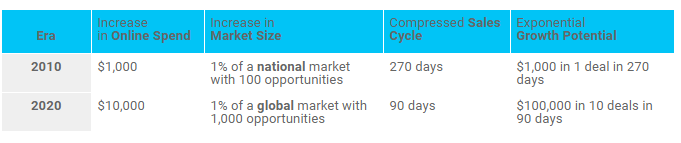

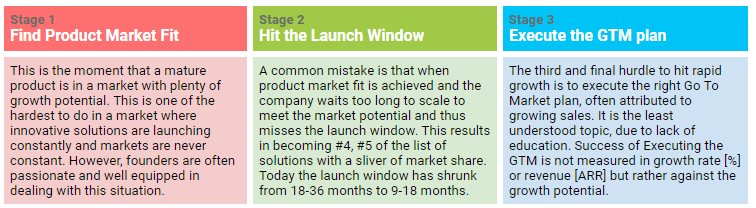


 Finding the Perfect Influencer Marketing Platform


 Influencer Marketing Strategy: The Road to Success


 Influencer Marketing is the New Native Advertising
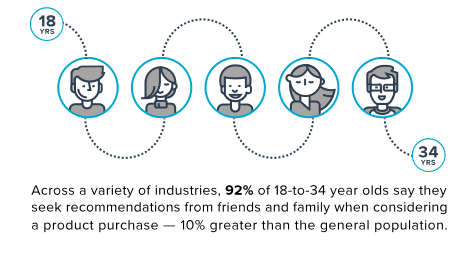 We know that people trust recommendations from other people they know—and that includes people they know via their online presence. In fact, 92% of 18-to-34 year-olds say they seek recommendations from friends and family when considering a product purchase—which makes word-of-mouth the highest ranked source for trustworthiness. This trust is leveraged in influencer marketing.



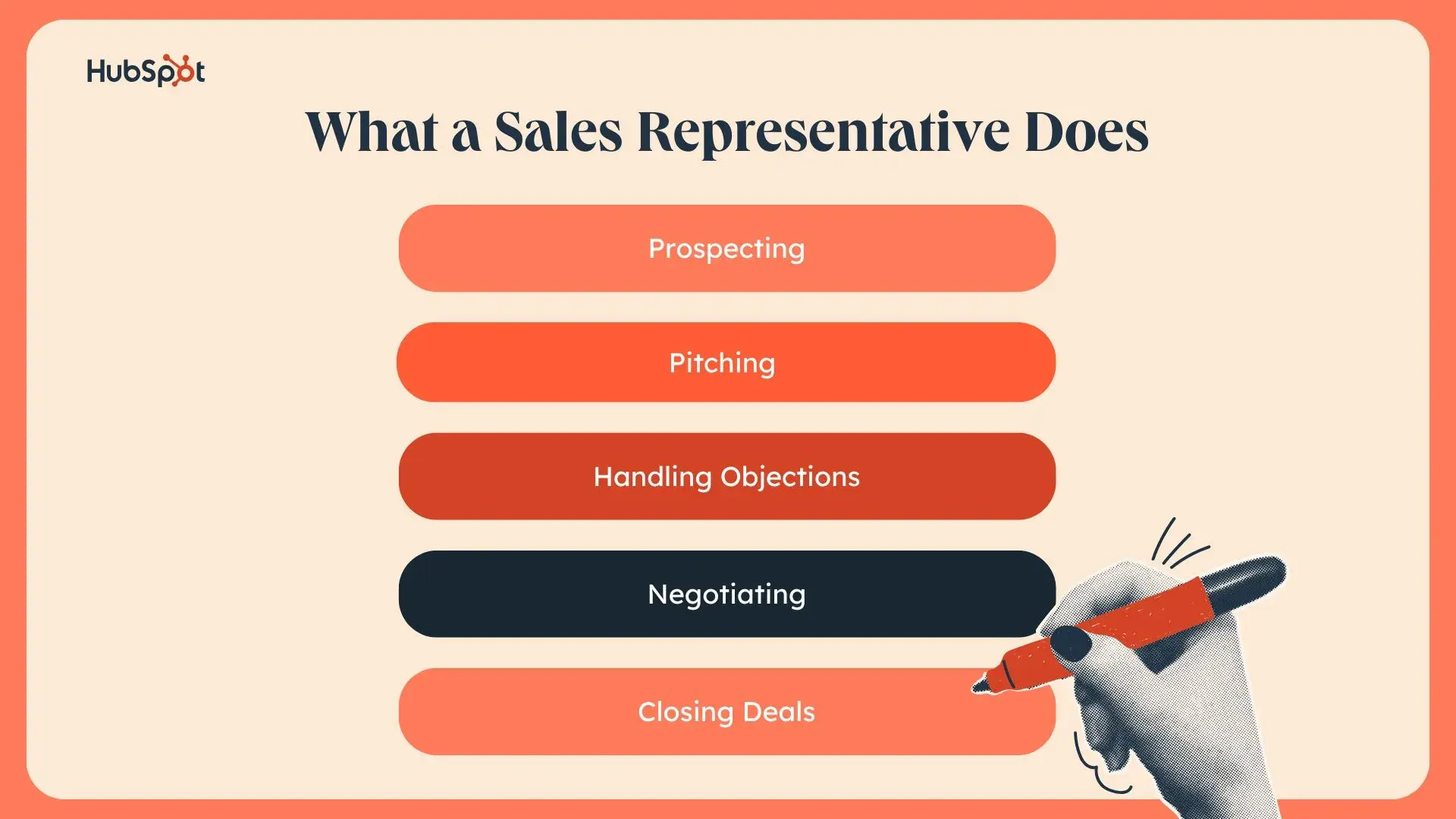
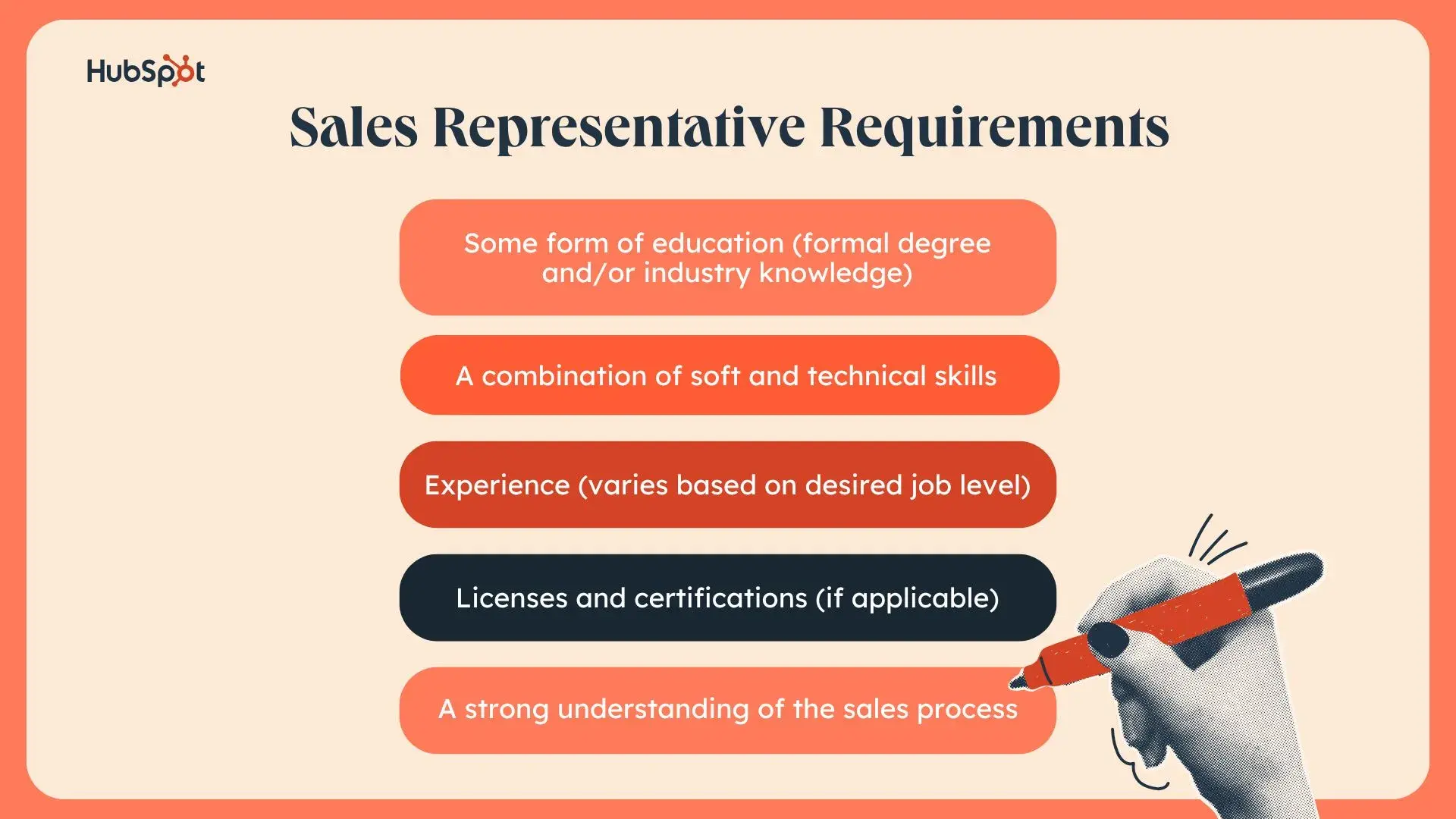
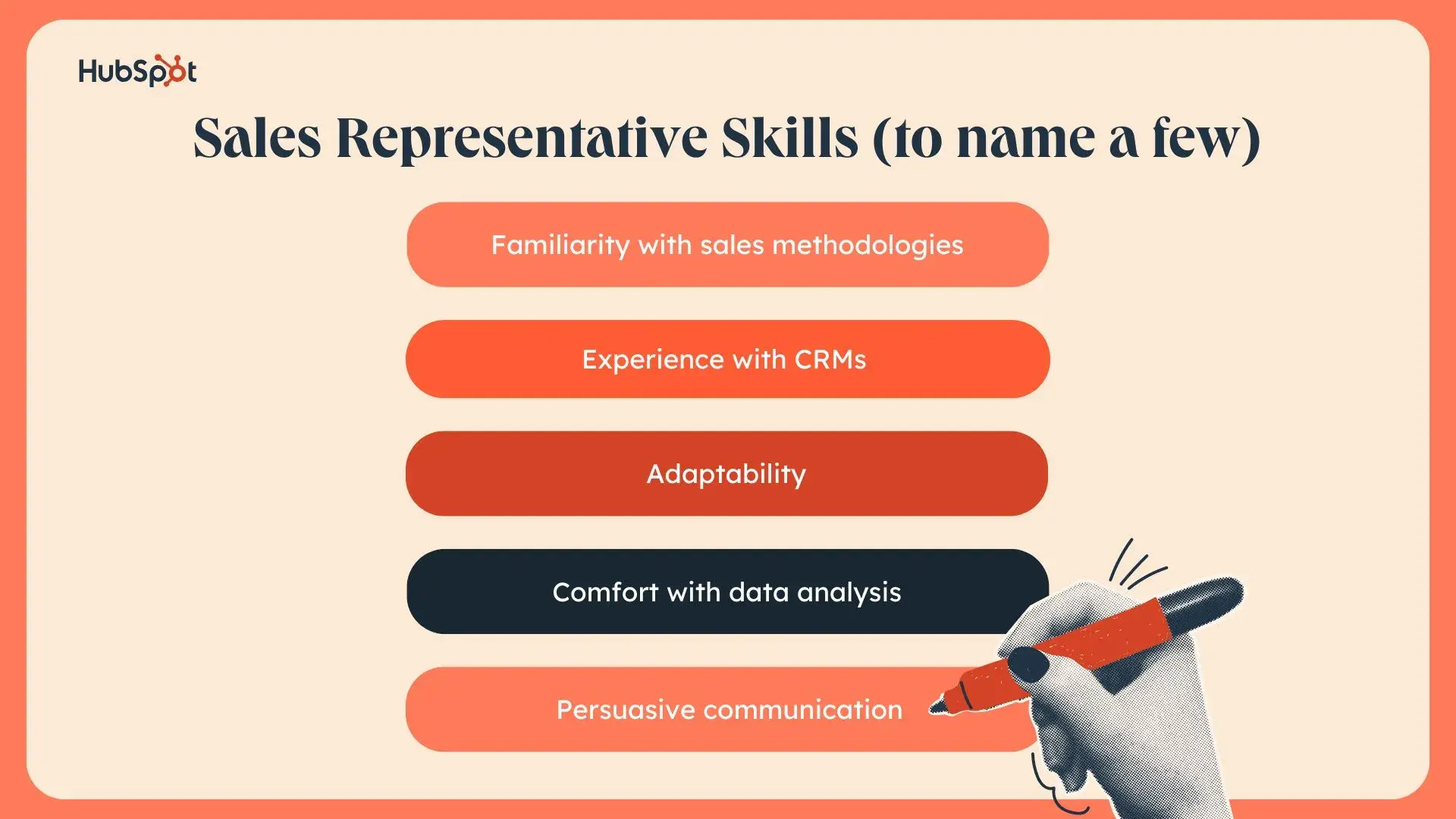
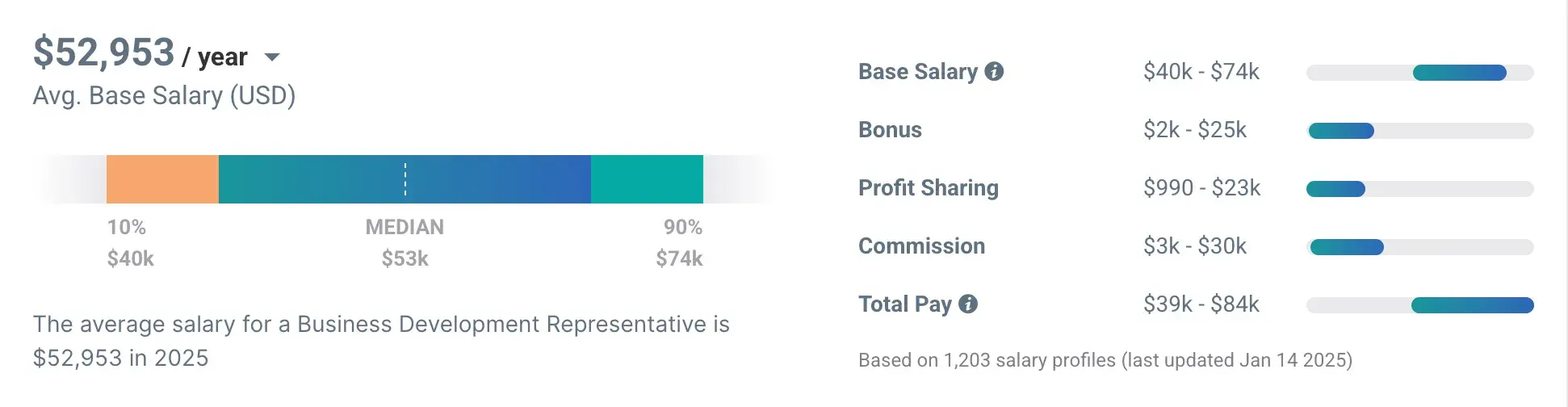
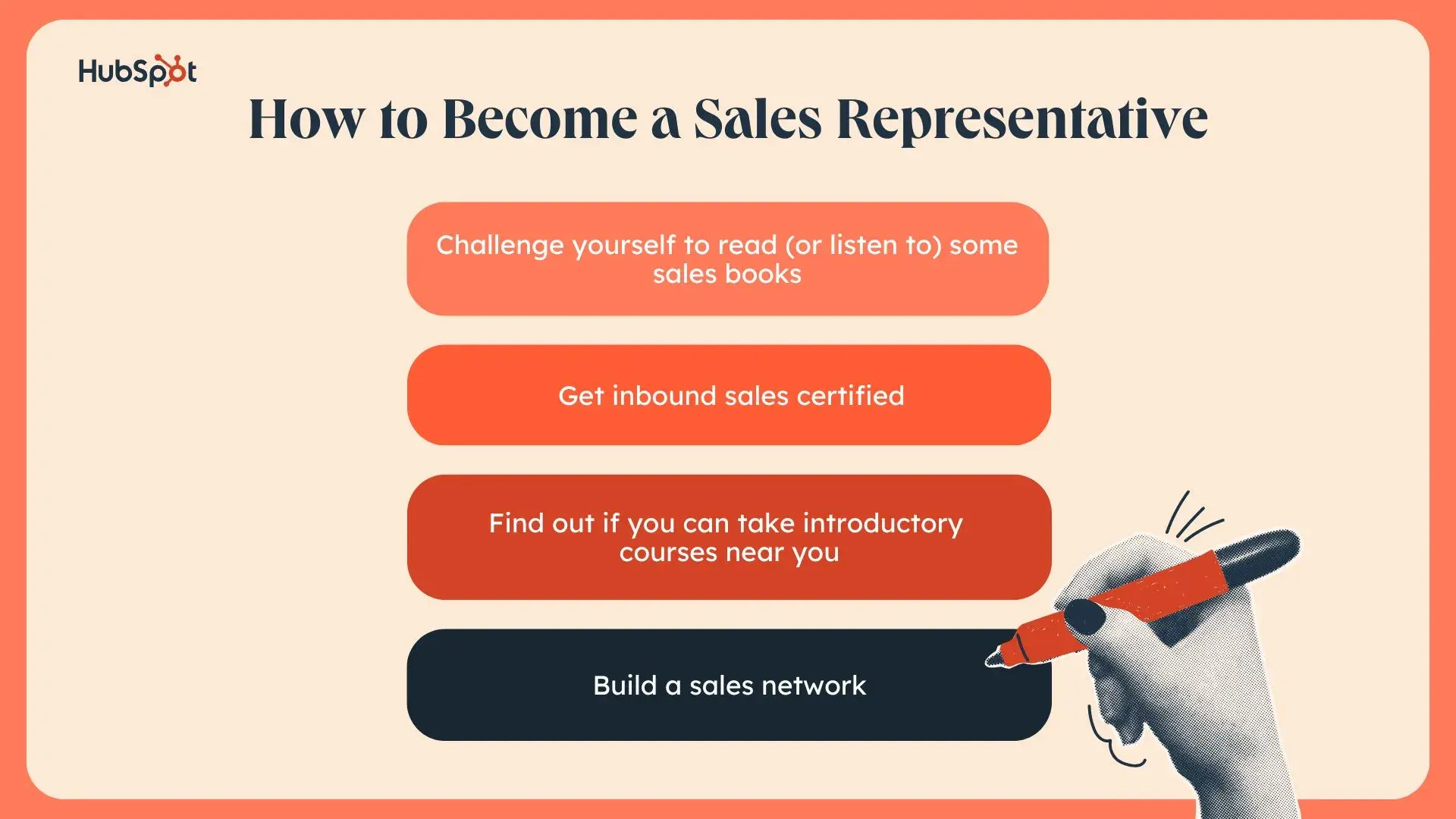


 technology, the voice recognition app lets users talk in their natural tone, accent and pace.


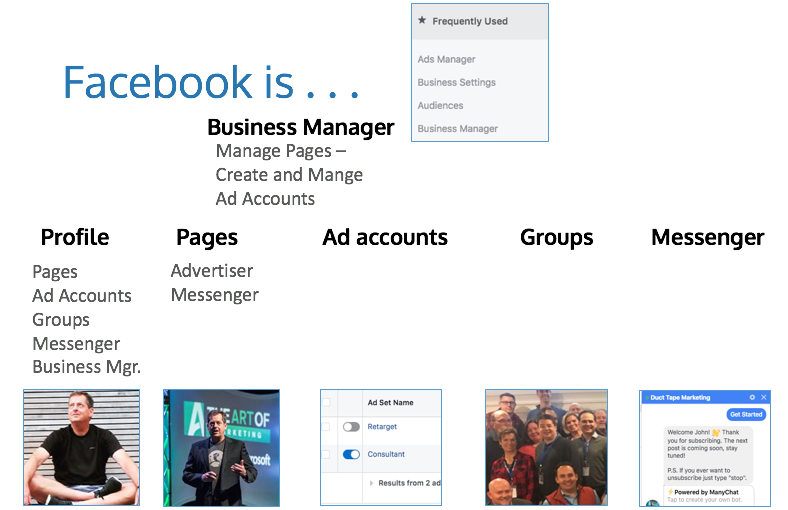
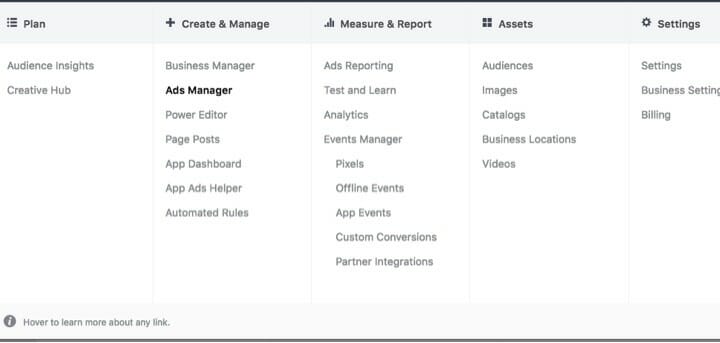
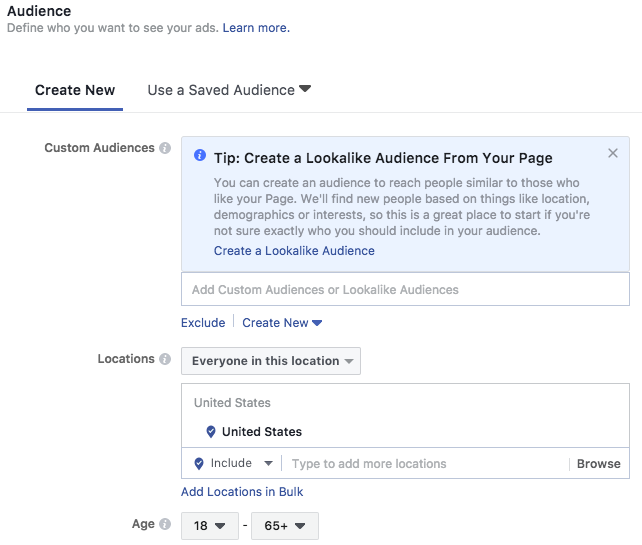
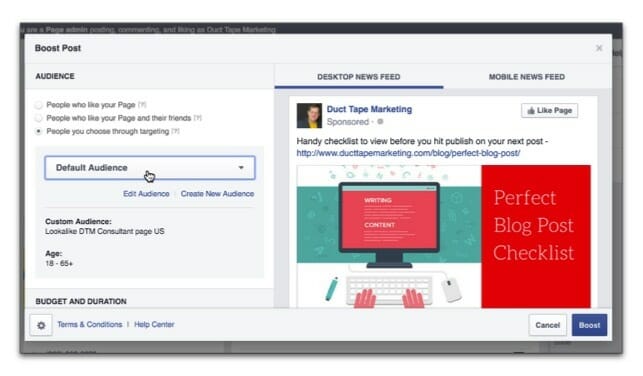
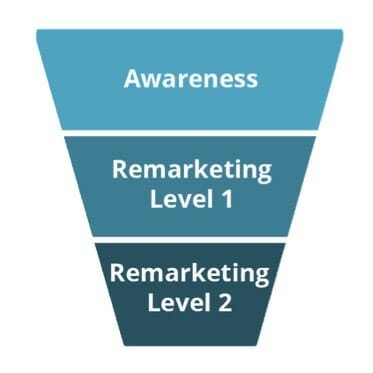
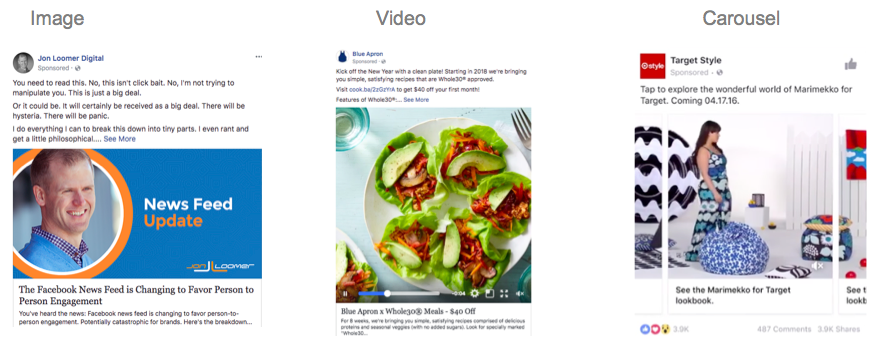


 http://feeds.feedblitz.com/~/219002108/0/markgrow~Brands-need-to-stop-the-insanity-and-invest-in-true-influence/2018/02/07/true-influence/feed/0Social Media Strategy,avtar ram singh,Content Ignition Strategy,Influence marketing,Internet marketing,influencers,social media,fake followers,social influencer,digital influencer,influencer marketing,influence marketing,Content Marketing,social media influencers
By Avtar Ram Singh, {grow} Contributing Columnist
Influencer marketing is becoming a crowded space. There's barely any loyalty between influencers and brands, especially in smaller cities and geographies.
It's also becoming confusing and controversial. A brilliant piece of journalism from The New York Times cast some light on the rise of social media bots and the inflated follower counts that we see on Twitter.
If you're working in influence marketing today, you probably don't know how to measure success, or even what, exactly, to ask an influencer to do for you.
Today, I want to introduce a radical idea of where this needs to head. We need to be investing in the influencers themselves, not their audience, content, or reach.
What are marketers doing with influencers in 2018?
Let's start this discussion by exhuming a few of the problems in the field.
Research from Linqia, an influencer marketing platform has revealed some interesting trends in terms of how marketers are thinking about influencer marketing in 2018.
One of the stand-out statistics is that 36% of marketers plan on using influencer content with e-commerce to drive product sales.
The wording there is important.
Brands don't plan on leveraging influencers to drive product sales, they plan on using influencer content themselves, to do so.
In essence, engage the influencer to create content, and then use their content in their own paid advertising to drive product sales. It's almost like they're outsourcing their creative work to influencers.
Can we trust influencers?
Which leads us to an interesting place in the influence marketing evolution. Can we truly count on the influencers of today when trying to drive sales? When working with influencers, there are a couple of obstacles that almost always come up:
- Influencers not wanting to give access to their page insights / data to check results. - Influencers refusing to use UTM tags to track website traffic and conversions. - Influencers refusing to use Bitly links to track performance. - Influencers trying to justify their worth by reach / impressions data, or engagement in terms of likes / retweets.
It can be frustrating. When you eventually do manage to find a solution and implement proper tracking, you suddenly realize that the results based on the investment, are frequently … underwhelming.
Influencers as Media Vehicles
Agencies have turned influencers into contract-based engagement services, and it's driving the wrong behavior in our field.
Findings from Captiv8, a platform that connects influencers with brands – show that as you move up the chain of influence, acquiring more followers (and more influence?), you can demand greater compensation from brands for spreading the word about their product:
In fact, reports suggest that if you've got a cool half million lying around, you could get Selena Gomez to endorse your product for you. If you've got twice that amount, Beyoncé would be happy to talk to her followers about your B2B lead management tool. A dollar? I bet Mark Schaefer would pick up the phone (sorry Mark I couldn't resist!)
This is a relevant model, and something we can understand because it is so similar to the way the ad world has always done things. Success has always been based on audience numbers: When you approach a magazine, a newspaper or a radio station for a promotion spot, their pricing usually hinges on the size of their audience. A 5:30 “drive time” spot at a radio channel costs more, because they promise you greater reach.
A newspaper with greater circulation can charge more than a competitor with a lot less circulation. They promise you more eyeballs.
As a result, wannabe-influencers have been inflating their follower counts and engagement with bots, faking it in the hope they'll make it. We stopped asking them for influence, we stopped asking them for business results ... By Avtar Ram Singh, {grow} Contributing Columnist
Influencer marketing is becoming a crowded space. There's barely any loyalty between influencers and brands, especially in smaller cities and geographies.
It's also becoming confusing and ...
http://feeds.feedblitz.com/~/219002108/0/markgrow~Brands-need-to-stop-the-insanity-and-invest-in-true-influence/2018/02/07/true-influence/feed/0Social Media Strategy,avtar ram singh,Content Ignition Strategy,Influence marketing,Internet marketing,influencers,social media,fake followers,social influencer,digital influencer,influencer marketing,influence marketing,Content Marketing,social media influencers
By Avtar Ram Singh, {grow} Contributing Columnist
Influencer marketing is becoming a crowded space. There's barely any loyalty between influencers and brands, especially in smaller cities and geographies.
It's also becoming confusing and controversial. A brilliant piece of journalism from The New York Times cast some light on the rise of social media bots and the inflated follower counts that we see on Twitter.
If you're working in influence marketing today, you probably don't know how to measure success, or even what, exactly, to ask an influencer to do for you.
Today, I want to introduce a radical idea of where this needs to head. We need to be investing in the influencers themselves, not their audience, content, or reach.
What are marketers doing with influencers in 2018?
Let's start this discussion by exhuming a few of the problems in the field.
Research from Linqia, an influencer marketing platform has revealed some interesting trends in terms of how marketers are thinking about influencer marketing in 2018.
One of the stand-out statistics is that 36% of marketers plan on using influencer content with e-commerce to drive product sales.
The wording there is important.
Brands don't plan on leveraging influencers to drive product sales, they plan on using influencer content themselves, to do so.
In essence, engage the influencer to create content, and then use their content in their own paid advertising to drive product sales. It's almost like they're outsourcing their creative work to influencers.
Can we trust influencers?
Which leads us to an interesting place in the influence marketing evolution. Can we truly count on the influencers of today when trying to drive sales? When working with influencers, there are a couple of obstacles that almost always come up:
- Influencers not wanting to give access to their page insights / data to check results. - Influencers refusing to use UTM tags to track website traffic and conversions. - Influencers refusing to use Bitly links to track performance. - Influencers trying to justify their worth by reach / impressions data, or engagement in terms of likes / retweets.
It can be frustrating. When you eventually do manage to find a solution and implement proper tracking, you suddenly realize that the results based on the investment, are frequently … underwhelming.
Influencers as Media Vehicles
Agencies have turned influencers into contract-based engagement services, and it's driving the wrong behavior in our field.
Findings from Captiv8, a platform that connects influencers with brands – show that as you move up the chain of influence, acquiring more followers (and more influence?), you can demand greater compensation from brands for spreading the word about their product:
In fact, reports suggest that if you've got a cool half million lying around, you could get Selena Gomez to endorse your product for you. If you've got twice that amount, Beyoncé would be happy to talk to her followers about your B2B lead management tool. A dollar? I bet Mark Schaefer would pick up the phone (sorry Mark I couldn't resist!)
This is a relevant model, and something we can understand because it is so similar to the way the ad world has always done things. Success has always been based on audience numbers: When you approach a magazine, a newspaper or a radio station for a promotion spot, their pricing usually hinges on the size of their audience. A 5:30 “drive time” spot at a radio channel costs more, because they promise you greater reach.
A newspaper with greater circulation can charge more than a competitor with a lot less circulation. They promise you more eyeballs.
As a result, wannabe-influencers have been inflating their follower counts and engagement with bots, faking it in the hope they'll make it. We stopped asking them for influence, we stopped asking them for business results ... By Avtar Ram Singh, {grow} Contributing Columnist
Influencer marketing is becoming a crowded space. There's barely any loyalty between influencers and brands, especially in smaller cities and geographies.
It's also becoming confusing and ...

 Avtar Ram Singh is the Head of Strategy at FALCON Agency, a performance-led, business results oriented marketing agency that operates in South East Asia. He’s built marketing strategies and performance frameworks for brands on global and regional levels, across a variety of industries. You can find him on LinkedIn, and Twitter.