Scott Lord
Scott Lord
Shared posts
22 Jul 04:51
the beautiful Fay Wray in The Evil Mind
by noreply@blogger.com (Scott Lord on Silent Film, Scott Lord on Mystery Film)
Scott Lord, Scott Lord and one other like this
22 Jul 04:51
Fay Wray in The Evil Mind
by noreply@blogger.com (Unknown)
Scott Lord, Scott Lord and one other like this
22 Jul 04:51
Silent Film: As it Is in Life (D.W. Griffith, Biograph, 1910)
by noreply@blogger.com (Scott Lord on Silent Film, Scott Lord on Mystery Film)
Scott Lord, Scott Lord and one other like this
22 Jul 04:51
Universal Sherlock Holmes Trailers
by noreply@blogger.com (Scott Lord on Silent Film, Scott Lord on Mystery Film)
Scott Lord, Scott Lord and one other like this
22 Jul 04:51
The Strand Magazine, December 1893
by noreply@blogger.com (Scott Lord on Silent Film, Scott Lord on Mystery Film)


Scott Lord, Scott Lord and one other like this
22 Jul 04:50
Scott Lord Silent Film: A Romance of Happy Valley (D. W. Griffith, 1919)
by noreply@blogger.com (Scott Lord on Silent Film, Scott Lord on Mystery Film)
During 1919, D.W. Griffith directed Lillian Gish and Kate Bruce in the six reel film "A Romance of Happy Valley", photographed by G.W. Bitzer. Actress Carol Dempster also appears in the film.
One specific use of technique Griffith uses in the film to depict narrative is a cut back and forth within the scene to an inserted close shot to reveal the character’s thoughts of another person. Lillian Gish is seen in close up during the flashback soliloquy insert.


Silent Film
D.W. Griffith
One specific use of technique Griffith uses in the film to depict narrative is a cut back and forth within the scene to an inserted close shot to reveal the character’s thoughts of another person. Lillian Gish is seen in close up during the flashback soliloquy insert.


Silent Film
D.W. Griffith
Silent Film
Scott Lord, Scott Lord and one other like this
22 Jul 04:50

Author Leif Furhammar has written that the merger between Swedish Silent Film companies Svensk Bio and Skandia to form Svensk Filmindustri took place in 1919, after Christmas. Without Swedish Silent Film directors Victor Sjostrom and Mauritz Stiller, who would leave for America with Lars Hanson and Greta Garbo, the remaining pantheon of John Brunnius and Gustaf Molander would teeter and by 1925 delineate the Golden Age of Swedish Silent Film with films that luckily, remarkably, would be contemporary interior dramas more amenable to the advent of sound rather than films that analysed the interior of the character by contrasting it to exterior landscapes and the divine-like prescence of nature as an unreachable narrator, or perhaps the character in specific historic contexts of interest to an audience looking to distance themselves aesthetically from modernity.
Swedish Silent Film scholar Bo Florin makes note of the province held by Nils Bouveng at the newly structured Svenska Filmindustri after the merger had taken place of the smaller companies into one and that Bouveng had published an article entitled Swedish Film Advertising: How the Industry Plans to Conquer the World in the 1919 periodical Filmjournalen. Nils Bouveng of Swedish Biograph was very much responsible for the distribution of Swedish Silent Film in the United States. The publication Exhibitor's Herald during 1921 noted that although Bouveng was deemed to have thought the film market overcrowded, he would still export film "of merit" to the United States. It wrote,"Swedish Biograph has control of all product of Scandinavian studios and will offer only the cream of these pictures to American theaters...While Thy Soul Shall Bear Witness is regarded as its finest offering, company executives believe that Judge Not, Sir Arne's Treasure, Youth Meets Youth, Dawn of Love and Secret of the Monastery will compare favorably with any American made production." Actors that were anticipated to greet audiences in the United States included Mary Johnson, Gosta Ekman Renee Bjorling, Tora Teje, Edith Erastoff Lars Hanson, Karin Molander and Victor Sjostrom.
Scandinavian films were often peered at by American and British film magazines and for thos looking for film rveiews, extatextural discourse on European films can often be located within them. Picture Play Magazine during 1921 looked at the theater screens of Sweden. "Lars Hanson, a star of the Swedish constellation may be added to the European counterparts of American stars. Lesley Mason denominates him 'the Charles Ray of Sweden' and considers him the best male bet of Europe so far as American popularity is concerned. The most popular of the Swedish feminine stars, according to Mr. Mason, are Tora Teje, Karin Molander and Mary Johnson. During the following year, 1922, the periodical Picturegoer magazine in fact recognized actress Mary Johnson as being the leading actress from Sweden in an article about actors known internationally and transnational cinema but opined that as a foreign celebrity she entertained a more subdued fame, as though to denote a lack of commodification of the female in extratextural discourse, ie. exploitation. "Although she rejoices in the title of 'Sweden's Sweetheart", loveable, little Mary Johnson has never recieved a 'fan' letter from Sweden. The reason is extremely simple. There are no 'fans' there. The star, as a star and personality, simply doesn't count. The Swedish picturegoer is very critical as to story, technique and acting and highly appreciative too; but as to writing to the movie stars- perish the thought." Author Walter Bloem, in his volume The Soul of the Moving Picture from 1924, in a discussion on The Scene, singled out two Swedish Silent Film actresses by briefly mentioning Karin Molander and Tora Teje as having "the psychic power which spells variety in the creation of character" as contrasted with a plentiful supply of American actresses that presented "a soporific drama of a single sorrow or grief or pain, of a conventional melancholy, sadness or lament." Author Benjamin B. Hampton to the contrary, in his volume A History of the Movies, published during 1931, seems to transverse the period following the Golden Age of Silent Film as though from 1925-1930 were stagnant, typifying Swedish Silent Film as tendentious. "The Scandinavians, despite fine actors and directors, lean so frequently toward gloomy, sophisticated stories, that they have been negligible factors in production as far as production is concerned." Hampton overlooks that this is exaclty what helps to account for the film made in Sweden after 1925 having been attempts at commercial success through light hearted comedies.
The periodical Motion Picture News during 1925 cited Charles Magnusson as the president of The Swedish Film Industry, Inc. of Stockholm. The occaision was his visit to America and Hollywood. It quoted Magnusson as having said, "American pictures are teaching the people of Sweden to think like Americans, to dress like them and to act like them...They are all emulating the American screen stars and bobbed heads are almost universal throught the North country." He added that Swedish filmmakers were dependent upon artifical lighting, "Our plant in Stockholm is about twelve acres, but we have only two production stages." The Film Daily covered the same visit of Charles Magnusson to Hollywood with the title "Sweden Can't Compete". It claimed that Sweden would look to European markets rather than American and that Swedish audiences demanded American films, one hundread out of one hundread and forty films shown in Sweden being made in Hollywood. Leif Furhammar explains, "Swedish film ended up in a vicious circle, where the production volume declined as American films gained market share, resulting in theaters demanding even more American films to fill the Swedish void." In 1925, only 3% of films screened first run to Swedish audiences were produced in Sweden against 70% of films shown in Sweden being American.
The sentiment that the Golden Age of Swedish Silent Film had been overwhelmed by Hollywood and its towering economic system rather than the expected bolstering of Swedish studios through exportation is expressed by author Joel Fryholm, Lund University, who includes the global prescence of American films as conributing to the decline of the Scandinavian art film in a paper tracing the "Swedish Agitation against American Films" and the splashing of advertisements for them in Swedish newspapers that had neccesitated the need for debate regarding legislation. Providing a historiography of Ipsea, for which Gustaf Molander and Olaf Molander directed, Fryholm sees Ipsea as much of the demise of the Golden Age of Swedish Silent Film by its differing from the transnationalism of a global American cinema by providing a national cinema that differed it choice of subject material from earlier "peasant films", their romanticism, their depiction of provincal culture and that they often "forgrounded the local natural landscape". In effect, Fryholm seems to decribe Sweden as losing world wide ticket holders by offering a new Sweden shown in "Swedish International Films", the reverse effect modernizing storylines had had for the silent film career of Greta Garbo, who at the crescendo of the silent era began to offer a flapper alternative while depating from early costume dramas. In extratextual discourse, film critics had begun to appraise the lack of "peasant films" before the departure of Sjostrom, Stiller, Hanson and Garbo to America had taken hold in the critical reception of first run features. Perhaps not an autuer, Gustaf Molander had reinvented himself and the signature styles of Swedish silent cinema, newspaper critics attempting to compare his films to those made in Hollywood, which at the beginning of the decade absorbed 80% of the Swedish market, as though a new cinematic experience for the remaining 20% of Swedish movie theater tickets. This alternative cosmopolitanism and metropolitanism intended to vie with Hollywood is in part faulted for the decline of the Golden Age of Swedish Silent Film it later having beenn seen unfavorably by film historian Gosta Werner.

During 1921, the periodical Motion Picture Magazine reported there would be an increase of importations from Stockholm and while it featured still photographs from the films Dawn of Love, The Secret of the Monsastery and A Fortuned Hunter, it marked that the storylines we're to be adaptations from the literature of Ibsen, Bjornsen and Selma Lagerlof and that the principal players had come from the Swedish theater, which aptly describes the way in which actress Greta Garbo would be introduced to Swedish film audiences two years later.
Swedish Silent Film director Ivan Hedqvist, who had acted for Svenska Biografteatern in Kristianstad, during 1919 directed the film "The Downy Girl"(Dunungen) from a novel and play by Selma Lagerlof, the film having starred Jenny Tschernichin-Larssen, Mia Grunder in her first appearance on the silent screen and Renee Bjorling in her first screen appearance for Svenska Biografteatern. The cinematographer to the film was Julius Jaenzon. As an adaptation of the work of Selma Lagerlof the film well meets the criteria if being included as an example of the Golden Age of Swedish Silent Film. The following year Ivan Hedqvist directed the film "Carolina Rediviva" scripted by Esther Julin and starring Rene Bjorling, Lia Noree and Hilda Bjorgstrom. Paul Rotha attributes the decline of the Golden Age of Swedish Silent Film simply, uncomplicatedly to their production being discontinued, "In fact, it may be said truthfully that the Swedish Film declined and it died a natural death by reason of its national characteristics of poetic feeling and realism". Paul Rotha typified Golden Age of Swedish Silent Film production with, "They are realized with exceptional visual beauty, being characterized by their lyrical quality of theme and their slowness of development. For their enviornment, full use was made of the natural landscape value of Sweden, whilst their directors were marked by poetic feeling."
Among the films produced by Filmindustri Skandia during 1920 photographed by Raol Reynolds and directed by Rune Carlsten was the film "The Bomb" ("Sunshine and Shadow", "Bomben"), starring Karin Molander and Gosta Ekman. Actress Karin Molander had starred in the lost film "Surrogatet" during 1919, the being no surviving copies of the film. A short film lasting only slightly over a half hour, it was directed by Einar Braun for Filmindustri Scandia, Stockholm. Rune Carlsten in 1920 wrote and directed the Swedish Silent Film film "A Modern Robinson" ("Robinson i skargarden") with actress Mary Johnson. The cinematographer to the film was Raoul Reynolds. Actress Mary Johnson married Norwegian actor Einor Rod after having appeared with him in the film. Director Rune Carlsten that year also directed Mary Johnson with Tora Teje and Hilda Castegren in "Family Traditions" ("Familjens traditioner") which he coscripted as well, his co-author having had been being Sam Ask. The film was produced by Svensk Filmindustri and photographed again by Raoul Reynolds. Einar Froberg was behind the camera duting 1920 to direct the film "Lunda Indians", photographed by Hellwig F. Rimmen. The running time of the film was three quarters of an hour. Swedish Silent Film director Solve Cederstrand directed his first film, "A Fateful Incognito" (Ett odesdigert kognito), starring Tage Alquist and Signe Selid in 1920. The film was written by Axel Essen and photographed by Kurt Jager, who went on to direct the film "Elaman maantiella" (1927) in Finland. Children were allowed to public exhibition of the 1920 film "The Shoemaker Prince",directed by Hjalmer Davidsen and scripted by Jens Locher for Palladium film. The film starred Maja Cassel as Princess Charlotte and Oda Larsen. In her paper The Excavation of New Swedish Childen's Film History, scholar Taichi Niibori, Stockholm University, asks if Pauline Brunius, wife of Swedish Silent Film director John Brunius was the "Founding Mother" of the Swedish Barnfilm with the film "Dragonfly" (1920) in a chapter on the Ambiguity of Generic Identity in exhibition strategies, that its "textural aspect symbolises the contemporaneuous concept of children's films". It is a short film of 21 minutes running time. Brunius often made short films with child actors in the leading parts.
Scripted by Hjalmer Bergman as an adaptation of his 1917 work "Friarna pa Rockesnas", the 1921 film "Fru Mariannes fare" was directed by Gunnar Klintberg, the cinematographer to the film having had been Robert Olsson. The film starred Astri Torsell, Ingrid Sunblad, Aslag Lie-Erde and Gota Klintberg. Gunnar Klintberg continued by directing Astr Torsell in two more Swedish Silent Films, "The Love Circle" [Elisabet) with actresses Julia Hakanson and Gota Klintberg and in "Lord Saviles Brott", adapted from the work of Oscar Wilde. Gunner Klintberg's wife, actress Gota Klintberg had appeared with Signe Kolthoff during 1919 in the film "Jefthas dottar", directed by Robert Dinesen. Swedish Silent Film director Ivan Hedqvist in 1921 directed the film "Pilgrimage to Kevlaar" (Valfarten till Kevlaar). Ragnar Hylten Cavailius, who scripted the photoplay of the film, appears on film as a supporting actor. Ivan Hedqvist followed the film in 1924 with "Life in the Country" (Livets pa Landet), photgraphed by Julius Jaenzon and starring Renee Bjorling, Einar Hanson, and the beautiful Mona Martenson. The film us considered a lost silent film with only fragments from newsreel footage.
Mona Martenson during 1922 was on the Swedish stage at Dramaten , under the direction of Olof Molander, performing Hjalmar Bergman's one act play "Mr. Sleeman is Coming". Greta Garbo that year would give her first on stage performance there, at Dramaten, in the play "The Adventure" (La Belle Adventure".
Bo Florin, Stockholm University, descries a financial crisis in Svensk Filmindustri during 1922, to the extent that its affect was the company only having made three films during 1923. Florin points out that a staggering 90% of all silent films shown in Sweden were in fact American and that this loomed over the perhaps immanent departure of director Victor Sjostrom.
Formerly a journalist, Gustaf Edgren in 1922 had founded his own film company, Varmlandsfilm, making his screenwriting and directorial debut with the film "Miss at Pori" (The Young Lady of Bjorneborg/Froken pa Bjorneborg) starring actresses Rosa Tillman, Elsa Wallin and Edith Ernholm in her first film. The photographer was Adrian Bjurman. Adrian Bjorman was again the photographer for Gustav Edgren during 1923 for the film "People of Narke (Narkingara), which Edgren wrote and directed. Starring in the film were Anna Carlsten, Gerda Bjorne, and Maja Jerlstrom in her first appearance on screen. The film was also produced by Edgren's company Varmlandfilm, which would continue to produce only the flms of Gustaf Edgren.
Aparrently actress Karin Swanstrom was required to give co-directing screen credit to her screenwriter Oscar Rydqvist to the first film she was to direct, "Boman at the Fair" (Boman at the Exbhition, Boman pa Uttstallingen", 1923). Photographed by Gustav A Gustafson, the film starred Ingeborg Strandin and was the only film in which Karin Gardtman was to appear.
Although it joins the narrative of film history in a chapter concerned with the decline of Swedish Silent Film and its Golden Age, author Forsyth Hardy describes the work of Inga Tiblad and Einar Hanson in the 1923 Gustaf Molander film "Malapirater" as "pleasant acting". The film is a comedy. Ragnar Widestedt in 1923 directed Agda Helin and Jenny Tschernichin-Larsson in the film "Housemaids" (Hemslavirmor) written by Ragnar Hylten-Cavallius.
Frederick Andersson in 1923 directed the film "En rackarunge" with actresses Elsa Wallin and Mia Grunder. Gustaf V, King of Sweden, is listed as being in the film. It was photographed by Swedish cinematographer Sven Bardach. Sven Bardach had earlier that year photographed his first film, "Andersson, Petterson och Lundstrom", under the direction of Carl Barklind. The film stars Vera Schmiterlow and Mimi Pollock, both aquaintances of Greta Garbo, Inga Tiblad, and Gucken Cederborg.
Swedish Silent Film director Per Lindberg directed his first film during 1923, "Norrtullsligan", written by Hjalmer Bergman and starring Tora Teje, Stina Berg, Linnea Hillberg and Nils Asther. Peter Cowie, in his volume Scandinavian Cinema, commended the film by writing it "belongs among the most courageous and enjoyable films of the European decade. Films prior to 1923 had presented individual female characters of flesh amd blood, but the Nortell Gang established a precedent....The screenplay by Hjalmer Bergman transcends the familiar image of women as decorative objects." Hjalmer Bergman was in fact the brother-in-law of director Per Lindberg. Per Lindberg directed a second film scripted by Hjalmer Bergman during 1923, "Anna Klara and her Brothers" (Anna Klara och hennes broder), it having starred Anna-Britt Ohlsson, Hilda Bjorgstrom, Karin Swanstrom, Linnea Hillberg and Margit Manstad in what would be her first appearance on screen. The film was photographed by Ragnar Westfelt.
The first two films directed by Sigurd Wallen are presumed lost, with no surviving copies existing. Wallen directed "Anderssonkans Kalle" during 1922 with Anna Diedrich and Stina Berg, the photographer to the film Adrian Bjurman. The following year Wallen directed "Anderssonkans Kalle pa Nya Upptage" photographed by Henrik Jaenzon and starring Edvin Adolphson, the debut film of actress Mona Martenson. Swedish Silent Film director Sigurd Wallen during 1923 directed the lost silent film "Friaren fran Landsvagen", which , co-scripted with Sam Ask and photographed by Henrik Jaenzon, had starred Edvin Adolphson, Jenny Hasselquist, and Mia Grunden. Edvin Adolphson in fact had directed a short film during 1923 starring Hilda Castegren, "Gronkopings veckorevy" his first appearance in Swedish movie theaters as a film director. Castegren had previously worked for Rune Carlsten and Gustaf Molander.
Swedish Silent Film director Bror Abelli in 1923 directed his first two films, including the film "Janne Modig", starring Ture Ottoson in the titular role.
The periodical Motion Picture World during 1927 reminded its readers that actress Sigrid Holmquist had already been introduced to audiences in the United States. "Sigrid Holmquist , once called the 'Swedish Mary Pickford' is another foreign star, very popular with american public, who might named. She is at present making some color art pictures at Tiffany." The periodical Motion Picture Classic countered with a full page portrait of the actress photocaptioned with ,"Sigrid Holmquist is one of the dozen or more 'Swedish Mary Pickfords' - every country has one to fifty." After her first silent film made in the United States, "Just Around the Corner" (Frances Marion, 1921, seven reels) in ehich she started with actress Margaret Seddon for Cosmopolitan Pictures, most of the filmscmade in Hollywood by Swedish actress Sigrid Holmquist are presumed lost, with no surviving existing copies, including two of her earliest, the lost silent film "The Prophet's Pradise" (Alan Croslnd, 1922), and the lost silent film "My Old Kentucky Home" (Ray C. Smallwood, as well as including the films "A Gentleman of Leisure" (Joseph Heneby) (1923) and in all probality the film "The Light That Failed" (George Melford, 1923) in which she starred with actress Jacqueline Logan; all filmed in the United States before Greta Gabo, Mona Martenson, and Vera Schmiterlow had entered the Royal Dramatic Training Academy. Before having left Sweden, actress Sigrid Holmquist had debuted in three comedies directed by Lau Lauritzen during 1920 for Palladium, among which were "Karleck och bjornjakt" and "Flickorna i Ave". Swedish Silent Film director Lau Lauritzen continued during 1921 to film the presumed to be lost film 'Silkesstrumpen" starring actresses Oda Rostrup and Winifred Westover an American from California that had appeared in the "Bodakungen" directed by Gustaf Molander. The cinematographer to the film was Hugo J. Fischer. There are no existing copies of the film that survive. Lau Lauritzen also that year continued with the presumed to be lost film "Karleck och Hypnotism", also for Palladium, starring actress Kiss Andersson.
Swedish Silent Film director John Lindlof in 1924 directed the film "Man of Adventure" (Odets Man) with Inga Tiblad and Uno Henning, photographed by Gustav a Gustafson and written by J. Evicius. Knut Lambert who appears as an actor in the film and subsequently several later films, directed the lost film "Equal Among Equal" (Lika mot lika) in 1906, it having been the first film in which actress Tollie Zellman was to appear. Lambert appears with Tollie Zellman in the film as an actor with his wife Helfrid Lambert. There are no surviving copies of the film.
Sigurd Wallen during 1924 directed Inga Tiblad with Einar Froberg in " Grevarna pa Svanta" photographed by Henrik Jaenzon. Mostly known for being a theater director it was the first of only a handful of films Froberg had appeared in and the only film script that he had written. Froberg had directed an earlier film, "Lunda-indianer" starring Ture Sjogre and Malte Akerman, during 1920, his only time behind the camera, and had directed his own play, "Individerna Forbund' in Stockholm during 1919. Gustaf Molander appeared on stage in Stockholm in Froberg's play "Erna" under the direction of Gustaf Linden at The Drama (Dramaten) during 1922.
Ivar Kage in 1924 directed Gosta Hillberg and Edvin Adolphson in the film "When the Lighthouse Flashes" (Dar fyren blinken) for Svensk Ornfilm. The script was written by Esther Julin who had earlier adapted the novels of Selma Lagerlof to the screen for Victor Sjostrom. A fairly obscure or nonprolific photographer, Hellwig Rimmen during 1924 photographed the only film that he was to direct, "Hogsta Vinsten", it having starred actress Hilma Bolvig. The running time to the film was a half hour. Rimmen had began filming in Sweden under the direction of Einar Fronerg during the only film he was to direct, the 1920 film "Lunda-Indianer".
Actor Bror Berger directed one Swedish Silent Film the 1924 "Den Forgylida lergoken", based on thebplay by Emil Norlander. The film stars actresses Anna-Lisa Lindzen, Gunnilla Ehrenmark, Anna Herzman, and Stina Gutterman.
In the world Swedish Literature, during 1924 the author Birger Sjoberg published the novel Kvartetten som sprangdes (The Quartet That Split Up) which was later adapted for the screen three times, the directors including Arne Bornebusch,Gustaf Molander and Hans Alfredson.
Gustaf Edgren in 1924 directed the film "The King of Trollebro" (Trollebokungen) an adaptation of the Maja pa Stadt's 1917 novel scripted by Solve Cederstrand and photographed by C.A. Soderstrom, the film having starred actresesses Signe Ekloff, Gunvor Winberg, and Anna Carlsten, wife of Rune Carlsten.
Rune Carlsten directed a handful of Swedish Silent Films before distinguishing himself as a director of Swedish Sound Film, in 1924 their having included the film "The Young Nobleman" (Ung greven tar flickan och priset) starring Karin Swanstrom. In 1925 Rune Carlsten married beautiful Dora Soderberg, daughter of novelist Hjalmer Soderberg, author of the 1905 novel "Dr. Glas" and the 1912 novel "The Serious Game".
Included in the number of Swedish Silent Films that are lost, with no surviving copies known to exist is the film "40 Skipper Street" (Skeppargatan 40), directed by Gustaf Edgren during 1925. The film brought Mona Martenson and Einar Hanson together on screen , it also having featutred actresses Magda Holm and Karin Swanstrom. The photoplay was cowritten by director Gustaf Edgren with HUgo CLareus and Solve Cederstrand.
During 1925, Pauline Brunius was appearing on stage with Gosta Ekman in the play "Dalin och Drottningen", written by her brother in law, August Brunius. August Brunius has recently been described by one biographer as having been "the first professional Swedish critic", his having had begun writing essay on the theater in 1917.
Swedish Silent Film director William Larsson during 1925 directed the film "Broderna Ostermans huskors" with Jenny Tscherichin-Larsson and Frida Sporrong; the film is presumed to be lost with no surviving copies existing as is its 1932 remake directed by Thure Alfe, in which actress Fida Sporrong also appeared. During 1925 William Larsson also directed "For hemmet och flickan" with Jenny Tchernichin Larsson and Elsa Widborg in what was to be the first film in which she was to appear. The former was photographed by Arthur Thorell, the former by Henrik Jaenzon. "For hemmet och flickan" is presumed to be lost, with no surviving copies existing and carried the first screenplay written by Weyler Hildebrand, who went on to direct Swedish sound films.
Swedish Silent Film director Sigurd Wallen during 1925 directed the film "Hennes lilla Majestat" starring actresses Margita Alfven, Stina Berg, Gucken Cederborg, and Olga Andersson in the first feature film in which she was to appear. With a photoplay scripted by Henning Ohlson, the film was photographed by Axel Lindblom.
Olaf Molander, to bring the Golden Age of Swedish Silent Film to an anticlimax rather than a crescendo, directed only three silent films, the first in 1925, the next the following year and one the year following that. About the 1925 film, "Lady of the Camelias"(Damen med kameliorna) Forsyth Hardy writes,"The film derived some distinction from the delicately composed interiors and the touching performance of Tora Teje gave in response to Molander's skilled direction." Peter Cowie writes, "Although the film betrays the theatrical loyalties of its director, the camera observing most scenes from a single, rigid, set up, Molander knows how to rein in the histrionics of his players (Nils Arehn, for example creates an excellant Georges Duvall) and he copes well with the outdoor scenes." Photographed by Gustaf A. Gustafson, the films stars Ivan Hedqvist, Hilda Bjorgstrom and Lisskulla Jobs in the first film in which she was to appear. Not incidentally, during 1925 Olaf Molander directed "Kameliadamen" on stage at the Royal Dramtic Theater, Stockholm.
During 1926 Olaf Molander directed August Strindberg's play "Advent" at the Royal Dramatic Theater, Stovkholm. Olaf Molander chose August Strindberg's short story "Ett Dockhem" for his second of three Swedish Silent Films, adapted for the screen in 1926 from a screenplay by Per Axel Branner as the film "Married Life/Getting Married" (Giftas), photographed by Gustaf A. Gustafson. Scholar Jesper Larsson, in his paper "Tora Teje, Reception and Swedishness" writes that actress Tora Teje "was deemed to be stiff and unsuited for the screen". Jesper Larsson intuitively or sagaciously recognizes the reception of the star image of Tora Teje as "an extension of how American films reproduced ideas about consumption and luxury" veering from the concept and aesthetic of the golden age of Swedish Silent Film and its "distillation of a distinctive national style...often set in historical times or rural Sweden." Also appearing in the film "Married Life" are actresses Hilda Borgstrom and Margaret Manstad.
Actress Tora Teje returned to the stage and Dramaten during 1926 to bring August Brunius' play "Messeniernas fall" to Swedish Theater under the direction of of Olaf Molander. Mimi Pollack gives an account that she and Greta Garbo looked up to Tora Teje while at drama school and attempted to imitate her, which may account for Garbo's languishing fatigue of disinterest while portraying characters- Tora Teje at the time was austere while being devoted to religion and lofty. Pauline Brunius, on the other hand was to become Tora Teje's bitter rival.
During a year that he directed "Peer Gynt" by Henrik Ibsen at the Royal Dramtic Theatre in Stockholm, Olaf Molander continued during 1927 with "Only a Dancing Girl" (Bara en danserska), starring Lili Dagover, Karin Swanstrom, and Anna-Lisa Ryding, which he wrote and directed. The cinematographer to the film was Hugo Edlund.
Sigurd Wallen during 1926 directed the film "Ebberods Bank", the assistant director to the film Rolf Husberg. The film starred acresses Stina Berg, Jenny Tschernichin-Larsson and Carina May in her first of three screen appearances. The film is presumed to be lost, with no survivivng copies.
There are no surviving copies of the lost silent film "My Wife Has a Fiancee" (Min Fru har en Fastman, 1926) directed by Theodor Berthels who coscripted the photoplay with wife Greta Berthels. SWedish silent film actress Jenny Hasselquist stars in the film with Thora Ostberg and Tyra Leijman-Uppstrom. It was one of two films produced by Thebe Film. THe following year Theodor Berthels directed the film "Arnljot" (1927) from a manuscript written by his wife Greta Berthels. Both appear onscreen in the film with actress Thora Ostberg. The photographer of the film was Adrian Bjurman. The film is also presumed to be lost, with no surviving copies.
Petschler-Film during 1926 produced the film "Brollopet i Brana" directed by Eric A. Petschler and written by Esther Julin and Lars Tessing. The film, photographed by Gustav A. Gustafson, teamed Edvin Adolphson, Mona Martensen and Emmy Albin. The film "Hin och smalanningen" directed by Erik A Petschler for Petschler Film during 1927 is presumed to be lost, with no known surviving cooies of the film. Co-written by Petschler with Sam Ask as an adaptation of the 1888 play by Frans Hedberg, the film starred actresses Jenny Tchernichin-Larsson, Anita Dow, Birgit Tengroth and Greta Anjov. Screenwriter Sam Ask appears on screen as an actor. The film was photographed by Gustav A. Gustafson.
"Mordbrannerskan" (1926), directed by John Lindlof, photographed by Gustaf A. Gustafson and starring Vera Schmiterlow and Brita Appelgren was the first film in which Birgit Tengroth was to appear.
Actress Vera Schmiterlow, fondly remembered for being a friend of Greta Garbo, during 1927 under the direction of Sigurd Wallen with actress Stina Berg in the film "The Queen of Pellagonia" (Drottninggen av Pellagonia". Scripted by playwright Henningen Ohlsson, the film was photographed byAxel Lindblom.
Swedish Silent Film director Gustaf Edgren in 1927 directed "The Ghost Baron" (Spokbaronen) starring Karin Swanstrom and photographed by Adrian Bjuman, which was followed by "Black Rudolph" (Svarte Rudolph) in 1928, starring Inga Tiblad amd Fridolf Rhudin, both films having been written by Solve Cederstrand. The assistant director to the film "Black Rudolph" had been Gunnar Skogland. It was the first film in which actress Katie Rolfson was to appear.
Vilhelm Bryde directed his only film during 1927, "A Husband By Proxy" (En Perfekt Gentleman) a comedy scripted by Hjalmar Bergman starring Gosta Ekman, La Jana and Karin Swanstrom. The film was produced by Minerva Film. Bryde had acted in a more than a dozen Swedish Silent Films beggining with "Erotikon", directed by Mauritz Stiller.
Screenwriter Ragnar Hylten Cavailius directed a half dozen films over two decades included in his more than fourty years of contributing scripts to Swedish Silent and Swedish sound films. Included among them during 1928 was the film "Hans kungl. Hoget shinglar" starring actresses Karin Swanstrom, Brita Appelgren and Maria Paudler. The film was scripted by Paul Merzbach.
Like Ragnar Hylten Cavailius, a screenwriter from the Golden Age of Swedish Silent Film that later had had a limited foray into directing films, Sam Ask wrote and directed the 1928 Swedish Silent "Erik XIV", it having starred Sophus von Rosen, Eva Monk af Rosenchold, Lisa Ryden and Gosta Werner. Nothwithstanding, despite the film "Erik XIV", author Peter Cowie sees 1928 as the beginning of a "barren period" ensuing after Charles Magnusson was "eased out of" Svenska Filmindustri by Ivar Kruger with Olaf Andersson as head of the firm. Charles Magnusson had folded, and left his position at Svenska Filmindustri during 1928, but the present author feels that perhaps author Peter Cowie is either mistaken or exaggerating when he claims that it had precipitated a "veritable exodus of talent"- the directors Victor Sjostrom and Mauritz Stiller admittedly were in the United States, but contrary to Cowie's volume Scandinavian Cinema, actor and actress Greta Garbo and Lars Hanson had undoubtedly left Sweden prior to the departure of Charles Magnusson, as had Einar Hanson, leaving only the screenwriters Hjalmer Bergman and concievably Tancred Ibsen. And yet the spirit of Cowie's passage views him as essential as a founder and catalyst, which he was.
Peter Cowie, in his volume Scandinavian Cinema chronicles the end of the silent era in Sweden as being a time of less output, "Swedish film production declined through the 1920's, reaching a nadir in 1929, when a mere six features were released."
Danish Silent Film
Victor Sjostrom
Victor Sjostrom
Gustaf Molander
As The Golden Age of Swedish Silent Film Begins to Wane
by noreply@blogger.com (Scott Lord on Silent Film, Scott Lord on Mystery Film)
Swedish Silent Film Companies Merge, Svensk Filmindustri Emerges
Author Leif Furhammar has written that the merger between Swedish Silent Film companies Svensk Bio and Skandia to form Svensk Filmindustri took place in 1919, after Christmas. Without Swedish Silent Film directors Victor Sjostrom and Mauritz Stiller, who would leave for America with Lars Hanson and Greta Garbo, the remaining pantheon of John Brunnius and Gustaf Molander would teeter and by 1925 delineate the Golden Age of Swedish Silent Film with films that luckily, remarkably, would be contemporary interior dramas more amenable to the advent of sound rather than films that analysed the interior of the character by contrasting it to exterior landscapes and the divine-like prescence of nature as an unreachable narrator, or perhaps the character in specific historic contexts of interest to an audience looking to distance themselves aesthetically from modernity.
Swedish Silent Film scholar Bo Florin makes note of the province held by Nils Bouveng at the newly structured Svenska Filmindustri after the merger had taken place of the smaller companies into one and that Bouveng had published an article entitled Swedish Film Advertising: How the Industry Plans to Conquer the World in the 1919 periodical Filmjournalen. Nils Bouveng of Swedish Biograph was very much responsible for the distribution of Swedish Silent Film in the United States. The publication Exhibitor's Herald during 1921 noted that although Bouveng was deemed to have thought the film market overcrowded, he would still export film "of merit" to the United States. It wrote,"Swedish Biograph has control of all product of Scandinavian studios and will offer only the cream of these pictures to American theaters...While Thy Soul Shall Bear Witness is regarded as its finest offering, company executives believe that Judge Not, Sir Arne's Treasure, Youth Meets Youth, Dawn of Love and Secret of the Monastery will compare favorably with any American made production." Actors that were anticipated to greet audiences in the United States included Mary Johnson, Gosta Ekman Renee Bjorling, Tora Teje, Edith Erastoff Lars Hanson, Karin Molander and Victor Sjostrom.
Scandinavian films were often peered at by American and British film magazines and for thos looking for film rveiews, extatextural discourse on European films can often be located within them. Picture Play Magazine during 1921 looked at the theater screens of Sweden. "Lars Hanson, a star of the Swedish constellation may be added to the European counterparts of American stars. Lesley Mason denominates him 'the Charles Ray of Sweden' and considers him the best male bet of Europe so far as American popularity is concerned. The most popular of the Swedish feminine stars, according to Mr. Mason, are Tora Teje, Karin Molander and Mary Johnson. During the following year, 1922, the periodical Picturegoer magazine in fact recognized actress Mary Johnson as being the leading actress from Sweden in an article about actors known internationally and transnational cinema but opined that as a foreign celebrity she entertained a more subdued fame, as though to denote a lack of commodification of the female in extratextural discourse, ie. exploitation. "Although she rejoices in the title of 'Sweden's Sweetheart", loveable, little Mary Johnson has never recieved a 'fan' letter from Sweden. The reason is extremely simple. There are no 'fans' there. The star, as a star and personality, simply doesn't count. The Swedish picturegoer is very critical as to story, technique and acting and highly appreciative too; but as to writing to the movie stars- perish the thought." Author Walter Bloem, in his volume The Soul of the Moving Picture from 1924, in a discussion on The Scene, singled out two Swedish Silent Film actresses by briefly mentioning Karin Molander and Tora Teje as having "the psychic power which spells variety in the creation of character" as contrasted with a plentiful supply of American actresses that presented "a soporific drama of a single sorrow or grief or pain, of a conventional melancholy, sadness or lament." Author Benjamin B. Hampton to the contrary, in his volume A History of the Movies, published during 1931, seems to transverse the period following the Golden Age of Silent Film as though from 1925-1930 were stagnant, typifying Swedish Silent Film as tendentious. "The Scandinavians, despite fine actors and directors, lean so frequently toward gloomy, sophisticated stories, that they have been negligible factors in production as far as production is concerned." Hampton overlooks that this is exaclty what helps to account for the film made in Sweden after 1925 having been attempts at commercial success through light hearted comedies.
The periodical Motion Picture News during 1925 cited Charles Magnusson as the president of The Swedish Film Industry, Inc. of Stockholm. The occaision was his visit to America and Hollywood. It quoted Magnusson as having said, "American pictures are teaching the people of Sweden to think like Americans, to dress like them and to act like them...They are all emulating the American screen stars and bobbed heads are almost universal throught the North country." He added that Swedish filmmakers were dependent upon artifical lighting, "Our plant in Stockholm is about twelve acres, but we have only two production stages." The Film Daily covered the same visit of Charles Magnusson to Hollywood with the title "Sweden Can't Compete". It claimed that Sweden would look to European markets rather than American and that Swedish audiences demanded American films, one hundread out of one hundread and forty films shown in Sweden being made in Hollywood. Leif Furhammar explains, "Swedish film ended up in a vicious circle, where the production volume declined as American films gained market share, resulting in theaters demanding even more American films to fill the Swedish void." In 1925, only 3% of films screened first run to Swedish audiences were produced in Sweden against 70% of films shown in Sweden being American.
The sentiment that the Golden Age of Swedish Silent Film had been overwhelmed by Hollywood and its towering economic system rather than the expected bolstering of Swedish studios through exportation is expressed by author Joel Fryholm, Lund University, who includes the global prescence of American films as conributing to the decline of the Scandinavian art film in a paper tracing the "Swedish Agitation against American Films" and the splashing of advertisements for them in Swedish newspapers that had neccesitated the need for debate regarding legislation. Providing a historiography of Ipsea, for which Gustaf Molander and Olaf Molander directed, Fryholm sees Ipsea as much of the demise of the Golden Age of Swedish Silent Film by its differing from the transnationalism of a global American cinema by providing a national cinema that differed it choice of subject material from earlier "peasant films", their romanticism, their depiction of provincal culture and that they often "forgrounded the local natural landscape". In effect, Fryholm seems to decribe Sweden as losing world wide ticket holders by offering a new Sweden shown in "Swedish International Films", the reverse effect modernizing storylines had had for the silent film career of Greta Garbo, who at the crescendo of the silent era began to offer a flapper alternative while depating from early costume dramas. In extratextual discourse, film critics had begun to appraise the lack of "peasant films" before the departure of Sjostrom, Stiller, Hanson and Garbo to America had taken hold in the critical reception of first run features. Perhaps not an autuer, Gustaf Molander had reinvented himself and the signature styles of Swedish silent cinema, newspaper critics attempting to compare his films to those made in Hollywood, which at the beginning of the decade absorbed 80% of the Swedish market, as though a new cinematic experience for the remaining 20% of Swedish movie theater tickets. This alternative cosmopolitanism and metropolitanism intended to vie with Hollywood is in part faulted for the decline of the Golden Age of Swedish Silent Film it later having beenn seen unfavorably by film historian Gosta Werner.
Swedish Silent Film director Ivan Hedqvist, who had acted for Svenska Biografteatern in Kristianstad, during 1919 directed the film "The Downy Girl"(Dunungen) from a novel and play by Selma Lagerlof, the film having starred Jenny Tschernichin-Larssen, Mia Grunder in her first appearance on the silent screen and Renee Bjorling in her first screen appearance for Svenska Biografteatern. The cinematographer to the film was Julius Jaenzon. As an adaptation of the work of Selma Lagerlof the film well meets the criteria if being included as an example of the Golden Age of Swedish Silent Film. The following year Ivan Hedqvist directed the film "Carolina Rediviva" scripted by Esther Julin and starring Rene Bjorling, Lia Noree and Hilda Bjorgstrom. Paul Rotha attributes the decline of the Golden Age of Swedish Silent Film simply, uncomplicatedly to their production being discontinued, "In fact, it may be said truthfully that the Swedish Film declined and it died a natural death by reason of its national characteristics of poetic feeling and realism". Paul Rotha typified Golden Age of Swedish Silent Film production with, "They are realized with exceptional visual beauty, being characterized by their lyrical quality of theme and their slowness of development. For their enviornment, full use was made of the natural landscape value of Sweden, whilst their directors were marked by poetic feeling."
Among the films produced by Filmindustri Skandia during 1920 photographed by Raol Reynolds and directed by Rune Carlsten was the film "The Bomb" ("Sunshine and Shadow", "Bomben"), starring Karin Molander and Gosta Ekman. Actress Karin Molander had starred in the lost film "Surrogatet" during 1919, the being no surviving copies of the film. A short film lasting only slightly over a half hour, it was directed by Einar Braun for Filmindustri Scandia, Stockholm. Rune Carlsten in 1920 wrote and directed the Swedish Silent Film film "A Modern Robinson" ("Robinson i skargarden") with actress Mary Johnson. The cinematographer to the film was Raoul Reynolds. Actress Mary Johnson married Norwegian actor Einor Rod after having appeared with him in the film. Director Rune Carlsten that year also directed Mary Johnson with Tora Teje and Hilda Castegren in "Family Traditions" ("Familjens traditioner") which he coscripted as well, his co-author having had been being Sam Ask. The film was produced by Svensk Filmindustri and photographed again by Raoul Reynolds. Einar Froberg was behind the camera duting 1920 to direct the film "Lunda Indians", photographed by Hellwig F. Rimmen. The running time of the film was three quarters of an hour.

Scripted by Hjalmer Bergman as an adaptation of his 1917 work "Friarna pa Rockesnas", the 1921 film "Fru Mariannes fare" was directed by Gunnar Klintberg, the cinematographer to the film having had been Robert Olsson. The film starred Astri Torsell, Ingrid Sunblad, Aslag Lie-Erde and Gota Klintberg. Gunnar Klintberg continued by directing Astr Torsell in two more Swedish Silent Films, "The Love Circle" [Elisabet) with actresses Julia Hakanson and Gota Klintberg and in "Lord Saviles Brott", adapted from the work of Oscar Wilde. Gunner Klintberg's wife, actress Gota Klintberg had appeared with Signe Kolthoff during 1919 in the film "Jefthas dottar", directed by Robert Dinesen. Swedish Silent Film director Ivan Hedqvist in 1921 directed the film "Pilgrimage to Kevlaar" (Valfarten till Kevlaar). Ragnar Hylten Cavailius, who scripted the photoplay of the film, appears on film as a supporting actor. Ivan Hedqvist followed the film in 1924 with "Life in the Country" (Livets pa Landet), photgraphed by Julius Jaenzon and starring Renee Bjorling, Einar Hanson, and the beautiful Mona Martenson. The film us considered a lost silent film with only fragments from newsreel footage.
Mona Martenson during 1922 was on the Swedish stage at Dramaten , under the direction of Olof Molander, performing Hjalmar Bergman's one act play "Mr. Sleeman is Coming". Greta Garbo that year would give her first on stage performance there, at Dramaten, in the play "The Adventure" (La Belle Adventure".
Bo Florin, Stockholm University, descries a financial crisis in Svensk Filmindustri during 1922, to the extent that its affect was the company only having made three films during 1923. Florin points out that a staggering 90% of all silent films shown in Sweden were in fact American and that this loomed over the perhaps immanent departure of director Victor Sjostrom.
Formerly a journalist, Gustaf Edgren in 1922 had founded his own film company, Varmlandsfilm, making his screenwriting and directorial debut with the film "Miss at Pori" (The Young Lady of Bjorneborg/Froken pa Bjorneborg) starring actresses Rosa Tillman, Elsa Wallin and Edith Ernholm in her first film. The photographer was Adrian Bjurman. Adrian Bjorman was again the photographer for Gustav Edgren during 1923 for the film "People of Narke (Narkingara), which Edgren wrote and directed. Starring in the film were Anna Carlsten, Gerda Bjorne, and Maja Jerlstrom in her first appearance on screen. The film was also produced by Edgren's company Varmlandfilm, which would continue to produce only the flms of Gustaf Edgren.
Aparrently actress Karin Swanstrom was required to give co-directing screen credit to her screenwriter Oscar Rydqvist to the first film she was to direct, "Boman at the Fair" (Boman at the Exbhition, Boman pa Uttstallingen", 1923). Photographed by Gustav A Gustafson, the film starred Ingeborg Strandin and was the only film in which Karin Gardtman was to appear.
Although it joins the narrative of film history in a chapter concerned with the decline of Swedish Silent Film and its Golden Age, author Forsyth Hardy describes the work of Inga Tiblad and Einar Hanson in the 1923 Gustaf Molander film "Malapirater" as "pleasant acting". The film is a comedy. Ragnar Widestedt in 1923 directed Agda Helin and Jenny Tschernichin-Larsson in the film "Housemaids" (Hemslavirmor) written by Ragnar Hylten-Cavallius.
Frederick Andersson in 1923 directed the film "En rackarunge" with actresses Elsa Wallin and Mia Grunder. Gustaf V, King of Sweden, is listed as being in the film. It was photographed by Swedish cinematographer Sven Bardach. Sven Bardach had earlier that year photographed his first film, "Andersson, Petterson och Lundstrom", under the direction of Carl Barklind. The film stars Vera Schmiterlow and Mimi Pollock, both aquaintances of Greta Garbo, Inga Tiblad, and Gucken Cederborg.
Swedish Silent Film director Per Lindberg directed his first film during 1923, "Norrtullsligan", written by Hjalmer Bergman and starring Tora Teje, Stina Berg, Linnea Hillberg and Nils Asther. Peter Cowie, in his volume Scandinavian Cinema, commended the film by writing it "belongs among the most courageous and enjoyable films of the European decade. Films prior to 1923 had presented individual female characters of flesh amd blood, but the Nortell Gang established a precedent....The screenplay by Hjalmer Bergman transcends the familiar image of women as decorative objects." Hjalmer Bergman was in fact the brother-in-law of director Per Lindberg. Per Lindberg directed a second film scripted by Hjalmer Bergman during 1923, "Anna Klara and her Brothers" (Anna Klara och hennes broder), it having starred Anna-Britt Ohlsson, Hilda Bjorgstrom, Karin Swanstrom, Linnea Hillberg and Margit Manstad in what would be her first appearance on screen. The film was photographed by Ragnar Westfelt.
The first two films directed by Sigurd Wallen are presumed lost, with no surviving copies existing. Wallen directed "Anderssonkans Kalle" during 1922 with Anna Diedrich and Stina Berg, the photographer to the film Adrian Bjurman. The following year Wallen directed "Anderssonkans Kalle pa Nya Upptage" photographed by Henrik Jaenzon and starring Edvin Adolphson, the debut film of actress Mona Martenson. Swedish Silent Film director Sigurd Wallen during 1923 directed the lost silent film "Friaren fran Landsvagen", which , co-scripted with Sam Ask and photographed by Henrik Jaenzon, had starred Edvin Adolphson, Jenny Hasselquist, and Mia Grunden. Edvin Adolphson in fact had directed a short film during 1923 starring Hilda Castegren, "Gronkopings veckorevy" his first appearance in Swedish movie theaters as a film director. Castegren had previously worked for Rune Carlsten and Gustaf Molander.
Swedish Silent Film director Bror Abelli in 1923 directed his first two films, including the film "Janne Modig", starring Ture Ottoson in the titular role.

The periodical Motion Picture World during 1927 reminded its readers that actress Sigrid Holmquist had already been introduced to audiences in the United States. "Sigrid Holmquist , once called the 'Swedish Mary Pickford' is another foreign star, very popular with american public, who might named. She is at present making some color art pictures at Tiffany." The periodical Motion Picture Classic countered with a full page portrait of the actress photocaptioned with ,"Sigrid Holmquist is one of the dozen or more 'Swedish Mary Pickfords' - every country has one to fifty." After her first silent film made in the United States, "Just Around the Corner" (Frances Marion, 1921, seven reels) in ehich she started with actress Margaret Seddon for Cosmopolitan Pictures, most of the filmscmade in Hollywood by Swedish actress Sigrid Holmquist are presumed lost, with no surviving existing copies, including two of her earliest, the lost silent film "The Prophet's Pradise" (Alan Croslnd, 1922), and the lost silent film "My Old Kentucky Home" (Ray C. Smallwood, as well as including the films "A Gentleman of Leisure" (Joseph Heneby) (1923) and in all probality the film "The Light That Failed" (George Melford, 1923) in which she starred with actress Jacqueline Logan; all filmed in the United States before Greta Gabo, Mona Martenson, and Vera Schmiterlow had entered the Royal Dramatic Training Academy. Before having left Sweden, actress Sigrid Holmquist had debuted in three comedies directed by Lau Lauritzen during 1920 for Palladium, among which were "Karleck och bjornjakt" and "Flickorna i Ave". Swedish Silent Film director Lau Lauritzen continued during 1921 to film the presumed to be lost film 'Silkesstrumpen" starring actresses Oda Rostrup and Winifred Westover an American from California that had appeared in the "Bodakungen" directed by Gustaf Molander. The cinematographer to the film was Hugo J. Fischer. There are no existing copies of the film that survive. Lau Lauritzen also that year continued with the presumed to be lost film "Karleck och Hypnotism", also for Palladium, starring actress Kiss Andersson.
Swedish Silent Film director John Lindlof in 1924 directed the film "Man of Adventure" (Odets Man) with Inga Tiblad and Uno Henning, photographed by Gustav a Gustafson and written by J. Evicius. Knut Lambert who appears as an actor in the film and subsequently several later films, directed the lost film "Equal Among Equal" (Lika mot lika) in 1906, it having been the first film in which actress Tollie Zellman was to appear. Lambert appears with Tollie Zellman in the film as an actor with his wife Helfrid Lambert. There are no surviving copies of the film.
Sigurd Wallen during 1924 directed Inga Tiblad with Einar Froberg in " Grevarna pa Svanta" photographed by Henrik Jaenzon. Mostly known for being a theater director it was the first of only a handful of films Froberg had appeared in and the only film script that he had written. Froberg had directed an earlier film, "Lunda-indianer" starring Ture Sjogre and Malte Akerman, during 1920, his only time behind the camera, and had directed his own play, "Individerna Forbund' in Stockholm during 1919. Gustaf Molander appeared on stage in Stockholm in Froberg's play "Erna" under the direction of Gustaf Linden at The Drama (Dramaten) during 1922.
Ivar Kage in 1924 directed Gosta Hillberg and Edvin Adolphson in the film "When the Lighthouse Flashes" (Dar fyren blinken) for Svensk Ornfilm. The script was written by Esther Julin who had earlier adapted the novels of Selma Lagerlof to the screen for Victor Sjostrom. A fairly obscure or nonprolific photographer, Hellwig Rimmen during 1924 photographed the only film that he was to direct, "Hogsta Vinsten", it having starred actress Hilma Bolvig. The running time to the film was a half hour. Rimmen had began filming in Sweden under the direction of Einar Fronerg during the only film he was to direct, the 1920 film "Lunda-Indianer".
Actor Bror Berger directed one Swedish Silent Film the 1924 "Den Forgylida lergoken", based on thebplay by Emil Norlander. The film stars actresses Anna-Lisa Lindzen, Gunnilla Ehrenmark, Anna Herzman, and Stina Gutterman.
In the world Swedish Literature, during 1924 the author Birger Sjoberg published the novel Kvartetten som sprangdes (The Quartet That Split Up) which was later adapted for the screen three times, the directors including Arne Bornebusch,Gustaf Molander and Hans Alfredson.
Gustaf Edgren in 1924 directed the film "The King of Trollebro" (Trollebokungen) an adaptation of the Maja pa Stadt's 1917 novel scripted by Solve Cederstrand and photographed by C.A. Soderstrom, the film having starred actresesses Signe Ekloff, Gunvor Winberg, and Anna Carlsten, wife of Rune Carlsten.
Rune Carlsten directed a handful of Swedish Silent Films before distinguishing himself as a director of Swedish Sound Film, in 1924 their having included the film "The Young Nobleman" (Ung greven tar flickan och priset) starring Karin Swanstrom. In 1925 Rune Carlsten married beautiful Dora Soderberg, daughter of novelist Hjalmer Soderberg, author of the 1905 novel "Dr. Glas" and the 1912 novel "The Serious Game".
Included in the number of Swedish Silent Films that are lost, with no surviving copies known to exist is the film "40 Skipper Street" (Skeppargatan 40), directed by Gustaf Edgren during 1925. The film brought Mona Martenson and Einar Hanson together on screen , it also having featutred actresses Magda Holm and Karin Swanstrom. The photoplay was cowritten by director Gustaf Edgren with HUgo CLareus and Solve Cederstrand.
During 1925, Pauline Brunius was appearing on stage with Gosta Ekman in the play "Dalin och Drottningen", written by her brother in law, August Brunius. August Brunius has recently been described by one biographer as having been "the first professional Swedish critic", his having had begun writing essay on the theater in 1917.
Swedish Silent Film director William Larsson during 1925 directed the film "Broderna Ostermans huskors" with Jenny Tscherichin-Larsson and Frida Sporrong; the film is presumed to be lost with no surviving copies existing as is its 1932 remake directed by Thure Alfe, in which actress Fida Sporrong also appeared. During 1925 William Larsson also directed "For hemmet och flickan" with Jenny Tchernichin Larsson and Elsa Widborg in what was to be the first film in which she was to appear. The former was photographed by Arthur Thorell, the former by Henrik Jaenzon. "For hemmet och flickan" is presumed to be lost, with no surviving copies existing and carried the first screenplay written by Weyler Hildebrand, who went on to direct Swedish sound films.
Swedish Silent Film director Sigurd Wallen during 1925 directed the film "Hennes lilla Majestat" starring actresses Margita Alfven, Stina Berg, Gucken Cederborg, and Olga Andersson in the first feature film in which she was to appear. With a photoplay scripted by Henning Ohlson, the film was photographed by Axel Lindblom.
Olaf Molander, to bring the Golden Age of Swedish Silent Film to an anticlimax rather than a crescendo, directed only three silent films, the first in 1925, the next the following year and one the year following that. About the 1925 film, "Lady of the Camelias"(Damen med kameliorna) Forsyth Hardy writes,"The film derived some distinction from the delicately composed interiors and the touching performance of Tora Teje gave in response to Molander's skilled direction." Peter Cowie writes, "Although the film betrays the theatrical loyalties of its director, the camera observing most scenes from a single, rigid, set up, Molander knows how to rein in the histrionics of his players (Nils Arehn, for example creates an excellant Georges Duvall) and he copes well with the outdoor scenes." Photographed by Gustaf A. Gustafson, the films stars Ivan Hedqvist, Hilda Bjorgstrom and Lisskulla Jobs in the first film in which she was to appear. Not incidentally, during 1925 Olaf Molander directed "Kameliadamen" on stage at the Royal Dramtic Theater, Stockholm.
During 1926 Olaf Molander directed August Strindberg's play "Advent" at the Royal Dramatic Theater, Stovkholm. Olaf Molander chose August Strindberg's short story "Ett Dockhem" for his second of three Swedish Silent Films, adapted for the screen in 1926 from a screenplay by Per Axel Branner as the film "Married Life/Getting Married" (Giftas), photographed by Gustaf A. Gustafson. Scholar Jesper Larsson, in his paper "Tora Teje, Reception and Swedishness" writes that actress Tora Teje "was deemed to be stiff and unsuited for the screen". Jesper Larsson intuitively or sagaciously recognizes the reception of the star image of Tora Teje as "an extension of how American films reproduced ideas about consumption and luxury" veering from the concept and aesthetic of the golden age of Swedish Silent Film and its "distillation of a distinctive national style...often set in historical times or rural Sweden." Also appearing in the film "Married Life" are actresses Hilda Borgstrom and Margaret Manstad.
Actress Tora Teje returned to the stage and Dramaten during 1926 to bring August Brunius' play "Messeniernas fall" to Swedish Theater under the direction of of Olaf Molander. Mimi Pollack gives an account that she and Greta Garbo looked up to Tora Teje while at drama school and attempted to imitate her, which may account for Garbo's languishing fatigue of disinterest while portraying characters- Tora Teje at the time was austere while being devoted to religion and lofty. Pauline Brunius, on the other hand was to become Tora Teje's bitter rival.
During a year that he directed "Peer Gynt" by Henrik Ibsen at the Royal Dramtic Theatre in Stockholm, Olaf Molander continued during 1927 with "Only a Dancing Girl" (Bara en danserska), starring Lili Dagover, Karin Swanstrom, and Anna-Lisa Ryding, which he wrote and directed. The cinematographer to the film was Hugo Edlund.
Sigurd Wallen during 1926 directed the film "Ebberods Bank", the assistant director to the film Rolf Husberg. The film starred acresses Stina Berg, Jenny Tschernichin-Larsson and Carina May in her first of three screen appearances. The film is presumed to be lost, with no survivivng copies.
There are no surviving copies of the lost silent film "My Wife Has a Fiancee" (Min Fru har en Fastman, 1926) directed by Theodor Berthels who coscripted the photoplay with wife Greta Berthels. SWedish silent film actress Jenny Hasselquist stars in the film with Thora Ostberg and Tyra Leijman-Uppstrom. It was one of two films produced by Thebe Film. THe following year Theodor Berthels directed the film "Arnljot" (1927) from a manuscript written by his wife Greta Berthels. Both appear onscreen in the film with actress Thora Ostberg. The photographer of the film was Adrian Bjurman. The film is also presumed to be lost, with no surviving copies.
Petschler-Film during 1926 produced the film "Brollopet i Brana" directed by Eric A. Petschler and written by Esther Julin and Lars Tessing. The film, photographed by Gustav A. Gustafson, teamed Edvin Adolphson, Mona Martensen and Emmy Albin. The film "Hin och smalanningen" directed by Erik A Petschler for Petschler Film during 1927 is presumed to be lost, with no known surviving cooies of the film. Co-written by Petschler with Sam Ask as an adaptation of the 1888 play by Frans Hedberg, the film starred actresses Jenny Tchernichin-Larsson, Anita Dow, Birgit Tengroth and Greta Anjov. Screenwriter Sam Ask appears on screen as an actor. The film was photographed by Gustav A. Gustafson.
"Mordbrannerskan" (1926), directed by John Lindlof, photographed by Gustaf A. Gustafson and starring Vera Schmiterlow and Brita Appelgren was the first film in which Birgit Tengroth was to appear.
Actress Vera Schmiterlow, fondly remembered for being a friend of Greta Garbo, during 1927 under the direction of Sigurd Wallen with actress Stina Berg in the film "The Queen of Pellagonia" (Drottninggen av Pellagonia". Scripted by playwright Henningen Ohlsson, the film was photographed byAxel Lindblom.
Swedish Silent Film director Gustaf Edgren in 1927 directed "The Ghost Baron" (Spokbaronen) starring Karin Swanstrom and photographed by Adrian Bjuman, which was followed by "Black Rudolph" (Svarte Rudolph) in 1928, starring Inga Tiblad amd Fridolf Rhudin, both films having been written by Solve Cederstrand. The assistant director to the film "Black Rudolph" had been Gunnar Skogland. It was the first film in which actress Katie Rolfson was to appear.
Vilhelm Bryde directed his only film during 1927, "A Husband By Proxy" (En Perfekt Gentleman) a comedy scripted by Hjalmar Bergman starring Gosta Ekman, La Jana and Karin Swanstrom. The film was produced by Minerva Film. Bryde had acted in a more than a dozen Swedish Silent Films beggining with "Erotikon", directed by Mauritz Stiller.
Screenwriter Ragnar Hylten Cavailius directed a half dozen films over two decades included in his more than fourty years of contributing scripts to Swedish Silent and Swedish sound films. Included among them during 1928 was the film "Hans kungl. Hoget shinglar" starring actresses Karin Swanstrom, Brita Appelgren and Maria Paudler. The film was scripted by Paul Merzbach.
Like Ragnar Hylten Cavailius, a screenwriter from the Golden Age of Swedish Silent Film that later had had a limited foray into directing films, Sam Ask wrote and directed the 1928 Swedish Silent "Erik XIV", it having starred Sophus von Rosen, Eva Monk af Rosenchold, Lisa Ryden and Gosta Werner. Nothwithstanding, despite the film "Erik XIV", author Peter Cowie sees 1928 as the beginning of a "barren period" ensuing after Charles Magnusson was "eased out of" Svenska Filmindustri by Ivar Kruger with Olaf Andersson as head of the firm. Charles Magnusson had folded, and left his position at Svenska Filmindustri during 1928, but the present author feels that perhaps author Peter Cowie is either mistaken or exaggerating when he claims that it had precipitated a "veritable exodus of talent"- the directors Victor Sjostrom and Mauritz Stiller admittedly were in the United States, but contrary to Cowie's volume Scandinavian Cinema, actor and actress Greta Garbo and Lars Hanson had undoubtedly left Sweden prior to the departure of Charles Magnusson, as had Einar Hanson, leaving only the screenwriters Hjalmer Bergman and concievably Tancred Ibsen. And yet the spirit of Cowie's passage views him as essential as a founder and catalyst, which he was.
Peter Cowie, in his volume Scandinavian Cinema chronicles the end of the silent era in Sweden as being a time of less output, "Swedish film production declined through the 1920's, reaching a nadir in 1929, when a mere six features were released."
Danish Silent Film
Victor Sjostrom
Silent Film
Scott Lord, Scott Lord and one other like this
22 Jul 04:50
Scott Lord Silent Film: Midnight Girl (Noy, 1925)
by noreply@blogger.com (Scott Lord on Silent Film, Scott Lord on Mystery Film)
Bela Lugosi appeared with actress Lila Lee during 1924 before having been catapulted into fame in Tod Browning's sound film "Dracula". Director WIlfred Noy had begun directing short comedies in 1911, later directing actress Gladys Jennings in the full legnth mystery "The Face at the Window" during 1920.
The periodical Exhibitor's Trade Review described actress Lila Lee as "wistful" in the titular role. Moving Picture World explained that the Chadwick Pictures Corporation had originally titled the film "The Street Singer" from a scenario written by Garret Fort.
The periodical Exhibitor's Trade Review described actress Lila Lee as "wistful" in the titular role. Moving Picture World explained that the Chadwick Pictures Corporation had originally titled the film "The Street Singer" from a scenario written by Garret Fort.
Scott Lord, Scott Lord and one other like this
22 Jul 04:49
Silent Film: Douglas Fairbanks in The Mollycoddle (Victor Fle...
Scott Lord, Scott Lord and 2 others like this
22 Jul 04:49
Scott Lord Silent Film: Castle Films Travelogue
Scott Lord, Scott Lord and 2 others like this
22 Jul 04:49
Scott Lord Silent Film: Cabiria (Pastrone, 1914)
Scott Lord, Scott Lord and 2 others like this
22 Jul 04:49
Scott Lord Silent Film: The Cardinal’s Conspiracy (D.W. Griffith, 1909)
Scott Lord, Scott Lord Mystery Film and one other like this
22 Jul 04:49
Scott Lord Silent Film: A Tale of Two Cities (Charles Kent, 1911)
Scott Lord, Scott Lord Mystery Film and one other like this
22 Jul 04:49
Scott Lord Silent Film: Lon Chaney in The Gift Supreme (Oliver L Sellers...
Scott Lord, Scott Lord Mystery Film and one other like this
22 Jul 04:49
Scott Lord Silent Film: The Eclipse (Georges Melies, 1907)
Scott Lord, Scott Lord Mystery Film and one other like this
22 Jul 04:48
Sherlock Holmes The Man WithThe Twisted Lip
Scott Lord, Scott Lord Mystery Film and one other like this
22 Jul 04:48
silent film
Swedish Film 1940
| An e-mailed letter to the present author ends, "Many people in Sweden says that Greta Garbo is a main collector's item but the Garbo posters didn't fetch much interest." It was sent by a collector of movie posters who had been to the movie poster auction in Gothenburg, Sweden, which was held as part of the Gothenburg Film Festival, February, 2006. Included in the auction were two posters from the film A Two Faced Woman. As there was speculation as to what script could possibly bring Greta Garbo back to the silver screen, as Eva Henning and Viveca Lindfors were being introduced to Swedish audiences and as Ingmar Bergman was laying the beginnings of a body of film that would secure him as the director that would circulate the films of the Swedish Film Institute into an international viewing, Ingrid Bergman was in the United States making the 1946 film Notorius with Alfred Hitchcock, her earlier having appearred in the film Dr. Jeckyll and Mr. Hyde (1941). It was also at this time that there would be a remake of Anna Karenina, starring Vivien Leigh and directed by Julien Duuvier. |
| From a script co-written by Birgit Tengroth based on her short stories, Three Strange Loves ( Thirst, Torst 1949), directed for Svensk Filmindustri by Ingmar Bergman and photographed by Gunnar Fischer, had starred Mimi Nelson, Eva Henning and Hasse Ekman. Birgit Tengroth also appears in the film. Hugo Bolander filmed as an assistant director with Ingmar Bergman and Oscar Rosander edited the film. Bergman writes that the film is in fact about a journey and that his aim was that the "complicated camera movements" be unnoticed by the audience; "you can see the seems if you look closely" (Ingmar Bergman). Bergman, during an interview with Swedish author Jonas Sima, had remarked, "I like Eva very much. She was an extraordinarily fine actress." Before Eva Henning appeared in The Banquet (Banketten, 1948), she had also appeared in Elvira Madigan (1943) and The Royal Rabble ( Kungliga patrasket, 1945) which also starred its director, Hasse Ekman. Ekman directed her with Alf Kjellin in 1945 in the film Wish on the Moon (Vandring med mannen). In 1947 she appeared with Sonja Wigert in his film One Swallow Doesn't Make A Summer (En fluga gor ingen sommar). Hasse Ekman had begun directing with With You In My Arms (Med dej i mina armar, 1940), the first film in which Elsie Allbin was to appear, it being followed by First Division (Forsta Divisionen, 1941) in which he and Lars Hanson starred. In 1942 he directed Ingrid Tiblad in Langor i dunklet and Marguerite Viby in Luck Arrives (Lyckan kommar). While comparing Swedish actresses of the thirties, Tytti Soila writes that Royal Dramatic Theater (Kungliga Dramatiska Teatern) "actors were easy to identify thanks to their inflated and stylized acting and above all-after the introduction of sound film- by their unnatural manner of delivering lines. Actors like Lars Hanson and Inga Tiblad never succeded in liberating themselves from this formal style of acting" Apparently this was not entirely to the dismay of Swedish audiences, as their films were still popular in Sweden. In 1943 Hasse Ekman continued with the films Unexpected Meeting, Change of Trains (Om byte ar tage), with Sonja Wigert and The Sixth Shot (Sjatte Skottet), written by Gösta Stevens and starring Edvin Adolphson, Karin Ekelund and Gunn Wallgren. In 1944 he directed Lars Hanson again in His Excellency (Excellensen), with Gunnar Sjoberg and Erik Hampe Faustman as well as having directed A Day Will Dawn (En Dag Skall gry) with Edvin Adolphson for Sandrews Productions. In 1946 the director filmed Nightly Encounter (Meeting in the Night/Mote i nattan) starring Eva Dahlbeck and When The Door Was Closed (When The Door Was Locked, Medan portan var stangd), all of which were films in which he had starred. Writing about the premiere of A Ship Bound for India (Skepp till Indialand, 1947), a film which had been based on a play by Martin Soderhjelm that had starred Gertrude Fridh, Ingmar Bergman describes a meeting with Hasse Ekman with "an unbelievably gorgeous Eva Henning at his side." The film was produced by Terrafilm. Girl with Hyacinths (Flicka och hycintar, 1950) had again brought Eva Henning to the screen, it starring Anders Ek and directed by Ekman. The film is listed as being one of the favorites screenings of director Ingmar Bergman. Bordwell and Thompson, in a Bloglines RSS entitled Observations on film art and Film Art, blog that there are ten retrospective narrative scene-sequences in Girl with Hyacinths, but more notably rePlate that these retrospective narratives interlock. During the previous year Eva Henning had appeared with Hasse Ekman in his film The Girl From the Gallery/The Girl in the Third Row (Flickan fran tredje raden), which had also starred Maj-Britt Nilsson. Ekman directed the film for Terra Film. She then made The White Cat (1951) (Den vita katten) with Gunnar Bjornstrand and Alf Kjellin and Gabrielle (1954), photographed by Gunnar Fischer and also starring Karin Molander, both of which films were also directed by Ekman. In 1948, Ekman directed Each Goes His Own way (Var sin vag) with Eva Dahlbeck and Gosta Cederlund and Little Marta Returns (Lilla Marta kommer till baka), produced by Terrafilm. Viveca Lindfors began acting on the screen with the director Ivar Johanson in the films The Spinning Family (Snurriga Familjens, 1940), scripted by Torsten Lundquist and starring Annalisa Ericson, Imagine If I Marry the Vicar (Tank, Om Jag Gifter Mig Med Prasten), a Swedish Karleksdrama based on a novel by Ester Linden and starring Gudron Brost, Arne Mattsson the assistant director to the Swedish Karleksdrama, (1941) and The Yellow Ward / The Yellow Clinic (Gula Kliniken, 1942), with Anna Lindahl, Barbro Kollberg, Karin Kavli, Gull Natorp, Ruth Stevens and Mona Martenson. She then appeared with Birgitta Valberg in In Paradise (I Paradis, 1941) directed by Per Lindgren and with Gudron Brost in The Sins of Anna Lans (Anna Lans, 1943) a Swedish Karleksdrama directed by Rune Carlsten and photographed by Ernst Westerberg, it having been the first film in which actress Toivo Pawlo was to appear. Black Roses (Svarta Rosor, 1945), directed by Rune Carlsten, a remake of the earlier film, would star Viveca Lindfors with Eva Dahlbeck and Ulf Palme. Gösta Cederlund directed Lindfors in The Brothers' Woman (Brodernas kvinna, 1943), based on a novel by Ebba Richert and starring Britta Holmgren. The film was produced by Film AB Lux. Eric Petschler, who had directed Greta Garbo in Sweden before she had travelled to the United States, appeared as an actor with Lindfors in the film Jag ar eld och luft (1944) directed by Anders Henrikson the assistant director to the film Gösta Folke. One of the first films that Arne Mattsson was to direct, Marie in the Windmill (Maria pa Kvarngarden, 1945) had starred Viveca Lindfors, it also featuring the daughter of Victor Sjöström, Guje Lagerwall, as well as Edvin Adolphson, Irma Christensen, Linnea Hillberg and Rune Carlsten. In 1946, Lindfors starred with the director Hasse Ekman in his film (In the Waiting Room of Death(Interlude/I dodens vantrum) which had been based on a novel by Sven Stolpes, the assistant director to the film Bengt Ekerot. Like Greta Garbo she later came to the United States to make film. Among those in which Lindfors had appearred were The Adventures of Don Juan (1948) and The Raiders (1952). Swedish Film actress Mai Zetterling would decide upon England. Before later returning to Sweden, she appearred in several British films, the first of which, Frieda (1947), her performance having had been being under the direction of Basil Dearden. In 1948, Mai Zetterling was to appear in Terence Fischer's Potrait from Life, her then having appeared in the films The Bad Lord Byron (Macdonald), The Lost People (Knowles) and The Romantic Age (Greville). Having read the script to the adaptation and having agreed to make the film,in 1949 Garbo made a thirteen minute screentest in black and white for La Duchesse de Langeais shot by William Daniels and James Wong Howe. "I thanked him by leaving for Svensk Filmindustri, where Gustaf Molander had meaninwhile made a film out my original screenplay, Woman without a Face." Filmed under Victor Sjöström, the cinematographer to Kvinna utan ansikte (1947), scripted by Ingmar Bergman, was Ake Dahlqvist. The film stars Alf Kjellin, Gunn Wallgren, Anita Björk and Marianne Lofgren. Photographed by Goran Strindberg and directed by Alf Sjöberg, Miss Julie (Froken Julie, 1950) begin with a series of exterior shots, often cutting in close up shots with long and full shots, almost as though to supplant the establishing shot with the use of an entire scene before it introducing two initially minor characters in a kitchen by showing the title character, potrayed by Anita Björk, evesdropping on them. He uses a horse drawn carriage to connect the interior dialouge of the one-act play to the open countryside, using long shots from different camera positions. As the film continues, Sjöberg uses statues and a lake during exterior shots of a garden to connect the characters to the landscape , which can nearly seem pastoral as the film begins to depend more and more upon the dramatic acting of Björk. The film then shifts to a legnthy interior dialouge scene as the two characters decide whether to leave the country and begin again together. The film concludes by Miss Julie being last seen in an exterior reestablishing shot. While writing about The Road to Heaven (Himlaspelet), Cowie attributes Söberg as being a director that "could reconcile the alfresco scope of the cinema" with the compressed acting and dialouge that comprises the playwright's articulation of the visual on the stage. Sjöberg had in fact returned to the theater after having directed Anders Henrikson The Strongest (Den Starkaste, 1929). Author Peter Cowie goes so far as to write, "But during the thirties Sjöberg was ostracized by the film industry. So keen was the appetite for frivolous domestic comedies that a director of Sjöberg's intent incongruous at the studious." Examining Sjöberg's adaptation of the Strindberg play, Tytti Soila views the subject positioning of the Anita Björk character as the use of the theatrical within film to structure the look of the character, "The object of her desire is her possibility of knowing and the consequences of knowledge: more than sexual satisfaction and love, the drama is about acquiring sexual experience and knowledge about sex." Ostensibly, the feminine gaze as a desire to acquire knowledge about sexual relations is also thematic in Vilgot Sjöman two films I am Curious Yellow and I am Curious Blue. The film Home from Babylon (Hem fran Babylon, 1941), starring Gerd Hagman, marks the beginning of Alf Sjoberg's return from the theater to to film . Alf Sjöberg directed Maj-Britt Nilsson in her first film, Journey Out (Resanbort, 1945), photographed by Martin Bodin and starring Gunn Wallgern and Hjordis Petterson. In 1946 Sjöberg paired Mai Zetterling and Alf Kjellin in Iris and the Lieutenant (Iris och lojnantshjarta). Froken Julie was produced by noted author and film historian Rune Walderkranz for A B Sandrew. After filming Sonja Wigert in And All These Women (...och alla dessa kvinnor, 1944) Arne Mattsson continued directing in 1945 with the comedy Sussie, written by Sölve Cederstrand and starring Gunnar Bjönstrand and Marguerite Viby and the films Incorrigible (1946) and Bad Eggs (Rottagg, 1946), scripted by Sven Zetterström and photographed by Sten Dahlgren and starring Marianne Lofgren, Ingrid Backlin, Harriet Philpson and Elsie Allbin. In 1946 Arne Mattsson also directed Gunnar Bjornstrand in the film Peggy pa Vift, starring Gunnel Brostrom and Marguerite Viby, and, in 1947, followed with the film Father Wanted (Pappa sokes), starring Gunnar Bjönstrand and Sickan Carlsson. 1946 was to mark the film Det eviga leendet being on the theater marquees in Sweden, it being the film that would introduce Eva Lombard. The film was written and directed by Lars Eric Leidholm and starred Barbro Hogstadius. Eva Dahlbeck that year appearred in Rolf Husberg's film Love Goes Up and Down/Love and Downhill Skiing (Karlek och stortlopp), starring Agneta Lagerfelt, Signe Furst, Hjordis Petterson and Karin Miller in her first on screen appearance. Agneta Lagerfelt would also that year appear in Rolf Husberg's film Evening at Djurgarden (Djurgardsikvallar), phototographed by Julius Jaenzon and starring Ingrid Bjork, Naima Wifstrand and Emy Hagman as well as the film Kvinnor i vantrum, directed by Gösta Folke, written by Solve Cederstand and photographed by Eric Blomberg. The film stars Britta Holmberg, Anna Lindahl and Solveig Lagström. Eic Blomberg that year was also the cinematographer for the film Wedding at Sun Island (Brollopet Pa Solo), directed by Ivar Johansson and starring Rut Holm, Emy Hagman and Sibrit Molin in what was to be her first appearance on the screen. Nils Poppe in 1946 would direct The Balloon (Ballongen), with Marianne Aminoff, Inga Landgre, Marianne Lögren, Ingrid Borthen and Marianne Gyllenhammar. Schamyl Bauman that year directed the film Saltwater Spray and Tough Old Boys (Saltstank och Krutgubbar) photographed by Sven Nykvist and starring Irma Christensen, Gull Natorp and Inrid Ostergren. Finnish film director Teuvo Tulio directed actress Regina Linnanheimo in two films during 1946, The Cross of Love (Rakkauden risti/Karleckens kors) and Restless Blood (Levoton veri/Orolist blod). He followed in 1947 by directing her in the film In the Grips of Passion (Intohimon vallasa/I ledelsens famn). Finnish actress Helena Karan that year appeared in the film Ruined Youth (Tuhotto nuoruus), directed by Hanu Leminen. Ake Ohberg in 1948 directed Where the Wind Blows (Dit Vindarna Bar), the first film in which Ingrid Thulin was to appear. In the film are also George Fant and Eva Strom. Elof Ahrle that year directed Livet pa Forsbyholm, photographed by Julius Jaenzon. That year Gosta Werner directed Maj-Britt Nilsson in The Street (Gatans). Arne Mattsson that year directed the film Dangerous Spring (Farlig var). Erik Hampe Faustman in 1948 directed Eva Dahlbeck in the film Lars Hard and George Fant with Illona Weiselmann in the film Foreign Port (Fremmande hamn/Strange Harbor). Anders Henrikson in 1948 directed Eva Dahlbeck in the film The Girl From the Mountain Village (Flickan fran fjallbyn). |
| Photographed by Gunnar Fischer and edited by Oscar Rosander, Port of Call (Hamnstad, 1948) starred Nine Christine Jonsson as the central character in a script written by Olle Lansberg titled The Gold and the Walls, the film "shot on location in Gotheburg, with interiors at the SF studios in Stockholm" (Peter Cowie) where the camerawork of Bergman begins showing not only the enviornment in which the characters find the situations that emerge around them, but also what may isolate the character while involved with the development of plotline events as he or she develops as character. Also in the film are Bergit Hall, Mimi Nelson, Birgitta Valberg and Britta Billsten. Jorn Donner remarks upon Port of Call as being noteworthy for its "unsentimental tone" in regard to the narrative and its exposition of storyline, and for there being a uniformity to the style in regard to the technique used in the film. In Images, Ingmar Bergman writes that he tried to include as many exteriors as he could in order to create something new with Swedish cinema that would include the use of realism. Jorn Donner in fact attributes the film with having brought a realism to its character portrayal and goes so far as to invoke the camerawork of Stiller and Sjostrom in that Bergman uses the enviornment to bring the development of its characters to the depth that ends the film. In 1949 Arne Mattsson directed Victor Sjöström in The Railroad Men (Rallare), based on a novel by Olle Lansberg. It was photographed by Martin Bodin who had worked with Arne Mattsson on the film A Guest Came (Det kom en gast, 1947) with Sture Lagerwall and Anita Björk. Mattsson again directed Sjöström in Hard klang (1952) with Margit Carlqvist and Edvin Adolphson and Men in Darkness (Mannen i Morker, 1955). In 1949 he also directed Woman in White (Kvinna i vitt) with Mimi Nelson and Eva Dahlbeck. In her autobiography, All Those Tommorows, Mai Zetterling writes, "Music in the Dark was to be my first and last picture with Ingmar Bergman directing. It was in 1947...Music in the Dark was basically a sentimental love story about a man who goes blind through an accident and a young girl who falls in love with him. What Ingmar was interested in was the man's loss of identity, his lonliness and his despair." She continues candidly and with all kindness to describe her relationship with Bergman as an actress at that time as not having brought enough to her performance and that she looked to Alf Sjöberg for inspiration. Musik i Morker (Night is My Future) was photographed by Göran Strindberg and stars Hilda Borgström, Gunnar Björnstrand and Birger Malmsten. Jorn Donner writes, "Compared with Port of Call, Night is My Future seems to be an almost completely commercial film. In his autobiography Images, Bergman writes that he had in fact directed the film with the thought of it being enjoyable to watch Theaters in 1947 were to see the script writing of Rune Walderkranz, cowriting with Ragnar Arvedson on a film that Arvedson co-directed with Schamyl Bauman, Maj pa Malo, photographed by Sven Nykvist and starring Inga Landre. Rune Waldekranz that year produced the film Life in the Finn Woods (Livet i Flunskogarna), directed by Ivar Johansson and phtographed by Eric Blomberg. Starring are Sigbrit Molin, Barbro Ribbing, Mirjami Kuosmanen and Nine-Christine Jonsson. It was also the year that Song of Stockholm (Sangen om Stockholm) , would be shown on the theater screens of Sweden. Directed by Elof Ahrle, the film stars Hilda Borström, Alice Babs, Karin Swenson and Marianne Gyllenhammar. Audiences would also be reintroduced to actress Eva Dahlbeck, who appeared in the film The Key and the Ring (Nyckeln och Ringen), under the direction of Anders Henrikson. The film was photographed by Harald Berglund and scripted by Swedish silent film screenwriter Bertil Malberg. Also starring in the film were Aino Taube, Ulla Sallert, Hild Bögström and Maj Töblad. Henrikson would again direct Eva Dahlbeck in 1948 in the film The Girl from the Mountain Village (Flickan fran fjallbyn), photographed by Bertil Palmgren and written by Sven Gustafson. The film also stars Kerstin Holmber and Sif Ruud. Inger Juel would appear in her first film in 1947, The Most Beautiful in the World (Det Vackraste Pa Jorden), also directed by Anders Henrikson and starring Marianne Lofgren. Gosta Bernhard directed his first two films in 1947, 91:an Karlssons permis and En sommarweekend. Sture Lagerwall went from actor to director with the film Here We Are Coming (Har kommer vi) in 1947, scripted by Torsten Lundquist, Greta Garbo biographer Fritiof Billquist and Marianne Aminoff having appeared in the film. The film was co-directed with actor John Zacharias, as was the film I Love You, Karlsson (Jag Elskar Dig, Karlsson) in which he starred with Marguerite Viby, Viveca Serlachius, Solveig Lagstrom and Linnea Hillberg. The cinematographer to the film was Rudolf Frederiksen. Lagerwall appeared as an actor in Gunnar Skoglund's film How to Love (Konsten att alska, 1947) with Wanda Rothgardt and in Bengt Palm's film The Night Watchman's Wife (Nattvaktens hustru, 1948) with Britta Holmberg, a film which was produced by AB Centrumfilm. Gosta Folke that year directed Maj-Britt Nilsson in the film Maria. Stig Jarrel in 1947 directed and appeared in the films Evil Eyes and The Sixth Commandment (Sjatte Budet), which also starred Ingrid Backlin and Gosta Cederlund. Lars-Eric Kjellin directed his first film that year, Don't Give Up (Tappan inte sugen), starring Ulla Sallert and Annalisa Erickson and photographed by Gunnar Fischer. Eva Dahlbeck that year appeared in the film Two Women (Tva kvinnor), directed by Arnold Sjöstrand. Eric Hampe Faustman in 1947 directed the Viking-medieval adventure film Harald the Stalwart (Harald Handfaste), with George Ryderberg and George Fant. Anita Björk that year appeared in the film No Way Back (Ingen vag till backa), written and directed by Edvin Adolphson. Ragnar Arvedson that year directed Edvin Adolphson and Karin Ekelund in the film Dinner for Two (Supe for tva), with Mimi Pollack, it having been the first film in which actress Ann-Mari Wiman was to appear. Swedish actress Monica Nielsen appeared in her first film in 1947, Kvarterets Olycksfagel directed by P. G. Holmgren with Ella Lindblom and Lillemor Appelgren. Gunnar Hogland directed the film Vi bygger framtiden with Ingrid Thulin in 1949. Both Eva Dahlbeck and Max von Sydow that year appeared in the film Only a Mother (Bara en mor), adapted from a novel by Lo-Johansson, photographed by Martin Bodin and directed by Alf Sjöberg. The film was the first film in which actresses Sonja Rolen and Margaretha Krook were to appear. Mimi Pollack also appears in the film. Bara en mor is listed by the Ingmar Bergman Foundation as being among one of the most liked by the director. The Woman Who Disappeared (Kvinnan som f'rsvann), directed by Anders Angström and photographed by Bertil Palmgren in 1949, starred Inger Juel and Cecile Ossbahr. Arthur Spjuth that year wrote and directed his first film in 1949, Bohus Bataljon, codirected by Sölve Cederstrand, it starring Greta Garbo biographer Fritiof Billquist. After having directed his royal majesty Gustaf V. Kung av Sverige in the film Directorn ar upptagen (1945), Per Gunvall directed the film Pippi Longstocking (Pippi Langstrump, 1949) with Viveca Serlachius and Benkt-Ake Benktsson. Lars-Eric Kjellin in 1949 directed the films The Lord from the Lane (Greven fran granden) with Mimi Nelson and Annalisa Ericson and Father Bom (Pappa Bom). In a film scripted by Rune Lindström, Ake Ohberg that year brought Sonja Wigert, Inger Juel and Margareta Fahlen to the screen in Destination Rio (Vi flyger pa Rio). Schamyl Bauman in 1949 brought Harriet Andersson to the screen in the film Playing Truant (Skolka Skolan). Maj-Britt Nilsson in 1949 appeared in the film Spring at Sjosala (Sjosalavar), produced by Rune Waldekranz and directed by Per Gunvall. Ivar Johansson in 1949 wrote and directed the film Lasky-Lasse goes to Delbo (Lang-Lasse i Delsbo), photographed by Sven Nykvist and starring Anna Lindal and Ulla Andreasson. The Swedish Horseman (Svenske Ryttaren) was directed by Gustaf Edgren in 1949 and starred Elisabeth Söström, Gunnel Brostrom, Gull Natorp and Barbro Nordin. Peter Cowie looks to the film Summer Interlude (Sommarlek, 1950), starring Maj-Britt Nilsson, Alf Kjellin and Annalisa Ericsson, as being the film where Ingmar Bergman began to develop unique uses of film technique and a more extensive use of the close-up to dramaticly develop character. In his autobiography Images, Ingmar Bergman writes, "A touch of tenderness is achieved through Maj-Britt Nillsson's performance. The camera catches her with an affection that is easy to comprehend." In his autobiography Images, Bergman gives an account of his writing the script, "I wrote several versions, but nothing fell into place. Then Herbert Grevenius came to me aid. He chiseled away all the superfluous episodes and pulled out an original story." To continue the tradition established by Sjöström and Stiller of using the enviornment to convey theme in Swedish film, a tradition that would show Bergman's technique in Cries and Whispers as being that of a director that had filmed after Gustav Molander, Bergman discusses the lighting used in the film and his filming at twilight, "The landscape had a special mixture of a tempered countryside and wilderness, which played and important part in the different time schemes." Immediately after filming Summer Interlude, Ingmar Bergman went into the production of the film This Can't Happen Here (Sant Hander Inte Har). He writes, "I was not at all adverse to making a detective story or a thiller; that was not the reason for my discomfort. Neither was Signe Hasso the reason. She had been hailed as an international star who Svensk Filmindustri, with incredible naivete, had hoped would make the film a raging success." Again Herbert Grevenius was to be the scriptwriter with Bergman, his adapting for the screen a novel written by Peter Valentin. The cinematographer to the film was Gunnar Fischer, its editor Lennart Wallen. Alf Kjellin also appears on screen in the film as does actress Yngve Nordwall. In 1951 Arne Mattson directed the film Rolling Sea/Carrying Sea (Barande Hav) with Eva Dahlbeck and Ulla Jacobsson. Eva Dahlbeck that year also appeared in the film Daisywheel Helena (Skona Helena), cowritten by Rune Walderkranz with its director, Gustaf Edgren and photographed by Hilding Bladh. That year Gosta Bernhard directed Kenne Fant in the film Poker, which also starred Ingrid Backlin and Margetha Löwler. Swedish poet Folke Isaksson in 1951 published the volume Vinterresa, his following it in 1954 with the volume Det grona aret. 1953 saw the publication of Isaksson's novel Irrarder. In 1952 Gösta Werner directed Ingrid Thulin in the film Mote med livet. The Long Search (Memory of Love, Han glomde henne aldrig, 1952), a film that had featured the daughter of Victor Sjöström, Guje Lagerwall, and Anita Björk, had also starred Sven Lindberg, who co-directed the film with Robert B. Spafford. Lars Eric Kjellgren was again to be the director of Mimi Nelson, his teaming her with Annalisa Ericson that year for the 1952 film Say it with Flowers (Sag det med blommar), scripted by Gösta Stevens. Noregian film director Arne Skouen in 1952 wrote and directed the film Forced Landing (Nordlanding), photographed byPer G. Jonson and starring Randi Kolstad. |
 The following year, Gustaf Molander continued directing with the film Life Starts Now (Nuborjar livet, 1948), photographed by Ake Dahlqvist, edited by Oscar Rosnader and written by Rune Lindstrom and starring Wanda Rothgardt and
  In 1950, Ivar Johansson directed When Lilacs Bloom (Nar Syrenerna blomma), photographed by Sven Nykvist and Land of Rye (Ragen Rike), photographed by Sven Nykvist and starring Nine-Christine Jonsson and Linnea Hillberg. Hasse Ekman that year directed Ingrid Thulin, Irma Christenson, Gertrud Fridh and Eva Dahlbeck in the film Jack of Hearts (Hjarter knekt), the first film in which Barbro Larsson would appear. The Newer, a novel by Albert Olsson published in 1947, was quickly adapted for
 | Secrets of Women (Waiting Women, Kvinnors vantan, 1952) is of an episodic narrative structure, it being a film where "its narrative method gives us more variety than depth" (Birgitta Steene); each of the female characters narrates a retrospective account from their marriage, Bergman dividing the film not only between scenes but between characters as well. In the film are Anita Bjõrk, Maj-Britt Nilsson and Eva Dahlbeck. Anita Björk and Jarl Kulle are filmed in close-up, Maj-Britt Nilsson and Birger Malmsten are shown on location in exterior shots and Eva Dahlbeck and Gunnar Björnstrand are filmed by Gunnar Fischer in an elevator sequence during a dialouge scene involving mirrors which are "used to suggest the inanity of the repartee" (Peter Cowie) as the conversation is drawn out by the couple being filmed in a continuous take. Ingmar Bergman had based the scene on one of his own experiences. He writes, "There was something fateful about the meeting between the three of us: me, Eva and Gunnar. Both of them were talented and creative actors. They felt immediately that although I had perhaps not yet written a spectacular text, the collaboration offered them great oppourtunities. |
| Bergman writes that it was because he was so pleased with the acting performances of Eva Dahlbeck and Gunnar Bjönstrand in Secrets of Women that he wrote A Lesson in Love (En lektion i karlek, 1953) for them in order to develop the theme of the elevator sequence more elaborately. Birgitta Steene also compares the two films thematicly, their both being concerned with the acceptance on the part of the female character of a husband within an erotic relationship. As in Secrets of Women, Bergman uses retrospective narrative to present the characters and storyline. Photographed by Martin Bodin, A Lesson in Love quickly introduces itself as a comedy with a voice over and a musical box. Gunnar Bjornstrand and Eva Dahlbeck meet each other on a train after a series of dialougue scenes that cutback and forth establishing the films interwoven narrative structure. The camera then holds Bjornstrand and Harriet Andersson in conversation during a series of scenes in which she falls alseep in his arms. Bergman uses the train compartment to keep Eva Dahlbeck and Bjornstrand in close up and in tight close up. The prolonged dialouge scenes that are contrasted with the complicated narrative framework then shift to the retrospective of Eva Dahlbeck as she is framed by a camera that pans only minimally. The storyline, after reintroducing Harriet Andersson into the film, concludes in Denmark. |
| In 1953 Erik Hampe Faustman directed Inga Tiblad, Annalisa Ericsson, Birgitta Valberg, Eva Dahlbeck and Ulla Sjoblom in the film House of Women (Kvinnohuset). Notably, Eva Dahlbeck also that year starred in Alf Sjöberg's film Barabbas, with Yvonne Lombard and Jarl Kulle. Rolf Husberg that year wrote and directed the film All the World's Delights (All jordens frojd), starring Ulla Jacobsson, Kenne Fant and Birger Malmsten. Gustaf Molander in 1953 directed Unmarried (Glasberget) starring Hasse Ekman and Gunn Wallgren. |
| Hidden in the Fog (I dimma dold) was directed in 1953 by Lars-Eric Kjellgren and starred Eva Henning, Sture Lagerwall and Sonja Wigert, its cinematographer, Gunnar Fischer. That year Lars Eric Kjellgren also directed Max von Sydow, Anne-Marie Gyllenspatz and Ingerid Vardund, Lissi Alandh in the film No Mans Woman (Ingen mans kvinna). The film also marks the first Swedish screen on screen appearance of Norwegian actress Ella Hval. Hasse Ekman in 1953 directed the film We three are making our debut (Vi tre debutera), starring Gunnar Bjornstrand and Maj-Britt Nilsson, the cinematographer to the film Gunnar Fischer. That year Eva Dahlbeck appeared in The Shadow (Skuggan), the first film directed by Kenne Fant. It was photographed by Kalle Bergholm and also starred George Rydeberg and Pia Arnell. That year Fant also directed Edvin Adolphson and Pia Skoglund in Wingbeats in the Night (Ving slag i nattan). Bror min och jag, directed in 1953 by Ragnar Frisk and starring Anna-Lise Baude included Birgitta Andersson in a small role, it being the first film in which she was to appear. Eva Dahlbeck appeared under the direction of Ake Ohberg in the 1953 film The Chief from Goingehovingden (Goingehovingden). Martin Söderhjelm in 1953 directed Fritiof Billquist in the film Dance with my Doll (Dansa min docka). Rolf Husberg in 1953 directed Swedish silent film actress Hilda Borgstrom in the film Each Heart has its Own Story (Vart hjarta har sin saga). Egil Holmsen that year directed Margit Carlqvist in the film Marianne. Carlqvist also during 1953 appeared in the film Path to Klockrike (Vagen till Klockrike), directed by Gunnar Skoglund and starring also starring Edvin Adolphson. The first two films directed by Stig Olin were released in 1953, both starring Alice Babs and Sigge Furst and both written by the director, I dur och skur, photographed by Hilding Bladh and also starring Yvonne Lombard, and Resan till dej, co-written by Hasse Ekman and photographed by Göran Strindberg, Anders Henrikson and Ulla Sjöblom having also starred in the film. Storm over Tjuro (1953), starring Gunnel Broström and Margaretha Krook and Salka Valka (1954), starring Gunnel Broström and Folke Sundquist, both directed by Arne Mattsson, were photographed by Sven Nykvist. Mattson in 1954 also directed the film Enchanted Journey (Fortroll ad vandrig). During an interview, Ingmar Bergman told Stig Bjorkman, "Bibi has one or two lines in Smiles of a Summer Night, but she had already been in lone of my Bris films. Even at the time she had been in a lot of films: The Ghost at Glimmingehus and Dumbom. Bibi had started when she was sixteen." The Ghost at Glimmingehus (En Natt pa Glimmingehus, 1954), directed by Torgny Wickman, had also starred Begnt Logart, Gunnilla Akerrehn, Ingeborg Nyberg and Britta Ulfberg. The Bris Soap commericial, Reklamfilm Bris, in which Bibi Andersson had appeared was one of the last of nine entitled The Princess and the Swineherd (Prinsessan och svinaherden, 1953). The commercials were filmed over a three year period and photographed by cinematographer Gunnar Fischer In Images, Ingmar Bergman writes, "Later, during the time when movie production was shut down, I put together a series of commercials for the soap Bris (Breeze), and I had alot of fun challenging stereotypes of the commercial genre by playing around with the genre itself and making miniature films in the spirit of George Melies." The Magic Show (Trollenet), starring Lennart Lindberg had appeared in 1952. Lindberg also that year appeared in the commercial The Film Shooting, with Torsten Lilliecrona. Commercials filmed in 1951 had included Bris Soap (Tvalen Bris) with Barbro Larsson and King Gustavus III (Gustavianskt). Barbro Larsson in 1952 appeared in The Inventor (Uppfinnaren) and The Rebus (Rebusen). The Film Shooting (Tredimensionellt), with actress Marion Sundh, was filmed in 1953. Kenne Fant in 1954 directed the film Young Summer (Ung sommar), photographed by Kalle Bergholm and starring Lennart Lindberg, Birgit Lundin and Edvin Adolphson and based on a novel by Per Olof Ekström. Kenne Fant again directed Birgit Lundin in 1956 in the film I takt med tiden, written by Volodja Semitjov and photographed by Olof Ekman. That year Fant also directed The Taming of Love (Sa tukas karleken), starring Karin Ekelund and Jane Friedmann. The film was produced by Nordisk Tonefilm. Eric Hampe Faustman in 1954 directed Gull Natorp, Ulla Sjoblöm, and Marta Dorff in God the Father and the Gypsy (Gud Fader och tattaren) photographed by Swedish cinematographer Curt Jonsson and Annalisa Ericson in the film The Lunchbreak Cafe (Cafe Lunchrasten). Stig Olin in 1954 directed Hasse Ekman in his film The Yellow Squadron (Gula Divisionen) starring Meg Westergren. Dance on Roses (Dans pa rosor, 1954), starring Sickan Carlsson, was written and directed by Schamyl Bauman. Victory in the Dark (Seger i morker), directed by Gösta Folke appeared in Swedish theaters in 1954. Torgny Wickman in 1954 directed Astrid Bodin and Berit Frodi in their first appearances on screen in the film Girl Without a Name (Flicka Utan Namn), photographed by Rune Ericson and written by Volodja Semitjov. The film was produced by Sandrew-Bauman and also stars Karin Miller, Alf Kjellin and Els a-Ebben Thornblad. Swedish silent film director Alf Sjöberg in 1954 wrote and directed the film Karin Mansdotter, in which Ulla Jacobsson, Birgitta Valberg and Ulla Sjöblom appeared. In addition to filming Smiles of a Summer Night (Sommarnattens Leende), in 1955 Ingmar Bergman directed Journey into Autmun (Dreams, Kvinnodrom). Peter Cowie writes that it was Anders Hendrikson that was to appear in the film, the role being written for him untill forfieted and taken by Gunnar Bjöstrand. Scripted by Bergman and photographed by Hilding Bladh, the film stars Eva Dahlbeck, Harriet Andersson, Inga Landre, Niama Wifstrand, Git Gay and Renee Björling. Alf Sjöberg in 1955 wrote and directed the film Wild Birds (Vildfaglar), starring Maj-Britt Nilsson, the cinematographer to the film Martin Bodin. The film is based on the novel Nisse Bortom written by Bengt Anderberg. Anders Henrikson in 1955 directed the film Married (Giftas) in which he starred with Gösta Cederlund, Anita Björk and Mai Zetterling. The film was produced by AB Europafilm. Stig Olin that year directed Ingrid Thulin in the film Hoppsan, Borje Larsson that year directing her in the film The Dance Hall (Danssalongen) with Sonja Wigert. Stig Olin in 1955 also wrote and directed the film Mord, lilla van, photographed by Hilding Bladh and starring Inga Landre and Gösta Cederlund. The first film in which Gio Petre was to appear ,(The Merry Boys of the Fleet (Flottans muntergokar), was in theaters during 1955. Directed by Ragnar Frisk, the film starred Marianne Löfgren, Rut Holm and Rene Bjorling. Ragnar Frisk that year also directed Annalisa Ericson in the film Merry Go Round in the Mountains (Karusellen i fjallen). Gustaf Molander in 1955 directed the film The Unicorn (Enhorningen), starring Sture Lagerwall, Inga Tiblad, Edvin Adolphson and Briger Malmsten, the film's cinematographer Martin Bodin. Schamyl Bauman that year directed Darling at Sea (Alskling pa Vagen), scripted by Solve Cederstrand and Sjuth and starring Sickan Carlsson and Sigge Furst. The Last Form (Sista ringen), directed in 1955 by Gunnar Skoglund, brought George Rydeberg, Marianne Aminoff and Marta Arbin to the screen along with Margareta Henning in what would be her first film appearance. Swedish film director Torgny Wickman in 1955 directed Catherine Berg in her first film, Blocked Tracks (Blockerat spar) with Alf Kjellin and Torsten Ulliecrona. The following year, Bengt Blomgren directed and starred with Gunnel Lindblom in the film Gunpowder and Love (Krut och Karlek, 1956). He followed it with the film Linje sex, starring Margit Carlqvist and Ake Gronberg. Georege Arlin directed his first film that year Bla himmel starring Ingeborg Nyberg, Barbro Larsson, Mim Ekelund and Monica Nielsen. |
| --------http://movies.groups.yahoo.com/group/Film_Star_Covers_5 -------------Finnish film actress Tuija Halonen was bginning to become known to film audiences in 1955 with the film Near to Sin (Lahella Syntia, Nara Synden) directed by Hannu Leminen. The previos year she had starred in the film Enchanted Night (Taikayo), directed by Willaim Markus and based on the 1946 novel by Martti Larni. She would later, in 1959, appear on the screen in Fate Makes its Move (Kohotalo Tekee Siiron) directed by Armand Lohikoski. |
| Hasse Ekman in 1956 directed the film Private Entrance (Engang ingang), photographed by Gunnar Fischer and starring Maj Britt Nilsson and Bibi Andersson. Rolf Husberg that year directed Anita Björk and Brita Oberg in the film Moon over Hellesta (Moln Over Hellesta) Its script is based by the novel Moln over Hellesta, published by Swedish author Margit Soderholm a year earlier. The previous year Soderholm had published the novel Jul pa Hellesta. Photgraphed by Goran Strindberg and starring Maj-Britt Nilsson and Karlheinz Bohm, A Girl for the Summer (Sommarflickan, 1956) was brought to the screen by the directors Thomas Engel and Hakan Bergstrom. Kenne Fant in 1956 directed Eva Dahlbeck in the film Tarps Elin, the film also starring Ulf Palme, Marta Arbin and Fritiof Billquist. Mimi Pollack, who had studied at the Royal Dramatic Academy with Greta Garbo. in 1956 directed, The Right to Love (Rattaen att alska), starring Max von Sydow. Gunnar Hellström that year brought Harriet Andersson to the screen in Children of the Night (Nattbarn), starring Birgitta Olzon. Scriptwriter Barbro Boman that year directed the film It's Never Too Late (Det ar aldrig for sent). Gunnar Skoglund in 1956 brought Kristina Adolphson and Catrin Westerlund to the screen in the film Blanande hav. Arne Mattsson that year directed the film Girl in a Dressing Gown (Girl in Tails/Flickan i frack), produced by Rune Waldkranz and scripted by Herbert Grevenius. The films stars Maj-Britt Nilsson, Sigge Furst, Kerstin Duner and Elsa Prawitz. Mattsson also that year directed the film A Little Nest (Litet bo). Bergman writes that the screenplay to The Last Couple Out (Sista Paret Ut, 1956) "had been floating around Svensk Filmindustrustri for a long time in synopsis form." He continues by writing, "Working rapidly, Sjöberg and I started churning out the screenplay for The Last Couple Out, from which Sjöberg later wrote his own version." The earlier title for the script written by Ingmar bergman had been For the Children's Sake. The film, photographed by Martin Bodin and edited by Oscar Rosander, is written around a character portrayed by Bjorn Bjelvenstam, his becoming involved romantically with characters played by Harriet Andersson, who was closing out an affair with Bergman, and Bibi Andersson, who was begining an affair with the director. Added to the plotline is the dialouge between Bjelvenstam and the character portrayed by Eva Dahlbeck. Cowie quotes Alf Sjöberg as having said,"It was an old script and marked an unhappy stage in our collaboration." Last Couple out was the first film in which Mona Andersson was to appear. Having starred in a number of films, including Playing on the Rainbow (Lek pa regnbagen, Lars-Eric Kjellin 1957), a film written by Vigot Sjöman and photographed by Gunnar Fischer in which he co-starred with Mai Zetterling, Alf Kjellin wrote and directed A Girl in the Rain (Flickan i regnet) with Gunnel Lindblom, Pia Skoglund, Bibi Andersson and Marianne Bengtsson in the first film in which she was to appear as well as directing Twilight Meetings (Encounters at Dusk/Moten i skymningen (1957), based on a novel by Pers Anders Folgelstrom, with Eva Dahlbeck , Birger Malmsten and Ake Gronberg, the scriptgirl to the film having had been being Katherina (Katinka) Farago and the cinematographer again having had been being Gunnar Fischer. Arne Mattson that year directed Spring of Life (Livets Var) and No Tommorow. The following year he directed There Came Two Men, The Lady in Black (Damen i svart), with Anita Björk, Lena Granhagen and Annalisa Ericson, a film shot mostly in interior scenes with the use of low-key lighting, and Mannequin in Red (Mannekang i rott), with Rune Carlsten and Anita Björk. Hasse Ekman in 1957 directed Bibi Andersson and Gunnar Bjönstrand in A Summer Place is Wanted (Summer Cottage, Sommarnoje sokes). He also that year directed With a Halo Askew (Med gloria pa sned) with Sickan Carlsson and Sture Lagerwall. Arne Ragneborn in 1957 directed Ingrid Thulin in the film Aldrig i livet. Stig Olin that year directed Guest at One's Own Home (Gast i eget hus) with Monica Nielsen and Anita Björk. Lars-Magnus Lindgren in 1957 directed the film A Dreamer's Walk (En drommares vandrig, photographed by Sven Nykvist and starring Margit Carlqvist, Jarl Kulle, Keve Helm, Inga Landre, Linnea Hillberg and Brita Oberg. Also appearing in the film is Eric Hell. Hans Lagerkvist in 1957 directed the film The Rusk (Skorpan), photographed by Martin Bodin and starring Marianne Bengtsson, Anna-Lisa Baude and Fritiof Billquist. Marianne Bengtsson that year also appeared in the film Night Light (Nattens ljus), directed by Lars-Eric Kjellgren and photographed by Ake Dahlqvist. Gunnar Bjornstrand and Birger Malmsten star with Bengtsson. Written and directed by Goran Gentele, Varmlanningarna (1957), was photographed by Karl-Erik Alberts. Not only does the film star Busk Margit Jonsson, Marta Dorff and Marta Arbin, but Greta Garbo biographer Fritiof Billquist also appears in the film. Swedish film director Ingmar Bergman and the present author feel very much the same about the film The Brink of Life (Nara livet 1957). In his autobiography, Images, Bergman writes, "I sat watching the same film years later in the darkness, alone and influenced by no one....When the movie ended, I sat there, suprised at myself and a little annoyed- I suddenly liked the old film." While explaining Bergman introduces the film as a story written around three characters, these being portrayed in the film by Eva Dahlbeck, Bibi Andersson and Ingrid Thulin. He describes it as "warm, honest and intelligently done, with first-class performances." He also gives a nod to Max Willen, the film's cameraman, who during the filming was "an adequate craftsman without any sensitivity". Peter Cowie writes, "Brink of Life is the first of those Bergman movies in which dialog and characterization take precedence over scenery and locations." Norwegian Film director Arne Skouen in returned to directing in 1957 with the film Nine Lives (We Die Alone/ Ni liv) produced by by Fotorama and photographed by Ragnar Sorensen. The film stars Lydia Opoien, Henny Moan and Grete Norda. He continued the following year by directing A God and His Servants (Herren og hans tjener, 1958) based on the 1955 play by Axel Kielland. The film, photographed by Finn Bergan, stars Urda Arneberg, Anna-Lise Tangstad and Wenche Foss.
In 1958 Gösta Stevens and Hasse Ekman co-scripted two films that were directed by Ekman, The Great Amateur (Den Store amatoren), with Marianne Bengtsson, and Jazz Boy (Jazzgossen), in which he starred with Maj-Britt Nilsson and Alice Babs. Goran Gentele in 1958 brought Lena Söderblom to the screen in the film Miss April (Froken April), in which she starred with Gunnar Björnstrand. Froken April was the film that would introduce Swedish actress Gunilla Ponten. In 1958, Jan Molander directed Harriet Andersson in Woman in Leopardskin (Kvinna i leopard), which, adapted from his own screenplay, was his debutorial film as a director. The film also stars Ulf Palme, Renee Bjorling, Siv Ericks, Mona Malm. Stig Olin that year directed Andersson in Commander of the Navy (Flottans overman). Stig Olin that year brought the film You are My Adventure (Du ar mitt aventyr) to the screen. Greta Garbo biographer Fritiof Billquist appeared on screen with Astrid Bodin, Ann-Marie Gyllenspetz, Git Gay and Ulla-Bella Fridh in the film Travel to Sun and Spring (Far Till Sol och Var), directed by Lars-Eric Kjellgren and photographed by Martin Bodin In 1959 Hasse Ekman directed the films Good Heavens (Goodnes Gracious/Himmel och pannaka) and Miss Chic (Froken Chic), both starring Sickan Carlsson and co-scripted by Gösta Stevens. Both films were photographed by Martin Bodin. Alf Kjellin that year returned Alice Babs to the screen in the film Swinging at the Castle (Det svanger pa slottet, which also starred Yvonne Lombard and Lena Granhagen. Goran Gentele in 1959 brought Jar Kulle and Lena Söderblom to the screen in the film The Theif in the Bedroom (Sangkammartjuven. In 1959 Arne Mattsson directed Rider in Blue (Ryttare i blatt), the first film in which the actress Solveig Ternström was to appear, and Lend me your Wife (Far jag lana din fru?), with Annalisa Ericson. In 1960, Mattsson directed When Darkness Falls (Na morkret faller) with Nils Asther and Birgitta Pettersson and Summer and Sinners (Sommar och sydare) with Gio Petre, Yvge Gamlin and Elsa Prawitz. In 1961, he followed with The Summer Night is Sweet (Lovely is the Summer Night, Ljuvlig ar sommarnatten), photographed by Tony Forsberg and starring Marta Albin, Elsa Prawitz, Tekla Sjoblom and Christina Carlwind in her first appearance on the screen. Kenne Fant in 1959 directed the film The Love Game (Den kara leken) with Bibi Andersson, Sven Lindberg and Lars Ekborg, his following it in 1960 with The Wedding Day (Brollopsdagen), in which Bibi Andersson stars with Elsa Carlsson. Both films were photographed by Swedish cinematographer Max Wilen. Alf Sjöberg in 1960 directed Ingrid Thulin and Mona Andersson in the film The Judge (Domaren), the film's cinematographer Sven Nykvist. That year Rolf Husberg directed the films Av hjartans lust and Tarningen ar karstad starring Anita Björk and Gio Petre. Hasse Ekman in 1960 wrote and directed both The Decimals of Love (Karleckens decimaler), based on a novel by Gösta Gustaf-Jansons and starring Eva Henning and Eva Dahlbeck and On the Beach in the Park (Pa en bank i park), in which he starred with Lena Granhagen and Sigge Furst. Helena Brodin appeared in her first film in 1960, Three Wishes (Three Desire/Tre Onskningar). Directed by Goran Gentele, the film also starred Eva Dahlbeck and Mimi Nelson. After having directed the film The Pleasuregarden (Lustgarden, 1961), a film scripted by Ingmar Bergman and Erland Josephson, photographed by Gunnar Fischer and starring the "polished performances" (Robert Emmet Long) of Bibi Andersson, Gunnar Bjönstrand, Gösta Cederlund and Sickan Carlsson, Alf Kjellin directed Harriet Andersson in his film Siska-en kvinnobild, in 1962. The film was photographed by Gunnar Fischer. Ragnar Frisk directed Anita Lindblom in We Fix Everything (Vi fixar allt) in 1961, in Tre dar i buren in 1963 and again in Three Days A Vagabond (Tre dar pa luffen) in 1964. Vi fixar allt was the first film in which the actress Anna Sundqvist was to appear. Also in the film is Swedish actress Sangrid Nerf. Hasse Ekman in 1961 directed the film The Job/Braces (Stoten) with Gunnar Hellstrom, Tor Isedal, Maude Adelson and Ann-Mari Wiman. That year the first film directed by Lars Magnus Lindgren, There are no Angles (Anglar, finns dom) was to star Christine Schollin and Margit Carlqvist. During 1962, Sandrew Film produced the film One Zeroe Too Many (En Nolla For Mycket) directed by Bjorje Nyberg and photographed by Hilding Bladh. The film stars Birgitta Andersson, Toivo Pawlo, Mona Malm and Lill-Babs. |
Scott Lord, Scott Lord Mystery Film and one other like this
22 Jul 04:47
Scott Lord Silent Film: Midnight Girl (Noy, 1925)
Silent Film
Tags: silent film
Scott Lord Mystery Film, Scott Lord likes this
22 Jul 04:47
Sherlock Holmes, The Dying Detective (Elvey, 1921)
Scott Lord, Scott Lord Mystery Film and one other like this
22 Jul 04:46
 Tommorow is our thirteenth Anniversary. I took Donna to lunch on Temple Street again to a restararaunt we go to once a month and decided to take a short cut across Boston Common and down Beacon Hill. Once a month I also aske her if she would like to visit the Old State House. Today, she passed the entrace to Massachusetts State House and asked if we could go inside. We've been to the Boston Antheneum, and there were marble statues inside the State House as well. She particularly like a statue of a nurse treating a wounded soldier (I have had a coronary bypass several years ago) and my favorite was of John Adams.
Happy Anniversay Donna and Thank You for a wondeful date this afternoon.
Tommorow is our thirteenth Anniversary. I took Donna to lunch on Temple Street again to a restararaunt we go to once a month and decided to take a short cut across Boston Common and down Beacon Hill. Once a month I also aske her if she would like to visit the Old State House. Today, she passed the entrace to Massachusetts State House and asked if we could go inside. We've been to the Boston Antheneum, and there were marble statues inside the State House as well. She particularly like a statue of a nurse treating a wounded soldier (I have had a coronary bypass several years ago) and my favorite was of John Adams.
Happy Anniversay Donna and Thank You for a wondeful date this afternoon.
Happy Thirteenth Anniversary, Donna

Scott Lord, Scott Lord Mystery Film and one other like this
22 Jul 04:46


 I wanted to photograph the tulips I brought Donna during church- I had to run an errand and we are here during three church services- from outside looking into the church,but as you can tell, the reflection precludes it. The otherside of the building looks on to the adjacent churchyard with tulips on the graves of Ben Franklin's parents where I "reflect" every week (diligently) for those who have passed.
mother's day, I brought Donna tulips during the church service


Scott Lord, Scott Lord Mystery Film and one other like this
22 Jul 04:46


 Donna is shelving books.
 For anyone interested in Ben Franklin, his parents are buried at the church. The graveyard was here before the church structure, which was a granary that held gunpowder during the revolution. The expression "fire and brimstone" came from our church, it being where the colonists stored gunpowder during the AMerican Revolution.
Sunday at the Church Library


Scott Lord, Scott Lord Mystery Film and one other like this
25 Jun 04:18
Scott Lord Silent Film: Cabiria (Pastrone, 1914)
Scott Lord, Scott Lord and 3 others like this


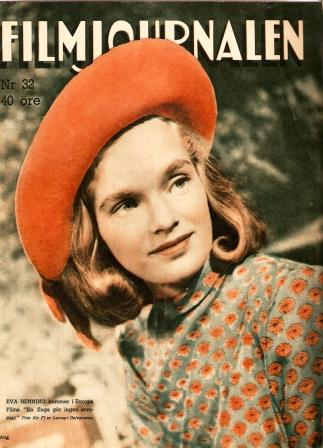
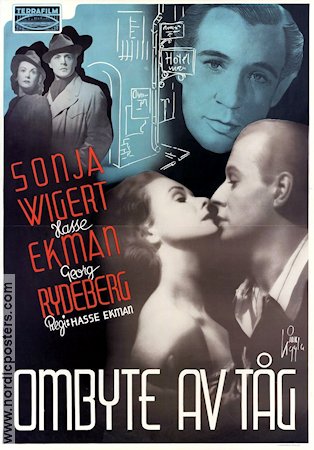
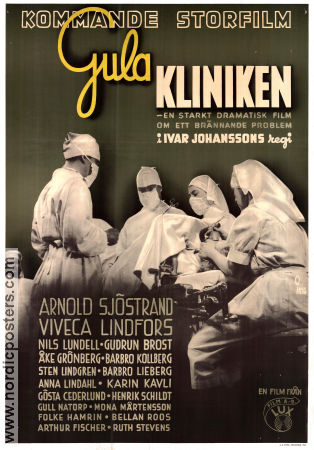
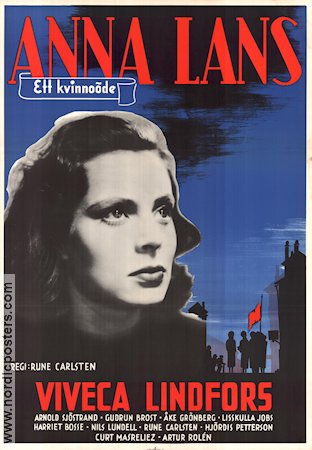


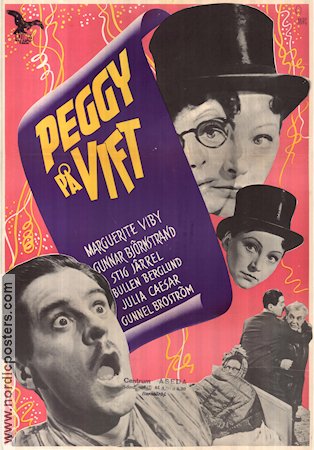







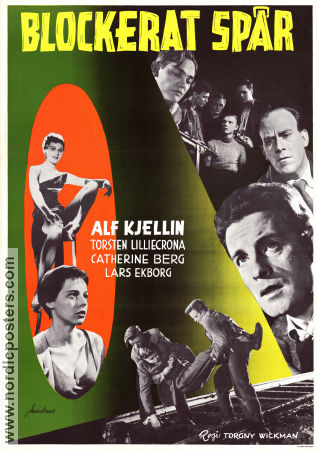


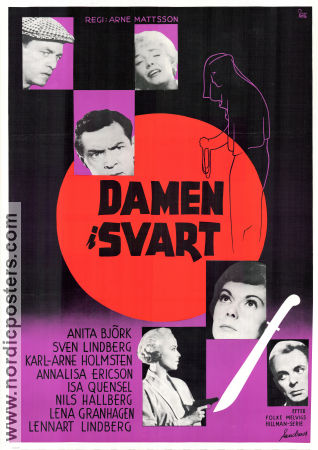
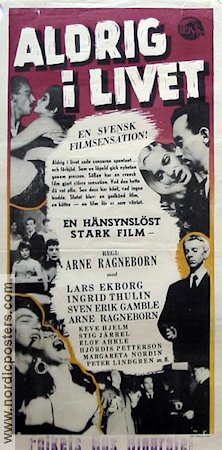


25 Jun 04:17
Scott Lord Mystery: Dr Jekyll and Mr Hyde 1913
Scott Lord, Scott Lord and 2 others like this