Shared posts

14 Aug 22:56

Disney (yes, Disney) declares war on "overzealous copyright holders"

by Cory Doctorow

Disney is being sued by the Michael Jackson estate for using fair-use clips in a biopic called "The Last Days of Michael Jackson" -- in its brief, the company decries "overzealous copyright holders" whose unwillingness to consider fair use harms "the right of free speech under the First Amendment." (more…)

08 Aug 13:04

UK regulators ban lies in ISP ads, advertised speeds drop by 41%

by Cory Doctorow

The UK Committees of Advertising Practice changed the rules for ISP advertising: where once the ISPs could advertise speeds of "Up to" some incredibly high number so long as 10% of customers ever achieved that speed, now ISPs can only advertise a speed promise if 51% of their customers attain that speed at all times. (more…)

08 Aug 13:01

Talking copyright, internet freedom, artistic business models, and antitrust with Steal This Show

by Cory Doctorow

I'm on the latest episode of Torrentfreak's Steal This Show podcast (MP3), where I talk with host Jamie King about "Whether file-sharing & P2P communities have lost the battle to streaming services like Netflix and Spotify, and why the ‘copyfight’ is still important; how the European Copyright Directive eats at the fabric of the Web, making it even harder to compete with content giants; and why breaking up companies like Google and Facebook might be the only way to restore an internet — and a society — we can all live with."

04 Aug 01:35

Article about legendary keyboard maker Cherry's 50-year-history

by Rob Beschizza

Nowadays, chances are you associate Cherry with the clickety switches on fancy keyboards. But it's been a global company for decades: if it's boring business-to-business hardware and it clicks, it might well be a Cherry.

With an assist from computing legend and junk mail collector Ted Nelson, the Internet Archive has collected a wide array of catalogs featuring some of Cherry Electronics’ Snap-Action switches from the 1960s. One such circular described Cherry’s appeal to manufacturers as such: “An entire company devoted entirely to one product—switches. This specialization means thorough application analysis … efficient, reliable assembly of switches … automated testing techniques … faster service.” And while the firm is best known for its keyboards today, these switches look nothing like the perfectly clicky mechanisms that Massdrop fans and heavy writers have been fawning over for years.

So where were they used? A notable example of a place where you’ve probably unknowingly used a Cherry microswitch is an arcade.

https://youtu.be/VvTSLRab7Kg
31 Jul 23:01

Toxic gaming culture explained by the people who study it

by Jason Weisberger

Polygon has an amazing piece on why gaming culture and young white male gamers are so toxic. They interviewed a number of folks doing actual academic research and professional journalism on the topic, and the answers are sadly exactly what you expect. Scared racist white guys have had a lot of time to fester in their little bubble, and are very resistant to any change that means they aren't always Übermenschen.

Excerpt via Polygon, but read the whole thing:

Why are gaming’s toxic men so enraged?

Women and people of color are beginning to appear in games as powerful characters with their own agency. Slowly, women and minorities are starting to hold senior positions in game development and game criticism. Why is representation — within and outside the art — so offensive to gaming’s toxic men?

Soraya Chemaly:

There’s a lot of sociological research about hierarchy and status in the gaming space, and the misogyny and aggression that comes out of that.

We know that the dynamics of women’s visibility online, particularly in what are perceived as competitive situations, can often result in lower-status men feeling threatened, and then dogpiling on women who have more prominence, status and visibility.

We see that in gaming, and we see it in the same way on Twitter where they have a two-tiered verification system that makes women extremely visible in prominent ways.

Jen Golbeck (Golbeck is an associate professor at the University of Maryland. Her books on internet and entertainment culture include Introduction to Social Media Investigation: A Hands-on Approach.):

The mythos of heroic, powerful men who are in charge — who are respected, successful and dominant — is a narrative that is really changing. The status quo in video games is adapting, which feels threatening to white, conservative men, even younger ones.

It can be hard if you’re in the position of privilege to feel like something is being taken away from you. To fail to see that this is really about stopping other people being ignored or abused. I don’t like it, but I understand where that feeling comes from.

Paul Booth (Booth is an associate professor of media and cinema studies at DePaul Univesity. He researches fandom in new media and games. His books include Crossing Fandoms: SuperWhoLock and the Contemporary Fan Audience.):

When one is used to being catered to, and then suddenly other people are being catered to as well, it feels like you’ve lost something, even though you actually haven’t. So privilege absolutely plays into this, both male privilege and white privilege.

26 Jul 01:38

South Africa is considering a new copyright bill that is really, really good!

by Cory Doctorow

Here's some refreshing news: the pending reform to South African copyright is really excellent, with a fair use definition that futureproofs itself with the key phrase "such as" -- so naturally, giant entertainment companies are doing everything they can to kill it.

05 Jul 21:40

European Parliament rejects copyright bill

by Rob Beschizza

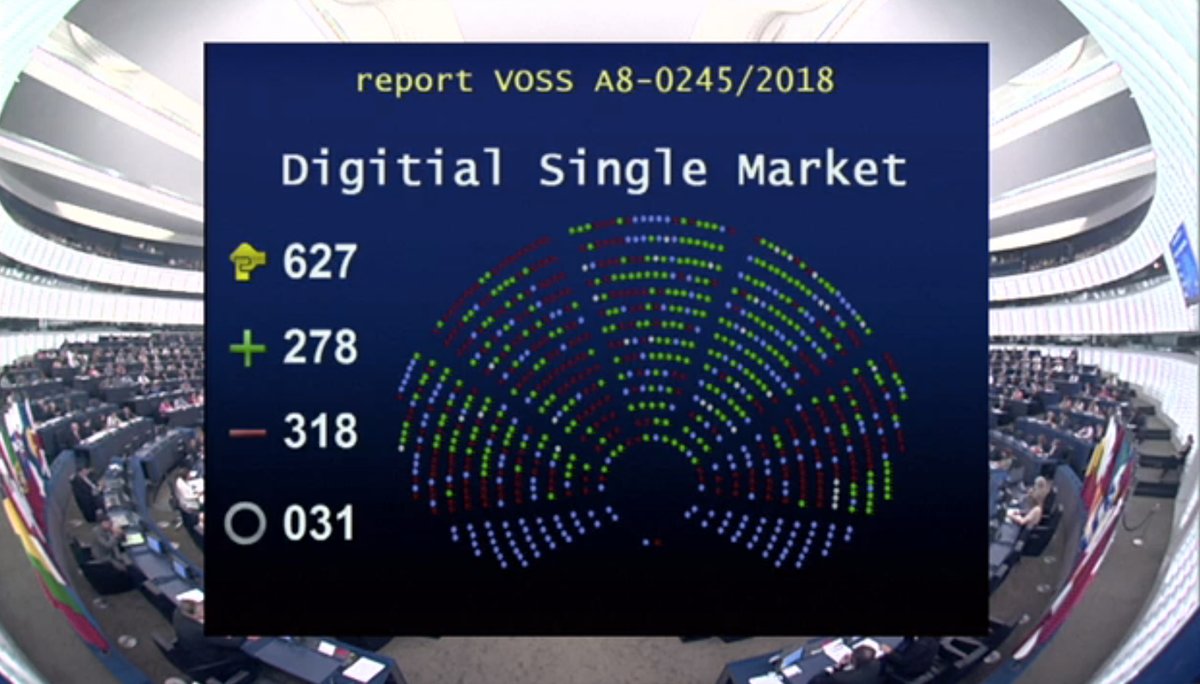
In a 318 to 278 vote, the European Parliament today shot down proposals that would have made online publishers liable for users' copyright infringement and made even linking to other websites fraught with legal risk. The bill, widely reviled for its service to legacy media interests and general ignorance of the internet itself, now goes back to committee.

Julia Reda, a Pirate Party MEP who had campaigned against the legislation tweeted: "Great success: Your protests have worked! The European Parliament has sent the copyright law back to the drawing board."

BPI Music, which represents UK record labels, had supported the bill and tweeted: "We respect the decision... we will work with MEPs over the next weeks to explain how the proposed directive will benefit not just European creativity, but also internet users and the technology sector." ...

The Copyright Directive is intended to bring rules around content in line with the digital age. The two most controversial parts of it are Article 11 and Article 13. The first of these is intended to provide fair remuneration for publishers and prevent online content-sharing platforms and news aggregators sharing links without paying for them. But it has been called the "link tax" by opponents and raised questions about who will have to pay and how much. Article 13 puts more onus on websites to enforce copyright laws and could mean that any online platform that allows users to post text, images, sounds or code will need a way to assess and filter content.

Previously.
04 Jul 23:13

The EU's looming copyright disaster, explained by a progressive computer scientist

by Cory Doctorow

Ray Corrigan (previously), a campaigning computer scientist at the UK's Open University, has an excellent explainer on the EU's disastrous copyright directive on the progressive academic group blog Crooked Timber (previously). (more…)

01 Jul 15:53

Code For Canada fellowships: get paid to hack better public services

by Cory Doctorow

Ren from Code for Canada writes, "We launched last year and, among other things, fund "fellows'--i.e. tech-savvy, civic-minded professionals who get embedded in government agencies for 10 months (ed: at a pro-rated salary equivalent to CAD75,000/year) and help make services more efficient, intuitive, and accessible. We are now accepting applications for our second cohort of fellows! If you know of any great coders, big data nerds, designers, or project managers who might be interested the application link is here."

01 Jul 15:25

Meet the people who went to the US Copyright Office to demand your right to repair, remix and preserve!

by Cory Doctorow

https://www.youtube.com/watch?v=9wbpZbTh3y8

Every three years, the US Copyright Office undertakes an odd ritual: they allow members of the public to come before their officials and ask for the right to use their own property in ways that have nothing to do with copyright law.

It's a strange-but-true feature of American life. Blame Congress. When they enacted the Digital Millennium Copyright Act in 1998, they included Section 1201, a rule that bans people from tampering with copyright controls on their devices. That means that manufacturers can use copyright controls to stop you from doing legitimate things, like taking your phone to an independent service depot; or modifying your computer so that you can save videos to use in remixes or to preserve old games. If doing these legal things requires that you first disable or remove a copyright control system, they can become illegal, even when you're using your own property in the privacy of your own home.

But every three years, the American people may go before the Copyright Office and ask for the right to do otherwise legal things with their own property, while lawyers from multinational corporations argue that this should not happen.

The latest round of these hearings took place in April, and of course, EFF was there, with some really cool petitions (as dramatized by the science fiction writers Mur Lafferty, John Scalzi, and Cory Doctorow [ahem]), along with many of our friends and allies, all making their own pleas for sanity in copyright law.

We commemorated the occasion with a collection of short video conversations between me and our pals. Here's a little guide:

We will learn the fate of all our petitions later this year, when the Copyright Office makes its recommendations and the Librarian of Congress decides. In the meantime, let's remember what's at stake here: the right to use the things you own in ways that make sense to you, not to the shareholders of distant and unaccountable corporations.

(Crossposted from Deeplinks)

23 Jun 18:04

Today, an EU committee voted to destroy the internet. Now what?

by Cory Doctorow

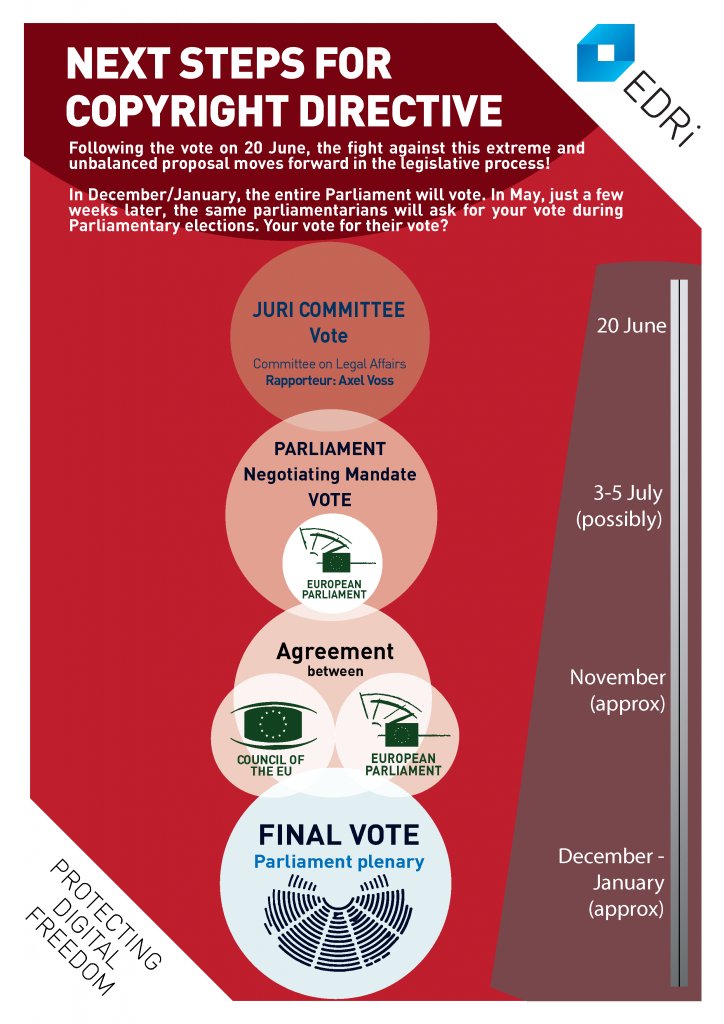
This morning, the EU's legislative affairs committee (JURI) narrowly voted to include two controversial proposals in upcoming, must-pass copyright reforms: both Article 11 (no linking to news stories without permission and a paid license) and Article 13 (all material posted by Europeans must first be evaluated by a copyright filter and blocked if they appear to match a copyrighted work) passed by a single vote. (more…)

17 Jun 21:54

Cockygate defeated: judge finds "Cocky" trademark for romance titles unenforceable

by Cory Doctorow

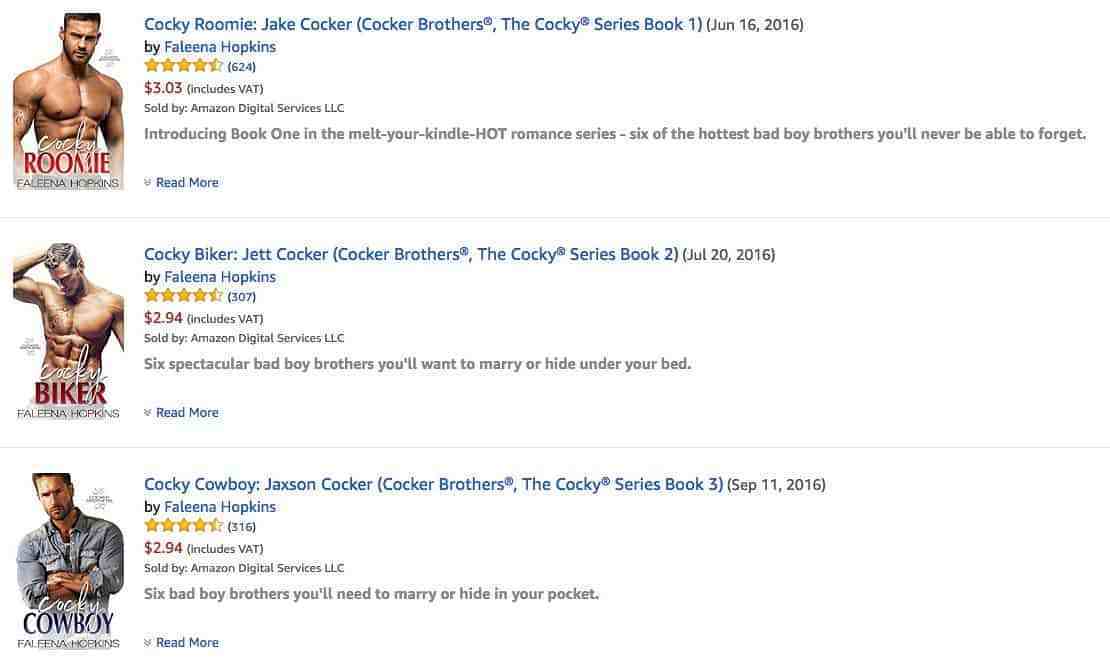
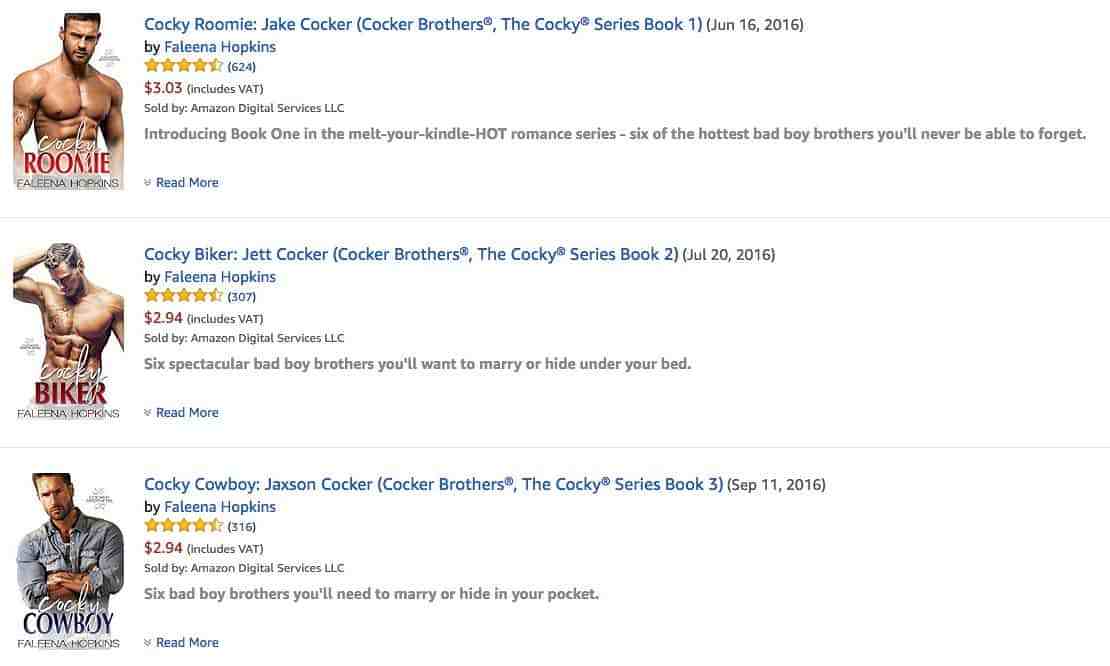
You'll recall that self-published romance author Faleena Hopkins undertook the sociopathic step of registering a trademark on the word "Cocky" in the titles of romance novels and then had her rivals' works removed from Amazon, threatening to sue any writer who used the common word in a title in the future. (more…)

17 Jun 21:00

France's Front National (who support the EU's mandatory copyright filters) furious when Youtube's copyright filters kill their channel

by Cory Doctorow

On June 20, an EU committee will vote on mandatory copyright filters -- the idea that everything that gets posted to an EU service should be checked for copyright violations by a machine learning system that will decide what gets published and what gets censored. (more…)

15 Jun 21:22

SON OF COCKY: a writer is trying to trademark "DRAGON SLAYER" for fantasy novels

by Cory Doctorow

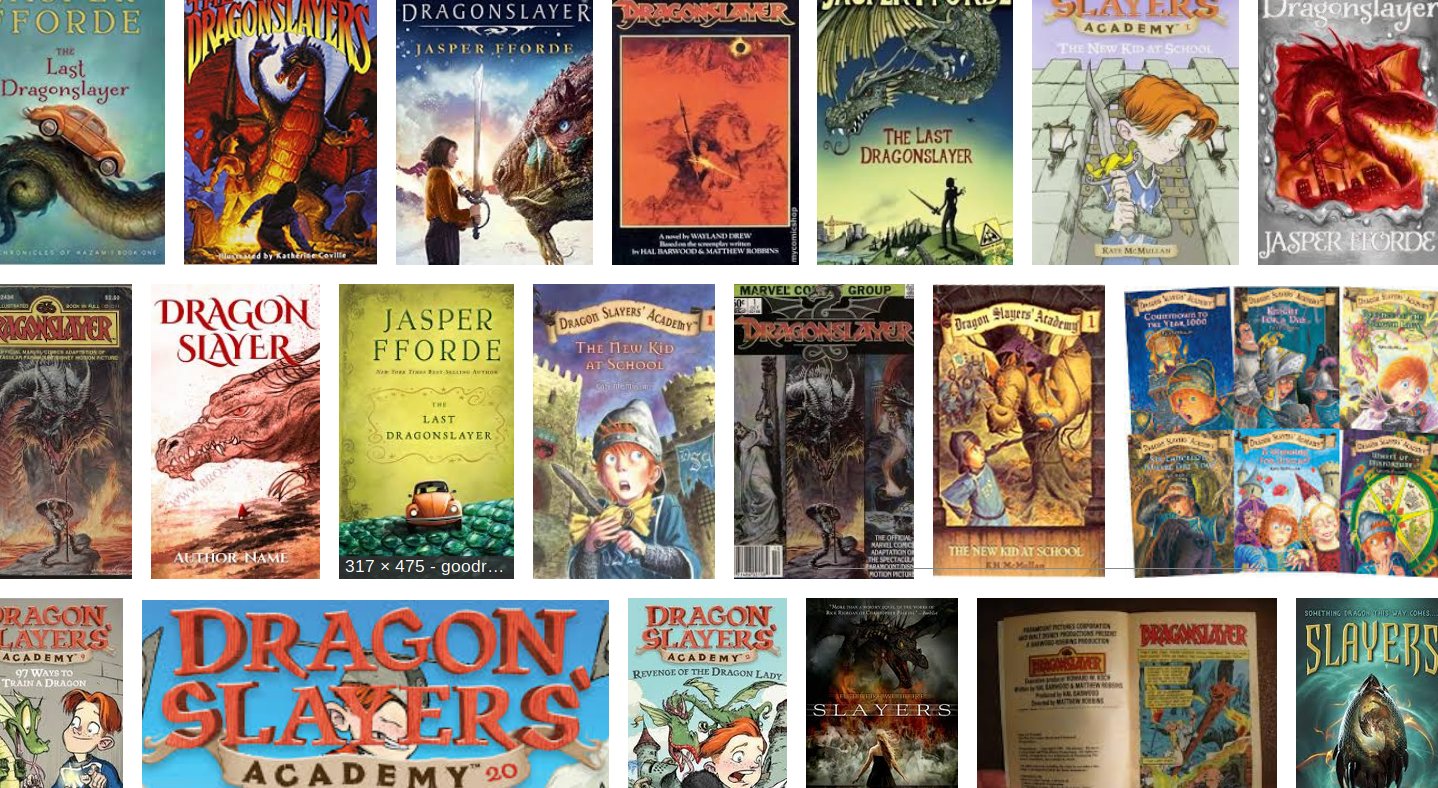
Back in May, the romance writing community was rocked by a scandal after author Faleena Hopkins started enforcing a trademark over the common word "COCKY" in the titles of romance novels; I predicted then that there would be some sociopaths who would observe the controversy and decide that it was an inspiration, rather than a warning, and start trying to use trademark to steal other words from writers and their titles. (more…)

15 Jun 21:12

The UN's top free speech expert just denounced the new EU copyright plan as a "potential violation of international human rights law"

by Cory Doctorow

David Kaye (previously) is the UN's Special Rapporteur on freedom of expression; he just released a detailed report on the catastrophic free speech implications of Article 13, the EU's proposed copyright rule that would make sites filter everything their users post to check for copyright violations. (more…)

15 Jun 21:11

Danish anti-piracy lawyers stole millions from their clients, sentenced to years in prison

by Cory Doctorow

Johan Schlüter is (was!) a Danish lawyer whose firm contracted with the Antipiratgruppen (an entertainment industry group now called RettighedsAlliancen, whose members include the MPAA) to run legal campaigns against file-sharing services and their users. (more…)

09 Jun 02:36

Someone Who Wants to Ruin My Childhood Remade Super Mario Odyssey So It Happens in Grand Theft Auto

Mario's good at a lot of things: Running, jumping, getting big, turning into a fire dude, being a doctor, plumbing, painting, and driving a go kart. 

One thing he's not particularly good at is being a real-live human being. 

YouTuber CrowbCat made a few modifications to the trailer for Super Mario Odyssey, the game that sticks Mario in a realistic urban setting, which only highlights how weird looking Mario really is. He did them one better, stucking a 6-foot tall Mario inside Grand Theft Auto, so you can see how gross it is for Mario to go to the strip club. Weird. 

See: 


via CrowbCat

The idea of Mario, not only disrespecting Peach this way, but also engaging in any type of sexual situation makes me sick to my stomach. But aside from that, you can see Mario drive and explode in a helicopter, fall off a building, and meet a hail of gunfire at the hands of the Liberty City Police. 


via CrowbCat

04 Jun 15:37

EFF on Cockygate: trademark trolls vs romance literature

by Cory Doctorow

Romance author Faleena Hopkins earned the wrong kind of notoriety when she registered a trademark on the word "cocky" for use in romance novel titles and then began indiscriminately threatening to sue her peers for using this common trope. (more…)

04 Jun 14:40

Iron Man Takes on The Incredible Hulk In This Awesome Fan Made Film

27 May 15:57

All Rights Reserved: a YA dystopia where every word is copyrighted

by Cory Doctorow
24 May 22:10

The evolution of meme music from 1500 AD to the present

by Rusty Blazenhoff

Pianist Lord Vinheteiro's latest tracks selections of meme music from the year 1500 AD to now. You'll hear "Greensleeves," Beethoven's "Symphony No. 9," The Village People's "YMCA," Rick Astley's rickroll hit "Never Gonna Give You Up," and lots more.

It's a fun playlist. Still, why must he stare into our souls?

Previously: The evolution of music from 1680 to 2017

05 May 18:03

In just 7 months, the US public domain will get its first infusion since 1998

by Cory Doctorow

In 1998, the US Congress retroactively extended the copyright on US works, placing public domain works back into copyright and forestalling the entry into the public domain of a great mass of works that were soon to become public domain; now, 20 years later with no copyright term extension in sight, the US public domain is about to receive the first of many annual infusions to come, a great mass of works that will be free for all to use. (more…)

05 May 17:29

Inside Cuba's massive, weekly, human-curated sneakernet

by Clive Thompson

Most Cubans have terrible access to the Internet -- estimates suggest only 5-25% of the populace can regularly get online. The government made it a bit easier in recent years with paid wifi hotspots, but they require dough, and they're super slow.

So Cubans have instead, in the last decade, evolved a complex, massive sneakernet. It's called "El Paquete Semanal", or "The Weekly Package" -- in which a loosely-connected group of Cubans assemble a bunch of files (video, audio, web pages, texts) and distribute them around the country via external hard drives, CDs and USB sticks. It's pretty stunning: A weekly curated version of the best of the global Internet, mixed with a ton of locally-produced Cuban content, too. The upshot is a population that is fully conversant in contemporary global TVs, movie and music, except they get it all via USB port and DVD drive.

A group of academics did a deep dive into how El Paquete works, and their paper is free online. They met with "Los Maestros" -- the folks who download and compile the material, relying on their own crowdsourced networks of Cubans who get files off the creaky public wifi, or, in the case of bigger files, from contributors who have fatter bandwidth at their government or university jobs. The Maestros also act as promoters of local content, finding Cuban music and video and putting that in El Paquete.

The next step in the chain is Los Paqueteros -- "The Packagers" -- who are the distributors: They buy the weekly package from the Maestros, and sell files to everyday customers. They work as librarians of a sort, helping people find the content they're looking for ...

On a narrow street in Havana Vieja, we visited a bottom-floor apartment with a blinking, rainbow-colored sign that read “OPEN.” Inside, the front room of this house had been converted into a shop with a desk, couch, and a wall full of DVDs packaged in colorful paper envelopes. Ricardo, one of the shop owners, sat behind the desk scrolling through digital files on his Dell desktop computer as a middle-aged woman, Aileen, looked on. “Copy me something good,” she told him, “Whatever you recommend.” Ricardo quickly navigated through several folders on his screen until he got to the soap opera section. “I’m going to put a soap opera on here for you that you’re going to like, just the first season,” he told her. “If you don’t, just bring it back and we’ll find you something else.” Aileen pulled out a USB stick from her purse and handed it to Ricardo who got up from his chair to plug the USB into the computer tower on the floor behind his PC. As he began to copy the files onto the USB, Aileen told him that she had been having trouble with her phone. Ricardo told her to come back later in the day and that he would help her install the latest software update that just came out in the week’s EP. “See,” he told us, “I not only sell them content, I help people in my community with everything.”

Interestingly, Los Paqueteros also work as filters and censors, which they pitch as a service to customers, with each packager having a different sensibility:

Paqueteros also clean or censor EP, most often to ensure that their content is high-quality or that it does not contain overtly anti-government messages. At other times, censoring is due to personal beliefs or beliefs of customers. For example, Renier has been selling EP for six years and the majority of his 100 clients are religious. Renier shared that his religious views impact the way in which he compiles his version of EP:

“Sometimes I clean EP when it arrives. That is, I remove what I consider to be obscene things that are against the Christian theme. [My] EP comes from me and I do not like to distribute something with content that is not good. If there is something I do not approve of, I try to eliminate that section. It’s like censoring. ”—Renier (M, 35)

Renier’s customers, therefore, receive an offline internet that is censored based on his sensitivities. Renier’s view is that he censors his material as an extra service for customers and, if they do not approve, they can find a different Paquetero with a different EP

Parents hunt around between different packagers to find educational stuff for their children ...

Zamira visits multiple Paqueteros and asks friends in order to find educational content that is appropriate for her five year-old granddaughter. She also searches for “items from Discovery, ” a phrase that alludes to content from the Discovery Channel but has evolved to mean any documentary film:

“It’s important for people to have a larger view of what is in the world. I love watching Los Discovery because it allows me to see what life is like for people all over the world. This is important for us here. ”—Zamira (F, 74)

The weekly package also includes the latest copy of Revolico, which is the Craiglist of Cuba -- the packagers will download it, sometimes formatting all its postings in PDFs that people can more easily print to hand around.

It's a pretty remarkable system, I gotta say.

Also: One thing that struck me was how the valuable curation in El Paquete is human, and not algorithmic. Out here in America, we're struggling with the problems of abundance: How do you sort through and find the useful stuff amongst the Niagaran postings online? Years ago the major social networks and content sites like Facebook and Youtube decided that the only way was algorithmic recommender systems -- which scaled easily, sure, but with the emergent problems of algorithmic gameability, inscrutability and loopy bias.

In contrast, El Paquete actually reminds me of the early "social" Internet of the late 90s and early 00s. It, too, relied on human curation: Links posted on discussion boards and email lists, bloggers finding stuff, RSS stitching things together. Those cultural mechanisms have been pushed to the margins of the Internet, but some people still enjoy them: Hey, you're reading this on Boing Boing, right?

BTW, if you want another slice of Cuba's online world, check out the terrific piece that Antonio García Martínez wrote for Wired last summer, where he visited members of El Paquete and reported on hackers that have meshed together their own parallel intertubes, complete with Cuban versions of all the major US social services.

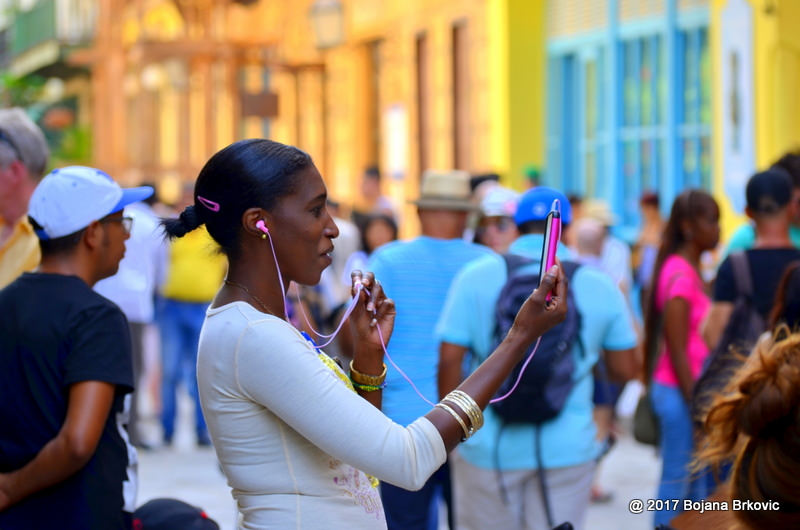
(CC-licensed photo via Bojana Brkovic) (

Thanks to Fred Benenson for pointing out this one to me!)

26 Apr 23:34

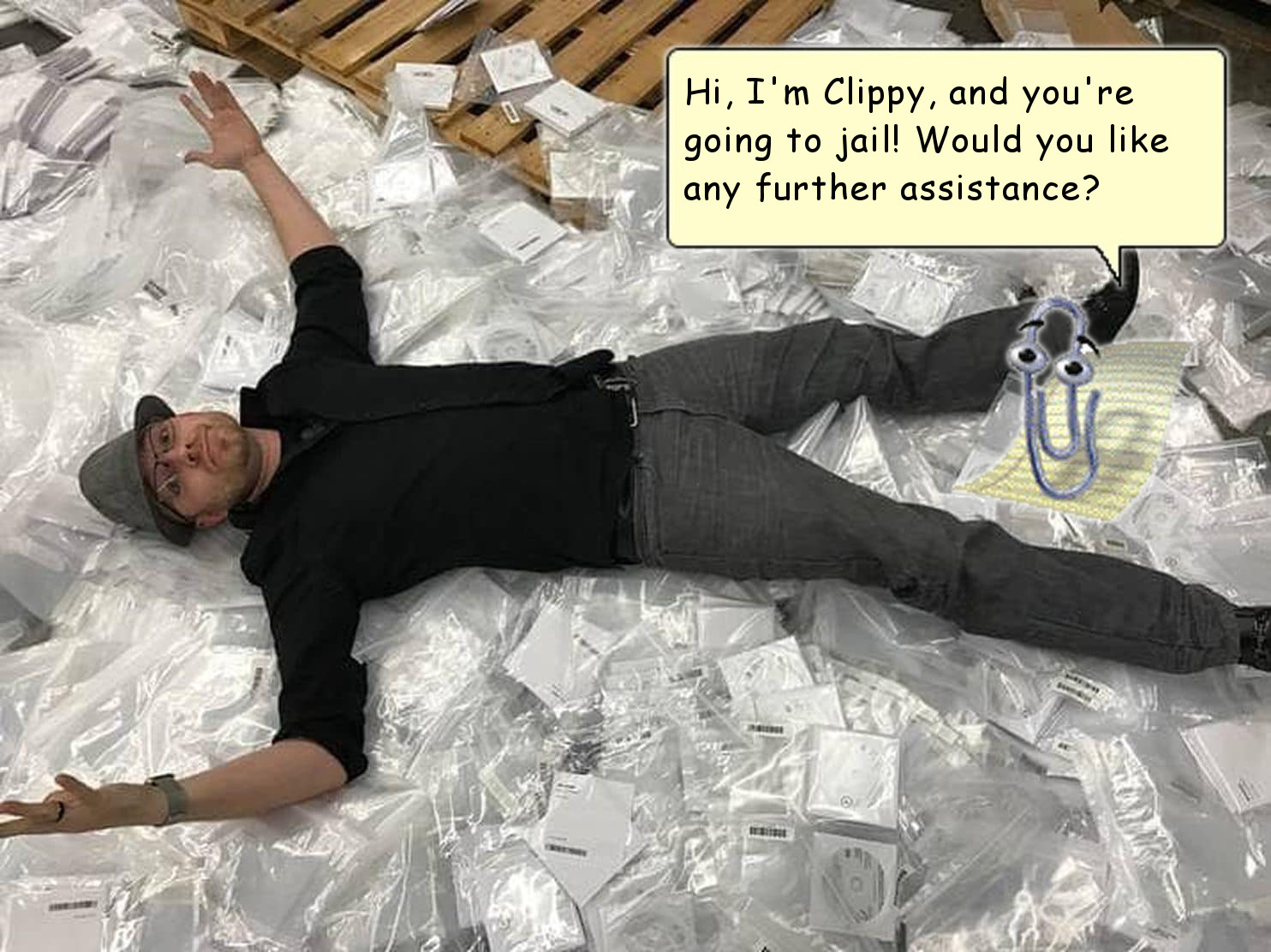
Microsoft sends recycler to jail for reinstalling obsolete, licensed copies of Windows on refurbished PCs

by Cory Doctorow

Eric Lundgren is an environmental hero, whose California business diverts literal tons of e-waste from landfills, refurbishes it, and puts it in the hands of people who can make good use of it. (more…)

26 Apr 23:33

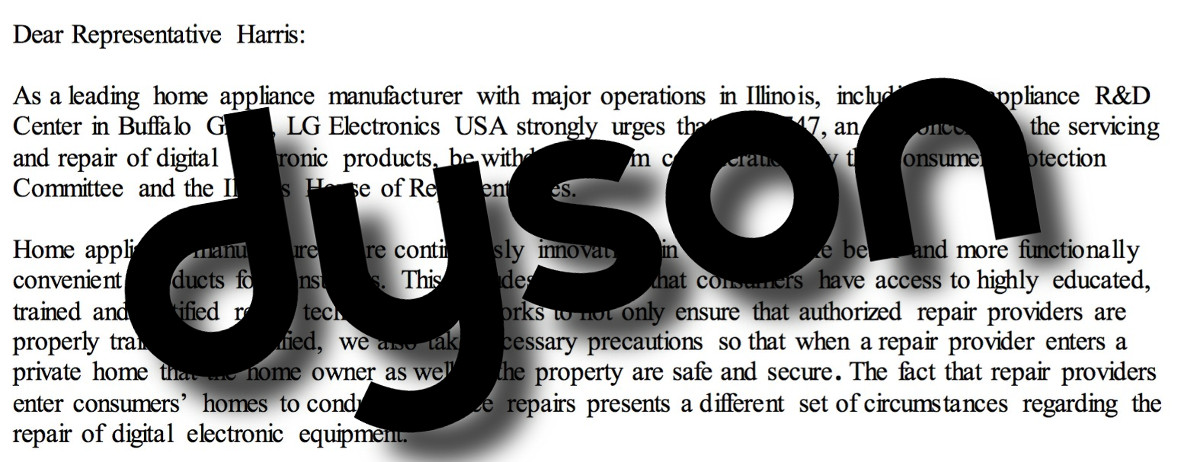
A who's-who of tech manufacturers sent scaremongering letters to the Illinois legislature to kill Right to Repair

by Cory Doctorow

Illinois is one of 18 states where Right to Repair legislation has been introduced -- rules that would force manufacturers to end the practice of undermining the independent repair sector with hidden service documents, unavailable parts, and DRM. (more…)

24 Apr 16:40

Thanks to streaming, recording industry revenues are back up to pre-internet levels, but musicians are poorer than ever

by Cory Doctorow

Since the days of Napster, record labels have recruited recording artists as allies in their fight against unauthorized music services, arguing that what was good for capital was also good for labor. (more…)

22 Apr 15:06

Youtube channel mundane yet quite weird

by Rob Beschizza

In the spirit of The Dullest Blog comes this YouTube channel -- same mundanity, but somewhat more surreal -- with videos such as kicking a tree, not measuring anything, holding a bottle of mustard, and the viral hit waffle falling over, for which an official T-shirt is available.

22 Apr 14:47

Google Books does copyright right

by Cory Doctorow

Steven Melendez discovered some public domain government documents in Google Books that the service wouldn't let him download because they had been misclassified as copyrighted; he filled in an online form and less than a week later, a human had reviewed the documents, agreed that they had been misclassified and removed all restrictions. (more…)

22 Apr 01:45

Koch-backed climate deniers are exploiting the reproducibility crisis to discredit climate science

by Cory Doctorow

The National Association of Scholars is a tiny, hydrocarbon-industry backed organization that is not to be confused with the National Academy of Sciences. (more…)

12 Apr 00:22

The EU's latest copyright proposal is so bad, it even outlaws Creative Commons licenses

by Cory Doctorow

The EU is mooting a new copyright regime for the largest market in the world, and the Commissioners who are drafting the new rules are completely captured by the entertainment industry, to the extent that they have ignored their own experts and produced a farcical Big Content wishlist that includes the most extensive internet censorship regime the world has ever seen, perpetual monopolies for the biggest players, and a ban on European creators using Creative Commons licenses to share their works. (more…)